2022 – 2023
YEAR IN REVIEW

2022 – 2023
YEAR IN REVIEW
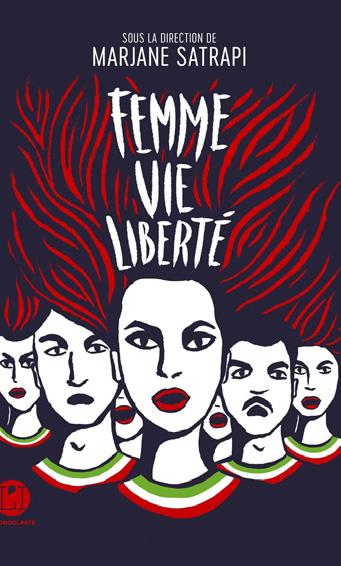
This year brought heartbreak and hope. A few weeks before the start of the 2022-23 academic year, Mahsa Amini was killed by the Islamic Republic’s morality police for wearing her hijab incorrectly. This spark ignited the powerful and unprecedented Woman, Life, Freedom movement and we witnessed the immense bravery of the Iranian people, in particular Iranian women, as they rose up against tyranny and oppression and demanded their basic human rights, freedom and dignity.
Since its founding, the mission of the Program in Iranian Studies has been to undertake rigorous scholarship on modern Iran, to support the free exchange of ideas, and to help shine a light on critical aspects of Iranian history and culture. Throughout the difficult year, we continued this work through timely events, archival acquisitions, book publications, and new courses.
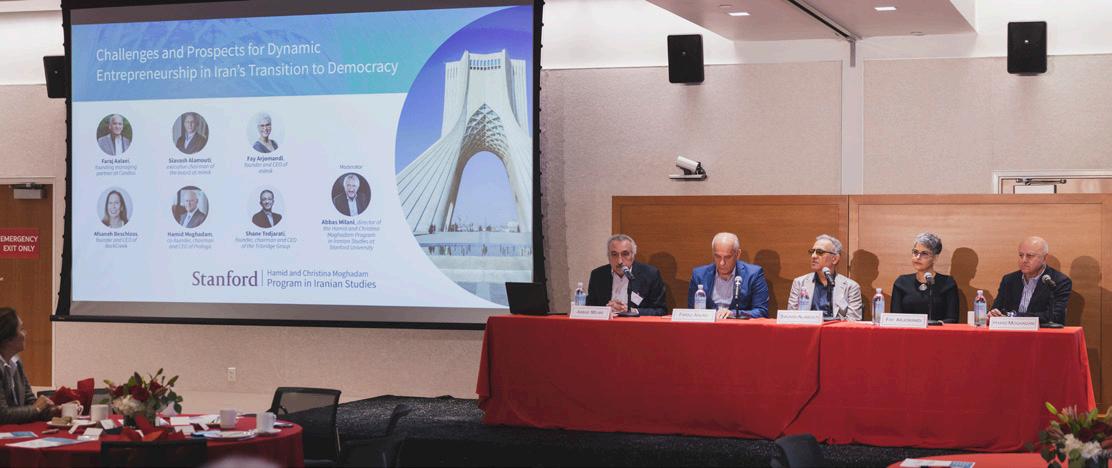
We hosted several events to address the developing situation, including a solidarity gathering for Stanford students and affiliates, and launched a new series titled “Prospects and Challenges for Transition to Democracy in Iran.” Part one consisted of a co-hosted two-day conference convening more than 30 panel talks to discuss and deliberate what is needed to transition to a secular democracy in Iran. Part two brought together six prominent Iranian American business leaders to discuss the role of women in the future economy, dynamic entrepreneurship, and the impact of the Iranian diaspora on the transition to a future democratic Iran. Future topics will include “Women and Democratic Transition” and “Democratic Constitution: Ethnic and Religious Minorities.”
The Program hosted a wide variety of speakers throughout the year including a Nobel Laureate, award-winning journalists, activists, authors, filmmakers, scholars, musicians, and artists who
discussed topics from Islamist authoritarianism to artificial intelligence, and Iranian contemporary art to the voice of Mohammad Reza Shajarian.
After a two-year delay, we hosted the 13th Bita Prize for Persian Arts celebrating Ms. Homa Sarshar, a published Iranian-American author, awardwinning journalist, philanthropist, and a women’s rights activist. A historic conference revisited and analyzed the 1912 visit of Abdu’l Baha, son of the founder of the Baha’i Faith and its leader from 1892 to 1921, to Stanford University—one of the first Iranians to visit Stanford and address the entire student body and faculty.
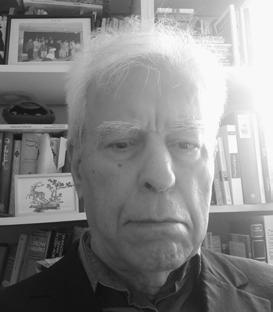
The passing of Mr. Ebrahim Golestan was both a personal loss and a loss for the Iranian community. I found hope in the parting gift he left to Stanford: his archival collection of thousands of pages of letters, manuscripts, and journal entries will be an indispensable collection for not just understanding his life and work but the intellectual history of much of twentieth century Iran.
Mr. Bagher Mortazavi contributed to the Iran collection at the Hoover Institution Library & Archives with the donation of his archival material from the Revolutionary Organization of the Tudeh Party and of the Ranjbaran Party. The family of Dr. Ehsan Yarshater, the doyen of Iranian Studies and Iranology and a former Bita Prize recipient, donated the Yarshater Collection to Stanford’s Green Library, consisting of Yarshater’s important correspondence with various scholars during a formative period for the Encyclopaedia Iranica.
Based on another recent archival donation to Stanford, the first volume of the Fakhr al-Din Shadman diaries was published in collaboration with Mage Publishers. In collaboration with Bisheh Publishers, we were pleased to make possible the first publication of Bahram Beyzaie’s play, “A Re-Enactment Play in Recounting the Agonies of Maestro Navid Makan and His Spouse Architect Rokhshid Farzin.”
From time immemorial, Iran has witnessed a battle between light and dark, despair and hope. The arch of Iran’s history has inexorably—albeit slowly and haltingly—moved towards increasing justice, equality, and dignity. We find hope in the bravery and resilience of the people of Iran, particularly the remarkable women who continue to fight for equality and justice. We are confident that this perilous moment will beget a better tomorrow, and in the meantime, we will steadfastly continue our work to support a better future for Iran.
Abbas Milani
Hamid & Christina Moghadam Director of Iranian Studies

The 2022-2023 academic year brought a wide offering of in-person courses, gatherings, and events at Stanford. More than 5,593 people attended 31 in-person and virtual events hosted by the Program in Iranian Studies.
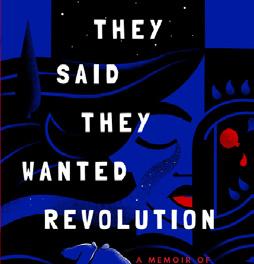
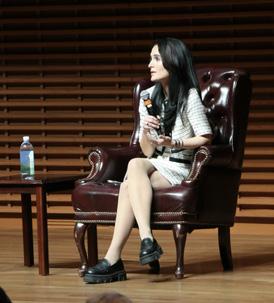
It’s Our Story, Too: The Iranian Diaspora and Our Parents’ Revolution by Neda Toloui-Semnani
What the Failure of Local Democracy in Iran Tells About Islamist Authoritarianism by
Kian Tajbakhsh
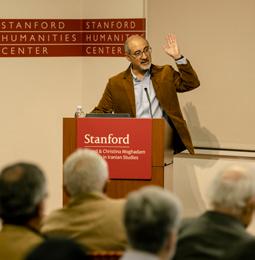
Reza Shah’s Exile in Mauritius by
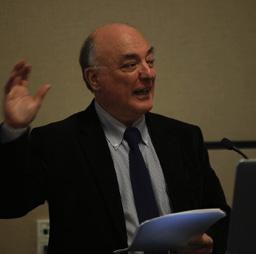
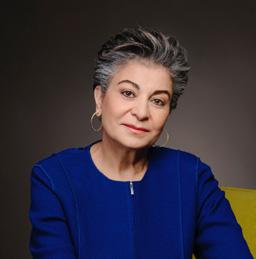
A Narrative of Endurance by Homa Sarshar
How Iranians and Iran Changed the Life of an American Woman by
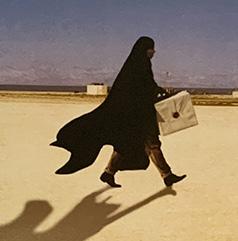
Film Screening: Secret Ballot with Babak Payami
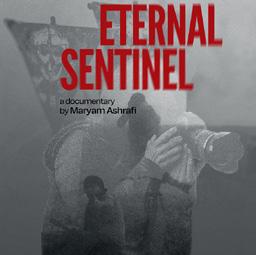
Film Screening: Eternal Sentinel with Maryam Ashrafi
The Violence of Benevolence and the Struggles for Women’s Rights in Iran by Arzoo
Osanloo
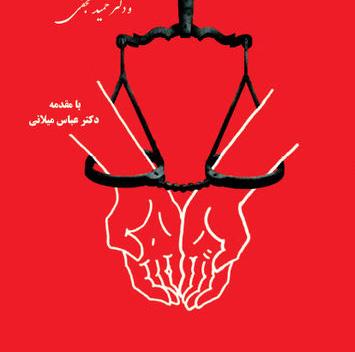
Book Talk: The Battles of a Judge by Hamid
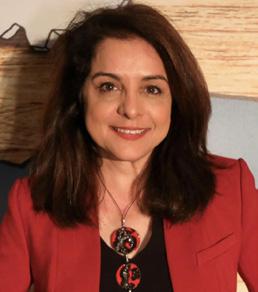
Iran Davar Ardalan gave a virtual lecture about the innovative new Voice AI experience “Freedom Speaks.” This project honors Iranian women using powerful art such as poems, music and more from the past and present—all accessible through Alexa’s voice command “Alexa, open Freedom Speaks.” Ardalan also explained how others can be part of an exciting conversation about pushing forward language capabilities by making datasets available in Persian so that even more voices can be empowered.
An Open Wound in the Sky
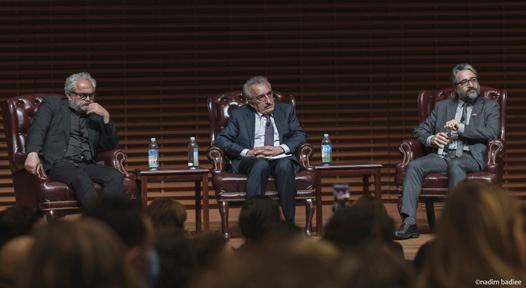
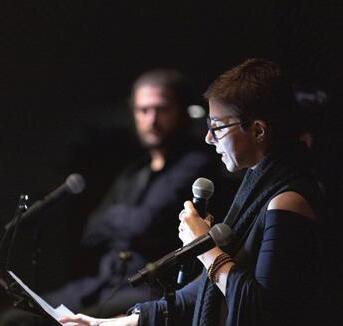
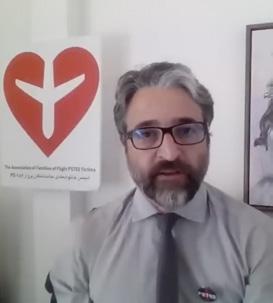
This exclusive screening of award-winning director Babak Payami’s new documentary 752 Is Not a Number was held in Cemex Auditorium. The film told the story of the unprecedented downing of a passenger flight leaving Tehran airport by Iran’s Revolutionary Guard Corps. The film followed Dr. Hamed Esmaeilion’s struggles with grief and his fight for justice after losing his wife and daughter on flight PS752. Mr. Payami and Dr. Esmaeilion discussed the film after and Dr. Esmaeilion read excerpts from his memoir about the tragedy, It Snows In This House. More than 600 people attended the event which received more than 1500 RSVPs.
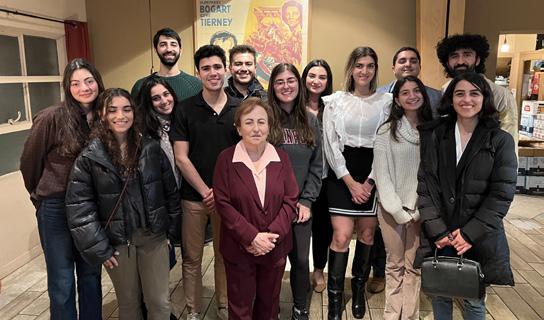
The new documentary “Shirin Ebadi: Until We Are Free” screened at Cemex Auditorium with more than 250 in attendance. The film followed the human rights lawyer and Nobel Peace laureate’s mission to bring justice to the people of Iran. Dr. Ebadi held a post screening discussion moderated by Dr. Abbas Milani and answered questions from the audience related to her work and the women’s rights uprising in Iran.
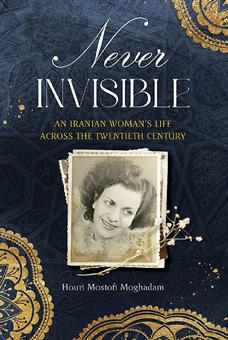
An in-person and intimate discussion about the recently published memoir of the late Houri Mostofi Moghadam, Never Invisible: An Iranian Woman’s Life Across the Twentieth Century (Mage Publishers, 2023). Houri’s daughter, Ladan Lari, and granddaughter, Leila Pourhashemi, discussed Houri’s life and work, and the extraordinary commitment Houri’s late daughter, Mariam Safinia, undertook to make the publication of the memoir possible.
Dr. Kioumars Ghereghlou and Dr. Abbas Milani also discussed the importance of the Houri Moghadam archival collection at Stanford, her life in historical perspective, and the process of creating and publishing the memoir. The event was moderated by Stanford Stein Visiting Writer Laleh Khadivi.
The Hamid and Christina Moghadam Program in Iranian Studies at Stanford University launched a series of events in response to the on-going fight for freedom by the people of Iran. Most recently, the Woman, Life, Freedom uprisings that began with the death of Mahsa Amini in September, 2022, highlighted the plight of the Iranian people and their struggle for equality, dignity, and representation. This series of events brings together scholars, experts and key figures to assess the prospects for Iran’s transition from the Islamic Republic regime to a secular democracy.
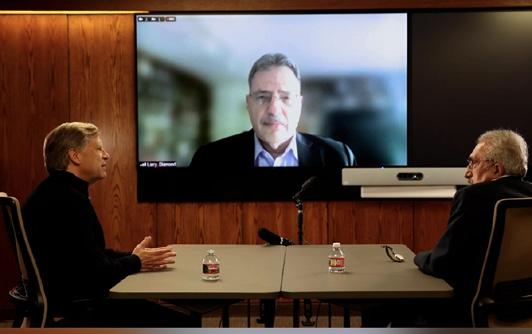
In collaboration with Gozar.org and KAI, the Iranian Studies Program organized the two-day conference “Dialogues on Iran’s Transition to Secular Democracy,” to explore challenges and pathways for Iran to transition to a secular democracy. The conference convened a diverse set of thought-leaders and civil society activists to support dialogue around the establishment of a new democratic system of governance in Iran.
The conference included more than 30 panel talks, 24 roundtables, 50+ speakers (among them Shirin Ebadi, Larry Diamond, Michael McFaul, Abbas Milani, Allen Weiner, Masih Alinejad, Hamed Esmaeilion, Homa Sarshar, Mandana Zandian, and Marjane Satrapi) and more than 100 experts and civil society activists and was held at Stanford University.
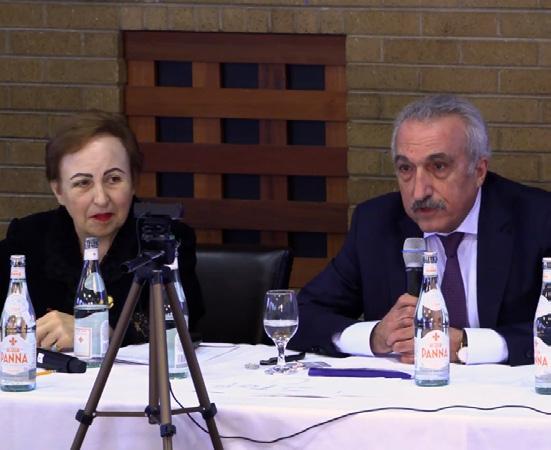
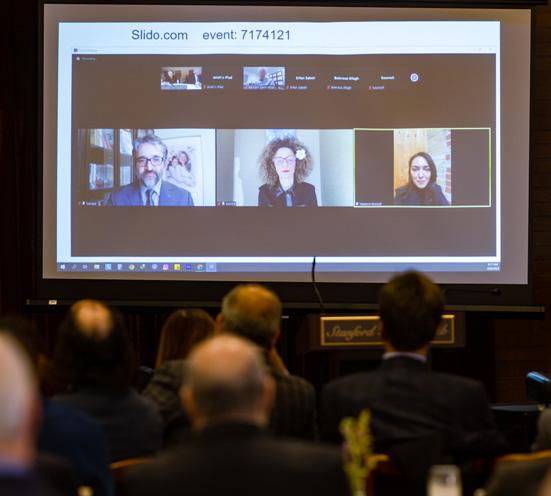
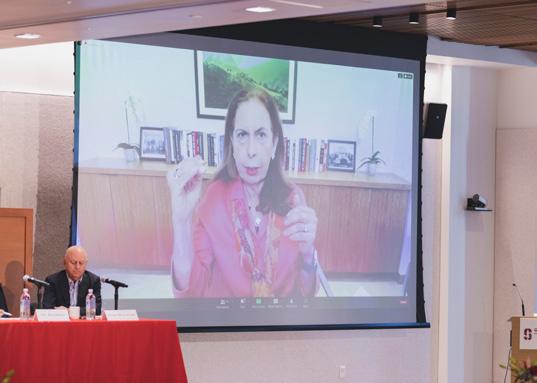
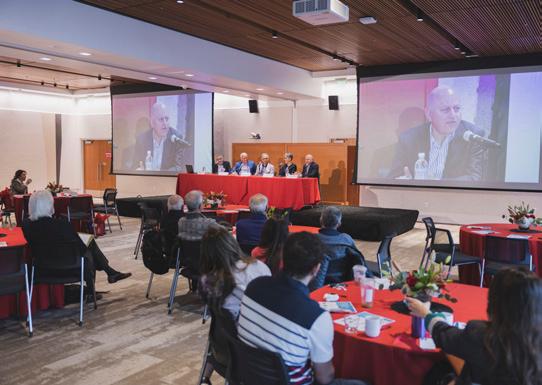
In part two of the series, the Iranian Studies Program convened prominent Iranian-American business leaders Faraj Aalaei, Siavash Alamouti, Fay Arjomandi, Afsaneh Beschloss, Hamid Moghadam, and Shane Tedjarati to discuss dynamic entrepreneurship, the role of women in the future economy, and the impact of the Iranian diaspora on the transition to a future democratic Iran.
Additional conferences and events will be added in the future including on “Women and Democratic Transition” and “A Democratic Constitution: Ethnic and Religious Minorities.”
After a two-year delay, the Iranian Studies Program was pleased to host the 13th Bita Prize for Persian Arts celebrating a journalist, for the first time, this year. Ms. Homa Sarshar is a published Iranian-American author, award-winning journalist, philanthropist, and a women’s rights activist. Throughout her 59-year career with Iranian and Iranian-American print, radio, and television, Ms. Sarshar has recorded more than 3000 interviews and has produced and anchored many radio and television programs. She is the author of five books and the editor of nine other volumes, including five volumes of the Iranian Women’s Studies Foundation Journal and four volumes of The History of Contemporary Iranian Jews. Her book Sha’baan Jafari was the number one bestseller Persian book in Iran and abroad in 2003.
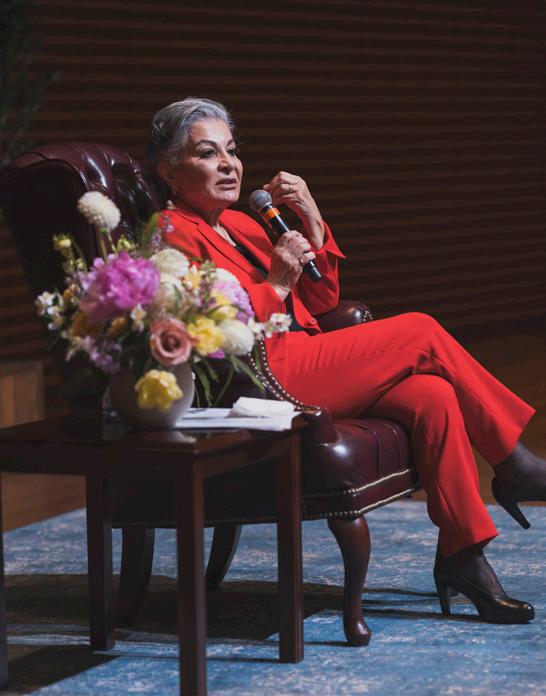
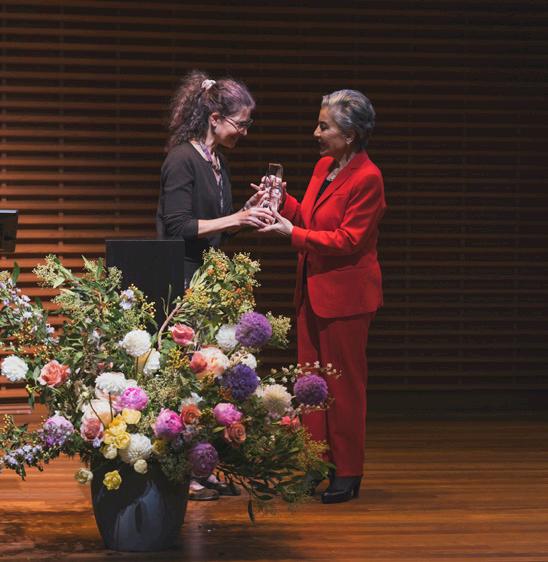
Ms. Sarshar generously donated her complete print, visual, and audio archive to Stanford University. The donation includes the entire recording collection of forty years of her radio and television program, copies of the invaluable Iranian Jewish Oral History Project, and her original newspaper and magazine articles, which are now housed at Stanford’s Green Library. She also established the Sarshar Diaspora Research Fund at Stanford Iranian Studies to support students interested in studying the Iranian diaspora.
More than 200 community members attended the celebration which included remarks by Abbas Milani, Bita Daryabari, and Stanford’s Senior Associate Dean of Humanities and Arts, Dr. Gabriella Safran.
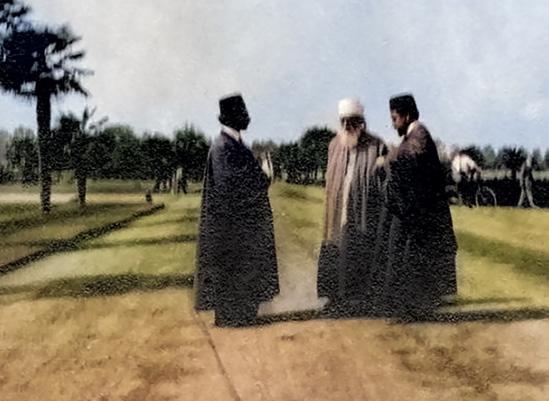
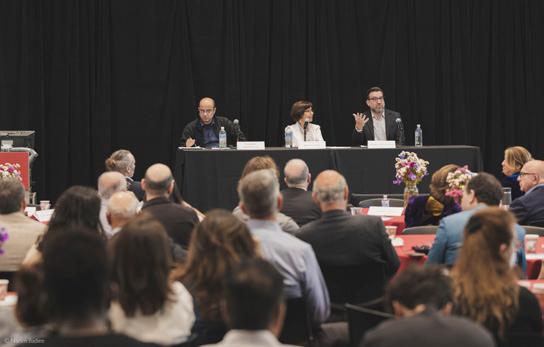
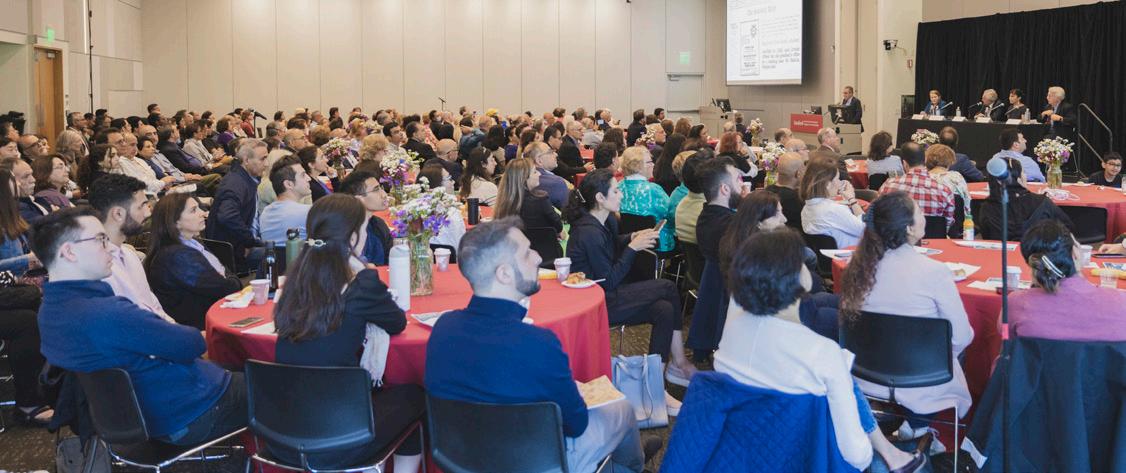
In 1912, Abdu’l Baha, son of the founder of the Baha’i Faith and its leader from 1892 to 1921, became one of the first Iranians to visit Stanford University and address the entire student body and faculty. A little more than a century later, this first of its kind conference revisited and analyzed the important event at Stanford. The conference drew an audience of more than 200 scholars, and members of the Iranian and Baha’i community from around the world.
Panelists Dominic Brookshaw, Abbas Milani, Negar Mottahedeh, Robert Stockman, Shane Tedjarati, Richard Thomas, and Mina Yazdani presented research papers ranging in topics from Abdu’l Baha’s views on women’s education, anti-racism, peace, modernity, the place of science in social discourse, and the need to engage with universities. The two panels were moderated by Dr. Kioumars Ghereghlou, the Curator for Middle East collections at Stanford’s Green Library, and Dr. Natalie Marine-Street, the director of the Stanford Oral History Program for the Stanford Historical Society.
Watch the video.
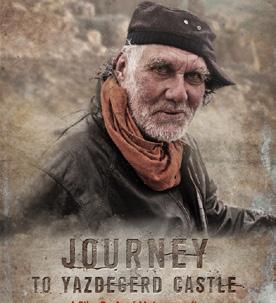
Film Screening: Voice of Ash and Dust with Mandana Biscotti
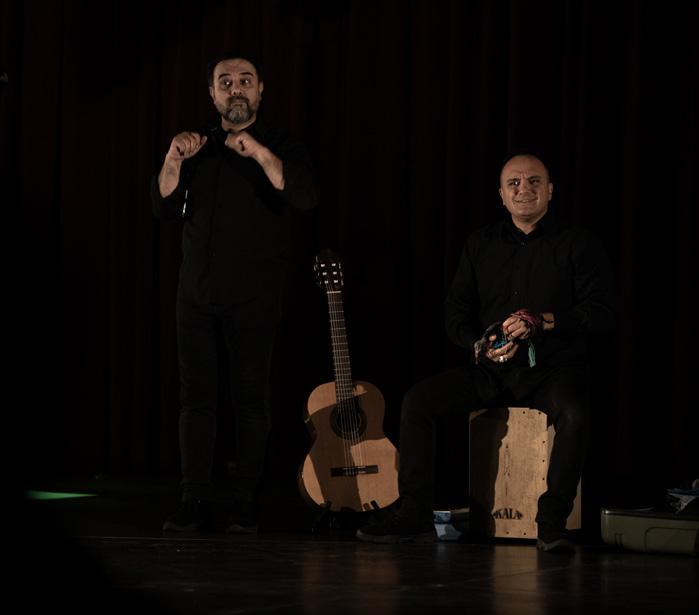
Stanford Iranian Studies hosted a performance of Puzzle, a Persianlanguage play starring Iranian actors Borzou Arjmand and Ehsan Karami. Written and directed by both Arjmand and Karami, the play followed four characters from four critical periods in Iranian history—the 1950s, 60s, 70s, and 80s–and narrated important events of Iran’s society during those four decades. The show was a production of Sheed Films and included music, singing and comical elements. More than 550 attended the performance in Stanford’s Dinkelspiel auditorium.
It Snows in This House with Dr. Hamed Esmaeilion
Film Screening: See You Friday, Robinson with Mitra Farahani
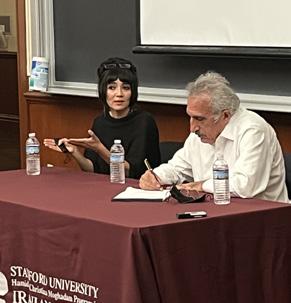
Karimi
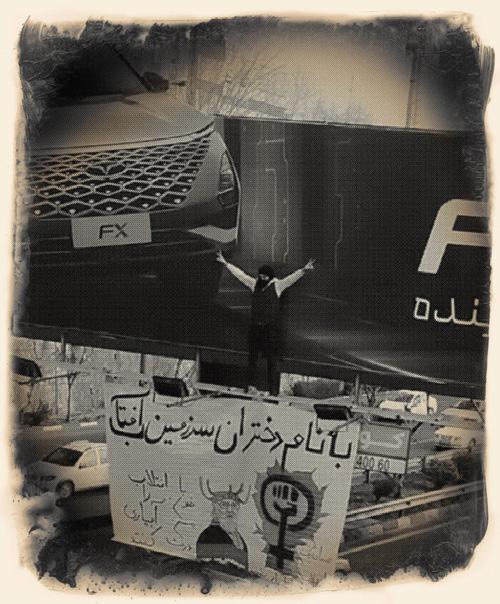
This virtual presentation by Dr. Pamela Karimi highlighted the work of several prominent contemporary women artists who have questioned the limitations of public life for women, demanded freedom of expression, and reclaimed the streets of Iran through their creative and courageous interventions.
A reading of Mohsen Yalfani’s play Diaspora: A Tale of Transcendence, in Persian, directed by Shabnam Tolouei and starring Ms. Tolouei, Ali Zandiyeh, Amer Mosafer, Negar Monazzami, and Theo Sepanta was held on December 1st to a sold out audience. After the performance, Mr. Yalfani virtually joined Ms. Tolouei via Zoom for a discussion with the audience about the play.
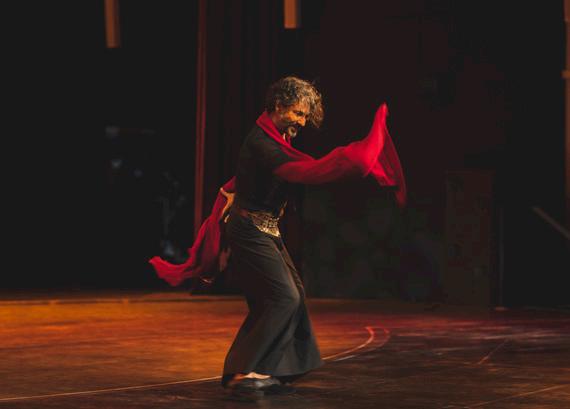
Shahrokh Moshkin-Ghalam, Shabnam Tolouei, Pejman Hadadi, and Behfar Bahadoran took the stage to explore the ecstatic art of improvised music, dance, and theatrical recitation of Persian and Middle-Eastern poetry. Showcasing his revolutionary dance style, Shahrokh embodied Pejman’s percussive expressions and Behfar’s motifs on the tar, setar, and tanbour drawn from the Persian classical Dastgah and Maqam melodic phrasings. Acclaimed actress, Shabnam Tolouei, recited and enacted the poems of several Iranian and Middle-Eastern female poets that set the stage for this celebration of Persian performing arts.
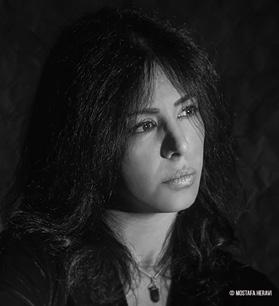
Julia Milani (‘23) graduated with honors from Stanford with a bachelor in history and a minor in Iranian studies. “As an Iranian-American, I wanted to dive deeply into my family’s culture and language. Especially as the women of Iran lead a revolution against the regime, I feel that I now have a better grasp of current issues in Iran and am ready to contribute to the conversation meaningfully,” says Julia.
One of Julia’s favorite experiences at Stanford was taking a class with her uncle, Dr. Abbas Milani. “I had the unique pleasure of taking my uncle’s class on US-Iran Relations. Growing up, I heard many stories of how amazing Professor Milani is as a lecturer and a mentor. Having the opportunity to finally experience his phenomenal class was such a gift, and one that I will never forget,” she shared.
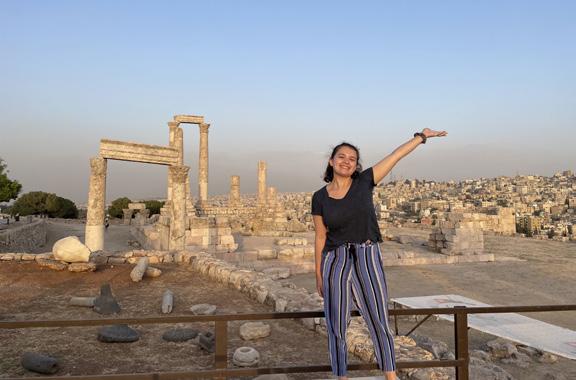
Julia had the opportunity through the Bing Overseas Studies Program (BOSP) to spend three weeks in Jordan in September 2022. Although Julia wished she could have traveled to Iran, Jordan was the first country in the Middle East Julia had ever visited. She visited Amman, Petra, Jerash, and the Dead Sea, among other places.
After graduation, Julia plans to move to New York City to pursue dance and musical theater.
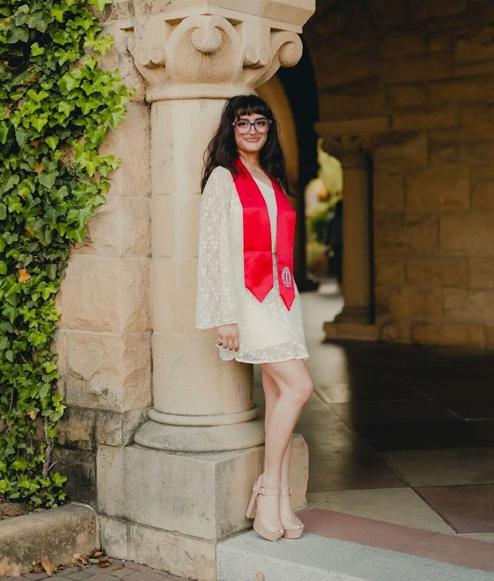
Isabella Cuevas (‘23) also graduated from Stanford this year with a bachelor’s degree in Comparative Literature with a minor in Iranian Studies. Isabella chose to study comparative literature because of her love for languages and cultures. “I chose to study Iran because I wanted a window into my mother’s birthplace. I wanted to understand the language, become acquainted with the literature, and to above all honor my mother’s story and her background,” she shared about her inspiration for choosing her major.
One of Isabella’s favorite Stanford experiences was getting to know her Persian language professor, Dr. Shervin Emami. “Not only has she taught me the Persian language from the ground up, but she’s also taught me so much about identity and life and literature.”
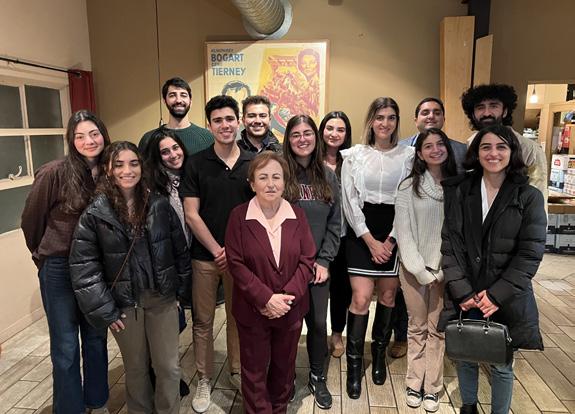
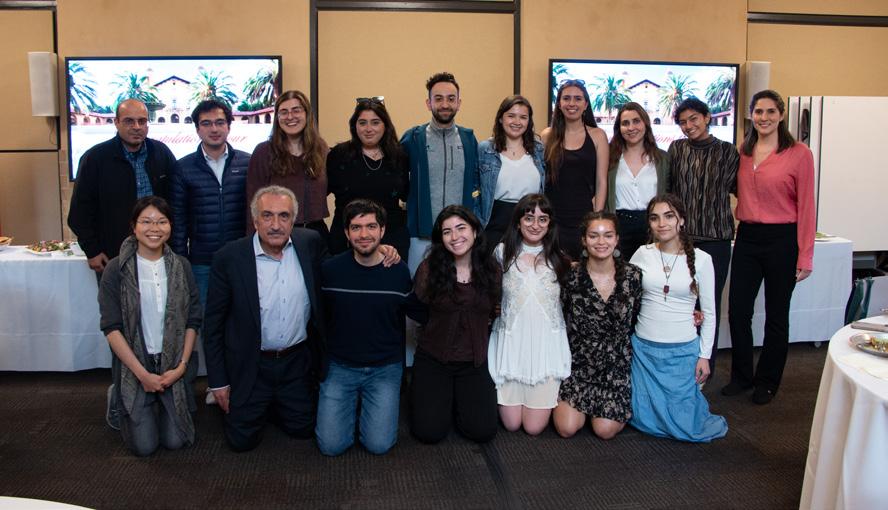
In June, Iranian Studies students, faculty, and staff celebrated the graduation of Iranian Studies students with a dinner, catered by chef Hanif Sadr, spotlighting Northern Iranian cuisine.
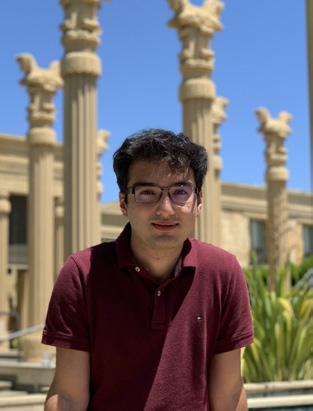
Behzad Haghgoo graduated from Stanford in 2021 with a bachelor’s degree in Computer Science with a focus on Artificial Intelligence (AI). After graduation, he started a company with some of his Stanford friends and built collaborative coding tools and ended up selling the company to Roblox. He now works at Roblox on collaboration and AI tools for game developers.
While at Stanford, Behzad engaged his enthusiasm for Iran’s history and culture by enrolling in courses taught by Dr. Abbas Milani. Reflecting on those experiences, Behzad shared:
“Growing up in Iran, you get told many different tales about why things are the way they are, and different narratives about the past, the present, and what the future will look like. I wanted to get a better sense of what actually happened, so I started reading history in highschool and ended up reading some of Dr. Milani’s books.”
Behzad shared that the multidisciplinary approach to his coursework lent him a broader perspective on his studies: “For example, in Dr. Milani’s class on US-Iran relations, I got a much more nuanced understanding of events that happened after the revolution. Also, as someone who was an engineering major, it was a very interesting experience to dive into a different type of research. Reading through archival material trying to answer my questions was very fun! Overall, I learned a lot from all of the Iranian Studies Program’s classes and talks, [as well as] how students from other countries with different backgrounds view Iran.”
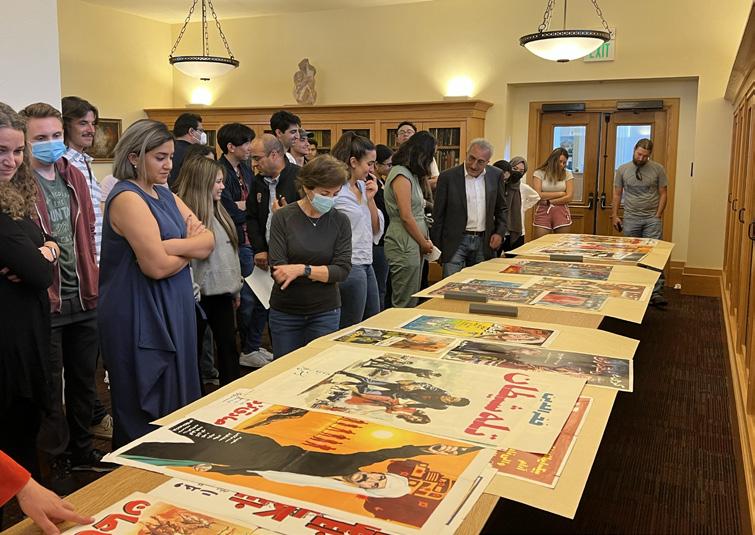
Iran Archives Tour: Students attend a workshop on archival research hosted by the Iranian Studies Program. Dr. Abbas Milani and Dr. Kioumars Ghereghlou highlight material from the Iran-archives at the Hoover Institution Library & Archives and the Green Library on October 12, 2022.
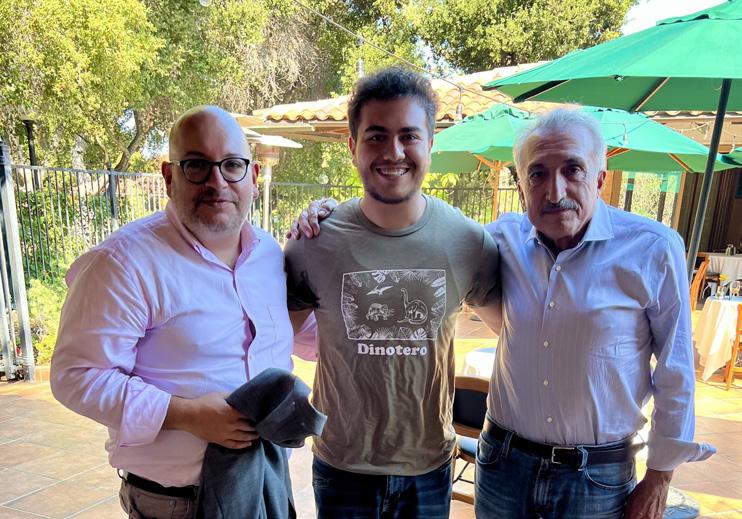
Lunch with Jason Rezaian: Stanford students have a discussion with Washington Post journalist Jason Rezaian and discuss the Woman, Life, Freedom uprisings on October 13, 2022.
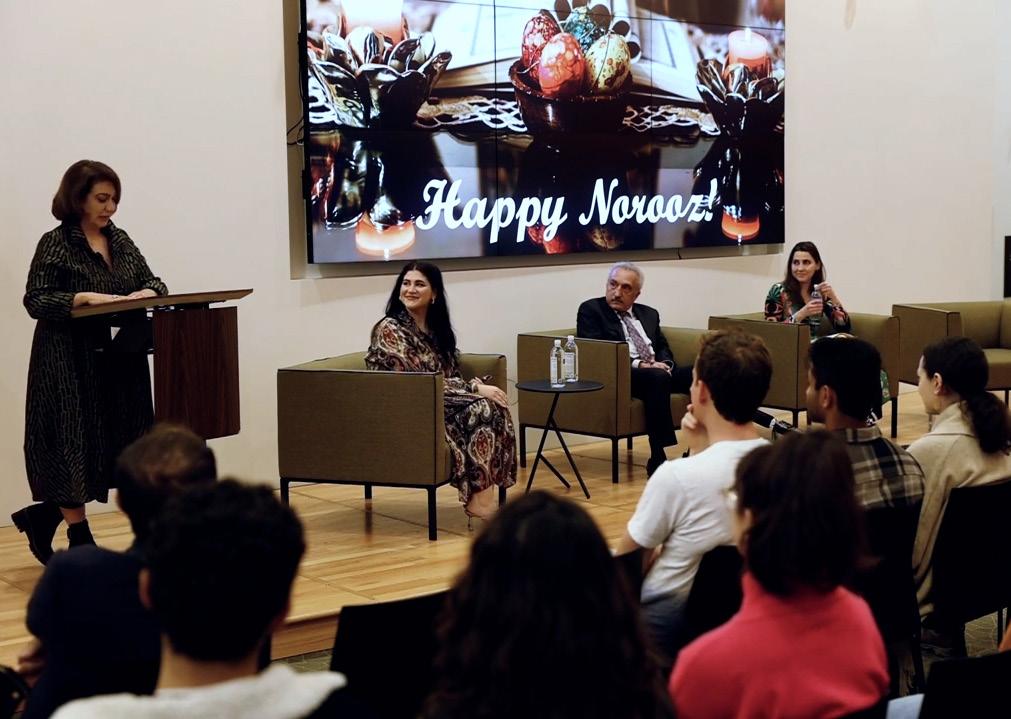
Celebrating Norooz: The Stanford community was invited to dinner and a conversation about Norooz, the Persian New Year, co-hosted by the Iranian Studies Program and the Knight-Hennessy Scholars on March 14, 2022. Panelists included Dr. Shervin Emami, Dr. Abbas Milani, and Ms. Mojdeh Shamsaie, moderated by MS Health Policy student Donya Nasser.
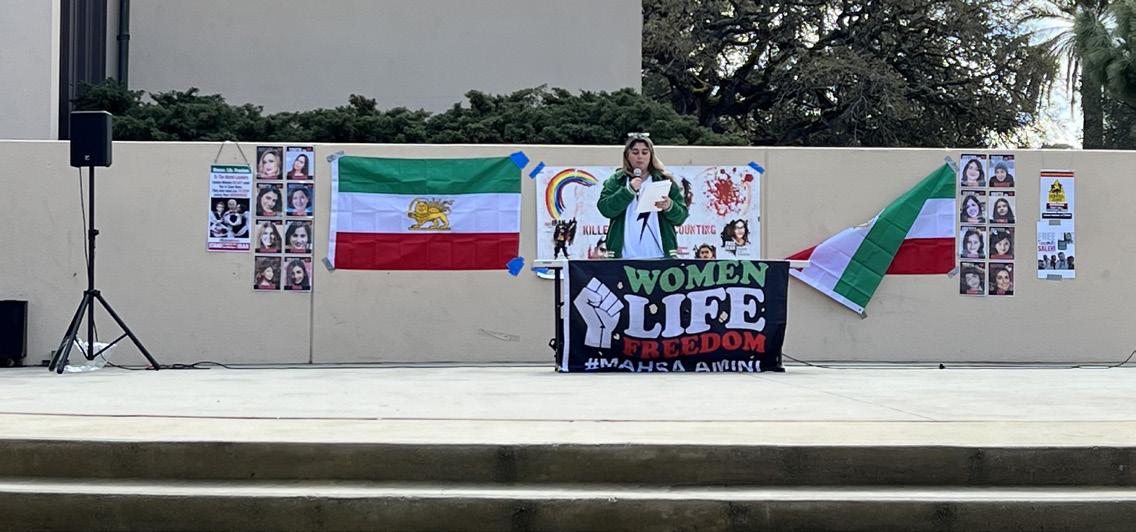
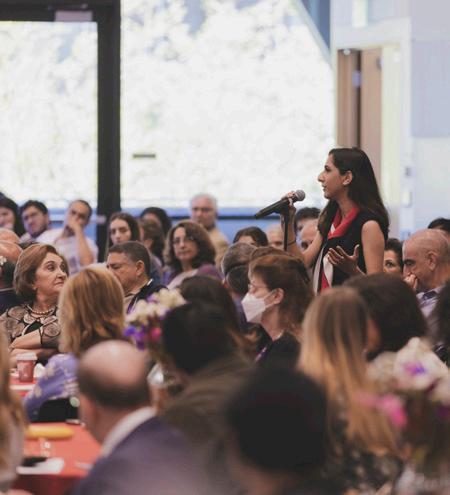
Woman, Life, Freedom Rally: Romy McCarthy (‘25) gives a talk at a rally in support of the Woman, Life, Freedom movement at Stanford’s White Plaza on March 8, 2022.
A Re-Enactment Play in Recounting the Agonies of Maestro Navid Makan and His Spouse Architect Rokhshid Farzin
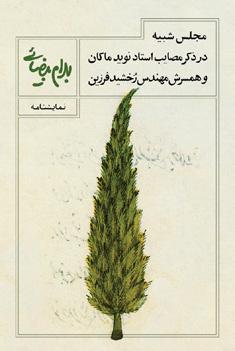
Bahram Beyzaie
Bisheh Publishing, 2023
This is the first publication of Bahram Beyzaie’s play, A Re-Enactment Play in Recounting the Agonies of Maestro Navid Makan and His Spouse
Architect Rokhshid
Farzin. Professor Beyzaie staged this play at the City Theater in Tehran in 2005 before it was closed down by authorities in Iran. The publication of this book was made possible in part by the Hamid & Christina Moghadam Program in Iranian Studies at Stanford University.
Thirty Portraits, Volume Two
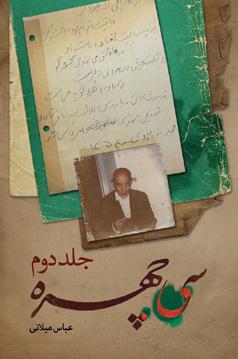
Abbas Milani
Persian Circle, 2023
The second volume of Thirty Portraits includes Dr. Milani’s reflections on Farzaneh Milani, Shahrnush Parsipur, Simin Behbahani, Qodsi Khanum, Bita Daryabari, Parviz
Shokat, Hussein Montazeri, Mohammad Reza Shajarian, Bahram Beyzaie, and Fakhr al-Din Shadman among others.
Shadman’s Diaries: The Odyssey of a Young Cleric, 1926-1928 (Volume 1)
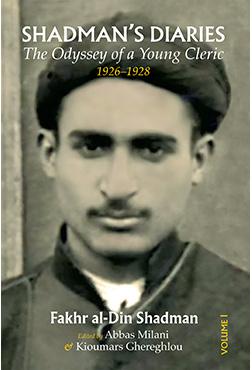
Edited by Abbas Milani and Kioumars Ghereghlou
Mage Publishers, 2023
This is the first of a projected six-volume collection, covering four turbulent decades of Iran’s history. The twelve original handwritten notebooks begin in 1926 with Shadman’s days as a cleric and end in 1966 shortly before his death. They entail a rich tapestry of accounts of daily events, reflections, observations, cultural and political history, and telling details about the country’s changing history, all from the astute perspective of Shadman.
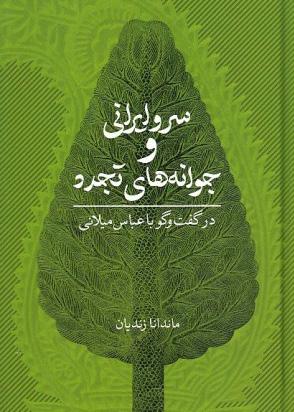
Persian Cypress and the Blooms of Modernity (in Conversation with Abbas Milani)
Mandana Zandian
Ketab Corporation, 2023
A conversational account of Iran’s modern history through anecdotes, memories and real-life events in the life of the historian and educator, Abbas Milani, as narrated by Mandana Zandian.
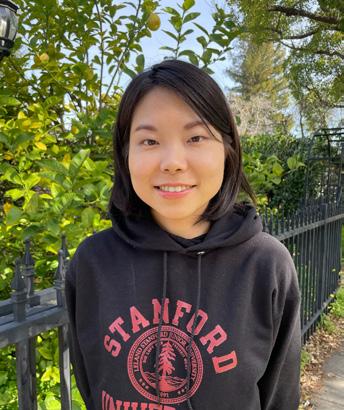
In the spring of 2023, Dr. Tomoyo Chisaka joined the Iranian Studies Program as the second Zahedi Family Fellow. Dr. Chisaka was a visiting scholar at the Abbasi Program in Islamic Studies during the 2022-2023 academic year. As a Zahedi Fellow, she conducted research on parliamentary elections in Iran during Mohammad Reza Shah’s reign. Her findings from the Ardeshir Zahedi papers housed in the Hoover Institution Library & Archives and the US National Security Archive offered important insights into the ways that domestic politics interacted with Iran-US relations and implications for Iran’s political development. Dr. Chisaka delivered the talk, “Parliamentary Politics and Iran-US Relations During the Cold War,” at the conclusion of her fellowship.
Rereading Modern Iranian Women’s Literature in the Age of Woman, Life, Freedom (AMELANG 146)
Professor Shervin Emami
This course examined Iranian female writings in the modern era and familiarized students with some of the most significant modern and contemporary feminist writings in Persian literature. It traced how almost everything surging around the movement of Zan, Zendegi, Azadi (Woman, Life, Freedom) can be found in Iranian women’s poetry and prose of the modern era.
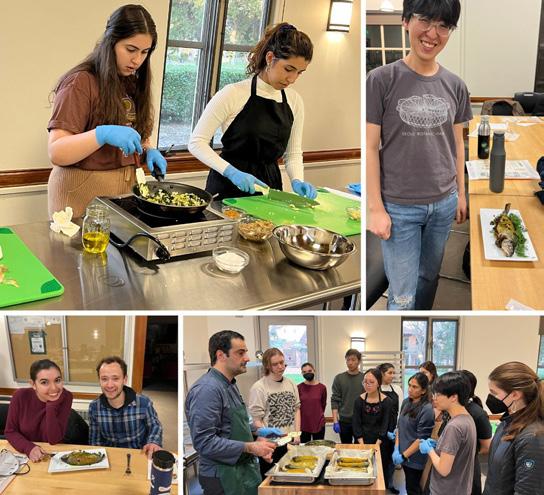
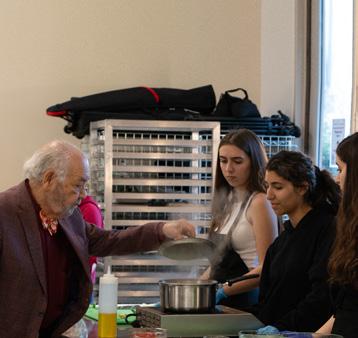
In the first time since the COVID pandemic, this course was offered again in person and offered an introductory look at Iranian cooking and cuisine. With weekly guest chefs and the preparation of dishes, students learned about the history of Iranian cuisine, essential ingredients, and general cooking techniques.
During the 2022-2023 academic year, several new and important archival collections were donated to Stanford, adding to an already essential collection of material for the study of modern Iran.
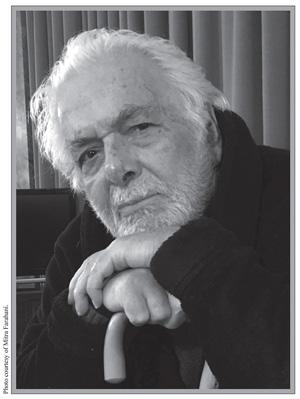
Ebrahim Golestan (1922-2023), was an Iranian filmmaker, writer, literary critic, and art collector. He completed his studies in Shiraz and Tehran. Early in the 1940s, he became a member and subsequently an editor of Iran’s Communist Party’s (the Tudeh Party) main journal. His aversion to dogma and docility to the Soviet Union led to his early separation from the party. He founded the Golestan Film Studio in 1957 and produced a series of internationally acclaimed documentaries, including Forough Farrokhzad’s pioneering work, The House is Black. Golestan’s career as an artist and public intellectual spans more than
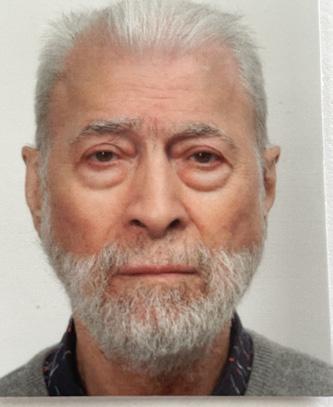
seventy years. Golestan published his first book in 1948 and continued publishing fiction and non-fiction works until the last years of his life. Two years ago, in celebration of his hundredth birthday, the Iranian Studies Program at Stanford published a special volume, entitled An Encounter with Dylan Thomas. Donated to Stanford University Libraries in 2023, the vast Golestan collection consists primarily of his correspondence in Persian and English with many of the most influential writers, scholars, and artists of his time. The archive also contains manuscripts of his published works, notes, and research files. The Golestan collection is essential for the study of Iran’s modern intellectual history and contributes to the ever-expanding Iran-archives at the Green Library. Stanford’s collection of Iran-related archives is now indispensable for scholars studying modern Iranian art, culture, and politics.
The Hoover Institution Library & Archives
A collection of internal documents, reports, correspondence and resolutions of the Revolutionary Organization of the Tudeh Party and of the Ranjbaran Party, accumulated over the last 30 years by Mr. Bagher Mortazavi while an active member of both the Revolutionary Organization of the Tudeh Party and later the Ranjbaran Party, in preparation of four volumes of books written by Mr. Mortazavi.
Fakhr al-Din Shadman Collection
Stanford’s Green Library
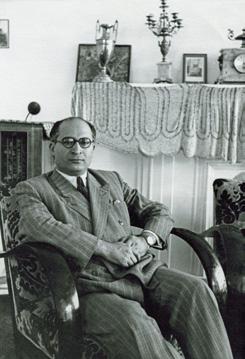
Seyyed Fakhr al-Din Shadman was born in Tehran in 1907. He went from a traditional school (maktab) to a high school to the teachers’ training college, and finally to the Faculty of Law, where he received his law degree in 1927. By then, he was fluent in Arabic, French, and English. After several years of teaching and tutoring in Iran and working as a journalist and an editor at a leftist publication, and after working in the newly established Ministry of Justice, Shadman left for Europe. He spent seventeen years abroad, mostly in England, working for the Iranian government as its representative in the Anglo-Iranian Oil Company (AIOC). He also continued his education and received two doctoral degrees—one from the University of Paris in 1935 in Law and Political Science, and another in 1939 from the London School of Economics in History. The diaries bring to light not only a detailed account of why the early generation of intellectuals advocating modernity joined the Pahlavi project and how almost all of them were sidelined but also how Shadman used his diaries for literary experimentation and private self-expression. The contours of Shadman’s eventful and consequential life are covered in detail in his daily journals.
Ehsan and Latifeh Yarshater Collection Stanford’s Green Library
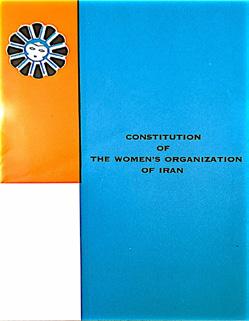
A doyen of Iranian Studies and Iranology, Ehsan Yarshater (19202018) was born in Hamadan, Iran, and studied Persian language and literature at the University of Tehran and Iranian philology at the University of London School of Oriental and African Studies. From the early 1960s to the early 2000s, Yarshater served as the Hagop Kevorkian Professor of Iranian Studies at Columbia University, where he founded and directed the Center for Iranian Studies. His family donated the Ehsan and Latifeh Yarshater papers to the Stanford University Library in 2023. The collection consists primarily of Yarshater’s correspondence with hundreds of scholars worldwide over four decades (1980s-2000s). The papers include hundreds of archival documents, correspondence, and press cuttings collected by the late Latifeh Yarshater (1926-1999) on women’s rights organizations, events, and activists in Iran during the 1950s-1960s. The documents and correspondences in the collection are primarily in Persian, English, and French.
The Iranian Studies Program continued to share the audio files of its events, lectures, and programming on podcast channels for greater reach to audiences inside Iran and those abroad. Listen via Apple Podcasts, Google Play, Castbox, and SoundCloud.