
Table of Contents
THE TEAM
Anna Bigelow Faculty Director
Lalita du Perron Associate Director
Simrath Matharu Program Coordinator
Komal Kumar
Kavya Srikanth
Caste Project Interns
Srihari Nageswaran South Asia-Markaz Fellow
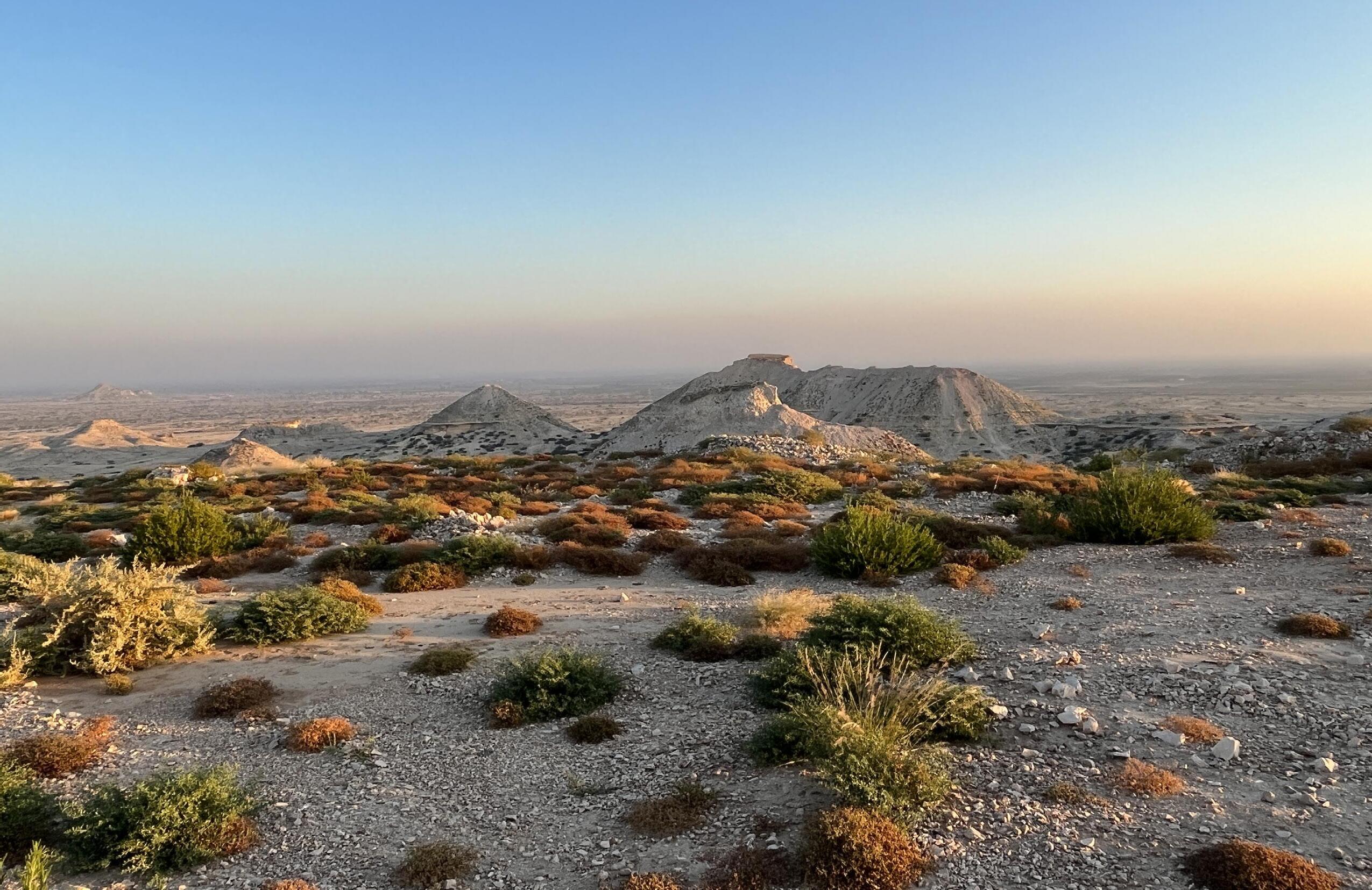
Photo Credit: Shandana Waheed (Rock hills in Rohri, Pakistan, 2023)
Director’s note
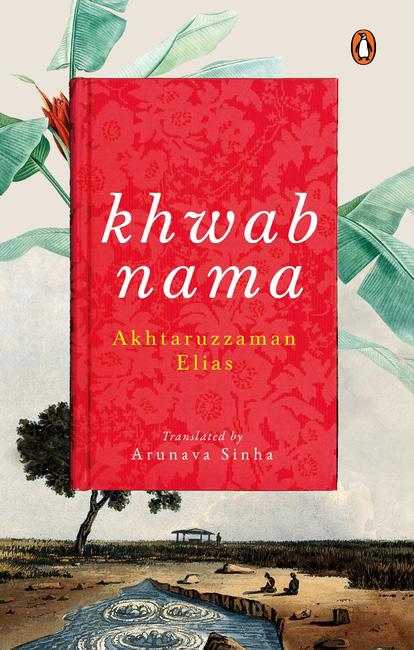
The 2022-23 academic year kicked off with our annual affiliate book club featuring the haunting Booker prize-winning novel The Seven Moons of Maali Almeida by the Sri Lankan author Shehan Karunatilaka and finished with a discussion by our annual lecture speaker Naveeda Khan (Anthropology, Johns Hopkins University) of a Bangladeshi novel, Akhtaruzzaman Ilyas’ Khwabnama. Both novels move between the realities of the living and the dead, asking us to consider fundamental questions around life, death, justice, and the precarity of human and non-human coexistence in the Anthropocene. These literal bookends to the year on campus provide important examples of the extraordinary creativity and vitality of South Asian thinkers and artists amid the complexity
and uncertainty of the times. This vigor was also manifest in our events marking the 75th anniversary of the Partition and Independence of India and Pakistan, as we developed an exhibition in Green Library and hosted an event featuring members of our community who lived through those epochal times.
Throughout the year CSA continued to work across multiple platforms and genres to build our conversations around the diversity and particularities of both South Asia and its diasporas with our many constituents – faculty, staff, students, and community members. The SASSpod run by Associate Director Lalita du Perron continues to thrive, widening our reach and our coverage by featuring scholars and creatives in many places on the globe and in their careers. Hosting webinars, many later available on our YouTube channel, also allows us to bring rich scholarship and important topics to a global audience. This connectivity is essential to maintaining the integrity and momentum of the Center’s activities as we navigate issues and concerns that traverse many time-zones and perspectives.
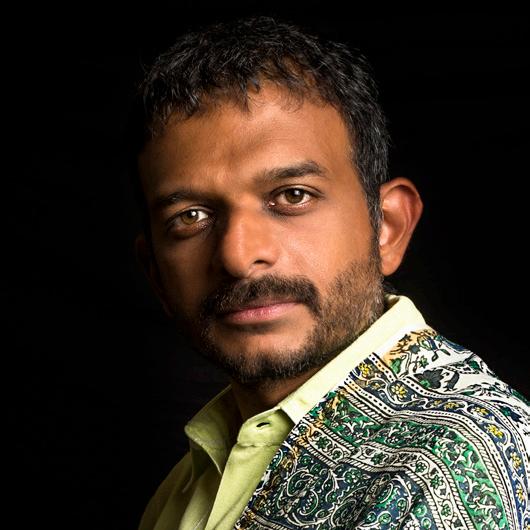
I am particularly proud of CSA’s persistent efforts to foreground issues central to our mission to amplify and center issues relating to caste. The renowned musician and activist TM Krishna began the series with an inspiring lecture and demonstration on the relations between music, caste, and gender. The last event of
the academic year brought Ashwini K.P., the United Nations Special Rapporteur on contemporary forms of racism, racial discrimination, xenophobia, and human rights. We are also extremely proud to host Ashwini as an honorary fellow.
The Center for South Asia team continues to do amazing work. Our Interns, co-term master’s degree students Kavya Srikanth and Komal Kumar, helped to support and organize our caste initiatives. Srihari Nageswaran, the South Asia-Markaz Fellow, helped build our programming in Dravidian histories, politics, and cultures. I am so appreciative of Associate Director Lalita du Perron’s extraordinary energy, enthusiasm, and acumen as she keeps across every aspect of our planning, programming, and organizing. And a final word must go to our departing Program Coordinator Simrath Mathuru who has been an invaluable asset to CSA and Global Studies for years. Though we miss seeing her every day, we wish her the very best in her new role – the Humanities and Sciences Dean’s Office is very lucky to have her!
Sincerely,
Anna Bigelow, Faculty Director Associate Professor, Religious Studies LEARN MORE ABOUT OUR DIRECTOR >>
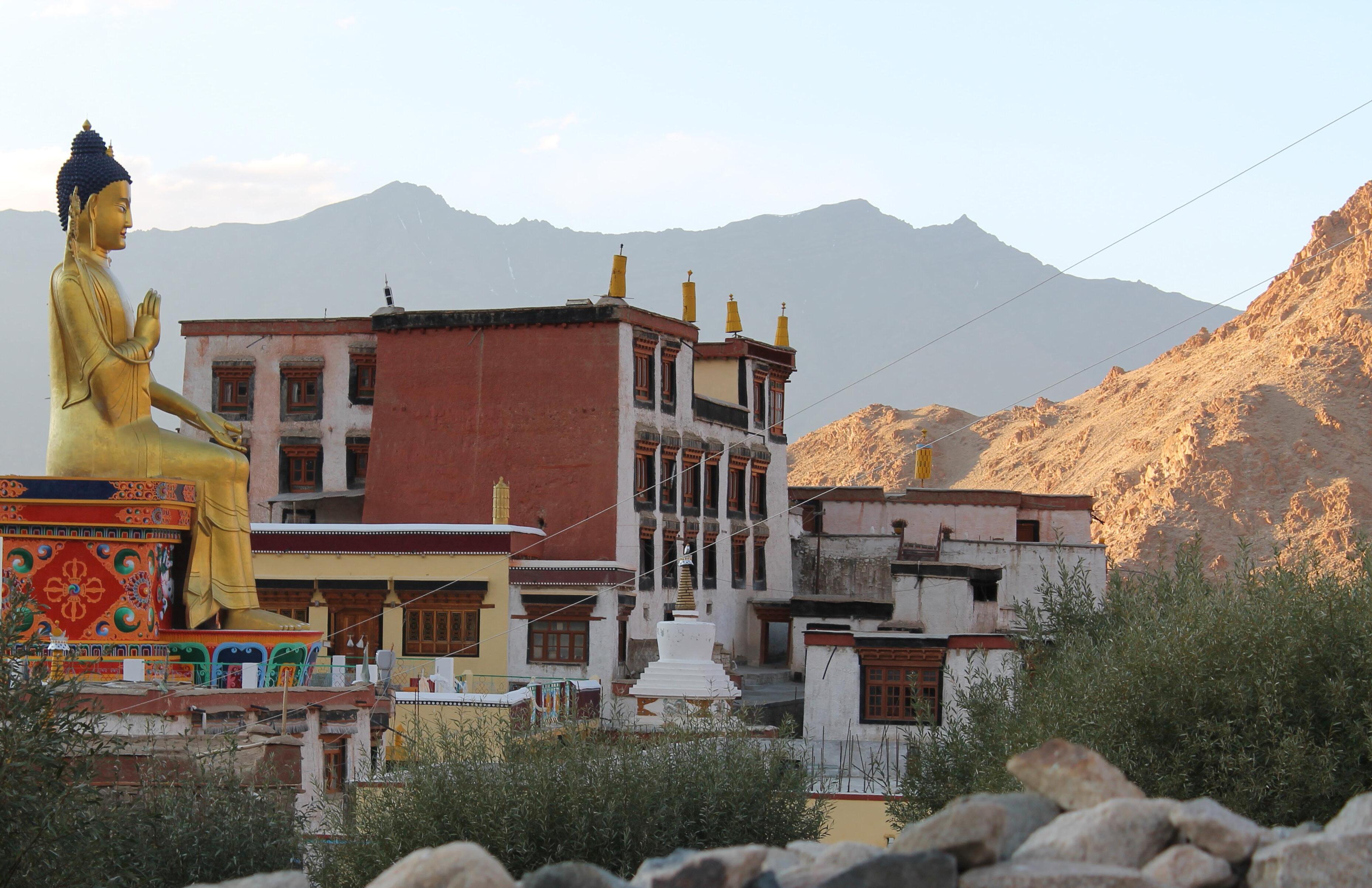
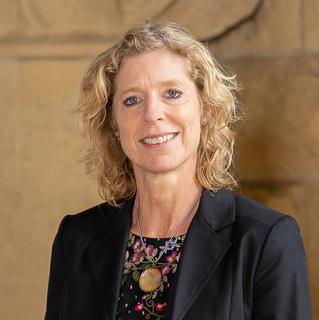
Photo Credit: Andrew Brodhead; Background Photo Credit: Tess Rothstein Likir Monastery, Ladakh, India, 2012)
Introducing to CSA this year...
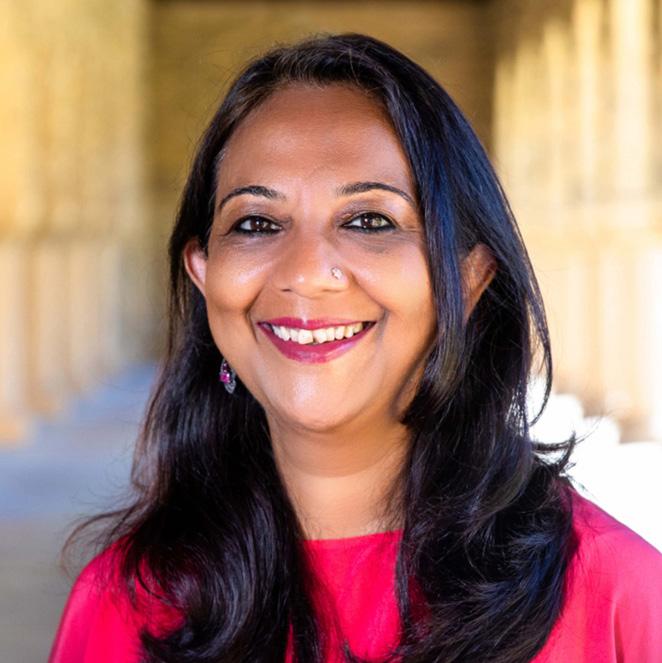
ANURADHA BHASIN
Visiting Fellow
John S. Knight Journalism Fellowships
Executive Editor Kashmir Times ON THE SASSPOD >>
ASHWINI K.P.
Visiting Fellow Center for South Asia
Special Rapporteur on contemporary forms of racism, racial discrimination, xenophobia and related intolerance
Office of the High Commissioner for Human Rights

HALIMA KAZEM
Oral History Project Manager
Hoover Institution ON THE SASSPOD >>
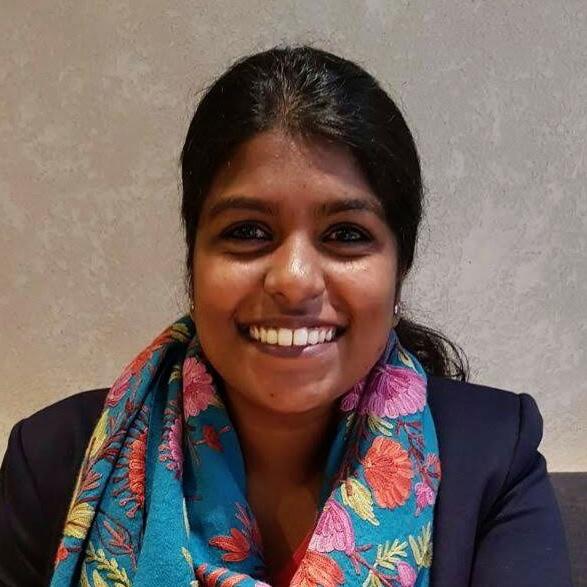
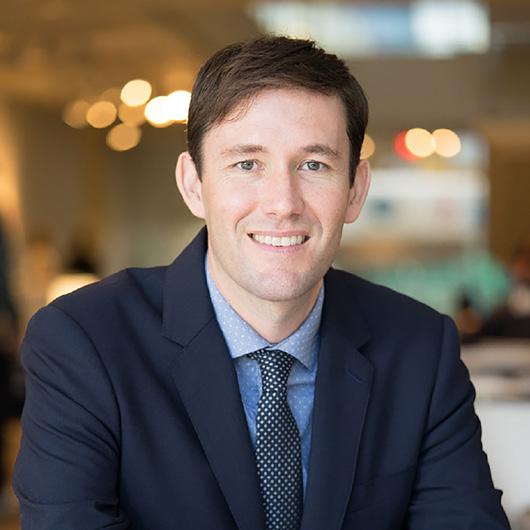
PADMA MAITLAND
Visiting Fellow
Center for South Asia ON THE SASSPOD >>
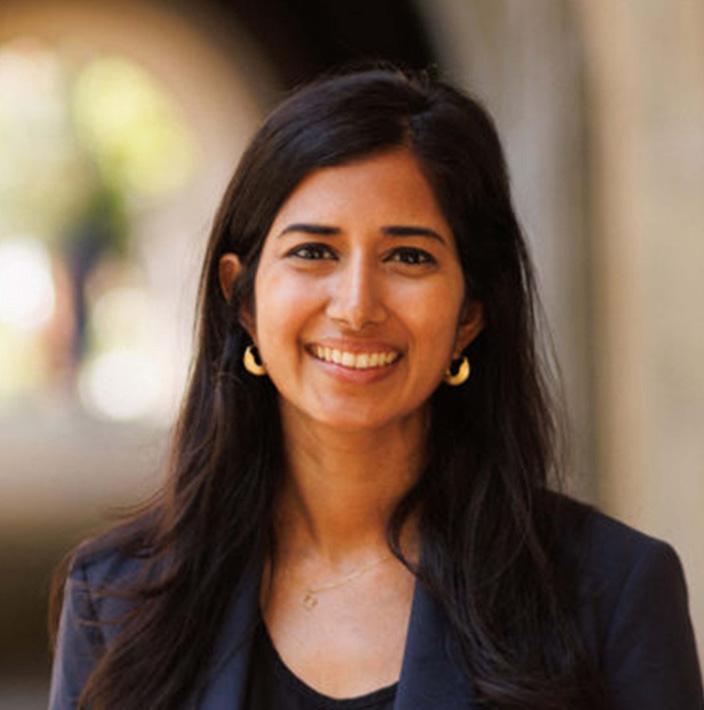
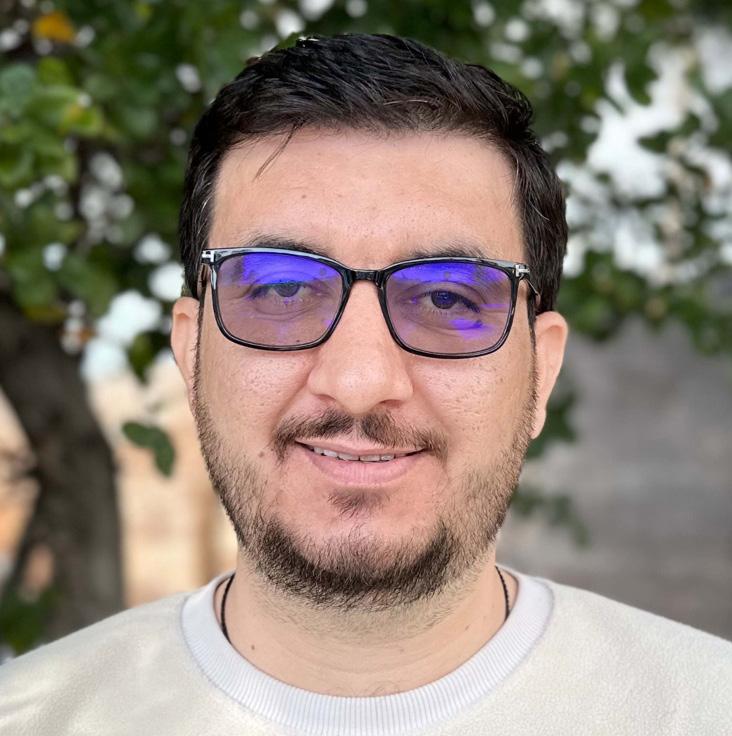
NASIRUDDIN NEZAAMI
IIE-SRF Visiting Fellow Stanford Law School ON THE SASSPOD >>
GULIKA REDDY
Assistant Professor
Stanford Law School Director
International Human Rights Clinic ON THE SASSPOD >>
Highlights
“Being able to bring outstanding and innovative scholars of South Asia to the Stanford campus is one of the absolute highlights of my job.”
— Lalita du Perron Associate Director
Rod Searcey
Photo Credit:
Our Reach
11.3k attendees over 70 sponsored events
3.1k
SASSpod listens over 18 podcast episodes
570 SASS Tube subscribers
5.5k on Facebook
1k on Instagram
Caste Series
In the 2022-2023 academic year we continued to present programming on Caste. LEARN MORE ABOUT THE CASTE SERIES >>
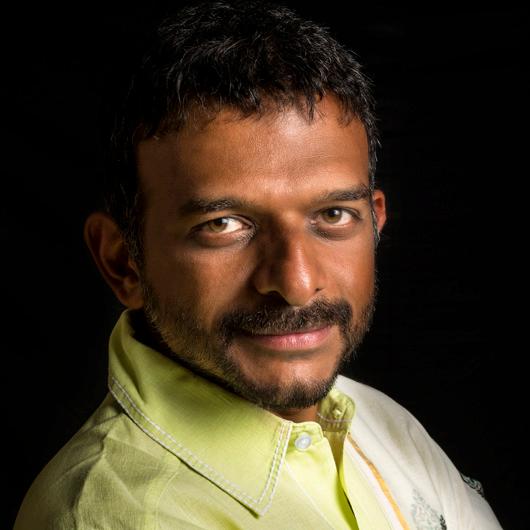
TM KRISHNA
Music, its caste and gender
October 12, 2022
Moderated by Denise Gill
AYRA PATRAS
Intersection of Caste, Religion, and Occupation: The Story of Christian Sweepers in Pakistan
November 30, 2022
Moderated by Ali Usman Qasmi
Co-sponsored by Center for Human Rights and International Justice
RUMYA SREE PUTCHA
The Dancer’s Voice:
Dance and Caste
February 9, 2023
Moderated by Harshita Kamath
ASHWINI K.P.
Global Perspective of Caste and Race Within UN Mechanisms
March 7, 2023
Moderated by Prem Pariyar
Co-sponsored by Haas Center for Public Service and Shorenstein
Asia-Pacific Research Center (APARC)
South Asia in Motion Series
South Asia in Motion publishes works that address larger analytical questions from the vantage point of one or several of the region’s rich vernacular public cultures, works that bring the texture and nuance of vibrant public and academic debates across the region to bear on how national and global issues are framed and understood.
The Center for South Asia hosted an event with authors in the Series. Rotem Geva, author of Delhi Reborn: Partition and Nation Building in India’s Capital, and Sanjeev Routray, author of The Right to Be Counted: The Urban Poor and the Politics of Resettlement in Delhi, were in conversation with Ravinder Kaur, Associate Professor of Modern South Asian Studies at the University of Copenhagen.
VIEW THE SU PRESS SERIES >>
THOMAS BLOM HANSEN
Series Editor
Professor, Department of Anthropology ON THE SASSPOD >>
DYLAN KYUNG-LIM WHITE
Acquisitions Editor
Stanford University Press ON THE SASSPOD >>
Partnering with SHC Fellows
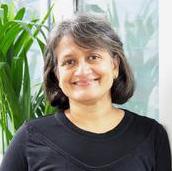
Nivedita Narain visited Stanford during May of 2023 through Stanford Humanities Center’s International Visitor program. Dr. Narain is a development professional with nearly 35 years of experience as an organization builder, researcher, teacher, and trainer. Her work is driven by a commitment to social equality and collaborative work across institutions and she has worked in the area of gender, livelihoods, organization development, and human resources management for non-profits, setting up development practice as an academic discipline, research, and advocacy. While at Stanford, Dr. Narain worked with Professor Soledad Prillaman on research around the roots of women’s collective action in rural India. She presented this research to the Center for South Asia and to undergraduate and graduate student bodies. Her time at Stanford enabled conversations and catalyzed research around the state of women’s empowerment in India.
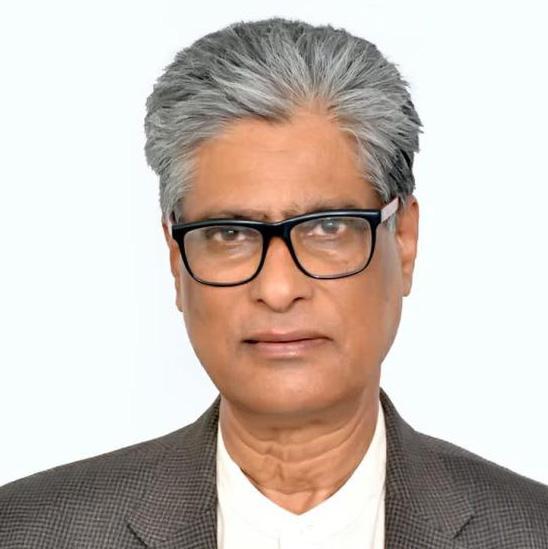
Stanford was delighted last May to welcome Rahamat Tarikere, Emeritus Professor of the Department of Kannada Literature at Kannada University, Hampi. An avowed humanist, an advocate for marginal communities, a trenchant critic of the politics and culture of contemporary India and perhaps the foremost scholar of the lived religions of Karnataka, Tarikere was awarded the prestigious Sahitya Akademi award in 2010 on behalf of the government of India, which he returned in 2015 to protest “a rising culture of intolerance.” His many decades of fieldwork focused on recovering both the lived reality and historical conditions of possibility of Sufi traditions along with forms of non-Brahmin religion among yogi communities with lower caste affiliations offer deeply humane accounts of systems of belief and practice that have been otherwise overlooked by the scholarly community.
SGS Oceanic Imaginaries Series
The Stanford Global Studies Oceanic Imaginaries is a new, multi-year initiative that adopts the world’s oceans as an analytical framework for advancing cross-regional, interdisciplinary research on timely global topics. The 2022-23 academic year focused on the Indian Ocean, with many lectures throughout the year hosted by the Center for South Asia.
LEARN MORE ABOUT SERIES >>
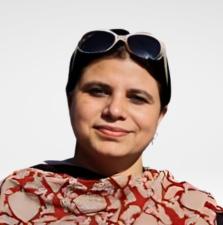
Ocean as Method: Thinking with the Maritime October 27, 2022
Moderated by Mudit
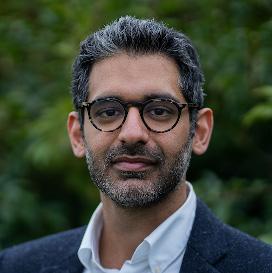
NISHANT BATSHA
Mother Ocean Father Nation
January 19, 2023
Moderated by Roanne Kantor
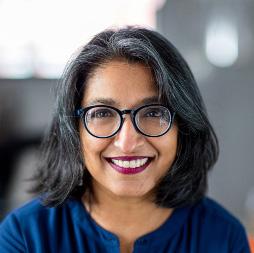
KALYANI RAMNATH
Boats in a Storm: A book talk
May 4, 2023
Moderated by Thomas Blom Hansen
Part of the South Asia in Motion series
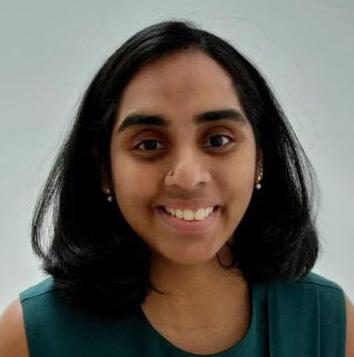
NAVEEDA KHAN
The Exquisite Corpse: Aesthetics of the Dead in Akhtaruzzaman
Ilyas’s Khwabnama
May 23, 2023
Moderated by Anna Bigelow
CSA’s Annual Lecture
T M Krishna
In October 2022, renowned scholar-activistmusician T M Krishna presented a lecturedemonstration at Stanford entitled Music: its caste and gender. In this he spoke about the dynamics of caste and gender in the world of Carnatic music. The event was attended by Stanford faculty and staff, as well as many members from the larger Bay Area community. To watch an earlier recording of T M Krishna speaking at Stanford via Zoom, please click here.
Kareem Khubchandani
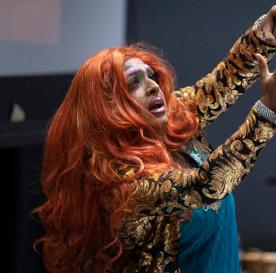
In May 2023, the Center for South Asia welcomed Kareem Khubchandani to campus for a series of events on Critical Auntie Studies. Khubchandani
is an associate professor of theater, dance, and performance studies at Tufts University and the author of Ishtyle: Accenting Gay Indian Nightlife (University of Michigan Press, 2020).
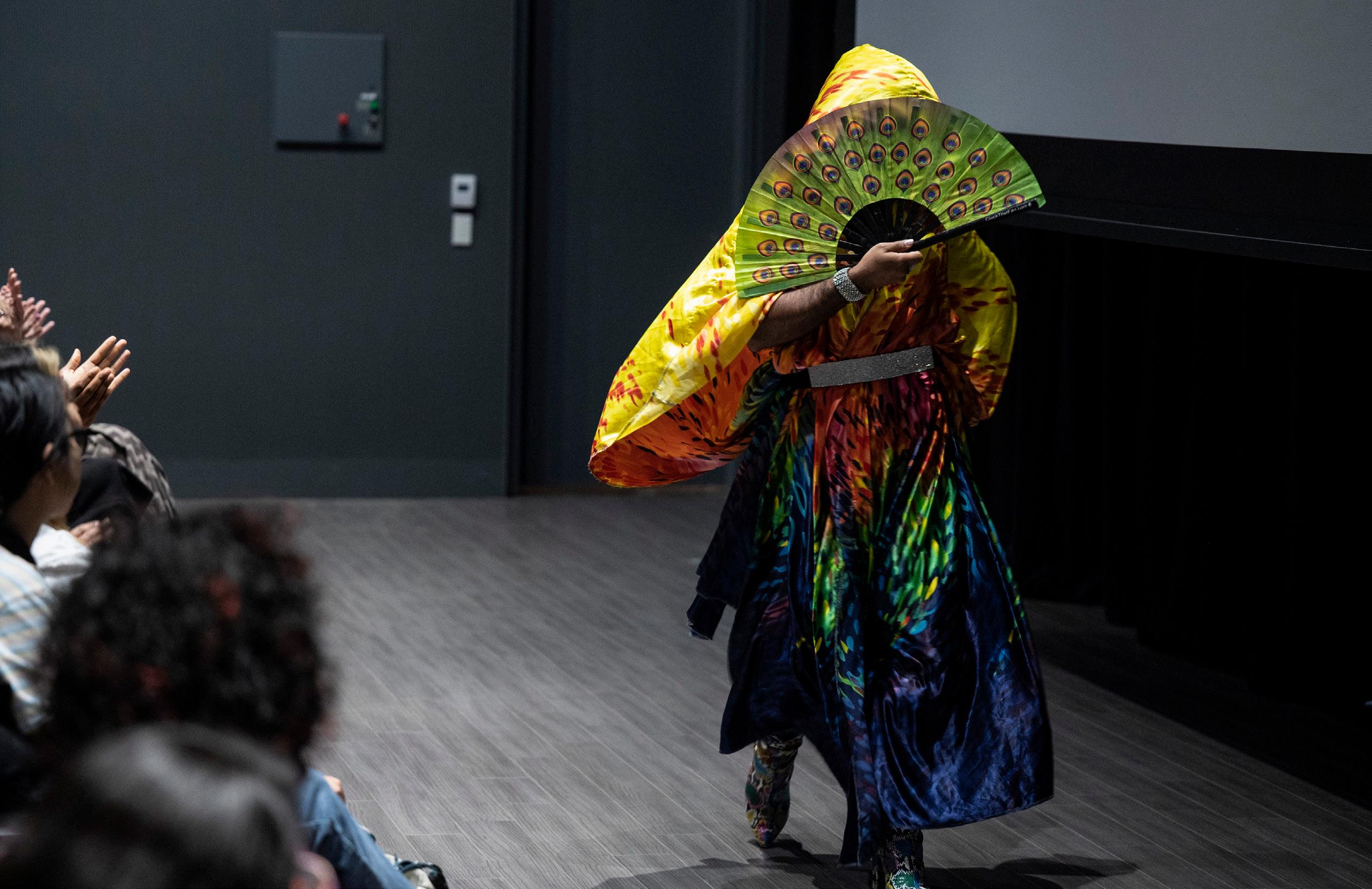
Khubchandani’s visit consisted of three events: a workshop aimed at graduate students, “Divas, Drag Queens, Aunties, and Other Academic Personas”; a performance as South Asian drag aunty LaWhore Vagistan, “Lessons in Drag”; and a public talk, “Auntologies: Queer Aesthetics and South Asian Aunties.”
While many in the Stanford community were enthralled by this extraordinary series of events, Khubchandani’s engagement with students made his visit particularly successful.
Partition
Independence – Partition
– Nightmare – Liberation – each of these words accurately describes the events of 1947 in South Asia as the modern nation states of India and Pakistan were formed and independence from the British was achieved. To commemorate the approximately 2 million lives lost and the journeys of Partition witnesses 75 years after the 1947 Partition, Stanford Libraries created an exhibit and interactive map on which 463 library visitors marked their family’s migration journeys. The exhibit ran from August to December of 2022. The high level of student engagement speaks to the ways in which migration, both forced and opportunistic, have not only shaped the
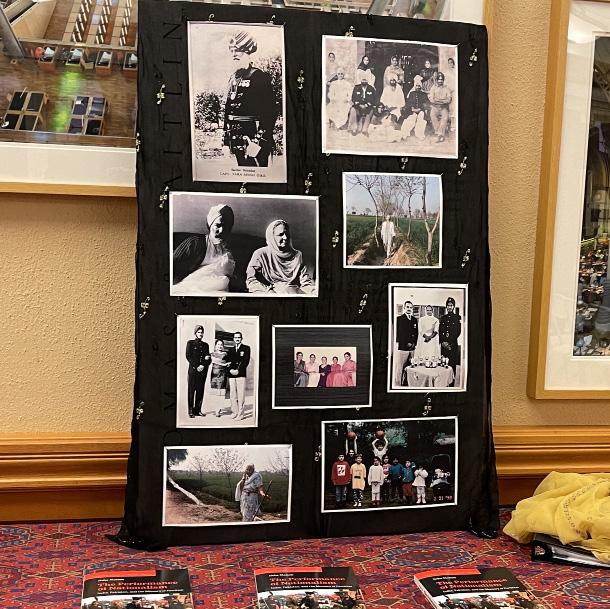
world in which we live, but the student body as well. As a locus of global knowledge in hundreds of languages produced over centuries the library is a microcosm of this history. In collaboration with The 1947 Partition Archive many of the personal stories of Partition witnesses are available for streaming here. For those who were not able to make it in person to the exhibit feel free to explore its digital surrogate here.
Student Awards
Stanford’s Center for South Asia provides the following funding opportunities for continuing Stanford students.
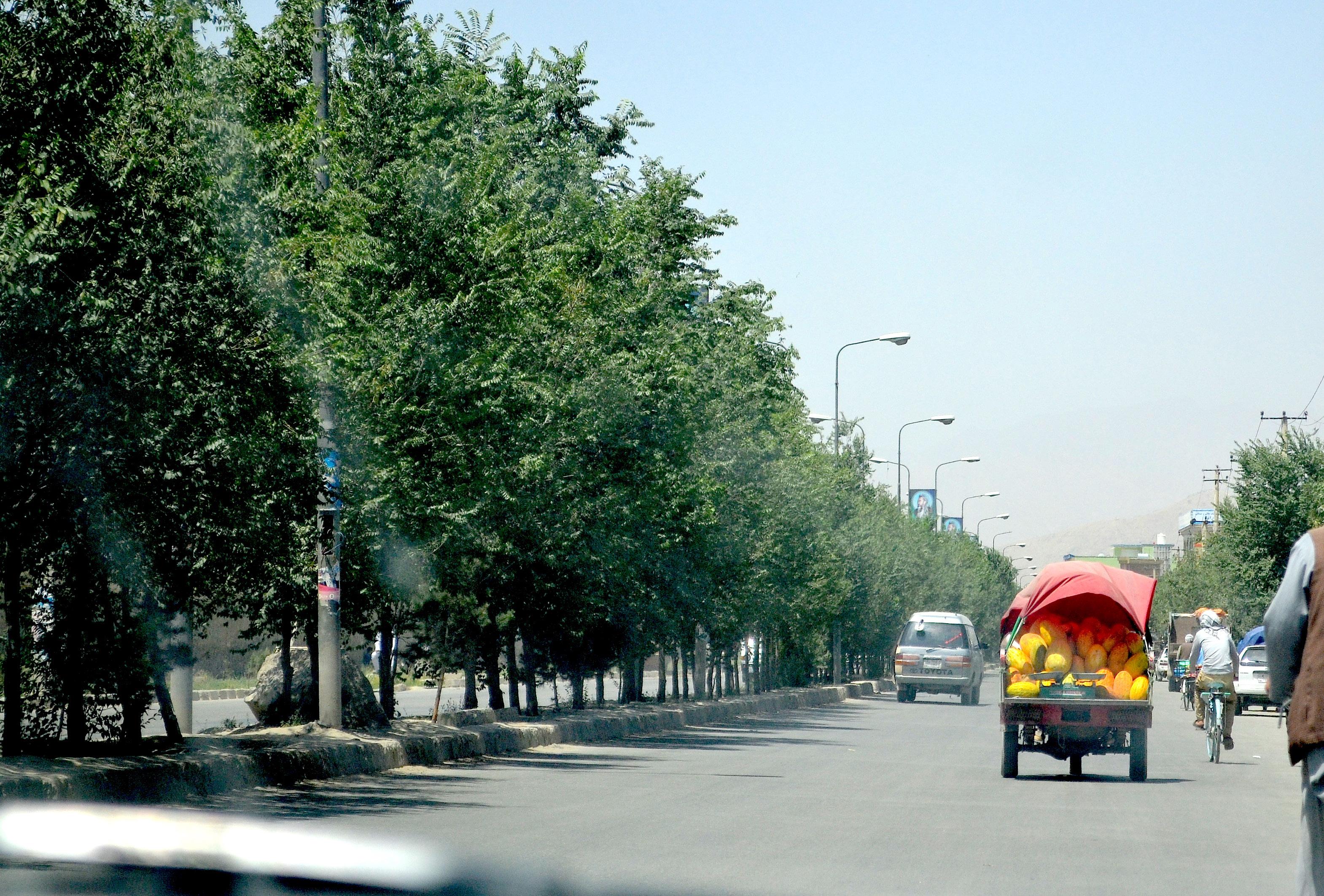
Photo Credit: Parwana Fayyaz (Melon Cart, Kabul, Afghanistan, 2016)
Global Internships
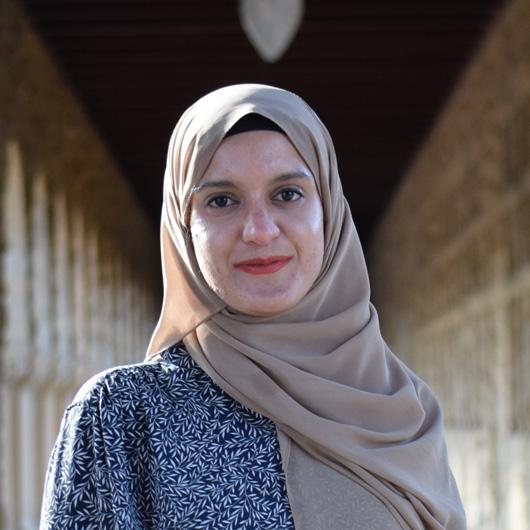
RAHEMEEN AHMED
National Disaster Management Authority
Islamabad, Pakistan
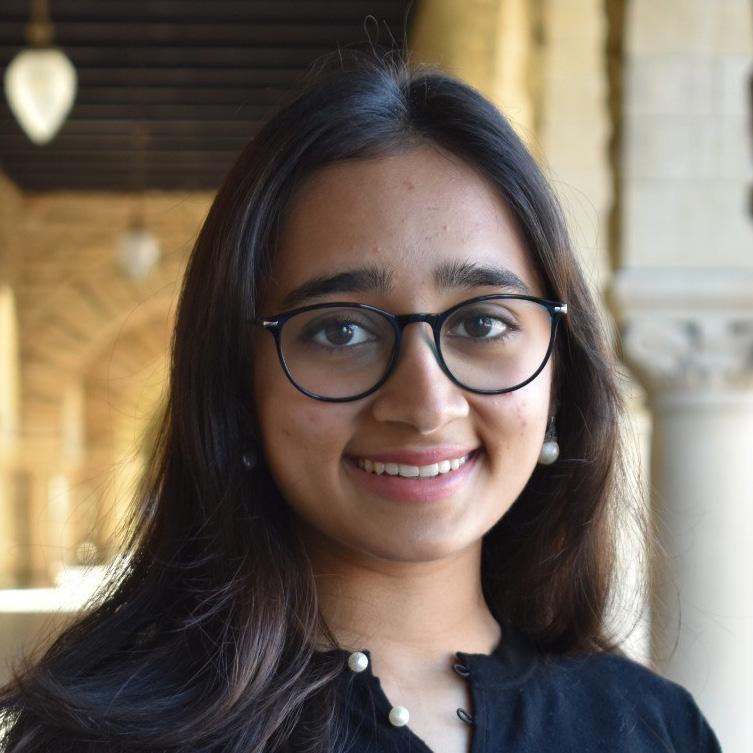

Magic Bus India Foundation
Mumbai, India
Magic Bus India Foundation
Mumbai, India
MayDay Rooms
London, England
CHHAVI NAHATA
HANNAH KENNETH
KAVYA SRIKANTH
Wisch Fellowship Recipients
ALISHA CHERIAN
Department of Anthropology
Exploring South Asian Descent in Public Urban Space in Singapore
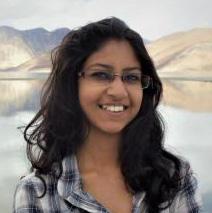
UTSAVI SINGH
Department of Anthropology
Building Memories: An Archaeology of Identity in a Frontier Region in India
Interested in supporting students studying language and conducting research in South Asia? Or global internships that encourage engagement with South Asia at Stanford? Please contact Lalita du Perron, lalita@stanford.edu, to find the best fit for your support. Your contribution could mean that one more student will have the opportunity to conduct critical research, study a South Asian language, or take part in a life-changing internship.
Language and Graduate Student Research
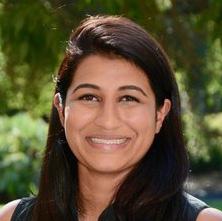
NATALYA ADAM-RAHMAN
Department of Political Science
Graduate Research Fellowship Paths Into the Labor Force and Women’s Empowerment in Pakistan
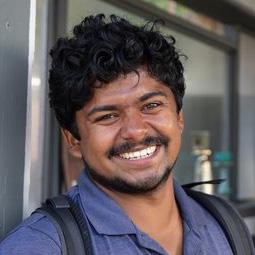
KARVENTHA KUPPUSAMY
Department of History
Graduate Research Fellowship Examining the History of Seed Improvements in 1960’s India
Click here to learn more about the fellowship opporuntities available through the Center for South Asia on our website.
Research Fellowship Recipients
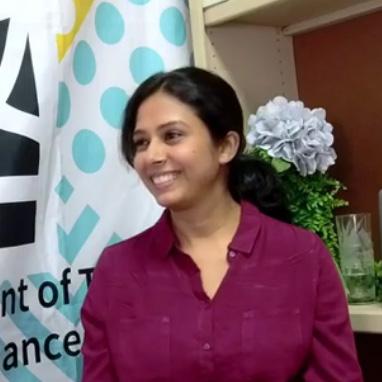
RASHI MISHRA
Theater and Performance Studies
Graduate Research Fellowship
Performing Precarious Citizenship: Relationship between the State and minority communities in India
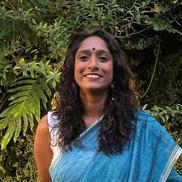
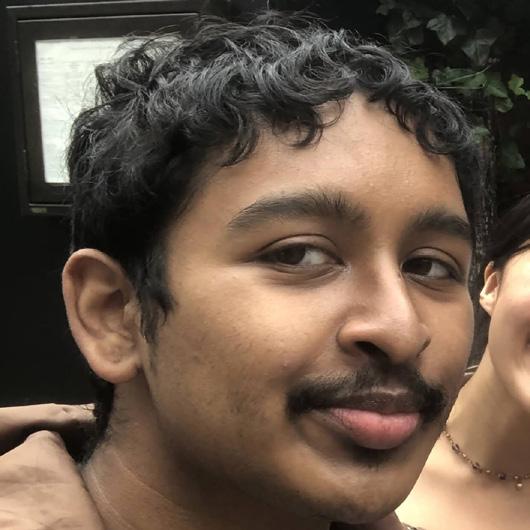
SRIHARI NAGESWARAN Department of Anthropology
Language Fellowship Tamil
POORNIMA RAJESHWAR Department of Anthropology
Graduate Research Fellowship The Gender of Policing: An Ethnography of Women’s Police Labor in India

The SASS at CSA
The South Asian Studies at Stanford (SASS) at the Center for South Asia includes our minor, podcast, and event recordings.
Photo credit: Vanessa Veak (Hawa Mahal, Jaipur, India, 2020)
South Asia Languages at Stanford
In addition to Hindi, which is a permanent offering at Stanford, the Stanford Language Center (SLC) also offered Urdu and Punjabi. Urdu was taught virtually by Berkeley Urdu lecturer Gregory Max Bruce, and we are grateful to him for creating a strong syllabus. Listen to Max talk about his research here. Punjabi was offered as a result of students mobilizing and creating critical mass, which resulted in strong enrollment and the course being offered repeatedly. The 2324 academic year will also see Tamil being offered at the SLC.
Are you interested in sponsoring a South Asian language at Stanford? Please reach out to Lalita du Perron to discuss, lalita@stanford.edu.
The South Asian Studies Minor
The Minor in Global Studies with a specialization in South Asian Studies presents undergraduates with a significant opportunity to scaffold their interest in and knowledge of South Asia. This track allows them to focus on South Asia while locating their work within larger global conversations. MORE ABOUT OUR MINOR >>
The #SASStube
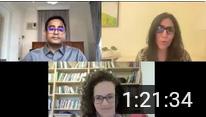


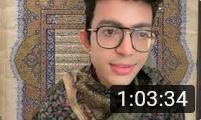

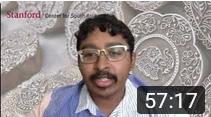
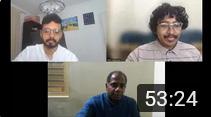
The SASS Tube features our event recordings accessible to the public with 14 new recordings this year. Our content includes recordings from the South Asia Working Group, a space for community, dialogue, and reflection for South Asianist graduate students and early scholars working on and engaging with South Asia. This year the group was led by Paras Arora and Shubhangani Gupta, Ph.D. candidates from the Department of Anthropology at Stanford University. It also includes recordings from events organized by the South Asia-Markaz fellow, Srihari Nageswaran. Please click the videos to view the recordings.
VISIT AND SUBSCRIBE TO THE SASSTUBE >>


The #SASSpod
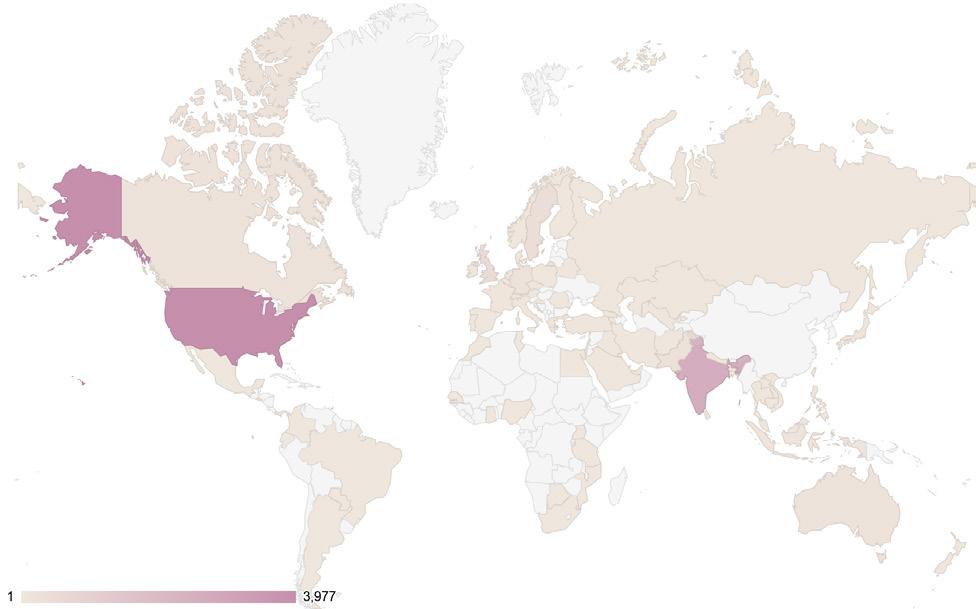
Lalita du Perron hosts a wide variety of guests on the podcast who have a Stanford connection. With over 9,000 listens in 89 countries, the SASSpod captivates a global audience, who are interested in learning more about South Asia at Stanford.
Topics covered in 2022-23 include: Afghanistan, archives, religion, journalism, gender studies, books & literature, nature, environmentalism, personal journeys, identity, culture, education, politics, caste, and history.
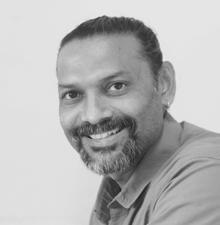
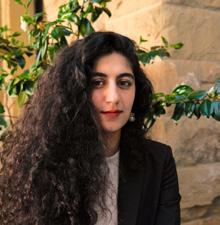
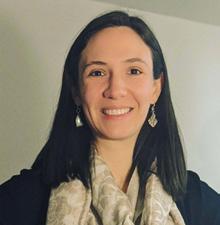

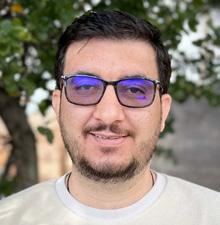

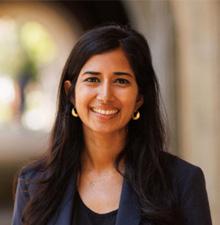
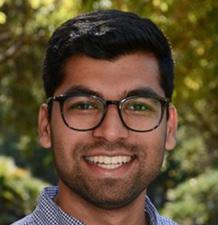
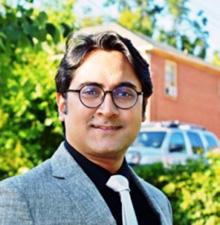
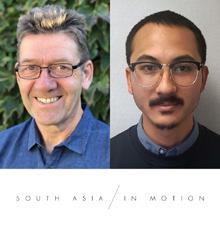
Events
MORE ABOUT OUR UPCOMING EVENTS >>
Photo Credit: Byron Gray (Mumbai, India, 2020)
Lecture Series
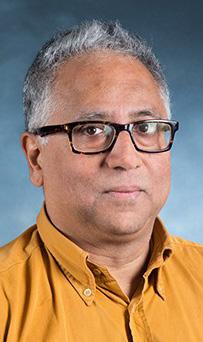
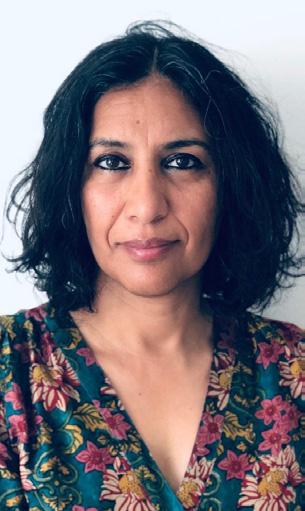
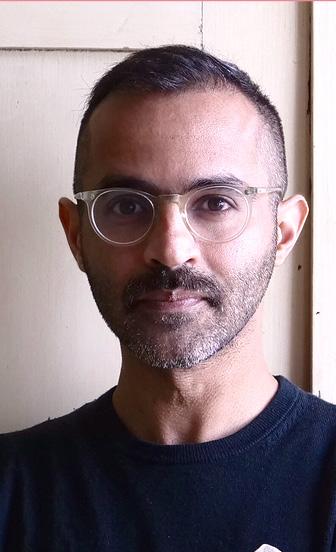
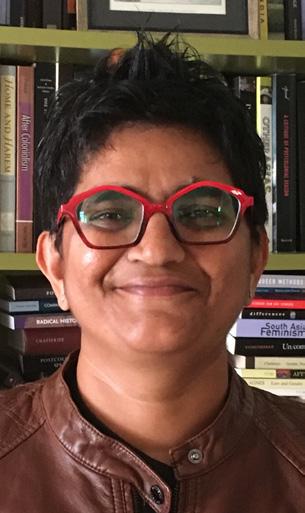
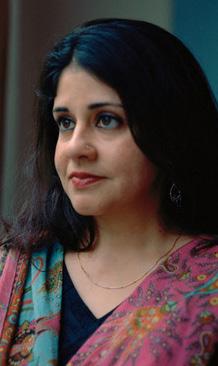
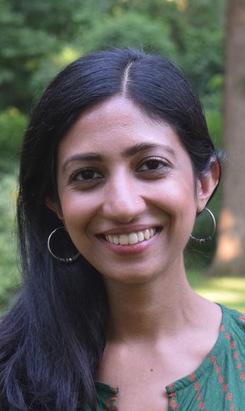
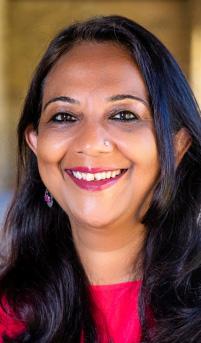
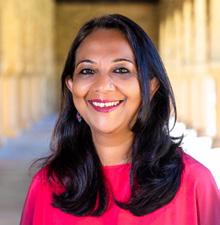
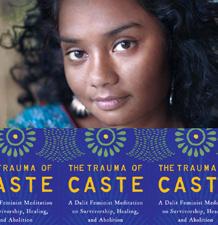
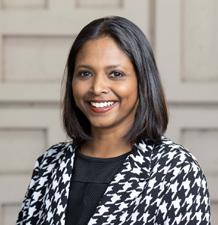
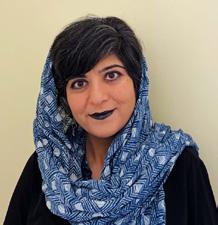
Many thanks to our Stanford faculty: Soledad Artiz Prillaman, Anuradha Bhasin, Anna Bigelow, for moderating. Thank you to our co-sponsors: Abbasi Program in Islamic Studies, Clayman Political Science, Department of Theater & Performance Studies, Institute for Diversity in Division, and Stanford Humanities Center.
Click on the picture of the speaker to view the event information.
Photo credits: courtesy of speakers and Schokofeh Kamiz


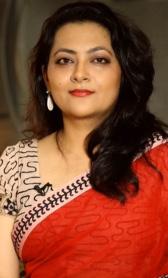
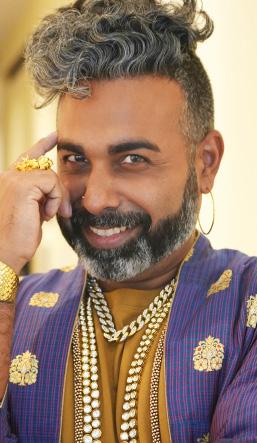


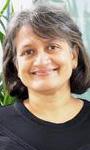
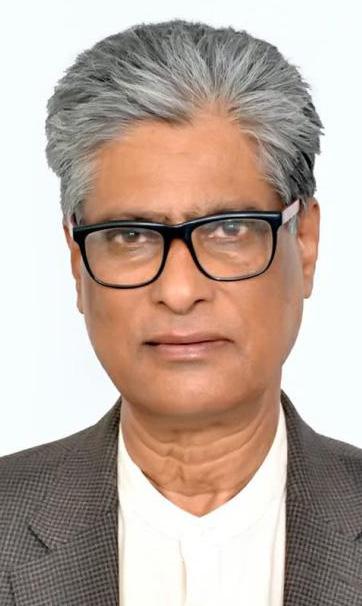
Bigelow, Thomas Blom Hansen, Usha Iyer, Partha Pratim Shil, and Sharika Thiranagama Clayman Institute for Gender Research, Department of Art & Art History, Department of in the Arts, Film and Media Studies, Queer Student Resources, Stanford Global Studies
Naveeda Khan
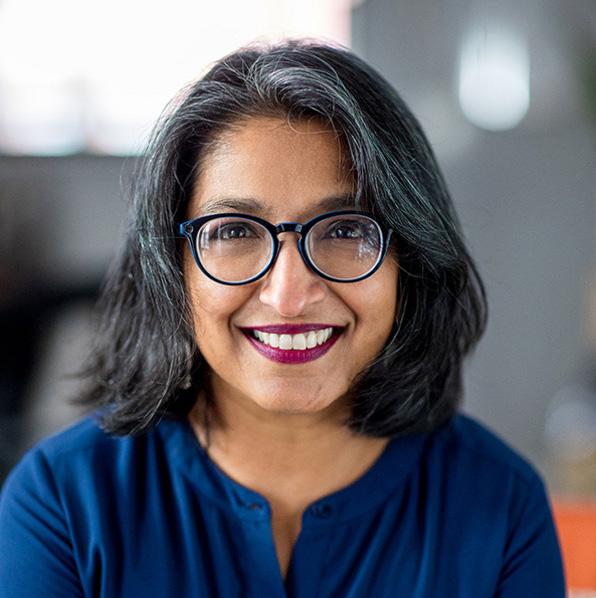
Naveeda Khan, Professor and Chair of Anthropology at Johns Hopkins University, gave the CSA annual lecture in 2023. Her talk, entitled “Exquisite Corpse: The Aesthetics of the Dead in Akhtaruzzaman Ilyas’ Khwabnama,” asked us to consider the demands that the dead make on the living as figured in Ilyas’ 1996 novel. In this project Khan builds on the concerns articulated in other works: Muslim Becoming: Aspiration and Skepticism in Pakistan (Duke 2012), River Life and the Upspring of Nature (Duke 2022), and In Quest of a Shared Planet: Negotiating Climate from the Global South (Fordham 2023). She is drawn to the stories of people and places that
refuse neat compartmentalization as ‘marginal’ or ‘subaltern’ or eccentric, and asks that readers consider not just the urgency, but also the mundanity of these situation (such as the global climate crisis or the internal contradictions of the Pakistani state or the precarity of life on shifting and disappearing ground). Throughout these studies and others, Khan has also always had an ear for the literary voices that do not just reflect conditions of being or becoming, but that make space for us to perceive, as she puts it, “the struggle over sensemaking in our time.”
Jahaji Music
As part of the annual Stanford Global Studies Summer Film Festival, this year centered around the theme of Oceans, we presented the film Jahaji Music: India in the Caribbean (2007). From the mid-nineteenth century Indian labourers arrived in the Caribbean on boats, bringing a few belongings and their music. More than 150 years later musician Remo Fernandes travels to the Islands to explore potential collaborations and create new work.
Jahaji Music: India in the Caribbean is a record of a difficult, if unusual and complex, musical journey. Audience members watched the film at their convenience on vimeo, and then joined our event for a Q&A with Director Surabhi Sharma, moderated by Professor of Film and Media Studies Usha Iyer. To watch the Q&A on our YouTube channel, click here.
Markaz
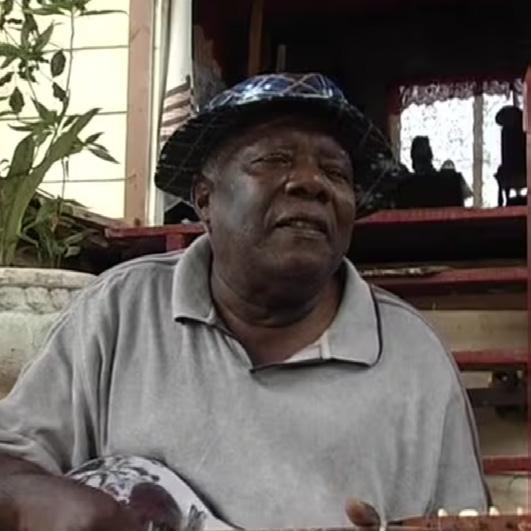

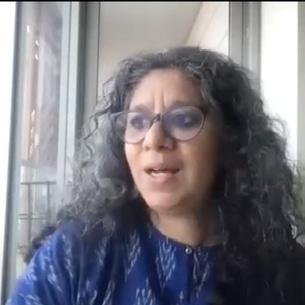
In 2021 the Center for South Asia started collaborating with the Markaz Resource Center on creating an annual undergraduate Fellowship. The purpose of the South Asia - Markaz Fellowship is to foster student-led campus conversations on themes related to societies, cultures, religions, and issues in South Asia. In consultation with faculty and staff, the South AsiaMarkaz fellow identifies themes of current interest to the Stanford student community, and curates a number of events with academics or speakers whose work engages with scholarship on South Asia.
The Center for South Asia extends sincere appreciation to our contributing alumni, parents, students, and friends for their generous support. Your support helps strengthen our existing programs and also create new ones to enhance our collaboration with Stanford faculty, students, and other university units. For more information about working with
How to Give From the community
Balaji Narasimhan
I consider myself lucky to have gotten to know about the Stanford Center for South Asia almost since its inception. Documentary film screenings and talks by social activists related to the tragic events of Gujarat in 2002 were what attracted my attention initially. Soon thereafter, talks by academics and other scholars from within and outside Stanford organized by CSA gave me an interdisciplinary and multidisciplinary window into all things South Asian. Many of the events that drew me to CSA were on one or more of the themes of democracy, human rights, peace and harmony within the individual countries of South Asia and peace between them.
us to support the study of South Asia at Stanford, please contact Lalita du Perron, Associate Director at lalita@stanford.edu.
Make a Gift >>
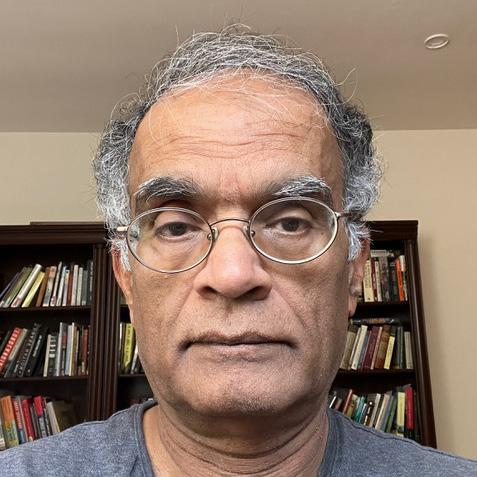
Engagement with the works of CSA faculty, scholars and visitors over the years has broadened and deepened my understanding of the region, and shaped my own engagement with the vital concerns of our times as they relate to South Asia.