WRITING INTENSIVE SEMINARS IN ENGLISH
PROGRAM
DESCRIPTION
WISE courses are highly regarded, small-group, research intensive seminars where students explore compelling, ever-current topics in English language literature. WISE trains students to hone their literary critical research and writing skills through a series of scaffolded assignments which culminate in a substantial original research essay.
Classes are capped at 8 students to allow for highly individualized attention and extensive feedback. Enrollment is by permission.
WISE fulfills the WIM (Writing in the Major) requirement for the English major, although WISE courses draw students from across the university. English majors must take at least one WISE course to fulfill WIM, and may take more than one WISE if there is space. Majors, minors, and prospective majors receive invitations to rank preferences via on online form each year, in mid-summer. NonMajors are welcome, space permitting.
Because of the intensive training and reading, writing, and critical thinking taught in WISE courses, Majors are encouraged to take a WISE course early in their degree plan, either soon after they declare, or by junior year, since it benefits longer term essay writing preparedness. Think about taking WISE in second or third year, rather than leaving it until senior spring! For students potentially considering the Honors program in senior year, WISE courses can additionally lay a strong groundwork for later research in English.
For more information, please contact:
Farrah Monet Moreno Student Services Officer, Department of English farrahm@stanford.edu
Alice Staveley Faculty Director, Writing Intensive Seminars in English staveley@stanford.edu
FALL 2027
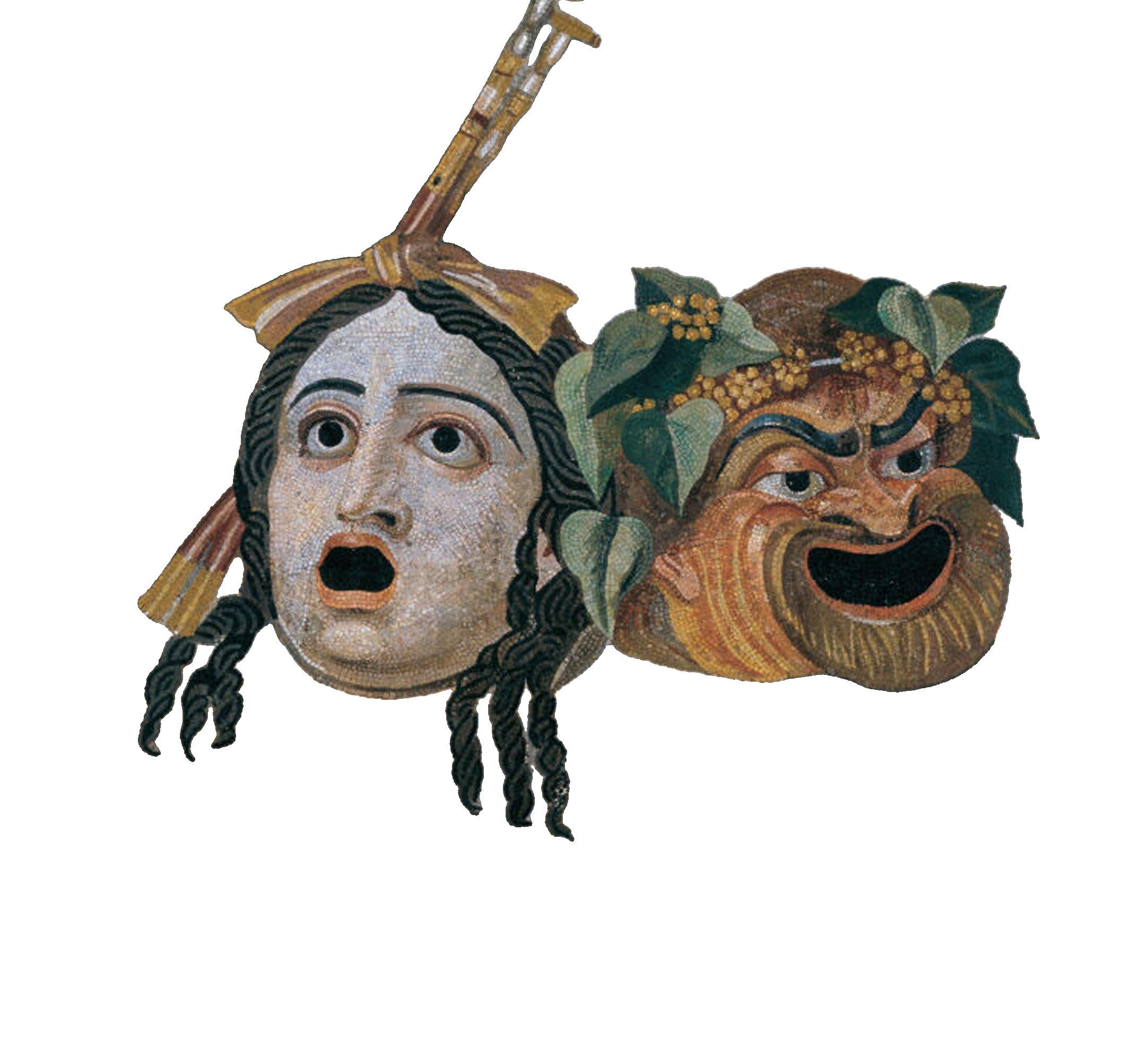
does it primarily pertain to structure and plot: the averted tragedy, the compromised comedy? Could tragicomedy be best understood as a mingling or juxtaposition of emotions and affective responses (tears and laughter)? Or might it even index a basic existential reality: the tragicomic nature of
UNIT COUNT
5 Units human experience? Is tragicomedy, as some have claimed, uniquely suited to our current historical moment?
In this class, we will explore these questions through a transhistorical selection of plays. Beginning with the Roman dramatist, Plautus, who has a claim as the ‘inventor’ of tragicomedy, our readings will transport us to renaissance England (Fletcher, Shakespeare), enlightenment Germany (Kleist), twentieth-century European absurdism (Beckett, Pinter), to modern TV series (Fleabag).
Alongside these core dramatic works, we will engage a wide selection of critical, theoretical, and philosophical texts. Very often the ‘creative’ and the ‘critical’ will overlap, and the writing assignments will afford an opportunity to explore this kind of interpretive hybridity through your own critical practices.

ENGLISH 5YA
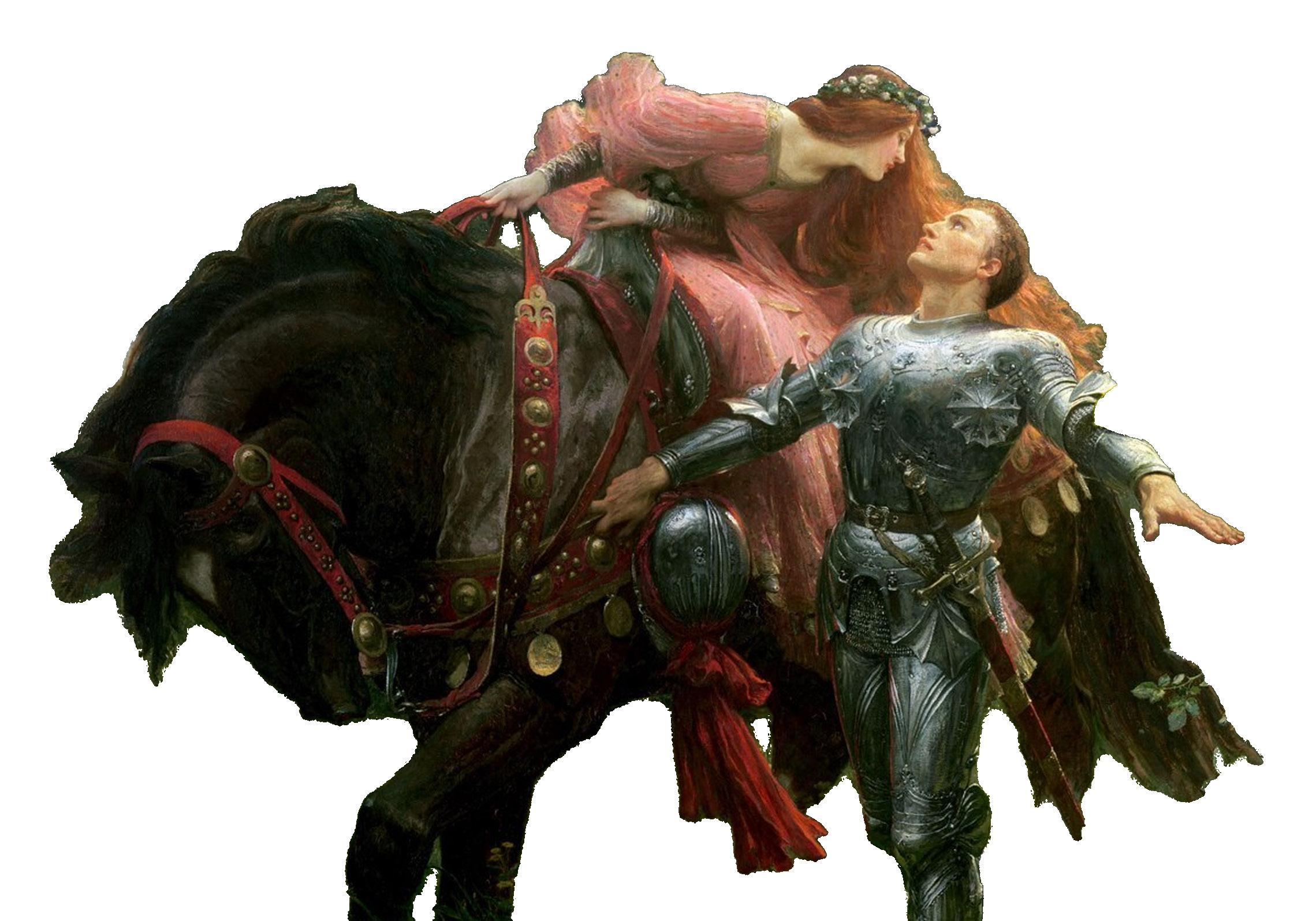
Knights in Shining Armor: Gender and Chivalry from Chaucer to Chappell Roan
The image of the knight in shining armor permeates popular culture – from the court of King Arthur and Chaucer’s Canterbury Tales, through the Pre-Raphaelites and Romantics, to the Met Gala red carpet.
Why is this an aesthetic that lasts? What is it about the chivalric knight that serves as a useful mechanism for artists throughout the ages?
In this course, we will examine the knightly figure through theoretical lenses including gender and class to better understand the interplay between identity and aesthetics. ‘Texts’ will span literature, film, fashion, and more, including works by Chretien de Troyes, Chaucer, Keats, Tennyson, Judith Butler, Chappell Roan, and Zendaya by Law Roach.
INSTRUCTOR
Catrin Haberfield
SCHEDULE
Tuesdays and Thursdays 9:30 AM - 11:20 AM
UNIT COUNT
5 Units
WINTER 2027
SPRING 2027
ENGLISH 5AB Surveillance and the Realist Novel
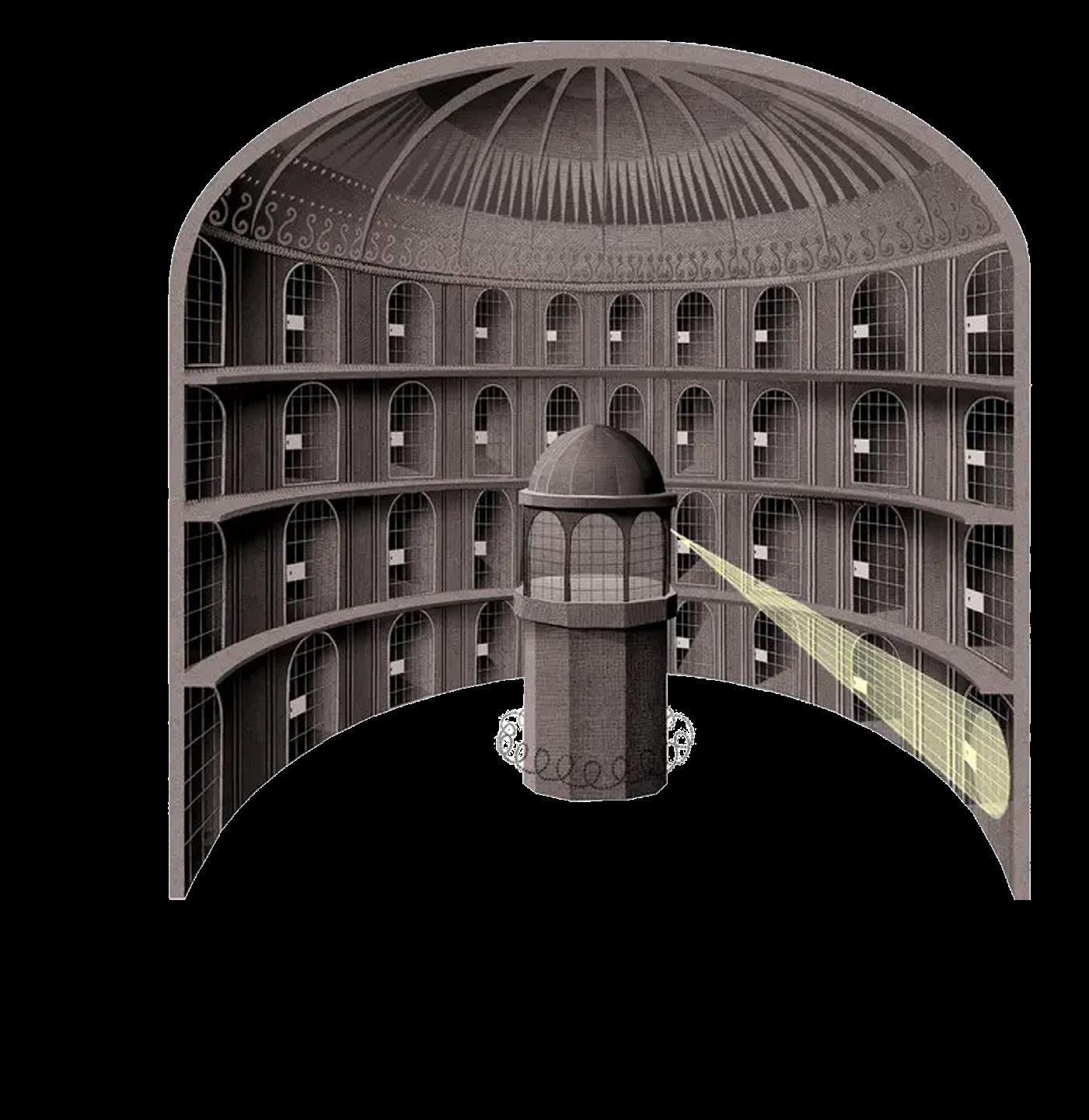
Over the past few decades, surveillance has become an inescapable presence in our day-to-day lives. From our phones listening to us, to facial recognition through instore surveillance monitoring, to the geographical data we surrender everytime we upload a run to Strava -- nothing is private. Much like the relationship between rising surveillance and the rapid technological advancement of today, the nineteenth-century saw an increase in surveillance and the apparatuses available to exercise it, shaping surveillance into a central preoccupation of the nineteenth century’s most rapidly-evolving literary form: the realist novel.
INSTRUCTOR
Sasha Starovoitov
SCHEDULE
Tuesdays and Thursdays 5:30 PM - 7:20 PM
UNIT COUNT
5 Units
This course examines how discourses of surveillance shape the novel form in the nineteenth century and today -- from a period heavily associated with both the rise of the novel and the rise of regulatory infrastructures to our own contemporary context. We will explore surveillance as the subject of novelistic representation in its depictions of capitalism and social class, law, policing, and sexuality, while also considering how novels (and more broadly, form itself) react to, and against, the surveillance of reading.
Our primary text selection will begin by focusing on nineteenth-century novels (Balzac’s Père Goriot and Charles Dickens’ Great Expectations), where we’ll locate how surveillance operated in the epoch’s newly industrialized cities and influenced the modes of narration, character development, and plot structures associated with literary realism. We will then consider how the confluence of new surveillance culture and globalization impact the contemporary realist novel in Mohsin Hamid’s The Reluctant Fundamentalist. Secondary readings from key works in critical theory, postcolonial criticism, and queer theory, as well as theories of the novel, will give us a robust conceptual framework to supplement our primary texts.
ENGLISH
5ZA
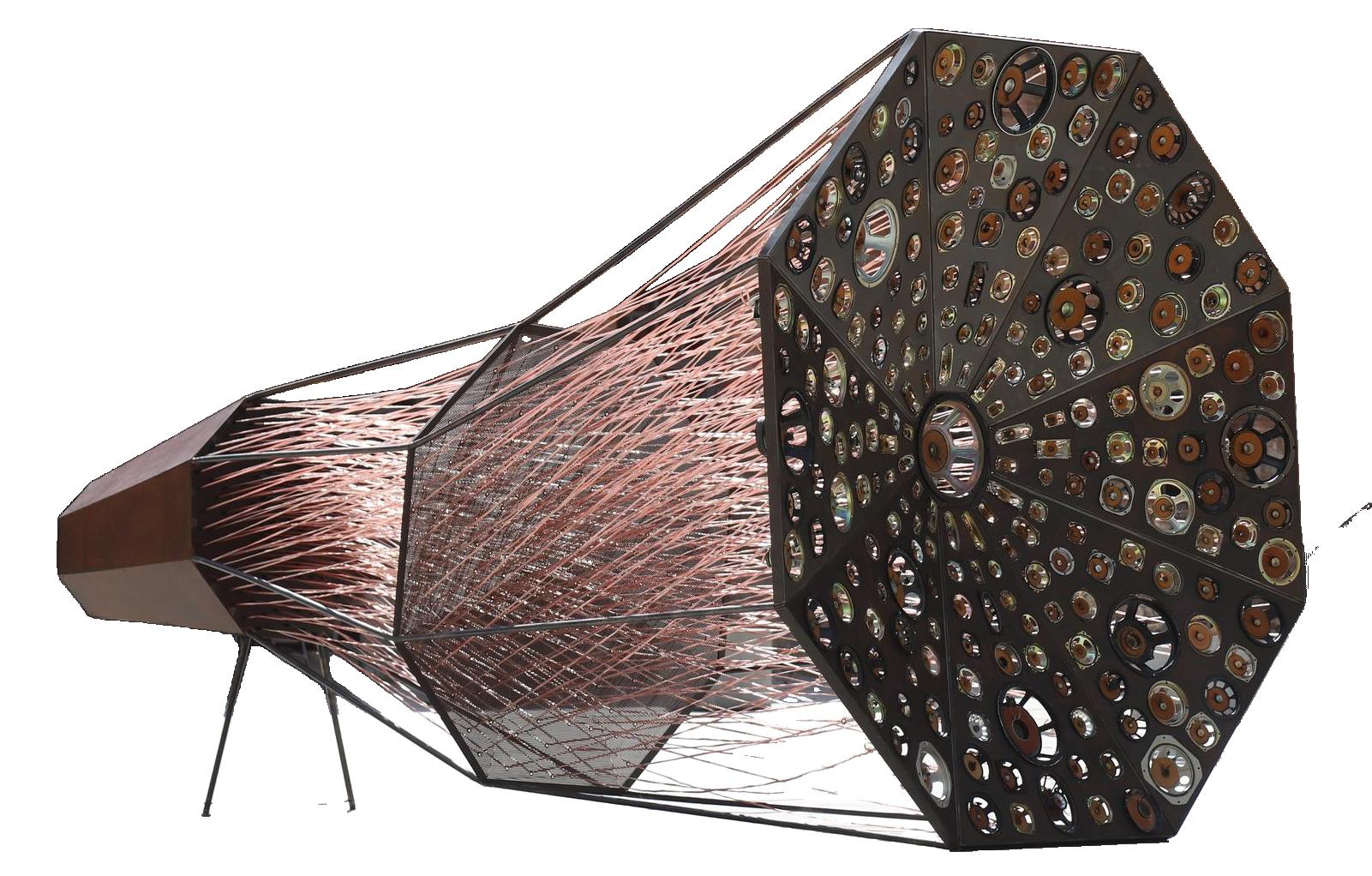
Media, Technology, and Narrative
Media and technology characterize modern life. Do they also limit our cultural imagination?
In this class, we explore the imaginative and narrative dimensions of technology and media in four modes: communication; science; travel; and environment. The course traces the field of media theory, starting from Marshall McLuhan’s groundbreaking Understanding Media and broadening out into the recent turn towards the natural world with “elemental” media studies. Course materials include works by Henry James, Benjamin Labatut, Octavia Butler, and Virginia Woolf, as well as
INSTRUCTOR
Gabi Birch
SCHEDULE
Mondays and Wednesdays 4:30 PM - 6:20 PM
UNIT COUNT
5 Units
screenings of Oppenheimer (2023), The White Lotus (2025), and No Reservations (2008).
Together, we’ll consider crucial interdisciplinary questions. What kinds of stories are told about technology, today and historically? How does a medium determine the content of a story? Are some media better suited to narrative than others, and why? This is a writing intensive course with a final critical paper. All writing assignments in the class will scaffold towards this paper, modeling the sustained inquiry required to produce scholarly work. Students are encouraged to write on topics and texts of interest to them in consultation with the instructor.
SPRING 2027