Starting First Year is an exciting milestone for both pupils and their families and we are delighted to welcome you as this journey begins.
At St Aloysius’ College, we are guided by a Jesuit vision of education that seeks the formation of the whole person. Every child is known, valued and accompanied, and is encouraged to grow not only in academic achievement, but also in character, confidence and compassion. We recognise that this transition brings both excitement and some uncertainty, and we are here to support you at every stage.
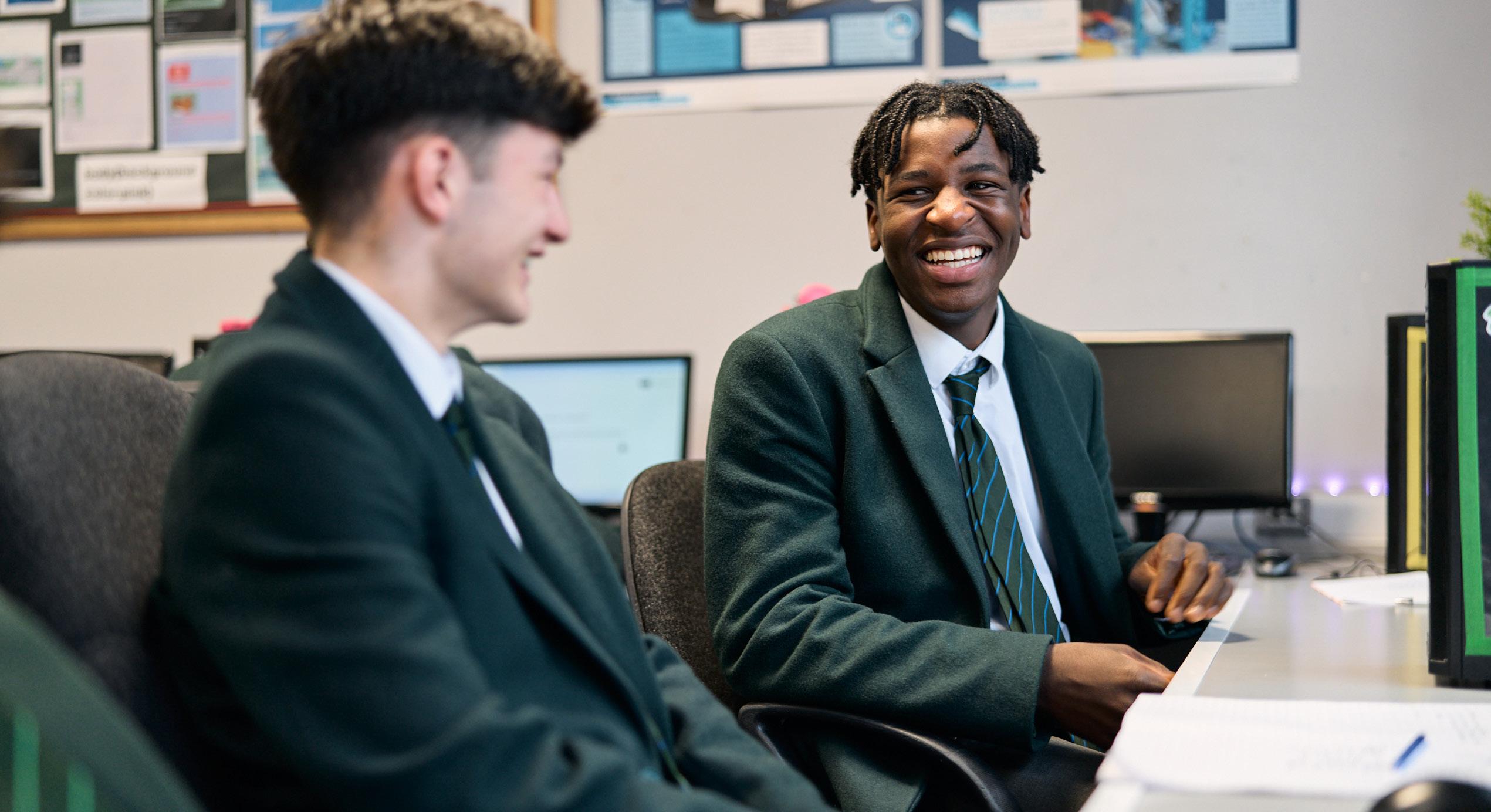
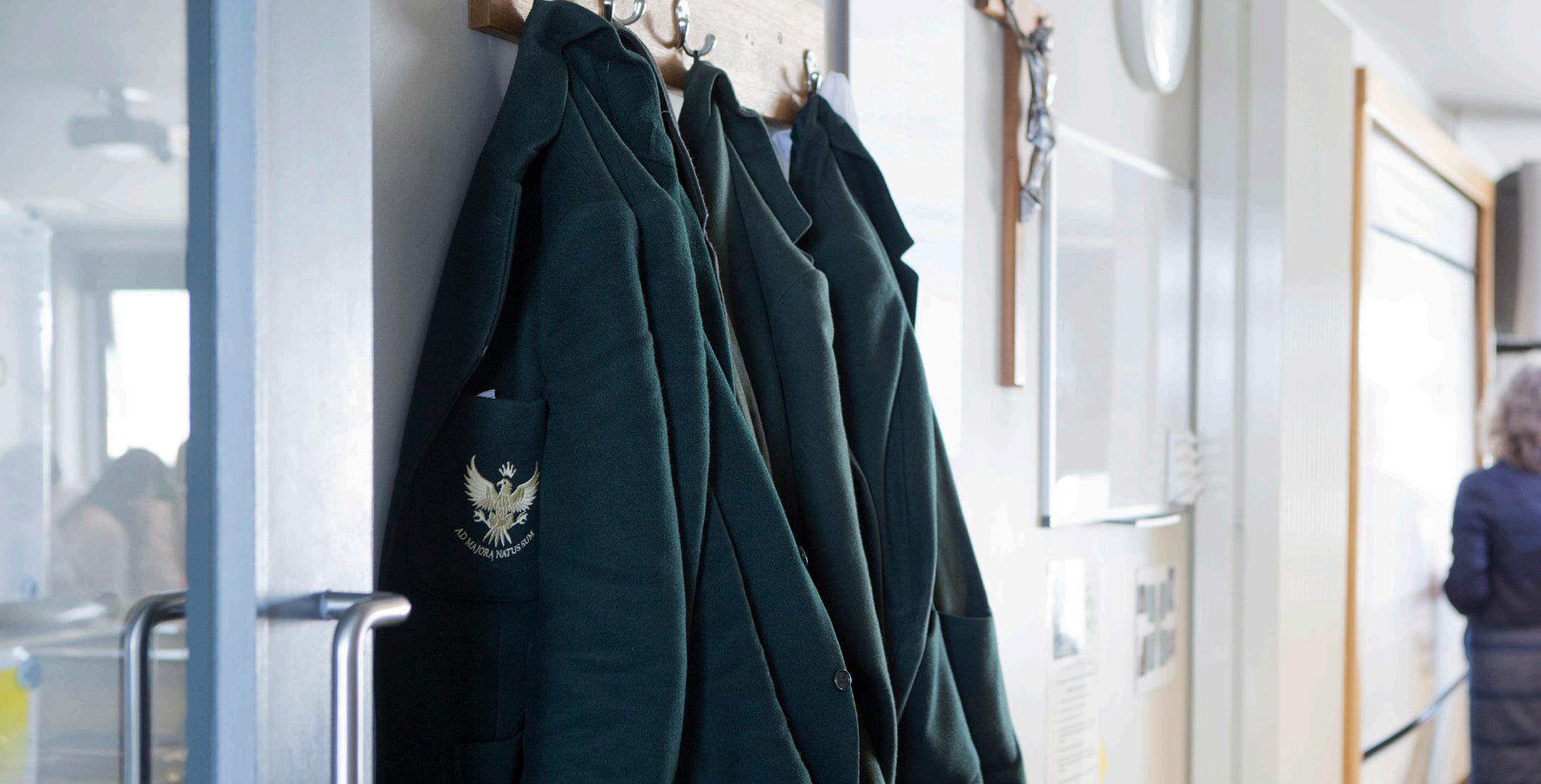
As your child settles into life in the green blazer, they will have the opportunity to explore new experiences, form lasting friendships and develop confidence within a strong and caring community.
This booklet is designed to guide you through the early stages of First Year and to help you feel informed, reassured and prepared for the year ahead.
We are very pleased to welcome your family into our community.
SUPPORTING YOUR CHILD
Making the Transition
Taking the step from Primary 7 into S1 is an exciting and significant step in the life of every child. It is an important milestone which marks a change in the expectations of teachers and parents/carers, as pupils are given more responsibility for their own learning through independent working and self-organisation.
On entering the Senior School, pupils are expected to embrace a variety of new experiences, many of which demand skills and abilities they have not yet faced during their school careers. These skills have to be taught, and the pupils are supported in developing as they move through the Senior School.
Preparing for Senior School
Although many current Primary 7 pupils will be familiar with the Senior School building, all pupils will experience a change in approach to their education - particularly increased independence. Please do advise your child that they will not be the only one feeling nervous about the transition, and that the pastoral team are always on hand to help.
Parents/carers help their children develop independence, so it is best to encourage your son or daughter to establish good work habits from their first day. The good habits
and routines that children develop will stay with them throughout Senior School and beyond, through university and their working lives.
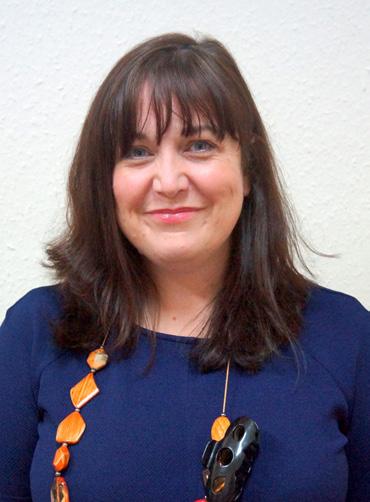
MRS HARTSORNE Head of Learning and Progress - S1
MRS TRACHE
Lower School
Pastoral Support Worker
The S1 Pastoral Team
Note from Mrs Hartshorne
Welcome to St Aloysius’ College. As Head of Learning and Progress for First Year, my role will be to oversee your child’s wellbeing and academic development during this very important stage of their education.
I know that the children will have the challenge of coping with timetables, getting to know different teachers and classrooms for every subject, carrying books around, and worrying about getting lost. In addition to this they will have the added task of making new friends. It is an exciting time and some children will take this new experience in their stride, but it is only natural for children and parents/carers to have some anxiety about the transition from primary to secondary. It is for this reason that we aim to make this transition as smooth and as trouble free as possible.
I am very much looking forward to getting to know your child and I promise to do everything possible to welcome and support them throughout First Year.
Cura Personalis
Cura personalis (care for the whole person) is a central characteristic of Jesuit Education. Our curriculum is centred on the person, rather than the material to be covered and it is our role to support each child in fulfilling their potential and developing at a pace suited to their individual ability and personality. Our pastoral staff will take time to get to know each young person, as an individual, and,
working in partnership with parents/carers, will provide support and encouragement throughout their time at the College.
Additional Support
At St Aloysius’ College our Additional Support Team works closely with our Pastoral Team to ensure that every pupil is included and supported in their learning.
This may include the following:
Working collaboratively with class teachers to provide individual learning profiles and support strategies
In-class support provided by support assistants
Monitoring for assessment arrangements
Extra literacy classes provided by specialist staff
Curricular adaptations, where appropriate
Referral system, in-school screening and specialist testing
Liaison with parents/ carers and external agencies
Use of technology and assistive software
Form classes
When your child joins the Senior School, they will join a form class with an assigned Form Tutor.
The Form Tutor meets with the class for 15 minutes at the beginning of each school day.
In addition to registration and announcements, these classes are designed to establish close relationships between form tutors and pupils in their care.
S1 is split into three form classes, named after a combination of Scottish saints and the most recent Jesuit saint.
Class 1BSaint Blane
Saint Blane was a Bishop and Confessor in Scotland. He became a monk and was eventually bishop among the Picts.
Class 1HSaint Alberto Hurtado Cruchaga
Padre Hurtado was a Chilean Jesuit priest, lawyer, social worker and writer, founder of the Hogar de Cristo movement.
Class 1KSaint Kentigern (Mungo)
Saint Kentigern, more commonly known as Saint Mungo, is the patron saint of Glasgow and was the founder of the city.
Parental Partnership Partnership
Successful education is based on a supportive and co-operative partnership between home and school. It is important that parents/carers take an active interest in their child’s school life and are seen to promote attitudes of hard work, involvement in the life of the school, and a commitment to their studies and co-curricular activities.
Reporting
The College will keep you updated on your child’s progress through gradebooks, reports and parents’ evenings. If you have any queries about your child’s progress, please contact Mrs Hartshorne.
Homework
All homework will be set by teachers via the Schoology app, which can be accessed by parents/carers as well as pupils. Parents/ carers can sign up to Schoology and monitor homework either through the app or at www.schoology.com.
Please encourage your child to set aside an hour and a half each night for homework and revision. Any time remaining should be used for consolidation.
Home Routines
Establish a daily routine as early as possible, with clear times and conditions for homework both during the week and at weekends. Books, equipment, and kit for the next day should be prepared the night before. It is helpful for parents/carers to have a copy of their child’s timetable and examination schedules, particularly for Games and PE days.
A Place for Study
It is helpful for pupils if they have a study space at home, including a desk space, stationery supplies and computing equipment. Routines minimising distractions are also helpful for pupils.
Computers and iPads
It is essential for pupils to have a device with internet access at home. The College has developed web-based resources for learning and, as a result, class notes and homework assignments are increasingly given to pupils via Schoology.
We advise parents/carers to monitor computer use during homework time, particularly for gaming and social networking. Parents/carers will be sent guidance on how to set up parental controls on iPads to help with this. You can also access howto videos HERE
Use of iPads
Pupils will carry an iPad from class to class. Where appropriate, pupils will use their iPads to enhance their learning in the classroom. Pupils have a responsibility to decide when and how to use them at home.
Pupils should read the College’s acceptable use policy for IT equipment, which they have to agree to prior to use. Pupils are expected to use their iPads responsibly and should not use social media or messaging services during school time.
Pupils can use their own office software (e.g. Pages, Keynote) and the College will provide access to web-based versions of Office 365. The College will set the pupil username to be the same, or similar, for all systems it controls however, pupil passwords are not controlled by the College.
Teachers use Apple Classroom as a tool to monitor activity and to manage the use of iPads in their class. Pupils are expected to join their Apple Classroom when asked, and to accept the requirements to share screen.
This is only for the duration of the class and teachers have no way of monitoring iPad activity away from the College.
If pupils forget their iPad or it is being repaired, there is a small stock in the year office that may be borrowed.
If you have any other problems with technology, please contact Mr Graeme Smith, Head of Digital Learning, at GSmith@ staloysius.org
Co-Curricular Activities
As a school, we encourage personal excellence and a delight in learning. We look to form men and women for others in a way that encourages all of their Godgiven talents – which is why we offer a wide-ranging programme of co-curricular activities.
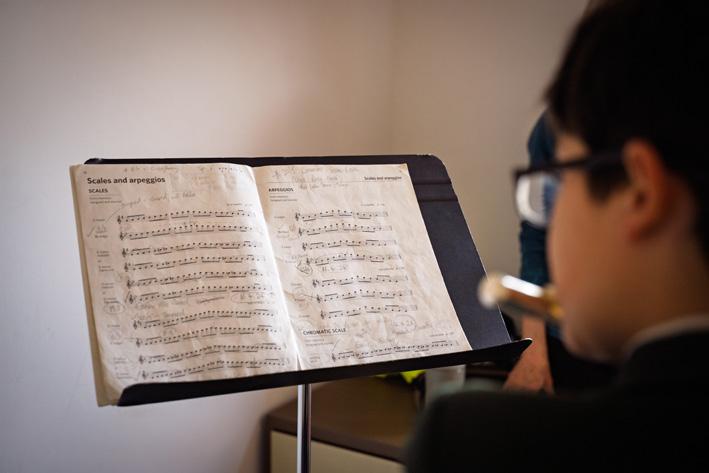
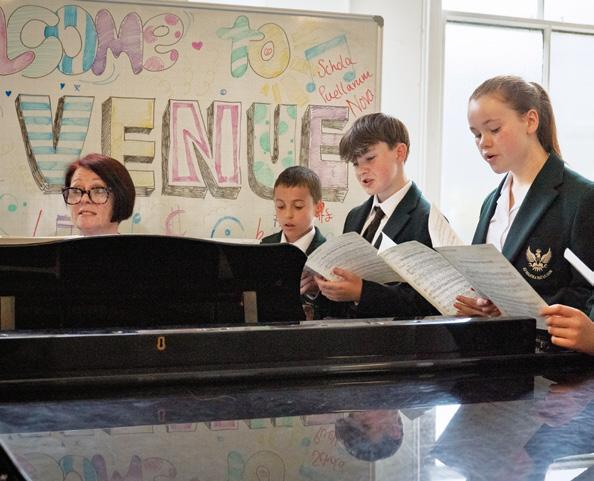
Our Music department is thriving with several outstanding choirs, including the auditioned Schola Programme, as well as an array of instrumental tuition. Our Outdoor Education Programme, is embedded throughout the life of the school, as we develop pupils’ appreciation of open-air pursuits from S1, with kayaking and climbing opportunities providing children the chance to prepare for the Duke of Edinburgh Award.
Of course, there are competitive fixtures in our main sports - Rugby and Hockey - but young people also have the opportunity to represent the College in a range of other sports including Football, Athletics, Basketball, and Swimming.
Our annual productions showcase the talent of the Drama Club - just one of many clubs and activities offered throughout the week, before school, at lunch and after school; from Strength & Conditioning to opera group and basketball club. Many of these groups, offer trips in the UK and abroad; from the Lake District to France and Iceland.
JESUIT CHRISTIAN FORMATION
We offer a Christian formation in the Jesuit tradition which encourages our young people to grow in the virtues seen on the Jesuit Pupil Profile (see PAGE 21). This tradition places great trust in the individual child in their journey to seek the truth. In practice this involves a teaching style and a presentation of Christianity that encourages a questioning mentality and regular self-reflection.
We hope that each young person entrusted to our care leaves as an adult who is open to growth, intellectually competent, loving and committed to doing justice, and who has considered the importance of faith and belief in the context of a secular society.
We offer each of our young people the opportunity to begin or develop their relationship with Jesus Christ. Pupils may do this through daily prayer, weekly voluntary Mass in the Chapel and whole College Mass and assembly.
The College has an extensive retreat programme, providing opportunities in each year for time away from the daily routine to explore themes in Christian Spirituality, get to know themselves, their peers and God better, and to have fun.
Mass of Dedication
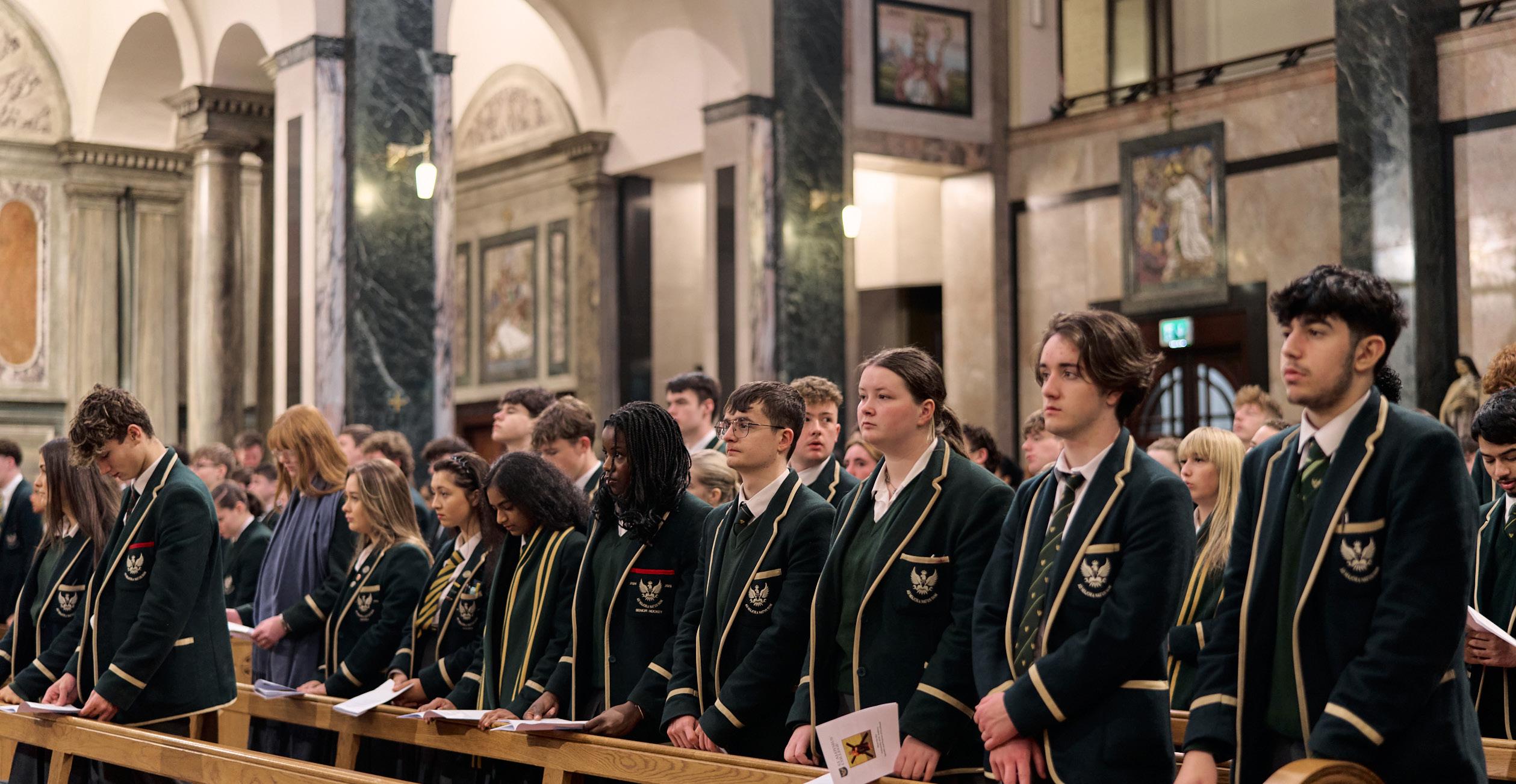
The First Year Mass of Dedication will be held in the first term. The Mass will be in the St Aloysius’ Church and will be followed by a reception. This is such an important event in the school calendar as it is an opportunity for us to come together to pray for a successful year for our new First Year pupils. We expect all young people (and hopefully their parents/carers) to attend.
GUIDELINES AND EXPECTATIONS
Pupils come to school to learn, to make the most of their gifts and talents, and to contribute to the life of the College.
As a member of the St Aloysius’ College community, pupils are expected to demonstrate the highest standards of behaviour and to have a positive and purposeful attitude to school life.
Expectations of Pupils
The College expects pupils to:
HAVE RESPECT FOR THEMSELVES
BY:
Taking responsibility for their own development (including setting clear goals for their own academic, social, creative, spiritual and physical formation and taking the necessary steps to realise their goals)
Developing the habit of reflection on their daily life, in and out of school
Building up self-discipline (acting responsibly in their words and actions)
Behaving in a safe way (including respecting boundaries, following safety instructions, using equipment and resources properly, not bringing forbidden items to school, and refraining from misbehaving)
Making healthy choices and being “fit for school” (including eating well, getting enough sleep, balancing their school and out-of-school commitments, and having good attendance)
Developing and maintaining a strong personal integrity
Being smart and tidy in their appearance and uniform
HAVE RESPECT FOR THEIR STUDIES BY:
Arriving punctually for lessons and with the books and equipment they will need
Participating in the lesson in a positive way, getting the most out of it for themselves and others in the class
Doing nothing to impede the teacher teaching or pupils learning
Completing homework, revision and independent study
Keeping a record of grades and taking steps to improve
HAVE RESPECT FOR THEIR COLLEGE COMMUNITY BY:
Being committed to the aims and values of the College (including building a Christian community, high academic standards, care for each individual, excellence in all we do)
Being compassionate towards others and considerate of the feelings and needs of their fellow pupils
Having respect for all staff (both teachers and support staff)
Being attentive to school rules and actively following teacher instructions
Being an ambassador for the College, both in and out of school
Taking pride in and care of their school environment (including treating buildings, furniture and resources with respect and maintaining a litter free environment
Using their talents to become actively involved in the life and activities of the College (including worship and retreats, social events, sport, co-curricular activities, and House competitions) and honouring the commitments they make
Being men and women for others by participating in the outreach, service and charity activities which are central to the Christian life of the College
In the Classroom
Arrive prepared with the correct books, jotters, charged iPads, pens and any other equipment needed.
Be punctual – arrive on time for every lesson and settle down ready to learn at their allocated desk.
Be courteous – show good manners at all times.
Listen and follow their teacher’s instructions.
Ask if they do not understand or are not sure about something.
Participate with a positive attitude to learning.
Respect the contributions, work, effort and points of view of their fellow pupils.
Present work to the highest standards, beginning every piece of work with AMDG at the top of the page.
Make sure that homework and other assignments are given their best effort and handed in on time.
Look after the environment keep their classroom and school tidy, free of litter and graffiti; take care of books, iPads, furniture and resources.
Remember that energy drinks and chewing gum are not permitted in school.
Remember for safety there should be no food containing any form of nuts brought into school.
Be smart and tidy in their appearance and wear their uniform well.
Expectations of Staff
At St Aloysius’ College, we expect the highest standard from the whole Aloysian community. We view a child’s education as a partnership between staff, parents/ carers and pupils in collaboration. In return for adhering to the school guidelines and expectations, parents/carers and pupils can expect the following from College staff:
Excellent teaching Fairness, equality and respect
Compassionate pastoral support, advice and a personal interest in your progress and school life (through your Form Tutor and Head of Learning and Progress)
A wide range of fulfilling and challenging co-curricular activities
A safe environment in which you can flourish
Uniform
Uniform and Appearance Rules
The correct wearing of uniform and the general appearance of pupils are very important matters. The pupils of St Aloysius’ College take the reputation of the school with them wherever they go in uniform and it is therefore vital that our uniform is always worn appropriately and with dignity.
College uniform serves to shelter children and young people from the ever-changing demands of fashion by ensuring a level of uniformity, equality and belonging. It promotes a positive learning environment and high expectations. It also means there is less of a socioeconomic distinction that can be made between pupils.
These principles are the rationale behind the following standards which we expect from all pupils.
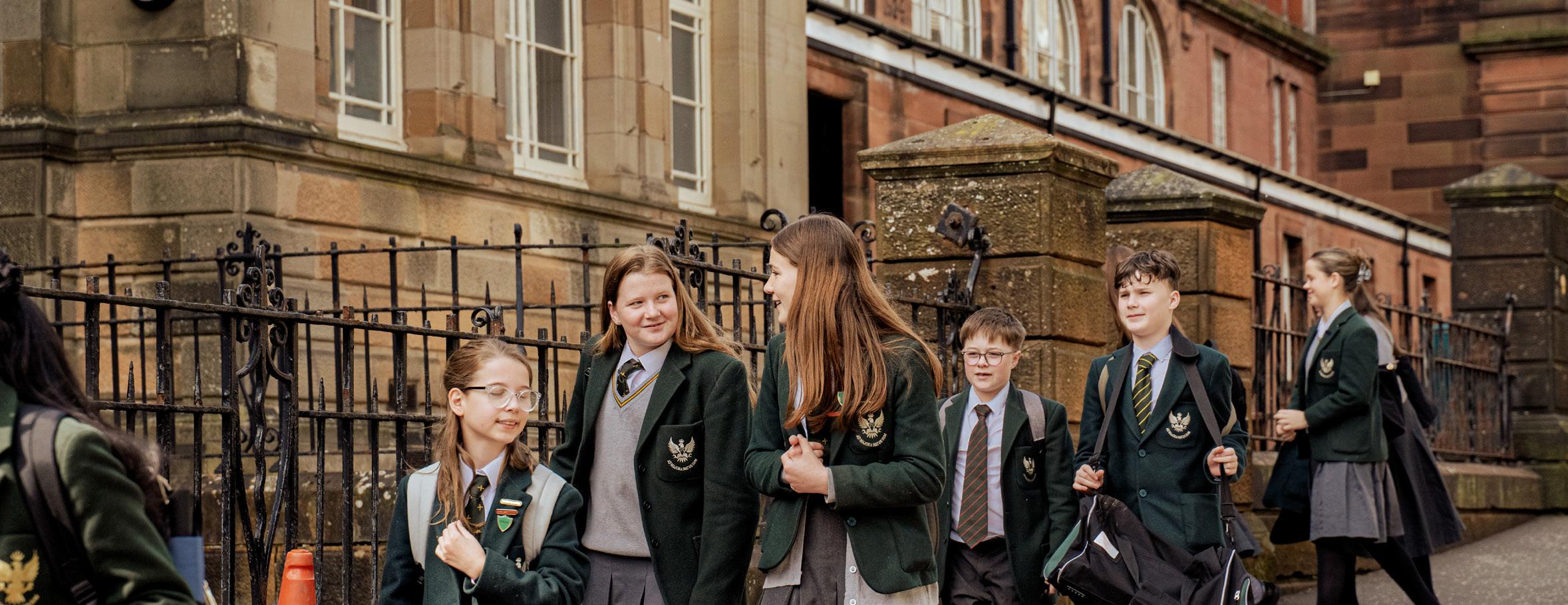
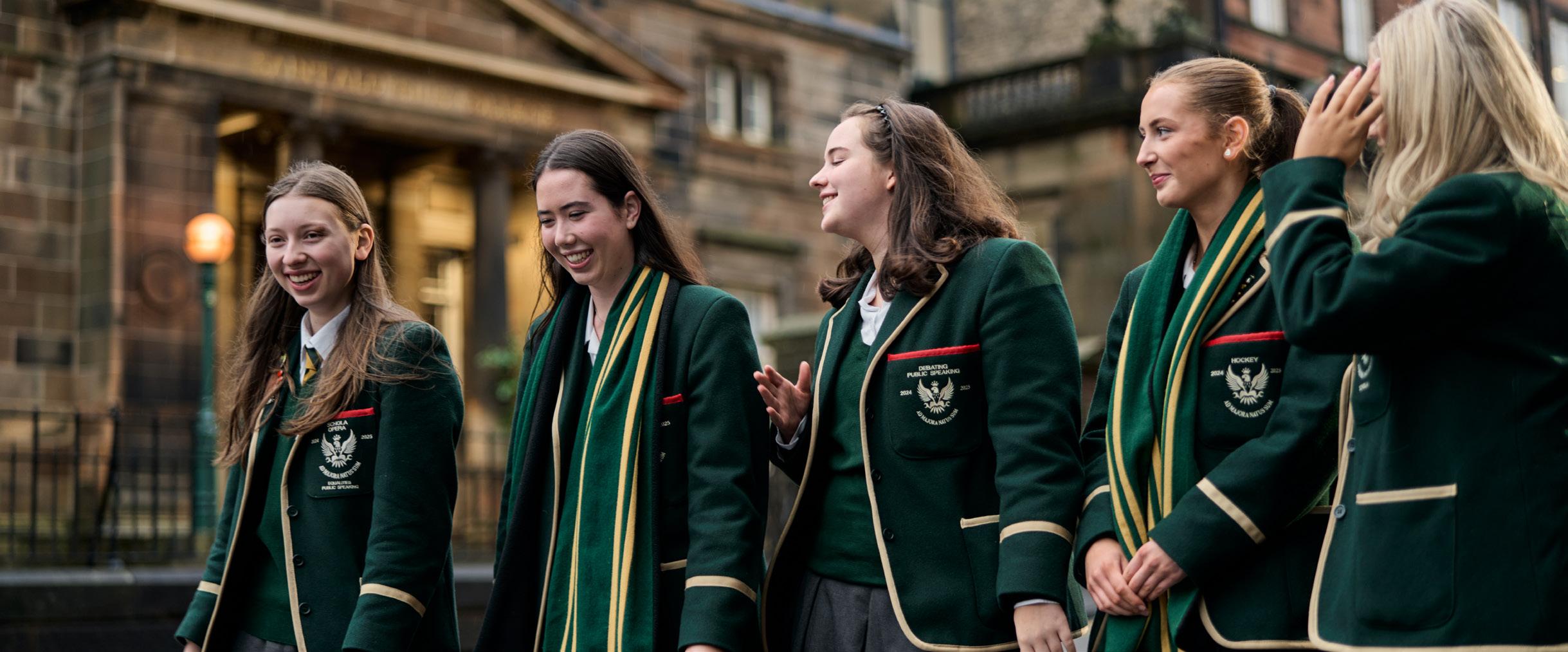
Blazers are to be worn to assembly, church, when moving from class to class and travelling to and from school.
Shirts are to be tucked in; collars and ties are to be done up. Revere collar shirts are an acceptable option.
Socks are to be plain mid-grey. Tights are to be black.
Trousers are to be mid-grey and tailored (not dark grey, charcoal or black). Skirts are to be mid-grey 8-box pleated and at least knee length.
Shoes are to be black, plain, formal and polished; boots are not permitted except when there is: snow or icy conditions but a change of shoes should be worn indoors; NB black trainers-style shoes are not acceptable as College Uniform.
If a scarf is worn it is to be the approved College scarf available from the school outfitters, or black, green, grey.
Any other items of clothing (coats, hats, gloves, hair accessories) are to conform in colour (dark green, grey, black) and style so as to be compatible with and not detract from the College uniform.
Bags should be plain and of dark colour. S1-S3 pupils must have the College kit bag for games.
Jewellery is not to be worn (including wrist bands, bracelets and rings), a plain stud in the lobe of each ear is permitted
Hair should be tidy and of natural colour. Extremely short cropped hair is not acceptable (#1 and #2 cuts are not acceptable). Long hair should be tied
back in practical subjects or for health & safety reasons. Facial hair should be neatly trimmed.
Make-up is not to be worn at all in S1-S3. In S4-S6 make-up may be worn provided it is natural and minimal. Eye makeup, fake tan and nail polish are not permitted for S1 to S6.
Games and PE kit are to be worn as indicated in the uniform lists; pupils are strictly forbidden to wear items of clothing in the colours and style of any professional football team, at any time.
House ties are to be worn. School badges, Colours and Awards are part of College uniform.
All school clothing is to be clearly marked with the owner’s name.
Uniform Supply
To ensure consistency of uniform quality, colour and style, the College uniform is provided by online supplier, Schoolblazer, www.schoolblazer.com
Further information for purchasing uniform is included in your new parents’ pack.
Senior School Uniform
College Blazer
House Tie
White shirt (optional revere collar)
College v-neck jumper (optional green jumper for S6)
Mid-grey trousers or mid-grey, 8 box pleated skirt
Grey socks (with school colours) or black tights
Formal black shoes
PE KIT
College PE shirt (round or V-neck
College PE training top (optional)
College PE shorts
Plain black Lycra leggings (optional)
White sports socks
Trainers (non- marking soles)
GAMES KIT - RUGBY KIT
College Rugby shirt
College Rugby shorts
College games socks
College base layer
Boots (studs or moulded studs)
College mid layer
College tracksuit or black College training pant
Gumshield
College games bag
Head guard (optional)
GAMES KIT - HOCKEY KIT
College games shirt (v-neck) or College PE shirt (round-neck)
College Hockey skort or shorts
College games socks
College base layer
Astroturf shoes
College tracksuit or black College training pant
College mid-layer
Plain black lycra leggings
Gumshield
College games bag
Hockey stick
Shin guards
COMMUNICATION
In dealing with enquiries, letters, concerns or complaints from parents/carers, College staff will endeavour to:
Reply promptly (usually within 48-hours)
Be friendly, courteous and supportive
Be professional
Work in partnership with families to achieve positive outcomes
Who to Contact
For matters to be dealt with effectively, it is important that they are directed to the most appropriate person. Your first point of contact for all concerns, academic or pastoral, is:
S6
Pastoral
Attendance or timekeeping matters
Other Key Contacts
NAMES/ TITLE
CONTACT DETAILS
Main Reception 0141 332 3190
Mr Scorgie Principal 0141 332 3190
Mrs Harper PA to Principal
Mrs Erskine Senior College Depute + Head of Junior School
Ms Catani
PA to Senior Depute and Safeguarding Administrator
Mr Cluckie
Depute Principal
Mr Ferrie
Assistant Principal (Pastoral and Safeguarding Lead)
Mrs Craig
Assistant Principal (Teaching and Learning)
School Nurses
MHarper@staloysius.org 0141 331 9204
IErskine@staloysius.org 0141 332 3190
GCatani@staloysius.org 0141 331 9278
JCluckie@staloysius.org 0141 332 9190
RFerrie@staloysius.org 0141 332 3190
ECraig@staloysius.org 0141 332 3190
medical@staloysius.org 0141 331 9208
In the first instance, parents/carers are asked not to contact individual subject teachers directly. If you are dissatisfied with the response you have received or with the resolution of a matter, please write directly to the Principal. The College Complaints Policy is available in the Policies section of the College website.
Safeguarding and Child Protection
St Aloysius’ College is committed to promoting and safeguarding the wellbeing and protection of children and young people. The College believes it is everyone’s collaborative responsibility to keep children and young people safe. The College upholds every child’s right to the care and protection that promotes their human growth and sense of personal worth and dignity.
The Safeguarding Team
The Safeguarding Team are responsible for all safeguarding work across the College (3-18). This work includes:
Creating and implementing safeguarding policies and procedures
All staff training and development
Addressing all child protection concerns
Reporting, storing and retaining child protection records
Promoting an ethos of safeguarding throughout the College
Liaising with external agencies and appropriate authorities
THE SAFEGUARDING TEAM CONTACT DETAILS
Ryan Ferrie – Assistant Principal (Pastoral) Safeguarding Lead
Oversees Pastoral Care within the Senior School, supporting the work of the Heads of Learning and Progress and is a key member of the Safeguarding Team.
Emma Todd – Safeguarding Officer
First point of contact for safeguarding matters in the senior school, junior school and kindergarten. A key member of the pastoral care team.
Tina Campbell – Safeguarding Governor
Tina Campbell is the safeguarding governor and member of the safeguarding commission.
Gilda Catani – PA to Senior Depute and Safeguarding Administrator
Gilda Catani is a member of the Safeguarding Team and provides administrative support for the Safeguarding Team, Committee and Commission.
RFerrie@staloysius.org 0141 332 3190
ETodd@staloysius.org 0141 332 3190
GCatani@staloysius.org 0141 331 9278
Absence Procedures
Absence Due to Illness
When a pupil is absent due to illness or for some other reason, parents/carers are asked to notify via My School Portal for every day of absence.
Absence for Appointments
Where a parent/carer knows in advance that their child will need time off school for an appointment, the parent/carer should contact the school via My School Portal. The Pastoral Support Worker will then issue a permission slip, allowing the pupil to leave class at the necessary time.
Late Arrival to School
We ask that parents/carers notify us via My School Portal if your child is going to be late for school. If your child does arrive late, they should report to the Attendance Officer to sign in.
Off Games Procedure
On receipt of written permission from a parent requesting a pupil to be excused from games, pupils will be asked to join the rest of the children at the sports ground. All requests for absence at games should be submitted to the Head of PE and Sport. Pupils who are off games should still bring the College tracksuit and change out of uniform.
Medical Provision
We have a qualified nurse on site to care for all the children in the College. Should your child require any medication or treatment during the school day, please inform the nurse in writing.
Contacting Lower School Office by Telephone
If you wish to report an absence, medical/ dental appointment or late arrival, please notify us via My School Portal or telephone Ms Jordan Griffiths, Attendance Officer on 0141 331 9230
Parental Email
The College uses My School Portal (see Online Tools section) and Email as the principal means of contacting parents/ carers with information or to arrange appointments. It would be helpful if you could check your junk or spam folders regularly to ensure all email from the College is marked as safe.
Doing this will ensure you receive all of our messages and letters. Please ensure we have your most up-to-date email address and check your inbox regularly.
Online Tools
The school website can be accessed at www. staloysius.org
Please take some time to familiarise yourself with the information in the Our Story section, which lays out our aspirations for Aloysian pupils and explains the unique nature of a Jesuit education. For parents/carers, the key section is Parent Information in Aloysian Life
It is a good idea to save this as a bookmark or favourite on your smartphone, computer or tablet. In this section, you can find up to date information such as news, notices, music rotas, co-curricular timetables and refectory menus. Key contacts and calendar events are also available in this section. Saturday sports fixture information is also a key resource accessed here. The status of sports fixtures (i.e. on, off) and the venue/ date information is updated live on-site for your convenience.
Share Your Stories
Should you have any stories to share about your child, or success stories, please do let us know by contacting: Marketing and Communications Department
College social media is an effective way for parents/carers to enjoy a snapshot of life at St Aloysius’ College and also to interact with other College parents/carers as part of our community. It is also a key way in which we promote our community to the wider world.
We try to share as many aspects of College life as possible, although this can sometimes be difficult as there are so many events happening every day! It is important to remember that the social media pages are not used for basic information sharing, please refer to the website for this. Keep your eyes peeled for fun photographs and news from Hill Street by following our Facebook page www.facebook.com/ stalsglasgow, and Instagram page www. instagram.com/staloysiusglasgow
Schoology
Schoology is a protected, social media website which allows teachers, pupils and parents/carers to collaborate in education, creating, managing and sharing content. Teachers can use the site to post discussion questions, homework, files, links, and other information. Students are able to access all class information, participate in class discussions, stay organised with a school calendar, download and print files from home, and much more. Parents/carers are able to observe their student’s assignments and calendars while staying involved in their education. www.schoology.com
My School Portal
My School Portal is your main communication source as a parent or carer. When you login to the portal, you will be able to access your child’s timetable, attendance records, reports as well as a range of school information. This is where the majority of school emails will be sent through. You will receive an email notification and all emails will be stored in the portal. You will still email the school via your child’s Head of Learning and Progress for any individual contact of an academic or pastoral nature, however, whole school or group emails will be sent via the portal. You can access the portal via the College website.
Reporting
Parent’s Evenings
Parents/Carers are encouraged to attend Parents’ evening with their son or daughter. The dates will be advised at the start of the new academic year. They are an opportunity to discuss progress with individual subject teachers. Appointments with each teacher last around 5 minutes.
Reports
Reports from subject teachers will be published twice a year. Parents/Carers are encouraged to discuss the report with their child.
Dealing with Concerns
Parents/carers should contact their child’s Head of Learning and Progress if they have any questions or concerns. If a teacher has a concern about your child you may be contacted by the Head of Learning and
Progress or by a Head of Department via telephone or email.
Recognition of Achievement
The College recognises and rewards achievement in all areas of the curriculum and in co-curricular exploits through its awards system.
Merit Certificates
Merit Certificates are awarded throughout the school for achievement or effort worthy of particular recognition, in studies, service to the school or community, sport or cocurricular activities. Staff will award Merit Certificates at the end of each term.
Prizes
Prizes for academic achievement and effort, sport, arts and other activities are awarded each year at Prize Giving.
Academic Distinction
Academic Distinctions are awarded to the top performing pupils in each subject, usually in the Summer Term.
Awards Badges
Awards badges are issued in years S1 - S3 for commitment and personal achievement in sports and co-curricular activities.
STARTING SENIOR SCHOOL
Key Dates
Pre season Hockey and Rugby: 13th15th August
Start of Term: Wednesday 20th August
Resources
Using Schoology Effectively
Understand how Schoology works - you will be provided training, but please ask if there is anything you are unsure about.
Know the homework timetable – what homework you tend to receive on which days.
Your teacher will record your homework in Schoology
Teachers will also record when the homework has to be completed by.
If you are unsure what the homework task means, ask your teacher, either in person or via Schoology.
Check Schoology when you get home to remind you of what you have to do.
Try to work by yourself to complete the tasks, spending the correct amount of time.
Do the homework on the night it is set, rather than the night before it is due in. Beware of letting homework build up so that you end up with lots to do on one night.
Take the completed homework to school on the correct day.
Books and Equipment
Use an organised system for keeping books and equipment – have a folder for each subject.
Use the timetable to check what lessons are on each day and to help organise what needs to be brought to school.
Remember special equipment like calculator, protractor and ruler for Maths.