I hope you are enjoying the summer and have found some time to recharge amid patient care responsibilities. I had a chance to reflect on our Independence Day on what freedom means for all of us. What struck me most was how words from the Declaration of Independence “Life, Liberty and the pursuit of happiness” reverberate in the work we do taking care of people at their most vulnerable times.
The PSG is launching a mentorship program for GI Fellows and early career GI physicians. We will be reaching out to those of you who would like to participate in this project.
attending physicians at one’s own training program work very hard to train GI fellows, but this is generally different from a mentoring relationship.
We are, of course, looking forward to our Annual Pennsylvania Society of Gastroenterology Meeting, taking place September 17–19, 2026, at the Hotel Hershey. Our annual meeting continues to be one of the highlights of the year, bringing together physicians, advanced practice providers, fellows, trainees and industry partners from across the Commonwealth, offering an opportunity to learn, network, and collaborate. This year’s program promises excellent content, engaging speakers, and valuable opportunities to reconnect with colleagues and discuss the issues shaping our specialty. I would like to thank our course director, Dr. Holly Greenwald, for her time and effort in planning this event.
Many of us have benefitted from mentors. Perhaps some of us have suffered for the lack of a mentor during our education or training. Mentors can have a lifelong impact on their trainees, but the relationship does not go in only one direction. Mentors can get as much benefit and satisfaction as their mentees can. Gastroenterology, like other areas of medical training is akin to a “guild”, where the experienced take the novice under their wing to train them in the arts of their chosen field. All GI fellows, including us way back when, had trainers and coaches that typically were staff gastroenterologists at our program. Many medical schools provide for mentor relationships, but this is less common in GI training. Certainly,
Our 3rd Annual Medtronic Capsule Course will be held on Friday, August 7, 2026. Dr. Harshit Khara–with grant support provided by Medtronic–has planned a highly interactive course with expert instruction and hands-on learning, covering the indications for small bowel capsule endoscopy, patient selection, diagnostic algorithms, and case-based interpretation using PillCam Rapid Reader software. I would like to personally welcome fellows and advanced practice providers to sign up for the course as space is limited. After the educational program, attendees will enjoy bowling and networking before concluding the day with Dinner at the Pine Barn Inn. This course has become a signature PSG educational offering, and I am excited to see it continue to provide meaningful learning experience while fostering connections among the next generation of gastroenterology professionals.
I have been lucky enough to have some important mentors in my medical career. The first was assigned to me when I was a firstyear medical student. His name was Eugene “Skip” Felmar, MD and he was a Family Practice attending in the San Fernando Valley area of Southern California. I enjoyed going out to his office and shadowing him closely while he saw outpatients, rounded on inpatients, and did office procedures. Beyond gaining valuable insight into the practice of medicine, I found out why his nickname was “Skip” after he took me out on his sailboat which he kept docked at the Los Angeles harbor. Skip Felmar became a role model for me, and the mentor-mentee relationship was mutually rewarding.
Another highly impactful mentor that I had was someone that I chose myself. Dick Kozarek, MD was (and
I am proud to report that your PSG continues to advocate on behalf of our patients and our profession. Recently, we partnered with the Pennsylvania Academy of Dermatology and Dermatologic Surgery (PAD), the Pennsylvania Rheumatology Society (PRS), and formally requested that the Pennsylvania Insurance Department review UPMC Health Plan Policy RX.PA.403. PSG shares concern with other organizations about the policy’s extensive step-therapy requirements for patients with inflammatory bowel disease. These onerous requirements will lead to unnecessary delays in access to medically necessary treatment for Crohn’s disease and ulcerative colitis, increasing the risk of disease progression, hospitalization, and surgery. Working collaboratively with our specialty partners and engaging state regulators, we are helping to ensure that treatment decisions remain where they
continued on page 2
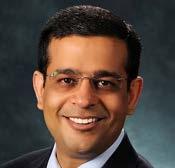
Manish Thapar, MD, AGAF, FAASLD, FACG
President’s Message
continued from page 1
belong—in the hands of patients and their physicians.
Advocacy like this reflects PSG’s ongoing commitment to protecting access to evidence-based care and advancing the interests of our patients across Pennsylvania. I am proud to have collaborated with PSG leadership on this important advocacy effort, including Neil Nandi, MD, PSG Vice President;
Joyann Kroser, MD, Chair of the PSG Practice Management Committee; F. Wilson Jackson III, MD, PSG Legislative Chair; and Ralph McKibbin, MD, FACP, FACG, AGAF, American College of Gastroenterology Pennsylvania West Governor. Their leadership, expertise, and dedication were instrumental in advancing this initiative on behalf of our patients and our profession.
Happenings:
Thank you for your continued support of PSG and for everything you do for your patients and our profession. I encourage you to stay involved by taking advantage of our educational programs, advocacy efforts, and opportunities to connect with colleagues. I look forward to seeing you in Hershey this September!
David A. Sass, MD FACP FACG AGAF FAASLD; Past President of the PSG (2013-2015), was installed as the 165th President of Philadelphia County Medical Society (PCMS) at an event at the Philadelphia Country Club on June 27th. During his presidential term, Dr Sass plans to focus on three key commitments: “community,” where members of society feel valued and heard; “advocacy” for our patients and for the integrity of our profession; and “mentorship and growth” of young medical students and early-career physicians at the grassroots level.
From Stage to Screening: ColonOdyssey Brings Colorectal Cancer Awareness to the Community
Colorectal cancer prevention begins long before a colonoscopy is scheduled. It begins with awareness, trust, and a willingness to start a conversation that many patients understandably avoid. This year, our team at The Wright Center for Graduate Medical Education brought that conversation outside the walls of the clinic and into the community through ColonOdyssey: Louder Than Cancer, a colorectal cancer (CRC) awareness rock show held in Scranton, on Friday, March 27, 2026.
The event was designed around a simple but important idea: because we want all our community members to get colorectal cancer screening, we must find communication channels that are accessible, memorable, and emotionally resonant. ColonOdyssey included original songs, live performance, storytelling, and direct physician-led engagement to address important topics in CRC, including early warning symptoms such as change in bowel habits or anemia, screening options, and the importance of timely preventive care.
Together with the rock show as a public awareness initiative, we integrated a research study as part of the activity. Our team conducted an anonymous, IRB-approved survey before and after the event. The surveys assessed familiarity with options for CRC screening, comfort discussing screening options, perceived importance of screening, and post-event confidence in decision-making and communication.
Our goal was to assess whether this type of music-based educational program could raise patient knowledge, improve communication, and increase inclination toward CRC screening.
There were 124 survey participants, of whom 86 completed both preand post-event surveys, allowing assessment of the educational impact of the intervention. Preliminary review of the data suggests promising movement across several key domains. Attendees demonstrated gains in knowledge, improved comfort with screening-related communication, and increased confidence in discussing CRC screening after the event. The post-event responses also suggest that participants found the information understandable, respectful, and meaningful. These early findings support the idea that creative, nontraditional educational platforms may help reduce barriers to CRC screening.
The final analysis of the pre- and post-intervention surveys is currently in progress. Our goal is to publish our results in a national gastroenterology journal. For gastroenterologists, this project reinforces an important lesson: guideline-based recommendations alone are not always enough. Patients may know that screening exists but still feel hesitant because of fear, embarrassment, misinformation, or lack of personal connection to the issue. Communitybased education allows us to meet people where they are, and music offers a unique way to make medical information more memorable and less intimidating.
ColonOdyssey also represents a model of physician-led community engagement that can be measured, studied, and improved. Rather than treating awareness as an endpoint, we aimed to evaluate whether awareness translated into measurable changes in knowledge and screening intent. This distinction is critical as we work toward more effective CRC prevention strategies, particularly in communities where screening rates remain below ideal targets.
ColonOdyssey was more than a concert. It was an effort to reimagine how we speak to the public about a preventable cancer. By combining evidence-based education, physician leadership, community participation, and outcomes assessment, the project demonstrated that CRC outreach can be both creative and rigorous.
The message remains simple: CRC screening saves lives. Our responsibility is to ensure that message is not only delivered, but heard, remembered, and acted upon.
Be louder than cancer. Get screened. Save lives.
Udit Aija, MD
September 18-20, 2026 The Hershey Hotel, Hershey, PA
REGISTER HERE
By: Dan Haylett @retirementplanner
Let me say something that might sting a little.
The retirement you were sold, the one with the gold watch and the quiet garden and the gentle fade into the background, was never really about you, it was about getting out of the way, clearing the desk, making room for the next person in line and somewhere along the way we all just... agreed to it.
Well. Not anymore.
Because retirement isn’t a finish line and it isn’t a reward for endurance. It definitely isn’t a polite shuffle into irrelevance, it’s the most interesting chapter you’ve ever had the chance to write if you’re willing to treat it that way, and you can’t write a bold new chapter with a broken old rulebook, so here are the new ones.
Rule 1: Retirement Isn’t the End — It’s the Starting Line.
The New Rules of Retirement
Because the old rulebook was written for a world that no longer exists.
pension, the portfolio, the number, and yes money matters, genuinely, don’t let anyone tell you otherwise, but here’s what nobody puts in the brochure.
Stop saying you’re retiring from something because every time you frame it that way, “I’m retiring from my job, my career, the daily grind,” you’re defining yourself by what you’re leaving behind, and that is a terrible place to begin.
The question that actually matters isn’t what are you walking away from, it’s what are you walking into, and the most energised, most alive retirees I’ve ever seen all share one thing, they treated this moment like a launch pad, not a door closing. Honestly, that shift in framing changes everything, how you plan, how you feel, who you become on the other side of it.
Time is the real currency and money is replaceable, earnable, saveable, but time goes in one direction only and it doesn’t slow down for anyone, so the question isn’t just do I have enough money, it’s am I spending my time on things that actually matter to me, am I guarding it, investing it in what lights me up, or am I letting it seep away into obligations and guilt and other people’s priorities without even noticing.
Spend your time like it’s the most valuable thing you own. Because it is.
Rule 3: Purpose Over Productivity.
Here’s a trap a lot of high-achievers fall into, they retire from one kind of
goal, staying alive is.
There’s a difference, an enormous one, between filling time and actually feeling it, between ticking off a to-do list and waking up genuinely curious about your day, and you don’t need to justify your existence with output, you need connection, to meaning, to curiosity, to contribution, to joy, and that might look like mentoring someone younger or painting badly or travelling slowly or learning something completely useless and utterly wonderful.
It doesn’t need to be impressive. It just needs to be yours.
Rule 4: You Don’t Have to Earn Rest.
This one is for everyone who feels guilty doing nothing.
You’ve spent your life being useful and productive and responsible and somewhere along the way rest started to feel like cheating, like you hadn’t quite done enough to deserve it yet, and I want to say clearly that this is a lie you’ve been told and it’s time to stop believing it because rest isn’t laziness, it’s humanity, it’s not the absence of purpose it actually is purpose, the right to breathe without agenda, to wander without destination, to sit somewhere lovely and feel the particular pleasure of being completely, unapologetically unscheduled.
You’ve earned it. Not someday. Now.
Rule 5: Confidence Comes Before Clarity.
If you’re waiting until you know exactly what retirement looks like before you start living it, you’ll be waiting a long time, because clarity doesn’t come from thinking it comes from doing, from trying things, from showing up before you feel ready and discovering, usually to your own surprise, that you’re more capable than you gave yourself credit for.
The people who navigate retirement best aren’t the ones with the most detailed plans, they’re the ones willing to start imperfectly, uncertainly, a little nervously, and figure it out as they go, because courage creates clarity, not the other way around, so take the trip, start the thing, have the conversation, move first and the confidence will follow.
Rule 6: The Plan Will Break — And That’s the Point.
Make a plan, good, now hold it loosely. Life in retirement will not follow your spreadsheet, health changes, family needs shift, the thing you were certain you’d love turns out to be boring and the thing you never expected becomes the centre of everything and that is not failure, that is just living, and the people who struggle most are usually the ones most attached to the plan, the ones who’ve decided so firmly what retirement should look like that they can’t adapt when it doesn’t.
Flexibility isn’t a backup option. It’s the whole strategy. Plans are useful because they give you something to revise, so let life do its revising and trust yourself to keep up.
Rule 7: Retirement Is Emotional — Not Just Financial.
This is the rule nobody talks about, and it might be the most important one on the list.
The wobbles, the doubt, the 3am questions, who am I now, what’s the point, why does this feel so strange when it’s supposed to feel so good, completely normal, completely human, and almost completely absent from every retirement conversation that focuses only on the numbers, because retirement is one of the biggest identity shifts of your adult life and your work, whether you loved it or not, gave you structure, status, belonging, routine, and a ready answer to the question “what do you do?” and losing all of that at once is significant and it deserves to be taken seriously.
So if you’re feeling unsettled, welcome, it means you’re paying attention, give yourself permission to not have it figured out yet, find people who get it, talk about it, because this isn’t a maths problem, it’s a human one.
Rule 8: Spend Like It’s Sacred. You saved it, you sacrificed for it, you were careful and patient and responsible for decades. Now spend it.
Not recklessly, not without thought, but without the guilt that whispers what if you need it later and keeps the good wine in the rack and the trip forever on the someday list and the experience unpurchased because it feels a bit extravagant, because the best use of your money isn’t preservation, it’s memory dividends, moments that compound over time, the holiday that becomes a family story, the experience that shifts your perspective, the gift given while you’re alive to see it land.
Spend in ways that create those. That’s not waste. That’s wisdom.
Rule 9: Legacy Starts Now. Most people think legacy is something that happens after they’re gone, the will, the inheritance, the thing carved into a bench somewhere, but legacy is also, maybe mainly, something that happens right now in how you show up and what you say and what you do and who you choose to be in this chapter.
The stories you tell your grandchildren, the way you treat a stranger, the curiosity you model, the permission you give the people around you to live more boldly just by watching you do it, impact, love, laughter, that’s the stuff people actually remember and you don’t have to wait until you’re gone to leave something worth leaving.
Start now.
Rule 10: There Are No Rules. Not really, not ultimate ones, not the kind that apply to every person in every circumstance at every stage of life, and your retirement should look like you, not a brochure, not your neighbour, not the template society handed you decades ago and not even this list. Take what fits, leave what doesn’t, write the rest yourself. Because the most radical thing you can do is stop performing retirement for other people and start designing it for yourself, your pace, your priorities, your definition of rich and full and alive.
Make your encore unmistakably yours.
Your Retirement. Your Rules. Your Encore.
Stop preserving life. Start living it.
Make it loud, make it weird, make it meaningful, make it yours. The old rulebook has had its time, and you know where the bin is.
By Jenna Taglienti, MD
Donald and Barbara Zucker School of Medicine at Hofstra/Northwell Health, New Hyde Park, New York
Psychiatry Residency Training Program, Department of Psychiatry, Mather Hospital, Port Jefferson, New York
I’m going to start with something that might surprise you.
I look young. I look healthy. I look like there is absolutely nothing wrong with me.
I thought I was healthy—a lifelong nonsmoker. A wife and mother of 3. A psychiatrist and residency program director who loves her patients and her residents.
And then I was diagnosed with lung cancer.
When I went in for my lobectomy, I did not think I had cancer. Neither did my physicians. The lesion had grown, yes. But statistically? A 45-year-old who never smoked? It was still unlikely. I underwent surgery assuming the lesion might be inflammatory. Perhaps an atypical infection. Maybe something rare but benign.
The operation was not minor. Two nights in the hospital. A chest tube. Pain I was not prepared for. At home, I slept in a recliner because I couldn’t lie flat. My husband took over everything—the children, the meals, the logistics. Family and friends helped with afterschool activities. I focused on recovery.
I was not anxious about the pathology results. Not even a little bit. Ten days later, I opened the patient portal. The report was already there.
Time is Finite
I read one word: adenocarcinoma. I remember thinking, that can’t be correct. My husband was sitting on the couch watching television. I said it out loud almost casually, as if saying it that way might make it smaller. He took the laptop from me.
“That’s cancer,” he said. I stopped reading. I sat back in the same recliner and felt something shift that I did not yet have language for. The shock of that moment still feels physical. The week that followed blurred into appointments, scans, and treatment plans.
The fear every parent carries quietly moved into the foreground. The possibility of not watching my children grow up was no longer abstract.
Then came chemotherapy. I remember the first infusion; the quiet hum of machines, clear medication moving through tubing into my vein. Sitting there, I had the disorienting thought that I had spent years giving everything to my work. Now my body was asking for something I could not negotiate. I loved my job. I still love my job. I poured myself into it—into residents, into patients, into systems. Residents later told me they did not fully understand the depth and importance of our work together until I had left. That mattered to me. And yet the program continues. The teaching conferences still happen. The clinics still run. The system adapts to absence.
That does not diminish the meaning of the work. It simply reminds me that institutions are designed to endure beyond individuals. On the other hand, families are not.
From the first day of medical school, we are taught endurance. Years of training with little money and long hours because eventually it will be worth it. Residency reinforces the lesson. Emotional depletion becomes normalized. Fatigue becomes proof of commitment. Delayed gratification becomes professional identity. There is nobility in that commitment, but endurance has a quiet cost. The inbox fills. Meetings multiply. Small conflicts accumulate. Problems are constant and immediate. Not dramatic. Not catastrophic. Just steady. And steady depletion follows us home. I believe in medicine. I believe in training the next generation. I believe in the meaning of this work. What has changed is my willingness to absorb depletion without question. The meaning of my work is profound. The meaning of my presence at home is irreplaceable. When confronted with the possibility that time is finite, the hierarchy becomes unmistakable. The tolerance for workplace drama drops. The energy once absorbed by “noise” becomes precious.
No professional title replaces watching your child grow up. Institutional loyalty does not protect you from what happens when you postpone your own care. Medicine asks a great deal. And we give deeply. But it cannot take everything.
I am being treated with curative intent. I am hopeful. I am strong. But I am different now. I am no longer willing to keep postponing life.
Medicine can have extraordinary meaning. But it cannot substitute for being present in your own life. The world may need us as physicians. But the people who love us need us as ourselves.
And that is the role no one else can fill.
How to Evaluate New Job Opportunities
Drew Triplett, DO and Nirav Shah, MD, FACG
Introduction
Gastroenterologists face an ever changing and complex job market. This toolbox outlines key points to consider and discuss with prospective employers.
Outline
1. Compensation and benefits package
2. Call schedule
3. Time off and work hours
4. Path to partnership or tenure
5. Nonclinical commitment
6. Wellness
7. Culture
1. Compensation and benefits package
Compensation goes far beyond a base salary. Bonuses are one of the most common types of additional compensation offered to physicians. These may include signing bonuses (for signing a contract or beginning employment), retention bonuses (awarded after comp leting a defined period), productivity bonuses (typically based on collections or RVUs), and quality bonuses (for meeting defined metrics).
Stipends for teaching, taking calls, or performing administrative duties may also be included. Additional benefits often include retirement account access with employer matching, employer paid insurance premiums, and Continuing Medical Education (CME) stipends. In some cases, stock options or partial ownership may be offered. Physicians should carefully evaluate the responsibilities required to earn these forms of compensation. Non -compete clauses are often required by an employer to protect their investment in a physician. Reviewing practice
Raja Chandra Chakinala, MD
Guthrie Robert Packer Hospital
A Month at Mass General: Reflections from the Visiting IBD Observership Program
In some GI fellowships, one might have an opportunity to do an “away” rotation at an entirely different hospital. Some GI fellows may choose to focus on subjects as diverse as GI motility, inflammatory bowel disease (IBD), bariatric endoscopy, or even interventional endoscopy. The ability to do such an away rotation is program specific and depends greatly on the support of the GI fellowship Program Director (PD). In my case, I was very lucky to be in a program that supported this idea, as well as a very helpful PD in the person of Dr. Michael Georgetson.
I elected to do an away rotation in IBD and was lucky enough to land a spot at Massachusetts General Hospital (MGH) in April 2026. This was sponsored by the Crohn’s and Colitis Foundation. Without a doubt, this was one of the most rewarding experiences of my entire fellowship training. I had the opportunity to work with several IBD specialists and learn from their unique approaches to patient care, while also seeing the common thread that united them all—a strong commitment to evidence-based medicine and putting patients first. The breadth of pathology I encountered was remarkable, from patients being evaluated for a new diagnosis of IBD to those with highly complex disease requiring advanced therapies and multidisciplinary care. It was fascinating to see the trust patients place in their care team that has developed over the years. I saw patients who traveled from across the country to receive care at MGH.
One of the biggest takeaways from this experience was appreciating how much IBD care extends beyond clinic visits and medications. I had the opportunity to work closely with dietitians and as a result can better understand the critical role nutrition plays in disease management. I also learned from pharmacists and case managers who work tirelessly behind the scenes to help patients access the right therapies and navigate insurance challenges. Seeing these different pieces coming together reinforced the value of a truly multidisciplinary approach for IBD. Having exposure to inpatient care of IBD was also quite valuable, and I learned so much during discussions of complex cases among the IBD faculty. Their deep experience provided valuable perspectives on managing difficult clinical scenarios. The lessons I learned during this rotation have already influenced my own clinical practice, and I have incorporated many of these lessons into my clinical approach to IBD.
Besides the in-hospital experience, I thoroughly enjoyed my time in Boston. Between the city’s history, culture, food, and endless opportunities, Boston quickly became one of my favorite places to visit in the United States. The city’s walkability and active culture certainly helped reinforce healthier habits—not always easy for someone with a sweet tooth, especially when surrounded by some of the best bakeries in the country. I have to admit that I caved in to a few indulgences in the name of “research”!
I did an external 1-month GI rotation, and you should consider doing one, too
Dr. Ashwin Ananthakrishnan and his entire team were incredibly welcoming, supportive, and generous with their time and knowledge. I will always be grateful to them and to the Crohn’s & Colitis Foundation for the opportunity I would also like to sincerely thank my fellowship and Dr. Georgetson, whose support and commitment to fellow education were of critical importance. All this encouragement to pursue an experience beyond our institution has been invaluable to my professional growth.
I would wholeheartedly recommend this opportunity to all gastroenterology fellows—not only those interested in pursuing IBD as a specialty, but also future general gastroenterologists. Caring for patients with IBD is increasingly becoming an important part of community GI practice and an area where we can help bridge the gap in access to specialized care.
Giselle is a PGY3 internal medicine resident at Geisinger Medical Center in Danville, PA.
GI Fellowship Applications: the New, the Old, the Gold (Signal)
Gastroenterology is well-established as one of the most competitive internal medicine fellowship matches. A greater than 99% match rate has been consistently seen over the past five application cycles. For the 20252026 fellowship match, 99.5% of the 759 available positions filled1. There were 1.6 applicants per position and only 60.5% of applicants matched2. National organizations such as the ACG and the AGA have webpages dedicated to providing resources. A quick internet search will lead to countless articles and Reddit posts about how eager applicants can maximize their chances of matching. While matching into GI remains difficult, the introduction of program preference signaling has changed the playing field.
Program preference signaling was first introduced to otolaryngology residency applications in 2020, with specialties like internal medicine joining soon after3. With the accessibility of virtual interviews during the Covid-19 pandemic, the number of residency applications soared. Signaling was created for the dual benefit of applicants and programs. Applicants could signal the programs they were most interested in, and programs could use the signals to easily filter through hundreds of applications. This led to increased interview yield for applicants, a general trend towards providing applicants with more signals, and the development of tiered signaling systems3. GI participated in signaling for the first time in the 2025-2026 application cycle.
A review of available ERAS application data demonstrates that nearly all GI applicants utilized signals4. The median interview rate was 62.5% for US MDs who sent a gold signal and 40% for DOs. This rate decreased to 35.6% and 8.7% for US MDs and DOs, respectively, who sent a silver signal. Less than 4% of applicants received an interview from a program they did not signal. The effects of signaling were also seen downstream when applicants created their rank lists. For the 2025-2026 application cycle, 28.1% of GI applicants matched their top choice program5. It is highly likely that those applicants had given their top choice program a gold signal. This data reinforces how signaling discourages applicants from applying to large numbers of programs.
For the 2025-2026 application cycle, GI applicants had the opportunity to send gold signals to five programs and silver signals to ten programs. Although no data has been formally published, anecdotally, applicants sent fewer applications last cycle than in previous cycles. In the era of signaling, gone are the days of sending dozens of applications. Although there is only one cycle of data available, it will likely become increasingly clear in future cycles that applying outside of the 15 signals is of little benefit.
With another fellowship application season upon us, signaling wisely will be paramount for applicants. Signaling provides advantages to both applicants and programs. It adds a welcome transparency to a fellowship application process
that often seems opaque. While the competitiveness of the gastroenterology fellowship match is at the forefront of discussion, the impact of program preference signaling will be an essential part of future conversations.
1. NRMP celebrates results for the 2025 medicine and pediatric specialties match. 2025. https://www.nrmp. org/about/news/2025/12/nrmpcelebrates-results-for-the-2025medicine-and-pediatric-specialtiesmatch/. Accessed Jun 17, 2026.
2. Results and data: Specialties matching service, 2026 appointment year. 2026. https://www.nrmp.org/matchdata/2026/02/results-and-dataspecialties-matching-service-2026appointment-year/. Accessed Jun 17, 2026.
3. Valadez J, Liang A, Goldin M, et al. A review of program signaling effects, perceptions, and trends for medical residencies. J Grad Med Educ. 2025;17(4):453–463. https://pmc.ncbi. nlm.nih.gov/articles/PMC12360238/. Accessed Jun 17, 2026. doi: 10.4300/ JGME-D-24-00670.1.
Harshit S. Khara, MD, FACG, FASGE Associate Professor of Medicine Department of Gastroenterology, Hepatology, & Nutrition Geisinger Medical Center 904-535-9448
hskhara@geisinger.edu
Lauren Newmaster, CMP Association Executive
Jessica Winger Meeting Manager
Tom Notarangelo, MFA Design Manager
1st Vice-President
PRESIDENT-ELECT
Karen Krok, MD Penn State Hershey Gastroenterology (717) 531-4950 kkrok@pennstatehealth.psu.edu @klkrok
Neilanjan Nandi, MD, FACP University of Pennsylvania 215-662-8900