you decide to study at SRUC, you are not only choosing to study at a unique institution which can trace its history back over 100 years, but one at the forefront of tackling some of the world’s biggest challenges. Our role is to equip our students with the knowledge, skills and confidence to address these challenges, and to give them the opportunity to make a real difference.
Through our Schools of Natural and Social Sciences and Veterinary Medicine and Biosciences, we offer a distinctive, practice-led education grounded in world-class research and delivered across Scotland’s diverse rural and urban settings.
You will benefit from close links with industry, access to specialist facilities and an awardwinning education programme that embeds sustainability, enterprise, equality and diversity into everything we teach.
In a rapidly changing world, innovation is at the heart of everything we do. From Agriculture to Wildlife and Conservation Management, from Animal Science to Veterinary Medicine, you will be joining a community that is collaborative, supportive and outward looking, and you will make friendships to last a lifetime.
In recent years, SRUC has won three Queen Elizabeth Prizes – the highest award that can be
bestowed on universities and colleges in the UK –and this is testament to our commitment to tackling the biggest global challenges, including climate instability, food insecurity, biodiversity loss and pressures on natural resources.
So, whether it’s via distance learning or at one of our beautiful campuses in Aberdeen, Dumfries & Galloway, Edinburgh, Fife or West Lothian, at SRUC you will be given the chance to develop the skills and knowledge to tackle real-world problems, from sustainable food production and climate resilience to animal health and rural innovation.
As Robert Louis Stevenson once said: “Success is leaving the world better than you found it.”
Professor Wayne Powell BSc, MSc, PhD, DSc, FLSW, FRSE Principal and Chief Executive
The
SRUC School of Natural and Social Sciences brings together experts from a wide range of subjects to help tackle some of the biggest challenges facing society.
Combining expertise in natural sciences (like ecology, agriculture, and environmental science) with social sciences (such as economics, policy analysis, and rural business), we take a joined-up approach to solving real-world problems.
Whether it’s growing food more sustainably, responding to climate change, protecting biodiversity, or rethinking how communities live and work, our programmes and research equip students to understand and solve complex problems. By looking at these issues as part of a system, you can help to find practical, joined-up solutions that work for both people and the planet — in Scotland and around the world.
Our work supports policy change in Scotland, strengthens communities around the globe, and connects students directly with innovations happening on the ground. From AI and vertical farming to social
innovation and environmental systems, our students don’t just study change – they learn how to lead it.
At SRUC, you’ll benefit from hands-on learning, access to world-leading research, and strong links with real businesses through our national Consulting network. You’ll learn from academics and professionals at the forefront of change, gaining practical skills and expertise that are increasingly sought after across sectors.
Through groundbreaking programmes, we harness the power of innovation, and our pioneering research doesn’t stay locked within the walls of academia. It drives change across continents – from the plains of Sub-Saharan Africa to the food on your plate.
With curiosity, purpose, and passion, the School of Natural and Social Sciences prepares you to turn global challenges into meaningful career opportunities.
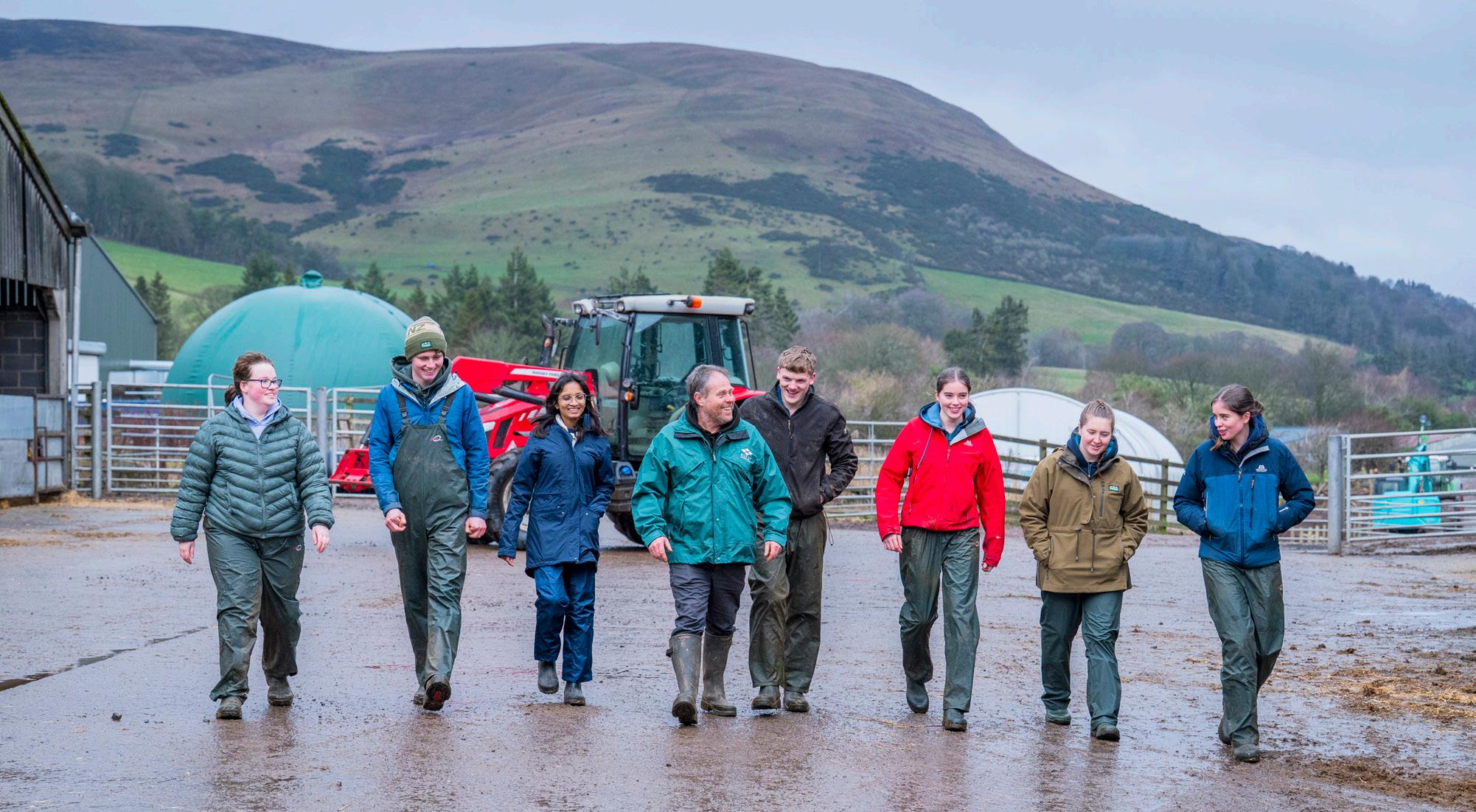
SRUC’s farms cover over 4000 hectares across Scotland, with everything from mountain-top sheep enterprises to intensive grassland, beef, dairy and pigs.
These facilities support outdoor teaching and academic research as well as commercial activity. Our crop trial service offers a network of experimental satellite stations covering diverse regions and types of agriculture in Scotland. Our Arable Innovation Centre links up teaching, research and commercial training. Our research farm near Edinburgh includes the GreenCow, GreenSheep and GreenShed facilities, which are at the cutting edge of ruminant performance and methane reduction studies.
Students can also learn vital hands-on skills on farms at Oatridge, Aberdeen and Barony, while research carried out at our Hill and Mountain Research Centre near Loch Lomond highlights how precision livestock farming approaches can be used to address agricultural and environmental challenges.
Our Edinburgh Campus is home to Scotland’s only commercial-sized vertical farm in an educational setting. The fully controllable facility features a 6m tower, enabling researchers and students to examine the best conditions for effective crop growth with lighting, irrigation, fertigation and climate all fully manageable.
Located on our Barony Campus in the heart of Scottish dairy country in Dumfries & Galloway, the Dairy Nexus focuses on fostering innovation, decarbonising and boosting productivity. It is also home to farm-twin, the world’s first open-source digital twin for dairy farming.
Our Horticulture students benefit from excellent facilities at our Edinburgh, Elmwood and Oatridge campuses, including glasshouses, polytunnels and outdoor plots. Edinburgh also boasts a garden design studio.
FACILITIES
Agriculture
We have been at the heart of agricultural education for over 125 years and, with food security more prominent in the minds of the public than ever before, our dynamic programmes continue to align with the needs of industry and society.
From farm to fork, studying Agriculture will teach you about all aspects of the food chain, including farm business management, soil science and management of crop and livestock production, mechanisation and new and exciting fields in precision agriculture.
Our programme content takes a systems approach and looks at agriculture and food production-related issues such as management of the environment and animal welfare, as well as how agriculture interacts with government policy. You will develop essential skills to prepare you for a wide range of careers in agriculture and food, with expert industry engagement both inside and outside of the classroom.
Programmes
Agriculture HNC (SCQF 7)
Aberdeen, Barony, Edinburgh, Oatridge
Agriculture HND (SCQF 8)
Aberdeen, Barony, Edinburgh, Oatridge
Agriculture BSc/BSc (Hons) (SCQF 9/10)
Aberdeen, Edinburgh
Poultry Production Systems HNC (SCQF 7) Distance Learning
For a full list of entry requirements see centre pages.
Careers
We are well connected in the agricultural industry, providing a range of employment opportunities upon completion of your studies. Our consulting services also mean you won’t have to look far for potential employment opportunities. Being able to tailor your studies to your areas of interest, as well as the practical industry knowledge gained through field trips, equips you for a variety of jobs in agriculture and related industries. These include:
• Agronomy
• Animal Nutrition
• Agri-business
• Auctioneer
• Farm Manager
• Agricultural Consultant
• Poultry Production
You may also choose to continue your studies with our Masters in Agri-Business, or in Sustainable Agriculture.
Entry requirements
• Two Highers (CC) preferably including a science or geography.
• National 5 / GCSE pass grades in English and Maths.
• Four Highers (BBCC) OR three A-Levels (BCC) including a science subject or Geography.
• National 5 / GCSE pass grades in English and Maths.
• Two Highers (CC) including a science subject.
• National 5 / GCSE pass grades in Maths, English and a science subject.
Thakor Hemaxiben Manharbhai
BSc (Hons) Agriculture
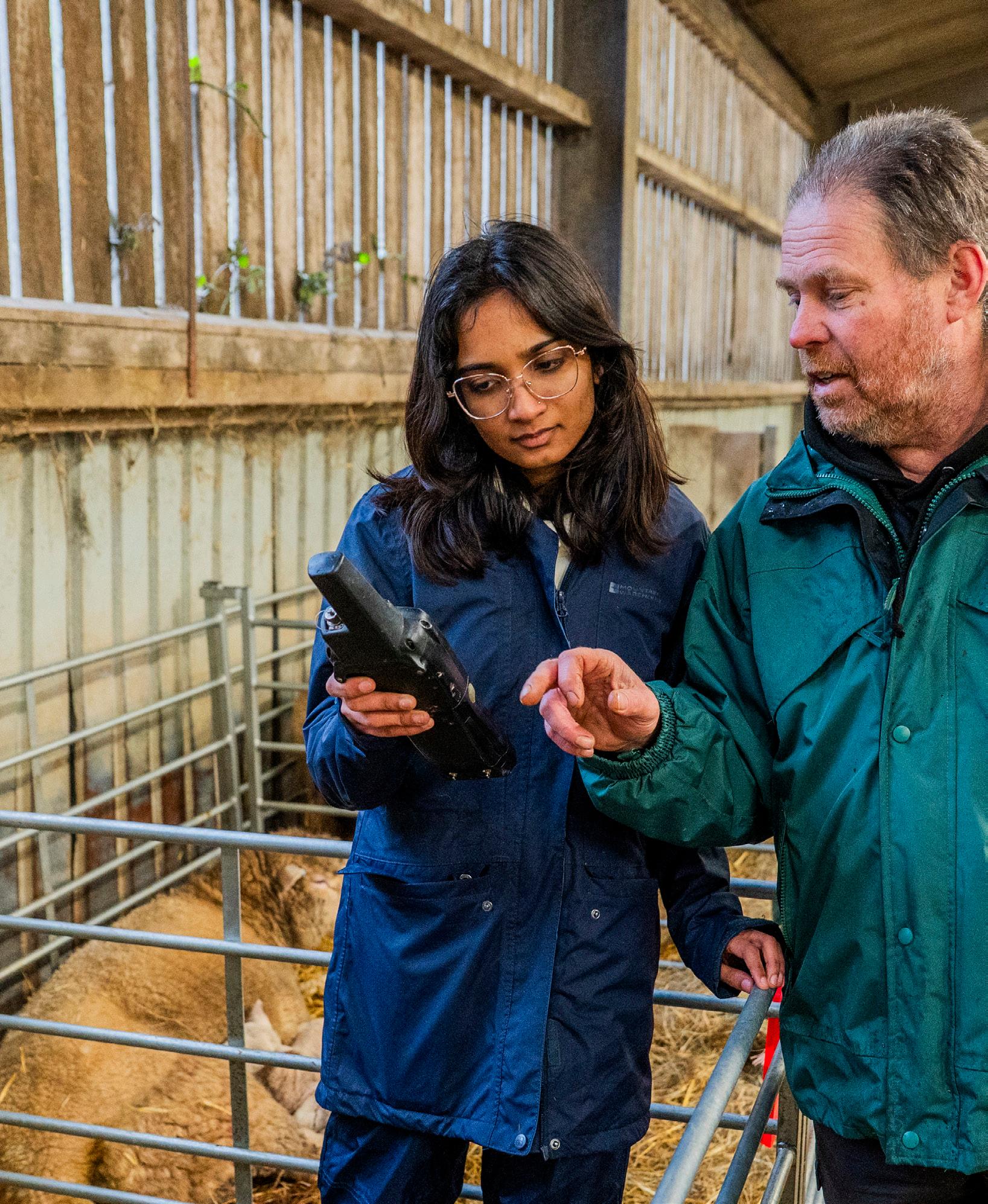
Growing up, my family had a farm in Gujarat in India and although I observed a lot around me, I never felt a strong pull towards agriculture at the time. However, something about coming to SRUC sparked a curiosity in me to learn more. The practical, hands-on approach to studying brought the subject to life in a way I hadn’t expected, and from there my interest grew naturally. What started as a new experience has turned into a genuine passion for understanding how agriculture works at a deeper level.
I knew very little about Scotland before I came so it was like stepping into the unknown. I knew there would be challenges adjusting to a new country, a new culture, and a new way of studying, but I made a conscious decision to embrace the change.
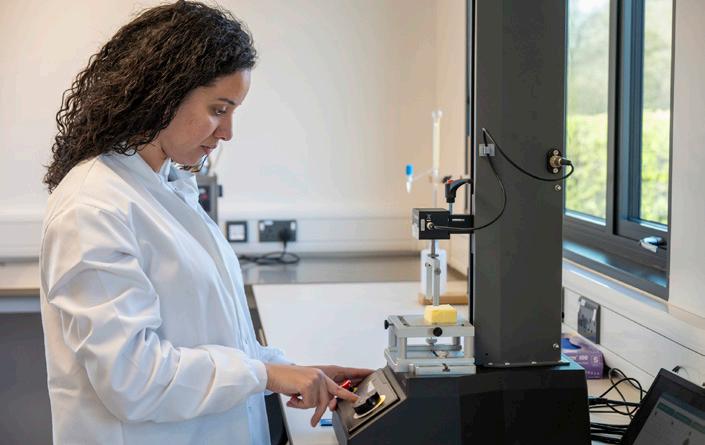
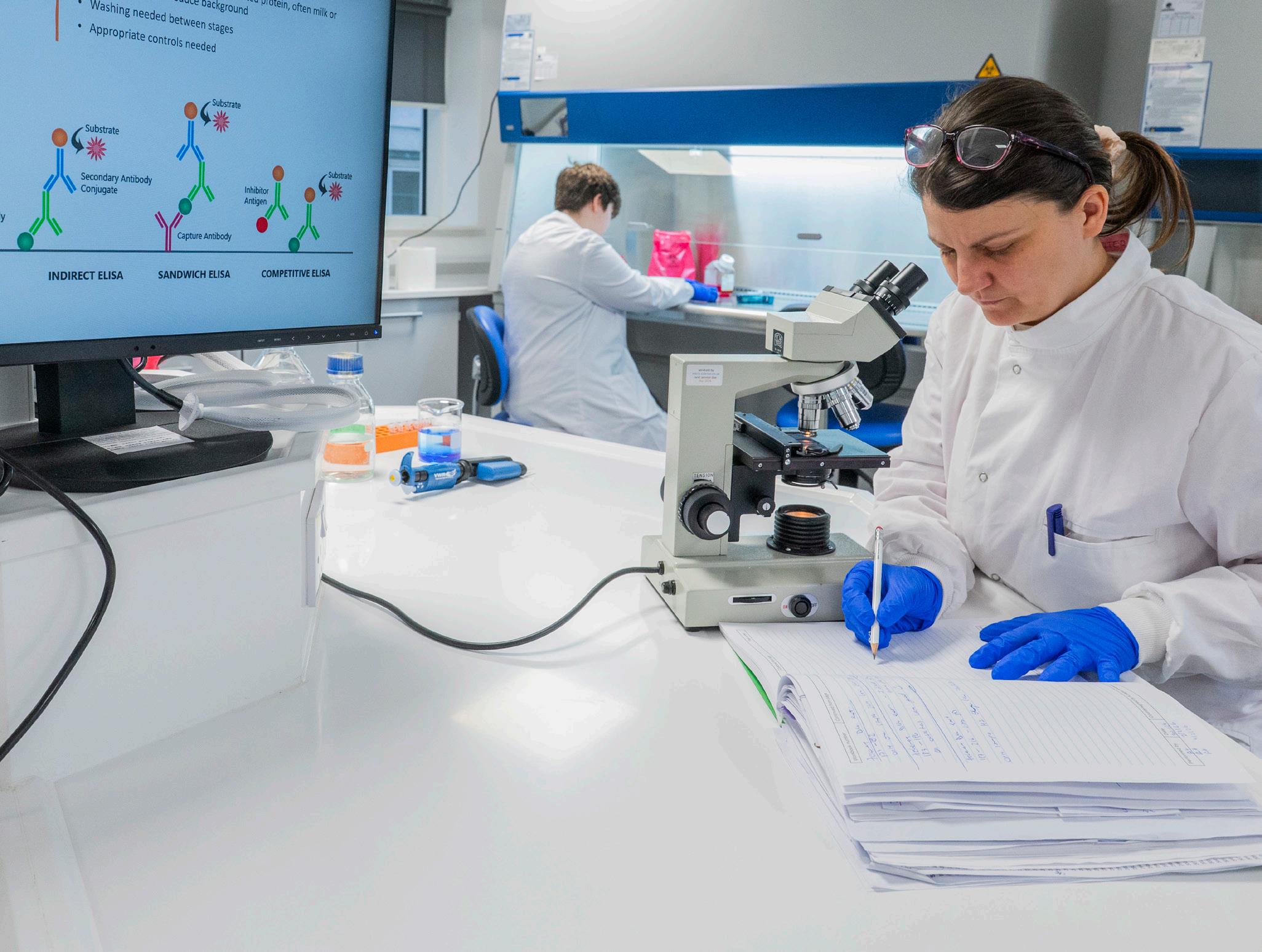
I’m currently doing my work placement in a lab which is something I’m really enjoying and has sparked a genuine interest in that side of things. Beyond that, I find myself drawn to several areas – crops, livestock, animal behaviour and disease all fascinate me. I’m curious about everything agriculture has to offer. Longer term, I’m also interested in becoming a consultant, using the knowledge and experience I build throughout my studies to help others in the field. For now, I’m keeping an open mind and letting my curiosity lead the way.
Coming here is the best decision I have ever made, and I am so proud to be an SRUC student. More than that, I am proud to be part of the farming community.
Coming here is the best decision I have ever made, and I am so proud to be an SRUC student. More than that, I am proud to be part of the farming community.
Bryson BSc (Hons) Agriculture
Although I grew up in a town, my uncle had a dairy farm so I’ve always had a passion for agriculture. The Agriculture degree offered a broad range of opportunities, from livestock and crop production and a module on climate change, to a professional work placement during fourth year.
I did this at Mole Valley Farmers, the agricultural supply and rural retail business, which allowed me to apply what I had been learning into the real world and gain vital experience.
I have full-time employment confirmed with the company following my degree, when I will become a Trainee Ruminant Sales Nutritionist. My placement showed me the importance of strong relationships with farmers and how they can be helped, which is particularly appealing.
Being one of the few people doing the degree who didn’t live on a farm was a
challenge at first, but it motivated me to work hard and make the most of the practical opportunities.
I’d encourage anyone doing the Agriculture degree to fully engage in all aspects of the programme and take full advantage of the opportunities. Even if you’re not from a farming background, don’t be discouraged, make use of the great support available
The SRUC facilities are excellent and played a big role in my learning experience, especially having access to the dairy farm on campus and staying in SRUC accommodation during first year.
Studying at SRUC has shown me how diverse agriculture really is. My time here, combined with my work placement, has set me up well and created a strong foundation for my future career.
Student Spotlight
Max
Rural Business Management Careers
Rural Business Management is a RICS and TMI-accredited programme combining a general business education with the practical knowledge and skills required to support a future career in the rural sector.
This programme embeds essential business skills including entrepreneurship, finance, and policy analysis, with sustainability and ethical values. The programme offers a unique opportunity for you to engage with the intricacies of rural economies and develop a holistic understanding of the challenges and opportunities faced by rural businesses while gaining a business education that can be applied globally. Classroom teaching is supported through real-life case studies and the opportunity to see business in action, with site visits and
Programmes
Rural Business Management HNC (SCQF 7) Aberdeen, Barony
Rural Business Management HND (SCQF 8) Edinburgh
speakers forming an integral part of the programme. Content is designed with employability in mind and is shaped by professional input to successfully navigate the challenges faced by rural business in the 21st century. You will also have the opportunity to engage with our Enterprise Academy to make your business ideas a reality. You will have the option to select a pathway accredited by the Royal Institute of Chartered Surveyors or the Tourism Management Institute, or to select options according to your own interests.
Rural Business Management provides specialist and indepth knowledge in a variety of business areas, preparing students well for a diverse range of careers. Many graduates go on to professional qualifications in surveying and tourism, others work for large employers and others have gone on to set up their own businesses. Studying at SRUC means that students also have direct links to SAC Consulting (part of SRUC). Careers that students have entered include:
• Rural Surveyor
• Auctioneer
• Estate Manager
• Government Policy Advisor
• Management Analyst
• Animal/Feed Supply Sector
• Tourism Management
• Equine Businesses
• Veterinary Practice Management
• Marketing Manager
• Local Authority / Public Sector
• Small Business Manager
Entry Requirements
• Two Highers (CC).
• National 5 / GCSE pass grades in English and Maths.
Rural Business Management BA/BA (Hons) (SCQF 9/10) Edinburgh
For a full list of entry requirements see centre pages.
• Four Highers (BBCC) OR three A-Levels (BCC).
• National 5 / GCSE pass grades in English and Maths.
Student Spotlight
Ronald MacPherson
BA (Hons) Rural Business Management
I grew up in the rural Highlands. I’ve always had a keen interest in business and have been entrepreneurial from a young age. This course combined two of my favourite things: the countryside and business.
I really liked the graded unit projects because it was based on adding value to a real business, which is a valuable skill. I particularly enjoyed our first-year field trip to Comrie Croft in Crieff.
SRUC focuses on many aspects of rural life and countryside pursuits so, combined with the practical business courses, it fitted what I was interested in. The employment rate for graduates is very high so that made it an even more attractive choice.
Being in a smaller class gave me a unique experience as we are all good friends and support each other.
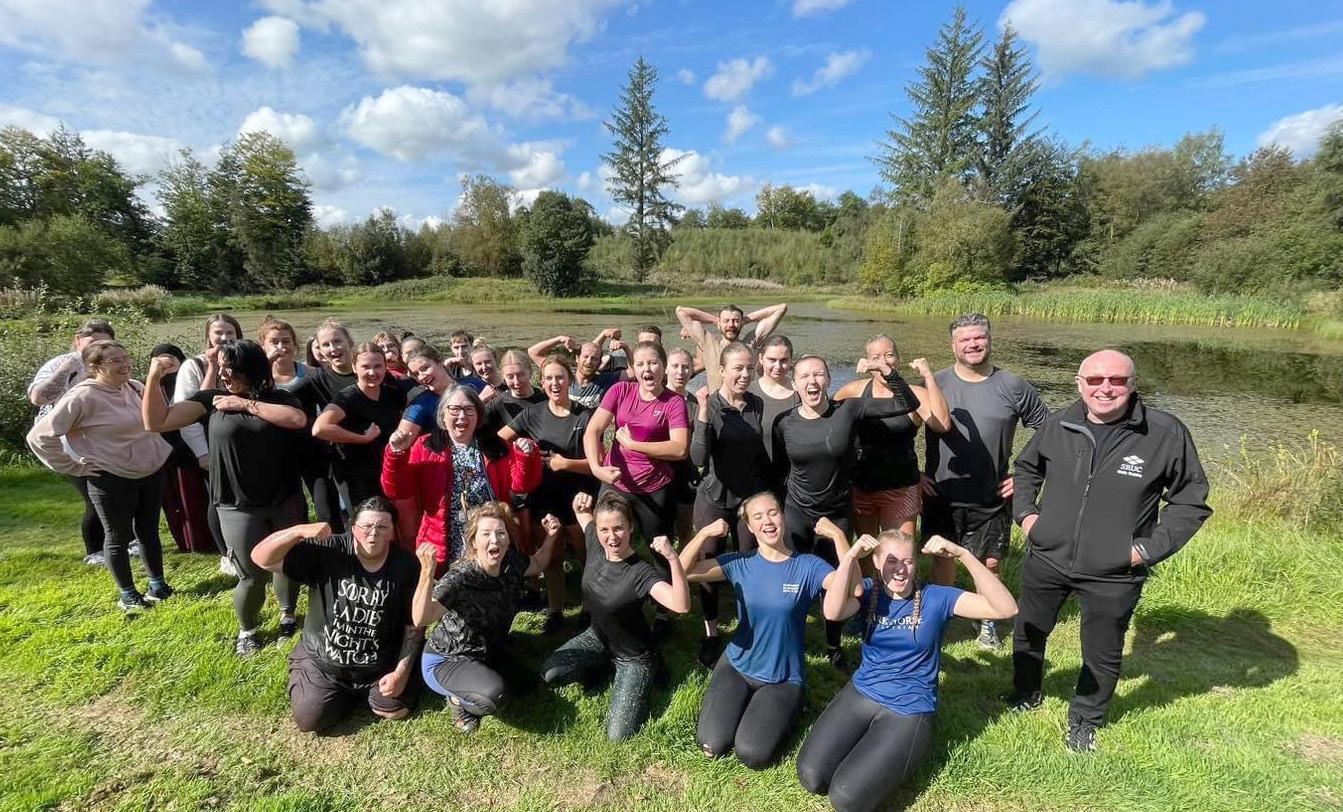
Students should always try to get involved in societies and extracurricular activities as soon as and as much as possible. I didn’t get involved in university sports until midway through my second year, and I regret not joining teams earlier. It really enhances your overall experience and helps you make great, lasting friendships.
Open days are great opportunities to speak to some of the lecturers and some current students. It will give you a good insight into your future studies at SRUC.
Specialisms and Accreditation
The units making up our Honours degree are recognised by a number of industry bodies and sector leaders, meaning that study with us offers you professional body membership and access to industry standard training to set you apart from other applicants.
Our Rural Business Management Honours degree is accredited by a number of professional and chartered institutions. You can choose specialist electives which results in accreditation from the Royal Institute of Chartered Surveyors (RICS); a rural pathway giving you the opportunity to graduate with a RICS accredited degree. Alternatively, should you wish to pursue a career in tourism, SRUC is also one of only three universities in Scotland to hold accreditation from the Tourism Management Institute (TMI).
I really liked the graded unit projects because it was based on adding value to a real business, which is a valuable skill. I particularly enjoyed our first-year field trip to Comrie Croft in Crieff.
Royal Institute of Chartered Surveyors (RICS)
Chartered Management Institute (CMI)
The Institute of Agricultural Management (IAgrM)
Tourism Management Institute (TMI)
Institute for small business and entrepreneurship
Educators
Wildlife and Conservation Management
Protecting biodiversity has never been more urgent. Our Wildlife and Conservation Management programmes empower you to understand, protect, and restore the natural world - from Scotland’s iconic landscapes to global ecosystems under pressure. You’ll gain the scientific knowledge, practical field and analytical skills, and realworld experience needed to make a meaningful impact.
Explore biodiversity conservation, ecological surveying, habitat and visitor management, GIS and data analysis, environmental education and more, all taught by passionate lecturers with hands-on expertise in research and industry practice.
This is your opportunity to build a career dedicated to safeguarding species, ecosystems and the future of our environment.
For a full list of entry requirements see centre pages.
• One Higher (C) in a relevant subject.
• National 5 / GCSE pass grades in English and Maths.
• Two Highers (CC) including relevant subject.
• National 5 / GCSE pass grades in English and Maths.
• Four Highers (BBCC) OR three A-Levels (BCC).
• National 5 / GCSE pass grades in English and Maths.
You would benefit from a background in or some prior knowledge of ecological surveying. This will then be developed throughout the award. Any formal qualification or transferable skills relevant to this award would be useful.
Careers
Graduates from our programmes have gained employment with a wide range of organisations such as National Park Ranger Services, Forestry and Land Scotland, Scottish Woodlands, NatureScot, community development projects, planning departments, RSPB, Scottish Wildlife Trust (SWT) TetraTech, BugLife and the National Trust for Scotland (NTS). They have been employed in posts such as:
• Countryside Ranger
• Ecological Surveyor
• National Park Manager
• Conservation Researcher
• Marine Conservation Specialist
• Peatland Action Project Officer
• Biodiversity Officer
• Community Development Project Manager
• Outdoor Activities Leader
• Environmental Educationalist
• Wildlife Rescue and Rehabilitation
• Estate Worker
• Wildlife Manager
• Consultant Ecologist
Such expertise is needed in both the private and public sector.
Out and About
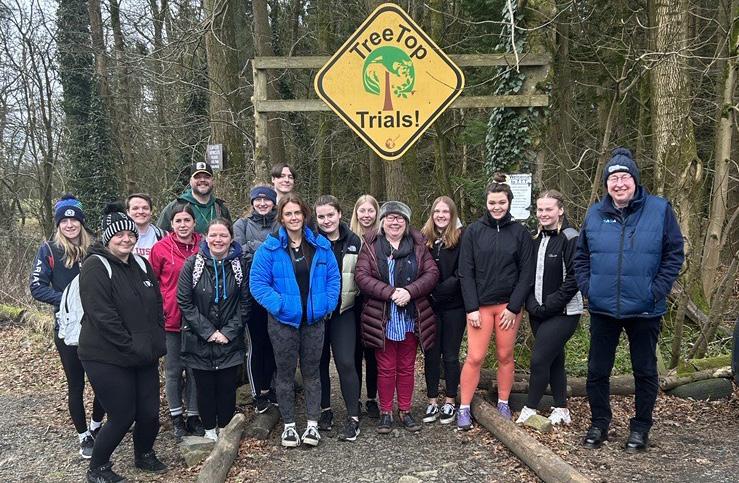
Previously students have had the opportunity to undertake a study tour relevant to the programme. These have included international visits to South Africa, Mexico and Croatia. Other study trips in Scotland have included visiting sites in the Highlands and Islands to make use of our country’s stunning locations.
All extra-curricular study trips are subject to the availability of funding. Student contributions will be required. The delivery of any trip cannot be guaranteed.
We work closely with industry partners to give students hands on experience, including:
Often these work placements lead you to some breathtaking places. For example, I was lucky enough to watch a volcano erupt for eight hours in Iceland.
Student Spotlight
Callum Nicol
BSc (Hons) Wildlife and Conservation Management
I enjoy working outdoors with wildlife and people – the programmes provide all the skills you need to work in the nature conservation sector. They’re all incredibly flexible and there are so many routes you can take, whether your niche is in woodlands or marine. I love working with trees, so I was able to tailor my studies to match that.
There are good links to the industry at SRUC. Many people I spoke with, worked alongside or volunteered with had been to SRUC as part of their career journey.
The residential field trips are the best part of the programme. There is one in third year to the Flow Country in the North of Scotland. This trip gives you the opportunity to design and carry out your own ecological study surrounded by gorgeous peatland habitat, something that is very
relevant to nature conservation right now. There is also another trip to Glen Affric and Dundreggan Rewilding Centre in fourth year.
I managed to balance having a job while studying, plus fitting in all the extra volunteering I completed over the four years. Gaining work experience in the nature conservation sector is a must. Often these work placements lead you to some breathtaking places. For example, I was lucky enough to watch a volcano erupt for eight hours in Iceland.
The programme has also given me the opportunity to undertake volunteering work placements outside my studies, with the RSPB and the Icelandic Nature Conservation Agency. I wouldn’t have found these amazing opportunities to gain work experience were it not for SRUC.
Environmental Management
The need to provide sustainable solutions is increasingly being recognised by industry and society. This programme will provide you with the skills needed to create and support these solutions across a range of areas, including climate change mitigation and adaptation, sustainable land management, habitat loss, pollution control, sustainable development and energy conservation.
The Environmental Management programme will give you the expertise and knowledge you need to address a wide range of environmental problems. You will be able to apply practical solutions based on a sound knowledge of the science, policy and management of environmental issues.
Organisations are now required to formally address their environmental footprint, and the green skills is one of the fastest growing areas of the economy. A qualification in Environmental Management prepares you for a wide range of careers across all sectors and industries.
For a full list of entry requirements see centre pages.
• One Higher (C) in a relevant subject.
• National 5 / GCSE pass grades in English and Maths.
• Two Highers (CC) including relevant subject.
• National 5 / GCSE pass grades in English and Maths.
• Four Highers (BBCC) OR three A-Levels (BCC) including a science subject, Geography, or Psychology.
• National 5 / GCSE pass grades in English and Maths.
Careers
Within the environmental sector, previous graduates have worked in areas such as:
• Energy Auditing
• Environmental Auditing
• Renewable Energy Consultancy
• Environmental Protection
• Recycling and Waste Reduction Planning
• Estate Management
• Environmental Systems Management
• Pollution Control
• Environmental Impact Assessment
• Conservation
Student Spotlight
Rachel Beattie
BSc Environmental Management
Our Environmental Management programmes are accredited by the Chartered Institution of Water and Environmental Management (CIWEM), ensuring that the skillsets of our students meet the demands of the profession. CIWEM accreditation offers many advantages such as networking, enhanced career prospects and facilitating a path to Chartership. You can gain free CIWEM membership for the duration of your programme.
I like the combination of practical and academic studies; it really allows me to get a holistic understanding of the subject.
I was changing careers and wanted to study something that would give me the opportunity to make a real change in the world. I’ve always been interested in environmental issues and, as soon as I saw this programme, I knew this was what I wanted to study.
I like the combination of practical and academic studies; it really allows me to get a holistic understanding of the subject.
I’ve loved everything about the programme. I always wanted to study after school, but it was never an opportunity for me until recently, so being able to collect primary data on a field trip and then analysing it and writing it up is very satisfying. I’m also going on a field trip to Norway, which I’m really looking forward to. It’s something I didn’t think I would ever be able to do, and so having SRUC facilitate this is fantastic.
There is a part of me that would like to study further, but if that ends up not being possible then I’d love to get work in environmental impact assessment, policy or habitat restoration. My latest special interest is microplastics. I think it’s going to be the subject of a great deal of study and policy interventions so it would be great to get involved in work around that.
I’ve had depression and anxiety since I was a young teenager. School and work have always been a struggle because of this, and the career I had prior to studying was very stressful.
Getting the right treatment and starting this programme around the same time has truly changed my life.
Forestry
Forestry focuses on the sustainable management of trees and woodlands, supporting environmental, economic and social benefits. In Scotland, forests cover around 19% of the land, with plans to expand significantly as part of climate change action. The sector contributes around £1 billion annually to the economy, creating strong demand for skilled professionals.
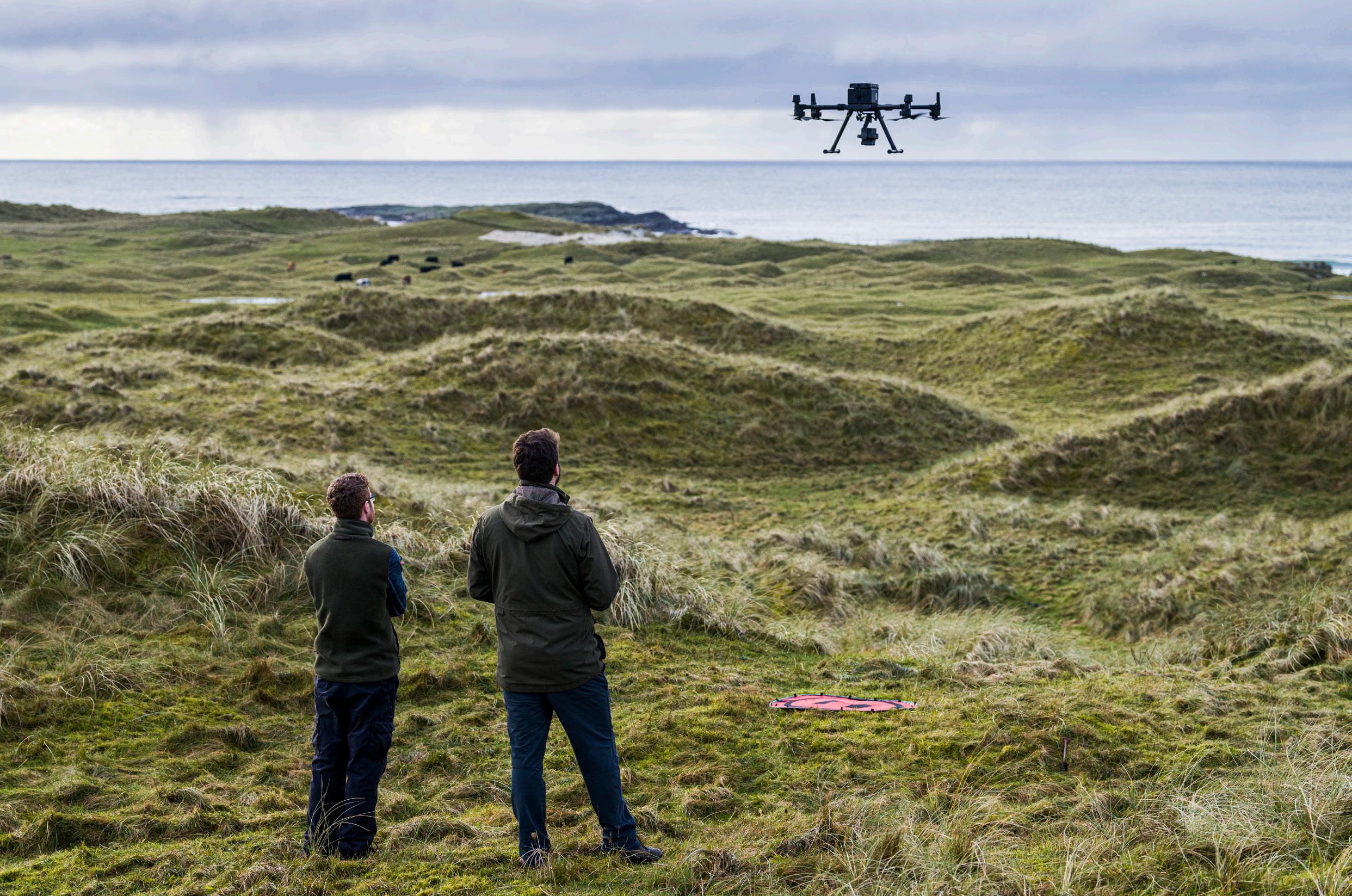
The HNC Forestry programme equips students with technical, management and scientific skills in addition to industry knowledge. As well as access to specialist equipment, workshops and realworld experience on working estates, you’ll gain vital expertise on remote sensing, mapping, drones, PiCUS detection and microdrills, preparing you for a career in the planning, assessment and oversight of forestry operations in the public or private sector.
Student Spotlight
Lisa Telford HNC Forestry
I love the outdoors and nature as well as the benefits of trees and studying their effects on our wellbeing. After my course, I'd like to be involved in forestry management or become a VTA (Visual Tree Assessment) inspector.
Careers
During the open day, everyone was really warm and polite. The campus is lovely and everyone is happy and cheerful, which is so nice to see because it rubs off on others.
I loved meeting new friends and my lecturers, learning biology and all the trees’ Latin names. The campus is well equipped for all students, with many classrooms and a fantastic lab. Plus, the grounds are absolutely beautiful.
I have dyslexia which can make some days a bit of a struggle, but the staff have helped me gain more confidence.
You should always remember that they are there to help. You should stay focused and positive and, after all your hard work, remember that the world is your oyster. Everyone is important in this life – you just need to stay strong and grab life by the reins.
Programmes
Forestry HNC (SCQF 7) Barony
For a full list of entry requirements see centre pages.
Entry Requirements
A forestry or arboricultural qualification has opened doors for many students to develop wide ranging and interesting careers such as:
• Forest / Woodland Management
• Forest Harvesting Management
• Tree and Conservation Officer
• Estate Management
• Environmental Consultancy
• Academia
• Two Highers (CC), preferably including a science or geography.
• National 5 / GCSE pass grades in English and Maths.
Careers
• Greenkeeper
• D irector of Agronomy
• Irrigation Manager
• Turfgrass Specialist
Sustainable Golf Management
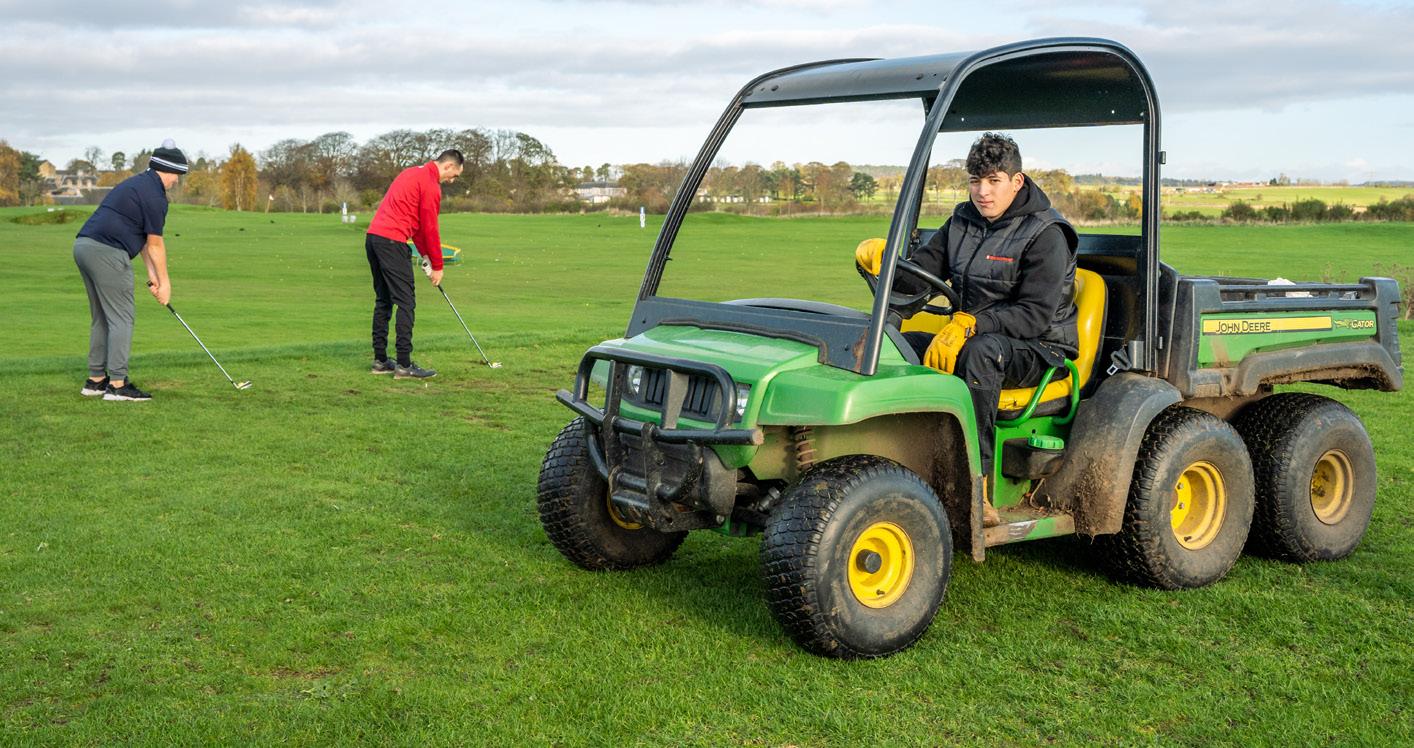
SRUC has over 30 years of specialist experience in Golf and Turf Management, delivering flexible distance learning to a global student community.
Building on this strong heritage at Elmwood, the Sustainable Golf Management programme equips industry professionals with the skills to lead environmental innovation while supporting the growth and long-term development of the game.
Designed for current and aspiring golf course managers, operators and industry stakeholders, it balances high-quality course performance with responsible environmental practices. Uniquely, it also introduces a specific pathway focused on growing participation, improving accessibility,
and ensuring the sport’s future sustainability both environmentally and commercially.
Delivered part-time and fully online, the programme allows you to study alongside working in the golf sector or while re-training for a career change.
Students will develop expertise in areas such as sustainable turf, land, and water management, biodiversity and habitat conservation, carbon management and climate resilience alongside strategies for growing participation and creating inclusive, modern golf environments.
• Grounds Manager and other operation roles
• Golf Sustainability Manager
• Biodiversity or Habitat Management Officer
• Environmental Compliance Officer
• Golf Course Construction or Renovation Project Co-ordinator
• Golf Operations Manager
• Golf Development Officer
• Community Golf Development Co-ordinator
• Golf Tourism Development
• Golf startu p / entrepreneurship
I wanted to build on my practical experience in greenkeeping and develop a deeper understanding of turf management and course preparation.
SRUC stood out for its reputation within the industry and online learning allowed me to study alongside working full-time. The resources and support are excellent, allowing me to apply what I was learning straight away on the course and making the experience even more valuable.
Programmes
Sustainable
I’ve really enjoyed linking theory to reallife situations, understanding soils, grass species and maintenance practices has really boosted my confidence in my role. I've also enjoyed connecting with others in the industry.
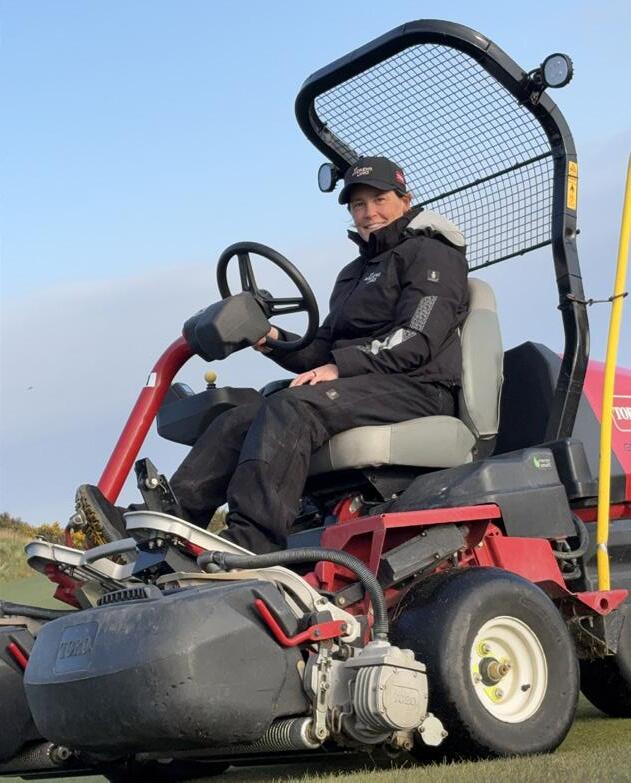
I’m currently a greenkeeper on the Castle Course at St Andrews Links and my goal is to progress into a leadership role. Long term, I want to help shape the future of greenkeeping and encourage more women into the industry.
Entry Requirements
• Two Highers (CC).
•
•
Student Spotlight
Emma Reeves
HNC Golf Course Management
Horticulture
Practical, scientific, and industry-approved, a qualification in Horticulture will allow you to enter one of the largest and fastest-growing employment sectors in the UK and beyond.
Horticulture is a vibrant and evolving industry that shapes the world around us - from the food we eat to the green spaces we enjoy. It spans the commercial production of fruit, vegetables, flowers, and ornamental plants, as well as the design and management of parks, gardens, sports grounds, and public landscapes. As a career, horticulture offers a wide range of opportunities suited to diverse talents, including roles in science, technology, business, and environmental management.
Programmes
Horticulture HNC (SCQF 7)
Edinburgh, Elmwood, Oatridge
At SRUC, you’ll gain far more than theoretical knowledge. Our programmes combine academic excellence with hands-on experience and strong industry connections, preparing you for a successful career in this dynamic sector. Through practical classes, work placements, industry visits, and guest lectures, you’ll develop the skills employers value most. You’ll also study within an institution renowned for its research and consultancy, ensuring your learning is informed by realworld innovation and expertise.
Horticulture (Landscape Design) HND (SCQF 8)
Edinburgh
Horticulture (Plantsmanship) HND (SCQF 8)
Edinburgh
Horticulture (Production Science) HND (SCQF 8)
Edinburgh
Horticulture (Plant Science and Technology) BSc/BSc (Hons) (SCQF 9/10)
For a full list of entry requirements see centre pages.
Horticulture plays a crucial role in addressing some of today’s biggest global challenges, including food security, biodiversity loss, and climate change. Our degree programme places horticulture within this wider environmental context, exploring the vital relationship between plants, people and the planet, while building your scientific and professional capabilities.
Entry Requirements
• Two Highers (CC) including a science subject.
• National 5 / GCSE pass grades in English and Maths.
Alternative entry qualifications, such as a related National Certificate, are also accepted.
Applicants with a mature attitude who are seeking a change in career will be assessed individually.
• Four Highers (BBCC) OR three A-Levels (BCC) including a science subject.
• National 5 / GCSE pass grades in English and Maths.
Alternative entry qualifications, such as a related National Certificate, are also accepted.
Careers
A qualification in Horticulture can open up a wide range of career possibilities, at all levels of the industry including:
• Entrepreneur and Small Business Owner
• Gardener
• Design and Build Operative
• Contract Manager
• Retail and Garden Centres
• Fruit and Crop Production
• Production Horticulture and Nurseries
• Scientific Research
• Conservation
Some graduates will work in the maintenance and management of public and private green spaces such as parks, gardens, National Trust properties, botanic gardens and community gardens. Other opportunities include journalism, television, teaching, advisory work, restoration of historic gardens, landscape reclamation, marketing, and horticultural therapy.
You can tailor your studies by choosing a specialist pathway:
Landscape Design
The Horticulture (Landscape Design) specialism blends creativity with environmental understanding to shape inspiring outdoor spaces. You’ll develop the skills to design functional, sustainable, and visually engaging landscapes, from private gardens to public parks and urban environments. Through a combination of studio-based projects and realworld experience, you’ll explore design principles, planting schemes, and spatial planning, while considering ecological impact and user needs. This pathway is ideal for those who want to transform ideas into meaningful landscapes that enhance both the natural environment and people’s lives.
Plant Science and Technology
This pathway focuses on the science and innovation driving modern horticulture. You’ll learn in cutting-edge facilities, including a vertical farm, advanced glasshouses, and specialised laboratories. The programme covers plant science, crop production, precision technologies,
The Horticulture programme offers a combination of practical experience and a strong grounding in plant science. A major draw was the opportunity to engage closely with the Royal Botanic Garden Edinburgh, which provides access to world-class plant collections and horticultural expertise.
SRUC offers specialised, flexible programmes with a range of progression options to suit different interests. It also provides diverse learning opportunities, allowing students to explore the many aspects of horticulture and identify their areas of interest, helping them make the most of the programme as they progress through their studies.
One of the main highlights has been the lab sessions, where I’ve been able to apply
and sustainable food systems, alongside emerging areas such as urban growing and biotechnology. You’ll also have the chance to contribute to real research projects, gaining valuable experience in tackling current industry challenges.
Plantsmanship
Delivered in partnership with the Royal Botanic Garden Edinburgh (RBGE), this pathway offers a unique learning experience rooted in botanical expertise and conservation. You’ll have access to world-class plant collections, gardens, and specialist knowledge. The course explores plant diversity, taxonomy, and geography, alongside the management of heritage gardens and public landscapes. It’s ideal for those passionate about plants, conservation, and the cultural and environmental significance of horticulture.
Whichever path you choose, you’ll graduate with the knowledge, practical skills, and professional insight needed to thrive in a sector that is essential to a sustainable future.
theory learned in lectures and classes, delivered by industry professionals, to practical research methods.
Life on campus has been very enjoyable; it’s a welcoming environment, and being surrounded by friendly, like-minded people with similar interests makes it easy to engage with both peers and faculty.
I’d like to gain further experience in botany and related plant sciences, particularly in plant classification and diversity. I am also considering pursuing a postgraduate degree to specialise further, with the aim of working within botanical institutions and contributing to conservation initiatives. As I progress, I’m looking forward to building on my knowledge and gaining new experiences to continue to inform my future goals and aspirations.
Frank Cooke BSc (Hons) Horticulture (Plantsmanship)
Student Spotlight
The SRUC School of Veterinary Medicine and Biosciences offers a wide range of programmes for anyone interested in animal health and related careers.
This includes programmes in Veterinary Science, Veterinary Nursing, and specialist postgraduate study, as well as training for the wider veterinary team. The School also supports careers across animal-related industries, with programmes in areas such as Animal Science, Equine Science, Animal Care, and animalrelated business and research — providing the skills and knowledge needed to thrive in a growing, evolving sector.
Programmes and study pathways are offered at our campuses across Scotland. This allows us to offer an innovative and unique way of learning that brings different professions together, even for students who are spread out geographically.
Our teaching is supported by an internationally recognised team of animal and veterinary scientists,
with a national network of veterinary hubs providing a basis for a distributed model of learning for our BVSci Veterinary Science programme.
Our research is ranked as the best in the UK, and our Consulting offices give us unparalleled links to real rural business.
We believe in producing well-rounded graduates. Our programmes combine practical experience with teaching across different subject areas, so students leave with the confidence to adapt, problem-solve, and work well with others. Whether you want to work with animals, support the wider veterinary field, or make a difference in the rural economy, SRUC gives you the foundation to build a strong, future-ready career.
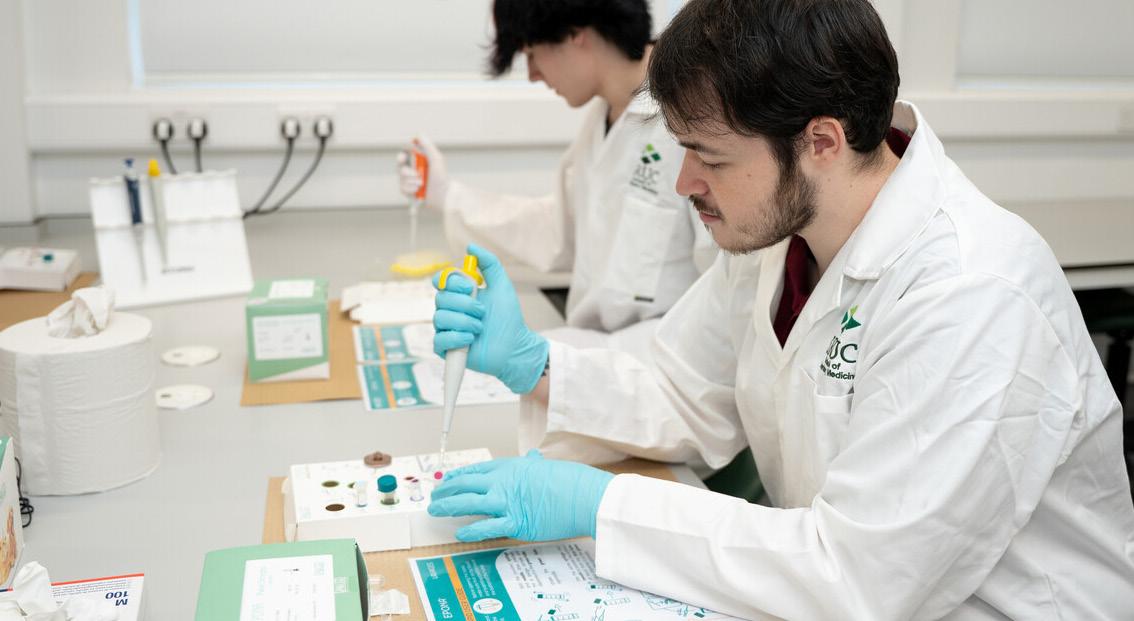
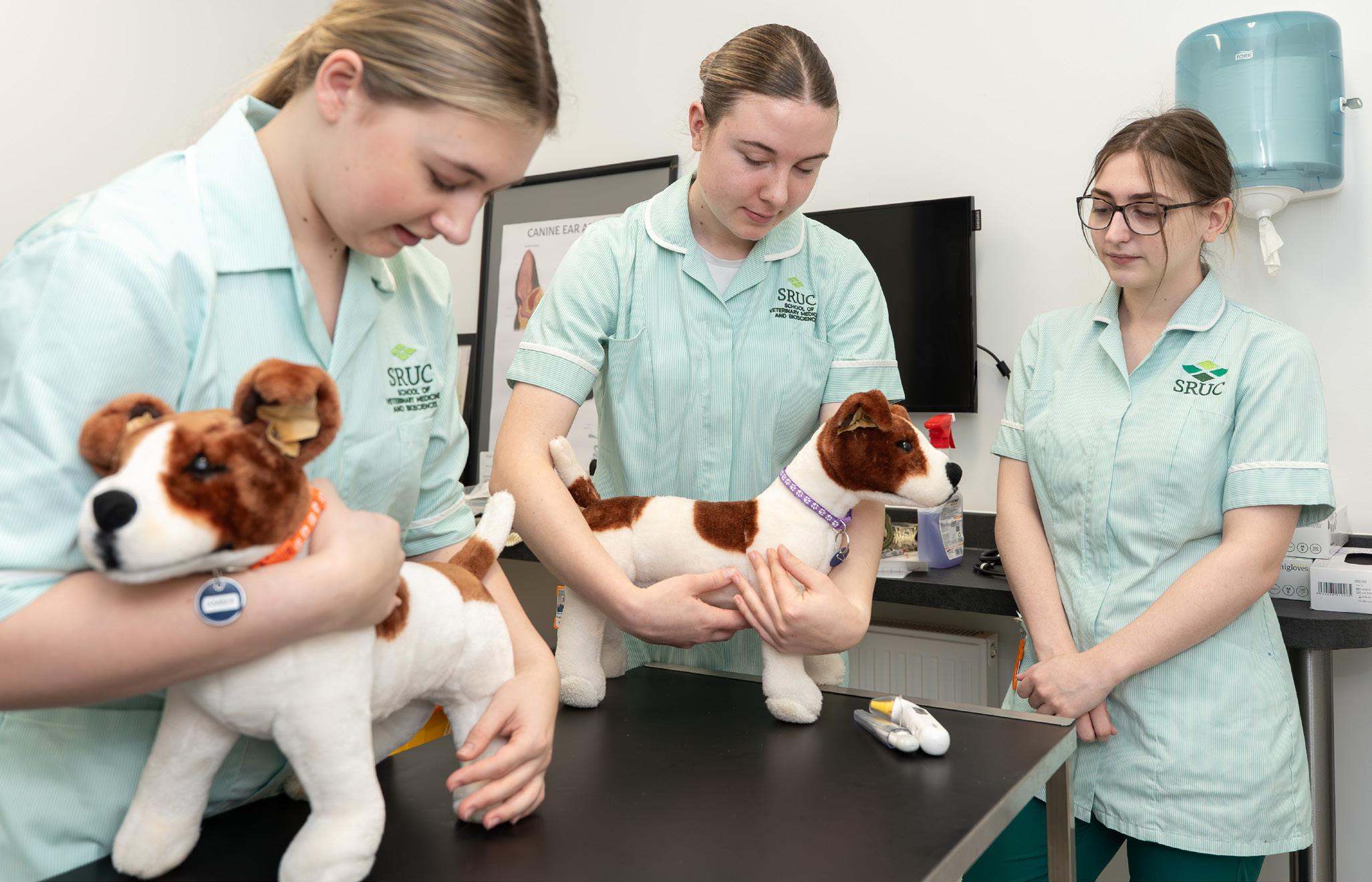
The SRUC School of Veterinary Medicine and Biosciences boasts outstanding facilities, providing you with cutting-edge equipment and technology with which to learn the skills and competencies required to work as a veterinary professional.
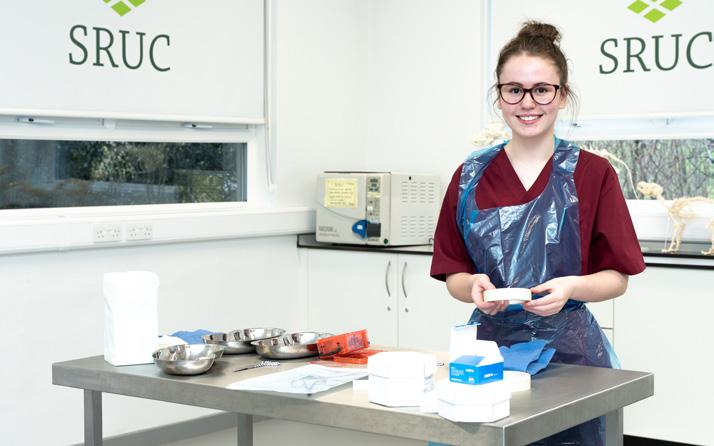
At the Aberdeen Campus, you’ll find the Veterinary Clinical Skills Centre, which is fully kitted out with the latest technology in our clinical skills, diagnostics, pathology and dissection labs and from which we can stream to other SRUC locations and remote learners.
The Veterinary Clinical Skills Centre also has mock consultation and reception facilities to boost your communication skills and teach you how to interact with clients, colleagues and other members of the veterinary industry.
At nearby Sunnybrae Farm, the focus is on rural with our Large Animal Clinical Skills Unit, stables and Ruminant (cattle and sheep) Handling Facility.
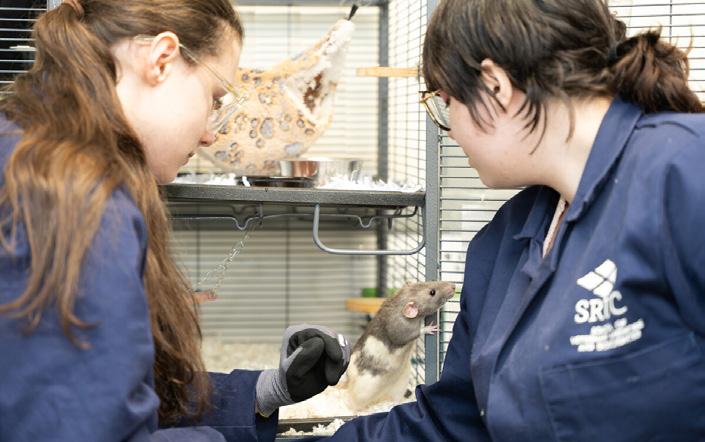
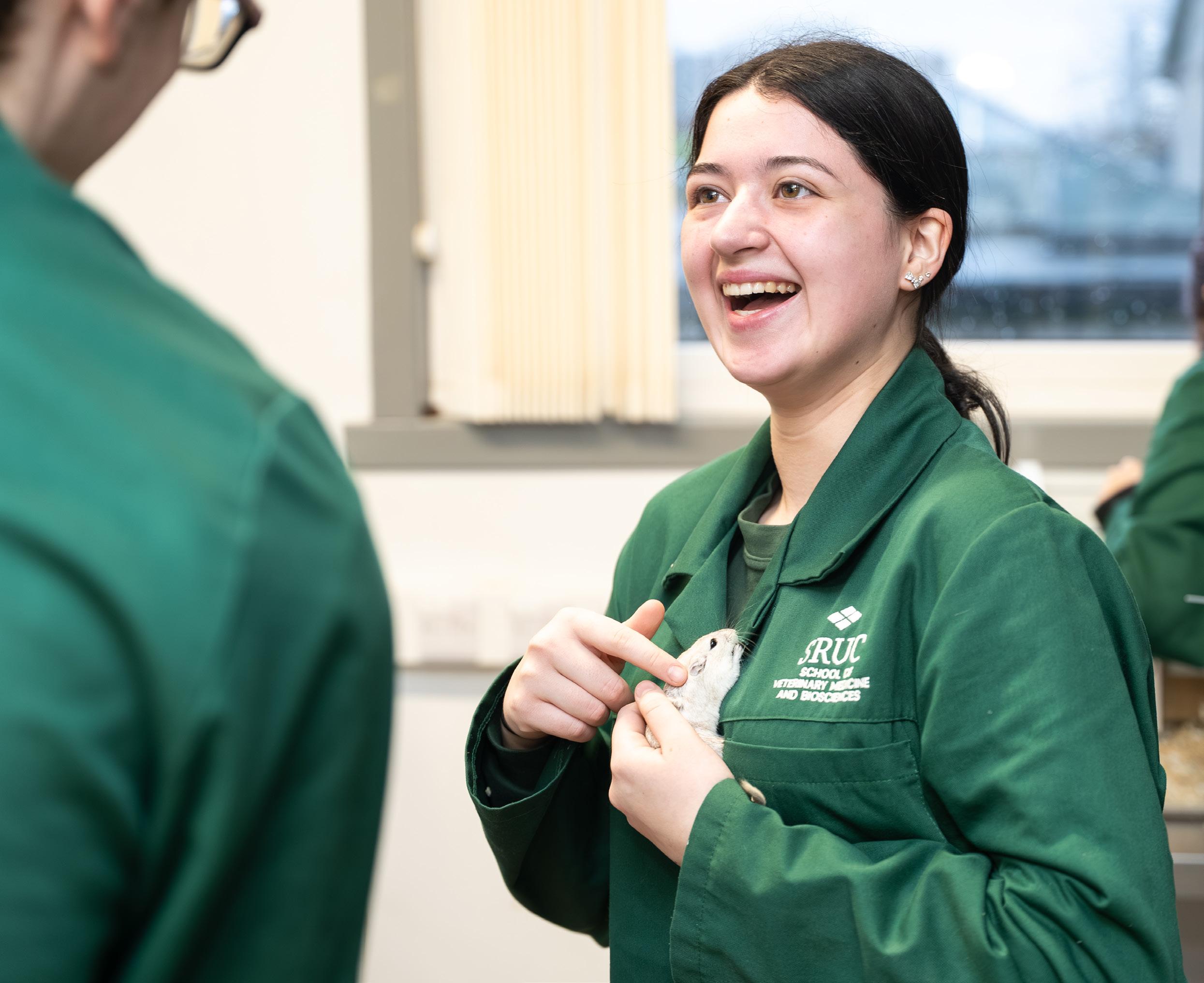
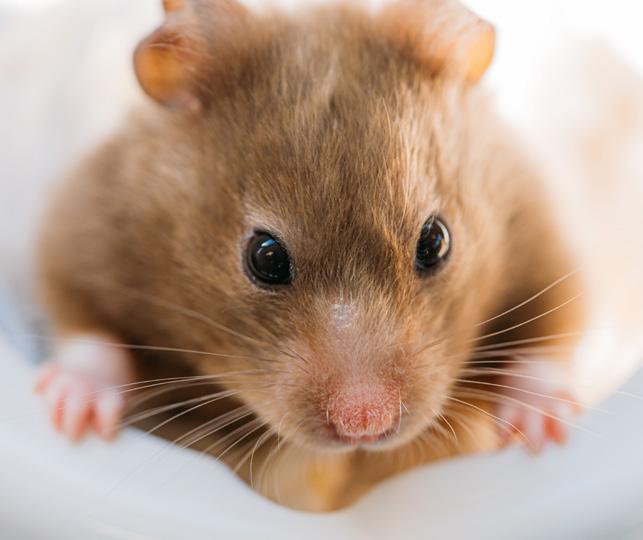
The School also has purpose-built small animal training units at Aberdeen, Barony and Oatridge which give Animal Care, Veterinary Care, Veterinary Nursing and Veterinary Medicine students the opportunity to work with a variety of small mammals and exotics. We also host the Scottish National Equestrian Centre at Oatridge, offering wide equine experience and a range of high profile, veterinary and animal research facilities at our Edinburgh and Aberdeen campuses.
Practical sessions give you the vital hands-on experience you’ll need across the different types of species, complementing theory work learned in the classroom.
FACILITIES
Animal Care
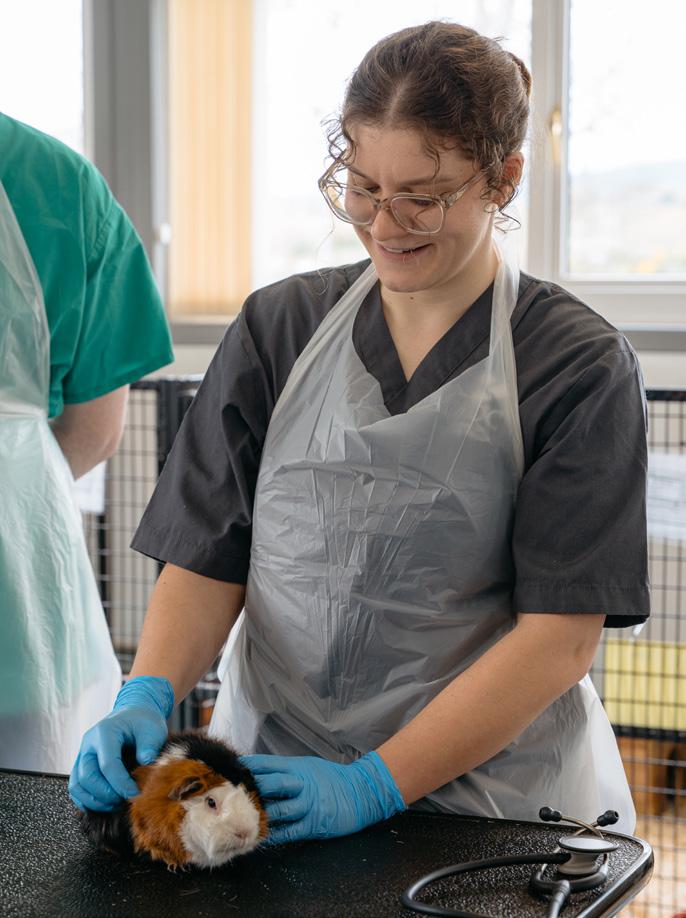
If your ambition is to work with animals, our Animal Care HNC is a great option.
As well as giving you a thorough understanding of subjects related to animal care, housing, welfare and husbandry, this HNC gives you the practical skills and confidence you need to work in the industry.
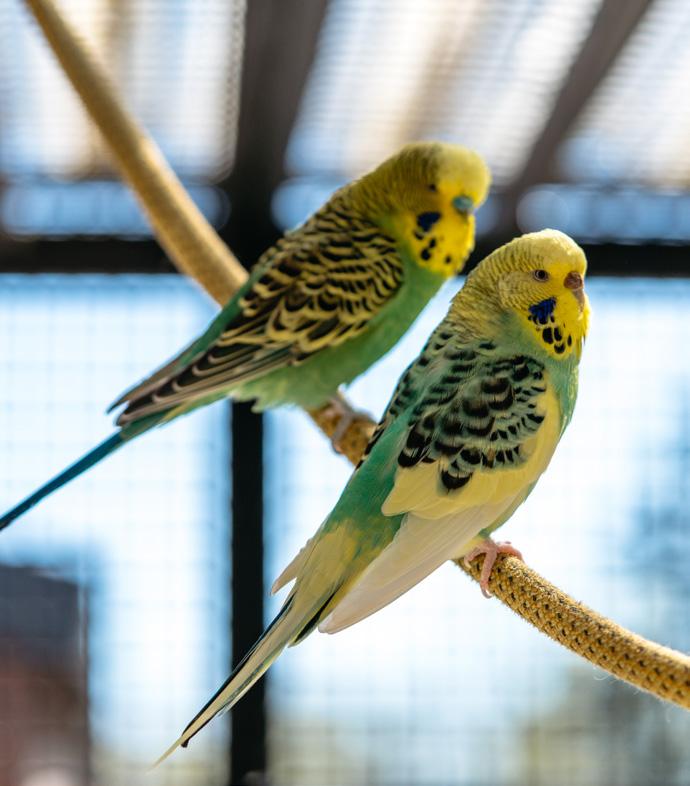
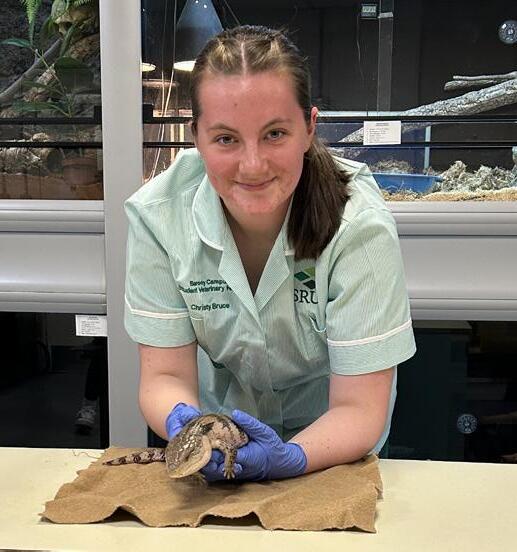
Each of our campuses has excellent facilities which house a variety of small animal species, including reptiles, birds, fish, rodents, rabbits, ornamental, tropical and cold-water fish and amphibians, providing ample opportunity for hands-on, practical learning.
Programmes
Animal Care HNC (SCQF 7) Aberdeen, Barony, Oatridge
The programme covers animal anatomy and physiology, animal behaviour, health, disease and nutrition. This one-year programme teaches you how to provide the highest standards of care and welfare for the animals you work with. It blends practical activities with academic study.
Graduates will gain the skills they need to take on supervisory level roles within the animal care industry.
Entry requirements
• Two Highers (CC) including two from English, Maths or a science subject.
• National 5 / GCSE pass grades in English, Maths and Biology.
Other equivalent qualifications are accepted and mature applicants with alternative qualifications and/or work experience are encouraged to seek guidance from the college.
For a full list of entry requirements see centre pages.
Life on campus is fun as well as supportive. Everyone around me wants me to do my best and continuously encourage me.
Student Spotlight
Emily Ogilvie
HNC Animal Care
I started this course after progressing through the Introduction to Animal Care course and the NC Animal Care course. Since I was little, I have always had a passion for animals, constantly wanting to learn more about them. This course has allowed me to continue to gain the skills and knowledge in different aspects of animal care, from nutrition to husbandry – even the support and encouragement I needed to be able to handle snakes.
The biggest highlight was winning the award for Best NC Animal Care Student at my campus. This award showed to me that my dedication and hard work had been recognised. Another highlight was winning the TikTok competition in 2024, when I created a video doing a spa day for some of our rabbits in the Animal Care Unit.
After completing the course, I will be doing the summer internship at the Animal Care Unit for the third year. This will allow me to come in once or twice a week to care for the animals and participate in summer projects. I will also be helping out as a student ambassador at open days, offer-holder days and events, before going into full-time employment.
Life on campus is fun as well as supportive. Everyone around me wants me to do my best and continuously encourages me.
It is important to stay committed, but it is also important to have fun and enjoy your time studying. Everyone at SRUC is lovely, and everyone wants what is best for you.
Careers
There are numerous opportunities for people with Animal Care qualifications, such as work in:
• Boarding Kennels and Catteries
• Charity Organisations
• Welfare Centres
• Animal Welfare
• Animal Rescue
• Local Authorities
• Pet Shops
• Farm Parks and Zoos
Other career opportunities may be available in the areas of animal science, poultry or agriculture.
Animal Sciences
A career in animal sciences could give you the opportunity to improve animal health and welfare and have a positive impact on public health, food security, economics and biodiversity. SRUC has one of the largest animal science research groups in Europe, and our research is already effecting positive change on a global scale.
These programmes draw on our research and teaching strengths in veterinary, animal, and agricultural sciences. The learning experience is immersive, combining academic study and cutting-edge research with handson practical opportunities in our
specialist facilities, farms and labs.
You’ll benefit from our role as worldleading experts, gaining subject knowledge and the ability to apply it in the workplace. Our partnerships will provide you with valuable networks and career insights.
Our graduates are already making a difference in many important areas including ensuring the health and productivity of animals, mitigating greenhouse gas emissions, improving global food security and enhancing animal welfare.
• Four Highers (ABBB) OR three A-Levels (BBB) including Biology, Human Biology or Chemistry.
• National 5 / GCSE pass grades in English and Maths.
Minimum Entry Requirements:**
• Four Highers (BBCC) OR three A-Levels (BCC) including Biology, Human Biology or Chemistry.
• National 5 / GCSE pass grades in English and Maths.
** Under SRUC’s Contextual Admissions Policy, we will relax our standard entry requirements for some students depending on their circumstances. More information on our Contextual Admissions Policy can be found on the website.
For a full list of entry requirements see centre pages. SRUC 2027
Animal Welfare Science
The Animal Welfare Science programme aims to develop scientists who are advocates for animal welfare. Animal welfare is a global issue important for food production, sustainability and meeting societal expectations about animal care. This degree will provide a grounding in animal biology and management, followed by a specialised understanding of animal behaviour, welfare and ethics of animal use. The degree programme is taught by one of the largest groupings of animal behaviour and welfare scientists in the world. This will ensure that you have access to the most current research and can contribute to the development of animal welfare evidence.
Careers
Our Animal Science courses lead to a wide range of career options including:
• Veterinary or Laboratory Scientist
• Researcher
• Geneticist
• Conservation Officer
• Animal Nutritionist
• Animal Health and Welfare Officer
• Quality Assurance Officer
• Policy Advisor
• Agricultural Consultant
• Animal Manager
• Technical Officer
• Zookeeper
• Animal Advocate
• Ecologist
• Large Animal Veterinary Technician
You could also work for government and international agencies or large research institutes, and in high-tech or agricultural and environmental sectors or industries allied to animal production.
Veterinary Biosciences *
The Veterinary Biosciences programme aims to develop biological scientists focused on improving animal health. We will prepare you with the knowledge and skills to face the global challenge of animal disease and the associated impacts on humans and the environment through highquality teaching and a supportive learning environment. This programme will develop your knowledge of animal biology and build towards practical application in different fields including physiology, disease, ecology, conservation, genetics and nutrition. Combined with a strong focus on employability and skills development, this is the ideal programme for you to explore your interests in animal bioscience and related fields.
Student Spotlight
Rowan Mackay
Animal Welfare Science BSc (Hons)
The campus is lovely with good facilities and great public transport links, which was essential for me commuting every week.
My third-year work experience was fantastic, as was the lab work in first and second year. I also really enjoyed the constant hands-on learning and access to professionals in the animal welfare sector. I’ve made my best friends through this course.
Because I've had a great time putting together my dissertation, I’m looking to stay in lab or field research or academia.
Initially, I was nervous about coming to a new part of Scotland for my course, especially as an autistic transgender
person. I did trial runs of my commute with family members and talked openly to Faculty about issues, and thankfully everyone has been fantastic with accommodation and accessibility.
It’s very easy to know where everything is and the staff are always willing to help. The food is fantastic and there are plenty of places to study before, between and after lectures.
I would always tell anyone feeling nervous to take a deep breath, know you’re there for a reason and that you deserve to be here just as much as anyone else in the room. If you feel like you’re not brave enough to take an opportunity, then do it scared!
…I
really enjoyed the constant hands-on learning and access to professionals in the animal welfare sector. I’ve made my best friends through this course.
Equine
SRUC’s qualifications in Equine Science and Management are unique and our BSc/BSc (Hons)
Equine Science & Management degree is the only undergraduate Equine Science degree in Scotland. The programmes balance equine management and science subjects with equine business management to provide you with the skills to apply scientific knowledge to a wide range of practical situations in the industry. There are also opportunities for students to undertake placements in years one and three of our degree programme.
Our Equine Science programmes develop graduates who can apply critical thinking to practical situations and continue to improve the health and welfare of horses.
Studying with us will give you the skills to be creative, responsive and innovative, allowing you to adapt to the ever-changing equine industry throughout your career.
Programmes Entry Requirements
Equine Science and Management
CertHE* (SCQF 7)
Oatridge
Equine Science and Management
BSc/BSc (Hons) (SCQF 9/10)
Oatridge
• Two Highers at CC to include English or a science subject.
• National 5 / GCSE pass grades in English, Maths, and a science subject.
Plus two weeks of practical work experience and recorded evidence of your riding ability. Successful completion of the Advanced Certificate Horse Care will also be considered.
• Four Highers (BBCC) OR three A-Levels (BCC) including a science subject.
• National 5 / GCSE pass grades in English and Maths.
Plus two weeks of practical work experience and recorded evidence of your riding ability.
Riding is not a compulsory part of the programmes. Applicants wishing to be considered for a riding option need to submit evidence of ability to walk, trot and canter. For horse welfare we have a weight limit of 14 stone for riding.
*subject to validation
For a full list of entry requirements see centre pages.
HIGH-TECH LEARNING
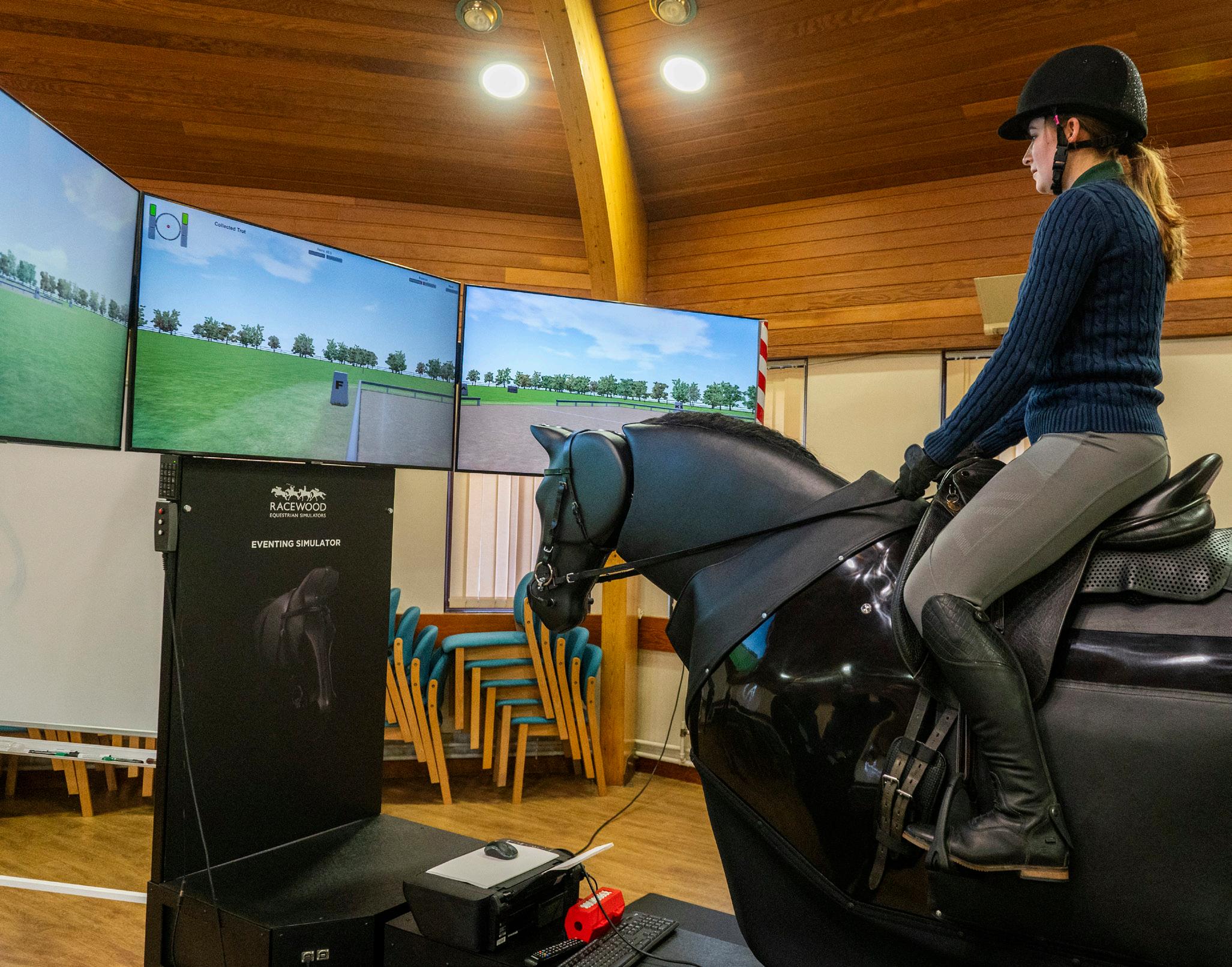
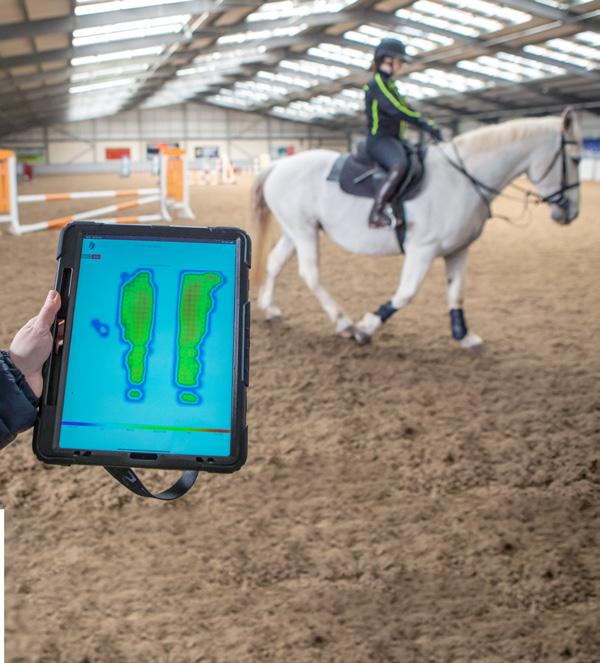
Our Equine Science programmes incorporate advanced digital equipment. This includes a topof-the-range mechanical horse that can jump 1.2m and perform advanced dressage movements to support rider development, build rider confidence and allow for innovative Honours projects. There are also opportunities to integrate equipment, such as biomechanical jackets and robotic cameras, into riding sessions to aid learning and as part of equitation science Honours projects. Our advanced use of digital technology to support learning and teaching saw us named as a finalist in both the Times Higher Education Awards and the Herald Education Awards.
Student Spotlight
Eilidh Simmons
SCOTTISH NATIONAL EQUESTRIAN CENTRE (SNEC)
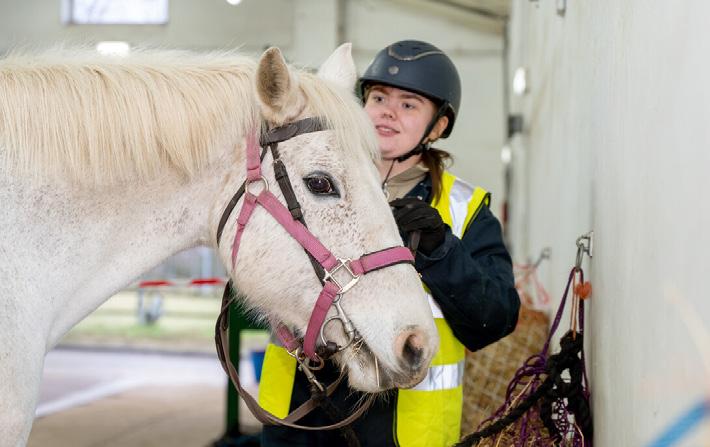
SRUC Oatridge Campus is home to SNEC, providing students with state-of-the-art equestrian resources. SNEC features indoor riding arenas which seat up to 400 spectators, outdoor all-weather gallops and a large indoor stable block that includes a horse walker, weigh bridge and horse solarium, which uses infrared to relax muscles and improve circulation. You can use these facilities for your own horse through our livery service, which also includes a daily turnout and access to clinics. You will have regular opportunities to engage with competitions and events, such as the annual Oatridge Horse Trials and the Pony Club Area Qualifiers, as well as work alongside industry leading bodies so you can start to develop your own professional networks. We also offer extra-curricular activities, including opportunities to gain additional industry qualifications such as British Horse Society assessments and Scottish Coaching Qualifications.
Equine Science and Management BSc (Hons)
I’ve had a lifelong passion for horses, but I lacked experience and knowledge, so going straight from school into working in the industry wasn’t an option for me. The programme seemed to give the perfect all-round introduction to the industry, from practical skills such as yard work and competition preparation, right through to basic information for more specialist sides of the industry, such as breeding and nutrition. Although I only signed up for my HND, I decided to progress on to the full honours degree as I felt there was so much more to learn, and the modules really appealed to me – especially the option for the international work placement.
Having the Scottish National Equestrian Centre on site sets SRUC apart from the other options I considered, as there is always something going on, whether it be clinics, competitions or demonstrations.
The facilities are fantastic, especially with the addition of the new mechanical horse. There are all sorts of riding equipment to try out, allowing you to study things such as rider position, biomechanics, weight distribution and horse fitness. SRUC has a really awesome range of lesson horses, with
new horses coming and going all the time so there’s definitely a horse for every experience level.
Many of the equine lecturers have extensive knowledge and experience in both practical industry and research areas, which also really appealed to me. You’re learning from people who are passionate about what they teach, which makes all the difference.
The work placement units in first and third year have been the perfect stepping stone into the industry. I loved being able to try new things while also gaining experience and networking. My third-year placement in the Netherlands was a great life experience, as it gave me a chance to try something totally new while also gaining confidence solo travelling, and the funding team were fantastic in making it all happen.
The riding sessions in first and second year were also a real highlight. Having regular lessons made such a difference to the standard of my riding, and I can see a huge improvement in both my ability and confidence compared to when I started.
Careers
The Equine sector has huge diversity in its employment opportunities. Examples are:
• Riding Coach
• Competition Manager
• Senior Groom
• Stud Assistant
• Yard Manager
• Equestrian Sales
• Equine Nutrition Adviser
There is also a range of employment opportunities in the Horse Racing & Tourism sectors.
Many of the equine lecturers have extensive knowledge and experience in both practical industry and research areas, which also really appealed to me. You’re learning from people who are passionate about what they teach, which makes all the difference.
Veterinary Medicine
Veterinary Medicine has a wide range of applications and career pathways. Veterinary surgeons not only contribute to the health and welfare of a variety of species but also play a vital role in animal welfare, public health and food safety as well as other global issues.
The BVSci in Veterinary Science is a fiveyear, full-time programme incorporating in-depth theoretical and practical learning along with placements for hands-on work experience, which, following accreditation by the Royal College of Veterinary Surgeons, will allow you to work as a veterinary surgeon in the UK.
The BVSci is taught alongside our other veterinary related programmes, enabling
all students to experience the real-life team-working ethos of veterinary practice.
A key aspect of the Veterinary Medicine programme is its practical teaching and you will be trained to work with a range of animal species. The final year is spent putting your learning into practice on Intra Mural Rotations (IMR) where you will spend time working alongside our partners within the veterinary profession.
Programmes Entry Requirements
Veterinary Science
BVSci (SCQF 11) Aberdeen
For full details, please refer to the website.
Rural Veterinary Technology
CertHE* (SCQF 7) Aberdeen
Rural Veterinary Technology
DipHE* (SCQF 8) Aberdeen
* subject to validation
Standard Entry Requirements:
The Rural Veterinary Technology programme is also a pathway into the BVSci Veterinary Science degree. It has been designed to offer a route to becoming a fully accredited veterinary practitioner to those who may not have the necessary academic qualifications upon leaving school but have experience or an interest in veterinary science and working in a rural setting.
• Two Advanced Highers at BB including one science subject (Chemistry, Physics, Biology) plus
• Five Highers at AABBB including at least two science subjects (Chemistry, Physics, Biology, Human Biology, or Maths/Applications of Maths) plus
• Five National 5 (Grades A-C) including Maths/Applications of Maths (B) and English (C).
• Recent and relevant vocational/work experience is also required.
Minimum Entry Requirements:**
• Two Advanced Highers at BB including one science subject (Chemistry, Physics, Biology) plus
• Five Highers at BBBBB including at least two science subjects (Chemistry, Physics, Biology, Human Biology, or Maths/Applications of Maths) plus
• Five National 5 (Grades A-C) including Maths/Applications of Maths (B) and English (C).
• Recent and relevant vocational/work experience is also required.
Comparable Qualifications:
Three A Levels at ABB including one science (Biology, Chemistry, Physics, Maths), plus five GCSEs (Grades A*/9-C/4) including English (C/4) and Maths (B/6).
JCPA with five subjects including English (Merit or above) and Maths (Merit or above) plus five Irish Leaving Certificate subjects at Higher level (H1, H2, H2, H3, H3) including at least two science subjects (Agricultural Science, Biology, Chemistry, Physics, Maths).
• Three Highers (BBC)/two A-Levels (BC) to include Biology at B plus one other science subject.
• National 5 / GCSE pass grades in English, Maths, and a science subject.
** Under SRUC’s Contextual Admissions Policy, we will relax our standard entry requirements for some students depending on their circumstances. More information on our Contextual Admissions Policy can be found on the website. For a full list of entry requirements see centre pages.
Careers
The BVSci qualification allows you to work as a veterinary surgeon.
The focus of our BVSci degree is to prepare you for any practice-based role, particularly for one in mixed practice providing a veterinary service for whole communities.
There are opportunities to focus veterinary careers in specific species or disciplines, however these often involve additional post-graduate study. Career options open to veterinary surgeons include:
Student Spotlight
Gregory Webzell
I've wanted to be a vet for a long time and SRUC’s teaching style is really attractive to me.
I was looking to go back to university when this programme started and the stars just aligned. It offers a great programme focussing on rural communities like the one where I grew up.
The networking has been great, be it through guest lecturers delivering diverse and interesting topics, or trips to industries all over the country to see how our learning is applied and creates livelihoods.
• Companion / Small Animal clinical practice
• Farm / Large Animal clinical practice
• Equine clinical practice
• Exotic / Zoo clinical practice
• Food Safety and Public Health
You could also work in education, in the charity sector, or in disease surveillance and research.
BVSci Veterinary Science
Rural Veterinary Technology
The Rural Veterinary Technology DipHE gives graduates the skills to excel in large animal veterinary medicine and agriculture. The highly practical programme covers animal handling, production and reproductive technology. The first programme of its kind in Scotland, you will gain an all-round view of the industry and understand your place within the rural economy. The programme can also be used as an access point on to the BVSci programme by guaranteeing an interview for high-performing students.
WIDENING PARTICIPATION
We are mindful that remote or rural communities may have limitations to their access to specific school qualifications or vocational experience opportunities. Our applications criteria are intentionally broad, so that a wider range of applicants have the opportunity to study veterinary medicine.
I'd like to gain further experience working with exotics/marine life. I'll be doing a marine mammal rescue course soon and can't wait to start helping with rescues. If I can combine veterinary work with being on the ocean that would be amazing.
Going back to the student life after years of running my own small ice cream business has been a big transition, but the campus has a nice community feel to it and, with more cohorts of veterinary students joining each year, we'll keep building on that. It's great to be in a beautiful setting but with the nearby amenities of the city.
Every department has lovely, helpful and friendly staff who really care about providing a great environment for us all to be learning in.
Every department has lovely, helpful and friendly staff who really care about providing a great environment for us all to be learning in.
EXTRA MURAL STUDIES (EMS)
As required by the Royal College of Veterinary Surgeons, Veterinary Science students must complete Extra-Mural Studies (work-based placements) during the programme in order to graduate. EMS placements are supported by SRUC but are organised by the student. Additional fees/costs apply.
You will learn alongside allied professionals so that you will become advocates of the development of economically viable, appropriately skilled, veterinary teams. Within these teams, you will be better placed to support each other in your professional careers.
Your final year rotations will be based with our industry partners, smoothing the transition to the workplace and connecting you with potential employers.
RCVS ACCREDITATION
SRUC is working with the Royal College of Veterinary Surgeons (RCVS) to ensure the BVSci Veterinary Science programme meets the required standards and that graduates will be eligible for registration with the RCVS. As with all new UK vet schools, this is a phased process that takes place over several years as our first cohort progresses through the programme.
Graduates join the RCVS Register as members, allowing them to practise veterinary surgery in the UK. Those registered on the BVSci will be subject to fitness-to-practise principles.
Veterinary Nursing
Veterinary Nursing is a rewarding profession centred on planning and delivering high-quality care to a wide range of animal species. While much of the work involves dogs, cats, rabbits and other small mammals, veterinary nurses may also care for birds, reptiles, and in some roles, horses and farm animals.
As well as hands-on patient care, Veterinary Nurses are trained to carry out a variety of essential clinical and client-facing duties. These include running nurse clinics, preparing patients for surgery, monitoring anaesthetics, supporting owners with advice and working closely with veterinary surgeons and other industry professionals.
Registered Veterinary Nurses (RVNs) are vital members of the veterinary team. They work in practices, hospitals, and referral centres, contributing to the treatment and wellbeing of a wide range of species.
Our Veterinary Nursing programmes equip you with the knowledge and skills needed to work in veterinary practice supporting veterinary surgeons and qualified nurses in the day-to-day care and treatment of patients.
Students benefit from access to excellent practical facilities across our campuses. These include clinical skills areas focussing on tasks such as nursing care, client communication, theatre preparation, assisting with surgery, patient recovery and diagnostic imaging, laboratories for developing diagnostic and scientific skills and Animal Care
Programmes Entry Requirements
Veterinary Nursing
BSc/BSc (Hons) (SCQF 9/10) Aberdeen, Barony
PDA Animal Science and Communication (SCQF 6/7) Distance Learning
Units housing a variety of small animals, reptiles and birds.
These environments provide a foundation for progressing into veterinary nursing or other animalrelated careers.
As well as the BSc (Hons) Veterinary Nursing, we also offer a Modern Apprenticeship in Small Animal Veterinary Nursing. This is an option for students employed in a training practice. For more information about all our workbased learning options, see page 21 in the Further Education Prospectus.
• Four Highers (BBBB) OR three A-Levels (BBB) including a literary subject (preferably English) and a science (Biology, Human Biology, Chemistry or Physics).
• National 5 / GCSE pass grades in English, Maths and a science. Applicants are recommended to have undertaken a minimum of 140 hours (four weeks) experience of working within a veterinary practice. We appreciate that gaining this amount of work experience in a practice may be difficult and challenging. Therefore, we would also be keen to know if you have undertaken any other animal-related work experience. Applicants are asked to provide evidence of completed and any planned work experience.
• Veterinary Care and Animal Welfare Diploma.
• Veterinary Care Assistant with Distinction plus one Higher at C.
• Three Highers CCC including National 5 in Maths and English.
• L5 numeracy and an L5 literacy qualification (or be in the process of achieving these qualifications). Alternative entry qualifications such as a Higher National Certificate, or Higher National Diploma are also accepted.
Applicants with a mature attitude who are seeking a change in career will be assessed individually.
For a full list of entry requirements see centre pages.
Careers
There are many opportunities to develop your career in veterinary nursing. Many veterinary nurses follow a career pathway that leads to specialist nurse roles, senior or practice managerial roles as well as practice ownership, industry or community facing roles.
Often experienced nurses are involved in training student nurses in a vet training practice by becoming a clinical supervisor or a tutor or lecturer. Vet Nurses may specialise in an area of veterinary nursing practice or industry that interests them such as:
• Emergency and Critical Care
• Teaching / Research
• Surgery
• Exotics
• Behaviour
• Insurance
• Pharmaceuticals
• Pet / Animal Food and Nutrition
All SRUC Veterinary Nursing degree and MA programmes are accredited by the Royal College of Veterinary Surgeons (RCVS) Successful completion allows students to apply to register with RCVS as a Registered Veterinary Nurse (RVN).
PDA Animal Science and Communication Programme
This distance learning course has been designed for those who are considering an application to the BSc (Hons) Veterinary Nursing degree but have fallen short of the Higher entry requirements. Throughout the course you’ll study 3 modules - Veterinary Terminology, Animal Biology and Communication Skills for Customer Service, allowing you to gain valuable personal and academic skills.
Student Spotlight
Abbie Duncan
BSc Veterinary Nursing
I have always known from a young age that I wanted to work with animals (specifically cats and dogs) and had originally wished to become a veterinary surgeon. However, after attending work experience in veterinary practice I quickly realised that I loved, and was much better suited to, the role of the veterinary nurse. I enjoy the practical hands-on care, as well as learning clinical skills and different animal anatomy and behaviours.
I attended the SRUC open day and was extremely impressed with the facilities, staff support and overview of the
programme. I had also heard about SRUC from former students, who had lots of positive feedback.
All staff and lecturers are extremely approachable so don’t be afraid to ask questions. It’s important to stay organised with assignment and coursework deadlines, so it’s good to develop good time-management skills.
I currently work one day a week in veterinary practice and have done throughout my final year at SRUC. After graduation I would like to become a Registered Veterinary Nurse (RVN).
I attended the SRUC open day and was extremely impressed with the facilities, staff support and overview of the programme.
Finance
We know that finances are an important part of choosing where to study and we’re here to make the process as simple and stress-free as possible.
Fees and funding arrangements vary greatly depending on your personal circumstances, your nationality and where you live, and whether you have had funding to study before.
If you are an eligible Scottish resident, your tuition fees may be covered by Student Awards Agency Scotland (SAAS) – www.saas.gov.uk. You can also apply to SAAS for additional support, including bursaries and loans to help with living costs.
In addition, SRUC offers a range of financial support options. These include discretionary funds for student experiencing financial difficulties as well as help with essential costs such as travel, study materials and accommodation. Subject to eligibility criteria.
Our teams can guide you through the funding process, from understanding what you are entitled to, to completing your application. We also provide advice on budgeting and managing your money while studying.
Typically, these courses require a number of either National 4s or National 5s (Grades A-C) or GCSEs.
Certificate
National
NC National Certificates span several academic levels of study as defined by the Scottish Credit and Qualifications Framework (SCQF). Introductory courses (at SCQF Level 4) often require no, or very few, formal entry requirements. Some require evidence of numeracy and literacy (e.g. an English and Maths qualification). Some NCs at slightly higher levels will require a number of National 4s, and National Certificates which are at SCQF Level 6 will require one or two National 5 (Grade A-C) qualifications as well.
SRUC offers courses at all levels of study, from access courses requiring no formal qualifications, through to postgraduate level study where relevant previous study can be vital.
Higher Certificates and Diplomas HNC/HND, CertHE/DipHE
Higher level certificate and diploma qualifications will always require formal evidence of literacy and numeracy, usually in the form of National 5(Grade A-C)/GCSE (A*/9-C/4) English and Maths.
Entry requirements are listed on the individual course pages on our website. Some courses have specific requirements in terms of required subjects as well as numbers and levels of qualification. Please check the website for additional detail about all our courses, and to make sure you are seeing the most up-to-date information.
• Two Highers (CC) OR Two A-Levels (DE) including a science subject.
• National 5 / GCSE pass grades in Maths, English and a science subject. Other equivalent qualifications are accepted and mature applicants with alternative qualifications and/ or work experience are encouraged to seek guidance from the college. Work experience at a poultry production facility or with back yard poultry would be beneficial.
For more information on comparable qualifications and entry requirements search Comparable Qualifications on the SRUC website. Specific entry requirements can be summarised as below:
• Two Highers (CC) OR Two A-Levels (DE)
• National 5 / GCSE pass grades in English and Maths. Other equivalent qualifications are accepted and mature applicants with alternative qualifications and/ or work experience are encouraged to seek guidance from the college.
• Three Highers (BBC) OR Two A-Levels (BC) to include Biology at B plus one other science subject.
• National 5 / GCSE pass grades in English, Maths, and a science subject.
• Two Highers (CC) OR Two A-Levels (DE)
• National 5 / GCSE pass grades in English and Maths. Other equivalent and vocational qualifications are accepted and mature applicants with alternative qualifications and/or work experience are encouraged to seek guidance from the college.
• Two Highers at CC OR Two A-Levels (DE) to include English or a science subject.
• National 5 / GCSE pass grades in English, Maths, and a science subject. Plus two weeks of practical work experience and recorded evidence of your riding ability. Successful completion of the Advanced Certificate Horse Care will also be considered.
• Two Highers (CC) OR Two A-Levels (DE) preferably including a science or geography.
• National 5 / GCSE pass grades in English and Maths. Equivalent qualifications, such as the Advanced Certificate in Forestry & Arboriculture, are also accepted. Appropriate employment experience in other sectors will also be considered.
*
Equine Science and Management CertHE
Forestry HNC
• Two Highers (CC) OR Two A-Levels (DE) including a science subject.
• National 5 / GCSE pass grades in English and Maths. Alternative entry qualifications, such as a related National Certificate, are also accepted. Applicants with a mature attitude who are seeking a change in career will be assessed individually.
• National 5 / GCSE pass grades in English and Maths. Alternative entry qualifications such as a related National Certificate, are also accepted. Applicants with a mature attitude who are seeking a change in career will be assessed individually. PROGRAMME
• Two Highers (CC) OR Two A-Levels (DE) preferably including a science or geography.
• National 5 / GCSE pass grades in English and Maths. Alternative entry qualifications like a related National Certificate are also accepted.
• Two Highers (CC) OR Two A-Levels (DE) including two from English, Maths or a science subject.
• National 5 / GCSE pass grades in English, Maths and Biology. Minimum of one week of work experience in the industry. Successful completion of NC Animal Care will be considered.
Animal Care HNC
• One Higher (C) OR One A-Level (D) in a relevant subject.
HNC
Environmental Management
• National 5 / GCSE pass grades in English and Maths.
Alternative entry qualifications such as a related National Certificate, are also accepted. Applicants with a mature attitude who are seeking a change in career will be assessed individually.
Wildlife and Conservation Management HNC
• Two Highers (CC) OR Two A-Levels (DE) including relevant subject.