Saltman Quarterly Volume 30 | Winter 2026
Computation in Cell Order pg. 2
Plant Growth and Propagation pg. 3
The Persistence of Extremophiles pg. 4
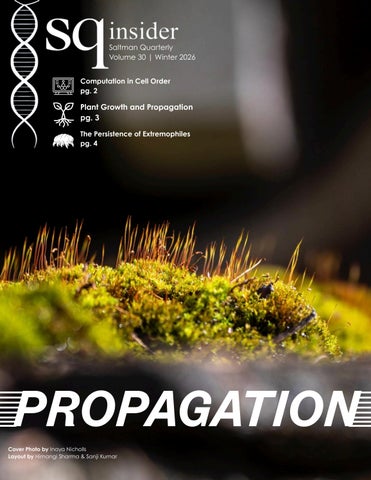
Saltman Quarterly Volume 30 | Winter 2026
Computation in Cell Order pg. 2
Plant Growth and Propagation pg. 3
The Persistence of Extremophiles pg. 4
Writtenby Written by JaiPenumarthi Jai Penumarthi
In nearly every general physics or chemistry class, students eventually confront the Second Law of Thermodynamics, the governing principle that the universe perpetually moves towards a state of disorder. Entropy, or so we are told, is the final equalizer moving the universe towards chaos and culminating in what some speculate is the so-called “heat death” of the universe. It is a stark and somewhat frightening idea that everything in the observable universe, from distant galaxies to human civilization, will eventually conform into a desolate equilibrium. Yet here we are, still breathing, functioning, and perplexingly ordered?
At first glance, life appears to be in defiance of this universal movement towards disorder. From the most rudimentary functions of protein synthesis to the macroscopic level of various ecosystems, nature seems like an anomalous, improbable structure: Cells reproduce. Organisms evolve. Information is copied, stored, and transcribed, not through a singular instance but continually across generations and eons. Somehow, it appears that order has not only persisted but has propagated. This paradox, the emergence and persistence of order in a universe biased towards disorder, lies at the core of biology and, increasingly, of computation.
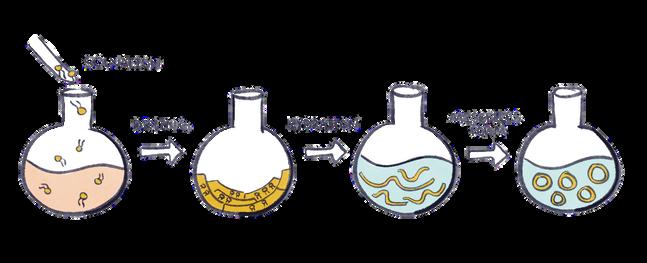
At its core, cellular processes are enabled through entropy and abide by the Gibbs free energy equation: ΔG = ΔH − TΔS. In this equation, ΔG is Gibbs free energy, ΔH is enthalpy (change in heat energy), T is temperature in Kelvin, and ΔS is entropy (change in disorder). Although it is compelling to explain the nuances of this equation, the most notable component is that when ΔG is negative, a reaction or process occurs spontaneously or naturally To make sense of this, it is necessary to understand the quintessential role water plays in enabling a negative ΔG, allowing essential cellular processes to occur. In an aqueous environment, nonpolar carbon-based molecules come together because their aggregation frees water molecules from rigid, low-entropy caged structures that surround nonpolar structures. This makes the overall system more favorable since releasing the water molecules increases ΔS, which results in a greater negative ΔG. This is paramount considering all known life forms are carbon-based. As such, this seemingly simple notion is the crux of numerous abiogenesis (origin of life) theories, such as the lipid world theory authored by Dr. Daniel Serge, a current professor at Boston University who proposed hat amphiphilic molecules spontaneously formed the first “cellular-like” membrane.
Beyond the formation of primitive membranes, entropy emerges in other facets of cells, such as

cellular behavior and even evolution. On the evolutionary side, recent research by Dr. Sahbater in the International Journal of Molecular Sciences argues that thermodynamically fit cells exhibit shared characteristics of minimizing entropy production through compartmentalization, nonequilibrium reactions, and efficient energy use. Entropy also influences cellular communication through signaling entropy, a form of entropy in cellto-cell interactions, which explains why specific types of cells, such as cancer cells, demonstrate a lethal level of cellular growth. This increased signaling entropy coincides with a higher cellular plasticity and collective behaviors, resulting in the formation of “swarm intelligence” among malignancies as termed by Dr Tarabichi in a research article in Cancer and Metastasis Reviews. All of these findings suggest that entropy is not just some universal phenomenon that plays a passive role in the backdrop of life; rather, it actively incentivizes and influences the development of adaptive, information-processing cells capable of complex, self-regulating behaviors.
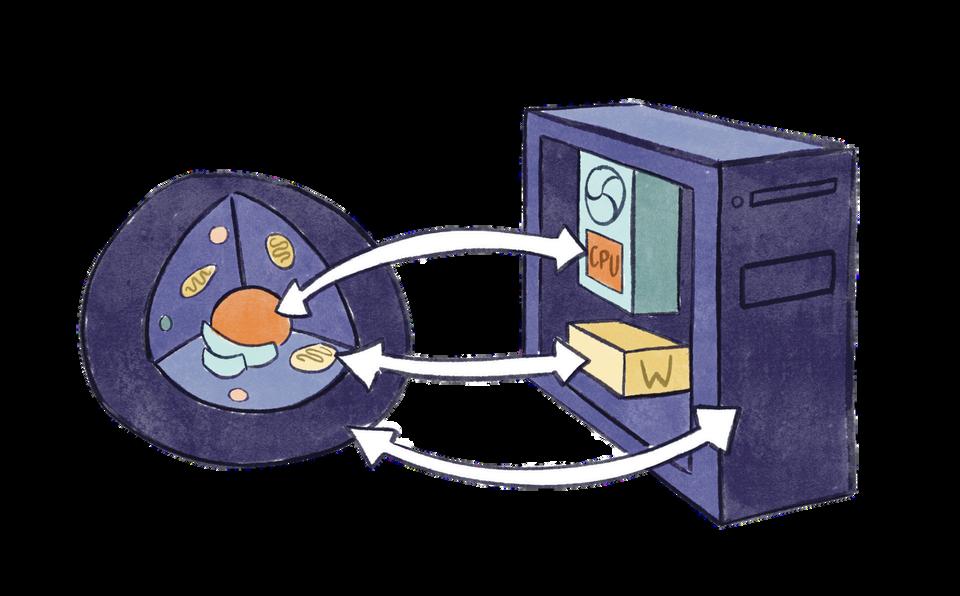
These capabilities of information-regulation and self-sufficiency in cells are not just a foundational component of life but something actively used in modern research on cellular computing. Information entropy is reduced when numerous inputs are designated onto a smaller set of defined outputs. In biological systems, living organisms even at the molecular level reduce information entropy as cells respond to extracellular stimuli by conforming to specific functional states as demonstrated in gene expression or signaling pathways. Each feedback loop or regulatory pathway integrates multiple inputs to produce outputs, effectively performing logical operations akin to “AND,” “OR,” and “NOT”
gates often found in computer science. This raises the question:
Editors-in-Chief: Gabbi Basa, Esha Bhattacharya
Executive Editor: Mark Davis
Editor-at-Large: Erin Jang
Illustrationsby Illustrations by AliviaGao
Alivia Gao
Layout
Layoutby
by MadeleinePark Madeleine Park
Why attempt to use cells for computation if computers can fulfill the same function? The answer is twofold, one being that computation is embedded in the function of cells themselves and not reliant on external facets like power, temperature regulation, or protective encasements that computers are dependent on. The second answer lies in the cell’s capacity for inherent parallelism. Cells, by contrast to conventional computation, are able to perform millions of chemical computations each moment, driven by entropic gradients, and are not restricted by bottlenecking or thermal regulation. According to Megan Molteni, a journalist for WIRED, at institutions such as the biotechnology company Ginkgo Bioworks, researchers are engineering cells to make specific functions and treating DNA as programmable software. As neural networks define current artificial intelligence, these cellular systems may define a new generation of computation, one reliant on biological matter
Thus, entropy, often perceived as the destroyer of order, happens to also be the architect of life itself. It shapes the formation of membranes, propels self-regulation and adaptation, processes information through networks inside cells, and even drives the emergence of collective behaviors that bear semblance to distributed computation. These entropic capabilities uniquely fuel modern-day research efforts in the realms of cellular computation, reliant on the properties of cells, nature’s predesignated computational hardware. Entropy, and its various forms, at the end of the day is not a paradox but rather a mystifying contributor to the mechanistic cogs of the universe.
Head Production Editors: Himangi Sharma, Sanji Kumar
Head Technical Editor: Shreya Abhijit
Head Illustrators: Leo Harris, Jenna Hughes
Staff Illustrators: Alivia Gao, Maia Lazor
Head Photographer: Inaya Nicholls
Tech Editors: Lauryn Guan, Neha Roy Karintholil, Lauren Wu, Carmen Molina Winter

Humans evolved in a world full of megafauna—huge mammals, most of them herbivores, that exceed 1,000 kg (2,204 pounds) when fully grown. Megaherbivores were ecosystem engineers, able to cause large-scale change to their natural environment by trampling and consuming large amounts of vegetation. They created varied and niche-rich ecosystems by thinning out forests, allowing light to reach smaller plants and fostering plant diversity
What happened to the plants that relied on megafaunal propagation, once these huge herbivores were almost universally extinct? The immediate effects of declining megafauna populations was an overgrowth of vegetation in areas previously cleared by megafauna Small plants relied on megafauna trampling and removing larger trees to reach sunlight, water, and other nutrients required for their growth. Without populations of megafauna, larger and older plants outcompeted small plants and young trees, preventing growth. Without dominant herbivores, forested areas became denser and choked with growth, increasing competition for limited resources The ecosystem, previously maintained and diversified by megafauna populations, would become increasingly more uniform, reducing the niches animal and plant populations could inhabit. Additionally, an increase in plant density and the overgrowth of large, woody plants would have increased the severity of wildfires
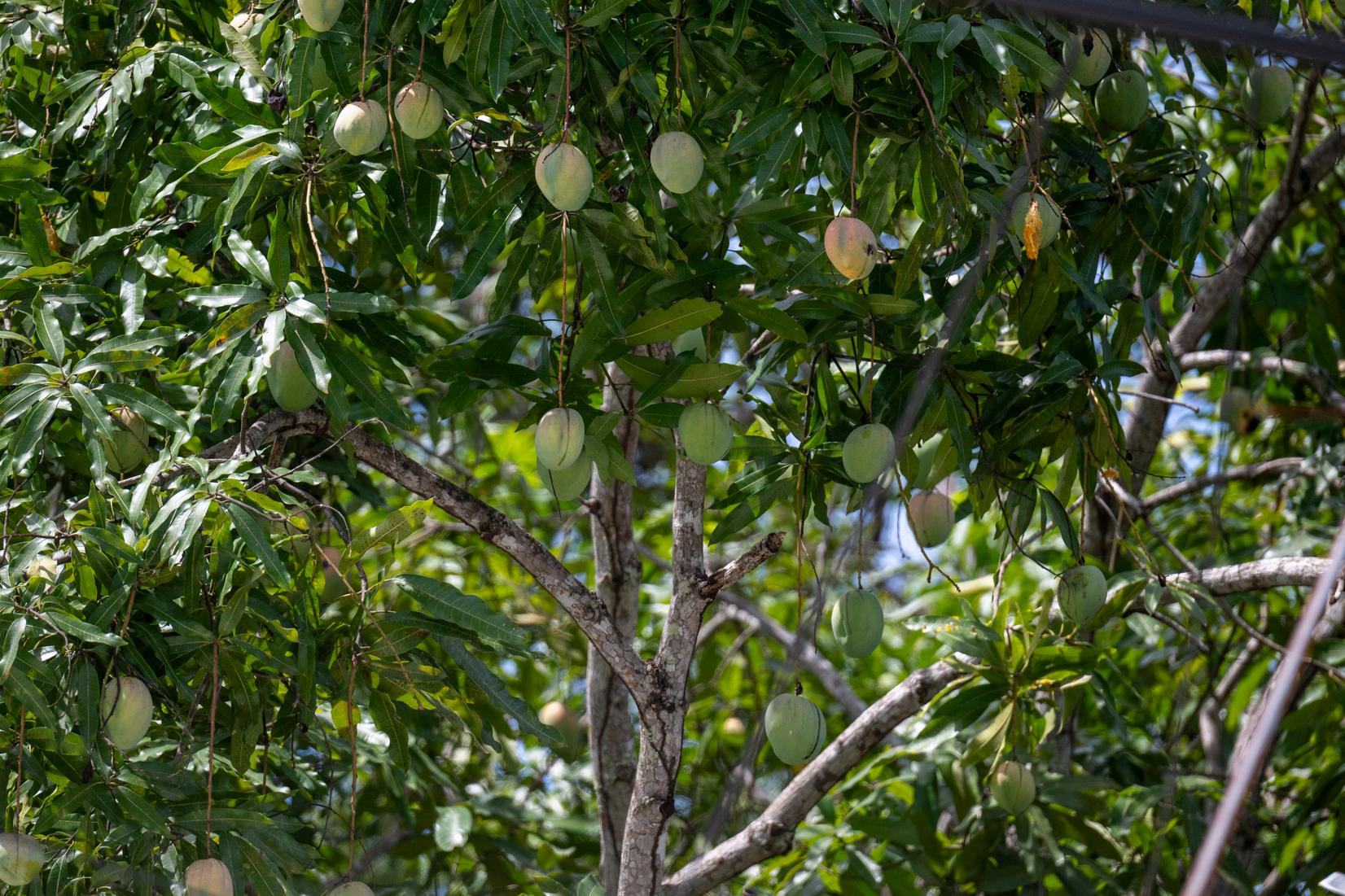
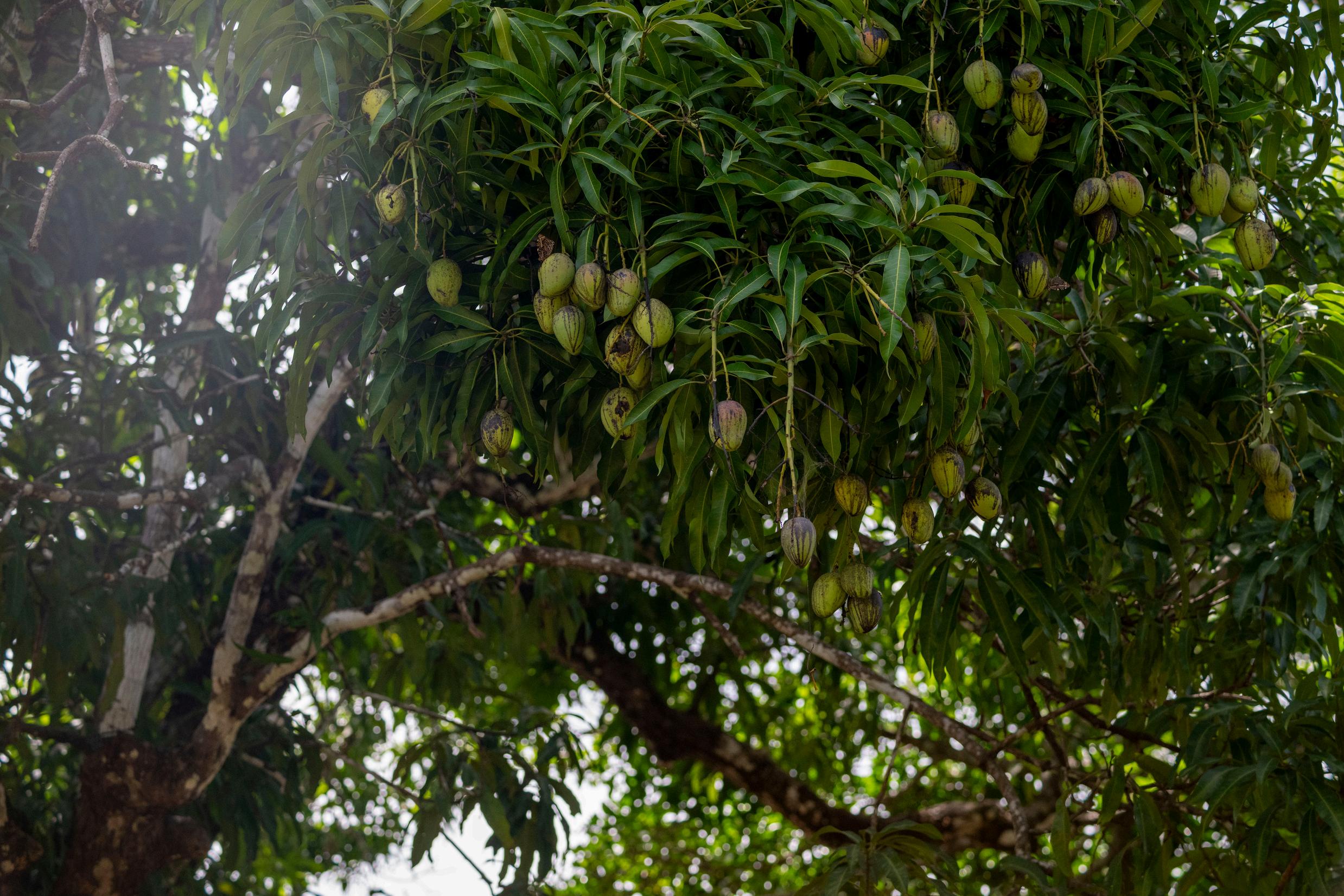
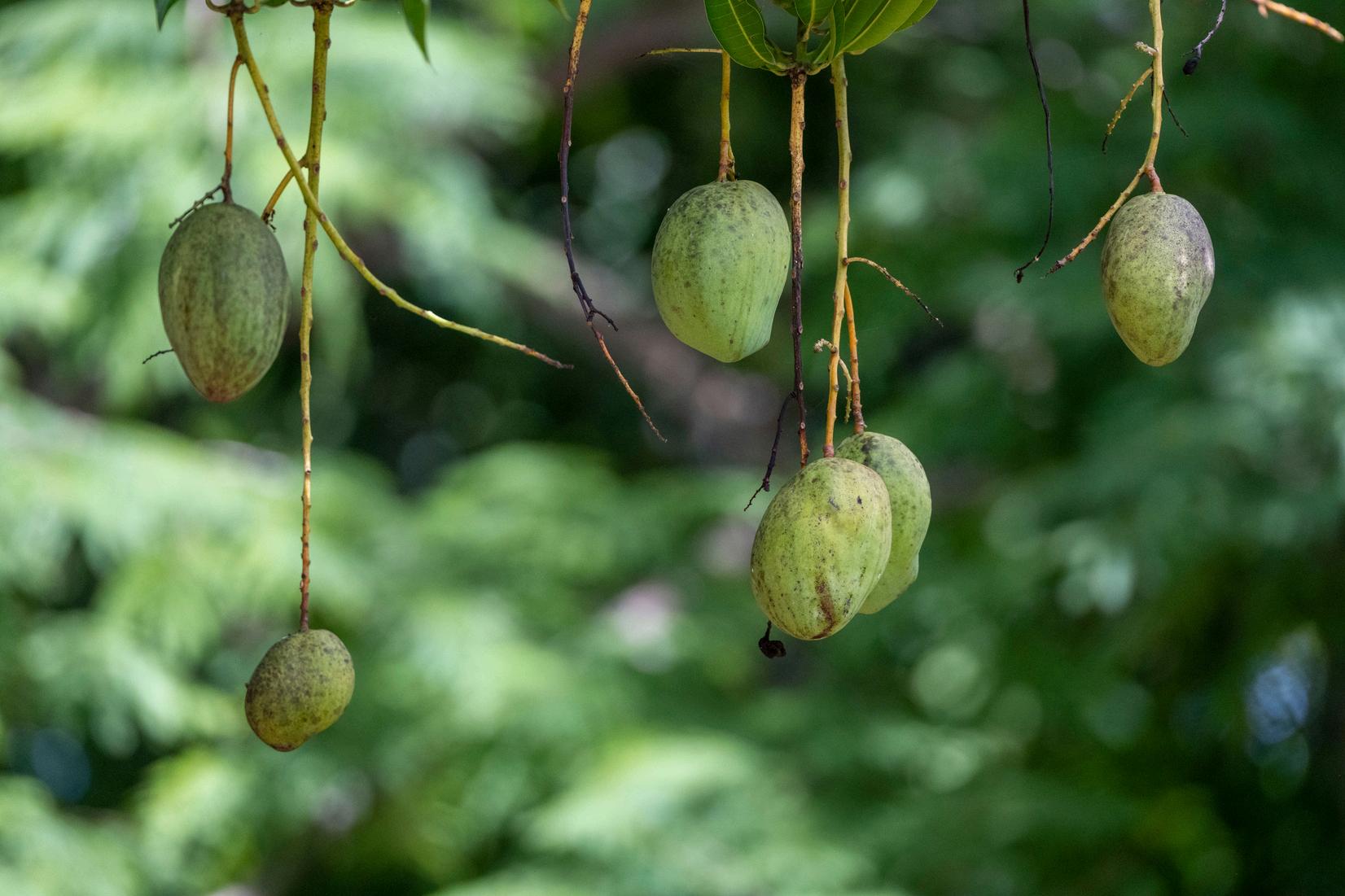
Herbivorous megafauna were key plant propagators, capable of traveling great distances and dispersing the seeds of the plants they ate Long distance propagation is beneficial because it allows seeds to germinate far from their parent plant, reducing competition for limited sunlight, water, and nutrients Additionally, megafauna propagation helps disperse a plant species across a wider territory, allowing the species to survive local disasters like a flood or wildfire Due to the fitness afforded by this megafaunal dispersion, plants evolved large, fleshy fruits with seeds that could easily pass through the digestive tract of large animals Over time, these plants developed hard, bitter, or spiny outer rinds to deter smaller mammals but still allow megafauna to eat the seeds, resulting in plants that were propagated exclusively by herbivorous megafauna
Megafauna flourished as keystone species in varied ecosystems throughout the world, but largely went extinct at the end of the last ice age, about 12,000 years ago, due to a combination of environmental changes and human overhunting. The rapid temperature changes at the end of the last ice age changed vegetation patterns and caused major ice sheets to melt, reducing the habitat and food supply that these huge herbivores relied on and pushing megafauna towards extinction. A 2016 study by Malhi et al found that 41 of the 50 known megafauna species went extinct during this period of climate fluctuations, with North and South America suffering the largest loss of megafauna species. All 27 megaherbivores historically found in the Americas, including the woolly mammoth, giant ground sloth, and glyptodon (a giant armadillo) went extinct The only surviving megafauna species are found in Africa and Asia: three elephant species, five rhinoceros species, and one hippopotamus species This discrepancy between the continents is largely due to the second factor contributing to megafauna extinction: human hunting. Megafauna species in Africa (and to a lesser extent, those in Southeast Asia) evolved alongside humans and were able to adapt to changing hunting pressures as human technology improved. In contrast, humans were already using stone weapons and hunting in groups by the time they migrated into the Americas Human hunting was a much bigger threat to American megafauna as the animals did not have time to adapt to human predation. Megafauna populations, already weakened by environmental shifts, were driven to extinction.
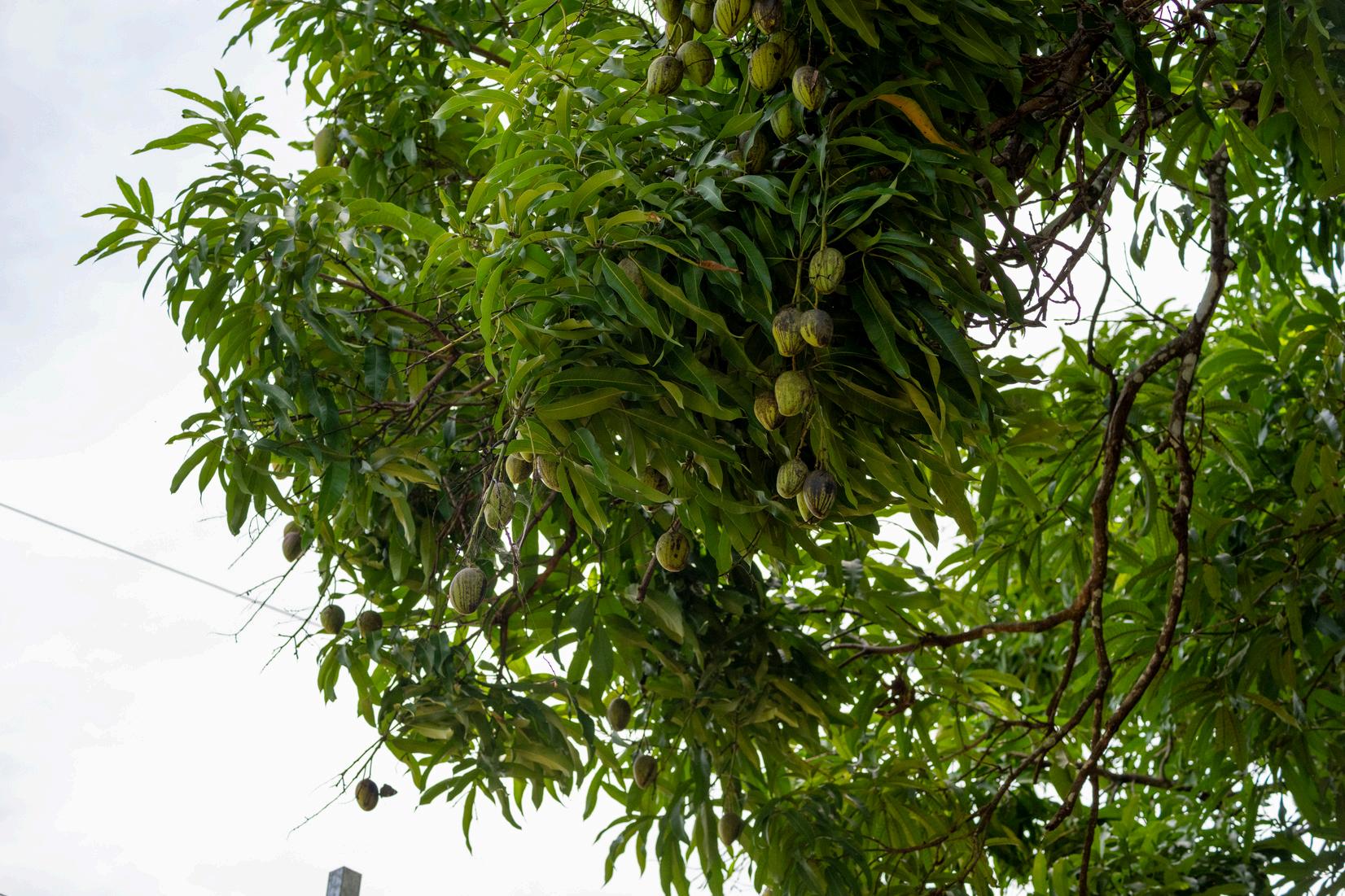
The plants that relied on megafauna propagation experienced the most intense changes after widespread extinction of these herbivores Without megafauna, seeds could only travel as far as they rolled, a small fraction of the dispersion distance offered by megafauna Plant populations became increasingly isolated and weakened as competition between parent and offspring increased. Without reliable gene flow, they became more susceptible to disease and environmental disruption. This isolation and breakdown in seed dispersal drove some species to extinction, but others were able to survive through new propagation methods
Many of the plant species that survived megafaunal extinction persisted because of human domestication and cultivation. The same fleshy fruits that were appealing to megafauna were also promising to human hunter-gatherer and early farming societies Cooking made hard, bitter, or spiny rinds edible, and selective breeding over generations resulted in fruits that were more palatable and produced larger yields Mangos, avocados, pumpkins, and papayas are all examples of fruits that were adapted to megafaunal propagation but survived due to domestication for human consumption. In their 2015 paper, Kistler et al found that human domestication was so crucial for the survival of pumpkin and squash species that wild, undomesticated gourd species had largely died out after the extinction of megafauna These plants were so reliant on megafaunal propagation that their only avenue for survival was through human agriculture
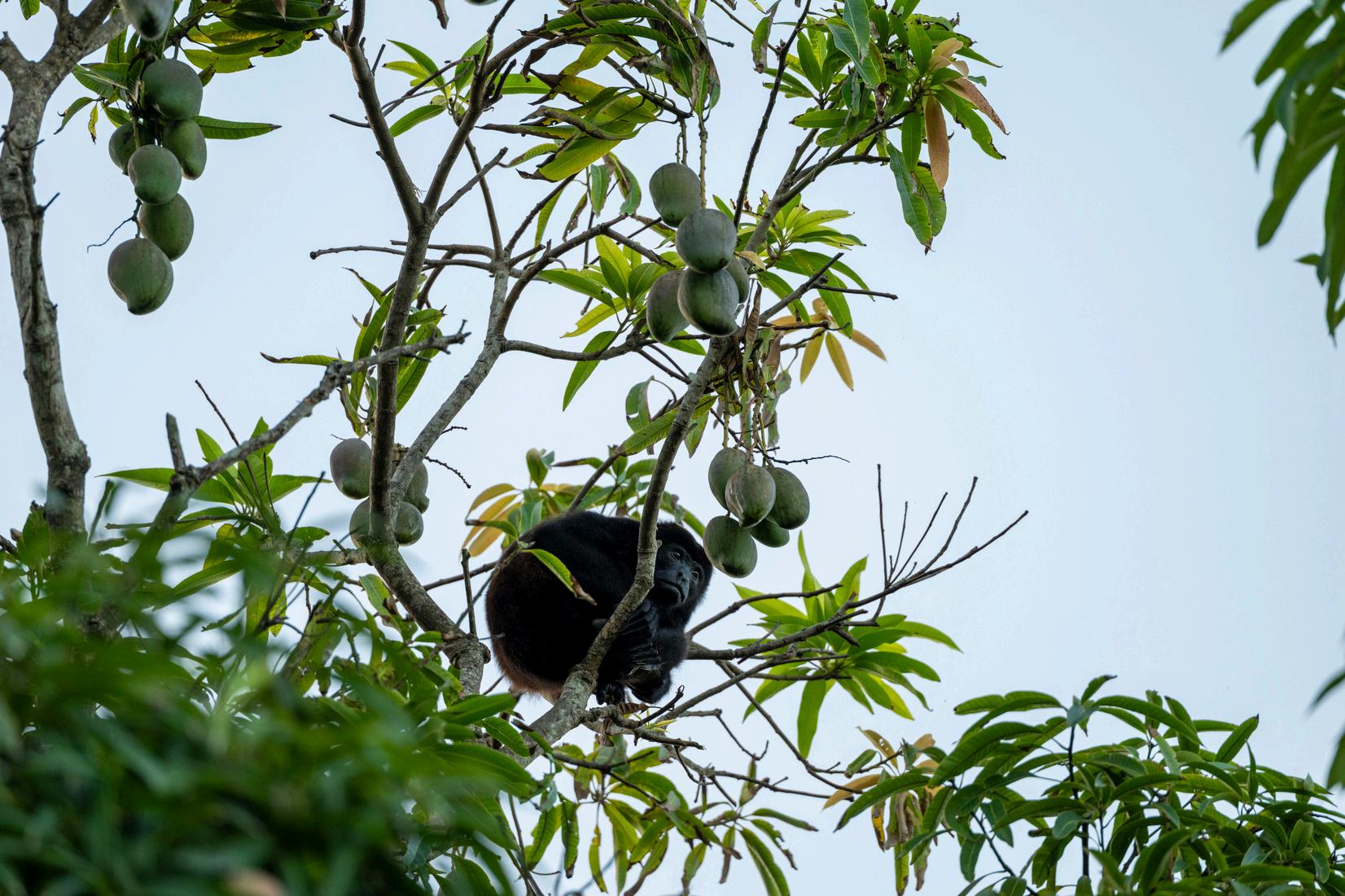

Ironically, the same forces that led to the extinction of megafauna—human tool use, cooperation, and ingenuity helped plant species that otherwise relied on their propagation to survive Whether through extinction or domestication, humans are inextricably linked to the ecosystems they live in. Humans’ spread throughout the world and technology led to the extinction of more than forty large herbivore species, permanently impacting the ecosystems they had maintained. Studying past extinctions can help us understand the resulting ecological changes and how humanity can better reduce the severity of and even prevent future extinction events
T h e E x t e r n a l B l o o m
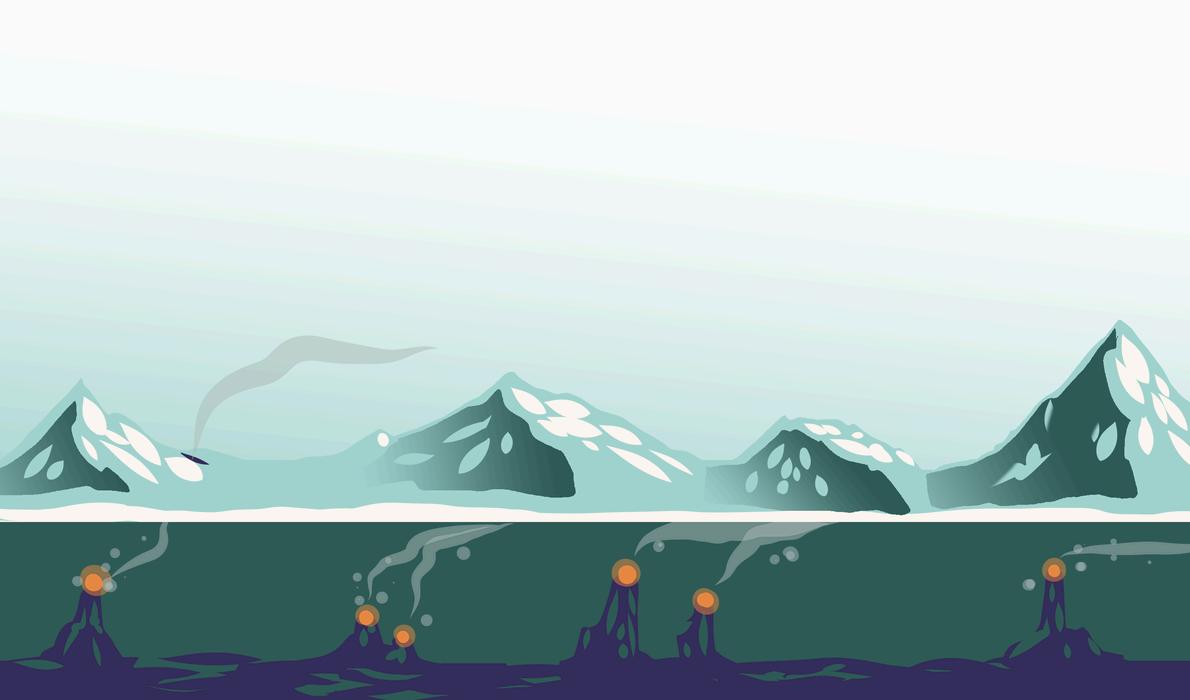
Many would assume life might not be able to survive in boiling acid, under crushing pressure, or frozen solid for centuries, yet extremophiles (microorganisms which survive in physically or geochemically extreme conditions) not only endure these extremes, they flourish in them. Their existence overturns the idea that life is fragile and instead shows that biology is more flexible, durable, and adaptive than we once imagined. From archaea that rebuild shattered DNA to microorganisms that keep their bodies running near their freezing point, extremophiles stretch the limits of what we think life can withstand on Earth and possibly beyond it
Extremophiles also force biologists to reconsider how life persists. The ability to stay alive across incredible variations in temperature, radiation, or even across planets is unique to extremophiles. Scientists are constantly pushing the boundaries in this field by launching microbes into orbit and watching how resilience evolves under cosmic conditions Their experiments beg the question: How do these organisms survive what should be unsurvivable? Could their adaptations hint that life could persist further beyond Earth?
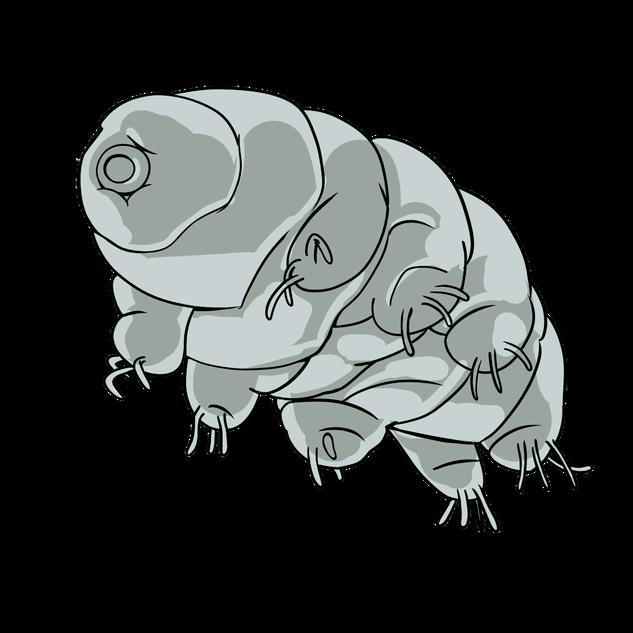
NASA’s EXPOSE (Exposed Experiments for Space Station Exposure) missions on the ISS, along with similar experiments from the European Space Agency, have tested how far life can be pushed. Microbes, spores, and even tiny animals like tardigrades were placed outside the station, where they faced vacuum conditions, intense ultraviolet light, radiation, and rapid temperature shifts. Incredibly, the results revealed that many survived up to months or even years. Incredible endurance reveals that Earth-based life is tougher than many may initially presumeThis survival strengthens the scientific case for panspermia– the idea that life might travel between planets. If an organism can tolerate deep cold, radiation, and extreme drying, then a small rock or dust grain could serve as a temporary shelter during interplanetary travel. Even if their DNA is not heavily damaged, many extremophiles can repair it once rehydrated. In this sense, space isn’t so much a death sentence as it is a long, cold pause that ends once the organism reaches habitable conditions
Research in The Extremophiles: Adaptation Mechanisms and Biotechnological Implications shows why many extremophiles stay functional when ordinary organisms do not Their proteins (responsible for running metabolism) are built with adjustments that keep them flexible without falling apart For example, some microbes have enzymes that bend and shift more easily, preventing them from locking up in the cold. Many organisms also produce more of certain molecules that help protect cells from stress, such as heat-shock proteins and antioxidants. Often, these proteins are simply modified versions of enzymes, tweaked over time to stay active under stress.
Written By Rishabh Sen Illustration by Maia Lazor
In some of the harshest environments on Earth, extremophiles have evolved extraordinary ways to preserve their DNA against constant physical and chemical damage. The review Archeal DNA Repair Mechanisms describes how certain archaea living in boiling vents or acidic springs rely on unusually efficient versions of the same DNA repair strategies used by typical cells, only theirs work faster and under harsher conditions. Additional experiments, such as those in Experimental Evolution of Extremophile Resistance to Ionizing Radiation, show that microbes repeatedly exposed to radiation evolve thicker cell walls, stronger DNA-proteins, and more accurate repair systems
For a long time, researchers have proposed the question as to what conditions can be considered possible for life’s survival: what counts as liveable? Perhaps the defining factor as to what counts as a liveable environment depends on whether life can maintain and repair itself under stress. Linked to survival is this concept of habitability, or whether biological systems can endure and recover from damage in their environment. The genomic study Adapting to UV: Integrative Genomic and Structural Analysis explains habitability through bacteria living under intense UV light that possess protective genes in their genome. These genes, which are responsible for shielding the cell from UV exposure, producing protective pigments, and repairing DNA, have been conserved over time Each generation exposed to UV stress favors organisms with more efficient versions of these genes, or stronger regulation of their expression, and this leads to the gene being consistently selected for
Similarly, the review The Radioresistance and Survival Mechanisms of Deinococcus radiodurans illuminates how the microbe Deinococcus radiodurans is able to recover from radiation. It keeps several full copies of its genome and uses antioxidant molecules and repair systems to piece broken chromosomes back together. Additionally, Polyextremophile Engineering argues that extremophiles are transforming how scientists define a “habitable” environment. Instead of assuming life requires Earth-like conditions, researchers now consider whether other environments can provide the minimal requisite chemical stability for life. Under this broader view, places like Mars’ surface, Europa’s oceans, Enceladus’s hydrothermal vents, and Titan’s methane lakes become potential planets where Earth-like resilience might also evolve.
Extremophiles reveal life to be not a fragile accident but instead a force that adapts, persists, and reshapes itself continuously. Through modified enzymes, powerful DNA repair, protective cell structures, and evolution, these organisms push the boundaries of what it means to survive For a long time, many have viewed survival as simply reproduction, fated only by conditions that are optimal for life. But perhaps the story of extremophiles is one of extraordinary persistence across environments, geological eras, and maybe even worlds. If extremophiles can survive conditions that seem impossible, then maybe the universe is far more hospitable to life than previously imagined.