Have you ever wondered why your brain feels “in tune” sometimes but scattered and noisy at others? Imagine sitting in a concert hall as an orchestra starts playing If every instrument is following the conductor’s cues, you will hear a perfect harmony. But if even one instrument is off-beat, the music turns into chaos Similarly, we have a conductor in our brain orchestrating our mental coherence: neural oscillations Also known as brainwaves, these rhythmic electrical patterns coordinate activity across billions of neurons When they’re aligned, we feel focused and calm When they fall out of sync, however, we fall into disarray.
For such an essential conductor, neural oscillations are tiny Individual neurons oscillate as the action potential moves along the nerve, but when groups of neurons synchronize, their oscillations produce a combined frequency called a neural ensemble Electroencephalograms (EEGs) observe these ensembles using scalp electrodes to record their firing patterns. EEGs also detect the different kinds of ensembles and how they correspond to each state of consciousness, helping scientists interpret shifts in the brain like sleep to wakefulness or calm to anxiety.
There are five summed frequencies, or “frequency bands”, that are observable on an EEG: delta, theta, alpha, beta, and gamma Just like differently tuned instruments, frequency bands vary slightly between people, creating unique mental rhythms And just like the delicate process of tuning, if any of the five frequencies fail to fire together, the rhythm breaks down and leads to cognitive issues
The lowest summed frequency is delta (0 13 5 Hz), which occurs during deep sleep when lowered alertness is necessary However, when delta activity becomes abnormally elevated during wakefulness it limits your focus and attention span This phenomenon is known as Attention Deficit Disorder and can ultimately impair your comprehension long-term.
The second lowest frequencies are theta (3 5-7 5 Hz) They’re higher than delta but still classified as “slow activity,” as they cause daydreaming in the subconscious mind. Theta is linked to the limbic system (our behavioral center), and abnormal theta rhythms lead to anxiety and irregular behavior
The next frequency band is alpha (8-12 Hz). Alpha waves dominate when we’re calm but alert, and they represent common resting frequencies for adults Decreased alpha activity is a biomarker for mild cognitive impairments (MCIs) that often progress to dementia
The ‘fast’ summed frequencies are beta (13-30 Hz) It’s the main rhythm in those who are alert and sometimes even anxious, as it is our brains’ natural state when using logic. When beta waves are low, they lead to impaired problemsolving and mental fog, causing common symptoms of ADHD and depression
The highest frequencies are gamma (>30 Hz). These frequencies are essential when the brain is performing multiple activities at once 40 Hz gamma is associated with memory, and decreased 40 Hz activity leads to learning disabilities such as dyslexia, dyscalculia, and dysgraphia
While these summed frequencies each have individual purposes, they don’t always need to work alone. In 2010, researchers from the University of California, Berkeley found that different frequencies interact in a process called cross-frequency coupling (CFC) A key sub-mechanism of CFC is phase-amplitude coupling (PAC), where the phase (timing) of a slower oscillation regulates the amplitude (strength) of a faster one This mechanism allows the brain to coordinate wider electrical activity with local networks, similar to how a conductor sets the tempo for violins to play complex melodies
One well-studied example of PAC is thetagamma coupling In their 2023 hippocampal study, Ponzi et al show that theta oscillations can modulate the amplitude of gamma rhythms, organizing when and how neurons fire In other words, theta sets the timing, gamma carries information, and together they control memory storage. Disruptions to this mechanism can cause conditions like schizophrenia: patients exhibit reduced theta phase coupling, which is linked to poor memory performance and learning
Interestingly, studies reveal PAC isn’t always beneficial Anaya et al found in 2020 that stronger delta-beta coupling links to greater social anxiety, and longitudinal research shows that elevated coupling in infancy predicts anxious temperament Another downside of PAC is over-synchronization, where normal coupling
Written by: Sravya Nimmagadda
Layout by: Patsy Hsiao, Sarah Lim, Madeleine Park
Editors-in-Chief: Gabbi Basa, Esha Bhattacharya
Executive Editor: Mark Davis
Editor-at-Large: Erin Jang
Head Production Editors: Himangi Sharma, Sanji Kumar
becomes excessive A good example is alpha-gamma coupling, a natural feature of resting-state brain activity that is abnormally high in children with autism spectrum disorder (ASD) Similarly, beta-gamma coupling in our motor cortex is essential for movement, but researchers at University of Michigan discovered that exaggerated coupling prevents normal mobility in patients with Parkinson’s disease These findings suggest that disruptions in PAC aren’t irregularities but could play a potentially central role in causing neurological conditions
Our neural oscillations are precarious conductors. Over-synchronization and undersynchronization can throw our minds out of tune, making the harmony of our minds a key research area Scientists have discovered that deep sleep and healthy REM cycles help balance delta activity, while disrupted alpha rhythms can be restored through meditation Neurotechnologies like neurofeedback training use EEG feedback to help patients gradually self-regulate their brainwaves By increasing alpha and theta activity while decreasing beta, neurofeedback improves focus, alertness, and calmness Like EEG, transcranial direct current stimulation (tDCS) uses mild electrical currents via scalp electrodes to gently retune dysregulated brain activity Looking ahead, wearable EEG devices raise the exciting possibility of monitoring brain rhythms in our day-to-day lives.
In the end, brainwaves control the music through which our brain communicates When the rhythms or “frequencies” are wellsynchronized, they guide the patterns of our mind with remarkable precision. But when the timing slips or one rhythm overwhelms the other, our cognition turns dissonant, leading to neurological conditions By learning to monitor and retune these rhythms, we move closer to a future where the brain’s symphony stays in tune forever
Head Technical Editor: Shreya Abhijit
Head Illustrators: Leo Harris, Jenna Hughes
Staff Illustrators: Amber Urena, Catherine Xu
Head Photographer: Inaya Nicholls
Staff Photographer: Thomas Murphy
PARASITES
Within the body of a pea aphid, the parasitic Aphidius ervi orchestrates a gruesome drama: its larvae consume the host inside-out Although this might seem horrific, it is a necessary sacrifice to maintain the health of the entire ecosystem by preventing any single aphid species from overwhelming the local flora This intricate relationship reveals a paradoxical trait of parasites; although they harm individuals, they are necessary to maintain ecological balance Like invisible puppeteers, parasites regulate species that can potentially dominate their environments – a deadly custodian for nature's serenity. Like many living organisms, their goal is to survive and reproduce. To accomplish this, parasites keep a fine balance of being intrusive enough to infect their hosts yet not deadly enough to immediately exterminate them Parasites are positioned as uniquely effective regulators of ecological harmony by exhibiting the qualities of biodiversity boosters, keystone species, and drivers of evolutionary improvement
Parasites are distinct from predators in their feeding patterns because they derive substance from their living host, whereas predators purely hunt and consume their prey A simple comparison would be between a lion and a tapeworm. The lion kills and consumes its prey immediately, while a tapeworm lives undetected in the intestines of their hosts indefinitely This relationship of uneasy coexistence grants parasites the ability to influence ecosystems in ways predators cannot As ecologists Lafferty et al observed in 2012, the drive for a parasite to ensure its prolonged survival often inadvertently results in the stabilization of host populations Parasites, in striving toward their own self-interests, help to maintain the stability of ecosystems worldwide
The main way parasites help preserve ecosystems is through the parasitemediated competition effect Here, parasites influence the competitive interactions between different host species, impacting how the hosts compete for resources and their interactions with other species and their environment
Written by: Arthur Pang
Inaya Nicholls
Nature's Deadly Definition of Serenity :
This usually results in the natural balancing of biodiversity due to the parasite’s vested interest in its own survival and reproduction An example would be the aforementioned Aphidius ervi, which lays eggs exclusively in pea aphids These aphids, left unchecked, would decimate pea crops and outcompete other herbivorous insects As the larvae of these parasitic wasps consume their hosts from within, they inadvertently control aphid populations This prevents plant species from being wiped out, thereby allowing a greater diversity of plants to thrive and support a wider web of animal life, demonstrating how parasites can act as biodiversity boosters
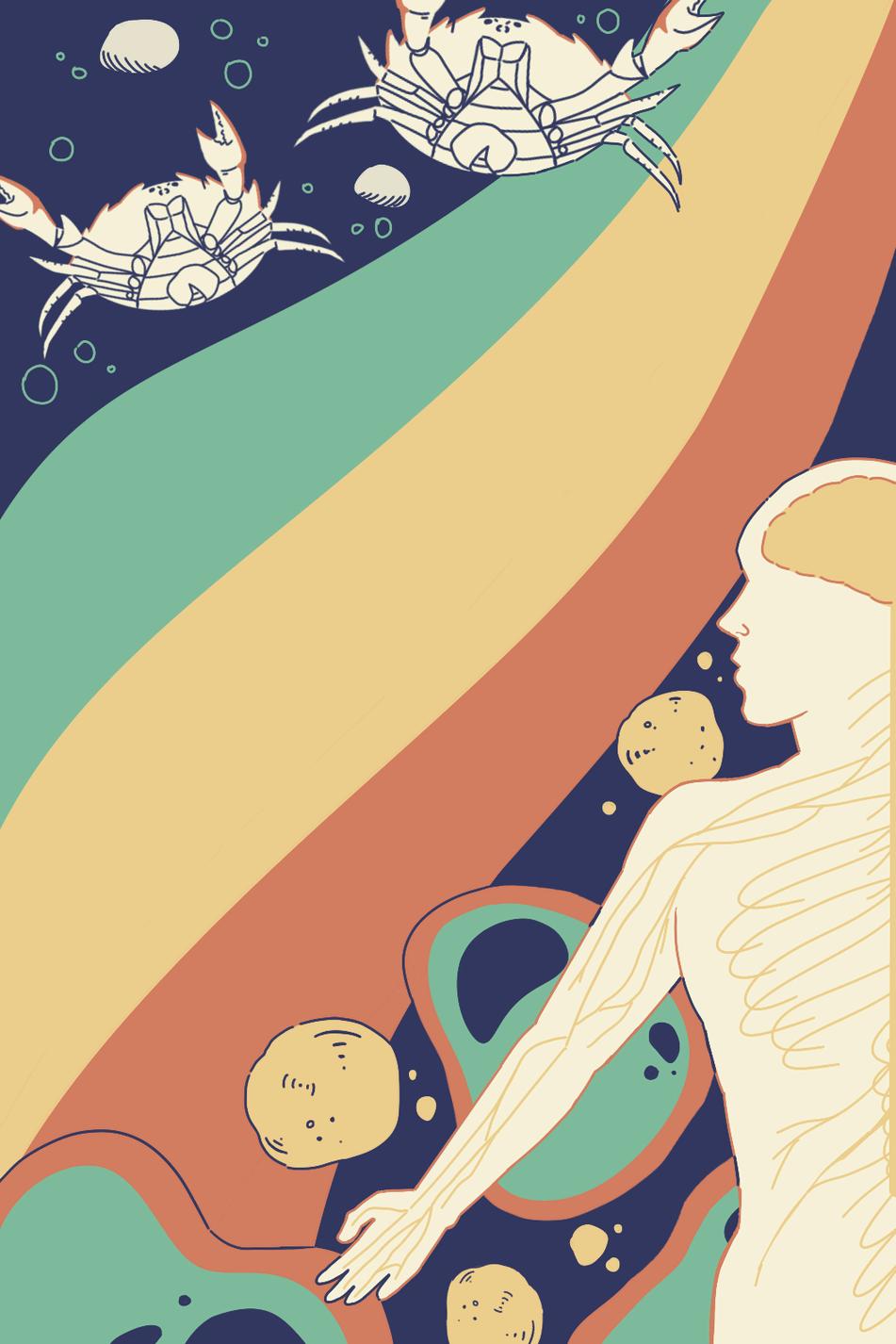
Another important contribution of parasitism to ecosystem equilibrium are keystone parasites, which wield influence disproportionate to their physical size A prime example of this is the Sacculina carcini, which is a parasite that infiltrates crabs and grows tendrils throughout the bodies of infected crustaceans If the crab population were allowed to grow unchecked, they could devastate crucial shellfish beds through over-predation This threat is nullified thanks to the S carcini, which castrates its hosts, blocking further growth of the crab population and using the host crab to play nanny to the parasite's young. Although the pseudozombification of the victims is a disturbing thought, the end result curbs the threat of rampant crab overpopulation Another fascinating example is hairworms that manipulate crickets to drown themselves The life cycle of hairworms requires them to reproduce in an aquatic environment They achieve this by drowning their hosts, which consequently lets the fish living in the water feast on the deceased cricket According to a 2011 study by Sato et al , hairworm-infected crickets in certain regions make up 60% of trout diets during summer months Both of these examples display how parasites can be vital to ecosystems in terms of directly stabilizing biodiversity as keystone species.
Parasites can also bring about unintended benefits to a species by pushing them to develop stronger defenses
The hygiene hypothesis suggests that reduced exposure to parasites and other microorganisms in humans, due to more thorough hygiene practices, has contributed to increasing numbers and severity of autoimmune diseases This is supported by a 2010 study, conducted by Vasunilashorn et al , of the Tsimane people in Bolivia These people, who host multiple chronic parasites, show an 80% lower autoimmune disease development rate than people in industrialized societies This finding supports the hygiene hypothesis, suggesting that the frequent challenges from a variety of parasites and pathogens properly train and calibrate the immune system, preventing overreaction.
This evolutionary arms race is not just limited to developing immunity but other behavioral adaptations as well For example, research from Doña et al in 2019 found that birds infected with parasitic feather mites may develop superior grooming skills compared to non-afflicted birds Further research by scholars, such as Ianiro et al in 2022, have even shown that some commensal gut microbes in mammals are descended from parasitic ancestors These gut microbes now aid digestion in most animals, exhibiting how influential parasites are to living organisms
The intricate role of parasites highlights a fundamental truth about maintaining balance in ecosystems. As noted by parasite ecologist Kuris in 2012, the removal of parasitic species can have destabilizing effects on an ecosystem comparable to the removal of a key predator Parasites maintain biodiversity, stabilize ecosystems, and improve attributes of some species by evolutionary pressure As we face increasing risks to biodiversity, the presence of parasites may become more important than we realize These quiet organisms prove that harmony in nature exists through conflict, tension, and evolution. On the surface, parasites may seem solely like violent and selfinterested organisms, but we cannot deny that they have been working silently in the background to ensure that the show goes on
Photograph by:
Layout by: Tiffany Liang
Orchestrating Immune Balance
Immune Checkpoint Receptors in the Pursuit of Homeostasis
If you listen closely, harmonies dominate our sensory world, ranging from melodious birdsong to the cadence of our breaths Often overlooked, though, are the harmonies present within us that consolidate in homeostasis, a dynamic state of internal balance. Our bodies are constantly at work in a lively and adaptive process of achieving homeostasis: fine-tuning molecular interactions and regulating complex processes to reduce internal dissonance Of all the bodily systems involved in this integral process, the immune system is a key defender against external and internal attacks on homeostasis, such as illnesses or injury
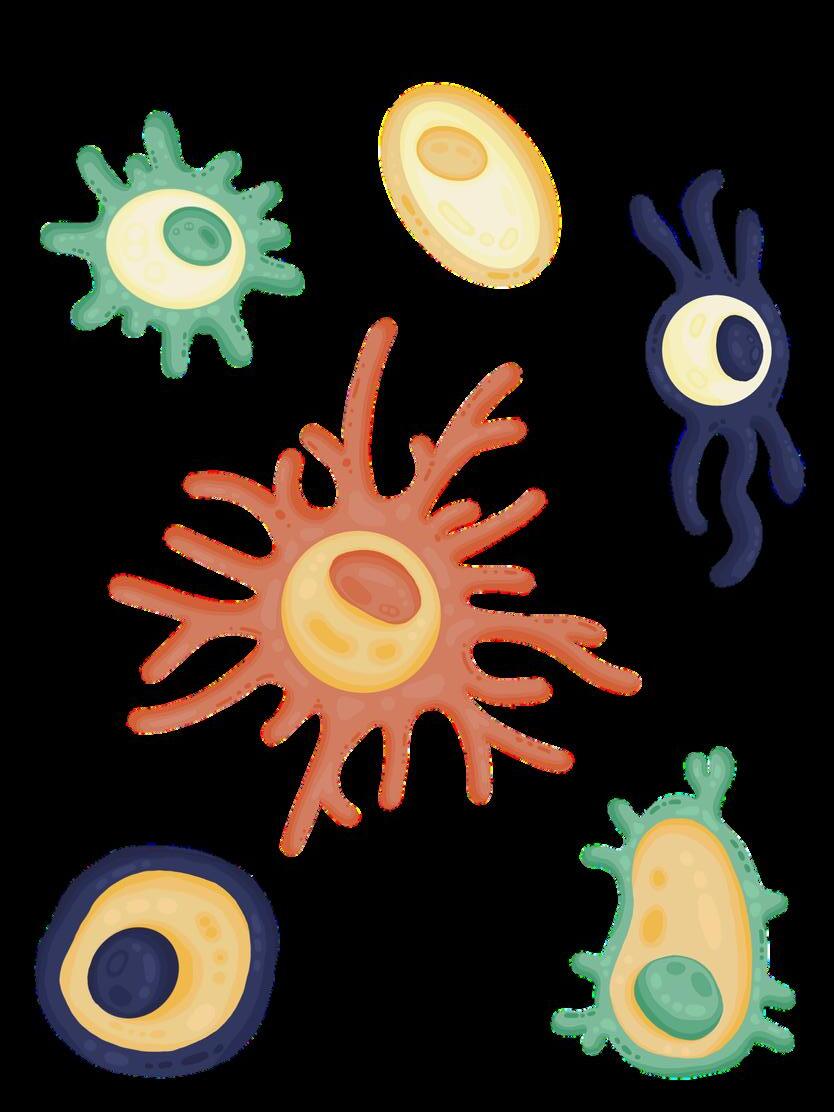
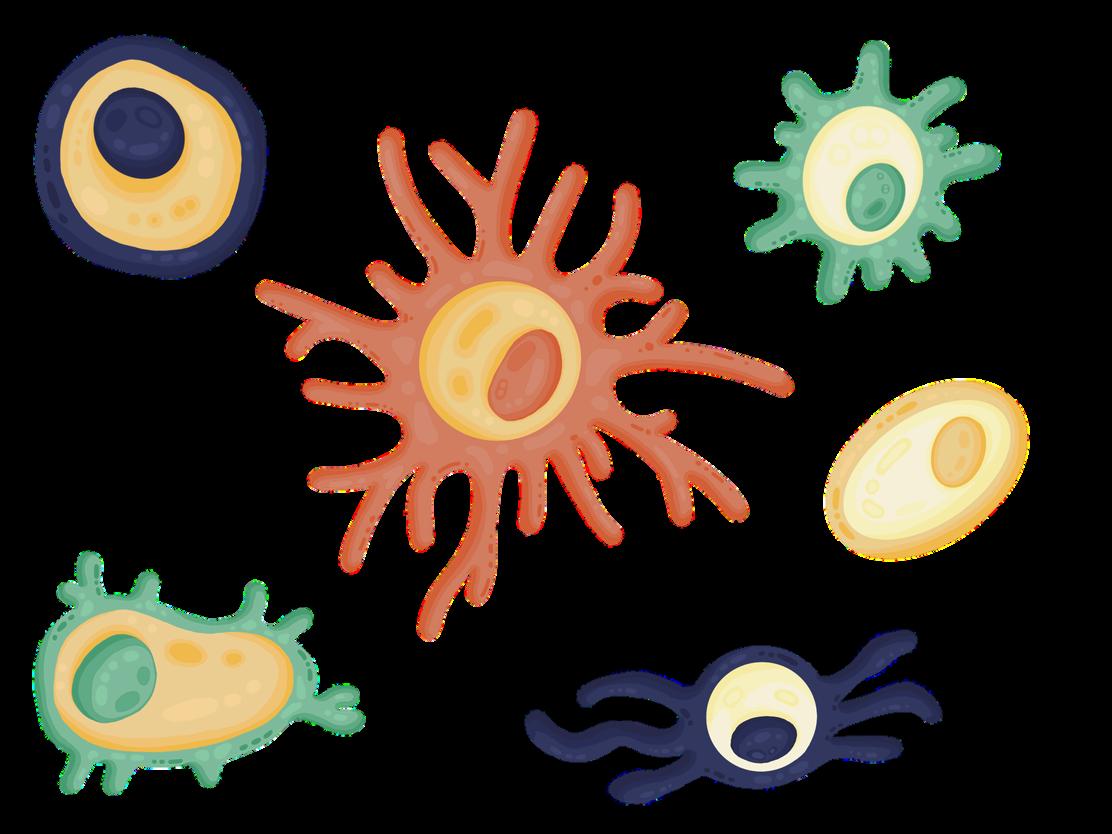
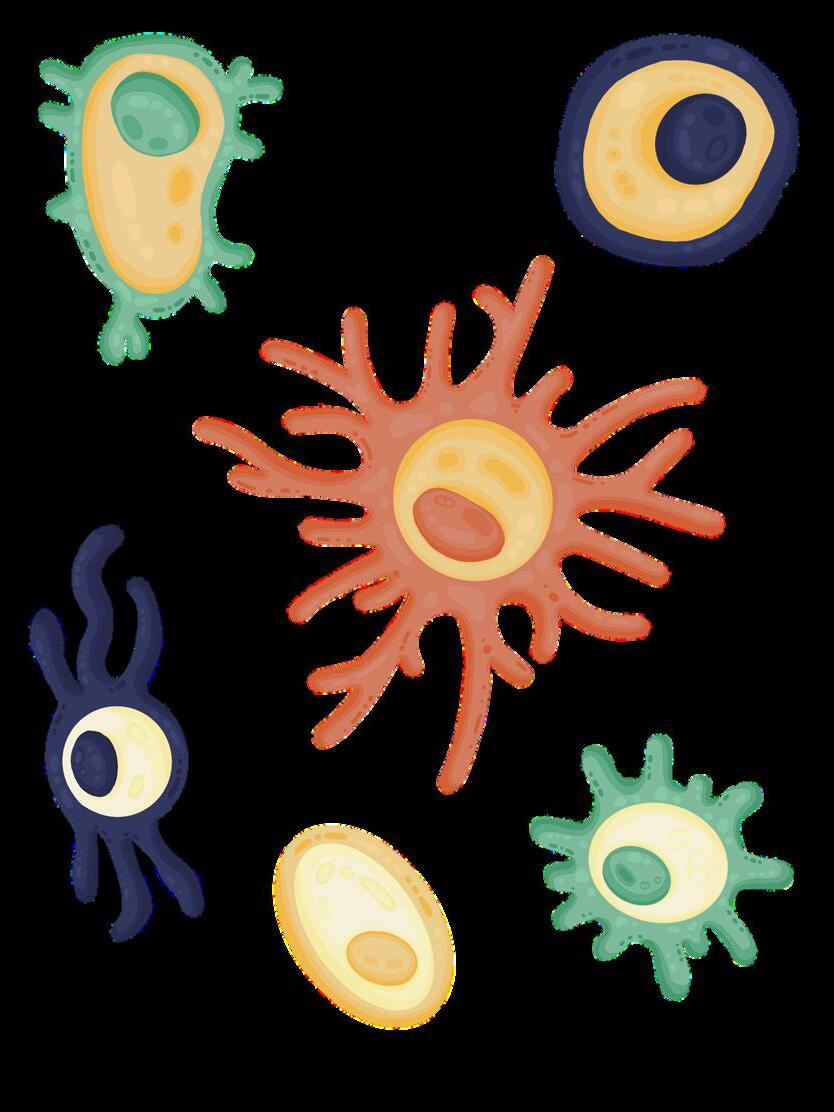
Immune cells also perform regulatory tasks for our own cells, ensuring they meet various criteria for health The immune system employs numerous pathways to tirelessly maintain a harmonious state of health A 2024 article from StatPearls introduces three main ways to activate such pathways: 1) specificity, which triggers a specific reaction to a specific pathogen; 2) heterogeneity, which involves producing diverse antibodies; and 3) memory, which is the process by which your body can remember pathogens.
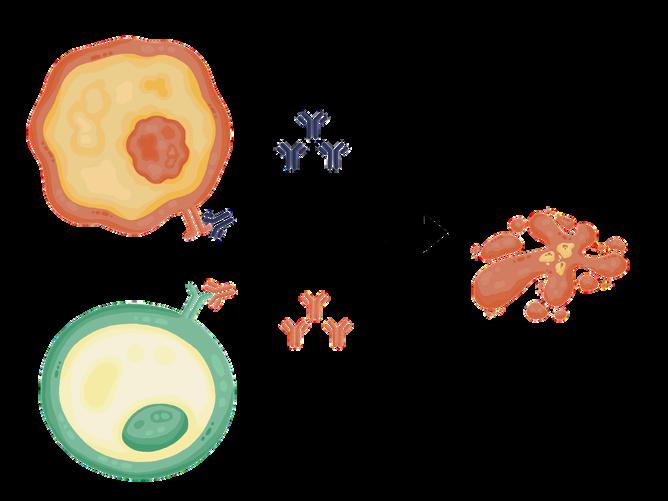
For better or worse, harmony is fragile, and our immune systems can falter, mistaking healthy cells for destructive invaders in a process called autoimmunity A small portion of our immune cells are actually autoreactive, meaning they can destroy themselves when they notice they are unhealthy When this autoreactive system fails, autoimmune conditions rise Autoimmunity can give rise to debilitating conditions without simple cures, such as lupus, Type 1 diabetes, and celiac disease; in fact, in the US, over 15 million people have been diagnosed with an autoimmune disease. An article from the 80th volume of Current Opinion in Immunology discusses how such fatal errors are interconnected with immune checkpoint receptors (ICRs), among genetic factors and environmental influences too This connection highlights the pivotal role of ICRs in modulating immune responses, particularly through their regulation of T cell cytotoxic function According toa 2022 article in the International Journal of Molecular Sciences, ICRs control T cell activity by downregulating the cytotoxicity of CD8 T cells, meaning that ICRs lower the rate at which T cells destroy unhealthy cells of all lineages When this regulatory balance is disrupted, the very mechanisms meant to prevent excessive immune activity can instead enable the pathogenic attacks that underlie autoimmune disease
Written by: Himangi Sharma
Immune checkpoint receptors (ICRs) serve as critical regulators of the immune system, ensuring balance between effective defense and harmful overactivation a balance that cancer cells have learned to exploit. Dr. Enfu Hui, a professor of Cell and Developmental Biology at UC San Diego, studies Programmed Death-1 (PD-1), an inhibitory ICR present on T cells As he completed his postdoctoral project in 2014, the FDA approved pembrozilab (Keytruda), an anti-PD-1 cancer therapy, which initially piqued his interest in ICRs. In our discussion of the PD-1 receptor, Dr Hui elaborated: “when PD-1 on a T cell engages PD-L1 on a target cell, PD-1 is recruited to the immunological synapse (a junction between two immune cells), where it localizes near stimulatory receptors This spatial proximity enables PD-1 to effectively dampen activating signals, thereby reducing T cell activity.” Cancer cells mutate to avoid immune detection by copying this clandestine mechanism, presenting a PD-L1 to bind PD-1 and evade destruction They have even been found to overexpress PD-L1, shutting down cytotoxic T cells before they can destroy the cancerous cells.
When the lines blur between cancerous cells and healthy self-cells, harmony becomes all the more important to reestablish To restore harmony, immunotherapies have been developed to reawaken cytotoxic T-cell responses through ICRs. Essentially, revitalizing the immune system relies on harnessing the body’s ability to recognize and attack tumor cells Dr Hui described a specific treatment with ICRs: PD1 therapy, where antibodies bind to either PD-1 or PD-L1, disrupting their inhibitory effect and resensitizing T cells to the threat of cancer A prominent example of such a drug is the previously mentioned Keytruda, known as pembrolizumab However, Keytruda is not cellspecific, meaning it cannot differentiate between cancerous cells and healthy “self” cells Although Keytruda has been approved for clinical use, this treatment can result in autoimmunity, therefore doing more harm than good
Unfortunately, most cancer patients still do not respond to ICR immunotherapy, and those who do eventually relapse Cancer is a tricky opponent: when one set of molecular brakes is applied, cancer cells develop more ways to propagate and endure Dr Hui emphasized that not all hope is lost, with current research aimed at combining immunotherapies like CAR T cells, cancer vaccines, and cytokine vaccines with ICR therapies to create “smarter” ways to attack tumors. Above all, the search for the next “PD-1 – a dominant, non-redundant checkpoint we can target to help cancer patients” is still underway; it has been theorized that there are a multitude of ICRs yet to be discovered Thus, the intersection of immunology and biochemistry proves to be an exciting avenue for developing effective cancer treatments
Just as birdsong and breath reveal harmony in our outer world, the immune system reflects harmony within When cancer distorts this balance through immune evasion, therapies like PD-1 inhibitors strive to retune the body’s defenses Though the challenges of autoimmunity, relapse, and resistance remain, ongoing research continues to seek new immune checkpoints and smarter therapies In this way, the pursuit of immunological balance mirrors the universal search for harmony itself: fragile, dynamic, and profoundly vital to sustaining life.