Sustainability report 20 24


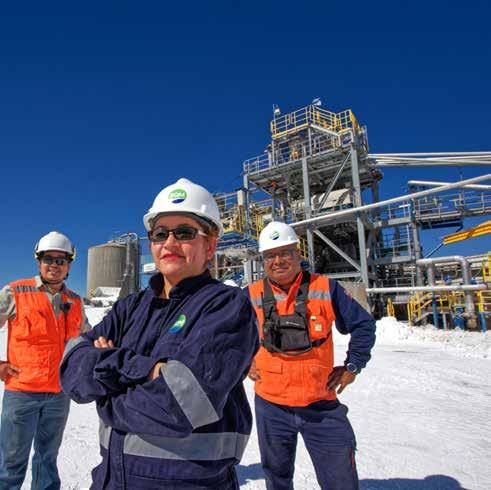
We are a global chemical company located in northern Chile that develops unique capabilities that transform resources into life and progress, supplying strategic industries such as health, nutrition, technology and clean energy. Our four business lines are: Specialty Plant Nutrition; Iodine and Derivatives; Industrial Chemicals and Potassium.
The year 2024 marked the one-year anniversary of SQM's strategic restructuring separating our operations into two divisions: Lithium and Iodine Plant Nutrition. This decision responded to the unique demands and dynamics of the lithium and potassium markets and also recognized the specific challenges faced by the Iodine and Plant Nutrition division. This change drives our market position and lays the foundation for greater operational efficiency and sustainable growth. In an ever-evolving world, we are inspired each day by a shared belief that we develop unique capabilities that transform resources into life and progress.
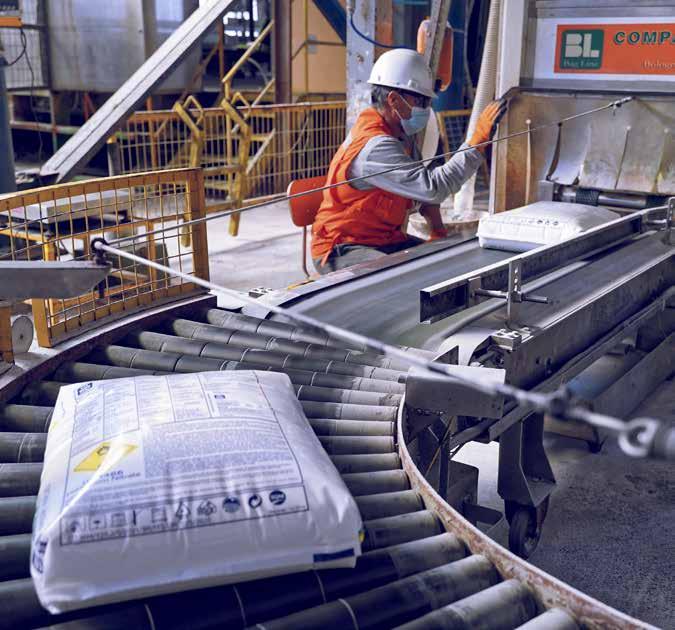
Since our inception, we have built a legacy of effort and hard work to positively impact the world. This has allowed us to reinvent ourselves, perfect our processes and business, and become the company we are today.
We turn the wealth of our resources into unique solutions for our customers, building trusting relationships based on a firm commitment to excellence.
However, we do not travel this road alone: We care for our environment and seek to create shared value with communities and suppliers around the world.
Our responsible, values-based management and long-term business vision are key to the trust our shareholders place in us.
We face challenges by embracing change with enthusiasm, conviction and commitment. Nothing stops us.
Our teams’ talent and determination are our main driving force. Promoting their development and fostering their well-being are essential to our success.
In a constantly evolving world, we are inspired each day by the shared belief that we develop unique capabilities that transform resources into life and progress.

We are a global company that is recognized for its competitiveness, excellence and innovation in its business lines. We focus on the development of products essential for human development in accordance with the highest standards of integrity.
• We prioritize the well-being of people above all other outcomes.
• We reinforce the notion that there is no conflict between safety and production. A workplace free of accidents and occupational illnesses is a highly productive workplace.
• We strive to ensure that our operations and offices are safe facilities.
• We work to achieve zero accidents resulting in injury through effective risk management in all our processes and operations.
• We strive to improve our culture of safety, moving quickly and effectively towards an interdependent safety culture in which we are all responsible for the care of others.
• We encourage people to stand strong when it comes to implementing and complying with safe standards, practices and behaviors.
• We promote open and ongoing feedback to highlight opportunities for improving safety.
• We strive to create long-term economic value by collaborating proactively with stakeholders.
• We strive to anticipate environmental, social and governance risks and opportunities.
• We build horizontal relationships with neighboring communities based on a genuine interest in their needs, and we work with them on their development.
• We care about our environment and its future, and we use natural resources responsibly. In addition, we constantly strive to manage the impact of our operations and actions.
• We create the conditions necessary for our employees to develop their skills. We seek to retain and attract talent based on our business needs.
• Integrity and ethics must guide our daily work.
• We are consistent in our actions, fulfilling our commitments to employees, suppliers, customers, shareholders and other stakeholders.
• We promote respectful, approachable and fair treatment of all people.
• We keep our internal policies and procedures up to date to promote a culture of integrity within the company.
• We create value with a focus on results and business priorities.
• We are agile and flexible in our processes and decision-making.
• We practice continuous improvement based on M1+ principles every day.
• We manage our resources and assets efficiently to maximize their potential.
• We strive to go further. We challenge ourselves to think big and set demanding goals. We are uncomfortable with stagnation.
• We are resilient in the face of adversity; we strive and push to move things forward. Nothing stops us.
• We believe in entrepreneurship as a pathway for discovering new ways of doing things and developing new opportunities.
• We encourage disruption and are proactive and creative, proposing "outside the box" solutions.
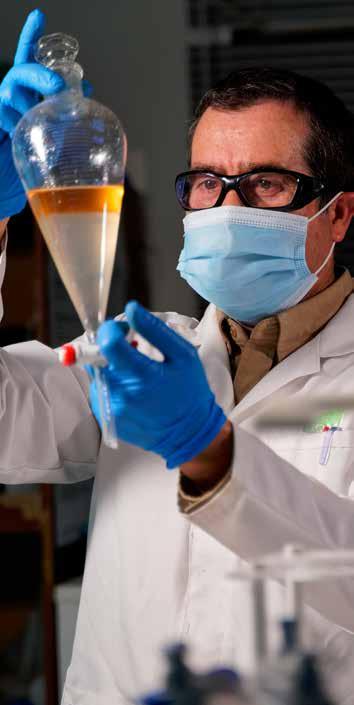
We are global leaders in our four business lines:
Production Sites in Chile
Offices in Chile
Tarapacá Region
Iquique
DISCLOSURE 2-6
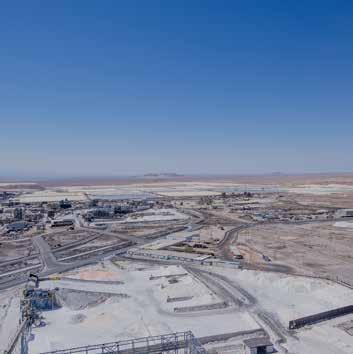
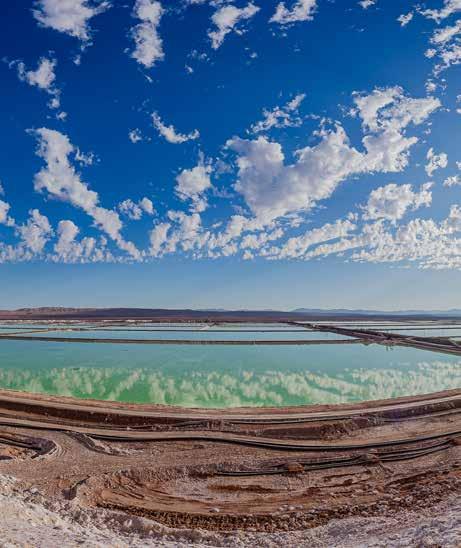
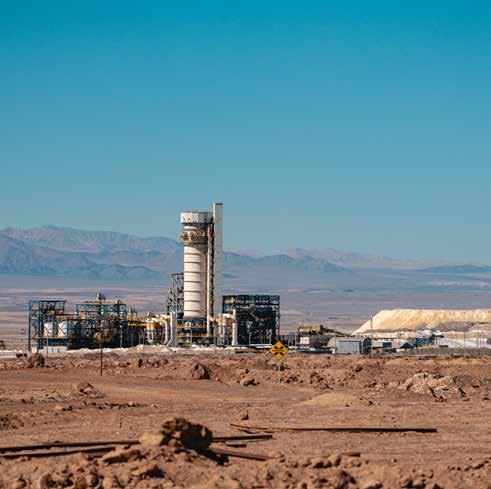
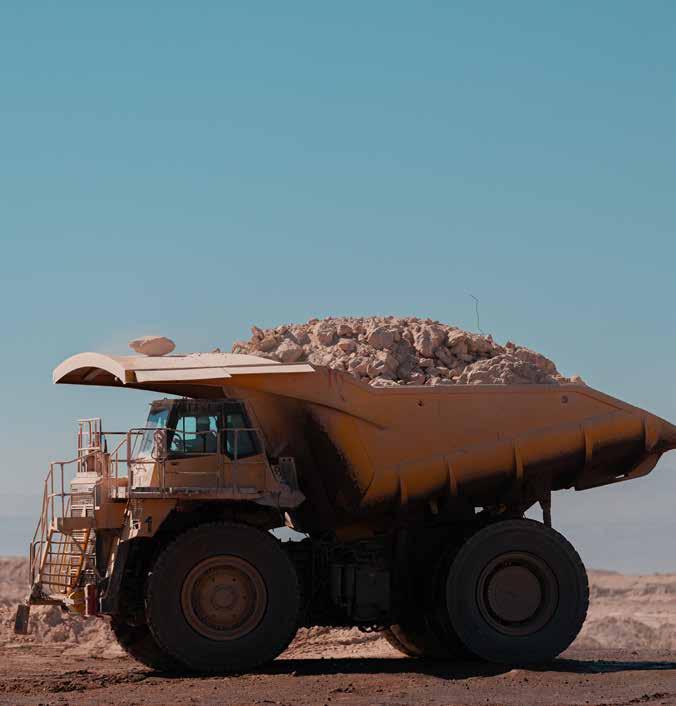
We develop our products from caliche ore extracted from mineral resources located in the Antofagasta and Tarapacá regions of northern Chile.
Antofagasta Region
Antofagasta
SQM Iodine Plant Nutrition is an integrated producer and seller of specialty plant nutrients, iodine and iodine derivatives, potassium fertilizers and industrial chemicals. Our products are developed from high-quality natural resources, making us a cost leader. Our efforts are supported by a specialized international commercial network with sales in over 100 countries. Our development strategy aims to maintain and strengthen our global leadership in each of our business lines.
Metropolitan Region
Santiago
92.5% of our sales were made abroad.
+100 destination countries.
Note 1: The countries where we have commercial offices are highlighted in color.
Note 2: The percentages correspond to our sales worldwide.
Commercial Offices
• Atlanta/United States
• Guadalajara/ Mexico
• Buga/ Colombia
• Lima/ Peru
• Guayaquil/ Ecuador
• Barcelona/ Spain
• Antwerp/ Belgium
• Terneuzen/ Netherlands
• Tokyo/Japan
• Beijing/ China*
• Shanghai/ China
• Johannesburg/ South Africa
• Sydney/ Australia
• Paranaguá/ Brazil**
• Casablanca/ Morocco**
• Pune/ India**
• Santiago/ Chile
Production plants
• Jackson, Mississippi/ United States***
• Manzanillo/ Mexico
• Topolobampo/ Mexico
• Ensenada/ Mexico
• Veracruz/ Mexico
• Salaverry - Trujillo/ Peru
• Terneuzen/ Netherlands
• Cadiz/ Spain
• Catania/ Italy
• Cape Town/ South Africa
• San Antonio/ Chile
Warehouses
• Wilmington, Delaware/ United States
• Wilmington Cape Fear, North Carolina/ United States
• Atlanta, Georgia/ United States
• Cape Canaveral, Florida/ United States
• Webbers Falls, Oklahoma/ United States
• Stockton, California/ United States
• San Diego, California/ United States
• Guadalajara/ Mexico
• Buga/ Colombia
• Guayaquil/ Ecuador
• Paita/ Peru
• Callao/ Peru
• Pisco/ Peru
• Matarani/ Peru
• Zwijndrecht/ Belgium
• Farsund/ Norway
• Quimgra - Castellón/ Spain
• Ravenna/ Italy
• Mumbai/ India
Joint Ventures
• Ajay North America/ United States/ Atlanta (office - plant)
• Ajay Chile/ Chile/ Santiago (office)
• Ajay Europe/ France/ Evron (office - plant) / Pays de la Loire (plant)
• Pavoni/ Italy/ Catalina - Ramacca (offices and plants)
• SQM Vitas Dubai/ United Arab Emirates/ Dubai (office)
• Abu Dhabi Fertilizer Industries Co. WLL [ADFERT]/ United Arab Emirates/ Abu Dhabi (office and plant)
• Durban - Hullets/ South Africa
• Durban - Gale Street/ South Africa
• Shanghai/ China
• Busan/ South Korea
• Melbourne/ Australia
*Currently does not make sales. Provides marketing services. **No sales for the moment.
***Currently closed.
11,495,569
1,514,382
235,155
1,483,571
24,673,675 m3
Total water consumption
1,673 t
Total hazardous waste generated
4,145,254 GJ ThUS$ 33,065
Total non-hazardous waste generated 5,947 t
Total energy consumed Investment in environmental expenditures Energy from the electricity grid Treated and reused wastewater
327,121 m3
538,217 t CO2 e
Total greenhouse gas emissions (Scope 1, 2 and 3)
22.6%
Direct Social Investment (donations and contributions not pledged as part of RCA working groups)
1,824,548 US$ 6,356,868
219 US$ 716,968
Social investment in education and culture
Chilean institutions, foundations and corporations. We interact with Social investment in cultural and historical heritage

The year 2024 was a period of important milestones for SQM, marked by strategic partnerships, key acquisitions and an internal reorganization process that strengthened our operating structure.
Dear shareholders, customers, communities, employees and other stakeholders,
One could say that we had a challenging year of planting seeds, making changes and expanding our company globally.
The year 2024 was a period of important milestones for SQM that was marked by strategic partnerships, key acquisitions and an internal reorganization process that strengthened our operating structure. In these remarks, I would like to highlight some of the most important events that have driven our growth and enhanced our leadership in the industry during this period.
In May, SQM successfully completed its joint transaction with Hancock Prospecting to acquire Azure Minerals in Australia. The company's main asset is the Andover lithium project, which is currently in the early exploration stage. However, its potential has generated enthusiasm for the likelihood of success of this investment.
We also executed a corporate reorganization process last year to create three divisions: SQM Lithium Chile, SQM Lithium International and SQM Iodine Plant Nutrition. This decision was made to enhance our focus and the development of each business area.
In terms of production capacity, we reached a milestone in our Lithium Chemical Plant, achieving a capacity of 210,000 metric tons of lithium carbonate equivalent (LCE). We are proud to say that we have the largest lithium refining plant on the planet, which is located in Chile. We also set a sales record of almost 205,000 metric tons of LCE in 2024.
Gonzalo Guerrero Yamamoto Chairman of the Board
That same month, SQM signed a preliminary partnership agreement with Codelco for the joint exploitation of the Atacama salt flats from 2025 to 2060. The final agreement is currently pending. Once signed, it will allow us to build on the progress made in Chile in our lithium operation and to project our business over time. Through this public-private partnership, we will ensure that Chile maintains its competitiveness in the lithium market and sustainable production in the long term, which is undoubtedly positive for our shareholders and for Chile.
In commercial news, we signed long-term lithium supply agreements with the automotive manufacturers Hyundai Motors and Kia Corporation. These partnerships will reinforce SQM's role in the transition towards sustainable electric mobility. In November, our international lithium division held our first auction of spodumene concentrate, reaching a new milestone in our strategy of diversification and global expansion in this mineral.
The iodine business generated exceptional results, reaching record sales of 14,500 metric tons. This activity was driven by growing demand for medical imaging contrast media. As part of our growth strategy in this business line, we continue to make progress on plans to increase iodine production. In 2024, we continued to invest in the seawater pipeline project in the municipalities of Iquique and Pozo al Monte in the Tarapacá Region. Furthermore, in line with our good neighbor policy, this infrastructure will both strengthen our operations and benefit the communities of Caramucho, Chanavayita and Cáñamo, to which we will supply 260 m³/day of drinking water.
On the fertilizer side, markets that were impacted over the past few years began to recover. We now see price stabilization and have a positive outlook for both businesses, Specialty Plant Nutrition and Potassium.
Finally, with respect to investments, in 2024 we allocated more than US$1.3 billion to expand our lithium operations in Chile and abroad through organic and inorganic growth, as well as to strengthen our iodine and nitrates units. By 2025, we expect to invest close to US$1.1 billion to continue to expand and consolidate our operations.
This was a year of planting seeds. Using a clear vision and bold strategy, SQM closed 2024 as a key player in the global strategic resources market, paving the way for a future that we believe will be promising for our company.
Best
wishes, Gonzalo Guerrero Yamamoto** Chairman of the Board
*Letter published in the SQM Group Annual Report.
**As of June 2025, Gonzalo Guerrero Yamamoto is the Vice Chairman of the Board of SQM.
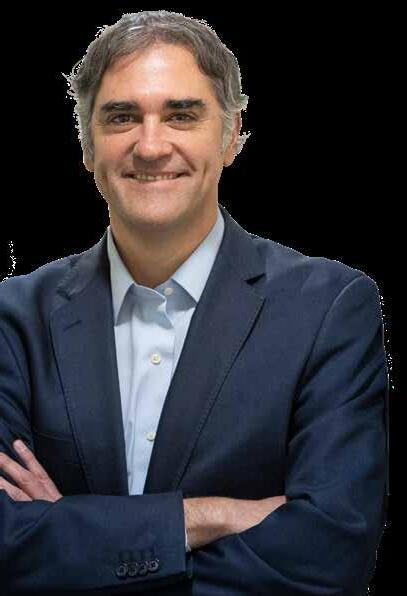
The year 2024 was full of challenges that we managed to overcome. We have achieved a leadership position in our markets. This is both a source of pride and a huge responsibility...
This year I present the 2024 Sustainability Report, the first to disclose information on the iodine, plant nutrition and industrial chemicals businesses separately from the domestic and international lithium business areas.
The publication is aligned with SQM's previous sustainability reports except that it is limited to the aforementioned business lines.
This document is of great value to the company, as it has allowed us to connect with our stakeholders and keep them informed about our progress, goals, concerns and the efforts we have made this year in social, environmental and economic matters. We know that our stakeholders and those who wish to learn more about our work value this publication. In addition, it has allowed us to start conversations on issues that are of interest to the communities, leading to sustained and trust-based dialogue.
The year 2024 was full of challenges that we managed to overcome. We have achieved a leadership position in our markets. This is both a source of pride and a huge responsibility. Our stakeholders expect us to continue to lead and to fulfill each of our commitments regardless of the circumstances, because they know that we have always been up to the task.
This encourages us to continue to be inspired by our purpose, "We develop unique capabilities that transform resources into life and progress," and our values, which shape and guide our work: Safety, Sustainability, Integrity, Excellence and Challenge. In addition, we must consistently apply our business strategy and think long term, challenging ourselves in current areas while searching for new business opportunities where we can add value.
We set records for iodine sales volumes and revenue last year and increased our nitrate sales volumes. These results are due to the fact that we have consistently applied our strategy, properly executed our investment plan, stayed committed to operational excellence through continuous improvement and, more recently, successfully incorporated technology into the different stages of our processes through the "M1+" operational excellence program.
We opened a new warehouse in the US city of Houston to strengthen our presence in that market. We also made progress on our commercial expansion with new offices in India, Brazil and Peru, reinforcing our commitment to sustainable growth and proximity to our clients in strategic markets.
Pablo Altimiras C. Chief Executive Officer, SQM
Iodine
Plant Nutrition
But none of these achievements would have been possible if we had neglected key factors such as safety—our number one value. In 2024, our LTIFR—lost time incident frequency rate—was 1.93. This includes direct workers and contractors. This result is far from our target as a company, so we are working hard to improve and reinforce safety. Our efforts in this area have included safety training sessions, notably our Safety Reinforcement Course. We trained 2,024 people during the period, which represents 87% of our workforce, delivering a total of 12,144 hours of training.
Our ESG goals are being integrated into a sustainability strategy designed to anticipate future challenges and respond responsibly to our stakeholders' expectations. We recognize that rigorous environmental management, transparent community relations and robust governance are key to ensuring the long-term sustainability and resilience of our business.
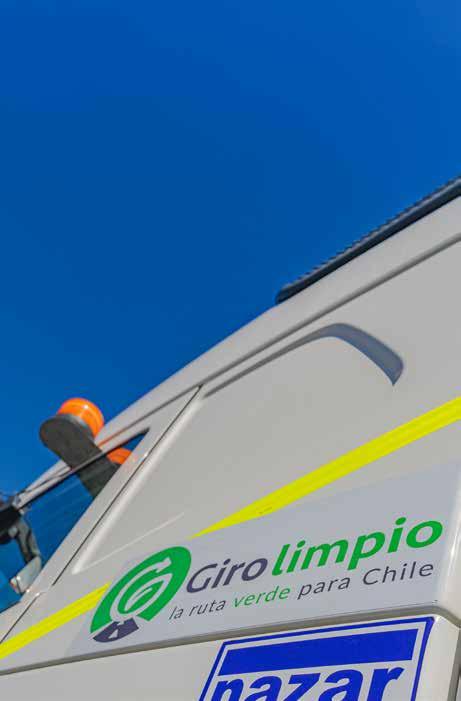
In this context, we have worked towards earning certifications and complying with them beyond basic regulatory requirements. We earned Giro Limpio Certification for the fourth time in 2024. This certification is awarded to companies that promote decreased consumption of polluting fuels and CO2 emissions in highway cargo transport in their production chains. Our Coya Sur site is ISO 14001 certified, which has ushered in a cycle of continuous improvement through its renewal in 2027.
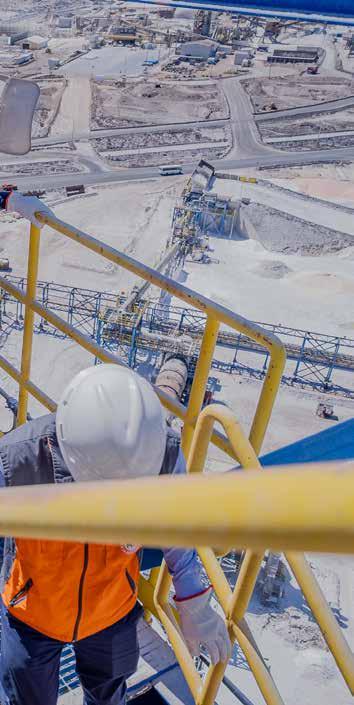
We successfully completed an audit of the Nueva Victoria mining and leaching area and earned ISO 50001 certification for the iodine plant. Ours is the only facility of its kind in the world to have this energy efficiency certification.
The Port of Tocopilla earned Level 1 status in Responsible Care from the Chilean Chemical Industry Association. This is the highest level available and reflects the fact that our company's commitment is ongoing.
The audit of the Clean Production Agreement (APL) certification and seal for the Transition to the Circular Economy was conducted in July 2024 for the Coya Sur and Port of Tocopilla operations. Both sites met all of the requirements and earned the certificate.
At SQM, we engage in ongoing efforts to offer internal development opportunities. In fact, 21.4% of our staff was female in 2024, a figure that reflects sustained growth in this area. To support such efforts, we have promoted projects such as SQMentors, an initiative that trained 50 students selected through a rigorous process over the course of six months. The initiative began in universities in northern Chile, the Metropolitan Region and Valparaíso. Fifteen people qualified for the final stage, where they received personalized mentoring from SQM leaders and subsequently entered the internship and thesis program.
We strive to include individuals with disabilities in our activities. For example, we created an active break series and distributed healthy snacks weekly in Santiago and Antofagasta in cooperation with Fundación Miradas Compartidas, with which we have worked closely over the past seven years. This partnership promotes the physical well-being of our employees and reinforces the importance of inclusion in the workplace. We also trained more than 300 employees on the skills and knowledge necessary to support and work with people with disabilities. We certified twelve of our employees as inclusion coordinators. A total of 23 people with disabilities worked for our company as of December 31, 2024.
During this period, we continued to enhance our commitment to integrity by thoroughly monitoring our operations in Chile and abroad, verifying and reinforcing alignment with and adherence to our Compliance Program in all areas of the company.
This monitoring included reviewing our business relationships with suppliers and customers and the contracting of third parties that represent the company before public and private entities. We conducted an exhaustive evaluation of our hiring processes in an effort to ensure that we apply high standards of ethics and transparency in all our activities.
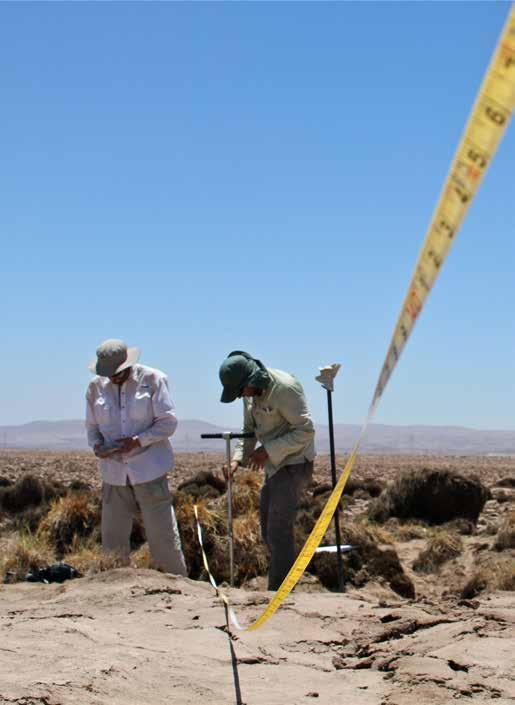
As of December 2024, we have received environmental authorizations for 48 projects and have delivered on our environmental and community commitments. In this context, the training and environmental monitoring program we set up in the context of the Huatacondo Quechua Indigenous Community Working Group stands out; this monitoring is part of the program for the Llamara salt flat and will continue in 2025.
We have a robust program of shared social value projects, which we develop with local communities and promote through working groups. We are currently part of 28 working groups, which we consider to be opportunities for dialogue. Each group has its own dynamics depending on the participants' interests, as we believe that community members should make decisions about their development and how it should be achieved.
During the year, we allocated US$ 8.8 million to social investments, including contributions agreed to through the working groups, donations and other projects. We also have invested more than US$ 2 million in administrative expenses to develop and monitor these initiatives as part of our commitment.
We have continued to support agricultural projects focused on conserving water, transferring innovation for energy efficiency and optimizing production, including initiatives such as the Pampa del Tamarugal Livestock Production Unit and the Pozo Almonte Center for Agricultural Research and Development, as well as our work with the farmers in Colonia Agrícolas de Pintados in the Tarapacá Region.
Beginning in 2025, our community work will be guided by three strategic pillars: agriculture and livestock development in the desert, support for local enterprises and businesses through training and funding and recovery of the cultural and historical heritage of northern Chile. These focus areas reflect our unique capabilities and the transformational potential we share in the places where we operate.
Great challenges lie ahead, especially in today’s uncertain world due to armed and economic conflicts between different countries. However, we know that we have a leading role to play due to the importance of our products, and we do so with great optimism and responsibility. We hope to remain at the forefront of our businesses worldwide and to contribute to Chile, developing unique capabilities that transform resources into life and progress, as our purpose states, to continue making a contribution.
Pablo Altimiras C. Chief Executive Officer, SQM Iodine Plant Nutrition
We have been reporting under the Global Reporting Initiative (GRI) principles for 15 years.
Since 2020, we have included information on our efforts to achieve the targets of the Sustainable Development Goals (SDGs) of the Global Compact to which we adhere.
We are committed to these transparency practices, which we engage in annually. As a company, we have opted for external verification of this report for the fifth year in a row based on new international requirements and internal goals. Deloitte Advisory SpA conducted this assurance process.
This report only includes SQM Iodine Plant Nutrition and the entities included in the consolidated financial statements that belong to or have a certain level of dependence on the division. Indicators with a limited scope are listed in each case next to the information provided.
The quantitative data presented in graphs and tables have been prepared using the same methodology used in previous years' reports; if changes or explanations are required, explanatory notes have been included in each table or graph presented depending on their scope.
There were no significant changes in the supply chain during the reporting period.
The Board of Directors of SQM S.A. is still responsible for reviewing the Sustainability Report and staying informed of its usefulness and acceptance by the relevant stakeholders.
For more information about this report and sustainability efforts at SQM Iodine Plant Nutrition, please contact us at sustentabilidad@sqm.com. For more detailed financial information regarding SQM S.A. or investor relations, contact ir@sqm.com.
Our reports are published on the company's website, where they are stored in a library to be consulted as needed:
We also send a link to the document to our stakeholders, produce summary videos, and post about this resource on social media. In addition, we present the document at various community dialogue events.
Communities evaluate our report through a survey as part of our continuous improvement in reportability. We have considered the assessments and recommendations made by our internal and external stakeholders regarding the previous report from the outset of this process.
We define stakeholders internally according to the nature of our business and relationships with them based on four areas: needs, impacts, interests and expectations.
We periodically carry out opinion studies and create spaces that allow us to understand the interests and expectations of our stakeholders. We endeavor to develop, create and maintain close and trusting relationships with each group or person through dialogue, generating opportunities to come together such as meetings, working groups or direct contact through the different areas of the company based on on the stakeholder and the areas that they wish to emphasize in their relationship with SQM.
Stakeholders are identified and evaluated, and this process is validated by the Board of Directors. The company considers stakeholders in its decisions as part of its regular activities. As established in SQM's Corporate Governance framework, our stakeholders are important and are a key component of our decisions and commitments. We work with them to build relationships based on trust and transparency over time.
SQM's Corporate Governance Policy states that the Board of Directors receives a description of key stakeholders and meets with Sustainability and Communities managers, respectively, to understand the importance of these groups and their expectations in its effort to maintain long-term relationships with them.
The report identifies key stakeholders and why they are identified as such. It is also a highly important mechanism for describing our performance to them.
Salaries, benefits, quality of life, professional development, information about the company.
• Daily interactions in the workplace/ Direct communication between supervisors and area managers and the workers reporting to them/ Regular union meetings, meetings between workers, management, senior vice-presidents and managers.
• Internal communication channels, such as data screens in common areas, newsletters, bulletin boards, intranet and mailings/ Key information is delivered on digital platforms such as: the website, email, Facebook, Instagram, LinkedIn, YouTube channel and the app “Mi SQM” (My SQM).
Capitalization of their investment and financial performance that contributes to the company's sustainability over time.
How We Engage and Communicate
• Board meetings / Regularly issued information / Direct contact with Investor Relations / Annual report, website, site visits, shareholder meetings, meetings like SQM Day.
• Delivery of important information about the company through digital platforms: our website, email, Facebook, Instagram, LinkedIn and our YouTube channel.
Transparent bidding processes, payments within agreed deadlines and conditions, establishing lasting commercial relations, supplier development.
• Meetings with personnel from the Supply and Contracting Departments, as well as operational managers and supervisors where services are provided/ Visits by the Supply Department to supplier facilities or offices/ Orientation courses, safety training/ Follow-up and ongoing contact with service providers selling our products in order to guarantee deliveries/ Special programs for supplier training attended by SQM Iodine Plant Nutrition/ Meetings with trade associations attended by SQM at events such as fairs, seminars and expos.
• Delivery of relevant information through digital platforms such as: our website, email, Facebook, Instagram, LinkedIn and our YouTube channel.
Fulfillment of commitments made regarding product supply and quality in accordance with agreed-upon deadlines, production processes that meet product safety and sustainable standards and regulations, operations, product safety, products that meet required standards.
• Periodic, direct communication with and visits to clients, client site visits, surveys on products and operating standards.
• Delivery of important information about the company through digital platforms: our website, email, Facebook, Instagram, LinkedIn and our YouTube channel.
Community
Creation of direct and indirect jobs, longterm support for the social and economic development of the community and care and appreciation for the environment and community at large. Pertinent, fluid communication.
• Communication and regular meetings with company representatives, community leaders and members/ Site visits/ Involvement in local working groups and operational inspections alongside public agencies/ Community activities and festivities/ Daily interaction with programs developed in conjunction with the community or organizations.
• Delivery of important information about the company through digital platforms: our website, email, Facebook, Instagram, LinkedIn and our YouTube channel.
Innovation,
Institutions and Organizations Authorities The Media
Support to create value for the community, region, country. Commitment to initiatives that are of interest to the organization, active participation by the company in the organization. Contribution of company resources for projects.
• Meetings with participation by our representatives/ Meetings to support initiatives/ Technical meetings/ Visits to sites or areas of interest/ Participation in seminars, training, etc.
• Delivery of important information about the company through digital platforms: our website, email, Facebook, Instagram, LinkedIn and our YouTube channel.
Support for research, studies, new developments that promote innovation, and the organization of seminars, workshops and publications. Creation of enterprises and new business.
• Meetings in which our representatives actively participate/ Meetings to support initiatives/ Technical meetings/ Visits to sites or areas of interest/ Participation in seminars and competitions focused on innovation / Training / Development of joint projects, etc.
• Delivery of information related to the company through studies and publications promoted or supported by SQM Iodine Plant Nutrition or digital platforms such as: our website, email, Facebook, Instagram, LinkedIn and our YouTube channel.
Creation of value for the municipality, region, country. Fulfillment of legal obligations and commitments under RCAs (environmental permits) and rules and regulations in foreign countries.
• Official or formal meetings/ Technical meetings/ Work meetings related to public and private initiatives/ Inspections.
• Delivery of information using official platforms, documents, letters or email.
Pertinent and relevant information regarding the company’s activities in its various fields of action.
• Contact with the news media through the Communications Department / Press releases, interviews or meetings.
• Delivery of important information about the company through digital platforms: the website, email, Facebook, Instagram, LinkedIn and our YouTube channel.
Our vision of sustainability is integrated into our corporate strategy and decision-making. We have strengthened our materiality process on that basis, incorporating the principle of double materiality and aligning our work with international standards and emerging regulations, particularly with the European Union's Corporate Sustainability Reporting Directive (CSRD).
This framework establishes that companies must evaluate their sustainability performance from two complementary perspectives:
Analyzes how our activities affect our ecosystem (i.e. communities, customers, suppliers and employees), including both positive and negative impacts in the short, medium and long terms.
Evaluates risks and opportunities arising from environmental, social and governance (ESG) factors that may influence the profitability and sustainability of the business.
Double materiality recognizes that a company's activities generate environmental and social impacts on its ecosystem and that environmental, social and governance (ESG) factors can also represent risks and opportunities for the financial performance of the business. This approach allows for a comprehensive assessment of how the company influences its ecosystem and, in turn, how these external factors can affect its economic sustainability.
This is the first double materiality analysis conducted for SQM Iodine Plant Nutrition, and it is intended to be updated every two years. This analysis was also externally verified to guarantee methodological rigor and alignment with international standards for sustainability information assurance.
The double materiality process included:
Review of 4,216 internal documents
Benchmarking of 10 companies in the iodine, agriculture and fertilizer industries.
Analysis of 3 years of press coverage.
Analysis of 80 mentions of SQM on social media
In addition, we conducted an internal and external consultation process to ensure a broad and inclusive vision:
Surveys of more than 690 people.
31 interviews with external stakeholder groups
1 work meeting was held with the risk analysis team.
Analysis of 7 sustainability reports from the mining, chemical and agricultural industries.
Analysis of 10 trend studies.
Review of 6 sustainability standards and guidelines
24 interviews with internal executives.
3 technical round-table discussions.
Technical round-table discussions were developed by company teams to identify the most important strategic issues for SQM Iodine Plant Nutrition. The results of previous consultations were analyzed and the prioritized material topics were fine-tuned during these sessions.
Given the diversity of sources reviewed, Saaty's (2004) Analytical Hierarchy Process (AHP) was applied to weight the material topics in a structured and objective manner.
These topics reflect the main challenges and opportunities facing SQM Iodine Plant Nutrition, allowing us to orient our sustainability strategies in line with the expectations of our stakeholders and emerging regulatory trends.
The results of this exercise were validated by the company's senior management. Details of the main impacts, risks and opportunities by material topic can be found in the appendices to this report.
• In 2024, after four months of different workshops and participatory surveys being conducted in Chile and around the world, SQM Iodine Plant Nutrition presented its purpose: "We develop unique capabilities that transform resources into life and progress" This purpose is designed to highlight why we exist and align the organization around a common goal in addition to allowing us to connect more deeply with employees, customers and the community in general.
• During 2024, 177 VIVO awards were given to employees abroad, thus launching the recognition program in our commercial offices.
• The SIT Joint Committee (Port of Tocopilla) earned Level 1 Certification for Joint Health and Safety Committees from the Chilean Safety Association (ACHS) for its compliance and good practices in management related to compliance with Supreme Decree 54.
• We developed SQMentors, a successful initiative to train 50 students over the course of six months. They were chosen from universities throughout the nation through a rigorous selection process. Fifteen qualified for the final stage, where participants received personalized mentoring from SQM leaders and subsequently entered the internship and thesis program.
• The SQM Iodine Plant Nutrition Health and Safety Joint Committee in Santiago underwent a certification process by the ACHS, demonstrating 100% compliance.
• We actively participated in Exponor 2024, attending business round-table discussions, promoting innovation, supporting entrepreneurship initiatives with local companies, and playing a leading role with our supply and services area. We also brought students, communities and women to the exhibition with guided tours of our operations and lectures about our programs.
• SQM Iodine Plant Nutrition and Fracción opened the pharmacy chain's first store in Huara. This milestone represents a great opportunity to improve access to medicines for hundreds of families in the area.
• Thanks to the “Digital Asset” program, over 25 enterprises in the Tarapacá and Antofagasta regions now have digital e-commerce profiles with shopping cart options, payment gateways and shipping to Chile and the world.
• The AntofaEduca program promoted by Fundación Entrepreneur with support from SQM and the regional government has completed its first year of intense educational work in 20 public schools in the Antofagasta Region, making significant progress in pedagogical innovation and strengthening school leadership.
• More than 60 families received a compost bin to promote recycling in Tocopilla as part of the Home Composting Pilot Project.
• The first Road Safety Fair was held in María Elena. The initiative is designed to promote and foster a culture of road safety among the children and young people of the community.
• We launched a comprehensive support program for caregivers of people with disabilities in Pozo Almonte. It is designed to enhance self-care, care for others and entrepreneurship, thus promoting co-responsibility.
• We presented a biography of Edgar Stanley Freed titled El hombre que más sabía de caliche en el mundo. It tells the story of a talented man who was recognized for his extensive research on solar evaporation ponds, a development that is still a fundamental part of the company's production processes.
• SQM earned the RAEV (Risk of Accident Due to Speeding) award for the fourth consecutive year. The honor is given to companies from various sectors that take on the challenge of reviewing their performance in this area.
• We earned Giro Limpio Certification for the fourth time in 2024. This certification is awarded to companies that promote decreased consumption of polluting fuels and CO 2 emissions in highway cargo transport in their production chains.
• Coya Sur earned ISO 14001:2015 certification, which is valid until 2027.
• Nueva Victoria earned ISO 50001:2018 certification for its mine & leaching areas and its iodine plant .
• Port of Tocopilla reached Level 1 in Responsible Care.
• In July 2024, the Clean Production Agreement (APL) certification and seal audit was conducted for our Coya Sur and Port of Tocopilla operations, complying with 100% of the necessary requirements.
• The Seabird Rescue Center was inaugurated. This 75 square meter facility located inside the Patache Maritime Terminal will be dedicated to the conservation and research of local avifauna.
• In 2024 we launched our Composting Pilot Plan in the corporate building to further reduce waste sent to landfill by separating compostable organic waste.
• We closed 2024 with double-digit volume growth in almost all business lines when comparing the full year 2024 to 2023. We posted unprecedented sales volumes in the iodine business, marking a record in the company's history.
• A Heads of Agreement (HOA) was signed with South Korea's SK Enmove (part of the SK Group) to secure a stable supply of iodine, a key raw material for next-generation automotive coolants.
• In 2024, following a prior implementation process, the area of SQM Industrial that belongs to the Iodine Plant Nutrition Division earned certification for its Information Security Management System (ISMS) under ISO 27001:2013, valid until 2027.
• Three framework cooperation agreements were signed with universities in the United States to develop research projects in specific areas of iodine and nitrate production.
• SQM Iodine Plant Nutrition joined the Massachusetts Institute of Technology (MIT) Industry Liaison Program in the United States to explore areas of cooperation and facilitate access to the MIT startup ecosystem.
• We continue our collaboration with the Antofagasta Mining Cluster, contributing to economic development for research and innovation. We also promote knowledge, academic activities and the development of scientific and technological projects of mutual interest. Thanks to this initiative, the projects that the cluster was already promoting in the region were presented this year.
We aim to build a business model that integrates innovation, research and product development with the firm purpose of contributing to the sustainable progress of humanity and providing responsible solutions to global challenges.
We understand that a truly responsible business incorporates sustainability as a central principle, guiding decisions and actions towards the well-being of stakeholders and the ecosystem in which it operates.
We are aware that this is an ambitious goal, but we also believe that great social changes begin with significant challenges and a clear vision of the impact we want to generate.
The starting point was to make a commitment as an organization that would be reflected in a corporate policy that guides our business decisions and determines how we relate to our ecosystem and the people who are part of it.

Our responsible business strategy incorporates sustainability as a cross-cutting axis of its design and operation. After a rigorous analysis and evaluation process, we reaffirmed our commitment to sustainable management, which is reflected in our Corporate Sustainability, Ethics and Human Rights Policy.
Based on this decision, we identified the strategic priorities that give life to our institutional purpose. We develop our business in line with the Sustainable Development Goals (SDGs), integrating their targets and principles into the planning and execution of our actions.
We strive to reduce our ecological footprint along the entire value chain—from our suppliers to our own operations—by promoting responsible consumption practices. We have set specific goals related to decarbonization, protection of biodiversity and the reduction of our environmental impact.
Responsibility is an essential part of our organizational culture. This implies not only caring for the environment, but also respecting the interests and rights of our employees, customers, investors and the communities with which we interact.
The constant evolution of our ecosystem has challenged us to innovate continuously. Each challenge becomes an opportunity to strengthen our internal management, adapting with agility and making improvements that consolidate our business model.
Our products are recognized for their innovation and quality and enable us to contribute concretely to solving global challenges while ensuring our financial sustainability. Ethics and safety are pillars that guide both our business strategy and our labor and stakeholder relations.
We have strict control mechanisms that allow us to mitigate ethical, economic, social and environmental risks. We use safe and innovative production technologies, which allows us to maintain high environmental standards and rigorous quality management, all of which is fundamental to our work.
We firmly believe that people are the driving force of our organization. That is why we work to attract, develop and motivate talent, thus ensuring solid and sustainable growth.
We remain attentive to emerging trends and the challenges posed by an everchanging world. We use scenario analysis to anticipate and understand the changes happening in our ecosystem, integrating variables of strategic relevance in our planning.
In addition, we actively participate in dialogue and collaborative initiatives within our industry, where we share learning and best practices to evaluate issues that affect humanity globally.
This approach allows us to mitigate risks and to identify and take advantage of new opportunities that strengthen our value proposition.
ARTICULATORS / FACILITATORS
(12) Responsible consumption and production and (13) climate action We strive to engage in responsible production and consumption, developing products to contribute to the progress of society, and we do so in accordance with challenging ecological footprint reduction targets.
Articulators and facilitators
These are levers for establishing good, responsible and viable business. They sustain our ethical practices and teamwork, which promote and catalyze the development and innovation proposals that yield our products and technologies.
(17) Partnerships for the goals: We could not develop our business without the support and strengthening that we achieve through our partnerships. An active connection to the community helps us to understand our customers’ needs and challenges and to promote effective solutions.
Outcome
These are the outcomes we are seek to produce through responsible business, its impact, and the reason why we work:
(3) Good health and well-being: We contribute to the development of innovative solutions to improve access to and quality of health care, thus advancing the well-being of all people.
(7) Affordable and clean energy: We understand the opportunity we have to provide affordable and effective solutions for NCRE generation and storage. We also contribute to the production of foods, providing solutions for the efficient use of soil and water resources.
(15) Life on land: We protect our ecosystems by improving our production processes and developing products that contribute to the conservation of biodiversity.
(5) Gender equality: For SQM Iodine Plant Nutrition, inclusion, diversity and equity are important for the sustainable generation of value and comprehensive development. We work with various programs to develop and empower women within and outside the company.
(9) Industry, innovation and infrastructure: R+D+I is one of the axes of our strategy. It is a cross-cutting practice related to how and what we do. We maintain practices of innovation, development and research as one of the critical processes in our business. We are responsible for uncovering and integrating our customers’ new needs and global challenges. We are continually changing and improving our processes and proposals in order to respond to these needs.
(16) Peace, justice and solid institutions: This company-wide process is part of our strategic and operational day-to-day decisions and builds the context in which we relate to all our stakeholders. We are constantly improving and strengthening our business integrity practices. We establish ethics and transparency as the foundations of a viable business.
This is also how we contribute to the following areas:
1. Social and economic: Local development investments through partnerships with public and private organizations in accordance with our social investment focus areas.
2. Science-based development: We support research programs through academic and public production development organizations, strengthening acceleration programs for innovative enterprises. We also contribute to the public good through scientific publications and patents.
SDG
Some of the SDG targets that we support Some of our actions / examples of our progress
Target 12.2
By 2030, achieve the sustainable management and efficient use of natural resources.
Target 12.4
By 2020, achieve the environmentally sound management of chemicals and all wastes throughout their life cycle, in accordance with agreed international frameworks, and significantly reduce their release to air, water and soil in order to minimize their adverse impacts on human health and the environment.
Target 12.5
By 2030, substantially reduce waste generation through prevention, reduction, recycling and reuse.
Target 13.2
Integrate climate change measures into national policies, strategies and planning.
Target 13.3
Improve education, awareness-raising and human and institutional capacity on climate change mitigation, adaptation, impact reduction and early warning.
• Responsible Care certification
• Certification from the International Fertilizer Association.
• Use of solar radiation for evaporation processes in our operations.
• Waste management system at the corporate level.
• Recycling plans at operations and in offices.
• Air Decontamination Plan in communities and at production sites.
• Measurement of the company’s carbon footprint (GHG) and assurance by independent third parties.
• Establishment of greenhouse gas reduction targets.
• Certification of the Environmental Management System under ISO 14001:2015.
• Ecoports Port Environmental Review System (PERS) certification for the Port of Tocopilla.
SDG
Some of the SDG targets that we support
Target 3.9
By 2030, substantially reduce the number of deaths and illnesses from hazardous chemicals and air, water and soil pollution and contamination.
Target 7.2
By 2030, increase substantially the share of renewable energy in the global energy mix.
Target 15.1
By 2020, ensure the conservation, restoration and sustainable use of terrestrial and inland freshwater ecosystems and their services, in particular forests, wetlands, mountains and drylands, in line with obligations under international agreements.
Some of our actions / examples of our progress
• Compliance with the Operational Risk Management System.
• We have an Occupational Health and Safety (OHS) Management System that integrates the elements of ISO 45001:2018.
• Training on occupational health and safety.
• We have an Energy Management System that integrates the elements of the ISO 50001:2018 Standard.
• Solar power use at our operations.
• Implementation of a fleet of various electric mobile devices for operations, buses, workshops, high tonnage trucks and other purposes.
• Implementation of the Environmental Monitoring Plan in the Salar de Llamara.
• Dental health programs, specialty medical screenings in local communities, mammogram program with Fundación Arturo López Pérez (FALP) in communities in the Antofagasta and Tarapacá regions.
Articulators or facilitators SDG
Some of the SDG targets that we support
Target 5.1
End all forms of discrimination against women and girls everywhere.
Target 5.5
Ensure women’s full and effective participation and equal opportunities for leadership at all levels of decision making in political, economic and public life.
Target 9.2
Promote inclusive and sustainable industrialization and, by 2030, significantly raise industry’s share of employment and gross domestic product, in line with national circumstances, and double its share in least developed countries.
Target 9.4
By 2030, upgrade infrastructure and retrofit industries to make them sustainable, with increased resource-use efficiency and greater adoption of clean and environmentally sound technologies and industrial processes, with all countries taking action in accordance with their respective capabilities.
Target 16.5
Substantially reduce corruption and bribery in all their forms.
Target 16.b
Promote and enforce non-discriminatory laws and policies for sustainable development.
Target 17.16
Enhance the global partnership for sustainable development, complemented by multi-stakeholder partnerships that mobilize and share knowledge, expertise, technology and financial resources, to support the achievement of the sustainable development goals in all countries, in particular developing countries.
Target 17.17
Encourage and promote effective public, public-private and civil society partnerships, building on the experience and resourcing strategies of partnerships.
Some of our actions / examples of our progress
• 21% of our workforce is female.
• Hiring of local suppliers.
• Development of and compliance with the Code of Conduct for Business Partners and compliance with the Responsible Sourcing Policy for SQM suppliers.
• Participation in the Más Proveedores program in Tarapacá.
• Use of solar radiation for evaporation processes in operations.
• Implementation of and compliance with the Ethics and Compliance Program.
• Implementation of and compliance with the Crime Prevention Model.
• Elaboration of and compliance with the Corporate Sustainability, Ethics and Human Rights Policy.
• Compliance with the Diversity and Inclusion Policy.
• Development of inclusive labor practices.
• Development of the Apprentice Program.
• Development of the Internal Mobility Program.
• Partnerships with Global Compact, Acción Empresas and others.
• Creation of working groups in partnership with local communities.
• Development and implementation of shared social value programs with communities.
We are a global company and understand the responsibility involved with our work. We focus on long-term business continuity and are committed to sustainable development in harmony with the environment, business ethics and respect for and promotion of human rights in accordance with national and international regulations.
Our Corporate Sustainability, Ethics and Human Rights Policy is based on the United Nations Sustainable Development Goals (SDGs), the International Council on Mining and Metals Principles, International Standard ISO 14001 on Environmental Management Systems, the applicable standards of the International Finance Corporation (IFC) and the "protect, respect and remedy" framework of the United Nations Guiding Principles on Business and Human Rights. It was inspired by the Universal Declaration of Human Rights, Convention 169 on Indigenous and Tribal Peoples of the International Labor Organization and other similar documents.
Our policy covers all areas of the company and the business, such as:
Our vision of sustainability is integrated into our corporate strategy and decision-making at SQM Iodine Plant Nutrition. As such, our sustainability goals are aligned with our business strategy. We have prioritized our material environmental, social and governance (ESG) topics using the process described below.
We established priorities through a double materiality process. This methodology considers the fact that a company's activities may generate impacts on its ecosystem and may also represent risks and opportunities for the financial performance of the business.
The double materiality process was developed in three phases: information gathering, prioritization of issues or areas, and validation. An exhaustive analysis was conducted as part of the information gathering phase. It included reviewing internal and external documentation, benchmarking with companies in the sector and reviewing market standards and trends. Both internal and external stakeholders were consulted, and these issues were reviewed by three technical expert round-tables divided into environmental, social and governance. This information gathering helped prioritize ESG areas and validate them with the company’s leadership, which in turn allowed us to identify our main material topics.
Based on this analysis, our sustainability goals are focused on the following areas:
Safety
We strive to reach zero serious and disabling1 or fatal accidents per year, with a focus on preventative leadership and operational discipline.
To achieve this, we have a safety strategy structured around four fundamental pillars. The first is strong leadership, with a clear baseline that introduces company-wide leadership as a driver of cultural change through visible, coherent and demanding behaviors. The second pillar is based on a robust organizational structure that has well-defined roles, active governance and processes aligned with the highest standards. Third, we incorporate innovation and applied technology, integrating digital solutions that allow us to engage in more accurate risk management, better traceability and more agile decisions, all aligned with a culture of excellence in safety. Finally, we foster a culture of interdependent safety, where each person takes an active role in protecting their peers, promoting shared responsibility as the foundation for safe and sustainable operations.
Water
Our operations currently use 100% inland water. Our goal is to lower that number to less than 60%, incorporating other water sources and reducing our dependence on land-based water resources.
The Tente en el Aire (TEA) project, located at our Nueva Victoria site, will be key to advancing towards this goal. It will incorporate seawater into the production process and, as part of our environmental commitments, will supply 260 m³/day of fresh water to the villages of Chanavayita, Caramucho and Cáñamo. Requiring an investment of US$ 350 million, the TEA project will generate more than 2,700 jobs during construction and some 700 permanent jobs once in operation, including contractors. It is expected to start operations in 2026.
At SQM Iodine Plant Nutrition, we assume responsibility for the impacts of our activity and work with a long-term vision. We are currently in the process of developing our decarbonization plan, which includes evaluating low-emission technologies for transportation, boilers and mining equipment, as well as energy efficiency opportunities. Each alternative is analyzed based on its technological maturity, technical and economic feasibility.
Our goal is to reduce the intensity of Scope 1 and 2 greenhouse gas emissions by 30% by 2035 based on 2023 figures.2 This estimate considers the projected emission factor for the electricity grid based on public information from the Ministry of Energy.
We recognize that this goal may be adjusted based on new evidence or technological advances, so it is under constant review, oriented towards concrete, realistic and environmentally responsible solutions.
We will continue to evaluate new technologies and initiatives that allow us to move forward because we understand that decarbonization efforts are only sustainable when they are environmentally, socially and economically viable. We are committed to a rigorous process of analysis that allows us to incorporate solutions that make sense for the business and ensure that we meet our production targets while creating value for our stakeholders.
At SQM, we have historically used the market-based approach to measure our Scope 2 emissions. However, to strengthen our decarbonization plan and increase the environmental integrity of our aspirations, we will adopt the location-based approach as the basis for setting our new emissions reduction goal. This will align us with the evolution of the Chilean energy matrix and the country's climate commitments. According to generation projections by type of energy from the Ministry of Energy's Long-Term Energy Planning and information from the National Energy Commission, an accelerated decrease in the emission factor of the national electricity grid is projected.
We will continue to report on both market-based and location-based approaches to ensure comparability and transparency, but the location-based approach will guide our decarbonization aspiration and plan because of its consistency with the country's energy context.
The market-based approach, although useful for contractual decisions, does not seem to guarantee effective emissions reduction because it does not involve physical changes in the grid or incentives for operational improvements. By contrast, the location-based approach considers the average emission factor of the national electricity system, allowing our reductions to depend on efficiency improvements and structural decarbonization of the electricity system. This decision reinforces our commitment to tangible decarbonization in line with international standards.
We are working to ensure that at least 30% of our suppliers will be local companies by 2030, promoting capacity building in the territories where we operate and strengthening our value networks with a sustainable, long-term vision.
We understand that strengthening our local suppliers is key to promoting the economic development of the communities and regions where we operate. Therefore, starting in the second half of 2025, we will begin implementing a comprehensive program to develop local suppliers. This process will start with a pilot plan in the municipalities of Pozo Almonte, Tocopilla and María Elena. During this initial stage, we hope to engage at least 60 companies in a process of technical training, personalized consulting, support for compliance with standards, simplification of entry requirements and opening of concrete commercial opportunities.
We are in the process of establishing ongoing support and service channels with different physical and digital points of contact, where suppliers will be able to receive guidance, access relevant information and follow up on their processes. As such, we aim not only to expand our local supplier base, but also to build close, transparent and fair relationships, promoting their sustainability over time and their effective integration into our value chain.
At SQM Iodine Plant Nutrition, we actively work to incorporate talent from the regions where we operate. We have promoted several initiatives to strengthen local employment: participation in job fairs, collaboration with OMIL, job training workshops and partnerships with educational institutions in northern Chile.
During 2024, more than 500 people from 10 municipalities participated in our Training and Apprenticeship programs, with 73% female participation. These initiatives provide key tools for facing the challenges of mining 4.0 and improving labor insertion in our industry. We also highlight the SQMentors program, which connects SQM professionals with students in STEM careers. This support strengthens local talent and promotes more equitable development in the territories. Through these actions, we seek to generate real and sustainable opportunities for the people living in our areas of operation in northern Chile.
At SQM Iodine Plant Nutrition we believe that building lasting relationships with communities requires direct dialogue, trust and collaboration. For this reason, we have participated in and are still part of 28 active working groups in the territories where we operate. These entities convene representatives of unions, associations and social organizations to identify, implement and monitor social and territorial initiatives.
During 2024, we allocated US$ 8.8 million to social investments, including contributions agreed to through the working groups, donations and other projects. We also have invested more than US$ 2 million in administrative expenses to develop and monitor these initiatives as part of our commitment to creating shared value.
Beginning in 2025, our community work will be guided by three strategic pillars: agriculture and livestock development in the desert, support for local enterprises and businesses through training and funds and recovery of the cultural and historical heritage of northern Chile. They reflect our unique capabilities and the potential for transformation that we share with our neighbors.
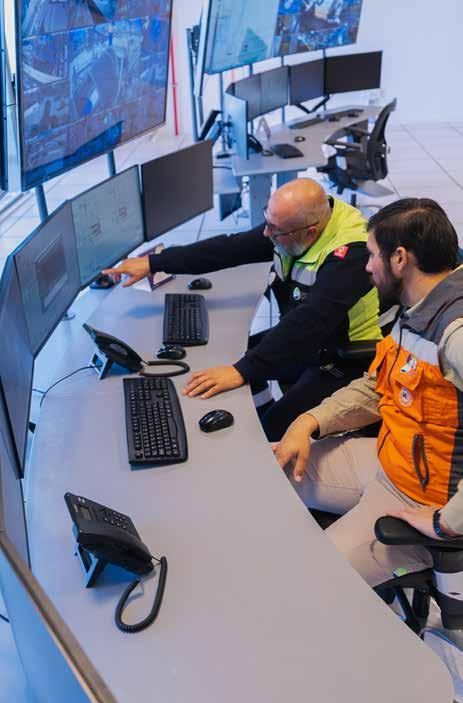
At SQM Iodine Plant Nutrition, innovation is a fundamental component of our efforts to maintain our global competitiveness and capacity to adapt. We develop and promote technological solutions that strengthen our value chain, from caliche ore extraction to the commercial supply of iodine and specialized solutions for plant nutrition in agriculture.
We promote innovation in various departments and areas that focus on challenges where they maximize their value generation. Depending on the challenges, fishing and hunting methodologies are used as appropriate.
The Office of the Vice-President of Research and Innovation focuses on optimizing the use of resources, reducing emissions and recovering by-products using a circular economy approach. The Commercial R&D Department develops sustainable solutions for agriculture, focusing on water and nutritional efficiency, plant stress tolerance and new ecological products. The Development and New Business Department focuses on operational challenges and connects with global technology companies to test solutions through collaborative pilots with the operational VPs.
Finally, the IT and Digitalization Department leads our digital transformation, applying the Lean methodology, advanced analytics and artificial intelligence to improve decision-making, solve complex problems and increase operational efficiency.
These lines of work position innovation as a strategic lever for our sustainability, productivity and leadership in the sector.
The SQM Iodine Plant Nutrition Ethics and Compliance Program is an essential element of its corporate culture, promoting integrity, responsibility and compliance with current regulations. Based on a Code of Ethics that applies without exception to all employees and even stakeholders, this program establishes clear guidelines for acting with transparency and honesty in any work context. The model seeks to protect the organization against risks and to create a culture of integrity shared by all division employees.
The program is implemented by the Ethics and Compliance Department, which is responsible for guiding employees in complex situations and managing a secure, confidential and non-retaliatory Whistleblower Channel. As part of its preventive strategy, the program establishes a mandatory training plan, with courses developed based on the risks and functions of each employee, and which addresses both anti-corruption issues and other matters relevant to regulatory compliance.
Compliance with the program is mandatory, and non-compliance may result in internal and legal sanctions. The company uses specific policies— such as those related to conflicts of interest, interaction with public officials, business courtesies and free competition, among others—to establish a clear regulatory structure to interact ethically with customers, suppliers, communities and authorities. We maintain a policy of zero tolerance for corruption, promoting ethical and responsible management.
Human rights are part of our Corporate Sustainability, Ethics and Human Rights Policy, in which we confirm our commitment to and decisions based on respect for and promotion of human rights.
SQM Iodine Plant Nutrition is committed to human rights and works every day to avoid any violation that could be caused by its activities and operations. We care about everyone we work with, which is why actions and commitments regarding respect for human rights are a priority.
Our commitment is based on the Principles of the United Nations Global Compact, the Universal Declaration of Human Rights, the International Compact on Civil and Political Rights, and the International Compact on Economic, Social and Cultural Rights.
We support the UN Guiding Principles on Business and Human Rights, which are among the most important international standards for preventing and combating possible human rights violations in regard to business activities and statements recognized at the global level that apply to multinational corporations. These include the OECD Guidelines for Multinational Companies, the Tripartite Declaration of Principles concerning Multinational Enterprises and Social Policy and the ILO Social Policy and key labor regulations.
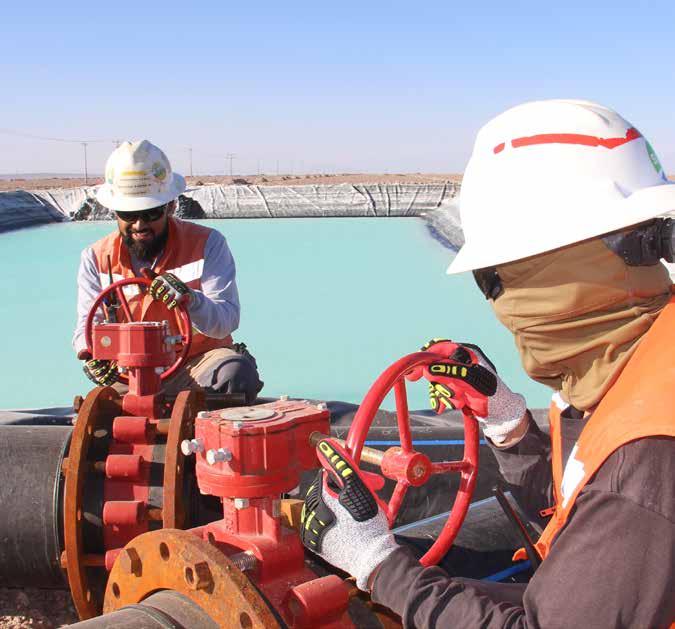
At SQM Iodine Plant Nutrition, integrity is not only a principle, but a central part of our organizational culture, in which we are committed to doing the right thing. This commitment translates into rigorous compliance with the laws, rules and regulations in all countries where we conduct our activities and business. Our actions are guided by the highest standards of ethics and integrity, and we firmly and categorically reject any form of corruption.
This core value is embodied in our Code of Ethics and is reinforced through policies and procedures designed to ensure that our operations are aligned with the expectations of our shareholders, employees, customers, suppliers, government entities, stakeholders and society in general.
To structure and deliver on this commitment, we have implemented an Ethics and Compliance Program that covers all levels of the organization, including directors, who receive quarterly reports on the progress and results of the program along with training upon joining the company and once a year after that. This comprehensive approach is designed with an international perspective in keeping with the diversity and global scope of our operations.
The program focuses on identifying, assessing, updating and managing the risks associated with our activities. This includes a robust regulatory framework that governs the behavior expected of all employees, directors and third parties with whom we interact. Through specific policies and procedures such as the Anti-Bribery and Corruption Policy, the Free Competition Policy and other guidelines related to donations, contributions, business courtesies, relations with public officials, we ensure that our operations comply with legal and ethical requirements.
In addition, we conduct due diligence processes to evaluate and manage new business relationships, mergers or joint ventures, ensuring that our external partners share our values and ethical standards.
Training is an essential part of our program. We design training activities that cover the entire organization, including directors, and adapt them to the specific risk levels of each function. This allows each employee to understand and apply the regulatory standards relevant to his or her role. At the management level, active leadership on ethics and compliance issues is encouraged and is supported by regular reporting on program progress.
In this regard, training is conducted via e-learning for the entire company on general anti-corruption, ethics and integrity issues, as well as for certain roles exposed to specific risks due to the nature of their functions, such as courses on free competition, cybersecurity and intellectual property.
In parallel, we introduced a continuous monitoring system that evaluates and supervises the activities and processes with the highest exposure to compliance risks. This includes implementing a Monitoring Plan designed to cover operations both in Chile and abroad, ensuring effective and proactive management of reputational, legal and financial risks.
Our Ethics and Compliance Program reflects SQM Iodine Plant Nutrition’s commitment to transparency, risk prevention and fostering an ethical culture at a global level. This strengthens our reputation as a responsible company and ensures that our operations contribute to sustainable development and the well-being of the communities in which we operate.
Through this approach, the company has positioned itself as an organization that acts with integrity in all its decisions, reaffirming its commitment to ethics and compliance wherever it operates.
During 2024, we continued to strengthen our commitment to integrity by comprehensively monitoring our operations both in Chile and abroad, verifying compliance and adherence to our Compliance Program in all areas of the company.
This monitoring included a review of our business relationships with suppliers and customers and the contracting of third parties that represent the company before public and private entities. We also conduct an exhaustive evaluation in personnel selection processes and in our interaction with public officials, ensuring high standards of ethics and transparency in all our activities.
Our internal audit area, which is independent from management, continues to act as a third line of defense, guaranteeing the objectivity and effectiveness of our controls.
All new employees participate in a corporate onboarding process to gain an in-depth understanding of our Code of Ethics, policies, procedures and the use of the Whistleblower Channel. This process ensures that they are introduced to the company’s culture and encourages behavior aligned with organizational values from the outset.
We include explicit clauses in employment contracts to ensure that each employee understands and accepts the guidelines of our Ethics and Compliance Program. This reinforces our institutional commitment to transparency and responsible conduct.
The Regulations on Order, Hygiene and Safety establish compliance standards and outline individual and collective responsibilities designed to prevent the commission of crimes and violations of our policies and procedures. In addition, we develop regular training and specific monitoring to ensure that they are correctly implemented.
100% of directors are familiar with and put into practice our policies and procedures, and are trained on the subject on a regular basis.
• The Directors' Committee keeps the SQM S.A. Board of Directors informed of the progress made and activities related to our Compliance Program. This reporting is done through quarterly presentations to the Board by SQM S.A.’s Compliance Officer.
• All of the company's directors have been trained in ethics, reputation and risk culture; corporate governance and best practices; and risk management. Directors are required to attend these trainings when they join the Board, and the information is then reinforced annually.
2,095 third parties were processed and analyzed in order to initiate or resume a business relationship.
• Relationships with third parties go through a due diligence process in which we analyze possible findings that determine the risk level of the third party in order to make an informed decision on whether or not to initiate the relationship.
• Third Party Intermediaries or TPIs must undergo a due diligence process, be approved by the appropriate divisions of the company and attend Corporate Compliance Program training. In addition, their contracts include compliance-related clauses in the understanding that they will interact with public officials on behalf of SQM Iodine Plant Nutrition.
We celebrated Integrity Month last October. The Ethics and Compliance Department actively called upon all company employees to participate in various informative and educational activities about integrity offered throughout the company. In this context, we launched SQM Iodine Plant Nutrition's Code of Ethics and a new library where SQM's current policies and procedures are available in several languages.
These activities were held in Santiago, northern Chile and commercial offices. They were designed to communicate that decision-making must always be handled ethically and in accordance with current legislation. Any questions should be directed to the Compliance Area. In each location, we also shared a message about our anti-corruption efforts and invited participants to be part of training and other activities led by the Ethics and Compliance team.
DISCLOSURES 2-15/ 2-23/ 2-24
The Conflict of Interest Policy is broadly disseminated and communicated within the company. Through it, we encourage all employees to report any type of conflict of interest when they join the company using a form. This process is repeated each time a new conflict arises and at least once a year.
We engage in publicity and communications efforts and provide a digital platform for conflict of interest statements that can be used any time that it is necessary to do so. Once a conflict of interest is reported, the Ethics and Compliance Department and the reporting party’s supervisor must adopt the measures necessary to manage it, specifying specific actions that must be monitored.
All these activities are reported to the Directors' Committee for guidance regarding their execution and compliance.
Conflicts of interest that may arise for directors due to their service on other boards, cross-shareholding and other activities is gathered annually through the Statement of Related Party Transactions, which is handled by the directors and Ethics and Compliance Department.
Note that our Corporate and Divisional Code of Ethics and this policy also establish the procedure for identifying and handling a conflict of interest.
2-23/ 2-24/ 2-25/ 2-26/ 3-3/ 205-3/ 206-1
We have a Corporate Code of Ethics and a Code of Ethics for SQM Iodine Plant Nutrition that establish the standards for conducting our business around the world. By complying with our Code, we ensure that we are doing our work in the right way with the right people and in a way that we can be proud of, creating value for our people, communities, business partners, shareholders and other stakeholders. We also have a Code of Conduct for Business Partners and a Responsible Sourcing Policy for SQM Iodine Plant Nutrition suppliers. It establishes the standards of integrity that business partners must meet when doing business with us.
Our codes are supported by policies, procedures, protocols and related financial controls that together form an important part of our Ethics and Compliance Program. The program is based on a corporate culture of integrity and adherence to national and international industry best practices.
SQM Iodine Plant Nutrition's complete Code of Ethics is available on its website: https://sqm-ynv.com/wp-content/uploads/2025/02/Codigo-de-Etica-SQM-Yodo-Nutricion-Vegetal.pdf
Acting in an ethical manner begins with the basic commitment to the law and the company's values, which should guide the actions of all SQM Iodine Plant Nutrition employees. Our values are: Excellence, Integrity, Safety, Sustainability and Challenge.
Our codes and program apply to everyone equally, from our senior executives and directors to our managers and full-time and part-time employees. It covers all of us, whether we work in Santiago, at a plant or site or abroad and whether we have been at the company for years or it is our first day.
The SQM Code of Ethics is available in Spanish, English, Flemish and Mandarin, and its topics and scope are addressed in the training activities offered regularly by the Ethics and Compliance Department.
Violations of the Code of Ethics and the Ethics and Compliance Program are reported through the formal support and whistleblower channels available to all company employees worldwide. Those same channels are also available to third parties, customers, suppliers, business partners and people outside the organization to file reports in good faith.
SQM employees are encouraged to use the corporate Whistleblower Channel. They can also directly contact the Ethics and Compliance Department via email to ComplianceNY@sqm with questions on various matters related to the program.
All reports are handled in a reserved and confidential manner.
Whistleblower Channel users can file reports under their name or anonymously when allowed under local law. Reporting parties may view and verify the status of their complaints directly and confidentially if they wish.
Any person who uses our channels in good faith is protected against retaliation. Retaliation can take many forms, including harassment, intimidation, degradation or the assignment of unwanted tasks as the result of filing a report. Retaliation against workers who file reports constitutes a violation of the codes and of the employment contract of the retaliator. All allegations are investigated and, if confirmed, are subject to the provisions of the Internal Regulations on Order, Hygiene and Safety.
During 2024, 108 complaints were filed, and 54.6% were resolved. The rest will continue to move through the investigation and closure processes during the first half of 2025.
All complaints were analyzed and addressed. Furthermore, 5.6% of cases that were declared admissible and investigated were substantiated and were subject to disciplinary measures.
Disciplinary measures are set out in the Internal Regulations on Order, Hygiene and Safety, and range from a re-training to termination of employment. Other measures may be used on a case-by-case basis, such as policy changes or coaching. Local or public officials may impose sanctions such as fines and imprisonment in cases that involve crimes punishable under applicable legislation.
The complaints received are classified as: conflict of interest, violation of SQM policy, discrimination or harassment, inappropriate conduct, fraud or theft, anti-corruption, etc. The type of complaint is selected by the whistleblower upon filing based on the alternatives available and may vary at the investigator's discretion based on the details of the complaint.
In August 2024, Karin’s Law (Law No. 21.643), came into force, which amends the Labor Code and other legal bodies regarding the prevention, investigation and punishment of workplace harassment, sexual harassment or violence in the workplace. As such, complaints in these matters have been referred to the Labor Bureau for investigation. In addition, we adapted our internal investigative procedures at SQM Iodine Plant Nutrition to the new regulations and to international standards.
INVESTIGATED BY AUDITING
4.6% 5.6%
REFFERED TO AREAS
4.6%
INVESTIGATED BY COMPLIANCE
85.2%
INVESTIGATED BY HR
No corruption complaints were received in 2024.
100% of the complaints were analyzed
102 complaints did not result in disciplinary action
6 complaints resulted in disciplinary measures
No legal actions related to anti-trust practices or practices related to monopoly laws involving free competition were filed.
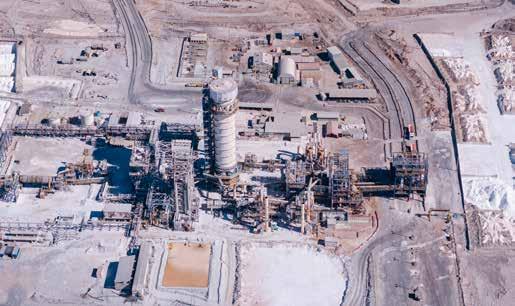
DISCLOSURES 2-25/ 3-3/ 406-1
At SQM Iodine Plant Nutrition, respect for each person’s dignity involves preventing and combating any form of workplace or sexual harassment. This includes insults, disrespectful expressions, hostility, humiliating or offensive behavior, inappropriate physical contact and intimidating actions meant to humiliate an individual or group or create a hostile workplace. The internal regulations that govern all SQM employees prohibit all forms of harassment, including bullying and sexual harassment.
We focus on the following areas in order to ensure that these commitments are respected:
Development of a standardized confidential investigation procedure.
Development of awareness and education plans and programs within the company to prevent and eradicate any act or culture of harassment or bullying.
Availability and operation of an anonymous, confidential whistleblower channel that prevents retaliation. This mechanism is available to all employees and is managed by an independent company that specializes in this area..
We hire, promote, recruit and make decisions based on the individual’s aptitude for the role. We do not discriminate against anyone based on their age, race, religion, gender, nationality, sexual orientation or other characteristics protected under anti-discrimination laws. We treat everyone with the same level of respect.
We received 37 complaints through the Whistleblower Channel regarding discrimination and/or harassment in 2024, which is 16% more than the previous period. None of the complaints involved discrimination, which is understood as differential and detrimental treatment based on a person's race, sex, political ideas, religion or other characteristics.
complaints of violence in the workplace were received in 2024.
Our Risk Management Area is responsible for promoting the company's risk culture, managing the Business Risk Management Model and providing methodological support to the different areas involved in the process. Its main responsibilities include:
• Evaluating and monitoring the activities of the business areas, identifying, assessing, addressing, monitoring and communicating business risks and related controls.
• Facilitating training on risk management.
• Ensuring the efficient application of the risk management methodology, adhering to the organization’s policies, standards, manuals and procedures.
• Providing methodological support to the different areas involved in risk management, regarding the application of the risk management policy and procedure.
• Monitoring the situation to ensure that those responsible adequately implement the action plans.
• Reporting periodically to the Directors' Committee.
Based on corporate policy in this area, the SQM Iodine Plant Nutrition Risk Management Model consists of a methodology that establishes a process aligned with the principles and guidelines of ISO Standard 31,000 and COSO ERM (the Committee of Sponsoring Organizations of the Treadway Commission). These establish a set of coordinated activities to direct and reasonably control the achievement of its objectives.
The risk management process can be subdivided into the following stages:
The risk level is determined by weighting the impact and likelihood. A 5 x 5 matrix is used with 25 levels of risk. For simplicity, these are divided into four main categories: Extreme (red), Significant (orange), Moderate (yellow) and Low (green).
A risk owner or owners is identified to properly manage risk. The area also identifies which control activities it has implemented. This allows the risk management area and control owner to identify the specific controls for each risk.
Once the risks and controls have been surveyed and assessed, the business area or risk owner defines the most appropriate response to each risk. If the strategy is to "Reduce Risk," the business area establishes the corresponding action plans, which are continuously monitored by the Risk Management Area.
Separate from that effort, each area is responsible for updating its matrix and correctly managing the application of the controls. Each area much also inform the Risk Management Area if a risk that was identified has materialized or a significant change in the matrix has developed.
At SQM Iodine Plant Nutrition, we have a Technology and Digitalization Department in charge of cybersecurity governance and overseeing the cybersecurity strategy.
During 2024, the Directors’ Committee reported on aspects of the cybersecurity strategy through the Risk Committee, which meets on a quarterly basis. In 2025 we plan to select a director to oversee the cybersecurity strategy.
Our IT infrastructure and the Information Security Management System were audited by an external company.
We have a General Information Security Policy to address security practices for both current and emerging technologies and the design of digital transformation, in order to ensure confidentiality, integrity and availability.
The frameworks and standards that SQM Iodine Plant Nutrition applies for information security are:
• ISO 27001/2/4 Information Security Management Systems
• NIST Cybersecurity Framework
• COBIT 2019 Security Practices
• CIS Critical Security Controls
The ISO 27001/2 standard is adopted in the policy as a basic principle for information security:
Strategic alignment of information security with business strategy to support organizational objectives.
Effective risk management by implementing appropriate measures to manage and mitigate risks and reduce potential impacts on information resources to an acceptable level.
Delivering value by optimizing information security investments in support of organizational objectives.
Resource management by using information security knowledge and infrastructure in an efficient and effective manner.
Performance measurement by measuring, monitoring and reporting information security governance metrics to ensure achievement of organizational objectives.
• Ensure compliance with applicable legislation, regulations and standards as well as all other requirements that the organization deems appropriate to maintain an Information Security Governance and Management System that allows it to continuously improve its performance.
• Meet the needs and expectations of stakeholders within the scope of the ISMS, preserving the availability, integrity and confidentiality of data/information.
• Allow the company’s leaders to demonstrate leadership by ensuring that the Information Security Policy and security objectives are established and are consistent with the corporate strategy.
• Assign the necessary roles and responsibilities in the field of information security and provide the necessary support.
• Implement effective and efficient standards, processes, procedures and security measures
• Establish and periodically review the security levels (risk appetite) based on risk analysis.
• Train, raise awareness and motivate personnel on the importance of complying with the ISMS requirements.
• Consider information security as it pertains to suppliers and subcontractors.
• Understand and address operational and strategic information security risks to keep them at acceptable levels for the organization.
• Details of the methodology adopted for risk assessment and its treatment are described in SQM's Risk Policy.
• Protect the confidentiality of information related to customers and development plans.
• Guarantee the integrity of financial information
• Ensure that public access web services and internal networks meet the required security specifications
• Understand and meet the needs of all stakeholders.
In case of non-compliance, the General Information Security Policy outlines different disciplinary measures, but these are not part of employee performance evaluations. The policy is currently being updated.
An annual awareness plan is carried out for the company's employees. It involves communications through corporate email, SQM radio and intranet, ethical phishing and hacking exercises, and other activities during cybersecurity month. Visits are conducted at each site, and talks are offered on key information security and cybersecurity topics.
If a worker detects any strange behavior, they have access to an exclusive catalog on Servicenow, an internal platform for reporting cybersecurity incidents. A phishing report button is displayed in users' emails to report this type of threat. Finally, employees can report problems or ask questions about cybersecurity issues by emailing ciberseguridaynv@sqm.com.
We suffered no information security breaches in 2024.
1
SQM Iodine Plant Nutrition does not have its own Board of Directors. However, it is supervised by the Board of Directors of SQM S.A. which does have a Corporate Governance Model. The structure of that model is described in the Corporate Governance Policy, a reference framework for directors. The policy is not a set of legal obligations because it may change over time, as indicated by the Board of Directors or legal provisions.
The Corporate Sustainability, Ethics and Human Rights Policy and the commitments that emanate from it apply to all the company's spheres of influence. It is led by the Board of Directors and involves employees, contractors, shareholders, the supply chain, customers and the communities and territories where our operations are located.
The Board of Directors of SQM S.A. has eight members. Seven are elected by the Series A shareholders and one by the Series 1B shareholders. The Chairman is elected by an absolute majority of the members. For over 10 years, the Chairman has not been a member of the company’s executive team.
No director holds an executive position at SQM Iodine Plant Nutrition.
The Board is elected by the shareholders, and its members are expected to have at least the qualifications of integrity, time available to meet the responsibilities of the position, and the capacity to evaluate the company’s challenges and opportunities in a critical and strategic manner.
We have promoted non-discrimination and diversity as an important value. Given the Board's role in the company, we suggest that our shareholders consider the following principles when nominating candidates for the Board:
Board members must uphold high standards while carrying out their duties and must have appropriate skills and experience always focused on creating greater value for the company and its environment.
The position of the person to be chosen may be oriented towards various complementary perspectives, such as experience, professional training, creed, nationality or gender, avoiding any form of discrimination.
A candidate must be chosen based on their capacity, experience, solidity, ethical behavior, personal qualities and leadership in their field of expertise, which may translate into effective performance on the Board.
The Board of Directors has a combination of knowledge, experience, skills and diversity that favors its effectiveness and solid collective performance, as reflected in the following matrix: Knowledge, Skills and Experience Matrix
Director Economy/ Finance Sustainability Chemical or Mining Industry Trade Associations/ Public Policies Corporate Governance Regulatory Matters
Gonzalo Guerrero
Patricio Contesse
Hernán Büchi
Gina Ocquetau
Antonio Gil
Ashley Ozols
Tieying Xu
Georges de Bourguignon
Note: The matrix is based on the competencies, skills and knowledge of the Board of Directors.
As a rule, the Board of Directors maintains a minimum attendance requirement, as stated in Article 13 of the company's bylaws. Any director who does not attend three consecutive meetings for a reason deemed sufficient by the Board of Directors will be removed from office and must be replaced without further formalities. The Board met 22 times in 2024, holding 12 regular sessions and 10 extraordinary sessions. 100% of the Board of Directors participated in the regular meetings. The average attendance rate of the total Board of Directors was 93%. No director participated in less than 82% of the body’s meetings.
Directors may contact the CEO or senior executives directly and at any time to discuss matters related to SQM Iodine Plant Nutrition. In addition, the Board expects to have frequent opportunities to meet with the Chief Executive Officer and senior executives during board meetings, committee meetings and any other formal or informal space.
The Board has an annual work plan that is approved once each year. Each month, the executives have the opportunity to bring additional topics beyond the work plan to the board meeting. This allows them to convey critical concerns to the entity’s highest ranking entity.
The Board of Directors had previously conducted an annual analysis of its processes and performance to promote efficiency and continuous improvement.
However, for fiscal year 2024, due to the different focus areas and ongoing issues that the Board of Directors is dealing with, it agreed to modify the evaluation and self-evaluation system to a biannual system. As such, the next self-evaluation would be carried out in 2025. (The last evaluation was carried out in 2023 by the Chilean Institute of Directors.) The Board agreed to continue to make continuous improvements as required and to conduct bi-annual updates or training on compliance and cybersecurity issues.
In an effort to identify and reduce organizational, social or cultural barriers that may inhibit the natural diversity of capacities, visions, characteristics and conditions that would exist without said barriers, this area is analyzed on an ongoing basis in order to ensure that the Board represents multiple perspectives and greater experience in order to examine and address the matters under its purview.
The company’s Safety, Health and Environment Committee, which operates at the board level, is charged with ensuring that this goal is met.
Another function of the Board of Directors of SQM S.A. is to approve the Code of Ethics, which outlines the company's values and aspects such as the actions of directors and employees, definitions of those covered by the code, conflicts of interest, policies and procedures of the Ethics and Compliance Program. The Code of Ethics is reviewed annually. Furthermore,
training sessions are held at least once per year for directors on corruption risks, the Ethics and Compliance Program and free competition.
Impacts related to communities, health, safety and the environment are addressed in detail by the Safety, Health and Environment Committee, as they are of special interest to the Board. This committee helps the Board with changes to its policies, sustainability strategy and supervision of the company’s performance in this area. The Board evaluates environmental and health-related issues in the context of this committee at least four times each year.
It should be added that economic issues are evaluated at each Board of Directors' meeting.
In the organization, both the Chief Executive Officer and other senior executives take on responsibilities related to economic, environmental and social matters depending on their position. The Board is responsible for hiring and evaluating the Chief Executive Officer and senior executives. It also identifies potential replacements for these individuals annually. All such candidates must have the appropriate experience and conditions for each position. This ensures that there will be a replacement for the Chief Executive Officer.
Board compensation is proposed and approved at the annual general shareholders’ meetings. At the company's annual general shareholders' meeting held on April 25, 2024, the shareholders approved by a large majority the following monthly compensation for the company's directors, members of its various committees and their expenses for the 2024 fiscal year: 800 UF for the Chairman of the Board, 700 UF for the Vice Chairman of the Board, 600 UF for the rest of the directors, 200 UF for directors who are members of the Directors/Audit and Financial Risk Committee, and 100 UF for directors who are members of the Safety, Health and Environment and Corporate Governance committees. They also received variable compensation based on a percentage of the fiscal year profits.
The company’s pre-tax profit during 2024 was used to calculate variable compensation for directors. The maximum will be 110% of the amount paid to the company's directors as variable compensation for the 2023 fiscal year. The aforementioned fixed and variable quantities shall not be challenged and those expressed as percentages shall be paid immediately after the respective annual general shareholders’ meeting at which SQM shareholders approve the balance sheet, financial statements, account inspectors’ report and external auditors’ report for the respective fiscal year.
The Chief Executive Officer and the main executives of SQM Iodine Plant Nutrition have an annual bonus plan based on the fulfillment of objectives and their individual contribution to the company's results. These incentives are structured as a minimum and maximum number of gross monthly salaries and are paid once a year. There is also an executive compensation plan based on financial goals (see SQM S.A.'s Annual Report).
The Board of Directors is responsible for managing the corporation, as established by Law 18.146 of Chile. However, it may delegate certain responsibilities to committees.
Board committees are tasked with reviewing, assisting and counseling the Board in their decisions about topics such as: safety, health, the environment, policies, controls and financial reporting. Each committee is comprised of three directors.
The company has the following board committees:
The independence requirements under applicable Chilean and New York Stock Exchange (NYSE) regulations must be considered to determine its members. The purpose of this committee is to assist the Board of Directors in fulfilling its responsibilities with respect to financial reporting and control matters. The committee oversees the maximum exposure to financial risk as defined by established policies.
The purpose of the Corporate Governance Committee is to assist the Board in fulfilling its duties by reviewing and recommending policies related to corporate governance matters affecting the company.
The Health, Safety and Environment Committee reviews the policies, changes and improvements related to social issues, safety, health and
the environment. It reports its conclusions to the Board. It is also responsible for reviewing and approving the Sustainability Report each year.
In the context of the issues addressed by the HSE Committee, this space for dialogue between senior management and representatives of communities and workers is meant to facilitate the exchange of perspectives on issues such as: the Sustainability Plan, occupational health and safety, environmental plans, and community relations.
Meetings are also attended by the directors on the HSE Committee, the Chief Executive Officer, other directors who express an interest, the division's main executives of the respective expanded committees, as well as other executives that the Chairman of the committee deems necessary.
One or more representatives from communities near SQM operations and one or more worker representatives (union, joint committee or other body) will also be invited to attend each meeting.
The Secretary of the Expanded HSE Committee is responsible for preparing the agenda and minutes and for inviting external parties.
Chairman of the SQM S.A. Board of Directors and member of the Health, Safety and Environment Committee
10.581.580-8
Chilean
Appointed: April 2024
Mr. Guerrero Yamamoto is an attorney with a law degree from the University of Chile and an MBL from Adolfo Ibáñez University. In addition to his role at SQM, he is currently the Chairman of the Board at SQM Salar S.A., a delegate Board member for SONAMI; President of the Foundation for Social and Heritage Development in María Elena; a Board member for ICARE; an elective Board member of SOFOFA; President of the Chile/ Australia Business Council; and Director of the Mining Council. He has experience in community and union relations.
Vice Chairman of the Board and member of the Corporate Governance Committee and Health, Safety and Environment Committee
Independent director under NYSE standards
15.315.085-0
Chilean
Appointed: April 2024
Mr. Contesse has a law degree from Pthe Pontifical Catholic University of Chile. He previously served as a member of SQM’s Board of Directors from 2013 to 2015. He has worked as a senior executive at Grupo Pampa (2011-2021), and currently serves as the Vice Chairman of the Board of those companies. He specializes in regulatory matters and corporate governance.
Standing director and member of the Directors' Committee and the Corporate Governance Committee
Independent director under NYSE standards
5.718.666-6
Switzerland
Date appointed: April 2024
Mr. Büchi has a degree in civil engineering from the University of Chile. He served on the Board of SQM S.A. for several years until April 2016 and then rejoined the entity in 2017. During his career, he has advised various Latin American, Eastern European and Asian governments on the design and implementation of economic policies. He was a public official in Chile, serving as Undersecretary of Economics (1979-1980) and Treasury Minister (1985-1989). He is currently on the boards of Quiñenco S.A. and other firms. He also chairs the Management Council at Universidad del Desarrollo. In addition to his familiarity with a wide range of industries, he has expertise in finance, corporate governance, regulations and public policy.
Standing director and member of the Directors' Committee
Independent director under Chilean law and NYSE standards
23.605.789-5
Spanish Appointed: April 2024
Mr. Gil has a degree in industrial engineering from the Higher Technical School of Engineering (ICAI) at Pontifical Comillas University in Spain and an MBA from Harvard University. He also completed the Stanford Executive Program. He has more than 25 years of experience in strategic leadership, risk management, financial and investment management roles at the global, European and Latin American levels. He is currently a director for Latam Airlines Group. He previously served as CEO of Moneda Asset Management, Vice President of ACAFI, Managing Director, worldwide CFO and member of the global executive committees of several global businesses at JPMorgan and was a strategic consultant for BCG in Spain. Mr. Gil focuses on finance, regulatory matters and corporate governance.
Standing director and member of the Directors' Committee
Independent director under Chilean law and NYSE standards
8.431.507-9
Chilean Appointed: April 2024
Ms. Ocqueteau completed a nursing degree at the University of Chile and an MBA at ESADE Business School. She has over 30 years of experience in various ACHS divisions. She is currently a director of the Asia Pacific Chamber of Commerce and is a director of Fundación Imagen Chile and UDD Ventures. Ms. Ocqueteau is an advisor to Chile Mujeres, an instructor for BOW Business Women, Vice President of Unión Emprendedora, a founding partner of Crosscheck and General Manager of Waygroup Chile. Over the course of her career, she has accumulated broad experience in risk management, security and cybersecurity. She has served as a director at ASECH and was a member of the Advisory Council to the Ministry of Women and Gender Equity in 2021. Her focus areas include corporate governance, sustainable development and community engagement.
Standing director and member of the Directors' Committee
Independent director under NYSE standards
48.218.888-5
Australian Appointed: April 2024
CFA charterholder with a degree in business from University of New South Wales Sydney, Mr. Ozols has vast experience in international business, specializing in strategic and financial advising for US, Australian and Asian customers. He worked for various investment banks including Macquarie Group, Grant Samuel and CLSA between 2003 and 2017. Between 2017 and the start of his role as a board member of SQM S.A., he served at Tianqi Lithium as an executive focused on corporate development. He is also knowledgeable about regulatory and corporate governance matters.
Standing director and member of the Safety, Health and Environment Committee
Independent director under NYSE standards
7.269.147-4
Chilean
Date appointed: April 2024
Mr. De Bourguignon holds a degree in economics from Pontifical Catholic University of Chile and an MBA from Harvard University. As an academic, he has been a professor of economics at Pontifical Catholic University of Chile. In the business world, he is co-founder and currently Chairman of Asset Chile S.A., a corporate finance consulting firm, and Asset AGF, an investment fund management company. He also serves as a director in several companies, including Vivo SpA, where he has been Chairman since August 2022; Tánica S.A., since May 2017; and Embotelladora Andina, since 2016. He was a director of SQM S.A. (2019 - April 2022), Empresas La Polar S.A. (2011-2015), Sal Lobos S.A. (2006-2018) and Chairman of the Directors' Committee of Latam Airlines Group (2012-2019). He is knowledgeable in economics and finance, regulatory matters and corporate governance.

Standing director and member of the Corporate Governance Committee
Independent director under NYSE standards
48.224.251-0
China
Date appointed: April 2024
Mr. Xu earned a doctorate in Law at Università degli studi di Roma Tor Vergata, Italy. He studied at the institution’s Centro di Studi Giuridici Latinoamericani. He also holds a certificate in Legal Professional Qualifications from the People’s Republic of China. Mr. Xu is currently an Associate Professor at Sichuan University (China). His specialties are civil and commercial law. He also has written several publications and books on civil and commercial law. Mr. Xu is knowledgeable in the fields of corporate governance and regulatory matters.
Note: Board of Directors as of December 31, 2024.
Pablo Altimiras
Chief Executive Officer, SQM Iodine Plant Nutrition
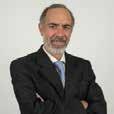
Rodrigo Jasen
VP People and Culture, SQM Iodine Plant Nutrition

Cristián Luders
VP SPN Sales, SQM Iodine Plant Nutrition
Gonzalo Aguirre
VP Legal, SQM Iodine Plant Nutrition
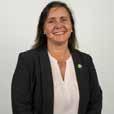
Beatriz Oelckers
VP Research and Innovation, SQM Iodine Plant Nutrition

Cristián Pizarro
VP Nitrates and Iodine Operations, SQM Iodine Plant Nutrition

Nelson Torres
VP Mine and Leaching Operations, SQM Iodine Plant Nutrition
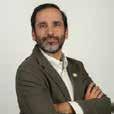
Vera
VP Planning and Projects, SQM Iodine Plant Nutrition
Macarena Briceño
Controller, SQM Iodine Plant Nutrition

Trinidad Reyes
Business Development and New Business Manager, SQM Iodine Plant Nutrition
Juan Pablo Bellolio
VP Iodine and Industrial Chemicals, SQM Iodine Plant Nutrition
SQM Iodine Plant Nutrition is a business division that reports to the leadership of SQM S.A., which includes its Chief Executive Officer, Mr. Ricardo Ramos, and the VP Finance, Mr. Gerardo Illanes.
SQM S.A. is a publicly traded corporation with shares listed on the Santiago (Chile) and New York (U.S.) stock exchanges. The following chart shows the ownership and main shareholder groups as of December 31, 2024.
Shareholders by Ownership
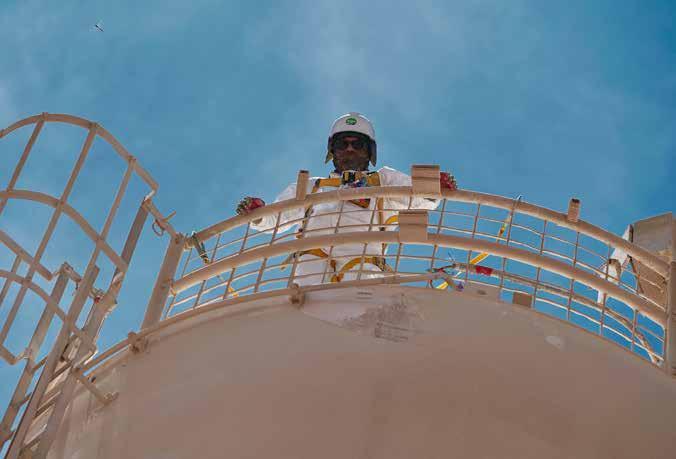
The company's capital was US$ 1,577,623,096, distributed in 142,818,904 Series A shares and 142,818,904 Series B shares as of December 31, 2024. Those shares are nominative, have no par value and are issued, subscribed and paid-in. As of December 31, 2024, the company had 1,269 shareholders between Series A and Series B.
For Series A and Series B shares, one vote is allowed per share, with a total of 285,637,808 shares in 2024.
DISCLOSURE 2-6
During 2024, at the corporate level, SQM reported a net loss of (US$ 404.4) million compared to net income of US$ 2.0127 billion for the same period last year. The net loss was generated by the net effect of accounting adjustments for payments of specific tax on mining activity for the exploitation of lithium for the 12 months ended December 31, 2024, which totaled US$ 1.1062 billion.
Gross profit reached US$ 1.3271 billion for the 12 months ended December 31, 2024, lower than the US$ 3.0751 billion recorded for the 12 months ended December 31, 2023. Revenue totaled US$ 4.5288 billion for the 12 months ended December 31, 2024, representing a decrease of 39.4% compared to the US$ 7.4675 billion reported for the 12 months ended December 31, 2023. Corporate Financial Summary
Revenue from specialty plant nutrition sales totaled US$ 941.9 million, representing 20.8% of total corporate revenue and 41.2% of SQM Iodine Plant Nutrition's revenue for 2024. This represented a 3% increase in sales compared to the US$ 913.9 million observed in 2023.
In iodine and derivatives, revenue reached approximately US$ 968.3 million, representing 21.4% of total corporate revenue and 42.3% of SQM Iodine Plant Nutrition's revenue. This represented an 8.5% increase over the previous period's revenue, which totaled US$ 892.2 million. In 2024, sales volumes grew by 11%, reaching record volumes of more than 14.5 thousand metric tons of iodine and its derivatives. We estimate that the market grew by 8% in 2024 compared to 2023. This growth was driven by an increase in demand for almost all iodine applications, especially X-ray contrast media.
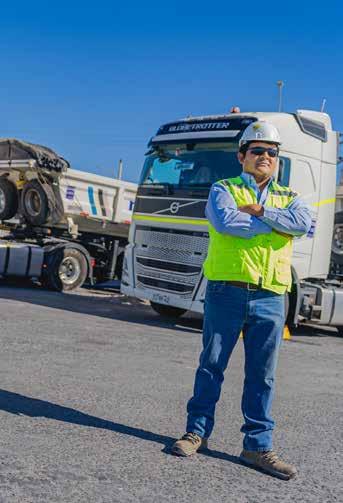
The company's potassium revenue totaled US$ 270.8 million, representing 6% of total corporate revenue and 12% of SQM Iodine Plant Nutrition's revenue. This marks a 3% drop compared to 2023 due to significantly lower prices. This was partially offset by higher sales volumes during the year. Potassium sales volumes grew by more than 28% in 2024 compared to 2023, driven by strong demand in key markets like Brazil, Europe and India.
In industrial chemicals, revenue totaled US$ 78.2 million, representing 1.7% of total corporate revenue and 3.4% of SQM Iodine Plant Nutrition's revenue in 2024. This reflected a 55.4% drop with respect to the 2023 figure of US$ 175.20.
SQM Iodine Plant Nutrition Sales by Destination
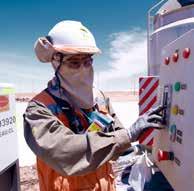
In specialty plant nutrition, we estimate that our sales represented approximately 41% of the global agricultural potassium nitrate market by volume. In the 100% soluble potassium nitrate segment, our main competitor is Haifa Chemicals Ltd. ("Haifa") of Israel. We estimate that Haifa's sales accounted for about 22% of worldwide sales of agricultural potassium nitrate in 2024 (excluding sales by Chinese producers in the domestic market).
As for iodine, five Chilean companies accounted for approximately 60% of total global iodine sales in 2024, including SQM with approximately 37% and four other producers accounting for the remaining 23%. The other Chilean producers are S.C.M. Cosayach (Cosayach), controlled by the Chilean holding company Inverraz S.A.; ACF Minera S.A., owned by the Urruticoechea family of Chile; Algorta Norte S.A., a joint venture between ACF Minera S.A. and Toyota Tsusho; and Atacama Minerals, owned by the Chinese company Tewoo.
We estimate that our company was responsible for less than 1% of global potassium chloride sales in 2024. Our main competitors are Uralkali, Belaruskali, Nutrien and Mosaic. We estimate that Uralkali accounted for approximately 16% of total potassium sales in 2024, followed by Belaruskali and Nutrien with approximately 15% each and Mosaic with approximately 8% of global agricultural potassium chloride sales.
We believe we are one of the world's largest producers of industrial sodium nitrate and potassium nitrate. In 2024, our estimated market share by volume was 32% for industrial potassium nitrate and 29% for industrial sodium nitrate (excluding domestic demand from China and India). Our competitors in sodium nitrate are mainly located in Europe and Asia. They produce it as a by-product of other production processes. BASF AG, a German company, and several producers in Eastern Europe and China are competitive in the field of sodium nitrate, producing industrial sodium nitrate as a by-product. Our main competitors in the industrial potassium nitrate business are Haifa Chemicals, Kemapco and some Chinese producers, whose estimated market share in 2024 was 18%, 9% and 15%, respectively.

Iodine Plant Nutrition paid ThUS$114 in tax penalties during 2024.
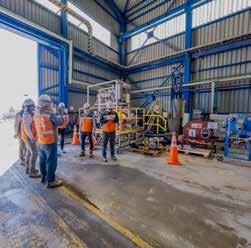
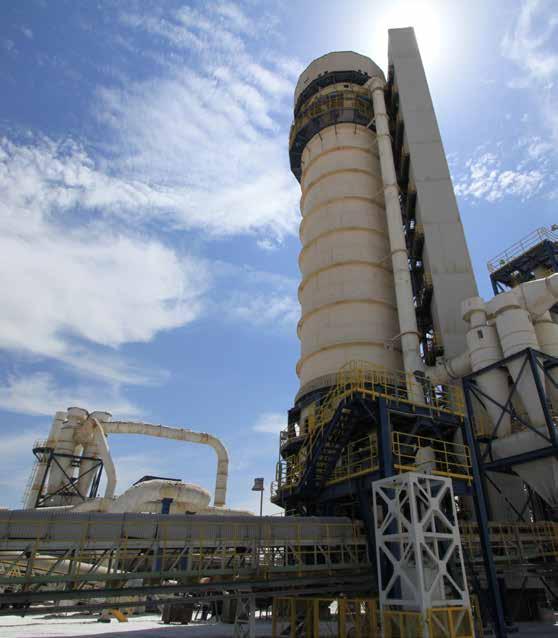
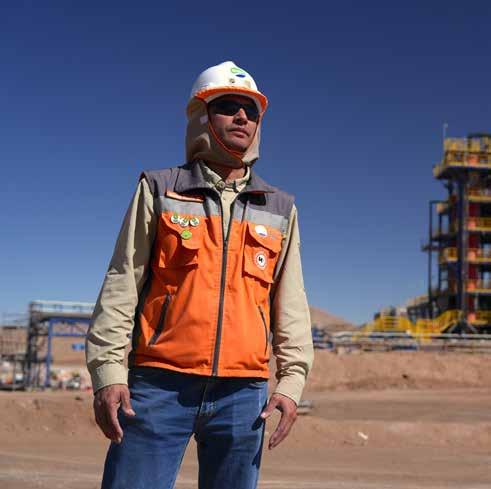
SQM Iodine Plant Nutrition puts people at the center of its work, promoting labor relations based on respect. It promotes meritocracy, equal opportunities, inclusion and diversity, in addition to guaranteeing respect for human and labor rights in accordance with the International Labour Organization (ILO) and local legislation where it operates.
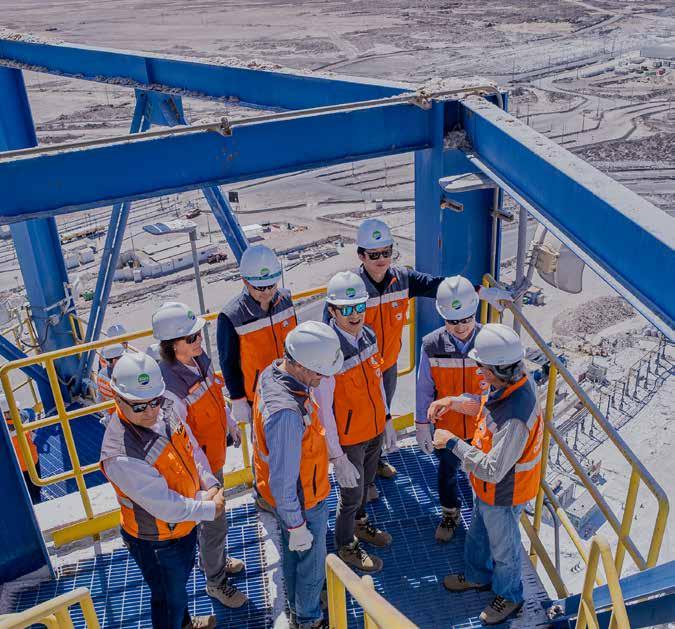
Flatly reject any type of child, forced or other labor that involves any type of modern slavery and make this principle enforceable throughout our supply chain.
Respect the right to freedom and the right to association of our workers, seeking spaces of informed and transparent dialogue that allow mutually beneficial agreements to be reached.
Promote merit and encourage our employees to develop their potential.
Our goal is to give our employees the opportunities and conditions necessary for each of them to develop and contribute in an environment of cordialness, equality, respect and openness.
Promote a corporate culture that affirms diversity, inclusion, non-discrimination, respectful treatment and equality of opportunities. Reject violence, sexual harassment and workplace harassment and all similar behaviors.
Create safe and healthy work conditions that protect workers’ dignity and promote a culture of occupational safety through the ongoing dissemination of guides, education on safety and compliance with regulations that protect workers.
We have set out the following development-related focus areas in our corporate Sustainability, Ethics and Human Rights Policy under the Equality, Diversity and Inclusion pillar:
• Ensuring non-discrimination in regard to wages, hiring, promoting and making decisions based on objective criteria regarding the person's ability to perform the work.
• Developing activities or programs directed at audiences of interest that require further training or preparation.
Our Diversity and Inclusion Policy commits us as a company to:
Continuously challenging selection and evaluation processes to facilitate meritocracy and attract, develop and retain talented people.
Forming heterogeneous work teams with people who share a common purpose at SQM and always seek excellence.
To form our team, we have put a great deal of effort into adjusting our selection and recruiting systems. Our company is made up of a team of individuals from different professions and trades, operators and technicians, men and women of different ages and nationalities, each of whom contributes their individual capacities, experience and skills. 1 4 2 5 3 6
Promoting an internal culture of diversity, non-discrimination and respect.
Broadening female participation and increasing local hiring at our operating facilities.
Adapting workplace conditions and spaces, as needed, to facilitate the gradual incorporation of people with disabilities.
Fostering equal opportunities, valuing and evaluating people based on their merit, performance and effort to generate value.
• Target 4.3
• Target 4.4
• Target 4.5
• Target 4.7
• Target 5.5
SDG targets we support
• Target 8.3
• Target 8.5
• Target 8.6 • Target 10.2 • Target 16.7
Note: The description of the target for each SDG is listed in the appendices to this report.
4,216 people make up SQM Iodine Plant Nutrition's workforce in Chile and worldwide as of December 31, 2024. Currently, 76% of our employees work at the company’s operations in northern Chile, mainly in the Tarapacá and Antofagasta regions.
Given our goals related to development, innovation and the quality of our products, human capital and our employees’ technical and intellectual capabilities are the basis for our business. Experience and competency are highly valuable for executing the business plan.
For this publication, we grouped our employees into nine categories, which aligned with General Character Standard No. 461 of the Financial Market Commission (CMF) in order to compare the information to the data from our Annual Report. The nine employee categories are: Senior Management, Management, Supervisors, Operators, Sales Force, Administrative Staff, Support Staff, Other Professionals and Other Technicians.
The table below presents our workforce broken down into those nine employee categories. Direct Employees by
Note: Workforce figures do not include Ajay, which had 50 employees as of December 31, 2024. SQM Comercial S.A. and its subsidiaries are included.
SQM Iodine Plant Nutrition generated 10,198 jobs in Chile and around the world as of December 31, 2024, including direct employees and the average annual number of contractor employees.
Employees in the Tarapacá Region
Employees in the Antofagasta Region 34%
3,676
Employees working in Chile
4,216
Total SQM Iodine Plant Nutrition employees in Chile and around the world.
540 Employees working abroad
5,982
Annual average number of contractors in 2024 42%
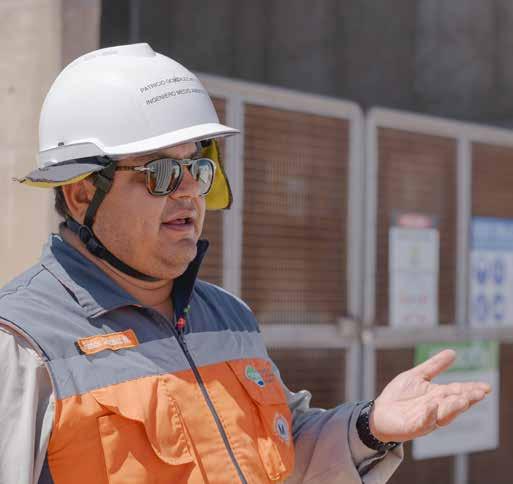
SQM Iodine Plant Nutrition’s workforce increased by 5.7% over the previous year, when we had 3,990 employees. As of December 31, 2024, 96% of our employees had an open-term contract, 28.5% had a regular full-time schedule, 71.5% had a special work schedule (10x5, 4x3, 7x7 or 14x14 shifts) and 0.07% had a part-time schedule. Operators represent 32.3% of our workforce, and Other technicians and Other professionals represent 25.6% and 24.7%, respectively.
4,216
Note:
As of December 2024, women accounted for 21.4% of our total workforce, numbering 902 in total.
This represents an increase of 17% in absolute terms over 2023, when the total number of female employees was 771.
In Chile, women represent 21.8% of mining company employees. This ranks us second in the world in terms of women’s participation. We rank just below Australia (22%) and above leading nations like Canada (18.4%) and the United States (13.6%) according to the CCM-Eleva Alliance’s Gender Indicators Monitoring.
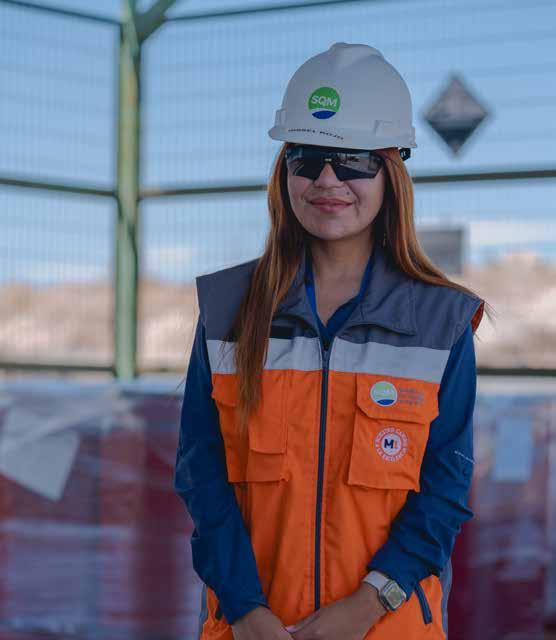
We have a young workforce, with more than 79.5% of our employees under the age of 50 and 37.3% of the workforce between 30 and 40 years of age. We also note that 34.8% of our workforce, or 1,466 employees, resides in the Antofagasta Region, followed by 25.1%, or 1,059 employees, in other regions.
Workforce by Age Group, Gender and Region of Residence 2024
Workforce by Employee Category, Gender and Age Group 2024
Note: Data for 2023 are provided in the appendices.
Our employees hold 21 different nationalities.
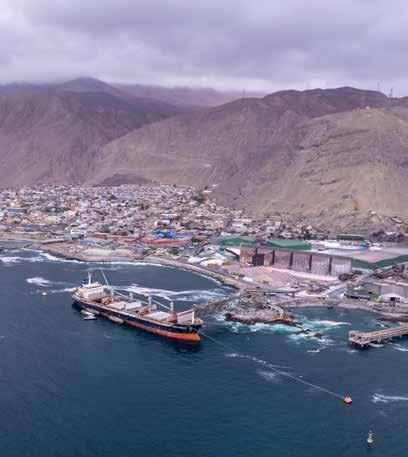

At SQM Iodine Plant Nutrition, we consider local to be the Tarapacá and Antofagasta regions in northern Chile, which is where the main production centers are located. Based on this, we have executives who live and work in the same region.
Senior Management and Management by Region of Residence and Work in 2024
During 2024, SQM Iodine Plant Nutrition implemented several key practices to manage participation and inclusion, especially focused on people with disabilities. These practices have been instrumental in promoting an inclusive and diverse work environment.
21.4% of our employees were women as of December 2024.
902 women are part of the workforce.
21.2% of women hold leadership positions (Senior Management, Management and Supervisors).
During Breast Cancer Awareness Month, we conducted a Traveling Breast Cancer Initiative in cooperation with "Palpa", an organization whose mission is to educate and train people on self-examination and to promote early detection of breast cancer, especially in young women. This activity included talks in Pozo Almonte, Nueva Victoria, Tocopilla, Antofagasta, María Elena and Santiago, and was fundamental in raising awareness and providing vital health information to our employees, allowing them to take preventive measures and undergo regular check-ups.
10.4% of Senior Management and Management work and live in the Tarapacá and Antofagasta regions.
34.7% of Senior Management and Management work and live in the Metropolitan Region.
50.2% of employees work and live in the Tarapacá and Antofagasta regions.
Gender equity has been promoted through talks and events in Iquique, Antofagasta, Santiago and Valparaíso that brought together over 250 participants. The company has also maintained a relationship with high schools and technical training institutions in the Tarapacá and Antofagasta regions, promoting local employment and female participation.

We conducted more than four awareness-raising activities for our employees during 2024. These activities were essential to fostering a culture of inclusion and understanding towards people with disabilities.
We teamed up with Fundación Miradas Compartidas to offer weekly active breaks and healthy snacks in Santiago and Antofagasta. We have maintained a close relationship with the entity over the past seven years. This partnership promotes the physical well-being of our employees and reinforces the importance of inclusion in the workplace.
In addition, we introduced a training plan in which more than 300 employees participated in 2024. This plan was crucial to equipping our employees with the skills and knowledge necessary to support and work alongside people with disabilities.
We also certified twelve employees as inclusion managers to strengthen our plan to promote the culture and encourage better development of inclusive practices in the different work teams.
In addition to the above, two labor inclusion initiatives were successfully implemented in 2024, integrating people with disabilities into our team. These opportunities to foster inclusion demonstrate our commitment to diversity and enrich our work environment with different perspectives and experiences.
We have also worked actively with the foundation's olympics in Antofagasta and Santiago, the Miradas Compartidas Ramada, the commemoration of Down Syndrome Day and Disability Day and the Copa Juntos por la Inclusión (Together for Inclusion Cup). These activities were fundamental to promoting inclusion and teamwork, strengthening our employees’ connection with the community.
Our Santiago and Antofagasta employees received a visit from Fundación Miradas Compartidas, with which we have worked in Santiago and in the Antofagasta and Tarapacá regions on inclusion initiatives, positively impacting the quality of life of people with disabilities and reaffirming our commitment to inclusion.
In March 2024, employees at various work sites and offices wore mismatched socks to provide visibility and show support for people with Down syndrome.
Our staff shared photos of their mismatched socks at our various work sites in an effort to raise awareness of the date.
As part of World Autism Spectrum Disorder (ASD) Awareness Day, we organized a talk with the Brain Treatment Center on how to help all team members live the fullest and most autonomous life possible.
The talk was well attended by people from Chile and abroad. The speaker commented on his experience as the father of a son with ASD, which took him on a learning and therapy journey in the United States that led to the opening of the first transcranial magnetic stimulation neuro modulation center in Santiago, Chile, the Brain Treatment Center.
He discussed the importance of developing language tools that can be used by ASD young people to live their best possible life in the world given that their long-term prospects have been found to improve to the extent that they develop those skills.
The importance of team building with professionals who support people with ASD was also emphasized. This includes—in addition to parents—teachers, therapists and treating physicians, and the speaker noted that this team should be able to communicate with each other.
A total of 23 people with disabilities were working at SQM Iodine Plant Nutrition as of December 31, 2024.
At SQM Iodine Plant Nutrition, we challenge ourselves to work with new generations of technical-professional students to develop unique capabilities that turn resources into life and progress. During 2024, we created opportunities for 146 interns and thesis students, 76 of whom were women.
of our interns and thesis students were women.
of our interns and thesis students were men.
The distribution of our interns and thesis students by region and gender reflects our commitment to providing opportunities for equitable participation. We encourage the creation of shared value in an inclusive and enriching environment in line with our core values. We invest in efforts to develop capacities in our communities of influence, creating lasting value for the territory that hosts us.
In early 2025, we signed an agreement with Women in Mining Chile (WIM Chile). It will allow a group of our employees to serve as brand ambassadors and to attend talks and development programs in addition to engaging in related networking activities. Participating in this network of women has a significant impact, as it allows our employees to connect with industry professionals, share experiences and knowledge, and access opportunities for professional growth and development. We look forward to reporting on this partnership in our next report.
As part of our brand strategy as an employer, SQM Iodine Plant Nutrition has participated in more than 20 job fairs, building strategic relationships with municipal agencies, schools, universities and technical training centers in the Tarapacá, Antofagasta and Metropolitan regions. These initiatives are designed to enhance employability and strengthen our presence in the student environment, highlighting the actions and opportunities offered by our company.
72.7% of these events were inperson, which allowed us to interact with students and teach them about our new purpose and values. We were able to address any questions they had and present our internship and thesis writing opportunities.
Job Fair
2024 OMIL Tocopilla Job Fair
37th Job and Internship Fair at the University of Chile's School of Business
Tocopilla
Santiago
4th OMIL Job Fair (2024) In-person Antofagasta
Chamber of Commerce Job Fair | Santo Tomás In-person Iquique
DUOC Virtual Job Fair Virtual Santiago
CIMIT 2024 Job Fair Virtual Iquique
Diego Portales University Virtual Fair Virtual Santiago
5th OMIL Job Fair (2024)
Vocational Expo: TPCH High School
Antofagasta
María Elena
USM 2024 Job Fair Virtual Valparaíso
UC School of Engineering Job Fair
The University of Antofagasta Job Fair
Virtual Santiago
In-person Antofagasta
38th Labor and Internship Fair at the University of Chile's School of Business In-person Santiago
ASIQUIM Labor Fair
In-person Santiago
UAI Business Connection Fair In-person Santiago
CONECTA UNAB Job Fair In-person Santiago
INACAP 2024 Virtual Job Fair
INACAP-CPC 2024 Job Fair
USACH Job Fair
BNE Job Fair
BNE Job Fair
Virtual Chile
In-person Iquique
In-person Santiago
In-person Pozo Almonte
In-person Iquique
A delegation of 24 students from Inacap Iquique's technical and engineering programs in mining plant maintenance visited the Nueva Victoria iodine plant.
The activity was one of the actions related to the "Responsible Care" initiative promoted in Chile by the Chilean Chemical Industry Association (Asociación de Industriales Químicos de Chile A.G., ASIQUIM). Nueva Victoria achieved the highest possible score from ASIQUIM after the evaluation committee visited our iodine plant, which is the largest in the world. Staff from the Heap, Pond and Plant Maintenance Superintendency also offered talks.
The delegation was accompanied by the Communities, Sustainability and Finished Products teams. The main purpose of the visit to the Iodine Chemical Plant was for Inacap students to learn firsthand about the industrial processes involved in iodine production. This activity was designed to complement theoretical training with practical experience, allowing students to observe and better understand the concepts learned in class.
They toured the iodine plant, including the control room, where the plant manager explained the main processes related to iodine production and answered the students' questions. The students also learned about the prilled iodine packaging process, toured the Finished Products warehouse, and visited the Process Control laboratory at the site, where the main functions of each were explained.
The delegation also participated in two technical talks given by the Heap, Pond and Plant Maintenance Superintendency to explain the technological applications used for maintenance processes. We also shared some Lean methodology guidelines with the group of students and teachers.
This visit is part of the annual slate of activities that Nueva Victoria has scheduled to adhere to the chemical industry’s "Responsible Care” initiative, which is designed to advance the continuous improvement of safety, health and environmental protection in all operations of this sector from a sustainable and socially responsible perspective.
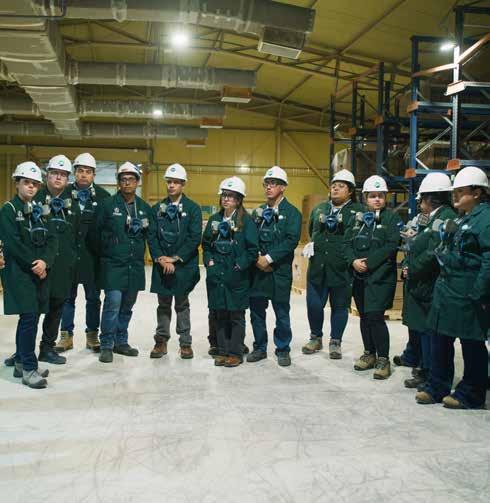
During 2024, we continued to run the Job Placement Assistance Program, SQMentors. The initiative encourages high-performing women and men at SQM Iodine Plant Nutrition to exchange experiences, contributing to the development of job skills of future professionals and encouraging female participation in STEM careers. There were 15 mentors this year, 12 of whom were women.
The program is structured around several key stages that include inspiration, education, mentoring and networking.
Participants have the opportunity to meet SQM leaders, who share their vision and describe the opportunities that are available to women in the mining industry. We also held motivational talks at seven universities: Arturo Prat University, Inacap Iquique, the Catholic University of the North, the University of Antofagasta, the University of Chile, the University of Santiago (USACH) and Federico Santa María Technical University (USM), reaching more than 250 students. This stage is crucial to motivating and guiding young women towards a successful career in the sector.
The six-session program is designed to develop skills in effective communication, leadership, emotional intelligence and personal finance. The sessions were delivered in a synchronous online format in the evening, allowing participants to balance their studies with their work, immersing themselves in topics essential to their professional development.
SQM Iodine Plant Nutrition was part of the VI Women's Leadership Summit. The event gave us the opportunity to network with women from large companies, exchange ideas and strategies for the development of female talent, and reaffirm our commitment to gender equity and the empowerment of women in the industry.
The participants were assigned to mentors who have had successful careers in the mining world. Mentors share their experiences and guide participants to build their own pathway, offering an insider's view and valuable advice. The personalized mentoring phase is one of the most enriching experiences of the program, as it allows for the direct exchange of knowledge and experiences.
These interactions foster connections between participants and soon-to-be graduates who dream of having a future in the mining industry. This activity is essential to creating a network based on support and cooperation that will last throughout their professional careers.
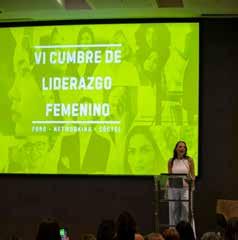
SQM Iodine Plant Nutrition's ongoing contribution to a more sustainable industry goes hand in hand with the development of the communities surrounding our operations. Our 2024 Training and Apprenticeship Program for men and women in northern Chile impacted ten municipalities in the Tarapacá and Antofagasta regions, benefiting over 500 people, 73% of whom were women.
The courses developed as part of the Training and Apprenticeship Program were designed on the basis of the job skills that are essential to addressing the challenges and opportunities posed by the mining 4.0 industry. This approach integrated key skills such as critical thinking, which allows people to analyze and solve complex problems; flexibility and adaptability, which are essential for working successfully in a constantly changing technological work environment; and a collaborative approach, which is essential for working on interdisciplinary and global teams. These skills enhance students’ technical preparation and strategically position them to take advantage of great opportunities in the work world.
The National Training and Employment Service (Servicio Nacional de Capacitación y Empleo, SENCE) was a key player in the implementation of these training programs. The SENCE tax exemptions, Apprenticeship Program and training for communities allow us to support women, young people and adults who are poised to enter the labor market.
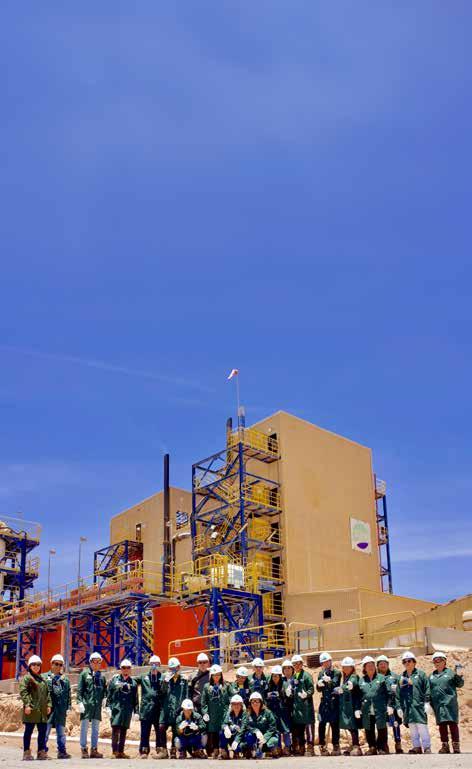
Job Training Courses by Region
• Industrial Cleaning Certification
• Food Handling
• Digital Skills for Work + SAP
• Warehouse and Logistics + License D
• Sampling Techniques
• Drilling Base Operations
• Port Plant Base Operator
• Industrial Cleaning Certification
• Food Handling
• Warehousing and Logistics
• Administrative Assistant
• Digital Skills for Work + SAP
• General Chemistry Analysis Techniques
• A5 Professional Driver
• Logistics Operations Techniques
• Administrative Assistant Techniques
Women and Mining Roundtable for Tarapacá and Santiago
We attended the Women and Mining Roundtable for Tarapacá and Santiago, where participants discussed and advocated in favor of initiatives designed to increase female participation in the mining industry. This working group is a space for collaboration and dialogue between different actors in the sector who seek to implement inclusive policies and practices.
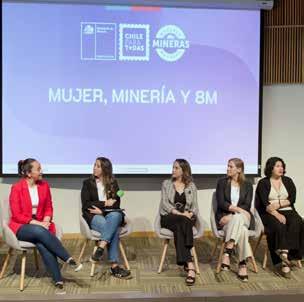
DISCLOSURES 3-3/ 401-1
During 2024, 776 people joined SQM Iodine Plant Nutrition, 30.2% of whom work in the Antofagasta Region, followed by 29.4% in the Tarapacá Region. Women accounted for 28.1% of new hires, which aligns with our efforts to promote diversity and labor inclusion. In regard to age, 43.2% of the new hires were between the ages of 30 and 40, and 27.2% were under 30. The rate of new hires for 2024 reached 18.9%.

Rate of New Hires by Work Region and Age Group 2024
Total Turnover Rate by Employee Category and Gender
Note: The formula used to calculate the turnover rate is (Exits/Average Workforce)*100. Average workforce is calculated as (initial workforce + final workforce)/2.
A total 680 people left the organization in 2024. Of these, 66.6% were in the Antofagasta Region, 83.4% were men, and 35.7% were between 30 and 40 years of age.
4.5%
Voluntary Turnover Rate
14.6% Open-term Contract Turnover Rate
16.6%
Total Turnover Rate
At the end of February 2024, the company decided to pause some activities at the Coya Sur and Pedro de Valdivia operations, which resulted in the dismissal of workers at both sites.
We offered support to former employees, including special conditions and benefits in addition to those provided by law and the collective bargaining agreements for all workers involved. In addition, those employees can apply for open positions that are appropriate for their work profiles to the extent that growth and opportunities allow.
Our employees tend to stay with the company and build their careers at SQM.
It is not unusual to find employees who have been with SQM Iodine Plant Nutrition for over 20 years. In fact, they represent 8.1% of our staff. In addition, 22.5% of the workforce has been with the company for more than 10 years.
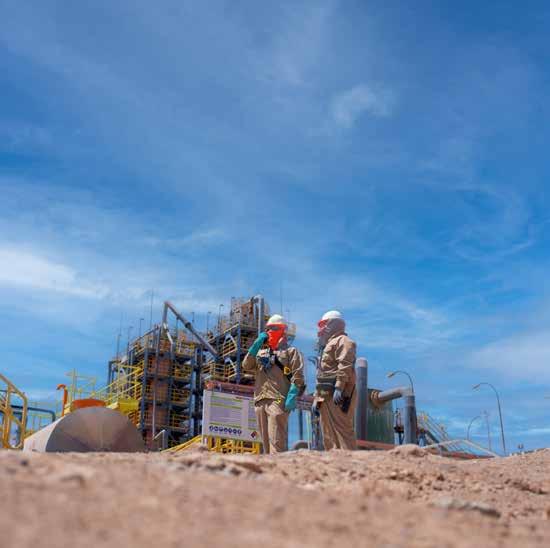
We care about our workers, their welfare and that of their families. In fact, one area in the company is exclusively dedicated to managing employee benefits and is responsible for effectively and promptly overseeing and coordinating them for each member of the organization. SQM provides a variety of benefits to employees with open-term contracts. Some of these benefits are legal obligations while others are given at the company's initiative or are optional for employees.
There are also additional benefits that are included under each individual collective bargaining agreement, based on the unions’ specific interests and membership.
We offer the following benefits:
• Christmas gift for children and/or dependents ages 0 to 12.
• Gift for the birth of a child for workers with an open-term contract.
• Box of traditional Christmas foods for each employee and his or her family.
• Celebration of holidays in our offices and at our work sites: Mother's Day, Father's Day, Women's Day, Secretary's Day, Mining Day and Labor Day.
• Birthday gifts for all employees with open- or fixed-term contracts.
• Agreement with clinics to provide care for workers and their legal dependents.
• Preferential pricing agreements with various institutions (including dental clinics, children's clothing stores, paddle tennis courts, etc.).
• Preferential plans are offered under agreements with gyms and mobile phone companies.
• Group Voluntary Retirement Savings (APVG): Partial matching agreement to encourage employees to save for retirement.
Financial
• Termination benefits in case of employee resignation with varying benefits based on position.
• National holiday and Christmas bonuses.
• Special bonuses for education, funeral assistance, marriage and birth.
• Life insurance for each employee that covers natural or accidental death and disability, complementary health insurance, catastrophic health insurance and dental insurance.
• The company adjusts salaries each October based on a comparative compensation study of companies from comparable industries. This ensures fair and transparent salaries for employees who are not subject to collective agreements or contracts.
• Scholarships for children of employees who demonstrate academic excellence. University and graduate-level scholarships for outstanding employees.
• Special leave: death, marriage, moving and mammograms or prostate screenings.
As part of the mandatory individual capitalization system, employees must deposit a percentage of their compensation, salary or taxable income in a personal account with a pension fund administrator (AFP). The purpose of these resources is to fund the pension that that person will receive when they retire and, if they should die, a survival pension for their beneficiaries.
This deposit or savings is equivalent to 10% of the person’s compensation or taxable income. In addition, the AFP charges an account management commission, which is currently between 0.49% and 1.45% of the person’s monthly taxable income, plus another percentage for Disability and Survivor Insurance (SIS).
This savings mechanism enhances an employee’s pension when they retire. SQM Iodine Plant Nutrition has developed an agreement with Principal that allows workers to access important benefits in terms of Group Voluntary Pension Savings (APVG):
• If the contribution is over Ch$10,000 and the salary is up to 120UF, SQM will contribute a fixed monthly sum of Ch$4,000.
• The State provides an annual bonus equal to 15% of the contribution in order to encourage savings. To access the government bonus, the worker must participate in Tax scheme A.
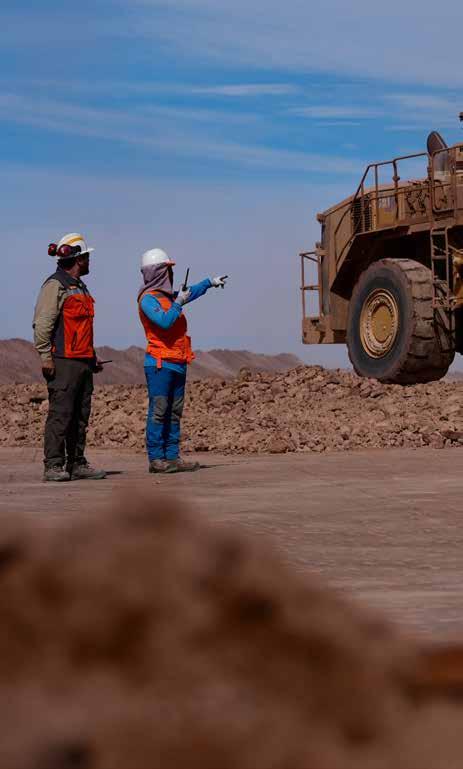
The goal of the Healthier Life Program is to promote a healthy lifestyle based on the pillars of sports, nutrition, and psychological and medical wellbeing through company-wide in-person and virtual initiatives.
It also seeks to achieve three specific objectives:
Raising awareness among SQM Iodine Plant Nutrition employees of the importance of living a physically, mentally and nutritionally healthy life.
Promoting healthy behaviors at work and elsewhere among SQM Iodine Plant Nutrition workers.
Providing professional guidance and information regarding issues related to living a healthier life at the company and beyond.
In 2024, we continued to implement activities through an agreement that is part of negotiations for supplemental health insurance, medical assistance, mental health and nutritional assistance, including high incidence medical specialties.
It consists of unlimited free access to telemedicine for the following groups:
Telemedicine: Assistance available 24 hours a day for consultations with general practitioners regarding various symptoms, clarification of test results, referral to specialists, medical orders for tests and other services. We also offer appointments with specialists in fields such as pediatrics, otorhinolaryngology and urology.
Mental Health: Assistance is available during specific timeframes seven days a week based on the patient's needs. We include four psychiatric consultations per year free of charge for all beneficiaries.
Nutritional Assistance: Nutritional care and appropriate follow-up are offered by professionals who also provide nutritional guidelines based on each patient's needs.
Quality of Life: Personal training and veterinary care is available by appointment.
All services are remote, unlimited and offered free of charge to all employees and their dependents covered by the company's supplemental health insurance.
We partnered with Los Andes University this year as part of a community engagement initiative for nutrition students in their final year at the institution.
The partnership allowed us to gather complete information on head office employees’ nutritional health and to create opportunities for learning about key topics of interest to participants.
Approximately 70 employees completed the initial assessment and participated in various nutrition education groups.
The professional and educational development of our employees and their children is a priority, and this is reflected in the SQM Iodine Plant Nutrition Excellence Scholarship Program.
In
2024,
a
total of 134
scholarships
were
awarded
in
We have also organized activities related to sports to improve physical health. The activities held in 2024 include functional training classes and a paddle tennis tournament. We also held active breaks and talks on program topics.
an
effort to support students
who
excelled through their hard work and dedication to their studies.
SQM employee scholarships provide undergraduate and graduate-level support.
Employees’ children are eligible for scholarships to allow young people to attend institutions of higher learning based on academic excellence.
DISCLOSURES 2-25/ 3-3
SQM Iodine Plant Nutrition has operations in several countries. As such, we must ensure compliance with all applicable laws in each jurisdiction regarding working conditions, wages, working hours, workplace safety, fair pay, the right of association, prohibition of child labor, forced labor, human trafficking and related considerations. To respect and protect the labor rights of our workers, we focus on the following management areas:
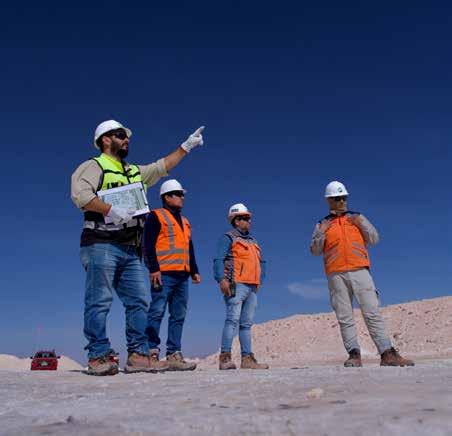
Promoting freedom of association
• Target 5.1
• Target 8.7
• Target 8.8
We have developed internal regulations which must be recognized by all our workers and which regulate the obligations and prohibitions applicable to SQM employees in relation to their work and during their time at the company's facilities.
• Target 10.4
We also engage in collective bargaining processes to address diverse topics such as wage adjustments and benefits and other matters of interest to workers and the company. We recognize employees’ freedom of association. We reaffirmed this commitment in the Corporate Sustainability, Ethics and Human Rights Policy, which reflects our respect for human rights in strict compliance with the labor rights recognized in national legislation and the main instruments of the International Labour Organization. We are also committed to respecting the right to freedom and the right of association of our workers, and endeavor to create spaces for informed and transparent dialogue that allow us to reach mutually beneficial agreements.
As of December 31, 2024, 77.6% of our employees were represented by 20 workers’ unions. Collective bargaining agreements or contracts are renegotiated every three years. As of December 31, 2024, 90.2% of SQM employees are covered by a collective bargaining agreement. These workers are based at the main production centers in: María Elena, Pedro de Valdivia, Coya Sur, Nueva Victoria, Tocopilla, Antofagasta and Santiago.
77.6% of workers are represented by 20 existing unions. 90.2% of total employees are covered by a collective bargaining agreement.
In relation to policies resulting in significant changes, in the event of an operational change that may affect workers and their compensation, SQM Iodine Plant Nutrition generally meets periodically with the unions and explains the origin of the changes and the expected effects, if any. Notice is given based on the degree to which the change may affect them. In the event of significant changes, notice is usually given two months in advance.
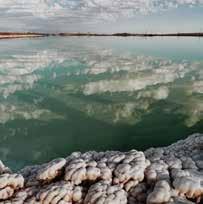
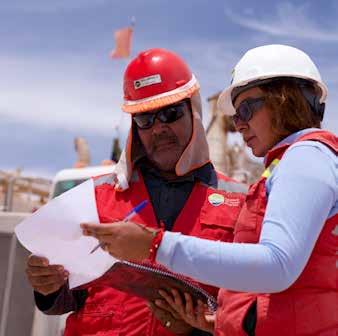
We comply with all laws regarding fair working conditions, salaries, maximum hours, child labor and forced labor. Doing business correctly means that we promote integrity at all our operations and we support positive human rights practices that are free from worker exploitation. To clarify, we prohibit child labor, forced labor and any other similar practice.
Working hours must be in line with the corresponding laws and employees must receive fair compensation for their labor. We only hire individuals over the age of 18 who have an appropriate background and engage in ethical behavior at work in accordance with the development of the business and the values of SQM Iodine Plant Nutrition. Candidates must be of legal age to apply for any position within the company.
DISCLOSURES 3-3/ 401-3
Women who used family leave
16
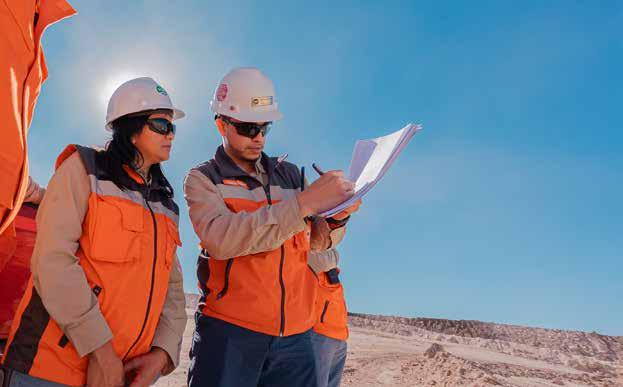
We note that 131 men used the five days of parental leave to which they are entitled.
DISCLOSURE 405-2
Our company is staffed by talented people with the skills needed to contribute to the development of our activities. We do not have plans or goals for reducing salary inequities. However, our goal is to give them the opportunities and conditions necessary to develop and contribute in an environment of cordialness, equality, respect and openness. To this end, our Corporate Sustainability, Ethics and Human Rights Policy includes a section that outlines our approach to equality, diversity and inclusion, which is organized around the following areas:
• Ensuring non-discrimination in regard to wages, hiring, promoting and making decisions based on objective criteria regarding the person's ability to perform the work.
• Developing activities or programs directed at audiences of interest that require further training or preparation.
• Blind recruiting, evaluating applicants based on their skills and the job requirements without any discrimination of any kind.
The salary gap presented was calculated using the gross salary for each employee category based on current employees as of December 31, 2024. The calculation excludes people working abroad and includes the subsidiary Ajay.
The gaps are mainly due to the fact that the information represents companies from the group that focus on very different activities. As such, the roles of their employees and performance reviews vary.
Operator compensation is set through collective bargaining and is specific to each role, regardless of whether the person in the role is male or female. Each role has a different level of compensation based on the review.
DISCLOSURE 2-27
SQM Iodine Plant Nutrition has the following procedures in place to prevent and identify non-compliance with regulations regarding the rights of its workers:
• Internal Regulations on Order, Hygiene and Safety.
• SGSST Legal Requirements for the July 2024 Identification and Evaluation Procedure (applicable to SIT S.A., a subsidiary of SQM Iodine Plant Nutrition)
• Legal alerts on regulatory changes reported by the VP Legal to the company’s various areas.
During 2024, SQM Iodine Plant Nutrition was subject to five fines, all of which have been paid. They totaled Ch$ 14,710,840.
A total of 12 labor protection actions were filed during the year 2024, eight of which are pending and four of which have been terminated.
Our subsidiary Soquimich Comercial S.A. was fined US$ 173 for maintaining a past due balance with the Labor Bureau in 2024.
The company has a duty to create the opportunities necessary to allow each worker to develop his or her capabilities and potential for mutual benefit.
In that context, the axes of our work are:
Hiring processes and opportunities for internal mobility.
Training employees so that they can gain skills related to their roles.
Conducting ongoing performance reviews to implement plans that allow our employees to continually improve their work. 1
4 2 5 3
Implementing a recognition system to foster SQM's values among work teams.
Using surveys to monitor teams in order to identify strengths and opportunities for improvement, establishing a plan of action related to such work.
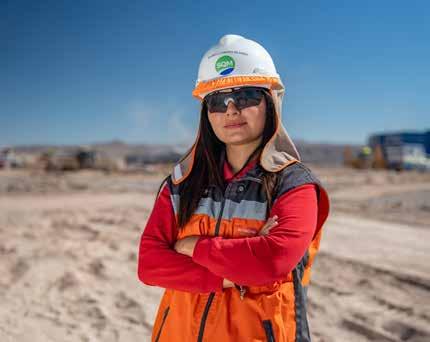
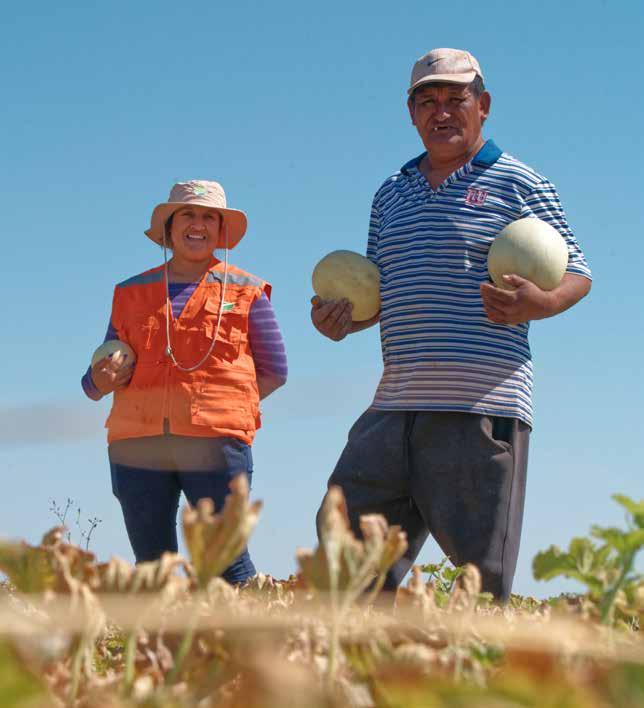
SDG targets we support
Note: The description of the target for each SDG is listed in the appendices to this report.
We have continued to successfully implement the SQM Iodine Plant Nutrition Internal Mobility Program. This corporate practice promotes workers’ professional development, recognizing and offering opportunities for growth within the company based on workers’ skills, abilities and experience.
General and supervisory workers may apply for open positions within the company. They receive preferential treatment in promotion or transfer processes to allow them to develop in other areas in which their knowledge and skills are needed. The organizational culture benefits from this program by:
Encouraging good performance and meritocracy.
Increasing employability by providing learning opportunities within the organization.
Retaining and rewarding the best talent.
Enriching the company through collaboration among areas.
Reinforcing commitment and motivation.
Favoring opportunities for personal development.
Strengthening the idea that people are valuable assets for the company.
Internal Mobility by Operation and Gender 2024
DISCLOSURES 404-1/ 404-2
In 2024, we continued to provide training through www.sqmaprende.com, an online training site, that provides the company's employees with new content for their work accessible at any time from any device. The site offers interactive videos designed to complement learning of contents. Individuals who finish their courses receive a certificate of completion.
At SQM Iodine Plant Nutrition, our workers receive ongoing training on topics relevant to their roles in an effort to support their professional development and encourage excellent performance.
The average number of training hours per employee was 17.7. This result is very similar to the previous period's average of 15.8 hours per employee.
In aggregate, operators completed 24,413 hours of training, followed by Other technicians with 20,922 hours of training. On average, Senior management led the way in training, with an average of 30.4 hours of training per employee, followed by Support staff with an average of 28.2 hours.
17.7 average hours of training
74,815 hours of training
ThUS$1,487 was invested in training. This figure includes both company and SENCE costs. Training represents 0.07% of the company's annual revenue. We trained
representing 83.7% of our workforce.
DISCLOSURE 404-3
Program Name Program Description
Legal Certification Accredits staff who use mobile equipment in all company sites for 4 years.
Brigade Members Strengthens knowledge and techniques for brigade members at all sites.
Management Specialty Provides employees with the knowledge necessary to do their job.
Risk Prevention Issues associated with caring for people.
Development Skills Adaptive skills, strategic alignment or team-building training programs.
Languages Strengthen English language skills for those who require such knowledge.
Identify hazards and evaluate and monitor occupational risks, taking preventative measures and engaging in expected safe behaviors in order to reduce the accident rate in operations and promote an interdependent safety culture at SQM Iodine Plant Nutrition.
We have an internal learning platform called SQM Aprende available to all employees. It offers both internal and external training resources. During 2024, a total of 4,831 people participated in courses on the platform.
Every year our employees must undergo performance reviews consisting of a self-evaluation and a supervisor evaluation, coupled with feedback from both parties. Employees are evaluated in January if they have been with the company for at least three months. The people who did not participate in the review process were either on extended medical leave or did not meet the minimum seniority requirements to be evaluated.
We continue to use the "VIVO" recognition program, which is part of the M1+ operational excellence system. Through this program, all SQM Iodine Plant Nutrition employees can submit nominations for awards online or through the MiSQM app. They can nominate peers, managers and people from other areas or work teams from any of the company's production centers.
During 2024, 20,872 awards were presented through the VIVO platform, representing an increase of 1.3% over the previous period, when 20,599 such acknowledgments were made. The total number of people recognized through this platform last year was 2,529, 0.7% less than in 2023, when 2,548 people were recognized.
During 2024, 177 awards were given to employees abroad, thus consolidating the recognition program in our commercial offices.
The pillars of this program are:
Total Recognitions 2024
Total Number of Employees who Submitted Nominations 2024
The "Vivo la Excelencia – Recognizing Teams" program continued at all SQM locations in Chile, with the participation of employee initiatives from: Nueva Victoria, Pampa Blanca, Coya Sur, Tocopilla, Santiago and Antofagasta. The purpose of this program is to recognize and reward innovative initiatives developed by our workers that allow us to enhance continuous improvement in the areas of Sustainability, Safety, Quality and/or Productivity.
A total of 60 nominations were received in 2024, 33% fewer than the 93 submitted in 2023. All of the ideas that were nominated were presented to an evaluation committee, which chose the winners. Five evaluation committees were created, and awards were given to the first three places in each committee using an evaluation form.
We also offer Years of Service and Best Worker recognition. We recognized 441 workers for Years of Service in 2024 and 75 for Best Worker. Awards were given to those who completed 5, 10, 15, 20, 20, 25, 30, 35, 40 and 50 years of service.
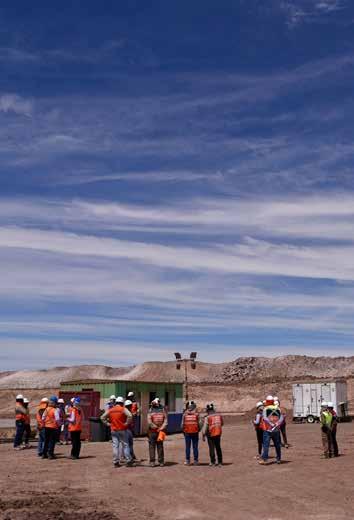
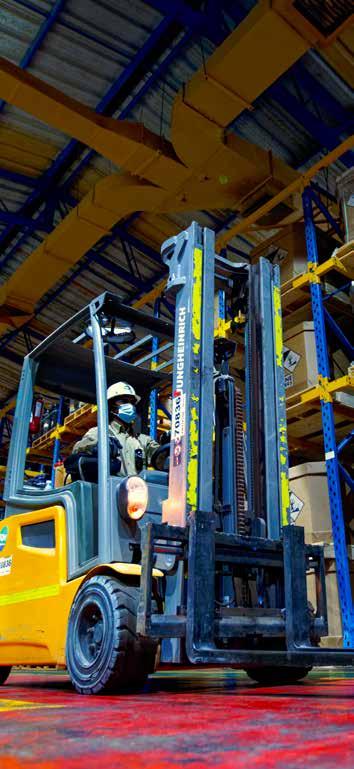
Promoting commitment among our workers, contractors and stakeholders to meeting the demands of our customers and preventing accidents and illnesses.
Complying with regulatory requirements that apply to our activities, other requirements and voluntary agreements.
Ensuring continuous improvement of the Occupational Health and Safety System through periodic assessments of its performance, verifying compliance with the policy and process management, promoting commitment, creativity, innovation and other values.
Identifying hazards and assessing, controlling or eliminating risks to health and safety in our activities, providing healthy and safe labor conditions to prevent health issues and injuries among our workers and employees.
Establishing business continuity strategies in response to risks and opportunities that allow for the continuity of our operations in health and safety processes.
Establishing indicators and goals that are reachable and measurable, ensuring the availability of information and resources for the Occupational Health and Safety System based on the strategic objectives and guidelines.
Receiving and channeling questions posed by our workers, employees and their representatives, promoting their participation in matters related to health and safety.
3.9
Note: The description of the target for each SDG is listed in the appendices to this report. • Target 3.5
Target 8.8
Target 4.4
Target 16.1
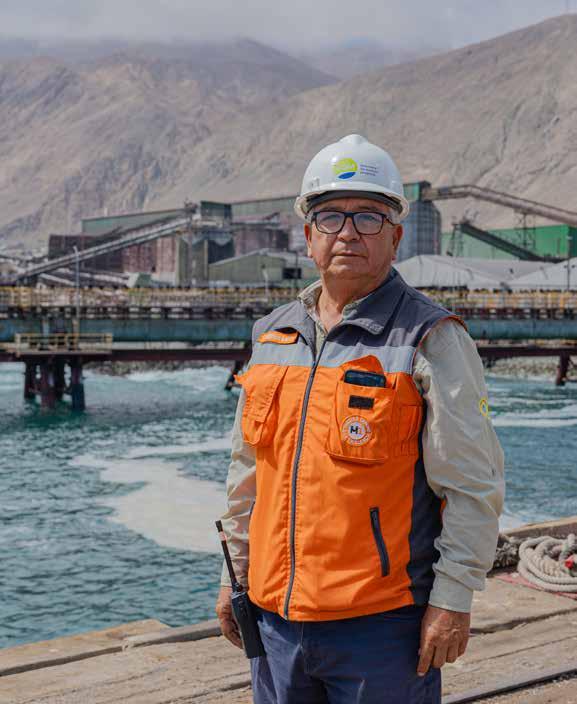
SQM Iodine Plant Nutrition has a Corporate Sustainability, Ethics and Human Rights Policy that establishes our commitment to the sustainable development of the business and ensures the occupational health and safety of and respect for the individuals who work at our facilities, the community and our customers across all company operations. To that end, we and our employees and contractors commit to:
As part of our operationalization of the commitments regarding occupational health and safety, SQM Iodine Plant Nutrition has developed a Comprehensive Occupational Health and Safety System designed to:
1. Establish obligations and responsibilities to adopt the measures necessary to effectively protect and effectively safeguard the life and health of all company workers, including contractors and subcontractors.
Developing and implementing an Occupational Health and Safety Prevention Management System. Ongoing training.
Implementing the same standards in contractor companies.
Using controls to ensure that work sites are free of alcohol and drugs.
2. Define, establish and implement rules that can be used to control all of the risks inherent to our processes in order to define and establish the minimum occupational health and safety management specifications.
3. Safeguard the facilities, equipment, machinery and critical materials related to the operations and processes developed at SQM Iodine Plant Nutrition.
Promoting healthy living.
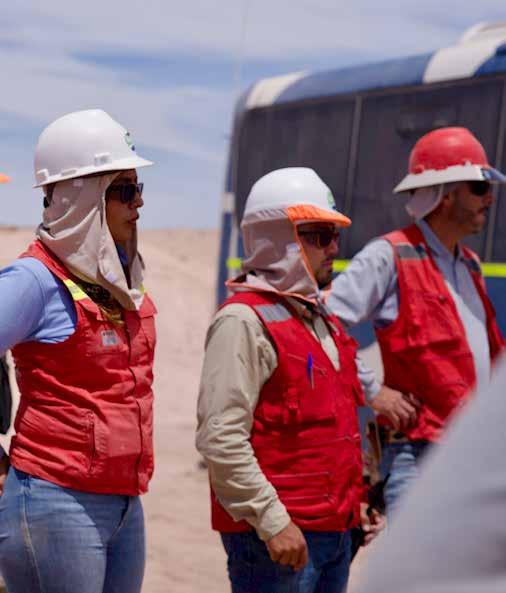
As part of the implementation of the Occupational Health and Safety Management System, SQM Iodine Plant Nutrition has developed an Operational Risk Management System (SISGRO), which consists of 13 elements.
All activities carried out under SISGRO are part of the Operational Excellence Program called M1 through which the company is able to standardize the suite of Lean system tools provided under M1 to risk management, thereby providing better outcomes. Our management system applies to operations and offices in Chile. Current legislation in each country applies to offices overseas.
Our Port of Tocopilla operations earned ISO 45001:2018 certification for its Occupational Health and Safety Management System (OHSMS), becoming the first operating center in the division to be awarded this international distinction, which highlights its commitment to the protection and wellbeing of employees.
This also underscores the company's commitment to its core value: "Safety First, Always," reaffirming its dedication to creating an accident-free work environment.
Some of the legal requirements applicable to the system are: Labor Code / Law No. 16.744 of the Ministry of Labor and Social Security, the Undersecretary of Social Security, which establishes rules on job-related accidents and illnesses and its complementary Supreme Decrees (SD). /S.D. 101 Approves regulations for the application of Law 16.744. /S.D. 109 Approves regulations for the classification and evaluation of occupational illnesses and accidents. /S.D. 54 Approves regulations on the formation and operation of Joint Committees on Hygiene and Safety, /S.D. 40 Approves regulations on preventing professional risks, /S.D. 76 Approves regulations for the application of Article 66 BIS of Law No. 16.744 on management of occupational health and safety at work sites, projects or services listed. /S.D. No. 594 Approves regulations on basic health and environmental conditions in workplaces. /S.D. No. 18 Approves regulations on radiological protection of radioactive facilities. /S.D. No. 18 Personal Protective Equipment Quality Certification for occupational risks /Law No. 20.123 Regulating Work in the Subcontracting Regime. /S.D. No. 72, the consolidated, systematized and coordinated text of which is contained in S.D. No. 132, both on Mining Safety Regulation. Law No. 21.342, which establishes an occupational health safety protocol for the gradual and safe return to work in the context of the public health alert decreed when the COVID-19 pandemic began.
DISCLOSURE 403-2 (2018)
As part of our Occupational Health and Safety Management System, SQM Iodine Plant Nutrition has implemented a continuous and systematic process for identifying hazards and evaluating health and safety risks for workers, contractors and anyone who works at or enters our operations.
As part of this process, we have defined a procedure that establishes the methodology for creating critical inventories by identifying hazards and assessing risks associated with the tasks performed in the different operations areas. This allows us to establish effective controls as needed. The procedure calls for the identification and implementation of controls for occupational health and safety issues, which are evaluated to determine the level of control of each risk assessed and to generate the necessary action plans to ensure effective control.
This procedure applies to all SQM Iodine Plant Nutrition work areas, including contractors and sub-contractors. In order to develop critical inventories, each division and/or superintendency must identify and validate the processes and sub-processes that they develop. These must be documented, and once they are identified, we proceed with:
Direct operational controls are for workers and should focus on correct work practices and the use of personal and collective protection systems.
Identifying hazards and entering potential risks or incidents into the IPER matrix (Hazard Identification and Risk Evaluation matrix) during or after their execution or use.
Initially assessing each hazard based on its likelihood and most likely consequence without the existence of controls in order to ascertain the initial risk.
Identifying the root cause of the occurrence of each hazard.
Establishing direct or indirect operational controls for each root cause in order to eliminate or mitigate a hazard during the performance of a task or use of a piece of equipment or area.
Actions that the chain of command executes. These are oriented towards eliminating the hazard, replacing elements, updating procedures and establishing and implementing engineering controls before, during and after the execution of the task.
We had an annual average of 5,982 contractor employees in 2024, which is 14.4% more than 2023, when the average was 5,229. This increase is mainly due to the various projects that are being developed at our work sites. It is worth highlighting that 100% of contractors are covered by our Occupational Health and Safety Management System (SISGRO).
belonging to the subsidiary Soquimich Comercial S.A. (83 workers), which has its own occupational health and safety system.
Employees and workers who are not direct employees and whose work or place of work are controlled by SQM Iodine Plant Nutrition and are covered by the company's SISGRO system and are subject to internal safety auditing are:
Workers Subject to Internal Safety Audits
Workers Subject to Third-party Safety Audits
Note: For this calculation, direct employees and contractors outside Chile and subsidiaries Comercial Agrorama Limitada, Agrorama S.A. and Soquimich Comercial S.A. have been excluded.
More than 80% of direct employees are covered by our SISGRO system. Workers not covered by SQM Iodine Plant Nutrition's occupational health and safety system are those residing abroad (540 workers) and those
Note: For this calculation, direct employees and contractors outside Chile and subsidiaries Comercial Agrorama Limitada, Agrorama S.A. and Soquimich Comercial S.A. have been excluded.
Employees and workers who are not direct employees and whose work or place of work are controlled by SQM Iodine Plant Nutrition and are covered by the company's SISGRO system and are subject to third-party safety auditing are:
DISCLOSURE 403-2 (2018)
The company’s Code of Ethics, Internal Regulations on Order, Hygiene and Safety (RIOHS) and safety standards establish that all workers are required to inform their direct supervisor or use established channels to report any knowledge of a risky situation. Each worker who enters the facility receives safety orientation prior to beginning their work. They also receive the Internal Regulations and Code of Ethics.
Operationally, areas have preventative tools designed to identify and report on the conditions and risky actions that may cause harm to workers’ health and safety. This is reported through:
Performance Dialogues
This activity allows employees to learn about unsafe or safe actions or conditions in their work area. It establishes control measures that help to limit the occurrence of undesired events. Those measures are established during the program, and the supervisor responsible for the activity commits to the process results.
Planned Inspections and Observations
Corrective actions, inspection reports and observations conducted in each area must be monitored and closed.
Identification of Hazards
These are inspections/observations conducted as activities are being developed to identify, analyze and control unsafe actions and conditions.
Finally, the company's Code of Ethics sets forth that if something is identified as unsafe, it must be reported so that the situation can be corrected and an accident avoided. The Compliance Area is responsible for following up on all reports associated with the Code of Ethics. Any person who expresses concerns in good faith is protected against retaliation. Such acts can take many forms, including harassment, intimidation, degradation or the assignment of unwanted tasks as the result of filing a report in good faith. Such acts of retaliation constitute a violation of this Code and will be investigated and, if substantiated, punished.
SQM Iodine Plant Nutrition’s Internal Regulations on Order, Hygiene and Safety outline the process for managing situations in which an employee is exposed to a serious or imminent risk to life or health. In such cases, the worker is to stop working and leave the workplace. The worker must report this to the Company as soon as possible or within three hours of the elimination or mitigation of the risk that led to the aforementioned interruption of duties and departure from the work site.
We use the tool Zyght to record incidents, findings, hazardous situations and other issues related to occupational health and safety. During 2024, we received 1,207 findings of hazards related to hazardous sources, actions, conduct or conditions. Of this total, 93% were investigated and closed and 7% remain open. This is mainly due to the fact that they were reported at the end of the year and are still under investigation. It is worth mentioning that 44% of the findings were verified.
SQM Iodine Plant Nutrition conducts investigations and establishes control measures for incidents at its facilities and informs the respective authori-
ties per its own regulations. To do this, we use an accident investigation procedure to record:
• Who is responsible for the investigation process.
• Internal reporting of accidents and external reports to authorities.
• Description of the process, steps of the investigation.
• Establishment of corrective measures using the control hierarchy.
• Investigation teams are formed based on the potential of the accident.
Each incident is recorded—accidents promoting responsible mining with lost time, without lost time, material damage and operational failures—and then investigated in accordance with the investigation procedure. They are subsequently presented and discussed at the meetings of the Board of Directors and the Operational Executive Committees to identify lessons learned and make improvements to the processes. The Central Occupational Health and Safety Superintendency records the statistical indicators associated with the Lost-Time Injury Frequency Index (LTIFR) and the Severity Index (SI) as well as the Combined Frequency Index (CFI), which considers incidents with and without lost time. Furthermore, it covers incidents with significant potential that allow us to cover both accidents resulting in injury as well as those that have a significant potential to result in injury.
As of the end of 2024, the Zyght tool had recorded 462 incidents that fall into categories such as unsafe conduct, material damage, operational failure, traffic accident, commuting accident and fatality. Twenty percent of the cases were investigated and closed, 53 cases are under investigation, 43 cases are under evaluation and 49 incidents were reported without listing a category.
All processes, areas and equipment must undergo risk assessments and be subject to control measures based on the magnitude of the risk.
Once the reports and qualitative and quantitative assessment results are submitted, they are disseminated to all staff members exposed in those work areas, and a record of the activity is made.
The areas conduct qualitative and quantitative assessments based on the risks identified. Accordingly, pre-occupational and occupational tests are conducted based on the risk group and controls required by risk management standards such as physical exams for workers exposed to height-related risks and audio readings for exposure to noise.
The occupational health assessment is performed in the following circumstances as well:
• Prior to the performance of a new activity, task or position exposed to certain risk factors or specific work conditions.
• During the performance of activities that present exposure to certain risk factors or specific work conditions.
The health clinics and first aid rooms also conduct activities designed to promote health following Health Ministry recommendations based on the unique characteristics of the population at each site.
The main risk factors for high-prevalence diseases such as smoking, excessive alcohol consumption and obesity are identified and reported. These conditions are associated with cardiovascular disease, cancer, cirrhosis of the liver, diabetes and other conditions.
We oversee and monitor accidents and incidents related to occupational health and safety, communicating through alerts and safety reflections that provide detailed information on the incident, the background of the accident, how to avoid it and related photographs. This is also reported monthly through statistical indicators.
An audit of the risk management system is conducted at least once a year. Occupational health assessments under Law No. 16,744, in which medical conditions or personal risk factors are evaluated based on exposure to specific working conditions or to certain risk factors that could make workers susceptible to occupational accidents or diseases. Types of occupational health assessments include assessments for physical work at height, confined space and driving.
The examinations are based on the activity that the worker performs or will perform, their role and their exposure to certain risk factors or specific working conditions. Additionally, records are kept of occupational health assessments performed on workers, which include at least the workers’ names, risk factors or the specific occupational condition that gave rise to this assessment.
SQM Iodine Plant Nutrition has health clinics, first aid rooms and rescue services at its work sites. The purpose of this service is to maintain optimum employee health by providing a comprehensive healthcare solution. This includes providing primary care through paramedics in first aid rooms and physicians at the health clinic.
We hold annual health prevention and promotion programs for each site to reduce chronic adult pathologies and acute pathologies unique to the working population. Finally, we encourage employees to participate in fun activities at our work sites in areas related to their skills as well as alcohol and drug use prevention programs at each site.
SQM Iodine Plant Nutrition is committed to maintaining open and ongoing communication with its workers, contractors, customers, shareholders, neighbors and relevant authorities, reporting periodically on its performance. We use various channels to communicate with employees. The company has developed and implemented communication processes such as orientation, training and coaching for employees. These channels are used to inform them about issues related to occupational health and safety, such as accidents or incidents that have occurred, occupational risks inherent to work processes and measures for their effective control, emergency situations and how to act in the event of their occurrence. In addition, the Occupational Health and Safety Management System requires operations to develop preventative tools designed to maintain ongoing feedback related to conditions and risky actions that could harm worker health, the facilities and the environment. Some of these instances are: performance dialogues, inspections and planned observations, hazard identification, role and process confirmations, among others.
We have Joint Health and Safety Committees composed of representatives of the company and its workers. The committees' decisions, made in the exercise of the powers entrusted to them by Law No. 16.744, are binding on the company and the workers.
The Joint Committees on Hygiene and Safety are comprised of three company representatives and three worker representatives. For each lead member, an alternate is also appointed. Company representatives are appointed by SQM and employee representatives are elected by secret and direct ballot.
The Joint Committees on Hygiene and Safety meet regularly each month but may also hold an extraordinary meeting at the joint request of one worker representative and one company representative. In any case, the committee must meet each time there is a job-related accident that results in the death of one or more workers or that the chairman believes could cause one or more of them to experience a permanent decrease in their earning capacity of over 40%.
The SQM Iodine Plant Nutrition Health and Safety Joint Committee in Santiago underwent a certification process by the Chilean Safety Association (ACHS) and was found to be 100% compliant.
This represents a significant milestone in our ongoing commitment to excellence in occupational safety. The work and dedication of the organization were fundamental to this achievement, demonstrating an unwavering commitment to the safety and wellbeing of each member of the company.
Advise and instruct employees on the correct use of protective equipment.
Monitor compliance with prevention, hygiene and safety measures.
Investigate the causes of work-related accidents and illnesses occurring in the organization.
Advise on all health and safety measures that should be adopted to prevent occupational hazards.
Offer employees professional training courses.
Determine whether an accident or occupational illness was due to an employee’s inexcusable negligence.
Perform other functions or duties as may be entrusted to it by the respective managing agency.
Representatives of 14 joint committees, executives and occupational safety experts met in Antofagasta for the company's Third Annual Meeting of Joint Committees to promote best practices, enhance injury prevention efforts and prepare action plans for the coming year.
This is the first face-to-face meeting with all committees participating. Attendees updated regulations and drafted plans that will allow them to continue to be global leaders in safety.
During the event, workshops and interactive programs were held to identify gaps and design strategies to reinforce the prevention of serious injuries.
The event also recognized committees that had earned certifications, concluding with the presentation of awards for four certified committees.
We have developed occupational health and safety training courses for our workers, contractors and subcontractors, covering potential risks associated with certain work environments and/or during the execution of specific tasks, among other topics. As part of the training cycle, we identify the needs of both supervisors and executives through different processes.
In 2024, a series of interactive and dynamic courses were launched to allow personnel in all roles to learn about safety strategies, the different risk controls in place, and preventive occupational health and safety management tools used in the company.
Our employees receive safety training, taking advantage of the knowledge and scope of all our operations. Other subjects that have been taught in person and remotely include mandated reporting specific to each area and new hire orientation, which is available to all internal personnel and employees.
Training on preventive tools was provided in the context of the Occupational Health and Safety Program. It was introduced in all operations in the field.
Employees are trained on an ongoing basis in accordance with annual planning and evaluated exposure hazards to update their knowledge. The courses offered include defensive driving, first aid and fire extinguisher handling, as employees who complete them hold certification for a specific amount of time. At the end of each course, participants are evaluated to verify their understanding of the concepts taught.
We conducted an occupational health and safety training program for our employees at María Elena in order to move towards interdependence in safety.
More than 40 workers participated in an intense safety training program aimed at reinforcing safe behavior in all areas of operations.
The courses were held at the Pampinos Residence and the Maria Elena Supervisors Club. The course explained how preventative tools work through the application of concepts, identifying conducts and offering methods for identifying hazards and risks. The goal was to decrease the accident rate within the operations and promote a culture of interdependent safety in the company. This was complemented by a series of fun interactive programs that encouraged participation.
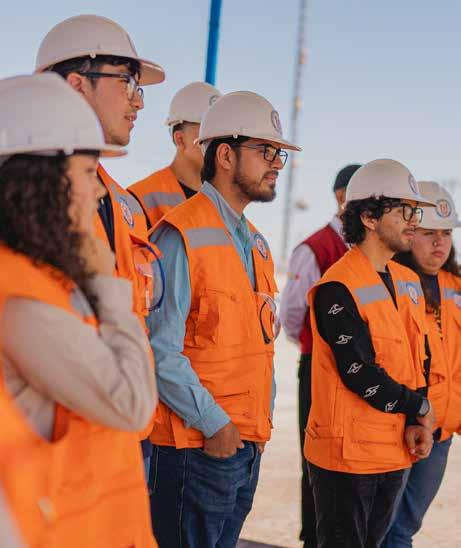
An orientation course that informs all workers of the risks that their duties entail, preventative measures and correct work methods in a timely and convenient manner. The risks addressed are those inherent to the company’s activities. This orientation focuses on the elements, products and substances that should be used in production processes or work areas; how to identify them by their formula, synonyms, appearance and smell; the limitations of allowable exposure to those products; risks to health; and control and prevention measures that workers should take to avoid those risks.
Defensive driving of light vehicles.
Defensive driving in adverse weather conditions.
Risk Management Courses
Risk prevention guidance.
Reinforcement of HCR and ART risk control tools.
Supervising and managing risk prevention.
Identification of occupational hazards and risk assessment.
Specific risks such as: UV radiation, exposure to job-related noise, psychosocial risk, work-related musculoskeletal disorders (TMERT) and the National Silicosis Eradication Plan (PLANESI).
Course for members of Joint Committees.
CPHS, management and impacts in occupational health and safety culture of companies.
Courses Related to Hazardous Substances
Handling hazardous substances.
Handling hazardous substances - New Iodine Plant.
Handling and storing hazardous chemical substances.
Auditing Courses ISO 45001 internal auditor.
Use of personal protective equipment.
Ergonomics and self-care at work.
Work at physical height.
Energy lockout.
Fire prevention and control.
Ergonomics and self-care for work at home and remote work.
Preventing UV radiation.
Courses on Policies, Procedures, Protocols, Manuals and Other Resources
Dissemination of corporate policies (alcohol and drugs, Code of Ethics).
Dissemination of Basic Safety Rules.
Emergency plans and subplans.
Product safety sheets.
Equipment isolation and blocking protocol.
Manual handling of loads.
M1 Safety Tools.
and evacuation.
response to health emergencies. Accident investigation.
Legal responsibility for occupational health and safety matters.
More than 60 workers from Nueva Victoria and Pampa Blanca were trained as Safety Monitors. They completed courses developed by the National Geology and Mining Service (Sernageomin) with the objective of advancing towards a culture where safety comes first.
The purpose of the training was to provide monitors with tools to support safety management at the site, reinforcing the safety management of the company and its areas and facilities.
The course focused on teaching and using preventive tools, awareness of legal requirements, identifying hazards and assessing risks through matrices, industrial hygiene, behavioral improvements, audits and inspections, and how to continuously improve over time.
This initiative was developed through three five-day courses offered between August and October 2024.
As part of Safety Month, the Port of Tocopilla's Risk Prevention Department and the Culture and Organizational Development Department team held a Safety Day for Supervisors called "Escape Room."
The activity was attended by more than 20 supervisors, who had to find the real secret to safety by completing different brain teasers, puzzles and mystery scenarios. To do so, they used management tools like the Safety Curve, Performance Dialogues, ABC Dashboard, Process Confirmation, Feedback and the Serious Injury and Fatality Program (SIF).
The purpose of the workshop was to strengthen the safety leadership skills of supervisors in Tocopilla so that they can promote efforts to prevent risks and protect workers’ health and safety.
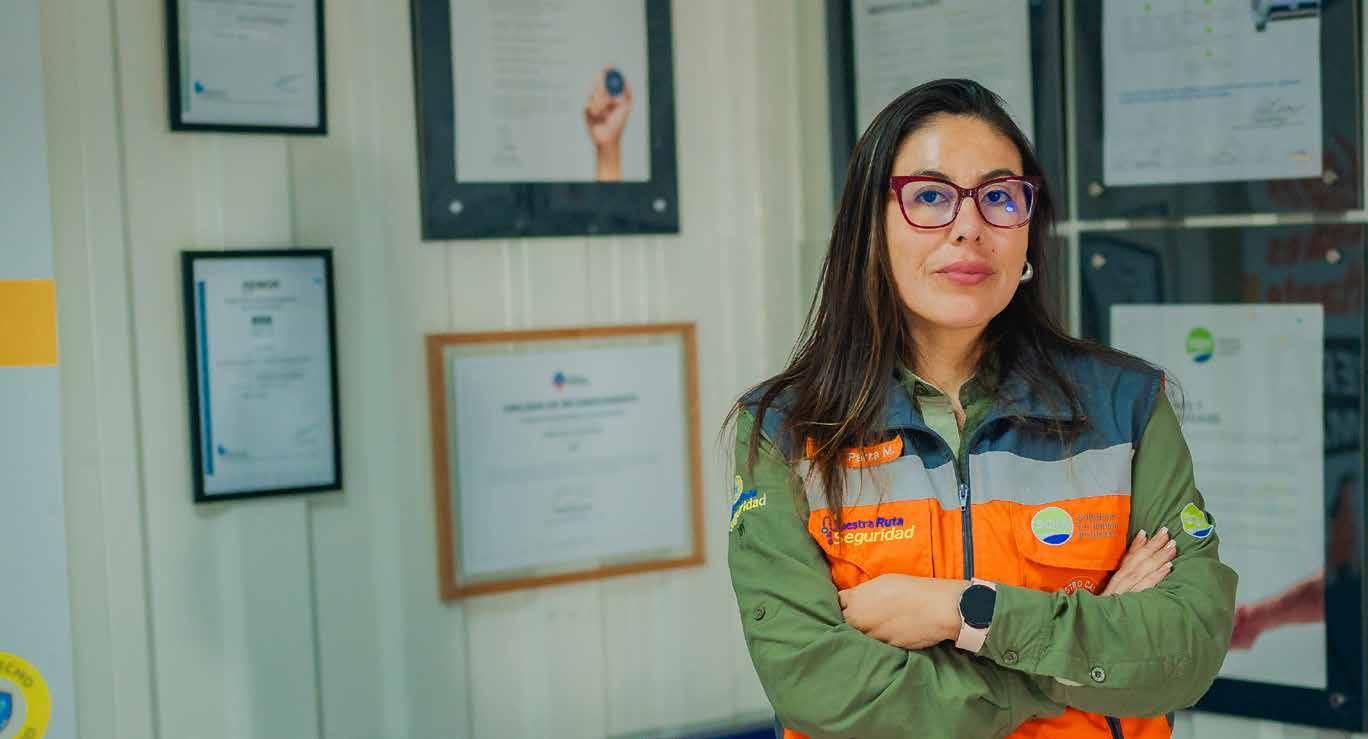
Hazards that have caused injuries due to accidents
• Operation of equipment and vehicles
• Handling of hazardous waste
• Contact with hazardous energies
• Working at height
• Hoisting and lifting operations
Unfortunately, a fatal accident occurred at SQM Iodine Plant Nutrition in early 2024 involving a crane operator. The employee was working at Sur Viejo, part of the Nueva Victoria site, when the accident occurred. Work in the area was immediately halted, the appropriate authorities were informed and an investigation into the causes of this unfortunate event was launched.
The measures adopted and planned to eliminate hazards and minimize risks focus on minimizing exposure to the line of fire, improving hazard identification and risk assessment, and updating instructions and standards. Safety devices were implemented in pressurized transfer systems and controls were reinforced so as not to disable safety mechanisms. Pedestrian and obstacle checks were required before driving, and employees are required to use only authorized and inspected vehicles. Compliance with load limits, safe speeds and the use of certified hoisting equipment was reviewed. The program also requires proper use of PPE, correct isolation of hazardous energies, safe handling of hazardous substances, inspection of work equipment at heights and transit only through authorized areas.
The measures introduced to manage other occupational hazards and minimize risks focus mainly on administrative controls, process redesign and hazard elimination. In addition, segregation measures, substitution of hazardous materials or processes and the use of PPE have been implemented to reinforce safety.

The RAEV awards are given by the National Traffic Safety Commission (Conaset) and the company MIGTRA. The fleets with the lowest risk of accidents due to speeding per 100 km traveled are recognized based on the Accident Risk Due to Speeding indicator (Riesgo de Accidente por Exceso de Velocidad, from which the acronym RAEV is derived).
SQM Iodine Plant Nutrition received the highest award in the Mining category for the fourth consecutive year.
The entire fleet is equipped with GPS devices, a device to calculate wait times—both loading and unloading, workday supervision (breaks and work), video analysis of the tarping process, speed control on slopes and fatigue and drowsiness prevention devices, including one that makes the driver’s seat vibrate if the driver is exhibiting signs of drowsiness.
Our partner companies Nazar and Coseducam also received the Safe Business Award.
Industry workers may be exposed to possible contaminants and potential health risks. We seek to address such matters as part of our efforts to protect all SQM Iodine Plant Nutrition workers. We conduct ongoing risk assessments, which allows us to design measures to ensure that our workers are in good physical and mental health. We have plans for monitoring, controlling and reducing exposure to all of the agents to which our workers may be exposed.
Occupational illnesses among contractors are managed through the Risk Prevention Program for our operations (established by contract), which is aligned with the Comprehensive Occupational Health and Safety Management Program. Furthermore, we conduct controls to ensure that those companies are notifying their employees of labor risks and making sure they use personal protective equipment and engage in other practices.
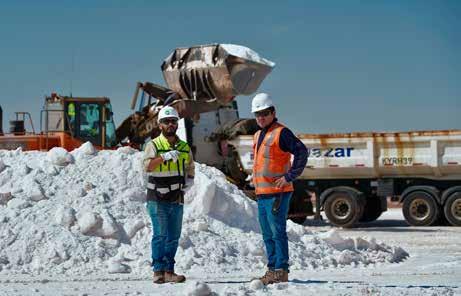
Number of deaths resulting from an occupational injury or illness
Number of cases of occupational illnesses and injuries (Chilean legislation)
Number of cases of reportable occupational injuries and illnesses (OSHA)
Main types of occupational ailments and diseases
Mental health
Musculoskeletal disorder
Musculoskeletal disorder, Mental health and Hearing impairment
Note: Excludes workers outside of Chile and the subsidiaries Ajay, Comercial Agrorama Ltda., Agrorama S.A. and Soquimich Comercial S.A. Information on Soquimich Comercial is available in the appendices.
NR: not recorded.
One of our contractors has been identified as suffering from an occupational illness and/or disease under Chilean law. The ailment involves mental health.
The main hazards that have contributed to occupational illnesses and diseases during the reporting period were psychosocial risks and musculoskeletal disorders. The former is related to interactions between the work environment, content of the work, conditions within the organization and the employee’s skills, needs and culture. It also involves external personal considerations that may influence health, performance and job satisfaction based on perceptions and experience. Musculoskeletal disorders usually do not have a single cause. Rather, they are the result of a combination of risk factors, such as handling loads, especially when bending or twisting; repetitive or forceful movements; forced and static postures; vibrations, poor lighting or low-temperature working environments; working at a fast pace, etc.
The control measures implemented are developed in collaboration with the agency responsible for enforcing the law, which is the Chilean Safety Association (ACHS) in our case. With this institution, we coordinate environmental assessments of substances to which workers may be exposed, defining similar exposure groups, qualitative evaluations, quantitative evaluations if necessary, surveillance programs, if applicable based on exposure levels obtained in ACHS reports. We also have prioritized implementation of engineering measures such as forced extraction hoods in laboratories. All work at plants must be performed in open, well-ventilated locations and appropriate PPE must be used depending on the agent. For respiratory protection, we use as references the technical guidelines of the Chilean Institute of Public Health and the recommendations offered in the aforementioned ACHS reports.
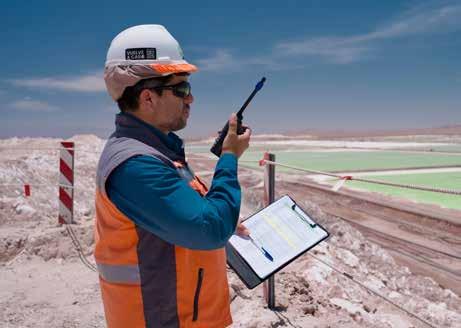
A type of electromagnetic wave considered to be non-ionizing that covers the interval of wavelengths between 100 and 400 nanometers. Nuisance noise that produces damage or interferes with the transmission, perception or interpretation of useful sound.
Colorless sulfur dioxide gas, which has a characteristic irritating odor. A combination of metallic smoke and gases produced during welding operations. They have varying compositions depending on the metals used in welding, and contain numerous pollutants.
We reevaluated version 2 of the TMERT Musculoskeletal Disorders Protocol in Coya Sur. The process was completed by a physical therapist specialized in ergonomics from the Occupational Health and Hygiene Area.
The application allows workers, supervisors and managers to identify and monitor risk factors that could generate musculoskeletal injuries over time. As such, the evaluation incorporated recommendations to improve the conditions of each worker through observation and analysis of their tasks, training, participation in active breaks and admission to health monitoring programs for people identified with risk factors present in their jobs. The overall goal is to maintain active surveillance of both the environment and worker health.
Silicon dioxide (SiO2), which forms crystals like quartz, tridymite or cristobalite, or amorphous structures like glass.
Physical injury due to accumulated trauma that develops gradually over a period of time as a result of repeated strain on a specific part of the musculoskeletal system. This may also be due to a specific effort that exceeds the physiological resistance of the tissues that comprise the muscular skeletal system.
Fit tests were performed on users of respiratory protection at Pedro de Valdivia using Portacount equipment. This initiative is based on the ISP’s Technical Guide for Selecting and Monitoring Respiratory Protection Elements, which helps users identify correct respirator sizes and adequate use and maintenance. It also allows the organization to choose and purchase the right respirator, ensuring that users are effectively protected.
This activity is focused on personnel in the following areas: electrical maintenance, mechanics, iodine operations, supervisors and administrative staff. It was carried out in October 2024 and is to be repeated annually.
Process Safety Management (PSM)
Process Safety Management (PSM) focuses on preventing incidents related to the production process and those that could pose significant harm to employees, the community, our facilities or the environment.
The PSM system was introduced to increase the organization's resilience to business challenges by empowering people and modernizing its management processes. The system is designed to reduce the risk of catastrophic events, enhance team members’ operational risk management technical skills, achieve effective resource allocation based on the risks posed by the process, and move towards robust operational continuity at our facilities.
The company acquired a new firetruck to replace the Scania unit that had been used since 1989 in an effort to improve emergency response services at the Iodide Plant and Pampa Blanca Leaching Mine.
We purchased firefighting equipment and replacement materials for chemical emergencies, rescues and industrial fires at the Iodine Plant and Pampa Blanca Mine. The goal is to save lives and mitigate losses for the process and the organization in general.
The company successfully conducted ISO 45001:2018 Occupational Health and Safety implementation training at the Port of Tocopilla in 2024.
This activity was carried out in person and was attended by approximately 150 employees as well as representatives of contractors.
Following six months of training, 12 emergency coordinators from our SQM Iodine Plant Nutrition sites completed a program to become first responders.
This important activity was managed by the Pampa Risk Management Department, which worked with the Training Area and Pampa Emergency Leader to prepare the initiative with the support of the company Explor-K. They created a curriculum that is aligned with US NFPA 1041 Level 1 requirements related to emergency brigade instructor training.
Participants completed six months of in-person and remote classes and practical work at the Coya Sur Training Center. They were trained as instructors for emergencies involving hazardous substances, industrial fires, confined spaces, work at heights, and other scenarios.
The training gave emergency managers the skills they need to train their own teams. Each manager will be responsible for training the brigade members of their shifts.
A series of physical and technological measures including cameras with advanced surveillance systems were introduced at Nueva Victoria to prevent theft from the facilities.
Asset protection and surveillance is a fundamental factor for ensuring operational continuity at a site like Nueva Victoria due to the size of its operations, covering an area that is over 50 kilometers around (1,163 square km).
To prevent crimes like cable, tool or vehicle theft, the Nueva Victoria Property Security Area introduced a system of surveillance cameras that use night vision technology along with megaphones, beacons and sirens that can be programmed using AI patterns. This information is centralized in a control room.
When the monitoring center operators receive an alert, they can call the sector where the camera identified suspicious activity using a megaphone. They can also activate the siren and beacons.
The site currently has more than 100 cameras, which are monitored 24 hours a day, seven days a week through a control center.
The main crimes detected at the site have been cable theft—which directly affects the operation—and common crimes such as the theft of tools or vehicles. The measures implemented have led to an 87% decrease in crimes affecting the operation and a 72% decrease in common crimes.

At SQM Iodine Plant Nutrition, we are responsible for providing quality products that meet the standards we have committed to and applicable regulations. We also provide timely service to our clients and customers through a rigorous quality control system. We are also committed to promoting human rights, fair treatment and environmental protection throughout our production chain, from the extraction of the mineral until the product reaches our customers.
In our Sustainability, Ethics and Human Rights Policy, we commit to:
Promoting and advocating for responsible and sustainable sourcing.
Manufacturing quality products that meet the standards we have committed to and applicable safety standards.
Respecting and promoting human rights, including labor rights of all workers in our supply chain, such as consultants, contractors, distributors, independent contractors, subcontractors and wholesalers.
Our
value chain is based on five essential
pillars that reflect our commitment to sustainability and the continuous improvement of our processes. These pillars are: responsible sourcing; environmentally responsible products; our products; customer information and management; and innovation.
Each of these elements plays a crucial role in creating value, ensuring that our operations are not only efficient and effective, but also environmentally friendly and focused on our customers' needs.
We are aware that, as a multinational company with operations around the world, we have a commitment and responsibility to respect human rights and our commitments established in our Sustainability, Ethics and Human Rights Policy, which goes beyond the bare minimum required by law.
We have worked to improve the following over the course of our company’s history:
We have formally adhered to the UN Guiding Principles on Business and Human Rights, working to "protect, respect and remedy" human rights. We seek to extend this commitment throughout our production chain to ensure responsible sourcing.
This policy establishes criteria for responsible sourcing, which our suppliers must progressively incorporate into their organizations to ensure a supply chain that respects human rights.
The policy also establishes that all suppliers we work with must comply with applicable legislation and share our sustainability commitments in their own companies. We urge all suppliers that provide services to SQM Iodine Plant Nutrition, including those involved with supplies, services, consultants and intermediaries, to:
Respect their employees’ human rights
Care for the environment 1 3 4 2
Our production quality. Treating people fairly. Environmental protection.
Unrestricted respect for human rights in accordance with the most stringent international standards.
Protect health and safety
Prioritize ethics and integrity in their business activities
Encourage fair treatment of their own employees
To that end, we ensure they at least:
Comply with our Code of Ethics. Are familiar with and understand our policies. Take corrective action if necessary. Conduct an annual sustainability self-assessment.
We are aware that the supply chain for extracting, transporting or trading minerals is more susceptible to certain abuses that constitute serious human rights violations that companies must avoid and commit to eradicate.
We believe that the following constitute serious human rights violations:
Engaging in any form of child labor in accordance with Convention No. 182 of the International Labour Organization (ILO), ratified by Chile in 2000.
Adopting or tolerating forced or compulsory labor practices or others that imply any type of modern slavery, including working under duress and any work that the individual has not voluntarily offered to do.
SQM Iodine Plant Nutrition will not tolerate any form of direct or indirect support for non-state armed groups that pose a threat to the rule of law and human rights in the mineral supply chain.
Direct or indirect support may include, but is not limited to, procuring minerals, making payments, providing logistical assistance or equipment, carrying out actions or contracts in their name, among others.
The following are considered to be unacceptable behavior:
Directly or indirectly supporting non-state armed groups that illegally control work or mines sites or otherwise control transportation routes or points where minerals are traded.
Commit to providing further information if requested and/or participating in additional validation.
SQM's Responsible Sourcing Policy identifies risks throughout the supply chain that could constitute a significant breach of this policy and other corporate policies. A substantial breach is one that seriously violates human rights or involves intolerable conduct that poses a threat to the rule of law or human rights. In such cases, SQM Iodine Plant Nutrition may suspend or terminate the business relationship with that supplier.
Any form of cruel, inhumane or degrading treatment or torture.
Other abusive treatment, such as widespread sexual violence and other gross human rights violations.
Committing or participating in the commission of war crimes or other serious violations of international humanitarian law, crimes against humanity or genocide.
Directly or indirectly supporting non-state armed groups that illegally tax or extort at points of access to work or mine sites, along transportation routes or at points where minerals are traded.
Directly or indirectly supporting non-state armed groups who extort intermediaries, export companies or international traders.

We use a rigorous due diligence process to evaluate the adequacy of our new and existing suppliers and customers in an effort to establish safe business relationships and comply with internal regulations and policies. This process is managed by the Ethics and Compliance Department and is completed prior to entering into any business relationship.
Information about a new supplier or customer must be provided by a company employee who proposes that SQM Iodine Plant Nutrition engage in a relationship with that entity. This information is evaluated using a platform that analyzes legal aspects, public information and human rights issues such as modern slavery, human trafficking, forced labor and child labor. The company’s Legal Compliance Area conducts periodic assessments of existing suppliers to identify any change in the relationship with the third party.
A total of 2,095 third parties were processed and analyzed in 2024 prior to initiating or continuing a business relationship with them. Furthermore, the Procurement Area has added 175 companies to its portfolio of suppliers of goods, inputs, replacement parts, training services, advising services and on-site services, which are distributed throughout Chile.
We strive to establish clear and fair relationships and to extend our commitments to sustainability, best labor practices and human rights to our supply chain with a view to promote responsible and sustainable sourcing.
To that end, we commercially and contractually encourage our suppliers to protect their employees’ health and safety, respect their labor rights and human rights and protect the environment. With that goal in mind, we have progressively incorporated sustainability criteria and compliance with adequate labor conditions into our assessments. This is part of our ongoing monitoring and risk assessment of our suppliers. We also incorporate criteria associated with our Code of Ethics, Sustainability, Ethics and Human Rights Policy and Responsible Sourcing Policy into our decisions regarding the purchase of supplies and services.
We promote spaces for direct and ongoing communication with our suppliers and generate conditions that allow local and small-scale suppliers to reach the required standards. All of these activities bring us closer to local communities.
Contractors, employees and suppliers are a key part of our ability to do business. Most contractors work at our operations located in the Tarapacá and Antofagasta regions, Port of Tocopilla and our offices in Antofagasta and Santiago.
Along these same lines, we periodically audit labor variables to measure compliance with labor and benefits obligations by all contractors to comply with the terms of the Subcontracting Law. Contractor companies are also audited on matters such as health and safety, basic sanitary and environmental conditions in the workplace, the health and safety management system, and the existence and functioning of joint committees and compliance with labor laws.
In addition, coordination meetings are held between the SQM professional overseeing the work, SQM’s prevention department and a representative of each contractor and subcontractor. The first of these is held at the outset of each contract.
Supplier Number by Region
Purchases from Suppliers by Region
The data from 2023 cannot be compared to 2024 figures for the following reasons:
• The numbers for 2023 correspond to SQM Corporate. They included information for the two divisions that the company had at the time (Lithium Potassium and Iodine Plant Nutrition) as well as the purchases by foreign subsidiaries.
• The numbers for 2024 only include SQM Iodine Plant Nutrition for purchases made in Chile and by its foreign subsidiaries. They do not include the subsidiary SQM Comercial S.A. Data for that entity are presented separately in the appendices to this report.
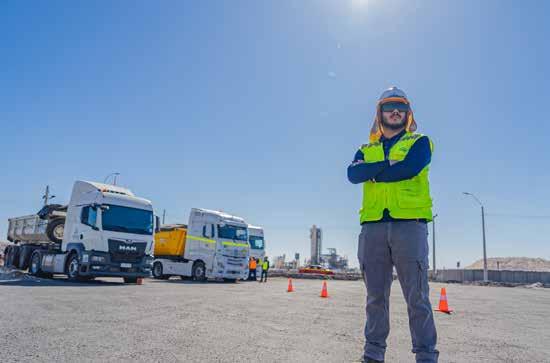
All employees are given the Regulations for Contractors and Subcontractors and policies for SQM and its subsidiaries when they begin working in our facilities. These regulations establish the standards and responsibilities related to protecting employees’ lives and health. In addition, SQM organizes specific training sessions on safety matters for contractors as part of its efforts to contribute to risk prevention and align workers with our Code of Ethics, Sustainability, Ethics and Human Rights Policy and other standards.
We also have Purchasing and Service Engagement Procedures that set standards for the efficient management and oversight of acquisitions and contracts. They include stages such as request, supplier selection, analysis of options, placement of orders, order monitoring and payments.
We prioritize identifying local suppliers in districts located near our operations in the Tarapacá and Antofagasta regions in an effort to strengthen local companies.
The company's sourcing strategy includes safety and labor criteria, such as financial health, current municipal licenses, affiliation with mutual insurance companies, accident certificates, subcontracting authorization, health examinations, compliance with the labor code, employment contracts, personnel skills, equipment certifications and other key requirements.
Suppliers are assessed in accordance with the Sustainability, Ethics and Human Rights Policy and the Responsible Sourcing Policy. One key step is a visit by procurement engineers to supplier facilities, where they inspect aspects such as infrastructure, equipment, safety measures, waste management and storage. This evaluation helps determine the suitability of the suppliers selected to be part of the company's portfolio.
We conduct formal assessments of suppliers as well as visits to companies that already have a contract with SQM Iodine Plant Nutrition to supervise and inspect the aspects detailed above. We ask that they address any opportunities for improvement that we may identify.
We participated in various meetings with suppliers nationally in 2024. During all those opportunities for exchange, we shared the importance of having local suppliers, especially from the Antofagasta and Tarapacá regions. We spoke of challenges at the project, supply and logistics levels, encouraging suppliers to be part of them to continue to move towards sustainable and responsible mining. We participated in the CIMIT International Mining Conference in Tarapacá along with the Industrial Association of Iquique and El Tamarugal and promoted the More Tarapacá Suppliers Program, which is held in Iquique each year to promote business opportunities between suppliers and mining companies.
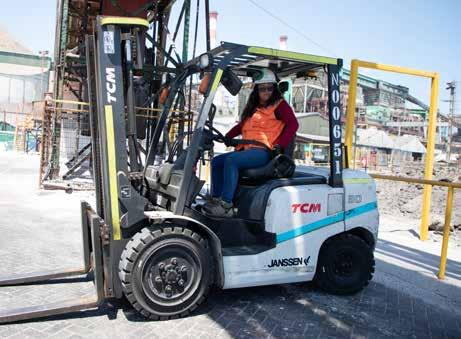
• We participated in Exponor 2024 in Antofagasta, and our Procurement Department met with several companies at the SQM Iodine Plant Nutrition's stand.
• We also took part in the business roundtables held by SICEP as part of the Antofagasta Industrial Association. A total of 88 companies participated, and the day ended with a networking event attended by over 100 companies.
• We were part of the Mining Month Business Roundtable, which was organized by the Antofagasta Industrial Association.
• We met with local suppliers in Tocopilla to discuss safety and business topics. The goal was to support the various businesses that work in the port and encourage them to improve their processes and standards.
• We participated in business roundtables with local suppliers in the context of the 9th International Mining Congress in Tarapacá CIMIT 2024, which was organized by the Regional Ministerial Secretariat of Mining of Tarapacá and executed by the Industrial Association of Iquique and El Tamarugal
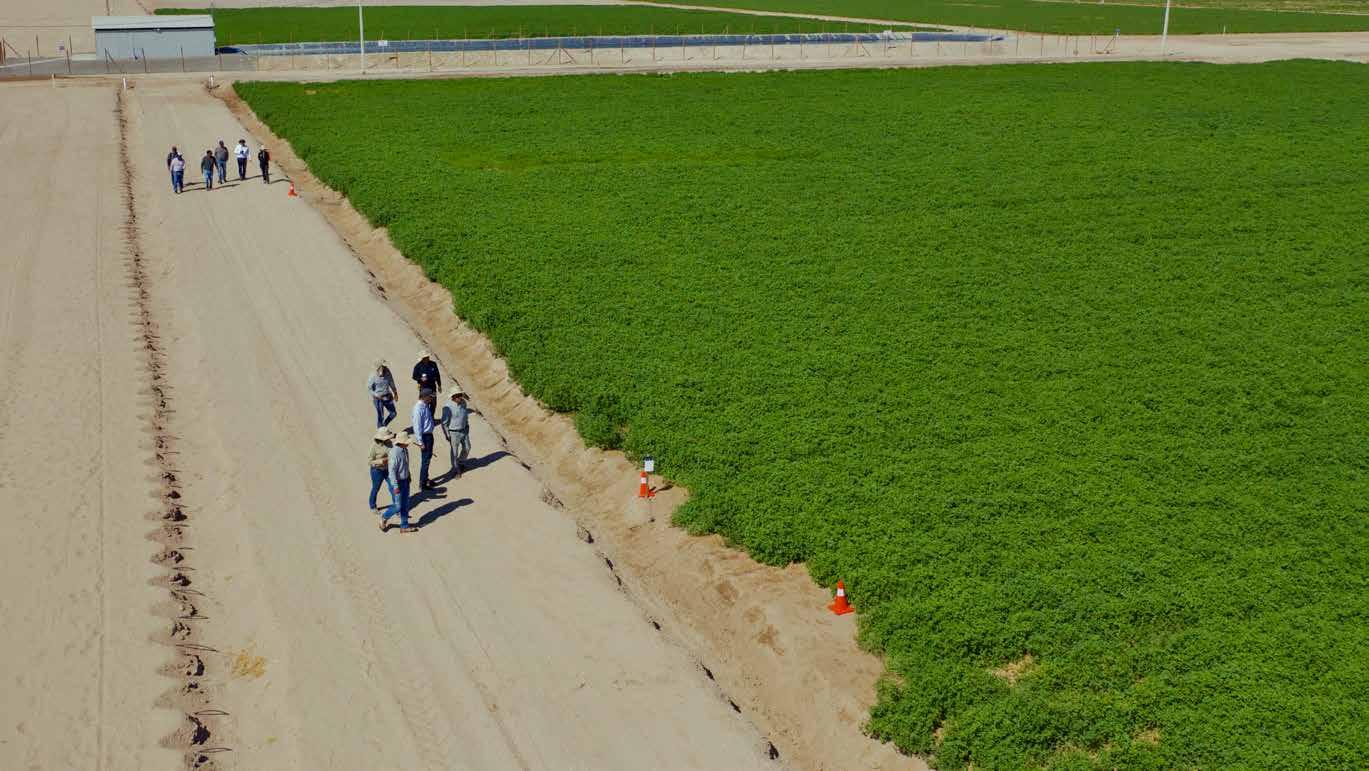
in the context of Mining Month. More than 120 companies attended event activities each day. The activity concluded with a networking event focused on upcoming projects and tenders.
• We held a meeting with Pozo Almonte suppliers and contractors that was attended by 14 companies, as well as a similar event in Alto Hospicio with seven participants. We answered attendees’ questions and encouraged them to participate in our selection processes.
• We were part of Conectando Empresas (Connecting Businesses), the second networking event held by the Iquique Industrial Association.
• We participated in a suppliers meeting organized by the Antofagasta Industrial Association in Santiago. Our Procurement Area presented upcoming tenders and key purchases and services that will be put out for bid. Over 500 companies attended the event. Participants included Sercotec CEO María José Becerra and Finance Minister Nicolás Grau. The event closed with a business roundtable.
• We were part of the XXVII Mining Supply Meeting held by SONAMI in Santiago. We shared best
practices focused on responsible procurement in the supply chain.
• We participated in the B2B meeting in Zofri (Iquique) organized by the Iquique Industrial Association.
• We participated in the Antofagasta Industrial Association supplier meeting in Antofagasta. The Procurement Area addressed issues such as requirements for registering as a supplier and bidding processes. The event closed with a business roundtable discussion.
Finally, the plan to replace contractor performance bonds with surety bonds was approved, benefiting smaller companies. We also have begun to pay local suppliers in the Tarapacá and Antofagasta regions immediately. This approach is also being used for critical service providers. Likewise, suppliers are required to present external certifications that certify compliance with their labor obligations in accordance with SQM's Sustainability Policy.
2-6/ 3-3
At SQM Iodine Plant Nutrition, we are proud to offer products with a global presence and take steps to minimize the environmental impacts throughout our value chain through our certifications and the transparency of the information we provide to our stakeholders.
Our production process and labeling of the mineral extracted are committed to the responsibility that such activities involve.
All our products are labeled in accordance with local and international regulations. The labels provide information such as the product’s place of origin, contents, safe use and disposal, and other aspects per relevant regulations. The company also follows the standards of the Globally Harmonized System of Classification and Labeling of Chemicals (GHS) and monitors regulatory developments to identify substances of high concern to help the customer make an informed decision.
We have earned international certifications such as ISO 14001 and ISO 50001, both of which were awarded by TÜV Rheinland. These speak to our environmental management and energy efficiency as well as our Responsible Care commitment, which involves continuously improving environmental and safety practices related to our products in the chemical industry. Along these same lines, our fertilizer products are Protect & Sustain certified for excellence in product stewardship.
All these certifications are meant to promote the efficient use of our resources and a commitment to continually improve how we manage our products to minimize impacts.
SDG
targets we support
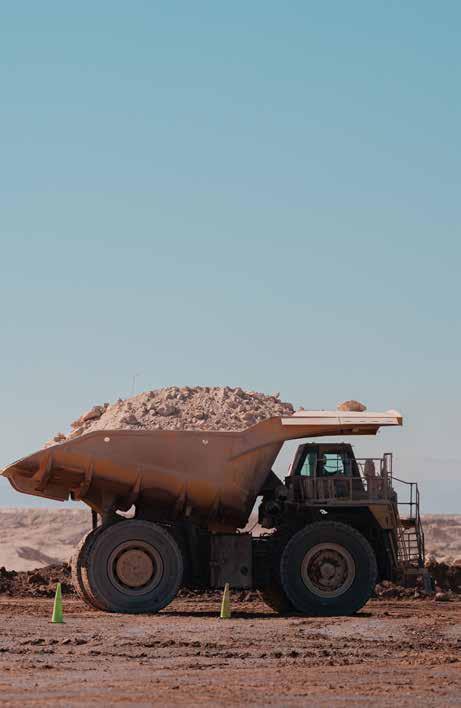
We operate the Port of Tocopilla under the name Servicios Integrales de Tránsito y Transferencias S.A. This entity is part of the SQM Group's operations.
The port has the following facilities: south gate, bulk storage yard, bagged storage yard, general blending storage yard, bagging plant, silos, storage warehouses, maintenance workshop, maritime operations offices, wharf No. 5, mechanized arm, management office and north gate. Port activities are carried out at these facilities to receive, storage, package and ship the product.
The port has 21 hectares of surface area, six silos, two bagging machines, nine closed warehouses, one loading dock for bagged product, 1.9 kilometers of conveyor belts and spaces for 50 thousand tons of bagged storage and 260 thousand tons of bulk storage.
The Port of Tocopilla is a hub where all the company's nitrates and potassium are stored, distributed and shipped.
It presents complex weather conditions and serves as a point of departure for approximately 50 ships per year, each of which carries an average of 35,000 tons. Some 100,000 metric tons are shipped out of the terminal each month with loading rates of 700 to 900 metric tons per hour. SQM Iodine Plant Nutrition has achieved that productivity rate through an unprecedented combination of technology and innovation.
Based on the corporate guidelines of our Sustainability, Ethics and Human Rights Policy, we created a “Sustainable Port" by establishing a work path, objectives and goals.
Our efforts in this regard began in 2021, when we began to pursue the following certifications:
• Responsible Care Certification: In 2021, SIT became a member of ASIQUIM. We completed the self-assessment, reviewed gaps, took actions to close them, monitored gap closure efforts, and finally earned the Level 2 Responsible Care certification: Complies with the Responsible Care Management System requirements.
• ISO 14001 Certification:We conducted an initial assessment in 2021, reviewing environmental aspects and impacts, proposing goals, targets and programs, and identifying roles and responsibilities. The certification audit was required in December 2021, and we were awarded Environmental Management System certification.
• APL TEC Seal Certification: We earned recognition for finalizing the Clean Production Agreement (APL) in 2023. In July 2024, a certification audit was held, and we met 100% of the requirements for earning the APL seal and certification.
These efforts were supported by setting goals regarding water management, climate change, particulate matter emissions and waste.
The Port of Tocopilla aspires to always be the best port alternative for receiving, storing, packaging and shipping products, through sustainable, efficient, integrated and safe operations focused on quality and innovation and committed to the development of our people and the community of Tocopilla.
• Ecoports certification: In 2022, we began the process of registering the port with Ecoports and conducted the initial assessment. That year, we worked on an environmental report (PERS), which was published on the SQM website in early 2023. During the second quarter of 2023, the certification audit began. We earned certification that same year.
• ISO 45001 Certification: We conducted the initial assessment in 2024. During the second quarter, we set the goals, targets and programs; identified roles and responsibilities; trained auditors on the process; and completed the audit certification in December. We were awarded the certification in early 2025.
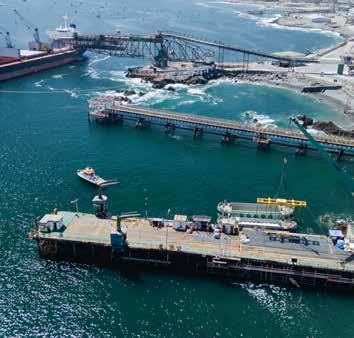
Emissions and Waste Approach
One of the main environmental aspects is particulate matter emissions generated by our activities. This has led us to define goals, challenges and indicators.
Goal 1: To limit PM10 emissions.
Challenge: To limit bulk activity PM10 emissions to 4.5 metric tons/year or less.
Indicator: PM particulate matter emissions (YTD METRIC TON).
We have met our goal of generating less than 4.5 metric tons of emissions per year over the past few years.
We also consider the waste that our activity generates. We manage it in accordance with national legislation and environmental commitments aligned with the sustainability policy. Waste management is designed to minimize the generation of waste by recovering it, identifying a new use for it or eliminating it at source, thus reducing the risk to human health, the environment and communities. This has led us to define goals, challenges and indicators.
Goal 2: To decrease the amount of waste generated that is sent to the landfill.
Challenge 1: To decrease waste by 5% compared to the previous period.
Indicator 1: KPI (metric tons generated current period/ metric tons generated during the previous period) * 100
Challenge 2: To recycle 100% of port waste.
Indicator 2: KPI (metric tons recycled/ metric tons of output) * 100
Challenge 3: To recycle 100% of domestic waste.
Indicator 3: KPI (metric tons recycled/ metric tons of output) * 100
Water Management Approach
We ensure that the water that we use is managed efficiently. We also ensure that its uses are managed properly and engage in process optimization. The commitments that we have made emphasize the reduction of water consumption. As such, we created a monitoring indicator for water management.
Goal 1: To reduce water consumption.
Challenge 1: To reduce per capita water consumption by 5% with respect to the previous period.
Indicator 1: Consumption per person in port, KPI (liters / person).
Climate Change Approach
We ship products used in industries that are fundamental to human development and wellbeing. As such, we identify challenges related to Greenhouse Gas (GHG) emissions reduction. These are reflected in two work areas:
a. Mitigation: We quantify our GHG emissions using international methodologies and periodically verify them in an effort to properly manage the port's internal activities.
b. We adapt our operations, production and logistics processes to the needs and risks of each project, incorporating climate change.
Goal 1: To limit GHG emissions.
Challenge 1: To reduce greenhouse gas emissions by 2% with respect to the previous period.
Indicator: CO 2 emissions eco-efficiency index (metric ton CO2 / metric ton shipped).
Climate change frequently generates storms or poor conditions on our coasts. This prevents the port from operating safely or efficiently.
To maintain safe operations, we have implemented sensors that allow us to objectively quantify the sea conditions in real time, so that we can always work under operational parameters to achieve safe operations. We use this data, bathymetry, nautical charts and other resources, to model our bay and generate a local forecast that allows us to anticipate swells seven days in advance (we are working on increasing the horizon to 16 days).
We have three sensors, two floating buoys and a current meter located at 13 m under the sea installed in strategic locations within the bay.
This initiative has allowed us to develop a preventive control system by activating alerts ahead of possible incidents. It consists of two sensors (location Wharf #5, buoy) that can identify and measure polycyclic aromatic hydrocarbons (PAH).
If PAHs are identified, the sensor sends a 20mA signal that is detected by the LoRa node and is sent to the control room, triggering an email that is sent to the appropriate staff members. If no oil is detected, the sensor sends a 3mA signal, allowing us to standardize a hydrocarbon monitoring protocol.
This initiative will prevent possible adverse environmental scenarios at the port in the event of a spill at sea.
Various drills were conducted in 2024 in accordance with the Annual Drill Plan. One of them was a drill of a serious accident impacting an employee from the Quality Control Department at the port. The drill involved evaluating the actions of the various entities that participate in emergency response efforts, including internal and external response teams, based on the steps outlined in the Emergency Plan.
In terms of positive impacts, the drill revealed quick brigade response times. They reached the site immediately, as did the on-call paramedic. We also determined that the various parties (brigade members and risk prevention advisor) coordinated their responses well. In terms of improvements, we will focus on the delivery of radio information, immediate availability of ambulances from ACHS, re-training on the emergency plans and sub-plans for the personnel involved, and other matters.
The purpose of this initiative promoted by the Maintenance and Risk Prevention Department of the Port of Tocopilla is to enhance safety, productivity, reliability and efficiency of the energy isolation and lockout procedure. This will save time and money by replacing physical locks with digital ones and digitizing the documents related to this process.
Level 1 recognition was given by the Chilean Safety Association to the Joint Health and Safety Committees for their compliance and best practices in efforts to comply with Supreme Decree 54.
The SIT Joint Committee is currently working on taking the next step and certifying at
Level 2.
The second Technical Roundtable organized by the Port of Tocopilla team of SQM Iodine Plant Nutrition and the Chilean Safety Association (ACHS) was held. Various port companies from northern Chile took part in the event, including Port Angamos, ATI, and the Port of Antofagasta. The event focused on sharing experiences, innovation and best practices related to safety, occupational health and emergency management.
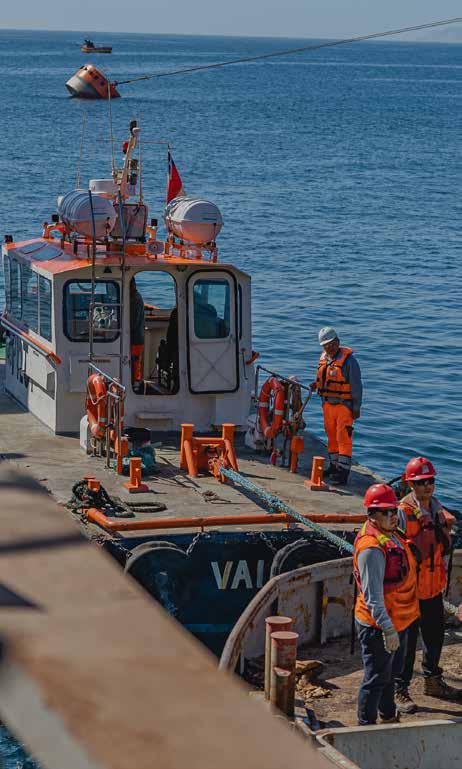
Given the nature and use of the products we sell, we do not have a hazardous substances management procedure focused on generating alternatives that have a lower impact on human beings or the environment. However, we do take steps to keep information regarding product hazards and risks up to date, and provide updated communications on hazards through safety data sheets and labeling.
All of the company's products are labeled in accordance with the applicable regulations for chemical products and industry regulations in the countries where they are sold, as well as international codes for the transport of hazardous goods.
To this end, the company has a process for updating product artwork and labels that calls for including information on labeling based on the regulatory requirements of the destination markets:
Product origin, which is indicated on all labels.
Contents are listed voluntarily or when the regulation explicitly requires it. The identification of substances that could have an environmental or social impact in accordance with relevant regulations by destination market.
Safe use instructions must be listed based on pertinent regulations in each destination market.
Disposal of the product is outlined in accordance with the relevant regulations by destination market.
All safety information relating to the classification of hazards inherent to the product is listed in accordance with the Globally Harmonized System of Classification and Labeling of Chemicals (GHS) and the local regulations applicable in each destination market.
Safety data sheets constitute an additional hazard communication tool. All our products have their respective safety data sheets. These include a list of ingredients that could have an impact on health or the environment according to GHS criteria. This document also presents the conditions for the safe use and disposal of the product.
We also monitor regulatory and technical progress to identify substances of concern based on the criteria of Regulation (EC) 1907/2006. The raw materials used are evaluated in terms of their hazard classification to assess their impact on the final product classification.
Our internal customers can request safety data sheets for new products on a platform created exclusively for this purpose in order to leave evidence and document the process.
Specialty plant nutrition products and iodine play an essential nutritional role in agriculture and human health. As such, we do not have a hazardous substance management procedure focused on generating alternatives that impact humans or the environment less given the nature and use of the products we sell. However, we do take steps to keep information regarding product hazards and risks up to date, and provide updated communications on hazards through safety data sheets and labeling. Each raw material used is evaluated in terms of its hazard classification to assess the impact on the final product classification.
Our customer service and/or product development team requests safety data sheets for new products using a platform created exclusively for this purpose to provide evidence and supporting document related to the process. Our safety data sheet library currently contains over 4,500 documents.
The specialty plant nutrition line is subject to general chemical product oversight and sector regulations applicable to fertilizers. Fertilizers are subject to EU Regulation 2019/1009 in Europe.
In general, chemical products sold in Europe are subject to Regulation (CE) 1907/2006 on registration, evaluation, authorization and restriction of chemical substances and blends and Regulation (CE) 1272/2008 on classification, labeling and packaging of substances and blends.
Additionally, in Europe, potassium nitrate, sodium nitrate and other nitrogen compounds, as well as fertilizers based on them, fall under the scope of Regulation (EU) 2019/1148 on the sale and use of explosives precursors.
In the United States, fertilizers are subject to state regulations. At the federal level, they are regulated by OSHA's Hazard Communication Standard (HCS) and the Toxic Substances Control Act (TSCA). In particular, potassium nitrate and sodium nitrate are under the scope of the Chemical Facility Anti-Terrorism Standards (CFATS). Maritime transportation of these products is regulated by the IMDG and IMSBC codes.
All of the products are covered and assessed in order to identify hazards to human health and safety. The identification of these hazards is based on the criteria established under the UN Globally Harmonized System of Classification and Labeling of Chemicals (GHS).
Some of our products in the plant nutrition line may contain boron (in the form of boric acid) as an impurity or desired element. Boron levels are monitored during production. When their levels of impurity or intentional ingredients exceed the limits based on the Globally Harmonized System, the products are classified as toxic to reproduction category 1B and labeled as such to call attention to potential hazards posed by these products.
In regard to the analysis of the strategy and methods to develop alternative processes and chemical substances that reduce or avoid the use of substances that may be of concern to consumers, customers, regulatory agencies or others interested in human health and the environment, the possible contaminants are monitored during production. In addition, annual studies are conducted to evaluate heavy metals. The company has developed prilled products that reduce the hazard due to the oxidizing characteristics of nitrate-based products, which aligns with the principles of green chemistry, designing safer chemicals.
Our iodine product presents the following environmental hazards per the Globally Harmonized System of Classification and Labeling of Chemicals (GHS):
• Category 4 acute toxicity,
• Category 2 eye irritation,
• Category 2 skin irritation,
• STOT SE category 3, STOT RE-1,
• Category 1 water toxicity.
We also note that products classified as hazardous are subjected to a chemical safety assessment. In some cases, depending on the product, the assessment is performed on its components. Products classified as not hazardous are not subject to chemical safety assessments.
No breach of regulations or voluntary codes has been identified with regard to the impacts of products and services on health and safety.
In regard to breaches of regulations related to product information and labeling, the following was identified during 2024:
• One case of non-compliance related to labeling in 2024. Pallets transported by road to Ukraine that originated at SQM Holland did not include the word "Overpack” as stipulated in section 5.1.2 of the ADR (European Agreement concerning the International Highway Transport of Hazardous Merchandise). The non-compliance resulted in a fine.
There were two violations involving SQMC in 2024. They involved labeling issues that resulted in fines.
• One fine corresponds to the official notice issued by SAG due to a difference in the nitrogen composition of a product.
• The other fine involved a SAG infraction issued to a distributor for 110 bags of Amintec.
Iodine Plant Nutrition Port of Tocopilla
• ISO 9001
• ISO 50001
• Responsible Care
• ISO 9001
• ISO 14001
• ISO 50001
• APL
• Protect & Sustain
• ISO 9001
• ISO 14001
• ISO 45001
• Responsible Care
• APL
• Ecoports
• Protect & Sustain
• Recertification for Iodine and Plant Nutrition was completed for ISO 9001.
• The ISO 5001 internal audit was completed in July at the Nueva Victoria and Coya Sur sites by the internal auditing team and Roda.
• The Coya Sur plant earned ISO 50001:2018 certification, which went into effect on 12-27-2023 and will remain in effect until 12-26-2026.
• Our Coya Sur and Tocopilla sites obtained the Clean Production Agreement (APL) seal.
• The Port of Tocopilla earned ECOPORTS PERS certification, which will be valid until 2025.
• A total of 25 internal audits were conducted under ISO 9001 on various areas of Coya Sur, Tocopilla and Santiago.
• Coya Sur earned ISO 14001 certification, which will be valid until 2027.
• Nueva Victoria earned ISO 15001 certification for Mine & Leaching and the Iodine Plant.
• The Port of Tocopilla earned Level 1 Responsible Care certification.
• The certification audit for the Coya Sur and Port of Tocopilla operations was conducted in July 2024. We met 100% of the requirements for earning the Clean Production Agreement (APL) certification and seal.
• The Port of Tocopilla earned Level 2 Responsible Care certification.
• This was the first Clean Production Certification earned as a Waste Generator. It will be valid for one year.
• The Port of Tocopilla earned ISO 14001 certification for the first time.
• The Nueva Victoria plant was re-verified in Responsible Care at Level 1. The certification will remain in place for three years.
• SQM earned a 91% level of compliance for the Protect & Sustain re-certification, exceeding its previous score.
• ISO 39001 Roadway Safety certification was also completed and will be valid until 2025.
• The Port of Tocopilla earned ISO 45001 certification thanks to the work performed in 2024. It will remain valid until 2028.
In 2024, 12 new internal auditors certified in the trinorm (ISO 9001, ISO 14001 and ISO 45001) were incorporated, bringing the total number of trained internal auditors at SQM Iodine Plant Nutrition to 30. We also strengthened our team by adding four lead auditors certified by the IRCA in ISO 50001:2018, and two lead auditors certified by IRCA in ISO 45001:2018. These certifications reflect our commitment to operational excellence, sustainability and compliance with international standards on quality management, the environment, energy and occupational health and safety, positioning our company as a leader in responsible and innovative practices.
During 2024, the ISO Annual Auditing Plan and certifications of SQM Iodine Plant Nutrition were executed as planned, demonstrating our commitment to continuous improvement, sustainability and operational excellence. Each audit allowed us to identify opportunities for improvement and ensured compliance with the highest standards, enhancing comprehensive management and positioning the company as a leader in responsible and sustainable practices.
A total of 12 external audits were conducted:
• Port of Tocopilla: 5 external audits (APL Seal, Ecoports, Responsible Care, ISO 45001 Phase 1 and 2, and ISO 14001).
• Coya Sur: 5 external audits (ISO 14001 Phases 1 and 2, ISO 9001, APL Seal, ISO 50001).
• Nueva Victoria Site: 2 external audits (ISO 9001 and ISO 50001).
A total of six internal audits were conducted:
• Port of Tocopilla: 1 internal audit (ISO 9001, 14001, 45001).
• Coya Sur: 3 internal audits (ISO 9001, ISO 14001, ISO 50001).
• Nueva Victoria Site: 2 internal audits (ISO 9001, ISO 50001).
A total of 18 audits were conducted at our various work sites, further enhancing SQM Iodine Plant Nutrition’s commitment to continuous improvement, compliance with international standards and sustainability in its operations.
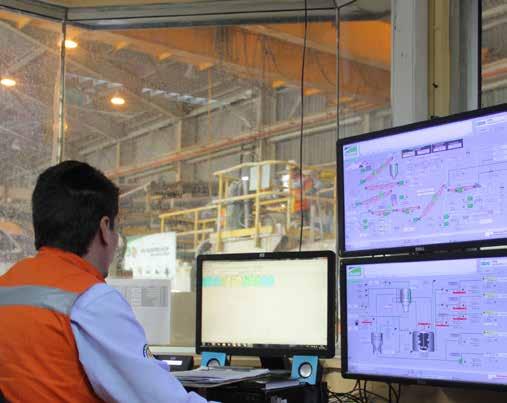
Corporate Headquarters
Nueva Victoria (Mine & Leaching)
Nueva Victoria (Iodine Plant)
Pedro de Valdivia (Iodine Production)
Antofagasta Iodine Laboratory
Coya Sur Plant
Port of Tocopilla
with yellow dots are being implemented.
ISO 9001:2015
This global quality management standard helps organizations of all sizes and from all sectors to improve their performance, meet customer expectations and demonstrate their commitment to quality. We first earned this certification for the Iodine and Plant Nutrition business in 2005. We recertified our iodine production and sales in 2023 as well as the production and sale of potassium nitrates, sodium and soluble fertilizers. Those certifications will remain valid until 2026. We also conducted internal audits on an ongoing basis. A total of 25 areas from the various Coya Sur, Tocopilla and Santiago work sites were audited in 2024.
Corporate Building: Production and sale of potassium nitrate, sodium and soluble fertilizers.
Coya Sur Plant, María Elena: Production of potassium nitrate, sodium and soluble fertilizers.
Port of Tocopilla: Storage, packing, quality control and shipment of potassium nitrate, sodium nitrate and soluble fertilizers.
Corporate Building: Production and sale of iodine.
Nueva Victoria: Iodine production.
Pedro de Valdivia: Iodine production.
Iodine Laboratory, Antofagasta: Iodine control laboratory.

ISO 14001:2015
Environmental Management Systems (EMS) standard that allows companies to demonstrate that they are responsible and committed to protecting the environment through the management of environmental risks that may arise from their business activities. In Plant Nutrition, the Port of Tocopilla earned ISO 14001 certification in 2022. The following year, it successfully passed the follow-up audit to maintain certification until 2025. Coya Sur earned ISO 14001 certification in 2024, meeting all of the requirements for this standard. It will remain valid until 2027.
ISO 50001:2018
The purpose of this international regulation is to maintain and improve an energy management system whose purpose is to allow for continuous improvement of energy efficiency, energy security, use of energy and energy consumption with a systematic approach. This standard is designed to ensure that organizations continually improve efficiency, energy-related costs and GHG emissions. The first internal ISO 50001 audit was conducted by the internal auditing team and an independent external auditor at the Nueva Victoria (Mine & Leaching) and Coya Sur sites in 2023. Coya Sur obtained its certification valid until 2026 that same year. Nueva Victoria also earned its Energy Management System certification in 2024, and it will remain in force until 2027.
Coya Sur: Production of potassium nitrate, sodium and soluble fertilizers.
Port of Tocopilla: Storage, packing and shipment of potassium nitrate, sodium nitrate and fertilizers.
Plant Nutrition - Scope of Certification
Coya Sur Plant: Production of potassium nitrate, sodium and soluble fertilizers.
ISO 45001:2018
International Occupational Health and Safety Management Systems Standard designed to protect workers and visitors from work-related accidents and diseases. Implementing occupational health and safety risk management helps our organization to create a safe and healthy work environment, reducing the likelihood of occupational accidents and work-related illnesses. In October 2024, the Port of Tocopilla successfully completed Phase 1 of the certification process, and the external auditor approved it for Phase 2 in November. This allowed the company to meet the requirements of this international standard and earn the Occupational Health and Safety Management System (SGSST) certification. At the other sites where we do not have ISO 45001 certification, we have an Operational Risk Management System (SISGRO) to systematize the company's preventive management and optimally control occupational risks and potential losses in our various operations.
Iodine - Scope of Certification
Nueva Victoria (Mine and Leaching): Caliche extraction for iodine production.
Nueva Victoria (Iodine Plant): Iodine production.
Plant Nutrition - Scope of Certification
Port of Tocopilla: Storage, packing and shipment of potassium nitrate, sodium nitrate and soluble fertilizers.
Responsible Care is the voluntary commitment by which chemical companies undertake to responsibly manage the processes of production, handling, distribution, use and disposal of their products in order to obtain the best health and safety conditions for people and the most adequate protection of the environment and the community's assets. The company has earned international certification for the chemical industry since 2013. The Nueva Victoria plant underwent a re-verification process in 2022, earning Level 1, the highest level, for Responsible Care through 2025. In August 2024, we successfully completed the re-verification audit process at the Port of Tocopilla, earning Level 1 status, the highest level of Responsible Care. We met 100% of the stringent criteria established, and will retain this level of certification through 2027.
Protect & Sustain certification is the development and implementation of sustainable business management processes throughout the life cycle of fertilizers. It is promoted by the International Fertilizer Association (IFA). These are necessary to take on more responsibility for the way that products are made and how they are developed, procured, stored, transported and used.
This initiative is a key component of the association's strategy to facilitate the transition to more sustainable operations in the fertilizer industry. In 2022, we recertified Plant Nutrition in Protect & Sustain with 91% compliance. The certificate will remain valid until 2025.
The Clean Production Agreement (APL) Transition to a Circular Economy is coordinated by Acción Empresas and Corfo's Climate Change Sustainability Agency (ASCC). SQM Iodine Plant Nutrition’s ability to earn the Clean Production Agreement (APL) seal positively impacts the company by promoting more sustainable and responsible practices in all its operations. This certificate promotes efficient use of resources, reduction of the environmental footprint and minimization of risks associated with environmental management.
The APL effort began in January 2022 and took at least two years to complete. We were awarded the APL Seal for our Coya Sur and Tocopilla sites in October 2023. Furthermore, the company conducted a certification audit of the Coya Sur and Port of Tocopilla sites in July 2024, complying with all of the requirements for the certification and earning the right to use the APL seal.
Iodine - Scope of Certification
Nueva Victoria (Iodine Plant) LEVEL 1: “Continually exceeds assurance team expectations.”
Plant Nutrition - Scope of Certification
Port of Tocopilla - LEVEL 1: “Continually exceeds assurance team expectations.”
Plant Nutrition - Scope of Certification
Corporate Building: General management, human resources, scheduling, back office operations processes, marketing and sales, legal, quality assurance, audits, management systems administration.
Coya Sur Plant - Potassium nitrate production.
Port of Tocopilla: Reception, storage, packing and shipping of potassium chloride, potassium sulfate and potassium nitrate at the Port of Tocopilla.
Plant Nutrition - Scope of Certification
Coya Sur Plant
SQM Port of Tocopilla
ECOPORTS certification is the most important environmental initiative in the European port sector. It offers a series of environmental management tools based on EcoPorts PERS guidelines, global standards and voluntary commitments that go beyond regulatory minimums. We have committed to identifying environmental risks in order to compare our score to the European average. This gives us access to advice from experts and personalized recommendations from ECOPORTS. The Port of Tocopilla earned ECOPORTS certification in September 2023, specifically for the Port Environmental Review System (PERS).
ISO 27001:2013
This international standard provides a framework for the information security management system (ISMS) in order to provide confidentiality, integrity and ongoing availability of information, along with legal compliance. In 2024, following a prior implementation process, the area of SQM Industrial that belongs to the Iodine Plant Nutrition Division earned certification valid until 2027.
ISO 39001:2012
This international standard for a Road Safety Management System is designed to help organizations reduce and ultimately eliminate the incidence and risk of road traffic fatalities and serious injuries. SQM is the first mining company to be recognized by the international agency AENOR for having a roadway safety management system that complies with the standard.
The scope of this certification covers:
SQM Corporate - Operations support management.
Nueva Victoria/ Coya Sur/ Port of Tocopilla - Operation of inland transportation of products for industrial uses, fertilizers, pharmaceuticals, transportation of lithium and its derivatives in the Tarapacá and Antofagasta regions.
This voluntary Chilean program is managed by the Energy Sustainability Agency. Its purpose is to certify and recognize efforts made by cargo transport companies in the areas of sustainability and energy efficiency. The program also certifies cargo generating companies that choose to work with Giro Limpio certified transporters, thus contributing to reducing energy consumption and GHG emissions, as well as emissions of other local pollutants that impact human health. This decreases the environmental impact of the various value chains in our country. We earned Giro Limpio Certification for the fourth time in 2024. This certification is awarded to companies that promote decreased consumption of polluting fuels and CO2 emissions in highway cargo transport in their production chains.
ISO 55001:2014
During 2024, SQM Iodine Plant Nutrition was in the process of implementing an Electric Facilities Integrity Management System (ISO 55001:2014) at the Coya Sur and Nueva Victoria sites. This provides a systematic framework for asset management. The system has a significant impact on improving efficiency and safety in electrical asset management. This structured approach optimizes facility performance while reducing operational and safety risks, ensuring business continuity.

Voluntary participation in ESG (Environmental, Social, and Governance) indices allows our company to be evaluated and ranked according to its performance in environmental, social and governance criteria. These indices are valuable tools for both investors and other stakeholders, as they help identify us as a company that demonstrates sustainable and responsible practices.
We participate mainly at the corporate level through SQM S.A. The selection of the indices is based on the scope of the report and the target audience. In 2024, we were only assessed as SQM Iodine Plant Nutrition in the CDP, continuing to participate as a corporation in the other indices.
Broad: Multiple stakeholders Specific: Investors Specific: Climate Change/ Environment
In line with climate change and/or environmental standards.





Sustainable Development Goals, ESG
We present the corporate level results of our ESG indices below: Ecovadis
We are one of the 600 multinational corporations that work with Ecovadis to contribute to sustainability, managing risks, reducing costs and promoting innovation in our processes. Ecovadis is a sustainability ratings provider that uses a methodology based on international standards. This certification allows us to commit to better sustainability performance through 21 indicators in four areas: environment, labor practices and human rights, ethics and sustainable purchasing. In 2024, we increased our Ecovadis score by 4 points for an overall score of 67 points for SQM S.A.

This non-profit directs the global disclosure system for investors, companies, cities, states and regions in order to manage their impact on the environment. CDP is considered one of the most complete environmental reports in the world on corporate action and the city. With this certification, we commit to identifying and addressing growing risks as well as finding new action opportunities to contribute to a sustainable industry. We were evaluated in the Climate Change category of CDP as SQM Iodine Plant Nutrition and placed in Category C.


We adhere to the Global Compact network and are committed to integrating the concept of sustainability through the implementation of the 10 Principles. We issue an annual Communication of Progress (COP) to the Global Compact in our Sustainability Report. In 2024, we will do so through a new platform implemented by the organization.
This entity has over 130 member companies that have decided to manage their businesses sustainably in Chile. They are committed to People and Work, Sustainable Territories, Responsible Sourcing, Climate Change, the Circular Economy, and Ethics and Governance. We have worked with Acción Empresas on issues such as human rights, climate change risk assessment and launching a clean production agreement.
This entity represents 120 companies from the industrial chemicals sector. We are committed to its principles on the sustainable development of the chemical industry and to its work on health, safety and environmental standards.
IFA represents 75-80% of global fertilizer production, including producers, sellers and distributors. We adhere to its principles of promoting efficiency and responsibility in the production, distribution and use of fertilizers around the world.
Acades, the Chilean Desalination Association, promotes the development of seawater desalination and the reuse of treated wastewater as new sources of fresh water for Chile. The company joined the association in an effort to create coordinated responses among different organizations to promote these alternative sustainable water sources.
Compromiso Minero (Mining Commitment) is a network of more than 100 Chilean mining ecosystem organizations. The network is driven by small, medium and large mining companies; suppliers and enterprises; professional associations; training, education, innovation and technology entities; universities; and NGOs.
It aims to foster collaborative work focused on disseminating information to the mining ecosystem and to creating initiatives that add value to both member entities and individuals in an effort to contribute to Chile’s sustainable development.
3-3
We are global leaders in our four business lines:
We are a key stakeholder in the markets where we sell our products, including specialty plant nutrients, iodine and derivatives, potassium and industrial chemicals.
The raw material used to manufacture our products is caliche ore. This mineral is obtained from our surface mines in Nueva Victoria, Tarapacá Region, and we use it for the production of nitrate and iodine.
Our products are present in industries such as medicine, health, food and agriculture.
Note: The description of the target for each SDG is listed in the appendices to this report.
Through this business line, SQM Iodine Plant Nutrition provides specialized nutritional solutions with fertigation, soil and foliar applications that, coupled with the know-how of a team of agricultural experts, supply the necessary macro and micro elements for boosting yields of agricultural businesses and crops. The main Specialty Plant Nutrition brands are Ultrasol®, Qrop®, Speedfol® and Allganic®.
Potassium nitrate is a natural and preferred source of potassium and nitrogen for plant growth. It is highly water soluble and quickly converts to nutrients that are available to plants, improving crop quality and yield. SQM Iodine Plant Nutrition is a world leader in the production of natural potassium nitrates, which promote efficient water use and contributes to sustainable and high quality agriculture.
The company sells its products globally through a broad network of sales offices and distributors, maintaining a direct presence in the main markets of the Americas, Europe, South Africa and China. As part of its marketing strategy, it offers technical and agronomic assistance supported by solid knowledge derived from research and studies conducted in collaboration with producers from around the world. This allows us to develop specific formulae and software for nutritional plans that ensure high quality standards in hydroponic crops and fertigation, even under challenging environmental conditions.
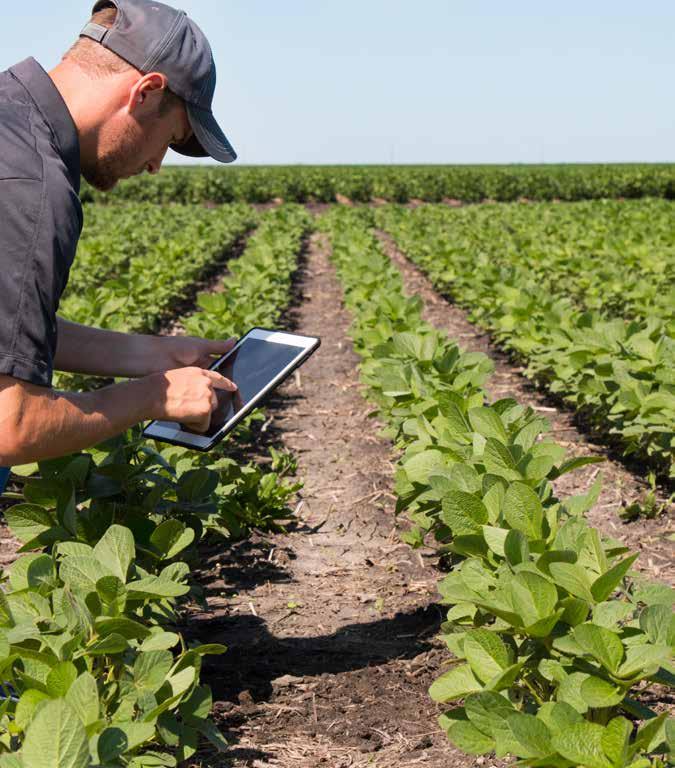
• Fertigation Products
Sodium nitrate and potassium nitrate Uses:
• Crop fertilizer
Specialty Plant Nutrition Production Volumes (thousands
Specialty Plant Nutrition contributed 12.6% of the company's gross profit.
* Includes products in accordance with our sales agreements.
** Includes trading of other specialty fertilizers.
Specialty Plant Nutrition Sales Volumes (thousands of metric tons)
* Includes products in accordance with our sales agreements.
** Includes trading of other specialty fertilizers.
SQM Iodine Plant Nutrition is the world's leading producer of iodine. This is because northern Chile is home to the world's largest reserves of caliche ore, the mineral from which iodine is produced. Iodine and its derivatives are used in a wide range of medical, industrial and agricultural applications and in human and animal nutrition products.
Iodine and its derivatives have a wide range of applications, including the manufacture of products such as contrast media for X-rays, biocides, antiseptics, polarizing films and organic compounds. It is also included in edible salts to prevent iodine deficiency disorders.
As part of its business strategy, the company is constantly seeking to develop new applications for its iodine-based products in order to expand its business and maintain its market leadership.
The company produces organic and inorganic iodine derivatives through a joint venture with Ajay Chemicals. SQM is also actively present in the iodine recycling business in Europe, the United States and Asia, either through Ajay or on its own.
The company sells iodine through its own global network of offices, representatives and sales associates. It also maintains iodine inventory in its facilities around the world to ensure that customer orders are filled quickly. Sales are completed in accordance with spot purchase orders and supply contracts, which tend to set minimum and maximum purchase commitments. Prices are adjusted periodically based on market conditions.

Products
Iodine and derivatives
Uses:
• Antiseptic, germicide, disinfectant, bactericides, fungicides
• Chemical products
• Water repellent
• Contrast media for X-ray exams
• Polarizing film for liquid crystal screens (LCD and LED)
• Povidone-iodine
• Fluids for construction
• Organic compounds and pigments
• Pharmaceutical synthesizing agents
• Pharmaceutical industry
• Iodized salt
Iodine and derivatives contributed 39.4% of the company's gross profit.
Iodine and Iodine Derivative Production Volumes (thousands of metric tons)
Heads of Agreement with SK Enmove
A Heads of Agreement (HOA) was signed with South Korea's SK Enmove (part of the SK Group) to secure a stable supply of iodine, a key raw material for next-generation automotive coolants.
Iodine and Iodine Derivative Sales Volumes (thousands of metric tons)
The company has two products in the Potassium business line: potassium chloride (MOP) and potassium sulfate (SOP).
Organic potassium chloride is marketed as Allganic® maKro 60. The product is granulated, has 60% potassium and is certified by the Organic Materials Review Institute (OMRI) as meeting the standards required for organic agriculture.
Potassium chloride is sold as Allganic® organic potassium and Ultrasol® SOP. They are completely water soluble and contain 52% soluble potassium and 18% sulfur. In addition to making crops more drought resistant, potassium produces healthier fruits and vegetables with longer useful lives.
In order to supply its own potassium chloride for use as a raw material in producing potassium nitrate, SQM began operating in the Salar de Atacama.
SQM’s initial investment included building a potassium chloride and potassium sulfate plant. The main sources of potassium available on the market for use in fertilizers are: potassium chloride (KCL), potassium sulfate K 2 SO 4 and potassium nitrate KNO3.
Of these three sources, potassium chloride is the most important one globally, and SQM is the only company that produces all three. It is important to bear in mind that potassium deficiencies in plants can lead to abnormalities and affect CO 2 absorption. Additionally, potassium plays a key role in how plants regulate water for root absorption and water loss through stomata. Having a good level of potassium boosts plants’ resistance to water stress.

Potassium sulfate and potassium chloride
Standard grade and compacted
Potassium contributed 2.6% of the company's gross profit.
Uses:
• Potassium chloride is used as a raw material for producing potassium nitrate and other granulated specialty nutrient mixtures (NPK).
• Fertilization of crops that tolerate relatively high levels of chloride and crops grown with sufficient rain or irrigation to avoid chloride accumulation in their root system.
Benefits in crops:
• Higher yields and quality
• Greater production of proteins
• Improved photosynthesis
• Improved transport and storage of assimilates
• More efficient use of water
SQM began producing and selling natural nitrates for a wide range of industrial processes over 30 years ago. These nitrates are used in a wide variety of applications that range from glass production to metals treatment, from recycling to explosives for construction projects. The company has customers around the world and a deep knowledge of its products’ industrial applications.
We sell industrial chemical products, mainly through our own network of offices, logistics platforms, representatives and distributors. Like the other products in our portfolio, inventories are kept of the various levels of the different grades of sodium nitrate and potassium nitrate in order to ensure that customer orders are delivered promptly. We also advise our customers and work with them on an ongoing basis to improve our services and the quality of our products, developing new uses and/or applications.
SQM's thermo-solar salts are made from potassium nitrate and sodium nitrate, and are the raw material for operating solar thermal power plants.
The company also produces magnesium chloride hexahydrate—known as bischofite, which is used for effective dust and de-icing control on roads.
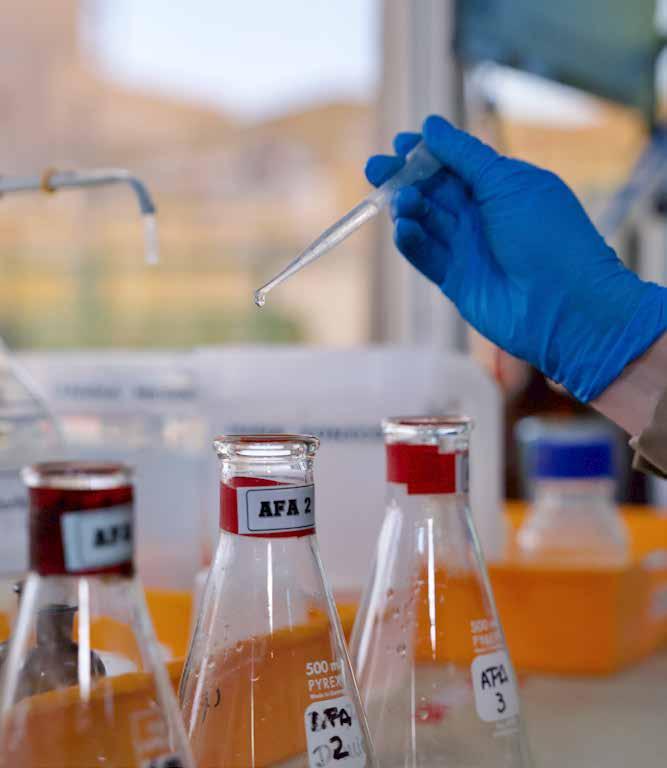
• Road stabilization Products
Industrial grade sodium nitrate, potassium nitrate and potassium chloride
Uses:
• Explosives
• Thermal energy storage
• Metals treatment
• Lubricants for oil extraction
• Fire retardant
Industrial Chemicals contributed 2.3% of the company's gross profit.
Industrial Chemicals Production Volumes (thousands of metric tons)
Note: Reported production is based on intermediate products.
Industrial Chemicals Sales Volumes (thousands of metric tons)
We maintain constant contact with our customers, striving for transparency and collaboration in order to ensure responsible sourcing of our products.
We also firmly believe that their development is fundamental to human progress. As such, we are committed to working harder to ensure that our products have a low environmental footprint. We also continuously work to increase the efficiency of their use and move towards reducing the impact of their full life cycle.
As part of our commitment to responsibility for the health and safety of our workers, the community and the environment, we are committed to constantly seeking out and evaluating safer alternatives that can replace the hazardous substances that our operations may require and promoting their substitution.
The core areas of our work incorporated into our Sustainability, Ethics and Human Rights Policy are:
Ensuring the quality of our processes and products/ services through adequate risk analysis and management.
Generating updated data for our customers regarding our products’ sustainability and their potential effects on health and safety.
Providing a channel for complaints, questions and requests that is available and easy to access.
Generating customer satisfaction indexes that incorporate a high level of representation.
Maintaining mechanisms that allow us to be in constant contact with our customers so that we can understand and respond to their needs and those of other customers in the supply chain of our products.
Developing R&D programs that meet the needs of our customers.
We also have an Integrated Management System Policy based on ISO 9001, 14001, 45001, 50001, 55001 and Responsible Care standards, which establishes complementary commitments to our Sustainability Policy.
We have a Salesforce-type platform for customer relationship management in place to serve customers in the different business lines. The Salesforce system has two modules related to customer management: the sales module and the service module.
New customers are registered in the "Third Parties" system, where the compliance team checks that they do not have an employment relationship with SQM Iodine Plant Nutrition or with any entity owned or controlled by the company. They also review whether it has been or will be hired to provide services or products to SQM Iodine Plant Nutrition or to engage in commercial activities with or on behalf of the company. Once compliance approval is secured, the customer is created in SAP, where they are authorized to issue purchase orders or sales requests. Once the customer is in SAP, the information is automatically replicated in the CRM.
Customers can be offered various payment options such as credit lines with prior approval from the Finance Area, letters of credit, and contracts. The CRM sales module manages customer accounts, price lists, contact information, contracts, and legal or regulatory documents for products supplied and monitors activities such as calls, reports, meetings and bids.
In the Salesforce service module, the customer service team works daily to manage tasks such as sales, sales orders, claims and generic requests. All of this is done through email, which is channeled through the address customer.careny@sqm.com.
SQM has a fluid exchange of information with customers. They audit us in various areas on an ongoing basis. These range from product quality to production and from sustainability to human rights.
GE Healthcare conducted a customer audit to identify needs related to the iodine business line.
Five customer inquiries were answered in the industrial chemical business line.
No inquiries were answered in the SPN business line in 2024.
Our sales team visits our buyers in the main markets regularly in order to learn more about their satisfaction. After each sales visit, the matters addressed, including any related to customer satisfaction, are logged in a report that is submitted to the respective commercial division.
We note that our product lines achieved over 98% customer satisfaction in 2024, which reflects excellent service on the part of all our business lines.
The satisfaction rates are determined by the percentage of products in a business line for which customers report having a problem compared to sales during the same period. Next, that percentage is subtracted from 100%, yielding the customer satisfaction rate.
Note: Considers coverage of 100% of sales each year.
* The total satisfaction rate for SQM Iodine Plant Nutrition is not comparable to the figures reported in the Sustainability Report 2023, as this information does not include
418-1
We also manage complaints, and have a “Customer Complaint Procedure” designed to determine the steps to follow in response to a customer complaint. Complaints are registered and managed in the Customer Relationship Management (CRM) system of the different commercial areas: iodine, nitrates and potassium. The process from claim creation to final response lasts 25 working days for nitrates, potassium and industrial chemicals and 15 working days for iodine.
The investigation process must yield a preliminary response within five working days for iodine and seven working days for nitrates and potassium.
The process has six stages:
Complaint receipt and registration Assignment of operational investigation Investigation process
A final report must be developed containing the following:
Hypotheses regarding the potential causes of the problem. These hypotheses can be accepted or rejected based on proper reasoning and verification and entered into the complaint management system.
The root cause that allows the staff to identify the issue that led to the complaint, all of which must be entered into the quality management system.
The corrective actions taken to address deviations identified as root causes, the responsible parties and proposed implementation dates entered into the complaint management system.
Close of the investigation
Close of the complaint and submission of information to the customer
Monitoring of corrective measures
Once the investigation is closed, a final report is drafted, saved in Salesforce and then sent on to the approvals stage. The matter is then closed by the originator, the Product Manager or the Quality Management Engineer.
If the customer is not satisfied with the final report, the Sales Area will be responsible for determining which actions are to be taken. It is worth highlighting that the Quality Management Area is responsible for monitoring compliance with the corrective actions committed to in the claims.
A total of 133 cases were recorded in the commercial system. At the date of issuance of this report, there are 67 active claims pending in the system following the validation of the committed corrective actions.
Complaints Summary 2024
There were no complaints related to privacy and loss of customer data.
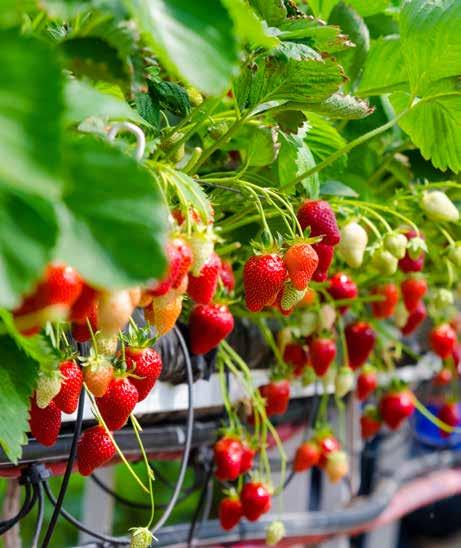
DISCLOSURE 3-3
Our company has an outstanding record of continuous improvement, at the heart of which lies a commitment to gradual improvement of processes, products and services. Opportunities for creativity and innovation are created as small improvements are identified. When these improvements are paired with a vision of the future and a will to challenge the established limits, they lead to innovations that change our industry and improve our quality of life. As such, innovation is the ripe fruit of a tree that grows from the root of continuous improvement.
We define innovation as a personal and shared commitment to creating exceptional solutions through business models, products and processes that stand out in their respective industries and markets and deliver high value to our customers. Innovation is the tireless search for innovative initiatives in every field that is relevant to a given territory. It means maintaining a level of uncertainty, that is, recognizing that one does not have all of the knowledge necessary to develop them given that there is a likelihood of failing in the attempt to reach an outcome and generate economic, social and/or environmental impact.
Note: The description of the target for each SDG is listed in the appendices to this report.
At SQM Iodine Plant Nutrition, we use a hybrid model of innovation. All areas of the company can create innovation initiatives. These can be managed directly by the area using internal or external employees or through a central team that operates under an open innovation framework. The team periodically solicits disruptive solutions to specific problems. These are prioritized by technical complexity, feasibility and economic impact. The innovation process focuses mainly on the company’s production processes and the products themselves.
The focus of innovation related to company processes, which is supported by the VPs of Research and Innovation and Iodine and Nitrates Operations, is improving performance in the recovery of nitrates and/or iodine without neglecting the efficient use of resources and the introduction of disruptive technologies to improve productivity. The second focus area is the development of products through the Development and Innovation Department, creating solutions associated with customer needs, particularly in our line of fertilizers, in an effort to generate high value crops.
Innovation management is organized in the Innovation and Business Development Department using a governance system comprised of a strategic council, a tactical council and executing and implementing working groups. It mainly involves applied research activities and experimental developments designed to create and use scientific information in the development of products and technologies meant to solve a specific problem or opportunity, following market trends and the strategy defined by SQM Iodine Plant Nutrition.
We used a stage gate approach that involves using ideas to move to conceptual, feasibility and planning, development and scaling stages until reaching the commercial launch. We have a multidisciplinary team that interacts in each of the stages, identifying opportunities, looking at agronomic and process technologies, reviewing the regulatory environment of the target markets and working with business offices to gather data. This leads to a financial assessment of the project and a process focused on improving the approach to the launch and implementing the project in each market.
For its part, the SQM subsidiary Soquimich Comercial S.A. (SQMC) views innovation as a central element of the development of every new product or service that enters the market. Approximately 70% of the volume of products marketed by SQMC incorporate technologies designed to enhance the efficiency of the use of base products.
A review of the regulated issues or challenges faced by the company was conducted to add technologies to fertilizers or related attributes. We also periodically seek out new trends and/or technologies at the international level—in the area or in different lines—but with similar underlying problems. This approach allows us to solve the challenges that we have identified internally.
The idea then undergoes simple experimental trials. Once its potential is confirmed, the research is outsourced to various institutions with experience in the field. The results are subjected to various processes, including an internal review to analyze business potential and implementation to chose which ones move on to the commercial introduction phase.
The metric is divided into the potential impact on the user market and operational and commercial visibility stages. Finally, the commercial implementation timelines and strategy are established so that we can analyze its permanence by season.
Innovation is currently divided into more efficient processes ranging from operations to product results and attributes based on the regulations or standards in each area.
SQMC innovation efforts are led by its Development and Marketing Department.
Our decentralized innovation model allows us to open the innovation process to include all possible parties, engaging them in each step of our strategy. It includes employees at various levels, stakeholders, customers and any other party that interacts with our company. This model encourages participation, independence, cohesion and team spirit, inviting business units to think differently. Each idea and insight is valued and important.
At SQM Iodine Plant Nutrition, we have 65 leaching heaps operating simultaneously within a radius of 25 km in which iodine and nitrates yields depend on the quality of irrigation. As such, our M1+ area implemented a new operating system that uses autonomous drones to monitor the heaps and improve their operational efficiency. We also use AI models to process the images and make recommendations for changes to the irrigation systems.
The use of drones adjusts the crown maintenance operating system and redefines heap management as described below:
1. Measurements are taken in line with flows and pressures, along with images of the crowns captured by the drone.
2. Leaching models recommend setpoints and define priorities for crown maintenance activation.
3. The supervisor is notified when vital conditions are not being met, and the Head of Operations immediately initiates a problem solving process
4. Crown maintenance staff address critical deviations on the ground based on the priorities established.
5. Actions are supervised and monitored along with crown health status improvement.
This refers to the use of existing assets and capacities within the company to promote innovation. It includes employees, infrastructure, knowledge, internal technology and intra-enterprise technology that can be used to encourage new ideas and challenges within our teams.

Vivo Team Recognition: Strengthening Internal Potential
This initiative promotes the institutional values and principles of continuous improvement of our M1+ operational excellence program and encourages employees to participate by presenting their solutions to a panel of judges. A total of 60 initiatives were received in 2024, down from 93 in 2023.
SQM Iodine Plant Nutrition has reached agreements with various entities to promote and develop research and development (R&D) activities in specific areas. These agreements foster collaboration and the exchange of knowledge, resources and technologies to drive innovation and create solutions to complex problems.
In 2024, three framework cooperation agreements were signed with U.S. universities to develop research projects in specific areas of iodine and nitrate production:
University of California at Berkeley
2 projects under development
University of Utah
1 project under development
University of Oklahoma
1 project under development
In addition, one of the most important projects under development to optimize mine planning is related to the geometallurgical characterization of the caliche deposit, conducted in alliance with Germany’s Helhmholtz Institute for Resources Technology.
The Innovation and Business Development Department develops projects in cooperation with universities and centers for innovation such as the Sant'Anna School of Advanced Studies in Pisa, Pontifical Catholic University of Chile, Austral University in Australia, UC Davis, the IDIN Group (Chile) and CBT (Chile).
The main projects developed during 2024 are:
• Water use efficiency: development of a molecule to increase water use efficiency applied directly or in conjunction with a line of soluble products.
• Nutrient use efficiency: molecule that improves phosphorus absorption efficiency.
• Use of iodine in agriculture: development of the Ultrasoline line. Iodine is present in several plant proteins and activates various genes that trigger beneficial effects in plants, including increased yield, improved stress tolerance, improved precocity, and root development.
Our subsidiary SQMC worked on the following projects during 2024:
• A project related to water use efficiency that is in the commercial implementation phase.
• A project designed to increase cation use efficiency that is in the operational and commercial implementation phase.
• A project to implement a fertilizer blending calculator that considers the carbon footprint.
In addition, external research institutions have conducted three trials to validate technologies for increased fertilizer efficiency for key crops. The Training and Dissemination Center (CET) in Temuco was used for the second year to disseminate internship and training initiatives for both internal parties and end users.
SQM Iodine Plant Nutrition joined the Massachusetts Institute of Technology (MIT) Industry Liaison Program in the United States to explore areas of cooperation and facilitate access to the MIT startup ecosystem.
One example of our efforts to identify disruptive technologies for production processes is the use of interfacial solar evaporation in nitrate brine evaporation pools. We understand that the dissemination of new ideas and sustainable technologies drives progress in multiple sectors.
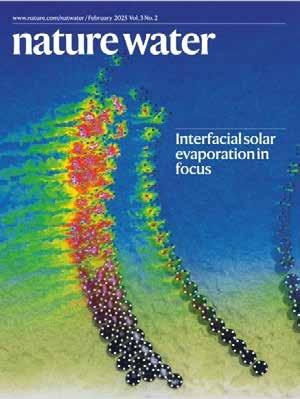
We appeared in Nature Water, the prestigious journal that publishes research on the changing relationship between water and society, engineering, the environment and the Sustainable Development Goals (SDGs).
We implemented an interfacial solar evaporation (ISE) pilot project in the evaporation ponds we use to concentrate nitrate salts after leaching caliche ore.
In contrast to passive solar warming that is not limited to the pond with the simple use of solar energy, ISE uses photothermal materials designed to locate the absorption of solar energy and limit the heat to the evaporation site. Our team has been working on interfacial evaporation with a focus on non-polymeric materials for high salinity environments using Lilypad technology. Through various iterations and open air tests over the past year, the industrial results confirmed that ISE technology can be used to convert over 96% of solar energy into thermal energy achieving 40 to 122% increases in our brine evaporation rates.
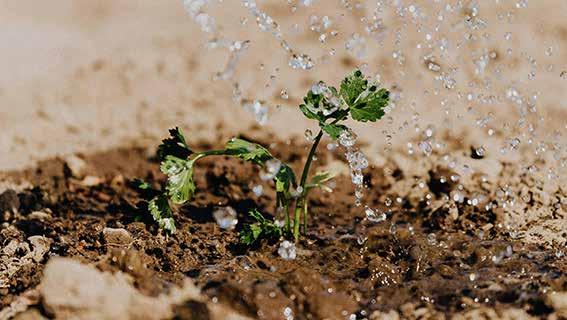
Showcasing new technologies in an industrial environment is a key but not definitive stage that shows that the introduction of new processes must be done step by step while evaluating the risks and benefits. Planning is key, as is commitment and perseverance.
The capacity for innovation has always been present in the company and in all of SQM's developments. The world is constantly changing, and at SQM Iodine Plant Nutrition, we believe that it is important for us to reinvent ourselves by adapting to market changes. Open innovation allows us to connect with startups and technology-based suppliers to carry out pilot projects and experiment with new technologies. We have conducted over 20 pilot projects to date with over 15 companies in an effort to enhance SQM Iodine Plant Nutrition’s operations by automating processes and protecting our resources.
The purpose of innovation is to improve operations throughout the value chain, from caliche extraction to processing and all the way to the sale of iodine and potassium nitrate.
We conducted a closed Hunting-type search with the support of INNSPIRAL. It involved prioritizing specific challenges in our operations based on each one's potential impact on the business and conducting a global search for technology companies that may have a solution to the challenge. We have reviewed over 3,200 startups around the world, and three of them have already become suppliers.
The Innovation and Commercial Development Department offered technical training in the field of agronomy as well as technology transfer and outreach. We also actively participated in seminars, field visits and agronomic conferences in several countries. Our employees spoke at international events, highlighting topics such as innovation in the development of fruit growing, the role of iodine in the physiology of stress in plants and the benefits of iodine in citrus production. We have shared our knowledge in the Netherlands, South Africa, Morocco, Romania and Chile.
During 2024, SQMC held talks to present technologies related to innovation to both internal teams and external users in individual, small-group and largegroup formats.
The company's research and development activities have been instrumental in improving production processes and developing new products. New extraction, crystallization and finishing methods have been implemented that use recent technological advances to increase efficiency and improve product quality. In addition, dust emissions have been reduced and additives have been applied to bulk products. These efforts have allowed the company to enter new added value markets and patent various production processes in countries like the United States and Chile when necessary.
Patents used in our production processes include Chilean patent No. 47.080 for iodine, production of spherical shaped granules for subliming products; No. 43.655 portable plant for concentrating iodine solutions; No. 50.325 procedure for the recovery of saltpeter, iodine and other products; No. 44.400 granule coated particles containing urea and metal nitrate; No. 45.109 method for leaching minerals in situ. We also registered patent No. 4.889.848 in Japan for nitrates and granulated fertilizers.
The company’s brand management process is conducted annually. We start by asking the commercial directors in each area to identify the new countries in which our products are being sold. Together with an external European firm, we manage the intellectual property of the industrial brands in line with the agreed upon commercial strategy. The company provides services related to applying for, maintaining, renewing and generally managing SQM’s intellectual property for the trademarks that it sells. We work with each country’s intellectual property offices to manage the brand registration request, complete the opposition proceeding and complete the maturation stage once the brand is registered.
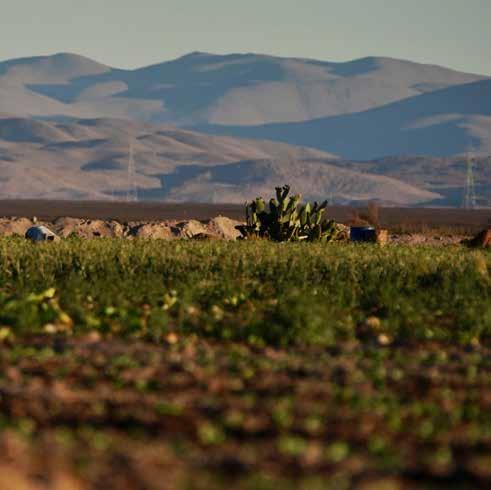
Climate change is important for our company and is a material topic that is incorporated into our sustainability strategy. It is regularly included on our Board’s agenda and is addressed at the executive level in discussions regarding investment decisions, risk management and the performance of our ESG commitments related to our updated sustainability strategy.
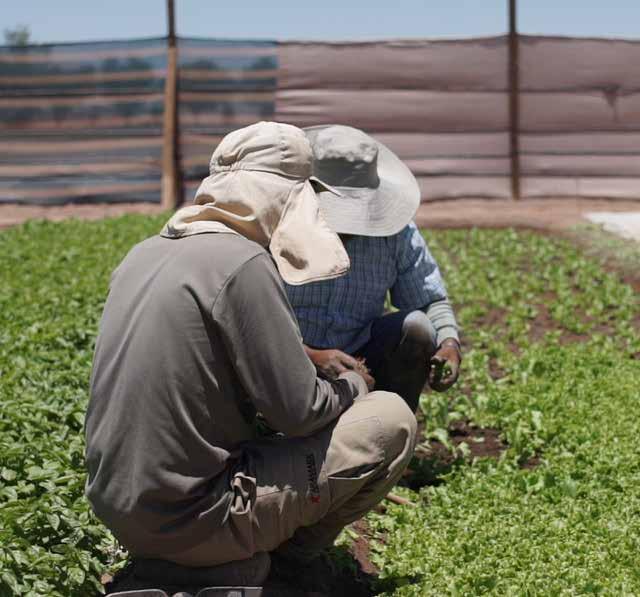
At SQM Iodine Plant Nutrition, we conducted a climate change scenario analysis in 2024, focusing on three priority risks. This study gave us with a deeper understanding of how these risks may evolve in the future, allowing us to develop more effective mitigation strategies.
With this information, we are better prepared to face the challenges presented by climate change and implement measures that protect both our organization and the ecosystem in which we operate. In addition, our division was evaluated using the CDP Climate Change Questionnaire and achieved a “C” category rating.
We also conducted a diagnostic of our carbon footprint methodology, broken down by scopes 1, 2 and 3, to establish emission reduction goals for the division, in collaboration with ImplementaSur. The objective of this analysis is to verify that our footprint is correctly calculated under international norms and standards like the GHG Protocol, following the principles of relevance, completeness, consistency, transparency and accuracy. It also seeks to confirm the reliability of our emission factors.
As climate change is an important element for our company, we have incorporated our approach into risk management, prioritizing risks that have the greatest impact on our operations.
The main lines of work in the climate change approach are:
Mitigating emissions by quantifying them using international methodologies so we can internally manage them at each of our production sites and comply with the reduction goals committed to in our sustainability strategy. Our work includes identifying, assessing and implementing opportunities to reduce energy consumption and GHG emissions along with periodically monitoring these items. Emissions are verified by an independent third party every year.
Adapting our operations, production processes and logistics to the needs and specific risks of each project, incorporating climate change as one of the periodic assessment factors. This is done to identify, assess and successfully manage possible impacts of the growing effects of climate change on these areas.
As part of our corporate sustainability management, SQM participates in different climate change management disclosure initiatives, including indexes like Dow Jones Sustainability Index and MSCI, and CDP at the division level. For these we report on our emissions inventory, carbon footprint, fuel and energy consumption and other indicators. In addition, as an exercise of transparency, SQM Iodine Plant Nutrition verified its carbon footprint with Deloitte.
As part of our climate change governance, we work with the Safety, Health and Environment Committee (“SHE Committee”), which supports the Board in reviewing and recommending safety, health, environmental and sustainability policies, including climate risk assessment by providing input on our operations.
We launched our sustainability strategy in 2020 as an integral part of our business strategy in order to support the transition towards lowering carbon emissions and minimizing environmental impact.
Given the challenges that we have pledged to address as a company, we aspire to reduce the carbon footprint of all our business lines, setting carbon neutrality targets for lithium products for 2030 and for all our products for 2040.
Given our location in Chile, where we meet seven of the nine climate vulnerability criteria, we are continually considering new technologies to improve production and address emerging climate risks. As such, we are continually analyzing our production capacity, performance improvements and new processing technologies.
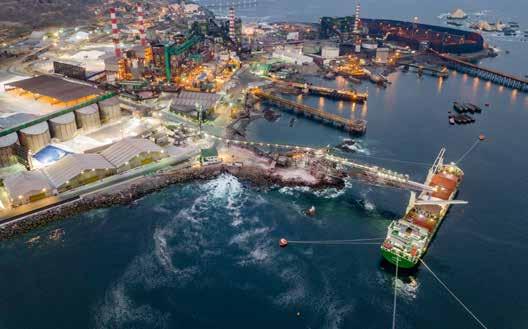
According to the Sixth Assessment Report recently issued by the IPCC, our products are fundamental for the urgent climate action that is necessary to mitigate the effects of climate change. Specifically, in regard to the 10 key solutions necessary to ensure that we do not exceed 1.5°C, our products contribute in the following areas:
Our multidisciplinary team faces the challenge of identifying and evaluating new technologies in order to implement operations that are low in carbon emissions and water consumption. Its members strive to improve production yields and resource use and to enhance sustainability indicators per unit produced. Operations teams work with sustainability experts to review greenhouse gas reduction plans and develop initiatives to align the business strategy.
This type of fertilizer optimizes water use in fertigation, improving the quality and performance of various crops by reducing soil and water use. The company is constantly seeking out ways to increase its production and improve the quality of new specialty fertilizers.
Our value chain efforts were reinforced by our Sustainability Plan through two focus areas:
• We have focused on optimizing the methodology and data collection to calculate the carbon footprint in scope 3, with special emphasis on the footprint generated by transportation.
• Working together with our carriers to reduce our carbon footprint through fleet changes and improvements, certification and training in best driving practices through Giro Limpio, granted by the Energy Sustainability Agency. SQM Iodine Plant Nutrition is an active part of this initiative that seeks to strengthen energy efficiency in ground transportation, reducing the consumption of polluting fuels and CO2e emissions. Since 2021, we have been certified by Giro Limpio in the cargo generator category since we move 50% of our products with fleets of trucks that meet the program's standards. In 2024 our company was certified in this program for the fourth consecutive year and also received special recognition for its technological validation, thanks to the effort to present and integrate innovative ground transportation technologies.
The main risks related to climate change that we identified fall into two categories: physical risks and transition risks. Physical climate change risks are derived from acute or chronic climate impacts on production activities. Transition risks arise from the need to adapt business models to a decarbonized economy. These include regulatory, market, technological or reputational risks arising from failure to adapt to this new environment.
In summary, physical risks are related to a changing climate, while transition risks are associated with a changing economy.
• Short- and medium-term: The threats derived from climate change are associated with effects in the short (1 to 2 years) and medium (2 to 5 years) term. We are conducting various assessments to prevent significant impacts from materializing. The threats in this category are mainly linked to extreme weather events, which are increasingly intense and frequent and are associated with acute physical risks.
• Medium-to-long-term: Medium- and longterm (60 to 30 years) threats are mainly linked to chronic risks derived from climate change, based on an increase in global average temperatures and a generalized decrease in precipitation in the areas where we work, which generate the following climate-related risks.
Tsunami Evacuation Drill in the Port of Tocopilla
As part of the port's emergency plan, an evacuation drill was carried out in May to simulate a large tsunami, conducted in coordination with the Maritime Authority. The activity was designed to evaluate the effectiveness of the current emergency plan, as well as to analyze the response and reaction times of both port personnel and the outside agencies involved.
Highlights during the exercise include the team's organization and discipline, as well as the efficient arrival of the industrial brigadiers and collaborating entities, including the ambulance from the Chilean Safety Association (ACHS), the Maritime Authority and the Chilean Uniformed Police.
In addition, we identified several opportunities for improvement, set deadlines and assigned responsible parties to ensure their correct implementation and the strengthening of security protocols.
Description of Climate Threat Risks
Climate Threat Risk Description
Increase in the number of swells
Drought
Heat waves
The risk is measured based on the duration of downtime at the Port of Tocopilla due to poor sea conditions. The analysis is conducted using buoys at the ports’ entrances that extract data on wave activity. Specifically, downtime is defined as a period during which the operational limit of significant wave height is above the 1.5 [m] defined for berthing operations based on international recommendations.
We define drought based on the availability of groundwater used for our operations in northern Chile (desert area). This variable is related to the water table level in aquifers. The climate scenarios consider regional precipitation levels, since summer rains are the only way aquifers are replenished.
Heat waves are monitored as an extreme weather event with elevated temperatures, calculated as the number of days in which the daily maximum temperature exceeds 30ºC for 3 or more days in a row, with data obtained from ArClim*. At least 80% of our workforce works in the Tarapacá and Antofagasta regions, where they are exposed to many heat waves. An increase in the number of heat waves can expose our workers to a potential decrease in work capacity, either due to the risk of heat exhaustion or other health problems associated with extreme heat.
Climate Threat
Increase in the number of swells
Impacted Sites / Operations
Short- and medium-term
Drought Medium- and long-term
Heat waves
Sporadic rain
Sporadic rain
Sporadic rainfall in our northern operations is extremely rare, as it is a desert area with no rainfall. However, increased sporadic rainfall can affect the quality of bulk product if it is not covered.
*ARClim is a web platform that shows the impacts of climate change in different sectors and regions of the country. More information at: arclim.mma.gob.cl
Short- and medium-term
Short- and medium-term
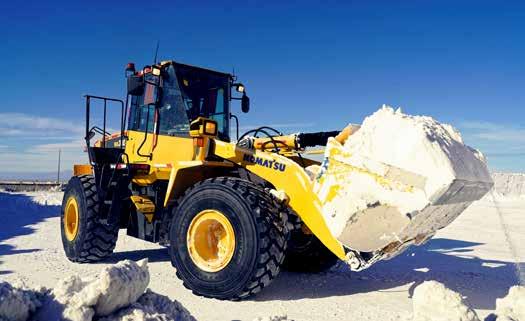
Climate change transition risks mainly impact our Plant Nutrition area, especially in the fertilizer market. Regulatory changes coming from the European Union, as well as the payment of carbon taxes in Chile, have a direct impact on these products. The Carbon Border Adjustment Mechanism (CBAM) requires us to declare the carbon footprint of our fertilizer products for tax purposes in the European Union in the coming years. In addition, Chilean green tax regulations impose a tax on stationary (fixed) sources such as boilers and/or turbines that, individually or as a whole, emit:
• 100 or more metric tons per year of particulate matter (PM),
• o 25,000 or more metric tons per year of carbon dioxide (CO2).
The latter regulation requires us to pay a green tax on Coya Sur's nitrate production. To adapt to these changes, we have developed a methodology for measuring our carbon footprint more accurately and then implement technologies to reduce emissions.
Complying with these regulations not only helps us avoid penalties, but also strengthens our competitiveness in the fertilizer industry. It can also attract customers and partners who value responsible and sustainable practices.
Risks
• Increased costs due to new carbon pricing mechanisms such as the EU's Carbon Border Adjustment Mechanism for the fertilizer industry or the green tax in Chile.
• Greater requirements to achieve greenhouse gas emission neutrality by 2050 and adapt to meet the international commitments assumed by the State of Chile, as stipulated in the Framework Law on Climate Change.
• Greater difficulty in obtaining operating permits due to more stringent requirements in new regulations associated with climate change. Legal Risks
• More time needed to approve mandatory climate change/environmental reports, especially for new projects.
• Exposure to litigation and/or penalties due to legal non-compliance, or failure to adapt on time to new legal requirements in this area. Technological Risks Short- and MediumTerm
• Not being able to adapt our processes or CAEX trucks to lower carbon emission technologies.
• Existing products replaced by other low-carbon options.
• Increased energy transition costs.
• Failed investment in new technologies. Market Risks
• Increase in our customers’ ESG expectations
• Increased production costs due to greater costs of resources such as energy and/or water. Reputational Risks
• Stigmatization of the sector
• Increased concerns among stakeholders or negative comments from stakeholders.
• Reduced production due to interruption of the supply chain by the value chain.
Opportunities arise from good risk management meant to mitigate and adapt to climate change. Identifying opportunities in this area can be turned into a competitive advantage through resource efficiency, cost savings, adoption of low-emission energy sources and/or building resilience into the supply chain.
In this context, the risk of drought and the limited availability of fresh water at our operations in northern Chile present a significant opportunity to improve our operating efficiency. According to the World Resources Institute's WRI Aqueduct tool, the northern zone, where our operations are located, presents a high water risk. This tool evaluates zones on a scale from low to extremely high risk based on variables such as water availability, quality, regulatory and reputational risk. For this reason, we have invested in a project to explore water sources other than fresh water. One key example is the "Tente en el Aire" (TEA) project, at the Nueva Victoria mining site in Pozo Almonte, Tarapacá Region.
This project consists of transporting seawater from Patillos to Pampa Hermosa, where it will be stored in specially designed pools. From there, water will be distributed to various operating units for use in heap leaching without the need for desalination. We expect this project to be operational by 2028, which will allow us to reduce groundwater use and increase iodine production in the future.
Investment of US$ 350 million for the "Tente en el Aire" (TEA) project in Nueva Victoria to use seawater as an alternative source of water for heap leaching in the iodine process.
In a world where the demand for food continues to increase and water scarcity is an increasingly critical challenge, SQM is a leader in the development of solutions that maximize quality agricultural production with the lowest possible water consumption. By promoting technologies such as fertigation through localized irrigation systems, water use efficiencies of up to 90% can be achieved. In addition, the supply of balanced nutritional solutions, with low salt content and from rapidly assimilated sources, such as those offered by the Ultrasol line, increases efficiency in the use of nutrients.
We are also Protect & Sustain certified, which recognizes our excellence in the responsible and safe management of nitrogen and potassium fertilizers.
In addition to supporting our operations, the TEA project will also benefit the community. Through an osmosis process, the project will provide 260 cubic meters of potable water per day to nearby communities, thus meeting local water needs and contributing to the wellbeing of the surrounding population, supporting SDG 6, which aims to provide access to clean water and sanitation.
Climate scenarios are projections of possible climate futures developed using climate models that simulate how variables such as temperature, precipitation and extreme events may change under different scenarios involving greenhouse gas emissions and other factors.
They are intended to assess how changes in climate could impact various sectors and systems, allowing companies to anticipate and plan responses to potential risks. During 2024, we conducted a scenario analysis for three prioritized climate change risks, including two physical risks (swells and drought) and one transition risk (carbon tax in the EU).
Three types of climate scenarios were used: one optimistic, one conservative and one pessimistic, as follows:
• Net Zero 2050: Limits global warming to 1.5°C with stringent climate policies and innovation, reaching global net zero CO₂ emissions around 2050. Low physical risks, but high transition risks.
• NGFS NDCs: Includes all pledged policies, with moderate climate ambition leading to 2.6°C warming and moderate to severe physical risks. Low transition risks.
• NGFS Current Policies: Emissions will grow through 2080, leading to 3°C warming and serious physical risks, including irreversible changes such as sea level rise.
• RCP 8.5: "High emissions" scenario without policies to reduce emissions, anticipating severe physical risks due to unmitigated GHG increases. This includes more frequent and intense extreme weather events, sea level rise and severe impacts on ecosystems and biodiversity.
The outcomes of this study, conducted with assistance from Kyklos, and its mitigation and/or adaptation measures are:
a. Increase in the number of swells at the Port of Tocopilla: The risk is measured based on the duration of downtime at the Port of Tocopilla due to poor sea conditions, when the operational limit of significant wave height is above 1.5 [m].
RCP 8.5 scenario: The pessimistic scenario analysis found that the Port of Tocopilla could present behavior similar to that of the Port of Antofagasta, which includes increasing downtime based on the ArClim study (a web platform that shows the impacts of climate change in different sectors and regions of the country.)
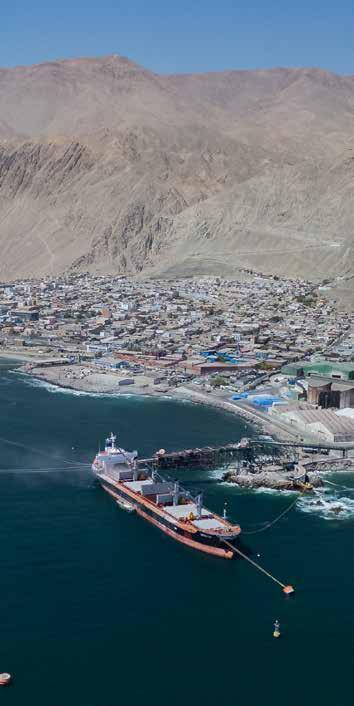
8.5 Scenario - ArClim
in downtime at the ports analyzed during the historical period (1985-2004)
Downtime (hours)
Change in downtime in the ports analyzed between the historical period (1985-2004) and the projected period (2026-2045) for an operational threshold of 1.5 m defined by RQM 3.1-99 for the ship berthing criteria and actions in the cross direction towards the wharf.
Adaptation measures: Investment in three offshore buoys and wave monitoring software to adapt port planning and anticipate swells. In addition, we have a partnership with the University of Valparaiso that provides community access to the seven-day swell forecast for the main Tocopilla sites through their web page at: Swells - Tocopilla Forecast
b. Drought: The risk is related to the availability of water in the Tarapacá Region, which is directly related to the water table level. The climate scenarios consider regional precipitation levels, since summer rains are the only way aquifers are replenished. We assumed that less rainfall results in lower replenishment rates, which affects groundwater levels.
NGFS Net Zero scenario: In this optimistic scenario, in which the physical risks of climate change are reduced, precipitation in the Tarapacá region remains similar to current levels (2024), with a decrease of between -2 and -5% with respect to the reference years.
This "stability" of the current state of drought would be reflected in the groundwater levels. In other words, in the best-case scenario, water availability would stay at today's levels. However, a projected increase in production would demand more water.
With regard to groundwater availability, in all scenarios reviewed, precipitation is expected to decrease, thus requiring alternative water sources.
Adaptation measures: The Tente en el Aire (TEA) project will use sea water as an alternative to inland water for producing iodine. It is expected to be operational in the next few years to meet the water production needs of Nueva Victoria and also supply drinking water to neighboring communities. This project will reduce reputational and legal risks associated with operating in drought areas and avoid future restrictions on groundwater withdrawal, favoring the use of alternative water sources. In addition, there are other operational measures to more efficiently consume water in operations.
c. Carbon tax: The risk stems from increased costs due to carbon taxes on our fertilizers, such as the green tax in Chile or the Carbon Border Adjustment Mechanism (CBAM).
Optimistic scenario - Net Zero 2050: Forecasts the highest prices, US$ 129/tCO2e in 2030, and reaching US$ 1,665/tCO2e in 2060, reflecting rapid and deep decarbonization, with strong pressure on carbon-intensive industries.
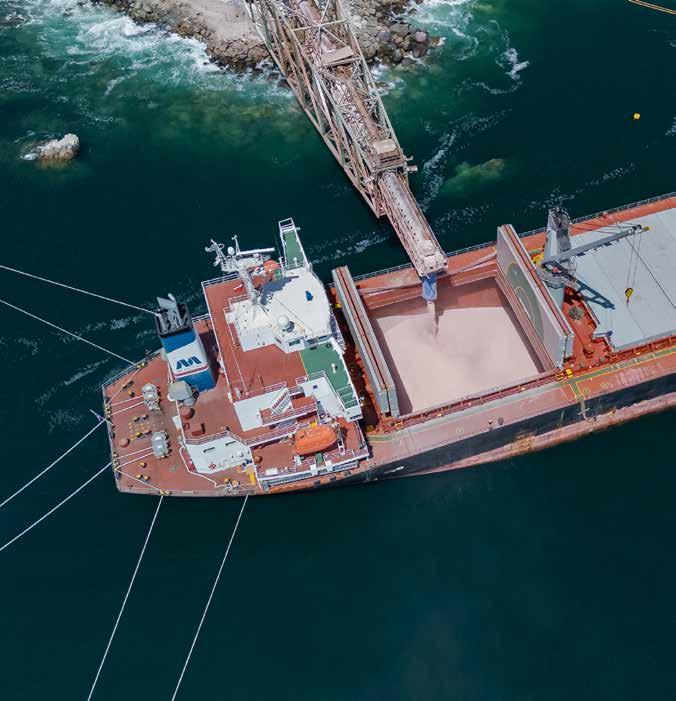
Conservative scenario - Nationally Determined Contributions: Carbon prices are significantly lower, reaching only US$ 69/tCO2e in 2060, reflecting more moderate national commitments, similar to the current situation.
Pessimistic Scenario - Current Policies: No carbon price is projected, implying that current policies will not drive meaningful carbon regulation in this scenario.
Mitigation measures: As this risk could begin to impact in 2027, the first thing we did was to implement a methodology to quantify the CBAM footprint for the transitional reporting period between 2023 and 2025. In addition, this risk can be transformed into an opportunity, as we are evaluating investments in more efficient equipment to reduce our carbon footprint. These types of initiatives are being evaluated in our Decarbonization Plan.
Commitments derived from our Sustainability, Ethics and Human Rights Policy:
Promoting the involvement of local communities in our projects’ environmental management from the design stage and implementing and monitoring related commitments.
Preparing our staff, protocols and technology to respond to potential environmental emergencies.
Complying with current regulations and observing international best practices set out in international standards.
In regard to the environment, our team mainly focuses on the Tarapacá and Antofagasta regions of northern Chile, where our production sites and the minerals that give life to our products are located.
Developing and executing prevention, mitigation and reparations measures to decrease the effects associated with our operations.
Developing and implementing technical advances and best practices for sustainable development.
Evaluating impacts on the environment and neighboring communities in advance.
Continuously improving our environmental management system based on international standards.
We operate under an Integrated Management System IMS, achieving continuous improvement in environmental, quality and safety performance by effectively applying our Sustainability, Ethics and Human Rights Policy and our new Integrated Process Management System Policy. To that end, we have areas responsible for environmental management, including divisions, subdivisions, units, teams and environmental analysts. These professionals are responsible for the environmental management of our various operations on a daily basis. We also have an environmental compliance program in place for Nueva Victoria. In addition, we periodically review our environmental risk matrices, continuously monitoring and managing the risks described in them.
At SQM Iodine Plant Nutrition, we earned ISO 50001 certification in 2024 for our Energy Management System for Mining and Leaching and the Iodine Plant at Nueva Victoria. This certification establishes standards for helping organizations effectively manage energy consumption, reduce costs and improve environmental performance. In addition, 25 ISO 9001 audits were conducted in different areas of Coya Sur, Tocopilla and Santiago.
On the other hand, the Port of Tocopilla achieved level 1 in Responsible Care, and the Coya Sur and Port of Tocopilla sites underwent a Clean Production Agreement (APL) certification and seal audit and complied will 100% of the necessary requirements.
Over the past few years, we have acquired vast knowledge of the ecosystems surrounding our operations, which has enabled us to draft and implement effective prevention, mitigation and monitoring plans.
We have incorporated early and preventative monitoring of various environmental variables in the design, construction and operation of our production sites in order to prevent and implement the necessary control and mitigation methods.
SDG targets we support
Note: The description of the target for each SDG is listed in the appendices to this report.
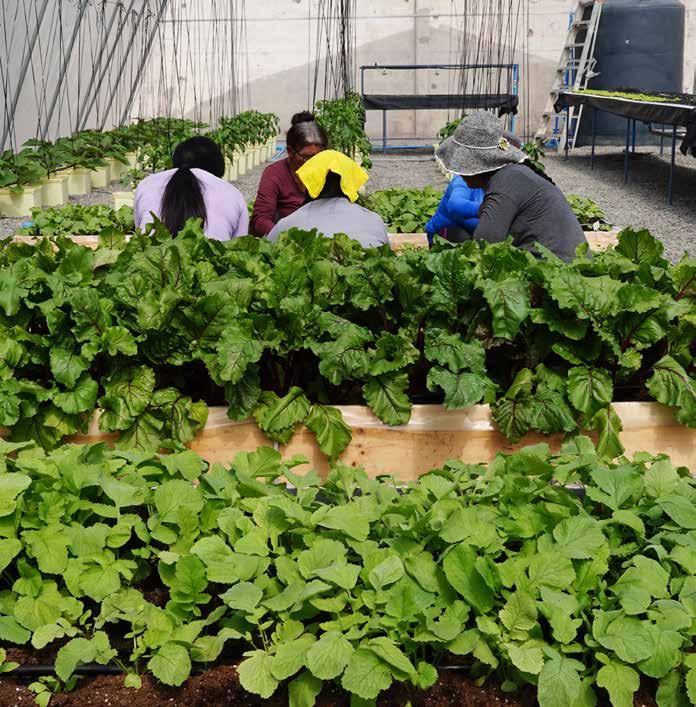
Environmental protection, respect for human rights and sustainability in general are ongoing concerns for the company in terms of its production processes and the entire supply chain. This commitment is supported by the principles set forth in our Sustainable Development, Ethics and Human Rights Policy.
SQM Iodine Plant Nutrition implements environmental follow-up and monitoring plans at all its operations, based on specialized scientific studies. Monitoring of key variables set for each project allows us to verify the status of vegetation, flora, fauna and aquatic biota in the ecosystems we seek to protect. These plans are based on a broad oversight network that uses monitoring points such as wells and weather stations, satellite images and parcels of land used to record the status of vegetation and fauna, among other tools. The activities included in these plans are regularly reported to officials based on the commitments made in the resolutions that approve the SQM Group’s various projects.
We have a matrix of applicable environmental requirements that outlines all of the imperatives and commitments set forth in the environmental qualification resolutions and applicable regulations, as well as compliance operations programs by site. These annual programs feature a slate of assistance and verification activities for applicable environmental requirements.
In this context, SQM Iodine Plant Nutrition’s environmental monitoring in the systems in which it operates is supported by numerous studies that have integrated a wide range of scientific efforts by prestigious Chilean and international research centers. These include the Spanish National Research Council and the Catholic University of the North
In addition, in the context of the environmental studies that the company conducts for its new projects, important efforts are being made to record pre-Hispanic and historic cultural heritage and to protect heritage sites in accordance with current legislation. These actions have been focused near María Elena and the Nueva Victoria site. This effort is being paired with efforts to disseminate our work in the community and increase appreciation for sites of interest.
We are able to identify environmentally significant aspects of each project and evaluate their potential impacts, which requires a high level of knowledge of the functioning of the ecosystems of the area of influence in which our projects are developed. This allows us to manage and respond to any potential impact in advance. Each of our projects is submitted to the Environmental Impact Assessment System. As of December 2024, we have environmental authorization for a total of 48 projects. Of these, 11 were approved with an Environmental Impact Study (EIA) and 37 with an Environmental Impact Statement (DIA).
The Environmental Superintendency (SMA) carried out a scheduled inspection of the Tente en el Aire Project at the Nueva Victoria site, with the participation of the Agriculture and Livestock Service (SAG) and the National Geology and Mining Service (SERNAGEOMIN). The inspection reviewed biotic commitments, leachate management and nitrate production.
During 2024, we submitted 2 DIAs in the Antofagasta Region for environmental assessment, which are currently in the comments response stage.
37
Environmental Impact Statements (DIA)
11
Environmental Impact Studies (EIA)
48
Environmental Qualification Resolutions (RCA)
Our María Elena and Tocopilla operations were audited by the SMA and the Antofagasta Regional Health Secretariat in regards to the María Elena and Tocopilla Decontamination Plans. In addition, the Orcoma site was audited by the SMA and the Highway Department regarding the Environmental Qualification Resolution (RCA).
The SMA approved the compliance program for our Nueva Victoria operations in February 2019, which we are currently implementing. This led to the suspension of the penalty process that began in 2016. This decision was confirmed by the Antofagasta Environmental Court in October 2020. As promised, in July 2020 we submitted an Environmental Impact Study for the project “Partial modification of re-injection system for Puquios de Llamara.” The project was approved in October 2023 and concluded with an Indigenous Consultation process that led to an agreement with the Tamentica, Quillagua and Huatacondo communities (Final Agreement Protocol).
All SQM production facilities have closure plans that have been approved by the respective authorities. These plans are based on criteria and measures that meet current regulations.
The company was not issued any environmental fines or penalties in 2024.
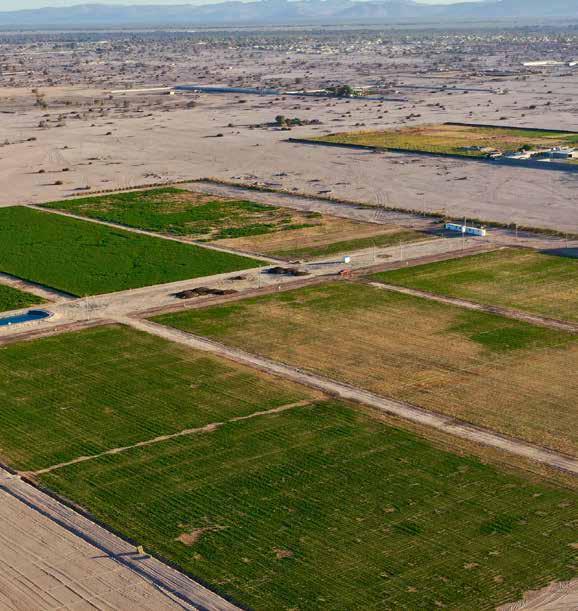
DISCLOSURES 2-25/ 3-3
SQM Iodine Plant Nutrition’s operations are located in desert areas with scarce biodiversity. However, there are some areas near our operations with significant ecological value. In these areas we have implemented ongoing protection, monitoring and control plans with ongoing early warnings to help protect the environment.
Our Nueva Victoria site spans approximately 47,492 hectares in the district of Pozo Almonte in the Tarapacá Region. It must adhere to a very extensive environmental monitoring plan given its proximity to the Tamarugal National Reserve, Bellavista sector, Pintados sector and Salar de Llamara.
In sectors near Nueva Victoria, we identified ecosystem services such as the Salar de Llamara, a site of interest for the Huatacondo and Quillagua communities that is linked to the “Puquios de Llamara” sector, an area where transhumance, or annual displacement of flocks from highlands for summer grazing in the lowlands, is practiced. The Tamentica group also hopes to develop this site for tourism.
The Quillagua community has indicated that there is a relationship between the Loa River in the Quebrada Amarga area and the water in the Puquios de Llamar sector. This would be useful because residents gather at the mouth of the Loa River to collect river shrimp. We formed a working group with the Quillagua community and are encouraging the development of joint monitoring.
There is a Rural Drinking Water Committee that manages the community’s osmosis plant. SQM Iodine Plant Nutrition works with that body through the Quillagua Rural Drinking Water Working Group. The company supports the committee’s efforts to execute maintenance works and make improvements to the plant that supplies the town of Quillagua with drinking water. The plant produces an average of 40 m3 per day, and has a collection system that delivers the water to the plant so that it can then be provided to the community. During 2024, we helped the community acquire 8 reverse osmosis membranes with a wider range for purifying high salinity water equivalent to seawater. This enables the plant to continue operating despite high salinity in summer or high demand periods, mainly during patron saint festivals and carnivals, when the water in the Loa River increases its conductivity. The water storage tank continues to supply raw water to the drinking water plant in the town of Quillagua. The pilot plant for purifying water from the Loa River for farming in Quillagua through reverse osmosis with a seawater membrane was adapted in the final stage of the process with a specific filter for extracting boron. Therefore, the water purified by this process is being used to experiment with soil washing and in alfalfa, corn and oat pilot programs. The results will be apparent in 2025.
In 2024 we implemented a training and environmental monitoring program as part of the Working Group with the Huatacondo CIQ. This monitoring program, which is related to the Salar de Llamara program, will continue in 2025.
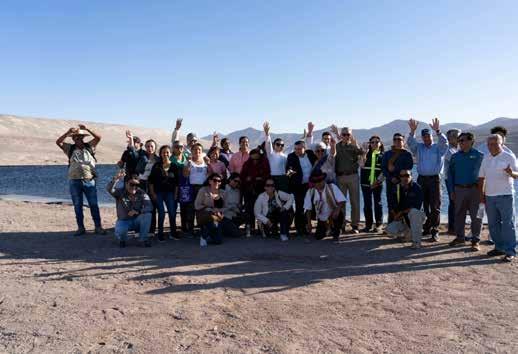

The 75 m2 Seabird Rescue Center, which will be used for conservation and research on local bird life, was inaugurated in early 2024. This center is located inside the Patache Maritime Terminal.
This innovative project was developed collaboratively between Compañía Minera Cordillera, SQM Iodine Plant Nutrition and Fundación Wayanay. It marks a milestone in the protection of the regional ecosystem as the first center along the Tarapacá coastline promoting seabird protection and diversity, sustainable development and environmental education, as well as conservation of the region’s natural heritage.
The sustainable, environmentally friendly center was built with reused recycled structures and is powered by non-conventional renewable energy, guaranteeing a positive impact on the surrounding area.
In addition to research activities, half of the center’s space is reserved for the conservation of endangered species, with spaces dedicated to recovery, administrative areas, meetings and training, as well as a terrace for educational and training activities.
• Target 6.1
• Target 6.6
• Target 15.1
• Target 15.2
• Target 17.17 SDG 6 SDG 15 SDG 17
SDG targets we support
• Target 17.16
Office
SQM IPN Production Site
Site in the Pre-Construction Phase
Priority Sites
Regional Strategy Sites
Lagoons
Protected Areas
Nature Sanctuary
National Reserve
National Park
Ramsar Site, Wetland of nternational Importance
Marine Reserve
Grasslands and Wetlands
(General Water Directorate Protected Areas)
DISCLOSURE 304-4

(Pseudalopex culpaeus)
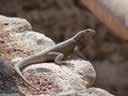
Least concern (Conirostrum tamaruguense)
(Phyllodactylus gerrhopygus)
Least concern

Endangered
(Tamarugo tree) (Prosopis tamarugo)
Endangered

(Oceanodroma markhami)
Endangered
(Liolaemus stolzmanni)
Vulnerable
(Microlophus theresioides)
Least concern
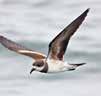
(Oceanodroma hornbyi)
Data deficient
(Sternula lorata)
Endangered
Based on the IUCN risk status of the species identified, the processes used to identify and evaluate risks to biodiversity related to the site and the impact are described.
(Phyllodactylus gerrhopygus)
Least concern
(Lontra Felina) Endangered
(Eligmodontia puerulus)
Least concern
Based on the IUCN risk status of the species identified, the processes used to identify and evaluate risks to biodiversity related to the site and the impact are described.
Grey gull Cormorant
Leucophaeus modestus
Vulnerable
(Phalacrocorax bougainvillii) Near threatened
Humboldt penguin
(Spheniscus humboldti)
Vulnerable
Culpeo fox
(Pseudalopex culpaeus)
Least concern
As part of our commitment to sustainability in Salar de Llamara, we developed a complete environmental monitoring plan that has been implemented since the first environmental approvals associated with our Nueva Victoria operations. We expanded and strengthened it following the implementation of the Pampa Hermosa project in 2010. Salar de Llamara was incorporated into the Pampa del Tamarugal National Reserve in 2013. It is classified as a priority site under the regional biodiversity strategy because of the native tamarugo forest and “puquios” with bacterial formations located there. Our environmental monitoring plan includes the following activities:
Tamarugo vitality monitoring is carried out every year in January, March, July and November, to obtain information in all four seasons. This monitoring is conducted using high-resolution satellite images (Quickbird, WorldView 2, WorldView 3 or Geoeye).
The periodic field monitoring records a series of measurements of physiological variables of a representative group of taramugos in the forest.
The main variables measured include:
• Foliar hydric potential.
• Stomatal resistance.
• isotopic discrimination of carbon 13.
• Enrichment with oxygen 18.
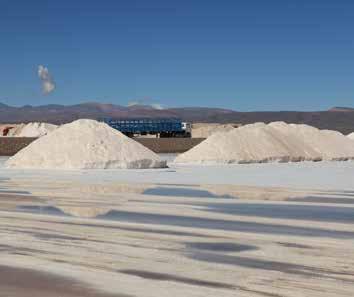
These measurements are determining factors in analyzing the hydric status of tamarugos. Experts also monitor retama thickets and hydromorphic meadows in the area around the lagoons known as Puquios de Llamara in order to evaluate the status of these plants. Measurements include the percentage of green growth, vigor and phenology.
We also conduct semi-annual monitoring of aquatic biota and surface water in Puquios de Llamara in order to verify that there are no unforeseen effects. The variables controlled by monitoring of aquatic biota include:
• Composition of phytoplankton and phytobentos.
• Diversity of zooplankton and bentos.
• Development and status of macrophytes.
In order to mitigate the effects of decline of the phreatic zone in the Llamara aquifer as a result of pumping, there is an “hydraulic barrier” mitigation measure approximately 8 km north of this site that returns water to the ground. Water levels and chemical quality are maintained within normal ranges for adequate development of biotic systems in the Puquios.
In addition, in 2024 SQM Iodine Plant Nutrition commissioned studies on the “puquios” and their biotic systems, which were conducted by teams of professionals from leading Chilean and international organizations and institutions.
This monitoring involves monthly measurements of aquifer levels, chemical quality, water volumes and flows withdrawn from wells, This plan enables the company to verify predicted impacts during project operation and, if necessary, activate its Early Warning Plan.
We continue to develop the Tamarugo Environmental Management Plan that was launched eight years ago with the Planting Program in the district of Pozo Almonte in the Tarapacá Region. This program involved planting 12,000 tamarugos in the Bellavista Sector and 247 in the Llamara Sector.
Throughout the reporting period, these trees continued to be monitored, supervised and watered, which has yielded a good level of vitality despite the difficulties faced by this species in its early stages of development.
The data and knowledge generated through these activities and complementary studies are used in the environmental education program carried out in conjunction with the National Forestry Corporation (CONAF) in the Pampa del Tamarugal National Reserve.
As part of the El Tamarugo (Prosopis Tamarugo) maintenance and conservation plan, the company continues to be part of collaboration agreements with ranchers from Pampa del Tamarugal. The Pampa del Tamarugal Aymara Rural Indigenous Association has approximately 4,500 head of goats and sheep.
We have Early Warning Plans, which is an environmental safeguarding tool that protects against anomalies during operations.
The Nueva Victoria Early Warning Plan targets are:
• Bellavista Sector tamarugo plantation.
• Salar de Llamar tamarugo forests.
• Salar de Llamara puquíos.
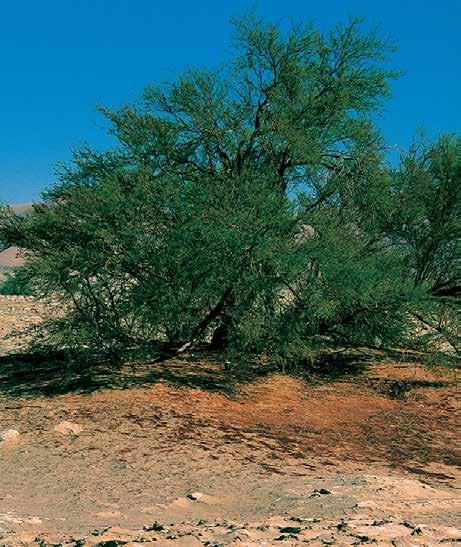
At SQM Iodine Plant Nutrition, responsible use of water is an important aspect of our production processes due to the scarcity of this resource in some of the locations near its operations. We hold duly authorized water usage rights for our operations and meet all related requirements and commitments. We also ensure that we use water efficiently and engage in adequate hydric management of the ecosystems of origin, always favoring recirculation and optimization in the processes. Along these same lines, we implemented environmental monitoring and early warning plans to ensure care for these ecosystems. Our Sustainability Plan includes specific commitments to reduce water use and withdrawal.
In an effort to correctly manage our water use, we have developed the following axes of work:
Care and optimization of water resource use, including the implementation of industry best practices.
Identification of possible impacts on surrounding ecosystems due to use of surface water. 1 2 3 4
Monitoring and implementation of measures to ensure that the use of water in our operations does not have adverse effects on neighboring ecosystems and communities.
Quantification and reporting on fresh water use by operation.
The main sources of water for our nitrate and iodine facilities at Pedro de Valdivia, María Elena and Coya Sur are the Loa and San Salvador rivers, which flow near our facilities. These rivers have environmental authorization for withdrawing surface water at the following flow rates: Maria Elena = 62.1 l/s; Coya Sur = 90.0 l/s; and Pedro de Valdivia = 94.4 l/s.
The water for our Nueva Victoria site is obtained from wells near the production facilities.
We have had no significant issues obtaining the water needed for our operations.
We report water consumption in production processes to officials on an ongoing basis. We have had no incidents of non-compliance related to permits, standards and regulations on water quality. Studies are also conducted to identify ways to use water efficiently. We evaluate each facility’s water management indicators on a yearly basis.
Some of our measures for efficient water use are:
Reincorporating all water treated in SQM sewage treatment plants into its production processes. This water is reutilized in our processes in María Elena, Pedro de Valdivia, Coya Sur and Nueva Victoria.
Reutilizing process solutions to reduce the consumption of fresh water.
The withdrawal of fresh water for production purposes is subject to strict environmental evaluations, which helps prevent damage to important environmental elements (vegetation, flora and fauna) in aquifers and surface water sources where the company has water withdrawal rights.
In conjunction with these studies, extensive hydrogeological modeling is designed and validated under the supervision of national and international experts, based on which the company conducts ongoing monitoring of expected behavior of the systems.
Of the total groundwater resources withdrawn for Nueva Victoria in 2024, 1,264,329 m3 were re-injected as part of the mitigation measures for the Pampa Hermosa project in Salar de Llamara, Tarapacá Region.

SDG targets we support
Summary of Water Withdrawal and Consumption
Water
Underground water/ Salt water Pampa del Tamarugal Aquifer/ Salar de Atacama
water / Fresh water
Note: We do not withdraw seawater or produce water.
Water Reinjection
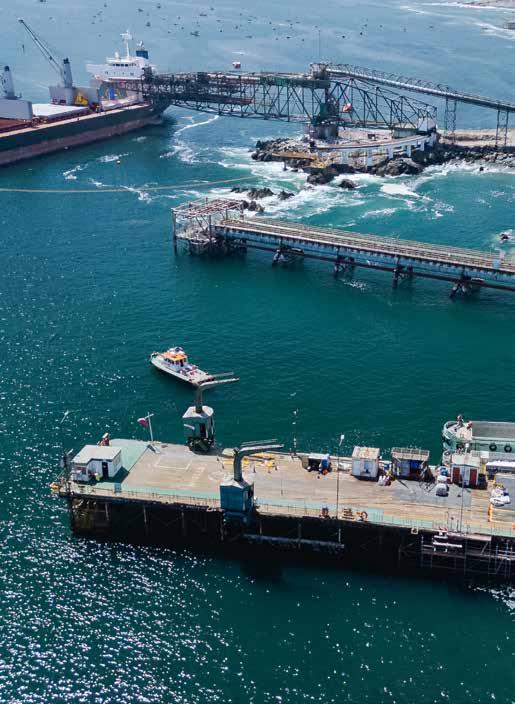
In order to optimize consumption, we reincorporate all wastewater and water treated in SQM sewage treatment plants and recirculate them in the production process.
Approximately 1,468,438 m3 of water was reused in 2024 at the Coya Sur-Maria Elena site. This is an operational estimate based on water recovered from the María Elena TAS plant and water rejected by the different plants in the production process.
Domestic liquid waste from our offices in Antofagasta and the Port of Tocopilla is disposed of in the public sewer system and, therefore, no dumping occurs that could affect biodiversity and protected species.
In 2024, no significant spills contaminating water (surface or ground) were reported at SQM’s operating facilities and production sites.
Treated Reused Water
Note: Corresponds only to water recovered from the
Thanks to the visualizations provided in our Integrated Operations Center (IOC), we have achieved significantly greater control over water and/or energy withdrawal and consumption. These indicators are monitored at our Coya Sur site and are defined for each area of our process. This online, real-time monitoring system not only optimizes our operations, but also promotes sustainable practices by enabling us to make informed, accurate decisions. In addition, it helps us maintain adequate control over our stock and supply distribution, ensuring efficient and responsible management of available resources.
The project consists of developing a 700 l/s seawater impulsion system. Seawater will be collected through an intake system in the Puerto Patillos sector, south of Iquique. The aqueduct will extend 40 kilometers from the intake to the receiving ponds in the Pampa Hermosa Oeste area. The pipe material will be mainly FBE coated carbon steel and some HDPE.
For the pumping system, the project contemplates two stations: an auxiliary station on the beach area consisting of a bilge pump and 3 vertical multistage centrifugal pumps; and a main station with 5 horizontal multistage centrifugal pumps. The water will be pumped to 2 seawater reception ponds (total of 154,883 m3).
The project also includes powering the pumping stations using: A 66 kV overhead power line, 1 66/23 kV S/S Industrial Area - 1 66/23 kV S/S Main, a 23 kV overhead power line between the TEA Main S/S and the pumping stations.
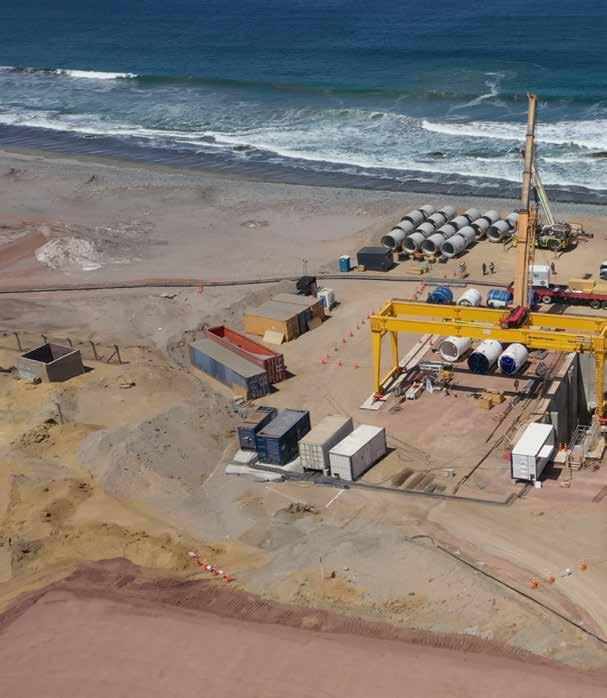
At SQM Iodine Plant Nutrition, we understand that one way to mitigate impacts on our environment is efficient waste management. We manage waste in accordance with Chilean legislation, the environmental commitments that have been made, and industry best practices.
We focus on adequate management, minimizing waste generation, repurposing waste and seeking out ways to give it a new use or appropriate final disposal, thus reducing the risk to human health, the environment and communities. The core areas of our work are thus:
We generate various types of waste, such as:
Domestic or assimilable waste
Generated by the use of offices, dining areas, restrooms and other services.
Non-hazardous industrial waste
Wood, HDPE, scrap metal, debris, plastics, etc.
Hazardous industrial waste
Continuously seeking out alternatives to minimize the generation of waste.
Managing generation under quantification, description, treatment and reduction criteria for emissions and waste based on current environmental regulations.
Quantifying, separating, reusing and recycling solid waste in order to minimize its impact and promote a circular economy.
Generated by inputs with hazardous characteristics and their waste or elements contaminated with them per Article 11 of S.D. 148/04.
Waste management is a fundamental responsibility of our company. We take the measures necessary to ensure that it is done safely. We report waste using the Single Window System. This includes:
• SINADER: This tool is used to report non-hazardous waste to environmental officials on a monthly basis, including the amount of waste that comes out of the industrial property, which is validated by the recipient.
• SIDREP: This tool is used to report hazardous waste as required. Each time a truck leaves, this document is generated through the single window portal to be issued to the transportation professional. The information that we generate is verified by the transportation service and at final disposal.
All of the companies that transport waste to final disposal sites have the appropriate authorization.
We have developed plans and procedures to manage both hazardous and non-hazardous waste. We have temporary storage sites for hazardous waste authorized by the Regional Health Secretariat, authorized temporary storage sites for non-hazardous industrial waste and an area for disposing of domestic waste generated at its operations.
The operational area that manages removals and the environmental compliance area conduct internal oversight. The waste that reaches the final destination is verified using reception tickets. Monitoring is conducted in the single window system until the process is deemed to be complete. Internal audits are also conducted to verify the compliance of our projects and related environmental laws and regulations.
In 2024, 85% of the hazardous and other industrial waste, including domestic waste and/or waste similar to domestic waste and other waste generated in our production facilities was sent off-site for final disposal using authorized transport. The remainder, which is equivalent to 15%, is recycled or used for energy recovery. Hazardous waste is transported in accordance with regulations in effect in Chile.
SQM manages solid domestic waste at all facilities and camp accommodations or disposes of this waste in authorized landfills. In 2024, SQM did not generate hazardous waste that was disposed of or treated internationally.
We prioritize recycling or reusing inputs, opting to eliminate waste only as a last resort, and when we do, we work with authorized waste management companies.
In 2024, a total of 906,200 kg of HDPE plastic was collected and recycled.
Clean Production Agreement Seal
After more than two years of work, our Coya Sur and Tocopilla operations earned the Clean Production Agreement (APL) Transition to Circular Economy Seal, after having undergone an audit process that verified compliance with all the requirements in the agreement at both sites.
SQM Iodine Plant Nutrition's Coya Sur and Tocopilla operations became the first facilities to successfully pass the audit process for their APLs, becoming nationwide pioneers for passing the external audit process with 100% compliance with all the requirements set forth in the APL.
APLs are voluntary, public-private agreements between a business sector and state administrative bodies, designed to contribute to the sustainable development of companies by defining specific goals and actions that are not legally mandated.
In our Santiago corporate offices, in 2024 we continued to recycle paper, cans, tetrapacks, plastic, glass and other waste in containers placed on all floors. We thus incorporate circular economy best practices into our daily work in an effort to reduce waste in our operations and workplaces.
All recyclable waste from SQM Iodine Plant Nutrition’s Santiago office is taken to the Kyklos Inclusive Recycling Center. The waste is pre-treated, which involves segregating, compacting and preparing the waste for final disposal at recovery plants. Those facilities turn the waste into new products or materials.
In 2024, we recovered 4,105.5 kg of waste.
In 2021 we began a pilot program at our Nueva Victoria site with six recycling stations in collaboration with Recynor, a company responsible for managing and recovering waste generated in our operations.
Thanks to the commitment shown by our personnel and subcontractors, we have expanded this ongoing program to 20 recycling stations strategically located throughout the premises, enabling more personnel to participate and strengthening our recycling culture.
By using these stations, waste can be sorted on site, thus facilitating proper disposal and recovery. The main materials we manage are:
In 2024, we reinforced our commitment to the circular economy through various campaigns from the ReciPampa program, focused especially on collecting and recovering wood and cardboard.
Because of these initiatives, in Nueva Victoria we have managed a total of 63,580 kilos of waste, ensuring that it is properly recovered through Recynor, thus helping reduce environmental impact and promoting a responsible and sustainable management model.
In 2024 we launched our Composting Pilot Plan in the corporate building to further reduce waste sent to landfill by separating compostable organic waste. The initiative seeks to encourage employees to take responsibility for compostable materials and dispose of them in the right containers. It began on two floors of the corporate building with the goal of extending it to all floors in the short to medium term. As part of this pilot plan, 61.0 kg of organic waste was collected in 2024.
SQM’s ReciPampa program recycled the following waste in 2024:
Our products are used in industries that are fundamental for human development and people’s wellbeing.
At SQM Iodine Plant Nutrition we are committed to sustainability and work with a long-term vision. We are currently developing a decarbonization plan, evaluating low-emission technologies in transportation, boilers and mining equipment, as well as energy efficiency measures.
Our goal is to reduce greenhouse gas emissions (Scope 1 and 2) by 30% by 2035 (base year of 2023). This target will be adjusted based on technological advances or new information.
As a company, we continue to evaluate viable environmental, social and economic solutions, maintaining a rigorous approach aligned with our production goals and value creation for our stakeholders.
The core areas of work related to emissions include:
• Mitigating our GHG emissions by quantifying and periodically verifying them using international methodologies so we can internally manage them at each of our production sites and comply with the reduction goals committed to in our sustainability strategy. Our work includes identifying, assessing and implementing opportunities to reduce energy consumption and GHG emissions along with periodically monitoring these items.
• Adapting our operations, production processes and logistics to the needs and specific risks of each project, incorporating climate change as one of their periodic assessment factors. This is done to identify, assess and successfully manage possible impacts of the growing effects of climate change on these areas.
• Managing generation under quantification, description, treatment and reduction criteria for emissions based on current environmental regulations.
• Continuously seeking out alternatives to minimize the generation of emissions.
We continuously monitor air emissions at all facilities. These efforts include preparing detailed projections of expected environmental effects, installing and implementing emissions abatement equipment and properly monitoring emissions.
We have meteorological stations that are key for monitoring solar evaporation processes at our operations. In addition to these measures, as part of our existing environmental monitoring plans, SQM Iodine Plant Nutrition conducts isokinetic measurements on smokestacks, which form part of the production process along with dryers and boilers.
SQM Iodine Plant Nutrition estimates the total carbon footprint in aggregate for its entire production chain and separately for several products. Emissions are estimated using the standards listed in the IPCC Guidelines for National Greenhouse Gas Inventories (2006), the GHG Protocol, ISO 14064 on GHGs and ISO 14040 on Lifecycle Analysis. The factors used for electricity are published on the Chilean National Energy Commission’s website. These factors are for the power grid from which we contract energy.
These GHG estimates use a cradle-to-grate geographic scope, including all stages from the mineral extraction processes to the finished product arriving at the port. Scope 3 estimates involve three of the 15 categories defined by the GHG Protocol: purchased goods and services, fuel-related activities (WTT) and downstream cargo transport. The gases included in the calculation are CO2, CH4 N2O. The following are excluded: hydrofluorocarbons (HFCs), perfluorocarbons (PFCs), sulfur hexafluoride (SF6) and nitrogen trifluoride (NF3 ). Estimated emissions are under financial control.
Our emissions are not covered by a tax or cap & trade. However, there is a carbon tax in Chile for stationary sources (turbines and/or boilers) of US$ 5/tCO2 We are already seeing changes following the adjustment of the tax threshold for facilities with equipment with more than 50 thermal MW of installed capacity. Based on this criterion, SQM Iodine Plant Nutrition paid approximately ThUS$ 410 in 2024 for emissions from the Coya Sur boiler. Monitoring GHG activity allows us to anticipate and mitigate risks in the event of possible increases in the scope of the carbon tax.
For 2024, GHG emissions totaled 538,217 metric tons of CO2 eq, which can be broken down into 198,419 metric tons of CO2 eq (Scope 1), 223,577 metric tons of CO2 eq (Scope 2), and 116,221 metric tons of CO2 eq (Scope 3).
Greenhouse Gas Emissions - Location-based Method
Note 1: CO – carbon dioxide, CH4 – methane, N2O - nitrogen oxide.
* The carbon footprint for the years 2023 and 2024 was verified by Deloitte, at the request and exclusive interest of SQM Iodine Plant Nutrition. The Assurance Letters were issued on March 31, 2025, and are available in full at this link. The assurance was performed in accordance with the International Standard on Assurance Engagements on Greenhouse Gas Statements (ISAE 3410), issued by the International Auditing and Assurance Standards Board (IAASB).
Note 2: The difference between the 2023/2024 and 2021/2022 periods for greenhouse gas emissions using the market-based method is due to a change in methodology and the measurement of other defined Scope 3 categories in those years.
DISCLOSURE
SQM Iodine Plant Nutrition has maintained relatively stable emissions intensity in recent periods as a result of internal projects to contain greenhouse gas emissions, including an electric truck pilot program and the use of electric passenger buses, machinery, pick-up trucks, etc.
Organization Emissions Intensity Based on Production and Sales
emissions using the market-based method were used to calculate the intensity.
DISCLOSURES
We work hard to manage and monitor emissions of particulate matter (PM10). For example, we have a vast air quality monitoring network in the town of María Elena and participate in the air quality monitoring efforts in Tocopilla.
In regard to Air Decontamination Plans, the company has implemented a wide range of measures to fulfill commitments to control and reduce its PM10 atmospheric emissions in these towns.
• PM10 emissions at the María Elena production plant have decreased significantly since 2007. This reduction can be attributed to operational changes implemented by SQM and has resulted in significantly improved local air quality and meeting of daily and annual PM10 standards. The stations—including the Air Quality Monitoring Network associated with the María Elena Decontamination Plan—met the Annual Air Quality Standard for PM10 (50µg/m 3N) beginning during the 2010-2012 period for the ‘hospital’ station and during the 2012-2014 period for the ‘church’ station.
• In the case of Tocopilla, PM10 emissions generated by SQM's port operations are minor compared to other sources in the city. As part of the Tocopilla Decontamination Plan, commitments have been fulfilled and all measures necessary to mitigate emissions have been taken.
In 2024, SQM's port operations reported PM10 emissions of 3.12 tons, a reduction of 45% from 2007. In comparison to 2023 levels, this reduction remains pledges made in the decontamination plan.
2022-2024 Annual and Triannual Averages
Other Air Emissions
Persistent Organic Components (POC) and emissions of ozone-depleting substances (ODS) do not apply to our operations.
The Randon Hybrid R semi-trailer line includes technology and innovation to recover energy generated during descent and breaking. This lowers fuel expenses, decreases wear on components and generates less waste.
The semi-trailers can pull tippers for transferring nitrate salts between the Coya Sur operations and the Port of Tocopilla or tanks for transferring brine solutions at the SQM Salar site.
Next generation Liebherr excavators (R 9300 G8) were incorporated at our Nueva Victoria operations in 2024. These state-of-the-art machines perform excellently in the field, optimizing cycle times, generating greater productivity and cutting fuel consumption, which directly impacts greenhouse gas emissions.
These new excavators feature technology packages such as operator assistance, semi-automatic bucket filling and anti-stalling and loading systems, performance monitoring, severity control and operational compliance, and a new patented technology for hydraulic pump command and equipment power.
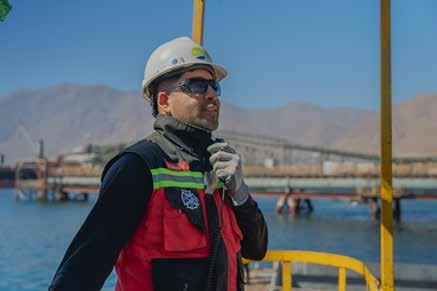
We use solar energy in our processes. This power source is of particular importance for our solar evaporation ponds at the facilities in Nueva Victoria and Coya Sur.
This method has an advantage over other processes. It is only possible because the Atacama Desert, where our operations are located, has extremely high levels of solar radiation, resulting in high evaporation rates and facilitating the processes used to concentrate salts in ponds yearround. In other words, we use the sun to dry salt concentrate in the ponds. SQM Iodine Plant Nutrition's operations have specific contracts to purchase electric power from the Chilean National Electric System and prioritize the use of cleaner fuel alternatives. We have no self-generation capacities.
Note:
In 2024 the SGEn (Law 21,305) maintenance process continued. An energy contractor was hired to help prepare the SGEn report for the Ministry of Energy, complete and update SGEn documentation, conduct training, perform internal audits and other activities and requirements based on the commitments and requirements of the SGEn implemented at SQM Iodine Plant Nutrition.
Progress was made on the following goals:
• Improve the energy performance of a significant energy use (USE), associated with its energy consumption that will improve the energy performance associated with MMBTU/ton and Kwh/ton in NPT3 by 1% in relation to the baseline obtained from 2021-2023 data.
• Implement unbundled electricity metering at the Nueva Victoria leaching facility to comply with point 6.6 of the standard (Planning for data collection) by implementing measurement equipment in the area. Currently, sensor equipment is being purchased and contractors are bidding to perform the work.
• Install fuel economizers for 90T and 150T trucks to improve energy performance in CAEX trucks.
• Conduct a heat recovery study at DTP Prilling Plant to evaluate the technical and economic feasibility of implementing heat recovery systems at DTP.
• Conduct heat recovery initiatives at DTP Prilling Plant to reduce thermal energy consumption at DTP.
• Evaluate the technical-economic feasibility of replacing fossil fuels with renewable energies in off-grid operations at Pampa Blanca. Evaluate construction of a photovoltaic plant to operate during solar hours and replace diesel generators.
In November 2024, there was a spill of diluted intermediate solution from a heap leaching ditch in the Pampa Hermosa area. The event occurred when a bag blocked a pipeline transporting the solution. Approximately 385 m3 spilled onto the ground and about 240 m3 were recovered.
As a remedial measure, the bag was removed from the pipeline and the spilled material was recovered using motor pumps. After that, the Environmental Management Department monitored the condition of the ditches involved in the spill for the next few days. In addition, we took soil samples to rule out environmental impact and drew the following conclusions from these samples:
Soil: The properties of the soil in contact with the solution did not change.
Biodiversity: The area is highly intervened and there are no records of flora or fauna.
Water: Impact on water resources is ruled out because the area where the spill occurred has no receiving water body.
Archeology: There is no evidence of archaeological sites in the area and, therefore, impact on cultural heritage as a result of the event is ruled out, as is the existence of cultural elements in the surrounding areas.
Human environment: There are no nearby human recipients or settlements that could have been affected.
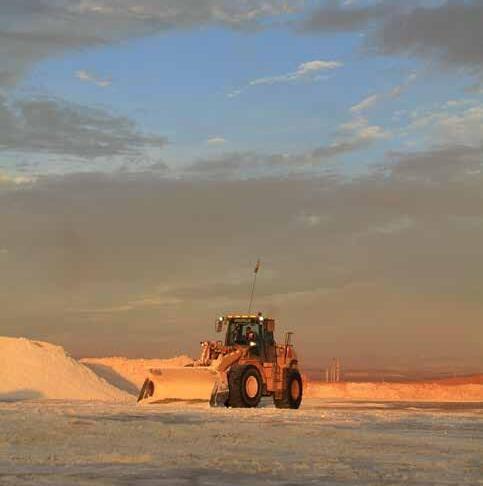

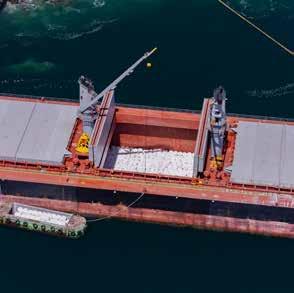
Finally, the Environmental Superintendency was informed of the event and sent the respective supporting information. According to the Contingency and Emergency Prevention Plan for the Tente en el Aire Project, the event was classified as a "Level 1" Emergency, since it was controlled using the Company's own resources.
Hydrocarbon spill control drills held to prepare for emergencies are a fundamental tool in the field of occupational safety worldwide. These planned and controlled practices and/or exercises play a crucial role in preparing organizations and their employees to respond efficiently and safely to crisis situations.
A hydrocarbon spill control drill was carried out in late 2024 at the Port of Tocopilla to test the Port Operations Department emergency plan and control plan for spills involving oil and other potentially polluting substances. The goal of these activities was to evaluate the functionality of the roles assigned to respond to an emergency in a manner that focuses on the physical safety of the individuals involved in a crisis situation.
As such, the drill involved responding to a hydrocarbon spill-type environmental incident caused by the rupture of a diesel storage tank resulting in a 30 m3 spill at sea.
In terms of strengths, the main results were excellent discipline and respect demonstrated by our teams, ascertaining that the port has enough equipment to deal with a Type 3 hydrocarbon spill emergency, the rapid response of the industrial brigadiers and the great skill in boat operation and maneuvering demonstrated by the skipper and crew members. Regarding opportunities for improvement, the port must create a specific hydrocarbon spill control sub-plan, address the damage found in two-inch motor pump hoses and increase the frequency with which hydrocarbon spill control exercises are conducted.
Deadlines were set for 2025 to address these opportunities, which will allow us to be better prepared for future emergencies like hydrocarbon spills.
We make important investments to safeguard and preserve the environment around our operations and protect neighboring communities.
In 2024 SQM Iodine Plant Nutrition disbursed ThUS$33,065 on such investments. The investments in this area are mainly related to compliance with environmental commitments to monitor significant variables and implementation of mitigation and environmental management measures. They also ensured responsible handling of substances and waste from the company's mining operations and production plants and environmental and sanitary conditions in accordance with regulations.
Environmental
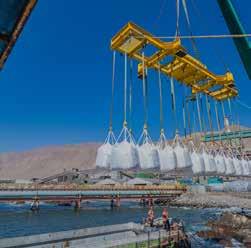
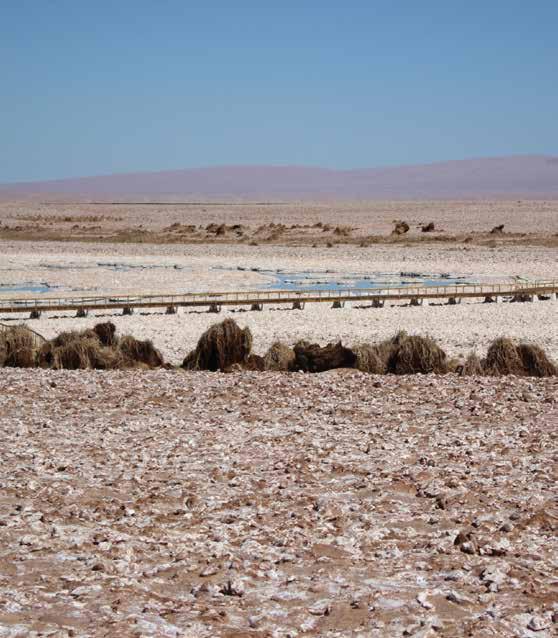
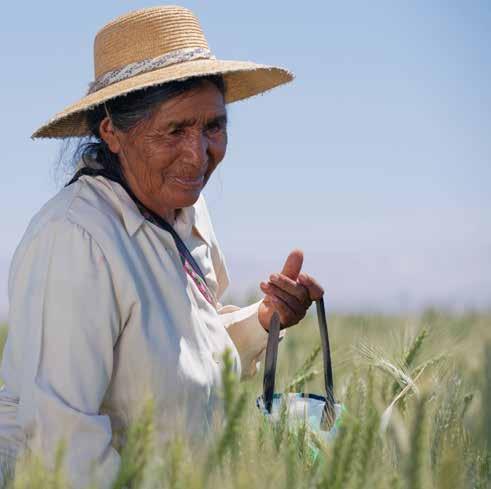
DISCLOSURES 2-25/ 3-3/ 413-2
The towns near our operations are small communities engaged mostly in agriculture or tourism. Tocopilla has a port, and María Elena is centered around mining, as it is home to a saltpeter office that dates back to 1926. Over the years, it has grown as a mining service provider and has a future as a tourist attraction.
In recent years we have worked with neighboring communities on different shared social value projects before SQM Iodine Plant Nutrition begins operating in that area. We believe this is an ideal form of engagement because it lets us communicate and work together with communities in advance.
In 2024 SQM Iodine Plant Nutrition was moving forward on our Tente en el Aire (TEA) project for our Nueva Victoria operations in the Tarapacá Region. For this, we worked in advance with communities in coastal areas near Iquique, specifically in the coves of Chanavayita, Caramucho and Cáñamo, all fishing communities whose residents also gather seaweed and develop tourism projects. The Tarapacá Region is home to several Aymara communities and associations of Aymara and Quechua ethnicities near our operations.
Also in the Tarapacá Region, in the district of Huara, we have worked in advance with the following communities as a result of our iodine and nitrate-rich salts plant project, Orcoma: Huara, the largest town in the district; the farming communities of Bajo Soga and Colonos Rurales; and Pisagua, a fishing village.
We have been operating at an old SQM iodine and nitrate production site in the Sierra Gorda district in Pampa Blanca (Antofagasta Region). We initiated engagement with the Baquedano and Sierra Gorda communities in the context of those efforts. Both towns are known for providing services to the mining industry, and local residents are working to create a tourism industry focused on astronomy and saltpeter heritage.
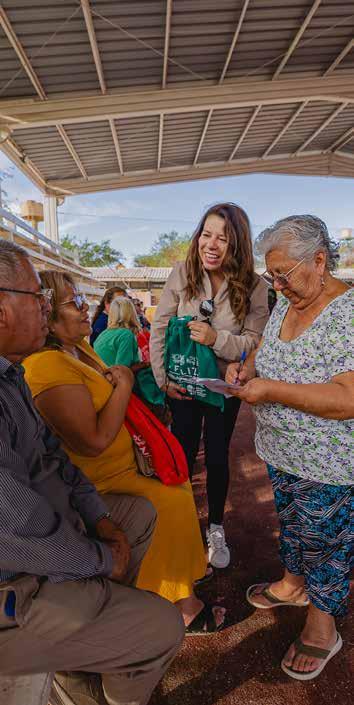
Tarapacá Region
Districts/ Towns
Iquique
Chanavayita
Caramucho
Cáñamo
Municipality
Regional capital, Capital of the Province of Iquique, District:
Population: 191,468
No. of households: 66,986
Men: 94,897
Women: 96,571
Population
Population density: 83.70
Masculinity index: 98.3
Average age: 34.3
Indigenous peoples: 18%
Education
Avg. schooling for head of household: 12.3 years
Preschool attendance: 53%
Primary school attendance: 95%
High school attendance: 75%
Begin higher education: 38%
Complete higher education: 74%
Avg. schooling for Indigenous peoples: 10.3 years.
Districts/ Towns
Pozo Almonte La Tirana Pintados Victoria Huatacondo Tamentica
Municipality
Capital of the Province of Tamarugal, District:
Population: 15,711
No. of households: 8,926
Men: 8,987
Women: 6,724
Districts/ Towns Alto Hospicio
Municipality
Municipality:
Population: 108,375
No. of households: 33,178
Men: 54,206
Women: 54,169
Districts/ Towns Huara
Bajo Soga Colonos Rurales Pisagua
Population
Population density: 1.14
Masculinity index: 133.7
Average age: 32.2
Indigenous peoples: 43%
Education
Avg. schooling for head of household: 10.0 years
Preschool attendance: 55%
Primary school attendance: 86%
High school attendance: 56%
Begin higher education: 20%
Complete higher education: 78%
Avg. schooling for Indigenous peoples: 8.6 years.
Population
Population density: 188.86
Masculinity index: 100.1
Average age: 28.8
Indigenous peoples: 31%
Education
Avg. schooling for head of household: 10.4 years
Preschool attendance: 56%
Primary school attendance: 95%
High school attendance: 71%
Begin higher education: 16%
Complete higher education: 65%
Avg. schooling for Indigenous peoples: 8.6 years.
Population
Population density: 0.26
Masculinity index: 122.1
Average age: 36.7
Indigenous peoples: 63%
1,229
Education
Avg. schooling for head of household: 8.5 years
Preschool attendance: 48%
Primary school attendance: 94%
High school attendance: 65%
Begin higher education: 13%
Complete higher education: 84%
Avg. schooling for Indigenous peoples: 7.5 years.
Districts/ Towns
Antofagasta
Municipality
Regional Capital, Capital of the Province of
Antofagasta, District:
Population: 361,873
No. of households: 112,451
Men: 181,846
Women: 180,027
Population
Population density: 11.79
Masculinity index: 101.0
Average age: 33.3
Indigenous peoples: 8%
Education
Avg. schooling for head of household: 12.1 years
Preschool attendance: 49%
Primary school attendance: 96%
High school attendance: 74%
Begin higher education: 36%
Complete higher education: 73%
Avg. schooling for Indigenous peoples: 10.6 years.
Districts/ Towns
Tocopilla Urco
Municipality
Capital of the Province of Tocopilla, Municipality:
Population: 25,186
No. of households: 10,670
Men: 12,481
Women: 12,705
Districts/ Towns Sierra Gorda Baquedano
Population
Population density: 6.25
Masculinity index: 98.2
Average age: 34.5
Indigenous peoples: 8%
Education
Avg. schooling for head of household: 11.2 years
Preschool attendance: 46%
Primary school attendance: 95%
High school attendance: 79%
Begin higher education: 27%
Complete higher education: 81%
Avg. schooling for Indigenous peoples: 10.5 years.
Population
Population density: 0.79
Masculinity index: 568.4
Average age: 38.0
Indigenous peoples: 14%
Municipality
Municipality:
Population: 10,186
No. of households: 570
Men: 8,662
Districts/ Towns
Women: 1,524 Municipality
6,457
of households: 1,959
4,092
2,365
Education
Avg. schooling for head of household: 10.5 years
Preschool attendance: 60%
Primary school attendance: 96%
High school attendance: 84%
Begin higher education: 42%
Complete higher education: 79%
Avg. schooling for Indigenous peoples: 12.5 years.
Population
Population density: 0.52
Masculinity index: 173.0
Average age: 35.4
Indigenous peoples: 13%
Education
Avg. schooling for head of household: 11.2 years
Preschool attendance: 46%
Primary school attendance: 95%
High school attendance: 79%
Begin higher education: 27%
Complete higher education: 81%
Avg. schooling for Indigenous peoples: 10.5 years.
DISCLOSURES 2-25/ 3-3
SQM
Iodine Plant Nutrition operates in compliance with the commitments set forth in its Sustainability, Ethics and Human Rights Policy, ensuring the sustainable development of its business. The company maintains close and active relationships with communities in the area of influence of its facilities, participating in their development and promoting open, ongoing and transparent communication. We develop participatory initiatives and programs to promote mutual understanding and work towards shared goals. Based on the social dynamic and constant changes that we are experiencing, we are open to review our policy for engaging and coexisting with Indigenous and non-Indigenous communities, considering key aspects such as:
Incorporating a human rights approach and specifically those rights that align with communities’ ethnic identity;.
Ongoing dialogue, proximity, transparency, good faith and delivering on promises;.
Respect for the organization and decisions of assemblies and their representatives;
Creating shared value;
Engaging in joint efforts to develop projects and formal agreements;
Considering and accepting that developing community relations is a process with various stages;
Considering the specific cultural, social and territorial characteristics of Indigenous communities; and
Being willing to look at issues that are of interest to the communities despite their complexities given that they are necessary because they are a part of their world view. An example of this is environmental issues and their impact on Indigenous peoples.
Strengthening the community engagement and relations area through local professionals and offices and using multiple communications channels; and
Establishing formal agreements that incorporate human rights approaches, sustainability as a value, good faith and clear dispute resolution mechanisms as well as the establishment of permanent working groups.
Baquedano
Antofagasta
DISCLOSURES 2-25/ 3-3
SQM Iodine Plant Nutrition seeks to generate shared social value with communities in the areas in which it develops its projects.
In accordance with the United Nations Guiding Principles on Business and Human Rights, the United Nations Sustainable Development Goals and the International Labour Organization Indigenous and Tribal Peoples Convention, No. 169, the company promotes local sustainable development and respect for communities’ autonomy. This commitment is reflected in an ongoing participation and dialogue process, which seeks to achieve mutually beneficial agreements and create community plans and programs in priority areas such as entrepreneurship, historical heritage and sustainable development linked to agriculture in the desert, in addition to some programs in the area of education, health and social inclusion. The company also promote the joint creation of informed assessments of possible impacts of its projects and provides information in an ongoing and transparent manner. This includes promoting participation and consultation, especially in the case of Indigenous communities in line with ILO Convention No. 169 and the United Nations Declaration on Indigenous Peoples.
As such, SQM Iodine Plant Nutrition is committed to acting in a respectful and responsible manner, promoting the wellbeing and sustainable development of the communities with which it interacts. We are committed to:
• Promoting the participation of Indigenous communities and prior, free, informed and good faith consultation regarding communities that may be impacted by our projects in accordance with current legislation.
• Promoting, in accordance with current standards, citizen participation and providing transparent, timely information about our projects.
• Respecting the autonomy and traditional values of the communities where we operate.
• Implementing communications channels that allow for ongoing dialogue with the community and the development of effective due diligence mechanisms regarding human rights.
• Promoting and supporting sustainable economic development of communities and creating projects with shared value between our operations and neighboring communities.
Our work is developed on the basis of two main approaches:
SQM Iodine Plant Nutrition develops projects in areas with a notable presence of Indigenous communities and follows international standards such as ILO Convention No. 169, the Sustainable Development Goals and the UN Declaration on Indigenous Peoples. Its policy on engaging with Indigenous communities is based on the principles of good faith, participation, respect for their culture and autonomy and the search for shared value in keeping with best mining industry practices.
As such, our approach to Indigenous communities is centered on:
Informed participation with transparency and cultural relevance Respect for governance 2 1 3
Promoting the development of Indigenous communities
SQM Iodine Plant Nutrition recognizes the importance of its presence and is committed to maintaining solid engagement, adapting to the needs and particularities of each territory. We understand our strategic role in some areas in which we operate and take responsibility for providing structural support, facing this challenge each day to benefit the inhabitants of these localities.

DISCLOSURES 2-25/ 3-3/ 413-1
We have a local community engagement team to ensure a direct relationship with communities, without intermediaries; it is important for us as a company for the people who participate in and manage the programs to have a sense of belonging to the territory.
Over the years, SQM Iodine Plant Nutrition has determined that working groups are the best space for opening and maintaining dialogue with local communities.
While their dynamics may vary by territory and topics covered, their use is supported by communities across the board. Working groups include representatives of various entities and groups such as unions and associations that are validated by their membership. They may also include community advising experts.
The groups meet periodically and sign memoranda of understanding, work agreements or operating statutes in each location in order to provide guidance on joint actions between communities and companies.
Current Working Groups Listed by Municipality from North to South
Orcoma Site
Huara Working Group
Huara, Huara
Bajo Soga Working Group
Bajo Soga, Huara
Pisagua Working Group
Pisagua, Huara
Chanavayita Unions No. 1-6 Working Group
Chanavayita, Iquique
Caramucho Unions No. 1-2 Working Group
Caramucho, Iquique
Caramucho Union No. 3 Working Group
Caramucho, Iquique
Cáñamo Union Working Group
Cáñamo, Iquique
Caramucho Union Working Group
Caramucho, Iquique
Cáñamo Social Working Group
Cáñamo, Iquique
Chanavayita Social Working Group
Chanavayita, Iquique
Nueva Victoria Site
Tierras de Jehová Multicultural Indigenous Association Working Group
Colonia Pintados, Pozo Almonte
Juventud del Desierto Aymara Indigenous Association Working Group
Colonia Pintados, Pozo Amonte
Pampa del Tamarugal Rural Aymara Indigenous Association Working Group
Pampa del Tamarugal, Pozo Almonte
Victoria Neighborhood Council Working Group
Victoria, Pozo Almonte
Huatacondo Indigenous Community Working Group
Huatacondo, Pozo Almonte
Sandra Vicentelo Family GPPPI Working Group
Tamentica, Pozo Almonte.
Choque Family GHPPI Working Group
Bellavista Sector, Pampa del Tamarugal, Pozo Almonte
Antofagasta Region
Tocopilla María Elena
Port of Tocopilla
Tocopilla Fishermen's Union Working Group
Tocopilla
Ground Transport Safety Consultive Council
Tocopilla
El Puerto Cowork Board of Directors Tocopilla
Coya Sur Site
Ground Transport Safety Consultive Council
María Elena, María Elena
Municipal Safety CouncilMaría Elena, María Elena
Tourism Working Group María Elena, María Elena
Quillagua Aymara Indigenous Community Working Group
Quillagua, María Elena
Quillagua Rural Potable Water Working Group
Quillagua, María Elena
Quillagua Hydroponic Cooperative Working Group
Quillagua, María Elena
Metropolitan Region
Antofagasta Santiago
Corporate Offices
Women and Mining Group (with the Ministry of Mining, Ministry of Women and Gender Equality and mining companies) Antofagasta
Corporate Offices
Women and Mining Group (with the Ministry of Mining, Ministry of Women and Gender Equality and mining companies)
Santiago
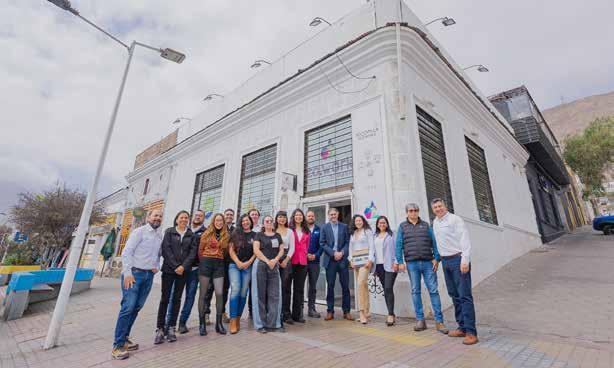
Based on our experience working with communities and in response to the needs of the territories where we operate, for many years now we have focused our Shared Social Value Programs on four priority areas: Social Development; Cultural and Historical Heritage; Education and Culture; and Community Wellbeing, Health and Safety.
We have engaged in noteworthy efforts to work with farmers, promoting agricultural projects that integrate technology and innovation while preserving each town’s cultural heritage. We also have promoted projects to support entrepreneurs and businesses in urban areas, offering training and access to funding. Over the past two years, we have strengthened these efforts with notable results.
We have developed educational programs that are not provided by the public school system, especially in schools far from urban centers or those that use a structure that involves multiple teachers. These programs are designed to improve the quality of education by integrating technology, robotics and learning techniques based on experience, offering resources and innovative opportunities to students.
This area emerged at the request of communities that were seeking support for athletics or wellbeing projects based on their own needs. SQM Iodine Plant Nutrition complemented these efforts, supporting institutions that promote inclusive sports like women’s soccer and inclusion initiatives for individuals with disabilities. Support has also been provided for health programs, including dental care and specialized medical screenings.
Projects designed to restore and increase appreciation of heritage sites based on pampa or Indigenous cultural legacies depending on the town in areas in which such initiatives are not supported by other companies or the State and cultural traditions or sites are at risk.
Based on ongoing reviews and evaluations of our work, in 2024 we decided to focus our actions on three strategic lines of work that are closely related to what we do as a company, where we have experience and clear advantages in relation to other actors present in the territory.
We believe that concentrating our work on these 3 areas will allow us to continue strengthening our projects, providing tools to communities to promote their own development and co-constructing social development programs in collaboration with them.
Thus, from 2025 we expect to focus our programs on: agriculture and livestock development in the Tarapacá and Antofagasta desert; support for enterprise and businesses via training and access to funding; and continued work to recover culture and historical heritage.
We hope to develop these lines of work in greater depth and report on them in future reports.
DISCLOSURES 2-25/ 3-3
We make significant social investments every year focused mainly on our four key areas of action. In addition, we make contributions to communities per the agreements reached in the working groups with each of them.
In 2024, we made social investments of US$6,356,868 (donations and contributions not pledged in working groups) and contributions to communities pledged in working groups of US$2,492,235. In aggregate, we invested US$8,849,103 in our communities.
These amounts do not include SQM Iodine Plant Nutrition's administrative costs for implementing and developing the community projects, which amount to US$2,123,814.
*The social investment in the graph does not include contributions to communities pledged in working groups.
**Other Projects are contributions to communities based on the needs of each territory that do not fall within the action areas defined by the company.
*** Charity corresponds to donations made by the company to social causes.
DISCLOSURES 2-25/ 3-3
SQM Iodine Plant Nutrition conducts environmental assessments of all of its operations and expansion projects in accordance with current regulatory requirements, measuring the impact of its activities on local communities. The company conducts citizen and Indigenous consultations and engages with the community through its own employees, setting itself apart through its Social Responsibility Programs and creating lasting connections without using external firms.
SQM Iodine Plant Nutrition uses M-Risk software to manage community engagement and organize evidence and oversight of its work with its neighbors. Each year, it evaluates its programs and impacts through perception and valuation studies such as the SQM Tarapacá and Antofagasta Regions Perception and Image Survey, which was conducted between July 17 and October 14, 2024, by the company Feedback.
Over the past few years, we have prioritized projects that promote the efficient use and conservation of water in communities near our operations in desert areas. Launched in 2008, SQM’s Agricultural Program, known as Atacama Tierra Fértil, promotes agricultural initiatives in the driest desert on the planet in northern Chile.
As the world’s largest producer of fertilizers that optimize the use of water, we work with agriculture experts to advise our customers. This experience has been applied in community projects in numerous localities, including La Tirana, Bajo Soga, Colonia de Pintados, Iquique, Quillagua and others. The Agricultural Program provides technical advising and partnerships with farmers to improve production. We implement innovations to reduce water and energy consumption, improve crops and sell highquality or added value products. We respect the ancestral practices of the Aymara and Quechua communities present in our areas of operation.
The Agricultural Program has been supported by entities such as: the Antofagasta Regional Government (FIC Projects), the Antofagasta Public Works Ministerial Secretariat (Hydraulic Works Bureau), the Regional Agricultural Ministry of Antofagasta and Tarapacá, the Foundation for Agricultural Innovation (FIA), the Technical Cooperation Service (Servicio de Cooperación Técnica or SERCOTEC), the National Corporation for Indigenous Development (Corporación Nacional de Desarrollo Indígena, or CONADI), the National Institute for Agricultural Development (Instituto de Desarrollo Agropecuario, or INDAP), the National Forestry Corporation (CONAF), as well as the municipal governments presiding over territories that are home to the Indigenous associations and communities near our operations.
We created a 30-hectare production unit to grow alfalfa in the Pampa del Tamarugal National Reserve. Its production is used as supplemental feed for local livestock. This project is a partnership between CONAF, SQM and farmers who are part of the Pampa del Tamarugal Rural Aymara Indigenous Association. To date, we have sown 15 hectares, making it one of the largest alfalfa crops to be planted in the desert using an underground irrigation system.
The project has a modern photovoltaic facility that allows them to power triphasic pumps and irrigation systems for the Alfalfa Production Center. The project was developed by the company Antú, which won SQM’s “More Lithium, Smaller Footprint” competition. The on-grid photovoltaic facility has 40 kWp of power and 74 540 w panels, generating ThCh$ 800 in monthly savings on electricity costs.
In 2024 participants harvested 306 metric tons of dry matter per hectare from the 15 hectares planted, which produced 9,280 33-kilogram bales of alfalfa, benefiting 19 families and over 5,000 head of cattle. Also in 2024 the farmers optimized their work with agricultural machinery donated at the beginning of the project: a tractor, a blinder, a baler, a spinner, a trailer and a fumigator. We also installed matrices and a technified irrigation system for the second phase of the project, and built a storage shed to store the harvest.
The Alfalfa Production Center is an initiative developed by its users with support from agricultural engineers from the agricultural program with communities in Tarapacá.
We continued our work with the Pintados Agricultural Colony through the Tierras de Jehová Multicultural Indigenous Association and the Juventud del Desierto Aymara Indigenous Association. Our work is focused on promoting best farming practices through professional SQM advisors in an effort to improve the soil structure by contributing sand and washing for agricultural recovery. We have implemented technified irrigation to save water, donated agricultural equipment, seeds and plants and organized a supervised plant nutrition program. The program’s financial administration was handled by Fundación Factor de Cambio. The company also donated photovoltaic panels to the Juventud del Desierto Indigenous Association to optimize the water withdrawal process and reduce costs. In addition, we maintained farm roads with bischofite to control suspended dust that impacts crops and rural residents’ quality of life.
The initiative is part of the commitments made to local communities, which include roadway improvements, agriculture and livestock training and ongoing support for regional development. The Juventud del Desierto Aymara Indigenous Association in Colonia Agrícola de Pintados received a modern photovoltaic system that has allowed them to optimize and reduce the costs of pumping water. This comes in addition to other projects managed by the company and municipality to benefit local families such as improving roadways with bischofite.
During 2024 we finished installing well No. 2, which should reduce the costs of the water pumping system and the use of fossil fuels.
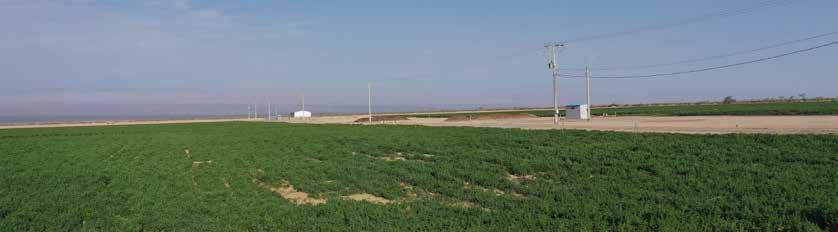
In 2024, we began an ambitious pilot project to grow blueberries, aiming to evaluate this fruit as a productive alternative for the town of Pintados and, in turn, for Pampa del Tamarugal. This initiative tested different blueberry varieties using the best technology (cultivation in pots with specific substrate for berries and fertigation). The crops were evaluated with and without shade on a total area of 2,000 square meters.

The Pozo Almonte Agricultural Research and Development Center in the Tarapacá Region was opened in 2019 and covers over 1,150 m2 in the “Los Pinos” camping area. It boasts hydroponic growing and cheese-making facilities with the respective health certifications, including a refrigerated truck. The entity produces hydroponic lettuce, red pepper, chili peppers, kale, flowers, basil and watercress with a focus on optimizing the use of water in extreme weather conditions. it trains producers on hydroponic growing and cheese-making techniques.
The greenhouse has equipment to generate ozone and oxygen nanobubbles to improve oxygenation of the nutrient solution and control diseases in the floating root crops. An increase in the growth of lettuce treated with these nanobubbles was observed. This treatment has been extended to other crops to improve the overall production of the greenhouse.
In 2024, the center hosted 799 visits and grew 17,600 heads of hydroponic lettuce, which are donated to non-profits. Two farmers from Tamarugal continue to product goat cheese with the appropriate health certifications.
The Third Agriculture and Livestock Enterprise and Innovation Meeting of the Tarapacá Region was led by SQM Iodine Plant Nutrition in Iquique and La Tirana. The topics addressed included growing blueberries in the desert, composting, the circular economy in agriculture and the innovative role of iodine as an agricultural nutrient. The event included a tour of the Alfalfa Production Center facilities in the El Carmelo sector and the greenhouse in La Tirana, as well as a farmers' market with local products in front of Arturo Prat University in Iquique.
During the summer of 2024, the Agriculture Research and Development Center hosted students from Padre Alberto Hurtado High School in Pica. Over the course of two months, participants completed a professional internship in the facility focused on technology transfer in the territory and the production of crops in the world’s driest desert.
A reservoir with a 30 million liter capacity was built in 2021 to ensure the availability of water for human consumption, farming and livestock. Its capacity was subsequently increased to 40,000 m3. In 2024 we cleaned over 3,500 meters of irrigation canals in the Quillagua Valley and repaired the water conveyance system in the Canal 1 area over the Loa River.
The community of Quillagua uses 25,000 to 30,000 m3 of water per day, which is distributed through the domestic supply network. Water from the Loa River is accumulated in the reservoir and then channeled to the treatment plant, which has three 40,000 m3 reservoirs. We treat 30,000 m3 of water per day.
SQM Iodine Plant Nutrition supports the Quillagua Aymara Community when its osmosis plant has issues supplying the town. This support for the town’s rural potable water supply includes a truck for personnel to use to manage the drinking water plant and to conduct site visits and make repairs.
Also in 2024, the town’s water storage tank remained in operation. With a maximum capacity of 40 million liters, this tank is designed to decant solids and maintain a water reserve in the event of a variation in the Loa River flows or floods caused by altiplanic rains. Throughout the year, this storage tank ensured a stable flow of raw water to the reverse osmosis plant, which produces the drinking water consumed by the Quillagua community.
We continue to operate the Quillagua hydroponic greenhouse, providing ongoing support through agronomists from SQM Iodine Plant Nutrition. The greenhouse uses an NFT system to grow lettuce and crops such as red peppers, chili peppers, cilantro and parsley without soil. Children from Quillagua visit the facility to learn about the system, and we also host knowledge exchanges. The greenhouse also hosted a visit from the Camaroncito de Quillagua Preschool as well as delegations from Pozo Almonte, a delegation of women from María Elena, students from the Ignacio Carrera Pinto Primary School and groups of employees from SQM Iodine Plant Nutrition.
We value caring for our local environments and neighbors. As such, we carefully evaluate possible environmental impacts of our processes. We are committed to responsible natural resource management, implementing protection and prevention measures. These efforts are directed at achieving development with shared social values that benefits local communities and protects people, biodiversity and the environment. Our stakeholders, particularly local schools, are very interested in programs that promote environmental protection, the creation of green spaces, recycling and training agents of change.
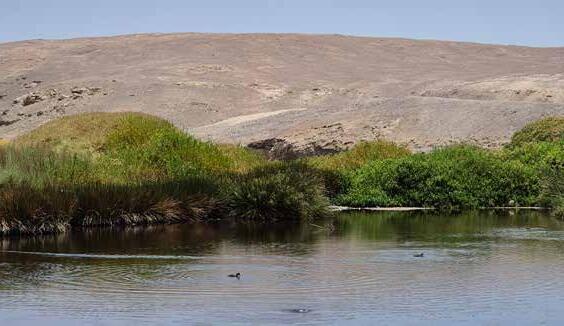
Note: The description of the target for each SDG is listed in the appendices to this report.
The main goal of the Environmental Education Center (CEDAM) in Salar de Llamara is to promote environmental education to preserve Tarapacá’s natural and cultural heritage. Salar de Llamara is home to a relic of native tamarugo forest and is the only wetland in the intermediate depression of this area of the country with characteristics of scientific interest. Educational visits are conducted for students to experience this natural heritage. Several educational and recreational visits were made in 2024, including the Pozo Almonte Elementary School, the La Tirana Senior Citizens' Center, the Santiago Domingo Savio School and the Tourism and Heritage Commission of the Tarapacá Regional Council. Overall, 261 children, youth and senior citizens toured the center.
In collaboration with Fundación del Mar, the program "Promoting Maritime Culture, the Environment and Values among Northern Chile’s Youth" was carried out to support:
• Environmental Conservation: To educate about the importance of caring for the natural environment to ensure responsible use of resources and conservation of biodiversity for generations, and to teach how local actions can have a global impact and how caring for the environment in northern Chile contributes to ecological balance worldwide.
• Development of Values in Youth: To foster values like responsibility, solidarity and empathy towards the environment and the community, and to motivate young people to become actively involved in social and environmental initiatives, preparing them to be conscious leaders in the future.
Among the activities developed by the program, two seminars for teachers were held in April 2024 in Pisagua and Iquique, covering the following topics: Caring for beaches and the marine environment and the importance of instilling habits and values in young people.
In May, October and November, beach cleanups were conducted to preserve marine biodiversity, protect human health and promote a sustainable coastal environment. This activity was also supported by the Chilean Navy.
The Manuel Rodríguez Traveling Farmers’ Market of María Elena, in collaboration with Fundación Mr. Barber and with support from SQM Iodine Plant Nutrition, organized the "Zero Organic Waste Traveling Farmers’ Market" project in northern Chile. This initiative seeks to help merchants reduce and manage organic waste by transforming it into natural fertilizers to be used in local agro-educational projects like school gardens and a therapeutic greenhouse for the elderly.
In line with the Ministry of the Environment's Recycling Law, the project includes installing containers and providing training to correctly sort waste, benefiting the 22 merchants. This important milestone helped celebrate the group's 50th anniversary, highlighting its contribution to the development of María Elena and recognizing its role in the community delivering fresh fruits and vegetables to local families.
This program seeks to train agents of change by developing nuclei of interest and a pilot Econeighborhood program. It raises awareness of the importance of caring for and respecting the environment, delivering skills and competencies that can be used to replicate ecological initiatives. The EEP benefits seven schools in Tocopilla and the 21 de Mayo Neighborhood Council. It is sponsored by SQM Iodine Plant Nutrition and Verdical as well as the Municipality of Tocopilla.
More than 100 young people from Tocopilla participated in the city's first Environmental Network, an initiative led by Fundación Mr. Barber, with support from SQM Iodine Plant Nutrition and the Municipality of Tocopilla. This program sought to train environmental leaders through training and workshops in five schools: Sagrada Familia School, República de Estados Unidos Primary School, Arturo Prat Primary School, Carlos Condell Primary School and Domingo Latrille High School. The project stood out for promoting sustainable climate action co-created with the students, thus benefiting their communities. In addition, participants carried out community activities to improve local environments. The initiative sought to promote a greener and more sustainable future.
Sixty home composting bins were delivered to Tocopilla residents as part of the "Home Composting Pilot" project, led by Fundación Mr. Barber, SQM Iodine Plant Nutrition and the Municipality of Tocopilla. The initiative seeks to promote sustainable practices and responsible management of organic waste, transforming it into compost to enrich soils and reduce landfill waste.
A composting workshop was also given to bin recipients by agronomist Roberto Araya, providing tools and knowledge to the beneficiaries.
In addition to improving the quality of life of local residents, this project also generates a positive impact on the environment, laying a foundation for a more sustainable future.
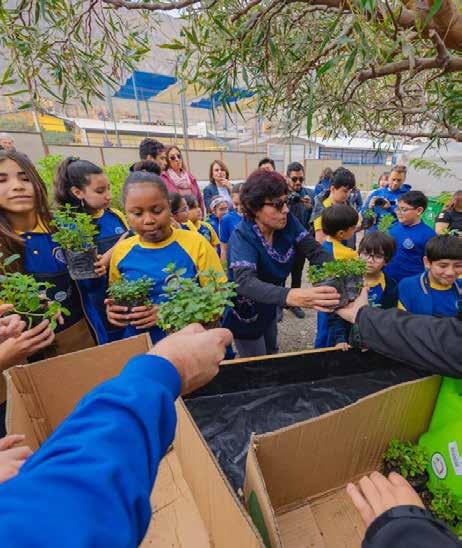
The project, executed by Fundación Protección Oceánica (Ocean Protection Foundation) with support from SQM Iodine Plant Nutrition, aimed to foster multidimensional collaboration surrounding educational initiatives that drive a profound cultural change, instilling a sense of belonging and promoting proactive behaviors towards environmental protection. This program had 5 main lines of work:
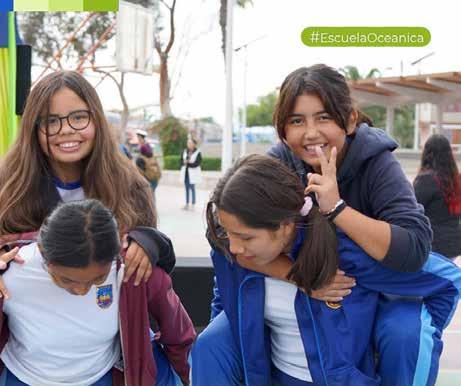
Consolidate and train a group of committed teachers to lead sustainable initiatives in the school environment for the school environmental certification (SNCAE) process.
Activities carried out:
• Analysis of the environmental component in the educational management instrument.
• Training and support for the school environmental committee.
• Training for the SNCAE environmental certification process.
• Formulation of a strategic plan for sustainable school activities.
• Coordination meeting for the strategic plan for sustainable school activities.
• Quarterly meetings of the school environmental committee.
Effectively integrate knowledge about ocean culture and marine threats into the school curriculum.
Activities carried out:
• Level 1 educational session and complementary workshop: The Plastic Era.
• Level 2 educational session and complementary workshop: Blue Planet.
• Level 3 educational session and complementary workshop: Deadly Threats.
Promote awareness and active engagement of students through direct experiences that delve into the impacts of plastic pollution and climate change in marine environments.
Activities carried out:
• Ocean plastic session.
• Formation of committees: training, dissemination and logistics.
• Large-scale activity for International Beach Cleanup Day.
• School cleaning activity.
• Interventions in recreation: Ocean, Climate Regulator; and Plastic Pollution and Citizen Science.
Empower students to apply circular economy principles through recycling campaigns and active participation from their families.
Activities carried out:
• Incentive strategy or best practices in waste management.
• Incentive strategy or best practices in water efficiency.
• Incentive strategy or best practices in energy management.
• Dissemination of nutritional guidelines.
• Personalized school recycling campaign.
• Inter-school beach waste art contest.
To provide students with a unique, practical educational experience about the ocean and its ecosystems, applicable to three schools in the Mejillones district: Juan José Latorre Educational Complex, Julia Herrera Varas Primary School and María Angélica Elizondo Briceño Primary School.
Activities carried out:
• Boating with local tour operators.
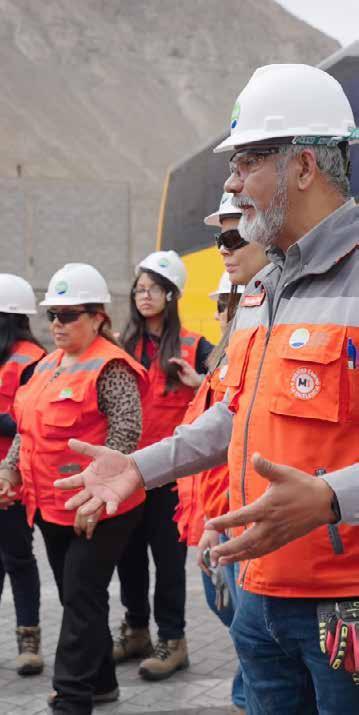
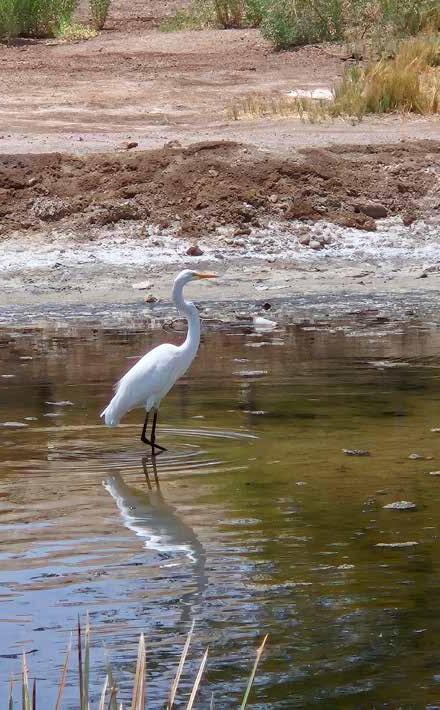
We conducted a recycling program in María Elena, Tocopilla and Quillagua in 2024 with support from Fundación Mr. Barber to promote a culture of recycling in schools and social organizations. This program directly benefited a total of 10,000 people, including senior citizens, educational institutions and preschools.
Our efforts provided continuity to the inorganic and organic recycling program, reinforcing and promoting social participation for environmental stewardship.
Wildlife Atacama
Wildlife Atacama is an environmental education program, now in its fifth version, promoted by Geniale Group, with the collaboration of SQM and other companies. The program seeks to educate people about native fauna and biodiversity, and thus encourage good practices that favor their preservation. To fulfill its mission, the program includes different activities for schoolchildren and young environmental trailblazers from participating establishments, as well as some open to the community.
At this event, schoolchildren and environmental trailblazers from the Julia Herrera Primary School in Mejillones and the San Patricio School in Antofagasta participated.
Crazy About Recycling is a competition that promotes participation in and the development of local recycling in an effort to give continuity to the socio-environmental education program “Classroom and Household Recycling.” The third edition of the Locos por Reciclar (Crazy about Recycling) contest was held in October and November 2024, and prizes were awarded to participants in three categories: "Ecosplay," "TikTok Trend” and “Collecting Bottle Caps." In the last category, more than 950 kilograms of plastic bottle caps were collected to be used as raw material to make flowerpots and coasters in María Elena.
The seminar brought together representatives of the Agriculture and Livestock Service (SAG), the National Fisheries and Aquaculture Service (Sernapesca), Fundación Kennedy and the Catholic University of the North (CUN) to address various issues related to the 2024 key species (the puma, the Humboldt penguin, the grey gull and the Chimba snail), all of which are threatened or endangered species.
The day culminated with a discussion about native fauna and biodiversity moderated by Dr. Gladys Hayashida, Coordinator of Science, Technology and Society at the University of Antofagasta. The dialogue generated a space for reflection, with schoolchildren from the participating schools actively raising their concerns about the topics.
An interactive exhibit open to the community was held alongside the seminar for participating organizations to present their work and different initiatives for the conservation of species and biodiversity as a whole.
One of the innovations in 2024 was "Wildlife Challenges," a creative workshop for professionals from different participating organizations to analyze various threats to the species featured in the program and propose implementable initiatives that help build knowledge and best practices for preservation.
The participating organizations were Fundación Kennedy, Fundación Gaviotín Chico (Peruvian Tern Foundation), the Catholic University of the North, the Science, Technology and Society program at the University of Antofagasta and San Patricio School. Their work led to four implementable initiatives to raise awareness and preserve fauna.
The program conducted educational field trips for schoolchildren and young trailblazers to visit different places in the region, such as the La Rinconada Reserve, among others, and learn about the diversity of species and nature in the area.
Given the positive feedback received about previous activities, new observation field trips open to the community in Antofagasta and Mejillones were added in 2024.
The first wildlife observation trip taught the students more about coastal species, such as the grey gull or the Humboldt penguin, and also about fauna that inhabit the wetlands, such as the Chimba snail, a native species that is endangered.
Creative workshops were held to make animal sculptures with recycled materials or magical animals with papier-mâché. There was also an introductory workshop on wildlife photography using mobile devices.
The resulting works were exhibited at the Estación Antofagasta Cultural Center to mark the end of the new version of Wildlife Atacama.
As a company, we support and promote programs that train local residents to develop commercial initiatives based on their wants and needs. These projects are developed in working groups created with local communities and entities related to the Atacama Tierra Fértil Program.
We also work on supplier development to strengthen local economies, particularly in remote areas with limited offerings of goods and services.
Farmers in Bajo Soga face challenges related to water scarcity. SQM has established a working group in that location with nine organizations and 96 farmers. We also improved 12.5 kilometers of internal roadway using bischofite to control dust and improve product quality and plan to improve an additional 9.4 kilometers in the near future.
In 2024, in collaboration with the working group and national startups, a Solar Solutions Program was implemented in Bajo Soga, Tarapacá Region, benefiting 15 families with sustainable electricity through Solbox solar generators. This project sought to improve the quality of life in rural communities by providing electricity, refrigeration and other essential services.
The initiative, aligned with the Sustainable Development Goals, also includes agricultural training and machinery donations to strengthen local agriculture. Beneficiaries and community leaders highlighted the positive impact of this solution on their daily lives.
To promote productive and social development and help improve the quality of life of Pisagua residents, SQM Iodine Plant Nutrition and Fundación Factor de Cambio delivered supplies and equipment to local entrepreneurs as part of the Activa Pisagua program.
This program complies with the pledges made to the local working group. With this program we have 8 new services available for people visiting Pisagua from other locations to enjoy what the town has to offer.
It is designed to shift paradigms and change attitudes and behaviors through workshops and training programs offered by Fundación Factor de Cambio so that participants can manage their business activities. The Activa Pisagua program has three focus areas:
Developing entrepreneurs and businesses with high growth potential
As a variant of the Activa Pisagua Program, in 2024 a project was implemented to support the fishermen's unions No. 1 and No. 2 in Pisagua, focusing on three main areas:
Traditional fishing grants: Created for each union with a focus on traditional fishing and productive reconversion of its members.
Boat restoration grants: Available for members to upgrade their boats.
Grant program for union production initiatives: This effort consisted of creating a collaborative business that allows each union to generate resources to cover their own needs.
Creating and strengthening new local suppliers
Boosting collaboration by supporting community enterprises and initiatives
The initiative provided a total of Ch$16 million to the 8 entrepreneurs who won competitive grants to develop and implement their business projects and Ch$42 million to purchase diving equipment for the members of the Shellfish Divers Union No. 1 and the Independent Workers of Pisagua Union No. 2, which will improve their working conditions and thus impact their families and the town.
This entrepreneurship festival in 2024 had 14 stands of farmers from El Tamarugal and more than 25 businesses from the province of Iquique, as well as art performances, cooking shows and a presentation by well-known entrepreneur Michelle Schnitzer (BondUp).
Organized by SQM Iodine Plant Nutrition, the event aimed to promote the development of the region's entrepreneurial ecosystem by showcasing products, strengthening entrepreneurial skills, raising the visibility of local businesses and providing value to regional enterprises.
This initiative promotes a space for methodical ongoing dialogue. It addresses social, cultural, heritage, environmental, athletic and educational issues. The goal is to achieve sustainable development and active community participation.
Identifying and coordinating new participants at different levels of the ecosystem. This area works on assertive communication and effective action.
Developing collaborative project portfolios to promote collaboration among individuals and capacity building.
Organizing meetings with various community stakeholders to maintain social cohesion by promoting recursive processes.
Positioning MES on various national and international platforms as the first sustainable district.
Sharing methodologies, success stories and key people who can contribute strategic and comprehensive perspectives in community work.
Based on the progress made in managing the principles of the Sustainable Maria Elena program, synergies have been added in the social, cultural, patrimonial, senior, environmental, sports and educational areas, in addition to all the potential for entrepreneurship, culinary offerings and tourism in the area. This initiative brings together different civic organizations with support from the local municipality and the company.
In 2023 the María Elena Sostenible (MES) program was awarded a prize in the "Community Engagement" category at the ASIQUIM Awards to commemorate Responsible Care Day 2023, a global initiative promoted in Chile by the Chilean Chemical Industry Association (ASIQUIM A.G.).
We launched the program “Local Knowledge and Flavors of Our Land” in Quillagua to rescue and disseminate ancient culinary arts developed by the Aymara people. The initiative highlights the value of the local culinary heritage, reviving traditions and celebrations passed down from generation to generation through delicious preparations and typical dishes. It also promotes local tourism and businesses to generate income for project participants, in addition to training them.
In 2024 we held a new version of the Tocopilla in Green Festival, bringing an end to the joint work between various organizations and students from the community of Tocopilla, covering the areas of entrepreneurship, innovation, environment and heritage. Organized by Verdical, a "B" company from the Antofagasta Region, The event took place in Plaza Carlos Condell in Tocopilla and featured a presentation by meteorologist Michelle Adam on climate change and its national and international repercussions on the environment. It was emceed by journalist and entrepreneur Leo Meyer, host of the show “Academia de Emprendedores” on Radio ADN, who engaged the crowd in diverse activities open to the entire community.
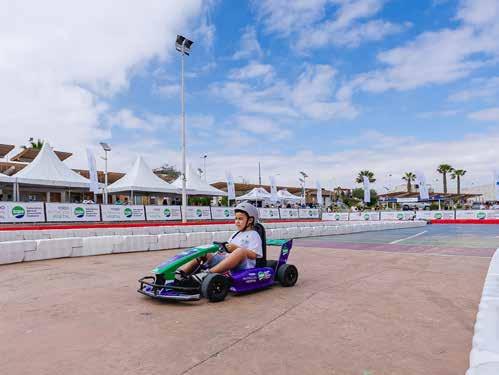
In addition, former Formula 1 driver Eliseo Salazar provided a surprise experience for the hundreds of students participating in the fair: sustainable e-kart tours.
Over 400 people participated in Activa Fest Mejillones 2024. The event, which took place in Plaza de la Cultura in Mejillones, was led by SQM Iodine Plant Nutrition, together with the Municipal Sports and Recreation Department (CMDR) and the Municipality of Mejillones.
It was marked by sports, recreation and care for the environment, with participants enjoying a wide range of activities for all ages, including physical activity for kids, home gardening, chess, table tennis, munay, stand-up paddle, jiu-jitsu, basketball, cheerleading, bicycles, kayaking and beach tennis.
One of the day’s best attractions was the exciting Eliseo E-Karts circuit, which provided attendees with a unique experience to enjoy this sport with guidance from former Formula 1 driver, Eliseo Salazar.
Activa Fest emphasizes sport as an engine of integration and social development for people and a tool to improve their quality of life. We generate this space to encourage physical activity and recognize talented athletes from Mejillones.
Innovafest 2024, the largest innovation, science and technology festival in northern Chile, was held at the end of October 2024, organized by Parque Científico Tecnológico and the Catholic University of the North, with SQM Iodine Plant Nutrition as the official sponsor. With more than 2,000 attendees, 60 exhibitors and renowned speakers, the networking event to connect educational centers, the public and private sectors, and the community focused on key industries such as mining, energy, lithium, green hydrogen and circular economy.
SQM participated in another version of the Global Entrepreneurship Monitor developed by the Catholic University of the North's Center for Enterprise and SMEs (CEMP). The purpose of the initiative is to develop the entrepreneurial spirit at the university and in the Antofagasta Region. Since 1999, the Global Entrepreneurship Monitor has been one of the most rigorous global studies of enterprise and factors that influence it, including the economic, political, social and cultural rhythm.
The information provided in the report includes the following:
• In 2023, early-stage entrepreneurial activity reached 30.1%, surpassing the 2022 figure of 26.4%. This result is due to an increase in the rate of nascent entrepreneurs, from 17.8% to 22.5%, and a slight decrease in the rate of new entrepreneurs, from 8.5% to 7.6%.
• The rate for entrepreneurs with more than three and a half years in business fell by more than two percentage points, from 8.1% to 5.9%.
• Early-stage women's entrepreneurial activity grew from 26.3% in 2022 to 30.1% in 2023 and established female-run businesses rose from 5.6% to 6.0%, over the same period. In the case of men, the rate of entrepreneurial activity also increased, from 26.5% to 30.1%, although the rate of established entrepreneurs fell significantly, from 10.2% to 5.9%.
The results of the winning projects of the 2023 Innovation and Social Value Grants were announced at an event entitled "Fostering Collaboration and Knowledge Sharing" organized by Corporación Clúster Minero and SQM. Organizers took advantage of the opportunity to invite attendees to apply for the 2024 version.
The areas prioritized in the winning projects were: development of regional enterprises, early improvement of regional human capital, health, territorial planning and environment.
The winning projects were:
Project Name
Before innovation, creativity
Prevalence of autism spectrum disorder in the district of Antofagasta
A contribution to teaching processes focused on social-emotional learning in children from 4 to 6 years of age.
Epidemiological study of the presence of human norovirus in the infant population of Antofagasta.
Mortality profile of the district of Tocopilla from 2013-2022
Akapacha masi
Identification and valuation of the coastal landscape in the districts of Antofagasta, Mejillones and Tocopilla.
Urban Lab Antofagasta: land use planning for productivity and social development
Proposal to improve the administration and legal management of public properties in the Antofagasta Region
Geofuturo Antofagasta: integrating fiscal land for sustainable development
Modification of procedures for acquiring land from the Ministry of National Assets for industrial purposes
Authors
Patricio Aguirre Zúñiga
Janetti Signorelli Sentis
Juan Alberto Herrera Veas
Margarita Lay - University of Antofagasta
Javier Mena Araya
Rosa Catalán Correa
Carlos Aracena Escudero
Osvaldo Chávez Miranda
Juan Pablo González Cruz
Rafael Castro Meza
Rafael Lancellotti López
During 2024, the ADN Sostenible (Sustainable DNA) initiative focused on supporting small- and medium-sized companies in the municipalities of Tocopilla, Mejillones and Sierra Gorda. The support included workshops and mentoring in topics such as business models, accounting and financial advising, aiming to enhance participating companies’ competitiveness and productivity.
As a company, we support and promote programs that train local residents to develop commercial initiatives based on their wants and needs. We have baptized this set of programs as “SUMANDO: Connecting Communities with Opportunities.” These projects are developed in working groups related to local communities and others related to farming within our agricultural programs. We also work on supplier development to strengthen local economies, particularly in remote areas with limited offerings of goods and services.
El Puerto Cowork, Promoting Entrepreneurship from Tocopilla to the Antofagasta and Tarapacá Regions
"El Puerto Cowork" has been supported by SQM Iodine Plant Nutrition since its creation in 2018. This initiative from Fundación Factor de Cambio promotes the development of entrepreneurs and business owners focused on circular and sustainable economy. This space provides them with opportunities to improve their skills, enhance their competencies and boost business, thus strengthening the economy and productivity of the Antofagasta and Tarapacá regions from the organization's offices in Tocopilla.
Key achievements and milestones from 2024 include:
• More than 350 people attended and accessed more than one thousand coaching sessions to develop their business projects and apply for public and private funding. This year’s cohort included 281 women.
• Beneficiaries helped develop 80 projects that applied for various funding sources.
• More than Ch$57 million in funding was secured for entrepreneurial development.
• They participated in various events in an effort to share our experience working with El Puerto Cowork and incorporating entrepreneurs’ perspectives, such as: "Red Connect 2: Unifying the entrepreneurial ecosystem" by Fundación Mi Norte; "Gen I+E: Opportunities for a New Generation of Young Innovators and Entrepreneurs" by the Catholic University of the North (CUN); SENDA's lecture for the Municipality of Tocopilla; Entrepreneurship for Young People with AIEP and Corfo; and Innovation Week with Fundación Mi Norte.
• Eight entrepreneurs from Antofagasta, Tocopilla, Calama, Iquique and Alto Hospicio participated in Exponor 2024. The event gave them an opportunity to meet with various companies, contacts and potential customers related to the mining industry. Nine jobs were created by entrepreneurs.
• El Puerto Cowork organized and attended 11 entrepreneurship fairs or showrooms in Tocopilla and María Elena with its beneficiaries. These initiatives offer entrepreneurs an opportunity to showcase their products and services, facilitating sales and interactions with potential customers.
• The first Embárcate (Set Sail) municipal program offered a top prize of Ch$1 million for the best business venture. It began in Tocopilla, where 53 people registered and six workshops were held. After almost three months, participants gave their initial presentations. Seventeen projects were selected to move up, and then a ceremony was held with five finalists who presented their pitches in Tocopilla’s Plaza Carlos Condell. Sokai Paddles was chosen as the winner.
• Inauguration of the Iquique location of Nanobio, a company that manufactures eco-friendly cleaning and hygiene products. It was one of the winners of the second version of Desafíos de Sostenibilidad (Sustainability Challenges) and also took part in ADN Sostenible (Sustainable DNA).
• Innova Recicla, one of the winners of the second version of Desafíos de Sostenibilidad and a participant in ADN Sostenible, was chosen by Sercotec as one of 20 outstanding Chilean companies. Specifically, Innova Recicla was recognized for its prospects and potential at the inauguration of SME and Cooperative Week and was recognized by the President of the Republic, Gabriel Boric.
• Rocío Bertín of Nanobio was chosen as an Atomic Entrepreneur by the Community of Women Entrepreneurs (MEM) and G100.
• Fernando Salinas, one of the winners of Desafíos de Sostenibilidad and also an ADN Sostenible participant, was recognized by BancoEstado in the Legacy category of the Emprende Awards.
• Innova Recicla was chosen as one of the winners of AntofaEmprende in the Innovation category.
• Three entrepreneurs from El Puerto Cowork were recognized and participated in activities for entrepreneurs organized by Banco de Chile. Rocío Bertín was recognized by Mujeres que Inspiran (Women who Inspire) and also participated with María José Díaz from Palletland and Mattia Carenini from Matter of Trust at the Banco de Chile Entrepreneurs Event.
• We teamed up with Fundación Factor de Cambio and SQM Iodine Plant Nutrition to promote the northern ecosystems space, North Valley, at EtMday 2024. Twenty-five entrepreneurs, innovators and leaders attended as representatives of different terri-
tories in northern Chile. They accessed various national and international networks, contributing to and strengthening their businesses.
• We held the pre-launch of the third version of the Sustainability Challenges at Activa Fest Iquique. Michelle Schnitzer presented her platform designed to facilitate Internet access for older adults.
• A new version of ADN Sostenible was launched in collaboration with the Antofagasta Business Center. It featured 12 entrepreneurs from Tocopilla, Mejillones, Antofagasta, Baquedano, María Elena and Sierra Gorda, who received advice on topics such as exports, foreign trade, franchises and digital sales.
Activa Digital is a program promoted by SQM Iodine Plant Nutrition and executed by Apanio and Corporación Simón de Cirene, which provided technological skills and tools to more than 25 enterprises in the regions of Tarapacá and Antofagasta. The selected entrepreneurs were trained and accompanied through webinars, theory-based classes and personalized advising to build their e-commerce platforms.
The initiative was part of the company's commitment to strengthening the entrepreneurial ecosystem in northern Chile. The graduates were recognized at a closing networking event, which included a presentation by Michelle Schnitzer, founder of BondUp, a social network for people over 55, and 3 important activities: a presentation on each beneficiary’s e-commerce platform; photo shoots for star products and a professional recording of their pitches, key inputs for future applications; or help strengthening their social networks and digital portals.
On the closing day, attendees also enjoyed a digital fair, through activadigital.feriasdigitales.cl, a portal that brings together all the sites of the entrepreneurs who completed the program where users can browse or buy products.
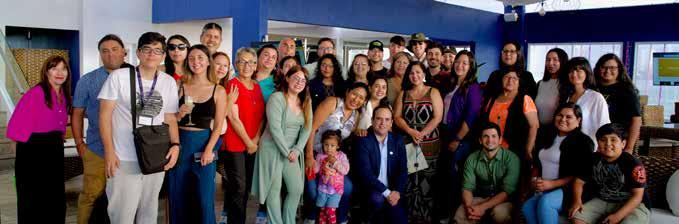

Desafío Conectagro (Conectagro Challenge) is a contest for entrepreneurs with innovative technologies that generate a positive impact on the productivity, competitiveness and sustainability of the agricultural industry, and in particular, on the production of sustainable and healthy food.
In November 2024, as part of ETM Day, the National Society of Agriculture (SNA) and SQM Iodine Plant Nutrition recognized the startup Miido as the winner of the Conectagro 2024 Challenge. Miido received Ch$10 million, workspaces at SNA for six months and technical advice for its platform that manages agricultural processes through voice commands on WhatsApp.
The event, held on the North Valley stage, brought together entrepreneurs and key players in the innovation ecosystem. The other finalists were Lignonut, which uses European hazelnut shells in the circular economy, and UFC Evolution Inicia, a biological device that protects plants against pathogens.
The jury highlighted the quality of the projects and their impact on Chilean agriculture.
We were one of the sponsors of "Expo Chile Agrícola 2024" and also staffed a stand to interact with farmers and entrepreneurs from throughout the country, establishing a valuable exchange of ideas and experiences. This type of gathering reflects our company’s interest in promoting collaborative agriculture, with innovation and sustainability at the core.
This space allowed us to showcase our agricultural initiatives in the desert, demonstrating how science and technology can transform extreme environments into fertile land.
In 2024 we were one of the sponsors of this event and had a stand to display all our work with different stakeholders in the various territories near our operations in northern Chile. We also brought local farmers and entrepreneurs to the event, such as Ruth Vilca, an entrepreneur from Huara who gave an interactive presentation celebrating the culinary richness of northern Chile. This activity highlighted local farmers and entrepreneurs, promoting a shared social value approach.
Diversity and inclusion are important to SQM Iodine Plant Nutrition, so it promotes initiatives to expand development opportunities for people from different communities, women and people with disabilities. Through training programs and engagement with vo-tech high schools, technical training centers and universities, the company seeks to bring the world of non-metallic mining and its employment opportunities to a wider range of people. As a global player and industry leader, SQM Iodine Plant Nutrition is committed to opening the industry—one of the most relevant for the country's development—to new talents, visions and pathways, promoting knowledge, employability, diversity and inclusion, and local development in the territories where it operates.
SQM Iodine Plant Nutrition signed an agreement with the Chilean Prison Guard Association to build a 240 m2 hydroponic warehouse at a prison in Iquique that houses 250 women. The initiative was designed to support detainees’ social reinsertion. They were given the opportunity to acquire hydroponic farming skills, thus increasing the likelihood that they will find a job after they are released.
The project involved installing hydroponic systems, structures to house the crops and an irrigation system to distribute nutrients to the plants. It also includes a salt abatement system and filters for improving water quality and protecting the plants from sunlight and high temperatures. The incarcerated women were trained to use the systems, allowing them to actively participate in growing the plants. In addition to contributing to their social reinsertion, the greenhouse provides fresh and healthy food for use in the prison, thus improving the inmates’ quality of life.
The project was launched during the second half of 2023 and requires constant monitoring to ensure optimal plant growth and provide training on hydroponic growing techniques.
At the end of 2024, after being let out on parole, one of the inmates who benefited from this initiative formally joined the La Tirana greenhouse as a member of the team from Fundación Factor de Cambio.
The official jersey for the 2024 season of the CDI women’s team was unveiled at Tierra de Campeones Ramón Estay Saavedra, where SQM Iodine Plant Nutrition signed on as an official sponsor for the second straight year. The company will improve the training facilities available to various women's soccer organizations at the CRB sporting complex in Alto Los Verdes, Iquique. Our logo adorned the jerseys of the club’s first and second teams (known respectively as the blue and light-blue dragons) at each of their games throughout 2024.
In 2024, the Second Inclusive Fair of the Tarapacá Region was held in Playa Brava, organized by SENADIS Tarapacá, the Tarapacá Inclusive Network and the Industrial Association of Iquique and Tamarugal (AII), and sponsored by SQM Iodine Plant Nutrition. The event brought together families, social organizations, authorities, trade associations and companies, offering recreational activities, talks on inclusion, artistic workshops, job expositions and an inclusive entrepreneurship fair.
It was attended by more than 1,200 people and highlighted initiatives to promote labor inclusion, with more than 100 job offers.
With a population of 31,235 adults with disabilities and 17,877 people in a situation of dependency in the Tarapacá Region (ENDIDE, 2022), it is essential to generate instances that value the work done by caregivers. The majority are family members, mostly women, who are not paid for their work and face significant challenges that impact their physical, mental and social well-being.
In this spirit, the "Caring for those who Care!" program was launched in 2024 in Pozo Almonte, Tarapacá Region, to provide comprehensive support to caregivers of people with disabilities and dependency. With a significant population in such circumstances, the program seeks to strengthen selfcare, care for others and entrepreneurial development, promoting co-responsibility in care. The program directly benefits 60 people in La Tirana and Pozo Almonte, where each household has two representatives: a primary caregiver and a significant other.
The initiative, led by Fundación Chilena para la Discapacidad (the Chilean Disability Foundation) and supported by SQM Iodine Plant Nutrition, includes periodic evaluations to measure its impact and make adjustments. Its objective is to improve the quality of life of caregivers and persons being cared for, addressing a critical reality in the territory.
Between October and December 2024, in collaboration with Fundación Teautismo, a series of activities were carried out in María Elena and Tocopilla to promote and improve the quality of life of people with different abilities. Workshops were held for children from both communities to participate in therapies.
At both locations, a training day was held for parents, guardians, caregivers and health and education professionals called "From Presence to Inclusion, Autism and More." In addition, neurologists and psychiatrists were available to diagnose and reevaluate the diagnosis of children and adolescents referred from educational institutions (preschools, primary and secondary schools) and health centers (CESFAM, hospitals).
In 2024, we made a donation to Fundación Somos UP to help finance the project "Enhancing and strengthening the integral development of children and young people with Down Syndrome and Neurodivergence through family involvement." The project includes implementing the Somos UP Individual Attention Program, which will allow children and young people to attain significant knowledge for their lives.
Our donation will be used for school materials, snacks, transportation and other items and services needed to execute the project.
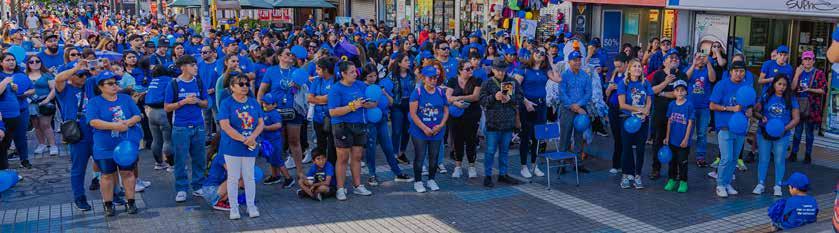
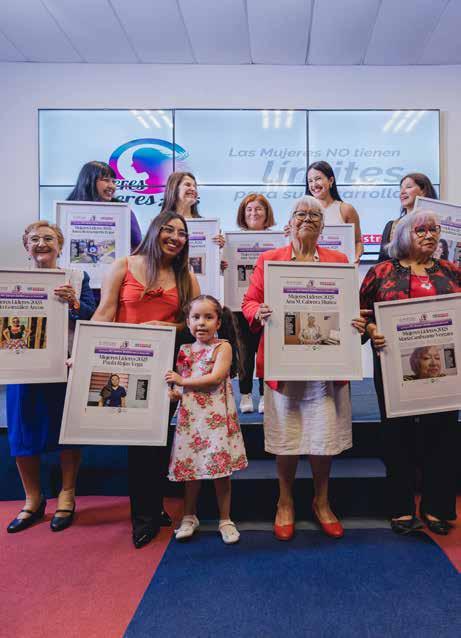
In 2022, SQM signed a collaboration agreement with the Catholic University's Sports Club Women’s Program to promote the development of women’s soccer and its connection to local communities.
As part of this agreement, a friendly match was held July 29, 2023 between Club Deportivo Universidad Católica and Club Deportes Antofagasta Femenino. The metropolitan club outperformed the regional team to win the SQM Cup. The event also featured a workshop for local children run by players and coaches.
Lideresas del Desierto (Desert Leaders) is an initiative promoted by SQM
Iodine Plant Nutrition that recognized 42 women from towns in northern Chile in 10 categories such as lifetime achievement, entrepreneurship, sustainability, sports, heritage and others. It seeks to draw attention to the fundamental role women play in the sustainable development of their communities.
Two awards ceremony took place in Iquique and Antofagasta during Women's Month. At the events, honorees paraded down a red carpet and enjoyed a motivational talk from Carmen Gloria Arroyo.
In addition, the company organized discussions at its facilities to analyze the industry's progress and challenges in terms of inclusion and gender equity, reaffirming its commitment to diversity through programs like mentoring, seminars and internships.
SQM supports education from early childhood to higher education, focusing on closing gaps in learning at schools near its operations. These programs complement teachers’ knowledge, contribute pedagogical resources and establish a bridge between schools and the company. SQM Iodine Plant Nutrition volunteers assist with many facets of training, particularly vocational and professional training, professional internships, technical talks and site tours. This support responds to regional needs, training students in professions and trades so they can join the regional workforce or be hired by the company.
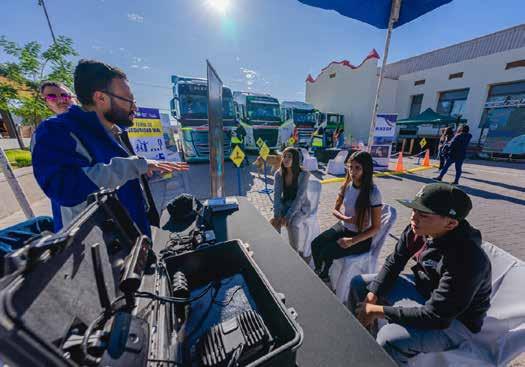
SQM Iodine Plant Nutrition partnered with Fundación Factor de Cambio and working group with local associations to award higher education scholarships to six young people from the Bajo Soga community. The recipients are Diego, Valentina, Millaray, Alexis, Lucy and Isabel. The purpose of the incentive is to support communities, providing tools for their development and generating shared social value.
The Propedeútico program benefits seniors from high schools in María Elena, Tocopilla and Antofagasta thanks to a partnership with the Catholic University of the North (CUN) in place for more than five years.
The program seeks to prepare students from highly vulnerable schools who are in the top 20% of their classes through leveling up programs in language, math and personal and parent development. Participants attend the program on Saturdays beginning in May or June depending on the school.
In 2024, the first "Road Safety Fair" was held in María Elena, organized by the Ground Transportation area at SQM Iodine Plant Nutrition, with support from the Ministry of Transportation, Conaset and other entities.
More than 100 students from the Arturo Pérez Canto primary school and the Humanities and Science Professional Technical High School in María Elena participated, aiming to promote a culture of road safety among children and youth. The activity included theoretical and practical workshops on good driving practices, risks associated with alcohol and drug consumption, and the use of simulators.
The activity was supported by Pacto por la Seguridad Vial and several of our contractors, including Gauss Control, Nazar, Seeing Machines and Automóvil Club de Chile, who exhibited simulators replicating rollovers and other safe driving practices.
This program goes beyond access to higher education, offering students ongoing support during their first year at UCN. Over 120 students completed the program in 2024. There were 20 beneficiaries from Tocopilla, 20 from María Elena and 15 from the Mejor Niñez Program in Antofagasta. The initiative has been developed successfully with local schools and programs, helping students to integrate into higher education and adapt to this new stage.
The project to expand the Don Bosco Industrial Technical High School in Calama is progressing steadily. This initiative, which includes constructing a new building with eight modern classrooms and a large roofed courtyard, will be used for future elementary school students. The total investment of US$2.5 million was made possible thanks to several member companies of the Antofagasta Industrial Association, including SQM. The facilities are expected to be completed in 2025.
In 2023, SQM reaffirmed its commitment to the Company-School Agreement, which is designed to connect technical schools to the productive world through activities that complement and strengthen the students’ education.
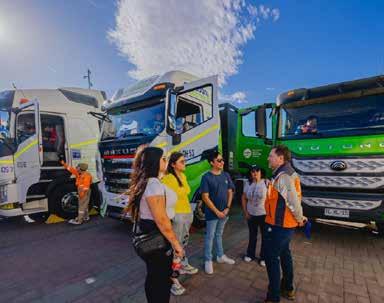
AntofaEduca
The AntofaEDUCA program continued in 2024, with funding from the Regional Government of Antofagasta and complementary activities financed by SQM Iodine Plant Nutrition. Fundación Entrepreneur leads the project, with participation from local educational leaders, Finnish and Chilean universities, the Pontifical Catholic University's Center for Educational Transformation, the laboratory Fab Lab Atacama and Alianza Antofagasta.
The program focuses on working with education leaders and teachers through co-design, training, practical classroom innovations to create quality education for students in the Antofagasta Region. The following activities were carried out in 2024:
• A delegation of 34 teachers and principals from 20 public schools in the Antofagasta Region completed a two-week praticum in Tampere, Finland. During their stay, the Chilean teachers observed how Finish schools used advanced technology and optimized classroom space, and the autonomy of their students. The experience was enriching and they hope to apply what they learned in schools in the region.
• The seminar "How to Improve Learning in Mathematics" was given by Finnish experts Henri Muurimaa and Marta López de Mäkinen in the Antofogasta Regional Library and the Inacap Calama Auditorium, attracting more than 190 teachers, principals and other members of the educational community.
• One thousand free scholarships were offered for teachers throughout the region to apply for the asynchronous online course "Playful Mindset and Learning by Playing." The course aimed to teach the potential games hold in meaningful learning in a simple, entertaining way.
• The "Classrooms of the Future" discussion was held in the auditorium of Antofagasta’s El Mercurio newspaper. The event focused on inclusion in the teaching process and explored improvements and innovations in regional education.
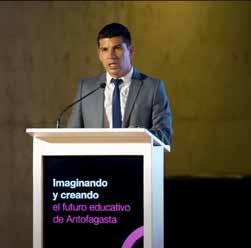
During this year, the Training and Apprentice Program sought to instill knowledge that would improve the future of the participants and their families and enhance their job prospects.
This year, we visited 11 locations between the regions of Tarapacá and Antofagasta together with organizations such as Fundación Chile, Cefomin, Artikula HC and Dos Barbas, in collaboration with Municipal Job Placement Offices, Labor and Social Security officials and SENCE, benefiting more than 500 trainees, 73% of whom were women.
Fundación Educacional Choshuenco’s “Aprendo Contigo” Program was launched in 2020 to provide educational tools and resources to teachers and parents so they could continue the teaching and learning process for preschool children at home.
In 2024, physical spaces known as Family Centers were implemented in different schools in the Tarapacá and Antofagasta regions, equipped with teaching tools and strategies to strengthen parenting skills and the development of parents and guardians.
The program “Enhancing Education in Northern Chile” is financed by SQM and executed by Lab4U and Fundación VOA. It benefits over 6,000 students from pre-K to grade 12 as well as 76 teachers from seven towns in the Tarapacá and Antofagasta regions.
It aims to improve the quality of science education in schools in northern Chile to develop and enhance talent and improve the future job prospects of young people.
In 2024, the fourth version of NorTEduca was implemented for students in Pozo Almonte, Alto Hospicio, Tocopilla and Antofagasta. The program was wrapped up in December at the Alcalde Sergio Gonzalez Gutierrez High School in Pozo Almonte, where students and local authorities came to share their experiences with this program committed to promoting quality education in northern Chile.
Run by the Catholic University of the North, this program has been supported by SQM Iodine Plant Nutrition since 2013. It works with early childhood students in the Tarapacá and Antofagasta regions in communities like Tocopilla, María Elena, Quillagua, Colonia de Pintados, La Huayca and La Tirana.
The program has benefited nearly 2,500 students from 260 schools, enhancing skills like critical thinking, problem solving and teamwork through the use of robotics and programming with a playful methodology.
In 2024, the fourth version of the ViLTI Science and Technology Olympics was held at UCN’s Luis Brisquett Susarte Gymnasium, bringing together students from the entire northern macro-zone. Through innovative projects and practical challenges, 600 students from Antofagasta, María Elena, Tocopilla, Mejillones, Calama, La Tirana and La Huayca took part in this innovative space for science and technology.
In 2024, we made a donation to Fundación de Ingenieros UC (FIUC) to provide scholarships to 40 students at the Pontifical Catholic University's de Chile School of Engineering, in addition to awarding a scholarship of Ch$2 million to a deserving student at the same school.
In 2024, the Vilti Mobile program will continue thanks to its fully electric vehicle. Joy, excitement, technology and learning were brought to children from the towns of the Antofagasta and Tarapacá regions, allowing them to enjoy virtual reality experiences entitled "The Earth Dances and Shakes" and "Marine Ecosystem." The initiative is part of the Catholic University of the North's ViLTI SeMANN program, which celebrated its tenth anniversary in 2024 thanks to the support of SQM Iodine Plant Nutrition. The entity develops science and robotics for northern Chile through an innovative teaching model in an effort to support the school system.
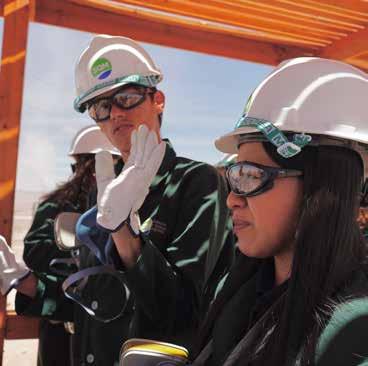
DISCLOSURES 2-25/ 3-3/ 413-1
The corporate volunteer program at SQM Iodine Plant Nutrition has been developed over the past six years to connect workers to their professional and home environments, promoting connections and commitments to the communities located near our operations. This program promotes the social spirit and strengthens work team dynamics. It also includes employees’ families, who are invited to volunteer during some of the activities.
Volunteers support social and educational projects, especially in vocational and technical education in towns near the company’s operations and offices. Their contribution is based on their academic training or life experience and generally involves giving technical and motivational talks. The company establishes partnerships with foundations and corporations like Fundación Guadalupe Acoge, Fundación Miradas Compartidas and others, to carry out this work and meet the needs of each territory.
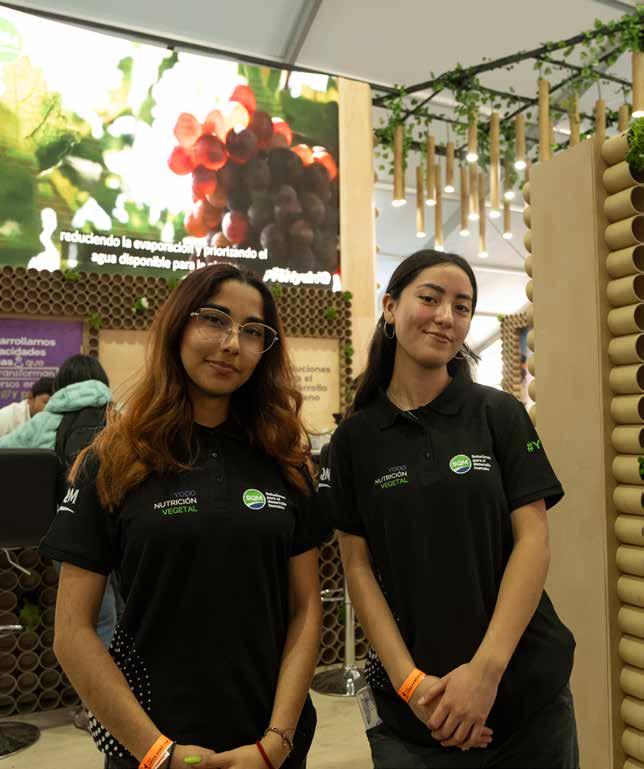
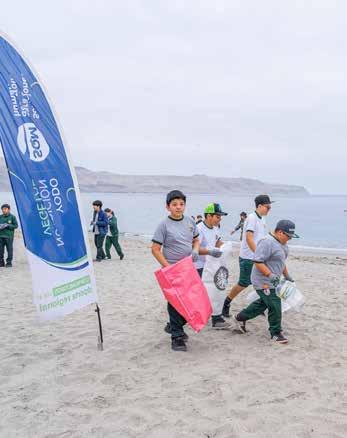
Over the past five years, SQM Iodine Plant Nutrition and its volunteers have supported the center run by María Ayuda, an Iquique-based charity, through the program Juntos por la Infancia (United for Childhood). They are supported by the Confederation of Production and Commerce (CPC), which asks its member companies to sponsor an institution. The company has financed improvements and expansions and green areas outfitted by corporate volunteers.
In 2024 we supported initiatives such as Casa Alma Santa María de la Florida in Santiago, a strategic development project to implement residences for Fundación María Ayuda and helped improve facilities in Antofagasta. In 2024 company employees and their families distributed gifts and sweets during a Christmas celebration held traditionally in Tarapacá. They also organized trips to the beach and tours of the former Santiago Humberstone Nitrates Office.
In 2024, high school students from the Humanities and Science Professional Technical High School and Domingo Latrille High School in Tocopilla toured the SQM Iodine Plant Nutrition laboratories in Coya Sur. At the facilities, tenth and twelfth grade students received specialized information about the processes carried out in the labs.
SQM Iodine Plant Nutrition participated in “International Chemistry Day” as part of the second version of the ASIQUIM-led initiative “Open Doors in the Chemistry Industry.”
The company opened its doors to show how chemistry is part of daily life so that students from high schools and universities as well as neighborhood council members and officials from the towns of Tocopilla and María Elena could learn about its processes, raw materials, finished products, destinations and work systems. Attendees also learned about how these companies interact with communities and regional, national and international institutions and contribute to social and economic development.
Our corporate volunteers participated in beach cleanup events in Mejillones and Tocopilla as part of International Coastal Cleanup Day. The initiatives, led by the Chilean Navy in collaboration with the municipalities of the two communities, were designed to cultivate environmental awareness among local children.
In December 2024 we brought joy, music and fun to hundreds of families in Pisagua, Bajo Soga, Huara, La Tirana, La Huayca, Pintados, Victoria, Caramucho and Chanavayita, with a little help from Santa Claus and his friends. Participants enjoyed bouncy houses, playground equipment staffed by monitors, gifts, dances and more, making this opportunity to enjoy the holidays with family and community more meaningful. Together with Corporación de Desarrollo de Tarapacá (Tarapacá Development Corporation), we delivered thousands of Christmas gifts, which were distributed to different social groups in the regional capital.
We also attended the María Elena Therapeutic Greenhouse’s holiday party, spending time with older adults from the community with the support of Fundación Mr. Barber. Beneficiaries had the opportunity to spend time together and wrap up the activities implemented in the district. The company also distributed Christmas candy to over 2,000 children through the 21 de Mayo Neighborhood Council in Tocopilla.
In 2024, through Fundación Desafío Levantemos Chile, we provided significant financial support to victims of the fires and floods that occurred in February and June in the Valparaíso and Bío Bío regions, respectively. In the Valparaíso Region, one of the main objectives was to get the region back on its feet by distributing basic kits, removing debris and supporting rebuilding efforts. In the Bío Bío Region, the support went directly to purchasing butchery machinery, sewing machines, computers, tools, gift cards and other needed items.
In April 2024, the charitable campaign "Levántate Quilpué" was carried out, together with Fundación Factor de Cambio and SQM Iodine Plant Nutrition, delivering construction materials to 12 families from Quilpué who lost their homes in the mega-fire in February of that year. The aid, which included lumber, insulation, zinc sheets and other supplies, was received enthusiastically by the affected families. The contribution consisted of approximately Ch$25 million in construction materials. The supplies were given to the families at the Villa Olímpica racetrack, and the Vicar of Valparaíso blessed them and the materials.
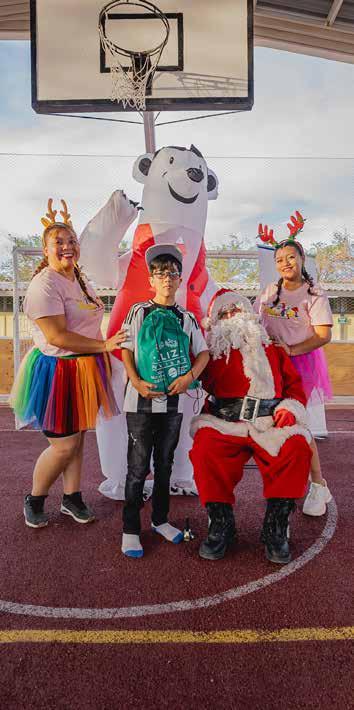
DISCLOSURES 2-25/ 3-3/ 413-1
Over the past few years, health has been a topic of growing importance for the communities in which SQM operates and the company itself. The company also has continued to support sports in the communities near its operations, responding to requests made by institutions and associations to finance athletic events that promote physical activity and values associated with sports, such as teamwork and respect. Sports contribute to physical health and play a key role in people's overall development, especially in youth. Sports promote important skills like perseverance, teamwork and respect, and provide recreational opportunities for communities during their free time.
Huara Tocopilla
In July 2024, the first branch of the pharmacy chain Farmacia Fracción opened in Huara, benefiting more than 27 thousand people in the district and the Tamarugal Province. The ceremony was attended by nearly 200 people, including authorities and representatives of SQM Iodine Plant Nutrition, Farmacia Fracción and Fundación para la Superación de la Pobreza (FSP). This initiative seeks to improve access to medicines in remote communities through fair prices and partnerships with healthcare providers.
The pharmacy has a social focus to improve access to medicines in remote communities. According to Farmacia Fracción, their objective is to reach more than 40 communities in Chile that do not have a pharmacy.
Pisagua - Bajo Soga - Huara - Pozo Almonte / La Tirana - La Huayca - Iquique - Chanavayita
According to the International Agency for Research on Cancer (IARC), there are 55 cases of breast cancer for every 100,000 Chilean women. This underscores the importance of early detection for reducing deaths caused by this disease. In an effort to improve the quality of life of women in the Tamarugal Province, SQM Iodine Plant Nutrition partnered with the Huara and Poco Almonte municipalities through an agreement with Fundación Arturo López Pérez to offer preventative mammograms in locations such as Pisagua, Bajo Soga, Huara, Pozo Almonte, La Tirana, La Huayca, Pintados, Iquique and Chanavayita.
In February and March 2024, foundation professionals also delivered talks on prevention and early detection of breast nodules and cysts, encouraging women to perform breast self-exams in order to decrease the alarming rates of breast cancer in the country. A total of 600 women participated in this mobile screening initiative.
In 2024 SQM Iodine Plant Nutrition continued to support Club Deportes Tocopilla (the Tocopilla Sports Club) through the Sports Donations Law, supporting soccer academies for boys and girls ages 8 to 14. The initiative had a total of 80 participants, 20 of which were girls. The club engages in district and inter-district work that includes constant monitoring and free registration in its children’s soccer academies, which are led by a multidisciplinary technical team that ensures that the children receive comprehensive training. The academies meet three times each week for a total of four hours per week over the course of eight months.
Proyecto Ruta Sonrisas (the Smile Route Project) was launched in 2021 to address the lack of dental care available to children, providing the treatments required to keep their mouths healthy and pain-free. The project also offers participants and their families information designed to promote good oral health habits at home.
In 2024, more than 700 children and their families benefited in 8 schools in 3 different communities: Pozo Almonte, Iquique and Huara. This initiative covers children from pre-K to eighth grade and its main objective is to provide education, prevention measures and treatment for oral diseases to students, their parents and educators.
In October 2024, we joined forces with Palpa, an organization that educates about breast cancer and self-examination, conducting a series of awareness-raising workshops with women from Pozo Almonte and La Tirana. The talk, held at the local Performing Arts Center, was a valuable space to learn about the importance of early detection. In addition, attendees received an educational kit that will remind them of the importance of performing regular self-examinations and spreading the message to their loved ones.
In 2024, we made a donation to Club Deportivo Tortuga (the Tortuga Sports Club) in Tocopilla through the Sports Donation Law to support the team's participation in the 2024 Champions Cup. The club promotes sports, especially soccer, in the local community and is one of the best known clubs in the region.
A highly successful Mini World Cup was held in Tocopilla during the summer of 2024. The 60th such competition was organized by the Neighborhood Sports League and sponsored by the Municipality of Tocopilla and SQM Iodine Plant Nutrition. Sixteen adult and children’s teams participated in the tournament, benefiting 640 people (320 adults and 320 children). The tournament was held at the Ascanio Cortes Municipal Stadium with support from local leaders. An estimated 45,000 people attended this year, with "England" winning the U-10 category and "El Salvador" winning in the adult category.
In 2024, the Therapeutic Greenhouse, spearheaded by Fundación Mr. Barber continues to promote community development and the wellbeing of seniors. This project allows participants to acquire new skills, as well as technical and practical tools for planting and growing food. In addition, visits were organized for schools, preschools, social organizations and the María Elena clinic to tour the greenhouse, which is maintained and cared for by the seniors participating in the project.
This year, a new project was added: recycling organic waste from the María Elena traveling farmers’ market, which has been in the town for 50 years. This initiative, a pioneer in Chile, manages waste through composting in the Therapeutic Greenhouse. This circular practice was recognized by regional representatives from the Ministry of the Environment, highlighting the company's commitment to sustainability and environmental stewardship.
In 2024, the 12th version of the Antofagasta Bodyboard Festival was held at Llacolén Beach with more than 200 participating athletes. This major sporting event was born 12 years ago as a tool to support at-risk children and young people in the Antofagasta Region, giving them an opportunity for growth. As the initiative has grown, it has added other activities to help the region, such as an entrepreneurship fair, environmental workshops, coastal cleanup days and others, seeking to contribute not only to sports, but also to society.
More than 100 children and youth participated in the "María Elena Veranea 2024" program, a free initiative promoted by María Elena Sostenible (MES) with support from SQM Iodine Plant Nutrition and the Municipality of María Elena. The program, aimed at children and adolescents from 4 to 18 years of age, included recreational workshops on swimming, cooking and soccer, among others, aiming to promote sports and recreation. The monthlong workshops also covered topics such as healthy eating and personal hygiene. The program was wrapped up with recreational activities and an awards ceremony at the municipal swimming pool.
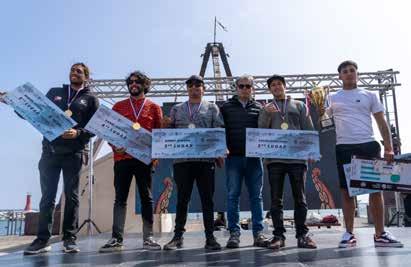
DISCLOSURES 2-25/ 3-3/ 413-1
We have worked with the Humberstone and Santa Laura Nitrates Museum Foundation, the Chacabuco Nitrates Museum Foundation, the Pedro de Valdivia Nitrates Museum Foundation and the Huanchaca Ruins Foundation for years, providing economic resources and our experience and having an active presence on each of their boards. As heirs to saltpeter culture, we have participated in historical preservation initiatives in the Tarapacá and Antofagasta regions, contributing resources for operating museums and historical sites like the Santiago Humberstone and Santa Laura nitrates offices, the María Elena Foundation and the Huanchaca Ruins Foundation. We also supported complementary projects focused on keeping those sites and museums current. Our commitment also extends to areas near our operations, where archaeologists record vestiges of pre-Hispanic and historical cultures, using prevention and mitigation measures to protect them. During pre-construction operations at the Orcoma site in the Huara district, we began heritage work in accordance with the regulations of the National Monuments Council.
The Iquique International Film Festival seeks to open a space for film exhibition, training and cultural exchange in the far north of Chile. It has done important work with the regional community, disseminating national and international cinema and democratizing access in a city usually excluded from distribution circuits. The programming focus has had a special emphasis on emerging filmmakers, providing a space for their first or second films.
The 15th edition of FICIQQ took place from December 2 to 6, 2024. This event, already a cultural reference in northern Chile, celebrated its anniversary with screenings, educational activities and unique activities in various parts of the city that were totally free of charge.
The 15th edition of the Iquique International Film Festival was financed by the Ministry of Culture, Arts and Heritage's 2024 Audiovisual Development Fund and sponsored by SQM Iodine Plant Nutrition.
A record 4,000-plus people, including entire families, tourists and visitors, traveled to the Humberstone Nitrates Office to take part in the 2024 Independence Day celebrations. Attendees enjoyed a variety of traditional local games at the saltpeter works including trompo and emboque, competed in spoon and potato races and flew kites. In addition, hopscotch and lotto games were played, as well as various artistic activities. This day is already considered part of the normal Independence Day programming in Tarapacá. The Nitrates Museum Foundation organized the event with the support of SQM Iodine Plant Nutrition through the Cultural Donations Law.
SQM Iodine Plant Nutrition continued to support the María Elena Foundation, which strengthens the municipality’s social and heritage development. It focuses on improving housing, refurbishing heritage buildings and improving public spaces like plazas and athletic fields based on the needs identified by community members. The income that the foundation generates is reinvested in the community by funding projects in specific action areas.
The program seeks to revitalize traditional trades in Quillagua by promoting skills and spaces for passing on knowledge and selling their wares with the support of Fundación ONA and SQM Iodine Plant Nutrition.
In 2024, technical and theoretical workshops were held on woodworking and textiles, applying new heritage restoration techniques. In addition, artisans from Quillagua visited Exponor 2024 in the city of Antofagasta.
In 2024 we helped celebrate the anniversary of the founding of the Pedro de Valdivia nitrates office, an event that hosted former workers from throughout the Antofagasta Region. Participants enjoyed the magic of the former nitrates office, which is known for the important role that it played during the heyday of the nitrate industry. Participants revived traditions and the unique saltpeter works lifestyle, cleaning up, painting façades and organizing various areas. The event was part of a management plan that was co-created between SQM Iodine Plant Nutrition, the Municipality of María Elena and organizations linked to Pedro de Valdivia. The plan is designed to protect heritage sites and organize service areas during the celebration.
In partnership with the Nitrates Museum Foundation, SQM Iodine Plant Nutrition provided significant economic support for the recovery and appreciation of popular religion in the pampa region, supporting religious dances at María Iodine Elena, the last active saltpeter office. The goal of the initiative was to promote activities related to local identities, particularly their intrinsic manifestation as popular religious activities. SQM sponsored a total of 24 religious dances performed by groups from María Elena and Pedro de Valdivia. The project consisted of moving the dances, building a perimeter fence in the town of La Tirana, and delivering construction materials for the church.
The Tertulia Pampina celebrated the legacy of the José Francisco Vergara saltpeter office with stories, photographs and a new book and was attended by more than 80 guests. A photo exhibit on the social, sports and cultural life of the nitrates office was presented. In addition, former inhabitants shared their childhood and youth experiences in a discussion, with emotional dialogue arising among the attendees, enriching the conversation with various stories.
At the event, Professor Mauricio Camus released his book entitled "Historias Desconocidas de la Pampa Nueva," supported by SQM Iodine Plant Nutrition. The book tells historical and fictional stories about the region, strengthening the collective identity.
Built in 1922 and inaugurated in 1924, Chacabuco was the largest office in the central sector, closing in 1940 due to the economic crisis. In 2024 it celebrated a century of saltpeter production. Chacabuco was declared a National Historic Monument in 1971 and a Site of Memory in 2018.
The project "3D Virtual Tour, Recovering Memory" will allow any user with internet access to digitally tour the former Chacabuco office, highlighting its history and heritage. The initiative seeks to preserve historical memory and facilitate access to the community.
It is financed by the Regional Government of Antofagasta, with resources from the National Regional Development Fund (FNDR), 8% culture line, and support from SQM Iodine Plant Nutrition. The first stage will focus on the inside of a typical worker's house and relevant aspects of daily life for pampa families.
In the amphitheater of the Huanchaca Ruins in Antofagasta, SQM Iodine Plant Nutrition presented the book "El Hombre que más sabía de caliche en el mundo” (The Man Who Knew the Most about Caliche in the World,” to an audience of 250 people. This biography of Edgar Stanley Freed revives the memory of a talented researcher who created solar evaporation ponds to economically extract the wealth of riches contained in caliche ore using only the sun's energy. This innovation emerged at the beginning of the 1940's and is still in use in mining today.
This book was produced in collaboration with Editorial Memoria Creativa and written by company employees who researched the life of this American scientist in the saltpeter pampa from his arrival until his death, highlighting his contribution and legacy in the mining industry.
The "Christmas Concert at the Huanchaca Ruins" is a free cultural event organized by the Catholic University of the North (CUN) and the Antofagasta Cultural Corporation, with support from SQM Iodine Plant Nutrition and other companies in the region. Two hundred artists participated in its XXXI version, held in December 2024, including Chilean singer and actress Amaya Forch, the UCN Polyphonic Choir, the LEA Choir and the Antofagasta Symphony Orchestra. The show attracted thousands of attendees and stood out for its musical quality and Christmas message.
SQM Iodine Plant Nutrition has more than 50 years of history in northern Chile and has contributed significantly to showcasing ancestral cultures and the saltpeter heritage of the region. Each year, it participates in the nationwide celebration of Heritage Day, organized by the Ministry of Culture, Arts and Heritage, through various heritage-related initiatives.
Activities in 2024 included a live virtual tour of the Pedro de Valdivia office to highlight the traditions and rich heritage of this historic site through stories from that time. There was also a virtual workshop on pampa cuisine to teach the community about various dishes enjoyed by the saltpeter families of northern Chile. Another virtual tour—this one of Maria Elena, known as the Heritage Bastion of Pampa Splendor— was offered, an opportunity to tell stories about the pampa and life in this well-known town in the Antofagasta Region.
The third version of the Soccer Film Festival was held in 2024, organized by the Cultural Corporation of the Chilean Chamber of Construction, sponsored by SQM Iodine Plant Nutrition and covered by the Cultural Donations Law. Held from April 24 to 28, 2024 in the region of Antofagasta, the event seeks to promote culture and sports among children.
The program included films such as Gol Gana from Taika Waititi and Metegol from Juan José Campanella, as well as discussions with figures such as Verónica Bianchi and Nicolás Peric. We also collaborated with the Iquique International Film Festival to bring soccer-related films to more communities.
As in previous versions, the III Short Film Contest was held as part of the 2024 Tocopilla Soccer Film Festival. The awards ceremony was held at Museo de la Moda in Santiago, where the winning short films were exhibited. Jopia, from the Sagrada Familia School in Tocopilla, won first place in the North category. The other winners were Balón de Oro in the Social Media Format Short Film category; De pobreza a fortuna from Juan José Tortel Primary School in Valle Alegre in the School category; and Guerreras from Andrés Bello University and Córners que claman libertad from Universidad del Desarrollo in the University category.
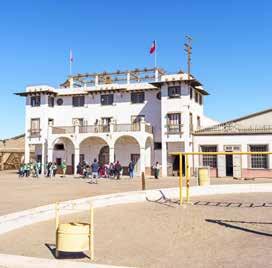
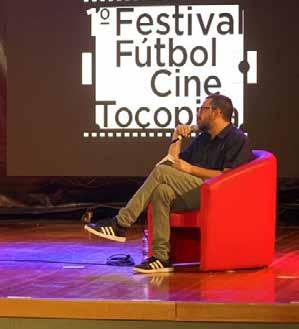
Laboressit eius
expero berem

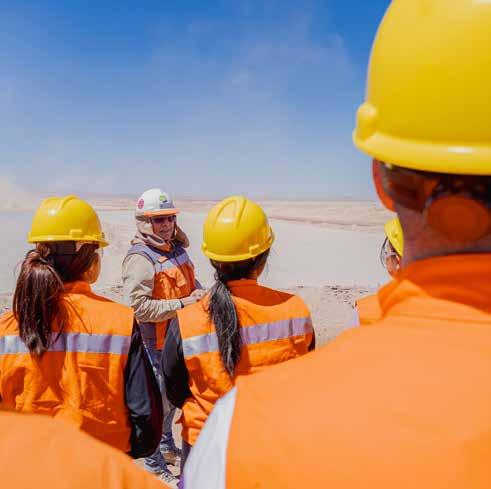
facerum Partner Associations, Institutions and Foundations 09
Chilean Associations, Organizations and Institutions Associate / Member Board Member
Acción Empresas
Chilean Desalination and Reuse Association (ACADES)
Chilean Hydrogen Association (H2 Chile)
Association of Concentrated Solar Power Companies
Association of Non-Regulated Electricity Customers of Chile (ACENOR)
Antofagasta Industrial Association (AIA)
Iquique Industrial Association (AII)
Mejillones Industrial Association
Chilean Industrial Chemical Association (ASIQUIM)
Australian Chilean Chamber of Commerce (AUSCHAM)
Belgian-Luxembourg Chamber of Commerce
American-Chilean Chamber of Commerce (AMCHAM)
Santiago Chamber of Commerce
Chinese-Chilean Chamber of Commerce, Industry and Tourism
Chamber of Chilean-Mexican Integration (CICMEX)
Chilean Council for International Affairs
Mining Council
Regional Council on Mining Safety (CORESEMIN) - Antofagasta
Chilean Associations, Organizations and Institutions Associate / Member Board Member
Regional Council on Mining Safety (CORESEMIN)) - Tarapacá
National Mining Safety Council
Antofagasta Mining Cluster Corporation
Chilean Corporation for Electrical Standardization (CORNELEC)
Chilean Engineering Institute
Global Compact Network Chile
ProRep
Chilean Society of Animal Production A.G. (SOCHIPA)
Chilean Federation of Industry (SOFOFA)
Chilean Federation of Industry – Hub (SOFOFA HUB)
National Mining Society (SONAMI)
International Associations, Organizations and Institutions Associate / Member Board Member
Spanish Commercial Fertilizers Association (ACEFER)
National Fertilizer Sales and Production Association (Anacofer)
Spanish Packaging Recovery Association (AEVAE)
International Fertilizer Industry Association (IFA)
The Fertilizer Institute (TFI)
Belfertil
World Iodine Association (WIA)
Latin American Regulatory Cooperation Forum (LARCF)
Fundación GESSIM S.A.S
Guayaquil Chamber of Commerce
Aquaculture
American Horticulture Industry Association
Metal Treating Institute
California Association of Pest Control Advisers
California Fertilizer Foundation
Belgian Electrotechnical Committee npo (BEC)
Cooperation Centre for Scientific Research Relative to Tobacco (CORESTA)
Far West Agribusiness Association (FWAA)
Florida Fertilizer and Agrichemical Association
International Associations, Organizations and Institutions Associate / Member Board Member
Georgia Fruit & Veg Growers Association
Georgia Plant Food Education Society, Inc.
Western Plant Health Association
Georgia Citrus Association
Protermosolar
Associate / Member:
Organizations and institutions to which the company belongs and is an active member. This may include payment of membership fees or dues.
Board Member:
Organizations and institutions to which the company belongs and holds a position on the executive board.
Partner Associations, Institutions and Foundations 2024 Associate / Member Partner Board Member Agreement
Gilberto Molina 16th Fire Brigade of Chanavayita
Estrella de Huara Artisan Cultural Social Group
Agricultural, Social, Artisan, Gastronomic and Cultural Group of Huara
2 de Noviembre Social and Cultural Group
Ay, Ay, Ay Disability Group
Huara Association of Young Women, Mothers and Adult Women
Women Entrepreneurs of Huara
Huara Cultural, Gastronomic and Social Showcase Group
Los Chañares de Quillagua Youth Group
Hermosa Mujer de La Tirana Group
Huara Marka Indigenous Association
Renacer Esperanza Group, Pozo Almonte
Knowledge and Flavors of Quillagua Group
Chanavayita Rural Potable Water
AIEP
Quillagua Rural Potable Water
Association of Industrial Mining Suppliers (APRIMIN)
Juventud del Desierto Rural Aymara Indigenous Association
Pampa del Tamarugal Rural Indigenous Association
Tierra de Jehová Multicultural Indigenous Association
Partner Associations, Institutions and Foundations 2024 Associate / Member Partner Board Member Agreement
Aymara Taypi Pampa Indigenous Association of Huara
Aymara Pukara Indigenous Association
Zapiga Suma Ampara Indigenous Association of Bajo Soga
San Pedro de Caramucho Religious Dance Group
Huara Religious Dance Group
Huara Chamber of Commerce
UCN CEDUC
Chanavayita School Parents’ Association
Chanavayita Preschool Parents' Association
Cáñamo Cultural Center
Center for Public Studies
Hijos de Pedro de Valdivia Center
Caramucho Mothers' Center
Chanavayita Mothers' and Women's Center
Hijos de Pedro de Valdivia Social Center
Proyección Puzzle Women’s Cultural and Social Center, Pozo Almonte
Chanavayita Social, Cultural and Folkloric Center
Chanavayita Senior Club
Caramucho Senior Club
Cáñamo Senior Club
Cáñamo Sports Club
Partner Associations, Institutions and Foundations 2024 Associate / Member Partner Board Member Agreement
Pampa del Tamarugal Senior Club
Chilean, Bolivian and Peruvian Sports Club
Tocopilla Sports Club
La Tortuga Sports Club
Maranata Cristo Viene Sports Club
Pisagua Men's Sports Club
Sporting Tocopilla Sports Club
Gigante del Desierto Social and Cultural Sports Club
Road Workers Sports, Social and Cultural Club
Sports, Social and Cultural Club of Bajo Soga
Unión Planta Sports Club, María Elena
Villa Prat Sports Club
Caramucho Sports Club
Cáñamo Sports Club
La Tirana Senior Club
Gigante de Tarapacá Senior Club
Los Loquillos del Ayer Senior Club of La Tirana
La Nueva Ola Senior Club of La Tirana
Sports, Social and Cultural Club of Bajo Soga
Unión Planta Sports Club, María Elena
Partner Associations, Institutions and Foundations 2024 Associate / Member Partner Board Member Agreement
Villa Prat Sports Club
Caramucho Sports Club
Cáñamo Sports Club
La Tirana Senior Club
Gigante de Tarapacá Senior Club
Los Loquillos del Ayer Senior Club of La Tirana
La Nueva Ola Senior Club of La Tirana
Padre Pio Senior Club of La Tirana
Nueva Esperanza Senior Club
Pisagua Senior Club
Flor del Desierto Senior Club of Bajo Soga
Caramucho Fishing Club
Cáñamo Rayuela Club
Athletic and Social Club of Huara
Sagrada Familia School - Tocopilla
Don Bosco Industrial Technical High School in Calama
Don Bosco Industrial Technical High School in Antofagasta
Caramucho Rural Potable Water Committee
Juan Pablo Segundo Housing Committee of Chanavayita
Altos del Mar Housing Committee of Chanavayita
Partner Associations, Institutions and Foundations 2024 Associate / Member Partner Board Member Agreement
Tocopilla District Civic Prevention and Emergency Committee
Quillagua Aymara Community
Huatacondo Quechua Indigenous Community
Brotes de Mi Tierra Folk Group - María Elena
Quillagua Hydroponic Rural Farmers’ Cooperative
Kala-Kala Cooperative of Bajo Soga
Miski Huma Cooperative of Bajo Soga
Tocopilla Charitable Action Corporation
Cultural Corporation of the Chilean Chamber of Construction
Cultam Cultural and Environmental Studies Corporation
Antofagasta Region Mining Cluster Corporation
Chilean Down Syndrome Education and Health Corporation
Municipal Sports and Recreation Corporation of Mejillones
Antofagasta Municipal Foundation for Social Development
Nitrates Museum Foundation
Chacabuco Nitrates Museum Foundation
Pedro de Valdivia Nitrates Museum Foundation
National Forestry Corporation (CONAF) Antofagasta
National Forestry Corporation (CONAF) Tarapacá
URAC Tocopilla Foundation
Partner Associations, Institutions and Foundations 2024
Proloa Corporation
Antofagasta Fire Department
Pisagua Fire Department
Tocopilla Fire Department
Hydraulic Works Department
DUOC UC
Arturo Prat Chacón School in Tocopilla
Casa del Sol Primary School, La Huayca
Ignacio Carrera Pinto Primary School in Quillagua
G-40 Primary School, Pisagua
La Tirana Primary School
Bernardo O’Higgins School in Tocopilla
Carlos Condell School in Tocopilla
Arturo Perez Canto School D-133 in María Elena
Gabriela Mistral School in Tocopilla
Oasis en el Desierto School in Pintados
Pablo Neruda School in Tocopilla
Arturo López Pérez Foundation
Chilean Foundation for Disability
Tocopilla Municipal Cultural Foundation
Associate / Member Partner Board Member Agreement
Partner Associations, Institutions and Foundations 2024 Associate / Member Partner Board Member Agreement
Desafío Levantemos Chile Foundation
Hogar de Cristo Charitable Foundation
Agro Communications, Training and Cultural Foundation
UC Engineers Foundation
Choshuenco Educational Foundation
Mining Region Educational Foundation
Eliseo Salazar Foundation
Factor de Cambio Foundation
Guadalupe Acoge Foundation
Kennedy Foundation for Wetland Conservation
Mar de Chile Foundation
María Elena Foundation
Minera Escondida Foundation
Miradas Compartidas Foundation
Mr. Barber Foundation
ONA Foundation
País Digital Foundation
Entrepreneur Foundation
Foundation for Ocean Protection
Huanchaca Ruins Foundation
Saguaro Foundation
Partner Associations, Institutions and Foundations 2024 Associate / Member Partner Board Member Agreement
Sonrisas Foundation
Somos Up Foundation
Teautismo Foundation Antofagasta
Verdical Foundation
Wayanay Foundation for Environmental Protection and Community Development
Ajayu Social and Cultural Youth Group
Inspiratoria
Chilean Engineering Institute
National Institute for Agricultural Development (INDAP)
Camaroncitos Preschool in Quillagua
Estrellita del Pacífico Preschool, Tocopilla
Estrellita Mar Preschool, Pisagua
Hogar de Cristo Preschool
Javiera Carrera Preschool, Tocopilla
Sol del Desierto Inclusive School in María Elena
Chanavayita Young Agents of Change
Bajo Soga Norte Neighborhood Council, Huara
Colonia de Pintados Neighborhood Council
Cáñamo Neighborhood Council
Caramucho Neighborhood Council
Partner Associations, Institutions and Foundations 2024
Juventud del Desierto Neighborhood Council, Pintados
María Elena Neighborhood Council
Victoria Neighborhood Council
El Algarrobal de Bajo Soga Neighborhood Council, Huara
Quillagua Neighborhood Council No. 1
Huara Neighborhood Council No. 3
Huertos Familiares Neighborhood Council of La Tirana
San Pedro Neighborhood Council of Chanavayita
Villa Prat Neighborhood Council
Alcalde Sergio González Gutiérrez High School in Pozo Almonte
Huara High School
Domingo Latrille High School in Tocopilla
William Taylor Methodist High School in Alto Hospicio
Oscar Bonilla High School in Antofagasta
Diego Portales Polytechnic High School in Tocopilla
Humanities and Science Professional Technical High School in María Elena
María Ayuda Charitable Foundation
Municipality of Alto Hospicio
Municipality of Huara
Municipality of María Elena
Partner Associations, Institutions and Foundations 2024
Municipality of Pozo Almonte
Municipality of Tocopilla
Palpa
Scuola Superiore Sant'Anna Pisa
Union of Independent Workers, Artisanal Fishermen, Shellfish Divers and Seafarers "Océano Chango"
Union of Independent Workers, Consumer Service and Artisanal Fishermen of Chanavayita
“Nueva Esperanza” Independent Workers’ Union for Traditional Anglers, Divers, Shellfish Collectors, Shoreline Gatherers and Charterers of Chanavayita
“Nuevo Horizonte” Independent Workers’ Union for Seaweed Collectors, Shoreline Gatherers and/or Traditional Anglers of Chanavayita
Santiago Corte E. Independent Workers’ Union for Seaweed Collectors and Shoreline Gatherers of Chanavayita
Union No.1 for Independent Traditional Anglers and Shellfish Divers of Chanavayita Cove
Union of Divers and Shore Gatherers, Independent Artisanal Fisherman and Others, Caramucho - Iquique
Union No. 1 for Independent Coastal Freedivers of Caramucho Cove in Iquique
Union No. 2 for Independent Shoreline Gatherers and Traditional Anglers of Caramucho Cove
Union No. 1 of Independent Shellfish Divers and Workers in Similar Fields of Cáñamo Cove
Partner Associations, Institutions and Foundations 2024 Associate / Member Partner Board Member Agreement
Pisagua Fishermen and Shellfish Divers Union No. 1
Pisagua Fishermen and Gatherers Union No. 2
Tocopilla Fishermen's Union
Tocopilla Artisanal Miners’ Union
Society for the Aid of Disabled Children
Osada del Carmen Religious Society
Tierra de Campeones
UC Davis
Tocopilla Community Football Association Union
Neighborhood Council Community Union, Tocopilla
Osada del Carmen Religious Society
Adolfo Ibáñez University
Andrés Bello University
Arturo Prat University
Austral University
Catholic University of Chile
Catholic University of the North
Catholic University of Valparaíso
University of Antofagasta
Berkeley University
Associations, Institutions and Foundations 2024
University of Chile
Universidad del Desarrollo
Los Andes University
University of Oklahoma
University of Tarapacá
University of Utah
Diego Portales University
Santo Tomás University
University of Santiago
Federico Santa María University
Technological University of Chile, Professional Institute, Technical Training Center (INACAP)
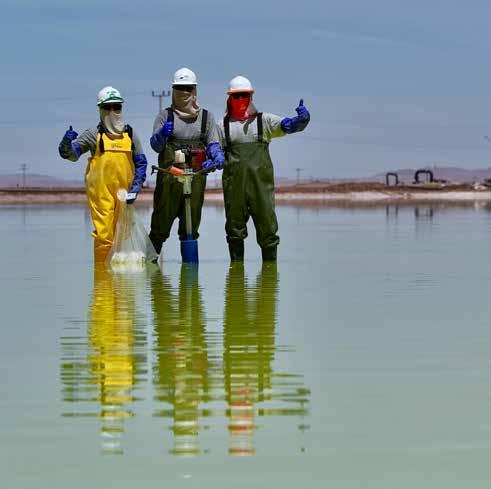
Other Material Topics Mentioned
First aid workshops for seniors
Local labor
Female hiring
Health initiatives and community kitchens
Generating good relations between mining and the community
Ongoing monitoring
Increase local suppliers
Increased visits from company executives
We understand that the Environmental, Social and Governance (ESG) factor is related to SQM's business management and is integrated into the company’s risk management.
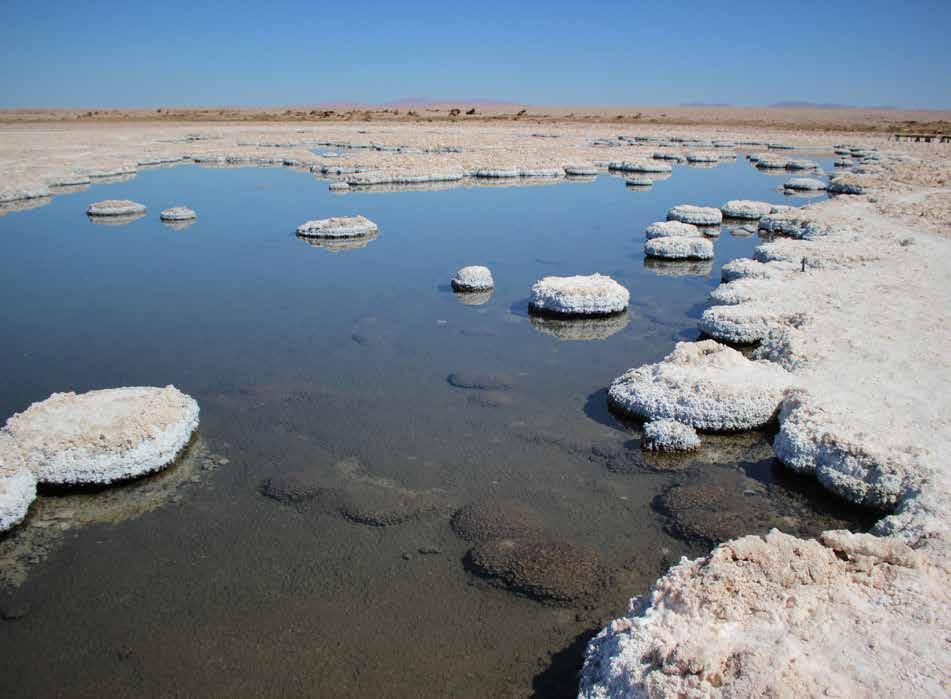
Why is it important to SQM?
Ensuring the protection of customer and employee data is fundamental for SQM Iodine Plant Nutrition. Cybersecurity is an emerging risk for the company, given that we operate globally. Effective internal management allows us to prevent attacks, correct vulnerabilities and strengthen confidence in our ability to protect the company's strategic information, as well as that of our personnel.
Material impacts, risks and opportunities (IRO)
IRO Identified Category Value Chain Stakeholders Time Frame
Lack of technical personnel specialized in cybersecurity and data protection Potential negative impact Upstream operations Own operations Downstream operations Employees Ongoing
How we respond and actions – Relationship to business strategy Certifications and management
• We have ISO 27001 certification, which guarantees implementation of information security management systems.
• The company celebrates Cybersecurity Month with active campaigns to educate and empower workers and communities about the importance of online security.
• Employees participate in cybersecurity training through events such as the Databrick Hackathon or Ethical Hacking.
Our aspiration (short-, medium- and longterm)
• Maintain our ISO 27001 certification.
• Continue to educate on data privacy and cybersecurity.
• Develop a data privacy and cybersecurity policy.
Indicators (GRI/ Global Compact Principles/ SDG/ Other)
There are no GRI performance indicators, Global Compact Principles or Sustainable Development Goals associated with cybersecurity.
Leakage of the company's strategic information and/or personal data Risk Upstream operations Own operations Downstream operations Investors, suppliers, workers, contractors, community, authorities Ongoing
• We have a cybersecurity leader and a dedicated team to manage the risks related to online security.
• Our internal platform for reporting cybersecurity incidents is available to all company users.
• We have a General Information Security Policy.
Why is it important to SQM?
SQM Iodine Plant Nutrition stands out for its competitive global position in all its products. Therefore, we focus our efforts on making strategic investments in innovation, development and technology, thus ensuring the quality and differentiation of our products and processes. Thanks to the unique production process that begins by extracting caliche ore, constant innovation is essential to adapt to market demands and technological advances.
Material impacts, risks and opportunities (IRO)
IRO Identified Category Value Chain Stakeholders Time Frame
Resistance to change when implementing new technologies
Increased operational costs to adopt new technologies
Potential negative impact Own operations
Upstream operations
Potential negative impact
Investing in innovation and technology to improve the use of water and energy resources
Efficient use of mining resources by incorporating new technologies
Creation of own patents that generate additional income
Actual positive impact
Own operations Downstream operations
Upstream operations Own operations Downstream operations
Actual positive impact Own operations
Actual positive impact Own operations
Process automation in production Opportunity Own operations
Investors, employees, customers Medium- and longterm
Process innovation
• Increased efficiency in the use of water and energy resources in our operations thanks to the constant monitoring of our processes.
• We promote operational excellence through our M1+ program, an initiative that uses Lean methodology.
• We seek cost efficiency in every process.
Product innovation
Investors, employees, customers Medium- and longterm
Investors, employees, customers, authorities Medium- and longterm
Investors, employees, customers Medium- and longterm
Investors, employees, customers Medium- and longterm
Investors, employees, customers Medium- and longterm
• In plant nutrition, we incorporate iodine to stimulate plant growth and development.
• We offer a range of specialized products for fertigation, designed to improve crop quality and yield.
Development of technical capabilities
• We continuously train our teams in the functioning of our operations and in M1+, our Lean methodology.
Our aspiration (short-, medium- and longterm)
• Create innovative products that minimize our environmental impact and promote responsible practices.
• Develop advanced technological solutions that optimize our processes and improve operational efficiency.
• Promote a culture of innovation that stimulates creativity and disruptive thinking among our employees.
• Invest in research and development to explore new technologies that can transform our industry.
Indicators (GRI/ Global Compact Principles/ SDG/ Other)
There are no associated GRI performance indicators. Sustainable Development Goals 2, 6, 8, 9 and 17.
Why is it important to SQM?
SQM Iodine Plant Nutrition is committed to complying with the laws, rules and regulations of the countries where it operates. Acting with integrity and rejecting corruption ensures that the company stays within the legal framework. Maintaining high standards of integrity and honesty is fundamental to gain and maintain the trust of shareholders, directors, employees, customers, suppliers and government entities. The company seeks to "do the right thing" in terms of free competition and environmental laws. In addition, we are committed to being transparent with our ESG management and in our sustainability and regulatory reporting.
IRO Identified Category Value Chain Stakeholders Time Frame
Sanctions and/or penalties for non-compliance with ethics and transparency regulations
Increased costs due to new regulations, requirements and/ or implementation of ESGrelated actions.
Delays in new projects
Potential negative impact
Risk
Own operations
Upstream operations
Own operations Downstream operations
associated with permit processing delays Risk Own operations
Reputational improvement due to good performance in ESG indices
Actual positive impact
Competitive advantage in markets with high regulatory requirements in terms of sustainability and human rights Opportunity
Upstream operations
Own operations Downstream operations
Upstream operations
Own operations
Downstream operations
Investors, customers, employees, authorities Ongoing
Investors, customers, employees, authorities Short- and mediumterm
Strengthening ethical behavior
• We encourage our employees and contractors to act ethically by promoting and complying with the principles in our company's Code of Ethics, as well as in our Sustainability, Ethics and Human Rights Policy.
Active participation and commitment to the environment
• Participation in external audit programs to ensure legal and environmental compliance.
• We respond in a timely manner to concerns and complaints received through our complaints channel.
Commitments to sustainability and governance
Investors, employees Medium- and longterm
Investors, customers, employees Ongoing
Investors, customers, employees Medium- and longterm
• We continue to participate in recognized ESG ratings and indexes, such as: DJSI, MSCI, EcoVadis, CDP, among others.
• We disclose our progress and initiatives in our sustainability report, annual report (CMF) and Form 20-F (SEC).
• We reaffirm our commitment to Global Compact Principle 10, implementing policies and programs to prevent bribery, extortion and other forms of corruption.
Our aspiration (short-, medium- and longterm)
• Train our employees in the Code of Ethics.
• Continue reporting for ESG indices such as DJSI, MSCI, Ecovadis and CDP.
• Ensure compliance with our environmental commitments and Environmental Qualification Resolutions (RCAs).
• Submit all projects or expansions for environmental impact assessment or impact statements, complying with community consultations and current regulations.
Indicators (GRI/ Global Compact Principles/ SDG/ Other)
GRI Indicators 2-23/ 2-24/ 2-25/ 2-26/ 2-27/ 2-28/ 205-1/ 205-2/ 205-3/ 206-1/ 406-1/ 407-1/ 408-1/ 409-1/ 415-1; Global Compact Principle 10; Sustainable Development Goals 5 and 16.
Why is it important to SQM?
We see human capital, which is fundamental to our company, as a set of values that includes attracting, developing and retaining talent, as well as constructive relationships with unions, diversity and inclusion and pay equity. We are committed to fostering an inclusive and equitable work environment, where every employee has the opportunity to grow and develop professionally, thus contributing to the collective success of our organization.
Material impacts, risks and opportunities (IRO)
IRO Identified Category Value Chain Stakeholders Time Frame
Low female participation in selection processes Actual negative impact Own operations Employees, communities Ongoing
Non-compliance with labor and/or human rights Risk Own operations Employees, communities Ongoing
Recruitment of local talent in areas close to our sites Actual positive impact Upstream operations Own operations Downstream operations Employees, contractors, communities Ongoing
Mentoring women in STEM careers Actual positive impact Own operations Employees, communities Ongoing
Recognition, scholarship and talent & skills development programs Actual positive impact Own operations Employees Ongoing
Adoption of wage equity policies and/or improvements in working conditions Opportunity Own operations Employees Ongoing
we respond and actions – Relationship to
Compliance and management
• Internally, we are working to identify the key areas where we can reduce gaps in our human capital.
• We have a comprehensive talent development program with several learning channels and scholarships for our employees, as well as feedback opportunities to identify their strengths and areas for improvement.
• We constantly gather concerns from our operations through conversations and surveys.
• Our Internal Mobility Program promotes the professional development of our employees within the company.
• Compliance with current labor regulations in all countries where we operate.
Our aspiration (short-, medium- and longterm)
• Continue the SQMentors program to promote the exchange of experiences with high-performing female employees.
• Promote local work, offering an inclusive work environment and guaranteeing safe labor conditions for everyone.
• Continue training employees to provide them with tools and new content to perform their tasks efficiently.
• Continue the Internal Mobility Program, promoting employee professional development, recognizing and providing opportunities for growth within the company.
Indicators (GRI/ Global Compact Principles/ SDG/ Other)
GRI Indicators 2-7/ 2-8/ 2-25/ 2-30/ 201-3/ 202-2/ 401-1/ 401-2/ 401-3/ 402-1/ 404-1/ 404-2/ 404-3/ 405-1/ 405-2/ 406-1/ 407-1/ 408-1/ 409-1; Global Compact Principles 1, 2, 3, 4, 5 and 6; Sustainable Development Goals 3, 4, 5, 8, 10, 16 and 17.
Why is it important to SQM?
SQM Iodine Plant Nutrition's operations are located near indigenous communities and communities engaged in agriculture, port activities and mining services. Due to the magnitude of its operations, the company interacts with them in their areas of influence, empowering them and working on their different needs, along with other types of commitments made. The company is committed to continue supporting them in different areas, including developing local suppliers, which contributes directly to the integral growth of nearby communities, generating employment and improving the quality of life of their inhabitants.
dependence of local communities on operations
to GDP, employment generation and strengthening of the local economy in the regions where
Policies and management
• We have a Sustainability, Ethics and Human Rights Policy based on ethics and corporate governance, employees, the value chain, the environment and sustainable development, and communities.
• In addition, we have a Responsible Sourcing Policy for our suppliers, which includes a special focus on human rights within our value chain.
• We comprehensively manage human resources, suppliers and communities via specialized areas based on the type of stakeholder.
Commitment and compliance
• We implement community engagement programs and have signed agreements and memoranda of understanding with most communities in our territories. These relationships are managed through direct contact, working groups and other opportunities for dialogue.
• We have community commitments derived from RCAs, which must be reported on an ongoing basis.
Our aspiration (short-, medium- and longterm)
• Reach 30% of local suppliers with headquarters in Region I or II by 2030.
• Maintain and permanently strengthen our relationship with the surrounding communities.
• Support community development through company programs.
• Participate in development programs for local economies and sustainable development initiatives for neighboring communities.
• Be recognized as contributing to the creation of shared social value, building sustainable development and good quality of life in partnership with the communities.
Indicators (GRI/ Global Compact Principles/ SDG/ Other)
GRI Indicators 2-25/ 411-1/ 413-1/ 413-2; Global Compact Principles 1 and 2; Sustainable Development Goals 1, 2, 3, 4, 5, 6, 7, 8, 9, 10, 11, 12, 13, 14, 15 and 17.
Why is it important to SQM?
SQM Iodine Plant Nutrition strives to extend its commitments to sustainability and good labor practices throughout its supply chain. This includes promoting responsible and sustainable practices for providing services, executing work and marketing products. We are dedicated to establishing clear and fair relationships with our suppliers and customers. These practices not only help minimize risks and ensure compliance with international standards, but also strengthen the company's reputation as an organization committed to sustainability and social responsibility.
Material impacts, risks and opportunities (IRO)
IRO Identified Category Value Chain
Difficulty for SME suppliers to comply with the company's requirements
Non-compliance by small and medium-sized suppliers with the company's demand for inputs
Lack of clear human rights due diligence processes throughout the supply chain
Improvement of supply chain conditions through supplier assessments
Implement responsible sourcing systems to prioritize, assess, develop and incentivize suppliers based on their sustainable practices
Optimization of fair purchases from small and medium-sized suppliers through "spot purchases"
Potential negative impact
Potential negative impact
Risk
Potential positive impact
Opportunity
Upstream operations
Own operations
Downstream operations
Upstream operations
Own operations
Downstream operations
Upstream operations
Own operations
Downstream operations
Upstream operations
Own operations
Downstream operations
Upstream operations
Own operations
Downstream operations
Upstream operations
Opportunity
Own operations
Downstream operations
Stakeholders Time Frame
Suppliers, authorities Short- and medium-term
Suppliers, employees, customers Medium-term
Suppliers, contractors, employees, customers Medium-term
Suppliers, contractors Short-term
Policies and management
• We have a Responsible Sourcing Policy for our suppliers.
• We have a specific Code of Ethics for suppliers.
• Our legal compliance area conducts due diligence on new suppliers and customers.
• We have internal processes for reviewing the environmental and labor compliance of our on-site contractors.
Supplier identification and development
• Through our responsible sourcing platform, we seek to identify our suppliers that are relevant to sustainability issues and develop those who wish to partner with us.
Our aspiration (short-, medium- and longterm)
• Reach 30% of local suppliers with headquarters in Region I or II by 2030.
• Develop a Responsible Sourcing program throughout the value chain.
• Conduct human rights due diligence throughout the value chain.
• Incorporate ESG issues in supplier selection.
Indicators (GRI/ Global Compact Principles/ SDG/ Other)
GRI Indicators 2-6/ 2-25/ 204-1/ 407-1/ 408-1/ 409-1; Global Compact Principles 1, 2, 3, 4, and 5; Sustainable Development Goals 8, 9, 16 and 17.
Suppliers Short- and medium-term
Suppliers Medium-term
Why is it important to SQM?
SQM Iodine Plant Nutrition is deeply committed to caring for its workers and collaborators. We promote a preventive culture that seeks to care for and protect our workers and even extend this culture to their families. Safety is one of our key corporate values and caring for people is a priority organizational commitment that motivates us on a daily basis to seek safe, accident-free operations. The care of individuals and work teams is of vital importance to SQM. As such, we promote a preventive culture at work and extend it to our teams’ families.
Material impacts, risks and opportunities (IRO)
Certifications
• ISO 45001 certification at the Port of Tocopilla, guaranteeing compliance with international occupational health and safety standards.
• Responsible Care Certification at the Iodine Plant, Nueva Victoria and the Port of Tocopilla, all with the highest level of excellence (level 1). This initiative seeks to raise sustainability standards in the chemical industry, enabling comprehensive management of key aspects such as the safety of chemical processes and the health and safety of employees in their workplaces, among other relevant sustainability issues.
• ISO 39001 certification for the Road Safety Management System, applicable to our employees and contractors involved in transporting our products. This includes ground transportation of industrial products, fertilizers and their derivatives in the Tarapacá and Antofagasta regions for the Nueva Victoria, Coya Sur and Port of Tocopilla operations.
Occupational health and safety management at our sites
• Operational Risk Management System (SISGRO) implemented at all our sites. SISGRO systematizes the company's preventive management, controlling labor risks and potential losses in the different operations.
• Awareness and training in risk prevention activities, as well as participation in drills.
• Joint work on safety with the Joint Health and Safety Committees (CPHS) made up of company and worker representatives.
• Compliance with current labor regulations
Our aspiration (short-, medium- and longterm)
• Our goal is to achieve zero fatalities each year at all our operations.
• Extend the scope of ISO 45001 certification.
• Continue to manage high standards and international certifications such as: ISO 45001 and Responsible Care, in the area of safety.
• Maintain accident-free operations and generate conditions that provide daily safety for all workers. Promote a culture of self-care and responsible behavior with other people who work at the company.
Indicators (GRI/ Global Compact Principles/ SDG/ Other)
GRI Indicators 2-25/ 403-1/ 403-2/ 403-3/ 403-4/ 403-5/ 403-6/ 403-7/ 403-8/ 403-9/ 403-10; Global Compact Principles 1 and 2; Sustainable Development Goals 3, 4, 8 and 16.
Why is it important to SQM?
SQM Iodine Plant Nutrition is committed to reducing its carbon footprint and improving its environmental performance. Efficient energy management not only optimizes our energy consumption, but also reduces costs and minimizes the environmental impact of our operations. By continuously improving our energy performance, we increase our competitiveness and contribute to climate change mitigation. Adaptation involves implementing measures to reduce vulnerability to the effects of climate change, such as extreme weather events and natural disasters, and allows us to be better prepared for the physical and transitional risks of climate change.
IRO Identified
Increase in the company's carbon footprint emissions
Rising costs of energy from renewable sources
negative impact
negative impact
Switching to renewable energy contract Opportunity
Reduced dependence on external power supply through the installation of companyowned photovoltaic plants
Increased downtime in port operations due to more frequent swells
positive impact
communities, employees
operations Investors, employees, customers Medium- and longterm
operations Investors, employees, customers Long-term
and longterm
and longterm
Certifications and management
• The Energy Management System at the Nueva Victoria Mine & Leaching Areas, Iodine Plant and Coya Sur Plant were certified in ISO 50001.
• We promote energy-saving initiatives throughout our operations.
• We constantly train our employees in energy efficiency and the establishment of baseline calculations.
• Our ISO 50001 lead auditors are IRCA certified.
• We constantly monitor our KPIs for energy consumption and CO 2 emissions at each operation.
Climate change
• We updated the climate change scenario and risk analysis for our operations.
• We improved the methodology and optimized data collection for calculating our carbon footprint.
• We developed an internal methodology for CBAM footprint calculation to calculate carbon taxes for fertilizer products in the EU.
• Our port planning is based on data that optimizes shipping times, making them more efficient.
Our aspiration (short-, medium- and longterm)
• Develop a clear roadmap for our decarbonization plan.
• Implement robust internal governance to manage the risks associated with climate change.
• Evaluate and adopt new low-carbon technologies as they become viable options for the company.
• Continue training our teams in emissions calculations and energy efficiency practices, as well as in ISO 50001 certification at our sites.
Indicators (GRI/ Global Compact Principles/ SDG/ Other)
GRI Indicators 2-25/ 201-2/ 302-1/ 302-2/ 302-3/ 305-1/ 305-2/ 305-3/ 305-4/ 305-5; Global Compact Principles 7, 8 and 9; Sustainable Development Goals 6, 9, 11, 12 and 13.
Why is it important to SQM?
We are located in areas that are considered important in terms of both biodiversity, such as Pampa del Taramarugal, an important ecosystem for birds and other animals, and the cultural heritage of the Indigenous groups that are our neighbors.
Material impacts, risks and opportunities (IRO)
IRO Identified Category Value Chain Stakeholders Time Frame
Loss of biodiversity and impact on ecosystems near water withdrawal Risk
Increased operating costs due to stricter biodiversity regulatory requirements Risk
Contribution to biodiversity through projects and initiatives such as the Seabird Rescue Center inaugurated in 2024. Actual positive impact
Upstream operations Own operations Downstream operations Investors, employees, communities, authorities Ongoing
Upstream operations Own operations Downstream operations Investors, employees, communities, authorities Ongoing
Upstream operations Own operations Downstream operations Investors, employees, communities, authorities Ongoing
we
Environmental Qualification Resolutions (RCAs) and management
• We incorporate environmental variables early on in the design of our projects in order to avoid, prevent and implement control and mitigation measures necessary with appropriate management of waste and emissions.
• In the cases of Nueva Victoria and Coya Sur, we have information online that is reported directly to regulatory officials.
Our aspiration (short-, medium- and longterm)
• Strengthen the understanding of ecosystems, enhancing internal measurements and allocating funds to third-party research.
• Operate in a harmonious manner and control impacts that could result from our actions and affect the environment and neighboring communities.
• Safeguard the use and sustainability of natural resources and production inputs.
Indicators (GRI/ Global Compact Principles/ SDG/ Other)
GRI Indicators 2-25/ 304-1/ 304-2/ 304-3/ 304-4/ 306-3 (2016); Global Compact Principles 7, 8 and 9; Sustainable Development Goals 6, 15 and 17.
Why is it important to SQM?
SQM Iodine Plant Nutrition is committed to sustainability and efficient waste management. This approach enables us to reduce the amount of waste sent to landfills by promoting reuse and recycling. It also guarantees compliance with current environmental regulations, ensuring that hazardous and non-hazardous waste is managed properly and safely. Responsible waste management also strengthens our relationships with the communities near our operations, demonstrating our commitment to being a good neighbor.
Material impacts, risks and opportunities (IRO)
IRO Identified Category Value Chain Stakeholders Time Frame
Upstream operations
Increase the amount of waste being recycled and/or reused. Opportunity
Accidental contamination from hazardous waste by direct employees and/or contractors Risk
Own operations Downstream operations
Upstream operations Own operations Downstream operations
Suppliers, employees, contractors, communities Short- and mediumterm
Suppliers, employees, contractors, communities Ongoing
How we respond and actions – Relationship to business strategy
Certifications and management
• We have ISO 14001 certification and an environmental management program at our sites, which ensures proper handling of hazardous and non-hazardous waste.
• We participated in a collective agreement to comply with the REP Law.
• Our Recipampa program in Nueva Victoria manages household waste recycling and includes awareness-raising and education on waste sorting.
• We obtained the Clean Production Agreement (APL) Seal for the Transition to a Circular Economy in Coya Sur and the Port of Tocopilla.
Our aspiration (short-, medium- and longterm)
• Increase the amount of waste being recycled and/ or reused.
• Expand awareness campaigns on properly managing and sorting waste at source.
Indicators (GRI/ Global Compact Principles/ SDG/ Other)
GRI Indicators 2-25/ 306-1 (2020)/ 306-2 (2020)/ 306-3 (2020)/ 306-4 (2020)/ 306-5 (2020); Global Compact Principles 7, 8 and 9; Sustainable Development Goals 11, 12 and 17.
Why is it important to SQM?
The health and wellbeing of company employees and the community is fundamental to SQM, as is creating jobs in a safe environment. Proper management of these emissions demonstrates our ongoing commitment to continuously improving our operations.
Material impacts, risks and opportunities (IRO)
IRO Identified Category Value Chain Stakeholders Time Frame
Noise pollution generated by trucks and logistics activities
Potential negative impact
Technology and/or management to reduce particulate matter, NOx, and SOx emissions
Actual positive impact
Upstream operations Own operations Downstream operations Employees, contractors, communities, authorities Short- and mediumterm
Upstream operations Own operations Downstream operations Employees, contractors, communities, authorities Ongoing
How we respond and actions – Relationship to business strategy
Compliance and RCAs
• We constantly monitor air quality in María Elena and Tocopilla in order to maintain and improve our current emissions.
• We conduct representative air quality monitoring in María Elena, focusing on particulate matter PM10. The results are reported to the authorities and included in our Sustainability Report.
• We continue to comply with the commitments made in our Environmental Qualification Resolutions (RCAs).
• We have contingency plans at all our sites.
Our aspiration (short-, medium- and longterm)
• Minimize and measure PM10 emissions related to our operations in María Elena and Tocopilla.
• Continue to fulfill our commitments from the Tocopilla Air Decontamination Plan and take all measures necessary to mitigate emissions at the Port of Tocopilla.
• Continually evaluate new technologies to reduce our emissions.
Indicators (GRI/ Global Compact Principles/ SDG/ Other)
GRI Indicators 2-25/ 305-6/ 305-7; Global Compact Principles, 7, 8 9; Sustainable Development Goals 9, 11 and 12.
Why is it important to SQM?
Water is a necessary resource for producing our products. Since our operations are located in regions affected by water stress, we make it a priority to care for and responsibly manage water. In addition, this resource is of great interest to our communities, which reinforces our commitment to its sustainable use.
IRO Identified Category Value Chain
Accidental groundwater contamination Potential negative impact Own operations
Decreased water availability in water-stressed areas Actual negative impact Own operations
Fines for non-compliance with water regulations and/or RCAs exceeding US$ 10,000 Risk Own operations
Provision of drinking water to nearby communities Actual positive impact Own operations
Use of alternative water sources (e.g. seawater) Opportunity Own operations
Stakeholders Time Frame
Employees, communities and authorities Ongoing
Employees, communities and authorities Ongoing
Employees, communities and authorities Ongoing
Employees, communities and authorities Ongoing
Investors, employees, communities and authorities Medium- and longterm
Monitoring and reporting
• Water consumption is continuously monitored and KPIs are reported monthly to the SHE committee.
• In Coya Sur, water resource monitoring is done online through the Integrated Operations Center to enable quick and informed decision-making.
• Indicators are monitored and tracked, and reports are filed with authorities on consumption and use compliance.
Use of water resources
• We have implemented the use of municipal waste water and seawater in some plants.
• Compliance with the withdrawal quota agreed in our Environmental Qualification Resolutions (RCAs).
Projects and innovations
• Implementation of the Tente en el Aire (TEA) Project in 2028, to use seawater in iodine processes in Nueva Victoria.
Our aspiration (short-, medium- and longterm)
• Achieve 40% seawater use with respect to total water consumption by 2035.
• Continue to monitor and track water consumption and use indicators and report on compliance to authorities.
• Implement municipal waste water and seawater supply at some plants.
• Innovate to optimize water use by reusing water resources and using alternative water sources at our operations.
• Conduct awareness-building activities on the responsible use and conservation of water and participate in projects that support community water supplies.
Indicators (GRI/ Global Compact Principles/ SDG/ Other)
GRI Indicators 2-25/ 303-1/ 303-2/ 303-3/ 303-4/ 303-5; Global Compact Principles 7, 8 and 9; Sustainable Development Goal 6.
Why is it important to SQM?
For SQM Iodine Plant Nutrition, environmentally responsible products are essential due to our strong commitment to sustainability and the reduction of environmental impact throughout our value chain. In the field of fertilizers, we seek to develop highly efficient formulas tailored to water, soil and crop characteristics. We also seek to certify all our products under the best industry practices and rigorously follow the set guidelines.
Material impacts, risks and opportunities (IRO)
IRO Identified Category Value Chain Stakeholders Time Frame
Changes in the quality of water and/or farming soils Potential negative impact Downstream operations Customers Ongoing
Increased carbon footprint of our products due to highcarbon inputs Potential negative impact
Development of products and/ or technologies associated with sustainable agriculture
Actual positive impact
Improved quality of our certified products
Advising to develop customized formulas or tailormade blends to meet crop nutritional requirements
Upstream operations Own operations Downstream operations Customers Medium- and longterm
Own operations Downstream operations
Suppliers, employees, customers Medium-term
Actual positive impact Downstream operations Employees, customers Short-term
Actual positive impact Downstream operations
Upstream operations
Customers Short-term
Certifications and management
• We have earned Responsible Care level 1 certification at the Nueva Victoria Iodine Plant and the Port of Tocopilla.
• We have the Protect & Sustain (P&S) certification, promoted by the International Fertilizer Association, which recognizes excellence in product stewardship.
• We are ISO 14001 certified for our environmental management at Coya Sur and the Port of Tocopilla.
• We negotiated a Clean Production Agreement (APL) on circular economy in Coya Sur and the Port of Tocopilla.
• Our Allganic line is designed to meet plant nutrition need for organic farming. These products include high-quality organic soil amendments and fertilizers approved by the National Organic Program (NOP) and listed by the Organic Materials Review Institute (OMRI).
• Our consulting agronomists provide detailed information on the use of the product and offer personalized recommendations based on the type of crop and the customer's specific needs.
• We comply with MSDS, labeling and product regulatory requirements in all countries where we operate. Our aspiration (short-, medium- and longterm)
• Extend the scope of our ISO 14001 certification to all our sites by 2030.
• Maintain and consider expanding the scope of our certifications, such as Responsible Care and Protect & Sustain (P&S).
• Explore ways to minimize our environmental footprint throughout the supply chain, all the way to the customer.
• Continue to provide the best information for properly using our products.
Global Compact Principles/ SDG/ Other)
Performing a life cycle analysis of our products Opportunity
Own operations Downstream operations
Customers Medium- and longterm
GRI Indicators 2-6/ 2-25/ 416-1/ 416-2/ 417-1/ 417-2; Global Compact Principles 7, 8 and 9; Sustainable Development Goals 2, 3, 6, 7, 8, 12 and 17.
Risk description:
Recent technological advances that drive the development of potential substitutes for iodine in certain applications. This could lower demand in specific sectors by favoring the use of alternatives perceived as more efficient or sustainable. This trend could influence market share to the extent that some players opt for solutions that better fit their technological or economic requirements.
Impact:
The combination of technological advances and changes in market conditions could significantly impact the demand for iodine and its derivatives in certain industrial applications. Alternative materials or new functional solutions in segments such as liquid crystal displays (LCDs) or medical contrast media may change consumer and end user preferences. In addition, volatility in international raw material prices could make cheaper substitutes more competitive, affecting the relative position of iodine compared to other available options. These factors, taken together, could put pressure on market share and require us to strategically adapt our business model.
Mitigation:
As a mitigation measure, we have defined a strategy focused on innovation and monitoring technology. This includes promoting the development of new applications for iodine and its derivatives, aiming to diversify their use and reinforce their strategic value in different sectors. We also promote continuous improvement of production processes to boost operating efficiency and reduce costs, which keeps us competitive in the face of emerging alternatives. In addition, mechanisms are in place to constantly monitor regulations, technological advances and market dynamics, helping us anticipate disruptive changes and promptly adapt our commercial and development strategy.
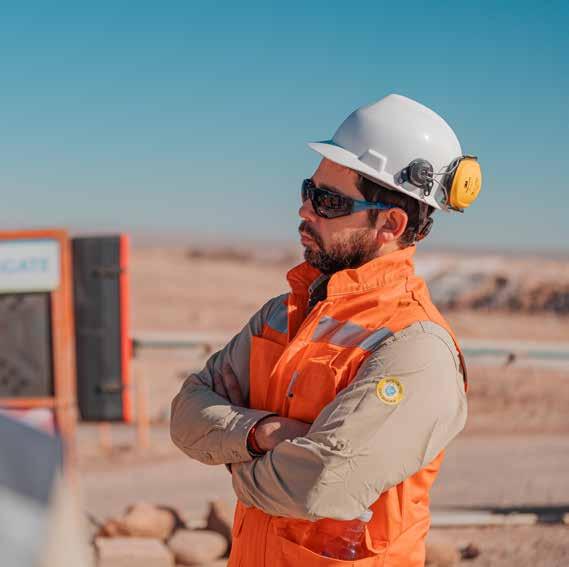
* Corresponds to other regions of Chile.
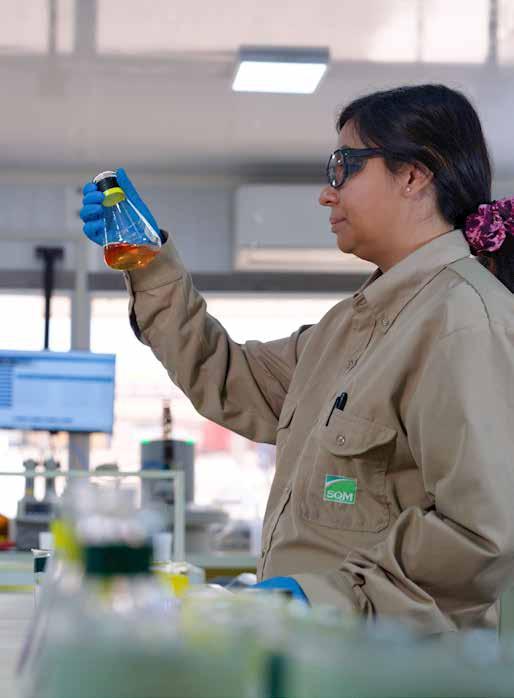
* Corresponds to other regions of Chile.
Employees by Employee Category, Gender and Age Group 2023
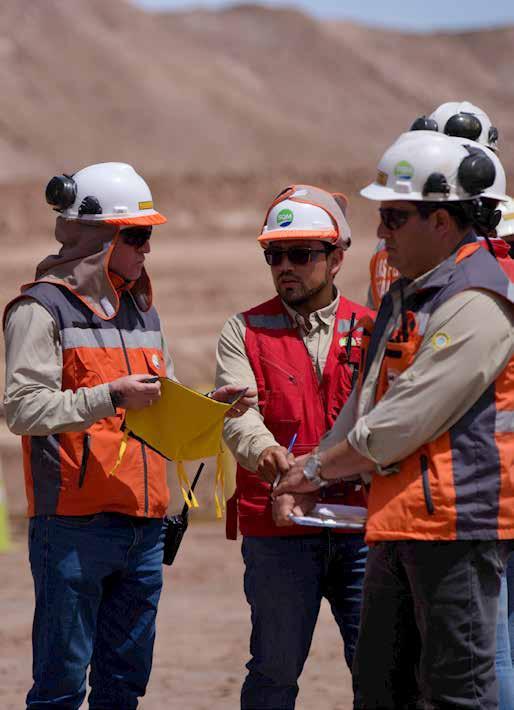
and
Share of women in all management positions, including junior, middle and top management (as % of total management)
Share of women in junior management positions, i.e. first level of management (as % of total junior management positions)
Share of women in top management positions, i.e. maximum two levels away from the CEO or comparable positions, (as % of total top management positions)
Share of women in management positions in revenue-generating functions (e.g., sales) as % of all such managers (i.e. excluding support functions such as HR, IT, Legal, etc.) (1)
Share of women in STEM-related positions (as % of total STEM positions)
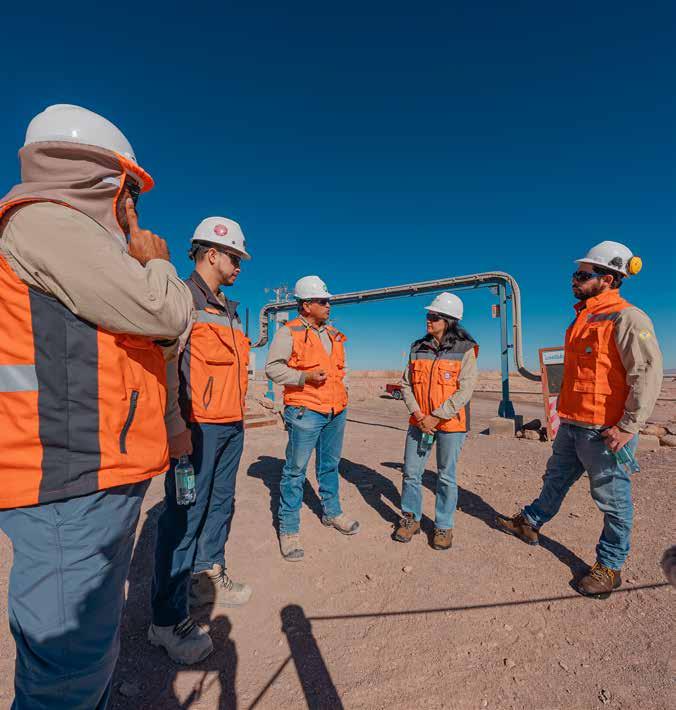
Rate of New Hires by Employee Category and Age Group
New Hires by Employee Category and Work Region
* Corresponds to other regions of
Rate of New Hires by Employee Category and Work Region
* Corresponds to other regions of Chile.
* Corresponds to other regions of Chile.
* Corresponds to other regions of Chile.
No. of Persons Who Left the Company by Employee Category and Work Region
* Corresponds to other regions of Chile.
Total Turnover Rate by Employee Category and Work Region
* Corresponds to other regions of
of Persons Who Left the Company by Work Region and Age Group
* Corresponds to other regions of Chile.
Total Turnover Rate by Work Region and Age Group
* Corresponds to other regions of Chile.
Voluntary Turnover Rate by Employee Category and Age Group
No. of Persons Who Left the Company Voluntarily by Employee Category and Work Region
* Corresponds to other regions of Chile.
Voluntary Turnover Rate by Employee Category and Work Region
* Corresponds to other regions of Chile.
No. of Persons Who Left the Company Voluntarily by Work Region and Age Group
*Corresponds to other regions of Chile
Voluntary Turnover Rate by Work Region and Age Group
*Corresponds to other regions of Chile
of Persons with Open-term Contracts Who Left the Company by Employee Category and Age Group
Turnover Rate for Employees with Open-term Contracts by Employee Category and Age Group
No. of Persons with Open-term Contracts Who Left the Company by Employee Category and Work Region
* Corresponds to other regions of Chile.
Turnover Rate for Employees with Open-term Contracts by Employee Category and Work Region
* Corresponds to other regions of Chile.
No. of Persons with Open-term Contracts Who Left the Company by Work Region and Age Group
* Corresponds to other regions of Chile.
Turnover Rate for Employees with Open-term Contracts by Work Region and Age Group
* Corresponds to other regions of Chile.
(2018)
The information presented has been compiled using incident investigation reports (ZYGHT reports), Meta4 staff databases from Human Resources, and statistics taken from contractor staff E-200 forms, among other sources.
Rate 2024
of Work-related Injuries with Major Consequences 2024
Note 1: Calculation factor per 1,000,000 hours.
Note 2:
Incident (or Accident) Frequency (TRIF) 2024
Note: Calculation factor per 1,000,000 hours.
Incident (or Accident) Frequency (TRIF) 2024
Note: Calculation factor per 1,000,000 hours.
Supplier Quantity and Purchases by SQM Comercial S.A. 2024
Purchases by Country 2024
Note: We do not withdraw sea water or produce water. Due to internal revisions, the information for the period 2023 was
Waste Directed to Disposal 2024
Direct Greenhouse Gas Emissions (Scope 1)
* It began operations in 2023.
** Other offices correspond to Santiago, Iquique, Antofagasta and Logistics.
Note: Emissions for the year 2023 were updated via third-party assurance and audit after reviewing the updated methodology.
Indirect Greenhouse Gas Emissions (Scope 2), Market-Based
Other Offices
Note: Emissions for the year 2023 were updated via third-party assurance and audit after reviewing the updated methodology.
Indirect Greenhouse Gas Emissions (Scope 2), Location-Based
Other Indirect Greenhouse Gas Emissions (Scope
* It began operations in 2023.
ND: No data.
Note: Emissions for the year 2023 were updated via third-party assurance and audit after reviewing the updated methodology.
Other Offices
Fuel- and energy-related activities (not included in Scope 1 or 2)
Logistics
ND: No data.
Note: Emissions for the year 2023 were updated via third-party assurance and audit after reviewing the updated methodology.
Nueva Victoria
Port of Tocopilla
Other Offices
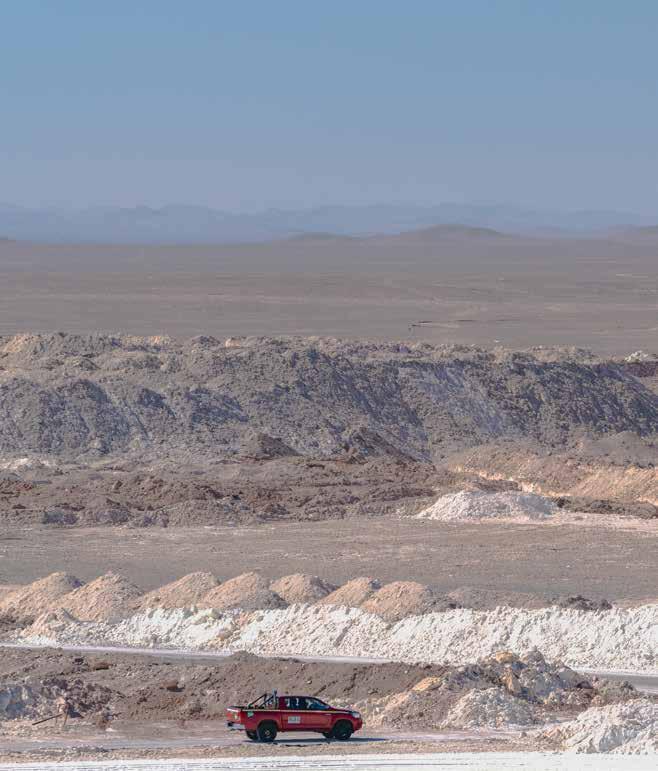
Donations to charity: Donations that we make to Hogar de Cristo, María Ayuda and Fundación Desafío Levantemos Chile.
Community investments: Donations that we make to the various institutions that we collaborate with to develop our community projects, in-kind donations (direct investment made in communities) and other activities.
Commercial initiatives: Payments for sponsorships.
Cash contributions: Donations that we make to partner institutions to develop our community projects, donations to charities, sponsorships, money provided through the various agreements in place with communities near our operations, among others.
Time: Our employees volunteered 600 hours valued at approximately US$ 27.9 per hour (average across the company).
In-kind donations: Direct donations related to the purchase of meals, Christmas gifts, materials and services purchased for the community, furniture repair, training and other activities.
General administrative expenses: This amount corresponds to the 10% administrative expenses reported for the foundations to which we donate and related expenses of the Community Area for community engagement.
Contributions and Other Expenditures
does not make contributions to political campaigns, business or political organizations or any other tax-exempt group.
• Target 1.4: By 2030, ensure that all men and women, in particular the poor and the vulnerable, have equal rights to economic resources, as well as access to basic services, ownership and control over land and other forms of property, inheritance, natural resources, appropriate new technology and financial services, including microfinance.
• Target 2.1: By 2030, end hunger and ensure access by all people, in particular the poor and people in vulnerable situations, including infants, to safe, nutritious and sufficient food all year round.
• Target 2.3: By 2030, double the agricultural productivity and incomes of small-scale food producers, in particular women, indigenous peoples, family farmers, pastoralists and fishers, including through secure and equal access to land, other productive resources and inputs, knowledge, financial services, markets and opportunities for value addition and non-farm employment.
• Target 2.4: By 2030, ensure sustainable food production systems and implement resilient agricultural
practices that increase productivity and production, that help maintain ecosystems, that strengthen capacity for adaptation to climate change, extreme weather, drought, flooding and other disasters and that progressively improve land and soil quality.
• Target 2.a: Increase investment, including through enhanced international cooperation, in rural infrastructure, agricultural research and extension services, technology development and plant and livestock gene banks in order to enhance agricultural productive capacity in developing countries, in particular least developed countries.
• Target 3.5: Strengthen the prevention and treatment of substance abuse, including narcotic drug abuse and harmful use of alcohol.
• Target 3.6: By 2020, halve the number of global deaths and injuries from road traffic accidents.
• Target 3.8: Achieve universal health coverage, including financial risk protection, access to quality essential health-care services and access to safe, effective, quality and affordable essential medicines and vaccines for all.
• Target 3.9: By 2030, substantially reduce the number of deaths and illnesses from hazardous chemicals and air, water and soil pollution and contamination.
SDG 4
• Target 4.2: By 2030, ensure that all girls and boys have access to quality early childhood development, care and pre-primary education so that they are ready for primary education.
• Target 4.3: By 2030, ensure equal access for all women and men to affordable and quality technical, vocational and tertiary education, including university.
• Target 4.4: By 2030, substantially increase the number of youth and adults who have relevant skills, including technical and vocational skills, for employment, decent jobs and entrepreneurship.
• Target 4.5: By 2030, eliminate gender disparities in education and ensure equal access to all levels of education and vocational training for the vulnerable, including persons with disabilities, indigenous peoples and children in vulnerable situations.
• Target 4.7: By 2030, ensure that all learners acquire the knowledge and skills needed to promote sustainable development, including, among others, through education for sustainable development and sustainable lifestyles, human rights, gender equality, promotion of a culture of peace and non-violence, global citizenship and appreciation of cultural diversity and of culture’s contribution to sustainable development.
• Target 4.a: Build and upgrade education facilities that are child, disability and gender sensitive and provide safe, non-violent, inclusive and effective learning environments for all.
• Target 4.b: By 2020, substantially expand globally the number of scholarships available to developing countries, in particular least developed countries, small island developing States and African countries, for enrollment in higher education, including vocational training and information and communications technology, technical, engineering and scientific programs, in developed countries and other developing countries.
• Target 4.c: By 2030, substantially increase the supply of qualified teachers, including through international cooperation for teacher training in developing countries, especially least developed countries and small island developing States.
• Target 5.1: End all forms of discrimination against women and girls everywhere.
• Target 5.2: Eliminate all forms of violence against all women and girls in the public and private spheres, including trafficking and sexual and other types of exploitation.
• Target 5.4: Recognize and value unpaid care and domestic work through the provision of public services, infrastructure and social protection policies and the promotion of shared responsibility within the household and the family as nationally appropriate.
• Target 5.5: Ensure women’s full and effective participation and equal opportunities for leadership at all levels of decision making in political, economic and public life.
• Target 6.1: By 2030, achieve universal and equitable access to safe and affordable drinking water for all.
• Target 6.3: By 2030, improve water quality by reducing pollution, eliminating dumping and minimizing release of hazardous chemicals and materials, halving the proportion of untreated wastewater and substantially increasing recycling and safe reuse globally.
• Target 6.4: By 2030, substantially increase water-use efficiency across all sectors and ensure sustainable withdrawals and supply of freshwater to address water scarcity and substantially reduce the number of people suffering from water scarcity.
• Target 6.6: By 2020, protect and restore water-related ecosystems, including mountains, forests, wetlands, rivers, aquifers and lakes.
• Target 6.b: Support and strengthen the participation of local communities in improving water and sanitation management.
• Target 7.1: By 2030, ensure universal access to affordable, reliable and modern energy services.
• Target 7.2: By 2030, increase substantially the share of renewable energy in the global energy mix.
• Target 7.3: By 2030, double the global rate of improvement in energy efficiency.
• Target 8.1: Sustain per capita economic growth in accordance with national circumstances and, in particular, at least 7 per cent gross domestic product growth per annum in the least developed countries.
• Target 8.2: Achieve higher levels of economic productivity through diversification, technological upgrading and innovation, including through a focus on high-value added and labor-intensive sectors.
• Target 8.3: Promote development-oriented policies that support productive activities, decent job creation, entrepreneurship, creativity and innovation, and encourage the formalization and growth of micro-, small- and medium-sized enterprises, including through access to financial services.
• Target 8.4: Improve progressively, through 2030, global resource efficiency in consumption and production and endeavor to decouple economic growth from environmental degradation, in accordance with the 10-Year Framework of Programs on Sustainable Consumption and Production, with developed countries taking the lead.
• Target 8.6: By 2020, substantially reduce the proportion of youth not in employment, education or training.
• Target 8.7: Take immediate and effective measures to eradicate forced labor, end modern slavery and human trafficking and secure the prohibition and elimination of the worst forms of child labor, including recruitment and use of child soldiers, and by 2025 end child labor in all its forms.
• Target 8.8: Protect labor rights and promote safe and secure working environments for all workers, including migrant workers, in particular women migrants, and those in precarious employment.
• Target 8.9: By 2030, devise and implement policies to promote sustainable tourism that creates jobs and promotes local culture and products.
• Target 8.5: By 2030, achieve full and productive employment and decent work for all women and men, including for young people and persons with disabilities, and equal pay for work of equal value.
• Target 9.1: Develop quality, reliable, sustainable and resilient infrastructure, including regional and transborder infrastructure, to support economic development and human wellbeing, with a focus on affordable and equitable access for all.
• Target 9.2: Promote inclusive and sustainable industrialization and, by 2030, significantly raise industry’s share of employment and gross domestic product, in line with national circumstances, and double its share in least developed countries.
• Target 9.4: By 2030, upgrade infrastructure and retrofit industries to make them sustainable, with increased resource-use efficiency and greater adoption of clean and environmentally sound technologies and industrial processes, with all countries taking action in accordance with their respective capabilities.
• Target 9.5: Enhance scientific research, upgrade the technological capabilities of industrial sectors
in all countries, in particular developing countries, including, by 2030, encouraging innovation and substantially increasing the number of research and development workers per 1 million people and public and private research and development spending.
• Target 9.b: Support domestic technology development, research and innovation in developing countries, including by ensuring a conducive policy environment for, inter alia, industrial diversification and value addition to commodities.
• Target 10.2: By 2030, empower and promote the social, economic and political inclusion of all, irrespective of age, sex, disability, race, ethnicity, origin, religion or economic or other status.
• Target 11.1: By 2030, ensure access for all to adequate, safe and affordable housing and basic services and upgrade slums.
• Target 11.3: By 2030, enhance inclusive and sustainable urbanization and capacity for participatory, integrated and sustainable human settlement planning and management in all countries.
• Target 11.4: Strengthen efforts to protect and safeguard the world’s cultural and natural heritage.
• Target 11.6: By 2030, reduce the adverse per capita environmental impact of cities, including by paying special attention to air quality and municipal and other waste management.
• Target 11.7: By 2030, provide universal access to safe, inclusive and accessible, green and public spaces, in particular for women and children, older persons and persons with disabilities.
• Target 11.a: Support positive economic, social and environmental links between urban, peri-urban and rural areas by strengthening national and regional development planning.
• Target 11.b: By 2020, substantially increase the number of cities and human settlements adopting and implementing integrated policies and plans towards inclusion, resource efficiency, mitigation and adaptation to climate change, resilience to disasters, and develop and implement, in line with the Sendai Framework for Disaster Risk Reduction 20152030, holistic disaster risk management at all levels.
• Target 12.2: By 2030, achieve the sustainable management and efficient use of natural resources.
• Target 12.3: By 2030, halve per capita global food waste at the retail and consumer levels and reduce food losses along production and supply chains, including post-harvest losses.
• Target 12.4: By 2020, achieve the environmentally sound management of chemicals and all wastes throughout their life cycle, in accordance with agreed international frameworks, and significantly reduce their release to air, water and soil in order to minimize their adverse impacts on human health and the environment.
• Target 12.5: By 2030, substantially reduce waste generation through prevention, reduction, recycling and reuse.
• Target 12.8: By 2030, ensure that people everywhere have the relevant information and awareness for sustainable development and lifestyles in harmony with nature.
• Target 12.b: Develop and implement tools to monitor sustainable development impacts for sustainable tourism that creates jobs and promotes local culture and products.
• Target 13.1: Strengthen resilience and adaptive capacity to climate-related hazards and natural disasters in all countries
• Target 13.3: Improve education, awareness-raising and human and institutional capacity on climate change mitigation, adaptation, impact reduction and early warning.
• Target 14.1: By 2025, prevent and significantly reduce marine pollution of all kinds, in particular from landbased activities, including marine debris and nutrient pollution.
• Target 14.2: By 2020, sustainably manage and protect marine and coastal ecosystems to avoid significant adverse impacts, including by strengthening their resilience, and take action for their restoration in order to achieve healthy and productive oceans.
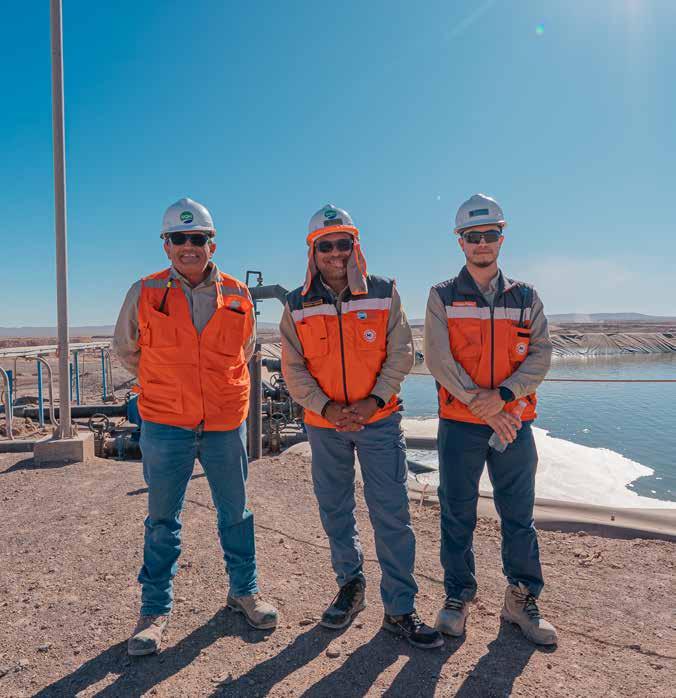
• Target 15.1: By 2020, ensure the conservation, restoration and sustainable use of terrestrial and inland freshwater ecosystems and their services, in particular forests, wetlands, mountains and drylands, in line with obligations under international agreements.
• Target 15.2: By 2020, promote the implementation of sustainable management of all types of forests, halt deforestation, restore degraded forests and substantially increase afforestation and reforestation globally.
• Target 15.9: By 2020, integrate ecosystem and biodiversity values into national and local planning, development processes, poverty reduction strategies and accounts.
• Target 16.1: Significantly reduce all forms of violence and related death rates everywhere.
• Target 16.2: End abuse, exploitation, trafficking and all forms of violence against and torture of children.
• Target 16.5: Substantially reduce corruption and bribery in all their forms.
• Target 16.7: Ensure responsive, inclusive, participatory and representative decision making at all levels.
• Target 17.16: Enhance the global partnership for sustainable development, complemented by multi-stakeholder partnerships that mobilize and share knowledge, expertise, technology and financial resources, to support the achievement of the sustainable development goals in all countries, in particular developing countries.
• Target 17.17: Encourage and promote effective public, public-private and civil society partnerships, building on the experience and resourcing strategies of partnerships.

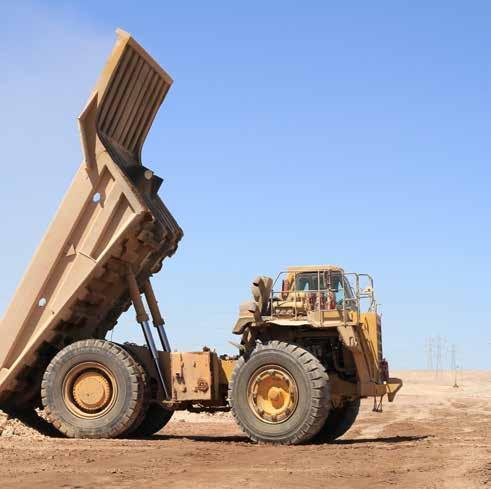

March, 31 2025
March, 31, 2025
March 31, 2025
Dear Sirs, Sociedad Química y Minera S.A. Present
We have conducted a limited assurance review of the quantification of the Greenhouse Gas Emissions Inventory for the period between January 1 and December 31, 2024, of Sociedad Química y Minera S.A., SQM Iodine Plant Nutrition Division (*) (hereinafter "the Company"), in accordance with the provisions of the Greenhouse Gas Protocol Standards, (hereinafter "GHG").
Standards and verification processes
Our responsibility is to express a limited assurance conclusion review on the quantification of the Greenhouse Gas Emissions Inventory for the period between January 1 and December 31, 2024, in accordance with the GHG Standard, based on the procedures we have performed and the evidence obtained. We conducted our limited assurance review in accordance with the International Standard on Assurance Engagements on Greenhouse Gas Statements (ISAE 3410), issued by the International Auditing and Assurance Standard Board (IAASB). That standard requires that we plan and perform our engagement to obtain limited assurance that the quantification of the Greenhouse Gas Emissions Inventory for the period ending December 31, 2024, in accordance with the GHG Standard is free from material misstatement.
A limited assurance review involves performing procedures (consisting primarily of consulting with management and applying analytical and sample review procedures, as appropriate) to evaluate the evidence obtained. The procedures also include the evaluation of the criteria and quantification of the Greenhouse Gas Emissions Inventory for the period from January 1 to December 31, 2024, in accordance with the GHG Standard.
Our review included the following procedures:
• Meetings with the professionals responsible for the preparation of the Greenhouse Gas Emissions Inventory.
• Receive the calculation Excel file, as well as folders containing information and evidence for each of the scopes.
• Review of the consistency of the calculations received on March 28, 2025, for each scope of the Greenhouse Gas Emissions Inventory. These were reviewed through random sampling, and the differences, if any, were clarified with management. Deloitte Auditores y Consultores Limitada Rosario Norte 407 Rut: 80.276.200-3 Las Condes, Santiago Chile Fono: (56) 227 297 000 Fax: (56) 223 749 177 deloittechile@deloitte.com www.deloitte.cl
from the
of SQM Salar S.A. However, the
and transportation of KCL from SQM Salar S.A. is considered within Scope 3.
Sirs Sociedad Química y Minera S.A. Page 2
The details of the total emissions reported in the Company's 2023 Corporate Carbon Footprint Report are presented below:
Carbon Footprint of Sociedad Química y Minera S.A., year 2023.
(*) Emissions from indirect sources not controlled by the Company are not included.
Our Independence and Quality Controls
We have complied with the relevant standards of professional conduct and the code of ethics applicable to accounting practice and those related to limited assurance reviews issued by various professional accounting bodies, which are based on the fundamental principles of integrity, objectivity, professional competence and due care, confidentiality, and professional behavior.
The firm applies the International Standard on Quality Control (ISQC) 1, “Quality Control for Firms that Perform Audits and Reviews of Financial Statements, and Other Assurance and Related Services Engagements”. Consequently, our firm maintains a comprehensive system of quality control, including documented policies and procedures regarding compliance with ethical requirements, professional standards, and applicable legal and regulatory requirements.
Conclusion
Based on the procedures performed and the evidence obtained, nothing has come to our attention that causes us to believe that the Greenhouse Gas Emissions Inventory for the period between January 1 and December 31, 2023, of Sociedad Química y Minera S.A., has not been prepared, in all its material aspects, in accordance with the GHG Standard.
Sirs Sociedad Química y Minera S.A. Page 3
Other responsibilities
• The preparation of the Greenhouse Gas Emissions Inventory, period 2023, as well as its content, are the responsibility of the Company, which is also responsible for defining, adapting, and maintaining the management and internal control systems from which the information is obtained.
• Our responsibility is to issue an independent report based on the procedures applied in our review.
• This report has been prepared solely in the interest of the Company, in accordance with the terms set out in the Engagement Letter.
• The conclusions of the review are valid for the latest version of the 2023 Calculator, received on March 28, 2025.
Sincerely,

March 31, 2025
March 31 2025
March 31, 2025
Dear Sirs, Sociedad Química y Minera S.A. Present
We have conducted a limited assurance review of the quantification of the Greenhouse Gas Emissions Inventory for the period between January 1 and December 31, 2024, of Sociedad Química y Minera S.A., SQM Iodine Plant Nutrition Division (*) (hereinafter "the Company"), in accordance with the provisions of the Greenhouse Gas Protocol Standards, (hereinafter "GHG").
Standards and verification processes
Our responsibility is to express a limited assurance conclusion review on the quantification of the Greenhouse Gas Emissions Inventory for the period between January 1 and December 31, 2024, in accordance with the GHG Standard, based on the procedures we have performed and the evidence obtained. We conducted our limited assurance review in accordance with the International Standard on Assurance Engagements on Greenhouse Gas Statements (ISAE 3410), issued by the International Auditing and Assurance Standard Board (IAASB). That standard requires that we plan and perform our engagement to obtain limited assurance that the quantification of the Greenhouse Gas Emissions Inventory for the period ending December 31, 2024, in accordance with the GHG Standard is free from material misstatement.
A limited assurance review involves performing procedures (consisting primarily of consulting with management and applying analytical and sample review procedures, as appropriate) to evaluate the evidence obtained. The procedures also include the evaluation of the criteria and quantification of the Greenhouse Gas Emissions Inventory for the period from January 1 to December 31, 2024, in accordance with the GHG Standard.
Our review included the following procedures:
• Meetings with the professionals responsible for the preparation of the Greenhouse Gas Emissions Inventory.
• Receive the calculation Excel file, as well as folders containing information and evidence for each of the scopes.
• Review of the consistency of the calculations received on March 28, 2025, for each scope of the Greenhouse Gas Emissions Inventory. These were reviewed through random sampling, and the differences, if any, were clarified with management. Deloitte Auditores y Consultores Limitada Rosario Norte 407 Rut: 80.276.200-3 Las Condes, Santiago Chile Fono: (56) 227 297 000 Fax: (56) 223 749 177 deloittechile@deloitte.com www.deloitte.cl
from the
of SQM Salar S.A. However, the
and transportation of KCL from SQM Salar S.A. is considered within Scope 3.
Sirs Sociedad Química y Minera S.A. Page 2
The details of the total emissions reported in the Company's 2024 Corporate Carbon Footprint Report are presented below:
Carbon Footprint of Sociedad Química y Minera S.A., year 2024.
(*) Emissions from indirect sources not controlled by the Company are not included.
Our Independence and Quality Controls
We have complied with the relevant standards of professional conduct and the code of ethics applicable to accounting practice and those related to limited assurance reviews issued by various professional accounting bodies, which are based on the fundamental principles of integrity, objectivity, professional competence and due care, confidentiality, and professional behavior.
The firm applies the International Standard on Quality Control (ISQC) 1, “Quality Control for Firms that Perform Audits and Reviews of Financial Statements, and Other Assurance and Related Services Engagements”. Consequently, our firm maintains a comprehensive system of quality control, including documented policies and procedures regarding compliance with ethical requirements, professional standards, and applicable legal and regulatory requirements.
Conclusion
Based on the procedures performed and the evidence obtained, nothing has come to our attention that causes us to believe that the Greenhouse Gas Emissions Inventory for the period between January 1 and December 31, 2024 of Sociedad Química y Minera S.A., has not been prepared, in all its material aspects, in accordance with the GHG Standard.
Sirs Sociedad Química y Minera S.A. Page 3
Other responsibilities
• The preparation of the Greenhouse Gas Emissions Inventory, period 2024, as well as its content, are the responsibility of the Company, which is also responsible for defining, adapting, and maintaining the management and internal control systems from which the information is obtained.
• Our responsibility is to issue an independent report based on the procedures applied in our review.
• This report has been prepared solely in the interest of the Company, in accordance with the terms set out in the Engagement Letter.
• The conclusions of the review are valid for the latest version of the 2024 Calculator, received on March 28, 2025.
Sincerely,


Auditores y Consultores Limitada Rosario Norte 407 Rut: 80.276.200-3 Las Condes, Santiago Chile Fono: (56) 227 297 000 Fax: (56) 223 749 177 deloittechile@deloitte.com www.deloitte.cl
June 3, 2025
To: The Board of Directors of Sociedad Química y Minera S.A. Present
We have conducted a limited assurance review of consistency of the indicators included in the 2024 Sustainability Report of SQM Yodo Nutricion Vegetal, (hereinafter “the Company”), prepared in accordance with the Global Reporting Initiative (GRI) Standard for the period from January 1, 2024 to December 31, 2024.
Our responsibility is to express a limited assurance conclusion of the consistency of the indicator included in the Sustainability Report og of SQM Yodo Nutricion Vegetal, for the period ended as of December 2024 in accordance with GRI Standard, based on the procedures that we have performed and the evidence we have obtained. We conducted our limited assurance engagement in accordance with International Standard on Assurance Engagements Other than Audits or Reviews of Historical Financial Information (ISAE 3000), issued by the International Auditing and Assurance Standard Board (IAASB). This standard requires that we plan and perform this engagement to obtain limited assurance about whether the of consistency of the indicator included in the Sustainability Report for the period ended as of December 2024 in accordance with GRI Standard, is free from material misstatement.
A limited assurance engagement involves performing procedures (primarily consisting of making inquiries of management and others within the entity, as appropriate, and applying analytical and other procedures) and evaluating the evidence obtained. The procedures also include assessing the suitability in the circumstances of the Company's use of the applicable criteria as the basis for the preparation of the of consistency of the indicator included in the 2024 Sustainability Report of SQM Yodo Nutricion Vegetal for the period ended as of December 2024 in accordance with GRI Standard
Our review included the following procedures:
• Meeting with the team that led the process of preparing the 2024 Sustainability Report of SQM Yodo Nutricion Vegetal
• Requirements and review of evidence, for the indicators detailed in this letter as a result of the materiality process with the areas participating in the preparation of the 2024 Sustainability Report of SQM Yodo Nutricion Vegetal
June 3 2025
The Board of Directors of Sociedad Química y Minera S.A. Page 2
• Analysis of the consistency of the contents of the 2024 Sustainability Report of SQM Yodo Nutricion Vegetal to the GRI Standards and review of the indicators included in this letter are based on the protocols established by this guide.
• Review through tests of quantitative and qualitative information corresponding to the GRI Standards indicators included in the 2024 Sustainability Report of SQM Yodo Nutricion Vegetal
Our independence and quality control
We have complied with the relevant rules of professional conduct and code of ethics applicable to the practice of accounting and related to assurance engagements, issued by various professional accounting bodies, which are founded on fundamental principles of integrity, objectivity, professional competence and due care, confidentiality, and professional behavior.
The firm applies International Standard on Quality Control 1, Quality Control for Firms that Perform Audits and Reviews of Financial Statements, and Other Assurance and Related Services Engagements, and accordingly maintains a comprehensive system of quality control including documented policies and procedures regarding compliance with ethical requirements, professional standards, and applicable legal and regulatory requirements.
Conclusion
The assurance process was based on the indicators established in the materiality process performed by the Company. Once those indicators were identified and validated, they were included in the report. The indicators reviewed are detailed bellow:
Indicators GRI general and specific:
June 3, 2025.
The Board of Directors of Sociedad Química y Minera S.A. Page 3
Based on the procedures we have performed and the evidence we have obtained, nothing has come to our attention that causes us to believe that the indicators incorporated in the 2024 Sustainability Report of the SQM Yodo Nutricion Vegetal for the period ended as of December 2024 is not prepared, in all material respects, in accordance with the GRI Standard.
• The Sustainability Report preparation, as well as its contents are under the Company responsibility, management is responsible to maintain the internal control systems where the information is obtained
• Our responsibility is to issue an independent letter based on the procedures performed.
• This report has been prepared exclusively by the Company, in accordance with the terms established in the engagement letter
• We have developed our work according to the standards of Independence established in the Code of Ethics of the IFAC.
• Our conclusions are referring to the latest version of the Company Sustainability Report received on June 02 2025.
Sincerely,

Deloitte


Declaration of use
SQM Iodine Plant Nutrition has prepared the 2024 Sustainability Report in conformity with the GRI standards for the period from January 1 to December 31, 2024. It is worth noting that the Board and Safety, Health and Environment Committee review and approve the Sustainability Report during board and committee meetings.
GRI 1 Used GRI 1: Foundation 2021
Applicable GRI Sector Standards Not applicable. The standard takes effect on January 1, 2026.
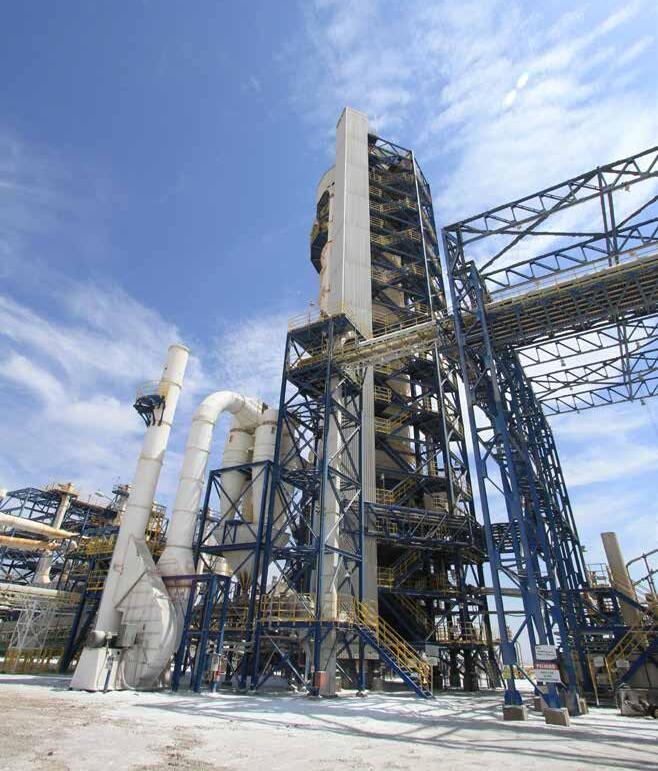
Disclosures (2021)
4. Strategy, policies and practices
2-22 Statement on sustainable development strategy 16, 18 - Not applicable
2-23 Policy commitments 35, 39, 40, 44, 45, 48, 49, 53
2-24 Embedding policy commitments
35, 39, 40, 44, 45, 48, 49, 53
2-25 Processes to remediate negative impacts 39, 40, 44, 45, 49, 52, 72, 95, 99, 101, 103, 111, 136, 146, 167, 180, 192, 194, 201, 205, 210, 211, 212, 213, 218, 221, 222, 224, 227, 228, 232, 239, 247, 251, 255, 259, 262
2-26 Mechanisms for seeking advice and raising concerns
2-27
102, 192
In 2024, two fines were received from the Regional Secretariat of Health (Seremi de Salud) for 10 UTM after an inspection of the silicosis surveillance protocol; one fine from the General Water Bureau (DGA) for 22.9 UTM associated with monitoring information in the DGA M.E.E. software; and two fines from the Local Criminal Court of Sierra Gorda for 195 UTM for failure to obtain construction permits.
1, 2, 4 and 5
2, 4 and 5
GRI 2: General Disclosures (2021)/ Strategy, Policies and Practices
GRI 411: Rights of Indigenous Peoples (2016)
GRI 413: Local Communities (2016)
GRI 413: Local Communities (2016)
GRI 413: Local Communities (2016)
of material topics 39, 40, 44, 218, 221, 222, 224, 227, 228, 232, 239, 247, 251, 255, 259, 262, 277
In 2024, two fines were received from the Regional Secretariat of Health (Seremi de Salud) for 10 UTM after an inspection of the silicosis surveillance protocol; one fine from the General Water Bureau (DGA) for 22.9 UTM associated with monitoring information in the DGA M.E.E. software; and two fines from the Local Criminal Court of Sierra Gorda for 195 UTM for failure to obtain construction permits.
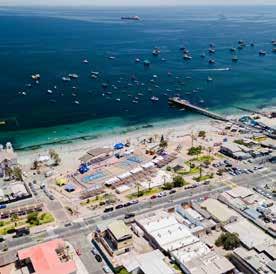
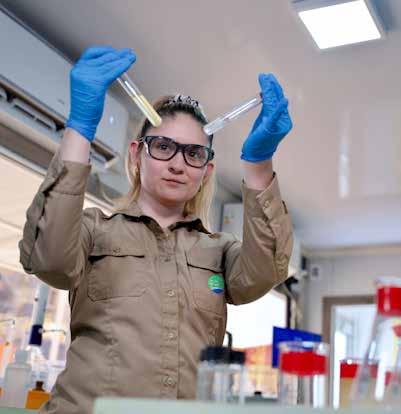
Design
BAOBAB Diseño
Assurance
Deloitte
Photographs
Christián Duque - Séptimo de Línea Films
Pablo Vargas - Trígono Estudio
Felipe Gómez - Trígono Estudio
Translation
Emily Dawson - Lingo Translations
Kate Goldman - Lingo Translations