NUTRIENT SOLUTIONS FOR GREENHOUSE CROPS


This booklet is an initiative of various fertiliser companies (Nouryon, SQM, YARA) and a laboratory (Eurofins Agro), which are all active within the fertigation industry. Design and layout were prepared by SQM.
If you have any question about this booklet, please contact one of the companies mentioned above or Geerten van der Lugt at www.geertenvanderlugt.nl.
This booklet has been made possible with the support of the companies listed below. Their advertorials can be found on the following page numbers:
• Nouryon: 8, 27.
• Eurofins Agro: 10.
• SQM: 16, 34, 63.
• Yara: 20, 39, 97.
Van der Lugt, G., H.T. Holwerda, K. Hora, M. Bugter, J. Hardeman and P. de Vries, 2026. Nutrient Solutions for Greenhouse Crops. Version 5. Pp 1-98.
Made available by: Eurofins Agro, Geerten van der Lugt, Nouryon, SQM, Yara.
Disclaimer
The information herein contained is given to the best of knowledge of all partners working for this booklet and is believed to be accurate. The conditions of your use and application of the suggested formulae and recommendations are beyond our control. No warranty is made as to the accuracy of any data or statements contained herein. Partners specifically disclaim any responsibility or liability relating to the use of the suggested formulae and recommendations and shall under no circumstances whatsoever, be liable for any special, incidental or consequential damages arising from such use.
Version 5 - January 2026
This revised Manual - “Nutrient Solutions for Greenhouse Crops” version 5 - describes nutrient solutions for the most important species of fruiting and leafy vegetables, soft fruits, cut flowers and potted plants cultivated in protected horticulture, such as greenhouses and urban farm systems. Different recommendations are presented for these crops grown in soil, as potted plants or in hydroponic growing systems using either an inert growing medium (e.g. rock wool or pumice) or an organic growing medium (e.g. peat or coco peat). The Manual contains information on best practice for application of nutrient solutions, but does not include soil improvement methods. In this revision, new information is added and corrections have been made to the text and to the previously published nutrient solutions.
In section A, information is given that will help maintain optimal conditions in the plant’s root zone for the uptake of nutrients. An example is shown on how to calculate the composition of a nutrient solution with commonly available fertilisers.
In section B, tables with the composition of nutrient solutions are presented for the main horticultural crops. These nutrient solutions contain all nutrients necessary for plant growth. The values are given in mmol/l and ppm (macronutrients) and µmol/l and ppb (micronutrients). In these tables also the target values for nutrients in the plant’s root zone are given, when analysed in water, organic medium or soil samples. Adjustments for growth stages or for specific periods within a growing season are provided for some nutrient solutions. It should be noted that these nutrient solutions can also be applied to recirculating systems, using a calculation such as described in section A of this revised Manual. New in this version are adjusted tolerated root zone levels for sodium for a number of crops, how to calculate with NPK fertilisers, and an explanation about beneficial plant nutrients iodine and silicon.
Much of this information is common knowledge in the Dutch greenhouse sector. Some of the information mentioned in this Manual refers to the original sources in Dutch literature. The main source of information about nutrient solutions is the book Bemestingsadviesbasis Glastuinbouw (Recommendations for Fertiliser Application in Greenhouse Horticulture), last published in 1999 by the former Research Station in Naaldwijk, The Netherlands1. However, many of these values have been adapted subsequent to experiences of the field over the last decade.
This Manual has been produced with the support of the following companies, active in horticulture at a global level: Nouryon, SQM and YARA (fertiliser companies), Eurofins Agro (a laboratory for water, soil and plant analysis) and Geerten van der Lugt (consultant for plant nutrition in horticulture).
I would like to thank the following persons for their feedback on drafts of this booklet and editorial support: Harmen Tjalling Holwerda, Katja Hora, Griselli Durant, Mauricio Uribe and Camila Miranda (SQM), Marcel Bugter (Nouryon), Jan Hardeman (Eurofins Agro) and Peter de Vries (Yara).
Geerten van der Lugt
Editor Consultant, Plant Nutrition in Horticulture
1De Kreij, C., W. Voogt, A.L. van den Bos and R. Baas, 1999. Bemestingsadviesbasis substraten. Naaldwijk - Proefstation voor Bloemisterij en Glasgroente. 145 p.


Distributed by Yara International ASA under the trademark YaraVita Rexolin®
Distributed by SQM Europe N.V. under the trademark Ultrasol ® micro Rexene®
https://micronutrients.nouryon.com



How is the quality of the process water in your greenhouse? What do you know about the fertilization of your growing media? Are there any pathogens in your greenhouse? Analysis by Eurofins Agro will answer these questions and provides information to support and improve your decisions.
Eurofins Agro offers a complete portfolio of sampling, innovative analyses and reliable crop advice. We provide indispensable information to optimize your production.
Water
Knowing the chemical composition of your water is crucial in order to produce vital plants with maximum production. Eurofins Agro offers various analyses which provide information about the quality of the water in your greenhouse system.
Soil and substrate
Soil and substrate must be in optimal condition. Should fertilizer be added, and if so which nutrients and in which ratio? What is the organic matter content of the soil?
Is the (microbial) soil life still in good condition? Analysis by Eurofins Agro will provide all information you need about the condition of your soil and/or substrate.
Crop
Awareness of Plant health is ever more important. Our very innovative DNA Multiscan technology detects and determines a range of more than 100 fungi and a number of relevant bacteria in water, soil and plant tissue at a very early stage. In more complex situations, our PlantDoctor team is able to investigate and diagnose any disorder in your crop.
The quality of the irrigation water, especially important in hydroponic systems, affects requirements for the composition of nutrient solutions. In soils, roots can obtain available nutrients from a larger root zone compared to hydroponic systems where the root growth is restricted by the limiting dimensions of the substrate, and plants will therefore suffer immediately when nutrient solutions are not adjusted to accommodate water quality.
Irrigation water that will be used for preparation of nutrient solutions can contain minerals and /or residual salts, have increased pH levels or contain a high content of sodium. When calculating nutrient solution requirements, the quantity of nutrients already present in the irrigation water must be subtracted, to ensure that nutrient concentrations do not exceed the desired levels.
The use of rainwater, which usually has an excellent quality and is free of iron, is highly recommended for hydroponic systems. Runoff from greenhouse roofs is an easy way to collect rainwater.
Water can be classified in three levels of quality according to the levels of sodium and chloride (Table 1).
Table 1. Water quality levels.
Suitable for all crops 2
+ Not suitable when recirculation is necessary
Not to be used for salt-sensitive crops
The salt content of irrigation water - especially the sodium (Na) level - is crucial. Sodium is commonly present in water, but only small quantities are taken up by plants. An excess of sodium causes salinity problems. If the sodium concentration in the root zone is too high, it will be detrimental to the crop. If Na accumulates above the maximum acceptable concentration in the root zone (Table 2), growers must discharge a fraction of the recirculated nutrient solution in order to prevent yield reduction or a decline in product quality. Discharge results in unwanted losses of nutrients and water and in environmental pollution.
If sodium is present in the root zone in substantial amounts, this has two main effects on the nutrient solution:
1. The EC of the solution will increase, leaving less space for other cationic nutrients.
2. It will lower the efficiency of uptake of potassium, leading to potassium deficiency despite presence of potassium in the nutrient solution.
In recent years, the target values for EC in the root zone have gradually increased, to match increasing production-potential of several greenhouse crops. It means that the tolerance for more sodium in the root zone has also increased. For tomato, capsicum, lettuce, and cucumber, recent research has shown that higher levels of sodium can be tolerated in inert substrate like stone wool.5 The upper tolerance values for sodium in the root zone have been adapted in Table 2 of this edition of the manual based on this research. If sodium is present at high levels in the root zone, the total EC of the nutrient solution can be adjusted upwards a little, to ensure that the crop still can take up sufficient potassium. The highest tolerated level of EC depends on the cropping system, and there are two aspects that need to be considered when growing crops at a higher EC than the reference EC mentioned in this manual:
1. The ratio K /Ca needs to be identical to the ratio of the reference values at a lower EC.
2. Other cations, e.g. Mg2+ should not accumulate in the slab because this lowers the available space for Na.
The main source of sodium accumulation in the circulated nutrient solution is the salt content of the irrigation water. Sodium content of fertilisers added to create the nutrient solution is too low to contribute to sodium accumulation. In general, irrigation water with a sodium level higher than 1.5 mmol/l is not suitable for recirculating the nutrient solution in hydroponic or aquaponic systems, since recirculation will increase its sodium level over time. The maximum acceptable level of Na in the root zone for some crops is shown in Table 2.6
Table 2. Maximum acceptable sodium (Na) levels in the root zone to prevent yield reduction or a decline in produce quality.
5Voogt, W., Heuvelink, E., and Kierkels, T. (2023). Sodium levels in irrigation water may be higher than common standards. Levels not an issue; excess leads to potassium problems. In Greenhouses : the international magazine for greenhouse growers, 12 / 2023(4), 35-37.
6Voogt, W., Barbagli, T., Oud, N., Andrea, D. and Bo, L. (2023). Effect of sodium concentrations in the root environment on yield and fruit quality of soilless grown tomato with closed-loop irrigation system. Acta Hortic. 1377, 623-630. https://doi. org/10.17660/ActaHortic.2023.1377.76
Chloride (Cl) may also be present in many water sources. High levels of chloride are detrimental to crop growth, only low levels of chloride are acceptable. The acceptable Cl level in the root zone is 0.2-0.5 mmol/l higher than for Na.
High levels of sodium and chloride will not directly destroy the crop but will cause a loss of production potential as is shown in Figure 1.
1: Salinity (Na, Cl + all nutrients) causes loss of production potential1.
1Nutrient management in substrate systems
C Sonneveld, W Voogt, 2009: Plant nutrition of greenhouse crops, pages 277-312
Temporary hardness is a type of water hardness caused by the presence of dissolved carbonate minerals (calcium carbonate and magnesium carbonate). When dissolved, these minerals deliver calcium and magnesium cations (Ca2+, Mg2+) and carbonate and bicarbonate anions (CO32-, HCO3 -). The optimal pH level for hydroponics is 5.5. The pH of the water will be too high if the irrigation water contains substantial quantities of carbonate and bicarbonate (CO32-, HCO3 -). This is often the case when well water is used. This water should therefore be treated with acid to neutralise the HCO3 - and to lower the pH of the nutrient solution. The quantity of acid to be added is determined by the quantity of HCO3 - present.
When an acid is added to the water, the bicarbonate will be neutralised by the proton of the acid and the pH of the solution will drop. Calcium (or magnesium) will remain available for plant uptake, and the anion of the acid will remain dissolved in the water.
Ca2+ + 2HCO3 - + 2HNO3 ⇋ Ca2+ + 2CO2 + 2H2O + 2NO3 -
Nitric acid is commonly used for this purpose, but phosphoric acid and its derivatives like urea phosphate could also be used. With the addition of more acid, the concentration of acid associated anions in the solution, like nitrate and phosphate, will increase. However, these quantities should not exceed the desired concentrations for the nutrient solution. Since these anion concentrations in the nutrient solutions will limit the quantity of acid that can be added, the quantity of HCO3 - that can be neutralised is limited. Consequently, the initial concentration of HCO3 - in the irrigation water is a major quality issue.
Treatment of bicarbonate with an acid releases carbon dioxide (CO2) and water. CO2 must be allowed to escape from the nutrient solution; if not, the pH of the solution will not be lowered and will fluctuate. This means that the reaction of acid and bicarbonate should take place in open systems, e.g. in an open mixing tank.
Depending on the soil layer from which the water is pumped, there can be large quantities of iron present in the water. Iron is found in anaerobic well water in ionic form as Fe2+. As soon as it comes into contact with the oxygen in the air, these ions react with the oxygen to become Fe3+, precipitating quickly into various insoluble forms of iron (iron hydroxides, oxides and hydroxy-oxides). This will always happen at the moment the water passes through a sprinkler nozzle or drip emitter, since the water will be in sudden contact with air at that point. This means that none of this iron is available to plants since it will have precipitated before it reaches the crop. Although it makes sense to fine-tune fertilisation schemes to the levels of nutrients already present in the water, Fe in the irrigation water should never be brought into the equation. Instead, the dosage of chelated iron which can be taken up by the roots should be calculated independently of the iron already present in the water2
2Technical leaflet 406: Water quality and iron; Nouryon
Since sprinkler nozzles do not become obstructed as easily as drip emitters, water containing higher levels of iron can be used, accepting that leaves and (if applicable) greenhouse glass will turn brown due to iron precipitates. The net result of the process from Fe2+ to Fe3+ to iron precipitates is the formation of H+; in other words, the pH will drop. The acceptable amount of iron depends on the amount of bicarbonate (HCO3 -) in the water, since bicarbonate is a pH buffer. Water containing no HCO3 - (soft water), should not contain more iron than 100 μmol/l (~5 ppm Fe); higher levels can result in leaf damage due to the low pH after aeration. For hard water, a few hundred μmol/l of iron could still be acceptable as long as an overhead irrigation system is not used. In both cases, a certain amount of brown staining will need to be accepted. Where the decorative quality of the crop needs to remain intact, the initial iron concentration should actually not exceed 25-50 μmol/l (~1-2.5 ppm Fe). Remember that none of this iron will be available to the plants.
Avoiding the obstruction of drip emitters is crucial for optimal yield. Therefore the only acceptable level of Fe in the irrigation water is 0 µmol/l. If well water does contain iron, then the water must be aerated first to precipitate the iron before the water enters the fertigation system. It is common practice to aerate the water through large gravel beds or filters.
An exception can be made when the water contains organic matter. Then a level of 10-20 µmol/l (0.5-1 ppm) might be acceptable since the Fe will be adsorbed to the organic matter. In this case, precipitation may occur after the water has passed through the drip emitter.
Irrigation water can contain micronutrients, like boron (B), copper (Cu), manganese (Mn), and zinc (Zn).
Boron can be present in surface water and is naturally present in volcanic mountain areas, like the Andean mountains. The tolerable upper limit is around 30 µmol B/l, but can vary with crop species as shown by different levels for B in the nutrient solution.
The presence of copper in irrigation water is linked to the release from copper-containing parts in the irrigation equipment, like water taps, pipes and pumps.
Manganese can be naturally present in well water or ground water. The manganese level in irrigation water should be less than 10 µmol/l.
High zinc levels in the irrigation water can be expected when rain water is collected from the roof top of the greenhouse by galvanised (zinc-coated) steel gutters. Especially after rainy periods it is advised to check the zinc level in the irrigation water.
The optimum pH for soils is 6-7.5; the optimum pH in hydroponic growing systems is 5.5-6.5. When the pH in the growing medium does not match the desired level, the uptake of certain nutrients can be limited. High pH can limit the uptake of phosphate and most micronutrients (except molybdenum (Mo)). A continuous supply of nutrient solutions with a high pH will lead to severe yellowing of plants (micronutrients deficiency symptoms) because availability of most micronutrients becomes restricted.
Several methods can be applied to prevent too high pH levels in the growing medium. First, check if the irrigation water pH is set at the correct level by checking the fertilisation unit’s pH setting, and monitor the quantities of acids actually being added to the mixing tank.
The second method is to reduce too high pH levels by increasing the ammonium level. This is done by adding increased amounts of ammonium to a nutrient solution when the pH in the root zone is rising, which usually occurs as a result of high vegetative crop growth rates. The roots will take up the NH4+ ions and release acidifying protons (H+) into the root zone. This acidification of the root zone will create a beneficial environment for the uptake of nutrients by the plant.
In hydroponic growing systems, the proportion of ammonium cations should be limited to 5-15% of the total amount of nitrogen in the solution. A maximum of 1-1.5 mmol/l (14-21 ppm N) NH4+ in the nutrient solution is acceptable; if higher, the pH will drop too much. The exact quantity, however, can vary from 0-1.5 mmol/l (0-21 ppm N) depending on the actual growing conditions and the sensitivity of the crop to a low pH. When the pH is too low, reduce the ammonium input to 0-0.5 mmol/l (0 - 7 ppm N). When the pH is too high, increase NH4+ to a maximum of 1.5 mmol/l (21 ppm N). The pH should be checked daily.
It is necessary to check the type of Fe-chelate that is used if the pH becomes high (see Chapter 11, Figure 3).


The most important parameters allowing monitoring of the condition of crops grown in hydroponic systems are the pH and EC. It is recommended to purchase instruments to measure pH and EC, since daily monitoring of these parameters in the root zone, drain water and irrigation water is advisable. The grower should keep these instruments in good condition, store electrodes according to the manufacturer’s instructions and calibrate on a regular basis using appropriate standard buffer solutions.
To monitor the level of the nutrients in the root zone, in the drain water or in the irrigation water, samples for analysis should be taken on a regular basis. When plants are growing steadily, changes in the nutrient level of the root zone are small. However, when the crop is undergoing rapid development (e.g. a high rate of vegetative growth, flowering, or fruit development), substantial changes may occur so quickly that weekly sampling for laboratory analysis is recommended.
The concentration of nutrients in the solution around the roots is critical for uptake by the plants and for optimal plant production. It is important to take samples that represent the entire root zone. These two guidelines are helpful:
Collect water from at least 20 different sites well-distributed throughout the greenhouse, e.g. from 5 different plant rows and 4 different places in each row.
Draw water from the root zone at different places around the plant: from stem base to the root tips and at different depths within the root zone.
It is better to collect a surplus of water, mix it thoroughly in order to obtain a homogenous and representative sample. Then completely fill the sample bottle with the amount of solution needed by the laboratory. Most laboratories need 200 ml of water.
Drain water should be collected from the drain water collection tanks and analysed before being reused or disposed of. When recirculating drain water, it is essential to know its nutrient content. Collect water samples from the middle of the tank, if possible, so that a representative sample is being collected. Be aware that there will be differences in the nutrients present in the drain water collected in the morning and in the afternoon so either collect water at different times during the day or choose a specific time in the middle of the day. Whichever sampling time is chosen, be consistent for all samples taken.
Monitoring irrigation water should be done regularly, to make sure that the fertigation unit is functioning correctly. If drain water is being reused, periodic water analysis is essential to ensure that the plants are being supplied with the correct nutrient concentration.
Collected water should be sent to the laboratory in a clean plastic bottle. Bottles might be provided by the laboratories. Always fill the bottles completely. Air in the bottle will affect the HCO 3 status because of gas exchanges between water and air. Protect the bottle from light as the growth of algae in the bottle will also affect the pH of the sample. Make sure the bottle is tightly closed, and pack it in a suitable box to send to a laboratory.
On arrival at the laboratory, water samples are filtered and then placed in batches for analysis. The following two methods are most commonly used:
• ICP (inductively coupled plasma) is used to analyse most ions (K, Na, Ca, Mg, S, P, B, Fe, Mn, Zn, Cu and Mo).
• Spectrophotometric analysis is used for NO3, NH4, HCO3 and Cl.
Soil samples and samples taken from organic material like peat or coco peat are pre-treated by mixing a part of the sample with water to make an extraction. Special extraction methods using water have been developed for horticultural purposes:
• For organic material (potting soil, compost, peat, coco peat), the 1:1.5 volume extraction method with water has been developed. In this method, 1 part of organic material is added to 1.5 parts of water (in volume units). After thorough mixing, the extraction is filtered and measured in the analytical instrument.
• For greenhouse soils, the 1:2 volume extraction method with water is used. One part of soil is added to 2 parts of water (in volume units). After thorough mixing, the extraction is filtered and sent for analysis. These extraction methods do not show the total quantity of nutrients in the soil or medium. Instead, they reveal the nutrient content that is already diluted or that is easily dissolved in water. The nutrients that are extracted in this way represent the quantities of nutrients that are easily available for the plant to absorb. In horticulture, with its intensive cultivation methods, these nutrients reflect the quantities that plants can take up at any given moment. If analysis shows that the soil or medium contains sufficient quantities of available nutrients for plant growth, no limitations in the uptake of nutrients and the growth of the plant are to be expected.
It is important to realise that these extraction methods dilute the concentration of the nutrients found in the soil/medium solution, so that the findings will indicate a lower concentration than what would be found in the actual soil/medium solution in the root zone.
In this Manual, these extraction methods provide the basis for the target values at the root zone for crops grown in organic material (e.g. peat or coco peat) or in soils. This means that the analytical findings can be compared directly to the target values. Recalculating the analytical findings is not necessary. However, if other analytical methods are used, the results of the analyses will not apply to the target values shown in this Manual.
The composition and structure of soils and organic matter affect the fertility of soils and growing media to a large extent.
To examine soil structural aspects like clay, silt and sand fractions, organic matter, CaCO3, P stock or CEC, a dried soil analytical method is recommended. These parameters can influence the fertiliser recommendations in soils and organic growing media.
Optimization of growing conditions can be achieved by basal dressing of fertilisers and soil amendments, like lime and organic matter, several days before sowing or planting. This will serve to correct the soil nutrient reserves and restore nutrient balances, correct soil pH level, or increase soil carbon content to fit the requirements of the selected crop. Organic matter influences soil structure, moisture holding capacity, nutrient availability and diversity and activity of soil organisms (both those that are beneficial and those that can harm crop production).
When cocopeat is used as a growing medium, it is recommended to analyse the percentage of CEC occupied by cations (Ca2+, Mg2+, K+, and Na+) and the ratios between the individual cations. Excessive sodium levels are harmful to crop growth and development and should be avoided. Based on the result of the analysis, adjustments in the fertigated nutrient solution may be required to restore the concentration and balance of nutrients in the root zone to the target levels.



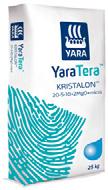
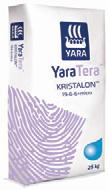
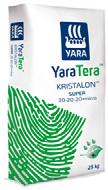
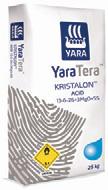
water soluble NPK fertilizer
YaraTera KRISTALON is a growth stage based, fully water soluble NPK fertilizer solution for fertigation systems. The different grades are made of highest quality raw materials (hydroponic quality grade).
YaraTera KRISTALON is suitable for all crops – ornamentals / pot plants, vegetables and fruit crops
To evaluate the analytical findings and arrive at a recommendation for a new recipe, certain calculations need to be made. These calculations are explained here, following the next three steps.
• Determine if the sum of cations and anions, expressed in milli-equivalents, are in good agreement with each other.
• Convert by means of the reference EC.
• Apply corrections to match target values in the root zone and/or changed requirements due to development in crop stage.
Fertilisers diluted in water form a nutrient solution. The chemical elements can be cations (positively charged ions: NH4+, K+, Na+, Ca2+ and Mg2+) or anions (negatively charged ions: NO3 -, SO42-, Cl-, HCO3 -, H2PO4 -).
A nutrient solution does not have an electrical charge. Therefore a balance should exist between the positive charge of the cations and the negative charge of the anions. This balance can be calculated by counting the equivalents of the cations and anions in the analytical findings (“equivalent” is the molar concentration of the ion multiplied with the molar charge of that ion). It might be useful to do this in order to verify the analyses produced by the laboratory or to check whether the calculations made to adapt the nutrient solutions have been calculated properly. The method of calculation is presented below:
Use Formula 1 to derive the equivalents of the cations by using the analysed quantities (in mmol/l):
1. Eq Cations = NH4 + K + Na + Ca*2 + Mg*2
Likewise, calculate the equivalents of the anions according to Formula 2:
2. Eq Anions= NO3 + Cl + SO4*2 + HCO3 + H2PO4
Compare the equivalents of cations and anions to see if they are equal (balanced):
3. Eq cations = Eq anions?
If not, then the nutrient solution is not well-balanced and the adaptations to the nutrient solution will have to be altered in order to reach a balance. It should be noted that in practice a small difference (less than 10%) is acceptable as this can result from analytical variation.
The equivalents can also be used to calculate the EC of the nutrient solution by means of Formula 4:
4. (Eq. cations + Eq. anions)/20 = EC (in mS/cm).
Formulas 1 through 4 are for practical use only. They can be used to check calculations. In reality, electrical conductivity is more complex. Laboratories, therefore, use more complex chemical formulas to check their analytical findings and ion balances.
To compare the analytical findings with the target values, the nutrient values need to be converted to the same EC level. Therefore a reference EC is chosen. A reference EC is an EC level closely related to the EC of nutrients in the target values. The reference EC is generally 0.3 mS/cm lower than the EC of the target values (the value of 0.3 mS/cm represents the average amount of Na in the nutrient solutions).
Only nutrients that are listed in the target values can be compared. This means that Na and HCO3 are not converted, since they never occur in the list of target values. Chloride is only converted when it is also present in the target values (e.g. for tomato).
First the EC of the analytical findings has to be corrected for the influence of Na, to obtain the EC of the nutrients in the analytical findings. The correction for Na is as follows: ECnutrients = ECanalysed – 0.1 (Naanalysed in mmol Na/litre)
Secondly the analytical findings of the nutrients in mmol/l are multiplied by the factor EC reference /EC nutrients . The factor used to multiply the nutrients concentrations is therefore: Nutrient reference (mmol/l) = Nutrient analysed (mmol/l) * ECreference / ECnutrients
Once the analytical findings are calculated to fit the reference EC value, the values found at reference EC are now at the same EC level as the target values, and can be compared with the target values.
Making this comparison might show that the level(s) of nutrients in the sample is/are not equal or closely to the target value(s). If that is the case, it will be necessary to adapt the nutrient solution over the following days in order to correct the nutrient status in the root zone and achieve the required level of nutrients.
If the analytical findings for the nutrient levels diverge too much from the target values (showing that the nutrient levels in the root zone are incorrect), corrections made to the nutrient solution can restore the nutrient levels in the root zone. There are decision models (software programs) that direct these corrections. In this booklet the correction factors are not mentioned since they are influenced by local circumstances.
However, commonly accepted corrections are set up using two corrections steps:
• The first correction level indicates adding or subtracting 10-15% of the nutrients.
• The second correction level indicates adding or subtracting another 15-25% of the nutrients.
Corrections have to be made when the analytical findings (read: the nutrient levels recalculated by applying the Reference EC, see above) are found to deviate 25% from the target values. The second correction level is implemented when there is a deviation of 50%.
With the development of the crop the uptake of nutrients will change. There are two main crop stages: the vegetative (initial) stage of the crop and the generative (production) phase of the crop. Early in the growing season, crops consume relatively more Ca than K. From the start of flowering and fruit development they will consume relatively more K than Ca. Suggestions for correction of the nutrient solution are provided in the tables of section B, for different crop stages of several crops.
The calculation of a recipe for fertilisers can be broken down into several steps. The following steps can be followed when adjusting a basic nutrient solution in which the main nutrients are calculated in mmol/l and the micronutrients in μmol/l (Table 3, the calculations are according to Sonneveld and Voogt 20091).
1. The basic nutrient solution in section B, at the EC given in the table (ECgiv.) is the start for the calculations.
2. Corrections are made when analytical findings for certain nutrients are beyond the range of the target values. Chapter 5, "Corrections".
3. Adjustments are made to nutrient concentrations to respond to crop stage or seasonal effects.
4. After the corrections and adjustments are made, the main nutrients in the nutrient solution are adjusted to the required EC level of the drip solution, ECreq. Multiply by ECreq./ECgiv. (NH4, Fe and other micronutrients are not adjusted).
5. The nutrients in the irrigation water are subtracted from the nutrient solution.
6. The nutrients in the drain water are calculated at a level according to the percentage of drain water input in the final nutrient solution. Chapter 6, " Recirculation or re-use of drain water".
7. The nutrients in the drain calculated in step 6 are subtracted from the values obtained after step 5, and the balance between the cations and anions is restored. Chapter 5, "Ion balance and EC"
Below is an example of the calculation results for each step in the process. All main nutrients are included. Fe is added as an example for all the micronutrients. Acid is also included because of the assumed HCO3 in the irrigation water.
Table 3 : Calculations for each step of the main nutrients in mmol/l and µmol/ for Fe.
Note that:
• The corrections in step 2 are given as an example.
• The adjustments in step 3 are an example: they relate to the fruit set stage of crop cultivation.
• All main nutrients, except for NH4, are calculated to the higher drip irrigation EC level; Fe is not (step 4).
• Acid (H+) is given because of the quality of the irrigation water. In this example, it is assumed that it contains 1.0 mmol/l HCO3 - (step 5).
1 Nutrient solutions for soilless cultures C Sonneveld, W Voogt, 2009: Plant nutrition of greenhouse crops, pages 270-273
After the addition of 0.5 mmol/l H+ in step 5, 0.5 mmol/l HCO3 - will be neutralized and 0.5 mmol/l HCO3will remain in the water. It is recommended to maintain about 0.5-0.75 mmol/l HCO3- in the irrigation water in order to buffer the pH to levels around 5.5-6. If all HCO3- in the irrigation water would be neutralized with acid (H+), then the pH of the irrigation water will drop to undesirable acidic levels (below pH 5).
• It is assumed in this example that drain water is recirculated; the values are given as an example.
Recirculation or re-use of drain water in greenhouse crops, became first obliged by law in the Netherlands in 1996 for soilless grown crops in order to prevent environmental pollution with discharged nitrogen and phosphate of the water ways. Nowadays it is also obligatory for greenhouse crops grown in substrate or in soil. Re-use of drain water reduces the applied amount of both water and fertilisers. In general, the water savings amount to around 30% of the total crop water requirement, whereas the reduction in nutrient input with fertilisers can save up to 50% of the total fertiliser consumption.
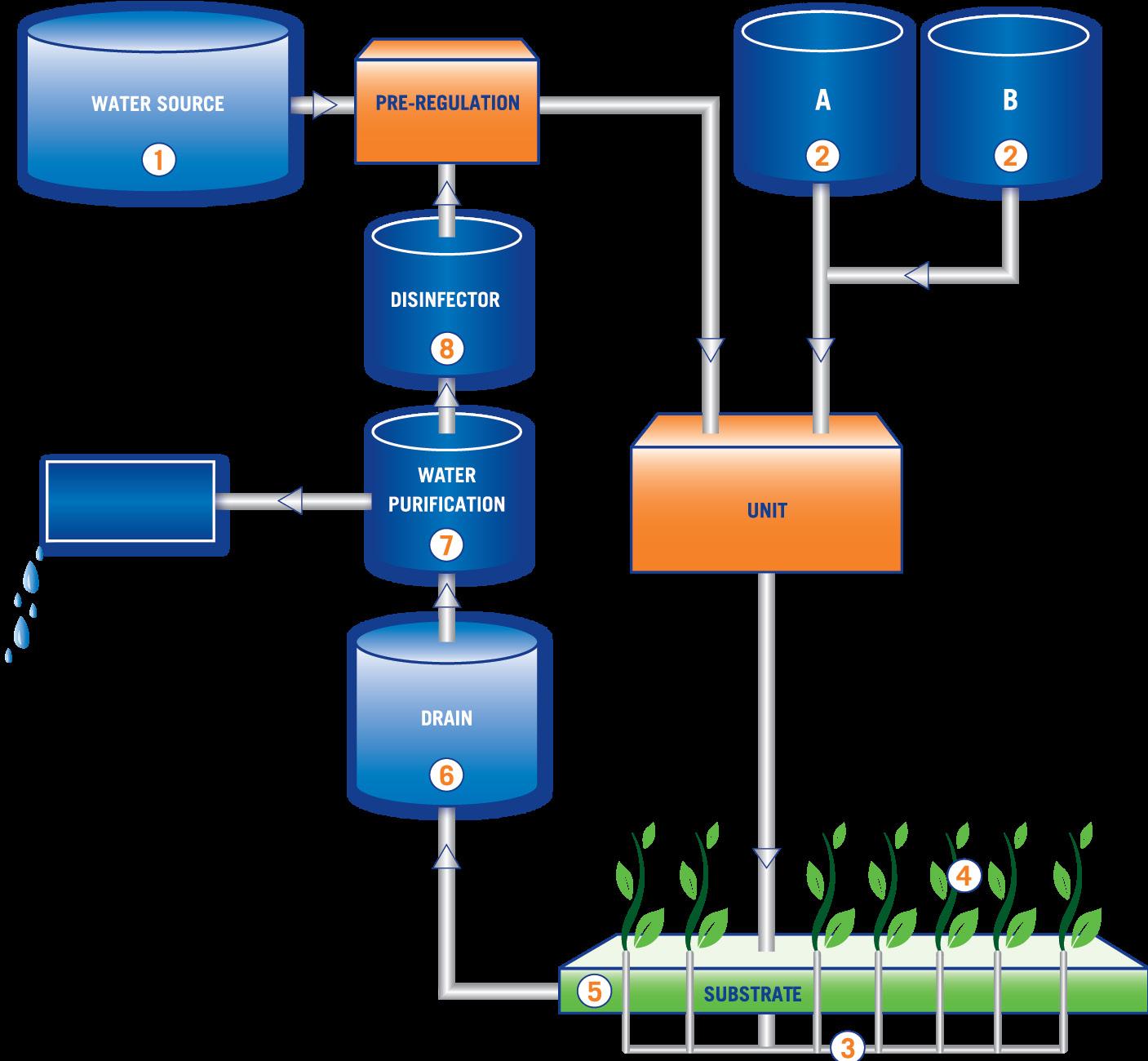
In greenhouse cultivation, the main sources of irrigation water are rain water and well water (also see Eurofins advertisement on page 10). The percentage of drain water that will be mixed with these main water sources is controlled at a level that ensures a continuous and stable contribution of the recirculated nutrients to the total water demand. To this end, either the targeted percentage of drain water, or the contribution of the drain water to the total EC level of the irrigation solution, is a parameter which can be controlled by the fertigation unit.
The nutrient solutions listed in section B of this Manual can be also applied for recirculating systems. As a first step, the nutrients and other chemical elements, analysed in the drain water, have to be subtracted from the values of the recommended nutrient solution. Use the numbers in the analysis report of the drain water, and subtract these from the targeted values for the nutrient solution, proportional to the percentage of the drain water to the total amount of irrigation water, or to the relative contribution of the EC level of the drain water to the total EC level. To illustrate: the EC level of the drain water is 4.0 mS/cm. The drain percentage is set at 20%. This means that the relative contribution of the EC level of the drain water will be 4.0 mS/cm * 20% = 0.8 mS/cm. This EC-contribution of 0.8 mS/cm can be deducted from the total EC, as shown in table 3.
In grower’s practice, accumulation of sodium over time is the main limiting factor when it comes to maintaining zero emission of drain water to the sewage system. Therefore the main inputs, i.e. irrigation water and fertilisers, should be as low as possible in sodium. Dutch research has shown that irrigation water is the main potential source of sodium, while the contribution of sodium with fertilisers is only of minor relevance. In general, macronutrient based fertilisers, produced by reputable companies, are already of technical grade purity with very low sodium levels. The main gain in sodium reduction can be made with micronutrient-containing fertilisers. If required, sodium borates or sodium containing iron, zinc, manganese and copper chelates should be replaced by boric acid or sodium free metal chelates. Alternatively, reverse osmosis units or sodium reduction units can be installed to remove most of the sodium present in the irrigation and drain water.
The nutrient content of fertilisers can be expressed either as a percentage of the elemental nutrient or as a percentage of the oxide of the element. In this manual the content of the main nutrients in fertilisers is given in percentages of the elemental nutrient. For conversion from % elemental to % oxide and vice versa, the conversion factors in Table 4 can be used. Fertilisers used for composing nutrient solutions are listed in Table 5. The molecular weight and the density (if liquid) of the fertilisers are also provided. These are the basic fertiliser ingredients that can be used to compose all nutrient solutions (Chapters 8 and 9).
In addition to this list of fertilisers, highly specialised liquid fertilisers are available in certain markets. Refer to the producers of these fertilisers for more information.
Next to the straight fertiliser sources described in Table 5, fertiliser blends can be used in nutrient solutions. Water soluble, horticultural grade NPK fertilisers contain a mixture of different fertiliser salts. When selecting these, care should be taken to check if all ingredients are water soluble and contain an acceptable balance of N-NO3 to N-NH4. Furthermore, they should be low in chloride. Chapter 9 contains more information on the use of compound fertilisers for preparation of nutrient solutions. In several countries there are restrictions for sale and distribution of pure fertiliser salts. In those countries, a small percentage of other nutrient sources are mixed in the pure fertiliser salt. Examples are the addition of potassium sulphate, phosphate or magnesium in potassium nitrate. These result in formulas such as 12-0-46 + 1.2S, 13-5-42 or 13-0-44 + 1,5MgO. Also, micronutrients like boron or zinc can be added in straight fertilisers for the ease of the grower. This creates a wide variety of fertiliser products with different specifications. By blending different salts, a molecular weight cannot be determined for these mixes, therefore these are not included in Table 5. Chapter 8 contains a note on how to calculate the amount of nutrients applied with mixed fertilisers, to match the target values for your nutrient solution.
Table 4: Conversion factors to calculate amount of nutrients from % oxide to % elemental and vice versa.
Table 5: List of Fertilisers.
observe the ortho-ortho content on the labels of these fertilisers.

High grade DTPA Na, Cl and SO4 free Recommended for recirculated nutrient solutions D-Fe-7
Low Na; Cl and SO4 free Contains some acid Recommended for recirculated nutrient solutions
Fe as ortho-ortho
*In case of very high Ca levels or unchelated Mn, Zn and Cu present, this pH stability can be lower
Rexolin® Distributed by Yara International ASA under the trademark YaraVita Rexolin® Rexene® Distributed by SQM Europe N.V. under the trademark Ultrasol ® micro Rexene®
https://micronutrients.nouryon.com





The values calculated in Step 7 of Table 3 in Chapter 6 can be converted into quantities of fertiliser ingredients. To do this, the amount of fertiliser ingredients (in mmol/l and μmol/l) is calculated so as to be used in the A+B tank containing 1000 litres and concentrated by a factor of 100.
Use the next steps:
1. Calculate the fertiliser recipe in the following order: H+, Cl, Ca, NH4, P, Mg, S, and K in mmol/l and choose the most appropriate fertiliser ingredient so that all the ions are presented in the list of fertiliser ingredients:
a. Choose nitric acid or phosphoric acid to add H+ to the recipe.
b. Choose calcium chloride or potassium chloride to add Cl.
c. Use calcium nitrate for Ca.
d. Next to the NH4 contribution of solid calcium nitrate, use ammonium nitrate nitrate or MAP to complete to complete the NH4 demand.
e. Choose monopotassium phosphate for complete P.
f. Use magnesium sulphate to complete the Mg or S demand.
g. Add magnesium nitrate if more Mg is needed, or replace magnesium sulphate with magnesium nitrate if less sulphate is required.
h. Choose potassium sulphate as a sulphate source in case the sulphate demand is not completed with magnesium sulphate.
i. Use potassium nitrate to complete the NO3 and K demand.
j. Select the appropriate fertiliser ingredient to supply each micronutrient.
2. Calculate the quantity of the main nutrients in the selected fertiliser by following the next steps, when straight (pure) water-soluble fertiliser sources mentioned in Table 5 are used:
i. Multiply the quantity of the cations (in mmol) with the molecular weight of the fertiliser ingredient (Table 5), expressed per mmol of the specific cation, to express it in mg/l (= gram/1000 l = gram/m³). E.g. calcium nitrate solid weighs 1080 gram per mol fertiliser. Calcium nitrate solid contains 5 mol of Ca. This leads to 1080/5=216 grams of calcium nitrate fertiliser per mol of Ca. To supply 3 mol of Ca one should add 3 * 216 = 648 grams of calcium nitrate solid.
Alternatively, when a fertiliser mix or compound NPK is used, calculate the quantity of main nutrients by following this calculation:
ii. Multiply the quantity of the main nutrient (in mmol) by the atomic weight of the nutrient (g/mol= mg/mmol) (Table 7) and divide the outcome by the percentage of that specific main nutrient in the fertiliser. IMPORTANT NOTE: If the specifications on the fertiliser bags are written as oxides (e.g. K2O or P2O5), these must be recalculated from the oxide content to the atomic content using the conversion factors in Table 4. This results in the amount of main nutrient fertiliser, expressed in mg per litre (or ppm=g/m3). Example: choice of 13-5-42 as source of potassium. Specifications: 13% N-NO3=13% N, 42% K2O=42 * 0.830 (Table 4) = 34.9% K, 5% P2O5=5 * 0.436=2.2% P. In this example the specification for N is not given as oxide, so does not need to be converted. If 5 mmol/L of K is required this is provided by 5 * 39.1/0.349=560.2 mg/L=g/m3 of the 13-5-42; 5 mmol/L times 39.10 mg/mmol divided by 0.349 (%K/100). Note that this amount also provides 560.2 * 0.022/30.97= 0.4 mmol/L of P and 560.2 * 0.13/14=5.2 mmol/L N.
iii. Multiply by 0.001 to convert from gram/m3 into kg/m3
iiii. Multiply by 100: to concentrate by a factor of 100.
3. For micronutrients:
i. Multiply the quantity of the micronutrient in μmol/l by the atomic weight of the micronutrient (gram/ mol = μg/μmol) (Table 7) and divide the outcome by the percentage of that specific micronutrient in the fertiliser. This results in the amount of micronutrient fertiliser, expressed in μg per litre (= 1000 μg/1000 l = mg/m³).
ii. Multiply by 0.001 to convert from mg/m³ into gram/m³.
iii. Multiply by 100: to concentrate by a factor of 100.
4. Divide the fertiliser ingredients between the A and B tanks according to information in Chapter 9.
EXAMPLE REPORT WITH CALCULATIONS OF AN A+B
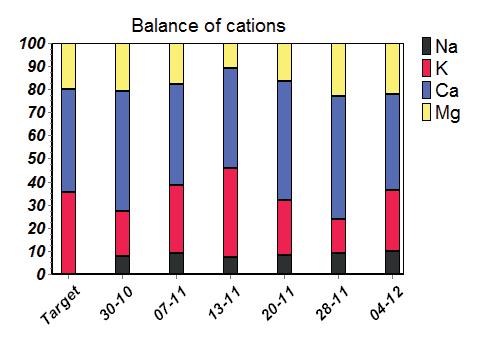
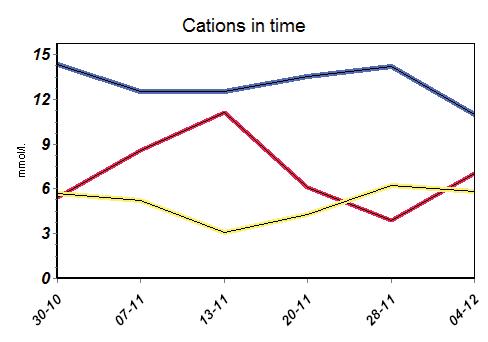
The standard concentration factor for A+B tank stock solutions is 100. The fertiliser ingredients are dissolved in an A tank and a B tank, each holding 1000 litres (1 m3). Recipes are usually given for 1 m3, but other volumes may be indicated; 1 m3 of stock solution can be used per 100,000 litres (100 m3) of irrigation water.
To dissolve all the fertilisers in high concentrations, some rules should be obeyed to avoid the precipitation of the fertiliser ingredients in the tanks.
All calcium fertilisers must be separated from phosphate and sulphate fertilisers. This means putting calcium fertilisers into the A tank and sulphate and phosphate fertilisers into the B tank.
Some fertilisers (potassium nitrate, magnesium nitrate, ammonium nitrate and nitric acid) can be dissolved in both the A and B tanks. This spreads the fertiliser load over both tanks so that they both contain roughly the same quantity of dissolved fertilisers.
Micronutrients are put into tank B in case they are added as sulphate salts. Chelates can be put in both tanks. If substantial quantities of acids are used, however, it would be preferable to place the chelated micronutrients in the A tank. Chelates are sensitive to low pH levels in the tanks: at a pH of 3.5 or lower, the chelate structure will break down. This is especially true for the EDDHA and HBED chelates. Therefore, to avoid low pH issues in the A tank, the quantities of acids in the A tank must be limited to only a few litres per m³, while the remainder should be put in the B tank.
The pH of the stock solutions in both tanks should be lower than 5 so that all the fertilisers will completely dissolve.
When filling the tanks with fertilisers listed in Table 5, it is recommended to follow the procedure below. If other fertilisers are used than those listed in Table 5 (e.g. liquid fertilisers), follow the instructions provided by the manufacturer.
Fill the tanks three-quarters full with water. Dissolve the fertilisers by dosing them in at a slow, steady rate. Add one fertiliser after another following the instructions of the laboratory or the recipe provided by the calculation software. Stir continuously and allow the fertilisers sufficient time to fully dissolve. Once all salts composing the main elements are dissolved, fill the tanks completely with water. Check the pH of the tanks. The pH of the B tank should be pH<5 and the pH of the A tank should be pH 3.5- 5. Add the chelated micronutrients to the A tank and the non-chelated micronutrients to the B tank. Work in a well-organised manner in order to make sure that not one fertiliser is being omitted and to avoid that a fertiliser is being added two times.
Nutrient solutions can be made from water soluble compound fertilisers. The use of compound fertilisers (NPK’s) can be attractive to growers as they are easy in use with almost all essential nutrients present in one bag, and well-balanced according to the requirements per growth stage or crop. The fertiliser industry has developed numerous compound fertilisers for use in drip irrigation and spray application for soil, potting soils and hydroponic growing systems. Also liquid compound fertilisers
are on the market. The N, P and K in the compound fertilisers are mixed in proportions so as to meet the demand of the plants. Most compound fertilisers are developed to be used with Ca-rich water, like tap water or well water. Some compound fertilisers also hold Mg, S and micronutrients. When necessary the NPK fertilisers (e.g. in the B-tank) are applied with Ca fertilisers, like calcium nitrate (e.g. in the A-tank). As stated above, all calcium fertilisers must be separated from phosphate and sulphate containing NPK fertilisers.
In this manual the recipes are meant to be prepared with straight fertilisers, exactly calculated from the nutrient solutions in mmol/l and μmol/l. Using compound fertilisers does not always result in exactly the same nutrient solution composition, but can be considered to be a fair estimate. Some examples of recipes with compound fertilisers will be presented in Table 8, Chapter 18, part B Nutrient Solutions, of this manual.
When calcium and a part of the nitrogen requirement are applied with calcium nitrate, then the remainder of the required nutrients can be applied with (a mixture of) compound fertilisers, according to their respective nutrient compositions. Ask your crop consultant for an adapted fertigation programme in accordance with the local needs and requirements.

Remember to use only water soluble compounds for these purposes.
Micronutrients are applied at low levels - micromole per litre (μmol/l) or parts per billion (ppb). Even in highly concentrated stock solutions such as A+B tank solutions, the quantities of these elements that are added are measured in grams.
For many crops, the quantities of micronutrients the plant needs have been thoroughly investigated and recipes are widely available. In Table 6, the quantities are given for three crops in a growing system that uses continuous feeding or hydroponics.
Fe 25 (1400) 15 (840) 15 (840)
Mn 5 (275) 5 (275) 10 (550)
Zn 3 (196) 4 (262) 5 (327)
B 20 (220) 10 (110) 30 (330)
Cu 0.8 (50) 0.5 (32) 0.8 (50)
Mo 0.5 (48) 0.5 (48) 0.5 (48)
In situations where several crops are grown at the same time in the same greenhouse, it may not be possible to provide each crop with its own recipe. In these cases, the average for all the crops is applied and/or a certain micronutrient needed as a minimum requirement by the most demanding crop is selected and added to the stock solutions.
In situations of varying pH levels in the growing medium (sometimes meaning low levels shown in analytical findings), growers may add more nutrients. Plants normally need low concentrations of micronutrients, but in the situations described above, more micronutrients will be added just to be sure that enough is given.
The average plant need (APN) is regarded as the ‘best known’ solution. Special micronutrient fertilisers are composed for these purposes.
A few crops (e.g. Bromeliaceae) are extremely sensitive to a specific micronutrient (e.g. boron). In these cases, even a small quantity could cause severe problems.
Using micronutrients in chelated form in accordance with the average plant need, instead of sulphate salts, can help to reduce the amount of micronutrients applied and assure their availability at constant levels.
A micronutrient mix can also be used when the grower requires a more convenient use of micronutrients. Instead of adding small quantities of the various micronutrients to the nutrient solution used for each crop, it is more convenient to use a recipe that includes micronutrients that will meet the average plant need for all crops being cultivated at the same time.
In situations where nutrient solutions are composed on the spot (e.g. when stock solutions are prepared in low concentrations) these micronutrient mixes can be very convenient.
1 Nutrient solutions for soilless cultures Sonneveld, C., Voogt, W. (2009) Plant nutrition of greenhouse crops, p. 411-419
The metal micronutrients iron (Fe), manganese (Mn), zinc (Zn) and copper (Cu) form salts when used in a non-chelated form. They can precipitate with phosphates, carbonates or hydroxides rendering them unavailable for plant uptake. This occurs readily when the pH reaches levels over pH > 6 in both soils and nutrient solutions. Chelation is a process that can protect micronutrients from forming these precipitates; when chelated, the nutrients remain dissolved in solution and available to the plants.
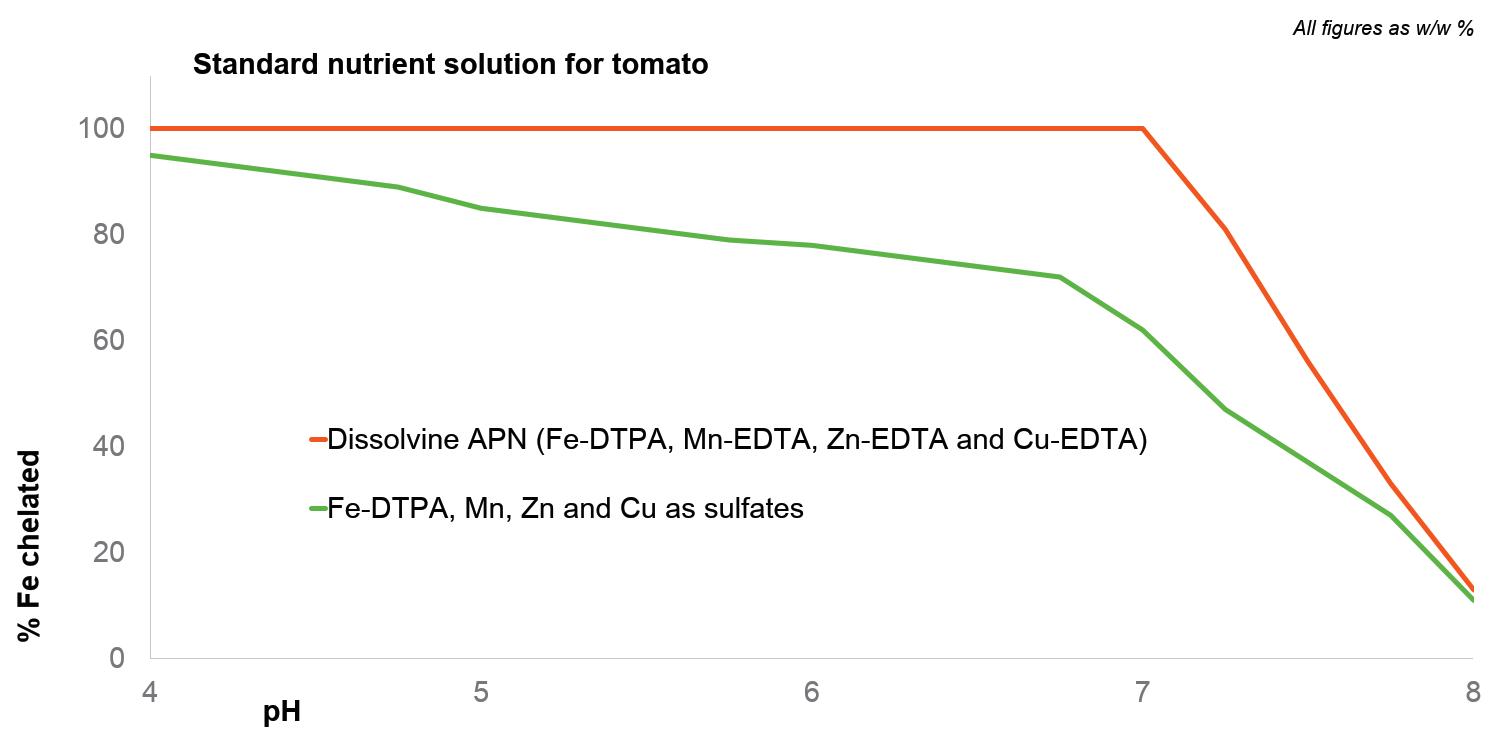
In their natural form, chelates are complex organic compounds that can attract positively-charged ions and become part of the CEC complex present in soils. Chelates can also be synthesised for agricultural purposes to ensure the availability of micronutrients in nutrient solutions or in soil moisture. There are various forms of chelates, each with its own power to attract metal ions. This power of chelates to attract ions is strongly influenced by pH. Figure 3 shows the pH range over which iron chelates are stable. Beyond this range, the chelate will no longer retain (‘protect’) its iron.
Figure 2. The metal-chelate molecule is negatively charged to enable micronutrients to move freely through the soil.
Metal-ion (2+ or 3+)
Adsorbed by clay and organic matter or precipitated as salt
Chelating agent
Metal-chelate (1- or 2-)
Moves freely through the soil
Figure 3. pH stability of several nutrient-chelate combinations under practical agricultural conditions where calcium is present. Figure 3a refers to iron chelates and Figure 3b to other chelates.
Zn-EDTA
Ca-EDTA
Mg-EDTA
The use of chelates to supply iron is a necessity in hydroponic systems. The type of chelates to be used depends on the solution pH. If the pH in the root zone is kept below 6.5, a DTPA chelate will provide sufficient stability. If the pH rises to above 6.5, the use of Fe-EDDHA or Fe-HBED chelates is strongly recommended.
The risk of elevation of pH is relatively high in inert substrates or NFT systems. In these cases, a percentage of the amount of Fe normally given as Fe-DTPA or Fe-EDTA, should be supplied as Fe-EDDHA or Fe-HBED. It is recommended to replace 25% of the total Fe recommendation by these chelates in substrate systems, and in case of NFT 10%, to prevent the risk of iron deficiency in case of increased pH. When the crop is already showing signs of iron deficiency, this percentage can be added on top of the normal amount of iron given by Fe-DTPA (or Fe-EDTA).
In calcareous soils, Fe is always needed in the form of Fe-EDDHA or Fe-HBED. These chelates should, preferably, be products with a high ortho-ortho content (see product label – in Europe, this is an obligatory part of the guaranteed analysis).
Iron which is not present in the products in the form of Fe-ortho-ortho-EDDHA or Fe-ortho-orthoHBED, will not provide iron to the plant in these soils. The Fe will drop from the non-ortho-ortho chelate immediately after application to the soil, and is no longer available for plant. With this in mind, the amount of ‘ortho-ortho-Fe’ is the correct amount of active ingredient that should be considered when calculating the dose of product in the nutrient solution of soil-grown crops. In hydroponics, the non-ortho-ortho forms (e.g ortho-para-Fe) are able to keep at least some of the Fe in solution, but in the end products with a low ortho-ortho content are not more stable than a standard Fe-DTPA or Fe-EDTA with increasing pH in the root zone. In this case, when the choice is made to add a more pH-stable Fe-chelate next to the standard Fe-DTPA, also the calculation of the required amount based on the concentration of Fe as "ortho-ortho-Fe" makes sense.
Other micronutrients with sulphate can be used as long as the pH is kept at 5.5.-7.0. The use of metal sulphates, however, will lead to losses of iron due to the exchange of Fe in the chelate by Cu, Zn and Mn ions. Depending on the pH, the losses of Fe can be as large as 20 to 50%. This loss can be compensated by increasing the supply of iron chelates as the pH rises, but could better be handled by using EDTA chelates of Mn, Zn and Cu. An additional benefit of metal chelates is that they often contain less heavy metals than metal sulphates.
Chelates are complex structures with stability constraints1. Fe chelates are sensitive to light, hydrogen peroxide, UV or ozone, especially in the solutions actually applied to the crop, but less so in the more darkly coloured stock solutions. For this reason, nutrient solutions containing chelates should be protected from exposure to daylight. And, because disinfecting drain water using UV or ozone will break down chelate structures to some extent, replacing the chelates should be done after disinfection.
The breakdown of chelates is increased by high temperatures and microorganism activity.
Some chelates (see Figure 3) are less stable at low pH levels (pH <3.5). This means that concentrated stock solutions containing chelates should be kept at a pH above 3.5. Since chelates are normally added to the A-tank, this limits the quantity of acid that can be put into the A tank.
When the drain of the nutrient solution is recycled, it is required that the sodium input is reduced to a minimum. Under these circumstances a change from the standard sodium-based chelates to sodium free K-based chelates can help to maintain low levels of sodium in the recirculated nutrient solution.
1http://www.chemguide.co.uk/inorganic/complexions/stabconst.html
The fertiliser recipes in this manual describe the dose for 13 essential mineral plant nutrients in an optimal balance for each crop. Since 2022, there is a new definition of plant nutrients, including also beneficial plant nutrients. The following elements are mentioned as candidates in the beneficial nutrient category: sodium (Na), silicon (Si), cobalt (Co), iodine (I), selenium (Se) and aluminium (Al)1
In greenhouses, the beneficial nutrients Si and I can be applied in the nutrient solution. More detail on the role of Si and I can be found in the references mentioned in the footnotes. Because the concept of beneficial nutrients is quite new, crop specific recommendations on beneficial elements are still being developed. To prevent excessive or unnecessary application, it is recommended to seek professional advice.
Therefore, in this manual no crop and substrate specific recommendation is provided. To come forward to questions about these two minerals, the next paragraphs describe some details on their occurrence in greenhouses.
Silicon (Si)1
Elemental silicon is not water-soluble. Plants mainly take up Si as monosilicic acid. For use in hydroponics, sodium silicate (Na2 SiO3) or potassium silicate (K2 SiO3) dissolve readily in water, producing silicate ions (H3SiO4⁻, H2 SiO42⁻), which convert to Si(OH)4 in soil solution in the normal pH range for nutrient solutions. The average natural concentration in soil solutions is 14-20 mg Si/L (0.5-0.7 mmol Si/L), to a maximum of 56 mg Si/L (2 mmol Si/L) which is the maximal solubility of Si(OH)4 in water of 25ºC. Benefits of silicon in greenhouse crops have been observed at concentrations between 10–50 mg Si/L (0.5-1.8 mmol Si/L) in the nutrient solution. Not all crops absorb Si. Addition of Si to the nutrient solution of saintpaulia, cucumber, zucchini, lettuce and rose can be beneficial.2
Elemental iodine I2 is not stable so it is found only in very small amounts in the environment. In nature, low concentrations of water-soluble iodine can be found (iodide I- or iodate IO3 -), usually less than 0.1 µmol/ L4. In well-aerated agricultural soils and irrigation water, it is mainly present as IO3 -. Water purification like reverse osmosis removes iodine from water. In exceptional cases, e.g. water contaminated with sewage or manure, water can contain up to 1-2 µmol/L. Plant growth, flowering and root, leaf and fruit development, as well as plants’ environmental and climatic stress defenses were improved by adding 0.2-10 µmol/L to a nutrient solution in scientific studies. Iodine can also have an adverse effect on crops if added in too high concentrations or in sensitive crops5
1 Kirkby, E.A. (2023) Chapter 1 - Introduction, definition, and classification of nutrients. Elsevier Ltd., Editor(s): Rengel, Cakmak, White. Marschner's Mineral Nutrition of Plants (Fourth Edition), https://doi.org/10.1016/B978-0-12-8197738.00016-
2 Kierkels T., Voogt, W., and Heuvelink E. (2006). Toevoegen silicium aan voedings oplossing het overwegen waard. https:// edepot.wur.nl/96933.
3 Kiferle, C., Martinelli, M., Salzano, A.M., Gonzali, S., Beltrami, S., Salvadori, P.A., Hora, K., Holwerda, H.T., Scaloni, A., and Perata, P. (2021). Evidences for a nutritional role of iodine in plants. https://www.frontiersin.org/article/10.3389/ fpls.2021.616868
4 Hora K., Youcef M. O. and Napier D. (2025). Iodine concentrations of irrigation water in horticultural areas of Morocco and Southern Africa. https://doi.org/10.17660/ActaHortic.2025.1422.30
5 Medrano-Macías, J., Leija-Martínez, P., González-Morales, S., Juárez-Maldonado, A., and Benavides-Mendoza, A. (2016). Use of iodine to biofortify and promote growth and stress tolerance in crops. https://doi.org/10.3389/fpls.2016.01146


Based on the Dutch Fertilization Manuals*
FERTICARE™ is an easy to apply, crop specific, fully water-soluble NPK concept of the highest quality raw materials, for fertigation systems. It will lead farmers to healthier crops (fewer chemicals required) and the best yield in both quantity and quality. FERTICARE™ is available for tomato, vegetables (sweet pepper and cucumber), strawberry, lettuce (leafy vegetables) and roses.
Always use FERTICARE™ together with YaraLiva™ CALCINIT™ to complete the recipe with calcium, and to fine-tune the level of NO3 to optimize growth.
The following pages present nutrient solutions in mmol/l (main nutrients) and μmol/l (micronutrients).
These values can be converted into ppm and ppb (where ppm = mg/l and ppb = μg/l) by using the atomic weight of the various nutrients (Table 7). The formula is:
Nutrient (mmol/l) x atomic weight (mg/mmol)= nutrient (mg/l or ppm)
Following chapters provide examples of an A+B tank recipe with the nutrient solutions in mmol or ppm. This recipe is calculated starting from the basic nutrient solution without any adjustments. Only straight fertilisers are given for main nutrients and only chelates are given for metal micronutrients. The recipe is calculated for 1000-litre A+B tanks and for solutions concentrated by a factor of 100.
In Dutch greenhouses crop demand for NH4 is largely met by solid calcium nitrate. The remaining amount of NH4 that is required, is routinely provided by liquid ammonium nitrate. However, liquid ammonium nitrate is not a commonly available fertiliser in most other countries. Therefore MAP has been chosen as the additional source of ammonium to calculate the A and B tanks recipe examples provided in the following chapters. For the same reason, solid magnesium nitrate and solid calcium chloride have been chosen as respective sources of magnesium and chloride, instead of the liquid products.
• Cucumber
• Eggplant
• Melon
• Sweet pepper
• Tomato
The adjustments for fruit
Adjustments for hi gh water sup ply are rec
En d of
Fertiliser amounts are calculated for a volume of 1000 L, and will result in a 100x concentrated nutrient solution.
* Type and ratio of the iron chelates depends on the pH, see chapter 11.
* The adjustments for fruit set may var y from 0
** Adjustments for hi gh water sup ply are rec ommen ded when water sup ply exc eeds 5
E
n d of the c rop, af ter rem oval of the grow th p oint of the ranks This is mostly in autumn, when the ranks are no longer growing and the last fruits are r ipenin g
The target values for organic material are related to the analytical results with the 1:1.5 volume extract with water.
Fertiliser amounts are calculated for a volume of 1000 L, and will result in a 100x concentrated nutrient solution.
* Type and ratio of the iron chelates depends on the pH, see chapter 11.
The optimum pH depends on soil type.
The target values for soils are related to the analytical results with the 1:2 volume extract with water.
Fertiliser amounts are calculated for a volume of 1000 L, and will result in a 100x concentrated nutrient solution. * Type and ratio of the iron chelates depends on the pH, see chapter 11.
* The adjustments for fruit set may var y from
** Adjustments for hi gh water sup ply are rec ommen ded when water sup ply exc eeds 5 l /m ²/day
*** End of the crop, after removal of the growth point of the ranks. This is mostly in autumn, when the ranks are no longer growing and the last fruits are ripening.
Fertiliser amounts are calculated for a volume of 1000 L, and will result in a 100x concentrated nutrient solution.
* Type and ratio of the iron chelates depends on the pH, see chapter 11.
* The adjustments for
** Adjustments for hi gh water sup ply are rec ommen ded when water sup ply exc eeds 5 l /m ²/day
*** End of the crop, after removal of the growth point of the ranks. This is mostly in autumn, when the ranks are no longer growing and the last fruits are ripening.
The target values for organic material are related to the analytical results with the 1:1.5 volume extract with water.
Fertiliser amounts are calculated for a volume of 1000 L, and will result in a 100x concentrated nutrient solution. * Type and ratio of the iron chelates depends on the pH, see chapter 11.
* The optimum pH depends on soil type
The target values for soils are related to the analytical results with the 1:2 volume extract with water.
Fertiliser amounts are calculated for a volume of 1000 L, and will result in a 100x concentrated nutrient solution.
* Type and ratio of the iron chelates depends on the pH, see chapter 11.
M ELON (Cucumis melo)
* The adjustments for fruit set may vary from 0.25 to 2 mmol/l for K and 0.2 to 0.75 mmol/l for Ca.
** Adjustments for high water supply are recommended when water supply exceeds 5 l/m²/day.
*** End of the crop, after removal of the growth point of the ranks. This is mostly in autumn, when the ranks are no longer growing and the last fruits are ripening.
Fertiliser amounts are calculated for a volume of 1000 L, and will result in a 100x concentrated nutrient solution.
* Type and ratio of the iron chelates depends on the pH, see chapter 11.
* The adjustments for fruit set may var y from 0
** Adjustments for hi gh water sup ply are rec ommen ded when water sup ply exc eeds 5 l /m ²/day
*** En d of the c rop, af ter rem oval of the grow th p oint of the ranks This is mostly in autumn, when the ranks are no longer growing and the last fruits are ri penin g
The target values for organic material are related to the analytical results with the 1:1.5 volume extract with water.
Fertiliser amounts are calculated for a volume of 1000 L, and will result in a 100x concentrated nutrient solution.
* Type and ratio of the iron chelates depends on the pH, see chapter 11.
* The optimum pH depends on soil type.
The target values for soils are related to the analytical results with the 1:2 volume extract with water.
Fertiliser amounts are calculated for a volume of 1000 L, and will result in a 100x concentrated nutrient solution.
* Type and ratio of the iron chelates depends on the pH, see chapter 11.
The adjustments for fruit set may var y from
** Adjustmens for hi gh water sup ply are rec ommen ded when water sup ply exc eeds 5 l /m 2 /day
*** End of the crop, after removal of the growth point of the ranks. This is mostly in autumn, when the ranks are no longer growing and the last fruits are ripening.
Fertiliser amounts are calculated for a volume of 1000 L, and will result in a 100x concentrated nutrient solution.
* Type and ratio of the iron chelates depends on the pH, see chapter 11.
* The adjustments for fruit set may var y from
** Adjustments for hi gh water sup ply are rec ommen ded when water sup ply exc eeds 5 l /m ²/day
*** End of the crop, after removal of the growth point of the ranks. This is mostly in autumn, when the ranks are no longer growing and the last fruits are ripening.
The target values for organic material are related to the analytical results with the 1:1.5 volume extract with water.
Fertiliser amounts are calculated for a volume of 1000 L, and will result in a 100x concentrated nutrient solution.
* Type and ratio of the iron chelates depends on the pH, see chapter 11.
* The optimum pH depends on soil type.
The target values for soils are related to the analytical results with the 1:2 volume extract with water.
Fertiliser amounts are calculated for a volume of 1000 L, and will result in a 100x concentrated nutrient solution.
* Type and ratio of the iron chelates depends on the pH, see chapter 11.
* The adjustments for fruit set may var y from
** Adjustments for hi gh water sup ply are rec ommen ded when water sup ply exc eeds 5 l /m ²/day
*** End of the crop, after removal of the growth point of the ranks. This is mostly in autumn, when the ranks are no longer growing and the last fruits are ripening.
Fertiliser amounts are calculated for a volume of 1000 L, and will result in a 100x concentrated nutrient solution.
* Type and ratio of the iron chelates depends on the pH, see chapter 11.
* The adjustments for fruit set may var y from 0
** Adjustments for hi gh water sup ply are rec ommen ded when water sup ply exc eeds
*** End of the crop, after removal of the growth point of the ranks. This is mostly in autumn, when the ranks are no longer growing and the last fruits are ripening.
The target values for organic material are related to the analytical results with the 1:1.5 volume extract with water.
Fertiliser amounts are calculated for a volume of 1000 L, and will result in a 100x concentrated nutrient solution.
* Type and ratio of the iron chelates depends on the pH, see chapter 11.
* The optimum pH depends on soil type
The target values for soils are related to the analytical results with the 1:2 volume extract with water. pH*
Fertiliser amounts are calculated for a volume of 1000 L, and will result in a 100x concentrated nutrient solution.
* Type and ratio of the iron chelates depends on the pH, see chapter 11.
• Blueberry
• Raspberry
• Strawberry
The target values for soils are related to the analytical results with the 1:1.5 volume extract with water.
Iron DTPA 6% or EDDHA 6% or HBED 6%* Manganese EDTA 13%
Zinc EDTA 15% Copper EDTA 15%
Fertiliser amounts are calculated for a volume of 1000 L, and will result in a 100x concentrated nutrient solution. * Type and ratio of the iron chelates depends on the pH, see chapter 11.
The target values for soils are related to the analytical results with the 1:1.5 volume extract with water.
Calcium nitrate
Fertiliser amounts are calculated for a volume of 1000 L, and will result in a 100x concentrated nutrient solution.
* Type and ratio of the iron chelates depends on the pH, see chapter 11.
The adjustments for fruit set may var y from 0 25 to 2 mm ol
The target values for organic material are related to the analytical results with the 1:1.5 volume extract with water.
Fertiliser amounts are calculated for a volume of 1000 L, and will result in a 100x concentrated nutrient solution. * Type and ratio of the iron chelates depends on the pH, see chapter 11.
* The optimum pH depends on soil type.
The target values for soils are related to the analytical results with the 1:2 volume extract with water.
Fertiliser amounts are calculated for a volume of 1000 L, and will result in a 100x concentrated nutrient solution.
* Type and ratio of the iron chelates depends on the pH, see chapter 11.








• Herbs
• Lettuce
• Microgreens
Fertiliser amounts are calculated for a volume of 1000 L, and will result in a 100x concentrated nutrient solution. * Type and ratio of the iron chelates depends on the pH, see chapter 11.
CROP: HERBS (e.g. Ocimum basilicum)
Fertiliser amounts are calculated for a volume of 1000 L, and will result in a 100x concentrated nutrient solution. * Type and ratio of the iron chelates depends on the pH, see chapter 11.
Fertiliser amounts are calculated for a volume of 1000 L, and will result in a 100x concentrated nutrient solution. * Type and ratio of the iron chelates depends on the pH, see chapter 11.
* The optimum pH depends on the soil type.
The target values for soils are related to the analytical results with the 1:2 volume extract with water.
• Alstroemeria
• Anthurium
• Carnation
• Chrysanthemum
• Gerbera
• Rose
• Zantedeschia
Fertiliser amounts are calculated for a volume of 1000 L, and will result in a 100x concentrated nutrient solution. * Type and ratio of the iron chelates depends on the pH, see chapter 11.
The target values for organic material are related to the analytical results with the 1:1.5 volume extract with water.
Fertiliser amounts are calculated for a volume of 1000 L, and will result in a 100x concentrated nutrient solution. * Type and ratio of the iron chelates depends on the pH, see chapter 11.
* The optimal pH depends on the soil type.
The target values for soils are related to the analytical results with the 1:2 volume extract with water.
Fertiliser amounts are calculated for a volume of 1000 L, and will result in a 100x concentrated nutrient solution.
* Type and ratio of the iron chelates depends on the pH, see chapter 11.
New. limed polyphenol substrate.
Fertiliser amounts are calculated for a volume of 1000 L, and will result in a 100x concentrated nutrient solution.
* Type and ratio of the iron chelates depends on the pH, see chapter 11.
The target values for organic material are related to the analytical results with the 1:1.5 volume extract with water.
Fertiliser amounts are calculated for a volume of 1000 L, and will result in a 100x concentrated nutrient solution. * Type and ratio of the iron chelates depends on the pH, see chapter 11.
* The optimum pH depends on the soil type. The target values for soils are related to the analytical results with the 1:2 volume extract with water.
Fertiliser amounts are calculated for a volume of 1000 L, and will result in a 100x concentrated nutrient solution. * Type and ratio of the iron chelates depends on the pH, see chapter 11.
* The optimum pH depends on the soil type.
The target values for soils are related to the analytical results with the 1:2 volume extract with water.
Fertiliser amounts are calculated for a volume of 1000 L, and will result in a 100x concentrated nutrient solution.
* Type and ratio of the iron chelates depends on the pH, see chapter 11.
GERBERA (Gerbera jamesonii)
Fertiliser amounts are calculated for a volume of 1000 L, and will result in a 100x concentrated nutrient solution. * Type and ratio of the iron chelates depends on the pH, see chapter 11.
GERBERA (Gerbera jamesonii)
The target values for organic material are related to the analytical results with the 1:1.5
Fertiliser amounts are calculated for a volume of 1000 L, and will result in a 100x concentrated nutrient solution. * Type and ratio of the iron chelates depends on the pH, see chapter 11.
CROP: GERBERA (Gerbera jamesonii)
* The optimal pH depends on the soil type.
The target values for soils are related to the analytical results with the 1:2 volume extract with water.
Fertiliser amounts are calculated for a volume of 1000 L, and will result in a 100x concentrated nutrient solution.
* Type and ratio of the iron chelates depends on the pH, see chapter 11.
Fertiliser amounts are calculated for a volume of 1000 L, and will result in a 100x concentrated nutrient solution. * Type and ratio of the iron chelates depends on the pH, see chapter 11.
Fertiliser amounts are calculated for a volume of 1000 L, and will result in a 100x concentrated nutrient solution. * Type and ratio of the iron chelates depends on the pH, see chapter 11.
* The optimal pH depends on the soil type.
The target values for soils are related to the analytical results with the 1:2 volume extract with water.
Fertiliser amounts are calculated for a volume of 1000 L, and will result in a 100x concentrated nutrient solution.
* Type and ratio of the iron chelates depends on the pH, see chapter 11.
Fertiliser amounts are calculated for a volume of 1000 L, and will result in a 100x concentrated nutrient solution. * Type and ratio of the iron chelates depends on the pH, see chapter 11.
* The optimal pH depends on the soil type. pH*
The target values for soils are related to the analytical results with the 1:2 volume extract with water.
Fertiliser amounts are calculated for a volume of 1000 L, and will result in a 100x concentrated nutrient solution.
* Type and ratio of the iron chelates depends on the pH, see chapter 11.
• Bedding plants
• Euphorbia pulcherrima (Poinsettia)
• Flowering plants
• Foliage plants
• Orchids
** Nutrient solutions are developed for ebb/flood systems
The target values for organic material are related to the analytical results with the 1:1.5 volume extract with water.
Fertiliser amounts are calculated for a volume of 1000 L, and will result in a 100x concentrated nutrient solution. * Type and ratio of the iron chelates depends on the pH, see chapter 11.
Nutrient solutions are developed for ebb/flood systems
The target values for organic material are related to the analytical results with the 1:1.5 volume extract with water.
Fertiliser amounts are calculated for a volume of 1000 L, and will result in a 100x concentrated nutrient solution. * Type and ratio of the iron chelates depends on the pH, see chapter 11.
** Nutrient solutions are developed for ebb/flood systems
The target values for organic material are related to the analytical results with the 1:1.5 volume extract with water.
Fertiliser amounts are calculated for a volume of 1000 L, and will result in a 100x concentrated nutrient solution. * Type and ratio of the iron chelates depends on the pH, see chapter 11.
Fertiliser amounts are calculated for a volume of 1000 L, and will result in a 100x concentrated nutrient solution. * Type and ratio of the iron chelates depends on the pH, see chapter 11.
The target values for organic material are related to the analytical results with the 1:1.5 volume extract with water.
Fertiliser amounts are calculated for a volume of 1000 L, and will result in a 100x concentrated nutrient solution. * Type and ratio of the iron chelates depends on the pH, see chapter 11.
Nutrient solutions can be applied with compound fertilisers, as also described in chapter 9. Here a number of example recipes are provided in the form of a formula of compound fertilisers.
Calcium and a part of the nitrogen is applied with calcium nitrate, the remainder of the required nutrients can be applied with compound fertilisers. Table 8 gives the formulas of a mixture of compound fertilisers that suits most the standard nutrient solution, when they are applied in combination with calcium nitrate. The kg’s are equal to the kg’s in the A+B tanks with straight fertilisers.
Remember to use water soluble compounds only for these purposes. Depending on the content of the compound fertiliser additional micronutrients might be necessary.
Table 8: Examples of compound fertilisers formulas, applied together with calcium nitrate to fit best with the standard nutrient solution of some crops. The amounts of compound fertiliser and calcium nitrate are given as kg to be dissolved in 1000 L tanks, for a 100 times concentrated solution. * Total N should be predominantly applied as NO3

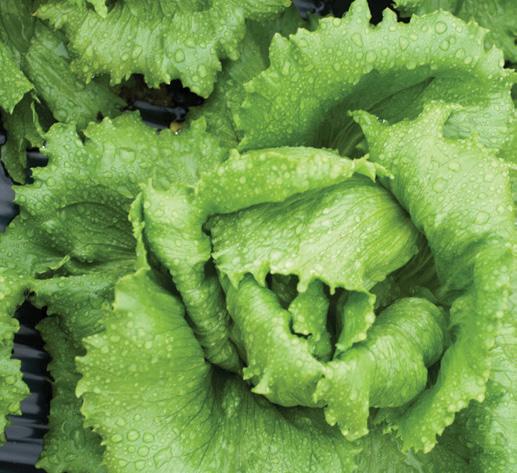
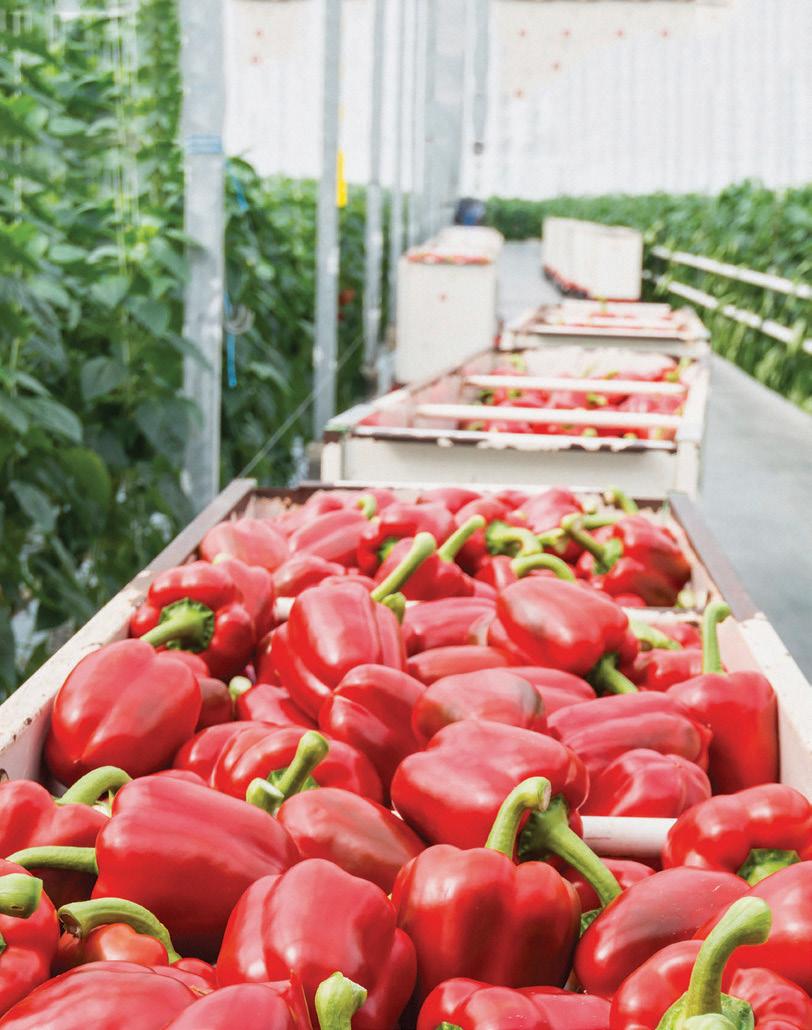
The YaraTera KRISTA range is a complete nutrient solution for all types of production systems and fertigation systems. The YaraTera KRISTA products are free flowing and dissolve quickly without leaving any residues.
With the YaraTera KRISTA range, Yara is able to offer a comprehensive range of soluble straights for those preparing their own nutrient solutions, and together with YaraTera CALCINIT and YaraTera REXOLIN (chelated micronutrients) this will complete the nutrient need for any crop under any type of fertigation system.