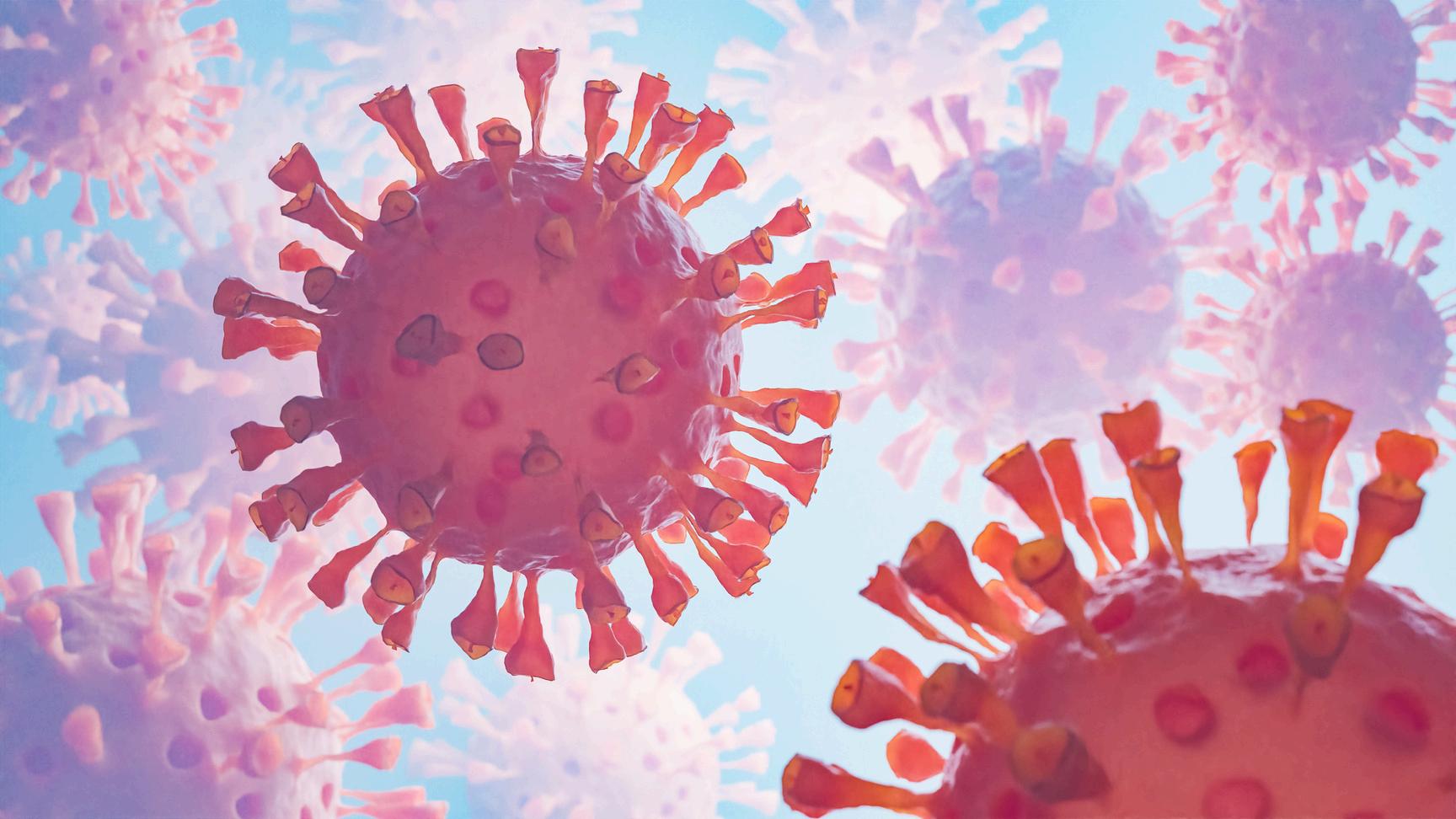
WHAT IS COVID-19?
Coronavirus Disease 2019 (COVID-19) is a respiratory illness caused by the SARS-CoV-2 virus that is responsible for the epidemic starting in 2020.
COVID-19 spreads mainly through droplets when an infected person talks, coughs, or sneezes. Individuals can spread the virus even if they do not show symptoms. While rare, COVID-19 can also spread from animals to people.
COVID-19 is susceptible to change over time. These changes are responsible for new variants of the disease, which can alter how the virus spreads or affects the human body. By taking precautions, people can help reduce the spread of COVID-19, lowering the chance of new variants developing.
Some individuals may pose a higher risk to getting very sick from the illness
Wastewater Surveillance is a tool being used to track COVID-19 trends and variants in communities. Check out CDC NWSS for more information.
COVID-19 RESOURCES:
HOW TO FIGHT COVID-19
1.Speakwithamedicalproviderto determinewhattreatmentoptionsarebest foryou.
2.Assymptomsarise,medicalprovidersmay recommendorprescribemedicationsto addressthem.
3.Remainhydratedandwellrested.
4.Individualscanslowthespreadofthevirus byisolatingfromothers.
5.IfsomeoneisatahigherriskofCOVID-19, theycanavoidpublicspacestolowerthe possibilityofexposure.
6.Washinghandswithsoapandwaterforat least20secondsreducesthespreadof thevirus.
7.Keepingspacesandsurfacesdisinfected.
According to a CDC Study (2025):
COVID-19 vaccines were 46% effective against hospitalization in adults aged 65 and older.
COVID-19 VACCINE
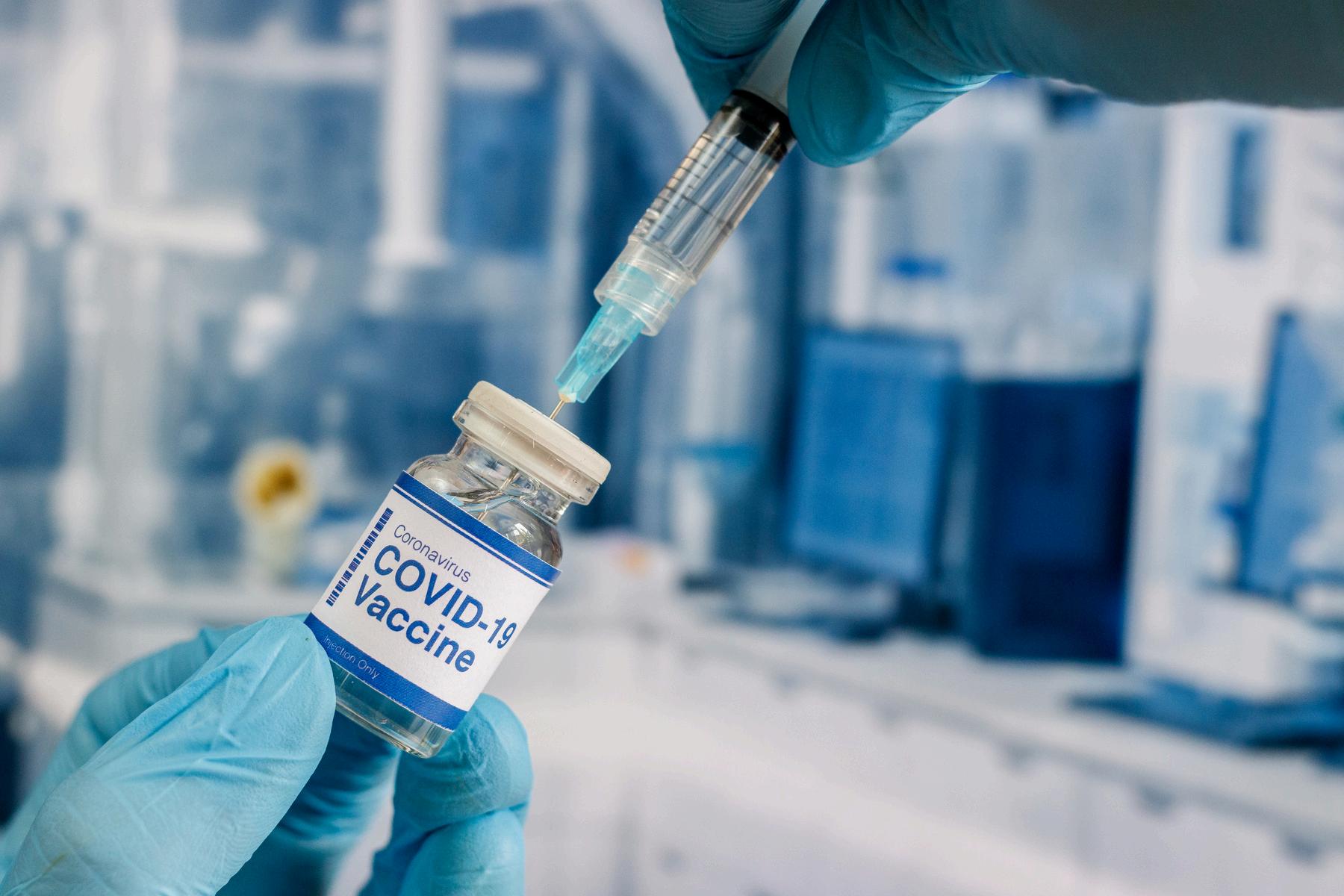
COVID-19 vaccinations are available for individuals 6 months and older and are designed to help protect you from severe complications of the illness, which can lead to hospitalization or even death. Medical providers can help you determine which vaccine is best for you. The following vaccines are FDA approved:
COVID-19 does not follow a single, predictable "season" like
Summer Peak: July and August
Hospitilzations lower Winter Peak: Late Decemember and January with old and new varients/ January
WHO HAS INCREASED RISK?
The following have increased risks related to COVID-19:
Young children
Adults aged 65 and older
Individuals with chronic medical conditions such as asthma or Chronic Obstructive Pulmonary Disease (COPD)
Individuals with weakened immune systems
Individuals with metabolic disorders Pregnant women
Individuals living in nursing homes and assisted living facilities