
8 Shocking Environmental Impacts of Over-Fertilizing
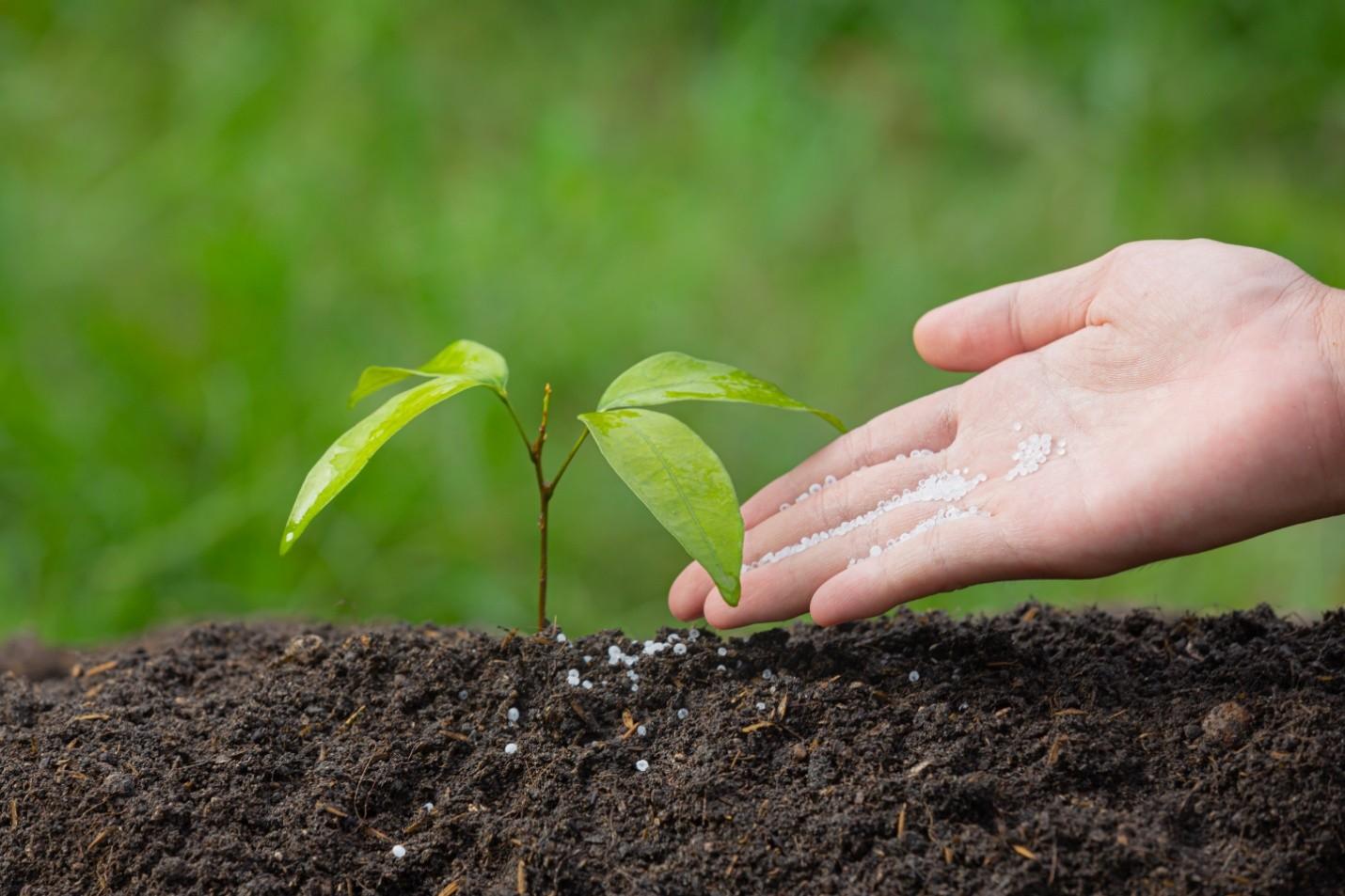
Source - Freepik
Fertilizer can work wonders for your lawn—turning patchy grass into a lush, green carpet. But here’s the thing: more isn’t always better. In fact, overdoing it with fertilizer causes all kinds of trouble, not just for your yard, but for the whole environment.
People often think dumping on the extra will give them amazing results, when really, they’re setting off a chain reaction. Too much fertilizer messes with your soil, pollutes water, harms wildlife, and even makes it harder to keep your landscape healthy in the long run. If you care about safe, greener lawn care, you have to know what’s really going on beneath the surface.
All over the country, folks are waking up to the downsides of old-school lawn maintenance. It’s easy to miss at first, but when you use too much fertilizer—or put it down at the wrong time—it piles up in the soil and starts flowing into nearby streams and ponds every time it rains. The damage sneaks up on you. Water gets murky, plants get crowded out, and whole habitats lose their balance.
Let’s break down eight of the biggest environmental problems caused by overfertilizing, and why it’s time to rethink how you care for your lawn.
1. Chemical Runoff That Pollutes Local Waterways
Probably the most obvious problem is runoff. When your soil can’t soak up all that nitrogen and phosphorus, a good rain just washes it away—straight into storm drains, creeks, and rivers.
Once that happens, algae start to party. They gobble up the extra nutrients, multiply like crazy, and suddenly you’ve got thick, green globs choking out sunlight. Fish start to die off, oxygen levels drop, and the whole system gets out of whack. You’ll see lakes turn murky and hear about massive fish kills. This isn’t just a “big farm” issue—even a tiny yard, if you overload it, can add to the mess. Sometimes all it takes is one heavy rain to dump weeks’ worth of chemicals into the water.
2. Soil Degradation and Nutrient Imbalance
Healthy soil is a living thing, full of microbes, organic matter, and natural nutrients. Dump too much fertilizer on it, and that balance falls apart:
Plants grow way too fast and get weak
Microbes start dying off from the chemical overload
Soil packs down and stops absorbing water
Natural nutrient cycles break, so you end up needing even more fertilizer later
Instead of stronger grass, you wind up with a lawn that’s hooked on chemicals and soil that can’t support anything on its own. That’s when people call in lawn care pros—they need help fixing a problem they never meant to create. This is one reason many homeowners eventually turn to professional help such as a reliable lawn service Westerville provide because correcting damaged soil can require expert restoration strategies.
3. Groundwater Contamination From Excess Nitrogen
Fertilizer doesn’t just stay at the surface. Some of that nitrogen sinks deep into the soil and ends up in underground water supplies. This is a huge deal, since many people drink groundwater straight from their wells.
Too much nitrate in drinking water can cause health problems for babies, mess with your metabolism, and slowly wreck water quality. And once the pollution is down there, it sticks around for years. It’s so much easier to avoid over-fertilizing in the first place than to try to clean up after the fact.
4. Damage to Beneficial Insects and Soil Microorganisms
Fertilizer isn’t picky. It feeds your grass, sure, but it also wipes out the good guys living underground—like earthworms, helpful fungi, and bacteria that keep everything cycling. When those organisms fade away, your soil loses its natural strength and needs even more artificial help just to get by.
This usually sets off a vicious cycle: you use more fertilizer and pesticides, which kills off even more good stuff, and your lawn and the environment both suffer.
5. Increased Greenhouse Gas Emissions
Here’s something most people don’t realize: excess fertilizer doesn’t just disappear. Microbes in over-fertilized soil turn all that extra nitrogen into nitrous oxide, a superpowerful greenhouse gas.
This gas speeds up climate change. Sure, one yard doesn’t make a huge dent, but thousands? It adds up fast. The good news? Smarter fertilizer habits can shrink these emissions and still keep your grass looking good.
6. Harm to Local Wildlife and Plant Diversity
When fertilizer runoff heads into wild areas, everything gets thrown off. Native plants, which are used to growing in leaner soil, start to lose ground to aggressive invaders that love all that extra nitrogen. That shift messes with the whole ecosystem—birds, insects, and animals that rely on native plants start to disappear, too.
The consequences include:
Reduced biodiversity
Displacement of pollinator-friendly plants
Decline in habitats for birds and small animals
In some regions, the introduction of too many nutrients into woodlands and wetlands has permanently altered the local plant mix. This ripple effect impacts insects, birds, and mammals that depend on specific native plants for food and shelter.
Homeowners in communities with rich natural habitats often work with eco-friendly experts like a trusted lawn service Westerville team to avoid contributing to this problem.
7. Lawn Burn and Long-Term Grass Damage
While many people notice the immediate “burning” effect on their grass, most don’t realize why it happens. When fertilizer is misapplied, salt levels in the soil spike, drawing moisture out of the grass roots.
This results in:
Yellowing
Brown, crispy patches
Dead spots
Weak grass vulnerable to pests and disease
Burnt lawns don’t just look bad—they contribute to larger environmental problems. Damaged grass cannot absorb carbon dioxide, regulate ground temperature, or prevent soil erosion the way healthy turf can.
In severe cases, repairing an over-fertilized lawn requires soil replacement, overseeding, aeration, and professional intervention.
8. Dependence on Chemicals Instead of Natural Lawn Health
Perhaps the least discussed yet most harmful effect of over-fertilizing is the long-term dependency it creates. Grass that has been overexposed to synthetic nutrients begins to rely on them.
Over time, this dependence causes:
Thinner roots
Reduced drought tolerance
Increased susceptibility to disease
The need for increasingly frequent applications
This cycle traps homeowners into ongoing chemical treatments rather than encouraging sustainable lawn care.
Many households now prefer more balanced solutions offered through services like a professional lawn service Westerville provider, where the goal is to gradually rebuild soil health instead of relying on quick chemical boosts.
How Homeowners Can Prevent Over-Fertilization
Preventing environmental damage starts with adopting responsible lawn care habits. Here are simple steps that make a big difference:
1. Test the Soil First
A soil test reveals exactly what nutrients your lawn needs, eliminating guesswork.
2. Follow Proper Application Rates
More fertilizer does not equal better results.
3. Choose Slow-Release Fertilizers
They feed the lawn gradually and reduce runoff.
4. Avoid Fertilizing Before Heavy Rain
Rain can wash away freshly applied fertilizer within hours.
5. Stay Consistent With Aeration and Overseeding
These practices naturally strengthen grass, reducing the need for chemicals.
6. Use Organic or Low-Impact Products
Eco-friendly fertilizers greatly reduce environmental risks.
Final Thoughts
Over-fertilizing may seem like a harmless mistake, but its consequences stretch far beyond a damaged lawn. From polluted waterways to declining wildlife, soil degradation, and long-term ecological harm, the environmental impacts are both real and far-reaching. The good news is that homeowners can make a significant positive impact simply by adopting smarter, more responsible fertilization practices.
Sustainable lawn care isn’t just about maintaining a beautiful yard—it’s about protecting the environment, preserving local ecosystems, and building healthier soil that supports long-lasting growth. By understanding and avoiding the dangers of overfertilization, homeowners can create lawns that thrive naturally and responsibly.
If you ever feel uncertain about fertilizer usage, best practices, or soil care, seeking guidance from an experienced local lawn care expert is the best step toward long-term sustainability.
FAQs
1. How do I know if I’ve over-fertilized my lawn?
Common signs of over-fertilization include yellow or brown patches, burnt-looking grass blades, a strong chemical smell, stunted growth, and visible fertilizer granules sitting on the soil surface. If you notice these symptoms, water the lawn deeply to help flush out excess nutrients.
2. Can over-fertilizing damage the environment even if my lawn looks fine?
Yes. Even if your lawn appears healthy, unused fertilizer can seep into soil or wash into waterways during rain. This causes algae blooms, water pollution, soil imbalance, and harm to wildlife. Visual lawn health does not always reflect environmental impact.
3. How often should I fertilize to avoid environmental damage?
Most lawns only need 2–4 fertilizer applications per year, depending on soil quality, grass type, and climate. Conducting a soil test is the safest way to determine exact nutrient needs and prevent unnecessary or harmful treatments.
4. Is organic fertilizer safer for the environment?
Organic fertilizers are generally safer because they release nutrients slowly, improve soil structure, and reduce runoff risk. However, even organic products should be applied correctly—overuse can still lead to nutrient buildup and long-term soil imbalance.
5. What should I do if my lawn has been severely damaged by too much fertilizer?
First, water deeply to dilute excess chemicals. Then evaluate the damage: mild burn may recover over time, while severe burn may require dethatching, aeration, overseeding, or soil amendment. In serious cases, contacting a professional lawn care provider ensures proper restoration.
5. Why is my lawn still struggling even with regular mowing and watering?
Issues like improper mowing height, poor soil pH, compacted soil, or uneven watering can impact lawn health. Testing the soil and adjusting your maintenance habits can significantly improve lawn performance.