
6 Shocking Truths About Lawn Fertilizers You Need to Know
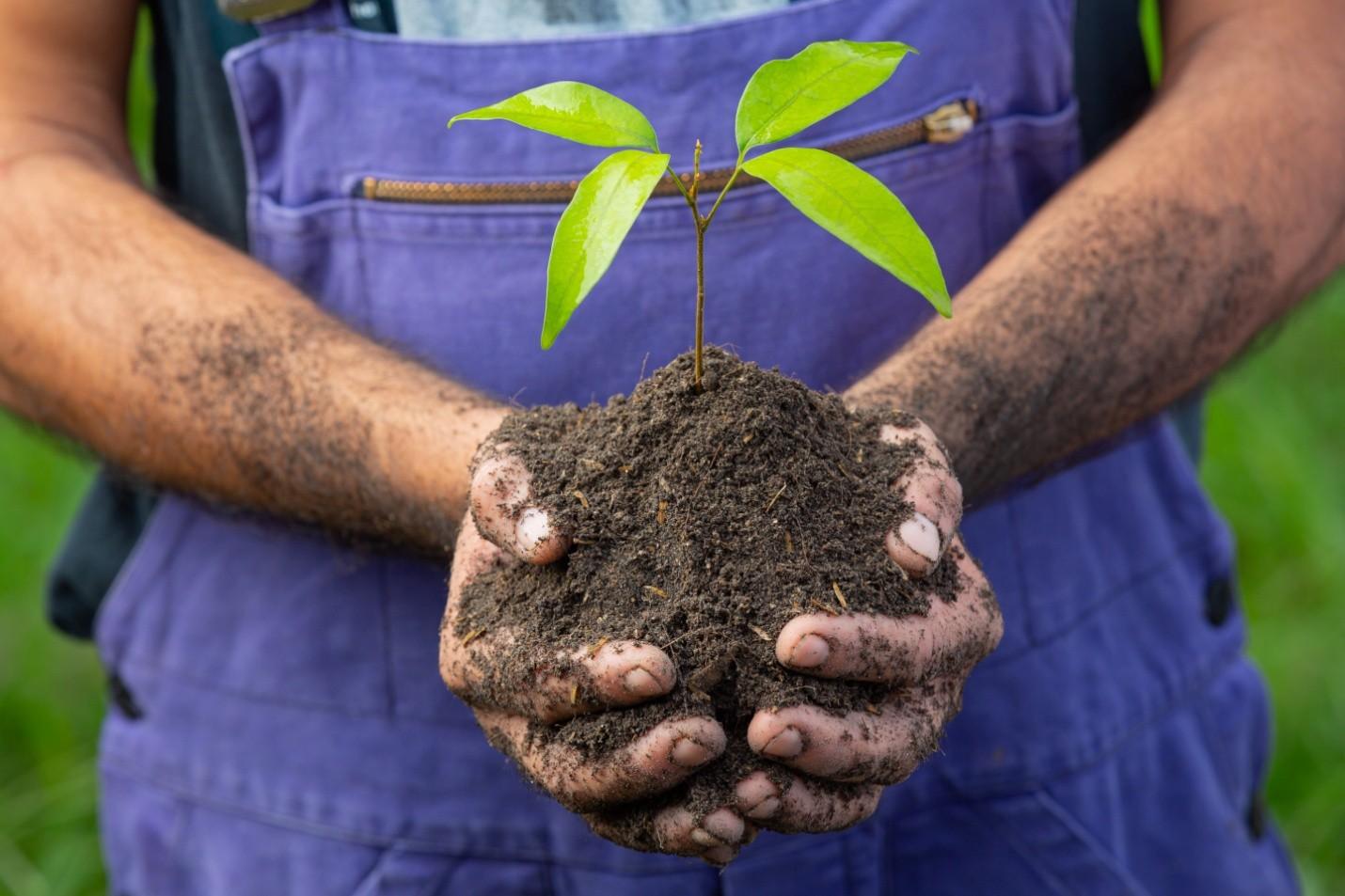
Source - Freepik
Fertilizers are often considered the cornerstone of a healthy, green lawn. They provide essential nutrients that promote growth, strengthen roots, and enhance the overall appearance of your yard. However, there’s a lot more to fertilizers than meets the eye.
While they can be highly beneficial, many homeowners are unaware of some surprising truths that could affect both their lawn and the environment.
Whether you are a seasoned gardener or just starting your landscaping journey, understanding these truths can help you make better choices for your yard. In this guide, we explore six shocking truths about lawn fertilizers and provide insights into how to optimize your lawn care services Westerville or local lawn care routine without causing unintended damage.
1. Not All Fertilizers Are Created Equal
When most people think of fertilizers, they picture a simple bag of granular or liquid nutrients labeled NPK (Nitrogen, Phosphorus, Potassium). However, fertilizers vary widely in their composition, delivery methods, and environmental impact. Some fertilizers are fast-release, providing an immediate burst of nutrients, while others are slow-release, gradually feeding your lawn over several weeks.
Shocking fact: Using the wrong type of fertilizer can burn your grass or lead to nutrient runoff, harming nearby water sources. Homeowners often choose fertilizers based on price or brand popularity rather than matching the nutrient composition to their lawn's specific needs.
For example, lawns with compacted soil might benefit more from fertilizers that include micronutrients like iron and magnesium, rather than only NPK. Knowing what your lawn requires ensures healthy growth and prevents overfertilization, which can be both costly and harmful.
2. Overfertilization Can Be Worse Than No Fertilizer
Many people assume that the more fertilizer they apply, the better their lawn will look. This is a common misconception. Overfertilizing can lead to excessive growth, weak roots, and even the development of fungal diseases. Grass may appear lush temporarily, but it becomes more susceptible to environmental stress, pests, and drought.
Environmental impact: Excess nutrients from overfertilized lawns often wash into storm drains, rivers, and lakes, contributing to water pollution and algae blooms. This is particularly concerning in residential areas where multiple homes use fertilizers at high rates.
For homeowners who rely on lawn care services Westerville, professional guidance ensures that fertilization is applied at the right time and in the correct amounts, keeping both the lawn and the surrounding ecosystem safe.
3. Timing Is Everything
Applying fertilizer at the wrong time can drastically reduce its effectiveness. For instance, fertilizing during the heat of summer can stress your lawn, while fertilizing in early spring or fall can promote strong root development and sustained growth.
Shocking truth: Fertilizers applied during dormant periods may not be absorbed effectively, wasting both money and nutrients. Additionally, some fertilizers contain seasonal blends specifically formulated for spring, summer, or fall, which many homeowners overlook.
Professional lawn care providers carefully schedule fertilizer applications based on the climate, grass type, and seasonal growth patterns, ensuring optimal nutrient uptake without harming the environment.
4. Organic Fertilizers Are Not Always “Better”
Organic fertilizers, derived from natural sources like compost, manure, or seaweed, have gained popularity in recent years due to their eco-friendly reputation. While they offer benefits such as improved soil structure and slow nutrient release, they are not always superior to synthetic options.
Shocking fact: Organic fertilizers often contain lower nutrient concentrations and may require multiple applications to achieve the same results as synthetic fertilizers. This can increase labor and costs over time.
The key is balance. Many successful lawn care routines combine both organic and synthetic fertilizers to maximize nutrient efficiency while minimizing environmental impact. Understanding the strengths and limitations of each type allows homeowners to make informed decisions.
5. Fertilizers Can Affect Soil Health Long-Term
Repeated use of certain fertilizers can alter soil chemistry and structure. Excessive nitrogen, for example, can lower soil pH, making it more acidic and less favorable for
beneficial microorganisms. Over time, this can reduce the soil’s natural fertility, making your lawn increasingly dependent on fertilizers.
Shocking truth: Even with consistent fertilization, a lawn may show poor growth if the soil structure is compromised. Homeowners often overlook the importance of soil testing before applying fertilizers, assuming that more nutrients automatically lead to a healthier lawn.
Professional lawn care services often perform soil tests to determine nutrient levels and pH balance, recommending fertilizer types and application schedules tailored to the lawn’s specific needs. This prevents long-term soil degradation and promotes sustainable growth.
6. Fertilizer Use Impacts the Environment
Fertilizers, when misused, can have significant environmental consequences. Runoff from residential lawns can introduce high levels of nitrogen and phosphorus into nearby waterways, promoting algae growth that depletes oxygen and harms aquatic life. Additionally, fertilizer production and transportation contribute to greenhouse gas emissions.
Shocking fact: Many homeowners are unaware that their beautiful, green lawn can indirectly contribute to water pollution and ecosystem disruption.
Sustainable lawn care practices, such as precise fertilizer application, using slow-release formulas, and incorporating organic matter, can reduce environmental impact. Hiring professionals or following environmentally conscious guidelines ensures that your lawn remains vibrant without compromising local ecosystems.
Practical Tips for Safe and Effective Fertilizer Use
1. Perform a Soil Test: Before applying fertilizer, understand the nutrient composition and pH of your soil.
2. Use the Right Fertilizer: Match the fertilizer type to your grass species and soil needs.
3. Follow Application Instructions: Avoid overfertilization by following recommended quantities.
4. Apply at the Correct Time: Use seasonal fertilizer blends and apply during periods of active growth.
5. Consider Professional Lawn Care Services: Experts can optimize your lawn’s health while protecting the environment, such as lawn care services Westerville
6. Combine Organic and Synthetic Options: A balanced approach enhances soil health and nutrient availability.
7. Monitor Your Lawn: Observe growth patterns, color, and soil moisture to adjust your fertilization strategy.
Conclusion
Fertilizers are essential for healthy, green lawns, but understanding these six shocking truths can prevent common mistakes, improve lawn health, and reduce environmental impact. Not all fertilizers are equal, overfertilization can harm your grass and water sources, and timing, type, and soil health play critical roles in effectiveness.
For homeowners seeking sustainable results, incorporating professional guidance and environmentally responsible practices ensures long-term success. By being aware of these truths and following informed fertilization practices, you can maintain a vibrant, healthy lawn without compromising your yard or the surrounding environment.
Whether managing a personal garden or relying on professional lawn care services Westerville, knowledge and careful planning are key to nurturing a lush, resilient lawn year-round.
FAQs
1. How often should I water my lawn?
Frequency depends on grass type, soil quality, and fertilizer type. Typically, lawns benefit from 3–5 applications per year, with seasonal adjustments for spring, summer, and fall.
2. Can overfertilizing harm my grass?
Yes. Overfertilization can burn your grass, weaken roots, and promote disease. It can also lead to nutrient runoff, harming nearby water sources.
3. Are organic fertilizers always better than synthetic ones?
Not necessarily. Organic fertilizers improve soil structure and release nutrients slowly, but they may require more frequent application. A balanced approach combining organic and synthetic options often works best.
4. How can I make fertilizer use more environmentally friendly?
Use slow-release formulas, apply at recommended rates, avoid fertilizing before heavy rain, and consider professional services to minimize runoff and protect local ecosystems.