
4 Common Lawn Diseases: Identification and Prevention
Why Lawn Diseases Happen
Lawn diseases often develop due to a mix of environmental factors and improper lawn care habits. Fungi, moisture, temperature changes, and poor maintenance practices all contribute to these problems. In places like Westerville, consistent lawn care is vital to keep turf healthy through seasonal shifts. Regular inspections and professional lawn care Westerville services help detect issues early and prevent lasting damage.
Example: Warm, humid conditions and overwatering can create the perfect breeding ground for fungal growth.
Disease #1 –Brown Patch
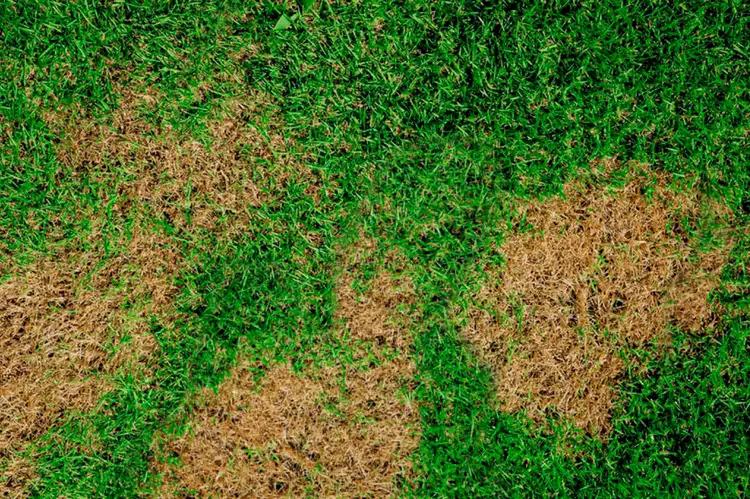
Brown Patch appears as irregular, circular patches of brown or tan grass, especially during hot and humid conditions. Blades may have a smoky or water-soaked appearance. Causes:
Overwatering or poor drainage
High nitrogen fertilizers
Nighttime watering in warm weather
Prevention: Water early in the morning
Improve air circulation and avoid dense thatch
Use a slow-release, balanced fertilizer
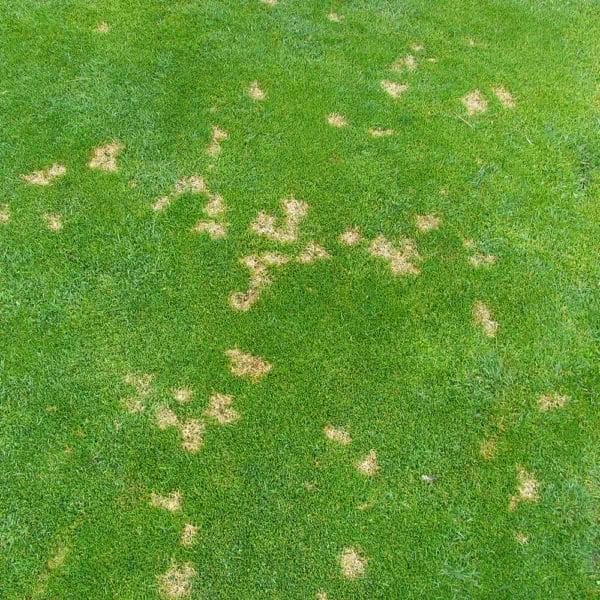
Disease #2 –Dollar Spot
Identification:
Small, silver-dollar-sized spots that merge into larger patches over time. Grass blades develop bleached lesions with reddish-brown edges.
Causes:
Low nitrogen in the soil
Dull mower blades tearing the grass
Dry days followed by heavy dew or high humidity
Prevention:
Apply nitrogen-rich fertilizer to strengthen turf
Sharpen mower blades
Water deeply but less frequently
Disease #3 Rust
Identification:
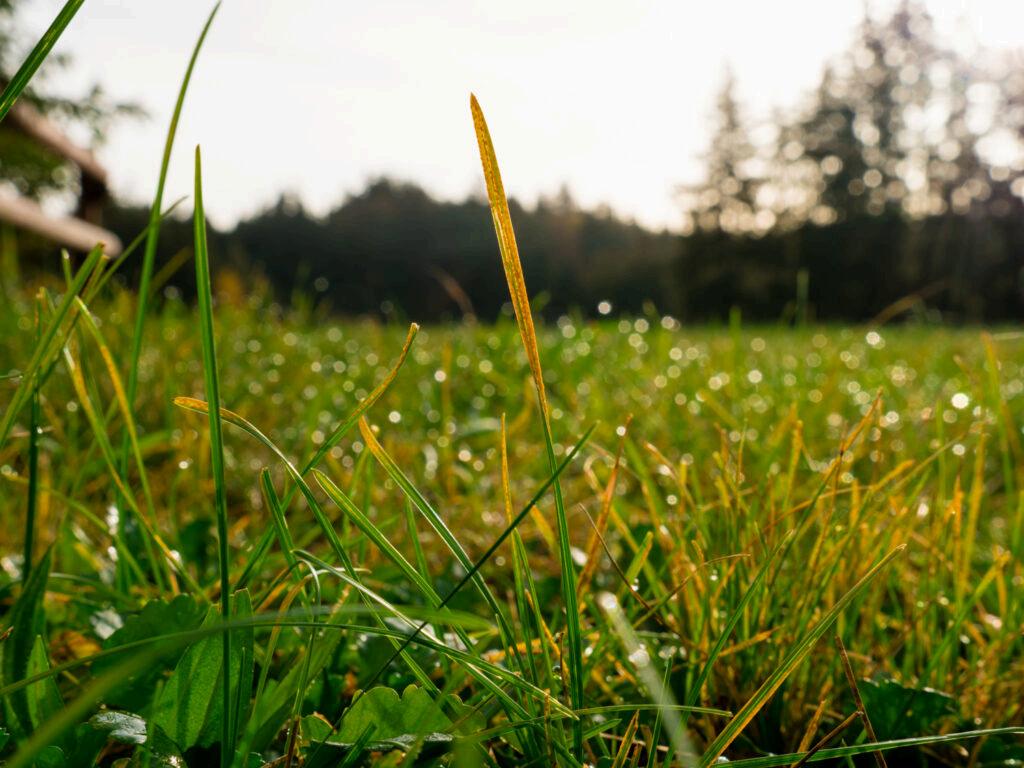
Grass appears orange or yellowish, and if you rub the blades, a fine rust-like powder sticks to your fingers or shoes.
Causes:
Slow-growing grass due to drought or low fertility
Shade and poor airflow
Lack of nutrients, especially nitrogen
Prevention: Keep your lawn well-fed with balanced fertilizer
Aerate the soil to promote airflow
Reduce shade and increase sunlight exposure
Disease #4 –
Powdery Mildew
Identification:
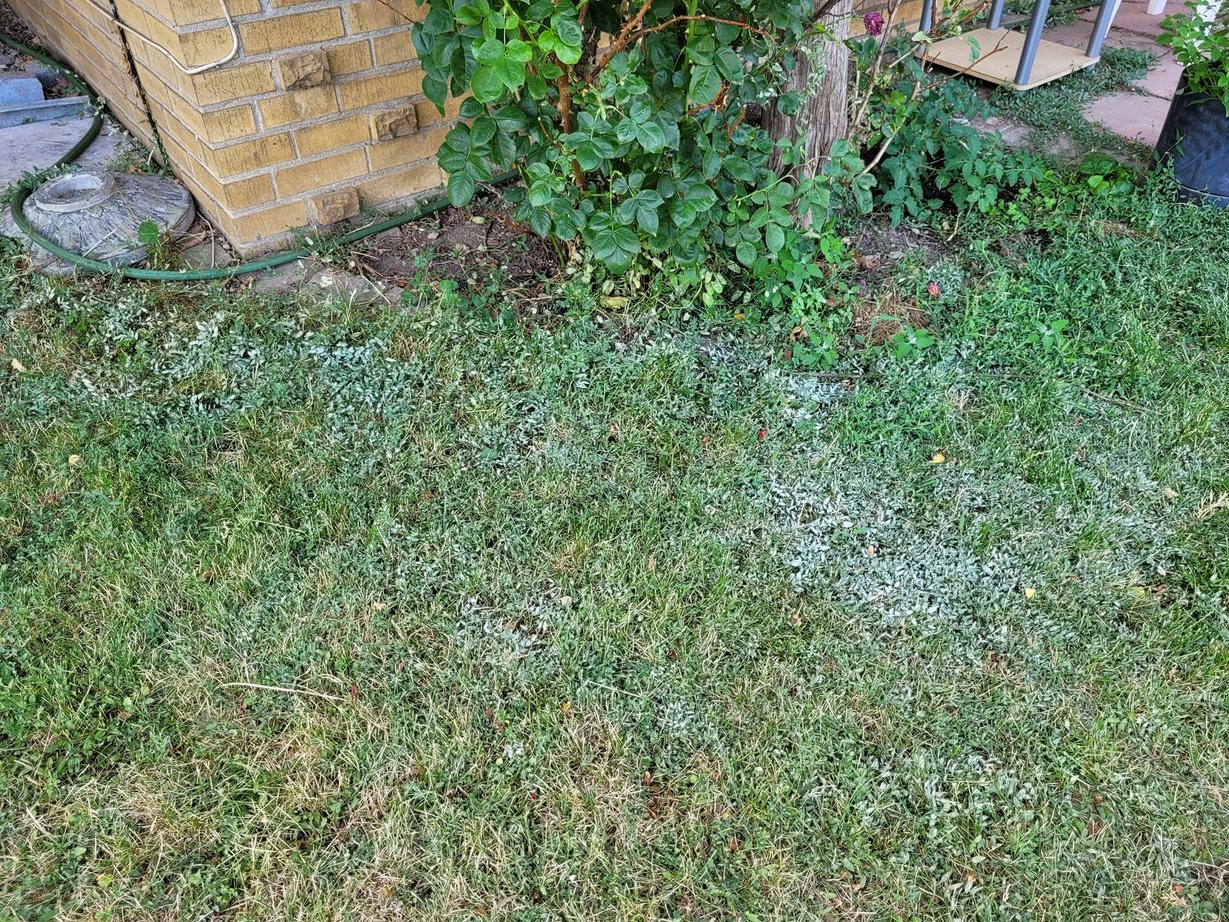
White, powdery coating on grass blades, especially in shaded or poorly ventilated areas.
Causes:
Excess shade and poor air movement
Overfertilization with nitrogen
High humidity
Prevention: Trim nearby trees to increase sunlight
Use slow-release fertilizer
Avoid overwatering shaded areas
General Prevention Strategies
While each disease has unique traits, most lawn issues be avoided with consistent care.
Best Practices:
Aerate soil annually to improve oxygen flow
Water early in the day and avoid wetting the lawn overnight
Fertilize based on soil testing results
Keep mowing height moderate to reduce stress on g
Conclusion
Building a DiseaseFree Lawn
A healthy lawn doesn’t just happen — it’s built through smart care, early detection, and consistent maintenance. By understanding the signs of these 4 common lawn diseases, homeowners can take simple, effective steps to prevent them year-round.