Sunday, July 26, 2026

• Q & A with new superintendents
• Charter schools opening this year
• Dates to remember





Sunday, July 26, 2026
• Q & A with new superintendents
• Charter schools opening this year
• Dates to remember

BY ERIC YOUNG The Gazette
El Paso County will see new superintendents in two of its local school districts this fall.
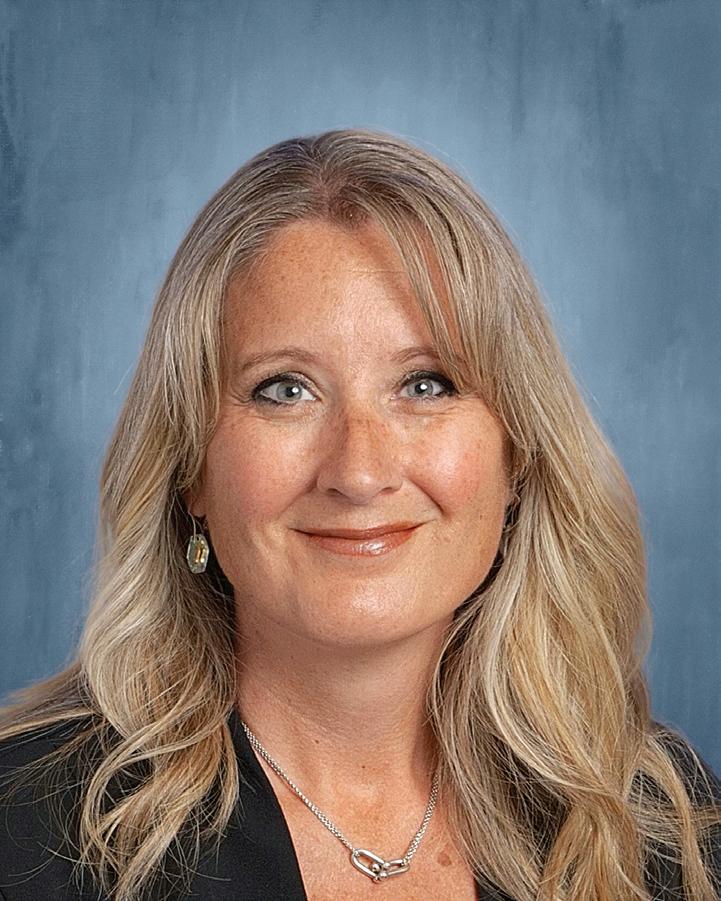
Susan Field will head the Pikes Peak region’s largest school district, Academy District 20, for one year on an interim basis and Steffanie Howell will become the first female superintendent in Widefield District 3’s 150-plus-year history.
The Gazette caught up with both superintendents to learn more about their history in education and goals going forward. The emailed responses have been lightly edited, including for Gazette style.
Tell us a bit about your background and career to date prior to your appointment to this position.
I graduated from Colorado State University with a bachelor’s de -
gree in animal science and then I returned to University of Colorado Colorado Springs to complete the teacher education program.
My career in education has been a journey of serving at almost every level of the system. I began in the classroom as a student teacher at Widefield High School and then was hired as a junior high science teacher and basketball coach at Sproul Junior High, which remains the foundational lens through which I view all leadership decisions.
Over the years, I transitioned into building-level leadership as an assistant principal and then principal, and later into central office administration overseeing secondary education as an executive director. Having served in these diverse roles, I’ve developed a deep understanding of the unique intricacies of a school district.
I view myself as a servant and transformational leader. I relate to all roles and responsibilities and provide the necessary support for
our educators to be successful, while removing possible barriers along the way.
What made you want to pursue a career in education?
For me, it boils down to impact. Education is one of the few professions where you can watch a life-changing breakthrough happen right in front of your eyes.
I wanted to pursue a career where I could build environments where students feel valued, challenged and inspired to achieve things they didn’t think were possible. I always loved science and basketball. In this career, I was able to combine those passions together as a secondary science teacher and basketball coach!
I am still in contact with so many of my former students and basketball players, and it makes me extremely happy to watch them succeed and create their own impact throughout their path in life.
Are you, like your predecessors, a product of the school district?
I am a Colorado Springs native, however, I grew up in Black Forest and graduated from Liberty High School in Academy District 20. I was fortunate enough to be assigned to Widefield High School during my student teaching experience, and I fell in love with the district and the community! It has been my home ever since.
What are some of your past accomplishments and/ or moments that you’re most proud of to date?
I am incredibly proud of the work we’ve done to build collaborative cultures. When I led Sproul Junior High as a principal, we were able to move our growth and achievement scores from the lowest in the area to the highest in the area within one year of my leadership.
We were awarded the governor’s “Distinguished Improvement Award” two of the five years of my principalship. Success happened as a team e!ort exemplified through collaboration, common commitments, interventions and elevated rigor within common assessments. With that, Sproul has consistently received “Performance” ratings from the Colorado Department of Education for nine years in a row. Watching professional learning communities shift from administrative check-boxes into thoughtful, teacher-driven hubs of innovation has been incredibly rewarding. Most importantly, I am proudest of the individual student success stories, and seeing students who faced
significant barriers walk across the graduation stage because our team refused to give up on them.
Why do you suppose you were selected as the district’s next superintendent?
I believe the Board of Education was looking for a leader who deeply understands Widefield’s rich traditions, but isn’t afraid to innovate for the future.
My deep roots in the district give me an authentic connection to our community, but my leadership style is transformational and highly data-driven and focused on accountability. I think they saw someone who has a strong vision and will fiercely advocate for our sta! and students, maintain absolute transparency with our taxpayers, and keep a relentless focus on student growth — no excuses.
What are District 3’s greatest strengths as you begin your tenure as its superintendent?
Our greatest strength is our community’s unwavering support. In November of 2025, our community passed an $88 million bond measure, which is a massive vote of confidence in our schools.
Beyond that, our sta! ’s dedication is unmatched. We entered this school year meeting state expectations for academic growth in English language arts and math and an Accredited (performance) rating, which is a testament to the hard work happening in every classroom, every day to ensure learning for every student.
What are the biggest challenges the district specifically faces? What about public education in general?
LOCALLY: We are always focused on aggressively closing the achievement gap for our students with special needs. Providing a high level of support and consistency within sta! retention is a focus as well.
GLOBALLY: Public education as a whole is facing a critical workforce crisis. Sta! burnout is real and the pipeline of incoming educators is shrinking. We have to change the narrative around education by creating workplace cultures that genuinely value, support and retain high-quality professionals. Valuing educator’s knowledge and professional decision making is key.
What are your short-term goals for the school district? What about long-term?
SHORT-TERM (2026-2027 SCHOOL YEAR): We have very clear, measurable SMART (specific, measurable, achievable, relevant and time-bound)




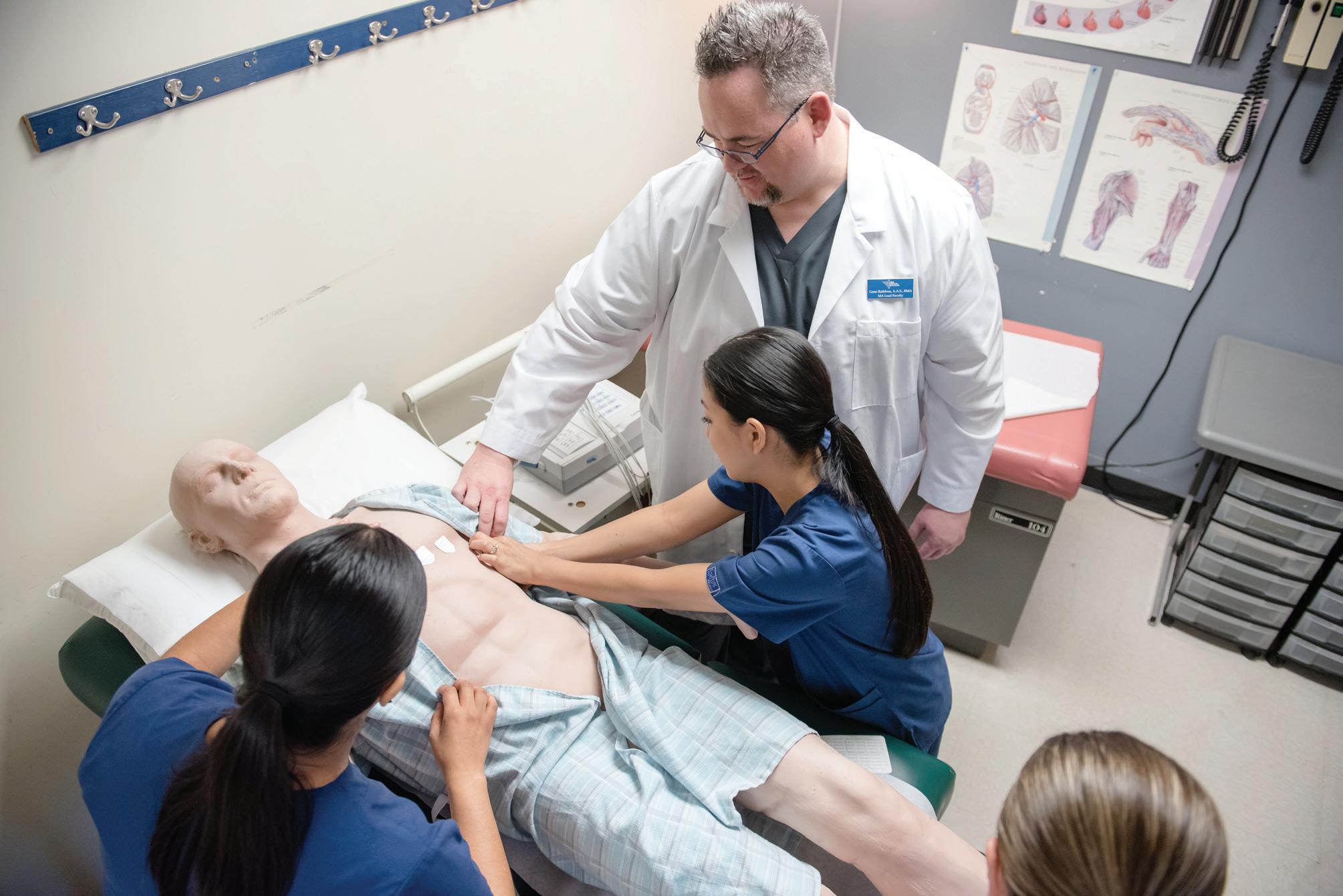



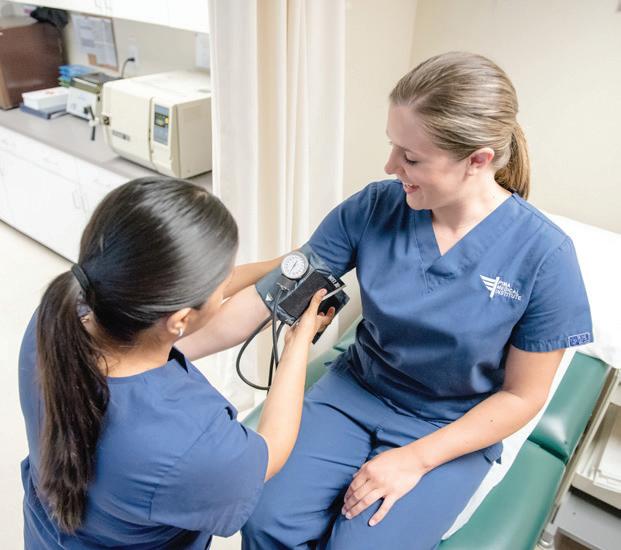

Despite being ranked as one of the healthiest states in the country, Colorado’s healthcare workforce is facing critical, growing shortages across various professions. The state’s healthcare system is under increasing pressure as demand for services continues to outpace the number of trained professionals available to deliver care. Population growth, aging demographics and expanded access to healthcare have all contributed to workforce shortages across the state, particularly in allied healthcare roles that are essential to daily patient care. Allied health professionals are the backbone of healthcare delivery. Medical assistants, pharmacy technicians, medical laboratory technicians and other specialists support diagnosis, treatment and patient flow in nearly every healthcare setting. When these roles go unfilled, the impact is felt systemwide, increasing strain on existing staff.
Closing this gap requires accessible, career-focused education pathways that prepare students for the realities of today’s healthcare environments. Allied healthcare programs are uniquely positioned to meet this need by offering targeted training and hands-on clinical experience, allowing graduates to enter the workforce more quickly while maintaining high standards of care.
Institutions like Pima Medical Institute are a great example of how this model can work in practice. Serving Colorado Springs since 2002, the medical career college offers certificate and degree programs designed to prepare students for in-demand allied health careers.
“We really focus on practical training and professional readiness,” said Monica Vanderbeek, Colorado Springs, Campus Director. “Our programs are focused on balancing classroom activities with real-world lab experiences, which is key to meeting the needs of local healthcare employers and their patients. For example, our certificate programs allow students to complete their schooling and earn their certificate in as little as nine months.”


As Colorado looks to strengthen its healthcare workforce, expanding awareness and support for allied health education will be essential. These roles are not supplemental, they are foundational. By investing in high-quality training opportunities, the state can help ensure a healthcare system that is prepared and capable of meeting the needs of communities today and into the future.
Sponsored Content
goals. We aim to move 82% or more of our schools into the state’s highest “Performance” tier, push our fouryear graduation rate for students with IEPs (individualized education plans) past 75%, and execute the first phases of our $88M bond projects. We commit to 100% transparency via monthly public updates and on our website: “Believe in Widefield.”
LONG -TERM: Our long-term goal is to make WSD3 the premier destination district in the Pikes Peak region for both families and educators. This means sustaining an elite staff culture with high retention rates, competitive salaries and modernizing our physical facilities through the bond, and cultivating a highly innovative learning environment where every single child thrives and ultimately graduates with a high-level of preparedness for the workforce, military or college.
What do you intend to bring to this role?
I intend to bring authenticity, approachability, and servant and transformational leadership with a fierce commitment to tracking our progress. I want our community to know that a promise made by this
district is a promise kept. I will be highly visible in our schools, deeply collaborative with our leadership and staff, and relentless in pushing WSD3 to reach its full potential.
Tell us a bit about your background and career to date prior to your appointment to this position.
My 37-year career in education began in 1989, teaching fifth and sixth grades in Fairfax County Public Schools in Virginia. During that time, I developed a deep appreciation for curriculum development, strong instructional practices and literacy instruction, especially in support of struggling readers.
After moving to Colorado Springs, I had the privilege of serving as principal of Woodmen-Roberts Elementary School. That role began what has now become more than 20 years serving Academy District 20. During my time in the district, I also earned my doctorate from the University of Colorado Denver and have continued to support future school leaders as an instructor in the Principal Preparation Program at UCCS

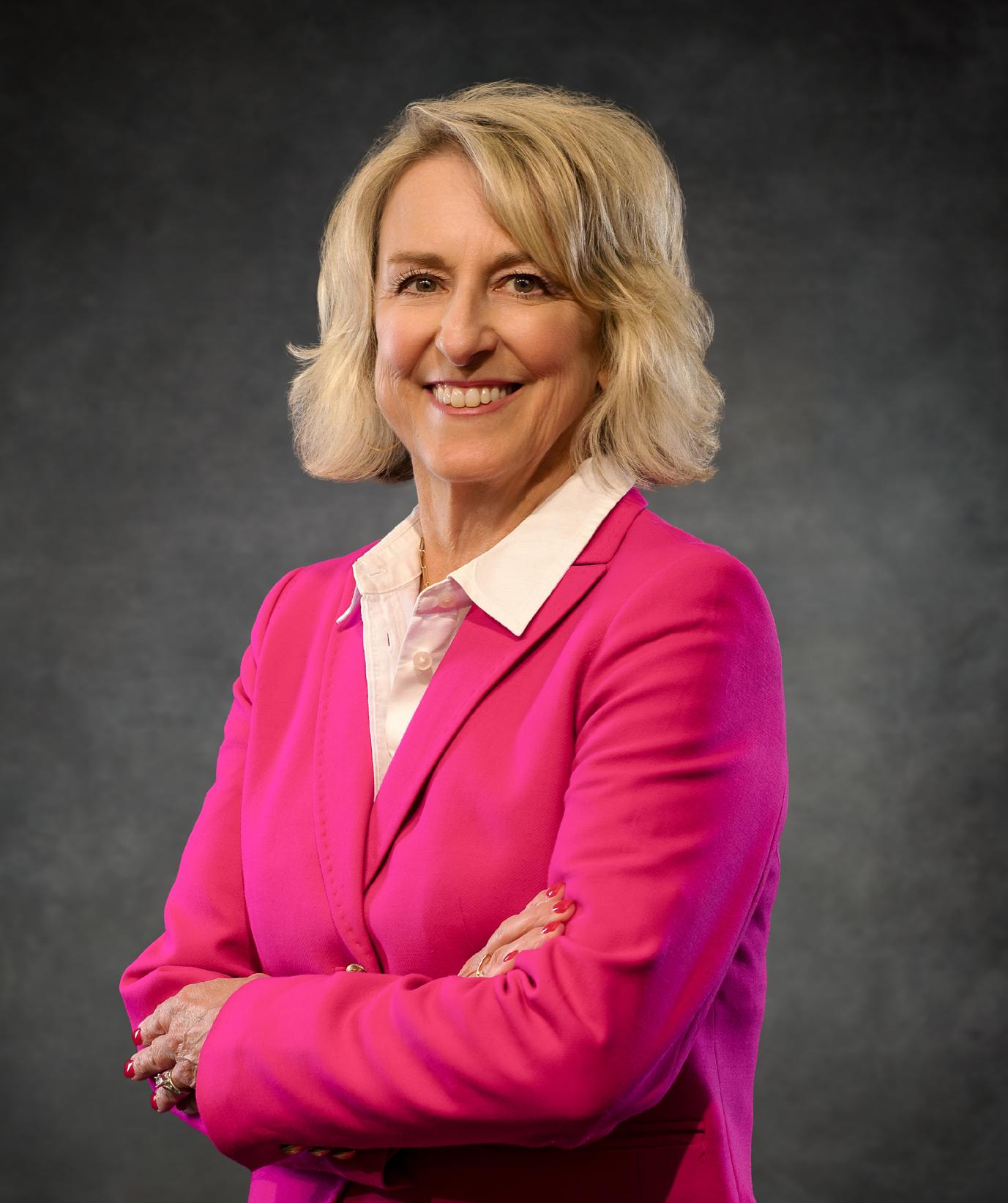
Before being named interim superintendent, I served as executive director of learning services and assistant superintendent for learning services.
What made you want to pursue a career in education?
From a young age, I watched my mom, an English and special education teacher, make a di fference in the lives of her students. She was my inspiration to pursue a career in education. Teaching gives me the opportunity to see potential in every student and help them see it in themselves.
That belief has stayed with me throughout my career. Whether I was serving as a classroom teacher, principal or district leader, the work has always come back to students, supporting their growth, removing barriers and helping create schools where they feel seen, challenged and cared for.
What brought you to the Pikes Peak region? Why did you decide to stay?
My college roommate lived in Colorado Springs, and I came out to visit her frequently. These trips
drew me to the Pikes Peak region, and the community is what made me stay.
Colorado Springs became home and Academy District 20 became a very meaningful part of my life and career. I have been fortunate to serve alongside exceptional educators and leaders and I am grateful for the opportunity to continue serving this community in this role.
What are some of your past accomplishments and/or moments that you’re most proud of to date?
One of the efforts I am especially proud of was helping lead the opening of Encompass Heights Elementary School in 2021. Encompass Heights was Academy District 20’s first school designed to specialize in understanding, identifying and responding to students with indicators of dyslexia. It represented thoughtful, student-centered work by a dedicated team of educators and leaders who wanted to better meet the needs of students and families. During the pandemic, I also helped spearhead the opening of the Family Resource Center, which
provides mental health counseling and support to students free of charge. That work reflected an important belief: students are best able to learn when they are supported academically, socially and emotionally.
I was honored to receive the Women in School Leadership Award from the American Association of School Administrators, but the recognition belongs to the teams who made those efforts possible.
District 20’s Board of Education recently decided to move on from your predecessor and appoint you specifically. Why do you suppose they chose you?
I am grateful for the opportunity to serve and I approach this role as a lifelong learner, educator and someone who has great care and respect for Academy District 20. This district is excellent because of its people: our educators, support sta ff, leaders, students, families and community. My commitment is to serve wherever I can be helpful, support the work already happening in our schools, and help ensure Academy District
20 continues moving forward with stability, clarity and purpose.
What is District 20’s greatest strength as you begin your tenure as its superintendent?
Our greatest strength is our schools, and more specifically, the people inside them. The difference our teachers, support staff and leaders make every day is remarkable. They ensure students are seen, challenged and supported throughout their educational journey.
That commitment is shared across this district. It is visible in our classrooms, in our programs, in our partnerships with families and in the care our sta ff bring to their work each day.
What are the biggest challenges the district specifically faces? What about public education in general?
Academy District 20 is a high-performing district with high expectations and one of our most important responsibilities is to continue meeting those expectations while also adapting to changing needs. That means staying focused on strong instruction, safe and wel-
•
•
•
•

coming schools, responsible use of resources and clear communication with families and sta ff.
Like many school districts, we are also navigating financial pressures, staffing needs and the ongoing work of maintaining and improving facilities, systems and programs. We are fortunate to be in a strong position, but excellence requires constant attention. We have to be thoughtful about how we support our schools, how we invest in our people and how we make decisions that keep students at the center.
More broadly, public education is operating in a complex environment. Communities expect schools to provide strong academics, meaningful opportunities, safe learning environments and responsible stewardship of taxpayer dollars. Those are fair expectations, and our work is to meet them with clarity, consistency and partnership.
Since you may hold this position for only a year, what are your goals for the school district this upcoming year? What do you intend to bring to this role?
Even in an interim capacity, there is meaningful work to do. My
goals are straightforward: keep our schools stable and focused, support our sta ff and ensure our students continue to thrive.
I also want to make sure the district is well-positioned, organizationally and culturally, for our next leader to step in successfully. A year is enough time to make a real di fference, and I intend to use every day of it in service to our students, sta ff, families and schools.
A few other education leaders in the region have been recently appointed following a year in the interim role. Might you pursue this as a permanent position?
Right now, my focus is on serving Academy District 20 well in the role I have been asked to fill. This year is about building trust, supporting our schools and ensuring the district is operating with clarity, consistency and purpose. There is important work to do, and I want our students, sta ff, families and Board of Education to know they have my full attention. My responsibility is to help ensure the district is functioning at the highest level possible and is well-positioned for the future.




BY ERIC YOUNG The Gazette






Several multimillion-dollar construction projects in and around Colorado Springs are scheduled for completion by the coming fall semester.
While some returning students this fall may not pick up on their improvements, such as upgraded electric systems and building foundations, others will see and even feel the difference.
Academy District 20, Widefield District 3 and Manitou Springs District 14 are all undergoing districtwide upgrades, funded through bonds passed by their local taxpayers in recent years.
Taking an alternative approach, Colorado Springs District 11 is in the midst of renovations for two of its prominent schools, Palmer High School and Jenkins Middle School, which are both being funded by certificates of participation. The ambitious approach come as the district considers presenting its own bond measure to voters later this year.
Each district’s undertaking come as aging facilities find themselves at the end of their life cycle or ill-equipped to provide modern education to today’s students.
Some of the oldest schools in
the area, like Palmer, with its current structure built in 1940, and Widefield High School, built in 1958, are slated to get their first air conditioning systems installed. Both Palmer and Jenkins are undergoing complete revamps, with new physical buildings replacing its former academic wings.
Here’s a breakdown of current summer projects:
Numerous upgrades are in full swing in D-3 following the passage of an $88 million district-wide bond in November, which includes roof, plumbing and window replacements along with gutting of entire classrooms and academic wings for complete renovations.
A bulk of the work is installing heating ventilation and air conditioning (HVAC) units and climate control systems across district schools. Widefield High School is in the midst of replacing its electrical system to accommodate its first HVAC system. While the school has installed various remodels and additions as needed over the years, its math wing has remained relatively untouched
for about 50 years. HVAC upgrades to the school’s science wing are ongoing, while the math wing is scheduled to begin next summer.
The district’s chief operating officer, David Gish, said that since the bond’s passage they approached the bevy of projects by order of need and began work during the spring semester, utilizing underground tunnels beneath many of their schools and avoiding any learning disruptions.
“And then it was just, ‘How many of these things can we get taken care of right away?’” he said. “And so, let’s get as many things taken care of now so that the voters can see that their tax dollars are going to work.”
Major work is also underway at North Preschool, which has suffered structural degradation from termites over the years. Along with working over spring break, students were let out a week early so crews could begin gutting and replacing its structure with termite-proof steel beams and fiberglass sheathing.
Modular pods will also be replaced at Sproul Junior High and utilized at D-3’s newest school, Grand Mountain, as a
building expansion gets designed in anticipation of population and student growth in the coming years.
An alternative to generating new funds through a bond vote, certificates of participation allow school districts to utilize a lease structure and borrow money for capital projects.
D-11 Deputy Superintendent Brandan Comfort explained that the district opted for this approach since it hasn’t successfully passed a new bond since 2004 and the projects could showcase what may be achieved with a future bond.
“When you walk on the third floor here, you have a whole different vision for what education at Palmer can be like,” he said during a tour of the construction site.
“So, we’re hoping that that really translates to the community so that they want to see more spaces in District 11 be refreshed and modernized, too.”
New windows and greater natural light, individual restrooms and adjustable classrooms for more open learning spaces are among the
CONTINUED ON PAGE 12





new features coming to Palmer and Jenkins.
Palmer is in Phase 1A of its renovation, which encompasses the demolition of a former academic wing, construction of the replacement academic wing, the permanent vacation of a section of Boulder Street to unite the campus, the renovation of the 1939 building and construction of a new courtyard.
The new academic wing is scheduled to open in February 2027, while the 1939 building renovation and new courtyard are slated for March 2028.
Phase 1B will include the construction of a new track and field complex on the unified campus, associated parking work and removing four properties located along St. Vrain Street.
Phase 2 will encompass constructing a new physical education/athletics wing on the main campus and new fields and tennis courts at the corner of Wahsatch and Platte avenues, where Erps Gym is currently located.
Timelines for the next two phases have yet to be finalized. The budgets approved for Jenkins and Palmer’s first phase are $31 million and $100 million, respectively.
While plans for the high school date back to several years of planning, the Jenkins renovations took on more urgency when the Colorado Springs fire department ordered its closure to address deteriorating infrastructure and safety hazards in early 2025.
Since the closure, Jenkins partially reopened to its sixth and seventh graders later that fall as they built the new academic wing on the opposite side of the campus. The school’s partial rebuild and renovation is slated for completion by the start of the 2026-27 school year. The modular classrooms that were deployed last year will move to Palmer as temporary spaces while construction work continues.
Rather than settling on shortterm repairs, the district chose to modernize the school for teaching and learning in 2026 and beyond,
D-11 spokesperson Jessica Wise told The Gazette in an email.
Additional work at both schools is planned, but would be funded by a new bond. Wise said that the district’s board of education has not yet voted to put the bond vote on the ballot, but they are planning and preparing information for the public on a potential measure.
During a May work session, the board discussed the potential bond referendum, which would amount to $775 million and cover project costs for every school and pay off the COP debts for the Palmer and Jenkins projects.
In D-20, voters approved an $83.14 million bond to fund facility upgrades across all its schools. Several projects moving forward this summer include bathroom renovations; gym, hallway and cafeteria flooring updates; HVAC repairs; and LED lighting upgrades.
At one of the district’s older buildings, the 54-year-old Rockrimmon Elementary, multiple
projects — including new drainage, plumbing, windows, and cafeteria flooring and a playground — are slated for completion by the start of the school year.
At its high schools, theater and sound system upgrades are being installed at Pine Creek, while Rampart recently completed a new $1.5 million turf field installation.
Following the passage of a $37.6 million bond last November, Manitou Springs’ public schools are in the process of updating flooring, lighting and painting ahead of the new school year.
New vestibules are being constructed at the middle and high school to enhance safety, while a redesigned front office space in the latter will better serve students, sta ff, families and visitors.
Among the most notable developments in the district is the removal and replacement of the high school’s track, with its rubber surface, asphalt and concrete drainage structures all removed





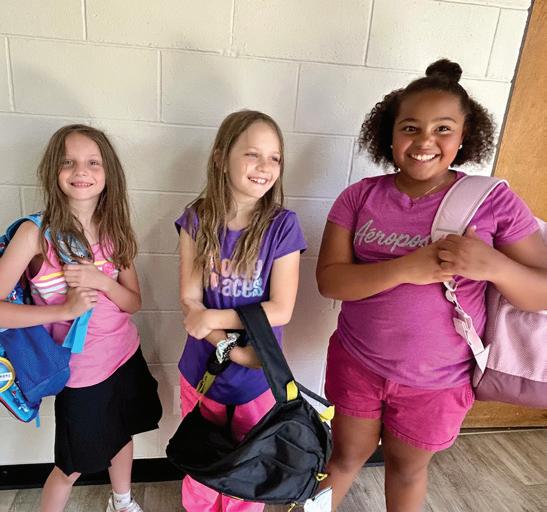
The Red Shield Program is a faith-based character building program that aims to provide children with unique educational and social-emotional opportunities and experiences throughout the greater Colorado Springs region.


and the area surrounding the field excavated.
Mountain Song Community School is putting the finishing touches on a substantial addition and renovation project, funded primarily through state Building Excellent Schools Today (BEST) grants, at a cost of about $15 million.
The building, which originally opened as Whittier Elementary School in 1901, is expanding its spaces for special education services and updating its HVAC system, while adding a new vestibule for increased safety, an ADA-compliant elevator and a dedicated kitchen and cafeteria in a newly constructed wing.
Mountain Song purchased the building in 2022, after leasing it to D-11 for eight years, because of the campus’s ability to support its Waldorf approach to holistic education. Growing enrollment and aging building requirements, however, found sta ff and faculty utilizing “every nook and cranny” of the space.
“We’ve been in the basement area, in tiny little spaces, and our therapists have been working out of closets,” said director of student services, Lauren Artino, who has been with the school since its opening. “So, to see this, is just going to be so huge for our students and our families.”
Roosevelt Charter Academy in D-11 is on track to open its new preschool wing by its Sept. 8 start to the school year, while the existing building is getting all new lighting, roofing and ceilings along with a bathroom for sta ff
East Hills Academy, set to open in D-11 this fall, is repurposing available space in Mann Middle school as a temporary location. Operating in a wing separate from the non-charter school, the new school will have newly constructed playgrounds, refurbished classrooms and a new entryway for students to enter and visitors to check-in.
The school is leasing the space to D-11 and its projects are funded by multiple startup grants totaling approximately $3 million.

BY ERIC YOUNG The Gazette
COLORADO SPRINGS WILL SEE THREE NEW CHARTER SCHOOLS OPEN THIS FALL. Two will welcome their first-ever students, while one will begin its first year as a charter rather than a contract school.
In Colorado Springs District 11, East Hills Academy and Spruce Community School will begin teaching kindergarten through second grade, while Ascend College Prep, located within Academy District 20’s boundaries, is now chartered through the Charter School Institute (CSI) after operating for five years as a contract school.
Each school will provide specialized approaches to state education requirements, at no charge to families. One is set to incorporate nonprofit project-based learning into its curriculum, one is ready to provide busing and a classical education model to downtown neighborhoods and the other will offer a college prep option with smaller classrooms to high schoolers.
The Gazette spoke with each school’s founders, who all said they would not have pursued opening a new school if it didn’t offer something new to families.


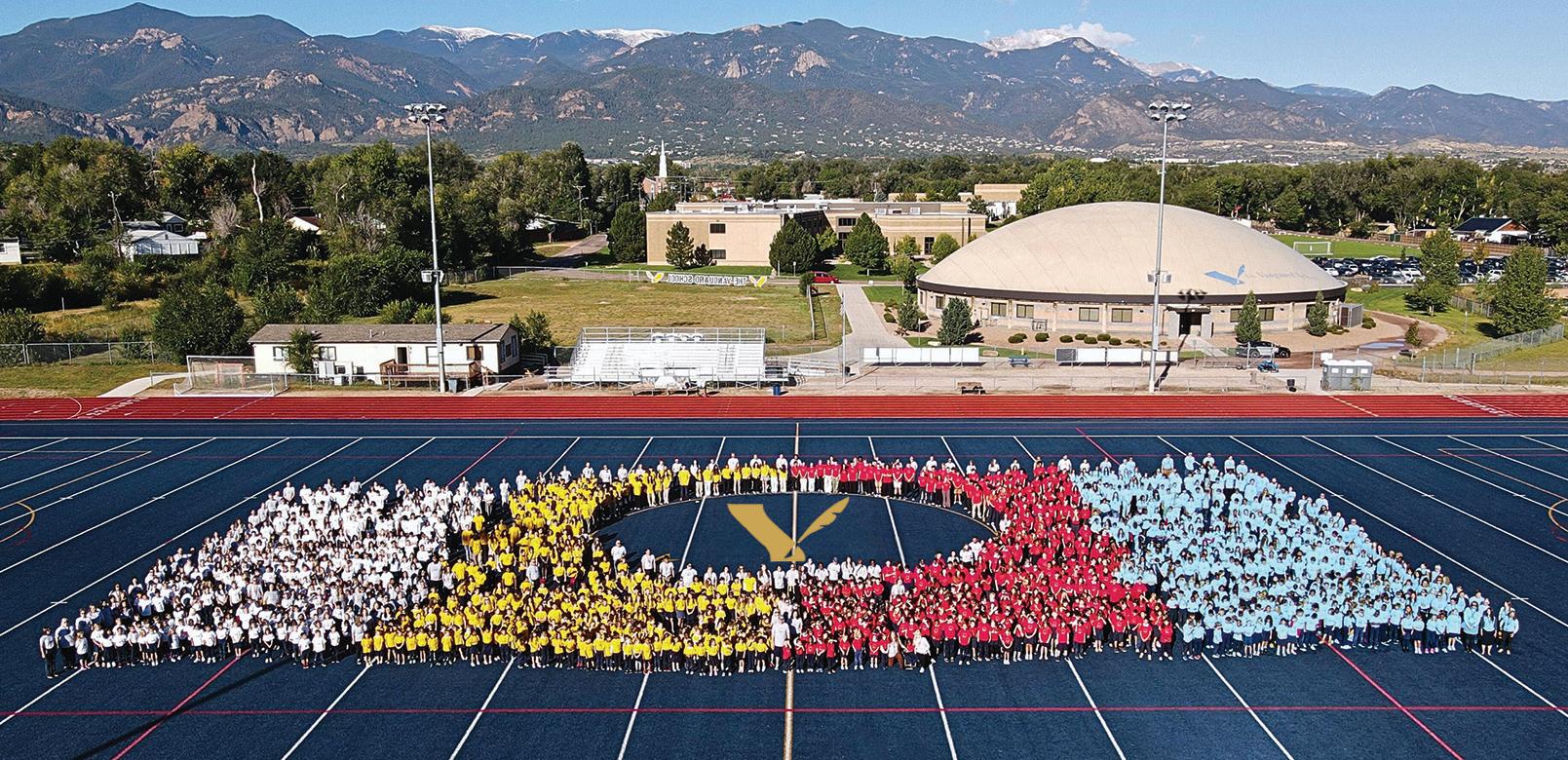
Set to share learning spaces with Mann Middle School in D-11, East Hills Academy is looking to offer a classical education model to families who otherwise might be unable to access it. While the school looks to join others in Colorado Springs like The Vanguard School, The Classical Academy and Thomas MacLaren School, it will distinguish itself by offering free transportation to its families.
The school’s founder, Dan Ajamian, said that while Colorado Springs has embraced charter schools and school choice over the years, this choice has been limited to families who can afford private school tuition or homes near their preferred option.
Transportation and travel distance, meanwhile, have remained barriers to lower-income families for all local options.
“That’s sort of the last frontier of school choice: who can access it,” he said.
Ajamian said that, along with not being required to provide it, charter schools often forego busing and allocate their funding elsewhere. He added that choice
and transportation are limited to families in public schools due to bus routes dedicated to specific neighborhood schools.
Along with a dedicated bus, East Hills Academy will operate under a calendar and schedule that offers more consistency to families. Ajamian said that other charters and school districts have regularly scheduled late starts and early releases for professional development time, which can conflict with families’ schedules.
In addition to an intentionally “family-friendly schedule,” East Hills will provide before- and after-school care and utilize D-11’s half-day and full-day free preschool programming.
“I’ve said from the very beginning, Colorado Springs doesn’t need another charter school unless it’s providing something different or serving a different population,” he said. “And, for us, it’s not just people from low-income backgrounds who can benefit from this.”
As for the curriculum, a typical day will start with community and character-building and move on to daily art or music coursework, cursive handwriting lessons, three scheduled recesses, a monthly virtue woven into different lessons, and coordinated reading instruction across grades.
A product of the classical model, Ajamian came from a low-income, immigrant family that spoke English as its second language and enrolled in kindergarten at The Cheyenne Mountain Charter Academy during its first year. He excelled academically at the school and later at Palmer High School in D-11 before getting accepted to the University of Pennsylvania.
With neighboring classical schools like Vanguard and Classical Academy regularly ranking among Colorado’s top-performing schools, Ajamian said that his school is applying both its own practices and the successful, time-tested programming of others for what’s believed will be the best education for its students.
“I was a kid who checked all these boxes (of disadvantages) and benefited from a school like this, so I know this works,” he said.

Spruce Community School is set to offer a new type of project-based education, where students engage in real-world problem solving while developing fundamental knowledge.
The school’s founder, Loren Koszowski, said that Spruce aims to do this with a “service-based approach” by having classes and students collaborate with local partners.
“Colorado Springs has so many nonprofits. This is a perfect town for this type
of learning, but then also importance of early foundational she said.
“So, all of those parts, blended, braided model from research is best in terms of learning science theory.”
An example of the approach Spruce kindergarten with a local preschool, will interview a preschooler they like to play, and build a toy for them. Koszowski this can develop speaking skills through the interviews, through scaling and measuring and fostering character through play.
Other project-based Colorado Springs include Elementary and Chinook in Academy District 20, in Widefield District 3, Elementary in D-11. Along with the interdisciplinary approach, Spruce looks ened focus on early literacy, teacher trained in the Approach, which was lexic students or those with literacy.
Koszowski said that day at Spruce will start three scheduled recesses team-building session followed by students either the dedicated reading and later a math block. the day then goes into
also knowing the foundational skills,”
parts, it’s really a model of what we know for kids, science and learning
approach will be a class partnering preschool, where students preschooler about how later design and Koszowski said that speaking and writing interviews, math skills measuring their toy, character and community
project-based schools in include Legacy Peak Chinook Middle School 20, King Elementary 3, and Penrose
interdisciplinary project looks to bring a heightliteracy, with every the OrtonGillingham developed for dysthose who struggle more
that a typical school start with one of recesses before a daily session in the classroom, participating in reading or arts block block. The latter half of into interdisciplinary
lessons for their respective projects and choice time for students to further pursue their own interests at the school.
The school will also provide before- and after-school services to accommodate families’ schedules.
Koszowski said that this approach teaches children “how to learn” and added that the emphasis on service encourages student rigor, socialization and a sense of community, while the collaborative nature of the work can also develop students’ soft skills like working with others and presenting in front of audiences.
With the goal of eventually growing out to a K-8 school, she said that these skills will naturally develop over the years with this type of instruction and better prepare them for postsecondary success.
opportunities to earn over 40 college credits in class sizes no larger than 16.
Among the full-year courses offered are medical science, aviation science and college algebra, while semester courses include cybersecurity, public speaking, drone certification and rhetoric and writing. Many of these classes are offered as dual enrollment courses through the University of Colorado.
Occupying converted space in the insurance company California Casualty’s office building in, a typical class features active learning spaces with ample natural light and whiteboards covering walls and tables for more interactive learning.
teaching their expertise without the other commitments of a full-time teacher.
“One of my big ideas was, ‘What if I was able to hire really qualified people and trust, implicitly, that they knew their content?’ And then, as long as they have the right attitude about it, I just have to inspire them to learn how to deliver instruction,” she said.
Since opening, Ascend has earned statewide recognition, including consecutive John Irwin School of Excellence Awards in 2024 and 2025, the Governor’s Distinguished Improvement Award, and the High School Growth Award from the Colorado Department of Education.
The school’s founder, KarinMcWorter, said she pursued an atmosphere resembling a business environment, rather than a traditional school environment, to emphasize its postsecondary focus. She added that the students who arrive at the school are either academically or socially motivated.
“We have students who come here because they feel lost in the big school,” she said.
Founded in 2021 as a contract school, which refers to a public school operated through a contractor rather than a school district or charter authorizer, Ascend College Prep offers 10th- through 12thgrade students a curriculum focusing on science, technology, engineering and math (STEM) and dual-enrollment
The school has employed part-time teachers who previously taught at the Air Force Academy and student educators at the University of Colorado Colorado Springs through the state’s adjunct instructor process.
McWorter said the approach has allowed her to recruit a new pool of people who aren’t interested in full-time work. Specifically, she’s been able to hire educators with master’s degrees and other qualifications, like a doctoral degree in nuclear engineering, who can focus on
The class of 2026 celebrated a 100% graduation rate, with over 90% of graduates earning college credit before graduating from high school, and 80% enrolling in two- or four-year colleges, the school said in a press release.
Becoming a charter school became necessary following changes to Colorado’s funding formula for public education that barred contract schools from operating and prompted a six-week transfer application to CSI. McWhorter said that the school’s public data, showcasing its success to date, led to its quick approval.
She added that she was hesitant to heavily promote the school over the years, concerned that parents rather than students would drive any student growth. Now, with a student body hovering around 120, she hopes to gradually expand the school, both in course offerings like art classes and cross-school and cross-district collaborations.

MEANINGFUL IMPACT THAT FITS YOUR RHYTHM FREE MEMBERSHIP for part-time and full-time staff members FLEXIBLE HOURS & DAYS
perfect for students & seasonal schedules
25% Discount on Personal Training and other programs
READY TO MAKE A DIFFERENCE?
Join the Y Team. ppymca.org/YDjobs
As staff shortage drags on, enrollment in alternative pathways increases
BY LAURA FITZGERALD Special to The Gazette
As the statewide educator and school staff shortage persists, school districts are relying more often on short-term staff to fill the gaps.
But many of these shortage hires are training to become teachers or specialized service providers, reflecting growing enrollments in alternative pathways to certification.
In 2024-25, shortage hiring — alternative candidates, emergency/ TEE candidates, long-term substitutes, retired educators and other shortage hiring, like contractors — filled 2,195 open positions for teachers, principals, specialized service providers and paraprofessionals in Colorado, representing 17.6% of all open positions and 2.5% of all positions.
Last school year, that number increased to 2,396 positions, or 19.3% of open positions and 2.8% of all positions, according to the Colorado Department of Education’s Educator Shortage Survey.
Unfilled open positions also increased slightly, from 599 and .67% of all positions in 2024-25 to 749 and .83% of all positions last school year.
The numbers reflect a long-term upward trend of reliance on shortage hiring to fill open positions. In 201819, the last full school year before the COVID-19 pandemic, just 1,024 positions, or 11.1% of open positions and 1.8% of all positions, were shortage hires, state data shows.
The shortages are most severe for special education teachers, elementary education teachers, paraprofessionals and speechlanguage pathologists.
Around Colorado Springs, District 49 had the highest number and percentage of unfilled positions as a percent of all positions in 2025-26, at 34 and 1.4%, respectively, according to the data.
Harrison District 2 relied the most on shortage hiring, with 87 shortage hires taking 83.7% of open positions. However, 66 of the hires were alternative or emergency candidates. These are educators or professionals who have a bachelor’s degree in a subject other than education and are currently working as a teacher or other specialized professional while completing an alternative or traditional preparation program.
While the numbers have fluctuated over the years, the type of shortterm teacher hire that remains most utilized statewide is alternative candidates, according to the data.
Alternative pathways to teaching are gaining popularity; participation in these programs has risen in five of the past six years. Enrollment in traditional four-year teacher training programs has fallen in the same time period, although this continues to be the more popular option, according to the state’s educator preparation data.
The Colorado Education Association’s 2025-2026 State of Education report said common reasons for educators to leave the profession include overburdensome workloads, low pay compared to similar professions and growing politicization in the classroom, which restricts how educators can address topics such as race, gender and history. Classroom safety was also listed as a common educator concern.
The average starting teacher salary in Colorado is $42,421, ranking 41st in the nation. Colorado educators earn $0.62 to each dollar earned by similar professions, according to the report.
On the flip side, the report states that when educators have influence on important school decisions and their school leadership works to build trust among the staff, they are more likely to stay in the profession.
D-2 has placed a renewed focus on improving school culture in recent years, a move that has paid dividends in staff recruitment and retention.
Superintendent Wendy Birhanzel said the district is in “great shape” for sta ffi ng this fall, with only about four open positions — mostly teachers — left to fill.
Harrison felt the greatest pinch in 2022-23, when 48 positions were left unfilled. Last school year, five positions were unfilled, according to state data. One of the pillars of Harrison’s 202427 Strategic Plan is culture and the activation of sta ff, student and community voice to create a welcoming school environment.
In practice, this looks like placing sta ff on district committees where their voices make a di fference. Committees are open to all levels of sta ff, from janitors to secretaries to teachers, Birhanzel said.
Birhanzel said executive sta ff pride themselves on being accessible and often visit schools to meet with sta ff. The district also offers robust professional development opportunities.
Harrison recently revised its compensation schedule to reward staff for longevity by creating more substantial pay bumps every five years and rewarding veteran staff with the highest pay, Birhanzel said.
“It’s a collaborative culture. (Sta ff ) know they have opportunities for professional development to continue to grow, they have leaders who are accessible and will support them,” Birhanzel said.
“They want to be where they know their voice matters, they can share their feelings and opinions, and be part of those solutions, and where they’re making a di fference. So, D-2 has become a district where people really seek out and want to work and want to build their careers.”

Academy 20 asd20.org, 719-234-1200
Calhan RJ1 calhanschool.org
719-347-2766
Cheyenne Mountain 12 cmsd12.org, 719-475-6100
Colorado Springs 11 d11.org, 719-520-2000
Cripple Creek/ Victor RE1 ccvschools.com
719-689-2685
Edison 54-JT edison54jt.org, 719-478-2125
Ellicott 22 ellicottschools.org
719-683-2700
Fountain-Fort Carson 8 ffc8.org, 719-382-1300
Hanover 28 hanoverhornets.org
719-683-2247
Harrison 2 hsd2.org, 719-579-2000
Lewis-Palmer 38 lewispalmer.org 719-488-4700
Manitou Springs 14 mssd14.org, 719-685-2024
Miami-Yoder 60JT miamiyoder.com
719-478-2186
Peyton 23JT peyton.k12.co.us
719-749-2330
School District 49 d49.org, 719-495-1100
Widefield 3 wsd3.org, 719-391-3000
Woodland Park RE2 wpsdk12.org, 719-686-2000
Aug. 17 for preschool, elementary, grades 6 and 9; Aug. 18 for rest of students
Aug. 18 for grades 6-12; Aug. 20 for K-grade 5; Aug. 25 for preschool
May 26
May 26
Aug. 20 for K-grade 6, grades 7, 10-12 orientation; Aug. 21 grades 8 and 9 orientation; Aug. 24 rst day for preschool May 27 for Pre-K-6; May 28 for grades 7-12
Aug. 12
May 25
Aug. 10 May 27
Aug. 13; Aug. 25 for preschool May 27
Aug. 5 for K, grades 5, 6 and 9 orientation; Aug 6 for all grades except for preschool; Aug. 17 for preschool May 27
Aug. 11 for grades K-12; Aug. 13 for Pre-K and Online Academy May 27
Aug. 13 for grades 6-12; Aug. 18 for K-5; Sept. 1 for preschool May 13 for preschool; May 26 for K and grade 5; May 27 for grades 1-4, 6-11
Aug. 10 for K-6 and grade 9; Aug. 11 for grades 7-8 and 10-12 May 20
Aug. 12 for Pre-K-grade 7, grades 9-12; Aug. 13 for grade 8 May 14
Aug. 21 for grades 1-12; Aug. 21-24 for K - soft start. Contact school for schedule May 27
Aug. 11; Sept. 1 for preschool May 27
Aug. 17 May 27
Aug. 3 for K, grades 6 and 9; Aug. 4 for rest of students, except preschool; Aug. 10 for preschool
May 20 for preschool; May 26 for all other students
Aug. 10 for grades 1-5, 6 and 9; Aug. 11 for grades 7-8, 10-12; Aug. 12 for K May 20
Aug. 19 May 26
Nov. 25-27; Dec. 24-Jan. 5; March 22-26
Nov. 20-30; Dec. 18-Jan. 4; March 19-29
Nov. 23-27; Dec. 21-Jan. 5; March 22-26
Nov. 23-27; Dec. 21-Jan. 5; March 22-26
Nov. 23-27; Dec. 21-Jan. 4; March 22-25
Nov. 24-27; Dec. 22-Jan. 4; March 23-26
Oct. 12-16; Nov. 23-27; Dec. 18Jan. 4; March 22-26
Nov. 23-27; Dec. 21-Jan. 6; March 22-26
Nov. 20-27; Dec. 18-Jan. 1; March 19-26
Oct. 12-16; Nov. 23-27; Dec. 21Jan. 4; Feb. 15-19; March 22-26
Nov. 23-27; Dec. 21-Jan. 5; March 22-26
Nov. 23-27; Dec. 21-Jan. 5; March 22-26
Nov. 24-27; Dec. 22-Jan. 1; March 22-26
Nov. 23-26; Dec. 21-Jan. 4; March 22-25
Oct. 12-23; Nov. 25-27; Dec. 21Jan. 4; March 15-26
Nov. 23-27; Dec. 21-Jan. 5; March 22-26
Nov. 23-27; Dec. 21-Jan. 6; March 22-26
Labor Day (Sept. 7); Martin Luther King Jr. Day (Jan. 18); President’s Day (Feb. 15)
School is not in session on Mondays, unless needed as makeup days.
Labor Day (Sept. 7); Martin Luther King Jr. Day (Jan. 18); President’s Day (Feb. 15)
Labor Day (Sept. 7); Martin Luther King Jr. Day (Jan. 18); President’s Day (Feb. 15)
Labor Day (Sept. 7); Martin Luther King Jr. Day (Jan. 18); President’s Day (Feb. 15)
School is not in session on Mondays
Labor Day (Sept. 7); Martin Luther King Jr. Day (Jan. 18); President’s Day (Feb. 15)
Labor Day (Sept. 7); Veteran’s Day (Nov. 11); Martin Luther King Jr. Day (Jan. 18); President’s Day (Feb. 15)
School is not in session on Mondays
Labor Day (Sept. 7); Martin Luther King Jr. Day (Jan. 18); President’s Day (Feb. 15)
Labor Day (Sept. 7); Martin Luther King Jr. (Jan. 18); President’s Day (Feb. 15)
Labor Day (Sept. 7); Martin Luther King Jr. Day (Jan. 18); President’s Day (Feb. 15)
School is not in session on most Mondays.
Labor Day (Sept. 7); President’s Day (Feb. 15)
Labor Day (Sept. 7); Martin Luther King Jr. Day (Jan. 18); President’s Day (Feb. 15)
Labor Day (Sept. 7); October Day (Oct. 9); Indigenous People’s Day (Oct. 12); Martin Luther King Jr. Day (Jan. 18); President’s Day (Feb. 15)
Labor Day (Sept. 7); Martin Luther King Jr. Day (Jan. 18); President’s Day (Feb. 15)

Every student learns di erently. Every family looks for something a little di erent. In Academy District 20, families can find strong school options for every age, stage and learning style.
From welcoming Pre-K and elementary schools to middle schools that help students explore their passions, ASD20 o ers learning environments built to support growth, confidence and connection.
As students move into high school, opportunities continue to expand through engaging academics, career pathways, hands-on learning, concurrent enrollment and programs designed to help students prepare for college, career and life after graduation.
Whether your student is just beginning school or preparing for what comes next, Academy District 20 offers a place to learn, belong and thrive.

BY LAURA FITZGERALD Special to The Gazette
This year, some school superintendents are praising a new school funding formula that allocates additional funding for high-need student populations as a positive step toward addressing inequities in the public school system.
However, experts warn Colorado’s total education spending remains far below the level needed to provide students with a quality education.
Schools are funded through a mix of local, state and federal funds. The state sets a base amount through the Public School Finance Act, called total program funding, to each district based on their student count and other socioeconomic factors. Public School Finance Act funding makes up about 74% of the state’s total education spending, according to the Colorado Department of Education.
Each school district receives its total program funding amount through a mix of local and state property taxes. Whatever a district can’t raise through local property taxes, the state steps in and makes up the difference.
Districts also receive a small amount of federal and categorical funding, usually for specific services and programs. Districts can raise additional local funding outside the Public School Finance Act through voter-approved bond measures and mill levy overrides.
In the 2025-26 budget year, the state introduced a new school funding formula that will be phased in through 2030-31 and is aimed at increasing overall education spending and reducing inequities in the public school system.
This year’s budget includes about a $200 million, or $209 per student, increase in education funding, bringing the local and state share to a total of about $10.2 million in 2026-27, according to Gov. Jared Polis’ office.
Like the old formula, the new formula starts with a base per-pupil funding allocation based on each district’s student count. The new formula, however, gives greater weight to students who are English
language learners, have special needs or are considered at-risk. A locale and size factor distributes more funding to schools in rural and remote areas, and where the cost of doing business is high.
The new formula also makes changes to the way students are counted by moving from a five-year to a three-year average student count for the 2026-27 school year.
Almost every public school district in Colorado is experiencing declining enrollments due to demographic shifts, said Brett Ridgway, chief business officer for Lewis-Palmer District 38.
Slow enrollment declines mean districts have less funding to allocate across the same amount of resources, although the new formula buffers against that for this school year by increasing school funding and incorporating “holdharmless” clauses.
But, faced with uncertainty while the state legislature finalized its budget, D-38 budgeted this school year conservatively by cutting positions left vacant by staff retirements and departures. The district has also experimented with combining different grades into one classroom to cut down on staff, Ridgway said.
Harrison District 2 Superintendent Wendy Birhanzel said high-poverty, high-immigrant districts like hers require more resources and support than more affluent districts with a low immigrant population. Students in poverty need free school meals, laptops and school supplies; they can’t afford to pay for a sport or extracurricular; and they often have less familial connections for internships and job opportunities. English language learners need specialized teachers.
As a result, districts with highneed student populations spend more on basic needs than other more affluent districts, Birhanzel said.
“We choose to fund those things that remove barriers, so we use our funds to provide free transportation, free sports, free tutoring, free college, free laptops, free everything, where other districts charge for that,” Birhanzel said.
“So, cheerleading in another district in the city could cost the family $1,500. Cheerleading for us
is zero because we know if we are going to charge that, then kids won’t be able to participate.”
Mill levy overrides are usually for a specific budget line item — like raising teacher salaries — while bonds are usually for new school buildings or major repairs and upgrades.
The Public School Finance Act does not allocate money for facilities’ maintenance. As a result, districts that have high property tax wealth can usually raise more funds and have a higher chance of a bond measure passing than districts with low property wealth, resulting in nicer and newer buildings in high-wealth districts, said Kathleen Gebhardt, Colorado Board of Education board member and school finance expert.
Property wealth disparities can also become apparent in teacher salaries because mill levy overrides can be used for staff pay, Gebhardt said.
Property tax wealth doesn’t always equate to an area’s income level. Commercial and especially industrial manufacturing property generates property wealth at a

Each district receives a set amount of money through the state’s base funding formula. The state makes up the difference for districts that can’t raise the base amount on their own through local taxes. So, the lower the district’s property wealth, the higher the tax burden on local taxpayers.
far higher rate than residential wealth. That results in less local discretionary income for bedroom communities like D-38 than districts that have an urban core, like Colorado Springs District 11, Ridgway said.
Low property wealth also leads to higher taxpayer burdens just to reach the local share of base funding, Gebhardt said.
“Districts have to go for the levy just to try to meet basic needs, and the lower-wealth districts really struggle because their communities don’t have the resources to be able to support that additional increase in their taxes,” she said. “It isn’t that they don’t value education; they just flat- out can’t afford it.”
Perhaps the most pressing issue facing education is a chronic
underfunding of the entire system, rather than inequities between districts, Gebhardt said.
The funding formula’s base number was picked in 1994 without any basis in the true cost of an adequate education system, she said.
Starting with the Great Recession of 2008, school districts have lost out on about $10 billion over 15 years due to a budget-balancing tool that allowed lawmakers to give schools less funding than what is required by the state constitution.
“The base number has no relevancy. It was like, how much money do we have? How many students do we have? That’s our base, and we have been growing that number ever since without ever looking to see, is that the right number?” Gebhardt said.
“It’s crazy because we need a base that actually reflects what it

would take to actually educate all students to the level that we want to be educated at.”
In late 2024, the state’s School Finance Task Force adequacy study concluded another $4.1 billion, or $4,600 per student, of state and local spending is needed to provide students with an adequate education to meet state benchmarks for proficiency and college and career readiness.
Budget shortfalls are especially acute in special education. In order to meet federal mandates, most school districts pull funds from their general fund to pay for special education services, especially for students with the highest needs. This pulls funding away from building maintenance and programs and services for students in the general population, Gebhardt said.
In November, voters will be asked to approve Senate Bill 135, which would divert Taxpayer Bill of Rights refunds to education. Another potential ballot measure pushed by advocacy groups known as the “Protect Colorado’s Future Coalition” would boost education, child care and health care funding through a graduated income tax.



BY MELANIE ASMAR Chalkbeat Colorado
Before a ban on cellphones, Jill Ha ffley said her classroom “was like Vegas.”
“The cellphones were lighting up all the time,” said Ha ffley, who was a teacher for 30 years before being elected to the Colorado Springs School District 11 school board.
Weary of the distractions, Ha ffley ran for office in 2023 on a platform of banning cellphones, and the 23,000-student District 11 did it starting in the fall of 2024. Ha ffley said that if you ask a group of students what it’s been like to go phone-free, they’ll say they don’t like it.
“But you get them individually and one girl told me, ‘Thank you for this. I can breathe again. I don’t have to continue to look at my phone every time I get a notification and I can blame it on you,’” Ha ffley said. “Our job is to educate these kids and we can’t educate them when their minds are constantly on their cellphones.”
Haffley was one of four school board members and superintendents who spoke to the Colorado State Board of Education Wednesday about their experience with cellphone bans. Under state law, all 179 Colorado school districts must adopt a cellphone use policy by July 1.
That policy doesn’t have to be a prohibition, but many districts
are moving in that direction. The state’s largest district, Denver Public Schools, adopted a bell-tobell ban.
Panelists said adults were as much to blame for cellphone distractions as kids. Parents would send their teenagers cute emojis or “thinking of you” texts during class, Haffley said. That was sweet — but also frustrating if 35 students’ phones were dinging during a lesson, she said.
Brian Hill, the superintendent of Mesa County Valley School District 51 in Grand Junction, said students told him their parents were sending them TikTok videos of cats and their athletic coaches were texting them about practice. Ha ffley said a mother relayed that her anxiety would go “through the roof” if she couldn’t get ahold of her sophomore whenever she wanted.
Parents were especially worried about contacting their children during a school shooting or other emergencies, the panelists said. The superintendents said they understand that fear but there are safer ways of receiving emergency notifications and less distracting ways of relaying messages.
“Without trying to sound like a jerk, we have landlines in all of our schools,” Hill said. “You can call the front office if it’s an emergency and you can get a message through to your kiddo.”
The districts varied in how they made their decisions to ban cellphones and how they explained the reasoning to families. While District 51 relied heavily on research that shows cellphone and social media use leads to increased anxiety and depression in children, District 11 Superintendent Michael Gaal said his district is “not in the wellness game.”
Instead, Gaal stressed the importance of creating a “neutral learning environment” where the primacy of instruction is protected and students aren’t influenced “by one constituency or another.” In addition to banning cellphones, the district banned all flags except for the American and Colorado flags, with exceptions for geography classes, Gaal said.
Aspen School District Superintendent Tharyn Mulberry said his district gathered feedback from the community. Unsurprisingly, it was mixed. He decided it was important not to belabor the process.
“Spending too much time collecting the data and doing community outreach is probably not as necessary as you think,” he said, noting that districts can always change their policies later.
District 51 is doing just that. The policy that the district adopted in 2024 allowed high school students to use their cellphones when they weren’t in class. But this fall, Dis -
trict 51 will switch to a bell-to-bell ban for all grades. Hill said he’s only gotten one upset email.
“This notion that everyone is going to start bombarding your email inbox when you implement it — I haven’t seen it,” he said.
Not that making a cellphone ban work is easy. All four panelists said students will find creative ways around any ban. At schools that require students to lock their cellphones in pouches, teenagers will lock up dummy burner phones or even phones made out of Legos instead, the panelists said. They’ll hide wireless earbuds under their hair or wear knit caps with earphones built in.
Ha ffley said her nephew told her he could buy a $3 magnet on Amazon that would unlock the pouch that his school uses. She told him he could spend that $3 if he wanted, but if he got caught, the district’s policy would require his mother to come to the school to pick up his confiscated phone.
Consistent enforcement is key, the superintendents said. And the longer the bans are in place, they said, the more a school’s culture shifts from scrolling at lunch to talking at lunch.
“We went back into the cafeterias, we went back into the hallways, we went back into the gymnasiums, and you know what we heard?” Mulberry said. “Noise.”


Quality Education. Real Results. Fresh Start.
When traditional school settings haven’t worked, we provide a path forward. Our specialized Day Treatment Program serves students in grades 6-12 who have faced unique educational challenges.
We Understand Your Student’s Journey
• Lost credits from school changes
• Trauma-related learning challenges
• Need for individualized attention
• IEP and 504 plan accommodations
Every student deserves an education that engages, inspires, and prepares them for success.
We’re hiring Mental Health Technicians & Teachers for our team! Scan to learn more
Accepting enrollments for grades 6–12 719-466-0102 | info@griffthcenters.org griffthcenters.org





BY MELANIE ASMAR Chalkbeat Colorado
The state board that oversees publicly funded Colorado schools for students with intense needs is considering tightening the rules for how such schools are approved and regulated.
The proposed changes come as one such school faces state sanctions and a potential loss of funding after complaints about how it physically restrains students, among other concerns.
A Chalkbeat investigation found that the school, the Austin Centers for Exceptional Students in Westminster, had been sued at least ve times in Arizona over staff allegedly breaking students’ arms and wrists before opening its rst school in Colorado in 2024.
In Colorado, schools for students with severe behavioral, mental health, or special education needs are called facility schools. They serve as placements of last resort for children whom the public schools can’t or won’t serve. Facility schools are funded in two ways: directly by the state and by school districts that pay tuition to send students there.
As the number of facility schools dwindled over the years and more students were stuck on waiting lists, state lawmakers in 2023 boosted funding and created a new, less clinical category called a “specialized day school” in the hopes that more schools would open. It worked. In the past three years, 11 new facility schools have been approved by the Colorado Facility Schools Board of Education, and more are seeking to open.
But issues with the Austin Centers for Exceptional Students, one of the rst specialized day schools the board approved, raise questions about whether the process lacked adequate safeguards.
The current requirements are “pretty minimal,” Colorado Senior Assistant Attorney General Jason Langberg said at a meeting of the Facility Schools Board.
For instance, the rules “do not include provisions for out-of-state investigations,” a spokesperson for the Colorado Department of Education told Chalkbeat, meaning that Colorado might remain in the dark about lawsuits involving an out-of-state school that is seeking to
open here.
There is also no expiration date on facility school approval, the spokesperson said. And Langberg said the board has “almost no discretion” about whether to let a school open under the current rules. If a potential school meets basic requirements, the board must approve it, he said.
Among the changes the board is considering are:
Requiring potential facility schools to disclose in their applications any legal settlements, and any pending or nalized lawsuits, civil rights complaints, state complaints, or licensure proceedings within the previous ve years.
Allowing the board to use its discretion to approve, conditionally approve, or deny any facility school application based on a variety of factors, including the applicant’s history. Explicitly requiring facility schools to follow state rules on the restraint and seclusion of students and submit data to the state each year on their use of those practices.
Increasing the frequency and speci city with which facility schools are monitored by the state from “periodically” to at least once every two years.
Creating a process for parents, advocates, attorneys, and school districts to le complaints alleging violations of the state facility school rules.
Changing state rules is not a fast process. If the process goes to plan, the new rules would go into effect in July 2027, an education department spokesperson said.
One board member asked Langberg what happens in the meantime if a facility school is violating state rules.
The Colorado Department of Education is currently conducting “a broader review” of the Austin Centers for Exceptional Students after additional concerns about its restraint practices, staf ng suf ciency, and more surfaced while the school was under a state corrective action plan this past school year.
Langberg said he’d prepare a memo and share it with the board.







Rocky Mountain Classical Academy exists to support parents in developing citizens of integrity and character who are equipped with a strong knowledge base and academic skills. The basis of this development is rooted in an academically rigorous, content-rich, classical educational program with Core Knowledge emphasis.
Explore strong extra-curricular opportunities such as Athletics, Art, Honor Society & so much more!
Ofering tuition-free k-8 education & tuition based preschool & homeschool options!



Whether you’re advancing your military career or preparing for civilian leadership, earn a degree that equips you with practical knowledge, biblical wisdom, and the confidence to lead with integrity.