


Play England campaigns for all children and young people to have freedom and space to play throughout childhood.
We work with national partners and other organisations with shared aims to raise awareness about the importance of play. We lobby government to make fundamental policy changes to protect and promote play, and encourage everyone who has an impact

on the lives of children and young people to recognise and plan for children’s play.
Play England has also built up considerable experience and resources to help support individuals and organisations that work in these particular areas:
Government
Local Authorities
Schools
Playwork

We need your support
The new UK government is making positive noises about understanding the importance of play. However, against this positive backdrop, Play England is suffering from a lack of funds to pay for our essential work campaigning for children’s right and freedom to play. Donate today to support our work. www.playengland.org.uk/donate

www.playengland.org.uk

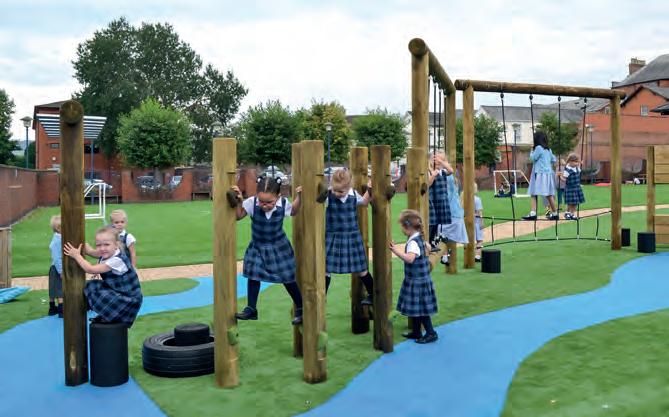








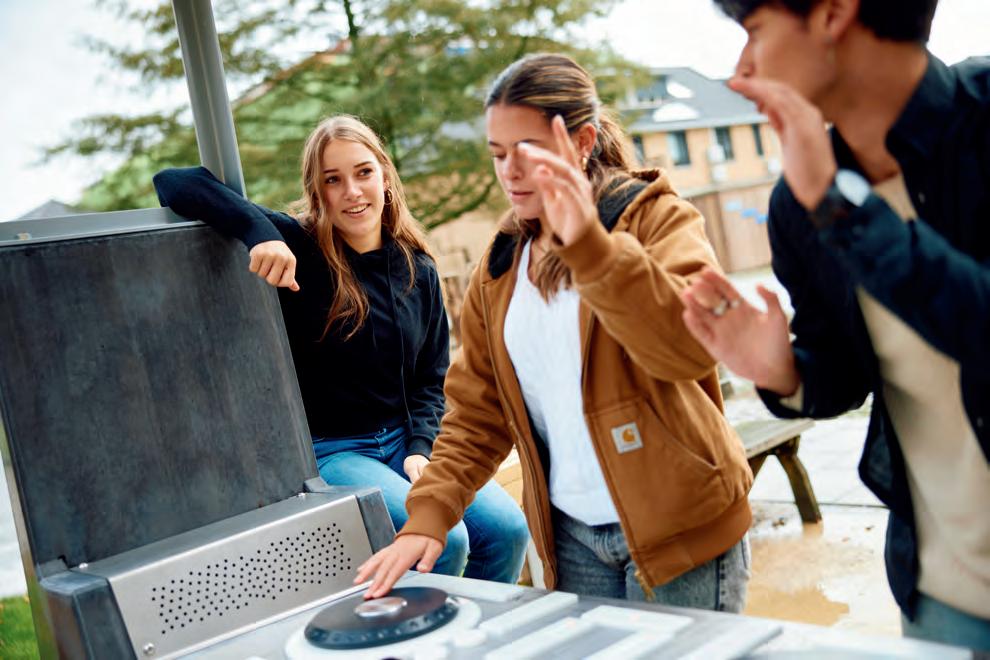
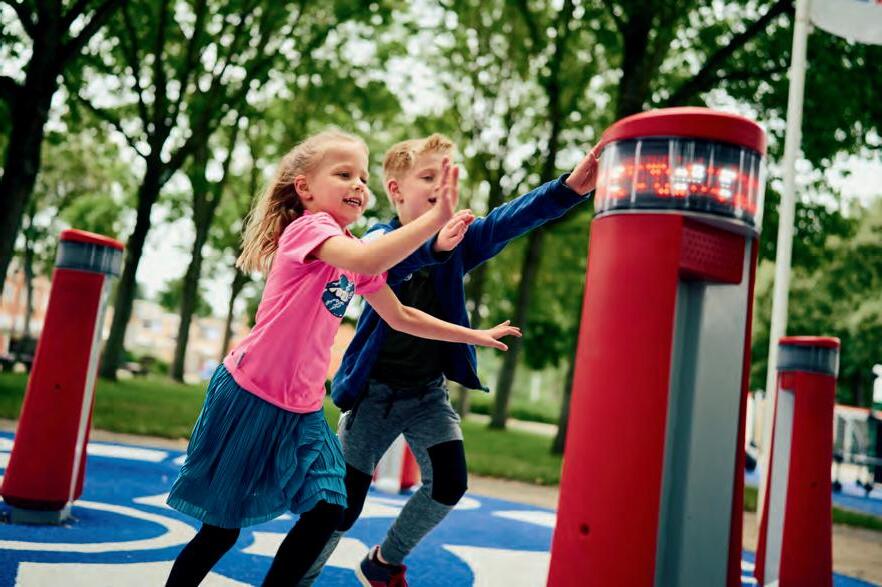

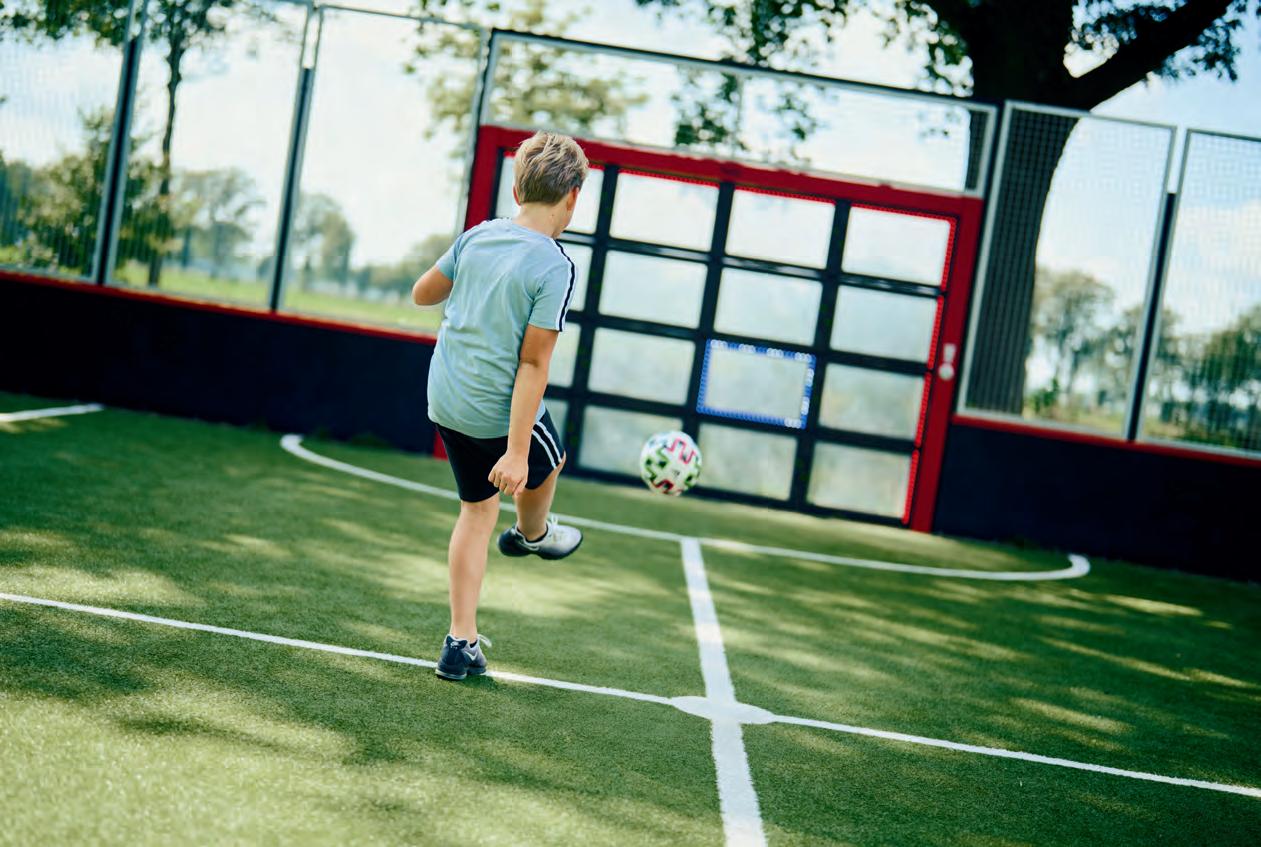
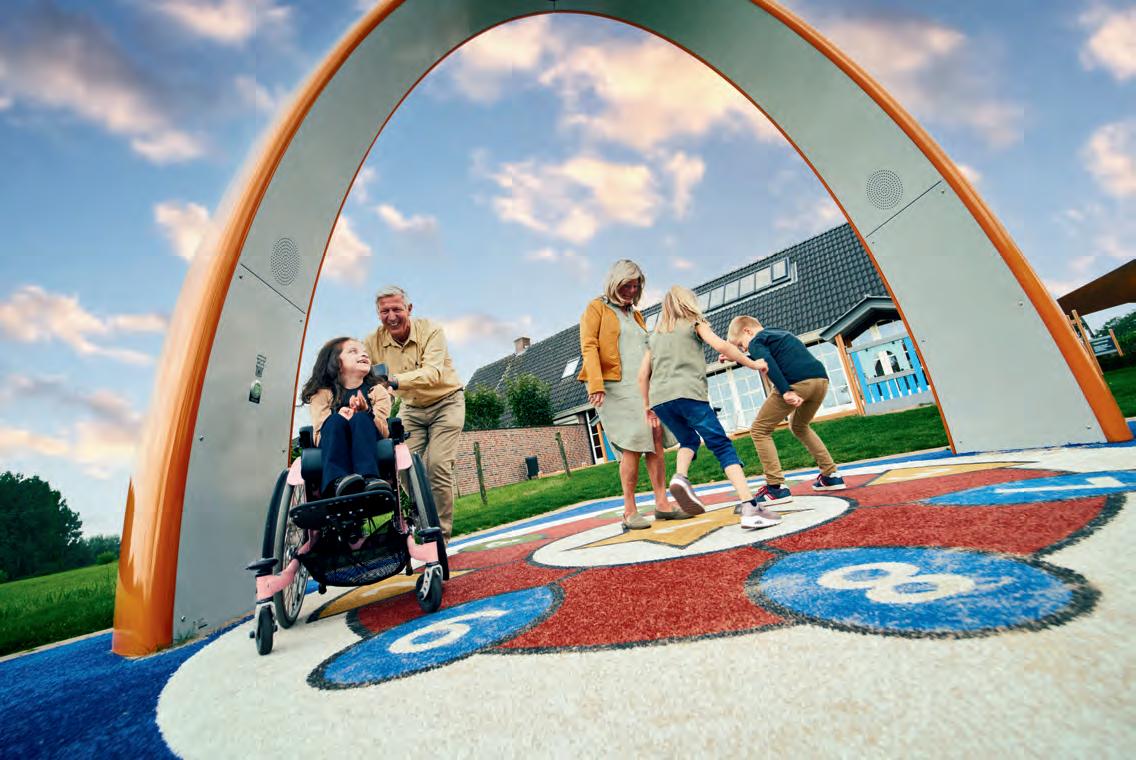
Play England has called on new Prime Minister, Andy Burnham, to bring back a National Play Strategy and “finish what was started” 18 years ago, while he was Culture Secretary in Gordon Brown’s government.
Burnham co-launched England’s National Play Strategy in 2008, alongside then Children’s Secretary Ed Balls. Developed by the then Labour government with Play England, the strategy was backed by funding worth £235m. It aimed to create 3,500 new play spaces across every local authority area in England, including 30 staffed adventure playgrounds. More broadly, it sought to embed play in local planning, public space design, housing, education and community development.
As Burnham has now returned to government – this time as PM –Play England has published an open


letter, asking for him to return to the foundations laid in 2008 and to build a new play strategy on them.
The letter also calls for the strategy to be underpinned by Play Sufficiency legislation, so that “every community must assess and secure
enough time, space, opportunity and freedom for children to play”.
To fund the two commitments, the letter is asking the PM to back it with sustained investment of £125 million per year, which Play England say is “just 20p per child, per week”.
Tom Hayes MP, Chair of the All-Party Parliamentary Group (APPG) on Play will be among the speakers at the inaugural National Play Conference, to be held in October this year. Hayes has become a powerful advocate for play in the House of Commons and has been instrumental in setting up the APPG.
Taking place on Friday 9 October 2026 at University of Warwick, the conference is organised in partnership by Play England and the Sports and Play Construction Association. The one-day conference will be hosted by Inclusive NSPCC Champion of Childhood, Amber Ogunsanya-William.
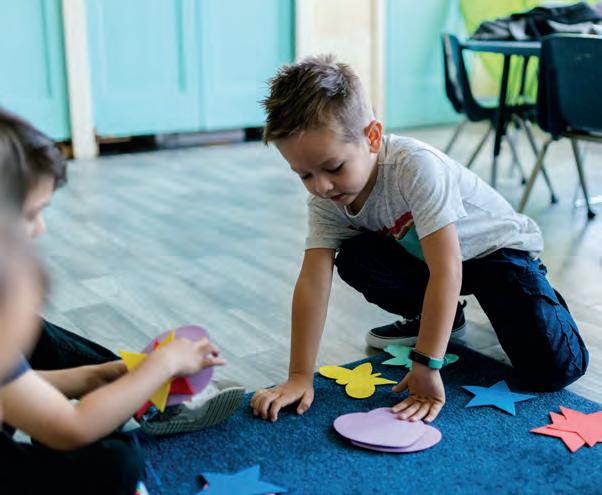
Primary, secondary and special schools in England should embed play sufficiency in their operations, according to a new report from Play England and the Youth Sport Trust.
The summary report (More Play. Better Learning) argues that when children have the conditions to play in ways they value, they are not simply expressing wellbeing, they are “actively generating it”. It identifies play sufficiency as a practical, “rights-informed approach” to improving children’s wellbeing, learning and engagement across school life.
According to the report, this means working towards every child having sufficient:
● Space: accessible, inclusive and stimulating environments that are safe enough for children to play, explore and take appropriate risks
● Time: predictable, protected and uninterrupted time for self-directed play every day
● Acceptance: a school culture that values and actively supports children’s play
● Rights-informed practice: school policy and practice aligned with Article 31, General Comment 17 and the wider UN Convention on the Rights of the Child
The report also highlights the role of play in developing skills and providing a range of benefits, such as physical activity, fundamental movement skills, emotional regulation, social connection, resilience and curiosity and openness to learning.
Eugene Minogue, Executive Director of Play England, said: “Schools can become places where play is recognised as fundamental to learning, wellbeing and childhood itself.”



The importance of play and physical activity for young people
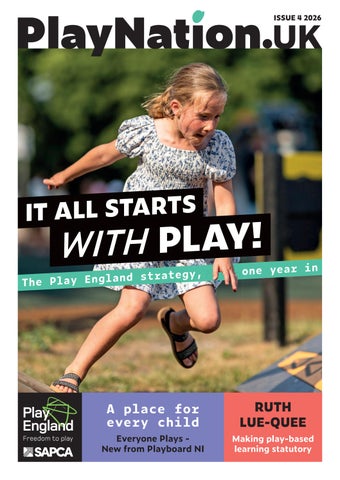
PlayNation, in partnership with Play England and SAPCA (the Sports And Play Construction Association), is dedicated exclusively to the dynamic and growing sector of play and physical activity for children and young people. Published bi-monthly, the magazine focuses on the policies, people and places that help young people to play and be more active. Subscribe now and we will email you a complimentary copy of the magazine every two months.
Subscribe today for regular news & updates http://www.playnation.uk
Contact John E: john@nationmedia.uk http://www.linkedin.com/ company/playnationmag
Advertising opportunities
PlayNation is published by SportsNation Ltd in association with Play England (www.playengland.org.uk) and the Sports And Play Construction Association (www.sapca.org.uk) This publication is protected by copyright and no part may be reproduced, transmitted or stored in any print or electronic format without the written permission of the publisher. Every effort has been made to ensure the accuracy of the contents of this publication and PlayNation accepts no responsibility for any error or misrepresentation. Opinions expressed by the contributors and advertisers are not necessarily those of the publisher and we do not accept responsibility of losses or damages arising from them. Printed by BCP Media Group Ltd.


Disabled children across England are being denied equal access to playgrounds, holiday clubs and community activities, according to a new report from the Children’s Commissioner.
Disabled children’s access to play and activities says young people with disabilities frequently cannot use the same parks as their siblings and friends. Children and families reported barriers including inaccessible paths, limited adapted equipment, and play areas that are unsafe for those with mobility, sensory or learning needs.
Children’s Commissioner Dame Rachel de Souza, said: “I’ve been travelling the country to promote my final survey. From Scouts hiking Hadrian’s Wall to talented young musicians in Suffolk, I love seeing joyful activities – where children are learning, making friends and getting a sense of being part of

something bigger than themselves. But, sadly, for too many disabled children this is not what the start of summer feels like – too many of them tell me that they cannot even use their local playground, let alone go to a football, drama or arts club like their friends.”
Eugene Minogue, Executive Director, Play England, added: “No disabled child should have to travel across their town or city to find somewhere they are able to play and feel welcome. This report makes clear that equal access to play cannot be left to chance.”
BH Live has introduced new inclusive leisure measures across its Portsmouth leisure centres to help more children and young people with Special Educational Needs (SEN) stay active. The registered charity and social enterprise has worked with Cliffdale Primary Academy over the past 12 months to better understand how families can access sport, leisure and physical activity in a more supportive way. The collaboration focused on removing barriers that can prevent young people with additional needs from taking part in everyday activities such as swimming, soft play and local attractions.
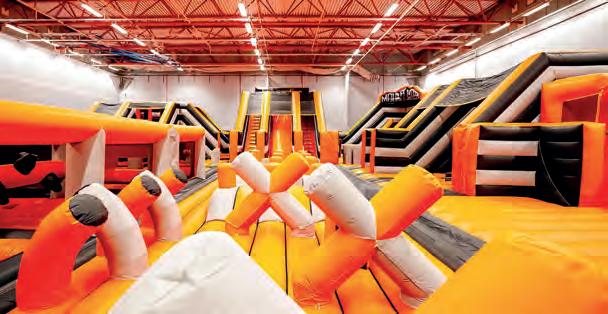
“This partnership has helped us better understand how to create more inclusive opportunities,” explained Carla Earle, BH Live’s Community Sports Manager.
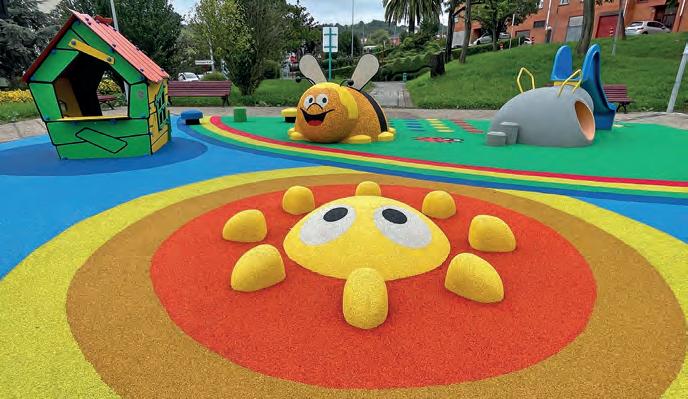
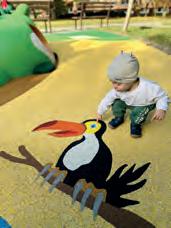
Ustigate Waterplay has introduced a new range of 2D graphic inserts and 3D play characters designed for splash pads, play spaces and other recreational environments.
Developed to help local authorities, landscape architects, leisure operators and developers create more engaging destinations, the new range combines visual storytelling with imaginative physical play.
The new 2D graphics collection features more than 300 predesigned themes, including aquatic life, wildlife, transport, educational games, numbers,
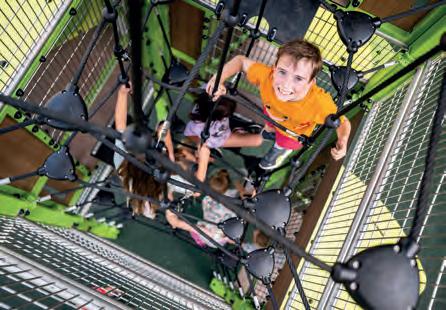
letters, fantasy worlds and custom graphics. Designs can be incorporated into splash pads, playgrounds, water play areas and public realm schemes to encourage movement, learning and imaginative play.
The new concepts are particularly suited to splash pad projects, where themed graphics and interactive 3D characters can be integrated directly into the overall design.
Custom colours, themed graphics and unique character designs allow each project to establish its own identity.
Charnwood Borough Council appointed KOMPAN to help transform its popular town centre destination at Queen’s Park in Loughborough. The existing site had become tired and outdated, with several items no longer in use, limited play value and ongoing anti-social behaviour issues linked to the layout of the space and the equipment in place.
The completed play space has been designed to be “bold, distinctive, and instantly welcoming” to visitors of all ages and abilities.
Informal age zoning helps guide children through different levels of challenge and play experience as they grow, while the large inclusive Sensory Dome provides a centrepiece and a multi-generational focal point for the park.
According to the council, the new play area has been “incredibly well received” since its opening.
Bonnymead Play Park has reopened following a £500,000 refurbishment designed to provide more inclusive and engaging play opportunities for local children and families.
Located on the Recreation Ground beside the River Avon, the long-standing play area had been identified as being in urgent
need of modernisation. The Town Council prioritised the project in 2025 and funded the investment from its financial reserves.
Designed by outdoor play specialist Proludic, the transformed park features seven distinct areas offering activities for children of different ages and abilities.
Northern Ireland’s focus on inclusive play has strengthened with the launch of a new schoolbased programme designed to improve children’s learning environments through play.
The Inclusive Play Programme has been officially launched as part of the Special Educational Needs Reform Delivery Plan, with the first group of schools beginning the eight-week programme in May 2026.
Delivered in partnership with PlayBoard NI, the initiative aims to embed inclusive play into everyday school life and support children’s social, emotional, behavioural and cognitive development.
The programme arrives alongside wider calls for a more coordinated approach to children’s play in Northern Ireland, following the publication of Playing Out –Understanding Play Deprivation in Northern Ireland by PlayBoard
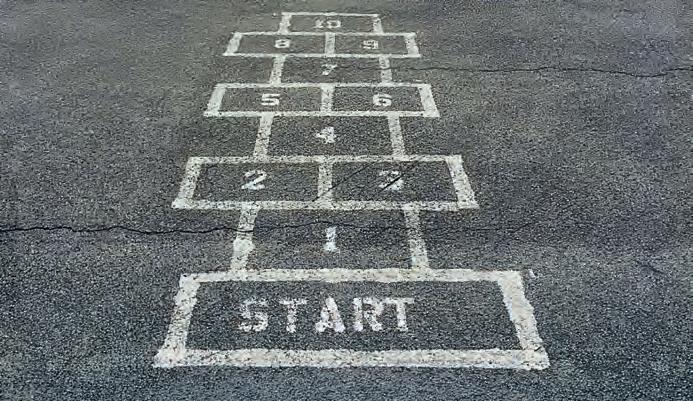
NI and the International Play Association Northern Ireland branch. Together, the programme and report highlight the growing importance of inclusive, accessible and developmentally rich play opportunities across schools, early years settings and communities.
The Inclusive Play Programme has been developed as part of Northern Ireland’s wider Special Educational Needs Reform Delivery Plan.
The delivery plan focuses on using play as a practical, evidence-informed way to support children with diverse needs.
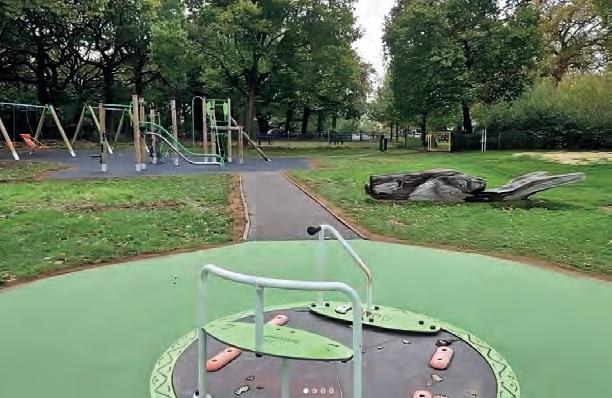
Four play areas in the Rochford District in Essex are set for a major refresh over the coming months, with improvement works planned at Fairview Recreation Ground, Clements Hall Leisure Centre, Hockley Woods and Sweyne Park.
The programme of works is part of a wider investment in community play spaces by Rochford District Council and will replace ageing equipment, improve safety surfacing and modernise play areas where facilities have reached the end of their life – or where there is an opportunity to enhance the play experience for local children and families. At Clements Hall Leisure Centre, existing play equipment which is up to 20 years old will be replaced as part of a wider upgrade to the site, while at Hockley Woods, the toddler play area will be upgraded.

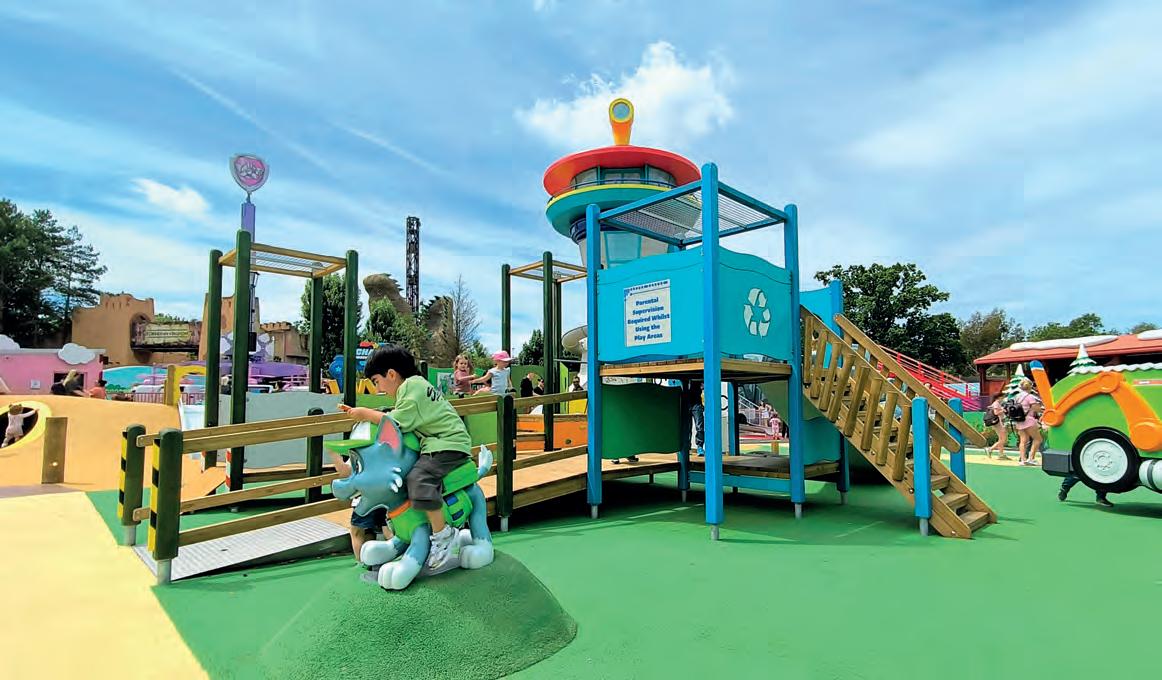
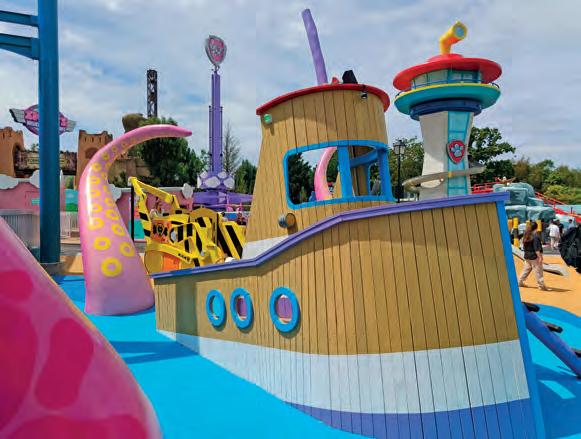
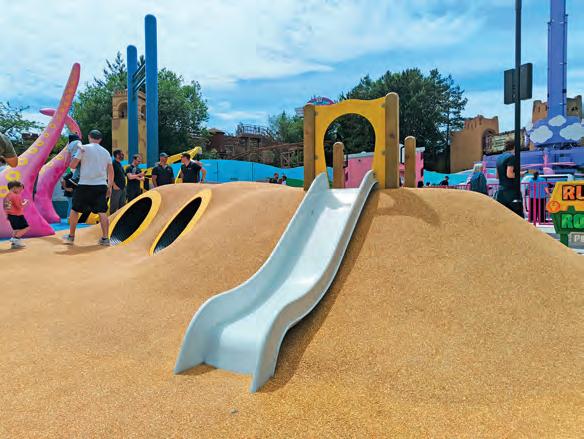
Visitors to the new World of PAW Patrol at Chessington World of Adventures Resort can now enjoy a fully unique outdoor play experience following the completion of a highly bespoke themed installation inspired by PAW Patrol favourites Rubble and Rocky.
Delivered by eibe Play and Sport, in partnership with Chessington’s and Merlin Entertainment’s creative and project teams, the new play zone has been designed specifically for the UK’s first and only PAW Patrol-themed land. The area combines custom-built play features, adapted equipment and imaginative storytelling to create a unique destination for young adventurers.
The new Rubble & Rocky’s Construction Zone has
transformed an area of the attraction into an immersive play environment where children can climb, crawl, slide and explore through imaginative, character-led play.
At the heart of the play space is a custom-designed Captain Turbot ship, crafted from Robinia timber and featuring a variety of vibrant colours, to complement the attraction’s themed setting. Elsewhere, children can bounce aboard Rocky’s Recycling Lorry, a themed group springer designed to encourage social play and interaction.
The themed experience is completed by a series of construction material mounds featuring crawl tunnels, together with an embankment slide that makes full use of the site’s existing topography.




















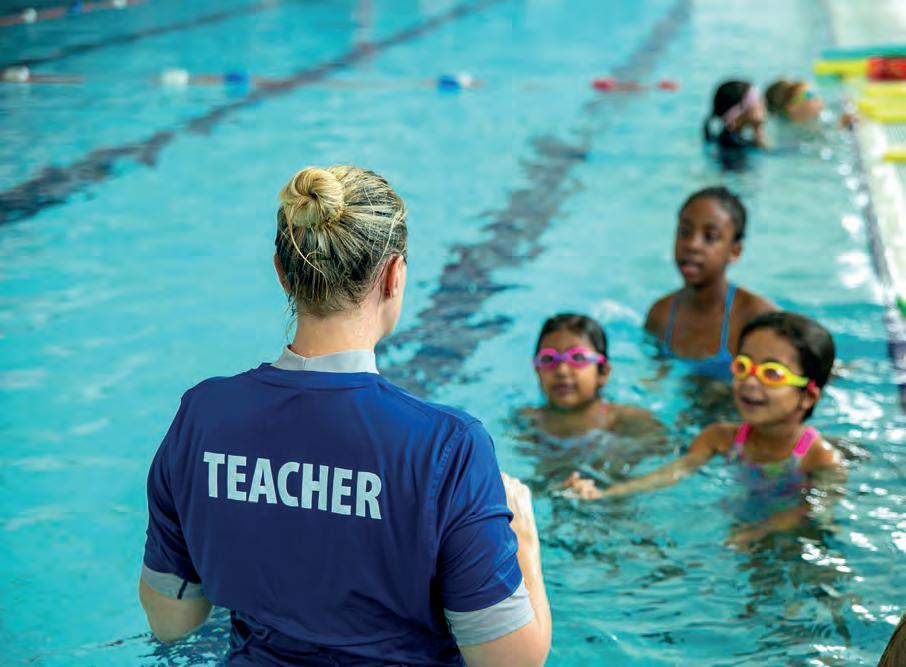
STA's new Level 2 Swimming Teacher Qualification is reshaping how courses are delivered to meet the needs of today's workforce, tutors and learners.







• Endorsed Against CIMSPA’s Updated Professional Standard
• Modernised Delivery Model, Including AI Assisted Marking


• Flexible Study Options

• Support Beyond CertificationCPD Bundle and STA Membership







































Sutcliffe Play has signed a strategic partnership with Lappset Group to become the UK distributor for the Finnish playground specialist. A manufacturer and designer of playgrounds, sports, parks, and outdoor fitness equipment, Lappset was founded in 1970 and is headquartered in Rovaniemi, Finland.
Sutcliffe Play’s range focuses on playful metal equipment ranges, while Lappset’s porfolio focuses on predominantly timber-made products, designed with a keen emphasis on Nordic design and sustainability. According to Sutcliffe, by combining the two distinct offerings, the partnership will give Sutcliffe Play a “commanding position” on the UK play marketplace. Andrew Love, Sutcliffe Play Director of Sales
and Marketing, said: “We’re thrilled to finally reveal our collaboration with Lappset to the world, which will allow us to offer this exciting range of sustainable Nordic timber-based products to our customers alongside our own new metal-based product ranges currently being launched.”
Simone Ryser, Director of Channel Partner Sales at Lappset Group Ltd, added: “Sutcliffe Play’s deep understanding of the market, especially within the tendering process, their great reputation and shared commitment to quality, innovation and customer service make them an ideal partner for Lappset. Together, we look forward to creating inspiring play and activity spaces that benefit communities across the UK.”
The challenge is no longer simply to provide accessible play environments, but to ensure every child has equitable opportunities
Alan Herron CEO, PlayBoard NI
Over the past four decades, the play sector has continually challenged accepted thinking about childhood, helping establish play as a fundamental right while reshaping attitudes towards risk, participation and the environments children need to thrive. Perhaps it is time to challenge one more assumption.

For many years, the conversation around inclusive play has been framed by the question, “Can disabled children access this play space?”. It remains an essential question, and significant progress has been made in removing physical barriers to participation. Yet accessibility cannot be the end of our ambition.
Children rarely judge a playground by how accessible it is. They judge it by what they were able to experience there - the friendships they make, the adventures they share and the joy of freely chosen play.
Playworkers have long understood this through the concept of play value - the richness of opportunity an environment offers through freely chosen play. Viewed through this lens, the challenge is no longer simply to provide accessible play environments, but to ensure every child has equitable opportunities to experience rich, meaningful play.
From the UK Play Safety Forum and Children’s Play Policy Forum’s distinction between accessible and inclusive play, to the ADAPT framework co-
produced by the Mae Murray Foundation and PlayBoard Northern Ireland, there is growing recognition that inclusion is about much more than equipment. It is about creating play environments where children can genuinely play together and where difference has been anticipated through thoughtful design rather than accommodated as an afterthought.
This thinking is now being translated into wider practice through PlayBoard’s Everyone Plays programme, recognising that inclusive play depends as much on the culture, leadership and staff confidence within schools and wider settings as it does on the design of play environments.
Across the play sector, there is a growing convergence around one simple idea: quality should be judged not solely by compliance or accessibility, but by the richness of children’s play experiences. We have become increasingly skilled at measuring the accessibility of playgrounds. Our next challenge is to measure the quality of children’s experiences within them. Our profession has helped advance recognition of children’s right to play while transforming access for countless children and families. Yet our work is not complete. The next evolution is not simply creating playgrounds that every child can access but creating places where every child can experience the richness, spontaneity and joy that play has always offered. That is how we move from access to belonging.
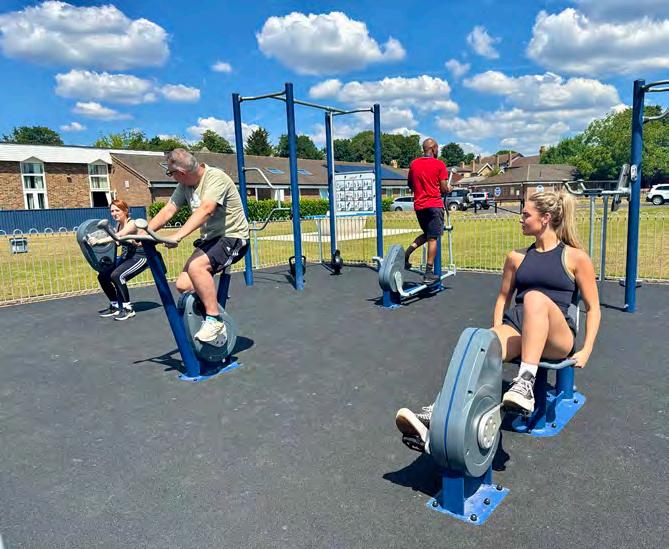
Play spaces are designed to encourage exploration, imagination and healthy risk-taking, but safety inspectors are facing a concerning trend: the misuse of equipment in ways that compromise safety and longevity.
Vandalism and the misuse of playground equipment are not new challenges, but play safety inspectors are increasingly observing behaviours that go beyond opportunistic damage. From graffiti and littering to arson, deliberate destruction and the inappropriate use of electric scooters and bicycles on equipment, anti-social behaviour is placing strain on facilities that are designed first and foremost for children’s safe play.

Every pound spent creating or upgrading a playground should deliver long-term value for communities, supporting children’s physical health, social development and wellbeing for years to come. That investment can only be safeguarded through a combination of responsible community behaviour, effective maintenance and robust inspection regimes that identify routine wear and damage caused by abnormal use. Regular safety inspections play a vital role in distinguishing between expected deterioration and defects from misuse. By identifying issues at an early stage, safety inspectors help ensure that remedial action can be taken before problems escalate into more serious safety concerns.
This kind of misuse has consequences that extend far beyond aesthetics. Damage to moving parts, structural components or impact-absorbing surfaces can compromise the performance of equipment and may create hidden safety risks. Timber structures exposed to fire may suffer unseen degradation, while repeated misuse can accelerate wear on bearings, fixings and foundations, shortening the lifespan of otherwise well-maintained assets.
As government and local authorities work to increase investment in play, it’s more critical than ever to protect and preserve these dedicated spaces.
Play spaces should be subject to routine, operational and annual inspections. Routine checks should be carried out daily or weekly to spot obvious signs of damage, while operational inspections should take place monthly or quarterly to assess wear and tear. Both should be undertaken by appropriate RPII-qualified inspectors, with a more detailed independent annual inspection carried out by an RPII-certified annual inspector. RPII qualification gives owners, operators, and communities confidence that the right safety standards are being met. This not only helps protects children, but also extends the life of play assets and reduces risk for operators.















































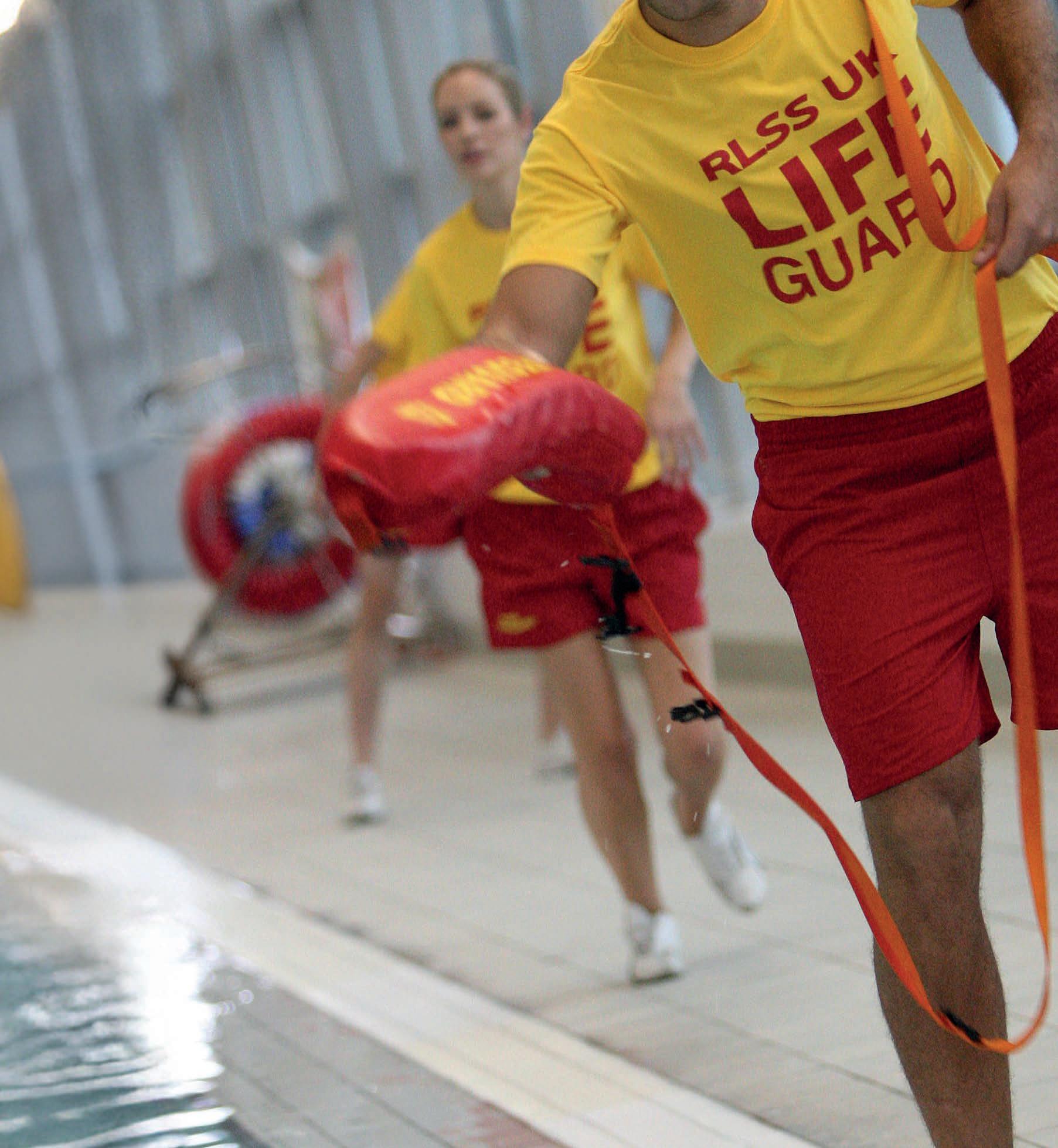
www.rlss.org.uk/swimming-pools-consultancy-service



















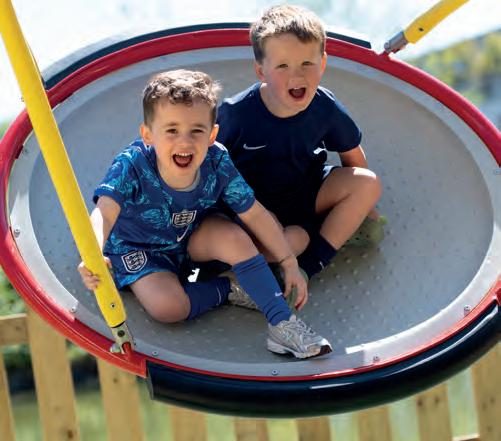
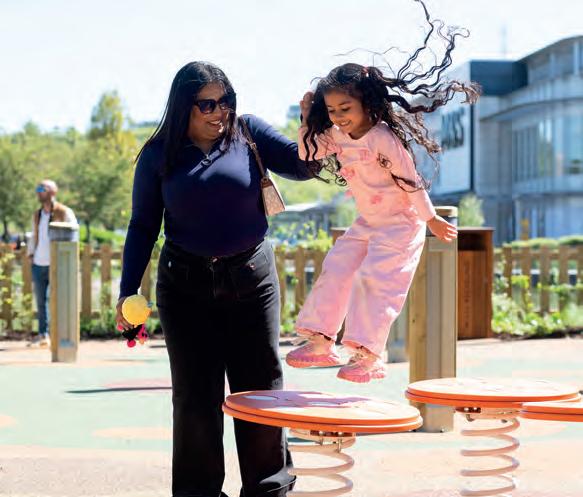
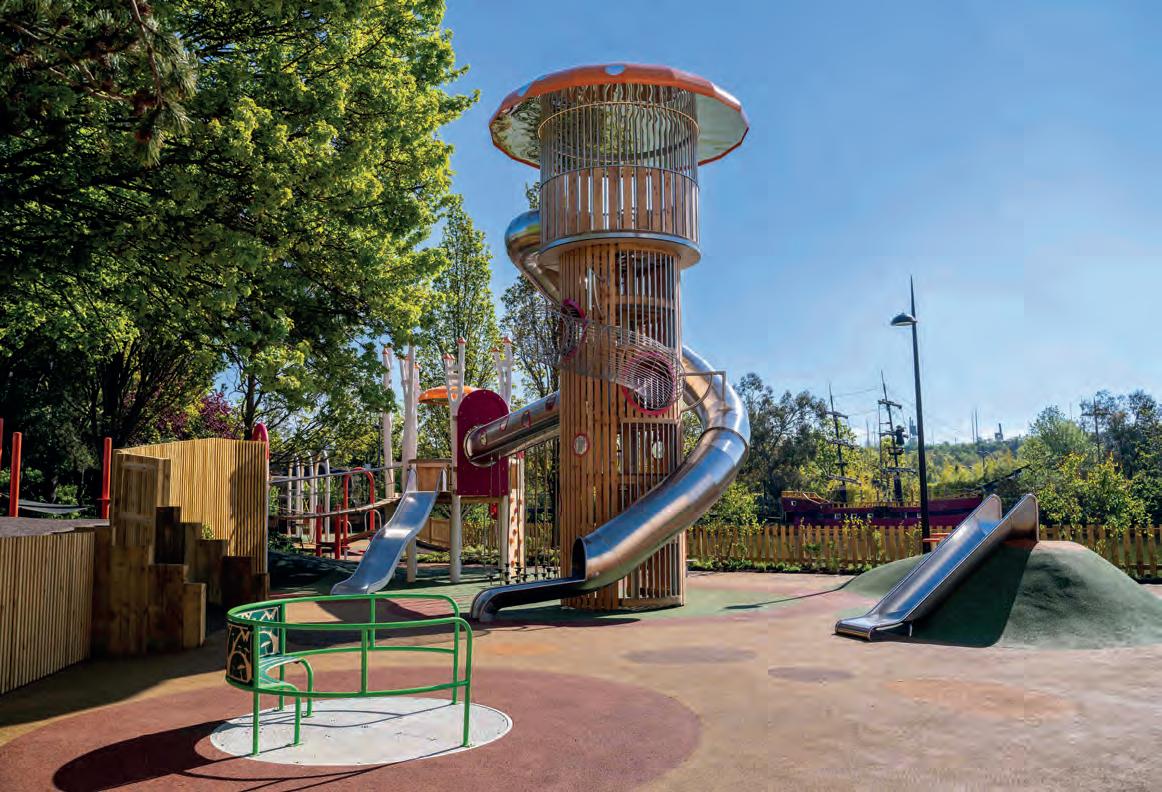
Jupiter Play & Leisure, in partnership with Landsec, has completed the transformation of Bluewater Shopping Centre’s Wintergarden Play Area in Dartford. The site has been reimagined as an immersive, mushroom-inspired destination designed to spark curiosity, movement and joyful play for families
Officially sprouted in April 2026, the revitalised Wintergarden brings together inclusive design with imaginative play and subtle touches of a garden in bloom. The space creates opportunities for children to explore, connect and let their imaginations run wild.
From a child’s dream to a playful reality
The vision for the new Wintergarden Play Area began with a design competition among year 6 pupils at Temple Hill Primary School in Dartford. The winning sketch became the seed of the design, initially concepted by 100 Architects, and was brought to life by Rachel Stanley, our Senior Designer & Quantity Surveyor.
The pupils’ influence can be seen throughout the final design, with playful shapes, natural textures, and gentle references to the blooming garden inviting storytelling across the site.
What you’ll find at Bluewater’s Wintergarden
Drawing on over 30 diverse pieces of play equipment, the redesigned Wintergarden offers a complete landscape of movement, imagination, and inclusion with moments for intergenerational play woven throughout.
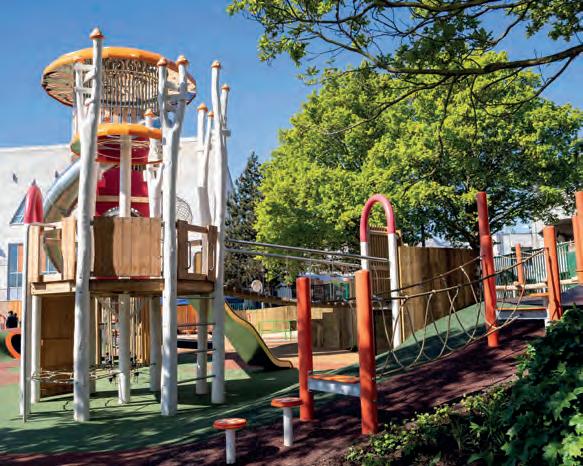
At the heart of the Wintergarden lies the bespoke Mushroom Multiplay Unit: two sculptural towers linked by a crawl tunnel. The larger tower reaches an impressive 8.8 metres in height, with plenty of room inside to climb and crawl your way to the top. The shorter 5 metre tall wheelchair-accessible tower provides space to climb, slide and crawl. Nestled under the mushroom domes of each unit are mirrored ceilings that encourage social play, accompanied by subtle lighting that illuminates the unit and extends play time into the darker hours.
Working with one of the UK’s largest shopping centres has provided us with the opportunity to leave our mark on over 27 million visitors each year
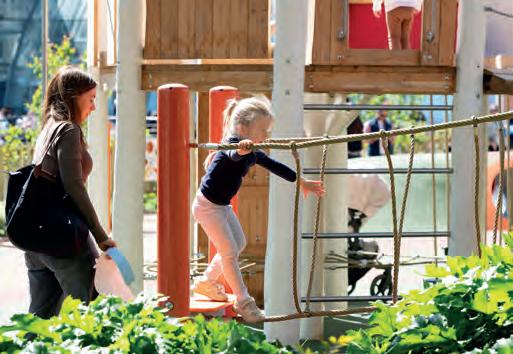
The entire unit offers play value from above and below. On the upper level there are chances for climbing, immersive viewpoints and an exhilarating spiral tube slide that kids big or small will adore. Below the unit are a series of balancing ropes for visitors to put their agility to the test, before reaching the shaded chillout nets for a well earned rest.
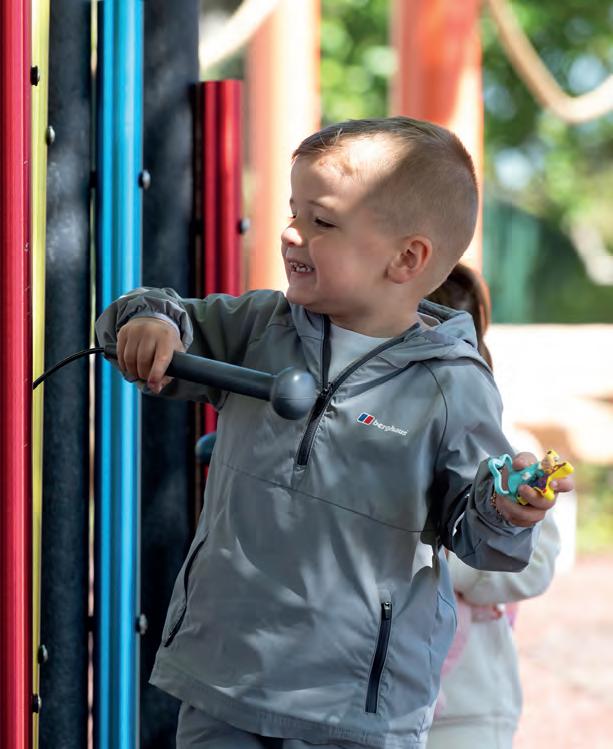
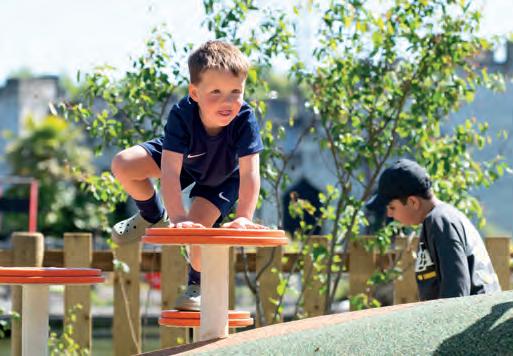
Sprinkled with a range of equipment, the Hillside Retreat offers an alternative route to the bespoke multiplay unit. One end of the hill features a wheelchair-accessible (with assistance) ramp, accompanied by a chime quartet for visitors to exercise their musical abilities. At the other end lies a balance trail consisting of a wooden zigzag balancing bridge, a rubber triangular belt bridge and a triangle bridge. Testing the abilities of visitors, the trail creates challenges and inspires strategic thinking to make their way across the equipment.
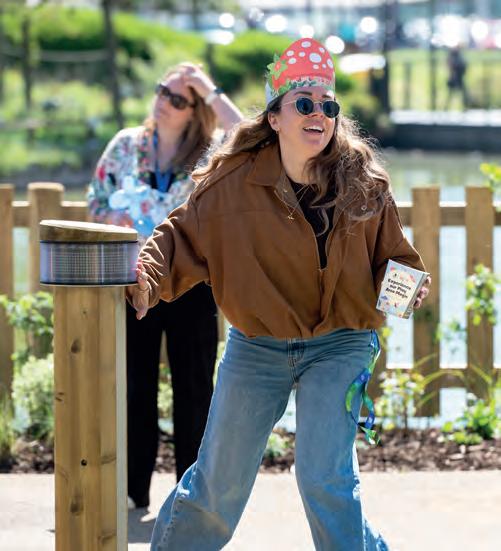
Offering an engaging and dynamic experience, the Memo Interactive Activity Zone provides space for education and competition, all whilst getting visitors moving! Pressing the button on the middle pillar unlocks a catalogue of over 64 games across education and activity, from multiplication and language quizzes to Tag and storytelling games.
The Memo is driven by data. Most importantly, this enables key stakeholders to track return on investment and evaluate performance and profitability in real time. By continuously capturing statistics, the Lappset Dashboard also identifies the most popular games, hours of use and weekday popularity to build an instant picture of how the space is being used.
Overlooking the Wintergarden Lake is a row of arch swings and a standing seesaw, culminating in the ultimate view that any visitor will be delighted to see. The swinging arches feature a mixture of cradle seats for toddlers, flat rubber seats for older children and
adults, and an accessible nest basket for all visitors. The addition of subtle lighting provides further aesthetic appeal and visual stimulation, connecting all areas of the park through a trail of light in the dark.
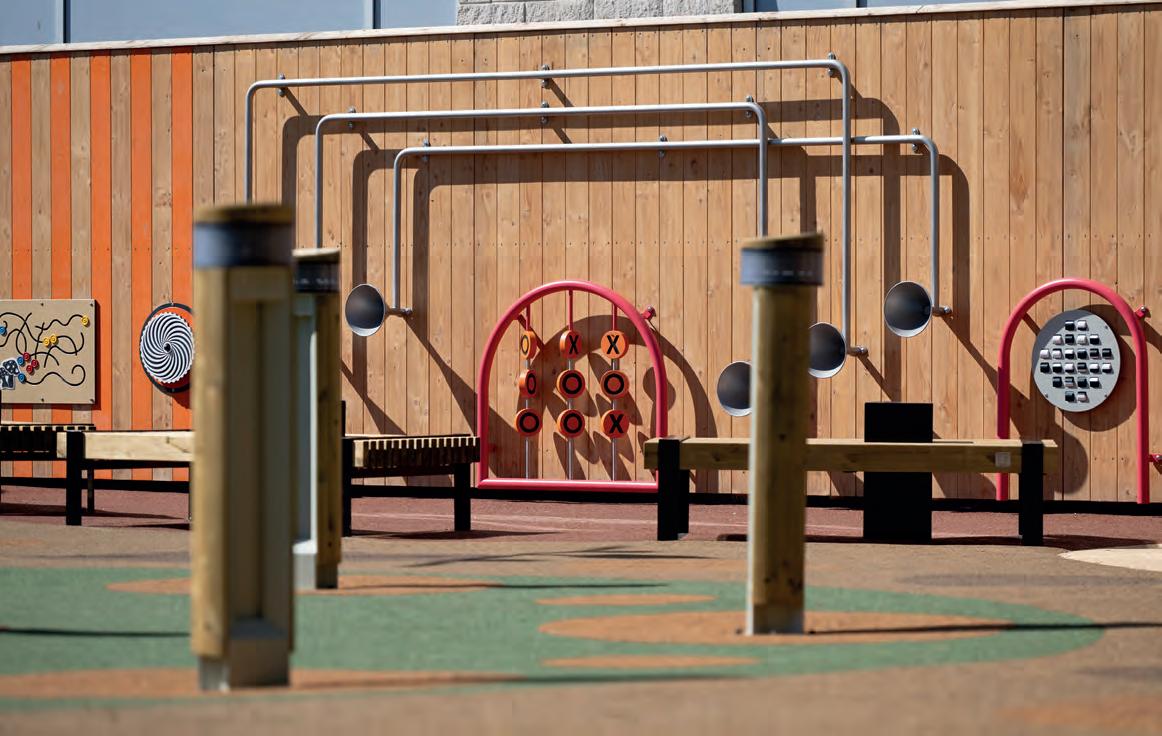
Towards the entrance seating area is a feature play wall.
The wall is built up of a variety of play elements from full length chimes to a tactile and visually stimulating spinning wheel and pixels game. But the main attraction is a series of talk tubes, configured at different heights to encourage social interaction amongst visitors of all ages.
At Jupiter Play & Leisure, inclusive design is integral to all our projects. And the Wintergarden Play Area is no different. The play area has been crafted to ensure that:
Children with and without mobility aids can access meaningful play
Sensory, imaginative and physical play coexist in harmony
Families and visitors of all ages can experience the landscape together
Active areas are balanced with quiet environments for respite.
The result is a natural, innovative and welcoming play space. A place where children are encouraged to explore, grow and create stories that they will cherish forever.
A historic milestone for Jupiter Play & Leisure
This partnership marks a historic milestone in Jupiter Play & Leisure’s journey. Working with one of the UK’s largest shopping centres has provided us with the opportunity to leave our mark on over 27 million visitors each year, making their visit to Bluewater Shopping Centre even more memorable.
Managing Director Michael Hoenigmann shares: “Wintergarden Play Area at Bluewater Shopping Centre was a fabulous project to work on! We developed this amazing playground in partnership with Landsec with countless unique features. From the play wall that encourages active play and the swing line that illuminates the play area to the giant bespoke mushroom unit, it’s fantastic to see families having so much fun. The space has really set a new standard for other retail centres to live up to.”
James Waugh, Centre Director at Bluewater, commented: “We’re proud to invest in Bluewater to create a fantastic full day out experience for guests of all ages. The new play park has significantly enhanced our family offering, giving an inclusive play experience that transforms a key area of the centre into an engaging hub for children of all ages and abilities.
“We are delighted to have welcomed families to experience the magic of the new space, and we thank the Year 6 students of Temple Hill Primary School and Jupiter Play & Leisure for their inspired ideas.”
Educator and Author Fey Cole marked the launch of her latest book, Play and Adolescence, with an informal, playful gathering in South East London, bringing together ideas of play, place, intergenerational thinking and young people’s right to be valued
The Launch Event for Play and Adolescence: Developing a Playful Pedagogical Approach for TeenagersLearning, Growth, and Wellbeing marked the release of a timely and much-needed contribution to professional conversations about learning, wellbeing and belonging in the teenage years. Held as an informal, playful gathering rather than a traditional academic event, the launch reflected the book’s core premise: that play is not an optional extra, but a critical component of how adolescents learn, connect and develop.
Written for professionals working across education, youth services and community development, and Adolescence explores how play can be meaningfully embedded into learning environments to support teenagers’ cognitive development, emotional wellbeing and social connection during




a pivotal life stage. The book challenges longstanding assumptions that position play as irrelevant or inappropriate in adolescence, instead presenting it as a powerful pedagogical and relational tool.
Drawing on interdisciplinary research and international practice, ‘Play and Adolescence’ examines play across a range of contexts, from formal classrooms to community spaces and digital environments. Through real-life examples and case studies, the book demonstrates how playful learning can develop teenagers’ sense of belonging, enhance creativity and critical thinking, and support positive relationships with peers and adults.










A trained playworker, Fey Cole is a PlayBoard NI board member and Curriculum Manager at a FE College in Northern Ireland, where she leads across further and higher education programmes with a strong commitment to inclusive, values-based practice. Her lecturing specialism is in Early Years and Playwork and her work is grounded in practice that values play, relationships and learning across the lifespan.



At PlayBoard NI, she brings a longstanding interest in play, community learning and social connection. Alongside ‘Play and Adolescence’ Fey is also the author of ‘Intergenerational Practice in Schools and Settings’ and ‘An Educator’s Guide to Project-Based Learning’.





A key strength of the publication lies in its accessibility. Rather than remaining at the level of theory, the book offers practitioners clear insights into how play can be incorporated into everyday practice. It addresses common structural, cultural and policy-related barriers that limit opportunities for play, while also providing actionable strategies that professionals can adapt within their own settings.

settings.
The launch comes at a time when professionals working with teenagers are navigating increasing pressure. Highly structured curricula, accountability measures and performancedriven systems often leave little room for experimentation or creativity. Within this landscape, play can be misunderstood as a distraction rather than a developmental necessity. directly responds to these challenges. The book positions play as a purposeful approach that complements, rather than competes with, learning objectives.
and Adolescence
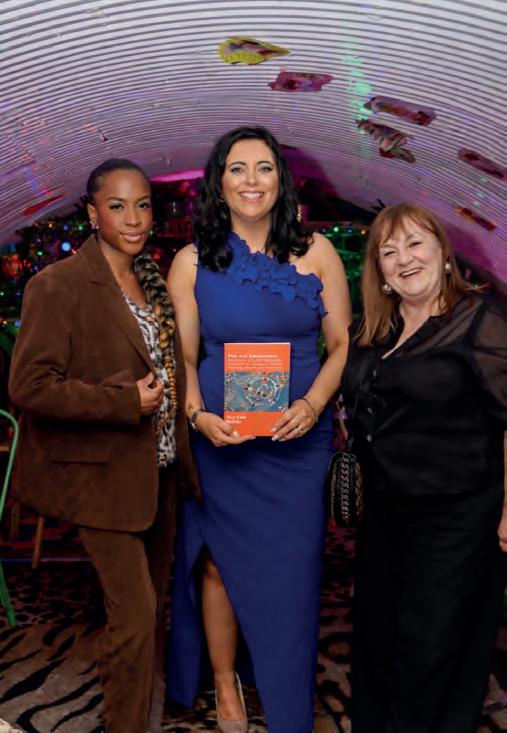
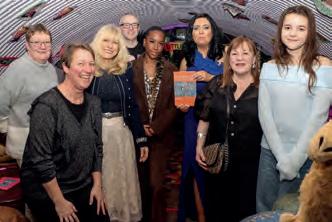
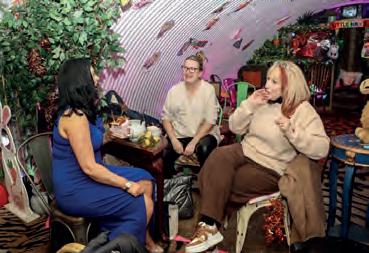
The launch event of Play and Adolescence, which examines play across a range of contexts



By reframing play as a contributor to emotional regulation, problem-solving and social learning, it offers practitioners a language for advocating playful approaches within constrained systems.
Alongside its practical focus, the book is grounded in a rights-based understanding of play. It draws attention to Article 31 of the United Nations Convention on the Rights of the Child, which recognises children and young people’s right to play, rest, leisure and participation in cultural life. Often described as the “forgotten right”, Article 31 is frequently sidelined in policy and practice, particularly as young people move into adolescence. By linking play to wellbeing, participation and belonging, Play and Adolescence provides professionals with a framework for understanding play not as an indulgence, but as an entitlement that supports healthy development. This perspective is especially significant in contexts shaped by inequality, division or limited access to safe, inclusive spaces for young people.
The decision to host the book launch party as a playful, relational gathering mirrored the book’s emphasis




on connection and shared experience. Educators, practitioners and supporters came together to mark the publication in a way that modelled the kinds of environments the book advocates for: spaces where conversation flows, ideas are exchanged, and relationships are prioritised. The event created opportunities for dialogue about how play is currently understood in professional practice and how it might be reimagined. For many attendees, the launch served not only as a celebration, but as a prompt for reflection on their own work with young people.
As the book launch drew to a close, what lingered was not simply the achievement of a new publication, but the way the event itself modelled the values at the heart of Play and Adolescence. Bringing together Fey’s professional world in Northern Ireland, where she works as a curriculum manager in a further education college, with the family and community roots of Deptford, the launch showcased the importance of continuity, care and belonging. Play and Adolescence can be bought from all major bookstores. Find more on Fey’s work here: https://linktr.ee/Fey_Cole

Play England launched its 10-year strategy, It All Starts With Play!, at the House of Commons on 13 May 2025. One year on, progress has been made across Parliament, policy, investment, evidence, education and the play sector. But the central task remains unfinished: creating the national system needed to restore a play-based childhood for all children by 2035
When Play England launched It All Starts With Play!, it set out a clear vision: a society where all children have the freedom to play. Its mission is to make play a normal, accepted, and visible part of everyday life again. Its objective is to restore a playbased childhood for all children in England by 2035.
That 10-year horizon was deliberate. The decline in children’s freedom to play has taken place over several generations. It will not be reversed through one funding announcement, new playgrounds or one policy change.
Play is not a luxury, reward or optional extra. Nor should it be valued only because it contributes to health, learning or physical activity. Play matters in its own right. It is freely chosen, personally directed and intrinsically motivated. It is how children experience childhood.
The strategy therefore focuses on creating the conditions in which play can happen. It’s centred on Lott’s STAR framework, which has four requirements: Space, Time, Acceptance and Rights. Delivery is organised through four interconnected priorities: Spaces, Skills, Systems and Society.
One of the clearest achievements of the first year has been the establishment of the AllParty Parliamentary Group (APPG) on Play.
The APPG held its inaugural meeting and Annual General Meeting on 2 September 2025. Parliamentarians elected the group’s officers and considered the history and impact of the original APPG on Play, Play England’s new 10-year strategy, the Raising the Nation Play Commission’s final report, progress on Play Sufficiency legislation and the group’s forward programme.
Since then, it has held seven further meetings, creating a regular parliamentary forum through which MPs, peers, national organisations, practitioners, and

children can examine the barriers restricting play. Each focused on a distinct part of the national play agenda:
29 October 2025: Play Sufficiency in policy and practice, including the proposed legislative amendments and how a statutory duty could operate locally.
10 December 2025: Playgrounds and the play industry, including inequalities across England’s 34,000 playgrounds, the £18 million government investment and the development of Playces.
21 January 2026: Play in early years and schools, including the campaign to make learning through play statutory at Key Stage 1 and the wider case for Play Sufficiency in education.
25 February 2026: Adventure playgrounds and playwork,
examining their history, social value and sustainability, alongside the Playwork National Occupational Standards.
18 March 2026: Play Well: Health Play Services, focused on therapeutic play, specialist health play services and the workforce supporting children across the NHS.
10 June 2026: The International Day of Play and the Home Nations, bringing together the national play organisations from England, Wales, Scotland and Northern Ireland alongside updates on National Week of Play and Playday.
8 July 2026: Digital play and social media, considering the opportunities and risks of digital play, online safety, children’s rights and international approaches to social media regulation.
Children need to be able to play throughout the places where they live: in streets, estates, parks, green spaces, school grounds, and the wider public realm
Together, the eight sessions have created a regular parliamentary forum connecting play with planning, education, health, workforce development, digital policy, public investment and children’s rights. The breadth of the programme reflects the central argument of It All Starts With Play! - play cannot be confined to a single service, setting or government department.
This matters because play does not fit neatly within a single government department. Decisions about childhood are made through planning, housing, transport, education, health, public space, local government and digital policy. The APPG helps connect those agendas and keeps children’s right to play visible and vibrant within Parliament.
Play England also gave oral evidence to the Culture, Media, and Sport Committee’s State of Play inquiry on the same day as the APPG’s inaugural meeting. The evidence focused on the decline of staffed adventure playgrounds, the loss of playwork capacity and the need to treat play as part of England’s social infrastructure. It also set out the STAR framework and the case for a new National Play Strategy, underpinned by Play Sufficiency legislation and backed by £125m per year.
The most visible funding development was the Government’s announcement of £18 million for playgrounds in the November 2025 Budget. The package consists of £16 million of capital funding and £2 million of revenue support. It is expected to improve up to 200 playgrounds in areas of greatest need and represents the first national government commitment of its kind since the 2008 National Play Strategy.
Play England’s campaigning, parliamentary engagement and evidence contributed to securing that investment. But £18 million cannot reverse more than a decade of closures, declining maintenance budgets, and unequal provision. It should be treated as a first step and the basis for a sustained national programme, not as the job completed. Evidence is also being strengthened through Playces,
developed by Play England and the University of Sheffield. Playces has mapped almost 34,000 playgrounds and uses data on child population, deprivation, distance, number, and size to show where access is weakest. Its findings demonstrate why simply counting playgrounds is inadequate. Some communities, particularly those experiencing higher levels of deprivation, have fewer, smaller, and more distant play spaces.
The platform has already helped inform the Government’s approach to the £18 million Playground fund. Its longer-term purpose is to give national and local decision-makers a stronger basis for assessing Play Sufficiency, targeting investment, and understanding inequalities.
Investment must follow need, rather than the ability of individual communities to make the loudest case.
The strategy recognises that playground investment alone will not restore children’s freedom to play. Children need to be able to play throughout the places where they live: in streets, estates, parks, green spaces, school grounds, and the wider public realm.
The December 2024 National Planning Policy Framework (NPPF) introduced protection for “formal play spaces”. That was an important manifesto win secured before the strategy’s formal launch, but it covered only one part of the problem.
In March 2026, Play England responded to the Government’s proposed reforms to the NPPF and its new Design and Placemaking Planning Practice Guidance (DPPPG). The response called for children’s needs to be embedded across planning policy, including informal play, playable neighbourhoods, safe access, and meaningful participation by children. This work built on New Clause 82 to the Planning and Infrastructure Bill, which proposed a Play Sufficiency duty and secured support from 72 MPs. Although the Government did not accept the legislative amendment, it committed to strengthening national planning policy and guidance.
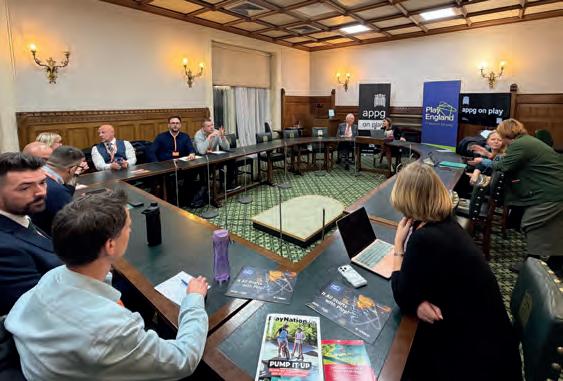
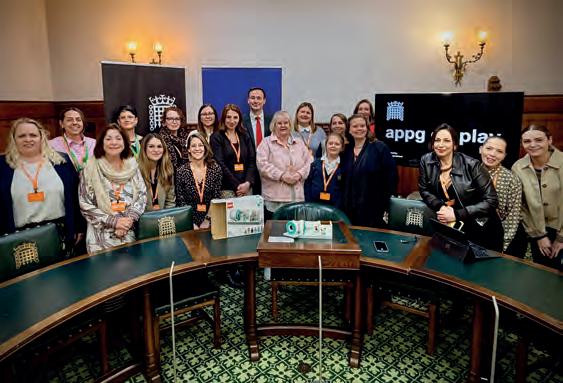
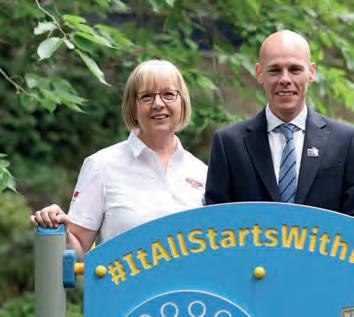
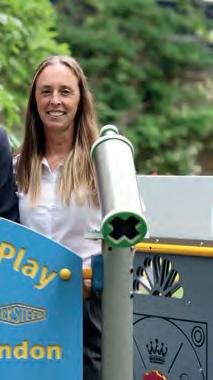
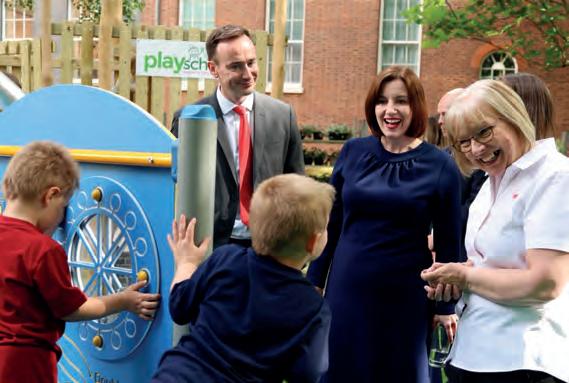
Play England’s successes since May 2025 include tabling a parliamentary play sufficiency amendment and helping to form the first APPG on play

The new NPPF must follow through on that commitment. Children should not continue to be largely invisible within decisions that shape the places in which they grow up.
The strategy’s Skills priority recognises that good play opportunities depend on people as well as physical spaces.
Playwork is a skilled profession. Playworkers create and protect environments in which children can direct their own play, encounter challenge, develop relationships and shape the space around them.
During spring 2026, the UK Playwork National Occupational Standards (NOS) Consortium consulted on revised standards for the profession. Play England worked alongside Play Wales, Play Scotland, PlayBoard Northern Ireland and the Playwork Foundation on this UK-wide process.
The standards provide an important foundation, but professional recognition must be matched by education, qualifications, career routes and investment. England cannot rebuild staffed play provision without rebuilding the workforce that sustains it.
Adventure playgrounds have also moved back onto the national agenda.
In February 2026, the £500,000 National Adventure Playground Fund was launched to support staffed adventure playgrounds through unrestricted grants of between £20,000 and £50,000, alongside organisational support and peer learning.
Adventure playgrounds offer something that conventional fixed playgrounds cannot. They are child-shaped community spaces where skilled playworkers support children to build, change, experiment, take proportionate risks and develop a strong sense of ownership.
The fund provides direct help to some of England’s remaining adventure playgrounds. It also reinforces the case for a long-term national approach to protecting and expanding this provision.
The strategy has also been translated into a significant strategic collaboration with the Youth Sport Trust, bringing together Play England’s rights-based expertise in children’s play and the Youth Sport Trust’s national reach and experience of working with schools.

The partnership was reflected in the APPG’s January 2026 session on play in early years and schools, where the Youth Sport Trust contributed alongside OPAL, Positive Playtime, teachers and other education specialists.
In July 2026, Play England and the Youth Sport Trust jointly published More Play. Better Learning, supported by a rapid evidence review led by Dr Wendy Russell and Ludicology. The report makes the case for embedding Play Sufficiency across England’s primary, secondary and special schools and Alternative Provision. It does not argue that play should simply become another adult-directed teaching technique. It calls for schools to provide sufficient space and time for freely chosen play, build adult understanding and acceptance, and
Schools cannot deliver the whole solution, but they are one of the few places reached by almost every child

adopt rights-informed practice. Its recommendations include protecting breaktimes, improving school grounds, strengthening workforce development and ensuring that play is properly recognised in national policy, inspection and school improvement.
Publication is the beginning rather than the end of this work. Play England and the Youth Sport Trust will now work with schools to develop practical tools to embed Play Sufficiency within everyday school practice and the Youth Sport Trust’s Well Schools movement.
Schools cannot deliver the whole solution, but they are one of the few places reached by almost every child. Play Sufficiency in schools must therefore form part of any credible National Play Strategy.
Taken together, these developments show movement across each of the strategy’s four priorities.
There has been progress on Spaces, through the playground fund, Playces and planning reform.
There has been progress on Skills, through the Playwork National Occupational Standards and renewed attention to the playwork profession.
There has been progress on Systems, through the APPG, parliamentary evidence and the growing political case for Play Sufficiency.
There has been progress on Society, through work with schools, parents, communities, the Home Nations and organisations far beyond the traditional play sector.
But momentum is not the same as a national system. England still has no minister with clear responsibility for play, no cross-government National Play Strategy, no statutory duty requiring local authorities to assess and secure sufficient play opportunities, and no sustainable national funding settlement.
On 20 July 2026, Play England wrote to Prime Minister Andy Burnham calling on the Government to finish the work begun by the 2008 National Play Strategy. The letter called for a new cross-government strategy, Play Sufficiency legislation and investment of £125 million a year - which is just 20p per child, per week!
The £18 million playground fund provides a starting point. The next step is to move from isolated initiatives to a coherent national commitment covering the spaces, workforce, provision and public systems that support children’s play.
That next phase will be the focus of the inaugural National Play Conference, being delivered by Play England and SAPCA at the University of Warwick on 8 and 9 October 2026.
Play England’s AGM and a playwork and workforce summit, followed by the inaugural National Play Awards will take place on Thursday 8 October. The main conference will follow on Friday 9 October.
Grounded in It All Starts With Play! the conference will explore how we create the conditions children need to play: places and spaces that welcome play; skills that enable and support play; systems that protect children’s right to play; and a society where play is accepted as a normal part of everyday life. The conference will
connect planning, design, construction and play provision with policy, local government, health, education and community leadership, creating a shared agenda for accessible and inclusive play, so that every child has the space, time, acceptance and rights they need to play.
The conference will provide a unique national forum for everyone involved in creating, enabling and advocating for play, from designers, playworkers, contractors, manufacturers and local authorities to educators, playground operators and policymakers.
The conference is an opportunity to take stock, connect the work already under way and agree how the sector can turn growing political attention into lasting change. Bookings are now open!
Eugene Minogue, Executive Director of Play England, said: “One year on, the direction of travel is clear. We have established a parliamentary voice for play, helped secure the first national playground investment since 2008, strengthened the evidence base, supported the playwork profession and put Play Sufficiency firmly into debates about planning and education. But we should not confuse progress with success.
“Children’s freedom to play is still restricted by traffic, disappearing space, adult intolerance, unequal investment and public systems that rarely consider their needs. Our strategy runs to 2035 because this requires a generational change. The task now is to turn political interest and individual projects into a proper national system: a new National Play Strategy, underpinned by a Play Sufficiency duty and backed by sustained investment of £125 million a year. The first year has shown what is possible. The National Play Conference in October must help us decide what we do next, together, and then get on with it.”





A wide range of junior-focused features to help children develop their balance, co-ordination and stamina as they reach for the skies – challenging and exhilarating, our NEW junior range is now available.































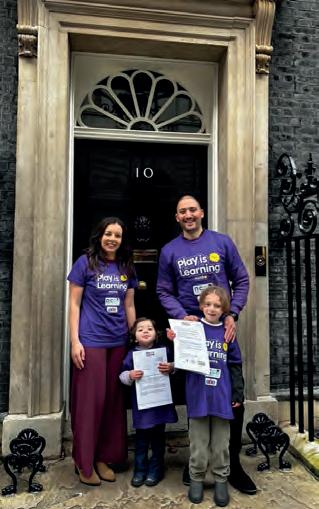
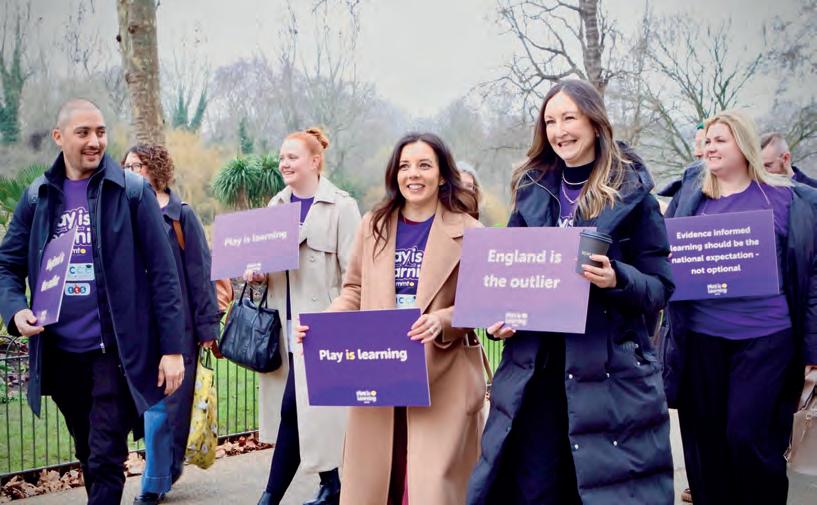
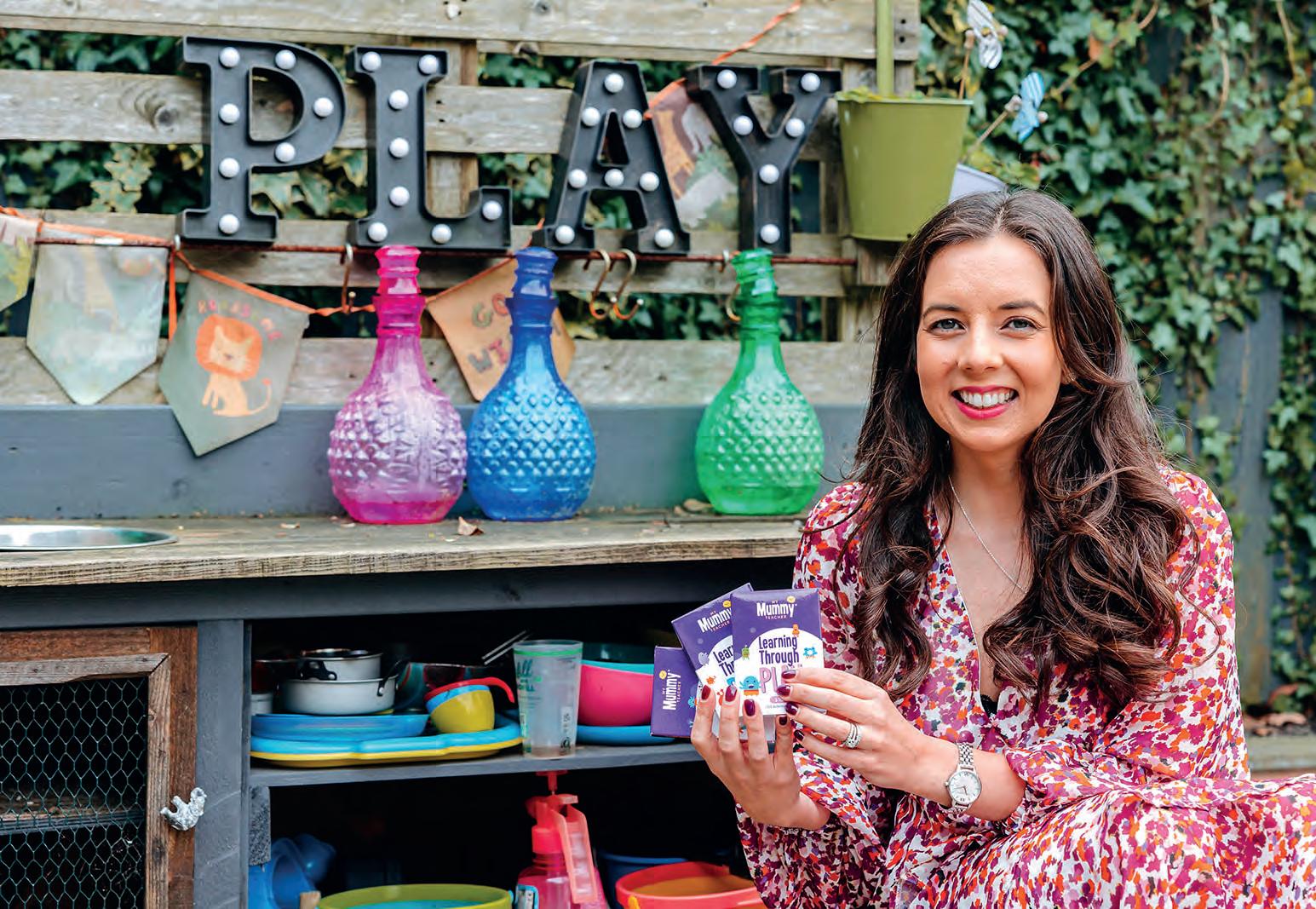
In 2025, Ruth Lue-Quee – also known as My Mummy Teacher – launched a petition to make play-based pedagogy a core part of the Key Stage One. Her petition attracted more than 100,000 signatures and the motion was debated in parliament. Ruth speaks to PlayNation about why she things play-based learning should be statutory up to the age of seven
As a former deputy headteacher, educational consultant and founder of the Play is Learning campaign, I have spent years advocating for developmentally appropriate practice for young children. I have seen the evidence, I have seen the impact in classrooms, and I have seen what happens when children are given the time, space and opportunity to learn in ways that reflect how they actually develop.
But this stopped being a professional concern and became a personal mission when my own son approached the transition from Reception into Key Stage 1.
Like so many professionals working in education, play and child development, I could see the cliff edge coming. I could see the shift from a Reception experience that values active, exploratory, handson learning into a system that too often expects children to adapt rapidly to more formalised approaches, regardless of developmental readiness. It was that moment that turned me into what I often call an ‘accidental campaigner.’
Because once you see it clearly, it becomes impossible to ignore.
The argument for play-based learning in Key Stage 1 is not sentimental, nostalgic or soft. It is evidence-led, developmentally appropriate and necessary. Yet in England, play-based pedagogy is not statutory beyond the Early Years. That makes England the outlier across the UK, and it leaves far too much to interpretation, confidence, school culture and leadership priorities. That is precisely the problem. We often hear that schools can already use professional judgement to embed play and continuous provision in Key Stage 1. In theory, that is true. In practice, however, professional judgement only works when the wider system gives schools the clarity, confidence and permission to use it. Right now, that support is inconsistent. What we have instead is a postcode lottery in which some schools are doing this brilliantly, while others feel unable to, even when practitioners know it is what children need. That is why I believe play-based learning should be statutory.
Statutory recognition would not mean lowering standards, reducing ambition or removing structure. It would mean acknowledging what the evidence has shown for decades: that five, six and
seven-year-olds learn most effectively through active, meaningful, play-rich experiences that support language, communication, self-regulation, creativity, collaboration, problem-solving and conceptual understanding. It would mean recognising play and continuous provision not as enrichment or an optional extra, but as a legitimate and protected pedagogical approach within KS1. This is especially important when we look at the broader picture. Only 62% of pupils currently meet the expected standard in Key Stage 2 reading, writing and maths. At the same time, concerns around children’s wellbeing and mental health continue to grow. For me, those figures demand more than superficial discussion. They require us to ask whether the system is genuinely aligned with children’s developmental needs, or whether too many children are being expected to succeed in environments that are not designed with them in mind.
The Play is Learning campaign was built on that concern, but also on hope. It exists because so many parents, teachers and professionals know this issue matters. The petition reaching over 106,000 signatures and being debated in Westminster Hall in January 2026 was a major milestone, not simply because it gained visibility, but because it forced this issue into the public and political record. It showed that this is not a niche concern confined to those with an educational background. It is a serious education issue with broad support. What has also been encouraging is the quality of the conversation that has followed. This campaign has always aimed to be constructive, credible and focused on practical change. The long-term ask remains unchanged: play and continuous provision should be statutory in KS1. That is the clearest route to consistency, protection and confidence across the system. But while government is not

It is a mission to help create an education system that values childhood, respects development and gives schools the con dence to teach in ways that work

yet prepared to go that far, there are still meaningful interim steps that could make a real difference. These include ensuring KS1 practitioners and child development experts are meaningfully involved in the next stakeholder phase of curriculum review, creating space for direct ministerial engagement, and securing a clear pedagogical line alongside final curriculum content and supporting materials. Because unless schools receive an explicit signal that play-based learning is valid, evidenceled and appropriate, many will continue to feel that they are taking a risk by adopting it.


interaction the moment they turn five. The challenge now is not proving that play matters. The challenge is ensuring the system reflects it.
For me, this is now far bigger than a campaign. It is a mission to help create an education system that values childhood, respects development and gives schools the confidence to teach in ways that work. Statutory change matters because it would move play-based learning from being dependent on keen teachers or bravery to being recognised as part of good practice.
And that is exactly where it belongs.
For those of us in the play sector, that should matter deeply. We know play is not the opposite of learning. We know that rich play experiences build the foundations on which formal learning depends. We know that children do not stop needing movement, exploration, imagination and
Play-based learning should be statutory not because it is idealistic, but because it is necessary. Not because children need less from education, but because they deserve better from it.
To keep up to date with the Play is Learning campaign (and for play-based ideas) visit: www.mmtplay.com
The inaugural National Play Conference is a landmark event for the UK play sector, taking place on Friday, October 9, 2026. Hosted in partnership by SAPCA and Play England, the event will take place at The Slate, University of Warwick
Tom Hayes MP, Chair of the AllParty Parliamentary Group (APPG) on Play will be among the speakers at the inaugural National Play Conference, to be held in October this year. Hayes has become a powerful advocate for play in the House of Commons and has been instrumental in setting up the APPG.
Taking place on Friday 9 October at The Slate, University of Warwick, the National Play Conference is organised in partnership by Play England and the Sports and Play Construction Association (SAPCA). The one-day conference will be hosted by Inclusive NSPCC Champion of Childhood, Amber Ogunsanya-William.

and advocating for play – from designers, playworkers, contractors, manufacturers and local authorities to educators, playground operators and policymakers.



Eugene Minogue, Executive Director of Play England, said: “This conference marks an important moment for the play sector. Following the launch of Play England’s ambitious 10-year strategy in 2025, this event reflects our commitment to putting play firmly on the national agenda.

The event will bring together the people, places and systems that shape children’s play. Grounded in Play England’s strategy – It All Starts with Play! – the conference will explore how society can create the conditions children need to play.
Through a carefully curated programme of keynote addresses, panel debates and practical learning sessions, the event will explore the most pressing issues shaping play today and into the future. These include the places and spaces that welcome play; skills that enable and support play; systems that protect children’s right to play; and a society where play is accepted as a normal part of everyday life.
The conference will connect planning, design, construction and play provision with policy, local government, health, education and community leadership. It will attract everyone involved in creating, enabling
“We have already seen significant momentum build in parliament, including the formation of the APPG on Play, and this conference is a natural next step in bringing the sector together to drive forward that ambition. Play is fundamental to children’s development and community wellbeing, and I would strongly encourage everyone who works in play to attend.
“Conference discussions will span the political landscape around play, wellbeing and public health, as well as topical issues such as adventure playgrounds, the ongoing challenge of getting children more physically active, the realities of the current planning climate and funding issues.”
Richard Shaw, CEO of SAPCA, added: “Creating safe, sustainable and innovative opportunities and places for play that encourage movement, creativity and exploration has never been more important.
“With insight, inspiration and practical takeaways at its core, the National Play Conference aims to inform, challenge and connect the entire play community.”
The event will also act as a showcase for the latest innovations that are redefining how play spaces are designed, delivered and experienced.
https://sapca.org.uk/events/national-play-conference/
Play England’s National Play Awards – supported by PlayNation and SAPCA
The evening before the conference, on Thursday 8 October 2026, the same venue will host Play England’s inaugural National Play Awards, highlighting excellence, innovation and achievement across the play sector. Supported by PlayNation magazine and SAPCA, the awards dinner will be an opportunity to celebrate the sector’s achievements and to network with play professionals from across the industry.































































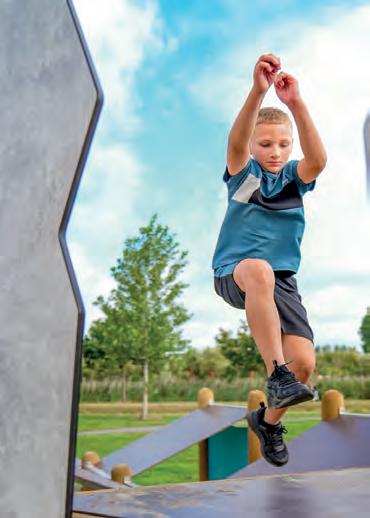














The one-day conference will take place on Friday 9 October 2026 at The Slate, University of Warwick. The night before, on Thursday 8 October 2026, the same venue will also host the rst ever National Play Awards.
The conference will provide a unique national forum for everyone involved in creating, enabling and advocating for play, from designers, playworkers, contractors, manufacturers and local authorities to educators, playground operators and policymakers. Through a carefully curated programme of keynote addresses, panel debates and practical learning sessions, the event will explore the most pressing issues shaping play today and into the future.
Delegates will hear from an in uential speaker line-up, which includes policymakers, sector specialists from a range of industries and innovators connected to play.
For anyone working in, or alongside, the UK play sector, the National Play Conference will be an essential date in the diary.


https://sapca.org.uk/events/national-play-conference/
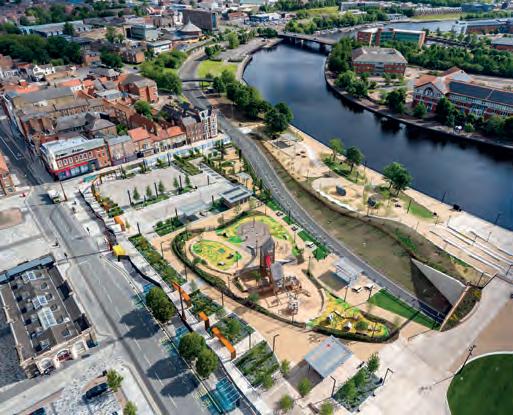
The recently opened Stockton Waterfront urban park is a transformational public space in Stockton-on-Tees, bringing residents, visitors, businesses and communities together to meet, celebrate and make memories
This summer, a brand-new play space has opened at Stockton Waterfront Urban Park, transforming the riverside into a vibrant destination for families and communities across the North East.
A collaborative, landscape-led approach to creating meaningful play in the public realm
At Stockton Waterfront Urban Park, play is not an addition, it’s the catalyst. Delivered as part of a bold regeneration programme, this new public space reconnects the town with the River Tees and places children, families and community life firmly at its centre. Working alongside Ryder Architecture, Timberplay has shaped a destination where play, landscape and community come together.
Through engagement with the Stockton Parent Carer Forum, Timberplay’s design team gained valuable insight into the lived experience of families navigating play spaces. This shaped decisions across the scheme, from access routes and spatial flow, to how play experiences are
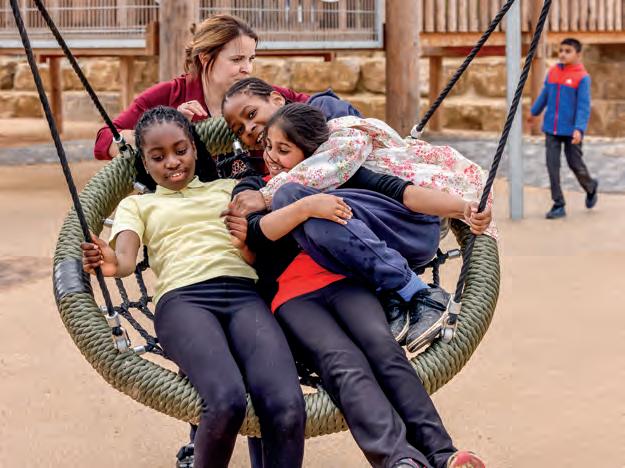
shared. The result is a place where children don’t simply play alongside one another, but together. Wheelchair users can access key features, sensory experiences are woven throughout the landscape, and choice and independence have been considered from the very beginning.
Rather than a series of isolated elements, Timberplay, in partnership with Ryder Architecture has created an interconnected play landscape that invites collaborative play, risk taking, and creates a forum for imagination. The design was carefully created to provide multiple ways to engage with each feature, test themselves and develop new skills over time.
Perhaps the most rewarding aspect of this Urban Park isn’t confined to the playground alone - play now spills across the wider park. Families wander between destinations, children discover climbing boulders and embankment slides as they explore, and playful moments happen naturally as people move through the landscape.
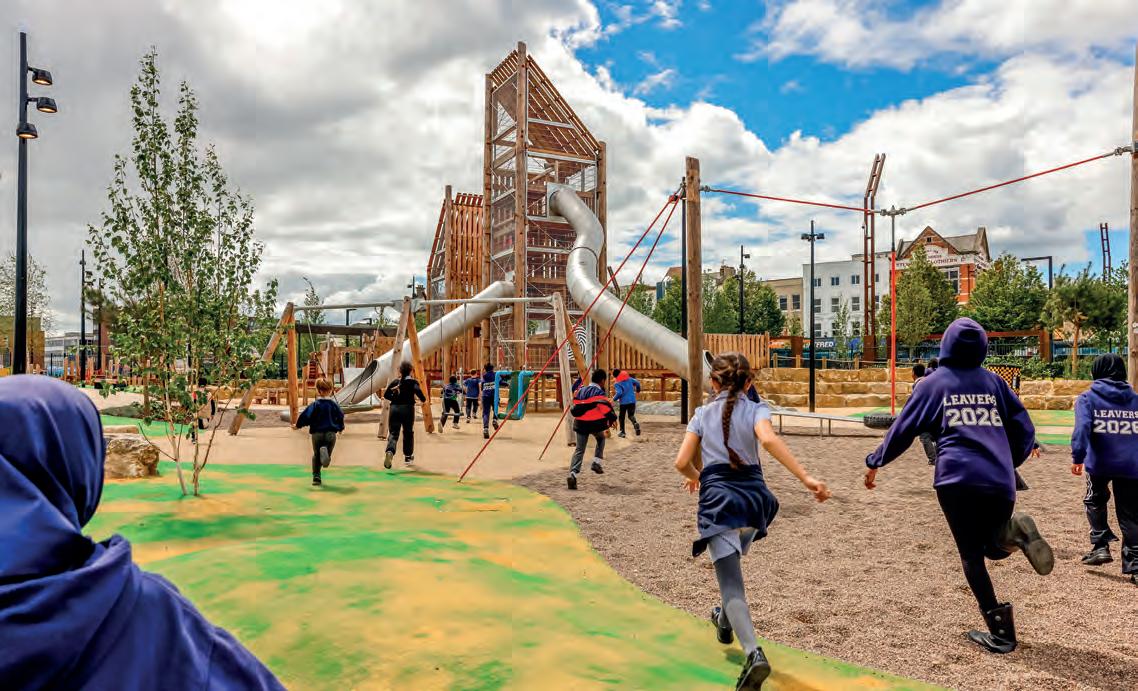
Large-scale towers rising up to 12 metres anchor the space, offering climbing, lookout points and multi-level exploration. Around them, a network of elements unfolds: traversing routes, nets, slides and social spaces that encourage both individual challenge and shared experience.
This is complemented by features that bring a different layer of play; sand and water play for collaboration and creativity, swings and movement for sensory feedback, and quieter spaces for those all important pauses.
What makes this Urban Park distinctive is how play integrates into the wider public realm. It is a space where teenagers gather, families spend time together, and the wider community reconnects with the town centre and riverside.
Water play, embankment slides, climbing boulders and ‘play-on-the-way’ elements stitch play into movement across the site, which encourages exploration beyond a single destination.
As with many Timberplay projects, the landscape itself becomes part of the play offer, supporting informal play, social interaction and everyday encounters that extend beyond traditional playground boundaries.
Now open, the success of Stockton Waterfront is already visible in how people are using it, the park has already had thousands of visitors with community groups utilising the space in a variety of ways.


One local running group shared a video of them running up the steps and then whizzing down the 15-meter slide to finish their training session - a true example of how a well-designed space can provide playful moments across the generations.
For play professionals, it offers a clear message: when play is embedded in placemaking, when collaboration is genuine, and when inclusion is rooted in real experience, the result is not just a playground, but a place that belongs to everyone.
Stockton Waterfront already belongs to its
At Timberplay, success isn’t measured by drawings or specifications, but by how a space is used and the life it takes on after it finished.
Watching Stockton Waterfront fill with people has been a reminder that when play is treated as an integral part of placemaking, rather than an afterthought, it creates places that people of every age genuinely want to spend time in.
For us, that’s what this project will always be about.
● https://www.timberplay.com
SAPCA has launched a new three-year strategy which sets out
a roadmap to ensure the association leads the conversation on safe, high quality and sustainable play facilities
As the trade association and professional standards body for the UK’s play construction sector, SAPCA (The Sports and Play Construction Association) sits at the intersection of play, construction, facilities and physical activity. It represents the companies that design, build, maintain and supply the UK’s play and physical activity facilities, everything from playgrounds and MUGAs to artificial turf pitches, padel courts and major sporting venues.
A membership organisation, SAPCA brings together more than 270 contractors, manufacturers, consultants, testing laboratories and specialist suppliers. Members are independently vetted and must meet strict criteria relating to technical competence, financial stability and professional conduct.
SAPCA also develops technical guidance on construction and design, publishes industry standards, provides training and education, works with governing bodies and funding organisations and acts as an independent voice on issues affecting play facilities and sports infrastructure. It also operates inspection and quality assurance
programmes designed to ensure facilities are built and maintained to recognised standards.
Crucially, each member is required to comply with the SAPCA’s Codes of Practice and quality assurance processes. This means that, for those looking to fund, build and develop play facilities, this acts as an added guarantee. By using a SAPCA member, they can ensure that their project will be built according to the latest industry standards.

In February this year, SAPCA revealed its new threeyear strategy. The plan represents the next phase in the organisation’s development and aims to build on the foundations established since its launch in 1997.
At the heart of the strategy is the aim for SAPCA to lead the wider conversation on play facilities and to drive forward the agenda towards safe, highquality and sustainable venues. This overarching vision is based on four guiding principles.
The first emphasises the collective strength of the SAPCA membership, recognising the combined expertise and credibility of member companies across the sector. The association will increasingly use its collective voice to influence decision-makers and deepen partnerships across the play sector. An
The strategy recognises that the association is owned by – and works for – its members
example of this is the work with Play England to organise the first ever National Play Conference.
The second principle reinforces SAPCA’s role as a self-regulating professional body, committed to maintaining high industry standards and leading on key issues affecting the sector. As part of this, SAPCA will continue to set the benchmark for excellence and uphold design and construction standards, “even when that means some tough conversations”.
A third priority is to shift the organisation’s mindset from custodianship to leadership, ensuring it takes a proactive role as the industry evolves. This is in recognition that the industry is changing rapidly
and the association and its members shouldn’t be bound by what has been done in the past. Rather, it should be directed by what the future demands.
Finally, the strategy places members firmly at the centre of SAPCA’s work, with new measures to improve transparency and accountability, including the introduction of an independent annual member survey. The strategy recognises that the association is owned by – and works for – its members. Together, the four principles will continue to position SAPCA as the trusted, independent voice for the UK play construction sector, while ensuring the association continues to champion quality, innovation and collaboration across the industry.
If a SAPCA member was found to be constructing play facilities below the required level, then this would be flagged with them and discussed to ensure that the standard of work was improved. Fortunately, this rarely happens
PlayNation sat down with SAPCA CEO, Richard Shaw, to find out about the new strategy, the association’s direction of travel and also his views on the wider play construction sector.
What are the benefits that member companies gain from SAPCA?
While most applicants come for the quality badge, they stay for the information, networking, events and updates. What I think they don’t often see are the harder parts to talk about.
Our members directory on the website is an easy to use guide for play operators and facility owners, as well as developers, to use to get details of companies that they can trust. This gets a lot of hits and we know we drive business to our members through this.
Our dispute resolution system ensures that unhappy customers can get an opinion on issues they believe they have. We are able to advise on issues and are able to stop many issues at source through advice and mediation.
We also increasingly engage with industry bodies to set standards external to SAPCA. A recent example of good has been the work we have done with Sport England on end of life turf where we engage with DEFRA, Environment agencies and governing bodies to represent the views of our members and the wider sector. We also have a strong relationship with Play England – the National Play Conference being the most obvious example of how we work together.
What happens if a SAPCA member’s quality of work is deemed not up to standards? And does it happen often?
We carry out an inspection programme on members’ construction projects which assesses all elements of construction. The process includes a defined number of criteria that are assessed and

critiqued to ensure that a standardised approach of projects and internal quality processes is made.
If a member was found to be constructing facilities below the required level then this would be flagged with them and discussed to ensure that the standard of work was improved. As a follow up, the member would be inspected again the following year to ensure that the working practices had improved to the required standard.
Fortunately, this rarely happens, which highlights to SAPCA that the level and standard of work being undertaken in the play construction industry is at a high level.
SAPCA also offers a Mediation and Advisory Service for Complaints, which allow clients to approach SAPCA directly when they think that they have an issue with the technical quality of work being delivered by a SAPCA member.
What are SAPCA’s priorities over the next 12-24 months?
To demonstrate leadership around a number of issues within the industry and show that SAPCA and its members can selfregulate, are responsive to public concerns and mature enough to adapt to change.
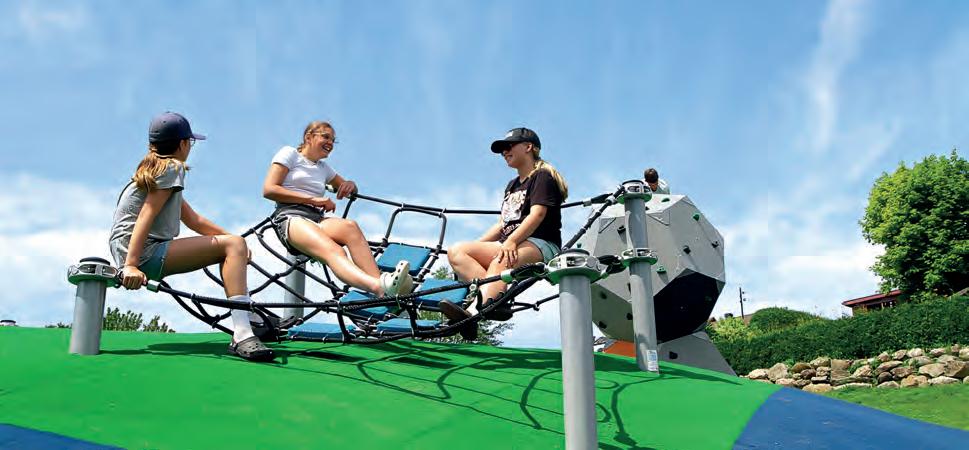
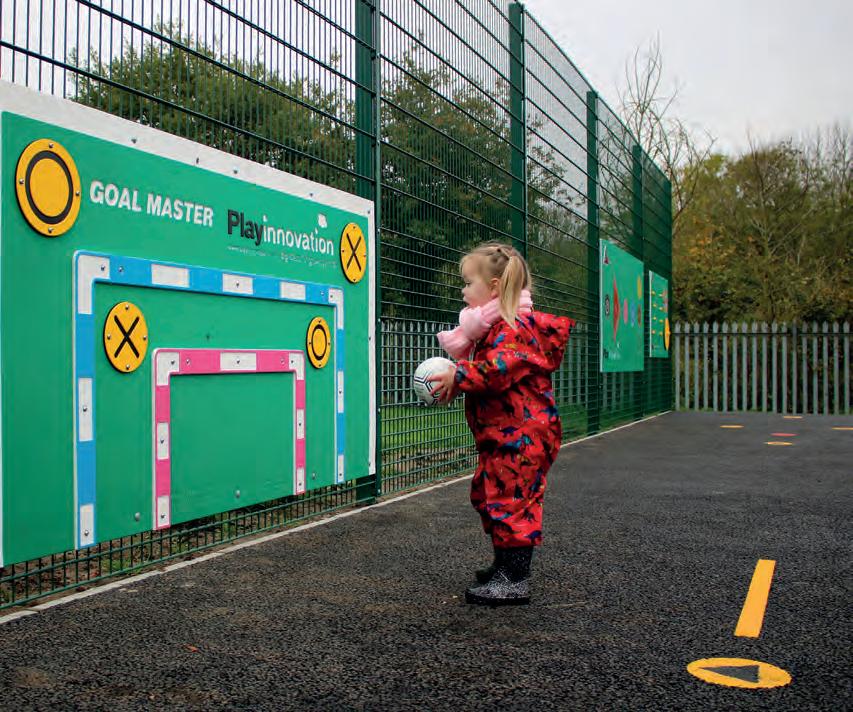
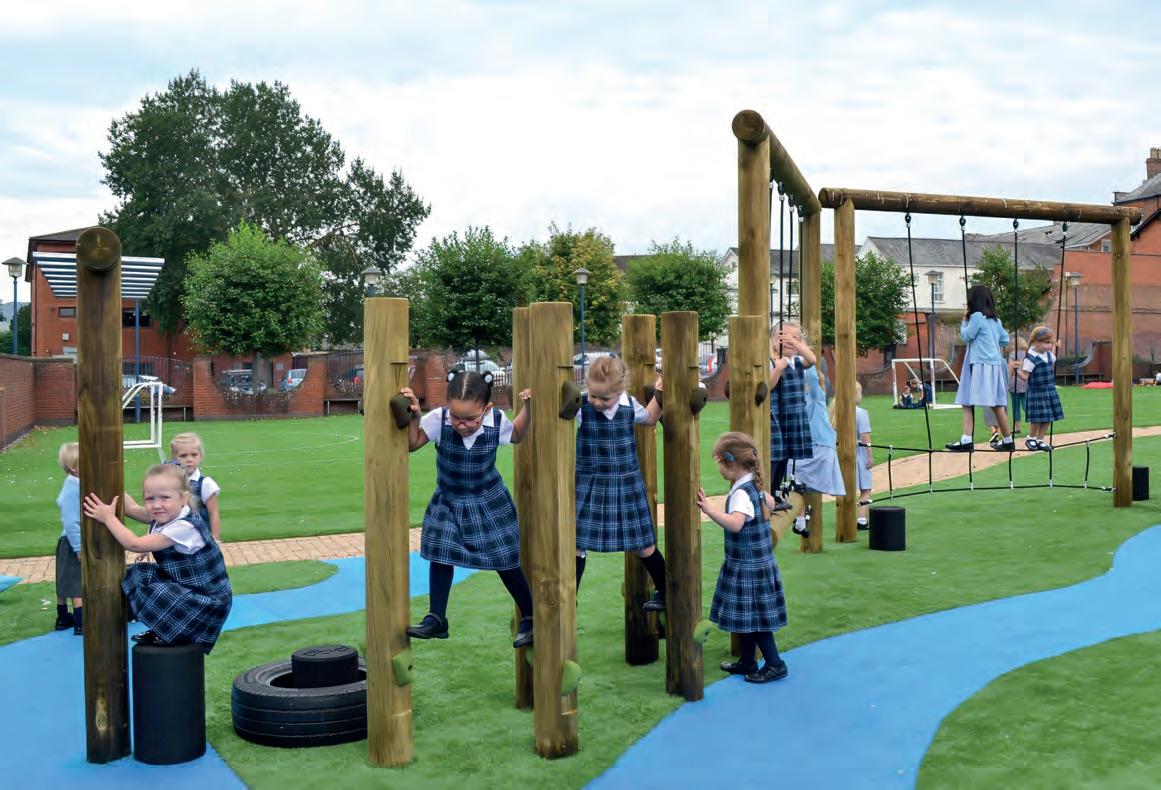
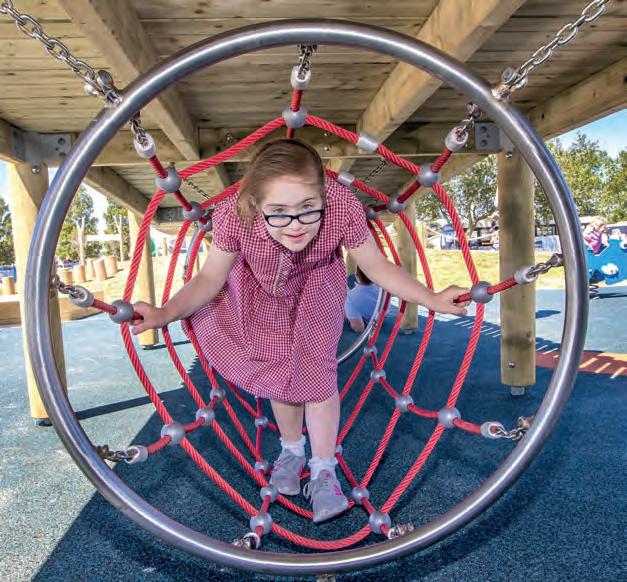
PlayBoard NI has launched its new Everyone Plays programme. The initiative’s vision focuses on ensuring that all children and young people – regardless of ability or background – have equitable access to high-quality, inclusive play experiences
PlayBoard NI, supported by the Department of Education for Northern Ireland, has launched Everyone Plays, an exciting new programme that uses play as a powerful and natural vehicle for creating meaningful and sustainable inclusive play environments within schools and early years settings. The programme places children and young people at its core, supporting their participation in shaping the play spaces they use every day. In doing so, it aims to foster a greater sense of belonging, confidence and control while strengthening connections between children, families and school communities. At its heart, Everyone Plays recognises that inclusive play is not simply about adapting environments, but about creating communities where every child feels they belong through play. The programme recognises that every child, regardless of ability, should have opportunities to explore, learn and develop through play in environments where they feel valued, included and heard.

The importance of this work is reflected across a growing body of regional evidence. The NI Programme for Government 2024–2027, Our Plan: Doing What Matters Most, is underpinned by a Wellbeing Framework which highlights the need to improve outcomes for children and young people across a range of domains. One area of particular concern is self-efficacy – children’s confidence in their ability to influence the things that affect their lives. Since 2016, measures of self-efficacy have declined, particularly for children with disabilities. Similar trends can be seen across wider wellbeing indicators, including life satisfaction, outdoor recreation, physical activity and respect. Together,

Everyone Plays recognises that inclusive play is not simply about adapting environments, but about creating communities where every child feels they belong through play
these findings reinforce the importance of creating environments where children feel they belong, can participate confidently and develop through play.
Schools and early years settings are also reporting increasingly complex needs among children and young people. A recent survey of nursery, preschool and primary settings highlighted unanimous agreement that early, skilled and targeted intervention is essential if children with special educational needs are to reach their full potential.
These findings align closely with the Department of Education’s Every CHILD Corporate Plan and the wider recommendations emerging from the End-to-End Review of SEN. They also
reinforce why inclusive play should not be viewed as an additional activity, but as an integral part of creating positive learning environments.
Whether it is a child joining a game with their peers for the first time or a quieter child finding the confidence to explore through play, these everyday moments remind us why inclusive play matters. It is these seemingly small changes that can have the greatest impact on children’s confidence, wellbeing and sense of belonging. Against this backdrop, Everyone Plays has been developed around three core objectives: supporting participating settings to strengthen their approach to play, improving the health and wellbeing of children and

young people, and enhancing inclusion for children with special educational needs and disabilities. Working alongside children, school staff and parents is central to the programme, helping create consistency, shared understanding and lasting change.
A distinctive feature of the programme is its whole-setting approach. Settings commit to involving all staff in training, developing a shared language and understanding of play which helps create more supportive and inclusive experiences for children throughout the day.
The effect that the training has had, captured in the reflections of participating staff:
“Ensuring all children are included. Thinking about my language and actions during playtime.”
“We already have the tools – we just need to figure out the best way to use them.”
Staff are encouraged to recognise children’s emerging interests and developmental needs, adapting environments and resources to extend play opportunities safely and meaningfully. Early evaluation already indicates a 31% increase in staff knowledge and understanding of play across participating nurseries and primary schools.
The programme is also building valuable connections between participating settings, enabling practitioners
Feedback has demonstrated the value of bringing the whole staff team together. Many participants describe the training as the first opportunity to have meaningful conversations about their approach to play within the setting and what genuine inclusion looks like.
Training explores the breadth of children’s play, including Bob Hughes’ 16 Play Types and schematic play, helping staff better understand children’s behaviour and respond in ways that support development rather than unnecessarily interrupt play.
to share ideas, learn from one another and develop a stronger community of practice around inclusive play.
Although still in its early stages, the impact is already becoming evident. Settings are listening more closely to the voices of children and young people, expanding play opportunities, reviewing how resources are managed and beginning to rethink their policies around play and inclusion.
Ultimately, Everyone Plays is about more than improving playgrounds. It is about creating communities within schools and early years settings where every child feels valued, included and able to experience the developmental, social and emotional benefits of high-quality play. In doing so, it is helping to create environments where inclusion is not simply planned for - it is experienced every day.
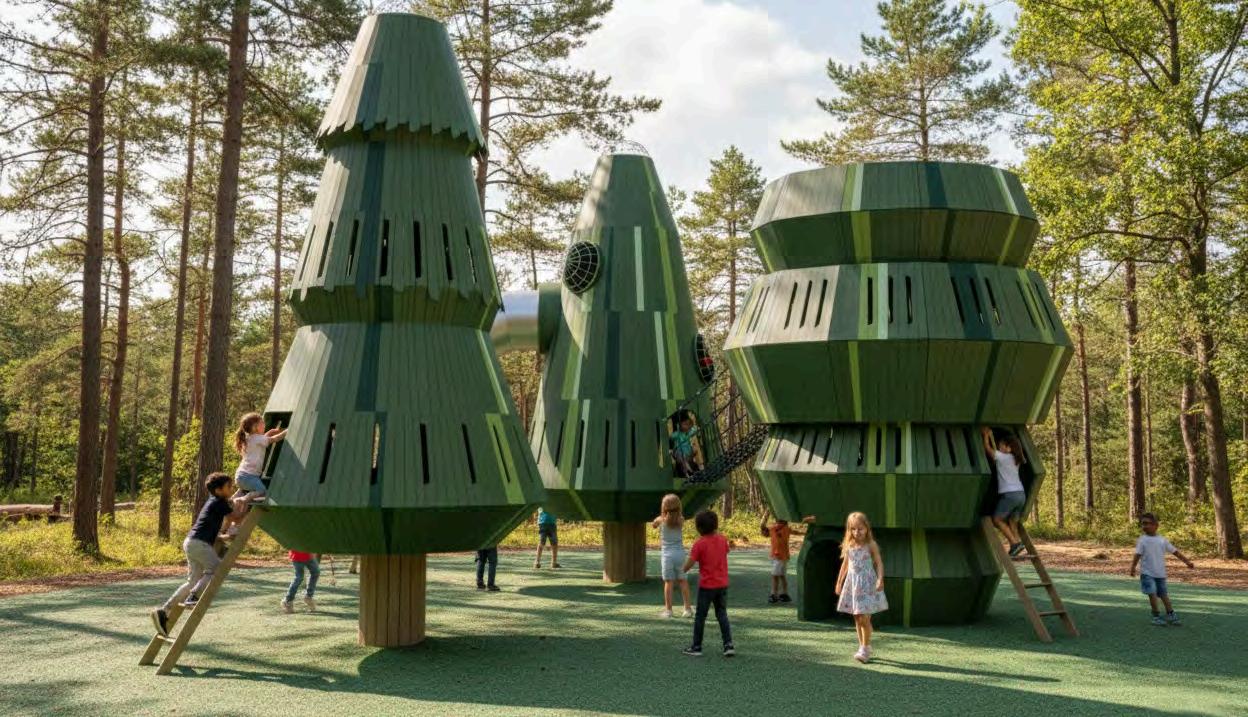
Naturaltimberformsdesignedtocomplement theirsurroundingsandinviteexploration.



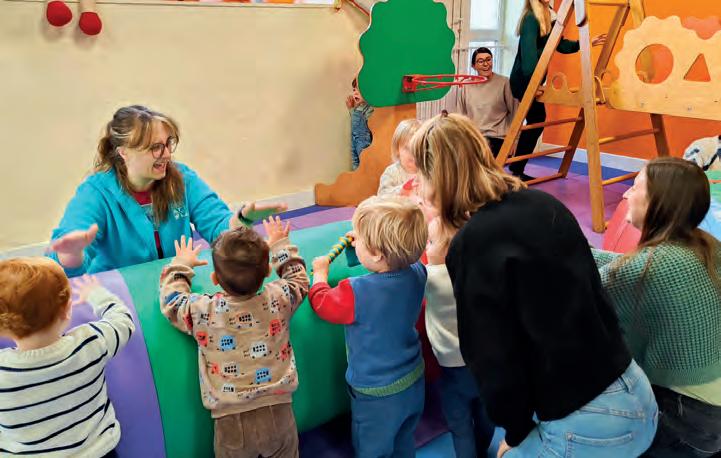

Gymboree Play & Music, which combines technology with classic learning techniques to engage young minds, turns 50 this year. Rachel McClure, Head of Technology at Gymboree, o ers readers an insight into the pioneering company
When Gymboree Play & Music first opened its doors in California in 1976, childhood looked very different. There were no smartphones, tablets or social media, and children’s lives were shaped largely by imaginative play, exploration and face-to-face interaction.
Yet, while the world has changed dramatically over the past five decades, one thing has remained remarkably consistent: how babies and young children learn and develop.
Fifty years after opening its first location, Gymboree Play & Music offers an opportunity to reflect not only on the evolution of a brand that has helped shape the early childhood enrichment sector for five decades, but also on the science that has underpinned its approach from the very beginning.
Long before terms such as “school readiness”, “sensory development” and “learning through
play” became widely used, Gymboree Play & Music was built on a simple belief: children learn, grow and thrive through play.
Through Play & Learn, Music and Art classes, Gymboree Play & Music helps children nurture confidence, curiosity and creativity while discovering the joy of learning through play.
Today, Gymboree Play & Music’s programmes for children aged 0-5 years continue to be guided by what it calls its “Play-osophy” - a curriculum built around three key elements of early childhood development: socialemotional, cognitive and physical development.
Over the past 50 years, this approach has helped Gymboree Play & Music grow to more than 300 locations across 24 countries and regions, including a strong presence throughout the UK. Designed by experts in education and play, the programmes combine age-appropriate developmental activities with a distinctive emphasis on parent participation and understanding of each child’s development.
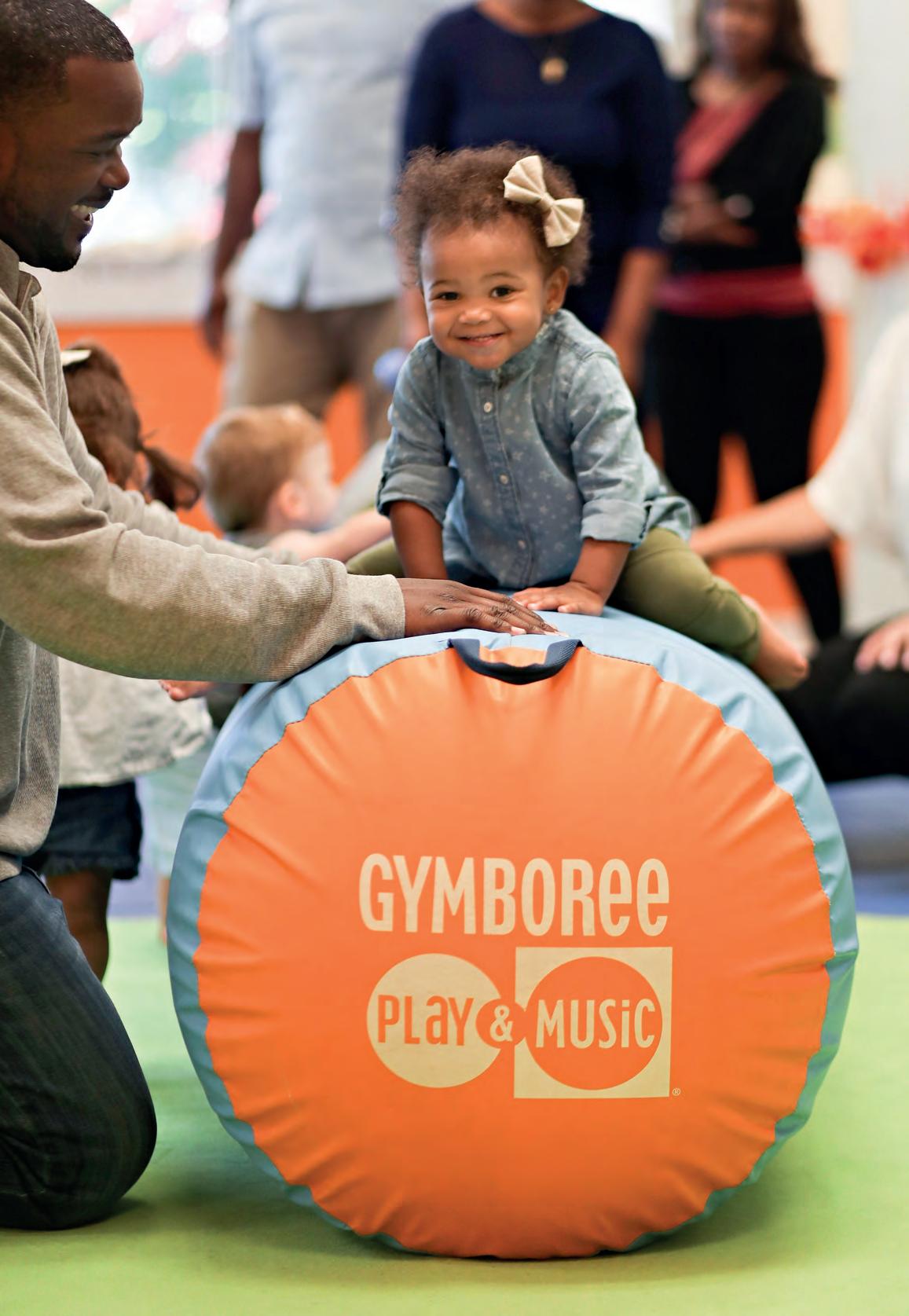
Research consistently shows that the first five years of life are among the most important stages of a child’s development.
During this period, children learn through movement, exploration, communication and sensory experiences. Unlike older children and adults, they do not learn primarily through instruction. They learn by doing.
This understanding sits at the heart of Gymboree Play & Music’s programmes.
With school readiness in mind, Gymboree Play & Music’s Play & Learn, Music and Art classes encourage infants, toddlers and preschoolers to learn through the discovery of play.
Every activity is designed to help children discover new possibilities, build confidence and develop the skills that will support a lifetime of learning.
The importance of play is now widely recognised across the early years sector. Through play, children develop problem-solving abilities, communication skills, social awareness and resilience. They learn how to interact with others, explore ideas and make sense of the world around them.
For Gymboree Play & Music, play has always been far more than entertainment. It is how children explore, build confidence, develop new skills and unlock their potential.
One of the defining features of Gymboree Play & Music has always been its emphasis on movement.
The brightly coloured play environments and physical challenges found in Gymboree Play & Music centres are designed to encourage children to climb, balance, crawl, explore, problem solve and build confidence through movement.
Many of the principles behind this approach can be traced back to Jay Beckwith, an internationally respected playground designer who created Gymboree Play & Music’s proprietary playscapes around the developmental needs of young children.
Notably, the same purpose-designed equipment remains at the heart of the Gymboree Play & Music experience today, a testament to the enduring relevance of those original developmental

principles. Designed to encourage children to try, learn, play, fail and try again, the modular playscapes are regularly reconfigured to create new challenges and opportunities for exploration. Modern research continues to reinforce the importance of physical activity in early childhood. Movement helps develop coordination, balance, spatial awareness and gross motor skills, while also supporting confidence, resilience and independence. Each new challenge overcome helps build the foundations for future learning.
Each new challenge overcome helps build the foundations for future learning
Music, creativity and community
Music has also been a core part of the Gymboree Play & Music experience since the brand’s earliest days.
Research suggests that musical experiences can support language development, listening skills, memory, concentration, spatialtemporal thinking and emotional expression. Young children naturally respond to rhythm, repetition and movement, making music a valuable tool for learning and engagement.


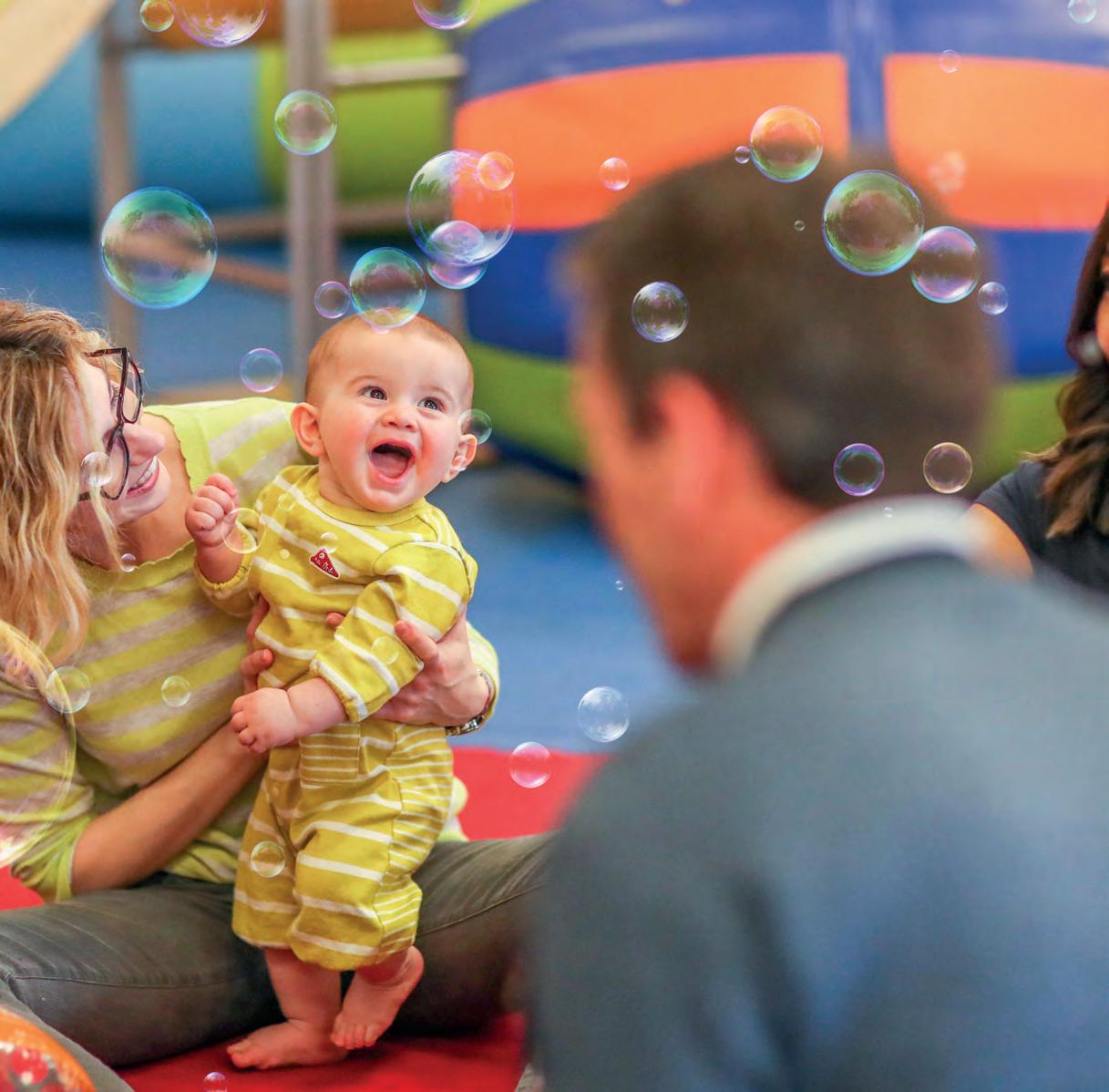




Classes create a warm & welcoming space where children & caregivers can build friendships, share experiences & become part of a supportive community




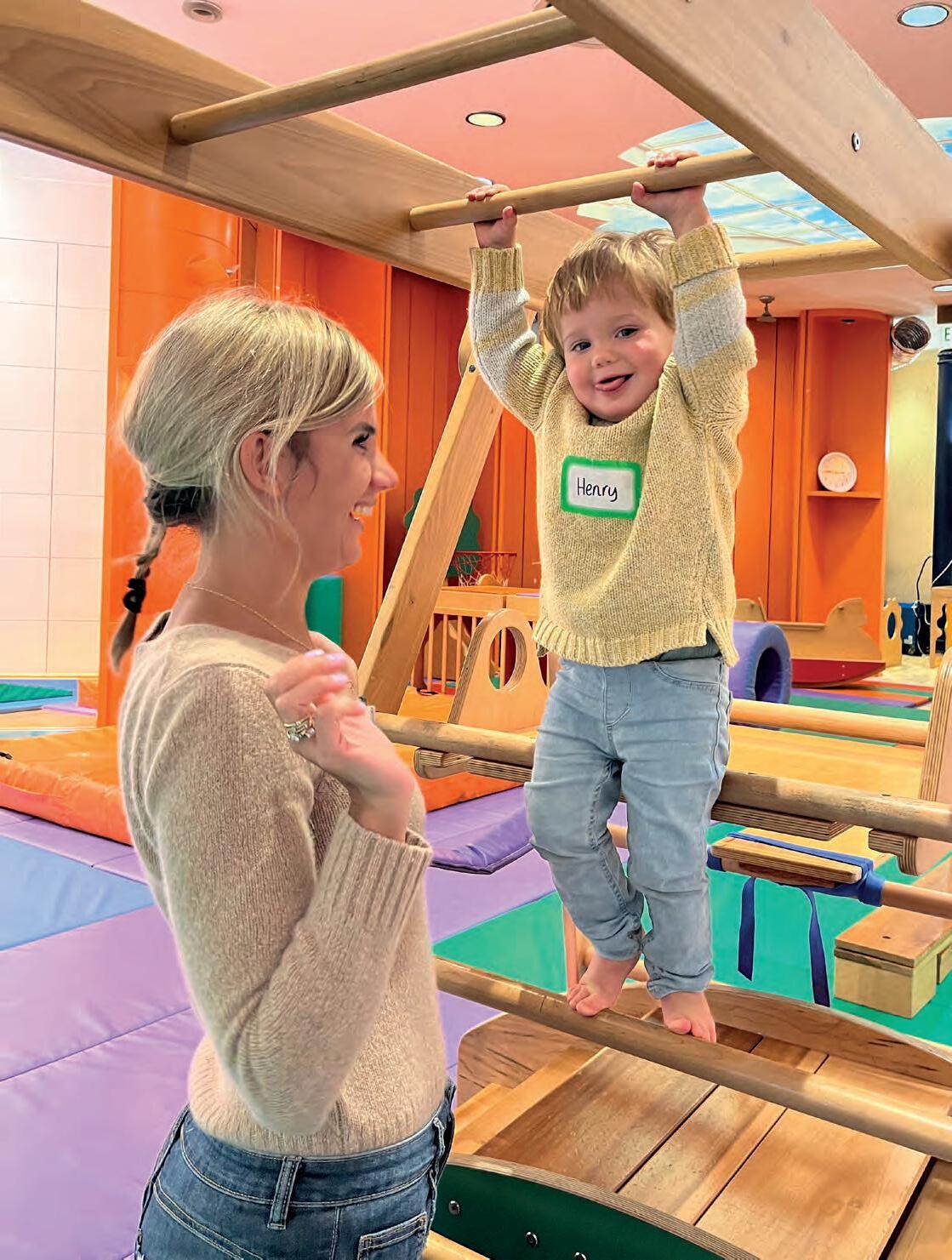

Creativity plays a similarly important role. Through art, imaginative play and openended exploration, children are encouraged to express themselves, develop confidence and discover new ways of thinking.
Parents and caregivers are at the heart of the Gymboree Play & Music experience. Through adult-child interactive play, families learn, discover and grow together, helping children build confidence while creating meaningful shared experiences.
Beyond child development, Gymboree Play & Music has always placed a strong emphasis on community. Classes create a warm and welcoming space where children and caregivers can build friendships, share experiences and become part of a supportive community.
For businesses operating within the children’s activity sector, Gymboree Play & Music’s 50-year milestone offers an interesting
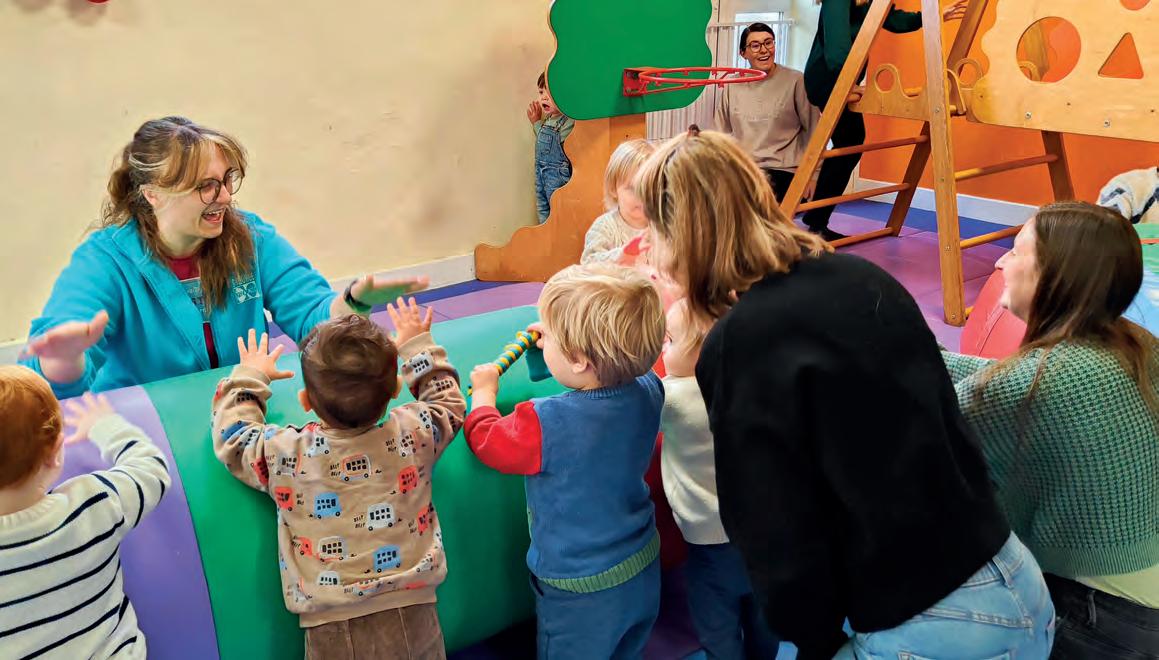
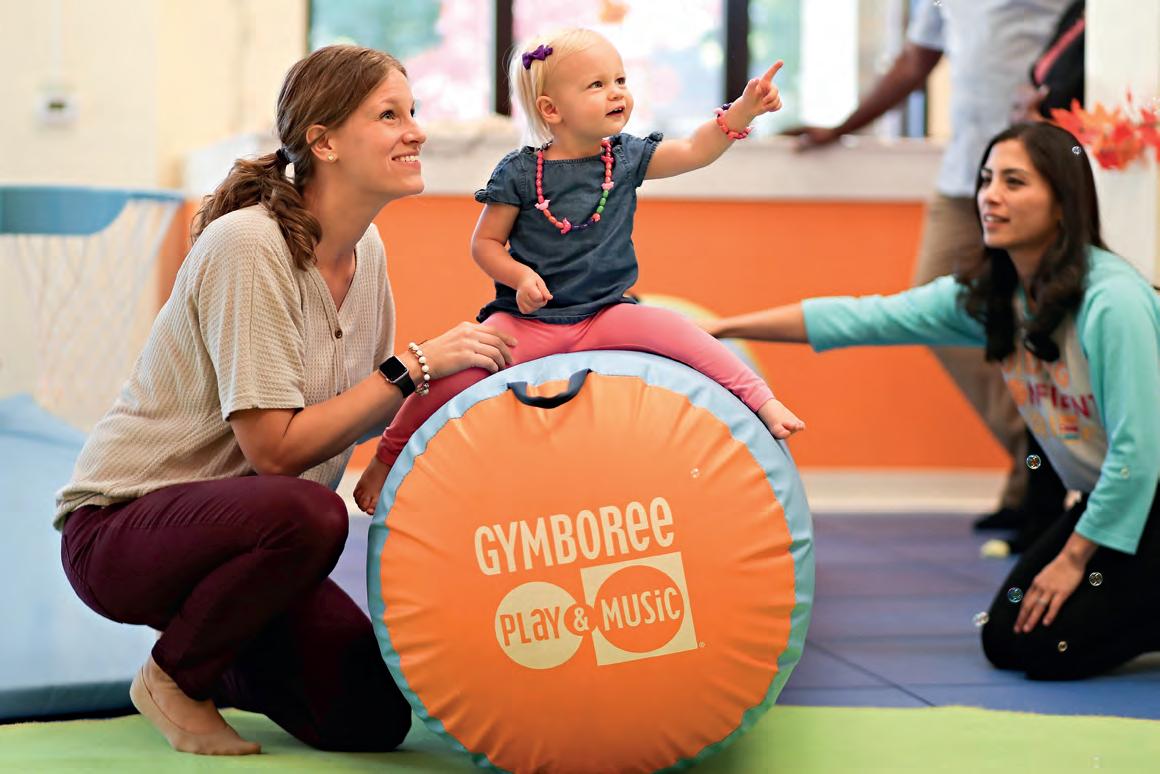
lesson. Many concepts are built around trends. Gymboree Play & Music was built around child development principles.
Because its programmes are rooted in how children naturally learn and grow, the brand has been able to evolve alongside changing generations while remaining true to its original purpose.
Today, Gymboree Play & Music’s network of franchises continues to bring these developmentally focused programmes to families across the UK and around the world. Across the UK, their centres play an important role in creating local communities where families can connect, learn and grow together.
For franchisees, the lasting appeal of the model lies in its combination of purpose and practicality. While technology, consumer habits and family lifestyles have changed significantly over the past five decades, parents’ desire to support their children’s development has remained constant.
By building the business around established child development principles rather than shortterm trends, Gymboree Play & Music has created a model that continues to resonate with families while providing franchisees with a strong foundation for long-term growth.
To mark its 50th anniversary this year, Gymboree Play & Music centres across the UK are hosting special celebrations throughout the summer, welcoming both members and non-members to experience the brand’s unique approach to learning through play. Families will be able to enjoy themed activities, meet Gymbo, the brand’s much-loved mascot, and experience the Power of Play that has inspired generations of parents and children.
As Gymboree Play & Music celebrates this milestone year, it is also creating opportunities for more people to become part of the brand’s future. To support continued growth across the UK, a special anniversary franchise offer is currently available, with 50% off the Gymboree Play & Music franchise fee for new franchises until the end of July 2026 (T&Cs apply).
As the celebrations take place, the message behind the milestone is clear. Fifty years on, the science continues to support the belief that inspired Gymboree Play & Music in 1976: play is not simply something children do. It is one of the most powerful ways children discover their potential, build confidence and develop a lifelong love of learning.
We Transform tired spaces into vibrant, inter generational community hubs.
Activation kits from just £1,999 - Full MUGA options available for all budgets
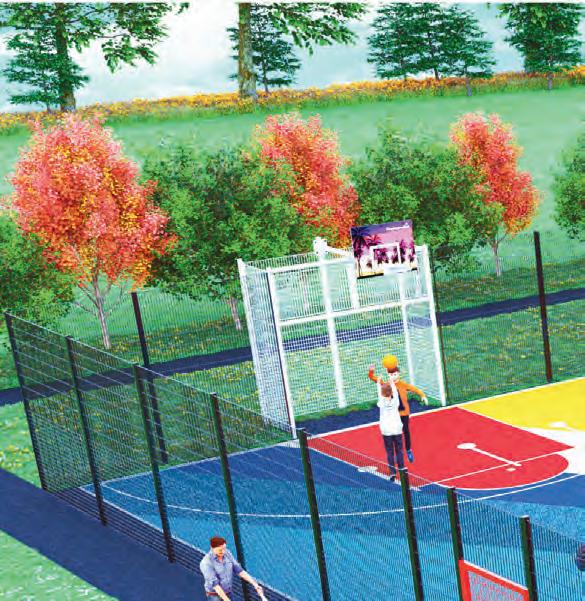

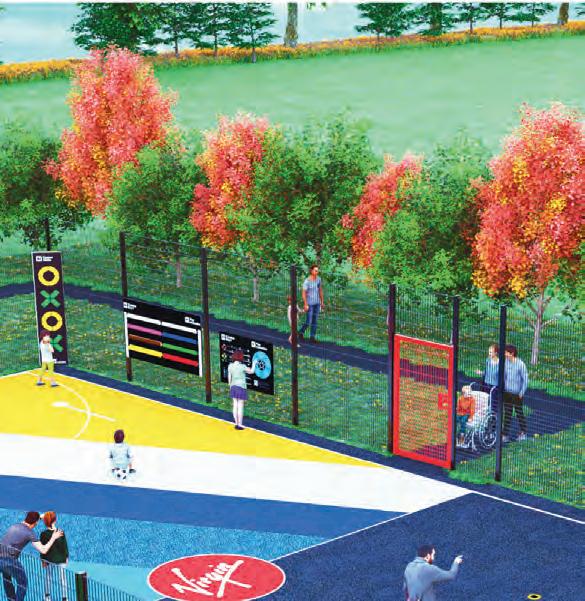

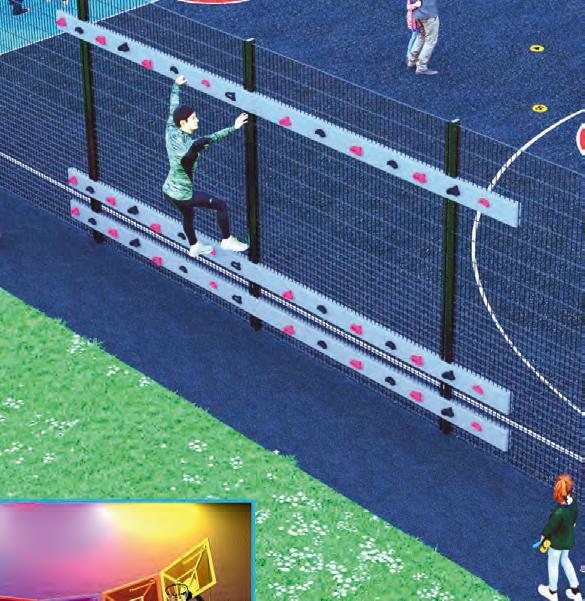

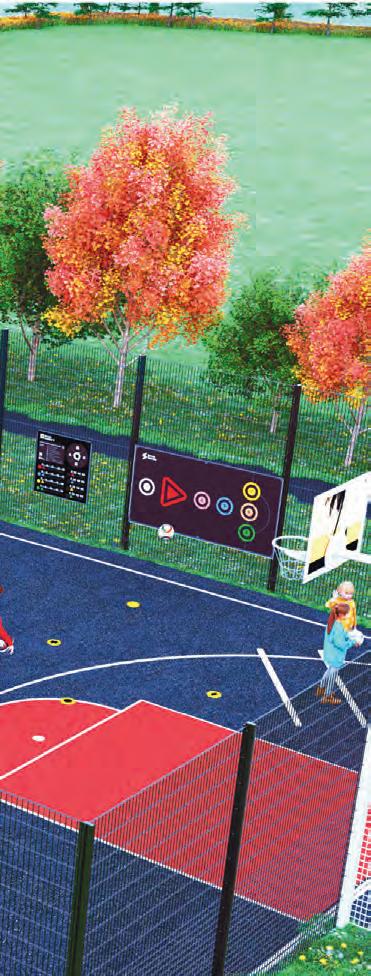


Patented games designed to tackle inactivity and mental health issues.
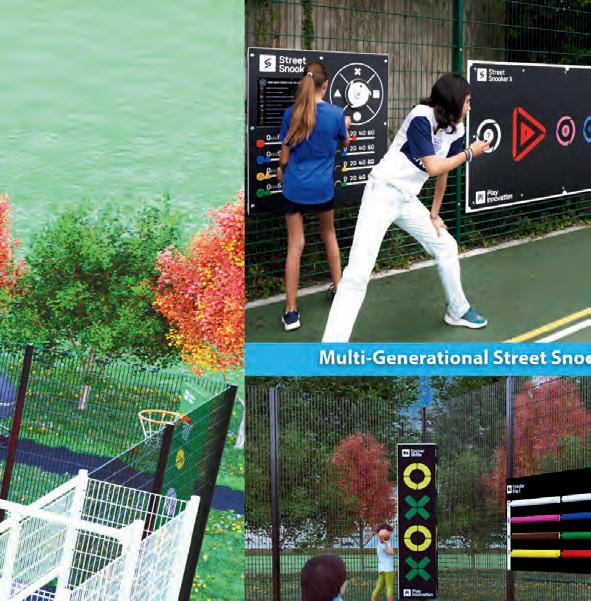
inter-generational, low maintenance games

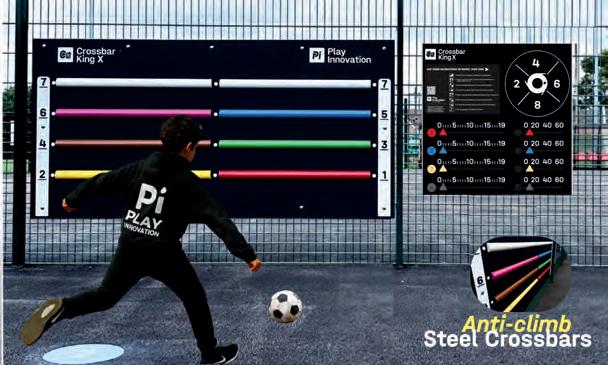
90–95%Inclusivedesignstandardsresultin useracceptanceacrossage&abilitygroups.


90–95%Inclusivedesignstandardsresultin useracceptanceacross
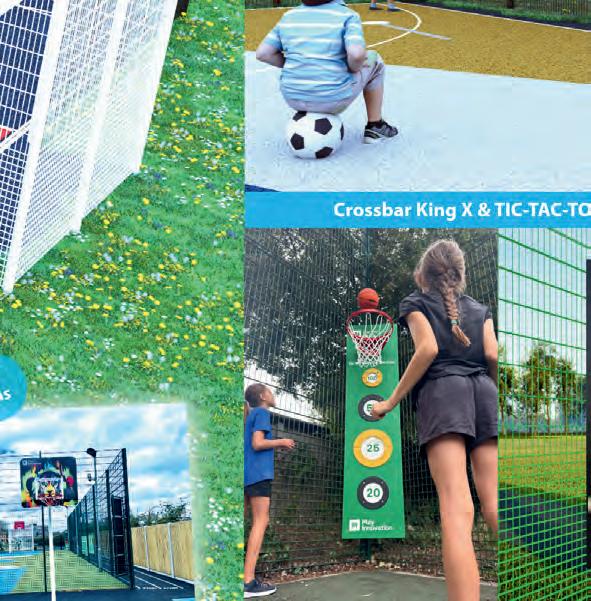

Ask about the Corner Skills range today!



The event once again demonstrated the strength, resilience and innovation of the indoor play industry
Maria Cantarella, CEO of AIP
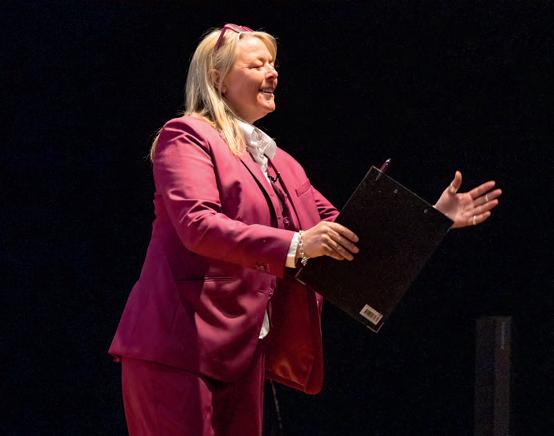

The UK’s indoor play industry came together at the Royal Armouries in Leeds on 4 June for the Association of Indoor Play (AIP) Conference & Industry Awards 2026, with operators, suppliers and industry leaders enjoying a packed day of learning, networking and celebrating everything that makes the sector so special. With a busy exhibition featuring more than 50 trade suppliers, the conference offered delegates the opportunity to discover new products, services and ideas, while a programme of expert speakers tackled some of the biggest challenges and opportunities facing the industry.
reports from this year’s AIP Conference
Artificial intelligence was a major theme throughout the day. Matt Baker explored how families are increasingly discovering attractions through social media and AI-powered search, while Neil Lewin explained why play centres need websites that answer parents’ questions clearly if they want to remain visible in the age of AI. Robin Mills then demonstrated how operators can use simple AI tools to save time, improve efficiency and ultimately create a better guest experience.
The conference also unveiled the results of the 2026 State of the Industry Survey, providing the UK’s only independent benchmark of the indoor play sector. The research showed an industry that remains resilient despite rising costs, with
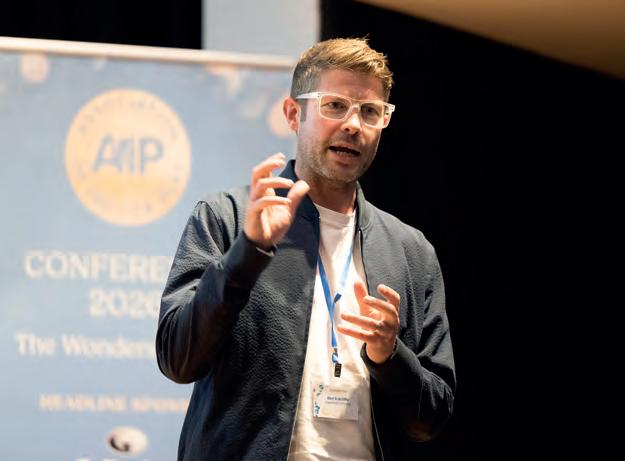
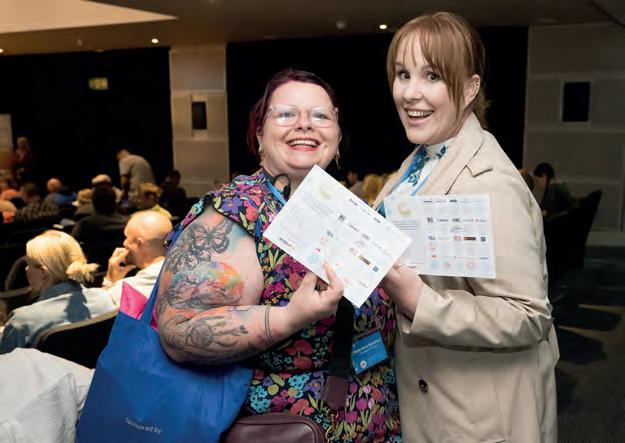
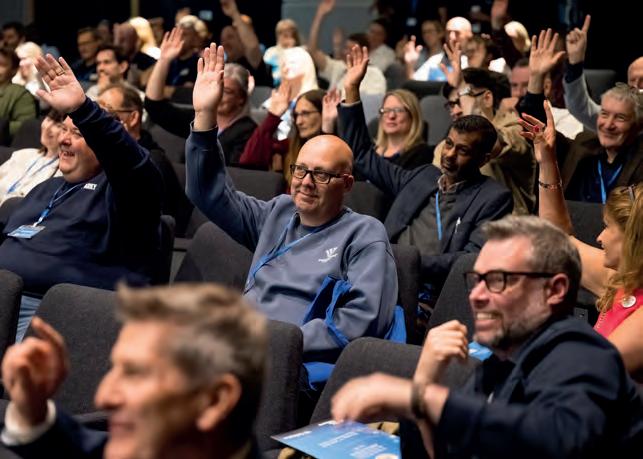
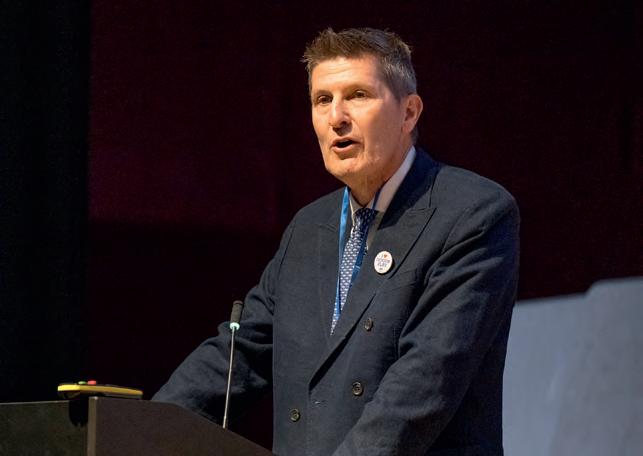
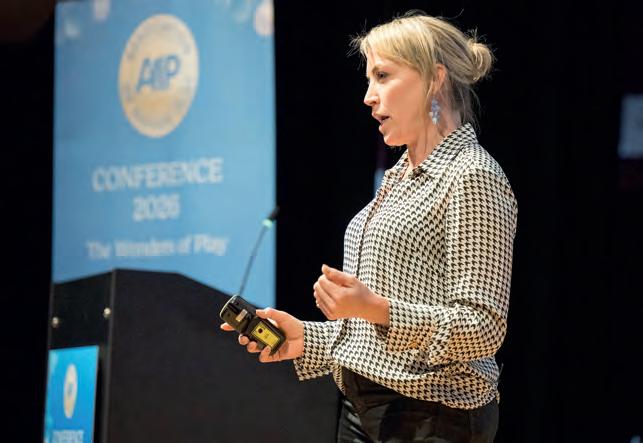
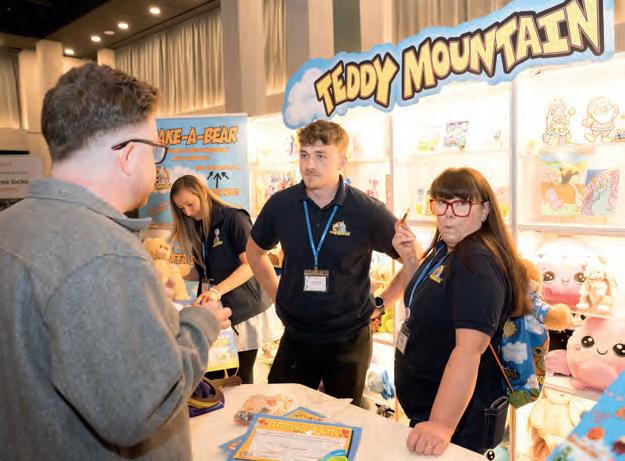
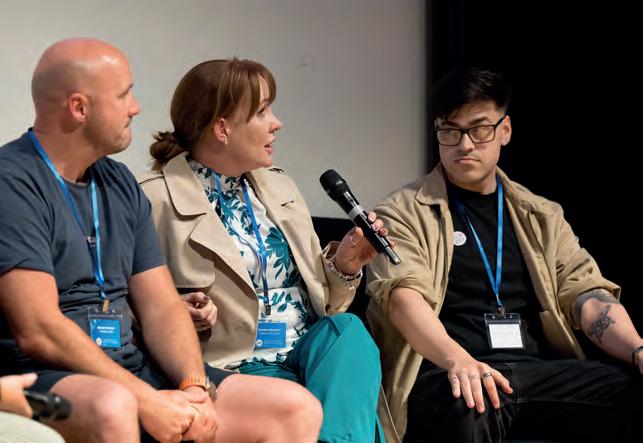

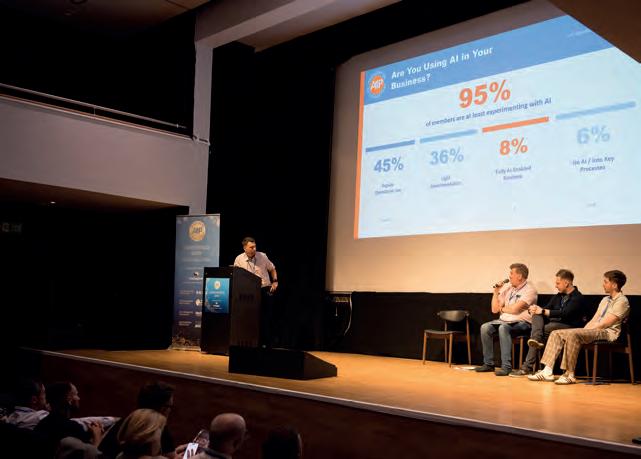
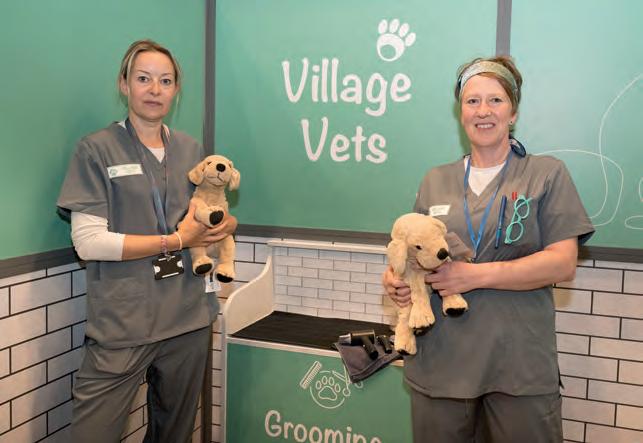
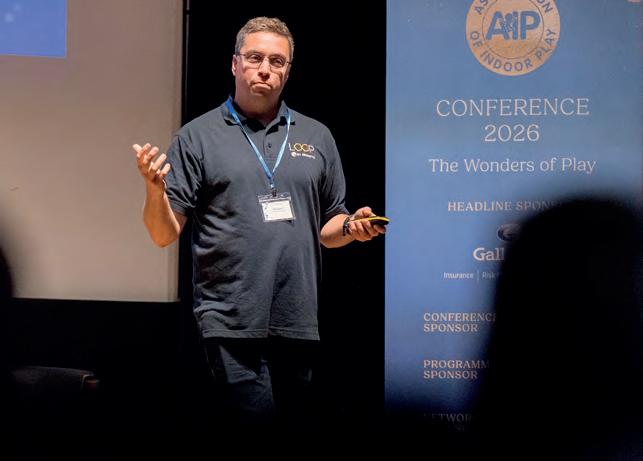

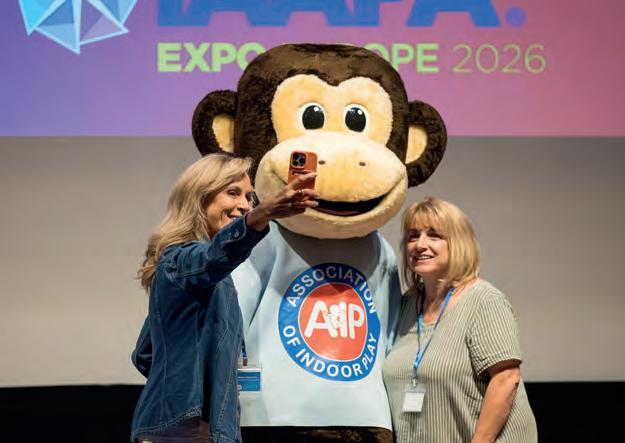
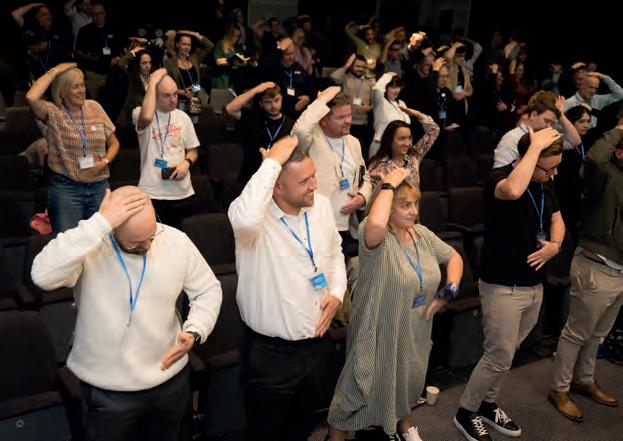
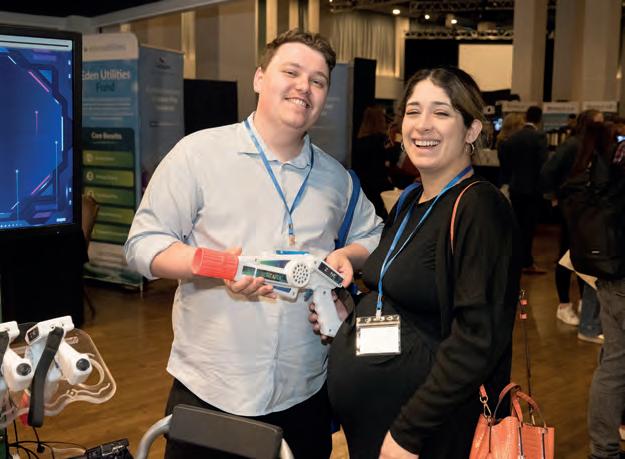
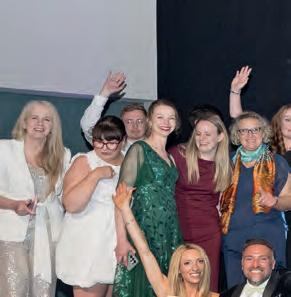
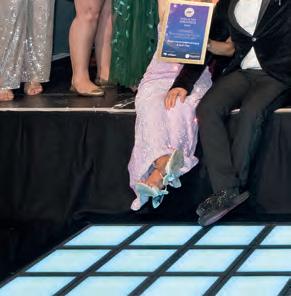

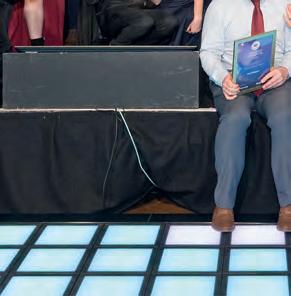
operators continuing to invest in their businesses while facing increasing financial pressures. The findings also reinforced the importance of the Association’s campaign calling for 0% VAT on children’s indoor play, ensuring play remains accessible and affordable for families.
Food and beverage was another key focus, with Katy Moses from KAM highlighting the significant commercial opportunity many operators still have to grow café revenues by improving quality and creating a better experience for adults. Rachel Haslam closed the conference with an engaging session on birthday parties, sharing practical ideas to help operators increase bookings and maximise profitability.
The day concluded with the annual AIP Industry Awards, hosted by actor and presenter Ross Adams, recognising excellence across the indoor play sector. Among the winners were Scribbleton, which achieved a double success, Safari Adventure Play Peterborough, Head Over Heels Wilmslow, Little Astronauts, Robin Hood Entertainment & Soft Play, Jack in the Box, Ollie Polly Play Café, Playtrain, Euro-Matic, and Milo Imrisek of Web Adventure Park.
Maria Cantarella, CEO of AIP, said: “More than just an awards ceremony, the event once again demonstrated the strength, resilience and innovation of the indoor play industry. It provided operators with fresh ideas, valuable market insight and the opportunity to connect with colleagues from across the UK, leaving delegates inspired for the year ahead.”



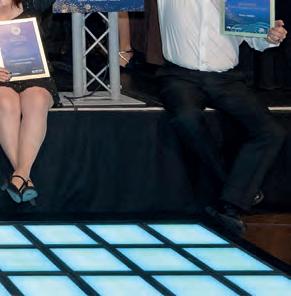
The day concluded with the annual AIP Industry Awards –recognising excellence across the indoor play sector

For years, indoor play operators have had a fairly simple relationship with the weather. Rain was good. Cold was good. Grey, miserable weekends were often brilliant. Hot weather, on the other hand, was usually bad news.
When the sun came out, families went to parks, beaches, paddling pools, splash pads and beer gardens. Indoor play centres, especially those without effective cooling, could become quiet very quickly. In some cases, extreme heat did not just reduce visitor numbers; it created operational and safety challenges. If temperatures inside the building, or at the top of a play frame, became too high, some centres had little choice but to close.
But live insight from AIP members during the latest heatwave suggests something interesting may be starting to happen. Hot weather may no longer be one simple story for indoor play. For some centres, it is still a serious threat. For others, particularly those with proper air conditioning, it may become a genuine trading opportunity.
Aircon making the difference
Share of centres that were busier / sold out
During the heatwave, the Association of Indoor Play (AIIP) ran a member poll asking operators how they planned to respond. The first snapshot showed a mixed picture. Some centres were closing due to heat, some were staying open, and a significant number said they were open and had air conditioning. That alone was interesting. But the follow-up poll told us much more.
AIP then asked members to look at their busiest or hottest trading day that week and choose the option that best described their centre. This was not formal research, but it was a useful live member snapshot of what was happening on the ground.
Of the centres with proper air conditioning, 75% said they were busier or sold out. That is 24 out of 32 air-conditioned centres.
Among centres without proper air conditioning, only 13% said they were busier or sold out. That is 3 out of 23 centres. Worryingly, 17.1% of centres without proper aircon shut their doors.
But the opportunity is not simply “hot weather is good for indoor play”. That would be far too simplistic. The more useful insight is this:

If it is too hot outside, are we ready to become the cool, safe place families choose?
Extreme heat may become a trading opportunity for indoor play centres that can offer families a genuinely cool, safe and comfortable environment. For everyone else, it may remain a risk.
The most striking result came from centres where schools were closed or finishing early and the venue had proper air conditioning. In that group, 13 out of 14 centres said they were busier or sold out. That matters. It suggests the strongest trading opportunity may happen when three things combine:
When schools close early, parents suddenly have a problem. Children are home unexpectedly. The weather may be too hot for parks, playgrounds or outdoor attractions. Families need somewhere safe, cool and active.
That is where a well-prepared indoor play centre can become the obvious answer. This is a very different mindset from the old summer pattern. Operators have spent years thinking: “If it is sunny, we will be quiet.” The new question might be: “If it is too hot outside, are we ready to become the cool, safe place families choose?”
Share of centres that were busier / sold out
Schools open + proper aircon
Schools open + no proper aircon
Schools closed / early finish + proper aircon
Schools closed / early finish + no proper aircon
This matters because the UK climate is changing. The Met Office’s State of the UK Climate reporting says the UK has warmed at around 0.25°C per decade since the 1980s, and that temperature extremes have become more frequent and intense. It also notes that the hottest summer days have warmed around twice as much as average summer days in some UK areas when comparing the latest decade with 1961-1990.
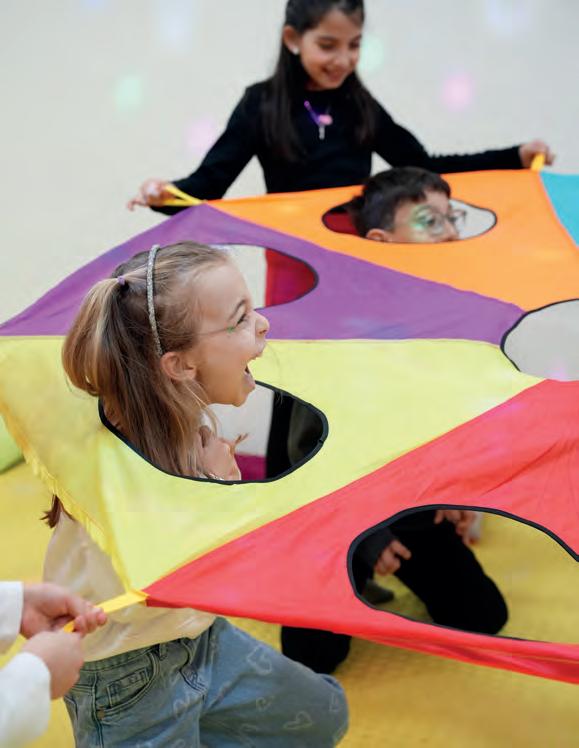
The Met Office has also reported that the chance of the UK exceeding 40°C is now more than 20 times higher than it was in the 1960s, with an estimated 50-50 chance of seeing another 40°C day in the next 12 years. That does not mean every summer day will be good for indoor play. Normal sunny days may still pull families outdoors.
But extreme heat is different. A warm pleasant day says: “Let’s go outside.” A dangerously hot day says: “Where can we go that is cool?” That difference could become commercially important.
Maria Cantarella, AIP’s CEO, has already seen similar behaviour in Spanish operations, where very hot days can drive strong indoor trade rather than suppress it.
“The UK is not Spain, and operators should be careful about making direct comparisons. But the direction of travel is worth watching,” she says.
“In hotter climates, indoor leisure is not automatically disadvantaged by the sun. In fact, when the outdoor environment becomes

360° wrap-around branding Printed with your design








Operators should now be looking at cooling as a strategic issue, not just a maintenance issue
uncomfortable, indoor venues with proper cooling can become more attractive.”
The AIP member poll suggests that some UK operators may now be seeing the early version of that pattern.
For many indoor play businesses, air conditioning has historically felt like a big cost. It can be expensive to install, expensive to run and difficult to justify when the worst heat may only appear for a limited number of days each year. But that calculation may be changing.
If heatwaves become more frequent or intense, cooling is no longer just about customer comfort. It becomes part of the operating model. It
can affect whether a venue can open safely. It can affect dwell time. It can affect reviews. It can affect staff welfare. It can affect party bookings. And, as AIP members have shown, it can affect whether a heatwave becomes a lost trading day or a sold-out trading day.
This does not mean every centre should rush into a major investment without doing the numbers. Building type, ceiling height, insulation, frame layout, café/kitchen heat, energy costs and local customer behaviour all matter.
But operators should now be looking at cooling as a strategic issue, not just a maintenance issue. In future, “air-conditioned indoor play” may become a much stronger selling point than many operators once imagined.