GRAPES WITH GRIT + GRACE 10 INSIDE THE RESTAURANT HUSTLE 24 SLICE-BY-SLICE PIZZA TOUR 32 DISTILLING THE TASTE OF MEXICO 38
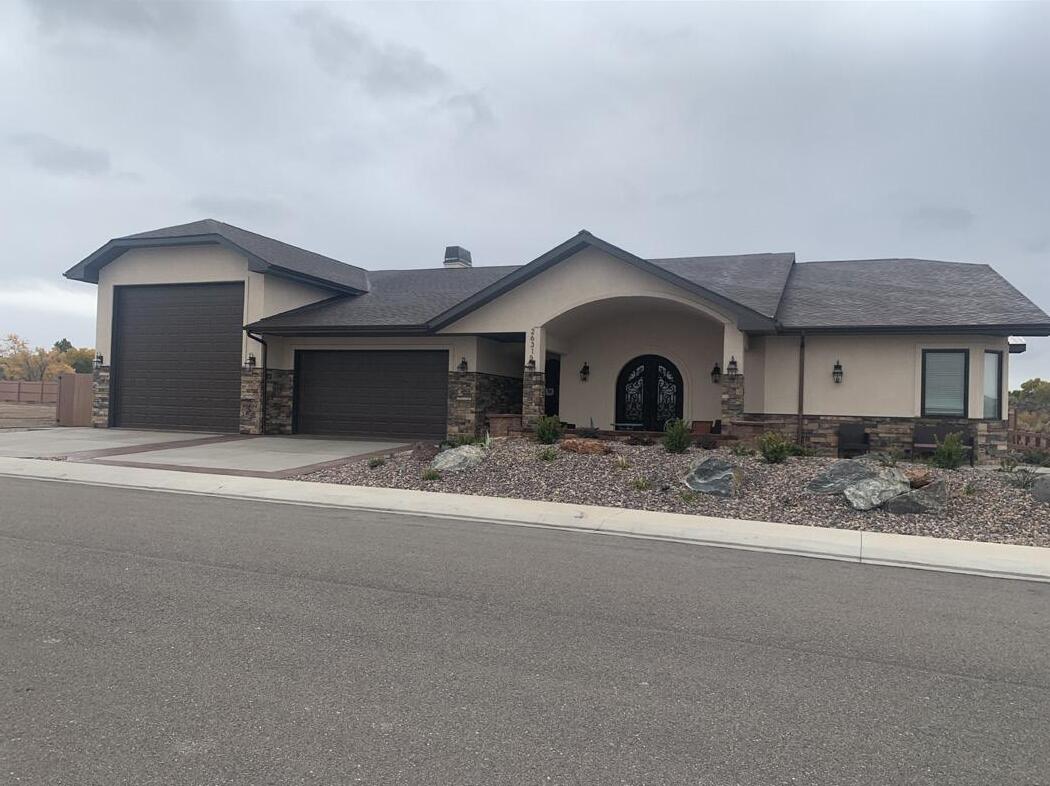
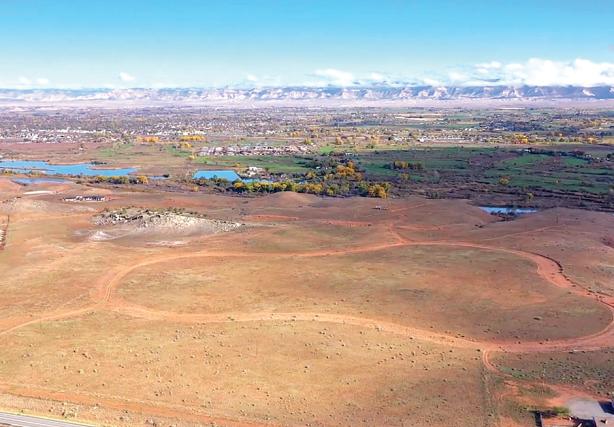
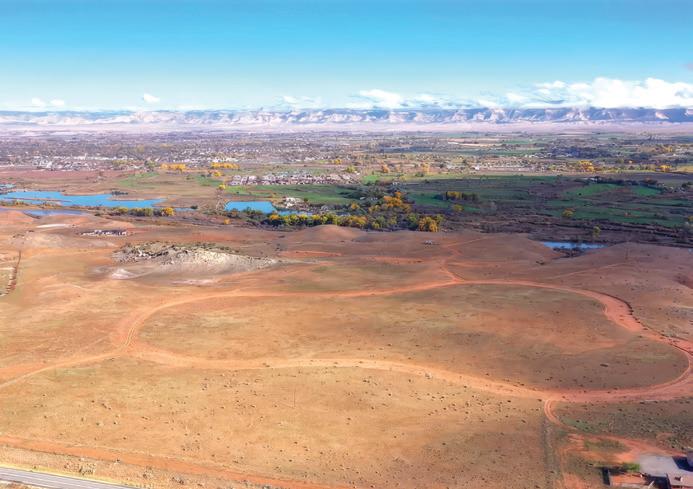
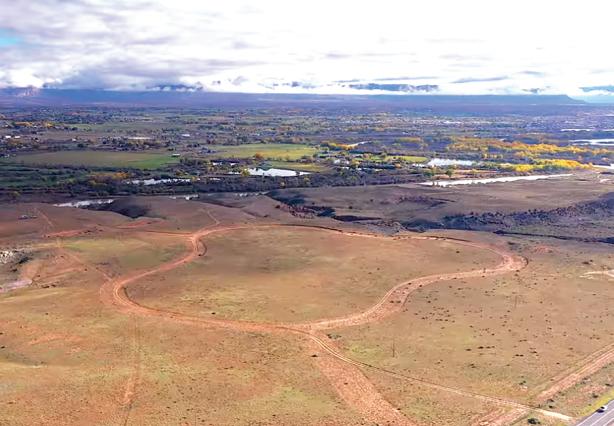
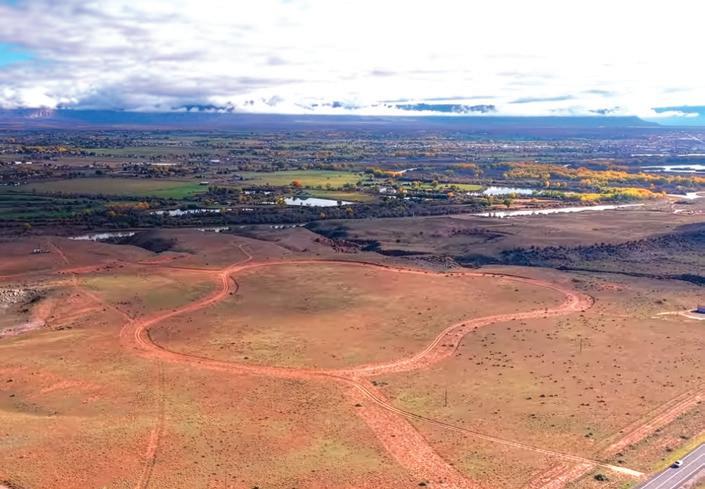
2631 Tiger Eye Lane, Grand Junction, CO 81506
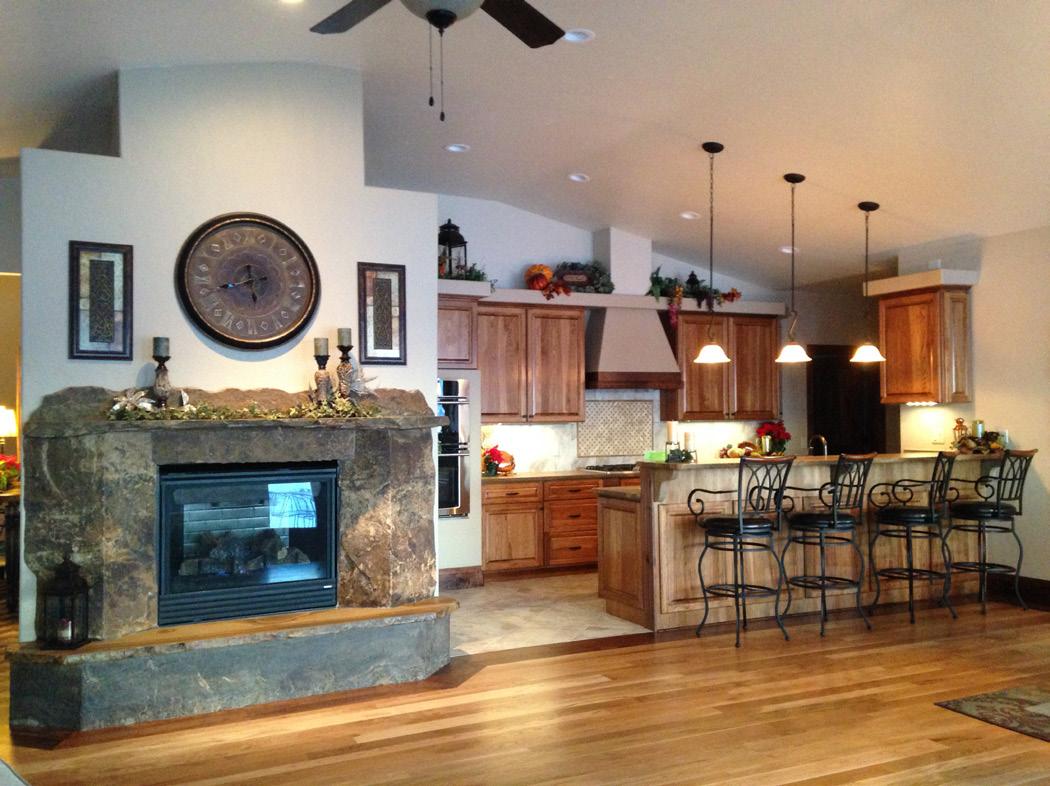
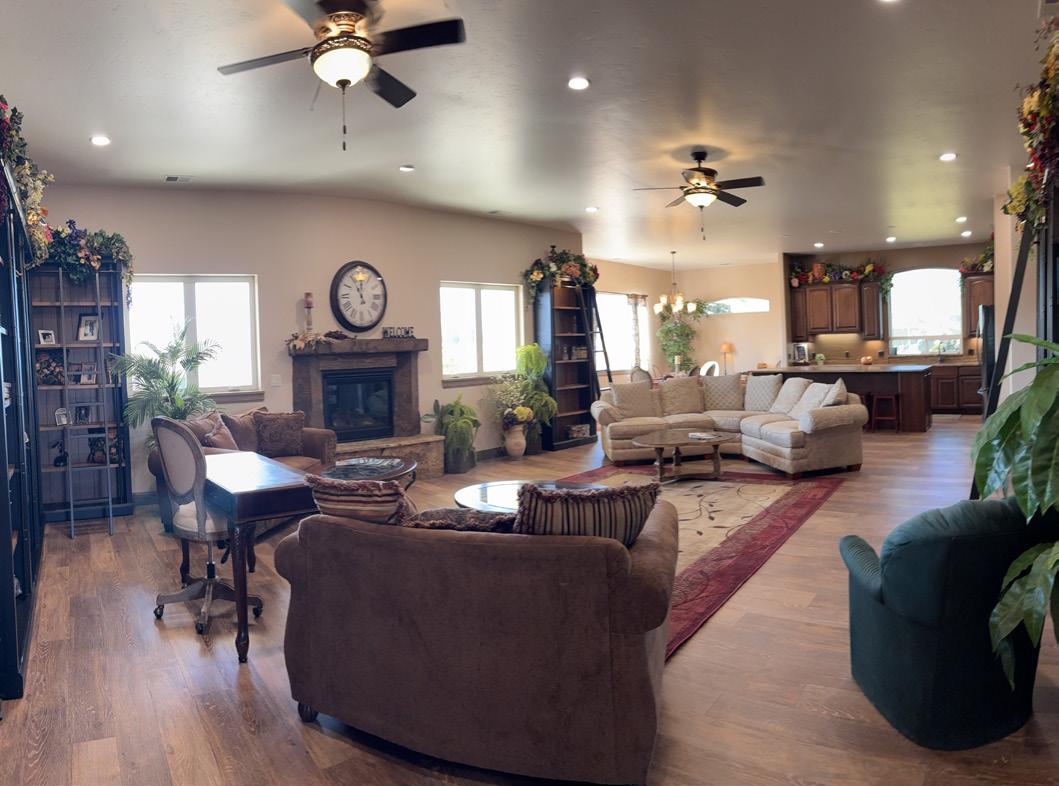
Please call Janet Elliott to schedule a time to meet to look at all of the options, ideas and possibilities that Emerald Ridge Estates has to offer for your next new home!
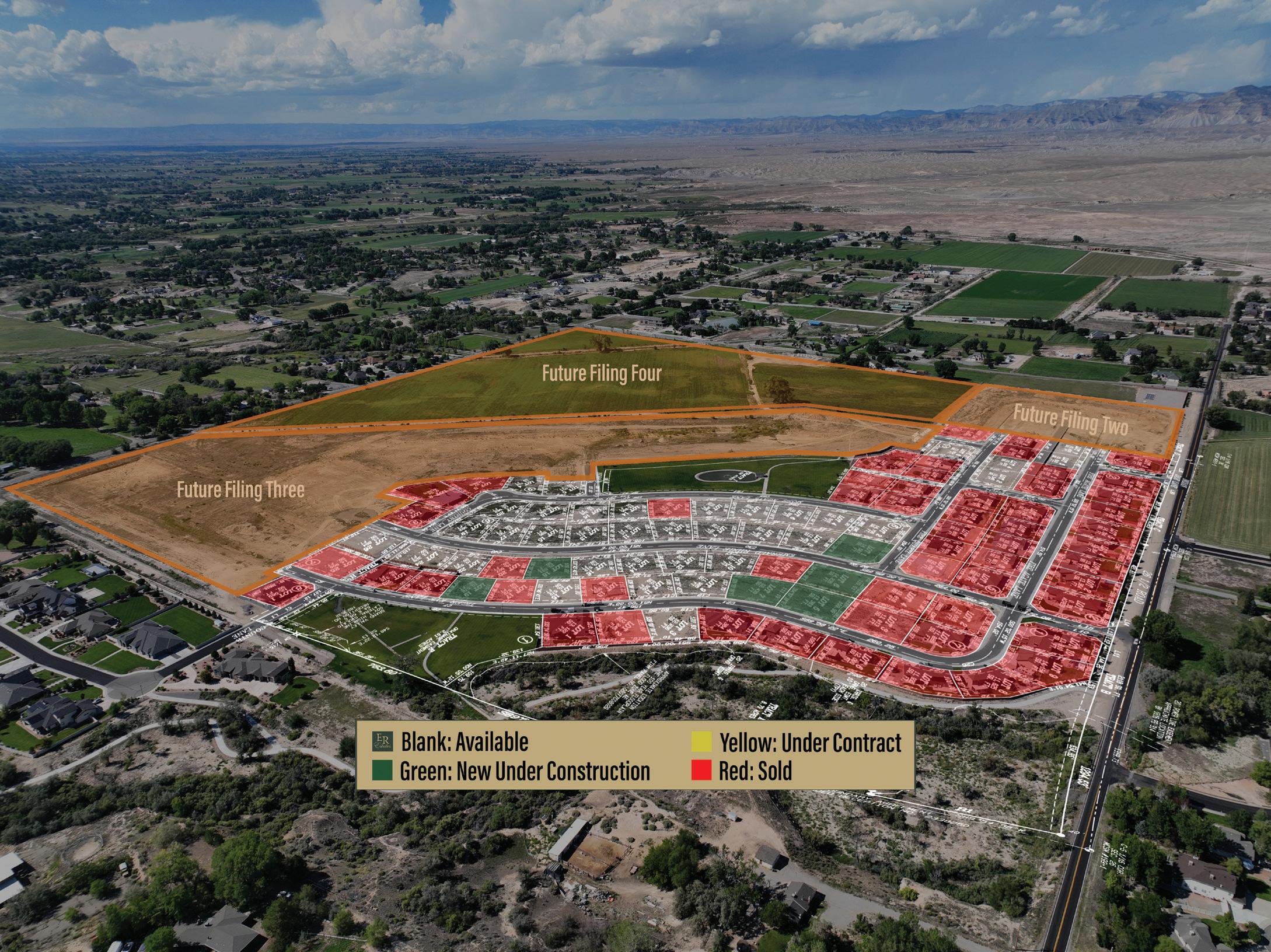
Emerald Ridge Estates Offers
• R-2 (R) Zoning / .24 - .52 Lot sizes
• RV parking and/or attached RV garage
• RV and/or electric car wiring
• Low maintenance stucco exteriors; stone or brick accent options
• Covered porches and patio areas; outdoor kitchen options
• Minimum 3-car garage and attached storage
• Floor covering choices
• Pressurized irrigation to each lot
• Customize and design “your” plan; choose “your” options and upgrades
• Landscaped front yard; xeriscape and creative design options
look forward to working with you
ELLIOTT Broker/Owner
Dear Readers, One year in, and already Wine+Dine Western Colorado feels rooted into the region, much like the vineyards, kitchens and gathering places it celebrates.
What began as a love letter to Western Colorado’s culinary scene has quickly revealed something deeper: an annual celebration of flavor, creativity and a distinctly West Slope perspective. In this issue, we explore that spirit from multiple angles. In “Grapes With Grit + Grace,” we look at how winemakers are transforming rugged terrain into wines with unmistakable character. “Inside the Hustle” pulls back the curtain on the determination it takes to keep independent restaurants thriving in an ever-changing industry. And in a lighter (but no less passionate) turn, our pizza feature slices through the bold, unexpected styles emerging within Western Colorado communities.
We also follow the evolution of this state’s distilling scene, where producers are drawing inspiration from south-of-the-border traditions to create something entirely their own. It’s a reminder that innovation here often comes from a willingness to look beyond and bring ideas home.
Together, these stories highlight a common thread: this is a place where people don’t wait for perfect conditions. They build, experiment and refine, calling for another round, until something meaningful and ready takes shape.
As Wine+Dine enters its second year, we remain committed to telling those stories and connecting you to the places and people behind them. Whether you’re planning your next reservation, tasting your way through a new area or simply looking to better understand what’s on your plate or in your glass, we hope this issue serves as both guide and inspiration.
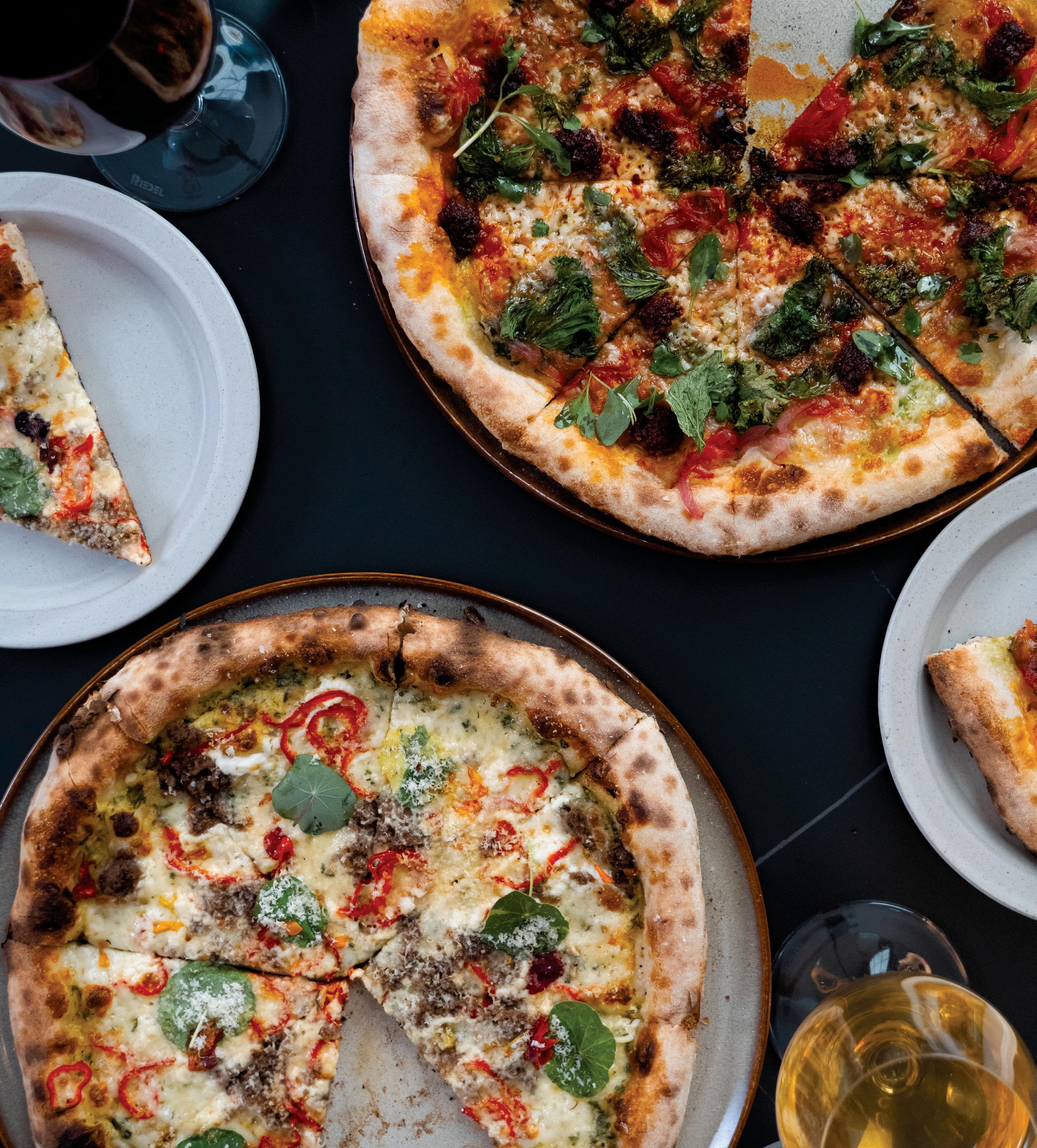
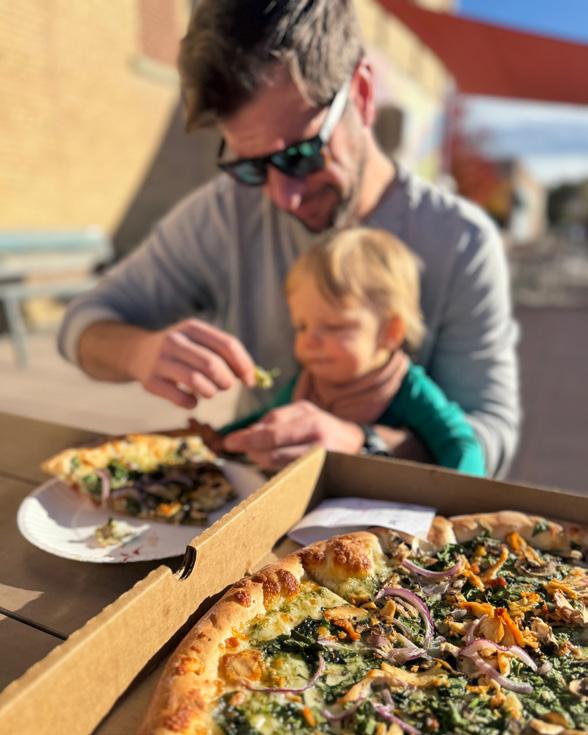
Cheers, Kim and Bobby, serving Emery his first Hot Tomato slice
Kim Fuller with Bobby L’Heureux Publishers of Wine+Dine, Spoke+Blossom Founders of Jaunt Media Collective
Keep in touch with us between issues! Check out our website, wineanddine.com, for updates and events, and follow us on social media.
Publisher
Jaunt Media Collective
Editor-In-Chief
Kim Fuller
Managing Editor
Lexi Marshall
Art Director
Kitty Nicholason
Community Engagement
Chloe Wasserstrom
Partnerships
Bobby L’Heureux
Judy Shay
Contributors
Lisa Blake
Kim Fuller
Sky Lahood
Drew Loewen
Sharon Sullivan
Gabe Toth
Dan Videtich
Jennifer Weintraub
Cover Photograph
Bin 707, Grand Junction
Photo by Adam Evarts
Wine+Dine Magazine
Jaunt Media Collective
2077 N. Frontage Road / D Vail, CO 81657
For advertising, contact ads@spokeandbolossom.com 815.414.9642
Get in touch! We would love to hear from you. Please send your comments to letters@spokeandblossom.com.
Wine+Dine Western Colorado is an annual publication featuring epicurean destinations throughout the Colorado west. From the state’s mountain getaways to the wonders of the Western Slope, this guide highlights top restaurants, cafés, markets, wineries, breweries and distilleries from “Spoke+Blossom country.”
WINE + DINE
DISTRIBUTION + REACH
25k copies printed annually and distributed in over 500 locations throughout Colorado. bobby@spokeandblossom.com
EPICUREAN
GRANDE RIVER VINEYARDS
Take the leap!
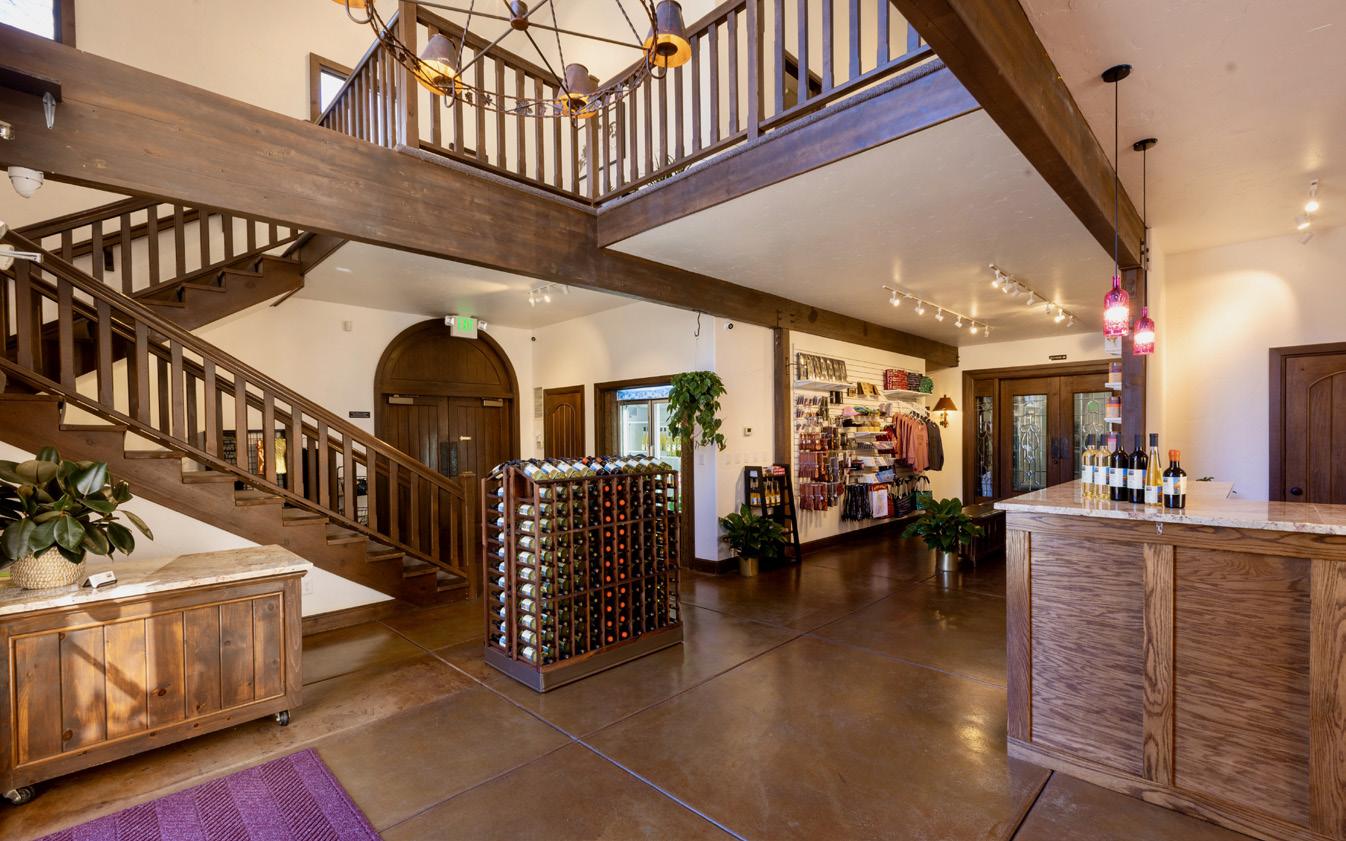
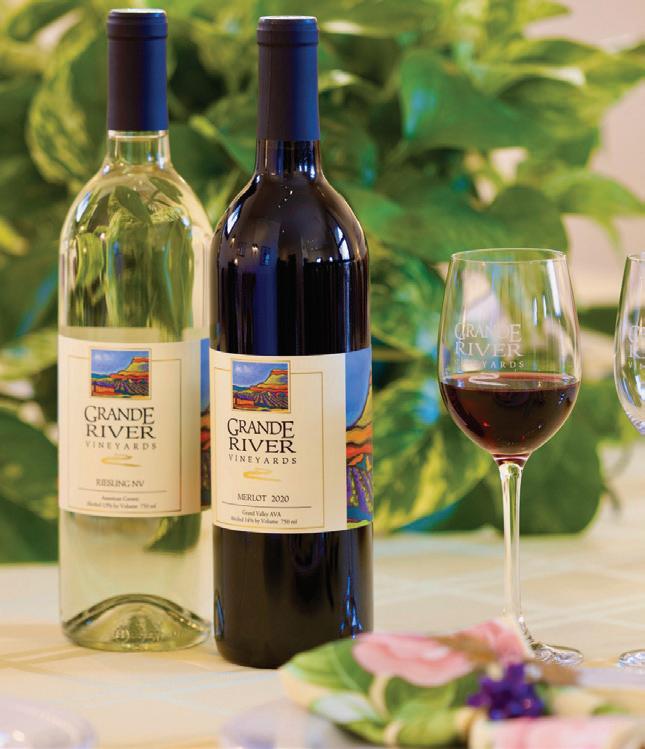
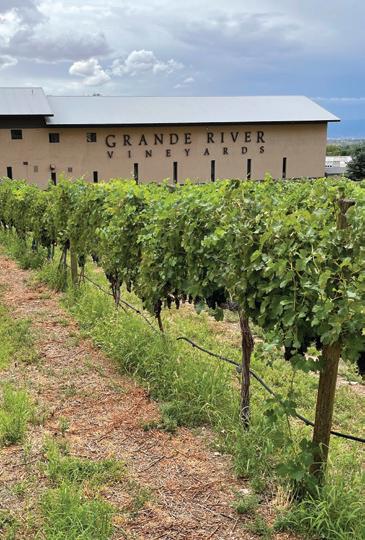
Grande River Vineyards offers a fresh take on tried-and-true varietals. The winery continues to evolve, reimagining wines to produce superior reds and whites. The goal is to craft more subtle, sophisticated Bordeaux and Rhône-style wines that appeal to both seasoned and entry-level wine drinkers. The winery also provides approachable, affordable selections for a variety of wine lovers.
Grande River Vineyards is built on strong foundations for newer European-style wines, including historic wine production from original and new hybrid vines, terroir that imparts a distinct minerality and high desert conditions featuring warm days and cool nights.
More than just a winery, Grande River Vineyards is part of a Destination Wine Estate that includes the Ten Acre Farms vineyards and the 80-room Victorian-style hotel, Wine Country Inn.
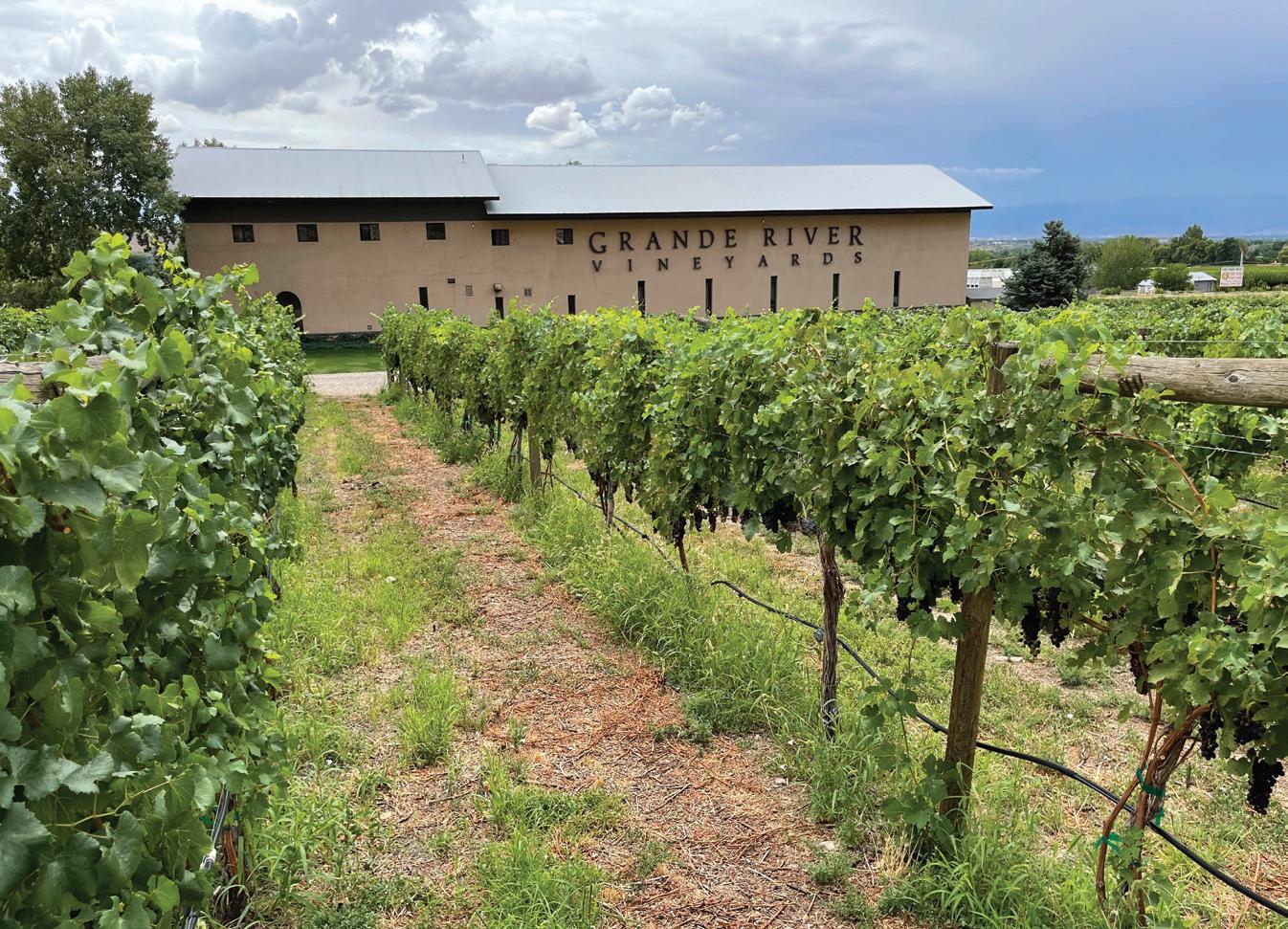
Located in Palisade on Colorado’s Western Slope, Grande River Vineyards and its sister property, Wine Country Inn, are nestled among 20 acres of mature vines, creating a wine destination where guests can enjoy premium varietal wines produced in the traditional style. This honors the winery’s legacy while reflecting the owners’ commitment to excellence, innovation and hospitality.
Colorado’s fifth licensed winery, Grande River Vineyards was founded and planted its first vines in 1987. The winery fermented its first wine in 1990. Until 2006, it was the largest grape producer in the state. More recently, the winery has produced about 5,000 cases per year.
With a rich history as Colorado’s premier estate-grown wine producer, Grande River Vineyards is positioned for new growth and innovation at its location near the base of the Little Bookcliffs mountain range and the Colorado River.
PALISADE
Grand
Valley’s Wine Destination
Richard and Jean Tally purchased Grande River Vineyards on June 17, 2021, forming a new entity, Ten Acre Winery LLC/DBA Grande River Vineyards. Their daughter, Anne, joined as a partner in December 2022. Each brings specialized expertise to different aspects of the operation.
“We embrace the importance of Colorado wines and agriculture and the history of Palisade,” emphasizes Anne, who manages the winery. “We enthusiastically invite you to join us on our continuing wine adventure!” granderivervineyards.com
PALISADE
Grand Valley’s Wine Destination
Sauvage Spectrum
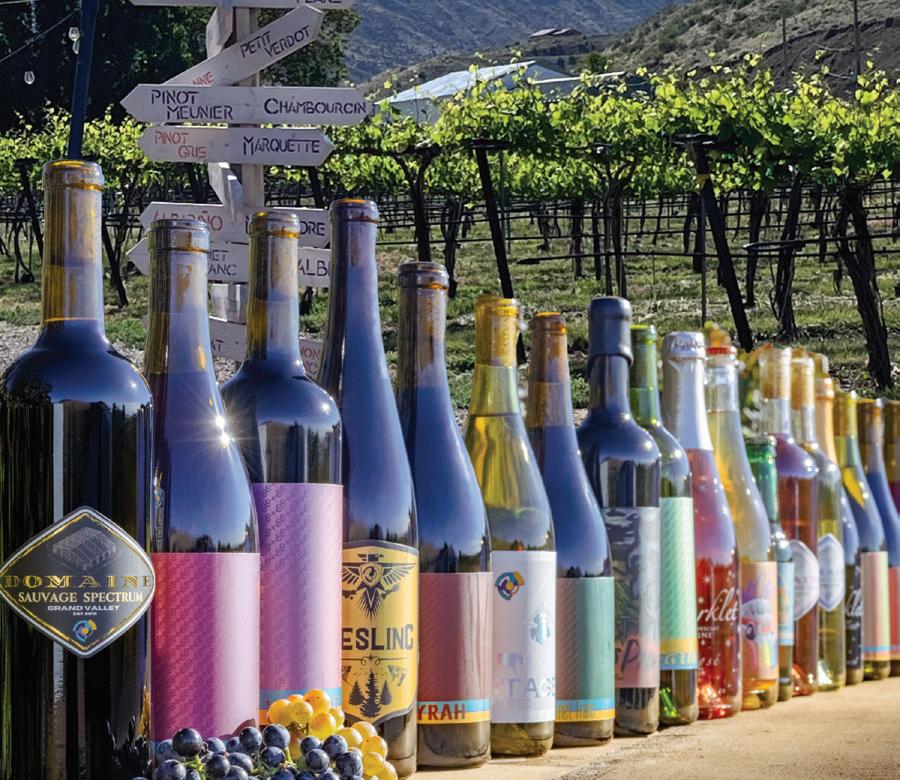
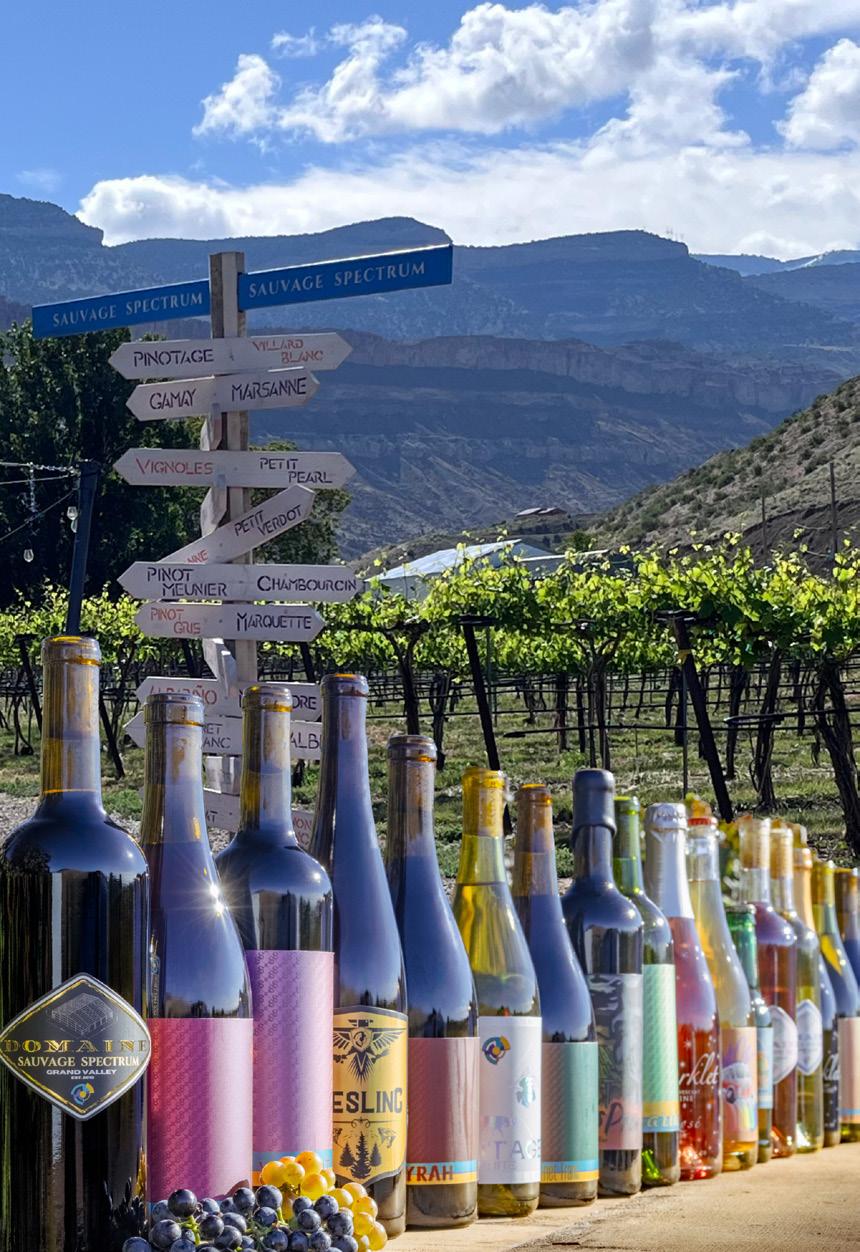
A top Palisade destination where Colorado’s high-desert terroir meets a relaxed vibe. Young-at-heart guests enjoy sparkling wines and a live DJ at Bubbles Brunches, and experienced wine drinkers savor award-winning crisp whites and serious reds while watching lingering sunsets on the patio. Approachable, sustainably-made, and inviting, Sauvage Spectrum is defining Colorado wine from grape to glass.
676 38¼ Rd. Palisade, CO 970.464.2127 sauvagespectrum.com
CORKS & FORKS: THE ART OF THE PAIRING
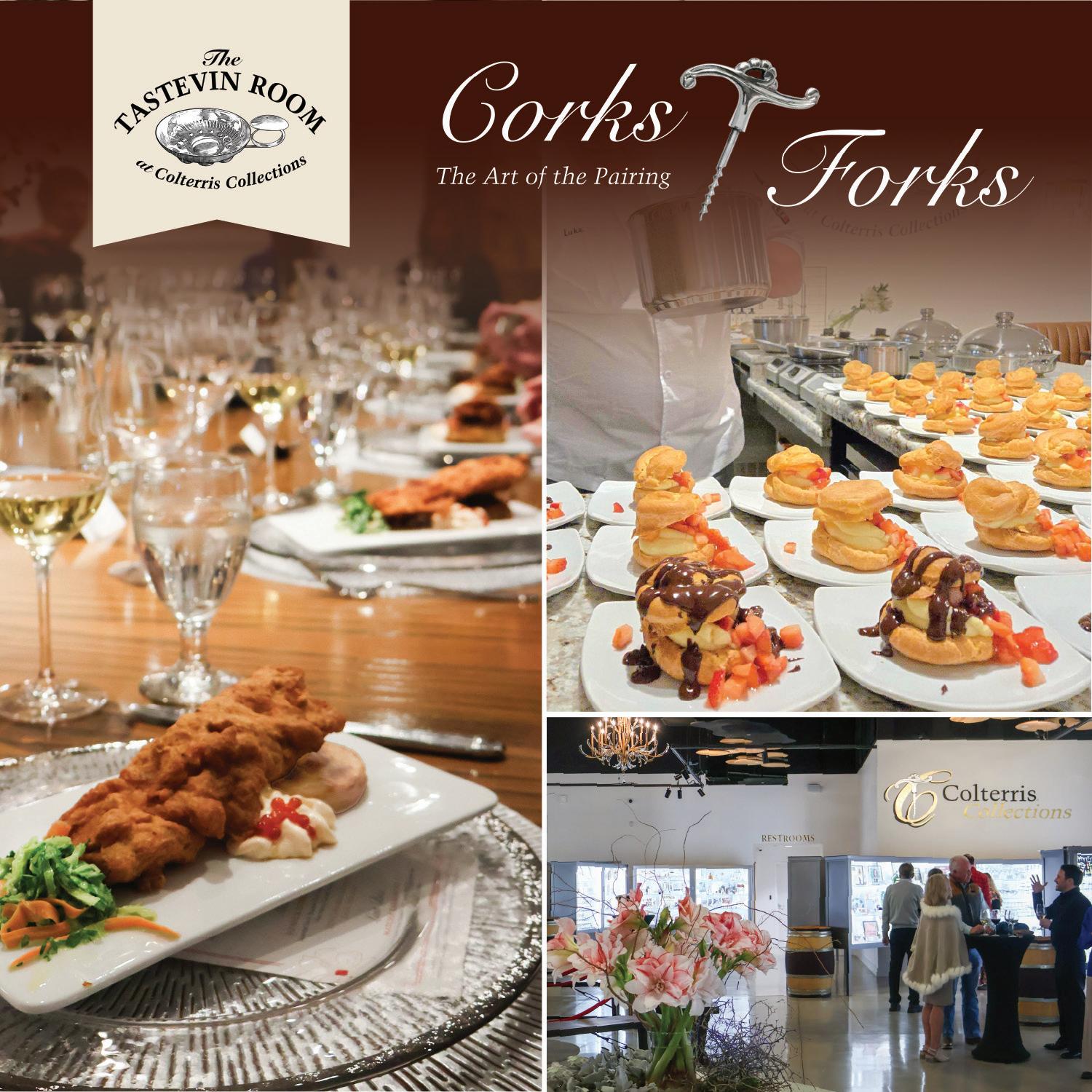
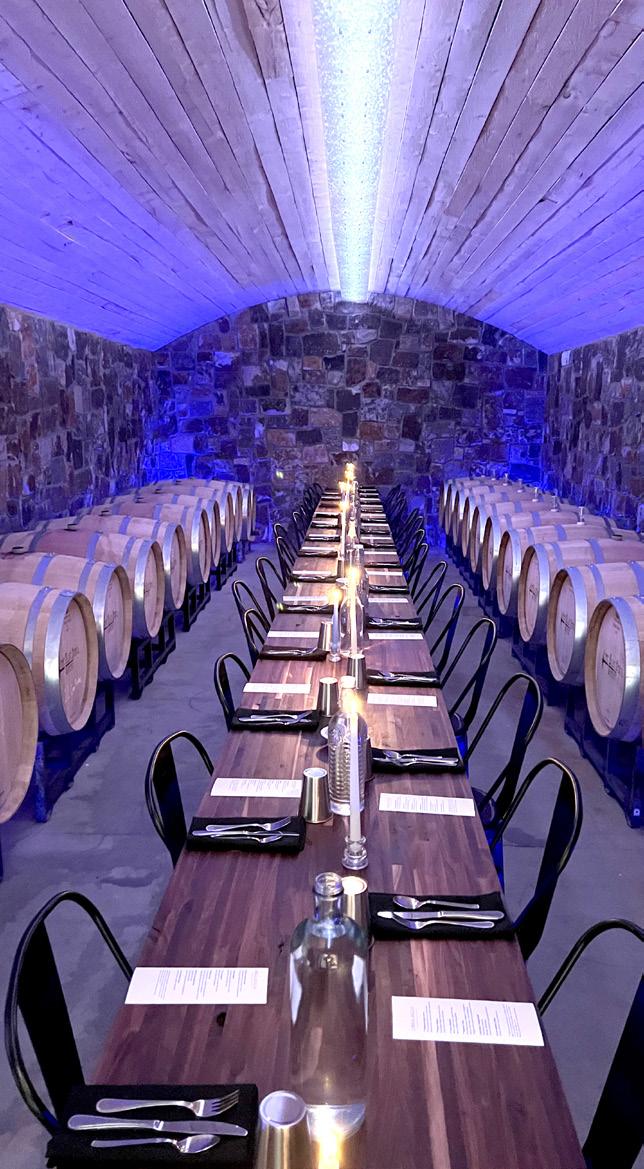
The art of pairing food and wine takes center stage during Colterris’ monthly Corks & Forks events. Each dinner features a rotating guest chef who brings their own culinary perspective to the evening, while crafting a multi-course menu that reflects their style and creativity. Experience an elevated dining adventure that evolves each month with every chef, every menu and every pairing.
The evening begins with an introduction to the Colterris Collections exhibits, highlighting history through the lens of wine. Guests are then seated in the Tastevin dining room, where the chefs prepare each course while Colterris winemakers guide them through the wine and culinary pairings.
Corks & Forks celebrates the artistry, collaboration and craftsmanship behind exceptional cuisine and world-class Colterris estate wines.
Colterris.com
KIM FULLER
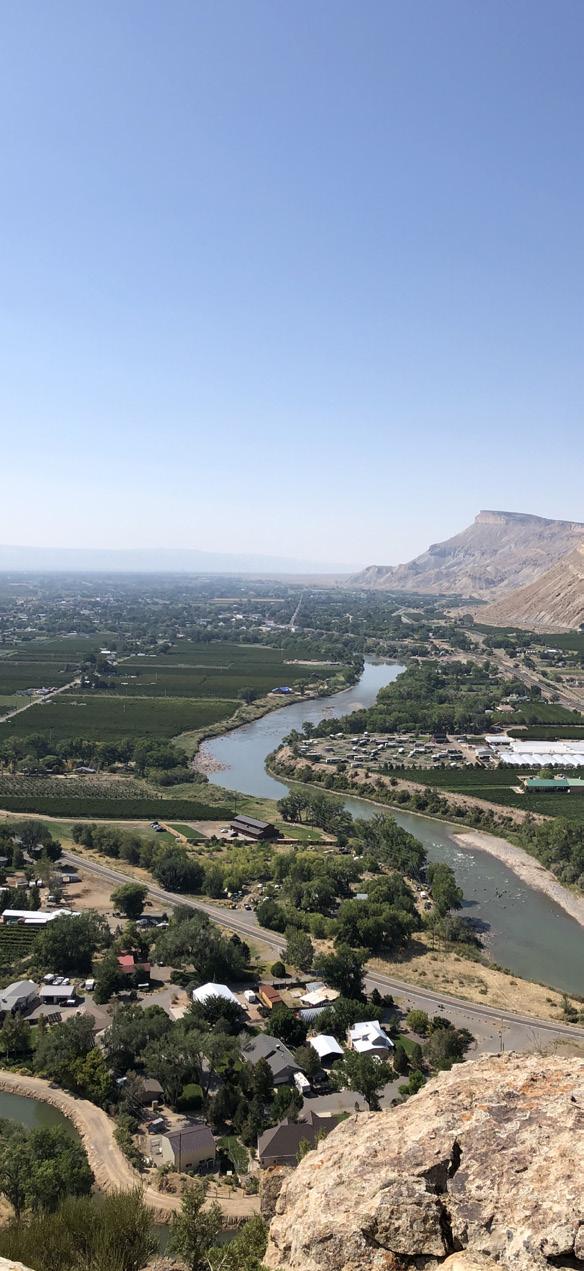
Palisade from Rim Trail
PALISADE
Grand Valley’s Wine Destination
Cliff Dweller Wine Co.
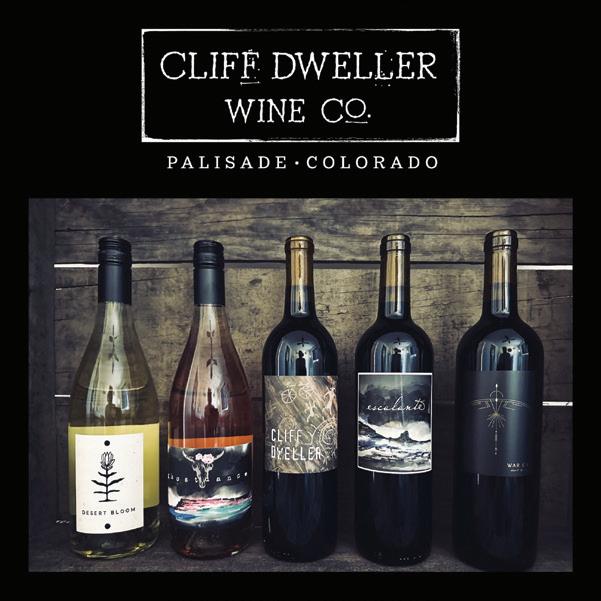
Located in Palisade, Colorado, Cliff Dweller crafts authentic wines with distinct character, while practicing sustainable, minimal-intervention winemaking. Its intimate tasting room, framed by scenic cliff views, offers wine flights in a relaxed setting. Indoor seating and a pet friendly patio.
Peach Street Distillers
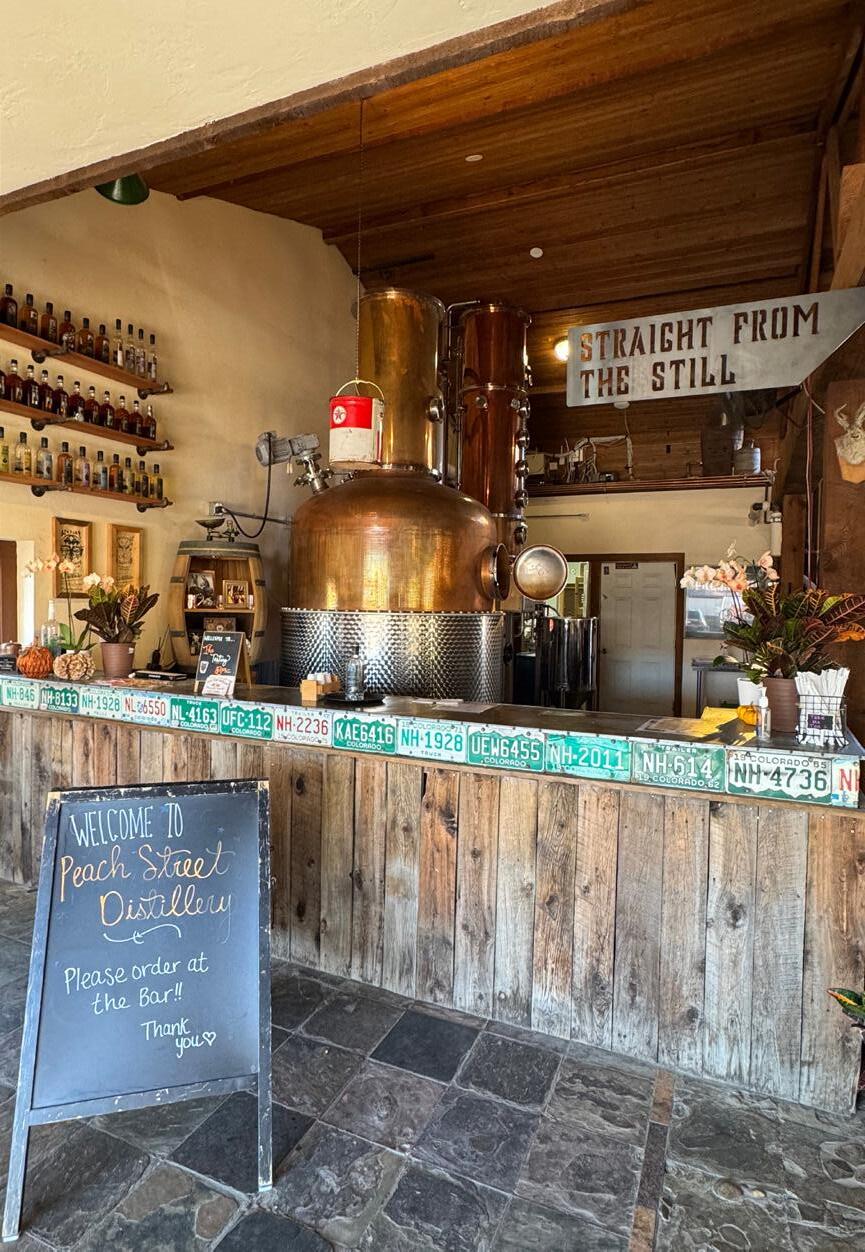
Palisade’s gathering place and Colorado’s original grain-to-glass distillery. Settle in while sipping Colorado’s first postProhibition bourbon and enjoy a scratch-made appetizer, lunch or dinner. Using local fruits, grains and botanicals, Peach Street crafts spirits perfect for cocktails or sipping neat. Tour the working distillery, then settle into the tasting room or patio — where everyone is welcome. Open daily, and open late.
144 South Kluge Ave. Downtown Palisade peachstreetdistillers.com 970.464.1128
The Homestead
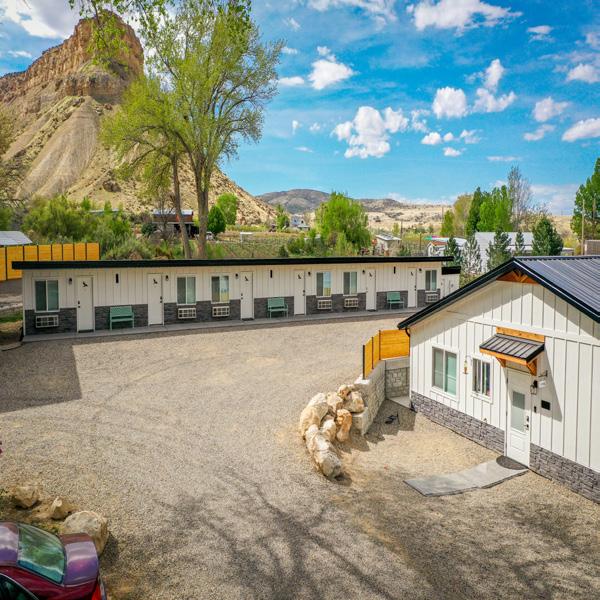
The Homestead is a family-owned and operated inn located in the wine country of Palisade, Colorado. Enjoy the fruits of Western Colorado with a unique, clean and cozy lodging experience. Book today! thehomesteadpalisade.com
The Ordinary Fellow
The Ordinary Fellow is a familyowned craft winery in Palisade, Colorado, making highly-rated wines rooted in classic French varietals and honest storytelling. Thoughtfully farmed and bottled with minimal intervention, enjoy white, rosé, red and sparkling wines in a welcoming setting.
theordinaryfellow.com
Fidel’s in Palisade
THE BLUE BERYL WINERY
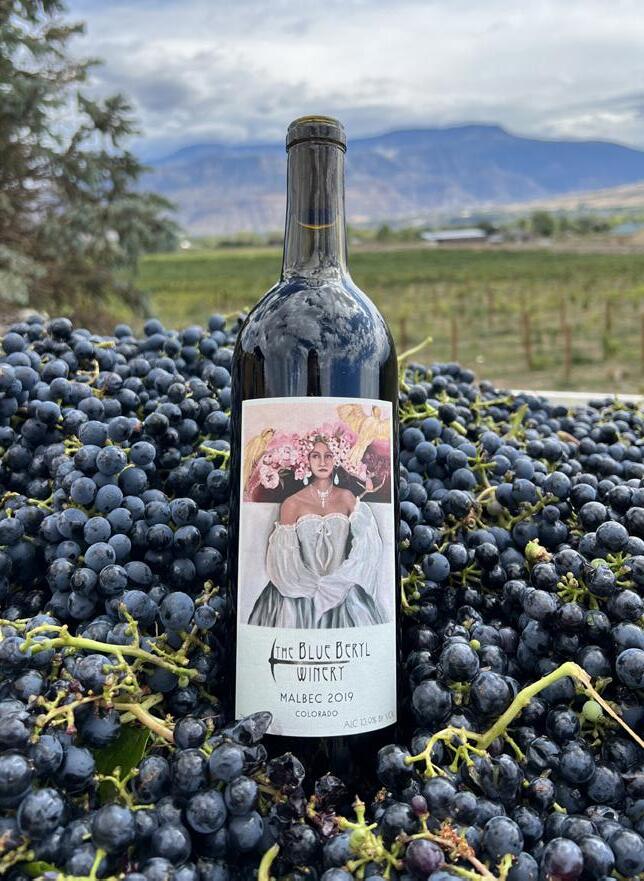
This small boutique winery, nestled at the base of Mt. Garfield, is home to a sunshine-filled estate vineyard run by an ambitious mother-daughter duo. The grapes used to produce its wines are carefully cared for, harvested and processed by the winemaker and her family. From planting the first vines in 2011 to producing her first full-bodied wine in 2019, winemaker Courtney has developed a reputation for turning the process of winemaking into an art form. In addition to crafting the wines, she is also the artist behind the winery’s distinctive labels.
Born and raised in Palisade, Courtney grew up in the very house that sits on the vineyard property. Today, she channels her love for her hometown and her artistic background into every bottle, striving to capture the spirit of her roots and the beauty of the surrounding landscape in each glass.
Courtney began helping manage the vineyard alongside her mother in 2011. She later graduated from Colorado State University in 2017
PALISADE
Grand Valley’s Wine Destination
with a Bachelor of Fine Arts degree, concentrating in oil painting. After completing her studies, she returned home to pursue winemaking and viticulture. Courtney apprenticed with a local winemaker at Hermosa Vineyards, who later encouraged her to create her own wine label as a way to share both her wine and artwork with the world.
The Blue Beryl Winery takes its name from Colorado’s state gemstone and from Courtney’s mother’s birthstone, blue beryl — a small tribute and quiet thank-you to both the place and the person who inspired the journey. Courtney produced her first wine under the Blue Beryl name in 2019, a light, fruit-forward malbec.
Since opening its tasting room in June 2022, The Blue Beryl Winery has grown to include more than 10 wines in development. Despite the growing selection, the winery remains intentionally small and boutique, sometimes producing as few as 25 cases of a varietal and typically totaling fewer than 1,500 cases annually.
While the wine list changes often, the welcoming atmosphere remains
the same. Visitors are invited to stop in for a glass, enjoy the artwork and take in the winery’s unique view of Palisade.
theblueberylwinery.com
HOW WESTERN SLOPE WINEMAKERS HAVE TURNED RUGGED TERRAIN INTO A SIGNATURE STYLE
GRAPES WITH GRIT + GRACE
Words by Jennifer Weintraub
Colorado wine isn’t like California cabernet or French Bordeaux — and it doesn’t want to be.
In a state that’s better known for powder days and Palisade peaches than fine stemware, Western Slope winemakers have quietly been proving that great wine doesn’t need a famous ZIP code. Colorado wine is leaning into its own identity instead.
“Authenticity is what ultimately relates with consumers and defines a region’s longevity,” says Cassidee Shull, executive director of the Colorado Association for Viticulture & Enology.
“By embracing our own identity, Colorado wines offer something distinctive: natural acidity, freshness and elegance that can’t be replicated elsewhere.”
Western Slope winemakers aren’t just carving out a place in the land to grow grapes: they’re cementing Colorado as a wine region that competes on a national level.
CREATING COLORADO’S IDENTITY
“The biggest change over the last 10 years has been a shift from proving we can make wine to defining what kind of wine we make,” Shull says.
Today, growers are making intentional decisions about what to plant based on climate, elevation and soil conditions while showing greater restraint in the cellar. “This allows fruit, structure and acidity to speak for themselves rather than forcing a style.”
For the past decade, Hillary Eales, winemaker at Mafia Princess Wines in Grand Junction, has had a front-row seat to the evolution.
“When I first started, Colorado was trying to make California wine with Colorado fruit. It didn’t work because we have different growing conditions. Now, we’re embracing what makes Colorado wine unique and we’re making Colorado wine with Colorado fruit.”
That shift from imitation to identity has changed everything.
WHERE ALTITUDE BECOMES AN INGREDIENT
“Colorado wines have matured in both quality and consistency,” Shull notes. Vineyard management has become more precise, and winemakers are increasingly attuned to the demands of cold hardiness and high-elevation growing.
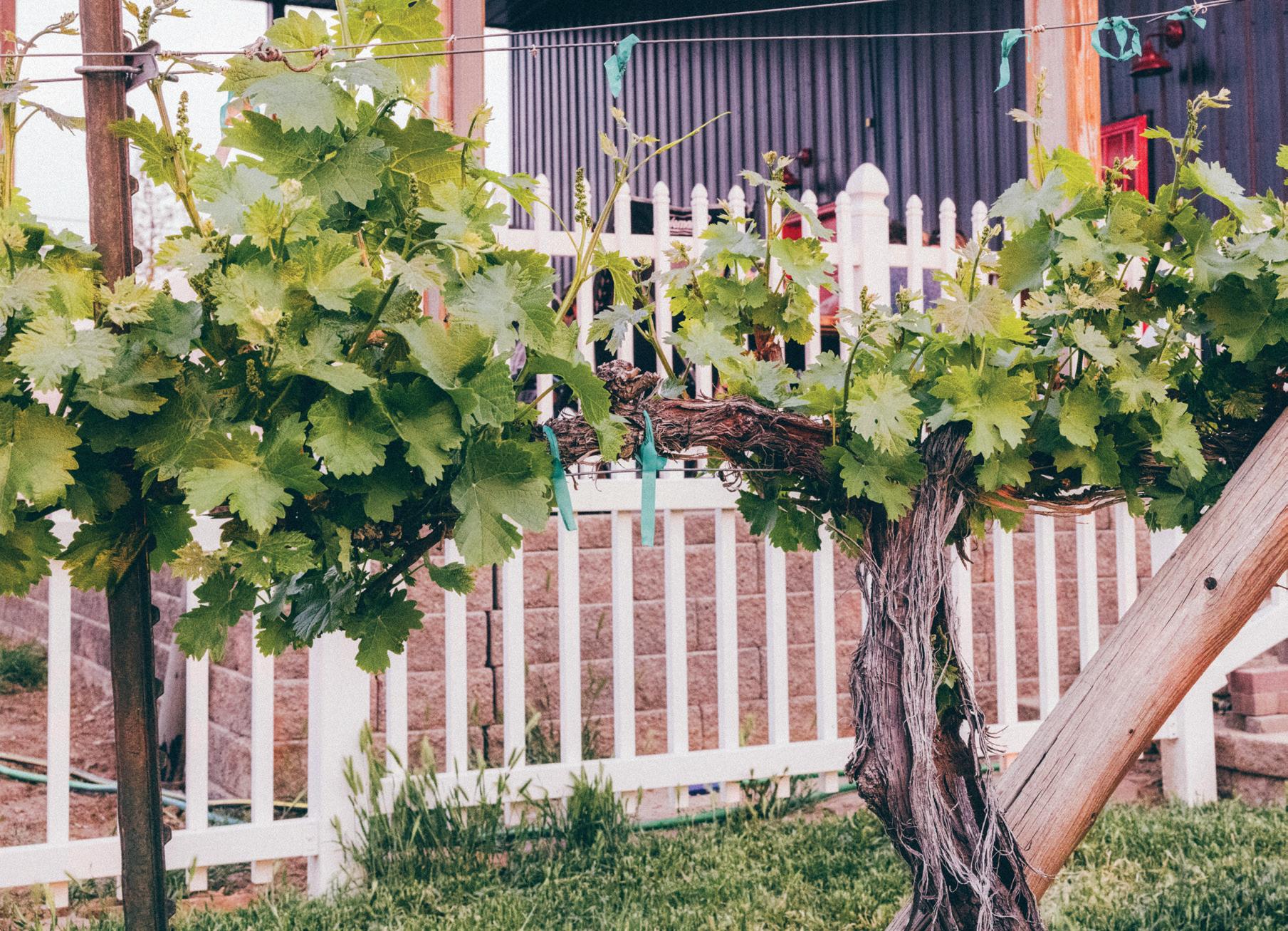
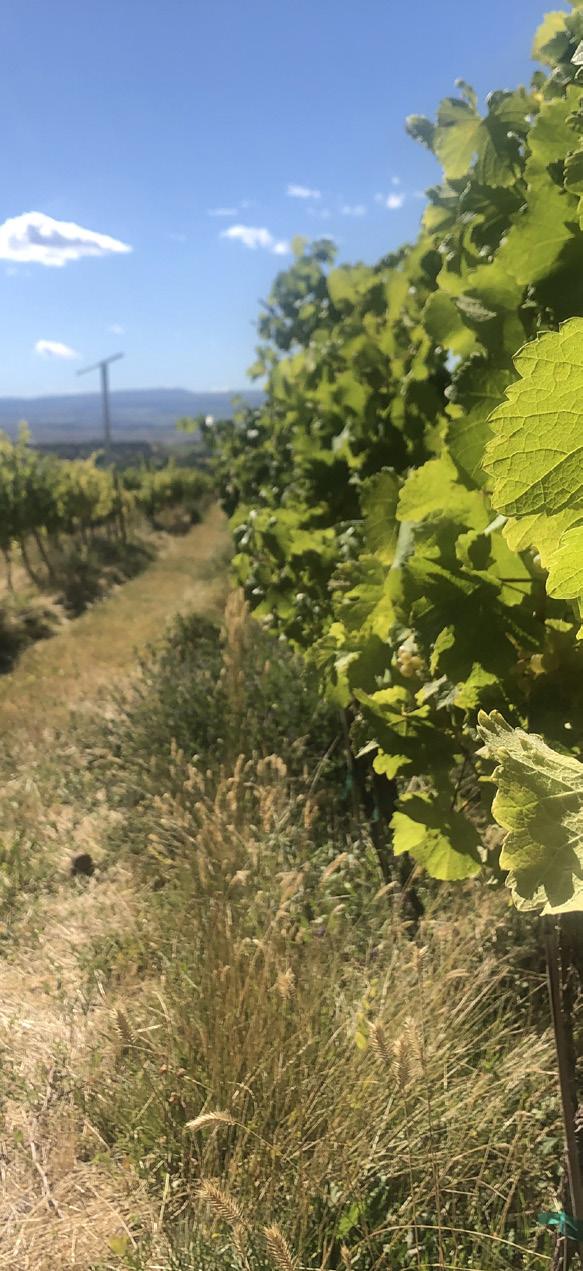
Most Western Slope vineyards sit between 4,700 and 6,000 feet above sea level. By comparison, even Napa Valley’s highest sites barely top 2,000 feet. This makes Western Colorado one of the highest elevation commercial wine-growing regions in the world.
Elevation is a defining character trait. The magic lies in the temperature swings. In the high desert, days blaze hot and bright, while nights cool off dramatically. Temperature swings can reach 40 degrees in a single day.
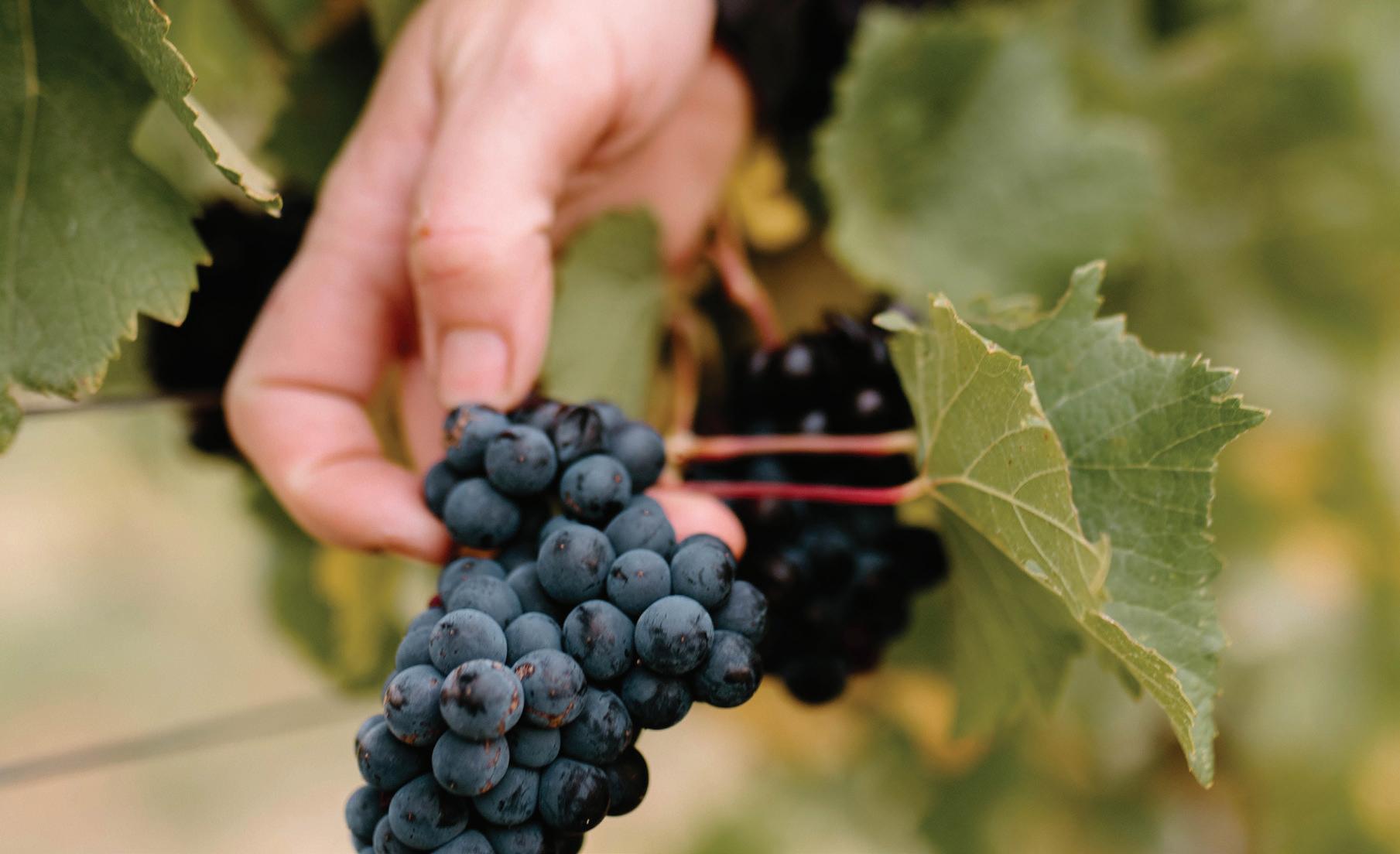
Winemakers lean into that contrast. Warm daytime temperatures help grapes build sugar and develop flavor as they ripen. Cool nights preserve the acidity and ease stress on the vine. Over time, that constant push and pull thickens the grape skins, concentrating color, tannin and aromatics.
CHECKMATE
Colorado winemaking is part science experiment, part chess match with Mother Nature. Winemakers always have to be thinking a few moves ahead.
Water is everything. “The desert is a great place to grow grapes — if you can get water to it,” says Jayme Henderson, co-owner of The Storm Cellar in Hotchkiss. With irrigation carefully managed, growers can withhold water at strategic moments, signaling the vines to ripen and concentrating their flavor.
The dry desert air does the winemakers another favor. Low humidity means fewer issues with mildew and rot, resulting in fewer sprays and less intervention. Healthier vines and soils result in cleaner farming practices.
Then there’s the wind. It’s uncontrollable, but not unusable.
The Storm Cellar benefits from its unique hillside topography. East-to-west valleys pull warm air from the desert, while the cold air sinks
to the valley floor. Their elevated vineyard stays several degrees warmer than the surrounding area, often just enough to avoid an early frost.
At Sauvage Spectrum in Palisade, vineyards sit at the mouth of De Beque Canyon, where cool air funnels through like nature’s own air conditioner. That steady breeze allows Frenchlineage grape varieties to thrive, preventing wilting in the desert heat.
“Colorado farmers are gamblers,” says Patric Matysiewski, winemaker at Sauvage Spectrum. “There are other wine regions in the world that offer more consistency and longer growing seasons. We’re in it for the lifestyle and the access that the Western Slope provides.”
ADAPTING TO THE ALTITUDE
Scan a tasting menu at a Western Slope winery, and you’ll spot varietals that sound more European-chic than Colorado countryside. These grapes aren’t trendy experiments; they’re calculated decisions, planted intentionally. Winemakers are embracing cold-hardy hybrid
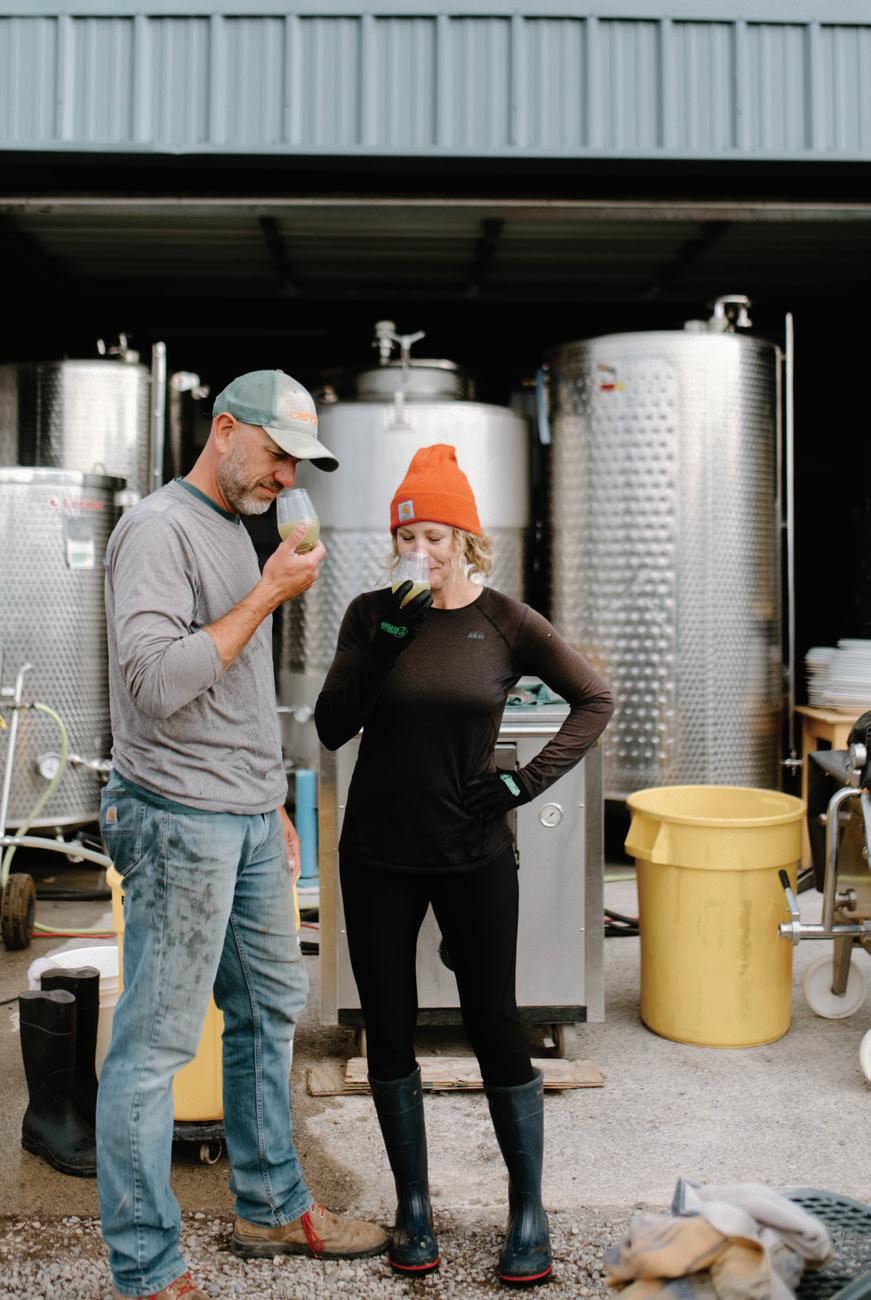
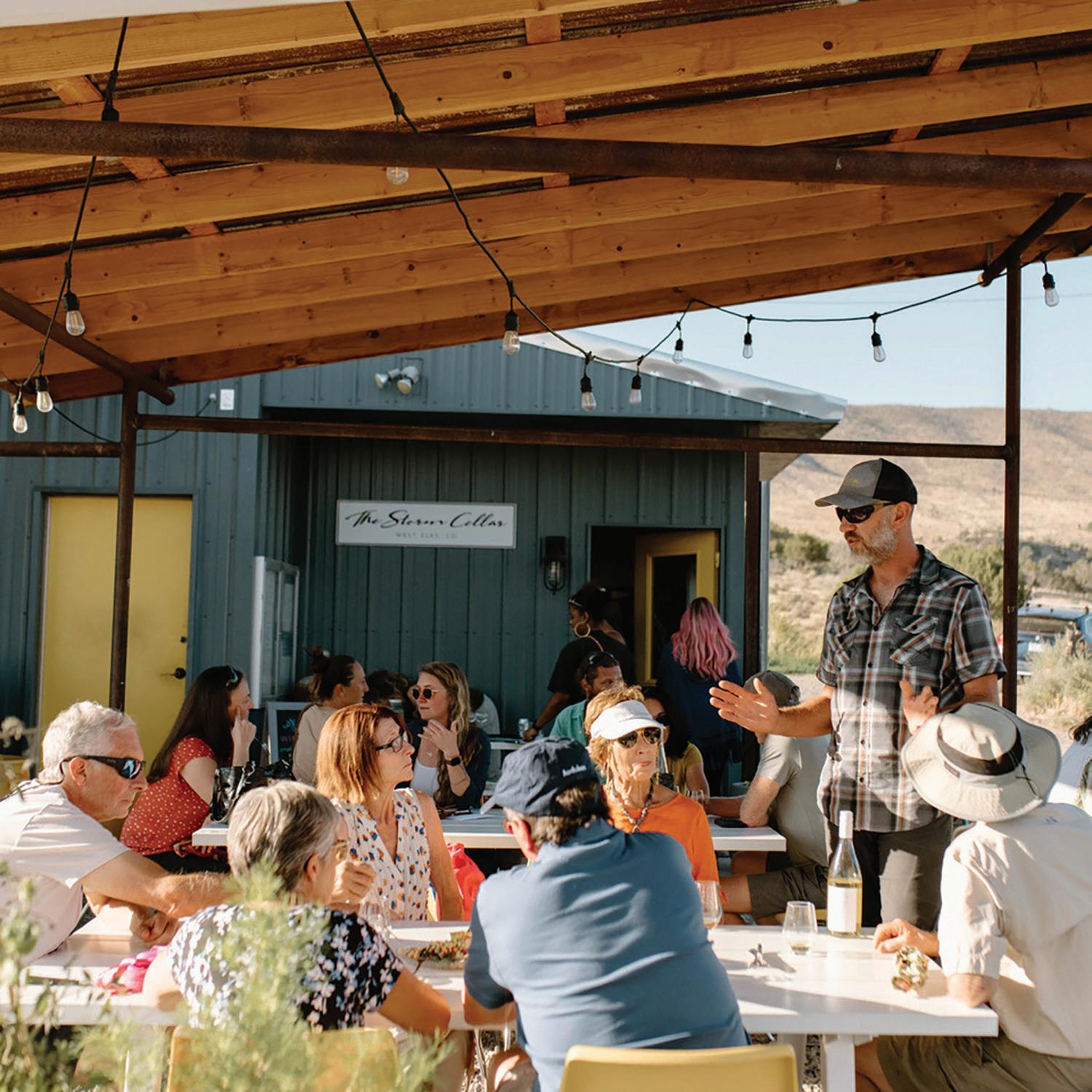
Steve Steese and Jayme Henderson, former sommeliers who co-founded The Storm Cellar, do some onsite tasting.
grapes that are bred to withstand colder temperatures and shorter growing seasons.
The Storm Cellar grows Itasca, a versatile French-American hybrid white grape that is resilient and well-suited to cooler weather. Crisp and clean, with subtle fruit and floral notes, Itasca forms the backbone of an aromatic, mountain-bright white that tastes refreshingly similar to a viognier or pinot gris.
Albariño, a white grape native to the coasts of Spain and Portugal, has become a regular throughout the state. Colorado Albariño is vibrant and food-friendly, similar to a sauvignon blanc or viognier, with crisp minerality, ripe stone-fruit, subtle sweet notes of honeysuckle, a dash of spice and medium body. Sauvage Spectrum’s version has bright acidity and flavors closer to green apple and sweet melon.
FROM SWEET BEGINNINGS TO SERIOUS BOTTLES
Over the past decade, Western Slope wineries have grown up. Early Colorado wines tended to be sweeter and fruitier. Today’s bottles are more complex and sophisticated.
Consumer tastes have shifted and longtime wineries have changed hands, opening the door
for newcomers and new ideas. Jayme Henderson and Steve Steese, former sommeliers who cofounded The Storm Cellar, moved to the North Fork Valley in 2017 to leave their mark. They are taking calculated risks and experimenting freely: planting worldly varietals, borrowing techniques from colder European regions and learning just as much from their failures as from their successes.
The new guard is growing classic grapes alongside varietals popular in colder climates, like Austria and Germany. Grüner veltliner has emerged as a standout summer white. It’s refreshing, with intense notes of lime, grapefruit and white pepper.
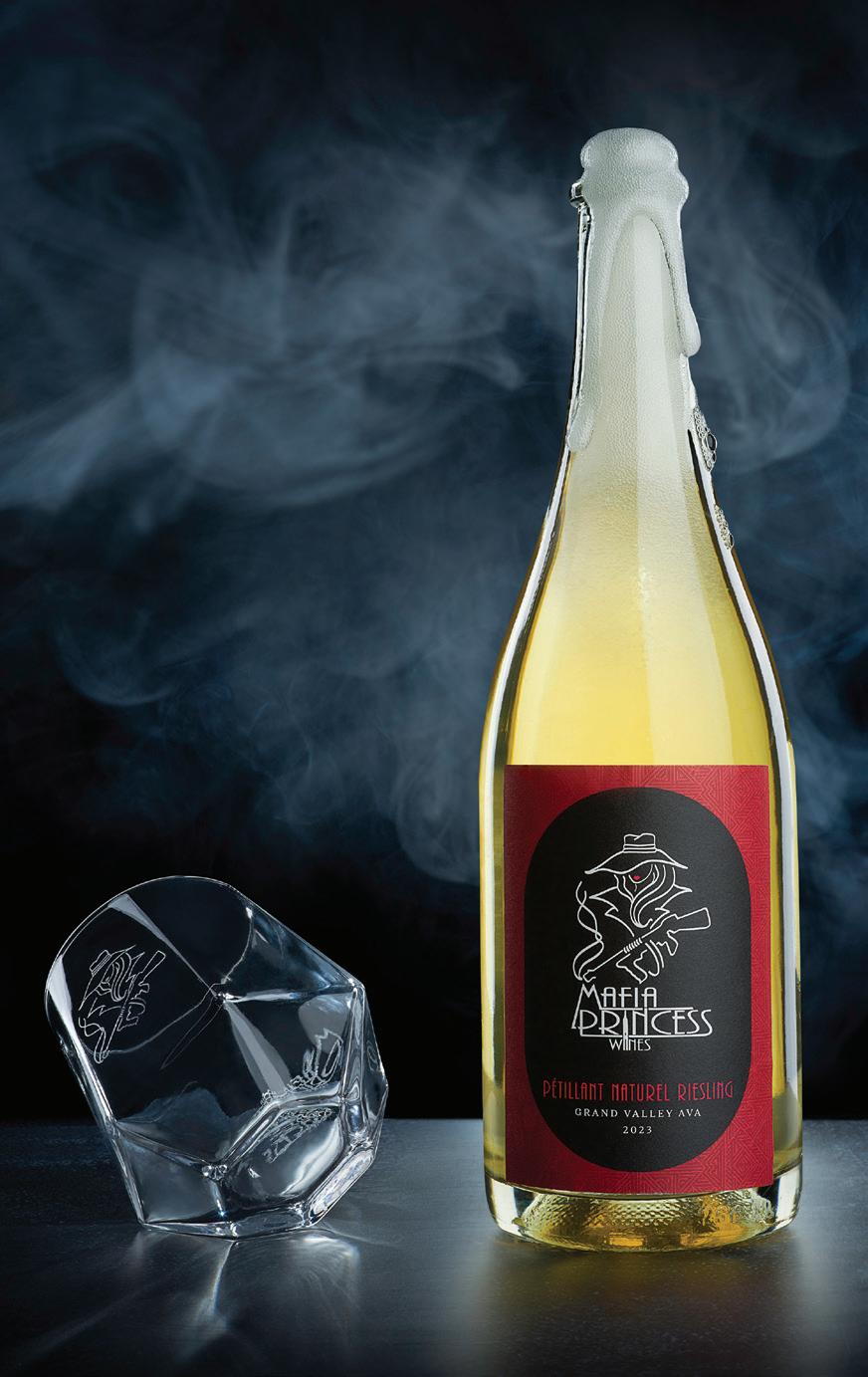
While riesling was once pigeonholed as overly sweet, winemakers are now experimenting with Petillant Naturel Riesling, an ancient winemaking method that creates naturally bubbly wines. “Bottling early allows us to use the natural grape sugars to carbonate the wine, giving it light, delicate bubbles that are finished off-dry, leaving it in that Champagne vein,” Eales explains.
Crimson Cabernet is a hybrid grape that is higher in acidity and delivers bright berry flavors with earthy undertones. Mafia Princess
The Storm Cellar
blends this grape with merlot in their Colorado Nuovo: a vibrant, fruit-forward red with little tannin and no oak.
Winemakers are learning that Colorado’s unique growing conditions can become a strength, not a limitation.
MAKING PEACE WITH THE PLACE
Perhaps the most significant evolution in Colorado wine isn’t just technical — it’s philosophical. For years, the goal was to measure up to famous regions. Now the goal is to stand apart from them.
It turns out that what Colorado does best is to be itself. “Trying to mimic another region only masks what makes us unique, while leaning into who we are builds credibility, pride and longterm recognition for Colorado as a serious wineproducing state,” Shull says.
So the next time you reach for a familiar label, consider taking a chance on something unexpected from Colorado’s backyard. You might discover a Colorado wine you didn’t know you loved.:
Mafia Princess Wines
EAST ORCHARD MESA
GRAND JUNCTION
Hub of Western Colorado
BUSINESS INCUBATOR CENTER/AGRIWEST
Where does your food come from?
In Western Colorado, the answer is closer than many realize. From vineyards and lavender fields to cattle ranches and orchards, local food production is more than a source of flavor; it is a cornerstone of the region’s economy, landscapes and way of life. Through the Business Incubator Center’s AgriWest initiative, the organization is working to ensure that agriculture in the region not only survives but continues to evolve and thrive for generations to come.
AgriWest is a regional economic development initiative designed to strengthen agricultural sustainability, support producers and build a more resilient local food system. With nearly 40% of the regional economy tied to agriculture, the stakes are high and the opportunity is even greater.
At its core, AgriWest focuses on three key priorities.
First, the initiative helps legacy agricultural families continue their businesses while creating pathways for first-generation producers to enter
the industry. Many producers face increasing challenges, from drought to market pressures to succession planning, and often lack access to the business tools that can help them adapt.
By connecting producers to By connecting ting producers to advising, funding and technical
assistance, The Business Incubator Center treats agriculture not just as a tradition , but as a business that must be supported to remain viable.
Second, AgriWest works to connect the full spectrum of agriculture, from lavender to livestock, encompassing all producers. Historically, different sectors of agriculture have operated independently, but they share many of the same challenges. By bringing together farmers, ranchers and growers across commodities and scales, the initiative fosters collaboration, shared problem-solving and stronger regional networks that benefit the entire food system.
Finally, AgriWest is focused on building community awareness of agriculture’s role in everyday life. Through Ag Awareness Week, the community is invited to engage directly with producers, whether through farm tours, educational programs or events that celebrate local food and those who produce it. These experiences help bridge the gap between consumers and producers, creating a deeper understanding of where food comes from and why it matters.
Complementing this work is a recent economic study by Dr. Nathan
Perry of CMU commissioned by the Business Incubator Center. The Economic Impact of Agriculture on study provides a data-driven foundation for supporting ag in our region.
Together, these efforts are about more than agriculture. They are about preserving a way of life, strengthening the local economy and ensuring that the people who grow the region’s food can continue to do so.
Supporting local producers does not just bring better food to the table; it sustains the very roots of the community.
Learn more and get involved by visiting the Business Incubator Center, online, on the phone or in person.
gjincubator.org/agriwest/ 2591 Legacy Way, Grand Junction, CO 970.243.5242
COURTESY OF JANIE VANWINKLE
GRAND JUNCTION
Hub of Western Colorado
MAFIA PRINCESS WINES Where Evenings Linger + Legends Are Poured
At Mafia Princess Wines, wine is more than a drink — it is a mood. Located in the heart of Grand Junction, this family-owned vineyard grows, bottles and pours each vintage in-house. From bold reds to crisp Riesling, every bottle reflects hands-in-the-soil dedication and distinctive character.
Step inside the tasting room and guests are transported by speakeasy charm and a subtle nod to 1920s glamour. It is an inviting hideaway in the middle of Colorado wine country, where every glass tells a story.
Twilight Tables | June 20, July 18 + August 22 | 7:45 – 10:30 p.m.
As the sun fades and the vineyard settles into evening, Twilight Tables begins. In partnership with Dango Street Foods, these summer gatherings embrace a fireside, farm-to-table spirit, featuring a curated four-course menu that changes monthly and pairs beautifully with the winery’s wines. It is a relaxed, late-night dinner party — think A Midsummer Night’s Dream without the mischief. With limited seating and $125 tickets on sale in April, each evening is designed for lingering.
Sunset Sips | 2nd + Last Friday, April – September | 5:30 – 8:30 p.m.
Picture a chilled Colorado white in hand, live music drifting through the vines and golden light stretching
the Colorado National Monument. Local favorites like Underdog Cheese and 505 Fix roll in, creating a signature way to toast the season.
Recent Cellar Releases
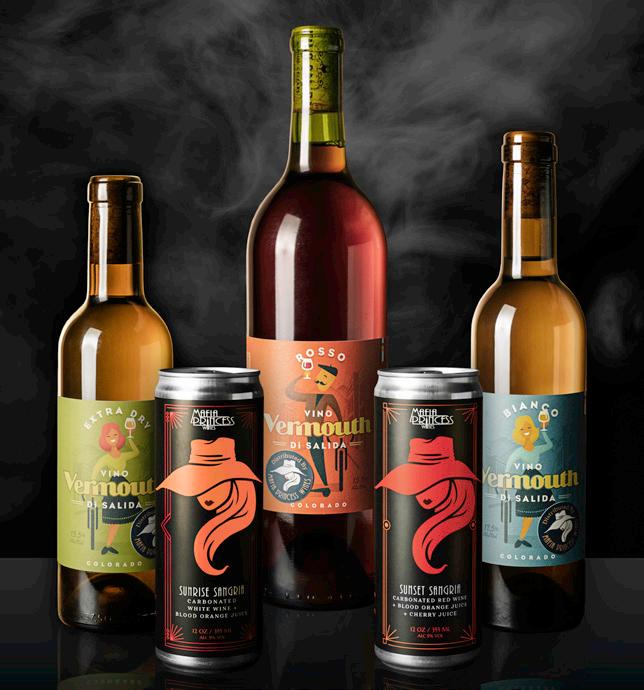
The winery’s handcrafted vermouth — botanical and inspired by Italian aperitivo tradition — is ideal for sipping or mixing. New canned favorites include Sunset Sangria, a carbonated red with blood orange and cherry, and Sunrise Sangria, a bright white with blood orange. Fresh, bold and ready for any outing.
The past year brought unexpected challenges. A sudden
hailstorm devastated nearly the entire crop, undoing years of work in just 10 minutes. From heartbreak came resolve. With support from neighbors, growers and loyal guests, the team began crafting a once-in-a-lifetime release set to arrive in Fall 2026. The wine club is called Family Reserve for a reason — this is a community that shows up.
Guests are invited to experience new pours, old favorites like Colorado Nuovo and the spirit that carries the winery forward — one glass at a time.
Visit Mafia Princess in Grand Junction. mafiaprincesswines.com @mafiaprincesswines
across
GRAND JUNCTION
Hub of Western Colorado
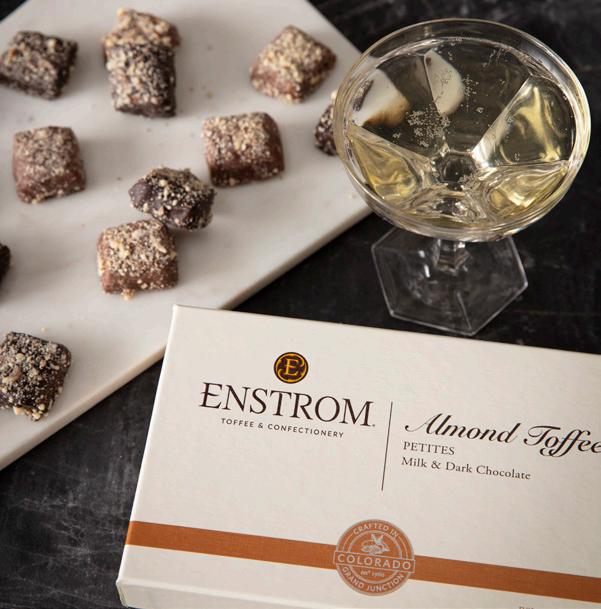
Colorado’s sweetest tradition, since 1960. From beloved Almond Toffee to carefully crafted confections, Enstrom Candies has been the mountain region’s most cherished sweet for over 60 years. Stop by an Enstrom store to explore the full assortment.
enstrom.com
EuroMart
Step into a world of flavor where tradition meets taste at EuroMart. Bring the best of Europe to your table with bratwurst, Polish sausage, German breads, Italian pastas and pierogi made like Grandma used to. Whether you’re craving pastries, Dutch stroopwafels, shortbread cookies or European chocolates, EuroMart has it all under one roof! This is Grand Junction’s local family-owned and operated specialty store offering authentic European food products.
1059 North Avenue Unit 1 Grand Junction, CO euromartgj.com
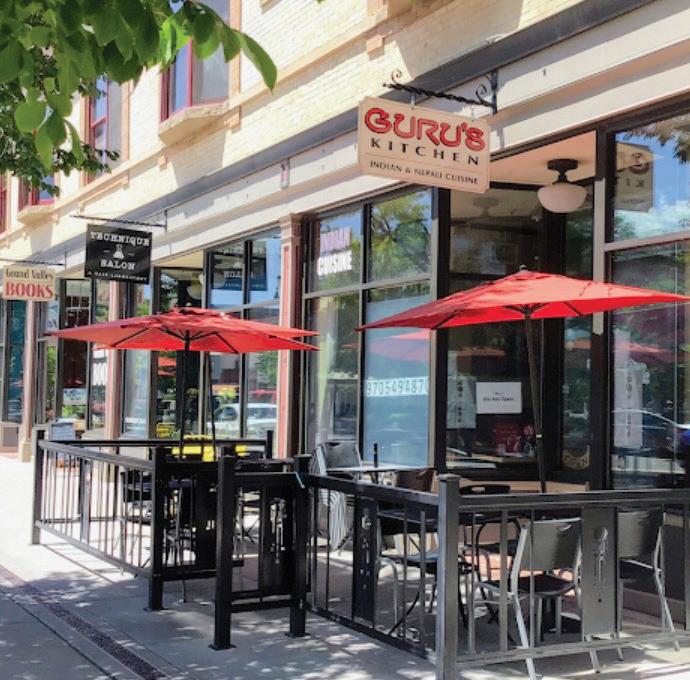
A popular Nepalese and Indian restaurant in Grand Junction, known for chicken tikka masala, saag paneer and momos. Reviewers praise its flavorful dishes, friendly owner, customizable spice levels, mango lassi and fresh naan. A relaxed “hidden gem.”
360 Main St. Grand Junction, CO 970.549.4871
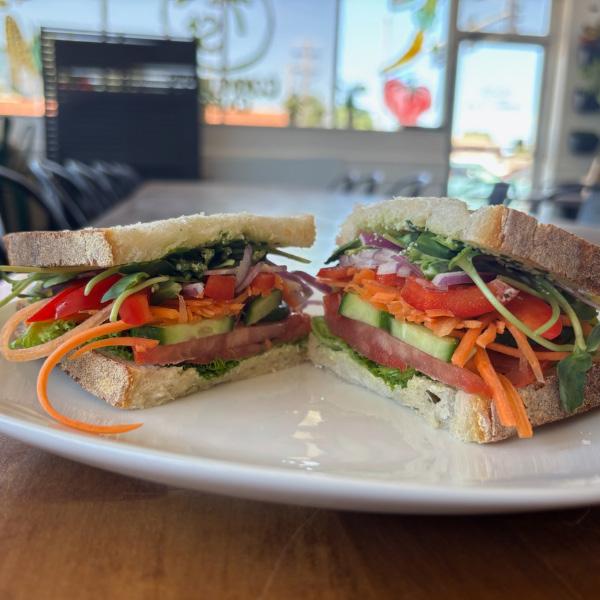
and espresso
7th St. Community Cafe
An innovative skills-building social enterprise supporting the Community Food Bank of Grand Junction. Offering breakfast, lunch, coffee, catering, baked goods and more!
communitycafegj.com 970.243.8827
Enstrom Candies
Guru’s Kitchen
KIM FULLER
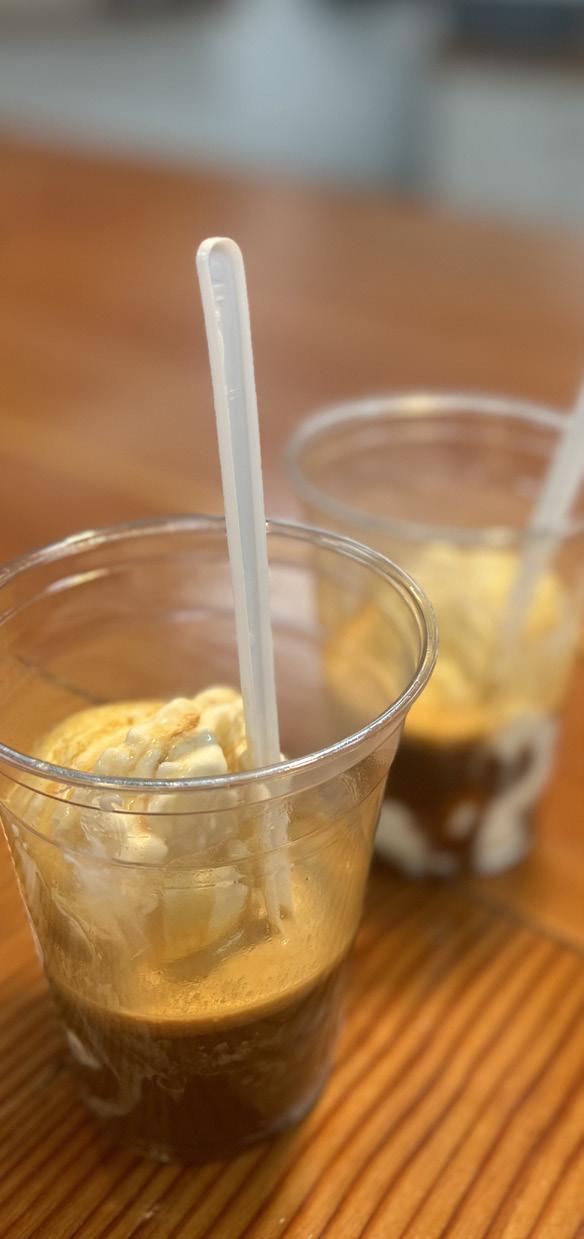
Grand Junction ice cream
GRAND JUNCTION
Hub of Western Colorado
LAURA BLACK ASSOCIATE BROKER RE/MAX 4000
3376 C Rd, Palisade, CO
$2,800,000
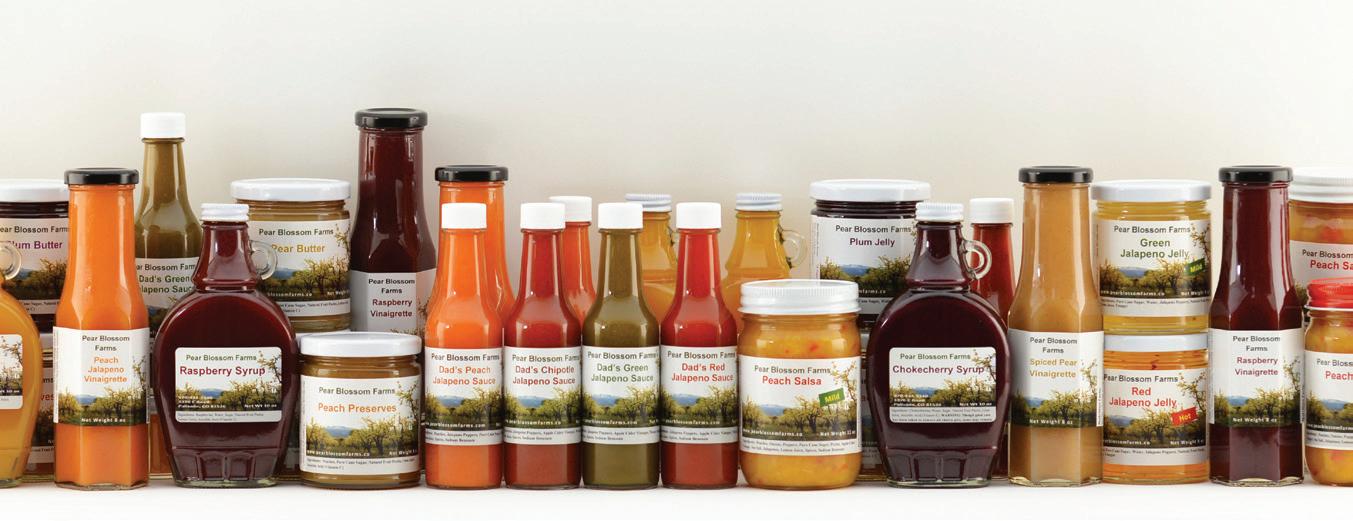
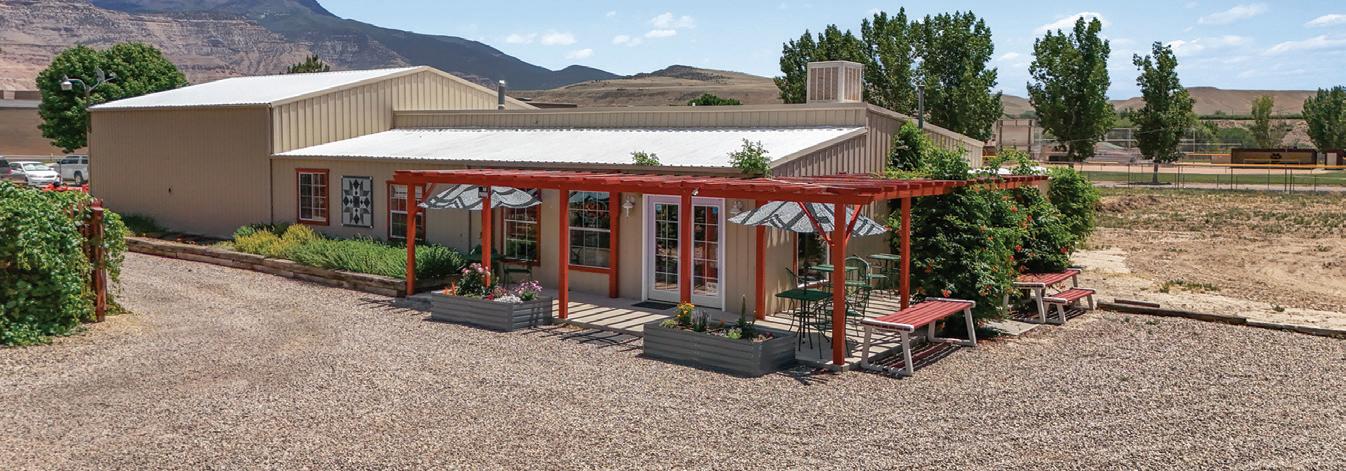
In the heart of Colorado’s celebrated fruit and wine country, Pear Blossom Farms offers a rare opportunity to acquire a recognized specialty food brand, productive orchard land and the infrastructure to support a thriving shelf stable food and agricultural business.
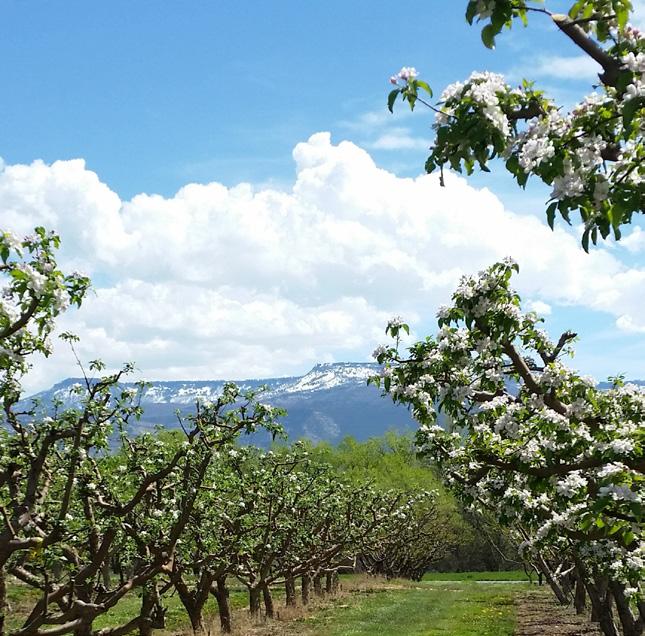
Located on more than 7 irrigated acres on desirable East Orchard Mesa just south of Palisade, Colorado, the property features a diverse collection of fruit trees including peaches, cherries, apples, apricots, nectarines, pears, plums and pluots, along with established raspberry plantings. For more than 30 years, Pear Blossom Farms has built a reputation for
3669 G Rd, Palisade, CO
$1,495,000
Set along one of Palisade’s most traveled corridors, Sprigs & Sprouts offers a rare opportunity to own a charming lavender farm and retail concept with the infrastructure to support a thriving agritourism destination.
Located on 2.48 irrigated acres with prime Highway 6 frontage just outside Palisade, Colorado, the property enjoys exceptional visibility in the heart of the Grand Valley’s fruit and wine country. The offering includes a beautifully remodeled three bedroom home, along with a retail and tasting space, warehouse and production facilities, and over two acres of established lavender fields.
Sprigs & Sprouts has established a welcoming lavender farm experience, drawing visitors to enjoy lavender inspired products and a relaxed, farm based setting. With additional
producing fresh tasting Colorado products, including its popular line of sauces, dressings, salsas, syrups and preserves.
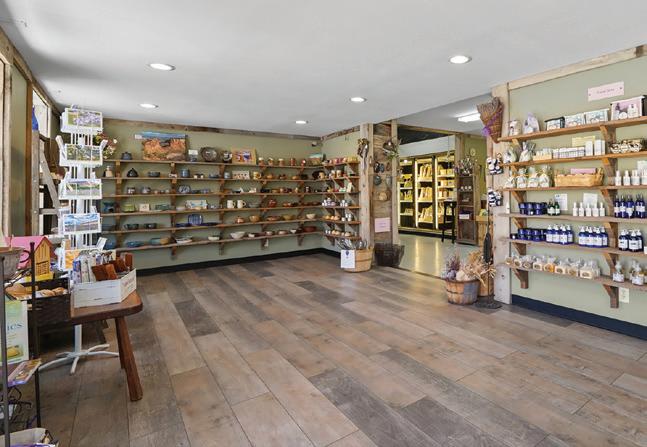
The property includes a manufacturing facility, commercial kitchen, retail storefront with sampling space, and warehouse, dry and cold storage. With established wholesale and direct to consumer channels, Pear Blossom Farms represents a rare opportunity to own land, brand and legacy in Palisade.
irrigated land available for expansion, the property lends itself to a wide range of agritourism opportunities. With flexible zoning and strong visibility, Sprigs & Sprouts represents a rare opportunity to create and grow a destination business in Palisade.
laura@westslopere.com westslopere.com
GRAND JUNCTION
Hub of Western Colorado
WEST WINDS GALLERY
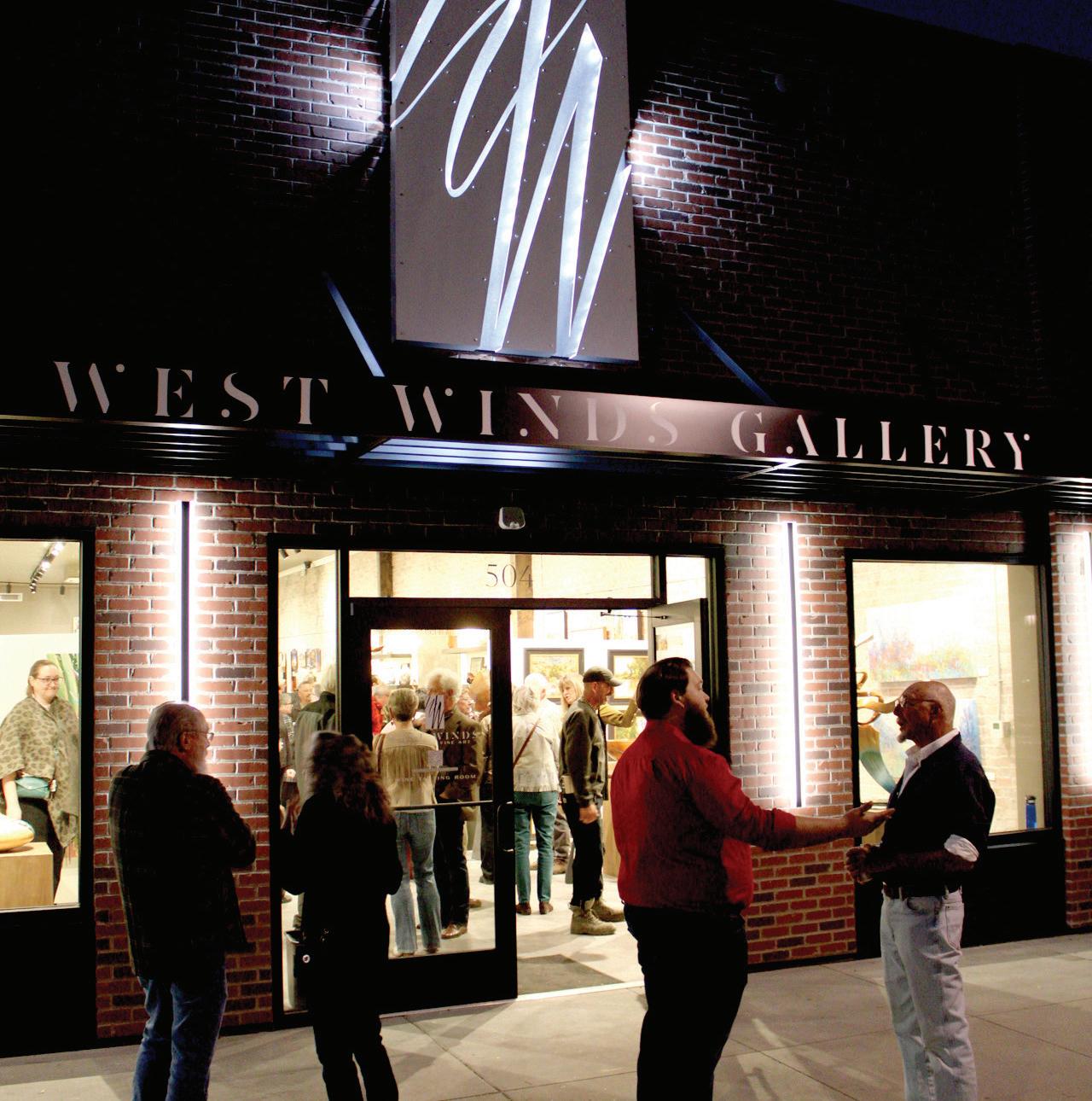
In the heart of downtown Grand Junction, West Winds Gallery offers a refined cultural stop just steps from the area’s vibrant dining scene. Housed in a beautifully renovated historic space, the gallery showcases more than 50 regional and national artists working across painting, sculpture, jewelry, ceramics, glass and wood. Visitors can enjoy a thoughtfully curated collection that blends contemporary Western aesthetics with fine craftsmanship, making it an ideal experience. The gallery also features custom framing services and a relaxed, social atmosphere with wine tasting by Sauvage Spectrum Vineyards. Guests are invited to linger, have a glass of wine and connect with the art. Whether you’re a seasoned collector or a casual explorer, West Winds Gallery adds a sophisticated artistic touch to any Grand Junction visit.
504 Main Street / Grand Junction, CO westwindsgallery.com 970.424.0016
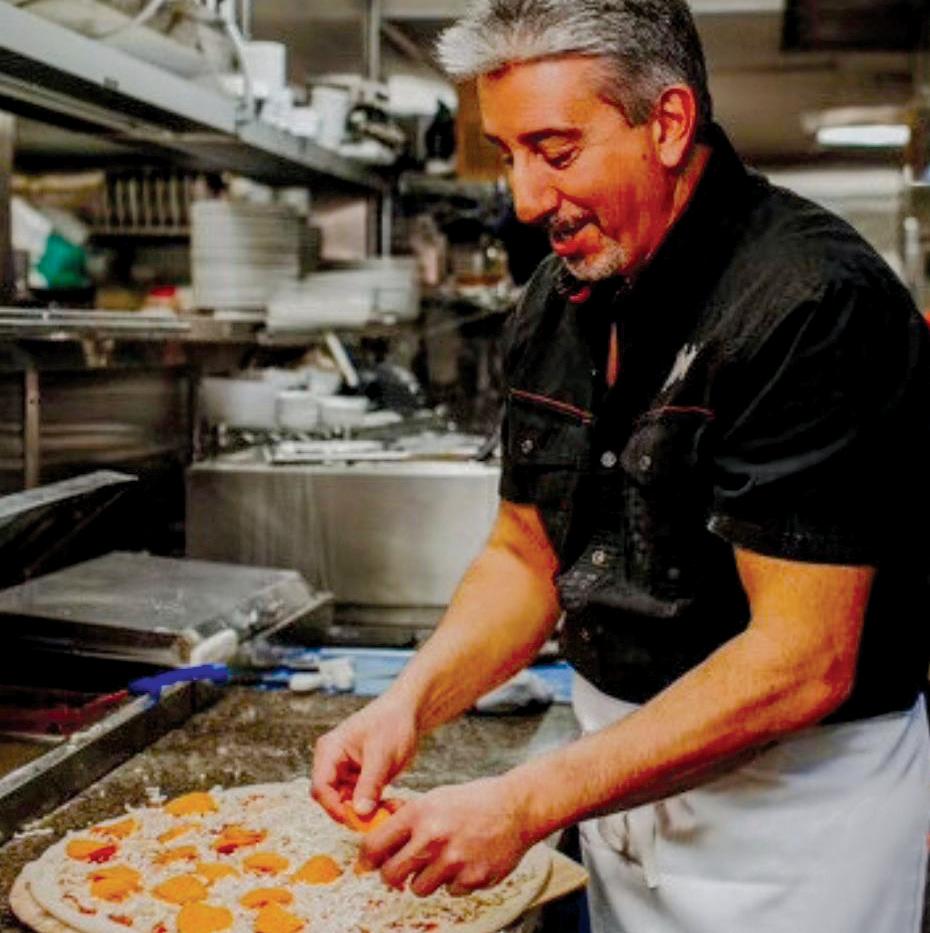
ENZO’S RISTORANTE ITALIANO AND LOUNGE
Vincenzo Favale (Enzo) opened Enzo’s in the summer of 2009 with a vision of creating Grand Junction’s finest Italian dining experience. Enzo’s Ristorante Italiano is committed to serving only the finest Italian foods, made with the freshest ingredients. All of Enzo’s dishes are made from scratch, paired with our amazing wine list, inviting decor and professional servers that create a memorable Italian dining experience.
707 Horizon Drive Grand Junction, CO myenzos.com
FRUITA
Top Stop on Colorado’s West Border
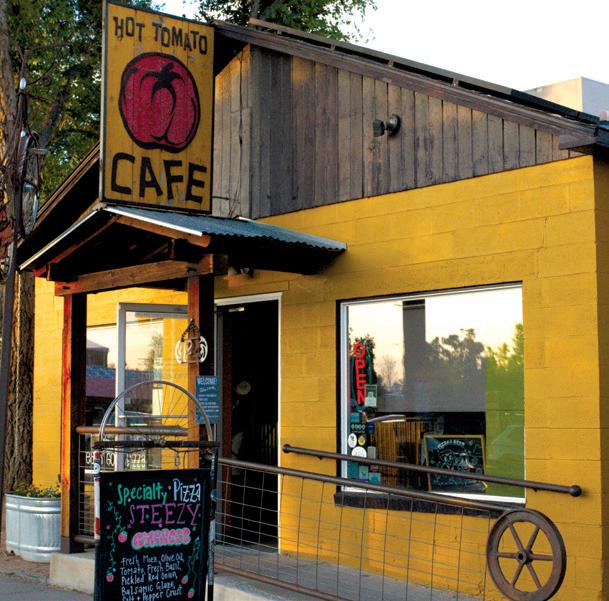
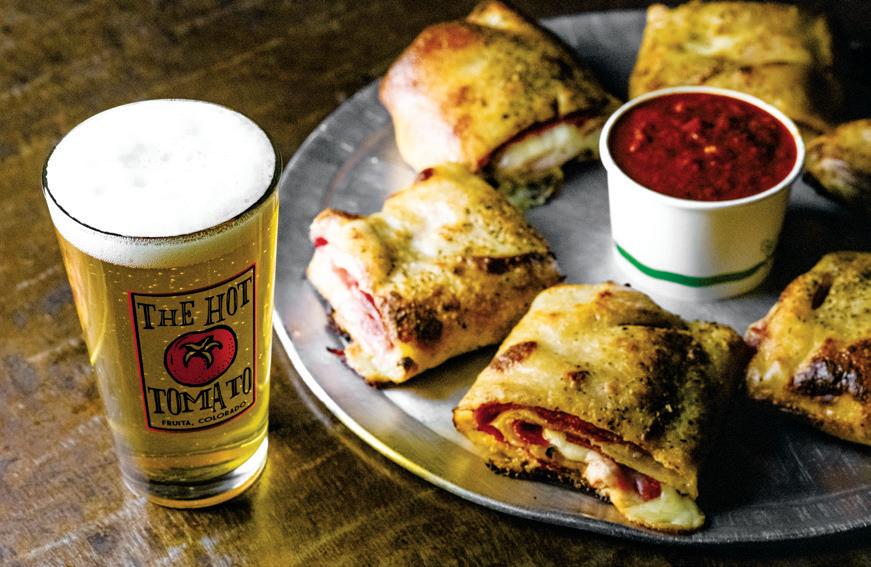
Dubbed the Western Slope’s “living room of the outdoors,” the Hot Tomato is an East Coast-style pizzeria with fresh made dough, craft beer, cocktails and mocktails, all served up in a welcoming environment.
hottomatopizza.com
Hot Tomato Pizzeria
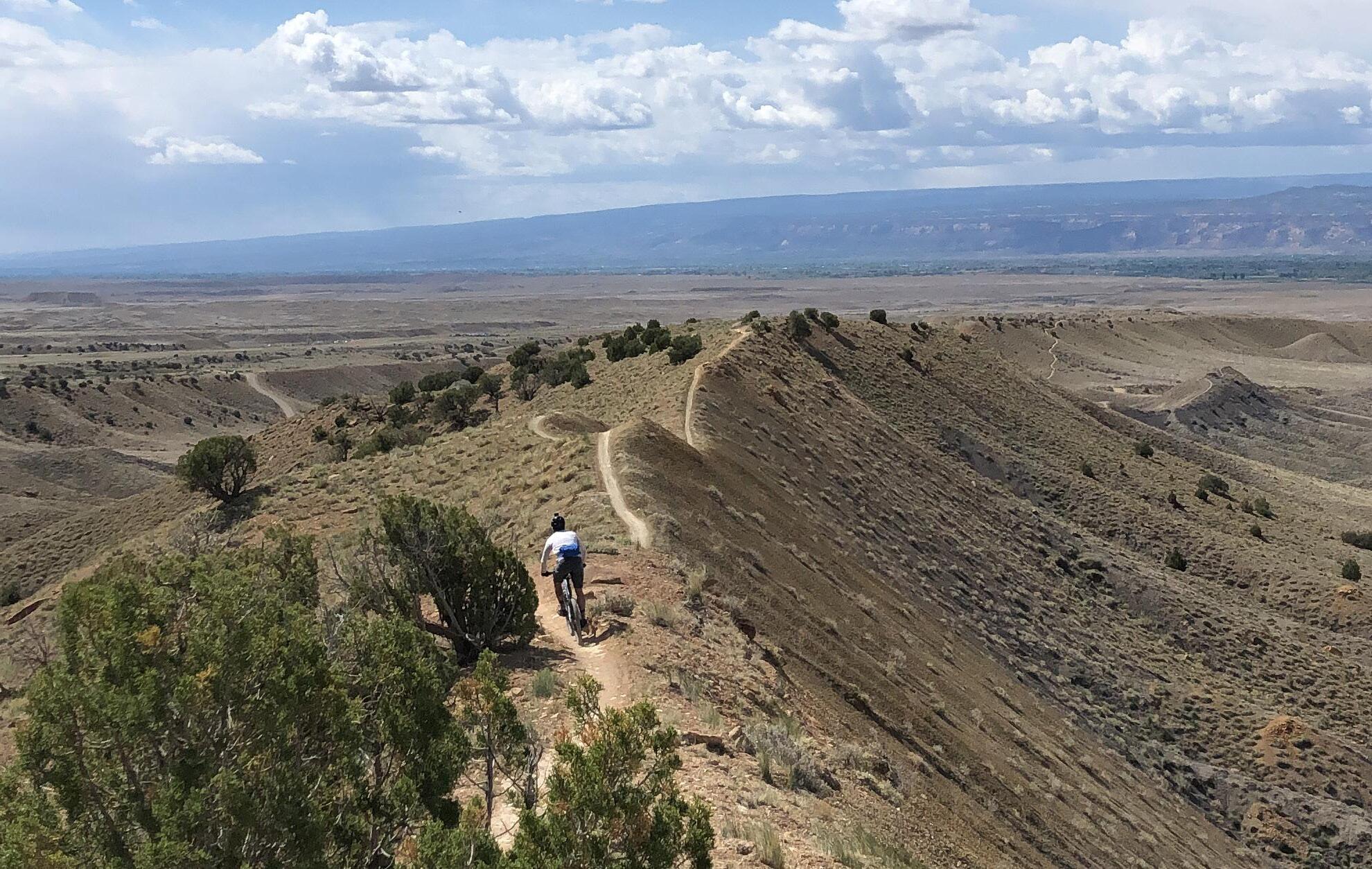
Zippity Do Da trail in the North Fruita Desert Area
KIM
FULLER
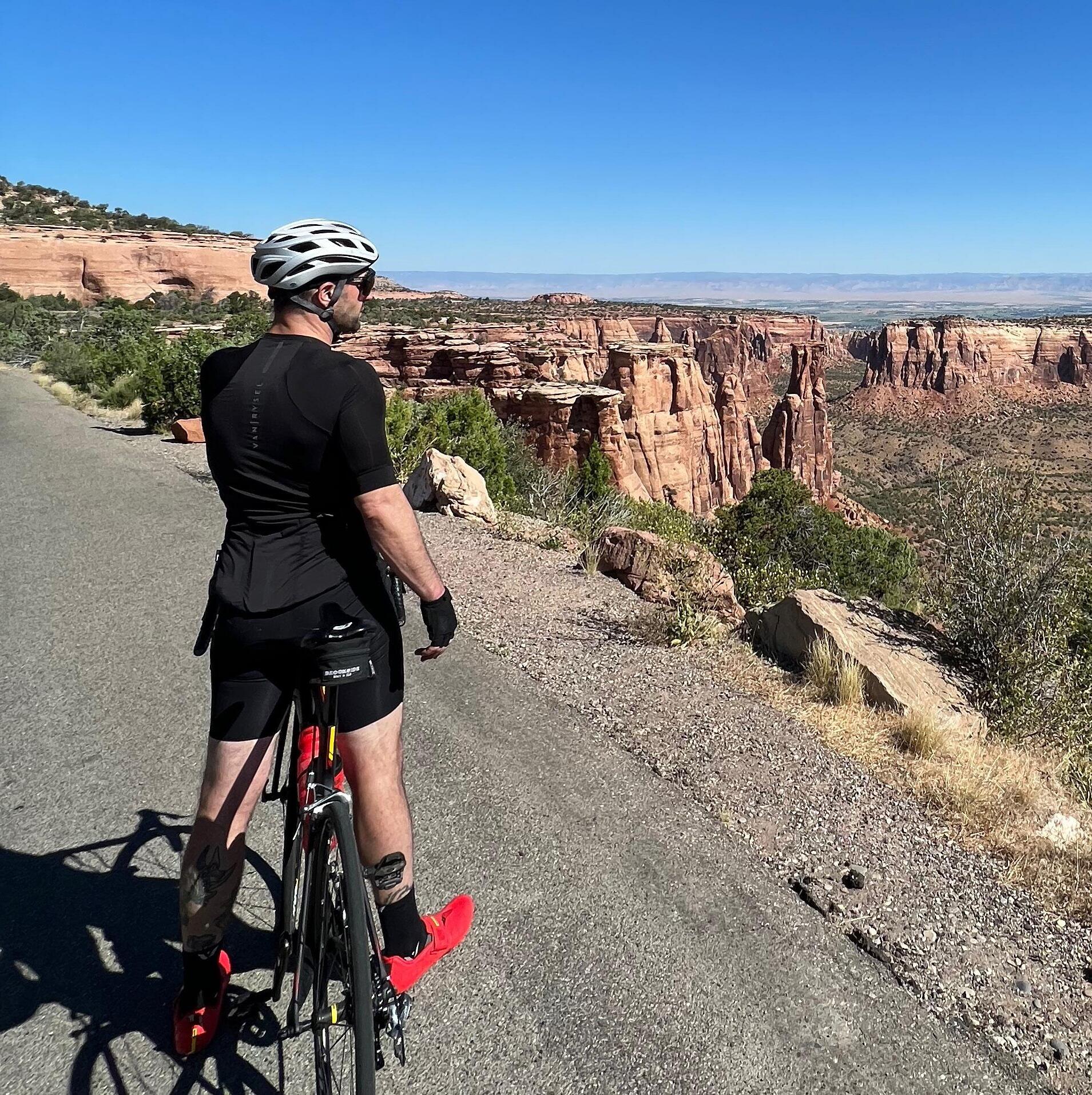
Summer road bike ride on Colorado National Monument
SKIP’S FARM TO MARKET
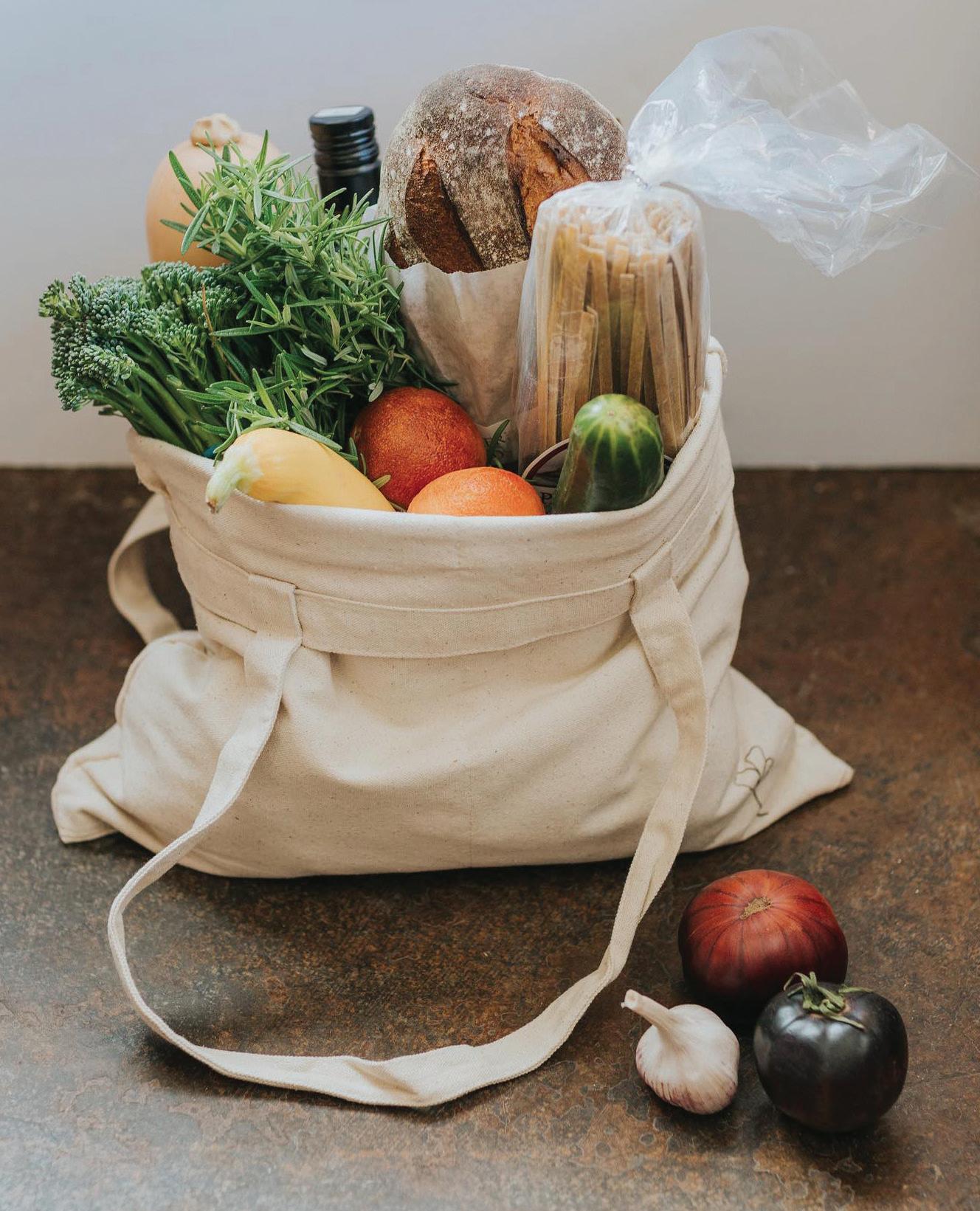
At Skip’s Farm to Market, sharing a meal is viewed as more than a simple act. It is an opportunity to foster genuine connections among individuals, communities and the sources of their food. Located in Fruita, the year-round grocery store is dedicated to advancing the local food system and strengthening community ties.
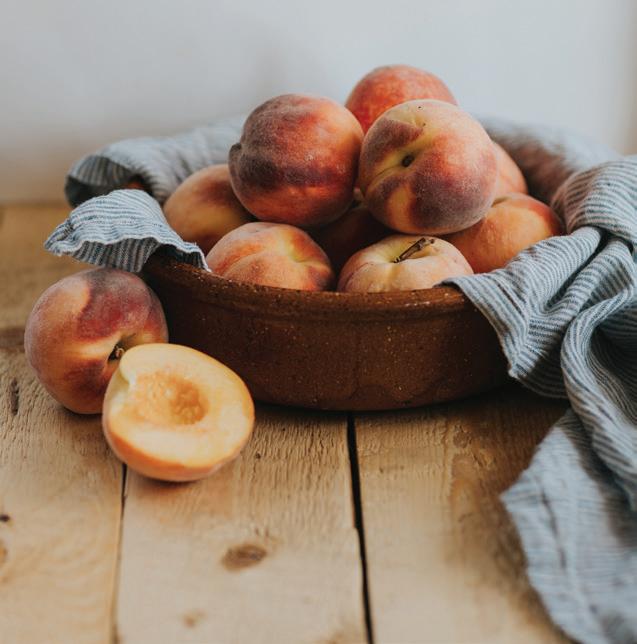
The store’s philosophy centers on prioritizing local producers and sustainable practices. Its team carefully selects products from small farms and ranches throughout Colorado, ensuring that offerings reflect the best of each season. In the summer, customers find Palisade peaches from growers such as Rancho Durazno and Honey Rock Landing. During the winter months, shelves feature nutrient-rich greens from Early Morning Produce. The commitment to quality extends to the meat selection, including Highland Cattle raised humanely and sustainably by Triple JD Specialty Meats. Graband-go deli items are produced
by 7th Street Community Café, a social enterprise restaurant and food production company owned by the Community Food Bank of Grand Junction.
This dedication to excellence and community engagement has earned national recognition. In 2026, Skip’s Farm to Market was honored as an Outstanding Independent
FRUITA
Top Stop on Colorado’s West Border
by Progressive Grocer, one of only seventeen independent grocery stores in the United States to receive the distinction. The award underscores the store’s passion for serving Fruita and its ongoing efforts to support local food systems.
Accessibility and inclusivity are central to its mission. Skip’s accepts SNAP benefits and participates in the Double Up Food Bucks program, enabling customers to double their purchase of fresh fruits and vegetables through their benefits. The initiative increases access to nutritious foods, reduces stigma associated with food assistance programs and celebrates the abundance of the region.
Ultimately, Skip’s Farm to Market strives to provide a consistent, reliable source for locally produced, high-quality food while supporting the well-being of its customers and cultivating a vibrant, sustainable food community in Fruita.
skipsfarmtomarket.com
INSIDE THE HUSTLE TO KEEP COLORADO’S INDEPENDENT RESTAURANTS COOKING
Words by Sharon Sullivan
Keeping a restaurant open and profitable in Colorado has never been more difficult, according to the Colorado Chamber of Commerce, citing rising food costs, supply chain disruptions and a competitive labor market. While it’s a significant issue on the Front Range, Western Slope restaurants are feeling the crunch as well.
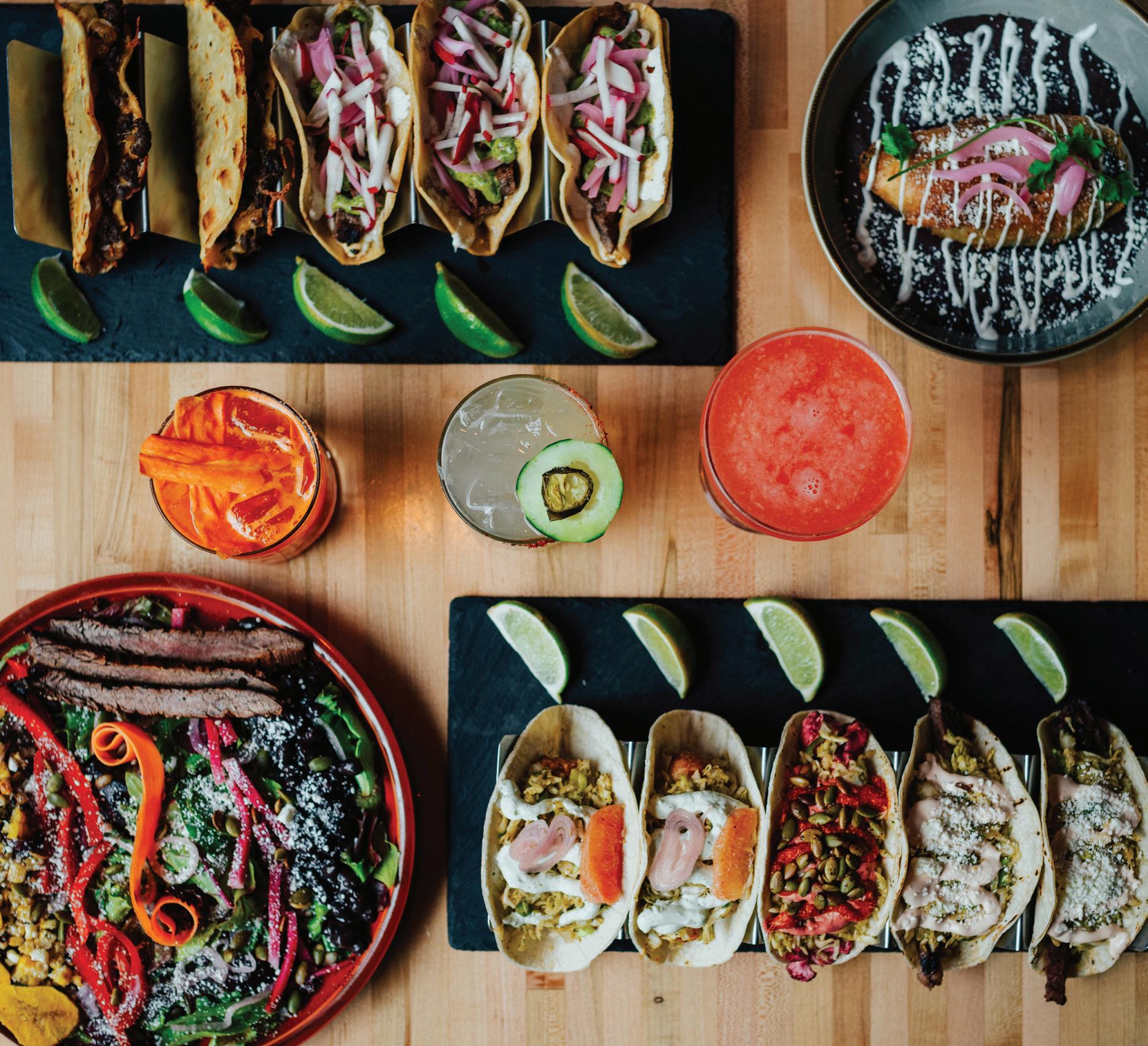
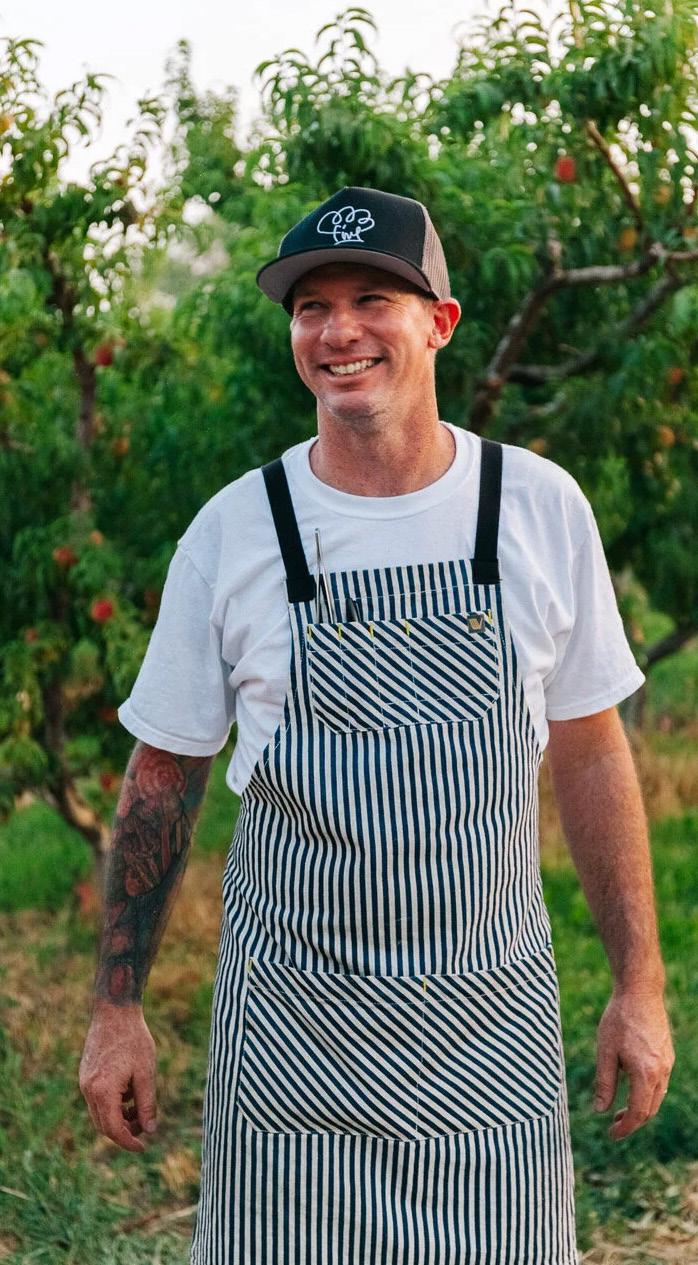
Hiring year-round, long-term employees is challenging, says Josh Niernberg, who owns two restaurants — Bin 707 Foodbar and Tacoparty — in downtown Grand Junction.
In 2017, hoping to attract and retain good employees, Niernberg began promoting his restaurants by participating in nationwide
Fidel’s
cooking events, like the Great American Beer Festival in Denver, where he served thousands of people. Niernberg also participated in Taste of Colorado events in Chicago, Austin and Mexico City.
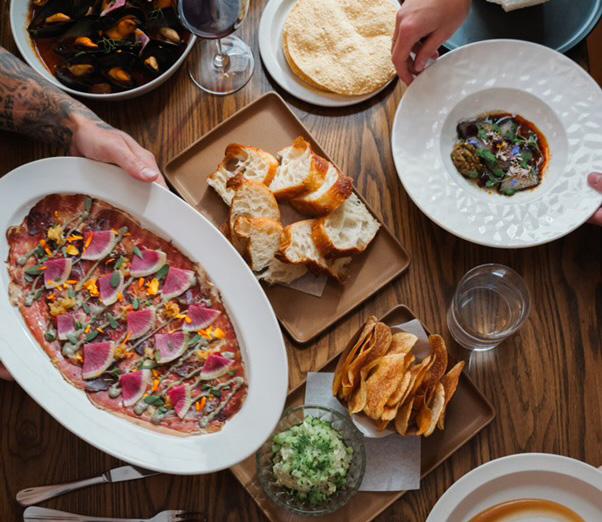
He has accumulated a number of accolades since then, including becoming a finalist for the prestigious James Beard “Outstanding Chef” award in both 2026 and 2025. In November, Bin 707 was named “Restaurant of the Year” at the Colorado Restaurant Association’s Hospitality Awards event; the New York Times has even named Bin 707 among “America’s 50 Best Restaurants.”
While the exposure has helped attract more customers, he says it hasn’t increased his labor pool as much as he expected. A slower winter season further complicates hiring.
RECRUITING IN A TIGHT LABOR MARKET
Another challenge facing restaurants is a shortage of workers who maintain equipment. Scheduled repairs are booked further out, and parts are subject to tariff fees, Niernberg notes. “We have 20 pieces of equipment needed to function every day.”
In nearby Palisade, Jody Corey and Jeff Snook founded Fidel’s Cocina three and a half years ago, and in 2025, opened a second eatery — Josephine’s Italian Restaurant in Fruita. The winter season is slower for those restaurants as well, which means the owners are sometimes forced to lay off or reduce employees’ hours, which makes the already difficult task of hiring workers even more challenging, says Corey.
She’s encouraged, though, by the enthusiasm her employees have for food made from scratch — Fidel’s is known for its homemade Mexican cuisine. And at Josephine’s, they make some of their own pasta in-house. “We have a lot of young people entering the culinary arts,” Corey says. “They enjoy working with us. It’s a chance to work with real food.”
Chef Josh Niernberg
Jody Corey and Jeff Snook
Seasonality is not as much a problem in the mountain towns of Edwards and Eagle, where Casey Glowacki owns two restaurants and a butcher shop. After relocating to Edwards seven years ago, Glowacki bought an existing restaurant that he says had run its course. He transformed it to a full-service restaurant with a new brand and name: Drunken Goat. “It was a smashing success,” he says. “We grew 300%.”
However, like everyone else, Glowacki is now affected by rising food costs. The Vail Valley restaurateur says the formulas he’s used for 30 years to determine prices that are both profitable and affordable for consumers no longer make sense. “Food costs are up, and we’re not charging what we should,” he says.
It’s the same for making beer where he’s spending more on hops, barley and water, which raises the cost of brewing beer. “I’m struggling; it’s hard to imagine a younger Casey of 25 years ago making it in today’s economy,” he says. “Thankfully, I’m established.” His popular Drunken Goat restaurant in Edwards helps fund his newer restaurants, Wild Sage and Capitol Public House, in Eagle.
Imported items like beer, wine, cheese and some meats are costing more due to tariffs. As a result, Glowacki says he stopped carrying a tomato sauce from Italy, and he’s lowered his typical markup on certain items.
Restaurant owners are also spending more on to-go boxes and other paper supplies — “things that we don’t sell are now 30% to 40% more expensive,” Niernberg adds.
RISING COSTS REWRITE THE RESTAURANT PLAYBOOK
“Every single operating cost for restaurants has increased since 2020, and there’s no sign the increases will stop,” says Denise Mickelsen, vice president of communication for the Colorado Restaurant Association and Foundation.
Glowacki hopes customers understand what’s going on and will support independent restaurants whenever they can “because the U.S. without independent restaurants would be a sad situation.”
“We are in one of the worst economic positions that I’ve ever witnessed,” says Niernberg. “Our costs are increasing by the day.”
Casey Glowacki
Wild Sage
Drunken Goat
Currently, the moderately high-end restaurant is open just four hours each day for dinner. “We really focused on our prime sales,” he says.
He also strives to be as “dynamic as possible” regarding labor scheduling, menu creation and an evolving wine and cocktail list. “If something gets too expensive, we’ll change it; we create infinitely.” Niernberg says he also functions as full-time line cook at Bin, which allows him to oversee plates before they leave the kitchen.
Both Fidel’s and Josephine’s are also affected by rising food costs, especially for items like the organic chicken they serve, which Corey says is reflected in their menu prices. She believes their customers value the quality and better taste, even if it costs a little more. However, the average check has gone down in price, which tells her that consumers are watching their spending, she says.
Western Slope restaurants are also impacted by winter weather on Interstate 70. Corey says
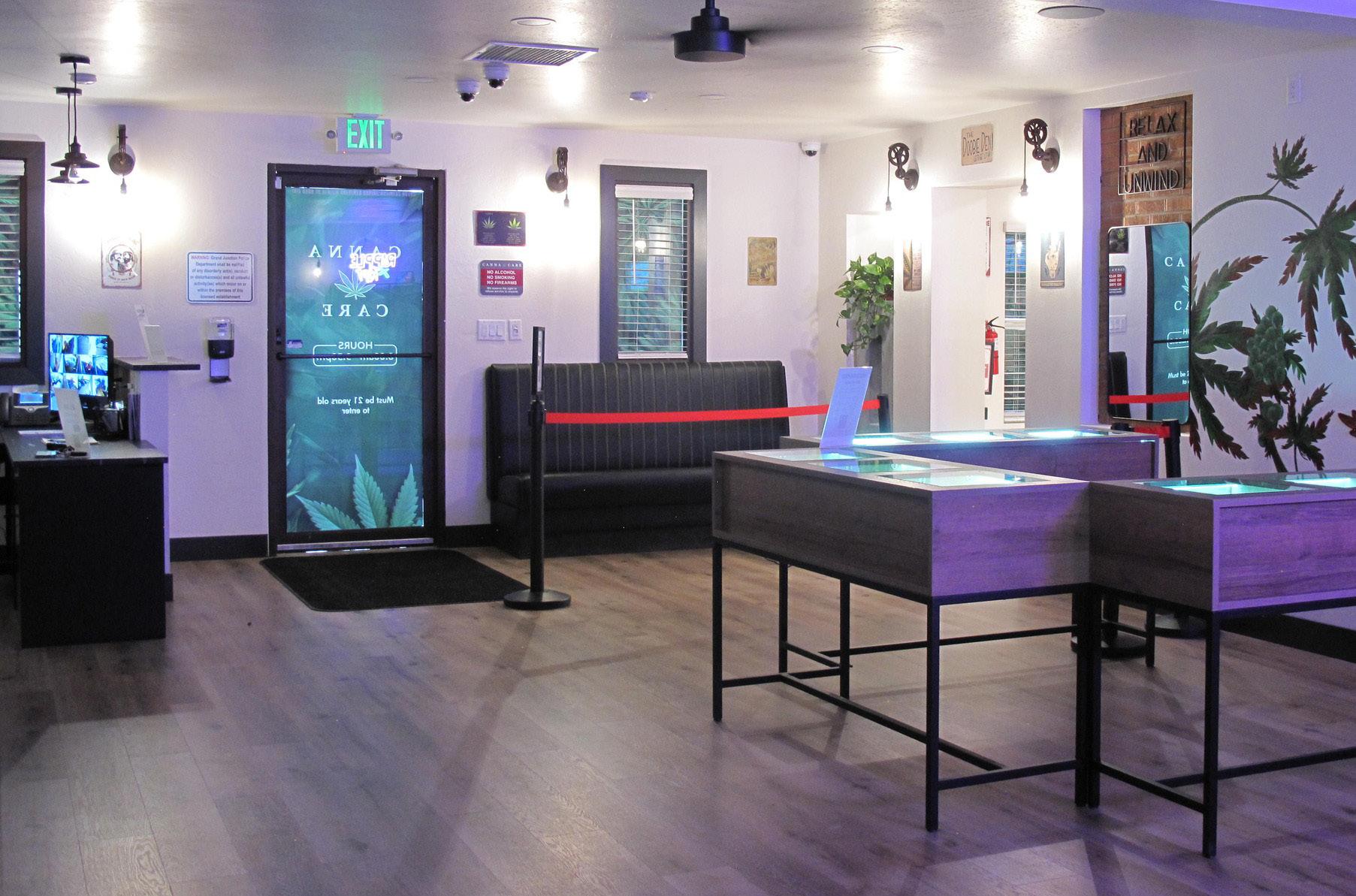
Canna Care
ROOTED IN COMMUNITY AND QUALITY
Welcome to Grand Junction’s trusted destination for premium recreational cannabis. Locally owned and operated, Canna Care offers a curated selection of flower, edibles, concentrates, vapes, and topicals in a relaxed, no-pressure atmosphere.
Whether you’re a seasoned enthusiast or exploring cannabis for the first time, our knowledgeable team ensures every visit is comfortable, informative, and welcoming.
At Canna Care, you’re not just a customer — you’re family. We’re the joint you’ve been waiting for.
she often experiences delays getting products for those reasons.
Fortunately, 98% of their clientele is local, she mentions. “We do everything we can to attract locals,” such as creating a “rewards” program to encourage Grand Valley residents to dine out more often. For every $100 someone spends, they get $10 off their next visit — applicable at either Fidel’s or Josephine’s.
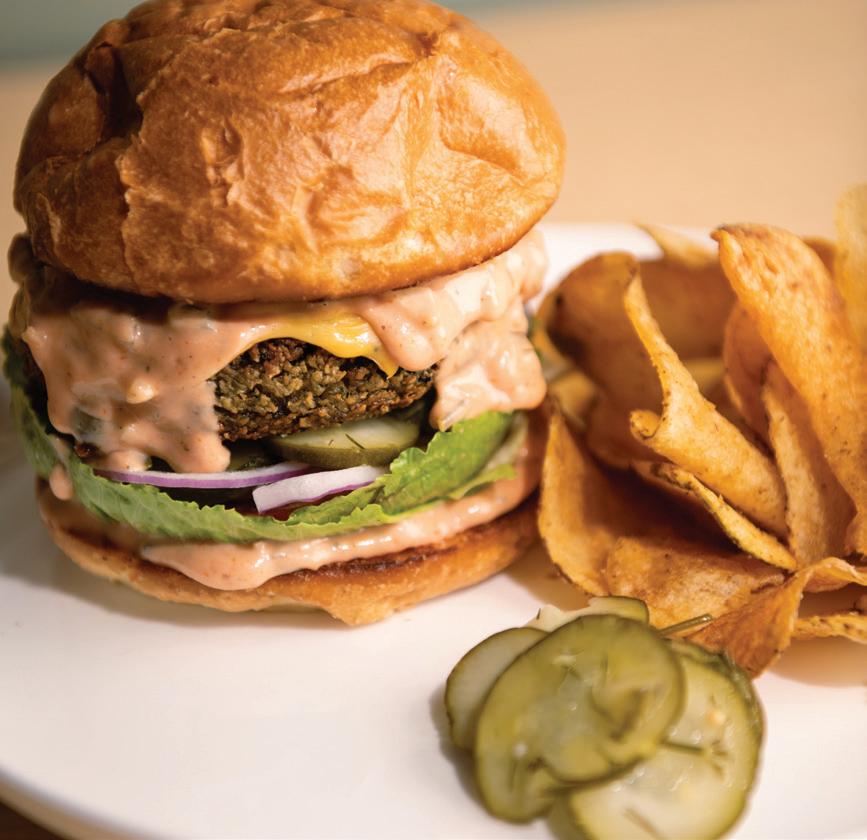
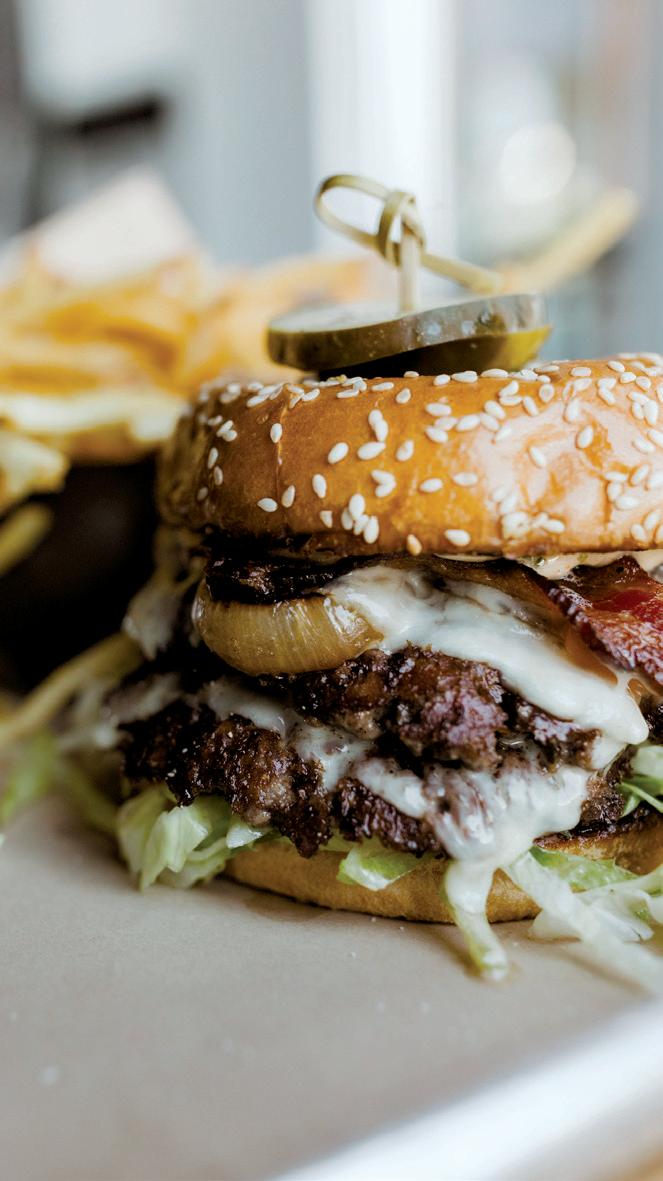
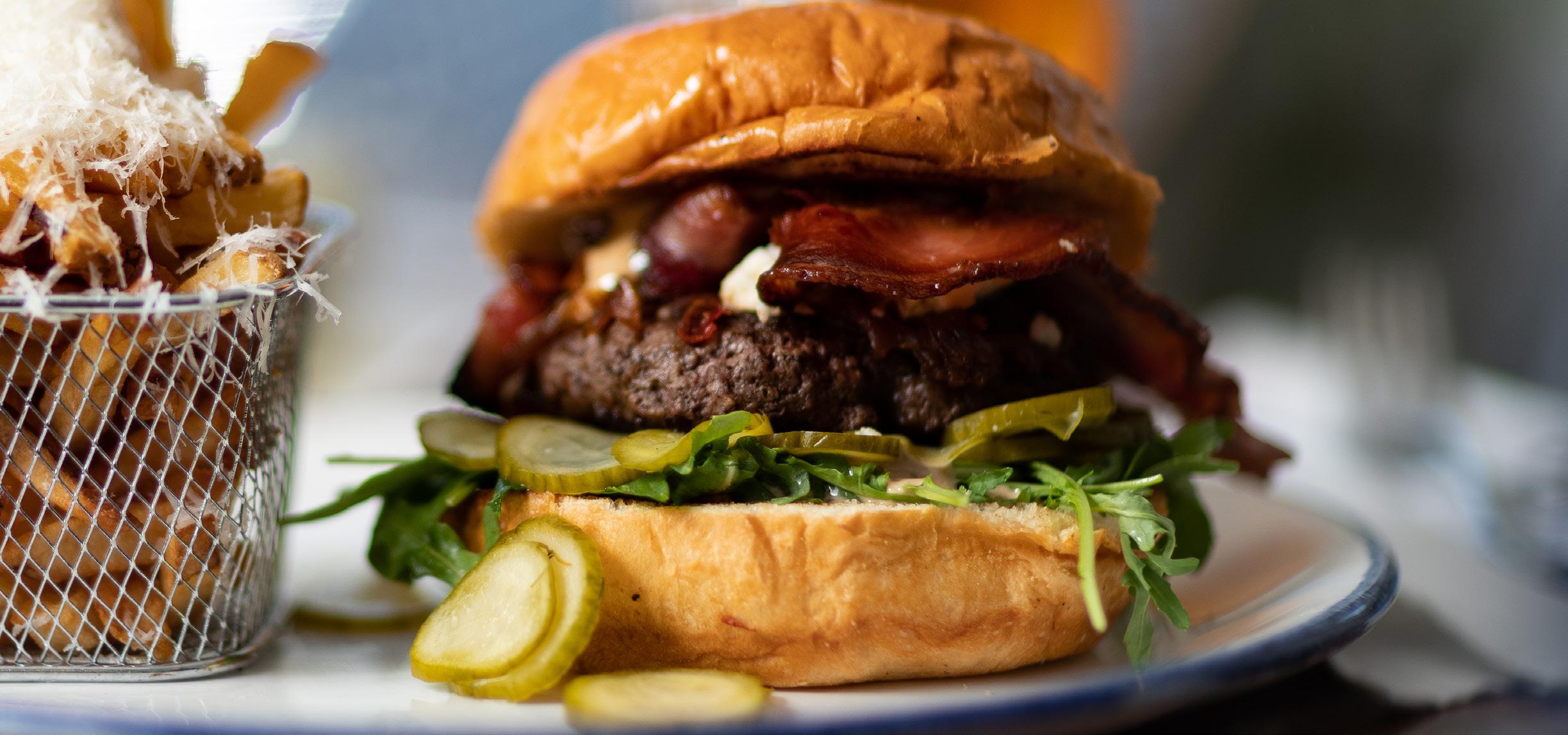
Despite the challenges of tariffs and rising food costs, Niernberg says he’s lucky with the timing of his new location for Bin 707, which, in June, moved from the Alpine Bank building to 400 Main Street. Although Bin has been in business for 15 years, the new location gave it a “new restaurant” boost, Niernberg says. Menu offerings range from a burger and fries, to lamb and top-tier steak.
“We try to be as accessible as possible,” Niernberg says. “I think a lot of our success comes from that — there’s something for everybody.” :
DELTA COUNTY
Land of Legacy Agriculture
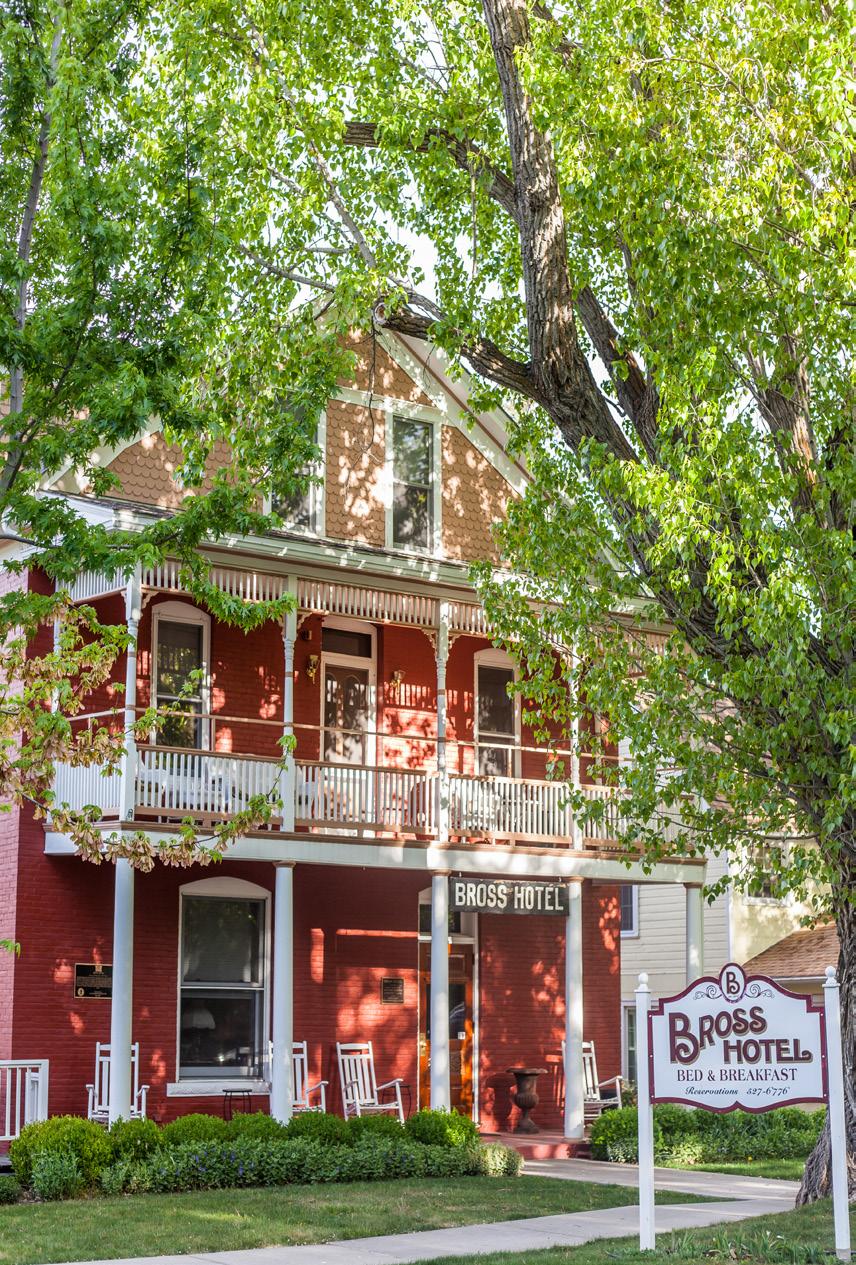
The Historic Bross Hotel Bed & Breakfast Look no further for your next getaway! Tucked away in Paonia and the idyllic North Fork Valley, this charming 120-yearold inn is known for its cozy accommodations and inventive, alwayschanging breakfast fare. Visitors from around the country and beyond are drawn to the numerous orchards, farms and ranches as well as Black Canyon of the Gunnison National Park, and the surrounding West Elks AVA wine country boasts award-winning wines from some of the highest elevation vineyards in North America. brosshotel.com 970.527.6776
PAINTED VINEYARD
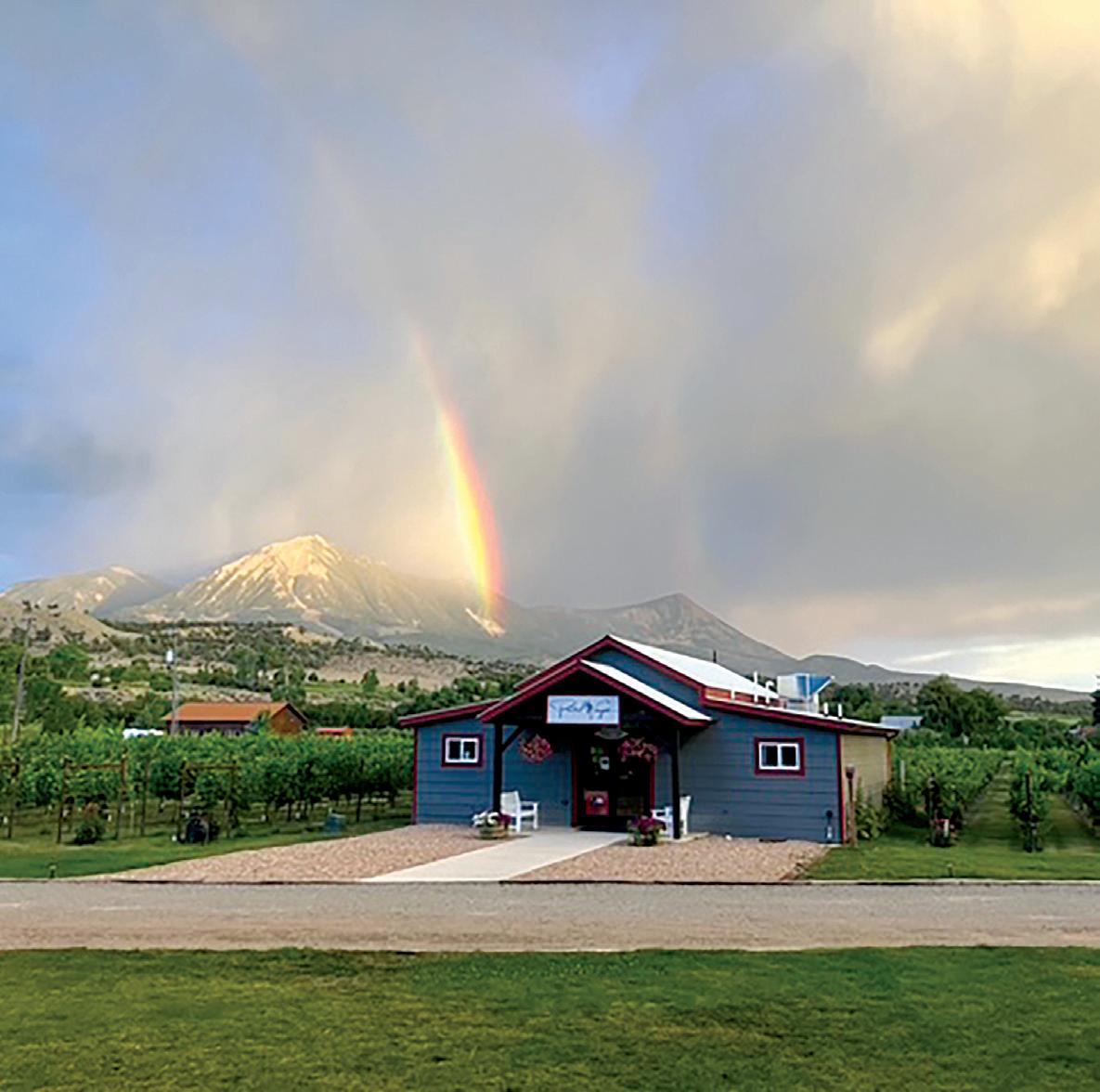
Nestled in the community of Paonia, Colorado, Painted Vineyard is a testament to passion, hard work and a love of exceptional wine. From robust reds to crisp whites, its wines express the character of the land and a deep dedication to winemaking. Guests are invited to experience the vineyard firsthand with a leisurely stroll through the meticulously maintained property, a tour of the restored B&B log cabin and a tasting in the beautiful tasting room. Whether seasoned connoisseurs or newcomers to wine, visitors can expect notable wines and heartfelt hospitality.
paintedvineyard.com 970.471.2145
KIM FULLER
Pie in Ridgway
DELTA COUNTY
Land of Legacy Agriculture
Stone Cottage Cellars
Perched above the valley in Paonia, Stone Cottage Cellars invites guests to savor the soul of Colorado wine country. Estategrown grapes thrive at high altitude, producing bright, crisp wines that reflect the character of the mountains. Visitors can enjoy sweeping vineyard views, themed food-andwine pairings and relaxed gatherings with friends over award-winning Colorado wines. Tastings and tours are offered daily from Memorial Day weekend through Nov. 1, 11 a.m.–6 p.m.
41716 Reds Road, Paonia 970.527.3444
stonecottagecellars.com
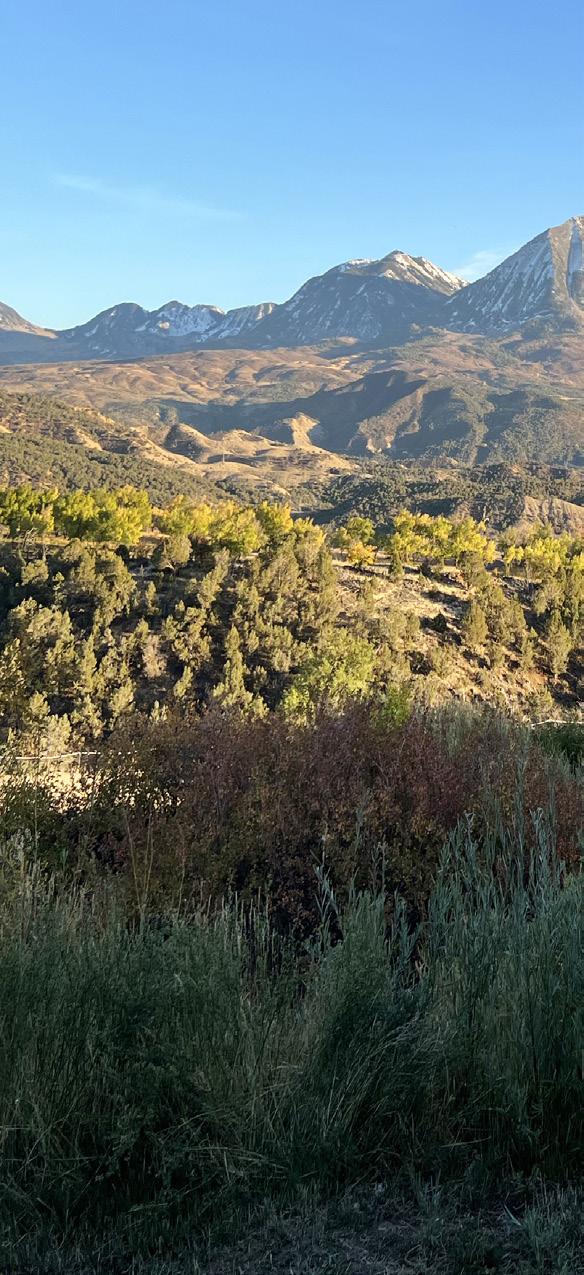
Paonia landscape
THE STORM CELLAR
“Tucked between the quaint mountain towns of Paonia and Hotchkiss on the chalky soils of the West Elks, The Storm Cellar is a boutique winery with a fierce focus on elegant high-elevation whites and rosés. To visit The Storm Cellar is to learn the story of how two highly accomplished and gutsy sommeliers quit their day jobs to go from pouring wine to making wine.”
— Stacy Slinkard, Somm Journal
Escape to the Western Slope’s North Fork Valley and experience the welcoming hospitality and award-winning wines at The Storm Cellar. You can enjoy guided tastings, educational workshops and culinary events throughout the summer season at their vineyard and outdoor tasting room, while you soak up the Colorado sunshine and the expansive mountain views.
Your “third place” is waiting for you.
stormcellarwine.com 970.589.3142
DELTA COUNTY
Land of Legacy Agriculture
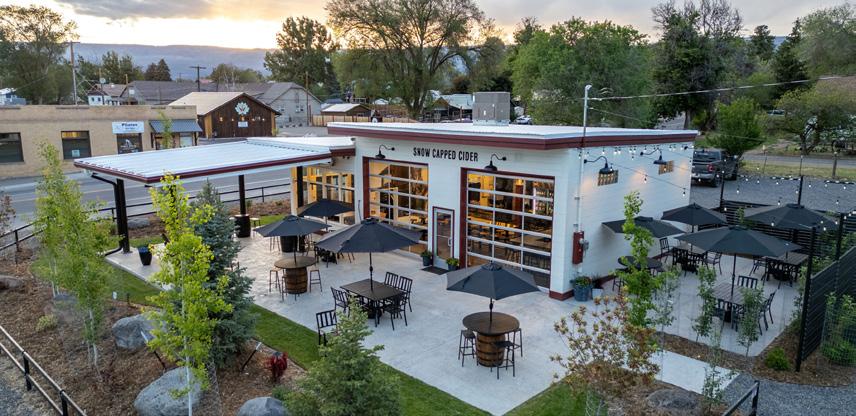
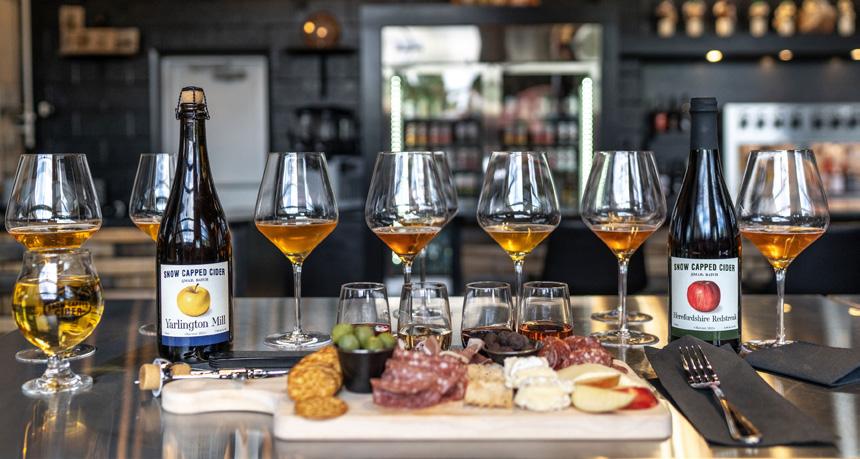
Snow Capped Cider Snow Capped Cider is the top-awarded cider company in the nation, offering the largest selection of estate cider and wine on Colorado’s Western Slope. Visit their Tasting Room & Wine Bar at 105 Grand Mesa Drive in Cedaredge to explore 54 bottles, 16 cans and 16 taps, plus 28 Colorado reds and 16 whites. Enjoy chef-driven ticketed dinners, charcuterie and small plates. Join their Cider Club for exclusive, award-winning selections.
SUMMER HOURS
Thursday-Saturday, 1-9 p.m.; Sunday 12-5 p.m.
snowcappedcider.com
KIM FULLER
Hotchkiss
SOUTHWEST
Corridor to the San Juans
Bluecorn Cafe, Mercantile & Candle Factory Craft drives everything at Bluecorn, from perfectly pulled espresso shots and scrumptious, scratchmade, seasonal food, to the brand’s iconic handmade beeswax candles. The spacious Montrose gathering place welcomes guests for breakfast, brunch and lunch. Plenty of GF and vegan options, as well as a full bar and to-go ordering. Open daily, 7–4, and evenings for candlelit concerts.
1842 S. Townsend Ave. Montrose bluecorncafemontrose.com
BUY IN BULK
Whole Beef and Half Beef Shares are undeniably the most cost-effective method to stock your freezer, helping beat traditional retail mark-ups.
WHOLESALE
Discover an exceptional collaboration between our ranch and a wide range of esteemed establishments including restaurants, caterers, grocers, co-ops and CSASs in Western Colorado.
VARIETY BOXES
Each box features an assortment of cuts, including steaks, roasts, ground beef, and specialty selections. Available in 10-, 20-, 50- or 100-pound boxes.
WESTERN COLORADO PIZZA TOUR
Words by Lisa Blake
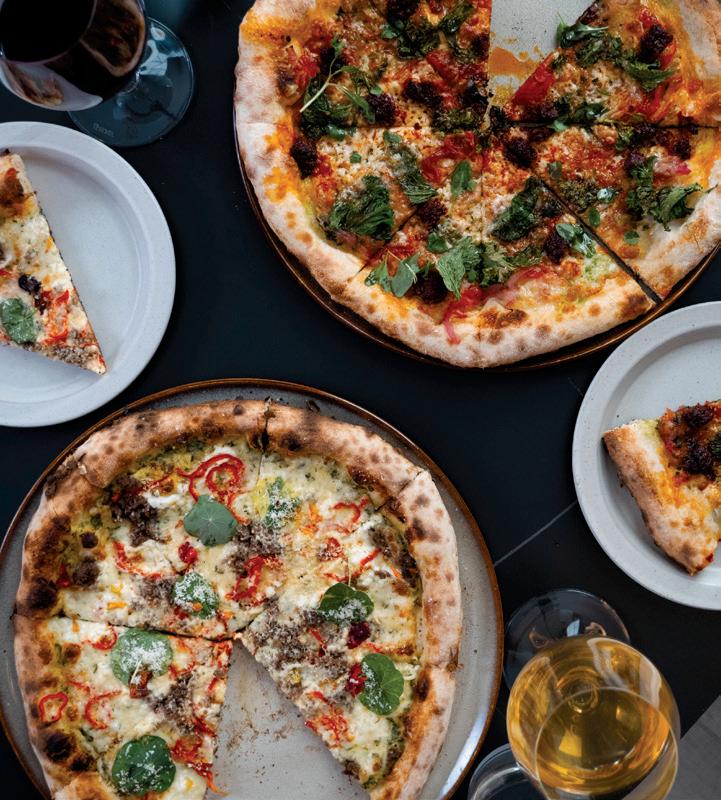
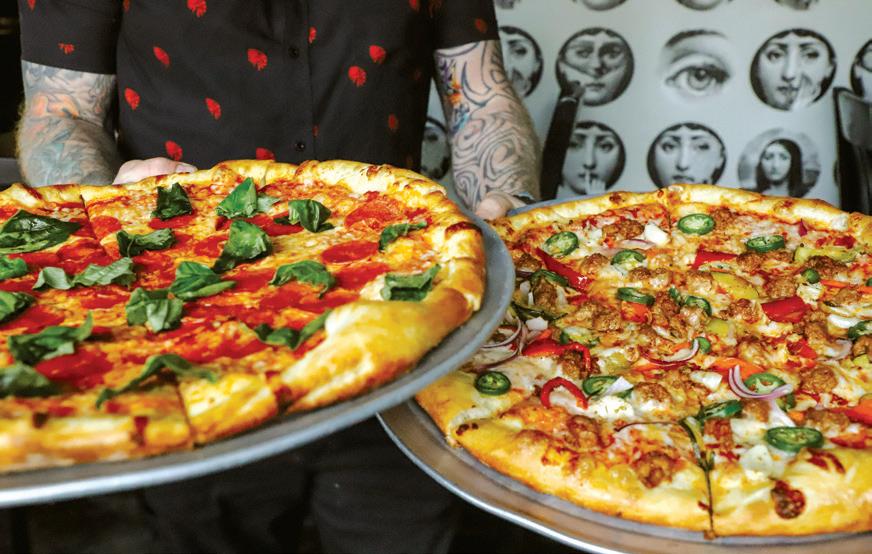
Colorado’s pizza scene has quietly become one of the most experimental in the western U.S. With reverence for Chicago’s thick, buttery, sauce-crowned deep dish; New York’s thin, foldable triangles; and the blue-pan, crunchy caramelized cheese edges of Detroit — and keeping in mind the transplants from those cities and all ZIP codes in between residing in the Centennial State — Rocky Mountain pizzeria owners have a lot on their plates.
They’re feeding an active, outdoorsy set that demands hearty, sustainable and fresh approaches. Not just any ol’ gas station slice will do here. These skiers, hikers, mountain bikers, road bikers and road-tripping families are famished and they want to be wowed. They also want some garlic knots and an ice-cold locally brewed beer with their pies.
Is that too much to ask?
No. Not at all, actually. Colorado ‘za artists aim to please — and they’re not afraid to experiment. Creative chefs are answering back with unorthodox toppings (Palisade peaches and green chiles, anyone?), homemade sauces, longfermented crusts, riffs on Old World classics and deep regional traditions.
From Hot Tomato’s cult-classic pies in Fruita to il Mago’s naturally leavened sourdough creations in Edwards, we scoured the Rockies for pizza makers with heart. These are the standout styles and inventive pizza joints worth pulling over for.
THE HOT TOMATO
Hometown: Fruita
Defining style: East Coast thin crust
Dough philosophy: It’s all about the overnight proofing and a hit of garlic. “Crust needs to be chewy, but not too chewy,” says owner Aaron Knapp. “The longer it sits, the more the flavors develop. When the garlic is really coming out, that’s when you know it’s ready.”
Signature pie: The Meaty Boy
Community role: Avid cyclists and beloved Fruita couple Jen Zeuner and Anne Keller created an institution with Hot Tomato. They built on Zeuner’s Jersey roots and the local baked-in biking culture, and watched their pizza restaurant grow side by side with Fruita’s singletrack community. 16 years later, when employee Aaron Knapp took over in 2021, he promised to maintain that same pizza-for-the-people energy.
“We have a saying: ‘We’re a customer service joint that sells a lot of pizza,’” Knapp says. “We don’t have TVs in our place. We want people to feel the energy of connecting with each other, not staring at their phones or TVs.”
The 150-seat (patio included) repurposed laundromat is intentionally rough around the edges, crooked floors and all. It doesn’t pretend to be fancy. Instead, it leans fully into being comfortable and unpretentious, slinging slices onto paper plates and nixing delivery services altogether. “If you want the full experience, you gotta come in,” Knapp says. “Pizza is better when it’s served on a tray, not in a box.”
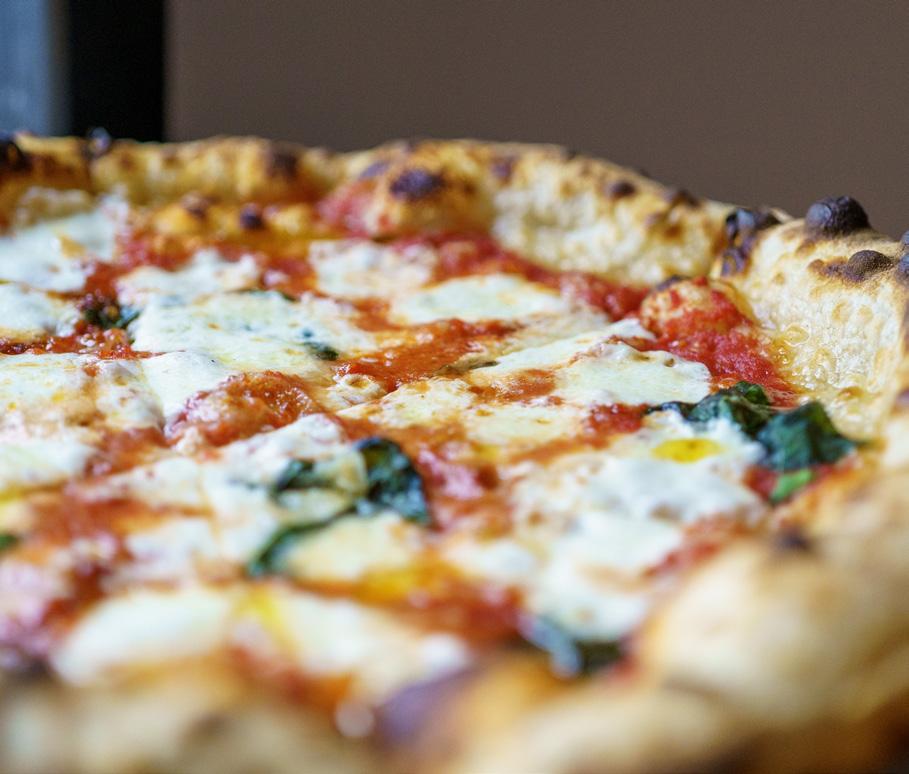
Hot Tomato’s East Coast nod means pies are baked on a traditional stone deck oven and topped with old-school New York and New Jersey ingredients like locally raised Italian sausage, meatballs, pepperoni, basil and garlic. Seasonal specialty pizzas are a hit with regulars, with the
top-selling RBG (roasted butternut goodness) marrying butternut squash, mozzarella, bacon, sage and a maple-Sriracha drizzle. During peach season, Knapp and crew head to Western Slope orchards to hand-pluck ripe beauties that are then paired with ham, gorgonzola, rosemary and mozzarella.
“People go nuts, we have to cap these specialty pizzas at 100 a day,” he says.
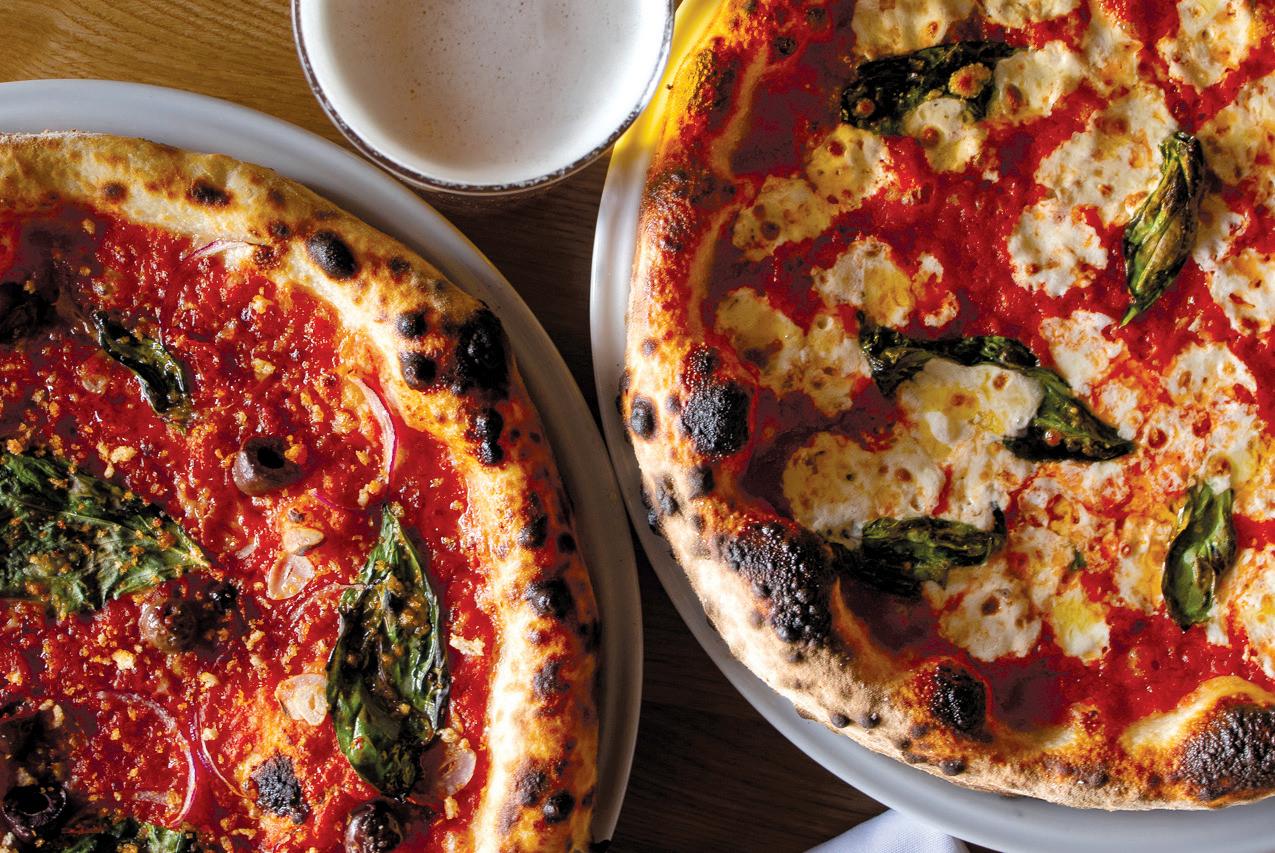
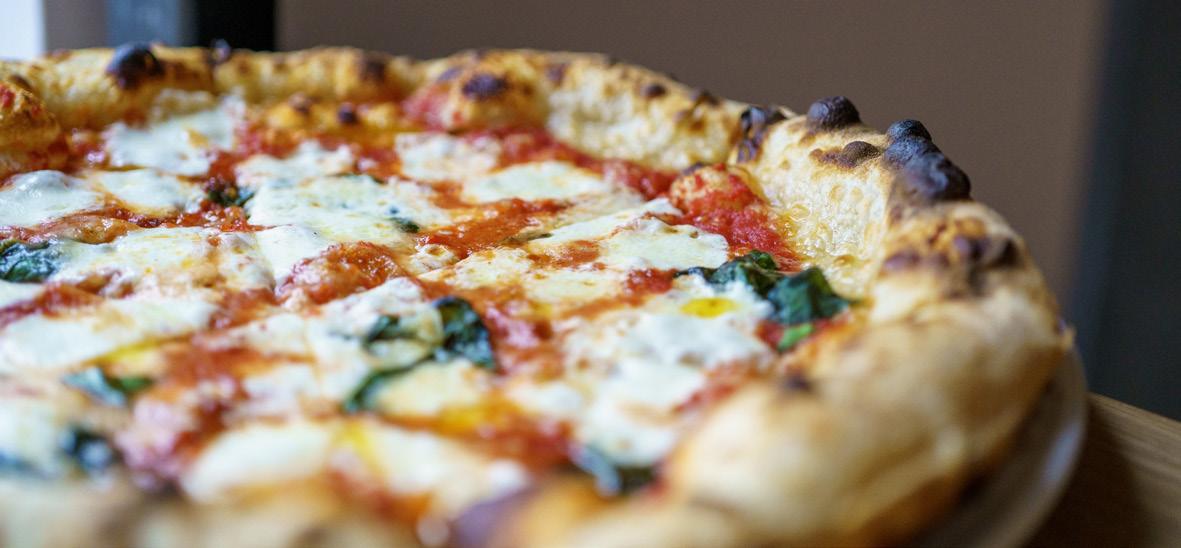
Dough philosophy: Calling on all-organic flour sourced from Central Milling in Utah, Il Mago ferments its own dough low and slow using a house sourdough starter. The result is a light, flavorful crust with a crisp exterior and tender interior.
Signature pie: Margherita
Community role: Owner Chris Schmidt and wife Janelle ran James Beard Awardwinning chef Anne Quatrano’s Floataway Cafe in Atlanta before landing in Colorado and launching The Squeaky Bean in Denver. The duo made the move to the mountains where Schmidt took the position of chef de cuisine at Sweet Basil in Vail before opening Craftsman Brew Co. and Il Mago in Edwards and Bird Craft in Frisco. Fans know and appreciate the restaurateur for his unwavering dedication to timehonored methods and superior ingredients.
During his time at Floataway, Schmidt fell in love with handmade pastas, wood-fired pizzas and seasonal dishes showcasing products from Quatrano’s farm. The spark to create his own Italian concept has always lingered. And, since 2023, Il Mago (Italian for “the wizard”) has been that brightly burning light for the Vail Valley.
“Our pizza is rooted in classic Italian methods, but we’re not trying to copy any one region,” Schmidt says. “When guests tell us they didn’t expect to find pizza like this here, or that it reminds them of meals they’ve had in Italy, that means a lot.”
Sourcing from a Vermont farm, Il Mago pulls mozzarella curd daily, uses organic Bianco di Napoli tomatoes for its rich red homemade sauce and employs a dough fermentation process that takes a minimum of 36 hours. It’s easy to see why Schmidt was recognized as Operator of the Year in 2024 by the Colorado Restaurant Association.
“Great food matters, but so does the way guests are greeted, how the space feels, and whether people want to linger,” Schmidt says. “A memorable experience is one where everything feels considered, but never forced.”
His favorite pie? The Supernaut — an epic pizza loaded with pepperoni, scamorza cheese, and a good bit of chopped Calabrian chiles.
56 Edwards Village Blvd., Suite 112, Edwards ilmagopizza.com
ALPINE PIZZA COMPANY
Hometown: Vail
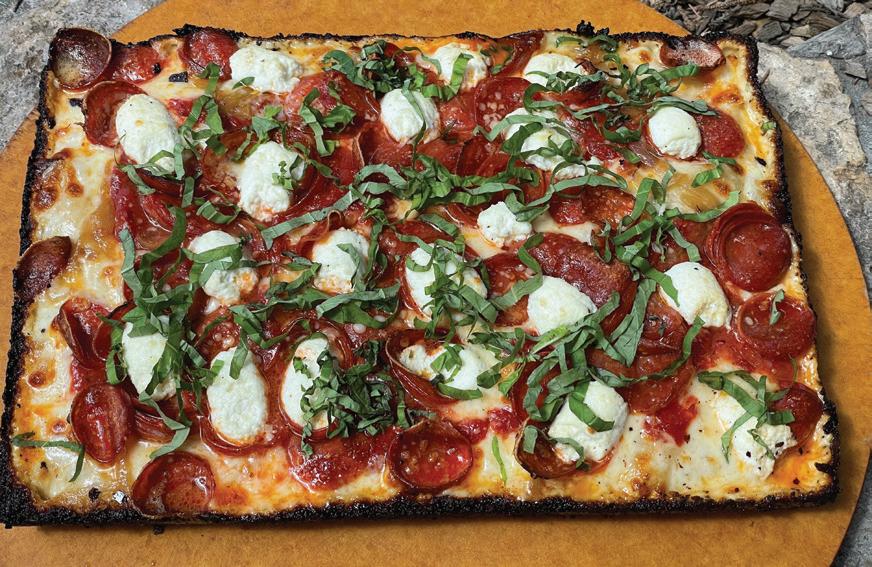
Defining style: New style Detroit; a bit airier with a harder crunch on the bottom Dough philosophy: Alpine Pizza Company mills
its own grains from eastern Colorado family farm Grains From the Plains and puts a whole wheat milled grain directly into the dough for flavor enhancement.
Signature order: Deep-dish Detroit-style by the slice with a crispy, caramelized edge taken to-go from the pizza counter steps from the Lionshead gondola
Community role: Vail native Colby Lefebvre started making pizza at home in 2017. He began experimenting with Detroit-style pizza because, as he says, the only spot to get it at the time was Telluride’s Brown Dog Pizza and he wasn’t about to make that drive. Turns out, he was onto something.
Lefebvre’s pizza dinner parties at his West Vail home on Alpine Drive became so legendary, he created an Instagram company page as a joke. In the depths of spring 2020 COVID lockdown, Lefebvre was bored and started selling pies via the Instagram page.
“I’d sell eight a day, selling out in 16 seconds,” he says. “It started out as a joke and it got kind of crazy. It was Covid, so I’d meet them in parking lots, wearing a mask; it felt illicit. But it worked, and I eventually found a spot to open a shop.”
Today, Alpine enjoys the title of Vail’s only Detroit-style pizzeria and nabbed third-best pizza in the state by USA Today. Lefebvre has spent the last four years perfecting his dough recipe. Running through 11 types of base flour, he landed on Italian Caputo flour with grains sourced from across the Mediterranean. Whole milk mozzarella, parmesan and ricotta come from Wisconsin’s Grande Cheese Company and tomatoes arrive from Stanislaus in California, where a two-week harvest window supplies ruby red gems at peak sugar content.
Lefebvre likes to keep locals interested, rotating through a menu of between 60 and 70 meat and veggie topping iterations. Alongside pepperoni and cheese offerings, there’s the everpopular bolognese pizza; a crab cake-inspired pie made with corn, bacon, lump blue crab and Utz crab boil potato chips on top; a potatoes
au gratin pizza; and a clams casino pizza that receives a finishing squeeze of lemon.
As for the evolving Colorado pizza scene, Lefebvre says it’s more of a family vibe than a rivalry.
“I think there are a lot of great people making great pizza in Colorado,” he says. “Brown Dog to Blue Pan to Nick at Urban Field Pizza in Longmont. We’re kind of all in it together, doing the same thing in different ways, and can share those stories and learn from each other.”
555 E. Lionshead Cr., Suite 11, Vail alpinepizzacompany.com
MAMBOS
Hometown: Steamboat Springs
Defining style: Inventive Neapolitan-style pies, local ingredients
Dough philosophy: House-made dough hits the 600-degree old-school brick pizza oven, resulting in crispy notes on the bottom and a soft, chewy crust on top.
Signature pie: The Principessa — a flavorful and colorful pizza layered with garlic and oil, mozzarella, goat cheese, caramelized onions, mushrooms, fresh arugula, prosciutto and truffle oil. It’s been on the menu for 25 years and its popularity shows no signs of slowing down.
Community role: From the restaurant family behind Latin-fusion Bésame and brunch and dinner classic Yampa Valley Kitchen, Steamboat’s Mambos churns out modern spins on Italian favorites and sells hundreds of pizzas a day. “We’ve been around for 25-plus years,” says owner Hannah Hopkins. “Pizza has been part of our concept since day one.”
Maybe it’s the house-made 24-hour-fermented secret ingredient hand-tossed dough. Or the focus on traditional Neapolitan methods. Or the bangin’ daily happy hour (4 to 5:30 p.m.) featuring half-priced specialty pizzas and cocktails. But Mambos is always busy. Always.
“We’re Steamboat’s pizza and Italian hot spot,” Hopkins says. “I love that guests can come in and get a cheese pizza and a $200 bottle of wine. Or, they can come in and get a really awesome great-value happy hour pizza and a half-price cocktail and bring plenty of leftovers home with them.”
Though they’re known for traditional thinner crust, brick oven pizza, Mambos doesn’t hesitate to jump on the creative Colorado pizzamaker train. Specialty pies are hit with unique combinations like prosciutto and goat cheese or chicken with pesto and heirloom tomatoes. Locals return again and again for the spicysour Steamboat Inferno, topped with hot Italian sausage, house giardiniera, onion and jalapeño. It’s not uncommon for families to come back every time they’re in town and say things like “I’ve been coming here for 25 years,” “Our kids have grown up on Mambos” or “My kid had their first spaghetti at that table right over there.”
“Come hungry. Leave happy and full. That’s what we like to see,” Hopkins says.
521 Lincoln Ave., Steamboat Springs mambos.com
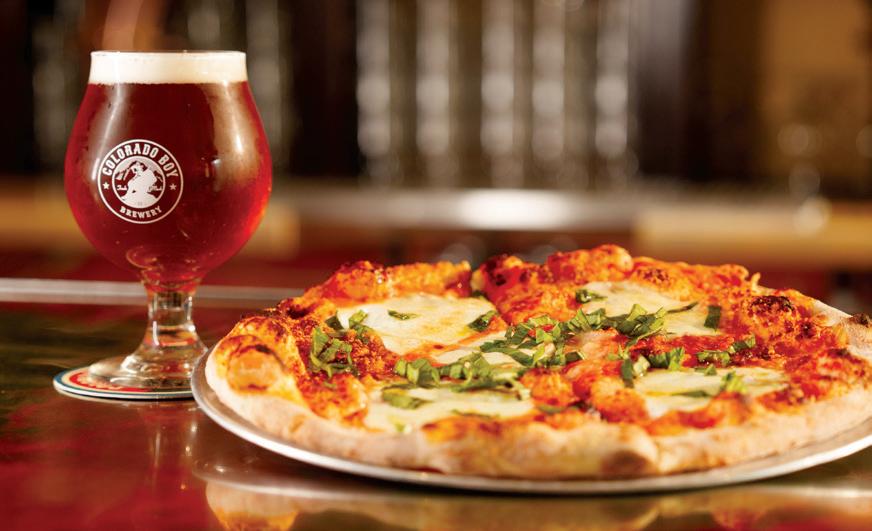
COLORADO BOY PIZZERIA & BREWERY
Hometown: Montrose
Defining style: Wood-fired pies, freshly canned craft beer, friendly service
Dough philosophy: True to classic Neapolitan-
style, Colorado Boy’s simple formula calls on intense heat and long-fermented dough for a soft, airy, leopard-spotted crust with a tender, moist interior.
Signature pie: The Sweet Calabrese; a garlic-oilbased pie with mozzarella, goat cheese, capicola ham and a housemade spicy honey featuring calabrese peppers.
Community role: Owner Tom Hennessey is a legend in the craft beer world. He launched the Montrose Colorado Boy location in 2013 as a counter-service pizza spot with four taps.
Today, Tom’s cousin Jenny McClellan and brewer Mike Thomas co-own the full-service restaurant. The onsite brewery (added to the building in 2015) supplies eight taps of award-winning ale and cask ales brewed just 50 feet away from the pizza kitchen.
All three Colorado Boy locations—Montrose, Ridgway and Ouray — are a home away from home for locals and a must-stop for return visitors. Kids are greeted with small portions of pizza dough to play with at the table and the Montrose openformat kitchen and pizza bar make for an easyflowing, conversational experience.
“We love being able to provide a core memory for local and visiting families,” says general manager Victoria Cornejo. “I have several families that I have served for the past 12 years, and getting to watch the kids grow up and knowing that they are here for good food and a good time makes it all worth it for me. It is a very satisfying job in the sense that you could potentially be the best part of someone’s day.”
In Montrose, Colorado Boy sits on the main drag in the historic Stockman’s building and serves dinner nightly and lunch on weekends. A generous menu spans starters to salads and paninis to dessert pizzas. The Cowboy pizza is another favorite with garlic olive oil, mozzarella, bacon, sausage, gorgonzola cheese and fresh tomato. Locals know to ask about the weekly special. “This is where we really get creative and try to provide something you won’t be able to get anywhere else on the Western Slope,” Cornejo says.
320 E. Main St., Montrose coloradoboymontrose.com :
ROCKY MOUNTAIN PLAYGROUND
High Country Hot Spots
CRAFTSMAN BREW CO.
Rooted in the heart of Edwards, Craftsman Brew Co. has grown from a beloved sandwich shop into a lively brewery and community hub that reflects Colorado’s mountain lifestyle. Since 2017, its focus has remained the same: thoughtfully crafted food and drink served in a welcoming, energetic space.
The seasonally driven menu pairs elevated comfort food — standout sandwiches, shareables and wood-fired favorites — with house-brewed lagers and IPAs. Each offering highlights quality ingredients and a creative, approachable style.
With its open, vibrant atmosphere, Craftsman is a go-to for locals and visitors alike — whether for après or a relaxed night out.
105 Edwards Village Blvd. Edwards, CO @craftsmanbrewco craftsmanbrewco.com 970.855.2718
IL MAGO
Tucked into Edwards’ growing culinary scene, Il Mago offers a refined yet approachable take on Italian dining in the Vail Valley. Meaning “the wizard,” the restaurant lives up to its name with a menu that transforms simple, high-quality ingredients into something memorable.
At the heart of the experience is its standout pizza program. Made with freshly milled organic flour and naturally leavened sourdough, each pie features a light, flavorful crust and thoughtfully curated toppings, from classic margheritas to seasonal creations.
The menu also includes antipasti, handmade pastas and desserts, complemented by an Italian-focused wine list and craft cocktails. With a warm, polished atmosphere, Il Mago is ideal for après or a relaxed evening out.
56 Edwards Village Blvd, Unit 112 Edwards, CO @ilmagopizza ilmagopizza.com 970.855.2793
COLORADO DISTILLERS TAP INTO SOUTH-OF-THE-BORDER FLAVOR
Words by Gabe Toth
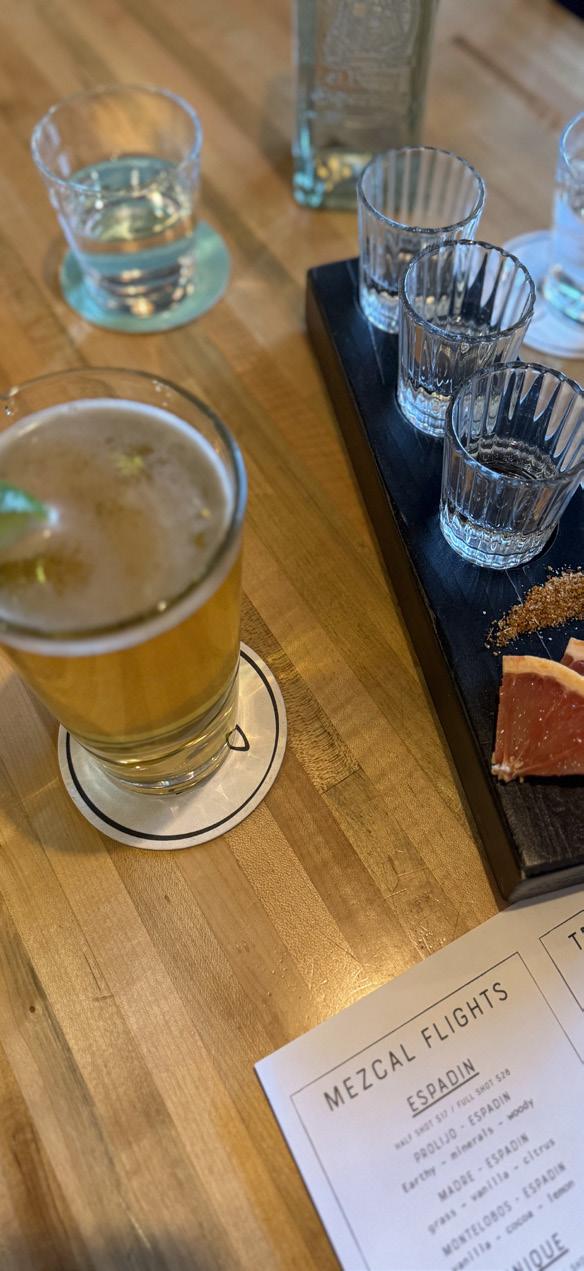
While the distinctive, spiky agave plant might not grow on the Western Slope, a handful of Colorado craft producers are still offering a locally distilled taste of Mexico. These products can’t be called tequila — they’re not made in Mexico — but they do rely on agave nectar, a dense, sugary extract of the agave plant produced in Jalisco, then fermented and distilled onsite.
PALIGAVE TAKES SHAPE IN PALISADE
Palisade distillery Clark & Co. makes two different Paligave agave products: a silver style that’s the fermented and distilled agave at 40% ABV, and their Paligave Nectar, which is sweetened with a touch of additional agave syrup prior to being bottled at 30% ABV.
Both products start off with the same base spirit. Distiller Tyler Blackwelder ferments the fickle agave syrup for anywhere from a few weeks to almost two months, depending on how long it takes to finish. Because he works with a variety of fruit and grain from the area, he’ll sometimes see wild local yeasts crop up and lend acidic or fruity notes that contribute to the final profile.
“That happens, especially if we do it during fruit season and there’s all those blossoms around,” he says. “So as long as it’s not something off-putting, it doesn’t bother me.”
He’ll run the fermented agave through Clark & Co.’s hybrid pot still with two five-plate columns, working to retain as much character as he can. The spirit offers a floral nose with a little bit of citrus and honey on the palate, as well as a touch of vanilla on the back end. The
Paligave Nectar has a little bit more honey and sweetness to it with the added agave nectar and the lower ABV, offering a mellow, easy-drinking experience.
The regular Paligave is popular in margaritas, and the distillery offers a special drink that’s unique to the Nectar.
“We do a mini margarita shot where we use the Nectar, and since there’s already a sweetness in there, basically just adding a little bit of lime juice and then shaking it,” Blackwelder shares.
PEACH STREET DISTILLERS BUILDS COMPLEXITY
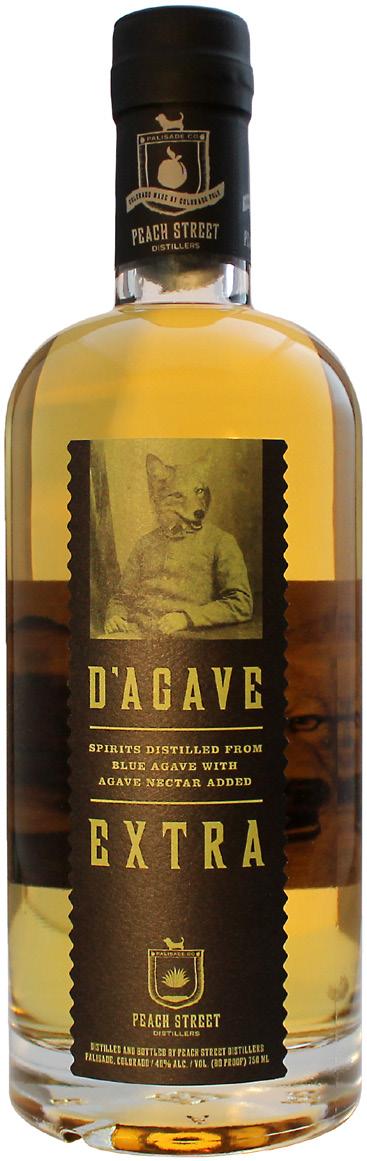
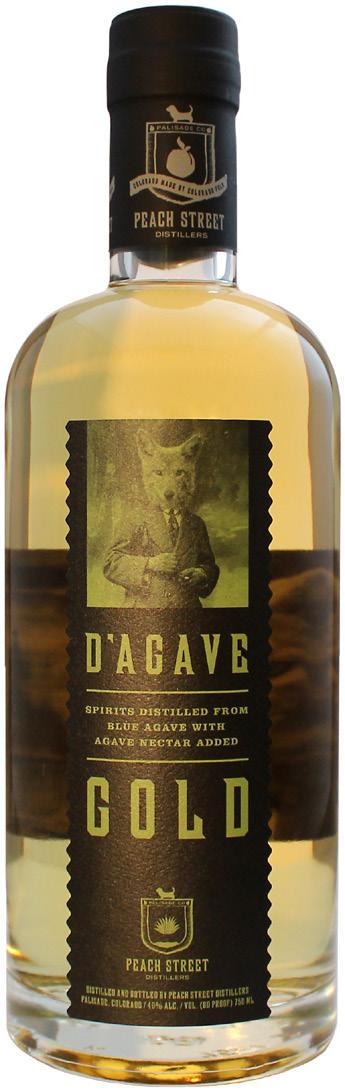
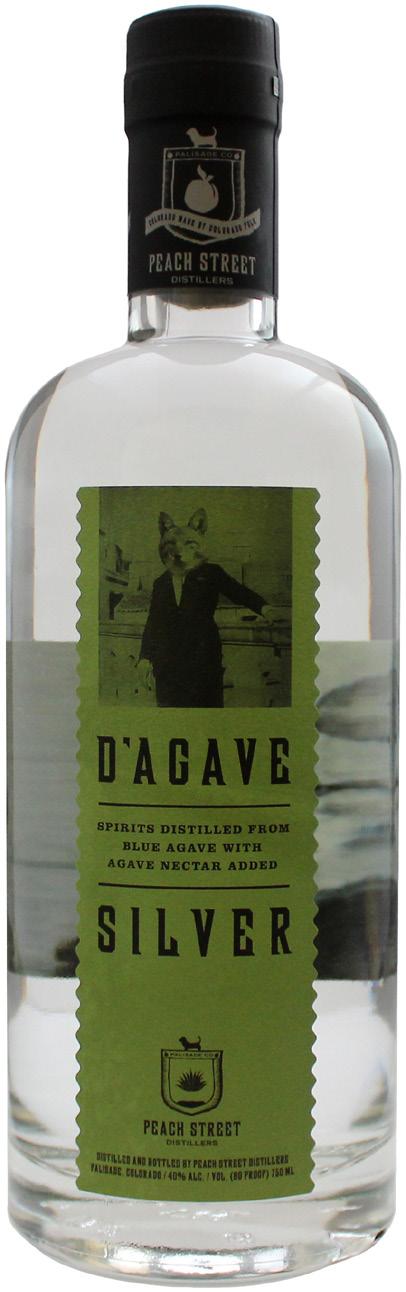
Peach Street Distillers, also located in Palisade, offers three iterations of its D’Agave. They produce an unaged silver version, a gold that ages for at least six months in used Peach Street bourbon barrels, as well as an “extra” version that’s made by adding a touch of agave nectar back to the gold.
“Our silver is extremely clean. Our gold is actually my favorite. It has a little bit of aging and it has a little bit more complex flavor to it. It tastes kind of like a reposado tequila to me,” owner Cody Butters-Lewis says, adding that the extra — slightly sweeter than the gold — is a big seller for them.
They run a closely-controlled fermentation for about two weeks, taking extra readings to ensure that fermentation is proceeding properly and working to maintain a clean profile, without any wild yeasts or bacteria, to ensure consistency in a longstanding part of their portfolio. Once fermentation is complete, the agave wash is distilled twice, then the base spirit is split, with some of it destined for barrel-aging and the rest destined to be cut down to 40% ABV and bottled.
The silver is earthy with a fruity, coconut finish, while barrel aging lends the gold layers of oak and vanilla. Extra offers more honey and toasted sugar notes with a rich body. The distillery offers a margarita and a mule, as well as some additional cocktails at their tasting room. A good portion of customers prefer it straight up at the tasting room, Butters-Lewis says.
“They order it up with a Modelo, or they order it with a cocktail. It’s pretty 50/50 on
how it’s ordered here at the tasting room,” she explains.
STORM KING REFINES THE STYLE
Down the road in Montrose, David Fishering continues to fine-tune the very first products he made after founding Storm King Distilling in early 2018: Agave Blanco and Agave Especial. He makes it once a year, bottling enough unaged blanco to last until the following year, and barreling the rest; his current iteration of Especial is four and a half years old, what would be an extra-añejo in tequila.
Over the years, he’s worked with a national yeast lab and reduced his fermentation from three and a half weeks to four or five days now. He uses a traditional tequila yeast and adds agave terpenes, a concentrated agave flavor extract, before distillation in their hybrid pot still with a four-plate column.
“It doesn’t taste like tequila — because it’s not — but I think you could tell that our spirit is an agave spirit if you taste it alongside some of the other ones from Mexico. If you taste it with some sotol, bacanora or raicilla, you can kind of see where it fits in,” Fishering says. “It’s still a little vegetal, slightly citrusy, grassy, but just is missing some of those flavors that you get when you actually have the plant material as part of your fermentation. You’re getting some grassy notes, some citrus peel flavor, and then there is a kind of general funk, in a good way, that basically I think is what lets you know that this is an agave spirit.”
The blanco is slowly proofed down to bottle strength, 40% ABV, and has been their bestselling product since day one as the foundation of their margarita program. The Especial is released at varying strengths, depending on how Fishering and the team feel it’s best expressed, usually around 100 proof.
“The last barrel we opened was phenomenal. It was really hard to proof it down at all,” he says. “It was super fruity, all these tropical fruit flavors. It’s a really nice product. It’s a great sipper. Makes cool agave old fashioneds. I personally just like it neat or on a rock because it’s pretty delicate.” :
Homesites
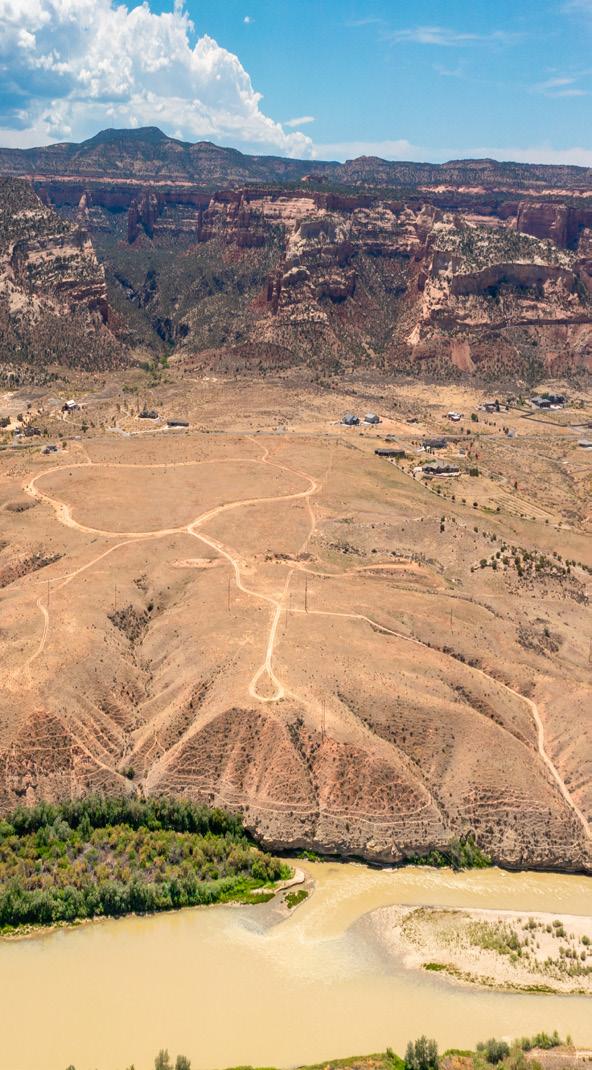
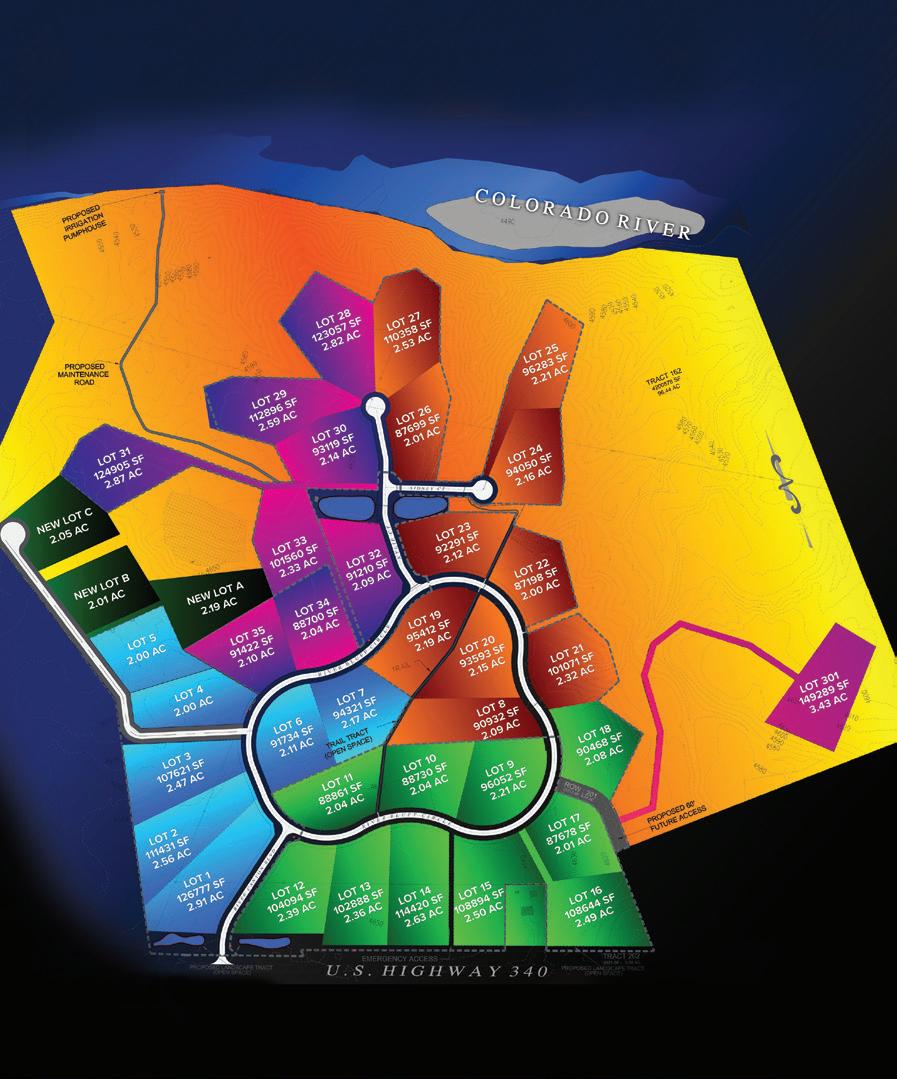
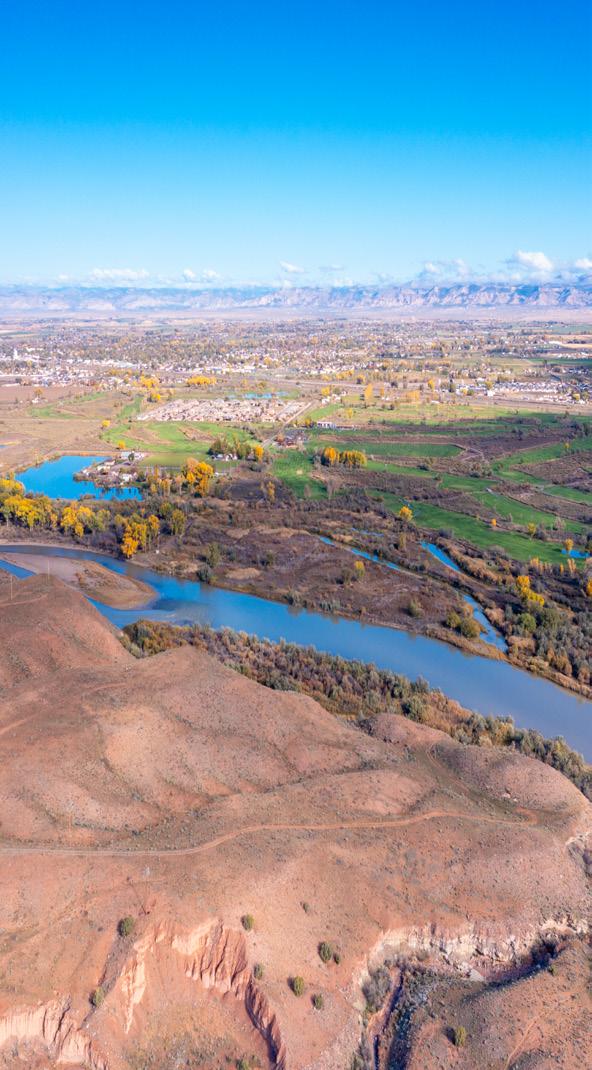
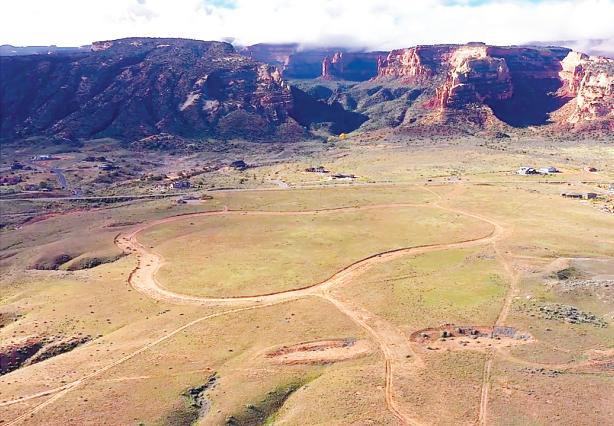
Where luxury living is nestled along the serene banks of the Colorado River with the iconic Colorado National Monument as its backdrop, River Heights Estates offers an exclusive opportunity to build your dream home on the Redlands, the premier setting in the surrounding landscape of Grand Junction, Colorado. With meticulously planned homesites, this visionary subdivision is poised to redefine luxury living, with initial lots available for reservation now. Experience a lifestyle where sophisticated design meets the tranquility of riverfront views, paired with seamless access to the vibrant outdoor adventures and charming downtown amenities.
Build your dream home with Gran Vista Custom Homes or Approved Builder.