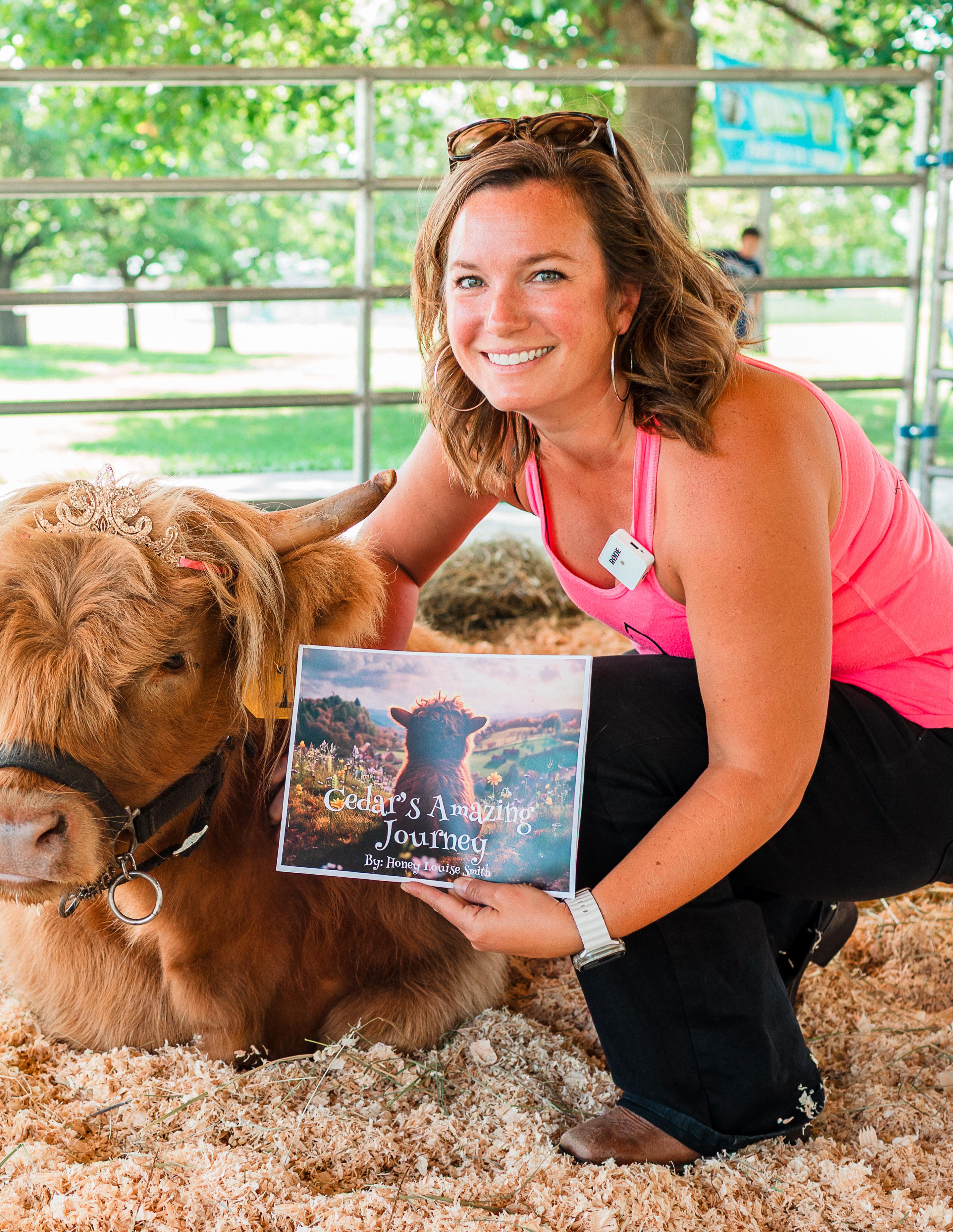
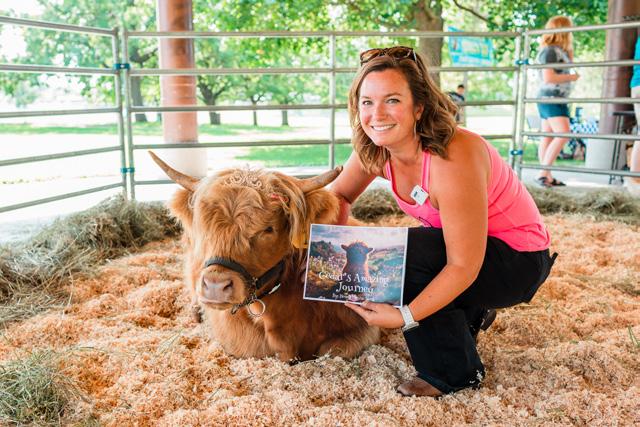
On the cover: Honey and Cedar the Highland Cow from the Spokane County Interstate Fair visit for a special Summer Reading Storytime and read the book Cedar’s Amazing Journey. Meet Cedar at Liberty Park on August 16 from 1-3pm. (Credit: Emily Eliza Photography.)
Executive Director
Andrew Chanse
Board of Trustees
Alexi Castilla
Danielle DeJaegher
Kris Dinnison
Shelby Lambdin
Mari Margil
spokanelibrary.org
SPOKANE PUBLIC LIBRARY LAND ACKNOWLEDGMENT
All Spokane Public Library buildings sit on the traditional homelands of the four bands of the Spokane Tribe of Indians: sntútʔulixʷi, snxʷmeneʔi, s ̓qesciłni, and slʕʷotéw s̓ i (Upper Band, Middle Band, Lower Band, and Chewelah Band). Since time immemorial, the Spokane Tribe of Indians has lived and cared for these grounds. Identifying themselves as “sqélixʷ,” or “Flesh of the Earth.” We pay our respects to their Elders—past, present, and emerging. We show gratitude to the land, river, and peoples who have been fishing, hunting, harvesting, and gathering here for generations. May we learn from one another’s stories so that we may nurture the relationship of the People of the Spokane Tribe and to all those who share this land.
CENTRAL SHADLE PARK SOUTH HILL
How to Build a Reading Habit
We’ve all been there. It’s a place many of us visit, but no one really wants to stay. You guessed it: the dreaded book slump.
The good news? There’s no single “right” way to build a reading habit, and sometimes all it takes is finding the approach that works for you. We asked our library team to share some of their tried-and-true tips for getting back into reading and creating habits that actually stick.
Make Reading More Accessible
“If my attention span is short, I listen to audiobooks while doing something else or read graphic novels instead of longer books. Basically, don’t get hung up on the format—just pick whatever kind of reading works for you.” – Jamila
“Reading multiple books at once! Mix up books of different genres, lengths, and mediums (like audiobooks). If you get stuck in a slump reading one book, you’ll have another to pick up.” – Zoe
Build Reading Into Your Routine
“Pick a time of day to read when you’re actually willing to sit down and focus.” – Amanda M.
“I swear by closing the kitchen early in the evening and reading in bed.” –Marguerite
“I take the bus everywhere, so there’s
just a built-in part of my day that’s reserved for reading and not much else.” – Kira T.
“Making a cup of Evening in Missoula tea (or iced tea in the summer) always helps me settle in to read.” – Sharma
Create a Cozy Reading Spot
“I have a dedicated reading spot at home. I keep a basket of my current reads next to a comfy chair, and everyone in the house knows to approach with caution when I’m parked there.” – Alexandra
“Now that the weather’s getting nicer, I’ve been reading on my balcony. It’s a nice way to spend time outside and read at the same time.” – Izzy
Read Whenever You Can
“Bring a book to appointments and read while waiting. You’ll probably be the only one in the waiting room
doing it, and honestly, it feels pretty good.” – Eva
“Carry books wherever you go! If you’re early or stuck waiting somewhere, pull out a book instead of your phone.” – Alina
Let Go of Reading Guilt
“Read what you actually want to read! Choose books that excite, comfort, or inspire you instead of what you think you should be reading. And give yourself permission to DNF. You can always come back later, but life’s too short to force yourself through books you’re not connecting with.” – Ashley
“Drop the book if you’re not hooked after 30 minutes. You can usually tell whether you’ll connect with the writing style and ideas by then—it doesn’t need a huge, action-packed opening to be good.” – Colin
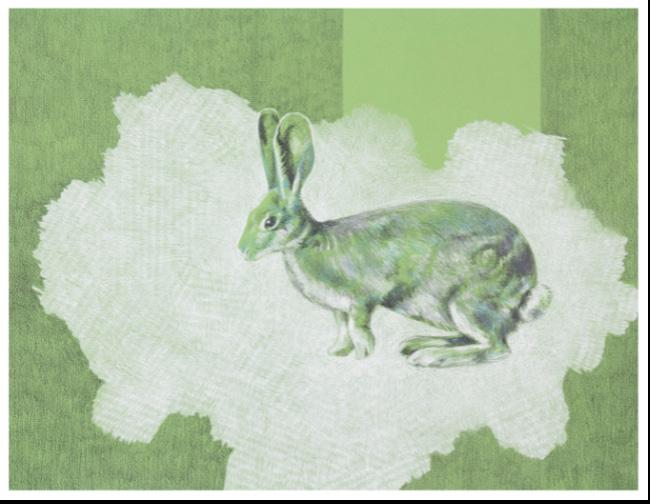
Mariah’s work is based on visits to specific sites to observe and collect details from a landscape. The art explores the interactions, intersections, and interconnectedness of people and the natural world. This series, In the Air and Underground, was made in connection with visits to White Sands National Park. This site is close in proximity to where the world’s first atomic bomb was secretly tested, 210 miles south of Los Alamos, New Mexico on July 16, 1945. What do you see in this piece? What does the white area behind the rabbit represent? Why is green a dominant color?
Find this piece, part of the library’s permanent art collection, at Shadle Park Library, Study Room C.
Art Corner: Rabbit by Mariah Boyle
By Nichole Bogarosh, Ph.D., Director, Center for Student Involvement & Student Media, Center for Student Involvement, Student Affairs, Gonzaga University
Gonzaga
University’s Nichole Bogarosh, Ph.D., breaks down
the
importance of Pop Culture Media Literacy
What is your favorite TV show? Whether your answer to that question is Amazon Prime’s The Boys with its biting social commentary; or Netflix’s light-hearted romantic romp, Emily in Paris; or the long-running reality series The Bachelor on ABC; or any of the other millions of options that one can access through streaming, cable, and broadcast services, one thing remains true: These shows all teach us about others, our world, and what are considered norms, oftentimes in very subtle ways. You may have heard of the term “media literacy” before, but, more often than not, this term is conflated with the term “news literacy.” News literacy is very important in this time of misinformation, AI technology, and rapidly shifting headlines, but media literacy is a much broader term that refers to pop culture products, as well as
news. Media literacy is defined simply as attaining an understanding of mass media (film, TV, music, social media, etc.) and how they construct meaning through the deployment of a critical thinking process. It is extremely important to be news literate, but it is also extremely important to be media literate when it comes to the pop culture products we consume at an outstanding rate.
Even if we just concentrate on television entertainment, the reach of pop culture is immense. Studies consistently show that 83% of Americans subscribe to at least one streaming service, 96% own at least one television (with the average number of televisions being 2.3), 50% of adults watch television shows on their phones, and 40% watch shows on their laptops. The average number of hours spent each day watching television programming is 3.5, and this number goes up as we look at younger demographics. We all need to be aware of the messages we are consuming through these products—messages that we often
do not critically examine as it is viewed merely as “entertainment” and inconsequential. However, learning to examine what is consumed via the media more critically is an especially vital skill for youth to develop.
A decade ago, the Washington State Legislature proposed RCW 28A.650.045, a bill to guide the implementation of digital and media literacy in public schools throughout the state, emphasizing the importance of equipping young people with the skills to critically examine media and technology they encounter, focusing on online engagement. This was a good first step, however, even now, the focus remains on content outside of entertainment media, leaving a gaping hole in education around media literacy.
When thinking about the impact of pop culture, consider the
following: According to the USC Annenberg Inclusion Initiative, one of the premiere research groups on representation in pop culture, individuals from marginalized identities based on race, gender, sexuality, socioeconomic class, age, weight, and ability are still substantially underrepresented both on screen and behind the scenes. When we do not have populations represented , we often find that stereotypes associated with various marginalized groups prevail. Thus, we are oftentimes consuming products that do not give realistic representations of major portions of our population, fostering
misunderstandings, division, and continued interactions based on stereotypes.
Pop culture influences what we think about and what we even consider thinking about. It comes to represent everyday experiences for us, even when set in mythical or futuristic locations. We extract information from what we view without even thinking about it. This is where media literacy comes in. If we train ourselves to stop and critically analyze what we consume using the basic steps of the media literacy process, we become more thoughtful and engaged citizens. If parents take time to follow this
Media Literacy in 5 Steps
2
DESCRIPTION
1 ANALYSIS
In this step, you identify central themes/topics and characters. An important piece of this is also thinking about what is missing. Are there different viewpoints? Are certain people (identity groups) missing?
In the second step, you take the information gathered from your description and isolate patterns you see that need further attention. For example, maybe the show is from the viewpoint of the government, but you do not hear from citizens affected by the policies being discussed in the show.
process with their children and stop and discuss with kids what they just viewed/read/listened to, the knowledge on how to critically examine media takes root at an early age, and it becomes more reflexive to view media content in this way.
So, as we move into the summer months and catch up on television offerings, enjoy blockbuster films in the theatre, listen to music while outside, and scroll through social media, take a moment to critically reflect on what you are consuming and discuss the messages being shared in these products with others, especially the youth in your life.
3
INTERPRETATION
In the interpretation step, you try to determine the meaning of the patterns you observed. If the program is only from the viewpoint of government officials, as in the previous example, what does that tell us? Why does it matter?
4
EVALUATION
Taking things a bit deeper, after interpreting the patterns, you will make an informed judgment on the impact and meaning of what you consumed and whether you agree or disagree, and why, with what is being portrayed.
5
ENGAGEMENT
In the last step, you engage with others around these topics by talking with friends and family about the values, ideologies, and norms you have observed in what you watch. Engaging with our youth about media literacy is part of media literacy in this final step!
The Wonderful Something: A Fairy Tale
Not very long ago in the fairyland, a menacing tyrant came to power.
The tyrant, a fairy woman, was thin and tall for a fairy, with straight silver hair and papery wings the color of moonlight. She was charismatic and confident, and these qualities won over a great unquestioning swath of the land’s people. She made it her policy to never admit when she was wrong, and to scapegoat her enemies and even her allies rather than adjust, fix, or undo her wretched orders. Even as many fairies wilted, or disappeared, or perished under her rule, she retained power, because it’s true how convincing and inviting a lie can be, especially when uttered by those who have conviction but no conscience. This is how tyrants have always existed in the fairyland, and why they likely always will.
As more and more of the tyrant’s lies floated from her mouth, they collected together into a pervasive low-hanging mist. This mist overtook the fairyland. It snaked through all corridors and pathways, hung limply like a gray fabric in the town squares, and slipped beneath the door frames to infuse entire homes and buildings. Fairies inhaled the mist and grew angrier and angrier with one another; the mist reached every corner of their lives.
By Sharma Shields, Writing Education Specialist, Spokane Public Library
Some fairies fought to clear the mist, but others believed the mist was the fault of those the tyrant blamed. The fairies argued and hated one another for their many interpretations. Meanwhile the tyrant hoarded wealth, filling her vast castles with treasures that belonged to the fairy people. She saw the fairy people as inferior to her; she felt worthy of all she stole, because to her the only law of the land was the power to take and hoard.
Thus began a wretched era in the fairyland, an era of war, of sickness, of relentless harm and lies.
But you might be happy to know that a small fairy named Sneet lived in a cottage in the forest and continued to believe in the fairyland’s goodness.
Sneet was born into an unkind fairy family, and sometimes the kindest fairies come from the unkindest places. Sneet loved animals and loved people and believed in truth. He had a shiny pet beetle named Piglet and a robin friend named Angelica who let him ride on her back when his own wings grew tired (he did have fragile wings, as so many fairies do). He was short, even by fairy standards, with curly dark hair and big ear lobes and a gentle, soft smile. His wings were the same dark shade as his hair, and they were much smaller than the tyrant’s wings, but they fluttered
beautifully, and their chartreuse edges glowed prettily at night. Sneet worked at one of the only remaining fairyland libraries. The library was carved into the trunk of the oldest and broadest conifers in the region, with a spiraling staircase at its center that rose up and up like a turret. Lining all of the walls were shelves of books of all kinds, children’s storybooks, dense biographies, slim volumes of poetry, and thick handsome novels. The tyrant and her cronies attempted to censor many of these books, calling them wicked or unsafe. But Sneet quietly refused to remove the books from the shelf.
As the mist hung all around them, Sneet and the other librarian, a thoughtful snail named Griselda, continued to host book clubs, art and music classes, and storytimes for the fairy children. They loaned books to anyone who came through their doors. Angelica the Robin even flew Sneet on her back to the homes of the fairies and other forest creatures who were housebound, and sometimes these residents cried with gladness at their arrival.
Meanwhile the tyrant blustered and commanded, harmed and bullied.
The miasma strangling the fairyland grew thicker. The tyrant one day sent out a proclamation declaring all mollusks to be enemies of the fairyland. Some of Griselda’s snail friends were disappeared, and she told Sneet she worried she would be next. Sneet put a hand on her shell and they regarded one another mournfully.
“Who will protect me?” she asked Sneet. Some of her neighbors, fairies and animals alike, were beginning to snub her.
“I will,” Sneet said. “And others will, too. There are good creatures here.”
The next morning was a muggy summer day. Sneet decided to host storytime in the pretty meadow
you see the mist is gone? This,” Sneet said with great emotion, “is because of something very wonderful. Do you know what the wonderful something is?”
The children stared at him, thinking
“Literacy connects us. It helps us understand one another. It expands our minds and hearts.”
next to the library. The tyrant’s mist hung low and heavy, stubborn despite the strong sun. The young fairy children and forest animals crowded at Sneet’s feet. He read to them a picture book about a friendly witch and her industrious work in the forest. They did finger plays and sang songs and spelled words on the felt board. For a few minutes, Sneet forgot his worries about Griselda, about the mist, and simply enjoyed the morning activities.
And then as he laughed with the children, Sneet realized that the mist—which had seemed so pervasive and impenetrable—had disappeared. The leaves on the trees, the blossoms of the flowers, the faces of the children, shone crisp and vivid.
“Children,” he said, “let’s take a deep breath in—” they all did so, “and a deep breath out—” and they followed his instruction, some of them with great exaggeration which made the nearby parents laugh. “Do
carefully. Then one of them fluttered her purple wings and stood up brave and tall and said, “Books!”
“Yes,” he said. “Books. Reading and learning. What we call ‘literacy.’ Literacy is a big word I know, and an important one. Literacy connects us. It helps us understand one another. It expands our minds and hearts.”
A fox child barked, “And the library!”
And Sneet laughed and said, “Yes, our library, too. That’s why I will always protect it. I hope you will too.”
The children said they would, their parents nodding along. The children puffed out their chests and stomped their little feet and paws and wagged their wings and tails. Sneet felt the fairyland was safer, at least for the moment.
Now when someone visited the library with a question to be answered, when someone cracked
open a book and lost themselves in its pages, when someone engaged in an art class or storytime or music session there, when they began to speak aloud about the wondrous thing they’d recently read or learned, Sneet saw how the treacherous mist of lies hanging around them thinned. And so Sneet and Griselda continued to do their work, even under threat, even afraid. As so many good fairies did and do.
If you ever visit the fairyland, such a hard place to visit nowadays, with all the tyrant has done and is still doing, please find the tree that contains the library. Let me—your storyteller— know if it’s still standing. Something in my heart tells me it is.
UPCOMING WRITING EVENTS
Witches in the Woods Writing Workshop with Maya Jewell Zeller and Sharma Shields
Riverside State Park: Bowl & Pitcher
July 9, 9–10am
The Art of the Fragmented Essay with Lauren Westerfield
South Hill Library
July 12, 1–2:30pm
Witches in the Woods Writing Workshop with Lauren Westerfield and Sharma Shields
Riverside State Park: Bowl & Pitcher
July 25, 9–10am
Spokane Is Reading Announces the 2026 Community-Wide Read
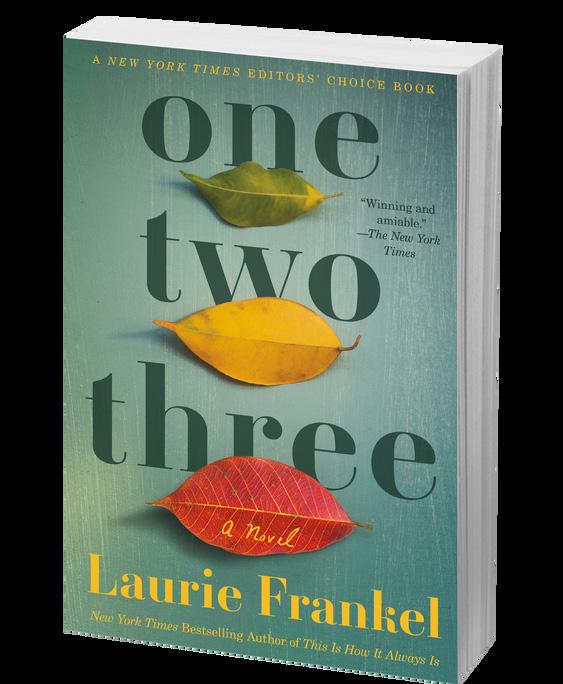
Spokane Is Reading is pleased to announce award-winning author Laurie Frankel and her novel One Two Three as the selection for the 2026 community-wide reading event. Join Spokane Is Reading, an annual program designed to connect Spokane through reading and meaningful discussions.
MEET THE AUTHOR
Read the book, then join a conversation with the author this fall.
Wednesday, October 7
1pm at SCLD’s Spokane Valley Library
7pm at Spokane Public Library’s Central Library
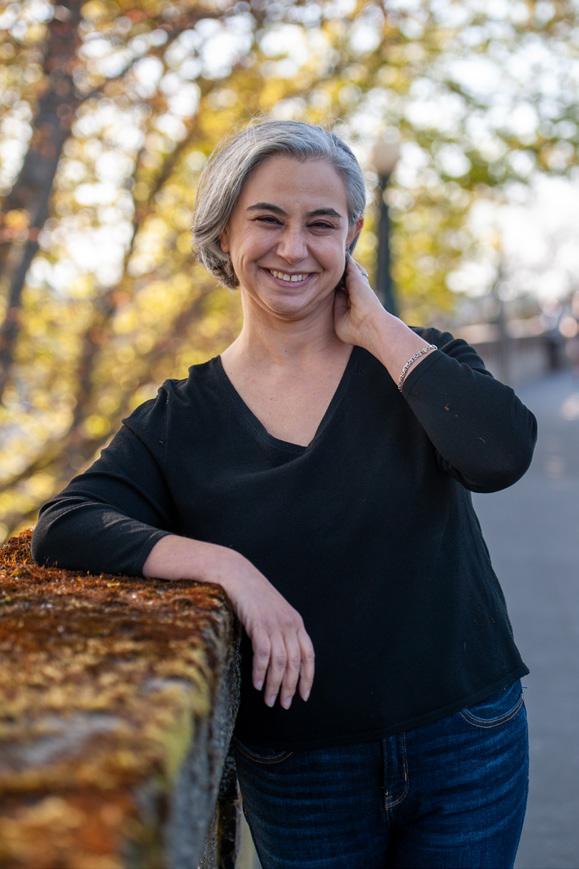
Laurie Frankel is The New York Times bestselling, award-winning author of six novels, including her latest, Enormous Wings, as well as Family Family, One Two Three, and the Reese’s Book Club pick, This Is How It Always Is. She is the recipient of the Washington State Book Award and the Endeavor Award.
One Two Three narrates the story of the Mitchell triplets—Mab, Monday, and Mirabel—and their fight for justice after an unscrupulous company knowingly poisons their small town. The three unforgettable narrators tell a spellbinding story with wit, wonder, and deep affection about how expanding our notions of normal makes the world a better place for everyone and how when days are darkest, it’s our daughters who will save us all.
Spokane Is Reading is presented in partnership with Spokane County Library District (SCLD), Spokane Public Library, and Auntie’s Bookstore.
Learn more at spokaneisreading.org
One Two Three Readalikes
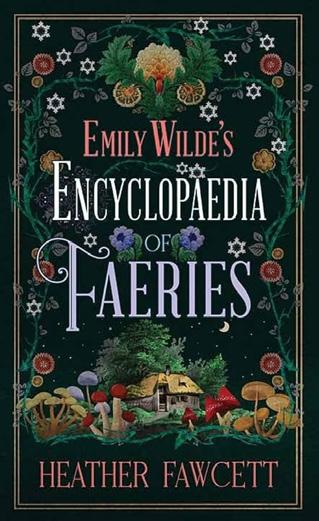
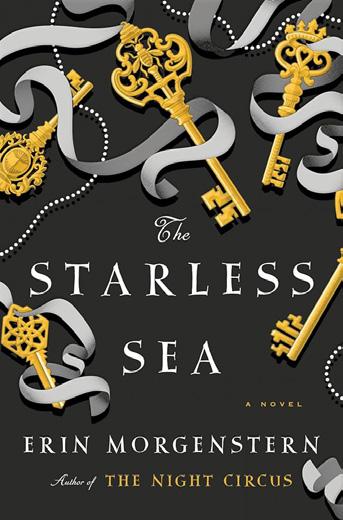
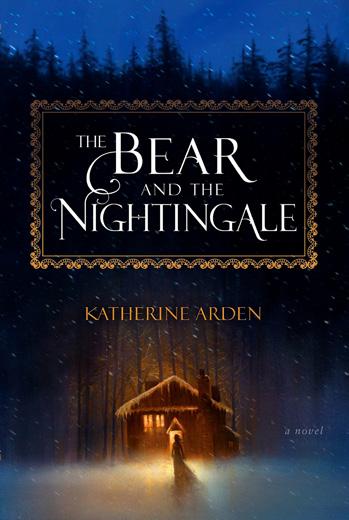
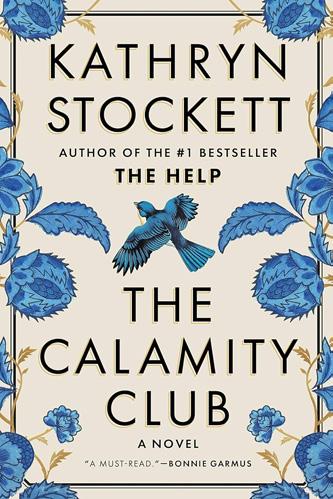
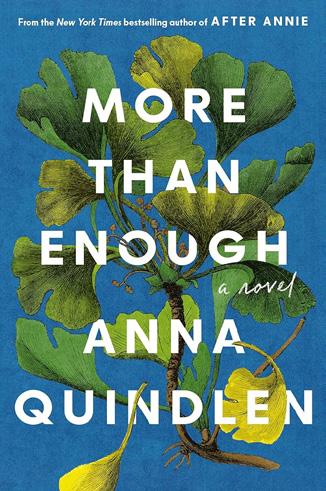
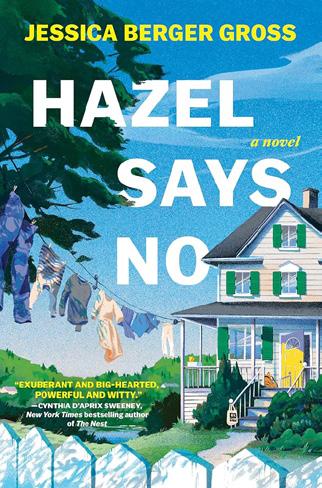
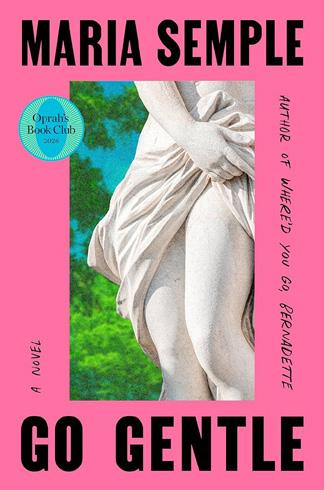
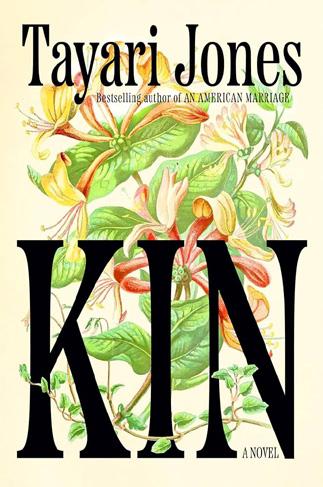
Have you read and enjoyed One Two Three? Try picking up another novel by Laurie Frankel, like Family Family, This is How it Always Is, or her latest, Enormous Wings. Or try one of these read-alikes chosen by librarians—these books feature intricate family bonds and sisterhoods of resilient women.
By Andrew Chanse, Executive Director, Spokane Public Library
Investing in Our Shared Future: Literacy, Access, and Community
Public libraries occupy a unique and essential role in our democracy. We are so much more than buildings that house books. We are guardians of intellectual freedom, champions of literacy, and trusted community institutions that ensure every person—regardless of their background—has access to knowledge, ideas, and opportunities for lifelong learning.
At the heart of our mission at Spokane Public Library are two core values: we champion literacy and we expand access.
Since joining Spokane Public Library as Executive Director in 2013, I made it my personal mission to widen access across Spokane and ensure that books, technology, educational resources, and diverse perspectives were within reach for everyone. Thanks to the community’s incredible support, we’ve turned that vision into reality. Through the 2018 bond measure, we built 3 new libraries, renovated 4 others, and added four 24/7 kiosks in neighborhoods previously without access to library services. And because of library levies passed by voters in 2013, 2017, and 2024—Spokane residents now enjoy access to library services 7-days a week.
Protecting Intellectual freedom
A public library’s offerings must consistently reflect the diverse needs, stories, and histories of
the entire community—and that collection must remain insulated from shifting political priorities. Our independent library governance structure helps protect that freedom by ensuring that library collections, services, and programs are guided by professional standards and community needs rather than any single political viewpoint or agenda. This essential separation helps to ensure that the freedom to read, learn, and explore in Spokane remains an accessible, stable, enduring public right, protected from political interference for both current times and for future generations.
Impact in Our Neighborhoods Literacy is one of the most important investments a community can make in its future, and libraries play a critical role in supporting it. We see the impact of these investments in our neighborhoods every day.
When we built a new Hillyard Library on the Shaw Middle School campus in partnership with Spokane Public Schools, we knew a colocated public library in a middle school could have a transformative effect on the community. Today, the data speaks for itself. Shaw Middle School students’ Lexile scores showed the highest growth in reading proficiency of any middle school in the city in 2024. This standard measurement of student reading ability proves that targeted programming, community
investment, and access produces meaningful results for local students and families.
Sustaining Services & Connection
This is why we continue to advocate for library services throughout our community. Consistent and reliable funding allows us to maintain open doors, invest in collections and technology, and support literacy initiatives such as Summer Reading. Summer Reading is a proven initiative for libraries nationwide that guards against learning loss and keeps kids engaged in real life during the months outside of school. Last year more than 4,500 kids and adults participated in the Summer Reading Club at Spokane Public Library, celebrating literacy, lifelong learning, and community connection. Stable funding is not simply about sustaining an organization; it is about maintaining access to foundational programs that keep our community whole.
As communities face increasing challenges, the need for trusted institutions that support learning, civic engagement, and intellectual freedom has never been greater. Libraries remain one of the few places where everyone is welcome, information is freely available, and learning is accessible to all. By investing in libraries, we invest in literacy, in access, and in an informed, engaged community we are building together.
Lara
Hemingway and Dawn Sidell, Executive Director of Northwest Autism Center, share suggestions on promoting literacy for neurodivergent kids and adults.
When my kids were little, we frequently went to Storytime at Spokane Public Library, where there were always plenty of songs and movement breaks to get the wiggles out between stories. This created a foundation for literacy and library love for our family. For caregivers of neurodivergent kids, they might wonder if the library is a safe and welcoming place for them as well—and it’s a resounding “yes!” Add a chair for a defined space to sit plus a couple of fidgets, and Storytime can be an enriching experience for many neurodivergent kids. Library playspaces also offer an opportunity for free play between reading activities, and families should know that it is just fine to be a bit noisy in these areas. Libraries are no longer places for shushing, but places for exploration, literacy, and joy. However, focus and continued engagement can be challenging for those who are neurodivergent, have sensory needs, and/or autism spectrum disorder. Some tips that can facilitate focus and limit anxiety include:
1. Plan for frequent breaks from activities that require a lot of focus. This can help an individual to re-engage when it is time to focus again on reading.
2. Consider alternative seating, such as a cube chair, which offers a hard back and sides providing a defined space for a child to sit. This way their arms and legs are supported in a way not provided by sitting on the floor. This defined space can help an individual focus more on the storytelling.
3. Provide fidget toys. Some children can relieve their anxiety by playing with fidget items and you can bring one to the library for reading time. Note that just because a child is playing with a fidget doesn’t mean they aren’t hearing the story—they are still focused on the skill of listening. No need to sit still with your hands in your lap to absorb a story!
4. Talk about what to expect ahead of time. New social situations can create anxiety for neurodivergent kids, so consider describing the schedule and setting for the event ahead of time.
When considering reading materials for neurodivergent readers, Dawn Sidell, Executive Director of Northwest Autism Center, suggests selecting “books that are both interactive and durable” because they continue “providing avenues for engaging the child while being available for reading again and again.” She also noted that following along with the words while it is read aloud, listening through headphones, or watching the book read on screen can be easier for neurodivergent individuals to absorb.
Spokane Public Library has many inclusive options for reading in the collection, including interactive books with a built-in audio player and Tumblebooks, a children’s eBook and eAudiobook platform, which offers read-along options.
Graphic novels and comics are great options for neurodivergent teen and adult readers because the combination of visual and text storytelling is highly accessible. Try ComicsPlus for unlimited checkouts for both adult and youth titles! Readers can check out audiobooks on CD or eAudiobooks on Overdrive/ Libby
current Board President for the Northwest Autism Center
By Amanda Donovan, Director, Marketing & Communication, Spokane Public Library
It’s 1990 and you painstakingly place a fifth gold star on your purple Book It® button and then run down the hall and into the kitchen, your sock feet sliding across the yellow linoleum.
“Mommmmm, can we go now? Please?!” You beg, waving the button in her face.
Thirty minutes later, you’re sitting in a red-vinyl booth across from your mom. A stained-glass pendant light casts a warm glow across the red and white checked vinyl table cloth. You sing along to “Don’t Stop Believing” by Journey playing from
for the occasion. Your Hypercolor sweatshirt is tucked into your tight-rolled acid wash jeans.
Finally, it’s time. The server sets down a sizzling six-inch cast iron pan and a textured, clear red cup filled with pebble ice and Pepsi®. The cheese stretches in a long string from your first bite as you and your mom grin at each other, the crust somehow perfectly greasy and crispy at the same time.
The Personal Pan Pizza® is satisfying but more so is the
High and The Witch of Blackbird Pond and Where the Red Fern Grows and Anne of Green Gables and Tuck Everlasting. Fast forward to summer 2026. Your millennial youth is behind you but you long for a simpler time and want to get back into reading. You learn that adults can participate in Summer Reading Club at Spokane Public Library and earn a Book It® Personal Pan Pizza® each month for reading 15 days.
You can recapture the joy of sitting in a booth, at your local Pizza Hut® enjoying a Personal Pan Pizza® that you earned just by reading the latest Emily Henry or Sarah J. Maas or
Adult Summer Reading: Read 15 Days In June, July, August to get
One free book coupon from Page 42 Bookstore just for registering!
Up to THREE free Personal Pan Pizzas® from Pizza Hut courtesy of the BOOK IT!® reading challenge.
Up to THREE entries into the Adult Prize Giveaway Drawing for donated prizes such as:
• A certificate for two Spokane Symphony tickets
• Wanderlust Delicato gift card
• Tattoo gift card from Angela Krahner
• Comic Book Shop gift card
• $20 Jupiter’s Eye gift card
• Spokane Parks & Recreation gift card
• Board & Brush creative workshop
• Spiceology box set
• $50 gift card to Iron Goat
• Private wine tasting party for 8 people from Terra Blanca (21+)
• $50 gift card to From Here/Terrain
• $20 Tay Tay’s gift card
• Clinkerdagger gift card and $50 gift card to Birdie’s Pie Shop
• Party Room Voucher from Flatstick Pub for 20 people with games
• One household membership for Northwest Museum of Arts and Culture