In hope of success without any commission or instruction.
We are a culture and identity publication established in 2018 and based in Los Angeles.
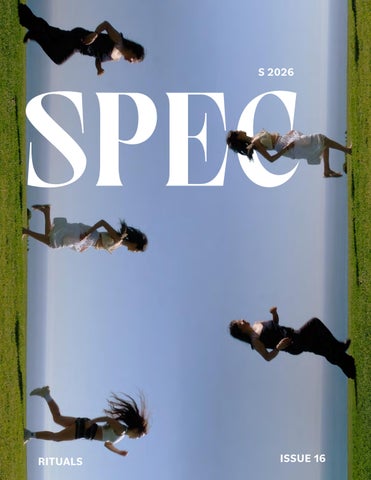
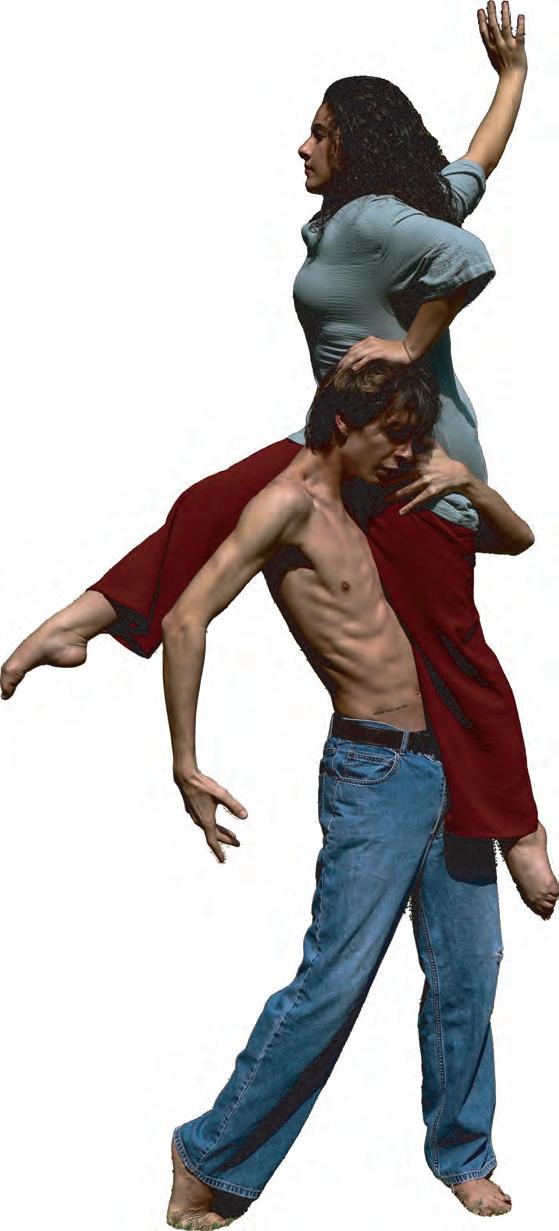
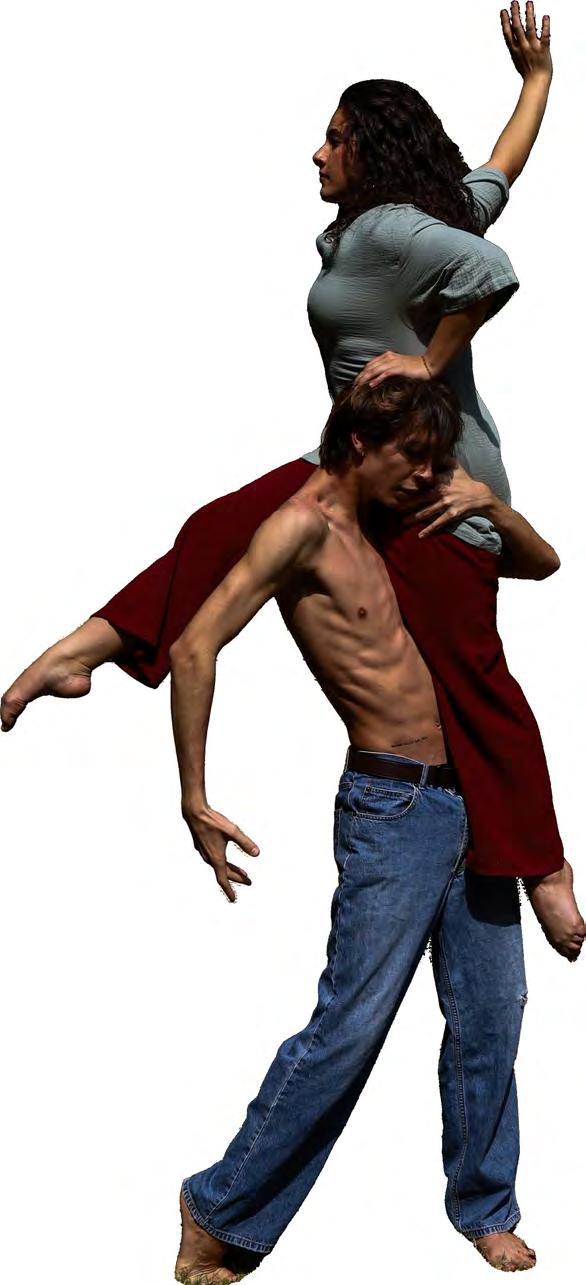
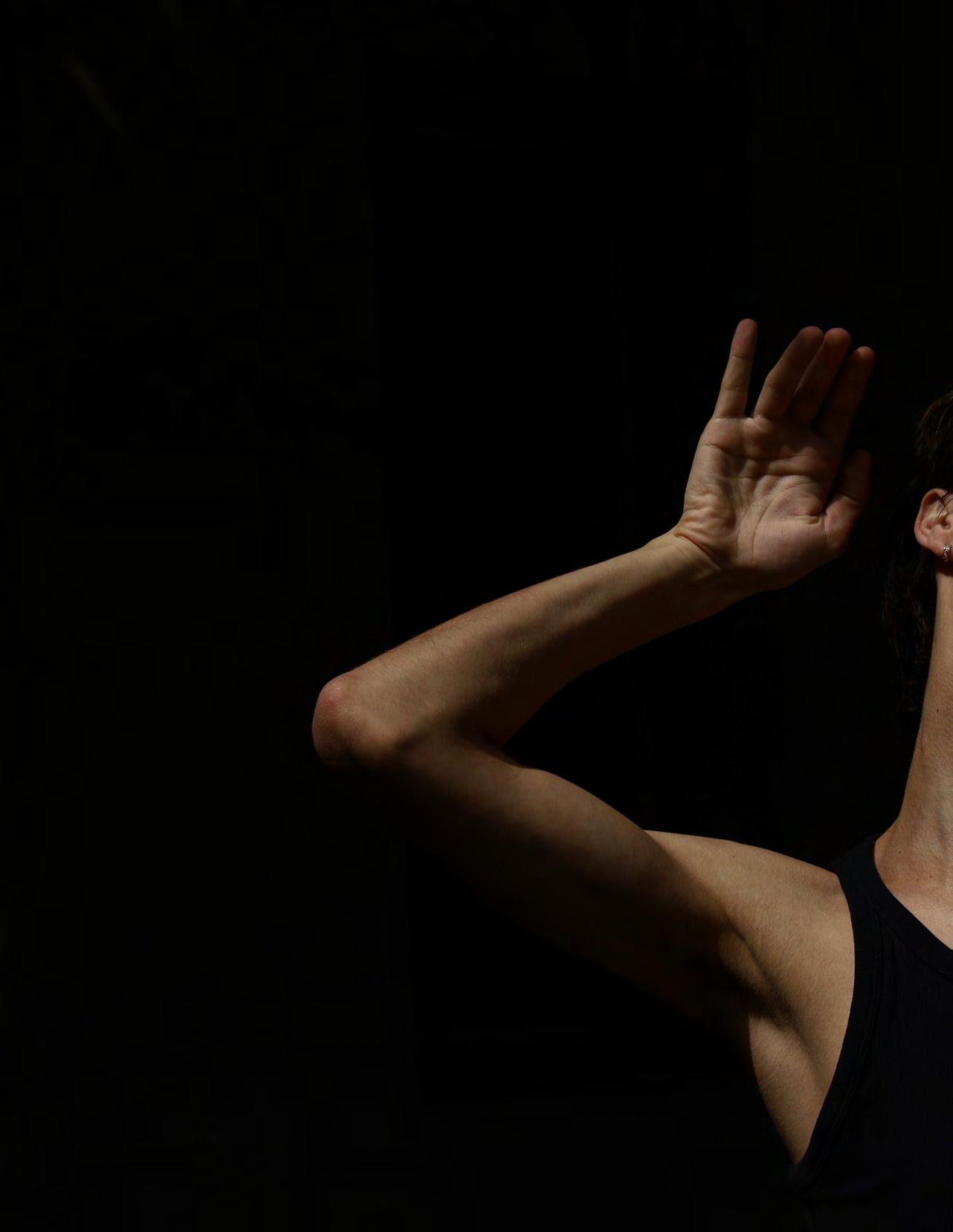
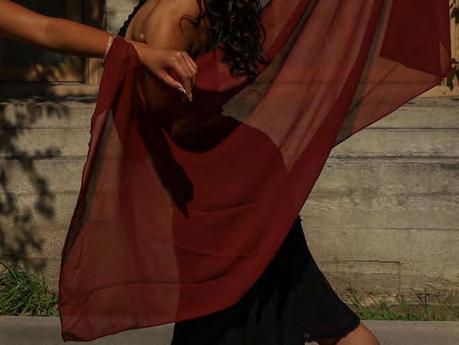
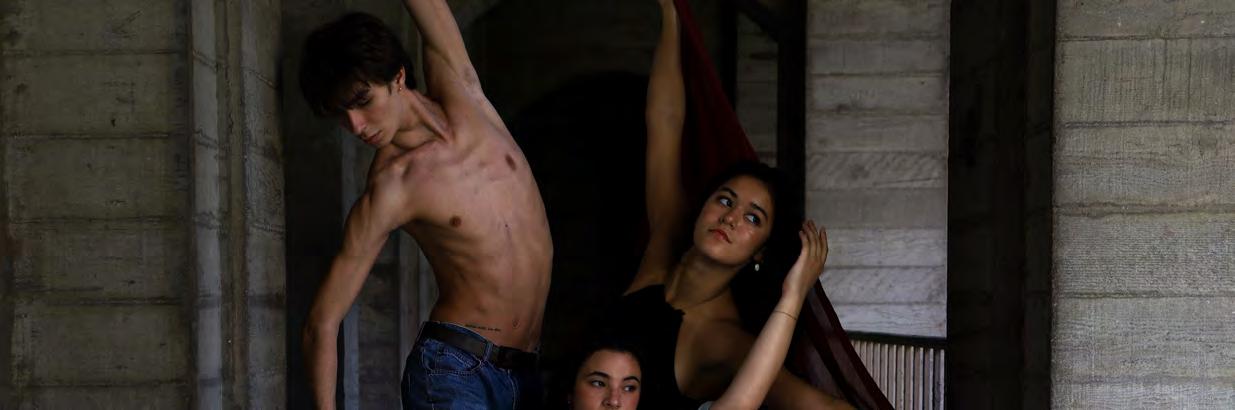
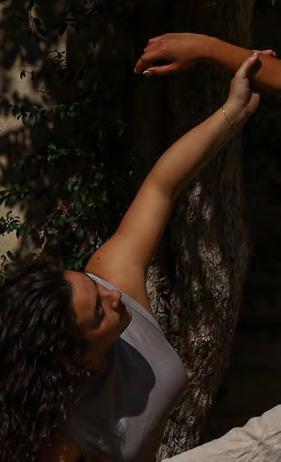
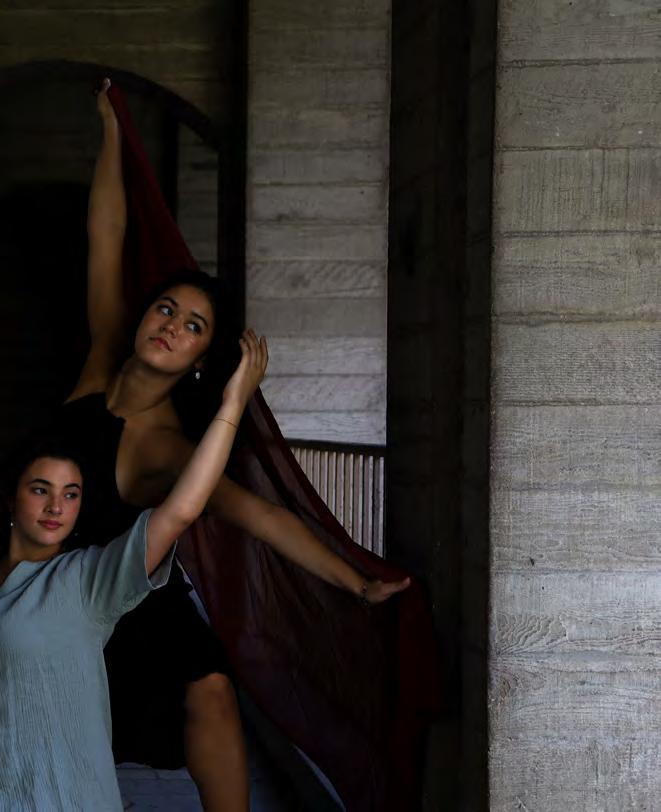
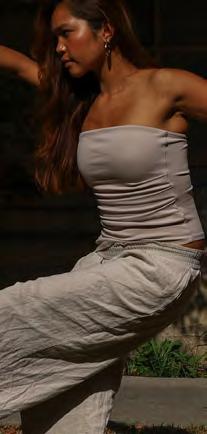
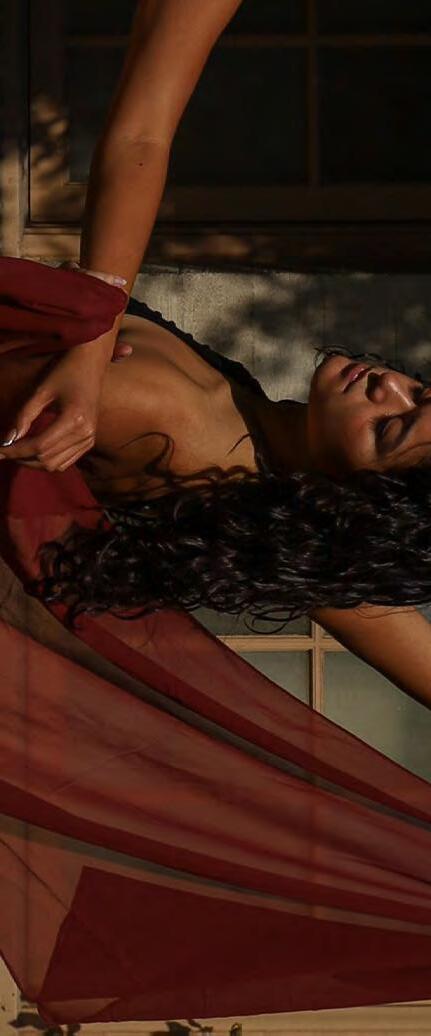
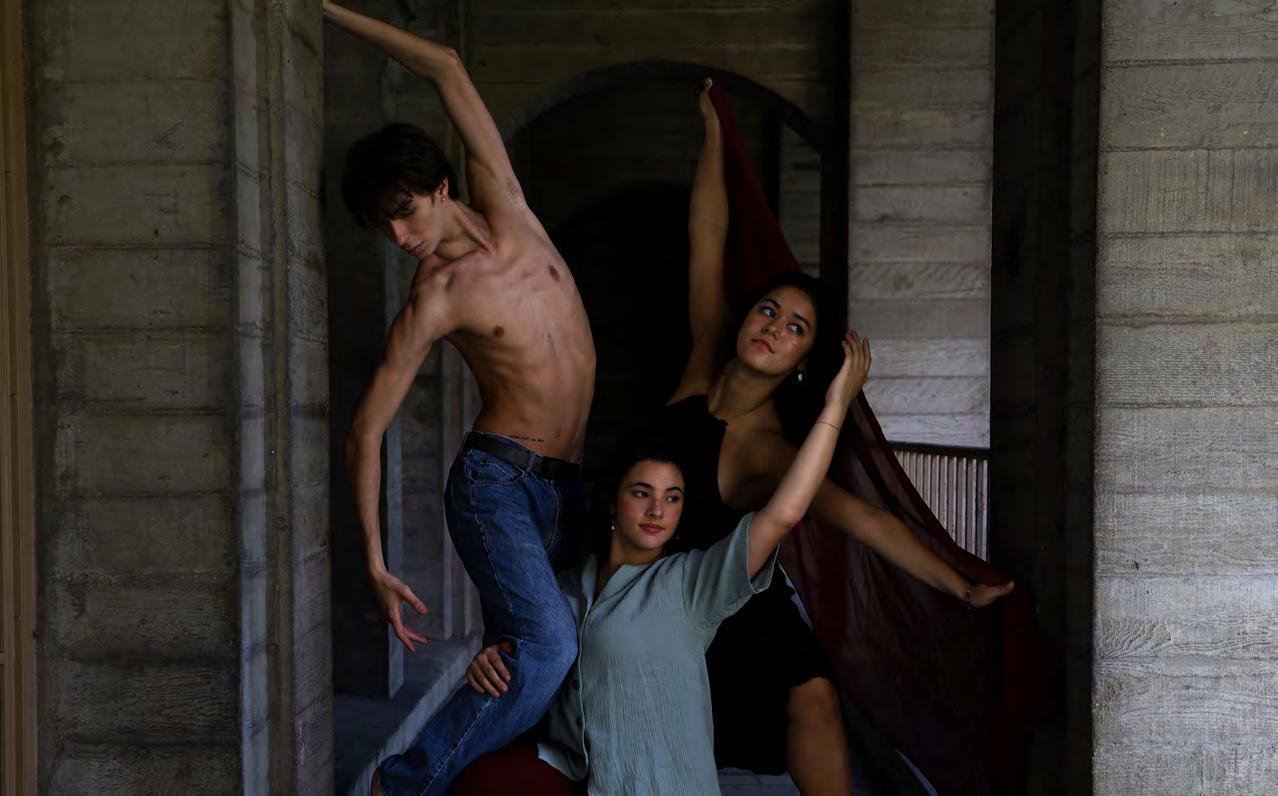
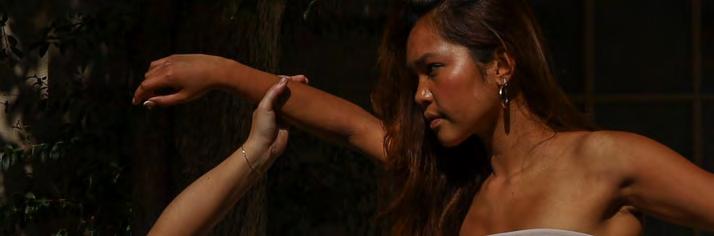
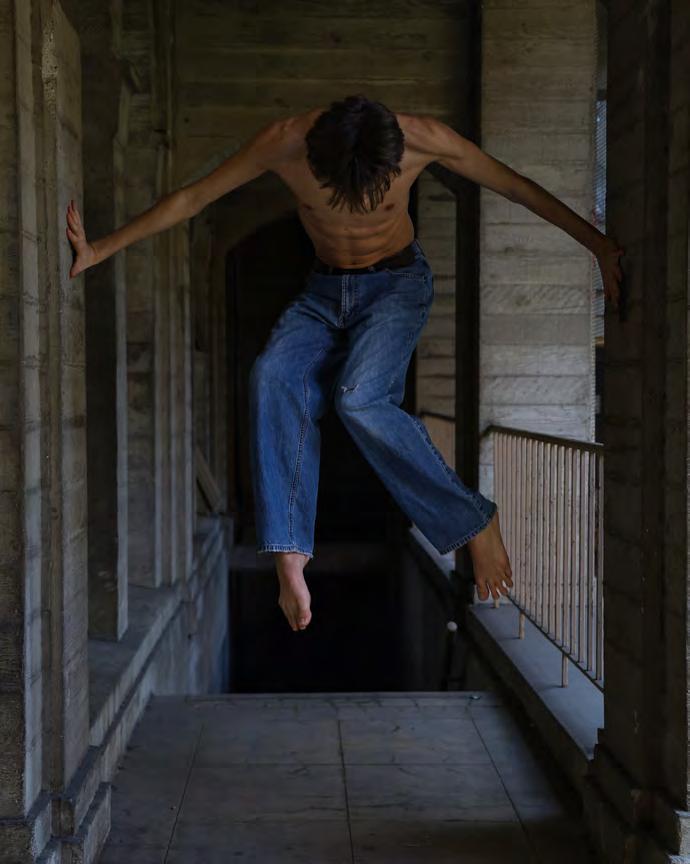
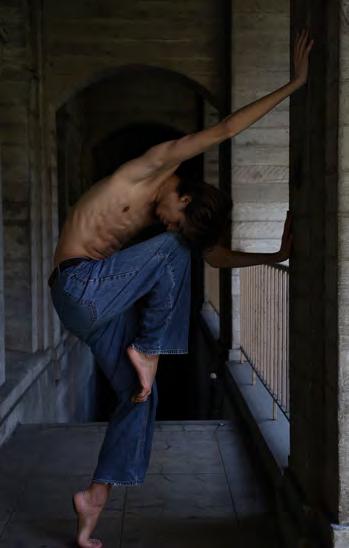
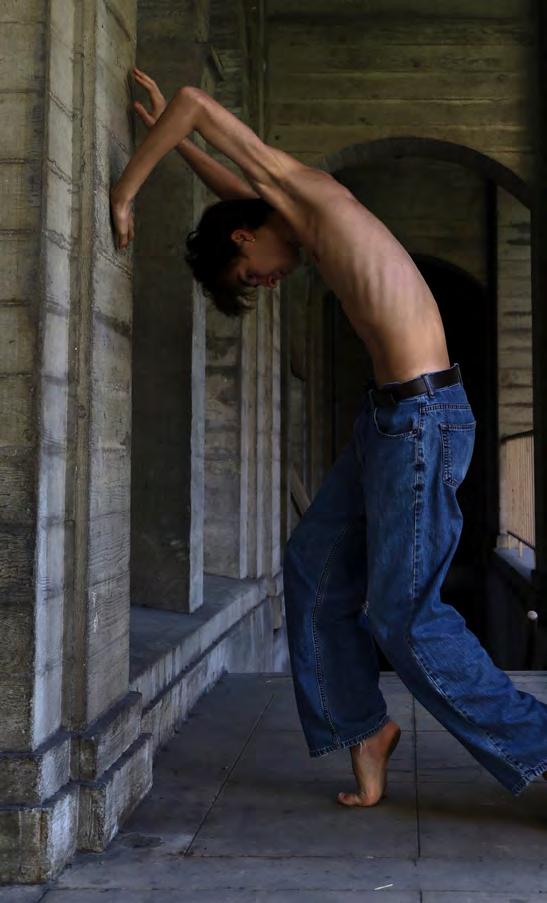
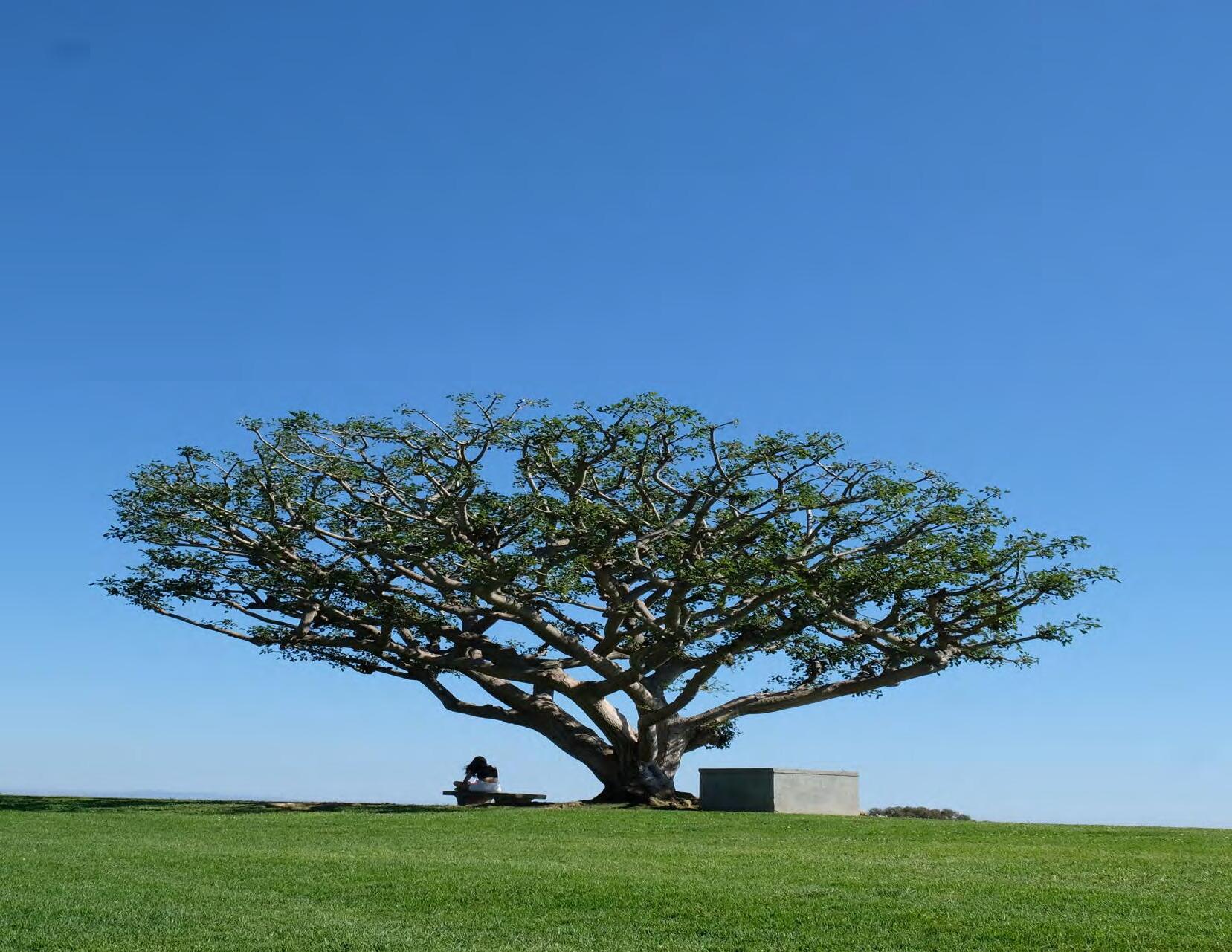
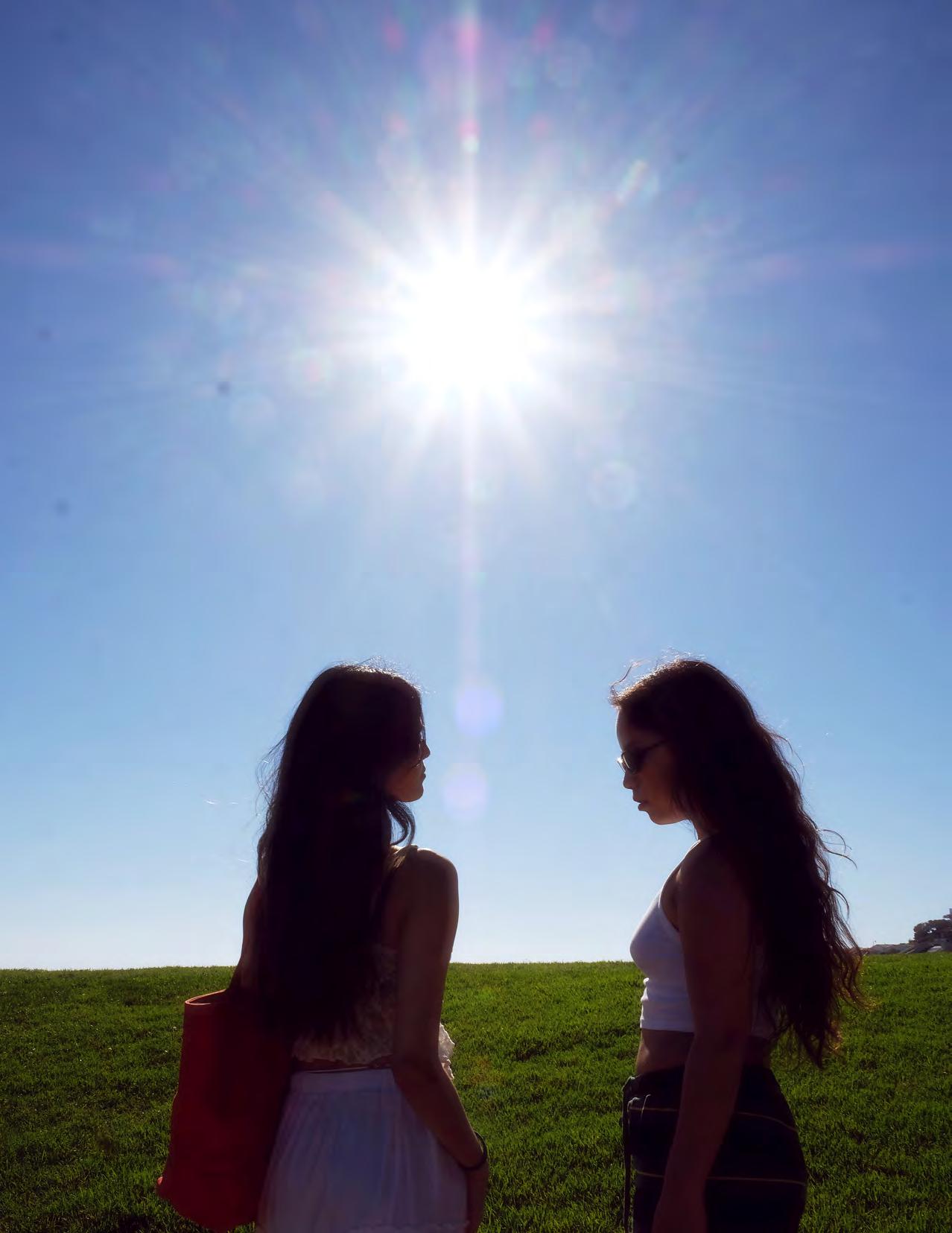
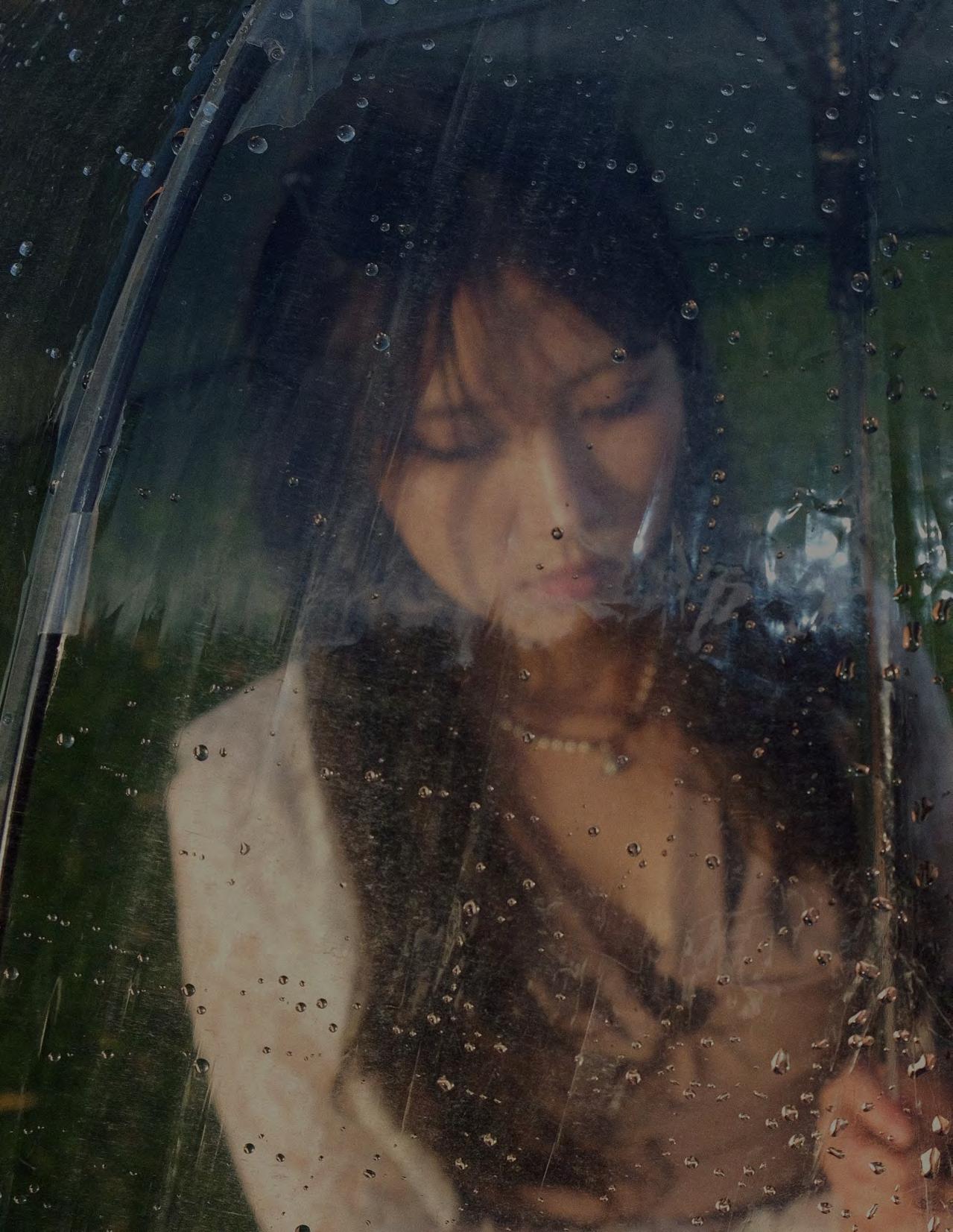
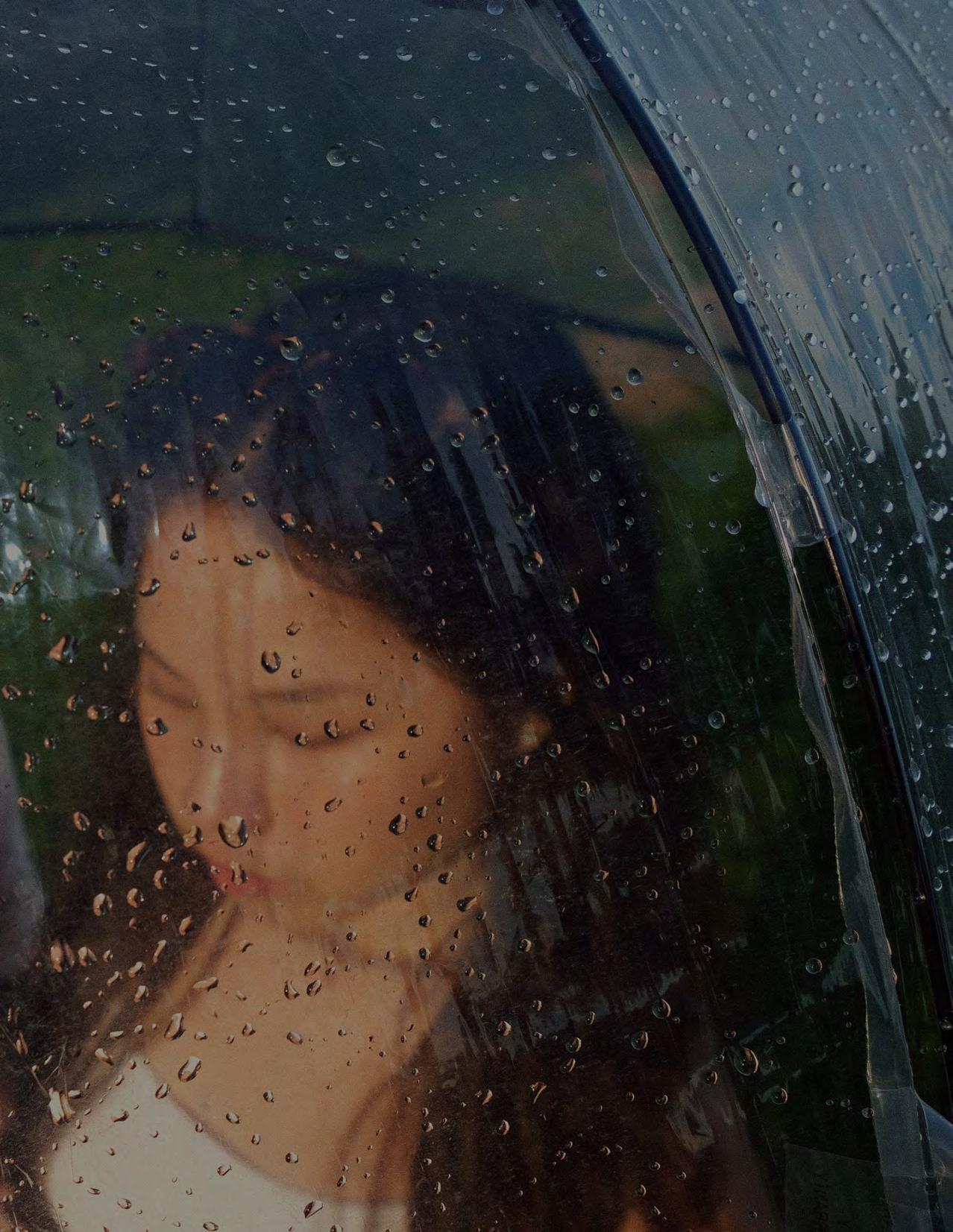
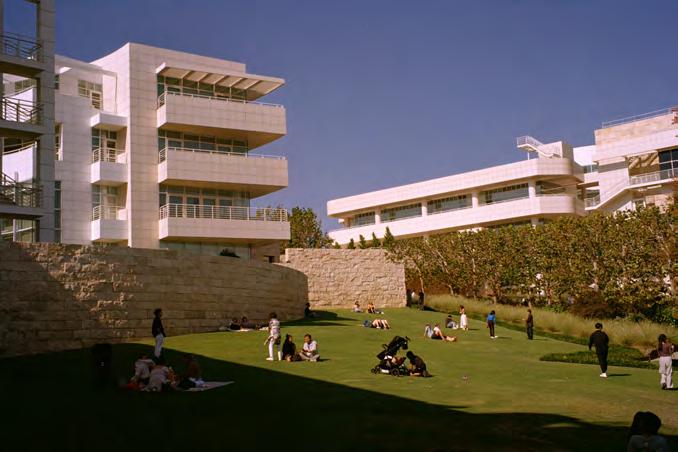
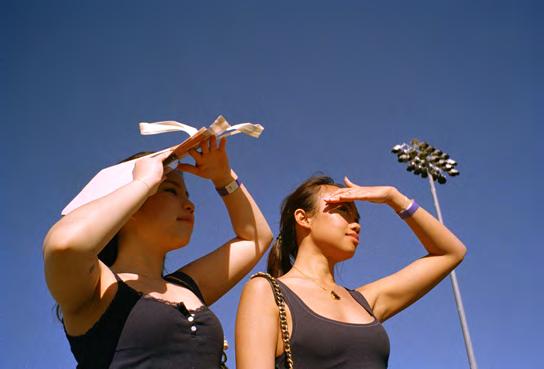
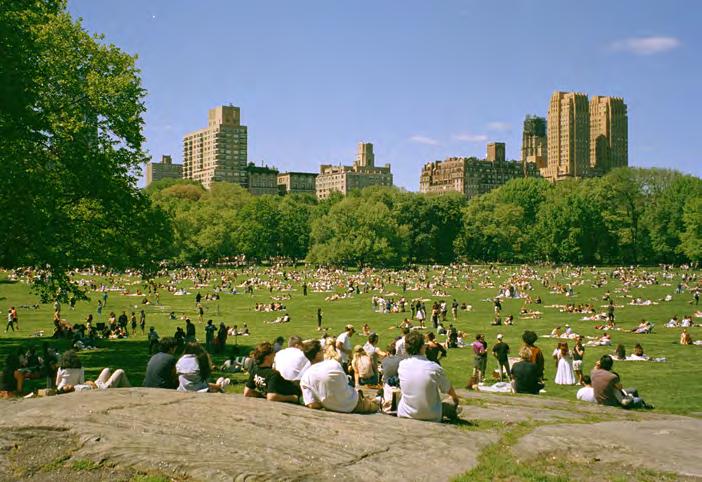
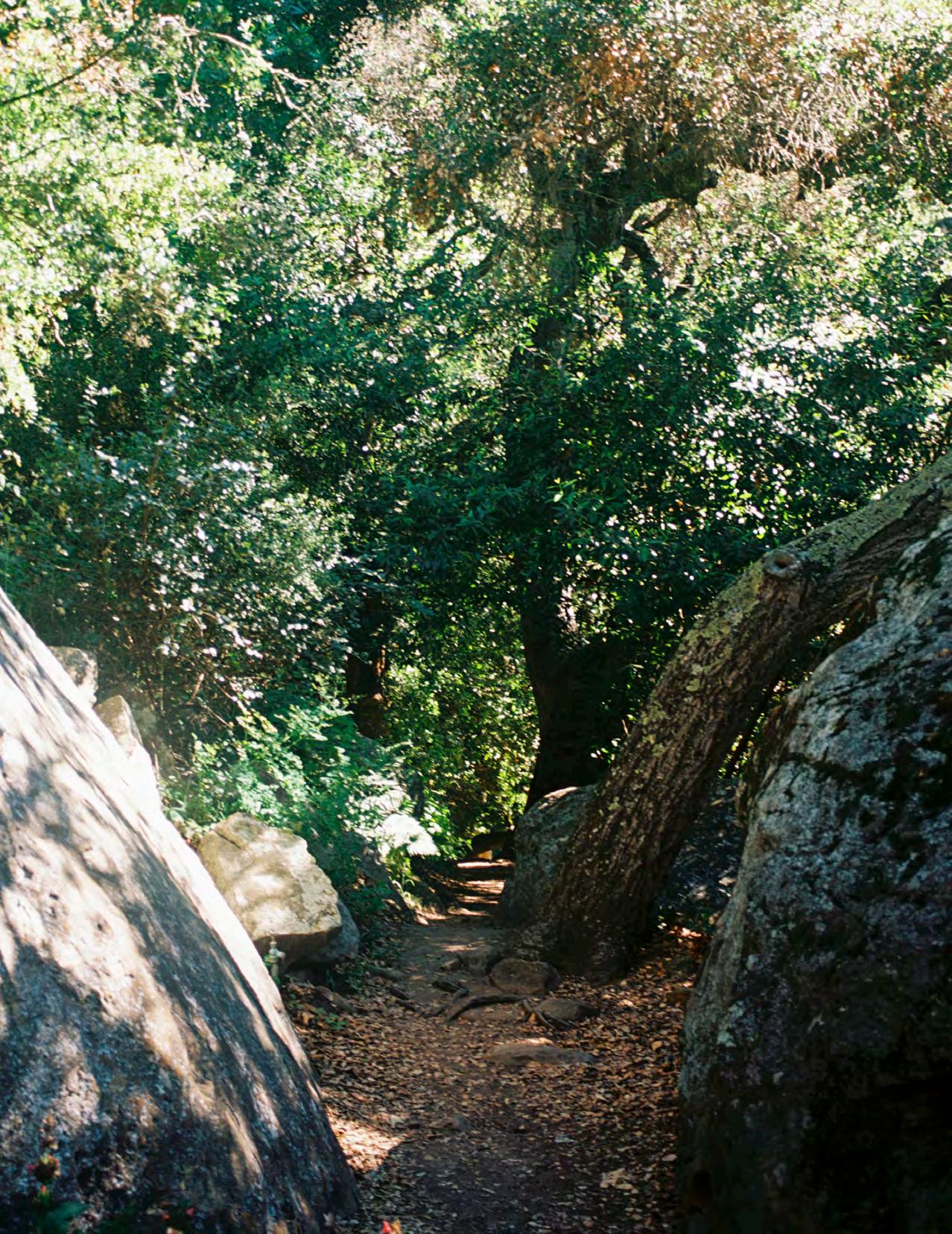
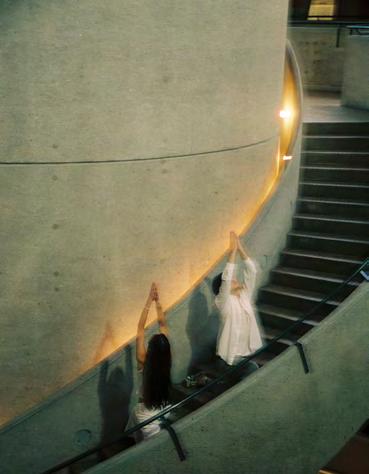
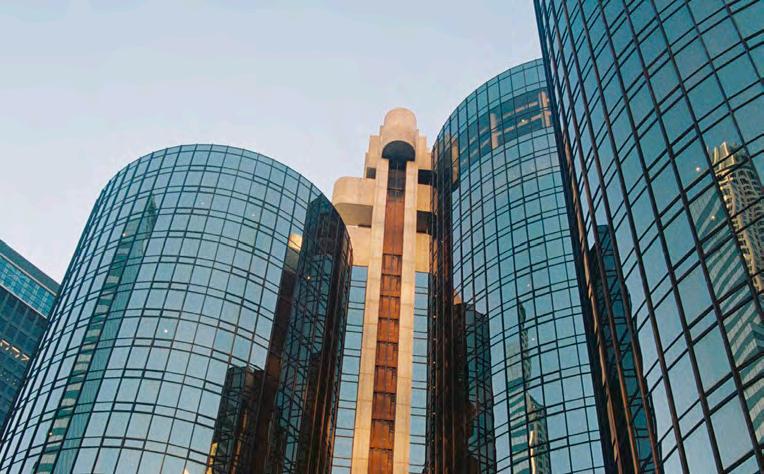
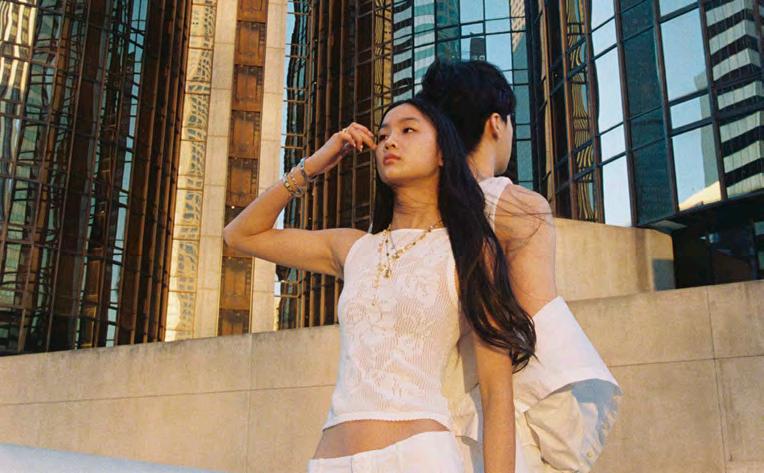
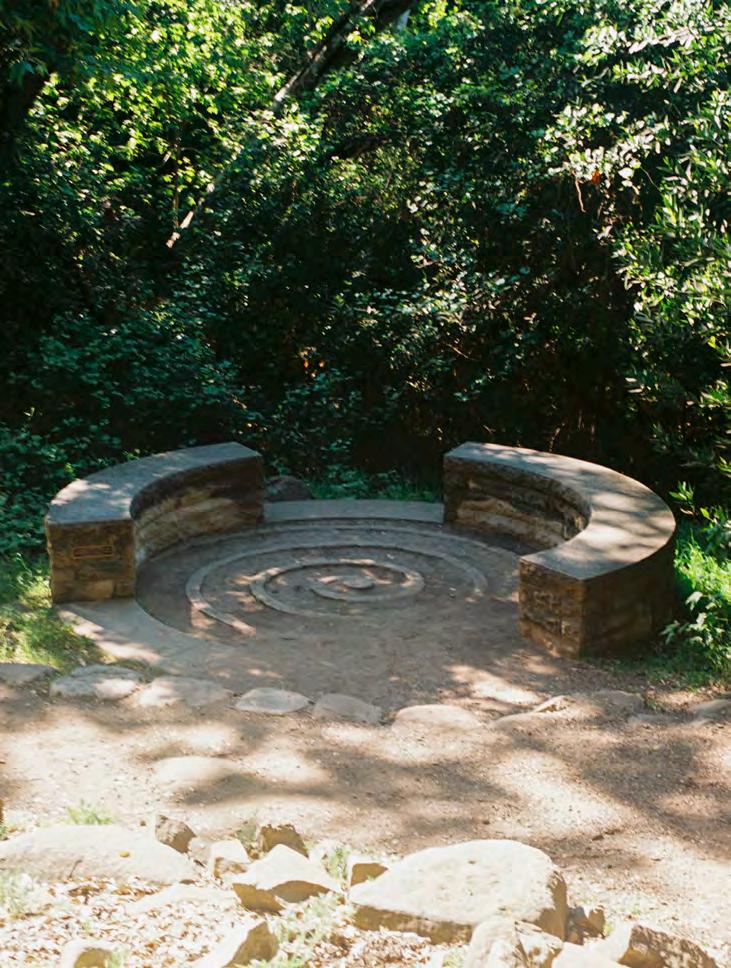
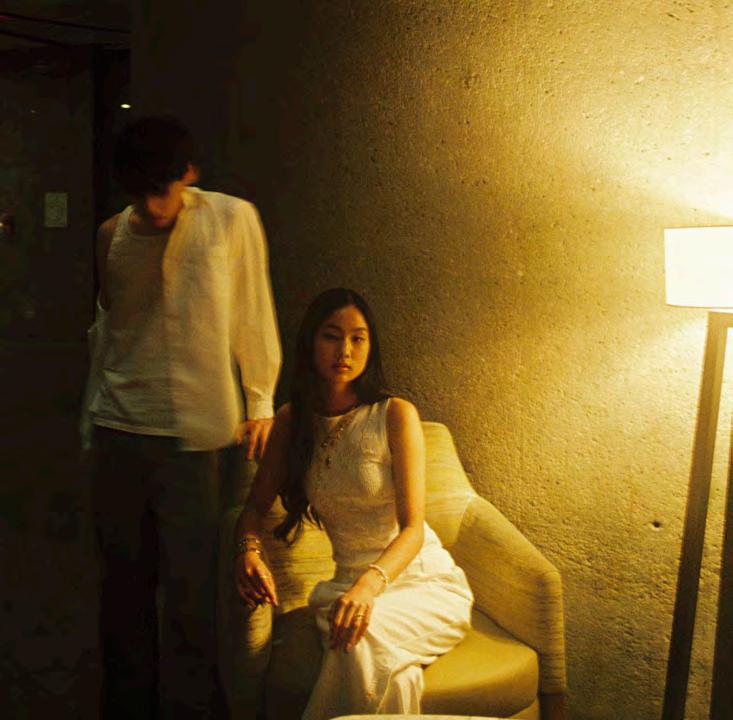
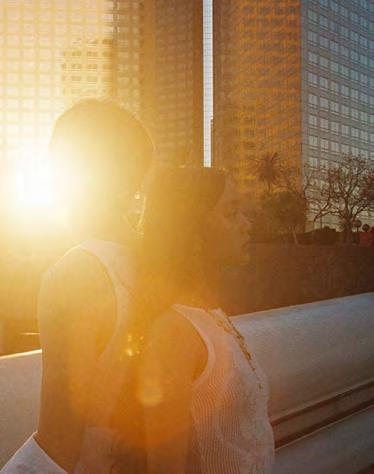
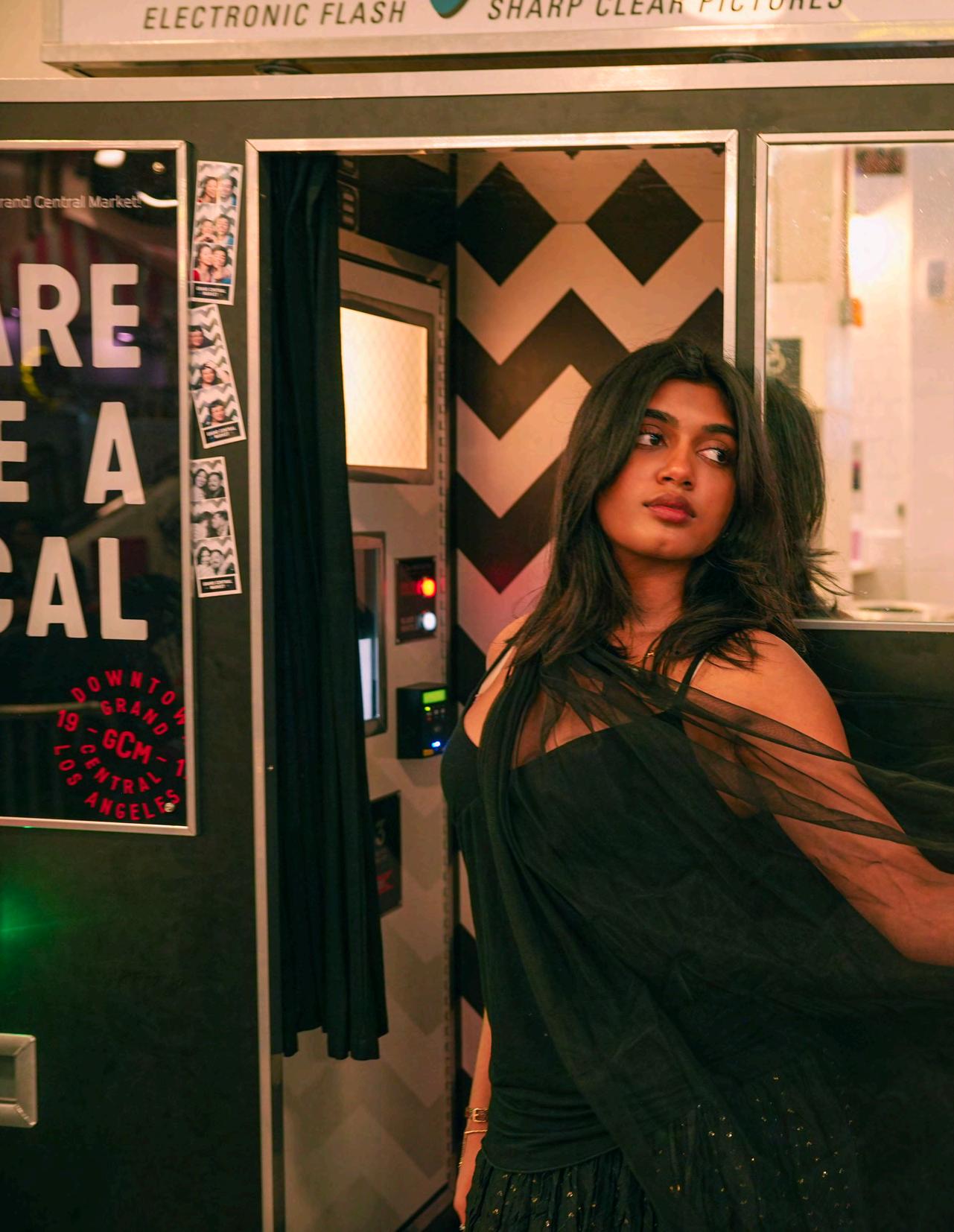
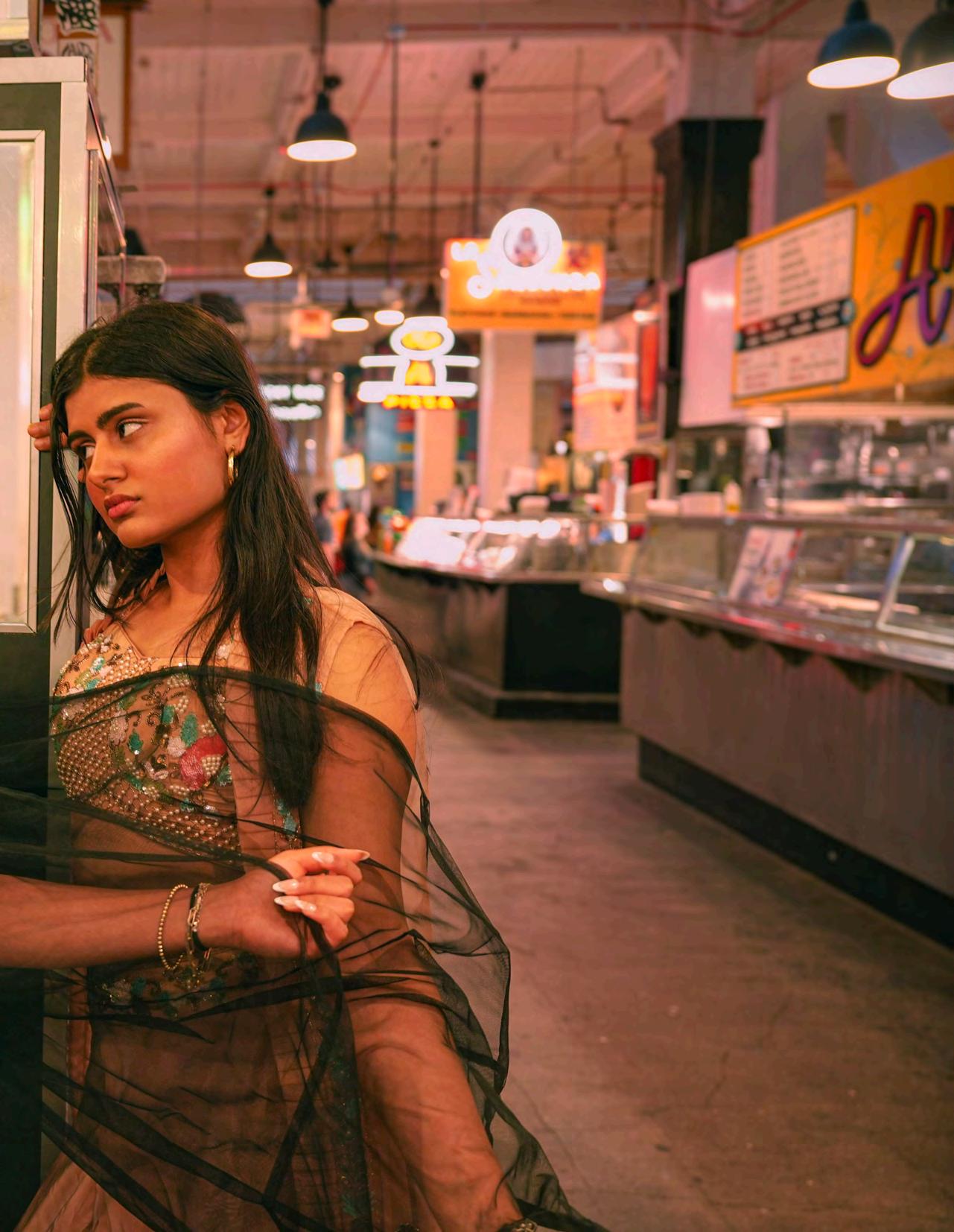
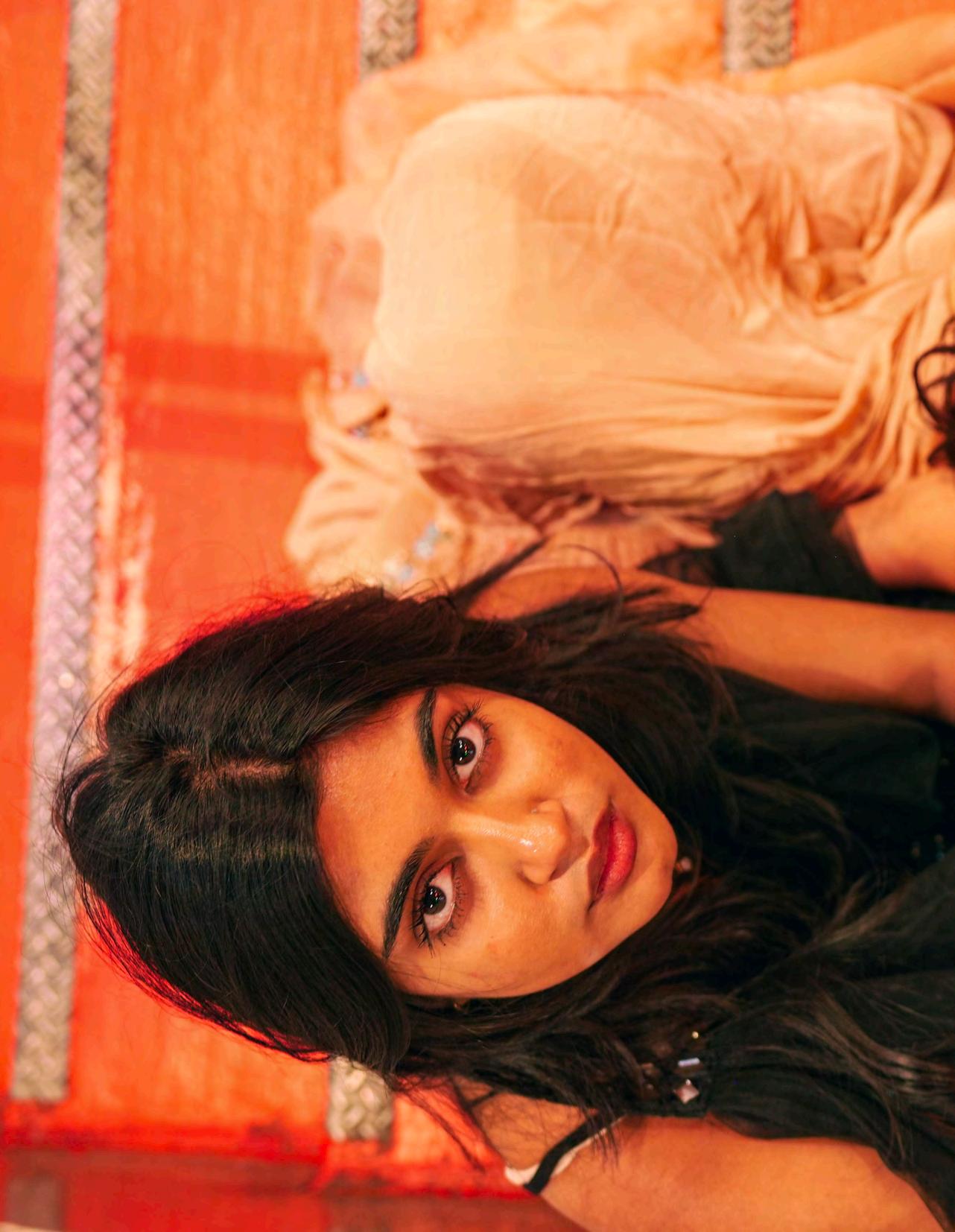
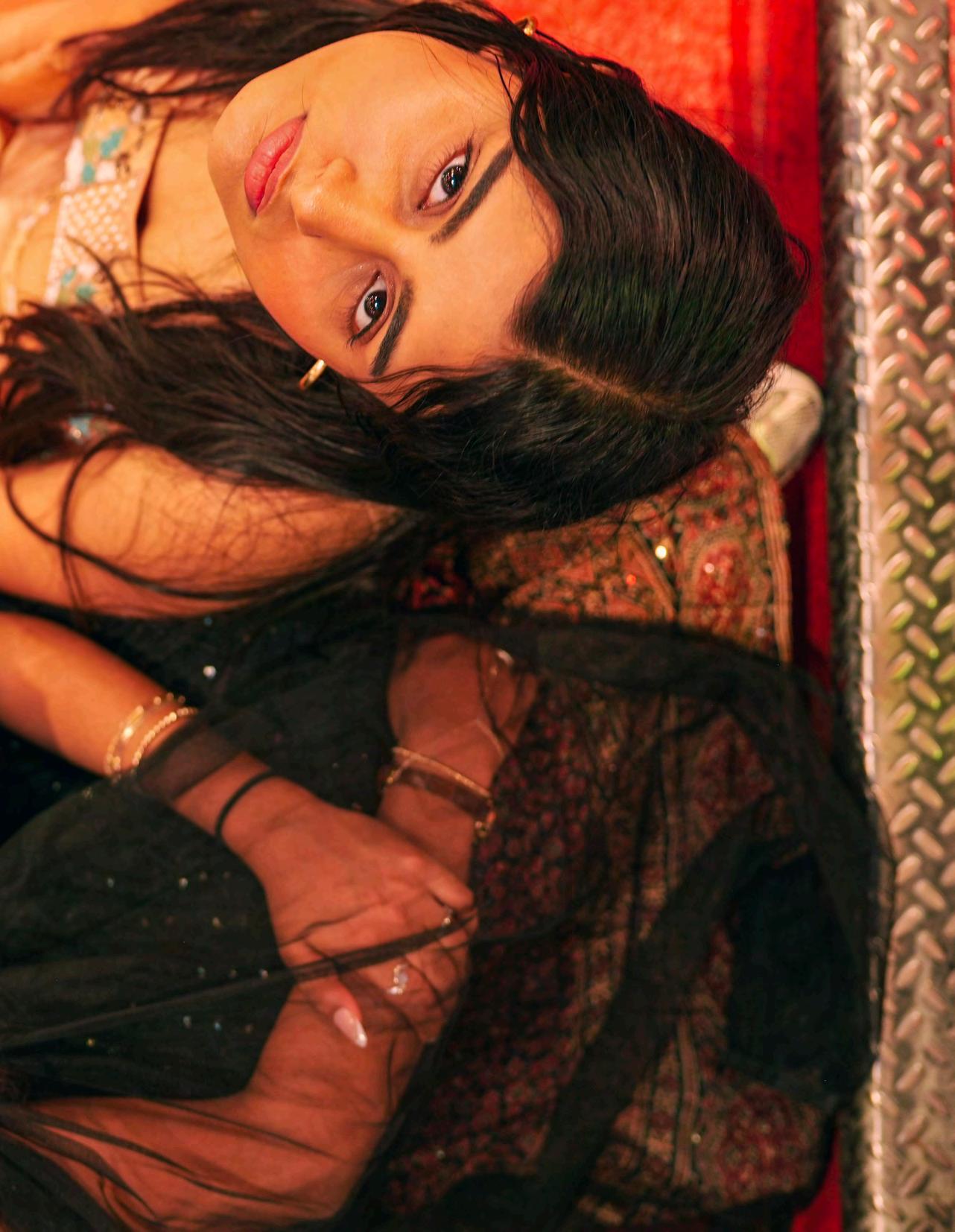
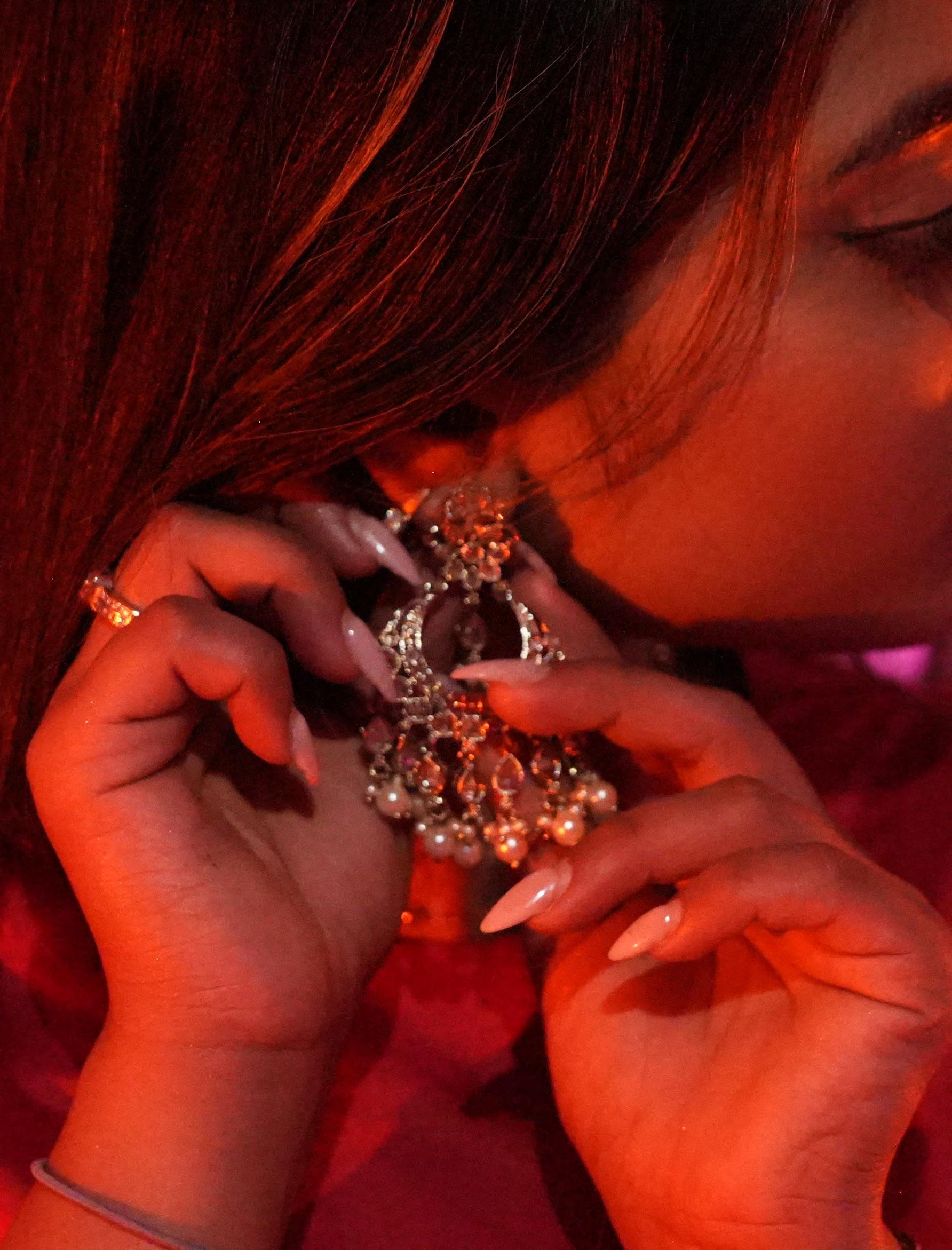
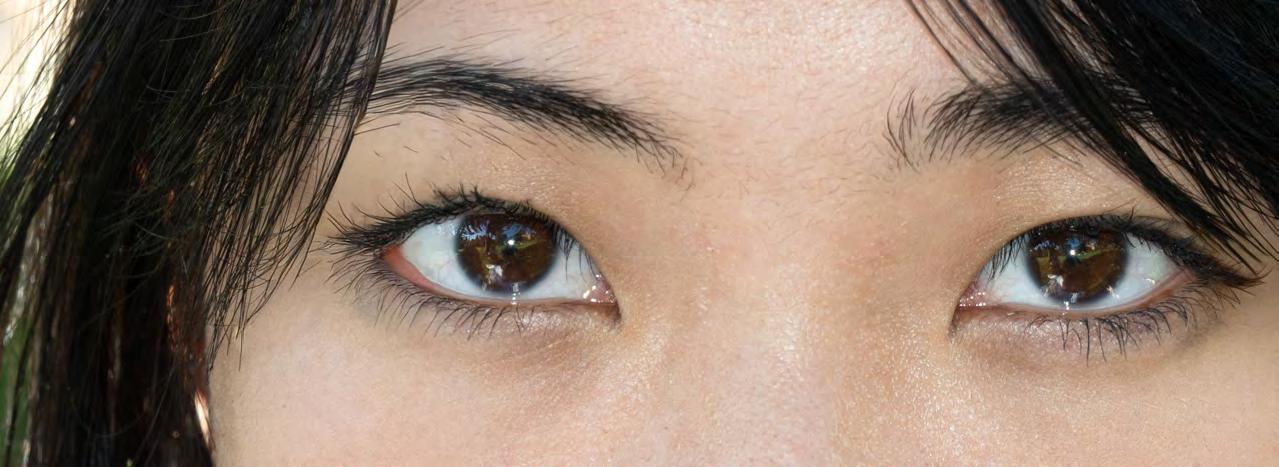
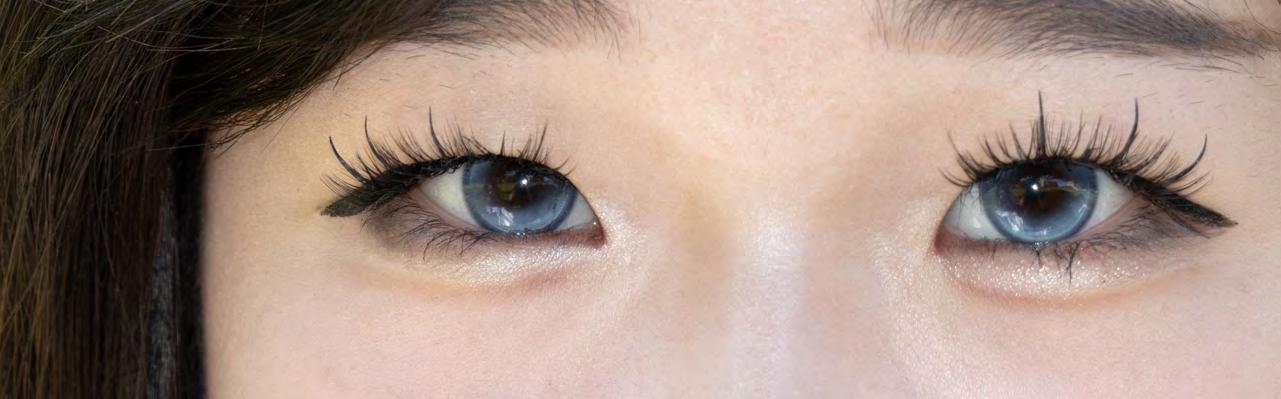
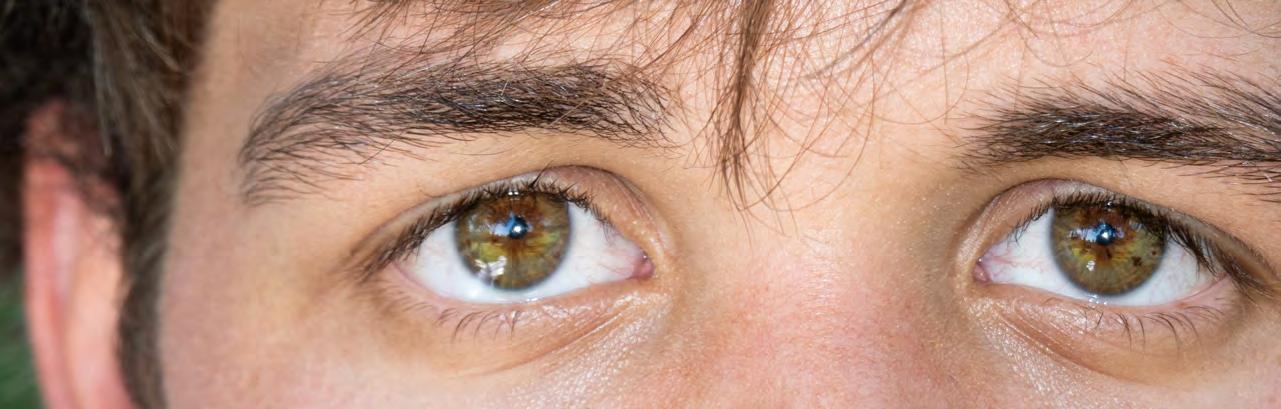
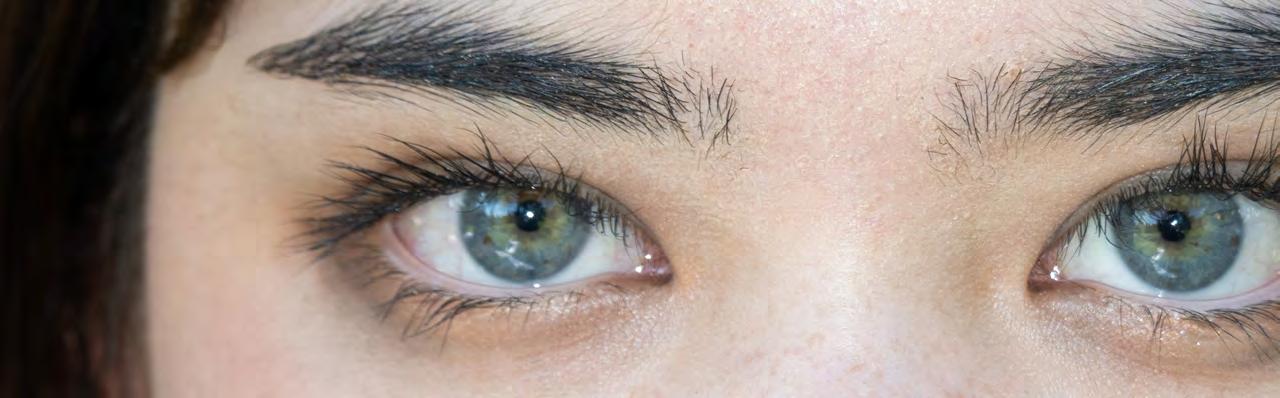
Cover Images by Elaina Liu and Erin Wijaya
PUBLIC RELATIONS
SOPHIE LAM
GABRIEL HARRIS
ELENA STEVENS
DANIELLE YU
WINNIE GANDAWIDJAJA
JESSIE JI
TIFFANY IM
PALAK JHUNJHUNWALA
OUR TEAM
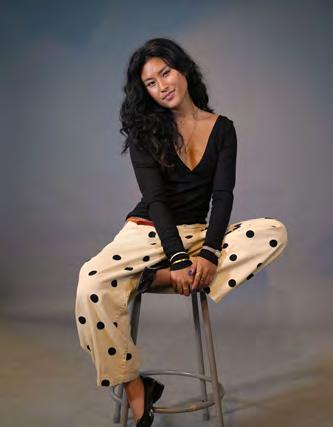
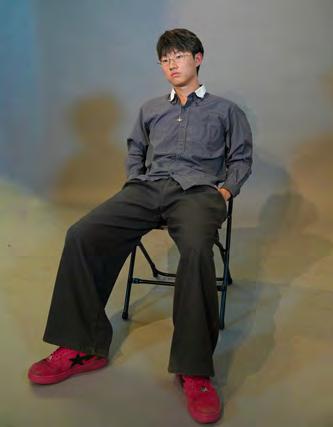
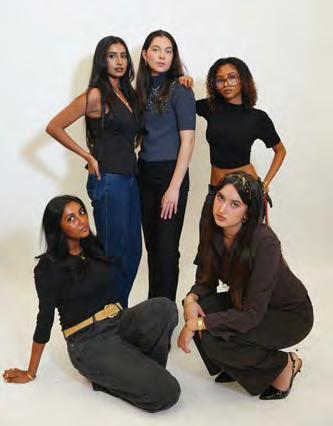
SAMANTHA LEE & CECILIA MÉNDEZ-COMAS EDITORS-IN-CHIEF
ELYSE BOUCHARD & MIA ALONSO CREATIVE DIRECTORS
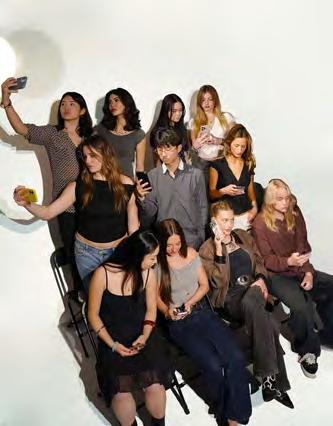
DAISHALYN SATCHER & LIZZIE STEWART VICE PRESIDENTS OF WRITING
ASAKO ISHIBASHI & HALLIE JING VICE PRESIDENTS OF PHOTOGRAPHY
ANISA DIAMOND & SAMY VIMALRAJ VICE PRESIDENTS OF PUBLIC RELATIONS
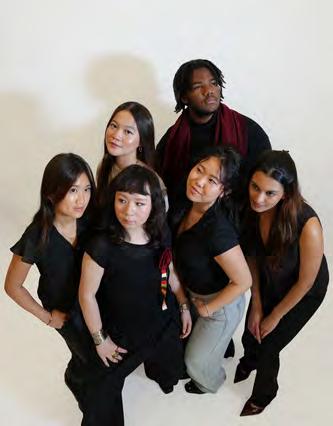
EDWARD ZHANG VICE PRESIDENT OF DIGITAL MEDIA
TEBO NICHOLSON, GAVIN MARK & SARAH PARK VICE PRESIDENTS OF FUNDRAISING AND EVENTS
JACQUELINE RUTHERFURD VICE PRESIDENT OF MERCHANDISING
KELLY LUKITO VICE PRESIDENT OF WEB DESIGN
VISUAL DESIGN
ARMAND SHAKERI
BEATRIX ROMAN
DHRITHI VISHWA
KATIE BOND
CAMILA PARENTI
CLARA CHOI
KATRINA CHAN
DIGITAL MEDIA
CLAIRE WILENSKY
HENRY KUFELDT
HARLAN FITZGERALD
YARA RAYMOND
AVA O’CONNOR
ARIYA ZHUK
ARIANA SUTER-SHANNON
LARA GRAVES
SOFIA MUSAKHANOVA
JENNY CHOI
CATHERINE SINCLAIR
WRITING
NATHAN JANAK
CAROLINE BERGER
ISABEL RAMOS-ASSAM
YAHVI SHAH
AVERY REHL
KAYLEIGH KO
BEN GRAHAM
ANYA MOTWANI
FUNDRAISING & EVENTS
RIYA SARWAL
ABBIE LINDBLAD
SARAYU MEEDIMALE
NEHIR TOPALOGLU
ANGIE GONZALEZ
DANIELLE AKINOSHO
PHOTOGRAPHY
MARYAM RAHIMIE
EVETTE UM
ELAINA LIU
HANNAH JENSEN
SINCHANA NAMA
ASHA MODY
ERIN WIJAYA
MERCHANDISING
DREW WATSON
WEB DESIGN
LEILANI YBARRA
The Editors letter from
Dear readers,
We started this issue drawn to beginnings. The new year. The quiet insistence of spring. The subtle but undeniable feeling that something is changing…or the hope that it will.
On December 31st, we stay up late, drink too much, and kiss people we probably wouldn’t otherwise be kissing. Then on January 1st, we set a series of habits to make ourselves “better.”
Those resolutions are probably forgotten by January 12th, but the act of creating them remains an annual tradition. We’re still eating grapes under the table hoping love will find us. We’re still similarly collecting red packets on Chinese New Year, and yelling wishes into a steaming pot. We’re still skipping class when Los Angeles forecasts a storm.
Why do we indulge in these practices?
Because without them, life lacks structure and purpose. So, we create it. Some rituals have existed since before we were born — like the environments we inhabit and the structures we build within them — and some we make for ourselves — like the ways we suffer loss and experience intimacy. They are intentional, and with little rituals come big changes.
Our ‘Rituals’ issue may be our most personal issue yet. These stories depict who we are in our most vulnerable spaces, and we put them on paper because we recognize that they are shared.
We want to thank our silly habits and strange routines for bringing us comfort and a sense of control. And we want to thank you for opening this magazine. Reading, more than ever, is a ritual that is fading.
Continue to treasure your rituals, and in them continue to build community, because, at SPEC Magazine, we are ever-grateful to have ours.
SPEC• Online
https://specmagazine.framer.website/
“So, amid existentialism and in the face of fate, I choose to believe there is an omniscient fanfiction writer pulling at the strings of my life. Someone with an eye for potential holding the reins. That when something happens that doesn’t brighten my life and enhance my story, expectations are broken. That someone is forcing uncomfortable situations because of some big, amorphous payoff down the road. That they’re constructing new arcs to introduce new people, breaking me out of my context, and forcing me to live.”
- Ava O’Connor, Kiss all the time. Fanfic Occasionally.
“Ideally, I learn to fully embrace the joy of food, rid of excess shame. Until then, food is best enjoyed steaming hot and unobserved. On death row, most people want a burger and fries over caviar or foie gras. I would have a Papa John’s pizza and some privacy, please.”
- Jenny Choi, As Humans, We Must Eat
“When something becomes a ritual, it stops feeling like a choice. It becomes automatic- as easy as breathing, eating, sleeping. We all have our harmless superstitions. I have to tie my hair into a ponytail before taking a test, and tap my roof before speeding through a yellow light- tiny negotiations that give us control in an otherwise unpredictable world. But not all rituals deserve that softness. Some keep us tethered to versions of our lives we were meant to outgrow. The constant urge to check in on people from the past, to monitor lives we no longer belong to, begins to feel less like curiosity and more like obligation.”
- Claire Wilensky, Stalking Your Ex
“I am desperate for some ridiculousness. I am desperate to see people rattle the bars of their cages and fully pursue the simplest human impulses of excitement, curiosity, devotion, desire, wonder, of anything that sends shock waves through their synapses. The standard of communication has become the avoidance of any sincerity or chalantness, because God forbid anything or anyone reaches you. Lowkey excited. Lowkey obsessed. Lowkey in love. Lowkey devastated. Lowkey hopeful. Lowkey trying.”
- Yara Raymond, In Response to the Cultural Zeitgeist of Complete and Total Nothingness
“I look up to Julie because she simply understands that being alive is a funny, romantic, frustrating, heartbreaking experience. Like Julie, we choose to be selfish when we feel we don’t have control. And when we do, we become comfortable stepping outside of ourselves and - remarkably - we feel lighter.”
- Samantha Lee, The Worst Person In the World
“It is one of the primary tools we use to make ourselves legible — to declare identity or give shape, even provisionally, to our existence. To say: in this outfit, this is who I am, at least for today. When we feel confident or aligned with what we are wearing, our clothes produce a distinct sensation: a steadiness within ourselves and within our place in the world. To have some creative control over how we are perceived gives us legibility. And to feel legible is to feel real.”
- Ariana Shannon, The Carolyn Bessette Kennedy Obsession: What We’re Really Looking For
Mourning Routines
TO LIVE IS TO LOSE, OVER AND OVER AGAIN
WRITING
Isabel Ramos-Assam
PHOTOGRAPHY
Asha Mody
DESIGN
Camila Parenti
PR
Elena Stevens
Death has always existed, but for me and many others, it has never felt more present today. It lives in headlines and heartbreaks and in forecasts and warnings. The world feels saturated with reminders of our fragility, and mourning has become less of a rare interruption and more of a routine we move through again and again. For the longest time, I avoided thinking too much about the question of what happens after death. The thought alone sent chills running down my spine and flashes of dark emptiness across my mind. I know all too well what happens on this side of it – the tears, the hollowness, and the open wound that grows smaller but never fully disappears. After losing someone I loved, I was struck by the realization that all of us are marked by death.
It was unexpected, news I didn’t see coming. I remember being pulled out of class and told that my family member was in severe condition. A week later, my family broke the news to me. They sat me and my brothers down, and just a couple words hit me harder than anything I’ve ever heard.
Death has always existed, but for me and many others, it has never felt more present today. It lives in casts with less and move For the thinking question death. sent chills and flashes of mind. I know on thisthe open grows but fully disappears. After losing someone I was zation death.weour more and a to words sister return to beforeall levels of loss, of the
Someone who was so young, so full of life, no complications that we were aware of, just gone. Questions that remain unanswered to this day. There was something that felt particularly cruel about losing someone so young without explanation.
I remember waking up the day after with such a heavy heart, wondering how I would survive this for the rest of my life if the first day was already hard enough. I remember doubting everything, from the religious ideas I was raised on to the belief that everything happens for a reason. I tried so hard to find a reason behind what happened, and I found over time that I’d never find one.
I always say nostalgia will be the death of me. I find myself missing people and experiences that ended days ago just as much as those that ended years ago. Nostalgia has a weird way of collapsing time; pulling moments from the past and putting them directly in front of us when we least expect it. A song, a scent, or a name can instantly return us to a version of life that no longer exists. Suddenly, I find myself mourning something that technically hasn’t died, but it cannot be lived again. The pain comes from knowing we can only remember, but not return.
In this way, nostalgia becomes one of the quieter ways mourning appears in our lives. It reminds us that loss doesn’t only arrive through death, but also through time. They say the only thing constant in life is change. Nothing stays long enough for us to hold on forever, and as scary as this is, mourning is proof that we lived fully enough to miss what we left behind.
But you have to let it run its course. Shutting off grief is like trying to shut off your mind while your body still remembers.
Ephemerality is terrifying not just because things end, but because we have to keep living after they do. Learning how to sit with this truth becomes a ritual in itself, whether we master it or not.
So maybe the answer isn’t to chase the truth or to outrun it, but to live alongside it.
To cry, to grieve, to love, to lose, and to live fully through it all. And, inevitably, to die.
Imagine a typical morning: you rise, still half-asleep, roll over, and glance toward your window. Some mornings, sunlight floods the room, but on other days, bleak, gray shadows overtake it. Lazily flipping over, you reach for your phone and open up the weather app.
Checking the weather is a morning habit that has become synonymous with brushing our teeth; in fact, it’s hard to imagine a world where we couldn’t know the temperature before we stepped outside. Weather prediction is a scientific phenomenon whose magic extends far beyond accurate prediction; in fact, its power is much more personal.
At the heart of our relationship to weather lies a fundamental human desire: our impulse to eliminate uncertainty. The weather derives its beauty from being a force impossible to reckon with, an ever-changing entity that exists free from any restrictions. To cope with the uncertainty, we seek out patterns. We track
temperature, observe seasonal changes, and use technology to simulate extreme conditions in emergencies. Beyond these numbers, however, the weather takes on a symbolic significance. Forecasting becomes a form of modern divination, serving as a beacon of stability as well as a looming reminder of our vulnerability.
Our desire to understand the weather is rooted in an ancient curiosity shared across every culture. For early agricultural societies, rainfall determined crop growth while the seasons dictated migration patterns. Communities relied on accuratelytimed calendars based on their observations to guide their harvests – and to survive. The Yourba, a Nigerian tribe, implemented a four-day week calendar that informed harvest festivals and cultural practices involving elaborate costumes to honor deities. What began as a survival impulse evolved into opportunities to express gratitude and ground tradition.
Los Angeles is a city with a particularly delicate relationship with its environment. Angelenos are constantly at the mercy of their landscape’s ephemerality, anxiously awaiting the next earthquake, forest fire, or drought. In an effort to avoid feelings of dread and vulnerability, communities have united to find peace and beauty in the uncertainty. In a Native American ritual called Water Attracts Water, tribal groups mimic rain through pouring, spraying, and spitting water onto the ground while singing and dancing, encouraging a sympathetic response and connection to the Earth in an effort to entice it to rain. This ritual is intentionally joyous, bringing lightness to a dire situation and restoring gratitude in Mother Nature. Through this, both the Earth and its people achieve a sort of balance.
Growing up in Southern Florida made me accustomed to 25-minute downpours and roaring winds during hurricane season. Alerted by the warning siren, I helped my family take in all the outdoor furniture, check the generator, and seal every door and window in the house. My region is one of many that practice a sort of “hurricane ritual.” During mandatory evacuations in South Carolina, the government reverses traffic lanes on major highways to accelerate movement inland. In the Philippines, families prepare “Go Bags,” which are emergency kits equipped with at least 3 days’ worth of essentials, including non-perishable food, bottled water, flashlights, and power banks. The practice of these rituals comforts communities and strengthens preparedness, anchoring us to familiar patterns in the face of instability. While our harmonious existence with nature has endured for so long, humans have begun taking more than the Earth can give. As climate change endures, the Earth calls for a return to the reciprocal relationship we once honored, keeping our practices in tune with the seasons and guided by the natural rhythms that have always sustained our way of life. Our practices were once guided by the Earth’s steady pulse, each movement a conversation with the world around us. By remembering these rhythms, we discover that life is not ours to command – it unfolds in nature’s timing, setting the cadence of our existence.
Whether we notice it or not, we have always been guided by the Earth’s natural rhythms. For decades, we have treated the weather as this impenetrable force, something beyond our influence. But this illusion is breaking, it’s fragile – and it responds to us. Today, our relationship with the Earth has grown into something transactional, with a quiet glance at a screen and a forecast forgotten in seconds. As a result, something essential slips away: the awareness and participation in nature itself. We can read and predict the weather all we want, but there is something to be said about stepping outside, watching the clouds, and letting that stillness register in our bodies. To return is not to reject what we’ve created, but instead to realize what we have neglected and take action. The connection is still there; we just have to find it again.
“…there is something to be said about stepping outside, watching the clouds and letting that stillness register in our bodies.”
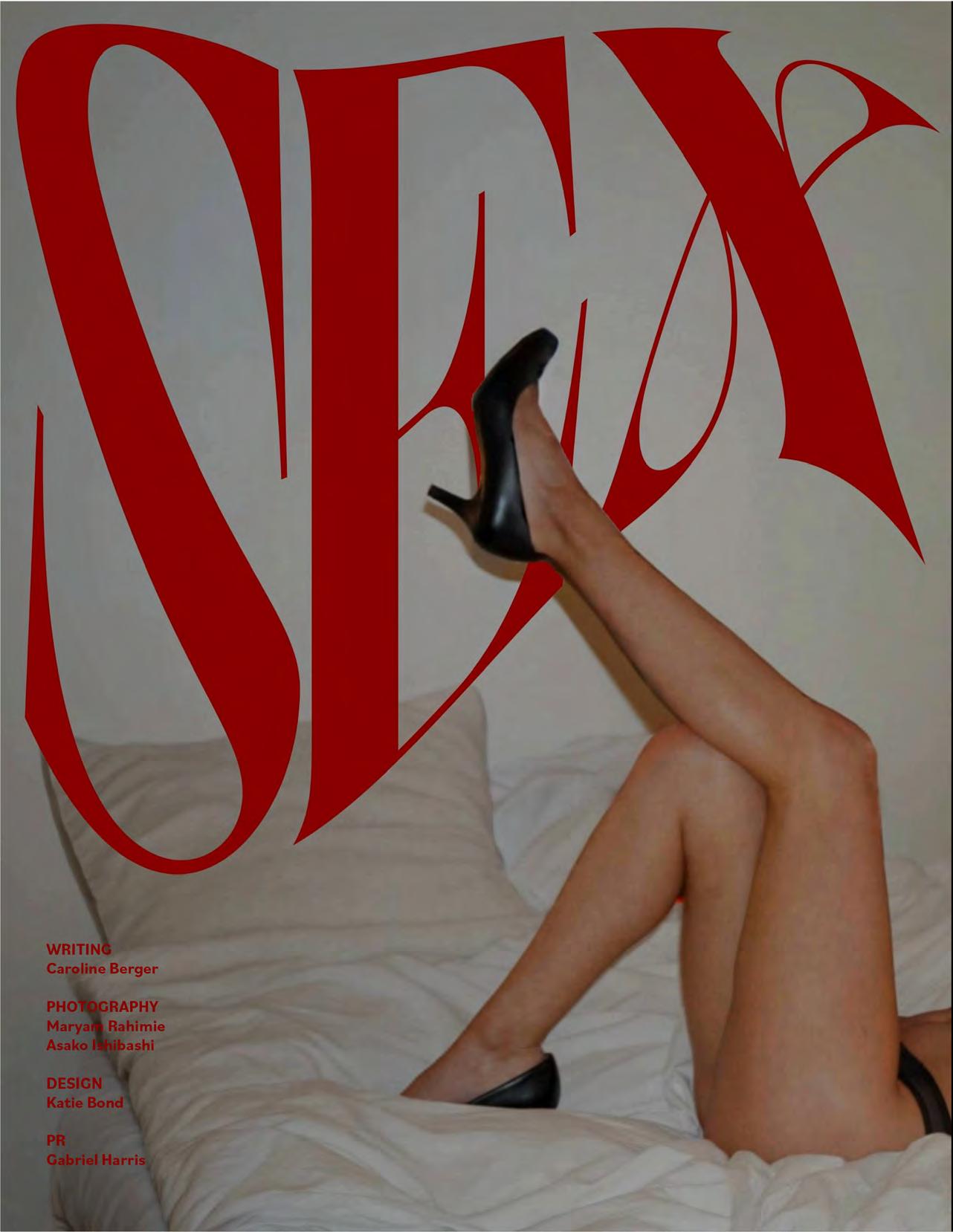
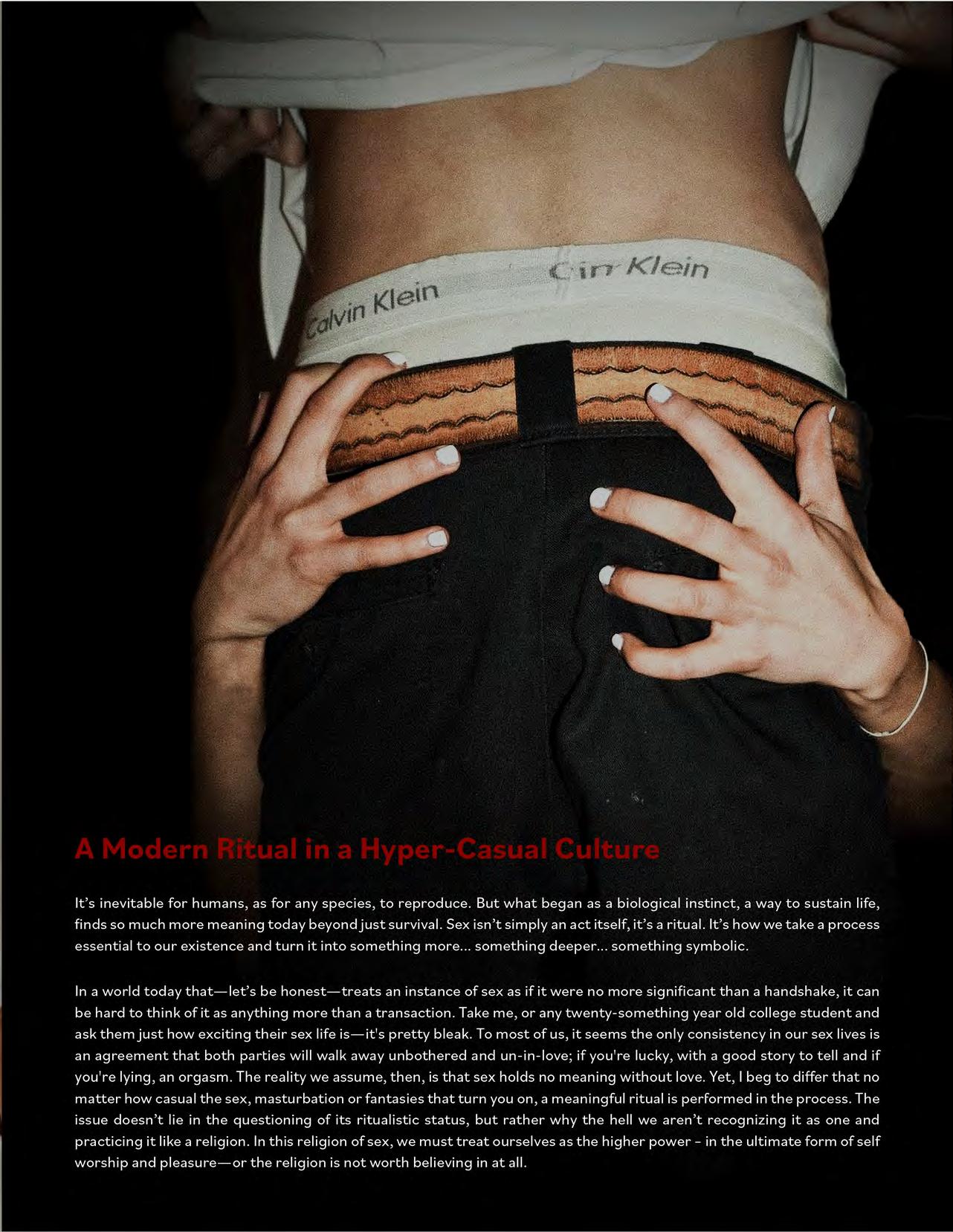
In our generation’s defense, our very idea of sex has been established on falsified foundations. Over time, sex has taken one giant leap from overly taboo to oversaturated. Our current idea of sex has been pushed onto us by an overflow of hypersexualization in the media, with no shortage of access. So as we see more and more sex, whether it be walking down a runway, plastered on Instagram or in your situationship’s search history, we are being conditioned to be desensitized. In a ritual constructed by the giving and taking of something supposedly deeply personal, sex sells, but does it fulfill the soul?
While it is notable how society’s reaction to sex has transcended from an outright dismissal of anything possibly sexual in nature to a newfound appreciation for the so-called reclaiming of our bodies and the ways we use them, the ultimate goal has been misconstrued. Our sharp pivot from a purely traditional rationale to exploration and empowerment has stimulated a collective appetite for sex that is quite literally insatiable. The more we disconnect sex from our desires, the more we yearn for it. To treat this hunger, one has no choice but to listen to the inner being that craves excitement from an experience so passionate, and in that self-submission, surrender all faith to sex.
We don’t just have sex with others, we also nurture, create and meet new versions of ourselves.
The way we treat sex is the way we will experience it. Sex shouldn’t necessarily gain its importance from being inherently meaningful. Instead, because of the intention we should place behind it. Sex, when we choose to be present in our own ritual, feeds our egos, our curiosity and our sense of desire in ways biology alone can’t explain. But with no guiding ideation, sex inevitably loses any lasting value it could have had. If we instead engage with it, allowing it to reveal something about ourselves, all steps of this sacred ritual of self-worship could build up to the utmost dedication to ourselves. The more we choose to prioritize our own experience, the more our self-devotion becomes apparent and effective to our inner exploration. Now, changing bad habits is hard, but bad sex is worse. And this isn’t about changing your sex game and your skills in bed, but the way you play it.
Within this game of sex we play, the rules and regulations embedded in the modern zeitgeist are not to limit us, but to be studied and used strategically. Seen this way, sex reveals itself as something more structured—something ritualistic. Finding ritual in sex is far simpler than one might initially assume: it isn’t the act alone that holds symbolism, but the series of almost universally repeated steps starting long before the bedroom and lingering long after. The preparation, the anticipation, the unspoken rules, the stories we tell before and after, and the private meanings we assign. Within it we find what we truly desire, fear, love or hate, because we don’t just have sex with others, we also nurture, create and meet versions of ourselves. For just a brief moment in time, we are stripped down to the most vulnerable of our emotions. Sex places us in the position of choosing whether or not to surrender ourselves to what may be the deepest connection we can experience. In a combat against our culture’s sex rut, it is essential we dedicate the moment to ourselves in a ritual of our own religion, in complete faith.
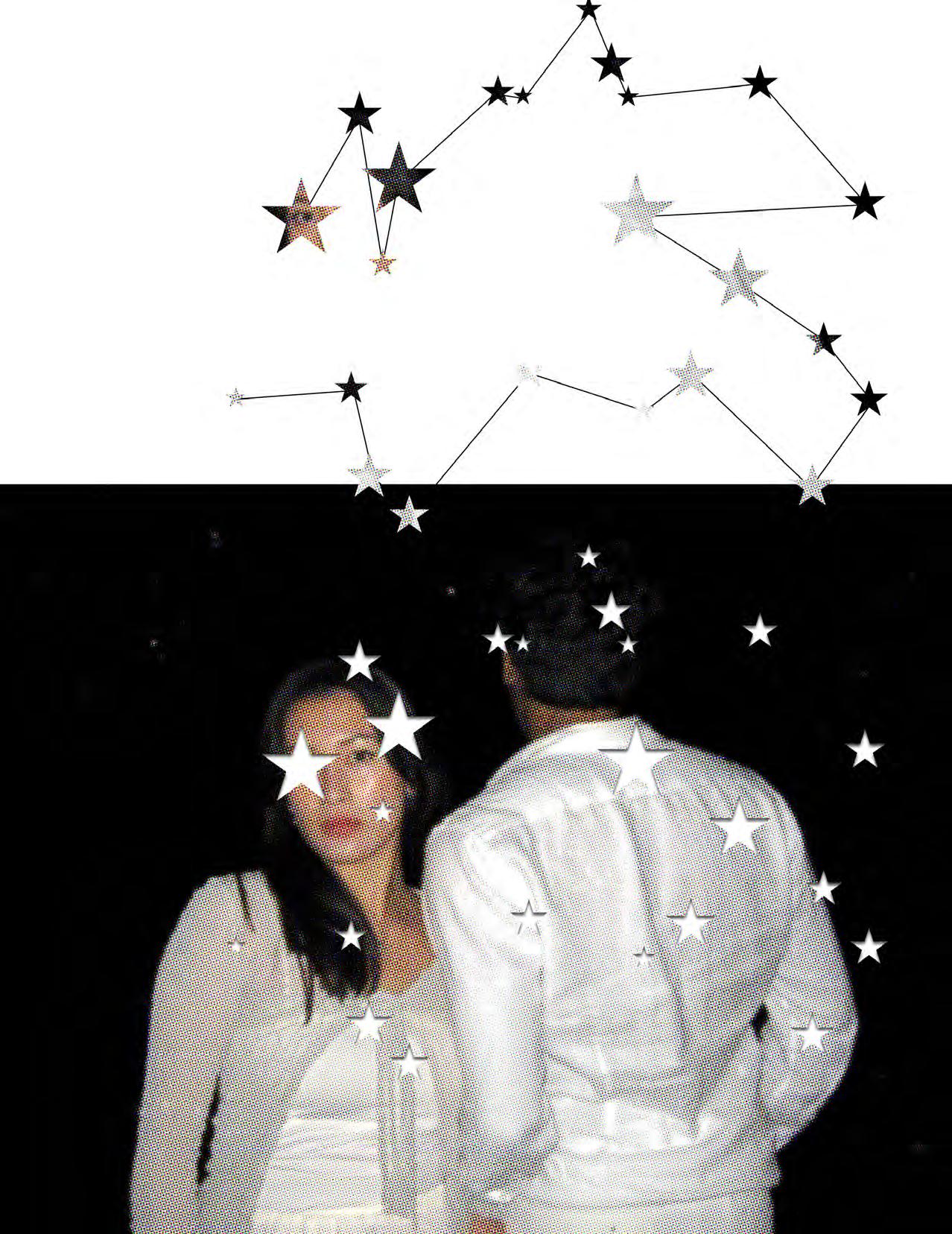
SEEING STARS SEEING STARS
HOROSCOPES & ASTROLOGY
PHOTOGRAPHY
WRITING
Nathan Janak
Sinchana Nama
DESIGN
Clara Choi
PR
Sophie Lam
We are constantly looking for answers to who we are.
Why do we act that way? What is our purpose? How do I get ahead? Where do I need to be?
Religion. Spirits. Therapy. The gym. The middle of the night, when you just can’t sleep –these are all the places we try to find clarity to the unrelenting questions that refuse to let us rest. For me, this clarity comes from astrology.
As a widely accepted scientific phenomenon, the Big Bang asserts that we all originated from the stars. Our origins can be traced back to an explosion that happened billions of years ago, out in the vast galactic abyss that created Earth, the dinosaurs, humanity, and the very eyes you are using to read this right now. So, one could ask, “Don’t those particles also define us?”
Astrology is the ritual many have adopted to make that origin feel personal. But it’s far from a recent trend.
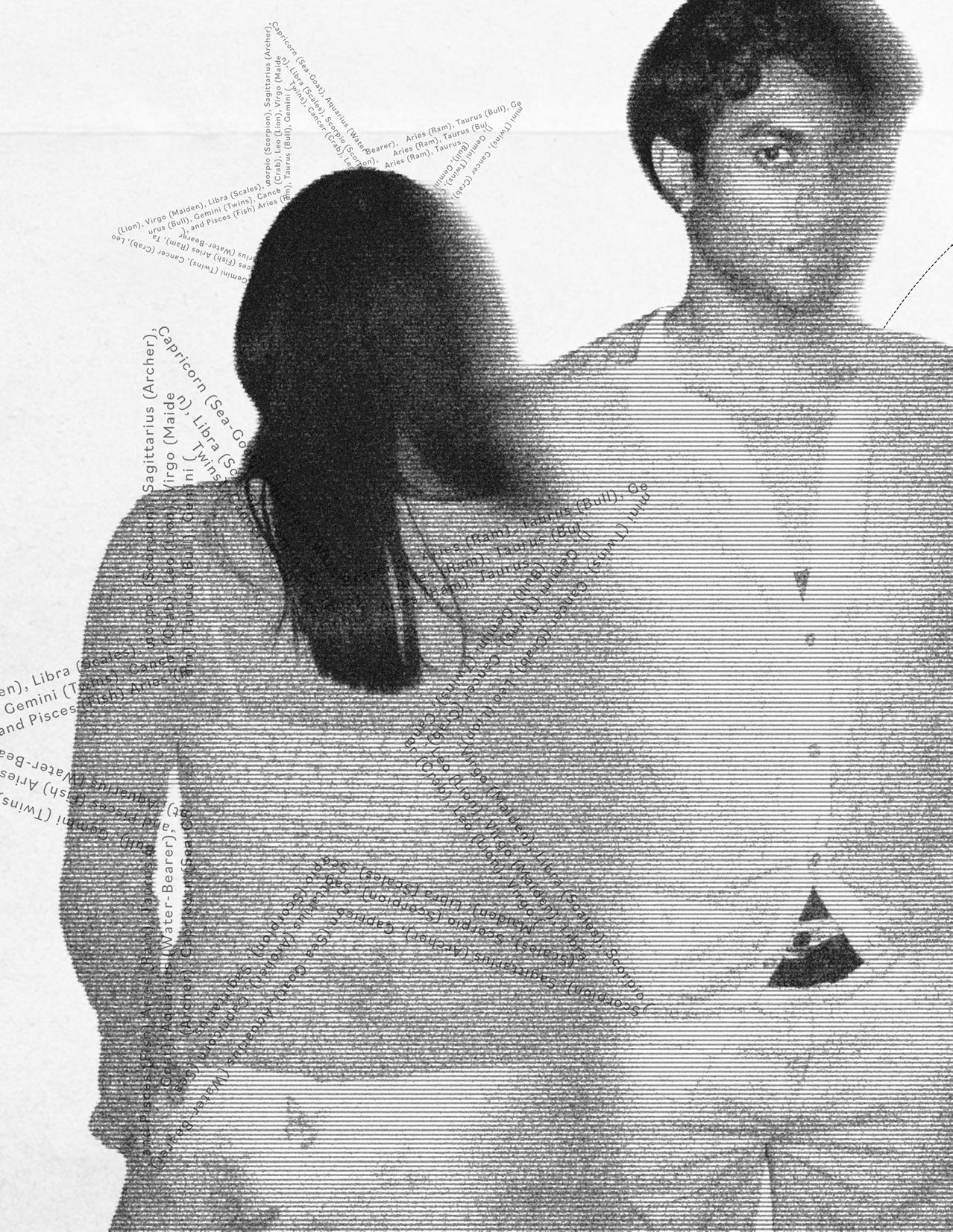
Astrology, defined as the study of the movements and relative positions of celestial bodies and their influences on humans and the natural world, can be traced back 4,000 years to ancient Babylon. The Babylonians developed 12 astrological signs – some of which we still use in our modern zodiac – to describe how the celestial realm influenced society. From there, the ancient Greeks associated the zodiac with specific constellations and organized them according to Earth’s orbit around the sun.
Cultures around the world began incorporating these celestial influences into their perceptions of life. In India, astrology amalgamated with Hindu practices to form Jyotish, which maps planetary positions at the time of birth to interpret one’s life journey. In China, astrology was associated with animal symbols based on birth year. In 14thcentury Europe, horoscopes, or astrological forecasts of a person’s future, became an essential tool for determining diplomatic actions.
Today, astrology lives everywhere - in the margins of newspapers, in the notifications of our horoscopes apps like Co-Star, in YouTubers breaking down the astrological compatibility of famous couples, in a 12.8 billion dollar global market, and…even in the White House. Horoscopes, zodiac signs, natal charts, synastry - whether people like it or not, it is an undeniable part of our cultural lexicon.
I discovered astrology through my older sister during the height of the pandemic on our daily walks around the neighborhood. In our respites from total isolation, she explained to me the traits and elemental categorizations of each of the twelve zodiac signs, what each planet expresses in parts of personality, and how astrology is not a dictionary of what we are, but a way to help us discern who we are in our habits and actions.
These patterns can be recognized on a larger scale, too. In 2020, as COVID-19 reshaped the world, Jupiter and Pluto were in conjunction— an astrological alignment often associated with collective upheaval and social transformation. The last time a similar alignment occurred was during the Spanish Flu over a century prior. It’s not that astrology claims these planets caused these events, but rather that they seem to coincide with moments when the world is forced into confrontation with itself, with systems breaking down, and with society undergoing rapid change. Whether coincidence or something more, it’s moments like these that make it difficult not to pause and reflect on the recurrence of these social-celestial patterns.
Astrology has become an anthropological constant. There is truth in our seeking answers in the sky – much of human behavior, similarly, can be explained by astrology. For instance, when Mercury, the planet that rules communication and negotiation, moves into retrograde, it is associated with a period of miscommunication and misunderstanding. A retrograde occurs when a planet appears to move backward through the zodiac from Earth’s perspective - the ruling traits of the planets reverse. When mercury is in retrograde, it makes us hyper-aware of how we communicate. It actively influences our behavior, encouraging hesitation where there might normally be confidence, and advising caution in conversations that might otherwise pass without a second thought. In that sense, Mercury in retrograde heightens our awareness of how easily communication can fracture and, in doing so, shapes the very way we move through our relationships and make decisions.
On a personal level, astrology is a cipher machine that helps me decode how I approach the world. By calculating where the Earth was in relation to the cosmos at the exact moment I was born, I gain a personal blueprint of myself and a lens through which to view how the stars guide my actions. For me, my birth chart offers me muchneeded introspection where there usually is none; my five placements in aries, a sign known for inciting intense periods of passion, helps me explain my fiery outbursts, reminding me that I might need to be more mindful of my spontaneity. My “act first, think later” instinct tends to get me into trouble more often than it serves me.
Once I began to look at myself through an astrological lens, I naturally began to follow suit with those around me. I apply astrology to my friends to help break down patterns in their behavior. Those with their sun in Cancer are intuitive, nurturing, and sometimes guarded in ways they might not wholly recognize. The Geminis in my life, the best conversationalists, always have something to say. My fire sign comrades, the Leos and Sagittariuses, move through their lives with confidence and passion. They’re passionate, bold, expressive, and spontaneous, just like me.
Astrology doesn’t define them, but it gives me a framework to understand why they move the way they do and, as a result, how I can meet them where they are.
There are undeniable influences from the cosmos that feel credible. Take the moon, for instance, the celestial body associated with who we are in our most emotional and instinctual states. Its gravitational pull moves the oceans, controlling the tides and currents of water across the Earth. And when you remember that the human body is composed of about 60% water, it becomes harder not to wonder whether that same pull might reach us, too. That it might sway the emotional currents that rise to the surface and recede back within us; that it might pull tears to the surface when we don’t quite understand why.
I’m fully aware that astrology has deniers. Some people will roll their eyes when you ask them what their sign is. “What’s your big three?” – They’ll say it’s bullshit. To the haters, I have to say, astrology is just about discerning patterns. It’s simply just another ritual for us to make the unpredictable predictable, to find certainty where there is naught.
There’s a truth in following the stars out there to help us discover who we are that I cannot deny. And so… “What’s your sign?”
FENG SHUI
HOW ENERGY DEFINES MORE THAN JUST SPACE
WRITING
Yahvi
PHOTOGRAPHY
Asako Ishibashi
DESIGN
Armand
PR
Shah
Shakeri
Winnie Gandawidjaja
You’ve probably rearranged your room after something ended. After a breakup. After a bad semester. After a fight.
You push the bed against a different wall. You open the windows. You throw things out: old receipts, dried flowers, anything that feels like a reminder. But, it’s not a ritual, it’s a reset. It’s a necessary shift in energy. It’s a disruption of lurking memories.
Rooms absorb more than just furniture. They collect arguments, late-night thoughts, grief, anticipation. That feeling of getting ready for your first date, or coming home dejected after they stood you up. When something shifts internally, the room begins to feel misaligned, as if the air itself needs to be recalibrated. So you rearrange, you cleanse, you reorganize. You attempt to restore balance.
You are not alone in this instinct.
For centuries, civilizations have lived by the belief that space is not neutral, that orientation, alignment, and placement shape the flow of energy both within and beyond us. Architecture has long functioned as ritual, not just shelter. The pyramids of Giza were not merely monuments to death; they were aligned with the cardinal directions and celestial bodies, constructed as channels through which a ruler’s soul could ascend towards the heavens. Long before feng shui was named the flow of chi, humans were arranging stone, sand, and light to foster positive energy and spirit. Whilst the name of the practice may have changed, humans have always recognized that space holds a lot more power than functionalism. That recognition is not subtle. It has shaped
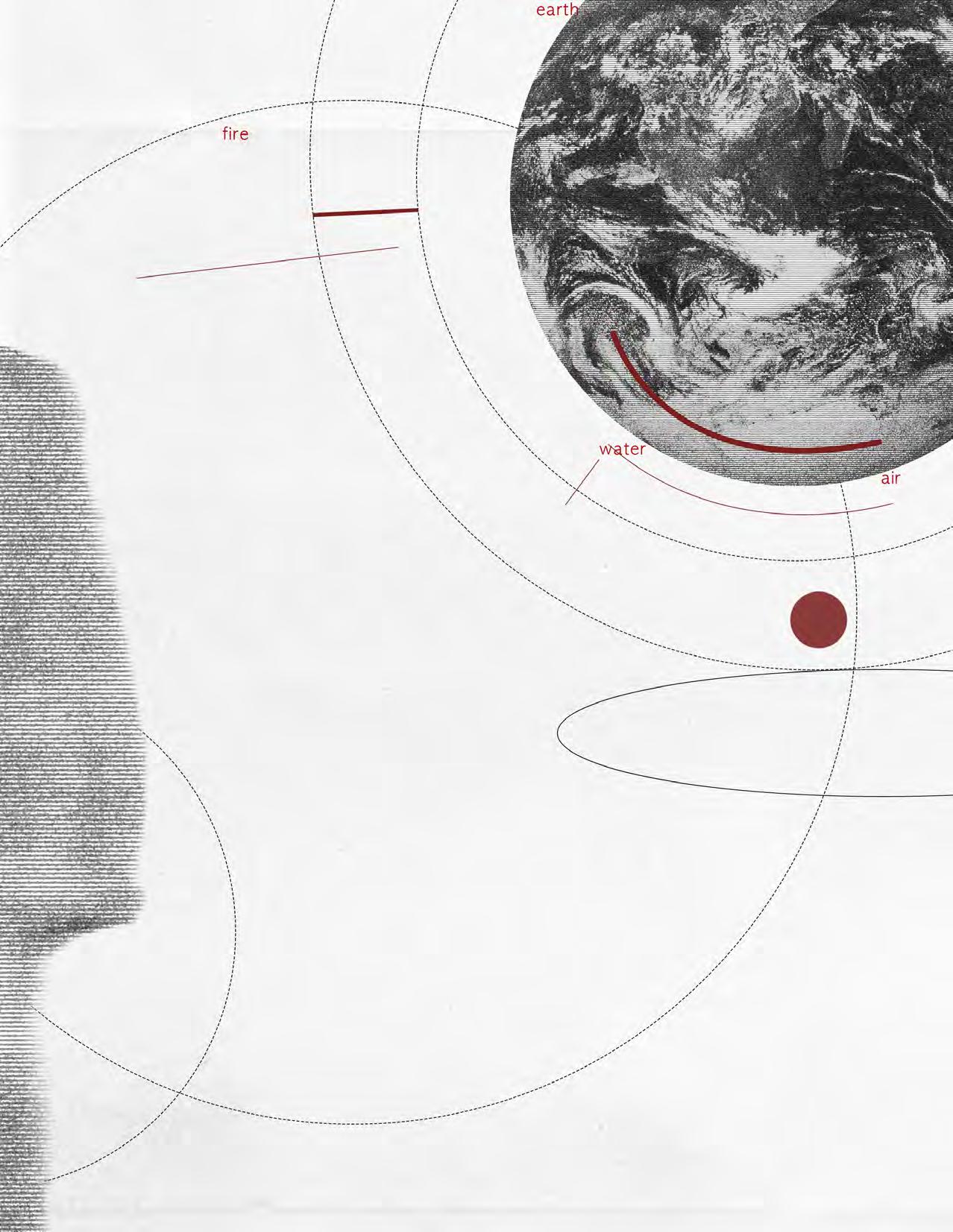
empires, dictated burial practices, and even taken place in your own home. In ancient China, feng shui was not a decorative afterthought, but rather a governing principle. Imperial palaces were constructed along north-south axes to align with cosmic order. The Forbidden City in Beijing follows strict geomantic rules, its orientation symbolizing harmony between heaven and earth. In India, Vastu Shastra outlined how homes and temples should be positioned according to the cardinal directions and the five elements: earth, water, fire, air, and space. The kitchen belonged in the Southeast, the domain of fire, while the bedrooms were often placed in the Southwest to promote stability and grounding. Bathrooms were carefully positioned to prevent the drainage of positive energy. Each room carried symbolic responsibility: prosperity, rest, nourishment, turning a house into a map of human needs. Entrances faced specific directions to invite prosperity. These were not casual preferences. They were structural beliefs in shaping daily life. Even the renowned pyramids demonstrate this power. Their nearperfect alignment with the cardinal directions required astronomical knowledge and mathematical precision. They were engineered not just as tombs, but as bridges, spatial mechanisms and means of guiding a pharaoh's soul towards the stars. Across continents, across religions, across centuries, the message remains consistent: space directs energy.
The power of spatial alignment did not disappear with ancient civilizations. It simply changed language. Today, we still design spaces around similar principles, even if we rarely name them as spiritual. Offices are arranged to encourage collaboration, hospitals are built with windows to improve recovery rates, and homes are organized around comfort, light, and openness. Research in environmental psychology only complements what ancient traditions have been practicing for years: layout influences mood, light affects mental health, clutter increases stress. We may call it neuroscience rather than energy, but the principle has remained consistent. Space changes us. And on a smaller scale, we continue the ritual ourselves. We deep clean before the new year. We organize when we feel stuck. We light candles when we need calm. These gestures are anything but trivial, they are acts of belief and faith. Feng shui is so powerful not because it is mystical, but because it is enduring. It is one display of a universal truth: humans understand that space is anything but neutral. We insist that it holds force, whether that be spiritual, psychological, or symbolic. And this understanding has lasted for centuries. As long as we inhabit rooms, we will try to align them. As long as uncertainty exists, we will rearrange. The names may evolve, Chi, Vastu, sacred geometry, good vibes, natural light, but the concept remains the same.
We will continue to practice the ritual of change, and continue to hope that by changing our surroundings we can change ourselves. If civilizations across time have organized their space around unseen forces, the question is not how these systems were practiced, but rather why they persist. So why does this ritual persist, even among people who do not believe in chi, fate, or divine geometry? Why do people who roll their eyes at superstition still insist on “good light”, or decluttering before a new year, or opening windows after an argument. The appeal of feng shui may not lie in its intrigue at all. It instead lies on its agency. Change is difficult for the human brain. Neuroscientists describe how our minds are wired for prediction: routine reduces cognitive load. The unfamiliar demands effort, and effort seems like a chore. To truly change, to let go of a relationship, to shift a habit, or to rewrite a part of ourselves, required confrontation. Rearranging a room is confrontation, without the conversation or confession. It allows us to act, to do something tangible without fully articulating why we need to. When we feel stuck, we move something. When life feels chaotic, we like to impose order. The action is small enough to feel manageable, and easy, but symbolic enough to feel meaningful. Feng shui formalizes this instinct. It gives language to something we already know: environments influence emotion.
You do not need to believe in chi to recognize the difference between a cramped, dim
room and an open, sunlit one. The practice is so compelling because it sits at the intersection of belief and psychology. It offers a framework, something to grasp on to, and a title to a feeling most of us already know. And perhaps, that is why it transcends religion. Feng shui does not demand worship, nor doctrine. It simply asks you to observe how space makes you feel, and then rearrange accordingly.It achieves an ideal balance between spirituality and practicality. Even in monumental architecture, this instinct appears. The Taj Mahal is not only a tomb; it is grief mirrored into architecture. The gardens are divided into four equal quadrants, reflecting the Islamic vision of paradise described in the Qur’an. The tomb itself faces Mecca, in accordance with Islamic burial tradition. Shah Jahan might not have been able to control the death of his wife, but he was able to control the placement of her final resting place. What feng shui does for the home, the Taj Mahal did for grief, it reorganized emotion into space. Across time, we have seen this same instinct: to create rules for space in order to manage feelings that feel otherwise uncontainable. This is exactly what feng shui accomplishes on a smaller scale. It cannot undo heartbreak, uncertainty, or anxiety. But it can contain them, and make them more manageable. Perhaps, this is what rituals have always been for. Not for magic, superstition, or even certainty. Ritual is the structure we build around what we cannot control. The pyramids align a soul with the stars, the Taj Mahal aligns grief with paradise. Feng shui aligns a bed with hope, a desk with ambition, a doorway with possibility. None of these acts guarantee an outcome, but they give a form to feeling. They turn something invisible, and difficult to understand into something we can measure, rotate, reposition. Even if the room is the only thing that moves, this ritual reminds us that movement is always possible.
HINDUISM a search for identity
“Are you religious?”
I’ve never shied away from discussing the complicated relationship I have with faith, with belief in some higher power, but I never expected to be halted by such a straightforward question from someone I barely knew.
It took me far too long to answer, and the jumbled mess that came out of my mouth left me more confused than the people I was sitting with. But it was past midnight, and the answer she was looking for was a yes or a no, not some meditation on how being raised in a family that practiced a non-organized religion left me unable to provide a succinct response.
I am Hindu. I was raised as such, in some unspecified “denomination” of the religion that seemed to instill within me more questions than answers.
I grew up observing holidays like Navratri, a celebration of the divine feminine and triumph over evil; Uttarayan, centered around prosperity with the end of winter; and, of course, crowd favorites like Diwali and Holi. My mom would take me on a walk every night as she recited her prayers, reading me stories from what are now understood to be our holy texts. Today, I continue to find ways to better align myself with the faith – not for absolution, but for community, affinity, and a stronger sense of identity.
“Hinduism” was never an indigenous term to describe the varied belief systems and ways of life in South Asia. Through the many civilizations, languages and powers that passed through the region, the perception of this ‘religion’ has been shaped in ways that might seem unrecognizable to its ancestors – as occurs with the evolution of any doctrine.
But what I was always told about Hinduism is that its decentralized nature meant that it was malleable, adaptive and universal in a unique way. Still, this fluidity that came with the lack of a single defining religious text left me unable to commit to labeling myself religious.
I remember being told that to be Hindu is to embody pluralism; the faith itself being an articulation of shared truths centered on mutual respect, freedom of expression and fluidity of the person.
“I was raised with the idea that there are many paths up the mountain, but they all go to the same place,” said Varun Soni, USC’s dean of religious life. “It’s an idea of Hinduism that doesn’t have an exclusive truth claim. It doesn’t say that Hinduism is the only way. It just says Hinduism is a way, but every way is equally valid and important, and in fact, no way is entirely right.”
This idea is articulated in the Bhagavad Gita, a Hindu scripture that features a dialogue between Krishna (a deity) and his friend Arjuna. Their exchange is essentially a debate of various philosophical frameworks as they attempt to reconcile duty, devotion and purpose. One of their main conclusions is that although God exists in many different forms and is called by many different names, true faith and worship remain a singular, unifying practice.
This notion of radical inclusivity traces back to four fundamental texts of Hinduism: the Vedas, which came about around 1,500 BCE. Recognized as foundational to the religion, this collection of writings constructs a philosophy that calls on a diversity of thought to parse through what it identifies as universal human questions.
And thus was my interpretation of the faith. However, in recent years, I’ve felt disillusioned.
In the past decade, there has been a clear resurgence of co-opting Hinduism as a means of nationalization and a move toward conservatism in India. While Hindutva – a right-wing political ideology – is not new, the Bharatiya Janata Party’s return to power with Narendra Modi elected as prime minister in 2014 seemingly revived the movement.
The BJP is a major conservative party, and has used the idea of India as a Hindu state as a means of instilling a clear national identity predicated on religion, despite the understanding of India’s constitution as based on secularism. A clear example was the Citizenship (Amendment) Act which passed in 2019. An iteration of previous legislation, the act provided a fast-tracked pathway to Indian citizenship for Hindus, Sikhs, Jains, Christians, Parsis and Buddhists escaping religious persecution. Notably, the Muslim community was left out, spurring controversy.
Seeing these political tensions play out from halfway across the world left me feeling at odds with an identity that I felt defined a significant part of me. I was disconnected from the larger community and the personal relationship I maintained with the faith didn’t seem like enough.
How could this philosophy, which stressed the sanctity of God’s many forms and interpretations, be used as a tool for division?
While a historian or an expert in global politics would be better equipped to explain this shift, my own resolution is grounded in accepting disagreement and finding community in those around us.
“What it means to be Hindu is very personal … and you won’t meet two Hindus who interpret their tradition in the exact same way,” Soni said. “But I would also say the fact that the only thing that connects all 1.2 billion Hindus is this idea of identity, that I am Hindu.”
Faith, in my understanding, is more about choosing those traditions which help explain or guide you through the unrelenting questions of life, not consigning your morals for the sake of doctrinal adherence. Rigidity of belief is counterproductive to the real power of religion. Only after freeing myself from strict expectations around what an ideal practice of Hinduism looks like have I found some comfort in the label of “religious.” Conflict is in some ways central to my relationship with belief, but the act of navigating those tensions helps make the practice more meaningful. So perhaps the next time I am confronted with a question as seemingly innocuous as “Are you religious?” I won’t stumble through my answer.
THE RITUALS OF THE VILLAGE
Writing
Kayleigh Ko
Photography
Evette Um
Design
Dhrithi Vishwa
PR
Tiffany Im
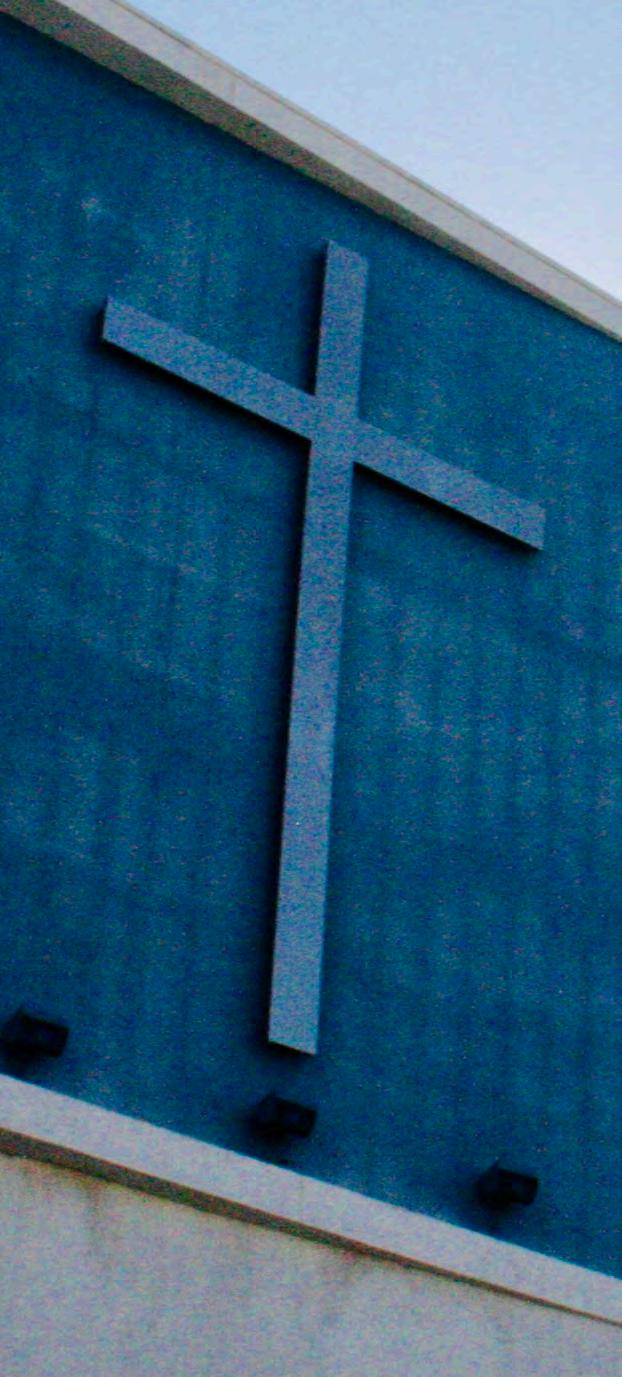
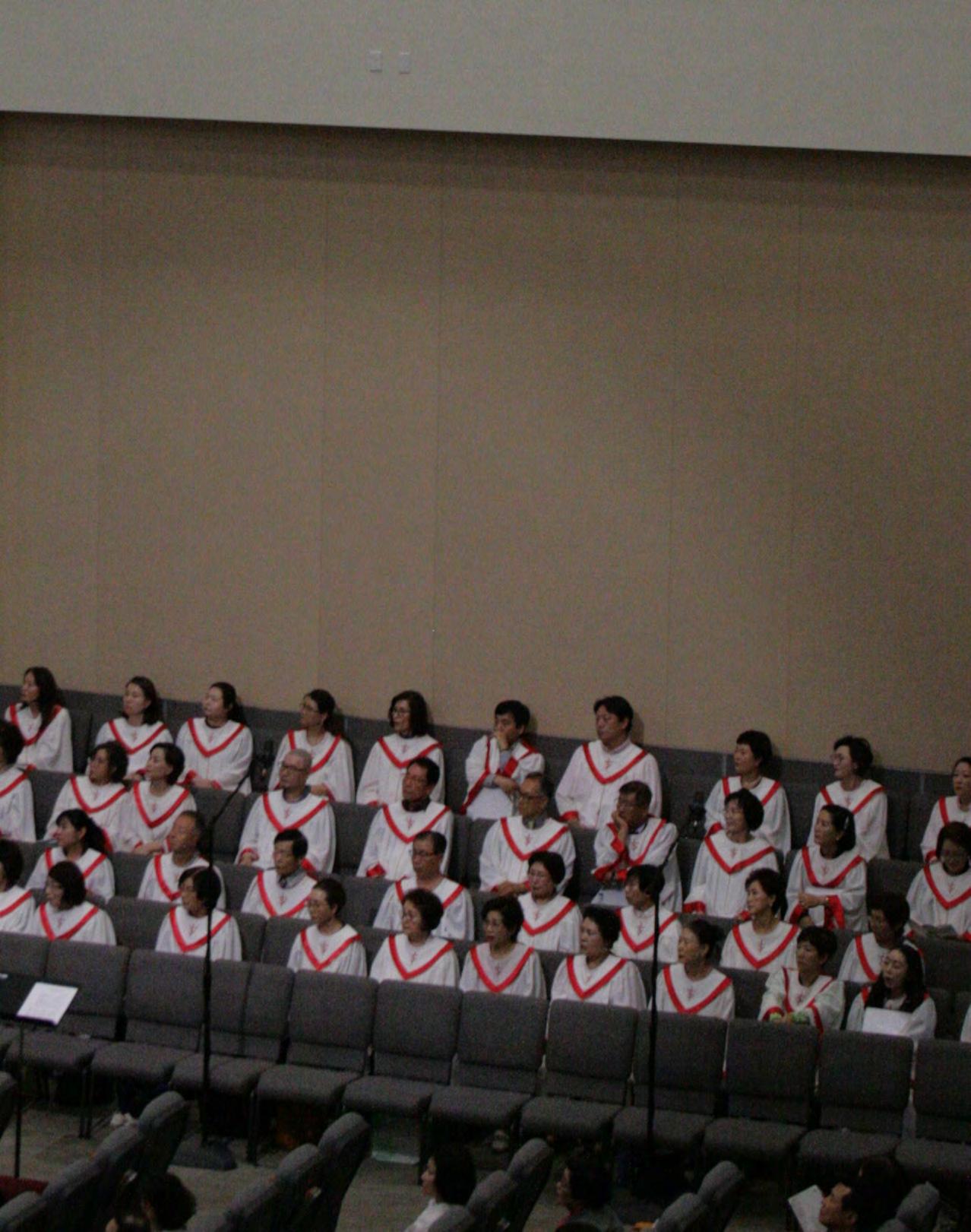
KOREAN CHRISTIAN CHURCH
“It is more blessed to give than to receive.” — Acts 20:35
Before theology is learned, before scripture is memorized, the body learns to bow.
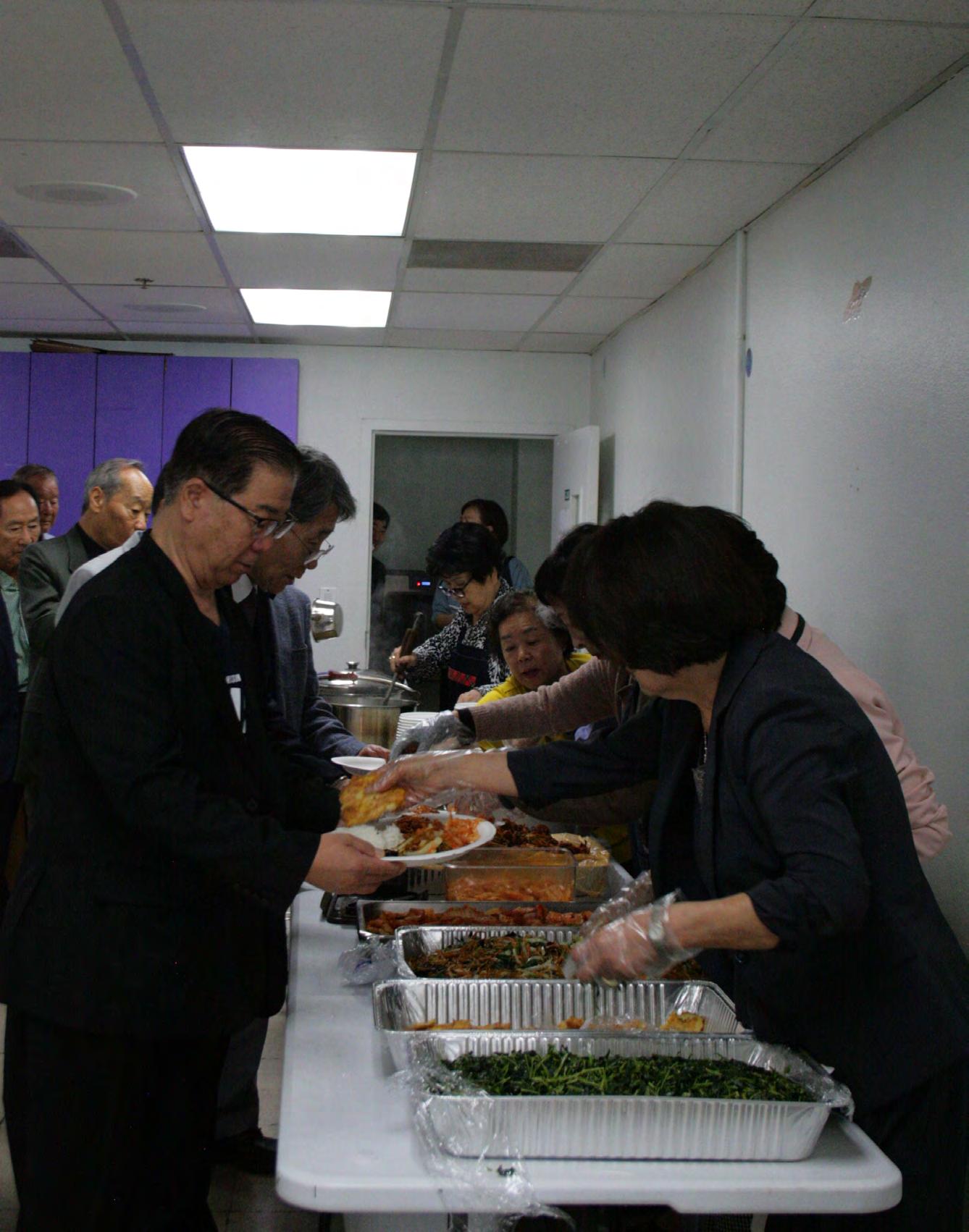
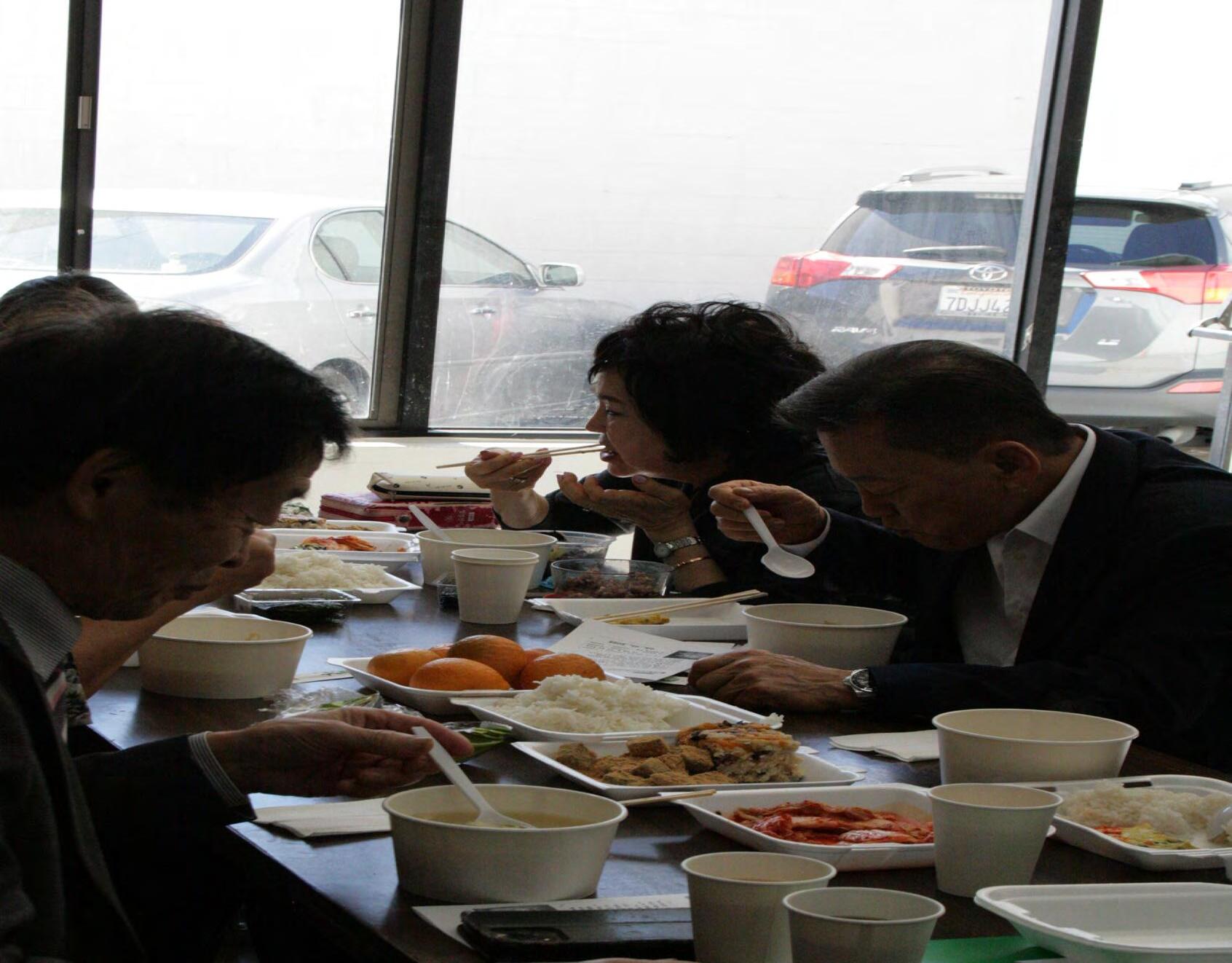
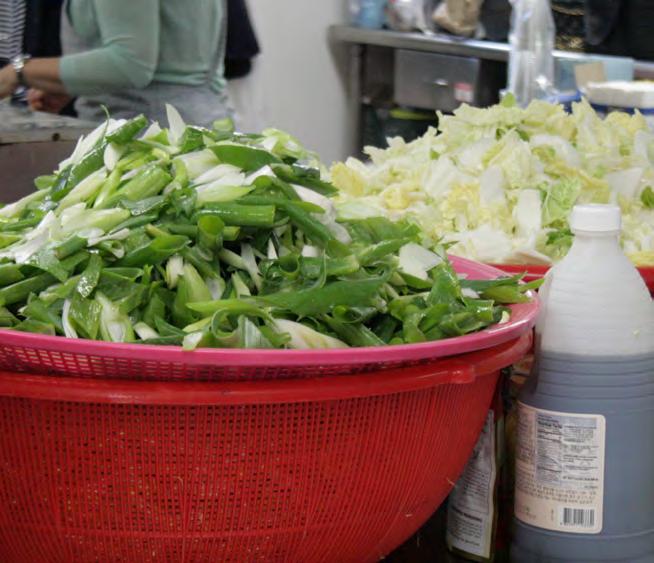
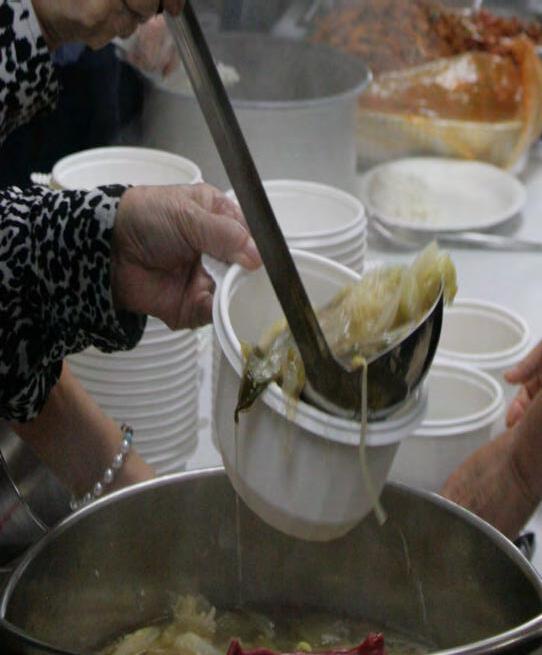
A styrofoam plate is placed into small hands–white rice pressed into neat mounds, kimchi bright and fragrant, glass noodles glistening under fluorescent lights, bulgogi releasing small ribbons of steam. The body bends forward in thanks to the elders serving.
Adults retie the floral aprons at their waists and wipe the sweat from their brows. The familiar sounds fill the room: metal folding chairs scraping against hardwood and children giggling while weaving between the white plastic tables. The sermon has just ended, and the line, already alive with conversation, stretches along the wall.
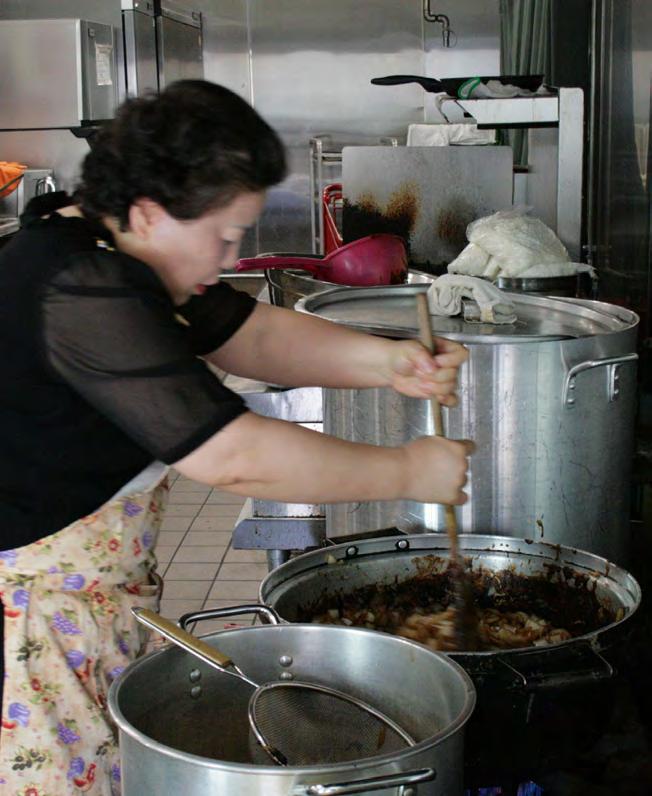
Before doctrine, the body learns gratitude. It learns community. The styrofoam plate is the first exchange. In Korean churches, everyone has a role. On Sundays, employees who spend their week in corporate offices gather teenagers into cramped rooms to review SAT vocabulary words. The high school orchestra first chair violinist walks into the sanctuary early to practice her solo piece. Mothers who are exhausted from working the night shift arrive while it is still dark, stepping into an empty kitchen to cook for hundreds. Elders stand in the parking lot in neon vests, their wrinkled arms waving their batons high as they usher cars into narrow spaces. Down the hall, a girl from the Children’s Ministry counts quietly under her breath, memorizing choreography to praise songs she will soon perform before her peers.
To grow up in this environment is to grow up needed.
This ecosystem pays closer resemblance to a village than to an institution; what once belonged to an individual becomes an offering to the church. The question of “What am I good at? ” shifts to “How can I serve? ” pulling the self outward and displaying even the most discrete of talents.
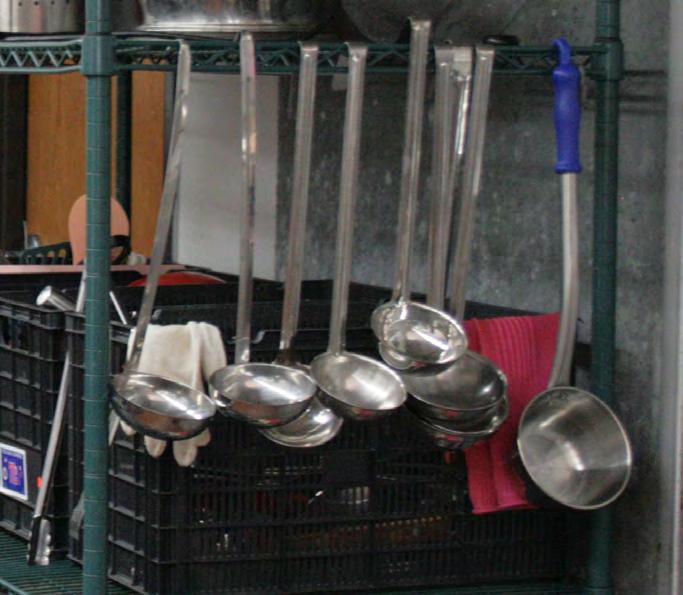
The support system that emerges is not incidental. Prayer requests are shared and venerated. The sick who missed service that Sunday are greeted with homemade juk at their door. Newborns are welcomed with boxes of outgrown clothes and toys, folded, sorted, and passed down once again.
“Seek first the kingdom of God.” — Matthew 6:33
Pastor Andy Park describes this service-oriented nature as a defining feature of Korean Christian churches: faith is expressed through reciprocity.
But he also calls it a “delicate dance.” “You’re a church,” he says. “You’re not a community center. You’re not a nonprofit.” For Pastor Andy, the distinction matters. A church gathers first around God, and service must still remain rooted in worship. If the community becomes the focus rather than the faith, something essential is lost. “We have to make sure it’s always driven by faith.”
That tension plays out in real ways. As in many diasporic communities, the church becomes the most consistent gathering place for Korean immigrant families. For many second-generation immigrant children, the church is where Korean language and ritual is practiced without translation or dilution–where everything taught at home must be embodied in public: bow ninety degrees to your elders, receive things from adults with two hands, use the correct honorifics.
But when a church fosters both culture and faith, the boundaries between spiritual life and social life blur. For many, that overlap offers stability and belonging. For others, it can feel insular and stifling.
For those outside of the church–whether they stepped away or were never part of it–the distance is not only religious but cultural. When the church anchors Korean community life, being apart from it can mean missing more than just Sunday Service.
“Bear one another’s burdens, and so fulfill the law of Christ.”
— Galatians 6:2
In broader culture, however, the question shifts into one that encourages us to speak in the language of self-optimization. Not “How can I serve? ” but “How can this skill advance me? ” All in an effort to resist community obligation. In other words, everyone wants a village, but few are willing to be villagers.
And yet, the Korean church persists as distinctly countercultural. The instinct to serve beyond the self has survived immigration, language barriers, and generational divides. It has adapted to new spaces, but the foundation remains: time is not self-protected; it is freely given. Talent is not monetized; it is offered.
There is always something to do for someone else.
“Be devoted to one another in love. Honor one another above yourselves.”
— Romans 12:10
After the sermon, the line forms again.
A styrofoam plate is pressed into waiting hands. Someone bows, someone serves, someone steps aside to make space for another body in the queue, and the choreography repeats.
The chairs scrape, the line grows longer. And somewhere between the bow and the breaking of bread, the village persists.
Pastor Andy Park is the Lead Pastor at Living Faith Presbyterian Church, a predominantly Englishspeaking Korean American congregation in Los Angeles’ Koreatown. Born and raised in Sacramento, California, he graduated from UCLA before pursuing seminary and divinity studies. He has served as Lead Pastor at Living Faith since 2015, and also works closely with Kristos Campus Missions (KCM), a student-led Christian ministry at USC.
THE SCAFFOLDING AND THE SOUL
CHURCH OF LATTER-DAY SAINTS
WRITING
Benjamin Graham
PHOTOGRAPHY
Elaina Liu
DESIGN
Katrina Chan
PR
Dani Yu
I keep thinking about the bread. Every Sunday, in over thirty thousand congregations across the world—Seoul, Lagos, Salt Lake City, Lyon—members of the Church of Jesus Christ of Latter-day Saints (LDS) sit down in silence and eat a small, torn piece of it, then drink a cup of water, pray the exact same prayer, and then go home and do it again next week. The ritual is identical everywhere, and this, I have come to understand, is not incidental to the point of the Church. It is the point. You are being reminded, in the most explicit and repetitive way the church can manage, that you belong to something vast and continuous and indifferent to your particular doubts, something that was doing this before you arrived and will continue to do so if you leave. The bread is an anchor. It is also, if you are paying attention, a leash.
The Church of Jesus Christ of Latter-day Saints has an unusually direct answer to what most of us spend our lives trying not to confront: what is our purpose ? The goal of human life, stated plainly in its doctrine, is to become like Jesus Christ—to shed the “natural man,” lazy and petty and given over to weakness, and transform into something pure enough to stand in the literal presence of God. Then, in the celestial kingdom, the highest tier of the LDS afterlife, you live with your family. Eternally. Together. It is a specific cosmological destination with specific admission requirements, and the entire machinery of the church exists to get you there. When Sister Driggs, an instructor at the church’s Institute of Religion, tells me that salvation is not “a tally of, like,
oh, you fell short” but rather “the summation of what we’ve become,” she is describing a character project with eternal stakes, and I find myself thinking that this framing is either the most comforting thing I have ever heard or the most suffocating. I cannot entirely decide which. I suspect that tension is the whole game.
The rituals the Church calls ordinances are where this project becomes concrete and, more importantly, where the church begins to acquire its leverage against believers. Driggs describes this process: baptism by immersion, then the weekly sacrament, then—for those who have met the church’s standards of practice, a bar that is itself a retention mechanism—the temple, closed to outsiders and to members who haven’t demonstrated sufficient commitment. Inside, you receive the endowment, an obfuscatory ceremony binding you to covenants of obedience and sacrifice. And when you marry, you are sealed: to your spouse, and through your spouse to the children you will raise, all of it understood to persist beyond death. The sealing is the ritual I find myself returning to, because it is where the church’s genuine beauty and its most acute pressure converge on exactly the same point. The eternal family is a lovely idea. It is also a nearperfect instrument for keeping people in the system, because it transforms every doubt or idea of departure into something that feels like an abandonment – not of the church, but of the people you love most.
feels like an abandonment—not of the church, but of the people you love most. You are not just leaving a religion, instead, you are opting your family out of an eternal togetherness.
You are not just leaving a religion; instead, you are opting your family out of an eternal togetherness. Yet, the church need not say this explicitly: the architecture says it for them, and its architecture, unlike a sermon, cannot be argued with.
Ministering, which Sister Driggs describes as a way of ensuring that “no one slips through the cracks.” Every member is formally assigned specific other members to watch over and visit, text, and check in on. Sister Driggs frames this warmly, as a community safety net, and in practice it often is: people get meals delivered after surgery, help moving, company during grief. A system in which every member is assigned to monitor specific other members is not only a pastoral network but an accountability one in which disengagement is visible. Members who are absent will receive a visit, which is framed as care but functions also as a kind of soft pressure, a reminder that you have been seen to be missing. In a community this deliberately constructed, care and control are not opposites. They are the same gesture, made with the same hand.
The mission makes this dynamic starker than anything else the church does. At 18, young men are expected to leave for two years, living under strict behavioral codes, cut off from outside media and most outside relationships, spending every day testifying to a faith they are simultaneously working to become more certain of. Repeat a thing enough times in a closed environment, and eventually you don’t need to decide to believe it. The church calls this “gaining a testimony.” Researchers who study high-control religious groups call it something else, be it brainwashing or some other nearby term. Both descriptions are, in their own way, accurate, and I think the church knows this, and I think it doesn’t particularly care, because the outcome is the same: a young adult who emerges with a sense of personal conviction so deep it feels like it came from within, which, by then, it genuinely has.
Sister Driggs pushes back on the word cult. Her argument is that the LDS path is actually “the most individualized path [she’s] heard,” because the church teaches that every member has direct access to the Holy Ghost— that personal revelation is available to anyone, for their own decisions, without the prophet mediating it. I find this genuinely interesting and not at all convincing, because personal revelation within this framework is expected to arrive at conclusions compatible with doctrine, and the entire social world around a member makes it structurally difficult to receive spiritual guidance that leads somewhere the church does not sanction. It is freedom of movement within a predetermined map. You may choose any road. The roads all go to the same place.
The consequences for those who leave are not spiritual abstractions, and this is the part that the church’s defenders tend to gloss over. Former members describe losing not just faith but friends, marriages, relationships with parents and children, entire social worlds that had no outside exits because they were never designed to need them. The LDS social structure is largely internal by design: members marry within the faith, socialize within the ward, raise children who will be baptized and sealed and eventually sent off to testify to strangers in a country they don’t know. The church also maintains a formal disciplinary process, a membership council, that can result in excommunication, which in a congregation where membership is the connective tissue of daily life functions less as a spiritual consequence than as a social one.
What the LDS church has constructed is, by any honest measure, extraordinarily effective—a complete answer to the question of what human beings are for, delivered through rituals that make the answer felt in the body, reinforced by a social structure that makes participation rewarding and departure devastating. All this insulated by a doctrine of personal revelation that allows members to experience their adherence as self-chosen rather than imposed. It is a total environment, and its members largely experience it as a gift. I do not think it is useful or honest to dismiss that. The warmth is real. The community is real. The sense of purpose is real, and it is not nothing to move through the world knowing exactly what you are for and who will be waiting at the end of it. The warmth is real. The community is real. The sense of purpose is real, and it is not nothing to move through the world knowing exactly what you are for and who will be waiting at the end of it.
So I asked Sister Driggs directly: what is the point of being alive, what is the goal of human existence in the eyes of the Church?
“The goal is to become like Jesus Christ. Not just to do good things—it’s not a checklist. It’s about overcoming the natural man. Someone who might be mean, or lazy, or selfish. And transforming that. So that we can be cleansed from sin and actually withstand being in the presence of God again, in the celestial kingdom. And our families can be there too. Together. Eternally.”
The word again is doing a lot of work in that sentence. It implies that we have already been in God’s presence – that this life is not an introduction but a return trip, contingent on how thoroughly you have remade yourself in the interim. Thus, the goal is not to become good. It is to become worthy of a place you have, in some prior existence, already left. Which means the church is not offering you something new. It is offering to help you get back to where you already belong. And that is either the most generous thing an institution can offer a person, or it is the most elegant trap I have ever seen – because a person who believes they are simply trying to get “home” will endure almost anything to get there, including, perhaps, a doubt they cannot say out loud in a room full of people who are all, quietly, trying to do the same.
MEET TEAM
CECILIA MÉNDEZ-COMAS & SAMANTHA LEE
ELYSE BOUCHARD & MIA ALONSO
LIZZIE STEWART & DAISHALYN SATCHER
ASAKO ISHIBASHI & HALLIE JING
SAMY VIMALRAJ & ANISA DIAMOND
EDWARD ZHANG TEBO NICHOLSON, SARAH PARK & GAVIN MARK JACQUELINE RUTHERFURD