Seattle City Light Dam Agreement Would Fund Major Salmon Recovery Effort
Staff Report
Seattle City Light has reached a sweeping settlement agreement tied to the relicensing of its Skagit River hydroelectric project, committing billions of dollars toward fish passage, habitat restoration and payments to tribal nations. The agreement could also lead to modest electricity rate increases for Seattle customers later in the decade.
The proposal is part of the federal relicensing process for the utility’s Ross, Diablo and Gorge dams on the Skagit River in the North
including a roadway used to transport fish between locations.
Seattle leaders describe the agreement as a significant milestone in balancing renewable energy production with environmental restoration.
“This marks a major milestone in the Skagit relicensing process,” Seattle Mayor Katie B. Wilson said in a statement. “The settlement reflects Seattle’s commitment to renewable energy while also respecting Tribal sovereignty, protecting downstream communities and enhancing recreation and education opportunities.”
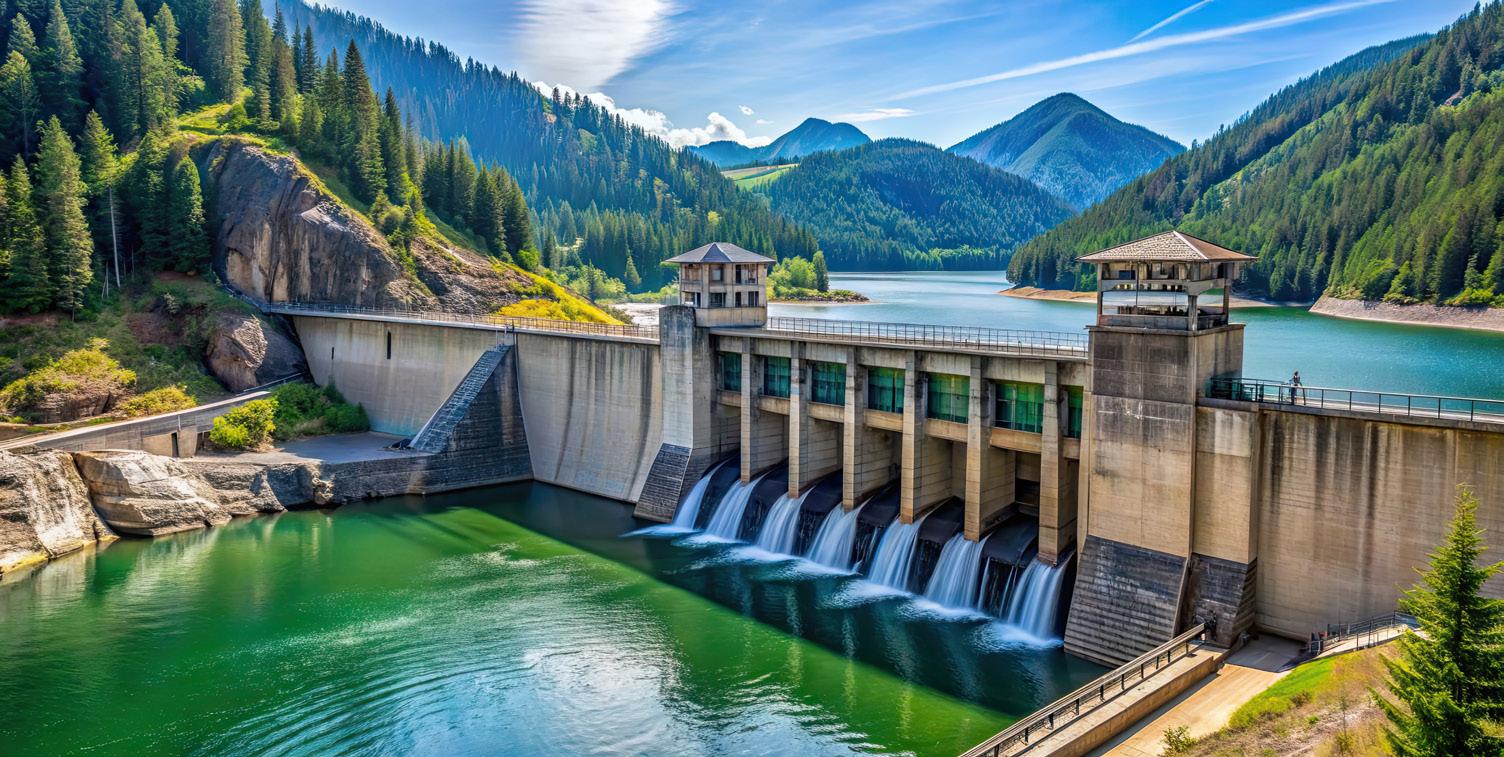
Cascades. The three dams generate roughly 20 percent of Seattle’s electricity.
Under the plan, Seattle City Light expects electricity bills to rise about 0.5 percent annually between 2027 and 2032. Officials say the increase reflects new environmental and tribal partnership commitments that will be carried out over the 50 year life of the license.
The largest component of the agreement is a nearly $1 billion program to help restore salmon migration along the river. The plan would create a “trap and haul” system to move juvenile salmon around the dams. Fish collected at Ross Lake would be transported downstream past the Gorge Dam to continue their migration.
The system would require construction of a fish collection facility and new infrastructure,
TRIBAL PARTNERSHIPS AND COMPENSATION
The agreement also includes financial compensation for tribes whose fishing rights and cultural resources were impacted by the dam system.
Seattle City Light has committed approximately $350 million in payments to three tribes along the Skagit River. The payments are intended to address historical impacts of the hydroelectric project on tribal fisheries.
Tribal leaders say the agreement represents a long awaited step toward restoring salmon runs that once reached the upper watershed.
“We’re relieved,” said Scott Schuyler, a tribal elder and natural and cultural resources policy representative for the Upper Skagit Indian Tribe. “Upper Skagit was driven by the
will of our ancestors to right these historical wrongs, to free our river and fish and bring honor to our ancestors.”
The Swinomish Indian Tribal Community also expressed support for the settlement, saying it creates new opportunities for salmon recovery while continuing to provide electricity to Seattle residents.
“The terms of this agreement reflect a shared commitment to protecting the Skagit River while continuing to provide clean power,” said Swinomish Chairman Steve Edwards. “We believe this agreement creates the strongest opportunity to safeguard the river, uphold treaty rights and support salmon recovery for generations to come.”
YEARS OF NEGOTIATIONS
The settlement follows nearly seven years of negotiations involving tribes, federal and state agencies, local governments and environmental organizations.
Scientists and tribal leaders have long argued that the Skagit River dams blocked historic salmon habitat and contributed to declines in fish populations. Seattle City Light had previously maintained that salmon did not historically use parts of the river above the Skagit Gorge.
That assumption was challenged in 2019 when video footage captured a Chinook salmon spawning in the lower gorge area.
Since then, the utility has worked with tribal and government partners to study potential fish passage solutions. Between 2021 and 2023, Seattle City Light spent about $25 million developing research and engineering proposals designed to restore fish migration while maintaining dam operations.
BILLIONS IN LONG TERM INVESTMENTS
Overall, the relicensing agreement outlines roughly $4 billion in investments over the next half century.
Major spending categories include:
• $1.8 billion for dam upgrades and facility improvements
• $979 million for fish passage infrastructure
• $350 million in mitigation payments to tribes
• $200 million for salmon habitat restoration projects
• $75 million for improvements along the Skagit River mainstem
• $75 million for estuary restoration
• $10 million for habitat work in the North Cascades
State wildlife officials say the project could represent one of the most complex fish passage efforts ever attempted in the Pacific Northwest.
WHAT HAPPENS NEXT
Before the agreement can take effect, it must be approved by several governing bodies.
The Seattle City Council is expected to review the settlement in the coming weeks. After that, the proposal will be submitted to the Federal Energy Regulatory Commission for environmental review and public comment as part of the relicensing process.
“The
Seattle City Council is expected to review the
settlement in the coming weeks”
Skagit County leaders are also considering the agreement because of its potential impacts on local infrastructure, farmland and natural resources.
If approved, the settlement would guide operations of the Skagit hydroelectric system for the next 50 years while funding large scale restoration work aimed at rebuilding salmon populations in one of Washington’s most important river systems. For supporters, the agreement represents a rare compromise between energy production, environmental restoration and tribal treaty rights.
As state wildlife officials noted, the agreement marks an important milestone, but the work to restore salmon in the Skagit River is only beginning.