Acouple of weeks ago, my husband and I decided― well, I decided and he agreed―to take a proper walkabout. No going to our desks, we said. No emails either.
one skips up my spine, I like to savor it and expect nothing else of myself for as long as . . . I can.
Mary Lou Sanelli Falling Awake
Though, truthfully, I’d already snuck a peak at one email from “a long time reader.” That’s what he said. And for a moment, there was a long slow inhale of my breath. Would the next sentence be kind? Or cruel? I’ve had plenty of both. And the thought of another scold for saying something “offensive” wrapped its hands around my stomach. And squeezed. (Yet I’d go into battle for a someone’s right to offend me, and mine to offend them.)
I often forget exactly what my readers write, but this email I remember clearly: “Each month, my roommates and I sit down together around the dining room table and read your column the evening it is released.” I read that line and I got this feeling, this lightheaded feeling. I could feel it to the ends of my fingertips.
And it’s funny because the compliment was what made me want to leave my desk. A compliment raises all sorts of feelings, so when
CI’ve been writing long enough to know there will be days like this. You never know when some kind gentleman will take the time to write a compliment, or why it creates an impulse to not do the very thing he complimented you for, or how any of it will affect your work, or your life for that matter. So I think it’s best to follow the impulse before another rainy day in a long season of rainy days makes it harder to carry a walkabout off.
“How about we start on one side of Bainbridge Island and end on the other?” I ask, but it’s not a question, it’s a plan. And my husband doesn’t like to plan, so he says, “I’m happy if you are.” Which is why he is my husband.
We’ve been married since forever. And all the plans, all the journeys―I want to tell him I’m the luckiest woman in the world to be with someone who’ll follow me, but I tell him this all the time, so instead, I say, “Let’s start at, say, Blakely Harbor, then walk around Bloedel Reserve.”
Well, I tried to take the entire day off, but by 3 p.m., the decision felt halfhearted. Some might say I’m a workaholic―as if that’s really a thing. Not me. I know how lucky I am to have work that reveals my own mind. I wrote the following paragraphs later that afternoon: I try to keep up with which threat is the threat, which executive order is the one that will throw me into another tailspin before it
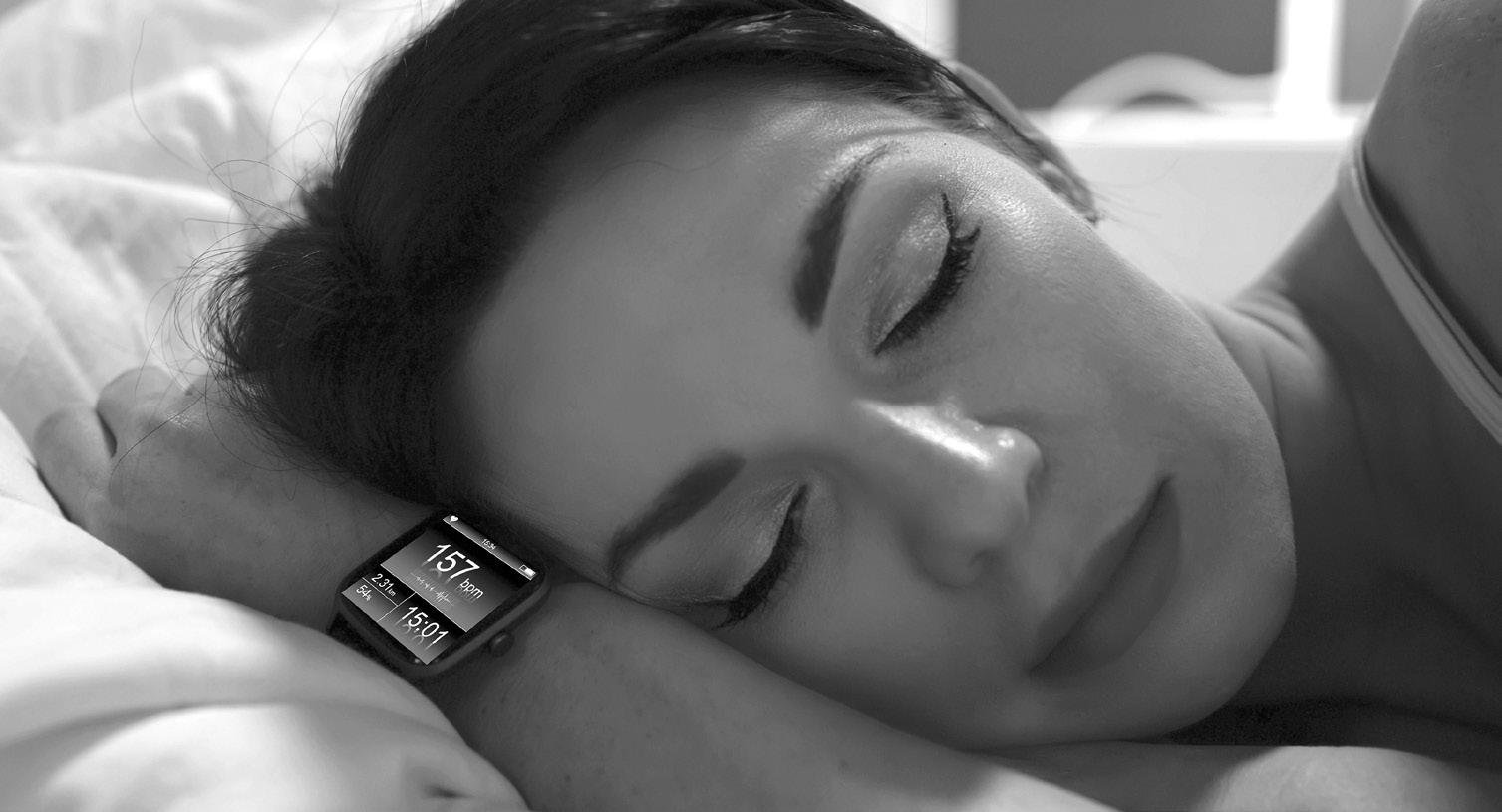
aught up in the New Year, New You rush, it’s easy to see why wearables are so appealing. Remember the days when you’d wake up and ask yourself: How do I feel? Now, before my feet hit the floor, a glowing rectangle offers its opinion.
Sleep score: 63.
Readiness: “Below average.”
Recovery: “Compromised.”
It’s impressive, really—how quickly a wristbased algorithm can turn a decent morning into a quiet disappointment – or feel like pressure. Fitness trackers, smart rings, and health apps promise insight, optimization, and control. They track our sleep cycles, heart rate variability, step counts, stress levels, and recovery windows with increasing precision. For many people, these tools are genuinely helpful. They reveal patterns we’d otherwise miss, encourage movement, and can even flag early health concerns. But there’s a growing downside to all this data: it can subtly override our own internal sense of wellbeing. When numbers become the authority, intuition often gets demoted. We all know – or have been – that person obsessed with getting those last steps or who will drive home to get their forgotten smartwatch before starting their run.
But when the data doesn’t jibe with your experience, things go from confusing to frustrating.
“I felt rested, but my sleep score says I wasn’t.”
“I wanted to work out, but my readiness was low.”
“I had a great day—until I checked my stats.” When I wake up feeling great, but my watch delivers a lackluster sleep score, it’s frustrating. I want to know how to repeat that rested feeling, and instead the data sends me in the wrong direction.
This is the tyranny of fitness data: when metrics meant to support health begin to dictate mood, motivation, and self-trust.
WHEN INFORMATION BECOMES JUDGMENT
Most wellness data is framed neutrally—just numbers, charts, trends. But humans are meaning-making creatures. A low score doesn’t feel neutral. It feels like a grade. Or worse, a failure. Unlike a scale or stopwatch, today’s devices don’t just measure outcomes; they interpret them. Words like poor, suboptimal, strained, or below
peters out to make room for another and another. The pace of it all is so chaotic and unfamiliar.
But our walk along Blakely Harbor feels just like it did the last time we visited and I am nothing but grateful for its reliable stillness.
Lately, I’ve started to wonder if, in light of all the terrible things happening in the world, it’s enough, or even okay, to enjoy my life the way I do. I do believe that along with all the awful are all the good things and good people and good intensions. I have to believe this. And not only between midnight and dawn. Even if, I admit, it makes me sound like a walking cliché for the 206.
On our walk, my head seems to uncrimp, to ease the knot in my neck I hadn’t, until now, known was there. At one point I ask myself how would not totally enjoying this beach make the world a better place, exactly? At another, I wonder if by worrying about the world,
and writing about the world, I am avoiding the world.
Am I avoiding the world?
Or am I just trying to cope with it like any other normal, screwedup person occupied with the joys and grinds of daily life?
I feel a small knot creep gently back into my collar.
Because if I examine too closely, too often, all the terrifying things the way I did when I wrote journalism, it’s like a part of me dies; then the other part dies in solidarity. But when I study the soil for the first sign of trillium, I bet my face looks like someone who believes in heaven.
By the time we get to Bloedel Reserve, a light rain is falling. We walk through all the open land that feels like its own space, in its own time, but my curiosity veers me toward the big white mansion where the Bloedel family once lived.
And there it is.
The living room, parlor, surrounded by windows that frame
The Tyranny of Fitness Data
baseline carry emotional weight. They quietly suggest that your body has fallen short, even if you feel fine. Should I worry that my stress score is below par? Pretty soon the fretting itself has made it worse. Often the result isn’t better health—it’s a lowgrade anxiety loop.
OUTSOURCING BODY AWARENESS
One of the subtler costs of constant tracking is that it trains us to outsource bodily awareness. Hunger cues get replaced by calorie counts. Fatigue becomes a graph. Stress is reduced to a score.
The danger isn’t the data itself—it’s forgetting that these tools are proxies, not truths. They estimate. They infer. They average. They don’t know about the meaningful conversation you had before bed, the satisfaction of a long walk in the rain, or the calm that comes from feeling connected and purposeful.
There are lots of unknown variables in the mix – vendors rarely make their algorithms fully transparent, leaving you to wonder what that stress score really means. Is it your heart rate variability, deep sleep, or blood pressure that is sending it down? And sometimes, you get recommendations about how to improve, sometimes not. Then those recommendations – at least in the case of my Fitbit Charge– sometimes go haywire.
I told it I wanted to improve cardio capability, so it gives me a daily goal range that makes me crazy.
If my score is too low and I try to reach it by going on the elliptical or jumping rope, the score barely moves after 45 minutes. But I can putter in the
garden for a couple of hours and fly off the chart. Days like that are a problem in their own way –the system overreacts.
During a weeklong vacation recently, I spent a lot of time lolling around followed by one intense hike in Joshua Tree National Park. Immediately following, it told me to calm down for several days because I was at risk of overtraining (I was at the airport), and then it upgraded my daily goal as if I’d be climbing 1.5 miles of elevation daily. Since I’m instead sitting at my computer writing, it’s been chiding me for weeks as a result.
It’s very helpful to read about the metrics you care about. In addition to your selected goals, wearables are often based on age averages, which may or may not relate to you. For instance, I want to sleep better than an average person my age so I subtracted a couple of decades from my age on the app.
Your nervous system has its own metrics based on your body’s response to your thoughts and reactions to the environment. That’s where the real gold is.
Before wearables, people gauged readiness through sensation: muscle heaviness, mental clarity, enthusiasm, irritability, ease of movement. Those signals still exist, but they’re easier to ignore when a device claims superior insight.
Learning to recognize your body’s cues, and how to relax in response, is one of the most helpful goals in wellness.
THE PARADOX OF “OPTIMIZATION”
Wellness culture often frames optimization as the goal: better sleep, better recovery, better performance. But a life optimized on paper can
the sky, and in the distance, our silvery city.
I want to live in this room. Oh yes I do.
I want to sit by this window and write another novel. I’ve written only one novel. It was about dancers and, of course, considerably more. It took me three years to write it. No, actually, the dancers wrote it. All I had to do is sashay (chassé!) along and get out of my own way.
It was the hardest thing I’ve ever done.
I am so not going to write another novel.
Unless I can write it in this room, this room, this room.
Mary Lou Sanelli’s latest title is In So Many Words. She works as a writer, speaker, and master dance teacher (her next master class is at Seattle’s Spectrum Dance). For more information visit www.marylousanelli.com.
feel strangely constrained in practice.
Spontaneity doesn’t score well. Neither does dancing late, lingering over dinner, or choosing rest because you’re emotionally tired rather than physiologically depleted. Many of the experiences that make life rich—joy, grief, creativity, intimacy—disrupt metrics.
And that’s not a bug. It’s being human. Ironically, the more we chase perfect data, the more brittle our routines can become. We stop trusting ourselves to adapt. We hesitate to push or pause without permission from an app. Wellness becomes conditional.
USING DATA WITHOUT LETTING IT USE YOU
None of this means you need to throw your tracker in a drawer. The goal isn’t rejection—it’s relationship.
A healthier approach is to treat fitness data as context instead of a command. Just one input among many. Useful for spotting trends over time, but not for daily verdicts on worthiness or capacity.
Some people benefit from setting intentional boundaries:
• Checking scores later in the day, not upon waking
• Turning off readiness alerts
• Taking “data holidays” during vacations or stressful seasons
• Asking, “Do I agree with this?” before reacting
Others choose to track intermittently rather than continuously, using data as a learning tool instead of a permanent supervisor.
Most importantly, it helps to reclaim the first question of the day: How do I feel?
RE-CENTERING THE HUMAN EXPERIENCE
Wellness is not a straight line or a set of ideal ranges. It’s cyclical, contextual, and deeply personal. No algorithm can fully account for the complexity of your life.
Some days you’ll perform well on little sleep. Some days you’ll need rest despite great stats. Sometimes movement restores you even when the data says it shouldn’t.
True readiness includes curiosity, resilience, and self-compassion and listening to your body. Fitness data can be useful, even illuminating— but it works best as background information, not a verdict. When the numbers support you and line up with how you feel, they can be reassuring. When they don’t, it’s worth trusting your own experience while watching for patterns. Either way, your body has been gathering its own data far longer than any device on your wrist—and it still deserves the final say.
Erica Browne Grivas Your Best
Love Letters to the Library Appear Across Seattle
Staff Report
This Valentine’s season, Seattle residents are being invited to share their appreciation for one of the city’s most beloved public institutions. The Seattle Public Library Foundation has launched Love Letters to the Library, a citywide campaign encouraging people to write notes about why they love The Seattle Public Library. Many familiar neighborhood spots are participating.
Through the campaign, festive collection boxes and cards designed by local artist Nina Painter have been placed at select bookstores, cafes, breweries, and cultural spaces. Anyone can pick up a card, write or draw a message of appreciation, and drop it into a Love Letters box. The notes will be shared with library staff, displayed in library branches, and featured on the Foundation’s website and social media.
The campaign is meant to offer a simple and joyful way for community members to express gratitude for library workers and the wide range of services libraries provide. Love letters can be written by anyone, in any language, and may include drawings as well as written notes.
Longtime neighborhood businesses are helping host the campaign, making it easy for residents to participate close to home. Ballard locations include popular independent bookstores and gathering spots, while downtown sites connect the campaign to some of the city’s most visited cultural destinations.
For those who are unable to visit a participating location or prefer to submit a message online, digital love letters can be sent through the Foundation’s website at SupportSPL.org/LoveLetters.
Participants may also choose to sign up for updates from the Foundation about ways to support and advocate for libraries, including alerts about speaking up for libraries to elected officials. Any personal information is kept separate from the messages and is not shared.
By partnering with local businesses and cultural institutions, the Seattle Public Library Foundation hopes to reach people where they already spend time and to reinforce the role libraries play as welcoming, accessible spaces across the city. From early literacy and job search resources to quiet reading rooms and public programs, Seattle’s libraries continue to serve as essential neighborhood anchors.
Love Letters to the Library will be collected throughout the Valentine’s season.
Residents are encouraged to stop by a participating location, share a few kind words, and help show library staff that their work is valued throughout Seattle.
More information and online submission options are available at SupportSPL.org/ LoveLetters.
Participating Locations in and surrounding Queen Anne & Magnolia:
QUEEN ANNE
• Queen Anne Book Company, 1811 Queen Anne Ave N
• The Good Society Brewery, 535 W McGraw St
• Macrina Bakery and Cafe, 615 W McGraw St
MAGNOLIA
• Magnolia’s Bookstore, 3206 W McGraw St Ballard
• Book Larder, 4252 Fremont Ave N
• Secret Garden Bookshop, 2214 NW Market St
• Swoon City, 1716 NW Market St
• The Ink Drinker, 2050 NW Market St
• Reuben’s Brews, 5010 14th Ave NW
• Old Stove Brewing Ship Canal, 600 W Nickerson St
DOWNTOWN
• The Seattle Public Library Central Library, 1000 4th Ave
• Reuben’s Brews Downtown, 1201 1st Ave
• Seattle Art Museum, 1300 1st Ave
•Seattle Aquarium Ocean Pavilion, 1504 Alaskan Way
The Seattle Public Library Offers Free Tax Help Across Seattle
Do you need help with your taxes?
The Seattle Public Library is here for you. Starting the week of Jan. 26, the Library is offering free, in-person tax preparation service at several Library locations in collaboration with United Way of King County (UWKC) and AARP.
The Library is offering free drop-in tax help with UWKC at the Central Library and the South Park Branch and with AARP at 9 more locations.
Trained volunteers can answer questions and help you prepare your personal tax return. This service is free and available to individuals only. The service is not available for business tax returns. See the schedule and list of eligibility requirements and required documents you need to bring at spl.org/TaxHelp.
TAX HELP AT THE CENTRAL LIBRARY
United Way King County Tax Help is offering free tax help at the Central Library and the South Park Branch starting the week of Jan. 26. UWKC serves anyone who earned less than $80,000 in 2025 (or less than $96,000 for non-single filers). Drop-in help is available on a first-come, first-served basis.
• Central Library, 1000 Fourth Ave., Level 5 (Jan. 26 through April 19)
• Mondays: 11 a.m. to 5 p.m.
• Tuesdays through Thursdays (CORRECTED): 12:30 p.m. to 6:30 p.m.
• Saturdays and Sundays: 11 a.m. to 5 p.m.
TAX HELP AT LIBRARIES
AARP offers both drop-in assistance, available on a first-come, first-served basis, and appointment-based assistance at nine branch libraries. Please note that you can make an appointment with AARP at their Tax Aide site.
• Queen Anne Branch, 400 W. Garfield St. (Feb. 1 – April 12)
• Sundays: 11 a.m. to 2:30 p.m.
HOW TO OBTAIN TAX FORMS
Most IRS forms, instructions and publications are available online at www.irs. gov. Due to federal budget cuts, the IRS is unable to provide the Library with certain tax forms and instruction booklets. To ask the IRS to mail you forms and instructions, order online at www.irs.gov/orderforms or call 1-800-829-3676.
You may make free black-and-white prints of the forms from Library computers: www.spl. org/Print
Jury Awards Nearly $31 Million to Family of Teen Killed During Seattle’s CHOP Protest Zone
Staff Report
AKing County jury has awarded nearly $31 million to the family of Antonio Mays Jr., a 16-year-old who was fatally shot during the Capitol Hill Occupied Protest, or CHOP, in the summer of 2020. Jurors found the City of Seattle negligent in its handling of the protest zone, concluding that the city’s actions and inaction contributed to the circumstances that led to the teenager’s death.
Mays was shot in the early morning hours of June 29, 2020, inside the barricaded area that had formed in Seattle’s Capitol Hill neighborhood following nationwide protests over the killing of George Floyd by Minneapolis police officer Derek Chauvin. The CHOP zone emerged after Seattle police vacated the East Precinct building, leaving several blocks without routine law enforcement presence.
According to court filings, Mays and another teen were driving a vehicle into the protest area when gunfire erupted. Mays was critically wounded and later died. No suspects have been formally charged in connection with the shooting, and the case remains unsolved.
The wrongful death lawsuit was brought by Mays’ father, who argued that the city failed to provide basic public safety services after police withdrew from the area. The suit alleged that the absence of law enforcement, combined with makeshift barricades and confusion about emergency response responsibilities, created a dangerous environment that ultimately proved fatal.
The lawsuit also claimed that first responders were delayed in reaching Mays after he was shot, causing him to bleed for an extended period before receiving medical care. Attorneys for the family argued that the delay significantly reduced his chances of survival.
Jurors agreed, finding that the city’s handling of the protest zone amounted to negligence. The nearly $31 million award includes damages for loss of life, emotional suffering, and other factors considered under Washington’s wrongful death statutes. The verdict marks one of the largest financial judgments tied to the events surrounding CHOP and underscores the long lasting legal and financial consequences stemming from decisions made during the volatile summer of 2020.
CITY RESPONSE AND POSSIBLE APPEAL
Following the verdict, the Seattle City Attorney’s Office acknowledged the ruling and said it is reviewing next steps.
“Antonio Mays Jr.’s death was a tragedy,” a spokesperson for the office said in a written statement. “We will assess the city’s
DUI BILL, FROM 1
deadlines can affect rental status, benefits, or legal rights.
WHY THE CHANGE HAPPENED
USPS officials say the change was designed to clarify long-standing practices and better align public understanding with how mail actually moves through the system. Historically, postmarks were applied at or near the point of origin, but as the Postal Service has consolidated processing centers and streamlined transportation routes under its “Delivering for America” strategic plan, mail often travels hundreds of miles before being sorted and stamped.
A USPS spokesperson has said the rules around postmarking itself haven’t changed - only the operational realities have made it more likely that a mailed item’s postmark
options going forward.”
City officials have not yet confirmed whether Seattle will appeal the decision. Appeals in civil cases can take years and may focus on legal standards rather than reexamining the facts of the case.
The city has previously defended its response to the protests as an effort to deescalate tensions during a period of intense unrest. However, the jury’s decision suggests that jurors were persuaded that the lack of consistent public safety presence created foreseeable risks.
BACKGROUND ON CHOP
The Capitol Hill Occupied Protest began in June 2020 after demonstrations intensified near the Seattle Police Department’s East Precinct. Protesters established barricades, renamed the area, and created an informal encampment that included food distribution, speeches, and political organizing.
While some participants described the zone as a peaceful experiment in community led public safety, critics raised concerns about violence, lack of emergency access, and the absence of accountability. Over the course of several weeks, multiple shootings occurred within the zone.
According to reporting by The Seattle Times, at least four shootings were linked to the CHOP area before the city
date will lag behind the day it was dropped off. Still, critics argue the consequences are very real for everyday customers, especially those depending on mail to meet firm deadlines.
WHAT CONSUMERS CAN DO
Experts and postal advisors offer several practical steps to protect against unintended late postmarks:
• Request a manual postmark at a local post office counter. USPS will apply a sameday local postmark on items tendered in person at no extra charge.
• Use certified or registered mail. These services provide additional proof of mailing and are tied to specific dates.
• Mail well before deadlines. Planning ahead reduces reliance on timing between deposit and processing.
dismantled it in early July 2020.
The East Precinct reopened shortly thereafter, and city officials later acknowledged shortcomings in how the situation was managed.
BROADER LEGAL AND POLICY IMPLICATIONS
Legal experts say the verdict could have implications beyond the Mays case. By finding the city negligent, jurors effectively
“This case sends a message that decisions to withdraw or suspend core services carry legal responsibility,” said one legal analyst
affirmed that municipalities retain a duty to provide basic public safety services, even during extraordinary circumstances such as protests or civil unrest.
“This case sends a message that decisions to withdraw or suspend core services carry legal responsibility,” said one legal
• Consider e-filing or electronic submission when possible. For tax returns, e-filing provides immediate confirmation and eliminates dependence on USPS postmarks.
BROADER IMPACT ON TAXPAYERS
Tax professionals warn that the new postmark approach could lead to unanticipated costs for individuals and businesses who choose to mail returns or payments, especially those seeking to avoid e-file fees or preferring traditional paper filings. Even when mailed on time, returns or payments could be considered late if postmarked after the deadline, triggering penalties or interest. Mail-based deadlines also impact other financial activities such as charitable contribution deductions, responses to IRS notices, and filings with state or local taxing authorities. In each case, the postmark’s date often serves as a key piece of evidence that
analyst interviewed by local media following the verdict.
Similar lawsuits tied to CHOP have been filed in recent years, though not all have succeeded. Some have been dismissed or settled for smaller amounts. The Mays verdict stands out for both its size and the jury’s clear finding of negligence.
The case also reopens debate about how cities should respond to mass protests, particularly when demands include changes to policing or police presence. Balancing public safety, constitutional rights, and deescalation remains a challenge for municipalities nationwide.
REMEMBERING ANTONIO MAYS JR.
For Mays’ family, the verdict represents accountability, though not closure.
Antonio Mays Jr. was a teenager with family, friends, and a future cut short during a moment of upheaval. His death became one of the most tragic outcomes of a protest movement that sought justice but unfolded amid chaos and uncertainty.
As Seattle continues to grapple with the legacy of 2020, the jury’s decision serves as a reminder that policy decisions made during crises can carry lasting consequences for families, communities, and the city as a whole.
a taxpayer met a requirement by a certain date. The new emphasis on when mail is first processed complicates that assumption.
LOOKING AHEAD
As mail volumes shift and USPS continues modernizing its processing network, the uncertainty around postmark timing may persist. Customers are encouraged to stay informed and adjust their mailing practices to align with the new system.
For many Americans, especially those tied to inflexible deadlines, the change to how postmarks are applied is more than a technical footnote - it’s a potential financial and administrative risk that is likely to shape how the public approaches mailed communications in 2026 and beyond.
Police Union Hits Back at Seattle Mayor’s Move Against Feds on Immigration Enforcement
By Brett Davis The Center Square
The Seattle Police Officers Guild is not impressed with Mayor Katie Wilson’s recently announced series of initial steps to prepare the city for a potential surge in federal immigration enforcement.
Those initial steps include directing the Seattle Police Department to verify the identification of federal agents and document reports of immigration enforcement activity, prohibiting federal immigration officials from using city-owned or controlled property for enforcement activities, and allocating $4 million to local immigrant support organizations.
“Toothless virtue signaling rhetoric like this has already cost two people their lives,” SPOG President Mike Solan posted on X on Friday just before noon, and shortly after The Center Square asked for comment on Wilson’s plans. “The concept of pitting two armed law enforcement agencies against each other is ludicrous, and will not happen. I will not allow SPOG members to be used as political pawns.”
Earlier this month, two U.S. citizens, Renée Good and Alex Pretti, were fatally shot by federal agents in Minneapolis during intensified immigration enforcement efforts. Both shootings occurred amid rising tensions over the issue.
“I understand the concern and anxiety in the community, and I want to make sure everyone knows that the police are here to keep you safe, regardless of your immigration status,” Seattle Police Chief Shon Barnes said in Thursday’s news release from the Mayor’s Office announcing the city’s plan to deal with possible federal immigration
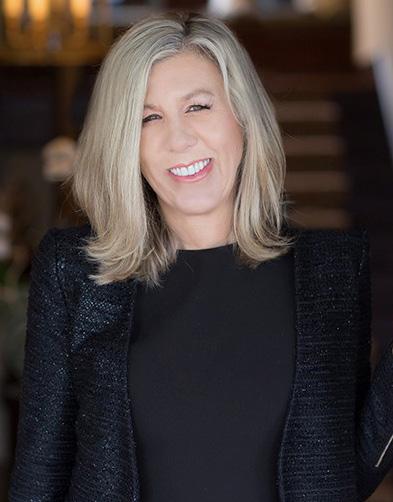
I am a Madison Park resident and a founding member of the Coldwell Banker Global Luxury office in our neighborhood. In 2025, I represented nearly $50 million in residential sales and have been honored for many years to serve as one of just 22 brokers worldwide selected to serve as an Ambassador for the Coldwell Banker Global Luxury brandrecognition rooted in consistent performance, professionalism, and trust.
If you are considering selling in 2026, I would welcome the opportunity to design a custom marketing plan for your home. Contact me for a confidential consultation.
enforcement efforts in the city. “The City of Seattle is a welcoming city, and my officers will continue to abide by all laws and regulations that prohibit our participation in immigration enforcement. While we have no authority over federal agents or federal policies, we will document incidents if and when notified. The Seattle Police Department’s primary responsibility is the life safety of ALL people.”
Wilson spoke to the controversial nature of the Trump administration’s efforts to enforce federal immigration law, including what critics call aggressive tactics, alleged civil rights abuses and the separation of families.
“So many of us are shocked and heartbroken by the news out of Minneapolis and share a growing concern that our city, too, could come under attack by the federal government,” Wilson said in the news release. “I’m also disturbed by what I’ve been hearing about the huge spike in hotline calls there from families that can’t pay their rent because they’re afraid to leave their homes and go to work, and about small businesses at the end of their rope because the federal incursion has made it impossible to operate. The federal government is causing profound, long-term harm to so many communities, and we all have a shared responsibility to organize, practice solidarity and do what we can to keep Seattle safe.”
The Mayor’s Office did not respond to multiple emails from The Center Square asking if the mayor’s plans to limit the city’s cooperation with federal agencies on immigration enforcement efforts could inflame an already tense situation. Multiple phone calls went unanswered as well.
Under the plan, Wilson will issue an executive order prohibiting civil federal
immigration authorities from using cityowned and city-controlled properties – parks, parking lots, plazas, vacant lots, garages and Seattle Center – for civil immigration enforcement.
“The mayor urges the Seattle School District, Seattle Municipal Court, and other local government bodies to take similar action,” according to the news release.
Wilson also directed the police department to investigate, verify and document reports of immigration enforcement activity, including any activity captured on in-car and body-worn video cameras.
The city will “Quickly invest $4 million in city funds to organizations engaged in immigrant legal defense, community support, and the long-term needs of immigrant
communities,” according to the announcement. “This money was appropriated by City Council late last year, and we are working to quickly invest the funds.”
City officials have said there is currently no indication of a surge in activity by U.S. Immigration and Customs Enforcement or U.S. Customs and Border Protection in Seattle.
The Center Square reached out to the White House Office of the Press Secretary, asking if the Trump administration has any plans to surge federal immigration enforcement efforts in Seattle, and was referred to the Department of Homeland Security. DHS did not respond to a request for comments.
Why Experience Matters in Today’s Real Estate Market
In a market this sophisticated, and with homes representing one of your largest financial assets, who you hire matters more than ever. I bring over 20 years of residential real estate experience, a UW Business School education, and a background as a former CPA. That expertise translates into strategic pricing, disciplined contract management, and marketing plans designed to maximize value - not leave money on the table.
Proven Results in 2025:
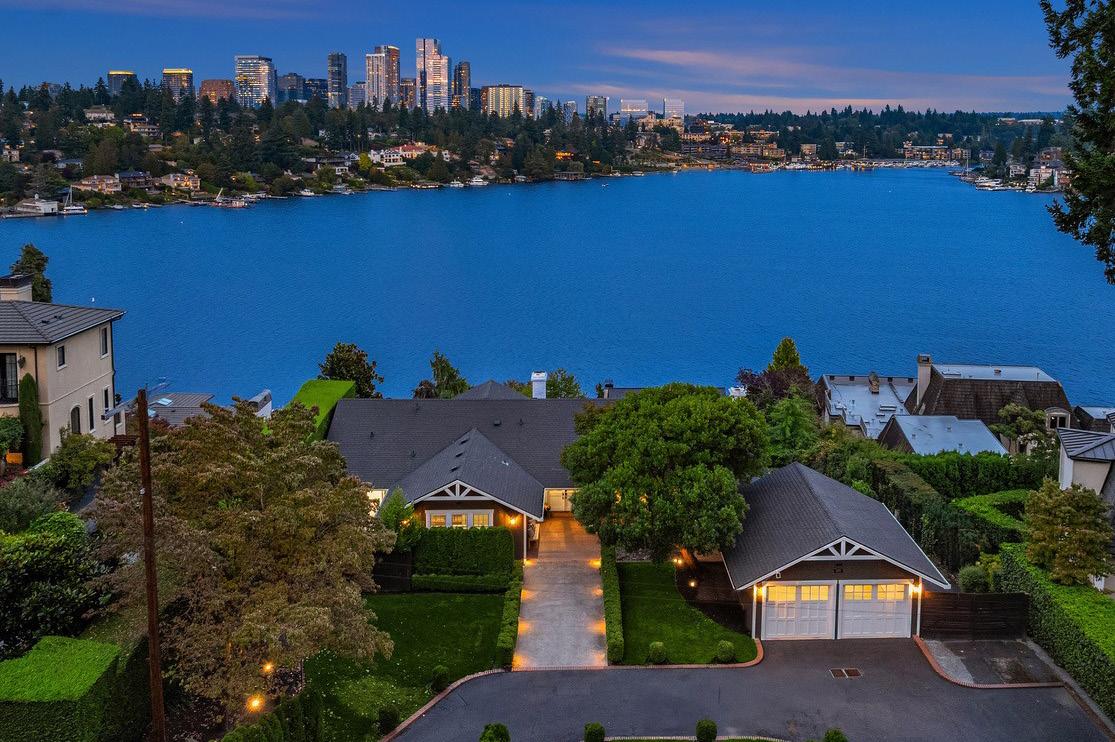
• Listing Broker for a San Juan Island waterfront estate sold for $5.25M - $250K over asking and closed in just 24 hours, despite prior days on market with two previous brokers.
• Listing Broker for a Medina view home sold for $5.5M - over 10% above asking with multiple offers. Strategically and professionally brought to market in just one week (including staging, exquisite photography and videography) to capture the end of summer weather so important to showcase this property at its best.
These are just two examples of my 2025 success. And these outcomes weren’t luck. They were the result of strategy, experience, and execution.