Who would have thought in 2019 that a global pandemic would lead to a real estate boom? Today, we are faced with a new set of uncertainties: rising inflation, a correction in the tech sector of the stock market.
All of this does not necessarily mean doom and gloom for the Northwest real estate market. The region is fortunate to be buoyed by two of the world’s great companies, Amazon and Microsoft, and a plethora of smaller tech companies that offer great compensation and require a wide range of services and professions to support them. We also still build airplanes, launch new ships and produce a diverse array of outstanding wood products.
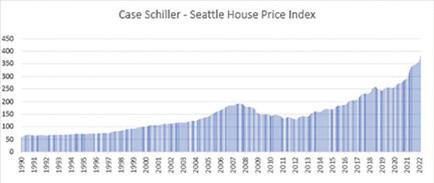
Even downtown Seattle, a recent victim of neglect, has turned a corner. If you have not been downtown lately, go. Start with a morning at the Pike Place Market, and then walk up to Nordstrom to buy a new outfit. You’ll notice the streets are cleaner and more welcoming than they were even six months ago. This all brings us back to real estate. Over the mid- and longterm, real estate is a terrific hedge against inflation, and if your timeline is over five years, there is very little chance your home will decrease in value. According to the Case-Shiller Index, over the past five years, the average home in Seattle has gone up 82 percent with an annualized rate of return of 13 percent. Since 1990, the
annualized home price increase has been 6.07 percent for a total return of over 558 percent. During that same period, beginning in 1990, for your home to end up down in value after five years, you had to buy your home between April 2007 and December 2008. In short, your home is a safe and stable investment. It turns out that the greatest
return on homeownership may not be monetary. I bought my first home in 1994. Since then, I have raised two curious and energetic children, made countless friends, served on the McGilvra School PTA, coached youth soccer teams and had thousands of informal conversations on the sidewalk with neighbors and people passing by.
Homeownership creates a strong civic and social fabric. Homeownership provides more than a home; it provides a sense of home.
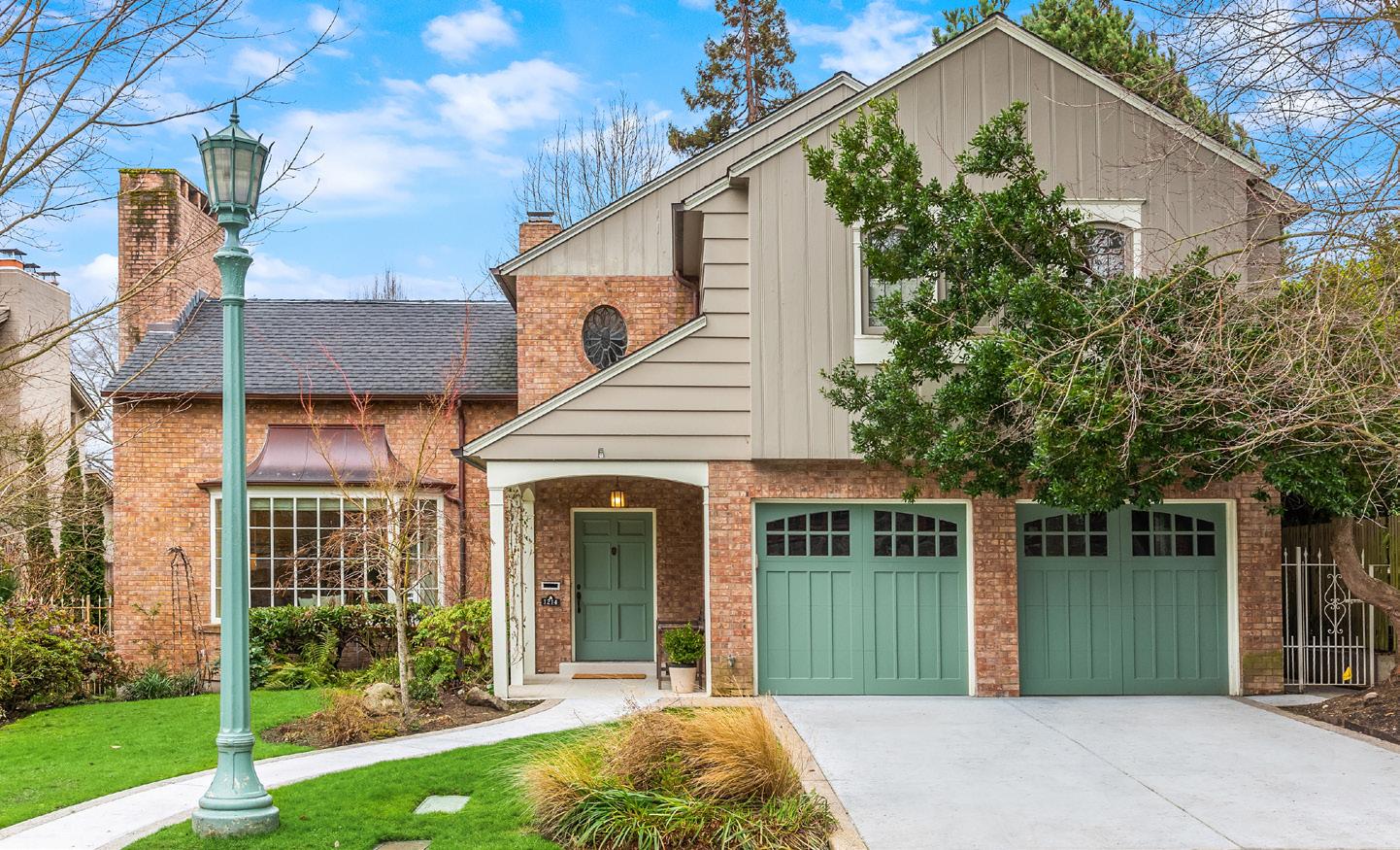
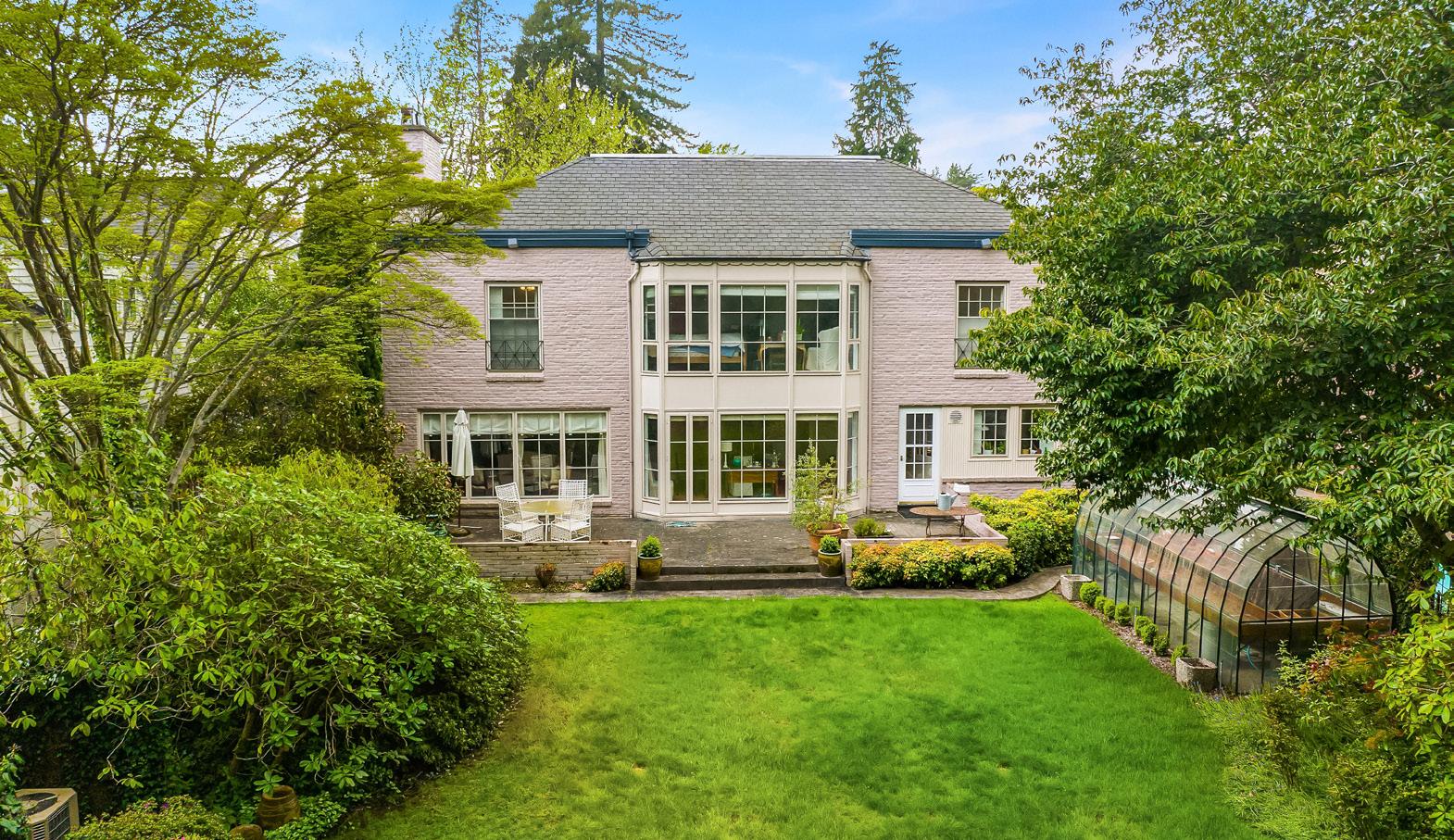
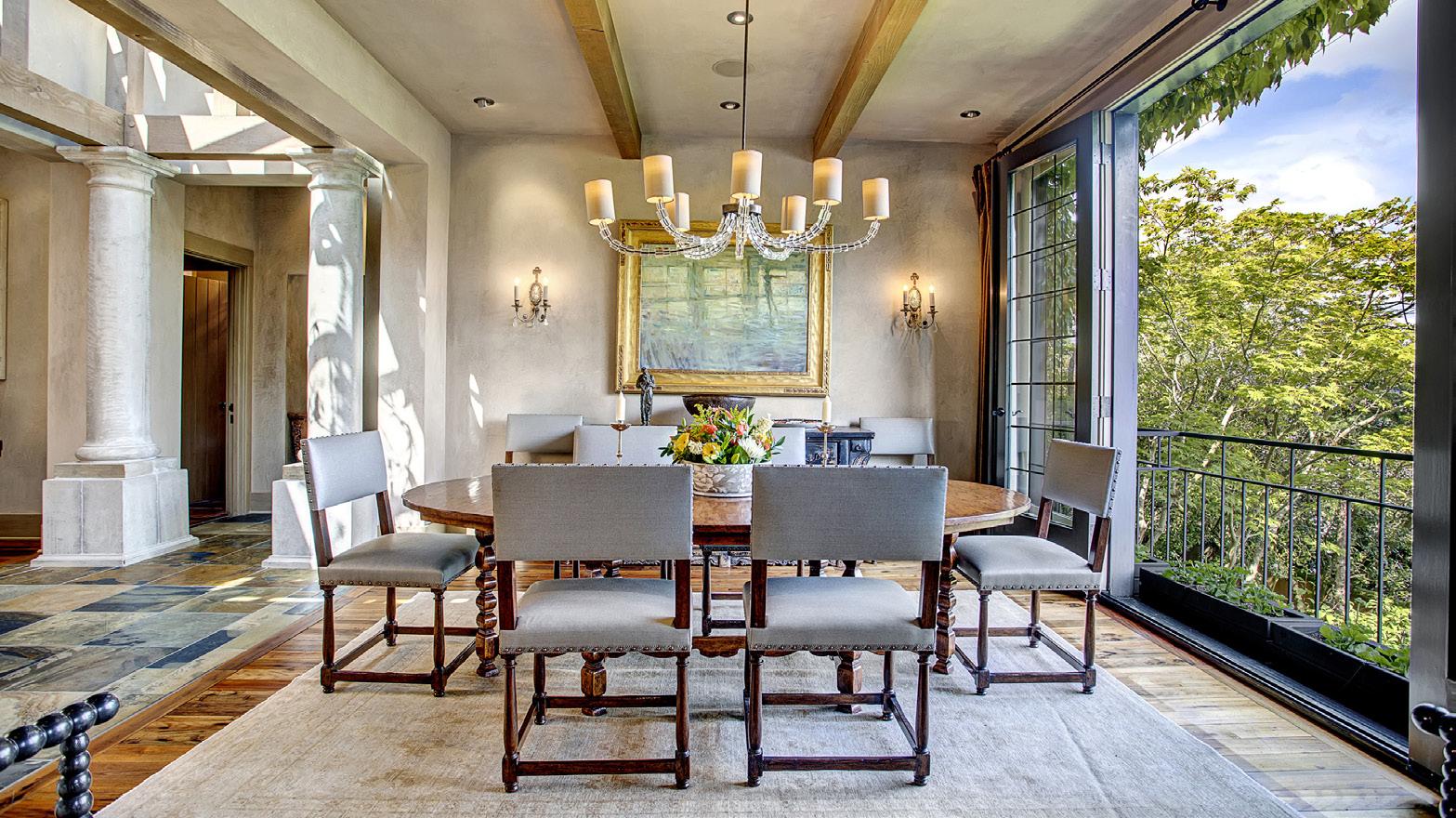
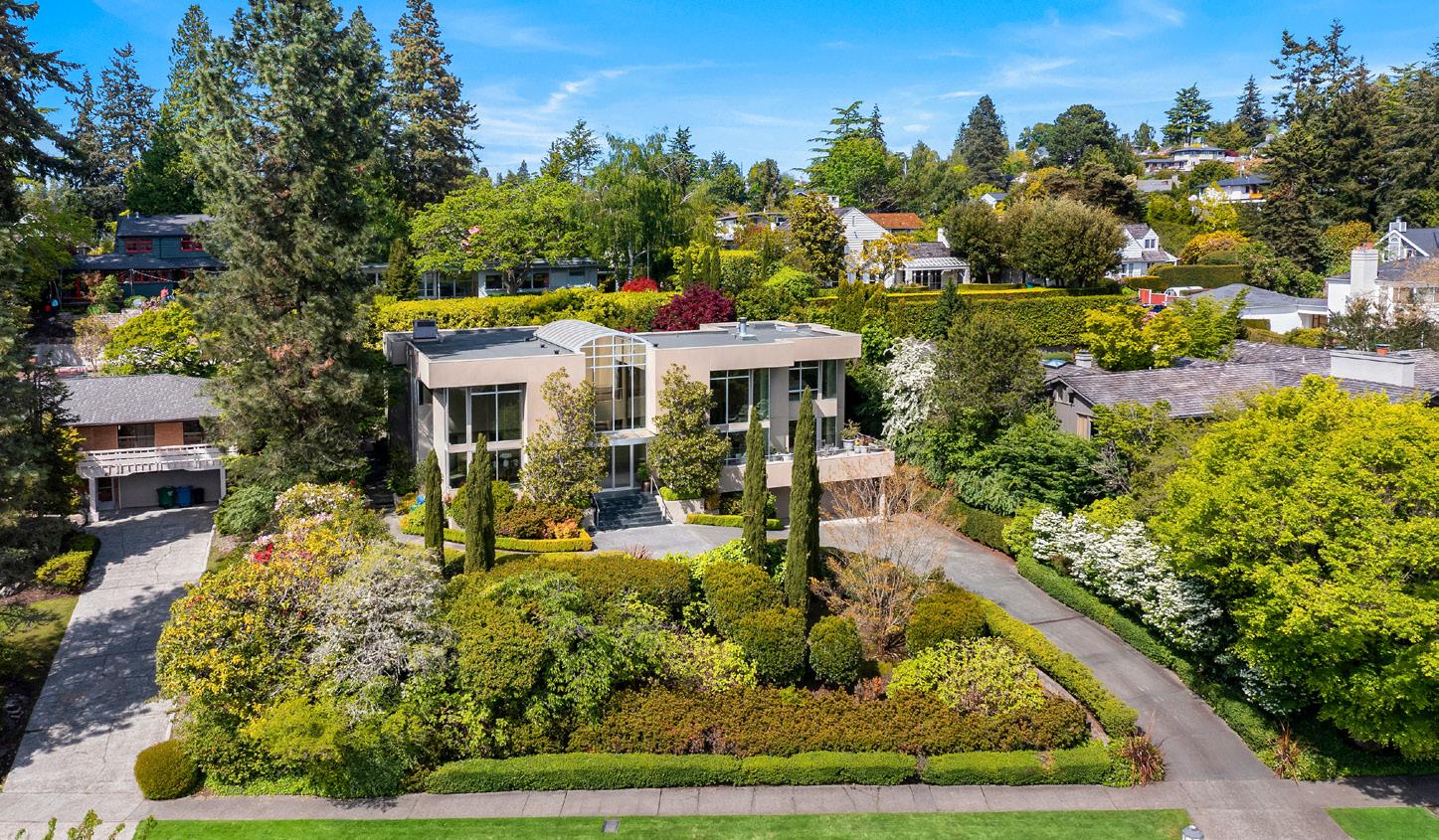
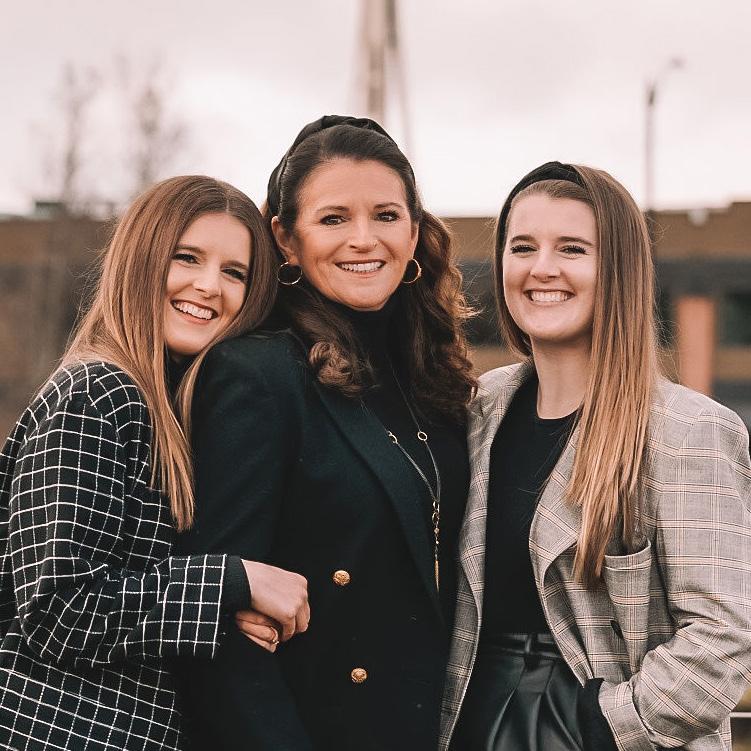
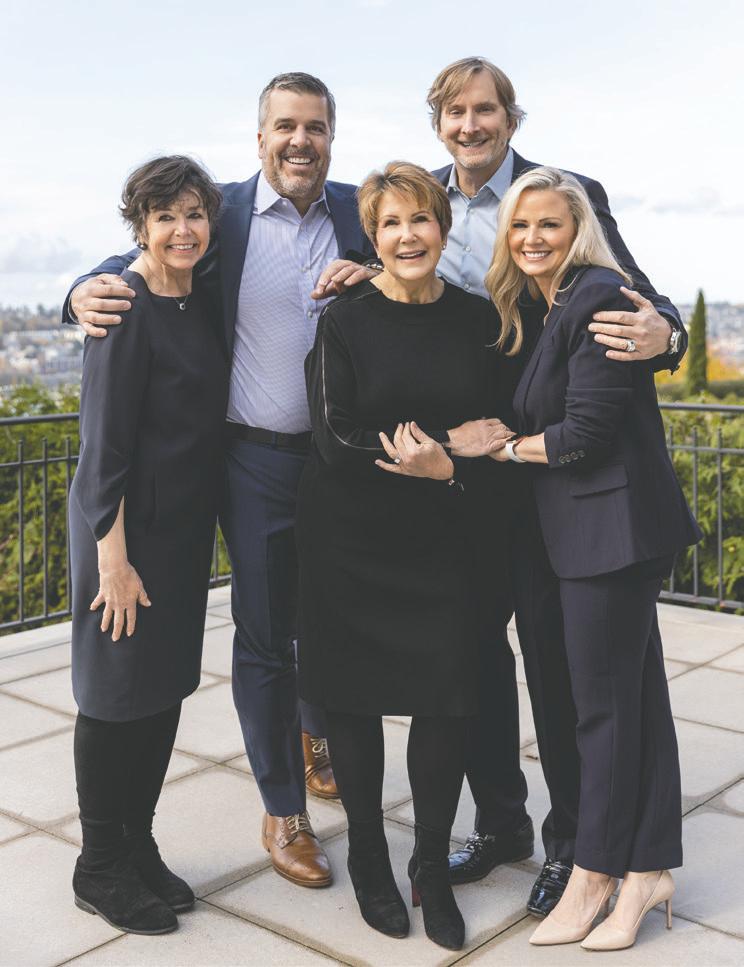
Toby Lumpkin | Broker Realogics Sotheby’s International Realty| Madison Park 206-786-2035 tobylumpkin.rsir.com
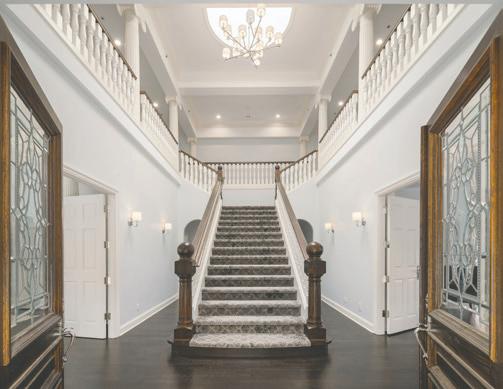
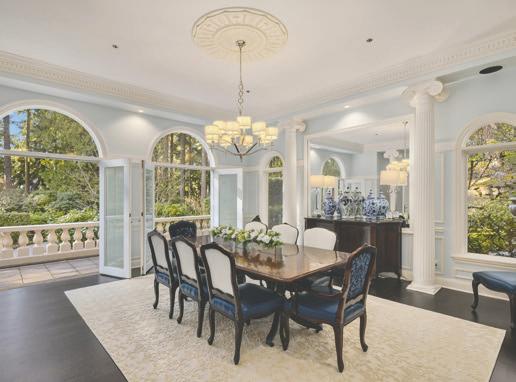
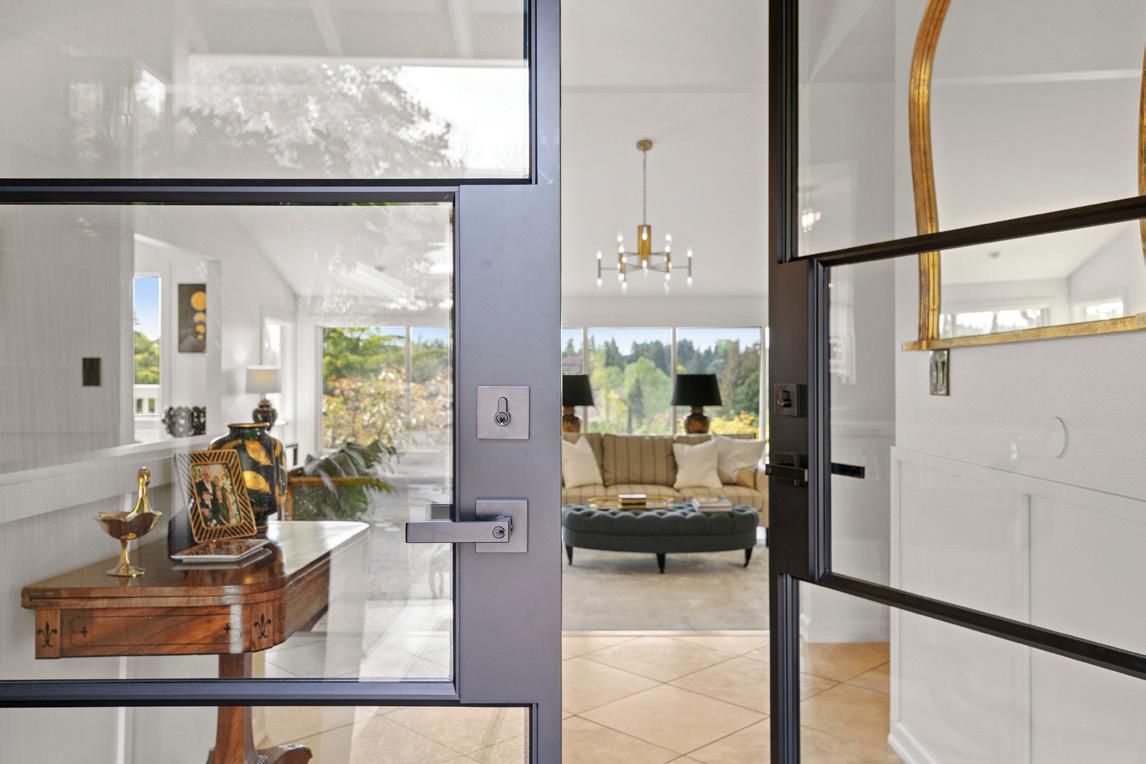
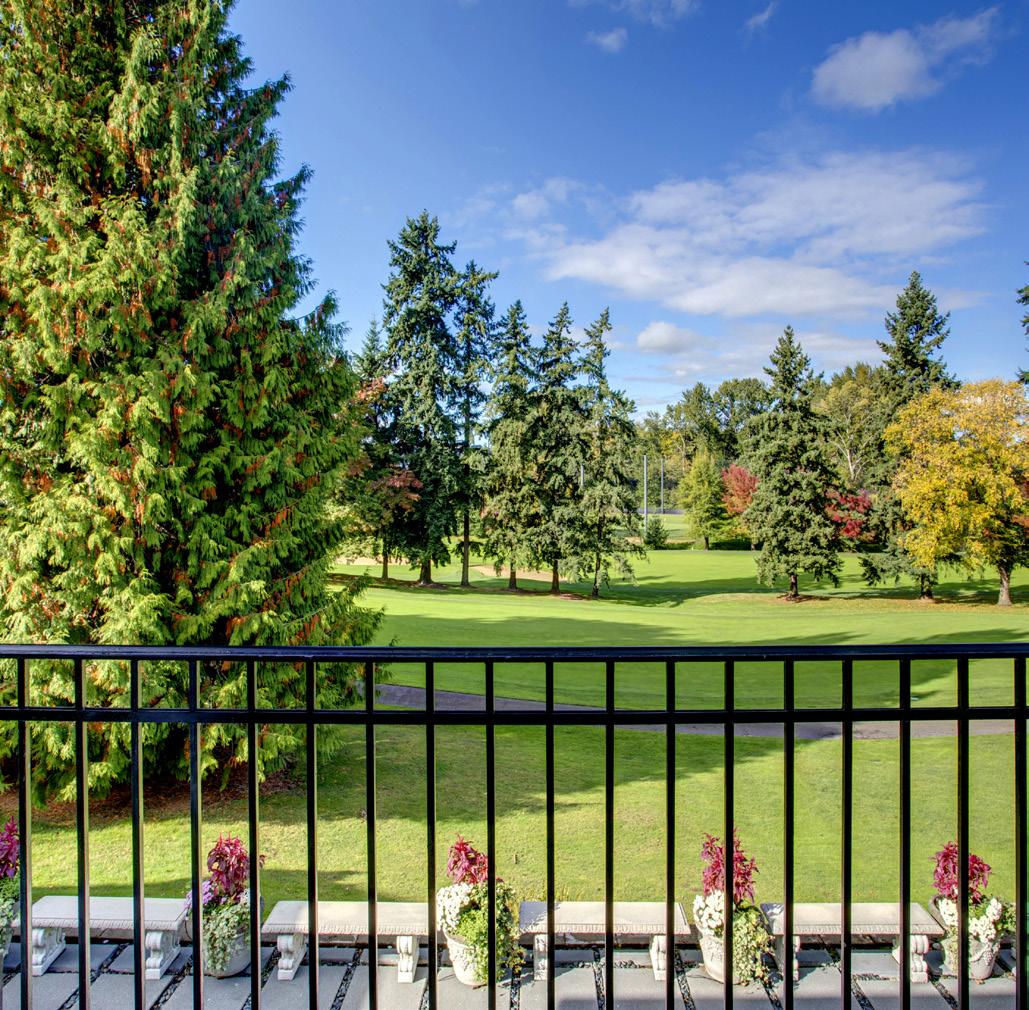
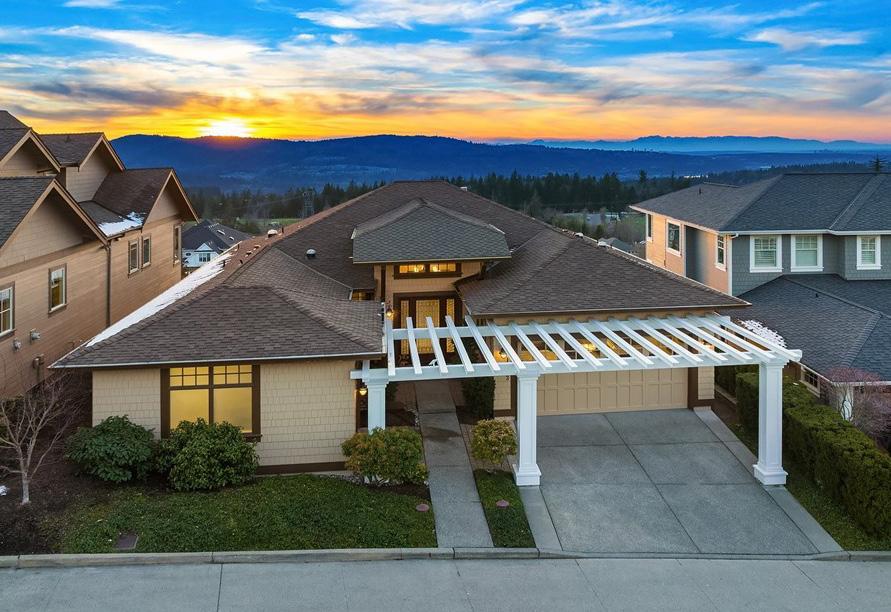
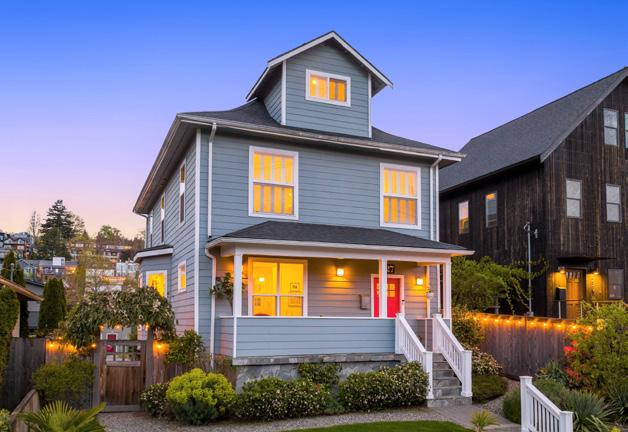
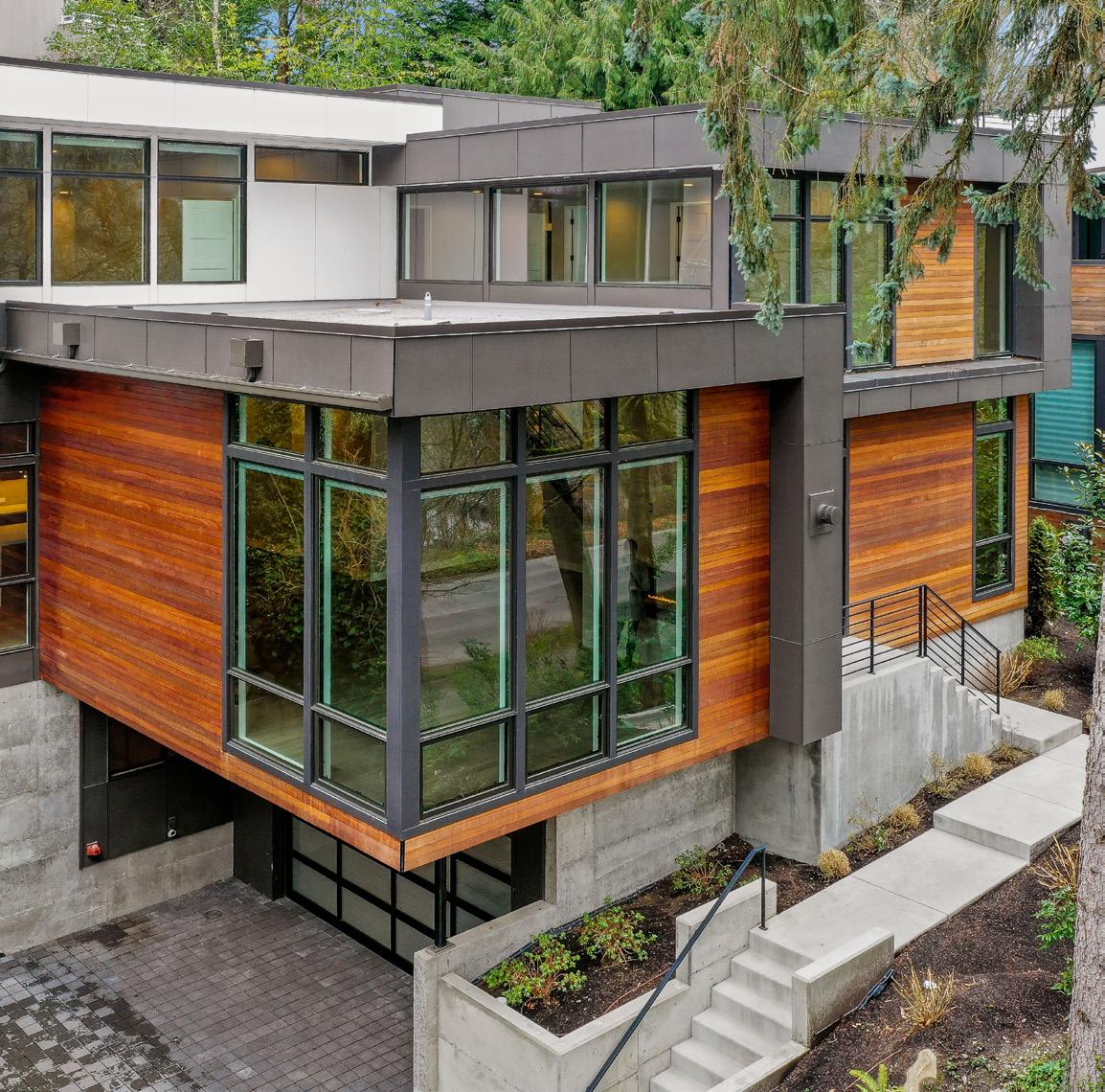
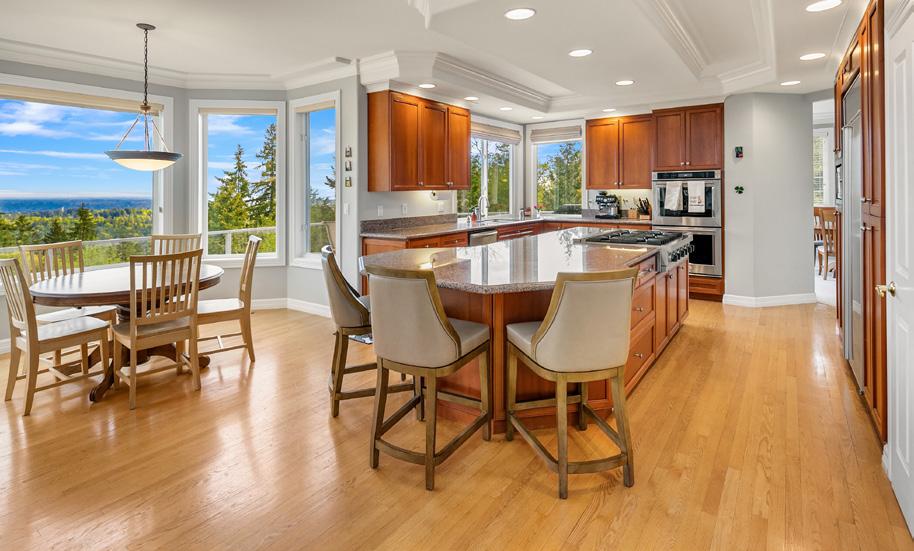
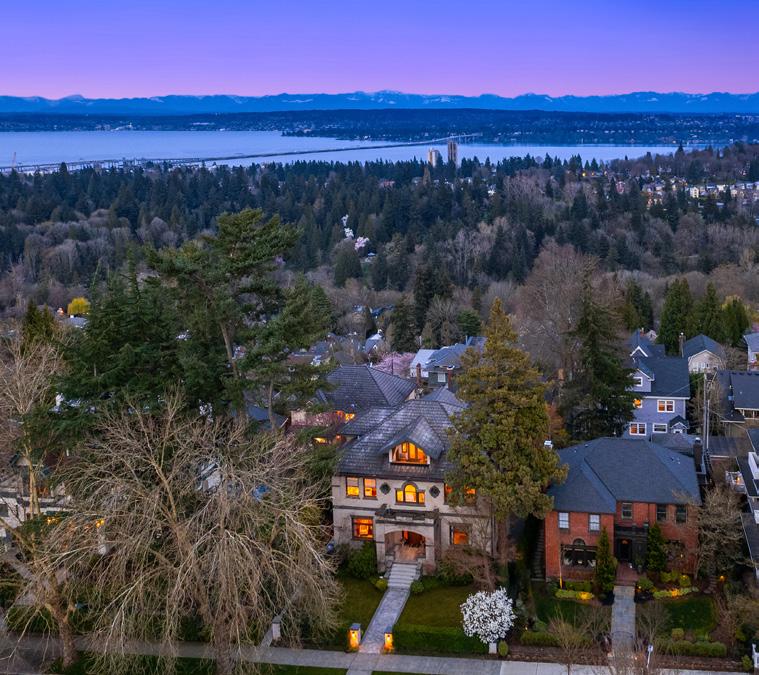
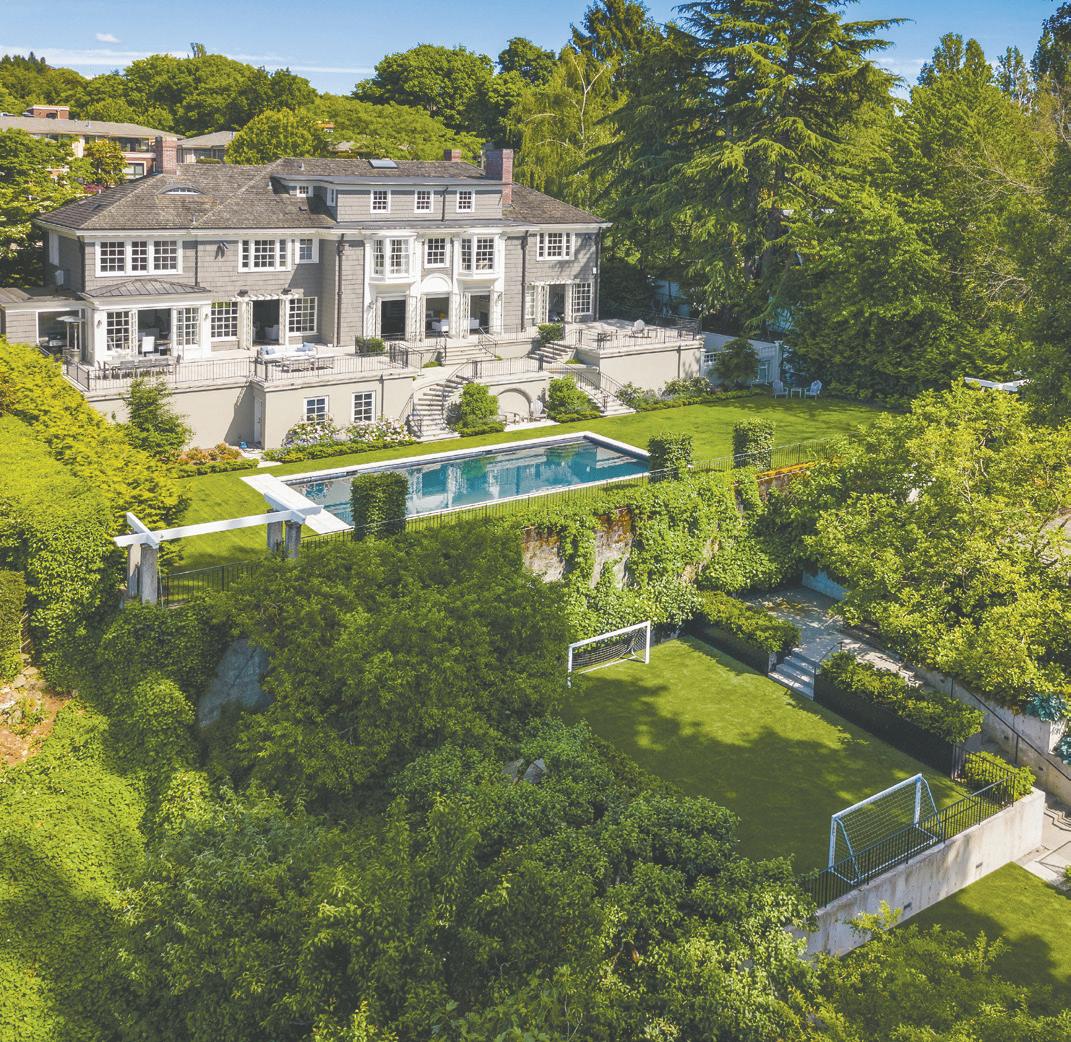
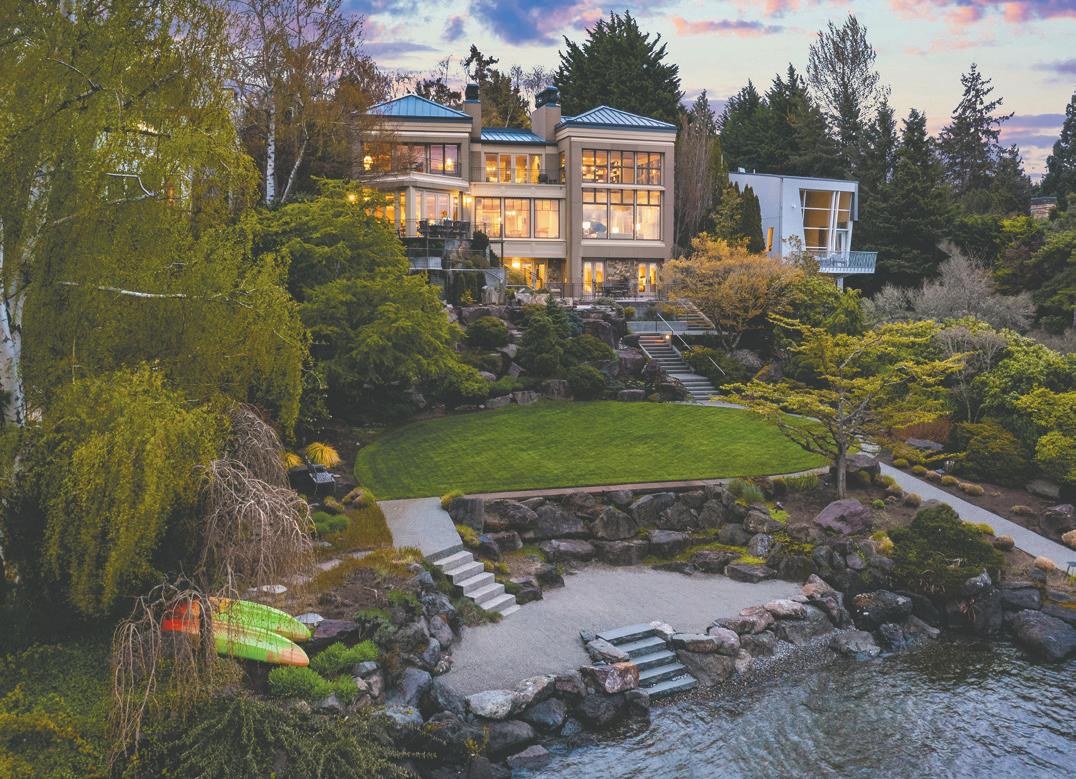
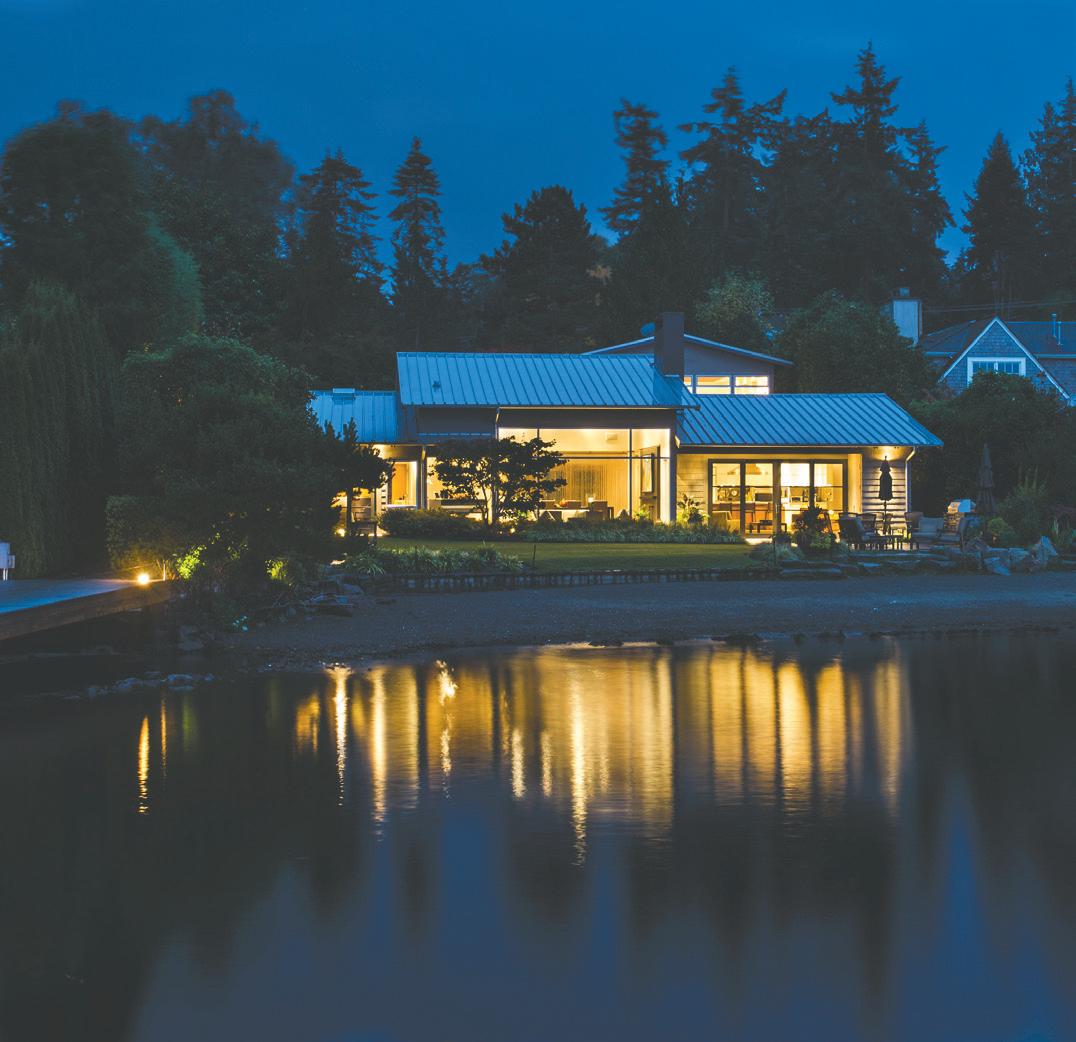
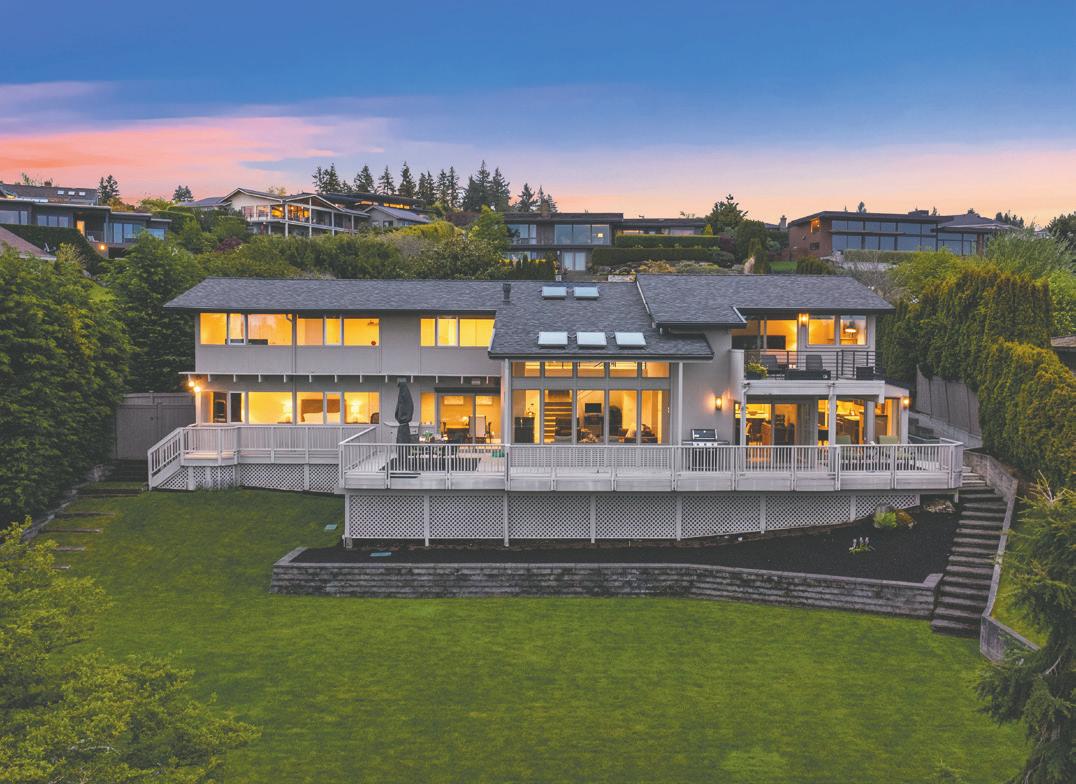
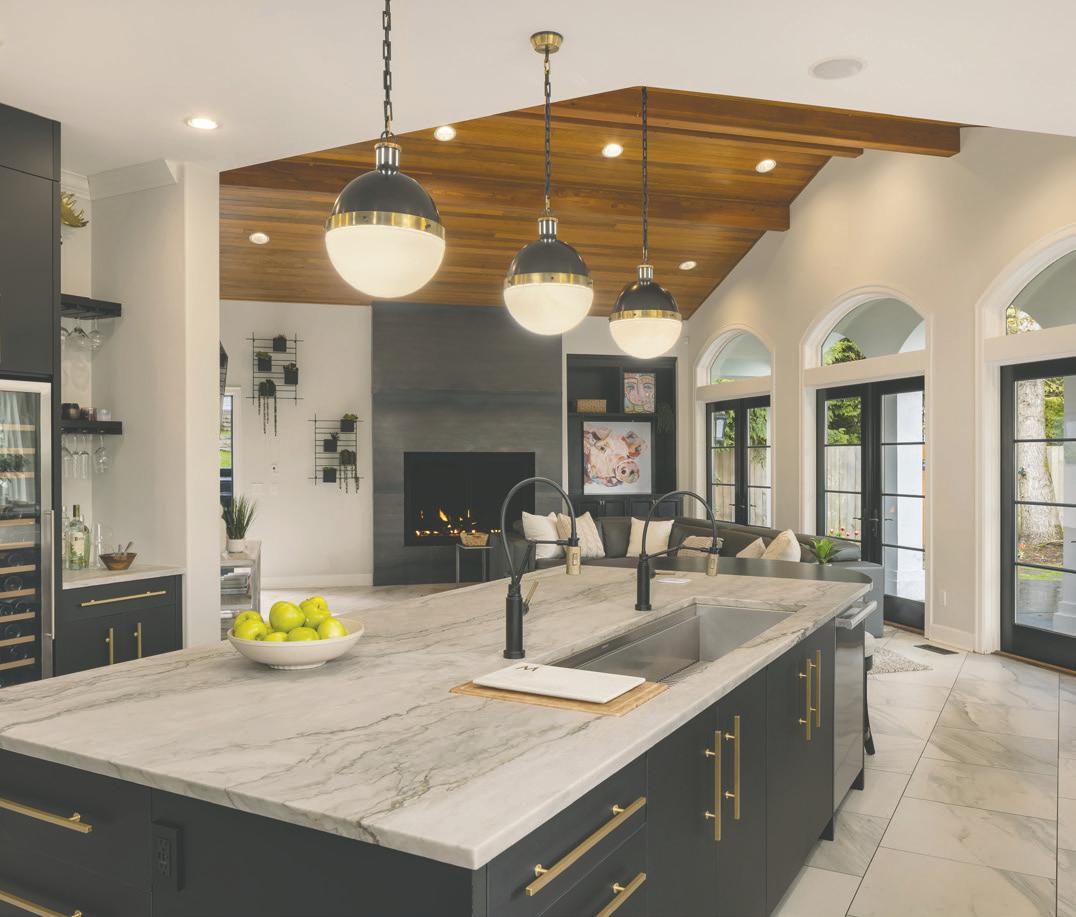
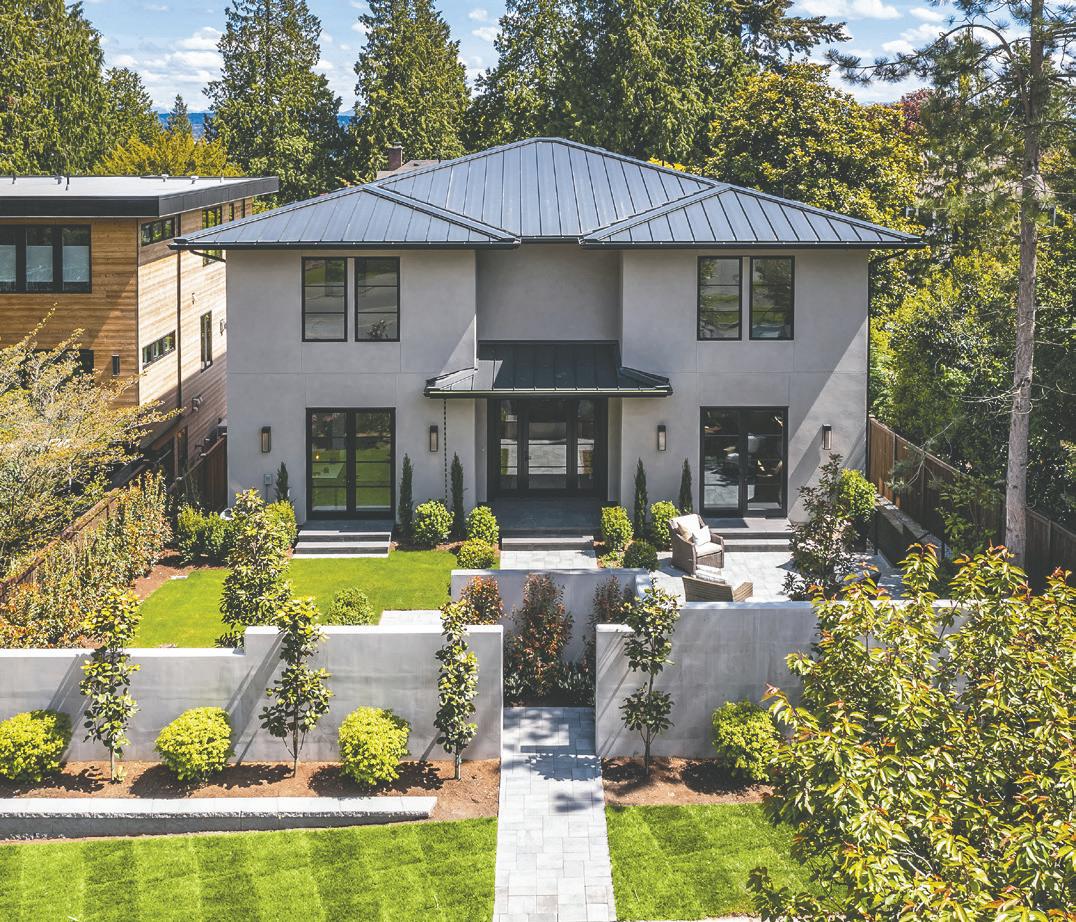
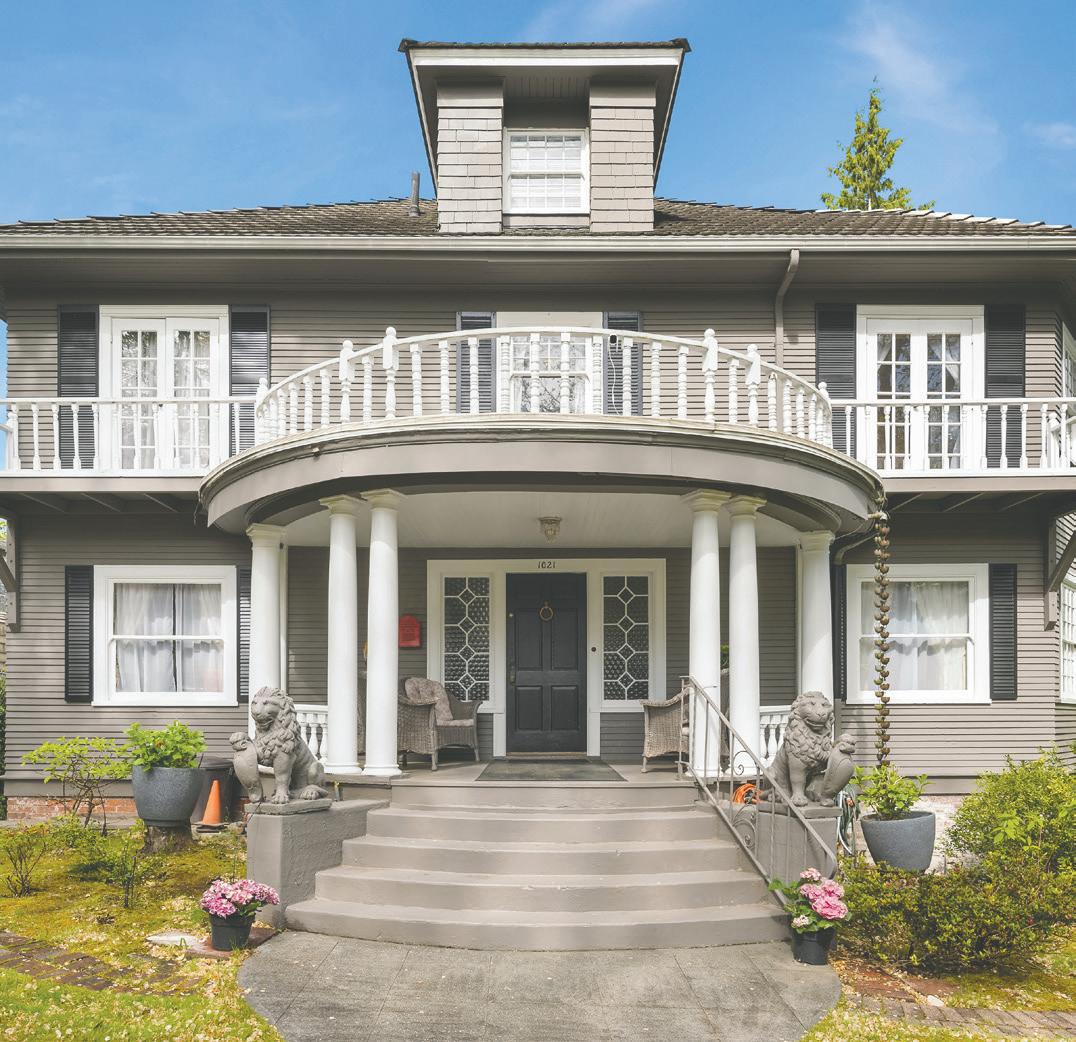
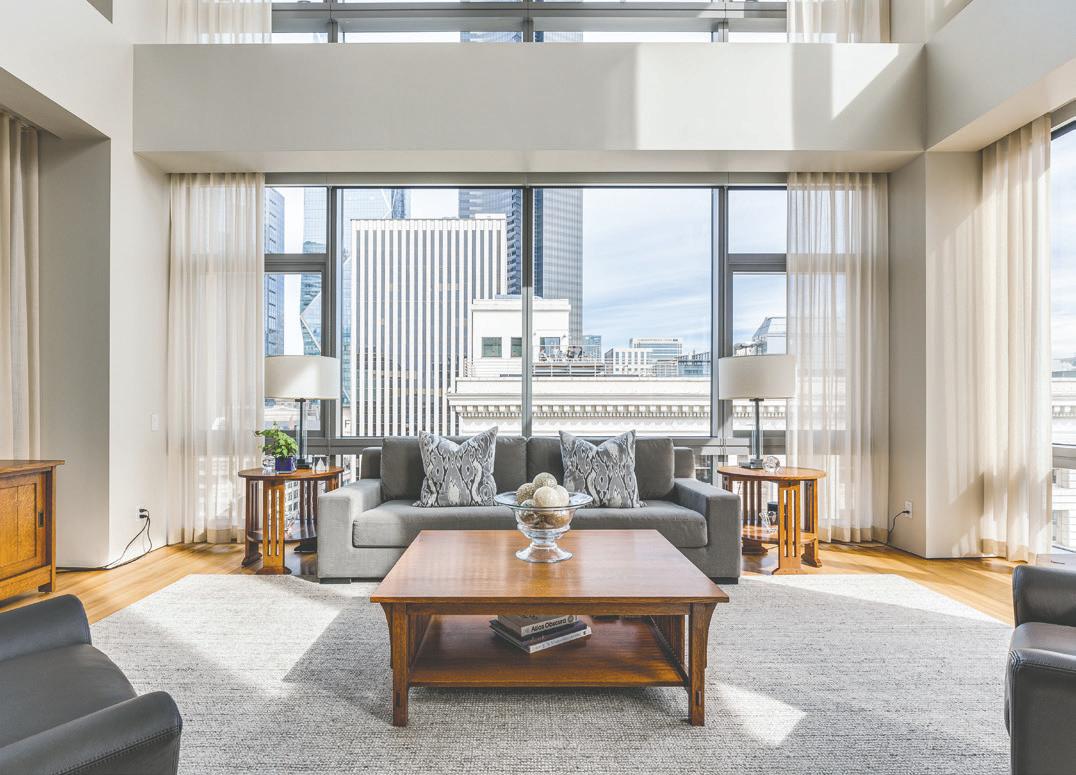
Toby Lumpkin Property Views
Bridge the seasons with long-bloomers
Once you’ve gardened awhile, you see there are seasons within seasons in the border. The dream is to have something in bloom nearly every week of the year — which, thanks to our climate — is within reach for Seattle gardeners, with some space and planning. The Bellevue Botanical Garden’s Perennial Border is an excellent example.
Of course, it’s fine to have lulls in your garden — maybe you prefer to have two or three blockbuster blooms rather than stretching a variety over a longer period. For instance, a border with spring bulbs followed by daylilies or dahlias. Today, I’ll deal with extending your flower power during those lulls by choosing plants wisely.
Mind the gap
There are a great many plants that bloom from April into midMay, and many from June into July, so it’s relatively easy to cover
those periods. To bridge the gaps, consider some of these powerhouse plants that choose to bloom earlier and later.
Ornamental
onion
Allium bulbs, particularly the large varieties, bloom a long time, and even when officially past their prime, their unusual globe-shaped flowers stay upright but faded, adding structure and height for weeks. Some even spray paint them for color into fall! Some varieties to look for include “Globemaster,” “Purple Sensation” and “Mount Everest.”
These perennials are usually purchased and planted in bulb form in fall, but nurseries are carrying potted ones now.
Wallflowers
Erysimum hybrids, also known as wallflowers, are some of the blooming-est plants you’ll ever find. They were doing High Intensity Interval Training before it became trendy. While techni-
They emerge early, ready to cover over
foliage, and bloom from May through October, helped with a bit of deadheading, which releases a minty fragrance.
cally perennial, they may fade out after several years out of sheer exhaustion. New varieties come in
a host of sunset colors with names like “Winter Orchid”and “Apricot Twist,” while “Bowles’ Mauve” is
an
are
My Clients Are Saying...
“Laura is a true professional. Equal parts experience, savvy, and personality. We had only 10 days to list and sell our home in Montlake. She had the professional contacts to get our home ready, the local market knowledge to properly price our home, and the business acumen to effectively negotiate the multiple offers we received. She works hard and doesn’t miss the details. She is a natural communicator, able to easily navigate between the various parties to the transaction (buyers, sellers, agents, lenders, title/escrow, inspectors, etc.) Her marketing materials are impeccable. We put our home in her hands and were rewarded with 11 offers and a sale price of $600k above the asking price. Thank you, Laura!” - Mario & Elizabeth Bianchi
heirloom favorite. Some
Erica Browne Grivas Get Growing
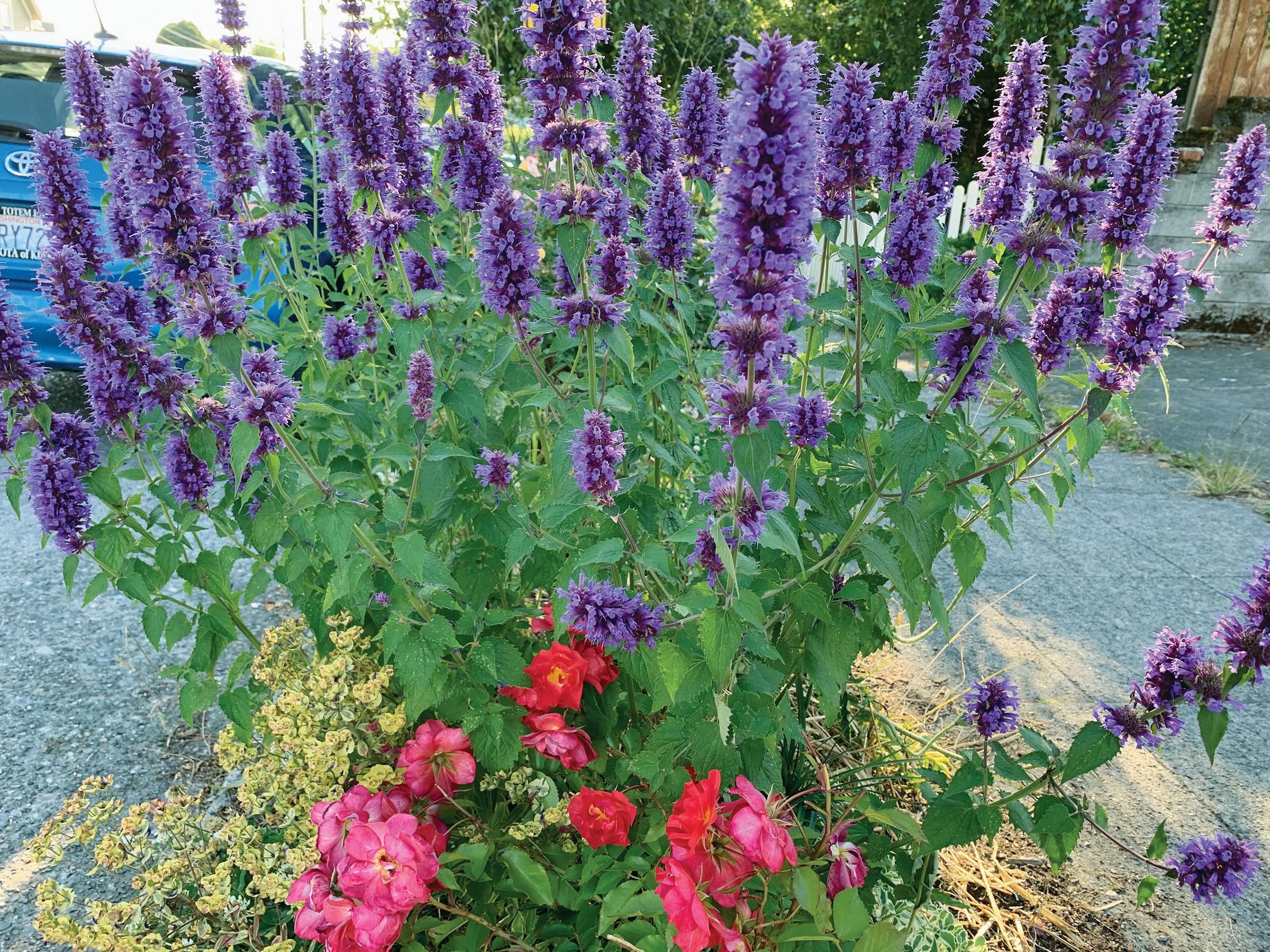
Photo by Erica Browne Grivas Agastache ‘Blue Boa’ offer showy, violet cattail-like blooms like these featured in columnist Erica Browne Grivas’s garden.
dying spring bulb
Storm practice facility Master Use Permit application filed
Force 10 Facilities Release
Force 10 Facilities, LLC
(F10F), submitted a Master Use Permit application for a new, state-of-the-art professional basketball performance center, May 20.
The center will serve as the dedicated practice facility for the WNBA’s Seattle Storm. Its design will both celebrate the Storm’s success in Seattle and allow the franchise to expand its efforts to grow opportunities for female athletes and youth in the city.
F10F is developing the Seattle Storm Center for Basketball Performance on a 50,000-squarefoot parcel in Seattle’s Interbay neighborhood. The design will include two side-by-side basketball courts, the “Storm Team Center” with locker rooms, a lounge and a nutrition center for the players, and strength and conditioning training spaces. The facility will include room for diagnostics and physical therapy, as well as the franchise’s business offices. Construction is expected to begin in spring 2023 and be completed in time for training camp ahead of the 2024 WNBA season.
“We are excited to create a state-of-the-art training facility for our team and for our city. The Storm facility will provide our athletes with a dedicated space to support them holistically, from training to health and wellness,” Seattle Storm co-owner Lisa Brummel said. “This facility reflects our franchise legacy, our
athletes’ success, and aims to promote and grow the women’s game and expand youth access to play.”
The women-led project team includes owner’s representative barrientosRYAN LLC, a design team led by ZGF Architects and Shive-Hattery Architects, general contractor Sellen Construction and landscape architect Walker Macy. Additional project partners include Coughlin Porter Lundeen, Holmes, Prime Electric, PAE, Apollo Mechanical, Counterbalance Consulting, PanGeo, Counsilman-Hunsaker, Bargreen Ellingson, Heffron Transportation, RDH, Studio Pacifica and BRC Acoustics.
F10F’s goal is to build a worldclass facility for world-class
Public invited to community-police dialogs
People interested in engaging with community members and Seattle Police personnel regarding findings from the Seattle Public Safety Survey and share real-time concerns about crime, public safety and security in Seattle are invited to participate in
highly fragrant, so test before buying if this is important to you. They begin blooming in April and can continue for two months if deadheaded. Summer brings a well-earned rest, but if you trim them back and offer some compost and liquid fertilizer, you’ll see renewed blooms in September. They prefer well-drained soil and can take partial shade. Pollinators love these too.
Calendula
Another precocious bloomer that likes the weather on the cool side, calendula starts in May and blooms through July if deadheaded and watered in the heat. Like erysimum, they will perk up again when the heat of summer fades for a second show if trimmed and watered through the summer. As a bonus, calendula flowers are edible, making lovely additions to
salads and summer beverages and are a common ingredient in natural salves and creams. These are “half-hardy annuals” that can seed around, but I always find them a welcome presence. You can sow them in autumn or earliest spring or buy started plants now.
Perennial geraniums
Let’s get the names clear first. Botanically, these plants, like geranium endressii, or G. pilostemon, own the name geranium, rather than the pretender window-basket annuals who took it over — those are really called pelargonium. These are mat-forming perennials that make a great groundcover, bloom for months and host pollinators, too. Their leaves often take on red fall tones, too. They’re not evergreen, but you can’t have everything.
The best I’ve found so far is geranium “Rozanne,” which blooms in violet blue on my very
dry hillside from April through October. Seriously.
Agastaches
The blue/purple agastaches have proven strong performers in my parking strip, which is even worse soil than my dry hillside. While I adore the orange and yellow agastaches, the blooms are
female athletes with women-led teams, supported by men and women who are experts in their areas of specialty. Currently, 85 percent of all project team members across all disciplines are women.
The project is designed to achieve LEED® Gold certification, featuring all-electric operations and a rooftop photovoltaic array. Upon the building’s completion, the franchise will continue its longstanding work with nonprofit and community partners, welcoming them to its new home to collaborate in supporting community development.
For more information on the project, visit https://www.sellen. com/storm.
the 2022 MCPPP Community-Police Dialogues from 5:30 p.m. to 7:30 p.m. Thursdays in each precinct through Aug. 25. The remaining meetings are at:: East — June 23, July 28; North — June 30, Aug. 4; South — July 7, Aug. 11; Southwest — June 9, July 14, Aug. 18; and West — June 16, July 21, Aug. 21. To sign up, go to https://www.publicsafetysurvey. com/index.html.
more sparse, and the plants seem flightier. The optimistically named “Blue Fortune” and “Blue Boa” offer showy, cattail-like blooms — with “Fortune” being more blue, and “Boa” being more violet. They emerge early, ready to cover over dying spring bulb foliage, and bloom from May through October, helped with a bit of deadheading, which you won’t mind because it releases a delightful minty fragrance.
Rudbeckias
More reliably perennial in most situations than echinaceas, the rudbeckia family includes many stalwart bloomers for lateseason color, from the old standby black-eyed Susan “Goldsturm” and “Henry Ellers” for front and mid-border to lesser-used tall varieties like R. iacinata (cutleaf coneflower — droopy lemon petals with a green eye) or giant R. maxima with a black center. The
black-eyed Susans don’t even get started until July and then just keep going until October. Note that the appealing R. hirtas that appear in nurseries in July like “Cherry Brandy” in rusty red are not typically perennial.
Annuals
Pelargonium, what many call geraniums, may be the longestflowering annual for a sunny spot. Pair it with fragrant alyssum, and you have a bulletproof combo for the season. The alyssum may even return if it’s happy. Pansies and especially their wilder viola cousins, bloom super-early, sometimes shrugging off snow, for about two months and reprise their performance in fall if given compost and water. Certain violas, like “Molly Sanderson” and “Etain” may return and expand over the years. Try sprinkling some of these into your border plans and watch them boost your flower power.
LISA TURNURE REAL ESTATE
Word by word
That I dream in sentences may seem a bit odd.
Except it isn’t, really. How the sentences began is a story in itself, intertwined with my love of reading, prompted by whatever book I’m immersed in or, more likely, by my opinion of whatever book I’m immersed in. I hear the words. Then, slowly, they emerge. And I never thought the same way about dreaming once the sentences became visible, words that want nothing more than to make my mind a truer place in which to live. They are not always successful.
Nor are they new to my dream cycles. When I was a kid, “Highlights” was my favorite read, and mine alone, though I was supposed to share the magazines with my sisters. I didn’t share them with my sisters. In winter, I hid them under my bed, in summer, in my tree fort.
No one ever found me in my fort, and that’s what I wanted. Without interruption, which I also wanted, I was eager to know myself in the world outside of my family, my school, my street.
My fort was neat, airy, and when the afternoon sun hit the paper birch, the white bark illuminated everything, every tree, every plant, every insect hovering in the air between the lowest
branches and the ground, reminding me that the forest was forever encroaching, which, I think, is a perfectly understandable entitlement.
It was about this time that I started dreaming in sentences.
My father said, “Don’t let the neighbor kids climb up,” which didn’t bother me.
I didn’t want the neighbor kids to climb up. But I couldn’t imagine what he meant by “dangerous.” To me, the weather-beaten boards weren’t a hazard, but safety. I thought the trim lopsidedness of my three walls (it was more of a lean-to) was its most endearing quality.
To this day, a well-kept cottage can fill me with house-envy. But it’s not like that when I see lavish reflections of wealth. It’s as if I can feel certain tensions seeping out, and then, there they are, gathering in a sleepy sentence inside of my head.
I’m not saying every huge house is chaos waiting to happen. I’m just saying that’s how I internalize them. Listening to my parents’ marriage implode within the sturdy splitlevel my father built, my fort became, not all at once but as the fights intensified, a requirement for the rest of my life. I felt more at home in my fort than anywhere else. I think I’ve been searching for that same feeling ever since.
A few of my homes have come close. Sometimes I feel as if my true place is still out there.
I write terribly in the dark, and most mornings I have no memory of the sentences.
But when I re-read the scribble, I see how the words want to matter just as much as I do; they want to try. They work hard at coming into my subconscious. They bomb just as often. But they try.
My last 3 a.m. sentence said everything people like me like
“When I was a kid, ‘Highlights’ was my favorite read, and mine alone, though I was supposed to share the magazines with my sisters. I didn’t share them with my sisters. In winter, I hid them under my bed, in summer, in my tree fort.”
to say to themselves, “Writing is the ritual I found for myself so that my life and my work would always be the same.”
Two hours later, the words were harsher. They posed a question. Two questions. Then, a startling truth. “The New York Times” was my portal in between dreams (never a good idea), the Russian invasion of Ukraine, human suffering I didn’t want to think about, but I made myself read every account.
For another hour I tossed and turned in the aftermath. It was 5:30 a.m. when I scrawled, “What about that bomb we dropped, that unthinkable bomb?” My mind raced. Then it (sort of) changed the subject.
“No other country slaughters
cows as brutally as we do, and were these images to be put on full-color spreads in ‘The New York Times,’ no one could stand to look … but we’d have to look and then maybe the days of slaughtering 33 million cattle a year would be over!!!!!”
The exclamation points ran off the pad. I was upset. And I remember with absolute clarity why I was so upset, aside from the Russians, the war, the bomb and all the heaving cows: During past travels, we’d driven past stockyards in Texas. I had never tried to express my horror in writing. But earlier that evening I ate red meat for the first time since I was 17. I didn’t know I was eating it. It was in the sauce. I was fine. My stomach didn’t even seem to notice. My mind, however — clearly more sensitive to the thought of beef than my stomach — rebelled, leaving a shock wave in its wake.
“My life has always been about small blisses, small wins.” Half an hour ago, this sentence surfaced during the nap I tried to take. The words made their way in. They made mistakes (I don’t like the word “wins”). They made me listen. To everything.
Mary Lou Sanelli’s newest collection of essays, “Every Little Thing,” has been nominated for a 2022 Washington State Book Award. Find it at Magnolia’s Bookstore and The Queen Anne Book Company, www.marylousanelli.com.