Fountain of Youth Part 2: Stretch and Hydr Stabilize
By Michele McCauley
Last month we talked a little bit about ways to stretch and how it helps you maintain mobility. And I very briefly mentioned that it’s only part of the equation. This month I’d like to take a deeper dive into the other crucial piece: stabilization.
Yes, sometimes our bodies hurt–especially as we age–because we are a little stiff, because muscles tighten up more easily than they used to, and maybe need a little extra encouragement to release. (I hope everybody remembers that I suggested foam rolling last month). But joints that don’t have enough support–where the muscles around them stretch a little too easily and are slow to fire–can also be the culprit. Got back pain? Sometimes core strength or support can make all the difference.
But it’s even more likely that there are some muscles that are over-active–that need to be released, stretched–and some that are underactive–that need to be strengthened, toned.
Muscles around a joint often carry out opposite motions. For example the triceps straightens your arm at the elbow, the biceps bends it. This arrangement is called a force-couple relationship. When one muscle in this relationship activates it inhibits the muscle that carries out the opposite action. This is great when you’re trying to get the best body mechanics for throwing a ball. It’s not so fabulous when you’ve been sitting on an airplane for hours. In fact, if we go back to our example of back pain, if our hip flexors are tight–those are the muscles that hold us up when we sit–they can pull the pelvis into a less-than-ideal position. This then calls on the dozens of muscles that run between our vertebrae (erector spinae and
multifidae) to hold us up, which in turn inhibits abdominal support.
So, more important than just stretching, is finding that balance of mobility and muscle tone, which gives our joints the support they need. But how do we find it? I mean, yeah, of course we know when something hurts or doesn’t hurt, but when something’s hurting, how are we supposed to know what to strengthen and what to stretch?
No surprise here…of course I’m a strong believer in the value of a good personal
trainer. A good eye for how you’re moving and the individualized feedback in a oneon-one session can make all the difference. Physical therapists are also great resources for this.
A class won’t be as individualized, but there are plenty of movement modalities that are all about helping your body find that balance. If it’s a modality that the physical therapists borrow from, chances are it will work. Yoga and pilates are some of the most widely known. Gyrotonic is another one that I’m personally familiar with
and can recommend. Many practices that promise a mind-body connection fall into this category as well. If you go this road, you may need to try a few things or try the same thing at a few different places before you find what really works for you. And remember, finding a good, knowledgeable instructor is key.
Michele McCauley is a personal trainer at Resilient Body Fitness. She would love to be your Best Friend in Fitness! E-mail your fitness questions to bff@ResilientBody.Fitness
Madison Park, Meet Your New Neighborhood Advisors
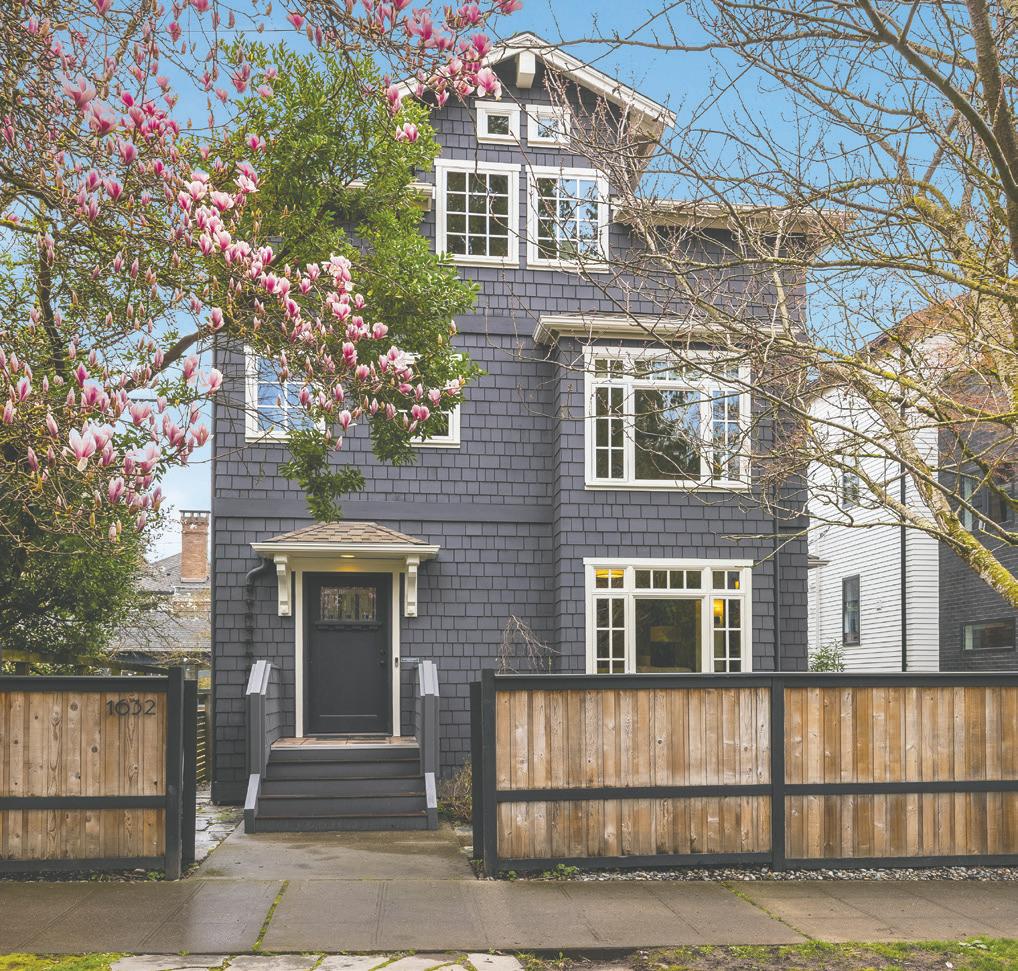
Meet the founding team of The Agency Madison Park—an accomplished collective of seasoned brokers known for delivering exceptional results and a highly tailored, white-glove client experience.
Jen Cameron, Managing Partner
Phil Greely
The Hines Group (Sandra Hines & Blake Wagner)
Jake Neuman
Carrie Debuys
Seetha Chittar
Joey Jagod
Melissa Harris
Mumma Homes (Kara & Kyle Mumma)
With decades of combined experience, deep market expertise, and a shared commitment to excellence, this team brings a level of service that is both globally informed and deeply local
Celebrating Asian American and Pacific Islander Heritage Month
ASIAN AMERICAN PACIFIC ISLANDER COMMUNITY DAYS
May 4 – May 31, Seattle Aquarium
Asian American and Pacific Islander Community Days return to the Seattle Aquarium throughout May, offering a month-long celebration of culture, community, and marine science.
The program features special talks, hands-on activities, and a scavenger hunt designed to highlight connections between AAPI communities and ocean conservation. Visitors can also meet Aquarium scientists during weekly Discovery Lab sessions and learn more about careers in science.
A GLIMPSE OF CHINASEATTLE CHINESE CULTURE & ARTS FESTIVAL
(A FESTAL CELEBRATION)
May 9, Seattle Center
The free event is part of Seattle Center’s lineup of community and cultural programming. The festival explores traditional and contemporary influences of China, covering 5,000 years of history through folk dances, artwork, dance, and more!
The festival offers a chance for families and visitors to spend part of the day at Seattle Center while exploring Chinese culture and arts in one of the city’s central gathering spaces.
TEA CEREMONY: INTRODUCTION TO CHANOYU
May 9,10,16 &24, Seattle Japanese Garden
Looking for a quieter way to spend an afternoon? Tea Ceremony: Introduction to
Chanoyu offers a chance to experience the traditional Japanese practice of tea in a thoughtful, guided setting.
Participants are introduced to the fundamentals of chanoyu, the Japanese tea ceremony, including its history, etiquette, and the careful preparation of matcha. The experience emphasizes mindfulness, simplicity, and attention to detail.
Whether you’re new to tea culture or simply curious, the session provides a hands-on way to slow down and engage with a centuriesold tradition centered on harmony, respect, and presence.
FAMILY SATURDAY: KOI DAY
May 16, Seattle Japanese Garden
Family Saturday: Koi Day 2026 invites families to celebrate art, culture, and community with a day of creative, hands-on activities.
Inspired by koinobori, the colorful carp streamers traditionally displayed in Japan to celebrate Children’s Day, the event features art projects, storytelling, and interactive experiences designed for kids and caregivers alike. Visitors can create their own koi-themed crafts while learning about the cultural meaning behind the tradition. With a relaxed, family-friendly atmosphere, Koi Day offers an easy and engaging way to spend time together and welcome the season.
SOUTH SOUND DAY OF REMEMBRANCE
May 21, Washington State History Museum
The South Sound Day of Remembrance invites the
Around Madison Park
M
ay begins a busy season for Friends of Madison Park Events so get out your calendars and try to keep up.
May 16th is opening day for the second season of
enjoy. The market
community to reflect on a difficult chapter in American history while honoring the resilience of Japanese American families.
The event commemorates the forced incarceration of Japanese Americans during World War II, with programs focused on education, storytelling, and remembrance. Visitors can expect speakers, cultural presentations, and opportunities to learn about the experiences of those affected.
Held as part of broader Asian American and Pacific Islander Heritage Month programming, the gathering offers a meaningful way to connect with history and recognize the lasting impact on communities across the region.
PAGDIRIWANG PHILIPPINE FESTIVAL (A FESTAL CELEBRATION)
June 6, Seattle Center
The Pagdiriwang Philippine Festival returns June 6–7 at the Seattle Center Armory, bringing a vibrant celebration of Filipino culture to the city.
Part of the Seattle Center Festál series, the free, two-day event features traditional food, live performances, cultural exhibits, fashion, and martial arts demonstrations.
Hosted by the Filipino Cultural Heritage Society of Washington, the festival honors Philippine independence and showcases the diversity of Filipino arts, history, and community traditions.
Family-friendly and open to all, Pagdiriwang offers a chance to experience music, dance, and flavors from across the Philippine islands in one lively setting.
opens every Saturday from 10-2 on 42nd Ave E between E Madison and E Blaine.
Please walk or bike to the market if possible and don’t forget to support our local shops on market days.
May 16th from 9-12 is also Spring Clean Day so pitch in to help keep our business area and park sparkling clean and spruced up for us all. Adopt-A-Street program provides us with tools and gloves- brooms and rakes, to weed, sweep and polish our neighborhood pride. Give some time to this good work then shop at the market afterwards.
Worth The Trip
SEATTLE WORLD’S VINTAGE FAIR
May 9, Seattle Center Exhibition Hall
Vintage collectors and shoppers can browse clothing, antiques, collectibles, textiles, accessories, records, sneakers and more at the Seattle World’s Vintage Fair.
This event will bring vintage dealers from around the Pacific Northwest and beyond to Seattle Center. In addition to shopping, visitors can take part in fair games, bid on antiques and vintage finds during a live auction, and check out special guests, exhibits and workshops.
SCIENCE AFTER DARK: STEM ART WALK
May 9, Pacific Science Center (Seattle Center)
The 21-and-over event will explore the overlap between science, technology, engineering, math and creative expression. Guests can walk through a pop-up STEM gallery featuring local artists, make their own art, enjoy live performances from Modular Seattle, and purchase food and drinks from a special 21-and-over menu. Food and drinks are not included in the ticket price.
The artist lineup includes interactive and technologybased works such as robotics, kinetic sculpture, projection mapping, virtual reality, augmented reality, light installations and other scienceinspired pieces.
Tickets are required. Pacific Science Center lists community pricing at $25, standard pricing at $45 and free admission for Igniters.
SEATTLE ART BOOK FAIR
May 9-10, Washington Hall
The fair brings together more than 85 artists, designers, and independent publishers from across the U.S. and beyond. The free, two-day event celebrates artist books, zines, and experimental publishing, with public programs including talks, workshops, and hands-on activities.
Grab a bouquet, wander the market, and take in one of the city’s most iconic traditions.
REBELS &
ICONS PARTY
May 15, MOPOP
Looking for something a little louder than your typical night out? The Rebels & Icons Party is set to bring highenergy music, bold fashion, and a creative crowd together for an evening inspired by rule-breakers and cultural trendsetters.
The event invites guests to lean into the theme, whether that means classic rockinspired looks, pop culture icons, or anything that pushes the boundaries of style. Expect DJs, dancing, and a packed room of people who came to be seen as much as to celebrate.
With its mix of music, fashion, and atmosphere, Rebels & Icons offers a night out that feels more like an experience than just another party.
SPIRIT OF AFRICA (A FESTAL CELEBRATION)
May 16, Seattle Center
The Spirit of Africa Festival returns this season, bringing a vibrant celebration of African culture to Seattle with music, dance, food, and art.
The event showcases live performances, traditional and contemporary dance, and a marketplace featuring handmade goods and cultural crafts. Attendees can also explore a variety of African cuisines and experience storytelling and community programming throughout the day.
Family-friendly and full of energy, the festival offers a chance to connect with the richness and diversity of African cultures while enjoying a lively outdoor atmosphere. For many, it’s both a cultural celebration and a welcoming community gathering.
SYTTENDE MAIOR NORWEGIAN CONSTITUTION DAY
May 17th, National Nordic Museum
June 13th, from 10-3 the Madison Park Garden Tour is back again for its third year! - stroll the flats of Madison Park and enjoy viewing this year’s 14 gardens –from cozy retreats to elegant modern to waterfront jewel. These gardens come in a variety of sizes with an abundance of ideas of how to make imaginative use of your garden spaces. Only $25/ticket. Bring your friends, shop the market and local shops and be inspired- all in one day. Buy tickets at www. friendsofmadisonpark.com/ garden-tour. Volunteer for 2 hours and get a free ticket! Go to the volunteer page on our website.
3 simple ways to support Friends of Madison Park Subscribe to our Newsletter. Become a Monthly Donor. Volunteer for one of our Events or Projects. All at www. friendsofmadisonpark.com/home.
A kickoff “Prepress” launch party is scheduled for May 8 in Pioneer Square. Now in its fourth year, the fair has grown steadily, drawing thousands of attendees and serving as a hub for Seattle’s independent arts and print community.
18TH ANNUAL FLOWER FESTIVAL
May 9-10, Pike Place Market
Pike Place Market will be in full bloom this May as the annual Flower Festival returns, marking the unofficial start of the market’s busiest and most colorful season.
Local farmers and vendors line the Market with freshcut bouquets, many priced at the signature $10–$20 range, making it one of the most accessible ways to bring home seasonal flowers. Tulips, peonies, and early summer blooms are expected to fill the stalls. Beyond the flowers, the festival offers a lively atmosphere with music, food, and plenty of people-watching, drawing both locals and visitors to the waterfront.
Ballard will once again turn out for Norwegian Constitution Day on May 17, one of Seattle’s most beloved cultural traditions.
The annual Syttende Mai celebration features a lively parade through the neighborhood, complete with marching bands, traditional bunads, and community groups. Spectators line the streets to cheer on participants and take in the festive atmosphere. Beyond the parade, visitors can explore Ballard’s shops, grab a bite at local cafés, and enjoy a day that blends heritage with neighborhood pride.
NORTHWEST FOLKLIFE
(A FESTAL CELEBRATION)
May 22-25, Seattle Center
One of Seattle’s biggest and most beloved festivals returns Memorial Day weekend as the Northwest Folklife Festival takes over Seattle Center. The free, four-day event features hundreds of
FRIENDS OF MADISON PARK
the Farmer’s Market!! Our Seattle Farmer’s Market manager Claire Budge has let us know that this year more vendors will be on hand with seasonal produce and berries and handcrafted edibles to
PIERIS: A Galaxy of Spring Bloom and Leaf Color
By Steve Lorton
The best of the kinds with scarlet spring foliage out-rival any other shrubs for massive brilliance.”
Thus spake the vaunted horticulturalist Graham Stuart Thomas about the genus Pieris. The legendary Thomas was not given to exaggeration.
Add to their early season leaf color and flowers, if properly trained, this plant will grow into an elegant and long-lived garden sculpture and focal point. In our Pacific Northwest gardening culture, the magnificence of this plant is often overlooked due to the splendor and proliferation of rhododendrons … at their peak this month.
Never mind the competition. Pieris is a stunner. While common names, as opposed to botanical nomenclature, can often be unreliable, Pieris has two monikers which served to bespeak the reverence gardeners feel for this plant. The first, Andromeda (the genius to which this plant was earlier classified) was a beauty out of Greek mythology. It is also the name given to a massive galaxy which Earth views from over two million light years away. Could praise by association come higher? The second common name, Lily-of-the-Valley Shrub, refers to it similarity to the beloved Spring ground cover, albeit Pieris is a grand enlargement in both clusters of flowers and size of blossoms.
In a tiny group of 8 species, three (and a handful of hybrids) are widely cultivated: Pieris japonica (the most widely cultivated), P. formosa, and P forrestii. All are native to Asia, all are
performances across multiple stages, showcasing music, dance, and traditions from cultures around the world. From folk and bluegrass to global rhythms and contemporary fusion, there’s something happening around every corner.
Beyond the performances, visitors can explore craft vendors, try hands-on workshops, and sample food from a wide range of local vendors.
Known for its open, communitydriven atmosphere, Folklife draws thousands each year and offers a chance to experience Seattle’s cultural diversity in one place.
FREE NATIONAL PARK DAY
May 25, National Parks
Looking for an easy spring outing?
Free National Park Day returns this May, offering visitors the chance to explore national parks across the country without paying an entrance fee.
On select days each year, the National Park Service waives admission to all fee-charging parks, opening the door to some of the nation’s most iconic landscapes.
In Washington, that includes nearby destinations like Mount Rainier National Park and Olympic National Park, both within a day’s drive of Seattle.
While entrance fees are waived, visitors should note that reservations, timed
similar. Named varieties range between 6 and 12 feet in height with a near equal spread which is easily pruned into a small, sculptural evergreen tree. All are densely covered with 3 to 5-inch leaves, solid green or variegated, sometimes with wavy edges. New growth is most often vibrant red. Shop nurseries now to find the exact variations you like. For example, P. japonica ‘Bert Chandler’ sports new foliage that is salmon pink, which ages to cream, then white, before turning pale green; the vibrantly hued P.j. ‘Mountain Fire’ lives up to its name. For variegated green and white foliage and blazing red new growth, look for P.j. ‘Flaming Silver’; P.j. ’Katsura’ has incredible dark red new growth, flowers are soft pink on a compact plant that tops out at 4 to 5 feet; P.j. Passion with its deeply saturated pink flowers puts the Las Vegas in Pieris.
All the many named varieties are at home in our acid soil. Like rhododendrons, hydrangeas and camellias, they need ample water but good drainage. To shape the plant into an artful, small garden tree, judiciously thin out side growth and shoots as the plant matures, following the admonition: You can cut it off but you cannot put it back on. Give it an annual top dressing of compost, or a light scattering of chemical fertilizer to maintain healthy growth and abundant flowers.This is an easy plant to grow in our climate and soil, demanding little and giving much.
Yes, Pieris lives up to its common name, Andromeda. It is indeed a sparkling beauty, to happily bring dazzle to your garden, up close. Not over two million light years away.
entry permits, or additional fees for camping and activities may still apply.
Free entry days are popular, so early arrival and planning ahead are recommended.
GLAZERS PHOTOFEST 2026
May 29 – 31, Glazers Camera
Photography Weekend returns to Glazer’s Camera, offering a hands-on event for photographers of all skill levels.
The multi-day event features product demos, workshops, and expert-led sessions covering everything from lighting and portrait techniques to travel and street photography. Visitors can test out the latest cameras and gear, talk with industry professionals, and pick up tips to improve their craft.
Photo walks and live demonstrations give attendees a chance to put new skills into practice, while in-store specials and vendor booths add to the experience.
Whether you are just getting started or looking to upgrade your setup, Photography Weekend at Glazer’s is a chance to learn, experiment, and connect with Seattle’s photography community.
BITE OF GREECE
May 29-31, Capitol Hill
The Bite of Greece Festival returns to Capitol Hill May 29–31, offering a lively weekend of Greek food, music, and culture in the heart of the neighborhood. Held at the Greek Orthodox Church
of the Assumption, the three-day event features street-style favorites like gyros, souvlaki, and handmade pastries, along with a marketplace of imported goods and crafts. Visitors can expect live music, traditional dancing, and a relaxed, neighborhood feel, all just a short walk from the Capitol Hill light rail station.
With free admission and plenty to taste and explore, Bite of Greece offers an easy way to spend an afternoon or evening enjoying food, culture, and community close to home.
RENEGADE CRAFT FAIR
May 30-31, Magnuson Park Hangar 30
The Renegade Craft Fair returns to Seattle May 30–31 at Hangar 30 in Magnuson Park, bringing together more than 180 independent artists and makers for a weekend of creative shopping.
Visitors can browse a wide range of handmade goods, including jewelry, textiles, home décor, and small-batch products, all from curated vendors across the U.S.
Known for its focus on independent design and creative community, the fair also offers a lively atmosphere with food vendors and opportunities to meet the artists behind the work. Free and open to the public, Renegade Craft Fair is an easy way to spend a spring weekend discovering unique pieces and supporting small businesses.
AI VISION,
tied to land use, energy demand, and long-term planning.xx
Facilities tied to artificial intelligence can require significant computing power, often supported by large data centers and energy-intensive systems.
City officials have indicated that understanding those impacts is a key part of determining how and where future development should occur.
BALANCING GROWTH AND OVERSIGHT
Taken together, the two actions reflect a broader effort to balance innovation with oversight.
Seattle’s approach signals that the city is not seeking to limit AI development outright, but rather to guide it in a way that aligns with local priorities.
The vision document outlines a goal of ensuring that benefits from AI are widely shared, while the moratorium suggests
concern about the pace and scale of infrastructure growth tied to the technology.
WHAT COMES NEXT
The AI vision is expected to serve as a foundation for future policy decisions, including how the city uses artificial intelligence internally and how it regulates private sector activity.
Meanwhile, the moratorium is intended to be temporary, with additional recommendations expected before it expires.
Officials have not yet released a detailed timeline for next steps, but both efforts point to a period of active policymaking around AI in Seattle.
As technology continues to expand, the city’s approach will likely shape how development moves forward, both locally and as part of broader regional and national conversations.
PHOTOS BY MARY HENRY
WORTH THE TRIP, FROM 4
FROM 1
Metro Service Changes Bring All-Door Boarding, Route Updates for Seattle Riders
Staff Report
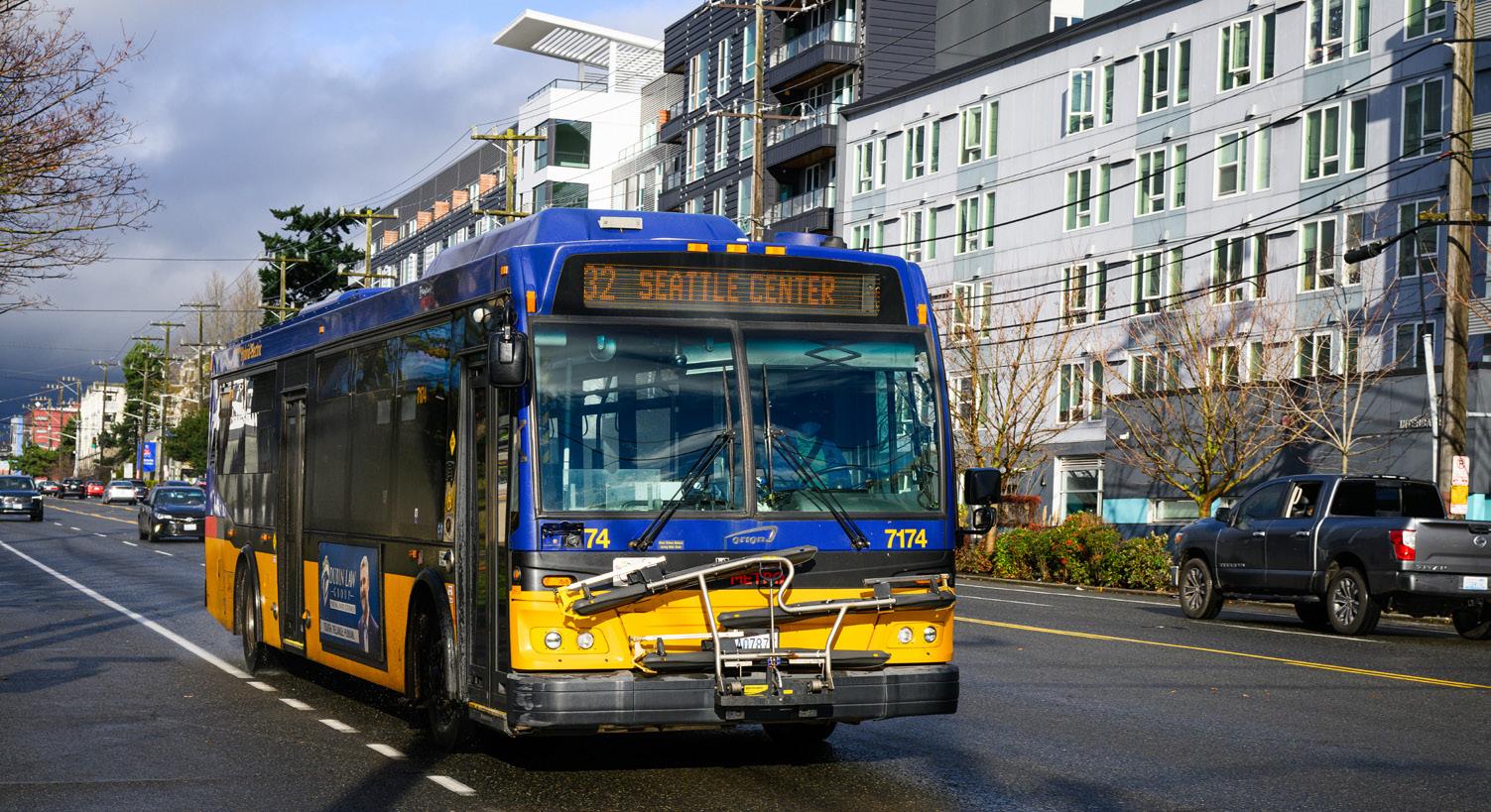
King County Metro implemented its latest semiannual service changes, introducing schedule updates, additional trips, and a systemwide shift to all-door boarding aimed at improving speed and reliability.
The changes include hundreds of added bus trips in King County, along with schedule adjustments on 27 routes countywide to improve on-time performance. The updates are also designed to better connect riders with Sound Transit’s Link 1 and 2 Line stations, reflecting ongoing shifts in how people move through the region.
The most noticeable change may not be a specific route adjustment-but how boarding works.
All-Door Boarding Expands Systemwide Metro is officially expanding all-door boarding across its fleet. Under the new approach, riders can enter through any door, rather than lining up at the front.
Transit operators will open all doors at stops unless conditions make it unsafe. Riders are still expected to pay or tap their ORCA card when boarding.
The goal is simple: reduce the time buses spend stopped at each location.
By allowing passengers to board and exit more freely, Metro expects to shorten dwell times, improve overall travel speeds, and help buses stay on schedule-especially on busy urban routes.
WHAT IT MEANS FOR MADISON PARK
Routes serving Madison Park-such as Routes 11, 48 and G line-will see schedule adjustments as part of the countywide update. These routes are among those frequently affected by congestion and high ridership, making them strong candidates to benefit from faster boarding.
For riders, that could mean:
• Shorter wait times at stops
• Faster trips through high-traffic corridors
• More consistent arrival times
While exact schedule changes vary by route, Metro encourages riders to check updated timetables ahead of time. New schedules will be available on buses, at transit centers, and other high traffic pickup locations.
Check out the full list of changes here: https://kingcounty.gov/en/dept/metro/ routes-and-service/service-change#tocHoliday-Service
ADDITIONAL UPDATES
Metro will also updated Water Taxi service beginning April 11, continuing its broader effort to align transit options across different modes.
Paid reserved parking is rolling out at select light rail stations, including Northgate and Shoreline stops. Riders can pay about $60 monthly or $6 daily for guaranteed spaces during peak hours, while some free parking remains. The change aims to man-
age demand but adds a new cost for parkand-ride commuters.
A FOCUS ON RELIABILITY
These semiannual service changes are part of Metro’s ongoing strategy to improve reliability and adapt to rider needs. While some adjustments are tied to regional growth and light rail expansion, others-like all-door boarding-focus on improving the everyday experience for existing riders.
Seattle City Light to Launch Time-of-Use Rates for Homes
Seattle residents will soon have a new way to pay for electricity, one that depends not just on how much energy they use, but when they use it. Seattle City Light is introducing a Time-of-Use (TOU) rate for residential customers beginning in May, marking a significant shift in how electricity is billed in the city.
The optional program has already been used by business customers, but this will be the first time it is broadly available to households.
HOW IT WORKS
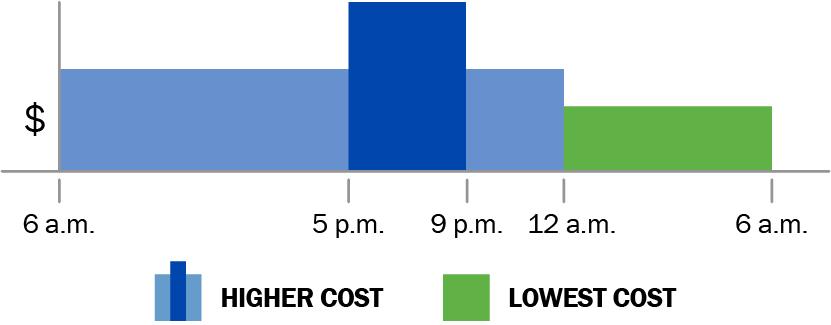
Under the Time-of-Use system, electricity prices vary depending on the time of day. Instead of paying a flat rate, customers are charged based on three pricing periods:
• Peak hours (most expensive): 5 p.m. to 9 p.m., Monday through Saturday
• Mid-peak hours: 6 a.m. to 5 p.m. and 9 p.m. to midnight
• Off-peak hours (least expensive): Midnight to 6 a.m. every day
On Sundays and holidays, peak pricing does not apply, and mid-peak rates are used throughout the day. The system is designed to reflect demand on the electric grid. Evening hours, when people are home cooking, heating, and using appliances, are the most expensive. Overnight hours, when demand is low, are the cheapest.
WHAT IT COSTS
While exact rates vary slightly by location, Seattle customers can
expect a noticeable difference depending on when electricity is used.
Typical pricing includes:
• About 16 cents per kilowatthour during peak hours
• About 14 cents during mid-peak hours
• About 8 cents during off-peak hours
There is also a small daily base charge added to bills.
The difference between peak and off-peak pricing means electricity can cost roughly twice as much during evening hours compared to overnight use.
WHY THE CHANGE IS HAPPENING
City Light says the new rate is intended to better align energy use with demand on the system.
Electricity is most expensive to produce or purchase during peak demand periods. By encouraging customers to shift usage to off-peak hours, the utility can reduce strain on the grid and avoid costly energy purchases.
“With a TOU rate, when you use electricity matters,” the utility said in its rollout materials.
The change also reflects broader trends in the energy system, including increased electrification and the need to manage demand more efficiently.
A TOOL FOR SAVING MONEY
The program is optional, and customers can choose whether to enroll.
For households that can shift energy use to off-peak hours, there is potential for savings.
Examples include:
• Running dishwashers or laundry overnight
• Charging electric vehicles after midnight
• Avoiding heavy appliance use during evening peak hours
City Light is also launching a new “Energy Insights” tool to help customers track usage and compare bills under the new system.
However, not all households may benefit equally.
Residents with less flexibility, such as families with fixed schedules or those who rely heavily on evening energy use, may see little change or even higher costs depending on their usage patterns.
PART OF A BROADER TREND
Time-of-Use rates are becoming more common across the country as utilities look for ways to manage growing demand.
In Washington state, utilities are also facing rising costs tied to infrastructure upgrades, clean energy goals, and system maintenance.
Seattle City Light has already implemented modest rate increases in recent years, with additional adjustments planned to ensure the utility can cover operating costs and future investments.
The TOU program adds another layer to that system, tying pricing more directly to real-time demand rather than overall usage.
WHAT CUSTOMERS SHOULD KNOW
Enrollment in the Time-of-Use rate is voluntary, and customers can compare it to their current billing structure before switching.
The city recommends reviewing household energy patterns to determine whether the program makes sense.
For those able to adjust when they use electricity, the new rate could offer savings.
For others, it may require changes in daily routines to avoid higher peak-hour costs.
WHAT COMES NEXT
The rollout of Time-of-Use rates marks a shift toward a more flexible, demand-based energy system in Seattle.
As more residents adopt electric vehicles and electric heating systems, when electricity is used may become just as important as how much is used.
City Light says the program is designed to give customers more control over their bills while helping manage the city’s growing energy needs.
The new rates are expected to be available to residential customers beginning in May.
And They’re Off!
By Richard Carl Lehman
In 1961 the missile race was in full swing. Washington state played a major role in Cold War nuclear defense. Several Seattle companies held defense contracts. Milmanco (Military Manuals Company) operated in the shadow of larger aerospace firms, but its technical manuals played a critical support role.
The company was awarded work on the Atlas, Titan, and Golden Ram project. It came with strict standards set by the military, architects, engineers and design staff. Kim Matson, Keith Bellman, Dick Turner and I from Madison Park worked on it. Keith even moved to our neighborhood for an easier commute to Renton. Dick Turner, who I grew up with, is why I got the job in the first place.
Our job was to illustrate equipment in confined spaces. We were given texts, technical information, loose pencil sketches along with manuals explaining the proper standards. We never knew the complete function of any device as it was a secret only the head
Once a workmate brought in a piece of rubber vomit from a novelty store and placed it in the middle of a 30 x 50” drawing.
designers knew. Data had a way of leaking to the newspapers but none of it could be confirmed because security was so tight.
Shortly after being hired a suit sitting next to our area got up leaving his coffee. We heard him say to two workers, “I want to thank you for your effort, this will be your last day.” Then he came back, coffee still hot. He told me to grab a cup and come with him. Coffee in hand I joined all the higherups. I was still holding my breath and felt a hand on my shoulder, “This is Richard Lehman, he is now the
new quality control coordinator.” There was actual applause by some team members. That was a complete surprise to get a promotion and I thanked everyone.
I had used isometrics many times and took classes on axonometrics dealing with tables and graphs as well as trimetrics with several views. It was very complicated, but luckily a friend who had worked at Walt Disney said, “Don’t sweat it, use your God given talent. Guessometrics.” He was right. It took an artistic eye and a good sense of perspective.
A time-consuming skill called the “Leroy Lettering” was used with a guide and pen (beyond obsolete today). Some very complicated drawings were cut from originals and used on existing drawings. All these requirements were necessary at that time. We created the illustrations but also chose text nomenclature to coincide with it all. I was an illustrator but also a writer. In time the material given to us from the tech writers department made sense with each illustration. Computers and the fast reprographics of today upgraded all that immensely.
The government called the missile work “cost plus basis” which allowed for the many
DICK LEHMAN
ART BY
hours needed. The hours were from 7:30 a.m. to 1 a.m. the next day six days week, adding Sunday with 6 hours or more for a total 110 hours a week. We became family in those long hours, though the pressure did take a toll. One man suffered a serious nervous breakdown.
The after-lunch digesting nap time was very obvious. The solution: huge sinks filled with ice cold water at the rear of the building. With ties loosened flung over the shoulder it was
time to plunge head, hold the breath and Voila! Wide awake for a spell—supercharging had to be repeated. Sometimes after these full days we stayed longer but spent it at a tavern across street and finally around midnight to 2 AM headed for home.
A different mindset surfaces working that long. The suits, the FBI, Secret Service and company supervision was ever near. Being in quality control, I was given a guard escort while driving documents to be incinerated. The guard said nothing as we drove. I broke the quiet saying, “Thought if I’d take some of this home, I’d build a rocket in my back yard!” His eyes widened, a long very quiet time passed then laughter and he slapped my arm, we even laughed entering the burn site.
With the tight security I would sometimes be inter-
viewed by the suits. I thought, “Me, you question me?” “I’m sure you in your youth—” “We’re not being questioned, you are!” No laughter, no smiles. “You’re 27 and still single?” I replied that while being single, I should educate myself before marriage. Surely one could be self supporting and single while waiting patiently to share talents with a partner! There was almost a smile between them. They had seen my cartoons on the wall in the coffee area and brought some in, passed them around even laughed requesting copies. “You need levity with all of the hours you people put in!” There was more humor to keep morale high. Once a workmate brought in a piece of rubber vomit from a novelty store and placed it in the middle of a 30 x 50” drawing. Returning from lunch, one draftsman stopped at a safe distance and stared. We all watched as another came back with paper towels. Then everyone burst out laughing. It was a break from normal!
While our technical work was demanding, moments of levity kept us grounded. Some would draw cartoon animals on the borders of schematics. One artist who drew cartoon animals had a closet of rejects. His name Charles Schulz of Peanuts fame. I drew an old streetcar full of people and called it “27.5 V.D.C. Terminal Bus”. Terminal buses distributed electrical power across systems and were a key part of our illustrations.
There never really was an end to the Atlas project. A completed set of drawings and written materials always
needed revisions and changes. It was remarkable that we met the reprographics deadline on a 23-hour shift with half-hour breaks. If we’d had the fast high-quality reprographics of today it would have really made a difference cutting time in half. Soon after what was thought to be a completed set of the project there would be a huge company function. Stanley, an engineer on site in La Mesa, California, called via phone company intercom speaker and narrated lift-off of Atlas. A handful of $.57 diodes assisting in pitch and yaw experienced failure on downstream. “Oh shit!” he said. It imploded. We were all in shock. It made me think back to the beginning. Dick Turner and I, beer in hand, stood in the front yard of my place in Kirkland and watched Sputnik travel eastward. It was a clear evening, and the setting sun reflected off its metal exterior. The same race would experience failures but look at us now—we go clear around the moon with only a slight biffy problem.
Real estate
Sponsored Content
Only Change Stays the Same in Real Estate
The real estate market in Seattle continues to change and evolve, and my team and I made a change too.
I’ve had a lot of folks ask if we closed our CBB office across the street from the Onion. Not at all, we just moved up the street. Following a streak of break-ins, we moved to a more secure location. We operate on trust in the real estate business, and that means it’s paramount to keep our clients’ information and data secure. Our new space offers that security, while we’re still in the neighborhood we’ve called home for decades.
So we’ve got new digs and a new market as well. You’ve heard that before, I know, but it’s as true this spring as it was last fall. For lack of better words, this new market is the one everyone has said they hoped for. For our neighborhoods in Seattle, by data standards, we have a balanced market. We’ve seen 425 active listings come on in the last six months, with 463 sales and 128 pending sales. We have 5.5 months of inventory, which is well within the four to
six months of housing stock analysts say defines a neutral market. While it’s on the higher end of that scale, we’re only toying with a buyer’s market.
There’s no crisis in available inventory as there was in prior years, where those wanting to buy had to fight for the few listed
homes. However, there’s been a slight downturn in activity due to the state of the world. While mortgage rates dipped below six percent in February, rates climbed back above that after the start of the Iran conflict and the economic volatility that followed. We’re also still seeing some reluctance among
those who locked in rates at three percent and below to sell, though that’s weakening as everyone gets used to higher rates.
BIG CHANGES AT THE TOP OF THE MARKET
While our neighborhoods are steady, the luxury market is seeing some significant changes. The proposed Millionaire’s Tax, which will affect the top one percent of wage earners, has caused some anxiety and fear (rightfully so). While the statute isn’t effective until 2028, and there’s already a lawsuit to block it, people in that bracket are apprehensive. We’ve already seen homes above the $5 million level come on the market, but not a lot of buying.
There are 10 active listings above the $5 million threshold, three recent sales, so by the analyst’s standards, there’s months of inventory. There simply aren’t that many buyers in that upper echelon right this second. These high-income owners have multiple homes in multiple markets, and even a subtle policy change will point them toward other areas.
When inventory is high and the active buyer pool small, sellers need an
Chris Sudore
Coldwell
Banker Bain
Retired Boeing 747 Finds New Life Above Seattle Walkway
Aretired jumbo jet is becoming one of Seattle’s most unusual architectural features. As part of a new downtown development, the fuselage of a decommissioned Boeing 747 is being suspended between two high-rise towers in the city’s Denny Triangle neighborhood, creating a dramatic centerpiece that reflects Seattle’s aviation heritage.
The aircraft is being installed inside a glass-covered galleria at the WB1200 project, a two-tower residential and retail complex rising at 1200 Stewart Street. The development includes two 48-story apartment towers with more than 1,000 housing units and retail space at street level.
Inside the building’s central passageway, the stripped-down fuselage of a Boeing 747 will hang about 14 feet above the walkway connecting Denny Way and Stewart Street.
A NOD TO SEATTLE’S AEROSPACE LEGACY
Developers say the unusual installation is intended as a tribute to the region’s deep ties to aviation. Seattle has long been associated with aircraft manufacturing through Boeing, whose presence helped shape the city’s economy and identity for more than a century.
The Boeing 747 itself represents a milestone in aviation history. Introduced in the late 1960s, the jumbo jet transformed longdistance air travel by dramatically
increasing passenger capacity and reducing costs per seat. Its distinctive hump-backed design quickly became one of the most recognizable aircraft in the world.
The aircraft used in the Seattle project is a former United Airlines Boeing 747-400 that flew from 1990 until its retirement in 2017.
Rather than sending the plane to scrap, developers decided to repurpose its fuselage as an architectural feature.
Project engineers described the installation as a symbolic gesture acknowledging the city’s industrial roots while also creating a memorable public space in a rapidly changing downtown neighborhood.
TRANSPORTING A JUMBO JET INTO DOWNTOWN SEATTLE
Getting the massive aircraft into downtown Seattle required careful planning.
The plane was dismantled in California and cut into 39 separate sections before being transported north by truck.
Once on site, construction crews began reassembling the fuselage piece by piece inside the podium that links the two towers. Engineers designed a steel support structure within the building to hold the aircraft securely in place while maintaining the appearance that it is floating within the atrium.
The installation process has drawn attention from pedestrians and commuters passing through the Denny Triangle area, where the polished aluminum shell is now visible between the rising towers.
A CENTERPIECE FOR A NEW PUBLIC SPACE
The fuselage will be located within a three-story indoor galleria that runs through the base of the development. The corridor is designed as a pedestrian connection lined with shops and amenities, encouraging people to walk through the building rather than around it.
Developers have proposed using roughly 2,000 square feet inside the aircraft as office space or creative workspace, though final details for the interior have not been publicly confirmed.
The surrounding complex will also include retail space, residential amenities and entertainment venues. Plans have previously included a grocery store, music venue and rooftop amenities for residents.
A LONG ROAD TO COMPLETION
Construction on the WB1200 project began in 2018 but has faced delays over the years due to financing challenges, contractor disputes and the broader economic disruptions of the COVID-19 pandemic.
Ownership of the project eventually shifted to a lender-backed group that recapitalized the development and pushed construction toward completion.
With installation of the aircraft underway, developers say the project is finally approaching the finish line.
A NEW LANDMARK FOR THE SKYLINE
When completed, the suspended fuselage is expected to become one of the most recognizable features of the development-and one of Seattle’s most unusual pieces of architecture.
Cities around the world have incorporated historic aircraft into museums and public spaces, but rarely are they embedded directly into the structure of a building.
For Seattle, the jet serves as both public art and a reminder of the industry that helped shape the region. While the city’s economy has evolved to include technology companies and global commerce, aviation remains part of its identity.
Soon, instead of flying across oceans, this retired jumbo jet will permanently hover inside a downtown atrium-transforming a piece of aviation history into an unexpected urban landmark.
Clients Are Saying...
“As a retired New York Stock Exchange Real Estate Investment Trust CEO and more than 30-year real estate lawyer, my expectations are admittedly high. Laura represented the sellers on a transaction in which we were the buyers. While she steadfastly represented the sellers, she also made us, as the buyers, feel fully informed, respected, and heard, while she professionally handled the transaction to a very positive and successful closing. This is not easy to do when dealing with strong, very experienced parties on both the buy and sell sides. It is the best broker experience we have had, and she did not even represent us.” - Brian Ward What My
Make Your Small Garden Feel Twice as Big
Whether you grow on a city lot, balcony, rooftop, side yard, or just a slightly awkward sliver of a space anywhere, you may want it to feel bigger. Designers have several tricks for this –that work inside or out, incidentally.
BLUR THE EDGES
To make a space feel bigger, keeping the eye moving is the goal. You only want to “stop the eye” – rivet attention at key focal points – when placed to make the place seem even bigger. More on that later.
Starting from the outside in, macro to micro, evaluate your site overall – and what is just beyond its borders.
Are there views you’d like to borrow – or screen? If there is a beautiful red Japanese maple in the distance, you can link your space to it by echoing that color –in another maple, repeating reddish heucheras (coral bells), or a red-purple smoke bush. You can even echo it in non-plants – such as furniture, art, and murals. This makes the eye extend from your heucheras to the red maple, except for winter of course.
It’s wonderful to make edges disappear when possible – that’s why dark fences in black or forest green are becoming popular – they act like shadow, and plants will pop to the foreground in contrast to it. Layering plants or elements to conceal corners and walls helps too. You want to keep visitor’s guessing and retain some mystery about the space - you don’t want to see the garden all at once.
REPEAT, REPEAT, REPEAT
Every time there’s a strong contrast, it chops up the view, and the eye pauses to compare it. That may be switching from conifers to grasses, or from wood to pavers to grass. To keep they eye moving, create uninterrupted ribbons of one plant, color or texture (as with a path).
The gardens that make you say “aaaaaaah” are the ones with a lot of repetition. Think how satisfying it is to see a river of carex met with another of perennial salvia. So, that’s fewer varieties plants, in greater numbers.
With larger plants, repeat in odd numbers so there’s always at least two companions that answer the chord struck by the first – add a red-flowering currant, try to add in two more somewhere in view. It creates a pleasing asymmetry. Similarly, repeating building materials and colors also makes the view feel and look more intentional – all “of a piece.”
SHIFT PERSPECTIVES
Take a page from the set designer’s playbook to add weightiness nearby and airiness in the
distance. In color theory, hot colors advance and cool ones recede, so using hot colors near your patio table and pale pastels across the yard will feel more expansive than the reverse.
You can do the same with scale and texture. Near the patio, place some solid, noticeable accents, perhaps a tall sedum or boldleafed shrub, while selecting wispy textures like tall grasses or a native vine maple further away.
In the most entrancing garden photographs, there’s always some colorful accent right in the foreground, like a metal trough of orange tulips or a red banana plant to welcome you to the space with a bang. Do the same at your main viewpoints. Your entryway, garden gate, patio, etc.
You can also create paths that disappear, seeming to turn a corner – it doesn’t matter if they continue or dead-end. The important thing is you think there is more to the garden.
Outdoor-ready mirrors hung on a fence expand the space by double visually – bonus points if reflecting a beautiful view.
ON THE BIAS
The standard beds-ringing-arectangle lawn racetrack is the last way you should design your space if you have a long narrow space you’d like to be wider. Instead, add diagonals in one of two ways. Keep beds, patios etc. aligned on the same axis as the fence or walls, but add diagonals via pathways, ribbons or plants, or
echoed plants that make your eye zig across the space. Or go crazy and plot the elements on the diagonal. See how much fun that is? It completely controverts the expected confines of the space.
UPLEVEL, DIVIDE AND CONQUER
Think about making a diorama. The empty shoebox looks boring – your brain and eyes know it’s just a box. Then imagine the same box made into a garden with lights across the top, a focal point at the back, color dotting through, and distinct spaces inside. There are worlds in there now.
Creating new levels adds dimension, a richer experience than a fully flat space. Maybe you’ve felt this at REI’s flagship store where you can walk a faux hill to try on shoes? Dig down for a patio or elevate a deck. Don’t forget the vertical plane – including arbors, pergolas, and other ceiling plane elements elevates the experience too.
Adding divisions creates garden rooms that again fool the brain into thinking, ‘Wow I can’t believe there are four different spaces in this rectangle!’
Lastly, use space to the fullest to maximize storage and livability – a dividing wall can hold garden tools or a fold-out table surface, a shed can be a hangout space.
Have fun experimenting with all the ways you can add dimension and function to your space – it’s bigger than you think!
Browne Grivas Get Growing
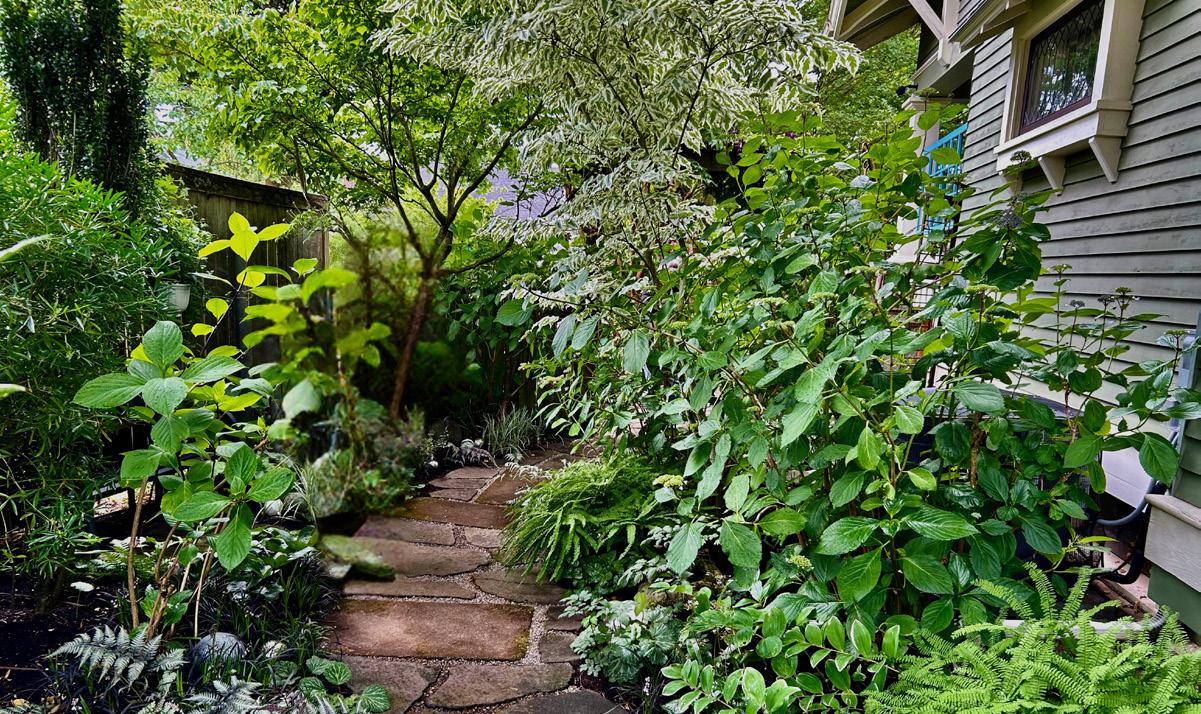
In this Portland side yard seen on the Hardy Plant Society of Oregon Study Weekend, the meandering path pulls the viewer in, the silver ferns act as an attention-grabbing accent in the foreground, while a variegated cream dogwood lifts the focus up and out.
How to Maximize a Real Estate Investment
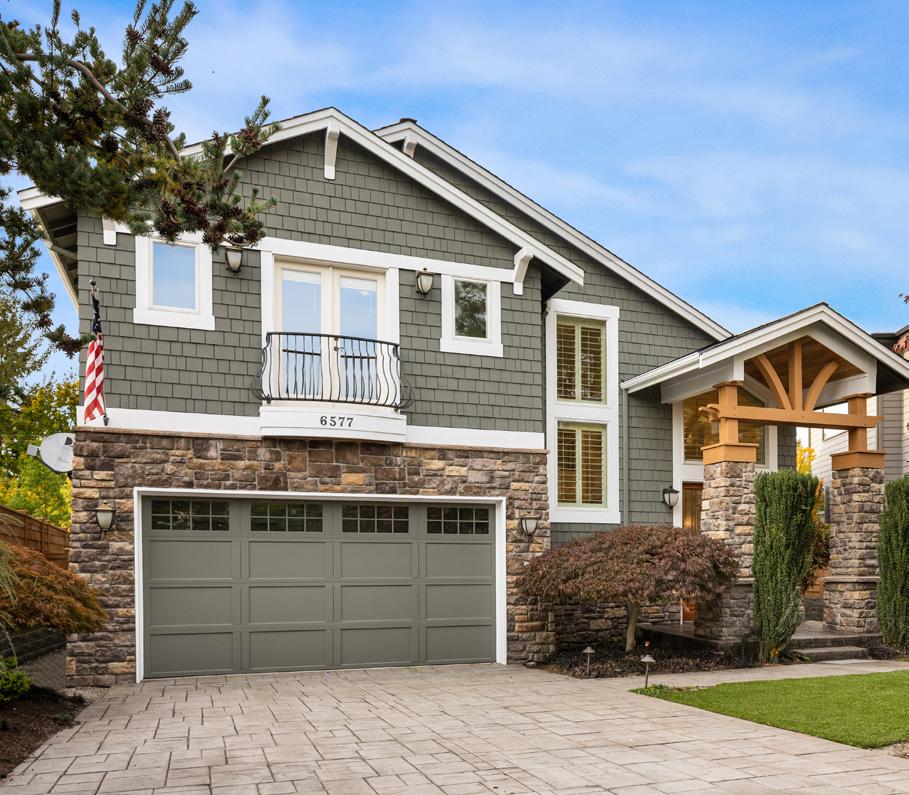
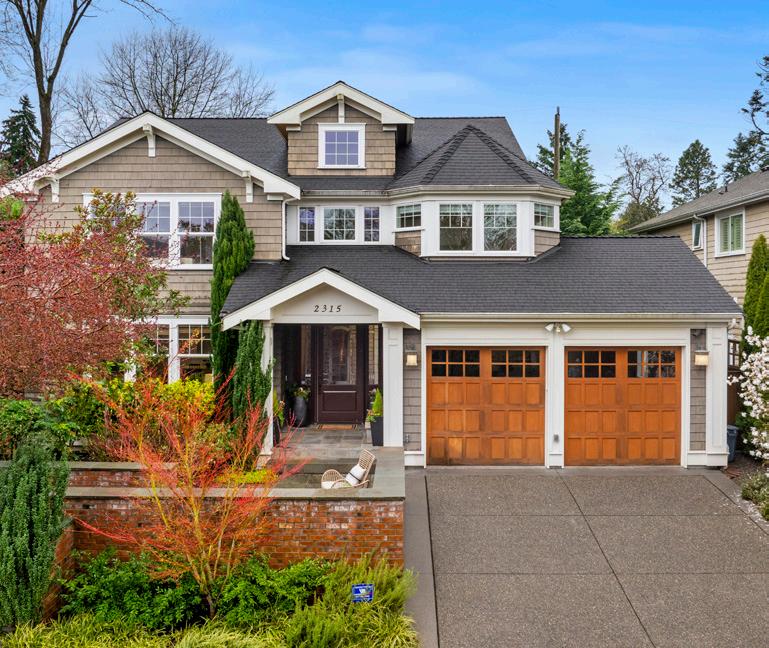
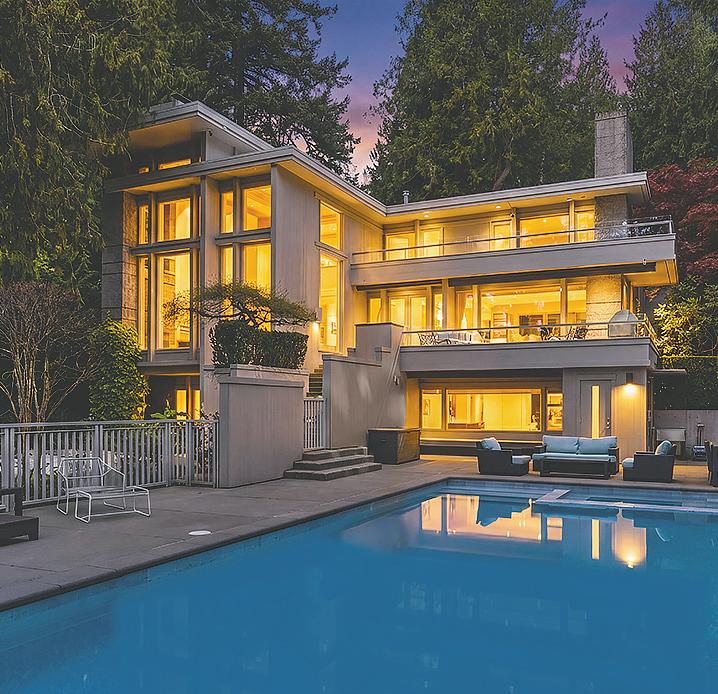
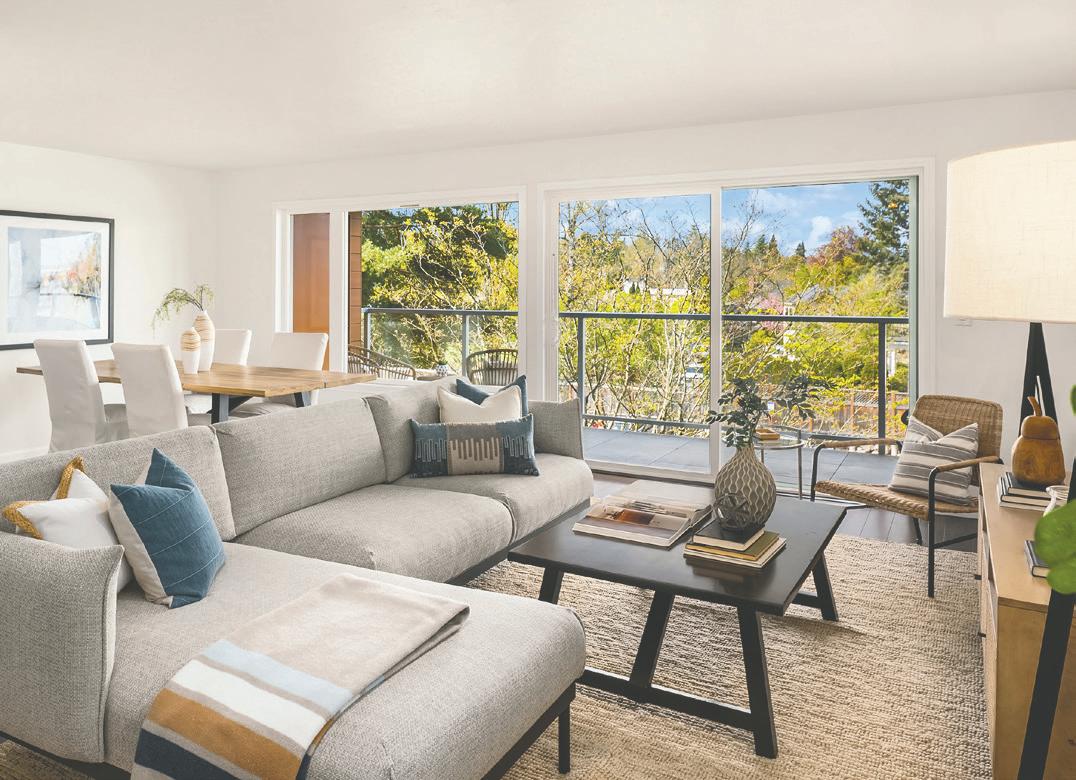
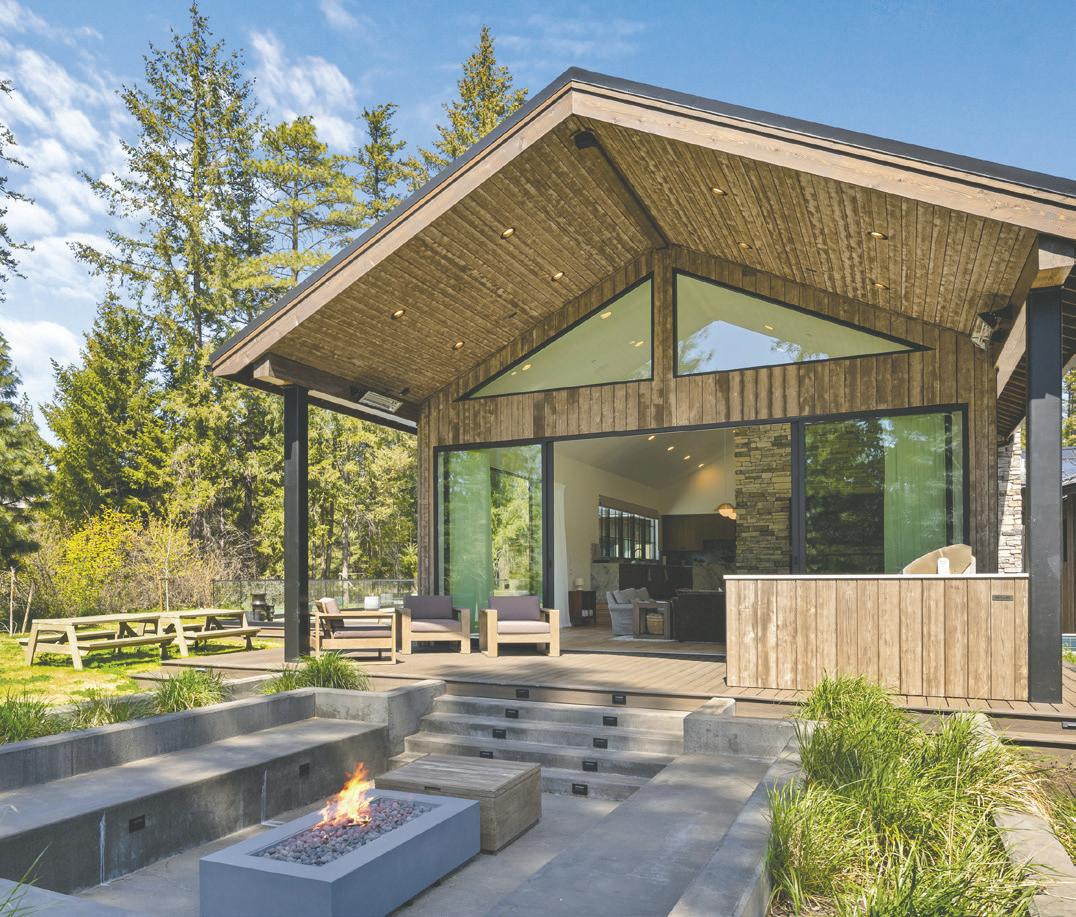
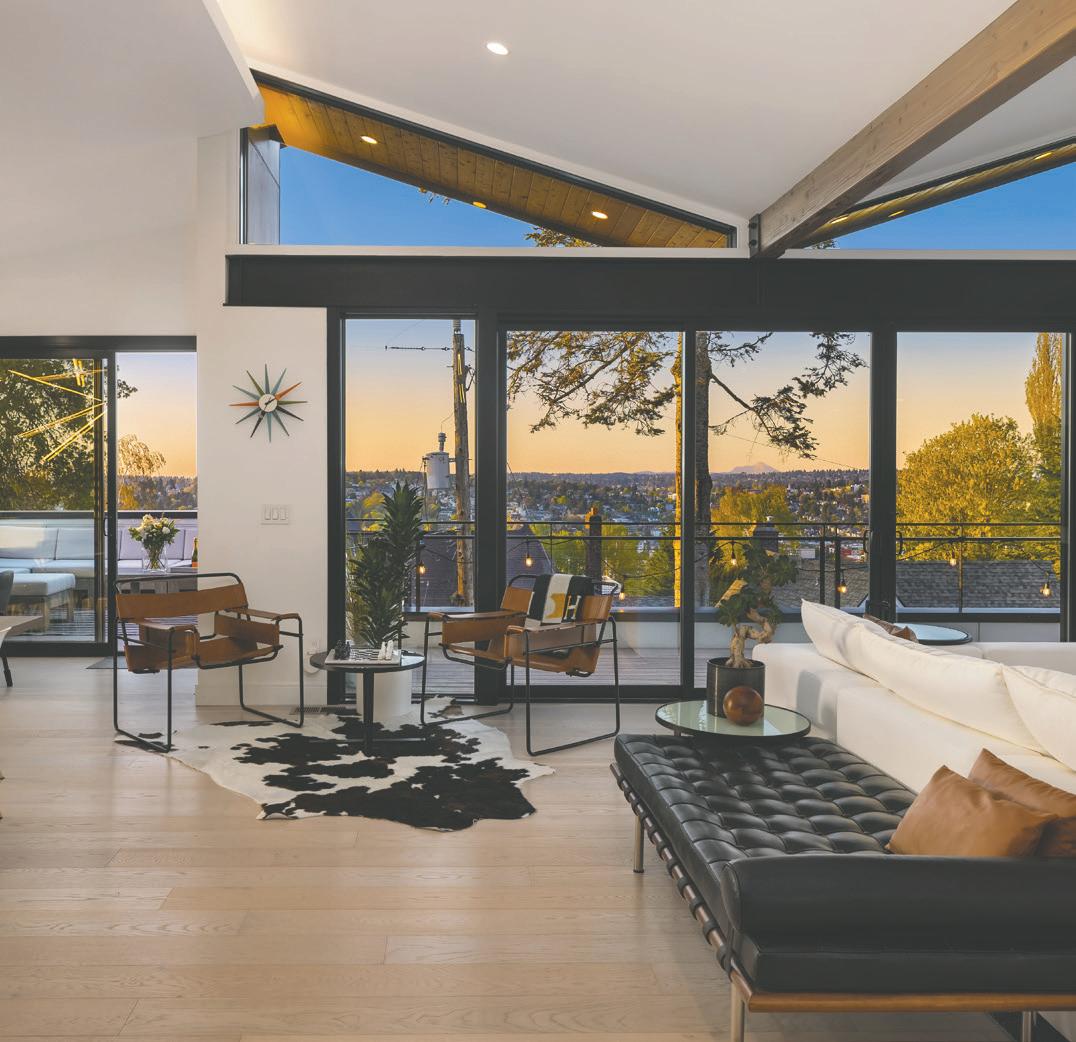
Real estate has long been considered a good investment. Whether people are buying a home they intend to live in or purchasing investment properties they hope to flip or rent out, real estate tends to provide a strong return on investment.
Maximizing the investment value of a property is wise regardless of how buyers intend to use it. With that in mind, buyers can consider these strategies to make the most of a real estate investment.
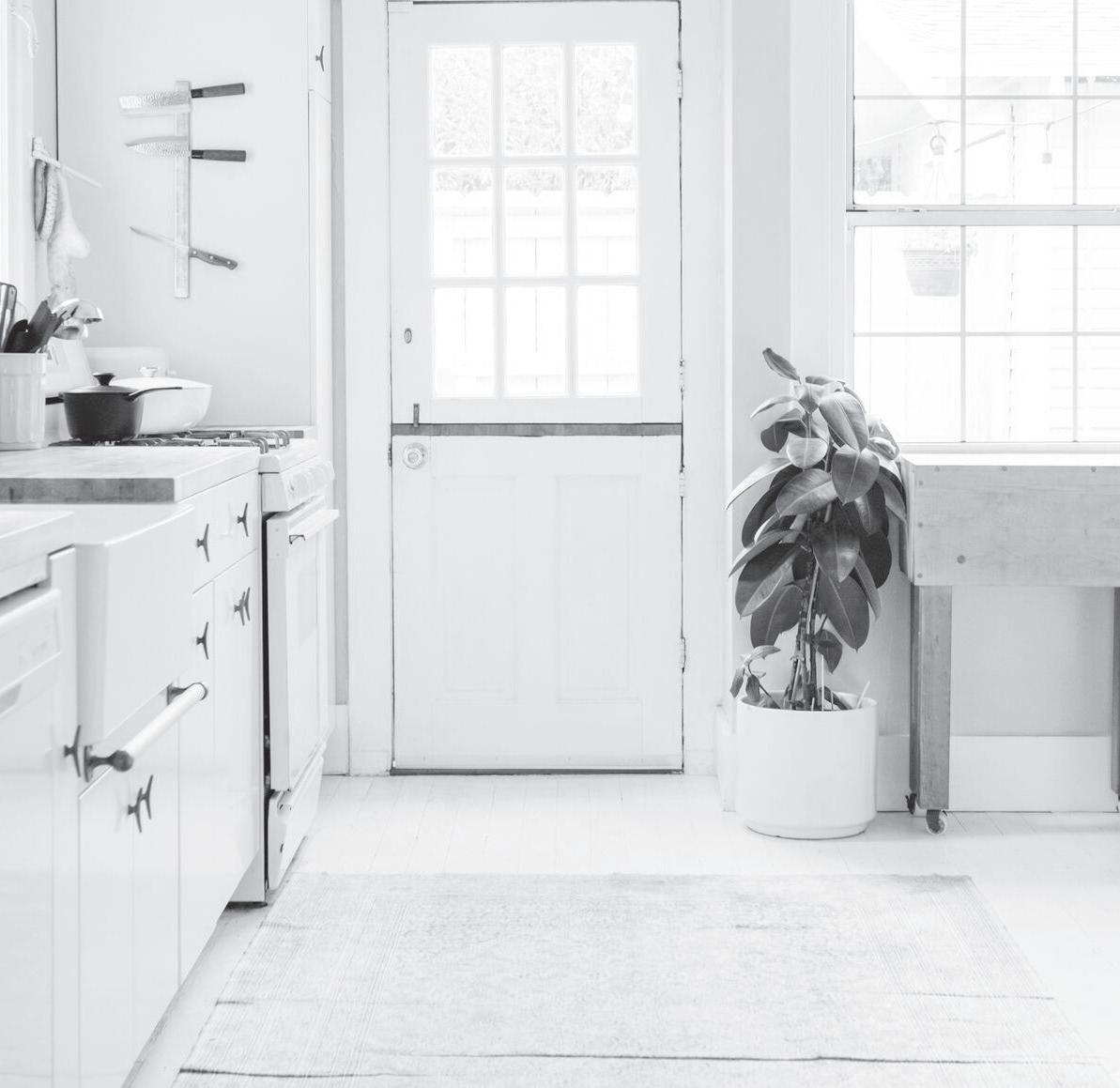
RENOVATE WITH ROI IN MIND
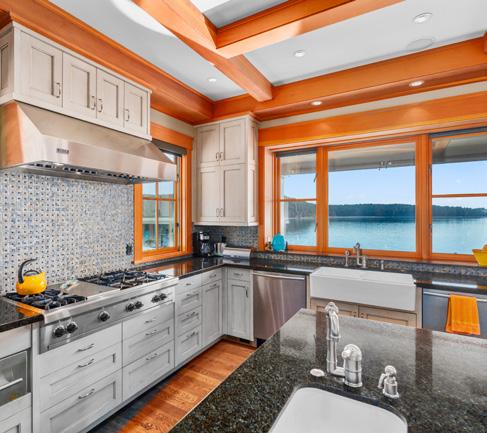
Though no room of a home in need of work should be ignored, various studies have identified the rooms buyers emphasize most when looking for a new home. Kitchens and primary suites tend to make the most lasting impressions on home buyers, and that can offer a strong return on investment (ROI). And the good news for homeowners hoping to sell a property they currently own is that minor kitchen remodels, which require a smaller financial investment than major overhauls, offer
stronger returns. According to the Cost vs. Value Report 2025 from the Journal of Light Construction, a minor kitchen remodel offers an average return of 113 percent compared to a 36 percent average return for a major upscale remodel.
PRIORITIZE LOCATION
Real estate investors who aren’t looking to sell but
buy can maximize their investment by prioritizing location as they search for properties. Though the real estate market is ever-changing, the importance of location remains a constant. Investopedia notes that a “good” location for prospective buyers typically is near access to transportation (be it public transportation or highways
that can help cut down on commute times), well-regarded schools, and community involvement. While the importance of location is a constant, Investopedia notes that a given neighborhood’s reputation can go from “good” to “bad” or vice versa. Identifying an emerging “good” neighborhood can be a tall order, but prospective real estate
investors are urged to consider a range of variables about each location in an effort to maximize their investments. Recent investment in local infrastructure and a growth in local employment opportunities are two variables that can help a given area quickly transform into a place people want to live.
SELL AT THE RIGHT TIME
When selling a home with the intent of maximizing a real estate investment, it’s important that owners recognize certain times of year are better for sellers than others. A 2024 report from the real estate curator ATTOM indicated that listing a property in May, February or April can yield the best returns for sellers. May is a particularly good time to sell, as the ATTOM analysis of 59 million home sales between 2011 and 2023 found that homes sold in May sold for 13.1 percent above market value, which was the highest of any month.
Real estate has long been considered a great investment, and various strategies can help investors bolster their returns.
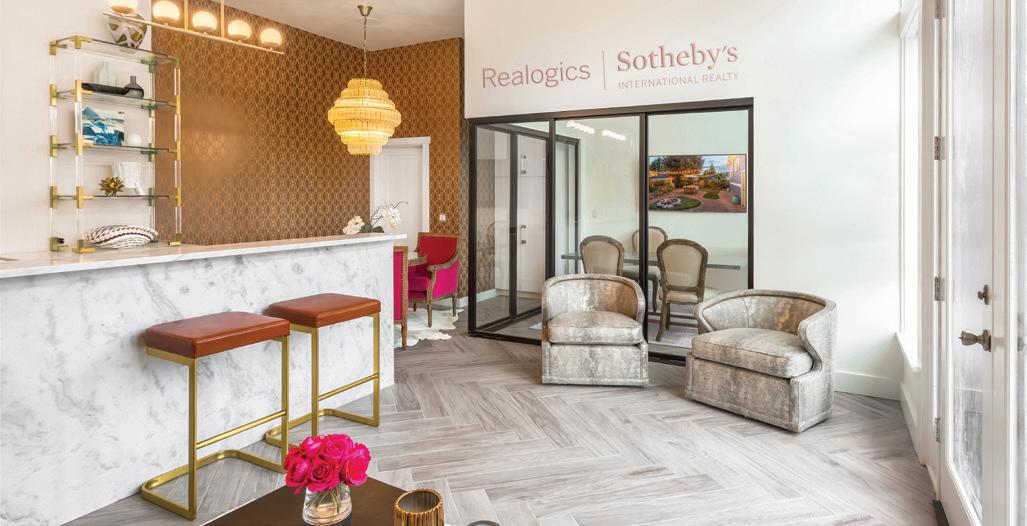
We're excited to share that the Hinds Team has officially joined Realogics Sotheby's International Realty as new founding members of The Park House in Madison Park. We're incredibly grateful for the relationships we've built and the trust you've placed in us over the years. It truly means everything to us. This next chapter is about growing, evolving, and continuing to show up for you in the best way we know how. If you're curious about what this means for you or simply want to catch up, we'd love to connect. We're excited about what's ahead and even more excited to bring you along with us.
all-encompassing strategy involving patience, precision pricing, positioning, and savvy marketing. Sellers need a broker with not just national but international reach, one who has a weekly plan to find and attract top-tier buyers. My team and I have an extensive network through Coldwell Banker Global Luxury that can market effectively to this audience, backed by our deep local knowledge. Patience is key, however, due to the small size of the buyer pool.
ANOTHER NEW NORMAL
Back in our neighborhoods, things look a lot more settled. Yet to succeed, it still takes planning and know-how. One factor emerging is hyperlocalization for desirable areas. These hot spots are within neighborhoods, not whole neighborhoods. It’s those shiny pennies of homes getting attention and traffic.
For buyers, that means finding a broker who’s on top of those market fluctuations and knows where to find the “unicorns.” It’s also vital to have your down-payment funds and mortgage financing buttoned up, so you can move strategically. Given the inventory on the market, it’s less likely you’ll have to give up contingencies or get into a bidding war than it has been. But the hot properties are more competitive, so choose a broker who can tell the difference and help you make the right moves.
On the selling side, you have some work to do too. Buyers want a turn-key property. That means taking a hard look at the inside and outside of the house. Tune up or replace old systems. Houses selling quickly at or above the asking price are freshly painted, landscaped, and often have been updated to buyer preferences for today. Remodeled kitchens and baths translate to more appointments, a faster sale, and a higher price. My team and I have a roster of trusted trade partners who can handle repairs, updates, staging, and photography to make the most of your home and its marketing.
With all the changes in the world and the real estate market, it can cause some anxiety about your investment in your home and property. As always, my team and I are here to answer any questions or concerns you may have. We’re still right here in Madison Park and are here to help at a moment’s notice.
Seattle Office Buildings Lose $3.7 Billion in Value
Downtown Seattle’s office market is undergoing a significant reset, with the city’s most valuable office buildings losing an estimated $3.7 billion in assessed value since 2022, according to data from the King County Assessor’s Office.
The decline reflects a combination of rising vacancies, shifting workplace habits, and broader economic changes-forces that are reshaping not just downtown, but the region’s real estate landscape.
WHY THE DROP?
Roughly one-third of downtown commercial space remains vacant, as companies continue to reduce their office footprint or shift to hybrid work models. Fewer employees commuting into centralized workplaces has led to a sustained drop in demand for large office spaces.
Major corporate properties have seen some of the steepest declines, with some buildings losing more than half their assessed value over the past two years.
At the same time, large employers have reduced their physical presence. Some companies have cut back on leased space, delayed expansion, or put unused offices on the sublease market-further increasing available inventory.
LAYOFFS AND CORPORATE SHIFTS
In recent years, large-scale layoffs-particularly in the tech and corporate sectors-have reduced the number of workers tied to daily office use. Fewer employees means less need for large, centralized workspaces, contributing directly to rising vacancy rates.
Corporate restructuring has added to that trend. While Seattle remains a major business hub, some companies are redistributing operations across multiple locations.
Starbucks, for example, has maintained its headquarters in Seattle while expanding its corporate footprint elsewhere, including new office investment in other regions. The company has also undergone significant restructuring, including layoffs and operational changes that have reduced its overall office needs.
THE ROLE OF TAX POLICY
The recently enacted 9.9% tax on income above $1 million has sparked debate about how policy may influence business and investment decisions. While it is too early to measure long-term effects, some industry observers believe tax considerations are becoming a larger factor in where companies and high-income individuals choose to locate.
For commercial real estate, even the perception of shifting investment patterns can influence leasing activity, development planning, and long-term valuations.
IMPACTS ON THE REAL ESTATE MARKET
Falling property values signal a market correction after years of rapid growth.
Office buildings are typically valued based on the income they generate. When vacancies rise and rents soften, those values drop-sometimes sharply.
This creates a ripple effect:
• Lower valuations can make refinancing more difficult
• Some properties may face distressed sales as loans come due
• Investors may look to acquire buildings at reduced prices
In some cases, this also opens the door to redevelopment. Officeto-residential conversions and mixed-use projects are increasingly being discussed as ways to adapt underused buildings.
A CHANGING DOWNTOWN
Despite the downturn in office values, not all aspects of downtown are struggling equally. Residential activity and foot traffic have shown signs of recovery, even as office demand lags. This has created a split dynamic,
where living, dining, and entertainment continue to rebound while traditional office use remains under pressure.
WHAT COMES NEXT
The $3.7 billion drop in value is more than a short-term fluctuation-it reflects a structural shift in how office space is used. Hybrid work, corporate restructuring, and evolving economic conditions are likely to keep demand below pre-pandemic levels for the foreseeable future.
For Seattle’s real estate market, the focus is now on adaptation: how existing buildings are used, how new development is planned, and how the city redefines the role of its downtown core in a changing economy.
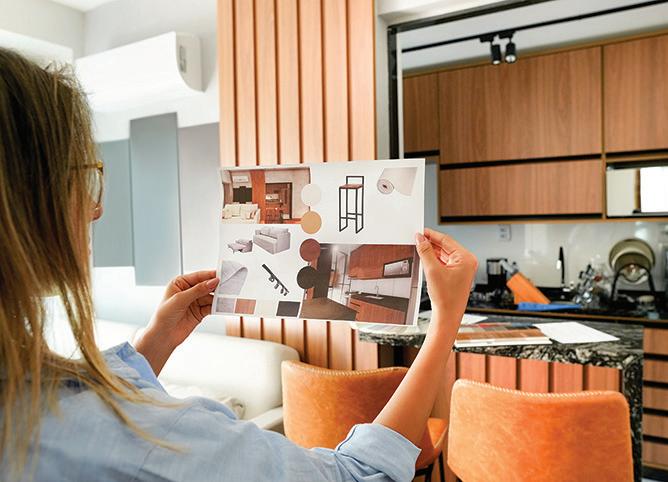
How to Establish a Home Renovation Budget
Homeowners know that the next home renovation project is always right around the corner. And that means finding ways to finance such undertakings.
When planning for renovations, the average homeowner underestimates their project cost by approximately 22 percent, according to the 2026 Remodeling Impact Report. Establishing a pre-project budget can help avoid such surprises.
DON’T OVER-IMPROVE
A common mistake homeowners make is over-improving a home beyond the neighborhood value. A good rule of thumb is to employ the average percentageof-home-value approach in an effort to stay within range of what’s acceptable. Budwe value. These benchmarks are supported by the National Association of the Remodeling Industry and the National Association of Realtors. Historically, a functional, modern
kitchen is the top driver of home value, says Remodeling Magazine.
LEARN
THE BREAKDOWN
Homeowners should understand that materials, fixtures, appliances, and flooring, otherwise known as “hard costs,” will eat up 50 to 60 percent of their renovation budgets. Labor, permits and design fees will comprise the next largest chunk, typically coming in between 25 and 35 percent. Homeowners also should factor about 15 to 20 percent of a budget to a safety net to cover unforeseen expenses, like mold remediation or structural issues.
GET THREE QUOTES
It’s important for homeowners to get several estimates before establishing a budget. Experts advise working with contractors that offer fixed-price contracts rather than those that list time and materials;
otherwise, there may be a midproject price hike that comes out of the blue. A person also can ask contractors for a line-item bid so it’s possible to see where money can be trimmed through different material choices. With a list of desired items in hand, and acceptable
substitutions if the cost comes in too high, homeowners can create a budget that works.
SAVING VERSUS SPLURGING
It’s important for homeowners to be realistic about their renovations. They can splurge on items that are seen or touched every day, like door handles, cabinet pulls and faucets. Other items, like lighting fixtures or backsplashes, can be replaced down the road. It may be better to direct funds to structural elements or those “invisible renovations” like upgrading insulation or smart systems that save on energy costs and improve efficiency.
KEEP A 20 PERCENT CUSHION
Homeowners can determine the affordability if a proposed project ends up costing 20 percent more or takes a few months longer. If the answer is no, homeowners should scale back the project budget until they have that financial safety net. Alliant Credit Union says experts strongly recommend adding a 20 percent contingency cushion to a remodeling budget.
A home remodeling project is a big commitment of time and money. Budgeting correctly ensures that there are few, if any, surprises along the way.