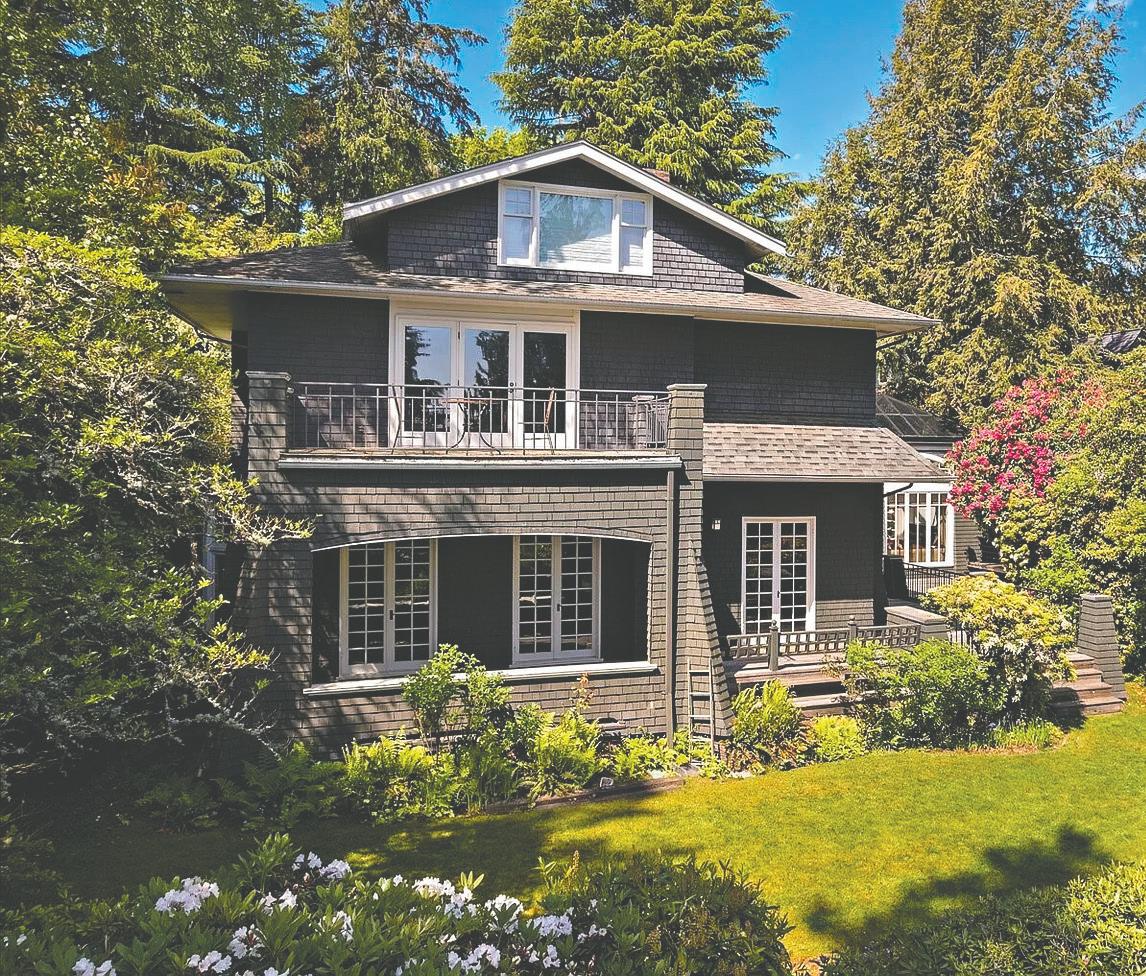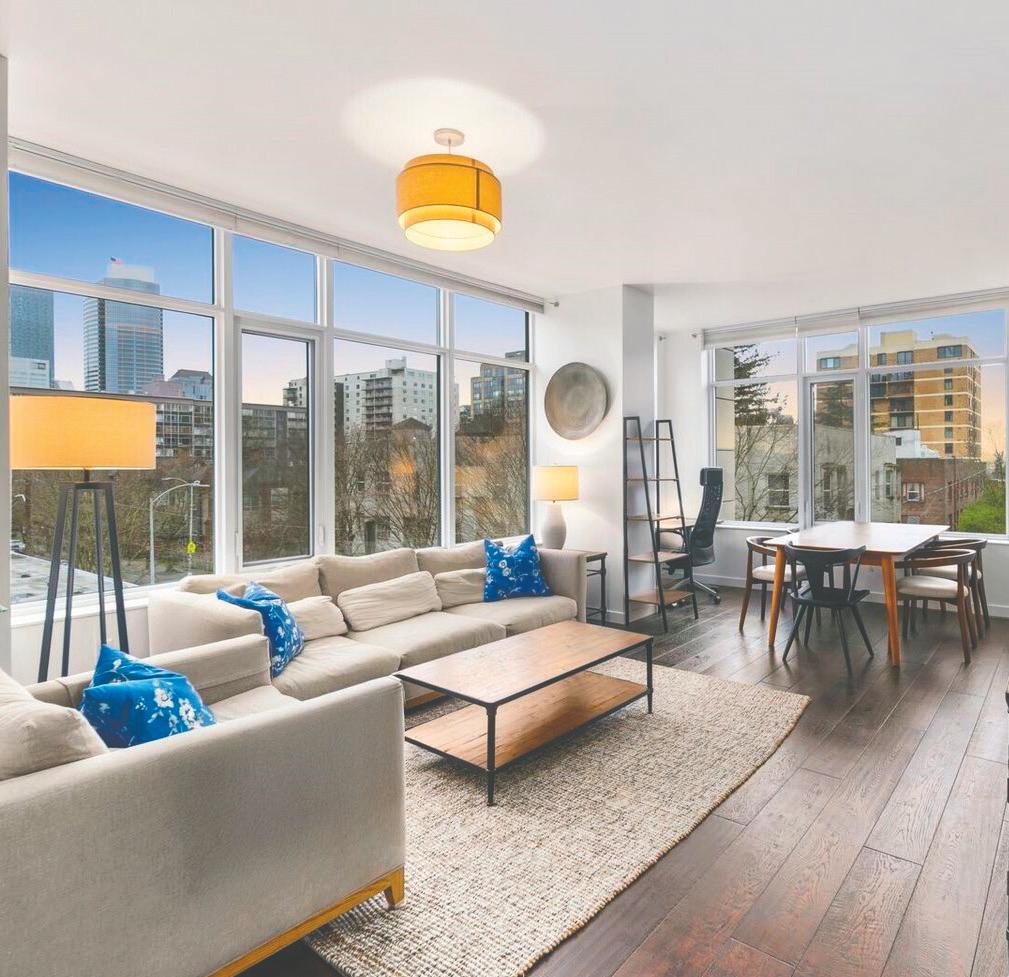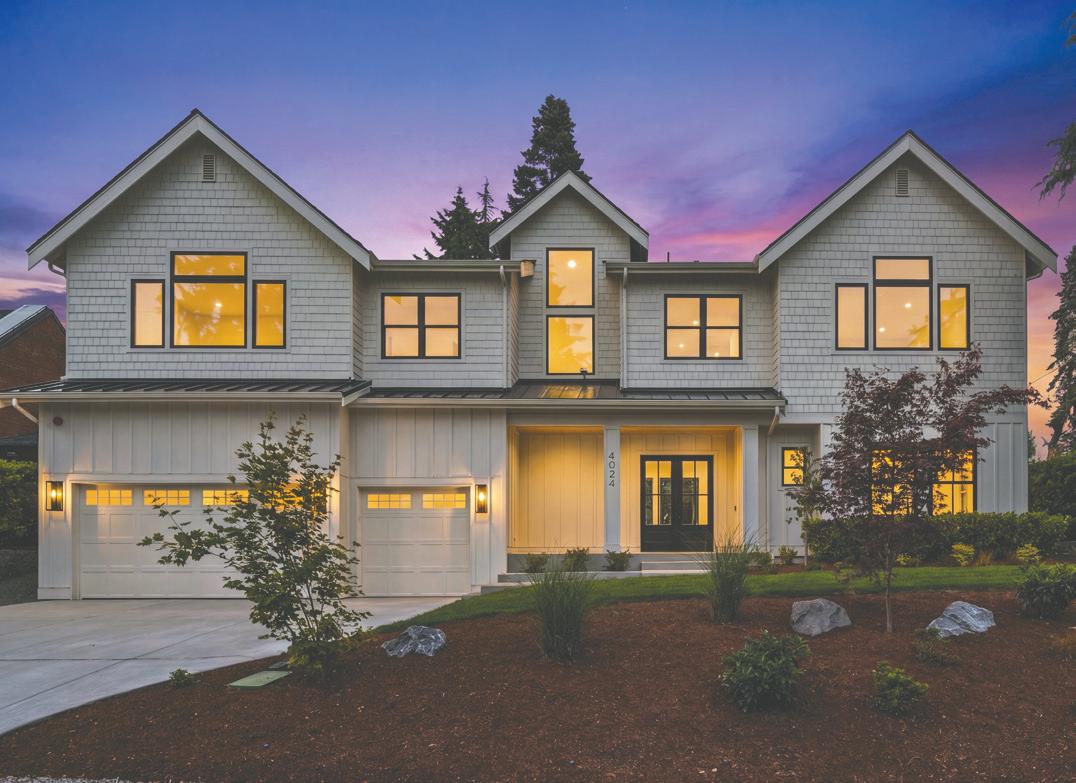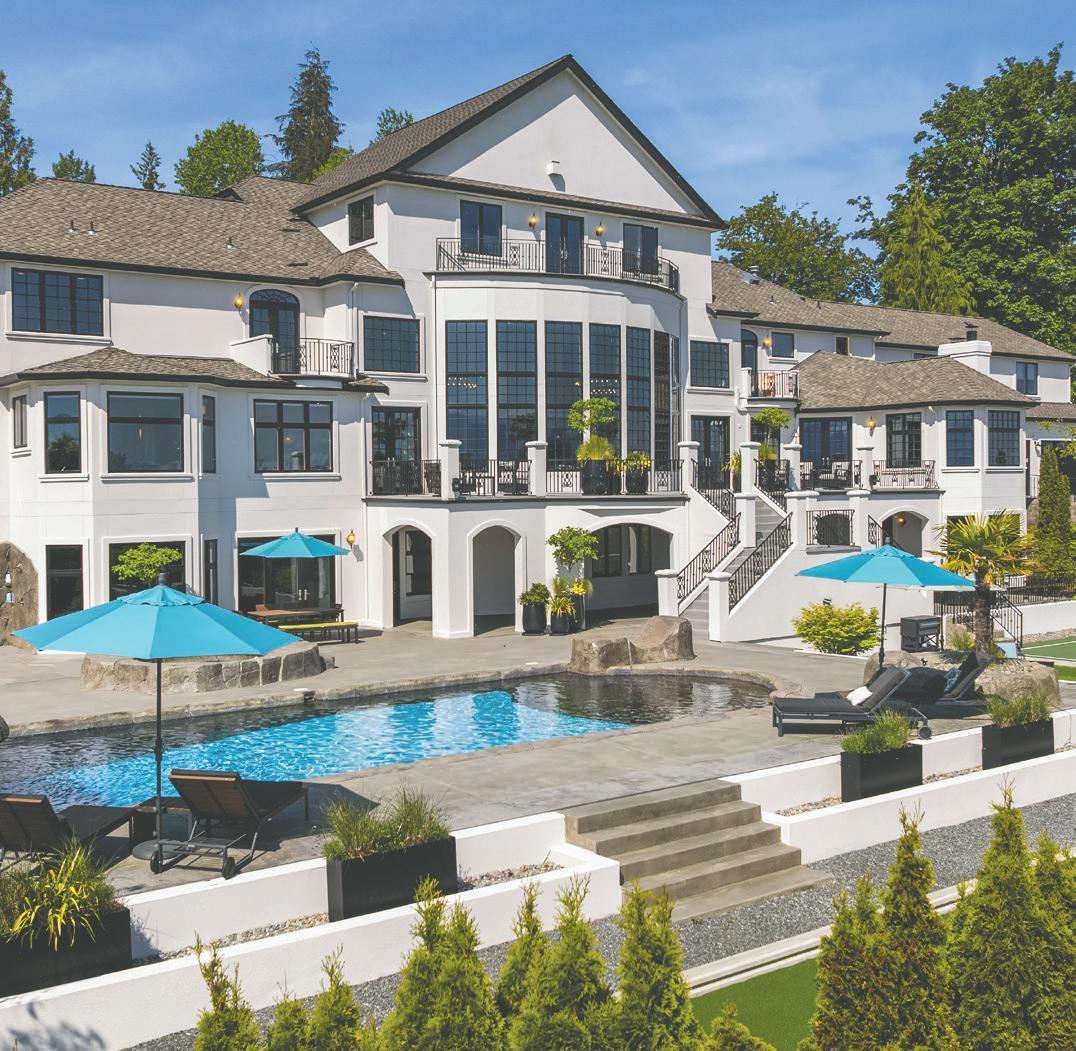










As summer visitors arrive in Seattle, some homeowners may be looking at their spare rooms, backyard cottages or empty houses with new interest.
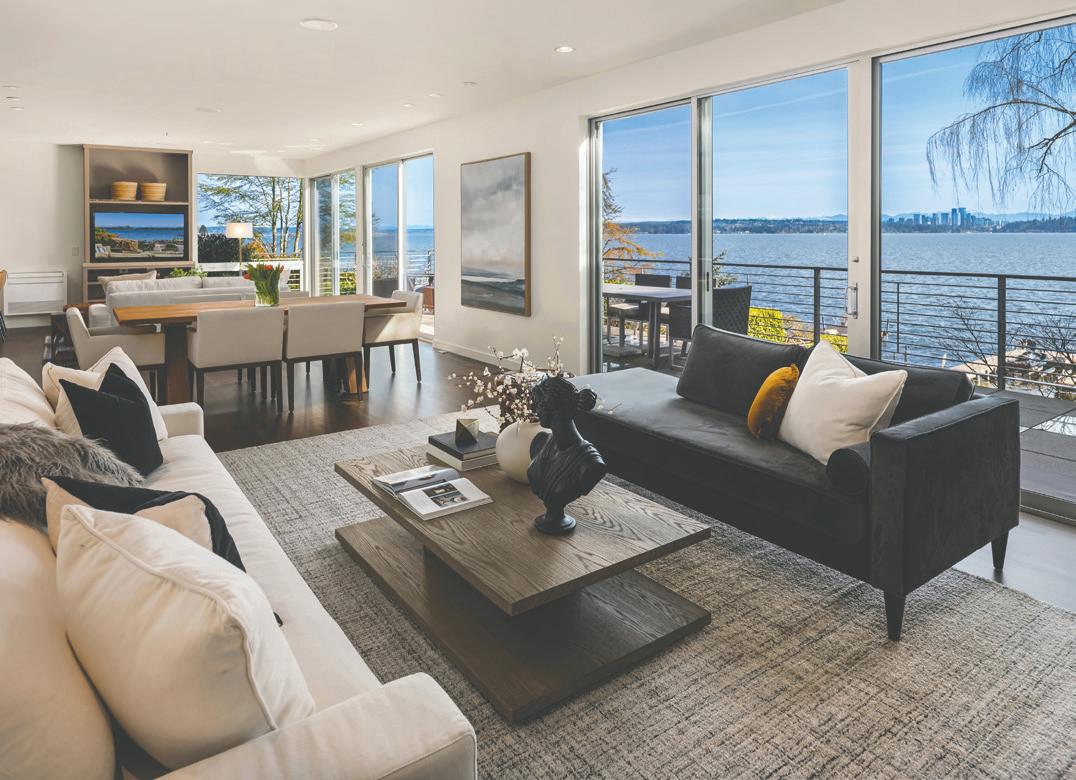
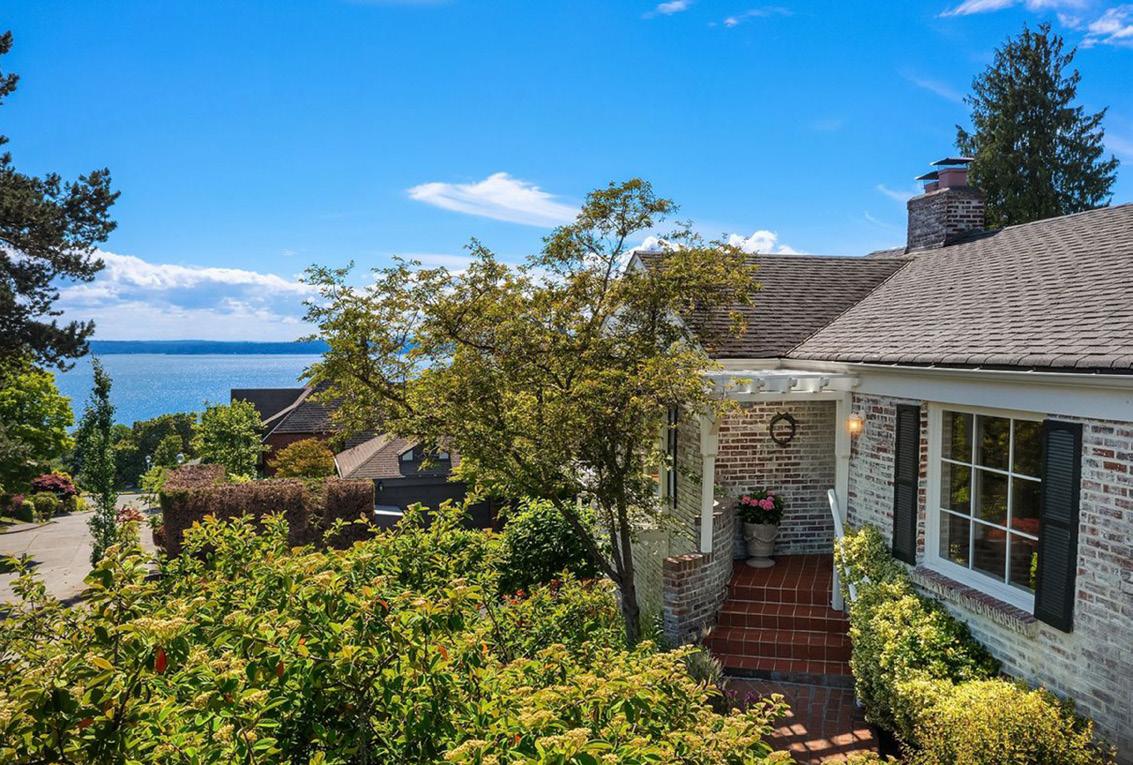
For neighborhoods such as Madison Park, Madison Valley, Washington Park, Denny-Blaine and nearby areas, summer can bring a steady stream of out-oftown guests. Visitors come for weddings, family trips, lake access, neighborhood stays, concerts, festivals, sporting events and the simple appeal of a Seattle summer. Homes near Lake Washington, neighborhood business districts, parks, major arterials or transit routes may be especially attractive to travelers looking beyond hotels.
But Seattle officials caution that short-term rentals are regulated businesses, not casual one-time arrangements.
Under city rules, a short-term rental is a home, apartment, condominium or part of a home rented for fewer than 30 consecutive nights. That includes rentals advertised through platforms such as Airbnb and Vrbo.
Seattle requires short-term rental operators to have two city licenses: a Seattle business license tax certificate and a short-term rental regulatory license. The regulatory license costs $75 per unit and must be renewed annually. The license number must also be posted on every listing advertising the unit, including platform listings.
For property owners, the city’s two-unit limit is one of the most
important rules to understand.
Most operators may rent up to two dwelling units as short-term rentals. If two units are operated, one must be the operator’s primary residence. The other may be a secondary unit owned by the operator.
That means a homeowner may be able to rent out a primary home, a room or a second dwelling unit, but the rules are not designed to allow unlimited conversion of housing into visitor lodging.
The rules also treat some properties differently depending on whether the short-term rental is part of the owner’s primary residence. A short-term rental that is not the operator’s primary residence, or part of that residence, must be registered through Seattle’s Rental Registration and Inspection Ordinance program before it is listed.
an operator’s two-unit limit and do not require additional unit licenses, though they are covered by the operator’s primary or secondary residence license.
The city also places limits on who can operate short-term rentals. Renters generally may not obtain short-term rental operator licenses, with limited exceptions for certain Downtown Urban Core units that were already operating as short-term rentals before Sept. 30, 2017.
Rooms within a primary residence can be treated differently from separate rental units.
City guidance says rented rooms without their own kitchens and bathrooms do not count against
That is an important distinction during the busy summer travel season. A tenant hoping to rent out an apartment for a weekend may still be restricted by city law, a lease, building rules or all three.
Not every space can be offered as lodging. Seattle’s land use
rules prohibit short-term rental operation in spaces that are not considered dwelling units, including RVs, tents, garages and boats.
The city also prohibits shortterm rentals in live-work units, caretaker’s quarters in commercial or industrial buildings, floating on-water residences, waterfront residences and other areas where lodging is prohibited by the Shoreline Code.
Operators must also meet basic operating standards, including posting safety information and providing a local contact number for guests. Units must comply with applicable building, safety, zoning, parking, noise and housing maintenance requirements.
The penalties can be significant. Seattle says operating a short-term
rental without the required regulatory license may result in a $500 penalty for a first violation and $1,000 penalties for later violations. Operating a business in Seattle without a business license tax certificate may also result in a citation.
The city’s requirements are not the only rules property owners should consider. Condominium associations, homeowner associations, mortgages, insurance policies and rental agreements may impose additional limits. A property may be legal under city rules but still restricted by a private agreement.
Summer may create a tempting short-term opportunity for owners in neighborhoods close to Lake Washington, parks and some of Seattle’s most desirable residential streets. But the same qualities that make Madison Park and surrounding neighborhoods attractive to visitors also make housing there closely watched.
Seattle’s short-term rental rules were adopted in part to preserve housing while allowing residents some flexibility to earn income from their homes. During the summer travel season, that balance can become especially visible.
For residents considering a listing, the practical advice is simple: check the city rules before posting, make sure the property is eligible, confirm that private agreements allow it, and do not assume a busy visitor season creates an exception.














By
States and cities are loosening building code requirements in an effort to lower construction costs and boost affordable housing.
Some of these changes include allowing low-rise apartment buildings to have just one stairway, reducing how often building codes are updated and rolling back specific electrical or fire safety standards.
But critics have raised safety concerns, noting that existing rules were shaped by past tragedies and aim to prevent future harm.
For example, having only one staircase could allow a developer to add another unit or expand the size of units, said Nicolle Aube, principal and founder of Civex, a planning and civil engineering consulting firm, and an American Planning Association board member.
“But then there’s this flip side, that by removing these codes and protections, it carries this additional risk for the developer and the occupants of the building if the worstcase scenario happens,” she said.
Many states are considering single-stairway apartment laws.
They generally take one of four approaches, said Alex Horowitz, housing policy director at The Pew Charitable Trusts: begin with a study, allow single-stairway
buildings statewide, update the state building code while letting local governments opt out, or give localities authority to allow them. Pew has lobbied for and testified in favor of the changes.
Two national developments could make it easier for more states and cities to allow singlestairway buildings, Horowitz said.
The first are proposed updates by the International Code Council, the organization that develops the model codes many states use as the basis for their building rules. An update to its multifamily code, for example, would allow single-stairway buildings to add a fourth story.
Second, the bipartisan 21st Century ROAD to Housing Act moving through Congress would direct the U.S. Department of Housing and Urban Development to develop model guidelines for residential buildings with a single stairway not exceeding six stories.
According to Pew, 19 states and Washington, D.C., introduced bills between 2022 and 2025 to study or allow single-stairway apartment buildings, and seven states passed them in 2025 alone.
This year, Idaho enacted a new law that allows local governments to permit certain apartment buildings to use one stairway — generally up to six stories without an occupiable roof, or five stories with one, along with limits on units per floor, sprinklers, stair width, and smoke and fire detection.
Colorado’s law enacted last year requires certain municipalities to modify their building codes by Dec. 1, 2027, to allow five-story multifamily residential buildings to be served by a single exit. Texas’ 2025 law lets municipalities authorize single-stairway apartment buildings up to six stories.
Colorado state Rep. Andrew Boesenecker, a Democrat who sponsored the new law, came to this issue because the state needed to find a way to make smaller multifamily projects more feasible. He said the policy can help on infill lots where a traditional two-stairway apartment building may not fit.
“Single stairway or smart stairway buildings are not only a very safe way to build multi-family housing, they also bring a product to market that’s just not being offered,” Boesenecker said.
Colorado is one 16 states without a statewide building code, making local implementation a major focus. Boesenecker said lawmakers had to look at “ways that you can make it feasible through local governments to adopt this standard into their building code.”
He said the work to get the support of those skeptical of singlestaircase legislation happened a year prior to the bill’s passage,


when lawmakers worked with fire chiefs, fire marshals and firefighters’ unions for about a year to get them to a “neutral position” on the bill.
In Texas, Democratic state Sen. Nate Johnson said the law he sponsored will allow for architectural innovation as well as maximizing multi-family housing on odd-shaped and smaller lots. Johnson said modernizing building codes does not come at the risk of safety.
“Who knows what policies once served well and now, after decades of technological advances and changes in land use, impede good design?” Johnson said. “We have regulations for a reason, and I’m not for throwing out what protects the public. Markets tend to easily meet the challenges of sound regulatory protections.”
Lawmakers in Illinois, New York and Rhode Island considered single-stairway bills this year, but none passed before the legislatures adjourned for the year.
But moving in the opposite direction, Connecticut lawmakers this year repealed the single-stairway law they had passed in 2024, after objections from fire safety officials.
Beyond staircases, Horowitz, of Pew, said this year saw the first legislative sessions in which states have taken a look at elevators to
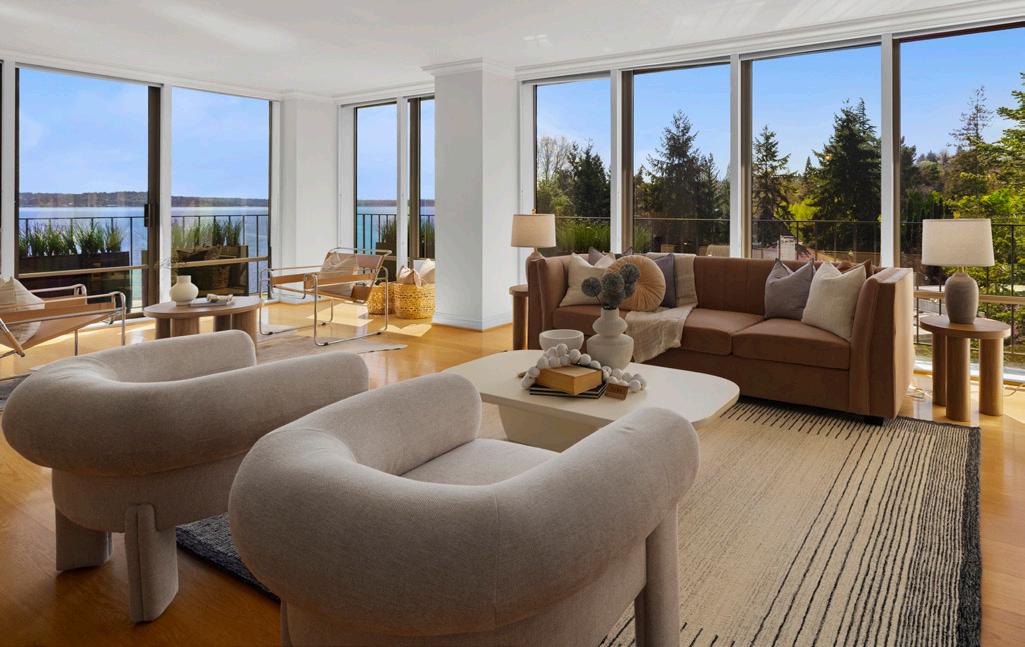
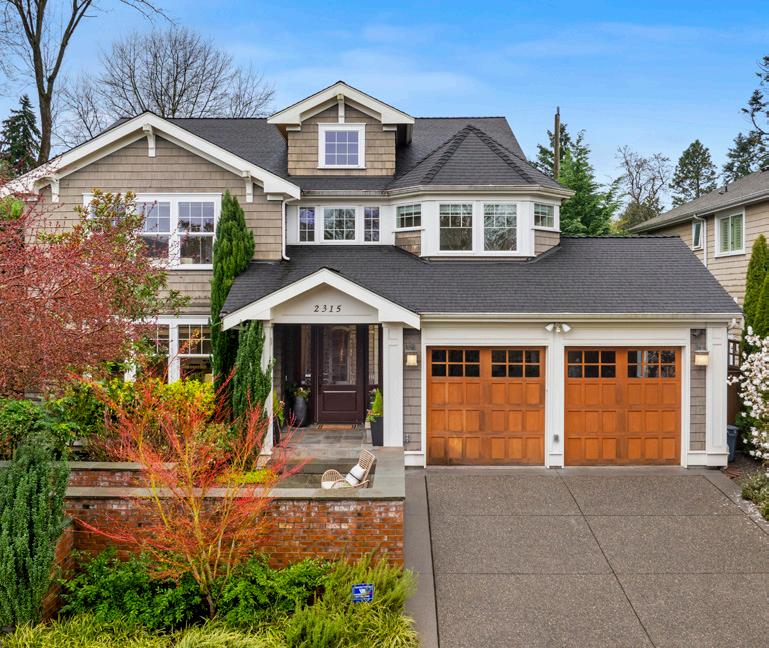
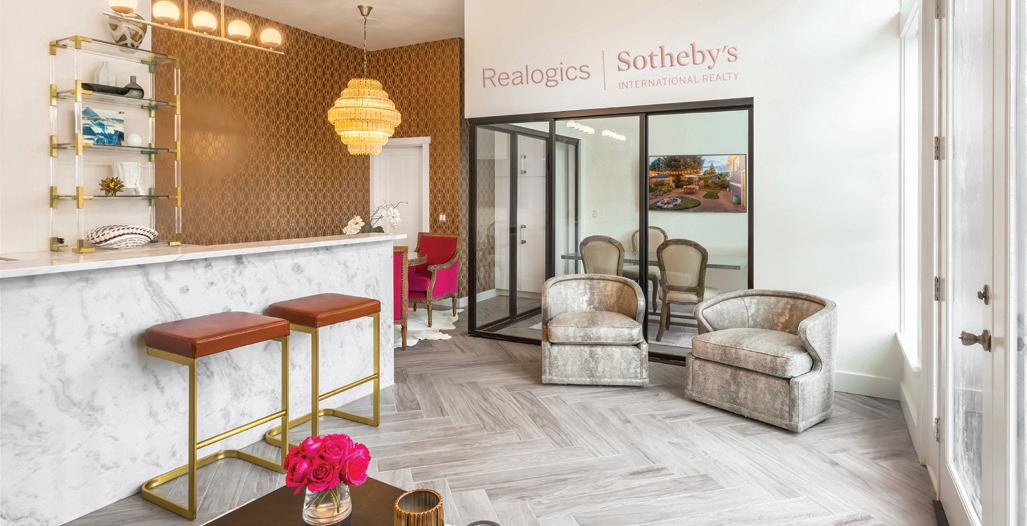
We're excited to share that the Hinds Team has officially joined Realogics Sotheby's International Realty as new founding members of The Park House in Madison Park. We're incredibly grateful for the relationships we've built and the trust you've placed in us over the years. It truly means everything to us.

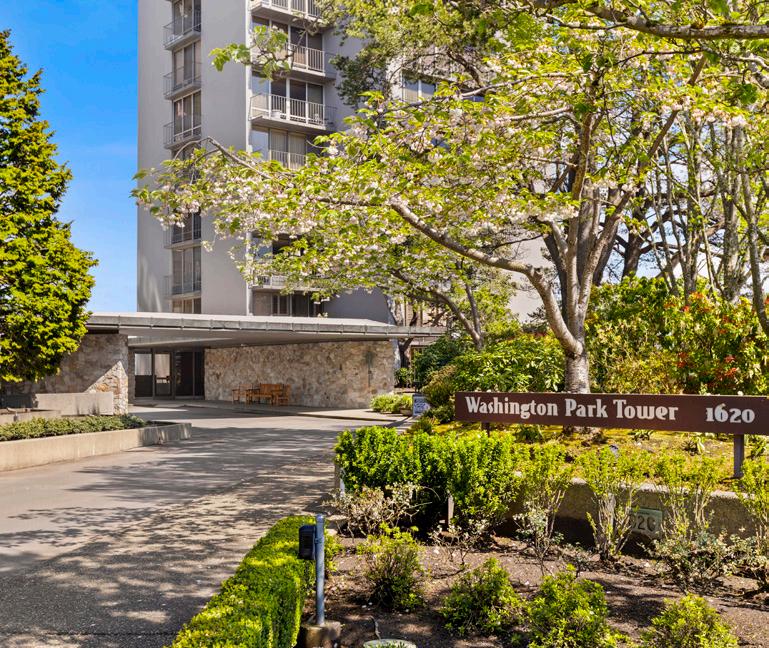
This next chapter is about growing, evolving, and continuing to show up for you in the best way we know how. If you're curious about what this means for you or simply want to catch up, we'd love to connect. We're excited about what's ahead and even more excited to bring you along with us.


The garden has hit its stride, temperatures have fully warmed up into shorts weather – but to keep your garden happy, don’t abandon your garden for the beach - entirely. Let’s do a mid-season check-up and check-in.
KEEP
It’s an oldie but a goodie – the gardener’s boots are the best manure – meaning, nothing beats the presence of the gardener. So, walk the garden a couple of times a week at minimum. The more present you can be in your garden, the more likely you’ll be able to catch situations early before they become pressing. Timing your walks with your watering routine is ideal, but more is better. I recommend early morning – there’s light, it’s not too hot, and on non-watering days it’s a good time to water if a plant needs instant help. If you walk daily, you’ll be regulating your circadian rhythm as well – which can help your sleep, too. Having tools ready will keep things easy and efficient. This keeps trips back to the house at a minimum and means you don’t have to use your shirt to hold tomatoes. Bring a watering can (unless the hose is handy), some pruners, and have a bucket or trug handy –perhaps two – one for weeds and one for cut flowers, cuttings or veggie harvests. I like to also have
a spray bottle with some diluted fish fertilizer – the liquid fertilizer is instantly available to spray on the leaves for an energy boost. Note that fish fertilizer is higher in nitrogen, so it’s best for promoting healthy leaf growth than flowers.
Lastly, a phone or camera is great to take visual “notes” of color combinations you like or want to edit, mapping self-sown surprise plants, ones you forgot you planted, or ones you are amazed survived!
PRIORITIZE
I have a rule – I tend to my existing plants’ basic needs first. I take care of existing plants before planting new ones. That doesn’t keep me from buying new plants –which I have to keep watered – but I will tend to my tomatoes before planting that new hydrangea.
Recent transplants become top of the triage list. Seedlings, divisions, or newly planted purchases get water more often than larger, established plants – this can mean daily if temperatures go over 80 degrees. Note that new plants need this high-touch hydration all season as they become established – up to three growing seasons for perennials, shrubs and trees.
CLEAN UP AND CHECK-UP
Once everyone’s basic hydration is covered, I move on to maintenance. Tomatoes are almost their own category, because of the pruning and tying in necessary. I like to do this separately from watering to really pay attention, since I have about 15 tomatoes this year.
For most plants, it’s checking in for any dead or broken branches,

and deadheading flowers to keep the show going. Sometimes this is optional – like geum, which you can extend the flowering a bit with regular deadheading. For peas –both ornamental sweet pea flowers and edible pea pods – it’s essential to keep harvesting to prevent the plant from going to seed.
Right now, I am adding ‘Miss Wilmott’ sweet peas to a vase and ‘Sugar Magnolia’ purple snap peas to a bowl on my kitchen counter daily. At some point, the plant will let you know it’s done.
Then, if cool season crops like spinach and bok choy are bolting (flowering), it may be time for a replacement – some basil in the sun or lettuce in the shade.
Weed and pest patrol is key, too. Weeds steal water, root space, and nutrients from your desired plants. Mulching with organic material will go a long way to easing this chore.
Keeping an eye out for leaf damage lets you know what’s happening. Tiny pinholes in your tomatoes or zinnias? Flea beetles – disfiguring but rarely fatal unless out of control. Circular chomps: slugs. Hand picking at night is most effective. Aphids? spray with water regularly until under control, or if necessary, consider using something like horticultural neem oil at dusk or dawn before beneficial insects and pollinators are active. Also consider growing flowers that attract lacewings and ladybugs. You can purchase lady bugs, but you may need to do so repeatedly as they often fly away upon release.
There is still time to succession sow fast-growers like zinnias, lettuces, radishes, basil and marigolds. Budget some extra time for watering those.
The market is evolving, and with it comes opportunity. Are you curious how much equity your home has gained? There is real value in understanding where you stand, I can help. Reach out anytime for a complimentary consultation.






REMEMBER TO ENJOY
We’ve laid out a lot of to-dos here, and it’s all too easy to get consumed with the never-ending list of tasks we want to get done. While you’ll get fresh air, exercise and satisfaction, to stop there undermines the real beauty of gardening: savoring the evolving, daily pageant of beauty and wonder that you are co-creating with nature.
Remember to set aside a few moments to sit in the garden, whether you want the sun on your face or the cool seclusion of the shade. Smell the flowers of roses, dianthus and sweet peas, and rub and inhale the aromatic leaves of lavender, tomato and pineapple sage. Find ways to extend the enjoyment of the garden by making and sharing bouquets, sketching, or cooking from your harvest.

REAL ESTATE, from page 1
Lowest Sales Price: $355,000
Highest Sales Price: $9,375,000 Selling at 98% of original listed price
My takeaways:
• We have seen market time decrease and prices increase year over year.
• Interestingly enough market time in the high end in Madison Park is quite a bit shorter than 98112 as a whole. The Madison Park neighborhood has become more appealing based on various issues on Capitol Hill.
• As a general rule, the homes that are turnkey and don’t require any updates continue to be selling faster and more consistently than homes that need work.
• It bears repeating that when planning to list your home, it pays off
reduce building costs. Washington state enacted a new elevator law this year that directs the state’s Building Code Council to allow smaller apartment buildings, with at most six stories and 24 units, to use smaller and less expensive passenger elevators.
Maine removed some elevatorrelated requirements, including for certain smoke and draft equipment and for two-way emergency video communication systems inside elevators.
Research by the Center for Building in North America, a nonprofit research group that co-authored Pew’s single-stairway report, found that installing elevators in the United States and Canada is at least three times as expensive as in Western Europe or East Asia. U.S. and Canadian installations start around $150,000, compared with roughly $50,000 in several high-income countries, the group found.
IS IT SAFE?
Pew researchers found that modern four- to six-story singlestairway apartment buildings can be as safe as other residential buildings when they include firesafety features such as sprinklers, smoke detectors, code-compliant drywall, self-closing doors and protected stairways.
Horowitz said Pew researchers counted every fire death in New York City and Seattle — two cities that have long allowed single-stairway apartment buildings — over 12 years.
In New York City, Pew identified 4,440 modern single-stairway buildings and found their firedeath rate was the same as other residential buildings — about five deaths per million occupant-years. Pew also found that the deaths it identified in modern single-stair buildings appeared to occur in the unit where the fire started, not because smoke or fire penetrated the single stairway.
“Modern apartment buildings are much, much, much safer than other housing. It is not even close,” Horowitz said. “The data is clear and policymakers are following the data in this instance.”
But Sean DeCrane, the director of fire fighter health and safety operational services for the International Association of Fire Fighters, said single-stairway proposals often fail to account for residents’ potential slowness to evacuate during a fire, and how firefighters use the same stairwell to reach trapped occupants.
to spend time and resources to properly prep the home for sale. A small investment will result in a higher return for a seller.
• In recent days, the market seems to have cooled a bit. Steady traffic but buyers taking their time to make decisions.
• We are expecting in influx of inventory, especially in the higher end over the next 6 months due to the new polices of the city and state.
• Due to this, if you are planning to sell, I would suggest to list sooner rather than later.
As of press time, there are 23 homes for sale over $2.5M in Madison Park, Washington Park, Broadmoor, and Denny Blaine. 1 of the residences is a condos, and the highest priced single-family home for sale is a $15,950,000 home in 120+ feet of waterfront in Denny Blaine.
The IAFF cites as one example a Manhattan apartment fire on May 4 that killed three people and injured 14. The fire that trapped residents in a smoke-filled stairwell serving as the building’s only means of escape. IAFF says the fire appeared to start on the first floor and spread upward through the stairwell.
“When we take over the stairwell, occupant egress effectively stops,” DeCrane told Stateline. “So now you’re requiring firefighters to physically remove occupants out of a burning building.”
During a fire, residents may not leave when an alarm first sounds, he said, especially in apartment buildings where false alarms or smoke alarms from a kitchen mishap are common. Some residents do not try to evacuate until they smell smoke or believe they are in danger.
“Just because they hear an alarm doesn’t necessarily signify risk to them.”
Aube, of the American Planning Association, said state lawmakers should learn from California’s approach — which in 2023 directed the state fire marshal to study single-stair buildings — before lawmakers make building codes changes.
“There is a lot of technical information that lawmakers and the public need to learn before considering removing a code,” she said.
The California Office of the State Fire Marshal released that report early this year. It said safeguards such as sprinkler and smoke detectors “do not fully substitute” for having two stairwells and notes that fire departments in the state nearly unanimously oppose single stairways. But it suggested a variety of measures that should be implemented if single-stairway buildings are allowed.
In recent years, some states have changed parts of their fire and electrical codes, seeking to make a dent in the total cost of a project.
Arizona last year barred counties from requiring fire sprinklers in accessory dwelling units.
Indiana this year barred state and local governments from requiring arc fault circuit interrupters, or AFCIs, in certain residential buildings and emergency responder communication systems in some larger structures. AFCIs prevent electrical fires by detecting arcing in damaged or loose wiring before it builds heat inside a wall.
The Indiana bill’s lead sponsor, Republican state Rep. Doug Miller, said the state needed to
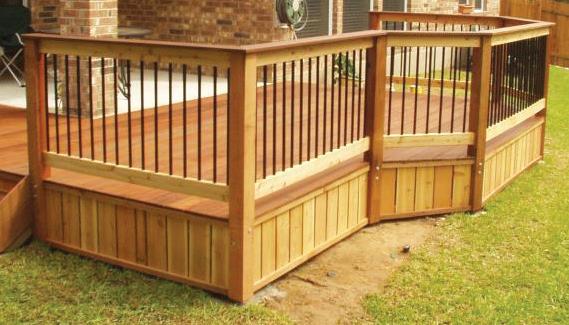
Awell-manicured lawn appeals to homeowners when they look out their windows. But such a view also can look nice when homeowners peruse their bank statements after selling a property. According to the “2023 Remodeling Impact Report: Outdoor Features” from the National Association of Realtors®, standard lawn care service yields an estimated cost recovery of 217 percent. Landscape maintenance, with an estimated cost recovery of 104 percent, and an overall landscape upgrade (100 percent) also yield great returns for homeowners. The NAR® report also noted the effects of such projects related to homeowners’
“put a stake in the ground” to meet its need of roughly 50,000 homes, according to the Indiana Capital Chronicle. The Indiana Builders Association said local rules accounted for 24% of the cost for a new home.
This year, Iowa changed parts of the state electrical code, including AFCI and GFCI requirements. Ground fault circuit interrupters, or GFCIs, are designed to protect people from electric shock by shutting off power when they detect a fault in the current. Supporters said these changes can help keep electrical costs low for builders and consumers.
Iowa Democratic state Rep. Jeff Cooling, who is also an electrician, said the late-session legislation takes away some kitchen GFCI requirements, removes AFCI requirements and allows cheaper ceiling boxes in places where future homeowners may install heavy fixtures or ceiling fans. He opposed the bill.
Cooling said lawmakers often talk about code changes as a way to shave costs from new housing. But as an electrician, he said many of those requirements were adopted for a reason and usually after high-profile injuries, fires or deaths prompted necessary review and updates.
“None of these codes change just to change them,” Cooling said. “They’ve changed because people have been seriously injured or killed.”
Cooling said fellow electricians he spoke with estimated the Iowa changes would save about $850 on an average new house. “That’s a rounding error,” he said.
And for Cooling, that amount of savings is too small to justify removing protections at the sake of human lives.
“It’s not the world that we want to live in where we try to balance safety and what turns out to be low-cost savings,” he said.
Building codes are usually updated every three years through a public process, while states and local governments retain authority to amend and enforce them.
A new law passed in Connecticut will stretch what is normally a three-year state building code update schedule into a six-year gap, pausing updates between 2024 and 2030 cycles. The state is expected to produce a report due by Jan. 1, 2029, that will evaluate the effects of a six-year cycle for building code revisions.
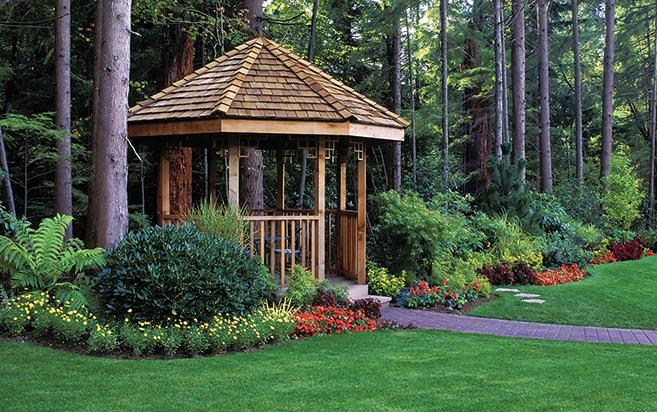
desire to spend time on their property. Among homeowners who participated in the NAR® report and committed to standard lawn care service, 58 percent indicated they had
Housing industry groups say Connecticut is not alone in extending or pausing the time between adopting building code changes.
Last year, California froze most residential code changes through June 2031. North Carolina moved its residential code to a six-year review cycle in 2023.
The Connecticut proposal drew opposition from code officials and the International Code Council.
Building officials and code organizations have warned that slowing adoption of new codes can also delay updates meant to respond to new risks.
Aube, the urban planner, said that code changes are not a silver
a greater desire to be at home since completing the project, while 46 percent indicated they have an increased sense of enjoyment when spending time at home.
bullet in the affordability puzzle. “There’s not one answer,” she said. “It’s like making a cake, right? There’s a whole bunch of different ingredients that go in.”
Stateline reporter Robbie Sequeira can be reached at rsequeira@stateline.org.
This story was originally produced by Stateline, which is part of States Newsroom, a nonprofit news network which includes Washington State Standard, and is supported by grants and a coalition of donors as a 501c(3) public charity.

(206) 972-7768
ttruex@windermere.com