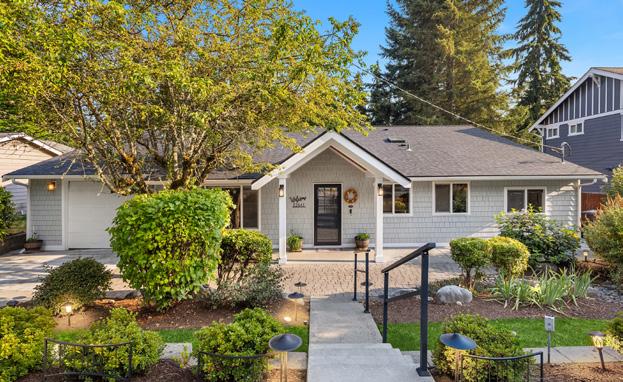
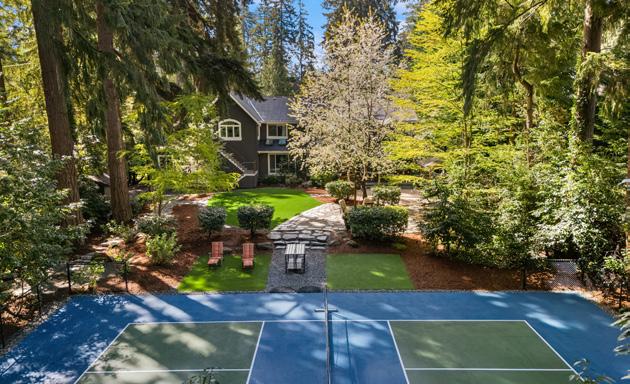
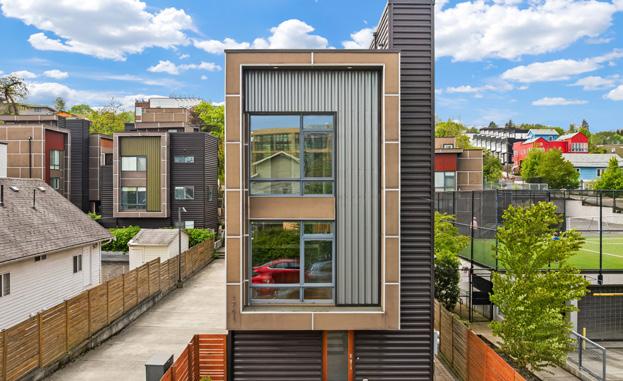
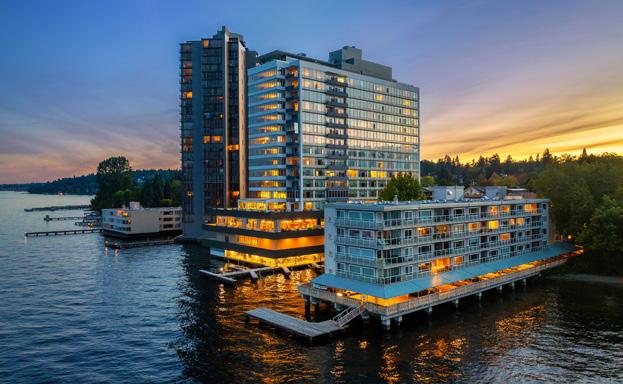
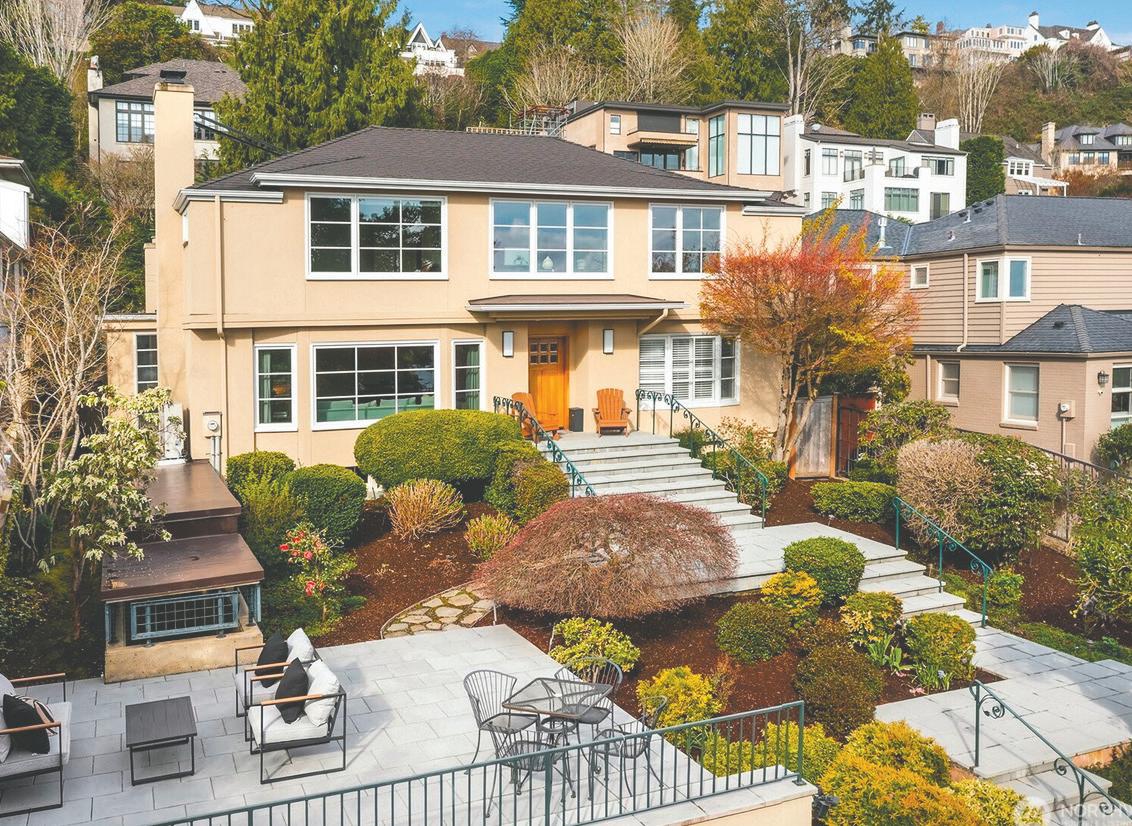
That, without a doubt, is the question I’ve been asked more than any other over the past few weeks. Whether I’m giving a seller their weekly market update, talking with a client after a showing, or simply bumping into someone around the neighborhood, the conversation almost always ends the same way.
It’s a fair question. More than fair, really. Despite a steady stream of new listings this summer, sales have slowed considerably. Homes are sitting on the market longer, buyers aren’t making that many showing appointments, and many sellers wonder whether something’s wrong with their property.
In most cases, it’s not the property. It’s the time of year. July is one of the quietest months in residential real estate. School’s out, families travel, and buying a home moves down the priority list. This year, it feels especially pronounced.
I’ve spoken with more than 10 families who spent part of their summer in Italy. Couple the new nonstop Alaska Airlines flight from Seattle to Rome with a strong desire to travel, and many people simply chose experiences over house hunting this summer. At the same time, mortgage rates once again pushed close to 7 percent, adding another hurdle for buyers.
THE BUYERS WILL BE BACK
The good news is there’s nothing unusual about what we’re seeing. Most buyers and sellers only experience the market every several years, so a slowdown like this can naturally feel concerning. After more than 20 years in real estate, I can tell you this is a cycle I’ve seen time and again. As
summer winds down and children return to school, families settle back into their routines, housing moves back to the top of the priority list, and buyer activity historically begins to accelerate.
September, October, and the first weeks of November consistently produce some of the strongest sales numbers of the year. Some of the busiest fourth quarters of my career have followed relatively quiet summers just like this one.
For sellers, patience is important, but that doesn’t mean you should stand still. There are aspects of this business that are simply out of our control. We can’t lower interest rates, change people’s travel schedules, or decide when buyers are ready to make a move. What we can control is how a property is presented to those buyers –who will come back.
This is where experience matters. While the market may slow, the marketing shouldn’t. My team is continually refreshing photography, refining our marketing, expanding digital advertising, and reaching out to brokers throughout our network to uncover new buyers. The goal is simple. When buyers return after the summer, your home is positioned to capture their attention from the moment it hits their screen.
That doesn’t mean we’re going to have a string of open houses. It’s a misconception I continue to hear – that open houses sell homes.
In reality, the vast majority of buyers purchase after a private showing, not by walking through an open house. That’s even more true in the luxury sector. Open houses have their place during a property’s initial launch, but the real work happens behind the scenes. Houses sell through relationships, targeted marketing, broker outreach, and strategic exposure to qualified buyers.
If your broker has stopped communicating, stopped updating the marketing, or
simply blames the market without adapting the strategy, that’s a problem. The best brokers remain proactive regardless of market conditions. They continue to search for opportunities, adjust their plans, and keep sellers informed every step of the way.
If you’re currently on the market and wondering why your home hasn’t sold, don’t assume your time has passed. History says we’re approaching one of the most active periods of the year. As we move into September and October, we’ll continue to evaluate pricing, refresh marketing where appropriate, and strategically position our listings to take full advantage of renewed buyer activity.
Real estate always moves in cycles. Understanding those cycles, rather than reacting to them emotionally, is key to realizing the best outcome.
If you’re wondering how today’s market affects your home, your buying plans, or your long-term real estate goals, my team and I are always happy to help. Feel free to reach out anytime for a conversation.
Chris Sudore Madison Park Resident KingCountyEstates.com
Chris@KingCountyEstates.com
Managing Broker
Coldwell Banker Bain | Global Luxury
What My Clients Are Saying...
“I recently had the pleasure of working with Laura and her team on the sale of a beloved family home as part of an estate. I cannot recommend Laura highly enough. Although the property was modest in size and in need of updates, Laura treated the listing with the same level of attention and professionalism that she gives her multimillion-dollar listings. She made the entire process smooth and transparent, providing excellent communication, advice, and guidance every step of the way. Her efforts led to multiple offers well above the list price. She’s a rare gem.” - Arnie Willig
We're excited to share that the Hinds Team has officially joined Realogics Sotheby's International Realty as new founding members of The Park House in Madison Park. We're incredibly grateful for the relationships we've built and the trust you've placed in us over the years. It truly means everything to us.
This next chapter is about growing, evolving, and continuing to show up for you in the best way we know how. If you're curious about what this means for you or simply want to catch up, we'd love to connect. We're excited about what's ahead and even more excited to bring you along with us.
Seattle Social Housing Gets New Tools After First Building Shows Huge Demand
Charter changes give the voter-created housing developer more flexibility to finance, buy and build permanently affordable housing across the city.
Staff Report
Seattle’s new social housing agency is getting more power to finance future buildings, just weeks after its first apartment lottery showed how overwhelming demand is for below-market housing in the city.
The Seattle City Council approved charter changes for the Seattle Social Housing Developer on June 16, allowing the public development authority to use its properties as collateral for debt, create condominium structures for commercial portions of mixed-use buildings, use revenue from one building to support another and clarify tenant protections before eviction.
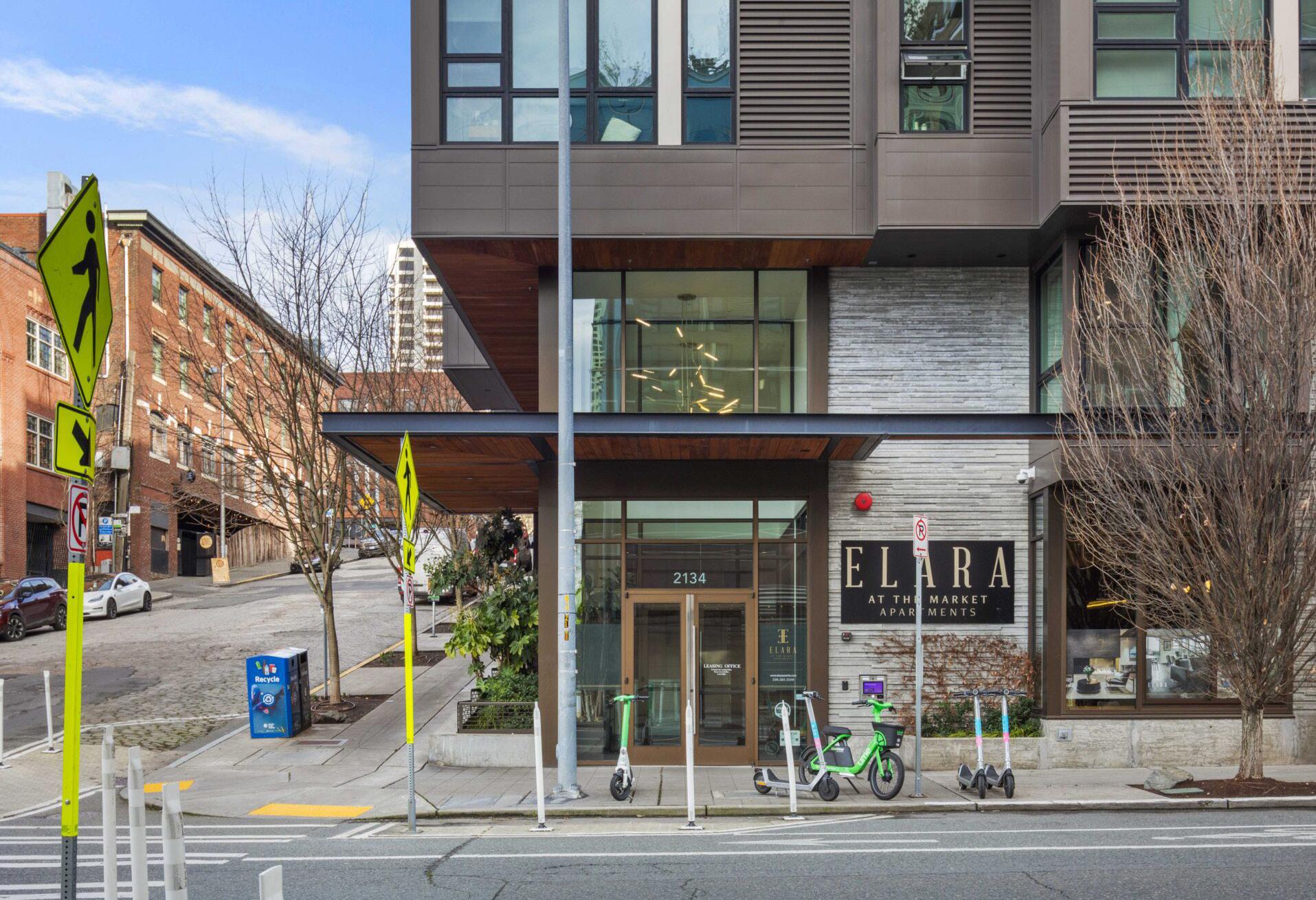
The changes mark an important second step for the agency, which recently made its public debut with Elara at the Market, a 150-unit apartment building near Pike Place Market. More than 10,000 applicants sought about 15 initial rent-reduced apartments at Elara, underscoring the gap between Seattle’s affordable-housing demand and the limited number of units immediately available.
Elara is the first building owned by the Seattle Social Housing Developer, known as SSHD. The agency says it paid about $60 million for the building and plans to fill the first 15 vacancies with households earning 30 percent or less of area median income. The next 45 units are expected to serve households earning between 30 and 50 percent of area median income.
Rents at Elara are expected to range from $665 for a studio to $1,482 for a
two-bedroom apartment, according to the agency. SSHD also plans to freeze existing rents through June 2028, eliminate certain added fees, end Ratio Utility Billing System charges and offer free one-year ORCA passes to residents.
EXPANSION
FROM FIRST PURCHASE TO
Seattle voters created the Social Housing Developer through Initiative 135 in 2023. Voters later approved Proposition 1A in 2025, creating a 5 percent tax on compensation above $1 million paid in Seattle to individual employees. The tax is paid by employers, not workers, and is intended to provide ongoing revenue for publicly owned, permanently affordable mixed-income housing.
The City Council approved legislation in February to begin transferring that voter-approved revenue to SSHD. Council materials said Proposition 1A passed with more than 63 percent support and created the funding source needed for the agency to begin acquiring and developing housing.
The new charter changes are meant to help SSHD stretch that funding further. Rather than relying only on annual tax revenue, the agency can now use property it owns to secure financing for additional acquisitions or construction.
Councilmember Dionne Foster, who sponsored the charter legislation, said the amendments are intended to give the developer “the right tools” to deliver affordable housing and allow future projects to include amenities such as ground-floor restaurants,
childcare or other commercial uses without sacrificing affordability.
One change allows SSHD to create a condominium structure in which the agency keeps the housing portion of a building while selling the commercial portion. Another allows cross-subsidization within the agency’s portfolio, meaning revenue from some buildings could help support costs or bond payments connected to others.
That flexibility matters because social housing is designed to mix income levels rather than serve only one income
The market is evolving, and with it comes opportunity. Are you curious how much equity your home has gained? There is real value in understanding where you stand, I can help. Reach out anytime for a complimentary consultation.
band. Higher-rent units can help support lower-rent units, while public ownership is intended to keep the building permanently affordable instead of allowing it to return to the speculative market.
GOAL: HOUSING IN EVERY DISTRICT
SSHD leaders have said they do not want social housing concentrated in a single neighborhood.
Mike Eliason, the agency’s director of design and policy, told the Seattle Planning
Chris Sudore | Managing Broker
(206) 972-7768 • ttruex@windermere.com theresatruexproperties.com
Board that SSHD is looking at projects across the city and wants to be represented in every City Council district. Reporting from The Center Square and KING 5 cited a five-year goal of 1,670 units, including about 1,040 acquired units and 630 newly built units.
The Urbanist previously reported the same five-year production target and said SSHD’s early strategy is likely to emphasize purchasing newer apartment buildings while market conditions make some acquisitions cheaper than new construction. SSHD staff estimated that recently built apartments could be purchased for roughly $350,000 to $400,000 per unit, compared with about $650,000 per unit to build new.
That approach helps explain the Elara purchase. Buying an occupied building can move faster than waiting years for a new project to be permitted and built. It can also preserve apartments in central neighborhoods where lower-income renters are often priced out.
But the first lottery also showed the limits of acquisition. Elara contains 150 units, but current tenants are not being forced out, so only vacant apartments can be filled immediately by lower-income applicants. That means the agency’s first major public offering amounted to roughly 15 openings, not 150.
THE CENTRAL DEBATE
Supporters argue the model is doing what it was designed to do: move housing into permanent public ownership, stabilize tenants
The debate is not simply whether Elara is a good building. It is whether social housing can scale fast enough to matter in a city where 10,000 people applied for 15 openings.
The new charter powers are intended to answer part of that question. By allowing SSHD to borrow against assets, use commercial portions of buildings more flexibly and support projects across a portfolio, the city is giving the agency tools more commonly used in real estate development.
Those tools also bring new questions. Borrowing can help the agency move faster, but it also requires careful underwriting, stable revenue and strong oversight. Selling commercial condominium space could generate money for housing, but it will require clear rules to ensure the public housing mission remains the priority.
For now, Seattle’s social housing experiment is moving from campaign promise to real estate operation. Elara proved the demand. The charter changes are meant to give the agency room to grow.
The next test is whether SSHD can turn one highly sought-after building into a citywide portfolio large enough to change more than a few dozen lives at a time.
for confidence. A June market report from Realogics Sotheby’s International Realty showed a median sales price of $2.3 million in Madison Park, an average sales price of $2.519 million, and an average of 18 days on market. The report also showed 3.2 months of inventory, keeping Madison Park in seller’s market territory.
By comparison, a secondquarter Seattle singlefamily market snapshot from Realogics Sotheby’s International Realty showed 2.6 months of inventory citywide, a median sales price of $1.05 million and an average of 25 days on market. The report described the broader Seattle market as largely stable compared with the same period a year earlier.
Those numbers suggest Madison Park remains strong, but agents say buyers are still more careful than they were during the most frenzied markets of recent years. They are comparing homes closely, watching price, evaluating condition and responding most strongly to listings that feel complete.
Junior Torres, a Realtor, luxury advisor and condo specialist with Windermere Real Estate Co., said Madison Park continues to benefit from its lakeside setting, walkable village atmosphere and distinctive homes. In his view, quality homes that are priced appropriately continue to
perform well, even as buyers grow more discerning.
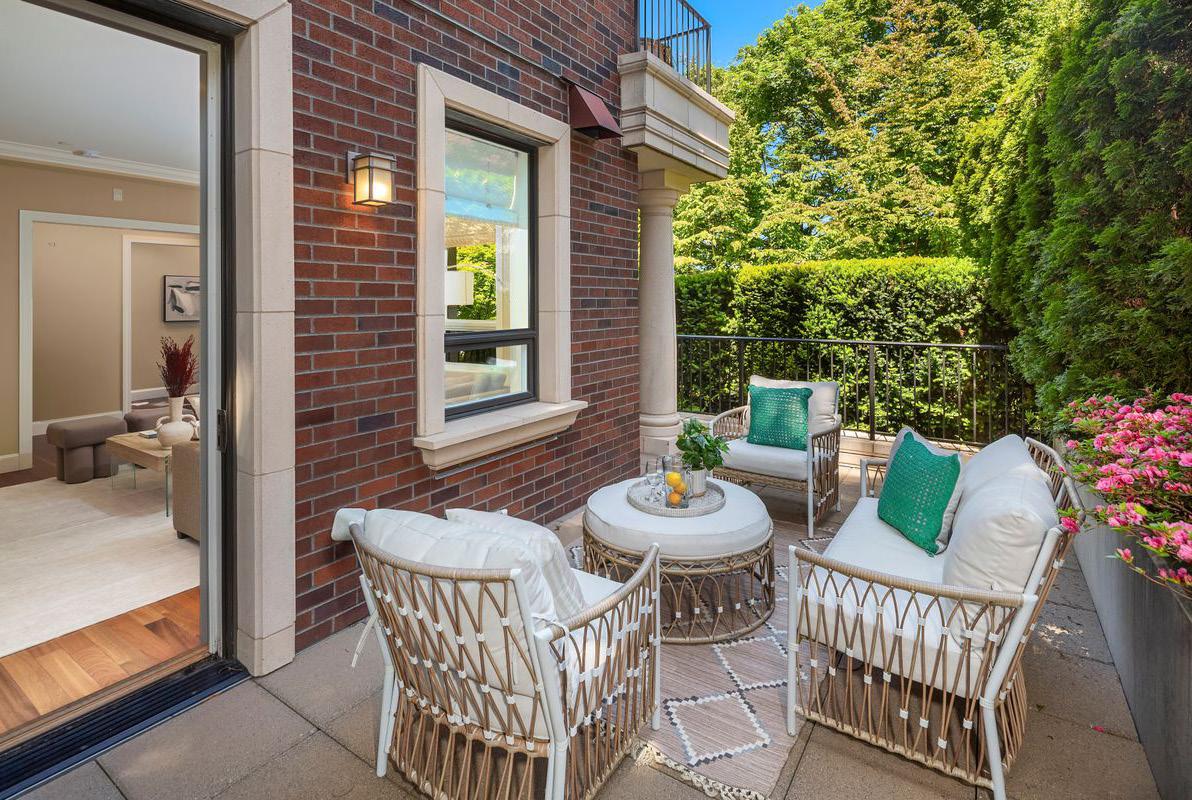
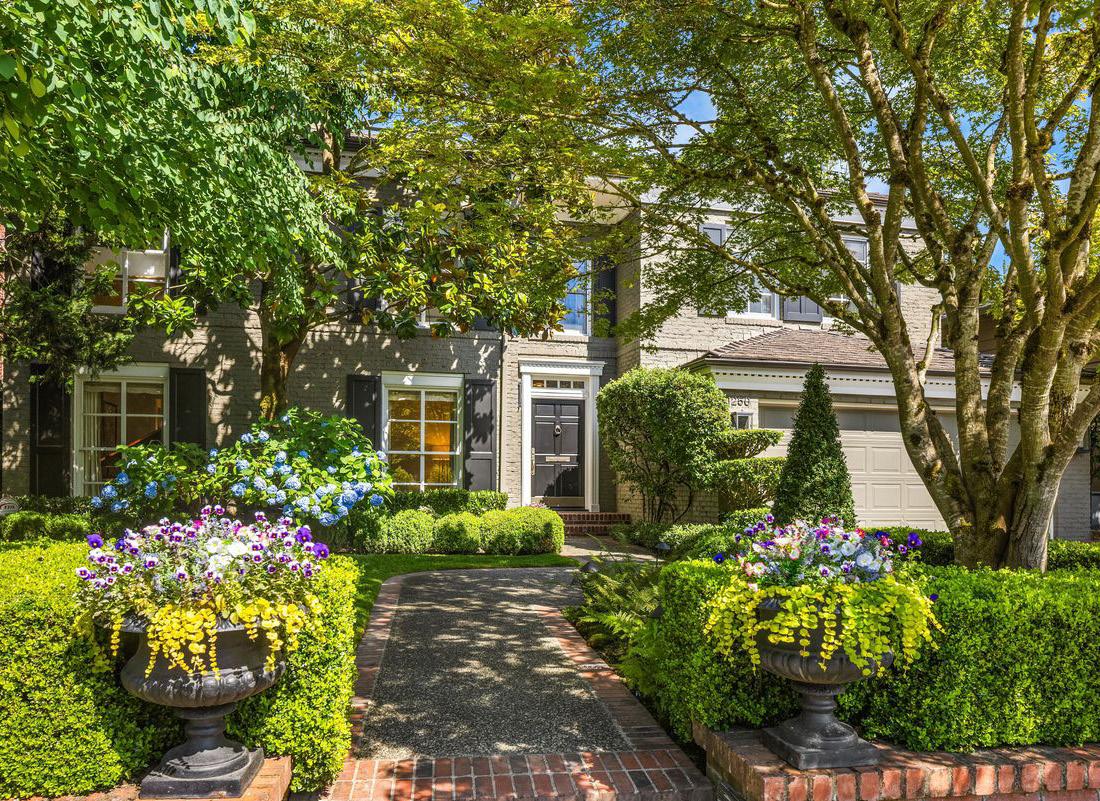
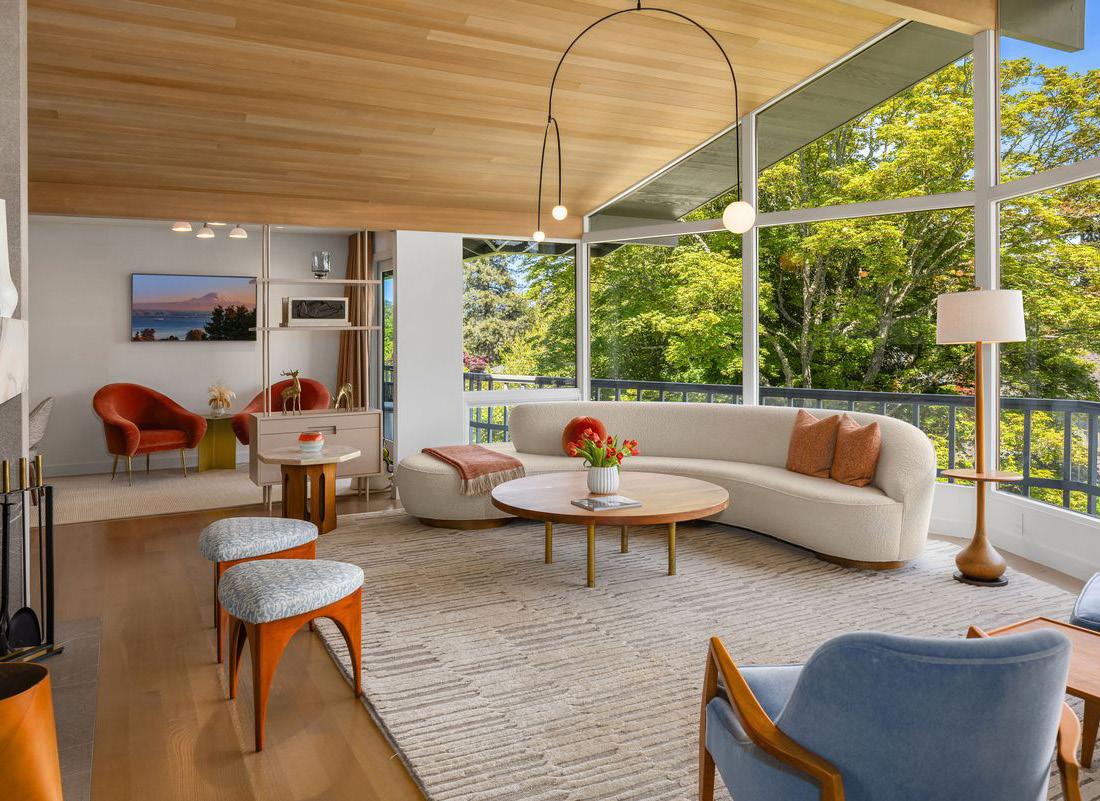
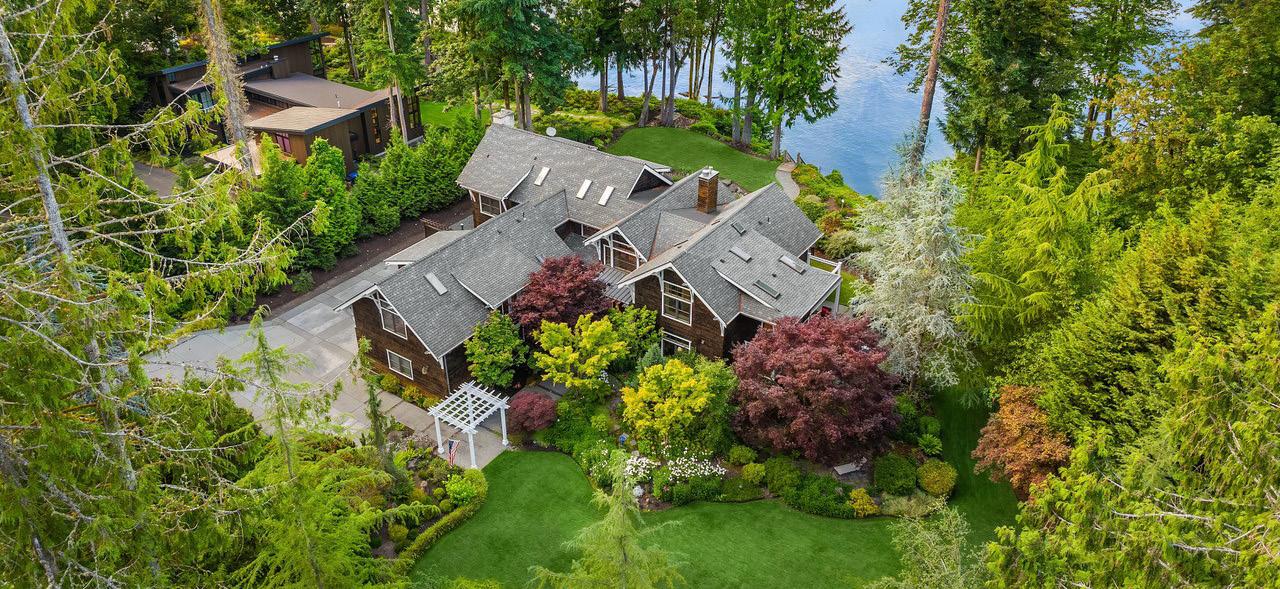
Homes drawing the strongest response tend to share several traits: move-in-ready condition, strong design, good natural light, outdoor living space, flexible floor plans and a clear connection to the neighborhood lifestyle. Agents also pointed to timeless architecture, thoughtful updates, proximity to Madison Park Village and views as features that continue to attract attention.
For sellers, pricing remains one of the biggest strategic decisions.
Smith said pricing correctly is especially important now because buyers have more inventory and more pricing choices. Suver said sellers should not assume they can simply start high and reduce later.
“One of the biggest misconceptions I hear is that you can always come down later,” Suver said. “While that’s true, you can never recreate the excitement of a home’s first debut.”
Flanary put it more bluntly: “I don’t believe in ‘testing the market.’ I believe in understanding it first. Pricing should reflect today’s market, not yesterday’s expectations.”
That advice matters whether a homeowner lists in August or waits for fall. If a seller chooses to wait, agents say the work should begin now. Maintenance projects, fresh landscaping, decluttering, staging, photography,
videography and pricing strategy all take time.
A fall launch may bring more active buyers, but it may also bring more competition. As school schedules settle, leaves begin to turn and cooler weather returns, homeowners who delayed during the summer often reenter the market, giving buyers more homes to compare.
“You aren’t competing against last month’s market,” Flanary said. “You’re competing against the homes listed the same week as yours.”
For homeowners already on the market, the same principle applies. A slower late-summer pace does not necessarily mean the opportunity has passed. But it does mean the strategy may need to stay active: pricing should be evaluated, marketing should remain fresh and the listing should be positioned to catch renewed attention as buyers return to regular routines.
In the end, agents largely agreed that sellers should not try to time the market by the calendar alone. A polished, well-priced home may still find motivated buyers in August. A home that needs work may gain more by waiting for sweater weather and launching with stronger presentation.
For Madison Park-area sellers, the better question may not be whether August or fall is the perfect season. It may be whether the home is ready to compete the week it comes on the market.