

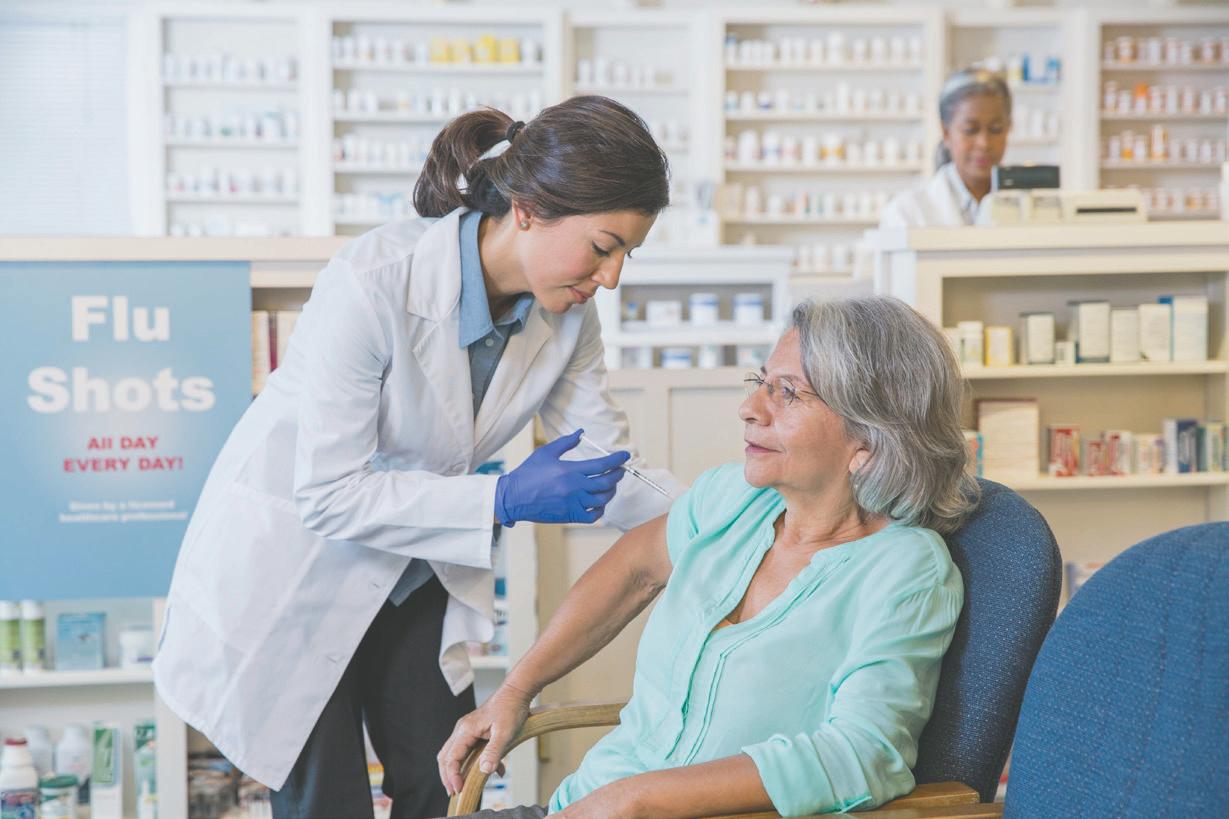


It has been recognized for many years that people 65 years and older are at greater risk of serious complications from the flu compared with young, healthy adults because human immune defenses become weaker with age. While flu seasons can vary in severity, during most seasons, people 65 years and older bear the greatest burden of severe flu disease. In recent years, for example, it’s estimated that between 71 percent and 85 percent of seasonal flu-related deaths have occurred in people 65 years and older and between 54 percent and 70 percent of seasonal flu-related hospitalizations have occurred among people in that age group. So influenza is often quite serious for people 65 and older.
• People who 65 years and older should also be up to date withpneumococcal vaccination to protect against pneumococcal disease, such as pneumonia, meningitis, and bloodstream infections. Talk to your doctor to find out which pneumococcal vaccines are recommended for you.
Note: People 65 years of age and older should not get the nasal spray flu vaccine (which is not recommended for use in any population for the 2016-17 season), the intradermal flu shot, or jet injector flu vaccine.


the most important word when you’re in need of Assisted Living Services.
It’s certainly how we see it at Sagebrook Senior Living – like a great dance partner we know when to lead and when to follow.
When detected early, breast cancer is treated successfully 98% of the time. Researchers continue to make impressive gains in the detection, diagnosis, and treatment of breast cancer. For example, according to the Mayo Clinic, the radical mastectomy, once a standard procedure for women with breast cancer, is now rarely performed.
However, breast cancer in seniors remains a very potent disease that will only be eradicated if women follow the recommended schedule and undergo annual mammograms. Recent statistics suggest that women are skipping annual mammograms, the key procedure to screening.
Eighty percent of all breast cancer occurs in women over 50, and 60% are found in women over 65. The chance that a woman will get breast cancer increases from 1-in233 for a woman in her thirties, to a 1-in-8 chance for a woman in her eighties.
“The average age of diagnosis is 62,” says Dr. Julie Gralow, associate professor of medical oncology at the University of Washington School of Medicine and medical oncologist at the Seattle Cancer Care Alliance. “So the majority of women getting breast cancer are over the age of 50.”
Get your MAMMOGRAM!!
We’re always helpful, but not obtrusive, so you get exactly what you need, when you need it.
Call (206) 789-1900 now to schedule your complimentary lunch and tour. And come see what steps we can take together. 1710
www.sagebrookseniorliving.com
789-1900



FAMILY FEATURES Spice things up this season with some uniquely delicious recipe options that are perfect for most any meal occasion. Serve Beet, Feta and Walnut Scones for brunch or as an accompaniment to soups or salads. Starting with Aunt Nellie’s Pickled Beets cuts time and adds flavor. Quick Sausage and German Potato Salad Skillet is on the lunch or dinner table in 20 minutes thanks to pre-cooked sausages and a can of heat-and-eat READ German Potato Salad. Sides are easy, too. A jar of Aunt Nellie’s Glazed Small Sliced Carrots is the main ingredient in this quick-to-assemble Spicy CarrotSweet Potato Casserole. If roasted vegetables are more your style, try Thyme-Scented Roasted Vegetables, accented with sweet, tangy pickled beets. For more seasonal recipes, visit AuntNellies.com and READsalads.com.

is not so silent A silent health risk every woman should know about
(BPT) - Silent strokes, ones that happen in your brain without you even knowing, can lead to full-blown strokes as well as cognitive impairment and dementia.
The most common depiction of a stroke is a person unable to move on one side of their body with slurred speech, but studies show that many stroke victims had silent strokes previously, that, as the name indicates, went unnoticed. The damage caused by the silent stroke, however, can be seen through advanced imaging techniques.
Since no one is suggesting that everyone get an annual brain scan, the next best thing is to understand the risk factors for silent stroke and control those. Two of those risk factors, high blood pressure, atrial fibrillation and blockages in the carotid arteries are simple to screen for and have effective treatments.
"The upside to all this is that there are steps one can take to prevent silent stroke," says Dr. Andrew Manganaro, a vascular surgeon and chief medical officer for Life Line Screening. "What it takes is a measure of awareness, routine screening and, if needed, treatment to prevent the blood clots that can lead to this long-term damage to the brain."
Silent strokes are 30 to 40 percent more prevalent in women than men and the results can be serious. Impaired movement, muscle weakness, depression, memory problems and cognitive problems are all associated with silent stroke.
"So when atrial fibrillation, high blood pressure or carotid blockage is present in a patient, that should be an indicator to her physician that she's at risk of a silent stroke," Manganaro says.
The key to preventing stroke is to get a full picture of your vascular health, so you can begin treatment and monitoring. Manganaro recommends routine screenings for the damaged arteries that indicate vascular problems. Testing for high blood pressure, carotid blockages and the presence of atrial fibrillation, along with peripheral arterial disease screening and abdominal aortic aneurysm testing are safe and accurate.
"These screenings can help you and your doctor get a full picture of your vascular health," says Manganaro.
To set up a screening appointment in your community that is affordable and convenient, visit www. LifeLineScreening.com.
To cut your risk of stroke, treating hypertension with medication and lifestyle changes can help, Manganaro said. Control your weight, reduce your consumption of red meat, eat more plant foods and talk to your doctor

about starting an exercise program. If you smoke, make it a priority to quit. Smokers have double the risk of stroke than non-smokers, because smoking can lead to excessive blood clotting.
If you or your family members have noticed recent changes to your memory facility or mobility, consult with your doctor. In some patients, these have been symptoms of a silent stroke, but in any case it will benefit you to find the root cause and begin treatment.
Does silent stroke lurk in your future?
The first step in preventing stroke is knowing which conditions can enhance your risk. If you have any of these conditions, talk to your doctor.
Do you have a history of high blood pressure?
Do you smoke?
Do you have an irregular heartbeat?
Do you have hypertension?
(BPT) - There's no arguing grandparents have special relationships with their grandchildren. Whether they are a couple hours' drive away or a flight across the country, distance doesn't dissolve this bond.
National Grandparents Day happens every September, but grandparents and families shouldn't have to limit the celebration to just one day of the year. Here are five fun ideas for staying in touch with family, no matter how near or far they live.
Play games online together
Technology can be a wonderful way for different generations to connect long-distance. Beyond phone and video calls, schedule time for grandkids and grandparents to play virtually. There are numerous programs that let players in different locations challenge each other to cards, checkers, chess and more. Interactive sketching apps make drawing or playing tic-tac-toe a breeze from two locations. A little play can make everyone's day.
Schedule weekly phone calls

Making a weekly phone date ensures everyone stays in touch. Long-distance phone calls are easy and budget-friendly when you use an affordable cellphone provider like TracFone. With a new 30-day smartphone-only plan with talk, text and data for just $15 a month on the largest 4G LTE networks, you'll have enough money left to spoil the grandkids. And, with no activation or cancellation fees, you can change your no-contract plan as often as your needs change, without penalties. Learn more at www.TracFoneSwitch.com.
Read a book together
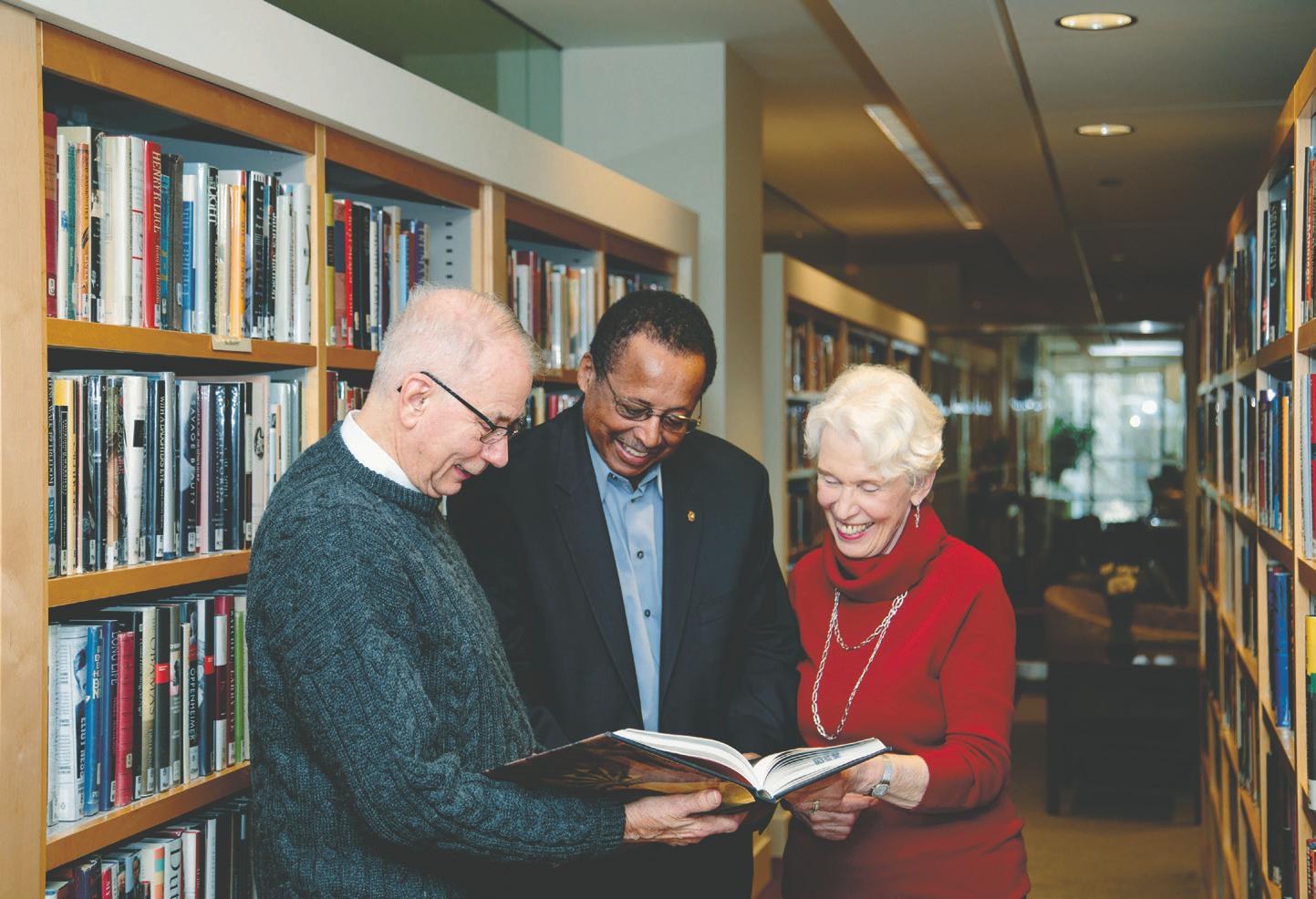
The written word has a way of bringing people together. Pull up video calling for the whole family to read a goodnight story together. Older kids can select a series of interest with their grandparents and read at the same time, meeting each week via a video or phone for a discussion. Perhaps Grandpa or Grandma can start by suggesting their childhood favorite, and family members can take turns selecting books from there.


Pen pal exchanges
In a digital world, it's rare to receive letters. However, kids love to get mail, so why not start a pen pal exchange? Small kids can color pictures while big kids can practice penmanship and writing skills. Grandparents and grandkids alike will love receiving fun surprises in the mail from each other. Strive to send items once a week so everyone has something to look forward to.
Video performances
If you cannot connect in-person but the kids and grandkids want to show off their talents, try a video performance! Whether it's demonstrating the year's dance recital choreography, practicing a new tune on the piano, or acting out a fun play, kids will enjoy showing off and grandparents will feel extra loved. Hit the record feature and send grandparents the file afterward so they can revisit any time they're missing the grandkids.
By Craig W. Armstrong
Our world is online and it will never be the same. The Internet has become a major part of our world and social media has taken over communication. We are connected with each other like no other time in history. While this can carry great benefits, it can also mean danger. Not all people use social media to enhance their lives and the lives of others. Some people use it to hurt people or in outright crime. Here’s a look at how you can make yourself safer when using social media.
Most forms of social media have privacy settings, so use them. Understand how they work and understand what information about you is available to the public. It may take some time to get them set up, but it will be time well spent. Limit the information that you make available. Social networking is about connecting with people, it doesn’t mean telling your life story. Even with the people you consider your closest friends, they don’t need access to all your personal information. If you want them to know it, tell them face to face. You remember, the way we used to communicate.
If you don’t know them, why are they in your network? Some people will “friend” anyone and that can dangerous. Say this person has ulterior motives. You friend them and forget about them, because you have 1000 “friends” and now they have access to your life. If you don’t know them, don’t friend them.
Even if you do know them, be sure it’s really them. Hackers often try to extort someone by using a friend’s identity. If you get a message or contact from a friend and it doesn’t seem like something that they would communicate, dig further before answering. For example, a friend asking for money through a Facebook post should be a red flag. Scammers are out there and they will do just about anything to take advantage of people.
Be mindful of what you post on the Internet, it will stay there forever. What you post can have short term and long term effects. Posting your vacation pictures while you are still on vacation tell people that your house is empty and is ripe for a break in. That is a short term effect. Posting photos of a night you’d rather forget can affect your job, your relationship and your future. That’s a long term effect.
Be careful with your email address. This can lead to scams and unwanted solicitation. Set up an email using Yahoo, Gmail or others. Whenever you buy something online or don’t want to use your main email, use this one. Check it every couple of weeks…mainly just to clean it out.
Think twice before you click. As you go about your day in the social media world you will invariably have links pop up. Some are harmless and some can really mess things up. Avoid clicking unfamiliar links or links that look suspicious. They can allow malware into your system and destroy lots of things. This applies to emails as well. It sounds like common sense, but people get used to junk mail. If it’s not something you requested or from a reliable source, don’t open it…delete it.
Social media safety seems like common sense, and it is. People just get going too fast and don’t consider the consequences of their action. Slow down, think about what you are doing and consider the consequences of clicking.
By Ronda Addy
The purpose of social security is to provide a monthly income for disabled workers, their dependents and retired persons. For many Americans, social security is their sole means of support. For others, it supplements income received from other sources. The money for social security comes from employers and employees who pay into the social security fund. Benefits generally start when a person reaches age 65, although some may receive partial benefits at age 62. Now that you are getting closer to retirement, it’s time for you to start thinking about applying for social security benefits, but you have no idea where to start. Here’s
some information that can help you.
The social security program began with the Social Security Act of 1935. Abraham Epstein, leader of the American Association for Social Security, is credited with coining the phrase, “social security.” Beginning in 1937, benefits were only paid to the primary worker of a family, but in 1939, benefits were added for survivors and retirees’ spouses and children. In 1956, disability benefits were started, and in 1965, Medicare was signed into law. In 1961, social security numbers (SSN) were adopted as the official federal employee identification, and in 1962, the SSN was adopted by the Internal Revenue Service as the official taxpayer ID number.
The benefits you are eligible for when
Dear Sheila, My mother lives alone and has Alzheimer’s disease. Every day on my way to work I have breakfast with her. I see her again on my way home. In the morning, she’s great but by 5:00 pm she’s angry and confused. I need to give her dinner and a bath but she won’t cooperate. Then she’s fine again in the morning. I’m so stressed. What’s wrong with her?
Stressed Caregiver
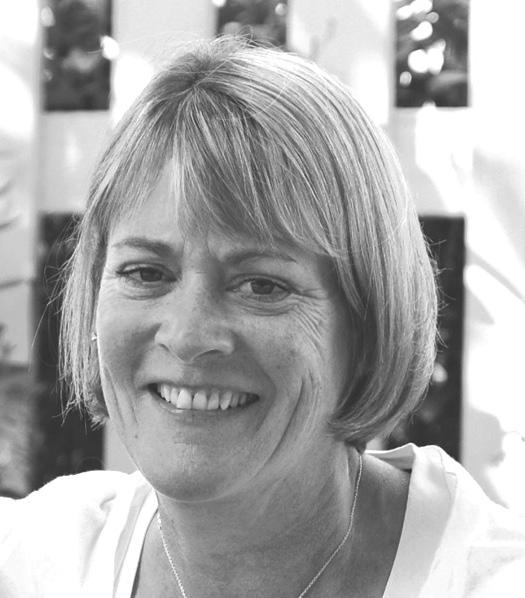
Dear Stressed, It sounds like your mother is sun downing. This is when a person, in the mid to late stages of dementia, becomes confused and agitated, usually late in the day. Redirecting your mother with an activity she enjoys or get her focused on something else sometimes helps, but trying to get your mother to do something she doesn’t want to do will further agitate her. You will have the most success assisting your mother with
ADLS in the morning when she is at her best. You need some help! If you want to keep her at home try hiring a home care agency to help with the morning and/ or evening routines. A home care agency can match a caregiver with your mom for as little as 2 hours/day. This will make your time together more enjoyable. If home care is not an option, you can look into an assisted living community with memory care or hiring a care manager to help with resources and alternatives. The bottom line - you don’t have to do this alone! ~Sheila
Sheila McKannay, MA, CMC, is Vice President of Client Care for Family Resource Home Care, greater Seattle’s largest provider of private caregiving services for seniors. For more Dear Sheila letters or other helpful articles, visit our website: www.familyresourcehomecare.com/blog
applying for social security will vary, so it is best to apply in person at your local social security office. You should do this one year before you plan to retire since it will take three months for you to begin receiving checks.
When you go to the office, you will need
to take some documents to prove you are eligible to apply. These include:
• Your social security card or a record of your social security number.
• Your birth certificate.
• Your W-2 form for the previous year.
Security - Continued on page 8
By Mary Justice and Dorothy Mitchel
If you were born after Jan. 2, 1954, and have plans to retire soon, you may want to take another look at your retirement plans. The reason? Late last year Congress made changes to how people can claim Social Security benefits, and those changes are affecting the plans many people may have in place. Possibly yours.
The Bipartisan Budget Act of 2015 created new rules for the “File & Suspend” and the “Restricted Application” strategies. File & Suspend allowed a worker to file for Social Security benefits at the full retirement age of 66 (for those born between the years of 1943 and 1954), and immediately suspend payments. The reason many couples chose this option was because it allowed the worker to accumulate delayed retirement credits of up to 8 percent a year until the age of 70 while their spouse could immediately begin claiming spousal benefits.
That option is no longer available for anyone born after Jan. 2, 1954. File & Suspend under the new law is available in a very limited application. For example, if you took your benefit at age 62 and are beyond the one year window to withdraw your application, you can, at your full retirement age, File & Suspend and start accruing delayed retirement credits of 8 percent per year. You can check with the Social Security administration to verify your eligibility. Learn more at https://www.ssa.gov/planners/retire/ claiming.html.
Restricted Application is still available for people born on or before Jan. 1, 1954, but has been discontinued for anyone born after that date. That means if you are age 62 already, you may want to review this option for your retirement plans. Restricted Application allows you to file for spousal
benefits only, while allowing your own Social Security benefits to delay up until you reach the age of 70.
Making the determination of when youand your spouse - take Social Security takes careful consideration. These former and popular filing strategies may no longer be available, but there are many other planning strategies that can help you maximize your lifetime Social Security benefits. For example, if you work until 70, you might be able to delay taking your Social Security benefits until the benefits are at full value. Or if you’re married, it might be financially more beneficial to only claim one spouse’s benefits while continuing to work until age 65. A financial planner can help you calculate all the different scenarios to help you make the best determination for your situation. And if you had been previously planning on using the File & Suspend or Restricted Application options, schedule a meeting with your financial advisor today to review your plans.
Everyone’s path to retirement is different. When you meet with your financial advisor, he or she will also bring into the picture health care costs and expenses you might anticipate while living on a fixed income. There are many decisions you’ll need to make when it comes to figuring out your retirement income and expenses.
It’s important to remember, there is no one-size-fits-all answer.
Mary Justice is the Washington State Market Leader of The Private Client Reserve of U.S. Bank in Seattle. You can follow her on LinkedIn at https://www.linkedin.com/ in/maryjustice. Dorothy Mitchel is the U.S. Bank Private Client Group Division Manager in Everett, Washington. You can follow her on LinkedIn at https://www.linkedin.com/ in/dorothymitchel.


Investment products are:

Deposit products offered by U.S. Bank National Association. Member FDIC Credit products offered by U.S. Bank National Association and subject to normal credit approval.
This information represents the opinion of U.S. Bank and is not intended to be a forecast of future events or a guarantee of future results.
U.S. Bank and its representatives do not provide tax or legal advice. Each individual’s tax and financial situation is unique. Clients should consult their tax or legal advisor for advice and information concerning their particular situation.
For U.S. Bancorp Investments: Investment products and services are available through U.S. Bancorp Investments, the marketing name for U.S. Bancorp Investments, Inc., member FINRA and SIPC, an investment adviser and a brokerage subsidiary of U.S. Bancorp and affiliate of U.S. Bank.
Insurance products are available through various affiliated non-bank insurance agencies, which are U.S. Bancorp subsidiaries and affiliates of U.S. Bank. Products may not be available in all states. CA Insurance License# OE24641. Policies are underwritten by unaffiliated insurance companies and may not be available in all states.
Security - Continued from page 7
• Your military discharge papers, if applicable.
• Your spouse’s birth certificate and social security card if they are applying for benefits. If your children are applying for benefits, you will also need their birth certificates and social security cards.
• Proof of U.S. citizenship or legal alien status, if you were not born in this country.
• Your bank’s name and your account number, so the checks can be deposited directly into your account.
All the documents must be the originals or copies that have been verified by the office that issued them.
Contact your local security administration office with any questions you may have regarding how to sign up for social security. You’ve worked hard all your life to reach this point-why not be able to enjoy it?