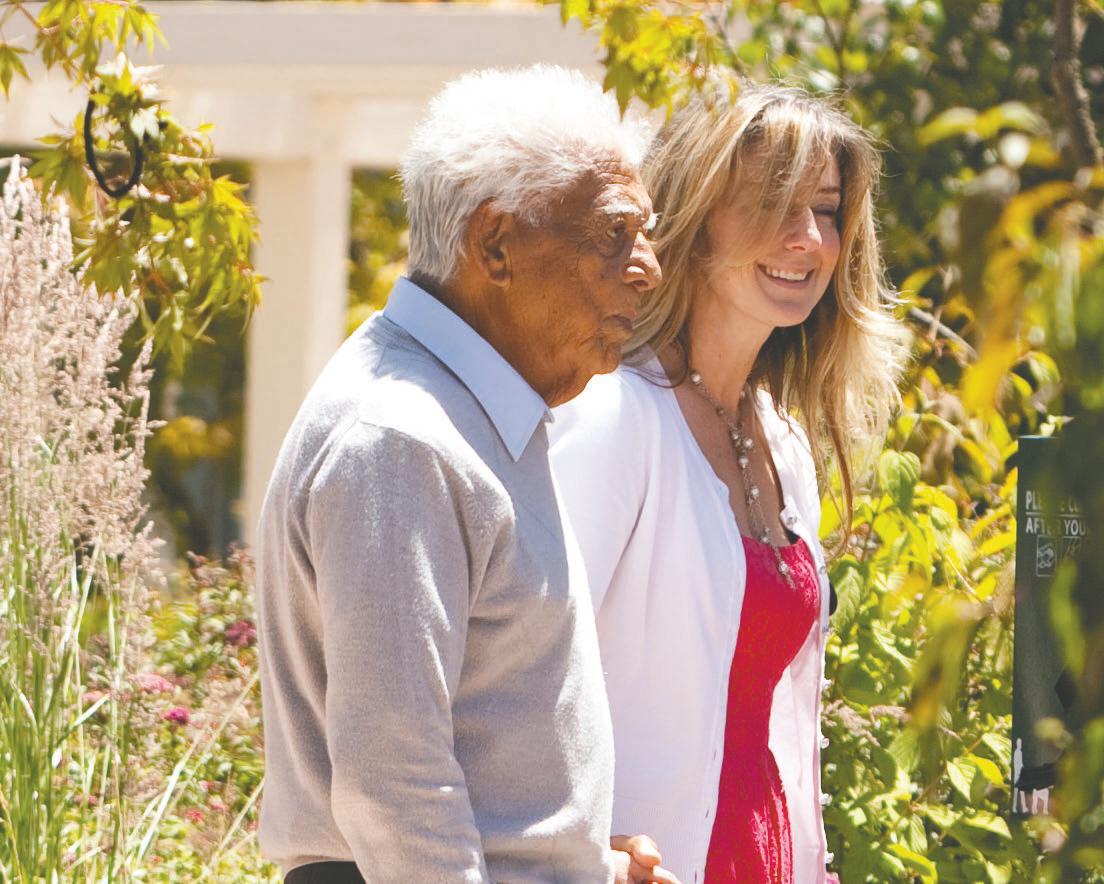


Children learn by example, and grandparents often are the shining stars they want to emulate. From eating habits to developing an interest in hobbies, a grandparent’s passion can quickly pass through the generations just by loving their grandchildren.
If one of your passions is philanthropy, this is an excellent opportunity to provide children with a handson learning lesson that can take your legacy into the next generation and beyond. Whether you have adult grandchildren, or youngsters looking up to you for guidance, consider these tips: Donor-advised funds: Donor advised funds can be created through irrevocable tax-deduction contributions of cash, securities or other assets. What’s important about these funds is the donor can advise the program sponsor of how they would like their contributions invested, and also make recommendations for what nonprofit organizations would benefit from the fund’s available grants. Funds can be found through community foundations, passive index funds, bank donor advised funds and more. Work with your financial advisor or estate planning attorney to learn what offerings are out there, and how they best work with your financial situation.
Mary
Justice
Washington State Market Leader of U.S. Bank Private Wealth Management in Seattle
Debbie Jordan U.S. Bancorp Wealth Management Division Manager
in Everett, Washington
implemented and used. You may even want to provide them with oversight of the funds, depending on their interests.
Younger children in elementary or middle school grades are at a point in their lives where “giving back” is understood. And they also understand the value of a gift. You can combine these two traits by demonstrating the value of providing a donation in your grandchild’s name to a charity or cause that interests him or her, in lieu of a birthday or holiday gift, for example.
One way to really bring the philanthropic element to the table is to discuss the gift value, where you think it would make a difference, and ask your grandchild his or her thoughts on how the donation can impact the community. Consider increasing their involvement with the donation by visiting or touring the organization, meeting with leaders in the organization and possibly also rolling up their sleeves to provide additional volunteer hours to help enhance the giving back lesson. Plus, when you do it together, think of the fun you’ll have!
If you have older grandchildren and are interested in introducing them to philanthropy, consider involving them in the decision making process once you have your donor-advised fund established. Ask them what their charitable interests are, and if there are organizations that need funding to help benefit those interests? Involve them in seeing how grants are

For your youngest grandchildren who don’t yet have a concept of money and its value, the best way to demonstrate philanthropic spirit is through hands-on volunteer work. Many organizations may have an age limit on children volunteers, but you should be able to find something in your community where they can help tend gardens, visit people who aren’t able to get out, collect pennies or food for a specific drive, etc. They’ll love heading out into the community with
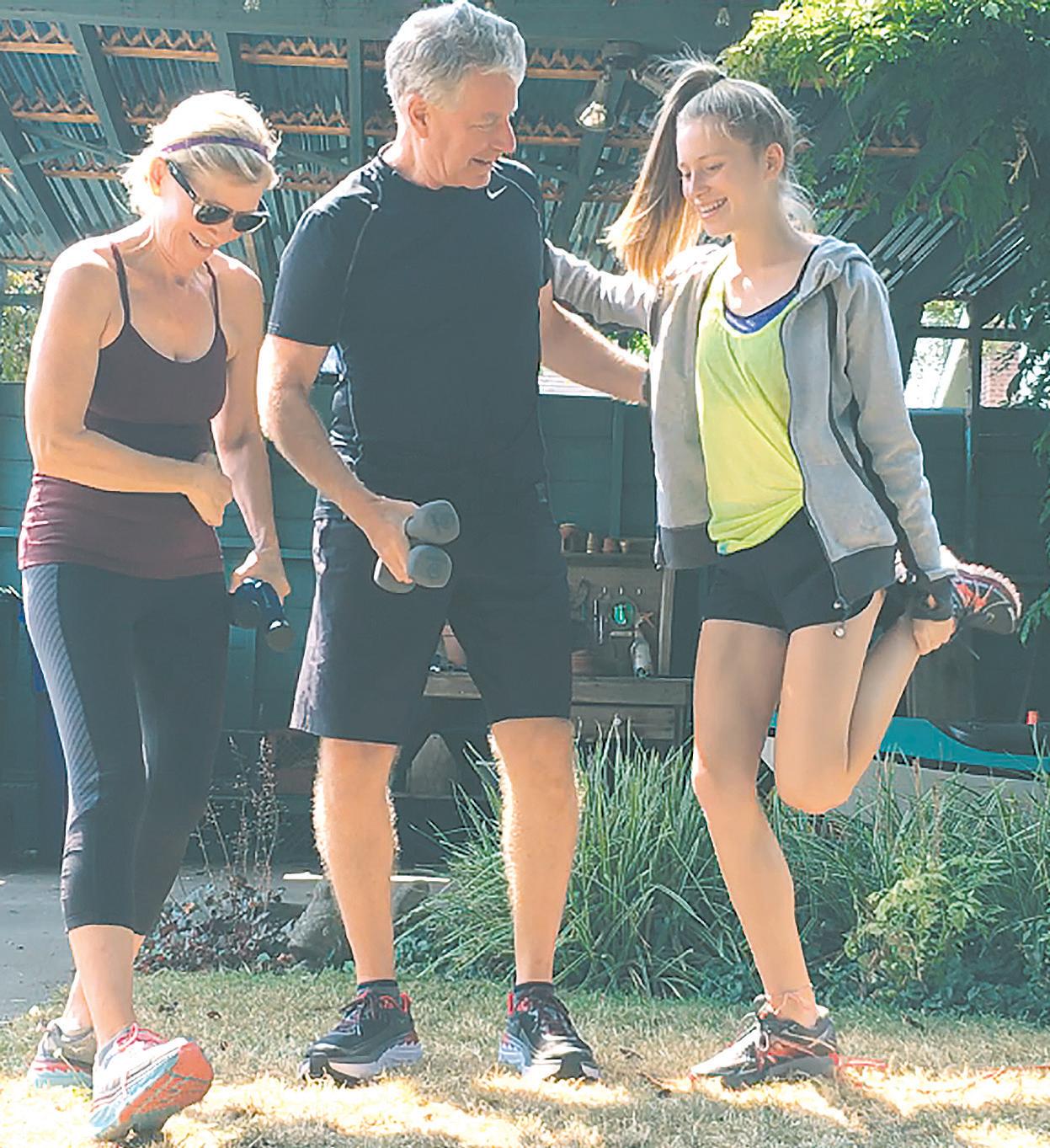
If you are looking to stay fit and strong into your “retirement years”, I highly recommend including exercises that build muscular strength and endurance in your fitness routine. Even if you’ve never done this type of exercise before, you’re never too old to start!
Aging is inevitable; as the birthdays role by, cell function decreases, body fat increases, and bones lose density. After about age 25, the body shifts from a state of muscle protein synthesis, or hypertrophy, to muscle protein breakdown, or atrophy. The average male weighing 180 pounds might after age 60 lose as much as 10 pounds of muscle over a decade. The average post-menopausal woman gains 5-7 pounds of fat around the belly, and declining estrogen levels can deplete both bone and muscle mass. While aging is a natural part of the life cycle, we can control some of its effects on our bodies through resistance training.
First, I want to look at three common myths about lifting weights, and provide you with some insight:
“Weight lifting is just for bodybuilders and athletes”. Everyone can participate in some form of resistance training and you don’t have to be a “gym rat” to reap the benefits. You can engage in resistance band or body weight exercises (push-ups, lunges, squats, plank, etc.) just about anywhere.
“Weight lifting will make my muscles big and bulky”. You would have to work REALLY HARD to get the body builder physique, and most women don’t have the testosterone level to build big muscles. Keeping your sets and repetitions in the moderate range (2-3 sets, 15-20 reps or to exhaustion, 2 exercises per muscle group), will not only build muscle strength and endurance, but build connective tissue strength as well. You will want to perform strength training exercise 2-3 times per week to get the most benefit.
“Shouldn’t I focus on cardio if I want to lose weight?” Ok – yes, cardio is great for burning calories on a short-term basis, and is great for heart and lung health. But the muscles haven’t been put in a state of overload and then exhausted (as is the case with weight training) thereby stimulating the muscle breakdown and re-building process.
So now that we’ve debunked some common misconceptions about weight lifting, I want to share a few key benefits:
Increased lean body mass equals increased metabolism. In other words, the more muscle you have, the more calories your body will burn at rest. Now if that isn’t good news, I don’t know what is! After a vigorous workout with
weights (body weight and resistance bands included), the body will continue to burn calories because muscle is active tissue. Muscle is 10 times more metabolically active than fat: whereas fat burns 3-5 calories per pound per day, muscle burns 35-50 calories per pound per day! So, if you add just 2-3 pounds of lean tissue through a strength training program, you can burn up to 100-150 calories per day! I tell my personal training clients that if they want to lose the weight and keep it off for the long term, weight lifting is essential!
Weight training builds better bone density. This type of exercise puts a “load” on the bones and connective tissue, thereby combatting the loss of bone density, poor posture and injuries that so many older adults experience. Strength training exercise stimulates the development of bone osteoblasts which are cells that build the bones back up. So yes, by strengthening your bones via weight training you can maintain and even improve bone density.
Active muscle gives you increased energy for activities of daily living. We all want quality of life. Maintaining strength in your later years not only increases your life span, but your play span as well. One of my mentors, Neal Spruce, Owner and Founder of Dotfit, a nutrition research and development company for consumers and the fitness industry, has keyed the term “play span” to mean, “how long you are able to maintain and engage in your leisure activities”. When we are strong and fit, we can play to the end! I truly believe that having a physically strong body will create a ripple of positive effects; indeed, research has linked strength training to better balance, increased confidence and self-esteem, reduced anxiety, reduced inflammation (and disease), better sleep and greater overall well-being.

September is World Alzheimer’s Month and Healthy Aging Month
“Genetics is not your destiny when it comes to later-onset Alzheimer’s, as genetics accounts for a small percentage of the risk. But you can influence and reduce risk by making good lifestyle choices,” according to Dr. Gary Small, director of the UCLA Longevity Center at the Semel Institute for Neuroscience and Human Behavior and the Parlow-Solomon Professor on Aging at the David Geffen School of Medicine.
Dr. Small is familiar to many for his books such as The Alzheimer’s Prevention Program and Two Weeks to a Younger Brain, books that translate the latest brain science into practical strategies for improving cognitive health and decreasing the risk of developing Alzheimer’s or a related dementia.
While the evidence isn’t definitive, there’s enough of it to demonstrate that the following practices benefit us all as we age, and can likely help lower our chances of developing Alzheimer’s disease or related dementias, or at a minimum, delay the onset or progression of dementia. According to a new report published in The Lancet, over 30 percent of dementia cases worldwide have the potential to be prevented through changing in lifestyle factors. This study, conducted by the first Lancet Commission on Dementia Prevention and Care, brought
together 24 international experts to review existing dementia research and provide recommendations for treating and preventing Alzheimer’s and related dementias.
Just one or two lifestyle tweaks can yield big dividends in our overall health, especially brain health, as we age.
Physical activity—if you were to do just one thing, let it be regular exercise. And this doesn’t have to be anything fancy or too vigorous. Daily walking is one of the most effective and lasting choices you can make. What’s good for the heart is good for the brain, and exercise will work your heart muscle and oxygenate your brain.
As a former smoker (29 years smokefree), I know how difficult it is to quit. But the benefits of quitting are overwhelming. According to one large study, you double your odds of developing dementia if you smoke a lot in middle age, and other studies demonstrate similar connections. Find a smoking cessation program, I can’t encourage that enough. And when you stop smoking, you feel better, and food tastes better, which will help you enjoy the next tip.
Nutrition contributes to brain health in marvelous ways. The Mediterranean diet is

often cited as one of the best for brain and heart health. And what a great time of year to adopt this eating program: fruits, vegetables, whole grains, seafood, nuts, olive oil, and limiting consumption of red meat and fats. Check out a local farmers market for great deals on fresh, local produce and fish, especially salmon.
Loneliness and isolation can have the equivalent impact of smoking 15 cigarettes a day. And social engagement can easily contribute to intellectual engagement. Build a broader social network by getting engaged in your community and/or senior center, find volunteer work that’s meaningful, learn new things, reconnect with old friends.
Be a lifelong learner. New learning builds new neural pathways. Now’s the time to learn a new language, how to salsa dance or how to play the piano. Reading, puzzles, watching Jeopardy!, it all counts. And variety is the spice of making this work to its best advantage. Check out your local library, community or senior center to see what classes are available. Stay curious.
And reduce stress. There is something to that song Don’t Worry, Be Happy and the attitude it encourages. A positive attitude contributes to cognitive health. Many of the suggestions above can contribute to a positive attitude as well. Find what works for you and keep doing it! Mindfulness meditation is growing in popularity, is a relatively easy practice to learn, and it can help address both chronic stress and attitude.
Both are tied to dementia. If you don’t have high blood pressure or diabetes, practice good health habits to keep them at bay. If you do have either condition, follow your doctor’s orders to manage and improve your health.
Adequate, consistent sleep is restorative, healing, and necessary to supporting brain health. Sleep is the brain’s way of cleaning house.
Pick just one of the eight habits that you would like to change to start investing in better brain health and lowering your odds of developing Alzheimer’s or a related dementia. In an interview with O, The Oprah Magazine, Small shared: “According to our data, if everyone in the United States adopted one additional healthy lifestyle habit, the number of expected Alzheimer’s cases would be reduced by a million in the next five years.”
It’s never too late to start. And while evidence of the long-range impact of these lifestyle changes is not yet definitive, as Dr. Small puts it, “I don’t want to wait 10 years just to find out I should have been doing these things all along.”
Looks like I need to find time to take a walk today!
Contributor Keri Pollock directs marketing and communications for Aging Wisdom, an Aging Life Care™ practice (geriatric care management) serving King and south Snohomish Counties; serves on the Elderwise board of directors, and co-chairs the University of Washington Elder Friendly Futures Conference (September 14-15). Check out elderfriendlyfutures.org to learn more.
So hopefully I have inspired you to give strength training a try. Always check with your physician and get clearance before starting a new exercise program. You might consider hiring a certified personal trainer for guidance and education, and in designing a program with your goals in mind.
Here are a few real-life examples of how weight training has positively affected the lives of some of my clients:
Hank, age 70, former cardiac patient. Gained 9 pounds of muscle in 6 months, and passed his one-year stress test with flying colors!
Claudia, age 69, chronic knee pain, avid skier. After 6-8 months of training, she now “skis like I’m 21 years old!”
Noel, age 83. Eight-pound decrease in body fat, fourpound gain in lean body mass. Improved overall strength, endurance and posture.
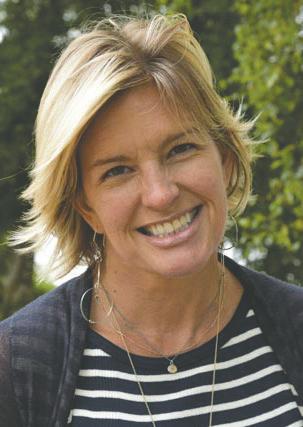
Debbie lives in Monroe with her husband Jon, bulldog Penny and cat Harley. She enjoys working out, gardening, cooking and being a new grandma. She is a nationally certified Personal Trainer (ACE, NASM) and Corrective Exercise Specialist with over 25 years in the fitness industry. She is currently working towards obtaining a certification as an Orthopedic Exercise Specialist.
Lifetime Learning Center offers an ever-changing schedule of classes and activities for curious adults. Affordable prices, expert teachers, no tests and no grades. Join us for the joy of learning!
Dear Sheila, My dad was once reserved but now he has dementia and has become flirtatious and unseemly. When we’re out together he waves and tries to talk to the women he sees. He’ll call out, “Sweetheart, come over here.” Most people ignore him but I get so embarrassed. He even thinks his live-in caregiver is in love with him. He’s always trying to touch her when she walks by! Is there any way to make him stop?
— Romeo’s Daughter
Dear Romeo’s Daughter, Try not to be embarrassed. People with dementia are not the only ones who say or do things that are unconventional. These situations can be stressful for families but remember that your father is not doing anything wrong. Dementia has impacted his memory, behavior, and personality. When he gets flirty you can try to distract him or involve him in an activity he enjoys. As for your dad’s caregiver, those
who are trained to work with dementia patients usually know how to redirect unwanted behaviors and won’t become offended by verbal or physical advances. Ultimately there may be no way to make your dad stop his behavior. In fact, you may be trying to solve a problem that doesn’t actually exist. If your dad is happy and well-cared for, and his caregiver has figured out ways to deflect his advances and has support from her supervisors, and from you and your family, then it sounds to me like things are under control. You can also contact your local Alzheimer’s Association for information and support.
—Sheila
Sheila McKannay, MA, CMC, is Vice President of Client Care for Family Resource Home Care, greater Seattle’s largest provider of private caregiving services for seniors. For more Dear Sheila letters or other helpful articles, visit our website: www.familyresourcehomecare.com/blog



(BPT) - When was the last time you and your doctor talked about your hearing?
The fact is, only about 3 in 10 adults who had a physical exam in the last year say it included a hearing screening, according to research conducted by the Better Hearing Institute (BHI). That’s a shame, because research shows that hearing health is more closely tied to whole health and quality of life than previously understood - which means that diagnosing and treating hearing loss early may be beneficial on many fronts.
To help people take charge of their hearing health, BHI has created a free digital flipbook, “How to Talk to Your Doctor About Hearing Loss,” which anyone can view and download at www.betterhearing.org/ news/how-talk-your-doctor-about-hearingloss.
The flipbook provides pertinent information to help consumers start the discussion, which is especially important because research shows that patients are more likely to initiate the conversation about hearing than their doctors are.
To go along with the free flipbook, BHI has put together this short list of reasons to speak up and start the conversation on your hearing:
1. Hearing loss has been linked to other significant health issues. In recent years, a flurry of studies has come out showing a link between hearing loss and other health issues, including depression, dementia, cardiovascular disease, diabetes, moderate chronic kidney disease, rheumatoid arthritis, sleep apnea, obesity, an increased risk of falls, hospitalization and mortality, and cognitive decline. With so much new and emerging research, it makes sense for people to talk with their doctors about their hearing as a
(BPT) - Most of us save and plan for decades to enjoy the period of our life when we no longer need to go into the office and work an eight-hour day for a paycheck.
But even with those decades of hard work, it can be tough to save up enough cash to cover all your costs in retirement. Many soon-to-be-retirees face a shortage between what they saved for retirement and what they actually need to live on.
For homeowners, that may be a problem that’s relatively easy to solve. Tapping into the equity in your home can help you stretch your nest egg quite a bit further.
routine part of their medical care.
2. Addressing hearing loss often has a positive impact on quality of life. Most people who currently wear hearing aids say it has helped their general ability to communicate, participate in group activities and their overall quality of life, according to BHI research. The research also shows that people with hearing loss who use hearing aids are more likely to be optimistic, feel engaged in life, get more pleasure in doing things, have a strong social network and are more likely to tackle problems actively. Many even say they feel more confident and better about themselves as a result of using hearing aids.
3. Leaving hearing loss untreated may come at a financial cost. Most hearing aid users in the workforce say it has helped their performance on the job. In fact, BHI research found that using hearing aids reduced the risk of income loss by 90 to 100 percent for those with milder hearing loss, and from 65 to 77 percent for those with severe to moderate hearing loss. People with untreated hearing loss can lose as much as $30,000 in income annually, the BHI research found. Health care spending may also be affected. For instance, middle-aged adults (55-64) with diagnosed hearing loss had substantially higher health care costs, according to a study published in JAMA Otolaryngology-Head & Neck Surgery, indicating that hearing loss may place patients at risk for increased health care use and costs. The study authors suggested that early, successful intervention may prevent future hearing-related disabilities and decreased quality of life.
For more information on hearing loss, visit BetterHearing.org.
You can tap the equity in your home with a home equity loan or a home equity line of credit (known as a HELOC). A home equity loan works like most other loans: you agree to borrow a set amount of money, receive a lump sum, and pay that back with interest and in installments each month.
A HELOC works a little differently, because it’s not a loan with pre-determined monthly payments. Instead, it’s a revolving line of credit, similar to a credit card. You usually have between five and 25 years to borrow against a certain amount of equity and repay (with interest) whatever you take out.
The time during which you can use the HELOC is called the draw period. The line of credit revolves during this period, so you can borrow and repay the balance multiple times. The total amount is due back in full with interest at the end of the draw period. Any time you have an amount outstanding, you will make monthly payments.
in your home without taking out a loan. The Unison HomeOwner program can unlock up to $500,000 of your home equity and the money can be used for anything you want - including paying monthly expenses, paying off debt or making home improvements. Because it’s a home ownership investment, not a loan, there are no monthly payments and no interest charges. Learn more at www.unison.com/ homeowner.
Unison invests in the home alongside you. In return for the company’s investment in your home, they receive a portion of the future change in the value of your home. Unison shares both the upside and downside risk with you. When you choose to sell your home, up to 30 years later, if the home value rises, both you and Unison share in the appreciation. If the home value falls, both you and Unison share the loss.

You can use a HELOC or home equity loan during retirement, but remember that you will need to pay the money back. You should have a plan in place for how to repay the funds - and the interest - before you agree to take a loan or a line of credit on your home.
A home ownership investment is a powerful way to unlock some of the equity
Consider a reverse mortgage
A reverse mortgage can allow homeowners 62 years or older to turn equity in their homes into cash in a way that provides them with the income they need through retirement. You can get your cash in a lump sum or in monthly payments, or in a line of credit.
But it’s important to remember that a reverse mortgage is still a loan that comes with origination fees and interest charges. It requires that you have no other debt on your property, so if you have an existing mortgage loan, you will have to repay that in full from the reverse mortgage proceeds. You will also need to pay the reverse mortgage loan back when you move out of the home, sell it or pass away.
A reverse mortgage can give you income in retirement and whenever the home is sold, the money is used to pay off the loan. However, reverse mortgages can cause a lot of trouble if you’re not careful, and the high fees that you incur when you sell the home can leave you in a worse financial position than if you skipped the reverse mortgage altogether.
INVESTMENTS, from Page 2
grandma or grandpa and helping others. And you’ll be showcasing the philanthropic spirit at a very early age.
Your legacy doesn’t have to be stuck in your estate plan, where it will go into effect after you’re gone. Your grandchildren are already looking up to you, and if philanthropy is important to you, you have a great opportunity to teach them now about ways they can give back themselves.
Investment products and services are: NOT A DEPOSIT • NOT FDIC INSURED • MAY LOSE VALUE • NOT BANK GUARANTEED • NOT INSURED BY ANY FEDERAL GOVERNMENT AGENCY
For U.S. Bank:

Deposit products offered by U.S. Bank National Association. Member FDIC Credit products offered by U.S. Bank National Association and subject to normal credit approval.
This information represents the opinion of U.S. Bank and is not intended to be a forecast of future events or a guarantee of future results.
U.S. Bank is not responsible for and does not guarantee the products, services or performance of U.S. Bancorp Investments.
For U.S. Bancorp Investments:
Investment products and services are available through U.S. Bancorp Investments, the marketing name for U.S. Bancorp Investments, Inc., member FINRA and SIPC, an investment adviser and a brokerage subsidiary of U.S. Bancorp and affiliate of U.S. Bank. Insurance products are available through various affiliated non-bank insurance agencies, which are U.S. Bancorp subsidiaries and affiliates of U.S. Bank. Products may not be available in all states. CA Insurance License# OE24641. Policies are underwritten by unaffiliated insurance companies and may not be available in all states.

Retail Display
Advertising: Tammy Knaggs Advertising Sales Manager 461-1322
Matt Wilemski, Kibby Brackman
Art Department: Mark Falconer, Art Director Emigdia Castro, Production Designer
General Manager: Robert Munford
2017 Pacific Publishing Co. Inc. Mailing address | P.O. Box 80156, Seattle, WA 98108 Physical address | 636 S. Alaska St., Seattle, WA 98108-1727
• Quality Workmanship
• Free Estimates
• No Deposits
• All Work Completed BEFORE You Pay
RETIREMENT LIVING AT ITS BESTTM
• Independent and Assisted Living 65+
• Studios, One and Two Bedroom Apartments
• Each Unit has a Full Kitchen, Washer/Dryer & Balcony
• No Buy-In Fees
• Month-to-Month Rental Includes:
- Utilities, Parking & Storage
- Weekly Housekeeping
- Maintenance
- Transportation to Doctor’s Visits, Special Events & Daily Activities
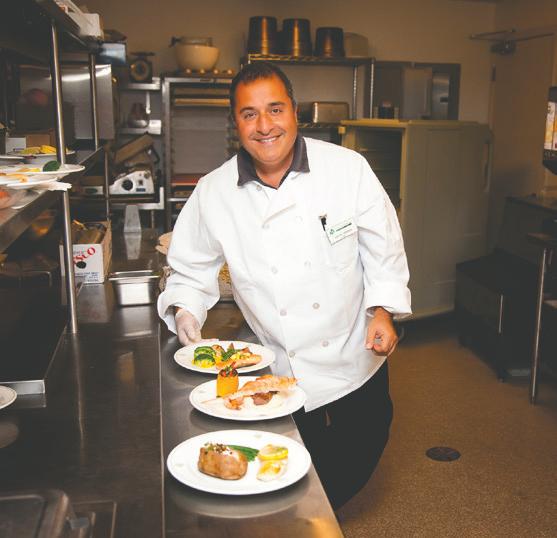
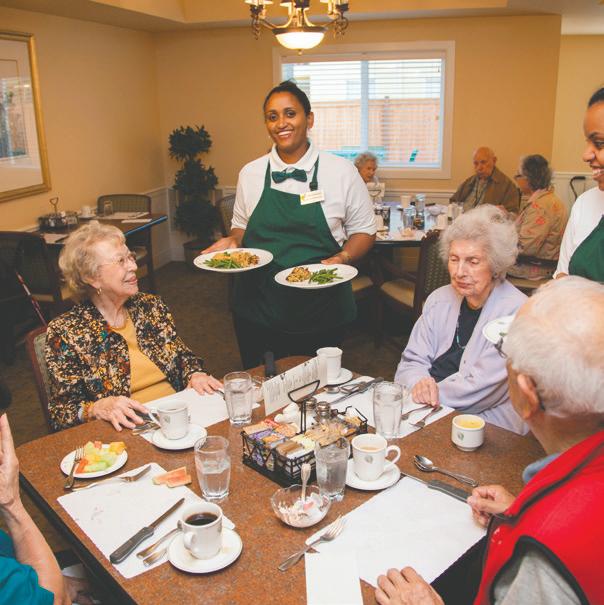
- Restaurant-Style Dining / 2 or 3 Meals Per Day
- Security and Staff 24/7
- Smoke Free/Pet Free
Move here and be a part of it! 11301 3rd Ave NE, Seattle • 206-361-2758 www.FoundationHouseNG.com