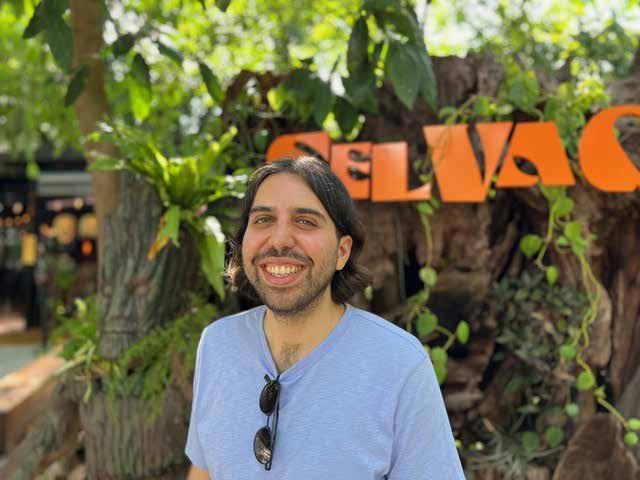
meet CALEB
Redefining Success Through His Journey

BY
PHOTO
JACOB TRACY






Redefining Success Through His Journey
BY

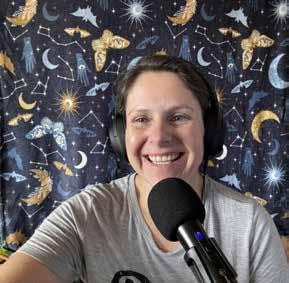
Jamie Olson PUBLISHER AND AREA DIRECTOR

MANAGER,

Dr.
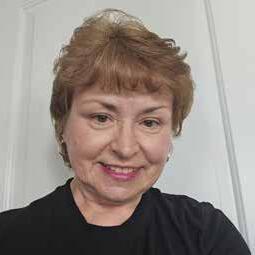
“Lyn” Jones CONTENT COORDINATOR AND WRITER










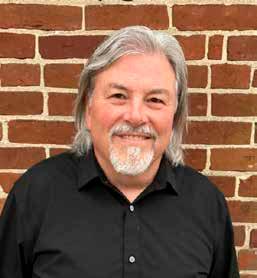
Zachary
COMMUNITY ENGAGEMENT
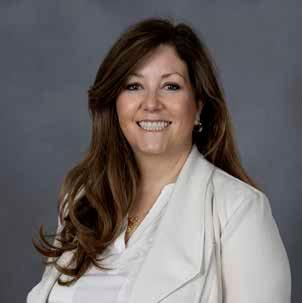
Lisa Jegen UNIQUELY YOU MAGAZINE IN NORTHWEST INDIANA




Your child's brain can change—and we can prove it


We're proud to participate in Indiana's Education Scholarship Account (ESA) program, making this transformative approach accessible for more families.

Our neuroscience-based approach doesn't just work around learning differences—it transforms them. Whether your child has dyslexia, ADHD, autism, processing challenges, or simply struggles with reading and learning, our targeted brain training activates dormant neural pathways.
In just 16 weeks, families see measurable improvements in: Reading fluency and comprehension • Processing speed Focus and attention • Learning confidence
The best part? These sessions fit into your family's life —many complete them from home, sometimes even in pajamas.
RETRAIN THE DYSLEXIC BRAIN WITH DR. REBECCA TROY Help is a click away.
Because every child deserves the chance to read, learn, and thrive—no matter their starting point. retrainthebrain.com/apply | 218-393-2423


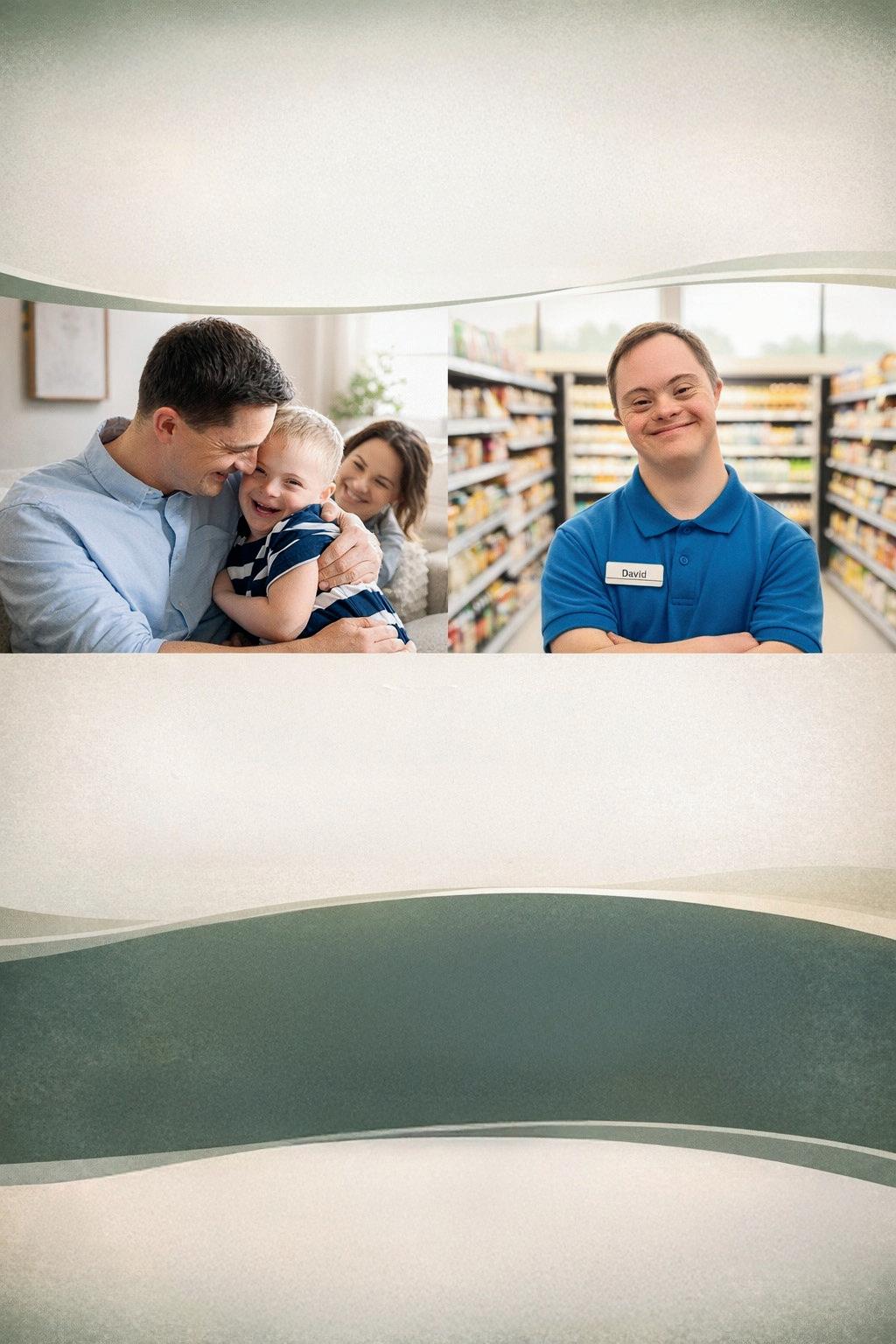
We understand the unique needs of families with medically complex children. We offer a network of support, ensuring their caregiving journey is a bit lighter.
Spelling to Communicate is an innovative method of communication that starts with presuming in the cognitive competence of non, minimal and unreliably speaking individuals. It is believed that all individuals can and want to learn and communicate despite their perceived limitations. S2C empowers said individuals to overcome communication barriers through the motor movement of pointing to letters on a letter board and thus promoting synchrony between cognitive and motor systems. It is through the repeated practice (pointing to letters) that new neural pathways become formed and myelinated. The end result being a viable means of communication and the ability to show the world their cognitive prowess.


Call or text with questions 317-575-3983
comforcare.com/indiana/north-metro-indianapolis @comforcareindy @comforcare_northmetroindy
UNIQUELY YOU!
MAGAZINE AREA DIRECTOR Jamie Olson 248-882-8448 jamie.olson@n2co.com


Scan to view the past issues of Special Needs Living Indy and Uniquely You!

Scan to view past digital copies, find resources, share a story or learn more about being involved.

317-426-7733
317-977-2375
317-676-4222
800-609-8448
877-241-8144
800-545-7763
800-545-7763
800-622-4968
888-673-0002
800-403-0864
317-232-7800
317-925-7617
877-511-1144
317-466-1000
911
800-545-7763
317-232-0570
844-323-4636
317-233-4454
317-232-7770
812-855-6508
317-233-1325
844-446-7452
855-641-8382
800-332-4433
800-457-4584
317-232-7770
988
800-772-1213
800-772-1213
877-851-4106
317-871-4032
800-545-7763
Ability Allies of Indiana https://abilityallies.org/ Arc of Indiana www.arcind.org
Autism Community Connection www.autismcc-in.org
Autism Society of Indiana
Blind and Visually Impaired Services (BVIS) Bureau of Developmental Disabilities Services (BDDS)
Bureau of Rehabilitation Services (BRS) Deaf and Hard of Hearing Services (DHHS) DHHSHelp@fssa/in.gov
Disability Determination Bureau Division of Aging (IDA)
Division of Family Resources (DFR)
Division of Mental Health and Addiction Down Syndrome Indiana
Early Childhood and Out of School Learning (OECOSL) Easterseals Crossroads www.easterseals.com/
Emergency
First Steps
Indiana Department of Education: Office of Special Education – www.doe.in.gov/specialed
Indiana Family to Family - www.inf2f.org
Indiana Family and Social Services Administration (FSSA) – www.in.gov/fssa/index.htm
Indiana Governor’s Council for People with Disabilities (GPCPD)
Indiana Resource Center for Autism
Indiana State Department of Health
Indiana Statewide Independent Living Council (INSILC) Indiana Works
INSOURCE – http://insource.org/
Medicaid Disability
Medicaid Waivers
National Alliance on Mental Illness
Social Security Administration (SSA)
Social Security Disability Insurance (SSDI)
Special Education Questions
United Cerebral Palsy Association of Greater Indiana Vocational Rehabilitation Services (VR)
n2co.com
Celebrate. Connect. Impact. © 2026 The N2 Company, Inc.
DISCLAIMER: The views expressed in the articles and advertisements in Uniquely You are those of the authors and advertisers and do not necessarily reflect those of The N2 Company or the publisher. Inclusion of paid advertisements does not imply endorsement, and neither N2 nor the publisher is responsible for the business practices of advertisers. We are proud to feature businesses that share our commitment to showcasing local connections. Please note that businesses profiled may have provided free products and / or services for the review. Uniquely You is for general informational and entertainment purposes only and is not intended to provide medical, therapeutic, educational, or legal advice. Always consult qualified professionals regarding the care and support of individuals with disabilities. NOTE: When community events take place, photographers may be present to take photos for the event, and they may be used in this publication.




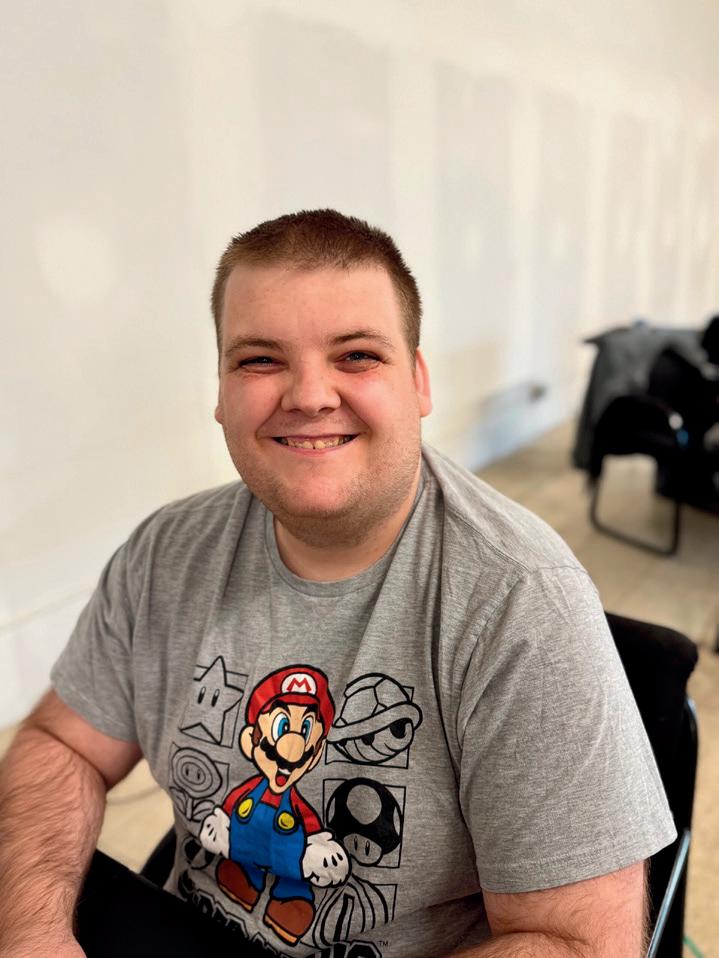



Indy Neurofeedback is Changing Lives!
Neurofeedback is a non-drug, non-invasive solution to symptoms related to brainwave dysregulation. It's natural and offers a fix to the problem, not just a bandage that masks the symptoms.
"We followed the same path most of the other autism parents do with GFCF, DAN Dr., supplements, HBOT. What really made a difference in our son’s attention span, executive processing skills, and anger management was neurofeedback through INDY Neurofeedback and Leanne O’Neil."
~Maria S.
(parent)
Do you or someone you love suffer from ADHD, Anxiety or Autism? Let Us Help You Explore Your Options. Schedule a consultation today!



8801 N. Meridian, Suite 306, Indianapolis, IN 46260 (317) 888-8500 • www.indyneurofeedback.com



BY CHRISTINA MCGAIRK
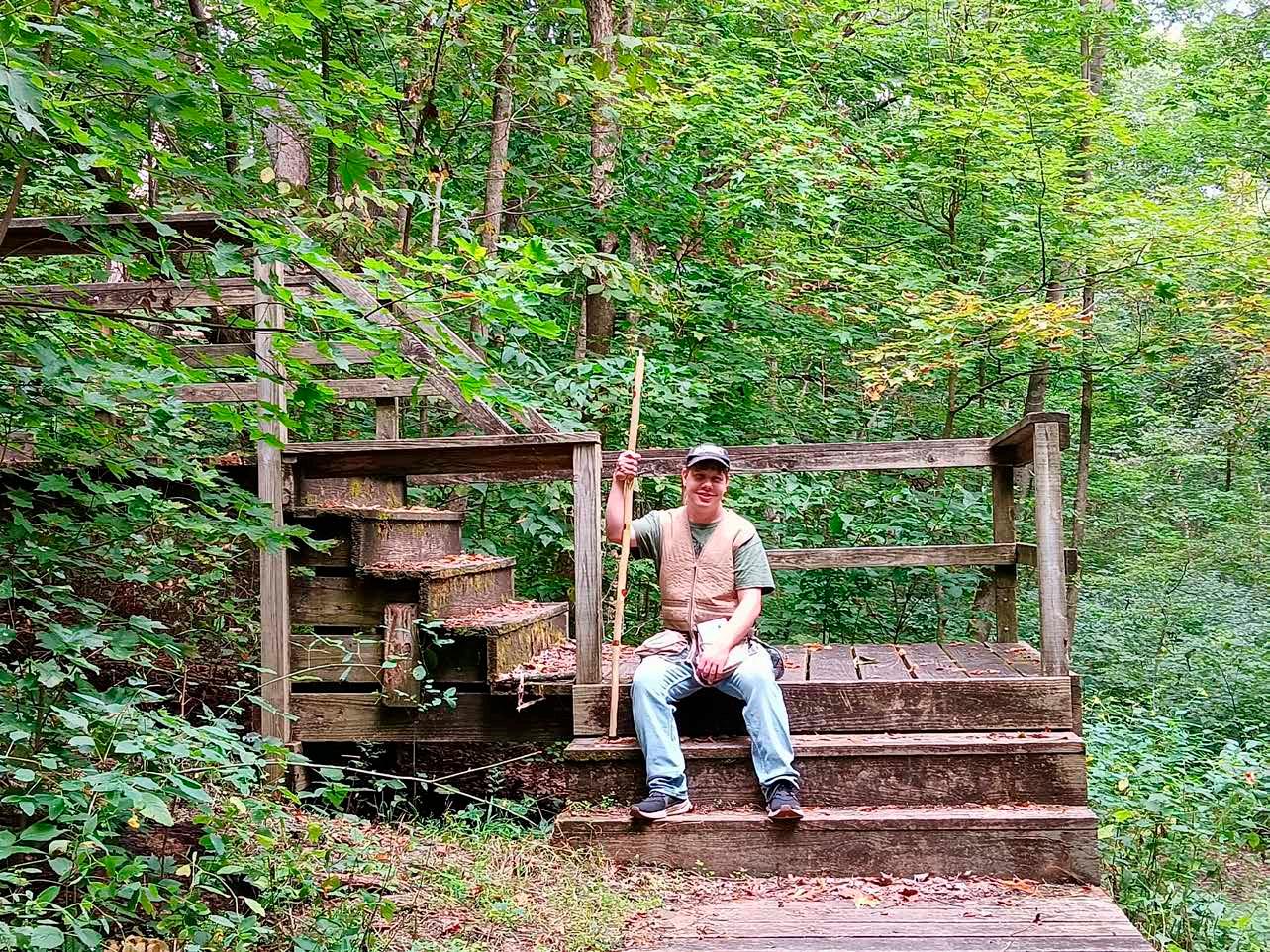
Photo by Jacob Tracy

IN A NEIGHBORHOOD
just north of Indianapolis in Carmel, Caleb’s parents have learned something many families come to understand over time. Progress does not always arrive in big, visible milestones. More often, it shows up in small, steady steps, the kind you only recognize when you have been walking beside someone every day.
Their son Caleb is 25. He works full time at Goodwill of Indiana, cooks his own meals, manages his own schedule and lives with a growing sense of independence. But the road to get here has been anything but simple.
While Amy was the one who shared much of Caleb’s story here, she is quick to make one thing clear: she does not carry this journey alone. Caleb’s dad, Mike, has been a consistent and hands-on presence throughout his life. Even after their divorce when Caleb was young, Mike remained deeply involved, showing up for important meetings, doctor’s appointments, parentteacher conferences, and volunteering his time driving and coaching for Special Olympics.
That same steady support extends beyond just his parents. Both sides of Caleb’s family, including his step-parents, have poured into him in meaningful and unique ways. What may look like one perspective on paper is, in reality, the reflection of a much larger circle of commitment, love, and shared investment in Caleb’s life.
Caleb has persistent developmental delay, though for much of his childhood, that reality existed more as a question than a diagnosis.
“We always knew he was behind,” Amy said. “But we didn’t have a name for it.”
It was not until he was 14, during the process of applying for a Medicaid Waiver, that the family pursued formal testing. Before that, Amy built his education piece by piece, homeschooling him and using specialized language programs to meet his needs, with support and involvement from both parents along the way.
At 11, Caleb began attending Worthmore Academy, a transition that helped shape his confidence and approach to learning.
“They gave him an attitude of learning,” Amy said. “They pushed him to try harder than he thought he could.”
After finishing at Carmel High School with a certificate of completion, Caleb stepped into adulthood with a mix of support and determination shaped by the consistent presence of his family.
At home, his family created a space that reflects both care and respect, a private studio apartment within the house where he can live independently while still having support nearby. He orders his own

groceries, cooks his meals and gets himself to work each day.
It is a rhythm that works because it was built slowly, with intention, and supported by the people who have shown up for him time and time again.
Like many young adults, Caleb had to navigate the transition from childhood interests to adult life, but his path looked different.
He loved imaginative play, comic books and creating entire worlds in his mind. Letting go of those things was never the goal. Instead, his family helped him reshape them.
Those ideas became stories. Those stories became something more.
In 2025, Caleb and Amy published their first co-authored book, “The Gypsy King: A Christmas Story,” the beginning of a series they continue to build together each week. Their second book, Prince in the Wilderness, was published in early March.
“When he held that book in his hands,” Amy said, “that was an accomplishment.”
Daily life still requires thoughtful planning. Caleb does best with structure, especially when it comes to time and social interaction.
Parents, and step-parents, Jim and Tracey have learned to give Caleb time to adjust to unexpected
changes in set plans, another example of the shared understanding that supports his day to day life.
Outings are often limited to a few hours, followed by quiet time to reset. With preparation, those limits can stretch, but only when he knows what to expect.
“If he is mentally prepared, he can do more,” Amy said.
That understanding has shaped everything from family routines to vacations, creating space for both participation and rest.
Relationships have taken a different shape as well. Caleb has a small circle of meaningful connections, including former classmates and mentors, but maintaining those friendships requires gentle reminders and support.
When challenges come up, especially conflicts, Caleb processes them slowly and thoroughly. He may talk through the same situation more than once, sometimes over the course of days.
His family has learned what matters most in those moments.
“You listen,” Amy said. “You stay patient.”
Beyond home, Caleb is actively engaged in the world around him. He participates in Special Olympics of Hamilton County, competing in track and field and softball, and takes part in adaptive programs at the Fishers Community Center.
His involvement in the Special Olympics is another place where his dad has played an active role over the years, helping coach and support not just Caleb, but other athletes as well.
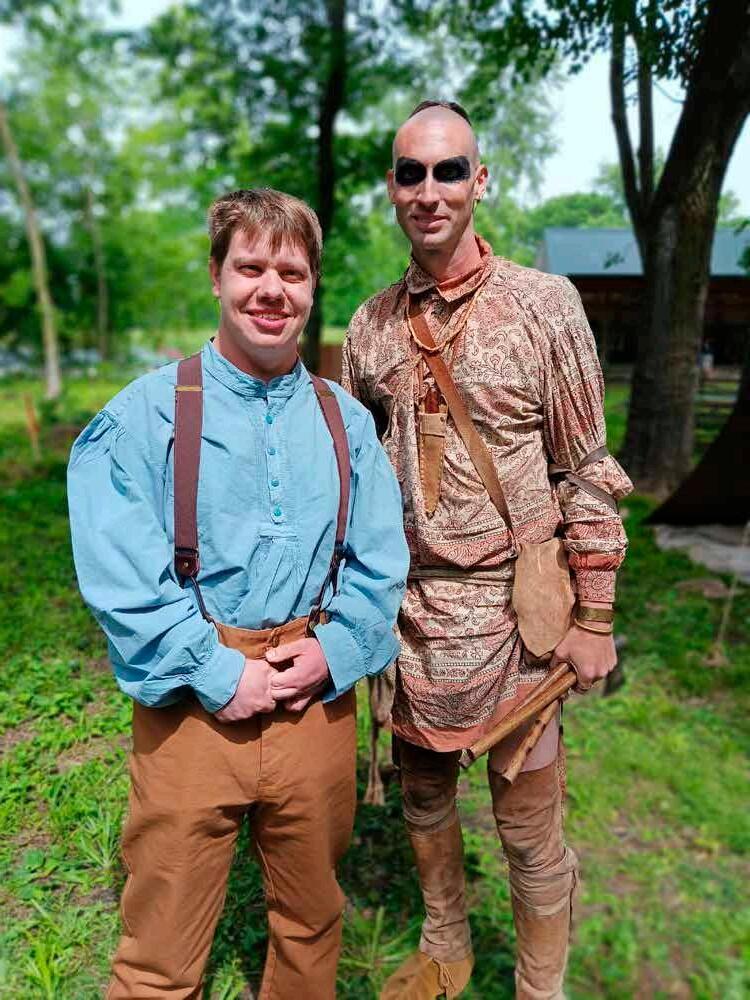
He enjoys theater, hiking through Indiana state parks, exploring museums and learning about history, often diving deep into topics that capture his attention.
Faith is also an important part of his life. At a young age, he attended Trader’s Point Christian Church, where inclusive programs helped shape his early experiences. He now attends Heartland Christian Church with his dad and stepmom.
For Amy, the lessons learned along the way are both practical and deeply personal, but they are shaped by a shared parenting journey.
Structure matters. Routine helps prevent overwhelm. But growth often happens just outside of what feels comfortable.
“Do not be afraid to push a little,” she said. “Just make sure the environment is safe.”
She encourages families to look for connection, not just care.
“Find what you both love and meet there,” she said. “Be with them as a person, not just as a parent.”
And when it comes to faith, her perspective is steady and certain.
“God understands your child,” she said. “He knows how to reach them.”
Ask Mike and Amy about their favorite memories, and they do not list milestones or achievements. They will talk about laughter. About conversations. About the way Caleb sees meaning in both ordinary and extraordinary moments. “There isn’t a day I am not grateful,” Amy said.

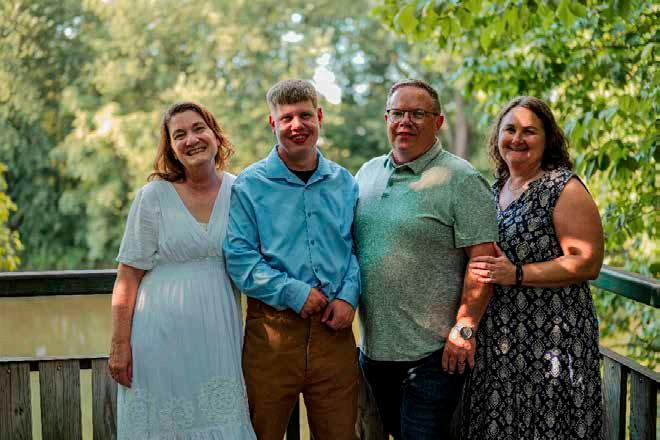
In a community they describe as welcoming and inclusive, the family has found support, connection and a place where Caleb is not only accepted but known. And in the end, that is what stands out most. Not a single moment of arrival, but a life being built, one steady step at a time, full of purpose, growth and quiet, meaningful victories.


To Order: https://amzn. in/d/0fqrZzSR




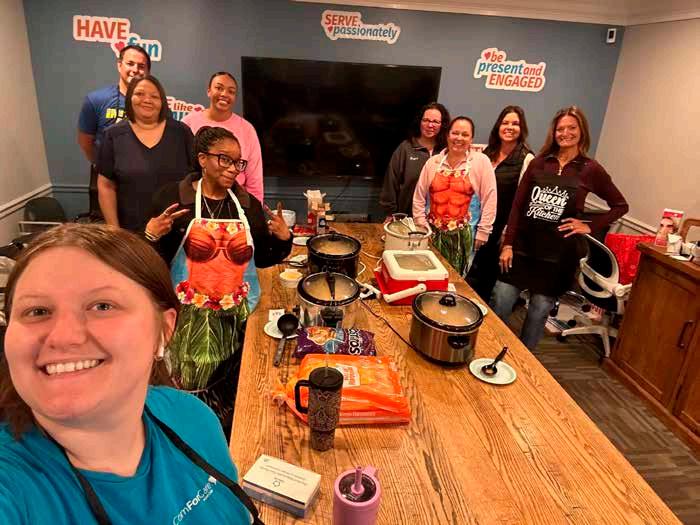
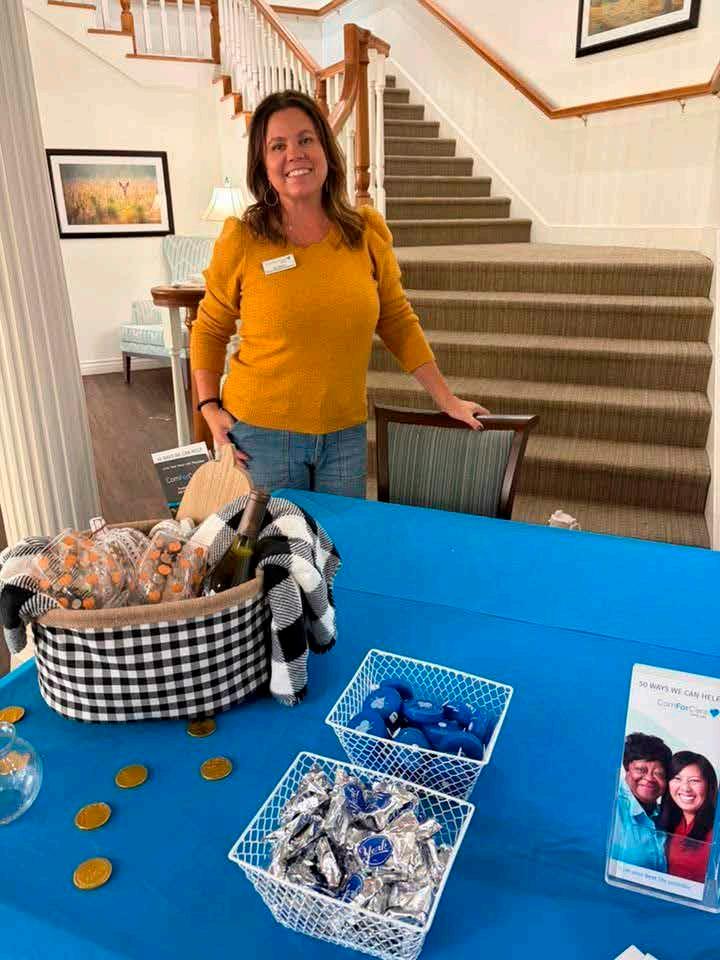
BY RYAN MURRAY: OWNER OF COMFORCARE HOME CARE
How ComForCare Supports Families of Medically Complex Children Across Indiana
For parents raising medically complex children—those navigating feeding tubes, seizures, mobility challenges, chronic illnesses, developmental disabilities, or multiple medical needs—caregiving is a profound act of love that often feels allconsuming. The question isn’t whether help is needed, but how to find compassionate, reliable support that keeps your child safe and thriving at home while giving your family space to connect, rest, and live more fully.
ComForCare Home Care proudly services families across the entire state of Indiana. We deliver personalized in-home care that honors each child’s unique needs and your family’s journey, no matter where you live in the state.
ComForCare isn’t just a service provider—it’s an advocate and ally, helping parents preserve their child’s independence, dignity, and joy while easing the daily demands of caregiving.
The Power of Care at Home for Your Child
Home is where your child knows every corner, routine, and comfort. For medically complex kids, staying home supports
emotional well-being, reduces disruption, and allows continued participation in family life, therapy, or school routines.
ComForCare brings professional support directly into your home, focusing on personalized care plans built around your child’s specific medical and daily needs— whether that’s assistance with mobility, personal hygiene, medication reminders, safe supervision, meal prep, or light household help to ease the load.
This tailored approach means care fits your family story, preferences, and goals—not a generic template.
Supporting Children with Complex Medical Needs ComForCare proudly serves families raising children and young adults who require ongoing support due to: • Chronic medical conditions • Developmental or physical disabilities • Technology dependencies (e.g., feeding tubes, oxygen, mobility aids) • Recovery from illness, surgery, or hospitalization • Cognitive or behavioral challenges.
By providing flexible, compassionate assistance, ComForCare empowers children to live meaningful lives at home—playing, learning, and growing—while giving parents more capacity to focus on family connection.
Parenting a medically complex child often means juggling appointments, equipment, siblings, work, and constant vigilance. The emotional and physical demands can be exhausting.
ComForCare recognizes that supporting you—the parent— is as vital as supporting your child. Flexible scheduling lets you choose just a few hours a week or extended shifts for more intensive needs. Services adapt as your child’s condition evolves, so you’re never navigating changes alone.
Trained caregivers can help with everyday tasks like:
• Bathing, dressing, and grooming • Meal preparation and feeding support • Medication reminders and administration
• Mobility and transfer assistance • Light housekeeping to maintain a safe environment • Companionship and engaging play to reduce isolation
Even a short period of additional help can transform your day—allowing time for self-care, family outings, or simply sitting with your child without rushing to manage medical tasks.
Accepting help for personal care can feel vulnerable—for both child and parent. ComForCare caregivers are trained to deliver support with sensitivity, discretion, and respect, ensuring your child feels valued, empowered, and like a kid first—not defined by their needs.
This philosophy is simple yet powerful: Every child and family deserves care that honors who they are and how they want to live.
No two children or families are the same. ComForCare starts with a thorough consultation to understand your child’s medical needs, daily routines, family dynamics, and goals. From there, a customized plan is created and adjusted over time.
Plans may include: • Companion care and developmental support • Personal care and safety supervision • Transition support after hospital stays • Flexible help tailored to complex needs
This adaptability ensures care grows with your family— whether temporary during recovery or ongoing for stability and peace of mind.
walk outside, favorite activity, story time, or family moment becomes possible when reliable help is there.
These “small” supports build a foundation for a fulfilling life at home, where your child belongs.
Indiana’s families are diverse and resilient, from urban neighborhoods to rural communities statewide. ComForCare is committed to supporting families across the entire state— bridging everyday living with medical needs right where life happens: at home.
We understand community resources, making navigation easier no matter your location in Indiana.
A new diagnosis, hospital discharge, equipment change, or gradual increase in needs can feel overwhelming. In those moments, ComForCare provides a steady bridge—helping your child regain stability and your family find balance.
For some, it’s short-term; for others, an ongoing partnership offering reassurance.
Behind every plan is a real family story: a mom managing feeds and therapies while raising siblings, a dad balancing work and nighttime cares, a child striving for independence despite challenges.
Caregivers often become trusted extensions of the family— built on trust, empathy, and shared everyday wins.
Uniquely You Magazine celebrates organizations that make a real difference in the disability and medically complex community. ComForCare’s commitment to compassionate, flexible in-home care for families across Indiana resonates deeply with parents who want their children to thrive at home. By keeping kids safe, supported, and connected in the place they love most, ComForCare helps families navigate challenges, celebrate independence, and build stronger bonds.
Because every child—and every family—deserves care that honors their unique story.
At its core, ComForCare is about more than tasks—it’s about helping your child experience joy, connection, and purpose. A Contact Information ComForCare Home Care – Servicing Families Across the Entire State of Indiana Website: comforcare.com/indiana/north-metro-indianapolis Phone: (317) 575-3983 Email: northmetroindy@comforcare.com

BY CHRISTINA MCGAIRK

living with Avoidant/ Restrictive Food Intake
Disorder, the phrase “just a picky eater” can feel dismissive.
For filmmaker and advocate Eric Pascarelli, that label followed him for much of his life, until adulthood finally brought answers.
“When I was around 30, I told my doctor about my eating habits,” Pascarelli said. “He suggested I speak with an eating disorder clinic. At first I was confused, but it pushed me to research. That’s when I realized it was more than just picky eating.”
ARFID is an eating disorder characterized by a severe restriction of foods. Unlike disorders such as anorexia or bulimia, ARFID is not connected to body image or weight concerns. Instead, individuals may avoid foods due to
sensory sensitivities, fear of choking or vomiting, or a lack of interest in eating.

For Pascarelli, the condition shaped everyday experiences.
“My eating habits were always a big part of my identity,” he said. “If friends invited me out to eat, I would check the menu days in advance and sometimes back out. At weddings or big events, there usually wasn’t anything I could eat.”
Beyond social situations, nutrition can also be complicated.
“From a health standpoint, it can be tricky,” Pascarelli said. “Trying to diet or eat healthier is difficult when your food options are already very limited.”
As both someone living with ARFID and a filmmaker, Pascarelli decided to use storytelling to raise awareness. His
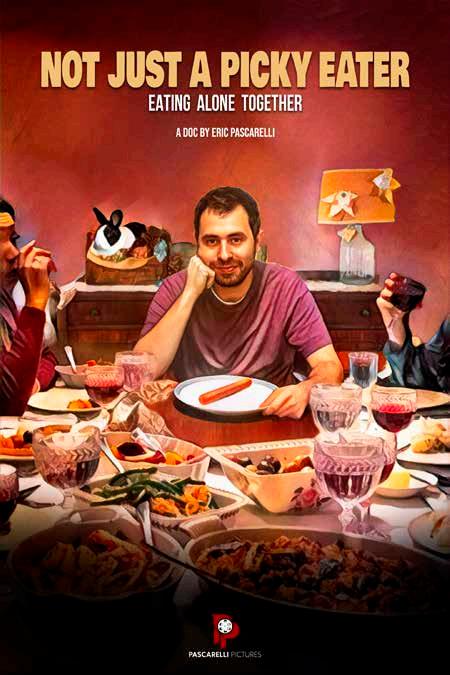
documentary, Not Just a Picky Eater, explores the realities of the disorder through personal stories and expert insight.
“ARFID is just as common as other eating disorders, but for a long time it wasn’t widely known,” he said. “Making a documentary felt like a way to help people understand what it’s really like.”
The film has resonated with audiences. It received Best Documentary honors at the Indy Film Fest and has appeared at festivals across the country.
The timing is especially meaningful as advocates recognize May as ARFID Awareness Month, a time dedicated to increasing public understanding of the disorder and reducing the stigma often faced by those living with it.
For Pascarelli, raising awareness is personal.
“The main message is that we are not just picky eaters,” he said.

“We would love to be able to eat like everyone else, but it’s not nearly that simple. Support from friends and family makes a huge difference.”
For one Pendleton mother, signs that her son’s relationship with food was different appeared early.
As an infant, he struggled with gastrointestinal issues and required specialized formula. After a mouth injury at age one that nearly knocked out his bottom teeth, his diet temporarily shifted to soft foods while he healed. When solid foods were reintroduced, his palate had become significantly more limited.
“At first his eating was fairly typical,” she said. “But over time it became much more restrictive.”
Like many parents navigating ARFID, she encountered misconceptions from others who assumed the issue was simply stubbornness or preference.
“It’s common to hear things like ‘they’ll eat when they’re hungry’ or ‘just make them try it,’” she said. “But someone with ARFID won’t eat foods that feel unsafe to them.”
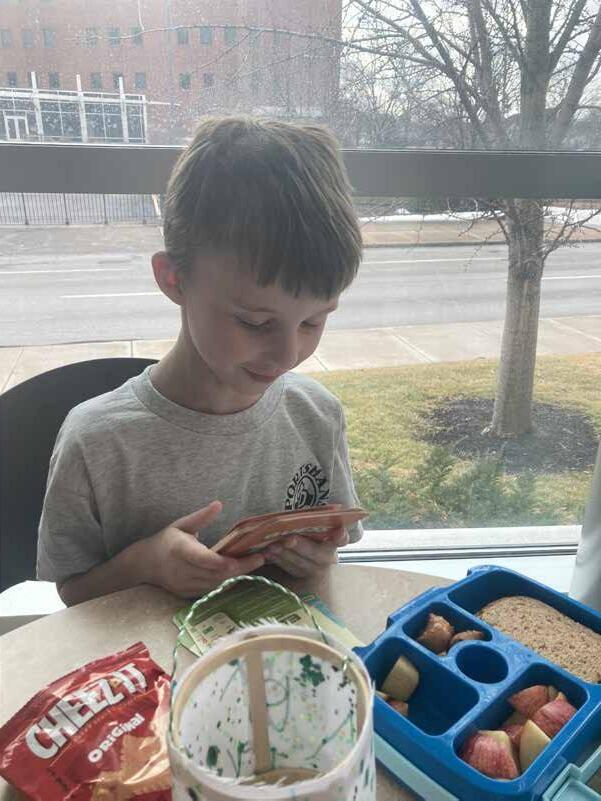
Today, her son’s safe foods include items such as oatmeal, peanut butter sandwiches, apples, granola bars, pretzels, smoothies and nuts. Restaurant options are often limited to bread, fries or chips. Planning ahead has become part of daily life.
“It’s normal now for me to carry snacks or have his lunch packed ahead
of time,” she said. “It just takes a little more preparation.”
Rather than focusing on what her son cannot eat, she chooses to celebrate progress.
“Sometimes he’ll try a bite of something new like pizza or a donut,” she said. “Those moments are huge wins.”
Although ARFID was formally recognized in the Diagnostic and Statistical Manual of Mental Disorders in 2013, awareness continues to grow.
Pascarelli says social media and online communities have helped connect people who once felt isolated.
“There are a lot of ARFID accounts online now,” he said. “People are sharing their experiences and realizing they’re not alone.”
More healthcare providers are also becoming familiar with the condition, though Pascarelli hopes recognition will continue expanding.
“I’d like ARFID to become as recognized as anorexia or bulimia,” he said. “The more people understand it, the better everything around it will get.”
For individuals and families navigating ARFID, greater awareness can mean fewer misunderstandings — and more compassion at the table.
“There are potentially millions of people dealing with ARFID,” Pascarelli said. “Many of them may not even realize it yet. If you feel different, you’re not alone.”
“There
are potentially millions of people dealing with ARFID,” Pascarelli said. “Many of them may not even realize it yet. If you feel different, you’re not alone.”
BY ANDREW FITZENRIDER

HAVE YOU EVER wondered how deaf, hard-ofhearing or speech affected people use the telephone or participate in online meetings?
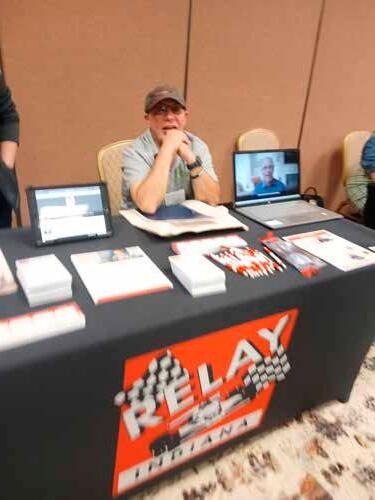
Since 1991 Relay Indiana, a nonprofit based in Indianapolis, has been providing telecommunications access to these populations. When the Americans with Disabilities Act was enacted on July 26, 1990, a national telephone relay service was established, allowing those living with communication disorders to make and receive telephone calls for the first time. Using a telecommunications device for the deaf (TTY), deaf or sspeech affected individuals can type a message to a Relay Service Communication Assistant (CA), who then voices this to the hearing listener on the other end of the call. Spoken messages can then be sent back to the CA and typed to the deaf caller. Analog technology and TTYs are rapidly being replaced by digital and internet-based relay services, allowing calls to be made over tablets and smartphones. Today, video technology and Real Time Texting (RTT) make remote communication even more efficient. Real-time captioning services provided by Relay Indiana allows deaf and speech-affected Hoosiers to fully participate in virtual meetings and webinars.

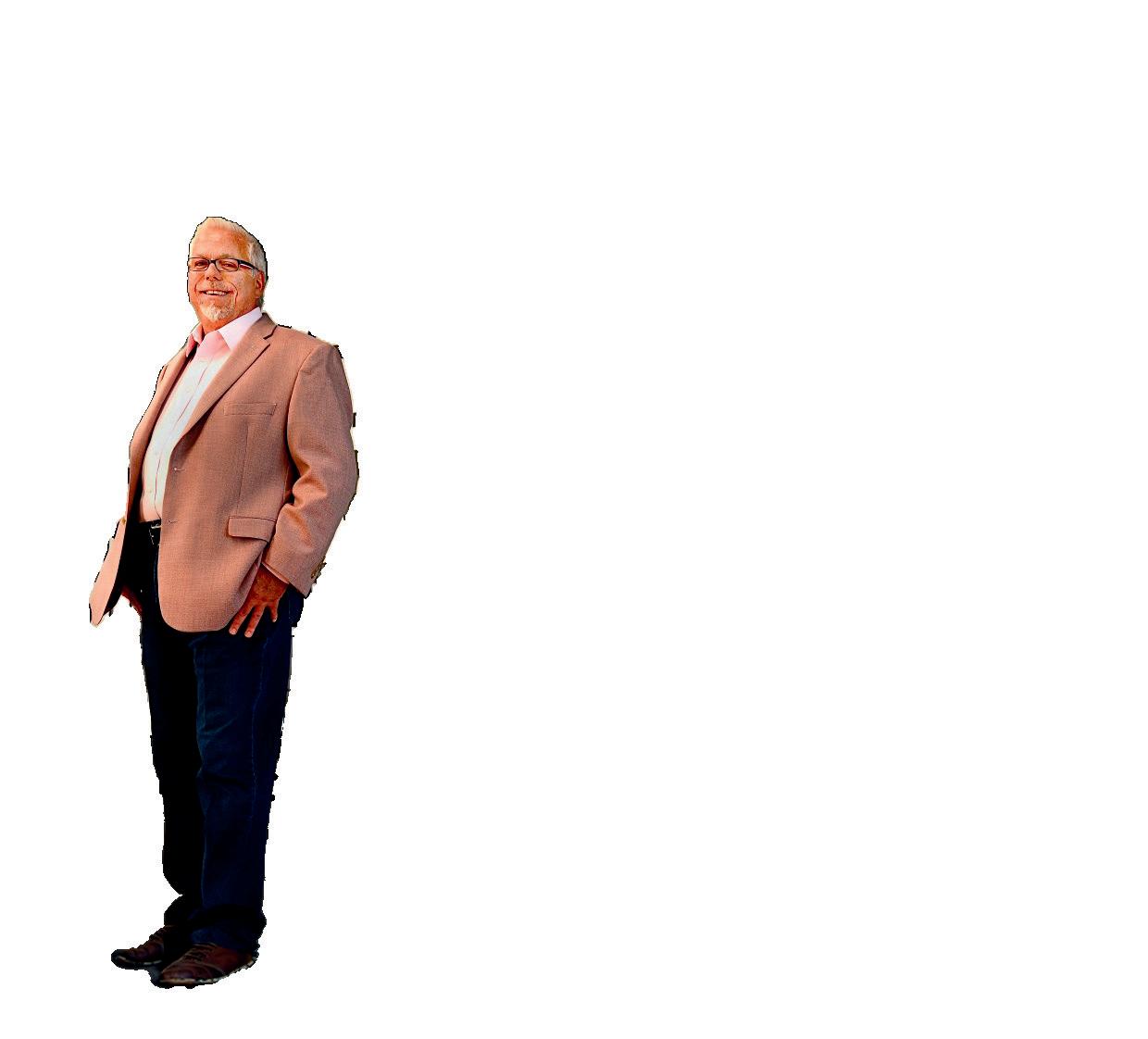
Elizabeth A. Homes is a special needs planning and elder law attorney. She has been licensed and practicing law since May of 2014. Her practice at the Law O ce of Elizabeth A. Homes LLC is focused on Special Needs Planning, Guardianships, Elder Law, Estate Planning, and Probate Work. This includes Wills, Powers of Attorney, Advanced Directives, Trusts, Trust Administration, Medicaid Planning, Special Needs Planning, Guardianship, and Probate. She is admitted to practice law in the State of Indiana.
We ask "What If?" so you don't have to ask "What Now?"
For me- As a Deaf professional working in this field, it’s meaningful to be part of an organization that truly understands the community it serves and is constantly looking for better ways to support it.
Justin Perez, outreach manager


Elizabeth A. Homes, Esq., MBA ehomeslaw.com | 317-660-5004 elizabeth@ehomeslaw.com 9245 N. Meridian Street, Suite 301, Indianapolis, Indiana 46260


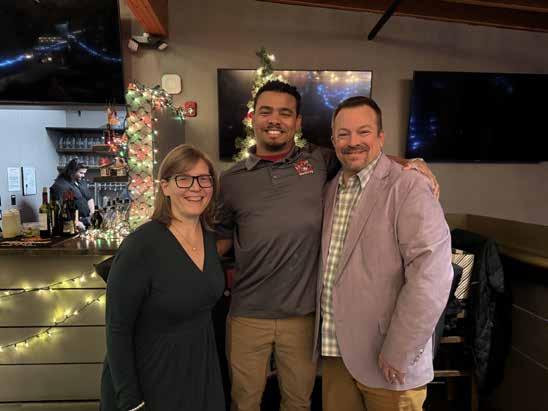
Andy Leffler, executive director, Amy Truman, assistant director, and Justin Perez, outreach manager.
As someone who stutters, the Speech to Speech (STS) service provided by Relay Indiana promotes independence and peace of mind, allowing me to make telephone calls anytime, anywhere without any special equipment. This free, FCCmandated service can be used by those living with Cerebral Palsy, stroke symptoms, Parkinson’s Disease or any other condition affecting speech. Check out www.tmobileaccess.com/ sts to see how STS has improved my life!!
Relay Indiana provides free TTYs, smartphones, tablets and we provide other assistive telecommunication equipment to those who qualify. To see if you or someone you know is eligible, and to learn more about our services, please visit www.relayindiana.com. In addition, I am available to give nocost presentations throughout the state. Please contact me at andystsoutreachin@gmail.com and start communicating via telephone today!!


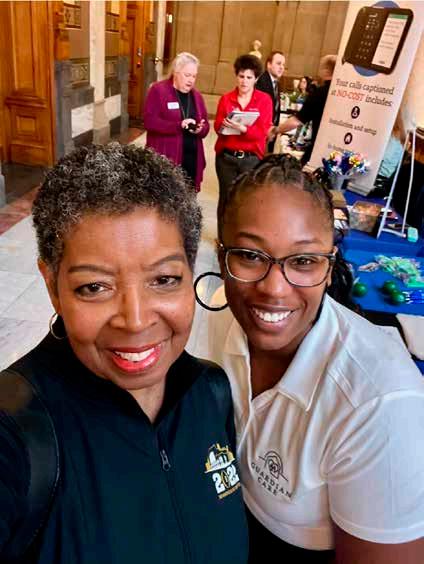
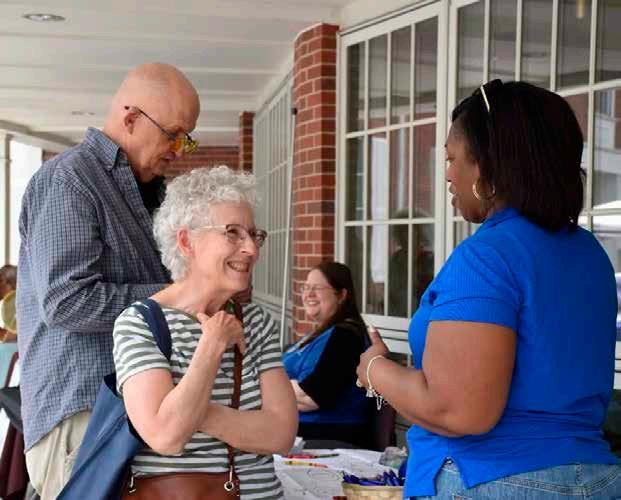
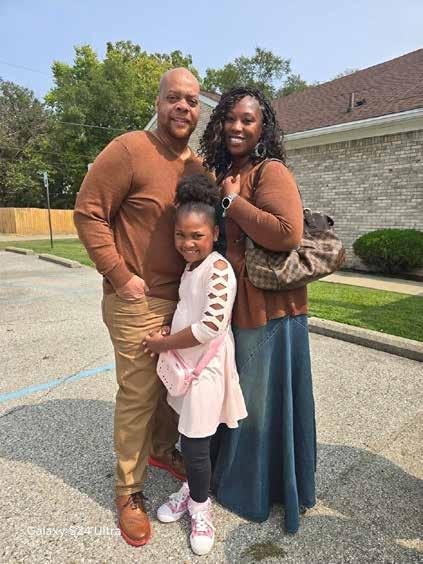
Many people living with chronic illness face a challenge that the outside world cannot always see. Pain without bruises, fatigue without visible cause, and inflammation hidden beneath the surface can make someone appear healthy while they are quietly managing a difficult medical reality. For Indianapolis resident Rineeta White, that invisible battle is Systemic Lupus Erythematosus (SLE), an autoimmune disease more commonly known as lupus.
Rineeta was officially diagnosed with lupus in April 2021, although doctors believe she had likely been living with the disease much longer without realizing it. Lupus is a complex autoimmune disorder in which the body’s immune system mistakenly attacks healthy tissues and organs. Because it can affect many different parts of the body—including joints, skin, kidneys, blood cells, brain, and heart—it often mimics the symptoms of other conditions. This makes lupus one of the most difficult diseases to diagnose, and many people live with symptoms for years before receiving a clear answer.
For Rineeta, the path to diagnosis began with a sudden and concerning change in her body. One day she found herself experiencing severe pain in her arm, so intense that she could not lift it high enough to apply deodorant. Concerned about the unusual pain and limited mobility, she visited an urgent care center to find out what might be wrong.
Doctors ordered an X-ray, which revealed something unexpected—a shadow that required further investigation. That initial finding led to an MRI, which showed enlarged nodules. At first, her physician feared the possibility of breast cancer, which understandably created a frightening and uncertain moment for Rineeta and her family.
Additional testing soon followed. She underwent a mammogram, biopsy, and extensive blood work as doctors worked carefully to determine the cause of the abnormal findings.
After months of testing and waiting for answers, the results revealed that her lymph nodes were severely inflamed. Ultimately, doctors confirmed the diagnosis: Systemic Lupus Erythematosus.
Within six months of that first urgent care visit, Rineeta finally had an answer.
She became the first person in her immediate biological family to be diagnosed with lupus. Like many families encountering a chronic illness for the first time, the diagnosis brought both relief and new questions. Rineeta and her loved ones began educating themselves about lupus, learning how the disease works and what it might mean for her long-term health.
As an African-American woman, Rineeta also learned that she belongs to a demographic group that is more frequently diagnosed with lupus. Medical research shows that lupus disproportionately affects women, particularly women of African descent, at significantly higher rates than other populations. Understanding this reality helped place her diagnosis in a broader context and highlighted the importance of continued awareness and education.
One of the most important lessons she discovered early on is that lupus rarely looks the same from one person to another. Doctors often describe lupus like a snowflake—no two cases are identical. Symptoms, treatment plans, and the overall course of the disease can vary widely from one person to the next.
Even among members of her extended family who also live with lupus, each person’s experience is unique. Some may struggle more with joint pain, while others deal with fatigue, organ complications, or skin-related symptoms. This unpredictability makes lupus especially challenging to manage and understand.
One of the most significant challenges Rineeta faces is the constant management of inflammation and the unpredictable nature of flare-ups. Some days bring manageable symptoms, while other days require extra care and rest. Learning to navigate those fluctuations has become a central part of her daily life.
As a result, she has become much more intentional about her lifestyle. Diet and nutrition play an important role in managing inflammation, so she follows an antiinflammatory approach to eating whenever possible. She also works closely with a comprehensive medical care team because lupus can affect multiple organs throughout the body.
More recently, doctors have begun monitoring the impact lupus has had on her heart. Learning that the disease is affecting another major organ has been one of the more difficult realities to process. It serves as a reminder that lupus is not simply about occasional symptoms—it is a lifelong condition that requires ongoing medical attention and thoughtful self-care.
Managing medications has also been an adjustment for Rineeta and her family. Because lupus can affect different parts of the body in different ways, treatment often involves multiple medications. She sometimes jokes that she has her own small pharmacy at home, with various prescriptions supporting different aspects of her health.
Despite these challenges, she considers herself fortunate. In the five years since her diagnosis, she has experienced very few hospitalizations, which she sees as a positive outcome in managing a chronic autoimmune disease.
Perhaps the biggest lifestyle adjustment has been learning how to manage her energy. Many people living with chronic illnesses refer to a concept called “spoon theory,” which explains that individuals with chronic conditions start each day with a limited amount of energy. Every task—from getting dressed to attending meetings or running errands—uses a portion of that energy.
Once those “spoons” are gone, the body needs rest.
For Rineeta, understanding this concept has helped her recognize the importance of pacing herself. Activities that might seem simple for others may require far more energy for someone living with lupus. By learning to listen to her body and adjust her schedule when necessary, she is better able to protect her health and avoid unnecessary flare-ups.
Fortunately, she has an incredibly supportive family walking alongside her through this journey. Her husband, Aaron White, and their eight-year-old daughter, Raigan, provide encouragement and understanding every day.
The family lives in Indianapolis, where Rineeta has lived for the past 20 years after spending her childhood in Fort Wayne. Their daughter Raigan attends Guion Creek
Elementary School and participates in the school’s High Ability Program.
Even at a young age, Raigan has developed a thoughtful awareness of her mother’s health needs. Sometimes that support appears in small but meaningful moments—like reminding her mom when it’s time to take her medication. Those simple acts of care reflect the deep bond and teamwork within their family.
Together, they have learned to face the challenges of lupus with patience, humor, and a lot of love.
Despite living with a chronic illness, Rineeta remains active in her community. She currently serves as Board Chair of Let Them Talk, an organization focused on empowering young voices and building leadership skills among youth. She also volunteers at the Indy Healthplex, supporting seasonal cheer and basketball camps for young people in the community.
Giving back continues to be an important part of her life. Even while managing lupus, she remains committed to investing her time and energy in helping others grow and succeed.
Through her experience, Rineeta has developed an important message for others who may be living with lupus or another chronic illness.
Patience and self-grace are essential.
She acknowledges that she has often been her own toughest critic. In the past, she sometimes pushed herself beyond her limits because she did not want to let others down. Over time, however, she has learned that honoring her body’s signals is an important part of maintaining her health.
Listening to her body allows her to remain present for the moments that matter most.
She has also made thoughtful adjustments to her daily routine, including limiting sun exposure—something known to trigger lupus symptoms—and being mindful of how she spends her energy.
Most importantly, she encourages others to build a supportive community around them. Whether it is family, friends, medical professionals, or others living with lupus, having a strong support system can make an incredible difference.
Rineeta’s journey highlights the resilience required to live with an invisible illness. While lupus may not always be visible to the outside world, the strength it takes to manage it every day is undeniable.
Through education, advocacy, and the love of her family, she continues to navigate life with lupus—reminding others that even unseen battles deserve compassion, understanding, and respect.
She works full-time as the Director of Community Engagement at Guardian Care, a company dedicated to supporting, advocating for, and walking alongside clients and their caregivers throughout the family caregiving journey. In her role, she has had the privilege of working closely with CEO David Mitchell and Director of Nursing Sharon Burke to provide community education about their new home health agency, Guardian Health. She recognizes that many individuals living with chronic illnesses are often unable to maintain full-time employment. Because of this, she feels especially grateful to be part of an organization that not only understands her condition but also empowers her to actively engage in the community—educating, supporting, and advocating for others.



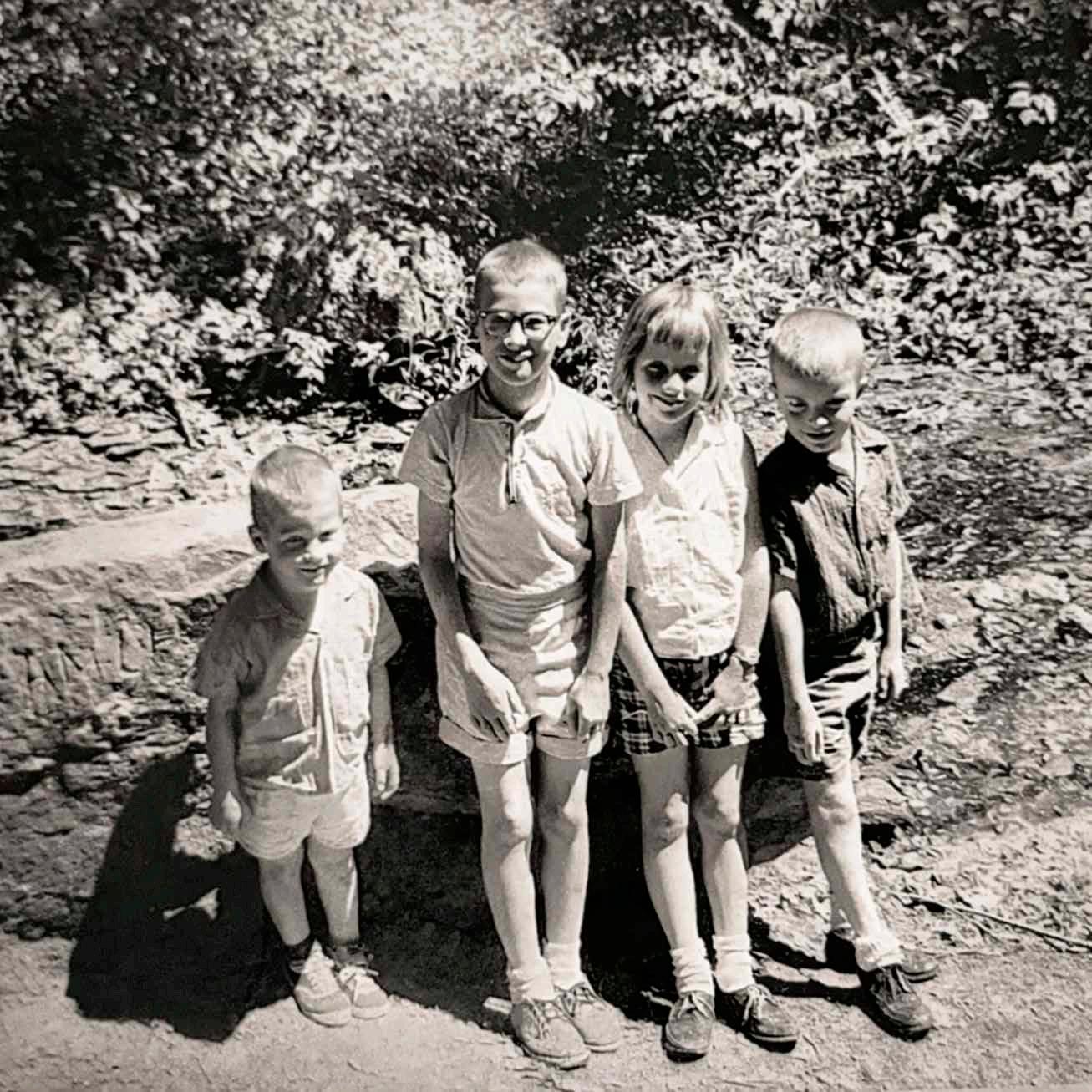
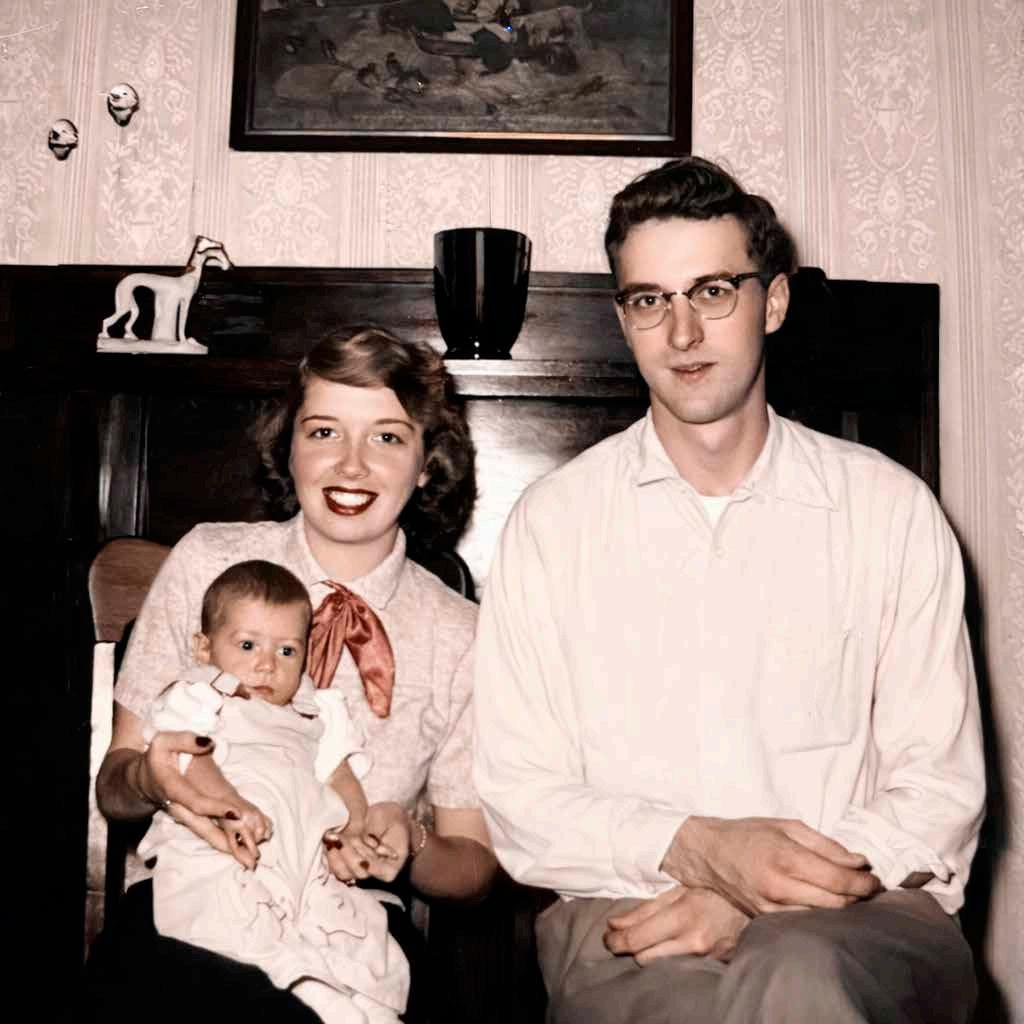

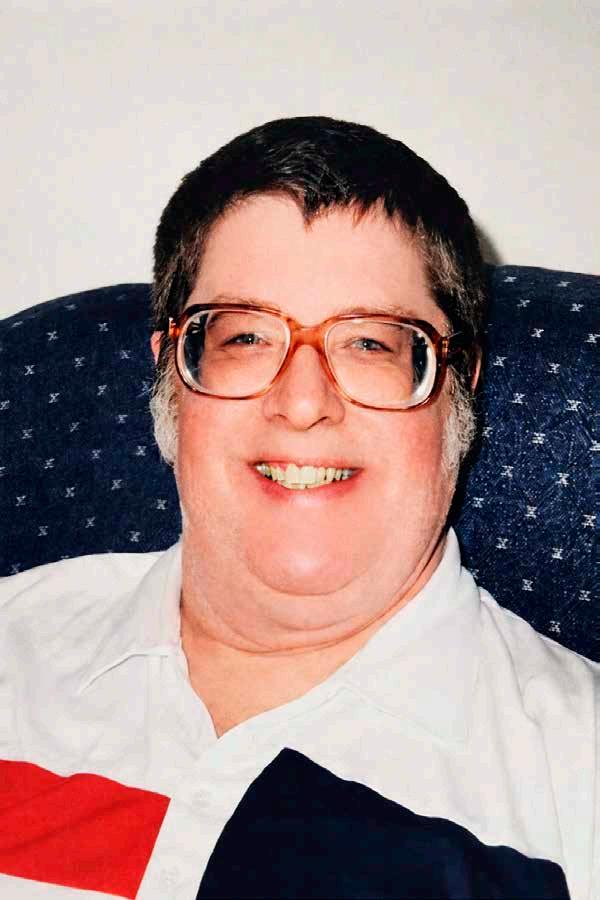
STUART D. JONES, PH.D. AUTHOR | EDUCATOR | ADVOCATE | SPEAKER
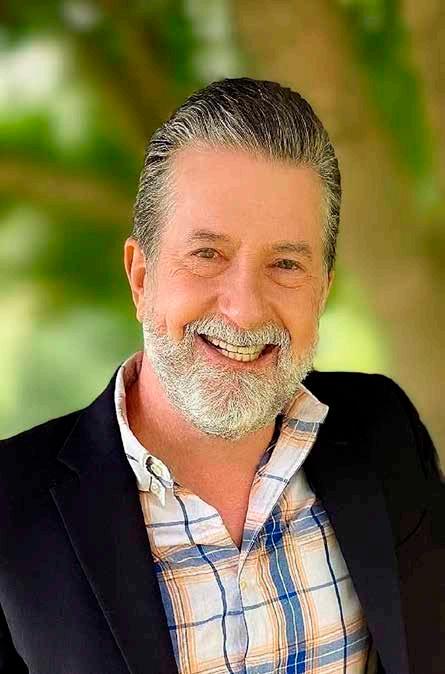
Some stories arrive loudly, demanding attention. Others arrive quietly and stay with you long after you’ve closed the book. For the Love of Stephen: The Story of a Boy Who Was Never Broken by Stuart D. Jones, Ph.D., belongs firmly in the second category.
This is not a memoir about “overcoming” disability. It is not an inspirational tale meant to make readers feel good for a moment and then move on unchanged. Instead, For
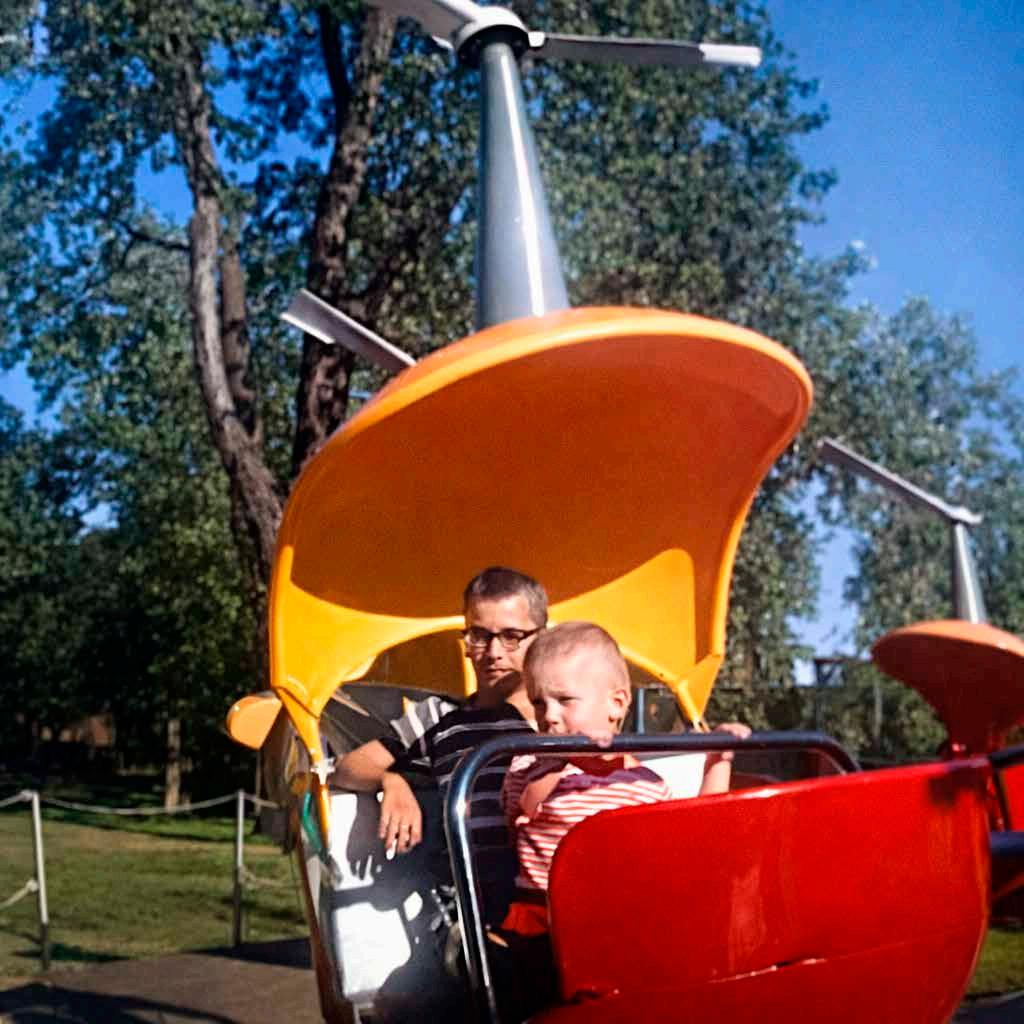
the Love of Stephen is a deeply human story about dignity, belonging, and the cost of being overlooked, told through the life of a man the world too often underestimated.
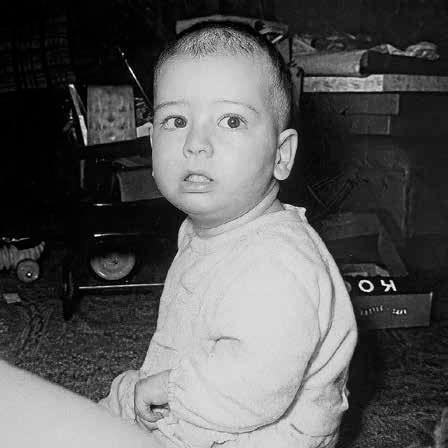
Stephen Jones was different. He lived with significant intellectual and developmental disabilities, visual impairment, and physical differences that marked him as “other” in a society deeply uncomfortable with difference. But as his brother Stuart makes clear from the opening pages, Steve was never broken. What was broken were
the systems, assumptions, and quiet exclusions that followed him throughout his life.
Stuart did not set out to write a memoir. He set out to tell the truth about his brother. What emerged is a narrative that is, in Jones’s own words, “a memoir, a mirror, a memorial, and a movement.”
At its heart, this book is a memoir, an honest, unpolished account of growing up alongside Steve in a family that chose love over fear at a time when institutionalization was still strongly

encouraged. Readers meet Steve not as a diagnosis or a symbol, but as a brother: funny, stubborn, perceptive, trusting, wounded, joyful, and deeply human. Disability is part of his story, but it is not the plot.
The book also serves as a mirror. Without lecturing or shaming, it invites readers to examine their own assumptions about disability, worth, faith, and belonging. As Steve navigates classrooms, churches, workplaces, and relationships, readers are gently confronted with uncomfortable questions: Who gets overlooked rather than outright rejected? Who is spoken about instead of spoken to? Whose presence is tolerated rather than welcomed?
For Stuart, one of the earliest places these questions emerged was church, ironically, a space meant to embody grace. He recalls moments when Steve was pitied instead of respected, managed instead of known. Yet Steve, perceptive beyond what people assumed, responded not with bitterness but with a quiet dignity that reshaped Stuart’s understanding of faith itself. It was here that a simple phrase, “God don’t make no junk,” became a lifelong theological anchor.
That grounding runs throughout the book. Drawing from his background in education, theology, and ministry, Stuart weaves spiritual reflection into the narrative without turning the story into a sermon. Biblical themes like imago Dei, the belief that every person bears the image of God, are not argued so much as embodied. Steve’s life becomes living theology, challenging cultural
hierarchies that equate worth with productivity, independence, or intellect.
As a memorial, For the Love of Stephen is an act of love and grief. Steve is gone, and Stuart does not shy away from that loss. He honors Steve honestly, refusing to sanitize suffering or romanticize disability. The book addresses painful realities, including exploitation and abuse, what Stuart refers to as “the vultures,” those who mistook Steve’s trust and kindness for weakness. These sections are written with restraint and care, naming harm without sensationalizing it, always centering dignity over drama.
Perhaps most striking is Steve’s resilience. Not the loud, triumphant kind society often celebrates, but a quieter, deeper resilience. Steve absorbed hardship without becoming hardened and pain without becoming cruel. He kept showing up after disappointment. He pursued friendship, work, and love despite rejection. He laughed easily, forgave freely, and found joy in ordinary moments. His strength was not toughness, but tenderness without surrender. Softness without collapse. Steve remained whole in a world that repeatedly failed to protect him.
The final responsibility the book carries is that of a movement. Not a branded campaign or loud call to action, but a persistent shift in how readers see and respond. Stuart is clear: advocacy does not begin with expertise, it begins with attention. The movement this book gestures toward asks readers to notice who is missing from rooms and opportunities, to challenge low expectations when they surface casually,
and to resist systems that prioritize efficiency over humanity.
Importantly, For the Love of Stephen stands apart from many disability narratives by refusing both tragedy and inspiration as its primary lenses. Steve’s life is not framed as something to be pitied or applauded. It is presented as a life that mattered, full stop. That refusal alone makes this book quietly radical.
For readers new to disability narratives, this book does not require the “right” language or prior understanding. It simply introduces them to a person. And once you truly know Steve, it becomes very difficult to move through the world the same way again.
Ultimately, For the Love of Stephen is a book about seeing. Seeing a life the world rushed past. Seeing how much meaning is missed when worth is measured too narrowly. Seeing that inclusion is not compliance, and presence is not the same as belonging.
This book does not ask readers to be heroes, experts, or saviors. It asks something far more challenging and far more necessary: to care, and to let that care change how they move through the world.
And in doing so, Stephen’s story continues what it always did best, quietly, persistently, changing how people see.
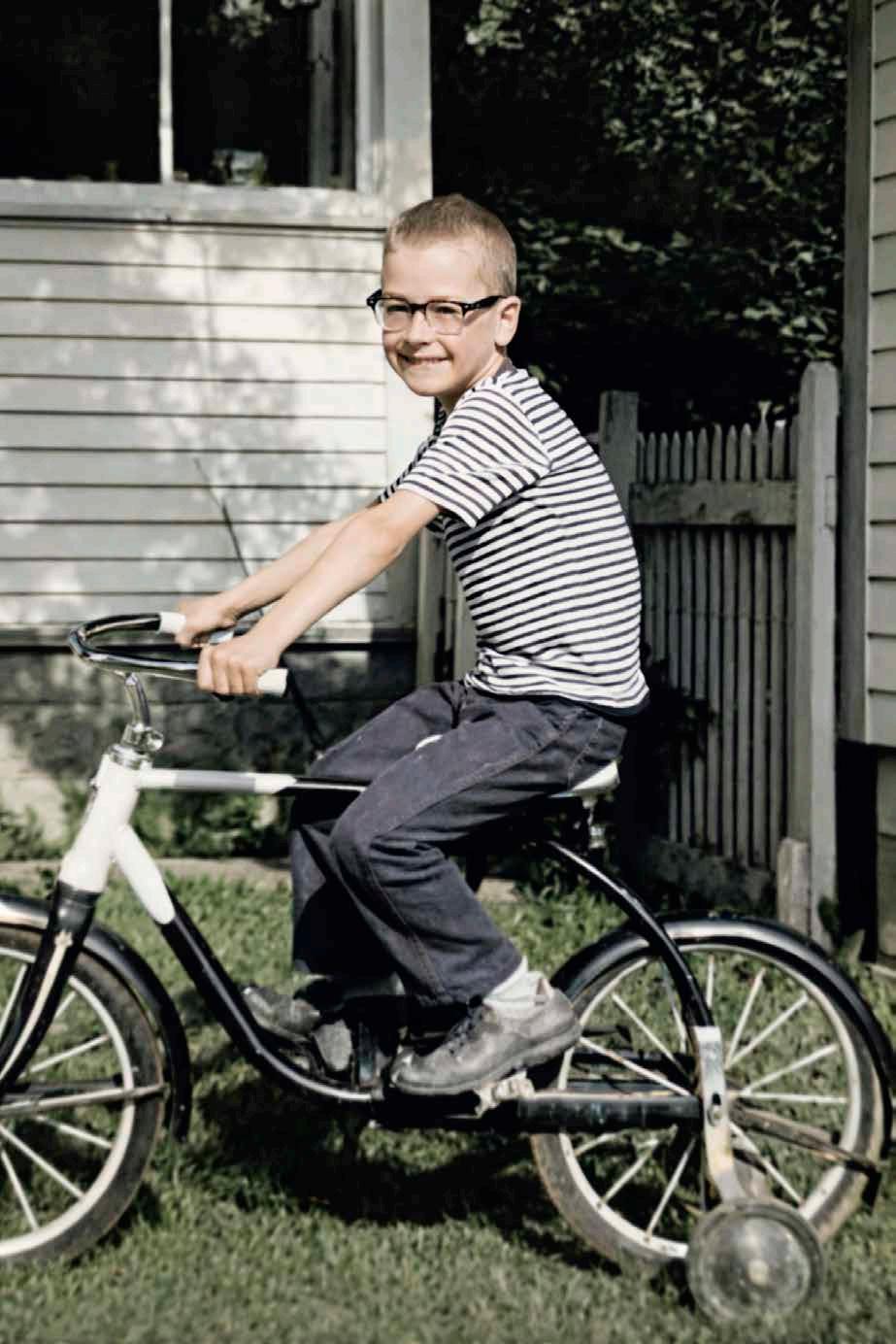

For the Love of Stephen: The Story of a Boy Who Was Never Broken
© 2025 Every Life Publishing LLC
ISBN: 979-8-89694-939-8
Email: fortheloveofstephen@yahoo.com
Website: http://www.authorstuartjones.com
Facebook: AuthorStuartDJones
Instagram: @AuthorStuartJones
LinkedIn: Stuart D. Jones, Ph.D.
Dr. Stuart D. Jones is an author, educator, and retired higher education executive whose career spans more than three decades of leadership, service, and advocacy.
Over 31 years in higher education, he served in senior enrollment leadership roles at six universities, consistently guiding institutions from enrollment decline to significant growth while strengthening student access, retention, and diversity. Known for his data-informed strategies and ethical approach to recruitment, his work helped thousands of students pursue life-changing educational opportunities.
Earlier in his career, Dr. Jones served in Christian ministry as an ordained American Baptist minister, a foundation that continues to shape his leadership style through compassion, integrity, and a deep respect for the dignity of every person.
In 2025, he founded Every Life Publishing and released his memoir, For the Love of Stephen: The Story of a Boy Who Was Never Broken. The book shares the story of his brother with intellectual and developmental disabilities and has helped elevate national conversations around disability awareness, belonging, and the inherent value of every human life.




FRANCISCO J. LUNA JR.

MORE THAN ONE in 20 adults in the United States experiences serious mental illness each year, according to SAMHSA, the Substance Abuse and Mental Health Services Administration. Although this number is significant, the suffering often remains invisible, both for those who live with these often-disabling conditions and for their families. Mental Health Awareness Month is an opportunity to look more closely at these stories, recognize the challenges faced by millions of people, and broaden the public conversation about care, treatment, and support.
My story is one of these. In the Fall of 2011, in my hometown of Kansas City, I had a sudden mental health crisis. I became paranoid that unspecified people were trying to harm me. I was especially concerned that these shadowy enemies were paying people to drug my food and drinks at restaurants and bars where I was a regular. At that time, I was a 26-year-old MBA student with a part-time job supporting university technology commercialization efforts. I had also just started a small movie company.
My friends and family noticed that something was not right with me, and they tried to convince me to seek out mental health treatment. I was very resistant to this as I believed any strange behavior on my part was the result of unknown persecutors drugging me. I thought it was all part of an attempt to discredit me as a member of the Kansas City business community, where I had begun to network with high-net-worth investors and executives.
Over the next year, I quit my part-time job, exited my MBA program (3 classes away from graduation) and became hyperfocused on my company. With about $10K in the bank, I wasn’t well capitalized and it would have been hard to reach longterm profitability even under normal circumstances. With my new mental illness, it was impossible. Over the next year, my behavior became increasingly erratic, and I burned bridges with key business contacts along with most of my friends.
I moved in with my brother, Riki, and my mental health deteriorated to the point of long-term disability. Over the next few years, I would live between Riki’s and mom’s homes. They made several attempts to get me medicated but I would have nothing of it. In 2014, my mom and Riki

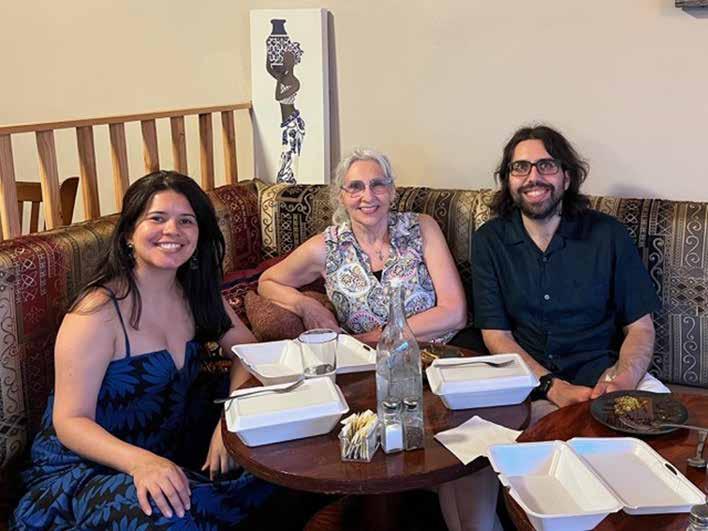

The years of slow and relentless decline that followed, with much handwringing on my family’s part as they weighed options for supporting me, were, I think, brutal for them. Yet, in the end, the decisions they made for me are what allowed me to recover my mind.
succeeded in becoming my joint legal guardians and conservators. This angered me and my relationship with them deteriorated. I sincerely believed there was nothing psychologically wrong with me, even as my once thriving personal and professional life had come to ruins.
In early 2016, following the serpentine logic of my delusions, I almost completely stopped eating. I ended up in the hospital with dangerously low blood sugar. While I was there, my mom and brother turned over their guardianship of me to the public administrator of the county where we lived. My new guardian had me transferred to a lock-down mental health facility where, to my horror, I received forced antipsychotic injections.
And then I got better. Within a few weeks of the injections, my mom and Riki noticed a marked difference when speaking with me on the phone. As my mom put it, I “was back.” At first, I remained locked in a single hall of the facility where the male residents were kept. Gradually, these restrictions loosened and after a few months I was allowed to go out every other weekend with family. After five months total in the facility, I was released, the fastest the workers who
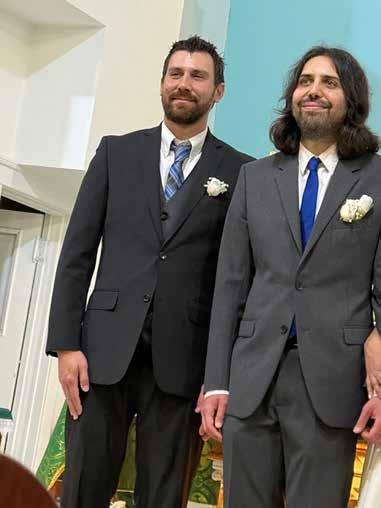
supervised me had ever seen. In contrast, many of my peers there had been stuck in the same hall for 5+ years.
Ten years later, I still take the medication I first received at that facility, now at a lower dose and in pill form (the injections were particularly painful, making tetanus shots seem painless). There was even a period of about a year, starting in late 2021, when my psychiatrist and I lowered my medication to a dose that’s not shown to be more effective than placebo. The idea was to see if I could taper of the medication completely. But after about a year, I started to have symptoms again. This time I was able to notice what was happening and voluntarily increased my medication to a therapeutic dose. Other than this short period, I have been stable on the same antipsychotic for 10 years.
I believe the time that my illness went untreated was traumatic for my family. They saw me go from high performing professional with a busy social life to sudden paranoia and delusions of persecution. The shift was so dramatic that, at first, my mom thought that I was abusing drugs.
The years of slow and relentless decline that followed, with much handwringing on their part as they weighed options for supporting me, was, I think, brutal for them. Yet, in the end, the decisions they made for me are what allowed me to recover my mind. Thanks to them I was able to rebuild a life that is, in important ways, better than it ever was before.
And yet, it was a long road to get here. Even after the medication stopped my delusions, it took four more years for me to be released from my guardianship at the county. The public administrator was not particularly flexible and had a set minimum timeframe in which certain requirements needed be completed for their wards to have their rights restored. During that period, I finished my MBA but I was not allowed to work full-time when I graduated. My guardian told me this was due to a blanket policy for everyone under the county’s guardianship. Instead, I taught chess part-time at elementary schools.
On completing my county’s restoration program in 2020, the court terminated my guardianship, and my rights were completely restored. I was finally free to do the things I wanted again. As it happened, my sister had planned her wedding in Hawaii for that Spring and my brother, Riki, surprised me by paying my way to Maui. It was beautiful and such a joy to be in an island paradise after years of being unable to leave my state due to the public administrator’s guardianship policies.
Since then, I have slowly been rebuilding my life to the best of my ability. It has not been easy to rebuild a career after a 10-year interruption. Rebuilding a social life was also not simple. My family quickly welcomed me back into the fold, but even as I went out with a few old friends, in most cases we found it hard to reconnect. Maybe it had just been too long.
Slowly I made new friends who shared my current interests and in 2022 I started dating. As fortune would have it, I met my now-wife, Antoniele, on a dating app less than a year later. She was accepted to a PhD program at Indiana University in 2024 and I moved to Bloomington to be with her in the Fall of that year. Despite financial challenges (it has been hard for me to find full-time work since moving), the past year and a half that I have spent with Antoniele have been the happiest of my life. We were married in February and share a modest apartment with our cat and poodle, Hemingway and Bacon.
It is hard for me to give advice to people who may be struggling with mental health issues like mine. The best thing I think someone like me can do is to take the medication prescribed to them by their psychiatrist. The problem is that many people who share my illness (or who have other mental illnesses that can cause disabling delusions like schizophrenia or bi-polar disorder), do not realize that their false beliefs are delusions. It’s a terrible irony with no clear solution. In my case, guardianship and forcing medication saved me, but these are not decisions to make on a loved one’s behalf lightly.
While I’m still working toward finding a full-time job in the field of my master’s degree, I really love engaging with the community through my work with Uniquely You. I know my story of disability is a bit different than many in our community, but everyone I’ve met has made me feel welcome. The warmth, humility, and positivity that I see are so meaningful to me and are qualities that I desire to emulate.
I’m also starting a second round of querying literary agents for my memoir, Break: A Memoir of Psychosis. You can read more about the memoir and my other creative projects at my website, fjluna.com.




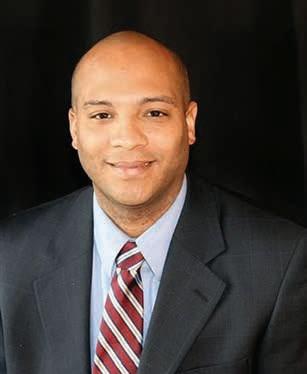
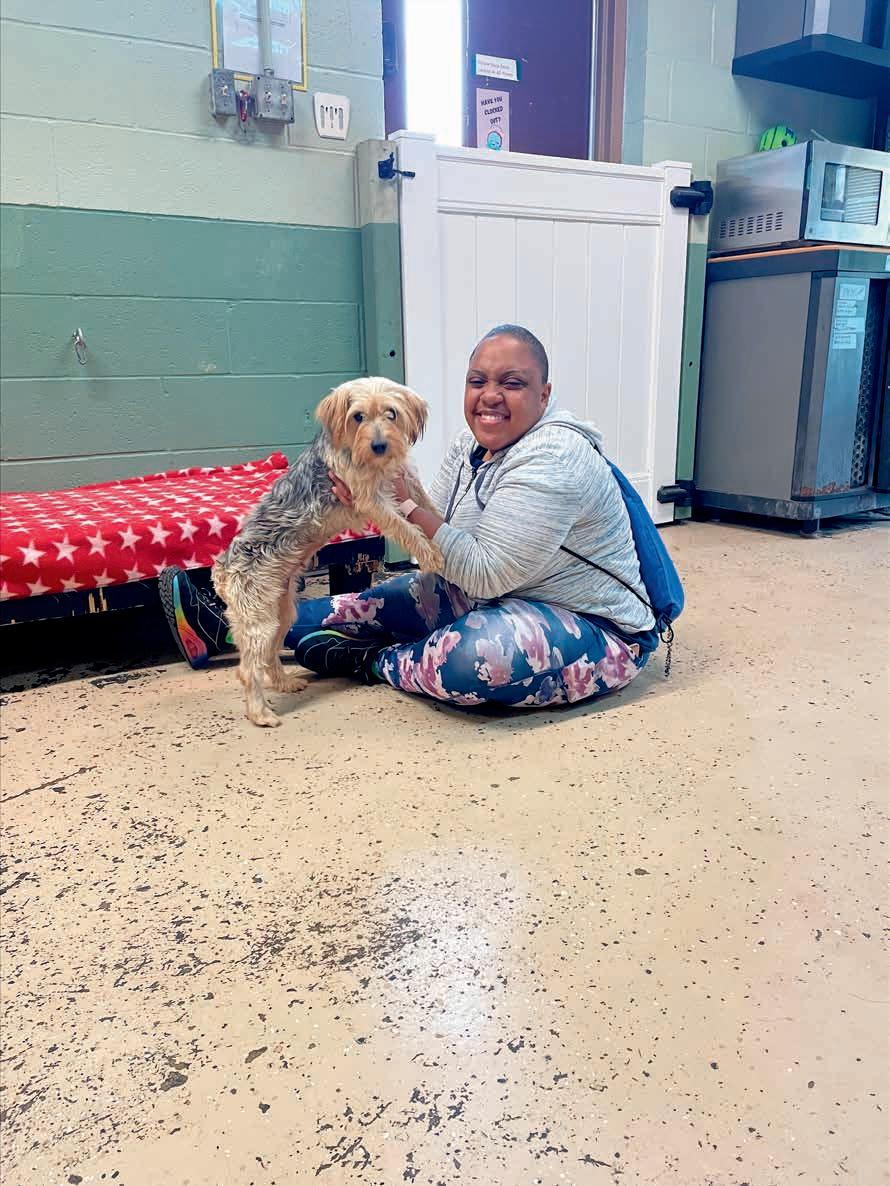
Paul Hathcoat


I’VE SAT ACROSS from a lot of parents over the years, at kitchen tables, in church offices, in hospital rooms, sometimes in the quiet moments after a long day when everything finally slows down just enough for the weight to come out. And eventually, the conversation often finds its way here: “We’re doing everything we can… but it still doesn’t feel like enough.”
Let’s take a look at the “gap” that exists in the lives of families living with disabilities, from a pastor’s perspective.
Families raising children with disabilities are carrying more than most people see. It’s not just the daily care, it’s the coordination, the advocacy, the financial strain, and the constant need to think ahead. It’s loving deeply while also navigating systems that can feel slow, complicated, or just out of reach. Across our country, more than 60 million people are serving as caregivers, many of them doing the equivalent of a full-time job without pay. Here in Indiana, that strain is even more visible, with thousands of families currently waiting for Medicaid waiver services, sometimes for years, while continuing to meet real, immediate needs every single day.
So the gap is real. There’s a gap between what’s needed and what’s available, and a gap between what families can carry and what they were meant to carry alone. And if we’re honest, that gap begins to press on something deeper than logistics, it presses on the heart. I’ve had parents look at me, faithful, steady, and worn, and ask questions they don’t always say out loud anywhere else: “Where is God in this?” “Why does it feel like we’re on our own?” “How long are we supposed to keep going like this?” These are not weak questions. They’re honest ones.
Scripture doesn’t turn away from that kind of honesty. In fact, it meets it. There are passages that speak of God as the one who sustains and strengthens the weary, who does not grow tired even when we do. Others remind us
that His grace meets us not after we’ve figured everything out, but right in the middle of our weakness. Again and again, we are invited to trust Him, not because life is easy, but because He is steady. That doesn’t mean the systems suddenly work better or the waitlists disappear, and it doesn’t remove the financial pressure overnight. But it does remind us of something deeper: we are not carrying this alone, even when it feels like we are.
It also reframes how God often chooses to provide. Not just through programs or policies, but through people. I think about the early church, where people shared what they had so that no one was left in need. It wasn’t a perfect system, it was something better. It was a community that paid attention, stepped in, and carried one another when the weight got too heavy. That kind of community still matters today.
Because while Medicaid supports over two million Hoosiers and services are essential, they were never meant to carry the full weight alone. Families need people. They need relationships. They need others who are willing to step close enough to truly see, to listen, and to help in ways that are practical and consistent.
If you’re a parent or caregiver reading this, hear this clearly: God sees the faithfulness in your life that most people will never fully understand. He sees the long days, the sacrifices, and the love that keeps showing up even when you’re tired. He is not distant from you in this. If anything, Scripture points us to a God who is especially near in places like this, in quiet endurance, in unseen work, and in moments where strength runs thin and dependence grows deeper.
So, if the gap feels wide right now, don’t let it convince you that God is absent. And don’t carry it in silence. Let others in. Let the Church be the Church. Let people walk with you. Because sometimes God closes the gap in ways we don’t expect, not all at once, and not always quickly, but faithfully, through His presence and through His people, one step at a time.


This section is here to give our readers easier access when searching for a trusted neighborhood partner to use. Get to know the businesses that make this magazine possible. Please support them in return and thank them if you get the chance!
ABA & Comprehensive Services
BehaviorWorks ABA (317) 731-7777 behaviorworksaba.com
Hopebridge Autism Therapy Centers (844) 786-0672 www.hopebridge.com
K1ds Count Therapy (317) 520-4748
ABA / Residential & Community Support
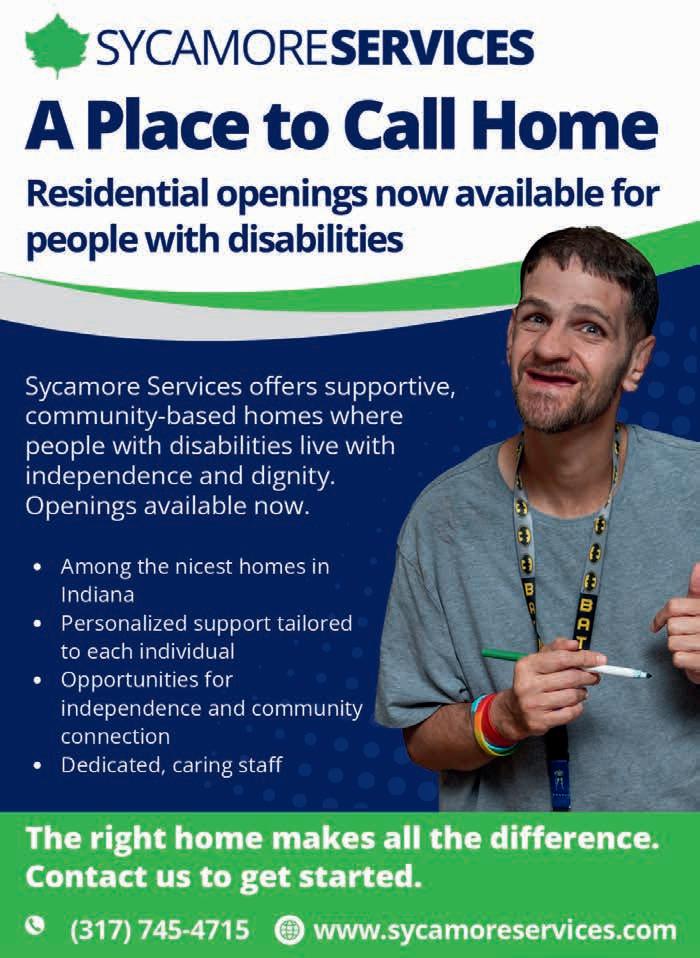
Sycamore Services (317) 745-4715 sycamoreservices.com
ABA/Comprehensive Services
The Hope Source (317) 578-0410
Advocacy & Disability Support
AccessABILITY (317) 926-1660 www.accessabilityin.org
Attorney-Wills/Trusts/ Estate Planning
Law Office of Elizabeth A. Homes LLC (317) 660-5004
Behavioral Support/Pac New Beginnings BIS (317) 366-3432 www.newbeginningsbis.com
Community Inclusion & Adult Services
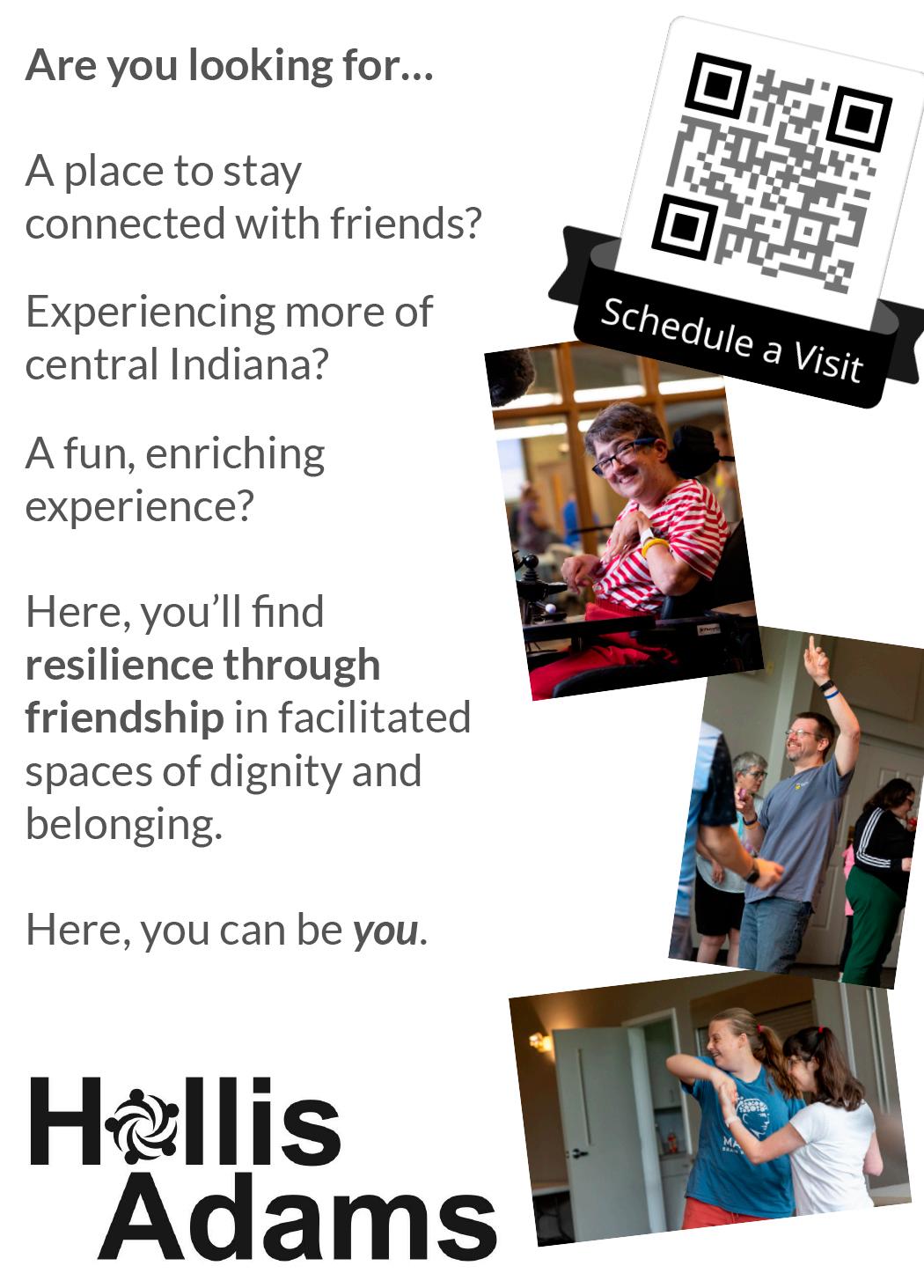
Hollis Adams (463) 206-1032 www.hollisadams.org
Community Support
AID of Indiana (765) 273-3999 aidofindiana.com/
Best Buddies Indiana (317) 436-8440 www.bestbuddies.org/ indiana
Carters Play Place (317) 836-5510 cartersplayplace.com
Connie’s Clubhouse (435) 621-4153 www.conniesclubhouse.work
LEL Home Services (317) 387-1443 lelhomeservices.com
Noble (317) 375-2700
Phoenix Community Services LLC (765) 622-7808 www.Phoenixcommser.com
DJ/Entertainment Services
DJ Jesús Indy (317) 766-5742 www.instagram.com/dj_ jesus_indy
Dyslexia Support Program
Retrain the Dyslexic Brain by Dr. Rebecca Troy (218) 393-2423 www.DrRebeccaTroy.com
Employment/ Community Support
Hopewell Center (765) 642-0201 www.hopewellcenter.org
Financial
WestPoint Financial Group
Gordon Homes (317) 567-2005
Home Care & Transportation
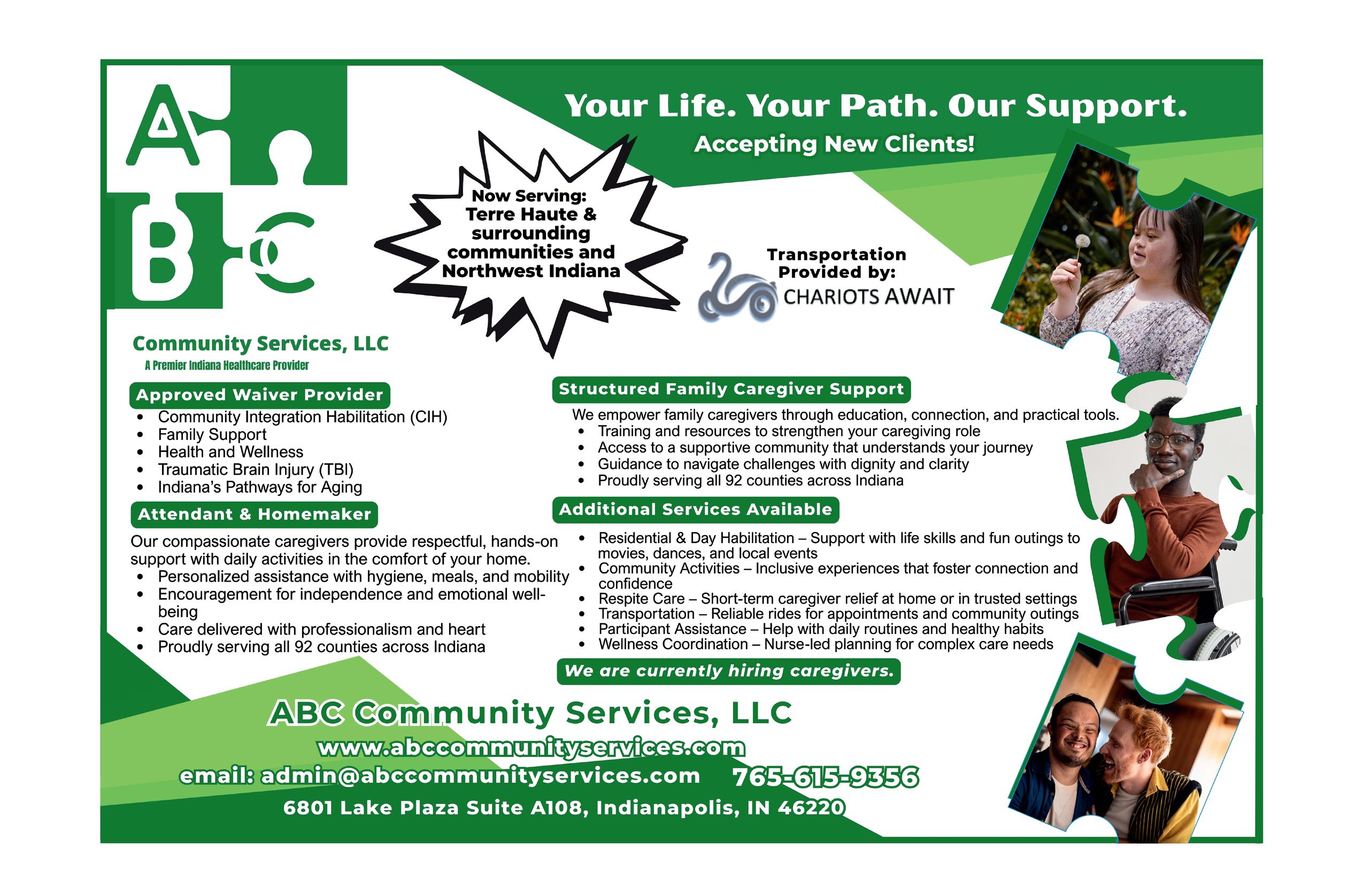
ABC Community Services LLC (317) 516-1178 www.abccommunity services.com
Home Health Services
ComForCare Home Care (317) 575-3983 www.comforcare. com/indiana/ north-metro-indianapolis
Home Modifications / Specialty Equipment
Specialized Home Care Services (888) 506-4182 www.specialized4u.com/
Housing/Transportation/ PAC/Respite
JD Angels Family Care (317) 654-2609
Ice Cream
Howdy Homemade Ice Cream (317) 397-0008 www.howdyindy.com
Insurance State Farm John Cole (317) 430-1958
Kid’s Sensory Gym
Rock the Spectrum (317) 764-6607 werockthespectrum carmel.com/
Neurodiversity support tools
Pop Sugar Cafe (260) 237-2377 www.popsugarcafe.com
Neurofeedback Therapy
Indy Neurofeedback (317) 888-8500
Occupational Therapy Support
NIKS Independence Academy (NIA) (463) 328-2637
Organizational Employee Development
Team Sylvester (317) 691-9000 teamsylvester.com
Pediatric Home Care
Guardian Care www.myguardian.care
Political Friends of Blythe Potter (317) 285-8263 www.blythepotter.com
School
Dynamic Minds Academy (317) 578-0410
Sensory Play / Therapy Support
Prana Play (317) 653-0444 www.pranaplaycarmel.com
Spelling to Communicate
Exceptional Minds LLC (317) 408-3990
Vehicle Transportation & Rentals
Superior Van & Mobility (877) 892-6382 superiorvan.com/
Waiver Provider & Employment
Putnam County
Comprehensive Services (765) 653-9763 www.pccsinc.org
At JD Angels Transportation Services, we understand that consistent transportation is vital for preserving independence and enhancing the quality of life.
Our transportation services are designed to ensure that every client arrives at their destination safely, comfortably, and on time. Our compassionate and skilled drivers o er door-to-door service for any occasion, including medical appointments, grocery shopping, family visits, or community events.