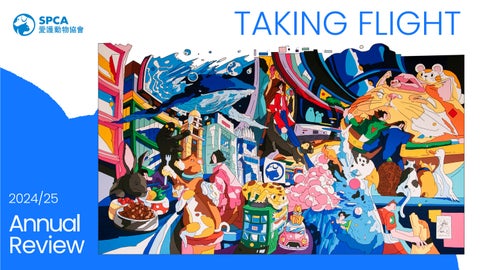

TAKING FLIGHT

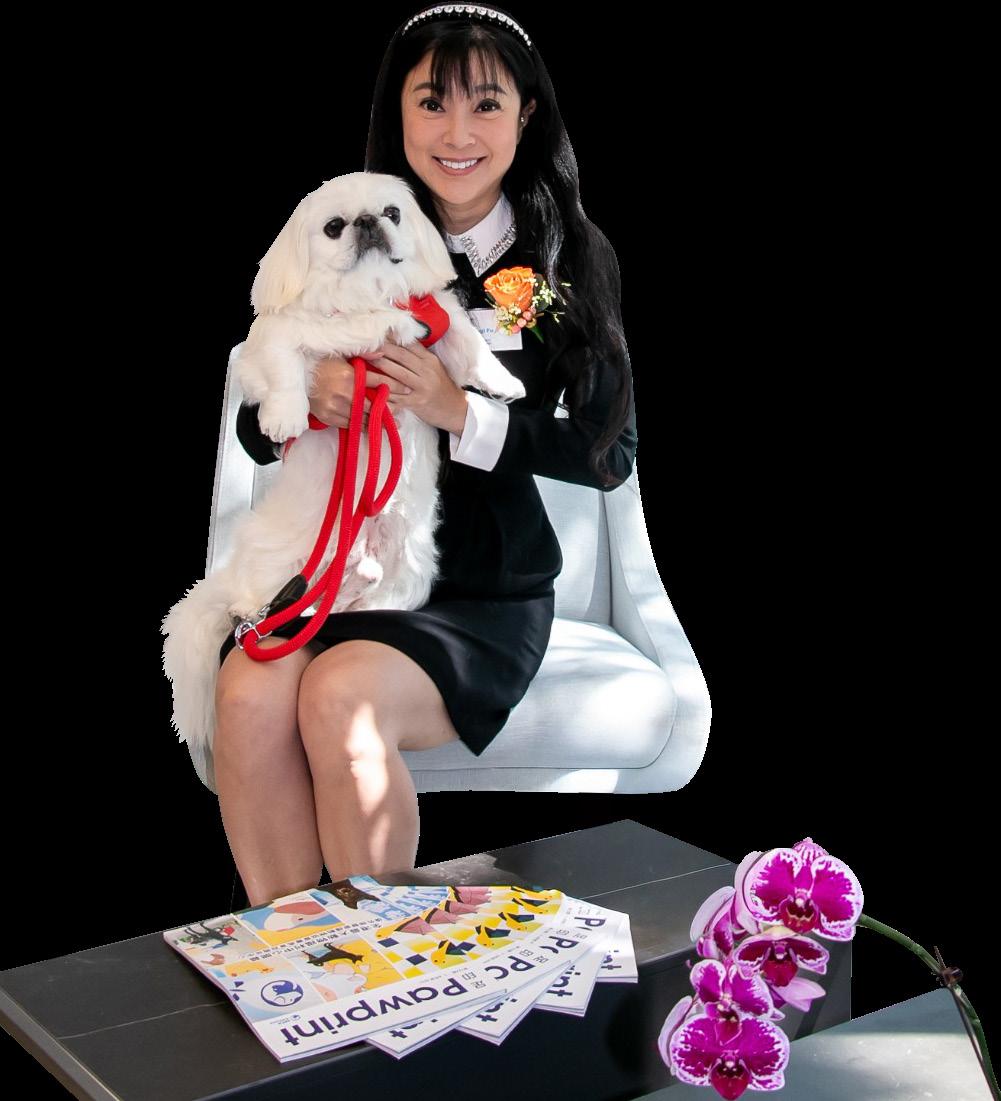
President’s Welcome
Thank you for taking the time to read this year’s Annual Review. Whether you are a long-standing SPCA member or a first-time reader, I am delighted to share how the SPCA has been turning compassion into practical results for animals and people across Hong Kong.
Unlike previous years, we have decided to build this year’s Annual Review around the three core pillars of the SPCA: Actions, Advocacy, Education. You will of course find a deep dive into the fundamental parts of how we operate – veterinary services, homing, animal welfare and so on – but we have brought some of the other areas such as fund raising, donors and pet inclusivity together so it makes for a more cohesive view of our collaborative team efforts.
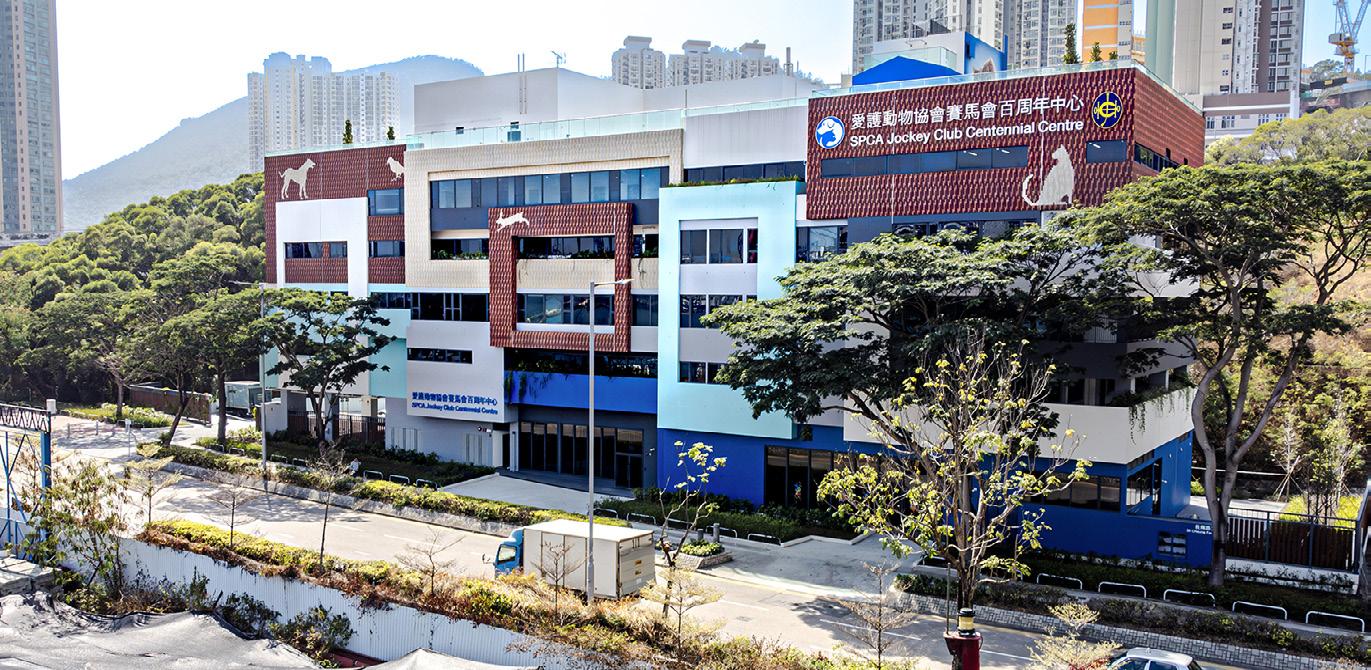
This past year has been one of extraordinary transformation for the SPCA. The opening of our SPCA Jockey Club Centennial Centre in Tsing Yi (“Tsing Yi Centre”) has revolutionised how we work, consolidating our teams together under one roof and creating new possibilities for the animals we serve. Most importantly, it helps us advance our vision of creating ‘One Hong Kong’ where all animals are treated with compassion and
Rehoming Innovation
Our homing strategy prioritised animals facing the greatest risk. Street cats, mongrel dogs, and exotics all benefited from targeted resources, with the centralisation of facilities making it easier to rehabilitate and rehome them.
In Wan Chai, the exotic animal rehoming area provided a safe haven and fast turnaround for abandoned snakes and birds, in partnership with Kadoorie Farm and the Agriculture, Fisheries and Conservation Department (AFCD).
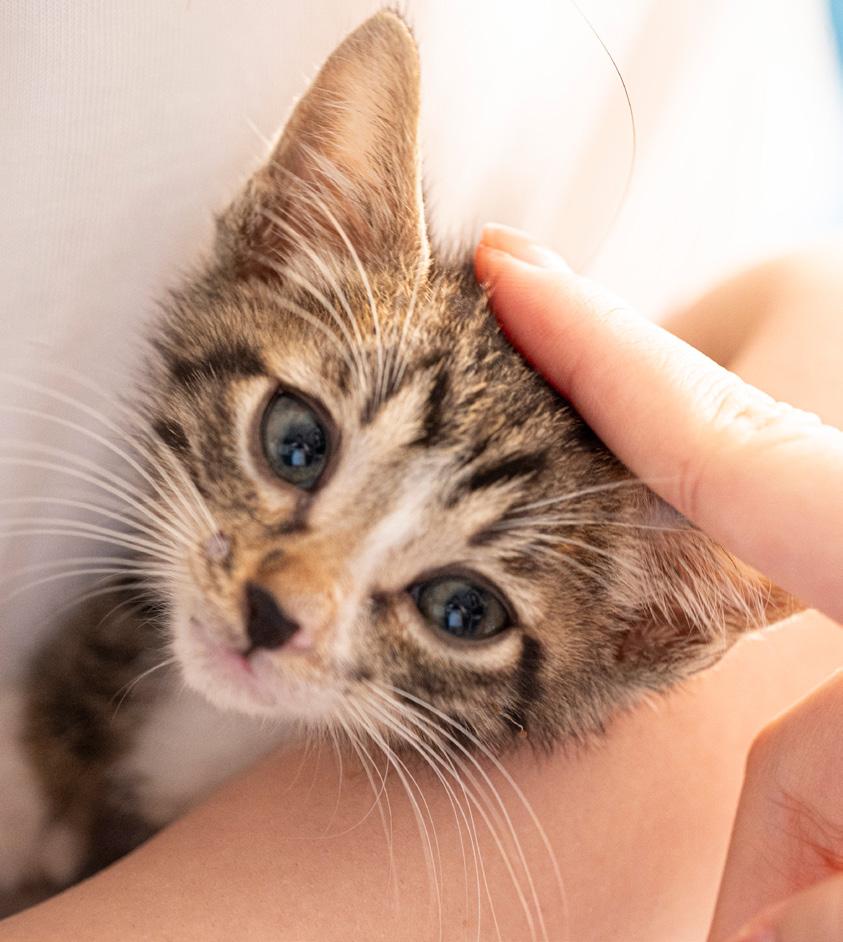
Cat ownership in Hong Kong has soared, driven by social media popularity and evolving housing policies favouring cats over dogs. But this has led to a flood of abandoned pedigree cats, many brought in from across the border under less stringent breeding and welfare standards. The animal care team, with specialist behaviourists, revamped the cattery environment to support rehabilitation and adoption. Larger cages, play areas, and interactive facilities have led to improved welfare outcomes for both cats and prospective adopters.
President’s Welcome
Actions: Saving Lives Every Day
Our frontline work has never been stronger. The move to the Tsing Yi Centre transformed our homing and welfare operations - allowing our inspectors, veterinary team and welfare officers to respond faster to urgent cases and manage complex rescues more effectively. The result has been a surge in the number of cases handled, returning to pre-pandemic levels.
We reopened our 24-hour emergency hospital at the Wan Chai Centre in June 2024, restoring a vital service for owned pets. Meanwhile, our 24/7 Inspector hotline remained active throughout the year to support animals in need around the clock, especially the strays and wildlife. Our veterinary team grew substantially, enabling us to launch comprehensive services at the new Tsing Yi Centre, from dental care to digital ultrasound. The streamlined Animal Birth Control programmes continued their proven success in managing cat and dog populations humanely and effectively.
Advocacy: Changing Policy, Changing Lives
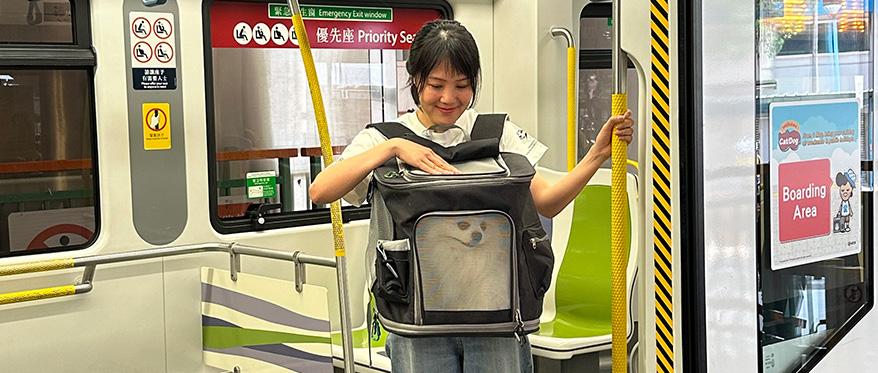
Behind the scenes, our advocacy team worked tirelessly to build a more inclusive Hong Kong for both animals and their people. After years of persistent lobbying, small dogs and cats can now travel on light-rail services during designated hours. We secured a quiet but significant victory when the Housing Society announced that it will allow the keeping of some pets meaning that some residents displaced by Northern Metropolis redevelopment schemes will be allowed to move with their pets, sparing hundreds of animals from abandonment.
We submitted our input into the consultation on the Hong Kong SAR Government’s Biodiversity Strategy and Action Plan aiming to better protect wildlife. New feeding-ban regulations for feral pigeons came into force, addressing long-standing concerns about human-animal conflict and the negative impact on the pigeons themselves. Our voice was heard at numerous planning consultations across major development projects, ensuring animal welfare remains central to Hong Kong’s future.
We continue pressing for long-awaited amendments to Cap. 169 and Cap. 139, working closely with different stakeholders and through different channels to strengthen protections and close loopholes to deliver a Duty of Care in the former, and the oversight of unscrupulous breeding and trading in the latter.
Education: Building the Future
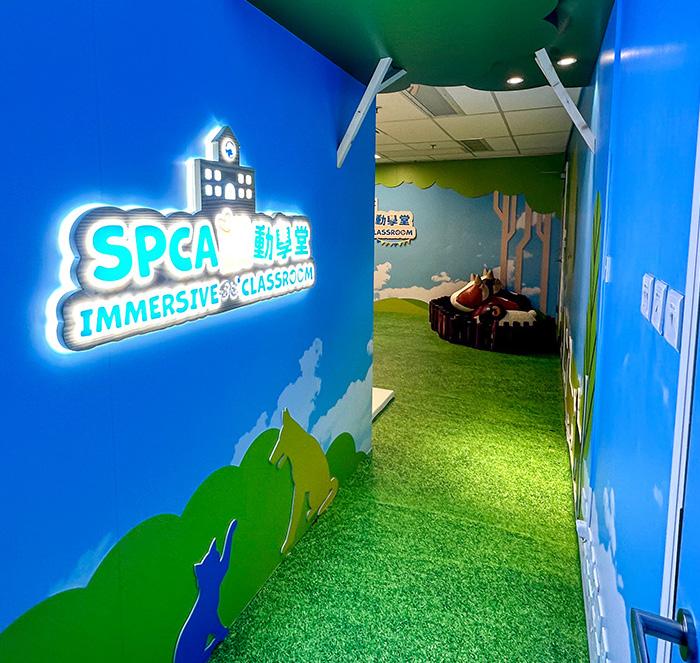
Education lies at the heart of lasting change. This year we launched Hong Kong’s first immersive classroom for animal welfare at our Tsing Yi Centre, using technology and interactive experiences to teach children about respect and responsibility. Our inaugural summer camp in 2024 sold out within six days, demonstrating the hunger for quality animal welfare education.
We delivered hundreds of talks both on-site at the SPCA centres and in schools, reaching thousands of students with messages about the Five Animal Welfare Needs and responsible pet ownership. Our collaboration with the Education Bureau flourished, with seminars for teachers and principals rated highly for their impact. We expanded our reach into mainland China too, helping our shelter partner to establish a new cat
adoption house in Shenzhen and delivering lectures to thousands of students. Community engagement took centre stage with major events at the Tsing Yi Centre bringing together supporters, volunteers and the public.
Our volunteer programme recruited hundreds of dedicated individuals, from dog walkers to translators, all committed to advancing animal welfare. These grassroots ambassadors continue to multiply our impact across Hong Kong.


President’s Welcome
One Vision; One Community
Each pillar of our work supports the others. The inspectors who rescue animals benefit from vets working close by. The cases they handle inform our advocacy arguments to legislators and other stakeholders. The education programmes we deliver create the responsible pet owners of tomorrow. This integrated approach, made possible by our new centre, represents a fundamental shift in how we operate.
We faced challenges this year, particularly around declining adoption rates driven by economic pressures and changing lifestyles. Yet the opening of the Tsing Yi Centre positions us perfectly to meet these challenges head-on. Its expanded facilities, modern equipment and collaborative environment give us the tools to adapt and innovate.
None of what we have achieved this year would be possible without the unwavering support of our members, donors, volunteers and staff. Your dedication, generosity and belief in our mission underpin everything we achieve. Together, we are building that vision of One Hong Kong where animals and people live side by side with mutual respect and understanding.
Thank you for being part of this journey.

Gigi Fu President
Celebrating A Pet Utopia
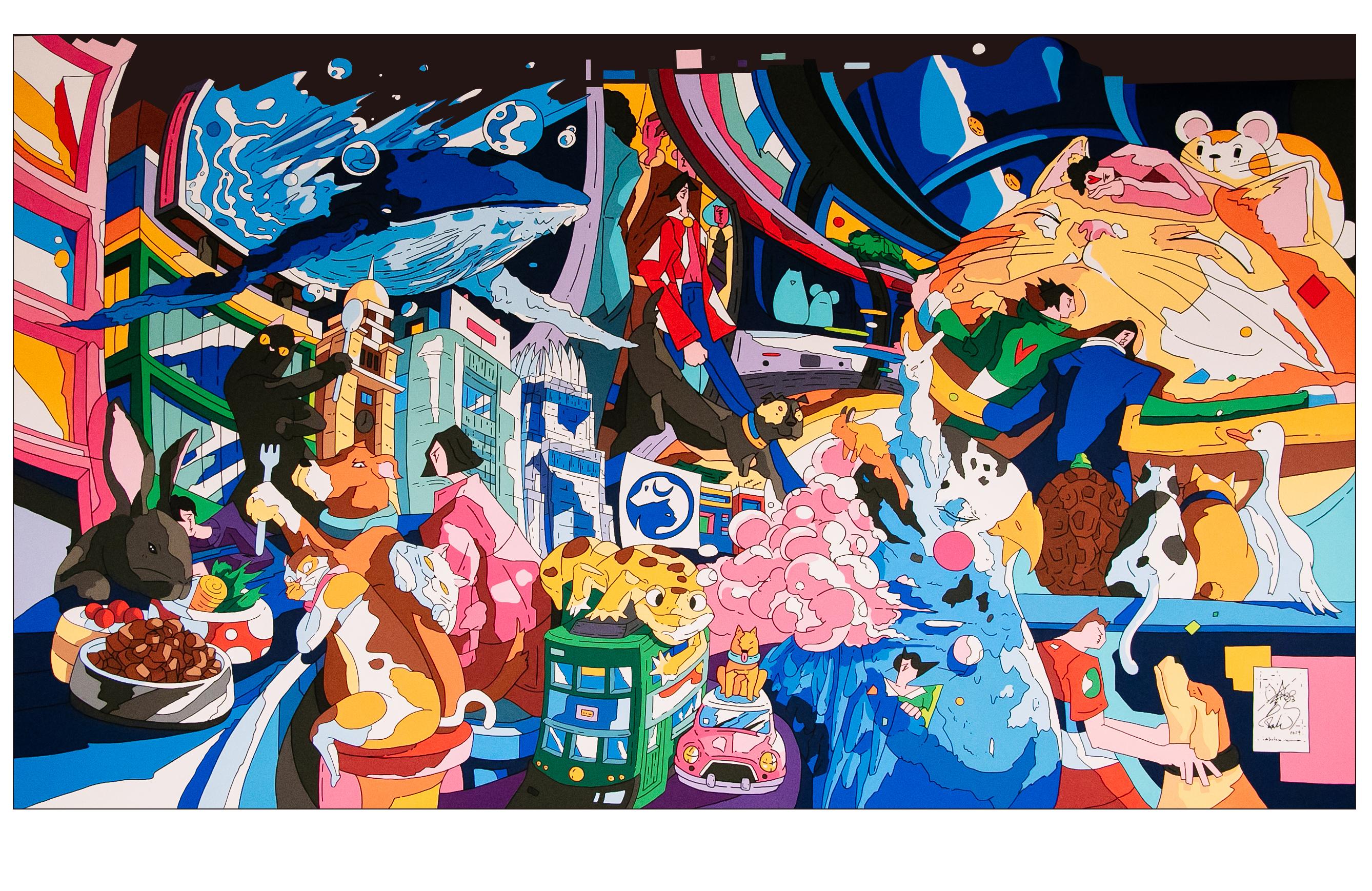
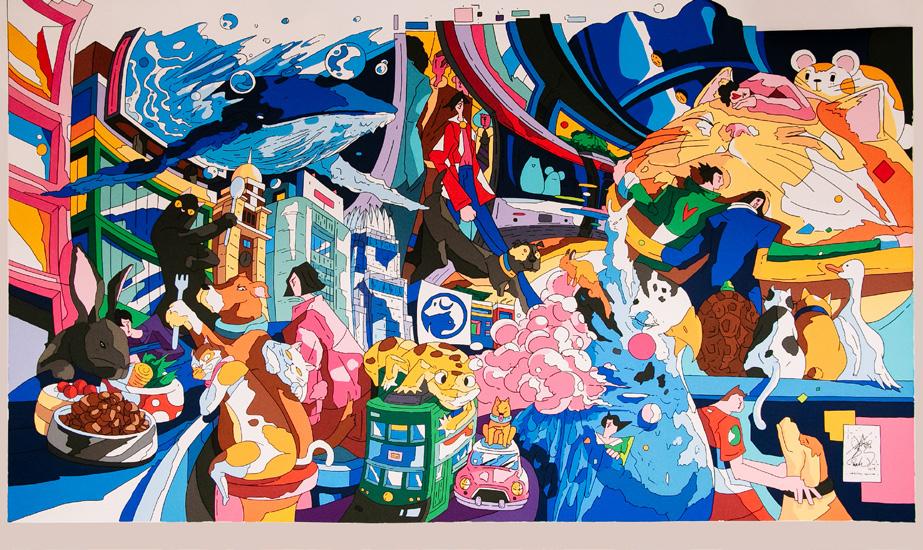
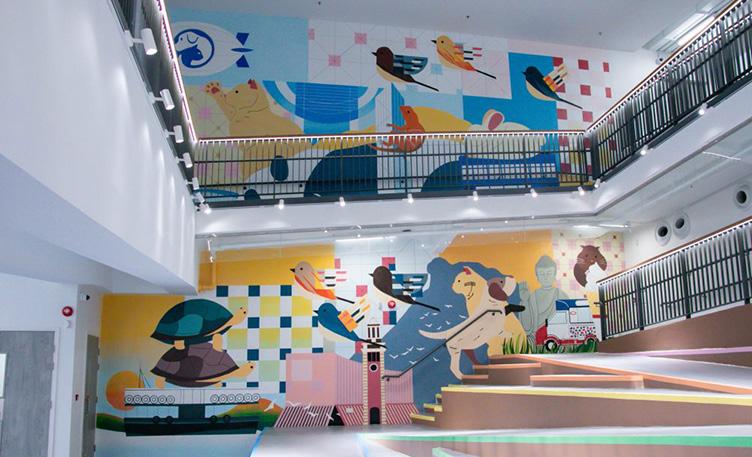
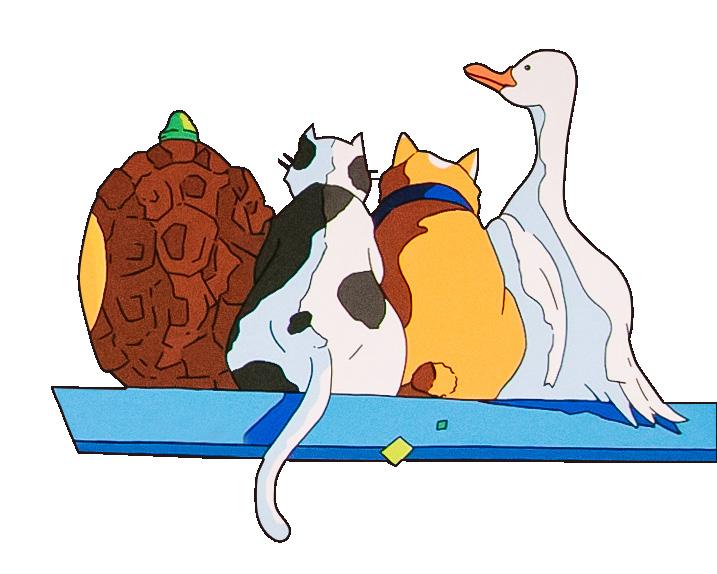
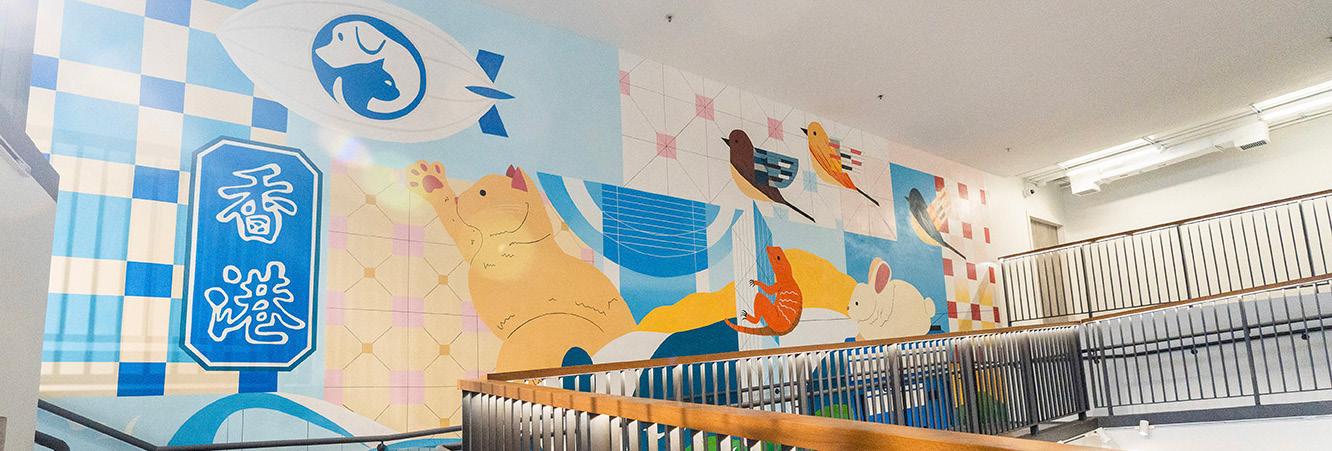
The cover image of this Annual Review is taken from ‘A Pet Utopia,’ a mural created for the SPCA Jockey Club Centennial Centre in Tsing Yi by Hong Kong illustrator, Bo Law, whose colourful city-inspired works appear across the city with major brands and institutions.
His piece reflects our vision of a community where animals and people share the same streets, homes and memories with compassion and respect, echoing the Centre’s role as Hong Kong’s largest hub for animal welfare and education.
The mural – and our front cover – perfectly illustrate our theme for this year’s Annual Review: ‘Taking Flight.’ The review will showcase a wide range of examples of how we are scaling up our efforts so we can ‘take flight’ towards our vision of “One Hong Kong” where all animals are treated with compassion and respect.
A Year In Numbers
Over 1,200
More than
23,000
Emergency services at Wan Chai were restored, making SPCA one of Hong Kong’s few
This year’s deficit reduced sharply to animal hospitals. down from HK$24.25 million the year before.
375 24 -hour HK$10.08 million, 2 days to 6 days animals found new homes, matching pre-pandemic rates.
new volunteers joined, with training for dog walkers, tour guides, and greeters.
The new Tsing Yi Centre veterinary clinic expanded from a week, now planning further growth.
433 children and adults took part in SPCA education activities. million income, SPCA delivered a growth of over 43 percent from the previous year.
166 spaces Summer camp for children sold out all within six days. SPCA led policy submissions and secured long-term wins for pets on light rail and social housing. HK$185.96
A Year In Numbers
ANIMALS HANDLED
SPAY NEUTER ASSISTANCE PROGRAMME
INSPECTORATE FIGURES
ANIMAL WELFARE VEHICLE
CAT COLONY CARE PROGRAMME (CCCP)
EDUCATION TALKS AND PROGRAMMES COMMUNITY / RESEARCH DEVELOPMENT WORK
VETERINARY PROCEDURES
Actions
The opening of the SPCA Jockey Club Centennial Centre Tsing Yi in March 2024 was a milestone to commemorate our 100 years of service in Hong Kong. It also marks a step-change in how the SPCA should adapt to the changing needs of the city for the next 100 years. As part of the process, we underwent a review of our entire organisation to ensure we are prepared.
That is illustrated in the way we tell our story in this year’s slightly different Annual Review.
We want to be more direct in our messaging about what the SPCA is doing. We refreshed our vision, mission and values to ensure they were fit for purpose and reflected our vastly expanded portfolio of activities.
The result was a new take on the older vision which hopefully is easier to remember: Creating one Hong Kong where all animals are treated with compassion and respect.
Our values reflect who we are, and what drives us both internally as an organisation and externally in our dealings with the wider world. We strive to be:
Compassionate
Animal-first
Respectful
Empathetic
Or, put more succinctly, we CARE.
We also looked at our mission to ensure it aligned with the new vision and values, and we landed on this commitment:
End cruelty, alleviate suffering, and protect the health & welfare of all animals across Hong Kong through actions, advocacy and education.
These have now become our three pillars of work and are articulated in this review.
In this first section, we will focus on ‘actions.’ These form a major part of our work and include both veterinary services and animal welfare, which spans the journey of treatment and rehabilitation (Welfare) to finding a home (Adoption). And, of course, it includes our Inspectorate team who carry out such diligent work to keep animals safe.

Animal Welfare
The SPCA’s homing and welfare work this year was shaped by the opening of the SPCA Jockey Club Centennial Centre which has improved operations and allowed us to put in place new initiatives aimed at supporting animals most at risk.
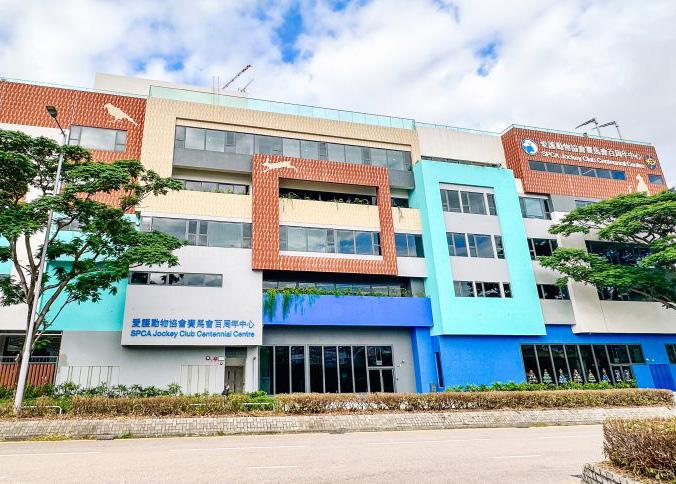
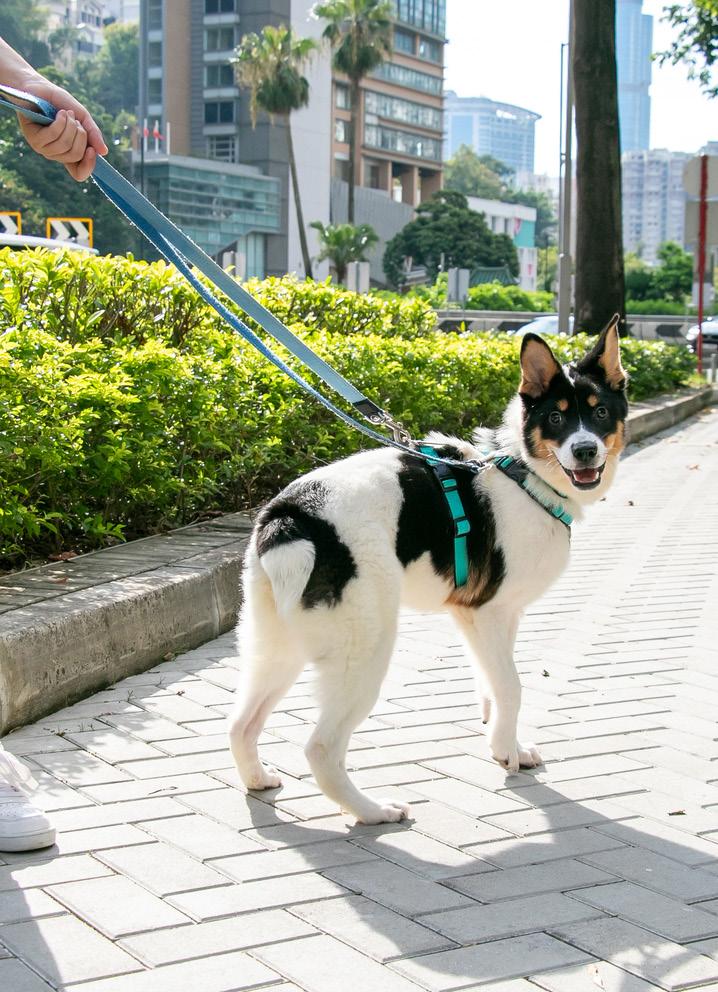
In a year of transformation, we moved key programmes to the Tsing Yi Centre which boosted efficiency, team collaboration, and response rates for urgent cases. Homing activity has surged, with more than 1,200 animals finding homes between April 2024 and March 2025, marking a return close to pre-pandemic levels and delivering immeasurable impact on the wellbeing of Hong Kong’s animals.
Key Achievements
This year, the new Tsing Yi Centre became the heart of the SPCA’s homing and welfare work. The relocation streamlined the Animal Birth Control programme, offering greater capacity and easier access for inspectors, vets, and foster parents. The centre’s proximity to the New Territories cut travel times and allowed response teams to manage large and complex rescue cases more quickly and efficiently.
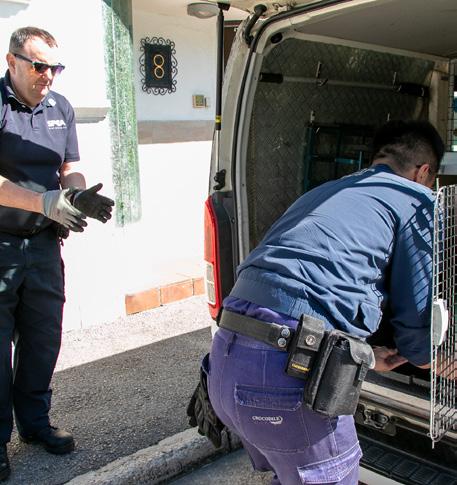
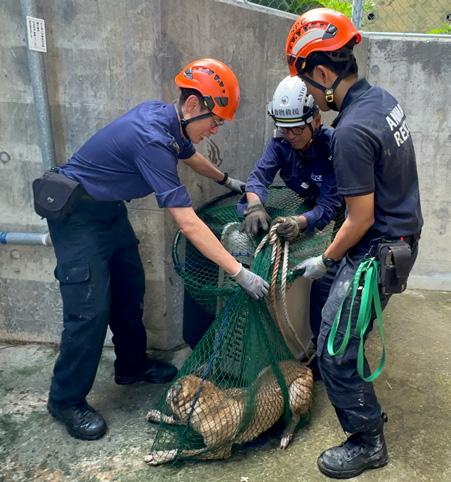
The rebuilding of core homing programmes led to a marked rise in animal adoptions, with the number of rehomed animals exceeding 1,200 for the year. Notable rescues included several large-scale cases, where the centre’s expanded facilities and contingency areas enabled SPCA teams to triage, treat, and care for dozens of animals at a time. These cases included the rescue and homing of 28 pedigree cats abandoned in Sai Kung over 3 days, as well as a hoarding case in which 30 dogs were kept in seven cages in Temple Street.
Rehoming Innovation
Our homing strategy prioritised animals facing the greatest risk and with our facilities at capacity, we needed to be diligent about our intake of surrendered animals.
In the Wan Chai Centre, the newly designed exotic animal rehoming area provided a safe haven for abandoned snakes and birds received in partnership with Kadoorie Farm and the Agriculture, Fisheries and Conservation Department (AFCD). The renovated facilities provided more visibility of the animals and a better experience for potential adopters, creating faster match-ups and improved adoption rates.
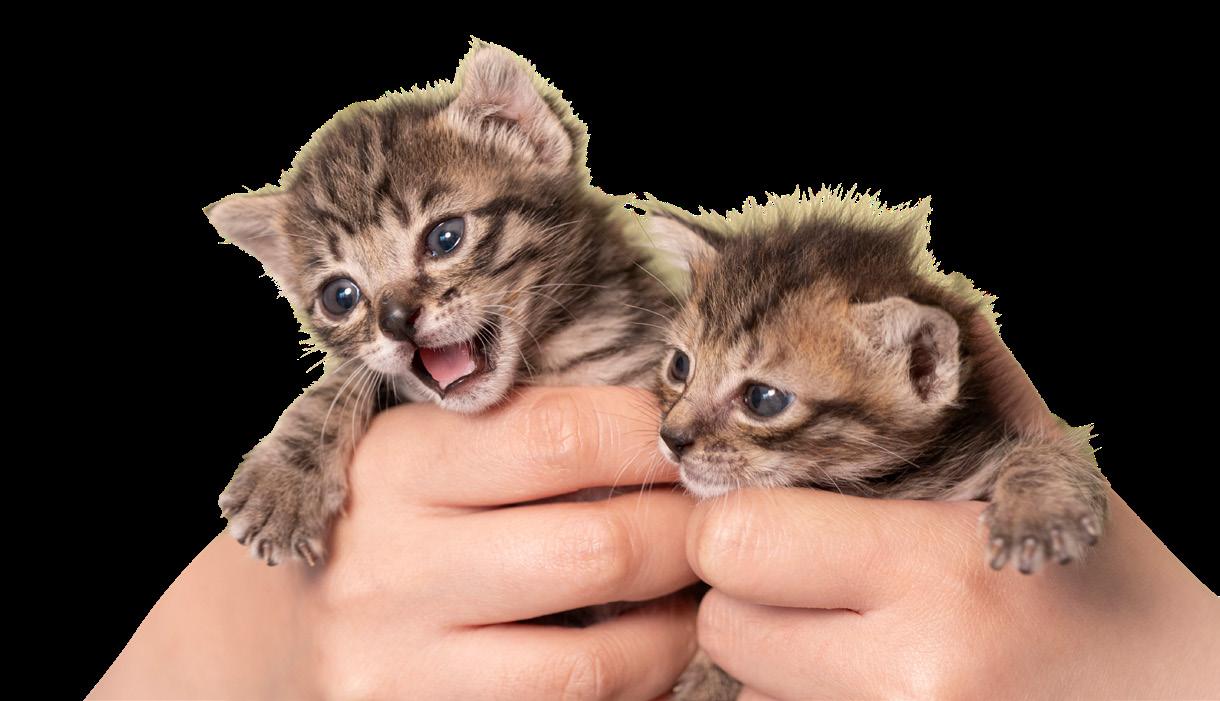
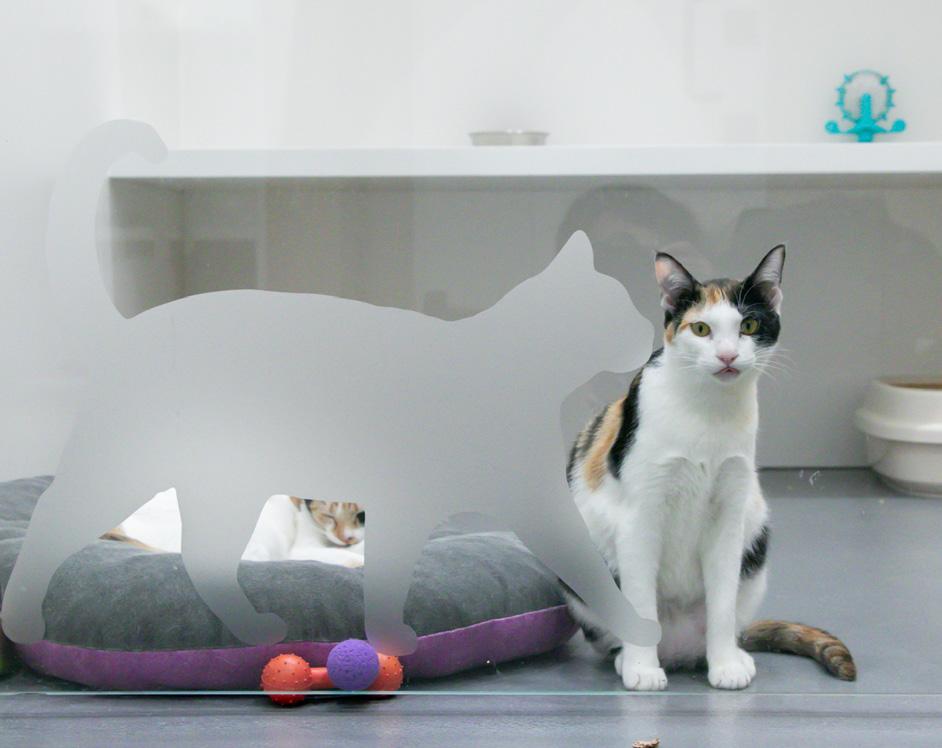
Cat ownership in Hong Kong has soared, driven by social media popularity and evolving housing policies favouring cats over dogs. Whilst many cats find homes, there is a dark side of the equation that points to increased commoditisation as well as a wave of reckless consumer behaviour. Pedigree cats, many suspected of being brought in from across the border under less stringent breeding and welfare standards, are often abandoned once they are sick or no longer in fashion. To accommodate the increase in cats needing our help, we completely renovated the facilities in our Sai Kung Homing Centre to include new cat kennels upstairs. Our Tsing Yi Centre, with more available space, features connected cages for sibling cats, larger walkin kennels where prospective adopters can interact with the animal, and a quiet section behind the house for more anxious cats that can be visited by appointment only.
Animal Welfare
Extended Support
Despite progress, foster parent recruitment remains an ongoing challenge. The migration of the fostering programme to our Tsing Yi Centre has posed a challenge for some existing fosters many of whom are based in traditional city centres. The team has adapted and we have countered with new support measures, such as flexible handover points and increased inspector assistance for urgent cases.
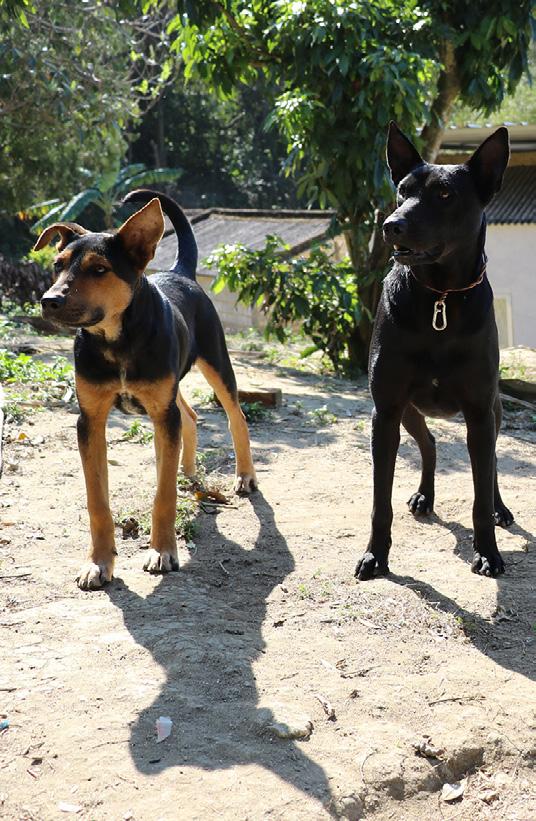
Adult mongrel dog adoption remains difficult, with demand still highest for puppies and pedigree breeds. Kennel capacity is fully stretched, making prioritisation essential and highlighting the need for longer-term solutions in the year ahead.
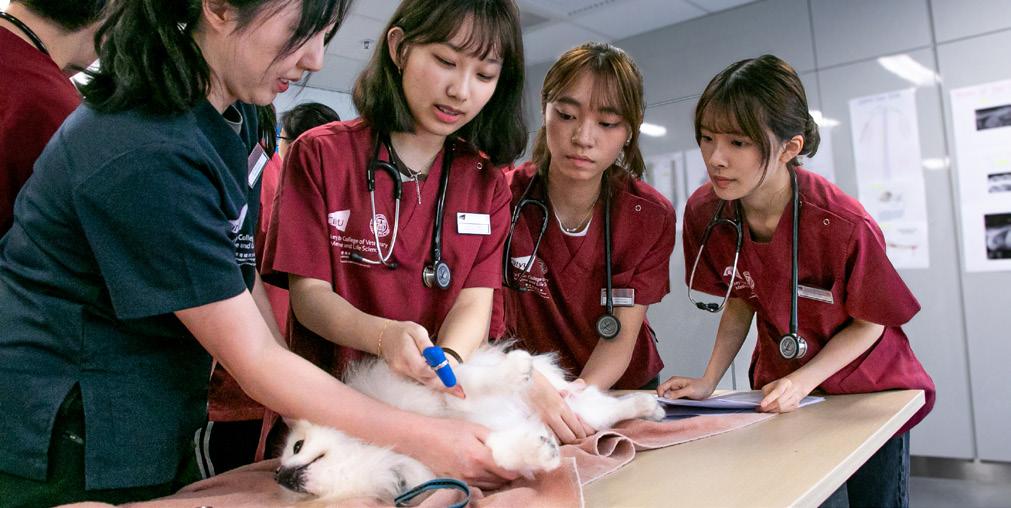
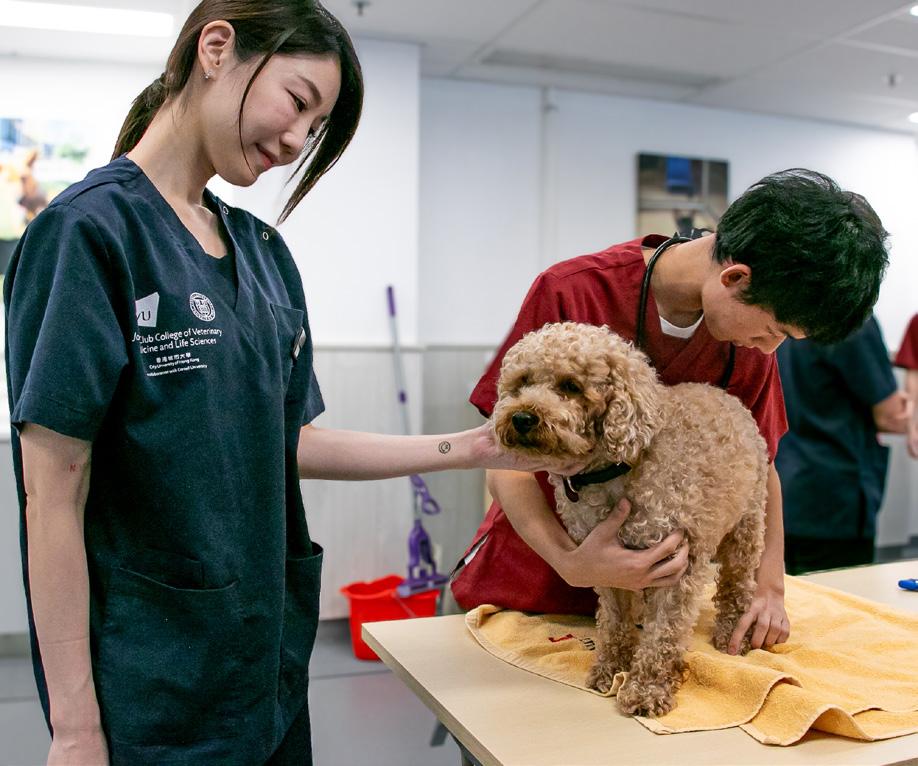
We are proud of our collaboration with the City University of Hong Kong and the development of local veterinary talent. CityU veterinarian students are able to build their clinical skills, improve their animal handling and husbandry through hands-on interaction with welfare cases and working alongside our vet team and CityU’s clinical educators, deepening their academic engagement through demonstrations held in our spacious classrooms. We are actively ensuring continuity and helping to build future talent for the industry.
Keeping Community Animals Healthy
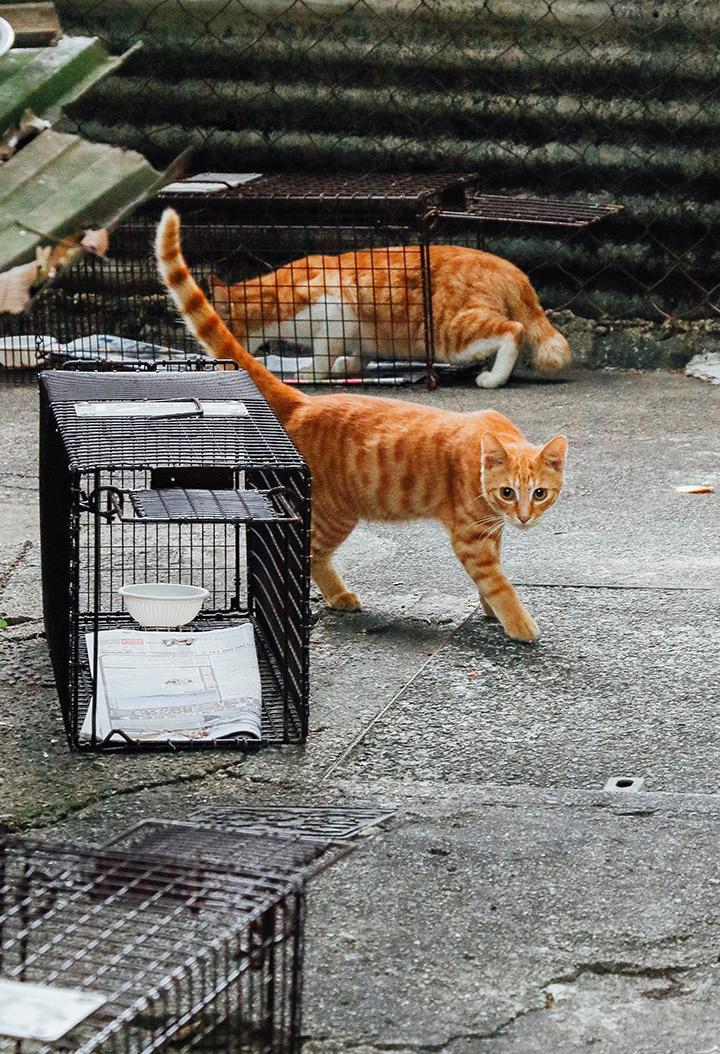
The SPCA’s Animal Birth Control (ABC) initiative is at the core of our animal welfare strategy. We believe that desexing can help reduce the number of unwanted animals in the future, particularly to prevent a population explosion of strays. Additionally, our programmes also vaccinate and microchip animals (or offer that option) after the operation so animal populations are protected against rabies and can be identified and tracked. The Cat Colony Care Programme (CCCP) is a great example of this. Equally, the Mongrel Desexing Programme (MDP) has helped manage the population of village and construction site dogs.
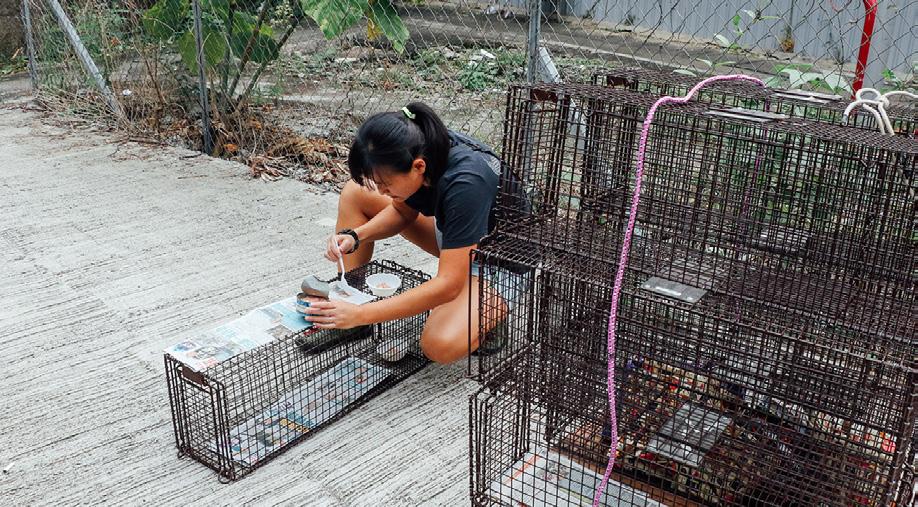
In this last fiscal year, both programmes started to gear up post COVID. Despite limited resources and staffing, we maintained consistent operations and helped 6,921 animals under the ABC initiative. With the consolidation of the ABC team and access to the surgical facilities in the Tsing Yi Centre the programmes can operate more efficiently. Unfortunately, the rotations for the mobile surgical unit (Animal Welfare Vehicle) were reduced in part due to manpower issues but despite that, we were able to neuter close to 2,800 animals.
Animal Welfare
Goals for 2025 - 2026
Looking ahead, we are calling for donors to help renovate and expand the Wan Chai cattery which is almost 25 years old. Recruitment of foster parents, increased adoption outreach, and expanded behavioural rehabilitation services are all part of our plans for the year ahead while more regular adoption days at shopping centres and community venues will support this goal. The welfare team plans to continue strengthening collaboration with local and national partners, supporting both day-to-day care and broader advocacy.
Our broader education and engagement programs remain priorities as we seek to instil responsibility in current and prospective pet owners through updated training programmes and outreach events. There are also plans to further develop innovative adoption and fostering models, ensuring animals receive holistic care while waiting for their forever homes.
SPCA’s commitment to animal welfare continues to underpin all our operations. The team’s resolve and adaptability point towards a year of renewed growth and ambition for homing and welfare bringing together expertise, compassion and community spirit to deliver a better future for animals in Hong Kong.

Animal Welfare
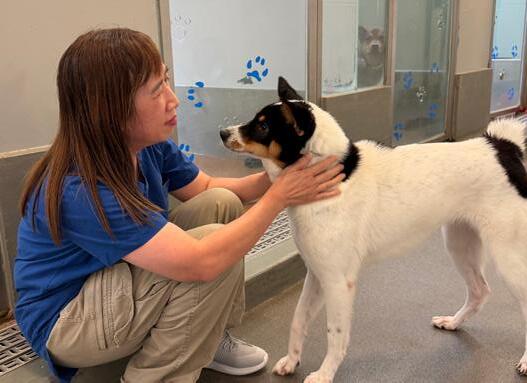
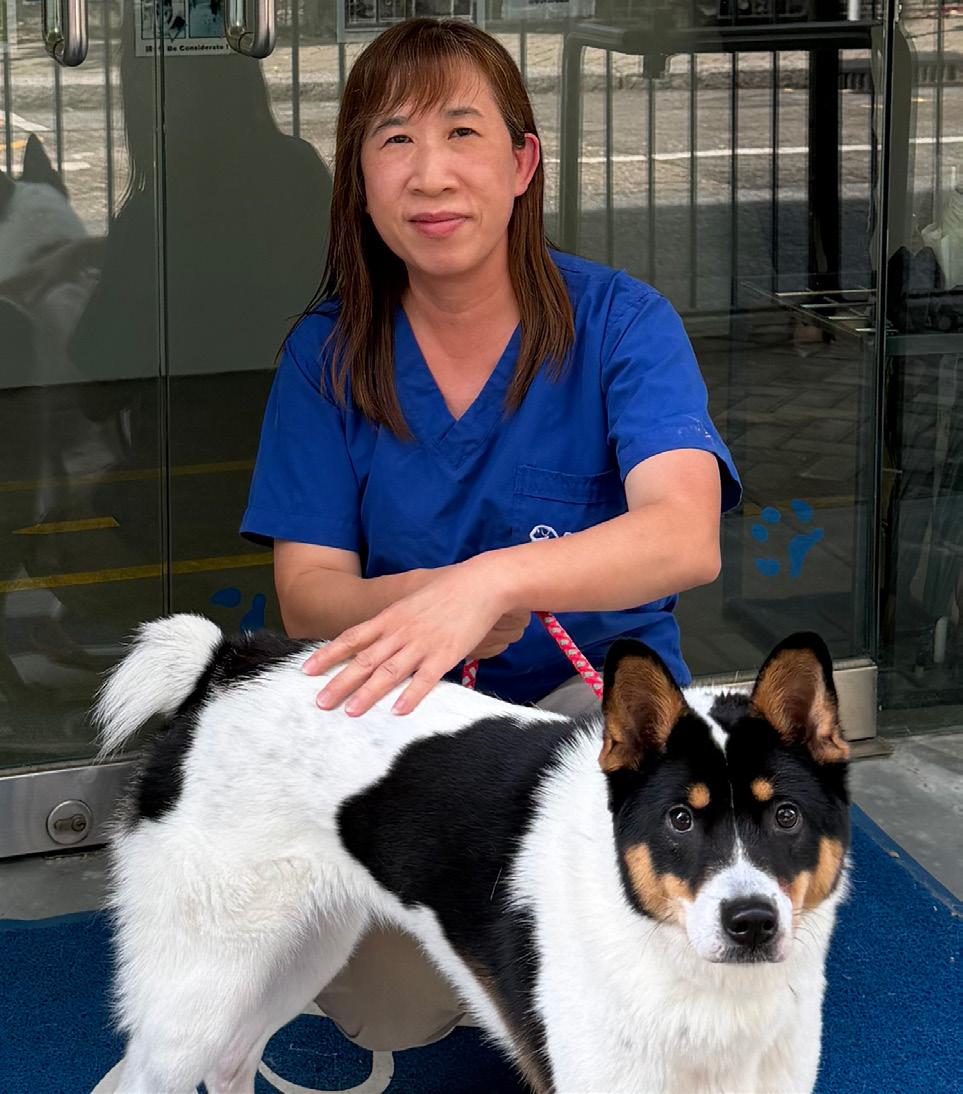
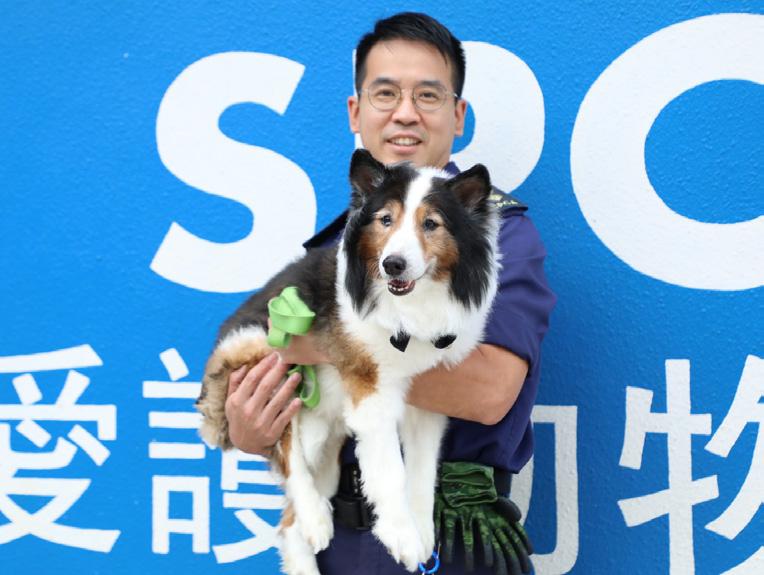
Joan Sin: Kennel Keeper
A Passion for Animal Welfare
You’ve done a lot of different roles at the SPCA. Can you tell us a bit about your background?
I have worked at the SPCA for nearly 25 years now, with more than a decade at the Kowloon Centre. My journey with the SPCA began in Wan Chai where I gained plenty of experience across roles: in the hospital, the adoption area, and pretty much everywhere else.
Every day here brings something new, and I’ve always enjoyed the constant buzz of activity.
Now, I focus on caring for animals in the adoption department. I support the homing assistants, help with the adoptions, and make sure each animal has what it needs: food, a clean space, proper grooming, and most importantly, a sense of being cared for. Some of the animals who come to us have suffered abuse or trauma, so I make it a priority to offer them patience and understanding. Watching them start to trust again is one of the most rewarding parts of my work.
Where does your interest in animal welfare come from?
My interest in animal welfare began with a relative who worked at the SPCA, so you could say the passion runs in the family!
The best feeling is seeing an animal arrive frightened or unsure, then gradually recover, and finally leave for their new home as part of a loving family. I remember one older dog who spent quite a while with us. With time and the right match – a first-time dog owner willing to be patient – he settled in beautifully. Those are the stories that stay with me.
I feel lucky to have spent my career helping animals find safety, trust and care. That’s what keeps me coming in every morning. Looking ahead, I plan to stay with the SPCA until I retire. Even after that, I hope to remain involved with animals in some way so we can create a city where every adopted animal is treated as a cherished member of the family.
I’m proud of how public awareness has grown, and at the Kowloon Centre team spirit is stronger than ever. The volunteers here are amazing – they make a big difference to the animals and to us.
Pet Health
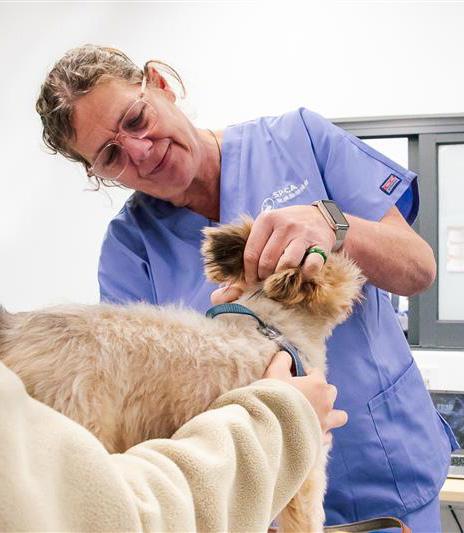
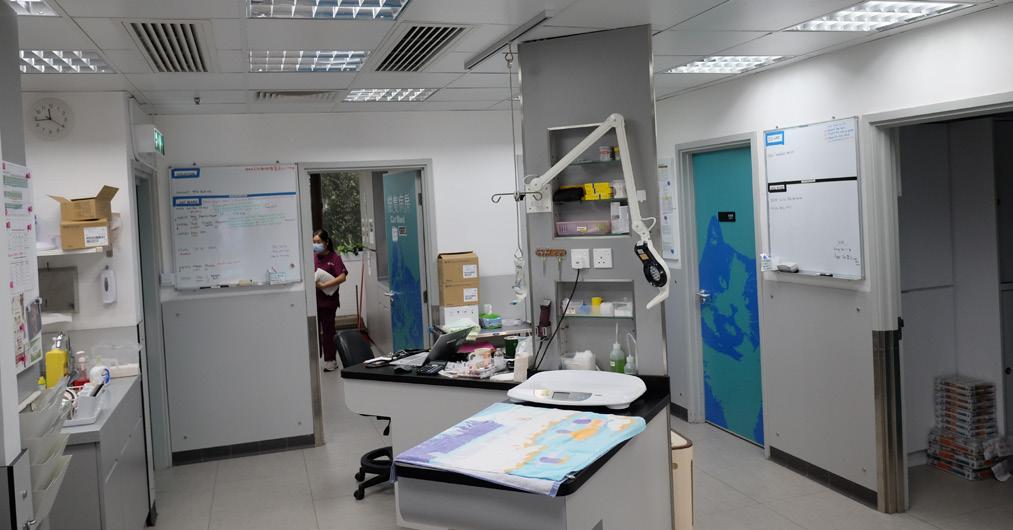
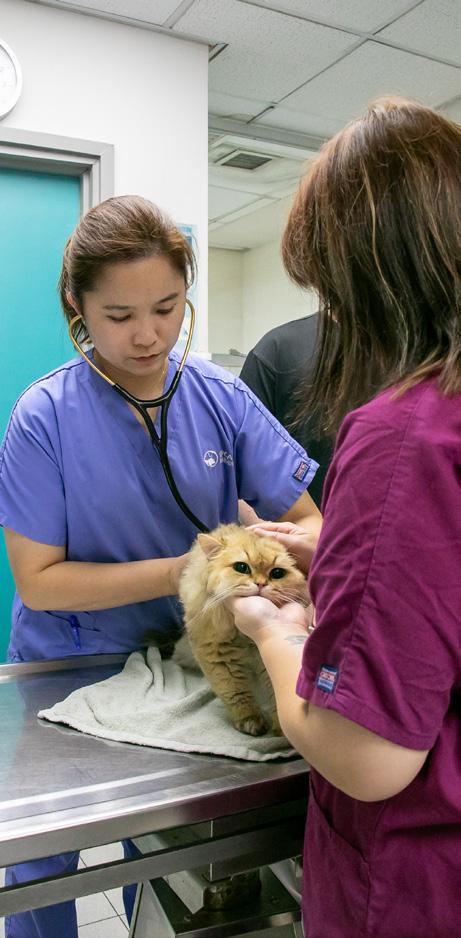
The SPCA achieved a major milestone in June 2024 with the reopening of the 24-hour emergency and hospital services at our Wan Chai Centre. This marked the end of a two-year closure that began in May 2022 when the number of veterinary surgeons dropped to just 13 during the COVID pandemic. Despite the difficult decision to suspend emergency and hospital operations, we were able to maintain the 24-hour emergency phone support through our trained veterinary nurses.
The reopened facility now serves as one of Hong Kong’s few 24-hour veterinary hospitals, providing critical emergency care for owned pets, and night support for stray animals, prosecution cases and wildlife. The SPCA was one of the first clinics to operate round-the-clock services in Hong Kong, making the reopening particularly significant for the welfare of the city’s animals, handling pets of both members and non-members, and offering an alternative to private emergency centres.
Expanding into New Communities
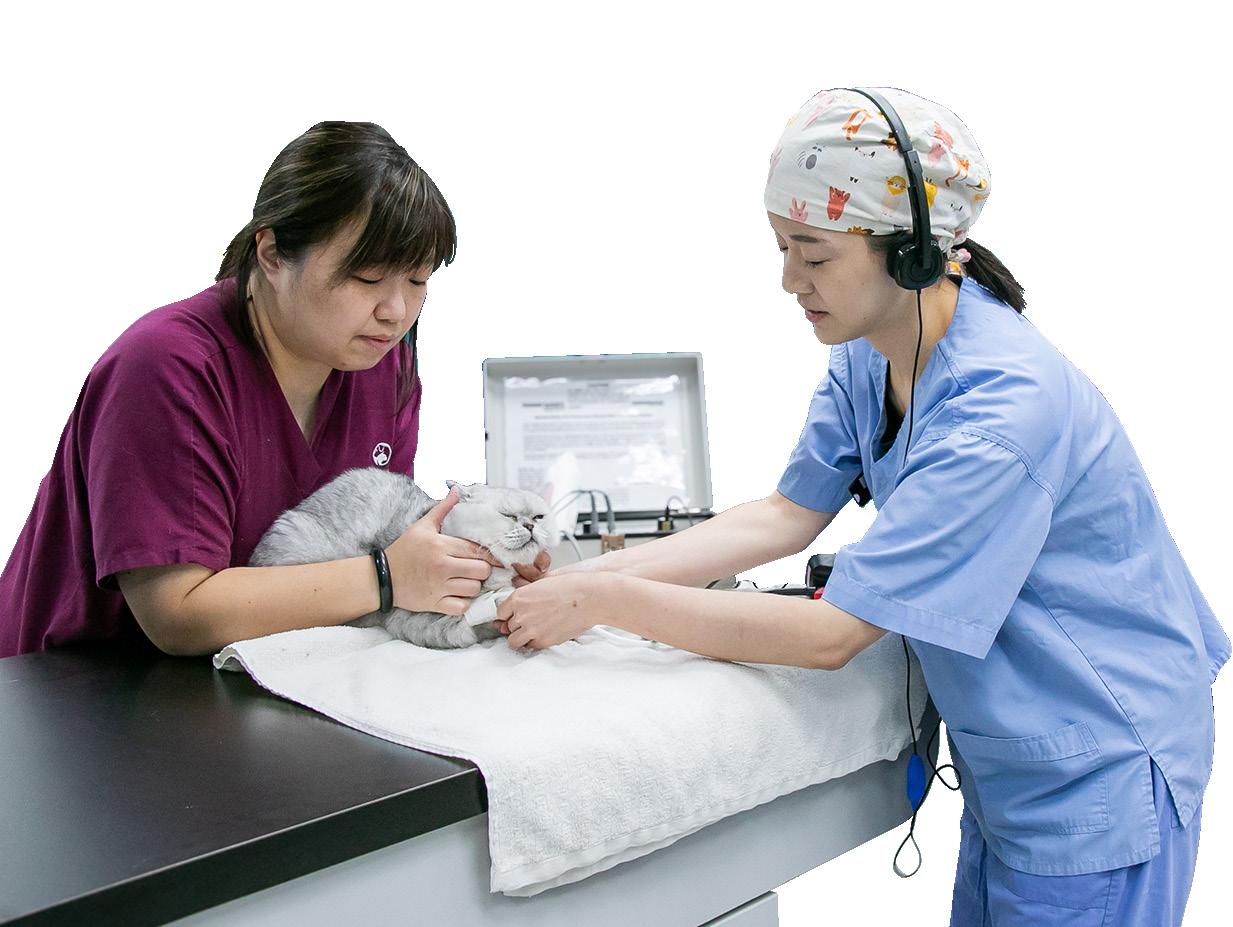
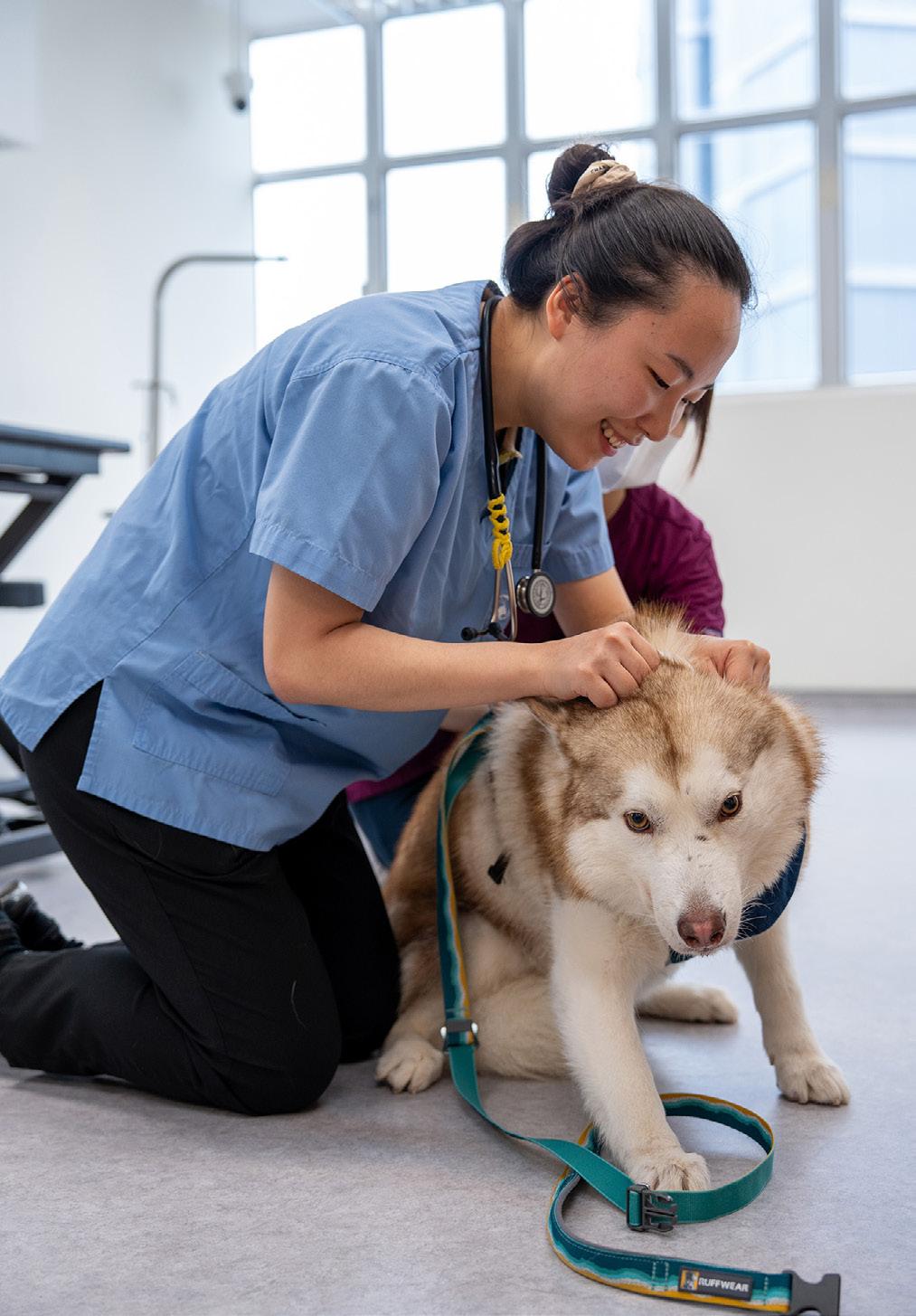
September 2024 saw the launch of veterinary services at our new Tsing Yi Centre, bringing professional animal healthcare to a previously underserved area. The clinic started modestly with one vet providing services two days per week, but its popularity has driven a rapid expansion so that, by the end of March 2025, we were operating six days per week. The clinic provides comprehensive services including consultations, wellness exams, in-house laboratory, digital radiography, ultrasonography, a wide range of soft tissue surgical procedures, and dentistry with dental x-ray capabilities.
A planned expansion in autumn 2025 to two full-time veterinary surgeons operating 6 days a week is a bold counter-trend in Hong Kong’s veterinary market, where many private clinics have reduced operations or had to close. The move underscores the SPCA’s commitment to accessible veterinary care during challenging economic times, with the Tsing Yi location strategically helping us serve the New Territories communities.
Pet Health
Strengthening the Professional Team
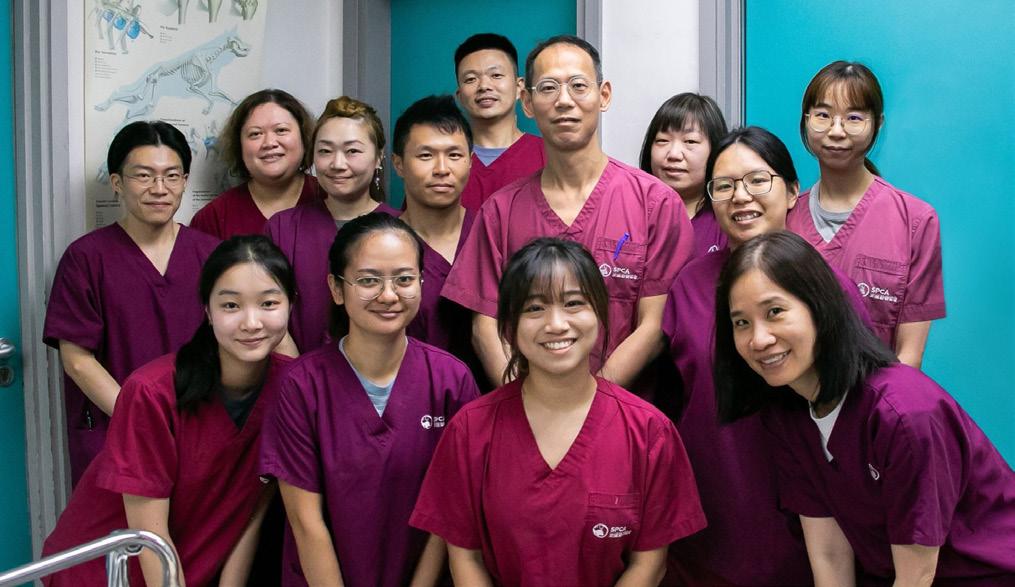
The recovery in staffing levels tells a remarkable turnaround story. From a low of 13 veterinary surgeons in May 2022, the team grew to 21 by April 2024, and reached 23 by March 2025. This 77 percent increase from our pandemic low point enabled both the hospital reopening and clinic expansion. Our success was partly the result of the borders reopening but it is also to do with improved economic conditions which make our city a very attractive proposition for veterinary professionals.
However, these are not the only reasons why vets are keen to join the SPCA; professional development – a key factor for many – remains a cornerstone of our philosophy.
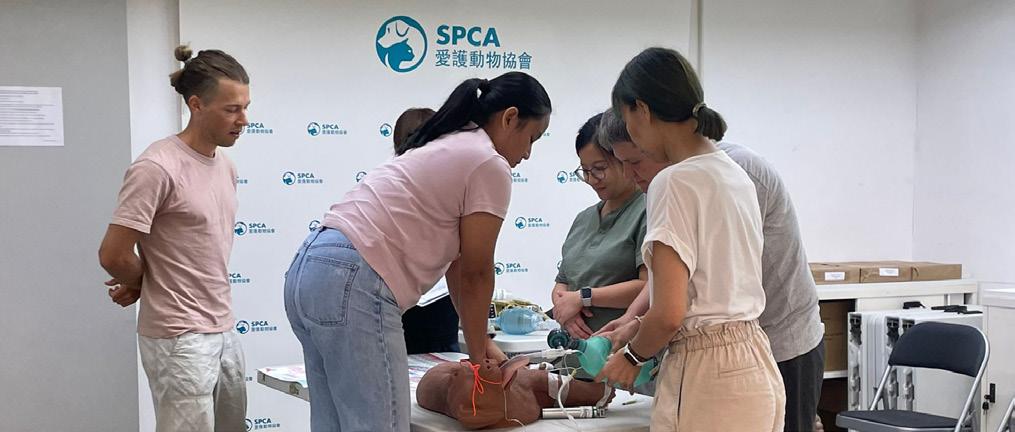
In the last year, we have continued to provide Continuing Professional Development (CPD) seminars, helping our vets meet mandatory requirements through in-house training. In September 2024 and March 2025, we delivered workshops in dentistry and ultrasound respectively, led by specialists. In addition, our vets and nurses were given the opportunity to complete a Fear Free certification, demonstrating our commitment to patient stress-reduction techniques that improve animal welfare. Both were funded through our generous donors.
Meeting Growing Dental Needs
During the year, we have significantly expanded our dental capabilities increasing from one dental x-ray machine to four, located in our Wan Chai, Kowloon, Sai Kung and Tsing Yi locations. This expansion directly addresses the growing needs of Hong Kong’s aging pet population, where dental disease has become increasingly common as animals live longer. The increased availability of equipment was matched with specialist training workshops that enhanced staff skills in dental extraction techniques and radiographic interpretation.
Modern dentistry has evolved far beyond simple extractions, and requires sophisticated equipment and training. The SPCA’s investment in dental technology reflects our commitment to comprehensive healthcare as veterinary medicine continues to advance. The distributed equipment model ensures pet owners across Hong Kong can access quality dental care without traveling long distances.

Confronting Cross-Border Health Challenges
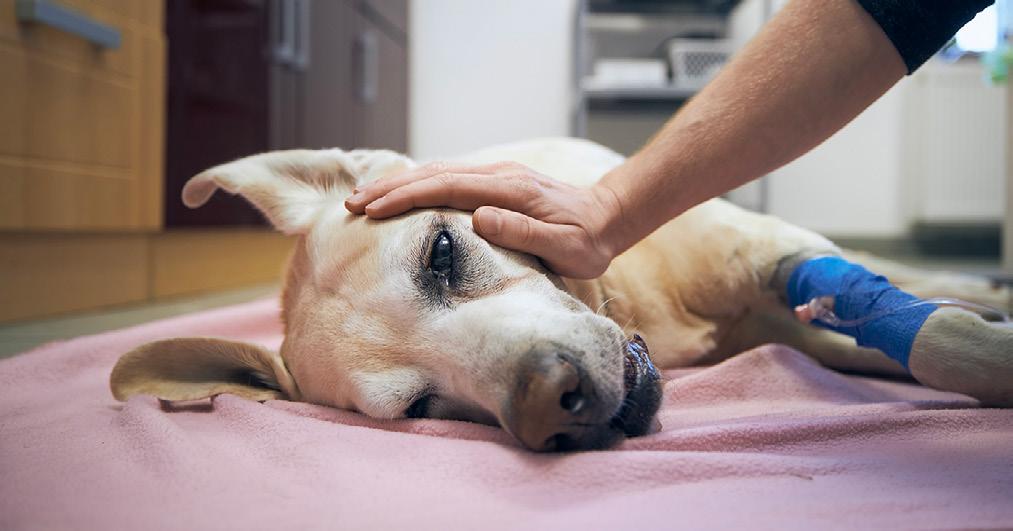
Our veterinary team increasingly encounter animals suspected of being smuggled from mainland China, presenting complex welfare and public health challenges. These animals often arrive with false or unauthorised vaccination certificates, and frequently suffer from genetic disorders due to poor breeding conditions. Many carry chronic diseases such as feline infectious peritonitis, resulting from overcrowded breeding facilities. The situation creates additional workload as vets need to report suspected illegal imports while providing care and treatment for these animals.
It is a particularly sad situation given how preventable these conditions are.
The cross-border trade undermines responsible pet ownership and threatens Hong Kong’s rabies-free status. Our vets have documented cases where unsuspecting owners purchase animals online, only to discover serious health issues requiring expensive treatment. Often this leads to abandonment. This highlights the need for enhanced public education about the risks of buying animals from unregulated sources.
Pet Health
Addressing Critical Staffing Shortages
While veterinary surgeon recruitment succeeded, a shortage of nursing staff has emerged as one of our biggest challenges as we move forward.
The closure of City University’s veterinary nursing diploma programme in summer 2024 eliminated Hong Kong’s primary source of qualified veterinary nurses. The program had produced approximately 25 graduates annually, and SPCA managed to secure six of the final cohort. However, without local training programmes, the profession faces an uncertain future.
We have responded creatively to this challenge by hiring Filipino veterinary surgeons and technicians, who work as nurses under supervision in our hospital, surgery and laboratory settings.
We remain committed to training all our junior nursing staff through an internationally recognised on-line veterinary nursing programme, whilst continuing to explore and develop in-house training programmes to support the next generation of nursing staff.
Financial Contribution to Welfare Mission
In 2024-25, the department delivered an outstanding financial performance, finishing 20 percent above budget for net contribution. This success proved crucial for SPCA’s overall mission, given veterinary services generate the majority of the organisation’s income. The surplus helps fund rescue operations, education programmes, and advocacy work which receive limited government support.
Operating as a non-profit organisation, we need to balance accessible pricing with financial sustainability. The department’s strong performance during economic uncertainty demonstrates both the quality of services we are able to provide as well as the community’s trust in our mission. This financial stability enables continued investment in equipment, training, and facility improvements.
Future Service Expansion
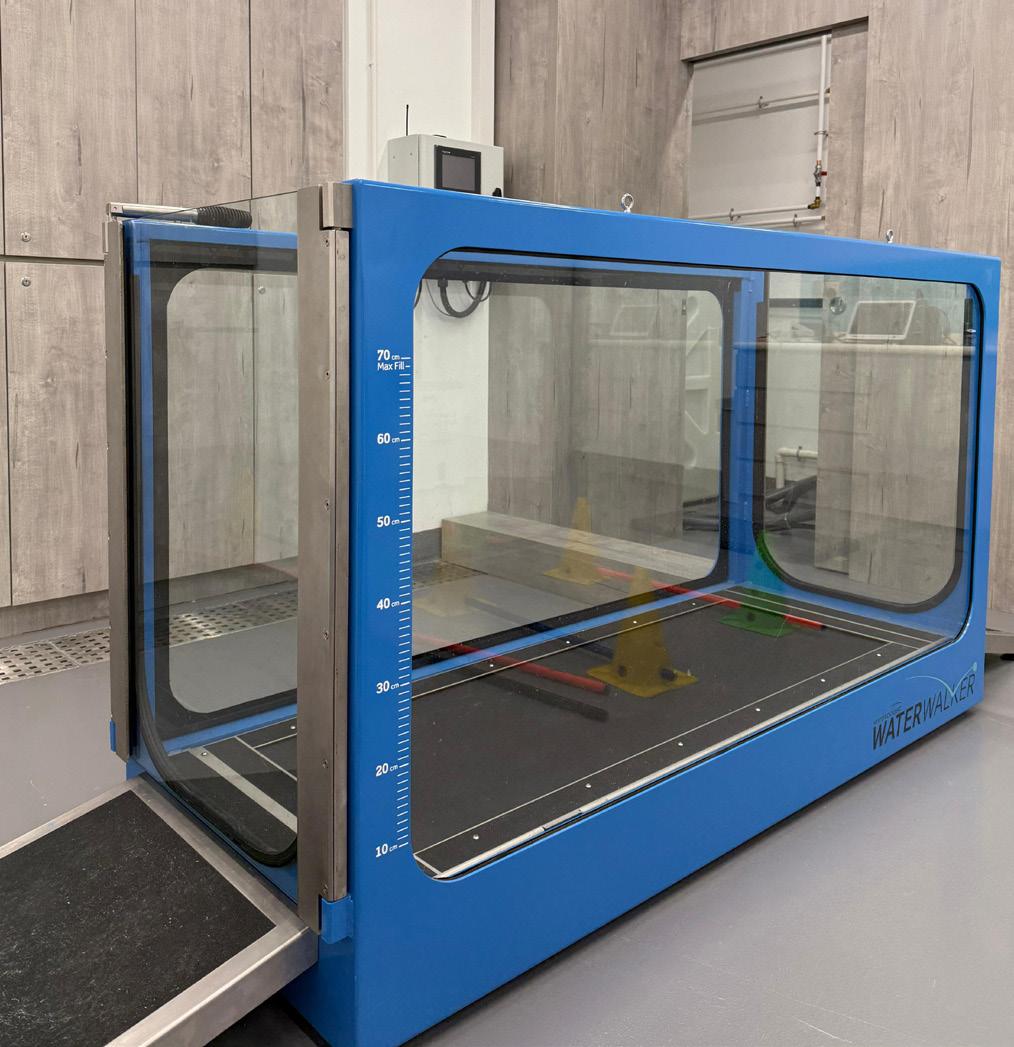
Looking ahead to the next financial year, we plan to introduce physiotherapy services at our Tsing Yi Centre including underwater treadmill technology, laser therapy, and pulsed electromagnetic field equipment.
We also aim to launch improved exotic animal medicine services including consultation, surgical and hospitalisation, addressing the growing population of non-traditional pets in Hong Kong.
Dermatology services will expand to the Tsing Yi Centre, while acupuncture and traditional Chinese medicine offerings will grow across multiple locations.
These developments reflect our commitment to comprehensive veterinary care as pet ownership evolves and animal medicine advances. These new services address specific needs in Hong Kong’s pet community while maintaining our tradition of innovation in animal healthcare. We are grateful for the support of our members for every visit: every dollar spent with us helps support the organisation’s broader welfare mission.
Inspectorate
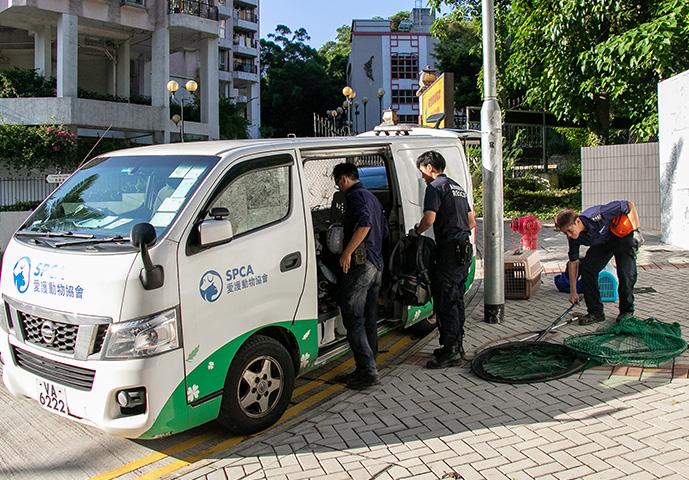
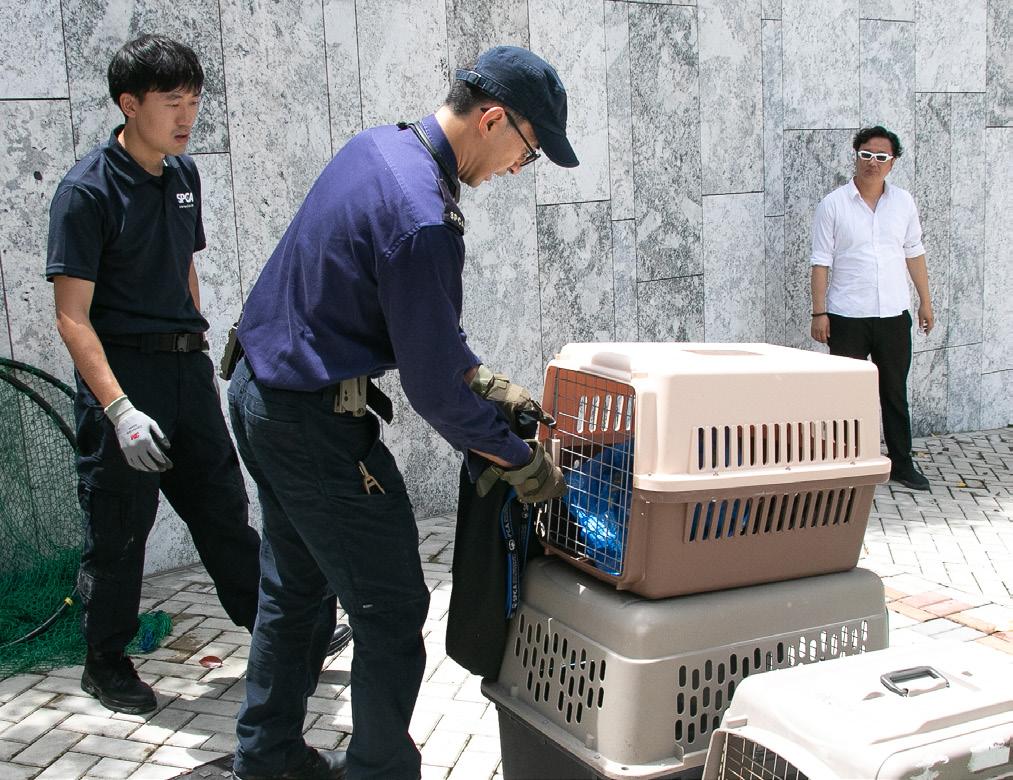
The Inspectorate team is the very public face of the SPCA; they are consistently at the forefront of rescue missions. Often braving perilous terrain and intense weather conditions, the team is on call 24/7 to support a diverse range of animals in our community.
Over the last 12 months, they have rescued less common species such as macaque monkeys and emus, as well as helping numerous domestic animals including a kitten stuck in the wheel arch of a bus, another kitten stuck on a flyover and four dogs washed into a nullah underneath a housing estate after heavy rain.
The Inspectorate also takes the lead in suspected cruelty or hoarding cases, dealing with stressed and sick animals and working tirelessly to ensure their safety. One standout example from the last 12 months also demonstrates how our improved systems create faster pathways to safety for animals.
After receiving a tip-off from a member of the public, the team identified a suspect who kicked his dog in Temple street. Our Inspector eventually uncovered a flat that showed large-scale neglect and hoarding. The Inspector leading the case was able to secure the voluntary release of 35 animals to our care which allowed them to be brought in, examined and sent to our adoption centre in record time. This stands in contrast to prosecution cases where affected animals often wait for months, sometimes up to a year, for a court case verdict before they can be released for adoption.

The Inspector’s persuasive communication and quick action made a huge difference to the animals’ trajectory.
Prosecution cases are arduous but our Inspectorate and Welfare teams work hard to collect evidence from the point of rescue all the way through the animals’ medical journey so the courts have enough data to convict animal abusers.
Once in court, we have seen extremely light punishment unbefitting the crime. However, three recent cases – involving cruelty to pigeons – show that the courts are changing tack. In particular, we were encouraged by summations which included stern rebukes for intent and violence, despite there being no direct connection to the cause of death. The courts seem now to be treating all animal lives equally, whether they are domestic or wild.
There has also been a change in public attitude to wild animals too. Pigeons have traditionally been regarded as a nuisance but views are changing, acknowledging that all animals need protection which has, in turn, meant more tip-offs and reports from the public.
We have worked hard to educate the public and lobby the courts over the last two years, so these convictions are a testament to the cumulative efforts of both the SPCA and the public.
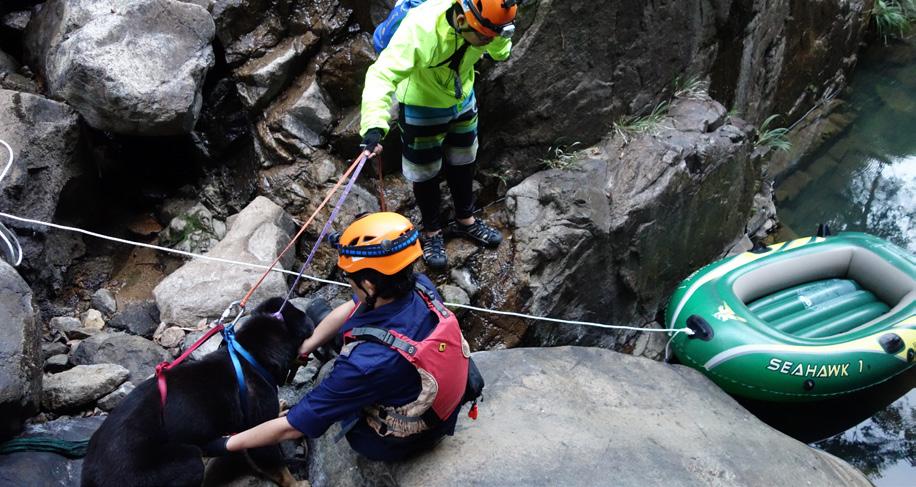
Outreach is another important role of the Inspectorate and the Inspector’s Log is a great communications platform which shadows our inspectors, showcasing their rescue work. It is an authentic look at the inspectors in action in a wide range of conditions. It showcases their ingenuity and resilience as they perform rescues, using their knowledge and skills to help the animals. Each case is different and the passion that underlines all of the Inspectorates’ work really shines through. Please visit https://www.spca. org.hk/what-we-do/animal-welfare/inspectorate/ to find out more.
We hope these insights really shine a light on the positive impact the Inspectorate has on the lives of animals in Hong Kong. We also hope that it inspires our communities to support the team, as well as to encourage new recruits for this challenging but rewarding career.
Inspectorate
Anthony Leung: Staff
Courage on the Frontline
As the Head of Inspectorate, what has been your inspiration?
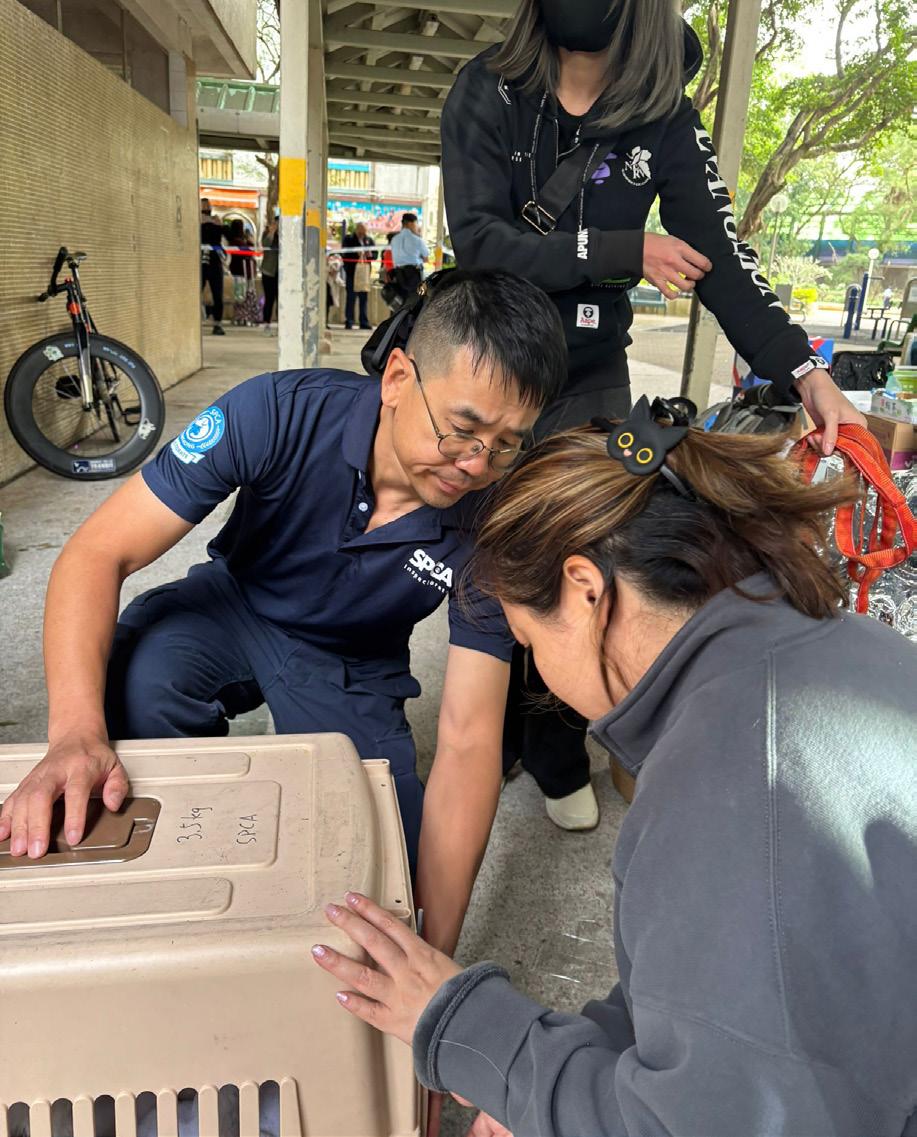
My job at the SPCA is always exciting because I never know what’s going to happen from one day to the next. Our team deals with everything from animal cruelty complaints to rescue operations.
My biggest pride is my team as they are on the frontline witnessing some of the most horrific cases, like those connected with hoarding. We usually come across animals in cramped and dirty cages –their fur is matted with bodily fluids and the animals are sick with malnutrition or viruses. Our team is first on site, transporting the animals away from the horrible conditions and taking them to our Tsing Yi Centre to be cleaned and nursed back to health.
The Inspectorate team is also first on site for all animal rescues, whether it’s cats stranded in air conditioning units or wild animals stuck in ravines or animals injured by illegal traps. The pain and suffering of these animals is heart breaking but the team is driven by their mission to help them animals in any way possible. Our team is resourceful and always finds a way to perform the rescue with the least amount of trauma. That is a real challenge because the animals are scared and suspicious, so patience is a prerequisite.
They’ve done an incredible job.
What would you say is one thing people don’t know about the Inspectorate team?
People know about our rescue work but not many understand our contribution in prosecuting cases. For suspected animal cruelty cases, our team collects evidence on site and that is eventually used and brought to the courts to justify prosecution of the abuser.
We document the living conditions, the state of the animals and any contributing factors by the humans in charge. This evidence-gathering process is critical so we can advocate on behalf of the animals. It’s a high stakes situation – if the courts rule in favour of the accused, the animals are at risk of being returned to the same conditions. Our evidence increases the chances of a win for the mistreated animals so the team fights extremely hard to compile the best cases possible.
Advocacy
The SPCA’s advocacy work over the last year primarily focused on championing animal welfare through constructive dialogue, policy submissions and public engagement. Our goal remained simple: to create a Hong Kong where animals and people live side by side in safety and harmony.
Strengthening Our Legislative Voice
This year marked some important progress in our lobbying around two cornerstone laws: Cap. 139 (the Public Health Animals and Birds Ordinance) and Cap. 169 (the Prevention of Cruelty to Animals Ordinance).
Under Cap. 139 we made the case for tighter oversight of animal trading and breeding. License conditions and a Code of Practice were newly introduced for cat traders ensuring that cats for sale are from approved sources and are microchipped. Cat breeders are yet to be properly regulated. Our advocacy included supporting the Agriculture, Fisheries and Conservation Department’s measures against fraudulent and illegal trading fronts, including its “pet fishing” campaign.
We continued to work through numerous channels to accelerate long awaited amendments to Cap. 169 introducing Duty of Care and stronger penalties, and providing more effective protection for the animal populations of Hong Kong. While draft proposals disappointingly remain under review, we have continued to support through participation in relevant committee and working groups. These efforts aim to build accountability into every stage of animal care.
Wins for a More Pet Inclusive City
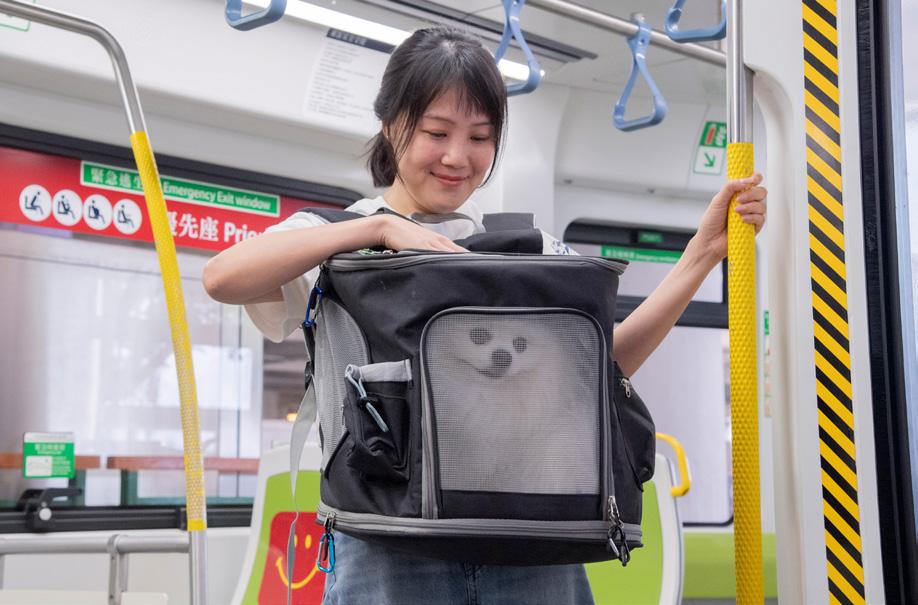
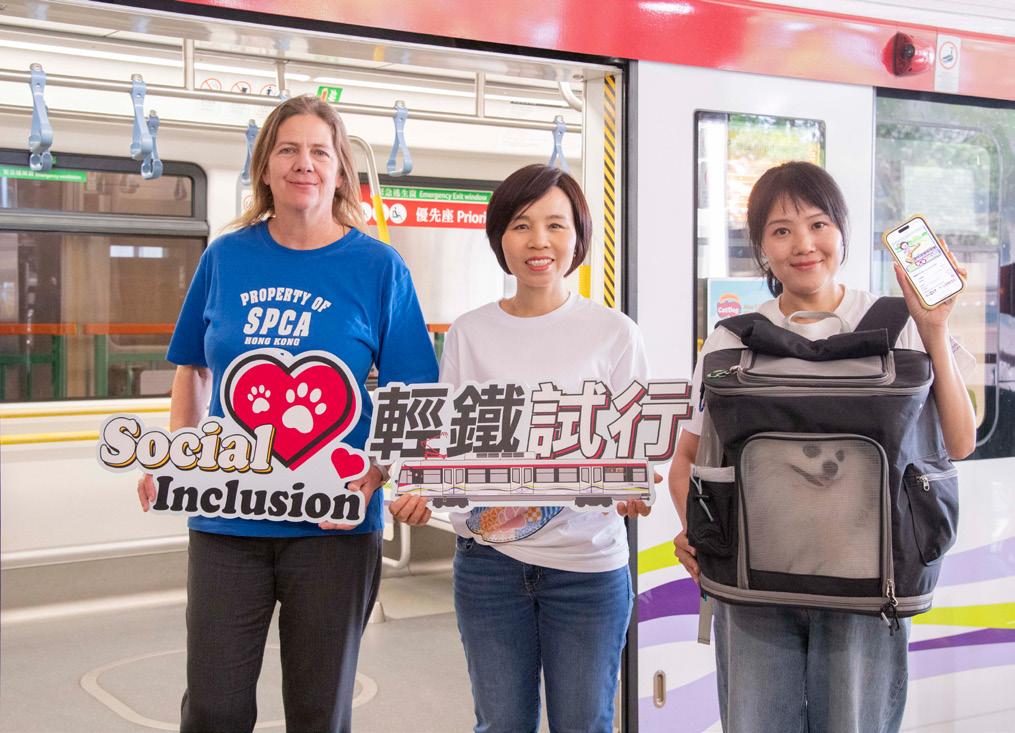
Major steps were taken towards a more pet friendly Hong Kong. After years of quiet lobbying, small dogs and cats are now allowed in carriers on light rail services during designated hours, following proof of concept trials the SPCA helped to design. Early feedback has been positive, with operators citing smooth operations and strong public support. From September 2025, the scheme became permanent during weekends and public holidays.
In social housing, we secured a “silent win” after mainstreaming the pet friendly concept where some units managed by the Housing Society are now allowed to keep certain kinds of pets. However, both the Housing Authority and Housing Society still have a policy position that does not allow dog keeping unless there are exceptional circumstances and are subject to special permissions.
We also provided expertise and consultation to transport providers and developers to advance longer term pet inclusion efforts. Discussions are underway with rail corporation, bus companies and ferry consortia about extending routes and facilities to pet owners.
After lobbying for many years, the broader social conversation has shifted and the next 12 months will see pet inclusivity extended to restaurants and cafes. This is a sign of a growing acceptance of pets by the public as integral family members and a strong push for supporting “pet economy” for Hong Kong.

Advocacy
Protecting Wildlife and Ecosystems
Wildlife advocacy remained vital as Hong Kong continues major urban expansion projects. We submitted detailed policy papers and spoke at town planning hearings for the Northern Metropolis and South Lantau development areas. Our concern is clear: new transport corridors and development zones must not erase habitats. Similarly economic projects such as eco-tourism must be properly developed, protecting the environment and the animals that live there.
One highlight was the Society’s submission to the San Tin Technopole Zoning Plan. This paper outlined safeguards for critical flyways across fishpond networks near San Sham Road, which migratory birds depend on for access to wide aerial corridors. Aligned with ornithologists and conservation groups, the SPCA proposed technical mitigations such as adjusted flight path buffers and compensatory wetland zoning in the event that the development is inevitable.
Another of our submissions centred on the feeding of wildlife. After long consultation with legislators, new feeding ban regulations – including fixed penalty notices – came into force in August 2024, targeting the feeding of wildlife and feral pigeons. The SPCA had spoken earlier in January 2024 at a Legislative Council meeting advocating for this because uncontrolled feeding in such cases fosters human animal conflict, creates unhygienic conditions and increases the risk of disease outbreaks. The amendment was a milestone in aligning public behaviour with animal welfare.
Tackling Development and Displacement Issues
Rapid infrastructure growth tested the city’s ability to balance people’s needs with those of the animal population. We have repeatedly warned that large scale land resumption can fracture families with pets (especially dogs) if temporary or permanent housing bans them.
Throughout 2024, as the SPCA team attended planning consultations, each submission stressed “One Health”: the link between human, animal and environmental wellbeing. This holistic approach underpins every argument we make.
Building Regional and Global Alliances
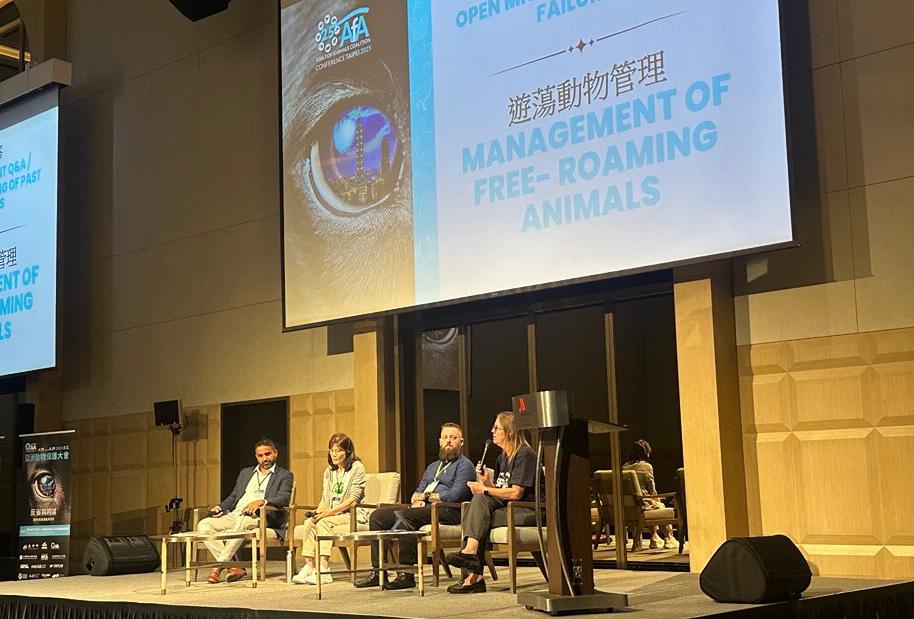
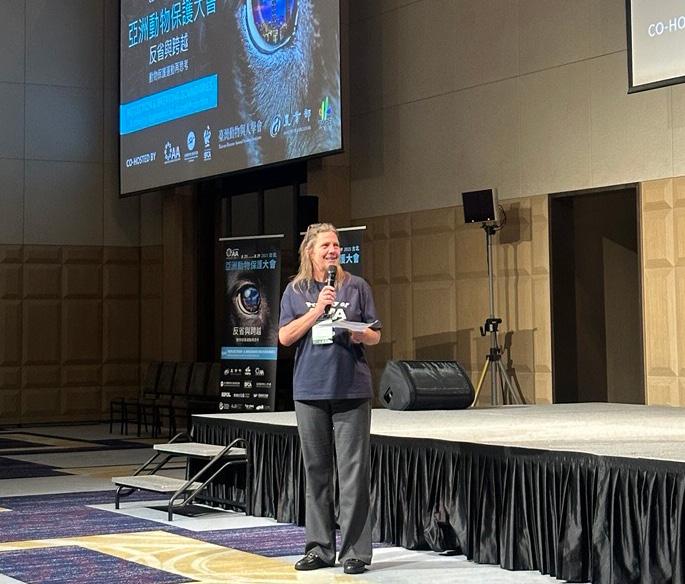
Outside of Hong Kong, we remain active. We are a founder and core member of the Asia for Animals Coalition and through this network of more than 500 parties, we help to advance regional cooperation and share our experience.
At the 2024 iCatCare’s Unowned Cat Conference, the team presented on cat management sharing how SPCA’s Cat Colony Care Programme has stabilised the street cat populations for more than two decades through cat neutering and citizen participation. We also co-authored a scientific paper on data linked to the Cat Colony Care Programme’s operation on Lamma Island.
On the Mainland, our advocacy extends through our outreach programme and work with our Shenzhen partner shelter, currently caring for about 140 animals. By advising local authorities and other parties on shelter management and humane population management techniques or by conducting humane education for school children, the SPCA helps embed welfare principles beyond our borders.
Advocacy
Educating for Change
Policy shifts alone cannot sustain welfare gains. Through outreach talks, online content and publications such as Pawprint, the team have been able to educate a wide variety of stakeholders on why human behaviour matters and how personal choices can make a difference. The aim is to cultivate shared responsibility for the welfare of all animals
SPCA’s Education Department has given the Welfare advocacy efforts extra reach. Over 25,000 students participated in sessions that connected animal welfare with environmental science and human health and wellbeing under the “One Health” theme. These lessons shape future citizens who understand that protecting animals protects us all.
Insights that Drive Policy
Our advocacy work now benefits from being physically co located with the vets, welfare team and inspectors at the SPCA Jockey Club Centennial Centre in Tsing Yi. It has become a centre for experiential learning. The move has fostered cross department collaboration and faster case response times. This enhances our ability to present real time data from rescues and clinics, continuing to ground policy arguments in practical experience rather than
Looking Ahead
The coming year’s priorities build on these foundations. Chief among them is pressing the Government to table and ratify the long delayed Cap. 169 amendments. This will ensure better protection for animals so that neglect, psychological and physical harm can be prosecuted with longer sentences acting as a deterrent.
More importantly the introduction of “Duty of Care” and improvement notices will guide owners in caring properly for their animals and improve or safeguard the animal’s welfare. We will also continue consultations on Cap. 139 to regulate unscrupulous breeding and propose licensing where none exists for other businesses that keep or use animals.
Creating a truly pet inclusive society will remain front and centre. Next steps include expanding pet friendly transport initiatives and extending pet friendly housing policies to include dogs. We will support the recently announced decision to allow pets into restaurants and give our input on how this can be harmoniously and safely adopted.
Our broader animal welfare advocacy will pursue the creation of a high-level, multi-stakeholder animal welfare advisory group able to advise across all bureaus and departments.
Finally, we will support regional work under the Asia for Animals Coalition to promote improved animal welfare for different species in different situations across Asia. Training initiatives for Mainland China veterinary surgeons and animal shelter managers are planned in the new year to spread evidence-based welfare practices.
The Road Beyond Legislation
Legislation sets boundaries but lasting change depends on culture. Hong Kong’s growing acceptance of pets in public spaces, workplaces and transport marks a social transformation. Through collaboration and persistence, the SPCA has helped ensure animal welfare is now part of mainstream policy discussion.
The year ahead will bring continued debate and new challenges, yet our mission remains steady: to give animals a stronger voice, create empathy where indifference once stood, and ensure every decision about the city’s future keeps animal welfare firmly in mind.
Education
The SPCA’s education pillar sits at the heart of our mission, shaping every aspect of our work and anchoring our commitment to encouraging compassionate and responsible care for animals. Over the financial year from April 2024 to March 2025, education efforts scaled up rapidly, reaching more children and adults than ever before through innovative programmes, school initiatives, immersive learning, active community building and regional outreach.
Educating Future Generations
Reaching young people is central to our strategy. Over the course of the year, our education team delivered 296 sessions on SPCA premises and 96 off-site talks, bringing interactive learning to primary, secondary and kindergarten pupils. Alongside these, online talks and specialist pet care events introduced key concepts such as the Five Animal Welfare Needs and the “2Rs and 2Cs” – Respect, Responsibility, Care and Consideration. Overall, we created 434 activities representing a near-trebling of events since COVIDhit 2022.
Collectively, these activities engaged more than 25,000 participants through talks, competitions and outreach. This has helped build a platform for respectful discussion and hands-on learning that shape attitudes for life.

Immersive Learning and Innovation
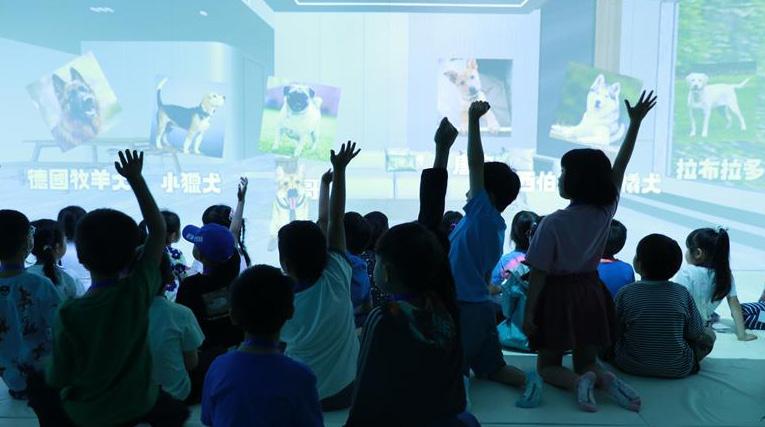
2024 saw the opening of Hong Kong’s first immersive classroom for animal welfare education. Offering a 270-degree interactive space filled with technology, touch-screen games and live presentations, the classroom attracted strong media coverage and enthusiastic feedback from schools. In addition, we launched our first summer camp – three weeks, 166 spots for primary-aged children, fully booked within six days – teaching young participants about pet care and welfare through inspector and vet simulations, rescue van visits, dog walking sessions and hands on games.
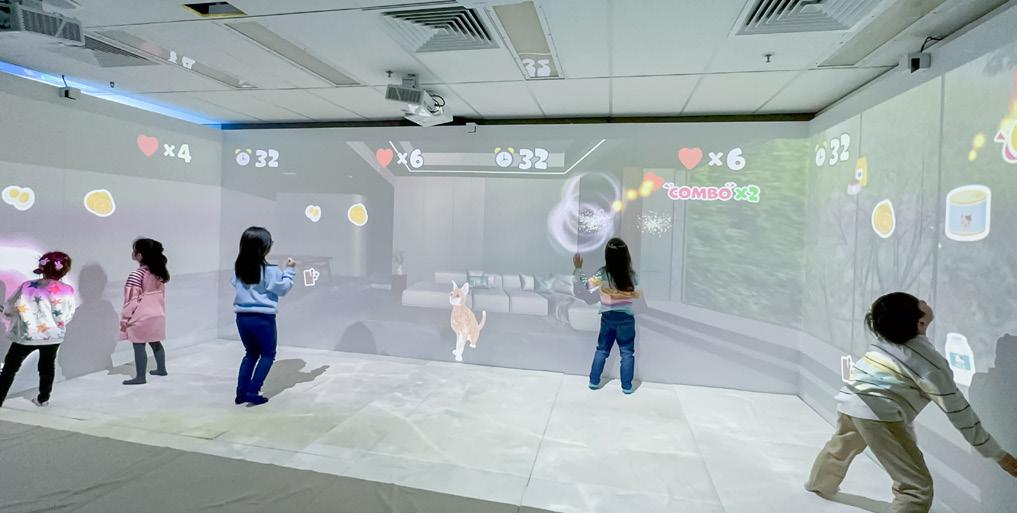
Our collaboration with the Education Bureau flourished with several seminars for school principals and teachers, fostering a stronger network and building relationships at all levels. Ratings for these sessions were rated at 4.75 out of 5, indicating the trust and positive impact our outreach is achieving in the education sector.
Education
Public Awareness: Reaching Wider Communities
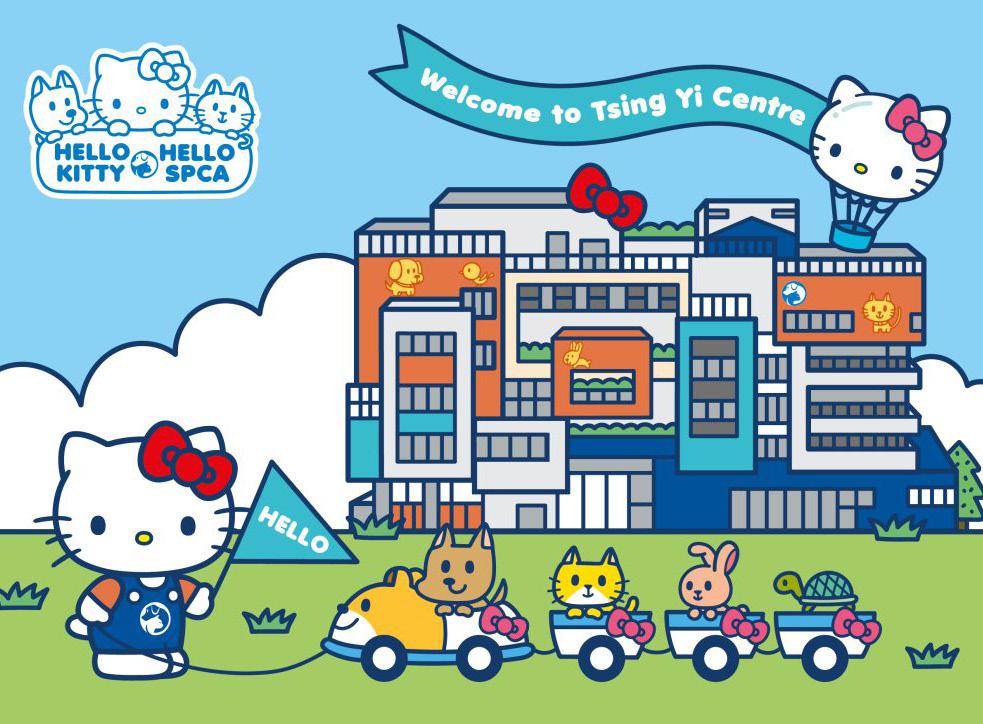
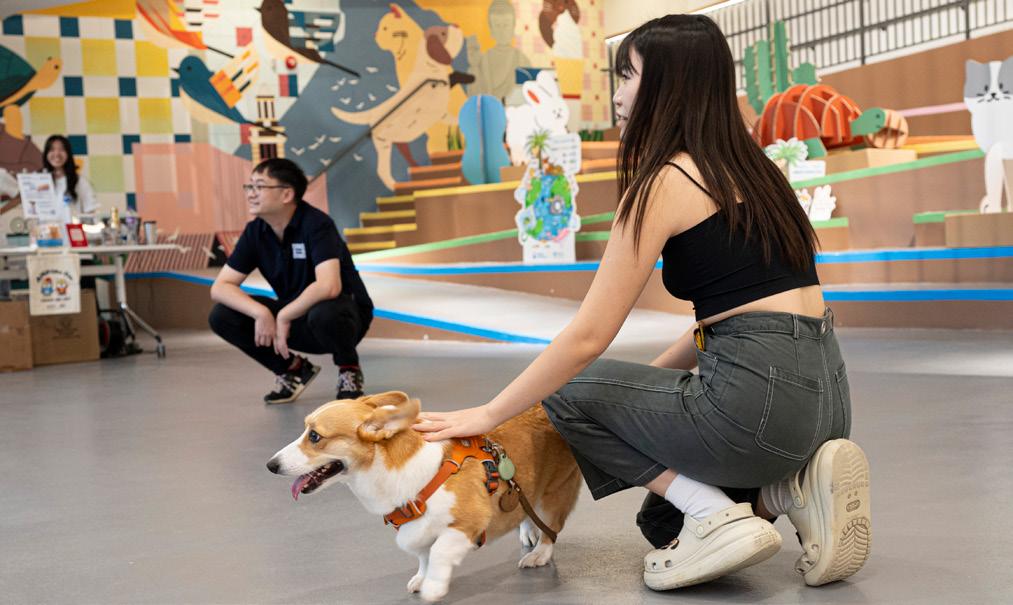
Alongside school engagement, we made significant strides in public education. Five major community days at the Tsing Yi Centre – the Open Day, Hello Kitty Takeover, Summer Wellness with KMB, World Animal Day and the SPCA Alumni Event – brought thousands of attendees together for activities, talks and merchandise launches. These events generated more than HK$800,000 in contributions and highlighted our ability to engage the wider public in animal welfare topics, break down barriers and create lasting bonds between pet owners, supporters and our team.

Pet-inclusive community initiatives moved forward as well with, for example, KMB supporting our Summer Wellness event in August 2024 which marked the first time pets were allowed on public transport. The success of this initiative led to KMB subsequently launching Pet Weekend Tours later in the year.
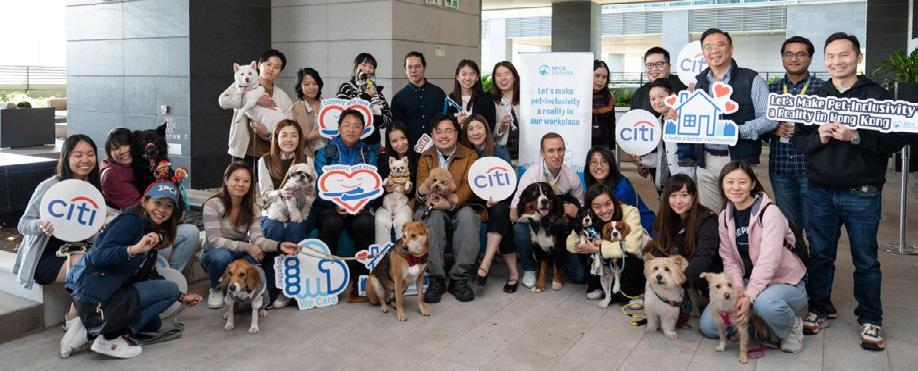
Partnerships with major corporates supporting “Bring Your Dog to Work” events contributed to building a more pet-friendly Hong Kong, setting the stage for broader acceptance and understanding of animal welfare within the city’s diverse communities.
Community Building and Volunteerism
A robust volunteer programme underpinned education and outreach this year.
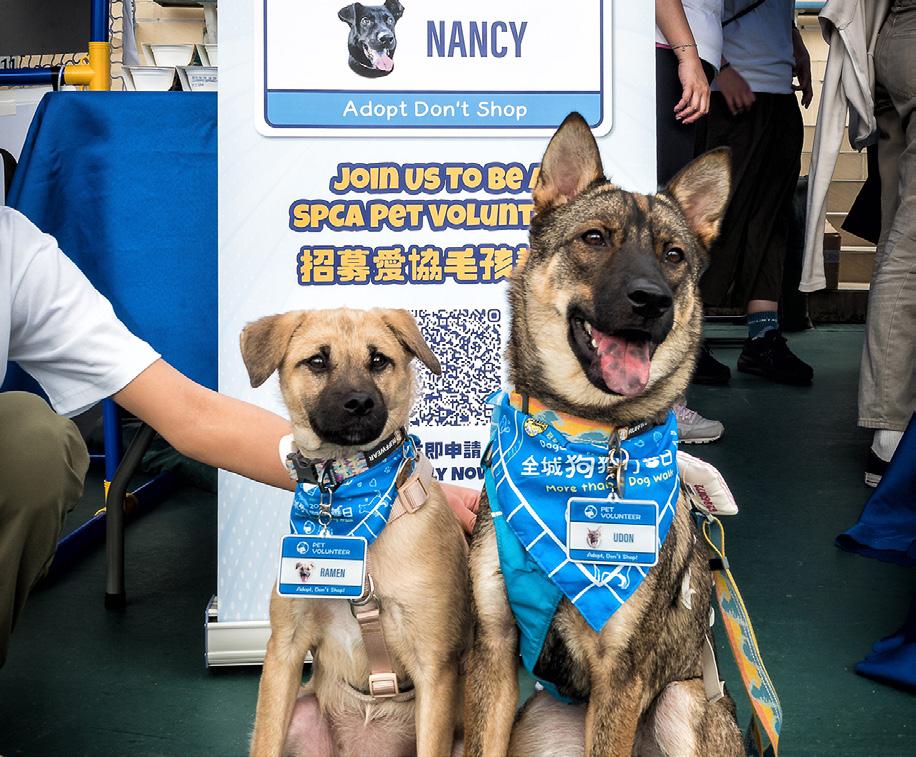
The team recruited 375 individuals, including professional expertise including architects, app developers, translators, and photographers. We also amassed an enthusiastic talent pool that we trained to support our mission. 24 people have been trained as tour guides and greeters to help showcase our impactful welfare and education work with emotive storytelling during visits to the new Tsing Yi Centre.

We conducted another four training sessions focused on welfare support. This means we now have conducted 337 training sessions and 67 participants trained by our Behaviour Training team. We currently have 118 qualified dog walkers with 86 volunteers actively participating and contributing their skills and time to take our adoption dogs out on longer walks helping reduce kennel stress. Additionally, more than 100 pet volunteers were recruited to support our many fundraising events including attending and promoting as KOLs.
Collectively, more than 2,220 people attended the five community days at the Tsing Yi Centre, with other outreach events reaching 5,000 members of the public. The Corporate Volunteer Programme held 38 events with 950 attendees. These numbers reflect our commitment to establishing a longterm, motivated volunteer base able to act as ambassadors for SPCA’s message.
Tammy Chim: CCCP – cat carer
A Lifelong Commitment
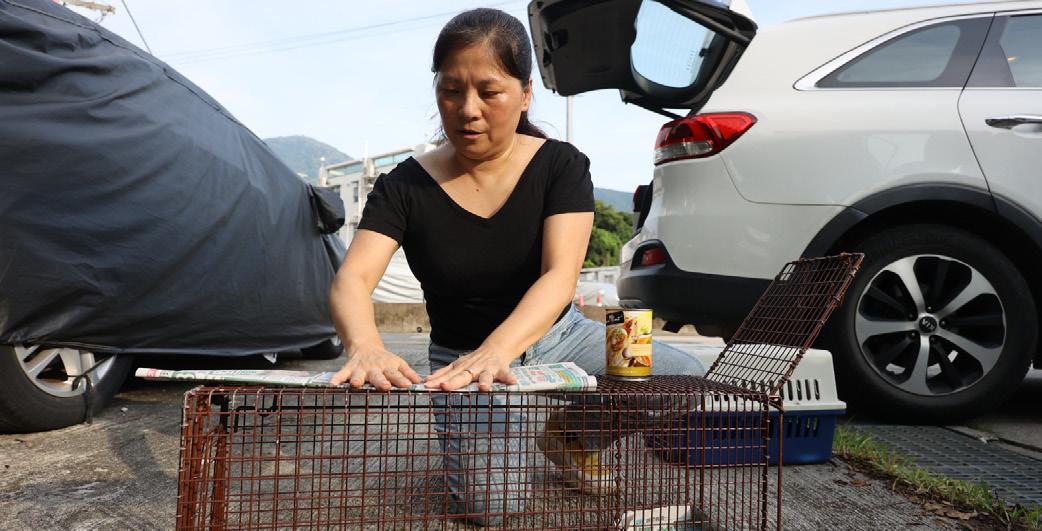
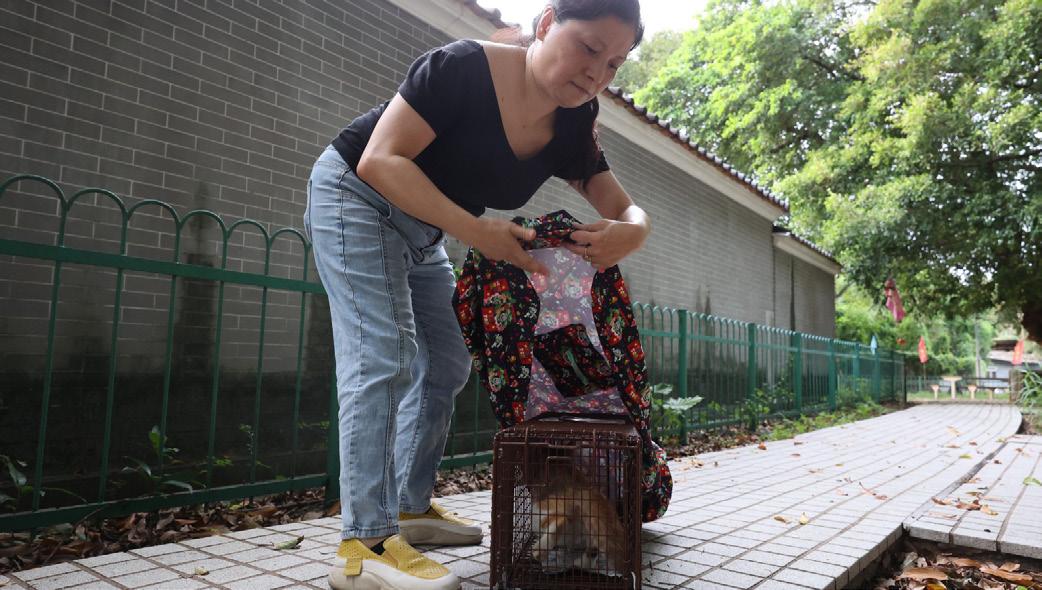
You’ve been a Cat Colony Care Programme (CCCP) volunteer for nearly two decades. What keeps you coming back?
I’ve always loved animals since I was a child. Through adopting a cat, I found out more about animal welfare work, and that inspired me to help community cats. Since I have limited ability as an individual, I joined the SPCA’s CCCP to help control the overpopulation of street cats and improve their safety and health. Like the SPCA, I believe in the importance of neutering these cats so we can control the size of the population. That’s why I’ve been helping to trap and bring cats in – no matter if it’s in the small hours of the night – so that they can be scheduled for desexing. During the process, I love that the cats are also vaccinated, microchipped and get an additional rabies shot helping improve the overall health of each animal.
After returning them to their colony, I monitor and make sure they transition back well. It’s a non stop cycle as there is always another colony that needs to be folded into the programme. But it’s rewarding to see the cats vibrant and healthy and that feeling is something that drives me to want to do more.
What’s
your
one piece of advice for cat lovers?
Contribute where you can, whether it’s taking action yourself or donating to support others.
CCCP is a great programme but it does not work without donations. This year is the 25th anniversary of the program and even after helping 85,000 cats, there’s still much more to be done.
As for taking action, cat lovers across Hong Kong can help spread the word and raise awareness about the need for desexing and the importance of humane care. For those that want to go a step further, join us in the CCCP!
I hope more people will join this mission and help expand the reach of the CCCP so the SPCA can implement the programme in even more areas.
Education
Expanding Impact in China
We have continued to make significant headway in mainland China, despite ongoing resource challenges. In Shenzhen, we established a new cat adoption house, resulting in the rehoming of 26 animals while our shelter saw 773 desexing operations completed by our vets. Volunteers cared for 726 animals post-release, and 47 animals received long-term support from the centre.
Educational outreach covered 14 schools, with 52 lectures delivered and nearly 2,500 animal protection textbooks distributed. Our partnerships with mainland universities such as Zhaoqing Agricultural College brought animal welfare science to more than 200 students.
Our education work on animal welfare is seeing results too; we received nearly 20 reports of animal abuse, and requests for assistance from four mainland protection organisations.
Our legislative work in the Mainland also progressed and we were able to participate in forums and research to promote animal protection laws in China.
Looking ahead, our goals in China are focused on rewriting and distributing updated textbooks, expanding educational initiatives, building the Chinese College Student Animal Welfare Alliance, and continuing advocacy for legislation to protect animals across the region.
2025: Consolidating Our Successes
Looking ahead, our goal for the next 12 months is to build on the impressive work of the team. In particular, we plan to continue expanding the immersive and interactive programmes so we can reach even more people, particularly underserved communities. This year, we held 25 donor-sponsored sessions for SEN students, and will continue this work into 2025-26.
Our work on pet inclusivity will continue apace as new opportunities to educate will arise as transport companies and restaurants embrace a change in policy. These changes will also help us engage our volunteers more effectively too. Our goal is to stay ahead of these types of macro changes so that pet owners and advocates are ready to benefit from smooth transitions.
Building Trust and Future Direction
The SPCA’s education initiatives continue to evolve, adapting with technology and tapping our roots as an inclusive, caring organisation. Our investment in youth, public awareness, partnerships and volunteer support forms a growing community of compassionate advocates. This work secures a brighter future for animals in Hong Kong and beyond, ensuring our impact endures and expands for years to come.
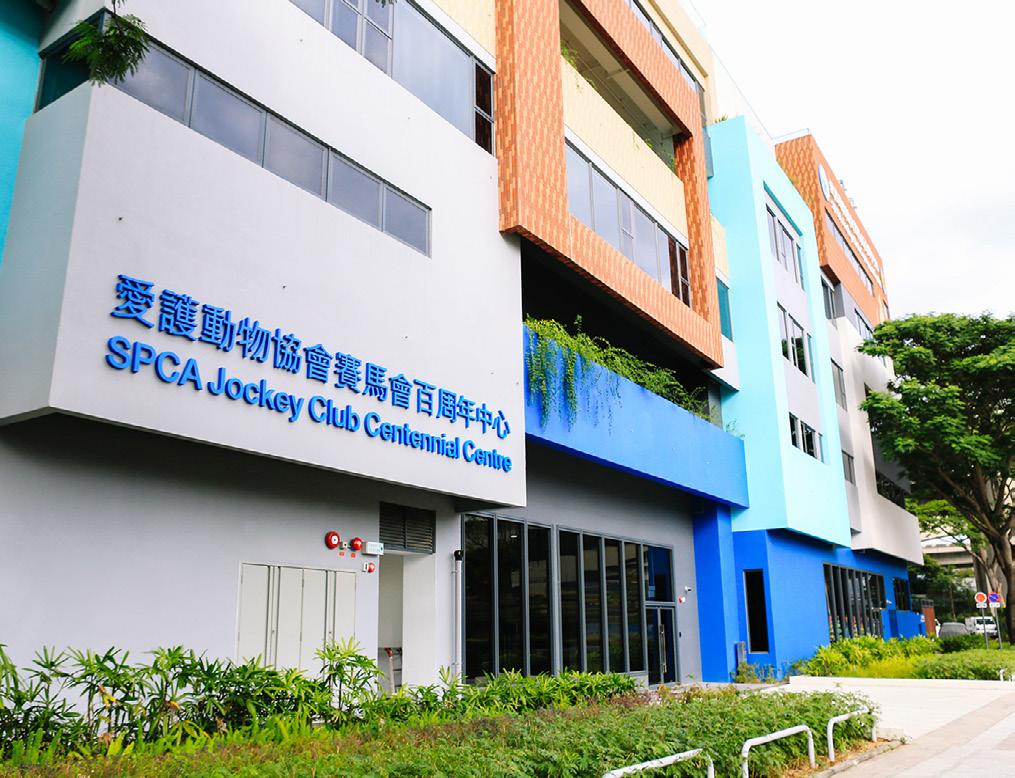
on The SPCA Jockey Club Centennial Centre
The SPCA Jockey Club Centennial Centre in Tsing Yi (“Tsing Yi Centre”), opened in March 2024, has become a cornerstone of our animal welfare mission over the past year. With space in Hong Kong at a premium, the 94,000 square foot facility has been transformational for our rescue, homing, welfare, veterinary and education services as it allows us to better drive collaboration and excellence across every department. This has completely changed how we work and given impetus to new initiatives that reach animals and people across Hong Kong.
Seamless Collaboration
The consolidation of teams at the Tsing Yi Centre has delivered new efficiencies in responding to urgent welfare and rescue cases. Inspectors, vets and welfare officers now work side by side, resulting in swifter decision-making and increased capacity for large-scale rescues and urgent response. Cross-departmental meetings occur daily, ensuring that insights from advocacy and welfare teams inform immediate care decisions for animals and guide longer-term policy work.
Animal Welfare and Homing Impact
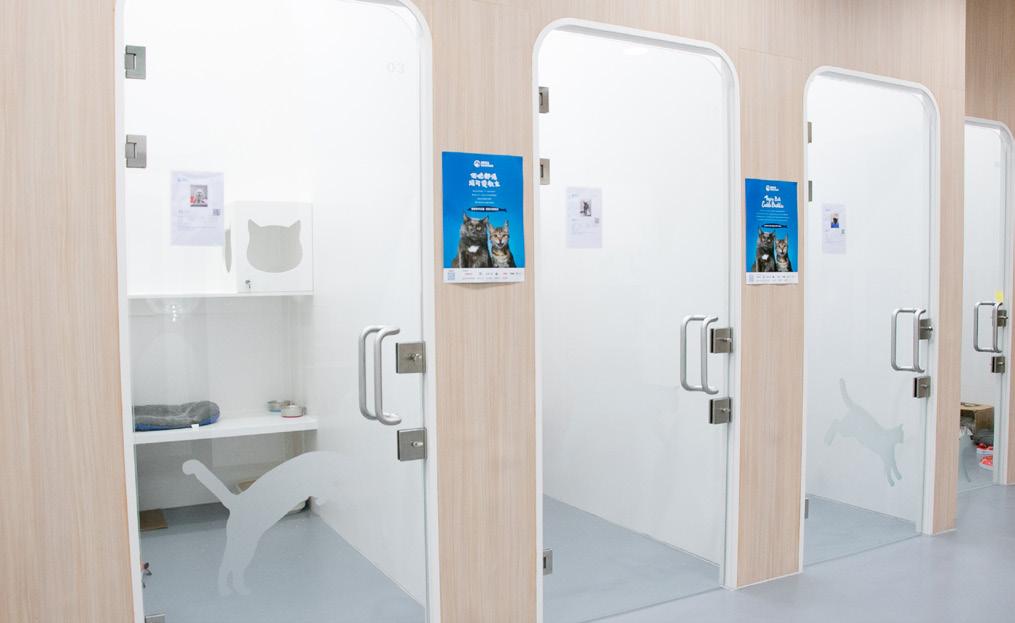
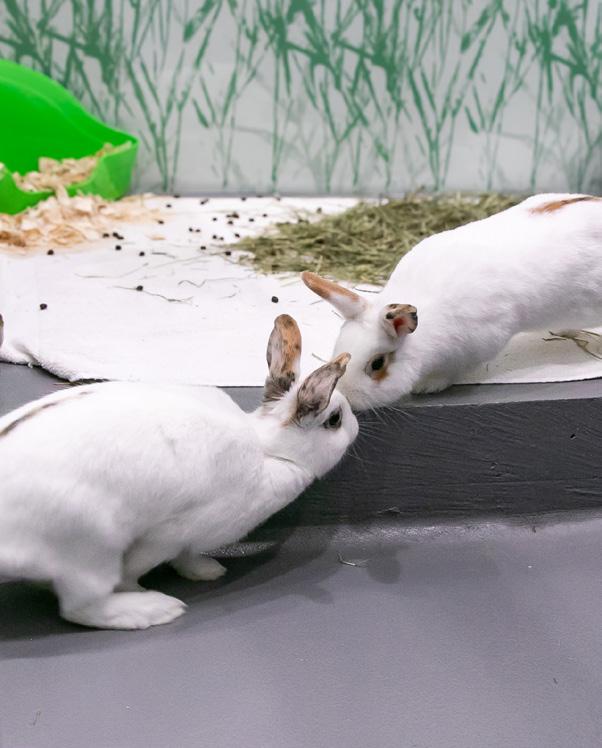
Homing activity at the centre surged, with more animals placed in new homes between April 2024 and March 2025, a return to prepandemic levels. The expanded adoption facilities allow us to rehome a wider range of animals, from cats and dogs to abandoned exotics like rabbits, snakes and birds. The Tsing Yi Centre now has custombuilt features that cater to the needs of the animals: a privacy wall in the dog kennels to keep shy dogs sheltered from prying eyes; walkin booths for potential adopters to interact with cats; and a custom hot and cold exotics ward catering to the different needs of cold- and warm-blooded animals.
The proximity of the rescue and receiving teams means better collaboration and in turn that makes the handling of rescue cases more efficient. In particular, the management of rescued pregnant animals is more immediate, and the receiving team can quickly assess and distribute the animals to foster parents. The shortened time frame for neonatal animals to find a home – even if it is just temporary – improves their chances of survival.
on The SPCA Jockey Club Centennial Centre
Veterinary Services Excellence
The purpose-built veterinary floor began operations in September 2024 and quickly expanded. Our state-of-the-art facilities have allowed the team to deliver comprehensive medical care, including surgeries, dental work, X-rays and digital ultrasound. The in-house lab and diagnostic suite made possible more complex treatments and shorter recovery times, further cementing the centre’s reputation for excellence.
A unique aspect of our vet staff is their exposure to welfare work. At the Tsing Yi Centre, this is most evident where vets supporting clinical services work hand in hand with the vets supporting welfare cases, including desexing. Both equipment and expertise are shared as they work in tandem.
Training is also an important component of SPCA’s support for the next generation of vets, and we are delighted to be able to host vet students from City University onsite for rotations and placements. From support of desexing operations to shadowing of consults in one of the five client rooms, to hands-on class training in the Behaviour Training room, Tsing Yi Centre has the facilities to make a significant difference to the students’ education.
The centre has also become a focal point for international collaboration, with City University vet students joining rotations and mainland partners adopting best practices pioneered here. The proximity of multidisciplinary teams allowed instant sharing of new techniques and continuous professional development.
Education and Public Engagement Innovations
This year saw the launch of Hong Kong’s first immersive classroom for animal welfare which has engaged thousands of students through interactive learning. The centre also played host to a new summer camp offering which lasted over three weeks, providing kids a better understanding of animal welfare work: a rescue demonstration, simulated vet checks, rescue van visits and practical workshops on pet care and welfare. A new birthday party model was also launched which taught children the value of giving while enabling the children to have fun engaging with an animal-centric programme.
Tsing Yi Centre was also the location of seminars for school principals and teachers while public community days brought in thousands of visitors from across Hong Kong and also visiting groups from the Mainland, expanding our reach far beyond our traditional boundaries.

on The SPCA Jockey Club Centennial Centre
Lucy Wong: Volunteer / Trustee
Pioneering Change
How did you get involved with the SPCA and what do you do there?
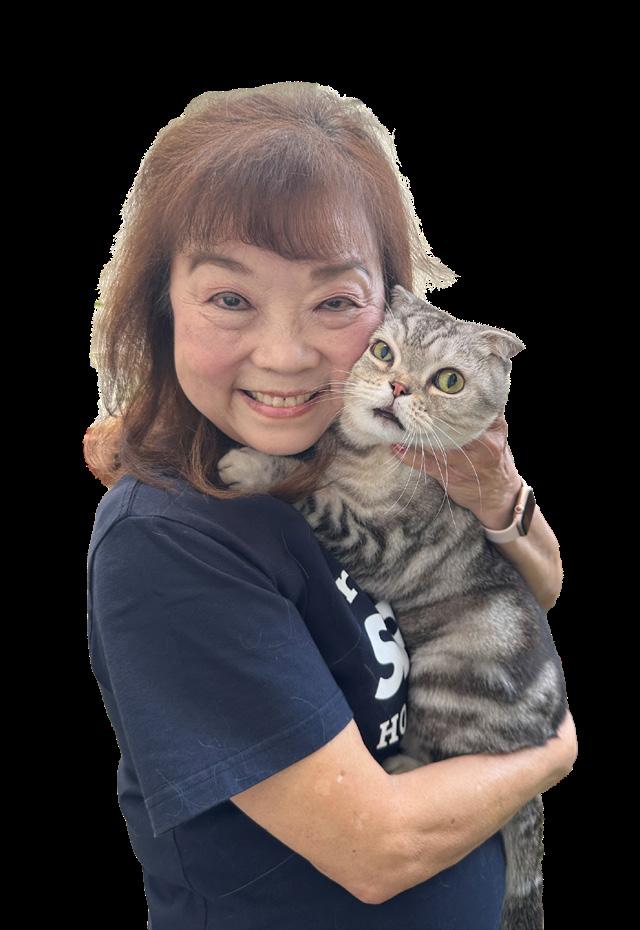
I’ve been a volunteer for more than two decades! I first came to the SPCA because I wanted to help the animals that were often overlooked. I wanted to do something tangible and hands-on, so an idea was born: what if we could bring together a group of passionate individuals who can specifically take care of the neonatal babies, sick or special needs animals.
Thus was born The Foster Parent Programme in 2000. I’m happy to say that I personally recruited more than 70 foster parents in that first year and now, there are more than 3,200 supporters.
I’ve loved coming in every afternoon for the last 25 years to support this programme. Last year alone, around 400 foster families provided care to more than 1,000 animals which is a great outcome. I’m thrilled that these animals have the care they need so more babies are able to survive.
What excites you most about the SPCA?
Education is the biggest force for change and the SPCA is a great platform for that. My role is to help talk about responsible pet ownership, and we’ve seen some great results. We’ve seen the number of “foster fails” increase (where foster parents ultimately adopt the animal in their charge) but I’ve also seen a reduction in pet surrenders as a result of guiding owners through the issues they’re facing.
Tell us about an unforgettable memory during your time with SPCA?
Working with the foster programme, I naturally come across many puppies and kittens, and it’s a great source of satisfaction to see these babies grow up and find their forever homes.
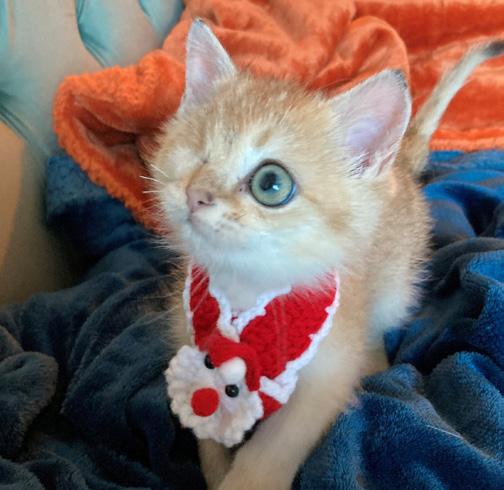
One memorable case was a British Short Hair kitten who lost an eye during infancy due to an infection. Already shy and reserved, I was worried this feature would reduce his chances of getting adopted. We eventually found him a home and ten years later, I’m still in touch and I’m so pleased that he has grown to be a rambunctious spirit who loves to explore. There’s hope for all our babies, regardless of their starts in life.
on The SPCA Jockey Club Centennial Centre
Volunteer and Community Integration
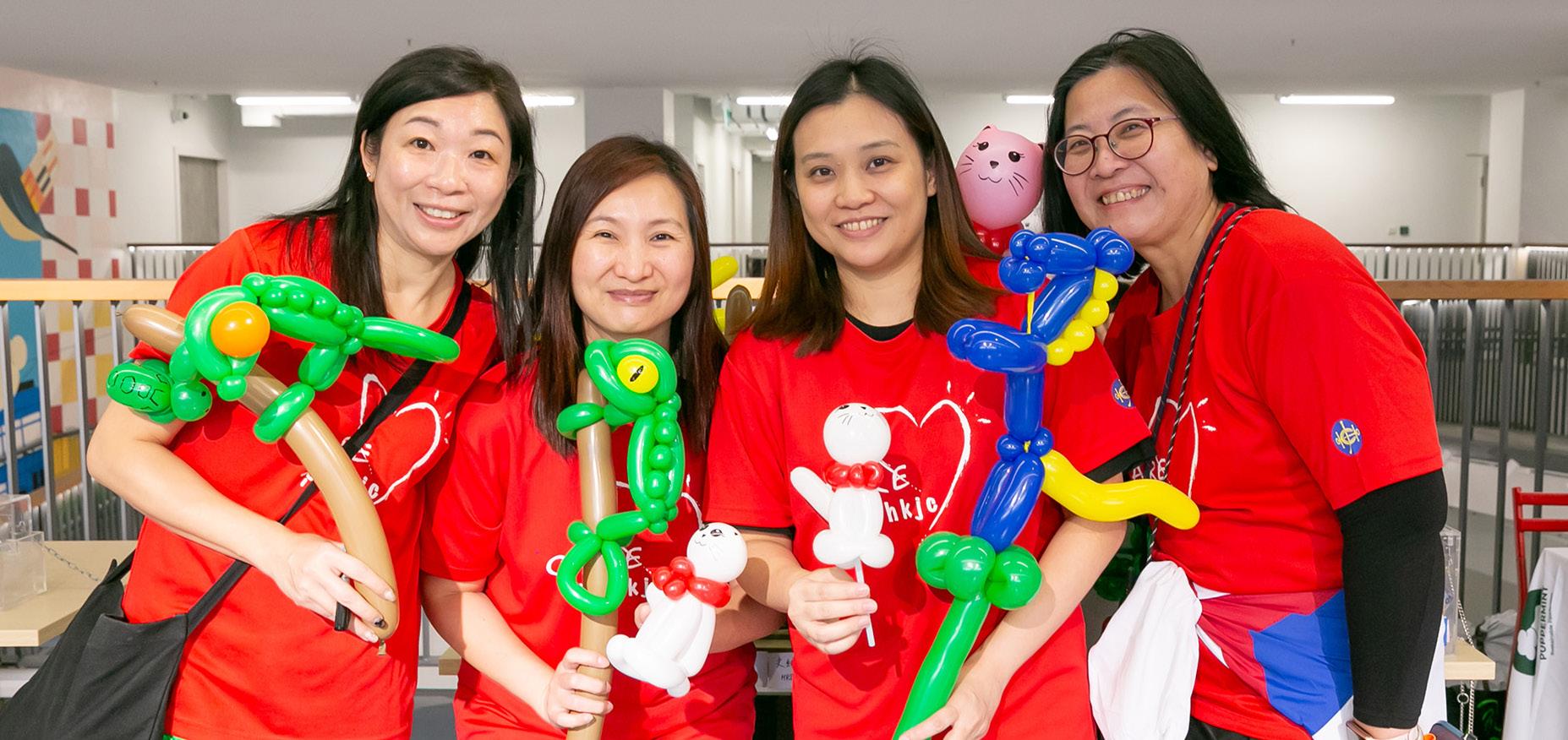
Our volunteering programme has also benefitted from the move. Volunteer dog walkers, cat socialisers and community educators now receive orientation and training at the Tsing Yi Centre, allowing our events to grow in both scope and scale. Large open days and themed festivals have been held with up to 50 volunteers at once, compared to the limitations of previous facilities. The expanded catchment area has broadened our volunteer demographic and allowed more families to participate together. Corporate Volunteer sessions have expanded, both in size and numbers due to the expanded facilities of the Tsing Yi Centre.
Pet-Inclusive Society and Community Building
Our initiative to promote a pet-inclusive Hong Kong saw further progress. Tsing Yi Centre became a launchpad for new events, such as adoption fairs, pet training workshops and the rollout of the Adoption Date mobile app, which now has 5,000 users. Partnerships with transportation providers led to the first-ever pet friendly bus which saw a pilot in August 2024, running between Maritime Square, Tsuen Wan and our Tsing Yi Centre.
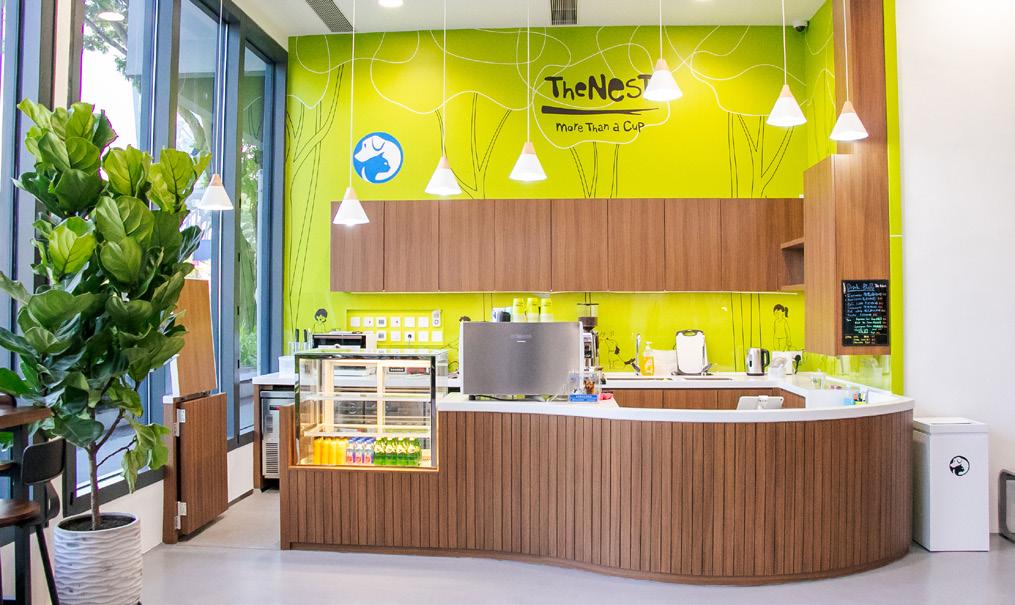
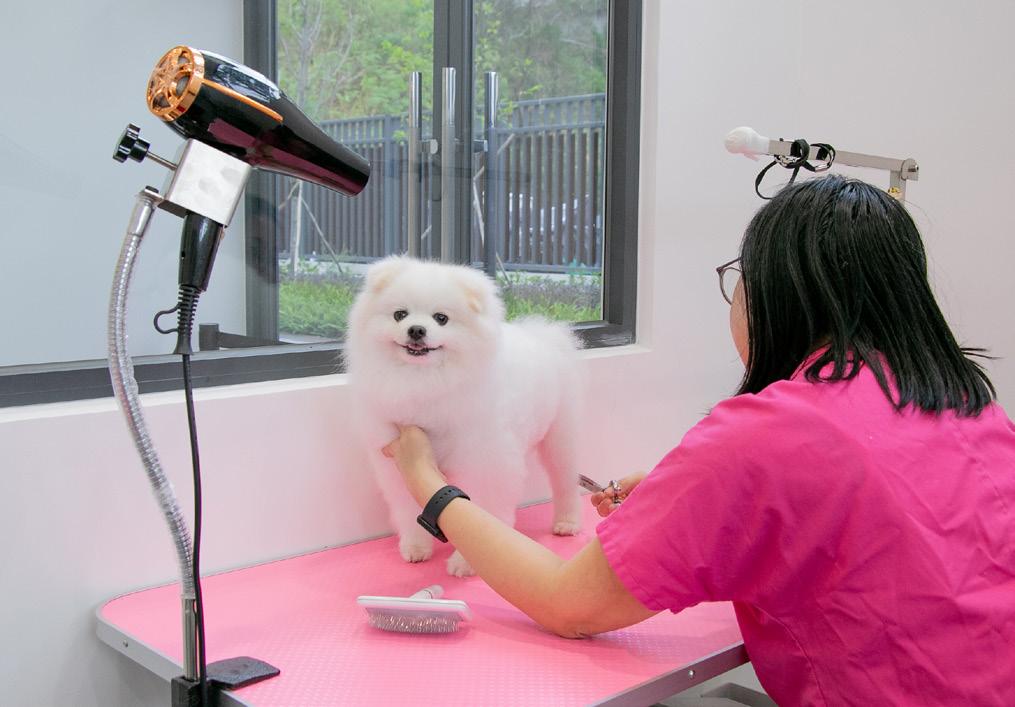
Grooming services at the Tsing Yi Centre took off as the public supported Hair Force 3. This has already expanded from two days a week to six as local residents brought their furry family members for pampering.
on The SPCA Jockey Club Centennial Centre
Financial and Operational Milestones
Operating as one of the largest animal facilities in Hong Kong, the centre delivered financial results that have helped the organisation move rapidly towards breakeven and buffer it against sector-wide challenges.
The five-story new-build facility has not been without its challenges. Operating costs remain a concern, but we are grateful for a handful of major donors whose contributions have kept us operational, especially for the first year. These individuals have contributed through sponsorships of naming rights, Paws for New Hope plaques, mosaics or equipment. We are grateful for their trust in the SPCA and we welcome the continued support.
Looking Ahead
Although we have now been in operation at the Tsing Yi Centre for over a full year, we have ambitious plans for the next 12 months.
Our pet health team aim to expand their services to include physiotherapy and acupuncture as well as establishing exotic animal medicine. Plans are underway for new education programmes, including broadening outreach to underserved communities. We will be proposing a refreshed weekend tour at Tsing Yi Centre so that it can become a goto weekend destination for pet lovers.
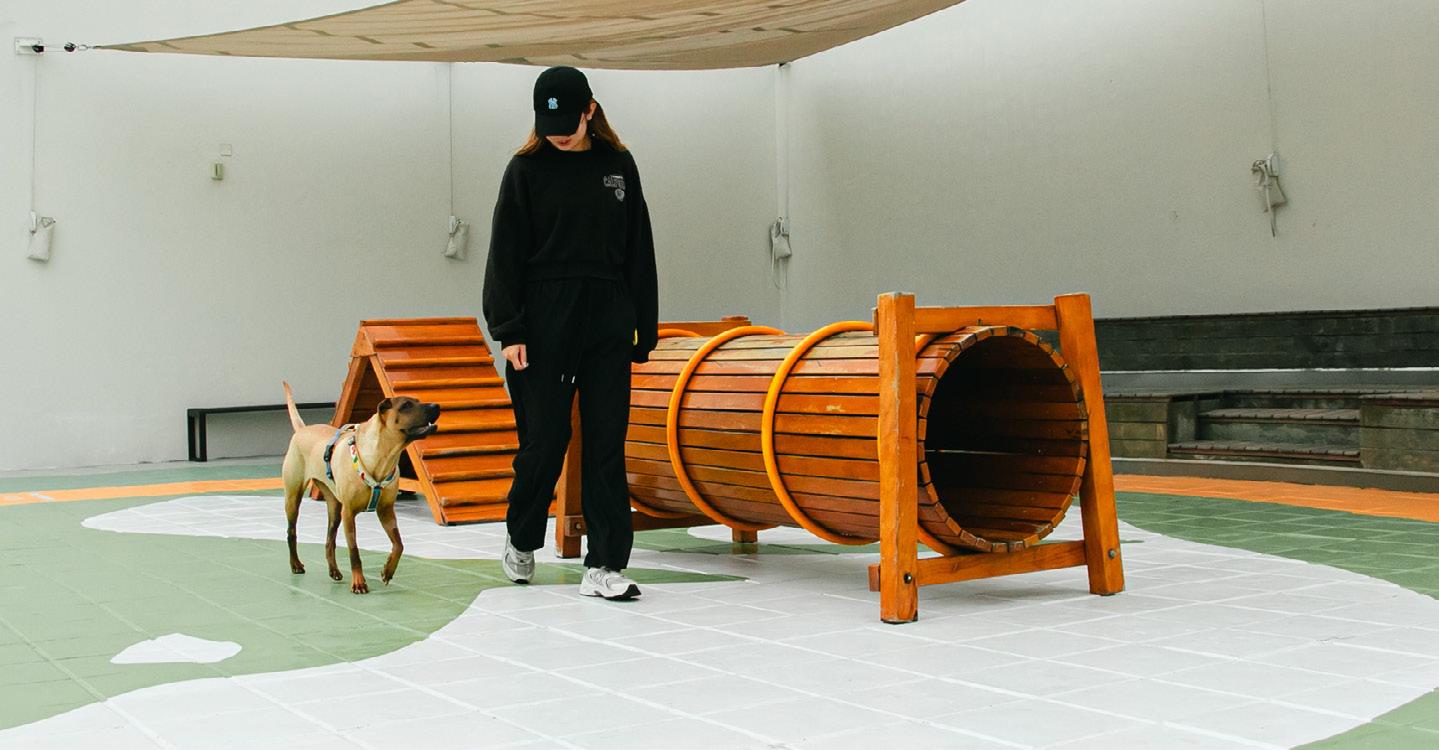
Through the SPCA Jockey Club Centennial Centre, our teams have created a new model for animal care and collaboration. The centre stands as a living example of what is possible when passion, expertise and purpose-driven teamwork come together to deliver tangible results for animals and the community every day.
Financial Health
The Society has navigated a challenging financial period with considerable success.
Income increased significantly to HK$185.96 million which represents a growth of over 43% versus the previous fiscal year. This stems from an increased support for our veterinary services which generated an additional $21m in contribution. There was also a financial realisation of major donations generated from the capital campaign in the lead up to the opening of the Tsing Yi Centre which helped double the donations over the last 12 months.
This fiscal year will result in a deficit of HK$10.08 million which is a significant improvement from the HK$24.25 million loss recorded in the prior year. With the Tsing Yi Centre operating as a new business, we had projected a five-year recovery but our current trajectory suggests we are on our way to breaking even in a shorter time span.
Taking Flight
We are in a very good position to continue our financial recovery. Despite having weathered the double blow of COVID and the costs of opening a major new facility, the future is bright.
Income is projected for continued growth as the full impact of the Tsing Yi Centre is felt. Operations will ramp-up, operational synergies will be realised and our income streams will benefit from a full year of operations. We anticipate veterinary services will grow yet again as we expand our clinical team and add new services. The immersive classroom and education facilities will continue generating strong interest from schools, and we have already confirmed bookings extending well into 2025-26.
The management team remains intensely focused on cost discipline and productivity. We will ensure that every dollar spent delivers genuine value, particularly as we counter the challenge of running a modern animal welfare organisation operating at significant scale in an expensive city.

The numbers tell a story of resilience and growth. This financial stability enables us to pursue our mission with greater vigour: rescuing animals in distress, providing veterinary care to those who cannot afford it elsewhere, and building a community that treats all animals with respect and compassion.
Financial Highlights
SOCIETY FOR THE PREVENTION OF CRUELTY TO ANIMALS
(HONG KONG) TRUSTEES INCORPORATED
(EXTRACTED FROM THE AUDITED FINANCIAL STATEMENTS FOR THE YEAR ENDED 31ST MARCH 2025 & 31ST MARCH 2024)
President Treasurer

Executive Director’s Outlook
As you will have seen throughout this Annual Review, each of our pillars has achieved excellent results and have collectively put the SPCA on a path to sustained improvement and growth.
2024-25 was a year of transition and our theme this year, Taking Flight, is recognition not only of that but of the potential for us to scale new heights in the year ahead.
We are on a path to breakeven and achieving that will become our norm but we cannot be satisfied with the status quo. Instead, we need to innovate and expand so we are able to tap into the growth opportunities that lie in front of us.
The new Tsing Yi Centre is the anchor for our important rescue, welfare, advocacy, veterinary and education work, and we intend to scale up.
I’m excited to see the centre grow to become more of a community hub delivering unique partnerships, larger scale engagements and innovative new services. We are also embracing technology to improve our internal processes as well as make interaction with our supporters more meaningful.
Executive Director’s Outlook
A few new themes to look out for in the new year.
Expanding welfare will be a significant theme for the year ahead as we advocate for the reintroduction of Cap.169 and the Duty of Care to the newly elected Legislative Council. Outreach and education will remain so we are looking for funding to expand our work around the Animal Birth Control programmes. Lastly, we have a long history of building our foster programme and we hope to expand it to include long stay animals.
Helping more animals also means building our talent pool. As we expand, we are looking to expand the Inspectorate team and our frontline roles so that we can create a stronger force to help animals in need.
Healthy pets are key so we will be looking to expand new services and experiences for your pets. Look out for updates on our wellness campaigns including physiotherapy, laser and acupuncture as additional avenues for pain relief.
Pet inclusivity will continue to be a focus as we harmonise the pet loving community and the vocal opposition. We have made significant progress with our advocacy, consultation, training and corporate enablement work but if we are to realise the ‘pet economy’ we will need to do a lot more. In particular, we will expand our work in new sectors such as restaurant and retail, as the results of the October 2025 policy address start to take effect in 2026.
Education is as important as ever. Schools are looking for “out of classroom” learning experiences and immersive interactions with animals. Career building is another theme and we have important partnerships with the world of academia that we are excited to share, and show how they are shaping talent. We are also building our portfolio of online classes with the addition of Feline First Aid and Traditional Chinese Medicine. There will also be new dog training including an in-person, international accreditation to ‘train the trainer.’
Smoother engagement. eCommerce will be enhanced so that our retail offers can be accessed more readily while new technology will mean we can improve the way you engage with us.
More services! We are excited to launch new quarantine services for both dogs and cats in the new year that offer quality care for people moving to Hong Kong. We will also look to scale up the veterinary services in the Tsing Yi Centre to include exotics and more surgery capacity.
While Tsing Yi is the centre of our operations, we are also gearing up for improvements at our other eight centres. This is made possible by generous donors and will allow us to upgrade our capital and equipment.
We thank you for your support.

Fiona Cumming Executive Director

Thanks & Acknowledgements
The SPCA thrives in large part because of the generosity and dedication of donors who choose to support our cause. We understand people have many choices where to donate so we appreciate every cent which is instrumental in helping support our comprehensive services, from the adoption services but also for our 24/7 rescues, over 14,000 square feet of animal welfare facilities, our unique desexing programs, and our expansive education and training outreach.
Over the financial year ending 31 March 2025, Government funding remains at just one percent of our annual income. Most of our work is made possible by those who believe in improving the lives of animals and people in Hong Kong.
This is evident in two ways: people supporting our vet clinics, pet services such as boarding or grooming, and retail. Every dollar that is spent with the SPCA goes directly into funding our welfare work and education outreach. So, for example, each vaccination of an owned animal allows us to fund the vaccines for all our welfare animals that come through our doors. The funds raised from each adoption go towards supporting another animal waiting for their chance for a second life.
Secondly, our work is graciously funded by donations. Whether it is one-off donations or giving through the Animal Sponsorship Programme (ASP) – a monthly contribution that helps support the regular operations of our animal welfare programmes. This year, we’ve also expanded funding opportunities for monthly donations to the Inspector Fund or to the Cinderella Fund which are additional outlets for those who want to focus their monthly giving to the rescue teams, or for the animal welfare operations. Both are invaluable to the respective teams and help them deliver our vision.
These various types of support allow us to maintain and expand our core programmes, improve facilities and launch new initiatives for animal welfare.
Impact Across the SPCA
We are grateful for the support of our major donors who have helped with specific operations or programme needs. Donors and their families sponsored the purchase of a sixth rescue van for our Inspectorate, resulting in quicker response times for animal rescues across the territory while the Fu Tak Iam Foundation confirmed a 3-year pledge for the Mongrel De-sexing Programme. This support subsidises the neutering operations for 1,600 community dogs which is free, or low cost, to the public.
Other gifts from donors have focused on improving talent. The Robert H. N. Ho Family Foundation funded our Acceleration Programme, focusing on staff training to strengthen our pipeline of animal care staff. This included nurse training for AIRC, welfare and inspectorate international information exchange, first aid for staff, as well as upskilling our office-based staff.
Another example is the Ronald and Rita McAulay Foundation who focused on behaviour training for homing animals waiting to be adopted. Their grant enabled our behaviour training team to assess and rehabilitate 2,725 animals for adoption, surpassing annual targets and helping animals like Momo, a formerly fearful mongrel who found her forever home after months of training.
Thanks & Acknowledgements
Community Initiatives and Support
Corporate and individual donors make all our events possible.
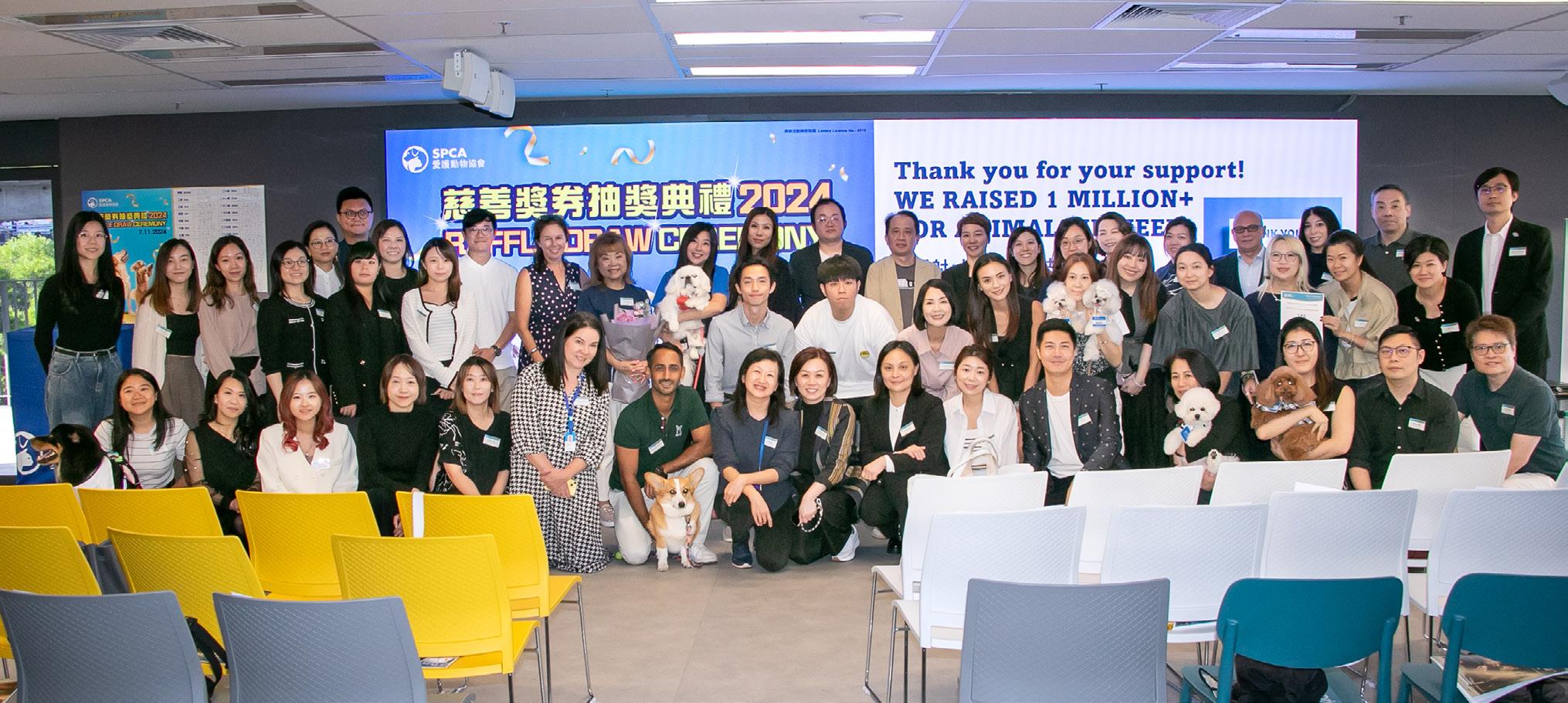
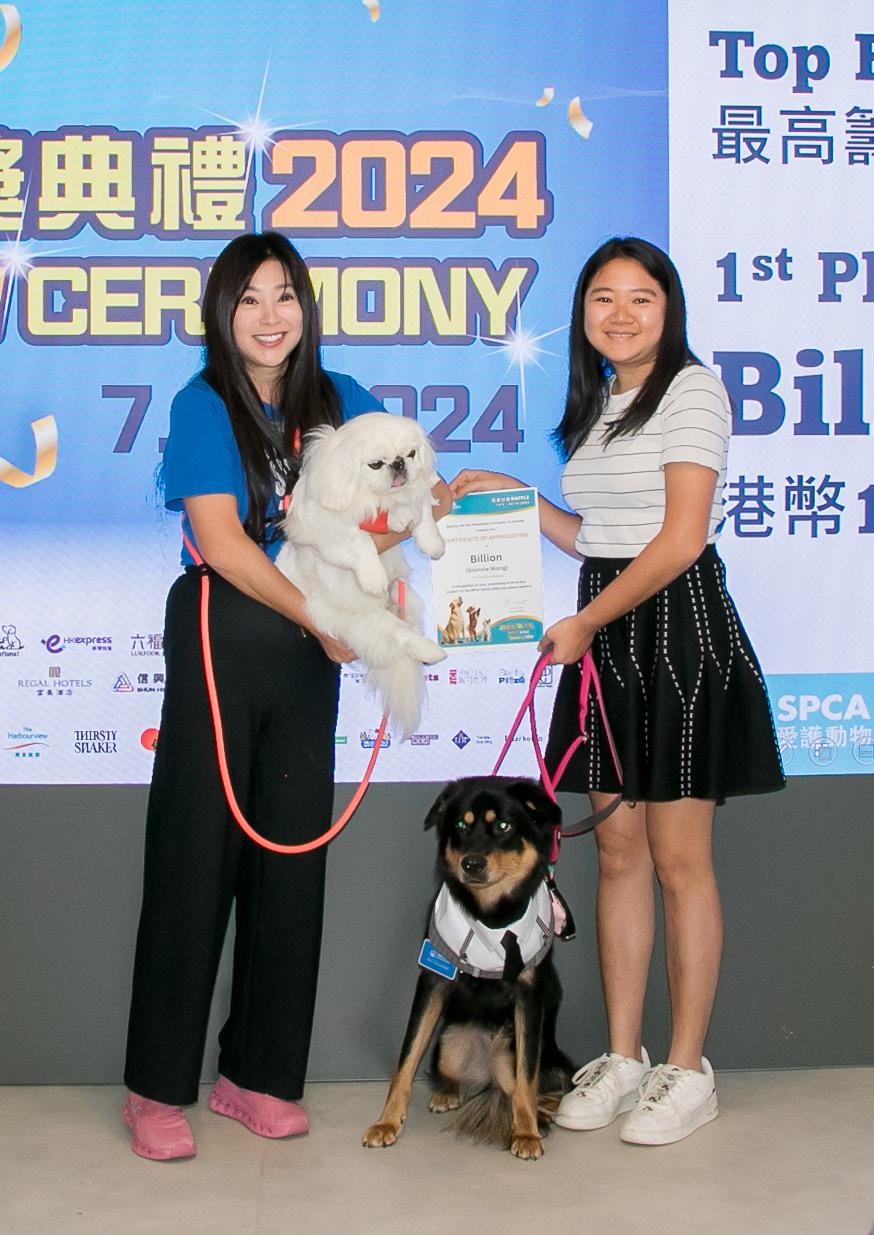
Our Charity Raffle 2024 was a perfect example of this collaborative effort. Many generous companies generously donated prizes with including 37 items valued at over $44,000. Passionate supporters came to our pop up to buy tickets, or took the initiative to fundraise on our behalf. Top corporate donors including Recaro and LGT helped us sell raffle tickets with the kind support of their staff.
Pet KOLs and supporters also came out with a big push. With their collective support, our Charity Raffle generated a record high 51,000 tickets and raised $1.16 million to support animals in need.
Supporters such as Bloomberg and Aeon Credit Service contributed to volunteer and sponsorship efforts while other donations provided food, medical equipment, and venue sponsorship to support adoption days, education workshops and public outreach.
Why Donors Matter
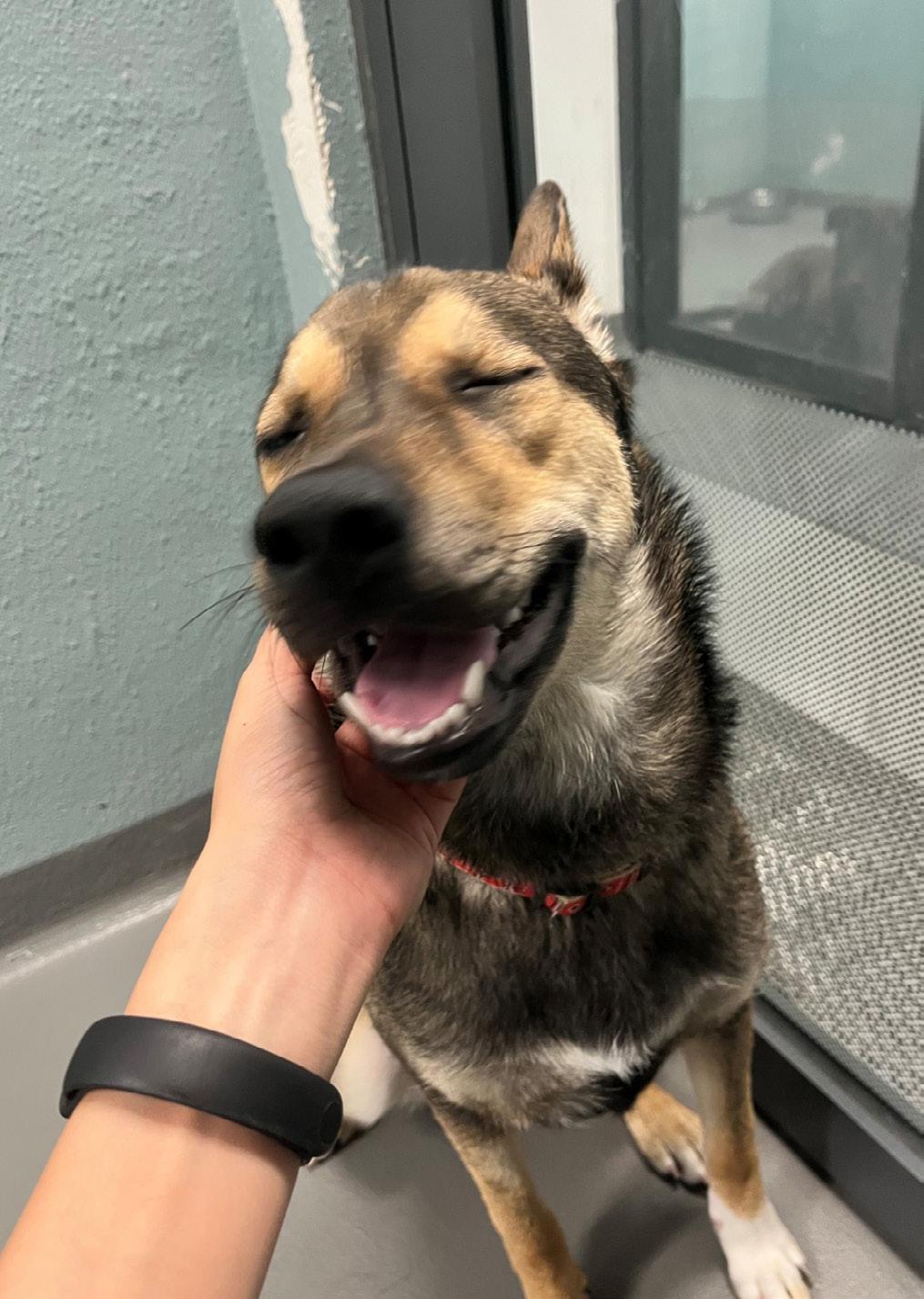
Donor gifts change lives. The story of Momo, a traumatised puppy rescued last Christmas and transformed through sponsored training, shows how donor support translates into real outcomes for animals in care.
The socialisation skills and rehabilitation that our Behaviour Training staff patiently delivered in training made it possible for Momo to find her confidence and directly contributed to her finding a new home.
The Animal Sponsorship Programme (ASP) ensures each rescued animal receives food, medical treatment and rehabilitation and is directly supported by those who choose to sponsor or join as members. This monthly support programme has raised funds to help maintain the important animal welfare work that we do. Last October, for example, our team rescued and housed 28 of 35 abandoned cats in Sai Kung. This sudden influx of animals increases the work load of our team and operations, but the ASP allows us to manage this kind of surge in operations.
Our Cat Colony Care Programme – funded by individual and corporate supporters – has desexed over 86,000 street cats since 2000 and sustains 2,200 colonies, dramatically decreasing Hong Kong’s stray population. Equally important, the funding also helps to vaccinate, microchip and provide rabies shots to all cats that are part of the programme, thereby improving the health of community cats and reducing their risk.
Support for our Inspectorate remains high as their work is both visible and immediate. Rescuing animals is a 24/7 role so the donations to the Inspectors Fund help refresh equipment and vehicles which suffer significant wear and tear. Not only is maintaining equipment important to improve animal rescues but also ensures the safety of our inspectors too.
Thanks & Acknowledgements
Growing Engagement
Looking ahead, we understand donations are becoming tougher for many. We want to assure all our donors that the funds go towards our critical welfare and rescue needs. Our goals for the coming year focus on expanding our donor base and using tools such as crowd fundraising to amplify the work of our donors.
We also plan to be proactive in articulating SPCA’s greatest needs and matching them to donors’ interests. For example, those interested in supporting the refresh of our decades-old facilities in Hong Kong and Kowloon, or others who might be interested in donating equipment and vet reference materials in kind. We pledge to meet new demands and enhance reporting of impact through transparent, qualitative outcomes.
Legacy giving is a growing trend in Hong Kong. SPCA is strategically aligning with partners to provide context and service for people interested in drafting wills or making deliberate choice and arrangements for estate planning, especially in considering the SPCA as a beneficiary is some form or working with SPCA on the pet’s end of life and bereavement planning.
Gratitude and Commitment
Every animal helped, every life changed and every staff member trained owes much to those who give. The SPCA remains committed to transparent engagement and creative partnerships, working with donors old and new to build a more compassionate city for both animals and people.
Your support sustains rescues, adoption and birth control programmes, funds medical care and ensures advocacy for petinclusive policies. The resilience seen this year is a reflection of what is possible when communities come together for positive change. Thank you for being at the heart of our journey.

Our Thanks
Individuals Corporates
ALEXANDER, Phyllis
BUCKLEY, Wai Mui
CAO, Ruan Tang
CHAN, Chan Yin
CHAN, Ching Mei
CHAN, David
CHAN, Mo Suet
CHAN, Pui Louisa
CHAN, Yu Yan
CHANG, Hoi Yiu
CHENG, Hoi Ling
CHEUNG, Chor Ping
CHEUNG, Kam Lin
CHEUNG, Po Hok Helen
CHUNG, King Kwun
COPE, Terence Peter
FUNG, Lai Shan Lisa
HAYDEN, Rolfe Gerrard
HO, Tin Lai
HO, Wing Sum
HO, Wing Yi
HO, Yuk Ling Eunice
HOTUNG, Mary Jean
JOHN E., Riley
KRACHT, Cynthia Marigold
KWOK, Chi Shing
LAM, Po
LAM, Rain
LAM, Siu Sun Dennis
LAW, Cheuk San
LAW, Yuen Wah Sonya
LEE, Bik Kit
LEE, Jiho
LEE, Mui Yuen
LEE, Philip K.F.
LEE, Wai Tak
LI, Jiaying
LI, Suet Ying
LIN, Hang Lai
LO, Ca Yin
LO, Rex Cze Kei
LOUEY, C. Petrina
LUI, Man Hin
LUK POON, Wai Ping
MAHESHWARI, Abhinav
MAK FUNG, Wai Man Grace
NG, Kwok Fai
NG, To May Mee
NG, Yan Yu
NG, Yiu Ki
PAN, Genevieve Hsin Hsia
PAU, Yee Wan Ezra
POON, Fong Man Stella
SHIN, Ho Chuen
SHUM, Chi Ka
SIZE, John Joseph
TANG, Wai Leung
TSE, Lung Lung Alice TSE, Pui Lan Bonnie
TSUI, Man Ching Karen
VAN LANGENBERG, Brian Anthony
WANG, Eddie
WONG, Elise
WONG, Sau Wah
WU, Diana
(FOONG, Pui Ling Diana)
WU, Ronald Ka Wai
YEUNG, Shing Wai Teresa
YUEN, Suk Fan
YUNG, Hei Tung
文佩娟
祝惠娥
萬維浩
Charitable Choice Limited
Flagro Group Limited
Fu Tak Iam Foundation Limited
Gold Hero (H.K.) Limited
Heung To Middle School (Tin Shui Wai)
Mr. & Mrs. SH Wong Foundation Limited
New Bright Asia Limited
Parinna Concept Ltd
POH 80th Anniversary Tang Ying Hei College
Ronald and Rita McAulay Foundation
Shun Hing Education and Charity Fund Ltd.
STUDIO ONE Design Limited
SymAsia Foundation Ltd - Wong And See Foundation
The Cathedral Clares
The Hong Kong Jockey Club
The Jessie and George Ho Charitable Foundation
The Robert H. N. Ho Family Foundation Hong Kong
The Sir Robert Ho Tung Charitable Fund
YTT Charity Fund Limited
Acknowledgements
Individuals
COPE, Terence Peter
For his generous donations to our animal welfare work.
FU, Jennifer Jane
For her years of donations to our Cat Colony Care Programme that help bring in essential resources to the welfare of stray cats.
Furchild Sweetie
For her ongoing support of the Society. Her generous donations have enabled us to install baby gate at the Tsing Yi Centre to ensure animal safety.
Mr. Lee
For his generous contributions to the Never Too Old to Love campaign, supporting pet owners in the grieving and healing process after the loss of their beloved pets. The campaign website is amongst the first of its kind to provide useful information and offer pet owners a place of solace to commemorate the lives of their pet. The campaign also established two Visiting Rooms in the SPCA Jockey Club Centennial Centre and provides pet bereavement workshops for group counselling.
NG, Sung On Andrew and NG, To May Mee
For their generous support in sponsoring education programs for SEN and underprivileged families, promoting animal health and welfare through education, and providing uniforms for our inspectors.
PAU, Yee Wan Ezra
For her years of generous donations to our animal welfare programmes.
The Snowy Pan Family
For their ongoing support of the Society.
WANG, Eddie
For his years of generous donations to our Animal Sponsorship Programme and animal welfare work.
HOTUNG, Mary Jean
For her kind donation to renovate an animal behaviour training room designed to resemble a household setting, helping prepare homing animals for their new life after adoption.
Corporates
Fu Tak Iam Foundation Limited
For their generous support to the SPCA Mongrel De-sexing Programme.
Mr. & Mrs. SH Wong Foundation Limited
For sponsoring the inspectorate team’s equipment to ensure they are properly equipped to carry out their duties.
Ronald and Rita McAulay Foundation
For their support of our Welfare Animal Behaviour Training Programme.
Shun Hing Education and Charity Fund Ltd.
For their donation for The SPCA Fellowship Programme, enhancing the skills and knowledge of our veterinary teams by inviting experienced veterinary surgeons from overseas to provide specialised training and mentorship to our staff.
The Jessie and George Ho Charitable Foundation
For their sponsorship of two dental x-ray machines for Kowloon and Sai Kung Centre.
The Robert H. N. Ho Family Foundation Hong Kong
For their support of our SPCA Acceleration Programme that helps empower individuals and promotes inclusion.
The Sir Robert Ho Tung Charitable Fund
For sponsoring the improvement and renovation of dog and cat adoption areas at the Hong Kong Centre.
YTT Charity Fund Limited
For their donations to support the Animal Sponsorship Programme.
Zhilan Foundation
For their generous donation to provide food for our newborn rescue animals.
Officials of the SPCA
President
Ms. Gigi Fu Trustees
Ms. Gigi Fu (as President)
Mr. Mathew Gollop (as Chairman)
Mr. Baldwin Cheng (as Treasurer)
Ms. Joanna Eades
Mr. Tim Hamlett
Mr. Kim J McCoy
Mrs. Lucy Wong
Executive Committee Members
Chairman
Mr. Mathew Gollop
Hon. Treasurer
Mr. Baldwin Cheng
Hon. Secretary
Ms. Amanda Whitfort
SPCA Centres
JOCKEY CLUB PAMELA D. BARTON ANIMAL WELFARE CENTRE (HONG KONG CENTRE - HEADQUARTERS)
5 Wan Shing Street, Wan Chai, Hong Kong 2802 0501
SPCA JOCKEY CLUB CENTENNIAL CENTRE (TSING YI CENTRE)
38 Cheung Fai Road, Tsing Yi, N.T. 2232 5555
JOCKEY CLUB ANIMAL WELFARE CENTRE (KOWLOON CENTRE)
105 Princess Margaret Road, Ho Man Tin, Kowloon 2713 9104
GIGI FU ANIMAL WELFARE CENTRE (SAI KUNG CENTRE)
7 Sha Tsui Path, Sai Kung, N.T. 2792 1535
SAI KUNG ADOPT-A-PET CENTRE
65 Man Nin Street, Sai Kung, N.T. 2232 5599
HANG HAU CENTRE
Flat B, 2/F, Block 5, Hang Hau Village, Tseung Kwan O, N.T. 2243 0080
Committee Members
Ms. Vanessa Barrs
Ms. Vanessa Chan
Mr. Nathaniel Chan
Ms. Cherry Chau
Ms. Tammy Che
Mr. Baldwin Cheng
Mr. Nick Debnam
Mr. Mathew Gollop
Ms. Stephanie Lau
Ms. Jennifer Van Dale
Ms. Amanda Whitfort
Executive Director
Ms. Fiona Cumming
Deputy Executive Director
Ms. Louisa Ho
CHEUNG CHAU CENTRE
CX 277 Tung Wan, Cheung Chau 2981 4176
MUI WO CENTRE
Shop 14, Mui Wo Clinic, 3 Ngan Wan Road, Mui Wo, Lantau Island 2984 0060
FAIRVIEW ANIMAL WELFARE CENTRE
Junction of Fairview Park Boulevard and Kam Pok Road, Yuen Long, N.T. 2482 2770