
A HOME-GROWN LEGACY
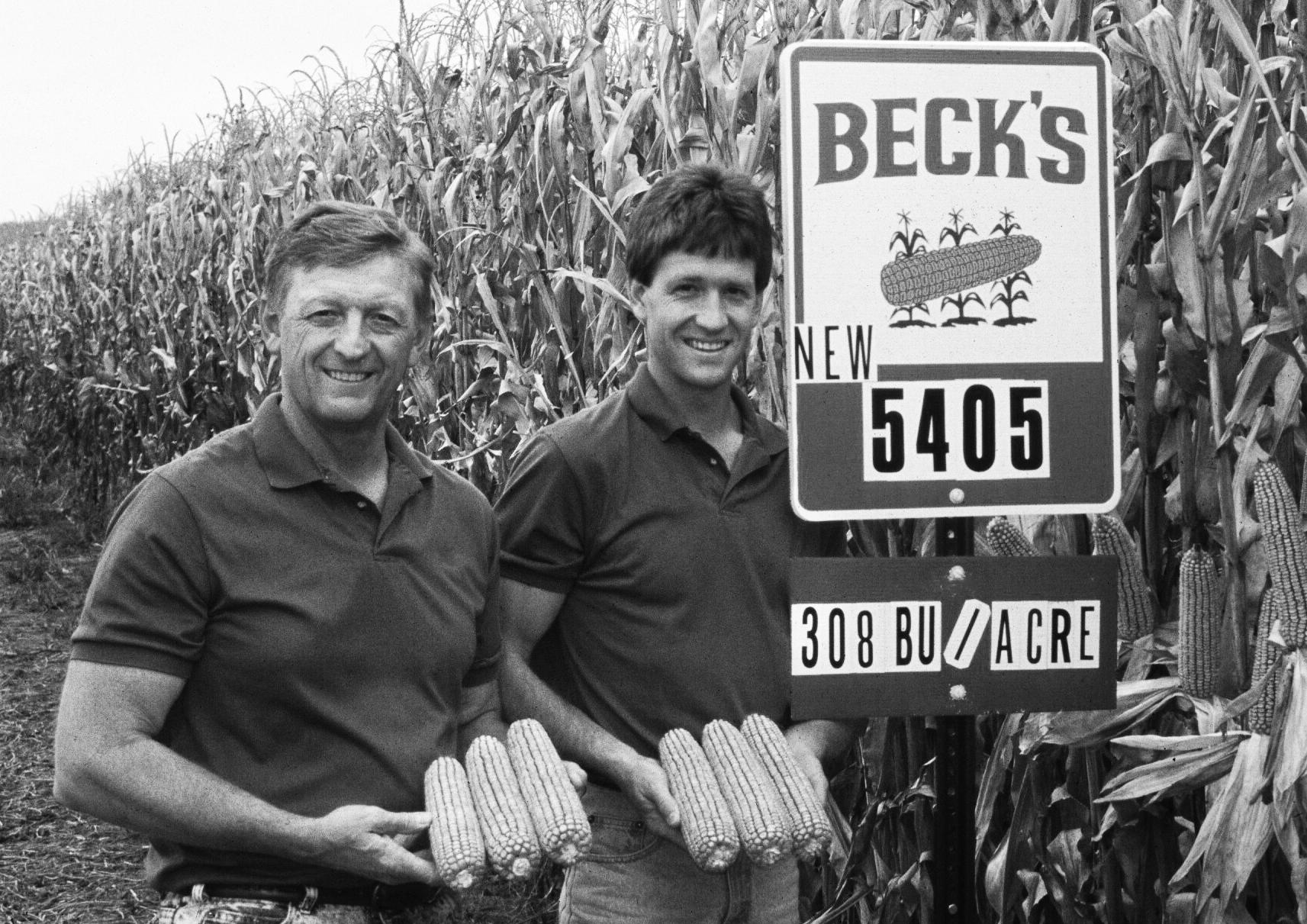
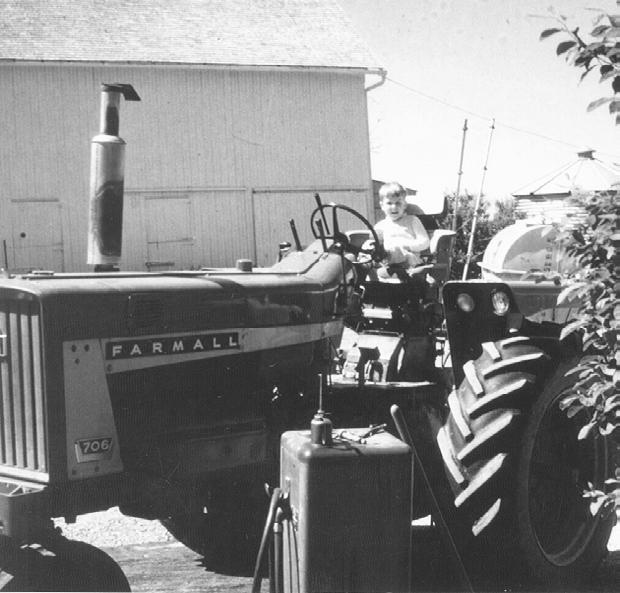
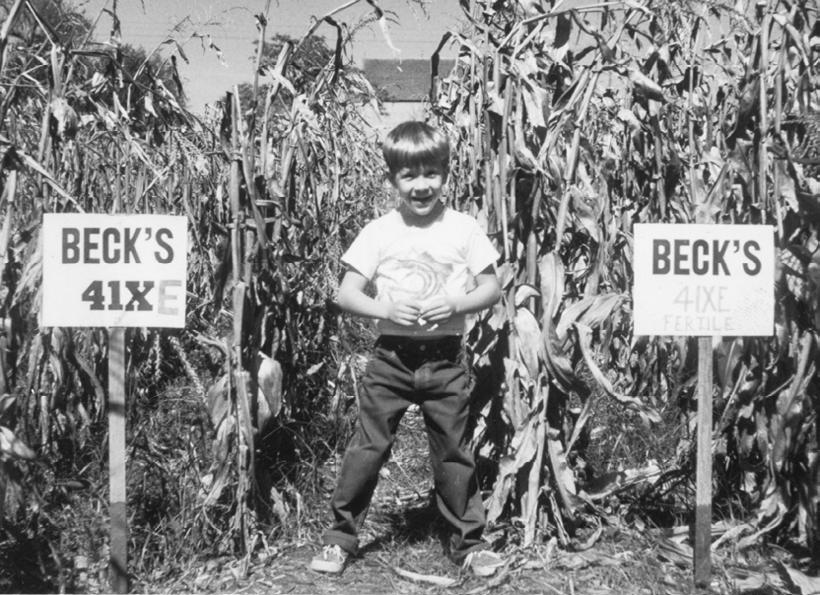
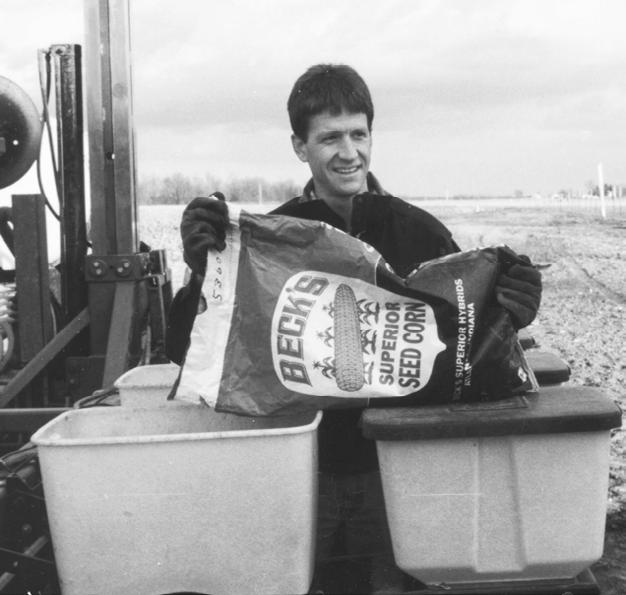
A legacy of faith. A tradition of farming. A future rooted in both.












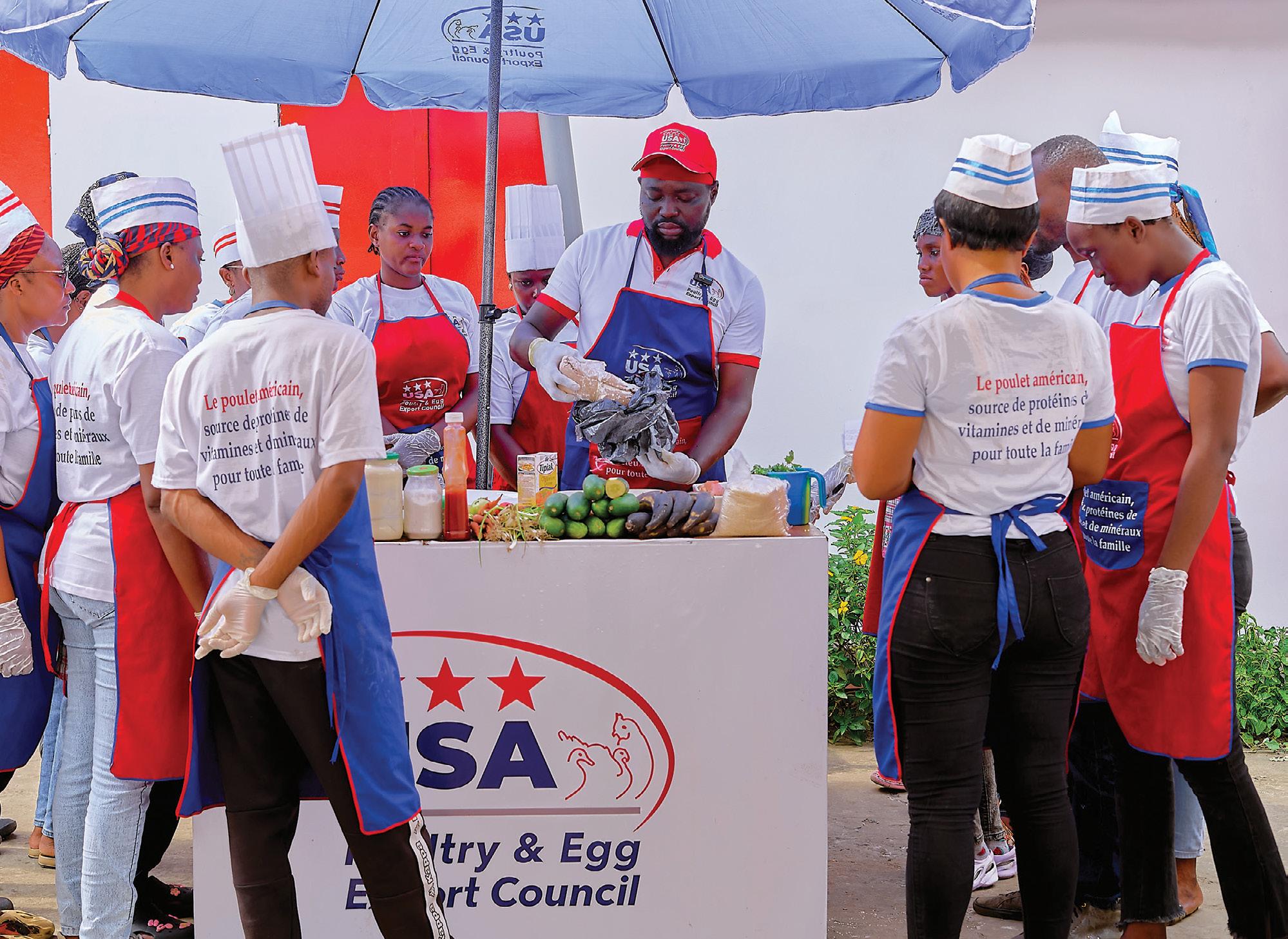
















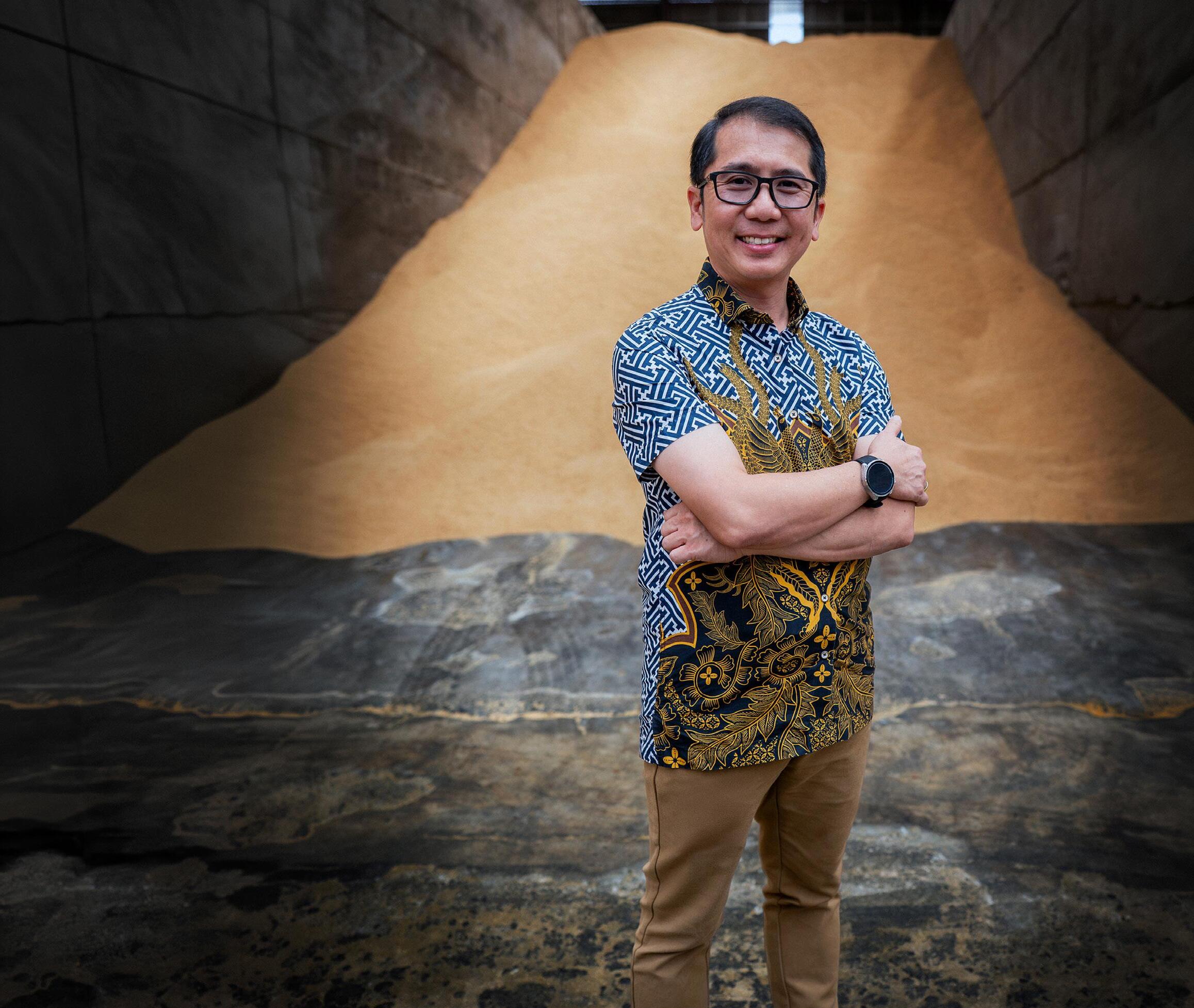
“U.S. SOYBEAN MEAL IS MORE CONSISTENT WITH QUALITY. YOU CAN SEE THE DIFFERENCE.”
Hendri Chandra Director, PT Shahabat Yaya Tio Perkasa, Indonesia
YOU GROW THE WORLD’S MOST SUSTAINABLE SOY. WE GROW DEMAND FOR IT.
USSEC elevates a preference for U.S. Soy by working directly with buyers in over 90 countries to demonstrate its proven quality and sustainability.

BOARD OF DIRECTORS
Board members from across the state represent the voices of Wisconsin soybean growers to advocate for government policies and support research that helps improve the profitability of soybean farmers.
WSA OFFICERS

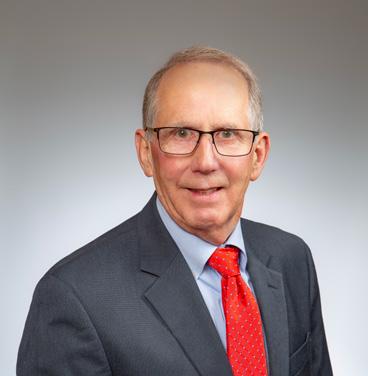
Dave Coggins
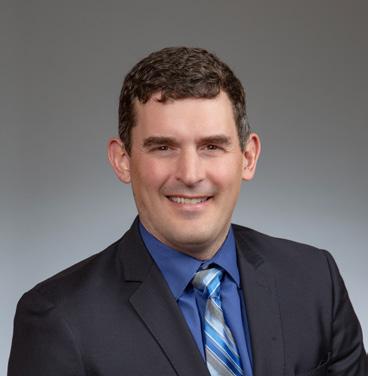
Daniel Linse
Doug serves as president on WSA’s officer team, representing District 3. He raises soybeans, corn and wheat in Janesville alongside his brothers and nephews.
WSA DIRECTORS
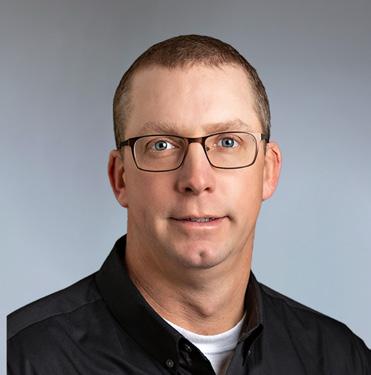
Matt serves as WSA vice president and represents District 3. A first-generation farmer, he raises soybeans, corn and wheat on his operation in Darien.
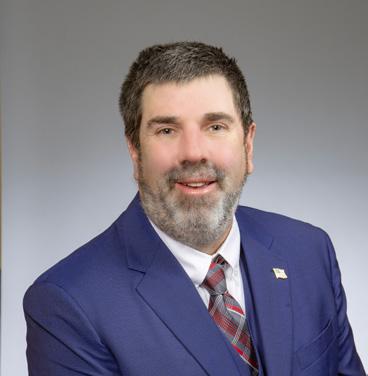
Dave is a recently retired banker with a lifetime of experience in both agricultural and commercial lending. He joined the WSA board in 2023 as an industry representative. Serving District 3, Dave was reelected WSA treasurer in 2026.

Daniel represents District 1 and serves as WSA secretary. He grows a mix of soybeans and corn with his father on his farm in Mondovi. Along with crops, the Linses also raise turkeys.
ASA YOUNG LEADER
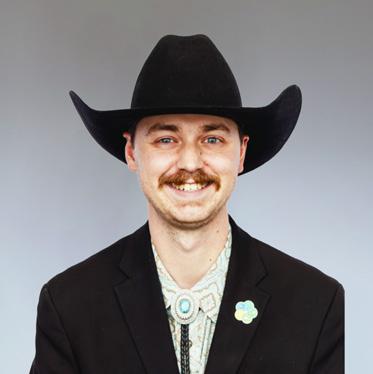
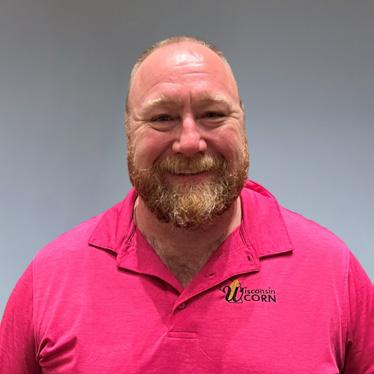
Danny grows soybeans and corn near Columbus with his three uncles. He completed ASA’s Young Leader Program in 2024. Danny also works as a crop insurance agent, is involved in Astico Perseverance 4-H club and is a soil health advocate.
Katie was elected in 2024 as an industry director for WSA. She is the district sales manager for Legacy Seeds and resides in De Pere, representing District 4.
Longtime advocate Luke Goessling is an at-large director with WSA and serves as co-chair of the Wisconsin Corn•Soy Expo. He farms soybeans and corn in Whitewater alongside his wife and two sons and also owns and operates a gravel trucking company.
Eric Wuthrich farms in Monroe with his wife, Jaclyn, raising soybeans, corn and chickens. A fifth-generation farmer, Eric is WSA’s current ASA Corteva Young Leader.
Katie Kaczor
Luke Goessling
Danny Brisky
Doug Rebout
Matt Rehberg
Eric Wuthrich
EDITORIAL STAFF
WSA Executive Director Adam Kask akask@wisoybean.org (608) 274-7522
Managing Editor Drew Lyon drew@agmgmtsolutions.com (608) 274-7522
Art Director Alex Troska atroska@agmgmtsolutions.com
Sales Manager Erin Rossow erossow@agmgmtsolutions.com (507) 902-9191
WSA DIRECTORS

Brad Sennhenn
Brad is a WSA Young Leader at-large after graduating in 2025 from the American Soybean Association’s (ASA) Young Leader Program. He farms in Columbus on a family dairy operation. In addition to cattle, Brad raises soybeans, corn, alfalfa and sorghum.
ASA DIRECTORS
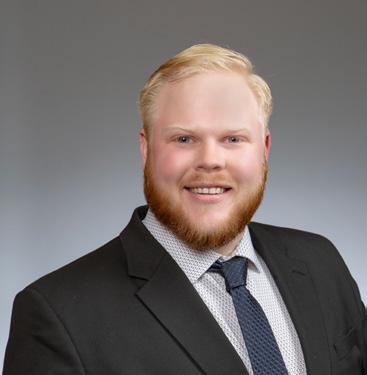

Amber joined WSA in 2025 as the District 4 director. Amber and her husband, Zac, raise soybeans, corn and wheat in Seymour. With a lifelong passion for ag, Amber is a past ASA Young Leader and currently a NK Seeds representative working with ag retailers and growers across northern Wisconsin. Amber Soltvedt
ADVERTISING
Advertising space reservations can be made by the 15th day of the month prior to publication. In consideration of the acceptance of the advertisement, the agency and the advertiser must, in respect of the contents of the advertisement, indemnify and save the publisher harmless against any expense arising from claims or actions against the publisher because of the publication of the content of the advertisement.
Advertisements within this publication contain the opinions and information of the advertisers and do not necessarily reflect the opinions or views of the Wisconsin Soybean Program or affiliated groups.
Soy Forward is published quarterly on behalf of the Wisconsin Soybean Association. Circulation comments and suggestions can be submitted to Managing Editor Drew Lyon at drew@agmgmtsolutions.com.
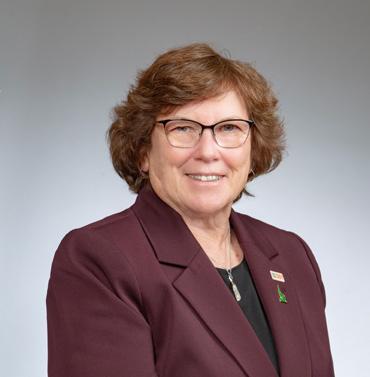
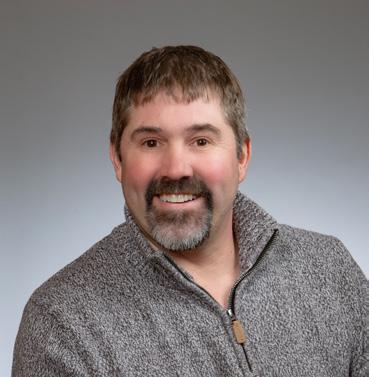
Dr.
Shawn Conley
Sara is WSA’s District 2 director and served as president from 2023-25. She operates a diverse farming operation that includes soybeans, corn, peas, green beans and cattle in Wautoma.
WSA STAFF
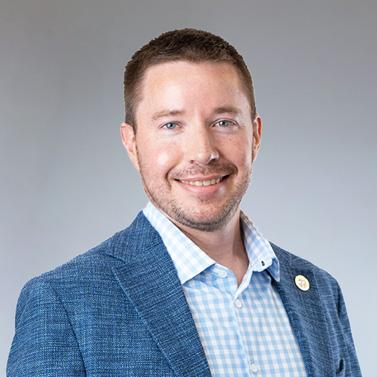
Tanner is a first-generation farmer from Prairie Farm. He is an at-large director for WSA and serves as ASA treasurer. Tanner is also a 2017 graduate of ASA’s Young Leader Program.
Steve is a past WSA president who currently represents WSA on ASA. He farms primarily soybeans and corn in central Wisconsin near Amherst.
Adam is the executive director of both WSA and the Wisconsin Soybean Marketing Board. A U.S. Army veteran, Adam has years of experience working in farm policy, market development and agronomy.
Dr. Conley is a professor of agronomy and is the soybean and small grains specialist at the University of Wisconsin-Madison. Shawn is WSA’s representative on the board for the University of Wisconsin’s College of Agricultural & Life Sciences.

Sara Stelter
Tanner Johnson
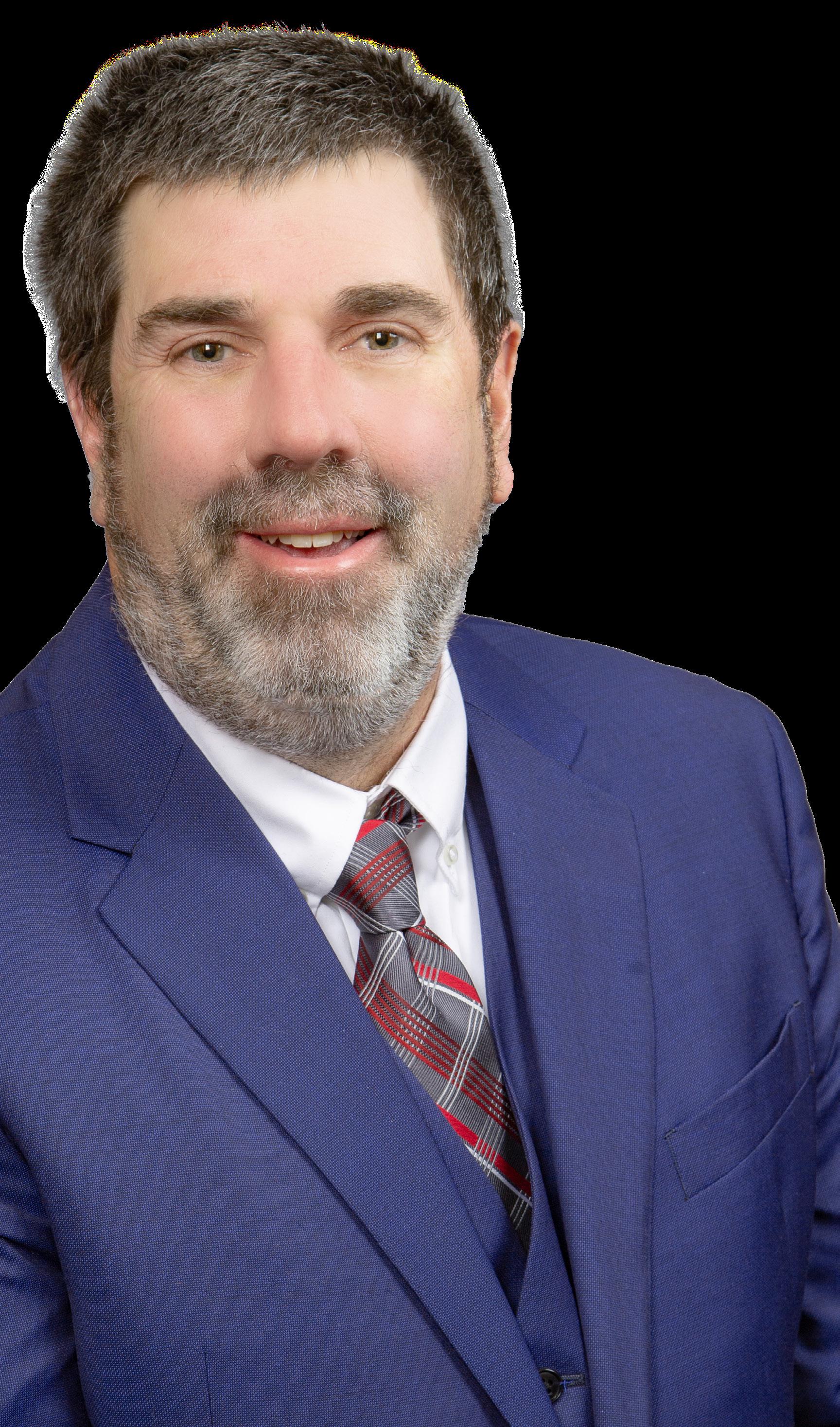
Doug Rebout
President’s Foreword
Faith in farming
As farmers, we have inherent faith in so many variables — agronomists and the weather; our inputs and markets; our friends and neighbors. We like to think that we are self-sufficient in what we do, but in all honesty, we always need some help. None of us stand alone.
I have a friend who recently survived a tornado. He was trying to close a shed door when a tornado came and threw him across the driveway. He was knocked unconscious and ended up with a sprained ankle, two broken ribs, a broken shoulder blade and a collapsed lung. This is a guy who is taking over his family’s dairy farm, has four young kids and doesn’t have time to be laid up recovering. Living in a farming community, maybe his faith in the weather didn’t pay off so much this time — but his faith in friends and neighbors did. The community came out to help repair damages and keep his farm going while he recovered from his injuries.
This summer, I’m asking all our soybean growers and members across the state to have faith in the Wisconsin Soybean Association while we continue to navigate these turbulent times by promoting and defending farm-friendly policies. We are constantly working with our government officials at the local, state and national levels on telling our stories and letting them know the impacts that are felt from different decisions that negatively and positively impact our operations. As you read in this issue, we’re meeting with our elected officials here in the state and in Washington, D.C., touting the importance of a strong farm economy. We are letting our policy leaders know how we are affected by trade, war, energy prices, renewable fuel obligations and many more policies. We are working to make your farm, and family farms across Wisconsin, be as successful and profitable as possible.
We as a board also have faith in you, our growers and industry partners, to be out there telling your stories. An election is coming in November, and we have dozens of new candidates running for office. We hope that you encourage the candidates to come out to your farms or places of business to teach them the importance of agriculture to their districts and to the state. Hopefully, you will build that relationship. If they get elected and they have questions about agriculture, they’re more likely to turn to Wisconsin farmers for answers instead of illinformed sources.
On behalf of WSA, I urge you to continue to have faith in us and our commitment to improving the outlook for our industry. In turn, we will have faith in you to help us get our priorities accomplished. And then, we’ll enjoy seeing you at the 2027 Wisconsin Corn•Soy Expo so we can share our stories of success. In the meantime, visit wisoybean. org/wsa to show your faith by becoming a member and supporting WSA by joining us at the Wisconsin Soybean Golf Classic July 27 in Evansville.
Doug Rebout President, WSA
Celebrating Wisconsin Agriculture
A commentary by Secretary Randy Romanski of the Wisconsin Department of Agriculture, Trade and Consumer Protection (DATCP)
Wisconsin’s agriculture industry is diverse. From dairy to crops to animal agriculture, there is much to celebrate. Farmers in the state produce over 100 million bushels of soybeans annually, and, just this year, Wisconsin farmers planted nearly 2.5 million acres. The reach of these acres goes beyond the land and farms where the soybeans are grown.
Soybeans are versatile and are used for food, animal feed, biofuels, and other products. Governor Evers has been a consistent supporter of E15 with continued advocacy to the federal government and U.S. Environmental Protection Agency (EPA) to allow year-round sales of the fuel. The Governor’s Administration supports the soybean industry and positively impacts Wisconsin consumers as a whole. However, more must be done to ensure long-term certainty and market opportunities.
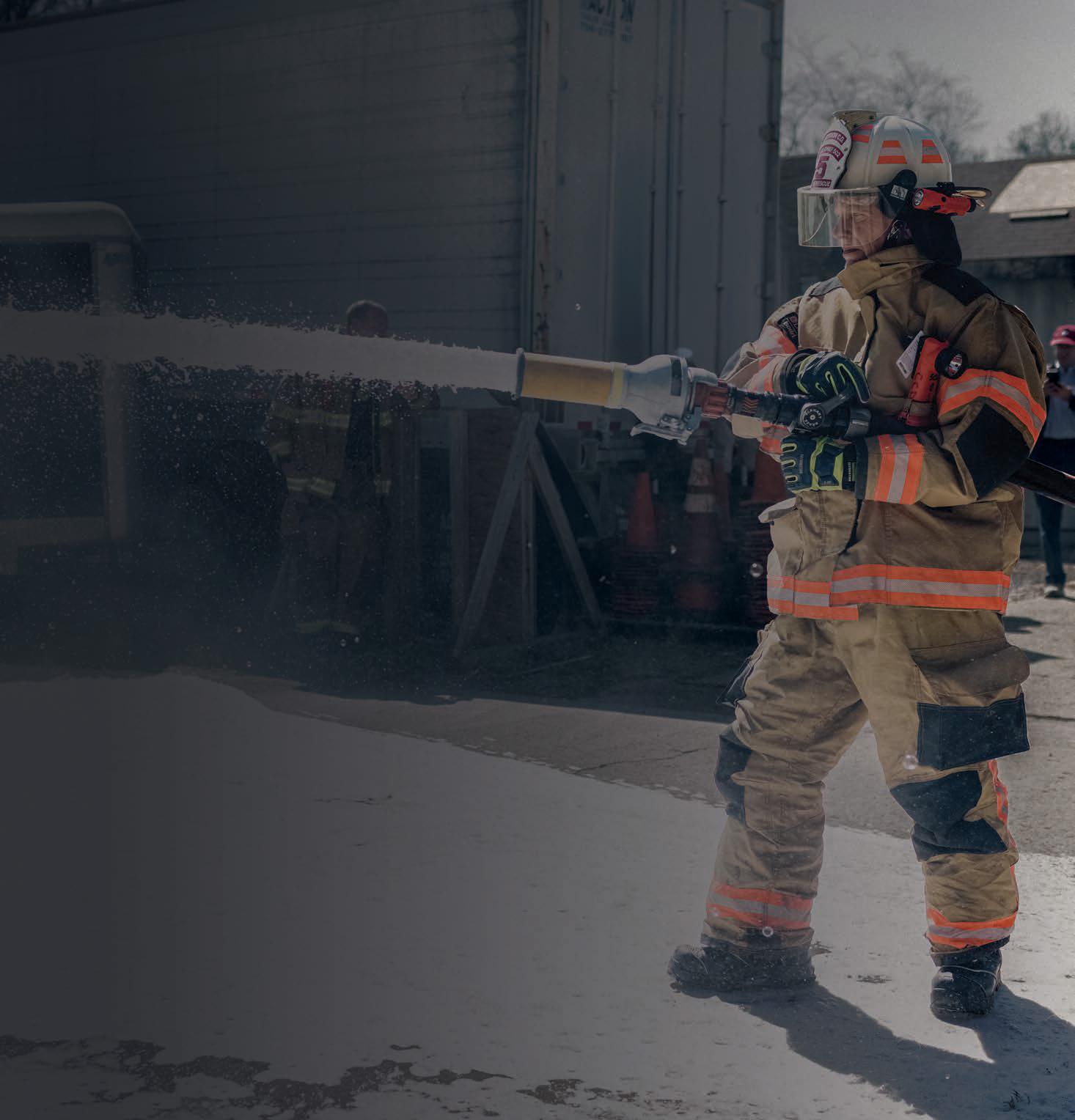
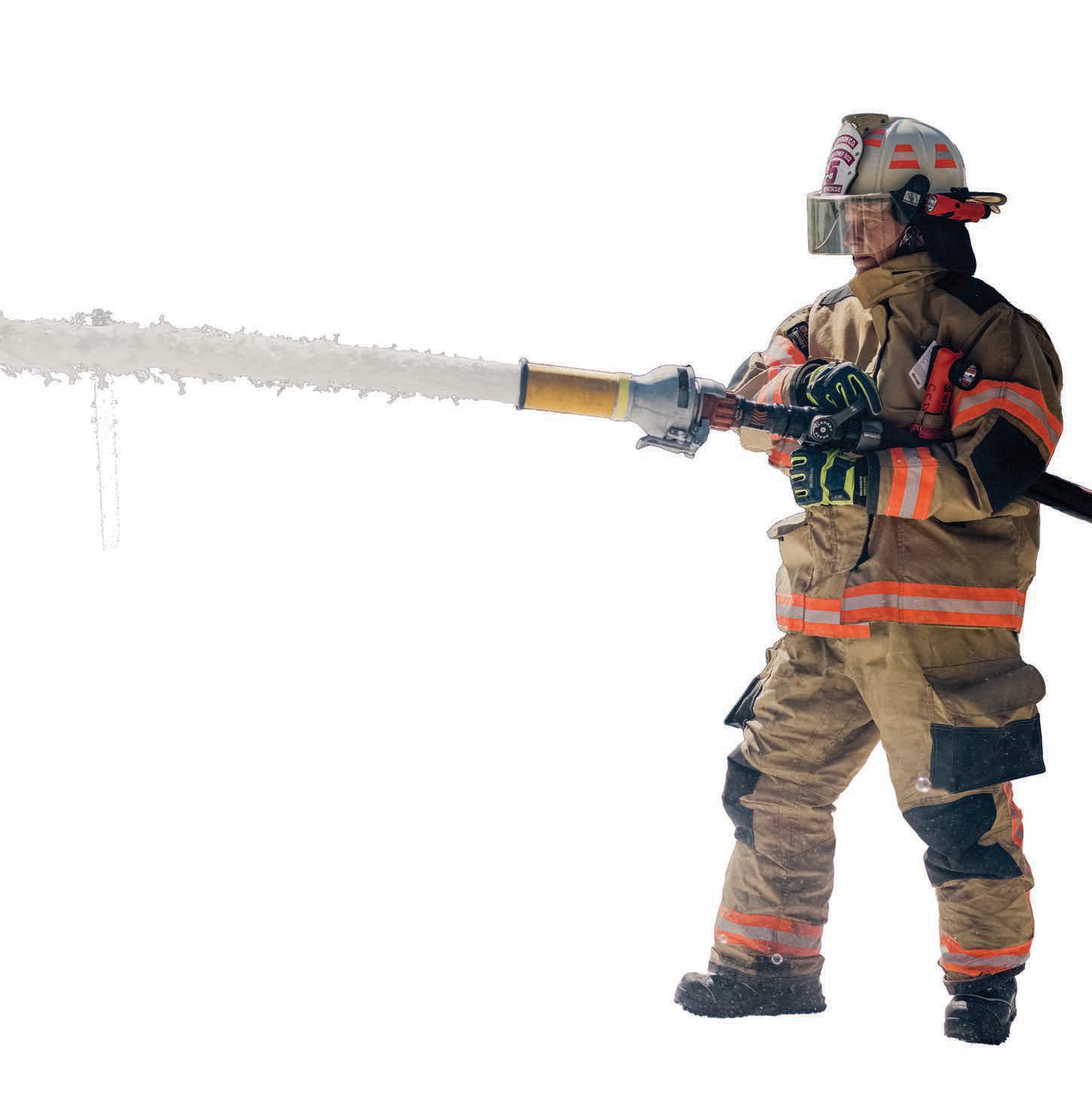
Just this year, Governor Evers also signed a law that allows fire departments to use state grant funding for soybased fire suppression products. This effort reduces the use of firefighting foams that include “forever chemicals” such as Per- and Polyfluoroalkyl substances (PFAS). It also increases access, and potentially demand, of additional soy-based products. While farmers are experiencing market turbulence from multiple angles, Governor Evers is working to increase market access for Wisconsin farmers and processors.
The Wisconsin Department of Agriculture, Trade and Consumer Protection (DATCP) is proud to work closely with soybean farmers across the state through the Producer-Led Watershed Protection Grant Program. In 2026, there are 49 groups focusing on nonpoint source pollution abatement activities through the grant program. In total, these groups are receiving more than $1.6 million to deliver cost-share programs, on-farm demonstrations and research projects, and education and outreach efforts. This program is just another tool in the toolbox of Wisconsin farmers as they work to produce quality food,
fiber, and fuel to the state and beyond.
DATCP operates additional programs that support farmers in their work to protect our land and water. One such program is the Nitrogen Optimization Pilot Program (NOPP), which is administered by DATCP in partnership with the University of Wisconsin-Madison Division of Extension. This program is designed to encourage producers to develop innovative approaches to optimize the application of commercial nitrogen for at least two growing seasons.
With the loss of markets abroad, there has been a heavy impact on soybeans. DATCP serves as a resource to farmers and agribusinesses seeking to find new markets for their food, fiber and fuel products. Despite there being uncertainty on inputs, trade disputes, and more, Governor Evers and DATCP are here to serve as a resource to you. In addition to international trade, grant programs, and federal advocacy, DATCP’s Wisconsin Farm Center staff are available for free and confidential assistance on mediation, financial consulting, and farmer wellness. There is no problem too big or small for our team. Reach out today at (800) 942-2474 or learn more at datcp.wi.gov.
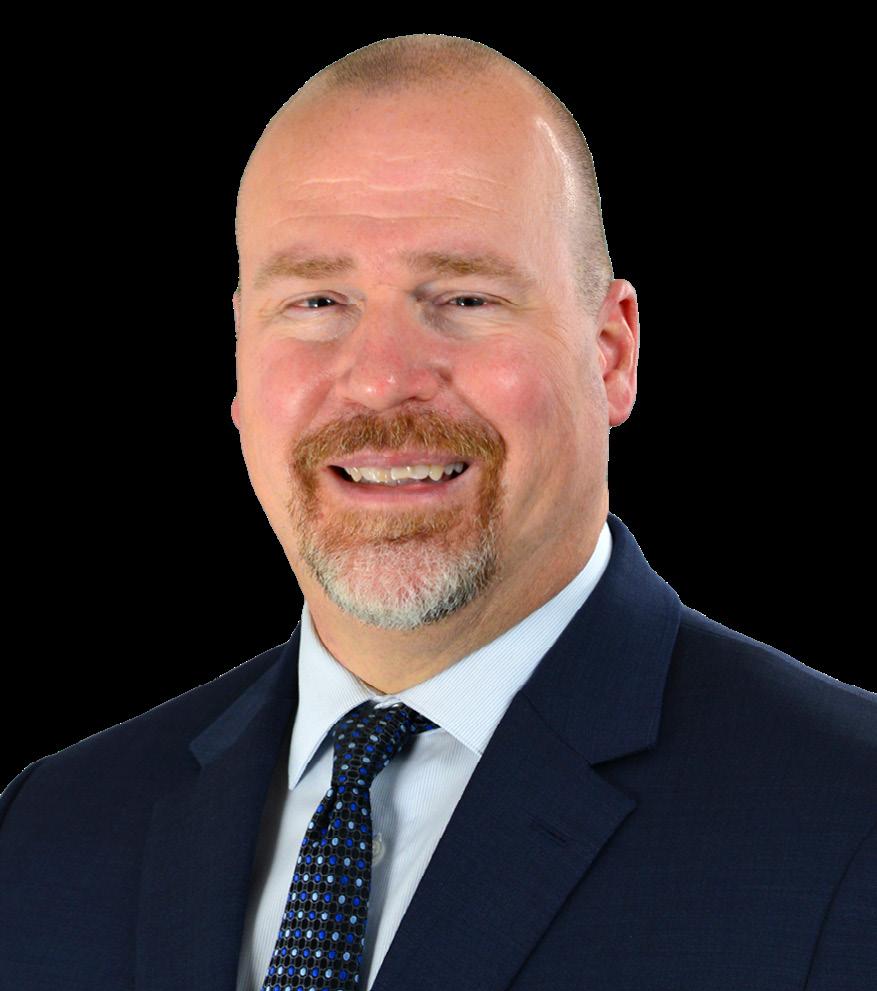
Randy Romanski has served as Secretary of the Wisconsin Department of Agriculture, Trade and Consumer Protection (DATCP) since 2019.









Review & renew Soy growers seek to preserve USMCA


By Drew Lyon
If a trade deal isn’t broken, there’s no need to tear it apart and hurt U.S. agriculture.
That’s the unified position of farm groups from across the United States, as the three countries encompassing the United States-Mexico-Canada-Agreement (USMCA) began a formal review process of the 16-year agreement this July.
“The success of the USMCA has been a shining light of all the trade agreements that the administration has struck, going back to the first Trump administration,” said Barron County farmer Tanner Johnson, who, along with Steve Trzebiatowski, represents Wisconsin on the American Soybean Association (ASA). “It’s worked for farmers and our economy.”
Soybeans are the U.S.’s No. 1 ag export. In marketing year 2024/2025, U.S. soybean and soybean product (soy complex) exports combined to reach nearly $30 billion. These volumes help support the farm economy, rural communities and balance U.S. trade.
“The USMCA offers a pile of benefits for the U.S. agriculture sector that we’ve been incredibly happy with,” said Johnson, who serves as ASA treasurer. “It’s provided good footing in an otherwise unstable relationship with our trade partners Mexico and Canada. It’s really helped create long-lasting relationships with our close trade partners.”
Beginning July 1, the three countries face the first formal, six-year review of the USMCA. By early June, both Canada and Mexico had already made their formal renewal request. If all three parties don’t agree to extend the USMCA through 2036, annual reviews begin starting in 2027; other scenarios include concessions from Mexico and Canada to reduce U.S. tariffs; early withdrawals from













one country; and, if trilateral agreements fall apart, bilateral agreements could instead be struck.





Since its implementation in 2020, the USMCA, which improved upon the North American Free Trade Agreement (NAFA) by expanding opportunities and further integrating the economies of the three principal countries, has helped support 13 million American jobs and now accounts for nearly 25% of all American trade. For every $1 of ag products exported by the U.S. under the USMCA, $2.45 was returned to the U.S. economy.

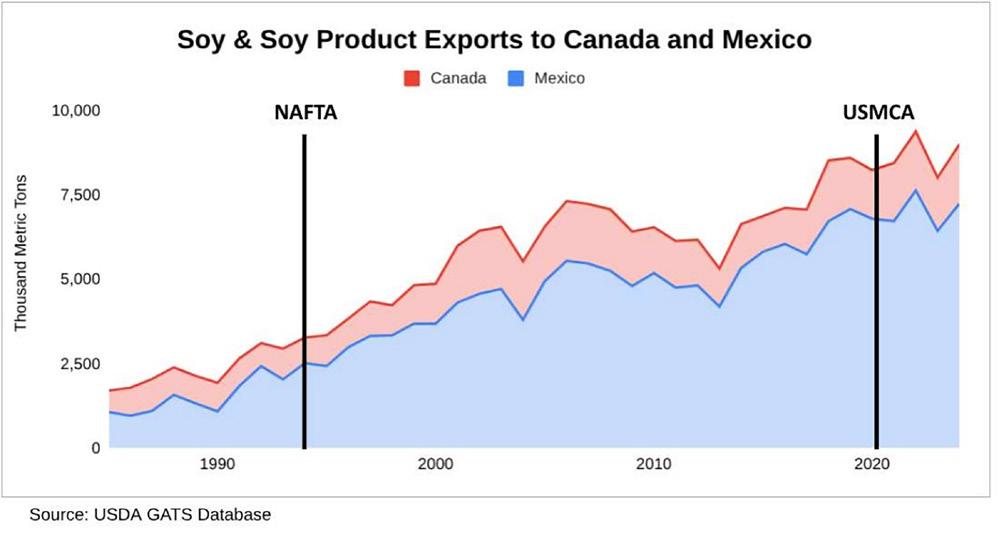
The stakes are high for the U.S. economy and agriculture, Johnson said, including deep shocks to supply chains and upending the trade relationships between the three countries. For U.S. soybean farmers, Mexico and Canada combined to import $4 billion of U.S. soy in 2024/2025, equating to more than 13% of all U.S. soy complex exports.
“There’s such an important relationship with them that I really hope we can get a long-term agreement because it certainly provides stability to us,” Johnson said.
A ‘VITAL’ TRADE DEAL
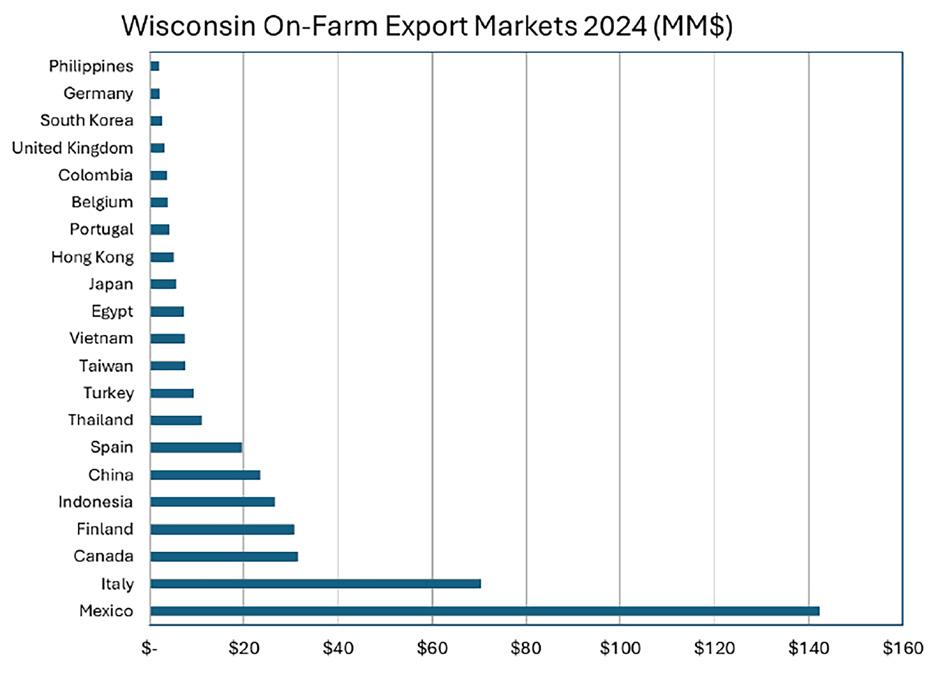
Wisconsin’s over 16,000 soybean farmers depend on exports to drive demand. More than 60% of the over 100 million bushels of soybeans harvested in Wisconsin each year are exported to markets in Canada, Mexico and China. Mexico and Canada are also two of the largest importers of Wisconsin agriculture products, accounting for $173 million in sales each year. Jeopardizing relations with two of its largest trading partners – on top of lingering tensions with China – could have lasting consequences for Wisconsin farmers. WSA continues to be out front promoting the importance of trade. Last October, Director and past WSA President Sara Stelter participated in a













Mexico is far and away the largest importer of Wisconsin ag products, amd Canada ranks third. All U.S. soybean farmers continue to benefit from the USMCA.











Farmers for Free Trade event, and current President Doug Rebout continues to speak out in support of the USMCA.



“It’s very important for Wisconsin agriculture to get the USMCA renewed,” said Rebout, who farms in Janesville. “Because with everything else going on around the world, our trade with Canada and Mexico is vital to Wisconsin and the U.S. economy and our agricultural economy.”
WSA is a state affiliate of ASA, and ASA has joined the Agricultural Coalition for USMCA. The group wrote a letter in May 2026 urging the Trump administration to review and renew the agreement and not engage in a full renegotiation.
“The USMCA is foundational to American food and agriculture’s success, providing expanded cross-border rail traffic, long-term policy certainty, and greater supply chain predictability for American producers – and this agreement delivers for American consumers, too,” the letter stated.
In June 2026, ASA testified during a House Agriculture Committee hearing on the USMCA. A few days later, Johnson, Trzebiatowski and WSA Executive Director Adam Kask met with Rep. Tony Wied, who represents Wisconsin’s Eighth Congressional District, to underscore the importance of trade to Wisconsin’s economy. The following week, Rebout and WSA Vice President Matt Rehberg held a meeting in Madison with the Canadian Consulate. WSA and ASA directors continued promoting the USMCA’s renewal during ASA’s summer Hill Visits in Washington, D.C.
“We remain optimistic that USTR will come to a good agreement with the USMCA,” Johnson said. “We’ve worked closely with our friends in Canada and Mexico to maintain those relationships from a farmer to buyer perspective, and that’s something we continue to do as one of the unique opportunities we’ve been afforded by being on these boards.”
Since 2021, potash costs have spiked over 40%. U.S. farmers source nearly 80% of their potash needs by rail from Canada. As part of the USMCA, potash imports from Canada into the U.S. are duty free.
“We bring in a ton of inputs from Canada and with input costs being what they are, it’s really important that we do all we can to keep those costs down,” Johnson said.
USMCA benefits:
• Provides stability and predictability for integration of the North American agricultural markets
• Offers duty-free treatment for soybeans and soy products
• Strengthens rules and sanitary and phytosanitary measures and includes critical ag biotechnical provisions
• Supports cross-border investments in logistics, infrastructure and processing
Road Rules
WSA’s advocacy leads to new ARIP funding
By Soy Forward staff
The Wisconsin Soybean Association’s (WSA) advocacy efforts are helping improve and update the state’s transportation infrastructure, benefiting the state’s farmers and rural economies.
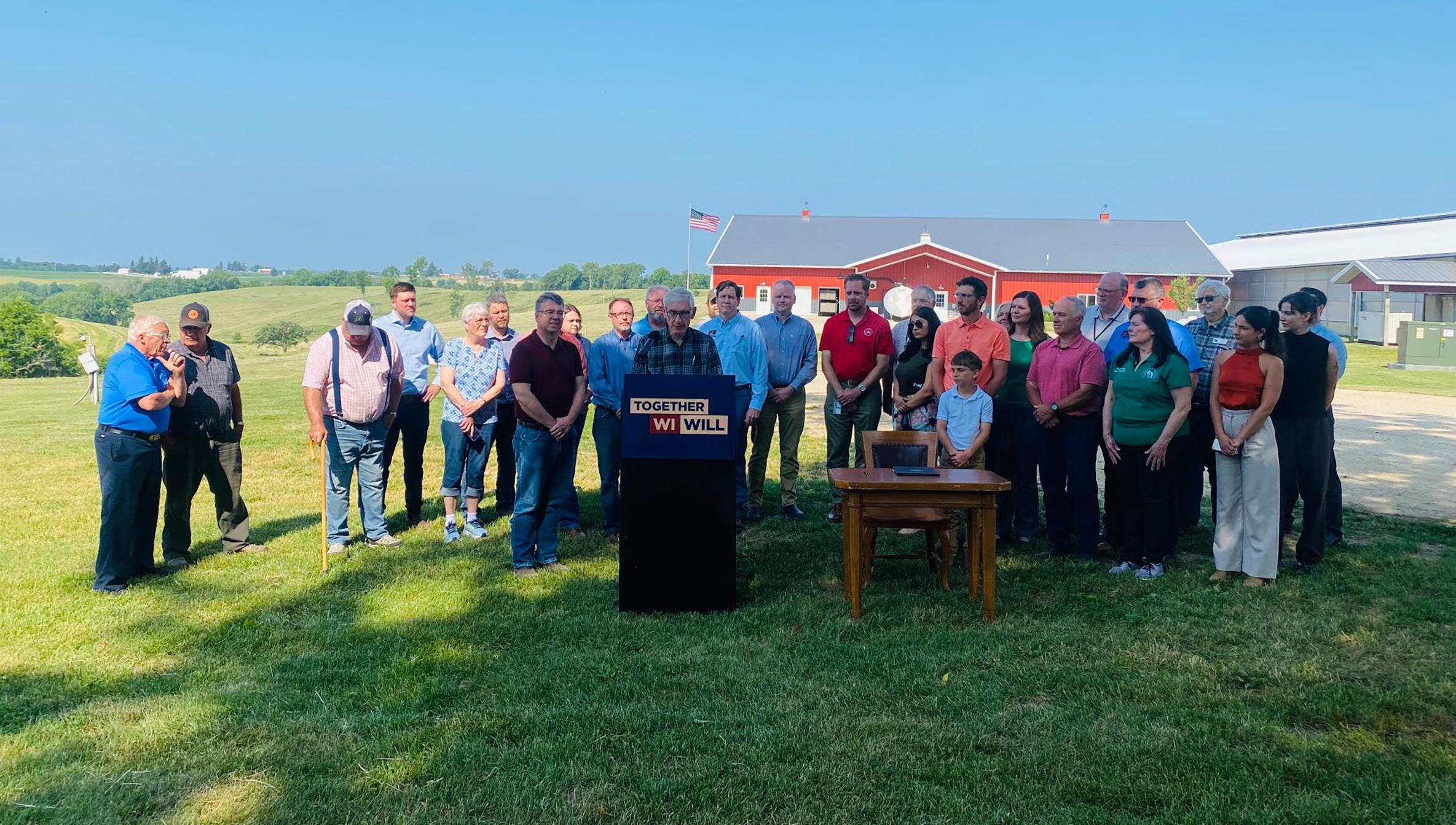
In April 2026, Gov. Tony Evers, in collaboration with the Wisconsin Department of Transportation (WisDOT), announced nearly $50 million in grants were awarded through the first round of Agricultural Roads Improvement Program (ARIP) funding, the result of bipartisan budget support and approved by the governor in the 2025-27 Biennial Budget.
This round of grant funding will support 29 new projects across 28 Wisconsin counties focused on improving local rural roads used by farmers and producers to transport agricultural and forestry products that support Wisconsin’s more than $116 billion agricultural industry and the state’s soybean industry, which supports nearly 7,000 jobs. ARIP was first included in the 2023-2025 biennial budget, provided $150 million in one-time funding through the Department of Transportation to create grants for municipalities with posted roads and bridges to provide funding to improve outdated roads and upgrade them to non-posted construction standards.
“This program is a win for Wisconsin soybean growers,” said WSA Director Sara Stelter, who served as WSA president when the ARIP funding was first approved. “Without quality roads and infrastructure, our jobs become more challenging.”
Since 2019, more than 9,600 miles of roads and 2,400 bridges statewide have seen improvements, including ensuring they have the 21st-century infrastructure needed
to get their products to market. Thanks to advocacy leadership from WSA and the Wisconsin Ag Coalition during the most recent legislative session, the current 2025-27 Biennial Budget continues support for this highly successful program with another $150 million investment. Of that $150 million, $30 million will be targeted to improve and repair deteriorating culverts and small structures through the recently announced Local Small Structures Improvement Program.
“In agriculture, everything starts on rural roads,” WSA President Doug Rebout said. “The crops start here, and we have to make sure our crops get to market, so funding for ARIP is extremely important to getting our products moving.”
Since being signed into law, ARIP has funded 120 projects across the state that are helping improve and repair rural roads in 56 of Wisconsin’s 72 counties. In total, more than 23.5 million tons of agricultural products, valued at $13 billion, are transported on ARIP-awarded roads each year.
“Wisconsin agriculture is the cornerstone of our economy and a core part of our culture and heritage, so ensuring our farmers and producers who rely on these rural roads can safely and efficiently get their products to market is essential to the success of our state,” Gov. Evers said. “I’m incredibly proud of the continued success of our Agricultural Roads Improvement Program, which is making a real difference in rural communities across our state, improving the safety and quality of life of all those who live, work, and produce there. We worked hard to secure these additional funds so we can continue this good work all across Wisconsin, and I’m thrilled to be getting the next round of grants out the door so we can ensure Wisconsin agriculture remains on top.”
INFRASTRUCTURE IMPACT
Housed under the Local Roads Improvement Program at WisDOT, ARIP is a reimbursement program that may pay up to a maximum of 90 percent of total eligible project costs, with the balance of the eligible costs funded by the local unit of government. To be eligible for funding, projects must meet the following criteria:
• The project highway, or the highway where the bridge or culvert is located, is functionally classified by the department as a local road or minor collector.
• The project is solely for the improvement of a bridge or culvert, the bridge or culvert is 20 feet or less in length and is not eligible for funding under a federal program that provides funding for bridge improvements.
• The highway, bridge or culvert provides access to agricultural lands or facilities used to produce agricultural goods, including forest products, and is used by at least one agricultural producer.
• The highway or highways on which the bridge or culvert is located is designated as a class “B” highway due to structural deficiencies or is subject to a posted weight limitation at least one month during the previous year.
• After the improvement, the highway will not be designated as a class “B” highway and will not be subject to a posted weight limitation other than under extraordinary or emergency circumstances.
• The highway, bridge or culvert is maintained by a political subdivision.
Once the next ARIP application period opens, WisDOT will notify municipalities regarding the availability of application materials, the schedule of informational meetings and other relevant dates and deadlines.
WisDOT staff will also contact applicants who were not awarded in this current round to allow for the opportunity to easily advance their application for consideration in the next solicitation.
“Continued investment in local infrastructure across Wisconsin through programs like ARIP improves our economy and quality of life,” said WisDOT Secretary Kristina Boardman. “We continue to have a strong pool of applicants, and these selected projects will help Wisconsin’s agricultural industries continue to grow. A safe and strong transportation network depends on quality local roads, the first and last mile of nearly everyone’s trip. We are proud to continue this progress together.”
A full list of projects receiving ARIP grants is available at WisDOT’s website. Projects awarded in the next round are expected to be announced in Fall 2026. More information about ARIP is available on WisDOT’s website.
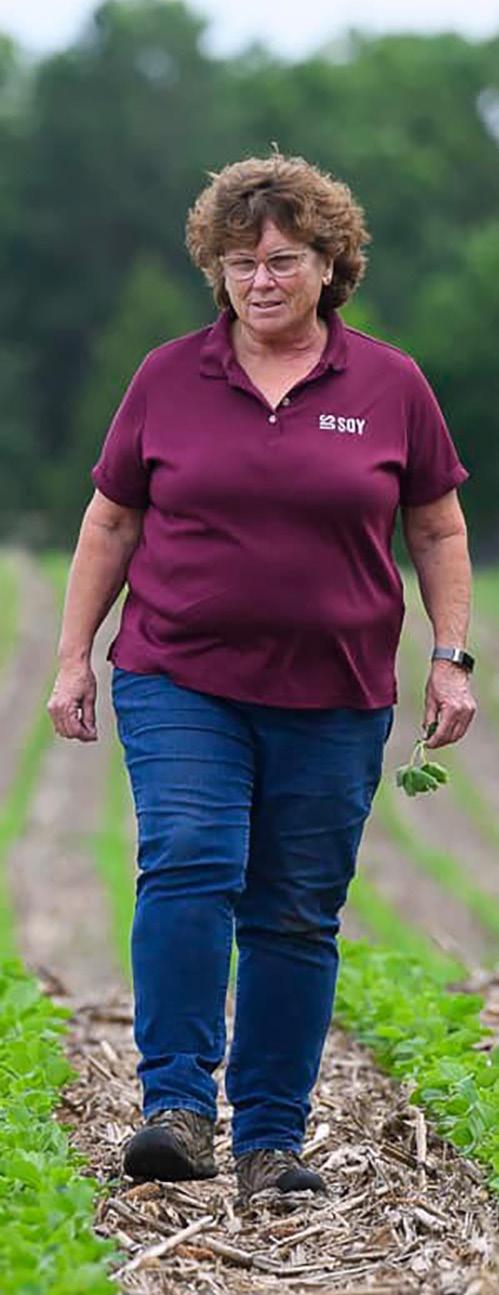
WSA Director Sara Stelter was a vocal advocate for the Agricultural Roads Improvement Program during her term as WSA president.
ROAD WORTH TRAVELING
Soy checkoff tackles transportation issues
By Keaton Dorzek
As demand for soybeans and soy-based products continues to rise, farmers are faced with the challenge of transporting their product effectively. For Wisconsin soybean farmers, that often means transporting soybeans hundreds of miles by truck, rail or ship before they reach their final destination.
To help strengthen and support this process, the Soy Transportation Coalition (STC) works to improve and expand infrastructure while creating new market opportunities for growers.
“In Wisconsin, we don’t have a production issue, but we have to get our beans that we produce moved, either that’s into an animal or into the logistical realm to get them out of the state, because we still don’t have an in-state crush plant,” said Steve Wilkens, a Random Lake farmer who serves as secretary/treasurer of the Wisconsin Soybean Marketing Board (WSMB).
The importance of transportation in the soy industry
becomes even more apparent when looking at the end locations of the product. According to Andy Bensend, a District 1 WSMB director, export markets account for a large share of soybean distribution.
“Our soybeans are not always grown in the areas where they’re consumed,” Bensend said. “About 60% of our soybeans either as a whole or as processed meal find their eventual destination in the way of exports. So, it’s a big, big deal.”
Additionally, soybeans have a high volume of domestic uses that continue to grow. Throughout the United States, increasing demand for renewable diesel, sustainable aviation fuel and biodiesel is creating even more opportunities for soy as well as a greater need for transportation. For Bensend, who farms near Dallas, this travel barrier affects every load leaving his farm.
“If they go for processing, we have to go to Mankato, Minnesota, which would be the closest soybean meal processing plant to my farm, and that’s about a 160-mile ride by truck,” Bensend said.
IMPORTANT INVESTMENTS
To help ensure smooth transportation processes for every soy farmer in Wisconsin, Bensend also serves as WSMB’s representative on the Soy Transportation Coalition (STC). The STC uses state checkoff money to create, improve and organize transportation systems for 16 states throughout the U.S. Bensend helps ensure STC looks at Wisconsin to ensure growers receive the best possible transportation arrangements.
“My role on the board is to evaluate and look at opportunities to facilitate development of almost anything that could make the transportation of soybeans either easier or safer or less costly,” Bensend said.
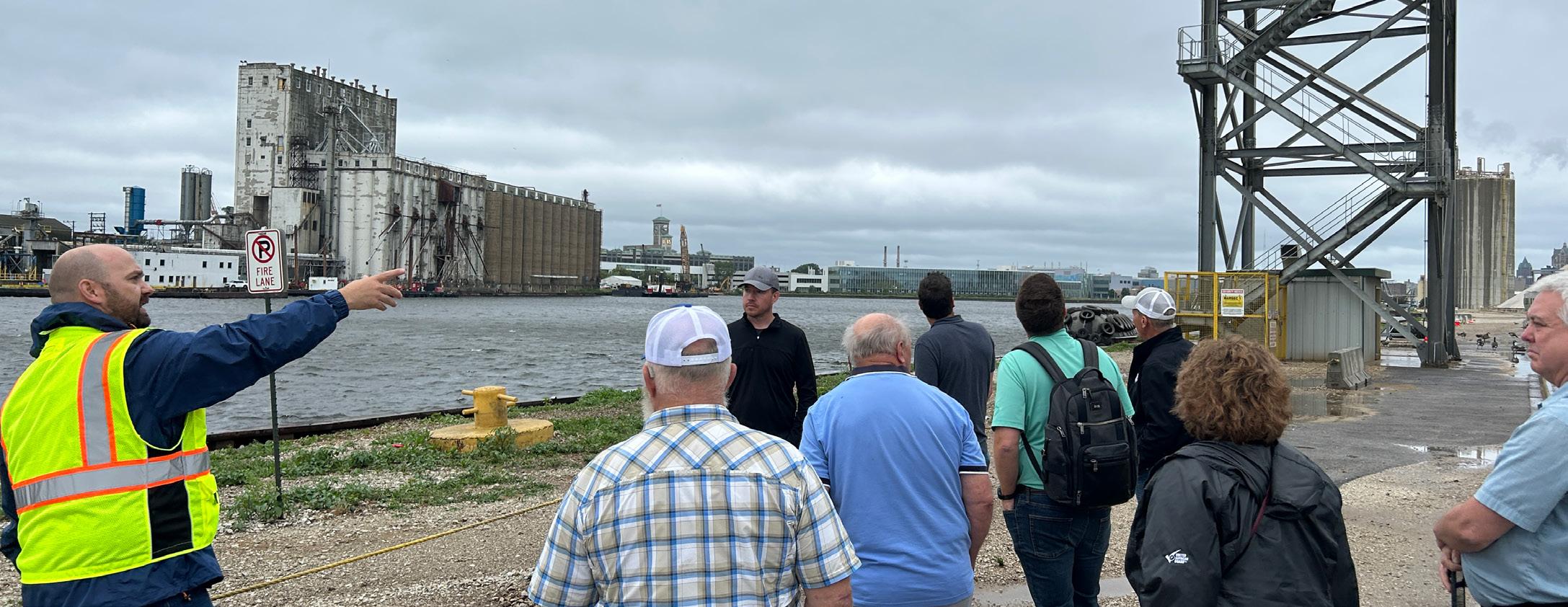
The Coalition works with government agencies as well as transportation companies to help work toward improving transportation networks. One recent example of this is the improvements made to the Port of Milwaukee.
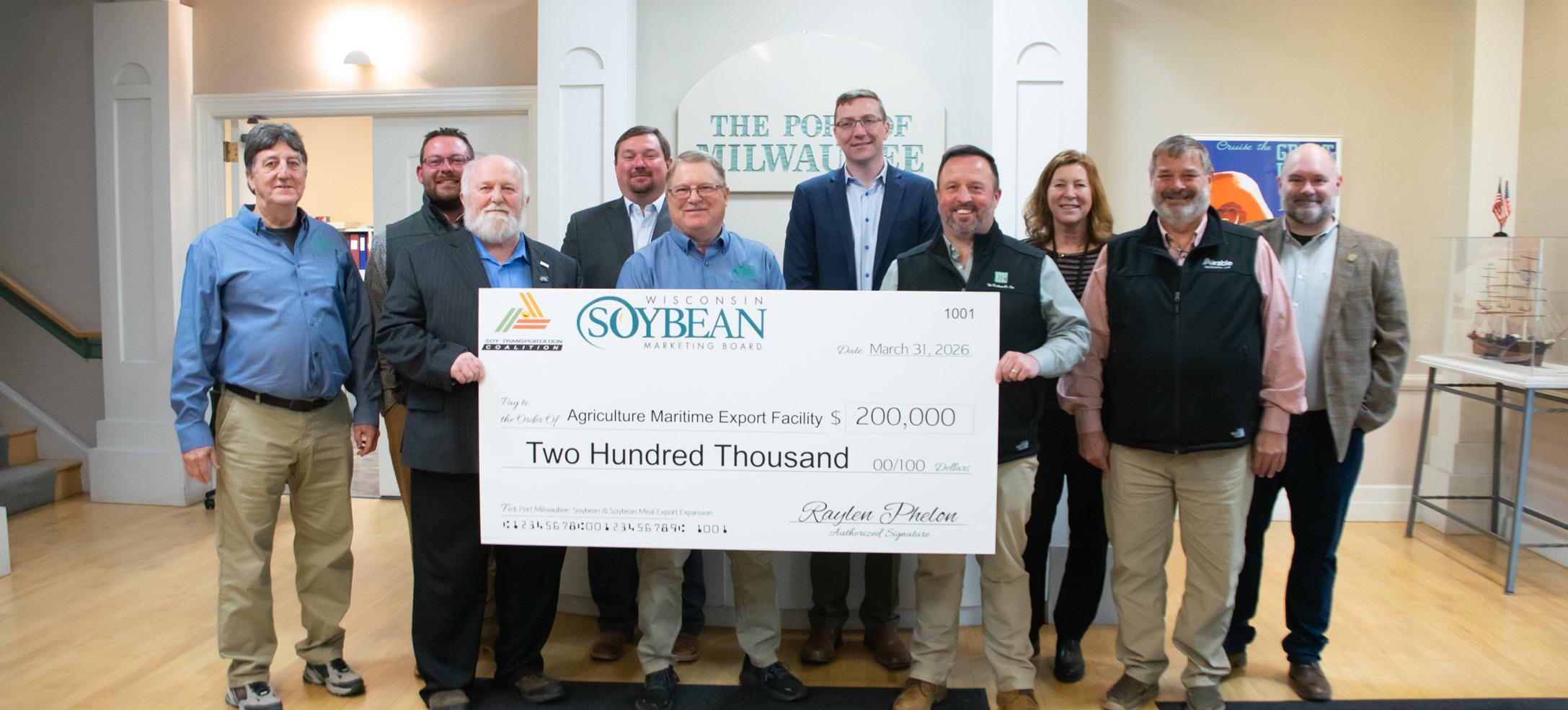
“We recently completed a major expansion of the Port of Milwaukee. STC and WSMB combined to help provide seed funding for the engineering and planning work,” Bensend said. “That support showed that farmers are fully behind the project, which helped strengthen the application for federal grant funding and improved its chances of approval.”
In April 2026, with checkoff support, construction was completed on the Phase II expansion of The
DeLong Company’s Port of Milwaukee terminal, which will enhance the capacity to export U.S. soybeans and soybean meal. Soybeans and soybean meal have also been exported from the facility, which is capable of loading vessels up to 22,000 metric tons.
“We sincerely appreciate the support from U.S. soybean farmers on this important project,” said Brandon Bickham, vice president of exports for The DeLong Company. “We need to continue to promote ways to diversify our supply chain to connect with international customers. ... We look forward to continuing to work the Soy Transportation Coalition, the Wisconsin Soybean Marketing Board and the broader soybean farmer community in making the U.S. soybean industry the most competitive in the global marketplace.”
As the need for soybeans globally continues to expand, so will the complex transportation network that supports it. The STC helps to keep up with the industry’s growth because of investments made by farmers across the U.S. So, it’s vital that growers throughout Wisconsin continue to support the efforts made by the members of the STC.
“I just think that we need to continue to reinforce to these growers just how much good they’re getting out of the development of better markets and the research that’s done,” Bensend said. “The small amount of money that’s collected in the form of a checkoff is regularly used in making sure that these markets are supported.”

ON FARM, ON MESSAGE
By Doug Monson and Drew Lyon
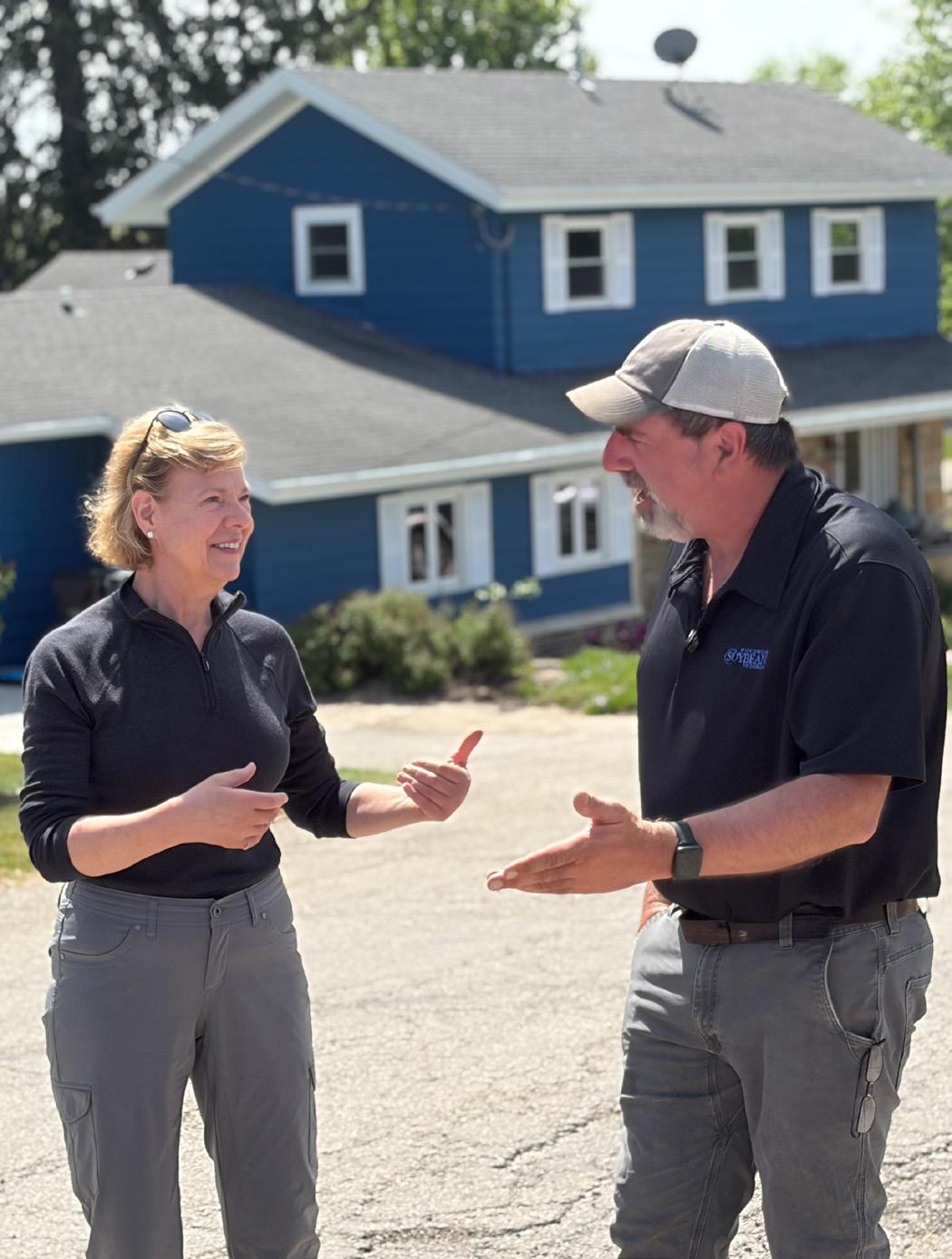
Wisconsin Soybean Association President Doug Rebout has met with Sen. Tammy Baldwin many times over the course of the legislator’s career – in farm shops, legislative offices, fairgrounds, convention rooms, even on the Mississippi River.
“Just sitting down and having a visit with her is a positive,” he said.
But for the first time – in Doug’s memory at least –Baldwin visited Rebout Farms in her role as a U.S. senator to learn more about the challenges facing family farms across Wisconsin.
“My nephew remembers her coming out one other time, but that must’ve been back when she was in the House and my dad was the one doing the legislative hosting,” Rebout said, adding modestly, “I’ve done one or two of these since then.”
Sen. Baldwin visited Rebout’s southern Wisconsin farm in May 2026 to hear directly from soybean farmers about the myriad difficulties facing agriculture, ranging from trade uncertainty and rising input costs to global instability
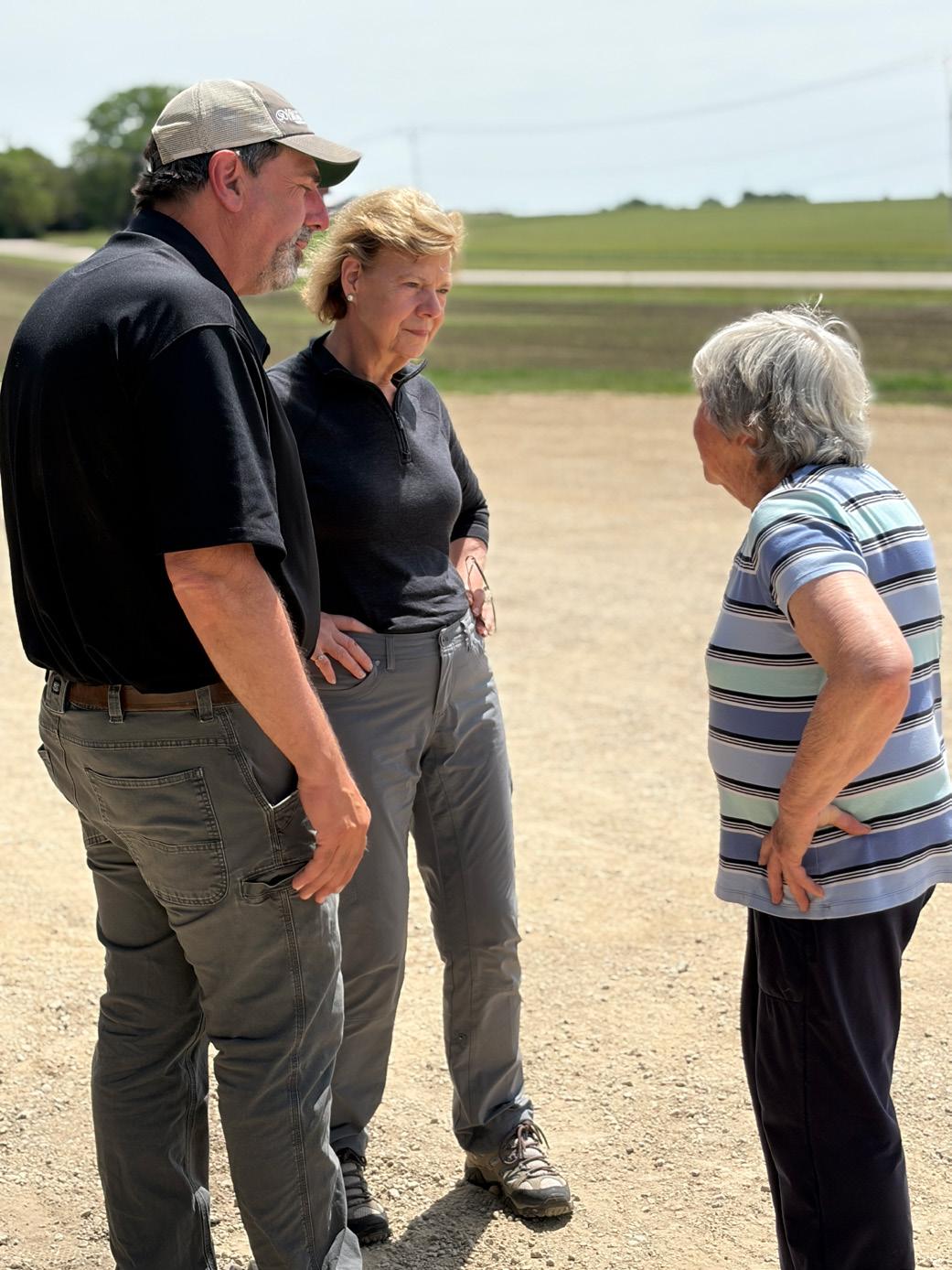
impacting fuel and fertilizer prices. Baldwin also expressed her support for the bipartisan Fertilizer Transparency Act, which she helped introduce earlier in 2026.
“(The bill) will give farmers more insight into input costs in real time, so you can rely on that for planning,” she said.
Hosted by WSA, the visit brought together Wisconsin farmers and agricultural leaders for a frank discussion focused on the current farm economy and the importance of maintaining open communication between lawmakers and producers.
“Our farmers face a lot of headwinds,” Baldwin said during remarks to media and attendees. “There’s already enough uncertainty in agriculture without having to predict the weather and deal with Mother Nature.”
Baldwin, who sits on the Senate Appropriations Committee, pointed to trade disruptions, rising fertilizer costs and volatility in global markets as major concerns for farmers. She also discussed the impact tariffs and international conflicts can have on agricultural exports and input costs.
Doug Rebout's mom, Mary Joan, gets some face time with Sen. Tammy Baldwin.
WSA directors talk farm economy with Sen. Baldwin
GETTING THROUGH TO BETTER TIMES
WSA leaders said conversations like the one held at Rebout’s farm are critical to helping policymakers better understand the realities farmers face every day.
“As advocates, it is important for us to have legislators like Sen. Baldwin out to our farms,” Rebout said. “The more they can understand about our operations and how policy impacts our operations, the better informed they’ll be when voting on these policies.”
WSA Vice President Matt Rehberg emphasized the organization’s commitment to working with elected officials from both political parties.
“Often times after a legislator visits one of the WSA farms, regardless of what side of the aisle they represent, it’s not uncommon to have a neighboring farmer ask why we’d host that legislator,” said Rehberg, who farms near Darien. “WSA is a nonpartisan organization. We work across aisles to ensure farm-friendly policies are being adopted.”
Despite ongoing uncertainty in agriculture, both Rebout and Rehberg said farmers remain focused on adapting to changing conditions and managing risk where possible
“Pretty resilient, pretty adaptable,” Rehberg said. “I think the talk is just always on keeping an eye on it. If you’re
keeping an eye on your input costs and on the grain market, and you’re figuring out where to pull the trigger.”
Rebout echoed that sentiment, noting optimism remains a defining characteristic of agriculture.
“As farmers, we’re pretty optimistic people,” Rebout said. “Things are going to work out. We’re going to get through. We may have a few bad years here and there, but we’re going to have those good years to help us get through.”
WSA regularly hosts elected officials, agency leaders and policymakers on farms across the state as part of its ongoing advocacy and education efforts on behalf of Wisconsin soybean farmers. In early July, Rebout, in conjunction with the Wisconsin Ag Coalition, hosted state-level legislative candidates for a 90-minute conversation and tour of his operation ahead of the Nov. 3 election. He’s also planning to visit with Sen. Baldwin’s team and the rest of Wisconsin’s congressional delegation the following week during the American Soybean Association’s summer Hill Visits.
“There will be a lot of turnover in the State Assembly and Senate in Madison, and all eight of our U.S. House seats are up for election, and it’s our job as advocates to tell our story and show these candidates how important agriculture is to Wisconsin’s way of life,” Rebout said.
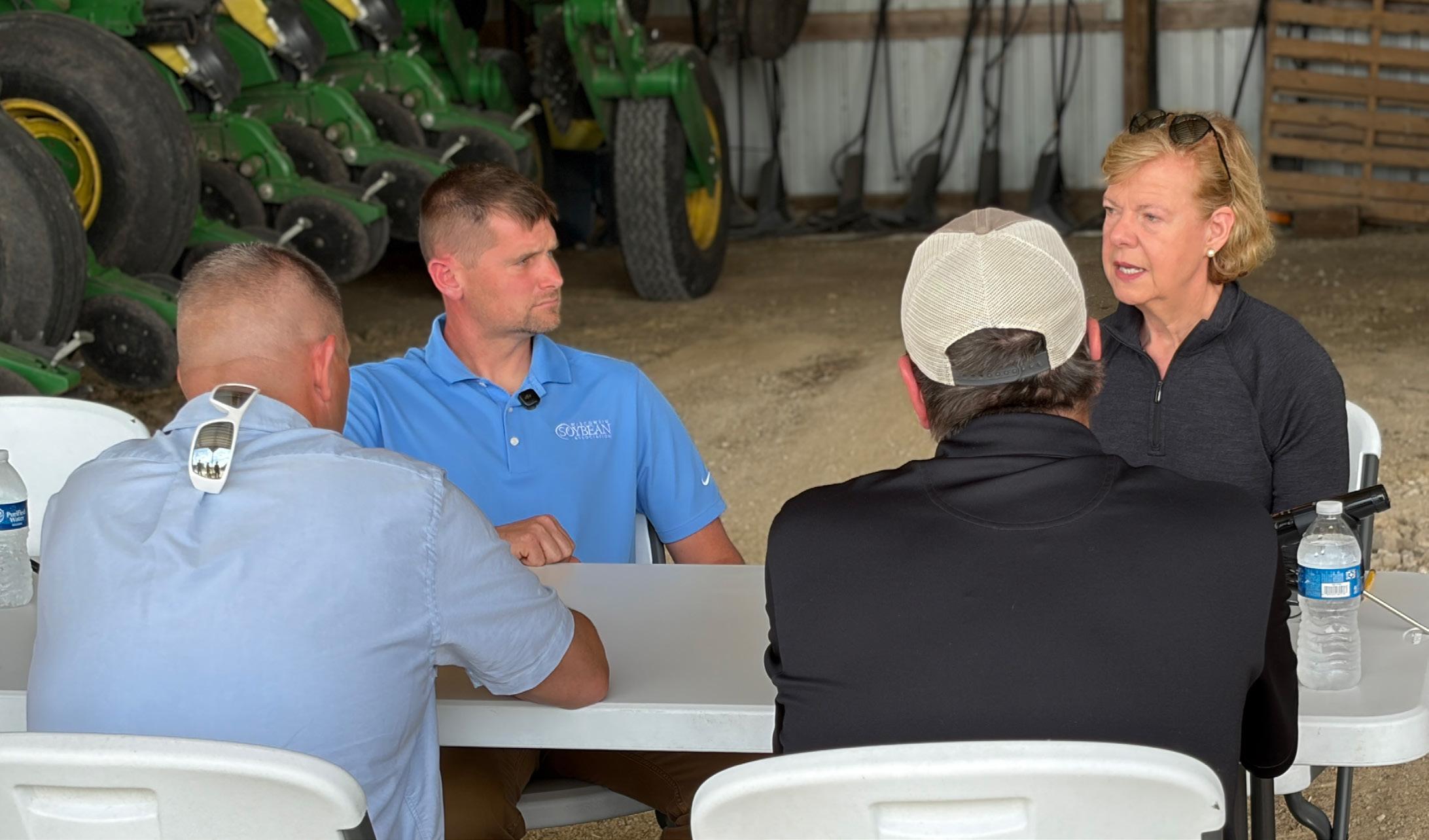
WSA Vice President Matt Rehberg (back left) listens to Sen. Tammy Baldwin during a visit to Doug Rebout’s farm.
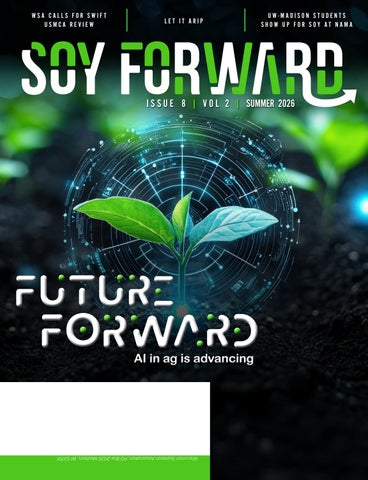
AI taking hold with Wisconsin farmers
By Celia Bjerke
Across soybean fields in the Midwest, data is becoming as essential as seed and soil. As artificial intelligence technology evolves at a remarkable pace, its influence is reaching beyond technology into soybean fields.
Dr. Shawn Conley, a University of Wisconsin-Madison soybean and small grain specialist who has dedicated two decades to agricultural research, views AI as an emerging tool in agriculture.
“With how much AI is advancing, it is an everyday tool,” Conley said. “I use it daily and many others do, too.”
Conley said that while AI can help individuals identify optimal production practices for yield and profitability, its broader adoption could foster greater collaboration and communication. As the conversation of AI sprouts, many have concerns about what the “true” cost of this technology is.
“When it comes to the cost of using these sources, many of them are free, like ChatGPT and Google Gemini,” Conley said. “Yes, there is the cost of the machine and mechanical equipment. But there is another cost, the cost of your data.”
AI relies on information to learn and improve. Yield maps, soil samples, planting records, input applications and harvest results all contribute to the recommendations AI systems provide. The more information available, the more useful that recommendation can become.
BEYOND TECHNOLOGY
Conley says in some ways that data itself may be just as valuable as the technology analyzing it. That reality has led many farmers to ask a simple question: What is the true cost of this “innovative” tool for farming?
“When it comes to AI, there is no regulation,” Conley said. “So, when it comes to sharing your private data such as spring records and things that aren’t public domain, you are putting that information out there and could face some sort of noncompliance issue.”
Despite those concerns, Conley said he remains optimistic about AI’s potential. The reason is simple: Information has always been one of a farmer’s most valuable assets. For generations, producers have learned through experience, research and conversation. Rather than replacing farmers’ expertise, Conley sees the potential AI has to serve as a collaborative tool.
“Building off of this tool, it would be beneficial to form a data co-op and a data bank specifically for farmers to input this data and be getting this help AI offers,” Conley said. “Helping our two concerns regarding regulation and privacy.”
The future of AI in soybean production is not just about technology. It is about building a shared resource where farmers contribute real-world experiences and receive valuable insights in return, drawing from a wide range of farming experiences to help build a broader knowledge base for the agricultural community.
“The data that you are sharing would be helping other farmers just as theirs would be helping yours,” Conley said. If that trust can be achieved, AI may become more than another tool on the farm. It may become one of agriculture’s most powerful resources.
“The goal is not to replace a farmer and their hard work,” he said, “but to help synthesize work and data.”
Conley said access to better information can ultimately lead to better outcomes. Yet despite the rapid pace of change, the goal remains simple: help farmers make better decisions.
AI IN AGRICULTURE: WHAT TO KEEP IN MIND
Best Practices:
• Use AI to help organize records, production data and seasonal trends.
• Cross-check AI-generated insights with agronomic research and on-farm experience.
• Be mindful of how data is stored, shared and used across platforms.
• Use AI to better understand cost of production and long-term performance.
• Treat it as a tool to support, not replace, farmlevel decision-making.
Avoid:
• Sharing sensitive farm data without reviewing privacy and usage policies.
• Relying on AI outputs without verification from trusted sources.
• Assuming all recommendations apply universally across operations.
• Overlooking the value of your own experience and local knowledge.
• Ignoring how data quality affects the usefulness of AI insights.
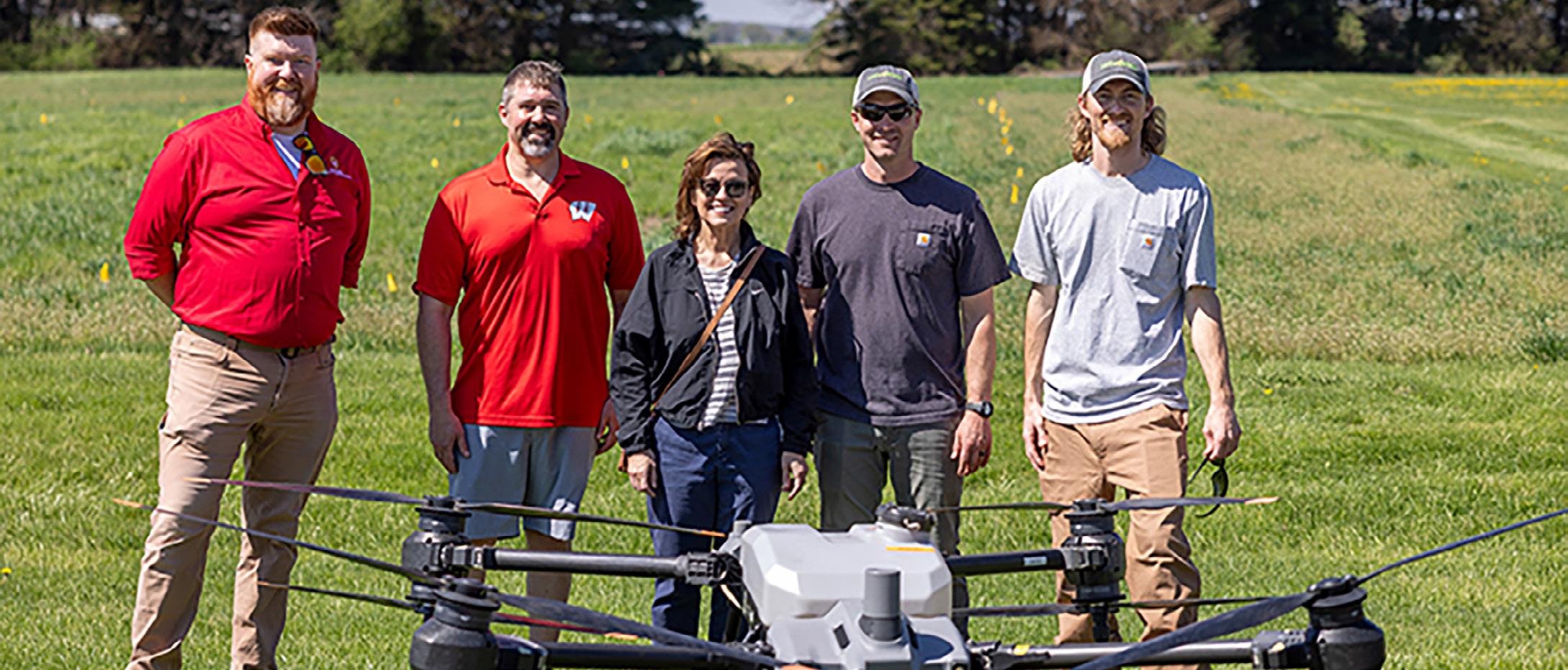
Following a drone demonstration, Federal Communications Commissioner Anna Gomez (center) visits with faculty and staff, including Dr. Shawn Conley and the Cool Bean Team, during a tour of UW–Madison’s Arlington Agricultural Research Station.
New Variety
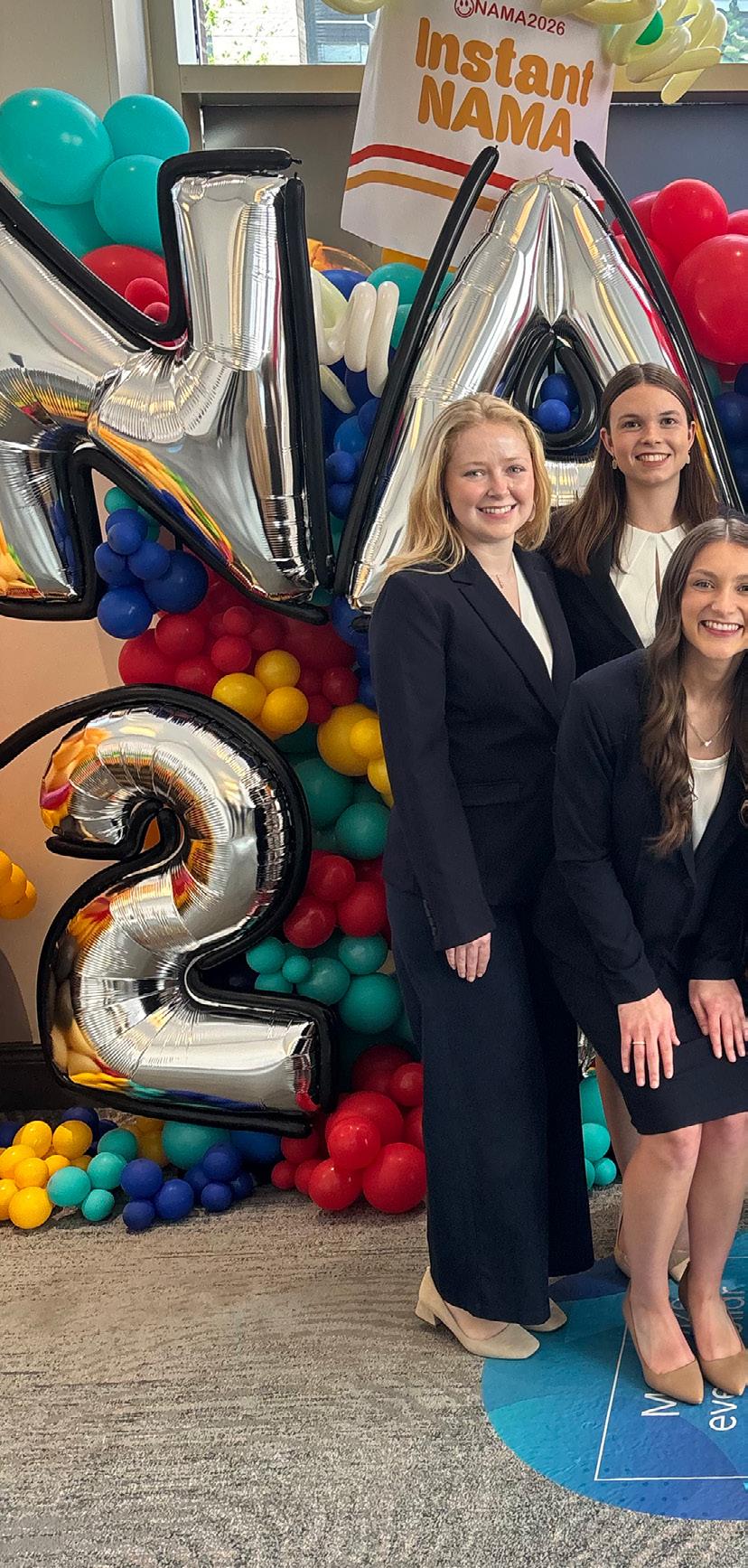
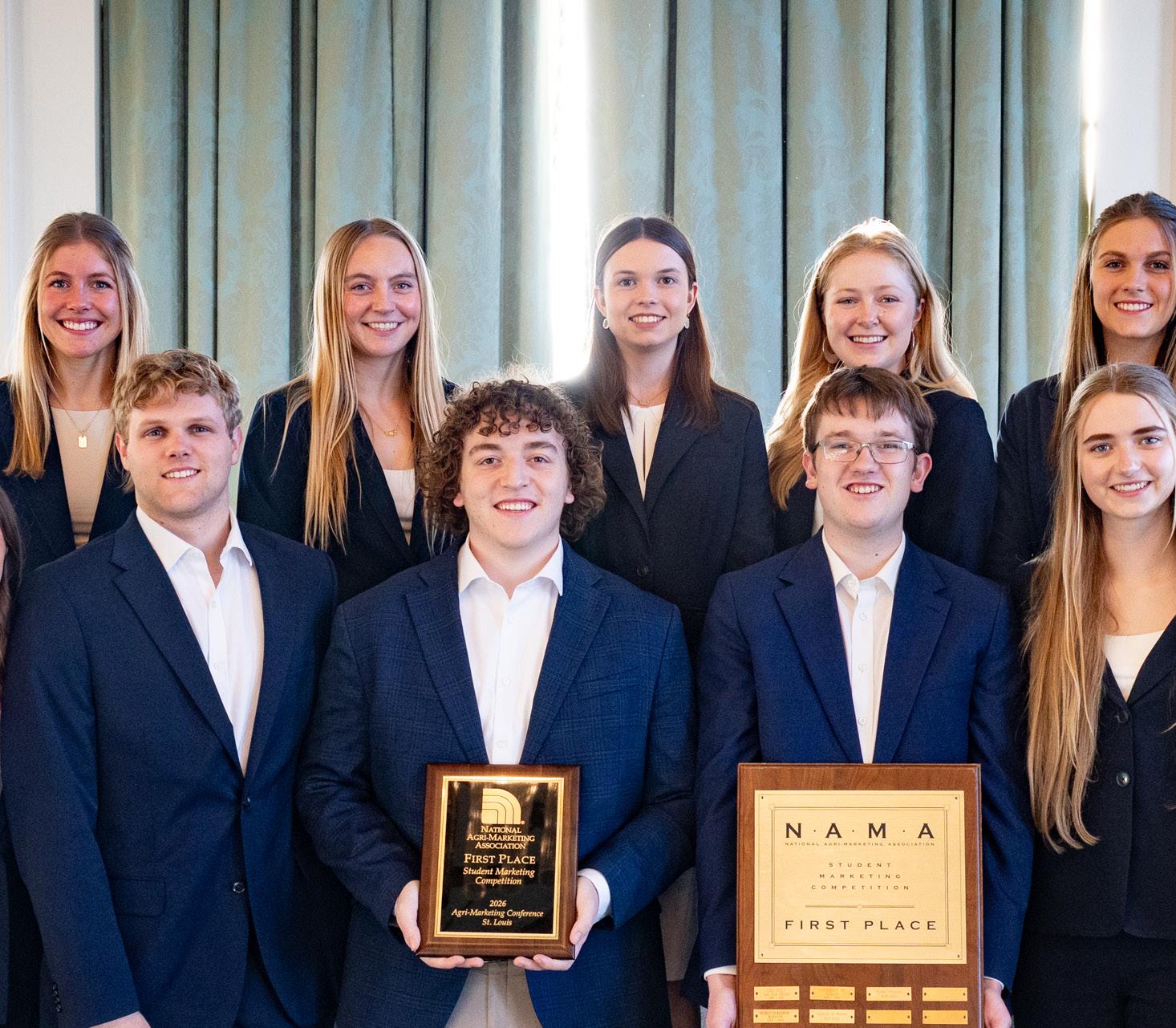
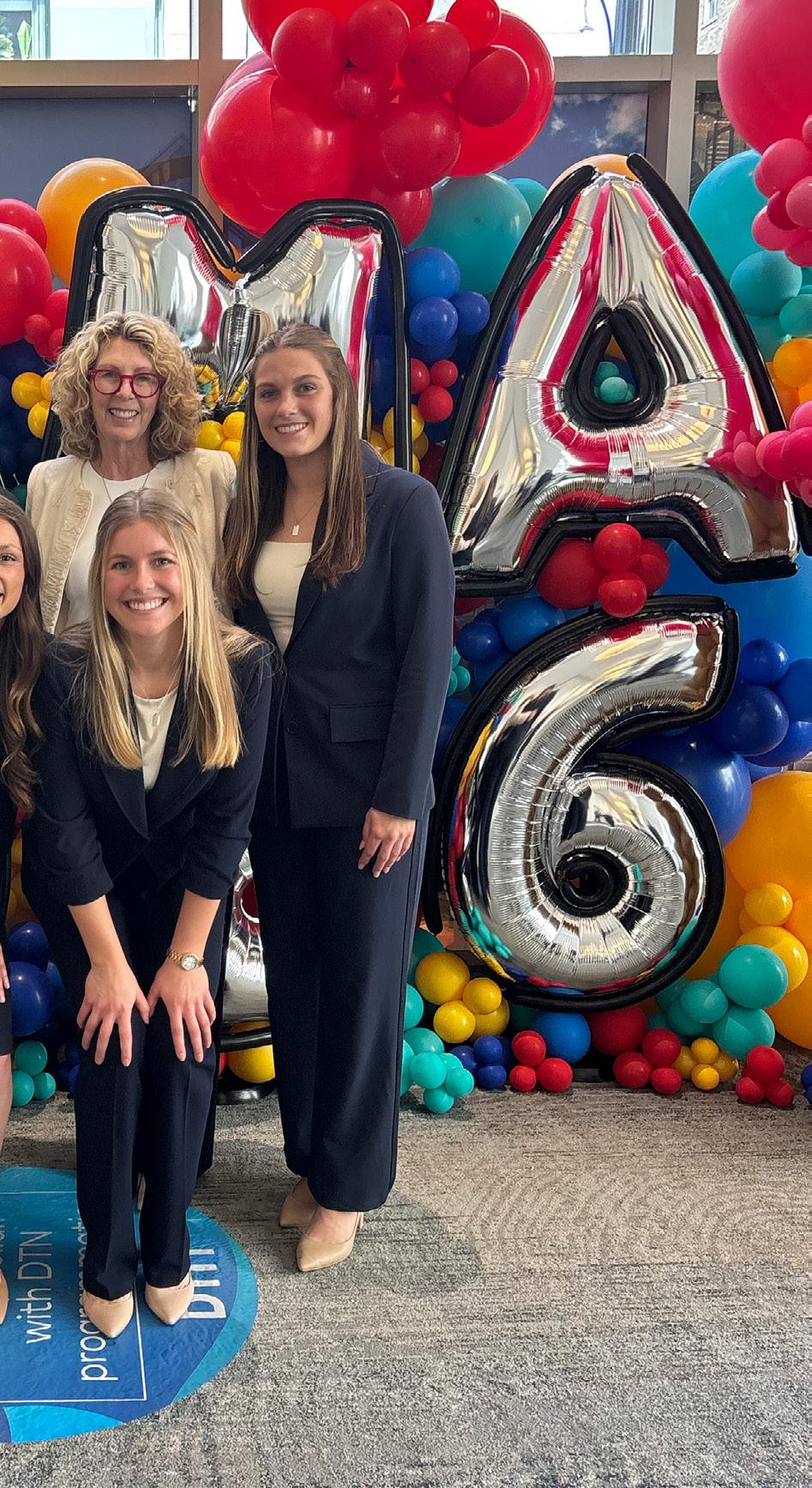
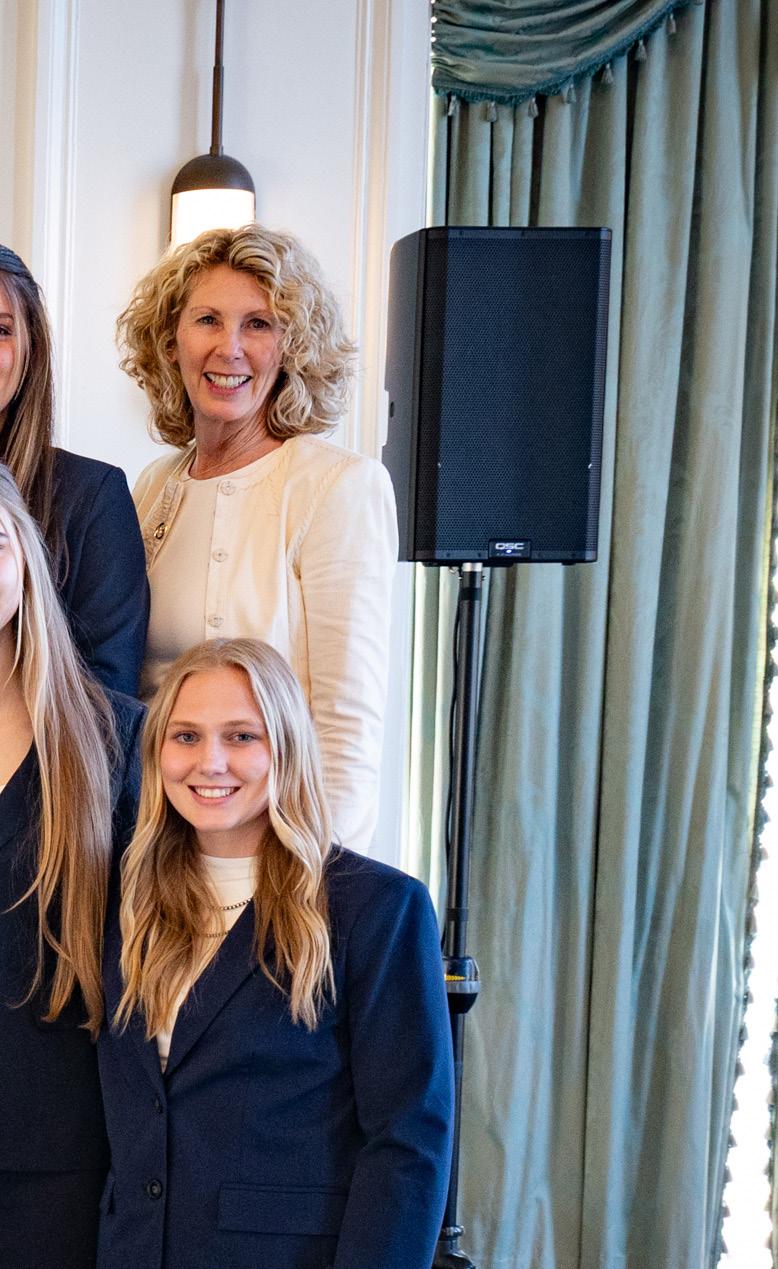
Perfect blend of experience lifts UW-Madison to NAMA title
By Doug Monson
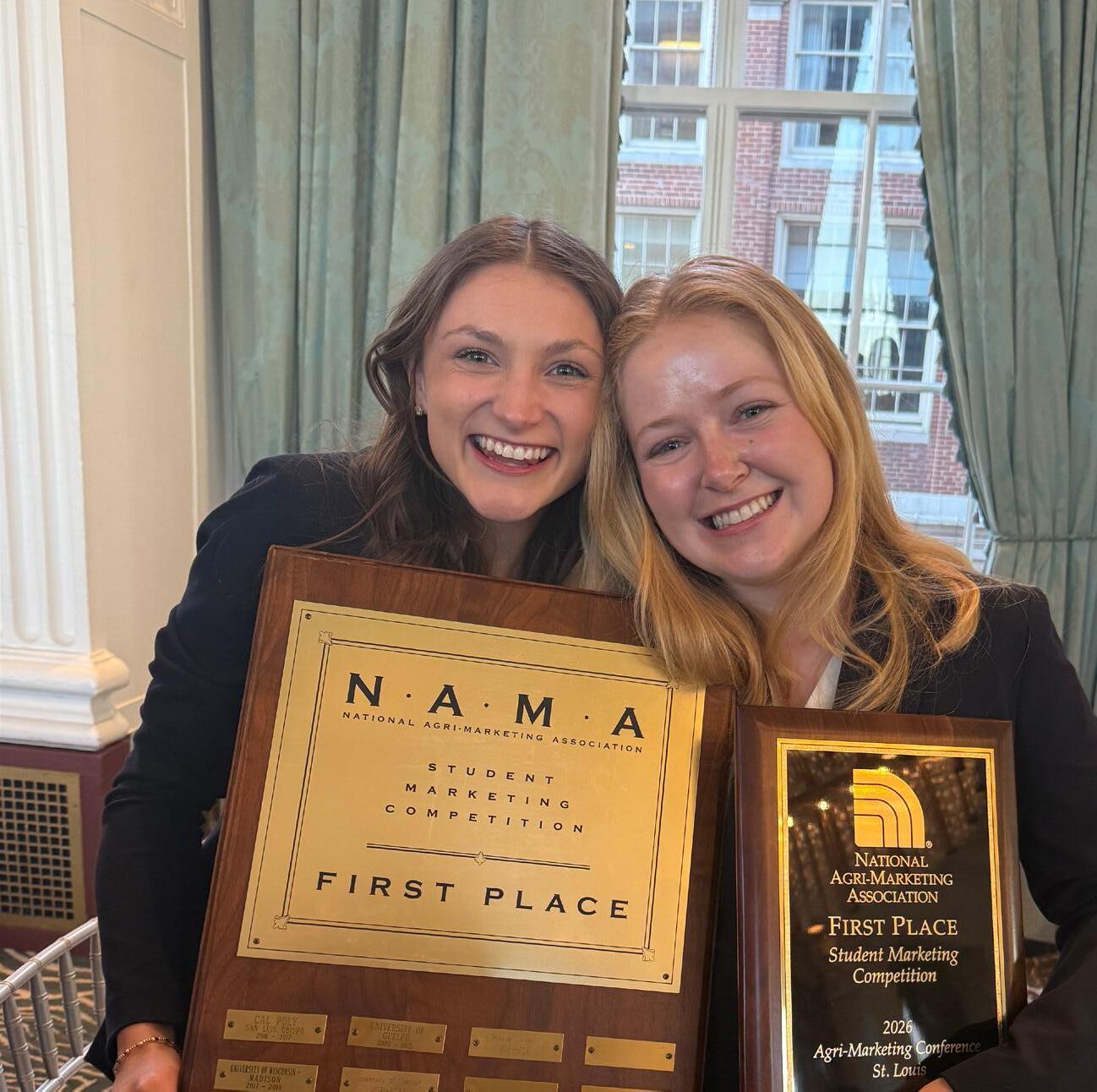
Anna Marie Martin knew they had a chance. The University of Wisconsin-Madison NAMA president had just poured her heart and soul into the national collegiate competition with her fellow teammates.
“I remember we were sitting there waiting for the results, and it was like sixth place was called, fifth, fourth, third,” Martin said. “And then they were about to announce second, and we hadn’t been announced yet.”
What felt like forever unfolded in a matter of seconds.
“I just turned to everyone and I was like, ‘Guys, no matter what, we got first or second in the national competition.’ And then as I’m whispering that to everybody, I get cut off and it’s like, ‘Purdue University got second place.’
SOYBEANS FOR THE WIN
The Badgers pulled off the national title, thanks to the miracle bean and a hypothetical new variety and process that is being researched at the University’s Wisconsin Crop Innovation Center.
While most teams at the National Agri-Marketing Association’s collegiate competition focus on one product, the Badgers took a two-pronged approach: A soybean variety and an extraction process that produces natural red dye to replace synthetic dye in food and beverages.
Sarah Botham, faculty for the Life Sciences Communications program at UW and the advisor for the University’s NAMA chapter, said she is always on the hunt for ideas for the next year’s competition and delivers those to the students the day they get back from the competition.
“The products for next year (2027) have already started to roll,” said Lauren Breunig, a senior on the team. “It’s really a team effort. We all go through research that’s coming out, mostly led by Sarah. She does a really great job reading up on emerging research in the ag field.”
Martin and Breunig both knew they were onto something when Botham gave them information on a food-grade red dye being made from soybeans.
But they also knew there was a challenge ahead. How do you market the red dye when the soybean seed was equally
important? Two different products meant two different marketing plans to consider across the business model.
For Botham, that was OK. She had faith in her class.
“This was a really unique group of students,” Botham said. “I only had four or five returning students, so that means seven of them were new. They came to the table ready to learn and ready to dive in, which is really extraordinary.”
A NEW VARIETY
Among those new faces was senior Emma Paulson, who grew up on a dairy farm. Her father, Alan, and brother, Kyle, grow corn and soybeans as well as sells Pioneer Seed.
“We had been heavily recruiting another one of the seniors for this year, Emma Paulson,” Breunig said. “She has some great connections within the soybean industry. Her dad is a Pioneer rep. So being able to bring in someone who had those connections inspired us to reach out to producers this year, which we hadn’t done in the past.”
Paulson said there was a lot of synergy between the returning students and the fresh faces.
“The coolest thing about NAMA is that we had a kid that was in a frat like from California (Jonathan “Jack” Chittick), and he didn’t have an ag background, but he excelled so well with the whole red-dye market,” Paulson said. “He found all of our competitors, went through all the bans, the laws, the legislation and stuff like that.”
Breunig echoed that sentiment, noting that with new faces came new ideas.
“At the end of last year, we were all really scared coming back with a really limited number of veteran students” Breunig said. “It couldn’t have worked out better. I think having so many new faces forced us to take more time to think about why we’re doing everything. At some points, we were like, ‘Well, this is what we did last year.’ And there would be a new member, and they were like, ‘Then why are we doing it this year?’”
THE NAMA EXPERIENCE
For the students who took Botham’s class, worked on the project and competed, whether behind the scenes (graphic designers, writers, IT, research) or as a presenter, the experience helped build new skills and open new doors.
Breunig was offered a job at STgenetics before her senior year started. She’ll start full time after graduating in May. Martin is going to grad school to study Environmental Education where she hopes to help vulnerable communities tackle rising temperatures in urban areas.
For Paulson, one year in NAMA was more than worth its weight in gold.
“I’ve told basically everybody that if I didn’t do NAMA, I truly believe that I would have just gotten a mediocre experience out of my time at UW-Madison,” Paulson said. “I didn’t have any jobs lined up before going to NAMA, and then after NAMA, I made all these connections, met all of these great people, and it opened doors for me.”
Cream of the crop
Botham helps UW-Madison students take root in ag

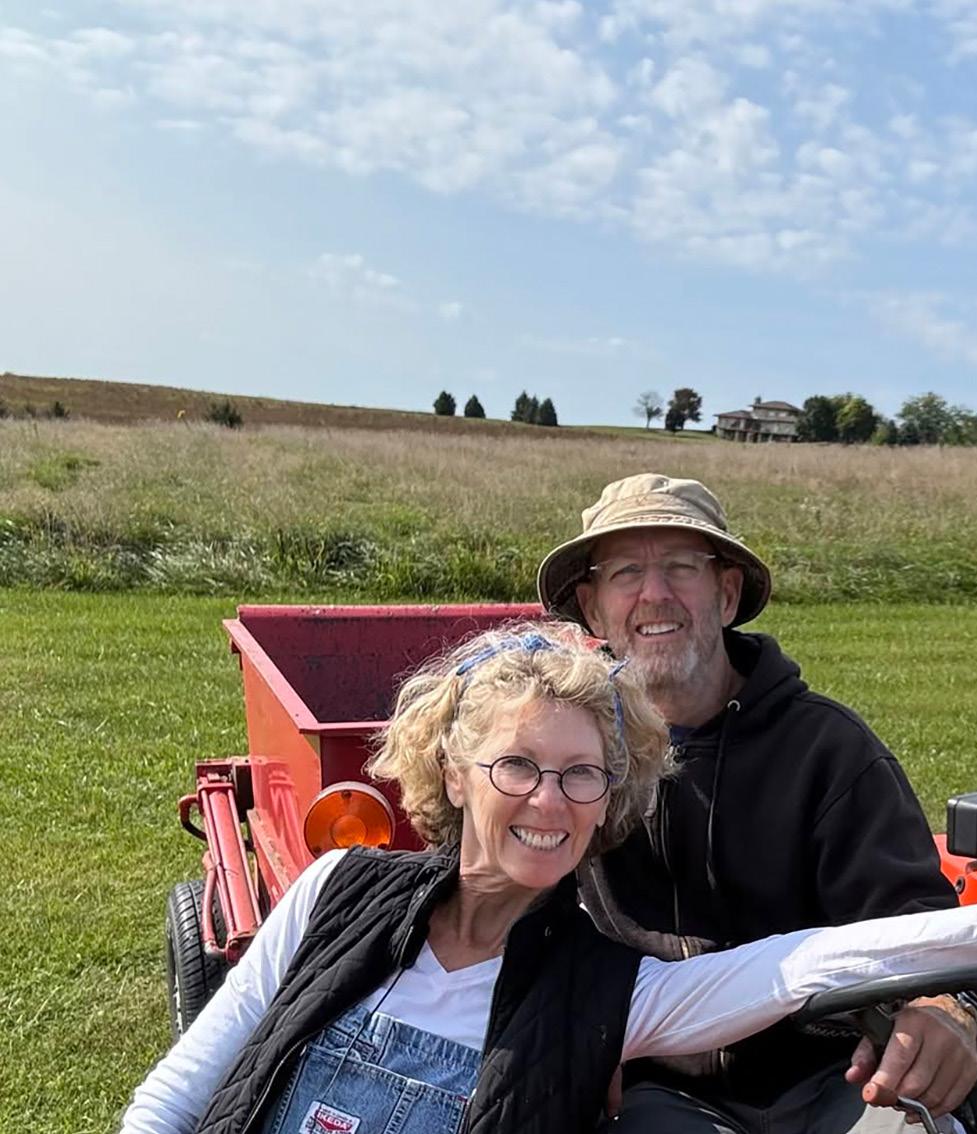
By Doug Monson
There are so many things in life that could make Sarah Botham cry. Stubbing her toe on a table leg or stepping on a Lego when her son was young.
“It’s funny. I can speak to a room full of 4,000 people about anything, but if you put me in front of five people to talk about my students, I just...” she said as her voice cracked talking about those very students.
You’ll have to excuse Botham for getting a little choked up when she talks about them. Her National AgriMarketing Association (NAMA) students and the projects they embark on become a big part of their college experience, and an even bigger part of Botham’s life.
“They become family,” she said. “We work so closely together all semester long, especially the kids who repeat. They really become like my own family. There’s just no replacing that extraordinary connection.”
For 22 years, she has been at the helm of the University of Wisconsin-Madison’s National Agri-Marketing Team, which competed and took home the national title in April in the collegiate competition at the Best of NAMA annual conference in St. Louis.
“I find it an extraordinary privilege to work with these kids,” Botham said. “They are, as far as I’m concerned, the cream of the crop on the university campus.”
Lauren Breunig, who spent more than 3 years under Botham’s tutelage, said she learned a great deal from her.
“I think the main thing that sticks out with Sarah is
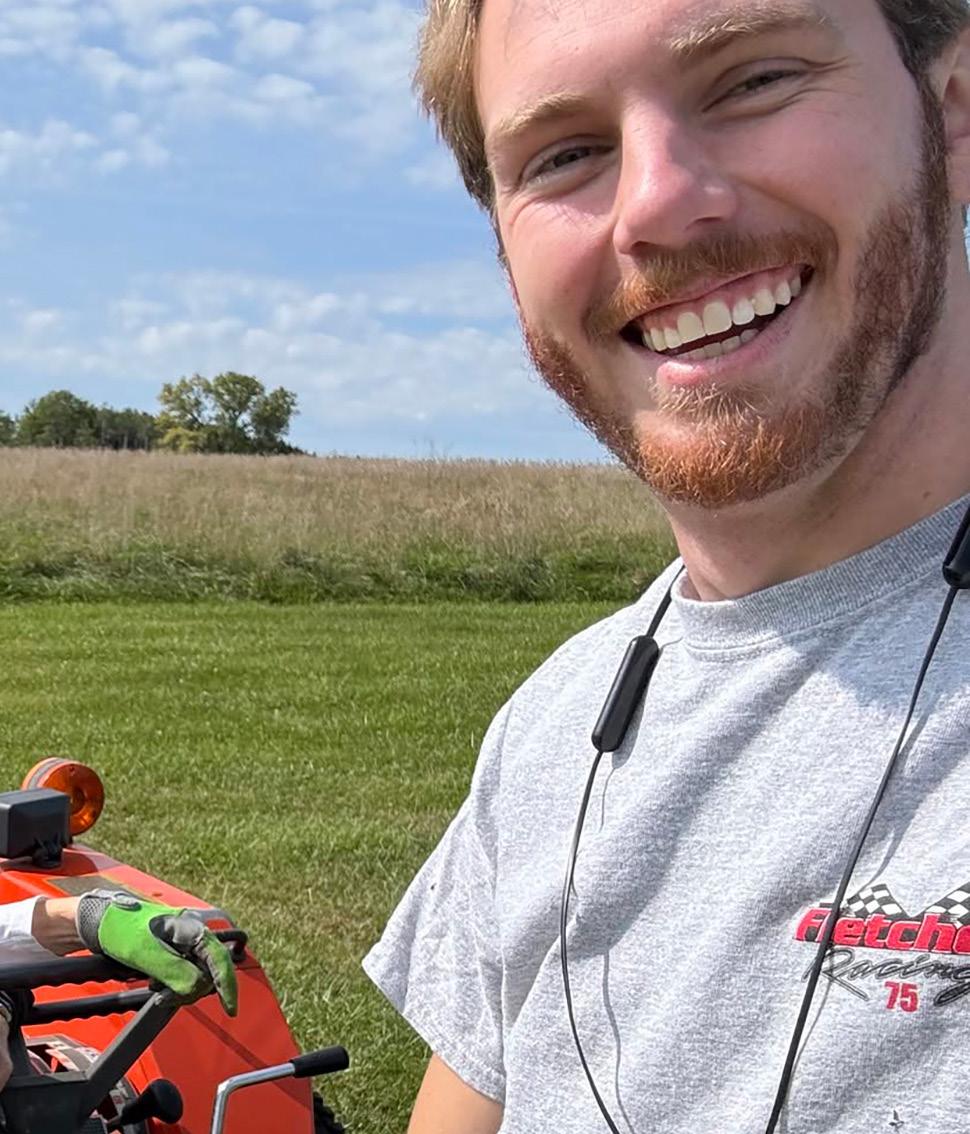
she’s just so supportive and she wants to help us succeed,” Breunig said. “And it’s so clear that she just enjoys teaching and being with students and forming connections. Just that piece makes her stand out among all the other professors I’ve had.”
Fellow teammate Anna Marie Martin said she grew close to Botham in her final semester before graduating.
“We had a nice little tradition this semester where she would drop me off at home after our NAMA meetings,” Martin said. “And we would always talk. We would talk about how things are going with the project, how school is going, how personal life was going.”
Martin said Botham played a big role in helping her get into grad school as well.
“She is not only an academic advisor, but she’s also someone I can go to for personal advice,” she said.
A BRILLIANT IDEA
Botham, who is faculty for the College of Agriculture and Life Sciences Communications program at UWMadison, didn’t start out as the NAMA advisor. The late Tom Schomish retired as chair of the department. He also served as the NAMA advisor. The new chair suggested Botham take over.
“She wanted me to do it, but before she even asked me, she had the brilliant idea of making it a class,” Botham said.
She said that the addition of a class for credit motivated the students to take the class more seriously.
“Not that it hadn’t been before, but giving students an opportunity to not only earn credit for it but be able to repeat it.”
Botham said the class is repeatable four times, and students earn two credits each time they take it.
Because of this structure, it’s not unusual for Botham to have freshman or sophomores who take the class through graduation.
“Lots of kids come in as seniors, so you just never know,” she said. “I never know what I’m going to get.”
Botham officially took the helm at the beginning of the 2004 spring semester. She was happy she had a handful of students who had at least a year’s worth of experience.
“That first year was very much a learning experience for me, especially when we got into the competition,” she said. “Drafting a marketing plan, I could do in my sleep, but the marketing competition was all new to me. That was the first year, but I was just hooked, and I’ve never looked back.”
GRIT & DETERMINATION
In 22 years, Botham-led teams have won the national competition four times. She admits that she demands a lot from the students.
“The students are so dedicated and work so hard,” she said. “I see this consistently in every single class I’ve worked with. There is not a lazy bone in the bunch because the kids come to this knowing that it’s a lot of work.”
Breunig said it is the expectations Botham puts on all her students, not just NAMA students, that stands out.
“If you take her class outside of NAMA, some people think she’s a hard-ass and is very hard grading and expects a lot from her students. But I think it forces people to show up in ways that maybe they don’t in other classes.”
THE TIES THAT VINE
Botham knows a thing or two about hard work. She founded and owns Botham, INK., a marketing and public relations agency turned consulting firm. In 1989, her husband, Peter, started Botham Vineyards that the two continue to run still today in Barveveld. Their son, Mills, serves as chief operating office and is a secondgeneration winemaker, assisting his father.
Between NAMA and her business endeavors, she has had to prioritize her time.
“I’m down to just one class a semester now. I used to teach five classes each academic year, and I just don’t have time anymore. Maybe someday again.”
Until that day, Botham and her next crop of students will begin prepping to defend their title.
“This is the future of agriculture and of agriculture marketing communications,” she said. “It’s programs like Wisconsin NAMA and the NAMA teams all across the country and in Canada that are the future of agriculture. Given what I’ve seen, I think agriculture has an extraordinarily bright future.”
Botham Vineyards was first built in 1904 as a dairy farm and is considered home to Wisconsin’s best wine.
WISCONSIN SOYBEAN PROGRAM ACTIVATES YOUTH MOVEMENT
By Kelsey Barchenger
From early mornings in the field to helping keep family farms running, Wisconsin’s farm kids bring a special kind of energy to agriculture. Now, the Wisconsin Soybean Program is celebrating that spirit with the launch of Farm Kid Energy, a new monthly series spotlighting the next generation.
The series, which kicked off July 1, will spotlight farm kids from across Wisconsin, sharing their stories, work ethic and the energy they bring to their family farms and communities. As an extension of the “Big Bean Energy” Yield Contest, which features growers’ dedication toward improving their operations, Farm Kid Energy will continue to celebrate the passion and pride behind Wisconsin soybean farming, now through the lens of its youngest contributors.
To launch the series, the Wisconsin Soybean Program is inviting farmers, families and community members to nominate a local farm kid to be featured in upcoming installments.
“Farm kids represent the future of agriculture, and their energy is something truly special,” says Jonathan Gibbs, president of the Wisconsin Soybean Marketing
DID
Board and Fox Lake family farmer. “Through our Big Bean Energy campaign, we’ve been celebrating the passion behind farming, and Farm Kid Energy is a natural extension of that.”
Each monthly feature will offer a behind-the-scenes look at life on the farm, from early mornings and hands-on responsibilities to the pride that comes with contributing to something bigger than themselves.
“We’re all working together to make (the farm) happen,” Gibbs said, “and we’d like to give the kids some credit and recognition and highlight who they are.”
The Wisconsin Soybean Program encourages nominations from across the state, seeking stories that showcase the unique personalities, contributions and impact of farm kids in their communities.
“These young individuals are already learning the values, responsibility and innovation that will shape the future of our industry. It’s important we recognize and share their stories,” says Doug Rebout, president of the Wisconsin Soybean Association.
Nominate a farm kid, or learn more about the Farm Kid Energy series, at wisoybean.org/wsa/farm-kid-energy/.
By Kelsey Barchenger
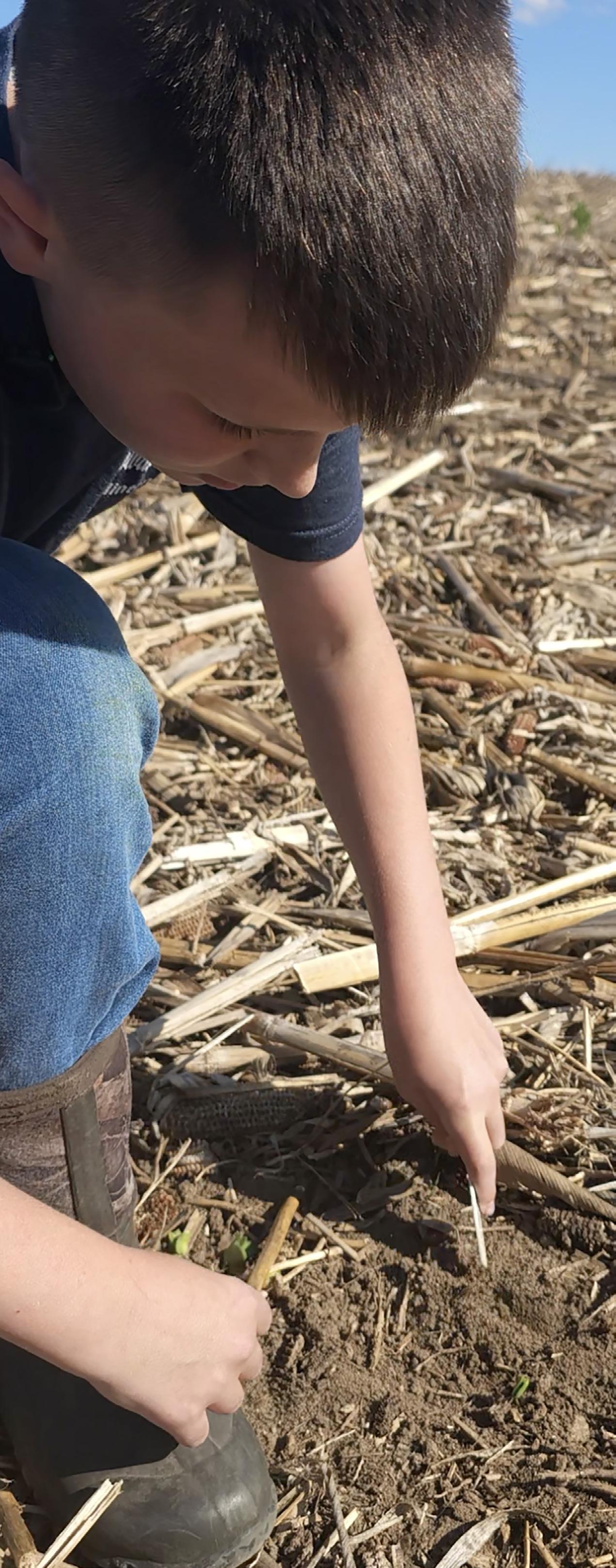
On a farm outside Clinton, Wis., 13-year-old Stan Rehberg has what many kids might consider the ultimate backyard.
“I really enjoy living on the farm,” Stan said. “There’s a lot of things to do. I can go fourwheeling, play outside. I’ve got a big backyard.”
That backyard just happens to include fields, Christmas trees, farm equipment and plenty of opportunities to learn about agriculture firsthand.
Stan is the first featured farm kid in the Wisconsin Soybean Program’s new Farm Kid Energy series, an initiative designed to highlight the next generation of agricultural leaders and the important role they already play on family farms across the state.
While many people picture farming as something adults do, Stan’s story is a reminder that agriculture is often a family effort. From helping with daily tasks to participating in research projects, farm kids are learning valuable skills and contributing in meaningful ways long before they’re old enough to run the operation themselves.
One of Stan’s unique responsibilities involves helping collect information for agricultural research.
Holding up a trap used to monitor insect populations, Stan explained how the process works.
“These are true armyworm moths,” he said. “We trap them to see how the amount of bugs differ from the different crops in the field. We type it into an app and then it goes to UW-Madison and the scientists there do stuff with them.”
When he’s not helping monitor insects, Stan stays busy with plenty of other farm responsibilities, including during planting season.
“I help my dad fill up grain bins,” he said.
The Rehberg family also grows Christmas trees, creating another opportunity for Stan to pitch in throughout the year.
“We plant Christmas trees,” he said. “One day in the spring we plant a bunch and then we mow through the rows and spray them.”
Like many farm kids, Stan is learning by doing. Whether it’s helping with seasonal work, caring for the farm, or simply spending time alongside family members, each task teaches lessons that extend beyond the farm gate.
When asked what his favorite thing his dad has taught him is, Stan didn’t mention operating equipment or managing crops.
“Probably mowing the lawn,” he said with a smile. “It’s very relaxing.”
Know a farm kid who deserves the spotlight? The Wisconsin Soybean Program is accepting nominations for future Farm Kid Energy features from communities across the state.
By Kelsey Barchenger
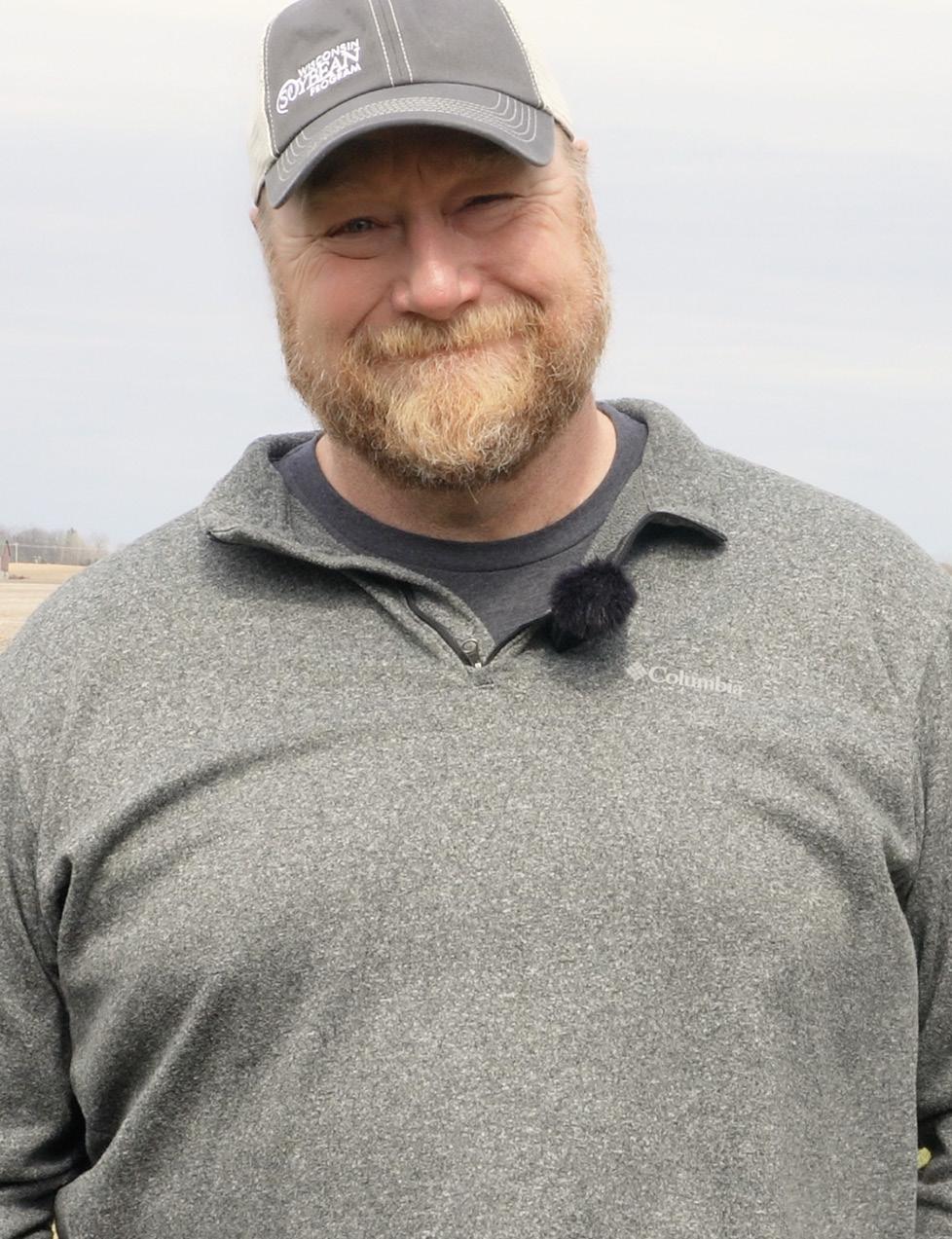
Wisconsin Soybean Association Director Luke Goessling doesn’t remember easing into farming.
“My most memorable time being introduced to farming… I was probably about four-years-old helping my dad,” he says. “I remember the day pretty vividly. Lost a finger in a tractor… and kind of just been hooked ever since.”
It’s not the kind of origin story people expect. For most, an experience like that would be enough to keep a lifetime’s distance from big machinery. For Goessling, it became something else entirely, a starting point.
“Everything came back. Everything is normal now,” he says. “That’s my most rooted, early age memory of wanting to farm.”
Like many who grow up in agriculture, his path wasn’t clearly mapped out from the beginning.
“Didn’t really know where life was headed much through high school,” he says. “Had a great opportunity to go to UWMadison shortcourse program. That really kind of set me on the track to step into the cash cropping aspect of our farm.”
At the time, the farm itself was already changing.
“I was born and raised dairy farming,” Goessling says. “We had the dairy cattle up until 2004. When we ended up losing our farm to eminent domain, my sister and her husband took the cattle and my dad and I took over the cash cropping.”
The dairy side of the operation was gone, but the work and responsibility remained. Then came another shift. One that couldn’t be planned for.
“In 2009, we tragically lost my dad (Ralph),” he says. “At the early age of 57 he passed away unexpectedly.”
There was no gradual transition, no extended mentorship into full ownership. One season, his father handled the decisions that shaped the farm’s future. The next, those decisions belonged to him.
“I didn’t know a whole lot about the agronomy side of things,” Goessling admits. “I was always on the harvest end of the crew. My dad did everything in the spring — seed choices, planting. And then in the fall I did all the harvesting. I never really had to do both sides of that.”
In 2010, that changed.
“I got thrown into doing everything myself,” he says. “But I was always wanting to learn more. Luckily, we had the internet.”
Goessling also looked beyond his own operation for guidance.
“I got involved with the Wisconsin Corn Growers at that time,” he says. “Kind of surrounded myself with people that were in a place that I wanted to be and definitely learned a lot from them.”
Over time, Goessling didn’t just stabilize the operation; he expanded it.
“In addition to that, we still have our gravel trucking business,” he says. “Right now, we have 47 employees. We’re actively running about 65 trucks on the road.”
The scale tells part of the story, but not all of it. Growth in agriculture today often means diversification. Still, even with that growth, the core of the operation hasn’t shifted.
“I have two sons and my wife is active,” he said. “The kids are taking over and doing more and more, and that’s always fun.”
If the early years of his career were defined by learning and survival, the current chapter is something different.
“Watching your kids develop that love of the land,” he says. It’s a quieter kind of milestone that carries its own weight. One that isn’t evident in yield data or balance sheets.
“My favorite part about it is my brain never sits still,” Goessling adds. “I always have to be busy. My wife gets mad at me because once I finish one project, we have to start another one.”
For Goessling, the future is measured less in expansion and more in stability.
“My ultimate hopes are my kids can take the farm over with little to no debt,” he says. “I knew what it was like starting over with all debt. We struggled really hard and we worked really hard to try to get to the point where we could be debt-free. And by no means are we, but that’s my goal for them, is to be able to farm and enjoy it.”
He puts his heart and soul into everything he does, and while he never got to hear it from his dad- “As good as I knew him, I don’t know if he’d ever tell me,” Goessling says. “But everybody around me tells me he’d be proud.”
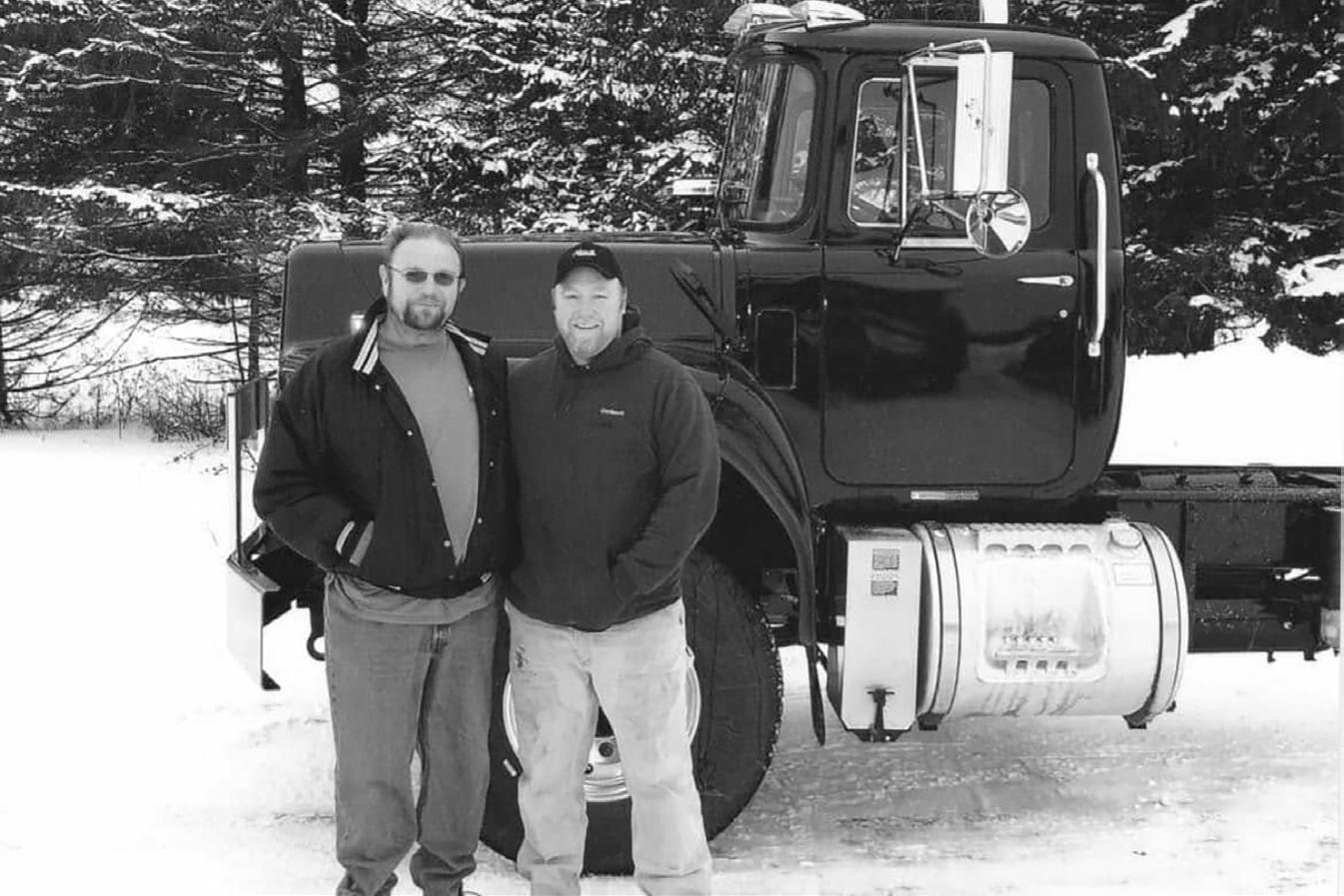
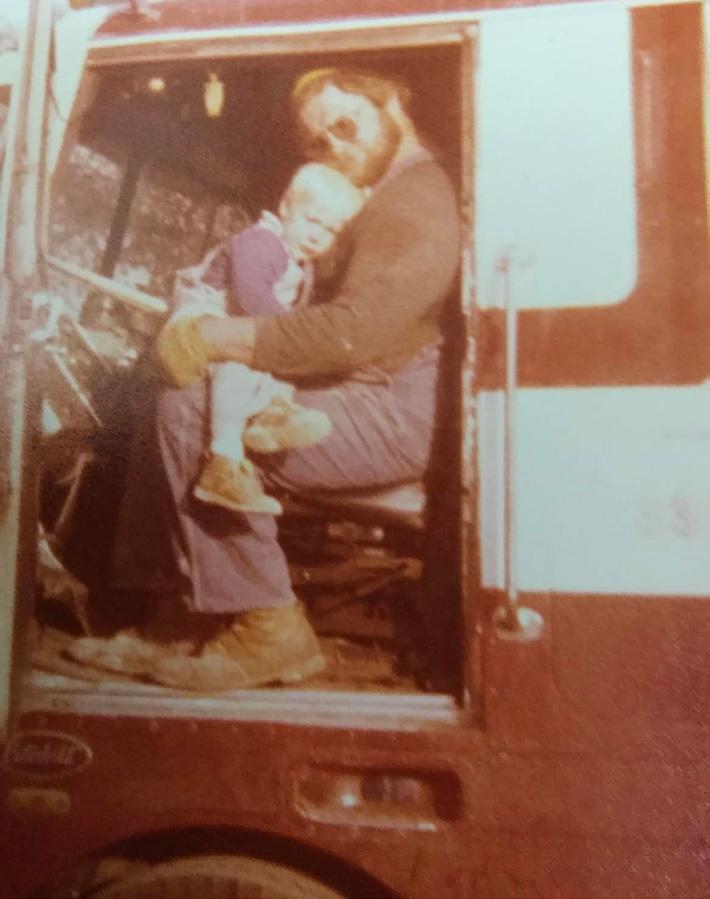
Luke Goessling had a steep learning curve when he began overseeing the family farm after his dad, Ralph, died in 2009. Photos courtesy of Luke Goessling.
He built a life that would say it anyway. Scan the QR code to learn more about Luke Goessling:



Being a good boy is like digging a hole for a bone. Sometimes the dig is easy, and sometimes there are squirrels to chase.
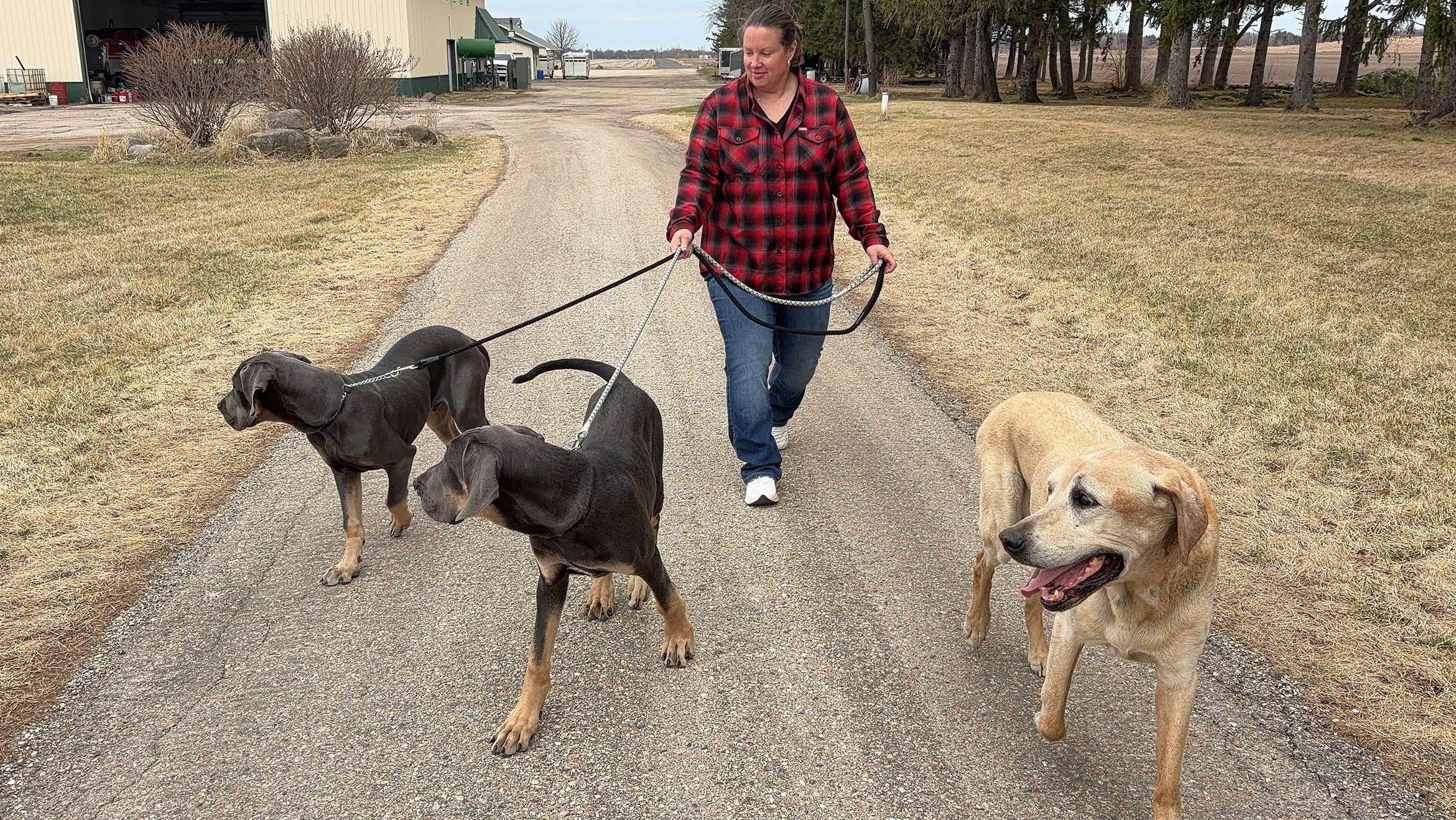
Take those two knuckleheads for instance. Constantly biting and fighting and running around. I remember those days. If dad (Luke Goessling) let me off the leash, there was a good chance you’d find me four counties away.
I’m mostly a good Arby these days. I watch my two little brothers, Klaus and Ranger play. Always with the playing and exploring. Their noses get them in trouble sometimes, too. I stick close to mom or dad. And the days on the leash are fewer and further between. That’s for the young pups.
A good scratch behind the ear seems like the perfect day. And a walk with mom to check out the shed and the big, loud “truck,” dad likes to drive. That’s my favorite place to hang out. I always have a good supply of food and water, and I make sure to remind
the two pups I’m in charge by dropping bits of food they can’t reach cuz they are on mom’s leash. I can eat a lot, but in front of them I make sure to eat one nibble a time.
Nice. And. Slow.
I’d say I don’t like Klaus and Ranger, but truth is, after my sister went to doggy heaven, I missed having a friend. Mom and dad are great, but there is nothing quite like running around, tussling and biting, or smelling everything. After a day like that, dad and mom would reward us with a good scratch or a nice walk.
Maybe those two aren’t so bad. I don’t much like when they nip at me or block my path to mom or dad. But they keep me company and remind me of the time dad had to pick me up from a kennel after I went on one of my runs. I was fast, like the wind.
Someday they’ll slow down, too. For now, I make sure they stay on the farm, where they’re supposed to be.
TWO SIDES OF A SOYBEAN WSA, WSMB take different paths in support of soybean farmers

By Doug Monson
In life, if everything were a straight line, the journey would probably be boring. For soy-based products to be adopted, there rarely is a straight line, and the path is never boring.
Take the journey of SoyFoam TF1122, developed by Cross Plains Solutions with help from a checkoff investment by the United Soybean Board (USB). That singular act led to a product designed to address real problems facing firefighters and the communities they serve.
“It’s a really neat story, how USB pushed it and promoted the distribution, and then the Wisconsin Soybean Association worked very hard to promote it at the legislative level,” WSA Director Sara Stelter said.
As Dave Garlie, chemist and Chief Technology Officer at Cross Plains Solutions, said the goal was to protect firefighters with a tool that worked.
“When we formulated this product, the last thing we were going to do was take a step back in performance,” Garlie said.
HEADS AND TAILS
Like two sides of a coin, SoyFoam is more than a new product. It is a case study in how farmer leadership works when the Wisconsin Soybean Marketing Board (WSMB) and WSA stay in their lanes but drive in the same direction.
On one side is WSMB, which invests soybean checkoff dollars in research, market development, education and new uses. On the other is WSA, the membership and advocacy organization that can take farmer priorities to lawmakers in Madison and Washington, D.C.
“Having a strong partnership with the Marketing Board is important on many levels for WSA,” said President Doug Rebout. “While the checkoff can’t support our
advocacy efforts, it can provide research and other tools when it invests in something like SoyFoam.”
But innovation does not move from the lab to the firetruck by accident.
WSMB helped support and promote the development of SoyFoam as part of its checkoff mission to build demand for soybeans beyond food, feed and fuel. Through checkoff-supported research, product testing, farmer education and public demonstrations, WSMB helped give SoyFoam visibility with growers, firefighters and community leaders.
“Our board saw great value in investing in SoyFoam, particularly because the research on certification testing was being performed in Wisconsin,” said WSMB President Jonathan Gibbs. “We felt it was important to continue to advance and promote a product that came out of national checkoff investments.”
Beyond research, WSMB invested in a demonstration at Chippewa Valley Technical College in Eau Claire, where the certification testing is done. The demonstration brought in firefighters from across the country, including staff from state agencies in Wisconsin and Minnesota, and regional media.
More recently, the board sent mailers to all professional fire departments in Wisconsin. The playful box contained information on SoyFoam, some swag and either a burned or golden ticket. Oh, and the box opened to “Hot Hot Hot” by Buster Poindexter.
“The Marketing Board gave away a pallet of SoyFoam and held a press conference to the winning fire department,” Rebout said. “We were invited as a guest and talked with local legislators at the event. Again, this is another way that we work together toward a common mission. We just take different paths.”
HOW IT HAPPENS
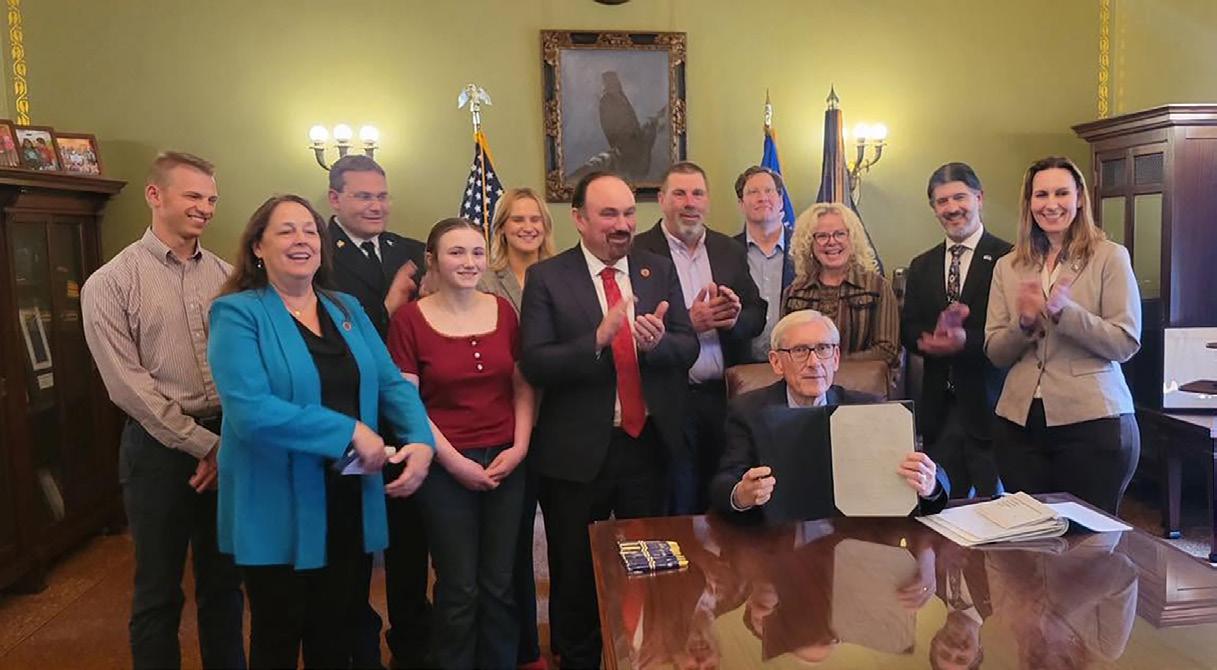
Following WSA advocacy and testimony, lawmakers passed a bipartisan bill allowing fire suppression products derived from soybeans, including SoyFoam, to be eligible for a Department of Natural Resources grant program. With Doug Rebout looking on, Gov. Tony Evers signed Senate Bill 474 into law in April.
“Our two groups working together to support our farm economy – this is how it’s supposed to be happening,” Sara Stelter said.
TOP FIVE MUST-HAVES ON THE FARM
Matt Wagenson’s list for keeping things moving
By Kelsey Barchenger
For Bear Creek farmer Matt Wagenson, success isn’t about one big piece of technology or a single breakthrough, it’s about the tools and people that keep everything running when things get busy.
Here are the top five must-haves on the farm for the Wisconsin Soybean Marketing Board vice chair.
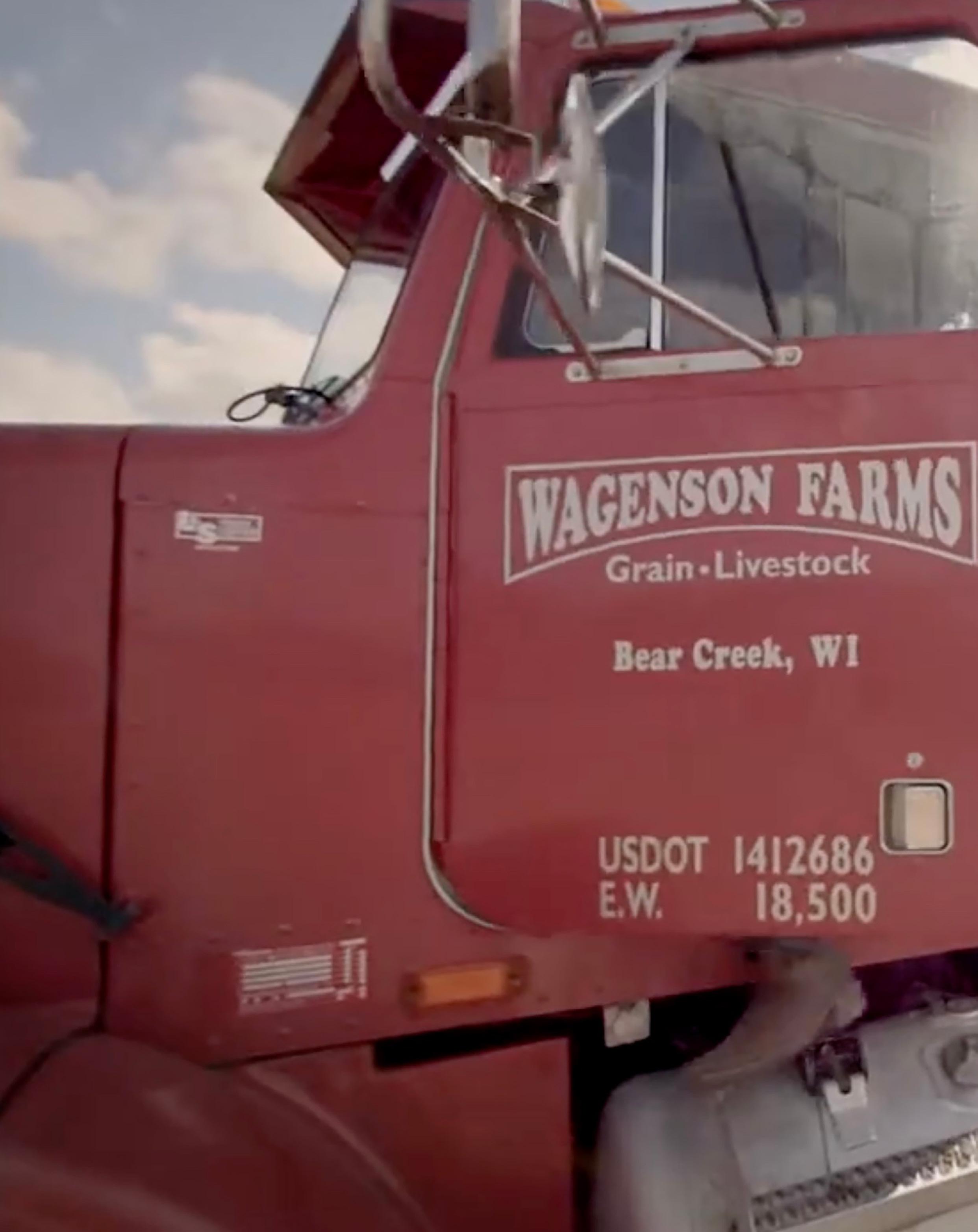
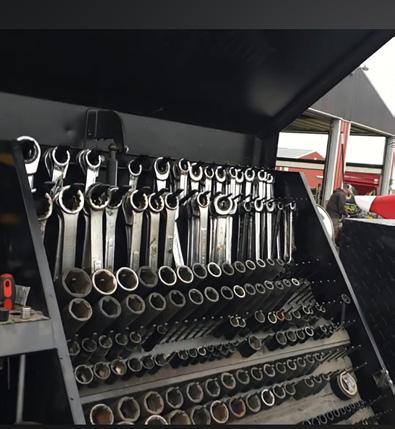
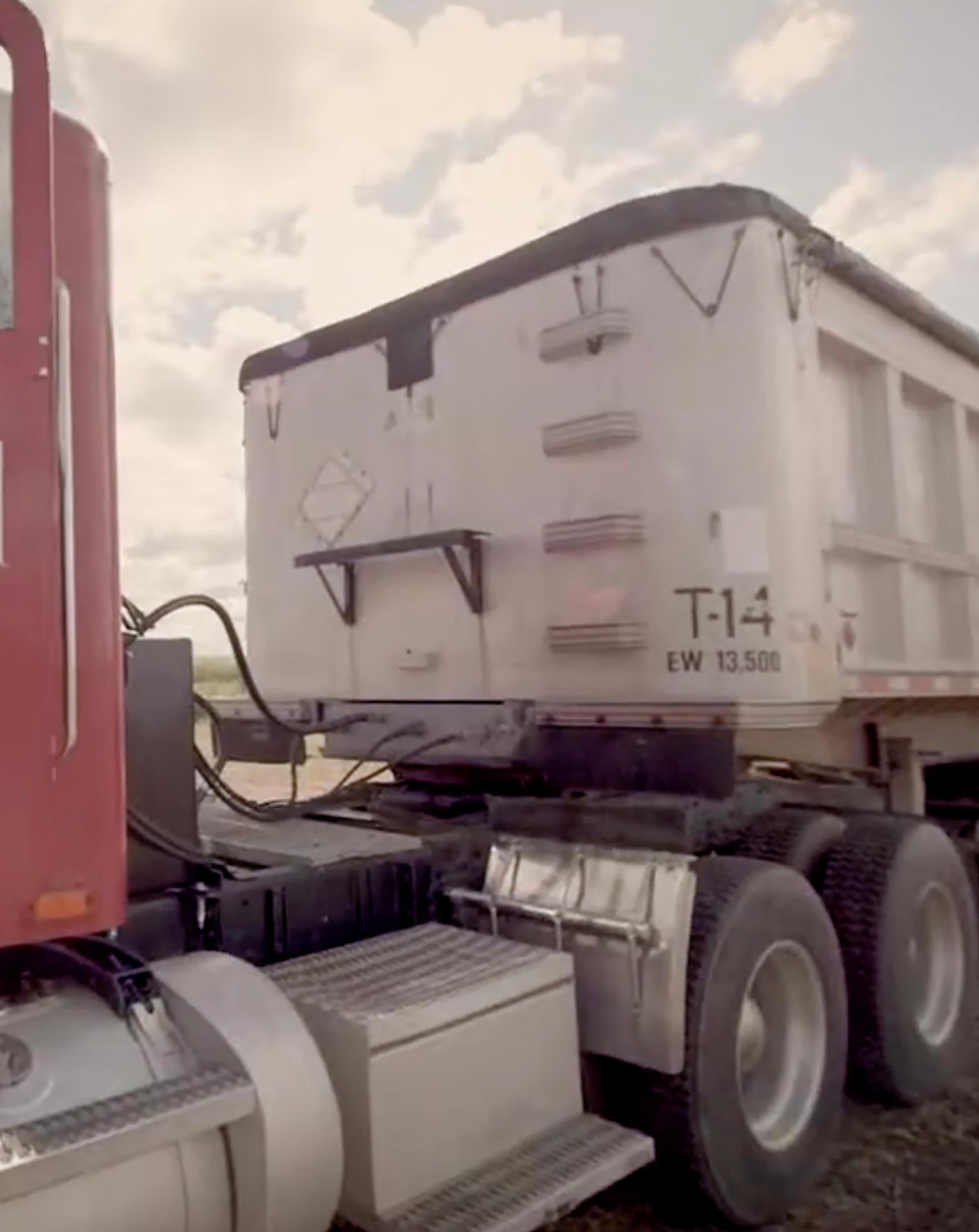
1. A Good Tool Truck
When your operation is spread out over 10-15 miles with multiple sites between a cattle barn and grain bins, efficiency starts with mobility.
“For me, number one is probably a good tool truck,” Wagenson says. “It’s always nice to have what we need on wheels.”
Instead of running back and forth for supplies, the tool truck brings everything to the field, saving time, fuel and frustration when you’re in a pinch.
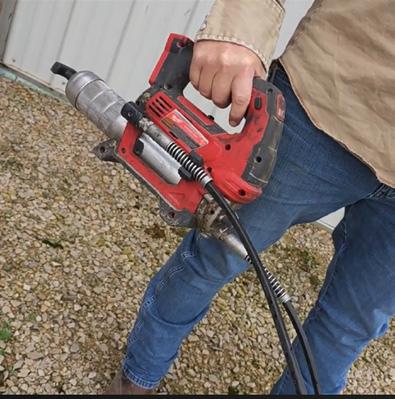
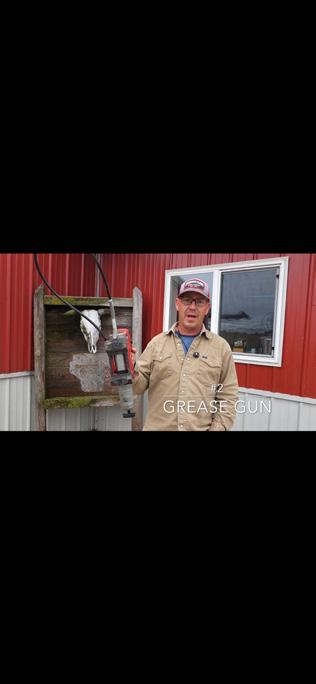
2. A Reliable Grease Gun
“I grew up with pistol grip and hand pump grease guns,” Wagenson says. “But this is a game changer.”
The difference now is simple: accessibility.
“You’re more apt to grab the grease gun, look around the machinery, and keep maintenance up to date.”
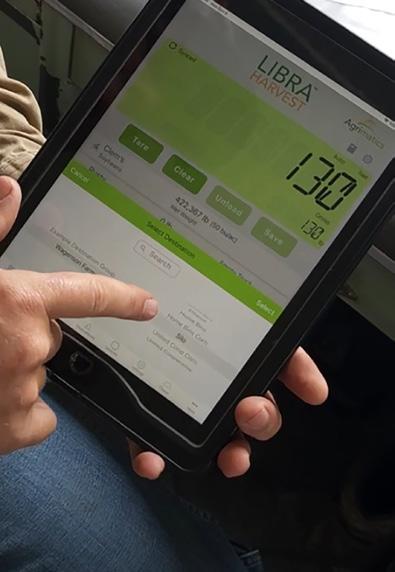
3. A Grain Cart Scale System
Technology has changed farming, but sometimes the best tools are the ones that make decisions easier in real time.
“We invested in a scale on our grain cart,” he says. “We run a lever cart harvest system, and it’s super easy to switch trucks, destinations and fields.”
Beyond harvest, the system becomes a recordkeeper.
“In December, we go back and check yields, varieties and where everything went,” says Wagenson, who also represents Wisconsin on the North Central Soybean Research Program.
4. Family
Some tools don’t plug in or start with a key.
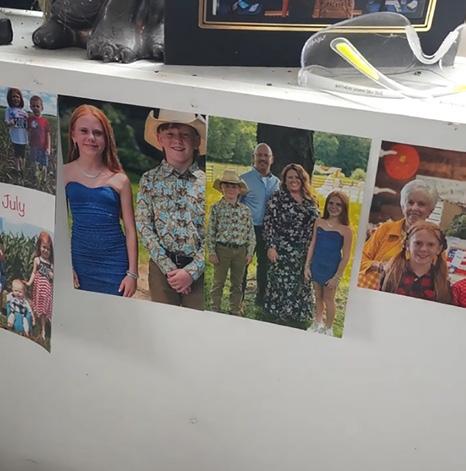
“Number four is family,” Wagenson says. “You need a great support system.”
Farm life doesn’t pause for planting or harvest. Life still happens everywhere else: sports, 4-H, church, birthdays and commitments that matter just as much.
“You’ve got to have grandmas, grandpas, spouses, cousins, brothers and sisters to help you get through it,” he said.
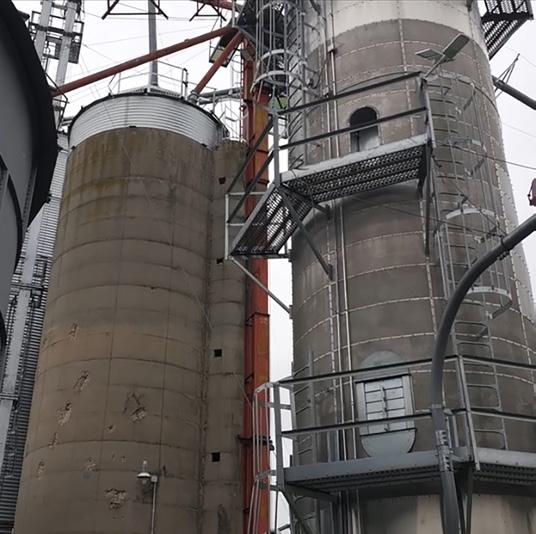
5. The Bin Site
If harvest is a race, storage is where you win time.
“Our bin site keeps us rocking and rolling at night and on weekends when others are sitting in line,” he says.
Built and expanded since 1988, the site started with a vision from his father: independence and efficiency.
“He wanted his own bin, his own dryer,” Wagenson says. “We’ve just kept building on it.”
Now, it’s a critical advantage.
“It helps us keep moving through the night and gives us an edge in the fall.”

Farmers for Soil Health relaunches
Farmers for Soil Health, the farmer-led initiative launched in 2022 to double cover crop acres on U.S. farmland by 2030, has reopened enrollment for 2026 with increased per-acre payments and a simplified oneyear contract designed to remove barriers for Wisconsin growers. Enrollment is open through Aug. 31, 2026.
“There’s no end to the creativity of my fellow farmers when they try different things,” says Dallas, Wis., farmer Andy Bensend, who represents Wisconsin on the United Soybean Board. “We’re always learning new things, and with cover crops – there’s a boatload of benefits.”
The program, a partnership among the soy, pork and corn checkoffs, was created after commodity groups recognized the importance of cover crops. It’s one of the most effective ways to improve soil health, reduce erosion, cut nitrogen runoff and sequester carbon. Additionally, it helps farmers meet growing demand for sustainably produced crops. The initiative is backed by a $95 million USDA Advancing Markets for Producers grant.
Farmers for Soil Health has worked toward a goal of helping farmers get more
cover crop acres established by providing technical resources and cash share dollars to the farmer. According to the Soil Health Institute, hitting that target could increase carbon sequestered in soils by approximately 7 million metric tons, reduce erosion by 105 million metric tons and reduce nitrogen leaching by 272 million pounds.
The Conservation Technology Information Center (CTIC) is the technical advisor for the Farmers for Soil Health Program in Wisconsin. The 2026 enrollment introduces several updates designed to make participation easier and more financially viable for growers:
• Flexible one-year contracts
• $35 per acre
• All acres are eligible regardless of management practice from the previous year (no additionality)
• 2,000-acre cap per FSA farm entity
• Guided enrollment support with our soil health specialists
• Farmer-to-farmer support network with CTIC’s Cover Crop Coach program
• Stackable with many state, local and private-entity programs
• Simple verification process
For more information on enrolling, visit ctic.org/projects/ farmers-for-soil-health/. CTIC has also announced that its 20th annual Conservation in Action Tour will be held in Wisconsin in 2027.
USB unveils Soy Farmer Support Hub
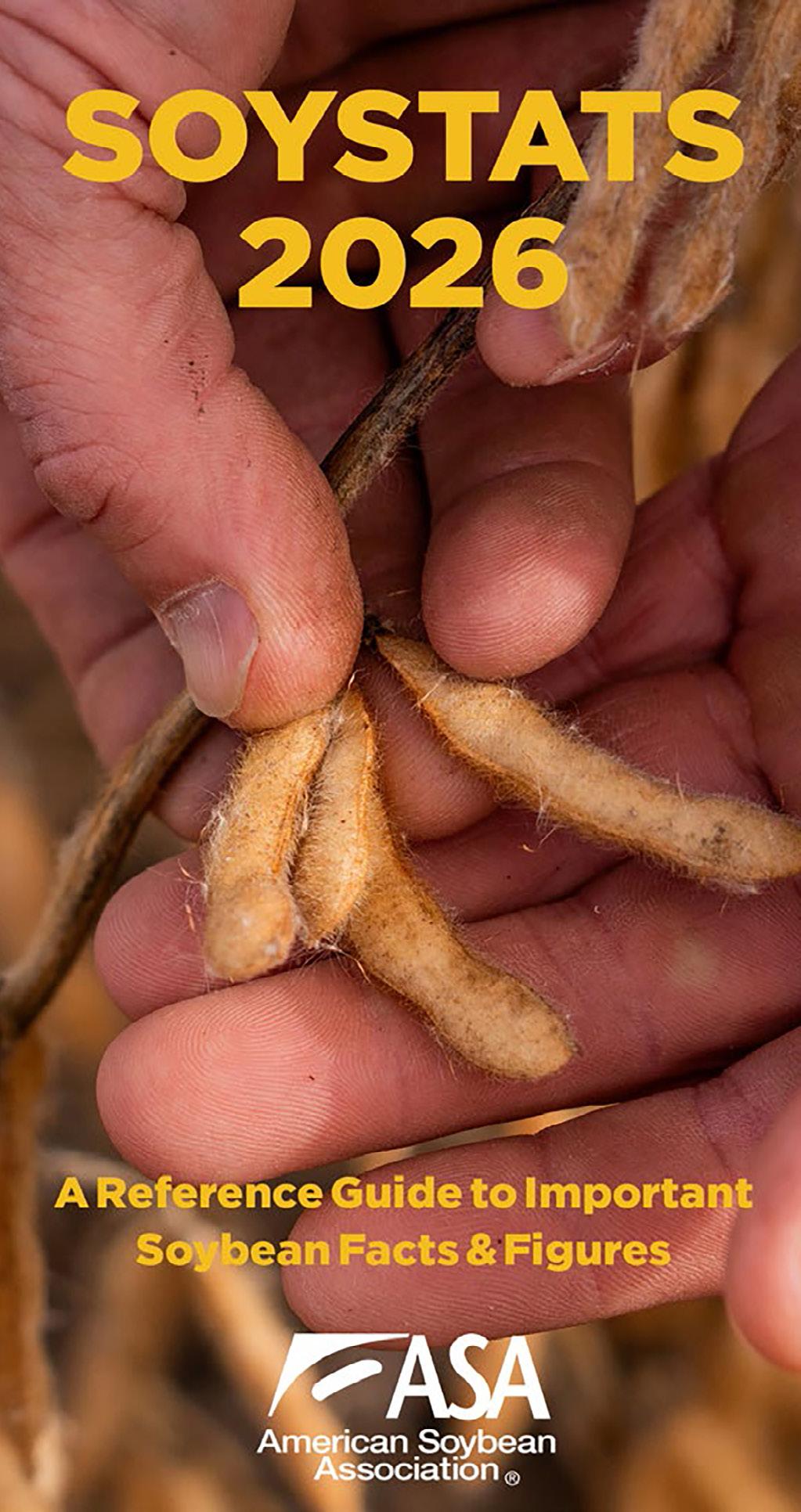
Farmer leaders of the United Soybean Board built something their fellow farmers have long needed: one place for near-term solutions that matter. The Soy Farmer Support Hub combines resources that the checkoff curated into an easy-to-follow location focused on fields, operations and the farmers themselves.
Resources can be found at unitedsoybean.org/soy-farmersupport-hub.
The site is part of a bigger checkoff initiative to help U.S. soybean farmers access timely, research-backed tools to overcome the challenges they face day-to-day. While the checkoff typically focuses on long-term market building and on-farm production improvements three to five years out, these immediate resources are applicable to helping farmers’ bottom line while also reducing farm stress.
The Soy Farmer Support Hub is categorized into three sections: For Your Fields, For Your Operation, and For You. These are resources farmer-leaders feel are a high priority this growing season. The first section – For Your Fields – includes a collection of resources that help farmers make pre- and in-season decisions. Farmers can find everything from variety selection tools to disease and insect management calculators.
For the first time, the checkoff has a suggestion box for resources farmers would like to see added to the Support Hub or additional input on investment priorities. The form is a direct line to the farmers making funding decisions.
The second section of the Hub – For Your Operation – looks at revenue and profitability. While it’s top of mind for farmers 24/7, the tools available help farmers identify new opportunities to impact on-farm profitability including premiums, cost-share funding and management decisions.
The third section of the hub is For You (the farmer). The checkoff recognizes the role mental health plays in agriculture and compiled resources to emphasize that farmer stress and well-being must be discussed and that anyone struggling is not alone. For You combines resources from all over the country that focus on the farmer. It gives friends, connections and family an opportunity to know the signs of stress and help the people they care about.
The checkoff’s plan for the Soy Farmer Support Hub includes ongoing development of materials. Wisconsin farmers Tony Mellenthin, Andy Bensend and Danny Brisky serve on USB.
ASA publishes 2026 Soy Stats
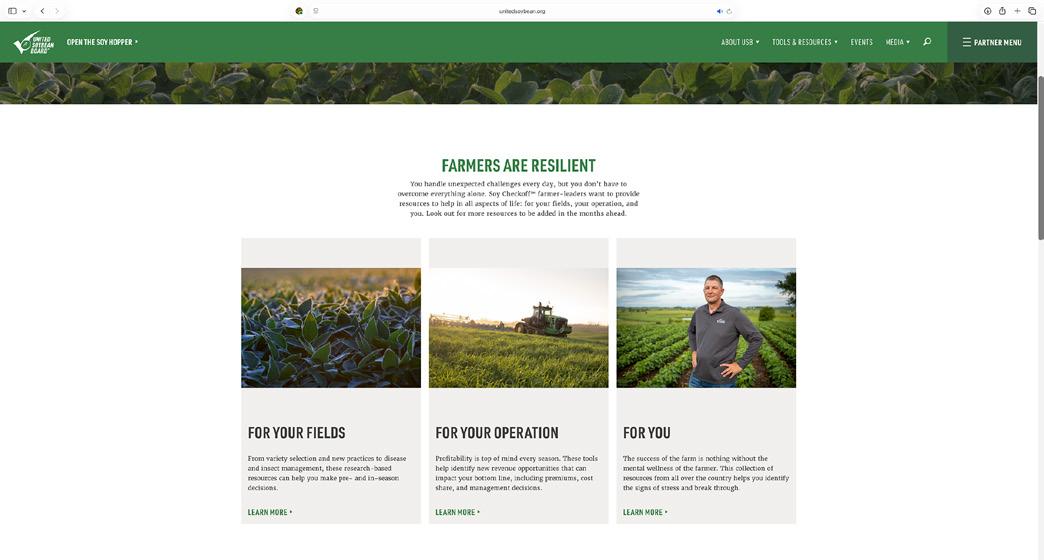
The American Soybean Association has released the 2026 Soy Stats Report, which breaks down the latest soybean production data, including planting, yield and annual crush, meal and oil reports. The digital report can be viewed at soystats.com.
In 2025, the Badger State ranked 13th in the country in acres planted (2.03 million), sixth in yield (56 bushels/acre) and 12th in overall production (113.1 million bushels harvested). In total, U.S. soybean farmers harvested 4.262 billion bushels in 2025 and exported more than 1.8 billion bushels in marketing year 2024/2025, an 8% increase from 2023/2024.
The Wisconsin Soybean Marketing Board is a Bronze Level sponsor of Soy Stats.
Familiar voices
Wisconsin Corn•Soy Expo bringing household names in ag to Wisconsin Dells
By Soy Forward staff
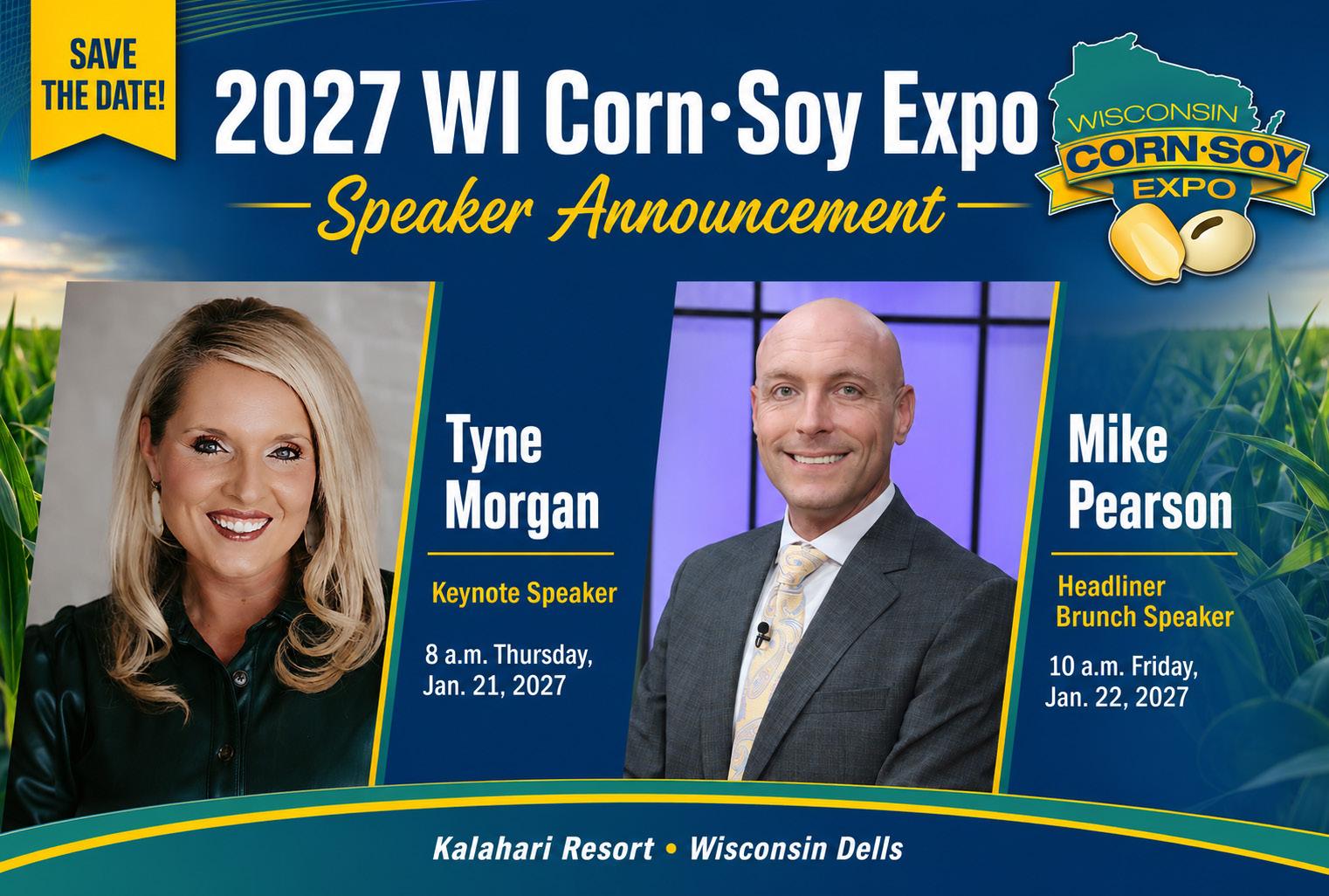
The second you hear them, you’re sure to remember them. The 2027 Wisconsin Corn•Soy Expo is bringing two powerhouse voices in agriculture to the Wisconsin Dells.
Tyne Morgan, host and executive producer of the “U.S. Farm Report,” will deliver the keynote address at 8 a.m. Thursday, Jan. 21, 2027, while Mike Pearson, host of “This Week in Agribusiness” on RFD-TV, will take the stage at 10 a.m. Friday, Jan. 22.
“One of the things that makes this such a valuable event is the opportunity for farmers to hear directly from some of the most trusted voices in agriculture,” said Luke Goessling, Wisconsin Soybean Association director and chair of the Wisconsin Corn•Soy Expo committee.
The Wisconsin Corn•Soy Expo will be held Jan. 2122, 2027, at the Kalahari Resort & Convention Center in the Wisconsin Dells and will bring together farmers, agribusiness professionals, industry leaders and agricultural stakeholders from across the region.
“Tyne Morgan has spent her career telling the stories of rural America and helping producers stay informed about the issues impacting their operations,” said WSA President Doug Rebout. “We’re excited to welcome her to Wisconsin and
know attendees will walk away inspired and better informed.”
A Missouri native with generations of agricultural roots, she began her broadcasting career at age 16 and later earned a degree in Agricultural Journalism from the University of Missouri. In 2014, she made history as the first female host of “U.S. Farm Report.” Morgan continues to provide in-depth reporting on the issues, trends and stories surrounding agriculture while highlighting the people and communities that make rural America unique.
On Friday morning, Pearson will present “What’s Driving Agriculture Now?,” drawing from his extensive experience covering commodity markets, agricultural policy and global trade.
Raised on a hog and cattle farm in Iowa, Pearson began his career in agricultural lending before transitioning into agricultural broadcasting. Each year, Pearson interviews more than 1,000 professionals throughout agriculture, including market analysts, policymakers, economists and trade experts. His presentation will provide attendees with a practical look at key factors shaping agriculture today and what may lie ahead for producers.
Additional details, registration information and the full event schedule will be announced in the coming months. Visit cornsoyexpo.org to learn more.
BIG BEAN ENERGY

Do you have that big bean energy?
Prove it by entering the 2026 Wisconsin Soybean Yield Contest. Submit your entries by August 31!
The more we discover about soybeans, the more valuable they become. One innovative product, SoyFoam™, creates a new, sustainable use for your crop that protects firefighters and the planet. See how your Soy Checkoff is unlocking new markets for soybeans at unitedsoybean.org