SENIORS in ACTION

Living Longer. Living Safer. Living Well.

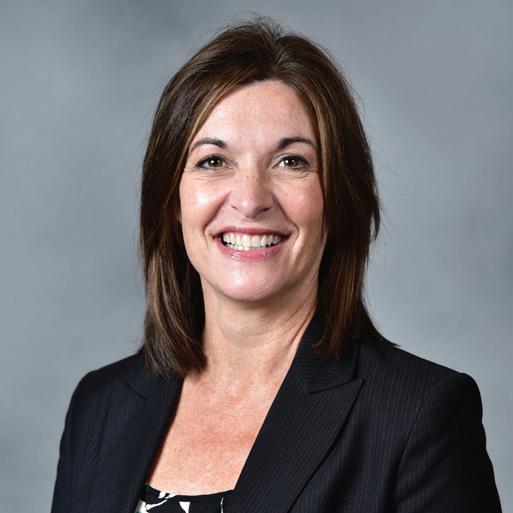
Time flies! After 14 years of service to the agency, I will retire from the Sowega Council on Aging on June 30, 2026. This decision has been part of a thoughtful, long-term transition plan developed in partnership with our Board of Directors to ensure strong and stable leadership for the future.
I am pleased to share that Erin Willingham has been promoted to AAA Director and will oversee all operations of our Area Agency on Aging across our 14-county Planning and Service Area. Erin has been with the agency for 14 years and brings deep expertise in contracts, quality assurance, monitoring and program development. Her experience will be instrumental in navigating the future of aging services in our region.
Our Area Agency on Aging (AAA) continues to evolve to meet the growing needs of seniors and caregivers. As an AAA, we are required to work with partners who deliver services throughout the region. This transition will strengthen those partnerships and allow us to expand services across our communities.
The 335 W. Society Avenue property was purchased by Phoebe Putney Health System to support the expansion of graduate medical education programs, including those affiliated with Morehouse School of Medicine. This investment strengthens the healthcare workforce pipeline in Southwest Georgia and enhances access to quality care for our region. It is an exciting opportunity for the whole community, including seniors, who need quality healthcare.
We are proud that our former facility will continue serving the region in a meaningful way. At the same time, this transition allows our AAA to focus even more directly on its core mission. By reinvesting resources previously dedicated to operating a 45,000-square-foot facility, we are expanding programs and services across our 14-county area, increasing capacity and bringing support where it is needed most. I want to reassure you that no services will be eliminated as a result of this move. In fact, we are actively working to clear waitlists and serve more individuals than ever before. We encourage seniors and caregivers who may need assistance to contact us.
If you or someone you know needs support, please call 800-282-6612. Our team will guide you through eligibility and connect you with available services.
As I prepare for retirement, I do so with confidence. Our AAA is strong. Our mission is clear. And our commitment to the seniors and caregivers of Southwest Georgia remains at the heart of everything we do.
With gratitude, Izzie Sadler
Executive Director
Imagine the heartbreak: a family discovers that their loved one who lives in a longterm care (LTC) facility has been filmed or photographed in a compromising situation— and those images have been posted publicly online. For residents, these acts are deeply degrading.
At the 2025 National Consumer Voice Conference, Gerontologist and Elder Mistreatment Researcher Eilon Caspi presented Privacy Violations and Abuse Using Social Media: A Hidden Danger in LTC Homes. His findings from 100 state investigation reports across 31 states reveal a deeply troubling trend. Staff members, and in some cases visitors, have posted demeaning or exploitative images and videos of residents on platforms such as Snapchat, Facebook and others. These unethical acts constitute emotional abuse and are serious breaches of privacy.
Caspi highlighted several alarming patterns:
• 75% of incidents involved videos: many recorded in private areas such as bedrooms and bathrooms.
• Victims were overwhelmingly individuals with cognitive impairments; nearly half were living with dementia.
• Perpetrators were most often Certified Nursing Assistants (CNAs), typically younger adults, though some incidents involved others.
• Consequences for staff rarely extended beyond termination, with few cases resulting in criminal charges.
• Impact on residents included fear, humiliation, anxiety and a profound loss of trust. Families reported feeling outraged and betrayed.
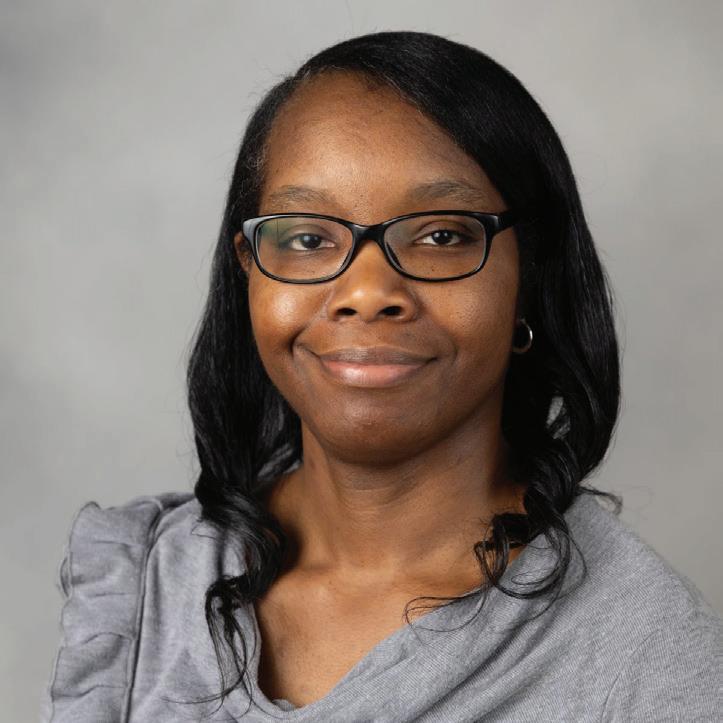
Long-Term Care Ombudsman Representative Program Coordinator, South Region
Despite federal regulations requiring facilities to protect residents from abuse, many LTC communities lack robust social media policies—or fail to enforce them effectively. Without clear guidelines, accountability and oversight, residents remain vulnerable. Technology should never be used to exploit those who rely on caregivers for safety and compassion.
Caspi emphasized steps for facilities:
• Staff training: Integrate privacy, dignity and empathy into all training programs. Fostering a supportive work culture encourages compassion and reduces misconduct.
• Implement zero-tolerance rules for unauthorized recording or social media use. Conduct regular audits to ensure compliance.
• Encourage staff to report without fear of retaliation.
• Advocate for stronger regulations and press social media companies to take responsibility for preventing misuse.
Every resident deserves respect, safety and protection. By strengthening policies, training and accountability, we can work together to end this form of abuse.
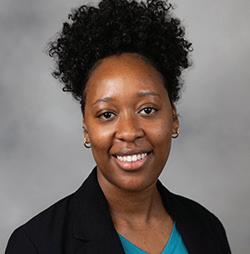
Ebony Haire Nursing Home Transitions Manager
For nearly five years, I have had the privilege of serving the Southwest Georgia community through my work at Sowega Council on Aging. During that time, I have supported individuals and families at some of the most pivotal moments in their lives. As the Nursing Home Transitions Manager, I oversee our Community Transitions program. In simple terms, that means I help individuals who want to return to the community after a stay in long-term care or rehabilitation. For many, the goal is to return home safely with the right support in place. My role is to help make that possible by coordinating services, identifying resources and ensuring no detail is overlooked.
Every situation is different. Some clients are able to live independently with a few added services, while others may need a more structured, semi-independent setting. I work closely with clients, families, nursing facilities and community providers to coordinate services, secure necessary supports and navigate what can often be a complex system. From arranging in-home care and medical equipment to ensuring benefits are active and accessible, I focus on building a plan that supports both safety and quality of life.
What motivates me each day is knowing that my work directly impacts people at a critical point in their lives. Transitioning from an institutional setting back into the community can feel overwhelming. There are logistical challenges, emotional adjustments and important decisions to make. Being able to walk alongside someone during that process, advocate
on their behalf and help remove barriers is incredibly meaningful.
Working with seniors and people with disabilities has taught me how deeply independence is tied to dignity, identity and overall well-being. I strive to empower clients to take part in decisions about their health and life transitions. Even small choices can help restore a sense of control and confidence.
Seeing someone successfully return home, reconnect with neighbors or simply settle back into familiar surroundings is the most rewarding part of what I do. It is a reminder that with the right support, individuals can continue to live with purpose and connection in the community they call home.
Outside of my work at SCOA, I enjoy teaching small group fitness classes and personal training, traveling, reading and spending time with my dogs.
Written by Wendy Bellacomo
For more than four decades, the Sowega Council on Aging (SCOA) has carried out a clear and enduring mission: to support older adults and individuals with disabilities across southwest Georgia so they can live with dignity, independence and connection. While programs and delivery methods have evolved over time, SCOA’s role as a trusted steward of public resources and a regional convener of aging services has remained constant.
Today, SCOA is taking a strategic step forward — one that reflects both the realities of a rapidly aging population and the importance of working together as a community to meet growing needs with limited resources. This transition is not about doing less. It is about efficiency, strengthening partnerships and ensuring long-term sustainability so services remain accessible across all 14 counties SCOA serves.
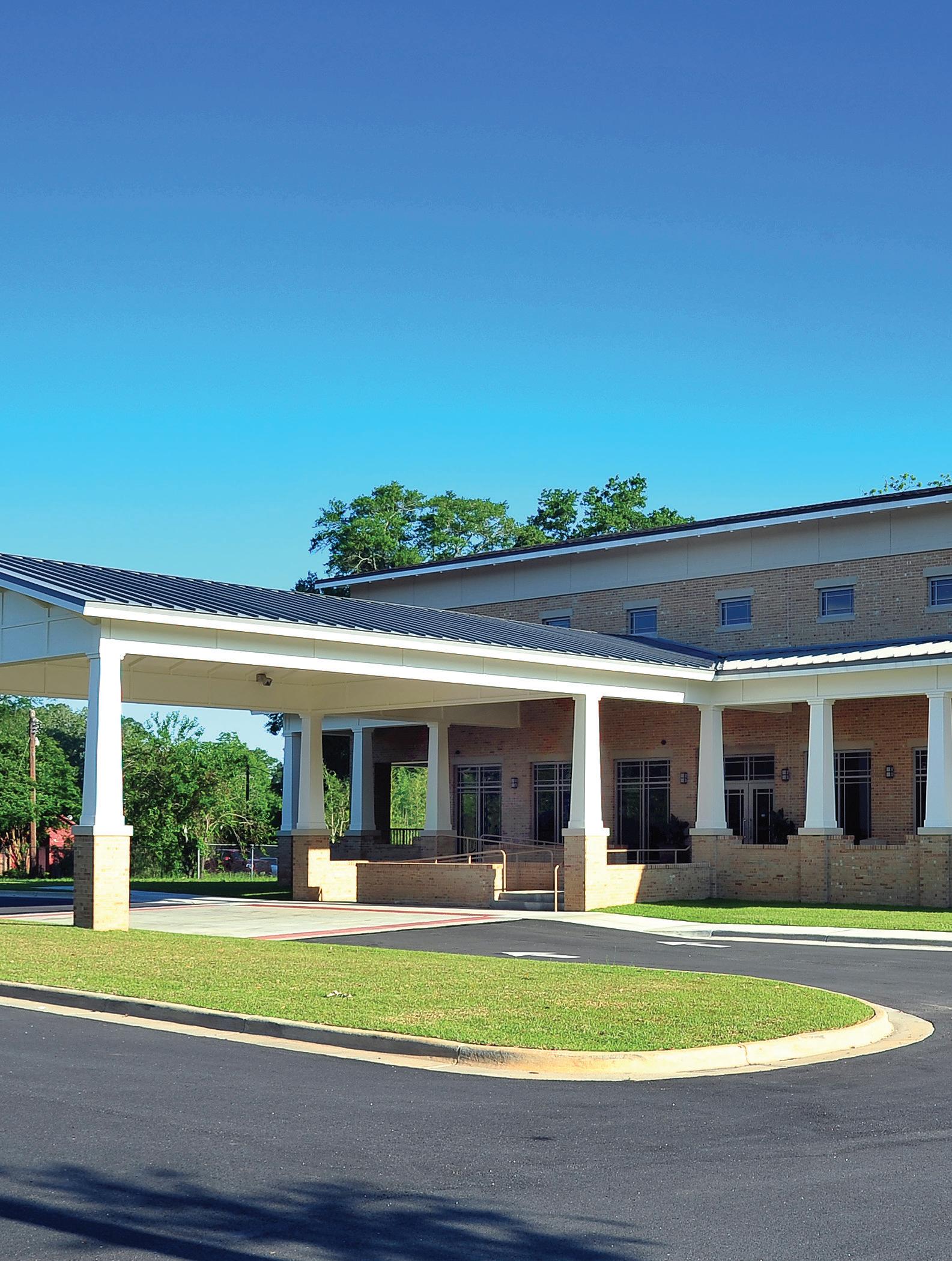
At the center of this transition is SCOA’s move away from maintaining a large, centralized facility on West Society Avenue and toward a smaller administrative footprint paired with expanded, communitybased service delivery. This decision, which was carefully evaluated and approved by the SCOA Board of Directors, aligns with federal guidance for Area Agencies on Aging, which emphasizes regional access, coordination with local providers, monitoring and compliance.
“Our mission has always been regional,” said Izzie Sadler, executive director of the Sowega Council on Aging. “This decision allows us to reinvest resources where they matter most — supporting older adults and caregivers throughout our entire service area by working closely with trusted providers and community partners. I want to be very clear: no services will be eliminated. Funds previously spent on overhead for a 45,000-square-foot facility will be redirected to services and support for the people we serve.”
Southwest Georgia, like the rest of the nation, is experiencing what is often called the “silver tsunami.” By 2030, all baby boomers will be age 65 or older, and nationally, one in five Americans will be an older adult. In Georgia, the population age 60 and older is growing faster than any other age group, while the workforce and funding available to support aging services are not keeping pace.
These realities make one thing clear: no single organization can meet these needs alone.
That is why SCOA’s model has long focused on planning, coordination and partnership by bringing together local service providers, nonprofits, faith-based organizations, health systems and community groups to deliver services where people live.
This transition strengthens that approach by allowing SCOA to share resources, reduce duplication and support a broader network of providers who collectively serve older adults across the region.
.
Aging services have always been rooted in community. Over time, however, the ways older adults access support have expanded. Today’s older adults rely on a combination of in-home services, local community spaces and partnerships with organizations they already know and trust.
SCOA has continued to adapt by supporting innovative, flexible service models that reduce barriers such as transportation, distance and isolation. One example is Senior Center Without Walls, which connects older adults through community meals, activities and social engagement. The program’s steady growth demonstrates that meaningful connection does not depend on a single physical location.
“Community-based delivery allows us to be more responsive and efficient,” Sadler said. “By working through providers and partners across the region, we can reach more people, meet diverse needs and ensure services remain accessible, especially as demand continues to grow.”
As SCOA transitions its administrative operations to a smaller space, several points are important to clarify:
• No services will be reduced or eliminated. All current programs will continue.
• SCOA will remain the Area Agency on Aging for all 14 counties, maintaining its role in planning, coordination, advocacy, oversight and compliance.
• Services will continue to be delivered through community providers and partners in locations that are familiar and accessible to older adults.
• Resources will be used more strategically to support regional access rather than maintaining underutilized space.
This shift allows SCOA to focus on what it does best: convening partners, supporting providers and ensuring public resources are used wisely to benefit older adults and caregivers.
The Society Avenue facility holds special significance for SCOA and the community. Named in honor of former executive director Kay Hind, the building reflects decades of dedication to older adults in southwest Georgia.
That legacy will be preserved. The building will retain its name, and Mrs. Hind’s commemorative plaque will remain in place.
“Mrs. Hind believed deeply in strong, responsive services for older adults,” Sadler
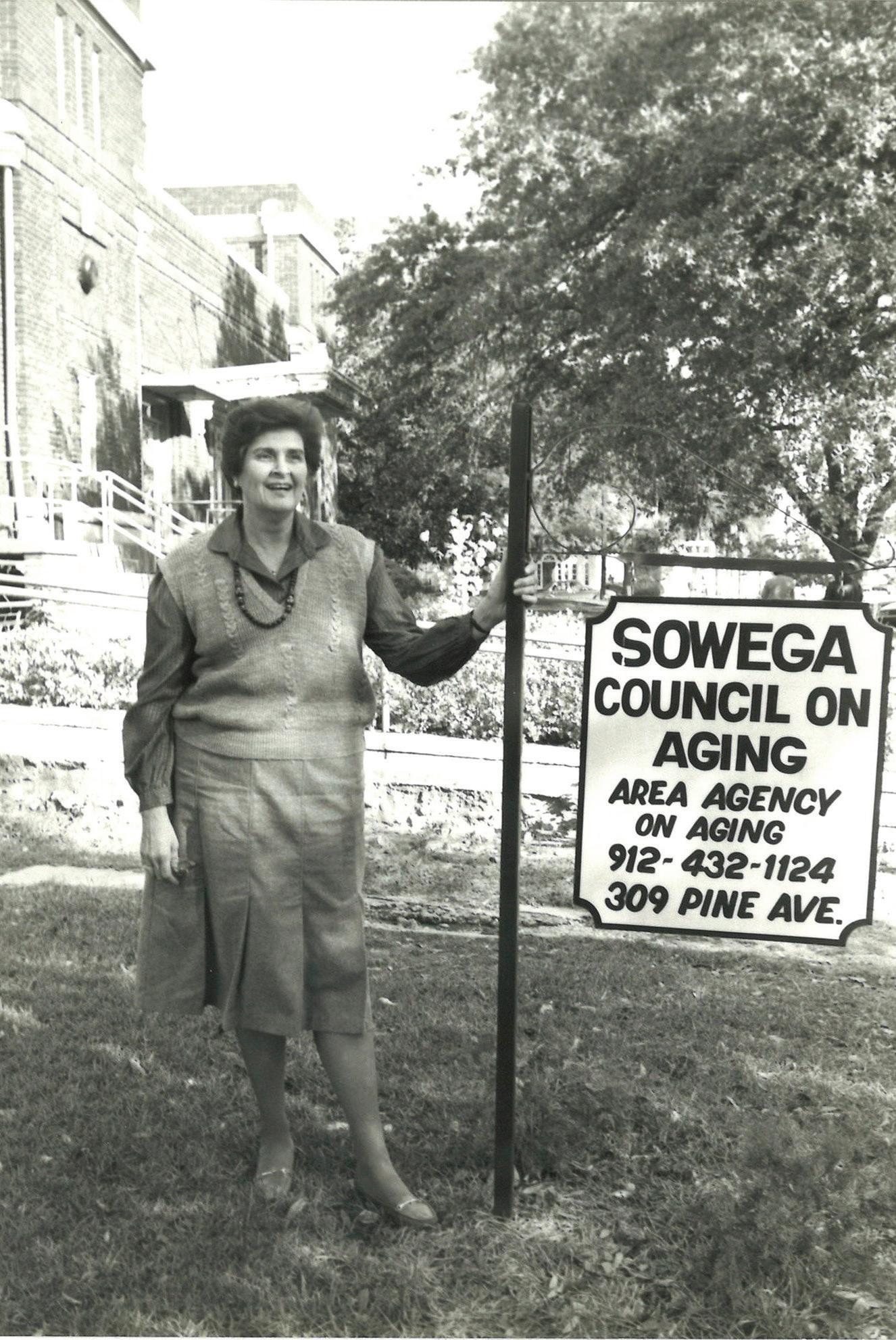
said. “This transition honors that legacy by ensuring those services remain strong, responsive and sustainable for the future.”
As part of this strategic reinvestment, the Society Avenue property will be purchased by Phoebe Putney Health System to support the expansion of graduate medical education, including programs affiliated with Morehouse School of Medicine.
This investment is expected to strengthen the regional health care workforce, improve access to care, and bring long-term benefits to southwest Georgia, including for older adults who rely on a strong, local healthcare system.
This transition will occur in phases, with careful planning to ensure continuity of services and clear communication with clients, caregivers and partners. SCOA remains committed to transparency and collaboration throughout the process.
“Our focus is - and will always be - on the people we serve,” Sadler said. “By working together as a community, sharing resources and supporting one another, we can meet the challenges of an aging population and continue serving older adults with dignity and care.”
As SCOA looks ahead, the path forward is clear: strong partnerships, shared responsibility and a united commitment to serving our neighbors - wherever they live.
Through its Aging and Disability Resource Connection, SCOA provides information, resources and options while determining eligibility for services.
After required assessments are completed, individuals are placed on the appropriate waitlist based on level of need. Being on the waitlist does not mean a service is unavailable. It is the first step before being referred into services.
This collaborative process, required by the Georgia Division of Aging Services, helps ensure individuals with the greatest need receive services first.
SCOA currently has capacity to serve more people. Referrals are encouraged for older adults and individuals with disabilities who may benefit from available services.
For more information or to make a referral, contact SCOA at 800-282-6612.
COMMUNITY GARDEN’S NEXT CHAPTER
Written by Wendy Bellacomo
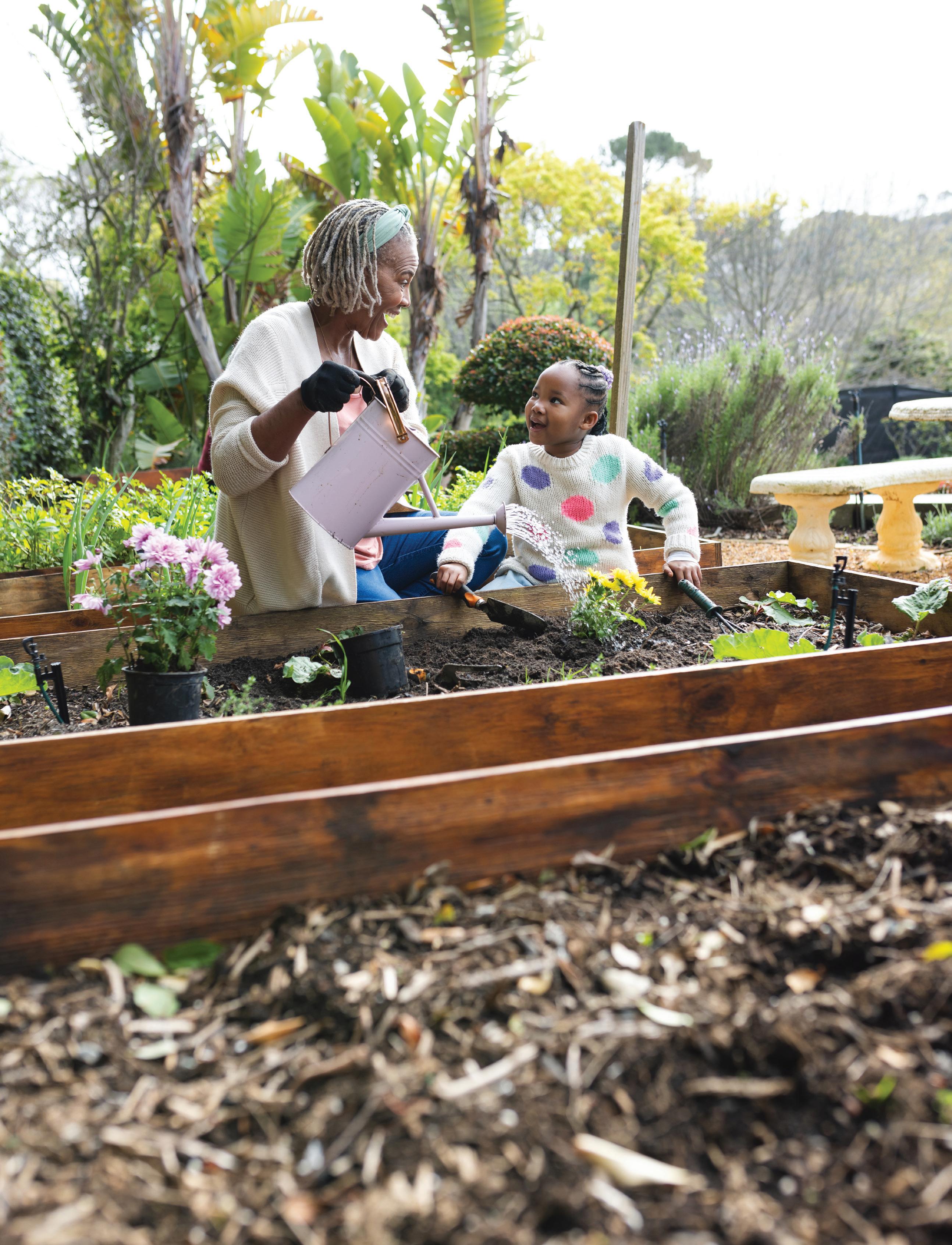
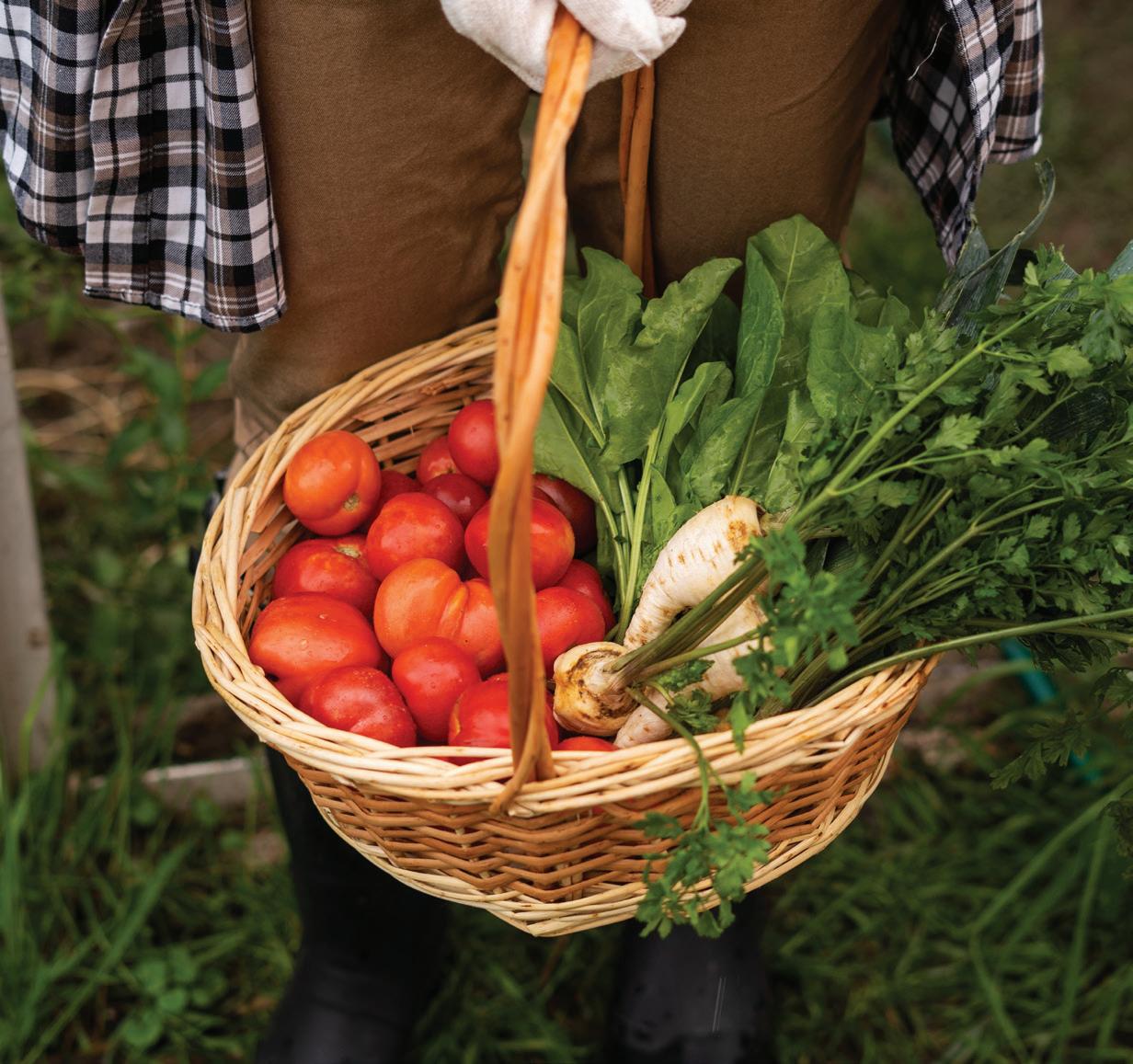
Volunteers return each season to work in a local community garden, planting, tending and harvesting crops that support SCOA wellness programming. The experience provides fresh produce, a reason to stay active and a place to spend time together. That involvement continues as the organization moves through a period of transition.
SCOA is working with Flint River Fresh and its founder, Farmer Fredo, to ensure volunteers remain connected to garden work across the community. A familiar presence in local gardening efforts, Fredo has worked for years to expand access to fresh food in Albany through hands-on programs that emphasize participation and consistency. His role with SCOA focuses on supporting volunteers, sharing practical growing knowledge and helping connect them to opportunities in community gardens throughout the area while reinforcing SCOA’s wellness programming.
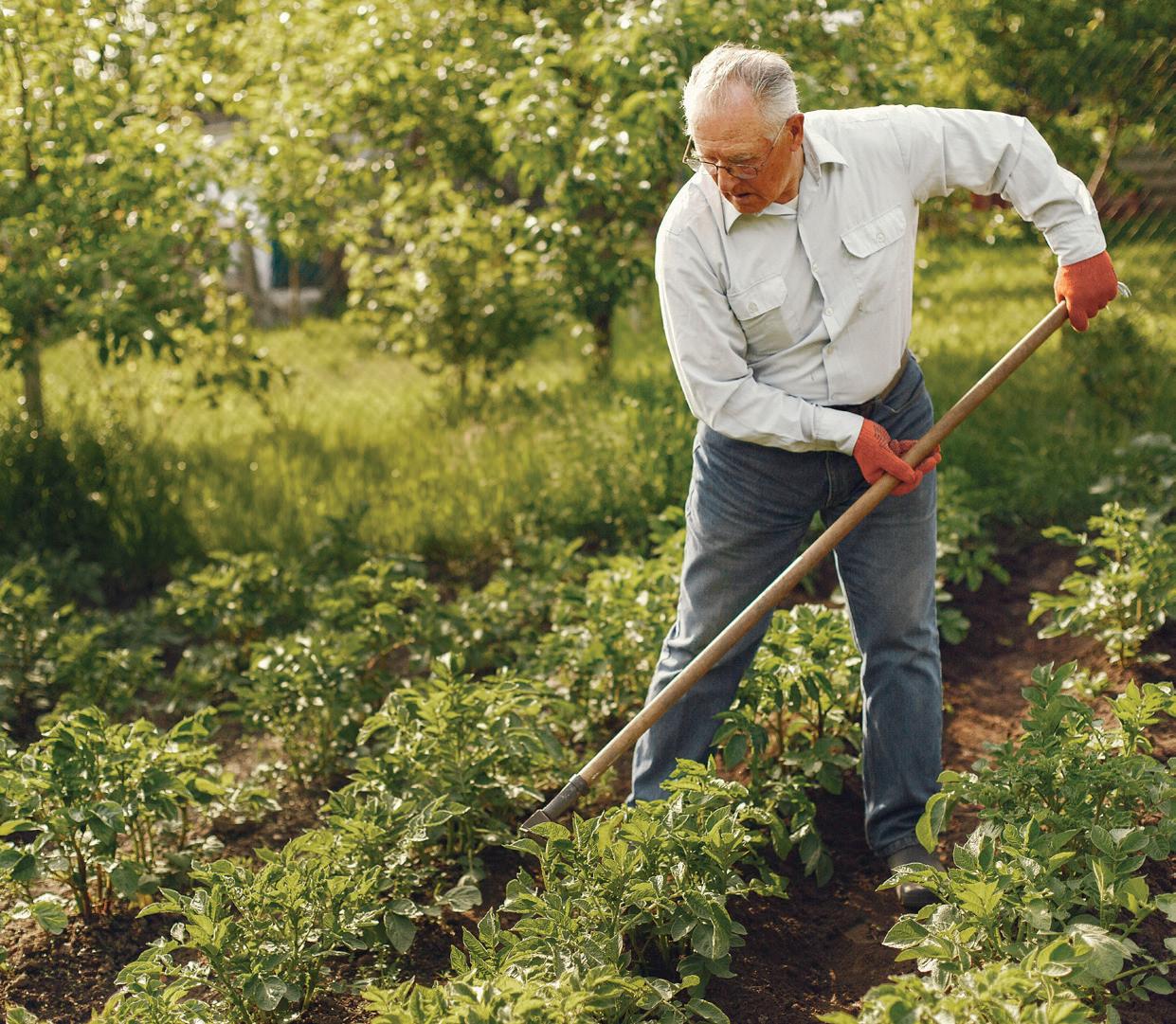
SCOA volunteers continue to take part in steady, ongoing garden work including watering, weeding, planting and harvesting. During peak growing months, they tend a range of seasonal vegetables that are incorporated into SCOA wellness classes and shared with participants.
For many volunteers, seeing that produce used is part of what keeps them involved. The work is practical and visible, and tasks can be adapted to fit different ability levels and schedules.
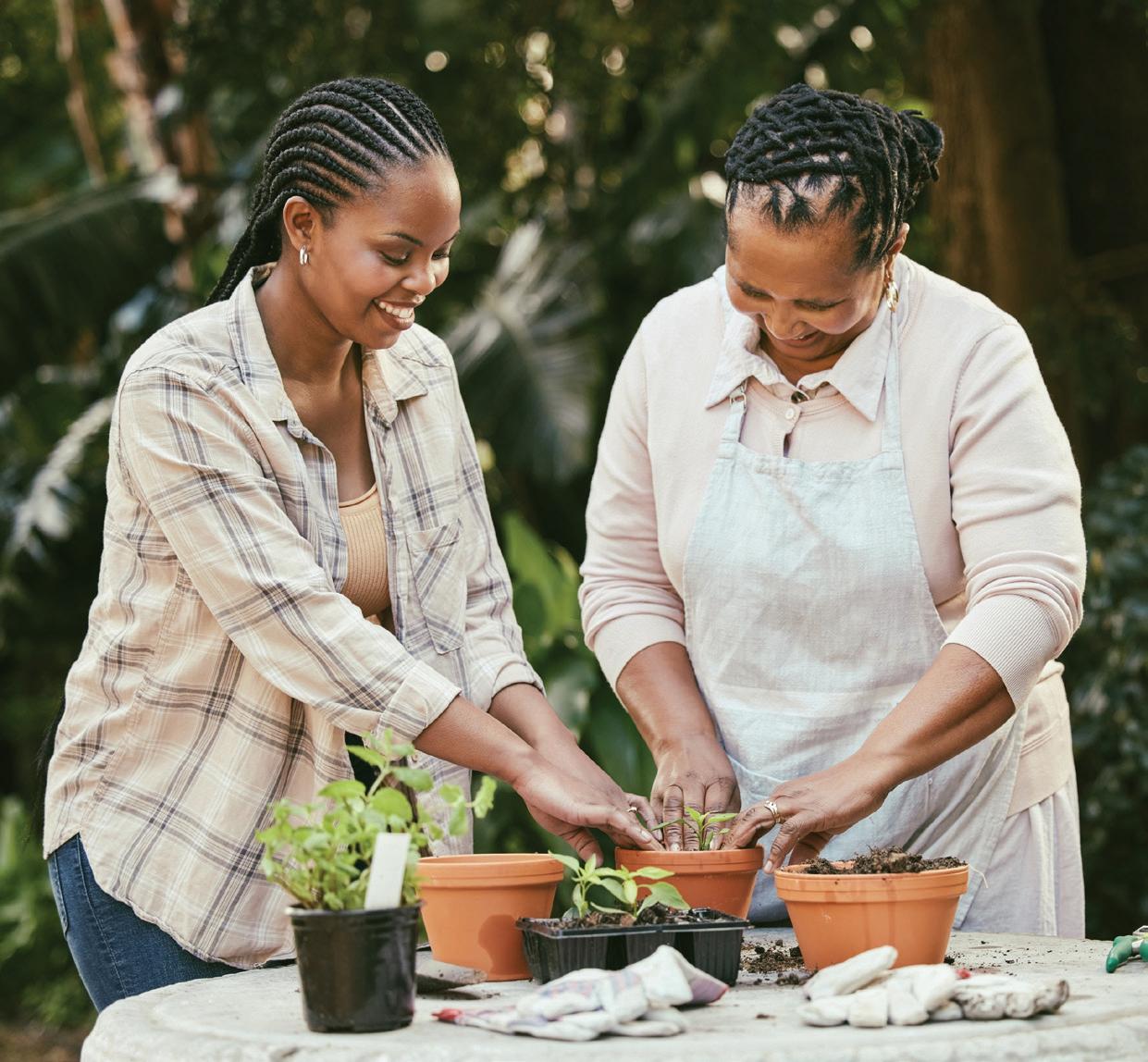
In addition to regular participation, seasonal gatherings are being planned in partnership with Flint River Fresh. These gatherings are intended to be informal and hands-on, with an emphasis on shared activity and conversation rather than instruction.
Participants may talk through what grows best during different seasons, how to start
seeds, plant transplants, and maintain growing spaces. The emphasis is on keeping the gatherings informal and easy to step into.
Another part of the collaboration connects SCOA volunteers with youth involved in Fresh Roots Rising, a Flint River Fresh program that meets twice a week at the 5th Avenue Community Garden.
Participation for seniors is flexible. Volunteers may join for an hour at a time, once or twice a month or rotate in occasionally during the growing season. The role is straightforward. Seniors work alongside youth during routine garden tasks, answer questions when asked and offer encouragement through shared work. SCOA staff coordinate scheduling and volunteer participation so seniors can take part at a level that fits their availability and comfort.
There is no expectation that volunteers lead activities or supervise. Their involvement is based on presence and participation. For youth, working alongside older adults introduces a different pace and perspective. For seniors, it provides a way to stay involved without added responsibility.
“It doesn’t take a big commitment,” Fredo says. “Even brief, consistent time working together can make a difference.”
SCOA volunteers may also choose to support Open Farm Days hosted through Flint River Fresh during the spring and summer growing season. These events invite families and community members into garden spaces to learn and participate in basic activities.
Senior volunteers can assist in a variety of ways. Some may help visitors with planting or harvesting, while others provide general support throughout the garden. The goal is to make the space easy to navigate
and welcoming to those with little or no gardening experience.
Open Farm Days offer another option for volunteers who want to stay involved but prefer not to commit to a regular schedule.
This garden-based activity will continue to serve as a training and engagement opportunity for SCOA volunteers. Produce harvested through volunteer efforts will remain part of SCOA’s wellness offerings and be distributed to class participants as it has been in the past.
“Our volunteers are really the heart of this work,” says Sarah Bass, AmeriCorps Volunteer Program Coordinator for SCOA. “We try to make sure there’s a place for everyone, whether that’s coming out once a month or being involved more regularly. The garden works because people feel supported and know their time matters.”
Bass says the collaboration with Flint River Fresh has created new opportunities for volunteers while maintaining the consistency they value. “It’s about building on what our volunteers are already doing, not asking them to take on something entirely new,” she says.
Volunteer tasks are structured to be adaptable, allowing participants to contribute at a level that fits their interests and abilities. For many, garden work provides routine, purpose and time spent outdoors.
In the months ahead, SCOA volunteers will continue participating in garden-based wellness efforts and new collaborations with Flint River Fresh. Produce grown through those efforts will remain part of SCOA’s programming, and volunteers will continue the steady work that supports it.
As SCOA moves forward, garden work remains one way volunteers stay connected, active and engaged in the community.
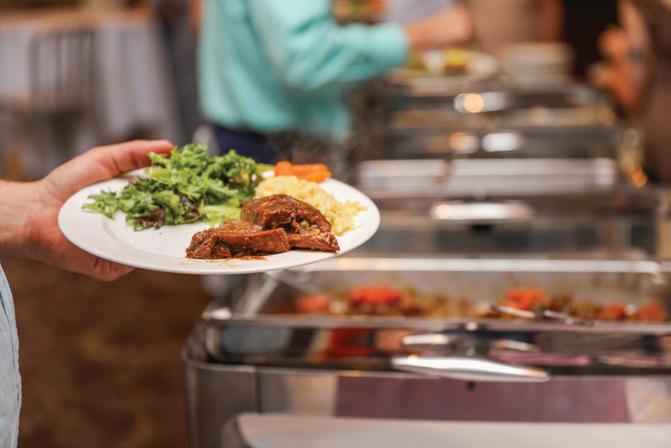
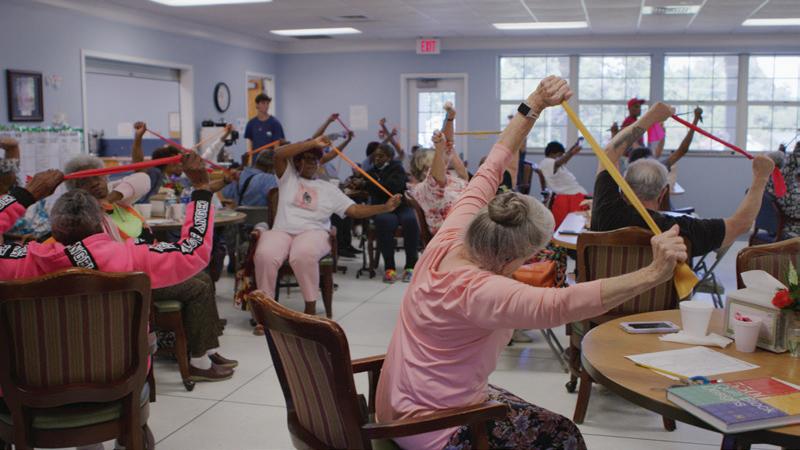
Senior Centers exist to enrich the lives of senior citizens through programs and services that improve their health and wellness, decrease loneliness and isolation, and provide social, economic, and education opportunities to enhance their quality of life. Nutritious meals are served to people age 60+. Participants enjoy activities, exercise, special events, and engaging programs.
Senior Centers are reinventing themselves to meet the needs and desires of the aging baby boomer generation. In response to this upcoming active generation of seniors, our senior center programs have been operating under a new model – the Senior Center Without Walls. The program offers the same components as a physical senior center but utilizes partnerships within a community to deliver services to seniors outside of a brick-and-mortar building.
Partnering with county-local restaurants and activity providers, Sowega Council on Aging funds meals and activities for seniors within our 14-county service area Monday through Friday.
This program has been so popular that we are at capacity for congregate meals with over 787 clients in the program and over 550 on the waitlist. For activities, please contact the providers listed on this page directly.
DOUGHERTY
Albany YMCA
229-436-0531
1701 Gillionville Rd., Albany, GA
LEE
Lee YMCA
229-759-9770
316 Robert B. Lee Dr., Leesburg
COLQUITT
Arts Council
229-985-1922
401 7th Ave. SW, Moultrie, GA
MILLER
Spring Creek Health
Meeting at: First Methodist Church 229-726-0089
453 E. Main St., Colquitt, GA
MITCHELL
Christian Life Center
229-330-2767
647 Old GA Hwy 3, Camilla, GA
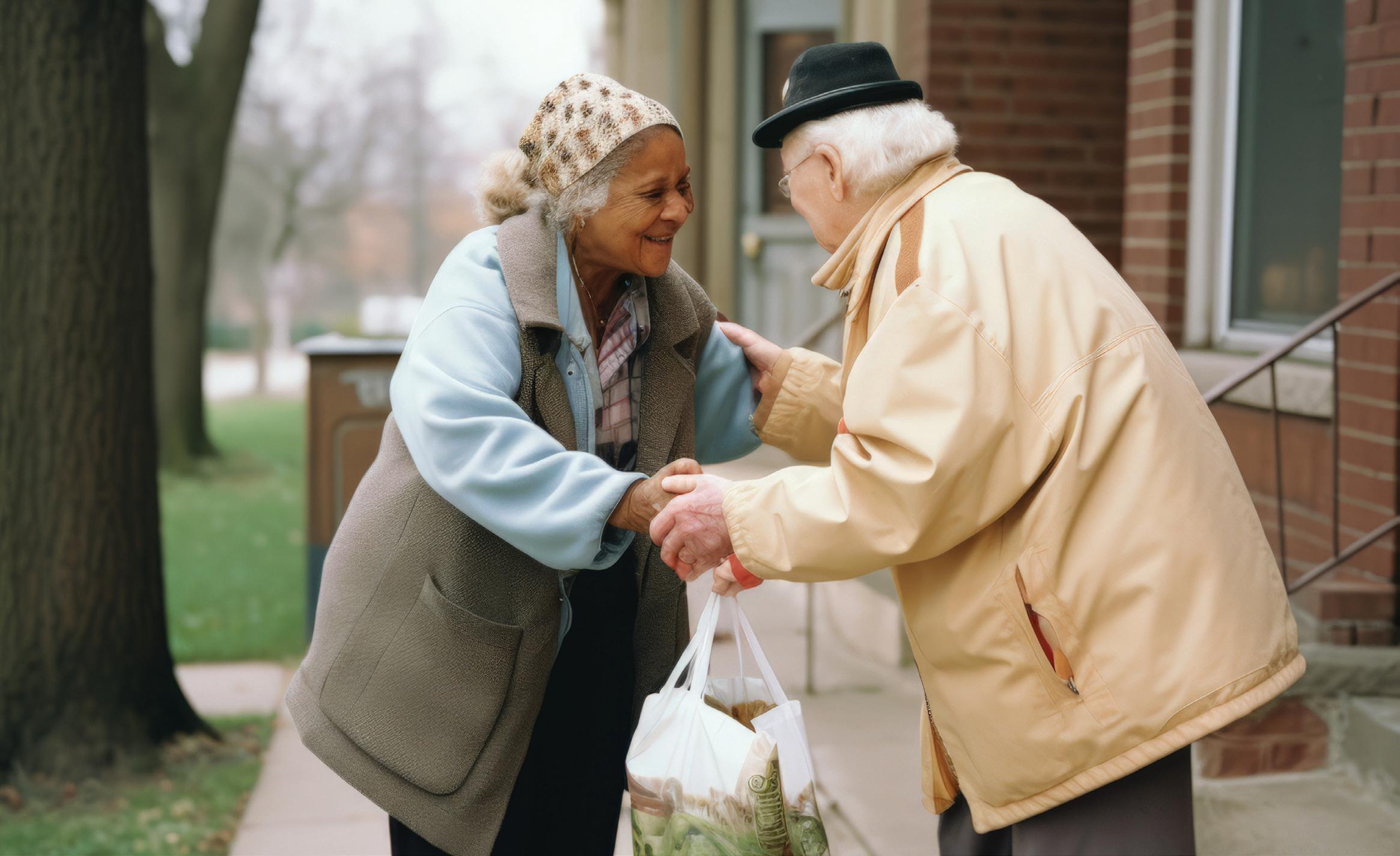
At the Sowega Council on Aging, volunteers have always been essential to the organization’s mission. As SCOA continues to expand how it delivers programs and services across the 14 counties it serves, volunteers remain at the center of that work — bringing energy, care and connection into communities throughout Southwest Georgia. Rather than being defined by a single location, SCOA’s programs increasingly take place in community settings and partner locations. Volunteers help make that possible by supporting wellness activities, assisting with outreach, leading classes, helping behind the scenes and creating welcoming environments wherever programs are held. Their flexibility and commitment allow SCOA to meet older adults where they are.
For many volunteers, the decision to serve is rooted in purpose and connection.
“I want to make a difference in the lives of others,” says Sheryl Venable, who also values the social connection and sense of purpose volunteering provides. She notes that volunteering supports her own mental and physical health while allowing her to help others do the same. What she enjoys most is helping people stay healthy through exercise — a role that benefits both participants and volunteers alike.
Since retiring, Teresa Knighton says volunteering has given her a renewed sense of purpose. “It feels so good to make a difference and give back to the community,” she says, adding that she hopes to help or inspire someone along the way. Knighton enjoys staying active through volunteering and values the conversations she shares with others, as well as watching participants explore crafts and creative activities. “It’s priceless,” she says.
KATIE KELLY
For Katie Kelly, volunteering is both an outlet and a long-standing commitment. She has volunteered for more than 21 years and says she enjoys helping others in ways that are meaningful to her. In addition to supporting SCOA, Kelly also visits residents at local assisted living centers, extending her service beyond any single program or location.
PHYLLIS HOUSTON
Living alone, Phyllis Houston says volunteering gives her the opportunity to be with people and feel connected. She values knowing that what she does may make a difference to someone else’s day. Making new friends — and reconnecting with old ones — is one of the most rewarding parts of her volunteer experience.
BRENDA ALWARD
As a chair stretch yoga teacher, Brenda Alward finds joy in helping fellow seniors feel better physically and emotionally. She often hears from participants who arrive in pain or unsure about attending class, only to leave feeling “wonderful” after stretching. Knowing her work helps relieve aches and pains and boosts confidence is deeply meaningful to her, and she says she plans to continue teaching as long as she is able.
MAGGIE DEXTER
Recently retired from education, Maggie Dexter sees volunteering with SCOA as a way to continue sharing her talents. With a background in gerontology, she values supporting active aging and overall wellbeing in the community. What she enjoys most is making new friends and learning new activities along the way.
JESTINE W. MCCLENDON
Jestine McClendon’s volunteer journey began in 2015 as a promise kept. Years earlier, SCOA had supported her family during a difficult time, providing meals, home assistance and care when both of her parents were hospitalized. McClendon pledged to give back once she retired, and since then has helped wherever needed. “It has been my pleasure,” she says, reflecting a deep sense of gratitude and commitment.
YVONNE JOHNSON
Yvonne has a heart for serving others and volunteers when she has the time. Yvonne volunteers out of gratitude and a desire to strengthen her community. She sees a strong need for positive social interaction and values how volunteering fosters connection while combating loneliness. Meeting new people, building friendships and learning new skills are among the most rewarding parts of her experience.
CHUCK ROBERTS
Chuck Roberts describes his motivation simply: “To help and to give.” What he enjoys most is the shared impact of volunteering. “When I help people,” he says, “they’re also helping me.”
Together, SCOA volunteers demonstrate that meaningful service does not depend on a building — it depends on people willing to show up, care and connect. As SCOA continues bringing programs and support into communities across Southwest Georgia, volunteers will remain the heart of that work, ensuring older adults feel engaged, supported and valued.
Caring for a loved one at home can feel overwhelming, but you don’t have to do it alone. SCOA has teamed up with CareABC, your on-demand guide for family caregivers, to provide the knowledge and support you need—anytime, anywhere.
With SCOA and CareABC, you gain:
• Step-by-step, on-demand guidance for caregiving at home
• Practical tips to manage daily care routines with confidence
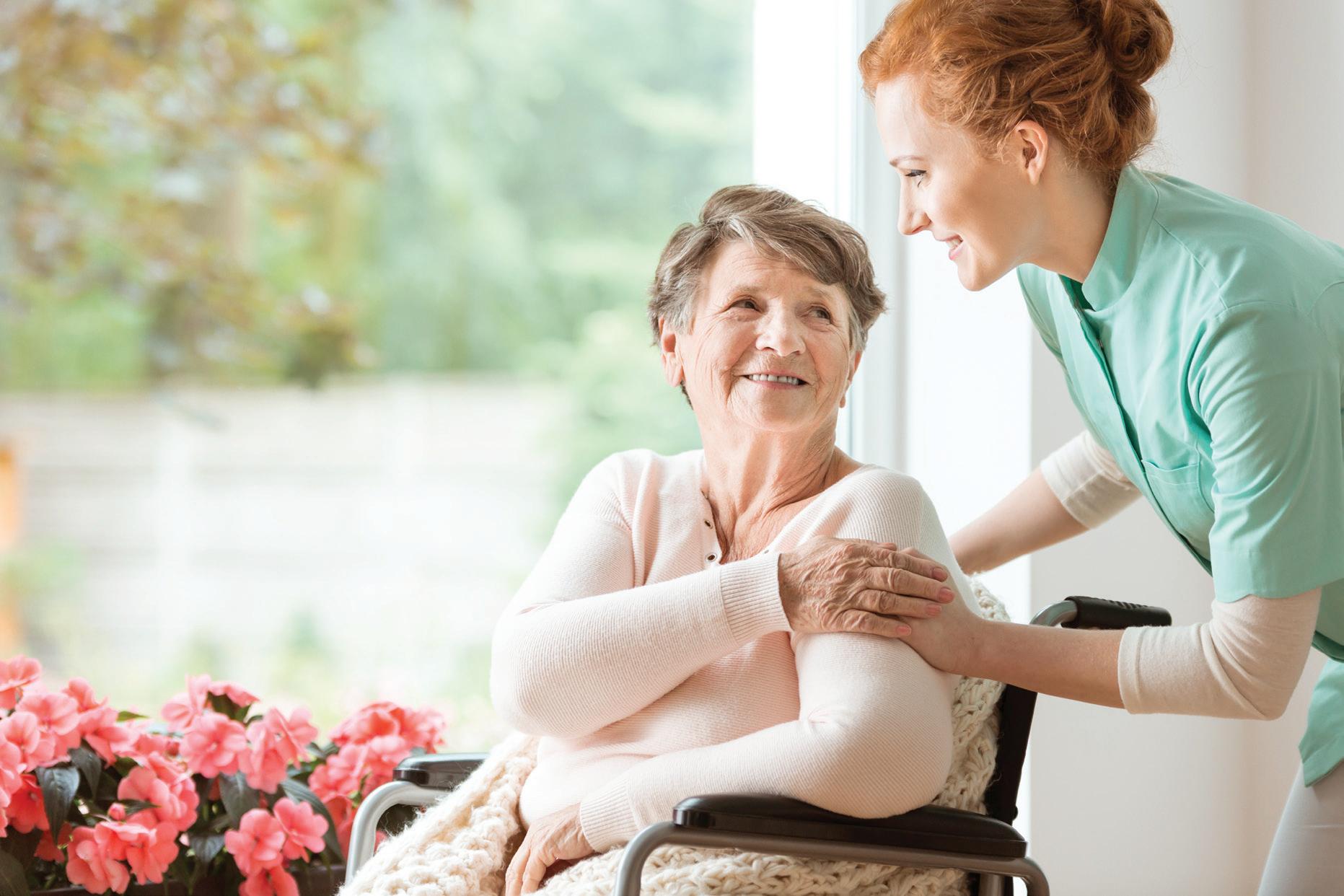
• Resources designed to reduce stress and improve quality of life
• Local support and outreach, rooted in community care
"Family caregivers are the backbone of our community. With CareABC’s on-demand guidance and SCOA’s local support, we ensure caregivers are never left alone in their journey of care.”
– Dr. Johannes scan to learn more.
Together, we empower caregivers and strengthen families. For details, visit us online at sowegacoa.org/care-abc/


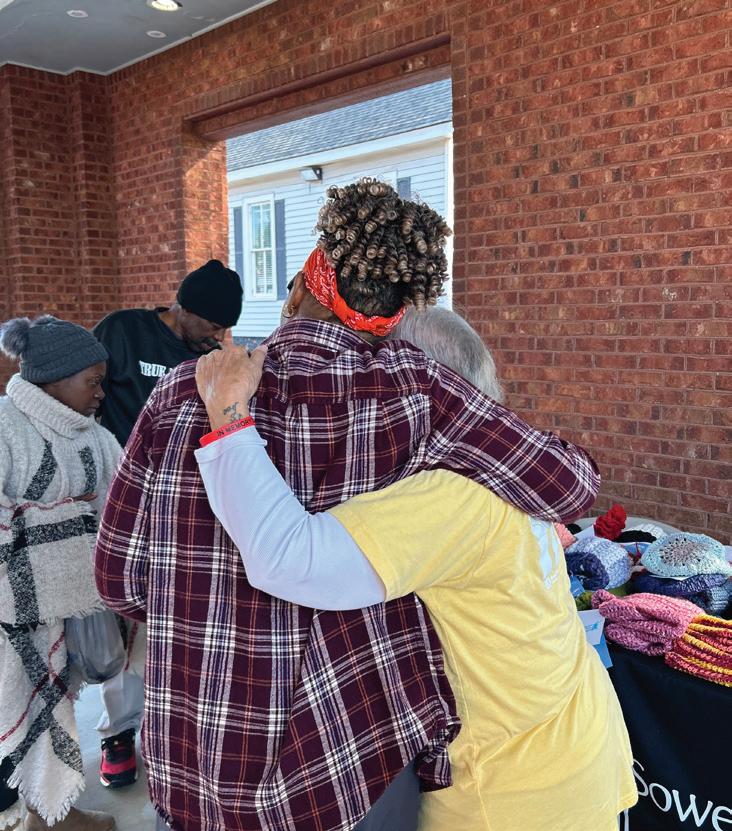
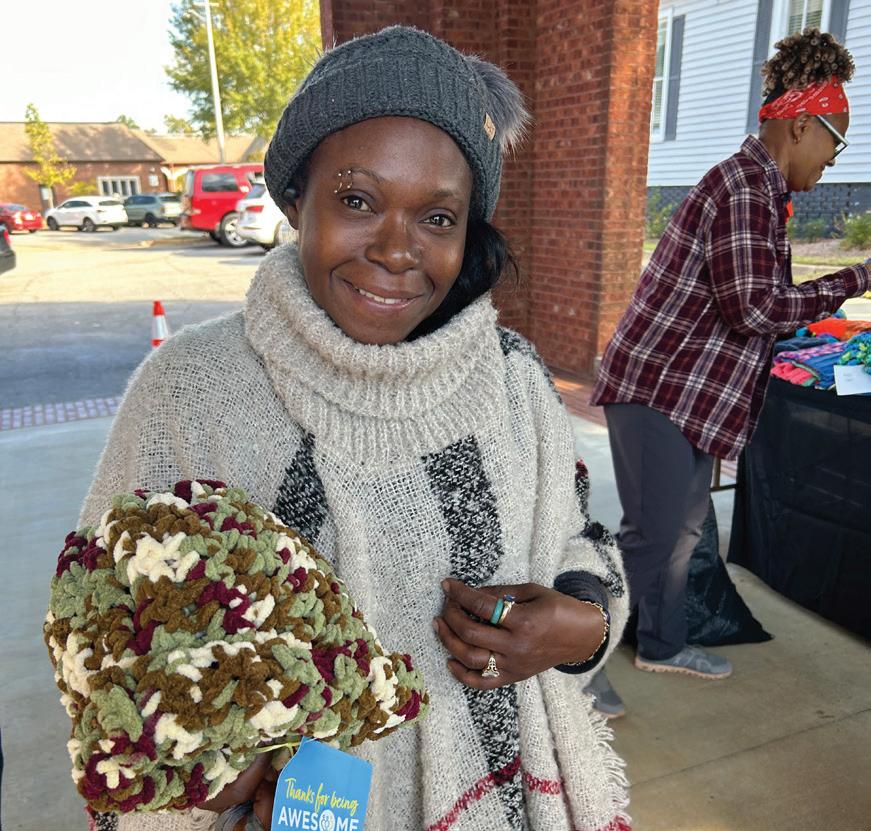
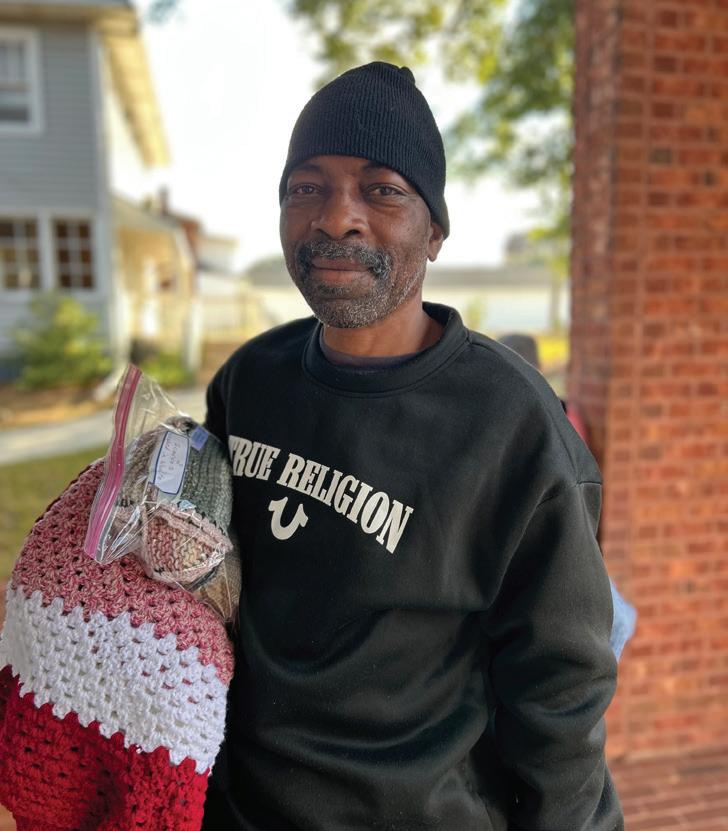
For Veterans Day 2025, RSVP Volunteers, St. Paul’s Episcopal Church, and the Ladies of Love initiative distributed crocheted blankets, hats, and scarves to those in need.
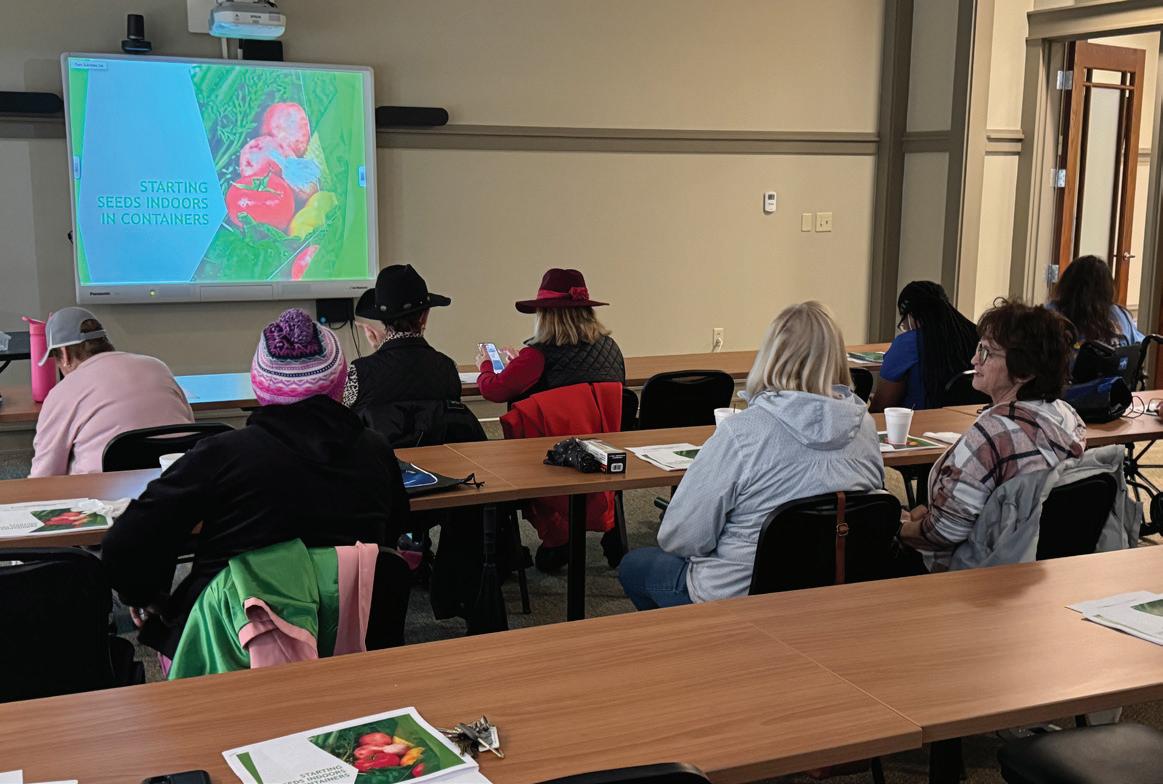
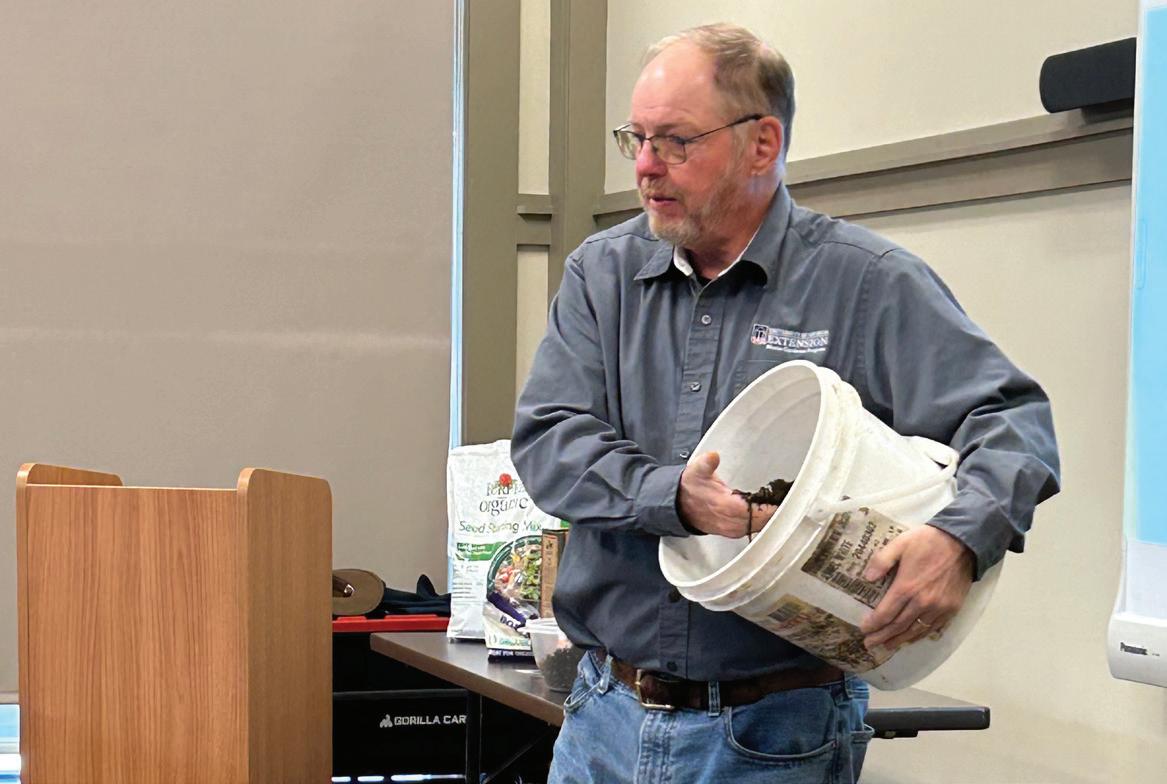
January and February featured a six-week winter workshop series, “Preparing a Container Garden for Spring.”
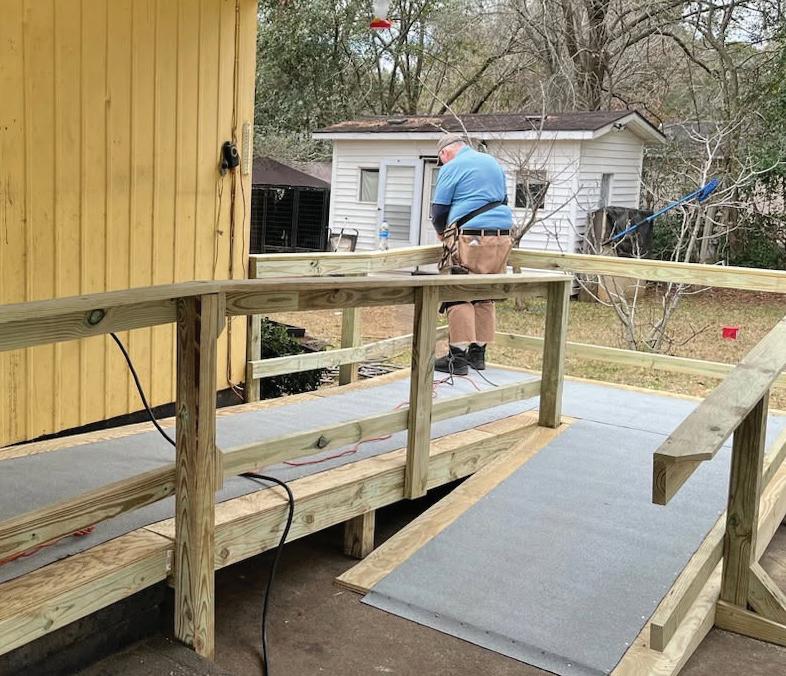
RSVP Volunteers continue constructing ramps throughout southwest Georgia.
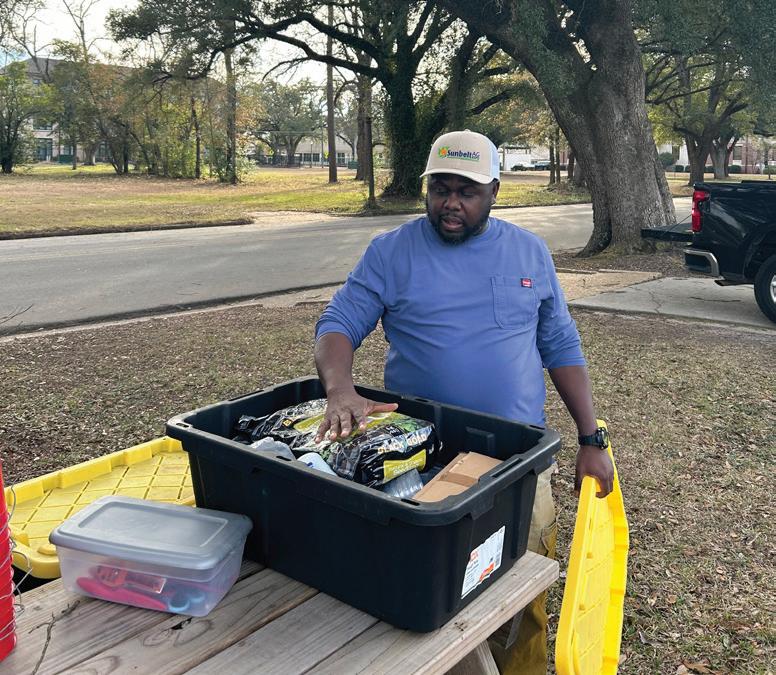
Farmer Fredo and RSVP Volunteers collaborate on the Fresh Roots Rising project.
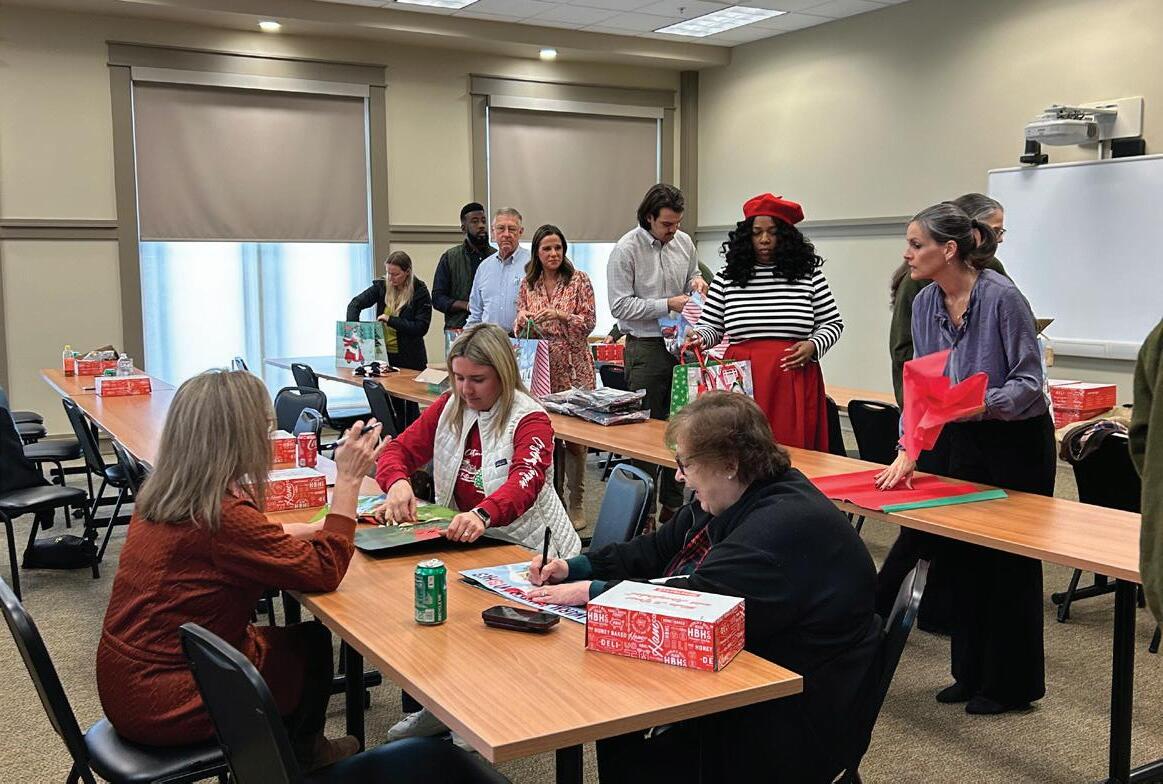
The Dougherty County
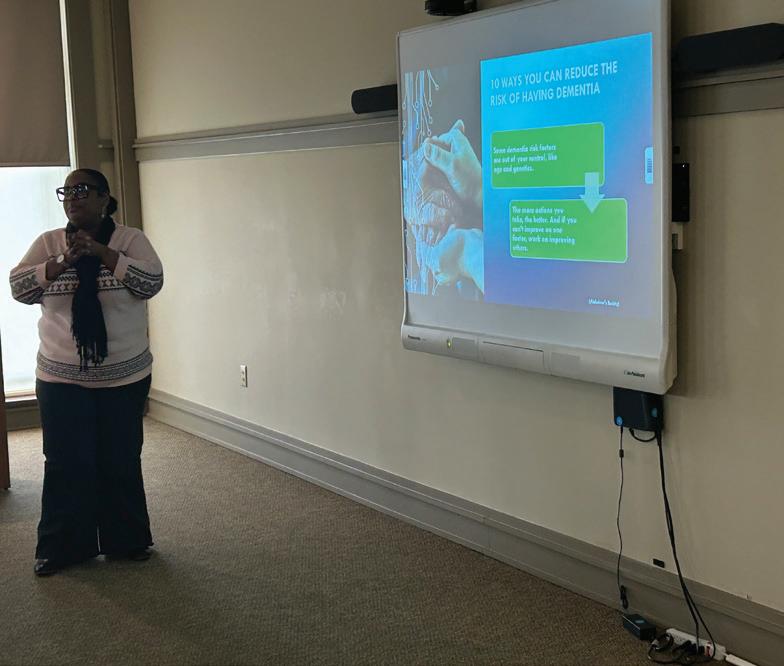
In January, RSVP Volunteers attended an in-service workshop on Understanding Dementia.
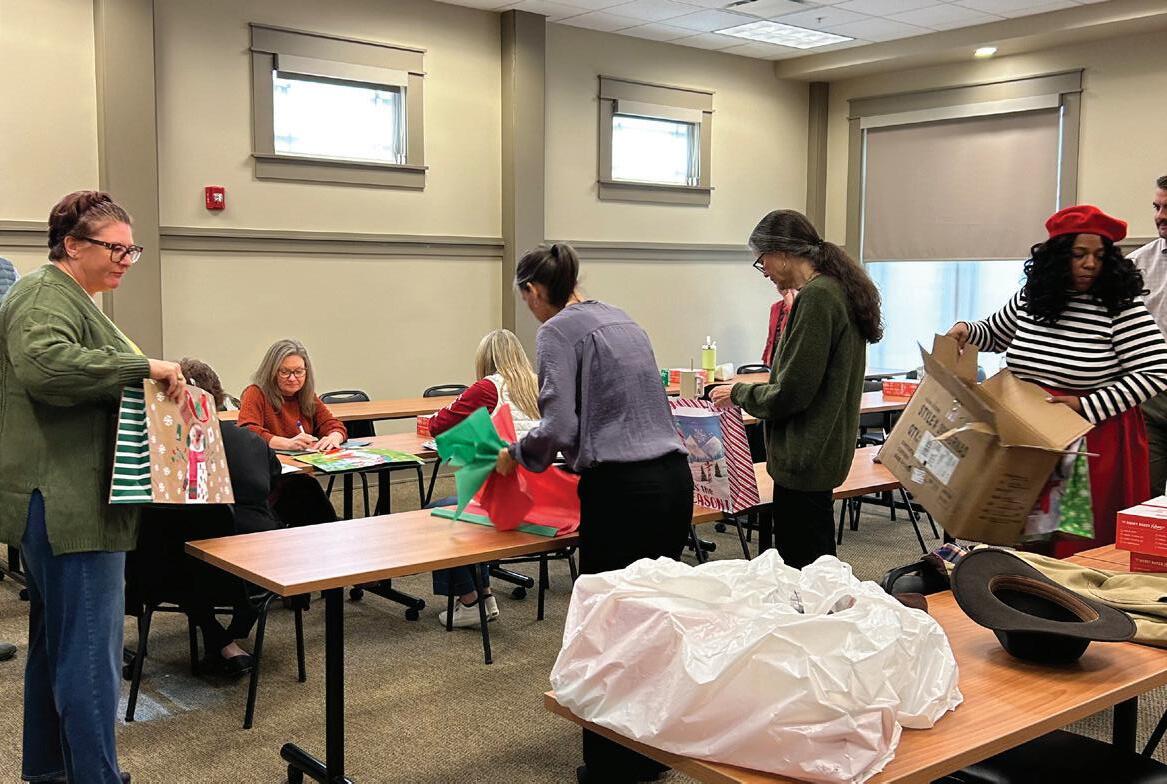
Club donated gifts to bring comfort and cheer to Home Delivered Meal Program residents during the December holidays.
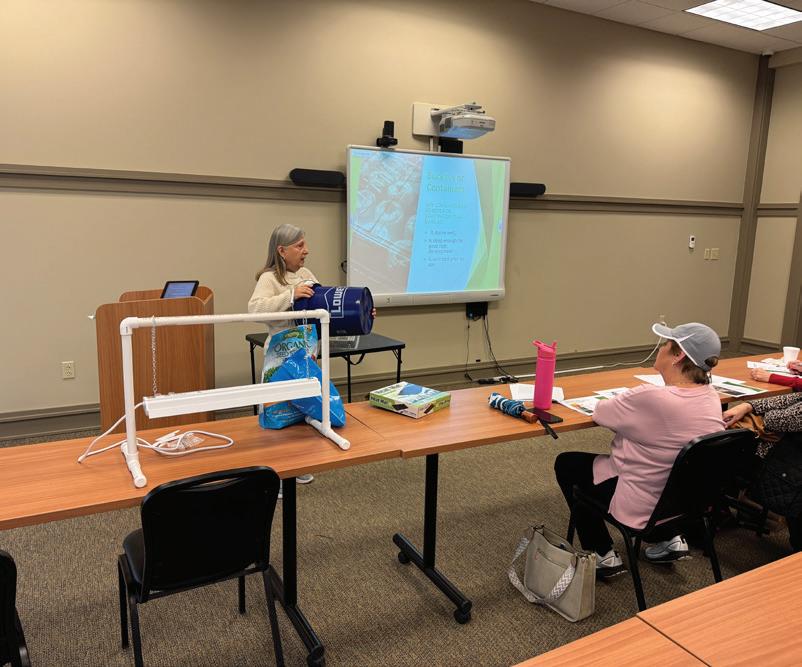
RSVP Community Garden Volunteer Rachel Bitterman led a session in the Container Garden series.
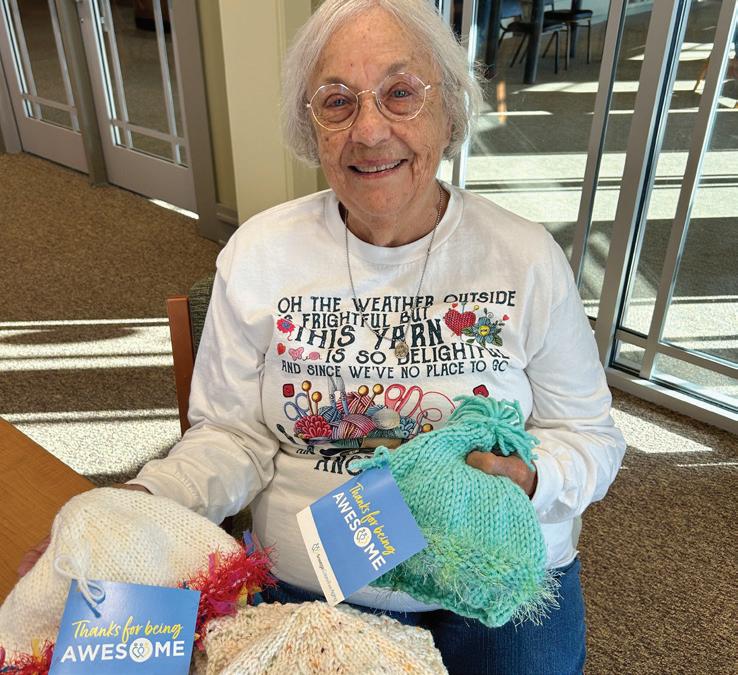
RSVP volunteer Donna
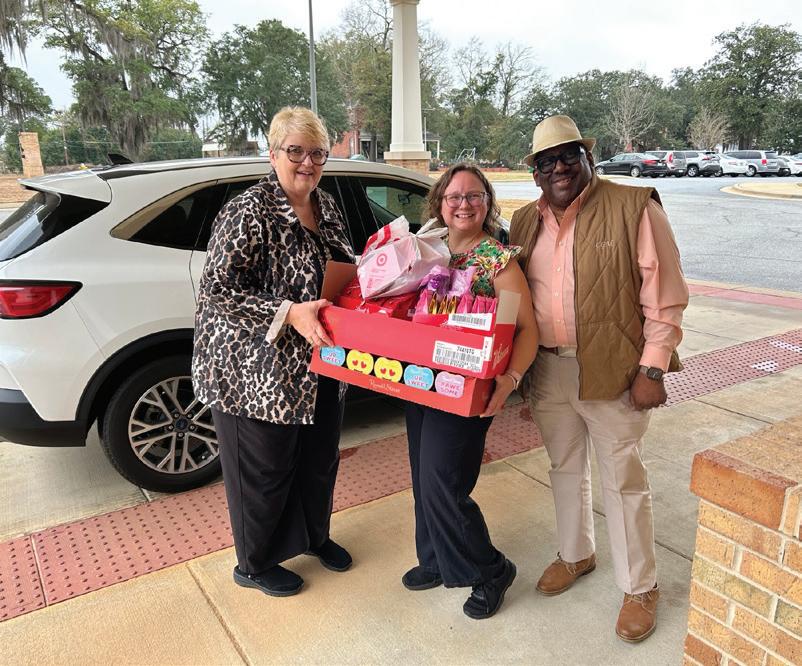
In February, the Albany Rotary Club delivered Valentine’s cards and candies to residents in our Home Delivered Meal Program.

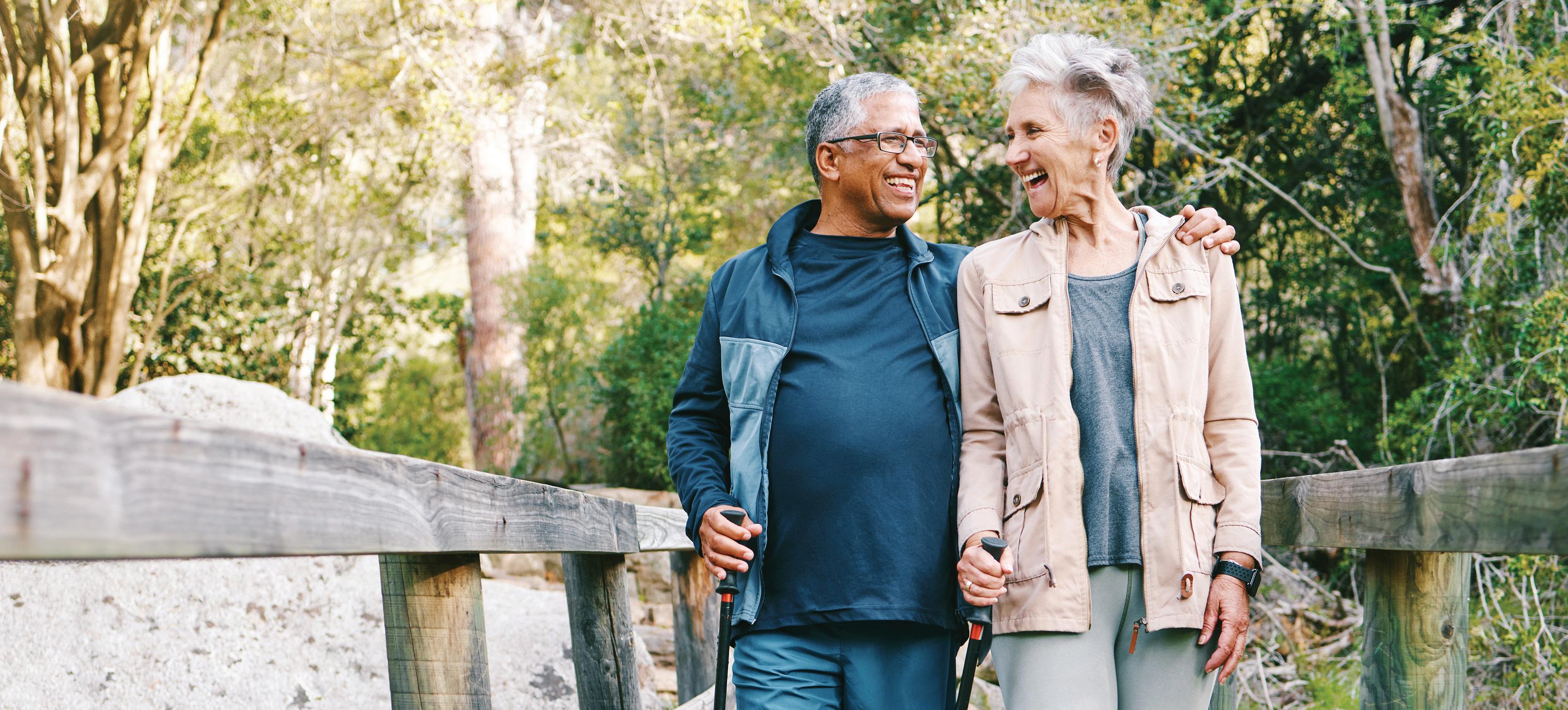
Moving for heart health through moderate activity can strengthen the heart, improve circulation and support overall well-being without requiring intense exercise.
Physical activity plays an important role in maintaining heart health, but it does not need to be strenuous to be effective. Moderate activity, done consistently, helps the heart work more efficiently while supporting blood pressure, cholesterol and energy levels.
Moderate activity includes movement that raises the heart rate slightly while still allowing conversation. Walking, light strength exercises, gardening, stretching and household chores all count. These activities can be spread throughout the day and still provide meaningful benefits.
Consistency matters more than duration. Short periods of movement, such as tenminute walks or brief activity breaks, add up over time. Scheduling movement into daily routines makes it easier to maintain. Walking after meals, stretching in the morning or doing light chores throughout the day
helps keep the body active without feeling overwhelming.
Strength-building activities also support heart health. Simple exercises using body weight or light resistance help maintain muscle mass and support circulation. Stronger muscles reduce strain on the heart during everyday tasks.
Safety should always guide physical activity choices. Wearing supportive footwear, staying hydrated and choosing activities that feel comfortable help reduce injury risk. Individuals should listen to their bodies and consult a health care provider before starting new routines, especially if managing chronic conditions.
Moderate activity is about moving with intention, not pushing limits. By finding enjoyable ways to stay active, individuals can support heart health while building routines that are sustainable and rewarding over time.

Staying organized for health and appointments helps prevent missed care, reduces confusion and supports independence as schedules become busier.
Medical appointments, screenings and medication routines can quickly add up. Without simple systems in place, it becomes easier to forget dates, lose paperwork or feel overwhelmed. Organization does not need to be complicated to be effective.
One helpful strategy is keeping all health information in one place. A notebook, folder or digital file can hold appointment dates, provider contact information, medication lists and test results. Bringing this information to appointments supports clearer communication and reduces stress.
Calendars play an important role as well. Whether using a paper planner, wall calendar or phone reminders, recording appointments as soon as they are scheduled helps prevent conflicts. Setting reminder alerts a day or two in advance can be
especially helpful.
Medication organization is another key piece. Using a weekly pill organizer and keeping an up-to-date medication list supports consistency and reduces the risk of missed doses or confusion. Refill reminders help prevent gaps in treatment.
Organization also supports follow-up care. Writing down instructions during appointments or asking for printed summaries helps ensure next steps are clear. Scheduling follow-up visits before leaving an appointment can prevent delays in care.
Staying organized is not about perfection. It is about creating systems that fit your lifestyle and preferences. Small habits, practiced consistently, make managing health and appointments more manageable. With simple tools and routines, staying on track becomes easier and supports confidence and peace of mind.
Stress awareness and prevention for older adults are essential for protecting heart health, mental well-being and overall quality of life.
Stress does not always look the same in later life. While work-related pressures may decrease, other stressors can take their place, including health concerns, caregiving responsibilities, financial worries or changes in routine. When stress becomes chronic, it can contribute to high blood pressure, sleep problems, weakened immunity and increased risk of anxiety or depression.
Awareness is the first step in prevention. Common signs of ongoing stress include fatigue, irritability, muscle tension, headaches and difficulty sleeping. Some people may notice changes in appetite or concentration. Paying attention to these signals allows older adults to address stress early rather than ignoring it.
Managing stress does not require major lifestyle changes. Simple daily practices can help regulate the body’s stress response. Deep breathing, gentle stretching and spending
time outdoors can lower tension and promote calm. Even a few minutes of quiet reflection or listening to music can have a positive effect.
Physical activity also plays an important role in stress prevention. Walking, light strength exercises or group fitness classes help release built-up tension while supporting heart and brain health. Social connection adds another layer of protection. Talking with friends, family or participating in community programs reduces feelings of isolation and provides emotional support.
Sleep and routine matter as well. Consistent bedtimes, balanced meals and regular movement help stabilize energy levels and mood. Avoiding excessive caffeine late in the day may also improve rest and reduce anxiety.
Stress is a normal part of life, but it does not have to control it. By recognizing stress early and using practical tools to manage it, older adults can protect their health and maintain a greater sense of balance and well-being.
Spring nutrition tips for older adults can support heart health, steady energy and overall well-being as daily routines begin to shift with warmer weather.
As spring arrives, many older adults notice changes in appetite, activity level and energy. Longer days and milder temperatures make this a natural time to refresh eating habits without drastic changes. Nutrition works best when it feels realistic and sustainable.
One simple place to start is by adding color to meals. Spring fruits and vegetables such as leafy greens, strawberries, carrots and asparagus are rich in fiber, vitamins and antioxidants. Including at least one fruit or vegetable at each meal helps support digestion and heart health while adding variety and flavor.
Balanced meals are equally important. Combining lean protein, whole grains and healthy fats helps maintain stable blood sugar and prevents energy crashes. Options such as grilled chicken, fish, beans or eggs paired with whole grains and vegetables
provide lasting fuel throughout the day.
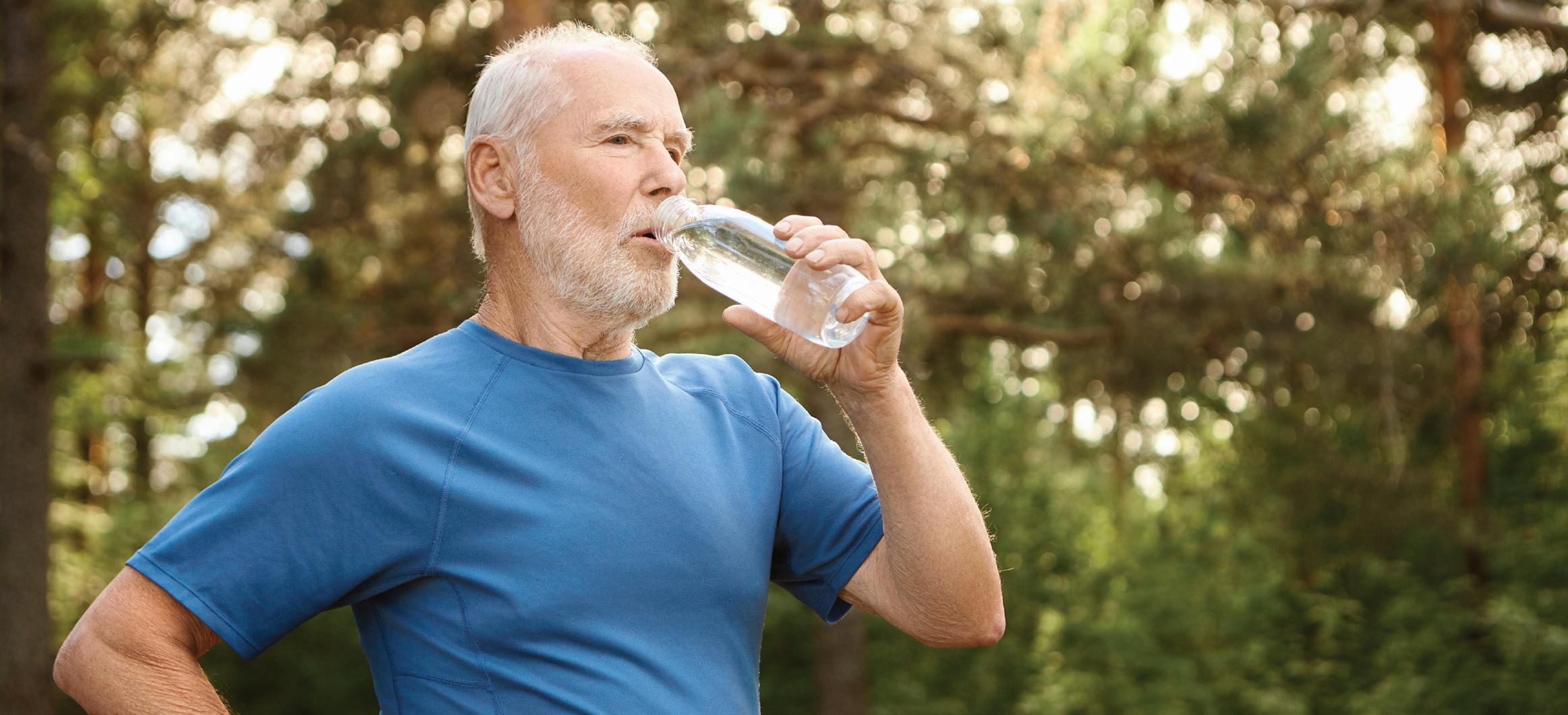
Hydration often becomes more important as temperatures rise. Dehydration can contribute to fatigue, dizziness and confusion, especially in older adults. Keep water nearby and sip throughout the day. Foods with high water content, including soups, fruits and vegetables, also support hydration.
Spring is also a good time to focus on hearthealthy choices. Limiting excess sodium, choosing baked or grilled foods and using healthy fats like olive oil and nuts can help manage blood pressure and cholesterol levels.
Nutrition does not need to be perfect to be effective. Focus on small, positive changes and listen to your body’s cues. Spring offers an opportunity to nourish yourself in ways that feel enjoyable, supportive and easy to maintain over time.



WEDNESDAY, APRIL 22 AT 1:00 PM GARDENPATH ALBANY (1209 WHISPERING PINES ROAD, ALBANY, GA 31707)
Join our UGA Master Gardener/RSVP Community Garden Lead Volunteer, Jim Ball, and landscape designer, Richard Spencer, for a 1-day workshop for an overview of growing ornamentals in containers. This workshop is a basic introduction to growing ornamental plants in flowerpots.
Class size is limited to 20 participants. Call (229) 432-0994 Option 3 to register.

Below are recommended local walking sites within each county. Seniors are encouraged to start their own weekly walking groups.
Baker- Senior Center Parking Lot
Calhoun- Track by Health Department in Morgan
Colquitt- Tom White Walking Trail
Decatur- Boat Basin Track
Dougherty- River Front Park or Tift Park
Early- Blakely Senior Center
Grady- Davis Park
Lee- Cheshire Park Trail
Miller- Downtown Colquitt Courthouse
Mitchell- Mitchell Co Stadium in Camilla
Seminole- Track by Seminole Co Elementary
Terrell- First Baptist Church of Dawson
Thomas- Cherokee Lake Park
Worth- Poulan City Park
The Georgia Council on Aging has opportunities for organizations, citizens and providers to become involved in The Coalition of Advocates for Georgia’s Elderly (CO-AGE). This group identifies and addresses “aging specific” issues that affect older Georgians throughout the state and brings awareness to the legislature on these issues. Please visit www.gcoa.org for more information.
April 13, 11 am – Noon
Phoebe Northwest Healthworks Fitness after 50 Program
(Phoebe Northwest Conference Room C)
2336 Dawson Road, #1500, Albany
Wills and Estate Planning, Georgia Legal Services
Join us for free quarterly seminars focused on key areas of healthy aging—designed to inspire and inform. Stay informed. Stay connected. Live well now. Learn more at sowegacoa.org or call 229-432-0994 Option #3.
10 am – Noon
Friday, May 15 – Central Baptist Church, Albany
Friday, June 5 – United Methodist Church, Camilla
Friday, June 26 – Bainbridge Decatur County Recreation Authority, Bainbridge
The Resource Fairs consist of community agencies and organizations available to assist seniors and/or their caregivers with information and resources. Participants can ask questions and receive valuable information to improve their quality of life and handle various situations related to aging.
May 21, at 9:00 am
The Senior Hunger Coalition is an initiative that brings Southwest Georgia area businesses together around the shared goal of combating senior hunger. Through innovative programming and partnerships, The Senior Hunger Coalition hopes to ensure that all clients are food secure and expands that commitment to serve all older adults within our community. If you, a business or other organization would like to get involved in our Senior Hunger Coalition, please join us! Those interested in joining via Zoom may request a link by emailing Sabriecka.Ford@sowegacoa.org.
The Senior Hunger Coalition provides mini grant funds annually for innovative projects throughout the region focusing on the following areas:
• Today’s Seniors
• Food Access
• Food Waste and Reclamation
• Meeting the Needs of the Community
• Health Impact of Food Insecurity
April 7- May 12, Tuesdays, 1 pm - 3:30 pm
CDSMP is a six-week evidence-based program developed by a team of researchers from Stanford University to provide information and teach practical skills on managing chronic health problems. It is a 6-week workshop designed to give people the confidence and motivation they need to manage the challenges of living with a chronic health condition. Participants are adults experiencing chronic health conditions such as hypertension, arthritis, heart disease, stroke, lung disease, diabetes, etc. Family members, friends, and caregivers are encouraged to participate. Class size limited to 12. Please call 229-4320994 Option #3 to register.
For those actively enrolled in the Claris Companion Tablet Program
If you have a Claris Companion Tablet, you can engage in daily content from Claris with the Automated Daily Content and live classes led by AARP Senior Planet Instructors. These different forms of content are scheduled and deployed by Claris for seniors to enjoy something new every day of the week.
SENIOR LUNCH AND LEARN & BINGO
First Monday of each month, 11:30 am
Baker County Board of Commissioners Office (439 GA-91, Newton)
Call the Family Collaborative Office at 229-854-2517 to learn more.
SENIOR GATHERING
Thursdays, 10 am
Thankful Baptist Church (GA-91, Newton)
Call 229-734-5401 to learn more.
VARIOUS ACTIVITIES
Calhoun County Library (19379 Hartford Street, Edison)
Call the Library at (229) 835-2012 to learn more.
SENIOR ADULT PROGRAMS
The Arts Center of Moultrie (401 7th Avenue SW, Moultrie)
The Arts Center offers many special opportunities for senior adults to participate in the arts, thanks in part to a grant from the Southwest Georgia Council on Aging. Visit https://www.moultriearts.org/senior-adults or call (229) 985-1922 to learn more.
PRIME TIMERS
Tuesdays & Thursdays, 10 am - Noon
Bainbridge-Decatur County Recreation Authority (1401 Cox Avenue, Bainbridge)
Call Parks and Rec at (229) 248-2010 for more information.
SENIOR OPEN GYM/PICKLEBALL/SWIM
Tuesdays & Thursdays, 9 am - Noon
Albany Area YMCA (1701 Gillionville Road, Albany)
Participate in classes, take a swim, play pickleball, or just enjoy a weight/cardio workout every Tuesday and Thursday. Call the YMCA at (229) 436-0531 to learn more.
SPRING WORKSHOP: INTRODUCTION TO ORNAMENTAL CONTAINERS
Wednesday, April 22, 1 pm
GardenPath (1209 Whispering Pines Road, Albany, GA)
Join our UGA Master Gardener/RSVP Community Garden Lead Volunteer, Jim Ball, and landscape designer, Richard Spencer, for a 1-day workshop for an overview of growing ornamentals in containers. This workshop is a basic introduction to
growing ornamental plants in flower pots. Class size is limited to 20 participants. Call (229) 432-0994 Option 3 to register.
Last Tuesday of each month, Noon
Margaret Jo Hogg Dementia Support Center (229 N. Jackson Street, Albany)
Support group for male caregivers of spouses or parents with dementia, hosted by the Margaret Jo Hogg Dementia Support Center. Lunch is provided. For more information, call (229) 432-2705.
DEMENTIA FAMILY SUPPORT GROUP
1st Wednesday of each month
Margaret Jo Hogg Dementia Support Center (229 N. Jackson Street, Albany)
Support group for families and caregivers of persons with dementia, hosted by the Margaret Jo Hogg Dementia Support Center. Lunch is provided. For more information, call (229) 432-2705.
• April 18, 9 am - 4 pm
Phoebe Putney NW Conference Center (2336 Dawson Road, Albany)
$20 AARP Member/$25 Non-Member
Call Kimberly Knighton, Instructor, at 229-291-3564 for details and to register.
• April 13 & 14, 9 am - Noon (must attend both days)
St. Teresa’s Catholic Church (421 Edgewood Drive, Albany)
$20 AARP Member/$25 Non-Member
Call Angel Bradford, Instructor, at 229-395-8930 for details and to register.
Mondays & Thursdays – 10 am
Wednesdays – 11 am
Central Baptist Church (1618 W. 3rd Avenue, Albany)
In this class, you will work to improve your stamina, strength, flexibility, balance, and coordination with the assistance of a chair. Chairs and equipment will be provided.
Mondays – Beginners Class 9 am, Advanced Class 11 am
Central Baptist Church (1618 W. 3rd Avenue, Albany)
This fun and motivating class will be sure to get you moving while learning some of the more popular line dances. No previous dance experience required.
Tuesdays – 10 am
Central Baptist Church (1618 W. 3rd Avenue, Albany)
This class will benefit seniors who want to begin to exercise or those who need a low impact class. It will begin in the chair with a warm-up, exercises in the chair, a short standing portion, weights in the chair, and a short cool-down segment.
Tuesdays & Thursdays – 11 am
Central Baptist Church (1618 W. 3rd Avenue, Albany)
This class is led by a certified volunteer instructor, and is a relaxing workout designed to improve flexibility, balance, and joint mobility.
Wednesdays – 9 am
Central Baptist Church (1618 W. 3rd Avenue, Albany)
A certified instructor leads this program to build skills in Tai Chi and to explore its benefits. This class is a gentle low impact form of martial arts that emphasizes slow, flowing movements, balance, and controlled breathing. This class helps improve joint flexibility, strength, and range of motion, while reducing pain and stiffness. This class is a pre-requisite for the in-person 16-week Tai Chi for Arthritis and Falls Prevention class.
Wednesdays – 10 am
Central Baptist Church (1618 W. 3rd Avenue, Albany)
This 16-week evidence-based program is designed to improve muscular strength, flexibility, balance, and stamina, making it an effective strategy for preventing falls and promoting overall wellbeing. It incorporates Sun-style Tai Chi and educational components into a seamless class. Must have attended the pre-requisite Tai Chi Introductory Session.
SENIOR ACTIVITIES
Tuesdays & Thursdays, 9 am - 1 pm
Blakely Senior Center (310 Meadowbrook Drive, Blakely)
Led by volunteers, join the Blakely Senior Center for BINGO, excercises, and crafts offered each morning. Lunch is provided for a small fee. Visit the Senior Center to learn more.
Mondays & Thursdays, 9 am - Noon
Roddenbery Memorial Library, Grady Room (320 N. Broad Street, Cairo)
Call the Library at 229-377-3632 to learn more.
SENIOR OPEN GYM
Tuesdays & Thursdays, 9 am - Noon
Albany Area YMCA Lee Branch (316 Robert B. Lee Drive, Leesburg)
Participate in classes or just enjoy a weight/cardio workout every Tuesday and Thursday. Call the YMCA at (229) 759-9770 to learn more.
3rd Thursday of each month, 1 pm - 3 pm
Smithville Community Center (106 Main Street, Smithville)
Join the Community Enrichment Foundation for their Thrive At Any Age program in Smithville. This group meets monthly for a lunch and learn and games on the 3rd Thursday of the month. Call Ilean Bady at 229-938-7263 to learn more.
SENIOR RECREATION ACTIVITIES & OPEN SENIOR CENTER
Monday - Friday, 10 am - 1 pm
Miller County Senior Center (501 N. Cuthbert, Colquitt)
Activities and classes are provided in partnership with Spring Creek Health and Miller County Partners. For more information, call Sheila Freeman at 229-726-0089 or Leigh Ribolzi at 229-400-3635.
• BINGO
Tuesday Mornings, 10 am
Miller County Senior Center (501 N. Cuthbert, Colquitt)
• COMMUNITY EDUCATION/SPEAKERS
Last Thursday of each month, 10 am
Miller County Senior Center (501 N. Cuthbert, Colquitt)
• MONTHLY BIRTHDAY CELEBRATION
Last Thursday of each month, 11:30 am
Miller County Senior Center (501 N. Cuthbert, Colquitt)
• BINGO
2nd Monday of each month, 10:30 am
Miller County Library (259 Main Street, Colquitt)
• BOOK CLUB
3rd Tuesday of each month, 10 am
Miller County Library (259 Main Street, Colquitt)
• CRAFT CIRCLE
3rd Thursday of each month, 3:30 pm
Miller County Library (259 Main Street, Colquitt)
Bring a craft project and share space with the community as you work on a craft.
• GAME DAY WITH THE GRANDKIDS
1st Monday of each month, 10:30 am and 1st Wednesday of each month, 4 pm
Miller County Library (259 Main Street, Colquitt)
Bring the grandkids for Lego Club, and you play with other grandparents, while they play!
INDOOR WALKING GROUP
Monday – Thursday, 8 am – 9 am
Colquitt Methodist Church (453 Main Street, Colquitt)
Join Spring Creek Health for an indoor morning walk at your own pace and intensity.
OUTDOOR WALKING GROUP
Tuesdays & Thursdays, 5:30 pm
Miller County School Track (996 Phillipsburg Road, Colquitt)
Join Spring Creek Health for an evening stroll outdoors at your own pace and intensity.
COFFEE KLATCH
Tuesdays, 10 am -10:30 am
Christian Life Center (647 Old GA Hwy 3, Camilla)
Enjoy a cup of coffee and conversation to start your morning off at the Christian Life Center.
BINGO & OTHER GAMES
Tuesdays, 10:30 am – 11 am
Christian Life Center (647 Old GA Hwy 3, Camilla)
Get ready to play! Each week features 30 minutes of game play (and prizes) before our guest speaker’s presentation.
GUEST SPEAKER
Tuesdays, 11 am - Noon
Christian Life Center (647 Old GA Hwy 3, Camilla)
Join the Christian Life Center for a guest speaker every Tuesday from 11:00 to 12:00.
SENIOR LUNCHEON
Last Tuesday of each month, Noon – 1 pm
Christian Life Center (647 Old GA Hwy 3, Camilla)
Call Julie Tucker at (229) 328-5008 to learn more.
SENIOR ACTIVITIES
Days & Times Vary
Seminole County Senior Center (403 S. Wiley Street, Donalsonville)
Call Seminole County Family Connection at 229-309-0531 to learn more or email scfamilyconnection@gmail.com.
SENIOR ACTIVITIES
Days & Times Vary
Dawson Library (913 Forrester Drive, Dawson)
Call the Library at (229) 995-2902 to learn more.
FRIDAY, MAY 15
CENTRAL BAPTIST CHURCH, ALBANY
10 am – Noon
FRIDAY, JUNE 5
UNITED METHODIST CHURCH CAMILLA
FRIDAY, JUNE 26
BAINBRIDGE DECATUR COUNTY
RECREATION AUTHORITY
BAINBRIDGE
SENIOR ACTIVITIES
Monday - Friday, 10 am - 1 pm
Scott Senior Center (611 N. Stevens Street, Thomasville)
Join the Scott Senior Center for crafts, activities, exercise, BINGO, and fellowship every day. Call the Senior Center at (229) 228-9618 to learn more.
SENIOR ACTIVITIES
Mondays & Wednesdays, 9 am - 1 pm
City of Sylvester Senior Center (710 W. Price Street, Sylvester)
Join the City of Sylvester Senior Center for a morning filled with crafts, including floral arranging and sewing, or play BINGO and other games, or just socialize with other seniors. Lunch is served on Wednesdays. Call Willie Mae Marlin at (229) 291-0951 to learn more.
Wednesdays
9:30 am - 11:30 am
Lee County Library - Leesburg Branch (245 Walnut Avenue S., Leesburg
This recycling project is aimed at reducing the number of single-use plastic bags that enter local landfills. We turn gently used plastic bags into sleeping mats for the homeless and other items that are reinvested in local programming and initiatives. In addition, volunteers can also choose crocheting activities to assist in our partnership with Phoebe Putney Memorial Hospital and St. Paul’s Episcopal Church. Call 229-432-1124, ext. 3 for more details or simply apply to become a volunteer online at sowegacoa.org/volunteer.
Monday & Wednesday Mornings
Tuesday & Thursday Afternoons
Saturday Mornings (Times and locations to be announced each week through text messages)
Join our RSVP volunteer group for our weekly gardening activities now including a partnership with Flint River Fresh and Farmer Fredo. Our work will center around growing produce, mentoring youth through the Flint River Fresh Roots Rising Program and teaching mature adults the how to’s and benefits of gardening. This group is led by our UGA certified master gardener, Jim Ball, who guides our crop development while giving insightful and useful tips for home gardeners as well. Apply to become a volunteer online at sowegacoa.org/volunteer.
April 7 - May 12
Tuesdays from 1 pm - 3:30 pm

Note: Sowega Council on Aging does not necessarily endorse or recommend the advertisers in this publication. Select programs and services are supported in part by the United Way.
Another great way to help Sowega Council on Aging financially is to save postage money. Sign up online to receive this newsletter and other communications in your email.
www.sowegacoa.org
*If you would like to support the congregate meal program, please include your donation in the self-address stamped envelope inside.