

Levelling the playing f ield
Why keeping girls in sports ma tters
Hosting 101:
All of your hosting questions a nswered
Feeling off ?
Your hormones might be trying to tell you something




Why keeping girls in sports ma tters
All of your hosting questions a nswered
Your hormones might be trying to tell you something
Many choose to include a gift to ESHF in their will, creating a lasting legacy through immediate or endowed support. 1 3 4 5 2
Designate the Foundation as a recipient of gifts allowing relatives and friends to pay tribute to the memory or honour of loved ones.

Major gifts transform care close to home and are eligible for naming opportunities at the Hospital and Hospice. These can be one-time or pledged.
Donating stocks is a tax efficient and impactful way to give.
Gifts Gerry BY
Care365 is ESHF’s monthly donor program that provides steady support for the care that happens every day.
curated selection of gifts and local favourites Free parking with a purchase of $10+








Ask the Experts - Local Landscaping Advice
Levelling the Playing Field by Kara Murray
Black Bean and Sweet Potato Burgers by Hope Monaco
Bringing Back the '90s
My Favourite Things: Hilary Hodgson
Hosting 101: All Your Hosting Questions Answered by Mara Derikx
Feeling Off? Your Hormones Might Be Trying to Tell You Something Why


dessert tables, coffee & matcha bars, small bites, brunches & lunches
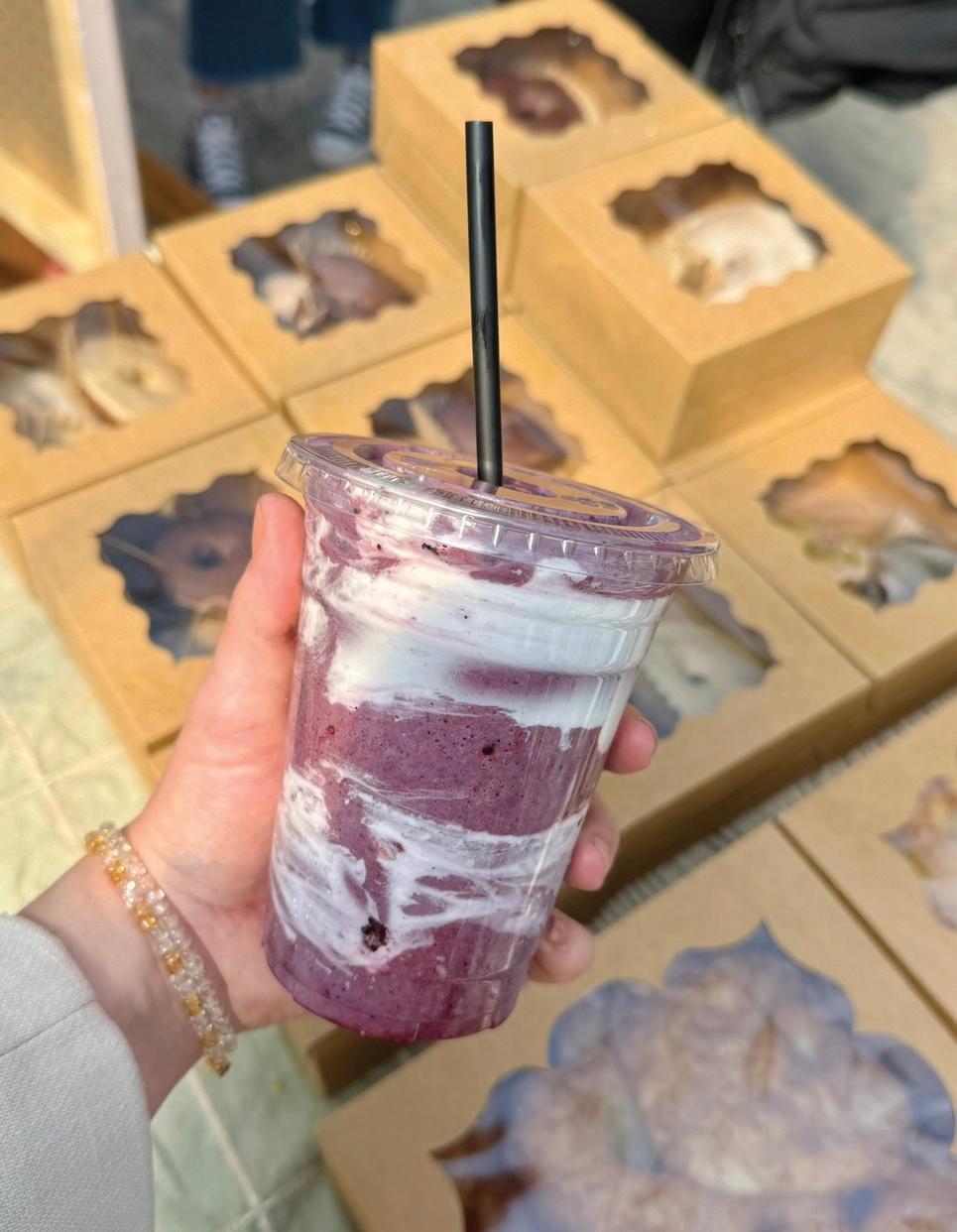
find us at local pop-ups or hire our mobile café & bar for your next gathering
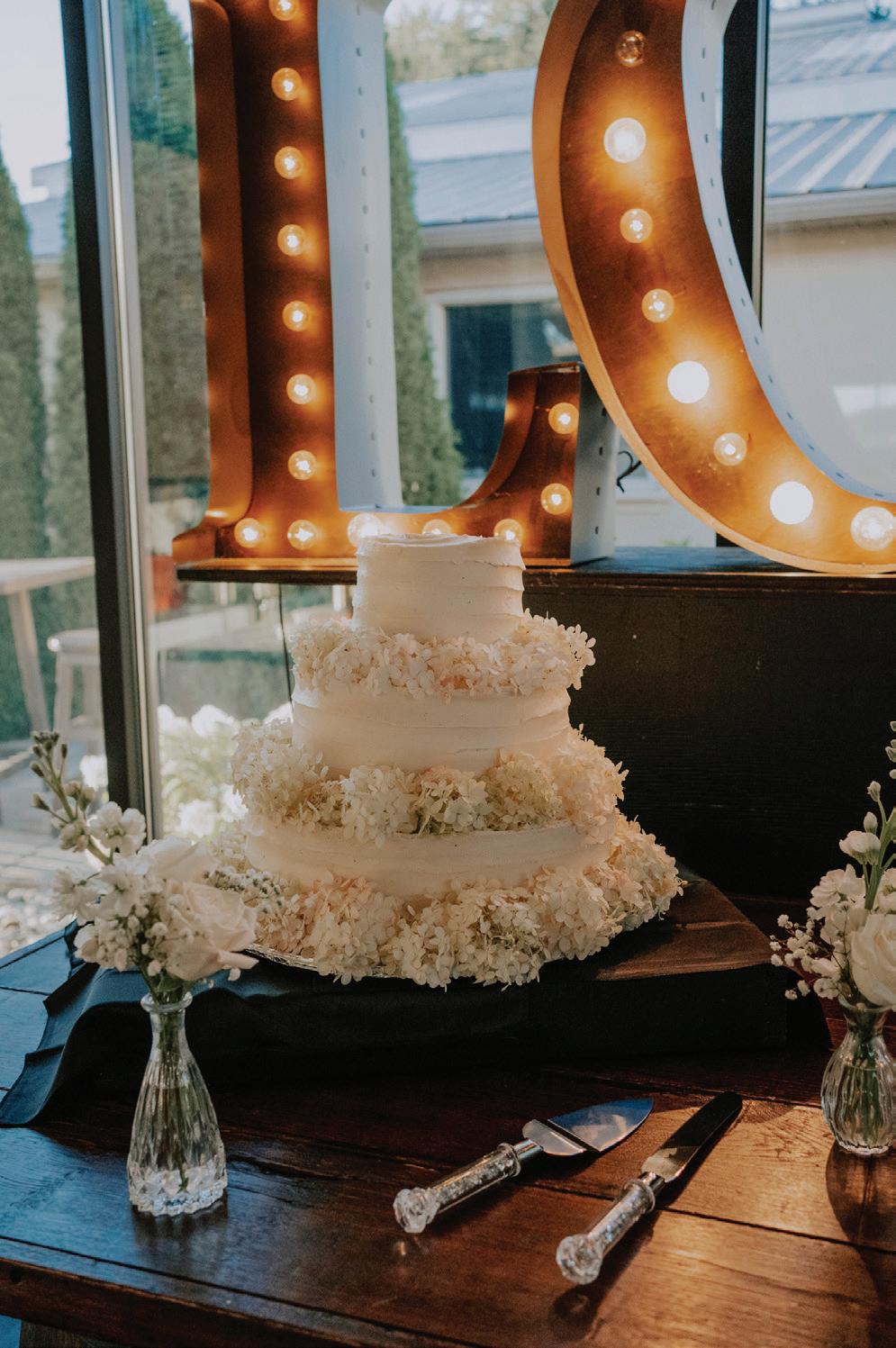
made-to-order cakes & customized bites for celebrations of all kinds



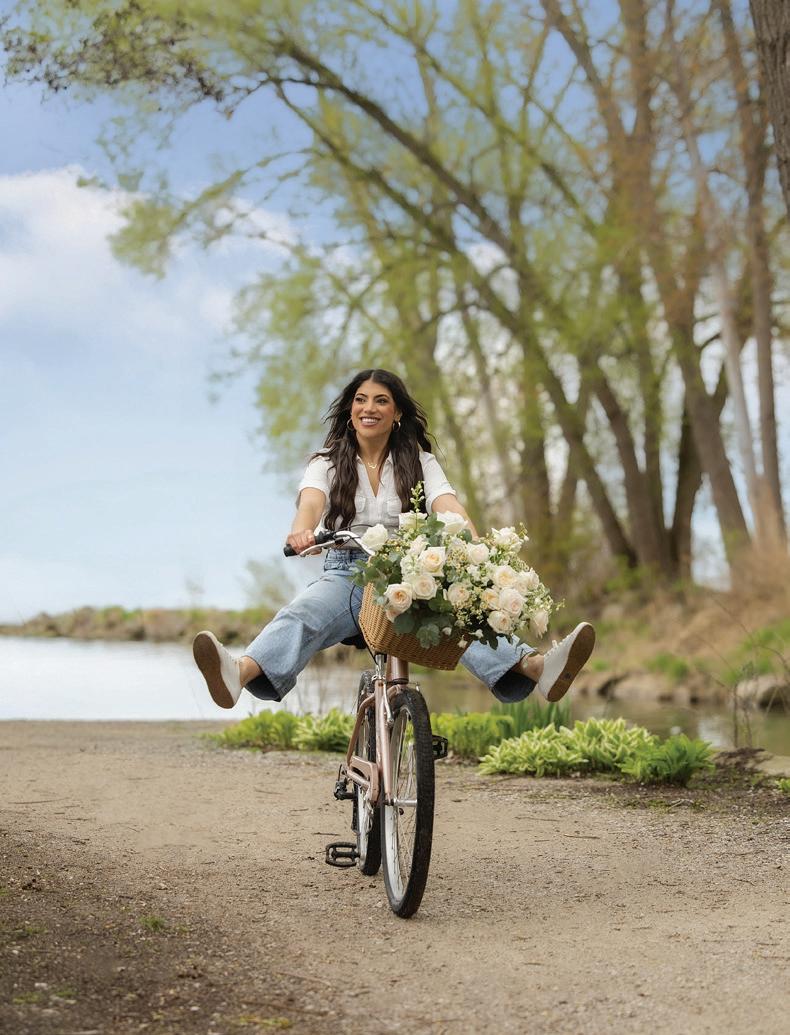
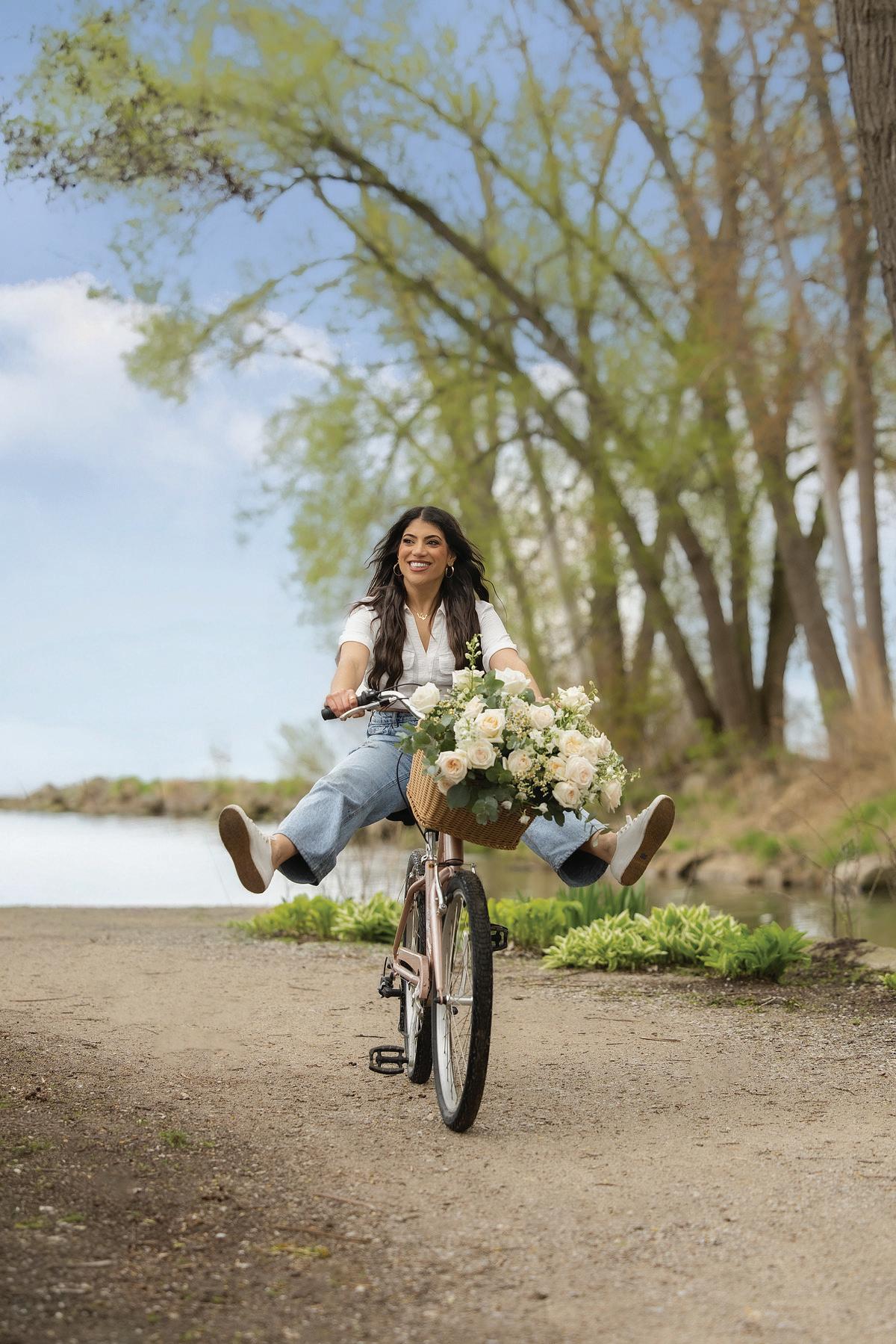
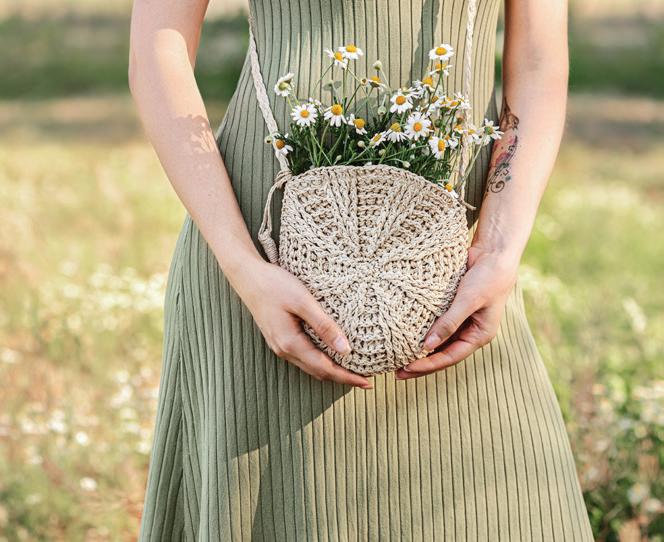
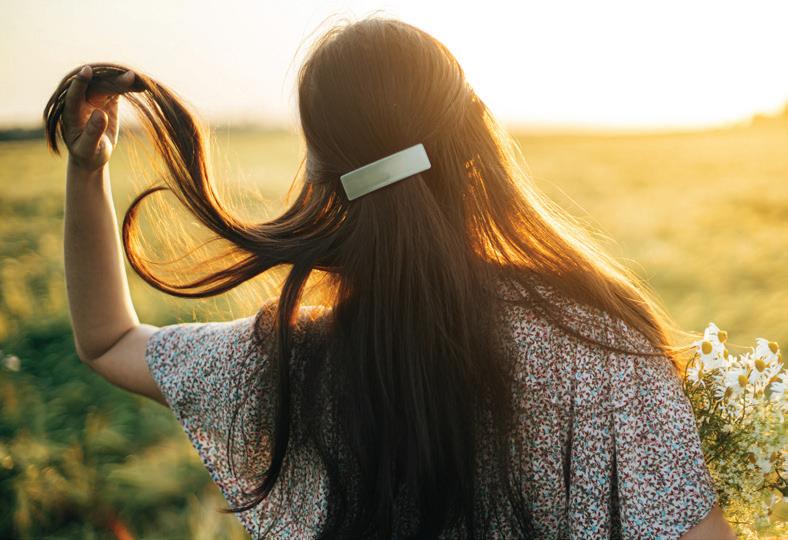
Model

Photographer Nicole Harris Photography @nicole.harris.photography
Location Lakeside Park, Kingsville Myriah Obeid @makeupbymyriah
Flowers


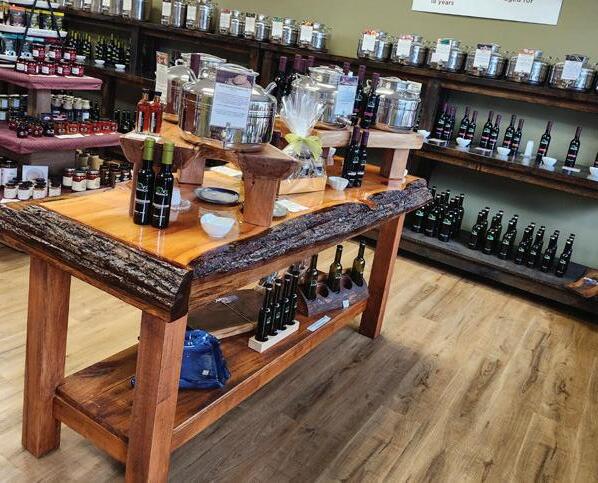

Wired headphones are making a comeback as more people embrace nostalgic tech trends and look for a simple, reliable listening experience without worrying about charging batteries. Many users also appreciate the improved sound quality, reduced lag and retro aesthetic that wired headphones bring to everyday music listening and travel.

Micro-mindfulness focuses on small, intentional moments of calm woven into the day, like a deep breath, a short stretch or a mindful walk. These brief pauses help reduce stress and improve focus without requiring long meditation sessions.
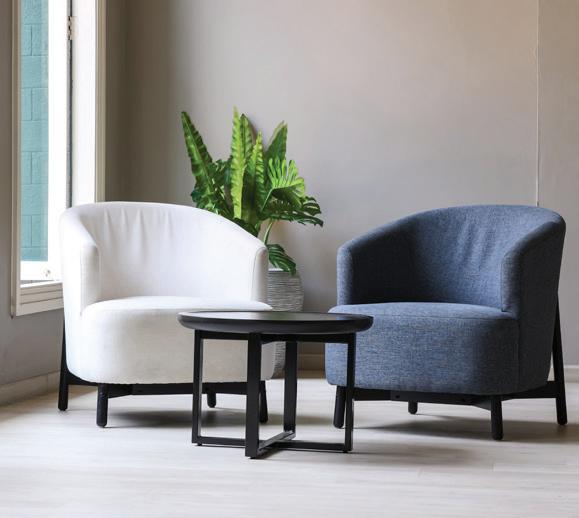
Rounded furniture is trending for its soft lines and organic shapes that create a more relaxed, welcoming feel at home. Curved sofas, chairs and tables help spaces feel calmer and more comfortable, moving away from sharp edges and rigid design.

Dopamine dressing is all about wearing colours, patterns and outfits that boost your mood and make you feel confident. From bold shades and playful prints to statement accessories, the trend encourages personal style and self-expression over following strict fashion rules.
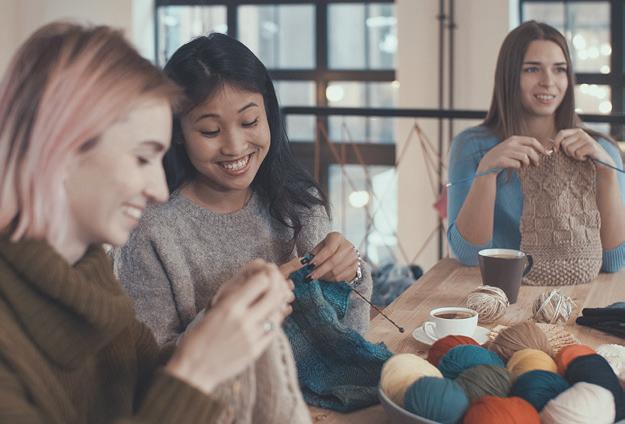
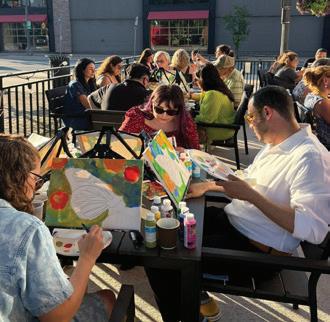
Interactive community experiences are gaining popularity as people look for more meaningful ways to connect beyond traditional events. From workshops and art classes to cooking demos and guided activities, these gatherings encourage participation, creativity and a stronger sense of community.

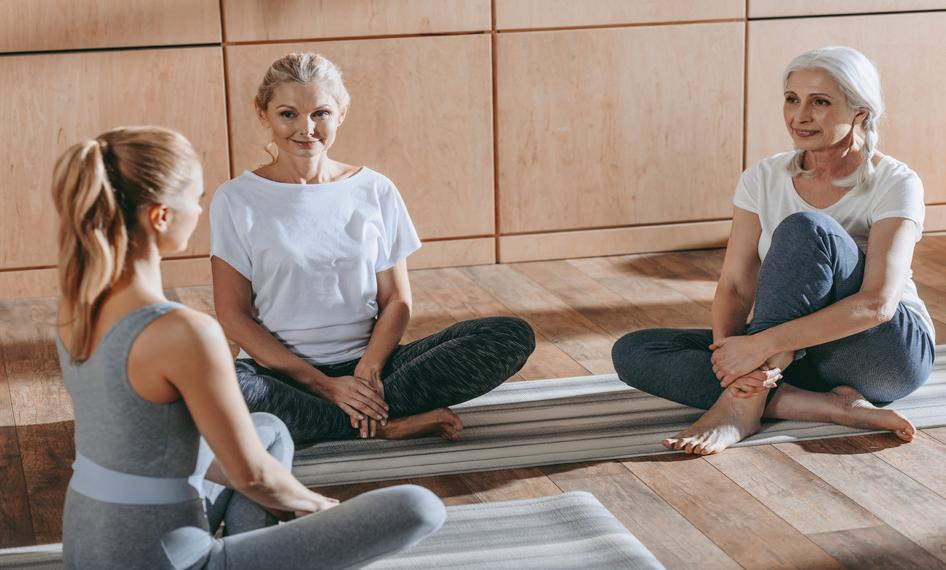
Intergenerational wellness brings people of different ages together through shared activities that support health and connection. From family walks and group fitness to cooking and travel experiences, wellness becomes a way to strengthen relationships while caring for both body and mind.
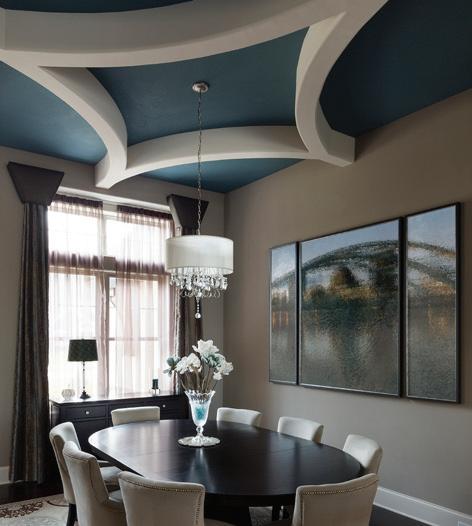
Statement ceilings are turning an often-overlooked surface into a design feature. Painted finishes, wood details, wallpaper or subtle architectural elements add character and visual interest, drawing the eye upward and making a space feel more intentional and complete.

Nostalgia-driven content is gaining popularity as audiences gravitate toward familiar music, reboots and throwback aesthetics that feel comforting and recognizable. In a fastpaced digital world, revisiting what once felt simple and joyful offers a sense of escape and familiarity.
Summer sunshine is wonderful, but humidity can quickly turn smooth hair into frizz. Moisture in the air causes the hair cuticle to lift, making strands harder to manage. With a few simple adjustments to your routine, you can keep your hair healthy and polished even on the most humid days.
Hydrate Your Hair - Dry hair absorbs moisture from the air more easily, which leads to frizz. Using a hydrating shampoo and conditioner with ingredients like argan oil, coconut oil or shea butter can help smooth and strengthen hair. A weekly deep-conditioning treatment can also improve softness and manageability.

Use Leave‑In Products - Leave-in conditioners or smoothing creams help create a barrier against humidity. Apply a small amount to damp hair, focusing on the mid-lengths and ends to keep hair soft and controlled.
Limit Heat Styling - Frequent use of hot tools can weaken hair and make it more prone to frizz. Let your hair air dry when possible, or use a heat protectant before styling.
Choose Humidity‑Friendly Styles - Braids, buns and ponytails help control frizz while keeping hair off the neck during warm weather.
Avoid Over‑Washing - Washing your hair too frequently can strip away natural oils that help keep hair smooth and protected. Try spacing out washes and using a dry shampoo between washes to maintain volume while keeping hair fresh.
Use a Microfiber Towel or Cotton T‑Shirt - Regular towels can rough up the hair cuticle and increase frizz. Gently blotting your hair with a microfiber towel or soft cotton T‑shirt helps reduce friction and keeps hair smoother as it dries.
Apply Products to Damp Hair - Styling products work best when applied to damp hair. This helps distribute the product evenly and allows it to seal the hair cuticle before humidity has a chance to cause frizz.
Sleep on Silk or Satin - Cotton pillowcases can create friction while you sleep, leading to frizz, tangles and dryness by morning. Switching to a silk or satin pillowcase helps hair glide smoothly overnight, reducing friction and helping hairstyles last longer in humid weather.
Leslie Taylor
Providing compassionate therapy for adults navigating ADHD, addiction, and life’s challenges. Genuine connection provided virtually or in person.
For your convenience: Online booking Insurance direct billing offered FREE 30 minute consultation
Psychotherapist, Social Worker MSW,
BSW, RSW
519-984-4170 attentivecounsellinglt@gmail.com attentivecounselling.ca 81 Erie St. S., Leamington
Summer days come with outdoor events, weddings, bridal showers and more. Get the most out of your makeup routine by choosing products that work with you, not against you.
Here are some of my favourite products and tips for a long lasting makeup routine that can survive heat and humidity:


Katarina Ingratta @makeup__by__kat
The key to a long-lasting base routine is layering. Working in light, thin layers prevents products from settling or piling on the skin and allows the makeup to look more seamless and blended into the skin, rather than looking like the products are sitting on top.
My favourite full-coverage foundation is the newly reformulated Estée Lauder Double Wear. The new formula is so lightweight and allows you to build up the coverage when needed. It is infused with skincare and can work with a variety of skin types while also being humidity and heat resistant, perfect for summer weather.
Layering cream products underneath powders helps with the longevity of your makeup and locks in the pigment. Applying a cream bronzer or blush before setting your face and applying a powder product in the same category allows for multiple layers of the product and prevents the makeup from breaking down throughout the day. I always layer similar colour palettes when it comes to my blush. One of my go-tos in the summer for a natural looking flush is the PÜR Multitasking Blush Stick in Sparkling Rosé followed by the powder blush from Watier in the shade Libertine on top.


If you’re planning on wearing a full face of makeup, always ensure that you are exfoliating your skin. This should be done prior to your event (minimum 1-2 weeks) to help the makeup look smooth and natural even with multiple layers, ensuring it doesn’t cling to any dry patches. My go-to exfoliating pads are the Restructiv Glyco Pads 10 from Jouviance as they provide an effective (yet gentle) exfoliation.
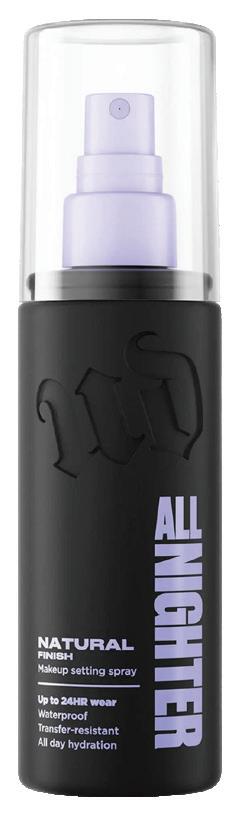
Don’t be afraid to powder. I always set my face using a setting powder followed by a setting spray, especially in warmer weather. Setting with a powder keeps everything in place, while following with a setting spray locks it in so it doesn’t budge. I always reach for the Lancôme Loose Setting Powder and the Urban Decay All Nighter Setting Spray when I need my makeup to last all night.
Make sure you are properly primed. If your skin is oily, starting with a mattifying primer helps create a barrier for the day to prevent your makeup from breaking down due to the oils on your skin. This also applies to your eyelids if you plan on wearing eyeshadow. An eyeshadow primer not only prevents creasing, it can also amplify the pigment of your eyeshadow, creating a more seamless look. For those with hooded eyelids, an eyeshadow primer like the Smashbox Photofinish Intensify 24HR Shadow Primer significantly helps mitigate any transfer of mascara or eyeliner.
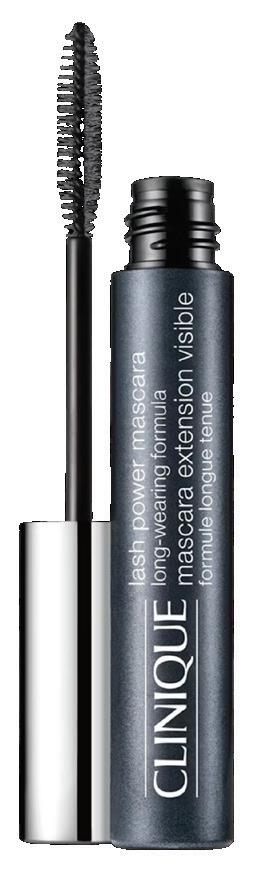
Opt for a tubing mascara, like the Clinique Lash Power, to prevent any transfer under your eyes or on your lids. If you are insistent on using a waterproof mascara, make sure to pick up a waterproof makeup remover like the Watier Solution Double Express Eye Makeup Remover to avoid excessive tugging/pulling at your fragile lashes. The Watier eye makeup remover is a bi-phase formula, meaning it has an oil component to it to break down the durable waterproof formula of the mascara.



























Kat Tiessen, Designer Kat & Co. Interiors katandcointeriors.com
“How
Designer Kat Tiessen shares her expert advice.
Renovating your home should feel exciting — not overwhelming. Yet one of the most common concerns I hear from homeowners is how to make renovation decisions they will not regret later.
It is such an important question!
With endless inspiration online, rapidly changing trends and renovation costs continuing to rise, homeowners often feel pressure to get every decision right the first time. From layouts and cabinetry to fixtures and finishes, the choices can feel endless — and expensive.
The truth is, successful renovations are not about chasing perfection. They are about creating a thoughtful plan that supports the way you live now while also considering how you want to live in the future. Perhaps you are currently managing the busy rhythm of getting children out the door for school each morning, while also imagining this home as the place where you will eventually retire. A well-designed home should evolve alongside you through every season of life.

The first step is understanding which upgrades truly add value to your everyday life. While statement lighting and beautiful finishes matter, the most worthwhile investments are often found in the elements you feel more than immediately see. Functional layouts, quality cabinetry, durable materials, intentional lighting and a home that flows naturally from one room to another are where the greatest value lies.
I always encourage clients to invest in the elements that are difficult to change later like cabinetry, flooring, plumbing fixtures and quality upholstery. These foundational choices shape both the function and longevity of your home.
Before selecting tile or paint colours, however, we need to begin with a master plan. This is one of the most overlooked — yet most valuable — parts of the renovation process. Without a clear plan, renovations can quickly become reactive. Homeowners begin making impulse decisions, rooms feel disconnected and budgets become stretched unnecessarily.
A thoughtful design plan creates cohesion throughout the home, establishes priorities and helps avoid costly changes midway through construction.
Another concern clients frequently share is how to avoid trendy choices that may feel dated within a few years. My advice is always to design for longevity first, then layer personality into the details.
Timeless homes are never boring homes. In fact, the most beautiful interiors strike a balance between classic and personal. Architectural details, natural materials, thoughtful millwork and quality furnishings tend to stand the test of time, while smaller elements such as textiles, lighting, hardware and décor can evolve more easily as your tastes or trends change.
Material durability is another area where professional guidance becomes invaluable. Not every beautiful surface performs well in real life. A home should support daily living gracefully, especially for busy families, entertaining, pets or high-traffic spaces. Selecting materials that are both refined and resilient ensures your home continues to feel beautiful long after the renovation is complete.
Most importantly, remember that good design is never just about aesthetics. It is about creating a home that feels cohesive, functional, calming and deeply reflective of the people who live there.
Not sure where to start when it comes to your outdoor space? We asked local landscaping experts to share their go-to tips for creating a beautiful, functional yard — no matter your experience level. From simple upgrades to smart planning, their advice will help you make the most of your space.

Karla Kroslak Owner
Florascape
Landscape Design and Build
@florascape_yqg
The most important thing when you're looking to DIY your landscape project is to have a plan in place.
Make a list of what you’d like to include on your property and how you plan on using the space.
From there, you can create a plan, broken down into phases to reach the end result. This helps you stay within budget for each phase.
Working in phases also helps to avoid working backwards or having to do things twice if you haven’t fully planned out the space before installing, planting, etc.
Next, I would suggest installing the hardscape and permanent features first — walkways, patios, rockery, drainage, etc. — to establish the ground work and be able to build off of that.
Then plants, trees, beds, mulch, grass can all be added once the layout, bones and structure are in place.

Leamington Horticultural Society @leamingtonhorticulturalsociety
The advice I would give to someone just starting their landscaping journey would be:
1. Start your gardens small and expand over time so maintenance is manageable. Being overwhelmed can take the joy out of gardening.
2. Take notice of the amount of sunlight in your yard and choose plants and trees accordingly.
3. Choose native plants to save time and money maintaining your gardens. Native plants are hardier, they support local biodiversity, improve soil and water quality, and really have the best chance of survival during droughts and flooding.
4. For added curb appeal, use a floral or low coverage border to edge gardens. Separation from the lawn adds clean lines and can improve the look of your property for a much lower cost.

Mary Jonsson
Member of the Essex-Windsor Master Gardeners mastergardenerswe.com
1. Explore Your Site
• Soil: Dig samples from several spots in the yard. Evaluate soil using the Ribbon Test.
• Moisture: Dry, cracking ground? Damp spots? Puddles? Moisture is closely related to soil type.
• Light: Where and when are the sun and shadows?
• Views: What do you see from inside? Highlight focal points (i.e. birdbath), redirect from distractions (i.e. hydro pole).
2. Choose Your Style
• Take cues from the architecture of the house and the surrounding landscapes.
• Extend significant lines of the house (walls, windows) onto the yard to create borders for mapping garden zones/rooms.
3. Choose Plants That Complement Steps 1 & 2
• Listen to your landscape. It is telling you which plants will grow happily and what layout will be most pleasing.
When my daughter was five years old, she looked up at me and asked: "Mommy, why don't the Toronto Maple Leafs have any girls on their team?"
She's a triplet, the only girl, and sport was simply part of life in our house alongside her two brothers. I didn't know how to answer her. I didn't want to tell my five-year-old that she was already at a disadvantage simply for being female. So instead of accepting that answer, I decided to do something about it.
My daughter is ten now. We built Count Her In Sports because she deserves pathways designed for her, not borrowed from her brothers.
The 2024 Rally Report by Canadian Women & Sport confirms what so many of us already feel: girls want to play. They are more interested in sport than ever. But nearly 5 in 10 girls have left organized sport entirely by age 16. The number one reason they give? "Sports are for boys."
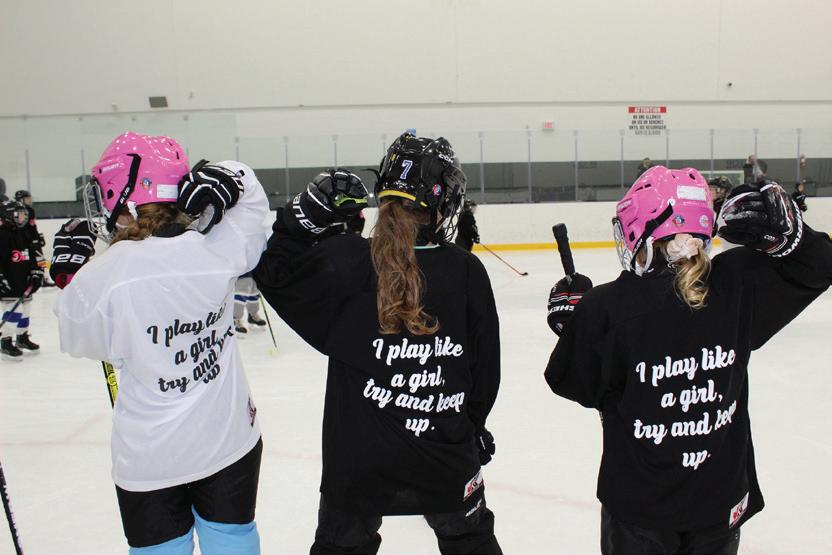

The gaps are real. Girls inherit hand-me-down equipment while boys receive new gear. They travel further to compete because local leagues don't exist for them. They play in co-ed environments not because that's what they want, but because no one has built them an alternative. What girls actually want is programming designed specifically for them: their own leagues, their own space to build friendships, confidence, resilience and leadership skills that carry forward for a lifetime.
And most critically: they want coaches who look like them. A girl navigating puberty, body changes and shifting confidence needs a coach who understands her experience from the inside, someone who will push her past her own resistance instead of letting her quietly disappear from the team photo. She can't be what she can't see.
Building pathways means meeting girls before they leave. The Count Her In Sports Club, created by teacher Krista Lavender, does exactly that: a year-round, no-cost, no-tryout sports club for Grade 6, 7 and 8 girls, running once a week during lunch. No barriers. Just girls playing, belonging and building confidence together during the exact years they are most likely to walk away from sport forever.
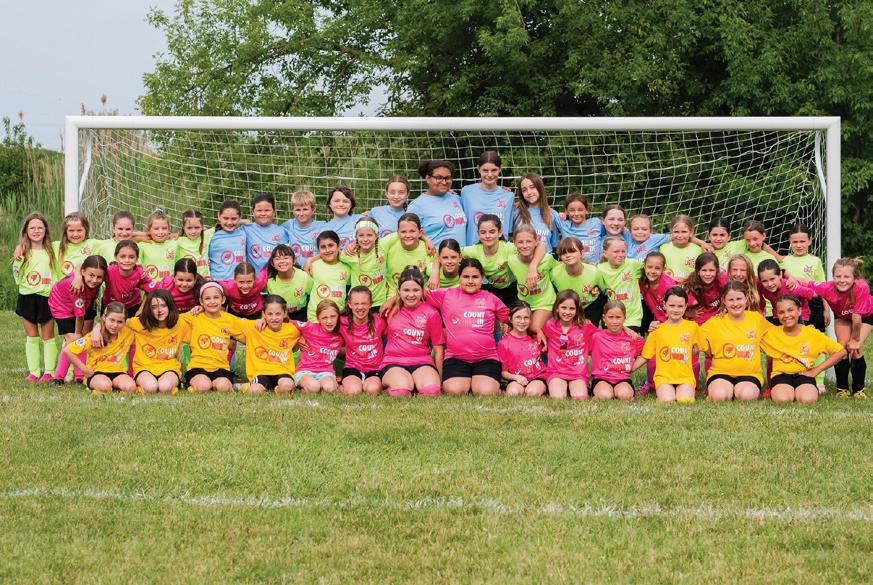
Two years ago, SC United had just two girls registered in their entire program, both playing on a co-ed team with no dedicated pathway of their own. When SC United’s President approached Count Her In Sports with a vision to build an all-girls soccer community, the Unite Her Soccer League was born.
Today, between SC United and Unite Her, over 140 girls are playing soccer across both organizations — a testament to what becomes possible when the right infrastructure is built and girls are given a space that was designed for them.
We need more voices. More people willing to say yes to the journeys our girls deserve. Anyone can do this.
• Notice the gaps. Look at the sports your daughter, niece or neighbour's kid is involved in. Who is coaching? Who is leading? Are girls-only leagues available, or are girls being folded into co-ed environments by default?
• Get curious with your local sport association. Ask what programs exist specifically for girls. Ask what they are doing to recruit female coaches. Ask whether facilities, equipment and scheduling reflect the needs of female athletes. Questions create accountability, and accountability creates change.

• Show up for women-led programs. Support leagues, clubs and initiatives actively building space for girls, as a parent, volunteer or donor.
• Pass it on. Know a woman who played sport and never considered coaching? Tell her someone is building a seat at the table for her. Sometimes the invitation is all it takes.


Krissy Thiessen & Design


• 1 medium sweet potato (peeled, cubed)
• 1 can (15 oz) black beans, drained & rinsed
• 1/2 cup breadcrumbs (or oat flour for gluten-free)
• 1/4 cup finely diced onion
• 2 cloves garlic, minced
• 1 tsp cumin
• 1/2 tsp smoked paprika
• Salt + pepper to taste
• 1 tbsp olive oil (plus more for cooking)
Instructions:
1. Boil or roast the sweet potato until soft (about 10–15 mins boiling or 25 mins roasting). Mash in a bowl.
2. In a separate bowl, mash the black beans with a fork — leave a bit of texture (don’t make it paste).
3. Add mashed sweet potato, beans, onion, garlic, spices, breadcrumbs and olive oil. Mix until it forms a thick, moldable mixture.
4. Shape into 4–6 burger patties. If the mixture feels too soft, add a bit more breadcrumbs.
5. Heat a pan with a little oil and cook patties for 4–5 minutes per side until crispy and browned.










Q: Tell us a little about yourself and what you do.
A: I’m a Windsor-Essex based photographer specializing in branding, lifestyle, and intimate storytelling imagery. My work focuses on helping people and businesses feel seen in a way that’s honest, intentional, and aligned with who they are.
I work with a wide range of clients including boutique businesses, wellness brands, creatives, hospitality spaces, makers, and families who want visuals that feel natural but elevated.
What I love most about photography is that it goes beyond just taking pictures. It’s about translating someone’s vision, personality, and story into imagery people can connect with emotionally.
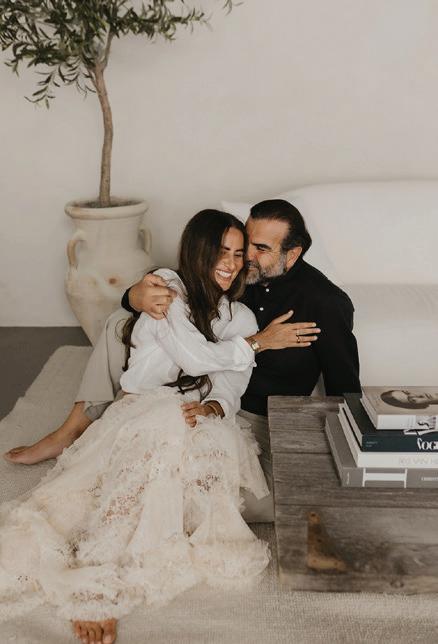
Q: Did you always know you wanted to be a photographer?
A: Honestly, yes. Photography was always the thing that was consistent for me.
I studied photography at Fanshawe College and dreamed of doing this full-time, but life took me in a different direction for many years. I spent nearly two decades working a government job while building my photography business quietly on the side.
Eventually, major life experiences, burnout, motherhood, and a growing desire to create something more meaningful pushed me to take the leap. In 2022, I officially left that career to pursue photography fulltime.
It was terrifying, but also one of the most aligned decisions I’ve ever made.
Q: What makes your approach different?
A: I don’t start with poses. I start by understanding. Who you are, where you’re going and how you want to be perceived. From there, I translate that into visuals that not only look beautiful but also work for your business.
Q: What do you believe strong branding photography can do for a business?
A: Strong visuals help people connect before a conversation ever happens.
When someone lands on your website or social media, they’re already forming an impression about your business within seconds. Strategic photography helps communicate not just what you do, but how your business feels.
I think people are craving authenticity more than perfection right now. They want to understand the person behind the business, the experience they’re stepping into, and whether it feels aligned with them.

My goal is always to create imagery that builds trust, connection, and recognition while still feeling artistic and true to the client.
Q: What is it like to work with you?
A: It’s a guided, collaborative process from start to finish. I help plan the entire session, from concept to wardrobe, and guide you throughout the shoot so you feel confident and supported. All of my clients walk away saying it was easier than expected and the ROI was totally worth the investment.
Q: Who do you work with?
A: Over the years, I’ve had the opportunity to work with everyone from local families and entrepreneurs to boutique brands, wellness professionals, artists, makers, and hospitality businesses throughout Windsor-Essex and beyond.
Q: What do you want people to feel when they see your work?
A: Clarity. A sense that what they’re seeing is real and intentional. I want people to recognize themselves in it, or see the kind of business they’ve been trying to become. When an image feels aligned, it doesn’t just look good. It builds trust. It creates connection and moves people to act.
Q: Where can people connect with you?
A: Instagram, my website or emailing me are the best places to start.
If you’re ready for visuals that reflect the level of your business, you can reach out directly to begin the process.
Thank you for taking the time to read and connect with my work.






For many parents today, there’s a growing sense that childhood has become too scheduled, too supervised and too connected to screens. In response, more families are looking back to the 1990s for inspiration — an era when kids played outside until the streetlights came on, social media didn’t exist and independence was part of growing up. While no decade was perfect, many of the parenting habits from that time are making a quiet comeback, and for good reason.
One of the most noticeable differences between childhood then and now is how much time kids spent outside. Riding bikes, building forts, playing road hockey and knocking on a friend’s door to see if they could play were everyday occurrences. Today, many parents are intentionally bringing this back by encouraging unstructured outdoor time. Outdoor play helps children build creativity, problem-solving skills, confidence and physical health — all without needing organized activities or screens.
Another major shift in modern parenting is the decision by many families to delay smartphones and social media for as long as possible. In the ’90s, kids communicated through house phones, notes at school and showing up at each other’s homes. Now, many parents are choosing basic phones over smartphones, limiting social media access and focusing on in-person friendships and activities instead. The goal isn’t to avoid technology forever, but to introduce it later and more intentionally.
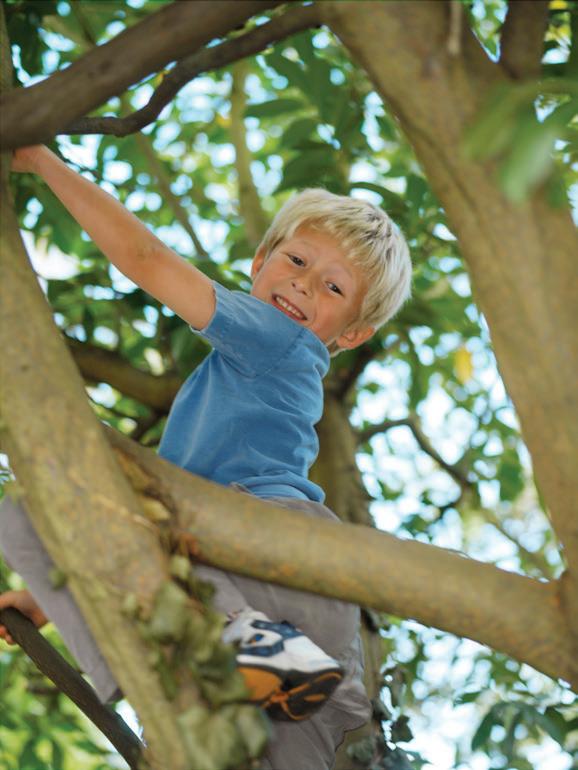
In the past, kids climbed trees, rode bikes, jumped fences and built tree forts. Today this is often called “risky play” and child development experts say it’s actually very important. Risky play teaches kids how to assess danger, build confidence and become more independent. Parents bringing back this approach are allowing kids to try things, make mistakes and learn how to solve problems on their own.
Many childhoods today are filled with structured activities like sports, music lessons, tutoring and organized programs. While these activities are valuable, the ’90s approach often included much more free time. Boredom led to creativity, imagination and independence. Parents revisiting this style are trying to leave space in the schedule for kids to simply play, explore hobbies or figure out how to entertain themselves.
Kids in the ’90s often had more responsibility at a younger age, like walking to school, making simple meals, babysitting siblings or running small errands. Many parents today are realizing that independence builds confidence and life skills. Simple things like letting kids order their own food, pack their own bags or solve small problems on their own can make a big difference.
Before texting and gaming systems connected kids virtually, friendships were built face-to-face. Sleepovers, backyard games and long summer evenings outside created strong social skills and independence. Today, many parents are encouraging kids to spend more time with friends in person rather than online.
Bringing back ’90s parenting means bringing forward the parts that helped kids become independent, resilient, creative and confident. It’s about more outdoor time, fewer screens, more independence and allowing kids to experience childhood at a slower pace.
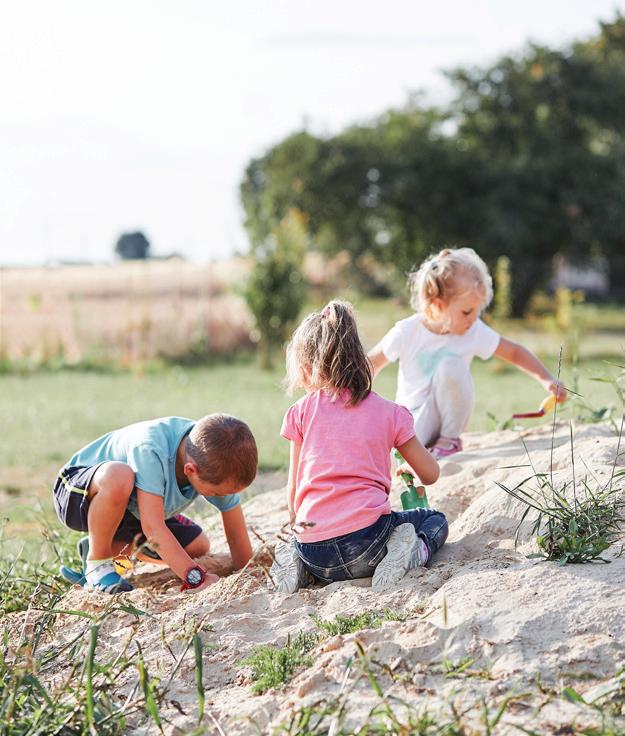

Lil Hil’s isn’t just a business to me — it’s a piece of my heart and a huge part of who I am. It’s early mornings, long days and more cups of coffee than I can count, but it’s also where I get to connect with people in the best way. I’ve watched customers become friends and friends become like family. There’s something really special about being part of someone’s daily routine — whether it’s their morning coffee, a comfort meal or just a quick chat. That’s what keeps me going.
As much as I love being outside and taking those moments, I’ll be honest — I also love the chaos. The busy, fastpaced, running-in-a-million-directions kind of days where everything is happening at once. That’s when I feel the most alive, the most energized, and the most in my element. I love that feeling of just going, getting things done, and knowing at the end of it all, I absolutely crushed the day.

Hilary Hodgson OwnerofLilHil’sCoffeeShop
@lilhilscoffeeshop
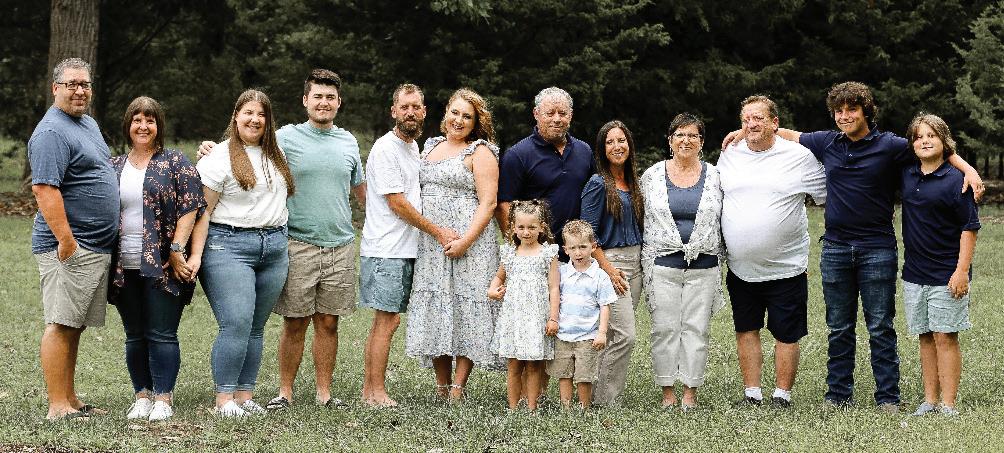
My family is my everything — truly my heartbeat. I wouldn’t be who I am without the love and support from my family every single day. They’re my reason. They are my why.
Music is honestly the key to my soul. No matter what kind of day I’m having, it has a way of lifting me up, shifting my mood and bringing me right back to myself. It can pull me out of the worst moods and turn everything around. There’s something about great music that just brings smiles to people — you feel it, you connect to it and for a moment, everything else fades away.

Wheatley is more than just where I live — it’s home in every sense of the word. This community has shown so much strength, resilience and heart over the years. I’ve seen people lift each other up time and time again, and it’s something I’m so proud to be part of. Giving back, supporting local and being involved isn’t just important to me — it’s something I genuinely love. There’s nowhere else I’d rather be.

If I’m being honest, this is where I feel the most like myself. I love being outside, soaking up the sunshine and just taking a moment to breathe it all in. Whether it’s a round of golf, a morning out deer or turkey hunting, heading out on the water for a boat ride or fishing, that’s my happy place. It’s where I can slow down, reset and just enjoy life for a little while.
I love those quiet early mornings before the rush begins, when everything feels calm for just a little while. I enjoy connecting with people through social media and having a bit of fun with it. I believe strongly in supporting local businesses and building each other up.

Mara Derikx
joyfulhostess.com
@joyfulhostess

Joyful Hostess Mara
At some point, every host has thought: Am I doing this right?
It’s that little unsure voice that has you second guessing if you’ve made enough food, or if everyone is having a good time.
So let’s put your mind at ease and answer some of the most common hosting questions I get asked.
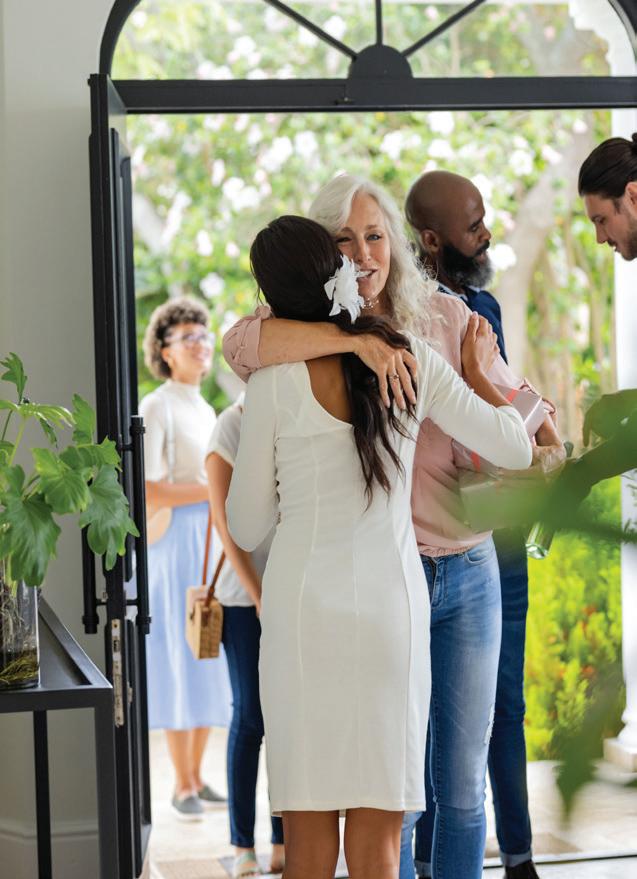
People remember how you made them feel more than what you served. Greet them at the door when they arrive, offer them a drink and something to eat, create a cozy atmosphere with lighting, and don’t forget to introduce people thoughtfully to those they may not know. These little things go a long way to making people feel special and comfortable in your space.
A:
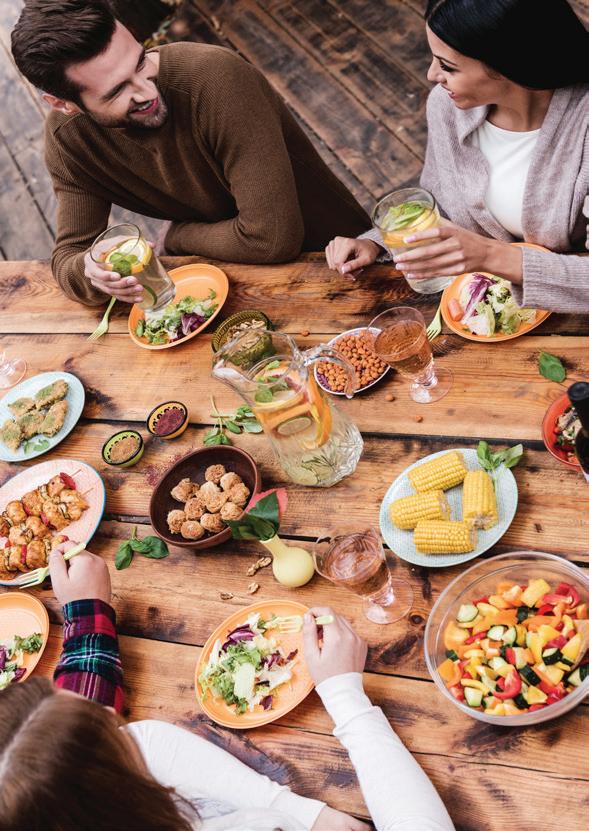
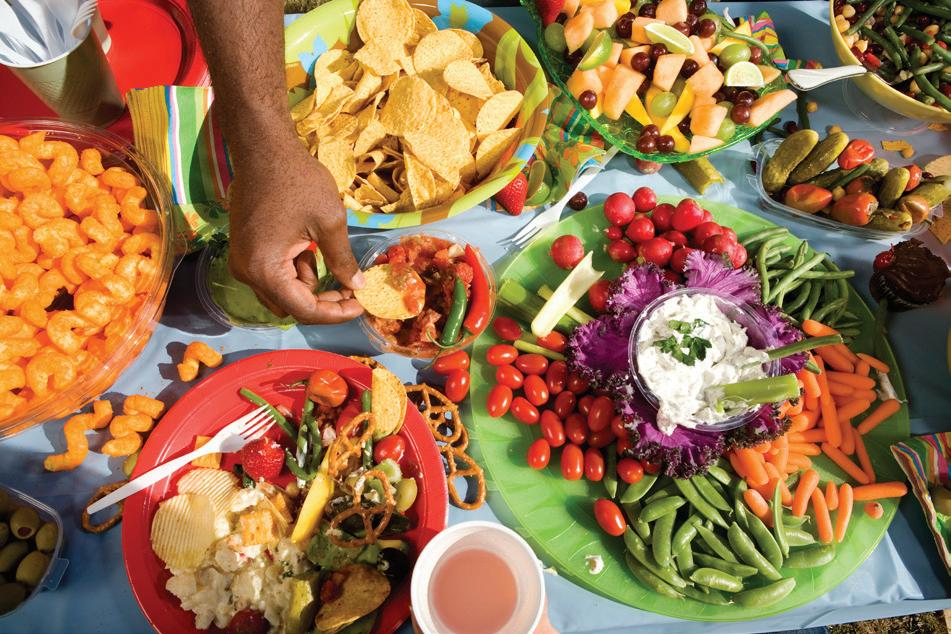
Almost everyone overestimates this at first. A good rule for appetizers is about three pieces per person per hour (before dinner), or five-six pieces (if no dinner is being served). For drinks, plan on about two drinks per guest for the first hour and one drink each hour after that. And when it comes to ice, buy more than you think you need!
Q:
How can I make entertaining feel special on a budget?
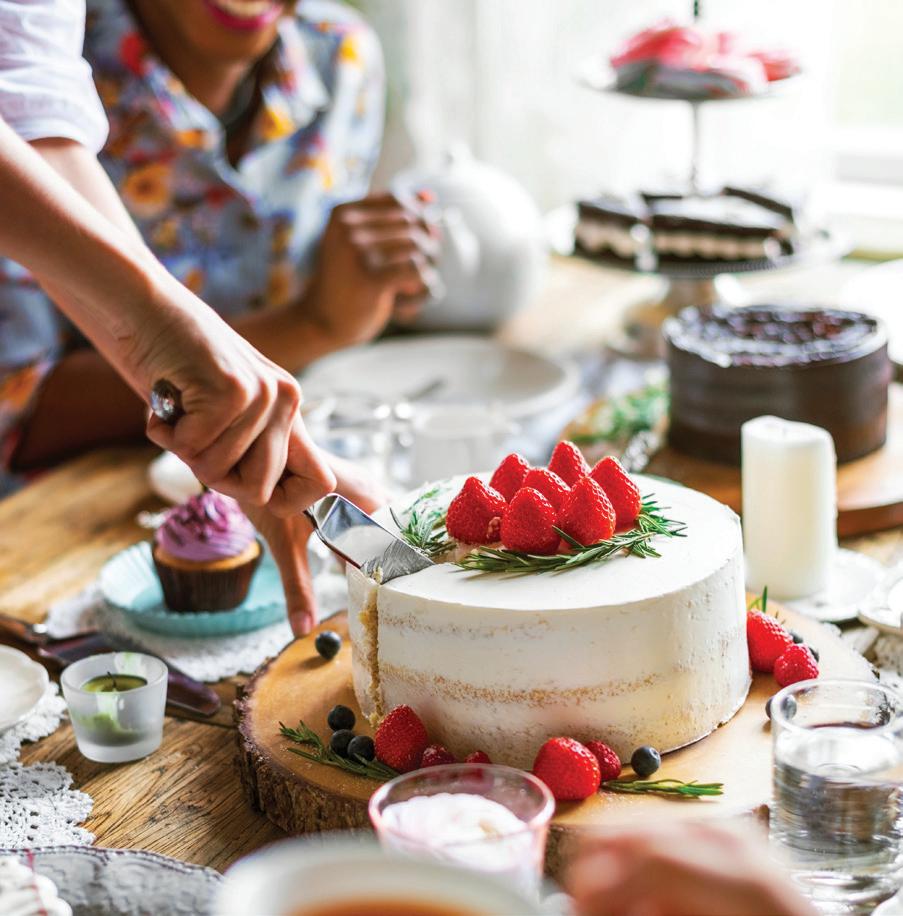
Atmosphere matters so much more than expensive details, so instead of trying to do everything, spend money on one or two things that will make the biggest impact. Like a show-stopping dessert or focusing your decorating efforts in one area. And remember, hosting doesn’t have to mean a full-on dinner party — a cozy movie night with popcorn or a casual game night with snacks absolutely counts as hosting too.
Q: What are the biggest mistakes a host can make?
A:
Nothing makes a host feel overwhelmed and exhausted as much as trying to impress people. When it becomes about the “stuff”, it robs you from creating meaningful connections. Your guests don’t need a spotless house or a complicated menu to enjoy themselves. The best gatherings usually feel warm and relaxed, a little imperfect.
Q: How do I make hosting less stressful?
A:
Simple answer: Let go of perfection and do less. There’s all this pressure we put on hosting, when in reality, your guests would much rather have a relaxed host who’s sitting at the table laughing with them than someone frantically cooking all night. So simplify your menu and décor, only clean the areas guests will see and prep as much as you can ahead of time.
At the end of the day, good hosting is about creating a space where everyone feels welcome — including the host. So, my best advice is to ditch perfection and focus on connection — that’s where the joy comes!





We all have seasons where life feels especially full. Busy schedules, restless nights and everyday stress can leave anyone feeling depleted. But when fatigue, mood swings, stubborn weight changes or disrupted sleep start to feel like your new normal, your hormones may deserve a closer look.
Hormones quietly influence many of the body’s daily functions, from metabolism and energy to mood, sleep and reproductive health. When they shift out of balance, the signs can appear in ways that are easy to overlook at first.
• Persistent fatigue
You’re sleeping, but still waking up exhausted.
• Mood changes
Increased irritability, anxiety or emotional ups and downs may point to hormonal fluctuations.
• Weight changes
Unexpected weight gain or difficulty losing weight can sometimes be linked to hormone disruption.
• Cycle changes
Irregular, heavier, lighter or missed periods may be worth discussing with your doctor.
• Skin and hair changes
Breakouts, thinning hair, dry skin or new facial hair growth can all be hormone-related.
• Sleep struggles

Difficulty falling or staying asleep may have more to do with hormones than you think.
Hormonal imbalance can happen for many reasons, including chronic stress, poor sleep, thyroid issues, PCOS, insulin resistance, perimenopause, menopause and nutritional deficiencies.
If something feels off, start paying attention to patterns. Tracking symptoms such as sleep quality, energy levels, mood changes and menstrual cycles can help reveal trends over time.
It’s also worth speaking with a healthcare provider, especially if symptoms persist. Hormonal concerns often require testing to determine the underlying cause.
In the meantime, simple lifestyle habits can support hormone health:
• Prioritize protein-rich, balanced meals
• Move your body regularly
• Focus on quality sleep
• Build in time to manage stress
• Limit excess alcohol and highly processed foods


Have you ever noticed how certain thoughts seem to replay in your mind?
Maybe it is anxiety or worry that runs on repeat no matter how hard you try to “snap out of it.” Many people think this means something is wrong with them.
But these thought loops are common and are a result of neuroplasticity — your brain’s natural ability to strengthen whatever it thinks most.
Our brains are designed for efficiency. The more often we think a thought, feel an emotion or repeat a behaviour, the stronger that neural pathway becomes. I often explain this to clients like a trail through a forest: the more you walk the same path, the clearer and easier it becomes to follow. Eventually, the brain begins choosing familiar mental routes automatically, even when they are unhelpful.


This is why rumination — recurring distressing thoughts — can feel so powerful. Thoughts like “I’m not enough,” “I always fail,” or “Something bad is going to happen” can become deeply wired patterns over time. But neuroplasticity is not only the reason we get stuck, it is also the reason new patterns can be created.
Research from Harvard Medical School describes neuroplasticity as the brain’s ability to “learn, remember, and change” throughout life. The brain is not fixed or permanently wired in one way. Every thought, behaviour, emotion and experience strengthen certain neural circuits while weakening others. In other words, the brain physically changes based on what it repeatedly practices. So how do we leverage neuroplasticity to change pathways that no longer serve us?
First, awareness comes before change. Instead of becoming absorbed in every negative thought, begin observing them. For example, a simple shift from thinking “I’m anxious” to “I’m having a thought that I’m anxious” creates psychological distance and interrupts the automatic emotional loop and activates more rational parts of the brain.
Second, repetition matters. The brain changes through consistency, not intensity. Cognitive reframing — replacing distorted thoughts with more balanced ones — helps build new neural pathways over time. “I always mess things up” can become “I’m learning and improving.” Rehearsing the healthier, more adaptive thought allows for new pathways in the brain to form.
Third, involve the body. Research shows that aerobic exercise, quality sleep, mindfulness and trying new things all support cognitive flexibility and healthier brain function.
The brain becomes what we repeatedly rehearse. Small, steady shifts in thought and action carve stronger neural pathways. Because the brain is constantly evolving, breaking free from limiting thought loops is always possible!




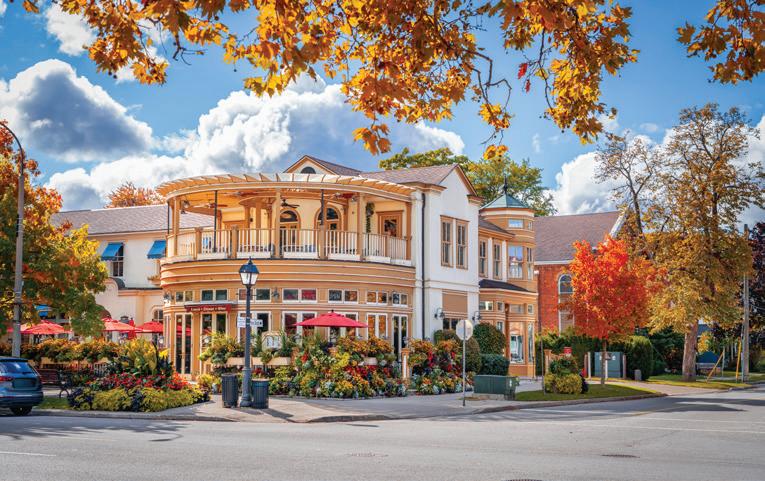
There’s something undeniably special about Ontario’s small towns. Slower mornings, friendly faces and main streets lined with local shops invite you to linger a little longer. Whether you’re planning a weekend escape or a spontaneous day trip, these destinations offer a refreshing change of pace each with its own personality and reasons to visit.

Picton (Prince Edward County)
For a truly unique Ontario escape, Pelee Island offers a peaceful retreat surrounded by the waters of Lake Erie. Accessible by ferry, the island is known for Pelee Island Winery, cycling routes and untouched natural beauty, including sandy beaches and rare wildlife habitats. It’s the perfect destination to unplug, unwind and experience a slower, simpler pace of life.
At the heart of Prince Edward County, Picton is a hub for creativity, food and wine. From farm-to-table dining and craft breweries to nearby Sandbanks Provincial Park, this small town offers a little bit of everything. It’s a destination that perfectly blends rural beauty with a modern, artistic edge.


Located along the shores of Lake Huron, Bayfield offers classic beach town charm with a sophisticated twist. Its walkable downtown is filled with boutiques, cafés and galleries, while nearby sunsets over the lake are nothing short of spectacular. It’s an ideal spot for a relaxing summer escape.
Tucked along the Grand River, Elora feels like a hidden gem. Its dramatic gorge, scenic trails and limestone buildings create a storybook setting. Wander through local art galleries, browse artisan shops or take in the view from the Elora Mill. This is a town that invites you to slow down and soak it all in.


Best known for its world-class theatre scene, Stratford is more than just the Stratford Festival. The town offers riverside walks, independent cafés and a thriving culinary scene that draws food lovers from across the province. It’s the kind of place where a simple afternoon can turn into an unforgettable experience.
Elegant and timeless, Niagara-on-the-Lake is known for its heritage architecture, boutique shopping and renowned wineries. Spend the day strolling Queen Street, catching a Shaw Festival performance or enjoying a glass of wine overlooking the vineyards. It’s a picture-perfect destination that blends culture with countryside charm.
Looking for a good book this summer?
Here are a few recommendations:

Carley Fortune
Based in Ontario, this book is a heartfelt, nostalgic love story set against the backdrop of a lakeside escape, where past memories and present emotions collide. As old connections resurface, the novel explores second chances, timing, and the kind of summer that changes everything.

Stephanie Garber
In this magical, twist-filled adventure, a mysterious game blurs the line between illusion and reality, drawing two sisters into a dangerous world where nothing is quite as it seems.

Summers by Karen Swan
A sweeping, sun-soaked story of friendship, love and long-buried secrets, where one fateful summer changes everything across three unforgettable years.

Caitlyn Paxson
A heartwarming historical romance about a woman finding unexpected love, strength and a second chance at happiness after loss.

We’re continually inspired by the creativity and talent found throughout our community. From handcrafted goods to unique small businesses, here are a few local makers and creators that caught our attention.

What: Claw clips, scrunchies & headbands
Who: Jennifer Beleutz
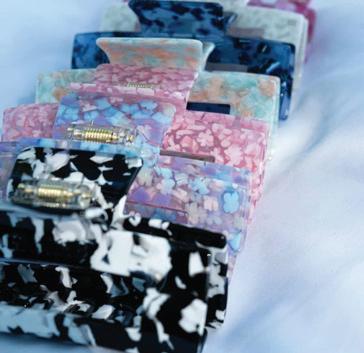
Where:Kingsville
@jennieb.ca
Crafty Chicks

What: Unique and custom crochet stuffies
Who: Crystal Hodgson + team

Where:Leamington/Kingsville @craftychickss
Hidden Haven Farm Who: Christina Mallaby

What: Fresh & dried floral work, beeswax products
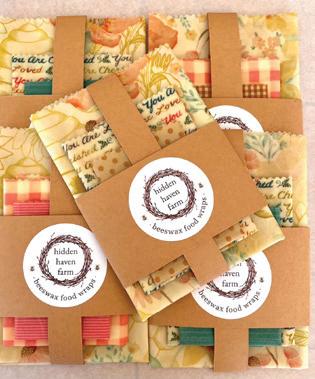
Where:Harrow and Kingsville @hiddenhavenfarm
Sud Therapy

What: Natural handmade soap and skin care
Who: Eva Antonel
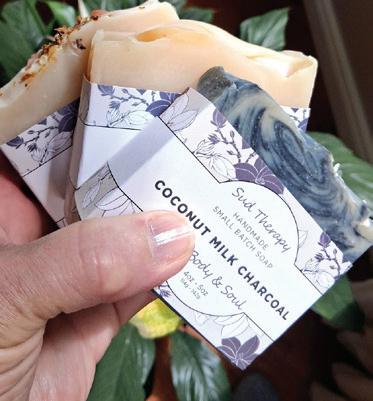
Where:Available in Kingsville & Windsor
Peggy & Patch

What: Handmade dolls & upcycled accessories
Who: Karen Generaux
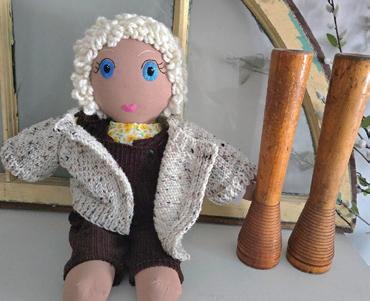
Where:Kingsville @peggy.and.patch
Lo’s Dough Who: Lauren Oswald

What: Homemade gourmet cookies & cakes
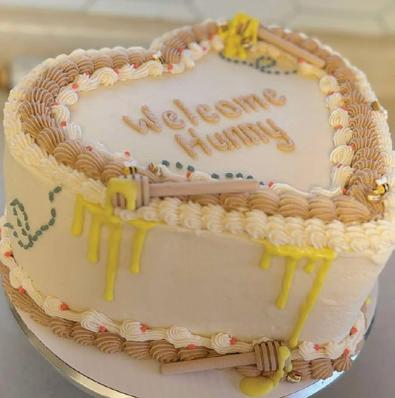
Where:Kingsville @losdough_