
Choosing the Right Hot Water System for Your Needs
.
INTRODUCTION
Choosing the right hot water system for your home can greatly impact your comfort and energy bills. Whether you’re building a new home or replacing an old system, knowing what to look for is crucial. Having a reliable hot water system means you can enjoy hot showers, clean dishes, and warm laundry without hassle. There are several types of hot water systems available, each with its own benefits and drawbacks. Understanding the differences between them helps you make an informed decision. Various factors, such as your household size, water usage, and budget, play a significant role in selecting the right system.

.
Types of Hot Water Systems
1. Electric Hot Water Systems: Electric systems are common and rely on electricity to heat the water. They are easy to install but can be more expensive to run due to high electricity prices. These systems come in both storage tank and instant, or on-demand, models.
2. Gas Hot Water Systems: Gas systems use natural gas or LPG to heat water. They are generally more cost-effective to operate compared to electric systems. Gas hot water systems also come in storage tank and continuous flow options. They are an excellent choice for homes with existing gas connections.
3. Solar Hot Water Systems: Solar systems use the sun’s energy to heat water. They are environmentally friendly and can significantly reduce energy bills. Solar hot water systems often include a backup electric or gas booster for cloudy days. The initial cost is higher, but the long-term savings can make them a worthwhile investment.
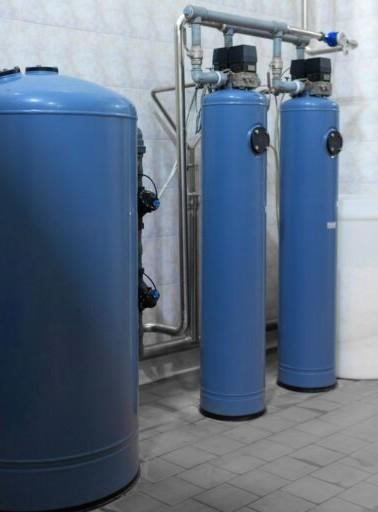
4. Heat Pump Hot Water Systems: These systems extract heat from the air to heat the water, making them very energyefficient. Heat pumps are more expensive to buy but save on operating costs. They work best in warmer climates but can be less efficient in colder areas.
Factors to Consider When Choosing a Hot Water System
1. Household Size: The number of people in your home affects hot water usage. Larger households need systems with greater capacity or continuous flow to ensure everyone gets enough hot water.
2. Water Usage: Think about your daily hot water needs. Do you take long showers, or do you need hot water for multiple tasks at once? Knowing your usage patterns helps you pick the right system size and type.


3. Energy Source: Consider what energy source is available and most cost-effective in your area. If you have access to natural gas, a gas system might be more suitable. If you live in a sunny area, a solar system could save you money in the long run.
4. Budget: Factor in both the initial cost of the system and the ongoing running costs. While some systems are more expensive to buy, they might save you money on your utility bills.
5. Space Availability: Make sure you have enough space for the system you choose. For example, storage tank systems need more space compared to compact continuous flow models.
6. Environmental Impact: If being eco-friendly is important to you, consider systems that use renewable energy sources, like solar or heat pump systems. These options reduce your carbon footprint and can offer long-term savings.

Benefits and Drawbacks of Different Systems
1. Electric Hot Water Systems
– *Benefits*: Easy installation; readily available energy source.
– *Drawbacks*: Higher running costs; less energy-efficient.
2. Gas Hot Water Systems
– *Benefits*: Lower operating costs; quick heating; reliable during power outages.
– *Drawbacks*: Requires gas connection; not suitable for all homes.
3. Solar Hot Water Systems
– *Benefits*: Environmentally friendly; significant reduction in energy bills; potential government rebates.
– *Drawbacks*: High initial cost; requires ample sunlight; backup system needed.
4. Heat Pump Hot Water Systems
– *Benefits*: Highly energy-efficient; lower running costs over time.
– *Drawbacks*: Higher upfront cost; can be less effective in colder climates.
Consulting with a Professional for the Best Choice
1. Professional Assessment: A plumber can evaluate your home’s infrastructure, including available space, existing energy sources, and plumbing setup. This thorough assessment helps in recommending the best hot water system tailored to your home.
2. Installation Expertise: Professionals handle the installation efficiently and correctly. This ensures your system works optimally and reduces the risk of potential issues down the line.
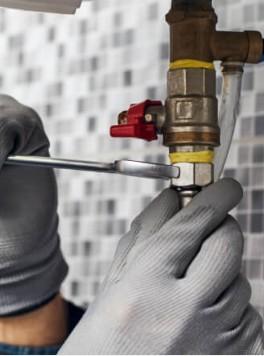
3. Advice on Regulations and Rebates: Experts are aware of local regulations regarding hot water system installations. They can also inform you about available rebates or incentives, especially for solar or energy-efficient systems. This advice can help you save money and ensure compliance with local laws.
4. Ongoing Maintenance: Regular maintenance is key to prolonging the life of your hot water system. A professional can set up a maintenance schedule, check for issues, and perform necessary repairs to keep your system running smoothly.
Consulting with a professional like Southline Plumbing not only simplifies the decision-making process but also ensures you get the most suitable and efficient hot water system for your home.

Conclusion
Choosing the right hot water system for your home involves understanding the different types available, considering your specific needs, and weighing the benefits and drawbacks. Each system type offers various advantages and considerations, from the cost-saving benefits of solar systems to the efficiency of gas and heat pump options. For expert advice and professional installation of hot water systems in Perth, contact Southline Plumbing. Our team of trusted plumbers is ready to help you select and install the best hot water system to meet your needs. Reach out today to ensure you enjoy reliable hot water year-round.