




Telephone (507) 373-6965 • E-mail: freeborncountyfair@gmail.com Under Management of Freeborn County Agricultural Society
OFFICE HOURS: July 20th-July 30th, Mon-Thurs, 9am-4pm. July 31st-August 2nd 9am-5pm
FAIR WEEK: Mon. August 3rd, 8am-5pm, Tues. August 4th and Wed. August 5th, 8am-8pm, Sun. August 9th, 8am-6pm ALL EVENTS SUBJECT TO CHANGE
TICKET POLICY: The outside gate admission ticket is for admittance to the grounds and does not guarantee all advertised events will be held. NO REFUNDS WILL BE GIVEN.
Livestock exhibitors will be required to purchase livestock exhibitor tickets on entry day, but will be admitted free at the gate up until noon on entry day Tuesday, August 4th, 2026
All concessionaires, Exhibitors, Service Personnel, FFA, and 4-H must have Season Tickets and Season Auto Tickets.
General Admission, ........................................................................................ $13.00 Children 0-9 ........................................................................................................
Senior Citizens, (65 & Over) Wednesday Only ................................. $7.00
Season Ticket (Pre-Season June 1—July 17).................................... $50.00 Season Ticket (July 20-Aug. 9) ............................................................... $55.00
Season Auto Ticket (June 1—Aug. 9)
Wednesday, August 5
Tuesday, August 4 Thursday, August 6
Hours:
Fair Office 8am-8pm
Beer Garden Noon-Midnight
Conservation Building
Noon-8:30pm
Exhibit Buildings Noon-8:30pm
Kiddie Farm Zone 11am-9pm
Vendor Buildings 11am-8:30pm
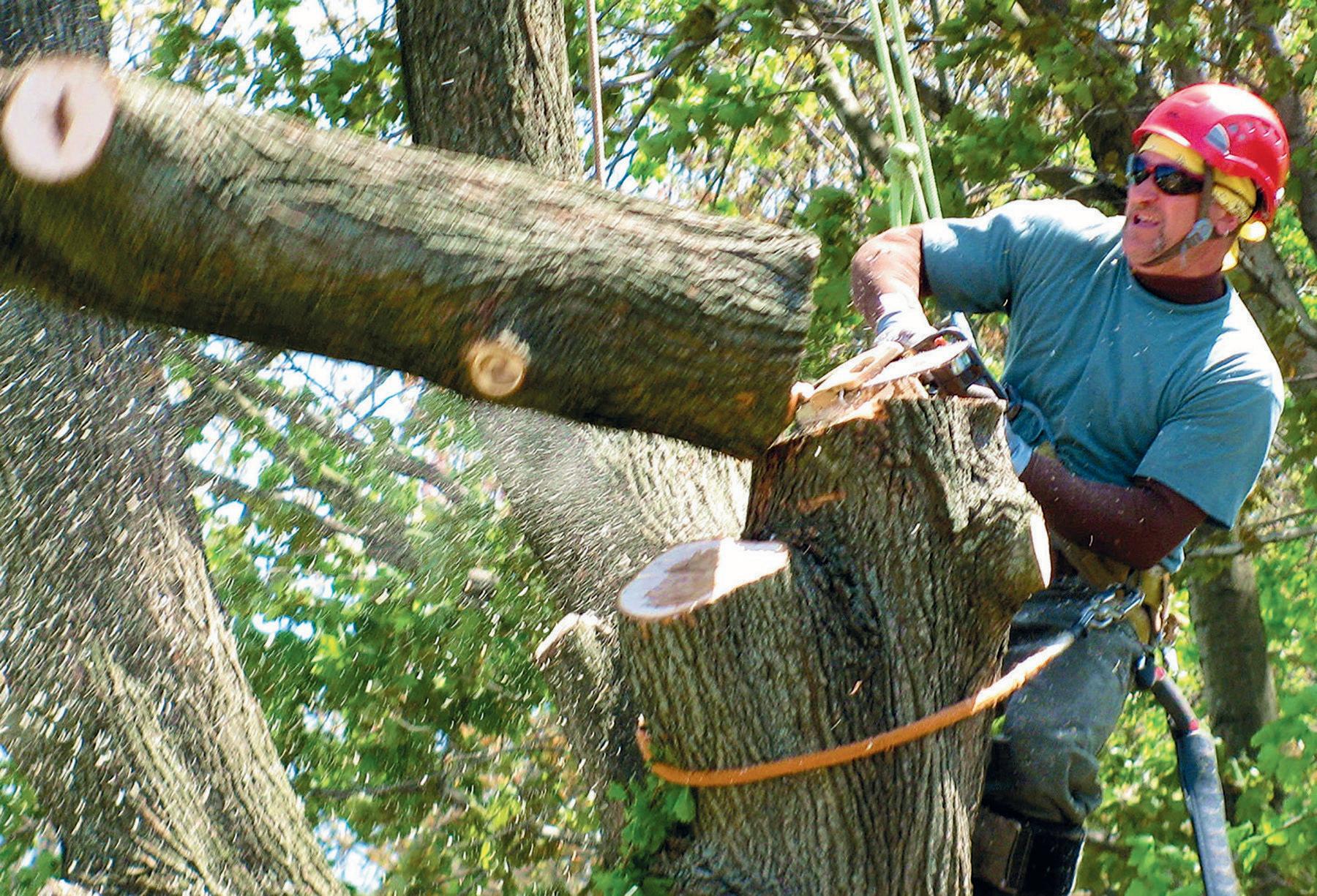
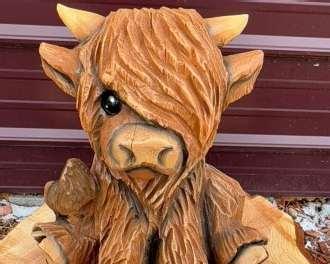
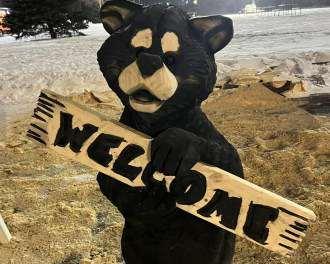
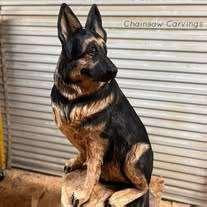
Bear Grove Chainsaw Carving
Bucket of Junk-Silent Auction
Commercial Building
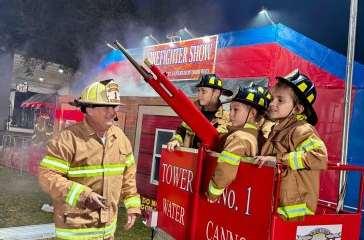
Firefighter Training Show
5 & 7pm
Machinery Hill
Hot Diggity Dog and More Show
4 & 6pm
Machinery Hill
Haunted House
6-10pm
Commercial Building
Entertainment Plaza
4pm-Dunnell Lenort
5pm-ROE Family Singers
GRANDSTAND SHOW 8:30PM DILLON CARMICHAEL
Senior Citizens Day
Hours:
Fair Office 8am-8pm
Beer Garden Noon-Midnight
Conservation Building
10am-8:30pm
Exhibit Buildings 10am-8:30pm
Kiddie Farm Zone 10am-9pm
Vendor Buildings 11am-8:30pm
Bear Grove Chainsaw Carving
Bucket of Junk-Silent Auction
Commercial Building
Firefighter Training Show
1 & 5pm
Machinery Hill
Hot Diggity Dog and More Show
2 & 6pm
Machinery Hill
Haunted House
6-10pm
Commercial Building
Entertainment Plaza
12pm-Malek’s Fisherman Band
1pm-Outstanding Senior Citizen
Century Farms
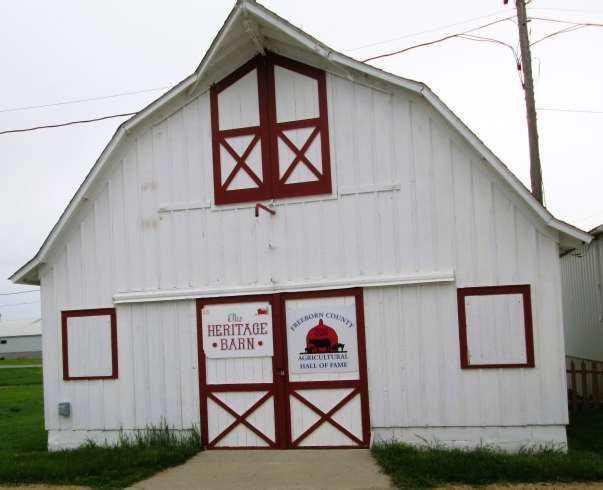
Agriculture Hall of Fame
2pm-Malek’s Fisherman Band
6pm-Todd Michael Jameson
GRANDSTAND SHOW 8:30PM LORRIE MORGAN
Hours:
Fair Office 8am-8pm
Beer Garden Noon-Midnight
Conservation Building
10am-8:30pm
Exhibit Buildings 10am-8:30pm
Kiddie Farm Zone 11am-9pm
Vendor Buildings 11am-8:30pm
Bear Grove Chainsaw Carving
Bucket of Junk-Silent Auction
Commercial Building
Firefighter Training Show
1 & 5pm
Machinery Hill
Hot Diggity Dog and More Show
2 & 6pm
Machinery Hill
Haunted House
6-10pm
Commercial Building
Entertainment Plaza
3pm-Holly Day Music 4pm-Todd Utpadel
6pm-Uncle Muskrat Trio
GRANDSTAND SHOW 8:30PM CAIN
Friday, August 7
Daycare Day
Hours:
Fair Office 8am-8pm
Beer Garden Noon-Midnight
Conservation Building
10am-8:30pm
Exhibit Buildings 9am-8:30pm
Kiddie Farm Zone 9am-9pm
Vendor Buildings 11am-8:30pm
Bear Grove Chainsaw Carving
Bucket of Junk-Silent Auction
Commercial Building
Firefighter Training Show
1 & 5pm
Machinery Hill
Hot Diggity Dog and More Show
2 & 6pm
Machinery Hill
Haunted House
6-10pm
Commercial Building
Entertainment Plaza
3pm-Holly Day Music
4pm-Dunnell Lenort
6pm-Rockin’ Hep Cats
GRANDSTAND
Saturday, August 8 Kid’s Day
Hours:
Fair Office 8am-8pm
Beer Garden Noon-Midnight
Conservation Building 10am-8:30pm
Exhibit Buildings 10am-8:30pm
Kiddie Farm Zone 11am-9pm
Vendor Buildings 11am-8:30pm
Bear Grove Chainsaw Carving
Bucket of Junk
Silent Auction Ends 6pm
Commercial Building
Firefighter Training Show 1 & 5pm
Machinery Hill
Hot Diggity Dog and More Show
2, 4, & 6pm
Machinery Hill
Haunted House 6-10pm
Commercial Building
Entertainment Plaza
2pm-Warrior Revival Band 4pm-Todd Utpadel
6pm-Flashback Band
Sunday, August 9
Hours:
Fair Office 8am-5pm
Beer Garden Noon-8pm
Conservation Building 11am-4pm
Exhibit Buildings 11am-4pm
Kiddie Farm Zone 11am-4pm
Vendor Buildings 11am-4pm
Church Service-Grandstand 10am
Firefighter Training Show 11:30, 1:30 & 3:30pm
Machinery Hill
Hot Diggity Dog and More Show
Noon, 2 & 4pm Machinery Hill
Entertainment Plaza 1pm-Talent Show
SUNDAY, AUGUST 2, 2026
Creative Arts & Foods Entry Day 10:00am to 5:00pm
Booth and 4-H Outdoor Decorating set up(4-H Bldg.)
.1:00pm to 4:00pm
MONDAY, AUGUST 3, 2026
Creative Arts & Foods-Judging 9:00am to 6:00pm
4-H General Exhibit Judging 10:00am to 5:00pm
Floral Hall Entry Day 11:00am to 7:00pm
TUESDAY, AUGUST 4, 2026
Floral Hall-Judging .
9:00am
Horticulture-Judging 9:00am
4-H Horse Show—Outdoor Arena 12:00pm
4-H Rabbit Show-Jan Reed Livestock Arena (North) 5:00pm
WEDNESDAY, AUGUST 5, 2026
SENIOR CITIZENS DAY
Light Horse Pleasure & Game Class Show-Outdoor Arena . . . 8:00am
4-H Swine Show-Jan Reed Livestock Arena (North) 8:00am
Open/FFA Class Sheep-Jan Reed Livestock Arena (South) 9:00am
Open Class Market Lamb-Jan Reed Livestock Arena 2:00pm
4-H Sheep Show-Jan Reed Livestock Arena (South) .
THURSDAY, AUGUST 6, 2026
4-H Beef Show-Jan Reed Livestock Arena (North)
4:00pm
8:30am
4-H Dairy Goat Show-Jan Reed Livestock Arena (South) 9:00am
Big Bang Productions Barrel Race—Outdoor Arena 11:00am
4-H Dairy Beef Show—Jan Reed Livestock Arena (North) 1:00pm
4-H Meat Goat Show-Jan Reed Livestock Arena (South) . . . . . 3:00pm
FRIDAY, AUGUST 7, 2026
4-H Dairy Show followed by Open Dairy and FFA Dairy—Jan Reed Livestock Arena (South) 8:00am
FFA Judging Contest-Jan Reed Livestock Arena (North) 9:00am
4-H Llama & Alpaca Show-Jan Reed Livestock Arena (South) 11:30am
4-H Poultry Show followed by Open Class Poultry-Jan Reed Livestock Arena (North) . .
Farm Class Show-Outdoor Arena . .
Open Class Swine followed by FFA Swine-Jan Reed Livestock Arena (North)
Draft & Pony Class Show—Outdoor Arena .
SATURDAY, AUGUST 8, 2026
4-H Livestock Auction-Jan Reed Livestock Arena . . . .
1:00pm
1:00pm
4:00pm
6:00pm
. . . . 9:00am
Open Steer and Heifer Showmanship-Jan Reed Arena 1:30pm
Draft & Pony Class-Outdoor Arena 3:00pm
Open Steer and Heifer Show-Jan Reed Livestock Arena 3:00pm
Open Class Goat Show-Jan Reed Livestock Arena (South) 5:00pm
SUNDAY, AUGUST 9, 2026
4-H Meat Cook-Off-Livestock Office 8:30am
Draft & Pony Class-Indoor Arena 10:00am
4-H Supreme Showmanship Contest-Open Sheep Barn . . . . . 11:00am
4-H Parade of Champions (General & Livestock) Jan Reed Arena
2:30pm
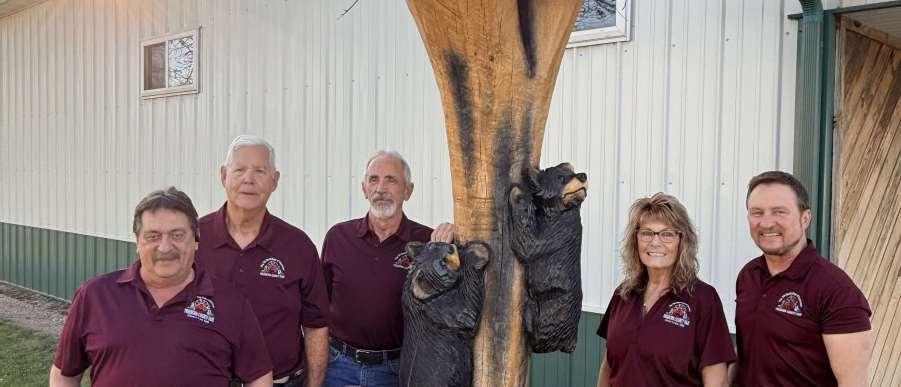
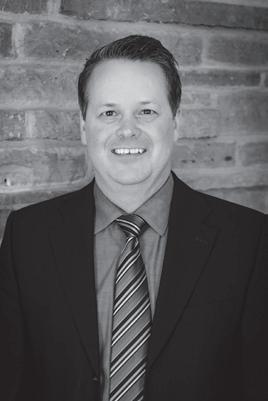
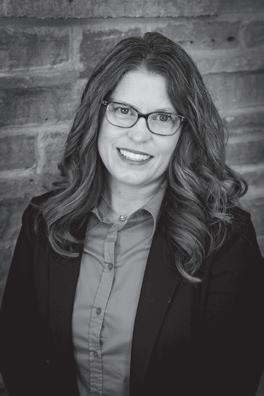
Front Row (l to r)
Kevin Reed
Mike Woitas (Fair Manager)
Stephanie Fethke (Office Manager)
Jackie Miller (Office Assistant)
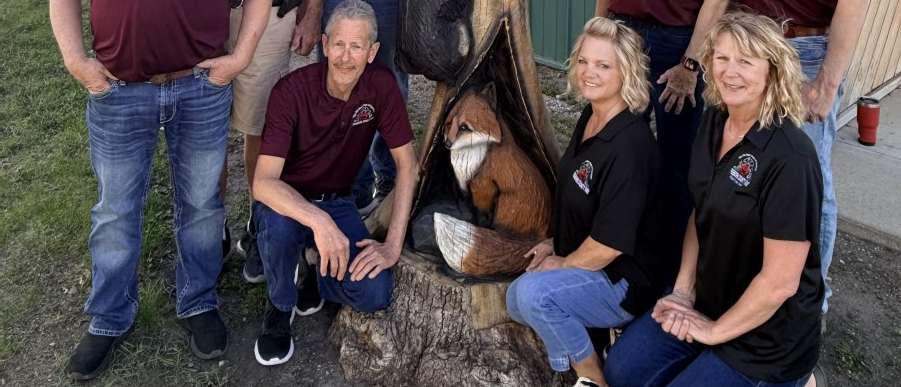
Back Row (I to r)
Don Nolander
Paul Hansen
Deb Steinfeldt
Troy Thompson
Missing from picture: Lonnie Grunzke


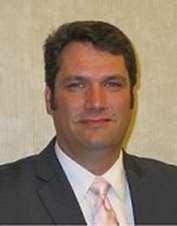

Paul Hansen. President
Troy Thompson Vice-President
Lonnie Grunzke Treasurer
Donald Nolander Jr.
Director
Kevin Reed. Director
Deb Steinfeldt. Director
SUPERINTENDENTS & SUPERVISORS
Fair Manager. Mike Woitas
Office Manager.
Stephanie Fethke
Office Assistant Jackie Miller
Grounds Caretaker. Travis Wayne
Grounds Keeper. Milton Wayne
Antique Tractors Monty Thoms & Marvin Thompson Cattle
Matt Wangen
Conservation Building Lee Walters
Creative Arts & Foods Mary Chicos & Kathy Toenges
Entertainment Plaza. Kevin & Terri Walton
FFA. Pam Koenen
Floral Hall & Horticulture
.Jo Bernard
Gates & Tickets Lance Skov
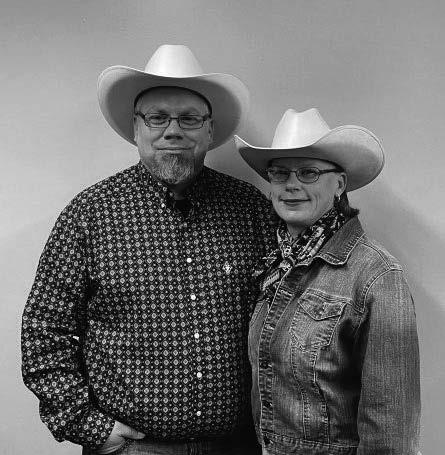
Horse Dept.
Chris & Heidi Morgan
Kiddie Farm Zone. Steve & Jane Haukoos
Open Beef.
4:00pm,
Noah Nelson
Open Goat. Ethan Johnson
Poultry Norman Bangert
Promotion & Publicity Mike Woitas
Security & Parking. Ryan Shea
Freeborn County Sheriff's Office
Sheep Todd Schmidt
Swine. Brett Mattson
Treasurer's Office.. Lance Skov
4-H Extension Educators Lexie Schultz
Amy Wadding
Lexie Schultz
4-H Support Staff. Wendy Weiss


















Albert Lea FFA Sweet Corn, Freezies, Pop, Chips, Pulled Pork Sandwiches, Watermelon, Sloppy Joes, Pickle on a Stick, Bublr
American Dairy Malt
Wagon / 4-H Office Ice Cream, Malts, Milk
B & D Greek Shish Kabobs, Gyro Sandwiches
Benny's Bigfoot BBQ Pork Tenderloin Sandwich, Smoked Bone-in Pork Chop, Pork Belly Bites, Mac & Cheese, Bottle Products
BJ's Sweet Treats
and More Fresh Squeezed Lemonade and cherry lemonade, Caramel Apples w/toppings, Caramel Apple Sundaes, Corn Dogs, Texas Dogs, Chicken Bites, Pizza Bites, Cookies, Chips, Cotton Candy, Candy, Slushy Pop and Water
Brunos Corn Dogs, Pop, Pancake Mix, Water
Bubba Lous BBQ Bacon Wrapped Shrimp, Bacon Wrapped Cheese, Bacon Wrapped Jalapeno, Bacon Lollipop, Bacon Wrapped Oreos, Mashed Potatoes, Hot Dogs, Cinnamon Twists, Pickle on a Stick, Potato Salad, Coleslaw, Pop, Water, and Chips
Burger Barn Burgers, Fries, Onion Rings, Hotdogs, Chicken Strips, Water, Pop
Dairy Men Ice Cream, Root Beer, Root Beer Floats, Milk
El Sueno Lemonade and Corn
Faye's Concessions Funnel Cakes, Chicken Strips, Cheese Sticks, Fried Potatoes, Fries, Fresh Strawberry Smoothies, Frozen Drinks, Corn Dogs, Pop, Lemonade
Freeborn County
4-H Cloverstand Hamburgers, Fries, Chicken Strips, Pork Chops, Ribeyes, Pancakes, Eggs, Hash Browns, Rolls, Fruit Salad, Coleslaw, Hot Dog, Salad, French Toast, Sausage, Bacon, Ham, English Muffins
Godfather's Pizza
(2 Trucks) Whole Pizza, Slice Pizza, Monkey Bread, Bottle Water, Soft Drinks, Pickle Pizza, Pickle Slices, Pickle Dipping Sauce
Good Face Indian
Fry Bread
Indian Fry Bread, Dessert Fry Breads, Gluten Free Walking Taco's, Bottled Water
Knights of Columbus Kettle Corn
La Borinqua Jibaritos, Relleno de Papa, Empanadas, Carne Frita, Alcapurrias, Puerto Rican Tacos, Puerto Rican Rice, Puerto Rican Drinks
Made it Myself
Shaved Ice Shaved ice, Wild Island Drinks, Cotton Candy
Merrill's Popcorn Popcorn, Caramel Corn, Popcorn Balls, Cheese Popcorn, Pop
Mocha Man Coffe, Tea, Energy Drinks
Nel's Diner Wedge french fries, chicken strips, hamburgers, cheeseburgers, pop, water, smoothies, fried dill pickles, eggrolls, pizza burgers, hot dogs, onion rings, and cold pickles
Ole & Lena's Fresh Hand Dipped Wisconsin Cheese Curds, Fresh Cut Hand Dipped Onion Rings, ComboCheese Curds and Onion Rings, Water
Piggy Blues BBQ
Pork Stuffed Potatoes, Smoked Turkey Drumsticks, BBQ Pork Sandwich, Nachos, Rib Basket, Pepsi Produts
Pretzel Wiz Homemade Soft Pretzels with Toppings, Pickles, Pop, Water, Kool-Aid
Rolling Roaster Inc.
DBA: Grandma's Cookies Chocolate Chip Cookies, Milk, Coffee, Water, Hot Chocolate, Tea, Pop
Rosenthal Concessions LLC Dippin Dots Ice Cream
Scooter's Coffee Cake Bites, Sparkling Sodas/Dirty Sodas, Red Bull Infusions, Cold Brew, Hot Coffee, and Flavored Lemonades
Signatures
Supper Club Hot Beef Sundae, Pop, Water
Smokin Bros. Bro Dog, Pulled Pork, Beef Brisket, Big Dog, Loaded Fries, Ribs, Fresh Cut Fries, Cheese Fries, Pop, Water, Milk, Orange Juice, Biscuits & Gravy, Breakfast Sandwiches, Mac N Cheese (on top of the Brisket), and Breakfast Burritos.
Stagecoach
Barbecue & Grill BBQ's,Loaded Waffle Fries, Philly Steaks, Cowboy Nuggets, Tater Kegs, Mini Tacos, French Fries, Pop & Water
Taco King Tacos, Nachos, Burritos, Quesadilla, Salad, Walking Taco, Pop
The Sugar Shack Cotton Candy on a paper cone, with a large variety of different flavors to choose from, with the option of placing it in a 36 oz container/tub.Slushies, Jarritos, and Rock Candy.
Tom Thumb
Mini Donuts
Tom Thumb
Mini Donuts #2
Unique Concessions
Westrums
Tom Thumb Mini Donuts, Pop, Bottled Water, Pink Lemonade
Tom Thumb Mini Donuts, Pop, Bottled Water, Pink Lemonade
Dole Soft Serve Treats, Ice Cream Nachos, Razzle Cream Treats, 3 varieties of Pretzels, Waffle Bowl Sundaes, and Water
#1 - Mini Donuts, Drinks, #2 - Corn Dogs, Footlongs, Drinks, #3 - Smoothies, Drinks
Xstream Cuisine Philly Fries, Philly Cheesesteak, Philly Cheese Chicken, Cheese Curds, French Fries,Chicken Corn Dogs, and Corn Dogs
Age Friendly
Freeborn County
Albert Lea
Church of Christ
Avon
A group of organizations and individuals, working together, to raise awareness, provide education and resources, encourage community engagement, and, ultimately, build a more Age Friendly Freeborn County
Encourage spiritual living, Promote Church and Bible reading
Makeup, perfume, skin care, bath & body products, household products, jewelry, Bath and Body, home Cleaning Products, Makeup, Perfume, Insect Repellent, Hair Care, Skin Care, and Jewelry
Bass Pro Shops Promote the Club
Bath Fitter Acrylic Tubs and Shower Liners
Bonnerup Funeral & Cremation Service Pre-need Funeral Information along with registration for a prize drawing.
Church of Jesus Christ of Latter-day Saints Family History - Genealogy
Encore Single-Level
Homes Residential Construction Real Estate
Encouraging
Excellence, Inc. Free Naloxone Kits, Fentanyl Testing Strips, and Substance Abuse Prevention Education and Resources
Essence of Tibet LLC Natural Stone, Crystal, Beads, Jewelry, rings, Scarfs, Shawls, Socks, & Hats
Exceptional Pet
Waste Removal LLC Poop Scoop and Litter Box Cleaning Services
Freeborn County
Probation Interactive Game with Prizes and Informational Table
Freeborn CountyVarious Departments Information
Freeborn County
Democrats Political Info
Freeborn County Family
Services and Children's
Mental Health
Collaborative Information about Children's Mental Health Services, the Collaborative and Drug/Alcohol Prevention
Freeborn County
MCCL Info-Right to Life
Freeborn County
Republicans Info - Republican, T-Shirts to be sold, Hats to be sold
Gideons Bibles Given Out
Happy Scales & Tails Exotics Exotic Animal Supply, Rescues Ready for Adoption, Reptiles, Amphibians, Etc.
Gmet
Communications - Cellular Phones and Tablets
Humsa Henna Henna Art and Glitter Tattoos
Jehovah's Witnesses Free Bible Based Publications
Landproz and Homeproz Information - Land for Sale Larson Doors Larson Storm Doors
LeafFilter Gutter
Protection LeafFilter Gutter Protection
Maricle Martial Art Maricle Martial Art Brochures Talking About Our Program. Trial Classes and Memberships Will be Offered
Mimi's Gift Corner Handmade Jewelry, Custom Tee Shirts, Custom Hats
Oak Park Place Information on Services Provided. PermaLinx & Jbloom with Deanne Permanent Jewelry and Traditional Jewelry from PermaLinx by Jbloom
Polytek Polytek Garage Coatings
Purseman Leather Purses, Good, Fashion Handbags, Belts, Accessories, Clothing
Renewal By Andersen Renewal by Andersen Windows and Doors
St. John's Lutheran
Community Promotional Products and information about our beautiful community at St. Johns, flyers and give aways
Three Arrows
Hunting Preserve Pheasant Hunting and Dog Training
Tina's Secret Scents Scentsy Warmers, Wax, Smell Good Products, Stuffed Animals, All Scentsy Products
Toby's Treatery Pet Treats; Small Batch All Natural Treats, Dough-Mutts, Woofles, Pup-tarts, Pupcakes, Cakes, Cookies. Wellness Products: Paw Balm, Doggie Deoderant, Shampooch Bars, Bandanas
West Quality
Air Systems Rainmate Aromatherapy Machine and Fragrances
Winnebago Cooperative
Telecom Association Promoting WCTA Fiber Internet Services
Young Construction Roofing and Siding Services
Albert Lea Lions Bingo
Anne Davidson Jewelry, Flags, Purses, Pillows, Sunglasses, home décor items, skin care line L'Bri, Funny Yard Signs
Bobee Jo's ATM ATM
Cloverleaf Lions Ring Toss
Daniel Hoodies with Design, Backpacks, Hats for Kids, Stuffed Animals, Leather Bracelet, Blankets, Toys for Kids, and Dream Catchers
Don-Rite Concessions Kids novelties (Ninja Swords, Trumpets, Umbrella, Plush, RC Cars, Bubble Blowers, Labubu, Hats, Light-Up Hats, Swords, Wands, Glo-Sticks) Back the Blue, 2nd Amendment, Trump Hats, T-Shirts and Flags.
Herold Flags & Flagpoles Flags and Flagpoles
First Africa African Clothing, Sun Glasses, Jewelry, Hats
Mad City Windows and Baths
Precious Lamm's
Free estimates for replacement windows, baths, showers and kitchen renovations
Face Paint Face Painting
VFW Fellowship - Raffle
AL Audubon Society
Ducks Unlimited
Fountain Lake Sportsmen
Freeborn County Pheasant & Habitat
Freeborn County Soil & Water
Minnesota Gateway Deer Hunters
Shellrock River Watershed District
Arnold's Implement
Dave Syverson Auto Center
Dave Syverson Trucks
Kibble Equipment
Miner's Outdoor Recreation
Northland Equipment of Owatonna
Northstar Power Sports
Power Lift Doors
Sanco Equipment
TUESDAY, AUGUST 4, 2026 8:30
August 4 - 9, 2026 WEDNESDAY, AUGUST 5, 2026 8:30 PM

TUESDAY, AUG. 4, 2026 8:30pm

AUG. 5, 2026 8:30pm THURSDAY, AUG 6, 2026 8:30pm FRIDAY, AUG. 7, 2026 8:30pm

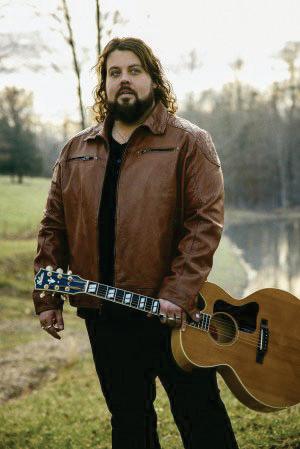

THURSDAY, AUGUST 6, 2026 8:30
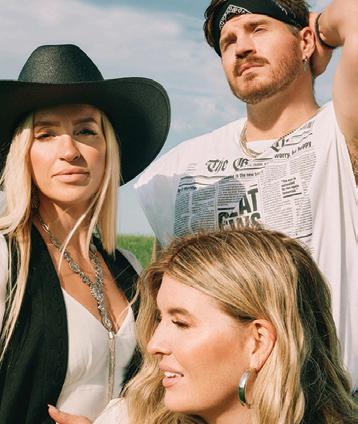
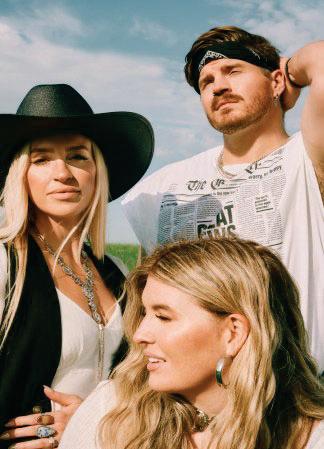


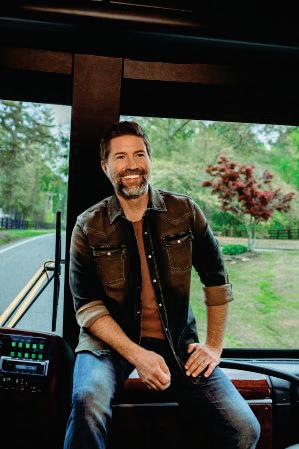
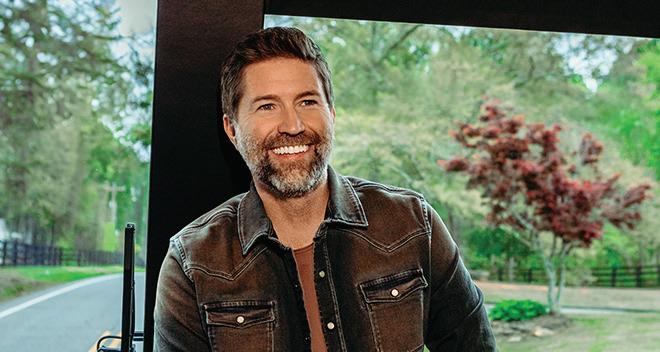



AUGUST 7, 2026 8:30




Sponsored by Bayview Funeral Home
Sponsored by Bayview Funeral Home
Spearmint Energy - Midwater
TUESDAY–AUGUST 4TH
TUESDAY– AUGUST 4TH
4:00-5:00 DUNNELL LENORT
4:00-5:00 DUNNELL LENORT
6:00-8:00 ROE FAMILY SINGERS
6:00-8:00 ROE FAMILY SINGERS
WEDNESDAY—AUGUST 5TH
WEDNESDAY—AUGUST 5TH
SENIOR CITIZEN’S DAY
SENIOR CITIZEN’S DAY
12:00-1:00 MALEK’S FISHERMAN BAND
12:00-1:00 MALEK’S FISHERMAN BAND
1:00- 2:00 OUTSTANDING SENIOR CITIZENS, CENTURY FARM AGRICULTURE HALL OF FAME
2:00-4:30 MALEK’S FISHERMAN BAND
1:00--2:00 OUTSTANDING SENIOR CITIZENS, CENTURY FARM AGRICULTURE HALL OF FAME
2:00-4:30 MALEK’S FISHERMAN BAND
6:00-8:00 TODD MICHAEL JAMESON
6:00-8:00 TODD MICHAEL JAMESON
THURSDAY – AUGUST 6TH
3:00-4:00 HOLLY DAY MUSIC
THURSDAY –AUGUST 6TH
3:00-4:00 HOLLY DAY MUSIC
4:00-5:00 TODD UTPADEL
4:00-5:00 TODD UTPADEL
6:00-8:00 UNCLE MUSKRAT TRIO
6:00-8:00 UNCLE MUSKRAT TRIO
FRIDAY – AUGUST 7TH
FRIDAY –AUGUST 7TH
3:00-4:00 HOLLY DAY MUSIC
4:00-5:00 DUNNELL LENORT
3:00-4:00 HOLLY DAY MUSIC
4:00-5:00 DUNNELL LENORT
6:00-8:00 ROCKIN’ HEP CATS
6:00-8:00 ROCKIN’ HEP CATS
SATURDAY –AUGUST 8TH
SATURDAY – AUGUST 8TH
2:00-4:00 WARRIOR REVIVAL BAND
2:00-4:00 WARRIOR REVIVAL BAND
4:00-5:00 TODD UTPADEL
4:00-5:00 TODD UTPADEL
6:00-8:00 FLASHBACK BAND
6:00-8:00 FLASHBACK BAND
SUNDAY – AUGUST 9TH
1:00 TALENT SHOW
SUNDAY –AUGUST 9TH 1:00 TALENT SHOW

The Freeborn County Fair would like to Thank the following Sponsors for their interest and Support of the Fair
Accentra Credit Union
Affinity Plus Federal Credit Union
Age Friendly Freeborn County
Albert Lea Moose Lodge No 1703
Albert Lea Seedhouse
Alerus
Alliant Energy Bent Tree North Wind Farm
Alpha Orthodontics
Americana Insurance
Arcadian Bank
Arevon - Horseshoe Energy
Bayview Funeral Home
Broskoff Structures
CCF Bank
Church Offset Printing Clear Flow LLC
Compeer Financial
Conger Bar & Grill
Dawn Kaasa - 2nd District County Commissioner
Edward Jones - Alex Johnston
Edward Jones - Andrew Irvine
Edward Jones - Angie Eggum
Edward Jones - Brian Vogt
Edward Jones - David Kramer
Edward Jones - Tyler Doran
Ellingson Companies
Farm Bureau
Fountain Lake Dental
Freeborn County Co-op Oil
Freeborn County Corn & Soybean
Freeborn's Pride Builders
Geneva Lumber
Geno's Plumbing
Glenville American Legion Post No. 264
Godfathers
Hanson Tire
Hayward Coop
Hill, Benda, Skov, Bernau PA
Hi-Yield Products
Hodgman Drainage
HomeProz
ITC Midwest
Johnson Heating & Air
Conditioning
Johnson Seeds
Knutson Oil
KwikTrip
L & D Ag - Ag Leader
L. R. Falk Construction Co.
LandProz
Landscaping Solutions
Master Plumbing
MBT Bank
Midwest Ag Advisors
Mrs. Gerry's Kitchen
Northland Buildings Inc.
Northstar Power Sports & Marine
Piggy Blues
Poet
Produce State Bank
Rolling Green Fencing
Schott Distributing
Security Bank
Southern Sota Landscaping
Spearmint Energy-Midwater
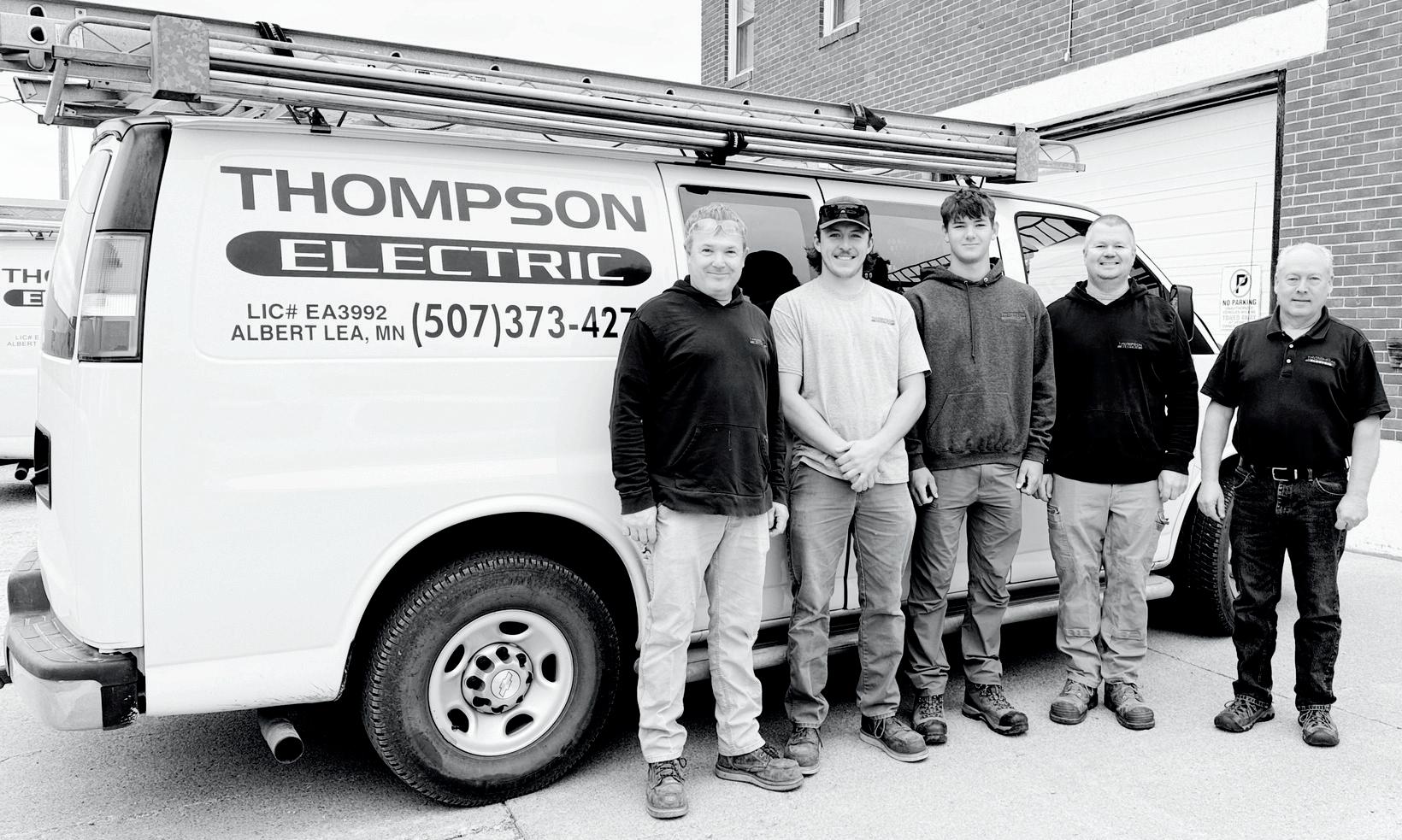
Thompson Electric
Thompson Sanitation
Troy Thompson Agency
WCTA
Wuerflein Chevrolet
Wuerflein Insurance American
Family
Yield Pro LLC
Young Construction


2002
Phil Vassar
Trick Pony
Herman’s Hermits
John Anderson
2003
Emerson Drive
Tammy Cochran
Oak Ridge Boys
Neal McCoy
2004
Trace Adkins
Paul Revere & the Raiders
Lee Greenwood
Survivor
Trick Pony
2005
Darryl Worley
Sara Evans Aaron Tippin
Dierks Bentley
Sawyer Brown
2006
Josh Gracin
Miranda Lambert
Oak Ridge Boys
Joe Nichols
Blake Shelton
2007
Heartland
Little Anthony & The Imperials
Josh Owen
Josh Turner
SHeDAISY
2008
Oak Ridge Boys
Craig Morgan
The Guess Who
Emerson Drive &
Ashton Shepherd
Jason Aldean
2009
Keith Anderson
Luke Bryan
Kellie Pickler
Little Big Town
Travis Tritt
2010
Justin Moore
Love & Theft
JoDee Messina
George Jones
Hinder
2011
Jerrod Niemann
The Beach Boys
Larry Gatlin & the Gatlin
Bros
Joe Nichols
Finger Eleven
2012
Colt Ford
Kip Moore
Thompson Square
Charley Pride
Lonestar
2013
Kellie Pickler
Sawyer Brown
Dustin Lynch
Kenny Rogers
Chris Cagle
2014
Eric Paslay
Craig Campbell
Thomas Rhett
Montgomery Gentry
Terri Clark
2015
Josh Turner
Frankie Ballard
Tyler Farr
John Michael Montgomery
Joe Nichols
2016 LOCASH
Chris Janson
Jerrod Niemann
Ted Nugent
Charlie Daniels 2017
Kane Brown
Collin Raye
Diamond Rio
Kansas
Martina McBride
2018
Easton Corbin
Casi Joy
Chubby Checker
Dylan Scott
April Wine & Warrant with Kip Winter
Trace Adkins
2019
Ashley McBryde
Roots & Boots Tour
Hairball
Casting Crowns
LANCO 2021
Sawyer Brown
Oak Ridge Boys
Darci Lynne
Gin Blossoms 2022
Neal McCoy
Lee Greenwood
Ted Nugent
38 Special for King and County 2023
Tracy Byrd
Mark Wills
Jackson Dean
The Marshall Tucker Band
We The Kingdom 2024
Austin Snell
Ricky Skaggs and
Kentucky Thunder
Crowder
Hairball
Lonestar 2025
Craig Morgan
Anne Wilson
Confederate Railroad
Hairball
Parmalee












Over
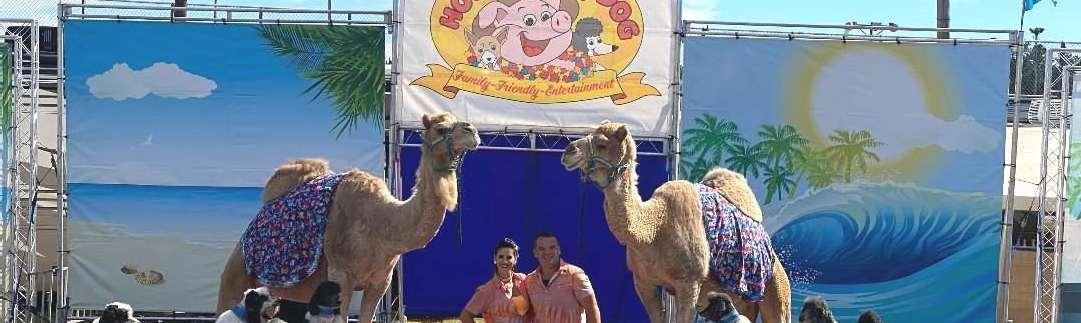
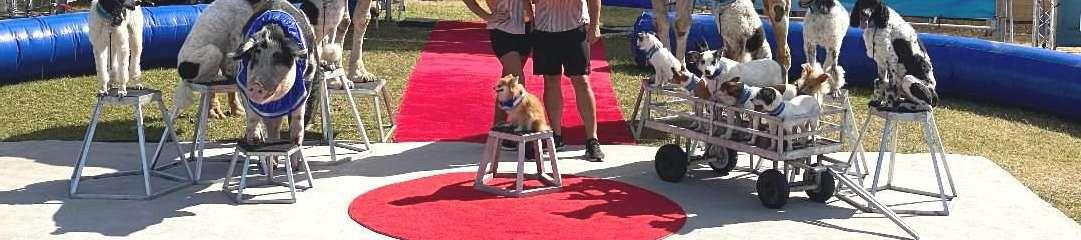

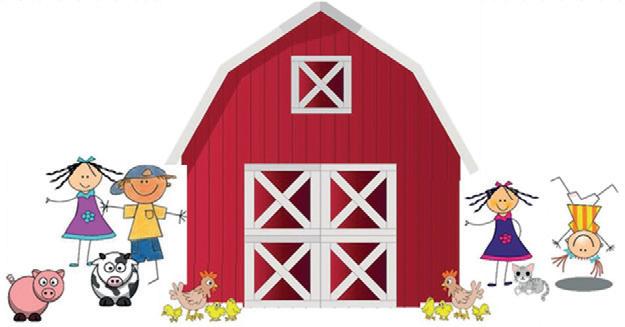
Welcome back to our 8th year in the North Pavilion at the Freeborn County Fair. Now that our 25th year of running the Kiddie Farm Zone is in the books and 2026 is here, Steve and Jane have decided on a three year transition plan to “Pass the Torch” to a couple that want to carry on in our footsteps, keeping with the nostalgic theme in the farm and also incorporating some new ideas into the operations of the Kiddie Farm Zone. The search wasn’t an easy one but after many conversations, Steve and Jane are very pleased and extremely excited to announce that Anna and Josh Sorensen of rural Alden, MN will be transitioning into our position over the next three years. Stop by the Kiddie Farm Zone in the North Pavilion and meet Anna and Josh and visit with Steve and Jane. The eggs will continue to hatch in the observation incubator, chicks will be in the baby chick arena, and of course the laying hens will be there doing their “Dance”. There may even be a few green/blue eggs laid this year. The sow and her piglets will be there in the sow unit. There will be some new additions that will entertain the young kiddos and seasoned fairgoers. See you at The Kiddie Farm Zone! Pedal Tractor Giveaway, Sunday, August 9, 2026 Held Sunday afternoon. Need NOT be present to win
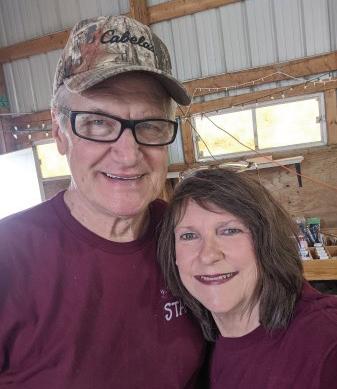
Jane & Steve Haukoos
Kiddie Farm Zone Superintendents
Contact Jane and Steve @ (507)874-2668
For more information and to volunteer Kiddie Farm Zone
Sponsored by: Albert Lea Moose Lodge No 1703, Freeborn County Corn & Soybean Growers
Alliant Energy – Bent Tree North Wind Farm
Hours for the Kiddie Farm Zone Tues/Thurs/Sat...11:00 am—9:00 pm * Wednesday/Senior Citizens Day.10:00 am—9:00 pm Friday/Daycare Day...9:00 am—9:00 pm * Sunday 11:00 am—4:00 pm








58285 240th St. Brownsdale, MN 55918
507-440-1981 or 507-440-9619
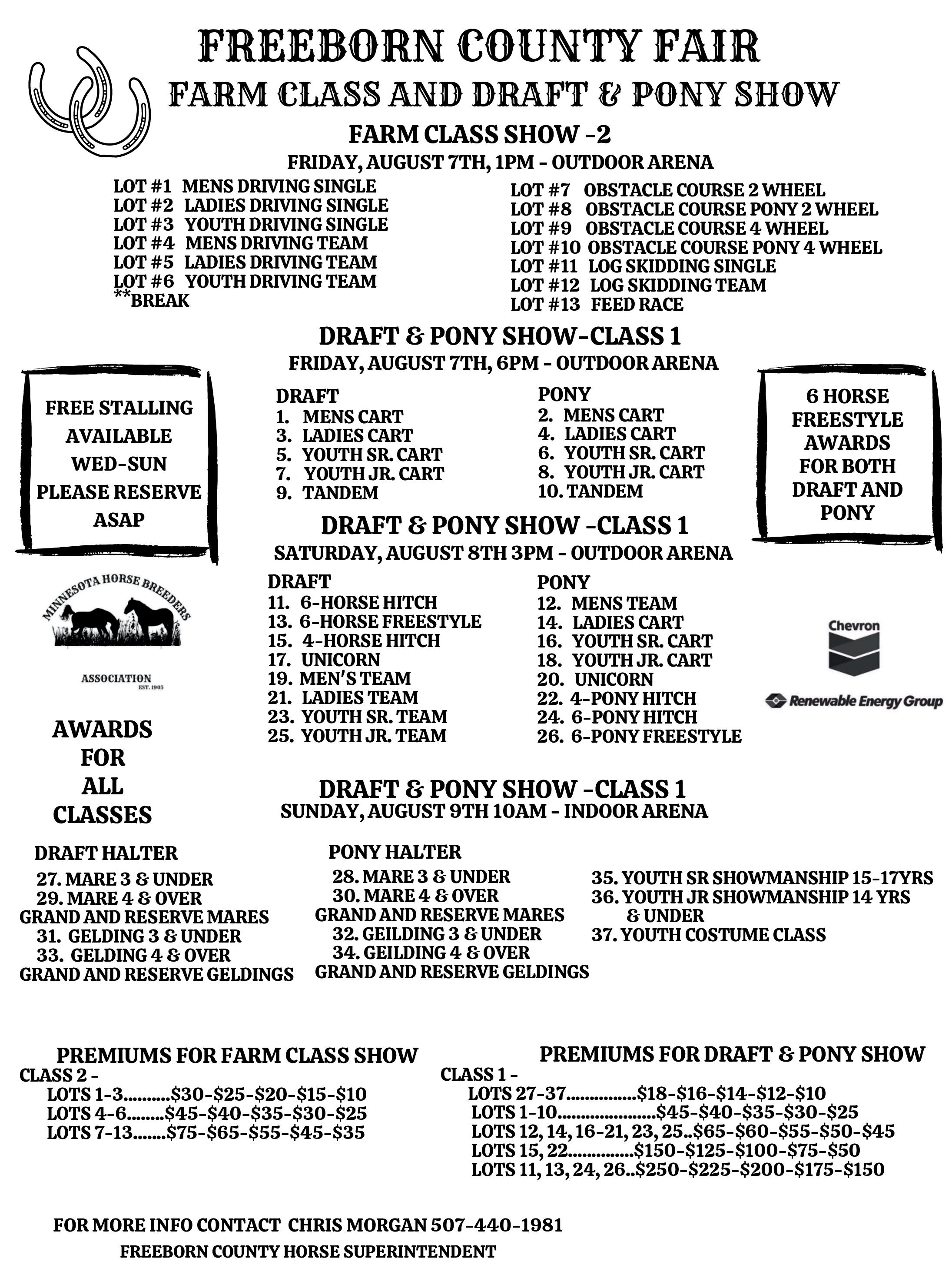
General Information—Draft Horse & Pony Departments
Enter day of show.
entry of $5.00 per class will be charged for all Draft and Pony Show entries.
An entry fee of $5.00 per class will be charged to all Draft and Pony Show
An entry fee of $5.00 per head for Farm Class Show
Stalling available Thursday thru Sunday for free. Stalls must be cleaned or premiums will be withheld.
Exhibitors shall fill out entry forms and pick up their back numbers at the Entry Stand. The date for computing ages of exhibitors shall be January 1st of the Current year. Youth Drivers will refer to youth who are ages 17 years and under. Showmanship ages youth sr. 14-17, and youth Jr. 13 yrs. and under.
A current negative Coggin’s test is required for each animal shown.
Each exhibitor shall provide their own feed. Shavings are available on site. Stalls will be allocated on a space available basis. No fans allowed in barns that are not OSHA approved.
All stallions must be tied with a halter and neck rope and exhibited by an adult 18 years and over.
All exhibitors will have their Premium checks mailed to them at the conclusion of the fair.
24. 6 Pony Hitch
23. 6 Pony
25. Draft Youth Jr. Team
24. Draft Youth Jr. Team
26. 6 Pony Freestyle
25. 6 Pony Freestyle
Sunday, August 9th 10am (Indoor Arena)
Lots:
27. Draft Halter Mare 3 & Under
27. Draft Halter Mare 3 & Under
28. Pony Halter Mare 3 & Under
28. Pony Halter Mare 3 & Under
29. Draft Halter Mare 4 & Over
29. Draft Halter Mare 4 & Over
30. Pony Halter Mare 4 & Over
30. Pony Halter Mare 4 & Over
31. Draft Halter Gelding 3 & Under
31. Draft Halter Gelding 3 & Under
32. Pony Halter Gelding 3 & Under
32. Pony Halter Gelding 3 & Under
33. Draft Halter Gelding 4 & Over
33. Draft Halter Gelding 4 & Over
34. Pony Halter Gelding 4 & Over
34. Pony Halter Gelding 4 & Over
35. Youth Sr. Showmanship 15—17 Years
35. Youth Sr. Showmanship 15 17 Years
36. Youth Jr. Showmanship 14 Years & Under
36. Youth Jr. Showmanship 14 Years & Under
37. Youth Costume Class
37. Youth Costume Class
Class 1, Lots 27-37
Class 1, Lots 27-37........................... $18-$16-$14-$12-$10
$18-$16-$14-$12-$10
Class 1, Lots 1-10............................. $40-$35-$30-$25-$20
Class 1, Lots 1-10
Class 1, Lots 12, 14, 16-21, 23, 25 ... $65-$60-$55-$50-$45
Class 1, Lots 12, 14, 16-21, 23, 25
Class 1, Lots 15, 22
Class 1, Lots 15, 22 .................... $150-$125-$100-$75-$50
Class 1, Lots 11, 13, 24, 26. .
Class 1, Lots 11, 13, 24, 26 .... $250-$225-$200-$175-$150
Class 2: Farm Class Show (Outdoor Arena) Friday, August 7th 1pm
Lots:
1. Mens Driving Single 2. Ladies Driving Single
3. Youth Driving Single
Mens Driving Team
4. Mens Driving Team
5. Ladies Driving Team
Ladies Driving Team
6. Youth Driving Team
7. Obstacle Course 2 Wheel
Youth Driving Team 7. Obstacle Course 2 Wheel
8. Obstacle Course Pony 2 Wheel
8. Obstacle Course Pony 2 Wheel
9. Obstacle Course 4 Wheel
10. Obstacle Course Pony 4 Wheel
11. Log Skidding Single
9. Obstacle Course 4 Wheel 10. Obstacle Course Pony 4 Wheel 11. Log Skidding Single
Log Skidding Team
12. Log Skidding Team
13. Feed Race
Feed Rac Class 2, Lots 1-3 $30-$25-$20-$15-$10
Class 2, Lots 1-3...............................
Class 2, Lots 4-6...............................
Class 2, Lots 7-13............................. $75-$65-$55-$45-$35
Class 2, Lots 7-13
Wednesday, August 5th, 8 AM 1105 Bridge Ave, Albert Lea, MN
Use North Gate by Horse Arena
Electronic Timers ~ $4 Entry fee & $4 horse assessment
WSCA Judge Julia Olstad
1. Showmanship 17 & under
2. Showmanship 18 & over
3. Western Pleasure 17 & Under
4. Western Pleasure 18 & Over
5. Western Horsemanship 17 & Under
6. Western Horsemanship 18 & Over
7. Leadline 6 & Under
8. Egg and Spoon 17 & Under
9. Egg and Spoon 18 & Over
10. Pole Weaving 10 & Under
11. Pole Weaving 11-13
12. Pole Weaving 14-17
13. Pole Weaving 18-34
14. Pole Weaving 35 & Over
15. Key Race 10 & Under
16. Key Race 11-13
17. Key Race 14-17
18. Key Race 18-34
19. Key Race 35 & Over
20. Jumping Figure 8 10 & Under
21. Jumping Figure 8 11-13
22. Jumping Figure 8 14-17
23. Jumping Figure 8 18-34
24. Jumping Figure 8 35 & Over
25. PeeWee Ride and Lead 54” & Under and 10 & Under *
Highpoint Awards for pleasure and games Register for classes day of the show. Not responsible for accidents, injury, loss or theft. Negative Coggins required % Not Offered Champ Show 2026
* Does not qualify for WSCA Champ Show Rider age as of January 1st
Free Overnight Stalling Tuesday-Thursday Reserve Stalls Call (507)-440-9619 To Reserve Stalls

26. PeeWee Barrels 54” & Under and 10 & Under
27. Barrels 10 & Under
28. Barrels 11-13
29. Barrels 14-17
30. Barrels 18-34
31. Barrels 35 & Over
32. One Barrel Pennant
33. Speed Dash 17 & Under %
34. Speed Dash 18 & Over %
35. Ribbon Race
36. Rescue Race


WSCA Judge: Julia Olstad Electric Timer for Games
WSCA Judge: Pam Whitfield Electric Timer for Games
1st
2nd
3rd
1st $5
4th
2nd $4
5th
3rd $3
$5
$4
$3
$2
$1
Class 1:
WSCA Pleasure & Game Show
WSCA Pleasure & Game Show
Wednesday, August 5th at 8:00 am.
Wed., August 5th at 8:00 am.
General Information—Light Horse & Riding Pony Dept. Enter day of show. You will need to fill out an entry form for each class that the horse/pony that will be shown in. A form with exhibitors name and address required for premiums. An entry fee of $4.00 per class.$4.00 horse assessment.
Highpoint age awards on both days.
The date for computing ages of exhibitors shall be January 1st of the current year.
Stalls are available Tuesday thru Thursday. Stalling is free. Must have your stall cleaned prior to leaving. No premiums will be paid if stalls aren’t cleaned.
Coggins
A current negative Coggin’s test is required for each animal shown. All Light Horse and Riding Pony classes will run under WSCA rules. All stallions must be tied with a halter and neck rope and exhibited by an adult 18 years or older.
Horses must be in the show ring promptly after being called. Any person failing to enter the ring after being called three times will be disqualified from the class.
All exhibitors will have their premium checks mailed to them at the conclusion of the fair.



4th $2
Lots:
5th $1
1. Showmanship 17 & under
2. Showmanship 18 & over
3. Western Pleasure 17 & under
4. Western Pleasure 18 & over
1. Showmanship 17 & under
5. Western Horsemanship 17 & under
2. Showmanship 18 & over
6. Western Horsemanship 18 & over
7. Leadline 6 & under
3. Western Pleasure 17 & under
8. Egg and Spoon 17 & under
4. Western Pleasure 18 & over
9. Egg and Spoon 18 & over
5. Western Horsemanship 17 & under
10. Pole Weaving 10 & under
6. Western Horsemanship 18 & over
11. Pole Weaving 11-13
7. Leadline 6 & under
12. Pole Weaving 14-17
8. Egg and Spoon 17 & under
13. Pole Weaving 18-34
9. Egg and Spoon 18 & over
14. Pole Weaving 35 & over
10. Pole Weaving 10 & under
15. Key Race 10 & under
11. Pole Weaving 11-13
16. Key Race 11-13
12. Pole Weaving 14-17
17. Key Race 14-17
13. Pole Weaving 18-34
14. Pole Weaving 35 & over
18. Key Race 18-34
15. Key Race 10 & under
19. Key Race 35 & over
16. Key Race 11-13
20. Jumping Figure 8 10 & under
17. Key Race 14-17
21. Jumping Figure 8 11-13
18. Key Race 18-34
22. Jumping Figure 8 14-17
23. Jumping Figure 8 18-34
19. Key Race 35 & over
24. Jumping Figure 8 35 & over
20. Jumping Figure 8 10 & under
21. Jumping Figure 8 11-13
25. PeeWee Ride and Lead 54" & under and 10 & under
22. Jumping Figure 8 14-17
26. PeeWee Barrels 54" & under and 10 & under
23. Jumping Figure 8 18-34
27. Barrel 10 & under
24. Jumping Figure 8 35 & over
28. Barrels 11-13
29. Barrels 14-17
25. PeeWee Ride and Lead 54” & under and 10 & under
30. Barrels 18-34
26. PeeWee Barrels 54” & under and 10 & under
31. Barrels 35 & over
27. Barrel 10 & under
32. One Barrel Pennant
28. Barrels 11-13
33. Speed Dash 17 & under
29. Barrels 14-17
34. Speed Dash 18 & over
30. Barrels 18-34
35. Ribbon Race
31. Barrels 35 & over
36. Rescue Race
32. One Barrel Pennant
33. Speed Dash 17 & under
34. Speed Dash 18 & over
35. Ribbon Race
36. Rescue Race


Ethan Johnson Superintendent
Alden, MN 56009
605-940-4954
ethanwyn.johnson@gmail.com
Saturday, August 8th, 2026
Entry Fee: $20 per head
Freeborn County Exhibitors: $10 per head
FFA Fee $2 in addition to open class entry fee Registration and Weigh-in: 2-3 pm.
Dairy Goat Show begins at 5 pm or immediately following the open cattle show.
Meat Goat Show will follow.
Location: Jan Reed South Livestock Arena
Preregistration is preferred and appreciated. You can register online or send via email or contact Ethan.
PARKING: This is a trailer show. There is very little room in the barn to prepare animals, be prepared to set up outside. 2026 Freeborn County Fair Open Class Goat Show is open to the world. Exhibitors age 21 and under as of 1/1/26 are eligible to compete.
This is a no fit show, no adhesive, no paint. All rules and regulations are subject to change
AWARDS:
All awards, unless specified otherwise, are subject to change based on entries and sponsorship Champion—At least $50 + prize Reserve Champion—At least $25 + prize PREMIUMS: 1st—$20 2nd—$10
NOTE: LIMITED PEN SPACE MAY BE AVAILABLE. THIS WILL BE CONDUCTED AS A “TRAILER” SHOW.
Rules:
*All animals must be clipped for the show—clean the ears, nose, tail, and around mouth.
*Clip your dairy goat all over before showing.
*All does must have an official scrapie tattoo or tag.
*It is optional to clip the legs from the knee in the front, the hock in the back, down to the hoof line.
*Market wethers must be disbudded/de-horned. Re-growth must not exceed one inch. Any regrowth must be rounded.
*Market Does and Breeding Does may have horns and they do not need to be capped or blunted.
*All Meat Breeding Does will be shown by weight.
*No Bucks
*Two showmanship classes will be held. One after each show.
DAIRY GOAT BIRTH DATES:
Junior Dairy Doe Kid
Senior Dairy Doe Kid
Dry Yearling Doe
Milking Yearling Doe
Milking two-year-old Doe
April 1 to June 30, 2026
Jan. 1 to Mar 31, 2026
Jan. 1-Dec. 31, 2025
Jan. 1-Dec. 31, 2025
Jan. 1-Dec. ,31, 2024
Milking—3 Years and under 5 Born in 2022 or 2023
Milking—5 Years and older Born before 2022
SHOW SCHEDULE
SHOW #1; CLASS 1: BREEDING DAIRY GOAT
Lot 1
Lot 2
Lot 3
Lot 4
Lot 5
Dairy Goat Jr. Doe Kid
Dairy Goat Sr. Doe Kid
Dairy Goat—Dry Yearling Doe
Dairy Goat—Milking Yearling Doe
Dairy Goat—Milking 2-Year-Old Doe
Lot 6 Dairy Goat—Milking 3 Years & under 5 years
Lot 7
Dairy Goat—Milking 5 Years or Older
CHAMPION BREEDING DAIRY GOAT
SHOW #1; CLASS 2: DAIRY GOAT SHOWMANSHIP (optional)
Lot 1 Cloverbud 2nd grade and below
Lot 2 Junior 3rd—5th grades
Lot 3
Lot 4
Intermediate 6th—8th grades
Senior 9th grade and above GRADES AS OF 1/1/2026
DAIRY GOAT BIRTH DATES:
Meat Market Goat (wether or doe) Nov. 1, 2025—April 30, 2026
Dairy Market Goat (wether or doe) Nov. 1, 2025—April 30, 2026
Yearling Meat Breeding Doe (never kidded) Nov. 1, 2024—Nov. 30, 2025
Meat Breeding Doe Kid Nov. 1, 2025—May 31, 2026
Lot 1
Lot 2
SHOW #2, CLASS 3: BREEDING MARKET GOAT
Meat Goat—Yearling Breeding Doe
Meat Goat—Meat Breeding Doe Kid
CHAMPION BREEDING MARKET GOAT
*NOTE: Pygmy Goats (all breeds) are classed as Meat Goats.
SHOW #2; CLASS 4: MARKET GOAT
Lot 1
Lot 2
Lot 3
Meat Market Goat—Doe CHAMPION MARKET DOE
Meat Market Goat—Wether
Dairy Market Goat—Wether
CHAMPION MARKET WETHER OVERALL CHAMPION MARKET GOAT
SHOW #2; CLASS 5: MEAT GOAT SHOWMANSHIP (optional)
Lot 1 Cloverbud 2nd grade and below
Lot 2 Junior 3rd—5th grades
Lot 3
Lot 4
Intermediate 6th—8th grades
Senior 9th grade and above GRADES AS OF 1/1/2026
Entries Close Monday, July 27, 2026, or When Barns are Filled. Every exhibit must be pre-registered, with entry fee enclosed.
FFA and 4H showing in Open Class Must Be pre-registered.
Livestock Exhibitor Ticket—$45.00
Entry Fee: $3.00 per head
Entry Time: Tuesday, August 4 until Noon
Judging: Friday, August 7
Open Show will be in conjunction with the 4-H & FFA Dairy, Friday, August 7, immediately following the 4-H Show
All animals must meet the requirements of the Minnesota Livestock Sanitary Board. No health papers for Minnesota Cattle are required.
NO FANS ALLOWED THAT ARE NOT OSHA APPROVED.
Eligibility:
Open to registered and grades. Grades must resemble their respective breed (no cross breeds) and sired by a registered sire. An animal owned in partnership may be entered in one partners name in all classes to which it is eligible but must be shown under but one ownership throughout the classifications of the fair and the entrymust carry a footnote showing the actual ownership as it appears on the herd book record.
The fair will not be responsible for disease contracted during the exhibition.
The dates for computing ages of dairy cattle shall be September 1 and March 1. Beef cattle, September 1 and March 1. Bulls over one year old must be secured with ring in nose.
Prospective Heifer calves show by age.
Prospect Market calves show by weight.
Class 1: Mixed Dairy Breeds
Class 2: Holsteins
Class 3: Guernseys
Class 4: Jerseys
Class 5: Ayrshires
Class 6: Brown Swiss

Lots:
1. Spring Heifer Calf born 3/1/26 or after and over 3 mos.
2. Winter Heifer Calf 12/1/25 to 2/28/2026
3. Fall Heifer Calf 9/1/25 to 11/30/25
4. Summer Yearling Heifer 6/1/25 to 8/31/25
5. Spring Yearling Heifer 3/1/25 to 5/31/25
6. Winter Yearling Heifer 12/1/24 to 2/28/25
7. Fall Yearling Heifer 9/1/24 to 11/30/24
8. Junior Champion Reserve Female under 2 years
9. Junior Dairy Herd-3 animals under 2 years of age all owned by the same exhibitor or family
10. Junior 2 years old Heifer born after 11/21/24-not milking
11. 2 years old cow born 9/1/24 to 8/31/24
12. 3—4 year old cow born 9/1/22 to 8/31/23
13. Aged cow born before 9/1/22
14. Dry cow—any age of cow on dry period
15. Senior & Reserve Champion Female
16. Grand & Reserve Champion Female
17. Best 3 Females all bred & Owned by exhibitor/farm
18. Dairy Herd 3 Females 2 years & older owned by same exhibitor/ farm
19. Get of sire-3 from same sire
20. Produce of dam
Groups
21. Get of sire, 4 animals by one sire shown in above lots, both sexes represented
22. Three animals by one sire both sexes represented vshown in lots 1, 2, 3, 4, 5 or 12, 13, or 14
Lots
23. Best of 6 head, bred and owned or co-owned by exhibitor, exhibited by individual
24. Premier Breeder Premiums
Lots 1-7, 9,12-13
Lots 10-11
Lot 14
Lots 17-24
$20-$16-$11-$8-$7-$6
$30-$26-$20-$16-$13-$11
$33-$30-$24-$20-$17-$15
$17-$13-$9-$5-$4





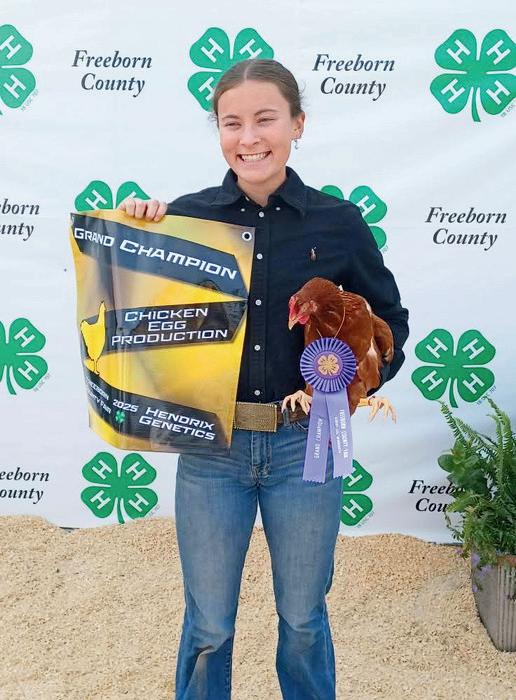
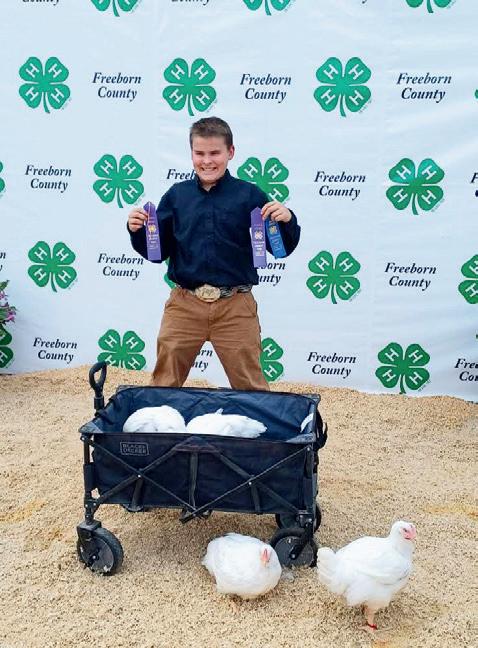
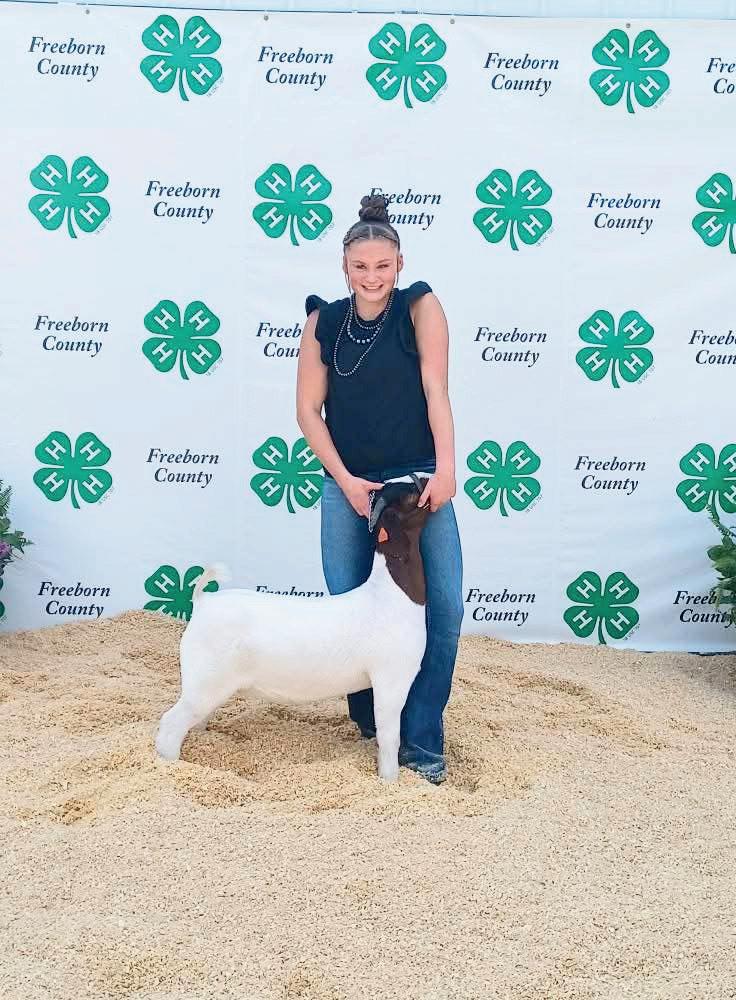

68753 162nd Ave., Albert Lea, MN 507-383-1740
Brett.mattson1717@gmail.com
GATEWAY MARKET HOG SHOW
Entry Fee: $20.00 per head
$2.00 Per Head for Freeborn County 4-H or FFA Members in addition to open class entry fee.
Entry Time: Friday, August 7th, 10:30am - 1:30pm
Judging: Friday, August 7th, at 4:00pm Take home all pigs. NO FANS ALLOWED THAT ARE NOT OSHA APPROVED GENERAL RULES
1. The Adult Market Hog Show is open to all swine producers.
2. Competition is open to all purebred, crossbred market barrows, and crossbred market gilts.
3. Special Class Purebreds.
4. Exhibitors may enter 2 crossbred barrows and 1 purebred barrow. 4-H barrows are eligible to show.
5. No weight limit
6. All hogs will be identified at entry time.
7. All hogs will be divided into workable weight classes for the live show.
8. All market barrows must be owned at least 60 days prior to the show.
9. Each exhibitor will be responsible for driving his own entry in the ring.
10. All hogs must be taken home after the show..
11. All animals must meet the Minnesota Livestock Sanitary Board requirements.
12. Youth market hog division open to 8 years and younger
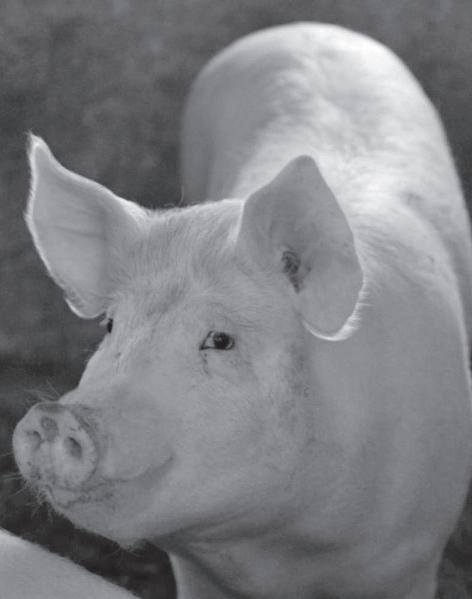


Todd Schmidt Superintendent 21407 775th Ave.
Todd Schmidt
Todd Schmidt Superintendent 21407 775th Ave.
Albert Lea, MN
Todd Schmidt
507-279-4498
Superintendent 21407 775th Ave. Albert Lea, MN 507-279-4498
Age requirements for All Breeds: Yearling Ram: Born in 2024; Fall Ram Lamb: Sept. 1, 2025—Dec. 31, 2025; Ram Lambs: Jan., Feb., Mar., of current year; Yearling Ewe: Born in 2025; Fall Ewe: Sept. 1, 2025—Dec. 31, 2025, Ewe Lambs: Jan., Feb. Mar., of current year.
Age requirements for All Breeds: Yearling Ram: Born in 2024; Fall Ram Lamb: Sept. 1, 2025—Dec. 31, 2025; Ram Lambs: Jan., Feb., Mar., of current year; Yearling Ewe: Born in 2025; Fall Ewe: Sept. 1, 2025—Dec. 31, 2025, Ewe Lambs: Jan., Feb. Mar., of current year.
Sheep entered in Purebred Classes may not be entered in Commercial Class.
NO FANS ALLOWED THAT ARE NOT OSHA APPROVED
Age requirements for All Breeds: Yearling Ram: Born in 2024; Fall Ram Lamb: Sept. 1, 2025—Dec. 31, 2025; Ram Lambs: Jan., Feb., Mar., of current year; Yearling Ewe: Born in 2025; Fall Ewe: Sept. 1, 2025—Dec. 31, 2025, Ewe Lambs: Jan., Feb. Mar., of current year.
NO FANS ALLOWED THAT ARE NOT OSHA APPROVED
Superintendent 21407 775th Ave.
Judge: Mark Werner
Judge: Mark Werner
Albert Lea, MN 507-279-4498
Sheep entered in Purebred Classes may not be entered in Commercial Class.
Breeds Open For Competition
Breeds Open For Competition
Sheep entered in Purebred Classes may not be entered in Commercial Class.
Class 1 Southdown
Class 1 Southdown
NO FANS ALLOWED THAT ARE NOT OSHA APPROVED
OPEN CLASS BREEDING SHEEP AND MARKET LAMBS
OPEN CLASS BREEDING SHEEP AND MARKET LAMBS
Class 2 Hampshire
Class 2 Hampshire
Judge: Mark Werner
Albert Lea, MN 507-279-4498
Judge: Mark Werner
NO FANS ALLOWED THAT ARE NOT OSHA APPROVED
Class 3 Suffolk
Class 3 Suffolk
Breeds Open For Competition
Class 1 Southdown
Class 4 Dorset
Class 4 Dorset
Breeds Open For Competition
OPEN CLASS BREEDING SHEEP AND MARKET LAMBS
Please send entries to Superintendent:
Please send entries to Superintendent:
Please send entries to Superintendent:
Open Class Sheep Entries Must reach the Superintendent along with Entry Fee by Monday, July 27, 2026 or you will not be guaranteed pen space
Please send entries to Superintendent:
Please send entries to Superintendent:
Open Class Sheep Entries Must reach the Superintendent along with Entry Fee by Monday, July 27, 2026 or you will not be guaranteed pen space.
Open Class Sheep Entries Must reach the Superintendent along with Entry Fee by Monday, July 27, 2026 or you will not be guaranteed pen space.
Livestock Tickets: $45.00
Livestock Tickets: $45.00
Entry Fee: $2.00 per head
Livestock Tickets: $45.00 Entry Fee: $2.00 per head in addition to open class entry fee
Open Class Sheep Entries Must reach the Superintendent along with Entry Fee by Monday, July 27, 2026 or you will not be guaranteed pen space.
Open Class Sheep Entries Must reach the Superintendent along with Entry Fee by Monday, July 27, 2026 or you will not be guaranteed pen space.
Entry Fee: $2.00 per head
Entry Time: Mon. August 2—Tues. August 3, 2026 until 12:00 Noon
Livestock Tickets: $45.00 Entry Fee: $2.00 per head
Livestock Tickets: $45.00
Entry Time: Mon. August 3—Tues. August 3, 2026 until 12:00 Noon
Entry Time: Mon. August 2—Tues. August 3, 2026 until 12:00 Noon
Entry Fee: $2.00 per head
Entry Time: Mon. August 2—Tues. August 3, 2026 until 12:00 Noon
Judging: Wednesday, August 4, 2026 at 9:00am—
Breeding Sheep, 12:30pm Market Lambs
Judging: Wednesday, August 5, 2026 at 9:00am— Breeding Sheep
Judging: Wednesday, August 4, 2026 at 9:00am— Breeding Sheep, 12:30pm Market Lambs
Entry Time: Mon. August 2—Tues. August 3, 2026 until 12:00 Noon
Judging: Wednesday, August 4, 2026 at 9:00am— Breeding Sheep, 12:30pm Market Lambs
Judging: Wednesday, August 4, 2026 at 9:00am— Breeding Sheep, 12:30pm Market Lambs
Release Time: All open class sheep can be removed after the Sheep Show. But, must be removed immediately after the 4-H Sheep Show Wed., August 4, 2026.
NEW TIME - MARKET LAMBS - 12:30PM WEDNESDAY
Release Time: All open class sheep can be removed after the Sheep Show. But, must be removed immediately after the 4-H Sheep Show Wed., August 5, 2026.
Release Time: All open class sheep can be removed after the Sheep Show. But, must be removed immediately after the 4-H Sheep Show Wed., August 4, 2026.
Release Time: All open class sheep can be removed after the Sheep Show. But, must be removed immediately after the 4-H Sheep Show Wed., August 4, 2026.
All entries from outside Minnesota must provide a valid health certificate from an accredited veterinarian. Minnesota entries must meet the requirements of the Minnesota Livestock Sanitary Board. Breeding Ewes and Rams must have Official Scrapie Identification Tags (This includes market ewes) and wethers.
All entries from outside Minnesota must provide a valid health certificate from an accredited veterinarian. Minnesota entries must meet the requirements of the Minnesota Livestock Sanitary Board. Breeding Ewes and Rams must have Official Scrapie Identification Tags (This includes market ewes) and wethers.
All entries from outside Minnesota must provide a valid health certificate from an accredited veterinarian. Minnesota entries must meet the requirements of the Minnesota Livestock Sanitary Board. Breeding Ewes and Rams must have Official Scrapie Identification Tags (This includes market ewes) and wethers.
2026 Freeborn County Fair Open Class Sheep Show is open to the following counties only:
2026 Freeborn County Fair Open Class Sheep Show is open to the following counties only:
MINNESOTA: Freeborn, Mower, Dodge, Steele, Faribault, Waseca, Rice, LeSueur, Blue Earth, and Olmsted.
MINNESOTA: Freeborn, Mower, Dodge, Steele, Faribault, Waseca, Rice, LeSueur, Blue Earth, and Olmsted.
MINNESOTA: Freeborn, Mower, Dodge, Steele, Faribault, Waseca, Rice, LeSueur, Blue Earth, and Olmsted.
IOWA: Winnebago, Worth, and Mitchell
IOWA: Winnebago, Worth, and Mitchell
IOWA: Winnebago, Worth, and Mitchell
MINNESOTA: Freeborn, Mower, Dodge, Steele, Faribault, Waseca, Rice, LeSueur, Blue Earth, and Olmsted.
IOWA: Winnebago, Worth, and Mitchell
Open Class Market Lamb Show 2026 Department E Class 13
Open Class Market Lamb Show 2026 Department E Class 13
Open Class Market Lamb Show 2026 Department E Class 13
Entry Fee: $5.00 per head
NEW TIME - MARKET LAMBS - 12:30PM WEDNESDAY
Entry Fee: $5.00 per head
Entry Fee: $5.00 per head
Open Class Market Lamb Show 2026 Department E Class 13
Entry Fee: $5.00 per head
Entry Fee: $5.00 per head
$2.00 Per Head for Freeborn County 4-H or FFA Members.
$2.00 Per Head for Freeborn County 4-H or FFA Members.
$2.00 Per Head for Freeborn County 4-H or FFA Members.
$2.00 Per Head for Freeborn County 4-H or FFA Members.
Entry Time: Must be in place by Noon on Tuesday August 4, 2026.
Entry Time: Must be in place by Noon on Tuesday August 4, 2026.
Entry Time: Must be in place by Noon on Tuesday August 4, 2026.
$2.00 Per Head for Freeborn County 4-H or FFA Members in addition to open class entry fee. Entry Time: Must be in place by Noon on Tuesday August 4, 2026.
Entry Time: Must be in place by Noon on Tuesday August 4, 2026.
Weigh in Time: Tuesday August 4, 2026 or 4-Hers can weigh in at 4-H weigh time. Must fill out open class weight sheet.
Weigh in Time: Tuesday August 4, 2026 or 4-Hers can weigh in at 4-H weigh time. Must fill out open class weight sheet.
Weigh in Time: Tuesday August 4, 2026 or 4-Hers can weigh in at 4-H weigh time. Must fill out open class weight sheet.
Weigh in Time: Tuesday August 4, 2026 or 4-Hers can weigh in at 4-H weigh time. Must fill out open class weight sheet.
Weigh in Time: Tuesday August 4, 2026 or 4-Hers can weigh in at 4-H weigh time. Must fill out open class weight sheet.
Class 2 Hampshire
Class 5 Columbia
Class 5
Class 1 Southdown
Columbia
Class 3 Suffolk
Class 6 Cheviot
Class 6 Cheviot
Class 2 Hampshire
Class 3 Suffolk
Class 4 Dorset
Class 7 Polypay
Class 7 Polypay
Class 4 Dorset
Class 5 Columbia
Class 8 Corriedales
Class 8 Corriedales
Class 5 Columbia
Class 6 Cheviot
Class 9 Commercial
Class 9 Commercial
Class 6 Cheviot
Class 7 Polypay
Class 8 Corriedales
Class 7 Polypay
Class 10 Baby Doll Southdown
Class 10 Baby Doll Southdown
Class 11 Dorpers
Class 11 Dorpers
Class 9 Commercial
Class 8 Corriedales
Class 12 Wether Dams
Class 12 Wether Dams
Class 9 Commercial
Class 10 Baby Doll Southdown
Class 13 Market Lambs
Class 11 Dorpers
Class 13 Market Lambs
Class 10 Baby Doll Southdown
Class 12 Wether Dams
Lots:
Lots:
Class 11 Dorpers
Class 13 Market Lambs
1. Yearling Ram
1. Yearling Ram
Class 12 Wether Dams
Class 13 Market Lambs
Release Time: All open class sheep can be removed after the Sheep Show. But, must be removed immediately after the 4-H Sheep Show Wed., August 4, 2026.
Lots:
2. Pair of Yearling Rams
2. Pair of Yearling Rams
1. Yearling Ram
Lots:
3. Fall Ram Lamb
3. Fall Ram Lamb
1. Yearling Ram
4. January Ram Lamb
4. January Ram Lamb
2. Pair of Yearling Rams
3. Fall Ram Lamb
2. Pair of Yearling Rams
5. February Ram Lamb
5. February Ram Lamb
4. January Ram Lamb
3. Fall Ram Lamb
6. March Ram Lamb
6. March Ram Lamb
4. January Ram Lamb
7. Pair Ram Lambs
7. Pair Ram Lambs
5. February Ram Lamb
5. February Ram Lamb
6. March Ram Lamb
8. Grand Champion Ram
6. March Ram Lamb
8. Grand Champion Ram
7. Pair Ram Lambs
9. Yearling Ewe
8. Grand Champion Ram
7. Pair Ram Lambs
9. Yearling Ewe
9. Yearling Ewe
10. Pair Yearling Ewes
8. Grand Champion Ram
10. Pair Yearling Ewes
11. Fall Ewe Lamb
10. Pair Yearling Ewes
11. Fall Ewe Lamb
9. Yearling Ewe
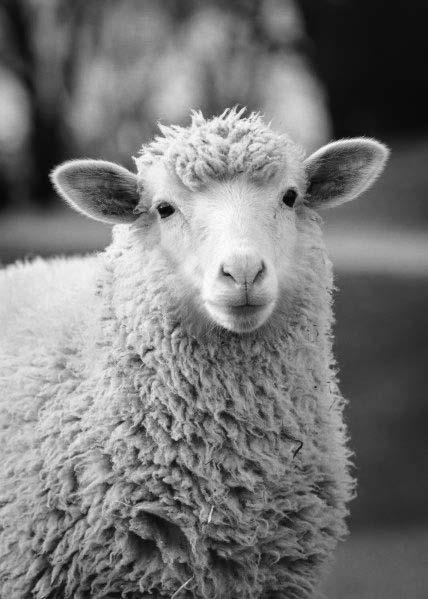
12. January Ewe Lam
11. Fall Ewe Lamb
10. Pair Yearling Ewes
12. January Ewe Lam
12. January Ewe Lam
13. February Ewe Lamb
11. Fall Ewe Lamb
13. February Ewe Lamb
12. January Ewe Lam
14. March Ewe Lamb
14. March Ewe Lamb
13. February Ewe Lamb
14. March Ewe Lamb
15. Pair Ewe Lambs
15. Pair Ewe Lambs
13. February Ewe Lamb
14. March Ewe Lamb
15. Pair Ewe Lambs
16. Grand Champion Ewe
16. Grand Champion Ewe
16. Grand Champion Ewe
15. Pair Ewe Lambs
16. Grand Champion Ewe
17. Flock-Ram and 3 Ewes, 1 ewe must be a lamb and also bred and owned by exhibitor
17. Flock-Ram and 3 Ewes, 1 ewe must be a lamb and also bred and owned by exhibitor
17. Flock-Ram and 3 Ewes, 1 ewe must be a lamb and also bred and owned by exhibitor
17. Flock-Ram and 3 Ewes, 1 ewe must be a lamb and also bred and owned by exhibitor
18. Get of Sire 4 animals, either sex sired by one ram, bred and owned by exhibitor
18. Get of Sire 4 animals, either sex sired by one ram, bred and owned by exhibitor
18. Get of Sire 4 animals, either sex sired by one ram, bred and owned by exhibitor
Premiums
18. Get of Sire 4 animals, either sex sired by one ram, bred and owned by exhibitor
Premiums
Premiums
Prize money in breeding classes will be awarded on the following scale:
Premiums
Prize money in breeding classes will be awarded on the following scale:
Prize money in breeding classes will be awarded on the following scale:
Prize money in breeding classes will be awarded on the following scale:
One exhibitor in lots-only 2nd place money will be paid
One exhibitor in lots-only 2nd place money will be paid
3 animals or less ........................................................ $7, $6, $5
One exhibitor in lots-only 2nd place money will be paid
One exhibitor in lots-only 2nd place money will be paid 3 animals or less ........................................................ $7, $6, $5 4-6 animals ............................................... $9, $8, $7, $6, $5, $4
3 animals or less ........................................................ $7, $6, $5 4-6 animals ............................................... $9, $8, $7, $6, $5, $4 7-9 animals
3 animals or less ........................................................ $7, $6, $5
7-9 animals .................................$10, $9, $8, $7, $6, $5, $4, $3 10 animals or more ... $12, $11, $10, $9, $8, $7, $6, $5, $4, $3
4-6 animals ............................................... $9, $8, $7, $6, $5, $4
$7, $6, $5, $4, $3 10 animals or
7-9 animals .................................$10, $9, $8, $7, $6, $5, $4, $3 10 animals or more ... $12, $11, $10, $9, $8, $7, $6, $5, $4, $3
4-6 animals ............................................... $9, $8, $7, $6, $5, $4 7-9 animals .................................$10, $9, $8, $7, $6, $5, $4, $3 10 animals or more ... $12, $11, $10, $9, $8, $7, $6, $5, $4, $3 Group Classes 1-3 groups
Group Classes 1-3 groups showing ....................................................
Group Classes
$11, $10, $9, $8, $7, $6, $5, $4, $3 Group Classes 1-3 groups showing ....................................................
$4, $3 4 or more ................................................
1-3 groups showing .................................................... $5, $4, $3 4 or more ................................................ $10, $9, $8, $7, $6, $5
Champion ribbon will be awarded in each class
Supreme Champion Ewe—Trophy Sponsored by: Schmidt Family
$5 Champion ribbon will be awarded in each class Supreme Champion Ewe—Trophy Sponsored by: Schmidt Family Supreme Champion Ram—Trophy Sponsored by: Schmidt Family
Supreme Champion Ram—Trophy Sponsored by: Schmidt Family
Supreme Champion Sheep –Traveling Plaque in Memory of Rodger Wambeam by Wambeam Family
Supreme Champion Sheep –Traveling Plaque in Memory of Rodger Wambeam by Wambeam Family
$4, $3 4 or more ................................................ $10, $9, $8, $7, $6, $5 Champion ribbon will be awarded in each class Supreme Champion Ewe—Trophy Sponsored by: Schmidt Family Supreme Champion Ram—Trophy Sponsored by: Schmidt Family Supreme Champion Sheep –Traveling Plaque in Memory of Rodger Wambeam by Wambeam Family
$9, $8, $7, $6, $5 Champion ribbon will be awarded in each class Supreme Champion Ewe—Trophy Sponsored by: Schmidt Family Supreme Champion Ram—Trophy Sponsored by: Schmidt Family Supreme Champion Sheep –Traveling Plaque in Memory of Rodger Wambeam by Wambeam Family
Albert Lea, MN
507-852-3557
Judging: 1:00 pm Friday, August 7, 2026
Entry Fee: $1.00 per bird
All Exhibits Must Be Pre-Entered by Mon., July 27
1. All chickens and turkeys over 5 months must be officially tested for typhoid and pullorum diseases and found negative within 90 days prior to the fair or originate from parent stock classified within 12 months of Fair as U.S. pullorum-typhoid clean.
2. A statement on official forms showing test results as conducted by approved testing agent or certification of origin, together identification of each bird by band number will be required.
3. The New American Standard of Perfection will Govern the judge in all varieties recognized therein. The Club standard will be used in judging breeds and varieties not recognized by the Standard, but such birds cannot compete for special prizes.
4. Entries in all poultry classes shall consist of a single specimen.
5. Birds entered in the 4-H Dept. cannot compete in Open Class Dept.
6. Prizes will be awarded, and premiums paid on all standard breeds of chickens including hybrid ducks, geese, turkeys, and pigeons.
7. All expenses of transportation must be prepaid and all specimens entered at risk of owner. Fair will not be responsible for theft or vandalism.
8. All birds will be judged by comparison.
9. All eggs laid during the show will become property of the fair.
10. Exhibitors will not be allowed to place display cards on coop until the judging has completed.
11. Exhibitor may exhibit any number of chickens, ducks, geese, turkeys, or pigeons and no more than 2 birds per lot.
12. All entries should be in the Fair Office no later than Monday, July 27, 2026
13. All entries to be in place by 10:00 am on Tuesday, August 4
14. All entries will be released on Sunday, August 9, 2026 at release time.
15. Standard handicap to govern where solid color varieties compete with parti-color,
16. The fair will care for feed and water the birds.
17. An entry fee of $1.00 per bird
18. The Fair Board or Superintendent has the right to refuse any exhibit.
19. Champion Classes are to comply with APA Standard.
20. All exhibitors are responsible for three hours of building security during the fair.
The following premiums will be offered on each breed and variety as follows: Lot 1—Cock
Large Breeds—
American
Class 1 Buckeye
Class 2 Delaware
Class 3 Dominique
Class 4 Holland
Class 5 Java
Class 6 Lamona
Class 7 New Hampshire
Class 8 Plymouth Rock
Class 9 Rhode Island Red
Class 10 Wyandotte
Asiatic
Class 11 Brahma
Class 12 Cochin
Class 13 Langshan
Continental
Class 14 Barnevelder
Class 15 Campine
Class 16 Faverolles
Class 17 Hamburg
Class 18 Houdan
Class 19 La Fleche
Class 20 Lakenvelder
Class 21 Polish
Class 22 Welsummer
English
Class 23 Australorp
Class 24 Cornish
Class 25 Dorking
Class 26 Orpington
Class 27 Redcap
Class 28 Sussex
Mediterranean
Class 29 Ancona
Class 30 Andalusian
Class 31 Leghorn
Class 32 Minorca
All Other Standard Breeds Game
Class 33 Modern Game
Class 34 Old English Game
Class 35 American Game
Oriental
Class 36 Cubalaya
Class 37 Malay
Class 38 Phoenix
Class 39 Sumatra
Class 40 Yokohama
Miscellaneous
Class 41 Ameraucana
Class 42 Araucana
Class 43 Cream Leg bar
Class 44 Golden Comet
Class 45 Naked-neck
Class 46 Olive Egger
Class 47 Prairie BLueshell Egger
Class 48 Saphire Gems
Class 49 Saphire Olive Egger
Class 50 Sultan
Bantam Breeds
Modern Game
Class 51 Modern Game Game
Class 52 American Game
Class 53 Old English Game
Single Comb Clean Legged
Class 54 Ancona (single)
Class 55 Andalusian
Class 56 Australorp
Class 57 Campine
Class 58 Delaware
Class 59 Dorking (single)
Class 60 Dutch
Class 61 Holland
Class 62 Japanese
Class 63 Java
Class 64 Lakenvelder
Class 65 Leghorn (single)
Class 66 Minorca (single)
Class 67 Naked-neck Chicken
Class 68 New Hampshire
Class 69 Orpington
Class 70 Phoenix
Class 71 Plymouth Rock
Class 72 Rhode Island Red
Class 73 Spanish
Class 74 Sussex
Class 75 Welsummer
Rose Comb Clean Legged
Class 76 Ancona (rose)
Class 77 Dominique
Class 78 Dorking (rose)
Class 79 Hamburg
Class 80 Leghorn (rose)
Class 81 Minorca (rose)
Class 82 Redcap
Class 83 Rhode Island Red
Class 84 Rosecomb
Class 85 Sebright
Class 86 Wyandotte
Feather Legged
Class 87 Booted
Class 88 Brahma
Class 89 Cochin
Class 90 Faverolles
Class 91 Silkie
Class 92 Sultan
All Other Comb Clean
Legged
Class 93 Ameraucana
Class 94 Araucana
Class 95 Buckeye
Class 96 Cornish
Class 97 Crevecoeur
Class 98 Cubalaya
Class 99 Houdan
Class 100 La Fleche
Class 101 Malay
Class 102 Polish
Class 103 Shamo
Class 104 Sumatra
Class 105 Yokohama

Bantam Ducks
Class 106 Call
Class 107 East India
Class 108 Mallard
Ducks—Light Weight
Class 109 Campbell
Class 110 Magpie
Class 111 Runner
Class 112 Welsh Harlequin
Ducks—Medium Weight
Class 113 Buff
Class 114 Cayuga
Class 115 Crested
Class 116 Swedish
Ducks—Heavy Weight
Class 117 Appleyard
Class 118 Muscovy
Class 119 Pekin
Class 120 Rouen
Geese—Light Weight
Class 121 Canada
Class 122 Chinese
Geese—Medium Weight
Class 125 American Buff
Class 126 Pilgrim
Class 127 Saddleback
Pomeranian
Class 128 Sebastopol
Geese—Heavy Weight
Class 129 African
Class 130 Embden
Class 131 Toulouse
Turkeys
Class 132 All Recognized Turkey Breeds
Pigeons
Class 133 Fancy
Class 134 Flying
Class 135 Utility
Champion—Cock $4
Champion—Hen $4
Champion—Pullet $4
Champion—Cockerel $4
Champion—Duck $4
Champion—Goose $4
Champion—Turkey $4
Champion—Pigeon $4




Pam
Kuenen
contacts with any questions.
contacts with any questions.
McKenna Cech (507) 383-8517
McKenna Cech (507) 383-8517
cech.mckenna.ge@gmail.com
Will be shown with respective open class show
cech.mckenna.ge@gmail.com
Ethan Johnson (605) 940-4954
Ethan Johnson (605) 940-4954
Show Day—Saturday, August 8
Entry Fee: $10.00 per head
ethanwyn.johnson@gmail.com
ethanwyn.johnson@gmail.com
*All animals must be clipped for the show—clean the ears, nose, tail, and around mouth.
*Clip your dairy goat all over before showing.
Superintendent
Alden, MN 56009
Pam Kuenen Superintendent Alden,
Freeborn County 4-H Extension Educator: Amy Wadding (507) 377-5660 mads0150@umn.edu
Freeborn County 4-H Extension Educator: Amy Wadding (507) 377-5660 mads0150@umn.edu
*All does must have an official scrapie tattoo or tag.
FFA BEEF CLASSES
*It is optional to clip the legs from the knee in the front, the hock in the back, down to the hoof line.
507-383-5344
ALL EXHIBITS MUST BE PRE-ENTERED
*Market wethers MUST be disbudded/de-horned.
All FFA Classes with Open Beef Show, Saturday August 8 NO FANS ALLOWED THAT ARE NOT OSHA APPROVED. Exhibitors must adhere to National FFA Show ring ethics and code of conduct.
Re-growth must not exceed one inch. Cut off horns are not permitted.
All FFA Classes with Open Beef Show, Saturday August 8 NO FANS ALLOWED THAT ARE NOT OSHA APPROVED. Exhibitors must adhere to National FFA Show ring ethics and code of conduct.
ALL EXHIBITS MUST BE PRE-ENTERED
ALL EXHIBITS MUST BE PRE-ENTERED
Additional superintendents to include Vocational Agriculture Teachers from Albert Lea, Glenville-Emmons and Alden-Conger.
Additional superintendents to include Vocational Agriculture Teachers from Albert Lea, Glenville-Emmons and Alden-Conger.
*Market Does and Breeding Does may have horns and they do not need to be capped or blunted.
Entry Fee: $5.00 per head
Premiums Offered
1-$20; 2-$15; 3 $10; 4 $7; 5-$5; 6-$3; FFA GOATS
Entry Fee: $5.00 per head
Open to students in FFA in Minnesota and Iowa counties.
Open to students in FFA in Minnesota and Iowa counties.
Additional superintendents to include Vocational Agriculture Teachers from Albert Lea, Glenville-Emmons and Alden-Conger.
Open to students in FFA in Minnesota and Iowa counties.
1. All entries must be made upon regulation entry blanks, which may be obtained from vocational Agriculture Instructors. Separate entry blanks must be used for open classes.
1. All entries must be made upon regulation entry blanks, which may be obtained from vocational Agriculture Instructors. Separate entry blanks must be used for open classes.
1. All entries must be made upon regulation entry blanks, which may be obtained from vocational Agriculture Instructors. Separate entry blanks must be used for open classes.
2. Entries close Monday, August 3, or when barns are filled.
2. Entries close Monday, August 3, or when barns are filled.
2. Entries close Monday, August 3, or when barns are filled.
3. Animals must be owned by and entered in the name of the feeder and exhibitor. Animals entered in the FFA purebred sheep classes must be recorded in the exhibitor’s name before the opening day of the fair. Pedigree or transfer certificate in the exhibitor’s name or in the name of a partnership, with the terms of the Partnership Agreement certified by the Vocational Agriculture Instructor, must be available on demand.
4. All health regulations governing the open class will be in effect.
3. Animals must be owned by and entered in the name of the feeder and exhibitor. Animals entered in the FFA purebred sheep classes must be recorded in the exhibitor’s name before the opening day of the fair. Pedigree or transfer certificate in the exhibitor ’s name or in the name of a partnership, with the terms of the Partnership Agreement certified by the Vocational Agriculture Instructor, must be available on demand.
5. Exhibitors will be awarded their premium awards from Agriculture instructors after the fair.
4. All health regulations governing the open class will be in effect.
3. Animals must be owned by and entered in the name of the feeder and exhibitor. Animals entered in the FFA purebred sheep classes must be recorded in the exhibitor’s name before the opening day of the fair. Pedigree or transfer certificate in the exhibitor ’s name or in the name of a partnership, with the terms of the Partnership Agreement certified by the Vocational Agriculture Instructor, must be available on demand.
6. Animals shown in FFA may be shown in open class.
5. Exhibitors will be awarded their premium awards from Agriculture instructors after the fair.
GENERAL LIVESTOCK JUDGING CONTEST
4. All health regulations governing the open class will be in effect.
At the FREEBORN COUNTY FAIR
6. Animals shown in FFA may be shown in open class.
GENERAL LIVESTOCK JUDGING CONTEST
5. Exhibitors will be awarded their premium awards from Agriculture instructors after the fair.
1-$20; 2-$15; 3 $10; 4 $7; 5-$5; 6-$3; FFA GOATS
1-$8; 2-$7; 3 $6; 4 $5; 5-$4; 6-$3; 7-$3; 8-$2; 9-$2;10-$1 FFA SHEEP—SPECIAL RULES
Will be shown with respective open class show
Will be shown with respective open class show Show Day—Saturday, August 8
Entry Day Tuesday, August 4
Will be shown with respective open class show Show Day—Saturday, August 8
Entry Fee: $2.00 per head
1. An entry fee of $2.00 for each animal will be charged on all out of county exhibitors. This fee must accompany entry.
Entry Fee: $2.00 per head
*All animals must be clipped for the show—clean the ears, nose, tail, and around mouth.
2. Only registered animals may be shown in the purebred classes.
*Clip your dairy goat all over before showing.
3. Exhibitor will be permitted to show two entries in each individual lot.
*All animals must be clipped for the show—clean the ears, nose, tail, and around mouth.
Premiums Offered
*All does must have an official scrapies tattoo or tag.
1-$8; 2-$7; 3 $6; 4 $5; 5-$4; 6-$3; 7-$3; 8-$2; 9-$2;10-$1
*Clip your dairy goat all over before showing.
*It is optional to clip the legs from the knee in the front, the hock in the back, down to the hoof line.
*All does must have an official scrapies tattoo or tag.
Class 1—Southdown
*Market wethers MUST be disbudded/de-horned.
Class 2—Hampshire
Re-growth must not exceed one inch. Cut off horns are not permitted.
*It is optional to clip the legs from the knee in the front, the hock in the back, down to the hoof line.
Class 3—Suffolk
*Market wethers MUST be disbudded/de-horned.
Class 4—Dorset
Class 5—Columbia
*Market Does and Breeding Does may have horns and they do not need to be capped or blunted.
Class 6—Cheviot
Re-growth must not exceed one inch. Cut off horns are not permitted.
Premiums Offered
Class 7—Polypay
Class 8—Corriedales
1-$8; 2-$7; 3 $6; 4 $5; 5-$4; 6-$3; 7-$3; 8-$2; 9-$2;10-$1 FFA SHEEP—SPECIAL RULES
*Market Does and Breeding Does may have horns and they do not need to be capped or blunted.
Premiums Offered
Class 9—Commercial Class 10—Baby Doll Southdown
Class 11—Dorpers
Class 12—Wether Dams
Will be shown with respective open class show Entry Day Tuesday, August 4
Lot 1
1-$8; 2-$7; 3 $6; 4 $5; 5-$4; 6-$3; 7-$3; 8-$2; 9-$2;10-$1 FFA SHEEP—SPECIAL RULES
Yearling Ram
Lot 2 Pair of Yearling Rams
Lot 3 Fall Ram Lamb
1. An entry fee of $2.00 for each animal will be charged on all out of county exhibitors. This fee must accompany entry.
Lot 4 January Ram Lamb
Will be shown with respective open class show Entry Day Tuesday, August 4
6. Animals shown in FFA may be shown in open class.
Contest will be held on Friday, August 7, 2026 at 9am in the Jan Reed Livestock Indoor Judging Arena at the Freeborn County Fairgrounds. Early Entry Deadline – sent to Freeborn County Extension Office (411 South Broadway, Albert Lea, MN 56007) no later than July 24. Entries can also be emailed to Amy Wadding at mads0150@umn.edu.
At the FREEBORN COUNTY FAIR Contest will be held on Friday, August 7, 2026 at 9am in the Jan Reed Livestock Indoor Judging Arena at the Freeborn County Fairgrounds.
2. Only registered animals may be shown in the purebred classes.
Lot 5 February Ram Lamb
Lot 6 March Ram Lambs
Lot 7 Pair Ram Lamb
3. Exhibitor will be permitted to show two entries in each individual lot.
1. An entry fee of $2.00 for each animal will be charged on all out of county exhibitors. This fee must accompany entry.
Lot 8 Grand Champion Ram
Early Entry Deadline – sent to Freeborn County Extension Office (411 South Broadway, Albert Lea, MN 56007) no later than July 24. Entries can also be emailed to Amy Wadding at mads0150@umn.edu.
Pre-registration will guarantee free entry for team and coach into the fairgrounds at the NW gate off of Richway Drive. Check-In & Post July 24. Entries will be on Friday Aug 7 from 8 – 8:45am in the Jan Reed Livestock Indoor Judging Arena. The contest will start promptly at 9am.
At the FREEBORN COUNTY FAIR Contest will be held on Friday, August 7, 2026 at 9am in the Jan Reed Livestock Indoor Judging Arena at the Freeborn County Fairgrounds.
All area county 4-H teams and FFA chapters may participate. A team consists of four members with the top three scores counting as the total team score. Individuals can also judge.
Pre-registration will guarantee free entry for team and coach into the fairgrounds at the NW gate off of Richway Drive.
Early Entry Deadline – sent to Freeborn County Extension Office (411 South Broadway, Albert Lea, MN 56007) no later than July 24. Entries can also be emailed to Amy Wadding at mads0150@umn.edu.
Premiums Offered
Lot 9 Yearling Ewe
Classes to be judged may vary but will consist of a combination of cattle, swine, sheep, and goats. Contest personnel reserve the right to alter classes depending on availability of livestock.
Pre-registration will guarantee free entry for team and coach into the fairgrounds at the NW gate off of Richway Drive.
Check-In & Post July 24. Entries will be on Friday Aug 7 from 8 – 8:45am in the Jan Reed Livestock Indoor Judging Arena. The contest will start promptly at 9am.
Additional information will be sent via email to surrounding county extension offices and can be found on the Freeborn County Extension Website once information is updated. If teams wish to be notified as information becomes available, please email Amy Wadding at mads0150@umn.edu.
Check-In & Post July 24. Entries will be on Friday Aug 7 from 8 – 8:45am in the Jan Reed Livestock Indoor Judging Arena. The contest will start promptly at 9am. All area county 4-H teams and FFA chapters may participate. A team consists of four members with the top three scores counting as the total team score. Individuals can also judge.
More information to follow. Please reach out to below contacts with any questions.
McKenna Cech (507) 383-8517 cech.mckenna.ge@gmail.com
Classes to be judged may vary but will consist of a combination of cattle, swine, sheep, and goats. Contest personnel reserve the right to alter classes depending on availability of livestock.
All area county 4-H teams and FFA chapters may participate. A team consists of four members with the top three scores counting as the total team score. Individuals can also judge.
Ethan Johnson (605) 940-4954 ethanwyn.johnson@gmail.com
Freeborn County 4-H Extension Educator: Amy Wadding (507) 377-5660 mads0150@umn.edu
Classes to be judged may vary but will consist of a combination of cattle, swine, sheep, and goats. Contest personnel reserve the right to alter classes depending on availability of livestock.
Additional information will be sent via email to surrounding county extension offices and can be found on the Freeborn County Extension Website once information is updated. If teams wish to be notified as information becomes available, please email Amy Wadding at mads0150@umn.edu.
More information to follow. Please reach out to below
All FFA Classes with Open Beef Show, Saturday August 8 NO FANS ALLOWED THAT ARE NOT OSHA APPROVED. Exhibitors must adhere to National FFA Show ring ethics and code of conduct. 1-$20; 2-$15; 3 $10; 4 $7; 5-$5; 6-$3;
Additional information will be sent via email to surrounding county extension offices and can be found on the Freeborn County Extension Website once information is updated. If teams wish to be notified as information
1-$8; 2-$7; 3 $6; 4 $5; 5-$4; 6-$3; 7-$3; 8-$2; 9-$2;10-$1
2. Only registered animals may be shown in the purebred classes.
Lot 10 Pair Yearling Ewes
Lot 11 Fall Ewe Lamb
Class 1—Southdown
3. Exhibitor will be permitted to show two entries in each individual lot.
Lot 12 January Ewe Lamb
Lot 13 February Ewe Lamb
Class 2—Hampshire
Lot 14 March Ewe Lambs
Premiums Offered
Class 3—Suffolk
Lot 15 Pair Ewe Lamb
1-$8; 2-$7; 3 $6; 4 $5; 5-$4; 6-$3; 7-$3; 8-$2; 9-$2;10-$1
Class 4—Dorset
Lot 16 Grand Champion Ewe
Class 5—Columbia
Class 6—Cheviot
Lot 17 Flock Ram and 3 Ewes, 1 ewe must be a lamb, and all bred and owned by exhibitor
Class 1—Southdown
Class 7—Polypay
Class 2—Hampshire
Class 3—Suffolk
Lot 18 Get of Sire-4 animals, either sex sired by one ram, bred and owned by exhibitor
Class 8—Corriedales
CLASS 13—MARKET LAMBS
Class 9—Commercial
Class 4—Dorset
Class 5—Columbia
Class 10—Baby Doll Southdown
Class 11—Dorpers
Class 6—Cheviot
1. Entries open to purebred, crossbred or grade lambs, either wether or ewes. Lambs may be owned in a bona fide partnership with parent or guardian, such ownership to be certified by a Vocational Agriculture Instructor.
Class 7—Polypay
Class 12—Wether Dams
Lot 1 Yearling Ram
Class 8—Corriedales
Lot 2 Pair of Yearling Rams
2. An entry fee of $5.00 per pen or $2.00 per animal with three animals constituting a pen will be charged all out of county exhibitors. This fee must accompany entry.
Class 9—Commercial
Lot 3 Fall Ram Lamb
Lot 4 January Ram Lamb
Class 10—Baby Doll Southdown
3. Exhibitors will be permitted to show two entries in the individua lot and one entry in the pen lot. Lambs from pens may be exhibited in the individual lot.
Lot 5 February Ram Lamb
Class 11—Dorpers
Lot 1—Individual
Lot 6 March Ram Lambs
Class 12—Wether Dams
1. Light Weight
Lot 7
Lot 1 Yearling Ram
Pair Ram Lamb
2. Middle Weight
Lot 8 Grand Champion Ram
Lot 2 Pair of Yearling Rams
3. Heavy Weight
Lot 9 Yearling Ewe
Lot 3 Fall Ram Lamb
Lot 2—Market pen of three
Lot 10 Pair Yearling Ewes
Trio of Fat Lambs
Lot 4
January Ram Lamb
1-$10; 2-$9; 3-$8; 4-$7; 5-$6; 6-$5
Lot 5 February Ram Lamb
Lot 6 March Ram Lambs
Lot 7 Pair Ram Lamb
Lot 8 Grand Champion Ram
Individual Market Lambs
1-$8; 2-$7; 3-$6; 4-$5; 5-$4; 6-$3;.7-$3; 8-$2; 9-$2; 10-$1
Lot 3 Grand Champion Individual—ribbon Lot 4 Reserve Champion Individual—ribbon Lot 5 Grand Champion Market Pen—ribbon Lot 6
Reserve Champion Market Pen—ribbon Class 14—MARKET HOGS
Will be shown with respective Open Class Show 1. Entries open to purebred, crossbred or grade pigs, barrows & gilts that were farrowed on or after February 1, 2026, and weighting between 230—290 pounds. All market hogs will be weighed at time of entry and divided into a workable weight class. Pigs may be owned in a bona fide partnership with parent or guardian, such ownership to be certified by a Vocational Agriculture Instructor. 2. Exhibitors will be permitted to show three entries in the individual lot and one entry in the pen lot. 3. Pigs from pens may be exhibited in the individual lot.
Lot 1 Individual
1-$8; 2-$7; 3-$6; 4-$5; 5-$4; 6-$3;.7-$3; 8-$2; 9-$2; 10-$1 Lot 2 Market pen of 3 (A-Heavy, B-Light, C-Middle) 1-$10; 2-$9; 3-$8; 4-$7; 5-$6; 6-$5 Lot 3 Grand Champion pen—ribbon Lot 4 Reserve Champion pen—ribbon Lot 5 Grand Champion Individual—ribbon Lot 6 Reserve Champion Individual—ribbon FFA CROPS—SPECIAL RULES ELIGIBILITY
Sample must have been grown on the farm of the exhibitor in the year 2024 or 2025.
NUMBER OF ENTRIES—An exhibitor may enter only one sample in a given lot but may enter as many varieties in a class as he wishes. Entry: All samples must be in the hands of the superintendent Monday, August 3rd, by noon.
Size of Samples: Ear corn—5 ears; Grains—1 Quart; Hay—8”bale size or equivalent; Best and Longest Ear-one ear each.
Undesirable Samples: Any samples which are scoured, bleached, soiled, etc., as to be objectionable for seed purposes, will be disqualified at the discretion of the judges.
Sample Names: Exhibitors are required to give the variety name for the guidance of the judges and the benefit of the visitors. Judging: Judging will be done Tuesday, August 4th.
Judging Basis:
Grains
1. Freedom from mixture of other crops and varieties
2. Freedom from week contamination, mechanical injury and disease
3. Test weight and color
Ear Corn
1. Uniform length and color
2. Ears with same number of straight rows
3. Shattered ends are discounted
4. Large or tapered ears will be discounted
Hay
1. Leafiness
2. Appearance and odor
3. Estimated % protein and TDN Premium money in each lot will be: 1st—$3; 2nd—$2; 3rd—$1
Class 15—CROPS—OATS
Lot 1 All Varieties
Class 16—CROPS—SOYBEANS
Lot 1 Public Variety
Lot 2 Private Variety
Lot 1 All Varieties
Class 17—CROPS—WHEAT
Class 18—CROPS—EAR CORN (5 EARS)
Lot 1 90 TO 99 Day Maturity
Lot 2 100 to 104 Day Maturity
Lot 3 105 to 109 Day Maturity
Lot 4 110 Day Maturity or Later
Class 19—CROPS—SHELLED CORN
Lot 1 90 TO 99 Day Maturity
Lot 2 100 to 104 Day Maturity
Lot 3 105 to 109 Day Maturity
Lot 4 110 Day Maturity or Later
Lot 1 Alfalfa
Lot 2 Grass
Lot 3 Other Mixtures
Class 20—CROPS—HAY
Class 21—CROPS—NOVELTY
Lot 1 Best Ear of Corn
Lot 2 Longest Ear of Corn
Lot 3 Tallest Corn Stalk FFA HORTICULTURE
Must be grown by FFA member or in a school horticulture program.
Premiums paid on lots in Horticulture Dept. 1st -$3; 2nd—$2; 3rd—$1
Class 22—FLOWER SPECIMENS
Lot 1 Aster, single or double, 1 variety, 5 stems
Lot 2 Bachelor Buttons, 5 stems
Lot 3 Calendula, 5 stems
Lot 4 Chrysanthemums, any variety, 1 spray
Lot 5 Cosmos, any variety, 5 stems
Lot 6 Dahlia, miniature, under 4” in diameter, 1 bloom
Lot 7 Dahlia, medium, 4-8” in diameter, 1 bloom
Lot 8 Dahlia, large, over 8” in diameter, 1 bloom
Lot 9 Day Lily—1 stem
Lot 10 Hosta, Lrg. leaf, Med. 2 leaves, Sm. 3 leaves
Lot 11 Impatiens, 3 sprays
Lot 12 Johnny Jump Ups, 5 stems
Lot 13 Marigolds, small type, under 3” in diameter, 5 stems
Lot 14 Marigold, medium type, 2-3” in diameter, 3 stems
Lot 15 Marigold, large type, over 3” in diameter, 3 stems
Lot 16 Nasturtium, single or double, 5 stems
Lot 17 Pansies, 5 stems
Lot 18 Petunia, 1 variety, 3 sprays
Lot 19 Pinks, 5 stems
Lot 20 Rose, 1 bloom
Lot 21 Snapdragons—1 variety, 3 stems
Lot 22 Sweet Peas, annual, 5 stems
Lot 23 Zinnia, small, 1/2—2 1/2” in diameter, 3 stems
Lot 24 Zinnia, medium, 2 1/2—41/2” in diameter, 3 stems
Lot 25 Zinnia, large, over 4 1/2” in diameter,3 stems
Lot 26 Any other small specimen, not listed above, please label, 5 stems
Lot 27 Any other large specimen, not listed above, Please label 1 stem but not more than 3
CLASS 23—INDOOR GARDENING
Lot 1 Container Grown—Flowering type
Lot 2 Container Grown—Foliage type
Lot 3 Cactus plant
Lot 4 Dish Garden (an artistic arrangement of cactus or foliage plants in a shallow container that creates a miniature landscape, or tells a story or creates a mood)
Lot 5 Planter (a single container with more than one plant, in artistic arrangement, annual/blooming plants all requiring the same culture, having been planted at least three months prior to the fair.) May also be displayed outdoors.
Lot 6. Terrariums & Bottle Garden ( a miniature garden inside a covered container)
HANGING CONTAINERS
CLASS 24-BASKET CONTAINER— WALL POUCHES—FLOWERING TYPE
Lot 1 Basket Container—Wall Pouches—Flowering type—Amateur
CLASS 25-BASKET CONTAINER— WALL POUCHES—FOLIAGE TYPE
Lot 1 Hanging Basket Container—Wall Pouches—Foliage Type— Amateur
CLASS 26-VEGETABLES
Lot 1. Green Beans
Lot 2 Carrots
Lot 3 Cucumbers—Burpless
Lot 4 Onions
Lot 5 Peas
Lot 6 Pepper
Lot 7 Tomatoes
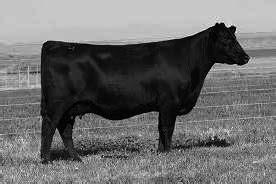
Other Information
Show Entries—$40
FFA Entry Fee: $5.00 per head in addition to open class entry fee Showmanship Entries—$10
This is a no fit show—
Any animals fit will be disqualified without refund. Minimum Class of 3 head. Choice of AOB or Crossbred.
Exhibitors must be 21 and under (see sanction rules)
Any state welcome but FFA show members must be from MN or IA
Free parking for exhibitors entering northwest gate with paid admissions.
Parking is limited close to the barn. We will do our best to accommodate. Bedding not provided. Only those showing out of their trailer are allowed to park near the arena.

The e use e of f personal l Golf f carts s are e not t
The e use e of f personal l Golf f carts s are e not t
Allowed d on n the e Fairgrounds s during g the e Fair. .
Allowed d on n the e Fairgrounds s during g the e Fair. .

Only y those e carts s authorized d by y the e Fair r will l be e allowed d to o operate e on n the e Fair r property. .
Only y those e carts s authorized d by y the e Fair r will l be e allowed d to o operate e on n the e Fair r property. .
History y Center r of f Freeborn n County y
History y Center r of f Freeborn n County y
Hours s During g the e Fair r
Hours s During g the e Fair r
Tuesday y 3:300pm 7:30pm m
Tuesday y 3:30pm 7:30pm m
Wednesday y Noon 7:30pm m
Wednesday y Noon 7:30pm m
Thursday y 3:300pm—7:30pm m
Thursday y 3:30pm—7:30pm m
Friday y 3:30pm—7:30pm m
Friday y 3:30pm—7:30pm m
Saturday y 3:300pm—7:30pm m
Saturday y 3:30pm—7:30pm m
Sunday 1:00pm—4:00pm

Sunday Church Service
Sunday Church Service
August 9th 10:00 am
August 9th 10:00 am
Sunday 1:00pmm—4:00pm 5
Free Admission Until 10:00 am
Free Admission Until 10:00 am
Freeborn County Fair
County Fair
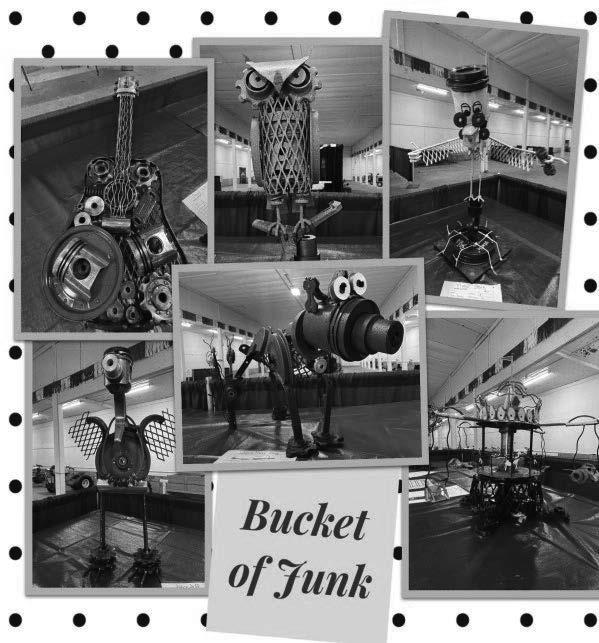
Bucket of Junk Contest
Bucket of Junk Contest
See what you can create with a bucket of junk and enter into this years County Fair!!
See what you can create with a bucket of junk and enter into this years County Fair!!
Creations will be judged by fair goers and Prizes will be given to the top 3.
Creations will be judged by fair goers and Prizes will be given to the top 3.
Your creation must come from the contents of the bucket only. Buckets and Registration Forms can be picked up after July 4th at Albert Lea Steel. A $10 refundable deposit is due when picking up a bucket. Deposit will be refunded if the bucket is returned along with your creation tot the Freeborn County Fair Office by Monday, August 3rd. All Creations will be sold by silent auction, which runs all fair week and ends on Saturday, August 8th at 6pm. Located in the Commercial Building!
Your creation must come from the contents of the bucket only. Buckets and Registration Forms can be picked up after July 4th at Albert Lea Steel. A $10 refundable deposit is due when picking up a bucket. Deposit will be refunded if the bucket is returned along with your creation tot the Freeborn County Fair Office by Monday, August 3rd. All Creations will be sold by silent auction, which runs all fair week and ends on Saturday, August 8th at 6pm. Located in the Commercial Building!
Located under the Grandstand. to
Without Paying Admission
Without Paying Admission


Smart Transit & the Freeborn County Fair are Providing a Bus on Wednesday, August 4, Thursday August 6, & Friday August 7
Smart Transit & the Freeborn County Fair are Providing a Bus on Wednesday, August 4, Thursday August 6, & Friday August 7
Pick up Times 11:00, 11:30, 12:00, & 12:30
Pick up Times 11:00, 11:30, 12:00, & 12:30
Pick up at the courthouse by Newton Ave, Mayo West Ave. Parking Lot, DHS Clark Street and North Bridge Mall by Flagpole.
Pick up at the courthouse by Newton Ave, Mayo West Ave. Parking Lot, DHS Clark Street and North Bridge Mall by Flagpole. Departure Times: 11:45, 12:15, 12:45, & 1:15
Departure Times: 11:45, 12:15, 12:45, & 1:15
Iin the Fairgrounds by the 4-H Building for a Return Ride. You must sign in both ways. Have to leave on the bus. Can not stay at the fair.
Iin the Fairgrounds by the 4-H Building for a Return Ride. You must sign in both ways. Have to leave on the bus. Can not stay at the fair.
Meet at the 4-H building for the return ride. Buses will be labeled by drop locations.

FRIDAY, AUGUST 7th
FRIDAY, AUGUST 7th
9:00 TO 11:00 AM
9:00 TO 11:00 AM
Mary Chicos
Superintendent
Alden, MN 56009
507-383-0794
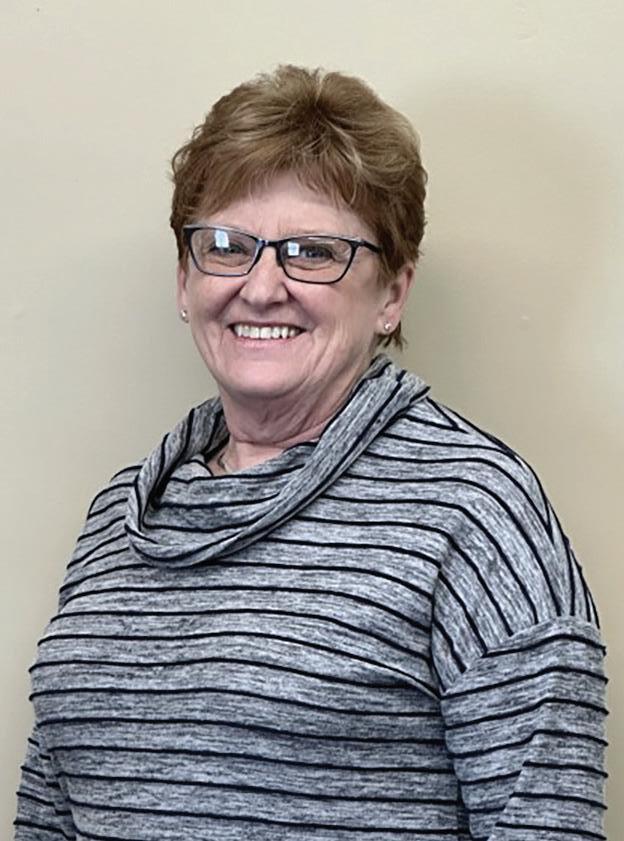
Kathy Toenges
Superintendent
Alden, MN 56009
507-383-1492
ALL EXHIBITORS ARE ASKED TO PRE-REGISTER BY MONDAY, JULY 27TH
Pre-Registration Saves Time as ALL of the Entry Tags will be ready when you arrive. Use the Entry Blank in the back of the Fair Book or register online. Items may be added or deleted on Entry Day.
There will be assistants to provide help on the day of entry. Children who are exhibiting should write their age on the Exhibitor Card.
ENTRY DAY—SUNDAY, AUGUST 2, 2026 10:00 am until 5:00 pm
JUDGING DAY—MONDAY, AUGUST 3, 2026
RELEASE DAY IS SUNDAY, AUGUST 9, 2026
4:00 pm until 6:00 pm BUILDING HOURS
Tuesday Noon—8:30 pm
Wednesday 10:00 am—8:30 pm
Thursday 10:00 am—8:30 pm
Friday 10:00 am—8:30 pm
Saturday 10:00 am—8:30 pm
Sunday 11:00 am—4:00 pm Release Time
Ribbons may not be removed until Release Time CHAMPION PICTURES
Pictures of Champion Exhibits ONLY can be taken at any time the building is open. Talk to one of the workers for assistance






1. Exhibits are to be brought to the Creative Arts and Food Building from 10 am to 5 pm, Sunday, August 2, 2026
2. All articles must have been made or finished within the past 12 months and must be the work of the exhibitor or never exhibited at Freeborn CountyFair before.
3. Articles which have won a prize at a previous Freeborn County Fair are not eligible for entry.
4. No more than one entry will be permitted in any one lot by one exhibitor.
5. Entries WILL NOT be accepted unless there is a specified class listed.
6. Similar articles cannot be entered in more than one Class and Lot by one exhibitor.
7. Should any articles be entered in the wrong lot and the error discovered before judging, the superintendent may make proper correction in the entry. Exhibitor should always check the entry to see that items are entered in the right class. Entry clerk will not be responsible.
8. Soiled articles will not be judged.
9. Competent judges will score each exhibit. Judge’s decisions are final.
10. Not all exhibits will receive a ribbon. Typically one Blue, one Red, and one White ribbon awarded per lot.
11. All possible care will be taken to prevent damage or losses, but in no case will the Fair Management be responsible for injury or loss.
12. No articles will be released before 4:00 pm, Sunday, August 9, 2026.
13. All articles must be removed from the Creative Arts & Foods building before 6:00 pm. Baked goods not claimed by 6:00 pm will be destroyed.
14. Premium money must be picked up by exhibitor between 4 to 6pm on Sunday August 9th. No premium money will be mailed.
Special Prizes will be given from the following sponsors. Thank you from the Creative Arts & Foods Building!
Addie’s Floral & Gifts, Albert Lea, MN
Albert Lea Community Ed., Albert Lea, MN
Border Market, Emmons, MN
Calico Hutch, Hayward, MN
Conger Meat Market, Conger & Albert Lea, MN
Creating Sew Much, Albert Lea, MN
Farmer’s Market, Albert Lea, MN
Hardanger Supplies, Albert Lea, MN
Someday Isle, Alden, MN
The Homestead Boutique, Albert Lea, MN
The Vintage Grove, Clarks Grove, MN
The Weathered Wagon, Alden, MN


















NO MORE THAN ONE ENTRY WILL BE PERMITTED IN ANY ONE LOT BY ONE EXHIBITOR
Prize Money: Blue $3, Red $2, White $1 Champion ribbons awarded by judges discretion.
PLEASE Pre-Enter exhibits by Monday July 27th so exhibitor cards can be printed. Enter either On-Line at https://www. co.freeborn.mn.us/490/ Freeborn-CountyFair or mail/deliver to the Fair Office. Entry Day is Sunday, August 2nd from 10:00 a.m. until 5:00 p.m.
Exhibits to be brought to the Creative Arts and Foods Building on the Freeborn County Fair Grounds.
DIVISION – SPECIAL CATEGORIES
CLASS 1 DAYCARES
Exhibits should reflect the activities and interests of the children.
CLASS 2
CHILDREN AGES 3-9
CLASS 3
CHILDREN AGES 10-14
CLASS 4
CHILDREN AGES 15-18
PHOTOGRAPHY FOR CHILDREN SEE CLASSES 91-106
Children can exhibit in the appropriate Classes for their age and can ALSO exhibit in the Classes for All Ages (starting with Class 11)
Use Lots 1 through 95 Listed Below for Class 2, Class 3 and Class 4.
CHILDREN – FIBER CRAFTS
15. Basket Making
16. Felting
17. Macrame
18. Rug Making
CHILDREN - DOLLS AND TOYS
19. Doll – handmade
20. Doll or Stuffed Animal Clothing or Accessory
21. Game - Original
22. Stuffed Animal – handmade
23. Toy - Original
24. Other Doll or Toy Item
CHILDREN - PLASTIC CRAFTS
25. Legos from a Kit, – one item
26. Legos Original Creation – one Item
27. Lego Set Created from a Kit – 2 or more items not to exceed 20” x 20”
28. Lego Original Creation – 2 or more items not to exceed 20” x 20”
29. Any Other Lego Item
30. Diamond Art
31. Duct Tape Item
32. Models eg; plastic car
33. Plastic Canvas
34. Other Plastic Craft
CHILDREN PAPER CRAFTS
35. Cards – eg; Birthday, Holiday, Baby
36. Cut Paper Picture
37. Decoupage
38. Jigsaw Puzzle (secured to a firm backing)
39. Origami
40. Paper Mache
41. Scrapbook Page
42. Stamp Art
43. Other Paper Craft
CHILDREN-CERAMICS-SCULPTURES
44. Ceramics Greenware
45. Polymer Clay Object
46. Other Ceramics
CHILDREN - JEWELRY
47. Bracelet/Anklet
48. Earrings
49. Necklace
50. Other Jewelry
CHILDREN ORIGINAL CREATIVE WRITING
(Put name and phone number on the back.)
(Must be mounted on poster board no smaller than 5” x 7” or in a book.)
51. Journal
52. Poem
53. Short Story
54. Others Not Listed
CHILDREN - PAINTING
(Original Painting on Paper, Canvas for example)
55. Abstract
56. Animal
57. Architectural/Building
58. Landscape
59. Portrait
60. Other Paintings Not Listed
CHILDREN-PAINTING CRAFTS
61. Garden Art Painted eg. Clay Pot
62. Clothing or Fabric Item Painted
63. Ceramic or Sculpture Item Painted
64. Stenciling
65. Tie Dye Item
66. Wood Cutout – Use Paint or Marker
67. Others Not Listed
CHILDREN - DRAWINGS
68. Chalk
69. Charcoal
70. Colored Pencil
71. Crayon
72. Lead Pencil
73. Marker
74. Pen & Ink
75. Other Drawings Not Listed
CHILDREN - RECYCLED - REUSED
(Must be created out of items that would normally be thrown away.)
76. Item Apparel/Accessory
77. Household Item
78. Jewelry
79. Outdoor Item
80. Any Other Recycled Item
CHILDREN - MISCELLANEOUS
81. Arrangement made from Artificial or Natural Items
82. Beads eg. Fused, Polymer
83. Bird House Decorated
84. Cricut (or other vinyl cutter) Created Item
85. Ornament Set – Minimum of 3 ornaments with the same theme, mounted or displayed
86. String Art
87. Any Other Item Not Listed
CHILDREN-WOODWORKING
(Items must be made from scratch by Exhibitor)
88. Bird Feeder or Bird House
89. Charcutier Board or Tray
90. Picture Frame
91. Shelf
92. Toy or Doll House
93. Wooden Planter
94. Any Other Wood Item Not Listed
CLASS 5
SENIORS-65 AND OLDER
Can Exhibit in Lots 1-26, but are not limited to the Class because of being 65+. ALSO can exhibit in the Classes for All Ages (starting with Class 11).
See Lots 1-26 Listed Below
CLASS 6
PERSONS WITH DISABILITIES
Can Exhibit in Lots 1-26, but are not limited to this Class because of ability. ALSO can exhibit in the Classes for All Ages (starting with Class 11).
See Lots 1 - 26 Listed Below
CLASS 7
CARE CENTERS, NURSING HOMES, ASSISTED LIVING
Can Exhibit in Lots 1-26, but are not limited to the Class because of being in a Care Center. ALSO can exhibit in the Classes for All Ages (starting with Class 11).
See Lots 1 - 26 Listed Below Lot -
Drawing or Painting
The following Divisions, Classes and Lots are for Any Age. (Exception of Photography).
CLASS 11 LATCH HOOK
Lot-
Pillow
Rug 3. Wall Hanging
4. Others Not Listed CLASS 12 SEWING
Lot-
1. Active Wear or Sports Wear
2. Apron
3. Blouse, Shirt or Top
4. Child Sized Item
5. Christening Outfit
6. Coat, Blazer or Jacket
7. Costume
8. Dress or Jumper
9. Formal Wear, such as wedding or prom dress
10. Hat or Bonnet
11. Household Item
12. Pillow
13. Purse or Tote Bag
14. Skirt
15. Slacks, Pants or Shorts
16. Sleep Wear, Nightgown or Pajamas
17. Toy or Stuffed Animal
18. Two-Piece Outfit
19. Others Not Listed CLASS 13 CROCHET
Lot-
1. Afghan or Lap Throw
2. Afghan, Infant Size
3. Bed Cover
4. Children’s Item or Outfit
5. Christening Outfit
6. Clothing Item
7. Dish Cloth
8. Doily up to 21”
9. Doily – 22” to 30”
10. Dresser Scarf
11. Foot Wear
12. Hand Wear
13. Head Wear
14. Set of 2 or More – head wear, scarf, hand wear, foot wear
15. Holiday Item
16. Place Mats
17. Pillow
18. Pot Holders or Hot Pads
19. Purse or Hand Bag
20. Scarf or Shawl
21. Sweater or Vest
22. Table Cloth – Up to 50”
23. Table Cloth – Over 50”
24. Table Runner
25. Wall Hanging
26. Others Not Listed
CLASS 14 HAND KNIT
Lot-
1. Afghan or Lap Throw
2. Afghan, Infant Size
3. Bed Cover
4. Children’s Item or Outfit
5. Christening Outfit
6. Clothing Item
7. Dish Cloth
8. Foot Wear
9. Hand Wear
10. Head Wear
11. Set of 2 or More – head wear, scarf, hand wear, foot wear
12. Holiday Item
13. Pot Holders or Hot Pads
14. Purse or Hand Bag
15. Scarf or Shawl
16. Sweater or Vest
17. Others Not Listed CLASS 15 HARDANGER
Lot-
1. Afghan or Lap Throw
2. Afghan, Infant Size
3. Bed Cover
4. Children’s Item or Outfit
5. Christening Outfit
6. Clothing Item
7. Dish Cloth
8. Foot Wear
9. Hand Wear
10. Head Wear
11. Set of 2 or More – head wear, scarf, hand wear, foot wear
12. Holiday Item
13. Pot Holders or Hot Pads
14. Purse or Hand Bag
15. Scarf or Shawl
16. Sweater or Vest
17. Others Not Listed CLASS 16 HAND EMBROIDERY
Lot -
1. Bath Linens
2. Clothing Item
3. Doily up to 21”
4. Doily – 22” to 30”
5. Dresser Scarf
6. Holiday Item
7. Kitchen Linens
8. Throw Pillow
9. Pillow Cases
10. Table Cloth – Up to 50”
11. Table Cloth – Over 50”
12. Table Runner
Entire quilt constructed by entrant with quilting done on a household sewing machine (not a longarm) by the entrant
CLASS 22
MACHINE QUILTED Twin Size or Larger (over 249” perimeter)
Entire quilt constructed by entrant with quilting done on a household sewing machine (not a longarm) by the entrant
CLASS 23
HAND QUILTED Crib/Youth/Lap Size (under 249” perimeter)
Entire quilt constructed by entrantwith quilting done entirely by hand by the entrant
CLASS 24
HAND QUILTED Twin Size or Larger (over 249” perimeter)
Entire quilt constructed by entrant with quilting done entirely by hand by the entrant
CLASS 25
TIED QUILTED Crib/Youth/Lap Size (under 249” perimeter)
Entire quilt constructed and tied by entrant
CLASS 26
TIED QUILTED Twin Size or Larger (over 249” perimeter)
Entire quilt constructed and tied by entrant
CLASS 27
MID OR LONGARM QUILTED Crib/Youth/ Lap Size (under 249” perimeter
Quilt top constructed by entrant, but may be quilted by someone else
CLASS 28
MID OR LONGARM QUILTED Twin Size or Larger (over 249” perimeter)
Quilt top constructed by entrant, but may be quilted by someone else
CLASS 29
MID OR LONGARM QUILTED Crib/Youth/ Lap Size (under 249” perimeter)
Quilt top constructed AND quilted by the entrant
CLASS 30
MID OR LONGARM QUILTED Twin Size or Larger (over 249 perimeter)
Quilt top constructed AND quilted by the entrant
Lots for Classes 21—30
1. Hand Appliqued
2. Machine Appliqued
3. Hand Embroidered
4. Machine Embroidered
5. Hand Pieced
6. Machine Pieced
7. Paper Pieced
8. Memory (includes T-shirt, photo, etc.)
9. Whole Cloth
10. Others Not Listed
CLASS 31
WOOL QUILTS
Lots-
1. Hand Appliqued
2. Machine Appliqued
3. Hand Embroidered 4. Hand Pieced
5. Machine Pieced
6. Others Not Listed
CLASS 32
QUILTS MADE BY CHURCH GROUP
Lots-
1. Tied Quilts-any size
2. Machine Quilted-any size
CLASS 33
OTHER QUILTED ITEMS
Lot-
1. Bed Runner
2. Clothing Item
3. Coasters
4. Holiday Item
5. Kitchen Linens
6. Pillow
7. Place Mats
8. Pot Holders
9. Table Runner or Table Topper
10. Wall Hanging
11. Others Not Listed
ENTRY DAY
SUNDAY, AUGUST 2ND JUDGING MONDAY, AUGUST 3RD
CRAFTS
CLASS 41 FIBER CRAFTS
Lot-
1. Basket Making
2. Felting
3. Lace Making
4. Macrame
5. Rug Making
6. Yarn Spinning
7. Weaving
CLASS 42 DOLLS AND TOYS
Can be displayed on a Doll or Toy
Lot-
1. Doll - Handmade
2. Doll or Stuffed Animal Accessory
3. Doll or Stuffed Animal Clothing
4. Stuffed Animal – Handmade
5. Toy Handmade
6. Others Not Listed
CLASS 43 PLASTIC CRAFTS
Lot-
1. 3D Printed Items
2. Duct Tape Item
3. Epoxy Item
4. Holiday Item
5. Legos from a Kit
6. Legos Original Design
7. Models
8. Others Not Listed
CLASS 44 PAPER CRAFTS
Lot-
1. Decoupage
2. Holiday Item
3. Origami – 3 to 5 items
4. Paper Cutting
5. Paper Handmade
6. Paper Mache
7. Quilling
8. Others Not Listed
CLASS 45 CARD MAKING Any medium can be used
1. Anniversary, Wedding or Bridal Shower
2. Baby, Baby Shower, Baptism or Christening 3. Birthday
4. Confirmation, First Communion or Graduation
5. Holiday Card 6. Sympathy
7. Thank You
8. Others Not Listed
46 SCRAPBOOKING 2 pages in protective sleeves
1. Anniversary or Wedding
Baby, Baptism or Christening 3. Birthday
Children
5. Confirmation, First Communion or Graduation
6. Holiday Event
Nature
8. Vacation or Trip
9. Others Not Listed
CLASS 47 REDUCE, REUSE, RECYCLE
To reuse means to use something again instead of throwing it away. Reuse the item by inventing a new use for it. Some ideas for this would be to create a toy from reused items, a wall hanging from reused cloth, jewelry, tools or utensils from reused articles, bags, or purse from reused materials.
Beads & Buttons
Glass or Ceramic
Others Not Listed For Classes 48-51 Use Lots 1-5 Listed Below CLASS 48 TABLE TOP DECOR
CLASS 49 WALL HANGING DECOR CLASS 50 ORNAMENT/GARLAND DECOR
CLASS 51
OUTDOOR-FLOOR STANDING DECOR
1. Spring / Easter
2. Summer / Patriotic
3. Fall / Halloween / Thanksgiving 4. Winter / Christmas
5. Others Not Listed
Lot-
CLASS 52
1. Candle Making
2. Cricut (other vinyl cutter) Created Item
3. Diamond Art—up to 12”x16”
4. Diamond Art—Larger than 12”x16”
5. Jigsaw Puzzle (secured onto a firm backing)
6. Laser Engraved Item
7. Leather Item
8. Soap Making
9. Stamp Art
10. Stenciled Item
11. String Art
12. Others Not Listed
CLASS 53
SCULPTURES
Lot-
Lot –
1. Ceramic
2. Clay
3. Metal
4. Wood
5. Compilation of Mixed Objects
6. Others Not Listed
CLASS 54
JEWELRY AND BEADING
Lot-
1. Bracelet/Anklet, Beaded
2. Bracelet/Anklet, String
3. Bracelet/Anklet, Other Type
4. Earings, Beaded
5. Earrings, Other
6. Necklace, Beaded
7. Necklace, String
8. Necklace, Other Type
9. Other Beaded Item
10. Other Jewelry Item
CLASS 55
ORIGINAL CREATIVE WRITING
Writings must contain exhibitors name and address on back Must be mounted on poster board no smaller than 5” x 7” and no larger than 16” x 20”, or in a book form.
Lot-
1. Journal
2. Poem
3. Short Reading
4. Short Story
5. Others Not Listed
CLASS 56
PAINTING ACRYLIC
5. Original Portrait
6. Acrylic Paint Pour
7. Others Not Listed
CLASS 57 PAINTING OIL
Lot-
1. Abstract
2. Animal
3. Architectural/Building
4. Original Landscape
5. Original Portrait
6. Others Not Listed
CLASS 58 PAINTING WATERCOLOR
Lot-
1. Abstract
2. Animal
3. Architectural/Building
4. Original Landscape
5. Original Portrait
6. Others Not Listed CLASS 59 DRAWINGS
Lot-
1. Chalk
2. Charcoal
3. Colored Pencil
4. Crayon
5. Marker
6. Pen & Ink
7. Pencil
8. Others Not Listed CLASS 60 PAINTING CRAFTS
Lot-
1. Clothing or Fabric Item Painted
2. Ceramic or Sculpture Item Painted
3. Rosemaling or Tole Painting Item
4. Tie Dye Item
5. Wood Cutout – Use Paint or Marker
6. Rock Painting
7. Others Not Listed WOODWORKING —METALWORKING CLASS 62
WOODWORKING HAND MADE
(Items must be made from scratch by Exhibitor)
Lot-
1. Bird Feeder or Bird House
2. Charcutier Board or Tray
3. Furniture
4. Lamp
5. Picture Frame
6. Shelf
7. Toy or Doll House
Lot-
1. Abstract
2. Animal
3. Architectural/Building
4. Original Landscape
8. Wooden Planter
9. Others Not Listed
(Items must be made from scratch by Exhibitor using one of the following techniques.)
63
(Items must be made from scratch by Exhibitor using one of the following techniques.)
Lot-
1. Hand Carving
2. Inlay or Intarsia
3. Lathe Tuming
4. Power Carving
5. Scroll Saw
6. Wood Burning
7. Others Not Listed
(Item can be purchased, but has been remade, fixed or improved by Exhibitor.)
CLASS 64
(Item can be purchased, but has been remade, fixed or improved by Exhibitor.)
Lot-
1. Caning of Chair or Other Item
2. Rebuilt, Fixed or Repurposed Wooden Furniture
3. Refinished Wooden Furniture Item eg; Dresser, Chair, Shelf, Table, etc.
4. Others Not Listed
CLASS 65
Lot—
1. Assembled Item
2. Laser Cut Item
3. Others Not Listed
* Feel free to include an index card with any interesting information about your Antique exhibit. The history, how it was acquired, age, etc.
* To be considered an antique, item must be at least 50 years old.
* Articles must be complete and of collectible value. No reproductions are allowed. They will be judged on quality, desirability, condition, and value. One entry per exhibitor in each lot.
* Our insurance does not cover antiques and collectibles. Please check your homeowner’s policy for coverage on exhibits.
* We are not responsible for damage or stolen exhibits, even though the building and grounds are patrolled at all times.
CLASS 71
GLASSWARE-CLEAR
See Lots 1-11
4. Decanter
5. Salad Bowl
6. Candy Dish
7. Vase
8. Candle Holder—Sticks
9. Bottles, jars
10. Luncheon Set—4 place setting
11. Others Not Listed
CLASS 74
POTTERY, STONEWARE, CERAMICS
Lots-
1. Planter
2. Planter in shape of animal, bird, person, or any other item
3. Baby Gift Planter
4. Bowl
5. Jug
6. Crock
7. Cream & Sugar
8. Salt & Pepper
9. Red Wing
10. Haeger Item
11. Hull Item
12. Shawnee Item
13. Roseville Item
14. McCoy Item
15. Others Not Listed
CLASS 75 KITCHEN ITEMS
Lots-
1. Utensils
2. Metal Tray
3. Lunch Box
4. Spice Tins (at least 3)
5. Pots, Pans
6. Cookie Jars
7. Tea Set
8. Canning Jars
9. Others Not Listed
CLASS 76
METAL ITEMS
Can be household, kitchen, farm, garden related or any other made from one of the following metal:
Lots-
1. Silver, Silver Plate
2. Copper 3. Brass 4. Aluminum 5. Cast Iron
6. Others Not Listed
CLASS 77 HOME DECOR
11. Framed Picture, Artwork
12. Others Not Listed CLASS 78 HANDIWORK
Lots-
1. Quilt, Bedspread
2. Doily
3. Embroidery
4. Sampler
5. Pillowcases
6. Table Runner
7. Needlepoint
8. Tatting
9. Crochet
10. Knitted
11. Macrame
12. Rug
13. Potholder
14. Apron
15. Others Not Listed CLASS 79 CLOTHING-APPAREL
Lots-
1. Women’s Clothing Item
2. Men’s Clothing Item
3. Child’s Clothing Item
4. Shoes
5. Purse, Satchel
6. Hat
7. Scarf
8. Others Not Listed CLASS 80 JEWELRY
Lots-
1. Earrings
2. Necklace
3. Ring
4. Pin, Brooch
5. Bracelet
6. Watch
7. Hat Pin
8. Others Not Listed CLASS 81 CHILDHOOD
Lots-
1. Dolls
2. Games, Game Board
3. Toy, Puzzle
4. Small Farm Equipment
5. Pedal Car or Tractor
6. Cartoon Character Item
7. Child’s Tea Set
8. Child’s Kitchen Item
3. Pitcher with or without glassware
Lots-
1. Item Marked “Made in Occupied Japan” 2. Item Marked “Made in Japan” 3. Bird, Animal Figurine 4. Lamp
Clock
Radio
Bank
Baskets
Shelf
Mirror
9. Fair or Circus Item
10. Others Not Listed CLASS 82 MILITARY
Lots-
1. Uniform
2. Medals, Ribbons
3. Equipment
4. Pictures
5. Flags
6. Others Not Listed
◆ Entries must contain the exhibitor’s name and phone number on the back
◆ Entries are of One Photo, unless otherwise specified. (Snapshots are a group of four pictures. A Collage has unlimited photos.)
◆ Photos must be no smaller than 5” x 7” and no larger than 16” x 20”
◆ Photos must be mounted on poster board for stability. Can also be matted with a backing.
◆ Suggest using MPix or similar service for printing pictures.
◆ Photos should be professionally printed. Suggest NOT using a home printer.
◆ DO NOT frame entries.
CLASS 91
PHOTO COLLAGE
A grouping of pictures in a creative arrangement on poster board no larger than 16” x 20”.
Lot-
1. Black & White
2. Color
3. Others Not Listed SEE LOTS 1-15 LISTED BELOW FOR CLASSES 92-116
CLASS 92 AGES 5 to 9 BLACK & WHITE PHOTO
CLASS 93 AGES 5 to 9 COLOR PHOTO
CLASS 94
AGES 5 to 9 COLOR SNAPSHOTS
Four pictures with the same theme, 4” x 6” mounted on poster board
CLASS 95
AGES 5 to 9
COMPUTER MANIPULATED PHOTO
Include an unaltered 4” x 6” photo on the back of exhibit
CLASS 96
AGES 5 to 9 CELL PHONE PHOTO
CLASS 97
AGES 10 to 14 BLACK & WHITE PHOTO
CLASS 98 AGES 10 to 14 COLOR PHOTO
CLASS 99 AGES 10 to 14 COLOR SNAPSHOTS
Four pictures with the same theme, 4” x 6” mounted on poster board
CLASS 100
AGES 10 to 14
COMPUTER MANIPULATED PHOTO
Include an unaltered 4” x 6” photo on the back of exhibit
CLASS 101
AGES 10 to 14 CELL PHONE PHOTO
CLASS 102
AGES 15 to 18 BLACK & WHITE PHOTO
CLASS 103
AGES 15 to 18 COLOR PHOTO
CLASS 104
AGES 15 to 18 COLOR SNAPSHOTS
Four pictures with the same theme, 4” x 6” mounted on poster board
CLASS 105 AGES 15 to 18 COMPUTER MANIPULATED PHOTO
Include an unaltered 4” x 6” photo on the back of exhibit
CLASS 106
AGES 15 to 18 CELL PHONE PHOTO
CLASS 107 AGES 19 & OLDER BLACK & WHITE PHOTO
CLASS 108 AGES 19 & OLDER COLOR PHOTO
CLASS 109
AGES 19 & OLDER COLOR SNAPSHOTS
Four pictures with the same theme, 4” x 6” mounted on poster board
CLASS 110
AGES 19 & OLDER COMPUTER MANIPULATED PHOTO
Include an unaltered 4” x 6” photo on the back of exhibit
CLASS 111
AGES 19 & OLDER CELL PHONE PHOTO
CLASS 112
ADVANDED & PROFESSIONAL BLACK & WHITE PHOTO
CLASS 113
ADVANCED & PROFESSIONAL COLOR PHOTO
CLASS 114
ADVANCED & PROFESSIONAL COLOR SNAPSHOTS
Four pictures with the same theme, 4” x 6” mounted on poster board
CLASS 115
ADVANCED& PROFESSIONAL COMPUTER MANIPULATED PHOTO
Include an unaltered 4” x 6” photo on the back of exhibit
CLASS 116
ADVANCED & PROFESSIONAL CELL PHONE PHOTO
USE THESE LOTS 1-15 LISTED BELOW FOR CLASSES 92-116 Lot-
Animals
Birds
Buildings
Flower(s) or Plant(s)
Nature
People - Adults 7. People - Children 8. People - Elderly 9. People – Combination 10. Scenery - Fall 11. Scenery -Spring
12. Scenery - Summer
13. Scenery - Winter 14. Still Life – staged setting 15. Others Not Listed
NO MORE THAN ONE ENTRY WILL BE PERMITTED IN ANY ONE LOT BY ONE EXHIBITOR
Prize Money: Blue—$3, Red—$2, White—$1
Purple ribbon awarded by judge’s discretion.
PLEASE Pre-Enter exhibits by Monday July 27th so cards can be printed.
Entry Day is Sunday, August 2, 2026 from 10:00 a.m. until 5:00 p.m.
Exhibits to be brought to the CreativeArts and Foods Building on the Freeborn County Fair Grounds
Rules for Baked Products
1. An ingredient list needs to be included for each exhibit.
2. Exhibits must be made from scratch.
3. Exhibits to be displayed on a 6” white, paper plate in a NEW selfsealing plastic bag.
4. No more than one entry will be permitted in any one Lot by one exhibitor.
5. Please DO NOT enter exhibits from the same ”batch” under another person’s name.
6. Exhibits will be disposed of following completion of the fair unless requested on the day of entry.
7. Exhibits may be disposed of during the week if quality is diminished.
SPECIAL CATEGORIES
CLASS 1
CHILDREN AGES 5 – 9
See Lots 1 – 33 Listed Below
CLASS 2
CHILDREN AGES 10 – 14
See Lots 1 – 33 Listed Below
CLASS 3
CHILDREN AGES 15 - 18
See Lots 1 – 33 Listed Below
BREADS
(1/4 Loaf or Quantity of 3)
Lots –
1. Baking Powder Biscuits
2. Bread
3. Rolls eg; Cinnamon, Caramel, Dinner
4. Any Other Bread CAKES
(4” x 4” Square or Quantity of 3)
Lots -
5. Cake Pops
6. Chocolate / Dark Cake
7. White / Light Cake
8. Any Other Cake Item
(Quantity of 3)
Lots -
9. Chocolate Chip / Any Type Chip
10. Peanut Butter
11. Rolled / Cut-Out
12. Oatmeal
13. Sugar
14. Snickerdoodle
15. Any Other Cookie BARS
(Quantity of 3)
Lots -
16. Blondies
17. Brownies
18. Peanut Butter
19. Unbaked
20. Any Other Bars
PIES – Double Crusted – NO cream or custard Pies
(Small Pie or 1 Slice)
Lots –
21. Fruit, baked pie
22. Unfilled single pie crust
23. Any Other Pie PASTRIES
(Quantity of 3)
Lots –
24. Cupcakes
25. Doughnuts
26. Muffins
27. Any Other Pastry CANDIES
(Quantity of 3)
Lots -
28.Caramels
29. Fudge
30.Mints
31. Nut Brittle
32. Nut Clusters
33. Any Other Candy
CLASS 4
PERSONS WITH DISABILITIES
See Lots 1 -8 Listed Below
CLASS 5
CARE CENTERS, NURSING HOMES, ASSISTED LIVING
See Lots 1 – 8 Listed Below
Lots –
1. Quick Breads
2. Muffins
3. Cakes
Cookies 5. Bars 6. Candy
7. Pastries
8. Others Not Listed
The following Divisions, Classes and Lots are for Persons of Any Age.
CLASS 11
YEAST BREADS
(¼ Loaf or Small Loaf Pan, or quantity of 3)
Lots –
1. Artisan or Sourdough Bread
2. Bagels
3. Bread sticks
4. English Muffins
5. Multigrain Bread
6. Oatmeal Bread
7. Raisin Bread
8. Rye Bread
9. White Bread
10. Whole Wheat Bread
11. Others Not Listed
CLASS 12
QUICK BREADS
(¼ Loaf, Small Loaf Pan, or quantity of 3)
Lots –
1. Baking Powder Biscuits, Plain
2. Baking Powder Biscuits, Flavored
3. Banana Bread
4. Carrot Bread
5. Corn Bread
6. Fruit Bread
7. Pumpkin Bread
8. Zucchini Bread
9. Others Not Listed
CLASS 13 SWEET YEAST DOUGH (Quantity of 3)
Lots –
1. Caramel Rolls
2. Cinnamon Rolls or Bread
3. Dinner Rolls
4. Hamburger Buns
5. Tea Ring
6. Others Not Listed
CAKES
CLASS 21 CAKES – BUTTER TYPE
(No Cake Mixes. May be frosted. 4” x 4” piece)
Lots –
1. Apple Cake
2. Banana Cake
3. Bundt Cake
4. Cake Pops (3)
5. Carrot Cake
6. Chocolate Cake
7. Coffee Cake
8. Pound Cake
9. White / Yellow Cake
10. Others Not Listed
CLASS 22 CAKES – FOAM TYPE
(No Cake Mixes. May be frosted and/or filled. 4” x 4” piece)
Lots1. Angel Food Cake
2. Chiffon Cake
3. Jelly Roll
4. Other, Rolled
5. Sponge Cake
6. Others Not Listed
OTHER BAKED GOODS CLASS 31 COOKIES
Quantity of 3. Not frosted or decorated.
Lots –
1. Chips, Chocolate, or Other Cookies
2. Drop, Light Cookies
3. Drop Dark Cookies
4. Filled eg; Date, Lemon, Fig Cookies
5. Ginger Cookies
6. Oatmeal Cookies
7. Peanut Butter Cookies
8. Pressed eg; Spritz Cookies
9. Refrigerator / Freezer Cookies
10. Rolled / Cut-Out Cookies
11. Snickerdoodle Cookies
12. Sugar Cookies
13. Unbaked Cookies
14. Other Not Listed CLASS 32 BARS
(Quantity of 3. Size 2” x 2”. May be frosted.)
Lots –1. Apple Bars 2. Banana Bars 3. Brownies 4. Cherry Bars 5. Date / Raisin Bars 6. Lemon Bars 7. Oatmeal Bars
8. Pumpkin Bars 9. Unbaked Bars
10. Others Not Listed CLASS 33 PIES
(Double crust pies ONLY. Custard pies not accepted.)
(Can be a single pie baked in a pot pie size tin OR can be one piece of pie from a regular sized pie.)
Lots –
1. Apple Pie
2. Blueberry Pie
3. Cherry Pie
4. Peach Pie
5. Rhubarb Pie
6. Strawberry or Raspberry Pie
7. Unfilled, Single Pie Crust
8. Others Not Listed
CLASS 34 PASTRIES
(Quantity of 3.)
Lots-
1. Cake Doughnuts
2. Cream Puffs - unfilled
3. Croissants
4. Cupcakes
5. Muffins
6. Popovers
7. Raised Doughnuts
8. Scones
9. Tarts or Turnovers
10. Others Not Listed
CLASS 41
CANDY AND CONFECTIONS
(Quantity of 3 Pieces.)
Lots –
1. Almond Bark
2. Caramels
3. Divinity
4. Fudge
5. Mints
6. Nut Brittle
7. Nut or Cereal Clusters
8. Others Not Listed
CLASS 42
(Base may be a dummy, cardboard etc. Exhibit is judged on decorations only)
Lots –
1. Cake
2. Cookies (3)
3. Cupcakes (3)
4. Gingerbread House
5. Others Not Listed
CLASS 43
ETHNIC COOKING
(Label with name of item, culture/ country. Include Recipe. Exhibit a ¼ loaf, small loaf or 3 items.)
Lots -
1. Cookies eg: Krumkaka, Rosettes, Fattigman, Pizzelles, Kringle, Sandbakkels
2. Flatbreads eg; Tortillas, Lefse, Crepes, Mandarin Pancake, Pannekoeken
3. Pastries eg; Baklava, Danish Puff, Viennese Pastry
4. Quick Breads eg; Sopapillas, Abelskivar, Kuchen, Irish Soda Bread
5. Yeast Breads eg; Stollen, Julekage, Kolaches, Baklava
6. Others Not Listed
CLASS 44
ARTIFICIAL SWEETENERS OR SUGAR FREE
(Include Recipe and indicate what type of sweetener was used and how recipe was adjusted.)
Lots –
1. Bars - 3
2. Breads – ¼ loaf
3. Cakes – 4” square
4. Candy - 3
5. Cookies - 3
6. Pastries – 3
7. Pies – 1 slice
8. Others Not Listed
CLASS 45
GLUTEN FREE
(Include Recipe and indicate what type of flour was used and how recipe was adjusted.)
Lots –
1. Bars - 3
2. Breads – ¼ loaf
3. Cakes – 4” square
4. Cookies – 3
5. Muffins - 3
6. Pastries - 3
7. Pies – 1 slice
8. Others Not Listed
See rules for food preservation & attach exhibit label to jar.
Rules for Food Preservation
• No more than one entry will be permitted in any one Lot by one exhibitor
• DO NOT enter exhibits from the same “batch” under another person’s name.
• Exhibit in clear glass canning jars (1/2 pint, pint, or quart)
• Items must have been preserved within the last 12 months
• No thickening or artificial color may be added to products
• Use preservation methods from the most current University of MN Extension Publications. https://www. extension.umn/edu
• All low acid products must be processed in a pressure canner.
• Fruits, tomatoes, pickles, jams, and jellies must be processed by boiling water bath.
• Exhibits passing the appearance test may be opened and tested for final placing
• Attach to jar, a completed Exhibit Label Food Preservation Judging Criteria
• Processing Method/Time
• Exhibit Label
• Processing Method Time Filled in on Label
• Appearance—Container—Seal
• Headspace—Packing
• Color—Clearness
CLASS 51
Age 15 & Under Canning
Lots—
1 Fruit
2. Applesauce
3. Vegetables
4. Jellies
5. Jams
6. Sweet Pickles
7. Dill Pickles
8. Dehydrating 9. Any Other CLASS 52 Canned Fruit
Lots— 1. Apples
2. Applesauce
3. Apricots
4. Blueberries
5. Cherries
6. Peaches
7. Pears
8. Plums
9. Raspberries
10. Mixed Fruit
11. Any Other
CLASS 53 Juices
Lots—
1. Apple
2. Grape
3. Tomato
4. Mixed
5. Cherry
6. Vegetable
7. Any Other CLASS 54 Canned Vegetables
Lots— 1. Asparagus
2. Beans, yellow or green
3. Beets
4. Carrots
5. Corn, sweet
6. Peas
7. Pumpkin & Winter Squash
8. Tomatoes, USDA method,whole or halved, raw pack, w/out added liquid
9. Tomatoes, USDA Method, quartered or crushed, hot pack, w/out added liquid
10. Tomatoes, MN Mixture
11. Ketchup
12. Salsa
13. Spaghetti Sauce
14. Barbecue Sauce
15. Any Other CLASS 55 Jellies
Lots— 1. Apple 2. Cherry
3. Grape 4. Plum
5. Raspberry, black or red
6. Strawberry
7. Zucchini
8. Any Other CLASS 56 Jams
Lots—
1. Apple Butter
2. Apricot
3. Peach
4. Plum Butter
5. Raspberry, black or red
6. Strawberry
7. Rhubarb
8. Cherry
9. Plum Jam
10. Tomato, red or yellow
11. Any Other CLASS 57 Sweet Pickles
Lots—
1. Apples
2. Beet
3. Bread and Butter
4. Cucumber, sliced, chunks, or whole
5. Cucumber, lime
6. Peach
7. Tomato, green
8. Watermelon
9. Zucchini
10. Any Other CLASS 58 Dill Pickles
Lots—
1. Bean, green or yellow
2. Cucumber, green sliced or whole
3. Mixed
4. Asparagus
5. Any Other CLASS 59 Relishes
Lots— 1. Apples
2. Corn
3. Cucumber
4. Zucchini
5. Mixed
6. Any Other CLASS 60 Miscellaneous
Lots—
1. Sauerkraut
2. Soap, homemade
3. Honey
4. Maple Syrup
5. Any Other
CLASS 61 Dehydrating
4. Pineapple
5. Other Single Fruit
6. Mixed Fruit
7. Tomatoes
8. Squash or Pumpkin
9. Other Single Vegetables
10. Mixed Vegetables
11. Herbs
12. Any Other
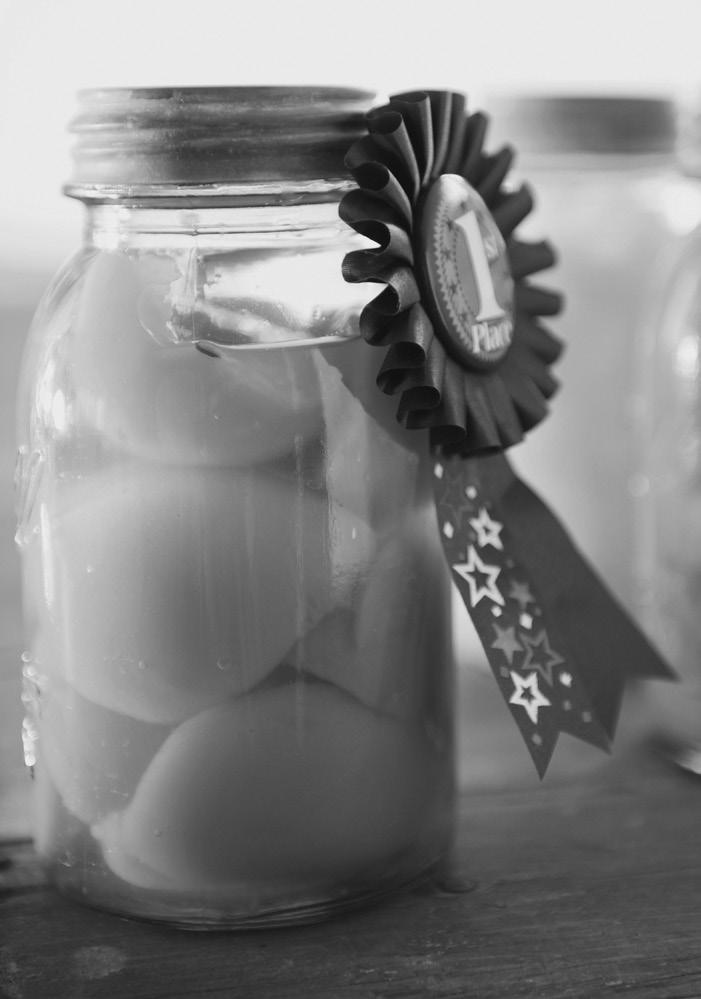
Attach to jar, a completed Exhibit Label including the following: Product:
Bath
or
Pack
Pressure Canner: (Circle gauge) Dial or Weighted minutes PSI
Dehydration Method
Lots—
1. Apples
2. Bananas
3. Peaches
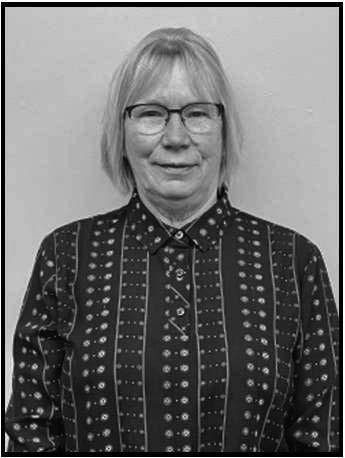
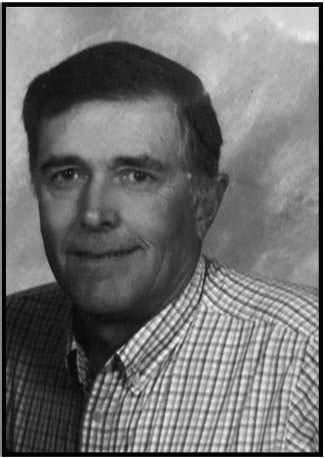
It is with heartfelt gratitude and remembrance that we pay tribute to Superintendent Danny Steele.
Danny and his wife, Sue, served as long-time superintendents of the Floral Hall. Danny was deeply committed to ensuring the building was always filled with exhibits, brightly lit, and welcoming to both exhibitors and fairgoers. He truly enjoyed connecting with everyone involved in the fair, and his dedication will be greatly missed by all.
All flowers competing for premiums must have been home grown by person entering. Flowers and greens in arrangements need not be grown by exhibitor, but must be home grown, also must be arranged by exhibitor.
Youth Exhibitors are required to state their age on both the entry sheet and entry tag. Failure to do so will be disqualification. Check class for age requirements.
In the Youth Class, parents may give verbal suggestions, but actual arrangements must be done by youth exhibitor.
4. An Exhibitor may make several entries in each class, but only one in each lot. Failure to do so will be disqualification.
5. It is the responsibility of the exhibitor to put all exhibits in the correct class and lot. Special guidance will be given by the Assistant Superintendents.
6. A specimen cannot be entered in “Any Other” if there is a class or lot for that entry. Failure to do so will be disqualification.
7. Lots will be subdivided if there are many entries in that lot.
8. Entries having no competition will not be awarded a premium unless judged worthy.
9. Ribbons are not to be removed from exhibits until release time.
10. All possible care will be taken against loss or damage, however, all containers, figurines, are entered at the exhibitors risk.
11. As an education tool, it is suggested that if possible, you name your variety. If variety is unknown, state variety unknown.
12. There should be one plant per container otherwise, enter in the Planter Classes.
13. Noxious weeds, artificial flowers or foliage are not permitted in any display.
14. Exhibitors are encouraged to add fresh flowers, if necessary, to arrangements, mantels, niches, or table artistry exhibits.
15. Exhibitors Choice-You MUST state theme on your entry tag. Failure to do so will be disqualification.
16. Any other variety or new variety, you MUST state name of variety if known or state variety unknown. Failure to do so will be disqualification.
17. The superintendents of this department reserve the right to dispose of any exhibit (flowers, plants, or foliage) during the fair that shows signs of spoilage, wilting, or damage.
Premiums paid on the following lots: 1st-$3, 2nd-$2, 3rd-$1
Champion and Reserve Champion ribbons for the class. There will be 1 special prize for Classes 1 & 2. The judge will determine who will receive the prize. Special prize for the Class Champion.
Lots-
1. Hybrid tea, white, 1 specimen
2. Hybrid tea, pink or pink blend, 1 specimen
3. Hybrid tea, yellow or yellow blend 1 specimen
4. Hybrid tea, red or red blend, 1 specimen
5. Hybrid tea, any other, 1 specimen
6. Floribunda, light color, 1 spray or 3 branches
7. Floribunda, dark color, 1 spray or 3 branches
8. Grandiflora, light color, 1 spray or 3 branches
9. Grandiflora, dark color, 1 spray or 3 branches
10. Polyantha, all colors, 1 spray
11. Miniature, all colors, 1 spray
12. Climber, all colors, 1 stem or cluster
13. Shrub, all colors, 1 stem (3-5 blooms)

14. Any other rose not listed above, MUST name variety or state variety unknown. Failure to do so will be disqualification. 1 spray or 1 stem.
A. Roses must be grown by exhibitor
B. Exhibitors age 3 through 16 years are invited to exhibit in this class. YOU MUST INCLUDE AGE OF EXHIBITOR ON ENTRY SHEET AND ENTRY TAG. Failure to do so will be disqualification.
C. You may exhibit in more than one lot, but only on entry in each lot. Failure to do so will be disqualification.
D. The superintendents of this department reserve the right to dispose of any exhibit that shows sign of spoilage, wilting, or damage.
Premiums paid on the following lots: 1st-$3, 2nd-$2, 3rd-$1
Champion and Reserve Champion ribbons for the class.
There will be 1 special prize for Classes 1 & 2. The judge will determine who will receive the prize. Special prize for the Class Champion.
Lots-
1. Tea Rose, 1 bloom
2. Floribunda/Grandiflora, 1 spray or 3 branches
3. Any other rose not listed above, 1 spray or 1 stem
(46,47,48 & 49).



Rules for Exhibitors
Gladiolus Rules for Exhibitors
1. Open to all exhibitors.
1. Open to all exhibitors.
2. An exhibitor may make any number of entries in each class, but only one entry in each lot.
2. An exhibitor may make any number of entries in each class, but only one entry in each lot.
3. Spikes from which the terminal bud or buds (the tip of the glad) have been removed will have to be disqualified. Removal of two lower florets will be permitted without disqualifications. Inferior entries will not receive ribbons.
3. Spikes from which the terminal bud or buds (the tip of the glad) have been removed will have to be disqualified. Removal of two lower florets will be permitted without disqualifications. Inferior entries will not receive ribbons.
4. All gladiolus exhibited must be owned and grown by the exhibitor.
4. All gladiolus exhibited must be owned and grown by the exhibitor.
Gladiolus Exhibition Guidelines
Gladiolus Exhibition Guidelines
1. Stems, should be at least 10-12” to fit the containers (we supply), which are 12” tall.
1. Stems, should be at least 10-12” to fit the containers (we supply), which are 12” tall.
2. Florets must be above the container.
2. Florets must be above the container.
3. Sheath should remain on the stem, when lower floret is removed.
3. Sheath should remain on the stem, when lower floret is removed.
4. Removal of the lower two florets will be permitted without disqualification.
4. Removal of the lower two florets will be permitted without disqualification.
5. Bud shoots are not allowed.
5. Bud shoots are not allowed.
6. Must have some greenery showing.
6. Must have some greenery showing.
7. Spikes from which the terminal bud or buds have been removed will be disqualified. (Terminal = the tip of the glad spike).
7. Spikes from which the terminal bud or buds have been removed will be disqualified. (Terminal = the tip of the glad spike).
8. Points will be deducted for crooked stems, deformed florets, irregularities on the foliage or flowers and for nonuniformity between the florets.
8. Points will be deducted for crooked stems, deformed florets, irregularities on the foliage or flowers and for nonuniformity between the florets.
9. There should be a gradual decrease in the size of the florets as they go up the spikes.
9. There should be a gradual decrease in the size of the florets as they go up the spikes.
10. Florets should be arranged uniformly on a spike. They should not be facing downwards or to the sides.
10. Florets should be arranged uniformly on a spike. They should not be facing downwards or to the sides.
11. The number of open and half open florets should equal 50-55% of the overall length of the spike, as long as the spike is still balanced.
11. The number of open and half open florets should equal 50-55% of the overall length of the spike, as long as the spike is still balanced.
10. Salmon, Markings
10. Salmon, Markings
11. Red
11. Red
12. Red, Markings
12. Red, Markings
13. Red (Dark)
13. Red (Dark)
14. Red (Dark), Markings
14. Red (Dark), Markings
15. Pink (Light)
15. Pink (Light)
16. Pink (Light), Markings
16. Pink (Light), Markings
17. Pink (Dark)
17. Pink (Dark)
18. Pink (Dark), Markings
18. Pink (Dark), Markings
19. Lavender
19. Lavender
20. Lavender, Markings
20. Lavender, Markings
21. Purple
21. Purple
22. Purple, Markings
22. Purple, Markings
23. Violet (Blue)
23. Violet (Blue)
24. Violet (Blue), Markings
24. Violet (Blue), Markings
25. Green
25. Green
26. Green, Markings
26. Green, Markings
27. Smoke
27. Smoke
28. Smoke, Markings
28. Smoke, Markings
29. Any other color
29. Any other color
Class No. 11—Gladiolus-Three Spikes—Adult & Youth
Class No. 11—Gladiolus-Three Spikes—Adult & Youth
A. This class is for adults and also youth exhibitors ages 3 through 16. YOUTH EXHIBITORS MUST INCLUDE AGE OF EXHIBITORS ON ENTRY SHEET AND ENTRY
A. This class is for adults and also youth exhibitors ages 3 through 16. YOUTH EXHIBITORS MUST INCLUDE AGE OF EXHIBITORS ON ENTRY SHEET AND ENTRY
TAG. Failure to do so will be disqualification.
TAG. Failure to do so will be disqualification.
B. Three spikes of same color or variety
B. Three spikes of same color or variety
C. The spikes must be grown by the exhibitor.
C. The spikes must be grown by the exhibitor.
D. You may exhibit in more than one lot, but only one entry in each lot. Failure to do so will be disqualification.
D. You may exhibit in more than one lot, but only one entry in each lot. Failure to do so will be disqualification.
E. The superintendents of this department reserve the right to dispose of any exhibit that shows sign of spoilage, wilting, or damage.
E. The superintendents of this department reserve the right to dispose of any exhibit that shows sign of spoilage, wilting, or damage.
SCORE
SCORE CARD FOR GLADIOLUS
Class No. 9—Gladiolus-Single Spike—Adult
Class No. 9—Gladiolus-Single Spike—Adult
Class No. 10—Gladiolus-Single Spike—Youth
Class No. 10—Gladiolus-Single Spike—Youth
A. The spike must be grown by exhibitor.
A. The spike must be grown by exhibitor.
B. Exhibitors in Class 10 Youth: Exhibitors ages 3 through 16 years are invited to exhibit in this class. YOU MUST INCLUDE AGE OF EXHIBITOR ON ENTRY SHEET AND ENTRY TAG. Failure to do so will be disqualification..
B. Exhibitors in Class 10 Youth: Exhibitors ages 3 through 16 years are invited to exhibit in this class. YOU MUST INCLUDE AGE OF EXHIBITOR ON ENTRY SHEET AND ENTRY TAG. Failure to do so will be disqualification..
C. You may exhibit in more than one lot, but only one entry in each lot.. Failure to do so will be disqualification.
C. You may exhibit in more than one lot, but only one entry in each lot.. Failure to do so will be disqualification.
D. The superintendents of this department reserve the right to dispose of any exhibit that shows sign of spoilage, wilting, or damage.
D. The superintendents of this department reserve the right to dispose of any exhibit that shows sign of spoilage, wilting, or damage.
Premiums paid on the following lots:
Premiums paid on the following lots:
1st—$3, 2nd—$2, 3rd—$1 Champion and Reserve Champion ribbons for each class.
1st—$3, 2nd—$2, 3rd—$1 Champion and Reserve Champion ribbons for each class.
Lots—
Lots—
1. White
1. White
2. White, Markings
2. White, Markings
3. Yellow
3. Yellow
4. Yellow, Markings
4. Yellow, Markings
5. Buff
5. Buff
6. Buff, Markings
6. Buff, Markings
7. Orange
7. Orange
8. Orange, Markings
8. Orange, Markings
9. Salmon
9. Salmon
Premiums paid on the following lots: 1st—$3, 2nd—$2, 3rd—$1 Champion and Reserve Champion ribbons for each class.
Premiums paid on the following lots: 1st—$3, 2nd—$2, 3rd—$1 Champion and Reserve Champion ribbons for each class.
Lots—
Lots—
1. Youth, under 3 1/4”
1. Youth, under 3 1/4”
2. Youth, 3 1/4 4 1/2”
2. Youth, 3 1/4 4 1/2”
3. Youth, over 4 1/2”
3. Youth, over 4 1/2”
4. Adult, under 3 1/4”
4. Adult, under 3 1/4”
5. Adult, under 3 1/4 4 1/2”
5. Adult, under 3 1/4 4 1/2”
6. Adult, over 4 1/2
6. Adult, over 4 1/2
Guide for Flower Arrangements
ARRANGEMENTS Guide for Flower Arrangements
1. Only one entry per lot per exhibitor. Entry must be the work of the exhibitor.
1. Only one entry per lot per exhibitor. Entry must be the work of the exhibitor.
2. Important to remember good design, originality, color combination, condition of flowers and greens and proper container.
2. Important to remember good design, originality, color combination, condition of flowers and greens and proper container.
3. All fresh and dried flowers do not need to be grown by the exhibitor, but MUST BE HOME GROWN. No commercially grown materials may be used.
3. All fresh and dried flowers do not need to be grown by the exhibitor, but MUST BE HOME GROWN. No commercially grown materials may be used.
4. It is recommended that oasis (a water absorbing foam material) be used for flower design. This material helps to hold the flower stems and greens in place,
4. It is recommended that oasis (a water absorbing foam material) be used for flower design. This material helps to hold the flower stems and greens in place,
5. Arrangement accessories, i.e. figurines, candles, etc. are permissible in carrying out the theme.
5. Arrangement accessories, i.e. figurines, candles, etc. are permissible in carrying out the theme.
6. A United States Flag should not be displayed within the arrangement in any class. It may be placed beside it.
6. A United States Flag should not be displayed within the arrangement in any class. It may be placed beside it.
7. Leaf shine is not acceptable.
7. Leaf shine is not acceptable.
8. Fresh flowers in arrangements are encouraged during the fair if you desire.
8. Fresh flowers in arrangements are encouraged during the fair if you desire.
ENTRY DAY
MONDAY, AUGUST 3RD
MONDAY, AUGUST 3RD
JUDGING AUGUST 4TH
JUDGING AUGUST 4TH
The Superintendents of this department reserve the right two ,
The Superintendents of this department reserve the right
,
The Superintendents of this department reserve the right
in Lots 5,6,7 & 8; Exhibitors ages 6

Jo Bernard Superintendent
Jo Bernard Superintendent
12236 SW 92nd Ave.
Danny Steele Superintendent
12236 SW 92nd Ave.
New Richland, MN
New Richland, MN
507-340-2143
18681 660th Ave. Alden, MN
507-340-2143
507-265-3230
3. In the Youth Class, parents may give verbal suggestions, but actual exhibit must be done by youth exhibitor.
3. In the Youth Class, parents may give verbal suggestions, but actual exhibit must be done by youth exhibitor.
4. An exhibitor may make several entries in a class, but only one in each lot. Failure to do so will be disqualification.
Danny Steele Superintendent 18681 660th Ave. Alden, MN 507-265-3230
mrscheviot@gmail.com
mrscheviot@gmail.com
ENTRY DAY
MONDAY, August 3rd
MONDAY, August 3rd
JUDGING
JUDGING
TUESDAY, August 4th
TUESDAY, August 4th
4. An exhibitor may make several entries in a class, only one in each lot. Failure to do so will be disqualification.
5. It is the responsibility of the exhibitor to put all exhibits in the correct class and lot. Special guidance will be given by the Assistant Superintendents.
5. It is the responsibility of the exhibitor to put all exhibits the correct class and lot. Special guidance will be by the Assistant Superintendents.
6. A specimen cannot be entered in “Any Other” if there is a class or lot for that entry. Failure to do so will be disqualification.
6. A specimen cannot be entered in “Any Other” if there class or lot for that entry. Failure to do so will be disqualification.
7. Lots will be subdivided if there are many entries in that lot.
7. Lots will be subdivided if there are many entries lot.
8. Entries having no competition will not be awarded a premium unless judged worthy.
8. Entries having no competition will not be awarded premium unless judged worthy.
9. Ribbons are not to be removed from exhibits until release time.
9. Ribbons are not to be removed from exhibits until release time.
August 3, 11:00 am to 7:00
August 4, 9:00 am August 9
We welcome you to exhibit in all possible divisions and classes. Entry day will be Monday, July 28, 11:00 am to 7:00 pm. Exhibitors may use the 30 minute parking space at the west side of the Floral Hall for unloading exhibits. Judging will be Tuesday, July 29, 9:00 am. Release time will be 4:00 pm, Sunday, August 3. Premiums, Special Prizes, Ribbons, and Exhibits are to be picked up by the Exhibitor (or someone designated) during the release time.
We welcome you to exhibit in all possible divisions and classes. Entry day will be Monday, July 28, 11:00 am to 7:00 pm. Exhibitors may use the 30 minute parking space at the west side of the Floral Hall for unloading exhibits. Judging will be Tuesday, July 29, 9:00 am.
10. All possible care will be taken against loss or damage, however, all containers, etc. are entered at the exhibitors risk.
10. All possible care will be taken against loss or damage, however, all containers, etc. are entered at the exhibitors risk.
11. As an education tool, it is suggested that if possible you name your variety. If variety is unknown, state variety unknown.
Release time will be 4:00 pm, Sunday, August 3. Premiums, Special Prizes, Ribbons, and Exhibits are to be picked up by the Exhibitor (or someone designated) during the release time.
NO PREMIUMS OR RIBBONS WILL BE MAILED
11. As an education tool, it is suggested that if possible name your variety. If variety is unknown, state variety unknown.
12. Any other variety or new variety, you MUST state name of variety if known or state variety unknown. Failure to do so will be disqualification.
12. Any other variety or new variety, you MUST state of variety if known or state variety unknown. Failure so will be disqualification.
13. Plates, pans, and boxes are provided for exhibit.
NO PREMIUMS OR RIBBONS WILL BE MAILED
ALL EXHIBITORS ARE ASKED TO PRE-REGISTER BY MONDAY, JULY 27th
13. Plates, pans, and boxes are provided for exhibit.
14. The superintendents of this department reserve the right to dispose of any vegetable, fruit, or display during the fair that show signs of spoilage, wilting or damage.
ALL EXHIBITORS ARE ASKED TO PRE-REGISTER BY MONDAY, JULY 27th
Pre-Registration Saves Time as ALL of the Entry Tags will be ready when you arrive. Use the Entry Blank in the back of the Fair Book or register online. Items may be added or deleted on Entry Day. NO STANDING IN LINES IF PRE-REGISTERED
Pre-Registration Saves Time as ALL of the Entry Tags will be ready when you arrive. Use the Entry Blank in the back of the Fair Book or register online. Items may be added or deleted on Entry Day. NO STANDING IN LINES IF PRE-REGISTERED
Monday Entry Day - 11:00 am—7:00 pm
14. The superintendents of this department reserve to dispose of any vegetable, fruit, or display during fair that show signs of spoilage, wilting or damage.
1. Leave stems on apples, pears, and plums, but should not have leaves or foliage.
1. Leave stems on apples, pears, and plums, but should not have leaves or foliage.
2. Currants are shown in bunches or clusters.
2. Currants are shown in bunches or clusters.
3. Gooseberries are shown as individual berries, ripe or green.
3. Gooseberries are shown as individual berries, ripe green.
4. Grapes should be uniform size and colors and in clusters attached to the stem. High color indicates good quality and sugar content. Preserve as much of the natural bloom as possible.
4. Grapes should be uniform size and colors and in attached to the stem. High color indicates good quality and sugar content. Preserve as much of the natural bloom as possible.
5. Raspberries should not contain a stem or a core.
Monday Entry Day - 11:00 am—7:00 pm
Tuesday Noon—8:30 pm
Tuesday Noon—8:30 pm
Wednesday 10:00 am—8:30 pm
Wednesday 10:00 am—8:30 pm
Thursday 10:00 am—8:30 pm
Thursday 10:00 am—8:30 pm
Friday 10:00 am—8:30 pm
Friday 10:00 am—8:30 pm
Saturday 10:00 am—8:30 pm
Saturday 10:00 am—8:30 pm
Sunday 11:00 am—4:00 pm Release Time
5. Raspberries should not contain a stem or a core.
6. Strawberries are shown with caps and a short stem attached.
6. Strawberries are shown with caps and a short stem attached.
7. Blackberries are shown with stems on.
7. Blackberries are shown with stems on.
SCORE CARD FOR FRUIT
Size ....................................................................................
Color ...................................................................................
Sunday 11:00 am—4:00 pm Release Time
Pictures of Champions only will be taken Wednesday, August 5th
Pictures of Champions only will be taken Wednesday, August 5th
Champion and Reserve Champion winners will be selected from each class, if quality merits, by the judge. Champion ribbon exhibits will be displayed on the throne of Honor, if at all possible.
Trueness to Variety ............................................................
Condition ............................................................................
Uniformity ...........................................................................
100 FRUIT
A. Specimens must be grown by exhibitor.
A. Specimens must be grown by exhibitor.
A. Specimens must be grown by exhibitor.
B. Class 1 Lots 1-22. This class is open to all ages 3 and up. There is NOT a separate class for youth and adult.
Champion and Reserve Champion winners will be selected from each class, if quality merits, by the judge. Champion ribbon exhibits will be displayed on the throne of Honor, if at all possible.
1. All exhibits competing for premiums MUST HAVE BEEN GROWN by person entering. Exception is Class 18— New Ways with Vegetables. This is the only Department K class that vegetables can be purchased.
B. Class 1 Lots 1-22. This class is open to all ages up. There is NOT a separate class for youth and
C. You MUST put the variety on your entry tag or state variety unknown in the area other lots: Lots 9, 16, 17, 21, and 22.Failure to do so will be disqualification.
B. Class 1 Lots 1-20 are open to all ages 3 and up. 9, 15, 16, 19 and 20.
C. You MUST put the variety on your entry tag or state variety unknown in the area other lots: Lots 9, 16, 21, and 22.Failure to do so will be disqualification.
D. You MUST have the correct number of specimens, no more or no less. Failure to do so will be disqualification.
D. You MUST have the correct number of specimens, more or no less. Failure to do so will be disqualification.
E. You may exhibit in more than one lot, but only one entry in each lot. Failure to do so will be disqualification.
1. All exhibits competing for premiums MUST HAVE BEEN GROWN by person entering. Exception is Class 18— New Ways with Vegetables. This is the only Department K class that vegetables can be purchased.
2. Youth exhibitors are required to state their age on both the entry sheet and entry tag. Failure to do so will be disqualification. Check class for age requirements.
E. You may exhibit in more than one lot, but only one in each lot. Failure to do so will be disqualification.
F. The superintendents of this department reserve the right to dispose of any exhibit that shows sign or spoilage, wilting, or damage.
F. The superintendents of this department reserve to dispose of any exhibit that shows sign or spoilage, wilting, or damage.
2. Youth exhibitors are required to state their age on both the entry sheet and entry tag. Failure to do so will be disqualification. Check class for age requirements.
Premiums paid on the following lots: 1st—$3, 2nd—$2, 3rd—$1
Premiums paid on the following lots: 1st—$3, 2nd—$2, 3rd—$1 Champion and Reserve Champion ribbons for the class.
Champion and Reserve Champion ribbons for the class.
Class No. 1—Fruit
APPLES—5 Apples Lots— 1. Early 2. Mid Season
3. Winter Apple
4. Crab
Lots—
BERRIES—12 Berries
5. Blackberries
6. Gooseberries
7. Raspberries
8. Strawberries
9. Any other variety of berry not listed (Name Variety) GRAPES—3 Bunches
Lots—
10. Concord
11. Any green
12. Any purple
13. Any red
14. Any white
15. Any other variety of grape not listed PEARS—5 Pears
Lots—
16. Any variety (Name Variety)
PLUMS—5 Plums
Lots—
17. Blue
18. Red
19. Any other variety of plum not listed (Name Variety)
Lot—
ANY OTHER—3 Bunches, 5 Medium, 12 Small
20. Any other fruit not listed. (Must Name Variety)
Class No. 2 Field Crops
A. The field crop must be grown by exhibitor.
B. Class 2 . This class is open to all ages 3 and up. There is NOT a separate class for youth and adult.
Class 2, Lots 1-20 are open to all ages 3 and up. There is NOT a separate class for youth and adult.
C. You MUST have the correct number or correct amount of your field crop, no more or no less. Failure to do so will be disqualification.
D. You may exhibit in more than one lot, but only one entry in each lot. Failure to do so will be disqualification.
E. Quart pans are provided for small grain exhibits and boxes provided for ear corn.
F. You must have the correct size of the small bale. Approximately 10” in thickness, the outside dimensions being the standard size of a commercial bale of hay. Failure to do so will be disqualification
G. Chopped hay and haylage must be brought in a clear 1 gallon zip-lock bag.
H. Hay bales will be put in a clear bag when brought in.
Premiums paid on the following lots:
1st—$3, 2nd—$2, 3rd—$1
Champion and Reserve Champion ribbons for the class
CORN AND GRAIN
Lots—
1. Hybrid Ear Corn, any variety or maturity—8 ears
2. Shelled Corn, any variety or maturity—1 quart exhibit
3 Ornamental Corn—5 ears
4. Popcorn—1 quart shelled
5. Best single ear of corn
6. Best 3 ears of corn
7. Tallest corn stalk (please have in a 5 gallon pail)
8. Oats, any variety—1 quart exhibit 9. Wheat, any variety—1 quart exhibit
10. Soybeans, any variety—1 quart exhibit
11. Soybean stem with most pods
12. Best 3 soybean stems
13. Tallest soybean stem
14, Any other variety of grain—1 quart exhibit
15. Grass
16. Grass and Legume mixture
17. Legume
18. Chopped Hay
19. Haylage
20. Any other
GARDEN
SCORE CARD FOR BEGETABLES AND POTATOES
1. Correct number of specimens required for exhibit.
2. Current growing season may determine maturity of specimen.
3. Do not scrub vegetables, wash or brush lightly, Potatoes may be washed if muddy.
4. Stems: Remove stems from Tomatoes, leave stems of Green Beans, 1/4” stem left on Cucumbers 1/2” to 1” on Peppers.
5. Root Crops— Beets, Carrots, Parsnips, Turnips, Rutabagas—Tops are trimmed 1-2 inches above the crown, side roots carefully trimmed off but leave the tap root on.
6. Kohlrabi—The ball should be 2-3” in diameter, with the root removed just below the ball. Trim back leaves on upper 1/3 of the ball to 4” to 6” Remove all other leaves cutting close to the ball.
7. Onions—Have specimens mature and thoroughly cured. The neck should be small. Do not peel to give a slick appearance. Only such outer scales that are broken or discolored should be removed. Small basal roots should be left intact but trimmed to a uniform 1/2”. Wipe or brush, do not wash. Trim dried, twisted tips to a uniform length of 1-2”, Do not damage dry skins.
8. Celery is shown by the plant with leaves. Avoid pithy or woody and stringy stalks.
9. Rhubarb—Stalks should be pulled from the plant, not cut, trim leaf blade about 2” above the stalk.
10. Sweet Corn—Select uniform ears, fresh, free from insect damage and disease, filled to the tip with milky, juicy, kernels. Trim brown silk 1” from tip of husk. Trim excess shank at base of ear to 1”.
ENTRY DAY
MONDAY, AUGUST 3RD JUDGING
TUESDAY, AUGUST 4TH
Class No. 3—Garden Vegetables—Adult
Class No. 4—Garden Vegetables—Youth
A. Specimens must be grown by exhibitor.
B. Exhibitors in Class 4 Youth: Exhibitors ages 3 through 16 years are invited to exhibit in this class. YOU MUST INCLUDE AGE OF EXHIBITOR ON ENTRY SHEET AND ENTRY TAG. Failure to do so will be disqualification.
C. You MUST put the variety on your entry tag or state variety unknown in the area other lots. Failure to do so will be disqualification.
D. You MUST have the correct number of specimens, no more or no less. Failure to do so will be disqualification.
E. You may exhibit in more than one lot, but only one entry in each lot. Failure to do so will be disqualification.
F. Plates are provided for exhibits.
G. The superintendents of this department reserve the right to dispose of any exhibit that shows sign or spoilage, wilting, or damage.
Premiums paid on the following lots: 1st—$3, 2nd—$2, 3rd—$1 Champion and Reserve Champion ribbons for the class.
Lots—
1. Beans, green, include Bush and Pole, 10 pods
2. Beans, yellow wax, 10 pods
3. Beans, shelling types, 10 pods
4. Beets, table, 3 specimens
5. Broccoli, 1 head
6. Brussel Sprouts, 6 specimens
7. Cabbage, flat head, 1 specimen
8. Cabbage, red head, 1 specimen
9. Cabbage, round head, 1 specimen
10. Cabbage, any other variety, 1 specimen
11. Cantaloupe or Muskmelon, 1 specimen
12. Carrots, list variety, 3 specimens
13. Cauliflower, 1 specimen
14. Celery, 1 bunch or plant
15. Cucumbers, burpless type, 3 specimens
16. Cucumbers, pickling, (under 3”) 6 specimens
17. Cucumbers, pickling, (3-6”) 3 specimens
18. Cucumbers, ripe, 3 specimens
19. Cucumbers, slicing, (over 6”) 3 specimens
20. Eggplant, 1 specimen
21. Ground Cherries in husk, 10 specimens
22. Kale, 1 specimen
23. Kohlrabi, green or purple, 3 specimens
24. Leeks, with tops, 3 specimens
25. Okra, 3 specimens
26. Onions, red, 3 specimens
27. Onions, white, 3 specimens
28. Onions, yellow, 3 specimens
29. Onions, any other variety, 10 sm., 3 Lrg. Specimens
30. Parsnips, 3 specimens
31. Peas, 6 pods
32. Peas, edible pods, 6 pods
33. Peppers, hot, small, 6 specimens, Jalapeno Type
34. Peppers, sweet, large, 3 specimens, Bell Type
35. Peppers, any other variety,6 small, 3 Lrg. specimens
36. Pumpkin, 1 specimen
37. Radishes, red, 6 specimens
38. Radishes, white, 6 specimens
39. Rhubarb, 3 stalks
40. Rutabaga, 3 specimens
41. Squash, Acorn, 1 specimen
42. Squash, Buttercup, 1 specimen
43. Squash, Butternut, 1 specimen
44. Squash, Summer, 1 specimen
45. Squash, Zucchini, 3 small or 1 large specimens
46. Squash, any other varieties, 3 sm., 1 Lrg. Specimens
47. Sweet Corn, 3 ears
48. Swiss Chard, 1 plant
49. Tomato, green, 3 specimens
50. Tomato, any fancy small, 6 specimens
51. Tomato, paste as Roma, 3 specimens
52. Tomato, red, 3 specimens
53. Tomato, yellow or orange, 3 specimens
54. Tomato, any other variety, 3 specimens
55. Turnips, 3 specimens
56. Watermelon, 1 specimen
57. Any other small variety vegetable not listed, MUST name variety or state variety unknown on entry tag. Failure to do so will be disqualification. 3 specimens.
58. Any other large variety vegetable not listed, MUST name variety or state variety unknown on entry tag. Failure to do so will be disqualification. 3 specimens
59. Any other new variety vegetable not listed, MUST name variety or state variety unknown on entry tag. Failure to do so will be disqualification. 3 small specimens, large 1 specimen
ENTRY DAY MONDAY, AUGUST 3RD JUDGING TUESDAY, AUGUST 4TH
Class No. 5—Potatoes—Adult
A. Specimens must be grown by exhibitor.
B. You MUST put the variety on your entry tag or state variety unknown in the area other lots: Lot #7. Failure to do so will be disqualification.
C. You MUST have the correct number of specimens, no more or no less. Failure to do so will be disqualification.
D. You may exhibit in more than one lot, but only one entry in each lot. Failure to do so will be disqualification.
E. Plates are provided for exhibits.
F. The superintendents of this department reserve the right to dispose of any exhibit that shows sign or spoilage, wilting, or damage.
Premiums paid on the following lots: 1st—$3, 2nd—$2, 3rd—$1
Champion and Reserve Champion ribbons for the class.
Lots—
1. Any variety FINGERLING POTATO, 6 specimens
2. Any variety GOLD POTATO, 6 specimens
3. Any variety, RED POTATO, 6 specimens
4. Any variety, RUSSET, POTATO, 6 specimens
5, Any variety WHITE POTATO, 6 specimens
6. Any variety SWEET POTATO, 6 specimens
7. Any variety new or colored potato not listed above, MUST name variety or state variety unknown on entry tag. Failure to do so will be disqualification. 6 specimens.
Class No. 6—Largest Specimens—Adult
Class No. 7—Largest Specimens—Youth
A. Specimens must be grown by exhibitor.
B. Exhibitors in Class 8 Youth: Exhibitors ages 3 through 16 years are invited to exhibit in this class. YOU MUST INCLUDE AGE OF EXHIBITOR ON ENTRY SHEET AND ENTRY TAG. Failure to do so will be disqualification.
C. SPECIMEN MUST STILL BE EDIBLE/USABLE. Specimen must be of good quality and true to variety. Failure to do so will be disqualification.
D. You MUST put the variety on your entry tag or state variety unknown in the area other lots. (15, 16). Failure to do so will be disqualification.
E. You MUST have the correct number of specimens, no more or no less. Failure to do so will be disqualification.
F. You may exhibit in more than one lot, but only one entry in each lot. Failure to do so will be disqualification.
G. Plates are provided for exhibits.
H. The superintendents of this department reserve the right to dispose of any exhibit that shows sign or spoilage, wilting, or damage.
Premiums paid on the following lots:
1st—$3, 2nd—$2, 3rd—$1 Champion and Reserve Champion ribbons for the class.
Lots—
SMALL ORNAMENTAL GOURDS
3. Gourds, 3 specimens
4.l Painted or Decorated Gourds, 3 specimens
Exhibitors in Class 7 Youth: 14, 15 9
Lots—
1. Beet
2. Cabbage
3. Carrot
4. Cucumber
5. Kohlrabi
6. Onion
7. Pepper
8. Potato
9. Pumpkin—field
10. Squash
11. Sunflower—largest head/head only
12. Sunflower—tallest stalk with head
13. Tomato
14. Any other variety large vegetable not listed above. MUST name variety or state variety unknown on entry tag. Failure to do so will be disqualification.
15 Any other odd or interesting vegetable not list above. MUST name variety or state variety unknown on entry tag. Failure to do so will be disqualification.
PUMPKINS AND GOURDS
Class No. 8—Pumpkins and Gourds—Adult
A. Specimens must be grown by exhibitor.
B. Pumpkins and gourds are to be grown this PRESENT YEAR OR THE PREVIOUS YEAR.
C. You MUST have the correct number of specimens, no more or no less. Failure to do so will be disqualification.
D. You may exhibit in more than one lot, but only one entry in each lot. Failure to do so will be disqualification.
E. Plates are provided for exhibits.
F. The superintendents of this department reserve the right to dispose of any exhibit that shows sign or spoilage, wilting, or damage.
Premiums paid on the following lots:
1st—$3, 2nd—$2, 3rd—$1 Champion and Reserve Champion ribbons for the class.
Lots—
PUMPKINS
1. Mini Pumpkins, 3 specimens
2. Pumpkin exhibit, 1 large specimen
HARD SHELLED GOURDS (White Blossom) Grown and dried from the previous year. These gourds can only be shown one year.
Lots—
5. Hard Shelled Gourds, 1 specimen
6. Painted or Decorated Hard Shelled Gourd, 1 specimen
7. Strangest or Funniest Shelled Gourd, 1 specimen
8. Bird House made from Hard Shelled Gourd, 1 specimen
SCARECROW CONTEST
CARD FOR SCARE CROW
Class No. 9—Scarecrow—Youth
A. Scarecrow must be made by exhibitor.
B. Exhibitors in Class 12 Youth: Exhibitors ages 3 through 16 years are invited to exhibit in this class. YOU MUST INCLUDE AGE OF EXHIBITOR ON ENTRY SHEET AND ENTRY TAG. Failure to do so will be disqualification.
Premiums paid on the following lots: 1st—$5, 2nd—$4, 3rd—$3
Lot—
1. Scarecrow
Class No. 10—Class for People with Developmental Disabilities
Class No. 11—Class for Care Centers & Assisted Living Residents
A. Specimens must be grown by exhibitor.
B. In each lot below it tells you how to exhibit your entry (the number of specimens, display or collection, etc.)
C. You MUST have the correct number of specimens, no more or no less. Failure to do so will be disqualification.
D. You may exhibit in more than one lot, but only one entry in each lot. Failure to do so will be disqualification.
E. Plates are provided for exhibits.
F. The superintendents of this department reserve the right to dispose of any exhibit that shows sign or spoilage, wilting, or damage.
Premiums paid on the following lots: 1st—$3, 2nd—$2, 3rd—$1 Champion and Reserve Champion ribbons for the class.
Lots—
1. Fruit (as in Class 1)
2. Garden Vegetables (as in Class 3)
3. Potatoes (as in Class 5)
4. Largest Specimen (as in Class 6)
5. Collection or Display of Herbs (as in Class 12)
6. Patio Container Gardening (as in Class 14)
1. A collection must consist of 5 or more specimens for adults or 3 or more specimens for youth. It is judged for horticultural perfection and should contain as much variety as possible.]
1. A collection must consist of 5 or more specimens for adults or 3 or more specimens for youth. It is judged for horticultural perfection and should contain as much variety as possible.]
2. A display is a group of 5 or more specimens for adults or 3 or more specimens for youth. It is to have a well grown specimen arranged for artistic effect.
2. A display is a group of 5 or more specimens for adults or 3 or more specimens for youth. It is to have a well grown specimen arranged for artistic effect.
A. Specimens must be grown by exhibitor
A. Specimens must be grown by exhibitor
B. You MUST have the correct number of specimens, no more or no less. Failure to do so will be disqualification.
B. You MUST have the correct number of specimens, no more or no less. Failure to do so will be disqualification.
C. You may exhibit in more than one lot, but only one entry in each lot. Failure to do so will be disqualification.
C. You may exhibit in more than one lot, but only one entry in each lot. Failure to do so will be disqualification.
D. Plates are provided for exhibits.
D. Plates are provided for exhibits.
E. The superintendents of this department reserve the right to dispose of any exhibit that shows sign or spoilage, wilting, or damage.
E. The superintendents of this department reserve the right to dispose of any exhibit that shows sign or spoilage, wilting, or damage.
Premiums paid on the following lots:
1st—$5, 2nd—$4, 3rd—$3 Champion and Reserve Champion ribbons for the class.
Premiums paid on the following lots: 1st—$5, 2nd—$4, 3rd—$3 Champion and Reserve Champion ribbons for the class.
Lots—
Lots—
1. A COLLECTION of 5 or more varieties of garden grown herbs that are fresh cut, bunched, tied or on a hanger or arranged on a plate (arranged as you wish). Name each variety
1. A COLLECTION of 5 or more varieties of garden grown herbs that are fresh cut, bunched, tied or on a hanger or arranged on a plate (arranged as you wish). Name each variety
2. A Display of 5 or more herbs, arranged for artistic effect. Name each variety
2. A Display of 5 or more herbs, arranged for artistic effect. Name each variety
3. Fresh Dill, 3 heads
3. Fresh Dill, 3 heads
4. Parsley, 1 potted plant or 3 sprigs
4. Parsley, 1 potted plant or 3 sprigs
5. Garlic, 3 cloves with tops left on
5. Garlic, 3 cloves with tops left on 6. Garlic or other herb braided into a braid at least 15” long
6. Garlic or other herb braided into a braid at least 15” long
7. Any other Herb, 3 heads or sprigs.
7. Any other Herb, 3 heads or sprigs.
Class No. 13—New Ways with Vegetable
Class No. 13—New Ways with Vegetable
Lots—
Lots—
1. Stir Fry Meal. Collection of at least 4 different vegetables used in preparing a stir fry meal. Please include recipe
1. Stir Fry Meal. Collection of at least 4 different vegetables used in preparing a stir fry meal. Please include recipe
2. Salsa. Collection of 4 or more different vegetables used to make salsa. Please include the recipe.
2. Salsa. Collection of 4 or more different vegetables used to make salsa. Please include the recipe.
3. Chef’s or Other Salad. Collection of 3 or more varieties of green leafy vegetables used in a salad. Please include the recipe.
3. Chef’s or Other Salad. Collection of 3 or more varieties of green leafy vegetables used in a salad. Please include the recipe.
4. Different or Unusual Way of Preparing one or more vegetables. Please include the recipe.
4. Different or Unusual Way of Preparing one or more vegetables. Please include the recipe.
5. Any other new or interesting way with vegetables not otherwise listed. Please include the recipe.
5. Any other new or interesting way with vegetables not otherwise listed. Please include the recipe.
Class No. 14—Patio Container Gardening—Adult
Class No. 14—Patio Container Gardening—Adult
A. Must have been grown by exhibitor in the same container at least 3 months prior to the County Fair.
A. Must have been grown by exhibitor in the same container at least 3 months prior to the County Fair.
B. Please include watering instructions and you MUST provide a drainage tray with your exhibit.
B. Please include watering instructions and you MUST provide a drainage tray with your exhibit.
C. You may exhibit in more than one lot, but only one entry in each lot. Failure to do so will be disqualification.
C. You may exhibit in more than one lot, but only one entry in each lot. Failure to do so will be disqualification.
D. The superintendents of this department reserve the right to dispose of any exhibit that shows sign or spoilage, wilting, or damage.
D. The superintendents of this department reserve the right to dispose of any exhibit that shows sign or spoilage, wilting, or damage.
Premiums paid on the following lots: 1st—$4, 2nd—$3, 3rd—$2
Champion and Reserve Champion ribbons for the class.
Premiums paid on the following lots: 1st—$4, 2nd—$3, 3rd—$2 Champion and Reserve Champion ribbons for the class.
Lots—
Lots—
1. One vegetable grown in a container excluding tomatoes
1. One vegetable grown in a container excluding tomatoes
2. Tomatoes grown in a container
2. Tomatoes grown in a container
3. Two or more vegetables grown in a container
3. Two or more vegetables grown in a container
4. One or more herbs grown in a container
4. One or more herbs grown in a container
5. Any other
5. Any other
6. Most unusual or interesting container
6. Most unusual or interesting container
A. FOR THIS CLASS ONLY vegetables ,ay be purchased, but if possible, use home grown vegetables.
A. FOR THIS CLASS ONLY vegetables ,ay be purchased, but if possible, use home grown vegetables.
FOR THIS CLASS ONLY vegetables may be purchased, but if possible, use home grown vegetables
B. Considering the nature of these lots, the emphasis being on NEW AND DIFFERENT WAYS of preparing vegetables
B. Considering the nature of these lots, the emphasis being on NEW AND DIFFERENT WAYS of preparing vegetables
C. Recipes are to be included, written large and dark enough to be seen at a distance.
C. Recipes are to be included, written large and dark enough to be seen at a distance.
D. You MUST have the correct number of specimens, no more or no less. Failure to do so will be disqualification.
D. You MUST have the correct number of specimens, no more or no less. Failure to do so will be disqualification.
E. You may exhibit in more than one lot, but only one entry in each lot. Failure to do so will be disqualification.
E. You may exhibit in more than one lot, but only one entry in each lot. Failure to do so will be disqualification.
F. The superintendents of this department reserve the right to dispose of any exhibit that shows sign or spoilage, wilting, or damage.
F. The superintendents of this department reserve the right to dispose of any exhibit that shows sign or spoilage, wilting, or damage.
Premiums paid on the following lots:
Premiums paid on the following lots: 1st—$5, 2nd—$4, 3rd—$3 Champion and Reserve Champion ribbons for the class.
1st—$5, 2nd—$4, 3rd—$3 Champion and Reserve Champion ribbons for the class.
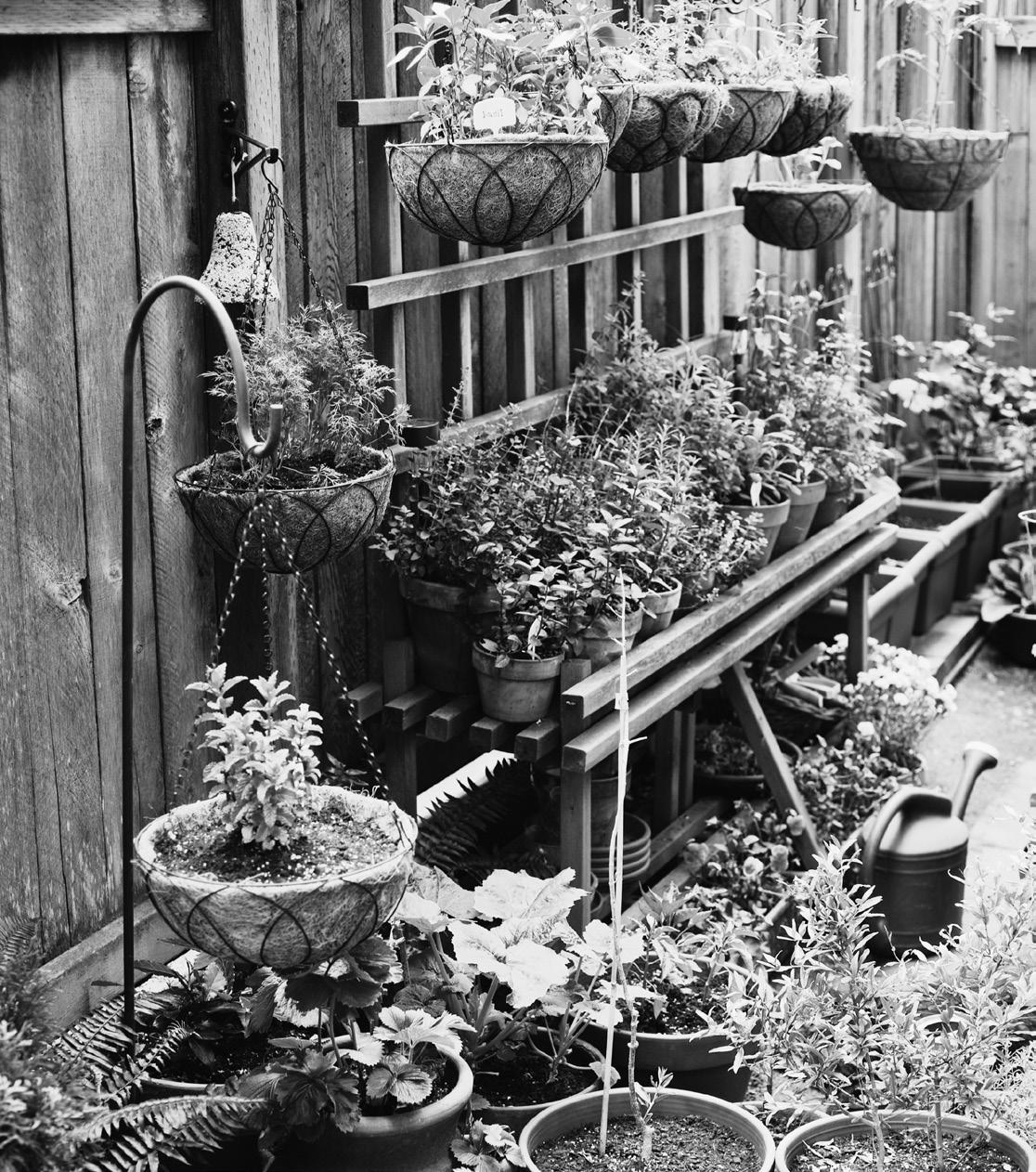
A. Exhibitors in Class 25 Youth: Exhibitors ages 3 through 16 years are invited to exhibit in this class. YOU MUST INCLUDE AGE OF EXHIBITOR ON ENTRY SHEET AND ENTRY TAG. Failure to do so will be disqualification.
Class No. 15—Garden Critters—Adult
Class No. 16—Garden Critters—Youth
B. You DO NOT need to bring a garden exhibit to enter this class.
C. Exhibitor MUST do their own exhibit
Premiums paid on the following lots: 1st—$5, 2nd—$4, 3rd—$3 Champion and Reserve Champion ribbons for the class.
Lots—
1. Ages 3-8 years of age. Minimum of 3 or more varieties of seeds.
D. You may exhibit in more than one lot, but only one entry in each lot. Failure to do so will be disqualification.
A. Exhibitors in Class 24 Youth: Exhibitors ages 3 through 16 years are invited to exhibit in this class. YOU MUST INCLUDE AGE OF EXHIBITOR ON ENTRY SHEET AND ENTRY TAG. Failure to do so will be disqualification.
2. Ages 9-16 years of age. Minimum of 5 or more varieties of seeds.
B. A class using your imagination, using vegetables.
C. In lot 1, use all vegetables to make your unique critter.
Premiums paid on the following lots: 1st—$5, 2nd—$4, 3rd—$3
3. Adults. Minimum of 5 or more varieties of seeds..
D. In lot 2, dress your potato using whatever your imagination dreams up (fabric, candy, etc.,)
Champion and Reserve Champion ribbons for the class.
Lots—
E. You may exhibit in more than one lot, but only one entry in each lot. Failure to do so will be disqualification.
F. Vegetables MUST be home grown.
1. Garden Story—Write a short story about your vegetable garden, include 1 picture of your garden.
G. The superintendents of this department reserve the right to dispose of any exhibit that shows sign or spoilage, wilting, or damage.
2. Garden Diagram—on poster board, NO LARGER that 22x28”, include a plan of your vegetable garden drawn to scale, include your varieties, names, etc.
Premiums paid on the following lots:
3. Educational display showing some aspects of vegetable gardening (thinning or not thinning, carrots, etc.)
1st—$5, 2nd—$4, 3rd—$3 Champion and Reserve Champion ribbons for the class.
Lots—
Class No. 18—Crop Art/Seed Art
1. A garden critter using: Adults a minimum of 5 vegetables and Youth a minimum of 2 vegetables
2. Dress a potato
A picture or design made out of natural and/or colored seeds. NO NOXIOUS SEEDS. Seeds such as flowers, vegetables, dried beans, rice, etc. Put on a hard board, mount board , or something sturdy.
Class No. 17—Youth Education
There will be 3 lots with 1 champion and 1 reserve champion to a class.
MONDAY, AUGUST 3RD JUDGING TUESDAY, AUGUST 4TH
A. In lots 1 and 2, the Youth Exhibitors MUST INCLUDE AGE OF EXHIBITOR ON ENTRY SHEET AND ENTRY TAG. Failure to do so will be disqualification.
B. You can only have 1 entry in each lot.
A. Exhibitors in Class 25 Youth: Exhibitors ages 3 through 16 years are invited to exhibit in this class. YOU MUST INCLUDE AGE OF EXHIBITOR ON ENTRY SHEET AND ENTRY TAG. Failure to do so will be disqualification.
C. Exhibitor MUST do their own exhibit.
B. You DO NOT need to bring a garden exhibit to enter this class.
C. Exhibitor MUST do their own exhibit
D. You may exhibit in more than one lot, but only one entry in each lot. Failure to do so will be disqualification.
Premiums paid on the following lots: 1st—$5, 2nd—$4, 3rd—$3 Champion and Reserve Champion ribbons for the class.
Lots—
1. Garden Story—Write a short story about your vegetable garden, include 1 picture of your garden.
2. Garden Diagram—on poster board, NO LARGER that 22x28”, include a plan of your vegetable garden drawn to scale, include your varieties, names, etc.
3. Educational display showing some aspects of vegetable gardening (thinning or not thinning, carrots, etc.)
Class No. 18—Crop Art/Seed Art
A picture or design made out of natural and/or colored seeds. NO NOXIOUS SEEDS. Seeds such as flowers, vegetables, dried beans, rice, etc. Put on a hard board, mount board , or something sturdy.
There will be 3 lots with 1 champion and 1 reserve champion to a class.
A. In lots 1 and 2, the Youth Exhibitors MUST INCLUDE AGE OF EXHIBITOR ON ENTRY SHEET AND ENTRY TAG. Failure to do so will be disqualification.
B. You can only have 1 entry in each lot.
C. Exhibitor MUST do their own exhibit.
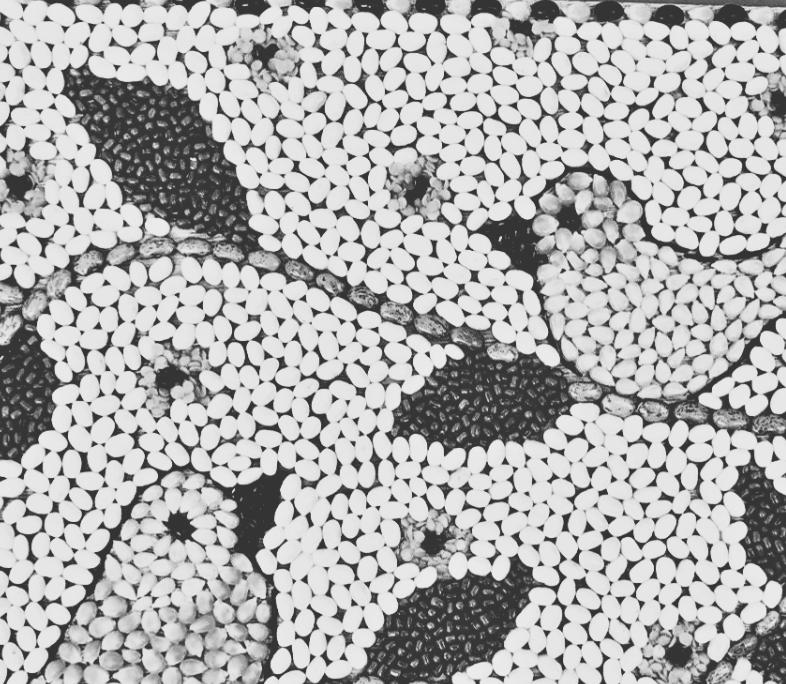
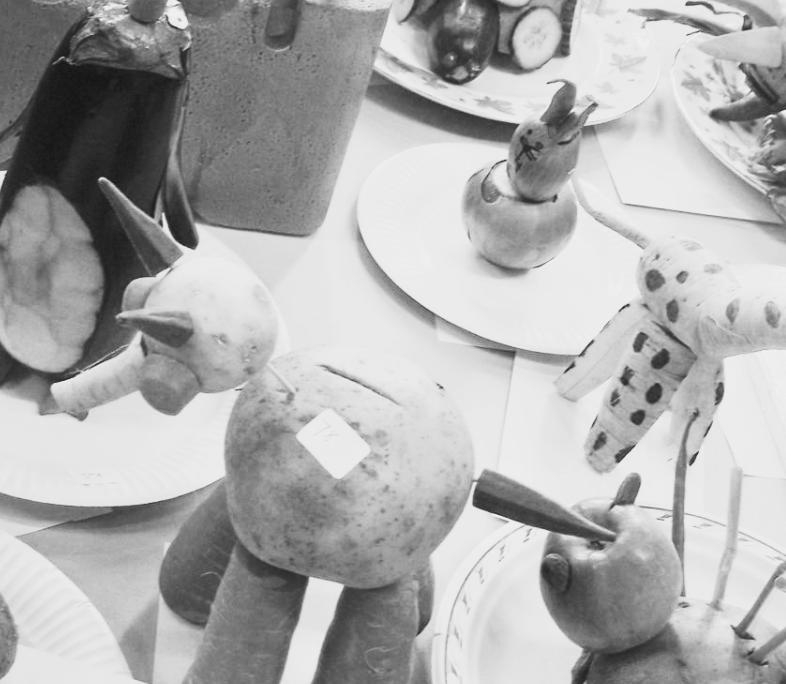
Lexie Schultz 4-H Extension Educator
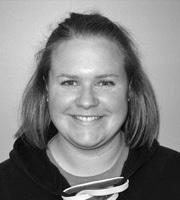
Amy Wadding 4-H Extension Educator
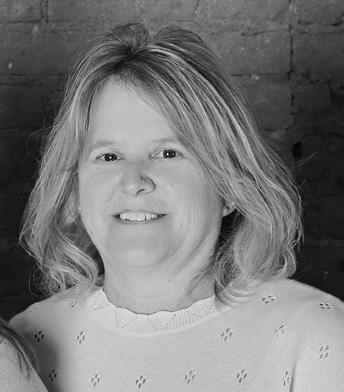
Wendy Weiss Office Support Specialist,
4-H Club Activities 95-96
• Includes banner, booth, community price, haybale, scrapbook
4-H General Rules 61-64
4-H Market Livestock Sale 64
Aerospace 75
Bicycle 76
Beef 65-66
Child & Family Development 76
Citizenship 76
Clothing & Textiles .
. 76-77
• includes purchased, constructed, non garment sewing items
Cloverbuds General 77
Cloverbud Livestock 62
Consumer Education & Money Management 78
Crafts & Fine Arts 78
Creative Writing
78
Dairy 66
Dairy Goat 67
Dog Agility 67-68
Dog Obedience 68
Dog Rally Obedience 68
Dog Showmanship 68
Engineering Design 79
Exploring Animals
79
Fishing Sports 79-80
Food & Nutrition 80
• includes food, nutrition, food preservation
Food Revue 80-81
Global Connections 81
Health & Wellness.
81
Herdsmanship 65
Home Environment 81-82
Horse 68-70
Horticulture 82
• includes flower gardening, indoor gardening, landscape design
Industrial Technology 82-83
• includes metal work, woodworking
Lamb Lead 74
Llama/Alpaca 70-71
Meat Goat 71-72
Mechanical Science 84
• includes electricity, small engines, tractor
Natural Resources
83-84
• includes entomology exploring environment, forest resources, geology, water wetlands, water resources
Needle Arts 84-85
Performing Arts 85
Pets.
• includes dog related, cats, horse related
85
Photography 85-87
Plant & Soil Science 87-88
• includes ag technology, corn, forages, plant & Soil science, small grains, soybeans, specialty crops, weeds & pests
Plastic Sculpture Challenge 88-89
Project Ribbon Premiums 64
Presentations
• includes aquatic robotics, computer, robotics
Vegetable/Fruit/Herb
• includes potatoes
Minnesota 4-H has a series of policies to provide continuity in programming from county to county and address risk management of our events and activities at county and state fairs. These statewide policies (z.umn.edu/4h-policies) include but are not limited to:
Absentee judging of projects (z.umn.edu/4h-absentee-judging)
• Judging experiences for youth with differing abilities or injuries (z.umn.edu/4h-judging-experience)
• Cloverbud Policies and other info regarding age, judging procedures, showing animals, etc… (z.umn.edu/4h-policies) Code of Conduct (z.umn.edu/4h-policies)
• Grievance Policy (z.umn.edu/4h-policies)
• IAFE Show Ethics (z.umn.edu/IAFE-show-ethics)
• Each club member must pre-enter FairEntry no later than June 22, 2026 to exhibit at the county fair.
All club members' exhibits must be kept in the designated 4-H area.
• All general exhibits in the 4-H Exhibit Building must be entered by 5:00pm, Monday, August 3. Release time for all exhibits in the 4-H Exhibit Building will be on Sunday, August 9, 4:00pm. All exhibits should be removed by 7:00pm.
• To be eligible for the State Fair, the 4-H member must have completed 6th grade. If members do not meet the age requirement of the trip, it will be given to the next ranking eligible participant. The exceptions are Share-the-Fun and Dog.
• A 4-H member may take dual 4-H trips to the MN State Fair. A dual trip is a livestock and general project. Contact the Extension Office for details.
Exhibits are to be selected from the current year’s project work, except where specified.
• Judges will award purple, blue, red, and white placings according to the worthiness of the exhibit, regardless of the number of exhibits in the class.
Check-in will be made through a central check-in table in the 4-H Exhibit Building on Monday, August 3. This date is when general 4-H projects get judged.
• Classes in 4-H club work are open only to registered 4-H club members in Freeborn County.
All Exhibitors must see that their exhibits stay in good condition through the fair.
• The County Fair Association and/or Extension Office will not assume responsibility for loss or damage of articles. Any exhibit not pre-entered may show for a ribbon placing only, top placing is a blue ribbon. Exhibits will not be eligible for grand or reserve champion, special awards, or trips.
• Cloverbuds can show their own animal or other 4-H’ers. Cloverbuds do not have to stay for the entire time of the County Fair, but are welcome to.
The Minnesota 4-H Youth Development Cloverbud policy creates a uniform set of rules for participation to maintain developmental appropriateness and safety for our youngest 4-H members. A rule related to Cloverbuds and animals has been updated.
• When Cloverbuds and animals are together at a 4-H program, families may now choose one of two acceptable ways to guide and monitor involvement in non-mounted activities:
◦ The responsible person is in control of the animal with the Cloverbud at their side.
• ◦ The Cloverbud is in control of the animal with the responsible person at their side to assist or take control of
the animal when needed or as directed by staff, volunteers, or show managers.
In the horse project, the second option does not apply to mounted activities. When a Cloverbud is mounted on a horse, the horse must always have a lead line and be under the control of the responsible person.
Cloverbud families may choose either option. Either way, cloverbud exhibitions will continue to be non-competitive.
• Cattle Barn rules per the electrician are as follows:
◊ 16 amps or less on each breaker
◊ 1 fan per animal
◊ Extension cords *not less than 12 gauge* maximum length of 50’ and
1. Youth will be eligible for all show-related premiums, awards, and participation in the state event when exhibition requirements are met and appropriate permissions are granted by 4-H Program Staff. (Auction participation is a county decision.) Approved early release is an exception to the rule and becomes a 4-H staff, in partnership with the county fair board, decision based on each situation.
2. All youth must be enrolled in 4-H to exhibit, demonstrate, or take part in projects. All work on exhibits entered must be done by the 4-H member and completed during the current 4-H year unless otherwise noted.
3. Note - Cloverbud exhibits, including livestock posters, will not be judged blue, red and white. Instead, all will receive participation recognition.
4. There are lots of creative ways for youth to share what they’ve learned beyond a traditional poster or tri-fold display. Here are some engaging alternatives that 4-H’ers might consider: 3D models
• Virtual or digital displays
• Videos
• Interactive experiences
5. Poster exhibits may not exceed 22” wide x 28” high. They may be smaller.
6. Education/Science Tri-Fold Exhibits for all project areas may not exceed 12" deep x 24" wide x 36" high. (Center back 24" wide x 36" high, right and left wings each 12" wide x 36" high.)
7. All exhibits will be evaluated by a conference with the judge. Exhibit judging criteria:
• Exhibit quality, educational value, attracts attention and holds interest - 50%
4-H’ers knowledge, involvement and ability to explain - 50%
The decision of the judge is final and may not be appealed.
8. Floor space for any exhibit should not exceed 20 square feet. If your exhibit exceeds this space limitation, contact the Extension office.
9. All exhibits must be labeled with name, club/group, and county. Other appropriate information for the project (i.e., vegetable varieties) should be included. If the exhibit has multiple pieces, each part needs to be labeled and should indicate 1 of 4, 2 of 4, etc.
10. Opinions expressed through exhibits and presentations are those of the 4-H members and not necessarily those of MN 4-H, U of MN or the county fair/agricultural society.
11. Copyright Law and Infringement:
• Copyright is a form of protection given to authors and creators of original work. Original work includes a person’s ideas captured in writing or as an image, photograph, song, audio recording, or visual recording.
• All original work – including information found on the web – is subject to copyright protection. The author/creator has
exclusive rights to reproduce, distribute, display, perform or make derivative works.
Before using another person’s work as part of your 4-H exhibit, be sure that the work is subject to fair use, has a creative commons license or that you have requested and received permission (in writing) to use the original work. If an exhibit infringes on copyright law, a decision may need to be made to remove the exhibit from display at the county or state fair.
12. 4-H members who incorporate AI tools or technologies into their projects should clearly cite the use of these resources. This includes, but is not limited to, AI-generated content, AI-driven data analysis, and AI-based project enhancements. Citation Suggestions: provide the name of the AI tool or technology used; explain how the AI was used in the project; include any relevant references or sources as appropriate.
13. The University of Minnesota and 4-H policies prohibit the endorsement of commercial products or services. References to 4-H exhibition cannot be used to indicate support or endorsement of anything that is not official University or 4-H business, whether through clothing, signage, social media, or by mentioning the name.
14. Community Impact Recognition
• Minnesota 4-H wants to recognize youth who are making a difference in their community and are sharing their story through their project(s) and exhibit(s).
• Judges at local and state showcases will place a recognition sticker on each exhibit where the 4-H’er clearly articulates how their efforts made a positive community impact. Exhibits and presentations may demonstrate the youth’s community impact efforts through:
◊ Direct Service: Involves face-to-face interactions with the people, animals, or environment being served - such as distributing meals or cleaning up a park
◊ Indirect Service: Involves benefiting a cause or group, but there isn’t direct contact with those that benefit - such as fundraising or knitting blankets
◊ Advocacy: Involves researching issues of public interest and then encouraging action or promoting awareness - such as promoting mindfulness practices to a school curriculum committee, collecting water quality data for a community organization.
• Note: to qualify as “community impact”, the project should primarily benefit someone or something more than you individually, or your family
• If you are showing an animal/livestock project and would like to participate - you can submit an additional exhibit in the related General Projects category (i.e. Leadership, Citizenship, Self-Determined, Horseless Horse, etc).
◊ Ex: A 4-H member raises chickens for eggs and supports a local food pantry.
◊ Ex. A 4-H member trains and certifies their dog for therapy work, and visits local hospitals, nursing homes, or schools to provide comfort and companionship to patients, residents or students.
• Recipients will be recognized with a sticker and will be invited to apply for additional leadership awards and recognitions.
1. All beef, dairy, dairy goat, dog, horse, llama-alpaca, meat goat, poultry (doves/pigeons only), rabbit, sheep and swine shown in 4-H livestock shows must have the required State 4-H ID system, ear tag and/or tattoo. Animal ID data must be submitted online, arrive in the Extension office, or be
postmarked no later than May 15, 2026 (with the exception of Market Beef due Feb. 17, 2026).
2. All animals exhibited must be owned solely by the member, member’s family or leased by agreement. The family includes the 4-H'ers parents or guardians and siblings living together as a family unit. The definition of family includes an extended family where the animals may be owned by grandparents with the 4-Her’s parents actively involved with and working on the farm. Animals owned in partnership with non-family members (as defined above) must be leased and follow guidelines within the lease information.
3. 4-H’ers exhibiting livestock at the County Fair are responsible for the care and feeding of animals they exhibit.
4. Note - Cloverbud exhibits, including livestock posters, will not be judged blue, red and white. Instead, all will receive participation recognition.
5. All livestock exhibits, including showmanship, must be pre-registered. Members in animal projects may exhibit one animal per class, unless stated otherwise if you plan to do showmanship, it makes it easier on staff if members register for each species in fairentry.
6. 4-H’ers must show their own animal in the class. If the 4-H’er has multiple animals in one class, another 4-H member(s) from the same county can show the other animals.
7. All 4-H’ers exhibiting livestock at the county fair are eligible to participate in showmanship and must show their own animal.
8. Advertising animals for sale and displaying farm, ranch, or sale signs in the show ring is not allowed. The only permissible signs are 4-H stall cards, champion/reserve champion signs, educational signs with performance or pedigree information, and signs with the animal’s name. Additionally, only decorations that support the 4-H Youth Development Program are allowed.
9. State Grooming & Fitting Rule:
10. All grooming of livestock at the state fair, including clipping, trimming and manipulation of the hair/wool (such as blocking on sheep, pulling up hair on beef and working up top lines on dairy) must be clearly done by the exhibitor, members of the immediate family (parents, step-parents, legal guardians, grandparents, brothers or sisters) or any other enrolled Minnesota 4-H member.
11. County Fair Fitting Rules:
12. All grooming of livestock, including clipping, trimming and manipulation of hair/wool (such as blocking on sheep, pulling up hair on beef and working up top lines on dairy) must be done by the exhibitor, members of the immediate family or a livestock resource person chosen by the 4-H family. Immediate family members are defined as parents, step-parents, legal guardians, brothers or sisters. A livestock resource person is defined as someone who has an ongoing working relationship with the 4-H’er/4-H family to help them learn management and fitting and grooming skills in their project area. An identified livestock resource person would be allowed to work with the 4-H’er and their family during the fitting and grooming process to guide and teach these skills. The 4-H’er exhibiting the animal must be present and involved in the fitting process at the county fair.
13. Registered market animals must have registration papers solely in the exhibitor's name, the exhibitor's family name, or the family’s farm name; registered breeding animals must have registration papers solely in exhibitor's name, the exhibitor's family name, or the family’s farm name or be under lease from any other owners (including partnerships). Registered breeding animals that are leased may have registration papers in the animal owners name or farm name.
14. To show in the registered breed classes, animals must meet
the registration requirements for that breed and registration papers must be available. Animals without proper registration papers (crossbreeds and grades) must be shown as commercial.
15. All animal health regulations will be in effect as stipulated by the Minnesota Board of Animal Health and the County Agricultural Society.
1. Trips for State Fair, State Horse Show, State Llama-Alpaca and State Dog Show will be selected from blue ribbon exhibits only (see State Dog Show Rules for exceptions).
2. Members selected to represent the county at the State Fair and State Horse Show must have completed sixth grade.
3. To be eligible for a livestock trip to the State Fair, 4-H’ers must have completed Livestock Quality Assurance Training. State Policy: All youth participating as a State Fair 4-H livestock exhibitor in beef, dairy, dairy goat, llama-alpaca, meat goat, poultry, rabbit, sheep and swine must have completed a livestock quality assurance training. There are two training options 1) a 3 hour in-person workshop (LQA&E), or 2) a 1 hour on-line training (YQCA). Youth completing either quality assurance training option will receive a certificate of completion.
4. Exhibitors must complete LQA training by July 27, 2026.
5. Along with their qualifying state fair exhibit trip(s), 4-H members may participate in activities such as Share-the-Fun, demonstrations, Arts-In, cooking events, animal science educational exhibits or judging teams.
6. Competitive events, deadlines, consequences and exemption options (z.umn.edu/4h-policies). Every Minnesota 4-H member is eligible for a "one-time" member exemption. This exemption provides the ability (one-time in a 4-H member's career) for the 4-H member to acknowledge they missed a 4-H deadline related to enrollment or competitive event participation and waive the consequences for the named deadline. Exemptions may be used for county fair pre-entry registration requirements, but may not be used for State Fair trip sign-up deadlines.
7. 4-H youth who have been awarded a 4-H State Fair livestock trip through the local 4-H qualifying show must keep their designated trip animal on the county fairgrounds until the official release time to remain eligible for the 4-H State Fair trip. In the event that a youth/family requests an early release to travel/ attend a national junior livestock show and education event, prior arrangements for early release must be made with and approved by the local 4-H program staff, in partnership with the county fair board. Proof of national junior show participation (program with youth's name, printed class placing information) must be presented to local 4-H staff upon return to the county to maintain eligibility for the Minnesota State Fair 4-H livestock shows.
8. 4-H youth that have been awarded a 4-H State Fair general project trip through the local 4-H qualifying show must keep their designated trip project on the county fairgrounds until the official release time to remain eligible for the 4-H State Fair trip.
We use award ribbons to recognize the accomplishments of the 4-H members. Ribbons are awarded using the following standards:
• Cloverbuds: receive ‘participation’ ribbons
• White: “I’ve tried, I’ve learned, but there is room for improvement and more learning, to reach a standard of skills and knowledge appropriate for my age and my years of experience in the project.”
• Red: “I’ve tried, I’ve learned, and I’ve achieved a level of skill
meeting expectations for my age and years of experience, but still have room to learn and do more.”
• Blue: “I’ve tried, I’ve learned, and have reached most of my goals in this project. I’ve exceeded the level of achievement expected of me for my age and years of experience, but there still is room to learn and do more.”
• Purple/Champion: “I’ve tried, I’ve learned, and succeeded in reaching a high level of achievement. I know that I can still challenge myself to reach even higher levels of knowledge and skills in my project.” Only one Grand Champion and one Reserve Champion ribbon are given out per project area. Additional purple ribbons are offered in some projects.
Buyer packets will be handed out starting @ 8:30am - southeast corner of Jan Reed Indoor Livestock Arena. Auction will start @ 9am - Saturday, August 8 - Jan Reed Indoor Livestock Arena, Freeborn County Fairgrounds.
1. Buyer breakfast before the start of the sale in the 4-H Exhibit Building on the west side starting at 7:45 am. We will have buyer packets there for those that attend to pick-up.
2. All exhibitors wishing to place an animal in the sale will be required to register and pay the entry fees in the 4-H Livestock Office by 5pm Thursday. There will be a late fee assessed for those after 5pm on Thursday. (Auction participation is a county decision.)
3. Objectives & Purposes: To promote and encourage market livestock production by the youth of Freeborn County 4-H Clubs with a long term goal of increasing the growth of market livestock enterprises within the county.
4. Only market beef, goat, sheep, & swine shown in 4-H livestock shows & have the required state 4-H ID system, ear tag and/or tattoo will be allowed.
5. In addition, properly identified Grand & Reserve Overall Market Poultry and Grand & Reserve Overall Market Rabbits will be added to the sale of champions.
6. 20% of 4-Hers premium is given back to the Freeborn County 4-H program for the good of the whole for programing use.
• $6.00 per animal/specie
This includes all Overall Champion market animals. NO white ribbon animals will be eligible for sale.
• All 4-Hers must be present by 8:30am Saturday in preparation for the sale. The sale order will be posted Friday night. All animals must be in the line according to the sale catalog. Any animals out of sale order go to the end of their designated species sale.
• Ring 1 - North end - Swine
• Ring 2 - South end - Goat - Sheep - Beef
No weight restrictions for animals going through the sale. Each 4-H member will be responsible for bringing his/her animal through the sale ring. If the 4-Her is unable to do so, a family member may represent the 4-H member with prior approval from the Extension Office.
Sale of Champion pictures will be taken after the conclusion of the sale of champions as animals and buyers are ready.
• Pictures of 4-Her/animal for buyers will be taken on Saturday as they enter the auction.
• Thank you packets will be ready at the 4-H Livestock Office on Sunday August 9th, 10am for 4-Hers to pick up and complete.
• All 4-H members taking livestock through the 4-H Market Livestock Sale will have the option of taking their animal home. We will continue to provide a buyer (packer option) for sheep and goats. This will be on Sunday August 9 at 10am.
• Freeborn County 4-H Livestock Auction is a premium-based (ribbon) auction. 4-H members may sell the ribbon for one animal per species exhibited (ribbon placing restrictions apply). All animals that make it into the sale of champions will have their ribbon sold. If a 4-H member has more than one animal of a species that is the sale of champions, this member will sell all ribbons for said animals for both exhibits (ie- market barrow and swine pen of three).
The champion and reserve dairy market goat, meat market goat, steer, market heifer, dairy beef, swine, swine pen of three, poultry, rabbit, and sheep will be auctioned off from a special ring in the center of the judging arena following the sale of purple, blue, and red animals. These champion exhibits should be in place by 11am on Saturday.
Science of Animals Educational Exhibits
Note:
The following animal types are eligible for Science of Animals exhibits: Beef, Dairy, Dairy Goat, Meat Goat, Poultry, Rabbits, Sheep and Swine.
Health/Breeding/Production Exhibit
Zoonotics Exhibit
Other Exhibit
Exhibit Suggestions
• Items constructed (such as feeding systems or show equipment) or science exhibits focusing on one of the four divisions listed above.
• These projects may be enhanced with 3-dimensional displays, posters or notebooks.
State Fair trips will be available. Exhibits will be judged during Livestock Encampment and 4-H’ers may exhibit both an animal (if awarded a trip from the county show) and a Science of Animal Educational Exhibit. NOTE: Llama-Alpaca, Poultry and Rabbit promotional and educational posters are an exhibit item at the state level and may be entered as a poster in each respective area.
1. Members may show a maximum of 3 animals in these steer classes (example 2 beef steer and 1 slick shorn or 1 beef steer and 2 slick shorn).
2. Beef Heifer Breeding: This class is not eligible for the livestock auction sale. All breeds will compete in each age class. Classes may be combined in the breeding divisions. Purebreds and commercials will show separately. Members may exhibit a breeding heifer in each separate class.
3. Steers with visible eruptions of two or more permanent teeth will only be eligible for a red ribbon placing. All beef must be properly identified with an official Minnesota 4-H ID tag to be eligible for grand, reserve champion, special award, or any other shows beyond county fair.
4. Suggested dress code: jeans & nice logo-free shirt.
5. Heifers must have dropped during 2025. Only heifers shown in the market class will be eligible for the livestock sale. All heifers will be shown in one class unless numbers warrant more than one or broken down by weight. Members may show a maximum of 2 animals in the market heifer class. Recommended maximum weight is 1500 lbs. for market beef.
6. Exhibitors enrolled in the cow/calf project may enter both the cow/calf class and the prospect calf class, or the spring heifer class. The same calf may NOT be shown in both prospect calf class and the spring heifer class. Calves in the cow/calf classes must be born after Jan. 1 of the current year. Bull, steer, and heifer calves are eligible for the prospect calf class. They will be judged as prospect calves (market type). No performance data will be used. Prospect must be born before May 15. Prospect calves are eligible for state fair trips. Bulls must be castrated for prospects at the state fair. These classes are not eligible for livestock sale.
(1st year beef exhibitors will be recognized in class they show)
1. Cloverbud Beef
2. Prospect Calves (Steers/Bulls/Heifers/Championship)
3. Registered Breeding Beef Heifers
4. Commercial Breeding Beef Heifers/Championship of Breeding Heifers
5. Cow/Calf
6. Market Beef Heifers/Champions (all shown by wt. classes)
7. Crossbred Dairy Steers
8. Market Slick Shorn Steers
9. Market Beef Registered Steers/Champions (all shown by wt. classes)
10. Market Crossbred/Commercial Steer/Championship
11. Overall Market Steer
12. State Fair Lineup - Beef
13. Showmanship/beef: Masters, Seniors, Intermediate, Junior (use your own animal)
Breeding Heifer – Spring Calf
January 1 – May 15, 2026
Breeding Heifer – Fall Calf
September 1 – December 31, 2025
Breeding Heifer – Summer Yearling
May 1 – August 31, 2025
Breeding Heifer – Junior Yearling
January 1 – April 30, 2025
Breeding Heifer –
Senior Yearling
September 1 - December 31, 2024
Cow/Calf
Calves must be born between
January 1 - May 15, 2026
Prospect Market Calves
January 1 – May 15, 2026
Market Beef
January 1 – August 31, 2025
Dairy Steers
January 1 – August 31, 2025
Breeding Heifer
Beef - Registered Spring Calf
Beef - Registered Fall Calf
Beef - Registered Summer Yearling
Beef - Registered Junior Yearling
Beef - Registered Senior Yearling
Beef - Commercial Spring Calf
Beef - Commercial Fall Calf
Beef - Commercial Summer Yearling
Beef - Commercial Junior Yearling
Beef - Commercial Senior Yearling
Cow and Calf
Beef - Cow and Calf Pair
Prospect Calf
Beef - Heifer Calf
Beef - Steer Calf
Market Beef
Beef - Market Steer
Beef - Market Heifer
Requirements
Recommended minimum weight for State Fair is 1,000 pounds; recommended maximum weight is 1,500 pounds.
1. Members may show a maximum of 3 animals in this class with a combination of crossbred and purebred dairy steer. Must have a crossbred dairy steer to show 3 animals. If crossed with a beef breed-that animal is shown in the 8:30 am show in the crossbred/commercial steer class.
2. Exhibitors must use their own animal for showmanship classes.
3. Suggested dress code: jeans & nice logo free shirt.
(1st year beef exhibitors will be recognized in class they show)
1. Cloverbuds - Dairy Steers
2. Dairy Steers/Champion
3. State Fair Lineup - Dairy Steers
4. Dairy Beef showmanship: Master / Senior/ Intermediate /
Juniors (use your own animal)
Dairy Steer
Beef - Pure Breed Dairy Steer
Beef - Crossbred Dairy Steer (2 dairy breeds that are crossed)
Requirements
Recommended minimum weight for State Fair is 1,000 pounds; recommended maximum weight is 1,600 pounds.
Pure Breed Dairy Steers must be 100% dairy breed. The following breeds will be accepted without registration papers: Ayrshire, Brown Swiss, Guernsey, Holstein, and Jersey.
Milking Shorthorn dairy steers must be registered with the American Milking Shorthorn Society and not carry the “S'' suffix.
• Dairy Steers showing permanent teeth may be shown, but they can place no higher than a red ribbon and they will not be eligible for State Fair or auction.
Crossbred Dairy Steers must be at least 50% from the acceptable breeds listed for the Pure Breed Dairy Steer division, with the balance being from any other beef or dairy breed; however, the steers must show adequate dairy steer characteristics, as determined by the screening committee. Exhibitors should be prepared to identify the breeds of their crossbred dairy steer.
Beef Showmanship
Masters (won senior division previously)
Seniors (gr. 9+)
Intermediate (gr. 6-8)
Junior (gr. 3-5)
Beef Poster
County class only. If entered with state advancement intent, enter in Science of Animals or Exploring Animals
Beef Interview
Completed on July 29 in Fairlane Community Building at Freeborn County Fairgrounds from 2-6pm
Beef Cloverbud
Beef Cloverbud Animal Exhibit
Beef Cloverbud Poster
*Refer to general rules on pages 61-65 for more detailed fair information.
County Information:
1. Members may show 1 animal per breed through the senior yearling class. Example: only 1 animal in spring heifer calf class. 1 animal in winter calf class, and 1 animal in fall calf, etc.
2. Members may show up to two year olds and 3 advanced cows.
3. Members cannot exhibit an animal in the two-year old or advanced lots that was not identified and a project record started in advance of the first freshening
4. Two different family members may show the same heifer (in different years, of course) prior to the first freshening. But, the first 4-Her to show the animal after her first calving will be the “exhibitor of record”. This animal may not be transferred to another family member after that, even though that family member may have shown/ID the animal as a heifer.
5. The spring calf class is ineligible for a state fair trip. The spring calf class is primarily for 4-Hers in 3rd grade through 5th. The calf must be born between March 1, 2026 - May 31, 2026.
6. Purebreds and grades will be judged together according to breeds.
7. All dairy breeds will be shown under the listed age classes.
8. The PDCA fitting and showing scorecard will be the model for showmanship.
9. Senior yearlings that have calved will compete in the 2 year old cow class (regardless of date of birth).
10. Suggested dress code: white shirt and white jeans/pants.
1. Cloverbuds
2. Junior Calf
3. Yearlings
4. Two Year Olds
5. Three year olds
6. Four year olds
7. Aged cow
8. Dry Cow
9. Junior Herds
10. Showmanship (use your own animal)
a. Seniors (gr. 9+)
b. Intermediate (gr. 6-8)
c. Junior (gr. 3-5)
11. Champion breeds and overall
12. State Fair lineup
Birth Dates
Spring Calf March 1, 2026 - May 31, 2026
Winter calf December 1, 2025 – February 28, 2026
Fall calf September 1 – November 30, 2025
Summer yearling June 1 – August 31, 2025
Spring yearling March 1 – May 31, 2025
Winter yearling December 1, 2024 – February 28, 2025
Fall yearling September 1 – November 30, 2024
Milking Yearling Born Sept 1, 2024 or later that has freshened & in milking form
Junior two year old March 1 – August 31, 2024
Senior two year old September 1, 2023 – February 29, 2024
Three year old cows September 1, 2022 – August 31, 2023
Four year old cows September 1, 2021 – August 31, 2022
Aged cow Born before September 1, 2021
Dry cow Dry cow of any age
Holstein Registered
Dairy - Spring Calf
Dairy - Winter Calf
Dairy - Fall Calf
Dairy - Summer Yearling
Dairy - Spring Yearling
Dairy - Winter Yearling
Dairy - Fall Yearling
Dairy - Milking Yearling
Dairy - Junior Two-Year-Old Cow
Dairy - Senior Two-Year-Old Cow
Dairy - Three-Year-Old Cow
Dairy - Four-Year-Old Cow
Dairy - Five-Year-Old and Older Cow
Dairy - Dry Cow
Holstein Grade
Dairy - Spring Calf
Dairy - Winter Calf
Dairy - Fall Calf
Dairy - Summer Yearling
Dairy - Spring Yearling
Dairy - Winter Yearling
Dairy - Fall Yearling
Dairy - Milking Yearling
Dairy - Junior Two-Year-Old Cow
Dairy - Senior Two-Year-Old Cow
Dairy - Three-Year-Old Cow
Dairy - Four-Year-Old Cow
Dairy - Five-Year-Old and Older Cow
Dairy - Dry Cow
Crossbreds and Color Breeds Registered and Grade
Dairy - Spring Calf
Dairy - Winter Calf
Dairy - Fall Calf
Dairy - Summer Yearling
Dairy - Spring Yearling
Dairy - Winter Yearling
Dairy - Fall Yearling
Dairy - Milking Yearling
Dairy - Junior Two-Year-Old Cow
Dairy - Senior Two-Year-Old Cow
Dairy - Three-Year-Old Cow
Dairy - Four-Year-Old Cow
Dairy - Five-Year-Old and Older Cow
Dairy - Dry Cow
Dairy Showmanship
Seniors (gr. 9+)
Intermediate (gr. 6-8)
Junior (gr. 3-5)
Dairy Poster
County class only. If entered with state advancement intent, enter in Science of Animals or Exploring Animals
Dairy Interview
Completed on July 29 in Fairlane Community Building at Freeborn County Fairgrounds from 2-6pm
Dairy Cloverbud
Dairy Cloverbud Animal Exhibit
Dairy Cloverbud Poster
Other Dairy
Junior Herd
Refer to general rules on pages 61-65 for more detailed fair information.
County Information:
1. There will be a senior champion animal to be named before the state fair line up.
2. All animals must be fitted and trimmed for show.
3. Clean the ears, nose, tail, and around mouth.
4. Trim the feet a week before the show.
5. All female goats must have an official scrapies tattoo or tag.
6. NOTE: for safety reasons all dairy goats must be dis-budded/ dehorned. Regrowth of less than 1 inch is allowed.
7. Suggest dairy goat dress code: white shirt/shite or black pants.
8. Members may exhibit one animal in each of the following age classes (unless otherwise noted). See birthdate for dairy goat.
9. If crossed with a meat breed, it shows at 3pm Meat Goat Show.
10. Refer to dairy goat information sheet for recognized breeds: z.umn.edu/mn4hanimalID
Dairy Goat Show Schedule (tentative to changes)
1. Cloverbuds - Dairy Goat
2. Dairy Goat Show
a. Jr Kid
b. Sr Kid
c. Dry Yearling
d. Milkers
e. Champion Dairy Goat
f. State Fair Dairy Goat
3. Dairy Goat Showmanship (use your own animal for showmanship)
a. Senior
b. Intermediate
c. Junior
Birth Dates
Junior Kid Doe April 1 – June 30, 2026
Senior Kid Doe January 1 – March 31, 2026
Dry Yearling Doe (never kidded) January 1 – December 31, 2025
Milking Yearling Doe January 1 – December 31, 2025
Milking Two Year Old Doe January 1 – December 31, 2024
Milking Doe - 3 Years and under 5 Years born in 2022 or 2023
Milking Doe - 5 Years and older born before 2022
Dairy Goat
Dairy Goat Junior Doe Kid
Dairy Goat Senior Doe Kid
Dairy Goat - Dry Yearling Doe
Dairy Goat - Milking Yearling Doe
Dairy Goat - Milking 2 Year Old Doe
Dairy Goat - Milking 3 - 4 Year Old Doe
Dairy Goat - Milking 5+ Year Old Doe
Note: For safety reasons all dairy goats must be dis-budded/ dehorned.
Regrowth of less than one inch allowed.
Dairy Goat Showmanship
Seniors (gr. 9+)
Intermediate (gr. 6-8)
Junior (gr. 3-5)
Dairy Goat Poster
County class only. If entered with state advancement intent, enter in Science of Animals or Exploring Animals
Dairy Goat Interview
Completed on July 29 in Fairlane Community Building at Freeborn County Fairgrounds from 2-6pm
Dairy Goat Cloverbud
Dairy Goat Cloverbud Animal Exhibit
Dairy Goat Cloverbud Poster
DOG AGILITY SHOW SCHEDULE (TENTATIVE TO CHANGES)
Dog Agility Show: Saturday, July 25
4-H Building @ Freeborn County Fairgrounds 1. Advanced 2. Senior 3. Intermediate 4. Elementary
Beginner
Limited Agility 7. Pre-Agility 8. Jumpers 3 9. Jumpers 2
10. Jumpers 1B
11. Jumpers 1A
12. Limited Jumpers
Dog Agility
Dog - Pre-Agility
Dog - Agility Beginner
Dog - Agility Elementary
Dog - Agility Intermediate
Dog - Agility Senior
Dog - Agility Advanced
Dog – Limited Agility
Dog - Jumpers 1A
Dog - Jumpers 1B
Dog - Jumpers 2
Dog - Jumpers 3
Dog - Limited Jumpers
County Information:
1. Refer to Minnesota 4-H dog project guide, Minnesota 4-H dog agility rules and guidelines, and Freeborn County 4-H dog project member letter.
2. Dog ID and vaccination verification form for each 4-H’er and dog team must be entered into 4honline in order to show.
3. Dog/handler team must have earned a minimum obedience score of 170 or higher at a county or state 4-H dog show or completed 2 years of obedience training with the same dog. (See rules and guidelines for other ways to begin agility).
4. Dogs must be a minimum of 12 months old to begin agility training. It is recommended that larger breeds be at least 18 months old.
5. ALL participants must have completed 6 trainings to be eligible to show.
6. Dogs will be brought for the show and returned home immediately after the show.
7. Suggested dress code: athletic style clothing.
Dog - Rally Beginner
Dog - Rally Novice
Dog - Rally Graduate Novice
Dog - Rally Intermediate
Dog - Rally Advanced
Dog - Rally Pre-Excellent
Dog - Rally Excellent
Dog - Rally Pre-Master
Dog - Rally Master
Dog - Rally Veterans
Dog Obedience
Dog - Obedience Foundation
Dog - Obedience Beginner
Dog - Obedience Graduate Beginner
Dog - Obedience Novice
Dog - Obedience Graduate Novice
Dog - Obedience Pre-Open
Dog - Obedience Open
Dog - Obedience Graduate Open
Dog - Obedience Pre-Utility
Dog - Obedience Utility
Dog - Obedience Veterans
Dog - Obedience Brace
Dog - Obedience 4 Dog Team
Dog Showmanship
Dog - Showmanship Novice
Dog - Showmanship Open
Dog - Showmanship Excellent
4-H’ers - 3rd grade and up are eligible for county and state dog show.
4-H’ers shall exhibit in the classes corresponding to the level of training they and their dog have received. Additional information, class requirements, and rules/regulations can be found in the Minnesota 4-H Agility, Obedience, Rally and Showmanship rules and guidelines (four separate publications) available on the MN 4-H dog project website (z.umn.edu/mn4hdogproject).
All dogs must be vaccinated according to the requirements listed on the MN 4-H Dog Project ID Affidavit and Vaccination Form. Suggested dress code: clothing should match your dog for Obedience & Rally. Showmanship class - your clothing should contrast your dog. Agility class - your clothing should be athletic style.
Completed on July 29 in Fairlane Community Building at Freeborn County Fairgrounds from 2-6pm
Dog Cloverbud
Dog Cloverbud Animal Exhibit
Dog Cloverbud Poster
Horse Show Schedule (tentative to changes)
1. Cloverbuds
2. Halter Quarter 2 & under
3. Halter Quarter 3 & older
a. Winners of each class compete for GC Quarter
4. Halter Paint 2 & under
5. Halter Paint 4 & older
a. Winners of each class compete for GC Paint
6. Halter Other Breeds/Appaloosa/Arabian 2 & under
7. Halter Other Breeds/Appaloosa/Arabian 3 & older
a. Winners of each class complete for GC OB/A/A
8. Halter Grade Saddle 2 & under
9. Halter Grade Saddle 3 & older
a. Winners of each class compete for GC Grade
10. Ponies 2 & under
11. Ponies 3 & older
a. Winners of each class compete for GC Ponies
12. Showmanship Senior (gr. 9+)
13. Showmanship Intermediate (gr. 6-8)
14. Showmanship Junior (gr. 3-5)
15. Horseless Horse-Level 1
16. Horseless Horse-Level 2
17. Walk Trot Western or English Equitation
18. Walk Trot Western Horsemanship
19. Walk Trot Western Pleasure
20. English Pleasure
21. English equitation
22. Western or English equitation Assisted, walk, trot
23. Western or English equitation Unassisted, walk, trot
24. Western Performance Horsemanship all Gaits Sr.
25. Western Performance Horsemanship all Gaits Int.
26. Western Performance Horsemanship all Gaits Jr.
27. Western Performance Pleasure Sr.
28. Western Performance Pleasure Int.
29. Western Performance Pleasure Jr.
30. Cloverbud Western Pleasure
31. Ranch Pleasure Class, Grades 12-13
32. Ranch Pleasure Class, Grades 10-11
33. Ranch Pleasure Class, Grades 8-9
34. Ranch Pleasure Class, Grades 6-7
35. Trail
36. Egg & Spoon Sr.
37. Egg & Spoon Int.
38. Egg & Spoon Jr.
39. Cloverbud Barrels
40. Gymkhana Walk Trot Barrels
41. Gymkhana Barrel Race Sr.
42. Gymkhana Barrel Race Int.
43. Gymkhana Barrel Race Jr.
44. Gymkhana Jumping Figure 8 Sr.
45. Gymkhana Jumping Figure 8 Int.
46. Gymkhana Jumping Figure 8 Jr.
47. Gymkhana Walk Trot Poles
48. Gymkhana Poles Sr.
49. Gymkhana Poles Int.
50. Gymkhana Poles Jr.
51. Gymkhana Key Race Sr.
52. Gymkhana Key Race Int.
53. Gymkhana Key Hole pattern, walk, trot assisted
54. Gymkhana Key Hole pattern, walk, trot unassisted
1. All 4-H horse exhibitors must register on Monday of Fair from 2-3pm in the 4-H Livestock Office.
2. Back numbers will be given out on Monday of Fair.
3. Stall assignments will be posted on Monday of Fair.
4. All 4-H horses will be stalled by Clubs. Location will be different from open class stalling assignments. A stalling request card MUST be completed and entered on FairEntry with pre-entry indicating the number of horses needing stall space.
5. All horses MUST be stalled by Monday night.
6. Members may show only one horse in each class. Classes will be combined if numbers are low.
7. Your club will be judged on horse herdsmanship.
8. Members will be responsible for cleaning and disinfecting their own stall quarters.
9. No straw bedding allowed.
10. 4-H members must follow appropriate tack requirements. Refer to the Minnesota 4-H horse Project website (z.umn. ed/4-HHorseProject)
English Equitation
Horse - English Equitation - Grades 10+
Horse - English Equitation - Grades 8-9
Horse - English Equitation - Grades 6-7
Horse - English Equitation - Grades 3-5
Horse - English Equitation - Novice
English Pleasure
Horse - English Pleasure - Grades 10+
Horse - English Pleasure – Grades 8-9
Horse - English Pleasure - Grades 6-7
Horse - English Pleasure - Grades 3-5
Horse - English Pleasure - Novice
Western Horsemanship
Horse - Western Horsemanship, All Gaits, Grades 10+
Horse - Western Horsemanship, All Gaits, Grades 8-9
Horse - Western Horsemanship, All Gaits, Grades 6-7
Horse - Western Horsemanship, All Gaits, Grades 3-5
Horse - Western Horsemanship, All Gaits, novice
Western Pleasure
Horse - Western Pleasure - Grades 10+
Horse - Western Pleasure - Grades 8-9
Horse - Western Pleasure - Grades 6-7
Horse - Western Pleasure - Grades 3-5
Horse - Western Pleasure - Novice
Pole Weaving
Horse - Pole Weaving, Grades 10+
Horse - Pole Weaving, Grades 8-9
Horse - Pole Weaving, Grades 6-7
Horse - Pole Weaving, Grades 3-5
Horse - Pole Weaving, Novice
Jumping Figure 8
Horse - Jumping Figure 8, Grades 10+
Horse - Jumping Figure 8, Grades 8-9
Horse - Jumping Figure 8, Grades 6-7
Horse - Jumping Figure 8, Grades 3-5
Horse - Jumping Figure 8, Novice
Key Race
Horse - Key Race, Grades 10+
Horse - Key Race, Grades 8-9
Horse - Key Race, Grades 6-7
Horse - Key Race, Grades 3-5
Horse - Key Race, Novice
Barrel Race
Horse - Barrel Race, Grades 10+
Horse - Barrel Race, Grades 8-9
Horse - Barrel Race, Grades 6-7
Horse - Barrel Race, Grades 3-5
Horse - Barrel Race, Novice
Trail Class
Horse - Trail Class, Grades 10+
Horse - Trail Class, Grades 8-9
Horse - Trail Class, Grades 6-7
Horse - Trail Class, Grades 3-5
Horse - Trail Class, Novice
Ranch Pleasure Class
Horse - Ranch Pleasure Class, Grades 12-13
Horse - Ranch Pleasure Class, Grades 10-11
Horse - Ranch Pleasure Class, Grades 8-9
Horse - Ranch Pleasure Class, Grades 6-7
Horse - Ranch Pleasure Class, Grades 3-5
Horse - Ranch Pleasure Class, Novice
Horse Showmanship
Horse - Showmanship Grades 10+
Horse - Showmanship Grades 8-9
Horse - Showmanship Grades 6-7
Horse - Showmanship Grades 3-5
Horse - Showmanship, Novice
Horse Interview
Completed on July 29 in Fairlane Community Building at Freeborn County Fairgrounds from 2-6pm
Equestrians with Disabilities
Horse - Assisted: Flat Class-Western or English Equitation, walk, trot with volunteer/mentors as needed
Horse - Assisted: Obstacle Game Class, Key Hole pattern, walk, trot with volunteer/mentors as needed
Horse - Unassisted: Flat Class-Western or English Equitation, walk, trot, unassisted (spotter requested)
Horse - Unassisted: Obstacle Game Class, Key Hole pattern, walk, trot, unassisted (spotter requested)
Use the following grade classes to enter the above divisions.
Grade 10+
Grade 8-9
Grade 6-7
Grade 3-5
Novice
Pony
Horse Helmet Policy:
All 4-H’ers participating in any 4-H sponsored mounted activity are required to wear properly fastened ASTM/SEI approved protective headgear. Helmet use is required when mounted. This policy also extends to 4-H volunteers when they are working with 4-H youth in a 4-H volunteer role during mounted activities. Additional information can be found on the Horse project page (z.umn.edu/4HHorseProject)
Horse Cloverbud
Horse - Cloverbud Barrels
Horse - Cloverbud Western Pleasure
Horse - Cloverbud Horse Showmanship
Horse – Cloverbud Poster
Horse Training
Horse - Training Steps 1 - 6
Horse Related Exhibit
Horse- Horse Related, Grades 6+
Horse - Horse Related, Grades 3-5 Requirements
This exhibit area is for youth who exhibit a horse; horseless horse is for youth who do not exhibit a horse.
• Exhibits may be a model, poster, scrapbook, essay, and/or article. The exhibit should show or explain something the 4-H member has made, done, or learned in the project. Exhibits are conference judged with the exhibitor present.
Horseless Horse Exhibit
Horse - Horseless Horse, Grades 6+
Horse – Horseless Horse, Grades 3-5 Requirements
• This exhibit is for youth who do not exhibit a horse; horse
related is for youth who exhibit a horse.
• Exhibits may be a model, poster, scrapbook, essay, and/or article. The exhibit should show or explain something the 4-H member has made, done, or learned in the project.
• Exhibits are conference judged with the exhibitor present.
Horseless Horse Skills Class
Horse - Horseless Horse Level 1, Grades 6+
Horse – Horseless Horse Level 1, Grades 3-5
Horse - Horseless Horse Level 2, Grades 6+
Horse – Horseless Horse Level 2, Grades 3-5
Horse - Horseless Horse Level 3, Grades 6+
Horse - Horseless Horse Level 3, Grades 3-5
Horse - Horseless Horse Level 4, Grades 6+
Horse - Horseless Horse Level 4, Grads 3-5 Requirements
• Youth will complete a level in the horseless horse booklet (https://extension.umn.edu/4-h-projects/4-h-horseless-horseproject#showing-at-the-fair-3773860) prior to the show. The booklet will include answering knowledge questions and learning hands-on skills. An example of a knowledge question would be to list 4 breeds of horses and describe their uses. An example of a skill to demonstrate would describe and demonstrate how to properly back a horse on the halter 4 steps.
• The booklet must be signed prior to the show by a Horseless Horse Volunteer, Mentor or 4-H Extension Staff attesting to that the youth has completed the booklet, can complete the skills and is prepared for the judging experience.
• Youth can only test and exhibit one level per year.
• They will use a mentor's horse in the ring. The horse will be used to aid in answering the judges questions and demonstrating skills.
• Youth will demonstrate and interview one-on-one with the judge, one exhibitor at a time. The judging will be a combination of demonstrating these skills and answering interview questions from the judge. The judge will select a number of skills and knowledge based questions related to the booklet (not all of them).
Judging will be done at the county fair - sign up ahead of Fair, you will get an email. The winning demonstration earns an extra trip to the State Fair for their species they did demonstration on.
• Make sure to sign up in FairEntry as a Fair project.
Refer to general rules on pages 62,63,64,&65 for more detailed fair information.
1. Cloverbuds
2. Public Relations gr. 9+
3. Public Relations gr. 6-8
4. Public Relations gr. 3-5
5. Showmanship gr. 9+
6. Showmanship gr. 6-8
7. Showmanship gr. 3-5
8. Obstacle gr. 9+
9. Obstacle gr. 6-8
10. Obstacle gr. 3-5
11. Costume all grades
Birth Dates
4-H Llama-Alpaca projects must be born prior to January 1, 2026
Gender:
No sexually intact male over 18 months is eligible for exhibition. 4-H Llama - Alpaca projects must be born prior to January 1, 2026. No companion animals (no buddies, crias, or nursing mothers allowed)
Llama-Alpaca – Costume (Exhibitor must be on foot)
Llama-Alpaca – Obstacle Course
Llama-Alpaca - Public Relations
Llama-Alpaca - Showmanship (use your own animal for showmanship)
a. Seniors (gr. 9+)
b. Intermediate (gr. 6-8)
c. Junior (gr. 3-5)
Suggested Dress Code: Jeans & Non logo-dress shirt.
Llama-Alpaca Showmanship
Seniors (gr. 9+)
Intermediate (gr. 6-8)
Junior (gr. 3-5)
Llama-Alpaca Poster
County Fair: Bring to 4-H Livestock Office at check-in on Monday from 2-3pm
Educational or promotional posters may be selected to advance to the state fair. See state fair poster requirements under Llama -Alpaca information.
Llama-Alpaca Interview
Completed on July 29 in Fairlane Community Building at Freeborn County Fairgrounds from 2-6pm
Llama-Alpaca Cloverbud
Llama-Alpaca Cloverbud Showmanship
Llama-Alpaca Cloverbud Costume
Llama-Alpaca Cloverbud Poster
NOTE: 4-H’ers who participate in the Llama-Alpaca Costume Contest at the State Fair will receive a cash award. These payments are made in October. 4-H’ers must be grade eligible to participate at the State Fair.
Refer to general rules on pages 61-65 for more detailed fair information.
Goat Show Schedule (tentative to changes)
2. Cloverbuds - Meat Goat
3. Market Goat Show
a. Dairy Market
b. Meat Market
c. Breeding Does
d. Champion Market Goats
e. State Fair Market Goats
4. Market Goat Showmanship (use your own animal for showmanship)
a. Seniors (gr. 9+)
b. Intermediate (gr. 6-8)
c. Junior (gr. 3-5)
Birth Dates
Market Goat
Meat market goat (wether)
Nov 1, 2025 – April 30, 2026
Meat market goat (doe) Nov 1, 2025 – April 30, 2026
Dairy market goat (wether) Nov 1, 2025 – April 30, 2026
Dairy market goat (doe)-COUNTY only class Nov 1, 2025 – April 30, 2026
Wether Dam
Wether dam yearling (never kidded) Sept 1, 2024 - Aug 31, 2025
Wether dam kid Sept 1, 2025 - April 30, 2026
Meat goat breeding does
Senior yearling meat breeding doe (never kidded) Sept 1, 2024 – Feb 28, 2025
Junior yearling meat breeding doe (never kidded) March 1, 2025 – May 31, 2025
Fall yearling meat breeding doe (never kidded) June 1, 2025 – Nov 30, 2025
Senior meat breeding doe kid Dec 1, 2025 – Feb 28, 2026
Junior meat breeding doe kid Mar 1, 2026 – May 31, 2026
Note: Pygmy Goats are classified as Meat Goats.
Market Goat
Meat Market Goat - wether
Meat Market Goat - doe
Dairy Market Goat - wether
Dairy Market Goat - doe (COUNTY only class)
Wether Dam
Wether dam yearling (never kidded)
Wether dam kid
Meat Goat Breeding Doe
Meat Goat - Senior Yearling Breeding Doe, registered or grade (never kidded)
Meat Goat - Junior Yearling Breeding Doe, registered or grade (never kidded)
Meat Goat – Fall Yearling Breeding Doe, registered or grade (never kidded)
Meat Goat – Senior Meat Breeding Doe Kid, registered or grade
Meat Goat – Junior Meat Breeding Doe Kid, registered or grade
Requirements
• The recommended minimum weight for Market Goats at the State Fair is 40 pounds, and the recommended maximum weight is 110 pounds.
Market wethers must be disbudded/de-horned. Re-growth must not exceed one inch. Cut (sawed) off horns are not permitted
• Meat breeding does, wether dams and market does may have horns and they do not need to be capped or blunted.
No muzzles allowed.
• Dairy market does are ineligible for state fair.
• Bracing will not be allowed in Breeding Doe classes or with a breeding doe in Showmanship Classes.
Bracing is allowed in Meat Goat and Wether Dam classes and with a meat goat or wether dam in Showmanship Classes.
• Suggested market goat dress code: white shirt/blue pants/ jeans.
Members may show 3 individual market goats (any weight), one junior doe kid, one senior doe kid, one per yearling meat breeding doe class, one wether dam, and one wether dam yearling.
Meat Goat Showmanship
Seniors (gr. 9+)
Intermediate (gr. 6-8)
Junior (gr. 3-5)
Meat Goat Poster
County class only. If entered with state advancement intent, enter in Science of Animals or Exploring Animals
Meat Goat Interview
Completed on July 29 in Fairlane Community Building at Freeborn County Fairgrounds from 2-6pm
Meat Goat Cloverbud
Meat Goat Cloverbud Animal Exhibit
Meat Goat Cloverbud Poster
Refer to general rules on pages 61-65 for more detailed fair information.
1. Cloverbuds
2. Egg Production
3. Chicken Meat Pens
4. Chicken Breeding Pens(Large & Bantams)
5. Duck Meat Pens
6. Duck Breeding Pens
7. Turkey Meat Pens
8. Turkey Breeding Pens
9. Geese Breeding Pens
10. State Fair Trips
11. Pigeons
12. Doves
13. State Fair Pigeons
14. Guineas
15. Showmanship (use your own animal for showmanship)
a. Seniors (gr. 9+)
b. Intermediate (gr. 6-8)
c. Junior (gr. 3-5)
Hatch Dates
All exhibited birds (except breeding pigeons and doves) must be of this year’s hatch.
Doves
Breeding pair (one male and one female) December 31, 2025 or earlier
Pigeons
Young bird (one male or one female) January 1 or after
Breeding pair (one male and one female) December 31, 2025 or earlier
Suggested hatch dates:
Chickens
Market (two males or two females) 6 to 8 weeks before fair
Birds over 10 lbs will receive a white ribbon
Breeding (one male and two females) January
Egg production (two females) 20 weeks before fair
Ducks
Market (two males or two females) 7 to 8 weeks before fair
Breeding (one male and two females) January
Geese
Market (two males or two females) 15 to 20 weeks before fair
Breeding (one male and two females) January
Guinea
Market (two males or two females) 20 to 22 weeks before fair
Breeding (one male and two females) January
Turkey
Market (two males or two females) 18 to 20 weeks before fair
Breeding (one male and two females) January
Chickens
Chickens - Market pen of two males or two females
Chickens - Breeding pen of one male & two females
Chickens - Bantam Breeding pen of one male & two females
Chickens - Egg production pen of two pullets, White egg layers
Chickens - Egg production pen of two pullets, Brown egg layers
Doves
Doves - Purebred breeding pair
Ducks
Ducks - Market pen of two males or two females
Ducks - Breeding pen of one male & two females
Ducks - Bantam Breeding pen of one male & two females
Geese
Geese - Market pen of two males or two females
Geese - Breeding pen of one male & two females
Guinea
Use the following Classes, with the Divisions to indicate the type of your project animal(s). Note: ONLY Pearls, Whites and Lavender breeds can be shown:
Guinea - Market pen of two males or two females - same breed
Guinea - Breeding pen of one male & two females - same breed
Pigeons
Pigeons - Utility, 1 Breeding Pair
Pigeons - Utility, 1 Young bird Male or Female, 1 young bird, this year band
Pigeons - Fancy, 1 Breeding Pair
Pigeons - Fancy, Young bird Male or Female, 1 young bird, this year band
Pigeons - Flying, 1 Breeding Pair
Pigeons - Flying, Young bird Male or Female, 1 young bird, this year band
Turkeys - Domestic Only
Turkeys - Domestic Only - Market pen of two males or two females
Turkeys - Domestic Only - Breeding pen of one male & two
females
Poultry Showmanship
Seniors (gr. 9+)
Intermediate (gr. 6-8)
Junior (gr. 3-5)
Poultry Poster
Educational or promotional poster may be selected to advance to the state fair. See state fair poster requirements in the Poultry Information Sheet. Posters do not need to be exhibited at the county fair to advance to the State Fair.
Poultry Interview
Completed on July 29 in Fairlane Community Building at Freeborn County Fairgrounds from 2-6pm
Poultry Cloverbud
Poultry Cloverbud Animal Exhibit
Poultry Cloverbud Poster
Requirements
All breeding birds must be purebred. American Poultry Association (APA) recognized breed. More information about APA recognized breeds can be found in the APA Standard of
Perfection handbook or on the American Poultry Association website under Accepted Breeds and Varieties (https://www. amerpoultryassn.com/accepted-breeds-varieties/).
All pigeons and doves will be judged according to the National Pigeon Association (NPA) Book of Pigeon Standards.
• Commercial breeds are recommended for all market and egg production classes.
Suggested dress code: t-shirts or long sleeves (white if showing colored birds; colored if showing white birds), jeans, or pants, NO shorts.
Each family is encouraged to sign up for a security shiftsign up on Tuesday when you arrive with your poultry (for county fair).
Refer to general rules on pages 61-65 for more detailed fair information.
County Information:
• Suggested Dress Code: Long sleeve (because of scratching), white shirt and pants or jeans.
All breeding rabbits must be identified (tattooed) in the left ear and a record kept prior to May 15. Single fryers and market meat pens must be tattooed in the left ear prior to July 15. Single fryers and meat pens must be less than 70 days old and weigh 3 ½ - 5 ½ pounds.
All market fryers and meat pens are to come from does owned by the exhibitor and on their property by May 15. All fryers are to be raised and owned and on their property by the member. A single fryer may be from the pen of three. Separate records must be kept on each project.
Judging will be based on health and vigor, uniformity of development, coat condition and degree of fleshing. Standard recognized breed characteristics will be considered in judging breeding classes.
All breeds recognized by the American Rabbit Breeders Association (ARBA) are eligible and will be judged according to ARBA standards.
• All breeds have a junior and senior class. Large breeds have an intermediate class as well. May exhibit 2 entries per class. Not to exceed 10 rabbits per exhibitor. This includes breeding and market.
• All rabbits MUST be purebred and NOT crossbred.
1. Cloverbuds
2. Showmanship (Master, Senior, Intermediate, Junior) (use your own animal for showmanship)
**Champion & Reserve Champion**
3. Market Single Fryers
4. Market Meat Pens
**State Fair Lineup**
**Champion & Reserve Champion Market**
**Overall Champion & Reserve Champion Market Rabbit**
5. Breeding Rabbits
6. Californian
7. Champagne D’Argent
15. Netherland Dwarf
16. New Zealand
17. Polish
18. Rex
19. Running Breeds (Checkered Giant, English Spot, Rhinelander & Tan)
20. Satin
21. Other Small Breeds
22. Other Large Breeds
**State Fair Lineup***
**Champion & Reserve Champion Breeding Rabbits**
Small Breeds
Rabbit - Small Breed Senior Buck over 6 months of age
Rabbit - Small Breed Senior Doe over 6 months of age
Rabbit - Small Breed Junior Buck under 6 months of age
Rabbit - Small Breed Junior Doe under 6 months of age
Small breeds (4 class): American Fuzzy Lop, American Sable, English Angora, French Angora, Satin Angora, Belgian Hare, Blue Holicer, Britannia Petite, Mini Californian, Standard Chinchilla, Czech Frosty, Dwarf Hotot, Dwarf Papillon, English Spot, Florida White, Harlequin, Havana, Himalayan, Holland Lop, Jersey Wooly, Lilac, Lionhead, Mini Lop, Mini Rex, Mini Satin, Netherland Dwarf, Polish, Rex, Rhinelander, Silver, Silver Martin, Tan, and Trianta
Large Breeds
Rabbit - Large Breed Senior Buck over 8 months of age
Rabbit - Large Breed Senior Doe over 8 months of age
Rabbit - Large Breed Intermediate Buck 6 - 8 months of age
Rabbit - Large Breed Intermediate Doe 6 - 8 months of age
Rabbit - Large Breed Junior Buck under 6 months of age
Rabbit - Large Breed Junior Doe under 6 months of age
Large breeds (6 class); American, Giant Angora, Agent Brun, Beveren, Blanc de Hotot, Californian, Champagne D’Argent, Checkered Giant, American Chinchilla, Giant Chinchilla, Cinnamon, Creme D’Argent, English Lop, French Lop, New Zealand, Palomino, Satin, Silver Fox, and Flemish Giant
Requirements
All rabbits must be purebred and an American Rabbit Breeders Association (ARBA) recognized breed. More information about ARBA recognized breeds can be found in the ARBA Standard of Perfection or ARBA website (https://arba. net/recognized-breeds/).
Each rabbit must be permanently tattooed in the left ear for identification purposes.
Running Breeds
Senior Buck over 8 months of age
Senior Doe over 8 months of age
Intermediate Buck 6-8 months of age
Intermediate Doe 6-8 months of age
Junior Buck under 6 months of age
Junior Doe under 6 months of age
Requirements
Breeding Rabbit requirements apply to Running Breeds
• Running Breeds include Checkered Giant, English Spot, Rhinelander and Tan
Market Rabbit
Rabbit - Single Fryer, 3 ½ to 5 ½ pounds, not over 70 days old
Rabbit - Pen of three fryers, 3 ½ to 5 ½ pounds, not over 70 days old
Rabbit Showmanship
Masters (won senior division previously)
Seniors (gr. 9+)
Intermediate (gr. 6-8)
Junior (gr. 3-5)
Rabbit Poster
Educational or promotional posters may be selected to advance to the state fair. See state fair poster requirements in the Rabbit Information Sheet. Posters do not need to be exhibited at the county fair to advance to the State Fair.
Rabbit Interview
Completed on July 29 in Fairlane Community Building at Freeborn County Fairgrounds from 2-6pm
Rabbit Cloverbud
Rabbit Cloverbud Animal Exhibit
Rabbit Cloverbud Poster
Refer to general rules on pages 61-65 for more detailed fair information.
1. Cloverbud Lamb Lead
2. Lamb Lead
3. Cloverbud Sheep
4. 1st Year Sheep Exhibitors Recognized
5. Purebred Ewes
6. Commercial Ewes (all grades)
7. Champion & State Fair Lineup of Breeding
8. Yearling Wether Dam
9. Wether Dam Lamb
10. Champion & State Fair Lineup of Wether Dam
11. Market Wether & Market Ewes - White-Speckled-BlackHairbreeds (all will be judged in evenly distributed weight classes).
12. Championships
13. State Fair Lineup
14. Showmanship: Senior, Intermediate, Junior (use your own animal for showmanship)
County Information:
• It is recommended that classes contain at least three head, when possible, to assure a level of competition. To accomplish this it may be necessary to combine breeds and/or Registered and Commercial animals.
All sheep including breeding ewes, market ewes (any age) and market wethers need to be tagged with an official scrapie premise tag with unique serial number. These official tags can be ordered from the MN Board of Animal Health. These official tags are in addition to the MN 4-H ID tag. No health papers are required for the county fair or state 4-H sheep show. 4-H families purchasing lambs will want to make sure the animals have a scrapies tag.
• Suggested dress code: Jeans and nice logo-free shirt. There will also be separated white, speckle, and black face wether dam classes if at least 3 sheep entered to have separate class.
• Wether dam class will be broken by weights and lambs will be weighed at check-in on Tuesday from 8am-12pm. Lambs out of the wash rack by the start of the show
• Market wethers must be castrated or banded prior to May 15.
• Market lambs must be born on or after December of the previous year.
It is recommended that all market lambs be shorn sometime in June and re-shorn with one week of show.
• Both wether and ewe lambs are eligible for state fair.
• Members may show up to 2 wether dam lambs and 2 weather dam yearlings.
Members may show up to 8 market lambs, a maximum of 2 can be each color: 2 black face, 2 white face, 2 speckled face, & 2 hair. There will also be a white face market lamb class and a speckle face (brockle) market lamb class.
In the speckle face market lamb class, lambs must show evidence of white and black face breeding. It is recommended that the lamb has at least 35% white on the face, head, neck, and evidence of white on the legs. Final classification will be determined at weigh-in at Fair.
Fall Ewe Lamb
Born between September 1December 31 of previous year
January Ewe Lamb Born in January of current Year
February Ewe Lamb Born in February of current Year
March Ewe Lamb Born in March of current Year
Yearling Ewe Over 1 yr and under 2 yrs of age & not show evidence of 4 permanent incisors
Wether Dam Ewe Lamb Born on or after December 1 of previous year
Wether Dam Yearling Ewe Over 1 yr and under 2 yrs of age & not show evidence of 4 permanent incisors
Market Lamb Born on or after December 1 of previous year
Breeding Ewe
Sheep - Registered Yearling Ewe
Sheep - Registered Fall Ewe Lamb
Sheep - Registered January Ewe Lamb
Sheep - Registered February Ewe Lamb
Sheep - Registered March Ewe Lamb
Sheep - Commercial Yearling Ewe
Sheep - Commercial Fall Ewe Lamb
Sheep - Commercial January Ewe Lamb
Sheep - Commercial February Ewe Lamb
Sheep - Commercial March Ewe Lamb
Sheep - Wether Dam Ewe Lamb
Sheep - Wether Dam Yearling Ewe
Market Lamb
Market Lamb - Speckle Face
Market Lamb - Black Face
Market Lamb - White Face
Market Lamb - Hair Breeds
Requirements
Recommended minimum weight for State Fair is 105 pounds; recommended maximum weight is 170 pounds.
• Lambs shown in the hair breeds division must be of straight hair sheep breeding. Crossbred hair sheep and wool breeding is not acceptable. See 2026 Animal Science Updates (z.umn.edu/4-HAnSciUpdates) for more information.
Lamb Lead Requirements
Lamb lead exhibitors must groom and train a sheep and must wear a garment made from at least 60% wool. Garment is defined as a piece of clothing covering a main part of your body (not socks or accessories).
Exhibitors will be judged based on project knowledge, poise, their outfit, and their lamb.
• Classes may be combined depending on number of entries.
Note: 4-H’ers who participate in Lamb Lead at the State Fair will receive a $30 cash award, provided by the Minnesota Livestock Breeders’ Association (MLBA). These payments are made in October. 4-H’ers must be grade eligible to participate at the State Fair.
Sheep Showmanship
Seniors (gr. 9+)
Intermediate (gr. 6-8)
Junior (gr. 3-5)
Sheep Poster
County class only. If entered with state advancement intent, enter in Science of Animals or Exploring Animals
Sheep Interview
Completed on July 29 in Fairlane Community Building at Freeborn County Fairgrounds from 2-6pm
Sheep Cloverbud
Sheep Cloverbud Animal Exhibit
Sheep Cloverbud Poster
Refer to general rules on pages 61-65 for more detailed fair information.
1. Cloverbuds
2. Breeding Gilts
3. Market Gilts (light to heavy)
4. Market Barrows Purebred
5. Market Barrows (light to heavy)
6. Market Pen of 3
7. Championships
8. State Fair Lineup
9. Showmanship (use your own animal for showmanship)
a. Seniors (gr. 9+)
b. Intermediate (gr. 6-8)
c. Junior (gr. 3-5)
County Information
1. Members may exhibit two individual market hogs (either sex-2 barrows, 2 gilts or 1 barrow and 1 gilt.) Members may exhibit a 3rd market animal provided it is a purebred barrow with registration papers. In addition 4-Hers may show a swine market pen of 3.
2. 4-Hers will be allowed to show 2 barrows in the Gateway Open Show if the 4-Her shows 2 barrows in the 4-H swine show. They may also exhibit their individual barrow or gilts and pen of 3 in the FFA swine show.
3. All pigs should be born after January 1, 2026. Recommended farrowing dates are after February 1.
4. Awards are based on the market quality of the hogs at the time of showing.
5. Market barrows and gilts will be eligible to compete at the State Fair.
6. It is recommended that classes contain at least three head, when possible, to assure a level of competition. To accomplish this it may be necessary to combine breeds and/or Registered and Commercial animals.
7. State Fair line up: Market Gilt Division winner selected, a Market Barrow Division winter and a Purebred Market Barrow Division winner. Only these 3 pigs will come back for the championship drive, with the 2nd place pig in that division to be considered for reserve champion pig.
8. Only the champion & reserve champion overall market pigs and the champion pen of 3 will be in the 4-H livestock auction sale of champions.
9. Once a gilt has been shown as a market animal at the county fair, it cannot be shown as a breeding animal at the state fair
or vice versa.
10. All hogs must be properly identified with universal notches in both ears and an official MN State 4-H identification to be eligible for champion or reserve or state fair.
11. Suggested dress code: Jeans & Nice logo-free shirt.
Birth Dates
January Gilt
February Gilt
March Gilt
Market Barrow
Born in January of current year
Born in February of current year
Born in March of current year
Born on or after January 1 of the current year. Recommended farrow date in January or February
Market Gilt Born on or after January 1 of the current year. Recommended farrow date in January or February
Breeding Gilts
Swine - Registered January Gilt
Swine - Registered February Gilt
Swine - Registered March Gilt
Swine - Crossbred Breeding Gilts will be shown by weight
Market Barrow/Market Gilt
Swine - Market Barrow
Swine - Market Barrow Purebred
Swine - Market Gilt
Swine - Market Pen of 3
Requirements
• Recommended minimum weight for State Fair is 220 pounds; maximum State Fair weight is 300. Market barrows and market gilts weighing less than 220 pounds will show in their own class “Super Lightweights” and those 301 pounds and over will show in their own class “Super Heavyweights” and will be eligible for blue, red or white ribbons and are not eligible for champions at State Fair.
Swine Showmanship
Seniors (gr. 9+)
Intermediate (gr. 6-8)
Junior (gr. 3-5)
Swine Poster
County class only. If entered with state advancement intent, enter in Science of Animals or Exploring Animals
Swine Interview
Completed on July 29 in Fairlane Community Building at Freeborn County Fairgrounds from 2-6pm
Swine Cloverbud
Swine Cloverbud Animal Exhibit
Swine Cloverbud Poster
Project Description
Share what you’ve learned while exploring the world of flight! Discover the latest in aerospace technology — from airplanes and rockets to helicopters, drones, and balloons. Aerospace includes anything that flies, whether it’s soaring through the sky or traveling into outer space!
Exhibit Suggestions
Build a model (rocket, airplane, satellite) and identify the parts.
Explain the science of how airplanes fly.
Explain how the model rocket flies.
Design or build your own rocket or airplane and explain how it works.
Identify parts of a hot air balloon and how they work. Discover and identify the basic parts of a helicopter and how they work.
Make and demonstrate a hang glider.
Demonstrate a drone and how it is used.
Research UFOs and share your findings.
Compare and contrast different types of kites (flat, box, parafoil, etc).
Discuss the pros and cons of different types of flight (airplane vs helicopter vs jet, etc).
Explore careers in this project area and explain why they interest you.
Requirements
Flyable models should be ready for flight (do not include fuel or engines); recovery systems should be in place and operative.
Members should be familiar with safety codes in the 4-H curriculum or that accompany the kit.
Rocket engines or batteries should be removed from planes after judging.
Project Description
Ride for transportation, exercise or competition! If you like traveling, tinkering or racing, you probably like bicycling. Along with taking you from place to place using no fossil fuels, bikes can teach you about safety skills and keep you fit. Your bicycle project could be to take a bike trip, fix up a bike and document the process, plan a community bike race, or learn to ride a unicycle.
Exhibit Suggestions
Exhibit showing built, restored, reconditioned or rebuilt bikes. Display showing types of bikes, parts of a bike, maintenance, traffic rules, bicycling hazards, city/county/regional bike or active transportation plans, how to wear a helmet, equipment used to teach others about bike repair or first aid, etc.
Documentation (such as slideshow, notebook, picture book, poster or film) of a bike rodeo or other bike event you helped with, or research on some other aspect of bicycling that was presented to a class, committee or service club.
Project Description
Share what you’ve learned about being self-reliant and responsible, how to handle emergencies and develop home-alone skills. Child & Family Development includes home safety, ageappropriate toys, nutritious snacks for children and how to create a poem, story or game.
Exhibit Suggestions
Toy, game, puzzle, puppets, art/craft materials, etc., made from new or recycled/throw-away material.
Babysitting kit/travel kit/rainy day kit.
Original book, story, poem, song, play, cookbook, audio or video tape and narrative, activity book, safety manual for children.
Scrapbook, photographs, items, reports, video, etc., on family heritage with description of what was learned about self and family.
A creatively developed program and/or item used for or with a person with differing abilities (i.e. learning difficulties, physically impaired, etc.).
Display exploring different types of families (nuclear, blended, single parent, childless, foster, etc).
An educational display explaining foster care/foster families in
Minnesota.
Display exploring resources for children alone at home (i.e. activities, games, kits).
An educational display about youth mental health. Explore strategies to help youth cope with stress, anxiety, etc. with busy bags, sensory bottles/activities, conversation tips, etc. Display sharing your experience job shadowing an early childhood education provider, child care provider or another youth worker.
An educational display with resources available to lower income families (i.e. WIC, Food Shelf, etc).
Exhibitors should be prepared to discuss, in conference judging, the age and other characteristics of the child for whom the exhibit is intended and how the exhibit contributes to the child’s growth, development, and wellbeing.
If the exhibit is designed to be interactive with children, the item should be used with children before exhibiting and a photograph of this activity should accompany the exhibit. Signs of use will not detract from the placing of the exhibit.
Share what you’ve learned about your community, how decisions are made, what issues exist in your community, and how to take positive action on those issues.
Highlight of community projects and/or civic engagement activities which you or your club completed under your leadership. Include plans of action as well as the impact of each.
Describe your service project, which may include: how you identified the need in your community, developed a project to address the need, carried out the project, and reflected on the results.
Illustrate how you’ve researched, reflected, and learned more about yourself, your family, and your friends.
Illustrate how you’ve researched, reflected on, and learned more about your community, its history, and how to be a good neighbor.
Illustrate how you’ve developed a tour of a local community, government or community agency; learned how government functions; and learned about police, fire protection, health, sanitation, safety, and tourism in your community.
Different parts of the world, highlighting their history, government, and decision-making structures.
Interview decision-makers in your community to learn more about their role.
Explain how you organized and led tours in your towns, communities, courthouse or historic places.
How the government works or the functions of various government agencies.
Community organizations, agencies or service departments like fire departments, police departments, sanitation, tourism, etc.
Complete a service project and share what you did and why you did it.
Take training (ie, Emergency Response, babysitting, CPR/First Aid) to help in your community.
Food Partner Challenge digital story.
Judging will be prior to the county fair. It will be held on Thursday, July 23 @ TBD, Albert Lea. Youth in this projectwatch for further communication with more details to come.
Project Description
Have you ever dreamed about designing your own clothing or accessories? With a clothing and textiles project, you can learn the basics of design, or sewing construction and how to make simple clothing, accessories, home decor, or other non-clothing related items. Develop skills in design and fashion illustration, business and marketing, technology in sewing, and learn about careers in the textile industry, including how STEM meets textiles with “smart” clothing. Clothing and textiles isn’t always about fashion, either. You could sew your own shirt or pillow case, or you could purchase clothes someone else made to design a historical or original look. You could also try “upcycling” a garment by updating or altering a used piece of clothing (like turning an oversized t-shirt into a dress).
Clothing & Textiles exhibits should be finished, clean and pressed for exhibition. Exhibits can be used before showing, but should be cleaned before exhibiting. Garments and sewn non-garments should be appropriate for the skill level and experience of the exhibitor.
Constructed Clothing
Exhibit Suggestions
| Include an information tag listing: pattern company name and number or inspirational photo for design, fiber content of fabric and care instructions.
| Constructed garment such as a blouse, shirt, top, skirt, pants, sweatshirt, jumper, dress, outerwear, etc.
| Constructed garment utilizing a fabric or technique new to the exhibitor, such as synthetic suede, active sportswear, micro-fibers, satin, etc.
| Using tailoring techniques to construct a garment.
| Wearable art that can be included as part of the constructed garment.
| Educational poster or display on a clothing or textiles subject of your choice. Examples: career in industry, difference in fabric, how fabric is made, evolution of clothing, cost comparison, clothing selection, care of fabric, etc.
| Garment mended, repaired or recycled, with color photo of original garment and explanation of steps used.
Upcycled Clothing
Exhibit Suggestions
| Significant alterations to a garment. Examples: oversized t-shirt made into a cinched t-shirt dress, altering the style of the garment, updating an old prom dress to make it current, etc.
| Wearable art that can be added to purchased garment.
Requirements
| An upcycled garment is one that is constructed from a previously worn garment that has been updated/altered in a way to produce a new garment.
| Colored photo of original garment and colored photo of new garment Purchased Clothing
Exhibit Suggestions
| Additional information that could be included in 8 ½” x 11” binder:
Ê Cost per wear
Ê Cost comparison (construction vs. purchased)
Ê Inventory of wardrobe (not including undergarments)
Ê Educational facts about fabric in garment(s)
Ê Additional photos showing ways it can be used in existing wardrobe
Ê Accessories/shoes worn
Ê Any other educational information not listed above
| Purchased garment such as a blouse, shirt, top, skirt, pants, sweatshirt, jumper, dress, outerwear, etc.
| Pre-used garments not altered. Examples: thrift store, garage sale, hand-me-down, etc.
Requirements
| The purchased garment or outfit must be accompanied
by an 8-1/2” x 11” binder with the following information:
Ê Colored photo of member wearing the garment. Label photo with name, county, and color of complexion, hair, and eyes.
Ê Cost of garment and explanation of why garment was purchased.
Ê Fabric content and care of garment.
Ê Examples of ways it will be used in existing wardrobe.
Ê Sale receipt and tags, if available.
Sewn Non-Garment
Exhibit Suggestions
| Non-clothing sewn, constructed item. Examples: simple home or clothing accessory item such as a pillow, apron, book bag, belt, placemat, gym bag, sewing kit, etc.
| Non-clothing article using a pattern or your own idea. Requirements
| Include an information tag listing: pattern company/ kit name or source, fiber content of fabric and care instructions.
Fashion Revue Constructed Clothing
Fashion Revue Purchased Clothing
Fashion Revue Upcycled Clothing
Exhibit Suggestions (All Fashion Revue)
| Judging is on the overall completed look which includes the outfit, accessories and overall appearance
Requirements (All Fashion Revue)
| Participants may model any clothing they have constructed, purchased or upcycled as a part of their 4-H clothing project.
| Garments are required to be modeled during conference judging and fashion show.
Note: At State Fair, clothing exhibitors can use the same garment to participate in both fashion revue and the corresponding clothing & textiles project in the same year. Example: Constructed fashion revue exhibit can be judged in the constructed clothing area (or vice versa).
Project Description
A cloverbud project can be any kind of project that youth in grades kindergarten through 2nd grade want to do. They could put together a Lego® creation, make a cardboard car, build a birdhouse, paint a picture, sculpt something in clay, research an animal, take a photograph, share a science experiment, or anything else they may want to do (provided it’s safe for the child). Coming from the child’s interests, a cloverbud project should get them excited about project learning and wanting to do more.
Cloverbud General Exhibit
Level 1 / Grade K: exhibit 1 item at Fair.
Level 2 / Grade 1: exhibit 2 items at Fair.
Level 3 / Grade 2: exhibit 3 items at Fair.
Cloverbud Animal Science Exhibit
Cloverbud exhibits can exhibit 1 specie in each livestock department.
Exhibit Suggestions
| We encourage cloverbuds to review the project area requirements in the general project and animal science project areas to learn more about what would be required of their project when they reach 3rd grade. (e.g. Photography- pictures require a mat and cannot be framed, recipe card with food project)
Ê General exhibits could include: 3 cut flowers in a vase, a potted plant, vegetable or fruit art, a nutritious food snack (include a recipe card), a simple item you made
for your home like a pillow, placemat, decoration, etc., rock collection, paper bag puppet, 4 interesting objects of nature, tree leaf collection, display of insects, simple craft item, or anything else you can think of. (Think about how your exhibit will be displayed at the fair, review the general project requirements within the specific project area for ideas for displaying or hanging your exhibits, poster or display sizes, etc.)
Ê Animal Science posters could include how you care for your animal, animal breeds, fun things your animal can do, what your animal eats, etc.
Requirements
| Cloverbuds are youth who have completed grades K-2. Cloverbud programs emphasize cooperative rather than competitive experiences—in accordance with our guidelines all cloverbuds will receive a participation ribbon, rather than the blue, red, white or champion ribbon.
| Cloverbud general exhibits can be made at home, at a 4-H or non 4-H meeting or event.
| Cloverbud animal science areas include live animals or posters in the following Beef, Dairy, Dairy Goat, Dog, Horse, Llama-Alpaca, Meat Goat, Poultry, Rabbit, Sheep & Swine. Animal-related project areas must follow the MN 4-H Cloverbud policy (z.umn.edu/4h-cloverbud-Info) that requires a responsible person be with the Cloverbud members at all times during Cloverbud activities when in the presence of an animal. This includes pet and livestock projects.
| Review the Cloverbud Information Sheet (z.umn.edu/4hcloverbud-Info) to ensure the exhibit is developmentally appropriate and follows 4-H cloverbud policies.
Note:
There are no State Fair trips in this division.
Project Description
Share what you’ve learned about being a good consumer as you explore smart shopping, income and expenses, saving money, credit, and needs vs. wants.
Exhibit Suggestions
A budget workbook, income/expenses graphs, impact of supply chains on consumers, savings plans, etc.
Junior exhibitors: a basic comparison of similar products with different pricing.
Intermediate exhibitors: include additional aspects of products other than just price.
Senior exhibitors: compare numerous components (nutritional value, cost per ounce, fabric content, longevity, etc).
Project Description
Exhibit Suggestions
| For a beginner, choose a project that teaches new techniques. For advanced, choose a project requiring masterful craftsmanship.
| Work directly from a kit, diamond painting, social media influenced/inspired, LEGO kits, model replicas, no sew/tie blankets, ceramic casts, paint by number, etc.
Requirements
| Each exhibit will be evaluated on its individual merit as a craft/kit.
| Emphasis is on the creative process and the implementation of design elements and principles. The craft/kit exhibit develops from someone else’s ideas and can be easily replicated, modified and repeated by others.
| All projects need to be presented in a finished manner.
Fine Arts
Exhibit Suggestions
| For a beginner, choose a project that teaches new techniques. For advanced, choose a project requiring mastery.
| Original work (no kits) in drawing, painting, sculpture, paint pouring, textiles, pottery, jewelry making, fiber art, quilling, etc.
Requirements
| Each exhibit will be evaluated on its individual merit as an original fine art.
| Emphasis is on the creative process and the implementation of design elements and principles. The fine art exhibit should show proof that it is developed from the 4-H’ers own ideas and imagination.
| All art objects must be appropriately finished. For state fair eligible: exhibits must be ready for hanging, displaying, etc. (i.e. wire or hooks on paintings, bases for 3 dimensional work, etc.).
Due to the Extension Office by July 23 so the judge can have it read ahead of time to converse during judging with the youth on August 3rd. Youth need to go to this area to be judged on Monday, August 3rd.
Project Description
Exhibits could include written short stories, poems, essays, play scripts, speeches, memoirs, social media posts, articles, blog posts,

Express yourself, be creative and make an impression! It will be messy and fun as you work with all kinds of materials to create something that no one has seen before. A fine art project is something you develop from your own ideas and imagination. A craft project develops from someone else’s ideas and can be easily replicated, modified and repeated by others. Whatever the project, a crafts and fine arts project teaches you skills, techniques and tools in drawing, painting, sculpting, printing, fiber arts ceramics, glass arts, graphic design, etc.





graphic novels, etc.
Exhibit Suggestions
Series of original poems.
An original short story.
A children’s story or a story written specifically for young children, typically includes illustrations.
Series of social media posts or an article educating the public on a topic you are passionate about.
An original graphic novel including characters’ dialogue, plot line and illustrations.
A display on the different types of poems or your favorite author.
A display on “What is Creative Writing?”.
Requirements
Creative Writing exhibits should be an original written piece; if the work of others are quoted or included, be sure to include proper citation.
Display your work in a way that can be viewed by fairgoers (printed in a binder, written on a canvas, hung on a display, etc.)
See “Mechanical Science” section (& this link takes you to that section in the digital format of this document)
Project Description
Engineering design projects are the creation, building, or tackling of solutions. Key to these projects is employing the engineering design process to effectively develop solutions.
Engineering Design
Exhibit Suggestions
| Using everyday items to build a simple machine to complete a simple task.
| Using everyday items to create a product to solve a reallife situation.
| Explore Engineering Design by using LEGO bricks to build and test creative solutions to real-world challenges or buildings.
| Engineering a bridge – using everyday items to create a bridge to sustain 5 pounds of weight.
| Engineering an amusement park ride - Use KNEX or other materials to design and build an amusement park ride.
| Engineering a catapult/trebuchet – use everyday items to create a machine to launch a marshmallow a minimum of 3 feet.
| Engineer a wind turbine to solve a problem (for example: using wind energy to lift a bucket).
| Explore careers in this project area and explain why they interest you.
Requirements
| Provide a drawing of your design, including a description of the idea, problem or challenge being solved and an explanation of how the design process was used to develop a solution.
Engineering Design Challenge
Engineering Design Challenge Team Member:
Rookie Level - grades 3-8, 5 steps
Level 1 - grades 3 -8, 10 steps
Level 2 grades 7 - 12, 10 steps
All members of the team must register to participate.
An Engineering Design Challenge machine is based on a Rube Goldberg-type machine, an overly complex contraption designed to accomplish a simple task. The best machines use a variety of everyday items to create a series of chain-reaction steps to accomplish a simple task. In the project,
youth employ engineering, physics, humor, and storytelling to create their machine.
Exhibit Suggestions
| Machine (tabletop)
| Display, binder, poster, and video illustrating the process of doing the activity/project.
Requirements
| Please refer to the Engineering Design Challenge Handbook (z.umn.edu/4hedc) for complete details.
| Team size: 2 to 9 members.
| The machine must complete a minimum of 10 steps (Rookie 5 steps).
| The machine must operate in 2 minutes or less.
| Machine size is 36 inches by 36 inches (standard card table).
| Describe how an engineering design process was used to complete the project.
| Provide a journal record illustrating the process of completing the project.
| Teams advancing to the State Fair will need to submit a video prior to attending the State Fair.
Note:
The Engineering Design Challenge opportunity will take place at the Minnesota State Fair. Teams will participate in-person and present their machines for judging during their general encampment. Videos of machines running will be needed for the MN State Fair. Youth under 6th grade will receive participation ribbons only. Please refer to the Engineering Design Challenge Handbook (z.umn.edu/4hedc) for complete details.
See “Natural Resources” section (& this link takes you to that section in the digital format of this document)
See “Natural Resources” section (& this link takes you to that section in the digital format of this document)
Project Description
Intended as an introductory project area for youth who have limited experience with livestock/animal science. This area is a pathway to more in-depth study of the animal.
Exhibit Suggestions
Show or explain something 4-H’er made, did, learned, or may explore consumer issues, breeds, or careers.
Exhibit of an animal being explored.
Explore basic care & handling, basic feeding, basic housing, animal welfare & ethics, etc.
Requirements
This area is for 4-H’ers who wish to learn more about a given species. Animal ownership is not required.
Exploring Animals include: Beef, Dairy, Dairy Goat, LlamaAlpaca, Meat Goat, Poultry, Rabbit, Sheep or Swine.
Youth interested in cats, dogs, horses or other domesticated pets (guinea pigs, snakes, rats, etc) should see appropriate sections of the premium book.
Project Description
Share what you’ve learned about fish species, exploring habitats or trying different fishing techniques and equipment.
Exhibit Suggestions
Fish identification. Describe the habitat and food needs of selected fish; develop a panel display explaining the life history of a fish; create a model or exhibit identifying the parts of a fish.
Fishing Knots: Identify how and where each knot is used; fishing equipment which is made or repaired such as lures, fishing rods and reels, ice fishing rig, or other fishing equipment.
Safety practices and techniques that are related to fishing (& ice fishing) or boating.
Examples of how water quality affects the fish ecosystem. Display or diagram of aquatic habitats or invasive species. Tactics to fish for various species of fish, techniques and equipment used.
Cultural aspects of fishing.
Regional differences across the US/world. (Types of fish, environments, ways to fish, considerations).
Research commercial fishing for food industry.
Explore careers in this project area and explain why they interest you.
Local Department of Natural Resources fishing regulations.
Requirements
If any lures or pieces are part of a display, ensure that pieces are secured and hooks are not going to be a safety concern (enclosed).
Do not include live fish as part of the exhibit.
Project Description
Everyone eats, but not everyone makes healthy eating choices. Learn how to pick healthy foods, prepare nutritious meals, and make smart food purchases.
Foods
Exhibit Suggestions
| Food items such as:
Ê Bars & Cookies (no commercial mixes)
Ê Breads (no commercial mixes)
Ê Cakes (no commercial mixes)
Ê Pastries (no commercial mixes)
Ê Gluten Free Baked Goods
Ê Homemade Meal
Ê Other Homemade Food
Ê Fun with Convenience Foods
Ê Recipe Adaptation to Improve Nutrition
Ê Cake/Cupcake & Cookie Decorating
| Food science experiment.
| Exhibit showing food and/or kitchen safety.
| Investigate food allergen of your choice.
| Careers in the food industry.
Requirements
| Exhibits may be food items and/or displays.
| Exhibitors should be prepared to discuss with the judge: recipes, references, information sources, methods, etc., as appropriate to that exhibit.
| Exhibits containing perishable foods, which may be discarded, must include a colored photograph of the food. Print the photo and recipe on an 8 ½” x 11” paper.
Notes:
If food safety is a concern, judges reserve the right not to taste and/or judge foods items.
Exhibit Suggestions
| One serving of nutritious food (vegetable or fruit dish, snack, bread, dairy, etc.). Include an 8 1⁄2 x 11 poster showing nutritional value, recipe, and a photo of the food.
| Study of nutrients needed for yourself or someone else, using the dietary guidelines and MyPlate.
| Make a food or fitness plan for yourself or someone else and show how it relates to nutritional and energy needs. (Example: an athlete on a volleyball team, a teen who doesn’t have a lot of time).
| Adapt a recipe(s) to show healthier ingredient choices.
| Study of how physical fitness and/or food choices are related to disease (such as: cancer, heart disease, osteoporosis, diabetes, etc.).
| Study of labels from similar food items, comparing important nutrient content like fat, fiber, and sugar.
| Explore nutrition-related careers.
Food Preservation
Exhibit Suggestions
| Suggested exhibits include one (1) jar or one (1) bag of product:
Ê Vegetables or fruits.
Ê Jams, jellies, preserves, low-sugar spreads (no frozen)
Ê Pickled products (fermented or added acid, including pickles, sauerkraut, relishes, salsa).
Ê Meats, poultry and/or fish. (Fish must be in pint jars.) Must be processed in a pressure canner.
Note: Preserved fish count toward the limit that can be in your possession.
Ê Dried vegetables or dried fruits.
Ê Dried herbs.
Ê Beef or venison jerky.
| Learn about cottage food producer requirements in Minnesota.
| Display about different methods of freezing foods.
| Explore commercially available freezer bags to see which produces the best quality.
| Display about preserving foods that you’ve hunted and/or caught.
| Research different methods for harvesting and preserving butchered meat.
| Make a poster about making freezer jams/jellies.
| Research illnesses you can get from improper food preservation.
| Teach others about safe canning methods.
| Display about canning equipment and its purpose.
| Learn about preserving foods in a pressure canner.
| Compare current food preservation techniques with those used in the past.
Requirements
| Consult the authorities (University of Minnesota Extension/ other state Extension publications, USDA, National Center for Home Food Preservation) and follow the recommendations for the year (or closest to) for all recipes, procedures, and processing times. Recipes from pectin packages, etc. are acceptable.
| All food preservation exhibits must be labeled or have a note card that includes county, name, grade, product, style of pack, processing method (boiling water bath or pressure canner), date, processing time, date processed, and source of recipe. Pressure canned items indicate dial or weighted gauge and how many pounds of pressure are used.
| Jars must be heat-tempered clear glass canning jars, not commercial glass jars (i.e. glass mayonnaise jars).
| All jars must be sealed. Jellies and jams must be covered with lids.
| Use pint jars for fruit, vegetables, and fish; one-half pint jars for jams and jellies; 2- 1 pint jars or one quart jar for pickled products.
| No artificial food coloring should be added to entries.
| Dried foods may be stored in glass jars, self-sealing plastic bags or airtight plastic bags. The quantity of dried foods should be: fruits and vegetables 1/2 cup or more of each, herbs - 1/4 cup of each in whole leaf form, 3 strips of meat (i.e. venison or beef jerky).
| Foods must be preserved within the past year. Food Revue
Judging will be prior to the county fair. It will be held on Thursday, July 23 @ TBD, Albert Lea. Youth in this projectwatch for further communication with more details to come. Exhibit Suggestions
| Exhibitors may bring to the county showcase experience: one item of food from the menu; a place setting which includes dishes, silverware, linens and centerpiece for the course in which food is served.
Requirements
| The display must be no larger than 30” square or the size of a card table.
| Food Revue will be judged on food and nutritional knowledge, menu design/theme, table setting design, and cost information.
| Must include binder, which includes: Cover page, menu, cost, nutritional information, picture of place setting, picture of food, and one or more pictures of you in action preparing your meal. May also include a small poster of the menu, photo of exhibit, etc. May also include a recipe.
| Note: the judge may or may not taste the food.
See “Natural Resources” section (& this link takes you to that section in the digital format of this document)
See “Natural Resources” section (& this link takes you to that section in the digital format of this document)
Project Description
Lessons on Global Citizenship are as close by as your local grocery store, library, highway, or high school and can be as far away as places like Oslo, Nairobi, or Hong Kong! Share what you’ve learned about exploring different cultures - including cultures in your own community, or around the world. Learn about similarities and differences in government, history, people, art, and/or traditions.
Exhibit Suggestions
Explore your own culture. What are the important elements of your culture and how is it different from other cultures? Make a display of coins, stamps, or postcards from other countries. How are they used? What is the meaning of the images on them?
Record an oral history interview with someone from another culture living in your community.
Service learning: Teach English to non-native English speaking people. What did you learn from doing this? Make a collection of foreign recipes and prepare them for others. Consider Hmong or Somali cuisine, or that of another Minnesota group.
Develop a travel plan to a country of interest highlighting the important landmarks to visit and experiences to take part in. Prepare an exhibit of items, pictures, maps, charts, slides/ tapes, drawings, illustrations, writings, or displays that depict the heritage of the member’s family or community or 4-H history.
Illustrate what you have learned about a country’s or U.S. region’s geography, economy, agriculture, people, language, housing, culture, music, crafts, clothing, holidays, or other aspects.
Pick a country to study, then look up which one of the fifty U.S. states has a similar population to that country. Create a presentation documenting the similarities and differences between the identified country and the state based on the following topics:
| Climate and weather
| Culture and traditions
| Food and cuisine
| Language
Project Description
Explore anything you want related to how we can stay physically and emotionally healthy. Learn how to be active, eat right, stay safe, and teach others how to lead a healthy lifestyle.
Exhibit Suggestions
Research and report on a health issue of your choice. Report on a community service project that you conducted or volunteered with that relates to a health issue or addresses a community need.
| Include objectives, audience, timetable, program description, materials, community support and evaluation.
| Examples might include food distribution centers, homeless shelters, vaccine clinics, blood drives, community run/walk events such as a 5K.
| Share the results of a service project you conducted in your community to address a health-related need.
| Make a personal connection with an organization or group working to address health disparities or health inequities in your community (for example, availability and access to safe and affordable housing).
Conduct a community health assessment for your county, tribe, city or school. What are they doing well to support people’s wellbeing? What challenges have arisen? What solutions are they offering to support the community? What will you do now that you have this information?
Research resources that are available to you in your community. Does this provide information useful to you or your peer group? What did you learn and do with the information?
Organize a peer support group, conference, a seminar, a workshop, or a chemical-free party. What is your goal in creating this group?
Promote health through campaigns, activities, and events centered on specific health issues.
| Create a health day/week at school or arrange a health topic at your 4-H club meeting.
| In collaboration with others (school, peers, etc.) develop an “anti-bullying” campaign to address Social Media Health. Create a Day in the Life Timeline to identify how you spend your day.
| Where can you set goals to include more healthy practices such as mindfulness, fitness, movement, more fruits or vegetables, etc.?
| Share some ways you incorporate self-care and/or mindfulness practices into your daily routines.
| How do you manage schedules/Stress Management?
| What steps do you take to ensure you are nourishing your body throughout the day?
Create a video or musical production addressing a cause that’s connected to health and wellness.
Design a model of the human skeleton and label the bones or learn about other organs and systems of the human body
How does fitness, motion, or athletics fit into a healthy lifestyle for you?
Explore careers in the health science industry.
Project Description
The home environment project is about the physical environment of the home. You could learn about decorating, arranging furniture for ease of use and aesthetics, or how to landscape a garden space to make a cozy outdoor space.
Exhibit Suggestions
Finished or refinished item, or reupholstered furniture with before and after photos.
Repaired, restored, remodeled, or upcycled item for the home. An article remade or reclaimed for the home with a link to the past, including history of use.
Description, diagrams/photos, samples, and cost of a redecorating or remodeling plan showing before and after.
Item creation for the home - for appeal or for practical use. Home organization and functionality (i.e. make a spice rack).
Environmentally friendly home improvements; assess energy efficiency.
Requirements
Members exhibiting in this project should be prepared to discuss how their exhibit applies to the home, how and where it is used or displayed, and all details of how it was made or selected.
| They should know about the subject matter of the specific exhibit, the materials used, how and why it was done, costs involved, and alternatives considered.
A photograph and details showing its place in the home environment must accompany exhibits that are items for the home.
Pictures and wall hangings that are exhibited should be finished.
Purchased kits are allowed to be used.
Project Description
Horticulture projects emphasize hands-on learning in the growth and care of plants, including annuals, biennials, perennials, houseplants, vegetables, fruits, and ornamental plants. Exhibits should demonstrate sound horticultural practices, plant health, and youth learning.
Flower Gardening
Exhibit Suggestions
| When exhibiting cut flowers, we suggest:
Ê three stems of one variety of annual flowers, or
Ê one stem of a hardy perennial, or
Ê one stem of summer flowering bulbs, or
Ê one blossom of a tea rose, or
Ê one stem of a hardy shrub rose.
| Flower bouquet or arrangement on any theme.
| Display of dried flowers with a card explaining the drying method.
| My Flower Garden - Exhibit on poster board, not to exceed 22 x 28”. Include a plan of the garden drawn to scale, the correct variety name and pictures (or photographs) of the flowers grown. Be prepared to discuss the process from soil preparation to blooming.
| Educational Exhibit showing the principles of propagation or reproduction, nutrition, culture, and physiology (how a plant lives and grows).
| A display using a 4-H project kit showing how plants or vegetables absorb color and change their leaf color.
Requirements
| Label each container according to kind or variety.
| Live plant material will be accepted if it can be maintained in a fresh condition with ease.
Exhibit Suggestions
| Two or more varieties of house plants with common and botanical names.
| Terrarium or dish garden: consider the terrarium material of general terrarium plants of native and woodland plants of Minnesota.
| Educational exhibit showing plant propagation, plant history, forcing bulbs, the life cycle of a flowering plant, etc.
Requirements
| Indoor/outdoor living flowers and plants are to be exhibited in this area (including Fairy Gardens).
| Potted Plants:
Ê Flowering plants should be in bloom.
Ê Foliage plants should be in vigorous condition.
Ê Plants should be grown in the exhibited container for at least one month prior to the fair.
| Plants In Hanging Containers:
Ê Container for the plant should not be more than 10” in depth or diameter.
Ê Maximum total length of hanger and plant should not exceed 4’.
Ê Evaluation will include appropriateness of plant for a hanging container, condition, arrangement, hanger to container to plant relationship, and plants being well established.
| Terrariums:
Ê The terrarium may not exceed 24” in any dimension.
Ê Terrarium should be planted four to six weeks ahead of exhibiting.
Ê Members must be able to identify all plant materials in their terrariums and know why they were selected for use (quality, container, and design).
| Fairy Garden:
Ê Must include at least two types of live plants.
Ê Gardens can be in an indoor container or outdoor display, with clear labeling of plant species.
Ê Exhibits may include a brief written description (maximum 100 words) explaining the theme or story of the garden.
Ê Plants should be grown in the exhibit container for at least one month before the fair.
Landscape Design
Exhibit Suggestions
| A 3D model of a landscaping design (24x36 inches).
| A binder detailing the exhibit with photos, design, budget, & key explaining certain pieces in the design, etc.
| A colored design of the layout with colors. Adding explanation of why certain colored plants and what they add to the design.
| Using a computer and designing landscaping, garden areas, or new treeline development.
| A display about turf management of golf courses vs. baseball fields and why certain types of grasses are used.
| Types of turf grasses for home use.
| Creating a landscape project for a nursing home, hospital or other places with people in care. Using plants or bird feeders for patient comfort.
| Discussion options of either annual or perennial plants used.
| Pollinator gardens.
| Include a design (paper or 3D model).
| Itemization of supplies, plants, trees, grasses, rocks, bricks, pavers, gates/fences, structures, and other materials used in the design.
| A budget
| If multi-year, describe the yearly benchmarks.
| Identify software or computer programs used.
| Mentions elements of landscape design such as: Balance, Focalization, Simplicity, Rhythm and Line, Proportion, and Unity.
Project Description
Use tools to build a project of your choice and develop skills in shop, metal work. and woodworking.
Metal Work
Exhibit Suggestions
| Metal work is the creation of metal structures by cutting, bending, and assembling processes. It is a value-added process involving the creation of machines, parts, and structures from various raw materials. Could also include a display on properties, uses, or processing of metals.
| It is encouraged that youth provide a binder or supporting documentation about the work on the project - pictures of the process, statement of materials purchased, or tools utilized etc.
Woodworking
Exhibit Suggestions
|
Woodworking is the skill of making items from wood (or wood substitute/alternative product), and could include cabinet making (cabinetry and furniture), wood carving, joinery, carpentry, woodturning, or other wood manipulation techniques. Could also include a display on properties, uses, or processing of wood or wood alternatives.
| It is encouraged that youth provide a binder or supporting documentation about the work on the project - pictures of the process, statement of materials purchased, or tools utilized etc.
Note:
Please contact 4-H staff if your project is an oversized exhibit so arrangements can be made.
Project Description
Includes (but not limited to) automotive, implement, heavy equipment, recreation vehicle, small engine, tractor, & electric type of projects. Includes past projects of Electric, Small Engines, and Tractor.
Exhibit Suggestions
An exhibit focusing on any mechanical science area such as (but not limited to) automotive, implement, heavy equipment, machine, recreation vehicle, small engine, tractor, & electric:
An educational display of some aspect of a machine or a piece of equipment use, operation, modification, repair, care, reconditioning, etc.
An educational display on the history, purpose, technology, or design of a machine or a piece of equipment. Engine that has been reconditioned or repaired.
A device constructed by a member utilizing a powersource. Restoration of an engine, vehicle, tractor, machine, or implement (body work and/or mechanical).
Modification of an engine, vehicle, tractor, machine, or implement.
If bringing an engine, vehicle, tractor, machine, or implement as a project; consider including a binder or display outlining your project process from research to project completion. Diagram of wiring in your home/farm showing switch locations, fuse boxes, wire size, capacities, fuse sizes, total bulk wattage, appliance wattage, number of circuits, and type of wiring installation.
Explore careers in this project area and explain why they interest you.
Requirements
Motorized projects must adhere to safe building and operating design.
Check space and transportation requirements for large exhibits with your local Extension Educator. Large exhibits may be displayed outdoors.
Fuel must be removed from exhibits for display (fuel can be added for judging purposes, but then removed after judging for safety purposes).
A colored wiring diagram or schematic must accompany all electric and electronic exhibits. Safety must be reviewed when working with electricity.
Project Description
To include; Entomology, Environmental Science, Forest Resources, Geology, and Water Resources projects.
Entomology
Project Description
Share what you’ve learned with the study of insects and how they play a big part in our earth’s ecosystem and food supply.
Exhibit Suggestions
| Projects can include but is not limited to life history displays (e.g. insect life cycle, honey production process, etc), scientific investigation (e.g. insect habitats or effects of environment factors on insects), insects in current events (e.g. pollinators, butterfly tagging, invasive species, protected or declining species), or insects in our ecosystem (food source, roles in food production, behaviors, health or disease, etc).
| Live projects (e.g. bee or ant colony).
| Utilize the scientific method to learn about insects. Remember to introduce the subject, describing the process (materials and method), predicting an outcome, stating the results, and discussing any conclusions. Get involved and share what you learned through citizen science projects.
| Collections- cases can be purchased through a variety of vendors or homemade.
Ê Specialty insect collection can include but is not limited to a collection of a single order (e.g. Coleoptera or Lepidoptera), a collection of immature insects, a collection of insects from a particular habitat (e.g. aquatic, forest, or prairie), or a collection of economic pests of a specific crop (e.g. insects attacking corn).
Ê General collection- starter collection should have 10-20 insects, goal is to get to 50 species of adult insects representing at least 8 orders. Each year add or replace insects. A full 50 species case would be approximately 19” x 16.5” x 3” to 24” x 18” x 3”.
| Live projects (e.g. bee or ant colony) will be accepted if the project can be self-sustaining for up to 14 days without special care. A written report or journal should accompany the project. Pictures, drawings, charts, tables, or other figures may be used.
| Collection shall be contained in one see through enclosed case. Arrange so that the case may be displayed in a horizontal position. Place the project label on the lower right corner of the top.
Ê Specimens must be collected by the exhibitor. Purchased insects are not acceptable.
Ê Specimens must be properly pinned with insect pins. Small insects may need to be placed on cardboard points.
Ê Specimens must be properly labeled.
The location, date, and collector must be included on the labels. County and state (and country, when applicable) are minimum location information that
should be included. It is valuable to include the nearest town or township where the specimen was collected, the type of habitat it was collected from (e.g. on elm tree; on lake shore; indoors.), and the common name of the insect.
All labels should be visible so they can be read. Use a permanent ink marker, pencil, or print labels from a computer.
Environmental Science
Project Description
Share what you’ve learned about the relationships and interactions of plants, animals, humans, and their ecosystems through the specific challenges they face and/or solutions they offer.
Exhibit Suggestions
| Environmental challenges, such as climate change, pollution, erosion, etc., describing the causes and their sources, its effect on people and other living things, and potential solutions. This could include news clippings and other media about an environmental issue that you care about.
| Phenology journal used to keep track of environmental changes throughout a season.
| Showcase your participation in an event such as a BioBlitz or naturalist program, or other citizen science project to collect data and/or raise awareness.
| Complete a community map or assessment, to observe environmental needs and community assets.
| Vlog detailing hiking, camping, paddling, backyard, and other explorations/adventures.
| A display or journal of Minnesota plants, insects, animals, birds, or fish. Include pictures or drawings and information on habits, foods, and shelter needs.
| Collection of wildflowers growing near where you live or a place you visit.
| Experiments related to local environmental engineering and/or technology applications: such as urban design, pocket prairies, roadside management, eco-friendly buildings, etc.
| Pros and cons regarding a specific piece of environmental policy and/or management.
| Choose one living thing in the forest, field, or stream and make a display to describe its ecosystem and/or the flow of energy throughout the ecosystem.
| Investigate an invasive, threatened, or extinct species in your area. Where do invasive species come from and is it considered invasive in its native area? What threatens them and what can be done about it? Why do species go extinct and has that happened in the area where you live?
Requirements
| Follow local or state policies for collecting, removing and/ or transporting plants and other organisms.
Forest Resources
Project Description
Share what you’ve learned about the importance of trees and forests and find ways to help with conservation.
Exhibit Suggestions
| Identify the parts of a tree and what they do with a poster or collection of leaves, seeds, needles, etc.
| Show tree growth; annual ring cross-sections; make a seed collection.
| Prepare a report with drawings about your favorite tree-include name of tree, drawings or pictures of tree, facts and uses of the tree, and other appropriate information.
| Show layers of the forest; renewable versus non-renewable resources; forestry careers; leaf and twig identification; taxonomic keys; nutrient road maps.
| Forest ecosystem health such as succession; tree and forest measurements; fire’s effect on the forest; how trees grow; forest types; harvesting methods; pathology of the forest; invasive species; human impacts on the forest.
| Photographic display or report on forest products or industries, including maple syrup production; wood products; Christmas trees or others (recreation, wildlife, etc.).
| Woodland management such as policies created by the U.S. Forest Service or specialized design including shelterbelts/windbreaks and urban forestry.
| Human health benefits from trees and what role trees play in global ecology.
| Organize or take part in a mass tree planting and calculate the amount of carbon that will be offset.
| Explore the history of forestry through the lens of indigenous practices or the effects of treaties. How have these relationships impacted people and landscapes?
Requirements
| Follow local or state policies for collecting, removing, and/ or transporting plants and other organisms.
| Specimens should be mounted on cardboard or other sturdy material.
Geology
Project Description
Share what you’ve learned about geologic earth structures or features and materials used to make everyday objects.
Exhibit Suggestions
| Display of rocks, minerals, gemstones, or a rock plate; can be displayed in an egg carton for younger youth, or in a display case as youth progresses in the project; include in the display, labels of specimen name and location collected.
| Rocks, minerals, or fossils from within Minnesota or on a definite theme such as metamorphism, weathering, quartz minerals, ores, or a theme of your own choosing.
| Polished rock specimen; include an unpolished specimen of each rock type for comparison.
| The “science of how’s and why’s” dealing with the principles of geology and natural earth sciences.
| Explain the three main rock types (Igneous, Metamorphic, & Sedimentary) & include examples of each.
| Model of a geologic earth structure or feature such as volcano, mountain range, plate tectonics, earthquake, cave, or glacier.
| Timeline of geological time scale.
Water Resources
Project Description
Share what you’ve learned about how to protect wetlands and water quality, and how we depend on our state’s wetlands.
Exhibit Suggestions
| Demonstrate water’s unique chemical/physical properties, such as how heat and salt affect water density or how a wetland ecosystem changes throughout the seasons.
| How water is necessary for life, such as a display on water/ wetland ecosystem services like filtration or nutrient cycles from plants.
| How water connects earth systems like a poster displaying your local water cycle or watershed.
| Research your local water body’s thermoclines or nutrient cycles.
| How water is used by people, such as:
Ê a record tracking your family’s water footprint at home, or
Ê a model showing stormwater runoff, or
Ê a map showcasing water accessibility or insecurity in a specific region of the world
| Water/wetland resource management measures like erosion control practices, and terraces, or a map of local, regional, state, or global water bodies and water quality.
Requirements
| Follow local or state policies for collecting, removing and/ or transporting plants and other organisms.
Project Description
Make it yourself! Use your creativity and skill in knitting, crocheting, embroidery or counted cross stitch to make a unique sweater, scarf or other creations.
Exhibit Suggestions
Any item made by the member using the techniques of knitting, crocheting, embroidery, and crewel, counted cross stitch, needlepoint, hardanger, weaving, appliqué, latchhook, tatting, hand embellishments, felting, or hand embroidery. Consumer Product Analysis: Comparison and evaluation of materials, supplies, or accessories used for a needle arts technique.
Poster or display showing how needlework product is/or could be priced, advertised, and marketed.
Poster or display comparing different techniques of a particular needle art (ex. different felting techniques, different stitches).
Poster or display showing how to care for your project supplies (ex. storing, organizing, or cleaning).
Historical/Cultural Study: Story, poster, or display about a needle arts heirloom from your family or local history museum. Exhibit must include information about how item should be preserved.
Requirements
This project area is for projects created using a hand needle, hook, shuttle, or loom.
Each exhibit must include a consumer information tag, if appropriate, with the following information: pattern name and source, fiber content, and care instructions. Exhibitors should be prepared to discuss techniques, fiber content, care instructions, and cost. Exhibitors are encouraged to bring instructions, patterns, or other educational sources used.
Projects must be finished and ready to display. If an item is framed, like a wall hanging, or to be displayed on a wall, it should be finished and ready to hang.
Project kits are acceptable in this project area. The project must meet all other requirements.
Judging will be prior to the county fair. It will be held on Thursday, July 23 @ TBD, Albert Lea. Youth in this projectwatch for further communication with more details to come.
Project Description
Discover acting techniques, improvisation, costume, set design, makeup techniques, stage lighting, and more!
Requirements for all Performing Arts
Exhibit can be either a performance or an exhibit that shows a member’s involvement or interest in the performing arts.
Entries in Performing Arts are distinct from Share-the-Fun in the intention behind the entry. Performing Arts entries will be judged based on the criteria identified below and on an individual basis, even in group performances. An exhibitor may submit entries in both performance and non-performance based classes (e.g. a member may perform a puppet show that they wrote as a performance based exhibit and submit the script as a non-performance based exhibit).
Note: All members of a team/group must meet the State Fair age requirement to advance to the State Fair.
Performance Based
Exhibit Suggestions
| Perform a short story, show scene, music selection, dance, monologue, poetry, etc.
Requirements
| A performance in music, dance, drama, etc.
| A performance cannot last longer than 5 minutes.
| Performances may be given as a solo, duet, or a small group.
| Performances may include a non-judged accompanist.
| Acts must be appropriate for any age audience.
| To be eligible for State Fair, the member must be able to discuss the process of selecting, planning, performing, and reflecting on their project work.
| The technique and artistry of the performance will be considered.
Non-Performance Based
Exhibit Suggestions
| An educational display on some aspect of music, drama, dance, or performing.
| A journal or scrapbook (with written statements) of current performing arts experiences.
| A written piece such as poetry, sheet music, or other physical artifact intended for performance created by 4-H’er.
Requirements
| An exhibit such as a poster or display that shows a member’s involvement or interest in the performing arts.
| To be eligible for State Fair, the member must be able to discuss the process of selecting, planning, creating, and reflecting on their project work.
| The workmanship, general appearance, and technique used to develop the exhibit will be considered.
Project Description
To include; Cats, Dog and Pets projects.
Which pets would fit into your family? How could you be an excellent caretaker? Learn about a variety of small pets, such as cats, dogs, birds, guinea pigs, iguanas, snakes, or frogs.
Cats
Exhibit Suggestions
| Educational display explaining cat care, health, nutritional needs, etc.
Dogs
Exhibit Suggestions
| Educational display explaining dog diseases, breeding, training, caring for dogs at the humane society, information about therapy dogs, etc.
Pets
Exhibit Suggestions
| Educational display explaining pet care, health, nutritional needs, etc.
Project Description
A photography project is about learning both the art and science of photography. Photography is the process of capturing light with a camera to create an image. So many devices have cameras; a point-and-shoot camera, your cell phone, tablet, drone, and more.
Photography can be not only a way to capture images, but also to express and share ourselves with others. What do we mean? The photography project will help you learn your own answer to that question!
Requirements for all photography
All photos exhibited must have been taken/produced/
enhanced by the exhibitor during the current year.
Stock photos are not allowed.
The exhibitor’s name, club, county, and exhibit class should be clearly printed on the back of the exhibit.
Unaltered 4”x6” photos must be attached to the back of any exhibit.
For safety, picture frames or glass are not allowed.
Exhibits with multiple photos should use 4”x6” printsmultiple photos should be displayed on a board (see below for board information).
Enlarged photos should be 5”x7” or 8”x10”. Photos should be mounted on a mat board, foam board, or poster board using neutral colors (white, tan, gray, or black). Do not use construction paper, cardstock, colored paper, or wrapping paper. Photos should not be mounted on any type of flexible/bendable paper.
Use a 14” x 22” board for 5 or more photos in an exhibit. Cut smaller boards for enlargements.
Exhibits should reflect the appropriate size for the item designed, (e.g. the photos used for an ornament, a calendar, a poster, or brochure would require different sized photographs).
Learn how to prepare your photos for the fair; | Video Tutorial: z.umn.edu/4HPhotoPrepVideo | Slideshow Tutorial: z.umn.edu/4HPhotoPrepSlideshow
Notes for all photography
Equipment: Use any device capable of capturing a photographic image to be printed: digital or film camera, cell phone, tablet or drone. A computer, phone or tablet is required for photo manipulation.
Note: Supervision of the drone operator is important until they understand not only how to use a drone but also understand the etiquette and rules for using the drone. For information visit the Federal Aviation Administration on unmanned aircraft systems (https://www.faa.gov/uas).
Photo/Video Release Form - Use this form when including any person in your photo that is NOT in 4-H. This verifies that the subject has agreed to have their photograph taken. Keep this signed form in a file. Here is a link to the English (z.umn.edu/ photo-release-english), Spanish (z.umn.edu/photo-releasespanish), Hmong (z.umn.edu/photo-release-hmong) and Somali (z.umn.edu/photo-release-somali).
This presentation (z.umn.edu/intro-to-photo-manipulation) explains what the difference is between elements and manipulation, software options, and information on how to talk to a judge.
State Fair photos, examples of Photo Manipulation (z.umn.edu/ mn4hmanipulatedphotos).
Digital art should be entered in Crafts & Fine Arts, not Photography.
Element of Photography
Project Description
This exhibit will focus on what makes a good photograph (composition, light, shutter speed, color, depth of field, leading lines, etc). Only select whole image edits or modifications are allowed in post-production. Post-production is any adjustment made after the photo is taken using editing software. Allowed whole image edits must be applied to the entire image and not specific areas of the photo. Allowed whole image edits include: cropping exposure correction color saturation contrast sharpening conversion to black & white On-camera filters: a physical filter that attaches to the camera lens (neutral density, polarizer, various colors, etc.) are allowed.
Exhibit Suggestions
| Photo Story:
Ê Show a town’s history or a family history. This could
include photos of historic buildings, old photos copied from the historical society or library, family or individual portraits, etc.
Ê Develop a documentary of another of yours or a friend’s 4-H project or of your 4-H club’s community service project.
Ê Document environmental issues such as the plight of pollinators, pollution, soil erosion, or the steps taken to improve the environment.
Ê Present a day in the life of – farm or city youth, a local professional person such as a school nurse, a firefighter, law enforcement officer, or other interesting personality.
Ê Exhibit a series of photos on how to make or do something.
| Common Theme or subject:
Ê Display a series of 3 to 7 photos of a common subject such as people, buildings, landscapes, animals, seasons, action, nature, weather, close-ups, etc.
| Showcase a Photographic Elements:
Ê Display a series of 5 to 7 photos that illustrate some photographic element such as composition, lighting, shutter speeds, depth of field, color, contrast, cropping, etc.
| Panorama:
Ê
Show a single image created in camera or a triptych (set of 3 photos intended to be used together) of several images created by moving the camera. A triptych may consist of separate images that are variants on a theme, or may be one larger image split into three.
Project Description
This exhibit will focus on using photography to show creatively edited photos and how photography is used in everyday life. Software editing is required for this category and may include: layering all digital filters (except black and white) creative coloring removing or adding objects text additions, etc.
Entries in this category must involve editing with software such as Photoshop, Lightroom, IPhoto, Picasa, Gimp, Picmonkey, Pixi, Microsoft Publisher, etc.
Suggested softwares (all can be used on Android, iPhone, and iPad): Snapseed (easy to use and does a nice job), Adobe Photoshop Express (good option for those wanting to grow into Photoshop), Pixir (2nd to 6th grades only), PicsArt Photo Studio (powerful photo and video editing app).
Please view the “Introduction to Photo Manipulation” (z.umn.edu/ intro-to-photo-manipulation) slideshow for specific examples and explanations.
Stock photos are not allowed. A stock photo is a photo taken by another person (not yourself) who has licensed their photo for specific uses by others. All images used in photo manipulation exhibits must have been taken by the exhibitor. For example, you may not include an image of space taken by NASA as the background of your photo and if you want a shark inserted into your composite image, you must take a photo of a shark yourself, not import one from another website.
Exhibit Suggestions
| Composite Photo: Multiple images combined into one image
Ê panoramas (overlapping areas of several photos and stitching them together in post-production)
Ê the same person in multiple places within the photo
Ê replacing the sky
selective color manipulations (i.e. converting everything
Project Description
Plant Science projects focus on hands-on learning in plant growth and management, including agricultural technology,

Agricultural Technology
Exhibit Suggestions
| A display or presentation highlighting the technology used in agriculture such as GPS tools, drone use, implement technology, yield mapping, genetic engineering, seed traits, agricultural chemistry, precision agriculture, on-farm research, side-by-side trials, etc.
| A drone showcase explaining precision agriculture.
| A display demonstrating automated tractors.
Corn
Exhibit Suggestions
| A jar or clear container (equaling 8 cups) of shelled corn.
| A display of ears of dent corn, consisting of 6-10 ears of corn of the same variety.
| A bundle of corn stalks, consisting of stalks of the same variety.
| An educational display illustrating corn’s plant reproduction, different types of corn, plant growth factors, plant characteristics, plant part identification, growing and using plants, plant growth and food production, examples of a plant disease, etc.
| A display using a 4-H project kit (a corn stalk growing out of a five-gallon pail).
| Tallest Stalk of Field Corn.
Requirements
| Crop must be grown on a farm with which you have a relationship with the producer and have interviewed the producer about the growing process. Crops must have been grown in the current or previous growing season.
| Include an information card listing the variety, soil, and agronomy information of the crop if the exhibit is a crop

Be familiar with crop input costs and the growing process. Check out our large selection of belts, capacitors, pulleys, hubs & bearings. If we don't have what you need, we We are a proud Distributor of Baldor, WEG, and Leeson motors. In addition, we carry a variety of other motors. If we don't have it in stock we will order it. Be prepared for when weather hits! MN-Iowa carries a range of Winco & Kohler Generators. We service them too!






Exhibit Suggestions
| A dried sample, in a 3-5 inch tied, dried bundle, clear container of ensiled forages or in a sample 4-6 inch slab of a bale of forage. Forages include alfalfa, warm-season grasses, cool-season grasses, sorghum, native grasses, silage, etc. It is recommended that a sample analysis of your forage accompanies the sample.
| An educational display illustrating one of the following ideas: nutritional analysis of feedstuff, plant reproduction, plant growth factors, plant characteristics, growing and using plants, plant growth and food production, examples of a plant disease, etc. of forages.
| A display using a 4-H project kit (grass grown in a container showing how forages are grown).
Requirements
| Crop must be grown on a farm with which you have a relationship with the producer and have interviewed the producer about the growing process. Crops must have been grown in the current or previous growing season.
| Include an information card listing the variety if the exhibit is a crop sample.
| The sample could be in a clear plastic container or a large clear plastic bag.
| Be familiar with crop input costs and the growing process.
Plant and Soil Science
Exhibit Suggestions
| Take soil samples and compare soil analysis (soil analysis can be done by obtaining kits at your local Extension Office).
| An exhibit showing different varieties of cover crops, etc. (seed or plant).
| A plant life cycle exhibit highlighting the growth of a plant from seed to a mature plant.
| A display using a 4-H project kit.
Small Grains
Exhibit Suggestions
| A jar or clear container (equaling 8 cups) of any small grain variety. This could include wheat, oats, rye, barley, etc.
| A dried sample, in a 3-5 inch tied, dried bundle of the same variety.
| An educational display illustrating one of the following ideas: plant reproduction, plant growth factors, plant characteristics, usage of plants, plant growth, food production, examples of a plant disease, etc. of small grain.
Requirements
| Crop must be grown on a farm with which you have a relationship with the producer and have interviewed the producer about the growing process. Crops must have been grown in the current or previous growing season.
| Include an information card listing the variety if the exhibit is a crop sample.
| Be familiar with crop input costs and the growing process.
Soybeans
Exhibit Suggestions
| A jar or clear container (equaling 8 cups) of soybeans.
| A dried sample, in a 3-5 inch tied, dried bundle of the same variety.
| An educational display illustrating plant reproduction, plant growth factors, plant characteristics, usage of plants or seeds, plant growth and food production, and examples of a plant disease, etc. of a soybean.
| A display using a 4-H project kit.
Requirements
| Crop must be grown on a farm with which you have a relationship with the producer and have interviewed the producer about the growing process. The crop must have
been grown in the current or previous growing season.
| Include an information card listing the variety if the exhibit is a crop sample.
| Be familiar with crop input costs and the growing process.
Specialty Crops
Exhibit Suggestions
| An adequate sample of a specialty crop such as sugar beets, edible beans, black beans, kidney beans, fieldproduced sweet corn, peas, carrots, potatoes, popcorn, etc. Dried products should be in a jar or clear container (equaling 8 cups); fresh products on a plate or flat box.
| A dried sample, in a 3-5 inch tied, dried bundle of the same variety.
| An educational display illustrating one of the following ideas: plant reproduction, plant growth factors, plant characteristics, usage of plants, plant growth, food production, examples of a plant disease, etc. of a specialty crop.
| Tallest Sunflower (bring an exhibit of your tallest sunflower stalk with a sunflower head on it).
Requirements
| Crop must be grown on a farm with which you have a relationship with the producer and have interviewed the producer about the growing process. Crops must have been grown in the current or previous growing season.
| Include an information card listing the variety if the exhibit is a crop sample.
| Be familiar with crop input costs and the growing process. Weeds and Pests
Exhibit Suggestions
| A display or presentation highlighting any current pests in agriculture or horticulture. Could include their life cycle, prevention or treatment, their impact on the plant, etc.
| A weed display or book identifying different weeds in agriculture or horticulture. Highlight one weed in-depth, a class of weeds (such as grasses or broad leaves) or a collection of different weeds. Could include identification details, life cycle, weed control, the impact on crop production, etc.
| A display, book, or poster identifying insects that are harmful to crops or other plants.
| Note: Do not include live or dried noxious weed samples in your display. If you are bringing in a sample of weed seeds, put it in a sealed container.
Project Description
This project was created to build awareness and knowledge of both the positive and negative impacts of single use plastics and ways to recycle or repurpose plastic. It is also meant to empower 4-H youth to be actively involved as change agents in reducing use of single-use plastics and increasing recycling/repurposing, for their family, their club, their community, their country, and their world.
Exhibit Suggestions
Suggested materials to attach items together: zip ties, string, rubber bands, art materials, colorful duct tape, or electrical tape. Strong adhesives (such as E6000 and Gorilla Glue) need to be used in a well-ventilated area with adult supervision. Safety note: melting plastic gives off toxic fumes. If using a glue gun, it is recommended to use a cool, “low temp” glue gun.
Depending on the size and weight of your sculpture, you might consider adding wheels that lock in place or handles to your sculpture so it is easy to move.
Requirements
Exhibits can be created by individuals, teams or clubs. 4-H’ers of all ages are invited to explore the plastics issue
and create an art sculpture with found plastics. If a base is needed, it should be made out of thin wood, plywood, fiberboard, or similar material.
Sculptures can be any size with a maximum size of: 3 ft. wide x 3 ft. long x 6 ft. tall.
Must be made of clean (washed) plastics.
Must be multidimensional. Sculptures can be free-standing or should be ready for hanging for display (e.g. wires or hooks for hanging, on a sturdy, movable base, etc.).
If you are unsure about any of these Guidelines, please consult your 4-H Extension Educator.
Sculptures must include an Artist Statement (50 words or less) with:
| Name(s) of Artists.
| Title of your sculpture.
| A statement about what you created and why.
| What materials you used.
| What you learned and how it will change your use of single-use plastics.
| How others can reduce their use of single-use plastics.
Note:
Two exhibits from each county or tribal program will be selected for the State Fair. Note: State Fair Plastic Sculptures will be on display only. No judging will occur at the State Fair. Exhibitors will receive written feedback from a panel of judges.
Project Description
Quilting is the term given to the process of joining a minimum of three layers of fabric together either through stitching manually by hand using a needle and thread, or mechanically with a sewing machine or specialised longarm quilting system. (Wikipedia)
Exhibit Suggestions
A quilted item, any finishing technique acceptable. Examples: potholder, table runner, doll quilt, bed-sized quilt, etc.
Repair, repurposing, or re-design of a previously finished quilt. Example: an heirloom quilt with significant repairs or turned into another quilted item.
A display on a quilting topic of your choice. Examples: the history of quilting/quilting patterns, a comparison of different fabrics or threads, different types of quilting notions and tools, or piecing techniques.
Requirements
Attach an index card which includes: pattern name and source, fiber content of fabric & batting, and care instructions.
Finishing techniques may be machine quilted, hand quilted, or hand tied. If not quilted or tied by the 4-H’er, the exhibitor must state who tied or hand/machine quilted the final project.
Techniques used, size, and difficulty of the project should be based on the exhibitor’s sewing/quilting experience level.
Project Description
The safety project is about keeping yourself safe and helping others stay safe, too.
Exhibit Suggestions
A First Aid or Childcare Kit with explanations for the items you included.
A Public Service Announcement and/or social media toolkit to promote a safety topic of your choice.
List tips for being safe when home alone, such as
emergency numbers to call, safety while preparing snacks, keeping doors locked, etc.
Attend and report on a safety program such as farm/ livestock/animal, fire, food, firearms, ATV, watercraft, wilderness/outdoor, traffic, bike, personal, online, sun/ skincare, or others.
Interview a safety professional and showcase their advice.
Requirements
Abide by local, state and federal laws regarding your safety topic.
Project Description
In this project area, 4-H youth build confidence in doing science by exploring questions and finding answers. They follow a stepby-step process (called Science Inquiry Process) to satisfy their curiosity while learning more about something they can observe or experience.
Exhibit Suggestions
An exhibit you presented at a local science fair. Exploration of the physical properties of slime using different materials/recipes to make slime.
Types of bird feeders you used to determine if there is a preferred bird feeder type in your backyard.
Different types of frogs you found in a pond as you investigated the difference in the frog species in the spring and the frog species in the summer.
Different types of treats and the data you collected as you explored how your dog responds to different treats during training.
Results of your investigation of different types of sunscreen to see their effects on UV beads.
Different water filtration systems you tested and the results you analyzed to identify which one resulted in the cleanest water.
Rock candy created as a result of investigating how the concentration of sugar affects crystal growth.
Test how different light sources, soil types, or fertilizers affect plant growth. Show your research question, method, and results with photos or samples.
Which natural substances make the best cleaners?
Requirements
Include the question, issue, or happening being investigated.
Include a description of how a science inquiry process was used to help understand the happening being investigated or studied.
Explain each step followed during the science inquiry process (z.umn.edu/scienceinquiryprocess)
The Self-Determined project area is intended for those projects that might not fit within other categories and for those learning experiences that members select, plan, and manage on their own. It is distinct from learning experiences determined or guided by others (e.g. school work, club-determined projects). This is not a “catch-all” category but rather is focused on intentional selfdirected learning. Members should be able to describe what they did, how they reflected on it, and how they applied what they learned.
A portfolio describing the selection, planning, and management of a service learning project and what the member learned during the experience.
A trifold display made as part of a school assignment with the addition of an accompanying journal describing the process of developing the display and capturing reflection
on learning during completion of the assignment.
A photo collage capturing the experiences and stages of development of an event planned and facilitated by the member either individually or as part of a team.
A video or digital blog capturing the “behind the scenes” work, reflection, and application of concepts done by an individual member while working as part of a team on a project or assignment.
A lego creation (not a kit) intended to include some deeper thinking and learning that is not encapsulated in any other project, requiring the exhibitor to create their own learning path.
A self-determined project will be judged primarily on the self-guided learning experience. While the artistry and craftsmanship of the exhibit itself will be considered, emphasis will be placed on the selection and identification of the self-guided learning experience and the ability of the member to convey the experience and what was learned from it. If the member wishes to be judged on the exhibit’s craftsmanship or artistry, the exhibit should be entered within the appropriate project area (e.g. a project in seed art should be submitted within Crafts and Fine Arts project area if looking to be judged on the quality of the final product and the process and learning associated with its assembly).
Exhibits consisting of projects or assignments done for school or other organized learning environments must indicate how the member went above and beyond the requirements of the assignment/project and individualized the learning to meet their own goals and desired outcomes. Exhibits may be submitted by individuals or teams. A team may consist of not more than three (3) individuals. Team members will be judged collectively. To be eligible for State Fair, the member(s) must be
able to discuss the process of selection, planning, and management of a self-determined learning experience.
Judging will be prior to the county fair. It will be held on Thursday, July 23 @ TBD, Albert Lea. Youth in this projectwatch for further communication with more details to come. County Exhibit Information
Two acts are chosen to represent Freeborn County at the MN State Fair.
Any young person in grade K through one year past high school enrollment in 4-H can participate in Share the Fun. Youth prepare and perform a dance, play, skit, musical instrument, recite a reading, etc., for pure enjoyment of presenting for fun.
Project Description
Share what you’ve learned about ethical behavior and responsibility when it comes to shooting sports and equipment. Exhibit Suggestions
Safety techniques applied to shooting activities (e.g., range commands and range safety, eye and ear protection, cleaning a firearm, dressing for safety-first aid, survival skills, etc.).
Shooting Skills (e.g., basic safety rules, basic parts and functions of each piece of equipment, care and
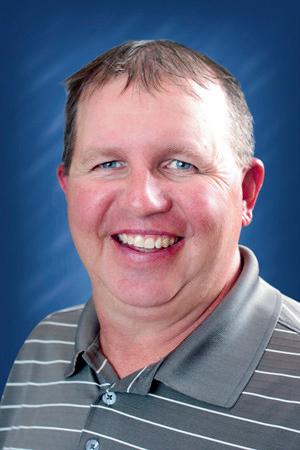


maintenance, accessories, position, etc.).
Design and create shooting sports equipment (e.g., pellet stand, kneeling role, target stand, quiver, etc.)
History and nomenclature of firearms.
Sportsmanship: Ethical behavior and responsibility. Requirements
No explosive materials are allowed. Arrow tips or broadheads should be removed for display but may be included as part of the judging experience if secured for safety.
Exhibits including firearms & bows must be sporting varieties only. Exhibitors must include a color photo of the item to be left on display - bows and firearms will not be left on display. The photograph should be taken prior to the county fair and attached to the display.
MN and 4-H regulations for handling and storing firearms must be followed.
Project Description
Share what you’ve learned about Aquatic Robotics, Computers, or Robotics — such as programming, building, 3D printing or operating robots — and create a 4-H fair exhibit to show what you’ve discovered.
Exhibit Suggestions
Robot (Examples: Edison, EV3, WeDo, Osmos, VEX (or other types of robotics)); (Have a photo of the robot if you do not intend to leave the robot on display).
Display the robot using diagrams of programming, photos, booklets, etc.
Video of robot in action.
Exhibit an ROV (Remote Operated Vehicle); show the use in identifying Aquatic Invasive Species (AIS) and providing education.
Explain the foundations of computers and explore how computers work for various projects.
Build a robot with labels describing how it works and/or accompanied with a binder of how it works.
Share software you created and how it works.
Learn about cyberbullying and explain prevention techniques.
Share about a robotics class you participated in and what you learned.
Create an educational app. Show how you planned your app by including sketches, wireframes, or screenshots, and explain how it helps users learn. Explore careers in this project area and explain why they interest you.
Design computer hardware/software.
An object made using a 3D printer.
Requirements
Include description, images/photos needed to assist with verbal or written description.
Description(s) can be verbal or written.
Computers, smartphones, tablets, etc. can be used during the judging process.
Remove batteries from technology exhibit after judging.
Project Description
Exhibitors showcase their vegetables, fruits, and herbs demonstrating their gardening techniques and an understanding of plant growth and care.
Fruit Exhibit Suggestions
| Fruit should be brought in an appropriate size clear
container for displaying fruit.
| Display showing a comparison of several varieties of the same fruit (labeled); display using a branch to illustrate proper pruning of fruit trees and explaining the process; illustrate the many uses of fruits (fresh, jams, juices, cooking, baking, salads and recipes); illustrate the use of fruits as natural dyes.
| Educational display illustrating diseases (actual specimens) or insects (actual specimens) and methods of control.
Requirements
| If displaying a fruit sample, the exhibitor should bring 4-6 items of one variety of fruit and include an information card listing the varieties of fruit.
| The exhibit must be produced at home or by a close relative. Cannot be store purchased.
Herb Gardening
Exhibit Suggestions
| Educational display showing some aspect of raising or using herbs.
| An herb container garden planted in a tub, pot, or planter.
| A dried sample of herbs you have raised, harvested, and dried (in an airtight container).
| A display using a 4-H project kit (growing a variety of herbs in a container).
Largest Vegetable
Note: This exhibit is not an optimal example of an edible vegetable. This is done for fun-growing purposes.
Exhibit Suggestions
| Squash
| Cabbage
| Pumpkin
| Melons
Requirements
| Include an information card with name, plant variety, and date planted.
| The exhibit must be produced at home or by a close relative. Cannot be store purchased.
Potatoes
Exhibit Suggestions
| Display a box (fruit crate size) or clear container of potatoes that contains all the potatoes in that hill (all the potatoes one plant produced)
| Display a box (fruit crate size) or clear container of 6-10 potatoes from one or two hills of the same variety of potato.
| Educational display illustrating diseases and control, methods of mulching and reasons, causes and effects of sun-scald.
Requirements
| If displaying a potato box (fruit crate size) or clear container, you need 6-10 potatoes of the same variety or 2-3 varieties (this year’s crop) similar in size to the variety identified on an information card.
| Be familiar with crop input costs and the growing process.
| The exhibit must be produced at home or by a close relative. Cannot be store purchased.
Exhibit Suggestions
| Showcase your gardening skills by growing a thriving Vegetable Container Garden. This exhibit challenges 4-H’ers to design and maintain a productive garden in a container, perfect for small spaces.
Requirements
| Must include one type of vegetable grown in a container.
| The container should be portable and have proper drainage.
| Judges will assess plant health, variety selection, creativity
in design, and overall presentation.
| Exhibits may include a brief written description (maximum 100 words) detailing the plant choices, care methods, and any unique features of the garden.
| Plants should be grown in the exhibit container for at least one month prior to the fair.
| A themed herb garden with multiple plants would be accepted in this category.
Vegetable Gardening Box
Clarification: Vegetable Variety is either Large, Medium, or Small Exhibit Suggestions
| A box (fruit crate size) or clear container used to display vegetables.
Requirements
| Label vegetables with proper variety names on an information card.
| When exhibiting a collection of vegetables, the collection should include six different kinds of vegetables (For example: 1 large variety + 3 medium varieties + 2 small varieties)
| 6 different vegetable specimens for this exhibit choosing any combination of the following:
Ê One large vegetable specimen (cabbage, squash, melon, pumpkin, cauliflower, etc.)
Ê Three different medium-sized vegetable specimens and 3 of each specimen (tomatoes, onions, peppers, cucumbers, kohlrabi, carrots, beets, turnips, etc.)
Ê Two small vegetable specimens and 6-12 of each specimen (green beans, peas, lima beans, etc.)
| Potatoes may not be included (enter under the Potato project).
| The exhibit must be produced at home or by a close relative. Cannot be store purchased.
Vegetable Plate
Clarification: Vegetable Variety is either Large, Medium, or Small Exhibit Suggestions
| On a disposable plate, display an example of ONE vegetable variety.
| Examples of individual variety on a plate include:
Ê Large-sized vegetable specimen: 1 sample (cabbage, squash, melon, pumpkin, cauliflower, etc.)
Ê Medium-sized vegetable specimen: 3 of each specimen (tomatoes, potatoes, onions, peppers, cucumbers, kohlrabi, carrots, beets, turnips, asparagus, etc.)
Ê Small sized vegetable specimen: 6- 12 of each specimen (green beans, peas, cherry tomatoes, jalapenos, lima beans, etc.)
Requirements
| Label vegetables with proper variety names on an information card.
| Only have one vegetable variety (Large, Medium, or Small) on the plate. (For example: Variety is Medium sized - three onions).
| The exhibit must be produced at home or by a close relative. Cannot be store purchased.
Project Description
Share what you’ve learned during an in-depth exploration around veterinary science topics.
Exhibit Suggestions
An exhibit focused on technology or industry advancements in veterinary science.
An exhibit on diseases of animals focusing on the history, management, prevention, etc.
An exhibit on use of different medications in veterinary science focusing on dosage, records, implications of use, or
impact on the industry.
An exhibit focused on surgical and nonsurgical procedures used in veterinary medicine (spaying/neutering pets, embryo transfer, wellness visit, etc.).
An exhibit focused on careers in veterinary science exploration (such as job shadowing, interviews, and opportunities)
Create a 3-D model of the skeletal system of the animal of your choice.
Project Description
You can use videos in your daily life, for school projects, or in a future career. Videography is art, communications, and technology together. Becoming good at making videos teaches media literacy—the ability to fully understand media messages that come at you every day.
Video/Filmmaking - Individual
Video/Filmmaking – Production Team (2-3 members per team)
Exhibit Suggestions
Showcase various video/film techniques.
A selected subject. Include a short storyboard or outline. Illustrate how a video/film camera works, or how to care for video/film equipment, illustration of computer video/film creation, etc.
A video/film made by blending computer technology and traditional camera created video/film.
A video/film using data from trail camera or time lapse camera (stop action video) or drone with attached camera (see note related to drone use (& this link takes you to that section in the digital format of this document)).
A video/film using Claymation, dolls, Lego for stop action. Document environmental issues such as the plight of pollinators, pollution, soil erosion, or the steps taken to improve the environment.
A short documentary on a family member or interesting member of your community.
A trailer for a movie or event (can be fictional).
A story that you tell using your friends and family.
A commercial, real or fictional.
Requirements
It is encouraged that when developing a 4-H video/ filmmaking exhibit, members will develop skills beyond the classroom.
It is recommended that the video/filmmaking exhibit be 3-5 minutes and no longer than 10 minutes.
All video/filmmaking exhibits must be made by the exhibitor OR by a production team of which the exhibitor must be a member.
The exhibitor’s name, grade, and club must be clearly printed on all exhibit pieces.
All video/film footage exhibited must have been made/ created DURING THE CURRENT 4-H YEAR. When appropriate, (i.e. historical sequences) older video clips can be used.
The member should provide the video file even if sending it electronically.
Video/film must be presented on DVD, flash drive or CD. Participants are also allowed to upload their video to YouTube.
Videos can also be delivered via Youtube, Vimeo, Frame.io or similar online based presentation sites.
Video/film needs to be in presentation form, including a title and credits.
The video/film must be original material. Any video/film exhibit, which appears to contain copyrighted material, including music, will not be publicly displayed unless the exhibitor has written permission from the producer to use the material in the video/film. Portions and music from other sources must be documented and have a copyright







release. Learn more about copyrighted material and finding material that is public domain or released under the Creative Commons license (z.umn.edu/free4u).
A computer must be brought for viewing the video/film during the conference judging, or other arrangements need to be made in advance with the 4-H staff. Video/film must be playable on Windows, use file format including .WMV, .FLV and .MPEG, .AVI, .MOV, .AVCHD, .MPEG-1, .MEG-4, as well as a playable DVD.
4-H videos must adhere to G or PG (parental guidance) standards. The 4-H Code of Conduct requires respectful behavior, so you may not depict: violence, obscene language (or naughty words) including swearing, rude interactions or insults, or use or visibility of guns or fighting, etc. Remember not only teens and pre-teens view the videos but young children and their parents. Keep this in mind when creating your video.
Notes:
This is not a slideshow (see Manipulated Photography for slideshow)
| (z.umn.edu/intro-to-photo-manipulation)
Supervision of the drone operator is important until they understand not only how to use a drone but also understand the etiquette and rules for using the drone. For information visit the Federal Aviation Administration on unmanned aircraft systems (https://www.faa.gov/uas).
Video Release form - Use this form when including any person in your photo that is NOT in 4-H. This verifies that the subject has agreed to have their photograph taken. Keep this signed form in a file. Here is a link to the English (z.umn.edu/photo-release-english), Spanish (z.umn.edu/photo-release-spanish), Hmong (z.umn.edu/ photo-release-hmong) and Somali (z.umn.edu/photo-releasesomali).
Equipment: Any electronic device capable of capturing a video image video camera, digital camera, DSLR, time lapse camera, trail camera, cellphone, tablet, GoPro, or drone with an attached camera (operator must meet age requirements to use a drone).
See “Natural Resources” section (& this link takes you to that section in the digital format of this document)
Project Description
Wildlife biology and management is about taking care of and protecting animals in their natural habitats to ensure their well-

being and the balance of nature. Wildlife management is like being a guardian for animals and their homes. It’s about making sure they have enough food, clean water, and safe places to live. Wildlife managers also help sick or injured animals and make sure there is a good balance in nature so all animals can thrive.
Develop a wildlife management plan--show practices related to land use and forest management for wildlife such as controlled burns, logging, planting, etc.
Explore basic concepts of Wildlife Management (waterfowl wingboards, birdhouse trails, carrying capacity, game animal habitat requirements, history of game management, etc).
Explain some factors that threaten or endanger animal species such as urbanization, climate change, or habitat loss. Or explore a species that went extinct and why it happened.
Build a bird or bat house, nesting structure, hibernaculum, animal shelter, or feeder and explain the history of artificial shelter structures & how it can benefit a species.
Display a collection of identified wildlife scat (droppings), skulls, or skins. How do they differ? Why?
Show how wildlife can be classified into herbivores, carnivores, or omnivores using skull diagrams.
Write a wildlife landscape habitat plan.
Report on animal adaptations, such as animal camouflage. How do adaptations of plants and animals match the environment they live in?
Make a display that details a food chain/web of a particular habitat.
Explain the life cycle of your favorite wild animal in a video, poster or display.
Shadow or volunteer at a nature center or park and share your experience using a journal, video, or display. Learn about rules and policies in place to protect or manage certain species of wildlife.
Identify, mount, and label a book of plants native to a certain region.
Animal signs, animal tracks, homes or foods.
Do a bird study, including beak type, wings, feet, song, feeding patterns, etc.
Make a collection of wildflowers growing near where you live or a place you visit.
All wild game used in exhibits must be tagged appropriately according to state laws.
Youth Leadership is a project area that requires the member to discover their skills and then develop those skills and share them with others. This might happen individually or with a group. Share how you’ve built an understanding of self developed skills,
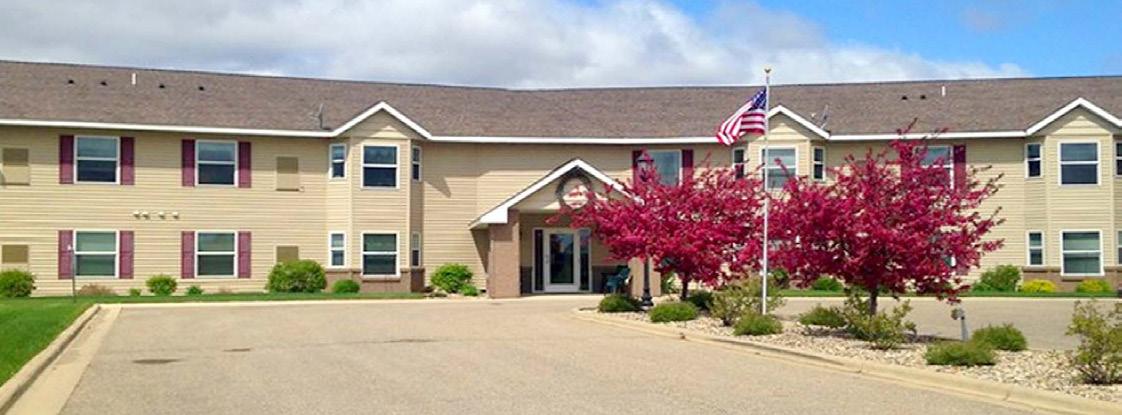
learned how to work with others, overcome obstacles, adjusted goals, developed understanding of making decisions, and/or managed, and/or worked in groups.
Exhibit Suggestions
Share your youth leadership experience. This could include your 4-H youth leadership journey, or your leadership in an organization within your school or community.
Share what you gained and shared from a conference or retreat you attended.
Share a personal development plan you have implemented.
Develop a (career and/or college prep) portfolio.
Develop a presentation that illustrates how you’ve built understanding of self, developed communication skills, learned how to work with others, developed understanding of making decisions, and/or managing and/or working in groups.
Lesson plan you’ve developed.
Meeting outline or agenda developed by youth. Illustrate how you’ve shared 4-H with others.
Scrapbook outlining participation in leadership programs. Includes personal reflection on leadership growth and development.
Share how you have taken the lead on a service project, and what leadership skills you gained through the project.
Share how you have served as a mentor and/or teacher to younger youth (could be with a project area, a club activity or officer role, etc)
Share how you led your group’s special activity (ex. Food Partner Challenge).
Bring to the 4-H Exhibit Building by noon Wednesday, July 29 or to the Extension Office @ Government Center before that date.
Project Description
The club/group promotional banner serves as a tool to promote the local 4-H club and the county 4-H program and give 4-H’ers an opportunity for artistic expression through advertisement. Two banners will be selected for the State Fair.
New in 2026 - Banners may also include digitally created vinyl or cloth banners.
Exhibit Suggestions
Banners should have a theme and reflect/represent opportunities in the 4-H program. It should carry the message quickly and simply to the viewer.
Non-digital fabric banners can be 2-D or 3-D. Digital banners can be designed using a platform of choice and printed.
Requirements
Banner must be 3’ x 5’ and designed to hang vertically. Banner must be completed and equipped with a dowel (minimum size 3’ 8”) and ready to hang. *Need a dowel - we have some in the Extension Office.*
Banner must be of fabric, cloth or vinyl (no paper).
Banner can be one or two-sided. If 2-sided, indicate which side you want to be displayed.
Attach a 3” x 5” card with the club or group name to the back of the banner.
Banner design should be that of the 4-H members’.
4-H Clover Emblem Guidelines
| Use only approved colors and formats for the 4-H clover.
| The clover must be PMS 347 green with white, black or metallic gold “H’s”.
| Do not use gradients, shadow, or multi-colored effects on the clover.
| Include the “18 U.S.C. 707” notice in the same color as the
clover leaves.
| If you need the 4-H Emblem in a digital format or have questions on its usage, please contact your local Extension Office.
Project Description
Share how your club or group makes their community better by being active citizens and act on the things they believe in.
Two exhibits will be selected for the State Fair.
Exhibit Suggestions
Organize an environmental cleanup.
Make or collect and distribute items where needed. Read to younger kids at the library or school.
Service to nursing homes or homeless populations. Deliver safety education programs such as a bike rodeo or fire safety training.
Food Partner Challenge digital story.
Requirements
The exhibit visually highlights the entire project or certain parts in a manner which tells the public what positive effects the project had on the community.
Two youth who participated in the project may represent the club/group in conference judging. Youth will explain the purpose of the project, steps in the planning, how the project meets the community needs, and the impact it has.
Note: The youth that represent the club/group at the State Fair must meet the State Fair age requirement.
Note:
Community Pride participants at the State Fair may exhibit another individual project.
Project Description
The club promotional booth serves as a tool to promote the local 4-H club and the county 4-H program and give 4-H’ers an opportunity for artistic expression through advertisement.
Exhibit Suggestions
Booth should have a theme and reflect/represent opportunities in the 4-H program. It should carry the message quickly and simply to the viewer.
Requirements
8 booth spaces are available in the 4-H Exhibit Building. Registration for space is on a first come, first serve basis. Booth location will be assigned by the Extension Office. Please be prepared to make adjustments.
Booths must be set up on Sunday, August 2 between 1-4pm.
Booth size - Width: 8’ - Height: 4’
Project Description
The club’s promotional outdoor decorating serves as a tool to promote the local 4-H club and the county 4-H program and give 4-H’ers an opportunity for artistic expression through advertisement.
Exhibit Suggestions
Club outdoor decorating should have a theme and reflect/ represent opportunities in the 4-H program. It should carry the message quickly and simply to the viewer.
Requirements
The location area will be designated to the clubs that sign up with the Extension Office.
Must be finished & decorated by 10am on Monday, August
2nd to qualify for judging.
Clubs are responsible for ALL materials used in decorating. Clubs will be responsible to remove all material and MUST be removed on Sunday, August 9th by 4pm.
Project Description
The club scrapbooking serves as a tool to promote the local 4-H club and the county 4-H program and give 4-H’ers an opportunity for artistic expression through advertisement. Exhibit Suggestions
The club scrapbook should depict an area of work or program of current emphasis.
Requirements
The scrapbook must be 12x12, minimum of 6 pages, & depict the current 4-H club work.
One scrapbook per club.
One or more youth must participate in conference judging.
See “Plastic Sculpture Challenge” section within general project (& this link takes you to that section in the digital format of this document)
Note:
Exhibits can be created by individuals, teams or clubs. .
Demonstrations
Demonstration - Individual Demonstration - Team Demonstration - Cloverbud Individual Demonstration - Cloverbud Team
Livestock Demonstrations
Judging will be @ County Fair. Sign up form will be sent to everyone who signed up in FairEntry prior to the County Fair.
Livestock Demonstration - Individual Livestock Demonstration - Team
Presentations and Speeches Presentations & Speeches - Individual Presentations & Speeches - Team
Interactive Demonstrations
Interactive Demonstration - Individual Interactive Demonstration - Team Exhibit Suggestions
Demonstrations:
| Teaching others a project or activity such as taekwondo, making lemonade, slime, macrame, etc.
Livestock Demonstrations:
| Demonstrate how to care for an animal or prepare it for showing at the fair.
| Teaching others how to tie a halter.
| A talk on preventative or veterinary care for a species.
| Demonstrate how to tattoo an animal. Presentations & Speeches:
| A report on leadership lessons learned through a trip to Washington DC.
| An educational presentation that explores sustainable energy options.
| A persuasive speech exploring Social Media effects on youth mental health.
Interactive Demonstrations:
| An interactive presentation that teaches the public how
to do something. For example, teaching the audience an origami project where they follow along with your demonstration step-by-step and create the project with you.
| An interactive yoga demonstration where you teach the audience various poses.
Public Presentations may be related to any project that the member is enrolled in or to any area of interest or expertise the 4-H’er has. Presentations may be an individual or a twoperson team.
Demonstrations are an oral presentation that includes actually demonstrating the hands-on steps required to accomplish a task or process. This most often includes the use of physical objects and actual doing or showing. At the end of the Demonstration there should be something of a “finished product”. Demonstrations may also include the use of supporting visuals like posters, charts or technology-based options like presentation software (i.e. MS PowerPoint, KeyNote, Google Slides). However, the focus of the Demonstration should be on the “doing”, not the supporting visuals. Presentations may be an individual or team. Individual presentations shall not exceed 15 minutes in length and team presentations should not exceed 25 minutes in length.
Livestock Demonstrations include: Beef, Dairy, Dairy Goat, Llama - Alpaca, Meat Goat, Poultry, Rabbit, Sheep and Swine and must include a live animal in the demonstration. Other demonstrations involving animals can be entered under the demonstration category.
Presentations & Speeches are oral presentations that present an idea, concept, viewpoint or experience in an educational or informative format (not for entertainment or performative purposes). Presentations & Speeches often consist of interaction with supporting visual aids like posters, charts or technology-based options like presentation software (i.e. MS PowerPoint, KeyNote, Google Slides). Supporting visuals may include tangible items, but generally little or no activity takes place with the item. Presentations & Speeches may be an individual or team. Individual presentations shall not exceed 15 minutes in length and team presentations should not exceed 25 minutes in length.
Interactive Demonstrations are oral presentations that are continuous and include hands-on audience interaction/ participation. Adequate supplies should be provided by the presenters so that all present can participate in the activity. Interactive Demonstrations may be an individual or team. Interactive Demonstrations are approximately 25-30 minutes in length but for both individual or team. Involving the audience in the process is the primary focus of Interactive Demonstrations and constitutes a major portion of the evaluation results.
Note: 4-H’ers who complete a Public Presentation at the State Fair will receive a $30 cash award. These payments are made in October. 4-H’ers must be grade eligible to participate at the State Fair.
Note: All members of a team must meet the State Fair age requirement to advance to the State Fair.
Note: 4-H’ers may bring one Livestock Demonstration, one Llama/Alpaca Demonstration and one Demonstration, Presentations & Speech or Interactive Demonstration to the State Fair. (This means one during Livestock Encampment, one during Llama/Alpaca Encampment and one during General Encampment).
Note: 4-H’ers that win a trip to the State Fair will be asked to submit a photo of them doing their demonstration to have on display.
Note: Due to H5N1, poultry demonstrations with live birds cannot take place on the Barn Stage in the Cattle Barn at the State Fair, but can take place on the Moo Stage outside the Cattle Barn. The Moo Stage outside does not have a screen, so a slide presentation is not an option. If you have a poultry demonstration with live birds and a slide presentation, you will need to do your demonstration in the 4-H Building.


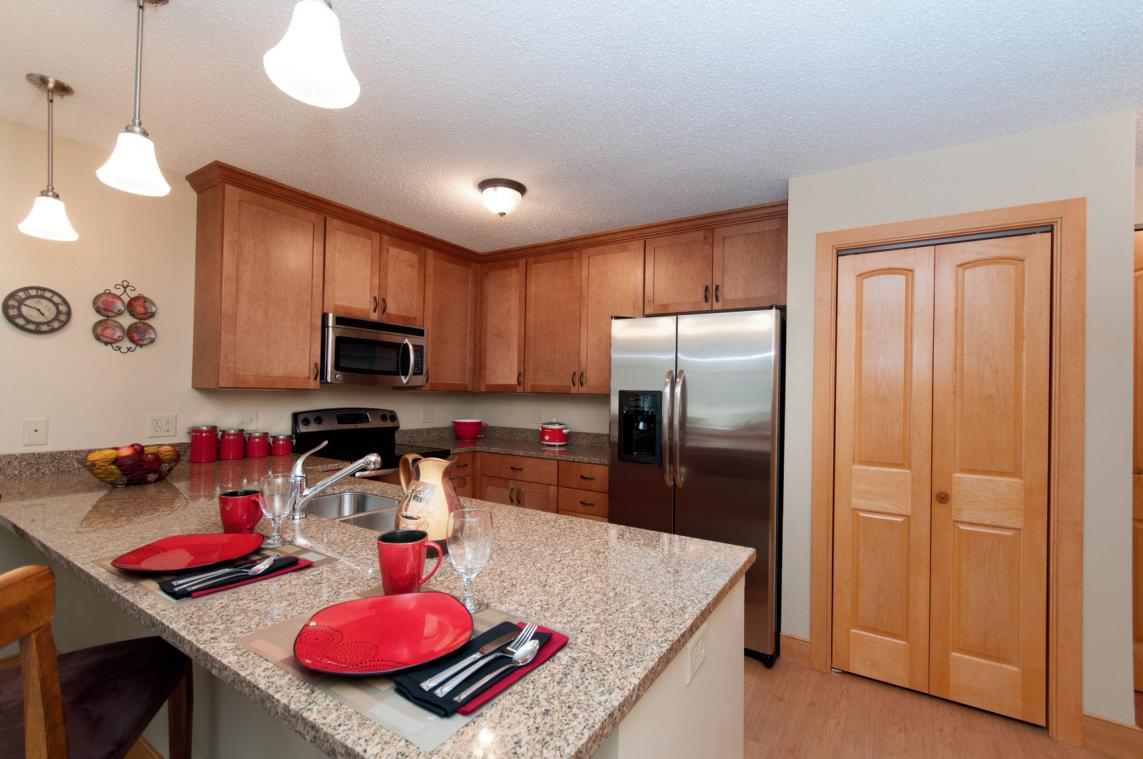


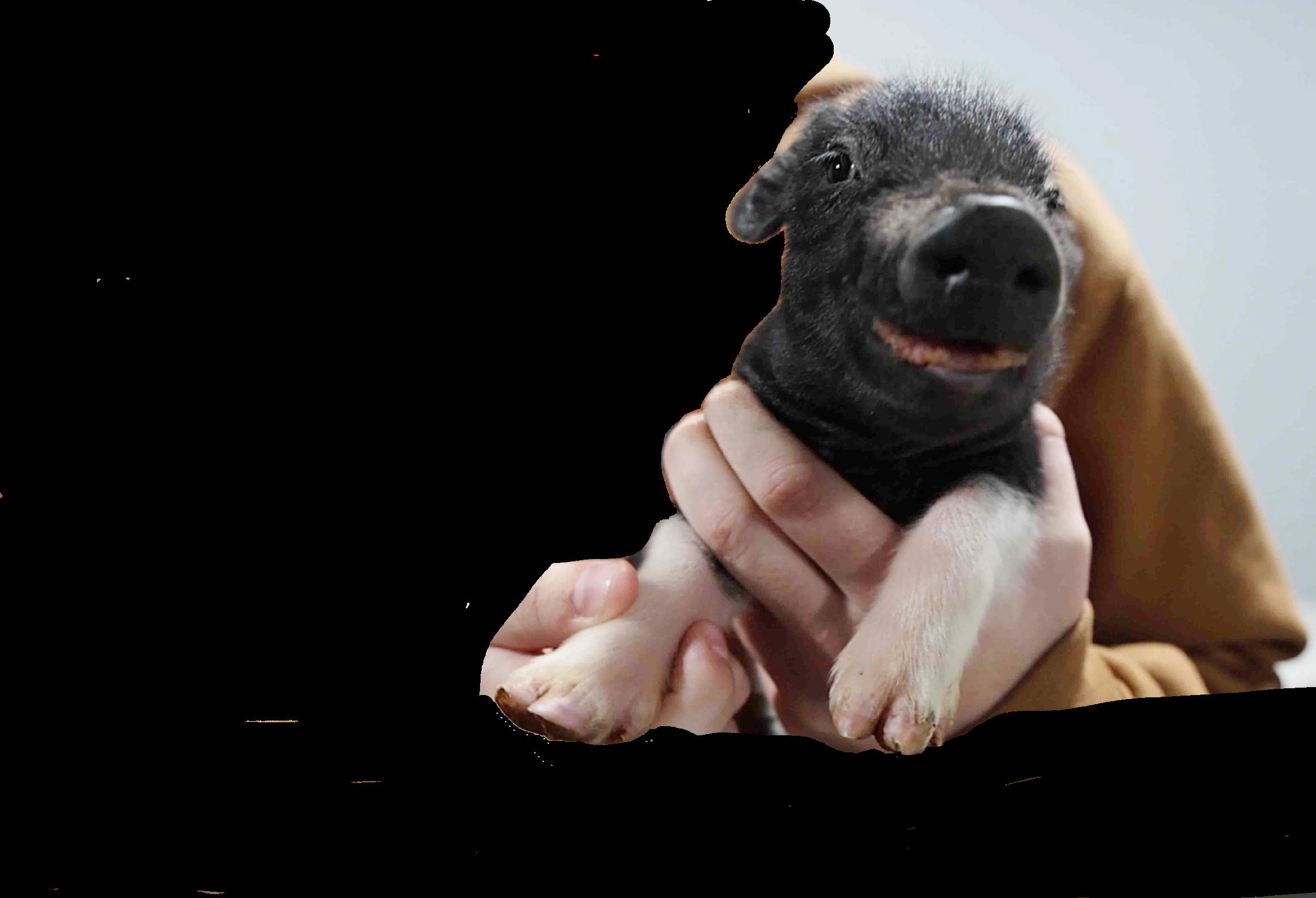

The Freeborn County Fair Amateur Talent Contest is open to all amateur entertainers. Contestants MUST reside in a County in Minnesota. Professionals or (union musicians or those whose talent is a principal source of income) are NOT permitted to enter.Acts that have participated in the past may compete again, with the exception of the First- Place winner(s) in the Open Division. Former First Place winners in the Pre-Teen Division are required to compete in the Teen Division. Former First Place winners in the Teen Division must compete in the Open Division if they choose to compete again. Former Open Division winners may compete again after two years from the time they won.
Contestants must submit a complete Entry Form to the Talent Contest Coordinator via the Freeborn County Fair Office. Entry forms must include the following information on each person in a group: name, address, phone number, age on date of contest, birth date, county of residence, type of talent and title of selection. Incomplete entry forms will not be accepted. Entries that do not match the information submitted on the entry form exactly will be disqualified.
There will be three divisions. The PRE-TEEN Division is open to contestants ages 12 and under. The TEEN Division is open to contestants ages 13-18. The OPEN Division is open to contestants of any age. Accompanist, when NOT part of the act, may be any age.
The contest will be held on SUNDAY, August 9th at 1:00 PM for all divisions. The contest will be held at the Entertainment Plaza on the Freeborn County Fair Grounds. The contest will begin with the youngest entrants in the Pre-Teen Division and progress through to the oldest in each division. A schedule will be posted prior to the beginning of the contest at the stage area. Contestants using costumes should come ready to perform. There are no dressing rooms available other than fairground restrooms.
The time limit is FOUR (4) MINUTES. Points will be deducted for contestants going over this time limit.
There will be no accompaniment provided. Vocalists may use recorded accompaniment, provide the MSF USB that contains musical accompaniment only. ABSOLUTELY NO BACKGROUND VOCALS WILL BE ALLOWED. A sound system will be provided, and a sound technician will be on hand to assist with any special needs. MSP USB should be cued up with your name and division on it as well. All contestants are required to use the sound system provided by the Freeborn County Fair. No warmup time will be allowed between acts. DANCERS – there will be no warm-ups or practicing in or around the stage area before the contest.
Gate admission will be the responsibility of each contestant. Parking is provided on the Fairgrounds. No vehicles will be given special permission to park in the Entertainment Square area.
First, second and third places will be awarded in each division. The first-place winners in each division will be eligible to compete in the semi-final competition at the Minnesota State Fair.
The acts selected to perform at the Minnesota State Fair will be required to perform the same act or musical selection exactly that was performed at the Freeborn County Fair.
All contestants will be judged on quality or performance, entertainment value and selection. Judge’s decisions are final and score sheets will not be released to the contestants or to the public.
Prize money will be awarded as follows in each division: First Place - $75 Second Place - $60 Third Place - $50
INDIVIDUAL OR GROUP NAME IF GROUP – CONTACT NAME AND PHONE ADDRESS
HOME PHONE CELL
DESCRIPTION OF TALENT AND TITLE OF SELECTION
ACTS WILL COMPETE IN ONE OF THE FOLLOWING: PRE-TEEN DIVISION (12 & UNDER) TEEN DIVISION (13-18) CHECK ONE ONLY
OPEN DIVISION (ANY AGE)
CONTEST WILL BE HELD ON SUNDAY, AUGUST 9th AT 1:00 PM. Entry forms must be received NO LATER than AUGUST 7TH. Please send to Fair Office, PO Box 128, Albert Lea, MN 56007 or email to freeborncountyfair@gmail.com Call 507-373-6965 if any questions.
Are you a union musician or have you ever performed the, above mentioned, talent as a professional on a regular employment basis? Yes ____ No ____
Have you ever participated in the Minnesota State Fair Amateur Talent Contest? Yes ____ No ____ If YES, were you a division winner? Yes ____ No ____ Which Division? _____________________________ I acknowledge that I have read the entry rules and agree to abide by them.
Signature of Contestant(s) _________________________________________________________________________________________________________
If A GROUP, please list each entrant’s name, address, phone, age, birthdate, and county of residence
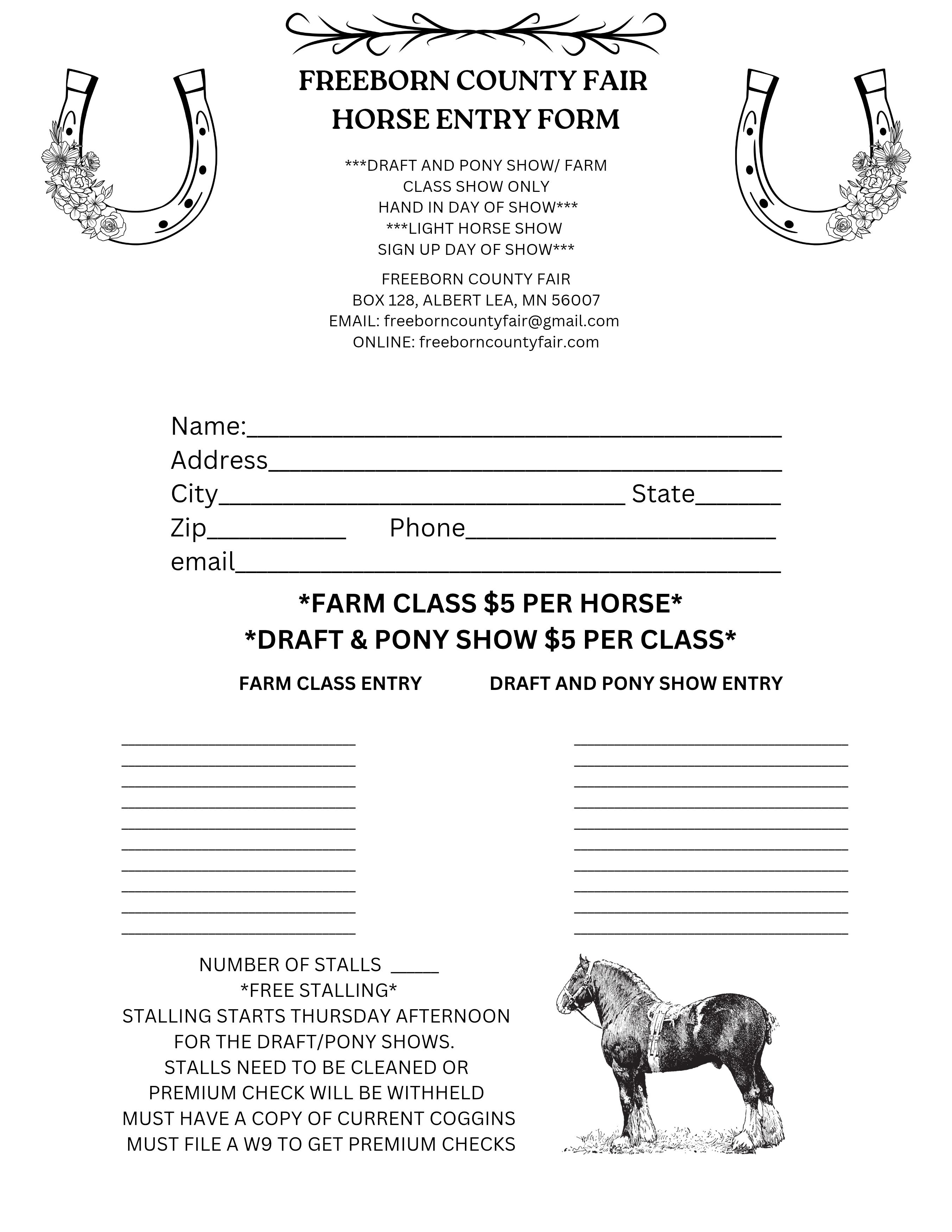










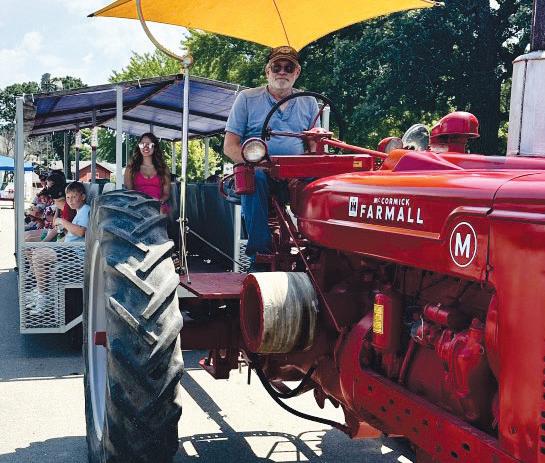

Return completed form to Superintendent Ethan Johnson via text at 605-940-4954 or ethanwyn.johnson@gmail.com.
Return completed form to Superintendent Ethan Johnson via test at 605-9404954 or ethanwyn.johnson@gmail.com .
The show will take place on Saturday, August 8th, 2026. No entries recorded unless accompanied by proper fees ($20 per head, $10 per head for Freeborn County exhibitors $2 FFA entry fee in addition to open class entry fee). Weigh-ins/registration will run from 2:00—3:00pm and the show will start at 5:00pm, or immediately following the open class beef show.
The show will take place on Saturday, August 8th, 2026. No entries recorded unless accompanied by proper fees ($20.00 per head additional $10.00for FFA). Weigh- ins/ registration will run from 2:00—3:00pm and the show will start at 5:00pm, or immediately following the open class beef show. If you show at the Freeborn County Fair for 4-H, you can use your 4-H weight. Dairy goats will be first with the Market Shows to follow. Due to limited barn space, showing off the trailer may be required. There will be an optional showmanship at the conclusion of the shows. Checks payable to: Freeborn County Fair. See Freeborn County Open Goat Show section for more information. Please fill out a row for showmanship if participating.
Example on top of form.
Freeborn County Fair August 4thAugust 9th Entry Fees: $2.00 per head open class breeding sheep Please Reserve: $2.00 per head for 4-H or FFA Members Pens $5.00 per head for Open Class Market Lambs $2.00 per head for 4-H or FFA Members Checks payable to: Freeborn County Fair See Freeborn County Swine Section for more information. Mail Entry Form to: Freeborn County Fair, PO Box 128, Albert Lea, MN 56007 Or E-Mail Entry Form to freeborncounty fair@gmail.com On-Line Registration is Available at www.freeborncountyfair.com and click on forms.
Includes Creative Arts & Foods, Floral Hall, & Horticulture
Return by: Monday, July 27th, 2026
Mail Entry Form to: Freeborn County Fair, PO Box 128, Albert Lea, MN 56007 Or E-Mail Entry Form to freeborncountyfair@gmail.com On-Line Registration is Available at www.freeborncountyfair.com and click on forms.
Name of Exhibitor:
Address:
Phone: E-Mail Age
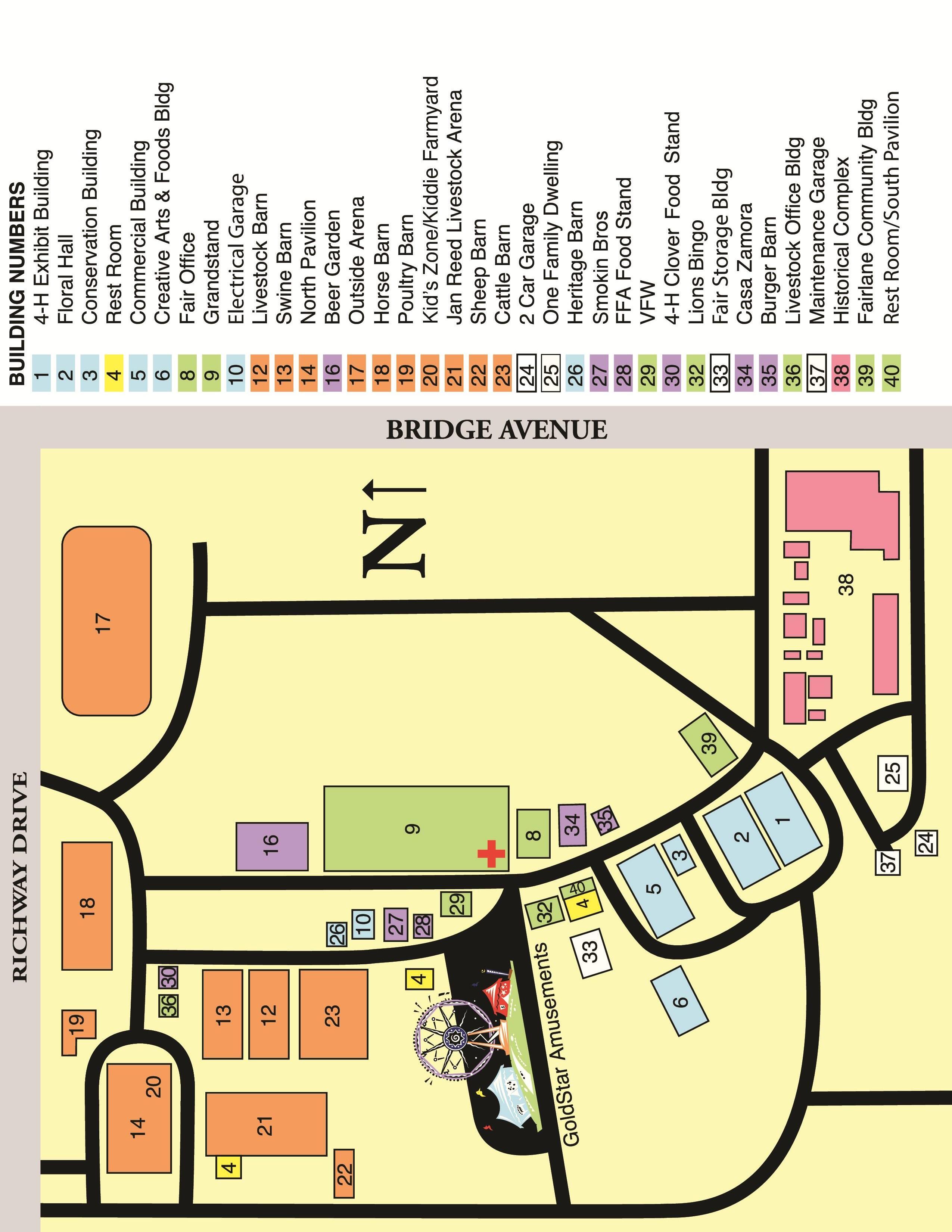








Inspiration for Our Day: “Trust in the LORD with all your heart and lean not on your own understanding: in all your ways submit to him, and he will make your paths straight.” ~ Proverbs 3:5-6