IMPROVING COMMUNITY HEALTH AND WELLBEING THROUGH INTEGRATED HOUSING SOLUTIONS





Housing & Health Strategy 2026–2030
Quick Guide







IMPROVING COMMUNITY HEALTH AND WELLBEING THROUGH INTEGRATED HOUSING SOLUTIONS


Housing affordability is a major challenge. In South Derbyshire, the average house costs £250,000, and private rents are now over £830 a month. For many households, owning or even renting a suitable home is becoming harder, and the gap between incomes and housing costs is widening.
We’re also dealing with issues around fuel poverty and the condition of our homes. 13% of households struggle with energy costs, and over half of homes in the district (57%) are below a C on their energy performance rating. 14.5% don’t meet the Decent Homes Standard, and many have serious hazards like excess cold, damp, and mould. These issues directly affect residents’ health and wellbeing.
On top of this, there are stark inequalities across the district. Areas like the Newhall and Stanton ward are among the most deprived in the country, whilst places like Repton are at the opposite end of the scale. These differences are reflected in life expectancy and health outcomes.
The cost‑of‑living crisis is making everything harder, especially for households trying to maintain or adapt their homes.
This underlines why we need to focus on delivering affordable, energy efficient, safe homes, and why our approach must support both immediate needs and the long‑term changes in our population.

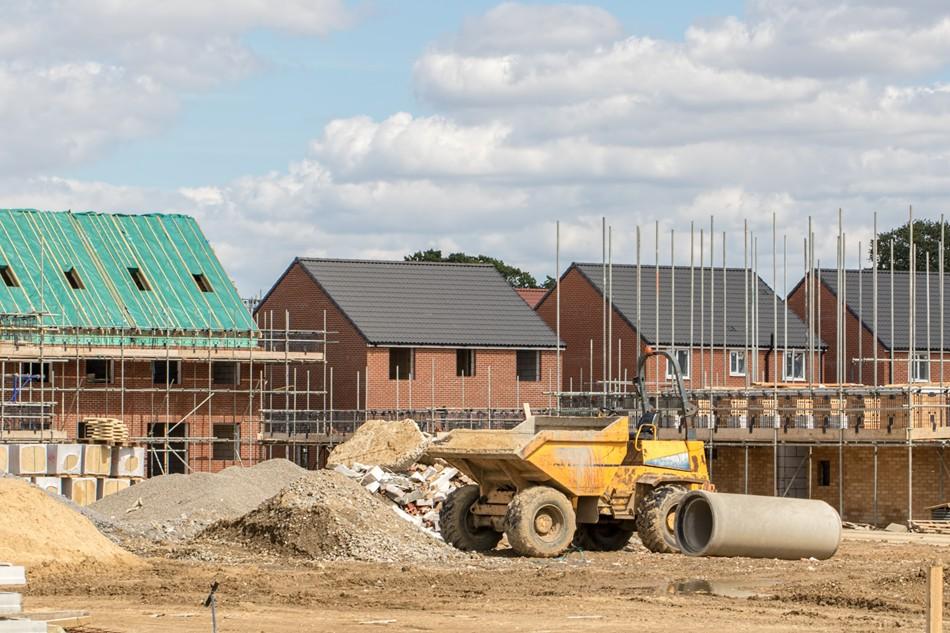
Our first priority is improving health by tackling housing conditions that put people at risk.
Issues like damp, mould, and excess cold contribute to respiratory illness, mental health problems, and higher hospital admissions.
In South Derbyshire, nearly 6,000 homes have serious hazards, most of them in the private sector.
To address this, the Council will strengthen enforcement in private rented homes, and promote grants such as the Safe, Warm and Well Grant to help residents make essential repairs.
We’ll continue to deliver the Handy Person Plus service to provide small home adaptations that prevent falls and support quicker hospital discharge.
Larger adaptations will continue through Disabled Facilities Grants, helping older and disabled residents stay independent.
We’ll also improve energy efficiency in non‑traditional Council homes, reducing fuel poverty and the risks associated with cold homes.
By working closely with health partners, we’ll make sure housing safety is built into care pathways, speeding up discharge and preventing avoidable hospital stays.
Overall, this priority is about shifting from reacting to crises to preventing them, using housing as a foundation for better physical and mental health across the district, while also reducing pressure on the NHS.


The second priority addresses the acute need for affordable housing in South Derbyshire.
Rising house prices and rental costs have placed home ownership beyond the reach of many residents.
Private rents consume a disproportionate share of household income.
To address this, the Council aims to deliver at least 200 affordable homes, including 50 new council homes, each year.
Mechanisms such as Section 106 Agreements (which enable social housing to be delivered at a significant discounted rate on new build sites), commuted sums (which is where developers have contributed money to be set aside for affordable housing provision elsewhere in the district), and Homes England funding (government backed grants) will be leveraged to secure affordable units on new developments.
The strategy also promotes tenure diversity, including shared ownership and rent-to-buy options, to provide pathways into home ownership for lower-income households.
In addition, the Council will explore opportunities to develop 100% affordable housing sites, where need is greatest, and will review the viability of older sheltered housing stock for redevelopment.
These efforts align with national targets to deliver 1.5 million homes by 2029.
This priority is critical for addressing affordability pressures, enabling economic stability, and ensuring that housing provision meets the needs of diverse households, including newly forming households and vulnerable individuals.
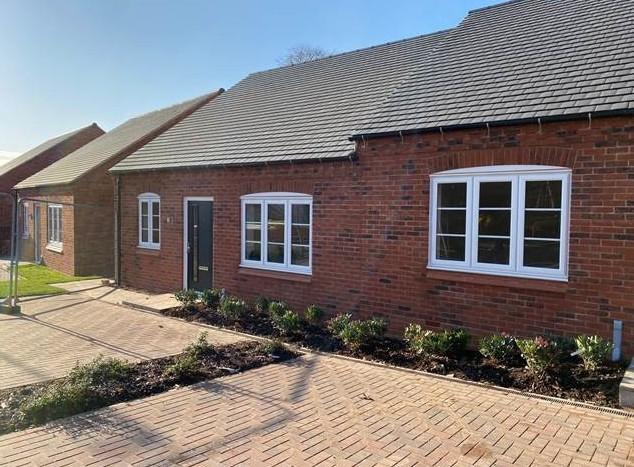

Our third priority aims to support South Derbyshire’s ageing population. By 2034 almost one in four residents will be over the age of 65.
This increases demand for homes that support independence, accessibility, and good health.
To respond to these challenges, we’re aiming to deliver two new extra‑care schemes by 2030, giving older residents independent homes with care available on site.
We’ll also continue providing Disabled Facilities Grants for adaptations like stairlifts and level‑access showers to support safety and wellbeing.
A proportion of affordable housing will be built to ‘accessible standards’, and we’re working with Derbyshire County Council and other health partners to map future needs and plan specialist housing.
Together, these actions create a range of options that help people age well, stay independent, and reduce pressure on health and social care services.


Our fourth priority seeks to tackle disrepair in private housing, as this is a serious issue that affects people’s health and wellbeing.
In South Derbyshire, around 13% of homes have major hazards, especially excess cold, and over 11% of households are in fuel poverty.
To tackle this, the Council will use its enforcement powers to make sure landlords meet legal safety standards. The new Renters’ Rights Act 2025 extends these duties by expanding the Decent Homes Standard to private rentals and strengthening tenancy security and safety.
Alongside enforcement, we’ll promote grants such as the Safe, Warm and Well Grant, which helps owner-occupiers pay for essential repairs and improve energy efficiency.
We’re also setting up a Landlord Forum to support good practice and improve compliance.
Another key focus is reducing empty and derelict homes by bringing them back into use, helping to make the best use of existing housing.
Overall, these actions will reduce health risks, cut hospital admissions linked to poor housing, and improve living conditions across the district.
Our aim is simple: to ensure every home is safe, warm, and fit to live in.

Our fifth priority is to join up housing with health and social care so we can prevent crises before they happen.
We know that unstable housing often goes hand in hand with illness, disability, or financial hardship, and that’s when people end up in hospital or experiencing homelessness.
To tackle this, we’re strengthening how services refer into each other.
We’re also making sure practical support, like the Handy Person Plus service and the Safe, Warm and Well Grant, is promoted in GP surgeries and other health settings so more residents know what’s available.
We’ll continue working closely with health partners through boards and Place Alliance meetings, making sure housing is part of wider care planning.
And, importantly, we’re committed to delivering over 200 new affordable homes each year to reduce pressure on temporary accommodation and prevent homelessness.
By aligning housing with health pathways, we can help people leave hospital quicker, reduce demand on emergency services, and improve outcomes for vulnerable households.
This is a shift towards prevention, recognising that safe, stable housing is essential to people’s wellbeing.
Through strong partnership working, we want to create a seamless system that supports people’s needs in a coordinated, cost‑effective way.

Effective governance is key to delivering our Housing and Health Strategy.
To oversee this work, we’re setting up a Strategy Working Group, which will track progress, respond to new challenges, and keep the strategy on course.
We’ll regularly review the strategy to make sure it reflects local needs and any national changes, such as new housing standards or funding opportunities.
To measure progress, we’ll collect and report key performance indicators every quarter, such as - affordable housing delivery; compliance with the Decent Homes Standard; and tenant satisfaction.
The four‑year Action Plan gives us a clear roadmap, setting out the tasks, responsibilities, timelines, and resources needed for each priority.
Funding will come from a mix of Council resources, capital programmes, and external grants, including Homes England and the Better Care Fund.
We’ll continue to work closely with partners such as our Registered Providers, health services, and community organisation, through regular forums and partnership boards.
Overall, this governance approach ensures transparency, accountability, and strong joint working.
It allows us to respond quickly to risks and opportunities, and, most importantly, to achieve measurable improvements in housing quality, health outcomes, and service integration, helping create a healthier, more resilient South Derbyshire.


Better Care Fund
Affordable Housing Is an umbrella term. In the context of this document, it relates to Social Rent (typically set at 50% less than the market rate and traditionally owned by the council), Affordable Rent (typically 20% less than the market rate) and intermediate housing such as ‘Shared Ownership’ or ‘Rent to Buy’ properties.
Decent Homes Standard The Decent Homes Standard (DHS) is the government's minimum quality benchmark for the quality and condition of social housing stock.
Disabled Facilities Grant A grant from the Council that allows a disabled individual to make adaptations to their home to improve its accessibility.
The Better Care Fund (BCF) is a partnership between NHS England, the Ministry of Housing, Communities and Local Government, the Department of Health and Social Care, and the Local Government Association. It aims to integrate health and social care services in England to keep people healthy for longer.
Handyperson Plus Service A handy persons service funded by SDDC to support elderly and vulnerable households in the private sector to remain living independently in their homes for longer.
Renters’ Right Act 2025 From 1 May 2026, the Renters’ Rights Act 2025 will give tenants new rights and introduce new rules for private landlords.
Safe, Warm and Well Grant (SWWG)
The SWWG is designed to enable homeowners to quickly access financial assistance to carry out a wide range of minor works and small repairs to reduce risks and accidents around the home to promote independent living and prevent hospital admissions.