Shane Bell, Creative Director sbell@indmacdig.com SALES
Glenn Raglin, National Sales Manager glenn@indmacdig.com (404) 905-8933
Lisa Hanschu, Sr. Account Executive lisa@indmacdig.com 785-366-0810
William C. Strickland III, National Sales 205-903-9178 | fax 866-826-5918
Susan Strickland, Accounting susan@indmacdig.com 205-542-1098 | Fax: 866-826-5918
CIRCULATION & SUBSCRIPTIONS
iMD, 3590-B Hwy 31 South, Suite 233, pelham, Al 35124 circulation@indmacdig.com | Fax: 866-826-5918
REPRINTS
To purchase article reprints please call 800-366-0676 ext. 103 or email wstrickland@indmacdig.com
As we move further into 2026, one theme continues to stand out across the manufacturing landscape: the shift from potential to practical application.
For years, much of the conversation around automation, artificial intelligence, and digital transformation centered on what could be done. Today, manufacturers are no longer waiting—they are actively implementing these technologies to solve real challenges, improve efficiency, and drive measurable results. in this issue of industrial Machinery Digest, that shift is evident across every section. From fabrication and metalworking to robotics and material handling, we see advancements that are increasing productivity while maintaining the precision and reliability modern manufacturing demands. in quality and software, the continued push toward connected systems and data integration is helping organizations streamline operations and make more informed decisions in real time.
At the same time, areas like safety, maintenance, and tooling remind us that innovation is not limited to new technologies alone. improvements in foundational systems— how equipment is protected, how tools perform, and how materials are sourced—continue to play a critical role in overall operational success.
What stands out most is the mindset driving this progress. Manufacturers are taking a disciplined, step-by-step approach—identifying opportunities, implementing solutions, and building momentum over time. it’s a practical strategy that delivers immediate value while positioning organizations for long-term growth.
As always, we appreciate the companies, partners, and readers who contribute to industrial Machinery Digest. Your commitment to innovation and continuous improvement is what drives this industry forward.
Thank you for your continued support.
William Strickland, publisher, iMD
Beyond the Hype: How AI Is Driving Real Efficiency in Manufacturing
By: Chris Cavallo
Artificial intelligence has dominated headlines in recent years, often framed as a race toward larger models, greater computing power, and cloudbased innovation. For many manufacturers, however, the real impact of Ai is not being realized through massive infrastructure investments or experimental use cases. instead, it is emerging in a far more practical and immediate way—by eliminating inefficiencies that have long existed within everyday operations.
While manufacturers have traditionally focused on optimizing machine performance, reducing scrap, and improving throughput on the shop floor, some of the most persistent inefficiencies have remained hidden in administrative workflows. Emails, spreadsheets, manual data entry, and repetitive communication tasks continue to consume valuable time and mental bandwidth across purchasing, scheduling, and operations.
Ai is now proving to be a powerful tool for addressing these challenges, enabling manufacturers to streamline workflows and refocus human expertise on highervalue activities.
Targeting Hidden Inefficiencies
in many operations, inefficiency is not always visible in machine downtime or production delays. instead, it exists in the flow of information—how data is communicated, processed, and acted upon across teams.
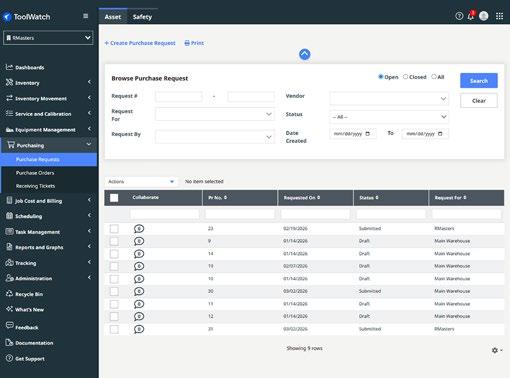
Manufacturers are beginning to apply Ai as an extension of their existing systems, particularly Erp platforms, to automate routine processes such as vendor communication, purchasing coordination, and scheduling. By integrating Ai agents into these workflows, companies can reduce the need for manual follow-ups, status checks, and repetitive data handling.
This shift allows organizations to move beyond incremental improvements and address inefficiencies that have historically been difficult to quantify but significant in their cumulative impact.
Enhancing Human Expertise, Not Replacing It
A key aspect of Ai adoption in manufacturing is its role as an enabler rather than a replacement for skilled workers. By automating routine and administrative tasks, Ai allows engineers, operators, and purchasing professionals
to focus on decision-making, problem-solving, and process optimization.
in practice, this means Ai systems operate in the background—tracking vendor responses, organizing data, and surfacing only the information that requires human attention. This approach reduces cognitive load while improving visibility and responsiveness across the organization.
Additionally, Ai is playing a growing role in workforce development. By providing guided recommendations, structured insights, and real-time feedback, Ai systems help newer employees build decision-making skills more quickly while supporting knowledge transfer within the organization.
From Incremental Gains to Strategic Advantage
The impact of Ai is not limited to individual tasks. As manufacturers begin to connect Ai-driven workflows across departments, the benefits compound.
Automated purchasing processes improve supply chain responsiveness, while enhanced scheduling tools optimize production flow. real-time insights enable faster decision-making, and improved communication reduces delays and misalignment between teams.
These gains translate into measurable improvements in productivity, cost efficiency, and operational agility— key factors in maintaining competitiveness in today’s manufacturing landscape.
A Broader Industry Shift
The growing adoption of Ai reflects a broader transformation within manufacturing, where digital tools are increasingly integrated into every aspect of operations. From simulation and automation to data analytics and supply chain management, technology is reshaping how manufacturers approach efficiency and performance. importantly, this transformation is no longer limited to large enterprises. Advances in Ai accessibility and usability are enabling small and mid-sized manufacturers to adopt these tools in practical, scalable ways.
A Practical Path Forward
For manufacturers considering Ai adoption, the most effective approach is to start with a focused, high-impact use case. By targeting specific inefficiencies—particularly those that affect daily workflows—organizations can demonstrate value quickly and build momentum for broader implementation.
rather than waiting for a fully developed strategy or large-scale investment, companies are finding success by taking incremental steps, integrating Ai into existing systems, and expanding capabilities over time.
From Potential to Reality
The narrative around Ai is shifting from possibility to practicality. While large-scale innovations continue to capture attention, the most meaningful advancements are occurring
at the operational level—where Ai is quietly improving efficiency, reducing friction, and enhancing the capabilities of the workforce.
As manufacturers continue to explore these opportunities, one thing is clear: the value of Ai lies not in its scale, but in its application. By focusing on real-world challenges and practical solutions, manufacturers can unlock significant gains and position themselves for long-term success in an increasingly competitive industry.
Cyngn Reports Accelerating Sales Momentum for Autonomous Vehicle Solutions
Cyngn (NASDAQ: CYN) is reporting strong commercial momentum for its autonomous vehicle solutions, with projections indicating that first-quarter 2026 sales could exceed the company’s total sales for all of 2025. The growth is being driven by expanding customer deployments, increased utilization across existing facilities, and a growing pipeline of enterprise opportunities.
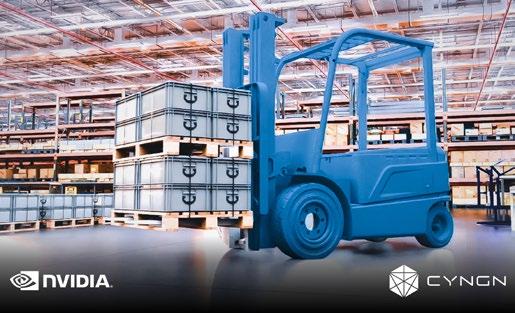
The company’s DriveMod Tugger platform continues to gain traction as manufacturers transition from pilot programs to full production deployments. These implementations typically begin with automating a single, repetitive material transport route. Once operational reliability and value are demonstrated, customers expand autonomy across additional workflows, routes, and vehicles within the same facility.
in 2025, Cyngn tripled the number of DriveMod Tuggers ordered compared to the previous year, while total autonomous operating time across customer sites increased by more than 113% in the second half of the year. The company has also strengthened its technical foundation through continued collaboration with NViDiA, including the development of simulation environments that accelerate validation and deployment of new autonomy capabilities.
Cyngn attributes much of its progress to the internal adoption of automation and Ai-driven workflows, enabling teams to scale output and support increased demand without proportional increases in headcount. As manufacturers continue to invest in automation, the company expects sustained growth in demand for its autonomous vehicle solutions across industrial and logistics environments.
For More information: www.cyngn.com
GEFERTEC and OMIC R&D Advance Large-Scale Additive Manufacturing Capabilities
The Oregon Manufacturing innovation Center research & Development (OMiC r&D) recently hosted GEFErTEC CEO Johannes Zuckschwerdt to mark five years of collaboration focused on advancing wire arc additive manufacturing (WAAM) technology. The partnership has produced significant real-world manufacturing results, including what may be one of the largest injection molds ever produced using additive manufacturing.
GEFErTEC’s WAAM technology builds large metal
components layer by layer using a welding wire feedstock, offering advantages in speed, material efficiency, and design flexibility compared to traditional subtractive methods. The system, installed at OMiC r&D’s facility, has supported a growing number of applied research projects involving industry partners and academic collaborators.
One of the most notable achievements is a largescale injection mold developed through a collaborative effort led by Oregon institute of Technology and OMiC r&D. The project demonstrates the potential for additive manufacturing to reduce production time and cost for complex tooling, which traditionally requires extensive machining and long lead times.
The collaboration highlights the growing role of additive manufacturing in industries such as aerospace, defense, and heavy equipment, where large-format components and tooling are increasingly in demand. OMiC r&D plans to expand its additive research initiatives, with GEFErTEC continuing as a key partner in advancing the technology.
For More information: www.gefertec.de
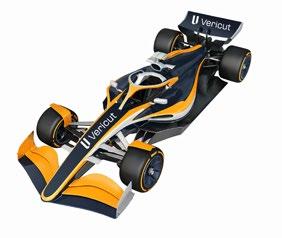
Vericut Supports Precision Manufacturing Behind Formula 1 Performance
As the Formula 1 season begins, Vericut continues to play a critical role behind the scenes, enabling the precision machining required to support high-performance motorsport manufacturing. The company’s CNC simulation, verification, and optimization software is used by teams worldwide to ensure complex components are produced accurately, safely, and efficiently.
Formula 1 manufacturing operates under extreme time constraints, with new parts often moving from design to production within days. in this environment, machining errors can lead to costly delays, material waste, and production disruptions. Vericut addresses these challenges by simulating CNC programs on digital replicas of machines, allowing engineers to detect collisions, verify toolpaths, and optimize cutting conditions before production begins.
The platform’s Force Optimization technology further enhances performance by analyzing cutting forces and automatically adjusting feed rates to maintain consistent tool engagement. This results in improved tool life, reduced cycle times, and more stable machining processes.
Beyond motorsport, these capabilities are widely applied across industries such as aerospace, defense, and medical manufacturing, where precision and reliability are
critical. As manufacturing continues to evolve, simulation and verification technologies are becoming essential tools for ensuring process integrity and maintaining competitive advantage.
Mazak Showcases Advanced Machining and Automation Solutions for Job Shops
Mazak will host its DiSCOVEr MOrE WiTH MAZAK Midwest event May 5–6 at its Schaumburg, illinois technology center, highlighting a broad range of machine tool and automation solutions designed to improve job shop productivity and profitability.
The event will feature live cutting demonstrations, integrated automation systems, and expert consultations focused on increasing throughput, improving process consistency, and reducing setup times. Attendees will see Mazak’s Multi-Tasking machines in action, including models equipped with DONE iN ONE® processing capabilities that allow parts to be completed in a single setup, reducing handling and improving accuracy.
Additional highlights include five-axis machining systems, horizontal and vertical machining centers, CNC turning solutions, Swiss-type production machines, and hybrid additive manufacturing platforms. Mazak will also demonstrate its Kentucky-built Ez Series machines, designed to provide compact, efficient solutions for shops looking to expand capacity.
By combining advanced machine capabilities with automation and support services, Mazak continues to provide manufacturers with solutions that address evolving production demands and operational challenges.
For More information: www.mazak.com
REGO-FIX Hosts Indy Days to Showcase Advanced Machining Technologies
rEGO-FiX USA will host its indy Days open house May 13–14 at its Center for Machining Excellence (CME) in Whitestown, indiana. The event will bring together more than two dozen global partners to demonstrate the latest advancements in cutting tools, workholding, automation, software, and metrology.
The 12,000-square-foot CME facility serves as a collaborative environment where manufacturers can explore integrated machining solutions and engage with industry experts. Attendees will have access to live
demonstrations, technical guidance, and opportunities to address specific production challenges.
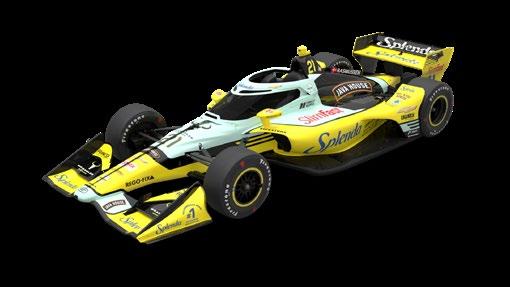
As part of the event, the Ed Carpenter racing iNDYCAr team will display a racecar, highlighting the role of precision toolholding solutions in high-performance motorsport manufacturing. The CME reflects rEGO-FiX’s focus on collaboration, innovation, and continuous improvement, providing a platform for manufacturers to evaluate new technologies and optimize their processes.
For More information: www.regousa.com
Burr King Manufacturing Celebrates 75 Years of American-Made Innovation
Burr King Manufacturing is celebrating its 75th anniversary, marking decades of innovation in grinding and finishing equipment. Founded in 1951 in East los Angeles, the familyowned company has grown into a globally recognized manufacturer while maintaining its commitment to American-made production.
Now based in Warsaw, Missouri, Burr King continues to produce a full range of belt grinders, vibratory equipment, and polishing tools used across industries including aerospace, medical manufacturing, and custom fabrication. The company’s equipment is known for its durability, with machines remaining in operation for decades.
Over the years, Burr King has expanded its product line and manufacturing capabilities while staying true
to its founding principles of quality, reliability, and craftsmanship. As it looks to the future, the company remains focused on delivering long-lasting equipment and supporting customers with dependable solutions.
For More information: www.burrking.com
EXAIR Unveils New Brand Identity to Reflect Continued Growth and Innovation
EXA ir has introduced a refreshed brand identity as part of its ongoing growth strategy, signaling a forward-looking approach while maintaining its longstanding commitment to engineering excellence and customer support.
With more than four decades of experience in compressed air solutions, EXAir has built its reputation on product reliability, innovation, and strong customer relationships. The updated branding reflects the company’s continued investment in new technologies and evolving market demands while reinforcing its established foundation.
The new identity will be implemented across digital platforms, marketing materials, and product packaging, with a public debut planned at the upcoming Grainger Trade Show. Despite the visual changes, the company emphasized that its core values and commitment to quality remain unchanged.
For More information: https://exair.co/153-brand
FABRICATION
Transforming Materials Into Excellence
Discover the innovative tools and technologies shaping today’s manufacturing landscape. Highlighting processes that transform raw materials into precision-crafted products, from advanced cutting and forming systems to welding and finishing techniques, the focus remains on efficiency, accuracy, and innovation driving modern fabrication.
From advancements in automation and sustainable manufacturing practices to the latest developments in material processing, gain insights into trends and solutions that enhance productivity, improve quality, and maintain competitiveness in a rapidly evolving industry. This overview showcases the equipment and expertise behind the products powering industries worldwide.
Rock Run Industries: Building Growth Through Innovation, Partnership, Productivity, and Press Brakes
Rock run industries llC has grown from a small garage operation into a 480,000-square-foot manufacturing enterprise supporting some of the nation’s largest manufacturers. Over the past two decades, the family-owned company has steadily expanded its capabilities, customer base, and geographic reach while maintaining the responsiveness and flexibility of a much smaller organization.
Today, the Millersburg, indiana–based manufacturer is recognized for delivering complex, high-quality metal components at scale, combining advanced
fabrication technologies with a strong customer-first approach.
A Full-Service Manufacturing Partner
rock run industries serves a diverse range of Original Equipment Manufacturer (OEM) customers, with its largest concentration in the recreational vehicle and outdoor leisure sectors. The company also supplies steel products for fabrication and construction applications where durability, precision, and consistency are essential. its capabilities span a comprehensive range of fabrication and secondary operations, including
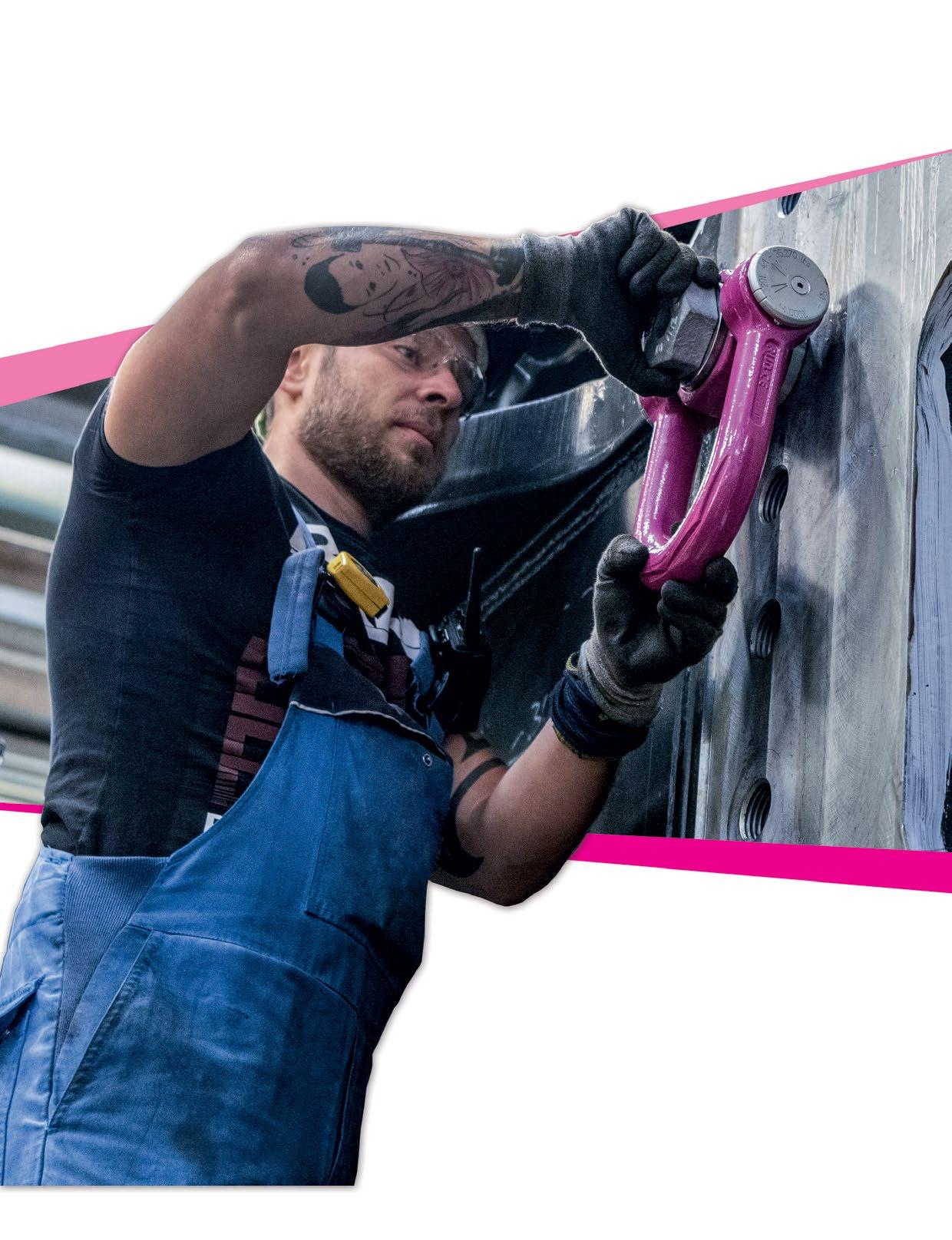
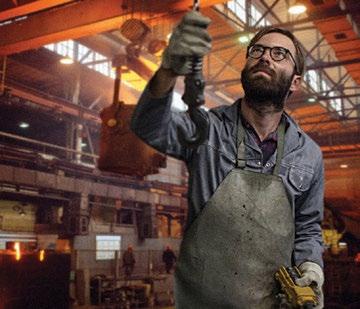
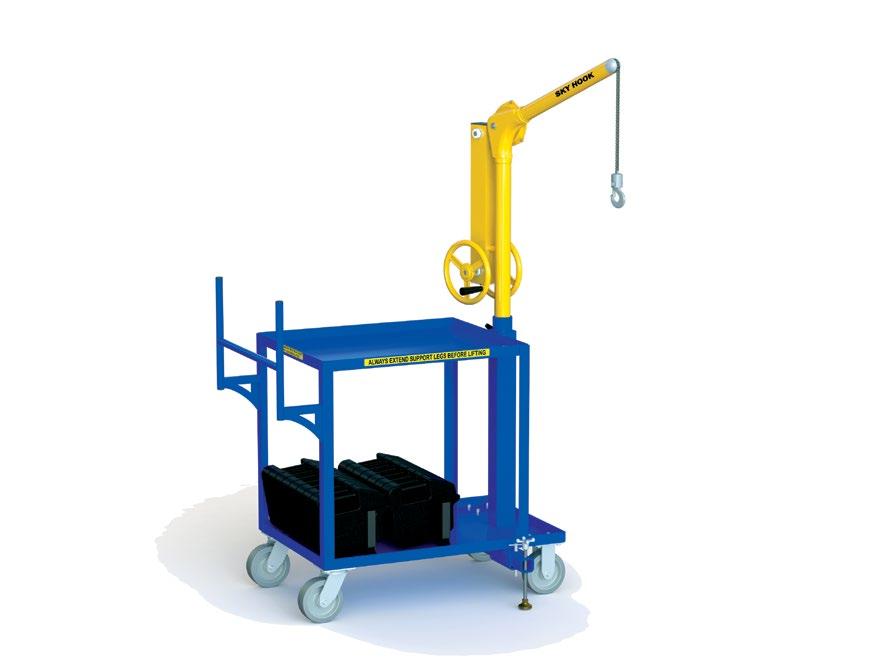
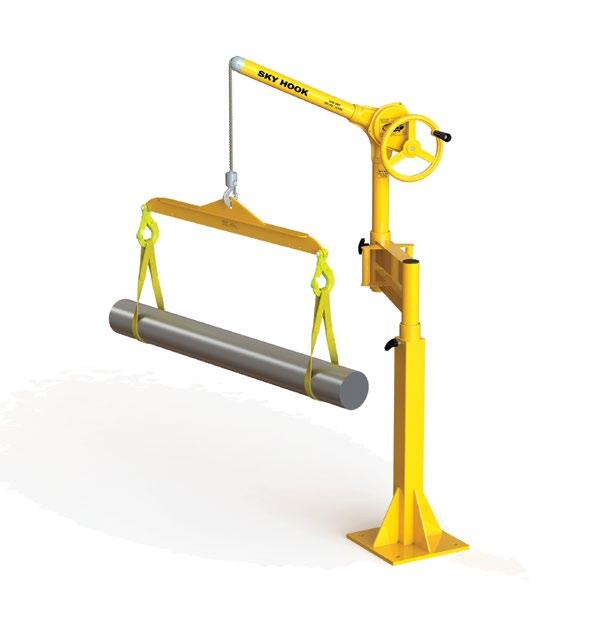
Ergonomic lifting solutions for tight spaces and real-world applications
•
sheet laser cutting, tube laser cutting and bending, precision sheet metal forming, robotic and manual welding, automated powder coating, engineering support, and turnkey assembly.
By housing these capabilities within each facility, r ock r un minimizes handoffs, reduces lead times, and strengthens quality control. This integrated approach enables the company to manage complex, multistep projects that many competitors must outsource.
Engineering support is another key differentiator. By collaborating with customers early in the design process, rock run improves manufacturability, reduces material waste, and optimizes cost structures—helping OEMs accelerate product launches while avoiding costly redesigns.
Leadership and a Culture of Investment
Since its founding in 2007, rock run has maintained a strong focus on long-term investment— building capacity, retaining skilled employees, and adopting advanced manufacturing technologies.
Under the guidance of Vice p resident of Sales and Business Development John Schlabach, the company continues to
align technology, workforce development, and customer needs. This approach has fostered a culture where training and continuous improvement remain central to operations.
By investing in both equipment and people, rock run has been able to attract and retain talent while enabling operators to confidently work with advanced manufacturing systems.
Deep Roots in the RV Industry
Approximately 85 percent of rock run’s production supports the recreational vehicle industry, where components must withstand vibration, weather exposure, and long-term wear while meeting strict weight and cost requirements.
The fast-paced nature of the r V market—marked by frequent model updates and intense competition— requires manufacturers to balance durability, aesthetics, and speed to market.
rock run works closely with leading OEMs to meet these demands, supporting product innovation and helping manufacturers differentiate their offerings. Today, the company is a trusted partner to the three largest rV manufacturers in North America.
Responding to Market Shifts
l ike much of the manufacturing sector, r ock r un faced significant disruption during the COV i D-19 pandemic. As r V demand declined, production volumes dropped sharply. However, the market rebounded quickly as interest in domestic travel surged.
Meeting this renewed demand required expanded capacity, faster throughput, and increased operational flexibility—prompting the company to invest further in its forming capabilities.
The Cincinnati Equipment Advantage
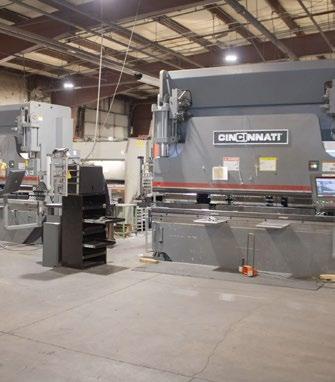
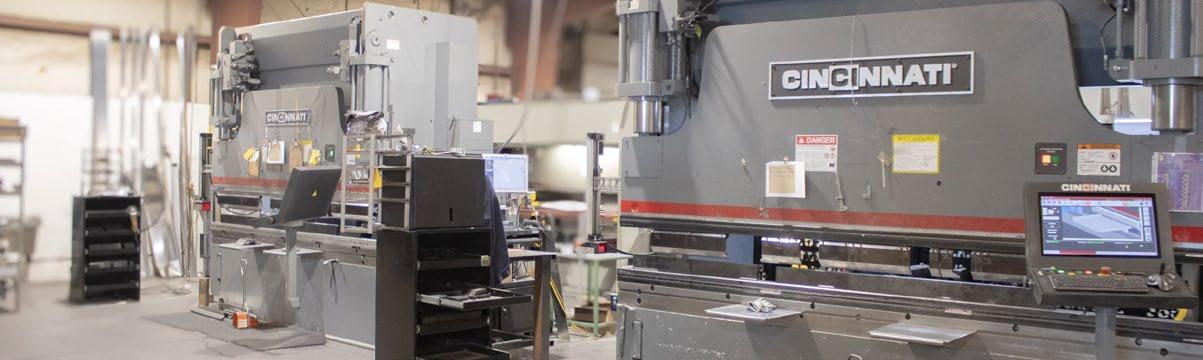
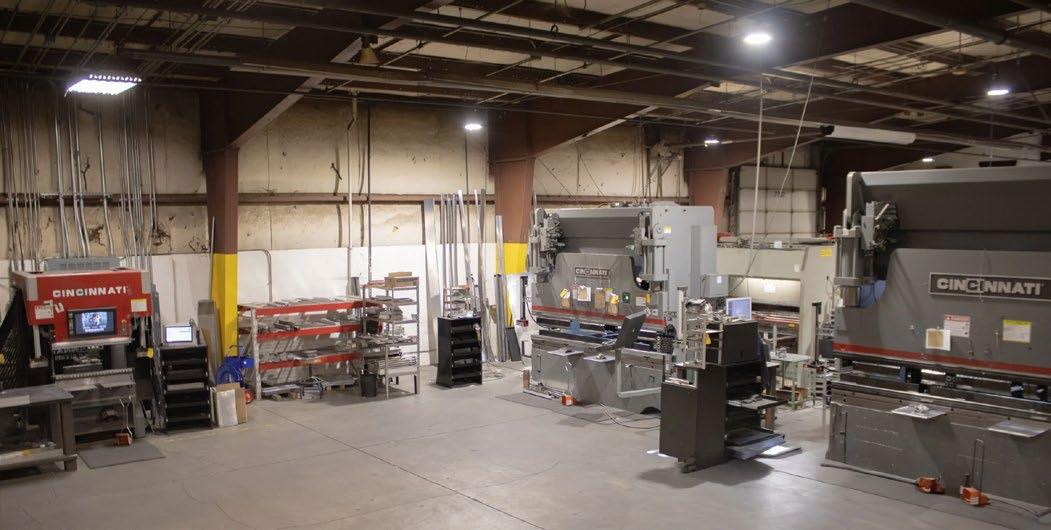
p ress brakes have played a central role in r ock r un’s modernization efforts. Since 2020, the company has expanded its fleet with Cincinnati press brakes ranging from 40 to 230 tons across multiple platforms, now totaling ten machines.
The lineup includes electric press brakes with fast cycle times as well as high-tonnage hydraulic systems capable of forming thicker materials. Advanced features such as six-axis backgauges, multi-segment tooling, and intuitive touchscreen controls help reduce setup times and streamline changeovers.
These capabilities allow r ock r un to shorten lead times, reduce cycle times, and significantly increase overall output.
Operator-Driven Equipment Decisions
A key factor in rock run’s equipment strategy is operator input. Many team members had prior experience with Cincinnati CNC press brakes and preferred their interface and workflow.
By prioritizing operator feedback, the company has reduced resistance to new equipment, shortened learning curves, and improved overall utilization. Standardizing equipment across facilities has also simplified training, maintenance, and parts management.
Driving Productivity, Precision, and Quality
The impact of these investments has been measurable across multiple performance metrics. increased machine efficiency has enabled higher throughput, while improved first-pass accuracy has reduced scrap and rework. producing accurate parts on the first pass lowers material costs, enhances consistency, and supports more predictable delivery schedules—critical advantages in high-volume manufacturing environments.
Technology at the Point of Production
rock run has also embraced programming directly at the machine level. By allowing operators to import DXF files with bend lines, the company has streamlined programming, reduced errors, and improved responsiveness to design changes.
This approach minimizes reliance on offline programming and provides greater agility in an industry defined by frequent product updates and short production cycles.
Positioning for Continued Growth
From its origins as a small garage operation, rock run industries has become a nationally recognized manufacturing partner. Through ongoing investment in press brake technology, automation, and digital workflows, the company is positioned to support the next generation of OEM innovation.
As demand across rV and industrial markets continues to grow, rock run remains focused on delivering high-quality, cost-effective solutions—reinforcing its role as a trusted partner in modern manufacturing.
AMADA WELD TECH, INC.
Showcases Advanced Battery Welding Technologies at International Battery Seminar 2026
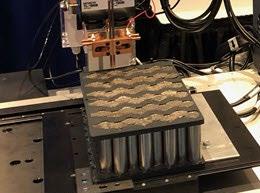
2026 in Orlando, Florida, highlighting a range of precision welding, monitoring, and laser processing technologies. Featured systems included the UB Series linear DC resistance Weld Control paired with the THiN-liNE® Tl-188B-EZ High Force pneumatic Weld Head, the WM-200A iioT-ready weld monitor, and the Wl-100A l aser Welding Workstation.
The UB Series emphasized precision and connectivity, offering faster closed-loop feedback, enhanced data handling, and improved network security to support consistent welding performance. When paired with the Tl-188B-EZ weld head, the system achieved speeds exceeding 3,600 welds per hour while delivering precise force control in a compact, low-inertia design. The WM-200A weld monitor provided high-resolution waveform data for rapid analysis of weld quality and statistical process monitoring, supporting more connected and intelligent manufacturing environments.
Also demonstrated was the Wl-100A l aser Welding Workstation, a CE-compliant, CDrH Class 1 system equipped with a 70-watt fiber laser. Designed for metals, plastics, and dissimilar materials, the system supports welding, marking, engraving, cutting, drilling, and ablating in compact production and r&D settings. With optional real-time weld monitoring, the workstation enhances throughput, traceability, and overall process control.
For More information: www.amadaweldtech.com
ARNOLD MAGNETIC TECHNOLOGIES
Highlights RAMCAST™ Rotor Casting Technology for High-Performance Applications
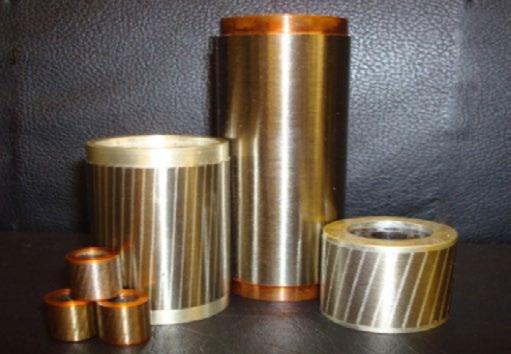
Arnold Magnetic Technologies, through its ramco Electric Motors division, is advancing rotor manufacturing with its proprietary r AMCAST™ process, designed for aerospace and other high-performance applications. Developed in-house and supported by custom-built equipment,
the process enables the production of ultra-high-quality aluminum and copper rotors with exceptional precision. r AMCAST accommodates cast aluminum rotors up to 9 inches in diameter and 35 pounds of alloy pour weight, as well as copper rotors up to 9 inches in diameter and 18 pounds. The process achieves near-zero porosity, producing dense, structurally sound castings that support higher speeds and operating temperatures while improving efficiency and reducing stray load losses. in addition to tighter dimensional tolerances, r AMCAST addresses lamination stack inconsistencies common in conventional casting methods. By accommodating individual stack lengths during casting, the process minimizes deformation and preserves lamination insulation integrity. Each rotor is monitored using high-speed data acquisition software, with performance data stored electronically for long-term traceability and quality assurance.
For More information: www.arnoldmagnetics.com
DAVI, INC.
To Showcase Advanced Angle Rolling Technology at NASCC 2026
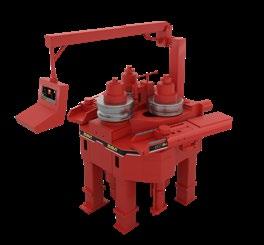
to generate the required bending force. Designed for demanding fabrication applications, the system is equipped with hydraulic traction support and advanced roll-drive systems to process heavy beams, pipes, and custom structural components.
Through on-site demonstrations and expert consultation, Davi will showcase how its angle rolling technology supports structural engineers and fabricators in producing complex, high-strength components with repeatability and control required for modern construction projects.
For More information: www.davi.com
Launches Powermax33® XP Plasma Cutting System for Enhanced Performance and Portability
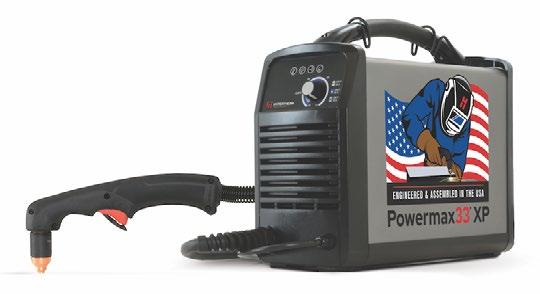
Hypertherm Associates has introduced the powermax33® Xp, a compact, professional-grade plasma cutting system designed to deliver increased power, improved cut quality, and greater versatility. Engineered for a wide range of industries, the system combines enhanced performance with a lightweight, portable design and an industry-leading six-year power supply warranty.
Davi, inc. will highlight its MCp three-roll double pinch angle rolling technology at the 2026 North American Steel Construction Conference (NASCC) in Atlanta, Georgia. The system is engineered to deliver high-precision bending for structural profiles and metal sections, enabling tight diameters and consistent accuracy.
The MCp machine utilizes two side rolls actuated by planetary guides that move against a fixed top roll
The p owermax33 X p offers a recommended cutting capacity of 13 mm (0.5 in.) and a severance capacity of 20 mm (0.75 in.), delivering performance comparable to some 45-amp systems. i ts dual-voltage capability allows operation on either 120V or 240V power, making it suitable for both shop and field applications.
The system supports a broad range of cutting tasks, from thick metal cutting to fine, detailed work using FineCut® consumables. Designed for durability in harsh environments, it also offers extended consumable life—up to ten times longer than competitive systems— helping reduce operating costs while maintaining consistent performance.
For More information: www.HyperthermAssociates.com
HYPERTHERM ASSOCIATES
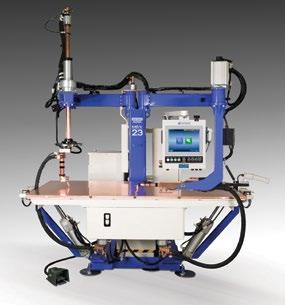
Introduces NK23 MySpot Resistance Spot Welder for Enhanced Weld Quality and Efficiency
international Technologies, inc. now offers the NK23 MySpot resistance spot welder from Koyo Giken, designed to deliver superior weld quality while eliminating time-consuming setups and post-weld finishing. The system is suited for applications ranging from switchboard panels and enclosures to automotive components and industrial equipment.
The NK23 features a redesigned horizontal welding gun that enables access to deep boxes and narrow channels, along with dual-arm configurations for vertical welding applications. Ergonomic improvements significantly reduce operator effort, lowering arm movement load by up to 53% and reducing insertion effort by up to 91%, enhancing productivity and minimizing fatigue.
High-speed welding technology delivers a 0.001second current burst to reduce heat input and produce clean, low-mark welds. The system’s CNC automatically adjusts parameters based on material type and thickness, while the EZK touch panel introduces advanced features such as barcode scanning, weld sequence optimization, and production management tools. integrated weld history tracking supports traceability and quality control across applications.
For More information: www.international-technologies.com
TECOI USA
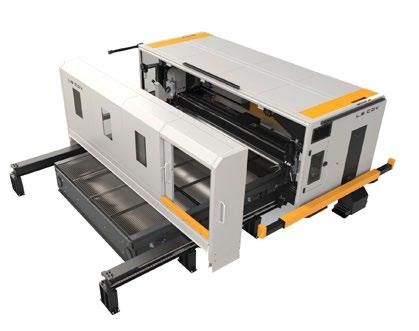
Introduces LS COV Modular Laser Cutting System for High-Production Agility
Tecoi USA has introduced the l S COV modular laser cutting system, designed to process small to extra-large parts within a single machine footprint. Featuring a gantry system that allows independent enclosure movement, the l S COV enhances productivity, efficiency, and operational safety.
The system incorporates Tecoi’s Dual Fiber process (DFp) and Twin Disk beam-splitting technology to double productivity, while accommodating material lengths
up to 210 feet. Additional features include the iMZ® intelligent Z-axis system, which reduces cutting time by up to 30% and improves positioning accuracy, and the SAC® anti-collision system for enhanced safety during cutting operations.
The l S COV also integrates Sp C® controlled piercing technology to increase cutting capacity and extend consumable life, along with Tecoi’s proprietary CiSCAD® software for seamless operation across plasma, oxyfuel, and laser processes. its modular design supports straight and bevel cutting, machining, and multi-head configurations, enabling flexible, continuous production with minimal downtime.
For More information: www.tecoiusa.com
Highlights MEM+ Gas Mixer Series for Precision Gas Control in Welding and Cutting Applications
WiTT Gas has introduced enhancements to its MEM+ gas mixer series, delivering precise gas mixing capabilities with advanced connectivity for welding and laser cutting applications. Designed to integrate seamlessly into existing systems, the mixers support a wide range of communication interfaces, including Ethernet, OpC UA, CanBus, and profinet.
The MEM+ series enables precise mixing of two or three non-flammable gases, such as nitrogen, carbon dioxide, and oxygen, with adjustments in 0.1% increments and response times under three seconds. pressure equalization technology ensures consistent mixture accuracy, while continuous monitoring and alarm systems enhance safety and reliability.
Additional features include remote operation via pC, plC, or machine controller, as well as intuitive touchscreen controls for on-device adjustments. With integrated buffer tanks, optional gas analyzers, and robust stainless steel construction, the MEM+ series delivers reliable performance, improved process efficiency, and enhanced traceability for demanding industrial applications.
For More information: www.wittgas.us
WITT GAS
MATERIAL HANDLING
Empowering Efficiency and Precision
Material handling is at the heart of efficient industrial operations, focusing on the movement, storage, and organization of materials. This section highlights strategies and technologies that streamline these processes, from automated storage and retrieval systems to advanced conveyor solutions. Readers can explore innovations like forklifts, cranes, hoists, and magnetic lifters, which play a pivotal role in optimizing material flow across warehouses, factories, and supply chains.
In addition to hardware advancements, this area emphasizes cutting-edge solutions like warehouse management systems and parts tracking technologies, which integrate seamlessly into modern production environments to enhance operational control. Topics also cover sustainable practices, such as energy-efficient lift equipment and ergonomic tools designed to improve workplace safety while reducing strain. Whether tackling inventory management or enhancing material logistics, this section provides the insights and tools needed to excel in today’s industrial landscape.
Driving the Hydrogen Economy: How a Custom Non-Return Valve Advances Fuel Cell Development in Material Handling
Aleading North American fuel cell manufacturer faced a critical component challenge: finding a non-return valve capable of delivering uncompromising safety, reliable performance, and consistent operational integrity within advanced fuel cell systems. Standard off-the-shelf solutions failed to meet strict requirements for low pressure drop, zero leakage, and material compatibility.
WiTT Gas Controls addressed this need by developing a customengineered solution—the UlTr A 22
non-return valve. This specialized component enabled the manufacturer to improve system efficiency and reliability, secure contracts with major retailers, and strengthen its position within the rapidly expanding material handling sector.
Meeting the Demands of a Growing Industry
Hydrogen fuel cell technology continues to gain traction across material handling applications, including forklifts, pallet jacks, order pickers, tow tractors, and automated
guided vehicles. its advantages—fast refueling, consistent power output, and zero emissions at the point of use—make it an increasingly attractive alternative for warehouses and distribution centers.
Modern fuel cell systems offer fully integrated, plug-and-play solutions that streamline the entire hydrogen lifecycle, from generation and storage to energy conversion. One of the most impactful innovations is the ability to replace traditional lead-acid batteries with compact hydrogen-powered units.
lead-acid batteries present ongoing safety and environmental concerns, including the risks associated with handling heavy units and potential acid leaks. Disposal challenges and environmental impact further complicate their use. Hydrogen fuel cells eliminate many of these issues, allowing operators to refuel in seconds rather than swapping batteries—reducing downtime and improving operational efficiency.
At the core of these systems are proton-exchange membrane (pEM) fuel cells, which efficiently convert hydrogen and oxygen into electricity while producing only water and heat as by-products. Their high power density, low operating temperatures, and fast startup capabilities make them well-suited for industrial environments.
Engineering Challenges at Extremely Low Pressure
Despite the advantages of hydrogen fuel cells, engineering reliable components for these systems presents unique challenges. Efficient operation requires ambient air to flow freely during use while sealing completely when the system is idle to prevent hydrogen loss.
The difficulty lies in the extremely low operating pressures involved. The force required to activate the valve is comparable to a soft puff of air—barely perceptible—making it insufficient to reliably operate conventional non-return valves. Early testing with standard solutions resulted in excessive pressure drops, unreliable sealing, and durability concerns under hydrogen-specific conditions.
To overcome these limitations, the manufacturer required a custom-engineered solution tailored specifically to these operating parameters.
A Custom Solution: The WITT ULTRA 22
WiTT Gas Controls, leveraging more than 80 years of experience in gas safety and control technologies, collaborated closely with the customer to develop a solution aligned with precise operational requirements.
The result was the UlTr A 22 non-return valve, a specialized adaptation of WiTT’s UlTr A 20 design. By removing the inlet filter and optimizing internal components, the UlTr A 22 delivers exceptional performance under low-pressure conditions.
Key features include:
» Flow-Optimized Design: The valve operates at an opening pressure of approximately 4 mbar (0.058 pSi), enabling unrestricted airflow and maximizing
system efficiency.
» Leak-Proof Performance: Advanced sealing mechanisms and high-quality elastomer materials prevent reverse flow and leakage, ensuring consistent safety and reliability.
» Material Flexibility and Durability: The modular design supports various material options, including aluminum, brass, and stainless steel, to ensure compatibility with hydrogen applications and long-term durability.
Each valve undergoes rigorous testing to meet strict performance and safety standards, ensuring consistency across high-volume production environments.
Operational Impact and Scalable Growth
The implementation of the UlTr A 22 valve delivered immediate performance improvements. its ultra-low pressure drop enhanced fuel cell efficiency, extending equipment runtime, while its leak-proof design supported the high safety standards required in large-scale distribution operations.
The reliability of the component enabled the manufacturer to scale production effectively, supplying more than 10,000 units annually with consistent quality. This scalability has supported broader adoption of hydrogenpowered material handling systems across North America.
DYNEX HYDRAULIC PRODUCTS
HIGH PRESSURE
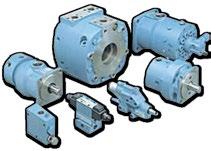
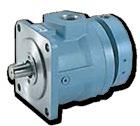
CHECKBALL PISTON PUMPS… Dynex high pressure hydraulic pumps with positive-seating checkball valves provide better wear and high volumetric efficiency. Pumps operate at pressures to 20,000 psi. Checkball pumps are ideal for hydraulic systems with demanding conditions and accommodate more force in a smaller package. At lower pressures, they provide the life and performance margin essential in critical environments. Checkball fixed displacement pumps offer flows from 0.22 to 60 U.S. gpm at 1800 rpm.
DIRECTIONAL CONTROL VALVES…
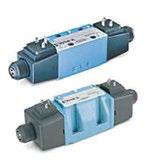
• HP Pattern Spool Valves — Simple spool valves eliminate complex valve circuits for fourway control in high pressure systems. HP03 pattern valves are rated for 15 U.S. gpm at 10,000 psi, HP05 pattern rated from 5 to 25 U.S. gpm at 8000 psi.
• NFPA/ISO Pattern Valves — Smooth spool movement with four-land design offers low pressure drop with large internal flow passages. 5000 psi valves rated to 165 U.S. gpm.
• VST Series Seated Valves — High pressure with low leakage. Reliable shifting with non-silting ball-on-seat design.
• Explosion Proof Option — Solenoids with special enclosures designed for use in hazardous locations. UL and CSA approved.
• Accessory Sandwich Valves — Mounts under directional valves, saves space, reduces weight and provides flexibility locating valves.
Enabling the Future of Sustainable Material Handling
The shift toward hydrogen fuel cells represents a significant step forward in improving productivity while reducing environmental impact. However, the success of these systems depends on the reliability and performance of every component.
Through the development of the UlTr A 22 non-return valve, WiTT Gas Controls has demonstrated the importance of application-specific engineering in advancing next-generation energy solutions. As demand for fuel cell-powered equipment continues to grow, precisionengineered components like the UlTr A 22 will play a critical role in enabling safe, efficient, and sustainable operations across the material handling industry.
LOGISNEXT AMERICAS
Rebranding Reflects Unified Vision for Material Handling Innovation
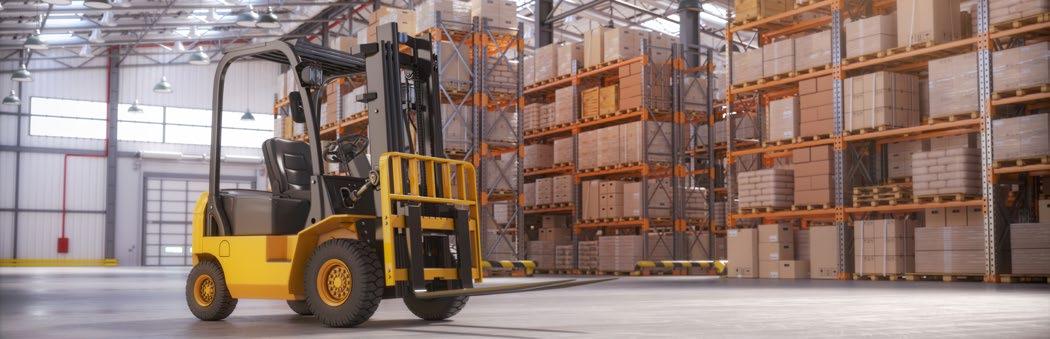
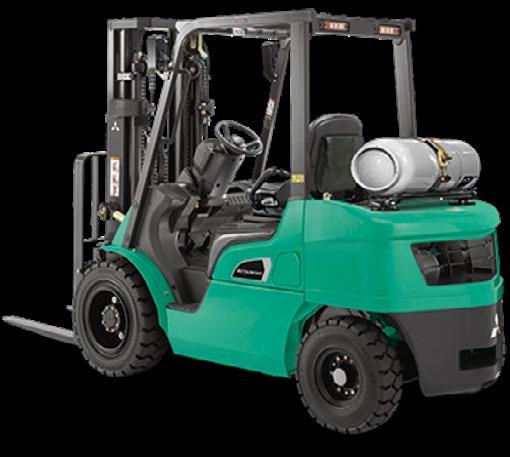
Mitsubishi logisnext Americas has announced its transition to logisnext Americas, marking a key milestone in the company’s global transformation under the “logisnext Vision 2035.” The rebranding aligns with a broader strategic partnership with Japan industrial partners to support long-term growth and value creation.
As part of the transition, the Mitsubishi Forklift Trucks portfolio will be rebranded as logisnext Forklifts, maintaining the company’s reputation for dependable equipment and consistent global performance while expanding its solutions to meet evolving material handling demands.
The organization emphasized continuity throughout the transition, with all current support and service structures remaining in place to ensure uninterrupted operations. Customers and partners can expect the same level of reliability, service, and engineering excellence as the company advances under its new identity.
For More information: www.logisnextAmericas.com
AIRMATIC
Introduces AIRGUARD™ Air Prep Cart for Reliable, On-Demand Compressed Air Treatment
AirMATiC has introduced the AirGUArD™ Air prep Cart, a mobile compressed air treatment system designed to deliver clean, dry, and properly lubricated air to pneumatic equipment in demanding industrial and construction environments. Built to improve tool performance, reliability, and service life, the system integrates an air dryer with a heavy-duty filter, regulator, and lubricator (Frl) assembly mounted on a rugged, maneuverable cart.
Available in 3/4-inch and 1-inch NpT port configurations, the AirGUArD supports pneumatic systems up to 150 SCFM, making it suitable for applications such as railcar unloading equipment and portable construction tools. The mobile design allows for rapid redeployment of conditioned air across work zones without interrupting operations, maintaining consistent filtration, moisture removal, pressure regulation, and lubrication under varying load conditions.
Engineered for durability and safety, the cart features a wide wheelbase, large pneumatic tires for uneven terrain, universal couplings, and a safety-vented ball valve with locking handle to relieve downstream pressure prior to disconnection. By controlling contamination and pressure fluctuations, the AirGUArD helps reduce maintenance requirements while ensuring consistent pneumatic system performance.
For More information: www.airmatic.com
Introduces Ultrapac™ HL Heatless Desiccant Dryer for High-Purity Compressed Air
Donaldson Company, inc. has introduced the Ultrapac™ Hl Heatless Desiccant Dryer to the North American market, designed to deliver high-purity compressed air for a wide range of industrial processes. Manufactured in the United States, the system achieves dew points as low as -40°F and down to -95°F on select configurations.
With airflow capacities ranging from approximately 90 to 500 scfm, the dryer can be configured to meet varying system requirements. its heatless regeneration design eliminates the need for external heaters, using dewpoint-based control to trigger regeneration cycles and optimize energy efficiency. By maintaining consistent air quality in accordance with iSO 8753-1 standards, the system helps protect downstream equipment, preserve process integrity, and improve overall system reliability. The design supports efficient operation while reducing energy consumption and operating costs.
For More information: www.donaldson.com
DONALDSON COMPANY, INC.
MODEX 2026
Supply Chain Industry’s Premier Event Returns to Atlanta
MODEX 2026 will take place April 13–16 at the Georgia World Congress Center in Atlanta, bringing together more than 50,000 supply chain professionals and over 1,000 exhibitors across 630,000 square feet of exhibit space. recognized as one of the largest manufacturing and supply chain events, MODEX provides a platform for showcasing the latest advancements in logistics, automation, and material handling technologies. The event will feature cutting-edge innovations including robotics, Ai-driven systems, autonomous vehicles, and smart warehouse technologies. Attendees will also benefit from extensive educational programming, with four keynote presentations and more than 200 sessions covering leadership, digital transformation, and supply chain resilience.
in addition to technology demonstrations, MODEX offers opportunities for collaboration and networking with industry leaders, technology providers, and decisionmakers. The event serves as a critical hub for exploring solutions to modern supply chain challenges and identifying strategies for long-term operational success.
Yale Relay Automation Platform Earns Recognition for Innovation in Material Handling
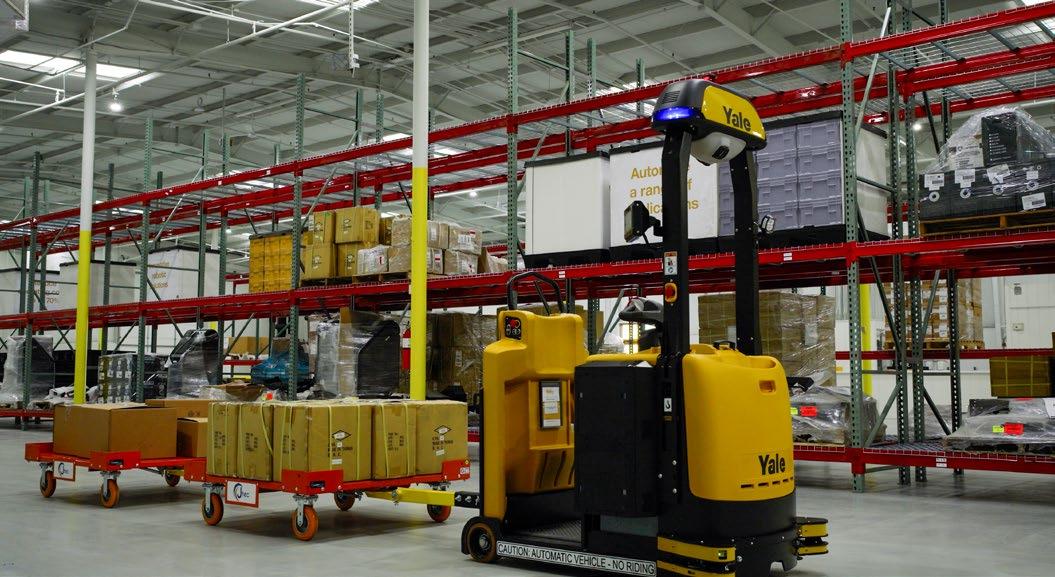
Yale lift Truck Technologies has received a Best in Biz Award for its Yale relay lift truck automation solution, earning silver in the Most innovative products of the Year – Enterprise category. The platform simplifies the implementation of automated lift trucks through an intuitive, drag-and-drop interface that eliminates the need for complex software coding.
Designed to address labor shortages and the high cost of automation adoption, Yale relay enables warehouses to deploy automated lift trucks in as little as one day. Facility mapping is completed by manually operating the truck through the workspace, while route configuration is handled through an interactive interface.
The cloud-based system allows managers to monitor and adjust automated fleets across multiple locations and integrates with existing warehouse systems such as fire alarms, plCs, and warehouse management systems. Flexible deployment options, including a rental model with bundled costs, further reduce barriers to adoption.
Supported by the Yale dealer network, the platform provides access to training, parts, and maintenance services, ensuring a streamlined and reliable automation experience for warehouse operations. For More information: www.yale.com
YALE LIFT TRUCK TECHNOLOGIES
Safety & Maintenance
The Cornerstones of Operational Excellence
The Safety & Maintenance section is dedicated to creating safer workplaces and ensuring equipment longevity. Covering everything from cutting-edge machine guarding systems to advanced air filtration and dust collection solutions, this section provides actionable insights into workplace protection and preventative maintenance. Whether you're exploring ergonomic tools to reduce operator strain or electrical systems that enhance reliability, this section focuses on products and practices that prioritize both people and machines.
In addition to highlighting safety innovations, this section delves into essential maintenance strategies, including retrofitting, rebuilding, and remanufacturing, ensuring that machinery operates efficiently and reliably over time. Maintenance supplies, facility equipment, and accessories are explored alongside new safety technologies designed to meet evolving compliance standards. Readers will discover how a proactive approach to safety and maintenance not only minimizes risks and downtime but also fosters a culture of care and continuous improvement within industrial settings.
As industrial environments grow more automated, interconnected, and fast-paced, safety is no longer a standalone function—it is embedded into every layer of operations. From compressed air systems and machine protection to autonomous equipment and wearable gear, manufacturers are rethinking how safety is engineered, monitored, and maintained in real time.
A key trend shaping modern safety strategies is the shift from reactive protection to proactive risk prevention. Technologies that once focused solely on guarding equipment or protecting workers after an incident are now evolving into intelligent systems capable of identifying risks before they escalate.
Nowhere is this more evident than in material handling environments, where the interaction between workers and equipment presents ongoing challenges. Advanced detection systems are helping operations better understand these interactions by tracking proximity events and identifying patterns that
may lead to accidents. By capturing data on how close pedestrians come to equipment, where incidents occur, and under what conditions, facilities can make informed decisions to improve layouts, adjust workflows, and reinforce operator training.
At the same time, sensor technology is expanding the boundaries of safety. Traditional camera- and laser-based systems, while effective, can struggle in harsh industrial conditions such as dust, poor lighting, or reflective surfaces. Emerging sensing technologies—such as ultrasonic-based systems—are introducing new ways for machines to perceive their surroundings. These systems provide true three-dimensional awareness, enabling autonomous equipment to detect obstacles and human presence more reliably, even in challenging environments. This evolution is particularly important as autonomous mobile robots and automated systems become more common on the factory floor.
Beyond detection and automation, foundational safety systems remain critical to operational integrity.
Clean, dry compressed air, for example, is essential not only for performance but also for protecting downstream equipment and preventing failures that could lead to unsafe conditions. Advances in air treatment technologies now allow manufacturers to maintain consistent air quality, reduce contamination, and improve system reliability—ensuring that pneumatic systems operate safely under varying conditions. Similarly, seemingly simple components such as industrial bumpers and protective elements play an essential role in safeguarding both equipment and personnel. By guiding, stopping, and cushioning moving parts, these components help prevent damage, reduce impact forces, and maintain controlled movement throughout production and material handling processes. Their continued development underscores the importance of combining high-tech innovation with practical, durable solutions.
On the human side of safety, ergonomics and wearable technology are gaining increased attention. lightweight, high-performance work footwear and equipment designed for comfort and stability help reduce fatigue, improve footing, and minimize the risk of slips, trips, and falls—one of the most common causes of workplace injuries. These advancements reflect a broader recognition that safety is not only about systems and machinery but also about supporting the people who operate them.
As manufacturers continue to adopt automation, digital monitoring, and advanced materials, the definition of safety is expanding. it now encompasses data-driven insights, real-time responsiveness, and integrated system design—where every component, from sensors to air systems to operator equipment, contributes to a safer and more efficient workplace.
in this evolving landscape, the most effective safety strategies are those that combine intelligent technology, reliable infrastructure, and human-centered design. Together, these elements are helping manufacturers reduce risk, improve productivity, and build safer operations for the future.
FAIRLANE PRODUCTS
Expands Line of Industrial Round Bumpers for Machine and Workpiece Protection
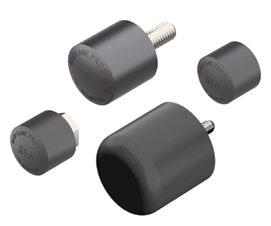
Fairlane products has expanded its lineup of industrial round bumpers, adding nearly 300 new options designed to guard, stop, align, and protect machinery and workpieces during manufacturing and material handling operations. The bumpers are available in multiple mounting configurations,
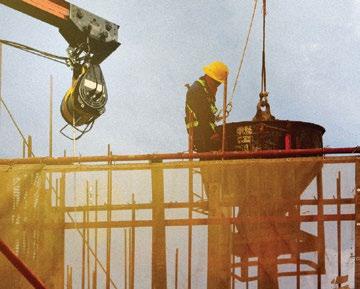
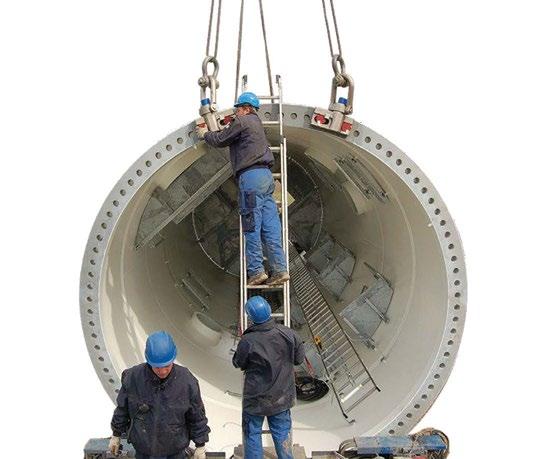
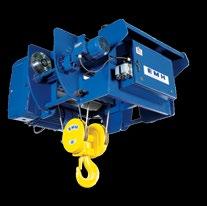
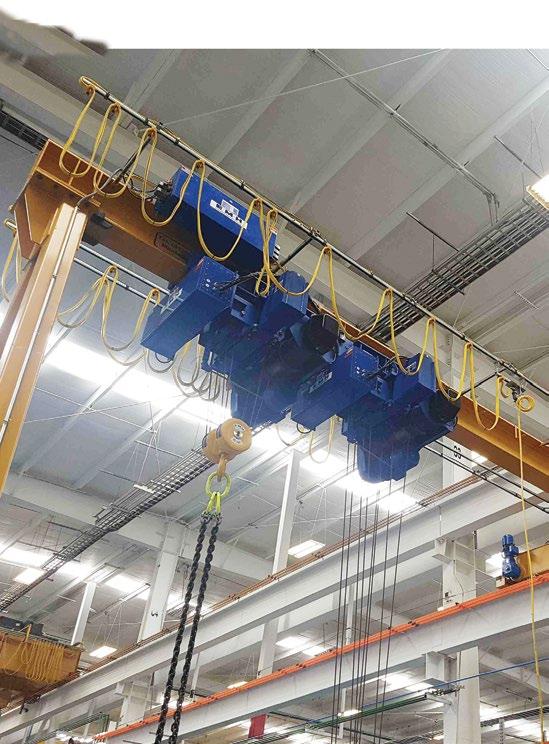
Handling, moving and working with large dies or molds can present a ton of problems. Damage to equipment, dies or molds, as well as worker safety are just the beginning.
With EMH Overhead Cranes, count on safety, efficiency, and precision accuracy, while you dramatically reduce the chance of damage. Then, with virtually unlimited tonnage capacity and availabiltiy in varied congurations to suit almost any application need, you can count on all the lift needed.
including tapped, stud mount, hex shoulder, and steel plate mounted designs.
Offered in materials such as black neoprene, white nitrile, and colored urethane, the expanded line includes large-size, hex shoulder, small-size, and crane stop varieties with steel core construction. These bumpers are designed to integrate easily into industrial applications, helping to absorb impact, reduce wear, and maintain controlled movement of components throughout production processes.
With a broad inventory of off-the-shelf options, Fairlane products provides an economical alternative to custommolded components while supporting a wide range of applications in manufacturing, assembly, and material handling environments.
For More information: www.fairlaneproducts.com
Launches Pedestrian Detection Event Dashboard to Enhance Lift Truck Safety
Hyster has introduced a pedestrian detection event dashboard designed to enhance safety in demanding material handling environments. The dashboard leverages data from the Hyster reaction™ pedestrian awareness camera system to track when pedestrians come within approximately 6, 10, or 16 feet of a lift truck.
By collecting detailed data on pedestrian proximity, location, timing, and truck movement, the system enables operations to identify safety risks and take corrective actions, such as adjusting pedestrian zones or improving operator training. The camera system uses real-world photographic data to accurately detect human features across varying lighting and environmental conditions, providing reliable tracking in both indoor and outdoor settings.
The system can deliver audible and visual alerts to operators, with optional traction alerts that automatically slow the lift truck to encourage safer operation. By providing actionable insights and real-time alerts, the dashboard helps reduce the risk of accidents while maintaining productivity in high-demand operations.
For More information: www.hyster.com
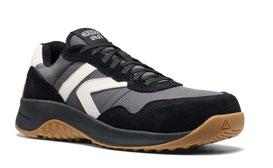
Introduces KS86 Work Sneaker Designed for Comfort and Safety on the Jobsite
KEEN Utility has introduced the KS86 work sneaker, a lightweight safety shoe inspired by trail runner design and engineered for all-day jobsite performance. Built with a carbon toe for protection, the shoe combines safety with reduced weight to improve comfort and mobility.
The KS86 features KEEN.reGEN midsole cushioning, which returns up to 50% energy with each step, helping reduce fatigue during long shifts. An oil- and slip-resistant rubber outsole provides secure footing across a variety of surfaces, supporting stability in industrial and construction environments.
Available for both men and women in multiple colorways, the KS86 blends ergonomic design with essential safety features, offering a modern approach to workplace footwear that prioritizes both protection and performance.
For More information: www.keenutility.com
SONAIR
Introduces ADAR 3D Ultrasonic Sensor for Enhanced Robot Safety and Spatial Awareness
Sonair has introduced its ADAr (Acoustic Detection and ranging) 3D ultrasonic sensor to the North American market, providing autonomous machines with advanced spatial awareness using sound-based detection. recently recognized with the logiMAT Best product Award, the technology enables robots to perceive their surroundings in full three dimensions.
Unlike traditional optical sensors, ADAr operates independently of lighting conditions and is unaffected by dust or reflective surfaces, making it well-suited for industrial environments. The system provides a 180° by 180° field of view, allowing machines to detect objects and people at all heights while reducing blind spots and minimizing false positives.
Designed to support safe human-robot interaction, the sensor enhances operational uptime and reliability while enabling deployment in environments where camera-based systems may be restricted. Already in serial production, ADAr has been integrated into autonomous cleaning robots, demonstrating its effectiveness in real-world applications.
For More information: www.sonair.com
QUALITY
Ensuring Precision and Performance
Quality control and assurance are the backbone of manufacturing, ensuring every product meets rigorous standards for precision, performance, and reliability. This section delves into the tools and technologies that enable manufacturers to uphold the highest quality standards. From advanced coordinate measuring machines (CMM) to vision systems and laser inspection equipment, the spotlight is on innovations that enhance accuracy and efficiency in measurement and inspection.
Nondestructive testing (NDT) equipment and positional measuring machines are also featured, allowing manufacturers to evaluate products without damage. Tools such as form measurement gauges, cutting tool inspection systems, and tool condition monitoring devices refine production processes and reduce errors. Whether through shrink-fit technologies or video inspection systems, this section highlights the importance of advanced solutions in maintaining precision, ensuring compliance, and driving continuous improvement in industrial operations.
Turning the Digital Thread into a Closed Loop
Modern manufacturing environments are filled with advanced equipment— high-speed machining centers, multi-axis mills, and automated inspection systems. While the physical layer of production has evolved rapidly, the flow of data between these systems often remains fragmented.
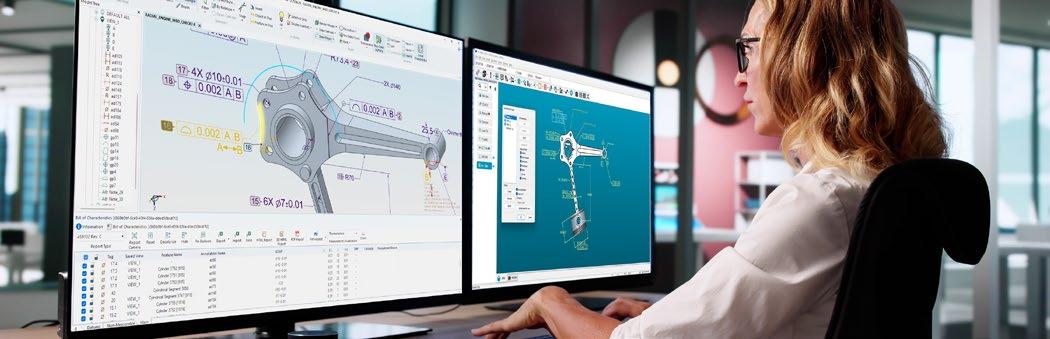
The concept of a seamless, connected manufacturing environment—where data moves effortlessly from design through production and inspection—is known as the digital thread. in its ideal state, design models feed directly into CAM systems, product Manufacturing information (pMi) is embedded rather than manually re-entered, inspection plans are automatically generated, and measurement data flows back into engineering in real time.
Despite its promise, for many manufacturers, the digital thread remains more conceptual than operational. Data is frequently exported, converted, or reinterpreted as it moves between systems. CAM, metrology, and engineering
often operate in parallel rather than in sync, creating inefficiencies that impact production timelines, quality, and cost.
The Hidden Cost of Disconnected Data
Manufacturers traditionally focus on physical constraints such as spindle speed, feed rates, and tool life. However, inefficiencies in data handling can erode productivity just as significantly.
Manual interpretation of geometric dimensioning and tolerancing (GD&T) remains a common issue, even in model-based environments. re-entering tolerances into inspection software introduces variability and risk. Similarly, poor version control can result in outdated inspection plans or misaligned data across systems, leading to rework or nonconforming parts.
These challenges are not due to limitations in machinery but rather a lack of interoperability between digital systems. in many cases, the true bottleneck in production is not mechanical—it is informational.
From Concept to Closed Loop
At its core, the digital thread is about continuity—creating a unified flow of information from design through production and inspection, and back again. When implemented effectively, it delivers several operational advantages.
parallel workflows allow inspection programming to begin before a physical part exists. With embedded pMi, metrology teams no longer rely on drawings or manual interpretation, reducing delays during new product introduction.
Automated data transfer minimizes interpretation risk, ensuring that machines execute based on original design intent rather than manually transcribed data. This is particularly critical in industries such as aerospace, defense, and medical manufacturing, where traceability and precision are essential.
perhaps most importantly, the digital thread enables closed-loop quality. Measurement data becomes process intelligence, allowing manufacturers to detect tool wear, adjust offsets, and correct deviations before defects accumulate. Over time, this reduces variability—a key constraint on throughput—and shifts quality upstream in the production process.
Speaking the Same Language
True interoperability requires more than connectivity; it demands shared meaning. Historically, many file formats conveyed geometry without fully capturing design intent, tolerances, or inspection requirements.
Standards such as the Quality information Framework (QiF) address this gap by enabling the transfer of geometry, pMi, measurement plans, and results within a structured format. This reduces the need for manual data translation and helps maintain consistency across systems.
While legacy systems and mixed software environments still present challenges, adopting standardized, information-rich formats represents a significant step toward a more connected manufacturing ecosystem.
Addressing the Workforce Gap
The digital thread also plays a role in addressing workforce challenges. As experienced machinists and quality engineers retire, manufacturers face a growing skills gap.
A connected digital environment simplifies workflows for newer employees. inspection routines derived directly from embedded design intent reduce reliance on manual interpretation, while transparent revision control minimizes errors caused by outdated information.
rather than replacing expertise, the digital thread enhances it—allowing skilled personnel to focus on process optimization and continuous improvement instead of clerical data management.
A Practical Path Forward
implementing a digital thread does not require a complete system overhaul. Many organizations begin by identifying key points where data is manually re-entered or where systems fail to communicate effectively.
Adopting model-based workflows, improving data interoperability, or automating inspection planning in targeted areas can deliver measurable gains without disrupting existing operations. Equally important is establishing governance through standardized naming conventions, revision control, and clear processes for managing data changes.
Beyond Efficiency: Risk and Compliance
As supply chains grow more complex and regulatory requirements increase, the digital thread becomes critical for risk mitigation and compliance.
Manufacturers are expected to demonstrate clear alignment between design intent and delivered parts. in industries with strict regulatory oversight, such as aerospace and medical devices, traceability is essential. A connected data environment provides a clear lineage from design to inspection, reducing the likelihood of errors and strengthening audit readiness.
in high-consequence applications, where tolerances are measured in microns, the integrity of the digital thread directly impacts product reliability and performance.
A Cultural Shift in Manufacturing
Ultimately, the digital thread represents more than a technological advancement—it reflects a shift in how manufacturers view data. rather than a byproduct of
production, data becomes a critical infrastructure element, as essential as machinery or tooling.
This shift requires closer collaboration between engineering, production, and quality teams. As data flows more consistently and transparently, decisionmaking becomes more proactive, enabling continuous improvement driven by real-time insights.
From Fragmented Systems to Competitive Advantage
While the digital thread is already partially implemented in many organizations, the challenge lies in eliminating fragmentation. Manufacturers that reduce manual data translation, adopt interoperable standards, and enforce disciplined data management practices position themselves for greater efficiency, resilience, and competitiveness. in an industry defined by tighter tolerances, faster timelines, and increasing complexity, the digital thread is no longer optional. it is an operational discipline—and increasingly, a requirement for success.
HEXAGON MANUFACTURING INTELLIGENCE
Introduces APOLLO AI-Powered Predictive Monitoring for Metrology Assets
Hexagon Manufacturing intelligence has launched ApOllO, an Ai-driven platform designed to enhance predictive condition monitoring for Coordinate Measuring Machines (CMMs) and machine tools. The system provides real-time insights into machine behavior, environmental conditions, and operational status, helping manufacturers improve uptime, measurement reliability, and overall equipment effectiveness.
By leveraging advanced analytics, Ap OllO detects anomalies and identifies patterns that may indicate potential defects or failures up to 90 days in advance. This predictive capability allows maintenance to be scheduled during planned downtime, reducing unexpected disruptions and ensuring measurement systems remain accurate during critical production periods.
Designed for integration across diverse manufacturing environments, Ap OllO is compatible with both Hexagon and third-party devices and offers flexible deployment through cloud or on-premises configurations. By replacing
manual logs with data-driven insights, the platform supports improved maintenance planning, reduced drift, and more consistent quality outcomes.
For More information: www.hexagonmi.com
TELIT CINTERION
deviceWISE® Intelligence Suite Delivers Real-Time AI-Driven Industrial Operations
Telit Cinterion’s deviceWiSE® intelligence Suite introduces advanced, Ai-driven capabilities that transform operational technology (OT) and information technology (iT) data into actionable intelligence at the factory edge. Featuring Fault Detection and Workstation Sentinel, the platform integrates with NViDiA edge Ai technologies to enable real-time anomaly detection, adaptive decision-making, and autonomous operations.
The system leverages NViDiA Metropolis VSS Blueprint, Cosmos reason, and isaac Sim digital twin technology to analyze manufacturing data, identify root causes of faults, and generate dynamic standard operating procedures. These capabilities allow manufacturers to detect issues early, guide operators through corrective actions, and validate process changes before deployment. By unifying video analytics, machine data, and Ai reasoning into a single framework, deviceWiSE enables continuous situational awareness across the factory. This approach supports improved quality inspection, fault recovery, and process optimization while helping manufacturers scale from pilot programs to full deployment.
For More information: www.telit.com
MAYA HTT / SOLARTRON METROLOGY
Showcases Advanced Metrology Solutions at Quality Show & Open House
Maya HTT will host its Quality Show & Open House on April 9–10, featuring live demonstrations of advanced metrology solutions from partners such as Solartron Metrology. Attendees will have the opportunity to explore high-precision digital probes, wireless measurement tools,
and next-generation data collection software.
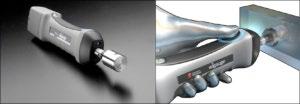
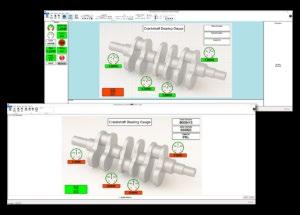
Highlighted technologies include Solartron’s WiGauge wireless hand tool, capable of measuring multiple features and transmitting results via Bluetooth directly to p C-based gauge software. Demonstrations will also feature Orbit 5.0 software, designed to support gauge automation, data collection, and traceability.
Orbit 5.0 includes advanced metrology calculations, multi-nest functionality for simultaneous measurements, barcode integration for automated data capture, and built-in scripting tools to reduce reliance on custom programming. Additional features such as plC connectivity, simulation tools, and thirdparty device integration enable efficient system setup and validation.
For More information: www.mayahtt.com
QT9 SOFTWARE
Integrated Quality Data Drives Compliance and Traceability in Regulated Manufacturing
As regulatory requirements continue to evolve across industries such as life sciences, aerospace, and
pharmaceuticals, manufacturers are increasingly adopting integrated quality management systems to improve traceability and compliance. Traditional siloed systems— where documents, training records, and production data are stored separately—can hinder visibility and complicate audits.
Modern quality management approaches emphasize closed-loop systems that connect documentation, workflows, approvals, and production data within a unified environment. This integration enables manufacturers to link nonconformances to lot histories, supplier records, and corrective actions, strengthening audit trails and accelerating response times.
regulatory frameworks including FDA quality system requirements, iSO 13485, iSO 9001, and EU GMp are driving the need for improved data integrity and lifecycle traceability. integrated platforms reduce manual data entry, streamline validation processes, and improve consistency across departments.
QT9 Software exemplifies this approach with unified QMS and Erp solutions that support electronic records, approvals, and comprehensive audit readiness, helping manufacturers meet compliance demands while improving operational efficiency.
For More information: www.qt9software.com
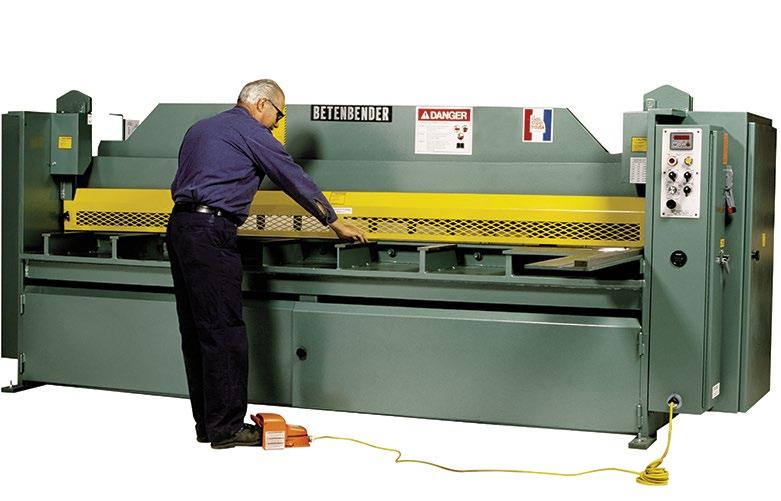
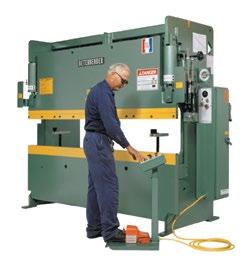
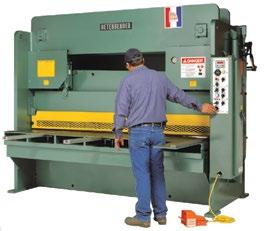
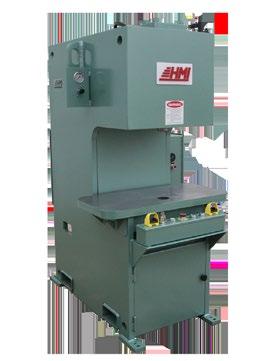
Heavy Gauge Steel Design
Press Bed bolted on, not welded, to prevent distortion.
Large press bed to accommodate a variety of tooling other than just punching.
Pump, motor, valve and reservoir are all easily accessible for maintenance.
Large rectangular tubes used at base of machine to give safe, instant portability.
ROBOTICS
Driving Automation and Innovation
Robotics and automation are transforming modern manufacturing, redefining efficiency, precision, and versatility across industrial processes. From welding robots and robotic tooling to autonomous technology and cobots (collaborative robots), innovations are seamlessly integrating robotics into diverse manufacturing workflows.
Key advancements include automated cells and press transfer robotics, enabling streamlined operations and reduced cycle times. Solutions like material handling systems and end effectors highlight the adaptability of robotics in tasks ranging from machining to assembly. With a focus on enhancing safety and productivity, the integration of RFID and enclosure systems, along with comprehensive training, empowers manufacturers to harness the full potential of robotics in an increasingly automated world.
Revolutionizing Industrial Automation with Next-Generation HMI Solutions
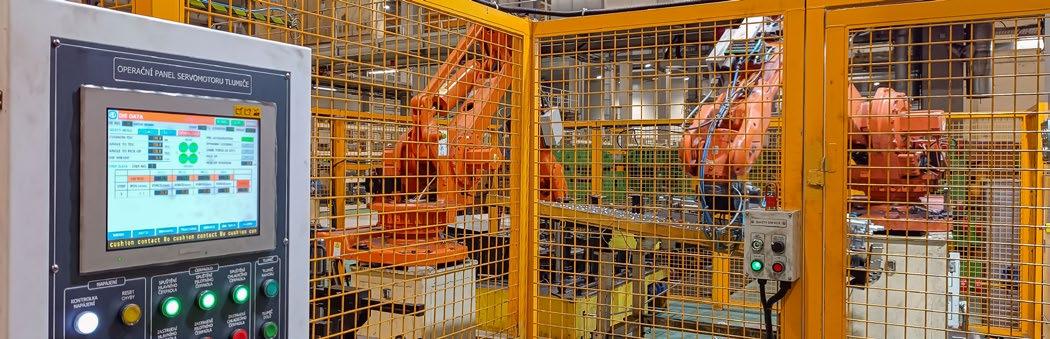
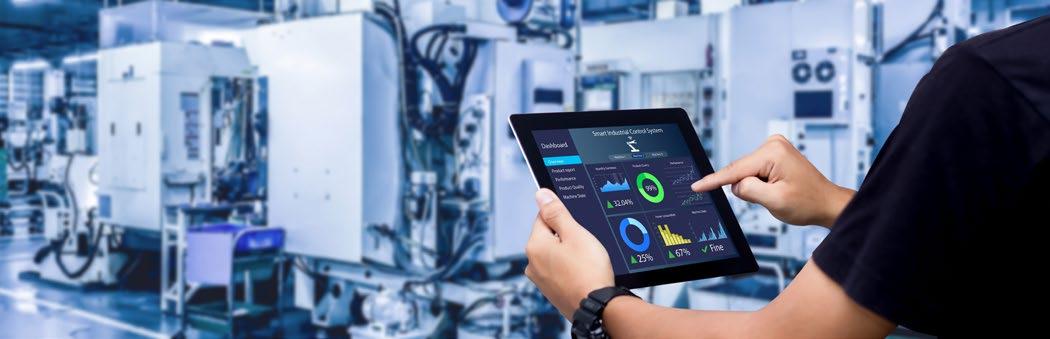
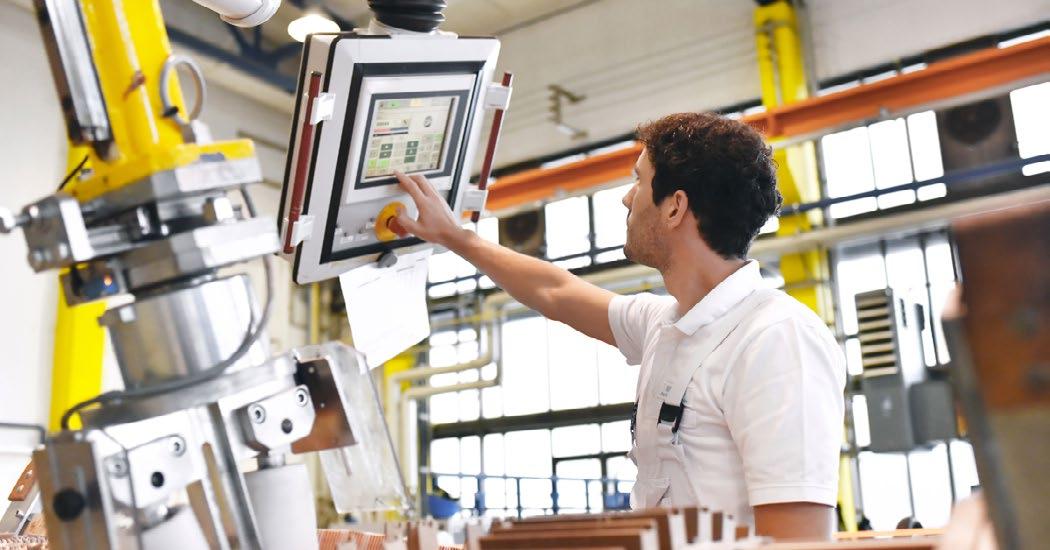
Industrial automation continues to reshape modern manufacturing, driving improvements in efficiency, precision, and safety across production environments. As systems become more intelligent and interconnected, the role of Human-Machine interfaces (HMis) has expanded beyond simple control panels into critical enablers of real-time decision-making and system integration.
Today’s automation landscape is defined by the convergence of operational technology (OT) and information technology (iT), where machines, software, and data systems must operate seamlessly together. in this environment, HMis serve as the central interface between operators and increasingly complex robotic and automated systems—providing visibility, control, and actionable insights across the production floor.
The Shift Toward Intelligent Automation
The global HMi market is experiencing steady growth, driven by the increasing demand for edge computing, Ai-powered automation, and real-time monitoring. Modern HMis are replacing traditional push-button controls with intuitive touchscreen interfaces, enabling operators to interact with systems more efficiently while reducing hardware complexity.
At the same time, the integration of artificial intelligence and edge computing is transforming how automation systems operate. By processing data closer to the source, manufacturers can reduce latency, improve responsiveness, and enable predictive capabilities that enhance overall system performance.
Ai-powered HMis further support this transition by enabling adaptive control, predictive maintenance, and real-time optimization of robotic processes. These capabilities are particularly important in high-throughput
manufacturing environments where even minor inefficiencies can impact productivity.
Key Trends Shaping Robotics and Automation
Several trends are accelerating the adoption of next-generation HMi solutions within robotics and automation systems.
The convergence of iT and OT is enabling real-time data exchange between enterprise systems and shop floor equipment, creating a more connected and responsive production environment. This integration allows manufacturers to leverage data across the entire operation, improving coordination and decision-making.
Edge computing and Ai-driven analytics are also playing a critical role by enabling real-time processing and reducing reliance on centralized systems. This shift supports predictive automation and enhances system scalability.
in addition, ruggedized HMi designs are becoming essential for maintaining performance in harsh industrial environments. Systems must withstand extreme temperatures, dust, and moisture while delivering consistent reliability. Touchscreen interfaces are also evolving to provide greater flexibility, improved usability, and simplified system design.
Overcoming Integration and Performance Challenges
As automation systems become more advanced, manufacturers face new challenges related to system integration, cybersecurity, and cost management.
Seamless connectivity between HMis, plCs, and SCADA systems is critical for maintaining efficient operations. Standardized communication protocols and flexible integration options help ensure smooth data exchange without disrupting existing workflows.
Cybersecurity is another growing concern, particularly as more data is processed at the edge. Modern HMi systems must incorporate robust security features, including encrypted data transmission and hardwarebased protections, to safeguard critical operations from unauthorized access.
Balancing performance with cost also remains a key consideration. Manufacturers must deploy solutions that deliver industrial-grade reliability and advanced functionality while maintaining cost efficiency.
Real-World Applications Across Robotics Environments
in factory automation, HMis play a central role in monitoring production lines, adjusting parameters, and responding to real-time alerts. When robotic systems detect anomalies— such as misalignment or process variation—operators can quickly intervene through HMi interfaces, preventing defects and minimizing downtime.
in warehouse and logistics environments, HMis integrate with warehouse management systems to
coordinate automated guided vehicles, conveyor systems, and robotic picking solutions. These systems support real-time inventory tracking and operational efficiency in high-demand distribution centers where speed and accuracy are critical.
Enabling Scalable and Reliable Automation
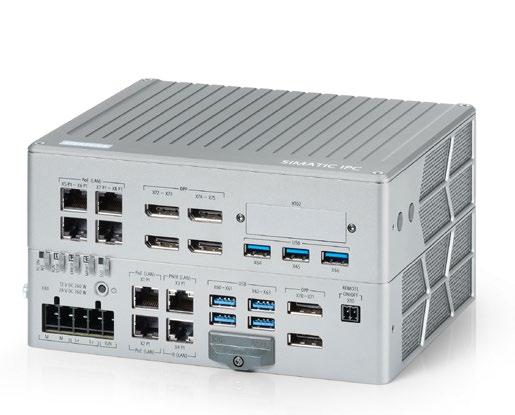
As manufacturers continue to modernize their operations, the need for scalable, reliable, and easy-tointegrate solutions is becoming increasingly important. industrial-grade HMi systems are designed to meet these demands, offering high-performance computing, seamless connectivity, and durable construction for long-term operation.
Features such as multi-port networking, 5G connectivity, and wide voltage input ranges enable flexible deployment across diverse industrial environments. At the same time, rugged designs—including ip-rated enclosures and fanless architectures—ensure reliability in demanding conditions.
Advanced security features, including hardwarebased protections, further enhance system integrity, while intuitive touchscreen interfaces improve usability and operator efficiency.
A Foundation for the Future of Robotics
As robotics and automation continue to evolve, HMis are playing a central role in enabling smarter, more connected manufacturing systems. By bridging the gap between human operators and automated processes, these interfaces provide the visibility and control necessary to manage increasingly complex operations.
The next phase of industrial automation will be defined not only by the capabilities of machines but by how effectively they are integrated, monitored, and optimized through intelligent interfaces. Manufacturers that adopt advanced HMi solutions will be better positioned to enhance productivity, improve reliability, and remain competitive in an increasingly automated world.
AMC ROBOTICS & HIVE DIGITAL TECHNOLOGIES
Announce Collaboration to Advance AI-Driven Robotics Infrastructure
AMC robotics Corporation and HiVE Digital Technologies have announced a strategic collaboration focused on advancing Ai-driven robotics applications and scalable compute infrastructure. Through the partnership, AMC robotics is leveraging HiVE’s GpU-based Ai cloud infrastructure to support development, testing, and deployment of its robotics solutions.
AMC robotics recently demonstrated its Ai-powered quadruped robot, Kyro™, at the Tokyo Security Show 2026. The platform operates as a mobile Ai edge computing system capable of autonomous navigation, abnormal heat detection,
and remote monitoring in complex environments. As robotics applications increasingly rely on real-time data processing and Ai-driven decision-making, access to scalable compute resources has become critical for deployment at scale.
The collaboration reflects a shared focus on accelerating innovation across robotics, artificial intelligence, and infrastructure, with both companies exploring expanded opportunities in Ai optimization, data processing, and long-term scalability.
For More information: www.amcx.ai
DRM, LLC
Showcases Integrated Automation Systems at MAX 2026
DrM, llC, a Tennessee-based automation integrator and OEM equipment builder, showcased its integrated automation solutions at the MAX Manufacturing and Automation Exchange in Nashville. The event connected manufacturers with providers focused on improving throughput, stabilizing quality, and addressing workforce challenges.
DrM highlighted its “power-to-process” approach, delivering electrical distribution, controls architecture, robotics, safety systems, and mechanical integration under a unified engineering framework. A live robotic demonstration cell illustrated precision motion control and coordinated system integration for applications such as dispensing, material handling, and glass encapsulation.
The company emphasized that many automation challenges stem from integration rather than individual
robotic components. By evaluating plant constraints, product variation, and maintenance requirements upfront, DrM designs systems that are scalable, serviceable, and aligned with long-term operational needs.
For More information: www.drm-llc.com
GROUP
Introduces KUKA AMP Platform to Bridge AI and Industrial Automation
KUKA Group has unveiled the KUKA Automation Management platform (KUKA AMp), a new software layer designed to integrate artificial intelligence with industrial automation systems. introduced at NViDiA GTC 2026,
KUKA
the platform enables orchestration of robots, fleets, work cells, and digital twins across manufacturing and logistics environments.
KUKA AMp provides a scalable framework that connects Ai models with physical systems through standardized semantics, actions, and data. This approach allows Ai-driven systems to interpret goals, execute tasks, and continuously optimize performance in a closed-loop environment.
By bridging the gap between digital intelligence and physical automation, the platform supports intent-based robotics and scalable deployment of Ai-driven workflows. The solution reflects KUKA’s broader strategy to expand beyond hardware into software-defined automation and intelligent system orchestration.
For More information: www.kuka.com
Brings Hands-On Automation Solutions to Northern Nevada Manufacturers
Onrobot is hosting its “Build Your Automation roadmap” event in reno, Nevada, aimed at helping manufacturers address workforce shortages through practical automation solutions. The event will feature live demonstrations of FANUC robots equipped with Onrobot end-of-arm tooling for applications including machine tending, material handling, assembly, packaging, and quality inspection.
As manufacturing demand continues to outpace available labor, particularly in regions such as Northern Nevada, automation is becoming an immediate operational priority. The event provides manufacturers with direct access to robotics experts, real-world use cases, and guidance on implementing automation strategies.
Through workshops, demonstrations, and technical sessions, attendees will gain insight into how automation can be deployed efficiently to improve productivity,
address labor constraints, and support long-term operational growth.
For More information: en.onrobot.info
UNIVERSAL ROBOTS & SCALE AI
Launch AI Trainer to Accelerate Robotics Model Development and Deployment
Universal robots, in collaboration with Scale Ai, has introduced the Ur Ai Trainer, a system designed to accelerate the development and deployment of Ai-driven robotic applications. The platform enables robots to learn tasks through imitation, capturing high-fidelity motion, force, and visual data directly from real-world operations.
Using a leader-follower setup, human operators guide one robot while a second robot mirrors the motion in real time, generating structured datasets for training advanced Ai models. This approach addresses key challenges in robotics development, including fragmented data capture and the gap between research environments and production systems.
The system integrates with Universal robots’ Ai Accelerator platform and leverages simulation tools such as NViDiA Omniverse and isaac Sim to support both physical and virtual training environments. By enabling continuous data capture and feedback, the Ai Trainer supports scalable deployment and ongoing optimization of robotic systems in real-world applications.
For More information: www.universal-robots.com
METALWORKING
Precision and Craftsmanship in Manufacturing
Metalworking encompasses the tools, technologies, and processes that drive precision manufacturing. This area highlights advancements in machining, grinding, lathing, and cutting systems, along with innovations like EDM (Electronic Discharge Machining). It captures the synergy between precision equipment and skilled craftsmanship, essential for producing high-quality components across diverse industries.
Focusing on the integration of controls, machining tools, and accessories, metalworking emphasizes the efficiency and accuracy demanded by modern manufacturing. From contract manufacturing to heat treating and gear machinery, it reflects the essential techniques and equipment shaping today’s industrial landscape. Whether utilizing traditional methods or cutting-edge innovations, metalworking celebrates the pursuit of excellence in every detail.
Increasing Swiss-Type Productivity: A Comparison of Live Tool Performance Technologies
By: Mike Blanchard, Technical Advisor at Air Turbine Tools®
Swiss-type lathes are essential for producing intricate, high-tolerance components used in industries such as medical, aerospace, and electronics. Designed for precision and consistency, these sliding headstock machines are built to maintain accuracy even under continuous, high-volume production demands.
At the center of their versatility are live tools, which enable secondary operations such as drilling, milling, and tapping without removing the part from the machine. By eliminating additional setups and re-chucking, live tooling significantly improves efficiency while preserving precision. However, the performance limitations
of traditional live tool technologies have long constrained the full potential of Swiss-type machining.
Limitations of Conventional Live Tooling
Traditional geared live tools, commonly used in Swiss lathes, often struggle to maintain performance under load. While nominal speeds may appear sufficient, actual cutting conditions frequently result in significant drops in rpM and torque. This loss of speed not only reduces productivity but also contributes to heat buildup, thermal expansion, and vibration. These factors negatively impact surface finish, dimensional accuracy,
and tool life. in high-precision applications, even minor inconsistencies can lead to increased scrap rates and reduced process reliability. As a result, conventional live tooling often becomes a bottleneck in otherwise highly capable machining systems.
The Role of High-Speed Consistency in Precision Machining
Maintaining consistent high rotational speeds is critical in Swiss-type machining, particularly when using smalldiameter cutting tools. These tools require high surface feet per minute (SFM) to achieve optimal cutting performance, efficient material removal, and extended tool life.
Operating below the required speed can lead to overheating, tool wear, and defects such as burrs, chatter marks, and surface irregularities. in challenging materials such as inconel, insufficient speed can result in pitting or thermal damage, while composite and fiber-based materials may experience fraying or delamination.
Consistent high-speed performance enables cleaner cuts, improved surface finishes, and reduced cycle times— key factors in maintaining competitiveness in high-volume production environments.
Advancing Live Tool Technology
recent advancements in air-driven, governed high-speed live tools are addressing many of the limitations associated with traditional systems. These tools are designed to maintain consistent rotational speeds—often in the range of 60,000 to 80,000 rpM—even under load conditions.
Unlike conventional systems, governed air-driven spindles automatically regulate airflow to sustain speed and torque throughout the cutting process. This stability reduces tool deflection, minimizes vibration, and eliminates thermal growth, all of which contribute to improved accuracy and repeatability.
With the ability to achieve significantly higher speeds—often six to ten times greater than traditional live tools—these systems enable faster feed rates, shorter cycle times, and increased throughput without compromising part quality.
Comparing Live Tool Technologies
Different live tool technologies offer varying levels of performance, cost, and complexity.
Gear-driven tools remain widely used due to their integration and familiarity, but they are prone to friction, heat generation, and limited duty cycles. Electric high-frequency tools provide adjustable speeds but require complex installation, additional control systems, and higher upfront costs.
Coolant-driven tools offer accessibility but lack precise speed control, often experiencing performance drops under load. They also require filtration systems and ongoing maintenance, increasing operational complexity.
resulting in inconsistent output and reduced productivity. in contrast, governed air-driven high-speed tools provide consistent speed under load, low vibration, and continuous-duty operation, making them well-suited for precision machining applications.
Performance Benefits in Modern Machining
The advantages of governed high-speed live tools extend across productivity, quality, and reliability.
From a productivity standpoint, sustained high speeds enable faster material removal and significantly reduced cycle times. Continuous operation without heat-related downtime further improves machine utilization.
in terms of quality, low vibration and minimal runout— often within two microns—support tight tolerances and superior surface finishes. The absence of thermal expansion reduces the risk of part deformation and enhances repeatability in micro-machining applications. reliability is also improved through simplified design. With fewer moving parts and air-cooled ceramic bearings, these systems require minimal maintenance and are capable of supporting extended, lights-out manufacturing operations.
Ungoverned air-driven tools can achieve high nominal speeds but fail to maintain performance during cutting,
require complex wiring and control units, these tools can be installed directly into existing tool holders and operated using a standard compressed air supply.
This plug-and-play capability reduces setup time, eliminates the need for additional infrastructure, and allows manufacturers to upgrade existing equipment without significant capital investment.
The oil-free operation of air-driven systems also provides benefits in cleanroom environments and applications involving sensitive materials, where contamination must be minimized.
A Strategic Upgrade for Swiss Machining
As manufacturing demands continue to evolve, the need for higher productivity, tighter tolerances, and greater process reliability is increasing. Governed air-driven high-speed live tools offer a practical solution for addressing these challenges, enabling manufacturers to maximize the capabilities of their Swiss-type lathes.
By improving cutting speeds, reducing cycle times, and enhancing surface quality, these technologies provide a pathway to increased efficiency without sacrificing precision. For operations focused on complex, high-volume production, upgrading live tooling represents a strategic investment in both performance and long-term competitiveness.
BAILEIGH INDUSTRIAL
Introduces Gear Head Engine Lathes for High-Output Shop Performance
Baileigh industrial has introduced a new line of gear head engine lathes designed to deliver increased output, controlled operation, and enhanced safety for modern production environments. Engineered as shop workhorses, these lathes are built to handle larger parts while maintaining consistent performance across demanding applications.
The machines feature built-in safety systems, including a foot brake for rapid stopping, chuck guards, and lead screw covers to reduce operator risk. Full-length splash guards and integrated chip trays help contain coolant and debris, minimizing cleanup time and improving shop efficiency. A standard coolant system supports longer run times, improved tool life, and consistent surface finishes.
Equipped with a 2-inch spindle bore for handling common bar work and a 2-axis digital readout for faster, more accurate setups, the lathes are suited for production shops, MrO operations, fabrication environments, and training programs. Ul 987-certified electrical systems further support workplace safety and compliance.
For More information: www.baileigh.com
JET TOOLS®
Expands Lathe Line with Gear Head and Large Spindle Bore Models
JET Tools has expanded its turning lineup with new gear head engine lathes and large spindle bore lathes designed to improve productivity, safety, and operational efficiency. Built for demanding applications, the machines offer smooth, controlled performance and the ability to handle larger workpieces with confidence.
Gear head models provide everyday turning capability with built-in safety features such as foot brakes, chuck guards, and lead screw covers, while large spindle bore models offer up to a 4-1/2-inch bore for heavy-duty applications. rigid cast iron construction ensures stability and accuracy, even under increased workloads.
Additional features include coolant-ready systems for longer cuts and improved finishes, splash guards and chip trays for cleaner operation, and optional upgrades such as collet closers, taper attachments, and advanced DrO systems. Each machine undergoes a 30-point
inspection prior to shipment, ensuring quality and performance consistency.
For More information: www.jettools.com
KHK USA INC.
Expands Spur Gear Line with Locking Hub Options for Simplified Installation
KHK USA inc. has expanded its offering of metric spur gears, introducing a wide range of configurations with integrated locking hub options. With more than 8,000 off-the-shelf configurations available, the product line supports a variety of industrial automation applications requiring precision and ease of installation.
The spur gears are offered in multiple materials, including carbon steel, stainless steel, nylon, acetal, chromoly steel, and brass, and are available in modules ranging from 0.5 to 10 with up to 200 teeth. locking hub options, including tapered and keyless designs, allow for quick installation and removal without the need for additional machining or bore modification.
Designed for durability and precision, select models feature induction-hardened teeth and ground finishes to enhance performance and longevity. The expanded lineup provides an economical and flexible solution for manufacturers seeking reliable gearing components.
For More information: www.khkgears.us
PALMGREN®
Introduces Variable Speed 2" x 72" Belt Disc Grinder for Versatile Finishing Applications
palmgren has introduced its variable speed 2" x 72" belt disc grinder, designed to provide flexibility across a wide range of grinding and finishing applications. Combining belt and disc functionality in a single machine, the system allows operators to perform both flat sanding and fine finishing tasks efficiently.
The grinder features a tool-free quick-release system for rapid belt changes and easy disc replacement, reducing downtime during operation. A tilting belt arm allows adjustment from 0 to 90 degrees, supporting multiple grinding configurations.
With a direct-drive design that connects the belt directly to the motor, the machine delivers consistent power and reduces the risk of stalling. The counterclockwise disc rotation further enhances control during finishing operations, making the grinder suitable for a variety of shop environments.
For More information: www.palmgren.com
Portal Milling Machine Enhances Precision and Throughput in Composite Manufacturing
Zimmermann’s FZU22 portal milling machine has demonstrated significant performance improvements at Sawyer Composite, a Texas-based manufacturer specializing in advanced composite laminates and assemblies for aerospace applications. The machine has enabled increased accuracy, reduced cycle times, and improved surface quality in demanding production environments.
Featuring a rigid monoblock design and Siemens Sinumerik ONE control system, the FZU22 supports high-speed, 5-axis machining with enhanced precision. The enclosed workspace helps contain carbon dust during composite machining, protecting equipment and improving workplace cleanliness. A minimumquantity lubrication system further reduces waste and operating costs.
in production use, the machine has reduced machining time for certain components by up to 30 minutes and improved surface finishes from 50–70 rMS to 35 rMS. increased spindle speeds and improved process stability have also reduced rework and enabled faster throughput, supporting overall efficiency gains and a shortened return on investment timeline.
For More information: www.zimmermann.com
ZIMMERMANN / SAWYER COMPOSITE
SOFTWARE
The Digital Backbone of Modern Manufacturing
In an era where innovation drives productivity, the Software section explores the cutting-edge tools empowering manufacturers to streamline operations, enhance precision, and optimize performance. From CAD/CAM/CAE design platforms to CNC simulation and process verification, this category reveals how digital solutions are revolutionizing the way products are conceptualized, created, and delivered.
Covering a broad spectrum of applications—such as ERP systems, factory floor software, and industrial IT—this section emphasizes the importance of connectivity and real-time data in achieving operational excellence. Topics like quality control, job tracking, and program optimization showcase how software bridges the gap between vision and execution, enabling manufacturers to stay competitive in a fast-evolving industry.
The Gold in Your Digital Basement: How Moderate AI Unlocks Decades of Proprietary Data
By: Dan Steele
Artificial intelligence is often framed as a race toward bigger, more powerful cloud-based models. Headlines focus on massive data centers, billiondollar investments, and Ai systems capable of generating content or simulating human behavior. For most established manufacturers, however, the true competitive advantage does not lie in the cloud—it lies within their own operations, in the proprietary data they have been collecting for decades.
Hidden within Erp systems, production logs, and customer databases is a vast repository of institutional knowledge. This data reflects every transaction, process adjustment, and operational decision that defines a company’s unique capabilities. While large
language models trained on public data offer broad knowledge, they lack the contextual understanding needed to optimize specific manufacturing environments.
The challenge has never been recognizing the value of this data—it has been accessing and utilizing it without incurring excessive cost, complexity, or risk.
A Shift Toward Practical AI Adoption
Historically, implementing Ai required significant investment in hardware, specialized talent, and long-term transformation initiatives. For many manufacturers, these barriers made adoption impractical.
This dynamic is now changing due to the convergence of two key trends: the emergence of smaller,
highly efficient Ai models and the availability of affordable on-premise computing infrastructure capable of running them. This approach—often referred to as moderate-scale computing—prioritizes practicality, security, and return on investment over raw computational scale. rather than relying on massive cloud-based systems, manufacturers can now deploy Ai solutions directly within their own environments, maintaining control over sensitive data while achieving meaningful performance gains.
Moving Beyond the “Bigger Is Better” Model
For years, progress in Ai was driven by increasingly large models requiring substantial computational resources. While this approach led to significant breakthroughs, it also created a high barrier to entry.
At the same time, advancements in model optimization have demonstrated that smaller, specialized models can deliver strong performance when trained on high-quality, domain-specific data. Open-source models with relatively modest parameter sizes can be fine-tuned to address highly specific operational challenges. This shift represents a fundamental change in how Ai is deployed. The primary advantage is no longer access to large-scale computing power, but access to relevant, high-quality data—a resource that established manufacturers already possess.
Unlocking the Value of Proprietary Data
When applied effectively, moderate-scale Ai can transform historical data into a powerful operational asset. predictive maintenance becomes achievable by analyzing machine performance and maintenance history, allowing manufacturers to anticipate failures and reduce downtime. process optimization is enhanced
as Ai identifies patterns in production data, enabling improvements in yield, efficiency, and product quality. Supply chain planning also benefits from this approach, as Ai models correlate historical demand, production schedules, and supplier performance to improve forecasting and resilience. importantly, these capabilities can be deployed without transferring sensitive data to external systems. By keeping data on-premise, manufacturers reduce cybersecurity risks, protect intellectual property, and maintain operational continuity independent of cloud availability.
A Scalable Approach to AI Implementation
One of the most compelling aspects of moderate-scale Ai is its ability to scale incrementally. instead of requiring a large upfront investment, manufacturers can begin with a focused pilot project targeting a specific operational challenge. A single on-premise system can deliver immediate value, providing a foundation for further expansion. As additional use cases are identified, computing resources can be scaled by adding hardware incrementally, enabling broader deployment across the organization.
This approach creates a cycle of continuous improvement, where initial successes justify further investment and unlock additional opportunities for optimization.
Integrating AI Without Disruption
A key advantage of this model is its compatibility with existing systems. rather than requiring a complete overhaul of legacy infrastructure, Ai solutions can operate alongside current platforms, drawing data from existing sources and delivering insights without disrupting core operations.
System integrators play an important role in this process, leveraging their experience with legacy systems to ensure seamless integration. This allows manufacturers to adopt Ai capabilities without the risks associated with large-scale system replacements.
A Practical Starting Point
For manufacturers considering A i adoption, the most effective starting point is identifying a high-value problem that can benefit from improved data insights. By focusing on a specific use case, organizations can demonstrate measurable returns while minimizing risk.
From there, a pilot implementation can establish a foundation for broader adoption, enabling companies to build expertise and expand capabilities over time.
Turning Data into a Competitive Advantage
The future of manufacturing will not be defined solely by machinery or automation, but by how effectively data is utilized. Companies that successfully harness their proprietary data will gain a significant competitive advantage, improving efficiency, reducing costs, and enhancing decision-making.
Moderate-scale Ai provides a practical pathway to achieve this transformation. By leveraging existing data assets and deploying secure, scalable solutions, manufacturers can unlock value that has long remained inaccessible.
The opportunity is no longer theoretical. The tools are available, the barriers are lower, and the potential impact is substantial. For manufacturers willing to take the first step, the path forward is clear: start small, prove the value, and build from there.
ALIGNOPS TOOLWATCH
Introduces Purchase Request and Approval Workflow to Streamline Procurement
AlignOps ToolWatch has introduced new p urchase r equest and Approval Workflow functionality, providing organizations with a structured and trackable method for managing procurement directly within the platform. The system replaces fragmented processes such as email chains and spreadsheets with a centralized workflow that routes requests for review and approval before converting them into purchase orders.
Users can submit requests by selecting catalog items or manually entering materials and services, including quantities, vendor details, and project allocations. The system provides visibility into available inventory by location, helping reduce unnecessary purchases and improve resource utilization. r equests are automatically routed into a centralized approval queue, with real-time status updates for submitters. The workflow enhances oversight for warehouse
managers, procurement teams, and project stakeholders by providing visibility into pending spend and enforcing pre-approval controls. With integrated audit trails and seamless conversion from request to purchase order, the system improves compliance, reduces manual data entry, and streamlines procurement operations.
For More information: www.alignops.com/toolwatch
CYNGN
Advances Autonomous Forklift Development with High-Fidelity Simulation Integration
Cyngn has integrated its high-fidelity forklift vehicle models into NViDiA isaac Sim, an advanced simulation platform for autonomous system development. Using Functional Mock-up Units (FMUs), Cyngn’s models enable accurate simulation of forklift behavior within realistic digital factory environments.
The integration allows two-way communication between vehicle dynamics models and simulated surfaces, ensuring that movement, turning, and surface interaction closely reflect real-world conditions. This capability enables earlier identification of performance
issues, reduces deployment risk, and accelerates development timelines.
By leveraging G pU-accelerated simulation, Cyngn strengthens its autonomous forklift program and supports scalable testing prior to real-world deployment, improving confidence and efficiency in autonomous industrial vehicle development.
For More information: www.cyngn.com
ROOTSTOCK SOFTWARE
Acquires Ascent Solutions to Expand Salesforce-Native ERP Capabilities
rootstock Software has announced the acquisition of Ascent Solutions, enhancing its Salesforce-native Erp platform with expanded operational capabilities for manufacturers and distributors. The acquisition strengthens rootstock’s ability to support end-to-end processes across sales, service, and fulfillment.
rTX A2000 G pU enables acceleration of machine learning and vision applications directly on the device. By combining compact design with advanced processing capabilities, the Simatic ip C BX-54A provides manufacturers with a flexible solution for deploying edge computing and Ai-driven automation within industrial environments.
For More information: www.siemens.com
Ascent brings nearly two decades of Salesforce-native development experience, enabling improved integration of mid-office and post-sale operations. By connecting previously siloed systems, the combined platform provides greater visibility across demand, production, and financial workflows.
The unified data model supports improved coordination and decision-making while laying the groundwork for Ai-driven Erp capabilities. These include intelligent automation of routine processes and enhanced orchestration across planning, fulfillment, and financial operations.
For More information: www.rootstock.com
SIEMENS
Introduces Simatic IPC BX-54A for High-Performance Industrial Computing
Siemens has introduced the Simatic ipC BX-54A, a compact industrial pC designed to deliver high-performance computing in space-constrained environments. With a 2.9-liter chassis, the system is engineered for demanding automation applications requiring reliable processing power.
The platform is well suited for inspection and quality control tasks, supporting integration with vision systems and Ai-driven analytics for rapid detection and classification. An optional configuration with an NViDiA
DRILL. TAP. REPEAT.
DRILL. TAP. REPEAT.
TOOLING AND WORKHOLDING
Precision in Action
Tooling and Workholding is the cornerstone of precision manufacturing, ensuring that materials are securely held and processes are executed with unparalleled accuracy. This section highlights the latest innovations in clamps, chucks, collets, and magnetic workholding, alongside advancements in rotary tables, toolholders, and modular fixturing systems. Together, these solutions enable manufacturers to achieve repeatability, reduce setup times, and enhance overall productivity.
From versatile milling and turning tools to specialized threading and gear-cutting instruments, this category delves into the diverse range of equipment designed to meet the unique demands of every operation. Whether exploring robotic end-effectors for automation or custom fixtures for intricate designs, Tooling and Workholding underscores the critical role these components play in driving efficiency and precision across the manufacturing spectrum.
Tooling & Workholding: Building Stability, Flexibility, and Supply Chain Confidence
In today’s manufacturing environment, tooling and workholding are no longer viewed as static components of the production process. instead, they are increasingly recognized as dynamic drivers of productivity, precision, and operational resilience. As manufacturers face growing pressure to machine harder materials, reduce cycle times, and maintain consistent quality, advancements in tooling technology are playing a critical role in meeting these demands.
One of the most significant shifts in the tooling landscape is the growing emphasis on process stability. in applications such as aerospace, energy, and medical manufacturing, where materials like titanium, inconel, and other heat-resistant superalloys are common, maintaining consistent cutting conditions is essential. Modern tooling solutions are engineered to manage heat, vibration, and tool wear more effectively, enabling manufacturers to achieve predictable performance even in the most demanding environments.
At the same time, manufacturers are placing greater importance on flexibility and efficiency at the machine level. Quick-change tooling systems and modular designs are helping shops reduce setup times, streamline changeovers, and minimize tooling inventory. By allowing a single tool body to accommodate multiple applications through interchangeable adapters or inserts, these systems provide the adaptability needed to support high-mix, low-volume production as well as large-scale manufacturing.
Another key trend shaping the tooling sector is the drive toward cost-effective performance. As production demands increase, manufacturers are seeking solutions that balance durability, precision, and cost per part.
Advances in material science, including powdered metal tooling and specialized coatings, are enabling tools to deliver extended life and consistent performance while reducing overall tooling costs. This balance is particularly important in high-volume environments where even small cost reductions per part can have a significant impact on profitability.
Beyond performance at the machine, supply chain stability has emerged as a critical factor in tooling strategy. Global disruptions have highlighted the risks associated with dependence on limited material sources, particularly for key inputs such as tungsten used in carbide tooling. Manufacturers are increasingly evaluating suppliers based not only on product performance but also on their ability to provide secure, transparent, and sustainable material sourcing.
Vertically integrated supply chains and circular economy initiatives—such as high rates of material recycling—are helping ensure consistent availability of critical raw materials while reducing environmental impact. These approaches provide manufacturers with greater confidence in long-term supply while supporting broader sustainability goals.
Sustainability itself is becoming a more prominent consideration in tooling decisions. longer tool life, reduced material waste, and energyefficient machining strategies all contribute to lower environmental impact. Additionally, innovations such as advanced cooling technologies and optimized cutting geometries help reduce energy consumption during machining, aligning productivity gains with sustainability objectives.
As tooling technologies continue to evolve, the focus is shifting toward solutions that integrate performance, flexibility, and resilience. Whether through advanced milling systems designed for difficult materials, modular live tooling that reduces changeover time, or supply chain strategies that ensure material
availability, manufacturers are rethinking how tooling supports overall operational success. in this environment, the most effective tooling strategies are those that go beyond cutting performance alone. They consider the full production ecosystem—machine capability, operator efficiency, material sourcing, and long-term sustainability. By aligning these elements, manufacturers can achieve greater productivity, improved quality, and the operational stability needed to remain competitive in an increasingly complex industrial landscape.
CERATIZIT
Secures Tungsten Supply with Integrated and RecyclingDriven Value Chain
CEr ATiZiT is strengthening supply chain resilience through a fully integrated tungsten value chain that supports long-term material security and sustainability. As part of the plansee Group, the company controls the entire process from tungsten powder to finished tooling, reducing dependence on volatile global markets and ensuring consistent material availability.
A key component of this strategy is CEr ATiZiT’s circular economy
approach, achieving a 91% recycling rate for tungsten in the 2024/25 fiscal year. Through advanced recycling operations at Global Tungsten & powders (GTp) in the U.S. and Finland, the company processes tungsten scrap and reintroduces it into production, minimizing reliance on primary raw materials.
Additional supply security is achieved through long-term mining investments, including a major stake in the Sangdong tungsten mine in South Korea. Combined with strict ESG standards, product carbon footprint transparency, and compliance with responsible Minerals initiative (rMi) guidelines, CEr ATiZiT provides manufacturers with a reliable, conflict-free tungsten supply.
Showcases Advanced Tooling for Aerospace and Defense Materials at AeroDef 2026
CEr ATiZiT will showcase its portfolio of cutting tools designed for difficultto-machine aerospace and defense materials at AeroDef 2026 in Boston. The lineup includes advanced milling systems, solid carbide end mills, and carbide inserts engineered to improve process stability, tool life, and productivity when machining materials such as titanium, inconel, tungsten, and other heat-resistant superalloys.
Featured technologies include the MaxiMill 211-DC indexable
milling system with DirectCooling technology, which delivers coolant precisely to high-heat zones, improving thermal management and tool life. Additive manufacturing enables complex internal coolant channels within the cutter body, enhancing performance in low thermal conductivity materials.
Additional solutions include the MaxiMill HFC high-feed milling system for high material removal rates, Blueline solid carbide end mills optimized for vibration control and wear resistance, and Silverline universal end mills designed for multi-material machining. The company will also highlight CG70 carbide grades engineered for wear resistance and toughness in demanding applications.
For More information: www.ceratizit.com
HEIMATEC / PLATINUM TOOLING TECHNOLOGIES
Introduces U-TEC® Flexible Changing System for Live Tooling Efficiency
Heimatec, in partnership with platinum Tooling Technologies, has introduced the U-TEC® flexible changing system across its live tooling product line. The system enables quick tool changeovers while maintaining high rigidity, allowing a single live tool to accommodate multiple adapters for different applications.
The patented design allows standard Er output live tools to accept interchangeable adapters, including facemill, Weldon, and extension configurations. This flexibility reduces the need for additional tool purchases and lowers overall tooling inventory while significantly decreasing changeover time.
A polygon interface ensures precise positioning and alignment, while specialized collet nuts provide secure clamping and improved torque transmission. By bringing the cutting tool closer to the bearing, the system enhances performance and stability during operation, making it suitable for a wide range of turning and milling applications.
For More information: www.platinumtooling.com
MONAGHAN TOOLING GROUP / VERGNANO
Offers Powdered Metal Taps as Cost-Effective Alternative to Carbide
Monaghan Tooling Group is offering Vergnano p-Series powdered metal taps as an economical alternative to
solid carbide tools. Manufactured through a sintering process, the taps feature a fine-grained structure that delivers higher hardness than traditional high-speed steel while maintaining greater toughness than carbide.
This balance allows the taps to perform effectively in materials up to 45 HrC, as well as in interrupted cuts and less rigid setups where carbide tools may be prone to failure. in testing, powdered metal taps were shown to be 30–50% less expensive than comparable carbide options, with similar tool life in many applications.
The p-Series is available in both cutting and forming styles, covering a wide range of sizes and thread forms. Additional support tools, including the TAppFinder selection system, help users identify optimal tap configurations based on application requirements.
For More information: www.monaghantooling.com
Introduces CoroMill® MR20 for High-Performance Profile Milling
Sandvik Coromant has introduced the CoroMill® Mr20, an indexable milling concept designed to deliver high stability, predictable performance, and increased metal removal rates in demanding applications. The tool is optimized for iSO M, iSO S, and iSO p materials, making it suitable for aerospace, oil and gas, and die and mold applications.
The design features a single-sided round insert with six cutting edges, providing strong edge security and extended tool life. An optimized insert seat with a large contact area minimizes micro-movement, enhancing stability and repeatability during machining.
An integrated under-coolant system improves performance in long-chipping and heat-intensive materials, while the ability to run higher feed rates reduces energy consumption and supports more sustainable machining practices. The tool’s durability and consistent wear patterns make it well-suited for automated and high-volume production environments.