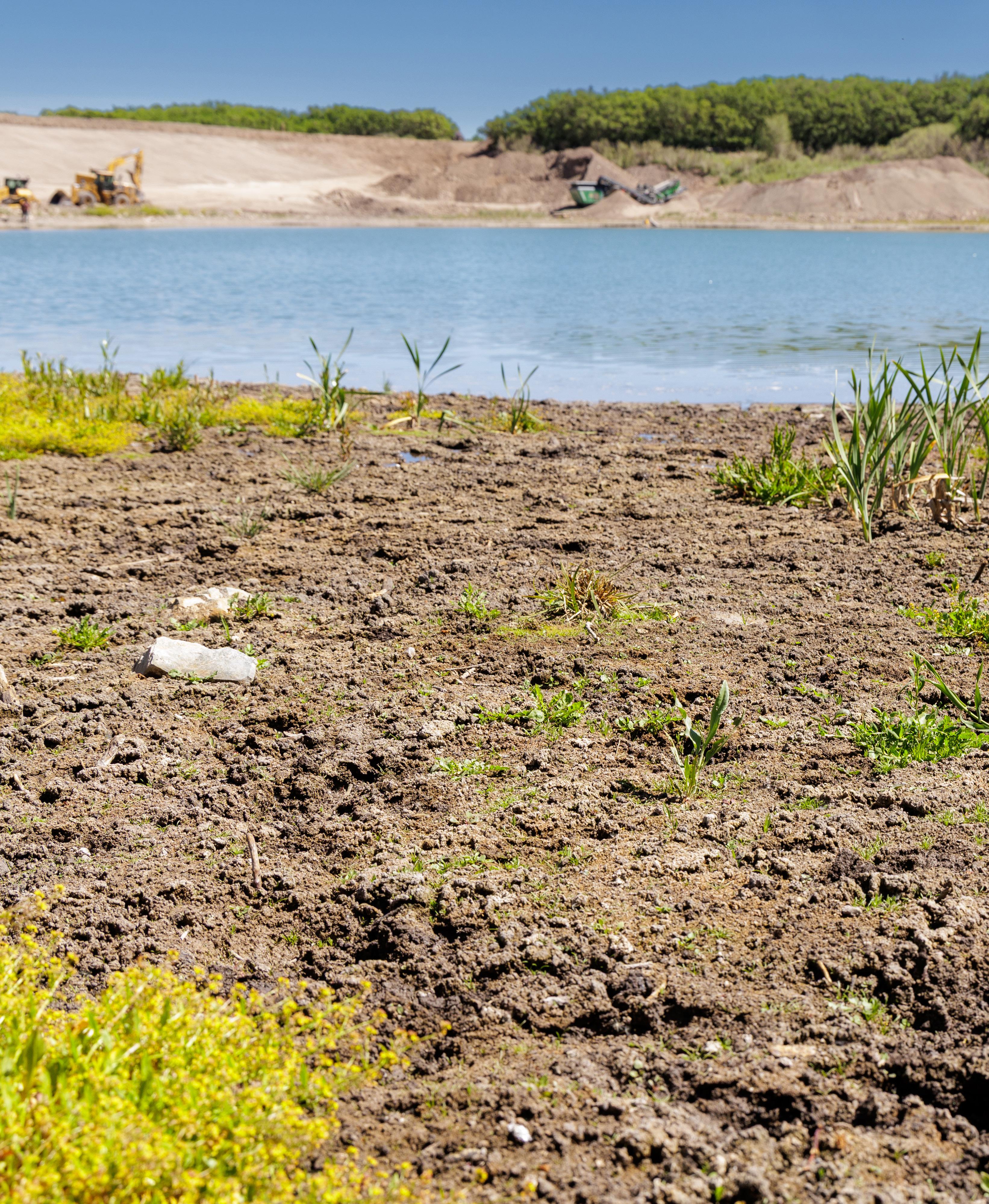
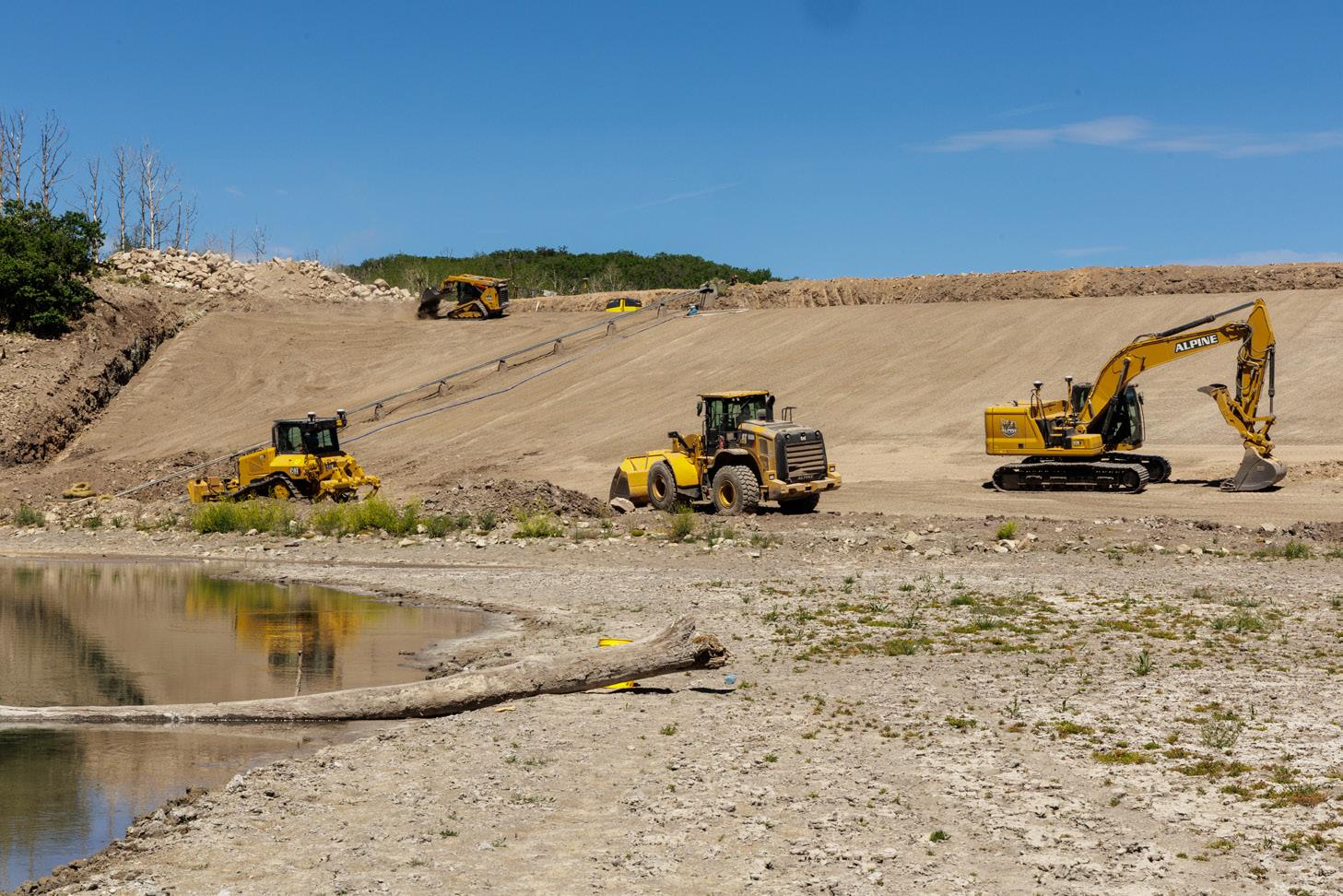
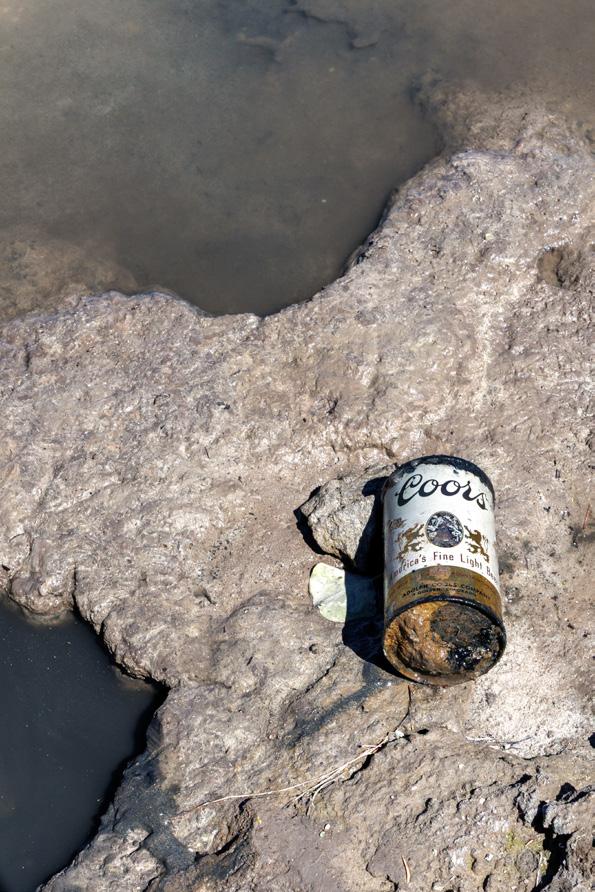
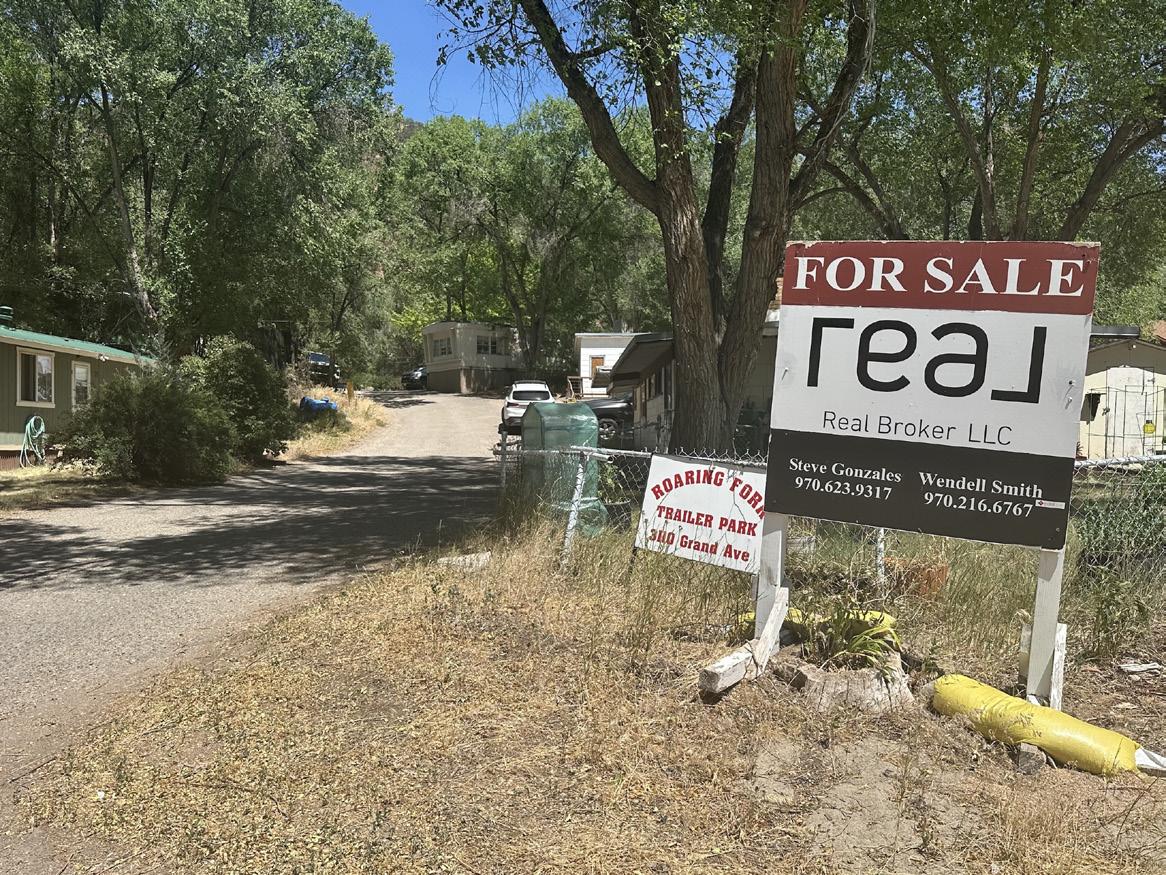
As reported in Scuttlebutt on June 4, Dinkle Lake will remain drained (not completely empty, after all) through August. The Sopris Sun took a jaunt to check it out, and was surprised to see little trash (the team was hoping to find some treasures) turned up at the base of the lake that is clear of water. Although, a few relics, mainly old beer cans, were spotted.
Even the old rope swing and platform, which was inarguably quite dangerous even during a good water year, seemed to have been removed from its age-old placement on the edge of the quakies. The Sun didn’t find it, anyhow.
Turnabout Ranch and Big 4 Ranch of Basalt, which hold the authorization for Dinkle Lake, according to the Forest Service, are footing the bill for repairs to the interior of the dam to prevent further seepage issues and line the reservoir.
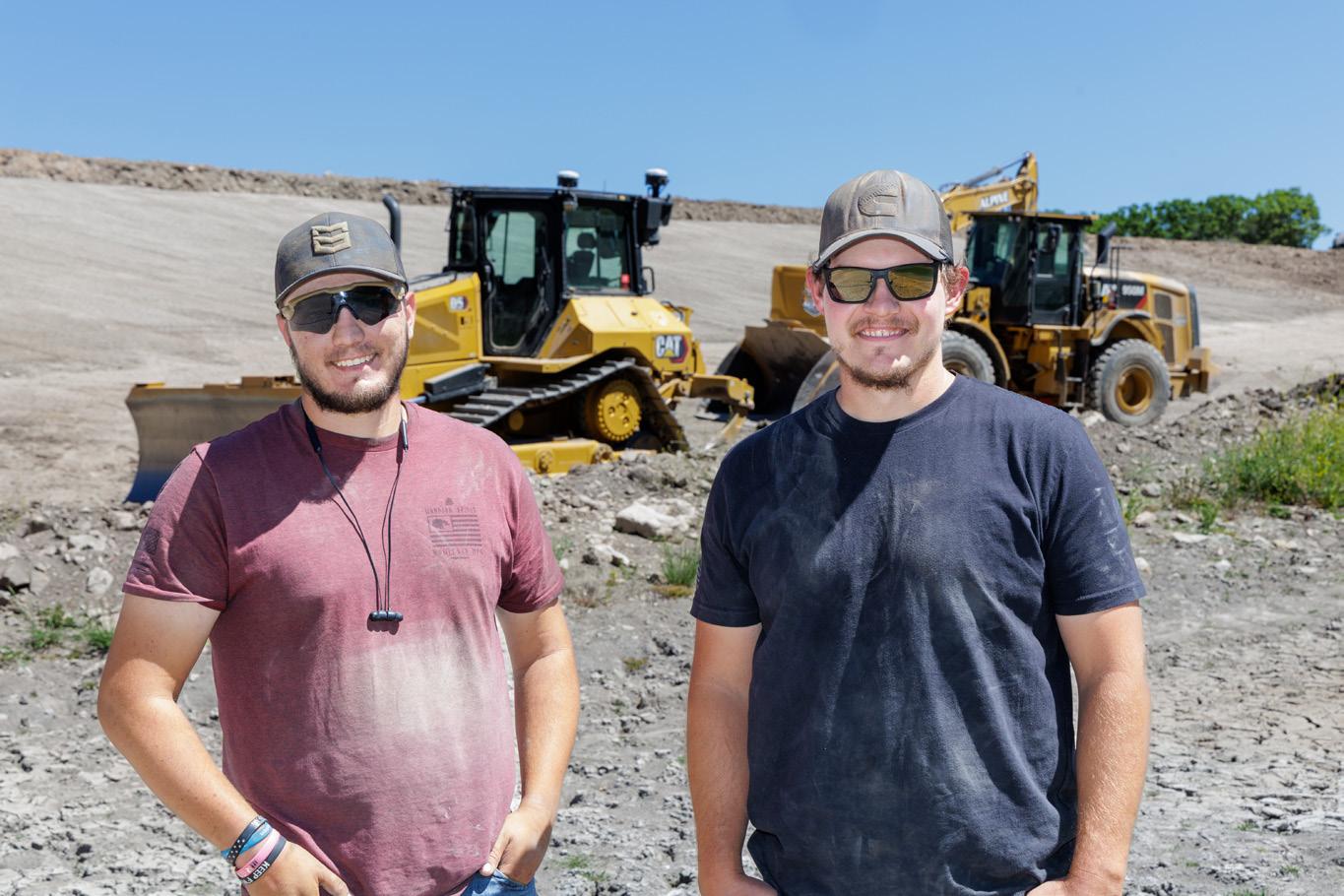
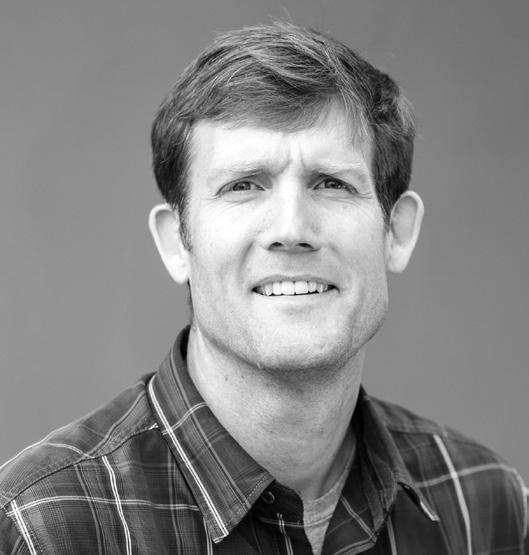
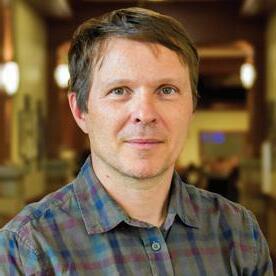
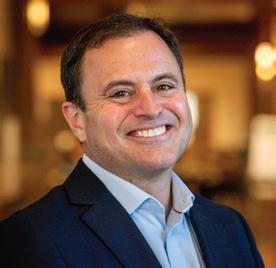
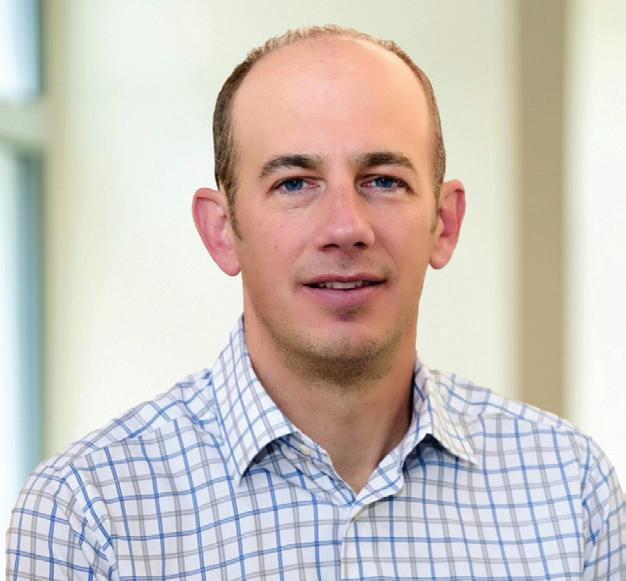
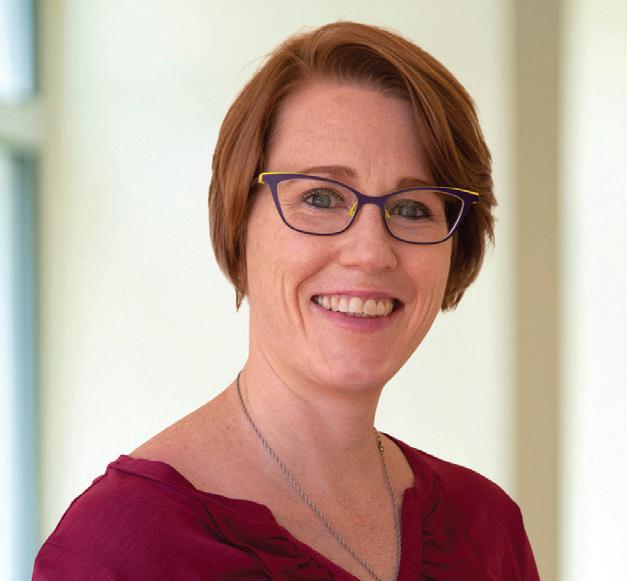
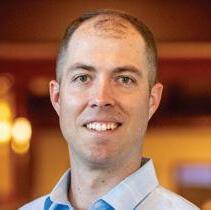
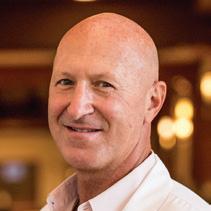
Alpine Excavation workers Branson Simpson and Andrew Kingen (pictured above, left to right) at the site on Friday, June 19, estimated that the work would be done in a matter of weeks. And, despite the hot temps, neither have taken a dip in the water that remains.
For historical context, a natural lake preceded Dinkle, according to White River National Forest Service Public Affairs Officer David Boyd, but was augmented in 1918 with the dam and a ditch. The last time work was done on the dam was 2010.
When asked if people could still swim and recreate in the little water that remains, Boyd said that the area is open but people are to avoid the construction zone and park in designated areas.
Photos by Bob Rugile Text by James Steindler
Governing like a one-termer
Government is a core pillar of society. When choosing our leaders there is a lot to unpack, and this column, running every last week of the month up to election day, is intended to help readers do just that.
My dad was a Garfield County Commissioner in the ‘80s, and while we shared the honor of holding elected office, we didn’t exactly share views on much else, especially politics. But I respected his belief that whether you run for re-election or not, you must hold true to your ideals, regardless of political party pressure, and to govern like a one-termer.
My own experience with elected office is that some of the time is spent governing — listening to many different people, analyzing issues, finding common agreement with stakeholders, etcetera. But most time is spent leading, whether you want to or not. Issues and votes come and go like the wind, but what can set the tone of a community and shape culture is how leaders carry themselves, how they respond to adversity, when they choose to listen and when they choose to act. It’s humbling to say the least.
future of our county will be,” and he sees the recreation industry as key. Rudd doesn’t necessarily think transit is the best solution and, with respect to affordable housing, he thinks having the private sector build more housing is the best path. “I don’t believe in incentives,” he said, and “public subsidy is the nuclear option.”
OPINION
This column focuses on two Garfield County races. County governance has a unique opportunity to weave together communities and serve as a liaison to state and federal agencies. They can heavily shape economic trends, land use policies, transportation, law enforcement and more. Or they can choose not to. So I think it matters how county leaders view their roles in, say, economic development or social services, or whether some laws — or, worse yet, rights — are theirs to interpret.
Jonathan Godes, the Democrat running for commissioner, states on his website that “The lack of a diversified economy and good-paying jobs in our communities has made us vulnerable.” He criticized previous boards in over supporting one part of the economy, while only offering local businesses “a pittance.” Godes seems more convinced than Rudd that transit is crucial to the county’s future and, with respect to housing, he said, “The reality is government needs to participate.”
A question that seemed relevant for all four candidates was how they would respond to current Sheriff Lou Vallario’s disparaging emails about State House Representative Velazquez, if they were in office. The purpose was to better understand how the candidates view their role as leaders with respect to accountability, and when they choose to act.
DIG A LITTLE DEEPER
By Dan Richardson
Baker said nothing to Vallario because “Lou has a right to voice his opinion,” he said, and he would not feel comfortable offering his comments to Lou. Loya called the emails “completely unprofessional and unacceptable,” and referenced ways he helped change a previously “nasty culture” in Eagle County. Godes stated that “the county needs leaders who model the professionalism they expect from others.” Rudd said, “My stance is always to maintain a decorum of mutual respect.”
Brent Baker and Dan Loya are running as Republicans for the Garfield County Sheriff seat.
Baker is currently a patrol lieutenant for the Garfield County Sheriff’s Office, and he had positive things to say about his department, including that it had a “great culture and climate.” He stated that he “isn’t a fan of red flag laws” and he sees the biggest threat to public safety being “behavioral and mental health, as well as substance abuse.” In terms of connecting with all segments of our population, he said, “We need to be understanding of them [Latinos], but we also need to educate them on our laws.”
Loya currently serves as Eagle County’s undersheriff but grew up and lives in Garfield County. Loya seemed fine with being labeled a “hard ass” by some, and stated his department “has built a good connection and trust with the Latino community in Eagle County.” He said, “I agree and support the red flag [law] if used appropriately and vetted properly by the judges ensuring it’s not being misused.” To him the greatest threat is the local drug problem, specifically fentanyl.
Eric Rudd, the Republican commissioner candidate, stated, “We have reached a point where we need to redefine what the
LETTERS
CORRECTION: The June 17 article, “Two more wolves die in western Colorado,” misstated that the breeding male wolf of the King Mountain Pack died during a re-collaring operation in 2024. The wolf died during a re-collaring operation in early 2026.
Weiser for Gov.
As a local elected official working on solutions to affordable housing, climate, transportation, and the economy, I am excited to vote for Phil Weiser for Governor in the democratic primary. Weiser is an experienced statewide leader who we can trust to show up, listen to and collaborate with local communities. He has demonstrated his effectiveness, integrity and style of leadership through his 8 years as Attorney General, and by how he has run his campaign.
While Phil’s campaign is funded by thousands of Colorado residents, Bennet’s campaign is supported by a super PAC funded by out-of-state billionaires. Michael Bloomberg alone has contributed
Despite common agreement that Vallario’s behavior was unacceptable, what was not voiced by any candidate was a willingness to speak directly to, in this case, Vallario, and communicate what’s unacceptable. This seems to be a disconnect between espousing accountability, and delivering it. I applaud leaders who “model professionalism” and “maintain a decorum of respect,” but we are seeing in real-time what happens when they don’t hold their peers accountable for bad behavior.
Ben Franklin called it when describing our government: “A republic, if you can keep it.” Democracy and elections are a hot mess at any level, and candidates (aka soon-to-be leaders) must balance electability, integrity, humility, courage and more. These desperately needed character traits and skillsets aren’t new to elected leadership, but they can be overshadowed by our quest for “likes” and fear of being “canceled.”
Truth be told, I doubt I’d vote for my dad today, but I am voting for those with the courage to buck the party, the integrity to call out unacceptable behavior when appropriate, the humility to change their mind, the discipline to choose responsibility over power and the resolve to govern as a one-termer.
over $4.5 million to support a super PAC in support of Bennet.
I’ve heard some local environmentalists say they are ok with the out-of-state billionaire funding because they like Bennet’s record on the environment. What many people are not aware of is that Bennet has 2 years left in the U.S. Senate. As governor, Bennet would pick his replacement. Leaving the senate and handpicking his replacement leaves Colorado with two years of a non-elected U.S. Senator, and a massive loss in the seniority that is so critical for shaping policy in the US Senate.
The Senate is where key issues regarding public lands, national forests, national parks, and federal energy and climate policy can be addressed, along with cabinet and supreme court picks. The Senate is where many of the illegal actions of the Trump administration can be stopped. Bennet has served Colorado well. He can do even more to serve the people of Colorado and protect our democracy and environment by completing his current term in the Senate.
Vote for Phil Weiser for Governor; keep
Bennet in the Senate.
Colin Laird Carbondale Trustee
RE: zoning laws
Pat Hunter being a liberal lad and me a MAGA mensch, I almost never agree with anything he says. However, his June 18 Sun letter about zoning is spot on.
Our constant obsession with developing every possible piece of open space is detrimental to our quality of life. It’s not just Hwy. 82 or water availability, it’s too many people. We don’t need more people or businesses in our finite little valleys.
Pat’s right, all these dirt developer dirtbags care about is profit. If we want to preserve our small town auras, we need to change our zoning laws or change the officials that are allowing our paradise to be paved over for another “affordable” future ticket tacky tenement.
As for the global warming part of his letter, he’s full of bologna.
Bruno Kirchenwitz Rifle
Editor James Steindler 970-510-3003 news@soprissun.com
Managing Editor Skyler Stark-Ragsdale
Sol del Valle Editora Bianca Godina bianca@soldelvalle.org
Digital Editor
Ingrid Celeste Zúniga ingrid@soldelvalle.org
Lead Editorial Designer
Terri Ritchie
Partnerships & Engagement Manager Luise Nieslanik
Advertising Department adsales@soprissun.com
Sol del Valle Marketing & Development Manager
Margarita Alvarez margarita@soldelvalle.org
Advertising Designer
Emily Blong
Delivery
Frederic Kischbaum
Bartlett
Proofreaders
Lee Beck
Tracy Kallassy
Ken Pletcher
Hank van Berlo
Executive Director
Todd Chamberlin 970-510-0246 todd@soprissun.com
Board Members / Mesa Directiva board@soprissun.com
Klaus Kocher • Kay Clarke • Eric Smith
Roger Berliner • Elizabeth Phillips
Anna Huntington • Loren Jenkins
Carlos Ramos • Gayle Wells
The Sopris Sun Board meets at 6pm on second Thursdays at the Third Street Center.
The Sopris Sun, Inc. is a 501(c)(3) nonprofit corporation with a mission to inform, inspire and build community by fostering diverse and independent journalism. Donations are fully tax deductible.
Sincerest thanks to our Honorary Publishers for their annual commitment of $1,000+
Kathy & Carter Barger
Lee Beck & John Stickney
Karen & Roger Berliner
Emily & George Bohmfalk
Kay Brunnier
Michelle & Ed Buchman
Sandy & Paul Chamberlin
Frances Dudley
Sue Edelstein & Bill Spence
Deborah & Shane Evans
Greg & Kathy Feinsinger
Peter & Mike Gilbert
Michael & Nancy Kish
Gary & Jill Knaus
Jan & Warren Koster
Bob & Dori Libson
Lee Mulcahy
Donna & Ken Riley
Eric Smith
Patti & George Stranahan
Gayle & Dick Wells
Elizabeth Wysong
Legacy Givers for including us in their final wishes. Mary Lilly
Donate by mail or online: P.O. Box 399
Carbondale, CO 81623
520 S. Third Street #26
970-510-3003
soprissun.com/Donate
The Sopris Sun, Inc.
is a proud member of the Carbondale Creative District
OUR UNDERWRITERS AND NONPROFIT PARTNERS!
SCUTTLEBUTT
Tiny prints
The deadline to submit work for Carbondale Arts’ Tiny Print Showcase is fast approaching. Colorado-based artists can submit prints until July 1 for a chance to be featured in the showcase, on display at the Carbondale Arts Gallery from Aug. 21 to Sept. 24. Prints must be under 6 square inches. There are $1,200 in awards available to competitors and submissions will be judged by a panel of accomplished printmakers from Colorado. For more information, visit carbondalearts.com/ exhibitions/tiny-print-showcase
GarCo library director
FirstBank Alpine Bank
Colorado Mountain College Nordic Gardens
Hilary Porterfield
Basalt Library
NONPROFIT PARTNERS
Two Rivers Unitarian Universalist
Carbondale Arts
Carbondale Rotary Club
Colorado Animal Rescue
Interested in becoming an Underwriter or Nonprofit Partner? Email Todd@soprissun.com or call 970-987-9866
Garfield County Public Library District announced last week the selection of New Castle resident Abraham Korah as its new executive director. Korah served as the Glenwood Springs Library branch manager for the previous three years, during which he led the library to expand programming, improve community engagement and reimagine the building’s space so users’ needs could be better met, according to a press release. He also built a team that saw zero staff turnover during his time at the helm. “I am honored to serve as executive director and excited to work with our dedicated staff, Board of Trustees, community partners and residents throughout Garfield County to continue expanding the impact of our libraries,” Korah said.
SOL nominations
Carbondale’s Stage of Life Theatre Company (SOL) received 10 Henry Award nominations from the Colorado Theatre Guild for its 2025 production “Cabaret.” Operating at an annual budget of just $425,000, SOL is a nominee alongside The Arvada Center, Theatre Aspen, Parker Arts, The Lone Tree Arts Center and The Denver Center for the Performing Arts (DCPA) — some of the most established theater organizations in the state. DCPA’s annual budget is roughly $89 million, according to a press release. “Cabaret” saw three artists nominated who were former SOL students: Luke Ryan, Maura Fawley and Simon Cox.
Fire restrictions
The White River National Forest will transition to stage 2 Fire Restrictions on Friday, June 26. Under the restrictions, no campfires or charcoal are allowed anywhere on the White River National Forest, including in developed campgrounds and picnic areas, according to a press release. For more information, visit fs.usda.gov/r02/whiteriver/alerts. Garfield County and its seven fire districts are also implementing stage 2 restrictions on June 26 at 1am, prohibiting fireworks and recreational fires and allowing smoking only in developed areas and more. For details, visit garfieldcountyco.gov/emergency-management/fire-restrictions/
Warm waters
The Roaring Fork Watershed is flowing at 15-38% below normal for this time of year, according to a June 18 report by Roaring Fork Conservancy. Hot weather combined with the lower flows have increased stream temperatures, with temperatures jumping by 3.6 degrees Fahrenheit to 64.6 degrees the week preceding June 18. The conservancy reminds anglers to stop fishing when the water reaches 68 degrees. Aquatic organisms, including trout, are stressed in warmer water, which contains less dissolved oxygen, according to the conservancy.
AVSC appointment
Aspen Valley Ski and Snowboard Club (AVSC) announced the appointment of William Hadden as the organization’s new alpine director. Bringing with him 11 years experience coaching alpine racing in Chile, at the Stratton Mountain School in Vermont, with the U.S. Ski Team and with the Ski and Snowboard Club Vail, Hadden believes the best way to develop athletes is by accompanying them through early to
C.A.R.E. currently has 10 dogs and 26 cats up for adoption!
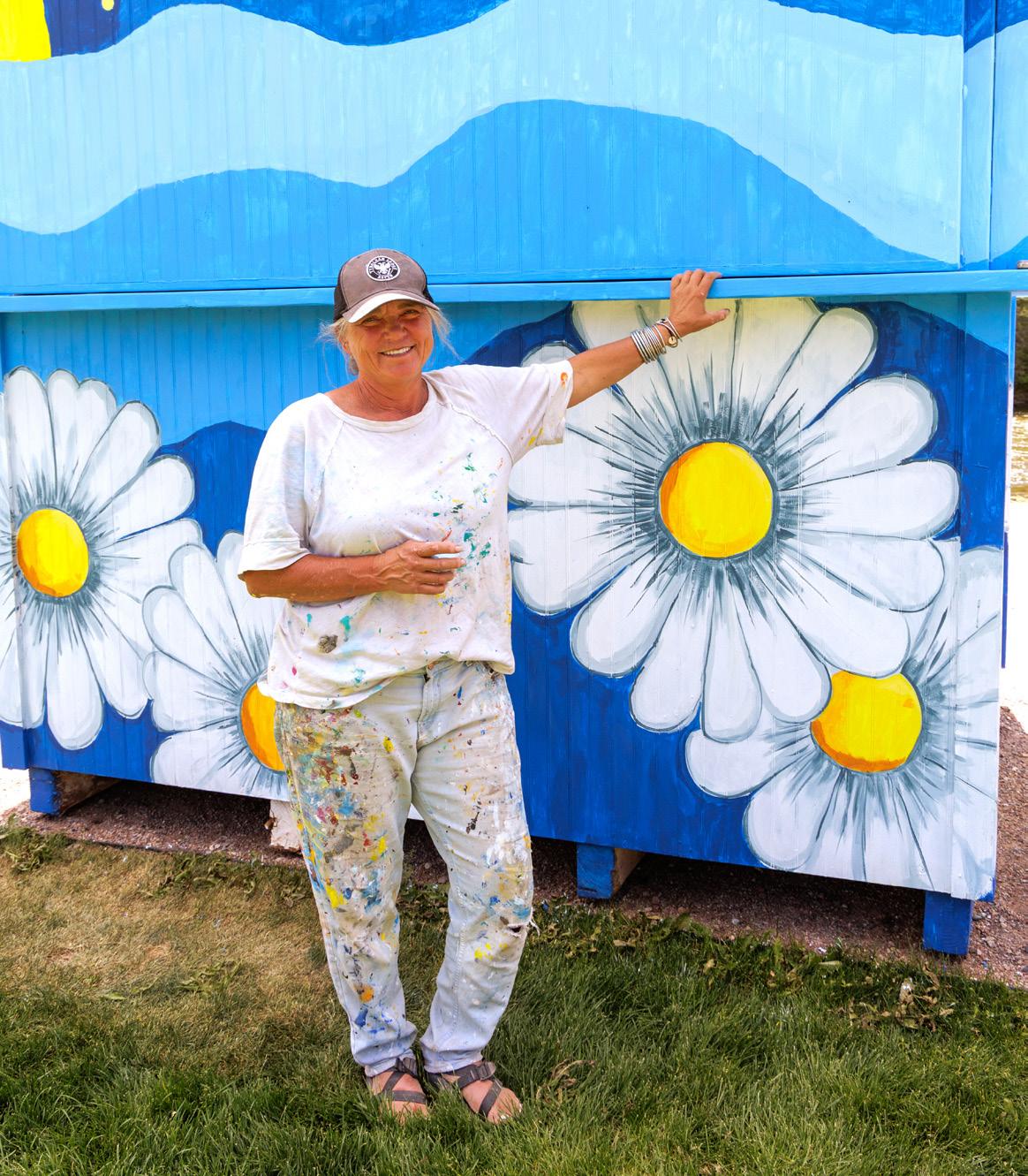
The Basalt Public Arts Commission (BPAC) recently awarded a grant to local artist Rae Lampe to paint two of the three concession booths at
River Park. The colorful cabanas will be used to serve beverages during the park’s Wednesday evening concert series throughout the summer. Lampe, who taught art in the Roaring Fork Valley for 30 years before retiring, continues to pursue her passion for creating art. Her work is already enhancing the park, and supporters hope the commission will consider hiring her to paint the third booth as well. Photo and text by Bob Rugile
late stages of their racing development. “It is incredibly valuable to see an athlete through all ages,” he said. “That’s something I am excited to be able to do with the Alpine Program at AVSC.”
Dry Creek Fire
As of Wednesday morning, June 24, the Dry Creek Fire outside of Rifle was estimated at 315 acres, according to Colorado River Fire Rescue. At the time, management of the blaze transitioned to Upper Colorado River Interagency Fire Unit Type 3 Team.”Crews are utilizing a full suppression strategy with direct and indirect tactics to slow the fire’s spread and construct containment lines around the fire,” a press release stated. Evacuation orders remained in effect and a public health notice was issued encouraging people experiencing heavy smoke to remain indoors when possible. For updates, visit garfieldcounty.net/
They say it’s your birthday!
Folks celebrating another trip around the sun this week include: Mark Burrows, Olivia Pevec and Michael Quint (June 25); Jaspen Mackin, Emilee Phelan, Zack Ritchie, Lucy Sontag and Jake Zamansky (June 26); Roberto de Leon, Erica Pincomb and Colton Mesner (June 27); Michael Black, Adele Craft, Niki Delson, Erin Galbreath, Claire de L’Arbre and Beth Mulry (June 28); Zuleika Pevec, Patty Phelan and Drew Sorenson (June 29); Melina Laroza, Erin Rigney and John Stickney (June 30); Cory Feldman, John Matchael, Jax Moss and Kyle Obuhanick (July 1).
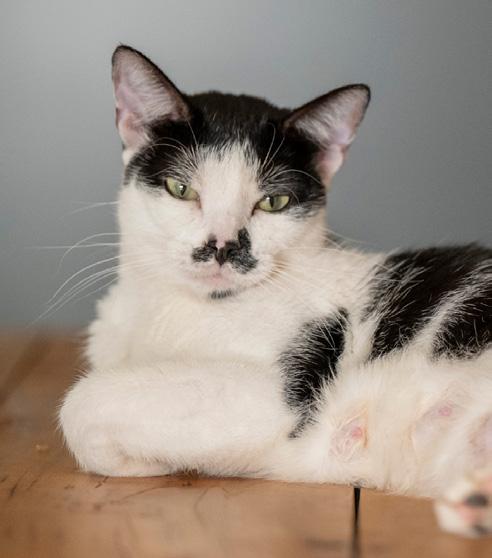
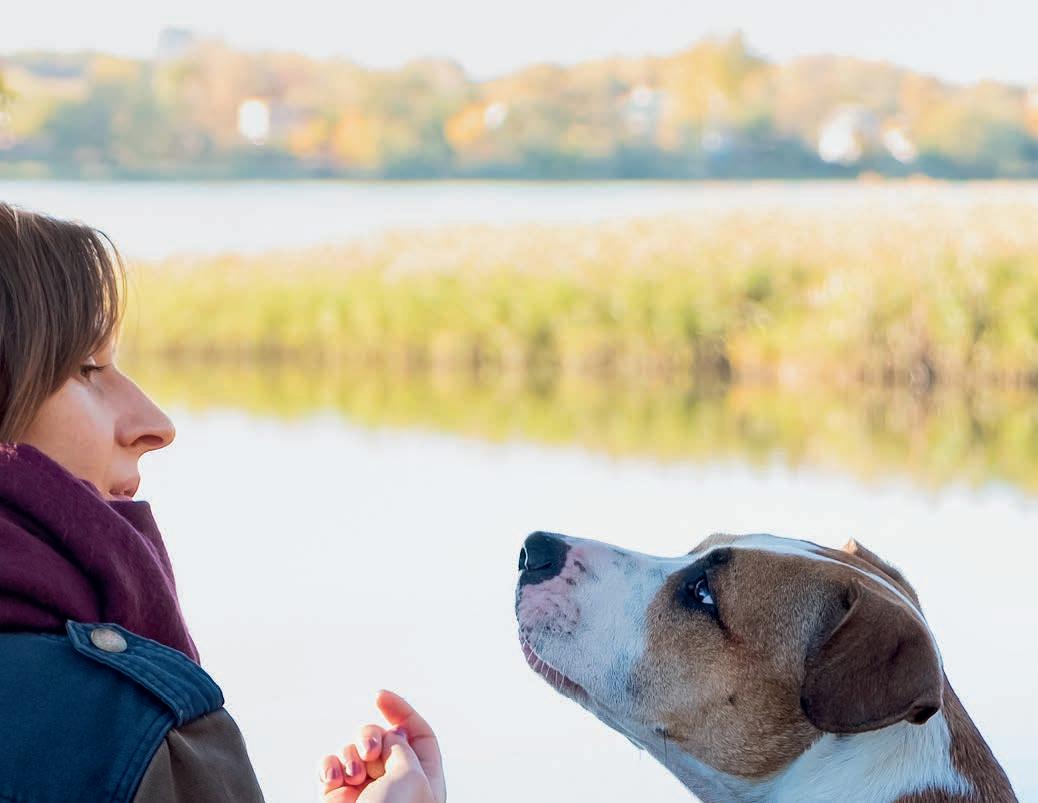
RJ PADDYWACKS offers a “C.A.R.E. package” for new adoptive families, including a “Paws for Points” plan and a first time 15% discount for your new pet. Smudge is one of several new cat mamas to visit C.A.R.E. this summer. Her kittens have been adopted, and mom is still waiting her turn for a
At only a
is
active, playful, and friendly. Visit Colorado Animal Rescue to find out more and ask about the ALPINE BANK ADOPTION SPECIAL happening through the end of June!
PADDYWACKS offers a “C.A.R.E. package” for new adoptive families, including a for Points” plan and a first time 15% discount for your new pet. saturday may 2nd 10am-2pm
Fresh annuals, perennials, veggies and herbs are arriving weekly and trees and shrubs are fully stocked. We have a variety of soils, mulch, amendments, fertilizers, pest control supplies and more for all of your gardening needs!
Basalt
A Mariachi Celebration!
WEDNESDAY, JULY 1
5:30 PM | KLEIN MUSIC TENT
FIESTA STARTS AT 4 PM!
Celebrate Mexican music and dance with a free community concert featuring AMFS Mariachi Workshop participants alongside Denver-based Mariachi Sol de mi Tierra and Aspen Santa Fe Ballet Folklórico
Join us for a fiesta from 4 to 7 PM on the David Karetsky Music Lawn! Enjoy free activities with community partners. Food and drink available for purchase from local vendors.
Wool, look at that!
Uan Hollow’s wool pellets enhance soil health
KATE PHILLIPS
Sopris Sun Correspondent
For generations, wool has been a staple in the textile industry. Known for its moisture-wicking properties and breathability, it’s a durable and renewable resource favored among outdoor enthusiasts. However, as the demand for cheap synthetic materials increases, the global wool market has entered an era of unpredictability and shepherds are faced with the difficult reality that shorn wool may end up in landfills. That is until some farmers like Sus Kitchen, owner of Uan Hollow in New Castle, are seeing wool waste through a new lens.
“Wool is an incredible soil amendment that has great qualities of nutrition, aeration and water retention,” Kitchen said. “Only some types of wool are valuable for the textile market, and a lot of it goes to waste. There are shepherds who still have to shear their sheep, but they don’t get paid for it. They just incur a cost for the shear. What we can do is make pellets to create a high-value soil amendment and then we can pay the farmers for the wool that would be wasted.”
Founded in early 2026, Uan Hollow (pronounced oo-an) is a growing biodynamic farm that specializes in the sale of wool pellets. An eco-friendly resource, wool pellets are naturally rich in nitrogen and contain trace minerals like iron, zinc, magnesium and copper. Wool is also an organic material that biodegrades over six months.
Kitchen said gardeners simply press the pellets into the soil or use it as a top dressing to begin the slow nutrient release process that provides consistent and steady feed for plants. The pellets also have antimicrobial and antibacterial properties, which help reduce harmful bacteria growth.
Acting like a sponge, the pellets absorb and retain water to help regulate moisture, decrease nutrient runoff and reduce water usage. When the wool expands it also creates pathways to circulate air around the roots.
Recent trials conducted by Wild Valley Farms, the nation’s pioneer in wool pellet manufacturing, found that wool absorbs about 20 times its weight and reduces water usage by up to 25%. The trial was confirmed and expanded upon by Utah State University.
At Uan Hollow all wool is sourced from Colorado’s High Rockies and Western Slope. Kitchen said that sourcing local wool can help
build resilience as warmer summers loom.
“Wool pellets are great for drought specifically,” she elaborated. “I’m so big about the local food and fibersheds … We eat fruit from Palisade, Paonia and Hotchkiss. It’s a reflection of a smaller economy. The animals are another layer of that because they also share the consciousness of this land.”
An agrarian future
A former employee at Central Rocky Mountain Permaculture Institute, Kitchen has extensive knowledge in vegetable farming. However, animals have always called to her; and when she learned about biodynamic farming, the desire to integrate animal systems with her farm’s plant systems became vital.
“Biodynamic brings this spiritual element to what we do and gives us rhythm, context and also specific structure to get better results,” Kitchen said. “Biodynamic is one way to recultivate our humanity in relationship with the Earth.”
Her dreams of raising livestock became a reality after adopting three bummer lambs from Alyssa Barsanti, owner of Marigold Livestock Company. A bummer lamb is a newborn who lost its mother due to death or rejection and requires human intervention, like bottle feeding, to survive. Without hesitation, Kitchen and her partner Jurie Garst said yes, and thus Uan, which means lamb in Irish, began.
“I’ve always been in tune to and in flow with animal agriculture,” Kitchen said. “I’ve been milking cows at Sustainable Settings for almost four years now, but cows are a big barrier to entry … We fell in love with sheep. This is a whole new [experience], as they have such a different energy from a cow. They’re really fluid, fun and silly. It’s full on with sheep now.”
The idea for Kitchen to use waste wool as a soil amendment was planted by Brook LeVan, co-owner of Sustainable Settings. A longtime mentor, he gave Kitchen the nudge she needed to explore. Inspired, she then connected with New Liberty Wool Pellets based in Mack — Colorado’s only wool pellet maker. Despite the niche market, she received strong support.
“[Robert of New Liberty] had such high enthusiasm,” Kitchen said. “I was so shocked he wanted to share everything
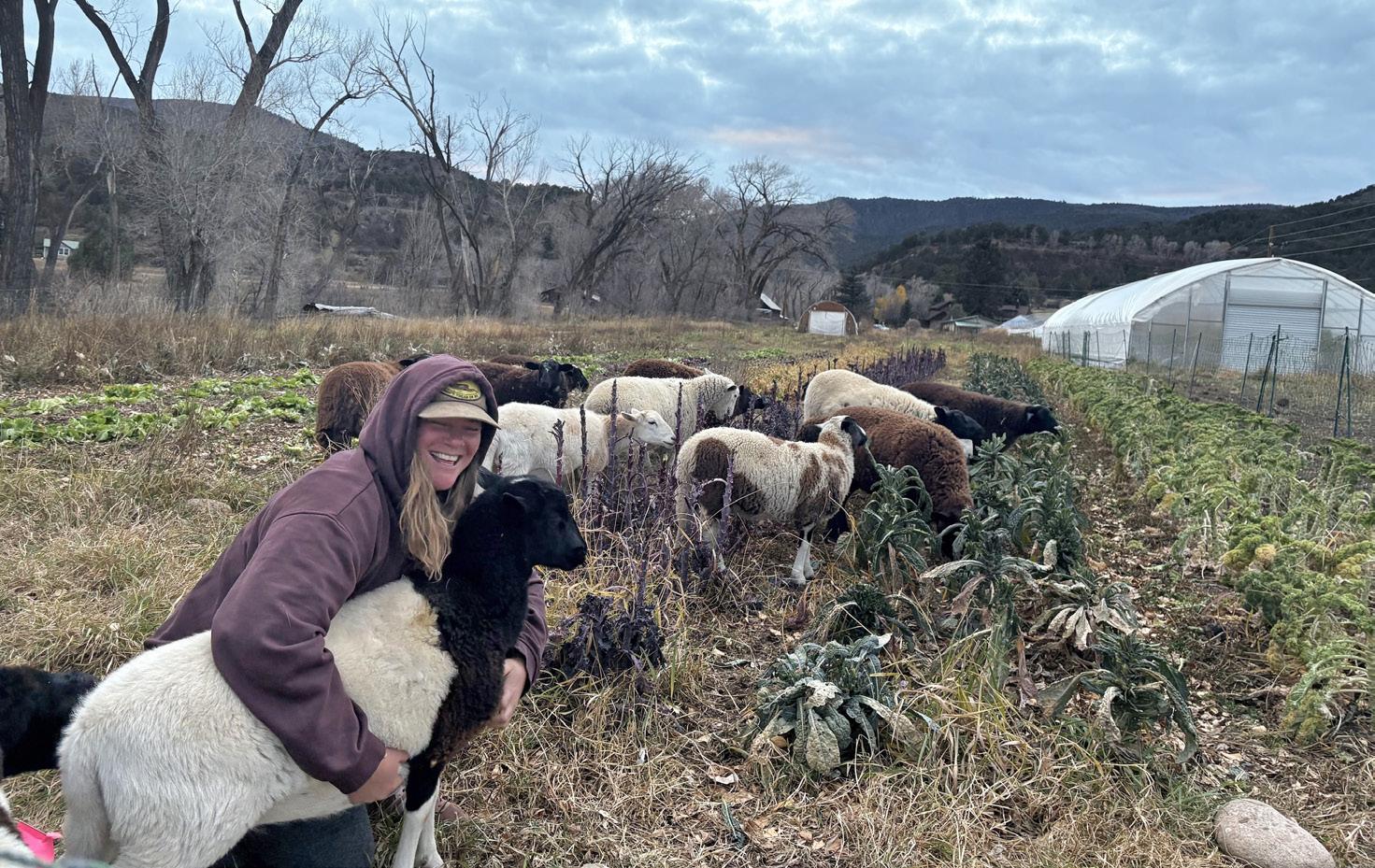
Sus Kitchen, owner of Uan Hollow, beams as she tends to her growing flock of sheep. Based in New Castle, Uan Hollow sells wool pellets, an innovative and eco-friendly resource that enhances soil health. Courtesy Photo continued on page 13
Pulling up roots: The Good Seed community garden makes way for housing needs
BETSY WELCH Sopris Sun Correspondent
Daniel Self, the lead pastor at The Orchard Church in Carbondale, isn’t much of a gardener. But at work, he’s surrounded by them — around 30 to be exact. At The Good Seed, the community garden on the northern flank of the church’s property, one of the longtime gardeners told Self recently that he finally has asparagus this season, after years of waiting for the plant to take.
“I had no idea it took that many seasons,” Self said.
These are bittersweet anecdotes for Self, in light of a recent announcement that 2026 may be the last growing season for The Good Seed. In April, an email from the church went out to the garden distribution list outlining new plans for the land.
“In 2012, The Orchard agreed that this land would be used for gardening unless we needed the space for other purposes … As we have grown and as affordable housing has become more scarce, we have made the decision to build the first house on the southwest corner of land now occupied by the Good Seed Garden,” the email read. Self says that since the email was sent, no plans have been formalized for exactly what the property will be used for, nor when any development will begin. But he does acknowledge that church leadership has decided to move forward with its vision of using the property for community
resources like housing or shelter for vulnerable populations.
“When do you know you need to start asparagus?” he asked rhetorically. “Before you need it.”
The Good Seed Garden was never meant to be permanent.
According to longtime gardener Doug Stewart, the idea to turn the weedy, junkstrewn part of the church property into a community garden came from within the congregation. Church leadership was supportive from the beginning, Stewart said.
“At the time [2012] it was a really easy ‘yes,’” he said.
Momentum for the garden grew quickly, and with it came plenty of manpower and hundreds of volunteer hours. Church members and the community hauled the junk away and helped prepare the grounds for gardening. Anecdotes of who was involved are numerous. According to Stewart, someone who worked at Turnbull Ranch brought over a giant tractor with a plow to try and break up the compacted dirt. A landscape architect who had worked on Epcot Center dreamed up a whimsical design for the garden that incorporated flower beds and raised beds.
At one point, one of the gardeners got word that Saudi Prince Bandar bin Sultan was getting rid of the guard “shack” at his Aspen estate.
“They said if we could get it in the next
two days, we could have it,” Stewart said. “We managed to get it down here and if you look closely you can see it’s very fancy — all tropical hardwoods and bulletproof glass.”
The prince’s old guard shack currently houses a collection of hoes, pitchforks, shovels and other tools, which are all available for gardeners to use. So too are the wheelbarrows, compost bins and tomato cages lined up around the shed. The community spirit that was sown during The Good Seed’s early years is alive and well today, both in how the garden is managed and in the church’s enduring support.
“I think the total financial support that The Orchard has given over the years is probably $35,000-$40,000,” Stewart said. “In addition to start-up costs, they
budgeted a few thousand dollars per year for our operating expenses when we were getting started and had a lot of needs.”
This year, there are about 30 gardeners at The Good Seed, a number that’s higher than the past few seasons. On the upper level, garden beds overflow with perennials — plants that return year after year. Raspberry canes stand tall, and there are strawberry patches in nearly everyone’s beds. The asparagus, after seasons underground, has finally come in.
For many gardeners, that’s exactly what makes the prospect of leaving so difficult. Self said he understands.
“I feel bad because there’s 30 people who have invested in this,” he said. “I know
continued on page 13
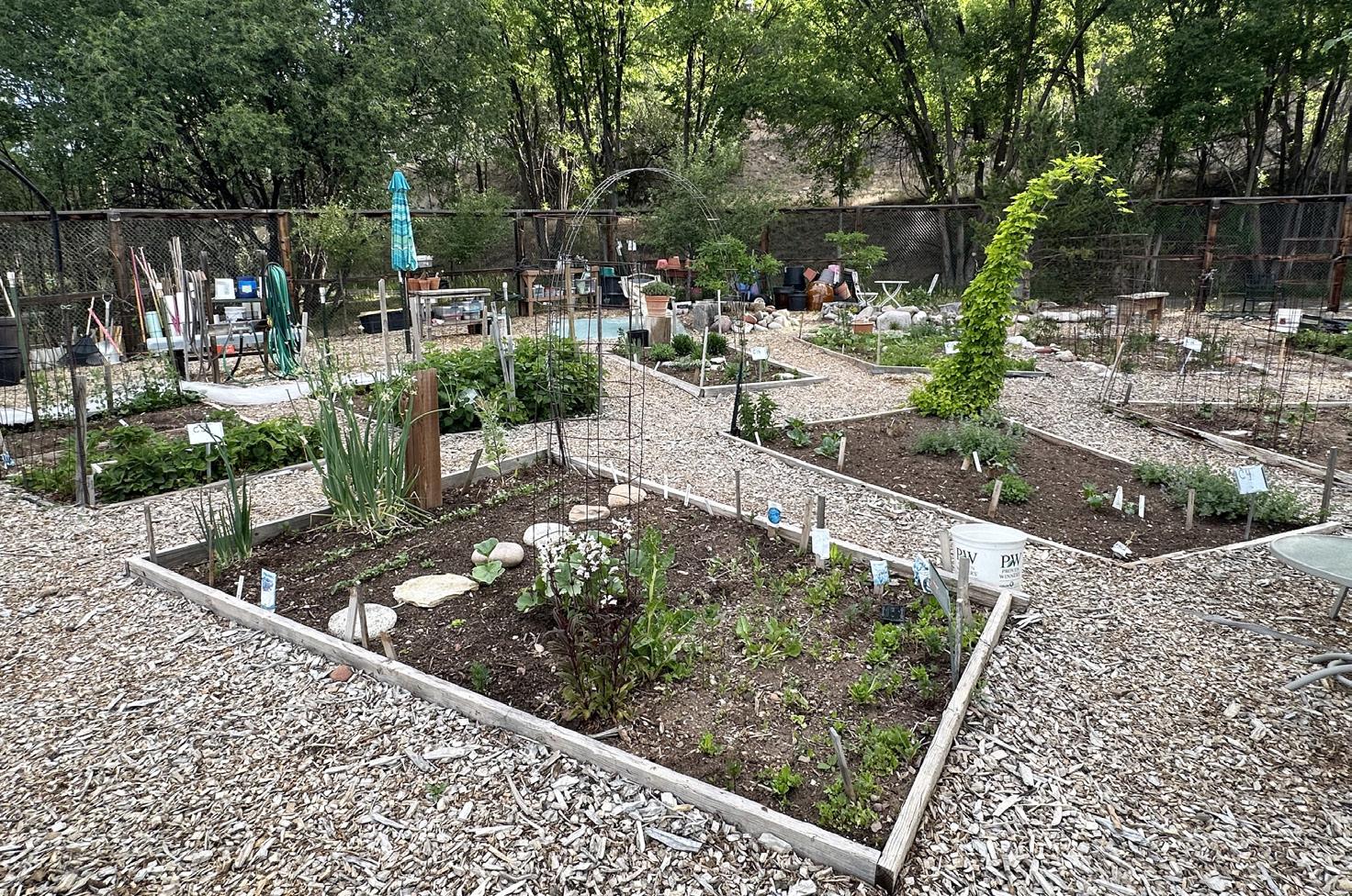
The Good Seed Garden has been in use for many years thanks to an arrangement with The Orchard church, which is now pursuing meeting another community need with the property: housing. Photo by Betsy Welch
One year later: Quality Queers looks to expand community reach
MYKI JONES
Sopris Sun Correspondent
Quality Queers, a Carbondale-based community organization that began hosting monthly free-to-low-cost communal gatherings for members of the queer community ages 22 and up, sees its one-year anniversary this month and celebrates expanded community offerings.
The organization at first hosted local group hikes, potlucks and game nights, events which drew on average 15 attendees. The project has since grown to reach from Aspen all the way to Grand Junction and Eagle with an average of more than 20 attendees at similar events as well as new home-repair and tax workshops, arts and crafts nights and a free hot springs outing sponsored by AspenOut.
“I wanted to provide a safe, sober-adjacent space for all to get together, be in community, and experience joy,” Quality Queers Founder Anisa Lavender said. “The state of our government and our [country’s] leadership and world events were and still are weighing heavily on me, and I wanted to do something about it.”
Lavender, who has been in the Roaring Fork Valley for a little over two years, initially came here after volunteering with Aspen Camp of the Deaf & Hard of Hearing on a snowshoe retreat. She has since organized a myriad of events central to Pride Month and other queer-focused projects.
She said she felt inspired to take action organizing gatherings of this nature after seeing a quote from Dan Savage, an American author, journalist and activist for the LGBTQIA+ community, about how the community banded together during the HIV/AIDS crisis during the Reagan administration.
“During the darkest days of the AIDS crisis, we buried
our friends in the morning, we protested in the afternoon, and we danced all night,” Savage’s quote reads. “The dance kept us in the fight because the dance is what we were fighting for. It didn’t look like we were going to win then, and we did. It doesn’t feel like we’re going to win now, but we could. Keep fighting, keep dancing.”
Lavender says this quote ignited a need to foster joy in the Valley’s queer community while also providing spaces that align with sober-adjacent activities.
“I’ve seen it first hand in our community how many of us struggle with our queer identities, and I think a lot of people end up struggling with substance abuse alongside that because of the initial struggle,” Lavender said. “I, personally, don’t drink and I was tired of the only invitations being set in environments where drinking is the main focus. I thought to myself, ‘I’m sure I’m not the only one who feels this way,’ and I also had connected with members of the community who were sober who
were looking for events where they could go and not be surrounded by those things.”
According to the Recovery Research Institute, it is estimated that 30% of LGBTQ+ individuals struggle with some form of addiction in comparison to 9% in the general population. Members of this community are also 18% more likely to struggle with alcohol addiction, 20% more likely to deal with drug use disorders and, in comparison to their heterosexual counterparts, are 5.9% more likely to misuse prescription drugs.
Lavender expressed gratitude toward Stepping Stones of the Roaring Fork Valley, which partnered with Quality Queers to provide drug-and-alcohol-free space for events, as well as to AspenOut, which has supported the organization by underwriting many of their projects.
“Last winter, [AspenOut] reached out and said they had heard what we were doing, and because we were reaching such a diverse and inclusive audience, and that really inspired them, and so they wanted to support us any way they could,” Lavender said. “They ended up underwriting our events, and still do. They pay for my time, they pay for a monthly budget I get to use towards providing free goods and snacks and refreshments and games and things like that to our community, so it’s been really great to see how far we’ve come and how much we’ve grown.”
Lavender encourages folks looking to make connections and experience new things within the community to join Quality Queers’ upcoming events, including a postcardwriting workshop at Townline Trucks and the Mountain Pride health fair, hosted in collaboration with Colorado Mountain College (CMC) and Colorado Health Network.
“There are a lot of queer people in this valley. There just hasn’t been a lot of centralized gatherings, which is what Quality Queers is trying to achieve,” she said. “So, bring a friend or bring a couple of friends, it’ll be easier to break the ice. We have fabulous volunteers and hosts that will make you feel very welcome.”
For updates, to get involved or to make a contribution, follow Quality Queers on Instagram @qualityqueers25 or reach out to Qualityqueers25@gmail.com
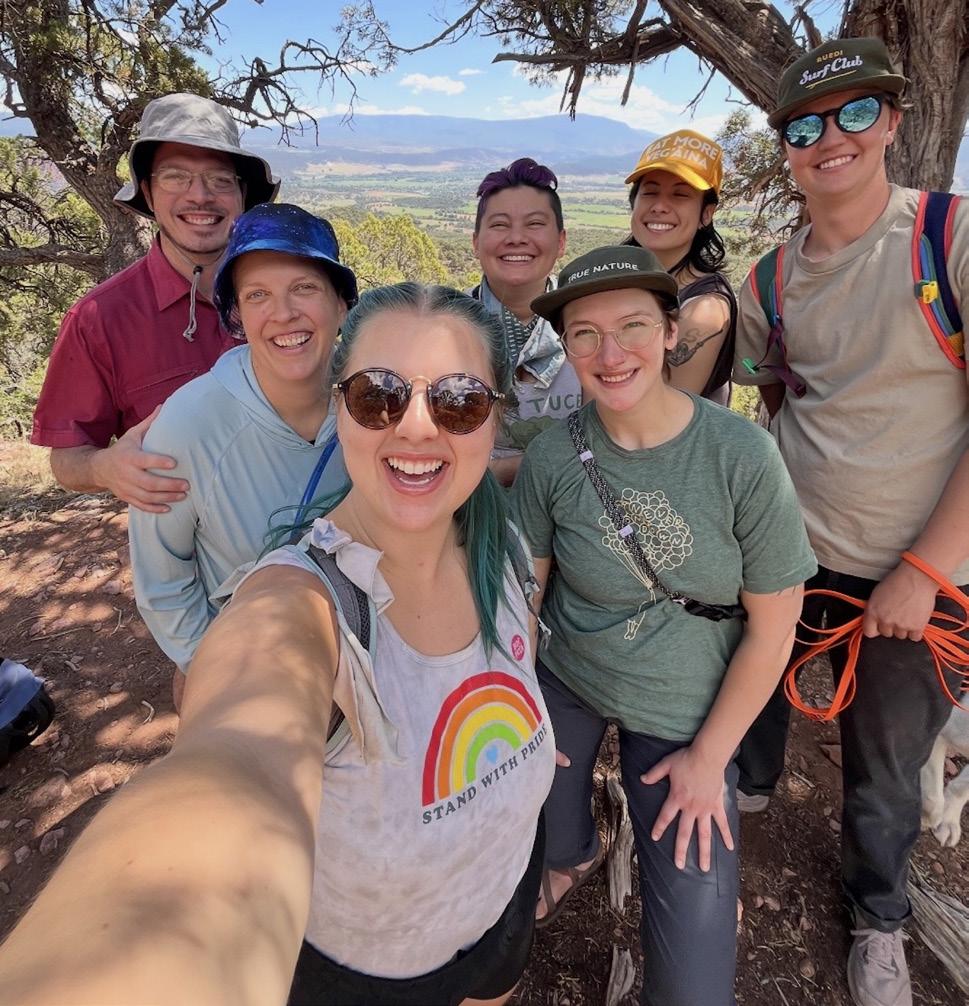
Anisa Lavender snaps a group selfie with fellow Quality Queers (left to right) Jess Hall, Cindy Kelly, Bri Walden, Delaney Meyers, Shay O’Connor and Anja Simpson. Courtesy photo
Community call: Art Wander slated for June 27
KATALINA VILLARREAL
Sopris Sun Correspondent
Art thrives in this gorgeous community. From theater to music to art galleries, there is support for all types of creatives here in Carbondale and the Valley. With local artists in mind, two talented people brainstormed a community-centered art walk that gives patrons of the arts an opportunity to see the process behind the scenes. Artists Adele Craft and Lindsay Jones have organized the free Art Wander event, June 27, for residents and visitors to step inside of their world for an afternoon.
“Lindsay and I have been studio mates in Studio 10 now for about a year. A couple of months ago, we had a conversation about hosting an open studio for Studio 10 in the Third Street Center and we started talking about including other artists in that open studio. I’m a kind of go-big-or-go-home person,” Craft said.
While living in London and getting her master’s degree, Craft became inspired by an art event called “The Crouch End Open Studio,” when a little neighborhood full of artists opens their studios for the public to walk through once a year. While talking with Jones
about hosting an open art studio, this event popped into her mind and the beginning of Art Wander Carbondale began to form.
“I think people, in general, love seeing the behind the scenes of anything, and that’s basically what an open studio is; but we talked about it and Adele was like, ‘Let’s make it bigger,’” Jones added.
So the Studio 10 event became Art Wander. Craft and Jones originally aimed to have around 15 artists. Currently, they reported that 30 artists have signed up to open their space to the public. With this incredible turn out, all that is left is for the public to participate.
“I sympathize with artists who don’t have a space or who want to show their work, but they’re afraid to make an event of it — so we made the event for them,” Jones said.
The event will have a central location at the Third Street Center, starting at noon and ending at 6pm. The Third Street Center will have map print outs to guide patrons to each artist’s location around town.
“It was really important for us to have something tactile. We want something that people can hold in their hands and have an unplugged community experience,” Craft noted.
The goal is for the public to get
to know the local art scene from the perspectives of the artists while they are creating. Seeing final pieces is always mesmerizing, but this event provides the opportunity to get to know the art and the artists before the product is finished.
The artists involved in the Art Wander are all unique in craft — ranging from carpentry, fiber arts, fine arts, pottery and more. The artists are also generous with their time and space, allowing spectators into the intimate process of creation.
“As artists, you only get so many chances to show your work,” Jones said. “Artists always have work that nobody ever sees because we’re always creating something, but it doesn’t all make the final cut to a show.”
Craft and Jones emphasized their gratitude to the downtown businesses that are lending their space to collaborate with artists and give them a place to present their work if they do not have a home studio. Some of the artists will be located at Studio for Arts and Works (S.A.W), Mountain Tide Provision Co., KDNK Community Access Radio and Colorado Mountain College’s Lappala Center in Carbondale to name a few.
“Our hope would be that we could do this every summer in Carbondale, and then Lindsay and I have started talking about doing the Art Wander Glenwood edition in fall. I’d love to see a spring one happen in Basalt. We would love to carry this name,
Art Wander, over to the different towns,” Craft said.
Join Craft and Jones at the Third Street Center this Saturday, June 27, from noon to 6pm and romp around town for a peek inside the creative process of 30 local artists.
Art by Sofie Koski
South Bridge obstacles, debrief on traffic gridlock
JOHN STROUD
Sopris Sun Correspondent
Two critical matters related to the push to build the South Bridge over the Roaring Fork River were before Glenwood Springs City Council for their June 18 regular meeting.
The first arose from a special executive session meeting between Council and City Attorney Karl Hanlon regarding Garfield County’s legal action last week in District Court seeking an injunction while the court determines if the bridge project should be required to go through the county’s 1041 review process.
Following the discussion, Hanlon was appointed to defend the City in the lawsuit. A 1041 review, involving public hearings before both the County Planning Commission and the Board of County Commissioners, would present a substantial delay to the project.
City staff is hoping to put the estimated $80 million project out to bid as soon as mid-September, and commence with construction next year if the bids come in favorably.
The second potential delay in that timeline came at the tail end of the regular meeting when Council voted 4-3 to proceed with any right-of-way acquisition necessary to build the bridge and connections on either side to Airport Road and Colorado Highway 82.
One contentious property acquisition that’s needed to accommodate the easternmost connection to Highway 82 will most likely also land in court.
To complete the project, the City would
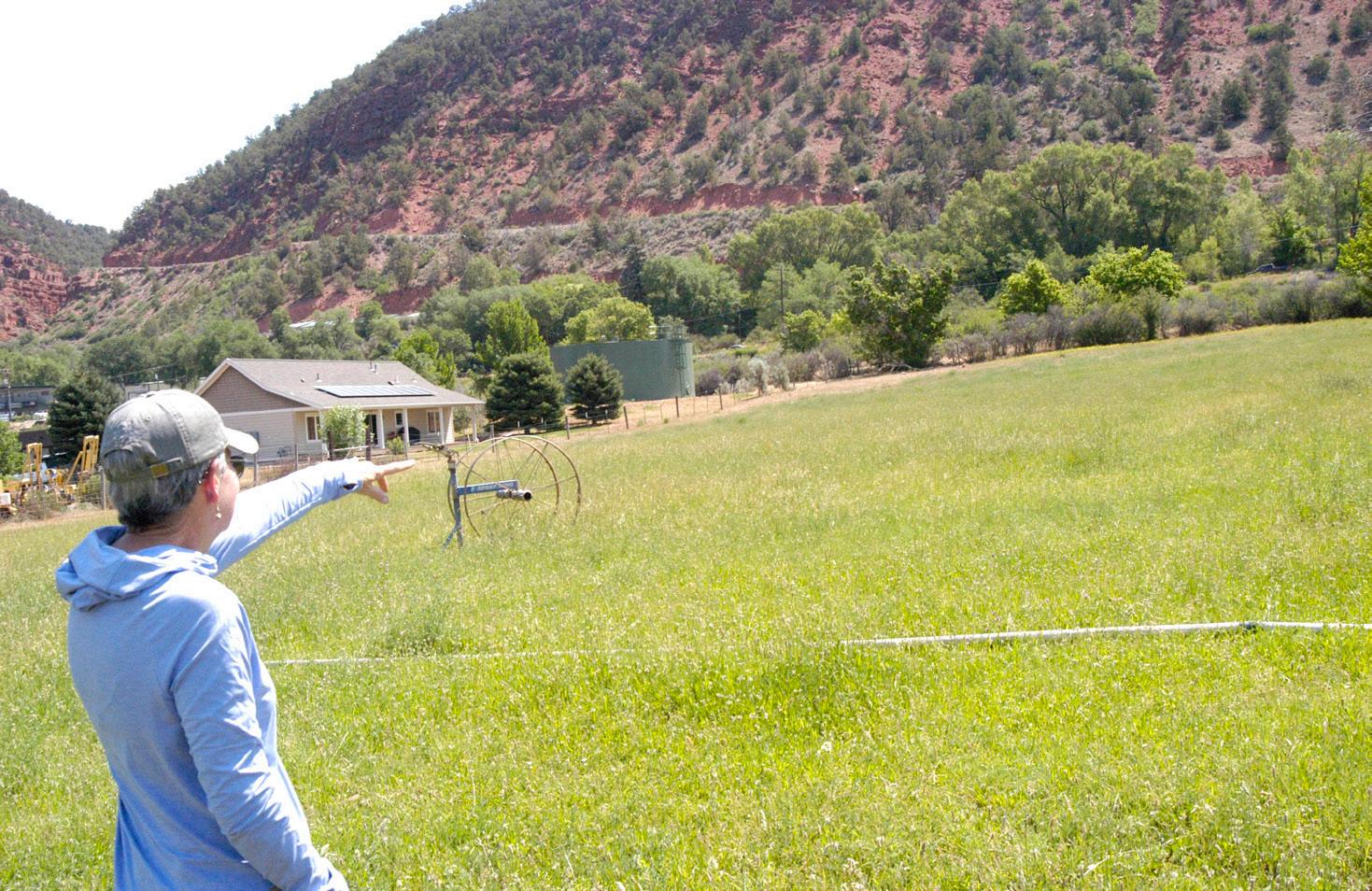
Sandy Jackson points out a portion of the calving pasture on her family’s ranch that would be consumed by the City of Glenwood Springs’ South Bridge project if the city is successful in proceeding with the new bridge across the Roaring Fork River and connection to Highway 82 just below the Red Canyon Road pictured in the background. The ranch is protected under a conservation easement, a part of which would have to be relinquished for the new bridge landing and roadway. Photo by John
Stroud
need to acquire about a two-acre swath of land at the northern edge of the Jackson Ranch, as well as some land from neighboring Holy Cross Energy.
However, the Jackson Ranch is protected under a long-standing conservation easement held by the Aspen Valley Land Trust (AVLT), which prohibits any sort of development.
While Holy Cross appears amenable to the land acquisition, the City will need
to go to court to enact its eminent domain condemnation powers to acquire the Jackson property, Hanlon advised council.
Appearing before council to address the issue were property owner Sandy Jackson and AVLT Deputy Director Torrey Udall.
The South Bridge project is counter to the objectives of the conservation easement, including protection of valuable wetlands and wildlife habitat, Udall said.
In a letter to the City dated June 17, AVLT
also said the City’s stated appraisal value of $545,100 is “well below” the appreciated value of the property if the conservation easement is removed.
Jackson told the story of her father, Carter Jackson, coming to her and her three sisters in 1990 with the idea of preserving the ranch in a conservation easement to prevent it from being commercially developed. They agreed, and the land is now protected as a greenspace buffer zone.
“My father always said, other than his four daughters, the proudest thing for him was this conservation easement on the ranch,” Jackson said. “We tried to do something nice for the community, but apparently the City fathers don’t feel the same.”
“We love that land, we have a tie to that land and we ask you to consider very thoughtfully this decision you’re talking about,” she said.
She also encouraged a proper review of the bridge project through the county’s 1041 process.
Council was clearly torn on the matter, but a majority said it’s still best to proceed on the land acquisition front and at least get to a decision point in the fall when construction bids come in.
“That will give us the full picture of whether we should proceed, or not,” said Councilor Sumner Schachter, who voted along with Councilor Mitchell Weimer, Mayor Marco Dehm and Mayor Pro-Tem Erin Zalinski to proceed with right-ofway acquisitions.
continued on page 13
Growing Care for Our Community
Aspen Valley Health is proud to welcome three experienced physicians to our Primary Care team—strengthening care for individuals and families across the Roaring Fork Valley. Together, we continue a legacy of trusted care as part of Aspen Valley Health.
Bryan Gieszl, MD, FACP Internal Medicine
Mary E. Harris, MD, FAAP Pediatrician
Kelsea Loveless-Hoffman, MD, FAAP Pediatrician
Region short on houses and water
SKYLER STARK-RAGSDALE
Managing Editor
Carbondale needs 621 housing units in the next 10 years to meet the predicted local demand.
That’s according to the final report of the Regional Housing Needs Assessment, which a City of Aspen staff member presented to the Carbondale Board of Trustees on Tuesday evening. The report, required by a 2024 Colorado Senate bill, analyzed housing and income trends from Aspen to Parachute.
“We just really thought it was important because of how … much these two regions are intertwined between the Roaring Fork Valley and the Colorado River Valley,” Aspen Housing Policy Analyst Liz Axberg said of the regional outlook.
The 621 houses needed in Carbondale constitute 13% of the housing need across the region, which sits at 7,686 units in the next 10 years, the assessment shows. The need doesn’t necessarily mean new unit construction, Axberg said. Existing developments, for example, could be converted to housing.
The region includes Parachute, Rifle, Silt, New Castle, Glenwood Springs, Carbondale, unincorporated Garfield County, Basalt, Snowmass Village, Aspen and unincorporated Pitkin County.
This gross housing need is determined
BASALT REPORT
Town
WILL BUZZERD
Sopris Sun Correspondent
by two analytical categories, “catch up” and “keep up.” “Catch up” takes into account the housing demand that presently exists, analyzing factors like overcrowded housing, temporary housing, unfilled jobs and commuter trends, Axberg said.
“Keep up” analyzes housing needs in the future, including employment growth expected to attract employees, and as such requiring housing units, over the next 10 years, as well as units required to fill jobs vacated by retirees.
When someone retires, a job opens, but the unit occupied by the retiree will remain occupied, so a new unit is needed.
The assessment also compared the region’s Area Median Income (AMI) with housing prices.
This isn’t just about Carbondale
…It’s
about Palisade peaches. It’s bigger than this.
In 2024, 100% Area Median Income for a two-person household was $82,000, which would enable them to afford monthly housing costs of $2,050, according to the assessment. Median sales price for upper Roaring Fork Valley homes was $3.53 million, midvalley, including Basalt and Carbondale, was $1.42 million, downvalley was $640,000 and Colorado River Valley was $418,000, according to the assessment.
- Kade Gianinetti Carbondale Trustee
The net housing need is slightly lower as it considers housing already in the pipeline over the next decade. Carbondale’s net housing need is 596 units, while the region’s is 7,168.
Garfield County has a regional net housing need of 4,630 units, 36% of which is “catch up” need and 64% of which is “keep up” need. Pitkin County, with a net housing need of 2,538 units, has roughly the opposite trend.
“This is because of the employment growth that’s projected within Garfield County over the next 10 years,” Axberg said.
“To be able to afford a median price home in Basalt or Carbondale, that household needs to earn more like 300% AMI, so that’s around $246,000 for that household to be within reach,” Axberg said.
Pitkin County has a vacancy rate, or a rate of unoccupied homes, of 41%. Garfield County has a vacancy rate of 8%.
Water shortage and restrictions
The trustees decided they would impose mandatory water restrictions in two weeks.
The decision comes after trustees heard from the Colorado River District and the
Town’s Public Works staff, who presented multiple perspectives on local water management.
“This is not just a dry year, it’s not just a poor snow pack year,” Colorado River District Director of Government Relations Zane Kessler said. “The combination of record heat, depleted soil moisture, low snowpack has resulted in water supply conditions that exceed any of the worst case scenarios that our system is built around.”
The district emphasized the importance of collaboration to manage the water crisis, which the region has already seen — something the district urged trustees to consider when acting on water usage.
“The water we use here is not in a silo,” said Melissa Wills, Colorado River District community funding partnership program manager. “The water that we use here in Carbondale has a direct impact on fish flows and downstream users.”
Public Works staff, however, did not recommend the board impose immediate water restrictions, though surrounding municipalities including Glenwood Springs, Basalt and Aspen have their own in place.
They supported continuing the communication campaign, which began in the spring, urging users to practice water conservation to prepare for potential
continued on page 19
reviews 2025 audit, discusses traffic report
During this week’s meeting, Basalt Town Council reviewed its 2025 year-end audit, which revealed an increase in Basalt’s already strong net position.
Net position, which is the sum of all of the Town’s assets and liabilities, is presented as a useful indicator of Basalt’s overall financial position. In total, Basalt’s assets and outflows of resources totaled $121,160,006, and its liabilities and deferred outflows were $22,756,766, leading to a total net position of $98,403,240. This value is an increase of $5,821,209 from the year before. The audit determined that this increase can be attributed to strong investments in capital assets, high performances in general taxes and principal payments on long-term debt.
A vast majority of the assets contributing to this sum are capital assets, such as land, buildings, equipment and infrastructure, which account for approximately 73% of Basalt’s net position. Notably, these are not liquid assets available for future spending and cannot be used to pay off debts, although their value is reported in relation to debts.
In terms of liquid funds, the revenue over expenditure rates in 2025 for the general and restricted funds were $763,359 and $2,366,243, respectively. However, this increase was significantly offset by capital expenditures, including the Midland Streetscape Project and an affordable housing project at Stott’s Mill, leading to an increase of $291,359 in the two funds combined compared to 2024. At the end of 2025, the unrestricted fund balance (which is the total of already committed, assigned and unassigned components of the balance) of
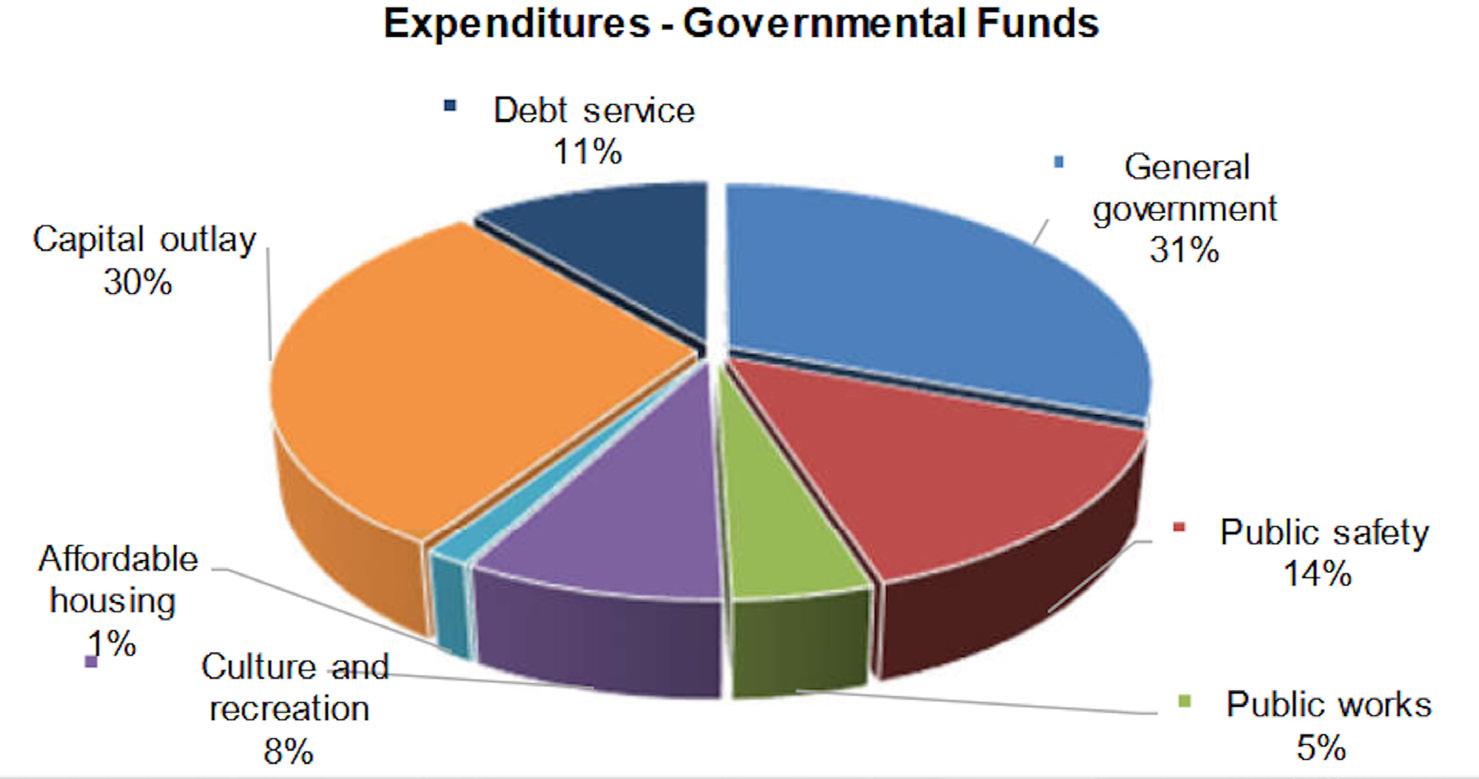
This pie chart prepared by Basalt’s financial team shows the distribution of the Town’s government expenditures, which totaled $17,204,051 in 2025. Courtesy graphic
the general fund was $12,069,619.
With regards to government spending, expenses for government activities increased by $749,430 to a total of $17,204,051. This increase can be attributed to spending on open space and trail systems as well as the granting of funds requested by the West Mountain Regional Housing Coalition to help residents purchase two local mobile home parks.
Water service charges increased by $167,584 from 2024, or by about 15.4%.
Over one half of this increase was driven by a water usage increase of approximately 24 million gallons.
The 2025 audit was conducted by McMahon and Associates. A yearly financial audit is required by Colorado statute.
The Town submits its yearly audit to the Government Finance Officers Association in hopes of receiving a Certificate for
Excellence in Financial Reporting Award, which the Town has received in previous years and hopes to receive this year in recognition of its finance team. Once the audit is finalized, the document will be available to the public for review.
In other news …
Stage 1 fire restrictions are in effect in Basalt. However, Town Manager Gloria Kassch-Buerger stated in her manager’s report at the beginning of the meeting that stage 2 restrictions are to be put into effect in Pitkin and Eagle counties very soon. In fact, Pitkin sent out a press release that stage 2 will be implemented on Friday, June 26.
The Roaring Fork Transportation Coalition also presented its initial findings report to address worsening traffic up and down the Roaring Fork Valley. The report finds that, overall, 25,000 tons of carbon dioxide
emissions each year can be attributed to vehicle traffic. In addition, the report estimates that approximately 34,000 car seats are left empty by commuters driving the corridor every day.
The coalition aims to cut CO2 emissions as well as increased travel times by reducing the number of daily vehicles on the road by 5,000. This traffic reduction also aims to put roughly 60 minutes back into the average commuter’s day, freeing up time for recreation, relaxation or additional income streams.
Strategies to improve traffic include additional subsidies for RFTA to increase trip frequency and reduce ticket prices, a carpooling app, potentially overseen by RFTA, to increase ridesharing, general roadway improvements, especially around Aspen, and potential new high occupancy toll (HOT) lanes to fund these new programs and projects.
The HOT lanes would resemble those found on I-70. Drivers with passengers can pay an additional toll to drive in an express lane and beat traffic. Pricing for the HOT lanes would vary based on the speed and flow of traffic. The report states that, for most of any 24-hour period, the fee would be as minimal as 65-cents, but once congestion increases, the fee would likewise increase.
According to the report, for the first few years, the HOT lanes would potentially reduce congestion. After that period, however, the effect of induced traffic would mean that the HOT lanes would not be any faster than typical traffic is now. The goal, therefore, is to generate revenue in the short term for alternate transport options.
Supporting Your Vibrant Life
Don’t let life’s surprises get in the way of making the most of every moment. After-Hours Medical Care in Basalt is here for you, offering convenient and compassionate services for non-lifethreatening emergencies—7 days a week.
No appointment necessary, walk-ins welcome!
Community Classes
Natural Hormone Balancing
Discover how your hormones shape your life and simple, strategies to regain balance. Thursday, 6-8pm, 6/29
Beginning Swing Dance
Learn the basics of Jitterbugturns, spins, dips, and fun moves. Wed, 6:30-8:30pm, 7/1-7/22
Exploring Loss, Grief, and Recovery
Personalize the vocabulary, explore thoughts, and create a sense of coherence.
Thursdays, 6-8pm, 7/2-8/6
How to Build a Successful Consulting Career
Maximize your life and career experiences into a viable business and financial freedom.
Online Tues, 5:30-8:30pm, 7/7
Adobe Lightroom
Practical strategies for organizing, editing, processing, and sharing digital photographs. Tuesdays, 6-8:30pm, 7/7-28
Dickens and the Law
Explore legal themes, use of comedy and satire, and even some supreme court decisions based in Dickens’ literature. Tuesdays, 6-8pm, 7/14-8/4
CALENDAR
THURSDAY, JUNE 25
COLORADO GEOTHERMAL
Tune into the Colorado Geothermal Webinar Series at noon, co-hosted by the Colorado Energy Office and Clean Energy Economy for the Region. Register at tinyurl.com/geothermal2026
ASPEN PUBLIC RADIO
Aspen Public Radio celebrates 45 years on the air with a station open house from 2 to 5pm at 110 E. Hallam, Suite 134.
ASPEN IDEAS ROUND 1
Aspen Ideas Festival 1 starts today at 3:45pm with a first-time attendee orientation hosted by Tommy Loper at the East Lawn Tent and continues through Sunday, June 28. For a list of events and a pass, visit aspenideas.org Festival 2 kicks off at noon on June 28 and goes through Wednesday, July 1.
REDSTONE PLEIN AIR
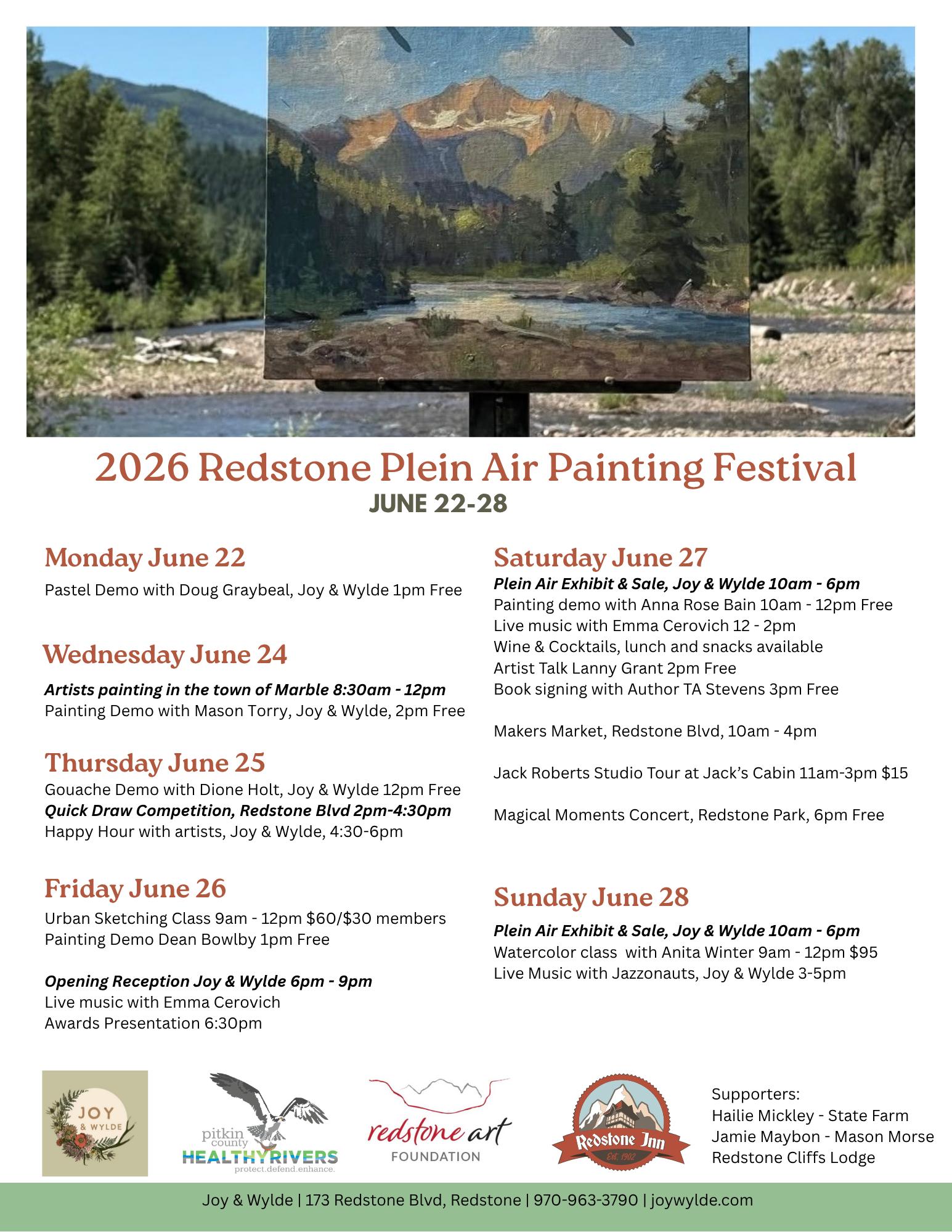
The 2026 Redstone Plein Air Festival, including a quick-draw competition on Redstone Boulevard from 2 to 4:30pm today, continues through Sunday, June 28, with a series of exhibits and events. Catch the full lineup at tinyurl.com/ redstonepleinair
WATERCOLOR WORKSHOP
Aspen Center for Environmental Studies offers a plein air painting workshop at Hallam Lake from 5 to 8pm. Register at aspennature.org
WATERCOLORING COLUMBINES
Nicole Gogolak guides participants in water coloring columbines at The Art Base from 5 to 7pm. Register at theartbase.org
MUSIC AT THE HOFFMAN
Hanna Von Bernthal performs music at the Hoffman Hotel from 5 to 8pm.
FIFA AT THE CRYSTAL
Watercolor: en Plein Air
Two-day workshop with tips and techniques then go outside to paint what we see. Wed/Thurs, 1-5pm, 7/22-7/23
Fundraising for Non-profits
Provides non-profit professionals with development tools to build their resource base.
Online Tues, 5:30-8:30pm, 8/4
Free Talks/Exhibits
Citizenship in Action
Wednesday, 6-8:30pm, 7/8
Healing Properties of Grief Thursday, 6-8pm 6/18
America 250 Exhibit 6/19-7/7
Scan to Browse Community Classes and Free Talks
The Crystal Theatre hosts live screenings of Japan vs. Sweden and USA vs. Türkiye World Cup games at 5pm and 8pm, respectively. The theatre will also host the screening of the 2A vs. 2B World Cup knockout game at 1pm on Sunday, June 28.
MUSIC AT THE LIBRARIES
Aaron Larget-Caplan performs today at the Carbondale Library at 6pm and tomorrow at the Glenwood Library at 1pm.
ARCTIC TALK
Sarah Johnson with Wild Rose Education presents “Arctic Pulse: The Global Heartbeat” at the Colorado Mountain College’s Aspen campus from 6 to 8pm. The talk will look beyond a crisis-focused lens to highlight the resiliency of Indigenous knowledge systems and promise of advanced monitoring technologies. Register at bit.ly/Arctic-CMC
FIFA AT TOWNLINE
Townline Trucks in Carbondale screens the USA vs. Türkiye World Cup game on a projector on the patio at 8pm.
FRIDAY, JUNE 26
STAGE 2 FIRE RESTRICTIONS
Garfield County enters Stage 2 Fire Restrictions at 1am. The restrictions prohibit the use of fireworks, recreational fires, allows smoking in developed areas, cautions cooking fires and more. Details at garfieldcountyco.gov
EXPRESS YO’ SELF
For this week’s iteration of Express Yo’ Self at the Glenwood Library, teens and tweens customize desserts and add some glitter to their hair from 2 to 4pm.
MUSIC AT TOWNLINE
The Rock & Roll Academy performs a family-friendly show at Townline
Trucks at 3pm. The Sopris Mountain Boyz hit the stage at 7pm.
UNDER THE BRIDGE
The Blues Bandits kick off Glenwood Springs’ Music on 7th series at Bethel Plaza (under the Grand Avenue Bridge) from 4:30 to 7:30pm. The series continues every Friday at the same time and place.
ACES BBQ
The Aspen Center for Environmental Studies hosts its annual community BBQ at Rock Bottom Ranch from 5 to 8pm. Join the waitlist at aspennature.org
LIBRARY CAMPOUT
Unwind, camp out and learn basic camping skills on the lawn of the Basalt Library from 5pm today to 10am tomorrow. A responsible adult must accompany those under 18.
FOUNDERS DAY GALA
The Garfield County Republican Party presents “Founders Day Gala,” a “semiquincentennial celebration” at the Hotel Colorado at 6pm. Tickets at garcogop.org
CRYSTAL THEATRE
Crystal Theatre screens “Power Ballad” at 7pm. The film will also screen at 7pm on Saturday, June 27, 5pm on Sunday, June 28, 7pm on Monday, June 29, and 7pm on Tuesday, June 30.
QUEENS OF SUMMER
The Queens of Summer, featuring Erin Stawberry, Lena Maude and Olivia the Bard, perform at Steve’s Guitars at 8pm. Tickets at stevesguitars.net
SATURDAY,
JUNE 27
FREE RECYLING
The Town of Basalt hosts its sixth annual free community recycling event at Basalt High School from 9am to 1pm. Basalt and Eagle County residents can bring electronics, household hazardous chemicals, tires and more. For details, visit tinyurl.com/Basaltrecycle
REDSTONE MAKERS MARKET
Head to Redstone Boulevard to shop from over 25 local creators and artists at the Redstone Makers Market from 10am to 4pm.
JACK ROBERTS TOUR
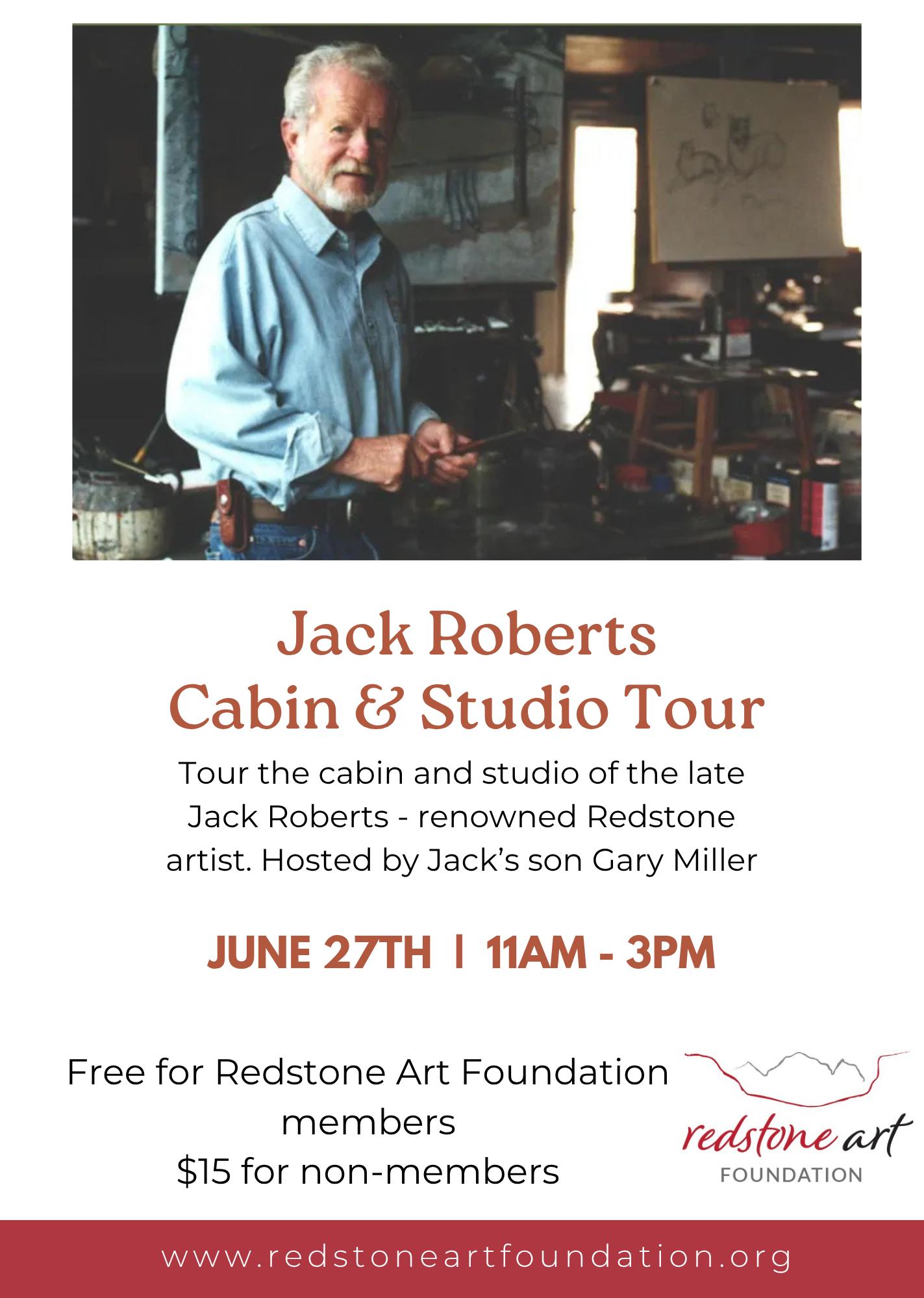
Tour the cabin and studio of the late, renowned Redstone artist Jack Roberts from 11am to 3pm. The tour is hosted by Jack’s son, Gary Miller. Register at tinyurl.com/JackRoberstour
HAM RADIO
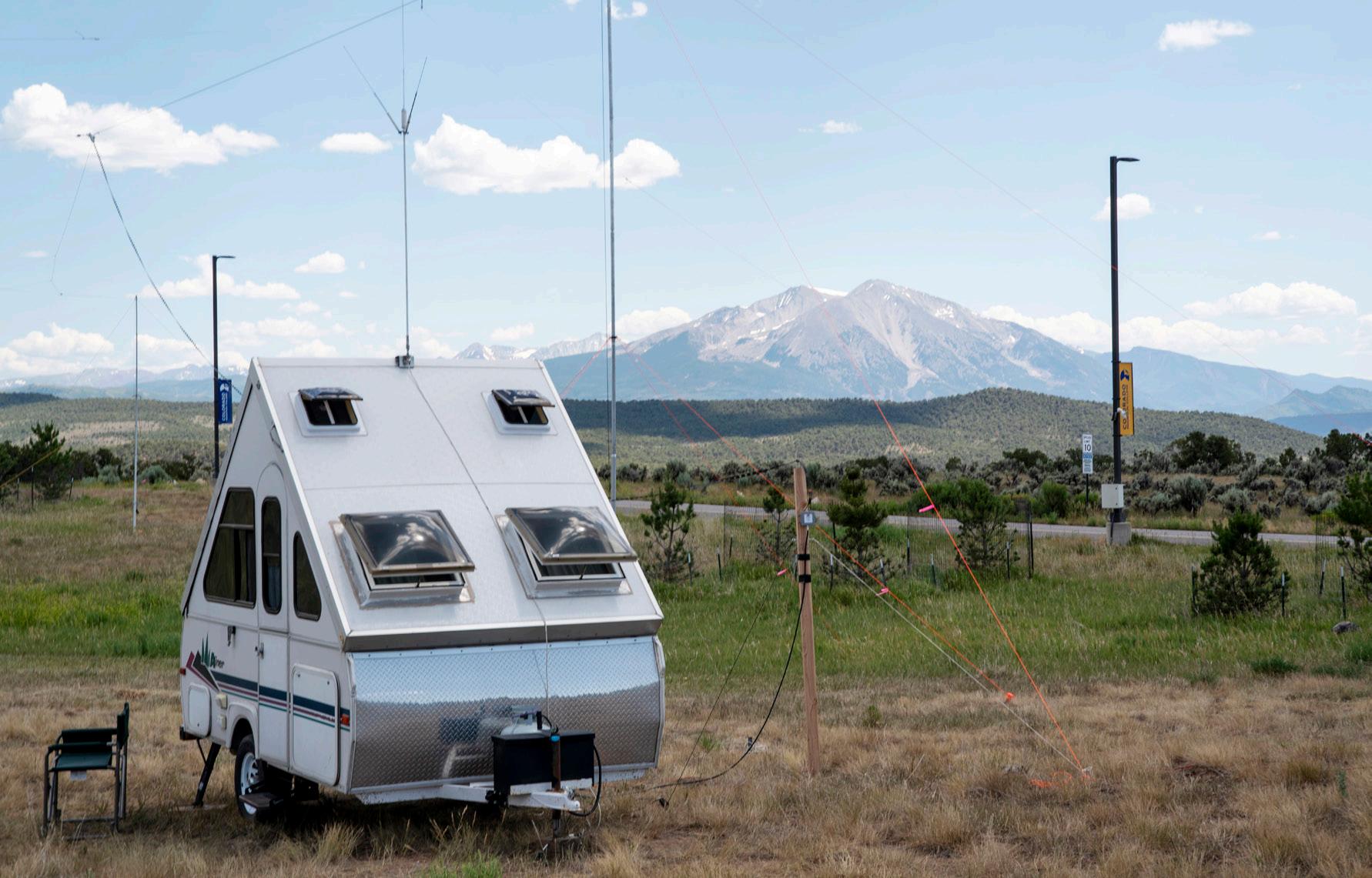
The Ski Country Amateur Radio Club hosts its annual field day event from noon to 5pm today and 9am to noon tomorrow at Colorado Mountain College’s Spring Valley campus. Over 30,000 radio amateurs gather throughout the U.S. and Canada to simulate emergency conditions and exchange messages. Members of the community will have the opportunity to make on-the-air information exchanges.
ART WANDER
Local Studio10 artists host a Carbondale walkabout inviting participants to visit 30 local artists in their creative spaces from noon to 6pm.
BASALT
RIVER JAMS
The Town of Basalt hosts its familyfriendly Basalt River Jams festival, including ducky, tube, kayak, paddleboard and raft races from noon to 4:30pm, a fly fishing casting competition at 5pm and much more. The evening music lineup includes The Know Bodies Band (6:30pm) and Cruz Contreras and the Black Lillies (8pm). For details and to sign up for river events, visit basalt. net/683/Basalt-River-Jams
‘KING OF HEARTS’
Age-Friendly Carbondale brings “King of Hearts,” a 1966 French comedy, to the Crystal Theatre for a 3pm showing. Tickets at tinyurl.com/ Age-Friendlymovie
MAGICAL MOMENTS
Enjoy rock, funk and soulful blues with the William Brothers Band at the Redstone Park from 6 to 8pm.
JIM DUKE
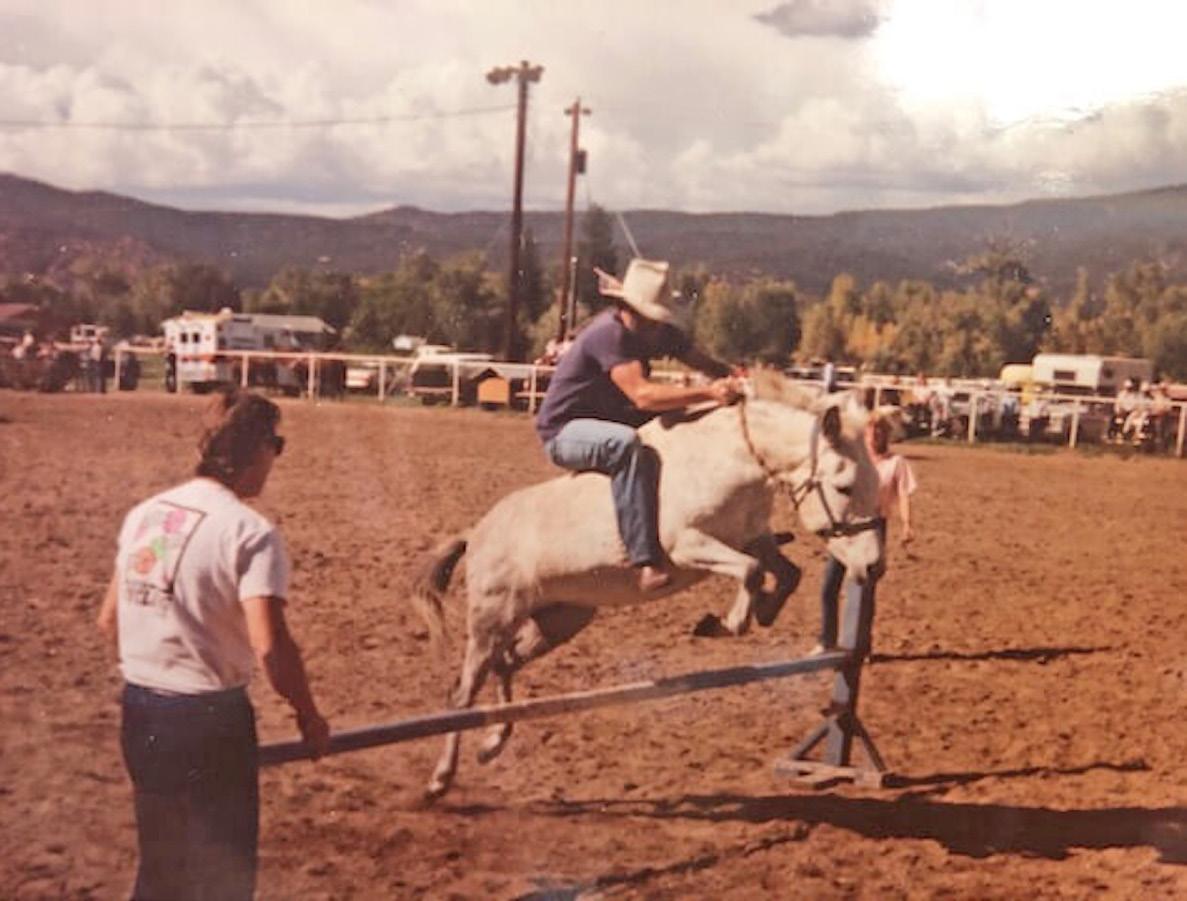
Everyone’s favorite donkey whisperer, Jim Duke, will be at White River Books to discuss and sign copies of his book, “Dances with Donkeys: The Memoir of a Half-Assed Cowboy,” at 6:30pm.
SUNDAY, JUNE 28
ASPEN IDEAS ROUND 2
Aspen Ideas Festival 2 kicks off with a conversation between figures such as Mary Louise Kelly and Jodie Foster at noon today and continues through Wednesday, July 1. For a list of events and a pass, visit aspenideas.org
‘TOAST AND ROAST’
A Spiritual Center hosts “Toast and Roast, Praise and Prayers” to celebrate the 250th anniversary of the United States from 10 to 11:30am in Room 31 of the Third Street Center.
UBANE COYOTE
Ubane Coyote performs at Townline Trucks at 4pm.
ECSTATIC DANCE
Enjoy an ecstatic dance experience at 13 Moons Ranch beginning with Prana Flow yoga at 5pm. For details, email alya@alyasumbrella.com
AARON LACOMBE
Aaron LaCombe performs at Steve’s Guitars at 8pm. Tickets at stevesguitars.net
MONDAY, JUNE 29
LUCY CLEARWATER
Lucy Clearwater performs with guest Gillian Grogan at Steve’s Guitars at 8pm. Tickets at stevesguitars.net
TUESDAY, JUNE 30
ELECTION DAY
Drop off your ballots in person by 7pm for the 2026 Primary Election.
Artist Nicholas Ward, whose mural helped beautify the street-facing side of the new(ish) storage unit facility on Highway 133, hosts an opening reception for his exhibit, “Between the Real,” exploring technology, memory and human connection, at the Aspen Collective Gallery on July 2 from 5 to7pm. For details, visit aspencollective. com/nicholas-ward-1
Image of “Gunning for Gold at the Tunbridge World’s Fair” courtesy of Nicholas Ward
FOREST FRIENDS
Brooke Bartlett guides preschoolers (4+) in a three-day workshop creating art pieces inspired by nature at The Art Base today through Thursday, from 9am to noon daily. Register at theartbase.org
ICE CREAM SOCIALS
To mark the half-way point of its Summer Reading Challenge, Garfield County Public Libraries host an ice cream social in Glenwood at 11am and Carbondale at 2pm.
DRAWING CLUB
The Roaring Fork Drawing Club sketches together at Roaring Forge (618 Buggy Circle) in Carbondale at 6pm.
HUMANITARIAN MEDICINE
The Aspen Historical Society brings three of the world’s most consequential voices in humanitarian medicine — Harsh Mander, James J. O’Connell and Jim Withers — to the TACAW stage for a conversation “about care, conscience and the demands of this moment” at 6:30pm. RSVP for free at tacaw.org
SURRENDER HILL
Surrender Hill performs at Steve’s Guitars at 8pm. Tickets at stevesguitars.net
WEDNESDAY, JULY 1
SPRING PILATES
Join Spring Pilates for Pilates on the Patio at 3:30pm at Sprazzo in Carbondale.
SHREK JR.
SOL Theatre’s “Shrek The Musical JR.” sweeps the stage from 6 to 7pm at Roaring Fork High School, and will do so again tomorrow at the same time and place. Tickets at soltheatrecompany.org
BASALT MUSIC
The Rock and Roll Academy opens this Wednesday’s concert at Basalt River Park at 6pm, followed by headliner Tristan Trincado at 7:30pm. Next week, Tommy the Animal opens for The David Mayfield Parade.
SUMMER OF MUSIC
Wild Flight Trio and Other Brothers perform at Two Rivers Park in Glenwood at 6:30pm.
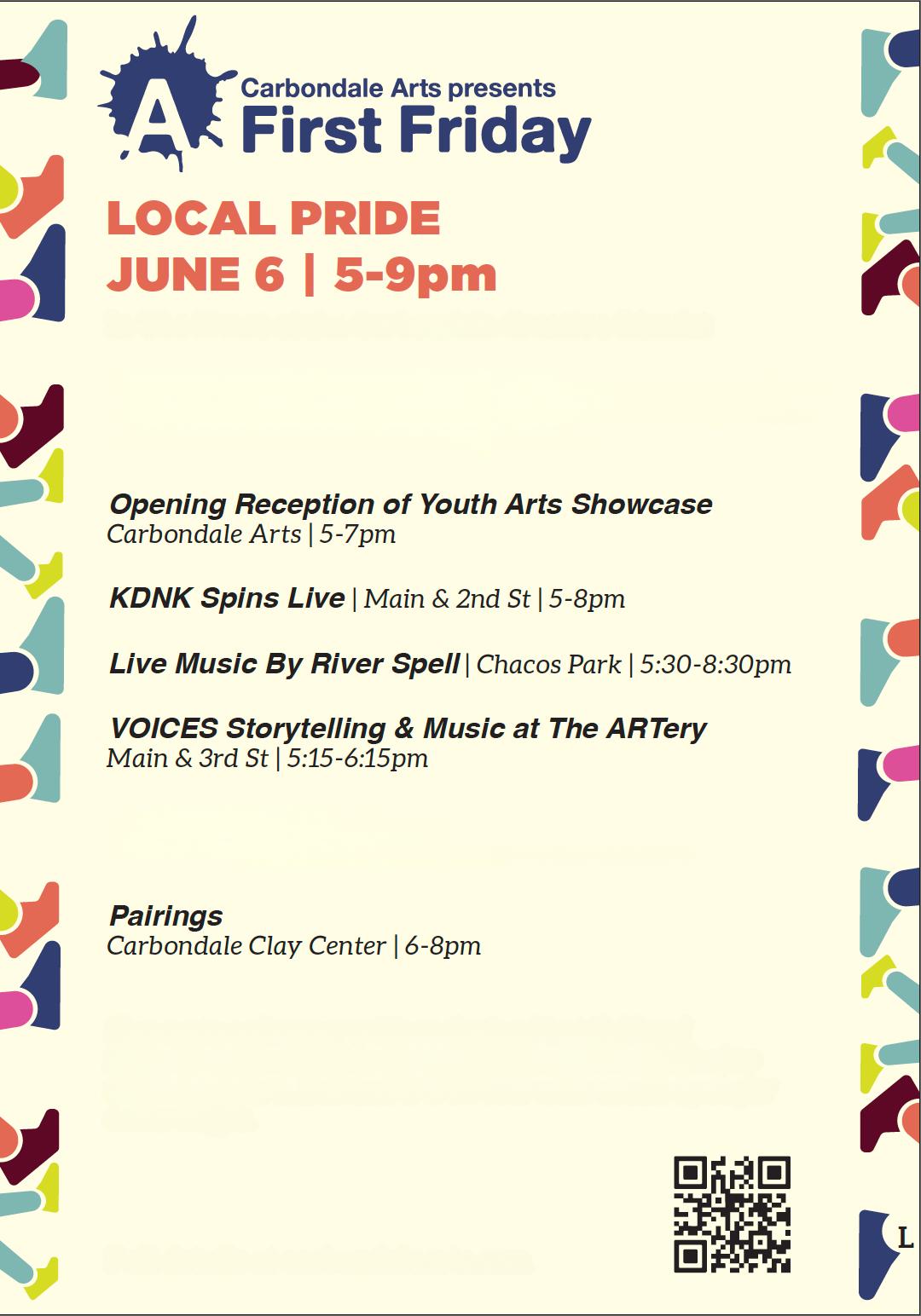
In The Heart of the Carbondale Creative District
Featuring extended hours and special events at local shops, galleries, and restaurants Plus live music, food trucks, street activities, community booths, and more!
Busking by Bridger Langfur & Jeny Bets
Live music and painting demonstrations Promenade, 5-9pm
New furniture collection & live music | Mountain Tide Provisions Co , 5-8pm
Kahhak Fine Arts, 5-8pm
Closing night of Visceral Alchemy with DJ Thump3r Carb ondale Ar ts, 5-7pm
Carbondale Clay Center Reception of Clay National XVIV: Heirlooms | Main St re e t Galle r y, 6-8pm
Shaved ice & friendship bracelet making station Nido Bout ique, 5-8pm
Street Dance Party with KDNK & Dance Initiative
2 & Main St re e t, 5-8pm nd
Live music by Stage Coach Rush | Tow nline Tr ucks, 5:30-10:30pm
Sign up to volunteer during First Fridays! Main St is closed to thru traffic from Weant Blvd to 2nd St 3rd St. remains open to cross traffic Full details at carbondalearts com
Ham radio club invites the community to take part in annual field day, June 27-28
GUS RICHARDSON
Sopris Sun Correspondent
This weekend, Ski County Amateur Radio Club (SCARC) is hosting its installment of a national radio event: the American Radio Relay League Field Day. The event begins at noon on June 27, wrapping up at 5pm, and picks up again the next day from 9am to noon. Many of the amateur radio (also known as ham radio) operators will stay through the night.
For context, the American Radio Relay League Field Day, as Mike Ferguson, the Vice President of SCARC, explained it, is “a nationwide event conducted by over 30,000 amateur radio operators across the nation [and Canada] to simulate and practice emergency communications operations,” he said.
“What we do is simulate an emergency where traditional modes of communication are out of service,” he said. “For whatever reason: a hurricane, an earthquake, whatever … When those things happen, even if some of the cell phone towers stay up, they normally go down due to overload.”
“So the traditional communications outlets are rendered unusable, at least for a time,” Ferguson continued, noting that ham
radio doesn’t rely on the internet, wires or anything like that. “The radio transmitter and receiver is the only effective mode of communications across the country.”
Ferguson further explained that this is not only a nationwide event, but a competition. All teams and clubs across the country have 30 hours of preparation time before the competition begins, setting up temporary communication sites (deployable and often mobile radio nodes).
Once the competition begins, they have 24 hours to make contact with as many stations as possible, after which the station with the most “contacts” wins a spot in the official membership journal of the American Radio Relay League, QST, as well as downloadable certificates and, of course, bragging rights.
While SCARC has never won the competition, its members are no strangers to success.
“It’s difficult to win; there’s … typically 5,000 stations on the air,” Ferguson said. “We’ve placed well in the top 10 or 15%, but never won as the radio club here in this valley.
“Personally, I’ve operated a single operation and I’ve won my category, but this group has never won,” he added. “It’s a lofty goal,
not easily achieved.”
Ferguson is hoping that more community members will join this year, and left any hopefuls with the following message.
“Come and visit, say hi, see what we’re up to,” he petitioned. “We have the resources and assistance necessary to help people along the way.”
“It is an opportunity for our community to see and experience how many aspects of amateur radio come together and to highlight our many roles,” a press release stated. “A radio station will be available to provide members of the community an opportunity to make on-theair information exchanges, or
CMC class partnership brings electric vehicle tech training closer to home
JOHN STROUD
Sopris Sun Correspondent
Roaring Fork Valley vehicle fleet technicians have a valuable opportunity this summer to learn about electric vehicle technology and safety protocols through a series of EV Tech classes offered by Colorado Mountain College. This is the second summer for the local classes under a partnership between CMC and Littleton-based ZEV Tech Consulting (ZTC).
Last year, the program certified 80 independent EV
technicians to help boost the automotive industry and improve service options for EV drivers along the Interstate 70 corridor.
This year’s classes expand that effort to area governments, school districts and transit organizations by helping them grow and maintain their fleets of electric battery powered vehicles.
ZTC made available 60 spots in classes that began in early June and continue over a five-week period, providing hands-on training that can be used in the workplace.
The Roaring Fork Transportation Authority (RFTA), which runs the valleywide bus system, has a goal to reduce its greenhouse gas emissions by 50% by 2030 as part of its climate action plan.
Making the switch to battery electric buses is a big part of achieving that goal, said Jamie Tatsuno, public information officer for RFTA.
Currently, RFTA has eight electric buses, representing about 6% of its bus fleet. Eleven more are due to arrive this fall, and 27% of the fleet will need to be electrified by 2030 to meet their goal, she said.
RFTA is also in the planning phase for converting part of its support vehicle fleet to EVs.
That buildup means making sure they have qualified technicians to service and maintain the vehicles, Tatsuno said.
“Having our RFTA technicians be a part of this program not only strengthens our capabilities, but also deepens the talent pipeline way into the future,” she said.
Being able to train their crew locally cuts costs, because otherwise they would have to send people to Denver or elsewhere to receive training, she added.
RFTA technician Walter Wood was among those taking the class last week at the CMC/Roaring Fork Schools Automotive Technology Center in Glenwood Springs.
“I went into it literally knowing nothing about EVs, and
“contacts,” with other stations around the country under the guidance of a licensed operator.”
This event will be held at Colorado Mountain College’s Spring Valley campus on June 27 from noon to 5 pm and June 28 from 9 am to noon. For more information, visit k0rv.org
I’ve learned a lot more than I anticipated,” he said. “I’ve been a mechanic for well over 20 years, and this is a new experience for me.”
The curriculum guides technicians through a progression from low-voltage systems to the complexities of high-voltage battery enclosures, explained Tom Pacheco, technical director for ZTC, in a news release issued by Clean Energy Economy for the Region (CLEER).
CLEER manages Garfield Clean Energy, which supports the training program through its work with partner local governments, residents and businesses in Garfield County to become more energy efficient and tap into clean energy resources.
Also attending last week’s class was Alex Iannacchione, who works for the Aspen School District Transportation Department.
“We have four fully EV buses, and currently a lot of the work that’s done on them is warranty work, but that’s going to go away soon,” he said.
“So, we have to be qualified to work on them, because it can be dangerous if you don’t know what you’re doing. This class has enabled me to safely work on the high-voltage systems that power these buses.”
Paul O’Connell is an instructor for ZEV Tech from Southern California who taught the local classes last summer and is back again this year.
O’Connell emphasizes the importance of technician training to support the growing adoption of EVs.
“EV is here to stay,” he said. “But the biggest gap right now is that there was so much money to adopt EVs and put in infrastructure, but there were very little resources put toward the technician training. So that’s our focus now.”
Pacheco added: “Offering EV technician courses on the Western Slope is vital to reducing the months-long repair backlogs currently facing local fleets due to limited manufacturer service capacity.”
The five-day sessions continue in July and cost $3,750 (lunch provided). For information, or to register for one of the upcoming classes, call 720-384-6451 or email zevtechconsulting@gmail.com
A Morse code booth was set up at last year’s American Radio Relay League Field Day, hosted by Ski County Amateur Radio Club at Colorado Mountain College’s Spring Valley campus. Archive photo by Sam Brule
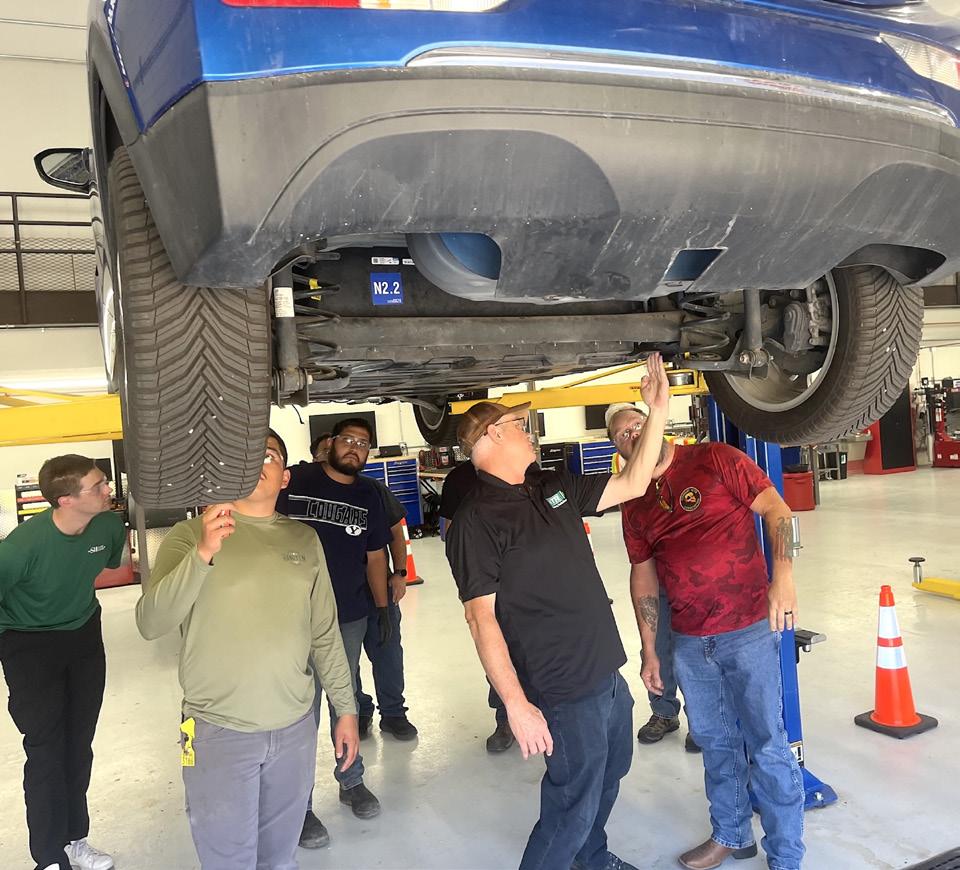
Electric vehicle technician instructor Paul O’Connell with ZEV TECH Consulting points to the underside of the battery pack on an electric vehicle as part of last week’s EV Tech class at the Colorado Mountain College automotive technology center in Glenwood Springs. The summer-long program is offered through CMC and ZEV TECH in partnership with Garfield Clean Energy. Photo by John Stroud
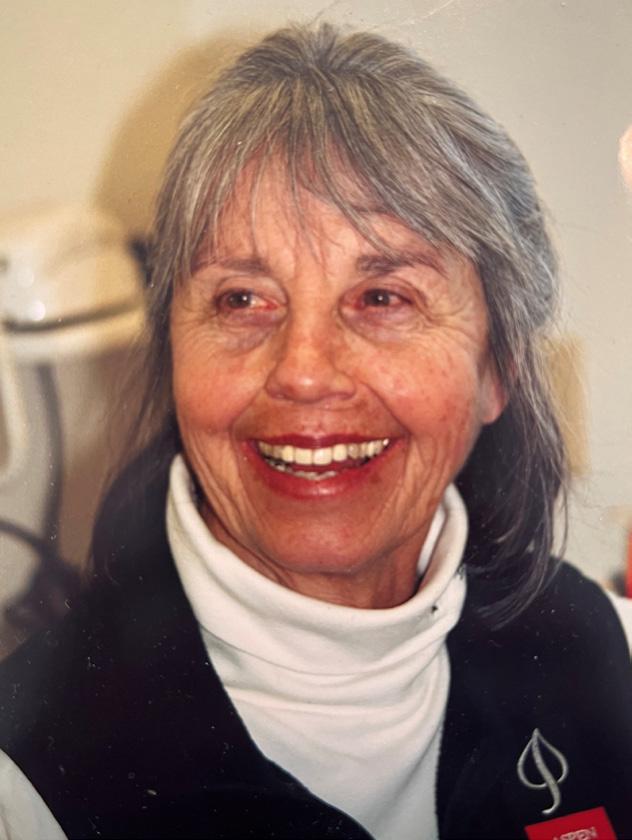
Marsha Ann Brendlinger
November 19, 1938 - May 29, 2026
On May 29, 2026, the cookie timer dinged one last time for Marsha Ann Brendlinger. She passed with her children by her side assisting her in a smooth, peaceful transition. Marsha was born on her mother’s birthday on Nov. 19, 1938.
Marsha baked almost every single day of her adult life, delivering bread and cookies to everyone in her sphere. Her culinary delights were sprinkled with love and dispensed with appreciation for each individual, signaling they were important and adored. Her radiant aura was actually an aroma of fresh chocolate chip cookies swirling around and evoking happiness and smiles.
Many stories have been told around the family dinner table that “somewhat” explained how a nice Mormon girl from Provo, Utah, and her roommate, Lola, got mixed up with the dashing but mischievous CU Kappa Sigmas Jack Alan Brendlinger and Robert Redford. After the first double date, between Marsha and Robert and Lola and Jack, there was a realization between the four that they should switch, and that is what happened.
She married Jack and started a life in a little town called Aspen in 1963, building and running The Applejack Inn and then The Tower Restaurant in Snowmass in 1967. Marsha and Jack were integral to the formation of “a place,” and lucky enough to have known the people they did and to become etched in that time of history. They built community by being the community. Marsha and Jack were inducted into the Aspen Hall of Fame in 2009.
Marsha worked at the Wildwood Preschool, choreographed high school plays, fed everyone at the Aspen World Cup Ski Races, was a board member for the Aspen School District, the Aspen Youth Center and Carbondale Council of the Arts. Marsha joined Rotary and lived up to their “service above self” during the initial Ducky Derby fundraisers. Many Aspenites learned and perfected their shuffle-ball-change moves in Marsha’s tap-dancing classes. (She even taught tap to the Rugby Team to work on their footwork, and they showed up to one of her classes — all in pink leg warmers!) So many stories!
Marsha loved to ski so she sold tickets for 23 years at the base of Tiehack. Sleepy little Buttermilk always had a long line at her ticket counter. Conversation and cookies were present and the skiing could wait.
Her husband Jack had a special nickname for her … ”Velcro.” Everything and everybody seemed to stick to her. She opened her house and her heart over the years to numerous exchange students from around the world — New Zealand, Belgium, Argentina, Spain and Sweden. Due to her open arms, a multitude of people would call her “Ma B.”
However, her greatest crown she wore was as a daughter, sister, wife, mother and grandmother.
Marsha loved the color purple in all of its forms. It brought her happiness. It is what she held onto when Alzheimer’s slowly took away her stories and the myriad memories of an exceptional life. Her spirit will live on in nature’s purple bounty. Let that purple butterfly alight upon your paddle, the fragrant lupine line your hike and the violet hummingbird buzz by your ear, knowing that Marsha is there with you.
Marsha Ann Brendlinger is survived by her four children: Kurt Brendlinger (Kimberly), Eric Brendlinger (Patty), Dina Farnell (John Wald), Kira Kearsey (Tommy); six grandchildren: Remi Stern (Johnathan), Chloe, Camden, Macie, Jack and Addie. Marsha had two great grandchildren: Juliette and Austin Stern. She is survived by her sister Debbie Stafford (Bob) and many nieces and nephews. She was preceded in death by her parents Max and Helen Bray, her brothers Garth Bray and Richard Bray and her husband of 62 years, Jack Brendlinger.
A memorial service will be held on September 26, 2026. In lieu of flowers, please donate and earmark the funds to support outdoor education programs at the Aspen Education Foundation and/or The Carbondale Education Foundation.
WOOL PELLETS
from page 4
with me … but he said we needed more of this and that there’s room in the market. This is such an important, new technology.”
Looking toward spring 2027, Kitchen will begin manufacturing pellets and offering ground lamb and a sheep-dairy herdshare. For now, she is continuing to build partnerships, tend to her flock, sell microgreens and help the greater community one wool pellet at a time.
“We have big dreams and we’re putting
COMMUNITY GARDEN
things into reality,” Kitchen concluded. “We’re feeling supported by our community in the Roaring Fork and Upper Colorado River valleys … The future is agrarian. It comes back to the relationship we have with the land, people, animals and plants.”
Visit uanhollow.com to learn more about Uan Hollow and the innovative wool pellets. Ask about local deliveries.
from page 5
we have to provide housing and other things, but I do have empathy. This is a lot of work and it’s important to people.”
In the months since the announcement, Self has met with the mayor, spoken before the Parks and Recreation Commission and reached out to Roaring Fork High School in hopes of finding another permanent home for the garden. He said the church would donate fencing and other infrastructure to help establish a new site.
“How do we help you guys transplant everything, down to the soil?” he said. “My goal has been that, when the 2027 growing season starts, there will be something established and ready to go.”
Eric Brendlinger, Carbondale’s Parks and Recreation director, confirmed that both of the Town’s existing community gardens are currently full and not able to absorb additional plots. He said early discussions with Roaring Fork High School about its garden space are underway, though they remain preliminary. A new space would require certain infrastructure needs, like power and access to irrigation — either domestic or ditch water, Brendlinger said.
Back at The Good Seed, where early summer watering and weeding are in full swing, the uncertainty about the garden’s future has landed differently for different gardeners. The prevailing emotion has been
Councilors David Townsley, Ray Schmahl and Steve Smith were opposed, saying it would be premature to acquire land that may not be used if the bridge project gets scrapped.
“I’m sorry this is where we are,” Mayor Dehm said. “But we have to build this bridge for numerous reasons, and to kill it now would be foolish. We have to get to bid so we know where we’re at.”
In other news …
During the regular meeting, 10 people spoke up during the public comments, demanding the City enforce the Planning and Zoning Commission’s April 28 decision to revoke a special use permit for the Immigration and Customs Enforcement detention facility in West Glenwood.
The City has said its hands are tied by supremacy laws, exempting the federal government from local zoning regulations. The City has obtained verbal legal opinions outside of its own counsel, and have been advised “you’re not wrong” in not having a legal leg to stand on, City Manager Steve Boyd said.
Soon to follow was a debrief from Police Chief Joseph Deras regarding the traffic gridlock that resulted after I-70 was closed through the South Canyon area during the June 9 Paradise Creek Fire.
Deras admitted things could have been handled better to prevent traffic from building up in Glenwood during the closure, and allowing a better traffic flow after the interstate reopened. As it was, traffic was backed up well
grief tempered by understanding.
“The biggest thing I’ve heard is mostly sadness but also understanding the need,” Stewart said. “He’s [Self] between a rock and a hard spot. They need the housing.”
For gardener Brittany Bresha, the loss is about more than a place to grow vegetables.
“The only way to describe it is pure magic,” she said. “When you are there ... for a moment, everything is right amidst the chaos of the crazy world. There is peace.”
Still, Bresha said she remains hopeful that the garden’s community can survive a move. Every year, gardeners donate excess produce to Lift-Up, grow medicinal herbs and share tools, seeds and knowledge with one another. She believes the church will continue to support that work.
“I feel that the church will be a huge supporter and advocate as we transition leadership and find a new location,” she said. Self hopes so, too.
“I love this town. I love this community,” he said. “Part of what being a pastor in my hometown means is being a part of the solution.”
Whether that solution ultimately takes the shape of employee housing, housing for foster children or another community resource remains to be seen. For now, though, the focus is on making sure the next home for The Good Seed is ready before this one is gone.
page 8
into the night.
Better communication with upvalley entities in Aspen and Pitkin County to alert motorists of the situation was one takeaway. That way, commuters might have decided to head over McClure Pass the back way to western Garfield County, rather than trying to wait it out in Glenwood Springs, Deras and council members concluded.
Several factors, including being shortstaffed to manage the situation, worked against a better handling of the situation, Deras said.
Council also learned from members of the Glenwood Springs Riverside Botanical Gardens project board that the effort to remove, store, relocate and refurbish the historic greenhouse that now sits on the Glenwood Gardens property is within $5,000 of achieving its initial fundraising goal.
The group would like to preserve the greenhouse, which was once part of the historic Redstone Castle spread in the early part of the 20th century, and make it a centerpiece of a botanical garden.
However, their preferred site for the project, on the city-owned former wastewater treatment plant at the confluence of the Roaring Fork and Colorado rivers, is being contested by the Downtown Development Authority (DDA).
The DDA board voted unanimously last week to not support the gardens on that site, as it has for many years been envisioned for development that would tie downtown Glenwood to the riverfront.
GLENWOOD SPRINGS REPORT from
BOOK REVIEW
Laugh your ass off and warm your heart with ‘Dances with Donkeys’
JAMES STEINDLER Editor-in-Chief
Some people really ought to write a book. I mean, people who have looked death in the face, maybe time and time again, and lived to tell the tale. Now that may seem a bit dramatic, but when it comes to horse — or ass — rearing and cowboying the risk is there. Jim Duke, who many a Carbondalian knows, is one of these people.
Duke finished putting his life story into words just a few years ago, and is riding back into town this weekend to talk about the book and sign some copies.
In “Dances with Donkeys: The Memoir of a Half-Assed Cowboy,” Duke takes the reader on a wild ride, from his time as an angsty teenager dropping out of high school to chase a life of cowboying in Texas to evading the police on a burro’s back after fibbing his way into Colorado State University sans a high school diploma.
There’s hardly ever a dull moment, and if there is, it’s mostly a time of reflecting on some crazy shit that just happened, how fragile life is and what a waste it is not to risk it every once in a while.
There is also a real sweetness to Duke, who, through the trails of the book, fills the reader in on each relationship he had with various equine companions. His respect for and innate desire to understand each of them comes through in a sincere, sometimes heart-wrenching, way.
The writing is honest, sans an effort to diminish the lessons from his past and paint a more proper figurative figure of himself. Duke bares it all, which makes for a much more interesting read.
You also learn a lot, such as the difference between a Jenny and a Jack, a female and male equus asinus (the scientific term for the species, also learned from the book), respectively. It actually gets quite complicated, especially considering the variations of offspring from an Equus asinus and a horse, resulting in the birth of a hinny if the father is a horse and the mother a Jenny, or a mule if the father is a Jack and the mother a horse. There’s a whole chapter about it — so take it from Duke!
Interestingly, mules and mollies (female mules) can’t produce offspring themselves, although there have been a few rare occasions over the course of human history, according to Duke.
Eventually, his story leads him to Aspen, about halfway through the book, and there are plenty of anecdotes Roaring Fork Valley locals will pick up on from there. From riding donkeys and mules in the Bareback Bonanza at the Carbondale Rodeo grounds to buggying in the adjacent Potato Day Parade, there is plenty to reminisce about.
And if you’re lucky enough to know Duke, you can hear him tell the whole damn story as you read along.
Duke will be at White River Books on Saturday, June 27 at 6:30pm to discuss the book, sign copies and make some half-assed jokes — many about asses — that are sure to make you crack. Tune in to Everything Under The Sun on KDNK at 4pm on Thursday, June 25, for a live interview.
Caretaking a home in the astral
Natalia Snider is a certified dream practitioner living in Carbondale. She works with people’s dreams and imaginations to facilitate self-healing. Every month, she will analyze someone’s dream in The Sopris Sun. Anyone can submit a dream for personal analysis or inclusion in this column by visiting dreamhealings.com
Dream
Every dream I have, whether it’s about a visit, a memory, a family gathering, an accident or anything else, takes place in the same house. I immigrated to this country more than a decade ago, and every dream I have happens in the house where I grew up and where my grandfather raised me. I can see the entire space very clearly: the floors, the furniture, the bedrooms, the backyard, as if nothing had ever changed.
OPINION
This house was rented, and during the 15 years I lived there, I lived with my grandfather and uncles who helped raise me. When I was a child, the house was put up for sale several times, but my family was never able to buy it. After a long time and several offers from buyers, the house was eventually sold and we had to move somewhere else. At that time, as a child, I felt a very strong attachment to the home and the space where my siblings and I had grown up.
realm. Many dreamers that record their dreams have tracked and even mapped these worlds, as they have had dreams in the same locations so often that they get to know their way around these places. To focus in on yours, instead of dreaming inside a whole outside dream world, your home is your whole dream world. Now, it could just work like that and then we would dive into all the different reasons that this may be the case, but I’m picking up on something bigger here.
DREAM WELL
By Natalia Snider
In my dreams, I often feel sadness, fear and nostalgia, especially when I see my grandfather in the house he liked so much. I’ve dreamed that my grandfather is sick and doesn’t want to leave the house (he already passed away). I dream that people break into the house. I dream that my family is preparing lunch. I dream that I’m in the house, but I don’t want to be there; I want to be here instead. I’ve dreamed about playing hideand-seek there, and about my friends who live here gathering with me in that house. I’ve even had dreams about events or situations related to the area where I live now (Glenwood Springs), or about people I’ve met here in the Valley, but the setting is still always this house where I grew up. It makes me very curious to understand why all of my dreams happen in this same place.
Interpretation
This is a very interesting question. First, let’s go over what you may not realize is a common phenomenon, then we will dive into what is specifically unique here to you and oh so magical.
Many dreamers dream inside their own dream world. This can be a whole universe of their creation inside their own self-contained dream
Although the dream realm is localized to the dreamer, the astral realm is a shared realm that anyone in an astral or energy body can access or exist in. Dreamers have access to the astral when they are detached from their bodies while sleeping, and more of us traverse the astral in our dreams than we may realize. As anything is possible in the dream realm, some places here are places that act as gateways to other realms or that exist layered upon each other in both places at once. I feel that your home is one of those places that is both in your dream realm and in the astral. Let me explain why.
The physical home that you grew up in was not only important to you but to your entire family. Imagine all of that feeling of “want,” or perhaps “need,” that everyone pushed out into the universe every time that house went up for sale. Then imagine the burst of intensity in that energy when the house sold and everyone had to move. All combined, this amount of energy must have been enormous, and that amount has creating potential. Thought is the first form of creation and can bring anything to life immediately in the non-physical realms. I think this is when your home was first created in the non-physical.
Because your dream world is this house, it points to you being the creator and caretaker of this home in both dream and astral. You most likely created it in both places at once to be a shared space for your family. So, when you close your physical eyes and open your dream body eyes, you wake into this space. All your dreams happen in this space, like anyone’s dreams happening in their dream world.
What an incredible gift you have given your family, especially your grandfather as he can now be in the astral home as much as he wishes. Yet, some of your dreams indicate you may need a vacation. Practice daydreaming and take that vacation. Explore your outside dream world. Break any supposed limits or boundaries. Breathe underwater. Feel comfortably warm in the deepest snow. Speak with the animals. Don’t stop until you feel joy. Then, expand that joy infinitely outward.
Jim Duke takes a leap on his beloved, late-molly Blossom during the 1987 Bareback Bonanza held at the Carbondale Rodeo grounds. Courtesy photo
Alice Cooper in Carbondale
In Mills, Iowa in 1875, Isaac and Sarah Cooper welcomed their second daughter Alice into the world. Shortly afterward, the family came to Colorado, where Isaac engaged in mining operations. After traveling to Boulder, Golden and Leadville, the Coopers eventually ended up in Defiance, at the confluence of the Roaring Fork and Colorado Rivers.
Isaac Cooper soon purchased the land that included the small townsite and began development of his grand vision of a hot springs resort destination. Sarah wasn’t thrilled with the original name, so she persuaded her husband to rename the town for her childhood home in Glenwood, Iowa. Thus, Glenwood Springs was born.
room. The whole building was tied together by an intricate system of carefully matched corners, each accurately fitted.”
The Roaring Fork Valley Journal, February 12, 1976 added:
“The famous barn of Nathaniel Hubbard … was built using a system of trussing that Hubbard had observed during a period of duty with the US Army in Siam [now Thailand].”
OPINION
Ten miles south on the Roaring Fork River, another town was developing a mile east of the Crystal River. But Isaac Cooper thought the flat land at the confluence of those two rivers was a better location for a town, where a railroad station could serve as the junction between Glenwood Springs and Aspen.
HISTORIOGRAPHY
By Sue Gray
Though she was known as Mrs. Hubbard to her community, Alice used her maiden name professionally and continued to sculpt while raising three daughters. In 1904, she was commissioned by the Oregon State Historical Society to produce a sculpture for the Lewis and Clark Exposition to be held in Portland in 1905. Len Shoemaker describes the work in “Pioneers of the Roaring Fork:”
In 1885, Sarah Cooper filed for title on the land, and the town of Cooperton began to bloom. But in 1887, Isaac died before a deal could be cemented with the railroad men, and the town of Cooperton died with him. The train station was subsequently located in the eastern settlement, incorporated as Carbondale in 1888. Cooperton is still the official name of the Satank neighborhood in Garfield County records.
After her husband’s death, Sarah Cooper purchased land south of Cooperton. Her mother Mrs. Lucy Hall bought some of the adjacent land. There they built residences where Sarah and her daughters Charlotte and Alice lived during the summers, while spending winters at their Denver residence.
According to Edna D. Sweet in “Carbondale Pioneers 1879 to 1890:”
“Alice Cooper was a talented sculptress … and made many pieces of rare beauty. One modeled from a cowboy on the Grubb Ranch riding a Bronco, a bust of her grandmother labeled, ‘Grandma Hall,’ and three little nymphs standing under an umbrella in the rain.”
While attending high school in Denver, Alice Cooper won a scholarship to the Art Institute of Chicago. There she met railroad lawyer Nathaniel Hubbard. After his divorce from his first wife, Hubbard married Alice in 1895 and moved with her to Denver.
Just as she had done as a child, Alice and her family spent summers in the Roaring Fork Valley. Len Shoemaker writes in “Pioneers of the Roaring Fork:”
“Hubbard set up a cattle ranch under the brand name, Bar Fork, on the original Cooper and Hall homesteads … he built the large barn, which, I believe, is the best and largest log building ever to be constructed in that valley … The barn was 100 by 100 feet square. It had a square 4-sided roof … 60 by 60 feet. A shed roofed outer building, 20 feet wide, entirely surrounded the inner
“The statue was a representation of Sacajawea, the Shoshone Indian woman who accompanied Lewis and Clark on their western expedition in 1805-1806. It won her nationwide fame. The statue was a bronze figure of a buckskin clad woman with a papoose on her back.”
After the exposition, the statue was installed in a Portland park where it still resides. Cooper’s statue not only made her famous, but exposed the public to the story of Sacajawea, a little-known historical figure at that time.
Alice Cooper died in 1937 and is buried alongside her parents in Denver. The fate of the Bar Fork ranch is detailed in “Memoirs of a River … Up the Crystal … Volume 2” by Charlotte Graham:
“Satank resident Greg Forbes told me that the Bar Fork changed hands over time until Harold “Shorty” Papst [of Blue Ribbon beer] donated some 350 acres of the ranch to Colorado Rocky Mountain School (CRMS) for their school grounds in the early 1950s.”
CRMS is a college preparatory boarding school founded by John and Anne Holden. Though many more buildings have been added, the original buildings remain and Hubbard’s landmark square barn, the largest log barn in Colorado, contains offices, a library, and an auditorium.
Just like in Alice and Nathaniel’s era, the Bar Fork property still has hay fields and cattle grazing land, currently leased by Nieslanik Beef for their herd’s winter pasture. But today CRMS is best known to the Carbondale community for its spring plant sale, with thousands of offerings planted and nurtured by the students, and the money going back into the garden, which provides much of the food for the school’s meals.
Author’s note: For those who remember the 1970s, the shock rock performer Alice Cooper (Vincent Damon Furnier) didn’t take his stage name from our local sculptor. According to Wikipedia, he wanted a name that sounded sweet and innocent to contrast his macabre image.
A trailer park on the periphery
HECTOR SALAS-GALLEGOS
Sol del Valle
The Roaring Fork Mobile Home Park (RFMHP) is an aptly named mobile home park just off of South Grand Avenue in Glenwood Springs. The park has 12 mobile homes and two apartments, making it smaller in comparison to others. Residents say a lot of people don’t even know it exists.
On Sept. 12, 2023, park residents received a notice of their right to buy the property, giving them 120 days to raise enough money to match the sale price. The deal never closed. Today, a Facebook Marketplace listing for the park, posted by one of its five listed owners, prices the park at $2.25 million.
Aide Gonzalez, a resident of the park, and a handful of other residents began reaching out for help, which has become a three-year effort. She tried finding financing, going to Alpine Bank to ask about a potential loan, but that didn’t lead anywhere.
They also turned to local organizations and leaders, but residents said none of those leads went anywhere, and communications eventually stopped.
“They would tell us, ‘You need to form a cooperative,’” Gonzalez said. “We would ask organizations to help us figure out how, but we were never able to do that.”
In April 2024, residents attended a Mobile Home Community Preservation event hosted by Housing Resources of Western Colorado. It was a statewide meeting held in Grand Junction, where groups actively working in mobile home preservation shared ideas.
RFMHP residents attended with the expectation of finding help.
They exchanged contacts with a few organizers, but residents said their efforts again went unanswered.
Searching for help
Sourcing and acquiring funds to purchase a mobile home park in 120 days is a monumental task. The process of forming a cooperative and making an offer on a park can be long and tasking. To help other mobile home park cooperatives, local governments and nonprofits have stepped in.
One such organization is Thistle ROC, a Colorado-based nonprofit affiliated with ROC
USA with the intention of helping residents of mobile home parks transition to resident-owned communities, or ROCs.
Tim Townsend, director at Thistle ROC, described how the organization approaches that work. It starts when a park resident or representative reaches out.
“When evaluating a potential resident purchase, we look at much more than whether a community can acquire a property,” Townsend said. “We evaluate long term affordability, infrastructure conditions, financing feasibility, resident interest, leadership capacity and the availability of resources needed to support the community after closing.”
If Thistle ROC discerns potential, it works alongside residents throughout the process which includes: meetings, cooperative formations, financing, negotiations and general support as residents decide whether
resident ownership is right for the long-term sustainability of their community.
Of course, not every park makes it to resident ownership and not everyone qualifies for help.
Purchase price, financing terms, infrastructure needs and lot-rent increases can stand in the way.
That’s on top of organizing homeowners, meeting with potential funders, paperwork, legal terms and much more.
Which raises the question: Why go through any of it?
“Most of us neighbors agree: If we can stay here, it would be so much better,” Gonzalez said.
“We’ve seen how they’ve helped other parks.”
An expansive need
West Mountain Regional Housing Coalition (WMRHC) works to address the housing affordability crisis in the Roaring Fork and Colorado River valleys, from
Aspen to Parachute. The organization is currently helping the Cavern Springs Mobile Home Park community pursue resident ownership. April Long, the organization’s executive director and sole employee, said she regularly gets calls from mobile home parks and other organizations trying to figure out who in their communities does what WMRHC does locally.
WMRHC helped residents of two local parks, Aspen-Basalt and Mountain Valley, make a successful purchase last year. The organization hopes to build their knowledge and experience in mobile home park preservation, and that their work can act as a blueprint for other such support groups across the state. But Long said there’s work to be done before that structure exists.
”We would love to have a better handle on what is happening, why it’s happening, which mobile home parks are at risk [and] what the tools and practices and policies [are that] we can put into place to be more proactive in the ways that we help and protect mobile home parks,” Long said. “So over the next six months … we’re going to be doing that research.”
Three years in, RFMHP residents have yet to form a cooperative. But recent outreach to new organizations and contacts has put them on track to finally start that process, though they’ve yet to reach out to WMRHC. Most recently, they opened a bank account to receive public support and are planning fundraising events.
“We don’t want anything for free,” Gonzalez stated. “We want help, but we also want to take responsibility for paying it back.”
A for-sale sign sits at the entrance to Roaring Fork Mobile Home Park on South Grand Avenue in Glenwood Springs. Photo by James Steindler
Share your works in progress with readers by emailing illustrations, creative writings and poetry to fiction@soprissun.com
New town, new man
By Tom Mercer Carbondale-ish
Alven Smith was a reclusive, 50-yearold bachelor. Most people who knew Alven regarded him as “painfully shy,” or worse yet “possibly anti-social.” And, over time, Alven had become aware of his unfortunate reputation, but did not know what he could do about it.
Then, one day, Alven’s landlord dropped by for the rent check, and announced that the house Alven was renting was going to be sold. The prospect of having to move to another location terrified Alven. He believed he could find a new place to live, but the thing that instilled absolute terror in Alven was the prospect of moving into another neighborhood where he knew absolutely NO ONE! Despite his fear, he checked rental listings in the newspaper, constantly.
Then, just one week before he would
have to vacate his house, Alven found a rental listing that seemed like a possible option. The listing was for a two-bedroom house in a small town less than 10 miles away. So Alven inspected the property, paid for two month’s rent and began packing his belongings in preparation for the move.
Alven was concerned about meeting people he didn’t know. He would have to meet and introduce himself to total strangers. He knew the move could prove to be totally life-changing, so he resolved to find a comfortable way to meet and get to know his new town’s residents. He spent several days developing a plan that might make the upcoming transition easier.
Alven’s plan was simple. He resolved to initiate a one-man scavenger hunt in what would become his new neighborhood. It certainly wasn’t a great plan, but it was the only plan he could come up with. He decided to put his plan into action one Saturday, assuming
that most folks would be home.
It didn’t matter to Alven that he might not be successful in obtaining the objects on his scavenger hunt list. Being somewhat shy, the scavenger hunt would at least give Alven the opportunity to introduce himself to folks in the neighborhood. His scavenger hunt list included the following items: One sock (any color), a newspaper (any date) and a cookie (any flavor). Alven figured that his plan would give him just enough time to introduce himself and initiate a brief chat with whoever opened the door.
That Saturday, Alven mustered what courage he possessed and bravely forged ahead with his plan. . However, by twilight, he had only spoken to two future neighbors. Still, he was making progress. He pressed forward.
He now knew the names of two of his future neighbors, and they knew his, which to Alven represented incred-
Comparte tus proyectos creativos aún en proceso con nuestros lectores. Puedes enviarnos un correo electrónico con tus ilustraciones, creaciones literarias y poesía a fiction@soprissun.com
ible success! Alven had taken the proverbial social bull by the horns and made real progress. That was enough to give him the courage he needed to continue on his mission.
He moved to the new town and soon found himself speaking to strangers in the grocery store. He would even say “hello” to people who walked by on the sidewalk. His relocation had resulted in a minor miracle. And so, dear readers, if Alven could do it, so could we. It just might brighten someone’s day!
Cassidy Willey brought a copy of The Sun on a recent float down the Lower San Juan River as part of her artist-in-residence assignment with Glen Canyon Institute. Courtesy photo
The residents at Cavern Springs Mobile Home Park are competing with a group of outside investors from Texas, attempting to purchase the land on which their homes sit. The price is $23 million and the residents need to raise almost half that amount as a down payment. Recognizing that their workforce lives there, Pitkin County, Snowmass Village and Aspen contributed $4.5 million collectively to kickstart the effort. Glenwood Springs and Carbondale don’t have that kind of money but nonetheless, they came up with $1 million between them.
And then there’s Garfield County. The commissioners, sitting on over $115 million in reserves, cited budget constraints and refused to even agenda the request. When the BOCC adopted their 2026 budget (November 2025) commissioner Samson said, “We are able to draw down $10.5 million out of those reserves to cover what we need to do, and we still have $115 million in reserves to help us. We’re in good shape.”
Apparently, the commissioners don’t think keeping rich Texans from uprooting our local population is something we “need to do.” What do you think? What do you need to do on the first Tuesday in November?
TRUU Social Justice
Our next Garfield County Sheriff will be decided by Republican, unaffiliated and yet-to-be registered voters. With no Democratic challengers, the winner of the Republican primary between Dan Loya and Brent Baker WILL be our sheriff for
A very important cautionary note for unaffiliated voters is that you will receive two ballots, one for Democratic candidates and another for Republican ones. You can and must vote one OR the other. If both are returned neither will count and your choices of all your best persons to represent you will be invalidated and not counted. For some unaffiliated voters, choosing which ballot to choose may be difficult. Choosing the “R” one will select our sheriff, while selecting the “D” one has important up-ballot candidates to choose from who will move onto the general election.
An encouraging note for those unregistered is to register. Your vote can make the difference in our county, which is closely divided almost by thirds between registered Democrats, Republican and unaffiliated.
Resources to compare candidates and help inform your decision include Baker’s website: baker4sheriff.com and Loya’s website: danloya4sheriff.com
Here is an interview of Loya translated from Spanish to English: youtube.com/ watch?v=5F6YHr0Ihko and a 90 minute archived Colorado River Valley Chamber
forum to view: tinyurl.com/54y83tpx
Your vote matters, always and especially now.
Greg Jeung Glenwood Springs
People, wolves, livestock
Thanks for reporting on the tragedy of the wolves and the people involved/ impacted by them. No one wins, and I have no answers. It feels as though the people who wrote the original bill to reintroduce wolves missed one thing. People, wolves, and livestock don’t do well together. Does anyone have a solution?
Kathy Hegberg Basalt
Highway 82 squeeze
Our valley is at a breaking point, and it is time we face the truth about our future. For years, Garfield, Eagle and Pitkin counties have approved development projects in isolation, ignoring the catastrophic cumulative impact on Highway 82 and I-70. We are attempting to cram ten pounds of potatoes into a five-pound bag, and the result is gridlock that degrades our quality of life and, more importantly, threatens our safety.
Our infrastructure is failing. Yet, development continues, and regional coordination is ineffective or nonexistent. This is not merely an inconvenience for commuters; it is a profound public safety crisis.
Consider the reality of an emergency. The recent brush fire in South Canyon was a stark warning. If a relatively small event caused chaos on our roadways, what happens in a major wildfire? When our highways are already paralyzed by daily congestion, emergency services cannot maneuver, and residents are trapped. We are effectively gambling with human lives for the sake of unchecked growth.
I do not want to find myself, like the people in the Pacific Palisades fire, sitting in dead stopped traffic, running for my life out of my car to try to flee a fire. And that’s the direction I fear we’re headed.
It is time for the Colorado Department of Transportation (CDOT) and local leaders to stop viewing development through the lens of individual permits and county lines. We need an honest, region-wide assessment of our safe carrying capacity from both CDOT (daily traffic) and fire evacuation (emergency) perspectives. We need leadership that prioritizes public safety over developer pressure.
We must demand a pause. We need to stop the silos, look at the aggregate reality of our growth, and hold our officials accountable for the infrastructure we actually have — not that which we wish we had. We moved here for the character of this valley, not to live in an endless, unsafe traffic jam. If we do not act now, we are failing the current residents of this region.
Susan Sullivan Carbondale
LETTERS POLICY: The Sopris Sun welcomes local letters to the editor. Shorter letters stand a better chance of being printed. Letters exclusive to The Sopris Sun (not appearing in other papers) are particularly welcome. Please, no smearing, cite your facts and include your name and place of residence or association. Letters are due to news@soprissun.com by noon on the Monday before we go to print.
restrictions later in the summer. That campaign already led to 15-20% reduction in water usage since the spring, staff said.
Even without mandatory restrictions, they said the Town could still help its neighbors by looking for ways to conserve.
“Our message is not, ‘Oh, don’t worry about this, everything’s going to be hunky dory,’” Public Works Director Kevin Schorzman said of his department’s suggested messaging to the community. “It’s ‘Let’s balance those three things: help our neighbors, do what we can within the community for fuel moisture content and watch the supply.’”
Additionally, Carbondale relies on real-time water supply from the water flowing through town, with only about a single day’s worth of storage, Public Works staff told trustees in April. Saving water now won’t keep it for later in the summer when drought conditions could be worse.
According to Town code, Carbondale triggers voluntary water usage restrictions when the amount used by local water users hits 70% of the amount available in the system. Restrictions become mandatory when the amount used hits 80%, and increase as it approaches 100%. At the moment, water users in town are using 50% of the water
in the system, staff said. Trustees, however, decided they needed to put some teeth behind local water conservation.
PARTING SHOT
“This isn’t just about Carbondale,” Trustee Kade Gianinetti said. “It’s about Palisade peaches. It’s bigger than this.”
Carbondale’s
and
Sweet Jessup and the Dirty Buckets kicked off the Wednesday evening concert series at Basalt River Park on June, 17. The band was lively, animated and a definite crowd-pleaser. The Wednesday concerts will continue throughout the summer, starting at 6 and ending at 9:30pm. Photo and text by Bob Rugile