Men Misunderstand Pain
Many men wear pain like a badge of honor
They keep working. Keep golfing. Keep lifting. Keep pushing through.
But pain is not a sign of weakness, and ignoring it is not a sign of strength.
Pain is information Your body is trying to tell you something
Since June is Men's Health Month, we decided to sit down with Dr Paige at Medical Transformation Center for a three-part series based on one simple question:
What do men think they know about their health, that they actually get wrong?
In part one, Dr. Paige tackled testosterone. In part two, he talked “dad bod ”

This week, he finishes the series with some thoughts on what men misunderstand about pain.
One of the most common things I hear from men is some version of: "I've just learned to live with it."
The aching knee The sore back The shoulder that hasn't felt right in years
The problem is that most approaches to pain focus on quieting the signal rather than
understanding why the signal exists in the first place.
Medications, injections, surgery, and physical therapy can all play important roles in treatment. But they don't always answer the most important question:
Why does it hurt?
The truth is that pain rarely exists in isolation.
An old injury may not have healed completely Chronic inflammation may be interfering with recovery. Poor muscle activation could be placing stress on joints
That's why we take a broader view.
Cellular Medicine recognizes that every tissue, joint, muscle, and organ in the body depends on healthy, efficient cells. When those cells lose their ability to produce energy, manage inflammation, repair damage, or adapt to stress, pain often follows.
The goal is not simply to reduce discomfort. We need to improve the body's ability to heal
That's where regenerative approaches become so valuable.
process of helping the body repair and restore damaged tissues using its own natural healing mechanisms
How does that happen?
It can be done in a lot of ways, like Platelet-Rich Plasma (PRP) and stem cell or exosome injections, peptide therapy - or even utilizing things like targeted acoustic waves, HIFEM® technology, high-intensity lasers, or radiofrequency to accelerate tissue healing
But it starts by creating an environment where healing can occur.
Despite the futuristic sounding name, regenerative medicine is simply the

First - The body has to have the nutrients it needs to repair tissue. This might mean IV therapy, a nutrition plan or a supplement regimen that puts the right ingredients into the right places.
Next - It means improving sleep so the body can dedicate energy to recovery.
Then - It means restoring movement and exercise in ways that build strength, improve circulation, and support cellular repair.
There may be additional steps after these - but once the foundational systems begin working together, something important does happen
People often discover that their relationship with pain starts to change They move better, recover faster, and stay active longer. They stop organizing their lives around what hurts, because ultimately, most men aren't looking for less pain, they're looking for a better life.
When we address the underlying factors that influence healing, we often find that mproved function, resilience, and quality of life follow naturally
The question isn't simply, "How do I get rid of the pain?"
The better question is: "How do I help my body heal?"
That's where the conversation should begin.
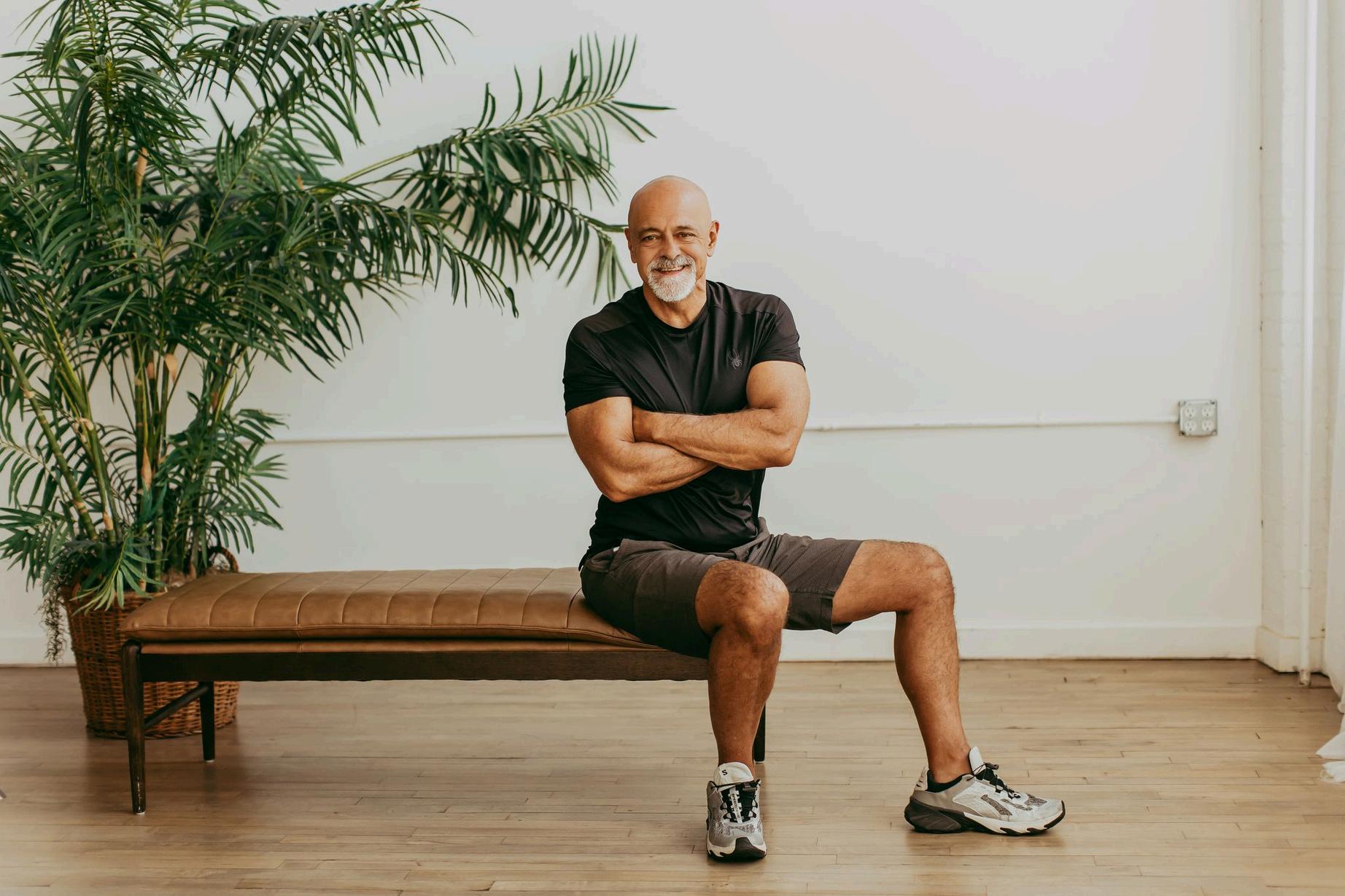
Dr. Carl Paige (below) is the cofounder and Chief Medical Officer of Medical Transformation Center and the newly opened lifestyle-focused HealthSpan Center.
Learn more about Cellular Medicine and regenerative treatments and use this interactive tool to find out more about the approach at MedicalTransformationCenter.com.
.