









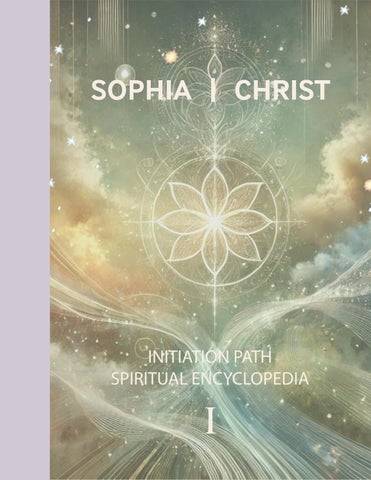












There is a wisdom that does not speak loudly, but instead stirs gently in the soul—like a memory you’ve always carried, waiting to be remembered. Sophia Christ Initiation Path is not here to teach you what you do not know, but to awaken what has always lived within you. It is a mirror, a portal, a path— guiding you through layers of illusion back to the essence of who you are. Its words are not instructions, but invitations to remembrance. And in that remembrance, the sacred becomes visible again.

































All content © 2025 by Sophia Christ Holding Oy
ISBN 978-952-65765-1-0 (Part I, PDF)

Foreword
Practical Guidance
Ethics
Table of Contents
Initiation Path
Spiritual Encyclopedia

In today’s fast-paced and complex world, many individuals experience a deep sense of spiritual disconnection—a feeling that something essential is missing despite the abundance of technological advancements and material comforts. The Sophia Christ Initiation Path was created to address this pervasive void, offering a structured and transformative journey for those seeking to reclaim their spiritual heritage and forge a meaningful connection with the universal divine essence.
This book is intended for readers who feel a gap in their spiritual lives and are looking for more than just answers. It serves as a bridge between the tangible world and the often elusive realm of spiritual truths. By providing clarity and support, it guides seekers through the intricate landscape of spiritual exploration and identity.
At its core, this guide is organized around a series of initiations—each one a step toward deeper understanding and connection. These initiations explore essential elements of spirituality, including foundational teachings, timeless wisdom, and transformative practices. Drawing from ancient traditions as well as modern perspectives, the book invites readers to embark on a journey from spiritual disconnection to a profound understanding of unity and purpose.
The Sophia Christ Initiation Path is not merely a book to be read; it is a guide meant for active engagement. Each chapter encourages reflection, meditation, and practical application, allowing readers to personalize their journey and integrate the teachings into their daily lives. Whether you are taking your first steps on the spiritual path or are well along your way, this book is designed to meet you where you are and support your growth.
The journey outlined here is not linear but cyclical, mirroring the nature of spiritual growth. As you progress, you will revisit themes from new perspectives, deepening your understanding and expanding your awareness with each turn of the spiral.
This book bridges ancient spiritual traditions with contemporary insights, making timeless truths accessible and relevant for the modern seeker. Each initiation focuses on key aspects of the spiritual experience, offering tools and practices to help readers navigate their personal path with clarity, resilience, and inner peace.
From understanding the roots of spiritual disconnection to exploring themes like love, unity, and oneness, The Sophia Christ Initiation Path equips readers with the insights needed to cultivate a more fulfilling and authentic life.
This is more than a book; it is a companion on your spiritual journey. With its thoughtful structure and practical guidance, it invites you to rediscover the sacred within yourself and in the world around you. As you engage with its teachings, you will find yourself not just learning but transforming— reconnecting with your highest potential and the universal essence of the divine.
Welcome to The Sophia Christ Initiation Path. May it guide you to profound insights, renewed hope, and the enduring joy of spiritual fulfillment.
Each initiation, topic, inspirational sentence, and illustration in this book serves as a spiritual tool, designed to be actively engaged with to foster personal growth and deeper understanding.
By incorporating the initiations and topics into various aspects of your daily life—from meditation and journaling to discussions and practical applications—you enhance your spiritual journey. This interactive and integrative approach ensures that the wisdom of the book transcends the pages and becomes a living, evolving part of your spiritual practice.
This comprehensive method will help you fully utilize the “Sophia Christ Initiation Path,” making every aspect of the book a dynamic part of your daily spiritual exploration and growth.
Daily Reflections:
• Choose an Initiation, Topic or Sentence: Begin each day by selecting an inspirational initiation, specific topic or sentence from the book. You might also be drawn to a particular illustration that captures your attention.
• Morning Contemplation: Spend time each morning reflecting on the chosen element. Ponder its significance and how it resonates with your current experiences or challenges.
Journaling:
• Write About Your Insights: After your reflection, journal about your thoughts and feelings. How does this initation or topic challenge or inspire you? What deeper meanings can you uncover?
• Daily Application: Note how you can embody the insights or themes in your day-to-day activities. Consider specific actions that reflect the wisdom of the topic or the emotions evoked.
Meditation:
• Mindful Focus: Use the chosen initiation, topic or sentence, or the essence of an illustration as the focal point for meditation. Quiet your mind and simply allow their deeper meanings to permeate your consciousness the most natural way for you.
• Visualization: Visualize scenarios in which the insights from the topic or the emotions and symbols from the illustration play a key role. Imagine integrating these elements into your life.
• Share with Others: Discuss the topic, sentence, or illustration with others if possible. Sharing and listening to diverse perspectives can greatly deepen your understanding and appreciation.
• Reflect Collectively: Explore how these insights can be applied on a broader scale, such as within your community, workplace, or family.
Integration into Daily Life:
• Reminder Techniques: Keep the topic or sentence visible throughout your day through notes or digital reminders. This helps keep the spiritual guidance active in your mind.
• Mindful Practice: During challenging times, recall the topic or visual imagery to guide your reactions and decisions, using them as tools for spiritual and emotional guidance.
• Research Related Themes: For topics or illustrations that resonate deeply, research related spiritual teachings, historical contexts, or philosophical texts to expand your understanding.
• Extended Reflection: Dedicate extended periods, such as a week or a month, to immerse yourself in studying an initiation or single topic, allowing its full meaning to influence your life.


Embarking on a spiritual journey is a profound commitment to live with awareness, compassion, and harmony. By cultivating ethical practices, you nurture the sacred connection between yourself, others, and the universe.
• Practice Compassionate Love: Approach all beings with kindness and an open heart. Recognize the interconnectedness of all life and act in ways that uplift and support others, fostering a ripple of harmony in the world.
• Live with Authenticity and Integrity: Speak and act from a place of truth, allowing your spiritual values to shine through in all you do. When your actions align with your principles, you become a beacon of trust and inspiration for others.
• Celebrate Diversity with Humility: Embrace the unique paths of those around you, appreciating the rich tapestry of beliefs and practices. Let humility guide your interactions, fostering mutual respect and understanding.
Exploring energetic spaces is a sacred act that calls for deep mindfulness and respect. Treat these experiences as profound opportunities for connection and learning.
• Honor Energetic Consent: Approach others’ energetic spaces with care and reverence. Seeking explicit consent before engaging ensures that your interactions are based on mutual trust and respect.
• Align Intentions with Light: Focus on the highest good in all your spiritual practices. Let your actions serve as channels for healing, growth, and positive transformation for yourself and others.
• Embrace Grounding and Protection: Stay connected to your inner stability through grounding techniques and create a safe, clear space for spiritual exploration with protective practices. These steps empower you to navigate the energetic realms with confidence and clarity.
• Reverence for Energetic Beings: Treat spirits, guides, and other non-physical entities with gratitude and humility. See these interactions as opportunities to learn and grow in partnership with unseen realms.
By focusing on uplifting practices, you contribute to a world where spiritual growth fosters unity and peace. Some key principles to embody include:
• Empower Others: Use your spiritual insights to inspire and support those around you. Empowering others to realize their potential strengthens the collective journey.
• Be a Source of Healing: Act as a channel for healing energy, bringing comfort, restoration, and harmony to those in need. Your actions have the power to nurture and uplift.
• Respect All Paths: Celebrate the unique spiritual expressions of every individual. Acknowledging and valuing these differences enhances your understanding of the universal truths that unite us all.
Each moment on the spiritual path is an opportunity to embody the sacred qualities of compassion, love, and wisdom. By focusing on these positive principles, you not only honor your own journey but also contribute to the collective evolution of humanity. Let your life be a radiant example of the profound beauty that comes from walking the path with awareness and grace.
TABLE OF CONTENTS
INTRODUCTION
Foreword
Practical Guidance
Ethics
Table of Contents
Initiation Path
Spiritual Encyclopedia
CORE PRINCIPLES
Sophia and Christ
Human
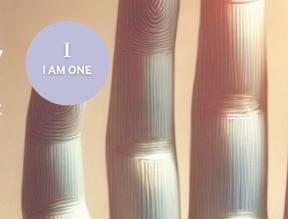
I - I AM ONE
1st 2nd 3rd 4th
Initiation I One Initiation I Body
Initiation I Soul
Initiation I Spirit
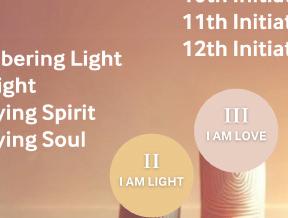
II - I AM LIGHT
5th 6th 7th 8th
Initiation I Remembering Light
Initiation I Being Light
Initiation I Embodying Spirit
Initiation I Embodying Soul
III - I AM LOVE
9th 10th 11th 12th
Initiation I Love
Initiation I Masculine and Feminine
Initiation I Embodying Love
Initiation I Embodying Grace
Initiation I Oneness
Initiation I Earth
Initiation I Humanity
Initiation I Life
Initiation I I AM
CONCLUSION
Personal responsibility Index



INITIATION PATH











Abyss
Abundance
Age of Aquarius
Akashic Records
Alchemy
Altruism
Ancestors
Angels
Anima and Animus
Animal Kingdom
Apple
Archetypes
Baptism Baqa
Boundaries Breath
Buddha
Camargue Cross
Cardinal Directions
Chakras
Channeling
Chaos
Christ Light
Clay
Co-Creation
Coherence
Collective
Compassion
Confirmation
Conscious Living
Consciousness
Cosmos
Courage
Creativity
Dark Matter
Dark Night of the Soul
Darkness
Death
Depression
Destiny
Determination
Devil
Dharma
Diamond Body
Dimension
Diversity
Divine
Divine Council
Divine Mother
DNA
Dove
Dragons
Dreamer
Dreams
Earth
Eden
Ego
Egypt
Elements
Elixir
Emotions
Enlightenment
Esotericism
Eternity
Ether
Etheric Body
Evolution
Existential Crisis
Faith
Fear
Feelings
Feminine Energy
Fibonacci Sequence
Flow
Flower of Life
Forgiveness
Fountain
Free will
Freedom
Gabriel
Gaia
Gifts
Gnosticism
Gold
Grace
Gratitude
Gravity
Green Man
Guidance
Guru
Harmony
Hathor
Heaven on Earth
Henosis
Hero’s Journey
Higher Self
Holiness
Hollow Bone
Holy Grail
Holy Rage
Holy Spirit
Hope
Human
Humanity
Human Origins
Humility
I AM
Identity
Illness
Ikigai
Incarnation
Indigenous People
Infinite
Initiation
Inner child
Inner Heart Space
Inner Peace
Inner Wisdom
Innocence
Intuition
Isis
Jannah
Jesus
Joy
Kabbalah Karma Knowledge
Kundalini
Leylines
Life
Life Path
Light
Light Language
Light Worker
Love
Magic
Manifestation
Mary Mary Magdalene
Masculine Energy
Matrix
Maya Meditation
Merkaba
Metamorphosis
Metatron’s Cube
Michael
Mindful Eating
Mindful Movement
Mindulness
Mineral Kingdom
Miracle Mirror
Moksha
Money Moon
Mortality
Multidimensionality
Mystery School
Nature
New Age
New Earth
Nirvana
Numerology
Om One
Oneness
Orbs
Osiris and Isis
Paganism
Paradise Passion
Past Lives
Philosopher’s Stone
Phoenix
Pituitary Gland
Plant Kingdom
Platonic Solids
Present
Prima Materia
Responsibility
Resurrection
Rigpa
Sacred Geometry
Sacred Marriage
Sacred Practise
Sacred Rituals
Sacred Sexuality
Sacred Sites
Sacred Space
Samadhi
Samsara
Sanat Kumara
Seal of Solomon
Sekhmet
Self-Love
Sensuality and Pleasure
Separation
Serpent Service
Seven Sins
Shakti
Shamanism
Shambhala
Shekinah
Shiva and Shakti
Siddhi
Signs
Simplicity
Sirius
Sisu
Skull
Society
Solitude
Song of Songs
Sophia
Sophia and Christ
Soul
Sovereignty
Spirit Guides
Spiritual Leaders
Spiritual Societies
St.
Starseed
Suffering
Sun
Surrendering
Takamagahara
Tantra
Taoism
Tara
Tarot
Thoth
Threefold Flame
Time
Transformation
Tree of Life
Trust
Twin Flames
Twin Rays
Twin Souls
Unconditional Love
Unicorns
Unity
Universal Laws
Venus
Vibrational
Universe
Violet Flame
Vishnu and Lakshmi
Vitruvian Man
Void Water
Web of Light
White Buffalo Woman
Womb
Wonder
Yantra
Yin and Yang
Sophia and Christ Human
Sophia and Christ symbolize the profound integration of divine energies, harmonizing the nurturing wisdom of the divine feminine with the illuminative love of the divine masculine. As archetypes of the spiritual mother and father, they guide the evolution of consciousness, blending Sophia’s creative insight with Christ’s transformative compassion. Understanding their roles enriches not only personal spiritual growth but also the collective pursuit of enlightenment, embodying a balanced union of divine principles.
Sophia, the Divine Mother, is revered across mystical traditions as the wellspring of creation and wisdom. Her name, derived from the Greek word for “wisdom,” reflects her embodiment of intuitive knowledge and the nurturing grace inherent in maternal energy. In Gnostic teachings, Sophia is the creator of the world, whose emanation breathes life into the cosmos, infusing it with purpose and soulful depth.
Symbolically represented by the Tree of Life, Sophia signifies sustenance, growth, and the interconnectedness of all existence. Her narratives often center on redemption and the restoration of unity, echoing the soul’s journey back to wholeness—a process guided by her maternal compassion and boundless creative power.
Christ, celebrated as the “Light of the World,” represents the divine masculine principle of active, unconditional love and spiritual illumination. Across Christian mysticism and esoteric traditions, Christ is the guiding force of moral clarity and spiritual awakening. He embodies the fatherly aspects of guidance, protection, and transformative love, illuminating the path to divine truth.
Christ’s essence transcends religious boundaries, serving as a universal archetype of spiritual light accessible to all. His energy sustains and elevates the spiritual journey, offering a radiant counterbalance to Sophia’s intuitive depth. Together, they represent a cohesive synergy of love and wisdom.
The interplay between Sophia’s creative wisdom and Christ’s illuminating love forms the foundation of a dynamic spiritual framework. This balance orchestrates the universe, merging creation (Sophia) with transformation (Christ) to guide souls through cycles of growth, understanding, and transcendence.
By engaging with both Sophia and Christ, practitioners are encouraged to integrate the nurturing grace of the Divine Mother with the radiant love of the Divine Father. This balanced approach fosters a holistic spiritual practice, inviting individuals to honor both the creative and transformative forces within the cosmos and within themselves.
Through the integration of Sophia and Christ, individuals and communities are called into deeper alignment with the divine. This harmonious union invites a transformative experience, where the world is seen as a reflection of both motherly compassion and fatherly guidance. Such an approach nurtures humanity’s evolution toward a future defined by love, wisdom, and enlightened unity.
By embodying this sacred balance, we open ourselves to a spiritual pathway that transforms not only our inner worlds but also the collective consciousness. In doing so, we help create a reality rooted in understanding, compassion, and a profound connection with the divine essence.
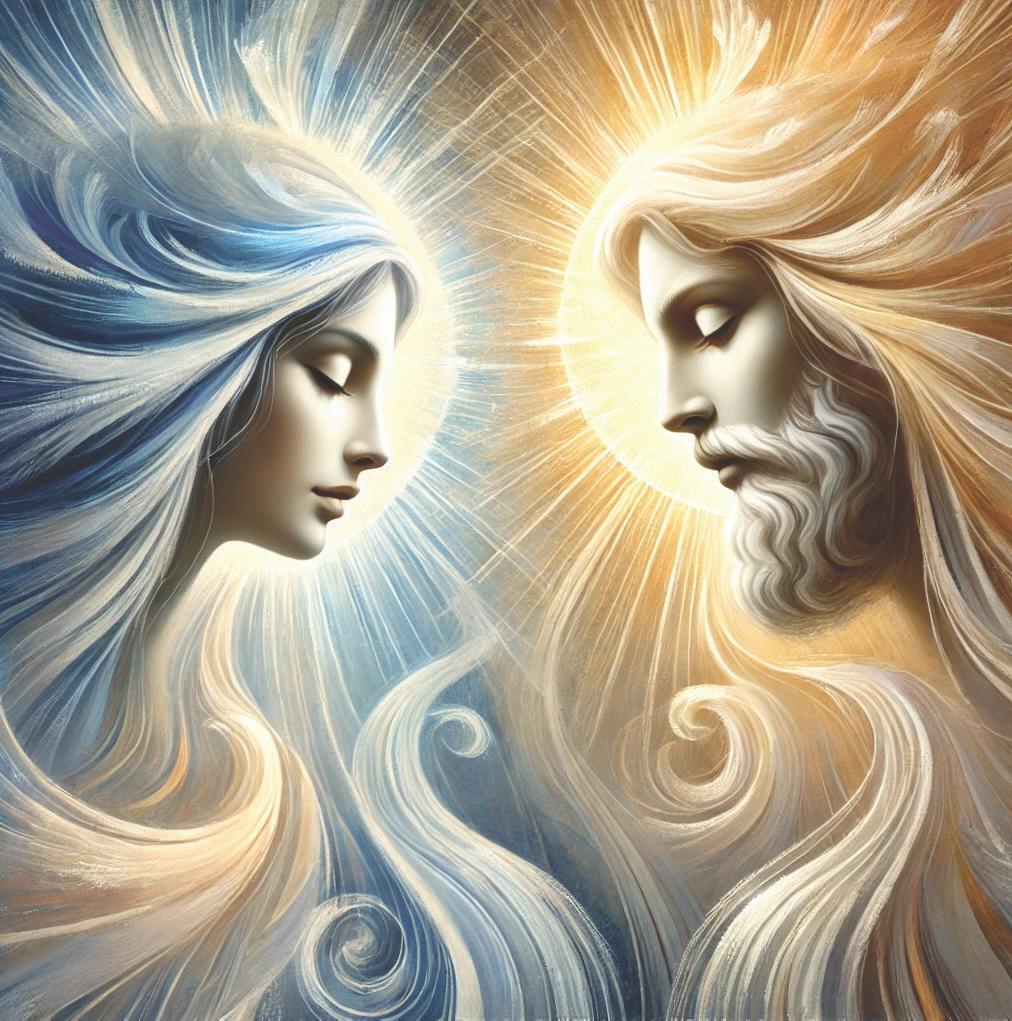
“Embrace the sacred union of Sophia and Christ, where the nurturing wisdom of the Divine Mother blends seamlessly with the transformative love of the Divine Father, guiding us on a path of enlightened unity that balances and harmonizes our own spirit with the cosmic dance of creation and illumination.”
The Holy Trinity of Sophia, Christ, and Human presents a profound spiritual framework, illustrating the dynamic interplay between the divine feminine, the divine masculine, and the human experience. This trinity not only connects divine attributes but also emphasizes humanity’s role within the divine schema, highlighting the essential unity and cocreative partnership between the spiritual and material realms. Through this model, individuals are guided toward enlightenment and universal harmony, deepening their understanding of how the divine interacts with the human experience.
• Sophia - The Divine Mother of Wisdom and Creation: Sophia represents the divine feminine, embodying wisdom, nurturing grace, and the essence of creation. From the highest realms of the cosmos, her presence weaves through the fabric of existence, imbuing life with interconnected wisdom and purpose. As the source of spiritual nourishment and intuitive understanding, Sophia offers guidance and fosters growth, nurturing humanity’s journey toward unity and wholeness. Symbolizing the creative force that sustains life, she invites us to perceive the world as a tapestry of intricate beauty and profound meaning.
• Christ - The Divine Father of Light and Love: Christ represents the divine masculine, personifying the radiant light of consciousness and the boundless power of unconditional love. His energy illuminates the paths of spiritual awakening, offering clarity and connection with the divine. As the guiding principle of transformation, Christ embodies love in action, helping humanity transcend limitations and achieve its highest potential. His role in the trinity reflects the active force of love that unites, elevates, and harmonizes all aspects of creation.
• Human - The Divine Child and Co-Creator: Humanity completes this sacred trinity as the divine child and co-creator. Far from being passive recipients of divine grace, humans are active participants in the divine plan, carrying within them a spark of the divine essence. This spark manifests through free will, creativity, and the ability to shape their reality. Humans hold a unique
position as bridges between the spiritual and material realms, tasked with integrating divine wisdom and love into tangible expressions of harmony and growth.
The interplay between Sophia, Christ, and Human forms a dynamic ecosystem of spiritual evolution. Sophia provides the foundation of creation, Christ offers the illuminating force of transformation, and humanity engages as the co-creative force, bringing divine potentials into manifestation. Together, they represent the dance of wisdom, love, and creative expression, underscoring the essential role humans play in the unfolding cosmic narrative.
This synergy highlights a balanced relationship: receiving divine gifts of wisdom and love while actively contributing to the spiritual dialogue through human innovation, compassion, and action. It reveals the sacred partnership between divine intent and human expression, where both realms collaborate in the ongoing evolution of the cosmos.
The Holy Trinity of Sophia, Christ, and Human invites individuals to embrace a holistic spiritual perspective that honors the unique contributions of each element. It encourages the exploration of divine heritage, the engagement with universal spiritual forces, and the conscious participation in both personal and collective enlightenment. This model nurtures a vision of interconnectedness, inspiring individuals to embody their divine essence and contribute to a more conscious, loving, and harmonious world.
The Holy Trinity of Sophia, Christ, and Human offers a transformative understanding of the spiritual dynamics that shape existence. It provides a framework for recognizing and embodying divinity, aligning human action with cosmic intent, and contributing to the spiritual evolution of the universe. By embracing this sacred trinity, individuals are empowered to realize their potential, foster unity, and participate in the co-creative process of universal harmony.
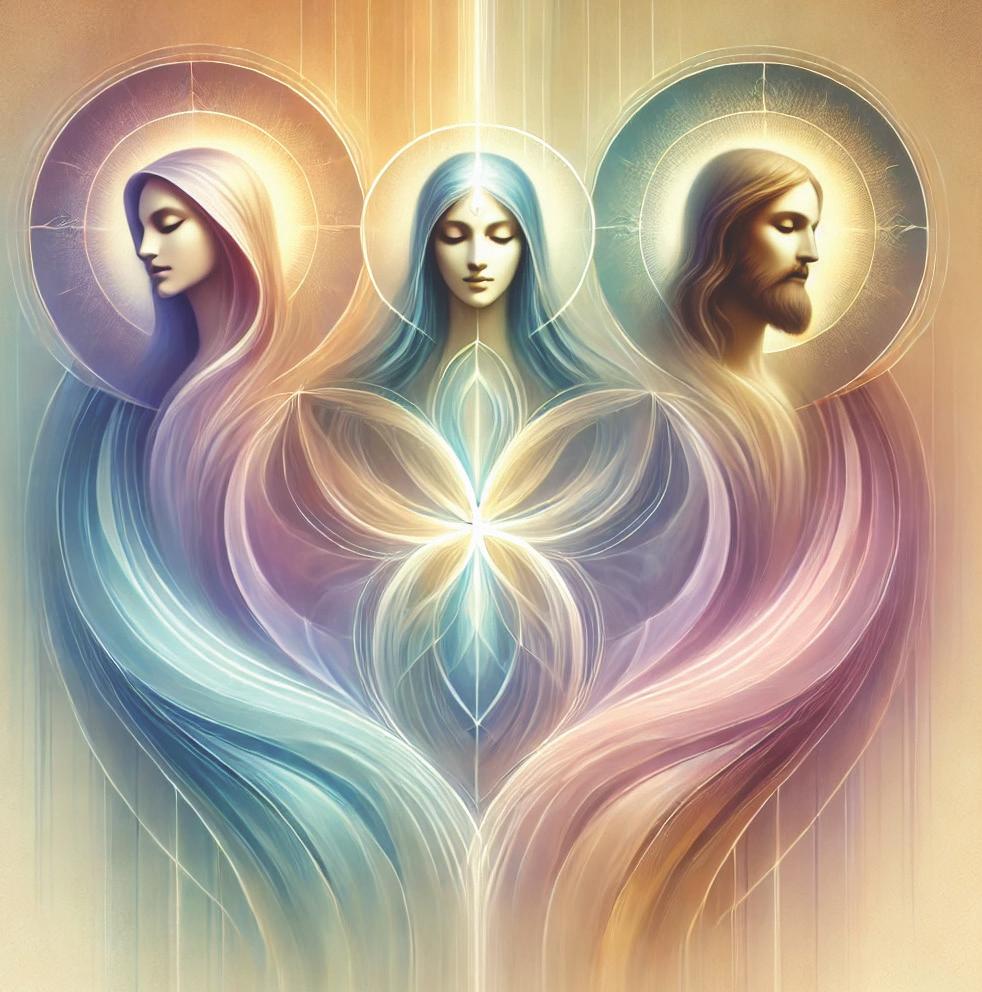
“Recognize your role in the sacred trinity of Sophia, Christ, and Human, where you stand as a divine co-creator, bridging the heavenly and the earthly realms, and actively participating in the unfolding of a universal narrative of enlightenment and harmonious coexistence.”
1st Initiation | One
2nd Initiation | Body
3rd Initiation | Soul
4th Initiation | Spirit
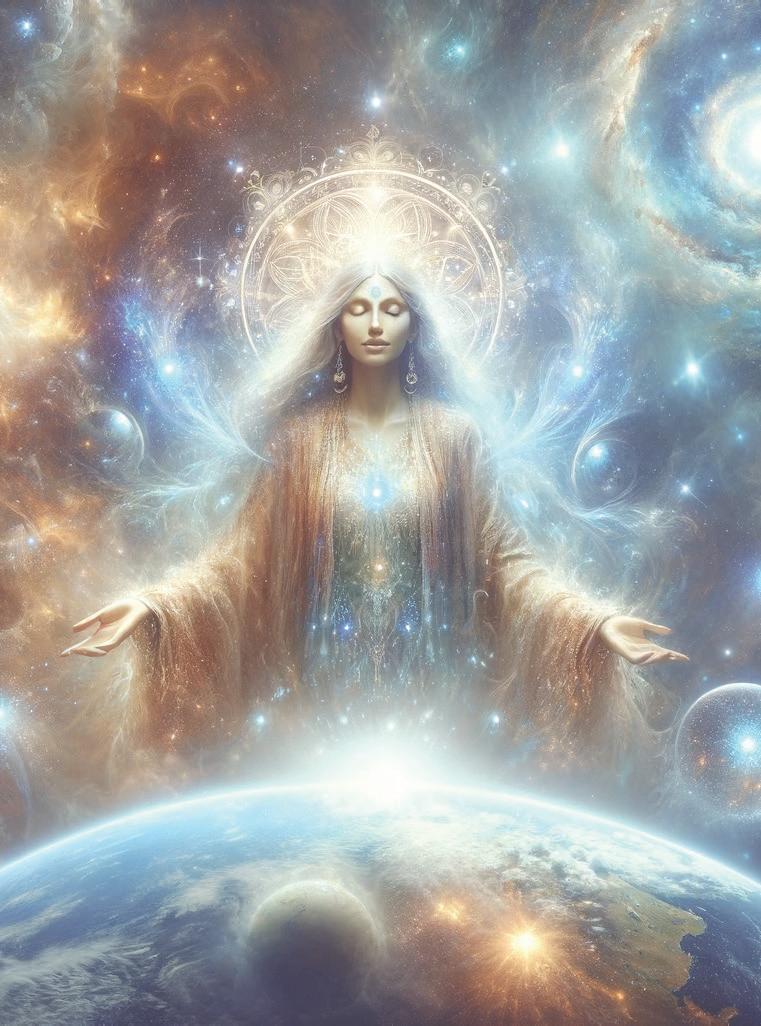
One 1st Initiation
Embark on your spiritual journey with the “One” initiation, where you are invited to explore the profound unity of all existence. This initiation is not just about learning; it’s about activating an inner awakening. Each topic presented here serves as a catalyst, sparking insights that help you understand more about yourself and your connection to the universe.
The “One” initiation guides you through profound reflections that reveal the interconnectedness of life. By engaging with the topics discussed, you begin to dissolve the illusion of separateness. You are encouraged to realize that you are an integral part of a greater whole, deeply connected to the people, the natural world, and the cosmos around you. This realization awakens fragments of your being, bringing you closer to a fuller understanding of yourself.
Simply reading and connecting with the topics in this initiation can open new pathways of understanding. Each paragraph and concept presented acts as a key, unlocking deeper parts of your consciousness and activating you to find your own truths. This passive engagement is just as transformative as any active meditation practice; it invites you to internalize and reflect on profound spiritual truths at your own pace.
Through “One,” your perspective on life’s relationships and challenges begins to evolve. You’re encouraged to view every interaction and situation from a standpoint of unity and connectivity. This shift fosters a life approached not through isolation but through a harmonious blend with the universe, enhancing empathy and a collective sense of being.
This initiation is your gateway into deeper spiritual explorations within the book. It sets a foundational understanding of interconnectedness that will enhance your engagement with subsequent initiations. Each topic builds on this idea, encouraging continuous discovery and a growing realization of your place in the universe.
Engaging with “One” is transformative, opening up layers of understanding about the universal ties that bind us. This initiation invites you to explore a path of spiritual and personal enlightenment, where even passive reading becomes an active journey into self-discovery and universal connection. Carry forward this awareness as you venture deeper into the book, allowing the unity experienced here to enlighten and guide your spiritual path.
The Akashic Records are a metaphysical concept often described as a comprehensive library of every human event, thought, word, and action. They are believed to be encoded in a non-physical plane of existence known as the etheric plane. The records are not just a repository of the past but include the present and future possibilities.
The Akashic Records are envisioned as a cosmic database, storing detailed information about every soul and its journey through time. This ethereal library exists beyond our physical world and is accessible through deep meditation, intuitive practices, or psychic abilities. It serves as a spiritual resource that offers wisdom and guidance, helping individuals to understand their past actions, make sense of their present circumstances, and explore potential futures.
The name “Akashic” comes from “Akasha,” a Sanskrit term meaning “ether,” which in esoteric teachings represents the purest, most subtle form of matter that permeates all space and holds the universe together. Accessing the Akashic Records involves tuning into this etheric field, which connects all beings and events across time and space.
The Records affirm the interconnectedness of all things. They teach that every thought, action, and emotion vibrates within this etheric field and influences our reality, underscoring the deep, intrinsic connection between personal actions and universal outcomes.
Consulting the Akashic Records can provide profound insights and guidance. It can help seekers resolve past conflicts, clarify life purposes, and foster personal and spiritual growth. This is achieved by reflecting on one’s life script or soul contract, which outlines challenges and milestones that foster evolution and learning.
While traditionally viewed as accessible only to psychics or mystics, contemporary practices suggest that with appropriate training and spiritual development, anyone can access the Records. Techniques involve deep meditation, prayer, or specific rituals aimed at transcending the physical plane to reach the deeper spiritual truth.
Accessing the Akashic Records comes with a responsibility to use the insights for positive personal and collective growth. The ethics of engaging with the Records emphasize respect, integrity, and the higher good, discouraging misuse such as prying into others’ lives without consent.
• Personal Growth: Individuals access the Records to gain insights into their behavior patterns and karmic cycles, aiding in personal development and spiritual maturation.
• Healing and Reconciliation: The Records can reveal past traumas and unresolved issues, providing opportunities for healing and reconciliation.
• Decision Making: Insights from the Records can assist in making more informed decisions by understanding the potential outcomes of different choices.
The Akashic Records represent a profound spiritual tool that bridges past, present, and future, providing deep insights into the soul’s journey and universal truths. As we embrace this concept, it encourages a broader understanding of our place in the cosmos and our potential impact on the world, highlighting the symbiotic relationship between individual actions and universal dynamics.
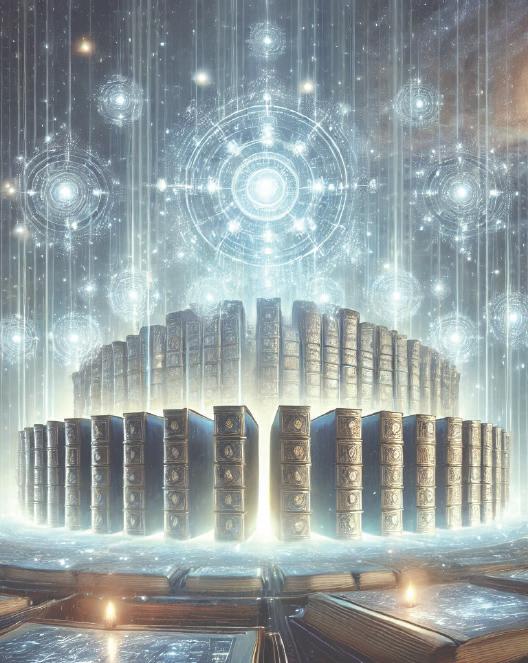
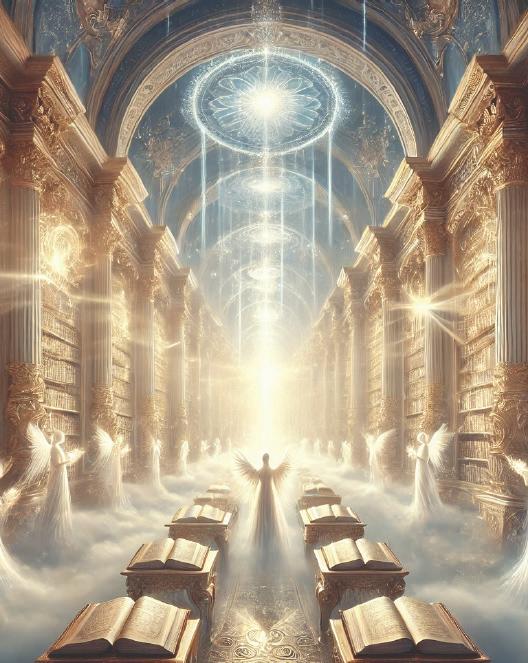
“Imagine accessing a cosmic library where every deed, thought, and possibility of your life is stored—explore the Akashic Records to uncover the profound connections of your soul’s journey across time and space.”
A blueprint, refers to a detailed plan or design that guides the development of one’s life or soul journey. It is often considered a divine or cosmic template that outlines the purpose, lessons, and experiences an individual is meant to encounter throughout their existence. Understanding your blueprint can bring clarity, purpose, and direction to your life. It serves as a spiritual map, guiding you towards fulfilling your highest potential and experiencing the richness of your soul’s journey.
The blueprint contains the overarching mission or purpose of an individual’s life. This purpose may encompass personal growth, contributions to the community, or spiritual evolution.
It includes the specific lessons and challenges one is meant to face. These experiences are designed to help the individual grow, learn, and evolve spiritually. The blueprint highlights the inherent strengths, talents, and gifts that a person possesses. These qualities are tools that help fulfill their life purpose and navigate their journey.
It details significant relationships and connections that will play a crucial role in the individual’s life. These can include family, friends, mentors, and even adversaries who contribute to their growth. The blueprint often outlines key phases or periods in one’s life, including pivotal moments of change, opportunity, or transformation.
One can gain insights into their blueprint through intuition, meditation, and inner guidance. These practices help connect with the higher self or divine source.
Tools like astrology and numerology are believed to provide glimpses into one’s blueprint by interpreting the influences of cosmic energies and numbers on an individual’s life path.
The Akashic Records are considered a spiritual repository of all knowledge and experiences. Accessing these records through meditation or a skilled reader can reveal details about one’s blueprint.
Reflecting on life experiences, recurring themes, and personal patterns can offer clues about the blueprint. Understanding past events can illuminate the path forward.
While the blueprint provides a framework, it interacts dynamically with free will. Individuals have the freedom to make choices, take actions, and create their paths within the parameters of their blueprint.
By actively engaging with their blueprint, individuals cocreate their life experiences, blending destiny with conscious decisions and actions.E
Embracing your spiritual blueprint is essential for personal and spiritual growth, providing clarity and direction in your life’s journey. It serves as a dynamic guide that intertwines destiny with your choices, allowing for a co-creative process that enhances self-discovery and fulfillment. By understanding and engaging with the blueprint, you actively participate in shaping your path, using the insights to navigate life’s challenges and opportunities effectively, thereby fulfilling your true potential and enriching your spiritual evolution.ur life’s journey. It serves as a dynamic guide that intertwines destiny with your choices, allowing for a co-creative process that enhances self-discovery and fulfillment. By understanding and engaging with the blueprint, you actively participate in shaping your path, using the insights to navigate life’s challenges and opportunities effectively, thereby fulfilling your true potential and enriching your spiritual evolution.

“Consider your life as a divine blueprint, intricately designed with purpose and lessons, and recognize how your unique path is interwoven with the universe’s grand design.”
Conscious living refers to the practice of being aware of your actions, thoughts, and feelings in everyday life, aiming to live in a way that is aligned with your deeper values and beliefs. It involves making deliberate choices that not only benefit oneself but also have a positive impact on the community and the environment.
• Awareness is the cornerstone of conscious living. It involves being fully aware of your present moment— what you are doing, thinking, and feeling. This heightened awareness extends to recognizing how your actions affect others and the environment.
• Living consciously means making choices deliberately, based on clear intentions. Every action, from the way you eat, shop, or interact with others, is done with intention that reflects your core values and ethics.
• Conscious living often incorporates sustainability, focusing on actions that promote environmental health, such as reducing waste, choosing sustainable products, or using energy responsibly.
• Understanding and caring for the feelings and needs of others is vital. This means considering the impact of your actions on others, fostering positive relationships, and contributing to the community in meaningful ways.
• Conscious living involves managing your thoughts and emotions effectively. By understanding your emotional triggers and learning to control them, you can make more rational, compassionate decisions.
• Conscious living encourages mindfulness about consumption habits—questioning the necessity of purchases, the source of products, and the ethics of their production. It’s about choosing quality over quantity and opting for items that do not harm the environment or society.
• By living more aligned with one’s values and being mindful of one’s mental states, stress and anxiety can be significantly reduced.
• Empathy and intentionality in interactions lead to deeper and more meaningful relationships.
• Living a life that reflects your values and beliefs can lead to greater personal satisfaction and happiness.
• Making ethical choices can contribute to social justice, reduce environmental impact, and promote a more sustainable world.
• Often, conscious living leads to healthier choices, such as eating whole, organic foods, reducing toxin exposure, and engaging in regular physical activity.
• Mindfulness and Meditation: Regular practice can increase your awareness and help you maintain focus on your core values.
• Journaling: Writing down thoughts and reflections can increase self-awareness and help you navigate your personal growth.
• Education: Continually educating oneself about environmental issues, social justice, and healthy living supports informed decision-making.
• Community Engagement: Participating in or starting initiatives that benefit the environment or community fosters a sense of connection and shared purpose.
Conscious living is not a destination but a journey of continual growth and understanding. It challenges individuals to live authentically and sustainably, ensuring that their personal actions contribute to a larger good.
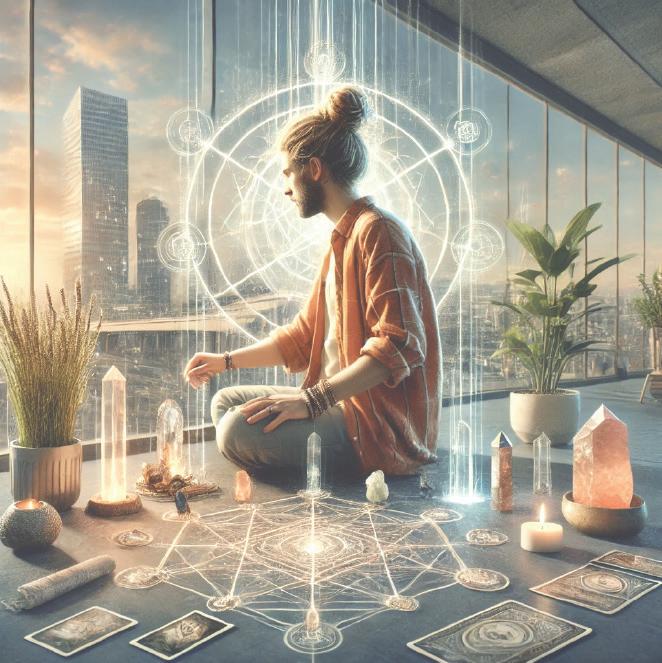
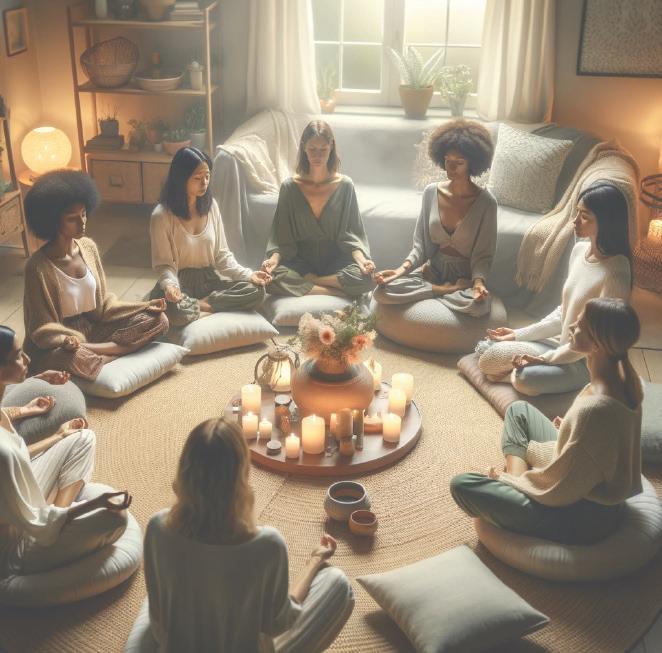
“Live each day with intention and awareness, understanding that your choices resonate within the larger web of life, enhancing both your spiritual growth and the collective consciousness.”
Energy is often understood as the universal life force that permeates all things. It’s the fundamental essence that flows through and connects every living being and the entire universe.
• Physical Energy: This is the energy we use to perform physical activities. It comes from the food we eat, which is converted into energy that fuels our bodies.
• Emotional Energy: This refers to the energy generated by our emotions. Positive emotions like love and joy can elevate our energy, while negative emotions like anger or fear can drain it.
• Mental Energy: The energy used in thinking, learning, and problem-solving. Mental energy can be refreshed by rest, meditation, and mental exercises.
• Spiritual Energy: This is the energy connected to our soul or spirit. It’s often nurtured through practices like meditation, prayer, and acts of compassion and love.
• Aura and Chakras: In many spiritual traditions, the human body is surrounded by an energy field called the aura, and energy centers called chakras. Balancing and cleansing these can lead to better health and spiritual well-being.
• Prana and Qi: Different cultures have their own terms for this life force energy. In Hinduism, it’s called prana, while in Chinese traditions, it’s known as qi (or chi).
• Healing Energy: Practices like Reiki and other forms of energy healing focus on channeling energy to promote physical, emotional, and spiritual healing.
• Grounding: Techniques such as walking barefoot on the earth, visualizing roots growing from your feet into the ground, or spending time in nature can help ground your energy, providing stability and balance.
• Cleansing: Regularly cleansing your energy field can remove negative or stagnant energy. Methods include smudging with sage, taking salt baths, or using crystals.
• Protection: Protecting your energy is crucial. Visualizing a protective light around you, setting clear boundaries, and avoiding negative influences can help maintain your energy’s integrity.
• Self-Care: Being aware of your energy levels and taking steps to maintain and replenish them is vital for overall well-being. This includes adequate rest, healthy nutrition, and regular exercise.
• Emotional and Mental Health: Understanding how emotions and thoughts affect your energy can help you manage stress and maintain a positive outlook.
• Spiritual Growth: Being mindful of your spiritual energy can deepen your connection to the divine, enhance your intuition, and support your spiritual development.
Conclusion
By understanding and managing our energy, we can lead healthier, more balanced lives and deepen our spiritual connections.
“Feel the pulse of universal energy flowing through you and around you, connecting you to all forms of life and empowering your spiritual presence in the world.”
Ether, or aether, has long been contemplated as the fifth element, representing an ethereal substance that permeates the cosmos and underpins the fabric of the universe. This quintessential element transcends the classical four elements of fire, air, water, and earth, serving as a cosmic bridge between the material world and the spiritual dimensions.
Historically, the concept of ether has roots in ancient Greek philosophy where it was considered the pure essence that the gods breathed, filling the space where they resided. Aristotle added ether to the classical elements as the celestial fifth element, distinct from the terrestrial elements that composed the physical world. He proposed that the ether was an unchanging, heavenly substance that filled the heavens and was responsible for the circular motion of stars and celestial bodies.
Thought In spiritual contexts, ether is often seen as the life force or prana, akin to the concept of Qi in Chinese philosophy, which is thought to be a vital spirit flowing through all things. It is the medium through which light travels and spiritual communication occurs. Etheric energy is believed to be more subtle and pure than physical matter, capable of penetrating all spaces and linking the material to the metaphysical.
In theosophical teachings, the etheric plane is considered just above the physical plane in subtlety and is associated with the vital body or etheric body—a template that guides the development and functioning of the physical body. Clairvoyants and spiritual practitioners often claim to perceive this etheric dimension as it intertwines with the physical, influencing health, energy, and even consciousness.
With the advent of modern physics, the classical idea of ether as a medium for light waves was dismissed after the Michelson-Morley experiment failed to detect an ether wind affecting the speed of light. However, in metaphysical and New Age thought, the notion of ether persisted as a vital, all-encompassing field that supports life and consciousness, akin to what some interpret as dark energy or the quantum field in contemporary physics.
In practical spiritual applications, understanding and harnessing ether can be seen as working with the subtle energies that influence life at a quantum or metaphysical level. Techniques such as meditation, Reiki, Qi Gong, and other forms of energy work are believed to manipulate the etheric energies to heal, transform, and elevate both the mind and body. By attuning to the ether, individuals may seek to align more closely with universal energies, enhance their intuitive capacities, and facilitate a deeper connection to the divine.
Philosophically, the study of ether invites a deeper contemplation of the interconnectivity of all forms of life and the cosmos. It poses ethical considerations about the impact of human consciousness on the universe and the responsibility of individuals to live in harmony with a world that is far more interconnected and spiritual than materialist views might suggest.
Ether remains a profound and enigmatic element, bridging the gap between ancient metaphysical doctrines and contemporary spiritual practices. It invites those on a spiritual path to explore beyond the tangible, to perceive and work with the energies that animate the cosmos and the self at the most fundamental levels.

“Embrace the mystery of Ether, the invisible yet omnipresent fabric of the cosmos, breathing life and unity into every atom and star. Feel its subtle dance within and around you, a divine symphony that harmonizes the physical and spiritual realms.”
Theories of human origin provide fascinating insights into our past and present a tapestry of narratives that explore how humans came to be. These theories, ranging from scientific to mythological, reflect diverse cultural and scientific paradigms that offer a broader understanding of human existence.
The most widely accepted scientific explanation for human origin is the theory of evolution by natural selection, proposed by Charles Darwin. This theory suggests that all species, including humans, evolved from a common ancestor through a process of natural selection where genetic mutations that enhance survival tend to be passed on more frequently to future generations. Fossil records, genetic data, and anatomical similarities with other species support this theory, showing a gradual development from simple life forms to more complex beings, including modern humans (Homo sapiens).
A specific hypothesis within evolutionary biology, the “Out of Africa” theory, posits that modern humans developed in Africa and then migrated outwards to populate the rest of the world. This theory is supported by genetic evidence showing that all humans have a common ancestry that can be traced back to Africa about 60,000 to 200,000 years ago.
In contrast to evolutionary theory, Creationism argues that life is the product of divine creation by a higher power or deity. This view is largely based on religious texts, such as the Book of Genesis in the Bible, which describes God creating the world and all forms of life, including humans, in a relatively short period. Intelligent Design, a related concept, suggests that certain features of the universe and living things are best explained by an intelligent cause, not an undirected process such as natural selection.
Panspermia is a hypothesis that suggests life on Earth was seeded from elsewhere in the universe. This theory posits that life may have arrived on Earth via meteorites or comets that carried spores or biochemical precursors of life. While not specifically about human origins, it addresses the origin of itself, which indirectly impacts theories of human development.
These theories suggest that extraterrestrial beings visited Earth in the ancient past and made contact with humans, influencing early human culture, technology, and genetics. Proponents of these theories often interpret ancient myths, artifacts, and architectural wonders as evidence of alien influence. While not supported by the mainstream scientific community, these theories captivate the imagination of many and have been popularized in various forms of media.
Virtually every culture has its own mythological and legendary narratives describing the origins of humanity. These stories, whether they involve gods, ancestral spirits, or mythical beings, often serve moral or existential purposes and are deeply embedded in the cultural consciousness of the societies that preserve them.
Conclusion
Engaging with these diverse theories not only enriches our understanding of human origins but also highlights the complexity and wonder of human consciousness and cultural diversity. It encourages an open-minded exploration of how different perspectives contribute to our comprehensive understanding of what it means to be human in the vast tapestry of life.
“Ponder
the origins of life and your own beginnings, and awaken to the realization that we are all reflections of the same stardust, spun from the same cosmic loom.”
Free will is a fundamental concept, representing the ability of individuals to make choices that are not determined by past events, divine intervention, or predestined outcomes. In the context of personal and spiritual growth, free will plays a crucial role in shaping one’s life journey, allowing for the expression of personal autonomy and the active participation in one’s own development.
• Free will is the capacity to choose differently in a given situation, independent of external compulsion or predetermined paths. It underscores the human experience as inherently open and creative, where every decision can lead to new possibilities.
• It empowers individuals to shape their destinies and to make moral and existential choices that reflect their personal values and aspirations.
• While many spiritual traditions acknowledge the existence of a life plan or destiny, free will allows for deviations and modifications based on one’s decisions. This dynamic interplay between destiny and choice is vital for personal evolution and the fulfillment of one’s soul purpose.
• Philosophers have long debated the extent of free will, with determinists arguing that every event is predetermined by prior causes, and libertarians asserting the existence of true free will. Compatibilists, however, reconcile free will with determinism, suggesting that free will is compatible with predetermined events as long as the individual’s internal processes are free from external constraints.
• In spiritual contexts, free will is often viewed as a gift from the divine, granting humans the capacity to choose their paths in life. This view emphasizes the responsibility of individuals to choose wisely and ethically, as their choices contribute not only to their personal growth but also to the collective well-being.
• Free will is closely linked to moral responsibility. The ability to choose between right and wrong means that individuals are accountable for their actions. This responsibility is fundamental to ethical behavior and justice.
• The exercise of free will is crucial for personal growth. Making conscious choices allows individuals to learn from their experiences, develop resilience, and cultivate virtues like patience, courage, and empathy.
• Although free will is a powerful concept, it’s important to recognize that it operates within constraints—such as biological predispositions, societal norms, and personal circumstances—that can limit or shape one’s choices.
Free will is a cornerstone of human consciousness and a pivotal element in the journey of personal and spiritual growth. It empowers individuals to navigate their paths, learn from their choices, and actively participate in their own evolution. By embracing and exercising free will, individuals not only shape their own destinies but also contribute to the unfolding of a more conscious and compassionate world. Understanding and integrating the principles of free will can lead to a deeper appreciation of life’s richness and the myriad possibilities it offers.

“Embrace the power of free will, the divine gift that allows you to choose your path within the cosmos, and shape your destiny through conscious decisions.”
Initiation is a profound spiritual process, marking the transition from one state of being to another. It is an awakening, a passage through which an individual undergoes transformation, stepping beyond the known and into deeper wisdom. Found in ancient mystery schools, religious traditions, and personal spiritual journeys, initiation serves as a rite of passage—a sacred threshold between ignorance and enlightenment, between the self that once was and the self that is becoming.
Initiation is not merely an event but a process of awakening, guiding the seeker toward greater understanding, spiritual responsibility, and inner mastery.
• A Threshold to a New Level of Being: It represents the movement from one stage of consciousness to another, often accompanied by trials, revelations, and inner work.
• A Test of Readiness: In many traditions, initiations involve challenges that test one’s courage, wisdom, and willingness to let go of old identities.
• The Death and Rebirth of the Self: Initiation symbolizes the dissolution of the old self and the emergence of a higher, more awakened version of oneself.
Initiation takes many forms, each guiding the soul along its evolutionary path:
• Mystery School Initiations: In ancient Egypt, Greece, and esoteric traditions, seekers were led through rites that revealed hidden knowledge, preparing them for greater spiritual service.
• Life Initiations: Personal challenges—loss, love, transformation—act as natural initiations, pushing us toward deeper self-awareness.
• Energetic and Cosmic Initiations: Spiritual awakening can happen through deep meditation, sacred encounters, or moments of divine revelation, where one’s consciousness expands beyond ordinary perception.
• Sacred Rituals and Ceremonies: Many traditions include formal initiations, such as baptism, vision quests, and rites of passage, signifying a shift in spiritual identity and purpose.
Initiation is often described as a journey through three key stages:
• Separation and the Call to Transformation – The initiate is drawn away from the familiar, sensing an inner calling toward something greater. This stage often involves a sense of restlessness, longing, or the disruption of old ways of being.
• The Trial and Inner Work – Challenges arise, forcing the initiate to face fears, let go of limiting beliefs, and step into deeper wisdom. This stage requires surrender, perseverance, and trust in the unfolding path.
• Integration and Mastery – The initiate emerges transformed, embodying the wisdom gained and ready to serve with greater clarity, strength, and purpose.
Unlike a single event, initiation is a continuous process. Each stage of life brings new initiations—new lessons, deeper revelations, and further refinement of the soul’s purpose.
• Awakening to Higher Truths: Each initiation expands one’s perception, offering a clearer vision of reality beyond illusions.
• Serving as a Light for Others: Those who undergo initiation often become guides for others, passing on wisdom and supporting the next seekers on their paths.
• Stepping into Co-Creation: True initiation is not about acquiring knowledge but about becoming an active participant in the unfolding of divine creation.
Initiation is the sacred journey of transformation, an invitation to step into the unknown with faith and courage. Whether through life’s experiences, sacred rites, or spiritual awakenings, initiation calls each soul to rise, evolve, and embody the divine wisdom already present within. It is a reminder that every challenge, every moment of change, holds the potential for awakening, guiding us toward the highest expression of our true selves.
“Step through the gateway of Initiation, where every leap of faith and moment of awakening marks the birth of a deeper self and a clearer path toward your divine purpose.”
Karma is a concept deeply rooted in various spiritual and philosophical traditions, particularly in Hinduism, Buddhism, and Jainism. It refers to the principle of cause and effect, where every thought, action, and intention generates consequences that shape our experiences and future. The word karma comes from the Sanskrit word karman, which means “action” or “deed,” highlighting the idea that our choices play a significant role in determining our personal journey.
Karma operates on the fundamental belief that every action has a reaction. Positive actions lead to positive outcomes, while negative actions result in challenging experiences. This principle suggests that our behavior influences not only our current life but also future lifetimes, as karma is believed to transcend time and carry through different incarnations. In this sense, karma reflects the balance and justice of the universe, encouraging personal responsibility for one’s actions.
Karma is not intended as a form of punishment or reward but rather as a system for learning and growth. It provides opportunities to reflect on our actions, attitudes, and intentions. By understanding and observing the patterns in our lives, we can learn from our mistakes, correct harmful behaviors, and cultivate compassion, patience, and selfawareness. In this way, karma serves as a spiritual guide, leading individuals toward greater wisdom and alignment with higher values.
From a spiritual perspective, karma encourages personal transformation. Every choice we make offers us a chance to create positive karma by acting with kindness, generosity, and honesty. Through self-awareness, mindfulness, and compassionate actions, we can gradually break free from negative patterns and create a life aligned with our deeper values
Understanding karma allows us to take control of our growth, seeing every experience as an opportunity to improve ourselves and contribute to the well-being of others. Spiritual practices like meditation, prayer, and self-reflection can help in clearing past karma, facilitating healing, and opening the path to spiritual awakening.
In many spiritual traditions, karma reflects the interconnectedness of all life. Our actions don’t just affect us but also impact those around us and the world at large. This idea encourages us to approach life with humility and respect for all beings, understanding that we are all part of a larger web of existence.
Karma reminds us that we have the power to shape our lives and that by acting with love, compassion, and integrity, we can cultivate harmony within ourselves and the world. Ultimately, karma invites us to recognize our role in the ongoing cycle of creation, aiming to align ourselves with the flow of universal balance and goodness.
“Reflect on the karma you create with each action and thought, realizing that your ethical and energetic contributions set the stage for your future experiences and relationships.”

The concept of a “life path” represents the unique journey each individual undertakes, encompassing not only the sequence of physical and practical experiences but also the deep spiritual and existential growth that occurs throughout a person’s life.
Philosophically, the idea of a life path is rooted in the belief that every individual has a distinct purpose or destiny to fulfill. This notion is echoed in the teachings of ancient philosophies and modern existentialism, where life is viewed as a series of choices that shape one’s destiny. The life path is not just about the outward journey through the world, but also about the inward journey of self-discovery and realization.
In spiritual contexts, the life path is often seen as a soul’s journey across various incarnations, designed to evolve its understanding, gather experiences, and ascend towards higher consciousness. Spiritual traditions like Hinduism, Buddhism, and Kabbalah discuss the life path in terms of karma, dharma, and the pursuit of enlightenment, emphasizing the importance of aligning one’s actions with their spiritual values and the universal laws.
Numerology and astrology offer tools to decipher the life path by providing insights based on the numbers derived from one’s birth date or the positions of the stars and planets at the time of birth. In numerology, the Life Path number is considered one of the most significant indicators of the personal traits and challenges an individual might face, guiding them towards their fulfilling path.
From a psychological standpoint, understanding one’s life path can aid in personal development and self-actualization. Carl Jung’s concept of individuation, for instance, parallels the idea of a life path as a journey towards becoming the whole, integrated self. Psychologists and therapists often encourage individuals to explore their life stories and past experiences as a way to understand their motivations, fears, and desires, which all play crucial roles in shaping their life paths.
In the modern world, the concept of a life path is integral to personal development practices and life coaching. Tools such as mindfulness, reflective practices, and goal-setting are often used to help individuals understand their current paths and make intentional choices about the direction they wish their lives to take. The focus is on living authentically and purposefully, making decisions that align with one’s deepest values and aspirations.
Exploring one’s life path also raises ethical and existential questions about the nature of free will, destiny, and the impact of societal and cultural norms on individual choices. It invites individuals to consider their responsibilities to themselves and others and to think about how their actions contribute to the collective human experience.
Understanding and embracing one’s life path can be a source of great insight and empowerment, offering a sense of direction and fulfillment. It encourages individuals to live consciously, with an awareness of how their unique journeys contribute to their growth and to the greater whole, promoting a life lived with intention, wisdom, and harmony.

“Walk boldly along your Life Path, a journey uniquely yours, woven with the threads of your choices, challenges, and triumphs, leading you to the profound discovery of your deepest self and your interconnected place in the universe.”
Meditation is a practice where an individual uses a technique – such as mindfulness, or focusing the mind on a particular object, thought, or activity – to train attention and awareness, and achieve a mentally clear and emotionally calm and stable state.
Meditation has been practiced since antiquity in numerous religious traditions and beliefs, often as part of the path towards enlightenment and self-realization. While meditation is often associated with religions such as Buddhism, Hinduism, and Taoism, it is also practiced in secular contexts focusing on stress reduction, relaxation, and selfimprovement.
• Mindfulness Meditation: Rooted in Buddhist teachings, mindfulness involves paying attention to thoughts as they pass through the mind without judgment.
• Concentration Meditation: This involves focusing on a single point. This could involve following the breath, repeating a single word or mantra, staring at a candle flame, listening to a repetitive sound, or counting beads on a mala.
• Transcendental Meditation: A specific form of silent mantra meditation and entails the practice of sitting comfortably with closed eyes and silently repeating a mantra.
• Guided Meditation: Sometimes called guided visualization or guided imagery, this method involves forming mental images of places or situations you find relaxing. This process is typically led by a guide or teacher, hence ‘guided.’
Research suggests that regular meditation practice offers numerous health benefits, including:
• Stress Reduction: One of the most common reasons people try meditation is for stress reduction.
• Anxiety Control: Meditation can reduce symptoms of anxiety disorders, including phobias, social anxiety, paranoid thoughts, obsessive-compulsive behaviors, and panic attacks.
• Promotion of Emotional Health: Some forms of meditation can lead to an improved self-image and a more positive outlook on life.
• Enhanced Self-Awareness: Some forms of meditation may help you develop a stronger understanding of yourself, helping you grow into your best self.
• Attention Span: Concentration meditation, in particular, may strengthen your ability to maintain your focus.
• May Reduce Memory Loss Associated with Age: Improving attention and clarity of thinking may help keep your mind young.
• Can Generate Kindness: Some types of meditation may particularly increase positive feelings and actions toward yourself and others through practices known as metta, or loving-kindness meditation.
Conclusion
Meditation serves as a transformative practice that nurtures mental clarity, emotional stability, and profound inner peace. This age-old discipline transcends cultural and religious boundaries, offering diverse techniques tailored to individual needs and goals—from mindfulness and concentration practices to transcendental and guided visualizations. Whether pursued for spiritual growth or practical benefits, meditation cultivates a resilient, focused mind and a compassionate heart, making it a cornerstone of a balanced and reflective lifestyle.
“Engage in meditation to quiet the mind and connect deeply with the universal consciousness, experiencing firsthand the oneness that binds all existence.”
Mindful eating is an approach to food that emphasizes awareness and intentionality. It invites you to become fully present with your eating experiences, fostering a deeper understanding of the origins, impact, and broader consequences of your food choices. By practicing mindful eating, you not only enhance your personal health but also contribute to a more sustainable and compassionate world.
• Mindful eating involves being fully aware of where your food comes from. This means considering the journey of each ingredient—from how it was grown or raised, to how it was transported, and finally, how it reached your plate. It encourages an understanding of the agricultural practices and the labor involved in producing food.
• Mindful eating requires paying close attention to how food affects your body. It’s about listening to your body’s signals, such as hunger and fullness, and noticing how different foods make you feel physically and emotionally. This awareness helps you choose foods that nourish and energize you.
• Considering the environmental footprint of your food choices is a key aspect of mindful eating. Plant-based diets generally have a lower environmental impact compared to diets high in animal products. Mindful eaters think about the sustainability of their food choices and prefer foods that are produced in ways that conserve resources and reduce pollution.
• Mindful eating involves recognizing the interconnectedness of all life. By choosing plant-based foods, you acknowledge the impact of your dietary choices on other living beings, including animals and plants. This practice fosters a sense of responsibility and care for the well-being of all creatures.
• A plant-based diet often stems from a place of compassion for animals. By choosing not to consume animal products, you demonstrate empathy for the lives of animals, acknowledging their right to live free from harm and suffering. This choice reflects a commitment to non-violence and kindness.
• Compassion extends to the environment. Understanding that plant-based diets can significantly reduce environmental degradation, you make choices that support the health of our planet. This compassion for the Earth involves protecting ecosystems, conserving natural resources, and reducing your carbon footprint.
• For many, a plant-based diet aligns with spiritual beliefs that emphasize interconnectedness and respect for all life forms. Eating mindfully can be a spiritual practice that deepens your connection to your own values and to the divine essence in all beings.
• The practice of mindful eating promotes holistic health—caring for your physical, emotional, and spiritual well-being. By choosing foods that nourish your body, you also nurture your spirit and mind, creating a harmonious balance.
Mindful eating is more than a dietary choice—it’s a transformative practice that integrates deep awareness into every bite. It invites a profound connection to the origins of food, its impact on the body, and its broader environmental and ethical implications. By adopting mindful eating practices, you not only enrich your own life but also contribute to a more sustainable and compassionate world. As you learn to eat with intention and reflection, you pave the way for a healthier, more conscious lifestyle that respects both the self and the global community.

“Transform eating into meditative practice that honor your body as a temple and reflect the sacredness of life, deepening your connection to the Earth and its bounty.”
Mindful movement is a practice that involves using physical activity as a means to cultivate awareness and presence in the moment. Unlike traditional exercises where the focus might be on enhancing physical fitness or skill, mindful movement emphasizes mental clarity, emotional balance, and a conscious connection between the mind and body. This practice can include a variety of activities such as yoga, tai chi, qigong, and even mindful walking.
• Intentionality: Mindful movement is practiced with the intention of focusing on the present moment. Each movement is performed deliberately, with full attention to the sensations it produces in the body.
• Breath Awareness: Breathing is a central element in all forms of mindful movement. The practice often involves synchronizing movements with the breath, enhancing both respiratory control and mental focus.
• Gentleness: Instead of pushing the body to its limits, mindful movement emphasizes gentleness and respect for one’s physical limits. The goal is not to compete or strive but to nurture and listen to the body.
• Holistic Integration: The practice integrates physical movement with mental focus and emotional calmness, promoting an overall state of wellbeing. It’s about being in tune with the body’s needs and responding with movements that alleviate stress and enhance vitality.
• Yoga: Combines physical postures, controlled breathing, and meditation or relaxation. Yoga can vary in style, intensity, and focus—some forms emphasize physical posture and alignment; others focus on mindfulness and meditation.
• Tai Chi: Often described as “meditation in motion,” tai chi is a form of martial arts that focuses on slow, graceful movements and deep breathing. Qigong: Similar to tai chi, qigong is a traditional Chinese medicine exercise technique that involves meditation, controlled breathing, and movement exercises.
• Mindful Walking: Involves walking slowly and deliberately, focusing intensely on the movement of the body and the sensation of each step.
Mindful movement offers a profound way to enhance physical, mental, and emotional wellbeing through the deliberate fusion of movement and awareness. By emphasizing intentionality, breath awareness, and a gentle approach, this practice nurtures a deep connection between mind and body, promoting a state of balance and calm.
Whether through yoga, tai chi, qigong, or mindful walking, engaging in mindful movement encourages a holistic integration of body dynamics with mental focus and emotional serenity. This integration not only helps to reduce stress and improve physical health but also sharpens mental focus and fosters emotional resilience. Ultimately, mindful movement is not just about physical activity but about cultivating a deeper sense of presence and mindfulness that enriches all aspects of life.
“Engage in Mindful Movement, allowing each deliberate and graceful motion to ground you in the present, harmonizing body and spirit, and deepening your connection to the flowing rhythms of life.”
The term “One” signifies the ultimate reality, unity, or origin of all that exists. It embodies the profound principle that beneath the diversity and plurality of the universe there exists a single, all-encompassing essence or consciousness. This concept is central to numerous religious and spiritual traditions across the globe, each interpreting and valuing it through their unique lenses but consistently acknowledging its importance as the foundational truth of existence.
In a multitude of spiritual perspectives, “One” is revered as the original source from which the entirety of creation emerges and to which it is destined to return. This concept implies that all manifestations of life are intricately linked to this singular reality, illustrating the deep interconnectedness of all entities. The recognition and experiential understanding of this interconnectedness are often viewed as essential pursuits of spiritual enlightenment and the ultimate realization of one’s spiritual journey.
At the heart of the idea of “One” lies the dissolution of the illusion of separation—a fundamental aspect that spiritual practitioners strive to transcend. This notion challenges individuals to see beyond their finite, individual selves and recognize their identities as extensions of a greater, unified existence. Such realizations are often described as deeply transformative, instilling a lasting sense of peace, fulfillment, and unity with the cosmos.
Embracing the concept of “One” fundamentally means embracing the interconnectedness and inherent unity of all existence. It invites an understanding that, at the deepest level, every form and being in the universe emanates from the same divine essence, interwoven in an intricate web of interdependency. This holistic awareness fosters a profound appreciation for the beauty and harmony of the universe, encouraging a life of balance and attunement with the natural order.
The journey towards understanding and embodying the concept of “One” is often marked as the zenith of spiritual practice. It entails a deep, intuitive recognition of the unity of all life, leading to transformative spiritual enlightenment. This enlightenment is characterized by a transcendent peace and a comprehensive sense of purpose, where individual concerns are seen in the context of a larger, divine plan.
Through the lens of spiritual practice, realizing the principle of “One” encourages a departure from ego-centered perspectives, fostering a more inclusive and compassionate approach to life. It challenges practitioners to live in a manner that is harmonious with the wider world, promoting actions that are aligned with the well-being of all beings.
The concept of “One” is not just a philosophical abstraction but a practical guide for living a fulfilled and purposeful life. It offers a framework for understanding the universe and our place within it, emphasizing a life lived in harmony with a greater reality. By internalizing and living out the principles encapsulated by “One,” individuals not only advance their own spiritual growth but also contribute to the collective evolution of consciousness, fostering a world that reflects the fundamental unity and sacredness of all existence.
“Embrace the concept of ‘One’—the singular essence from which all diversity stems—and see yourself and all beings as manifestations of this singular, divine source.”
Oneness, a concept deeply rooted in various spiritual and philosophical traditions, encapsulates the idea that all life, despite its diverse forms, shares an intrinsic unity. This belief asserts that beneath the myriad differences and seeming separations in the universe lies a singular, interconnected essence that unites all existence.
Oneness posits that every entity, whether human, animal, or elemental, is part of a comprehensive, harmonious whole. This universal connection implies that the actions and well-being of one have direct repercussions on the entirety, fostering a collective ethos of empathy and mutual responsibility.
Central to the understanding of oneness is the transcendence of binary thinking—views that polarize reality into dichotomies like right or wrong, self or other. Embracing oneness helps dissolve these artificial divides, ushering in a holistic perspective that acknowledges the unity underlying all distinctions.
More than a mere intellectual concept, oneness is a palpable experience attainable through spiritual disciplines such as meditation, prayer, and other introspective practices. These activities facilitate a profound realization of unity, often accompanied by enduring peace and a deep-seated sense of universal love.
Integrating the principle of oneness into everyday life transforms personal interactions and broadens one’s impact on the world. It compels individuals to live with heightened compassion and respect, recognizing that every act of kindness or harm resonates through the web of life, influencing the collective welfare.
Achieving a realization of oneness is often equated with spiritual enlightenment, marking a pivotal shift in consciousness. This awakening allows one to see past the illusions of separation to the underlying reality of universal interconnectedness, profoundly altering one’s perception of self and the cosmos.
To live in true alignment with oneness is to continually embody its principles through conscious living. This involves engaging in practices that enhance mindfulness, foster compassion, and celebrate the sanctity of life in all its forms. By nurturing an acute awareness of our shared bonds, we not only enrich our own lives but also contribute to the creation of a more just and compassionate world.
Oneness, with its profound implications for personal and global transformation, invites a reevaluation of how we view ourselves and interact with the world. By embracing and actualizing this interconnectedness, we open pathways to not only personal fulfillment but also to societal harmony and environmental sustainability. Living in accordance with oneness can lead to a revolutionary shift in global consciousness, prompting a more compassionate, inclusive, and sustainable future.
“Embrace the profound truth of Oneness, where the illusion of separation dissolves into the reality that we are all threads in the same cosmic fabric, intimately connected to each other and the universe itself.”
I AM ONE | 1st Initiation | One
Respect is a fundamental value that encompasses appreciation, acknowledgment, and honoring of others, oneself, and the world around us. It reflects a deep understanding of the inherent worth and dignity in all beings and fosters a sense of harmony, kindness, and connection.
Respecting others means recognizing their intrinsic value, regardless of their background, beliefs, or experiences. It involves listening, showing empathy, and treating others with fairness. This kind of respect is about acknowledging each person’s right to be seen, heard, and valued. In spiritual traditions, respecting others is often seen as a reflection of honoring the divine or the sacred within every individual, fostering a world where we live in greater unity.
Self-respect is equally essential; it involves honoring one’s own worth, boundaries, and personal truth. Self-respect means valuing oneself enough to seek growth, care for one’s well-being, and cultivate integrity in one’s actions. By practicing self-respect, we strengthen our confidence, empower our decisions, and align ourselves with our higher values and purpose.
Respect for the environment and the world around us reflects an appreciation of the interconnectedness of all life. It involves caring for the earth, preserving resources, and acting in ways that promote the well-being of all living things. Many spiritual traditions view nature as sacred and emphasize the importance of living in harmony with it, seeing the world as a shared home that requires stewardship and compassion.
In respecting others, ourselves, and the world, we cultivate a mindset of gratitude, patience, and humility. This approach nurtures inner peace, allowing us to live in alignment with our values and to embrace life’s diversity with kindness and understanding. Respect becomes a bridge to compassion, empathy, and unity, helping us live in a way that honors the sacredness of all existence and promotes collective wellbeing.
Respect reminds us to honor life in all its forms, guiding us to live with intention and reverence. It is an essential part of personal growth and spiritual practice, enhancing our relationships, deepening our inner strength, and fostering a more compassionate world.
“Cultivate Respect as a sacred practice, honoring the inherent dignity of all beings as reflections of the divine, and weaving a tapestry of mutual appreciation and understanding that uplift s and unites humanity in its diverse expressions.”
Separation, a concept deeply ingrained in human experience, describes the perceived distinctions and divisions between individuals, objects, and ideologies. It encapsulates the feeling of being apart from others and the world, cultivating a sense of individuality and uniqueness. This notion of separation is crucial for understanding duality—the presence of opposing forces or elements within the universe that appear to be in conflict or contradiction.
In spiritual contexts, separation is often regarded as a temporary or illusory state. Many spiritual philosophies argue that although our individual experiences might suggest isolation, at a deeper, more intrinsic level, all forms of life are interconnected. This interconnectedness is typically tied to a universal consciousness or divine essence, suggesting that every discrete part of the universe is united in a single, allencompassing reality.
Psychologically, the sense of separation plays a dual role. It is essential for developing a distinct personal identity, which is critical for self-awareness and growth. However, an overemphasis on separateness can lead to detrimental feelings of isolation, loneliness, and alienation, affecting mental health and overall well-being.
Separation through Integration and Unity
The path to spiritual enlightenment often involves transcending the illusion of separation to embrace a state of integration and unity. This transformative process requires recognizing the deep connections that bind all existence and acknowledging the underlying unity that pervades the universe. Engaging in spiritual practices such as meditation, mindfulness, and acts of compassion are pivotal in fostering this realization, helping individuals to feel a profound connection with the whole.
Separation also manifests in the social and cultural arenas, often seen in divisions along lines of race, gender, religion, and socioeconomic status. Addressing these societal separations involves understanding and healing the rifts to build a more inclusive and harmonious community. Recognizing our shared humanity and the common threads that link our lives is fundamental in overcoming these superficial divides.
Efforts to bridge the gap created by separation involve both individual and collective action. It requires a commitment to seeing beyond our differences and working towards unity in diversity. Education, open dialogue, and inclusive practices can significantly aid in this process, helping to dissolve barriers and foster a global sense of brotherhood and mutual respect.
Ultimately, the concept of separation challenges us to look beyond the surface and discover the profound connections that unite us. By moving from a worldview marked by division to one of holistic unity, we can achieve not only personal spiritual growth but also contribute to the creation of a more interconnected and compassionate world. In this journey, each step towards understanding and unity is a step towards realizing the full potential of our collective existence.
I AM ONE | 1st Initiation | One
“Challenge the illusion of separation that distances you from others and from the divine; recognize that this perceived disconnection is merely superficial against the backdrop of universal oneness.”

2nd Initiation
Body
Embark on your spiritual journey with the “Body” initiation, where you are invited to explore the profound journey of the soul from the spiritual realms into the physical form. This initiation delves deep into the sacred act of incarnation, illuminating the purposeful path your spirit undertakes to engage with the physical world. It’s an exploration that goes beyond learning; it’s about experiencing a profound reconnection to your earthly existence.
The “Body” initiation guides you through insightful reflections on the process of birth and the soul’s purpose in choosing life. By engaging with these topics, you begin to appreciate the meticulous planning and deep intentionality behind your existence. You are encouraged to see your life as a deliberate act of spiritual engagement, chosen by your soul to fulfill specific cosmic and personal objectives. This understanding invites you to reconnect with the wonder of being and the miracle of life itself.
Simply reading and connecting with the topics in this section can unlock new dimensions of understanding about your spiritual and earthly journey. Each concept serves as a portal, opening deeper insights into your life’s purpose and the spiritual reasons behind your physical experiences. This passive engagement is transformative, offering you a way to reflect on and integrate profound truths about your existence into your daily life.
Through the “Body” initiation, your perspective on life’s purpose and your role in the world begins to shift. You are prompted to view every moment and every experience as part of a larger spiritual narrative that your soul has chosen to explore. This shift fosters a deeper appreciation for life and a renewed commitment to live purposefully, aligning your daily actions with your soul’s desires.
This initiation serves as a gateway to deeper explorations of your spiritual and earthly existence within the book. It lays a foundational understanding of the soul’s journey into the body, which enhances your engagement with subsequent topics and initiations. Each theme builds upon the last, encouraging ongoing discovery and a growing realization of your profound connection to both the spiritual and the material world.
Engaging with the “Body” initiation is a transformative experience that opens up layers of understanding about the soul’s purposeful choice to engage with the physical realm. This section invites you to explore a path of both spiritual and personal enlightenment, where reading becomes an active journey into self-discovery and a deeper appreciation of life. Carry forward this awareness as you delve deeper into the book, allowing the insights gained here to guide and enrich your journey through life.
Archetypes are universally recognized symbols, themes, or characters that recur across various cultures and literature, representing fundamental human motifs or experiences. These archetypes can manifest as recurring patterns of behavior, symbolic images, or narrative themes in stories, dreams, or religions. Developed extensively by Swiss psychiatrist Carl Jung, the concept of archetypes is central to his theory of the human psyche and plays a significant role in analytical psychology.
The concept of archetypes was first developed by Carl Jung as part of his theory of the collective unconscious. Jung believed that the collective unconscious is a part of the unconscious mind that is shared among beings of the same species and that it contains archetypes. Unlike the personal unconscious, which is unique to an individual and is composed of repressed memories and personal complexes, the collective unconscious is a reservoir of the experiences and knowledge of our ancestral past.
Jung identified several archetypes that have universal significance across cultures:
• The Persona: Represents the public image or role a person presents to the world, often masking their true self.
• The Shadow: Contains the hidden or unconscious aspects of oneself, both positive and negative, which the ego does not identify in itself.
• The Anima/Animus: Represents the “soul image,” with the anima being the feminine aspects found in the male psyche, and the animus the masculine aspects found in the female psyche.
• The Self: Signifies the unification of the unconscious and conscious parts of the psyche, leading to the realization of the whole self.
Beyond Jung’s primary archetypes, other commonly recognized archetypes include:
• The Hero: Embodies bravery and strength; undertakes great quests and overcomes formidable obstacles.
• The Mother: Symbolizes fertility, nurturing, and caregiving.
• The Trickster: Often plays tricks or disobeys normal rules and conventional behavior.
• The Mentor: Provides wisdom and guidance to others, especially heroes.
In literature and other cultural artifacts, archetypes help to add depth and universal appeal to stories and characters. They connect deeply with human emotions and experiences, making stories resonate across different cultures and historical periods. For example, the hero’s journey, a common narrative archetype, outlines a universal process of adventure, crisis, victory, and transformation that can be seen in stories from the epic of Gilgamesh to modern films like Star Wars.
Conclusion
Archetypes serve as a bridge between the personal and the universal, linking individual human experiences with a broader, collective context. They enrich our understanding of the human experience, offering insights into not only literature and culture but also personal introspection and psychological growth. In exploring archetypes, we delve deeper into the shared journey of humanity, discovering the universal threads that connect us all.
“Delve into the depths of Archetypes, ancient energies etched into the collective consciousness, guiding your thoughts and actions through symbolic resonance, echoing the timeless tales of the human spirit.”
Aspiration in spiritual terms refers to a deep, enduring desire to achieve a higher state of consciousness or spiritual realization. This concept is fundamental in many spiritual traditions, embodying the longing of the human soul to return to or unite with its divine source.
Aspiration is often described as the soul’s yearning for the divine, a pull towards something much greater than oneself. It is not merely a wish or a hope, but a profound impulse to experience and embody spiritual truths. This longing drives the spiritual journey, providing both motivation and direction.
Aspiration acts as a compass on the spiritual path, guiding seekers through their practices, whether they involve meditation, prayer, service, or contemplation. It helps to elevate the mind from mundane concerns and directs it towards the eternal and infinite. This upliftment is crucial for spiritual progress, as it fosters a mindset that is open to transcendent experiences and deeper understandings of reality.
The power of aspiration lies in its ability to transform the individual. By aspiring to higher spiritual ideals, individuals reshape their thoughts, actions, and attitudes to align with their spiritual goals. This transformation is not superficial but reaches deep into the core of one’s being, affecting every aspect of life.
In many spiritual teachings, aspiration is seen as essential for attracting divine grace. The sincerity and intensity of one’s aspiration can invite spiritual energies and guidance, which in turn accelerate the journey towards enlightenment. This dynamic suggests a reciprocal relationship where aspiration not only seeks the divine but also draws it nearer.
In day-to-day life, aspiration can manifest as a commitment to live ethically and compassionately, to engage in regular spiritual practices, and to contribute to the welfare of others. It encourages individuals to live with purpose and intention, continually seeking ways to grow and help others grow.
Aspiration can also foster a sense of community among likeminded individuals. When people share spiritual aspirations, they can support each other’s growth, offer motivation, and share insights. This communal aspect of aspiration strengthens its impact, making it easier for individuals to maintain their focus and dedication.
Aspiration is more than just a goal or desire; it is a profound, driving force that propels individuals along the spiritual path. By aspiring to something greater, individuals not only transform themselves but also contribute to the elevation of collective human consciousness. Aspiration reminds us that every step taken in hope and faith is a step towards realizing our ultimate spiritual potential.

“Fuel your Aspirations with celestial fi re, each desire a starburst of divine intention, propelling you toward the infi nite, where dreams manifest at the confluence of will and destiny.”
Astrology can be an invaluable tool on the spiritual path, serving as a map that reveals deeper psychological patterns, challenges, and potentials.
Astrology is often viewed as a symbolic language of the soul. Each astrological chart is considered a snapshot of the heavens at the moment of one’s birth, providing insights into one’s deepest drives, desires, and spiritual destiny. By understanding the placements of planets, signs, and houses, an individual can gain insight into their core traits, inherent strengths, and areas needing growth, which are believed to be the soul’s intentions for this incarnation.
Astrology encourages self-reflection and awareness, which are fundamental to spiritual growth. By revealing the complexities of one’s personality and how these aspects influence one’s life, astrology helps individuals understand their reactions to specific life events or interpersonal dynamics. This awareness fosters deeper self-understanding and can catalyze personal transformation.
In many spiritual traditions, particularly in Vedic astrology, the natal chart is considered a repository of karmic information. It shows the types of energies and experiences a soul has chosen to work with in this life. Challenges and difficult aspects in the chart can indicate karmic lessons or obstacles that the soul is meant to overcome, while beneficial aspects might show areas of natural talent or opportunities for positive growth. Recognizing these can help an individual navigate their life path more consciously.
Astrology can provide timing for spiritual developments and transformations through various predictive techniques, such as transits, progressions, and returns. These methods can indicate periods of intensified spiritual growth, potential challenges, and significant life changes, helping practitioners prepare for and align with these cycles.
Astrological knowledge can be used to enhance the effectiveness of spiritual practices such as meditation or rituals. Selecting specific times when celestial alignments support particular energies can potentiate the intended outcomes of these practices. For instance, meditating during a conjunction of the Moon and Neptune could enhance spiritual insights or intuitive development.
Astrology acknowledges the interconnection between the physical and spiritual realms. It teaches that celestial events reflect and influence earthly experiences. This perspective can help individuals recognize the spiritual significance of their daily lives, seeing the divine play in every interaction and experience.
By revealing the diversity of astrological signs and planetary influences among individuals, astrology can promote greater compassion and understanding. It helps to appreciate that each person’s unique astrological makeup influences their behaviors and choices. This understanding can extend to a more compassionate and tolerant view towards others’ paths and struggles.
Astrology, when used mindfully, can be a powerful spiritual tool, providing clarity and insights that foster profound selfunderstanding and spiritual growth. It encourages a holistic view of life where every experience, challenge, and joy is seen as part of a greater, divinely orchestrated plan, aiding individuals in navigating their spiritual journey with wisdom and grace.
“Turn your gaze to the stars, where astrology weaves a map of light, guiding your spirit to dance in harmony with the cosmos and uncover the truths etched within your soul.”
From a spiritual perspective, being born into a body is a profound event that transcends mere physical emergence into the world. It represents the soul’s conscious choice to embark on a journey of growth, experience, and evolution within the material realm. Birth is the moment when the soul, a divine spark of consciousness, integrates with the physical form, beginning a new chapter of its eternal saga across lifetimes.
Birth is about more than just the start of physical life; it’s a significant spiritual milestone. It marks the point where the soul agrees to a set of life lessons, challenges, and opportunities designed to foster its development and contribute to its overarching journey toward enlightenment and return to source energy. This agreement includes the selection of parents, environment, and key life events that align with the soul’s purposes and lessons it needs to learn.
The moment of birth imprints the soul with specific energies and potentials that will influence its journey in the physical world. These energies are informed by the alignment of celestial bodies, the emotional and spiritual state of the parents, and the soul’s own karmic blueprint. This imprint serves as a unique energetic signature that guides the individual’s inclinations, challenges, strengths, and weaknesses throughout their life.
As the soul enters the body, it passes through the “veil of forgetfulness,” a metaphorical boundary that dims the soul’s conscious memory of its origin and previous existences. This veil serves a purpose: it allows the soul to fully immerse in the human experience, ensuring that each lifetime is a fresh start, unencumbered by past traumas or achievements. The challenge and beauty of life lie in remembering and reconnecting with our spiritual essence amidst the distractions of the material world.
The experience of being born and living in a body is an invaluable opportunity for the soul to express itself, learn, and evolve. Physical existence offers a unique density and intensity of experiences that are not available in the nonphysical realms. Emotions, relationships, sensory experiences, and the challenges of navigating the material world all contribute to the soul’s expansion and understanding.
From a spiritual viewpoint, birth is not merely the beginning of physical existence but a gateway to a rich, multidimensional journey of discovery and growth. It’s a sacred contract undertaken by the soul to advance its evolution and contribute to the collective consciousness. The energies we are born with are tools and challenges designed to propel us forward on this path, inviting us to explore the depths of our being, overcome limitations, and manifest our true essence in the world. The ultimate goal of this journey is not just personal enlightenment but the elevation of all beings through the shared experience of growth, love, and interconnectedness.
Birth is not simply the commencement of life but a profound initiation into a multidimensional journey. It marks a soul’s deliberate choice to engage with the physical realm to learn, evolve, and ultimately return to its divine origins. This moment of birth is a gateway through which the soul brings its celestial knowledge and karmic intentions into the tangible world. By navigating life’s myriad experiences—joy, suffering, growth, and regression—we gradually peel back the layers of forgetfulness, reconnecting with our spiritual essence. As we traverse this path, each challenge and joy is an opportunity to advance not only our own spiritual evolution but also to enrich the collective consciousness. Thus, birth is both a personal and universal voyage, deeply sacred and intricately connected to the cosmic whole.
“Celebrate the sacred moment of your Birth, when the cosmos carefully aligned to breathe life into your form, a harmonious symphony of spirit and matter that marks the beginning of a profound earthly sojourn.”
The human body, often perceived merely as a physical vessel, is in reality a remarkable creation of the universe, intricately designed to house our soul. This extraordinary vessel is not just a container but a living, breathing entity that is in constant communication with the soul it carries. It is a masterpiece of divine engineering, crafted with precision to align with the unique energy and purpose of each soul it hosts.
The body is much more than flesh and bones; it is a divine instrument that allows the soul to interact with the material world. Every cell, every organ, every system within the body is synchronized not only for physical survival but for spiritual expression and growth. This synchronization ensures that the soul can experience life in its fullest depth, from the raw intensity of physical sensations to the sublime heights of spiritual ecstasy.
Each body is uniquely tailored to match the vibrational frequency and energy of the soul it is meant to host. This divine customization ensures that the soul can express its essence and fulfill its mission in the physical realm. The body’s senses, intuitions, and even its limitations are perfectly designed to provide the soul with the experiences necessary for its evolution.
The body possesses an innate intelligence that operates beyond conscious thought. It maintains the delicate balance of life functions, heals and regenerates itself, and responds to the soul’s intentions and desires. This intelligence is a testament to the body’s role as an active participant in the soul’s journey, not just a passive vessel.
The body is the arena in which the soul’s lessons are learned and its virtues are tested. It provides the context for challenges that foster resilience, compassion, and wisdom.
The joys and sorrows experienced through the body enrich the soul, propelling it toward greater understanding and enlightenment. The physical experience, with its inherent limitations and mortality, sharpens the soul’s appreciation for the transient beauty of existence and the eternal nature of consciousness.
Viewing the body as a sacred temple for the soul shifts our perspective on physical existence. It invites us to treat the body with reverence and care, recognizing its significance in our spiritual journey. This approach fosters a holistic understanding of health and well-being, emphasizing the importance of nurturing the body, mind, and spirit.
The union of body and soul is one of the most profound aspects of our existence, a miraculous confluence of the material and the spiritual. The body, specifically designed for the soul’s energy, is a testament to the universe’s wisdom and creativity. By embracing and honoring this union, we acknowledge the body’s role as an exquisite vessel for the soul, capable of transforming earthly experiences into spiritual growth and enlightenment. This realization encourages us to live fully, with a deep appreciation for the intricate dance between the physical and the ethereal, between the body and the soul.
The human body is not merely a shell but a meticulously crafted temple that enshrines the soul. It stands as a sacred testament to the universe’s profound wisdom, designed specifically to channel and express the soul’s mission and essence within the physical realm. Recognizing the body as an integral participant in our spiritual journey invites a deeper respect and nurturing of this divine instrument. By aligning and harmonizing our physical actions with our spiritual intentions, we not only enhance our own vibrational existence but also connect more deeply with the universal fabric of consciousness. Thus, celebrating and nurturing the union of body and soul not only enriches our personal growth but elevates our collective experience, underscoring the sublime interplay between the tangible and the transcendent in our journey through life.
“Revere
your Body as
the
divine vessel, sculpted from cosmic clay and animated by the breath of life, a temple where spirit meets flesh in a delicate dance of existence.”
The concept of “dimension” refers to different aspects or levels of reality. These are often thought of as layers or planes of existence, each with its own unique characteristics and laws. Exploring the concept of dimensions can provide fascinating insights into the nature of our universe and the potential layers of reality.
• First Dimension (1D): Represents the most basic level of consciousness, often associated with minerals and raw elemental forces, where consciousness begins to coalesce.
• Second Dimension (2D): Encompasses biological entities that are more complex but primarily operate on instinct, such as plants and lower animals.
• Third Dimension (3D): Represents the physical world and human consciousness focused on material and dualistic aspects of reality.
• Fourth Dimension (4D): This dimension introduces the concept of time as a flexible and perceptible element. It’s associated with the astral plane and can include realms inhabited by spirits and other nonphysical beings.
• Fifth Dimension (5D): A state of higher spiritual consciousness free from fear, often associated with unconditional love, transcending space and time, and a sense of connection with all that is.
• Sixth Dimension (6D): Often seen as a dimension where a galactic consciousness begins, allowing beings to participate in the creation of reality, focusing on unity and harmonization of all life.
• Seventh Dimension (7D): Linked to divine consciousness, beyond individuality, where beings exist as pure consciousness without any form, contributing to the creation of entire universes.
• Eighth Dimension (8D): Represents the plane of cosmic sound, where it’s believed that realities are created through frequencies and vibrations.
• Ninth Dimension (9D): Associated with the realm of cosmic light, often considered the highest level of spiritual ascension, where beings understand the fundamental aspects of the cosmos and the universal laws governing balance and structure.
• Tenth Dimension (10D): This dimension is thought to represent the point where consciousness has completely transcended the physical aspects of the universe. Entities at this level are involved in the orchestration and awareness of multiple universes, each with its own laws of physics and nature.
• Eleventh Dimension (11D): Entities in the eleventh dimension are believed to contribute to the architecture of the multiverse itself, participating in the creation and organization of entire clusters of universes. This dimension is beyond our typical understanding of time and space.
• Twelfth Dimension (12D): Often considered the pinnacle of spiritual evolution, the twelfth dimension is said to be where the original source or the essence of the ‘All’ resides—pure consciousness or the fundamental fabric that permeates and embodies the totality of existence in all universes, known and unknown.
As dimensions increase, they typically reflect higher levels of consciousness and understanding, transcending the limits of physical reality and moving into realms that are hard to conceptualize. The higher dimensions are often described in terms of increasingly integrated states of being— approaching a sort of cosmic unity or singularity where individual consciousness becomes completely merged with universal consciousness.
Conclusion
In metaphysical studies, higher dimensions represent stages of profound spiritual ascension and integration with the universe’s most fundamental elements. These concepts are useful as symbols for describing the indescribable aspects of spiritual growth and the journey toward ultimate enlightenment. They encourage seekers to look beyond the material and even the individual, pushing the boundaries of understanding toward the very essence of existence itself.
“Explore the infinite Dimensions of reality, each layer unfolding like the petals of a cosmic lotus, revealing the intricate designs and hidden truths of a universe in constant motion.”
Diversity is seen as a profound expression of the universal fabric that composes our world. It’s considered a divine manifestation of the many different aspects of creation, each unique and essential to the whole. In spiritual contexts, diversity is often viewed not just in terms of human differences but as a broader, cosmic principle that reflects the infinite variations and expressions of life itself.
• Unity in Variety: Diversity underscores the principle of oneness amidst the multiplicity. It teaches that while forms and expressions differ, the essence remains connected. This perspective fosters a deep respect for all forms of life, recognizing that each carries a spark of the divine.
• Evolution and Growth: Diversity provides varied experiences and perspectives, which are essential for the evolution of consciousness. In spiritual traditions, encountering and embracing diversity is seen as crucial for personal growth and expansion of awareness. It challenges individuals to transcend limited views and embrace a more holistic understanding of the universe.
• Karmic Lessons and Soul Growth: From a karmic standpoint, diversity allows individuals to experience life from multiple viewpoints over different incarnations, enabling a richer and more nuanced understanding of existence. This variety in experience is considered essential for the soul’s learning and advancement.
• Interconnectedness: Diversity emphasizes the interconnected nature of all beings. It is believed that understanding and embracing diversity can lead to a deeper realization of how interconnected, and interdependent, all life is. This awareness can cultivate a sense of global responsibility and compassion.
• Manifestation of Creative Force: Diversity is seen as a reflection of the creative abundance of the universe. Each variation in form, color, belief, and thought is an expression of the limitless creativity of the divine, which crafts complexity and variety from unity.
• Empathy and Compassion: Engaging with diverse perspectives and experiences can deepen empathy and compassion, essential qualities on many spiritual paths.
• Mindfulness and Acceptance: Diversity challenges one to practice acceptance and mindfulness, recognizing the divine in all and resisting the urge to judge or exclude based on differences.
• Celebration of Life: Embracing diversity can enhance the celebration of life’s richness, seeing the beauty in its varied expressions and forms, which can be a source of joy and wonder on the spiritual journey.
Diversity is not merely a social or ethical issue but a fundamental aspect of the universe’s fabric. It enriches the tapestry of human experience and deepens the spiritual journey by highlighting the intricate dance of creation in its many forms.
“Rejoice in the divine tapestry of Diversity, where myriad forms and facets of life blend in a vibrant mosaic of existence, each thread a testament to the richness of creation.”
Rage, often perceived negatively, holds a significant place on the spiritual path as a powerful manifestation of raw energy.
Rage is more than just an emotion; it’s a potent force that can act as a catalyst for profound change. In spiritual contexts, rage can be seen as a divine force, a kind of holy fire that burns away falsehoods and illuminates truths. It often arises in the face of injustice or moral wrongdoing, functioning as a natural response to situations that violate spiritual or ethical principles.
Traditionally associated with the destructive power of the goddess, such as Sekhmet in Egyptian mythology or Kali in Hinduism, rage is also a facet of the divine feminine. It embodies the capacity to protect, cleanse, and renew. This aspect of rage is about clearing away the old to make way for the new, mirroring the process of creation that often follows destruction.
On a personal level, rage can serve as a critical tool for breaking through spiritual and psychological barriers. It can dismantle deep-seated blocks or patterns that inhibit growth, propelling the soul forward on its evolutionary journey. When channeled properly, rage can help an individual confront and overcome internal and external obstacles that impede their path to enlightenment.
Holy rage often compels action. It’s a mobilizing force that can inspire individuals to fight for spiritual causes, defend the defenseless, or stand up against corruption and decay in society. In this sense, it is not merely an emotion to be suppressed but a call to righteous action, demanding engagement with the world in meaningful ways.
While holy rage needs to be approached with awareness and handled with care, it has the potential to be transformative. It invites those on a spiritual path to harness its energy constructively, without becoming consumed by it. By acknowledging and respecting the power of rage, spiritual practitioners can use it to fuel their commitment to personal growth and their pursuit of justice.
The spiritual challenge lies in balancing holy rage with compassion. It’s about using the energy of rage to effect positive change while maintaining a heart of compassion and understanding. This balance prevents rage from spiraling into destructiveness, ensuring it remains a force for good.
Rage, when understood and utilized as a holy force, can be a profound teacher on the spiritual path. It challenges individuals to look beyond the surface emotions and tap into the deeper spiritual currents that govern their reactions. Embracing the full spectrum of spiritual emotions, including rage, can lead to a richer, more nuanced understanding of the self and the divine.
“Harness the transformative power of Rage, a fierce energy that, when directed with conscious intent, can break chains and forge new paths in the pursuit of spiritual and personal liberation.”
Incarnation is the process by which a soul takes on a physical form to experience life within the material realm. It is not merely a birth of flesh and blood but a profound spiritual event where the eternal essence of a being chooses to engage with the temporal world. This concept is central to many spiritual traditions, suggesting that life on Earth serves as a stage for soul growth and evolutionary advancement.
The soul incarnates with specific intentions: to learn, to evolve, and to fulfill aspects of its karmic and spiritual journey. Each incarnation is viewed as a chapter in the expansive book of a soul’s existence, where each life is interconnected and instrumental in the soul’s continuous cycle of learning and evolution.
Before incarnation, it is said that a soul, in consultation with spiritual guides or a council of wise beings, decides on the key aspects of its upcoming life. This includes choosing the family, the cultural and social setting, and the life challenges it will face. These decisions are influenced by the soul’s previous experiences and the lessons it needs to learn to advance its growth.
From this perspective, Earth is a classroom where souls come to experience a range of situations and emotions—joy, suffering, love, loss—that are essential for their spiritual growth. Each experience, no matter how trivial or monumental, is imbued with lessons designed specifically for the soul’s development.
Upon entering the physical realm, souls are said to pass through a ‘veil of forgetfulness’, where they temporarily forget their spiritual origins and the choices they made before birth. This amnesia allows them to fully immerse themselves in human experiences without bias and provides the genuine reactions and emotions needed for their development.
Throughout life, hints of the soul’s purpose peek through instincts, dreams, and deep intuitions that guide individuals towards their intended path. Some may experience a deeper awakening or recall of their purpose through profound spiritual experiences or significant life events.
After death, the soul is believed to review its life, learning from each experience and decision. This review helps in planning future incarnations, continually seeking balance, resolution of karma, and new learning opportunities. Thus, the cycle of birth, life, death, and rebirth is an ongoing journey of soul expansion and enlightenment.
Incarnation is a pivotal journey of the soul, designed for profound spiritual evolution and learning. Each life is a meticulously chosen experience, aimed at fostering growth and advancing the soul’s journey toward enlightenment. The earthly realm serves as a dynamic classroom where souls navigate a diversity of experiences to fulfill their karmic and spiritual objectives. This cyclical process of birth, life, death, and rebirth enables souls to evolve continually, gaining wisdom and moving closer to a state of higher consciousness and ultimate union with the divine. Understanding this cycle can empower individuals to live with purpose, aligning more consciously with their soul’s intended path in each incarnation.
“Contemplate the deliberate act of Incarnation, where your soul chose to embark on a terrestrial voyage, seeking growth within the earth’s nurturing bounds, crafting a legacy intertwined with the material and the spiritual.”
Kabbalah is a profound mystical and esoteric tradition within Judaism, dedicated to understanding the universe’s nature, the essence of God, and the soul’s journey. Originating in medieval Europe, it builds on ancient Jewish mystical texts such as the Sefer Yetzirah and the Zohar. Kabbalah seeks to unlock divine truths hidden within the Hebrew Bible (Tanakh) and various aspects of Jewish ritual and tradition through symbolic and allegorical interpretations.
At the core of Kabbalah is the doctrine of the Sefirot—ten interconnected attributes or emanations that reveal how the Infinite (Ein Sof) manifests and operates within the world. These Sefirot are typically illustrated as the Tree of Life, a symbolic figure that delineates the creation process, the presence of the divine, and the path to spiritual enlightenment.
Kabbalah posits that the human soul’s ultimate purpose is to achieve spiritual union with God, returning to its divine origin. This spiritual ascent is facilitated through the study of sacred texts, meditation, prayer, and the adherence to commandments, which are believed to purify the soul and elevate consciousness.
Historically, Kabbalah was accessible only to a select group of learned Jewish men aged forty and above. However, it has increasingly become mainstream, drawing interest from global audiences captivated by its mystical insights into reality, the soul, and the divine.
Kabbalistic teachings emphasize the importance of balancing the divine’s masculine and feminine aspects, represented within the Sefirot. Attributes such as wisdom (Chokhmah) and understanding (Binah) illustrate the necessity of harmonizing these “male” and “female” qualities to achieve spiritual balance.
Despite its complex and esoteric elements, Kabbalah provides a rich framework for understanding the interconnectedness of all existence, the nature of God, and the spiritual mission of human life. It promotes a journey of self-discovery, ethical conduct, and a deeper connection to the divine, inviting seekers to explore the profound mysteries of their existence and the universe.
Kabbalah offers a profound path to spiritual discovery, emphasizing the interconnectedness of all existence through its mystical framework and the doctrine of the Sefirot. By exploring the masculine and feminine aspects of the divine and promoting a journey of ethical conduct and deeper divine connection, Kabbalah invites seekers to unlock the mysteries of their existence and achieve spiritual union with God. This ancient yet ever-evolving tradition continues to inspire a global audience, providing tools for personal transformation and enlightenment.
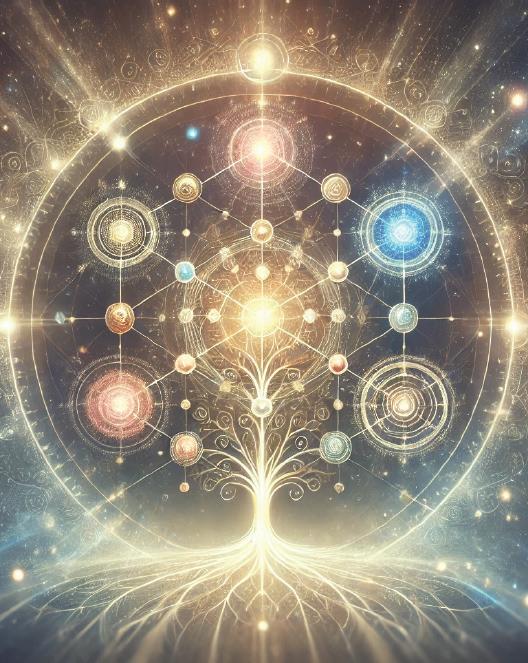
“Plunge into the mystical depths of Kabbalah, where esoteric knowledge flows like a divine river, carving pathways of understanding through the bedrock of reality.”
Numerology is an ancient metaphysical science that studies the relationship between numbers and the events and characteristics of the material world. It is based on the belief that numbers have a profound, mystical significance and can offer insights into a person’s personality, destiny, and life path.
• Numbers as Symbols: In numerology, each number holds a unique vibrational frequency and symbolic meaning. These meanings can influence various aspects of life, including personal traits, opportunities, and challenges.
• Life Path Number: One of the most important numbers in numerology is the Life Path Number, which is derived from a person’s date of birth. This number reveals fundamental characteristics and the overall direction of one’s life journey.
• Expression Number: The Expression Number, also known as the Destiny Number, is calculated from the letters in a person’s full name at birth. It describes natural talents, abilities, and potential.
• Soul Urge Number: The Soul Urge Number, derived from the vowels in a person’s name, delves into inner motivations, desires, and what truly drives an individual at a soul level.
• Personal Year Number: This number is based on the current year and provides insights into the themes and opportunities one might encounter in a specific year. It helps individuals understand cycles and phases in their lives.
• Self-Discovery: Numerology offers insights into your strengths, weaknesses, and unique qualities, helping you understand yourself better.
• Decision Making: Knowing your personal numbers can guide you in making decisions aligned with your true purpose and potential.
• Relationships: Understanding the numbers of people in your life can improve communication, empathy, and compatibility.
• Timing: Numerology can help you identify the best times for starting new projects, making changes, or focusing on personal growth.
Numerology provides a unique lens to view the world, blending ancient wisdom with practical applications in daily life. By understanding the vibrational significance of numbers, individuals can gain insights into their personality, destiny, and life’s broader patterns. Whether it’s navigating relationships, making informed decisions, or identifying opportune moments for action, numerology offers a structured way to explore personal growth and potential. Through the discovery of one’s Life Path, Expression, and Soul Urge Numbers, numerology not only enriches selfawareness but also enhances one’s journey through life’s cyclic rhythms. This age-old science continues to be a valuable tool for those seeking deeper understanding and alignment with their soul’s purpose.
“Unravel the cosmic code of Numerology, where each number holds a key to unlocking the mysteries of the universe, providing insights into the woven fabric of your destiny.”
Ra, one of the most venerated gods in ancient Egyptian mythology, embodies the sun, light, and creation. As the sun god, Ra’s influence is pervasive, seen as the source of life, power, and order. His worship was central to the Egyptian culture and religion for thousands of years, making him a key deity in the Egyptian pantheon.
Ra is typically depicted as a man with the head of a falcon, crowned with a sun disk encircled by the sacred cobra, Uraeus, symbolizing sovereignty and divine authority. This iconography highlights his role as a celestial ruler, illuminating the world and driving away darkness each day. The sun disk represents vitality, enlightenment, and the cyclical nature of life and time.
In Egyptian cosmology, Ra is not only a god of the sun but also a creator deity. According to one creation myth, Ra emerged from the primordial waters of Nun, bringing forth himself and subsequently creating Shu (god of air) and Tefnut (goddess of moisture). These actions set in motion the creation of the world, including other gods and all living things. This myth places Ra at the very heart of the universe’s creation and maintenance.
Ra’s daily journey across the sky in his solar boat, the “Barque of Millions of Years,” is a fundamental aspect of his mythology. Each morning, he is born in the east, and each evening he dies in the west, only to be reborn the next morning. This eternal cycle represents renewal, resurrection, and the continuity of life. His journey also involves nightly passages through the underworld, where he battles the forces of chaos led by the serpent Apep (Apophis). This battle represents the triumph of order over chaos, a daily renewal of the world’s balance and harmony.
Ra’s importance led to his amalgamation with several other gods over time, forming syncretic deities like Amun-Ra, RaHorakhty, and Atum-Ra, each combining attributes of Ra with those of other deities. This blending underscored Ra’s universal authority and the integration of various theological concepts.
In ancient Egypt, Ra was worshipped through elaborate rituals and temple rites, especially at the Great Temple of Ra at Heliopolis, which was considered one of his primary cult centers. His worship included daily prayers, offerings, and hymns to appease and honor him, ensuring the continuation of his protection and blessings upon the land and its people.
Ra’s legacy as a god of the sun and creation extends into modern times, where he is often seen as a symbol of power, creation, and enlightenment. His myths and symbols persist in popular culture, literature, and the arts, reflecting enduring fascination with ancient Egyptian religion and its rich symbolic world.
Conclusion
Ra represents not only the physical sun but also spiritual light and wisdom, emphasizing the interconnection between the cosmic, natural, and human realms. His enduring legacy highlights the depth of human aspiration to understand the divine forces that shape life and the universe.
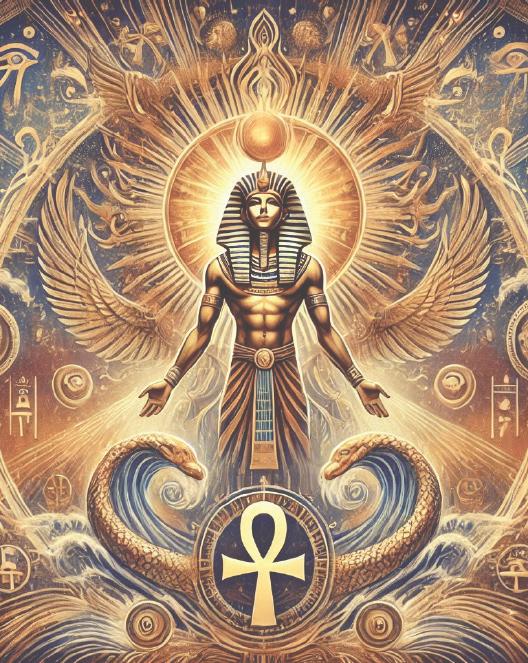
“Bask in the golden glow of Ra, the eternal sun god, whose brilliant light shepherds the day and whose hidden journey through the night represents the perpetual cycle of renewal and enlightenment.”
Samsara is a concept found in many spiritual and philosophical traditions, particularly in Hinduism, Buddhism, Jainism, and Sikhism. It refers to the cycle of birth, death, and rebirth that all beings go through, driven by the law of karma. This cycle is often seen as a journey through various forms of existence, each shaped by the actions (karma) of past lives.
• Cycle of Existence: Samsara is the endless cycle of life, death, and rebirth. It is an ongoing process where the soul transmigrates from one body to another after death, based on its accumulated karma.
• Karma: Karma is the law of cause and effect, where every action has consequences that shape future experiences. Good deeds lead to positive outcomes, while negative actions result in suffering. Karma influences the conditions of one’s rebirth.
• Suffering: Samsara is often associated with suffering and dissatisfaction. The cycle is characterized by impermanence, where everything is transient and subject to change. This impermanence leads to a sense of unfulfillment and suffering.
• Desire and Attachment: Desire and attachment are seen as the primary forces that keep beings trapped in Samsara. Craving for sensory pleasures, material possessions, and the ego’s need for validation perpetuate the cycle of rebirth.
• Liberation (Moksha or Nirvana): The ultimate goal in many spiritual traditions is to break free from Samsara. This liberation is known as Moksha in Hinduism and Jainism, and Nirvana in Buddhism. It represents the end of the cycle of rebirth and the realization of one’s true nature, leading to eternal peace and bliss.
• Meditation and Mindfulness: Practices like meditation and mindfulness help individuals become aware of their thoughts, actions, and desires, enabling them to break free from the patterns that bind them to Samsara.
• Ethical Living: Living ethically, performing good deeds, and cultivating virtues like compassion, patience, and wisdom contribute to positive karma and help in progressing towards liberation.
• Detachment: Developing detachment from material possessions, desires, and the ego is essential for transcending Samsara. It involves understanding the impermanent nature of the world and focusing on the eternal self.
• Spiritual Guidance: Following the teachings of enlightened beings, such as the Buddha, and seeking guidance from spiritual teachers can provide insights and practices to navigate the path to liberation.
The concept of Samsara underscores the profound challenge and opportunity within the human experience. It highlights the cyclical nature of existence bound by karma, where actions and consequences dictate the continuous journey of birth, death, and rebirth. This cycle urges individuals to transcend worldly attachments and desires to attain ultimate liberation—Moksha or Nirvana. By embracing practices such as meditation, ethical living, and detachment, one can gradually mitigate the binds of Samsara, paving the way towards understanding and achieving the true essence of existence: a state of eternal peace and bliss. Ultimately, Samsara is not just a path of endless suffering but a series of lessons that, when understood, can lead to the profound liberation and realization of one’s highest spiritual potential.
“Meditate on the endless wheel of Samsara, understanding that each cycle of birth, life, and rebirth is a step on the spiraling staircase leading to the pinnacle of spiritual realization.”
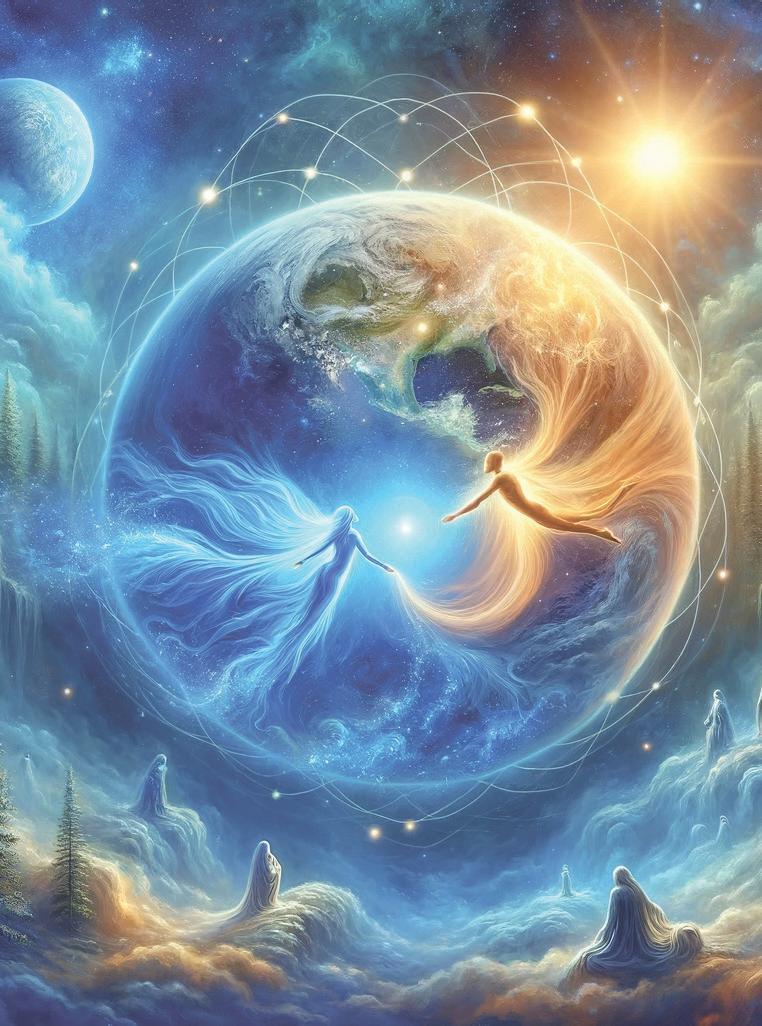
Sekhmet, a powerful and complex deity from ancient Egyptian mythology, embodies the dual aspects of healer and warrior. Her name means “the Powerful One,” and she is often depicted as a lioness or as a woman with the head of a lion, symbolizing her fierce and potent nature.
Sekhmet is the daughter of the sun god Ra, and her role is deeply intertwined with his. She is considered both an agent of his wrath and a manifestation of the solar disk’s scorching heat. According to myth, Ra sent Sekhmet to earth to punish humanity for its rebellion. Her task was to eliminate the dissenters, but her bloodlust became so great that she nearly exterminated the human race. To stop her, Ra tricked her by creating a mixture of beer and red ochre, resembling blood, which she drank to intoxication, halting her slaughter.
Despite her fearsome legends, Sekhmet is also revered as a powerful healer. Her very fierceness is what drives her ability to ward off illness and evil. She is often invoked for protection against plagues and diseases, reflecting her aspect as a goddess who not only causes destruction but also cures it. This dual nature symbolizes the balance of power and benevolence, making her a guardian deity for pharaohs and a guide for healers and magicians.
Sekhmet’s energy speaks to the concept of necessary destruction for rebirth and renewal. Her ferocity can be interpreted as a metaphor for the necessary eradication of negative influences, making way for healing and restoration. She challenges devotees to face their own darker aspects or to confront adversity with strength and resilience.
In ancient times, Sekhmet was worshipped with elaborate rituals meant to appease her fiery temperament. Festivals in her honor involved the use of music, dancing, and intoxicants to mimic her sedation by Ra, ensuring her energies were moderated. Priests and priestesses who served her were skilled in the art of healing, employing chants and spells believed to invoke her powers for medical and protective magics.
Today, Sekhmet continues to be a figure of fascination and reverence. She appeals to those who seek empowerment, particularly in overcoming obstacles and protecting the vulnerable. Her followers often look to her for strength in times of struggle, invoking her fierce spirit to help navigate the challenges of modern life.
Sekhmet embodies the potent forces of destruction and healing, teaching the wisdom of balance and respect for both the generative and destructive aspects of life. Her legacy as both a destroyer and a healer makes her a powerful symbol of the strength and protective care necessary to maintain harmony and health in the cosmos and within ourselves.
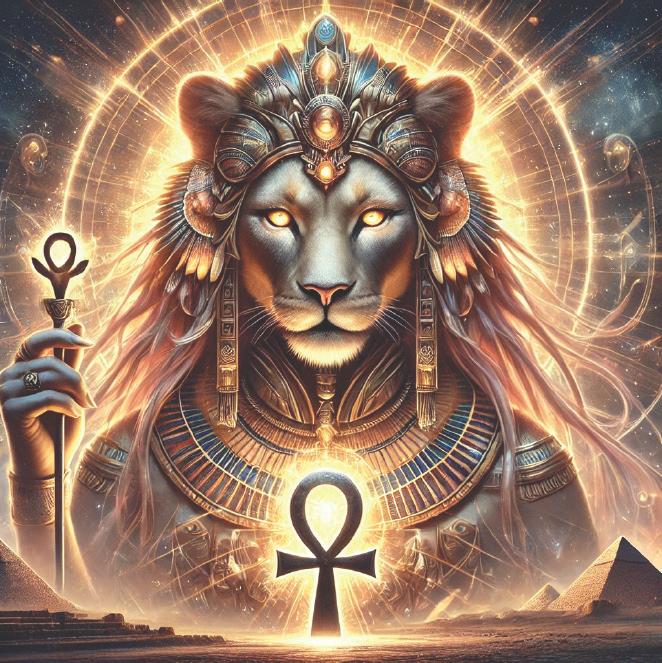
“Invoke the warrior spirit of Sekhmet, goddess of healing and war, embodying the paradox of destruction and creation, her fiery roar a call to awaken your own power and passion.”
The concept of a “starseed” is a modern spiritual notion rooted in New Age beliefs, positing that some individuals are souls from other star systems or dimensions that have incarnated on Earth. These souls are thought to have a specific mission or purpose to foster spiritual growth, elevate consciousness, and assist in the evolution of humanity during critical times of transformation.
Starseeds are believed to originate from various celestial bodies or dimensions—such as the Pleiades, Sirius, Arcturus, or Andromeda—with each group bringing unique traits and abilities to Earth. Their purpose is often described as bringing knowledge, peace, and enlightenment to assist Earth and its inhabitants through periods of significant change and challenges.
Signs of a Starseed
• Feeling of Being Different: Many Starseeds experience a profound sense of not fully belonging on Earth, often accompanied by a yearning for “home” or a place beyond this world.
• Natural Intuition and Spiritual Gifts: Starseeds may possess heightened sensitivity, intuitive abilities, or spiritual gifts that align them with their cosmic mission.
• Connection to the Stars: They often feel a magnetic pull toward the stars, astronomy, or stories of extraterrestrial civilizations.
• Desire to Serve: A strong drive to contribute to the well-being of others, the planet, or the collective consciousness is a hallmark of a Starseed.
Challenges
Starseeds might face several challenges, including:
• Difficulty Adjusting: Adapting to Earth’s dense energies compared to their higher-vibrational home worlds can be difficult, leading to emotional or physical discomfort.
• Isolation and Loneliness: Their profound sense of difference can lead to isolation or feelings of loneliness as they navigate their earthly existence.
• Spiritual Awakening: Many starseeds experience intense or rapid spiritual awakenings that can be both exhilarating and overwhelming.
• Feeling of Being Different: Many Starseeds experience a profound sense of not fully belonging on Earth, often accompanied by a yearning for “home” or a place beyond this world.
• Natural Intuition and Spiritual Gifts: Starseeds may possess heightened sensitivity, intuitive abilities, or spiritual gifts that align them with their cosmic mission.
• Connection to the Stars: They often feel a magnetic pull toward the stars, astronomy, or stories of extraterrestrial civilizations.
• Desire to Serve: A strong drive to contribute to the well-being of others, the planet, or the collective consciousness is a hallmark of a Starseed.
The starseed concept encourages a broader perspective on universal interconnectedness and the potential for multiple forms of life across the cosmos. It fosters a sense of hope and purpose for those who feel aligned with its principles, providing a framework for personal and collective growth.
Starseeds embody the idea that we are all connected to the vast universe and carry within us a spark of the divine. Whether you resonate with being a Starseed or are simply curious, their presence reminds us of the infinite potential of the soul and the boundless love that flows through the cosmos. In exploring the concept of Starseeds, we open ourselves to the mysteries of existence and the possibility of transcending earthly limitations to embrace a greater cosmic harmony.
“Embrace your identity as a Starseed, an interstellar pilgrim seeded on
Earth to awaken and ascend,
your
celestial origins a beacon of light and wisdom
to
those navigating the shadows.”
Taoism, also spelled Daoism, is an ancient philosophical and spiritual tradition that originates from China, dating back over 2,500 years. It emphasizes living in harmony with the Tao (Dao), which is often translated as “the Way” or “the Path.” The Tao is considered the ultimate creative principle of the universe, a force that flows through all life and is the source of everything that exists, though it itself transcends existence and definition.
• The Tao: Central to Taoism is the concept of the Tao, an ineffable, guiding force that governs the universe and all within it. The Tao is both everything and nothing, embodying the duality and unity of existence. It is believed that by understanding and aligning with the Tao, individuals can live a life of balance, peace, and harmony.
• Yin and Yang: This symbolizes the dual nature of existence—opposite but complementary forces that are found in all things. Taoism teaches that harmony between these forces leads to health and well-being, while imbalance results in discord and suffering.
• Wu Wei: Often translated as “non-action” or “effortless action,” wu wei is the practice of taking action in accordance with the flow of the Tao. It suggests an approach to life where actions are taken naturally, without force or excessive effort, allowing things to unfold in their own time.
• Simplicity, Patience, Compassion: Taoism advocates for a simple life, valuing simplicity, patience, and compassion above material wealth or social status. By embodying these virtues, individuals can cultivate a deeper connection with the Tao.
• Meditation and Qigong: Taoists practice meditation and qigong (a system of physical exercise and breath control) to cultivate qi (vital energy) and achieve inner peace and spiritual growth.
• Alchemy and Immortality: Some Taoist sects have pursued internal alchemy with the goal of attaining spiritual enlightenment and, in some cases, physical immortality. This involves rituals and practices aimed at purifying the body and spirit.
• Harmony with Nature: Taoism teaches respect for the natural world as an expression of the Tao. Living in accordance with natural laws is seen as essential for achieving harmony and balance in one’s life.
Modern Taoism
Today, Taoism continues to be practiced worldwide. Its teachings on harmony, simplicity, and mindfulness resonate with many seeking alternative spiritual paths or ways to cope with the complexities of modern life. Taoism’s emphasis on living in accordance with the natural flow of the universe offers a timeless wisdom that appeals to people across different cultures seeking peace and understanding in a tumultuous world.
Conclusion
Taoism offers profound insights into the art of living harmoniously within the natural order of the universe. Taoism continues to resonate across cultures, providing timeless wisdom and practical approaches to navigating the complexities of modern existence. Through its teachings, Taoism encourages a deep connection with the natural world and a respectful coexistence with all beings, promoting a life that is in tune with the ultimate creative principle of the Tao. This enduring relevance underscores Taoism’s universal appeal, inviting all who seek to understand and embody its profound teachings in their journey toward personal and communal harmony.
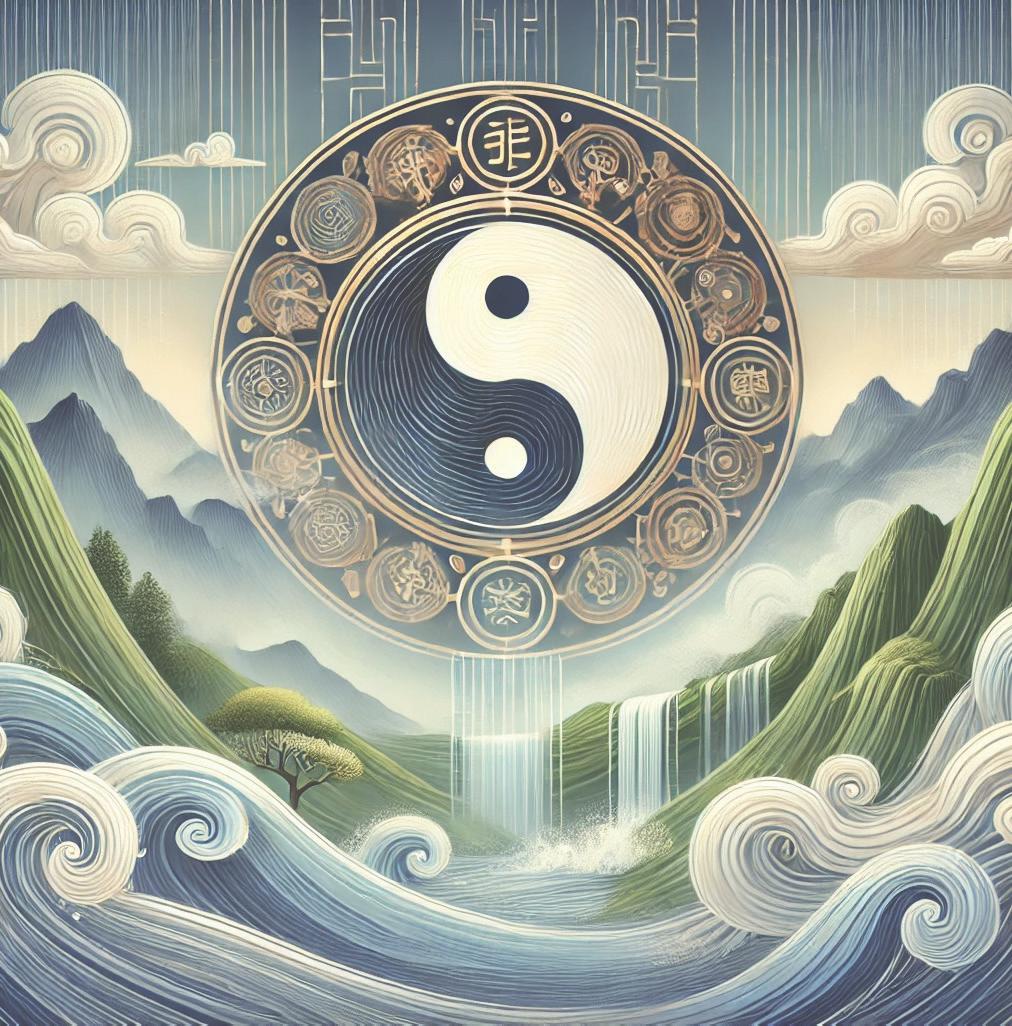
“Adopt the flowing harmony of Taoism, embracing its teachings of simplicity and balance, fi nding your path not by force but through yielding, aligning effortlessly with the natural rhythms of the cosmos.”
Tarot is a fascinating tool for divination and personal reflection, consisting of 78 cards, each filled with symbolic imagery and profound archetypes. The Tarot deck is divided into two main parts: the Major Arcana, which has 22 cards, and the Minor Arcana, which includes 56 cards. These sections together offer a comprehensive reflection of human experiences and spiritual lessons.
The origins of Tarot are somewhat mysterious, with roots possibly tracing back to the 15th century in various parts of Europe like Italy, France, and Austria. Initially used for games, the Tarot’s divinatory usage began to solidify in the 18th century, particularly within mystical and occult traditions.
The Major Arcana cards, also known as the Trumps, depict significant life themes and spiritual lessons. They are often referred to as the “Fool’s Journey,” representing the story of one’s journey through life, from innocence and ignorance (The Fool, card 0) through realization and enlightenment (The World, card 21). Each card stands for a specific life stage or an aspect of human consciousness, offering insights into complex situations and life’s larger questions.
The Minor Arcana resembles a traditional deck of playing cards and is divided into four suits: Cups, Pentacles, Swords, and Wands, each corresponding to a different aspect of human experience. Cups deal with emotional matters, Pentacles with material aspects, Swords with intellectual and conflict scenarios, and Wands with enterprise and ambition. Each suit progresses from the Ace to the King, narrating the interactions of daily life and the decisions that shape our destiny.
Tarot is used in various ways but most commonly in readings intended to offer insight into past, present, or future situations. By reflecting on the cards’ symbols and how they relate to one’s life, users can gain perspectives that are not immediately obvious, helping to illuminate possible decisions or the underlying dynamics of interpersonal relationships.
While often used for fortune-telling, many people approach Tarot as a tool for personal growth and self-discovery. Tarot cards can serve as mirrors to the soul, revealing hidden truths and offering new angles on one’s personal narrative. They encourage a deeper understanding of the self and the universe, acting as gateways to the subconscious mind.
Tarot serves as a profound tool for self-discovery and guidance, offering insights into the journey of life—from the innocence of The Fool to the enlightenment of The World. As users navigate through the symbolic landscapes of the Major and Minor Arcana, they unlock deeper understandings of their personal and spiritual challenges. This transformative power extends beyond mere divination; it facilitates personal growth and psychological insight, making Tarot a valuable companion in exploring the complexities of human experiences and relationships. Embracing diversity in its imagery, modern Tarot continues to evolve, resonating with a broader audience and enriching the practice with cultural and artistic expressions that celebrate the spectrum of human expression.
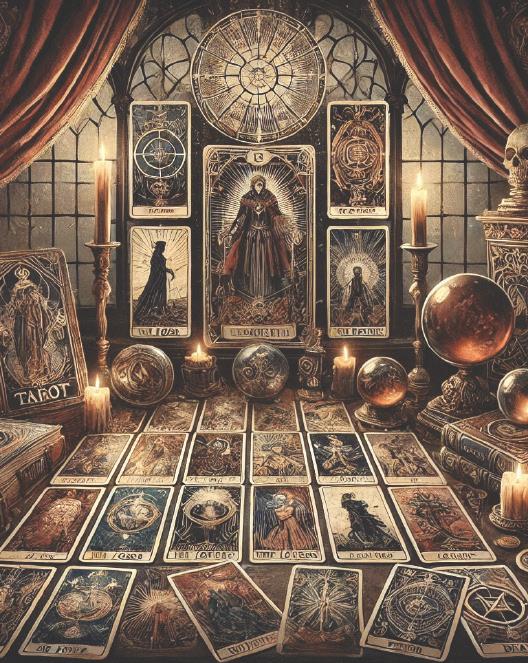

“Consult the mystical Tarot, a deck of symbolic gateways that open into the labyrinthine passages of your psyche, guiding you through reflections and revelations that shape your spiritual journey.”

3rd Initiation
Embark on your spiritual journey with the “Soul” initiation, where you are invited to explore the profound cleansing and renewal of your soul. This initiation delves deep into the transformative power of spiritual rebirth, illuminating the path your soul undertakes to purify and prepare itself for higher levels of consciousness. It’s an exploration that goes beyond mere learning; it’s about experiencing a profound awakening to your spiritual essence.
The “Soul” initiation guides you through reflective insights on the symbolic act of baptism and its implications for spiritual rebirth. By engaging with these topics, you begin to appreciate the deep cleansing and liberation of your soul from past karmic burdens. You are encouraged to view this spiritual renewal as a necessary step towards achieving clarity, purity, and a deeper connection with the divine. This understanding invites you to embrace the transformative waters that wash away the old, making space for new growth and enlightenment.
Simply reading and connecting with the topics in this section can unlock new dimensions of understanding about your spiritual renewal. Each concept serves as a gateway, opening deeper insights into the mechanisms of spiritual cleansing and rebirth. This passive engagement is transformative, offering you a way to reflect on and integrate profound truths about your spiritual evolution into your daily life.
Through the “Soul” initiation, your perspective on life’s spiritual journey begins to shift. You are prompted to view each challenge and experience as part of a larger divine plan that facilitates your soul’s purification and growth. This shift fosters a deeper appreciation for the cyclical nature of spiritual life and a renewed commitment to live in alignment with your soul’s higher purpose.
This initiation serves as a gateway to deeper explorations of your spiritual essence within the book. It lays a foundational understanding of the soul’s need for periodic renewal, which enhances your engagement with subsequent topics. Each theme builds upon the last, encouraging ongoing discovery and a growing realization of your profound connection to the spiritual dimensions.
Engaging with the “Soul” initiation is a transformative experience that opens up layers of understanding about the soul’s need for renewal and purification. This section invites you to explore a path of both spiritual and personal enlightenment, where reading becomes an active journey into self-discovery and a deeper appreciation of your spiritual growth. Carry forward this awareness as you delve deeper into the book, allowing the insights gained here to guide and enrich your journey through life.
The connection to our ancestors goes beyond mere lineage and genealogy; it is a profound spiritual relationship that influences our lives in both visible and subtle ways. Understanding the energy we inherit from our ancestors and the significance of balancing this energy can enhance our spiritual journey and promote deep healing.
• Gifts and Talents: Along with challenges, we inherit numerous positive traits from our ancestors. These can include specific skills, talents, and strengths that have been passed down through generations. For instance, artistic abilities, intellectual capabilities, or a natural inclination toward compassion and empathy may be gifts embedded in our DNA.
• Resilience and Wisdom: The trials and triumphs of our ancestors contribute to a reservoir of resilience and wisdom that we can draw upon. This inherited resilience helps us navigate our own life challenges more effectively, knowing that our lineage has survived and even thrived through hardships.
• Spiritual Inclinations: Many find that they have a natural inclination toward certain spiritual practices or beliefs, a thread that can often be traced back through generations. This spiritual heritage can provide a sense of continuity and grounding in one’s personal faith or practice.
• Healing Negative Patterns: By acknowledging and addressing negative cycles within a family—such as unresolved conflicts, traumas, or destructive behaviors—we can heal not only ourselves but also free our descendants from having to resolve these issues. Techniques like family constellations therapy, ancestral veneration, and meditative practices aimed at healing ancestral karma are tools used to bring about this balance.
• Enhancing Positive Energies: Just as important as healing negative traits is the recognition and enhancement of positive ancestral energies. Celebrating and cultivating the inherited gifts and strengths allows these qualities to flourish in current and future generations, strengthening the entire family line.
• Karmic Balancing: From a spiritual perspective, engaging in acts of kindness, forgiveness, and understanding can balance karmic debts associated with our ancestors. This not only impacts our personal growth but also aids in elevating the collective family energy.
• Cyclical Nature of Life: Recognizing the cyclical nature of life through the lens of ancestral experiences teaches us about the impermanence and continual evolution of existence. This understanding can foster a deep acceptance of life’s ebbs and flows and encourage a balanced approach to life’s challenges and blessings.
Conclusion
The journey of understanding and balancing the energies we inherit from our ancestors is a profound aspect of spiritual growth. It connects us with our roots, enriches our lives with inherited wisdom, and empowers us to forge a positive path forward, not just for ourselves but for future generations. In this way, our ancestors not only shape who we are but also who we become, weaving a tapestry of interconnected lives across time and space.
“Embrace the whispers of your Ancestors, whose spirits dance in the winds of time, offering wisdom and strength that transcend generations, guiding your steps with the echoes of their enduring love and lessons.”
Art holds a profound place on the spiritual path, serving as a bridge between the visible world and the invisible realms of the spirit. It’s a powerful tool that helps express the inexpressible, explore the ineffable, and communicate deep truths about the human experience and the universe at large.
Art provides a unique medium through which individuals can express their inner thoughts, emotions, and spiritual experiences. It allows for the externalization of the internal, offering a form of expression that words often cannot capture. This expression can be deeply therapeutic and illuminating, helping individuals understand and integrate their inner experiences.
Many spiritual traditions use art as a means to connect with the divine. Sacred images, symbols, and mandalas are used in practices to focus the mind, invite spiritual presence, and manifest divine aspects into the material world. Art can act as a portal to higher consciousness, facilitating meditation, prayer, and spiritual insight.
Art transcends cultural and linguistic barriers, offering a universal language that speaks directly to the soul. It can evoke profound emotional responses and insights, regardless of the viewer’s background or beliefs. This universality makes art an invaluable tool for conveying spiritual truths and wisdom across different cultures and epochs.
Artistic creation and engagement can be profoundly healing. It taps into deep layers of the psyche, allowing for the exploration and resolution of inner conflicts, traumas, and suppressed emotions. Through art, individuals can achieve catharsis, personal transformation, and a deeper understanding of themselves and their place in the world.
In many spiritual practices, creating art is a way to visualize and manifest desired spiritual, emotional, and physical states. By drawing or painting their visions, individuals can solidify their intentions and bring them closer to reality. This practice harnesses the creative power of the mind and aligns it with the creative forces of the universe.
Art creates community by bringing people together in shared appreciation or participation. In a spiritual context, communal art projects can enhance connectivity, empathy, and mutual understanding. They can celebrate collective rituals, honor deities, or express communal prayers and hopes.
Art allows for the exploration of universal archetypes and themes that recur in human spirituality. Through artistic representation, individuals can engage with these timeless symbols and narratives, exploring their personal and collective meanings. This exploration can lead to profound insights into the nature of human existence and the spiritual forces that shape our lives.
Art leaves a legacy that can inspire and inform future generations. Sacred art from ancient times continues to inspire and teach us today, providing insights into the spiritual lives of our ancestors and preserving their wisdom and experiences.
In essence, art enriches the spiritual journey by deepening the understanding of oneself and the universe, bridging the material and the spiritual, and fostering a profound connection with the divine. It is both a personal exploration and a universal expression, making it an indispensable element of the spiritual path.
“Delve into the realm of Art, where the brush strokes of your soul paint the invisible emotions of the heart, capturing the divine interplay between light and shadow, and revealing the profound truths etched in the canvas of your spirit.”
An aura is often described as an electromagnetic field that surrounds a person’s body, reflecting their energy and spiritual state. It is associated with the individual’s mental, emotional, and spiritual health and is a fundamental concept in many spiritual and holistic practices.
Components of the Aura
• Multi-Layered Structure: The aura is composed of multiple layers, each corresponding to different aspects of our being. These layers include the physical, emotional, mental, and spiritual bodies, often referred to as the etheric, astral, mental, and causal layers.
• Color and Vibrancy: The colors and vibrancy of the aura can vary widely, reflecting our current state of health, emotions, thoughts, and spiritual condition. Bright, clear colors indicate balance and vitality, while dark, murky colors may signify imbalances or blockages.
• Dynamic and Fluid: The aura is dynamic and constantly changing. It responds to our internal states, external environments, and interactions with others. This fluidity means the aura can expand, contract, and shift based on our experiences and well-being.
• Sensitivity to Energies: The aura is highly sensitive to external energies, including those from other people, environments, and spiritual entities. This sensitivity allows for the exchange of energetic information and influences our interactions and experiences.
Viewing the Aura
Some individuals naturally perceive auras, while others may learn to sense these fields through practice. Techniques like Kirlian photography have been utilized to capture the visual essence of auras, providing a more tangible representation of this phenomenon.
• Reflection of Inner State: The aura mirrors our inner health and spiritual state, providing insights into our physical condition, emotional balance, mental clarity, and spiritual alignment.
• Protection and Boundaries: It acts as a protective barrier that filters external energies, shielding us from negative influences and helping to maintain energetic integrity.
• Connection to Higher Realms: The aura serves as a conduit to higher planes of consciousness, enabling spiritual experiences, intuitive insights, and divine communications.
• Healing and Transformation: Engaging with the aura can facilitate healing and personal transformation by clearing energetic blockages, healing emotional wounds, and enhancing overall well-being.
Conclusion
Understanding and interacting with the aura provides a rich framework for exploring the interconnectedness of all existence, the divine nature, and the spiritual mission of human life, inviting seekers to delve into the mysteries of existence and the cosmos.
“Behold
the luminescent tapestry of your Aura, a celestial cloak woven from the threads of your spiritual essence, shimmering with the colors of your inner state and reflecting the divine light that radiates from your core.”
Baptism is a sacred ritual practiced in many spiritual and religious traditions. It symbolizes purification, renewal, and a profound spiritual awakening.
Symbolism and Meaning
• Purification: Baptism is often seen as a cleansing process, washing away impurities or past sins and preparing the individual for a new spiritual journey.
• Renewal: It represents a rebirth or a fresh start, marking the beginning of a new phase in one’s spiritual life.
• Spiritual Awakening: Baptism signifies a deeper connection with the divine, an awakening to one’s spiritual essence and purpose.
• Community and Belonging: In many traditions, baptism is also a rite of initiation into a spiritual community, signifying acceptance and belonging.
Practices and Traditions
• Water Baptism: The most common form involves the use of water, symbolizing purification and renewal. This can be done through immersion, pouring, or sprinkling water over the individual.
• Spirit Baptism: In some traditions, baptism is also understood as a spiritual experience where the individual is filled with the Holy Spirit or divine energy, leading to a heightened state of spiritual awareness.
• Ceremonial Elements: Baptism ceremonies often include prayers, blessings, and affirmations. They may be conducted in sacred places such as churches, temples, or natural bodies of water like rivers or oceans.
• Personal Commitment: The individual undergoing baptism often makes personal commitments or vows to live a life aligned with spiritual principles and values.
• Christianity: Baptism is one of the central sacraments, symbolizing the washing away of sins and the beginning of a new life in Christ. It is usually performed with water and can take place at any age.
• Hinduism: Though not termed as baptism, rituals like the Upanayana (sacred thread ceremony) serve as initiations into spiritual life, symbolizing purification and the start of a disciplined spiritual journey.
• Buddhism: Baptism-like rituals in Buddhism involve taking refuge in the Three Jewels (the Buddha, the Dharma, and the Sangha) and committing to the Five Precepts, symbolizing a new beginning in the spiritual path.
• Judaism: While traditional Judaism does not practice baptism, the Mikveh, a ritual bath, serves a similar purpose of purification and spiritual renewal.
• Spiritual Initiations: In various other spiritual paths, initiation ceremonies may include elements of baptism, signifying the individual’s entry into a deeper spiritual understanding and practice.
Baptism, in its many forms, is more than a ritual; it is a profound act of spiritual alignment and renewal. It invites individuals to connect deeply with their spiritual essence, to cleanse and renew their commitment to their path, and to embrace a new phase of their spiritual journey. Through this sacred initiation, one acknowledges their inherent divinity and steps into a life of greater spiritual awareness and purpose.
“Immerse yourself in the sacred waters of Baptism, where each droplet purifies and renews, whispering secrets of rebirth and divine clarity, and awakening your soul to the infinite flow of spiritual grace.”
Boundaries are essential on the human path. They help individuals define their personal space, respecting their own needs and the needs of others, and play a crucial role in the journey towards self-awareness and spiritual fulfillment.
• Psychological Safety: Boundaries create a safe space for individuals to explore their feelings and experiences without fear of judgment or intrusion. This safety is crucial for addressing deep-seated emotional wounds and traumas.
• Emotional Regulation: By setting limits on interactions and behaviors that trigger negative emotions, boundaries aid in emotional regulation. They help individuals manage their emotional responses more effectively, contributing to greater emotional stability.
• Personal Identity and Integrity: Boundaries are expressions of personal identity. They help individuals define who they are and what they value, reinforcing their integrity and self-respect.
• Fostering Autonomy: Spiritual autonomy involves making independent decisions about one’s spiritual journey. Boundaries support this by allowing individuals to choose their paths without undue influence from others.
• Facilitating Spiritual Discernment: Setting boundaries helps individuals discern which relationships and activities align with their spiritual values and which do not, guiding them towards more meaningful and fulfilling engagements.
• Protecting Spiritual Energy: On a journey filled with both challenges and insights, protecting one’s spiritual energy is paramount. Boundaries prevent this energy from being drained by external demands or negative influences.
• Promoting Respect and Mutual Understanding: Clear boundaries communicate to others how they can interact with you respectfully and vice versa. This mutual understanding is foundational for healthy relationships and community building.
• Enhancing Self-Esteem and Self-Worth: Enforcing boundaries reinforces self-worth as individuals acknowledge their right to space, respect, and peace. This self-affirmation is key to personal esteem and confidence.
• Encouraging Healthy Relationships: Boundaries prevent dependencies and co-dependency by establishing a clear demarcation of where one person ends and another begins, which is crucial for any healthy relationship.
• Self-Awareness: Understanding personal limits and needs is the first step in setting effective boundaries. Reflect on past experiences to identify what behaviors or situations feel uncomfortable or unacceptable.
• Clear Communication: Articulate your boundaries clearly and assertively to others without apology. Clear communication prevents misunderstandings and ensures that your boundaries are respected.
• Consistency: Consistently upholding boundaries is essential for them to be effective. This may require repeatedly asserting and reinforcing boundaries to others.
• Flexibility: As you grow and evolve, your needs may change, and so might your boundaries. Be open to reassessing and adjusting them as necessary to match your current path of personal and spiritual growth.
In summary, boundaries are not just protective barriers; they are affirmative declarations of self-respect and self-care. They empower individuals to navigate the complexities of life and relationships with confidence and peace, significantly contributing to the healing and spiritual growth necessary for a balanced and fulfilling life.
“Forge your Boundaries with the wisdom of ages, weaving a tapestry of self-respect and clarity that safeguards your inner sanctuary, allowing only the energies of love and light to permeate your sacred space.”
Chakras are profound energy centers within the body that serve as gateways to higher consciousness, bridging the physical and spiritual realms. Originating from ancient Indian spiritual traditions, chakras are visualized as spinning wheels or vortexes of energy, each associated with specific qualities and functions that influence our overall well-being and spiritual growth. There are seven primary chakras, each located along the spine, from the base to the crown of the head, each resonating with a unique vibrational frequency.
The Seven Major Chakras
1. Root Chakra (Muladhara) is the foundation of our energetic system, anchoring us to the physical plane and the Earth’s energy. It embodies our primal connection to the material world and our sense of safety and security. Balancing this chakra fosters a deep sense of rootedness, allowing spiritual energy to rise through the higher chakras.
2. Sacral Chakra (Svadhisthana) governs our creative and sexual energies, representing the flow and flexibility of our emotional life. It is the center of passion, procreation, and artistic expression. Balancing this chakra enhances our ability to connect deeply with others and embrace the flow of life’s pleasures and challenges.
3. Solar Plexus Chakra (Manipura) is the seat of our personal power and identity. It embodies our willpower, self-esteem, and the capacity to transform our lives. This chakra is the alchemical fire that fuels our ambitions and drives us to manifest our true potential. Balancing it brings clarity of purpose and a strong sense of self.
4. Heart Chakra (Anahata) is the bridge between the lower physical chakras and the higher spiritual chakras. It is the center of unconditional love, compassion, and emotional healing. Balancing this chakra opens us to the divine love that connects all beings, fostering empathy and deep relational harmony.
5. . Throat Chakra (Vishuddha) governs our ability to communicate and express our truth. It is the center of verbal and non-verbal expression, creativity, and the transmission of higher truths. Balancing this chakra enhances our ability to articulate our inner wisdom and align our actions with our spiritual values..
6. Third Eye Chakra (Ajna) is the center of intuition, inner vision, and higher perception. It allows us to see beyond the physical realm and access deeper spiritual insights and wisdom. Balancing this chakra enhances our psychic abilities and intuitive understanding, guiding us on our spiritual path with clarity and foresight.
7. Crown Chakra (Sahasrara) is the gateway to higher consciousness and spiritual enlightenment. It connects us to the infinite and the divine source of all creation. Balancing this chakra fosters a profound sense of spiritual connection, universal understanding, and the realization of our oneness with the cosmos.
Practices for Balancing Chakras
Balancing chakras involves various practices aimed at enhancing the flow of energy through these centers:
• Yoga: Specific postures and breathing exercises can help open and align the chakras.
• Meditation: Visualization and meditation can clear blockages in the energy centers.
• Reiki: This form of energy healing is intended to balance the chakras.
• Sound Therapy: Each chakra is associated with particular frequencies and sounds that can stimulate and balance the chakra.
• Aromatherapy and Crystals: Certain essential oils and crystals are believed to align and balance specific chakras.
Conclusion
Understanding and working with chakras can lead to greater balance, well-being, and spiritual awakening. This holistic approach emphasizes the integration of body, mind, and spirit to achieve a harmonious state of being.
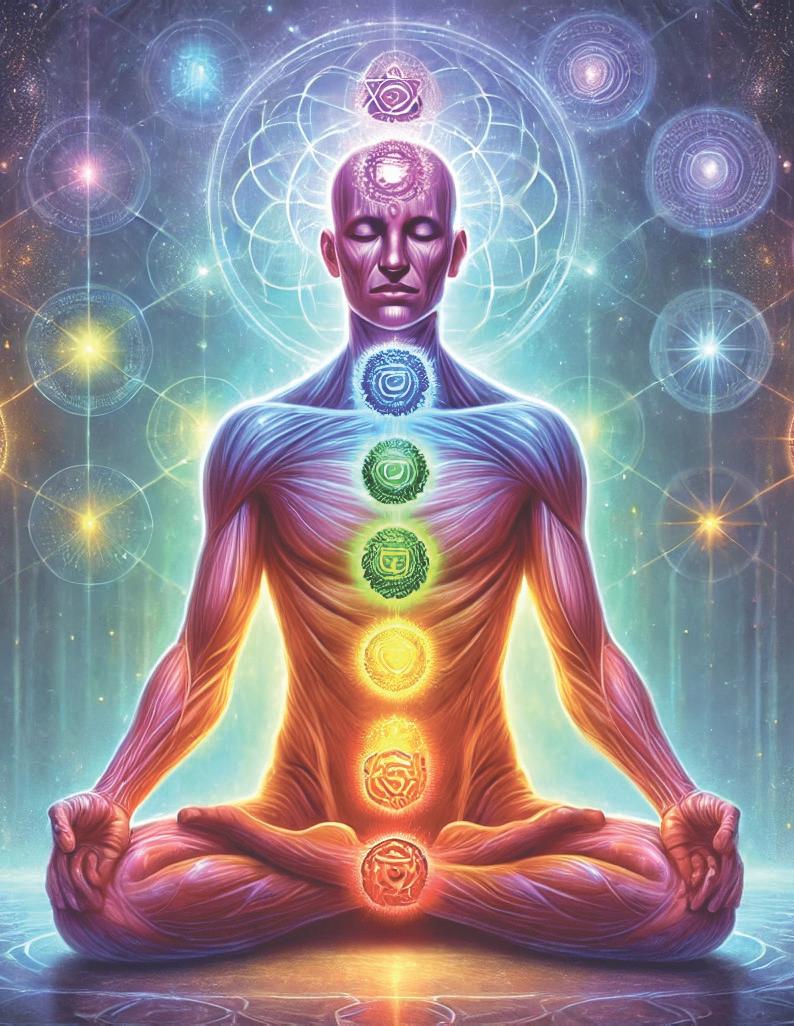
“Align your Chakras, the spinning wheels of cosmic energy, each a gateway to deeper understanding and balance, harmonizing the flow of life force that spirals through you, orchestrating the symphony of your energetic essence.”
The elements—Earth, Water, Fire, Air, and sometimes Ether (or Spirit)—are considered the fundamental building blocks of existence in many spiritual traditions. They represent both the physical and metaphysical forces that shape the world and influence our lives. Each element embodies distinct qualities and energies that reflect aspects of nature, humanity, and the cosmos.
Earth symbolizes the physical, material, and foundational aspects of existence. It is associated with grounding, stability, and abundance. As the element of the tangible, Earth reminds us to stay connected to the present moment and nurture our roots.
• Qualities: Solid, supportive, nurturing
• Symbolism: Strength, endurance, and practicality
• Practices: Grounding exercises, connecting with nature, and cultivating stability
Water:
Water represents the realm of emotions, intuition, and adaptability. It reflects our capacity for change, healing, and connection with our inner depths. Like a river, Water teaches us to flow with life’s currents while maintaining our essence.
• Qualities: Fluid, nurturing, purifying
• Symbolism: Healing, intuition, and emotional depth
• Practices: Meditation by water, emotional cleansing, and nurturing creativity
Fire embodies energy, passion, and transformation. It represents the power of action, courage, and the drive to create and destroy. Fire invites us to harness our inner power for growth and illumination.
• Qualities: Dynamic, transformative, energizing
• Symbolism: Inspiration, willpower, and vitality
• Practices: Candle meditations, setting intentions, and embracing creativity
Air symbolizes the realm of intellect, communication, and inspiration. It governs the mind, clarity of thought, and the exchange of ideas. Air reminds us of the importance of breathing, freedom, and connecting with higher knowledge.
• Qualities: Light, expansive, communicative
• Symbolism: Wisdom, clarity, and imagination
• Practices: Breathwork, journaling, and seeking new perspectives
Ether, also known as Spirit, is the subtle element that represents the unseen, the divine, and the interconnectedness of all things. It transcends the physical realm and links us to the infinite.
• Qualities: Subtle, expansive, omnipresent
• Symbolism: Unity, higher consciousness, and transcendence
• Practices: Meditation, prayer, and connecting with the divine
The elements are not only external forces but also reflect aspects of our inner selves. They invite us to explore balance and harmony within, recognizing how each element plays a role in our physical, emotional, mental, and spiritual wellbeing.
By working with the elements, we deepen our connection to nature, ourselves, and the greater cosmos. They guide us to live in harmony, reminding us that balance among Earth, Water, Fire, Air, and Ether is the key to understanding the essence of existence and aligning with the flow of life.
“Dance with the Elements, each a symphony of nature’s profound gift s—Earth grounds you, Water heals you, Fire transforms you, and Air liberates you, together guiding your spirit through the cycles of life and spiritual ascension.”
In the spiritual journey, emotions are sacred signals, speaking the language of the soul. They serve as a direct communication from our deeper selves, revealing truths about our innermost desires, fears, and longings. Each emotion carries a unique message, encouraging us to look inward and reflect on our true spiritual path.
• Mirrors of Our Inner World: Emotions reflect our deepest vulnerabilities and strengths, mirroring the state of our spiritual being. By observing our emotional responses, we can gain insights into where we are aligned with our highest self and where we need to grow.
• Catalysts for Spiritual Growth: Challenging emotions like sadness, anger, shame, or fear are often seen as obstacles, but in spirituality, they are vital teachers. They invite us to explore unresolved issues, heal past wounds, and transcend our limitations, thus fostering our spiritual evolution.
• Messengers of Balance: Emotions help maintain spiritual balance. Joy and peace suggest spiritual alignment, while discomfort or turmoil might indicate areas of our lives that are out of sync with our soul’s purpose.
• Tools for Connection: Emotions connect us to the collective human experience, reminding us of our shared struggles and joys. This connection is a powerful source of empathy, compassion, and understanding, deepening our relationship with others and the divine.
• Mindful Awareness: Cultivate a practice of mindfulness where you observe your emotions without judgment. This awareness allows you to understand the roots of your feelings and the messages they carry, without being overwhelmed by them.
• Emotional Release: Engage in practices that allow for the healthy expression and release of emotions, such as meditation, prayer, journaling, or creative arts. These practices can help process emotions constructively, transforming them from raw feelings into pathways of insight.
• Compassionate Acceptance: Approach each emotion with compassion and acceptance. Recognizing that every feeling is part of your spiritual fabric makes it easier to embrace the lessons they offer.
• Spiritual Integration: Integrate your emotional experiences into your spiritual practice. Each emotion, from joy to despair, is part of your spiritual curriculum, guiding you towards a more profound understanding of your soul’s journey.
• Forgiveness and Healing: Forgiveness, both of self and others, is crucial in dealing with negative emotions. It releases the bonds of past hurts and opens the heart to new, healing energies.
Conclusion
In the realm of spirituality, emotions are not to be feared or suppressed but embraced as essential guides on the path to enlightenment. They are the whispers of your soul, guiding you to uncover your true spiritual nature and to live a life aligned with your highest self. By facing and balancing your emotions, you embark on a transformative journey that not only elevates your own spirit but also brings light to the world around you.
“Navigate the oceans of your Emotions, each wave a deep stir of the heart, sailing you closer to the shores of self-discovery and spiritual wisdom, where the depths of feeling illuminate the truths your soul seeks.”
The Etheric Body, also known as the vital body, is a subtle energy field that interpenetrates and surrounds the physical body. It is the first layer of our aura, closely linked to our physical health and vitality, serving as a bridge between the material world and our more subtle spiritual dimensions. Understanding and nurturing the Etheric Body is crucial for those on a spiritual path, as it influences not only physical well-being but also our energetic resonance with higher spiritual realms.
• Subtle Energy Framework: The Etheric Body is composed of a fine network of energy channels, known as nadis or meridians, through which vital energy, or prana, flows. This lattice of energy supports the physical structure, underpinning every cell, tissue, and organ with vital force that sustains life and facilitates physical functions.
• Reservoir of Vitality: This subtle body is the reservoir of life energy that powers all physical and some psychological activities. It acts as a battery, storing the energy derived from food, air, and sunlight, and distributing it throughout the physical body. When the flow of energy in the Etheric Body is balanced and unimpeded, it promotes health and vigorous activity; blockages or imbalances can lead to physical ailments and diminished energy levels.
• Interface for Cosmic Energy: The Etheric Body not only manages the distribution of energy within the physical form but also acts as an interface for cosmic energies to enter the human system. It adjusts these energies to be assimilated by the physical body and helps elevate the overall frequency of the being, making it a critical component in spiritual practices such as meditation, healing, and energy work.
• Blueprint for Physical Manifestation: In spiritual terms, the Etheric Body is considered the blueprint or template for the physical body. It holds the energetic imprint of every physical feature and bodily function, and any changes in the Etheric Body can eventually manifest in the physical plane. This connection underscores the potential for healing and transformation through energetic practices that target the Etheric Body.
Engaging with the Etheric Body
• Energy Healing Techniques: Practices such as Reiki, acupuncture, and qigong work directly with the Etheric Body, enhancing the flow of vital energy. These modalities can help clear blockages, balance energy, and restore vitality, directly influencing physical health and spiritual well-being.
• Meditative Practices: Visualization and meditation can strengthen and purify the Etheric Body. Techniques that involve imagining light or energy flowing smoothly through the body can help cleanse the Etheric field, enhancing both physical vitality and spiritual clarity.
• Diet and Lifestyle: A balanced diet rich in life-force energy (prana) from natural sources like fresh fruits and vegetables can significantly support the health of the Etheric Body. Regular physical activity and exposure to natural environments also invigorate this vital energy system.
The Etheric Body is more than just a vital component of our physical existence; it is a profound connection to the broader universe. By understanding and nurturing this essential aspect of our being, we can enhance our physical health, deepen our spiritual experiences, and live a more balanced and harmonious life. Engaging with our Etheric Body allows us to access deeper layers of consciousness and align more closely with our true spiritual nature, paving the way for transformative growth and enlightenment.
“Attune to your Etheric Body, the vibrant silhouette that frames your physical form, channeling celestial energies and grounding them into your earthly existence, a conduit of vitality and a guardian of your spiritual continuum.”
Feelings are the subjective experiences of emotions, representing how we personally interpret and respond to emotional stimuli. While emotions can manifest with observable physical and behavioral signs, feelings are internal experiences that are personal and private.
• Subjective Nature: Feelings are deeply personal and can vary significantly between individuals facing the same situation. This variation depends on one’s personal history, temperament, environment, and underlying beliefs.
• Conscious Awareness: Feelings are experienced with a conscious awareness, meaning we are typically aware of what we feel and can reflect on the emotion. This awareness also allows for the self-regulation of emotions to some extent.
• Cognitive Interpretations: Feelings are shaped by our cognitive appraisal of a situation, which involves our thoughts, memories, and interpretations. This means that two people can feel differently about the same event based on their personal experiences and expectations.
• Intensity and Duration: The intensity and duration of feelings can vary. Some feelings are intense but shortlived, like a flash of anger, while others, such as grief, can be less intense but more enduring.
• Decision Making: Feelings can influence our decisionmaking processes, guiding us in choosing actions that are congruent with our values and desires.
• Communication: Feelings are crucial for interpersonal relationships and communication. They help convey our emotional state to others, which can foster empathy and understanding.
• Motivation: Positive feelings like joy and passion can motivate individuals to pursue goals, while negative feelings like fear and anxiety can motivate actions to avoid threats or harm.
• Mental Health: Managing feelings effectively is vital for mental health. Properly processing and expressing feelings can prevent them from becoming overwhelming and can contribute to overall emotional resilience.
• Deepening Relationships: Feelings deepen our relationships with others by fostering empathy, compassion, and understanding. These qualities are essential for building spiritual communities that support each individual’s growth and offer a collective vibrational uplift.
• Enhancing Divine Connection: Feelings are a direct link to the divine. They can be seen as vibrations that connect us to the higher frequencies of love and universal consciousness. By honoring and understanding our feelings, we open ourselves to more profound spiritual experiences and a closer connection with the divine essence.
• Navigating the Spiritual Path: Ultimately, feelings are invaluable navigational tools on the spiritual path. They guide us through life’s lessons and challenges, offering clarity and encouragement as we seek to evolve spiritually. Embracing our feelings as valid and vital aspects of our spiritual journey allows us to live more fully and authentically, aligned with both our human nature and our divine
Conclusion
Understanding feelings is essential for emotional intelligence, which involves recognizing one’s own feelings and those of others, discerning between different feelings, and using this emotional information to guide thinking and behavior. This awareness and management of feelings are fundamental for healthy social interactions and personal mental health.
“Honor your Feelings, sacred messengers of the soul’s deeper desires and truths, guiding you through the spiritual landscapes of joy and sorrow, each pulse a step deeper into the heart of your divine essence.”
Innocence is much more than a mere absence of guilt or wrongdoing. It is a profound state of being that embodies the purity and unblemished essence of the soul. This purity is often associated with the initial state of the soul before it embarks on its earthly journey, untouched by the complexities and distortions of the material world.
The Esoteric Nature of Innocence
• Divine Purity: Innocence represents the soul’s original purity and divine essence. It is the untainted state of consciousness that exists before the soul’s descent into the physical realm. This purity reflects the soul’s connection to the divine source, embodying qualities of unconditional love, truth, and light.
• Spiritual Simplicity: Innocence is synonymous with spiritual simplicity. It is the state of perceiving the world through the eyes of the soul, free from the ego’s distortions and the mind’s complexities. This simplicity allows for a direct and clear experience of reality as it truly is.
• Etheric Imprint: Every soul carries an etheric imprint of innocence, a blueprint of its divine nature. This imprint can be accessed and activated through spiritual practices, allowing individuals to reconnect with their core essence and higher self.
• Unconditional Trust: Innocence involves a profound trust in the divine order and the goodness of the universe. This trust is not naive but is rooted in the soul’s deep knowing of its eternal connection to the source of all creation.
• Connection to Higher Realms: Innocence is a gateway to higher realms of consciousness. By cultivating and embracing innocence, one can transcend the limitations of the physical plane and access higher dimensions of existence, where the soul’s true nature is fully realized.
• Emotional and Spiritual Healing: Returning to a state of innocence is integral to emotional and spiritual healing. It involves shedding the layers of fear, guilt, and negativity that obscure the soul’s light, allowing for the restoration of its original purity and wholeness.
• Alignment with Divine Will: Innocence aligns the individual with the divine will and higher purpose. It opens the heart and mind to receive divine guidance, facilitating a life path that is harmonious and in tune with the greater cosmic order.
• Manifestation of Inner Light: Embracing innocence allows the inner light of the soul to shine forth. This light not only illuminates the individual’s path but also serves as a beacon for others, inspiring and uplifting those around them.
Conclusion
Innocence is a fundamental spiritual attribute that transcends mere naivety. It is the soul’s inherent purity and simplicity that reconnects us with the divine essence from which we originate. By embracing innocence, we tap into a profound sense of trust and alignment with the universe, allowing us to experience life with clarity and authenticity. This state not only facilitates profound emotional and spiritual healing but also enhances our connection to higher realms, making our inner light a guiding force in our lives and for others. In this way, innocence serves as both a shield and a beacon, protecting our spiritual integrity and illuminating our path towards enlightenment and divine harmony. I AM ONE | 3rd Initiation | Soul
“Reclaim your Innocence, the pristine clarity of your original being, untarnished by the world’s touch, a mirror reflecting the pure light of your soul, guiding you with the simplicity and wisdom of celestial purity.”

Intuition is a profound and direct form of knowledge that transcends the limitations of the rational mind. It is the inner voice of the soul, guiding us with clarity and wisdom beyond ordinary perception. Intuition connects us to higher realms of consciousness, allowing us to access deeper truths and divine insights.
• Divine Insight: Intuition is the channel through which the soul communicates its divine insights. It is the direct perception of truth without the need for logical reasoning. This inner knowing is rooted in the soul’s eternal connection to the divine source.
• Clairvoyant Perception: Intuition encompasses clairvoyant abilities, such as clairaudience (clear hearing), clairvoyance (clear seeing), and clairsentience (clear feeling). These abilities allow individuals to perceive beyond the physical senses and access higher dimensional information.
• Etheric Sensitivity: Intuition arises from the etheric body, the subtle energy field that interpenetrates and surrounds the physical body. This sensitivity to etheric vibrations enables the reception of intuitive guidance and spiritual messages.
• Higher Self Connection: Intuition is the voice of the higher self, the divine aspect of our being that transcends the ego. By attuning to our intuition, we align with our higher purpose and the greater cosmic plan.
• Access to Higher Wisdom: Intuition provides access to higher wisdom and universal truths. It allows us to receive guidance from spiritual realms, offering insights that are not accessible through ordinary means.
• Inner Guidance System: Intuition serves as an inner guidance system, helping us navigate our life path with clarity and confidence. It steers us toward choices that align with our soul’s purpose and highest good.
• Facilitator of Spiritual Growth: By trusting and following our intuition, we accelerate our spiritual growth and evolution. Intuitive insights prompt us to make decisions and take actions that foster personal and spiritual development.
• Harmonious Living: Intuition helps us live in harmony with the natural flow of the universe. It aligns us with the synchronicities and divine timing, enabling us to move through life with grace and ease.
• Decision Making: Intuition can play a critical role in personal and professional decision-making, where complex variables and human emotions are involved that may not be easily analyzed by conventional reasoning.
• Problem Solving: It can provide innovative solutions to problems by bypassing methodical analysis, which can sometimes restrict creative thinking.
• Personal Insight: Intuition can help individuals better understand their own feelings and desires, even when they are not fully conscious of them.
• Social Interactions: Intuitive abilities enable people to read social cues and respond to others’ emotional states, which is vital for successful interpersonal interactions.
Intuition is a vital aspect of spiritual and practical life that enhances our understanding and interaction with the world. It serves as a bridge to higher wisdom, offering guidance that transcends conventional knowledge and aligns us with our deepest truths. By honoring and trusting our intuitive abilities, we unlock a powerful tool for navigating life’s complexities with grace, fostering personal growth, and living in harmony with the universe. Embracing our intuitive insights empowers us to make decisions that resonate deeply with our soul’s journey, enhancing our spiritual connection and enriching our everyday experiences.
“Trust your Intuition, the silent whisper of your soul, a gentle guide through the mists of uncertainty, illuminating paths hidden from the conscious mind, leading you with the torch of inner knowing to the treasures of spiritual truth.”
Sacred rituals are ceremonial acts performed with the intention of connecting with the divine, invoking spiritual energies, and marking significant spiritual milestones. These rituals often involve symbolic actions, prayers, chants, and the use of sacred objects. They play a vital role in various spiritual traditions, offering a structured way to engage with the sacred and facilitate spiritual transformation.
• Connection to the Divine: Sacred rituals create a space for individuals to connect with higher powers, whether they are deities, ancestors, or universal energies. Through these rituals, participants invite divine presence and guidance into their lives.
• Symbolism and Meaning: Rituals are rich in symbolism, using specific actions, objects, and words to convey deeper spiritual truths. This symbolic language helps participants internalize spiritual concepts and integrate them into their lives.
• Community and Tradition: Many sacred rituals are performed within a community, strengthening communal bonds and fostering a shared spiritual heritage. These rituals often preserve and transmit cultural and religious traditions across generations.
• Transformation and Renewal: Rituals mark important transitions and transformations in an individual’s spiritual journey. They provide a framework for purification, healing, and renewal, helping participants release old patterns and embrace new beginnings.
• Focus and Intention: Performing a ritual requires focus and intention, which helps individuals enter a state of heightened awareness and presence. This mindful state enhances the effectiveness of the ritual and deepens the spiritual experience.
While traditional rituals have established forms and meanings, creating personal sacred rituals can also be a powerful way to connect with the divine and mark important spiritual moments. Here are some steps to create your own ritual:
• Set Your Intention: Define the purpose of your ritual. What do you seek to achieve or honor? This intention will guide the structure and elements of the ritual.
• Choose Symbols and Elements: Select symbols, objects, and elements that resonate with your intention. This could include candles, crystals, water, incense, or specific colors.
• Create a Sacred Space: Designate a physical space for your ritual. Cleanse the area with smoke, sound, or by visualizing a protective light. Arrange your chosen elements in a meaningful way.
• Incorporate Actions and Words: Plan the sequence of actions and words for your ritual. This could involve lighting candles, reciting prayers, meditating, making offerings, or performing specific gestures.
• Engage Fully: Enter your ritual with full presence and focus. Engage your senses and immerse yourself in the experience. Allow the ritual to unfold naturally, staying open to any insights or energies that arise.
• Conclude with Gratitude: Conclude your ritual with expressions of gratitude. Thank any divine beings, energies, or aspects of yourself that were invoked. Reflect on the experience and any messages received.
Sacred rituals serve as profound avenues for spiritual engagement and transformation. They offer a unique blend of symbolism, tradition, and personal introspection, providing a structured pathway to higher consciousness and communion with the divine. Whether through established ceremonies or personal rites, these rituals reinforce our connections to both the communal and the cosmic, marking significant passages and deepening our spiritual practice. By consciously integrating rituals into our lives, we honor our spiritual heritage, celebrate our individual journey, and cultivate a sacred space that nurtures our ongoing evolution and connection to the universe.

“Engage in Sacred Rituals, where each act is a prayer and each word a melody, crafting a bridge to the divine, a space where heaven and earth commune in the sacred dance of your spiritual devotion.”
Self-love is a foundational aspect of the spiritual journey, acting as both a destination and a pathway to deeper understanding and connection with the divine. It involves cultivating a relationship with oneself that is rooted in kindness, acceptance, and deep respect.
• Healing and Wholeness: Self-love initiates a process of healing by encouraging individuals to embrace all parts of themselves, including their flaws and shadows. This acceptance is crucial for holistic growth and healing, allowing one to integrate all aspects of their being into a unified whole.
• Empowerment and Independence: By loving oneself, individuals empower themselves to make choices that are aligned with their highest good. Selflove fosters a sense of independence that enables one to stand in their truth and engage with the world from a place of strength and authenticity.
• Inner Peace and Harmony: Cultivating self-love brings about inner peace and harmony, as it reduces internal conflicts and self-criticism. When one accepts and loves themselves fully, there is less space for turmoil and more room for tranquility.
• Foundation for Other Relationships: Self-love sets the tone for all other relationships. It teaches us how to treat ourselves and sets a standard for how we allow others to treat us. Additionally, it enhances our capacity to love others, as we cannot truly love another without first loving ourselves.
• Alignment with Spiritual Values: Many spiritual traditions emphasize the importance of self-love as a reflection of divine love. In seeing oneself as worthy and deserving of love, one aligns with spiritual values that recognize the inherent worth of every being.
• Tool for Transcendence: Self-love encourages individuals to transcend ego-based limitations, fostering a broader perspective where one’s identity expands beyond the self to include the greater whole. This transcendence is key in achieving higher states of consciousness and spiritual enlightenment.
• Meditation and Mindfulness: Regular meditation and mindfulness practices can foster self-love by increasing self-awareness and reducing negative selfjudgment.
• Affirmations: Positive affirmations can reinforce selflove by actively reshaping one’s internal dialogue to be more supportive and encouraging.
• Self-Care Rituals: Engaging in self-care acts as a physical manifestation of self-love and can include anything from nourishing the body with healthy food to engaging in activities that bring joy.
• Journaling: Writing about one’s experiences and feelings can help develop a compassionate understanding of oneself.
• Therapy and Spiritual Counseling: Professional guidance can be invaluable in addressing deeper issues that block the path to self-love.
Conclusion
Self-love is not merely a selfish or egotistical pursuit but a profound spiritual practice that enhances one’s connection to the divine. By embracing and practicing self-love, individuals not only enrich their own lives but also contribute to a more loving and compassionate world, embodying the very essence of spiritual living.
“Cultivate Self-Love, the first seed of spiritual awakening, watering it with kindness and nourishment, for it blooms into the garden where your soul’s flowers of peace, strength, and beauty grow wild and free.”
The soul is the eternal, divine essence within each of us, representing our true self beyond physical existence. It is the spark of the divine, a timeless entity that transcends the limitations of the physical body and connects us to the infinite and the eternal. Understanding the soul involves recognizing its profound depth, wisdom, and purity, which guide us through our spiritual journey.
The soul is often described as a radiant light or spark of divinity residing within every individual. This light is unchanging and pure, regardless of the experiences and challenges faced in the physical world. The soul carries the wisdom of countless lifetimes, embodying the essence of who we truly are beyond our temporary physical forms.
The journey of the soul is one of continuous growth, learning, and evolution. Through various incarnations, the soul seeks to gather experiences, learn lessons, and achieve higher levels of consciousness. Each lifetime is a chapter in the soul’s ongoing story, contributing to its eternal journey towards enlightenment and unity with the divine.
In our daily lives, the soul serves as a guiding light, helping us navigate through challenges and reminding us of our true nature. By listening to the inner voice of the soul, we can make decisions that align with our highest good and the greater good of all. The soul encourages us to act with compassion, love, and integrity, fostering a life of fulfillment and spiritual growth.
Reconnecting with the soul involves practices that nurture our inner life and enhance our spiritual awareness. Meditation, prayer, mindfulness, and spending time in nature are powerful ways to tune into the soul’s presence. These practices help quiet the mind, allowing the soul’s wisdom to surface and guide us.
Every soul has a unique purpose, a specific role to play in the grand tapestry of existence. This purpose is not defined by societal expectations or material achievements but by the soul’s innate gifts and desires. Discovering and fulfilling the soul’s purpose brings a profound sense of joy, peace, and fulfillment, as we align our lives with the divine plan.
Healing the soul involves addressing and releasing past traumas, emotional wounds, and limiting beliefs that obscure our true essence. Through practices such as forgiveness, self-love, and spiritual healing, we can restore the soul’s natural state of harmony and wholeness. This healing process allows the soul’s light to shine more brightly, illuminating our path and inspiring others.
The soul is eternal, continuing its journey beyond the physical death of the body. This belief in the soul’s immortality offers comfort and hope, reassuring us that life is a continuous journey of growth and transformation. The soul’s eternal nature underscores the importance of living a life true to our highest values and spiritual truths.
The soul is integral to understanding human existence and spiritual experiences. It is often viewed as the key to individual purpose and existential questions about the meaning of life and the afterlife. Nurturing the soul is seen as essential for a fulfilling life, emphasizing the need for alignment between one’s external actions and internal essence. The concept of the soul, with its deep implications for identity, morality, and eternal existence, continues to be a cornerstone in the exploration of what it means to be truly human and what lies beyond the physical life.
“Explore the vast landscapes of your Soul, a boundless cosmos within, where each star shines with the light of your past, present, and future, guiding you through the galaxies of your deepest dreams and highest aspirations.”
At its most fundamental level, the universe is composed of vibrations. Every particle, every object, and every being exists in a constant state of vibrational motion. This foundational principle suggests that the universe operates like a vast, interconnected web of frequencies, each contributing to the larger cosmic symphony.
Core Concepts
• Quantum Field Theory: This advanced theory in physics posits that fields, not particles, are the fundamental ingredients of the universe. These fields vibrate at various frequencies, giving rise to the particles and forces that constitute our reality.
• String Theory: Another significant theory in modern physics, string theory, introduces the idea that point-like particles are actually one-dimensional “strings” that vibrate at specific frequencies. Each vibration corresponds to a different particle, providing a unified theory of everything.
Every frequency generates a unique vibration that influences the structure and behavior of everything from the tiniest particles to the largest structures in the universe. By understanding these frequencies, we can begin to grasp how physical structures are formed and how they interact on both the microscopic and cosmic scales.
Vibrational Influences
• Creation of Matter: Vibrations at the quantum level influence the formation of matter and the physical properties of objects.
• Influence on Consciousness: There is a growing body of research suggesting that our thoughts and feelings can be influenced by external vibrations, including those emitted by celestial bodies like planets and stars.
Vibrational medicine is an alternative approach that uses the dynamic movements of energy in the healing process. It recognizes that every illness or physical imbalance has a corresponding vibrational disturbance and can be treated by restoring equilibrium through specific vibrational remedies.
• Sound Therapy: Utilizes sound waves to restore balance to the body.
• Reiki and Energy Work: Involves channeling healing energy to adjust the body’s internal frequencies.
• Homeopathy and Flower Essences: These remedies are believed to carry vibrational signatures that trigger the body’s natural healing response.
Understanding the vibrational nature of the universe can enhance spiritual practices and provide greater insights into the interconnectedness of all things. It encourages us to consider not just the physical, but also the energetic implications of our actions, thoughts, and environments.
• Harmonizing Personal Frequencies: Techniques such as meditation, yoga, and mindful breathing help align personal energy with universal vibrations.
• Environmental Impact: Recognizing how environments affect our personal vibration encourages us to seek out or create spaces that support our spiritual and emotional well-being.
Conclusion
The concept of a vibrational universe invites us to view the cosmos not just as a collection of objects moving through space, but as a dynamic, interactive field of energies. This perspective not only deepens our understanding of the universe’s structure and mechanics but also enhances our appreciation for the intricate ways in which everything is connected. It challenges us to live more consciously, recognizing that our thoughts, actions, and the environment are integral to the universal tapestry of vibrations, each playing a crucial role in the cosmic dance of existence.
“Harmonize with the Vibrational Universe, where each frequency tunes the strings of your existential melody, resonating with the cosmic orchestra that plays the eternal song of interconnectedness and divine resonance.”
Water is one of the most essential and powerful elements in both the physical and spiritual realms. It is a symbol of life, purification, renewal, and transformation. From the smallest droplet to the vast oceans, water plays a crucial role in sustaining all living beings and maintaining the balance of nature. In spiritual practices, water is revered for its cleansing properties and its ability to connect us with deeper levels of consciousness and the divine.
• Sustenance and Life: Water is fundamental to life. It nourishes our bodies, hydrates our cells, and is involved in nearly every bodily function. Without water, life on Earth would not be possible. This life-giving property of water makes it a powerful symbol of vitality and sustenance.
• Purification: In many cultures and spiritual traditions, water is used for purification rituals. It cleanses the body and spirit, washing away impurities and negative energies. This symbolic act of washing or immersion in water signifies a fresh start, a rebirth, or a renewal of one’s spiritual journey.
• Transformation and Change: Water is constantly moving and changing form, from liquid to solid to vapor. This adaptability symbolizes transformation and the fluid nature of life. Water teaches us to be flexible, to flow with the currents of life, and to embrace change as a natural part of our growth and evolution.
• Healing Properties: Water has a calming and soothing effect on the mind and body. It is often used in therapeutic settings to promote relaxation and healing. The gentle sound of flowing water or the experience of being near a body of water can bring a sense of peace and tranquility, helping to alleviate stress and emotional tension.
• Connection to the Divine: Water is often seen as a conduit to the divine. In various spiritual practices, it is believed that water can bridge the gap between the physical and spiritual worlds, allowing us to connect with higher realms of consciousness. Rituals involving water, such as baptisms or sacred baths, are performed to invoke divine blessings and protection.
I AM ONE | 3rd Initiation | Soul
• Symbol of the Subconscious: Water is closely associated with the subconscious mind and emotions. It represents the depths of our inner selves, where our true feelings, dreams, and intuitions reside. Exploring these depths through meditation or reflective practices involving water can lead to greater self-awareness and spiritual insight.
• Element of Purity: Water’s clarity and purity make it a symbol of truth and innocence. It reminds us of our own pure essence and encourages us to live authentically and with integrity. When we engage with water in spiritual practices, we are reminded to cleanse our thoughts and actions, striving to maintain purity in all aspects of our lives.
• Baptism and Rebirth: Baptism, a ritual involving water, is a powerful symbol of spiritual rebirth and renewal. It signifies the washing away of the old self and the emergence of a new, spiritually awakened being. This act of immersion in water represents a profound transformation, marking the beginning of a new phase in one’s spiritual journey.
Conclusion
Water, in its boundless forms and flows, encapsulates the essence of life, renewal, and spiritual depth. It nourishes, cleanses, and transforms, reminding us of life’s perpetual cycles of growth and regeneration. As a fundamental life force, water is pivotal not only in sustaining physical existence but also in enriching spiritual practices with its purifying and healing properties. It bridges the mundane with the divine, offering itself as a mirror to our subconscious and a conduit to transcendental realms. By engaging with water through rituals such as meditation, sacred baths, and blessings, we invite the fluidity of this vital element to soften our rigidities, cleanse our spirits, and restore our beings, marking the spiritual journey with moments of profound clarity and transformation.
“Surrender to the embrace of Water, the sacred fluid of life, flowing through you with the grace of ancient rivers, cleansing, healing, and reshaping the shores of your being with each wave of its loving persistence.”

4th Initiation
Embark on your spiritual journey with the “Spirit” initiation, where you are invited to explore the profound affirmation and deepening of your spiritual insights. This initiation delves into the transformative power of confirming your spiritual truths and the energies that shape your being. It’s an exploration that transcends mere academic learning; it’s about experiencing a profound activation of your spiritual essence.
The “Spirit” initiation guides you through reflective insights on the symbolic acts of confirmation and their implications for solidifying your spiritual identity. By engaging with these topics, you begin to appreciate the strengthening of your soul’s connection to the divine, securing the lessons and growth you have achieved. You are encouraged to see this spiritual confirmation as a crucial step towards achieving greater understanding, resilience, and a deeper bond with the higher realms. This understanding invites you to embrace the affirmations that fortify your spirit, enriching your journey with renewed purpose and clarity.
Simply reading and connecting with the topics in this section can unlock new dimensions of understanding about your spiritual identity. Each concept serves as a gateway, opening deeper insights into the mechanisms of spiritual affirmation and identity. This passive engagement is transformative, offering you a way to reflect on and integrate profound truths about your spiritual maturation into your daily life.
Through the “Spirit” initiation, your perspective on life’s spiritual journey begins to evolve. You are prompted to view each challenge and experience as part of a larger divine narrative that fortifies your spiritual essence and mission. This shift fosters a deeper appreciation for the definitive moments of spiritual life and a renewed commitment to live in alignment with your soul’s higher calling.
This initiation serves as a gateway to deeper explorations of your spiritual essence within the book. It lays a foundational understanding of the soul’s need for periodic affirmation, which enhances your engagement with subsequent topics and initiations. Each theme builds upon the last, encouraging ongoing discovery and a growing realization of your profound connection to the spiritual dimensions.
Engaging with the “Spirit” initiation is a transformative experience that opens up layers of understanding about the soul’s need for affirmation and deeper spiritual commitment. This section invites you to explore a path of both spiritual and personal enlightenment, where reading becomes an active journey into self-discovery and a deeper appreciation of your spiritual growth. Carry forward this awareness as you delve deeper into the book, allowing the insights gained here to guide and enrich your journey through life.
Angels are often envisioned as benevolent celestial entities that act as intermediaries between the divine realm and Earth, guiding and protecting humanity. These spiritual beings appear across multiple religions and mystical traditions, each offering a unique perspective on the roles and significance of angels.
• Judaism: Known as “malachim,” angels are God’s messengers, with key figures like Gabriel and Michael playing pivotal roles in scriptural stories.
• Christianity: Angels are divine messengers and servants of God, featured throughout the Bible, tasked with protecting humans and delivering God’s messages.
• Islam: Referred to as “mala’ika,” angels like Jibril (Gabriel) are responsible for tasks such as conveying revelations from God, with Gabriel notably delivering the Quran to Prophet Muhammad.
• New Age Spirituality: In these practices, angels are seen as spiritual guides or manifestations of higher consciousness, offering assistance and guidance in human affairs.
• Appearance: Traditionally depicted as human-like figures with wings and halos, angels are described in holy texts as capable of adopting various forms to suit their purposes.
• Functions: Angels are protectors and guides, offering comfort and direction to those who seek it. They act as mediators of divine intentions and play an integral role in spiritual rituals.
• Hierarchy: Different traditions recognize various hierarchies of angels, such as the Seraphim, Cherubim, and Archangels in Christianity, each with distinct roles and closeness to the divine.
• Art and Literature: Angels are a prominent theme in art and literature, symbolizing themes of purity, divine guidance, and the spiritual aspect of human life.
• Personal Spirituality: Many individuals engage with angels in their personal spiritual practices, seeking communication through prayer, meditation, or angel cards for guidance and reassurance.
• Popular Culture: Angels frequently appear in media, often portrayed as guardians or mysterious forces that influence human outcomes.
• Archangels: These are among the most powerful and recognized angels, often called upon for their stronger influence and specific roles, such as Michael for protection and Gabriel for messages.
• Contemporary Views: In contemporary spiritual contexts, especially in non-denominational settings, angels are regarded as universal helpers assisting in personal and soul evolution. People often seek their help for personal challenges, spiritual growth, and emotional healing.
Angels continue to inspire and comfort countless individuals around the world, transcending religious boundaries to serve as a universal symbol of hope, guidance, and divine presence.
Angels are transcendent figures that bridge the divine and the earthly, serving as guardians, messengers, and guides across various cultures and spiritual doctrines. Their roles and appearances may differ, reflecting a rich tapestry of religious and cultural narratives, yet their core function remains consistent: to enact the will of the divine, offer protection, and inspire humanity. Embracing angels in personal spirituality offers a comforting and empowering presence, allowing individuals to access higher wisdom and navigate life’s challenges with celestial guidance. Whether seen through the lens of traditional religion or personal spiritual exploration, angels represent the higher ideals of unconditional love and divine intervention, reminding us of the interconnectedness of all things in the universe.
“Invite the Angels into your presence, their celestial whispers echoing in your heart, awakening the divine connections that lie waiting in the sacred silences of your spirit.”
Buddha nature is a fundamental concept in Mahayana Buddhism, denoting the inherent potential within all beings to achieve Buddhahood—that is, to attain the enlightened state of a Buddha.
Definition and Characteristics
• Universal Potential: Buddha nature is the potential for enlightenment present in all living beings, not just humans. It is the intrinsic nature that is pure, enlightened, and free from all defilement.
• True Nature of Beings: It suggests that the core of every being is already enlightened but obscured by the layers of ignorance and negative emotions that constitute ordinary experience.
Philosophical Implications
• Inherent Enlightenment: Unlike some schools that view enlightenment as a state to be attained solely through years of practice, the concept of Buddha nature implies that enlightenment is already within us—it just needs to be realized through the removal of obscurations.
• Non-Duality: Buddha nature embodies the principle of non-duality, indicating that there is no fundamental difference between the enlightened state of a Buddha and the inherent nature of all sentient beings.
Spiritual Path
• Path of Discovery: The path to realizing one’s Buddha nature is one of uncovering or discovering rather than creating something anew. It involves practices that cleanse the mind of its defilements and uncover the luminous, pure nature that has always been present.
• Meditation and Mindfulness: Practices such as meditation and mindfulness are crucial in helping practitioners dissolve the illusions that hide their true nature, allowing the natural state of enlightenment to manifest.
Metaphors and Symbols
• Lotus Flower: Often used as a symbol in Buddhism, the lotus flower grows in muddy water but blooms clean and pure. This symbolizes the emergence of Buddha nature from the muddiness of worldly suffering.
• Gold Covered by Mud: Another common metaphor describes Buddha nature as a piece of gold covered by mud; the gold represents the pure Buddha nature, and the mud represents the afflictions and ignorance veiling that pure nature.
• Ethical Living: Living ethically and compassionately is seen as vital for nurturing one’s Buddha nature, as it aligns one’s actions with the intrinsic purity and kindness of the enlightened state.
• Compassionate Actions: Engaging in compassionate actions not only benefits others but also purifies one’s own mind, helping to reveal the Buddha nature within.
Similar concepts can be found in various religious traditions, such as the “God Self” in mysticism, suggesting a universal inner divinity or purity.
Conclusion
Buddha nature embodies the journey from potential to realization, inviting each individual to explore the depths of their own nature and ultimately uncover the universal truth of interconnectedness and enlightenment. It serves as a profound reminder of the innate purity and capability within all beings, urging a life lived with intention, wisdom, and compassion towards the realization of one’s highest spiritual potential.
“Connect with your Buddha Nature, the eternal spark within that illuminates the path to enlightenment, awakening the profound truths nestled in your being.”
The concept of the Cardinal Directions—north, south, east, and west—has profound significance in various cultural, spiritual, and symbolic contexts. Beyond their use in navigation and geography, cardinal directions are imbued with deeper meanings that reflect human understanding of nature, spirituality, and cosmic balance.
At its simplest, the use of cardinal directions helps us orient ourselves in the world. They provide a universal framework for determining location and movement. However, in spiritual and cultural traditions, these directions often carry symbolic meanings, representing elements, qualities, or stages of life.
Cardinal Directions in Different Cultures
• Symbolic Meanings: North is often associated with cold, night, and stillness. It can symbolize wisdom, introspection, and the unseen forces of nature. In many traditions, it is considered the direction of ancestors and spiritual insight.
• Elemental Association: Often linked with earth, representing stability, grounding, and endurance.
• Symbolic Meanings: South is typically associated with warmth, vitality, and growth. It embodies the energy of life, passion, and action.
• Elemental Association: Linked with fire, symbolizing transformation, energy, and enthusiasm.
• Symbolic Meanings: East is considered the direction of new beginnings, as it is where the sun rises. It symbolizes illumination, hope, and awakening. In many spiritual practices, facing east during prayer or meditation signifies a desire for insight and inspiration.
• Elemental Association: Associated with air, representing breath, intellect, and communication.
• Symbolic Meanings: The west is associated with endings, reflection, and the unknown, as it is where the sun sets. It symbolizes transition, letting go, and transformation.
• Elemental Association: Linked with water, representing emotion, intuition, and purification.
In esoteric traditions, the cardinal directions are often linked with spiritual elements and deities:
• In Native American spirituality, the directions are part of the sacred Medicine Wheel, representing different spiritual and life aspects such as wisdom, growth, and healing.
• In Eastern traditions, such as Feng Shui, each direction corresponds to specific energies that influence prosperity, health, and harmony.
• In Western mysticism, each direction is aligned with an archangel or guardian spirit, providing protection and guidance.
Each cardinal direction can be seen as representing different phases of personal and spiritual growth:
• North encourages us to seek wisdom and connect with the quiet, reflective parts of our soul.
• South urges us to act boldly and engage in life’s pursuits with passion and energy.
• East invites us to embrace new beginnings, creativity, and inspiration.
• West helps us process our experiences, release what no longer serves us, and prepare for renewal.
The cardinal directions are more than navigational tools; they are symbols rich with meaning and power. They guide us not just in the physical world but also on our spiritual journeys, helping us align with the natural rhythms of life and the universe. Understanding the deeper significance of these directions can help us cultivate balance, purpose, and awareness in our daily lives.
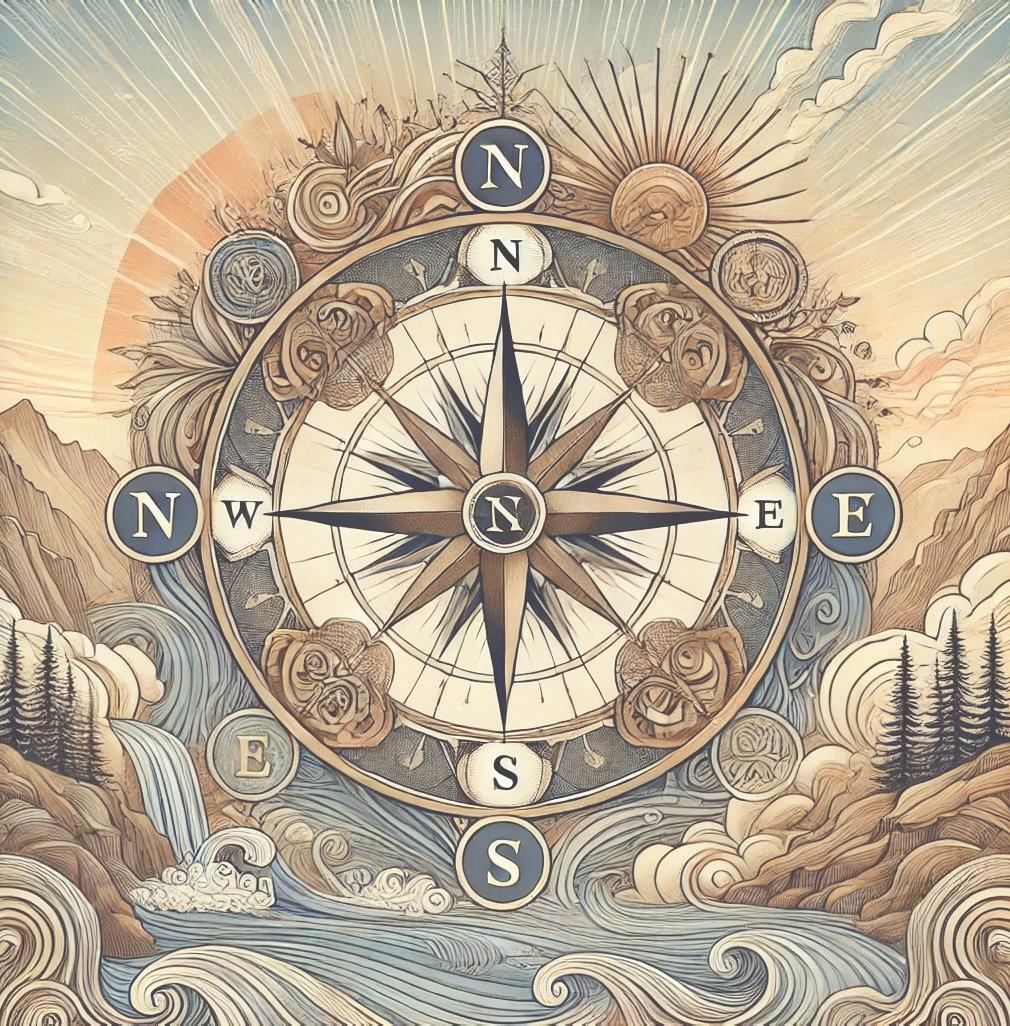
“Align with the Cardinal Directions—North, South, East, and West—each holding ancient wisdom and energies that guide your spiritual navigation, offering balance and insights as you journey through the seasons of life and the landscape of your soul.”
Confirmation is a meaningful spiritual practice that transcends its traditional religious roots to become a profound affirmation of one’s spiritual growth and commitment to personal beliefs. While it originates in Christian practices, its essence can resonate across different spiritual or philosophical paths as a symbol of coming into one’s own understanding and acceptance of their spiritual journey.
• Spiritual Empowerment: Often viewed as a step towards spiritual maturity, confirmation is an opportunity for individuals to consciously affirm the spiritual understanding and commitments they have come to recognize as their own. It represents a personal declaration of faith, whether in a religious context or a self-determined set of spiritual or ethical beliefs.
• Deepening of Spiritual Connection: This practice is an occasion to connect deeply with one’s higher self or the divine, facilitated by symbolic acts that enhance the individual’s commitment to their spiritual path. It’s a moment to receive and acknowledge the spiritual energies or insights that guide one’s life decisions and practices.
• Milestone of Personal Growth: Acting as a rite of passage, confirmation marks a transition into a more conscious and active role in one’s spiritual community or in one’s personal spiritual practice. It invites a deeper participation in spiritual activities and a commitment to living according to one’s values.
• Symbolic Actions: Ceremonies might include meaningful rituals such as the laying on of hands, which is a symbol of blessing and the passing of spiritual wisdom or energy. Alternatively, participants might engage in meditative practices, personal vows, or other rituals that signify the activation of spiritual commitments.
• Personal and Communal Rituals: The use of symbols such as water, light, or natural elements can also play a role, each adding a layer of depth and meaning to the ceremony, emphasizing purification, enlightenment, or renewal.
• Community Engagement: Preparation for confirmation may involve learning, reflection, and interaction within a community, which helps deepen one’s understanding of the spiritual principles they are committing to. This process enhances both communal bonds and personal spiritual insight.
• Declaration of Independence: While confirmation often follows an initial induction into a spiritual community (like baptism in Christianity), it uniquely offers a chance for individuals to declare their independent understanding and acceptance of their spiritual responsibilities and beliefs.
Confirmation is a celebration of spiritual maturity, an intentional commitment to a personal path of spiritual and ethical living. It is a deeply personal yet universally resonant practice that emphasizes the individual’s agency in their spiritual journey and their readiness to live out their beliefs with integrity and purpose.
“Embrace the moment of spiritual Confirmation, a profound affirmation of your soul’s path, illuminating your inner truth and reaffirming your commitment to your spiritual journey with clarity and purpose.”
Depression, from a spiritual perspective, is often seen as a period of profound inner reflection and transformation, though it may appear as a dark and isolating experience. Many spiritual traditions view depression not simply as a mental health challenge but as a spiritual “dark night of the soul” — a time of soul searching and deeper inquiry into life’s meaning, purpose, and one’s place in the universe.
• The Dark Night of the Soul: In spiritual teachings, a “dark night of the soul” is a phase of profound disillusionment, where old beliefs, desires, and attachments fall away, leaving a feeling of emptiness. Depression often brings a similar experience, where one questions the meaning of life and longs for a deeper understanding. This state, although challenging, is believed to cleanse the soul, preparing it for renewed clarity and purpose.
• Breaking Down the Ego: Depression often erodes attachments to external identities, roles, or ego-driven ambitions. It invites us to release who we think we “should” be and instead embrace who we truly are. This inner stripping down of ego-centered beliefs may initially feel disorienting, but it creates space for a more authentic, spiritually aligned self to emerge.
• Calling for Inner Reflection: Depression urges us to turn inward, away from the distractions of daily life. This inward focus can foster a deeper connection with our higher self or soul, allowing us to tune into our innermost needs, values, and truths. Many spiritual traditions suggest that depression is a message from within, encouraging us to realign with our higher purpose.
• Renewal and Rebirth: Much like the cycles of nature, the spiritual view of depression sees it as a period of dormancy before renewal. In the same way winter prepares the earth for spring, depression can prepare the spirit for a new beginning. Once this phase is honored and processed, individuals may experience a rebirth or awakening, emerging with greater resilience, wisdom, and compassion.
To navigate depression spiritually, practices that nurture the soul can be supportive:
• Meditation and Contemplation: Quiet time with oneself allows for self-reflection, helping one connect with inner peace and clarity.
• Journaling and Prayer: Writing or speaking to a higher power can reveal hidden thoughts, fears, and desires, inviting a sense of surrender and acceptance.
• Spiritual Guidance and Community: Seeking insight from spiritual mentors or like-minded individuals offers a sense of connectedness, helping to alleviate feelings of isolation.
While painful, depression deepens one’s capacity for empathy and understanding. The process of moving through suffering often strengthens one’s compassion for others, as well as for oneself. Embracing depression as a part of the soul’s journey can lead to a profound appreciation for the complexities of human experience and the healing power of love, forgiveness, and acceptance.
Viewed through a spiritual lens, depression is a period of transformation — a sacred, albeit difficult, journey through which the soul confronts illusions, embraces truth, and evolves toward a higher state of awareness. Though dark and often daunting, depression may ultimately guide us closer to our true essence, helping us connect to a life of deeper meaning, inner peace, and spiritual fulfillment.
“View Depression as a dark night of the soul, a profound journey inward that, while challenging, offers deep insights and opportunities for spiritual renewal and transformation, guiding you towards greater self-awareness and understanding.”
In spiritual and mystical traditions, dreams are far more than just reflections of the subconscious—they are seen as portals to higher realms of consciousness. These dreams are viewed as a sacred space where the soul can transcend the limitations of the physical world, explore other dimensions, and receive guidance from spiritual beings, ancestors, or the divine.
Dreams are often considered a gateway to spiritual dimensions, offering experiences that go beyond the physical realm. During sleep, it is believed that the soul can journey into other planes of existence, where it encounters deeper truths, divine wisdom, or even glimpses of past or future events. This view suggests that our dream world is a reflection of spiritual realities, not bound by the limitations of time and space. In many mystical traditions, dreams are seen as opportunities to connect with higher consciousness. Whether through symbolic messages, visions, or encounters with spiritual guides, dreams serve as a bridge between the material world and the spiritual realms. In this sense, dreams are a powerful tool for spiritual growth and inner transformation.
Dreams are often seen as carrying messages from the divine or our higher self. These messages may appear in the form of symbols, visions, or direct communication from spiritual entities. For many, dreams offer insights into their spiritual journey, helping them navigate life’s challenges with clarity and purpose. The symbols and themes in dreams are thought to be imbued with meaning that guides the dreamer toward greater awareness and understanding of their life path. In this view, dreams are not random or trivial; instead, they are considered sacred. They offer an opportunity to receive wisdom, heal emotional wounds, or gain insight into unresolved issues. By paying attention to dreams and interpreting their messages, individuals can align more deeply with their true purpose and the guidance of the divine.
Lucid dreaming, a state in which the dreamer becomes aware that they are dreaming and can even influence the outcome of the dream, is considered a powerful spiritual practice in many traditions. In a lucid dream, the dreamer not only experiences the dream world with heightened awareness but can also consciously interact with it. This allows for profound exploration of the subconscious and spiritual dimensions. From a mystical perspective, lucid dreaming is seen as a way to practice spiritual awakening and self-realization. During a lucid dream, one can consciously engage with symbols, spiritual beings, or higher knowledge, using the dream as a space for personal growth and spiritual development. It offers the opportunity to gain direct experience of the deeper aspects of reality and the self, making it a profound tool for those on a spiritual path.
Dreams, whether ordinary or lucid, are viewed in spiritual traditions as a path to higher consciousness. By working with dreams, individuals can access deeper layers of their psyche, confront fears, and gain insight into the nature of their soul. Meditation, mindfulness, and dream journaling are often recommended as ways to cultivate greater awareness of dreams and their spiritual significance. In this light, dreams are not just nighttime experiences but integral aspects of the spiritual journey. They offer an opportunity for the soul to explore, heal, and evolve, guiding the dreamer toward a higher state of awareness and connection with the divine.
In summary, dreams are profound tools for personal growth and spiritual awakening. They allow the soul to journey through higher realms, offer guidance from spiritual beings or the divine, and provide opportunities for transformation and insight. Through practices like lucid dreaming, dreams become a space of conscious exploration, leading individuals toward deeper understanding and alignment with their higher self and the universe.
“Listen closely to the whispers of your dreams; they are your soul’s way of guiding you toward the boundless potential and purpose that await your embrace.”
Freedom is a multifaceted concept that goes beyond mere physical liberty, encompassing emotional, mental, and spiritual dimensions. In its deepest sense, freedom is about the liberation of the soul and the realization of one’s true nature. It is the journey towards self-realization and the ability to live authentically, unbound by external constraints and internal limitations.
• Physical Freedom: Physical freedom refers to the absence of external constraints, allowing individuals to move and act according to their will. It is the basic level of freedom necessary for personal autonomy and the pursuit of one’s goals.
• Emotional Freedom: Emotional freedom involves the ability to feel and express emotions without being controlled by them. It is about understanding and managing emotions, leading to a balanced and harmonious emotional state.
• Mental Freedom: Mental freedom is the ability to think independently, free from limiting beliefs, societal conditioning, and prejudices. It allows for creative and critical thinking, fostering personal growth and innovation.
• Spiritual Freedom: Spiritual freedom is the ultimate form of liberation, where one transcends the ego and realizes their true nature. It is the state of being connected with the divine, experiencing inner peace, and living in harmony with the universe.
• Self-Awareness: The journey to true freedom begins with self-awareness. Understanding one’s thoughts, emotions, and behaviors is crucial for identifying and overcoming internal barriers.
• Letting Go of Attachments: Emotional and mental attachments to material possessions, relationships, and identities can hinder true freedom. Learning to let go of these attachments and embracing impermanence can lead to a more liberated and peaceful existence.
• Overcoming Fear: Fear is one of the biggest obstacles to freedom. Confronting and overcoming fears through courage and resilience is essential for breaking free from limitations and living authentically.
• Embracing Authenticity: Living authentically means being true to oneself, aligning actions with values and beliefs. It involves embracing one’s uniqueness and not conforming to societal expectations or pressures.
• Cultivating Inner Peace: Inner peace is a foundation for true freedom.
• Spiritual Practice: Engaging in spiritual practices such as meditation, contemplation, and connection with nature can deepen one’s sense of spiritual freedom. These practices help transcend the ego and connect with a higher state of consciousness.
True freedom is not merely about physical autonomy but involves a holistic liberation that spans emotional, mental, and spiritual realms. It empowers us to discover our true nature and live authentically, aligned with our deepest values and free from the constraints that bind us.
“Embrace the boundless essence of Freedom, a liberating force that awakens your soul’s potential to soar beyond the confines of the known, into the realms of infinite possibility.”

The concept of a “guru” holds deep roots in various spiritual traditions, particularly in India where it originally signifies a spiritual teacher or guide. The role of a guru is profound, as they are often revered as embodiments of wisdom, serving as conduits to spiritual enlightenment and self-realization. However, the reverence and authority granted to gurus come with significant responsibilities and potential risks, especially when individuals proclaim themselves as gurus without genuine spiritual insight or oversight.
Traditionally, a guru is more than just a teacher; they are mentors who impart wisdom through teachings and personal example. In Hinduism, the guru is seen as a revered figure, essential for spiritual growth, often believed to be divinely inspired. The relationship between a guru and a disciple is sanctified in scriptures and is pivotal to the disciple’s spiritual journey.
In the truest sense, a guru helps to bridge the gap between the mundane and the divine. They guide their followers through esoteric practices and teachings, providing insights that are not easily accessible through ordinary means. This guidance is rooted in the guru’s own experience and enlightenment, often passed down through lineages or spiritual traditions.
The modern spiritual landscape, however, sees a myriad of self-proclaimed gurus who may not have authentic lineage or grounding in genuine spiritual practices. This trend is exacerbated by the commercialization of spirituality, where the title “guru” is sometimes used to attract followers or sell spiritual products without true spiritual depth.
A true guru possesses qualities that transcend the ordinary:
• Wisdom and Insight: Genuine gurus provide profound insights into life and spirituality, often derived from years of disciplined practice and enlightenment.
• Humility: Despite their role, they remain humble and focused on their mission of enlightenment for all beings, not seeking personal glorification.
• Ethical Integrity: They live by the ethical standards they preach, demonstrating moral integrity that inspires and guides their disciples.
• Transparency: True spiritual teachers are transparent about their teachings and the origins of their wisdom, encouraging critical thinking and self-exploration among their followers.
The role of the guru in spiritual development is indispensable in many traditions. However, discernment is crucial when choosing a spiritual guide. Followers must look for signs of genuine wisdom, humility, and ethics in their teachings and behavior. Engaging critically with the teachings and being aware of the guru’s background and reputation can help safeguard against potential abuses and ensure a beneficial and profound spiritual relationship. As the spiritual marketplace grows, the onus is on the seeker to navigate this landscape wisely, recognizing that true enlightenment often comes from within, guided but not overshadowed by those who claim to know the path.
“Discover the guru within, whose silent wisdom echoes through the chambers of your soul, awakening insights that guide you along the pathways of self-discovery and enlightenment.”
The concept of the Higher Self plays a pivotal role in our spiritual journey, acting as a bridge between our earthly existence and our ultimate, divine essence. This transcendent aspect of our being serves as an eternal guide, mentor, and source of wisdom, helping us navigate the complexities of life while remaining aligned with our soul’s purpose. Understanding the Higher Self can profoundly transform how we perceive ourselves and our place in the cosmos.
• Enlightened Being: Your Higher Self is the most enlightened, spiritually developed part of you. It is unburdened by the limitations and fears that often constrain our human experience. Unlike the ego, which is rooted in survival and often operates from fear, the Higher Self operates from a place of love, unity, and infinite wisdom. It sees the bigger picture of your life’s journey, including your karmic history and your soul’s aspirations.
• Source of Inner Wisdom: The Higher Self is a wellspring of inner wisdom, offering insights and guidance that transcend the logical mind. It helps us understand the deeper meaning and purpose behind our experiences and guides us towards growth and fulfillment.
• Stillness and Meditation: Connecting with your Higher Self isn’t reserved for the few; it’s a profound, intimate relationship available to everyone. This connection is built on stillness, meditation, and mindful living. It requires us to quiet the noise of our daily lives and listen deeply within.
• Intuitive Guidance: The guidance from your Higher Self often comes through intuition—a knowingness that transcends logical reasoning, appearing as gut feelings, synchronicities, dreams, or even direct inner voice communication. Trusting these intuitive insights can lead to more aligned and purposeful actions.
• Guidance and Growth: The Higher Self guides us toward growth, healing, and fulfillment. It helps us to understand the lessons behind our challenges, transforming obstacles into opportunities for evolution. By aligning with our Higher Self, we make choices that reflect our truest desires and our soul’s purpose, leading to a more authentic, joyful existence.
• Transcending the Ego: The Higher Self encourages us to transcend the ego, which is often driven by fear, separation, and survival instincts. By embracing the love, unity, and wisdom of the Higher Self, we can overcome ego-driven limitations and live from a place of higher consciousness.
• Illuminating Life’s Purpose: One of the most significant aspects of the Higher Self is its role in illuminating our life’s purpose. It holds the blueprint of our soul’s mission and gently steers us towards fulfilling it. By surrendering to the guidance of our Higher Self, we unlock the doors to our true potential, embarking on a path filled with discovery, creativity, and spiritual enlightenment.
• Aligning with Higher Potential: The Higher Self encourages us to align with our highest potential, helping us to break free from limiting beliefs and societal expectations. This alignment leads to a life of greater purpose, joy, and impact.
Embracing the guidance of the Higher Self means embracing the very essence of our potential, moving towards a life that is not only lived but profoundly experienced and spiritually enriched.daily lives, we pave a path toward deeper fulfillment and profound spiritual awakening, opening our hearts to the limitless possibilities of the universe.
“Engage with your Higher Self, a mighty presence within that awakens your full potential, guiding you with whispers of timeless wisdom and the light of pure awareness.”
Kundalini is a concept from ancient Indian spiritual traditions, particularly within yoga and Tantra. It refers to a primal energy or life force located at the base of the spine, often depicted as a coiled serpent. The awakening of Kundalini energy is believed to lead to profound spiritual transformation, heightened consciousness, and a deeper connection with the divine.
The Nature of Kundalini
• Primal Energy: Kundalini is considered the primal life force or Shakti, the dynamic energy of the universe. It resides in a dormant state at the base of the spine, in the root chakra (Muladhara).
• Serpent Power: Kundalini is symbolized as a coiled serpent. This imagery represents potential energy that, when awakened, rises up through the spine, activating and purifying the chakras.
• Spiritual Awakening: The awakening of Kundalini energy is a powerful spiritual experience that can lead to higher states of consciousness, deep inner transformation, and self-realization.
The Process of Kundalini Awakening
• Preparation and Purification: Awakening Kundalini often requires preparation and purification of the body, mind, and spirit. This can involve practices such as yoga, meditation, pranayama (breath control), and ethical living (Yamas and Niyamas).
• Activation Techniques: Specific techniques are used to awaken Kundalini energy, including
• Asanas (Yoga Postures)
• Pranayama (Controlled breathing techniques)
• Meditation and Mantras
• Kriyas: Specific cleansing exercises purify the energy channels (Nadis)
• Rising of the Energy: When Kundalini awakens, it uncoils and rises through the spine, passing through the seven chakras. This ascent can be gradual or sudden and is often accompanied by various physical, emotional, and spiritual experiences.
and Signs of Kundalini Awakening
• Physical Sensations: Individuals may experience sensations such as heat, vibrations, tingling, or a sense of energy moving through the spine and body.
• Emotional Release: Awakening can trigger the release of suppressed emotions, leading to periods of emotional intensity and catharsis.
• Heightened Senses: Sensory perceptions may become more acute, with enhanced awareness of light, sound, and touch.
• Spiritual Phenomena: Experiences can include visions, inner lights, auditory phenomena (such as hearing inner sounds), and mystical states of consciousness.
Kundalini represents a foundational concept in spiritual transformation, rooted in ancient Indian traditions. This primal energy, often visualized as a coiled serpent at the base of the spine, awakens through disciplined spiritual practices, leading to profound shifts in consciousness and personal evolution. Its activation purifies the chakras, enhances one’s perception of the divine, and catalyzes deep personal change, integrating physical, emotional, and spiritual dimensions into a harmonious whole. The journey of Kundalini awakening is not only about spiritual enlightenment but also about healing and embracing a fuller, more profound understanding of one’s existence and purpose within the universe.
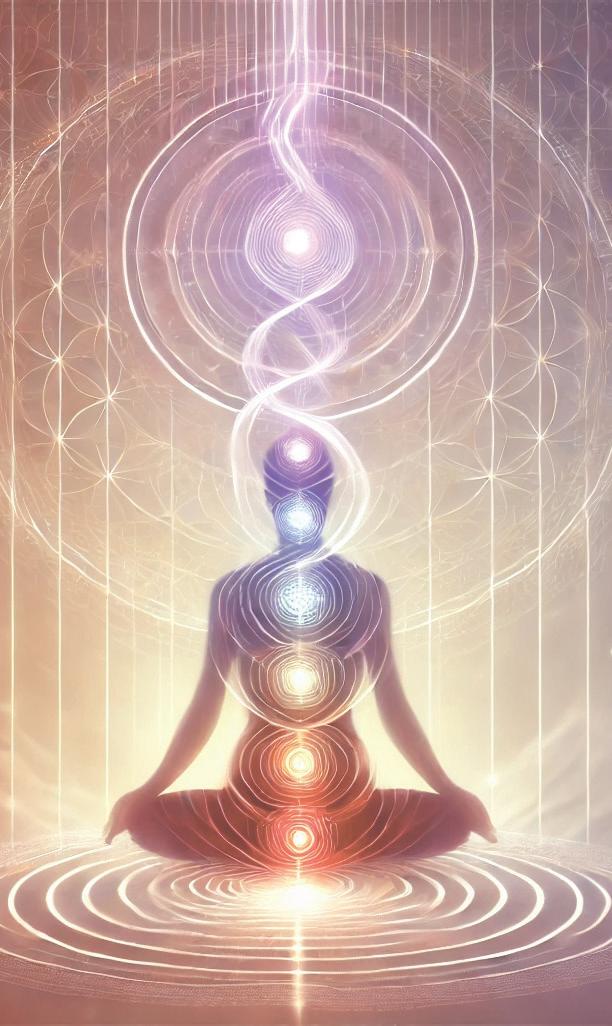
“Awaken your Kundalini, a primordial force that spirals from the depths of your being, igniting the chakras and unlocking the divine energy that lies dormant within.”
Sacred sexuality is an integral aspect of many spiritual traditions, particularly within Tantra. It views sexual energy as a powerful and sacred force that can be harnessed for spiritual growth, healing, and deeper connection with the divine. Sacred sexuality emphasizes the union of the physical and spiritual realms, transforming intimate experiences into profound acts of love and devotion.
• Union of Body and Spirit: Sacred sexuality recognizes the body as a temple and sexual energy as a sacred life force. It seeks to unite physical pleasure with spiritual transcendence, creating a holistic experience that nurtures both body and soul.
• Energy and Consciousness: Sexual energy, known as Kundalini or Shakti, is considered a potent force that can awaken higher states of consciousness. By consciously directing this energy, individuals can experience profound spiritual insights and a deep sense of interconnectedness.
• Divine Partnership: Sacred sexuality often involves viewing one’s partner as a divine being, embodying the principles of masculine (Shiva) and feminine (Shakti) energies. This perspective fosters deep respect, love, and reverence within the intimate relationship.
• Presence and Mindfulness: Being fully present during intimate moments enhances the connection. Mindfulness allows to deeply experience and appreciate each sensation, emotion, and thought, fostering a deeper bond and spiritual connection.
• Intention and Devotion: Setting a sacred intention for intimacy transforms it into a spiritual practice. Approaching sexuality with devotion and reverence elevates the experience, making it a meaningful expression of love and unity.
• Balancing Energies: Sacred sexuality involves balancing masculine and feminine energies within oneself and between partners. This balance creates harmony and allows for the free flow of sexual and spiritual energy.
• Open Communication: Honest and open communication is essential for creating a safe and sacred space. Discussing desires, boundaries, and expectations helps build trust and deepens the intimate connection.
• Tantric Rituals: Tantric rituals can include meditative practices, breathwork, and specific postures that align and enhance sexual energy. These rituals aim to awaken and channel Kundalini energy, leading to spiritual awakening and deeper intimacy.
• Meditation and Visualization: Meditation and visualization practices can synchronize the energies and connect on a spiritual level. Visualizing the flow of energy can enhance the sense of unity and sacredness.
• Breathwork: Conscious breathing techniques, such as synchronized breathing or deep diaphragmatic breaths, help to circulate sexual energy and maintain presence. Breathwork can intensify sensations and deepen the emotional and spiritual connection.
• Eye Gazing: Eye gazing is a powerful practice where partners look into each other’s eyes for an extended period. This practice fosters deep emotional intimacy and a sense of oneness, allowing partners to connect on a soul level.
• Sacred Touch: Touching yourself and each other with mindfulness and intention transforms physical touch into a sacred act. Gentle, loving touch and massage can enhance the flow of energy and create a sense of deep relaxation and connection.
Conclusion
Sacred sexuality transcends conventional views of intimacy, offering a profound spiritual path where sexual energy is revered as a vital life force for personal and collective transformation.
“Explore Sacred Sexuality, where each union is a deep awakening, merging soul and form, and rekindling the sacred fires that elevate your spiritual essence.”
Signs refer to synchronicities or occurrences perceived as meaningful coincidences, guidance, or messages from the universe or a higher power. These signs are believed to serve as cues or markers on an individual’s spiritual journey, providing direction, affirmations, or warnings. They are often personalized and can appear in various forms, depending on the individual’s beliefs, openness, and the context of their life situations.
• Nature Signs: Natural phenomena, such as a sudden appearance of animals or specific weather patterns, can be interpreted as signs. For example, seeing a particular bird or animal repeatedly might be considered a message related to the qualities that animal represents.
• Numerical Sequences: Repeated numbers or sequences (like 111 or 1234) seen on clocks, addresses, or license plates are often viewed as signs. These are commonly called “angel numbers” and are thought to carry specific meanings and vibrations.
• Dreams: Significant dreams or recurring themes in dreams are sometimes considered signs. They can offer insights into subconscious thoughts, emotions, or spiritual messages that need attention.
• Words and Phrases: Hearing the same word, phrase, or piece of advice from different sources in a short period can be a sign. This might occur through conversations, books, songs, or even random encounters.
• Objects and Symbols: Finding objects or encountering symbols repeatedly, such as feathers, coins, or specific images, can be interpreted as signs from the universe.
The interpretation of signs is highly personal and subjective. It often depends on the individual’s current life circumstances, questions, or challenges. The significance of a sign usually resonates with the observer’s intuition or inner wisdom. When a sign is perceived, it can prompt introspection or decision-making that aligns more closely with one’s spiritual path.
• Awareness and Openness: Being open to receiving signs involves cultivating a mindful awareness of the environment and an openness to the guidance of the universe.
• Reflection and Meditation: Reflecting on the signs and meditating on their possible meanings can help clarify their relevance and the actions one might take in response.
• Journaling: Keeping a journal of signs and their contexts can help track patterns and understandings over time, enhancing the personal significance and guidance they provide.
• Consultation: Discussing perceived signs with trusted spiritual advisors or within a community can provide additional insights and validation.
Recognizing and interpreting signs can significantly enhance a person’s spiritual practice by:
• Reaffirming their spiritual path: Signs can act as affirmations that one is on the right path or prompt necessary changes.
• Enhancing connectivity: They strengthen the feeling of connection to the universe or divine, enhancing spiritual faith.
• Guiding decision-making: Signs can help in making choices that are aligned with one’s highest good or spiritual growth.
Conclusion
Ultimately, signs are considered a form of divine communication that, when acknowledged and interpreted through a personal spiritual lens, can lead to deeper insights and a more fulfilling spiritual journey.
“Attune to the subtle Signs provided by the universe, each one a gentle nudge to awaken and align your path with the synchronistic flow of cosmic wisdom.”
Spirit guides are considered entities that assist individuals from the spiritual realm, offering guidance, wisdom, and support as they navigate their earthly lives. These guides are believed to be spirits who can be ancestors, deceased family members, or beings who have achieved a high level of spiritual evolution, such as ascended masters or angelic entities. They play a pivotal role in various spiritual traditions and metaphysical beliefs, serving as protectors, teachers, and counselors.
• Ancestral Guides: These are spirits of departed family members or ancestors who provide guidance and protection. They often help with personal growth and connect individuals with their family history and heritage.
• Animal Guides: Often referred to as totems or power animals, these guides embody the qualities of the animals they represent. They offer wisdom and insight through the characteristics and survival attributes of those animals.
• Ascended Masters: These are guides like Buddha, Jesus, Quan Yin, or other highly spiritual beings who have transcended human limitations. Ascended masters provide profound spiritual insights and teachings.
• Angelic Guides: Angels or archangels who serve as spirit guides, offering divine guidance and assistance. They are often called upon for protection, healing, and support during critical times.
• Elemental Guides: Spirits associated with elements of nature—earth, air, fire, water, and ether. These guides help align individuals with natural rhythms and teach lessons grounded in elemental qualities.
Interaction with spirit guides can vary greatly among individuals, depending on their spiritual practices, sensitivity, and openness. Communication methods include:
• Meditation: Many people connect with their spirit guides through meditation, finding it easier to receive messages in a state of quiet and receptivity.
• Dreams: Guides often communicate through dreams, providing messages and symbols that are interpreted upon waking.
• Intuitive Insights: Sudden insights or gut feelings can be communications from spirit guides, guiding individuals towards or away from certain actions or paths.
• Divination Tools: Tarot cards, pendulums, or other oracular devices can serve as mediums for receiving guidance from spiritual entities.
Building a relationship with one’s spirit guides requires openness, patience, and practice. Regularly setting intentions, practicing meditation, and being open to receiving signs and messages can enhance this connection. Keeping a journal to document experiences and insights can also help individuals understand and interpret the guidance they receive more clearly.
Spirit guides are seen as benevolent supporters and protectors, deeply invested in the spiritual well-being and growth of the individuals they assist. Their guidance is considered a gift that enriches the spiritual journey, offering a profound sense of connectedness and direction.
“Call your Spirit Guides, ethereal mentors whose guidance gently awakens the vast spiritual landscapes within you, guiding your journey with love.”
Spiritual leaders are individuals who guide and influence others on a path toward spiritual growth, enlightenment, and ethical living. They emerge from various religious, philosophical, and cultural traditions, each bringing unique teachings and practices aimed at deepening spiritual understanding and fostering a connection to something greater than oneself.
• Guidance and Teaching: Spiritual leaders provide teachings based on sacred texts, spiritual practices, and moral principles. They help followers interpret complex doctrines and apply them to everyday life, facilitating a deeper understanding of their faith or spiritual path.
• Moral and Ethical Leadership: They often serve as moral compasses for their communities, promoting values such as compassion, integrity, and justice. Their lives and teachings often exemplify ideals that inspire followers to live in alignment with their highest ethical standards.
• Community Building: These leaders play a crucial role in forming and nurturing spiritual communities, creating spaces where individuals can come together to worship, learn, and support one another on their spiritual journeys.
• Intercessory Role: In many traditions, spiritual leaders are believed to intercede with the divine on behalf of their followers. They perform rituals, prayers, and ceremonies intended to invoke divine blessings, healing, or guidance.
• Conflict Resolution: They often mediate conflicts within their communities, offering wisdom and insights that help resolve disputes in ways that strengthen communal bonds.
Spiritual leaders can profoundly impact individuals’ lives and broader society. They often engage in social and humanitarian efforts, advocating for peace, social justice, and environmental stewardship. Through their teachings and actions, they influence cultural norms and values, often advocating for change in times of moral and ethical crisis.
• Historical Religious Figures: Figures such as Jesus Christ, Prophet Muhammad, Moses, and Buddha have left indelible marks on their respective faiths, shaping religious practices and beliefs that continue to influence billions of people.
• Contemporary Leaders: Modern spiritual leaders like the Dalai Lama, Pope Francis, and other less globally known religious figures also serve as spiritual guides. They adapt ancient teachings to address contemporary issues, helping followers navigate the complexities of modern life.
Spiritual leaders often face significant challenges, including criticism both from within their own communities and from secular society. They must navigate complex ethical dilemmas and societal pressures while maintaining their integrity and staying true to their spiritual missions.
Spiritual leaders are pivotal in shaping not only spiritual but also ethical landscapes, guiding followers through life’s challenges while fostering a sense of connection and purpose that transcends everyday existence. Their influence can lead to profound personal transformation and societal change, making them essential figures in both religious and secular contexts.
“Follow
the luminous trails left by Spiritual Leaders, whose enlightened paths awaken deep resonances within, guiding you to rediscover your own inner light.”
Spiritual societies are complex networks of groups that operate largely out of the public eye, offering deeper, often secret knowledge and practices. These organizations, spanning from historical to modern times, share a common goal: exploring and preserving spiritual knowledge that delves into the mysteries of existence, the universe, and human consciousness.
Historically, spiritual societies have roots that trace back to ancient wisdom traditions. For example:
• The Mystery Schools of Ancient Egypt and Greece: These were initiatory schools where students learned about a range of subjects from metaphysics to the nature of the soul, often reserved for the elite or those who had passed rigorous spiritual and moral testing.
• The Gnostics: This group believed in direct, personal spiritual knowledge of the divine, which they thought surpassed what the orthodox religious authorities offered. Their teachings focused on esoteric insights into divine realms and the nature of salvation.
Over the centuries, several organizations have stood out as major players within the spiritual traditions:
• The Freemasons: Known for their secretive meetings and symbolic rituals, the Freemasons claim a heritage linking back to the medieval stonemasons with principles grounded in brotherhood, moral uprightness, and personal development.
• The Rosicrucians: They combine elements of Egyptian mysteries with Christian mysticism, alchemy, and kabbalah, focusing on spiritual enlightenment and the inner transformation of the soul.
• The Hermetic Order of the Golden Dawn: This organization was influential in the revival of Western esotericism in the late 19th and early 20th centuries, practicing rituals rooted in Hermetic Qabalah, astrology, tarot, and alchemy.
• Opus Dei: This institution within the Catholic Church emphasizes personal piety and the importance of the Catholic faith in daily life. It teaches that everyone is called to holiness and that ordinary life is a path to sanctity.
• The Illuminati: Often surrounded by myth and speculation, the Illuminati is reputed to be a group that seeks to influence global affairs. Historical records suggest it was founded to promote enlightenment ideals, challenging religious and societal norms.
• The Theosophical Society: Founded in the 19th century, it aims to explore the underlying unity of all religions, advocating an understanding of divine wisdom, humanity’s purpose, and the mysteries of the universe.
Despite their varied backgrounds and teachings, spiritual societies often share certain themes:
• Initiation and Levels of Enlightenment: Members undergo symbolic initiations that represent spiritual awakening and progression towards deeper spiritual knowledge.
• Mystery and Secrecy: Many societies maintain secretive practices to safeguard their knowledge and ensure that it is only accessible to those deemed ready or worthy.
• Universal Truths: A core belief in universal truths that permeate various religious and spiritual traditions, often expressed through symbolic, astrological, and numerological systems.
Spiritual societies provide a lens through which to explore the deeper and often hidden aspects of spirituality. They offer a unique blend of historical continuity and adaptability to modern spiritual needs, emphasizing personal transformation and the pursuit of higher knowledge. For seekers and scholars alike, these societies offer rich fields of study and pathways to personal growth, understanding, and connection to the transcendent.

“Delve into the wisdom of Spritual Societies, where ancient secrets transform into personal revelations, stirring the deeper knowledge that sleeps within your spirit.”
Tantra is an ancient spiritual tradition that originated in India, emphasizing the integration of the physical and spiritual realms. It encompasses a wide range of practices, texts, and philosophies aimed at achieving spiritual enlightenment, personal growth, and a deep connection with the divine. Unlike many other spiritual paths, Tantra embraces all aspects of life, viewing them as opportunities for spiritual awakening.
• Unity of Opposites: Tantra teaches that all aspects of existence, including the material and the spiritual, the masculine and the feminine, are interconnected and complementary. This philosophy encourages the harmonization of these dualities to achieve wholeness.
• Sacredness of the Body: In Tantra, the body is considered a sacred vessel for spiritual growth. It is believed that by fully experiencing and honoring the body, one can access deeper spiritual truths.
• Energy and Consciousness: Tantra places a significant focus on the flow of energy (prana) and the expansion of consciousness. Practices are designed to awaken and balance the subtle energies within the body, leading to heightened states of awareness and spiritual insight.
• Shiva and Shakti: Central to Tantric philosophy is the concept of Shiva and Shakti, representing the masculine and feminine principles of the universe. Shiva symbolizes pure consciousness, while Shakti represents dynamic energy. Their union is seen as the source of all creation.
• Kundalini: Kundalini is the primal energy believed to reside at the base of the spine. Tantric practices aim to awaken this energy and guide it through the chakras, leading to spiritual enlightenment.
• Chakras: Chakras are energy centers within the body that correspond to different aspects of our physical, emotional, and spiritual selves. Tantra includes practices to activate and balance these chakras, facilitating the flow of energy and promoting wellbeing.
• Mantras and Yantras: Mantras are sacred sounds or phrases used in meditation to focus the mind and invoke divine energy. Yantras are geometric diagrams that represent cosmic forces and serve as tools for meditation and ritual.
• Meditation: Meditation in Tantra often involves focusing on mantras, yantras, or visualizations to awaken and balance internal energies. These practices aim to quiet the mind and deepen spiritual awareness.
• Yoga: Tantric yoga combines physical postures (asanas), breath control (pranayama), and meditation to harmonize the body and mind. This holistic approach helps to awaken Kundalini and balance the chakras.
• Rituals and Ceremonies: Tantric rituals are designed to honor the divine in all forms and to align the practitioner with cosmic energies. These rituals often involve offerings, chanting, and symbolic actions.
• Sacred Sexuality: Unlike many other spiritual paths that view sexuality as a distraction from spirituality, Tantra embraces sacred sexuality as a powerful tool for spiritual growth. Tantric sexual practices are used to awaken Kundalini energy, deepen intimacy, and experience the divine union of Shiva and Shakti.
Conclusion
Tantra, a profound spiritual path, aims to guide individuals toward realizing profound spiritual goals. The essence of Tantra is self-realization, recognizing one’s inherent divine nature and experiencing a profound unity with the cosmos, transcending the limited ego. This path leads to liberation (Moksha) from the cyclical existence of birth and rebirth (samsara), offering a gateway to spiritual freedom by embracing and integrating all aspects of life.
“Embrace the teachings of Tantra, where each moment is an awakening, each breath a connection, and each touch a divine revelation, bringing deeper unity with all that is.”
Universal laws are timeless and fundamental principles believed to govern all aspects of existence. These laws are present across various spiritual and philosophical teachings, serving as guidelines that reflect the interconnectedness and harmony of life. Understanding these universal laws can help individuals align their lives with the natural flow of the universe and foster a sense of balance, fulfillment, and spiritual growth.
• The Law of Divine Oneness: This foundational law states that everything in the universe is interconnected. Every thought, action, and event is linked to and influences the collective whole. Recognizing this law encourages compassion and empathy, reminding us that what we do to others, we also do to ourselves.
• The Law of Vibration: The Law of Vibration asserts that everything, from physical matter to intangible thoughts, has its own vibrational frequency. Higher frequencies are associated with positivity and growth, while lower frequencies correlate with negativity and stagnation. By understanding this, individuals can become more aware of their energy levels and strive to elevate their thoughts and actions.
• The Law of Correspondence: The principle of “As above, so below; as within, so without” underscores the Law of Correspondence. This law suggests that patterns repeat throughout the universe and that the microcosm reflects the macrocosm. It encourages self-reflection, as one’s inner state will manifest in their outer world.
• The Law of Attraction: Popularized in modern spiritual practices, the Law of Attraction emphasizes that like attracts like. The energy we put out through our thoughts and emotions shapes the experiences we draw into our lives. Positive thinking and intentional visualization are tools to align oneself with the outcomes one desires.
• The Law of Inspired Action: While the Law of Attraction focuses on thought, the Law of Inspired Action complements it by highlighting the importance of taking steps toward achieving your goals. It’s not just enough to wish for something; one must act upon the intuitive nudges and opportunities that arise to bring those desires to fruition.
• The Law of Cause and Effect (Karma): Also known as the Law of Karma, this universal principle states that every action has a corresponding reaction. Good deeds
lead to positive outcomes, while harmful actions yield negative repercussions. It encourages conscious decision-making and accountability.
• The Law of Compensation: Closely linked to the Law of Cause and Effect, the Law of Compensation asserts that the universe will reward acts of good intent and service. This may not always come in the form of immediate rewards but manifests in various ways over time, affirming that generous actions and contributions are returned.
• The Law of Perpetual Transmutation of Energy: This law states that energy is constantly moving and changing forms. It reminds individuals that they have the power to shift their own energy states and that lower energy can be transformed into higher energy through awareness, action, and intent.
• The Law of Relativity: The Law of Relativity teaches that all experiences are relative and serve as a means of comparison to better understand life. Challenges and hardships are not meant to be absolute measures of failure but opportunities for growth and perspective.
• The Law of Polarity: Everything in existence has its opposite—joy and sorrow, light and dark, love and fear. The Law of Polarity teaches that contrasts are essential for understanding and experiencing life fully. Embracing both sides of a situation can lead to a more balanced and complete perspective.
• The Law of Rhythm: The Law of Rhythm highlights the natural cycles of life, such as the changing seasons and the phases of the moon. This principle teaches that everything flows in and out and that there is a time for everything. It encourages patience and trust in the timing of life’s processes.
• The Law of Gender: This law is symbolic rather than literal, representing the dual energies of masculine and feminine present in all things. These energies are needed for balance and creation. It teaches that nurturing both sides leads to harmony within oneself and the world.
Understanding and applying universal laws can help foster greater alignment with the natural order of existence, enabling a life lived in balance, peace, and intentionality. These principles remind us that life is interconnected, cyclical, and filled with opportunities for transformation. Embracing these laws can offer profound insight and empowerment, guiding us to live with greater awareness and purpose.
“Align with the Universal Laws, the fundamental principles that govern the cosmos, guiding your actions and thoughts towards harmony with the natural order and enhancing your spiritual awareness and growth.”
Personal Responsibility
Embarking on a journey of self-healing and spiritual awakening is a profoundly personal experience, and while this book serves as a guide, offering insights and practices to aid in your exploration, it is important to recognize that each individual’s path may require different resources and forms of support.
Healing and growth are inherently personal endeavors that require you to take responsibility for your well-being. This book provides tools and knowledge that can help illuminate your path, but it is ultimately your duty to use these resources effectively. True healing involves active participation, selfreflection, and sometimes, the courage to seek assistance beyond these pages.
While this guide is rich with spiritual wisdom and practical advice, it is not a panacea for all challenges or a substitute for professional help. The complexities of individual experiences often mean that additional support from skilled professionals may be necessary. This could involve more specialized spiritual guidance, mental health counseling, or medical intervention.
The world is abundant with skilled professionals who can provide the support that this book cannot. Therapists, counselors, spiritual healers, and medical practitioners bring expertise in areas that are critical to comprehensive healing and well-being. When deeper issues arise that require professional attention, seeking out these experts is not just advisable; it is an act of self-care and responsibility.
Combining the insights from this book with external support can lead to a more balanced and enriched healing journey. Each resource offers unique benefits, and when integrated, they can complement your growth and help you navigate the complexities of your spiritual and emotional landscape.
Remember, too, the power of community in the healing process. Connecting with others who are on similar paths can provide comfort, insight, and mutual support. Communities, whether they are formed around spiritual practices, therapy groups, or online forums, offer a space to share experiences and learn from others.
As you delve into this guide and explore the topics to spiritual awakening it offers, keep in mind that this is just the beginning of your journey. Be open to the possibility that healing may sometimes require more than self-study—it may need the expertise of professionals and the support of a community. Let this book be a companion on your path, but remain proactive in seeking all the resources you need to thrive and evolve on your spiritual journey.
Abundance 181, 241, 267, 311, 547, 659, 669
Abydos 345
Abyss 451
Acceptance 127, 365, 437, 577, 599, 623
Achievements 129
Action 15, 29, 41, 311, 339, 383
Activism 249
Activity 583
Acupressure 619
Acupuncture 619
Adam 573, 655, 673
Admiration 259
Advaita Vedanta 355, 663
Adversity 265
Advice 269
Aeons 545
Aesthetic 337, 347, 443
Aether 33
Affection 365, 437
Affirmation 663
Africa 35
Afterlife 129, 385, 413, 417, 421, 469, 587, 657, 665
Age of Aquarius 539, 569, 627
Age of Pisces 539
Agricultural Patterns 589, 601
Aham Brahmasmi 663
Ahimsa 221
Ahura Mazda 573
Air 113, 361, 617
Ajna Chakra 111, 593
Akashic Records 25, 27
Akh 417
Albedo 295
Alchemist 575
Alchemy 295, 313, 315, 323, 533, 557, 575
Alicorn 287
Alien 581
Alienation 57, 91
Alignment 311, 339, 347, 379, 623, 661, 677
Alive 613
All That Is 629
Allah 201, 263, 665, 669
Altar 245, 589
Altruism 249, 517, 607
Amaterasu 679
Amazement 289
Ame-no-Ukihashi 679
Amethyst 553
Amulet 417
Anahata 111
Ananda 513
Anatta 429
Ancestors 35, 101, 163, 413, 549, 589, 591
Anchor 651
Andromeda 91
Angel Numbers 161
Angels 139, 163, 555
Anger 115, 119, 209, 543
Angkor Wat 207
Angra Mainyu 573
Anicca 429
Anima 63, 375, 475
Animals 161, 531, 541
Animism 251
Animus 63, 375
Annunciation 427
Anomaly 423
Anthrosophy 575
Anu 415
Anxiety 45, 119, 511, 577, 623
Apathy 189
Aphrodite 443
Apocryphon of John 545
Apostle 203
Apple 183, 649
Appreciation 267, 277, 437
Arc 671
Archangels 139, 163, 229
Archetypes 63, 199, 571
Architecture 35, 571, 597, 635
Arcturus 91
Ardhanarishvara 395
Aristotle 33, 289, 337, 657
Ark of Covenant 473
Arrogance 209
Art 103, 337, 367, 443, 571, 635
Artemis 205
Artha 221
Arthurian Tradition 183
Artist 613, 653
As Above, So Below 533, 575, 609
Asanas 169, 513, 521
Ascended Masters 163, 323, 561
Ascension 257, 283, 351, 401, 427
Asceticism 221
Asclepius 673
Asgard 671
Ash Tree 681
Ashes 557
Ashrama 221
Ashtanga Yoga 521
Aspiration 65
Assembly of the Gods
415
Astral Plane 219
Astral Projection 219, 461, 475
Astral Travel 219, 667
Astrology 27, 67,
533, 627
Astronauts 581
Astronomy 91, 441, 597
Atlantis 571, 581, 597, 669
Atman 225, 349, 429, 513, 663
Atmosphere 245
Atom 609
Attachments 151, 515
Attitude 65, 267
Attraction 171, 621
Aum 629
Aura 31, 105, 117, 187
Authencity 29, 151, 227, 231, 285, 493, 613
Authentic Living 235
Authority 677
Automatic Writing 377, 391
Autonomy 109, 677
Avalokiteshvara 435
Avalon 183, 649
Avatar 405
Awakening 13, 15, 39, 185, 313, 315, 325, 467, 569, 629
Awareness 29, 299, 437, 495, 511, 519, 631, 667
Awe 259, 263, 271, 279, 289, 337, 671
Axis Mundi 535
Ba 351, 417
Background 153
Baggage 273
Bailey, Alice 575
Balance 13, 15, 303, 347, 351, 385, 407, 547, 571, 635
Baobab Tree 681
Baptism 39, 107, 133
Baqa 497
Barefoot 391
Base Material 557
Bath 133
Beacon 359 Beauty 337, 347, 443, 613, 669
Behavior 597
Being 583
Belief 189, 265, 281, 297, 581, 651
Bells 245
Beltane 589
Benevolence 263
Bennu Bird 557
Better World 653
Bhagavad Gita 271, 429, 599
Bhakti 387
Bhakti Yoga 513
Bible 35
Bifröst 671
Big Bang Theory 481
Binah 81, 451
Bindu 369
Biology 581
Birth 69, 87, 389, 421, 625, 659
Bitterness 209, 543
Black Hole 621, 657
Blavatsky, Helena 575
Blessing 145, 267, 281, 391, 463
Bliss 499, 513, 521, 661, 665
Blockage 105, 237, 619
Bloom 681
Blue 479, 671
Blueprint 27, 67, 117, 155, 261, 615, 635
Bodh Gaya 207
Bodhi Tree 535, 681
Bodhisattva 435, 439
Body 71, 367, 437, 535, 667
Body Scan 511
Bond 159, 397
Boundaries 105, 109, 159, 285, 365
Boundless 507
Brahman 225, 263, 349, 429, 513, 525, 581, 663
Bravery 189
Breath 453, 511
Breathwork 159, 391
Bridge 33, 459, 535, 671, 679, 681
Brigid 589
Brotherhood 167
Buddha 163, 165, 221, 271, 405
Buddha Nature 141
Buddhism 271
Buffalo 445
Building Blocks 361, 609
Butterfly 313, 531
Butterfly Effect 525
Byron 375
Calcium 553
Calf 445
Calmness 637
Campbell, Joseph 197 Candle 125, 201, 245
Capability 583
Care 563, 607
Career 583
Caretaker 549
Caste 221
Catalyst 359
Cathedral 551, 635
Catholic Church 167
Causal Layer 105
Cause and Effect 41, 171, 249, 517, 599
Celebration 235
Celestial Being 287
Celibacy 221
Celtic Mythology 183, 589
Central Point 535
Ceremony 251, 279,
391, 549, 563
Cernunnos 547, 589
Chakra Healing 619
Chakras 31, 111, 157, 169, 671
Chalice 307
Chalice Well 183
Challenge 25, 423
Chamomile 559
Chandra 205
Change 189, 325
Channel 273, 639
Channeling 279, 377, 461, 627, 639
Chant 125, 251, 391, 629
Chaos 317, 573, 611, 675
Chariot 351
Charity 249, 651
Cherubim 139
Chi 31, 453, 619
Child 15
Choice 29, 37, 41, 677
Chokhmah 81, 451, 477
Christ 13, 15, 203, 211, 271
Christ Consciousness 187, 199, 305
Christian Mysticism 187
Christianity 199, 271
Chrysalis 313
Church 551
Circle 367, 369, 635
Civil Engineering 571
Civilizations 91, 571, 597
Clairaudience 123, 461, 475
Clairsentience 123, 461
Clairvoyance 123, 461, 475, 593
Clarity 13, 15, 45, 133, 339, 383, 519, 523, 631
Clay 455, 537, 581
Cleansing 31
Cloud 473
Co-Creation 15, 311, 339, 537, 653
Co-Creator 613
Cobra 85, 673
Cocoon 313
Code 615
Coherence 347, 379, 389
Coincidence 161
Coins 405
Collective 101, 465, 501, 579, 597, 607, 627
Colors 613, 671
Comfort Zone 189
Comforter 465
Commander 431
Commitment 65, 195
Communication 159, 639
Communing 613
Communion 669
Community 29, 249, 357, 501, 549, 563, 569
Compass 27
Compassion 13, 15, 225, 277, 309, 327, 355, 365, 381, 439, 503, 517, 543, 579, 599, 651, 661
Compatibilist 37
Compensation 171 Complexity 75
Component 609
Concentration 45
Conch Shell 405
Confirmation 145
Conflict 57, 127, 503, 623
Confusion 191, 577
Connection 25, 27, 159, 249, 299, 399, 401, 403, 583, 621, 623, 639, 655, 661, 663, 671, 677
Consciousness 13, 15, 33, 133, 169, 299, 501, 525, 579, 627, 633, 661, 667
Conservation 445 Consort 405
Consumption 29, 209, 563
Contemplation 505 Contentment 437, 499, 523
Contradiction 57
Control 213, 339, 467, 613
Conviction 189
Cooperation 285 Copper 553
Correspondence 171, 575 Corruption 573
Cosmic Axis 535, 681
Cosmic Glue 621
Cosmic Order 415, 417, 441, 469, 621, 623
Cosmic Origins 591
Cosmology 657
Cosmos 25, 457, 525, 539, 611
Counceling 239, 269 Council 415 Council of El 415 Courage 189, 265, 275, 363, 493
Cow 421, 425 Creation 13, 15, 51, 131, 193, 309, 317, 345, 381, 395, 443, 457, 471, 481, 483, 537, 539, 581, 611, 625, 629, 635, 653, 657
Creation Myth 581, 611, 679
Creationism 35
Creativity 337, 367, 381, 523, 579, 613, 637, 659
Creator 13, 15, 339, 653
Creatrix 433
Creature 419
Critias 571
Criticism
277
Cross of Camargue 651
Crown 673
Crown Chakra 111
Crucifixation 321, 427
Crystallization 553
Crystals 125, 245, 553
Csíkszentmihályi, Mihály 227
Cube 353, 361 Cultural Heritage 77, 445, 579
Cups 95
Curiosity 233, 289
Currency 241
Cycle of Life 77, 243, 673
Cycles 87, 205, 539, 613, 657
Cyclical 469, 601, 657, 681
Dalai Lama 165
Dance 251, 391, 395, 421, 609
Danger 193
Daoism 93
Dark Energy 33
Dark Forces 189, 573
Dark Matter 455
Dark Night of the Soul 147, 185, 191, 317, 363, 451
Darkness 191, 193, 295, 451, 573, 675
Darwin, Charles 35
Dashavatara 405
Database 25
Day of Judgment 665, 669
Day of the Dead 595
Death 87, 321, 385, 413, 557, 561, 587, 595, 625, 655, 659, 681
Decay 419, 587
Deceiver 573
Decision 37
Declaration 663
Decomposition 595
Deed 41, 665
Deep Sleep 629
Deeper Meaning 577
Deir el-Bahri 421
Deity 417
Demeter 425, 469
Demiurge 477, 545
Dendera 421
Dependence 579
Depression 147, 511, 577
Depth 667
Descendant 101
Desire 43, 87, 159, 443, 515
Desolation 191
Despair 115, 191, 577
Destination 665, 669, 675
Destiny 27, 37, 43, 83, 261, 399
Destoyer 89, 209
Destruction 79, 381, 395, 471, 539, 595, 611, 629
Detachment 185
Determination 37, 195, 363
Detox 637
Devi 395
Devil 573
Devotion 285, 387, 459, 497, 613
Dharana 521
Dharma 43, 221, 249, 415, 677
Dhikr 497
Dhyana 513, 521
Dia de Los Muertos 595
Dialogue 613
Diamond 341
Dimensions 73, 149, 591, 657
Dionysos 389
Directions 143, 379
Disciple 153
Discipline 195
Disconnection 57, 577
Discus 405
Disorder 573, 611
Dissillusionment 147
Dissolution 657
Distraction 637
Diversity 75
Divination 251
Divine 13, 15, 133, 145, 171, 201, 211, 225, 243, 259, 263, 271, 305, 319, 337, 437, 469, 507, 525, 581, 613, 625, 629, 631, 633, 637, 655, 657, 659, 665, 669, 681
Divine Connection 455
Divine Feminine 13, 15, 425, 439, 443, 457, 465, 471, 473, 477
Divine Masculine 13, 15
Divine Mother 395, 439, 457, 465
Divine Quality 503
Divine Spark 187, 287, 479, 545
Divine Timing 261, 311
Divine Will 213, 383, 431
Diwali 201
Djed Pillar 417
DNA 101, 283, 615
Doctrine 581
Dodecahedron 353, 361
Dog Star 283
Dogon Mythology 283
Donation 241
Doubt 191, 577
Dove 459
Dragon 617, 673
Dragon Lines 551
Dreamer 275, 653
Dreams 149, 161, 269, 629
Drop 133
Druidism 589
Drumming 251
Duality 57, 169, 223, 303, 393, 395, 429, 443, 519, 521, 579, 655, 673
Dukkha 429, 515, 599
Durga 395, 439, 471
Duty 221
Dynamic Energy 169
Dzogchen tradition 519
Ea 415
Earth 113, 361, 483, 535, 537, 541, 551, 579, 617
Earth Mother 419, 457
East 143
Eating 47, 511
Ecology 549, 563, 569, 589
Economy 569
Ecosystem 243, 531, 541, 559, 563, 579
Ecstasy 71, 397
Eden 655, 673, 681
Education 29, 357, 569, 571
Effortless 227
Egg of Life 345
Ego 127, 147, 155, 213, 223, 231, 277, 313, 451, 521
Egolessness 273
Egypt 417, 421, 425
Eid 205
Eight-Limbed Path 521
Eightfold Path 225, 515
Ein Sof 81, 481
Einstein 601
Elastic 601
Elder 549
Electromagnetic Field
105
Electrons 609, 633
Elemental Spirits 163 Elements 33, 113, 133, 143, 617
Eleusinian Mysteries 469, 575
Elevation 257
Elixir of Life 301
Elysian Fields 669
Embodiment 13, 15, 39, 651
Emerald Tablet 533
Emotion 31, 45, 105, 109, 115, 119, 129, 133, 233, 437, 599, 619, 659
Emotional Body 667
Empathy 55, 239, 277, 355, 365, 381, 461, 503, 517, 543, 599
Emperor 679
Empowerment 285, 297, 339, 421, 677
Emptiness 147, 191, 451, 481, 577
Enchantment 185, 279, 287
Enchantress 433
End 587
Endless 657
Endurance 365
Energy 31, 563, 609, 611, 633, 659
Energy Channel 453
Energy Healing 251, 619, 627
Energy Work 131, 461
Enlightenment 43, 141, 187, 201, 211, 225, 271, 301, 313, 319, 325, 341, 429, 439, 499, 515, 561, 569, 671, 673, 675, 681
Enlil 415
Enormity 259
Entanglement 633
Entity 139, 163, 539, 541, 555, 573, 581
Environment 47, 69, 445, 531, 541
Envy 209
Equality 569
Equanimity 185
Equilibrium 131, 347
Equinoxe 569
Eris 649
Esotericism 469, 575
Essence 15, 31, 33, 121, 309, 417, 625, 639, 663
Eternal 129, 507
Eternal Life 557, 649, 681
Eternal Now 601, 631
Eternal Youth 301, 665
Eternity 657
Ether 25, 33, 113, 361
Etheric Boby 33, 117, 123
Etheric Layer 105
Ethical Values 221, 225, 597
Ethics 29, 153
Eve 375, 573, 655, 673
Everyday Experience 437
Evidence 585
Evil 573, 655
Evolution 13, 15, 35, 75, 101, 257, 261, 299, 323, 401, 539, 557, 579, 581, 591, 597, 621, 625, 655, 667, 677, 681
Exchange 563
Exhalation 453
Existence 299, 577, 579, 587, 591, 621, 633, 657, 663, 681
Existential Crisis 191, 363, 451, 577, 599
Existentialism 657
Exodus, Book of 663
Expansion 169, 257, 499, 621
Expectations 129, 159, 281
Experience 13, 15, 37, 585, 655
Exploitation 209
Expression 103, 613
Extraordinary 259
Extraterrestrial Being 35, 581
Eye 159, 435
Fabric of Cosmos 309
Fact 585
Faith 265, 275, 281, 297, 363, 651
Falcon 85, 425
Fall 655
Fallen Angels 431, 573
False Reality 467
Familial Patterns 591
Family 77, 101 Fana 497
Fasting 391
Father 13, 15, 395
Fatima 427
Faust 573
Fear 39, 43, 115, 119, 151, 191, 193, 303
Feedback 277
Feelings 29, 115, 119
Feminine 375, 385, 389, 395, 407, 433
Feminine Energy 159, 169, 381, 417, 421
Feng Shui 143
Ferocity 89 Fertility 421, 425, 443, 547, 649
Fibonacci Sequence 343
Fifth Dimension 73
Finance 241, 583
Finite 629, 657
Finland 363
Fire 79, 113, 359, 361, 617
First Matter 317
Five Precepts 107
Flame 479
Flaw 127
Flood 459
Flow 133, 213, 227, 243, 339, 347, 507, 583, 613, 631, 659
Flower Essences 131
Flower of Life 345, 469, 635
Flux 609
Focus 45, 511, 523
Follower 153
Fool’s Journey 95
Forbidden Fruit 649
Force 131, 633
Forest 207, 541
Forgetfulness 77, 561
Forgiveness 115, 285, 327, 365, 543, 661
Formation 537
Formlessness 611
Fortitude 265
Fountain 659
Four Arms 405
Four Noble Truths 515, 599
Francis 165
Free Will 15, 27, 37, 655, 677
Freedom 151, 323, 499, 601
Freemasons 167
Frequency 131, 609, 613
Freyja 589
Fruit 681
Fulfillment 227, 583, 631
Future 25, 275, 297, 601, 653
Gabriel 139, 229, 427
Gaia 419, 541
Galaxy 539, 621
Gan Eden 669
Ganesha 471
Ganesha Yantra 369
Ganges 271
Garbha 483
Garde 669
Garden 245, 397, 665
Garden of Eden 573, 649, 655
Garima 475
Gateway 149, 283, 595, 631
Gender 171
Generations 35, 101, 591
Generosity 181, 241, 607
Genesis, Book of 35, 655, 681
Genetic 35
Genuine 493
Geographical Imprints 591
Geography 143
Geometry 353, 635
Gestation 483
Gibraltar 571
Gifts 27, 241, 461, 463, 465, 587
Gilgamesh 63
Giving 563, 607
Glastonbury 183
Global 357, 569, 579, 623
Globalization 597
Glossolalia 461
Gluttony 209
Gnosis 545, 575
Gnosticism 167, 477, 545
Goal 669
God 35, 263, 337, 417, 573, 581, 611, 629, 655, 663, 665, 669
God-Self 141
Goddess 395, 417, 433, 457
Gold 141, 295, 305, 317, 479, 553, 557
Golden Age 669
Golden Body 341
Golden Ratio 343
Goodness 267, 285, 573, 655
Goodwill 607
Gospels 187, 203, 427, 545
Governance 415, 597
Grace 13, 15, 187, 263, 363, 463
Grandeur 259
Gratitude 55, 267, 277, 339, 437
Gravity 621
Great Flood 671
Great Mother 483
Great One of Many Names
421
Great Wall of China 551
Great Work 295
Great Year 539, 569
Greed 209
Green 671
Green Man 547
Green Tara 439
Grief 119
Grounding 31, 275, 377, 559, 651
Group 167
Grove 589
Growth 313, 419, 625, 659, 681
Guadalupe 427
Guardian 139, 431, 549, 553, 617
Guardian Angel 561
Guidance 13, 15, 161, 269, 463
Guide 153, 155, 165, 229, 243, 251
Guiding Light 247, 265
Guru 153
Gut Feeling 163, 285, 509
Hadith 665
Hagia Sophia 477
Hail Mary 427
Halo 187
Hand Gestures 237
Hands-on Healing 461
Hanukkah 201
Happiness 235
Harmony 13, 15, 309, 343, 345, 347, 379, 393, 407, 479, 623, 655, 661, 669, 675, 679
Harvest 419
Hathor 421
Healer 89, 251
Healing 31, 129, 237, 239, 309, 327, 423, 425, 461, 615, 627, 673
Healing Powers 235, 475
Health 569, 619
Hearing 461
Heart 543, 651, 675
Heart Chakra 111, 479
Heart Space 349
Heartbeat 629
Heathenry 589
Heaven 413, 535, 679
Heaven on Earth 661
Heavenly Host 415
Hebrew Bible 81
Heidegger, Martin 657
Height 667
Heisenberg, Werner 633
Helen 375
Heliopolis 85
Helios 211
Hell 413, 573
Henosis 505
Hera 425
Herb 559
Here 631
Heritage 15, 101, 597
Hermes 375
Hermes Trismegistus 575
Hermetic Kabbalah 167
Hermetic Order of the Golden Dawn 167
Hermeticism 533, 575
Hero 63
Hero’s Journey 197
Hexagon 635
Hexagram 393
Hexahedron 361
Hidden Truth 653
Higher Purpose 235
Higher Realm 133
Higher Self 123, 145, 155, 187, 509, 625, 639, 677
Highest Good 127 Hill Fort 551
Himalaya 675
Hinduism 271
His Image 581
History 571, 581, 597
Holiness 201, 271
Holistic 627
Hollow Bone 273
Holy Grail 307
Holy Spirit 107, 427, 453, 459, 465, 477
Homeopathy 131
Homeostasis 593
Homo Sapiens 35
Honesty 493
Hope 265, 275, 459, 651, 671
Hopelessness 577
Hymns
391, 629
I 223 I AM 663
I am Brahman 663
I Am That I Am 663
Ibadah 497
Iblis 573
Iconography 405
Icosahedron 353, 361
Idealism 569
Identity 109, 127, 223, 231, 521, 663
Identity Crisis 231
Ideology 57
Idun 649
Ignorance 141
Ikigai 583
Illness 423
Illuminati 167
Illumination 13, 15, 187, 201, 295, 441
Illusion 147, 185, 429, 467, 601
Imagination 653
Imbalance 423, 619
Immanence 263
Immorality 209
Immortality 129, 301, 305, 315, 417, 557, 595, 649, 657, 673, 681
Impact 29, 623
Imperfection 277
Impermanence 151, 595, 609
Imprint 69, 121, 343
Incarnation 43, 77, 483, 561, 581, 591
Incence 125, 245
Incubation 321, 483, 613
Independent 151
Indestructibility 341
Indigenous People 541, 549
Indigo 671
Individuality 43, 57, 223, 231, 579
Indra 415 Indra’s Net 525
Industrial Revolution 597
Ineffability 263
Inequality 503 Infinite 507, 629, 657
Influence 41, 467
Information 25
Inhalation 453
Inheritance 241
Initiation 39, 69, 469, 575
Inner Alchemy 389, 407, 469
Inner Balance 523
Inner Child 233, 287
Inner Flame 359
Inner Heaven 661
Inner Knowing 269, 575
Inner Light 121, 625
Inner Peace 45, 151, 235, 379, 521, 523, 543, 583, 623, 631
Inner Self 133, 637
Inner Silence 349
Inner Strength 265, 363, 651
Inner Turmoil 191, 577
Inner Voice 509, 637
Inner Wisdom 155, 509
Inner Work 39, 423
Inner World 659, 677
Innocence 121, 433, 655
Innovation 15, 297, 569, 637
Insight 163, 585
Inspiration 171, 613, 637, 659
Institutions 597
Instructions 269, 615
Instrument 273
Inteconnectedness 231 Integration 39, 325, 497
Integrity 379 Intelligence 441, 613
Intelligent Design 35 Intention 15, 29, 55, 65, 125, 279, 311, 339, 377, 391, 523
Interaction 13, 15, 29
Interbeing 355
Intercessor 427
Interconnectedness 13, 15, 33, 41, 51, 57, 75, 169, 185, 243, 251, 309, 325, 381, 457, 501, 503, 505, 525, 533, 539, 541, 549, 575, 607, 625, 627, 633, 639, 667, 681
Interdependance 501 Interest 583
Intermediary 139, 673
Interplay 15 Intertribal Unity 445 Intervention 281 Intimacy 159, 397, 437
Introspection 637
Intuition 123, 155, 269, 285, 385, 509, 585, 613
Intuitive Guidance 123, 381
Investment 241
Irenaeus 545
Iris 671
Iron 553
Isaac Newton 621
Ishitva 475 Isis 283, 385, 417, 425, 469, 483, 681
Islam 271
Isolation 57, 91, 637
Jacob’s Ladder 535
Jannah 665
Jannat al-Firdaws 665
Japan 679
Jealousy 209
Jerusalem 207
Jesus 163, 165, 187, 199, 201, 203, 321, 389, 427
Jibril 139
Jinn 573
Jivatma 387
Jnana Yoga 513
John, Gospel of 187
Joseph 427
Journaling 29, 391
Journey 197, 251, 571, 625, 655, 675, 681
Joy 115, 119, 233, 235, 421, 437, 499, 521, 661, 665
Judaism 271
Jung, Carl 63, 193
Justice 41, 323, 383, 417, 445
Ka 417
Kabbalah 81, 351, 393, 473, 575
Kabbalist 575
Kalachakra 675
Kali 79, 395, 439, 471
Kali Yantra 369
Kama 221
Kamakhya Temple 483
Kami 679
Karma 41, 43, 87, 171, 249, 423, 513, 517, 561, 599, 677
Karma Yoga 513
Karmic Bonds 591
Karmic Cycle 25, 513
Karmic Lessons 75, 261
Kartikeya 471
Karuna 225
Katharsis 505 Ki 619
Kierkegaard, Soren 657
Kindness 45, 55, 249, 503, 607
King Arthur 183, 307 Kingdom Within 199
Kirlian photography 105 Knowledge 441, 545, 579, 585, 649, 673
Knowledgement 13, 15
Kosher 271
Krishna 387, 389, 405
Kriya 157
Kundalini 157, 159, 169, 395, 673
Labyrinth 575, 635
Lack 181
Lady of the Sycamore 421
Laghima 475 Lake 207
Lakota Mythology 445 Lakshmi 395, 405, 471
Land 445, 549
Landmark 551
Last Supper 307
Law 171, 539, 677
Law of Attraction 181, 311
Law of Karma 261
Law of Universal Gravitation 621
Laws of Universe 509
Laziness 209 Leader 653
Leaf 681
Leela 387 Legacy 587
Lemuria 581
Leonardo da Vinci 345, 367 Lessons 27, 69, 423
Leylines 551
Liberation 87, 151, 221, 319, 413, 513, 561
Libertarian 37
Library 25
Life 133, 211, 385, 419, 587, 595, 611, 613, 625, 659, 669, 681
Life Force 31, 33, 133, 157, 453, 455, 619, 659
Life Path 43, 83
Life-Altering 463
Life’s Meaning 577
Lifetime 413
Light 33, 121, 201, 309, 319, 383, 473
Light Language 237
Light of the World 13
Light Worker 239
Lila 387, 395, 429
Lily 229
Limitation 151, 277
Limitless 507
Linear 657
Lingam 395
Lioness 89
Liquid 133
Literature 337, 571
Lloyd, George 375 Logic 585
Loneliness 57, 91, 191
Longing 387
Loss 191
Lotus 141, 369, 405, 435, 559
Lourdes 207, 427
Love 13, 15, 159, 187, 199, 263, 303, 309, 327, 365, 381, 443, 459, 479, 579, 607, 649, 651, 661
Lovelock, James 419, 541
Lovers 387, 397
Lower World 251
Lucid Dreaming 149, 219
Lucifer 573
Luminosity 341
Luna 205
Lunar Phases 589
Lust 209
Ma’at 417
Mace 405
Machu Picchu 551
Macrocosm 367, 393, 533, 539, 575, 629
Magga 515
Magic 279, 287, 425, 533
Magnesium 553
Magnum Opus 295
Mahabharata 415
Mahavidya 439
Mahayana Buddhism 141
Mahina 475
Maiden 433
Major Arcana 95
Mala’ika 139
Malachim 139
Malleability 537
Mandala 417, 635
Manifestation 15, 103, 181, 279, 297, 311, 325, 461, 661
Manipulation 279
Manipura 111
Mantra 369, 391
Map 27, 681
Margulis, Lynn 419
Mars 443
Martyr 665
Mary 375, 427, 483
Mary Magdalene 203
Mary, Gosbel of 203
Masculine Energy 159, 169, 375, 383, 385, 389, 395, 407, 417
Mask 231
Mass 611, 621
Mastery 39, 677
Material 15, 367, 537, 545
Materialism 597
Mathematics 361, 441, 635
Matrix 467
Matter 131, 361, 609, 633
Maya 429, 467
Mayan Ceiba Tree 535
Meaning 583
Meaning of Life 129, 147 Mecca 207, 271
Mediator 139, 251, 427, 535, 617
Medicine Wheel 143
Meditation 45, 391, 513, 521, 627
Medium 237, 273, 377, 461
Melody 347
Memento Mori 595
Memory 595
Mental Body 667
Mental Health 29, 31, 105, 119, 511
Mentor 63, 153, 155, 247
Mercy 665
Meridians 117, 551
Merkaba 351, 353
Meru Mountain 535
Mesoamerican Pyramids 535
Message 123, 161, 653
Messenger 139, 229, 653
Messiah 427
Metamorphosis 313
Metaphysics 361, 469, 585, 657
Metatron 353
Metatron’s Cube 345, 353, 635
Michael 139, 431
Michelson-Morley 33
Microcosm 367, 393, 533, 539, 575, 609, 629
Middle Age 575
Middle World 251 Midgard 671
Mikveh 107
Milestone 25, 69, 145
Military 571
Mind 539, 585
Mindfulness 29, 45, 47, 49, 391, 511, 517, 627
Mineral Kingdom 553
Minor arcana 95
Miracle 281, 287, 625
Miracle Birth 389
Mirror 355, 399, 539
Mission 27, 155, 185, 239, 401, 581, 583
Mistake 543
Mistress of the West 421 Modern Life 571
Moksha 87, 221, 225, 395, 413, 429, 513, 561 Molecular Code 615
Money 241
Montuary Temple of Hatshepsut 421 Monument 207, 551
Moon 205
Moral 37, 573, 597
Mortality 587, 595, 601, 611, 655
Moses 663
Mosque 635
Mother 13, 15, 63, 395, 425
Mother Crone 433
Mother Earth 483, 541, 549
Mother Mary 427
Mother of All 385
Mother of God 427
Motherhood 421, 425
Motivation 43
Mount Kailash 207
Mountain 207, 419, 535, 541, 551
Movement 49, 613
Mud 141
Muhammad 165, 271, 665
Muladhara 111, 157
Multidimensionality 667
Multiple Realities 633
Multiverse 657
Mundane 629, 671
Murshid 497
Music 337, 347, 421, 443, 571
Mutation 35
Mystery 279, 289, 481, 585
Mystery School 167, 469, 575
Mystic 575
Mystical Experience 263
Myth 35
Nadis 117, 157
Nag Hammadi Library 545
Naga 673
Narrative 103
Natal chart 67
Nataraja 395
Native American 445
Nativity 427
Natural Cycle 563
Natural Order 211
Natural Selection 35
Natural World 271, 419, 533, 541
Nature 31, 93, 243, 337, 357, 391, 445, 457, 531, 549, 559, 579, 589, 655, 661, 681
Navigation 143
Nazareth 427
Negative 41, 109, 133, 141, 303
Neo 467
Neo-Paganism 589
Neoplatonism 505, 575
Network 167, 551, 639
Neuroscience 585
Neutrons 609
New Age 247, 575, 627
New Earth 357
New Jerusalem 669
New Testament 427
New World 653
New Year 283
Newtonian Physics 633
Night Rituals 193
Nigredo 193, 295
Nirodha 515
Nirvana 87, 221, 225, 413, 429, 515, 669
Nirvikalpa Samadhi 521
Niyama 157, 521
Noah 671
Noah’s Ark 459
Noble Eightfold Path 221, 271
Node 551
Noice 637
Non-Duality 141
Non-Possessiveness 221
Non-Violence 221, 623
Nonlinear 601
Norse Paganism 589
North 143
Nourishment 47
Novelty 259
Now 631
Nudges 285
Numerology 27, 83, 161, 627
Nutrients 553
Oak Tree 559
Object 131
Objectification 209
Obscurations 141
Observation 511, 633
Occult 155
Occupation 583
Occurance 161
Ocean 133, 457
Octahedron 353, 361
Odin 589
Offering 125, 391, 563, 679
Olive Branch 459
Olympus Mountain 535
Om 629
Omnipotence 155, 263
Omnipresence 263, 465
One 51, 505, 657
Oneness 53, 171, 185, 309, 349, 499, 505, 521, 525, 539, 549, 639
Openness 277
Opposites 315, 317 Opposition 189
Optimism 265, 275
Opus Dei 167
Orange 671
Orb 555
Order 343, 345, 383, 385, 431, 539, 601, 611, 635, 679
Ore 553
Organization 167 Origin 35, 483
Osirion Temple 345
Osiris 321, 385, 425, 469, 681
Otherness 653
Our Lady 427 Ouroboros 673
Out of Africa 35
Out-of-Body Experience (OBE) 219
Overindulgence 209
Oxygen 559
Pachamama 541
Paganism 589
Pain 543, 599
Panspermia 35
Pantheon 263
Paradise 655, 665, 669, 675
Paramatma 387
Parents 69, 365
Participation 15
Particle 131, 621, 633
Partnership 15, 203, 401, 403
Parvati 471
Passion 119, 359, 583
Past 25, 543, 601
Past Life 423, 561, 591
Patanjali 475, 521
Path 141, 145, 197, 639
Patience 55
Pattern 27, 41, 345, 361, 417, 635
Peace 115, 187, 349, 459, 499, 661, 665, 675
Peach Tree of Immortality 681
Pendulum 163
Pentacles 95
Pentagon 635
Perception 667
Perpetual Transmutation of Energy 171
Persephone 469
Persistance 195
Persona 63
Personal 83, 109, 239, 273, 285, 495, 663, 681
Personal Growth 495, 681
Personal Space 109, 285
Personality 223, 417
Perspective 585
Pets 365
Pharaoh 425, 673
Phi 343
Philip, Gosbel of 545
Philosopher 37 Philosopher’s Stone 295, 315, 317
Phoenix 195, 531, 557, 575
Photon 633
Photosynthesis 559
Phrase 161
Physical 31, 69, 587, 599, 619, 661, 671
Pilgrimage 207
Pillar 535
Pillars of Hercules 571
Pink 479
Pipe 445
Pituitary Gland 593
Place of Worship 551
Plain of Higher Heaven
679
Plains Inidians 445
Plan 285
Planes 149, 667
Planet 67, 541
Planetary Consciousness
283
Planetary Systems 591
Plant-Based Diet 47
Plants 547, 559, 681
Plato 289, 337, 525, 571, 575
Platonic Philosophy 575
Platonic Solids 345, 353, 361, 469, 635
Platonic Year 539
Playing Instrument 391
Pleasure 221, 437
Pleiades 91
Pleroma 545
Plotinus 505, 657
Poetry 391
Polarity 171, 315, 395
Polytheism 417, 598
Pope 165
Portals 149, 595
Poseidon 571
Positivity 41, 267, 275
Possessions 181
Possibility 37, 279, 653
Potassium 553
Potential 15, 27, 395, 481, 611, 615, 669, 675
Potion 279
Poverty 503 Power 479, 597
Power Animals 163
Power Spot 551
Prajna 225
Prakamya 475
Prana 31, 33, 117, 169, 453, 619, 659
Pranayama 157, 169, 513, 521
Pranic Healing 619
Prapti 475
Pratayahara 521
Prayer 125, 391, 461
Precognition 461, 475
Precursor 663
Presence 465, 473, 497, 505, 519, 631
Present 25, 437, 495, 601, 625, 631
Present Moment 227, 235, 511
Preservation 471, 539, 629, 657
Preserver 405
Pressure 363
Pride 209
Prima Materia 295, 317
Primal Energy 157, 309
Primal Sound 629
Principle 171, 539
Probability 633
Process 325
Procrastination 209
Production 613
Profession 583
Progress 297
Projection 185
Prophet 165, 653
Proportion 635
Prosperity 221, 357
Protagonist 467
Protection 13, 15, 31, 105, 109, 351, 563
Protector 431, 439, 549, 617
Protons 609
Psyche 103, 149, 365
Psychic Abilities 593
Psychometry 461
Ptesan Wi 445
Puja 369
Punishment 41, 573
Pure 273, 341, 383
Purification 107, 133, 295, 325, 327, 505, 557
Purity 121, 133, 459, 519
Purpose 27, 43, 65, 77, 129, 185, 359, 577, 583, 587, 625, 665
Purushartha 221
Putrefactio 595
Pyramid 417
Pyramids of Giza 207, 551
Pythagoras 575
Qi 31, 33, 93, 453
Qigong 93, 619
Quadruple Goddess 433
Quality 27
Quan Yin 163, 435
Quantum Field 33, 131
Quantum Physics 585, 633, 667
Quantum Vacuum 481
Quartz 553
Queen 433
Queen Mother of West 681
Queen of Heaven 427
Quest 39, 307
Questioning 577
Quetzalcoatl 673
Quietude 629
Quran 271, 665, 681
Ra 85, 211, 417
Race 581
Radha 387
Radiance 341
Rage 79
Rainbow 671
Rainbow Body 319
Raja Yoga 513
Rama 405
Ramadan 205
Rationality 367
Raw 317
Raw Material 537
Reaction 41 Reality 15, 131, 299, 357, 429, 631, 633, 635
Realm 69, 279, 545, 667
Reason 441, 583, 585
Rebellion 573
Rebirth 39, 87, 313, 321, 385, 557, 561, 625, 659, 681
Receiving 563
Receptivity 281
Reciprocity 563
Recognition 339, 401
Recovery 423
Red 671
Redemption 307
Reflection 355, 399, 561, 637
Regeneration 681
Reiki 31, 131, 619
Reincarnation 413, 587, 681
Rejuvenation 659
Relationships 15, 27, 403, 437, 443, 523, 563, 631, 637
Relativity 171
Release 513
Reliability 285
Renaissance 345, 367, 575
Renewal 107, 321, 419, 539, 547, 557, 659, 671, 673, 681
Reputation 153
Resentment 209, 543
Resilience 195, 265, 275, 383
Resistance 195, 325 Resonance 609, 635
Respect 55, 403, 623
Responsibility 37, 517, 677
Rest 613, 669
Resurrection 313, 321, 425, 599
Retreat 637
Revelation 39
Revelation, Book of 357, 431, 669, 681
Reverence 259, 267
Reward 41, 665, 669
Rhythm 171, 347, 531, 631
Rhythm of Life 629
Rightneousness 323
Ring 393
Ripple Effect 525, 539, 607, 623
Riqpa 519
Rite of Passage 39
Rituals
125, 251, 279, 391, 589, 679
River 207, 419, 541, 551
Road 197, 681
Rock 553
Rod 673
Role 231
Romans 557
Romantic Love 365
Root Chakra 111, 157
Roots 559
Rosary 427
Rose Quartz 553
Rosicrucinas 167
Rubedo 295
Rumi 599
Runes 251
Sabbath 271, 473
Sacral Chakra 111
Sacrament 107
Sacred Geometry 361, 367, 369, 417, 469, 553, 575, 635
Sacred Marriage 389, 405
Sacred Sexuality 159, 169
Sacred Space 245, 391
Sacred Text 269
Sacredness 271, 437
Sadness 115
Safety 109
Sage 245, 559
Sahasrara 111
Saint 187
Saint John of the Cross 191
Salvation 187, 307, 665
Samadhi 521
Samhain 589
Samsara 87, 321, 429, 513, 515, 561
Samudaya 515
Sanat Kumara 247
Sanctification 271, 465
Sanctuary 245
Saraswati 395
Sartre, Jean-Paul 663
Satan 431, 573
Sati 511
Satisfaction 437
Savikalpa Samadhi 521
Scarab 417
Scholarship 441
School 541
Science 367, 585, 633
Scribe 441
Seal of Solomon 393
Seasons 419, 547, 587, 589, 601, 681
Sedona 207
Seed 481, 483, 681
Seed of Life 345
Seeing 461
Seeker 653
Sefer Yetzirah 81
Sefirot 81, 477, 681
Sekhmet 79, 89
Seld-Disipline 517
Selene 205
Self 63, 223, 225
Self-Acceptance 109, 493, 663
Self-Awareness 45, 209, 221, 313, 325, 493, 517, 623, 627, 637
Self-Care 31, 221, 223, 497, 517, 677
Self-Compassion 233, 543
Self-Criticism 127
Self-Esteem 109
Self-Love 127, 437
Self-Respect 109, 365, 511
Selfishness 209
Selflessness 249, 365
Sensation 71, 159
Sense of Belonging 275, 623
Senses 71, 437
Sensing 461
Sensitivity 91
Sensuality 437
Separation 39, 53, 57, 223, 303, 387, 429, 655
Sephirah 477
Seraphim 139
Serendipity 279
Serenity 623
Serpent 157, 575, 617, 673
Service 239, 249, 359, 497, 517, 563, 583, 607, 651
Seth 385, 425
Seven Deadly Sins 209
Seven Sacred Rites 445
Sex 209
Shadow 63, 127, 303
Shadow Self 451
Shadow Work 193
Shakti 157, 159, 169, 395, 471, 483
Shamanism 251
Shambhala 675
Shame 115
Sharing 181
Shaytan 573
Shedding 673
Shekinah 473
Shift 325
Shinto 679
Shiva 159, 169, 395, 415
Shri Chakra Yantra 369
Siddhi 475
Sight 437
Signs 67, 161
Silence 321, 349, 629
Simplicity 121, 235, 243, 267, 523
Simurgh 557
Sin 573, 655, 665
Sinai Mountain 535
Singing Bowls 245
Sirians 283
Sirius 91, 283
Sistrum 421
Sisu 363
Sites 207, 551
Skepticism 189
Skill 583
Skin 673
Skull 595
Sloth 209
Smell 437
Smrti 511
Smudging 391
Social Setting 77, 189
Society 249, 357, 501, 571, 579, 583, 597
Sol 211
Solar Disk 425
Solar Plexus 111
Solid 133
Solitude 637
Solomon 393, 397
Song of Songs 397
Sophia 13, 15, 375, 477
Soul 83, 129, 305, 385, 417, 469, 555, 585, 625
Soul Connection 399, 591
Soul Contract 25, 261, 561
Soul Family 591
Soul Groups 591
Soul Retrieval 251
Soul’s Journey 25
Soulmate 403
Sound 131, 437, 613, 629
Source 51, 155, 243, 309, 469, 505, 507, 659
South 143
Sovereignty 323, 433, 677
Space 521, 539
Spark of Life 263
Speaking in Tongues 461
Spectrum 319, 671
Spell 279
Spending 241
Sphere 555
Spine 535
Spiral 635
Spirit 113, 549, 555
Spirit Guides 163, 561
Spirits of Land 589
Spiritual 15, 367, 661, 671
Spiritual Being 555
Spiritual Body 667
Spiritual Energy 31
Spiritual Growth 233, 627, 637
Spiritual Insight 653
Spiritual Leaders 165
Spiritual Powers 475
Spiritual Practise 245
Spiritual Society 167
Spiritual Teacher 153
Spiritual World 533
Spirituality 187, 571, 585, 633
Spring 551, 659
Square 367, 369, 635
Sri Yantra 369
St. Germain 323
Stability 383, 651
Staff 673
Stagnation 209
Standing Stone 551
Star of David 393
Star Wars 63
Stars 91, 283, 457
Starseed 91
Steiner, Rudolf 575
Steward 549
Stillness 349, 521, 613
Stone 553
Stone Circle 551, 589
Stonehenge 207, 551
Story 549, 581
Strength 275, 383
Stress 45, 511, 619, 623
String Theory 131, 667
Structure 131
Subconscious 133, 149, 233
Substance 455
Suffering 87, 147, 191, 225, 429, 515, 573, 599, 655, 669
Sukkahs 473
Sukkot 473
Sun 211, 283
Sun Dance 445
Sun Disk 85, 421
Sun God 85, 211, 417
Sunlight 201
Sunyata 451, 481
Superiority 209
Supernatural 279, 281, 475
Superposition 633
Support 181, 383, 579, 607
Supreme 629
Surprise 259, 289
Surrendering 213, 265, 285, 339, 463, 599
Survival 303, 363
Suryia 211
Susanoo 679
Sustainability 29, 47, 523, 531
Svadhisthana 111
Svarga 669
Sword 95, 197, 431
1Symbols 83, 103, 161, 237, 575, 635
Symmetry 635
Symphony 347
Symptoms 619
Synchronicity 161, 261, 269, 279, 285, 347
Synergy 401
Tabernacle 473
Tai Chi 49, 391, 619
Taijitu 407
Takamagahara 679
Tale 581
Talent 27, 583
Tantra 157, 159, 169, 395
Tao 481
Taoism 93
Tara 439
Tarot 95, 163
Tarzan 375
Taste 437
Tazkiyah 497
Teaching 239, 581
Technology 357, 569, 571
Telekinesis 461
Telepahty 377, 461, 475
Temperament 119
Template 27
Temple 71, 159, 207, 551, 635
Temptation 573, 649, 673
Tempter 573
Test 39, 239, 581
Tetrahedron 351, 353, 361
Thankfulness 267
Theme 27
Theory 505, 581
Theory of Relativity 601
Theosophy 155, 167, 575
Theotokos 427
Thich Nhat Hanh 355
Third Dimension 73, 667
Third Eye 111, 593
Thomas, Gosbel of 545
Thor 589
Thoth 441, 469
Thought 29, 633
Thousand Arms 435
Threat 303
Three Jewels 107
Threefold Flame 479
Threefold Nature 635
Throat Chakra 111
Timaeus 571
Time 347, 521, 563, 601, 657
Timeless 227, 507, 601, 657
Titan 611
Tomb 321
Tonal Frequencies 237
Tor 183
Torah 271
Totality 629
Totem Animals 163
Touch 159, 437
Traditions 445
Trance 377
Tranformation 39
Tranquility 499, 623
Transcendence 259, 263, 337, 341, 521, 557, 671, 675
Transformation 13, 15, 147, 257, 313, 319, 321, 325, 385, 417, 557, 595, 615, 617, 625, 649, 653, 673
Transient Nature 587
Transition 39, 413, 561, 587
Transmission 237
Transmutation 301, 305, 315, 327
Transparency 493
Trauma 129, 233, 423
Tree 419, 535
Tree of Immortality 681
Tree of Knowledge 655, 681
Tree of Life 13, 81, 345, 535, 681
Trial 39, 195 Triangle 351, 369, 393, 635
Trickster 63, 573
Triggers 29, 131
Trinity 15, 629, 635
Triple Goddess 433
Trojan Wars 649
True Essence 129, 519, 667
True Nature 151, 223, 235, 637, 661
True Self 155, 227, 235, 493, 523, 623
Trumpet 229
Trumps 95
Trust 121, 187, 213, 265, 275, 285, 339, 441, 463, 561, 585, 651
Truth 13, 15, 221, 441, 509
Tsukuyomi 679
Twin 401
Twin Flame 399, 401, 403
Twin Ray 399, 401, 403
Twin Soul 403
Ultimate Reality 225, 505, 663
Uluru 207
Uncertainty 265, 577, 633
Unconditional 309
Unconditional Love 121, 247, 365, 387, 463, 607, 651
Unconscious Mind 193
Underworld 385, 535
Unicorns 287 Unified 639
Union 13, 15, 385, 387, 389, 395, 397, 403, 499, 501, 505, 513, 521, 661, 665, 669
Uniqueness 57, 151
Unity 51, 53, 57, 75, 169, 299, 309, 381, 401, 407, 417, 419, 429, 505, 525, 561, 579, 607, 625, 655, 677, 681
Universal 359, 663
Universal Consciousness
57
Universal Force 309
Universal Human 367
Universal Laws 171, 415
Universal Mother 457
Universal Order 221
Universe 507, 539, 611, 633, 667
Unknown 193, 265, 289
Unmeasurable 507
Unpredictability 577, 611, 633
Unseen Force 621
Untainted 287
Upanayana 107
Upanishads 349, 429
Upliftment 359
Upper World 251
Uraeus 673
Utopia 655
Vajra 341
Values 29, 109, 493, 597
Vanity 209
Vapor 133
Varanasi 207, 271
Variety 75
Varna 221
Vashitva 475
Vastness 259, 289
Vatican 207
Vedas 271, 429
Vedic astrology 67
Vegetation 547
Vehicle of Light 351
Veil 77, 429
Venoumous 673
Venus 247, 425, 443
Vessel 169
Vibration 131, 171, 219, 347, 609, 629, 667
Violet 671
Violet Flame 323, 327
Vipassana 511
Virgin Mary 389, 427
Vishnu 405, 415
Vishuddha 111
Vision 149, 269, 383, 653
Visitation 427
Visualization 103, 391, 627
Vital Body 33, 117
Vital Energy 453
Vital Force 547
Vitality 117, 211, 301, 417, 649, 659
Vitruvian Man 367
Vitruvius 367
Vocation 583
Void 451, 481, 611
Volunteering 249
Vortexes 111
Vow 145
Voyage 69
Vulnerability 233, 277, 493
Walking 49, 511
Wands 95
Waning Moon 205
Warrior 89
Warrior of Light 431
Water 107, 113, 125, 133, 361, 617, 659
Watkins, Alfred 551
Waxing Moon 205
Wealth 181, 597
Weather Pattern 161
Web of Life 53, 243, 381, 525, 539
Web of Light 639
Wellness 619, 627
West 143 Where 581
White Buffalo Woman 445
White Feather 459
White Tara 439 Who 581
Wholeness 169, 655
Why 581, 585
Wicca 589
Width 667
Wild Woman 433
Willow 435 Willpower 363
Winter 147
Wisdom 13, 15, 225, 385, 441, 477, 479, 579, 585, 649, 659, 673, 675, 681
Wise Woman 433
Womb 193, 457, 481, 483
Wonder 233, 259, 263, 279, 289, 585, 671
Words 161, 237
Work 583
Workshop 269 World 15, 583, 623, 681
World Tree 681
World Wars 597
Wrath 209
Writing 239, 391
Written Word 441
Wu Wei 93
Yab-Yum 395
Yahweh 663
Yama 157, 521
Yang 93, 389, 407, 611
Yantra 369
Year 83
Yellow 671
Yggdrasil 535, 681
Yin 93, 389, 407, 611
Yin and Yang 93, 407, 611
Yoga 49, 157, 169, 391, 627
Yoga Sutras 521
Yule 589
Zero Point 481
Zohar 81
Zoroaster 575
Unauthorized distribution, reproduction, or publication is prohibited All content © 2025 by Sophia Christ Holding Oy
ISBN 978-952-65765-0-3 (Hardcover)
ISBN 978-952-88-0555-7 (Paperback)
ISBN 978-952-65765-2-7 (All Parts, PDF)
ISBN 978-952-65765-1-0 (Part I, PDF)
ISBN 978-952-65765-3-4 (Part II, PDF)
ISBN 978-952-65765-4-1 (Part III, PDF)
ISBN 978-952-65765-5-8 (Part IV, PDF)
ISBN 978-952-65765-6-5 (Part V, PDF)
Awaken the sacred within.
Walk the path of transformation. Remember who you are.

Sophia Christ Initiation Path | Spiritual Encyclopedia is more than a book—it is a living guide for spiritual awakening and inner mastery. Rooted in ancient wisdom and illuminated with modern insight, this beautifully illustrated encyclopedia leads you through a series of 17 powerful initiations and over 200 sacred topics that help you reconnect with your divine essence.
Through the harmonious union of Sophia and Christ—the Divine Feminine and Divine Masculine—you are invited to heal, remember, and embody your light. Each page o ers re ections, activations, and teachings to guide your journey into love, oneness, and spiritual sovereignty.


Whether you’re new to the path or deep in your spiritual practice, this book meets you where you are and walks with you forward—step by step, initiation by initiation—into the remembrance of your wholeness.
This book is for you if you are ready to:
• Awaken to your soul’s purpose
• Reclaim your inner wisdom and power
• Embody divine feminine and masculine energies
• Integrate light, love, and unity into daily life
• Explore sacred geometry, energy healing, ancient symbols, and esoteric truths



Let this book become your companion on the path of inner evolution and sacred remembrance.