Te uru Kahikatea hei matawhanaunga

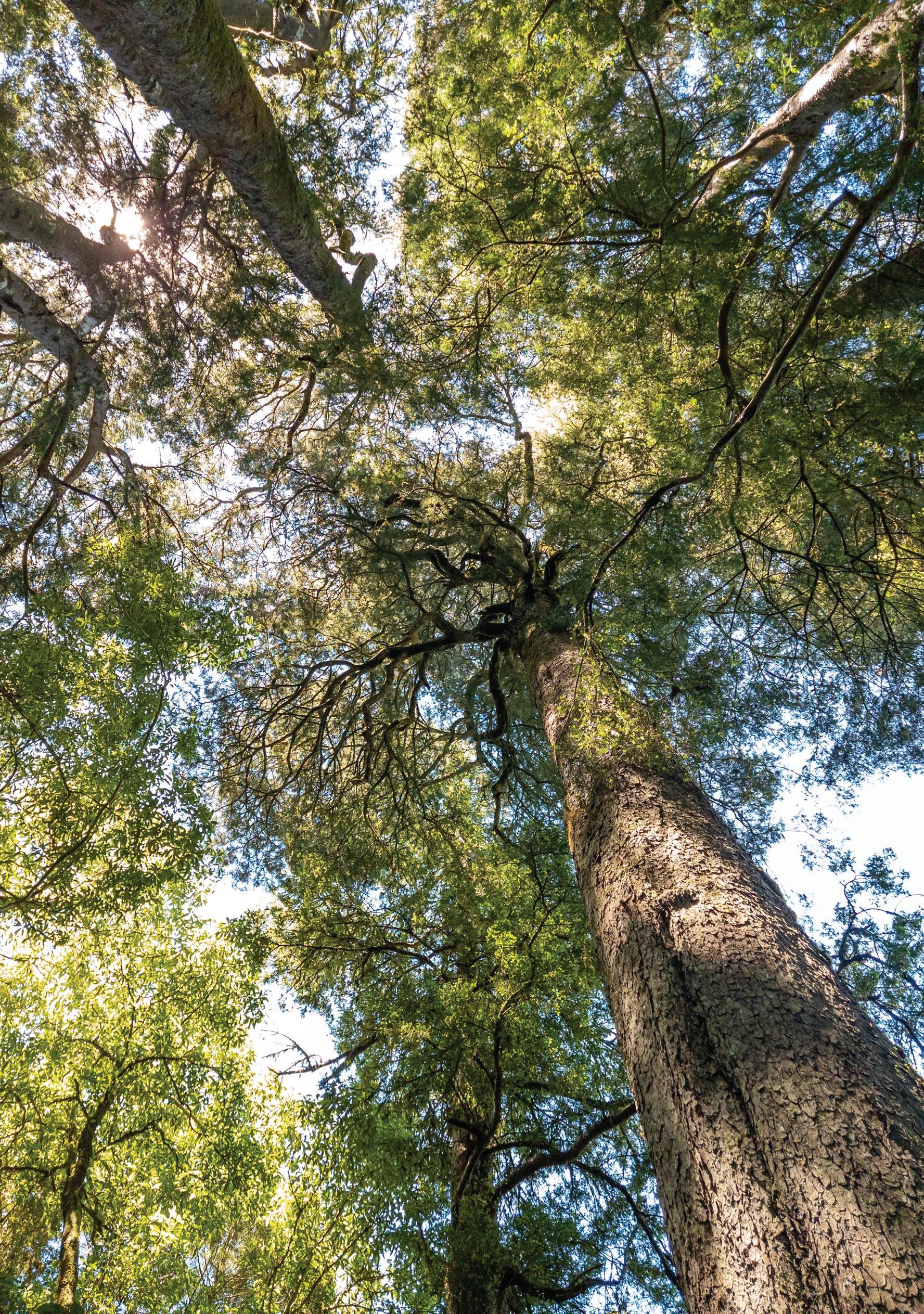
I takea mai te mōhio ki te hira o tēnei mea te pakari o te tū ngātahi, i te rākau nei a te kahikatea.
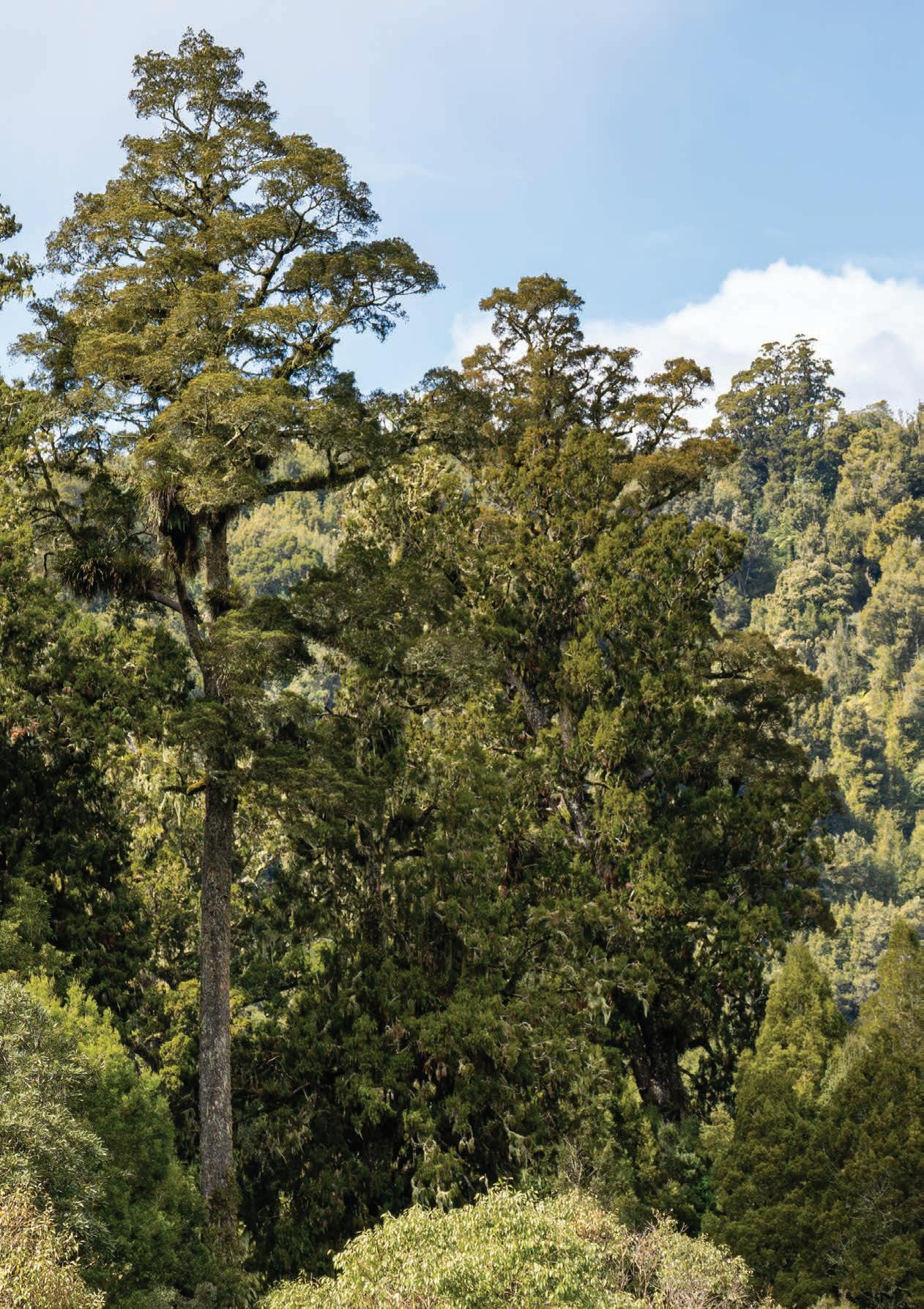
He kahikatea tū tahi ki te wao, ka pūhia e te hau, i te mea he pāpaku ngā pakiaka, he māmā te tūrakihia. Engari ki te tipu ururua, ka tāwhiwhi ngā pakiaka, e whirikoka ai tētahi i tētahi, me te tū pakari ākina ā-hau.
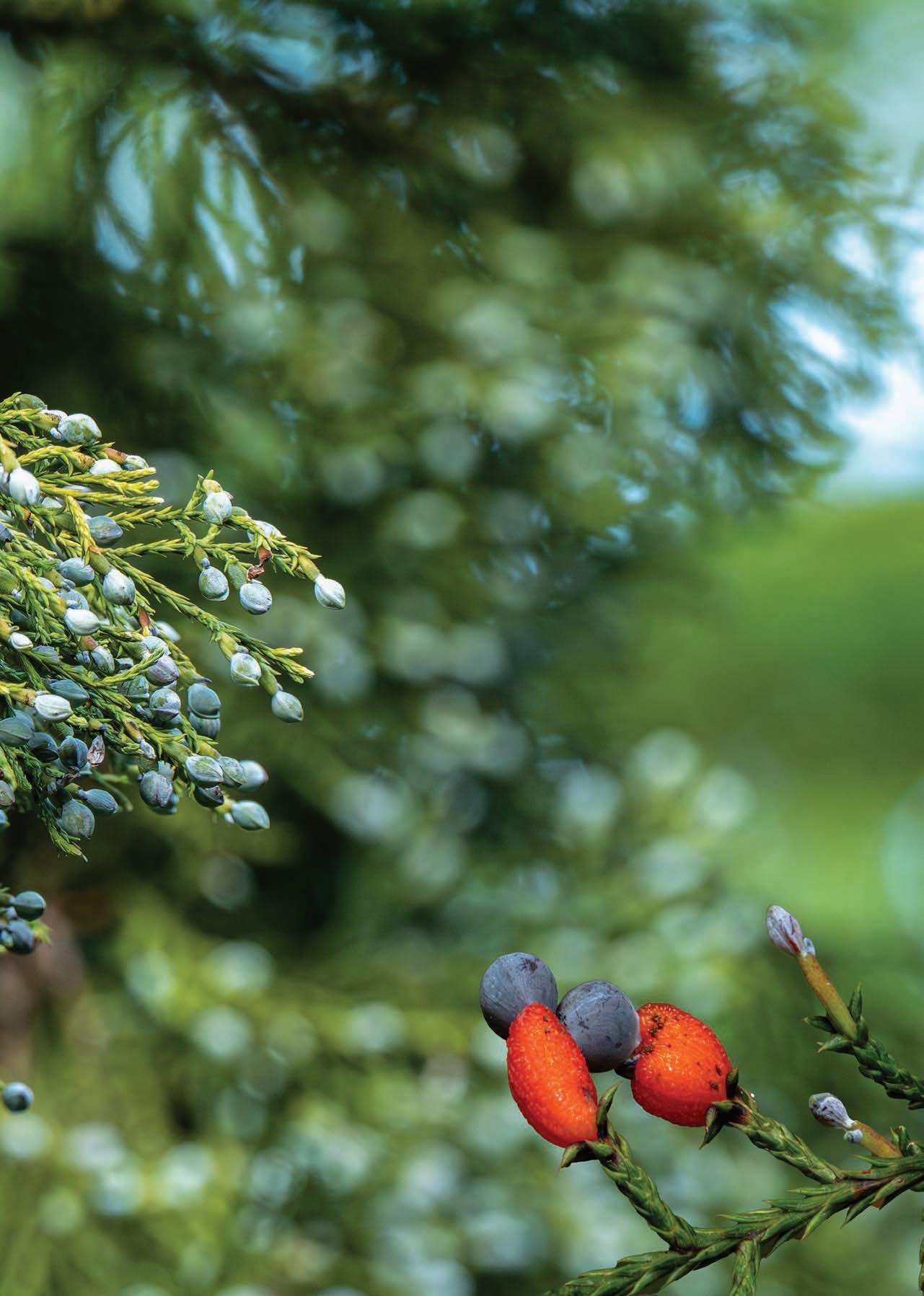
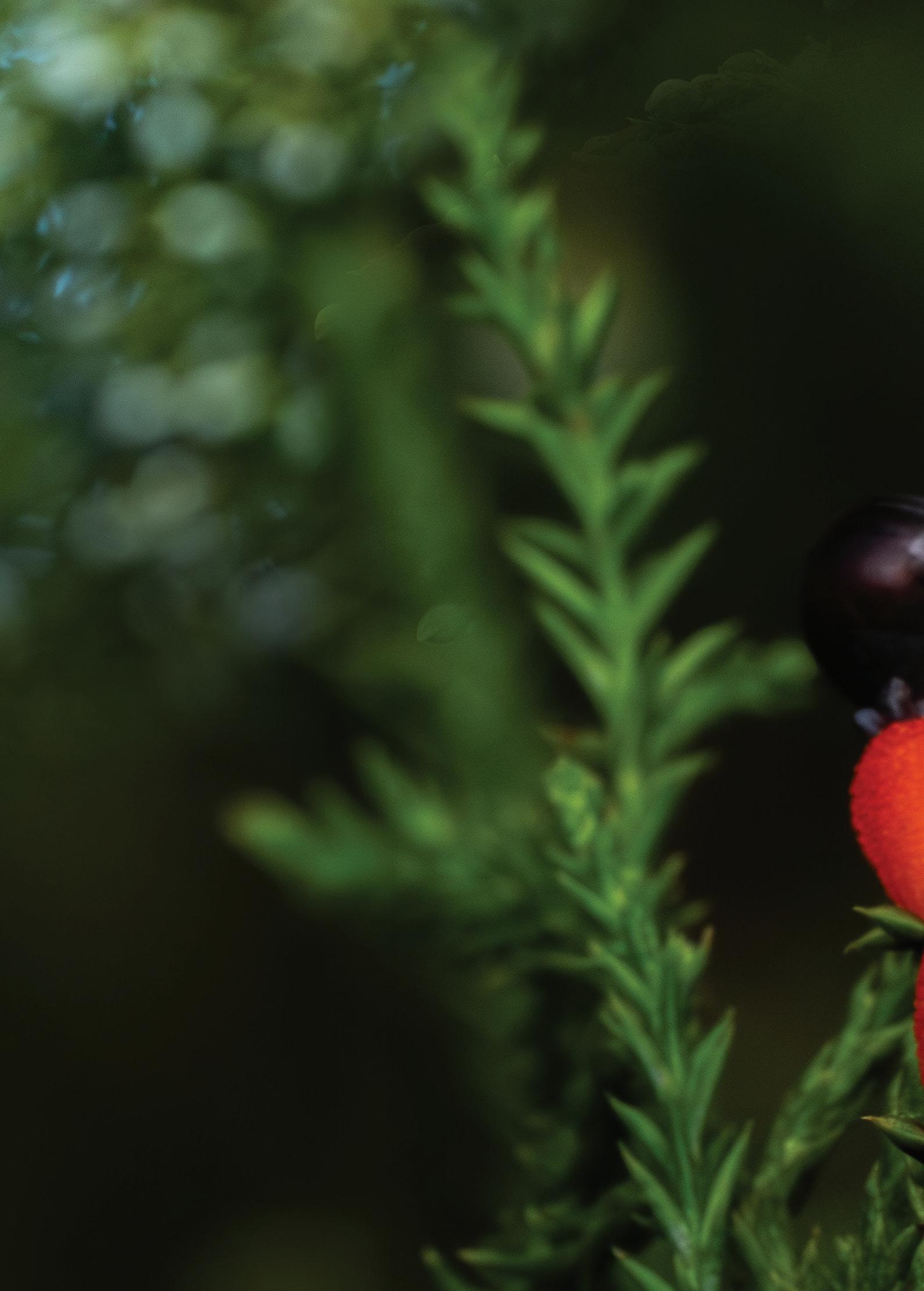
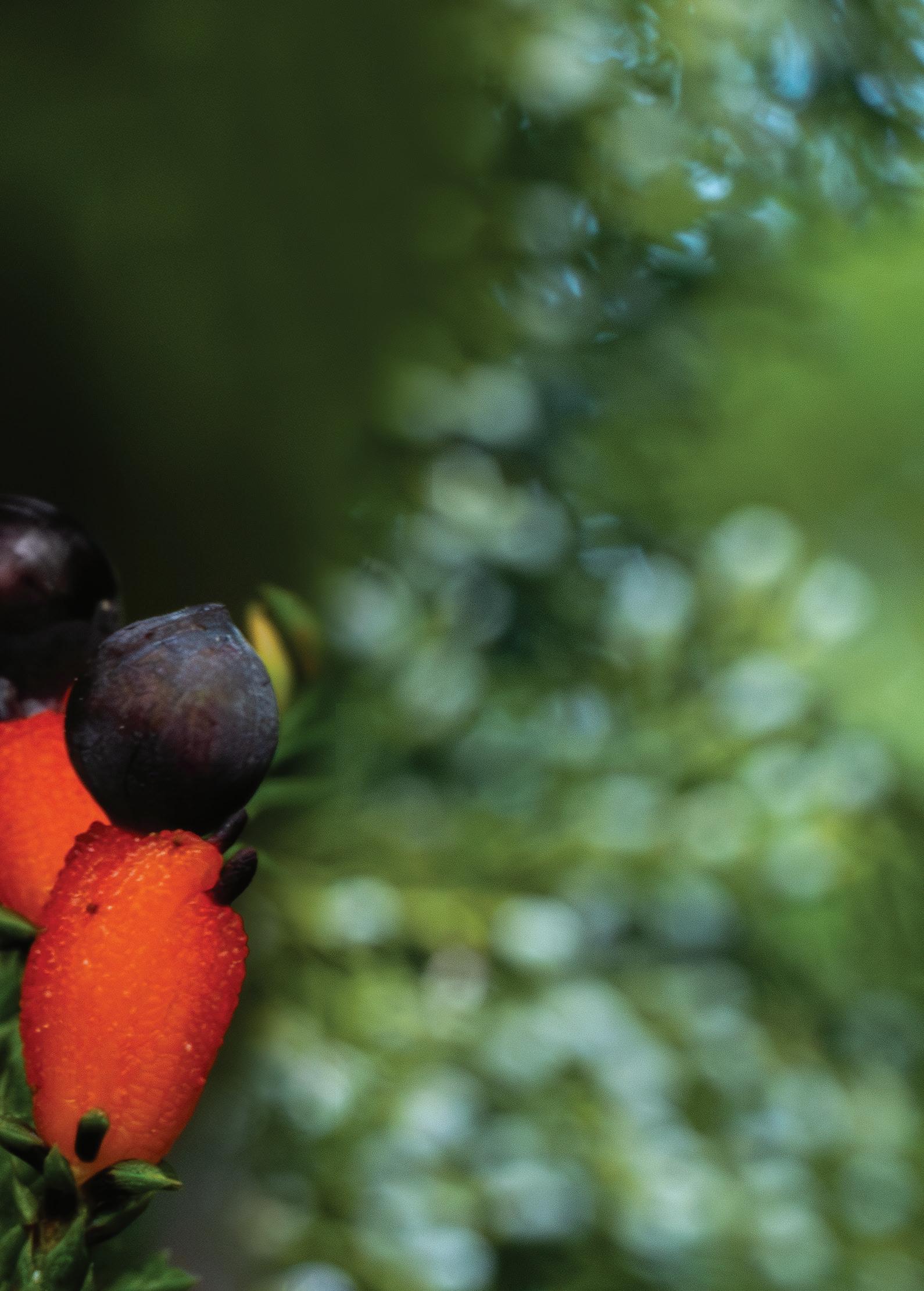
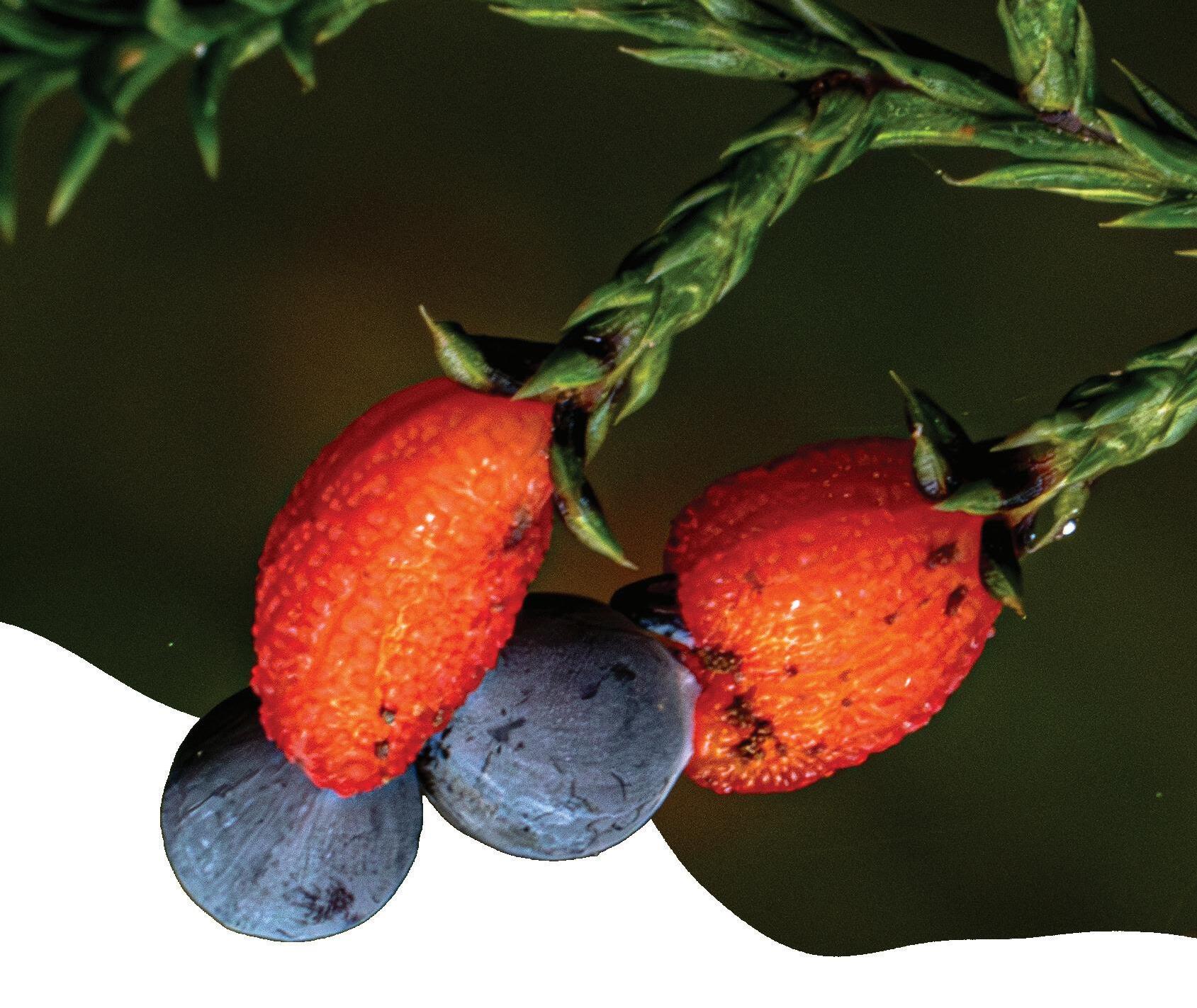
Ko te hua o tēnei rākau e rua ōna wāhanga: ko te ingoa o te wāhanga pākākā ko te koroī, ā, ko te wāhanga uriuri ko te matawhanaunga: te mata tērā o te whanaunga-he hononga tangata.
Resilience drawn from unity and harmony
We learn from Kahikatea the importance of the strength of the collective. A lone Kahikatea is fodder for winds, as its root structure is shallow and it is easily blown over.
However, when it grows as a grove, the root systems intertwine, taking strength from one another and overcoming the force of the elements.
The berry of this tree has two components: the bright orange part is called Koroī, and the purple section is called Matawhanaunga: the face of whanaunga– relationship and connection.

He Tūruapō
Rukuhia te mātauranga ki tōna hōhonutanga me tōna whānuitanga. Whakakiia ngā kete ā ngā uri o Awanuiārangi me te iwi Māori whānui ki ngā taonga tuku iho, ki te hōhonutanga me te whānuitanga o te mātauranga kia tū tangata ai rātou i ngā rā e tū mai nei.
Our Vision
Pursue knowledge to the greatest depths and its broadest horizons. To empower the descendants of Awanuiārangi and all Māori to claim and develop their cultural heritage and to broaden and enhance their knowledge base so as to be able to face with confidence and dignity the challenges of the future.
Te Whāinga Matua
Ū tonu mātou ki te whai ki te rapu i te hōhonutanga o te mātauranga kākanorua o Aotearoa, kia tāea ai te kī, ko wai āno tātou, me te mōhio ko wai tātou, kia mōhio ai nō hea tātou, me pēhea hoki tātou e anga whakamua. Parau ana tēnei ara whainga, hei whakapūmau āno i te tino rangatiratanga, hei taketake ai te ihomatua Māori me ōna tikanga kia ōrite ai te matū ki ngā mātauranga kē. Koia rā ka tū pakari ai, tū kotahi ai hoki me ngā iwi o te ao tūroa. Koia nei te ia o te moemoeā me ngā tūmanako o Te Whare Wānanga o Awanuiārangi.
Our Mission
We commit ourselves to explore and define the depths of knowledge in Aotearoa, to enable us to re-enrich ourselves, to know who we are, to know where we came from and to claim our place in the future. We take this journey of discovery, of reclamation of sovereignty, establishing the equality of Māori intellectual tradition alongside the knowledge base of others. Thus, we can stand proudly together with all people of the world. This is in part the dream and vision of Te Whare Wānanga o Awanuiārangi.
Ngā Uara
Tika | Pono | Aroha
He uarā tautuhi ō tō mātau whare wānanga (Ngā Uara) kua whakaūtia ki roto i ngā taiao tautoko, whakaako me te ako o Te Whare Wānanga o Awanuiārangi. Ka whakatōngia e Ngā uara te wairua whirinaki o tētahi ki tētahi, tae atu ki te hapori.
Our Values
Tika | Pono | Aroha
Our organisation has defined values (Ngā Uara) which we embed in the support, teaching and learning environments of Te Whare Wānanga o Awanuiārangi. Ngā Uara imbue a responsibility of duty towards each other and the wider community.
Manaakitanga
Hāpaihia te mana o te akonga, te manuhiri, te hāpori, tētahi ki tētahi
To respect and care

Kaitiakitanga
Ko taku kāinga ko taku wānanga, ko taku wānanga ko taku kāinga
To protect and support
Tumu Whakaara
E rere e te kāhu kōrako, hei waerea i te ara o te kawau
To inspire and lead through example
Whanaungatanga
Miria te ara whakawhanaunga o te akonga, o te hāpori tētahi ki tētahi
To value all relationships and kinship connections
Pūmautanga
He pakau ringa kohatu, he tohu kia ita, kia u, kia mau
To commit to excellence and continuous improvement


He Rarapatanga
At a Glance
5,529
Taupori Ākonga
Student Population
4,674
Ākonga Māori Māori Students
2,318 Ngā Ihuputa Katoa Total Graduates
97 %
% o ngā ākonga i pūrongo ake i te pikinga o te mārama me te manawanui ki te whakauru atu ki Te Ao Māori
% of students who report an increased understanding and confidence in engaging with Te Ao Māori
2,439
Tapeke EFTS
Total Equivalent Full-time Student
$4.3M
Pūtea Rangahau
Research Revenue
2,153
Te Maha o ngā Ākonga kei ngā Akoranga Reo me te Tikanga
Number of Students enrolled in Te Reo or Tikanga courses
98%
% o ngā ākonga i pūrongo ake i ngā hua pai i puta ki ō rātou whānau, hapū, iwi me ngā hapori i ngā pūkenga me te mātauranga i ākona
% of students who report that the skills and knowledge gained through study are making a positive difference to their whānau, hapū, iwi and communities
Pūrongo a te Tumuaki o Te Mana Whakahaere
Chairperson’s Report
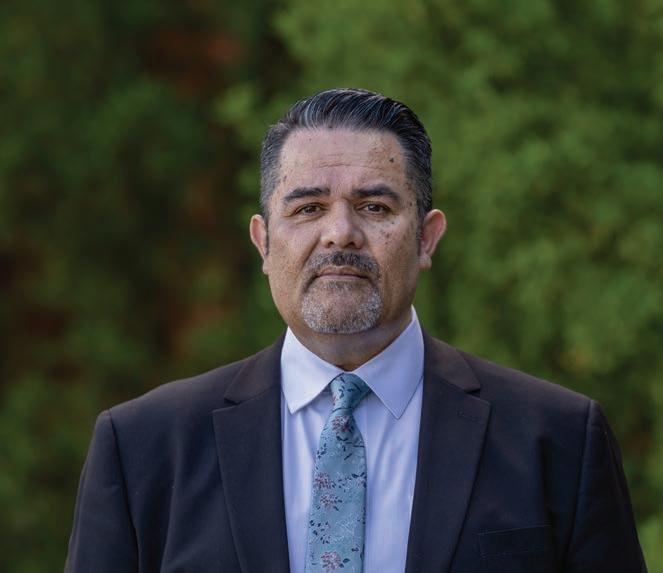
Ia tau, ia tau ka pānuitia, ka whakakitea ngā mahi huhua a Te Whare Wānanga o Awanuiārangi ki ngā Minita kāwanatanga o te mātauranga me te motu whānui. Ka horahia atu ngā mahi ātaahua i oti pai tae atu ki ētahi mahi kāore i eke ki ngā tūmanako o Te Mana Whakahaere o Awanuiārangi. Kā tika kia mihi ki ō tātau mate tūāuriuri me ki ngā tauira ki roto i tēnei tau kua hīkoi atu ki Paerau, tae atu ki ngā Pūkenga Kaiako o Awanuiārangi kua ngaro atu ki te pō. Haere rā koutou katoa te hunga mate ki Hawaiki nui, Hawaiki roa, Hawaiki pāmamao, oti atu. Ko te aroha nui ki a koutou ka mau tonu. Kua ngaro koutou i te tirohanga kanohi. Ka hoki mai ngā mihi ki a tātau katoa te hunga ora. Tēnā koutou, tēnā tātau katoa.
Nō Te Mana Whakahaere o Awanuiārangi te hōnore ki te whakaatu i te Pūrongo ā-Tau 2025.
He Whare Wānanga a Awanuiārangi i tīmataria e Ngāti Awa i te 1992 otirā ko te mātauranga Māori kei te pūtake o tō mātau tuakiri me te kaupapa. Ko Ngāti Awa te kaitiaki o Awanuiārangi. He mea whakatū te whare matua ki ngā whenua o te iwi. E tūtohu ana mātou ki a Ngāti Awa i roto i tō mātou turepapa, ā, hei tūranga hoki ki tō mātou poari mana whakahaere, otirā ko te nuinga nō Ngāti Awa.
Te Mana Whakahaere o Awanuiārangi, the Council of Te Whare Wānanga o Awanuiārangi is honoured to present the 2025 Annual Report.
Awanuiārangi is a House of Higher Learning founded by Ngāti Awa in 1992, with a framework of mātauranga Māori at the core of our identity and purpose. Ngāti Awa are the custodians of Awanuiārangi. Our principal campus is built on tribal land. We acknowledge Ngāti Awa in our constitution and by the composition of our governance board, the majority of whom are Ngāti Awa.
Ahakoa ngā wero e pā tonu nei ki te wānanga me te rāngai mātātoru whānui, e ū tonu ana mātou ki te ruku i te whānuitanga me te hōhonutanga o te mātauranga, kia mōhio ai ā mātou ākonga ko wai rātou, nō hea rātou, ā, kia tū rangatira rātou i te ao e tū mai nei.
Mana whakahaere
E tūtohu ana a Awanuiārangi ki ngā mahi, te manawa tītī me te tohungatanga o te Kaunihera me tana rōpū tohutohu a Te Toi Apārangi o Te Whare Wānanga o Awanuiārangi. I pā mai he aituā nui i te tīmatanga o te 2026 i te rironga o tētahi o ngā mema Kaunihera tūroa a Tākuta Tuihana Pook (Honoris causa), i muri o te māuiui roa. I eke ki te 12 tau te roa o Tuihana he mema puiaki o te Kaunihera i tohua e ngā Minita o te Mātauranga.
Kua kitea ētahi rerekētanga ki te māngai nā te Minita i tohu. I te Nōema, i whakaputaina e te Minita o ngā Whare Wānanga e Tākuta Shane Reti ngā kopounga hou e rua: Jeremy Gardiner (Ngāti Awa, Ngāti Pikiao, Te Whānau-ā-Apanui, Te Whakatōhea) and Dr Warren Williams (Ngai Tūhoe, Waikato). Ka kawea mai e rāua ngā wheako hautū, mana whakahaere korahi i te rāngai hangarau me te whanaketanga ōhanga Māori. I tohua anō hoki te Upoko-Tuarua a Rauru Kirikiri (Te Whānau-a-Apanui) ki te Kaunihera. Ka rere atu ngā mihi a te Kaunihera ki te mema e tāoki ana ki a Charlie Tawhiao (Ngāi Te Rangi) mō āna mahi, ā, ka tāria āna mahi tohutohu hei mema o Te Toi Apārangi.
Ahunga rautaki
I te roanga o te 2025, i mahi tahi te Kaunihera me te tira matua ki te whakarite i tētahi ara whakamua tārake mā roto i tētahi rautaki tauroa huatau. He mea hoahoa te Rautaki 2050 me te whakapapa hei mātāpono ārahi, māna e whakarite i te motuhenga me te hononga ki te tuku ihotanga o te whakahaere, me ngā whāinga toitū e aro ana ki te āpōpō. Kua tuhia ētahi tauine me ngā whāinga hou, e whakateitei ana i te whakauruuru mai i te reo o te hapori me te whakakake i ō mātou tikanga kawe akoranga rongomaiwhiti.
Ngā Mahi Whakahaere
Nā te tipuranga motuhake i ngā wāhanga matua pēnei i te mahi ako me te tapuhi, i whākaha ake ā mātou wero whiwhi pūtea, otirā ahakoa i whakaae a TEC kia piki te whakaratonga e tutuki ai te popono, engari kāore i tukua ngā pūtea. Nā tēnei i piki te tarepatanga mō te tau mā te $0.78m.
Nā te pai o ngā whakahaere, i penapenatia e te wānanga te $2.84m atu ki te mahere pūtea. Engari i piki tonu ngā utunga mā te $0.16m mai i te tau 2024 nā te pikiutu tukipū, nā ko te tarepa whānui ko te $1.53m, atu ki te mahere pūtea tarepa o te $1.65m. Ahakoa i piki ngā whakaurunga i ngā taumata ako teitei (paetahi, piki ake) ko te nui o ngā EFTS whānui i kerēmetia he 2,439, 2.8% iti ake i te 2024. Kei te pakari tonu tō mātou tūnga ahumoni, arā he $93.07m te uara o ngā arawa katoa (2024: $93.20m) me te $84.31m tautika (2024: $84.08).
Despite the challenges that continue to affect wānanga and the tertiary sector generally, we remain committed to exploring the breadth and depths of knowledge so our students know who they are, know where they come from and can confidently claim their place in the future.
Governance
Awanuiārangi acknowledges the contribution, commitment and expertise of the Council and its advisory roopu Te Toi Apārangi o Te Whare Wānanga o Awanuiārangi. We suffered a great loss at the start of 2026 with the passing of longstanding Council member, Dr Tuihana Pook (Honoris causa), after a long illness. Tuihana served for over 12 years as a highly valued and respected member of the Council appointed by successive Ministers of Education.
There have been changes to the Ministerial representation. In November, Universities Minister Dr Shane Reti announced two new appointments: Jeremy Gardiner (Ngāti Awa, Ngāti Pikiao, Te Whānau-ā-Apanui, Te Whakatōhea) and Dr Warren Williams (Ngai Tūhoe, Waikato). They bring extensive leadership and governance experience in the technology sector and in Māori economic development to these roles. CoDeputy Chairperson, Rauru Kirikiri (Te Whānau-ā-Apanui) was reappointed to Council at the same time. The Council would like to thank retiring member Charlie Tawhiao (Ngāi Te Rangi) for his contribution, and we look forward to his continued counsel as member of Te Toi Apārangi.
Strategic progress
Throughout 2025, Council and management have worked closely to establish a clear future pathway through a refined long-term strategy. The Strategic Plan 2050 has been designed around whakapapa as a guiding principle to ensure authenticity and connection to our organisational heritage and sustainable future-focused goals. Measures and new targets have been drafted, placing a strong emphasis on incorporating community voice and leveraging our distinctive delivery methods.
Organisational Performance
Targeted growth in key provision areas, such as teaching and nursing, has exacerbated our funding challenges, with TEC allowing the increase in provision to meet demand, but on an unfunded basis. That increased our deficit for the year by more than $0.78m.
Through careful management, the Wānanga made cost savings of $2.84m against budget. However, costs were still $0.16m higher than 2024 due to inflationary pressures, resulting in an overall deficit of $1.53m against a budgeted deficit of $1.65m. While enrolments increased at the higher level (degree and above), overall EFTS claimed were 2,439, 2.8% lower than in 2024. Our statement of financial position remains strong with $93.01m in total assets (2024: $93.20m) and $84.31m in net equity (2024: $84.08).

Ngā Hononga
He mea nui tonu ki a mātou te hirahira o te tuitui i ngā hononga, ā, e whakapakari tonu nei, e ngaki tonu nei hoki a Awanuiārangi i āna hononga ki ngā iwi o Mataatua, ki Te Tau Ihu o Ngā Wānanga me te huhua noa o ngā kiripānga ā-hapori, ā-kāwanatanga hoki. Ka eke ki te 26 ā mātou rangapūtanga MOU, ā, e toru atu anō e whiriwhirihia ana. I āminetia ētahi hononga hou i tēnei tau ki a Te Whatu Ora Te Tai Tokerau - Te Hōhipera o Kaitaia, Beijing Foreign Studies University, me Te Pūtahi Māori o Manurewa, hei whakaatu i tō mātou pūmau ki te kōkiri i ngā wawata mātauranga iwi taketake i Aotearoa, me te ao. Nā te rētō o te mātauranga Māori, te ariā ā-ture me ngā hononga mātauranga ā-iwi o te ako, e whanake nui ana te rangahau, te pūkenga, te tānga kōrero me te pakari o ngā whatunga i roto i te mātauranga iwi taketake. E whakakorahi tonu ana a Awanuiārangi i āna kaupapa ako ā-hapori ki roto i ngā rohe, ki te motu, ki ngā iwi, ā, ki ngā hapori hoki o te ao.
Relationships
The importance of maintaining relationships can never be under-estimated and Awanuiārangi has continued to strengthen and cultivate its external links to the iwi of Mataatua, Te Tau Ihu o Ngā Wānanga, and a range of community and governmental stakeholders. We have 26 MOU partnerships in place and three more in negotiation. We agreed new relationships this year with Te Whatu Ora Te Tai Tokerau - Kaitaia Hospital Services, Beijing Foreign Studies University, and Te Pūtahi Māori o Manurewa, demonstrating our commitment to furthering indigenous educational aspirations in Aotearoa New Zealand and internationally.
The depth of mātauranga Māori scholarship, jurisprudence and academic ā-iwi interrelationship through teaching and learning brings continued development in research, scholarship and publishing, and networking strength in indigenous knowledge. Awanuiārangi continues to extend our community-centred programmes across local, regional, national ā-iwi and international indigenous communities.
$2.84M
i penapenatia e te wānanga te $2.84m atu ki te mahere pūtea cost savings against budget
2,439
Tapeke EFTS

$93.01M
Miriona o ngā rawa katoa Million in total assets
$84.31M
Tautika
Net equity
Whakapōtaetanga
He ekenga hirahira nui te whakapōtaetanga mā ngā tauira, ā, e uaratia ana e mātou te āheinga ki te whakanui i ā rātou mahi nunui i tēnei huihuinga ā-tau ki Te Mānuka Tūtahi Marae i Whakatāne. I hui mātou i tēnei tau i te Paraire, 2 o Mei 2025 ki te whakanui i te whakawhiwhinga o ngā tohu 2,318. I piki anō ai te maha o ngā tohu kairangi, nā reira kua eke ki te 108 te tapeke katoa o ngā pūkenga kairangi, hei whakaatu i te whakauka o ā mātou tauira ki te whakapiki i te mātauranga iwi taketake ki ngā taumata teitei. I te wiki hoki o te whakapōtaetanga, i tū ngā Tohu Pūkenga Ahurei ki te whakanui i te toitū mauroa o te ako, te whakaako me te kairangitanga. E toru ngā tohu i whakawhiwhia hei whakanui i ngā mahi hirahira a Kaiwhakawā Matua Tākuta Caren Fox, Tākuta Hiria Hape, ā, me ētahi mema o te whānau Black, otirā ko Arthur (Rānui) Black tētahi. I whakanuia e te kaupapa nei ngā ekenga mātauranga, me te manawanui, te pānga nui, ā, me te whakaaweawe matatū o ā mātou tauira, āianei, ā, ake tonu atu.
Ngā kupu mihi
Ahakoa ngā wero moroki kei mua i tō mātou rāngai, ka whakateiteitia tonutia e mātou ngā mahi whakahaere ki te tuku i te mātauranga e tautoko ana i ngā wawata o ā mātou tauira, ō rātou whānau, ngā iwi me ngā hapori. Mā roto i ngā hononga pakari ki Te Amorangi Mātauranga Matua, Te Mana Tohu Mātauranga, Te Tāhuhu o te Mātauranga me Te Tau Ihu o Ngā Wānanga, ā, e ū tonu ana ki te whakapiki ake i te hāpono o ngā Wānanga, me te mana ōrite o ngā whiwhinga pūtea ki ō ngā whare wānanga auraki.
I ā mātou e titiro whakamuri ana ki ngā angitutanga o te tau ka hipa, ka whakamihi mātou i a Ngāti Awa, tō mātou iwi o te rohe o Mataatua, ā mātou tauira me ō rātou whānau puta noa i te motu me te ao. Ka whakanui hoki i te manawanui o tō mātou Tumuaki, Ahorangi Doherty, tō mātou tira whakahaere matua me ngā kaimahi katoa, otirā ko rātou te manawa o ngā tutukitanga mā ngā tauira me ngā hapori. Kāti, ka rere ngā mihi ki ā mātou tauira, mō te whakapono mai ki a mātou me ō rātou wawata mō ngā e tū mai nei. I ā mātou e kōkiri whakamua ngātahi ana, ka whakarite mātou kia noho tonu Te Whare Wānanga o Awanuiārangi hei wāhi whakaumu, aumangea, whakarauora hoki, hei ngā reanga e whai tonu mai ana, otirā ka arahina e tō mātou whāinga matua:
Graduation
Graduation is a significant milestone for tauira, and we value the opportunity to acknowledge their hard work and achievements at the annual ceremony at Te Mānuka Tūtahi Marae in Whakatāne. We gathered this year on Friday 2 May 2025 to celebrate 2,318 tohu being conferred. Once again, we awarded a record number of doctoral degrees, bringing our total number of doctoral alumni to 108 and reflecting the commitment of our tauira to advancing indigenous knowledge at the highest levels.
In the same week as Graduation, the Council held the inaugural Distinguished Alumni Awards to acknowledge a lifelong commitment to learning, teaching, and excellence. Three awards were conferred in recognition of the significant achievements and contributions of Her Honour Chief Judge Dr Caren Fox, Dr Hiria Hape, and members of the Black whānau, including the late Arthur (Ranui) Black. The occasion honoured not only academic achievement, but also the dedication, impact, and enduring influence of our tauira, now and into the future.
Acknowledgements
Despite the ongoing challenges facing our sector, we will continue to prioritise strong governance and management to deliver education that supports the aspirations of our tauira, their whānau, iwi and communities. Through our strong relationships with Tertiary Education Commission, the New Zealand Qualifications Authority, Ministry of Education and Te Tau Ihu o Ngā Wānanga, we remain focused on improving the viability of Wānanga and ensuring funding equality with universities.
As we look back on the successes of the past year, we acknowledge Ngāti Awa, our iwi of Mataatua, our tauira and their whānau from across the motu and internationally. We also recognise the dedication of our Chief Executive, Professor Doherty, our management team and all of our kaimahi, who are at the heart of everything that we achieve for our tauira and communities. And to our tauira, we thank you for trusting us with your aspirations for the future. As we continue our journey together, we will ensure that Te Whare Wānanga o Awanuiārangi remains a place of transformation, resilience, and renaissance for generations to come, guided by our mission:
Rukuhia te Mātauranga ki tōna hōhonutanga me tōna whānuitanga.
Pursue knowledge to the greatest depths and its broadest horizons.
Te Hōnore Kaiwhakawā Matāmua L R Harvey TUMUAKI
PhD (AUT), D.MD (Hon. Causa), MComLaw, LLB (Auckland)
Ngāti Awa, Rongowhakaata, Te Aitanga a Māhaki, Te Whānau-ā-Apanui, Ngāti Kahungunu ki Te Wairoa
The Hon. Justice L R Harvey
CHAIRPERSON
PhD (AUT), D.MD (Hon. Causa), MComLaw, LLB (Auckland)
Ngāti Awa, Rongowhakaata, Te Aitanga a Māhaki, Te Whānau-ā-Apanui, Ngāti Kahungunu ki Te Wairoa
Rukuhia te Mātauranga ki tōna hōhonutanga me tōna whānuitanga.
Pursue knowledge to the greatest depths and its broadest horizons.
Te Mana Whakahaere
Governance

I roto i te Ture Mātauranga e tautuhia ana a Te Whare Wānanga o Awanuiārangi hei Wānanga, ā, he pērā hoki te rēhitatanga mai anō i te 1997. I mua o tērā, he whakahaere whakangungu tūmataiti a Awanuiārangi i tīmata mai i te Pēpuere 1992. Ko te āhuatanga o te Wānanga, ko te ako me te rangahau e pupuri ana, e whakatipu ana, e tuari ana hoki i te mātauranga, e whakawhanake ana i te motuhaketanga, me te āwhina i te whakatinanatanga o te mātauranga o ngā āhuatanga Māori i runga anō i te tikanga Māori.
E mana whakahaeretia ana Te Whare Wānanga o Awanuiārangi e tētahi Kaunihera, me ngā mātauranga, ngā pūkenga me ngā wheako ki te mātua whakarite i te kawenga ako kounga rawa i runga anō i tā mātau mahi me ngā haepapa motuhake hei Wānanga. E whakanui ana hoki te mematanga o tō mātau Kaunihera i te hononga rongomaiwhiti, mauroa hoki ki a Ngāti Awa me ngā iwi o Mātaatua. Ko ngā mema o runga, nō Te Rūnanga o Ngāti Awa, he mema nā te Minita i tohu, i tonoa rānei e te Mana Whakahaere.
Ngā Komiti a te Mana Whakahaere
E rima ngā komiti-iti a te Mana Whakahaere hei aroturuki, hei āwhina hoki ki te whakatinana i āna kawenga:
• Poari Kounga Ako
• Komiti Hauora me te Haumaru
• Komiti Arotake Mōrearea Ahumoni
• Komiti Rapu me te Utu Kaimahi
• Komiti Haumitanga
Te Whare Wānanga o Awanuiārangi (Awanuiārangi) is a wānanga as defined in the Education and Training Act 2020 and has been registered as such since 1997. Before then, Awanuiārangi was a registered private training establishment that commenced operating in February 1992. A wānanga is characterised by teaching and research that maintains, advances, and disseminates knowledge, develops intellectual independence, and assists with the application of knowledge regarding āhuatanga Māori (Māori tradition) according to tikanga Māori (Māori custom).
Te Whare Wānanga o Awanuiārangi is governed by a council with the knowledge, skills, and expertise to ensure we deliver quality educational provisions in accordance with our distinct role and responsibilities as a wānanga. Membership of our Council also recognises the special and enduring relationship with Ngāti Awa and Mātaatua iwi. Council comprises Te Rūnanga o Ngāti Awa, Ministerial and Co-opted Appointments.
Committees of Council
Council has five sub-committees to monitor and assist in the fulfillment of their responsibilities:
• Academic Committee
• Health and Safety Committee
• Finance Audit and Risk Committee
• Appointments and Remuneration Committee
• Investment Committee

Te Toi Apārangi o Te Whare Wānanga o Awanuiārangi
Ko te kaupapa o Te Toi Apārangi he tuku kupu āki ki te Kaunihera me te Tumu Whakarae e pā ana ki te mātauranga Māori, te reo, ngā tikanga me te kawa, ā, me ētahi atu take e pā ana ki Te Whare Wānanga o Awanuiārangi.
He matatau ngā mema o Te Toi Apārangi ki te reo, he mātanga o ngā āhuatanga Māori i runga anō i ngā tikanga Māori, ā, kua roa te hononga ki ngā iwi ngā marae me te Kaunihera. E mōhiotia ana ngā mema hei mātanga reo, mātanga tikanga otirā he tohunga tonu nā te iwi me te pūmau anō ki te mātauranga Māori.
Te Toi Apārangi o Te Whare Wānanga o Awanuiārangi
The purpose of Te Toi Apārangi is to provide advice to the Council and to the Chief Executive regarding mātauranga Māori, te reo, tikanga, kawa and any other matters that concern Awanuiārangi.
Members of Te Toi Apārangi are fluent in te reo Māori, experts in āhuatanga Māori (Māori tradition) according to tikanga Māori (Māori custom) and have maintained a long-standing relationship with iwi and marae and with the Council. Its members have long been acknowledged as tribal experts by the iwi and for their tireless commitment and dedication to mātauranga Māori.
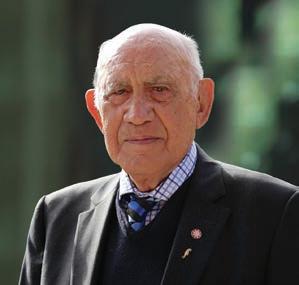
Distinguished Professor, Sir Hirini Moko Mead
Mema o Te Toi Apārangi Member Te Toi Apārangi Ngāti Awa, Ngāti Tūwharetoa, Ngāi Tūhoe, Tūhourangi
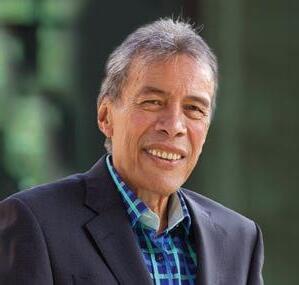
Tawhiao
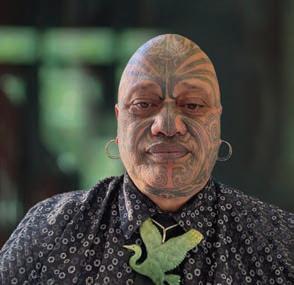
Dr Pouroto Ngaropo
Mema o Te Toi Apārangi Member Te Toi Apārangi Ngāti Awa, Te Kōtahi ō Te Awa o Te Atua, Tūhourangi, Te Rarawa, Ngāti Ranginui, Ngāti Pūkenga, Maniapoto, Tainui, Te Arawa, Ngāti Hauā, Hauraki, Te Whānau-aApanui, Ngāti Whātua, Ngā Puhi, Ngāti Tūwharetoa, Ngāti Pikiao, Ngāti Whakaue, Waitaha, Ngāi Te Rangi, Ngāti Raukawa, Ngāti Hauā.


Charles
(Member from November 2025)
Ngāi Te Rangi
Te Mana Whakahaere o Te Whare Wānanga o Awanuiārangi 2025 Te Whare Wānanga o Awanuiārangi Council 2025
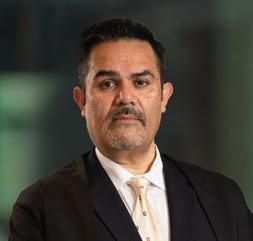
Te Hōnore Kaiwhakawā Mātāmua
Layne Harvey
Tumuaki Chairperson
He māngai o Ngāti Awa
Ngāti Awa Representative
Ngāti Awa, Rongowhakaata, Te Aitanga a Māhaki, Te Whānau-ā-Apanui, Ngāti Kahungunu ki Te Wairoa
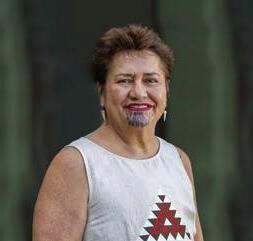
Materoa Dodd
He māngai o Ngāti Awa
Awa Representative
Awa, Ngāi Te Rangi

Natalie Coates
Nā te Minita i Tohu Ministerial Appointment
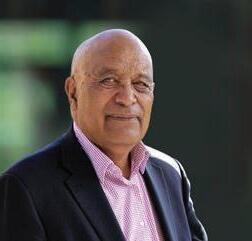
Rauru Kirikiri
Tumuaki-Tuarua Co-Deputy Chair
Nā te Minita i Tohu Ministerial Appointment
Te Whānau-a-Apanui
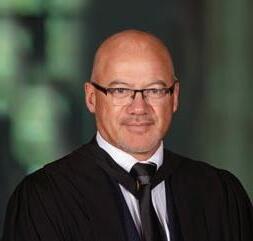
Kaiwhakawā Matua-tuarua
Craig Coxhead
He māngai o Ngāti Awa
Ngāti Awa Representative Ngāti Makino, Ngāti Pikiao, Ngāti Awa, Ngāti Maru
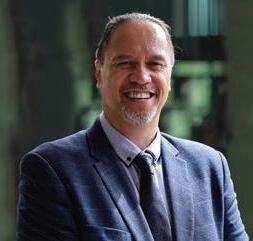
te Minita i Tohu
Awa, Ngāti Hine, Ngāti Tūwharetoa, Tūhourangi, Tūhoe, Te Whānau-ā-Apanui Dr Warren Williams

Ahorangi Ahurei
Linda Tuhiwai Smith
Tumuaki-Tuarua Co-Deputy Chair
He māngai o Ngāti Awa
Ngāti Awa Representative
Ngāti Awa, Ngāti Porou

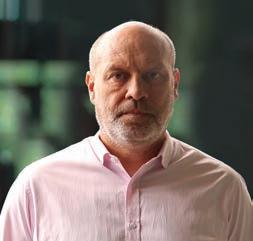
a Apanui
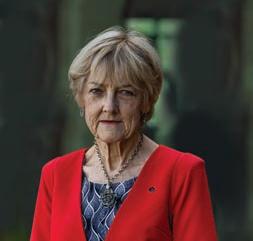


Tania Rangiheuea
He māngai o Ngāti Awa Ngāti Awa Representative Ngāti Awa, Tūhourangi, Te Arawa
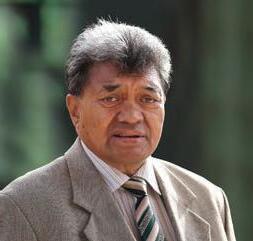
Aubrey Temara Nā Te Mana Whakahaere i Tohu Co-opted Appointment Ngāi Tūhoe


Te Toi Apārangi o Te Whare Wānanga o Awanuiārangi
I tohua a Tākuta Tuihana Pook hei mema o Te Mana Whakahaere o Awanuiārangi i te 26 o Hūrae 2013. I tāoki ia i taua tūranga i te Ōketopa 2025, ā, ka uru ki Te Toi Apārangi o Te Whare Wānanga o Awanuiārangi i te Nōema 2025.
Te Toi Apārangi o Te Whare Wānanga o Awanuiārangi
Dr Tuihana Pook was appointed as a member of Te Mana Whakahaere o Awanuiārangi on 26 July 2013. She retired from that role in October 2025 and joined Te Toi Apārangi o Te Whare Wānanga o Awanuiārangi in November 2025.
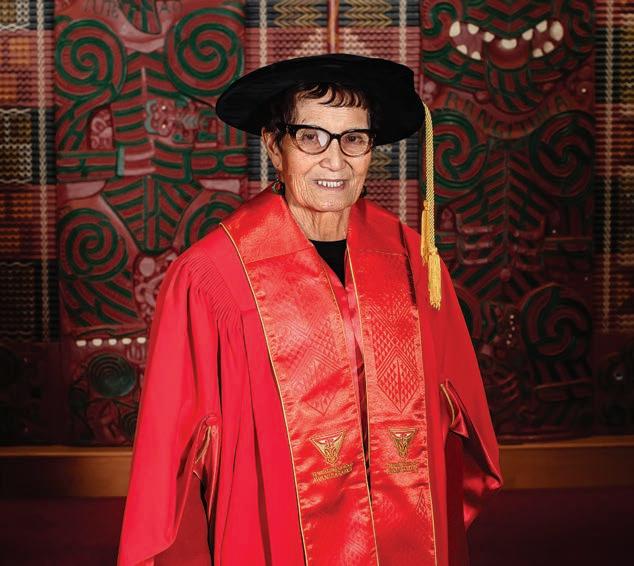
Dr Tuihana Pook (Member from November 2025) Te Whānau-a-Apanui
Ko te pouri nui, i riro tītapu a Tākuta Tuihana Pook (Honoris causa) i te 27 o Hānuere 2026, i muri i te māuiui roa. Ka tāia he poroporaki ki a Tākuta Pook ki tā mātou Pūrongo ā-Tau 2026.
Sadly, Dr Tuihana Pook (Honoris causa), passed away on 27 January 2026 after a long illness. A full tribute to Dr Pook will feature in our 2026 Annual Report.
Whare Wānanga
Te Pūrongo a te Tumu Whakarae
Chief Executive Report
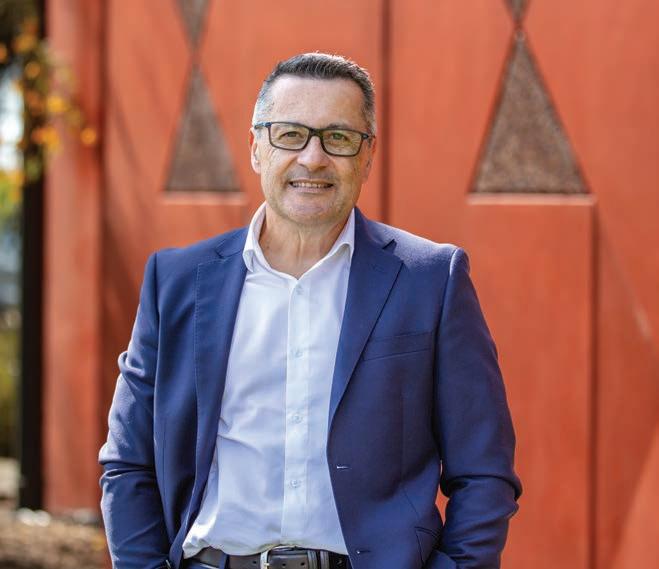
Nōku te whiwhi ki te whakaatu i te Pūrongo ā-Tau 2025 a Te Whare Wānanga o Awanuiārangi.
Ko tō mātou tūruapō me te whāinga mātua he whakatairanga, he whakatipu me te whakaū i te mātauranga me te reo Māori mā te arotahi ki te tikanga Māori, otirā he hiringa nui tēnei mō te anamata o Aotearoa.
Kei te whakapakari tonu mātou i ngā hapori me te turuki i ngā hononga mā te tuku i ā mātou hōtaka, ki te whakarite kia āhei ā mātou tauira ki te mātauranga ahakoa kei hea rātou. I Aotearoa, ko te tikanga o tēnei, ko te whakakanorau ki roto i ngā hapori ā-rohe, kaua ko te whakawhānui i ngā whare ako i ngā pokapū matua. I te ao, e ū tonu ana mātou ki ngā tauutuutu ā-mātauranga e whakatenatena ana i ngā hononga i waenga i ngā iwi taketake.
I mana ai ēnei hononga kaha nā te kounga o ngā wheako, te tautoko me ngā arawātea ka whakaratoa e mātou hei āwhina i ngā tauira kia eke panuku rātou i runga i tō rātou huarahi ako.
It is a privilege to present the 2025 Annual Report for Te Whare Wānanga o Awanuiārangi. Our vision and mission to promote, grow and sustain Māori knowledge and language through tikanga Māori practice, have never been more vital to the future of Aotearoa New Zealand.
We continue to strengthen communities and deepen connection through the delivery of our programmes, ensuring that tauira can access education wherever they are. In Aotearoa, this means diversifying into local communities rather than expanding large campuses in main centres. Internationally, we remain committed to academic exchanges that reinforce relationships between indigenous peoples.
These strong connections are made possible by the quality of experiences, support, and opportunities we provide to help our tauira succeed in their learning journeys.
Ngā whakamihi
E toro atu ana aku mihi manahau ki tō mātou Poari mō te hautūtanga, me tō mātou tira whakahaere matua, ngā kaimahi mā ā mātou tauira me ō rātou whānau e ngākau titikaha nei, ā, e te tautoko. Ahakoa ngā wero moroki o te wā o te tawhititanga ā-motu i te ao Māori, e ū pōhaturoa tonu ana tō mātou ū ki te mātauranga Māori me tōna pānga angitu, whakaumu hoki ki te oranga o te iwi ka whai wāhi ake.
Te kokenga ki ngā putanga ine matua
E kitea tonu ana te pakari o ngā mahi ina tauritea ki ā mātou ine matua, inakoa ngā mea e aro ana ki te wheako tauira. I roto i tō mātou uiui ā-tau o Te Reo o ngā Tauira:
• 98% o ngā ākonga i pūrongo ake i ngā hua pai i puta ki ō rātou whānau, hapū me te iwi i ngā pūkenga me te mātauranga i ākona.
• 98% o ngā ākonga i pūrongo ake i te pikinga o te manawanui ā-mātauranga.
• 97% o ngā ākonga ka tūtohu i tēnei Wānanga ki ētahi atu.
Acknowledgements
I extend my sincere thanks to our Board for their leadership, and to our senior management team, staff, our tauira and their whānau for their ongoing commitment and support. Despite the continuing challenges of a national shift away from te ao Māori priorities, we remain steadfast in our commitment to mātauranga Māori and its positive, transformative impact on the lives of those it touches.
Progress against key measures
We have seen significant improvements across many of our key measures, particularly those focused on the tauira experience. In our annual Tauira Voice survey:
• 98% of tauira reported that the skills and knowledge gained through study are making a positive difference to their whānau, hapū and iwi.
• 98% reported an increase in educational confidence.
• 97% would recommend this Wānanga to others.
98%
o ngā ākonga i pūrongo ake i ngā hua pai i puta ki ō rātou whānau, hapū me te iwi i ngā pūkenga me te mātauranga i ākona.
of tauira reported that the skills and knowledge gained through study are making a positive difference to their whānau, hapū and iwi.
98%
o ngā ākonga i pūrongo ake i te pikinga o te manawanui ā-mātauranga.
Reported an increase in educational confidence
97 %
o ngā ākonga ka tūtohu i tēnei Wānanga ki ētahi atu.
Would recommend this Wānanga to others.
I tutuki, i pahika katoa rānei ngā whakautu ki te uiui i ngā whāinga, otirā e whakaatu ana i te māha nui ki ngā wheako ako me ngā putanga mātauranga.
All surveyed measures met or exceeded target, reflecting strong satisfaction with both learning experiences and study outcomes.
Ngā hōtaka hou me ngā tikanga kawenga hou
E whakawhānui tonu ana mātou i ngā momo hōtaka e tutuki ai ngā matea kukune a ngā tauira. Nō te hiku o te 2025, i eke ki te 27 te maha o ngā hōtaka hou e whanaketia ana, tae atu ki ngā hōtaka hou 22 me ngā hōtaka e 5 e whakahoutia ana.
I tēnei tau i whakarewaina te Diploma in Content Creation (Broadcasting) Kaupae 5 ki tō mātou whare ako i Tāmaki Makaurau. I tīmata hoki te whakaakoranga o tā mātou tohu paetahi Tapuhi ki Te Hiku o te Ika, me te tautoko a Te Hiku Hauora, ki te whakarato me te whakapiki i ngā hapori tuawhenua.
Engari ka noho tonu te rapu pūtea hei tauārai nui. Kua herea tō mātou āhei ki te whakawhanake i ngā hōtaka hou me te poapoa tauira nā te taiao whiwhi pūtea o te wā.
New programmes and new ways of delivery
We continue to expand our programme offerings to meet the evolving needs of tauira. As at the end of 2025, a total of 27 programmes are currently in development, including 22 new and 5 redeveloped offerings.
This year saw the launch of the Diploma in Content Creation (Broadcasting) Level 5 at our Tāmaki Makaurau campus. We also commenced delivery of our Nursing degree in the Far North, with the support of Te Hiku Hauora, helping us to serve and uplift more remote communities.
However, funding remains a significant challenge. Our ability to develop new offerings and attract more tauira is constrained within the current fiscal environment.
Our relationship with the Tulalip tribe in the United States goes from strength to strength, with the first cohort completing their first year of our Bachelor of Education programme and a second cohort ready to start in 2026.
Te rangahau me ngā toronga ao whānui
Kua whakapakaritia e mātou ō mātou hononga ā-ao mā te waitohu i tētahi whakaaetanga ā-rautaki ki te Beijing Foreign Studies University i muri i te haerenga ki reira i te Hūrae. Ka whakapiki te MOU nei i te mahinga ngātahi ā-mātauranga me te whakawhitinga ā-ahurea i waenga i a Aotearoa me Haina, me te turuki i te uara ā-ao o te mātauranga Māori. Nōku hoki te hōnore i pōhiritia ahau e Director General Daquan Wang o te Chinese Service Centre for Scholarly Exchange, kia tae atu ahau ki te China Annual conference for International Education (CACIE) i te Ōketopa, otirā koinei tētahi o ngā huihuinga mātauranga nui rawa o Āhia me Te Moana-nui-a-Kiwa.
E pakari haere ana tō mātou hononga ki te iwi o Tulalip i Amerika, otirā ka oti i te kāhui tuatahi tā rātou tau tuatahi o tā mātou hōtaka Tohu Paetahi Ako, ā, ka tīmata te kāhui tuarua ā te 2026.
I te motu nei, kua nui te rerekē o ngā whakaarotau kāwanatanga ki te pūtea rangahau. Ināianei he nui ake te miramira ki ngā rangahau ā-paetae me ngā arawātea arumoni. Ko ngā hangarau maea hou, ina koa te tukunga o ngā Pūnaha Hangarau Horihori te aronga nui. Nā tēnei, e tīaroaro ana mātou i ā mātou whāinga rangahau o te wā ki ēnei whakaarotau me te tuitui hononga mahi ngātahi ki ētahi mātanga pūtaiao rorohiko me te hangarau mōhiohio, ki te tūhura i ngā arawātea rangahau whai hua ki ngā rōpū e rua. Engari e mau tonu ana te aro ki te rangahau e tautoko ana i te tipuranga me te whanaketanga o ā mātou hapori, e tāmau ana hoki ki ngā tikanga rangahau kaupapa Māori. Ka noho matua tonu te whakaputa i ngā rangahau kounga nui, tōtōpū, whaitake hoki ki te tipuranga me te whanaketanga moroki o Awanuiārangi. Ka noho matua tō mātou āhei ki te kauawhi i ngā hangarau hou me te whakakanorau i ō mātou aronga rangahau ki tō mātou tūnga hei kaiārahi ā-motu, ā-ao hoki i te mātauranga mātātoru.
Research and international outreach
We have strengthened our international relationships with the signing of a strategic agreement with Beijing Foreign Studies University after a visit there in July. The MOU will increase academic collaboration and cultural exchange between Aotearoa and China and reinforces the global value of matauranga Māori. I was also honoured to be personally invited by Director General Daquan Wang of the Chinese Service Centre for Scholarly Exchange to attend the China Annual conference for International Education (CACIE) in October, which is one of the largest educational conferences in the Asia Pacific.
Our relationship with the Tulalip tribe in the United States goes from strength to strength, with the first cohort completing their first year of our Bachelor of Education programme and a second cohort ready to start in 2026.
Domestically, government priorities for research funding have changed considerably. Greater emphasis is now being placed on translational research endeavour and commercialisation opportunities. Emerging technologies, especially the novel deployment of various Artificial Technology Agents, appear to be a major focus. Consequently, we are aligning our current research endeavours with these priorities and forming collaborative partnerships with a range of computer science and information technology specialists to explore mutually beneficial research opportunities.
However, we continue to maintain a focus on research that supports the growth and development of our communities and is underpinned by kaupapa Maori research methods and philosophies. Producing high quality, robust, and meaningful research is central to the ongoing growth and development of Awanuiārangi. Our ability to embrace new technologies and to diversify our areas of research interest effectively is key to maintaining our position as local and global leaders in tertiary education.
Education is a force for positive change, and our connections with hapū, iwi and communities continue to give us the insight and strength we need to evolve in response to changing needs. These relationships remind us that we are part of a wider ecosystem where collaboration is essential if we are to truly support every learner.
Te anga whakamua
Ka noho te mātauranga hei pākaha angitu, ā, nā ō mātou hononga ki ngā hapū, ngā iwi me ngā hapori e whai tirohanga ai mātou, e whai kaha ai mātou i te kukune haere i kia urutau ai ki ngā matea hurihuri. Nā ēnei hononga ka whakamaharatia mātou, he wāhanga mātou nō tētahi taiao whānui, e noho waiwai ai te mahi ngātahi mēnā mātou e hiahia ana ki te tautoko mārika i ia ākonga.
He wāhanga hira hoki te Rautaki hou a Te Amorangi Mātauranga Matua o taua taiao, ā, ka āwhina ki te hoahoa i te anamata o te ako i Aotearoa. Ahakoa ka tūtohu te Rautaki i te korenga o te pūnaha e tautoko reretahi i ngā wawata me te angitu o ngā ākonga Māori, kāore hoki ia e whakaata tika i te rētōtanga me te tuatinitanga o te wero, kāore hoki e whakatakoto i te āhua o te mahi ngātahi e tutuki ai tētahi panoni whaitake, mauroa hoki.
Ka hua ake te kokenga tūturu mā ngā ākonga Māori i ngā otinga i hoahoatia i roto i te rangapūtanga motuhenga ki ngā Wānanga, i poua ki te reo Māori, te mātauranga me te tikanga Māori. I a mātou e anga whakamua ana, ka akiaki tonu mātou i te Kāwanatanga me ētahi atu kaihautū o te rāngai kia hīkoi tahi me mātou ki te hanga i tētahi pūnaha mātauranga mātātoru e whakaata ana i te tuakiri o tēnei motu, e whakamana ana i Te Tiriti, e whakamana ana hoki i ngā ākonga Māori kia tōnui ai.
Looking ahead
Education is a force for positive change, and our connections with hapū, iwi and communities continue to give us the insight and strength we need to evolve in response to changing needs. These relationships remind us that we are part of a wider ecosystem where collaboration is essential if we are to truly support every learner.
The Government’s new Tertiary Education Strategy, released in 2025, is an important part of this ecosystem and will help shape the future of learning in Aotearoa. While it acknowledges that the system does not consistently support the aspirations and success of Māori learners, it does not fully reflect the depth or complexity of that challenge, nor does it outline how we will work together to create meaningful and lasting change.
Real progress for Māori learners will come from solutions designed in genuine partnership with Wānanga, grounded in te reo Māori, mātauranga Māori and tikanga Māori. As we look to the future, we will continue to encourage the Government and other sector leaders to walk alongside us to build a tertiary education system that reflects our nation’s identity, honours Te Tiriti, and empowers Māori learners to thrive. When we move forward together, strengthened by our relationships and united by purpose, we create a better future, not only for Māori, but for Aotearoa as a whole.
Ahorangi Wiremu Doherty
TUMU WHAKARAE
PhD (Auckland), BA (Hons), B.SocSc, Dip Tch (Waikato),OAMLP (Oxford)
Tūhoe (Ngāti Tāwhaki), Ngāti Awa
Professor Wiremu Doherty
CHIEF EXECUTIVE OFFICER
PhD (Auckland), BA (Hons), B. SocSc, Dip Tch (Waikato), OAMLP (Oxford)
Tūhoe (Ngāti Tawhaki), Ngāti Awa
Hautūtanga Leadership
Ko tā te Tira Whakahaere Matua he mātua whakarite i te tutukitanga a Te Whare Wānanga o Awanuiārangi i ōna haepapa ā-rautaki, ā-whakahaere hoki, i te wā e tūtohu ana i ngā pūnaha akoranga ā-roto, ā-waho, ngā pūnaha rangahau me ngā pūnaha kounga hoki.
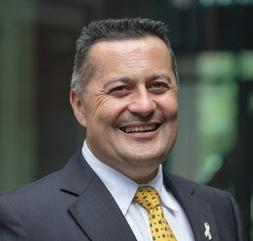
Ahorangi Wiremu Doherty
Tumu Whakarae
Chief Executive Office PhD (Auckland), BA (Hons), B.SocSc, Dip Tch (Waikato),OAMLP (Oxford) Tūhoe (Ngāti Tāwhaki), Ngāti Awa
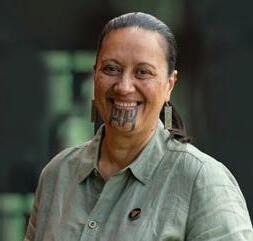
Rachel Porou Wetere
Kaitohu Rautaki Matua
Executive Director Strategy MBA (Waikato) Ngāti Porou, Ngai Tāmanuhiri, Ngāti Rangitihi
The Executive Leadership Team ensures Te Whare Wānanga o Awanuiārangi meets its strategic and operational obligations, while complying with internal and external academic, research and quality systems.

Tom Ford
Tumu Ahumoni
Chief Financial Officer BA (Hons) (Kingston), FCCA
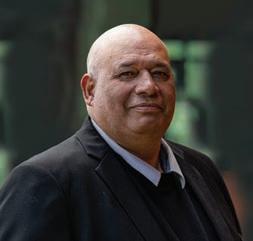
Ahorangi Vaughan Bidois
Kaitohu Matua o ngā Mahi Ako
Executive Director Academic
Ph.D, MIS, B.Ph.Ed (University of Otago) Ngāti Ranginui, Ngai Tai, Whakatōhea, Tūhoe

Helen Cook
Kaiwhakahaere Pūmanawa Tangata
Human Resources Manager MBA (Waikato)

Ahorangi Te Kani Kingi
Kaitohu Rangahau me te Auaha
Director Research & Innovation
PhD (Massey), PGDip MDev (Massey), DipTM (Waiariki) M.Soc.Sci (Hons)(Waikato), B.Soc.Sci (Waikato), MRSNZ (Royal Society of NZ) Ngāti Pūkeko




Anga Rautaki Strategic Direction
I te 2025, i parangia e te Kaunihera me te tira kaiwhakahaere he huarahi whakamua mā tētahi rautaki mauroa pakari.
Ko tā Te Ara Rautaki 2050 he tuitui i te whakapapa o te Wānanga, ngā kōrero tuku iho o te tipuna nei a Awanuiārangi me ngā wawata o te tūruapō 30 tau, otirā kia poua hoki ki te mātauranga Māori.
Ka hāpai tēnei rautaki i tō mātou tūruapō mā te whakapū i te tauira ki tōna iho, me te whakanui i tō rātou ahureitanga me te tautoko i ō rātou wawata mā ngā mahi urupare. Ko tō mātou whāinga he whakatenatena i te kirirarautanga ā-ahurea me te whanaketanga torowhānui i roto i tētahi anga mātauranga iwi taketake, kauawhi hoki. Ka whakahāngai mātou ki ngā whakaarotau kāwanatanga me ngā whāinga rautaki a Tertiary Education Comission (TEC), me te ū anō ki tō mātou ake kaupapa.
Ko ia o ngā whāinga rautaki e whā, he papa o tō mātou whakapapa - he auroatanga o te whakareretanga tuku iho o Awanuiārangi:
1
During 2025, Council and management established a clear pathway for the future through a refined longterm strategy. Te Ara Rautaki 2050 weaves together the Wānanga’s whakapapa, the legacy of its namesake ancestor Awanuiārangi and the aspirations of the 30-year vision, grounding it in mātauranga Māori.
This strategy enhances our vision by placing tauira at its centre, recognising their uniqueness and supporting their aspirations through responsive actions. Our goal is to foster cultural citizenship and holistic development within an indigenous and inclusive education framework. We will align with government priorities and the Tertiary Education Comission’s (TEC) strategic objectives, while staying true to our kaupapa.
Each of our four strategic goals is a layer in our whakapapaa continuation of the legacy of Awanuiārangi:
Te Tauira
Te Tūāoma Tauira. Ka whakatinana i te whakapapa o te whakaumunga
The Student Journey. Embodies the whakapapa of transformation
2
He Tauira
Ratonga Kounga. Ka whakaata i te whakapapa o te tautiaki. Quality Service. Reflects the whakapapa of care
3
Ngā Hāpori
Whanaketanga Hapori. Ka whakaata i te whakapapa o te hononga. Community Development. Represents the whakapapa of connection
4
Ria Rangahau
Whakakake Rangahau. Ka whakatinana i te whakapapa o te mātauranga. Research Advancement. Embodies the whakapapa of knowledge.
Mā te aro ki te whakapapa hei tūhono i te wā o mua, ki te wā o nāianei, ki te wā e tū mai nei, hei whakarite i te whakatinanatanga o tēnei rautaki, ā, kia kitea anō tana āhua i roto i ngā ritenga o ia rā.
Ngā Miramiratanga Mahi
E mihi ana mātou ki ngā whakapaunga werawera a te tira whakahaere me ngā kaimahi ki te kōkiri i ngā putanga angitu mā ngā tauira me tō tātou whare wānanga. Ki te titiro whānui koe, i angitu te wānanga puta noa i ngā putanga matua o Te Ara Rautaki 2050, otirā i kitea ngā piki i roto i ngā whakatutukitanga, ngā whai wāhitanga me ngā mahi kōkiri whakamua.
Our focus on whakapapa to connect the past, present and future will ensure that this strategy is lived and visible in daily practice.
Performance Highlights
We recognise the collective efforts of management and staff in driving the achievement of successful outcomes for our tauira and our organisation. Overall, the organisation has performed well across the main outcomes of Te Ara Rautaki 2050, with improvements in achievements, engagements and advancement activities.

Kitea ai te whānuitanga o ngā hua i te wāhanga o Te Pūrongo o ngā Tutukinga Ratonga.
A full set of results can be found in the Statement of Service Performance section.



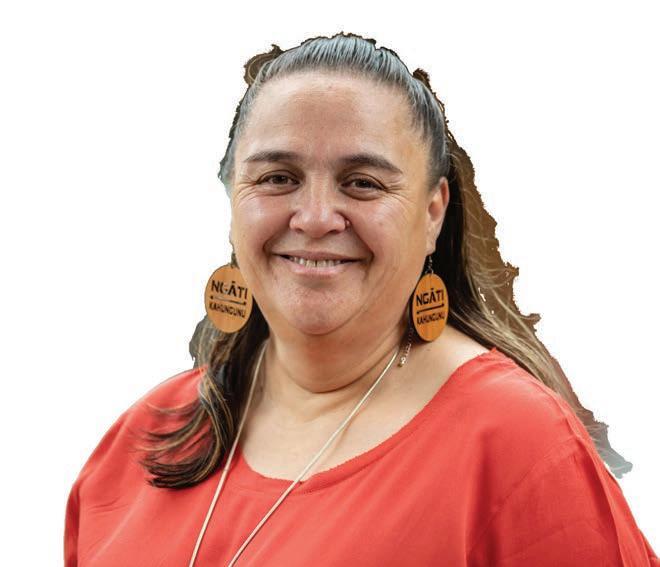
“The increasing interest in Māori nursing speaks to the critical need for culturally competent healthcare providers. Our largest-ever intake shows the strength of this programme and the commitment of our tauira to making a real difference in Māori health.”
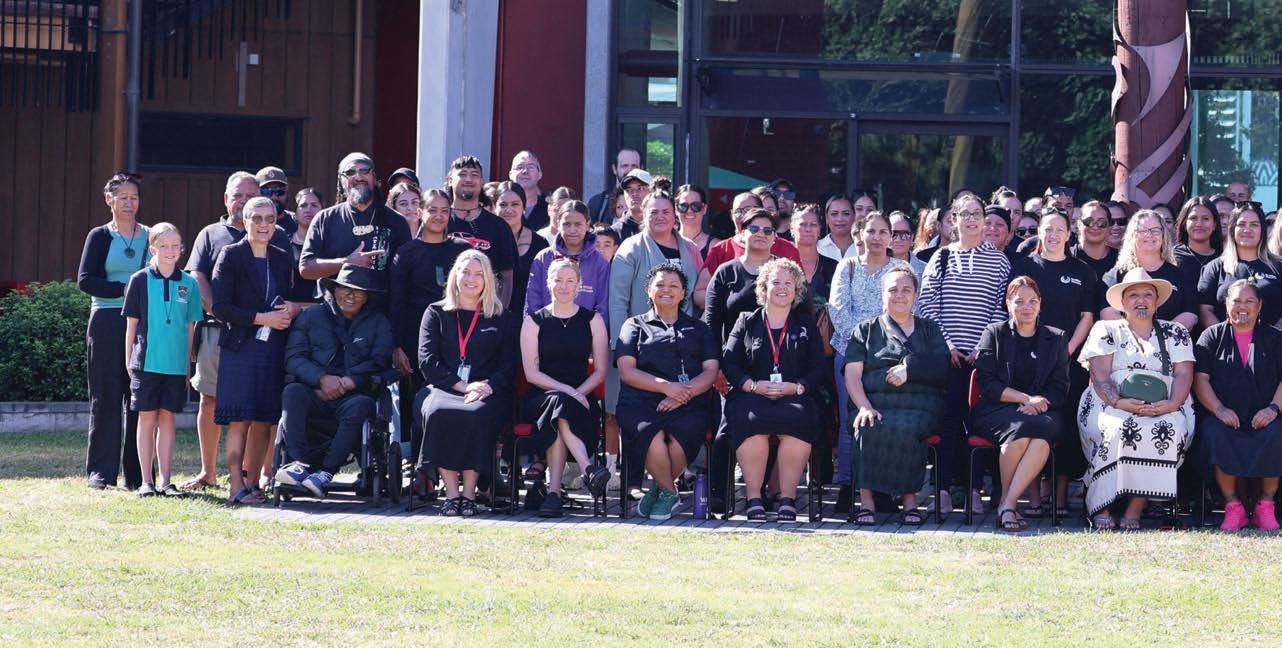
He Whakatutuki Whāinga te Kāhui Tapuhi Nui Rawa a te Wānanga
Wānanga Marks Milestone with Largest Nursing Cohort
I pōhiritia e Te Whare Wānanga o Awanuiārangi tana kāhui tauira hou nui rawa mō Te Ohanga Mataora - Tapuhi Māori, otirā he 116 ngā tauira puta noa i ngā kaupae e toru i timata i tā rātou haurahi ako mō te 2025.
Hei tā Sheree Spooner te Upoko o te Kura Ruku Mātauranga, “E tohu ana te pikinga o te hiahia ki ngā tapuhi Māori ki te nui o te matea mō ngā kaiwhakarato hauora mātau ā-ahurea. E whakaatu ana tēnei kāhui tauira nui i te pakari o tēnei hōtaka me te pūmau o ā mātou tauira kia whai hua ki te ao hauora Māori.”
Kei roto i te kāhui nei tētahi rōpū tauira tapuhi 10 nō Muriwhenua, te tira tuatahi ki te whai i te tohu i roto o Te Hiku o te Ika. E tautokona ana tēnei kaupapa ā-rohe e Te Hiku Hauora, Te Hōhipera o Kaitaia, ngā whānau, ngā hapū me ngā iwi hoki, e whai nei ki te whakatipu i tō rātou ake rāngai kaimahi me te whakapiki i te maha o ngā tapuhi rēhita i tō rātou rohe.
Hei tā Sheree, “Pērā ki tā mātou kaupapa ako i Te Wairoa, e tutuki ana i a mātou ngā matea mātauranga o te whānau i Te Hiku, mā te whakapai ake i te āheinga ki ngā whakangungu kounga. E whakahī ana ahau i ngā mahi whakarato me te tautoko a Awanuiārangi i ngā iwi ratonga-kore. Kua waitohua he Tauākī Whakaaetanga ki Te Hiku Hauora, ki te whakaū i tēnei hononga.”
Te Whare Wānanga o Awanuiārangi welcomed its largest-ever intake for Te Ohanga Mataora – Bachelor of Health Science Māori Nursing, with 116 tauira across the three year levels beginning their 2025 journey.
Sheree Spooner, Head of School for Undergraduate Studies, explains, “The increasing interest in Māori nursing speaks to the critical need for culturally competent healthcare providers. Our largest-ever intake shows the strength of this programme and the commitment of our tauira to making a real difference in Māori health.”
Among the cohort was a group of 10 nursing tauira from Muriwhenua, the first to undertake the degree in the Far North. This local initiative is supported by Te Hiku Hauora, Kaitaia Hospital, whānau, hapū, and iwi, aiming to grow their own workforce and increase the number of registered nurses in their rohe.
Sheree says, “Just like our delivery in Wairoa, we are meeting the educational needs of whānau in the Far North by improving access to quality training. I am proud that Awanuiārangi continues to serve and support underserved communities. We have signed a Memorandum of Understanding with Te Hiku Hauora, solidifying our partnership.”
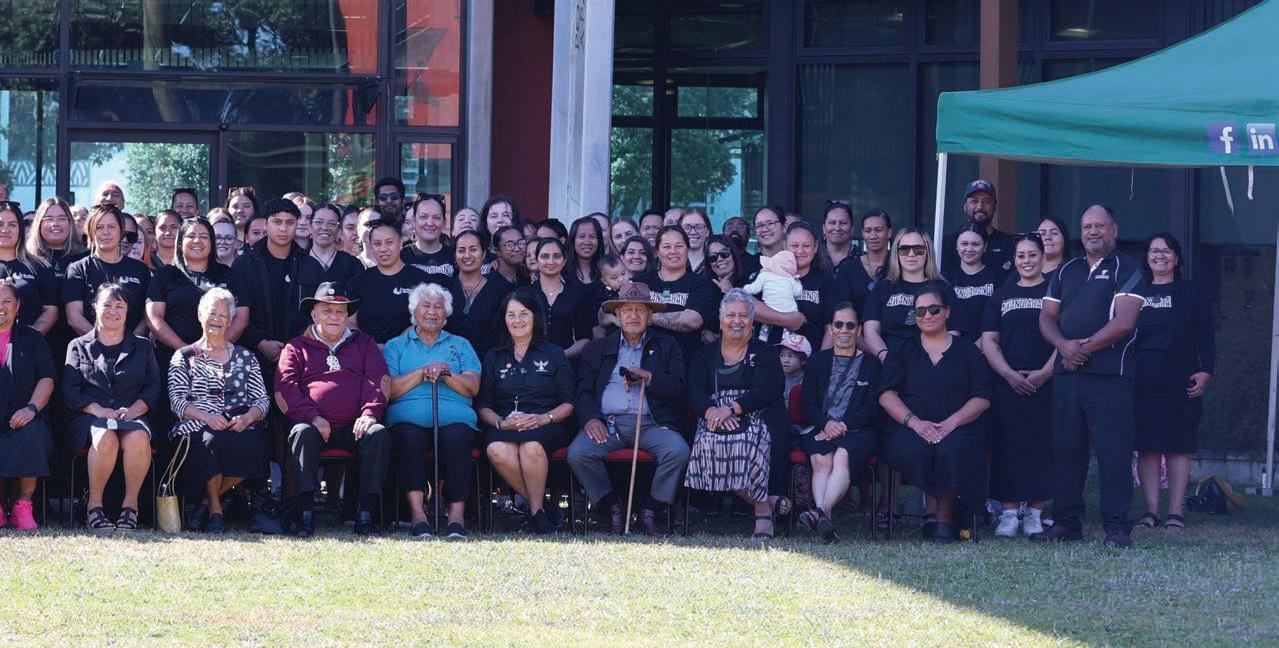
He Waitohu Whakaaetanga i waenga i Te Whare Wānanga o Awanuiārangi me Beijing Foreign Studies University
Te Whare Wānanga o Awanuiārangi Signs Strategic Agreement with Beijing Foreign Studies University
Kua ōkawatia e Te Whare Wānanga o Awanuiārangi tana hononga ā-rautaki ki a Beijing Foreign Studies University (BFSU), mā te waitohu i tētahi Tauākī Whakaaetanga (MoU) i Beijing, hei whakapakari i te mahi ngātahi ā-mātauranga me te whakawhiti ā-ahurea i waenga i a Aotearoa me Haina.
Ka whakatakoto te whakaaetanga i te pūmau ngātahi ki:
• te whakawhiti tauira
• te whakawhiti kaimahi, pūkenga me ngā kaimahi tari hoki
• te rangahau ngātahi i ngā kaupapa aronga ngātahi
• te tiri i ngā rauemi me ngā mōhiohio mātauranga.
Ko BFSU tētahi o ngā whare wānanga whai mana rawa o Haina, ka tuku akoranga ki ngā momo reo 101 - ko te reo Māori tētahi - i tana Centre of Pacific Studies. Hei wāhanga o te whakaaetanga, ka tautoko a BFSU i te hanganga o ngā rauemi marautanga reo Māori, ka whakarite i ngā hōtaka whakawhiti tauira wā-poto, me te tūhura i ngā arawātea tuku tohu ngātahi.
E ai ki a Ahorangi Wiremu Doherty, te Tumuaki o Te Whare Wānanga o Awanuiārangi, e whakaata ana tēnei rangapūtanga i te whai tikanga ā-ao o te Wānanga, me te uara ā-ao o te mātauranga iwi taketake.
“E tūtohu ana a BFSU ki te rongomaiwhiti o tō tātou reo me tana hononga mahurangi ki tō tātou ahurea. He tauira pai tēnei MoU o te hua o ngā whakawhitinga ā-ahurea ki ngā arawātea arumoni,” hei tā Ahorangi Doherty.
“E taunaki ana tēnei hononga i tō mātou hāngai ā-ao me te tūhonotanga ki te ao. Ko tōna pūtake he hanga arawhiti mā roto i te mātauranga taketake, te reo me ngā uara ōrite.”
Te Whare Wānanga o Awanuiārangi has formalised a strategic partnership with Beijing Foreign Studies University (BFSU), signing a Memorandum of Understanding (MoU) in Beijing to strengthen academic collaboration and cultural exchange between Aotearoa and China.
The agreement outlines a shared commitment to:
• exchange of students
• exchange of faculty, scholars, and administrative staff
• collaborative research in areas of mutual interest
• sharing of academic materials and information.
BFSU, one of China’s most prestigious universities, offers 101 languages - including Te Reo Māori - through its Centre of Pacific Studies. As part of the agreement, BFSU will support the development of Te Reo Māori curriculum resources, facilitate short-term exchange programmes, and explore opportunities for joint qualifications.
Professor Wiremu Doherty, Chief Executive of Te Whare Wānanga o Awanuiārangi, said the partnership reflects the Wānanga’s international relevance and the global value of indigenous knowledge.
“BFSU recognises the importance of our language and its deep connection to our culture. This MoU is a great example of how cultural exchange can lead to commercial opportunities,” said Professor Doherty.
“This agreement reinforces our international relevance and connectivity. It’s about building bridges through indigenous knowledge, language, and shared values.”
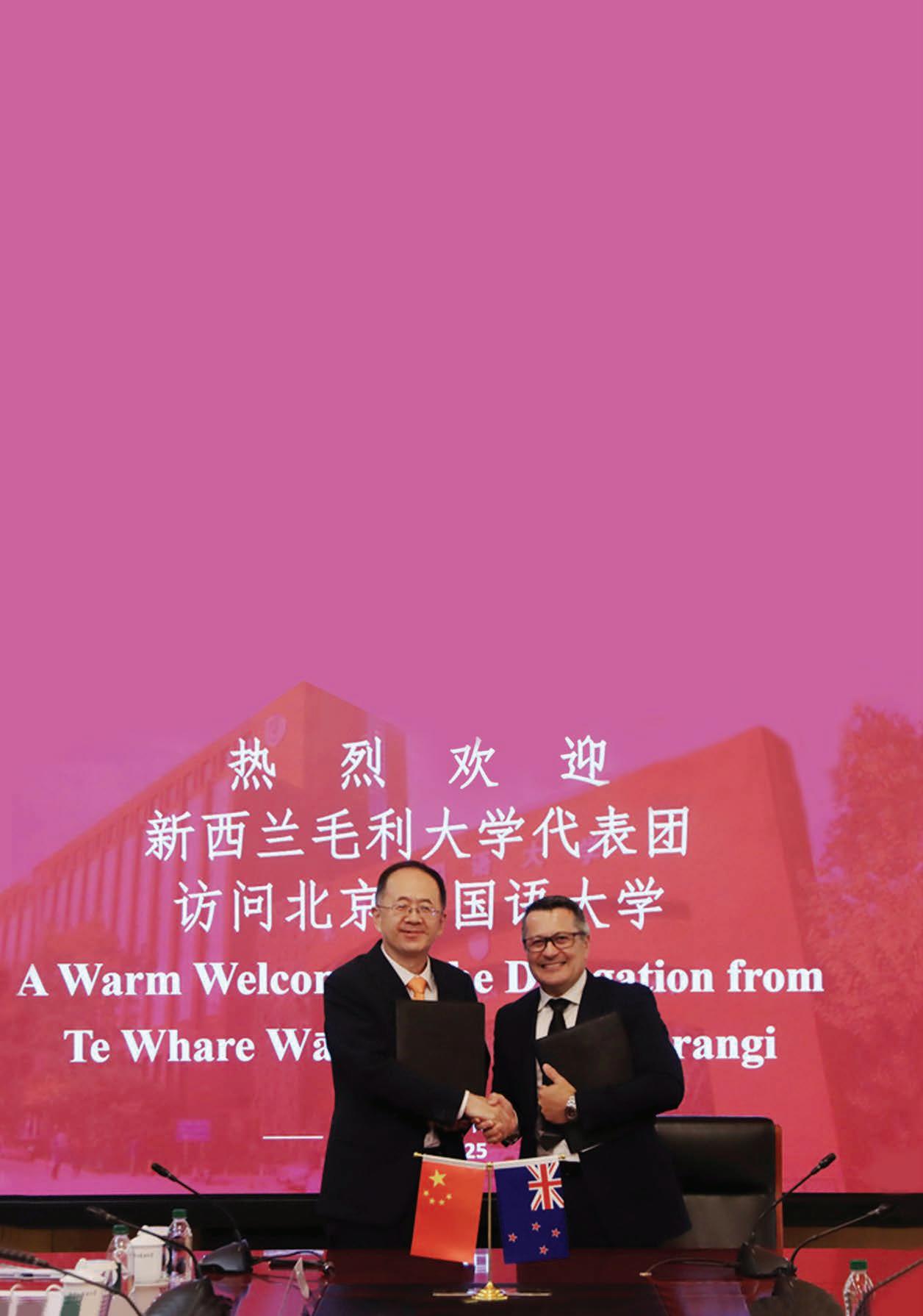
“This agreement reinforces our international relevance and connectivity. It’s about building bridges through indigenous knowledge, language, and shared values.”
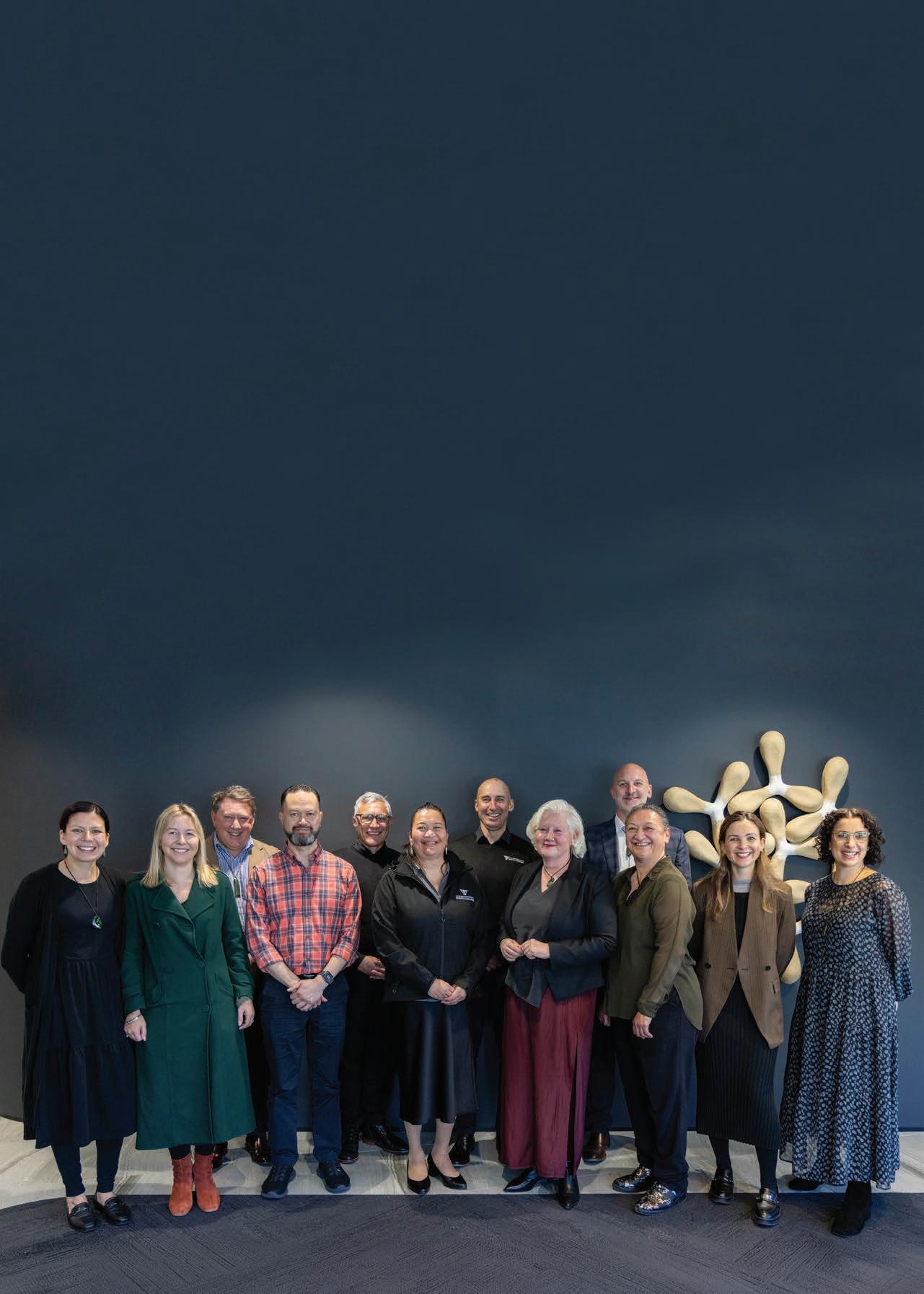
“Westpac sought our help to give their team confidence to engage meaningfully with Māori and iwi customers and communities, welcoming everyone through their doors. Our work with Westpac to develop their staff’s knowledge and understanding of te ao Māori can only benefit the wider Māori community.”
Ka Hono a Te Whare Wānanga o Awanuiārangi ki a Westpac ki te Whakarewa Hōtaka Ako Ahurea
Te Whare Wānanga o Awanuiārangi Partners with Westpac to Launch Cultural Learning Programme
E hono ana a Te Whare Wānanga o Awanuiārangi ki a Westpac New Zealand ki te kawe i a Te Kākano, he hōtaka ako ahurea motuhake kua hoahoatia ki te whakapakari i te mātau ā-ahurea puta noa i te rāngai kaimahi a te pēke.
He mea whakarite e Te Kete Tuangahuru, te tira whakawhanake ahurea a te Wānanga, he kaupapa akoranga ngaio a Te Kākano ka tautoko i ngā kaimahi a Westpac ki te whakamarohi i te mōhio ki te ao Māori.
Hei tā Garner Gulliver, te Kaipūtahi o Te Kete Tuangahuru, e whakaata ana tēnei rangapūtanga i ngā uara me ngā manako o ngā tari e rua.
“I rapu āwhina a Westpac hei whakapiki i te māia o ā rātou kaimahi kia whai tikanga ngā kōrero ki ngā kiritaki Māori, ā-iwi hoki, me ngā hapori, mā te whakatau ake i ngā tāngata ka kuhu ki ō rātou kuaha. Ka whai hua te hapori Māori whānui i ā mātou mahi me Westpac ki te whakawhānui i ngā mātauranga me ngā mōhiotanga o ā rātou kaimahi ki te ao Māori.”
He mea whakarewa ki rō tari i te pane o te Hepetema, ka tukua a Te Kākano hei wāhanga kōwhiringa o te hōtaka akoranga ngaio kaimahi a Westpac. E whā ngā kaupapa ako taketake o te tau tuatahi:
• Te Tiriti o Waitangi – Te mārama ki te Tiriti o Waitangi
• Te Reo Māori – Reo Māori tūāpapa
• Manaakitanga – He tūhura i te tikanga ahurea o te manaaki tangata
• Whenua Māori – Te mārama ki te hononga o te Māori ki te whenua
Hei tā Fonteyn Moses-Te Kani, Poutiaki a Westpac: “He mea whakaihiihi te whai hoa rangapū e mārama pū ana ki te hirahira o te tautoko i ā mātou kaimahi ki te whakatipu i tō rātou māia ā-ahurea”.

Te Whare Wānanga o Awanuiārangi is partnering with Westpac New Zealand to deliver Te Kākano, a bespoke cultural learning programme designed to strengthen cultural understanding across the bank’s national workforce.
Developed by Te Kete Tuangahuru, the Wānanga’s cultural development team, Te Kākano is a professional development initiative that supports Westpac staff in deepening their understanding of te ao Māori.
Garner Gulliver, Manager of Te Kete Tuangahuru, says the collaboration reflects the shared values and aspirations of both organisations.
“Westpac sought our help to give their team confidence to engage meaningfully with Māori and iwi customers and communities, welcoming everyone through their doors. Our work with Westpac to develop their staff’s knowledge and understanding of te ao Māori can only benefit the wider Māori community.”
Launched internally in early September, Te Kākano is offered as an optional component of Westpac’s staff learning and development programme. The first year of delivery includes four foundational modules:
• Te Tiriti o Waitangi – Understanding the Treaty of Waitangi
• Te Reo Māori – Introduction to Māori language
• Manaakitanga – Exploring the cultural practice of hosting and being hosted
• Whenua Māori – Understanding the connection to Māori land
Fonteyn Moses-Te Kani Poutiaki, Westpac’s Director Māori Strategy and Indigenous Inclusion, says: “It’s exciting to have a partner that fully understands what it means for us to support our people to grow in their cultural confidence”.
Kua tutuki i te kāhui ākonga tuatahi te Pōkairua Pourewa TikangaTikanga and the Law
Inaugural Cohort Completes Postgraduate Diploma in Tikanga and the Law
I tēnei tau i tutuki i te kāhui ākonga tuatahi te pōkairua tautara, e rua tau te roa, o He Pourewa Tikanga - Tikanga and the Law, i tīmata i te Hānuere 2024. He mea hoahoa motuhenga mā ngā ngaio ture, he mea whakarite te hōtaka nei ki te ruku i te mārama ki te tikanga me tana hononga nui ki te ture o Aotearoa.
I ngā tau e rua kua hipa, kua whakangungua ngā ākonga ki te rangahau hauhare i poua ki ngā akoranga ā-wheako, wānanga me te whakaaro arohaehae. He mea tuku ki te whare ako i Whakatāne, i noho te pōkairua hei akoranga tūhāhā mā ngā tauira ki te ruku hōhonu ki tō rātou ake mārama ki te tikanga me te rāwekeweke anō i te tikanga i runga i te ngākau whakaute, i roto i ngā horopaki ture moroki.
Ko te huritao a te pouako a Tai Ahu ki te hirahira o tēnei whāinga, i noho tēnei kaupapa hei hōkaitanga whaitake mō te anamata o te ture i Aotearoa. “E āwhina ana ēnei pūkenga ki te whakarite kia noho mana tonu te tikanga i roto i te pūnaha ture, kia mārama ki te tikanga, kia tika hoki te whakamahi i te tikanga i runga i te pono, te rētō me te kumanu anō.”
Hei tā pouako Natalie Coates, “He mea hihiri te kite i te tipuranga o te rōpū nei. I ngā tau e rua kua hipa, kua kitea te hōhonutanga haere o tō rātou māia me te rongo ā-manawa i a rātou e whiriwhiri ana i ngā pātai tuatini mō te āhua o te whaimōhio o te tikanga i te mahi ture. Ka puta rātou me te mātauranga, ā, me ngā hononga pakari, me te ū anō ki te hāpai i te pono o te tikanga, me tōna hāngai anō ki ō rātou tūranga mahi ngaio.”
I te roanga o te hōtaka, i momoho te whiwhi a ngā tauira i ngā mātanga tikanga pēnei i a Tā Hirini Moko Mead, Tā Pou Temara, Ahorangi Wiremu Doherty, Tākuta Turuhira Hare, Tākuta Pouroto Ngaropo, Ahorangi Rangi Mataamua, Hoturoa Barclay-Kerr, me ētahi atu. I noho ēnei akoranga haumako hei tūāpapa ki te angitu o te pōkairua.
Ka whakapōtaetia tēnei kāhui atinga hei te 2026, otirā e whakanui ana a Awanuiārangi i tō rātou manawa tītī me te hautūtanga. He tohu tā rātou eke panuku i te angitu o te hōtaka tuatahi nei, otirā me te tipuranga o te rangatohe i roto i te hapori ture ki te ruku hōhonu ki te tikanga.
This year saw the inaugural cohort complete the twoyear postgraduate diploma Pourewa Tikanga – Tikanga and the Law, first launched in January 2024. Designed specifically for legal professionals, the programme was established to deepen understanding of tikanga and its growing relationship with state law in Aotearoa.
Over the past two years, tauira have engaged in rigorous academic study grounded in experiential learning, wānanga and critical reflection. Delivered primarily at the Whakatāne campus, the diploma has provided a unique space for tauira to deepen their understanding of tikanga and grapple thoughtfully and respectfully with it in contemporary legal contexts.
Pouako Tai Ahu reflected on the significance of the milestone, noting that it represents an important step for the future of law in Aotearoa. “These graduates-to-be are helping to ensure that as tikanga continues to be recognised within the legal system, it is understood and applied with integrity, depth and care.”
Pouako Natalie Coates added, “It has been inspiring to witness the growth of this rōpū. Over two years, we have seen their confidence and intuition deepen as they have worked through complex questions about how tikanga informs and shapes legal practice. They leave not only with knowledge, but with strengthened relationships and a shared commitment to upholding the integrity of tikanga to the extent it is relevant in their professional lives.”
Throughout the programme, students were privileged to learn from leading experts in tikanga including Tā Hirini Moko Mead, Tā Pou Temara, Professor Wiremu Doherty, Dr Turuhira Hare, Dr Pouroto Ngaropo, Professor Rangi Mataamua and Hoturoa Barclay-Kerr, among others. The richness of these contributions has been foundational to the success of the diploma.
The inaugural cohort will graduate in 2026 and Awanuiārangi acknowledges their dedication and leadership. Their achievement signals not only the success of the pilot programme, but also a growing movement within the legal community to engage deeply with tikanga.
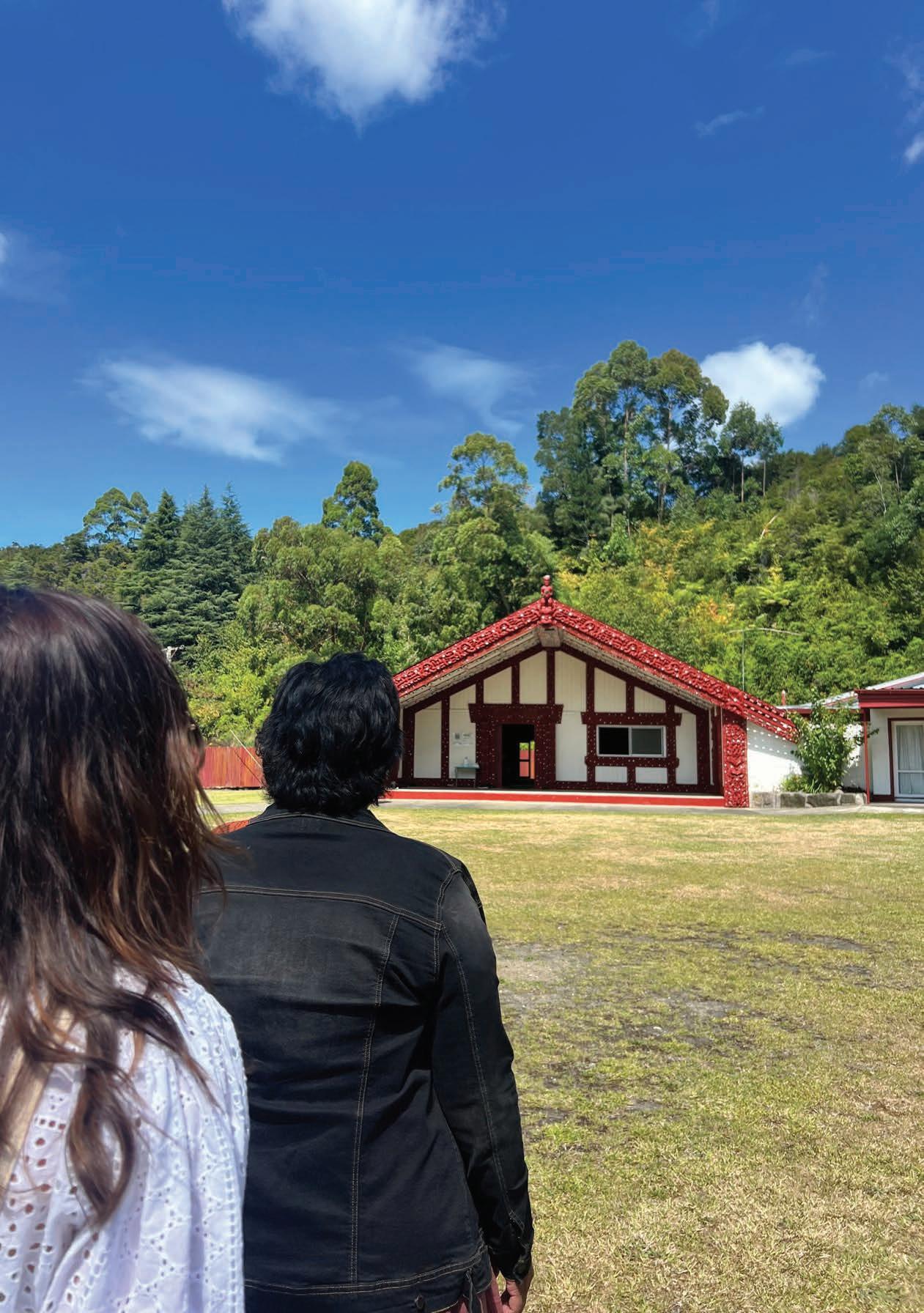
“It has been inspiring to witness the growth of this rōpū. Over two years, we have seen their confidence and intuition deepen as they have worked through complex questions about how tikanga informs and shapes legal practice. They leave not only with knowledge, but with strengthened relationships and a shared commitment to upholding the integrity of tikanga to the extent it is relevant in their professional lives.”
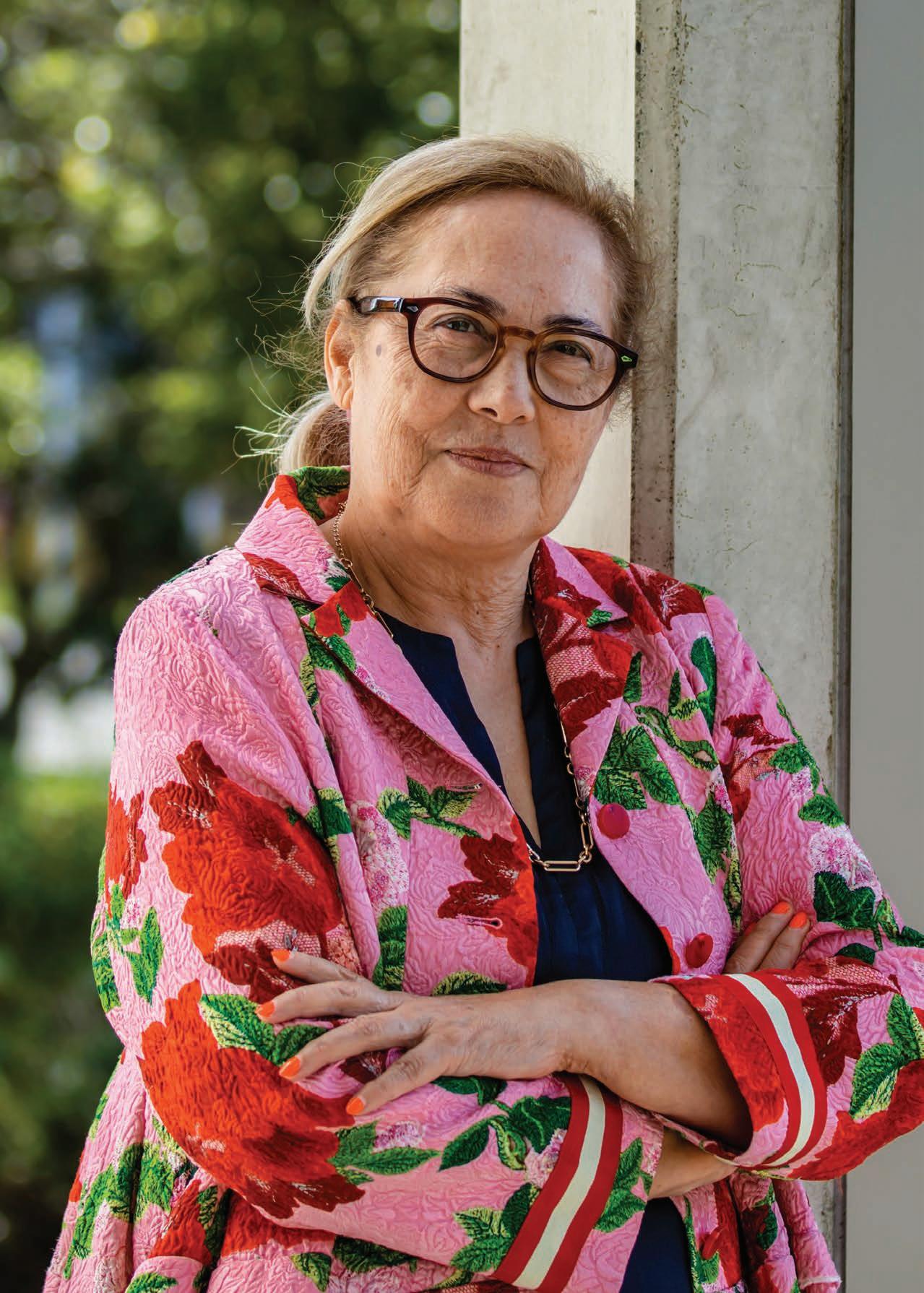
Kua Kōwhirihia te
Upoko-tuarua
o te
Wānanga ki te National Academy of Education
Wānanga co-Deputy Chair Elected to the National Academy of Education

Kua kōwhirihia a Ahorangi Ahurei Linda Tuhiwai Smith o te Mana Whakahaere o Te Whare Wānanga o Awanuiārangi, ki te National Academy of Education (NAEd) otirā he rōpū mananui i Amerika, e tohu ana i tētahi ekenga tāpuapua mō te rangahau mātauranga Māori, i te whatarangi o te ao.
I a Linda e huritao ana ki tēnei tohu whakanui, ka miramira ia i te pānga ā-ao o te mātauranga Māori.
“I believe this recognition highlights the international impact of Māori education research, particularly our contributions to Indigenous education. It emphasises the significance of our work as Kaupapa Māori researchers from Te Whare Wānanga o Awanuiārangi, not only within our communities but also in broader global contexts.”
“E whakapono ana ahau e miramira ana tēnei tohu whakanui i te pānga ā-ao o te rangahau mātauranga Māori, ina koa rā ā tātou mahi i te ao o te mātauranga iwi taketake.
Ko tā te National Academy of Education he kōkiri i te rangahau mātauranga kounga ikeike, me tana whakamahinga ki te ture, me tana whakatinanatanga. Kei roto i te Academy nei ngā mema o Amerika tonu me ngā taurahere o te ao i pōtihia i runga anō i te kounga o ngā pūkenga mātauranga, hautū rānei, e pā ana ki te mātauranga. Ka tukua ngā tautapanga e ngā mema takitahi o te Academy i ia tau kia arotakea, ā, kia pōtihia e ngā mema katoa. Tuia ki tana mahi ki runga i ngā pae rangahau e whakatau ana i ngā take nui o te mātauranga, he tūranga nui tō ngā mema i roto i ngā hōtaka tūranga akoranga ngaio a te Academy.
Co-Deputy Chair of Te Whare Wānanga o Awanuiārangi Council, Distinguished Professor Linda Tuhiwai Smith has been elected to the prestigious, US-based National Academy of Education (NAEd), marking a significant milestone for Māori education research on the global stage.
Reflecting on this recognition, Linda emphasises the global relevance of mātauranga Māori.
“I believe this recognition highlights the international impact of Māori education research, particularly our contributions to Indigenous education. It emphasises the significance of our work as Kaupapa Māori researchers from Te Whare Wānanga o Awanuiārangi, not only within our communities but also in broader global contexts.”
The National Academy of Education advances high quality education research and its use in policy and practice. The Academy consists of U.S. members and international associates who are elected based on outstanding scholarship or leadership related to education. Nominations are submitted by individual Academy members once a year for review and election by the organisation’s membership. In addition to serving on expert study panels that address pressing issues in education, members are also deeply engaged in the Academy’s professional development fellowship programs.
Kua Rewa ētahi Rauemi Reo Auaha nā tētahi Pūkenga o Awanuiārangi
Innovative Te Reo Resources Launched by Awanuiārangi Academic
He auaha taketake ngā mahi a Tākuta Te Hauāuru Tahi-Rangihau, Pouako Matua ki Te Whare Wānanga o Awanuiārangi, ki te whakarauoratanga me te rokirokitanga o te reo Māori, otirā e rua ngā rauemi auaha kua whakarewaina e ia.
Ka noho ko tana tuhinga whakapae PhD a, “He Whare Mōteatea mō ngā Mātauranga Waiata Tūhoe,” hei puka oro tuatahi kia pānuitia ki te reo Māori katoa, otirā nōna tonu te reo i runga.
He kaupapa ngātahi te puka oro, i tautokona e tētahi tira pūmau, nā rātou anō i whakarite kia mau tonu ai te wairua ake o āna mahi, otirā kia whakanuia hoki. E wātea ana ināianei ki Spotify, ā, me te nuinga o ngā pae puka oro, kāti, ko ngā hua katoa ka haere ki te tautoko i ngā mahi rangahau me te wānanga mōteatea.
He rauemi ahurea atu anō tāna: he taupānga waiata, i poua ki te puka o “He Tāonga” i waihangatia e Te Mākarini Temara mā ngā kaimahi o Awanuiārangi. Neke atu i te 60 ngā titonga i runga, tae atu ki te mōteatea, te karakia me ngā waiata katoa a Awanuiārangi ake. Āpiti atu, he haka puha kei runga i titoa ki te whakanui i ngā Riri Whenua Māori.
Hei tā Tākuta Tahi-Rangahau, “He rauemi tēnei hei whakamana i ngā kaiwhakamahi kia tūhono ki a tātou waiata me te taha ahurea, ahakoa te wā, te wāhi hoki.”
E wātea ana te taupānga ki ngā pae matua pēnei i te Android, Apple me Windows, ā, ka āhei ngā kaiwhakamahi ki te tikiake i ngā waiata hei whakamahinga tuimotu, kia whānui, kia whāroa ai te wātea o ngā rauemi nei.
Dr. Te Hauāuru Tahi-Rangihau, a Senior Lecturer at Te Whare Wānanga o Awanuiārangi, has made groundbreaking contributions to the revitalisation and preservation of te reo Māori with the launch of two innovative resources.
Her PhD thesis, “He Whare Mōteatea mō ngā Mātauranga Waiata Tūhoe,” stands out as both the first-ever audio book thesis and the first to be narrated entirely in te reo Māori, and by the author herself.
The audio book is a collaborative effort, supported by a dedicated team who ensured the essence of the work was preserved and celebrated. It is now available on Spotify and most audiobook platforms, with all proceeds going towards further research and wānanga mōteatea.
She has also introduced another cultural tāonga: a waiata app, based on the “He Tāonga” booklet created by the late Te Mākarini Temara for Awanuiārangi staff. The app offers over 60 items, including mōteatea, karakia, and all the Awanuiārangi wānanga anthems. Additionally, it features haka pūha composed to commemorate the Māori Land Wars.
Dr Tahi-Rangihau says, “This is a resource to empower users to connect with our waiata and cultural heritage anywhere, anytime.”
The app, now available on major platforms such as Android, Apple, and Windows, allows users to download content for offline use, ensuring its accessibility far and wide.
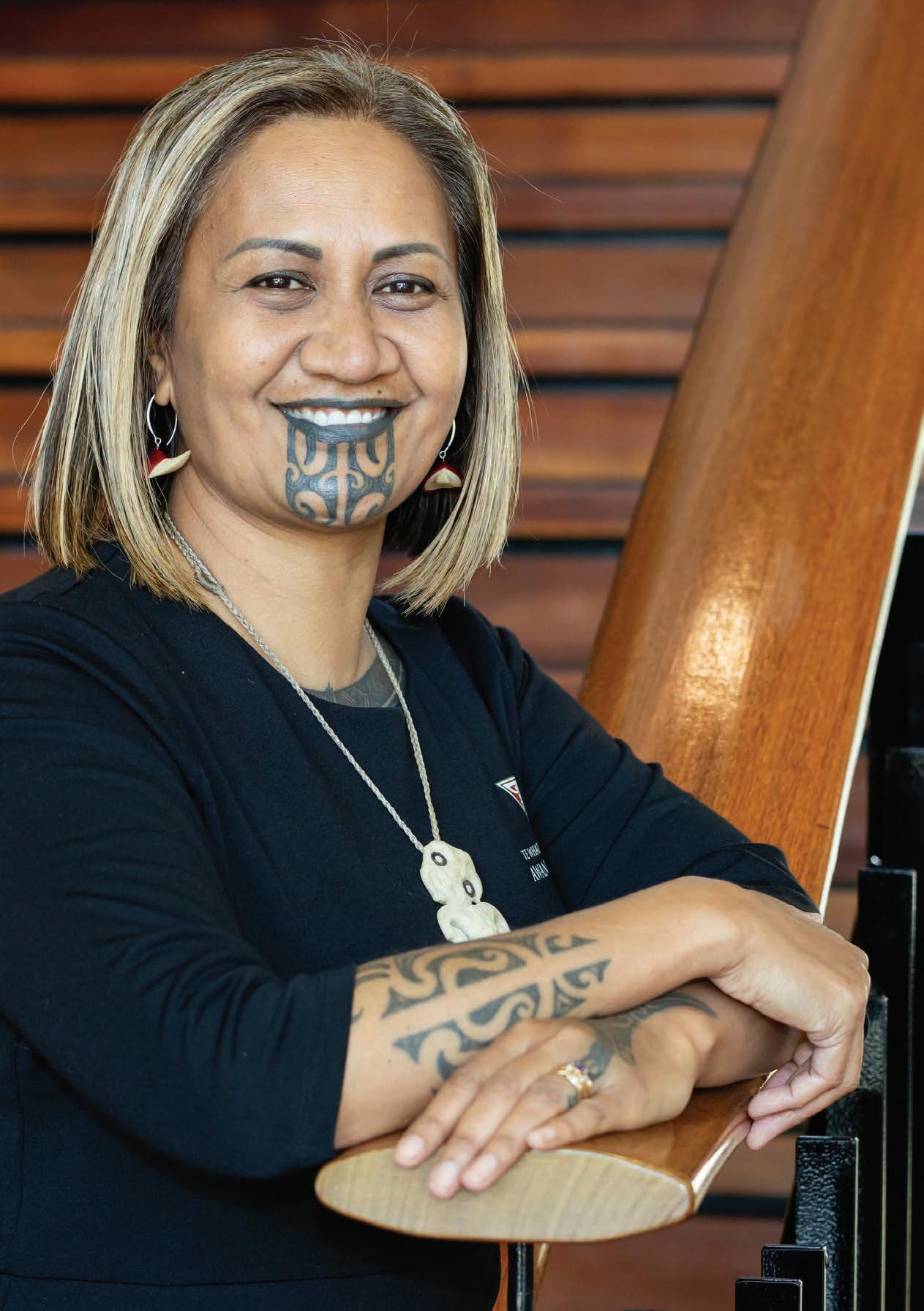
“This is a resource to empower users to connect with our waiata and cultural heritage anywhere, anytime.”
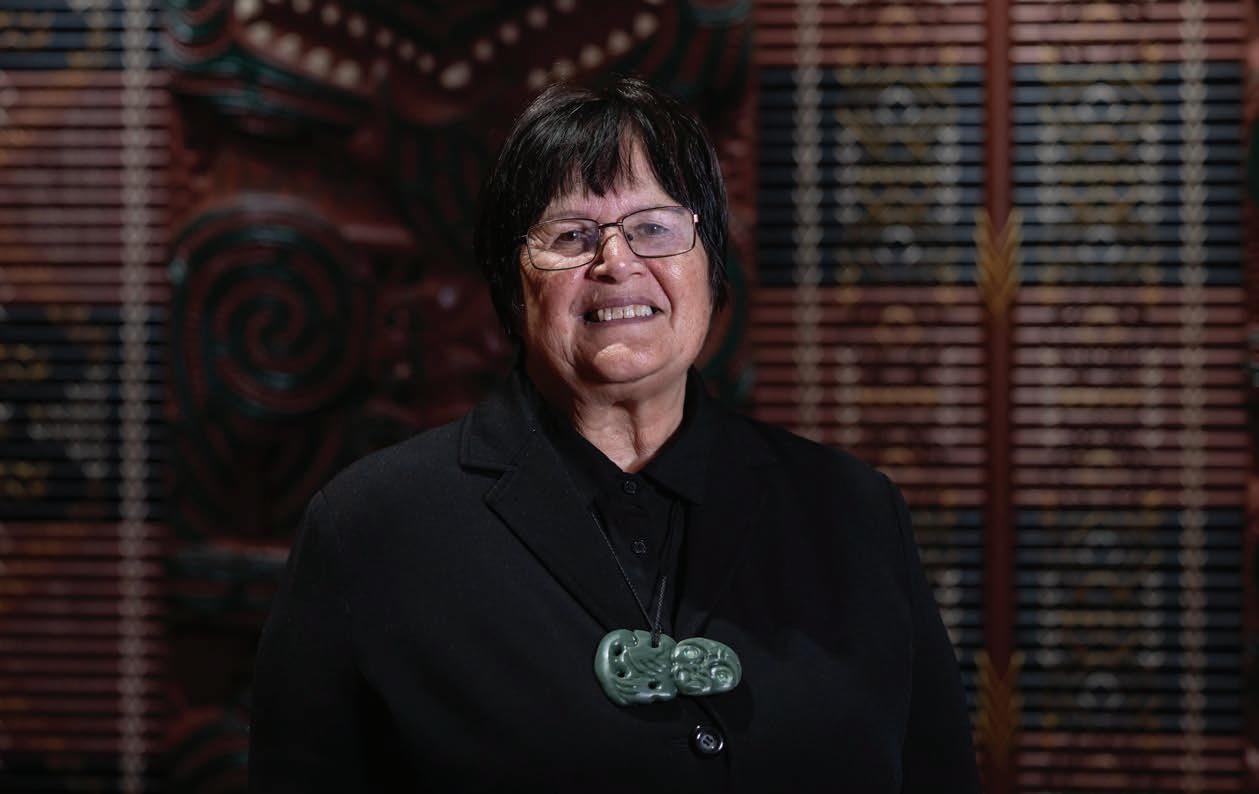
“The alumni we are celebrating have in common their connection to the growth and development of Māori people, as well as an enduring relationship to Awanuiārangi. Each of these individuals embodies the values of our Wānanga in their work and lives, ensuring our legacy lives on.
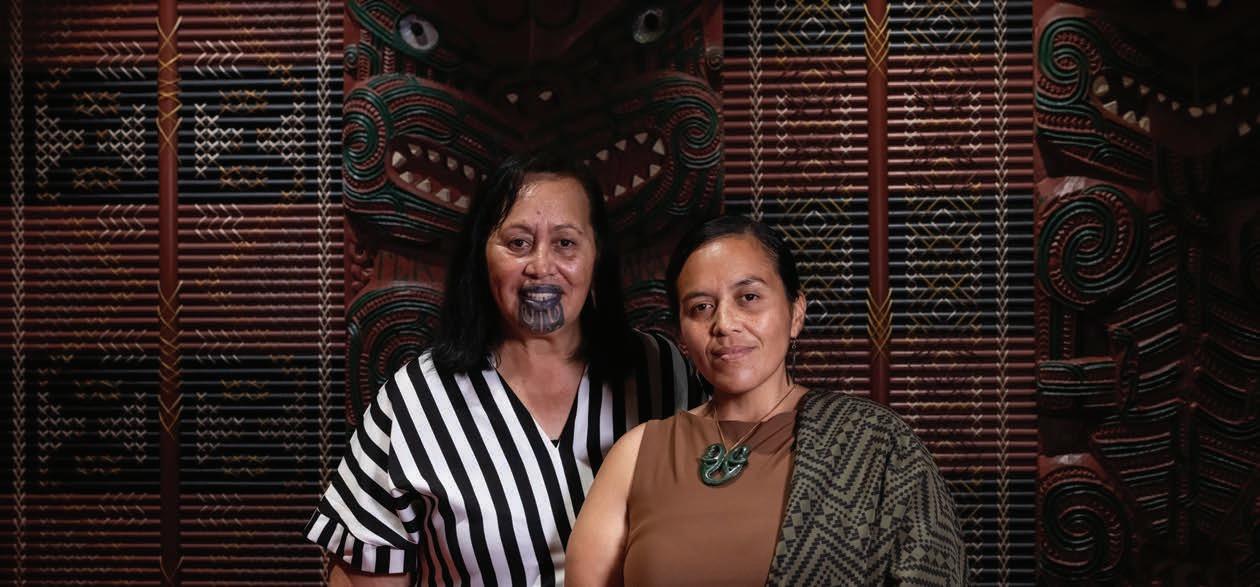
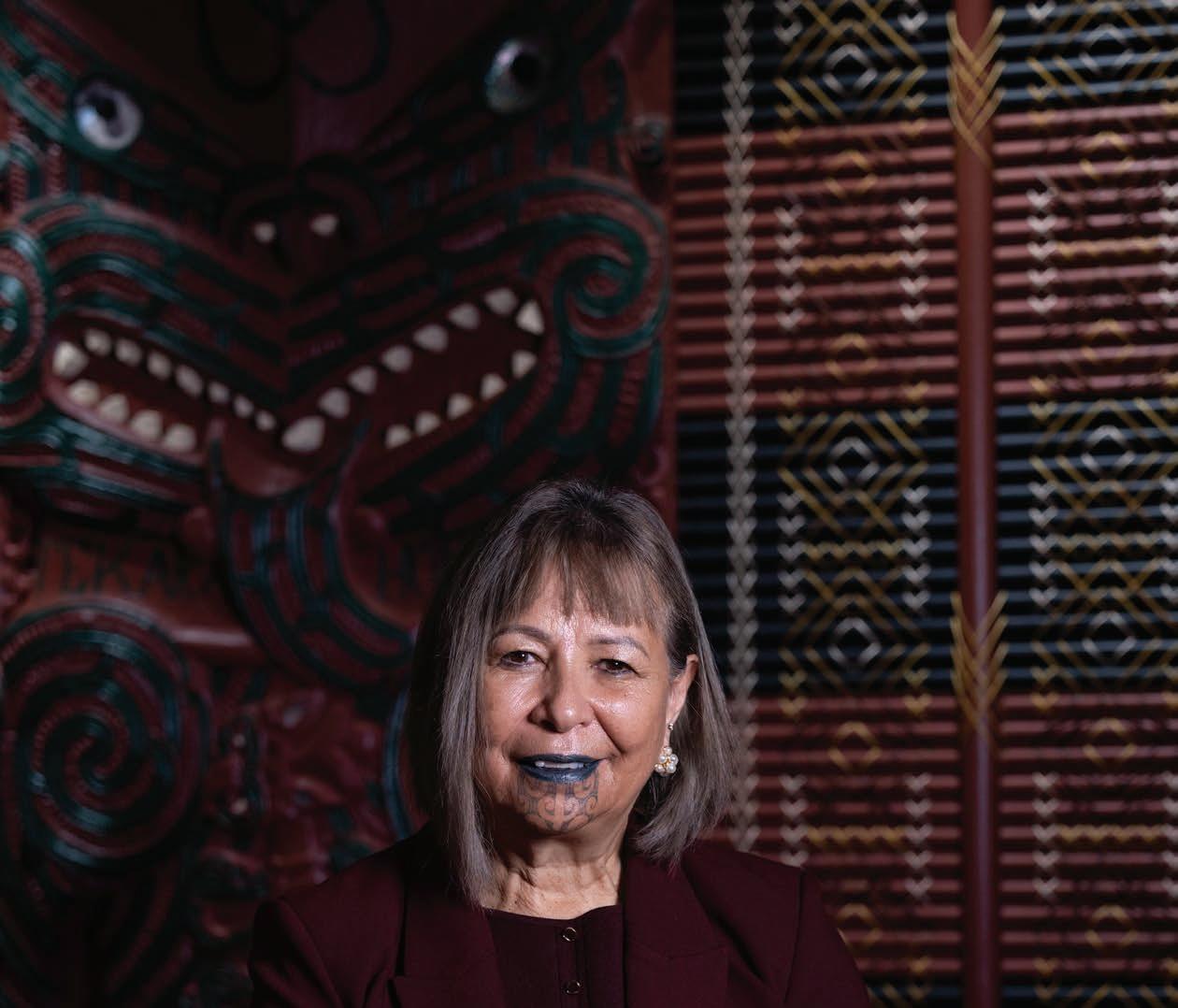
Ko tā ngā Tohu Pūkenga Ahurei Tuatahi he whakanui i te angitutanga
Inaugural Distinguished Alumni Awards Celebrate Success
I huitahi te Mana Whakahaere o Te Whare Wānanga o Awanuiārangi me āna manuhiri ki Te Mānuka Tūtahi Marae i te marama o Mei ki te whakanui i ngā mahi a ngā pūkenga ahurei, e whakatauira nei i ngā uara o te wānanga hei pūtake mātauranga Māori me te wānanga.
I tū tēnei i te wiki tonu o te Whakapōtaetanga 2025, i miramiratia e ngā Tohu Pūkenga Ahurei te mana o ngā kiriwhakatauira e para nei i te huarahi mā ngā tātāriki o āpōpō.
I miramiratia e Materoa Dodd, te mema Kaunihera o Awanuiārangi me te kaiwhakarite o te hui, te hirahira o te whakanui i ngā pūkenga o mua me te whakanui anō i ā rātou mahi ahurei i roto i ngā hapori me te ahurea.
“Ko ngā pūkenga o mua e whakanuia ana e mātou, he hononga tō te katoa ki te tipuranga me te whanaketanga o te iwi Māori, me te hononga matatū ki a Awanuiārangi. Ka whakatinana ia o ēnei tāngata i ngā uara o tō tātou Wānanga i ā rātou mahi me te oranga, otirā he whakarite kia kawea tonu te mana whakarere o te wānanga.
“Nōku te hōnore ki te tuku i ēnei tohu tuatahi hei tauira o ngā tāpaetanga hira a ngā pūkenga o mua i roto i ō rātou hapū, iwi me ngā hapori.”
Ngā toa Tohu Pūkenga Ahurei 2025
• Tākuta Hiria Hape (Ngāi Tūhoe, Te Whakatōhea)
• Tohu Whānau Transformation: Te whānau Black (Ngāi Tūhoe, Ngāti Awa, Tūhourangi, Te Whakatōhea, Te Whānau a Apanui me Ngā Puhi)
• Kaiwhakawā Matua Tākuta Caren Fox (Ngāti Porou, Rongowhakaata)
The Council of Te Whare Wānanga o Awanuiārangi gathered with invited guests at Te Mānuka Tūtahi Marae in May to celebrate the success of distinguished alumni who exemplify the values of this as a place of mātauranga Māori and higher learning.
Held during the week of Graduation 2025, the Distinguished Alumni Awards ceremony highlighted the power of role models paving the way for future generations of leaders.
Awanuiārangi Council member and event organiser, Materoa Dodd, emphasised the importance of acknowledging alumni and celebrating their unique contributions to communities and culture.
“The alumni we are celebrating have in common their connection to the growth and development of Māori people, as well as an enduring relationship to Awanuiārangi. Each of these individuals embodies the values of our Wānanga in their work and lives, ensuring our legacy lives on.
“It’s a privilege to present these inaugural tohu as examples of the consequential contributions that our alumni make to their hapu, iwi and communities.”
2025 Distinguished Alumni Award winners
• Dr Hiria Hape (Ngāi Tūhoe, Te Whakatōhea)
• Whānau Transformation Award: The Black whānau (Ngāi Tūhoe, Ngāti Awa, Tūhourangi, Te Whakatōhea, Te Whānau ā Apanui me Ngā Puhi)
• Chief Judge Dr. Caren Fox (Ngāti Porou, Rongowhakaata)
Ka whakarewaina e Tā Hirini Moko Mead he Pukapuka i tōna ekenga tau 98
Tā Hirini Moko Mead Launches Book at 98
Kua whakarewaina e te ringapū o Te Whare Wānanga o Awanuiārangi, otirā tō mātou Kaituhi Tūturu , e Tā Hirini Moko Mead tana pukapuka whakaaweawe, arā ko Mātauranga Māori te ingoa. Kua eke a Tā Hirini ki te 98 tau, otirā ko ia te whakatinanatanga o te mātauranga, i whakapaua atu tōna oranga katoa ki te tiaki, te whakarauora me te tiri kōrero. Ko te pukapuka nei nā Huia Publishers i tā, i te taha o Awanuiārangi, ka noho hei koha hirahira ki te ao Māori me te hapori. Ka tohu hoki tēnei i tana tānga tuatahi i raro i te Tauākī Whakaaetanga i waenga i ngā whare e rua nei.
I roto i tētahi kōrero āna i mua tata o te whakarewanga i kī ia, “ko te whakatinanatanga tēnei pukapuka o aku moemoeā. I whai mōhio i ngā pukapuka katoa, ngā pepa me ngā atikara katoa kua tuhia puta noa i te 73 tau.”
Ngā mahi mahi katoa a Tā Hirini i hoahoa te tūāpapa o te mātauranga Māori, me te whakaaweawe tonu i te hia whakareanga o ngā pūkenga, ngā pouako me ngā hapori. Ko te pukapuka rorotu a Tā Hirini, a Tikanga Māori, kua noho hei mātāpuna kōrero mā ngā pouako, ngā kairangahau me ngā kaiārahi iwi puta noa i te motu. Ko Mātauranga Māori te tuarua o āna pukapuka tūāpapa nei.
Te Whare Wānanga o Awanuiārangi founder and inaugural Writer in Residence, Tā Hirini Moko Mead has officially launched his seminal work, the publication Mātauranga Māori.
At 98 years old, Tā Hirini is the living embodiment of the knowledge he has committed his life to preserving, revitalising, and sharing. The book, published by Huia Publishers in collaboration with Awanuiārangi, is an important contribution to te ao Māori and the community, and marks the first publication under the Memorandum of Understanding between the two institutions.
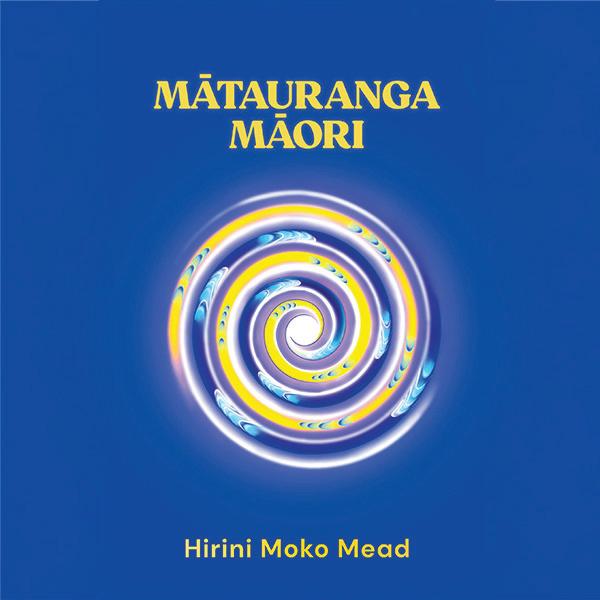
In a statement leading up to the launch, Tā Hirini said, “This book is a dream fulfilled. It is informed by every book, paper, and article written across 73 years.”
Tā Hirini’s lifetime of work has shaped the foundation of Māori knowledge and continues to influence generations of scholars, practitioners, and communities. Tā Hirini’s bestselling work Tikanga Māori, has become a staple for educators, researchers, and iwi leaders across the motu. Mātauranga Māori builds on that foundation.
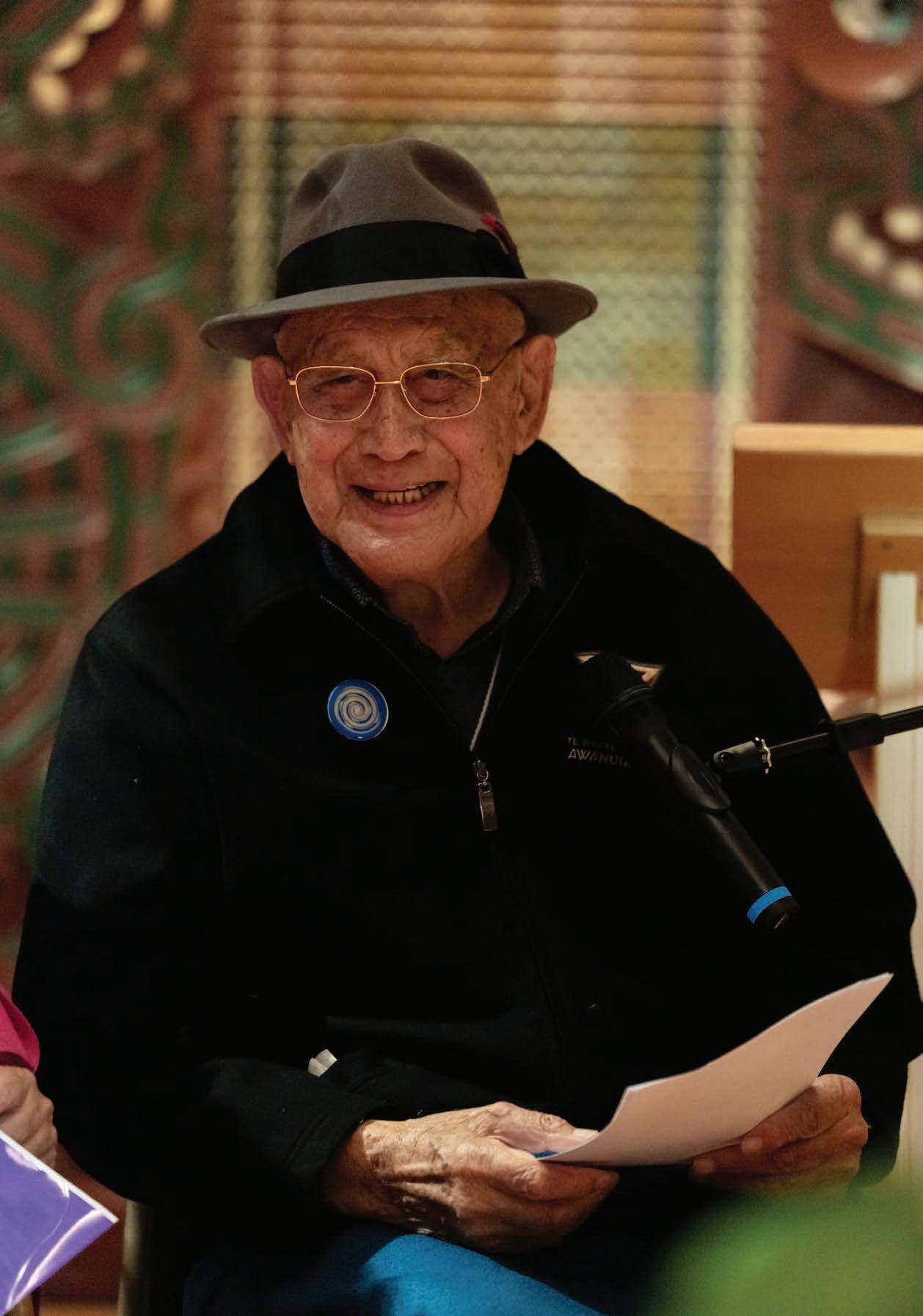
“This book is a dream fulfilled. It is informed by every book, paper, and article written across 73 years.”
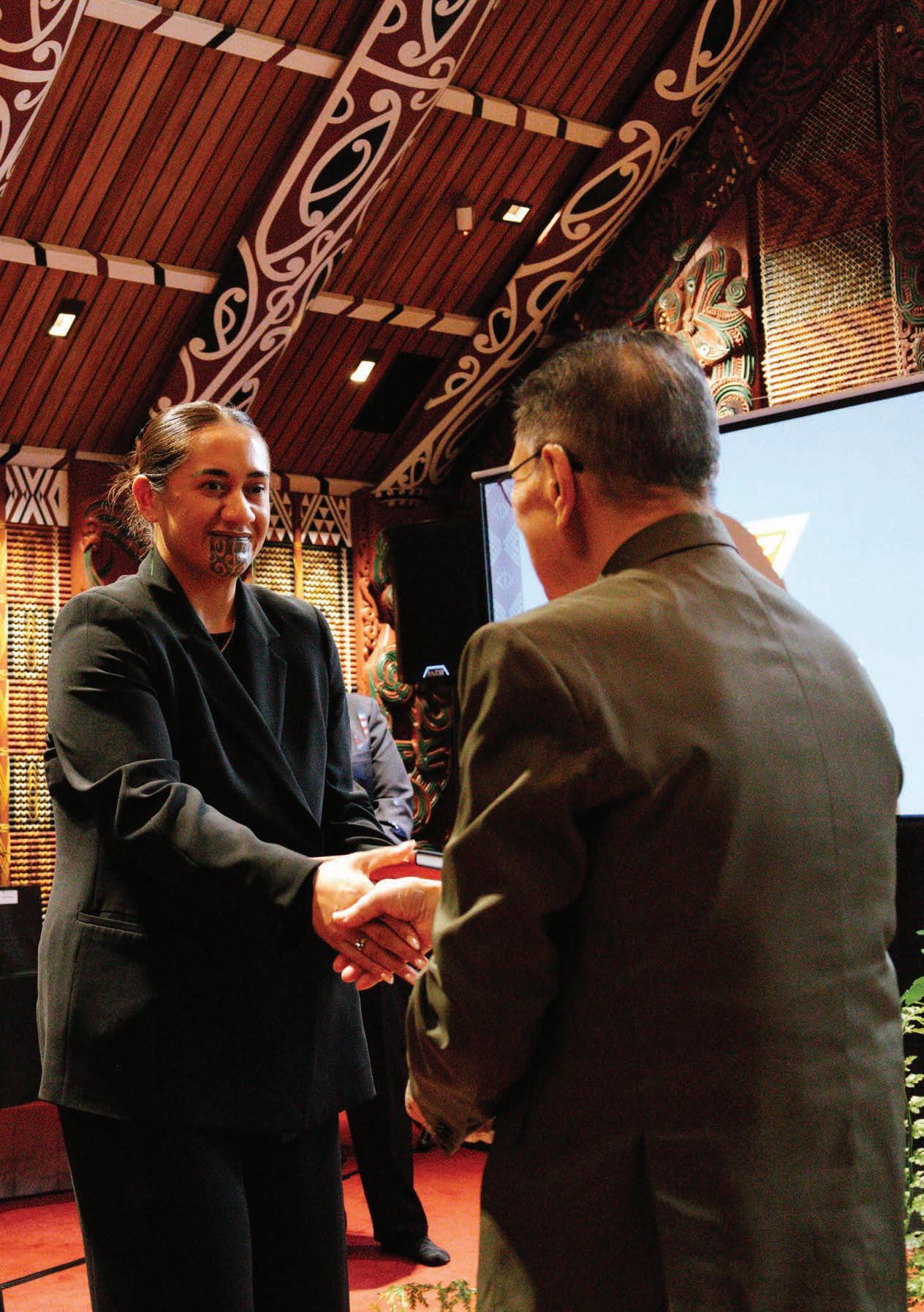
Kua Whakarewaina e Tā Pou Temara he Pukapuka Hou
Tā Pou Temara Launches New Book
Kua whakarewaina e Tā Pou Temara, mātanga whaikōrero, toa Ockham New Zealand Book Awards, me te Ahorangi Tikanga Māori i Te Whare Wānanga o Awanuiārangi, tana pukapuka hou, arā, ko Te Āhua o Ngā Kupu Whakaari a Te Kooti.
Ko tā Te Āhua o Ngā Kupu Whakaari a Te Kooti he tirotiro ki te oranga, ngā matakite me te whakareretanga o Te Kooti Te Turuki Rikirangi, hei manu ārahi, hei poropiti hoki o te hāhi Ringatū. Ko tā te tānga nei he kōkiri tonu i ngā rangahau tauroa a Tā Pou, me āna koha ki te reo Māori me ōna tikanga. Ka whai muri tēnei i tana whakanuitanga i ngā tohu a te 2024 Ockham New Zealand Book Awards, otirā e taunaki ana tēnei i tana tūnga hei pūkenga, hei ringa tuhi whakaaweawe nui o Aotearoa.
I noho te whakarewanga pukapuka nei hei wāhanga matua o te Te Kooti Symposium, The Enduring Relevance of Kupu Whakaari in Contemporary Society, nāna hoki i tō mai i ngā kaiārahi o ngā iwi, ngā pūkenga, ngā Hāhi me te hapori whānui ki te wānanga i ngā akoako a Te Kooti me tana pānga whakauka.
I tae mai te Kīngitanga ki te whakanui i te kaupapa, otirā ko Te Arikinui Kuini Ngā wai hono i te pō tonu tērā i tae mai, otirā ko Tā Pou he mema o Te Tekau Mā Rua i tohua e Kīngi Tūheitia.
Renowned scholar, expert in Māori oratory, Ockham New Zealand Book Awards recipient, and Professor of Māori Philosophy at Te Whare Wānanga o Awanuiārangi, Tā Pou Temara launched his latest work, Te Āhua o Ngā Kupu Whakaari a Te Kooti.
Te Āhua o Ngā Kupu Whakaari a Te Kooti examines the life, visions, and legacy of Te Kooti Te Turuki Rikirangi, both as a leader and as a prophet of the Ringatū faith. Its publication furthers Tā Pou’s decades-long scholarship and contribution to te reo Māori me ōna tikanga and follows his recognition at the 2024 Ockham New Zealand Book Awards, underscoring his place among Aotearoa’s most influential Māori academics and writers.
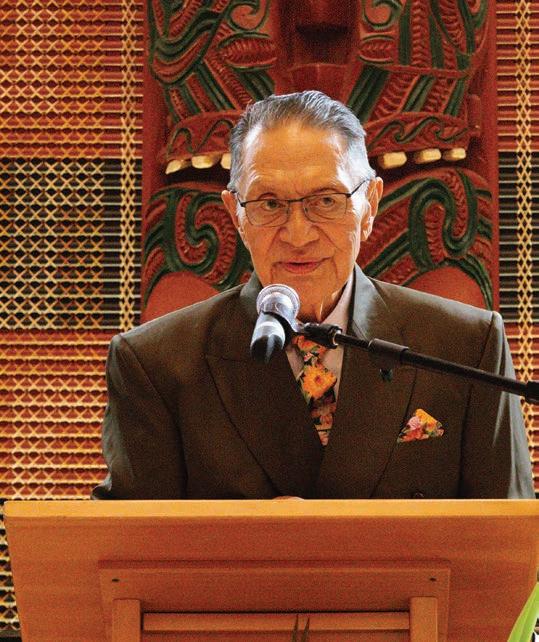
The book launch formed a central part of the Te Kooti Symposium, The Enduring Relevance of Kupu Whakaari in Contemporary Society, which brought together iwi leaders, academics, Haahi, and the wider community for a day of wānanga on the teachings of Te Kooti and their enduring significance.
The event was attended by the Kīngitanga, embodied in Te Arikinui Kuini Nga wai hono i te po, whose attendance acknowledged the mana of both the kaupapa and of Tā Pou himself, a member of Te Tekau Mā Rua appointed by the late Kīngi Tuheitia.
E whai ana tētahi kaupapa ki te whakaumu i te tautoko hauora hinengaro mā ngā rangatahi
Māori
tuawhenua
Project Aims to Transform Mental Health Support for Rural Rangatahi Māori
Ko tā tētahi kaupapa rangahau hou, e arahina ana e te rōpū ohaoha taiohi e WĀHI, e tautokona ana e tētahi rangapūtanga matua ki a te Clare Foundation, he tūhura i ngā tikanga ā-ahurea ki te whakatairanga i te mātauranga hauora hinengaro rangatahi Māori - he taupori whiwhi-kore e ai ki ngā kairangahau.
A new research initiative, led by youth charity WĀHI and funded through a major partnership with the Clare Foundation, will explore culturally grounded approaches to mental health promotion and education for Māori youth - a population group researchers say is critically under-served.
“There is a clear lack of data and understanding around the mental health experiences and needs of Māori youth in rural areas. This research will provide much-needed insight into how we can better support their wellbeing using Māori values and frameworks.”
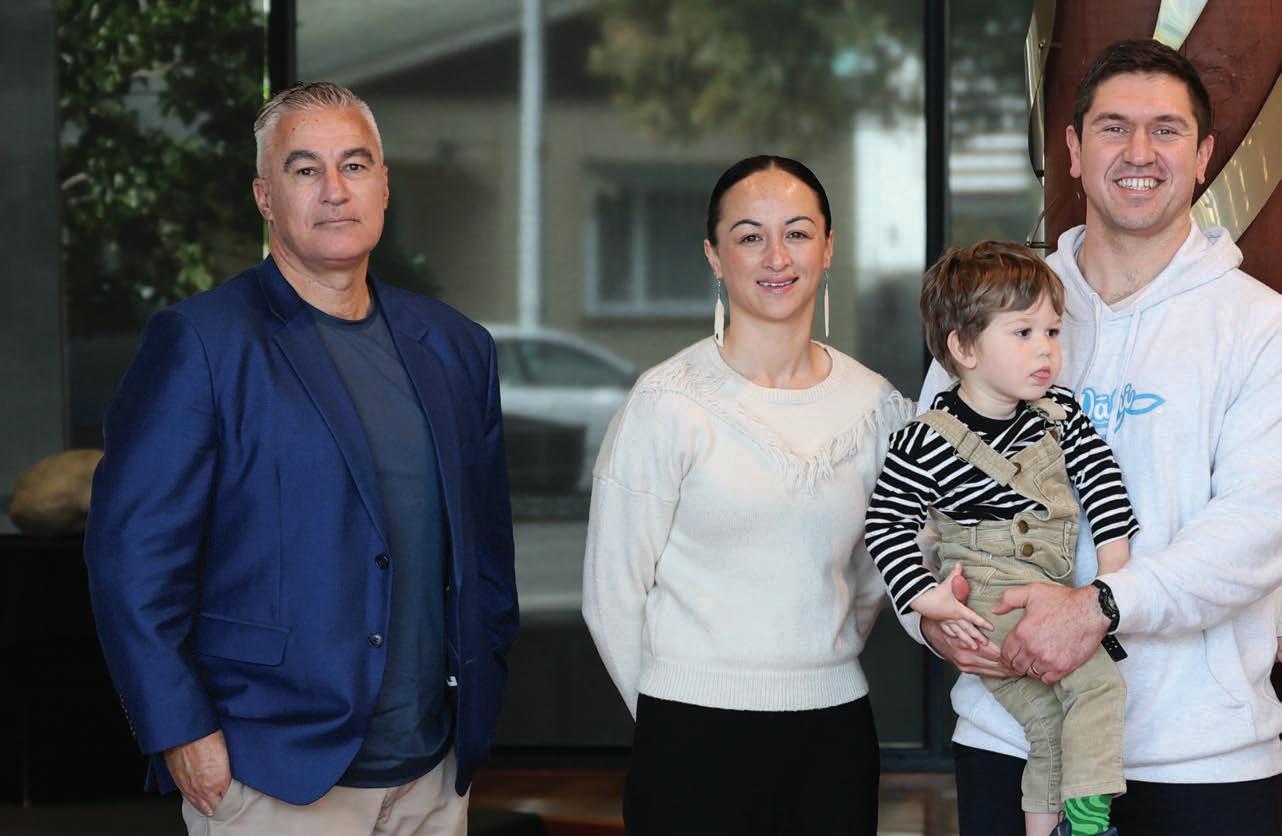
Ko Ahorangi Te Kani Kingi, Kaitohu Rangahau me te Auaha i Awanuiārangi, ā, tētahi o ngā kairangahau hauora Māori matua i Aotearoa, ko ia ka tautoko i ngā rangahau, me tana kī anō, ka whakatau i tēnei kaupapa ētahi āpure tauroa nui i te ao rangahau hauora hinengaro ā-motu.
“He tino itiiti nei ngā raraunga me te māramatanga e pā ana ki ngā wheako hauora hinengaro me ngā matea o ngā rangatahi Māori i ngā wāhi tuawhenua. Ka whakarato tēnei rangahau i ngā tirohanga māha nui ki te āhua o te tautoko pai ake i tō rātou oranga mā te whakamahi i ngā uara me ngā anga Māori.”
Ka uru ki te rangahau te mahi ngātahi o ngā kura, me te tūhura i te āhua o ngā tautake me ngā uara Māori ki te hoahoa i te whakatairanga hauora hinengaro me ngā kaupapa mātauranga e pāorooro ana ki ngā rangatahi i ngā wāhi tuawhenua. Āpiti ki tērā, ka whakamahia ngā raraunga wā-roa mai i te rangahau o Growing up in New Zealand ki te whakarato i ngā whakatau tata momo mate me te pānga o te hauora hinengaro i roto i ngā rangatahi.
Ka arahina tēnei kaupapa e Luke Gray, te tangata nāna a WĀHI i tīmata. E tukua ana e te Clare Foundation tētahi tahua nui, otirā kua roa e tautoko ana i a WĀHI mai i anō i te 2024, e toitū tonu ai te kaupapa.
Ko te matapae ake, ka puta i te kaupapa nei ētahi tauira hou mō te tautoko i te hauora hinengaro, te whakapakari i ngā mahinga ngātahitanga i waenga i ngā kaiwhakarato Māori, te whai wāhi ki ngā kaupapahere whaihua ake, me te hoahoa rautaki. Otirā ka tukua hoki he arawātea whakangungu ōkawa mā te rangatahi me ngā pākeke i te hapori.
Professor Te Kani Kingi, Executive Director of Research and Innovation at Awanuiārangi and one of Aotearoa’s leading Māori health researchers, is supporting the research and says the project will address a number of long-standing gaps in national mental health research.
“There is a clear lack of data and understanding around the mental health experiences and needs of Māori youth in rural areas. This research will provide much-needed insight into how we can better support their wellbeing using Māori values and frameworks.”
The research will involve collaboration with local schools and will explore how Māori philosophies and values can be used to shape mental health promotion and education initiatives that resonate with young people in rural settings. Additionally, longitudinal data from the Growing up in New Zealand Study will be used to provide epidemiological and mental health prevalence estimates for youth.
The project will be led by Luke Gray, founder of WĀHI. The Clare Foundation, which has supported WĀHI since 2024, is providing a substantial multi-year grant to ensure the sustainability of the project.
The project is expected to deliver new models for mental health support, strengthen collaboration between Māori service providers, contribute to more effective policy and strategy design, and provide formal training opportunities for both youth and adults in the community.
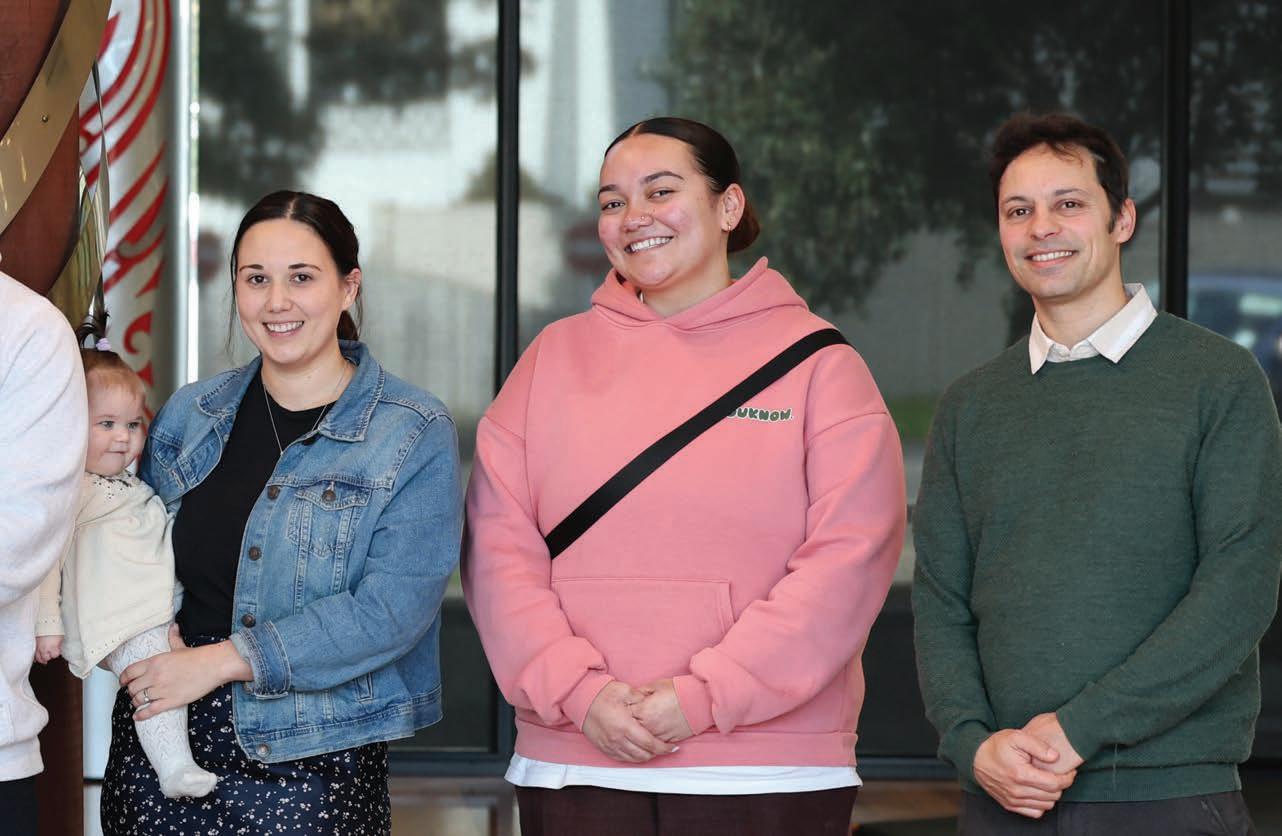

Whakapōtaetanga Graduation
I te Paraire te 2 o Mei, i whakanuia e Te Whare Wānanga o Awanuiārangi ngā whakapaunga werawera me te angitu o āna tauira, otirā i tohua anō tētahi tau makuru mō ngā tāura kairangi. I roto i ngā tohu 2,300 i whakawhiwhia, 27 i eke ki te taumata kairangi, ā, he 90% he Māori. I pōhiritia e te wānanga ngā tāura kairangi nō Hawaii me Whītī, ā, me tētahi kāhui Pōkaitahi Reo nō Ahitereiria.
Hei tā te Tumuaki a Ahorangi Wiremu Doherty ka whakaata nui tēnei tipuranga o ngā tāura kairangi i te pai o te ahurea rangahau me te whiwhita o ngā tauira. “He mīharotanga te whakanui i ngā tāura kairangi iwi taketake 27 mō mātou i konei i Awanuiarangi, otirā kua eke te maha o ngā pūkenga kairangi katoa kua puta i Awanuiārangi ki te 108. E kawe ana tēnei hunga i ngā manako o ō rātou whānau me ngā hapori, ā, e whakaū ana ā rātou mahi nunui i te hirahira o ā mātou mahi i konei.”
I tū te pōwhiri ki Te Mānuka Tūtahi Marae i Whakatāne, nō muri ka uru ngā tāura ki te hīkoi i te pokapū taone mō te hīkoi ‘Gown and Town’. I haruru ngā tiriti i ngā reo waiata me te haka, otirā 18 ngā kura i tū rārangi i ngā tiriti ki te whakanui ngātahi me ngā whānau me ngā pakihi tūtata.
Āhua 300 ngā tāura i tae ā-kanohi ki te whakapōtaetanga kia whakawhiwhia ki ō rātou tohu, ka tū koinei tētahi o ngā huihuinga nui rawa. I roto i te hōtaka Pōkaitahi Reo tētahi kāhui 30 tauira nō Ahitereiria, me ngā kāhui o Taranaki me Tāmaki.
E rua ngā tohu hōnore kairangi i whakawhiwhia i tēnei tau, tētahi ki a Hōne Pereki Sadler (Ngāpuhi, Ngāti Moerewa), he pūkenga, he kaiārahi hoki o Ngāpuhi, me te mema o te Mana Whakahaere o Awanuiārangi a Mrs Tuihana Pook (Te Whānau-a-Apanui), otirā i whakanui tahi rāua me ō rāua whānau.
On Friday 2 May, Te Whare Wānanga o Awanuiārangi celebrated the hard work and success of its tauira, marking another record-breaking year for doctoral graduates. Amongst the 2,300 tohu conferred, 27 were at the doctoral level, with Māori making up 90% of that cohort. The wānanga welcomed doctoral graduands from Hawaii and Fiji, and a Te Pōkaitahi Reo cohort from Australia.
Chief Executive Professor Wiremu Doherty says this continuous growth in doctoral graduates is a powerful reflection of the research culture and dedication of the tauira. “Celebrating 27 Indigenous doctoral graduates is a milestone moment for us at Awanuiārangi, bringing our total number of doctoral alumni to 108. Each of these graduates carries the hopes of their whānau and communities, and their achievements reaffirm the importance of the work that we do here.”
A pōwhiri was held at Te Mānuka Tūtahi Marae in Whakatāne before graduands made their way into town for the traditional ‘Gown and Town’ hīkoi. The streets were filled with waiata and haka as groups from 18 local kura lined the streets to celebrate, alongside whānau and local businesses.
Around 300 graduates attended the ceremony in person to receive their tohu, making it one of the largest ceremonies to date. The Te Pōkaitahi Reo programme included a cohort of 30 tauira from Australia, as well as cohorts from Taranaki and Tāmaki.
Two honorary doctorates were awarded to academic and Ngāpuhi leader Hōne Pereki Sadler (Ngāpuhi, Ngāti Moerewa) and Awanuiārangi Council member Mrs Tuihana Pook (Te Whānau-a-Apanui), who each received their tohu and celebrated the occasion alongside their whānau.

Hōne Pereki Sadler
He Tohu Hōnore Kairangi An Honorary Doctorate in Māori Development
D.MD (Honoris Causa)
Kua whakawhihia he Tohu Hōnore Kairangi ki a Hōne Pereki Sadler, mō āna mahi tauroa mō tana iwi, otirā te iwi Māori whānui, te reo me ngā tikanga Māori, me te mātauranga, mō te rima tekau.
I whānau mai a Hōne i te tau 1950 i Paparoa, Te Taitokerau, nō Ngāpuhi me Ngāti Wai tōna whakapapa, otirā he uri ia nō Takurua – i waitohu i Te Tiriti o Waitangi. Ko ia te tamaiti tuawhā o te tokoiwa a Haki Pere Sadler rāua ko Ngāwhetu Te Korohū Whiu. I tipu mai ia i te mātotorutanga o ōna kaumātua i Tautoro me Kaikohe, i noho ai ko ngā māra, te ngahere me ngā awa te pātaka kai. Rite tonu tana whai i ngā mātua ki ngā hui mate, ngā hura kōhatu, ngā whakatuwhera whare me ngā wānanga - i rumakina ia ki ā rātou akoako reo me te tikanga Māori, i uru ki ngā ritenga a ngā tohunga o tana whānau, hapū me ngā iwi o Te Taitokerau. Ko ētahi ko Aperahama Sadler, rātou ko Rāniera Whiu, ko Te Houpeke Piripi, ko Ngāwhetu Whiu, ko Te Wakeroa Sadler, ko Mangu Rākete, ko Marotoroa Rākena, ko Marina Te Rangi, ko Tuhiwai Wharemate, ko Karani Rākete.
Ko te reo Māori anake te reo o Hōne kia tae rā anō ia ki ngā kura o Tautoro me Kaikohe, me te Kāreti o Northland. I mahi ia hei kaikuti hipi, te tapahi ururua, i mua o te kuhu ki te North Shore Teachers’ Training College ki te whakangungu hei kaiako. I whakaako ia mō te waru tau i te kura tuatahi, ā, mō te 15 tau i te kura tuarua, kātahi ka whakaako i te reo me ngā tikanga o Ngāpuhi ki te Kura Tini o Te Taitokerau mō te tekau tau. I reira ka tū ia hei Upoko o te Tari Māori me te Manutaki o te Faculty of Arts. I whakaako a Hōne ki te Wānanga o Waipapa mō te 17 tau hei pouako matua, hei kairangahau, me te kaitā pukapuka reo Māori, te ariā me te mātāwaha Māori. Ka tāoki ia i te tau 2020 i muri o te 50 tau e noho ana hei kaiwhakaako.
I rumakina a Hōne ki te mātauranga Ngāpuhi, otirā koirā tonu te mea e ārahi ana i āna mahi mā tana iwi. I te tau 1994, i whakahaeretia e ia he wānanga mō te mita o Ngāpuhi hei whakaara ake i ngā pātere, ngā mōteatea me ngā karakia tawhito kāore i rangona ki ngā marae o Ngāpuhi. Ka whakatū wānanga tonu ia i te rā nei, ka whakaako-tahi hoki i ētahi o āna tauira o mua. I whakawhiwhia ia ki tana tohu Paerua Mātauranga Māori nō Te Wānanga o Raukawa, ko tana tuhinga whakapae ko ngā “Wāhine Rangatira o Ngāpuhi: Te Tū o te Wāhine i roto o Ngāpuhi”. Kua tuhi kōrero ia mō te mātauranga Māori, ngā kerēme Tiriti, me ngā tikanga hui mate o mua. He pūkōrero rongonui ia, e kohara ana ki te whakarauora me te
An Honorary Doctorate in Māori Development has been awarded to Hōne Pereki Sadler for his lifelong dedication and service to his people, iwi Māori generally, Māori language and customs, and education for more than half a century.
Hōne was born in 1950 in Paparoa, Northland, of Ngāpuhi and Ngāti Wai ancestry, and a descendant of Takurua – a signatory of Te Tiriti o Waitangi. He is fourth eldest child in a whānau of nine to Haki Pere Sadler and Ngāwhetu Te Korohū Whiu. He grew up amongst his kaumatua in the Tautoro Valley and at Kaikohe where the gardens, forests, and rivers were their pātaka kai. Hōne often accompanied his elders to hui mate, hura kōhatu, marae openings, and wananga – becoming immersed in their teachings through te reo and tikanga Māori, and rituals and interacting with tohunga from his whānau, hapū, and other Taitokerau iwi. They included Aperahama Sadler, Rāniera Whiu, Te Houpeke Piripi, Ngāwhetu Whiu, Te Wakeroa Sadler, Mangu Rākete, Marotoroa Rākena, Marina Te Rangi, Tuhiwai Wharemate, and Karani Rākete.
Hōne spoke only te reo Māori until his time at Tautoro and Kaikohe Native Schools, and Northland College. He then worked as a shearer, and in scrub-cutting before training as a primary school teacher at the North Shore Teachers’ Training College. He taught in that sector for eight years, followed by 15 years in secondary schools, and then taught Ngāpuhi language and customs at Northland Polytechnic for ten years. He became the Head of Department for Māori Studies and Dean of Faculty for Arts. For 17 years Hōne taught at The University of Auckland as a senior lecturer teaching, researching, and publishing on te reo Māori, epistemology and oral literature. He retired in 2020 after a combined 50 years of teaching.
Hōne is immersed in mātauranga Ngāpuhi and is guided by that knowledge in the contributions he makes to and on behalf of his people. In 1994, he facilitated a wānanga on the Ngāpuhi dialect to resurrect traditional chants, laments and ancient incantations that were not practised on Ngāpuhi marae. He still organises wānanga today and co-teaches with some of his past pupils. He received a Masters of Mātauranga Māori from Te Wānanga o Raukawa with a thesis is entitled, “Wāhine Rangatira o Ngāpuhi: Te Tū o te Wāhine i roto o Ngāpuhi”. Hōne has written and published on Māori knowledge, treaty claims, and ancient funeral lore. He is a celebrated Māori orator, passionate about revitalising and normalising te reo Māori. Hōne has been a certificated Māori translator and interpreter since 1980. Hōne’s work for and with his hapū, community, and
whakataunoa i te reo Māori. He tiwhikete whakamāori tāna māi anō i te 1980. Nā āna mahi mō tana hapū, hapori me te iwi i tuku iho tonu ngā mātauranga taketake o ngā whakapapa o Ngāpuhi, ngā hītori, ngā tūtohu whenua, te mita, me ngā tikanga hoki. He tohunga ia, he pūkōrero, he māngai hoki mō Ngāpuhi i te marae ātea. Kua tū ia ki ngā marae maha o te motu, kua tāia te kawa o ngā wharehui, ngā wharekai, ngā whare me ngā wāhi hākinakina huhua, hei whakakanohi i a Ngāpuhi.
Ka kapi hoki i āna mōhiotanga a He Hakaputanga o te Rangatiratanga o Nū Tireni me Te Tiriti o Waitangi. Kua tū hoki ia hei kaitaunaki matua ki ētahi kerēme tiriti me ngā Pakirehua ā-Kaupapa, tae atu ki tana tū hei tangata takitahi o te tokorima i kōwhiria e Ngāpuhi ki te whakatakoto i te tūāpapa o ngā kōrero mō Te Paparahi o Te Raki (Northland) Inquiry (Wai 1040). Nā āna kōrero mō Ngāpuhi i whakatītike i te whakatau a te Rōpū Whakamana, kīhai ngā rangatira i tuku i te mana motuhake i te wā i waitohua Te Tiriti o Waitangi. Ka whakapukapukatia e Hōne āna taunakitanga tikanga me ngā kōrero tuku iho mō te ahurea o te iwi o Ngāpuhi, arā “Ko Tautoro Te Pito o Tōku Ao: A Ngāpuhi Narrative” tērā.
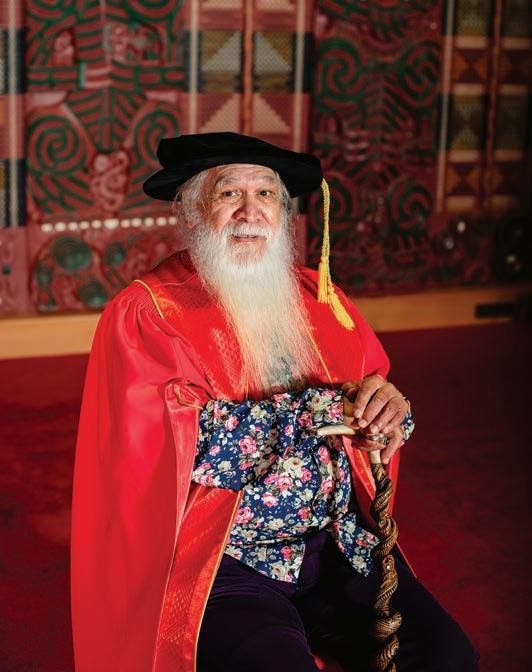

Ko ētahi o āna tūranga hei tohunga i te wā nei, i roto hoki i ngā mahi whakahaere iwi ko: Te Tiamana: Te Takiwā o Ngāpuhi ki te Tonga ō Tāmaki Makaurau, Te Hauora ō Ngāpuhi, Te Hungaiti Marae (Tautoro), me te Pere Hātara & Ngairo Wharemate Ahuwhenua Trust; mema poari o Ngā Kaitūhono, he kaitātari, kai whakamana nā Te Mana Tohu Mātauranga e whakamana ana i ngā kuratini me ngā Wānanga, he mema o Te Rōpū Whakaruruhau; Te Mātāwai (Te Mātāuru o Te Taitokerau); Terenga Parāoa Marae Trust, Whangārei; te Tertiary Education Union (kaumātua me te mema kaunihera); te hāhi o Jesus Christ of Latter Day Saints (Pakeke o Melchizedek Priesthood); he mema poari o mua o Te Ara—New Zealand Online Encyclopaedia, me te James Hēnare Centre i te Wānanga o Waipapa Taumata Rau.
E ngākau titikaha ana a Hōne ki tana iwi o Ngāpuhi, he mutunga kore, ā, ka whiti i ngā whakareanga. Kitea ai ia i ngā wānanga me ngā rangatahi me ngā kaumātua, i roto i te wharekai, te wharehui rānei, kia puta te karanga o te taumata, e kuhu atu ai ia ki te ao o te karakia, te whaikōrero, te waiata hoki hei whakaū i te motuhenga o te tikanga me te kawa o te marae, me te hāpai anō i te mana me te mauri o tōna iwi.
iwi has ensured generations of customary knowledge on Ngāpuhi genealogy, history, geography, dialect, customs, and rituals have prevailed. He is a tohunga, orator, and senior spokesman for Ngāpuhi. Hōne has spoken on over one hundred marae and opened numerous wharehui, wharekai, buildings, and stadia representing Ngāpuhi.
His knowledge and expertise also encompasses He Hakaputanga o te Rangatiratanga o Nū Tireni and Te Tiriti o Waitangi. Hōne has also been an expert witness for several treaty claims and Kaupapa Inquiries, including being one of only five, chosen by Ngāpuhi to lay the evidential foundation for Te Paparahi o Te Raki (Northland) Inquiry (Wai 1040). His evidence for Ngāpuhi enhanced the Tribunal’s ruling that Te Tiriti o Waitangi signatories did not cede sovereignty. Hōne turned his tikanga evidence and account of the origins, history, and culture of the Ngāpuhi people into a book, “Ko Tautoro Te Pito o Tōku Ao: A Ngāpuhi Narrative”.
His roles as a tohunga and in tribal governance currently include: Chairperson: Te Takiwā o Ngāpuhi ki te Tonga ō Tāmaki Makaurau, Te Hauora ō Ngāpuhi, Te Hungaiti Marae (Tautoro), and Pere Hātara & Ngairo Wharemate Ahuwhenua Trust; board and committee member of Ngā Kaitūhono, the New Zealand Qualifications Authority as former moderator and accreditor for the polytechnics and wānanga Māori and former member of Te Rōpū Whakaruruhau; Te Mātāwai (Te Mātāuru o Te Taitokerau); Terenga Parāoa Marae Trust, Whangārei; the Tertiary Education Union (kaumātua and council member); The Church of Jesus Christ of Latter Day Saints (Melchizedek Priesthood Elder); and, a former board member of Te Ara—New Zealand Online Encyclopaedia, and the James Hēnare Centre at The University of Auckland.
Hōne’s commitment to Ngāpuhi people is constant, ongoing, and intergenerational. He is often found in wānanga with young and old in the wharekai or wharehui until duty calls on the taumata where he enters the realms of karakia, oratory, and song to ensure the authenticity of the tikanga and kawa of the marae and upholding the authority and dignity of his people.
Tuihana Pook
Tohu Hōnore Kairangi
Honorary Doctorate in Māori Development
D.MD (Honoris Causa)

Kua whakawhiwhia he Tohu Hōnore Kairangi i te Whanaketanga Māori ki a Tuihana Pook mō āna mahi mō te reo, te tikanga me te mātauranga Māori, me tana pūmau titikaha ki te mātauranga, otirā neke atu i te 50 tau te roa o āna mahi.
I whānau mai a Tuihana i te Oketopa 1947, ko āna mātua ko Waata Kikito o Ngāti Kahu rāua ko Mihiterina Shepherd o Te Whānau-a-Apanui. I kuraina ia ki te kura o Whangaparāoa i mua o te haere ki Kuini Wikitōria i Tāmaki Makaurau. He mea tautoko hoki ia Hoani Waititi i a ia i reira. I whakangungua ia ki te Kāreti Takiura i Papakura (Ardmore Teachers’ Training College). I te tīmatanga o tana wā ako ka noho ia ki Pōneke me Reporoa i te puku o te ika i mua o te hoki ki te kāinga hei tumuaki o ngā kura o Pōtaka me Whangaparāoa. Hei kaituhi matua o te marautanga Hangarau i roto o Te Marautanga o Aotearoa, i arahina e ia he tira o ngā mātanga reo Māori, otirā i huri te tai o te wāhi ki te reo i roto i te marautanga o te motu. I mua o tērā ko ia te Upoko o te Hōtaka Whakangungu Kaiako o Rangakura i Whangaparāoa, i whakangungua e Tuihana ngā kaikōrero Māori kia tū hei kaiako kura tuatahi, otirā he whakapakari i te anamata o te whakaako arareo Māori. Ko tētahi tāmiro pātahi o āna mahi ko tana kiri whakauka ki te whakarauora me te toitūtanga o te reo Māori i roto i te mātauranga.
An Honorary Doctorate in Māori Development has been awarded to Tuihana Pook for her dedication to te reo, tikanga and mātauranga Māori and for her commitment to education for more than half a century. Tuihana was born in October 1947 to Waata Kikito of Ngāti Kahu and Mihiterina Shepherd of Te Whānau-ā-Apanui. She was educated at Whangaparaoa Native School before advancing her studies at Queen Victoria School for Māori Girls in Auckland, supported by the late Hoani Waititi. She trained as a primary school teacher at Te Kāreti Takiura i Papakura (Ardmore Teachers’ Training College). Early in her career she taught in schools from Wellington to Reporoa in the central north island before returning home to serve as Principal of Potaka and Whangaparaoa Schools. As the lead writer for the Hangarau (Technology) curriculum document within Te Marautanga o Aotearoa, she led a team of expert te reo Māori linguists, revolutionising the place of te reo within New Zealand’s national curriculum. Earlier, as Head of the Rangakura Outpost Teacher Trainee Programme on the East Cape, Tuihana trained fluent te reo Māori speakers to become primary teachers, strengthening the future of Māori medium education. A common thread throughout her career has been her devotion to the revitalisation and sustainability of te reo Māori in education.
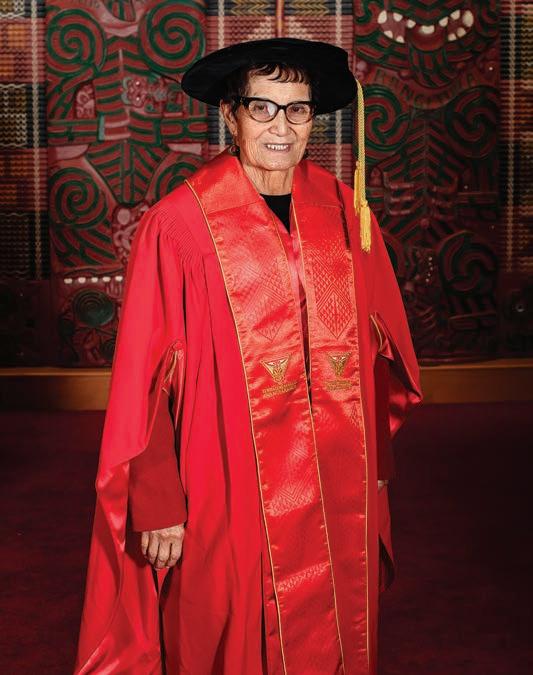
I te tau 2008, hei tumuaki, i takahurihia e ia te Kura o Whangaparāoa ki te Kura Mana Māori o Whangaparaoa, he Kura Motuhake, he Kura ā-Iwi Tau 1-13, i tuwhera ōkawa i te tau 2013 e Te Tāhuhu o te Mātauranga. I te 2019 me te tautoko a Tā Harawira Gardiner, i tū Te Rōpū Whakamaumahara Charitable Trust hei kōkiri i te mātauranga mā te whakapiki me te whakarākei i te akoranga o ngā tikanga me ngā hītori o te Ope 28 Māori, me ngā whakahere toto nui i te wā o te Pakanga Tuarua. I ngā tau e toru ka hipa, kua tae a Tuihana me ngā tauira tuakana o Te Kura Mana Māori o Whangaparāoa ki ngā pae o te riri i Kirīki, i Kirīti me Itari, ki te whai i ngā tapuwae o ngā tīpuna i pakanga ai, i mate ai ki reira. Ko ētahi o ngā whakatutukitanga nui a Tuihana, ko te Post Graduate Diploma of Technology nō Te Whare Wānanga o Waikato, me te Tohu Paerua Mātauranga Ako nō Te Wānanga o Raukawa. I aro āna rangahau pōkairua ki ngā tikanga ā-ahurea, ā-taunaki hoki o te ako i te reo, me te aromatawai i te reo Māori. Hei whakanui i āna tāpaetanga nui ki te ao mātauranga Māori me te hapori, i whakawhiwhia a Tuihana ki te Mētara Whakarato a te Kuini i te 2012. I tua atu i te mātauranga, kua noho ia hei pononga o tana hapori, hei mema, hei kaitiaki o ngā poraka whenua me ngā tarahiti maha, ā, hei Kaiwhakawā Tūmatanui hoki. I whakamomori nui a Tuihana ki te kōkiri i te mātauranga Māori, otirā he tohu tēnei i tana ngākau titikaha ki te oranga me te anamata o te iwi Māori. Nā āna mahi i ngā rima tekau tau kua hipa, i āwhina ki te whakaumu i te horanuku o te ao mātauranga mō ngā whakatipuranga e whai ake ana.

In 2008, as tumuaki, she oversaw the transformation of Whangaparaoa School into Te Kura Mana Māori o Whangaparaoa, a Year 1–13 Designated Special Character Kura ā Iwi, officially opened by the Ministry of Education in 2013. In 2019, with the support of the late Sir Harawira Gardiner, Te Ropu Whakamaumahara Charitable Trust was established to advance education through increasing and enhancing the learning of the traditions and histories of the 28th Māori Battalion and the sacrifices made in World War II. Over the past three years, Tuihana and senior students of Te Kura Mana Māori o Whangaparaoa have journeyed to the battlefields in Greece, Crete and Italy, following in the footsteps of their tīpuna who fought and died in that conflict.
Tuihana’s academic achievements include a Post Graduate Diploma of Technology from the University of Waikato and a Master of Education degree from Te Wānanga o Raukawa. Her postgraduate work focused on culturally responsive, evidencebased best practices for language acquisition, teaching, learning, and assessment in te reo Māori. In recognition of her outstanding contribution to Māori education and the community, Tuihana was awarded the Queen’s Service Medal in 2012. Beyond education, she has served tirelessly across her community as a member and trustee of several land incorporations and trusts, and as a Justice of the Peace. Tuihana’s lifelong commitment to the advancement of mātauranga Māori is testament to her unwavering dedication to the wellbeing and future of te iwi Māori. Her work over the last five decades has helped transform the educational landscape for generations to come.
Ngā Tohu Hirahira 2025 2025 Special Awards
Te Tohu Award Kaiwhiwhi Award Recipient Tautāwhī Award Sponsor
Te Tohu Rotary Club of Whakatāne mō te Ākonga Kaha ki te Whakapiki i tōna Reo Māori i te Tau Tuatahi
Te Kura Ruku Mātauranga Tohu Tiketike
Te Tohu Hiranga ki te reo Māori
The Rotary Club of Whakatāne Award for Most Improved First Year Student in Te Reo Māori
School of Undergraduate Studies Top Scholar Award
Excellence in Te Reo Māori Award
Atakura Hunia
Te Tohu a Te Onehou Eliza Phillis mō ngā Rangahau ā-Iwi
Te Tohu o Emeritus Professor Roger Green ONZM mō te Tuhinga Whakapae Tiketike
Te Tohu Iwi Taketake mō ngā Rangahau Iwi Taketake Tiketike
Te Tohu Tiketike a Te Kura Whakawhānui Mātauranga
He Kōrero a ngā Tauira He Waha kōrero mā ngā Tāura
Te Onehou Eliza Phillis Award for Outstanding Iwi Research
Emeritus Professor Roger Green ONZM Award for Top Thesis
Te Iwi Taketake Award for Outstanding Indigenous Research
School of Indigenous Graduate Studies Top Scholar Award
Valedictory Speech Student
Speaker on behalf of Graduands
Andre Ahipene
Te Rire
Shane Solomon

Julian Wilcox
Taffi Wise
Te Uwhikura Mihaka and Yolanda Yulies
Turumakina Duley

Hone
Whakatāne
Me taipari whakarewa waka
ngā whakaaro
Let us elevate our thoughts like a canoe upon a full tide
Hōtaka NZQF Kaupae Programme NZQF Level Ingoa Hōtaka

Programme Name
Te Kura Whakawhānui Mātauranga School of Indigenous Graduate Studies
Tohu Kairangi (PhD) 10
Doctor of Philosophy (PhD)
Tohu Kairangi i te whanaketanga me te kōkiritanga Iwi Taketake 10
Doctor of Indigenous Development and Advancement
Tohu Kairangi i te whanaketanga me te kōkiritanga Māori 10
Tohu Paerua Mātai Iwi Taketake 9
Tohu Paerua Mātai Iwi Māori 9
Pourewa Tikanga Māori me te Ture 8
Pourewa Oranga Hinengaro 8
Pōkairua Tautara i te Mātai Iwi Māori me ngā Iwi Taketake 8
Pōkaitahi Tautara i te Mātai Iwi Māori me ngā Iwi Taketake 8
Doctor of Māori Development and Advancement
Master of Indigenous Studies
Master of Māori Studies
Postgraduate Diploma in Tikanga and Law
Postgraduate Diploma in Applied Mental Health and Addiction Counselling
Postgraduate Diploma in Mātauranga Māori and Indigenous Studies
Postgraduate Certificate in Mātauranga Māori and Indigenous Studies
Te Kura Ruku Mātauranga School of Undergraduate Studies
Te Rautoki a Toi 8
Te Ōhanga Mataora: Tohu Paetahi Nēhi Māori 7
Nga Mana Whakairo a Toi: Tohu Paetahi Toi Haka 7
Te Tohu Toi Tangata 7
Te Tohu Paetahi Ako 7
Te Aho Pūtaiao 7
Te Aka Putaiao 5
Diploma in Content Creation (Broadcasting) 5
Te Pōkaitahi Tikanga (Mātauranga Māori) 3
Tiwhikete i te Hauora o te Oranga (Aho Tiaki Hauora) 2
Postgraduate Diploma in Māori Performing Arts
Bachelor of Health Sciences Māori Nursing
Bachelor of Māori Performing Arts
Bachelor of Humanities
Bachelor of Education (Teaching)
Bachelor of Environmental Studies
Te Aka Putaiao
Diploma in Content Creation (Broadcasting)
Te Pōkaitahi Tikanga (Māori Development)
The New Zealand
Certificate in Health & Wellbeing
Ingoa Hōtaka

Hōtaka
Te Kura Mātauranga Māori School of Iwi Development
Tohu Paetahi Mātauranga Māori 7
Te Pōkaitahi Reo (Rūmaki) 6
Te Pōkaitahi Reo (Rūmaki) 5
Te Pōkaitahi Reo (Rūmaki, Reo Rua) 4
Te Pou Hono ki Marae Atea 4
Te Pou Hono ki Mahi Marae 4
Programme Name
Bachelor of Mātauranga Māori
Te Pōkaitahi Reo (Rūmaki)
Te Pōkaitahi Reo (Rūmaki)
Te Pōkaitahi Reo (Rūmaki, Reo Rua)
Te Pou Hono ki Marae Atea
Te Pou Hono ki Mahi Marae
Kai Oranga 4 Kai Oranga
Te Pou Hono ki Wairua 4
Te Pou Hono ki Taiao 4
Te Pou Hono ki Wairua
Te Pou Hono ki Taiao
Wai Ora 4 Wai Ora
Te Pou Hono ki Toi 4
Te Pou Hono ki Toi
Wai Ora 3 Wai Ora
Kai Oranga 3 Kai Oranga
Te Pōkaitahi Reo (Rumaki, Reo Rua) 3
Te Pōkaitahi Reo (Rumaki, Reo Rua) 2
Te Pōkaitahi Reo (Rumaki, Reo Rua) 1
Te Waharoa 0
Te Pōkaitahi Reo (Rumaki, Reo Rua)
Te Pōkaitahi Reo (Rumaki, Reo Rua)
Te Pōkaitahi Reo (Rumaki, Reo Rua)
Community Education
NZQF Kaupae Programme NZQF Level
Ngā Āheinga Mātauranga Mana Ōrite
Equal Education Opportunities
E whai ana Te Whare Wānanga o Awanuiārangi kia taea e ngā ākonga katoa te whakauru, te whai wāhi, me te angitu i roto i ngā mahi ako. E ū ana mātau ki te whakarato i ngā ratonga tautoko huhua hei āwhina i ngā ākonga i runga i tā rātau ahunga mātauranga kia angitu ai. I aro tonu ā mātau ratonga tautoko ki te whakarato i te wawaonga kaha, te mōhiohio me te āwhina nui rawa ki ngā ākonga - mā roto i a Awhi Tauira: Te Reo o ngā Tauira, Te Whare Pukapuka, te e-Wānanga: Te Pūnaha Whakahaere Ākonga me te Hangarau.
E kawea tonuhia ana e mātou a He Ringa Āhuru mā te kirimana ki a Te Whatu Ora ki te tuku i te oranga hinengarome ngā ratonga waranga ki ngā tauira katoa puta i ngā wānanga e toru. Ka uru ki tēnei ko te:
• Ngā ratonga hauora-ataata
• Ngā awheawhe hauora
• Ngā rā hauora (te kawe ratonga ki ngā whare ako)
• Te āhei ki te rongoā Māori, mirimiri, romiromi,
• Te toro atu ki ngā kaiwhakarato.
Ngā Ratonga Tauira
Nā Ngā Ratonga Ākonga i āwhina i ngā ākonga o nāianei me ngā ākonga takatū, mā te tuku i ngā mōhiohio wawe, hāngai hoki mō ngā akoranga me ngā hōtaka ako, ngā tukanga whakauru, ngā moni taurewa me ngā moni whiwhi, ngā pūtea me ngā karahipi hoki.
Awhi Tauira
Ka whakaratoa e te tira o ngā kaitohutohu ngā whakangungu mahi ako me te tautoko i ngā tauira i roto i a rātau mahi akoranga, kia tū ai rātau hei ākonga motuhake. I uru ki tēnei tautoko ngā tautoko ā-tawhiti, mā ētahi huarahi maha pēnei i te kanohi ki te kanohi, ngā mahi ā-rōpū, mā te ipurangi hoki, hei tauira, te e-Wānanga me te Huitopa.
Pūnaha Whakahaere Akoranga o e-Wānanga (LMS)
I mātua whakarite te LMS i ngā ākonga ki te ako me te whakawhiti kōrero ki ngā pouako i runga i te ipurangi, me te whakarato “āheinga-i-ngā-wāhi-katoa” ki ngā rauemi akoranga me ngā utauta whakawhiti kōrero whaihua.
Te Whare Wānanga o Awanuiārangi strives to ensure that all students can access, participate in, and succeed in educational programmes. We are committed to providing a range of support services to help students throughout their educational journey toward a successful outcome. Our support services provide a high level of advocacy, information, and assistance to students through Awhi Tauira: Student Learning Support, Tauira Voice, Library and Information Services, e-Wānanga: Learning Management System and Information Technology.
We continue to deliver He Ringa Āhuru through a contract with Te Whatu Ora to provide mental wellbeing and health addiction services to all tauira across the three wānanga. This service includes:
• Tele-health services
• Hauora workshops
• Hauora days (bringing services to campus)
• Access to rongoā Māori, mirimiri, romiromi,
• Onboarding service providers
Student Services
Student Services assist potential and current students by providing timely and relevant information about courses or programmes on offer, enrolment processes, student loans and allowances, and grants and scholarships.
Awhi Tauira
The team of advisors provide academic tertiary skills training and support to assist tauira with their programme of study and help them become independent learners. This support, including pastoral care, is provided face-to-face, for groups, and virtually via e-Wānanga and Zoom.
e-Wānanga Learning Management System (LMS)
Our LMS enables students to learn and communicate with lecturers online and provides “anywhere-access” to valuable course resources, materials, and communication tools.
Te Whare Pukapuka me ngā Ratonga Mōhiohio
Ka whakarato te Whare Pukapuka me ngā Ratonga Mōhiohio i ngā ratonga hei tautoko, hei taunaki hoki i ngā matea rangahau, mātauranga me te ako a ngā ākonga me ngā kaimahi.
Hangarau Mōhiohio
He āwhina i ngā ākonga kia tūhono atu ki te hangarau me te whakauru atu ki ngā rorohiko.
Te Reo o ngā Tauira
Ko tā Te Reo o ngā Tauira, he whakahaere arotake me ngā uiui kia rongohia ai ngā whakaaro o ngā tauira e pā ana ki ō rātau wheako ako. Ko ngā arotakenga he huarahi ki te arotake, te huritao me te whakapai ake i ngā mahi tuku, ngā ratonga me te tautoko, otirā ka uru ki roto te tuku marautanga, ngā kaupapa ako me te aromatawai.
Library and Information Services
The Library and Information Services provides information services to support and enrich the research, education and teaching needs of students and staff.
Information Technology
Our Information Technology team helps our students connect to technology and gain access to computers.
Tauira Voice
Tauira Voice evaluations and surveys enable tauira to share perspectives on their learning experience. Evaluations help us to review, reflect on and improve areas of delivery, service and support, including curriculum delivery, content, and assessment.

Ngā Āheinga Mahi Mana Ōrite
Equal Employment Opportunities
Hauora me te Haumaru
E haere tonu ana ngā mahi whakapakari a Awanuiārangi i tana pūmau ki te hauora, te haumaru me te oranga, me te aronga mārama ki te papanga ā-mana whakahaere, te whai wāhi ā-rāngai mahi me te whakapainga haeretanga o te pūnaha. I urungi haere te whakahaere i ngā momo tūraru kanorau i te 2025, i a mātou e pupuri tonu ana i te aronga kaha ki te whakarato i tētahi taiao haumaru, kauawhi, tautoko hoki mā ngā tauira, ngā kaimahi, ngā manuhiri me ngā kiripānga.
Ngā hauata
11 ngā hauata i pūrongotia; tae atu ki ngā matohi ahi nā te whakarere i ngā kai tunutunu; te kuhunga poka noa ki ngā whare ako; ngā take hauora e pā ana ki ngā tauira; ngā mania me ngā tū hapa; me te tūkino ki ngā waka. Ko ētahi tūraru e pā ana ki ngā tamariki i te wāhi ako i whakahaeretia mā te whakaū i te kaupapahere me ngā kawatau o te āta tiaki i ngā tamariki. Inārā i whakahaeretia paitia ēnei āhuatanga katoa, kāore i hua ake he mea kino, hei whakaatu tēnei i te whaitake o ngā pūnaha urupare hauata me te mātau a ngā kaimahi.
Te whakangungu
I noho tonu te whakangungu hei haumitanga matua, ki te whakarite i te hāngai o te whanaketanga āheinga ki ngā paerewa tūraru whakahaere, e ngā paerewa kounga. I whai wāhi ngā kaimahi ki ngā Tikanga Whakawātea Whare me te Pūrongo Hauata, te whakangungu CIMS, te whakangungu whakāio tangata ā-tuihono, te rongoā tuatahi, ngā Tukanga Mahi Haumaru me te whakangungu mahi i ngā wāhi teitei. Ko ētahi atu miramiratanga:
• I piki nui a Awanuiārangi i roto i āna mahi tautuku whānui i te Arotake Rāroto ki te Hauora me te Haumaru i te marama o Hepetema, i piki i te 77.2% i te 2022 ki te 88% i te 2025. I kite te kokenga nui o te ū a te mana whakahaere, te whai wāhi a ngā kaimahi, me ngā pūnaha whakahaere, ko te hua o tēnei i heke te tūraru arumoni, ā, i pakari hoki te aumangea o te wānanga.
• I whai wāhi tonu ngā mahi a Awanuiārangi ki te rāngai kaihautū mā te uru ki te WorkSafe Advisory Group, HASANZ Health me te Safety Education Forum Steering Group, me te tae anō ki te Safeguard Legal Safe Conference. Nā ēnei huihuinga i tautoko i te whanaketanga o Ngā Tikanga Whanonga Mahi, ngā tohutohu a te rāngai ahumahi, ngā huarahi mātauranga me ngā paerewa pūkenga anamata i poua ki te taha ahurea mō Aotearoa.
Health and Safety
Awanuiārangi continues to strengthen its commitment to health, safety and wellbeing, with a clear focus on governance accountability, workforce participation, and continuous system improvement. The organisation navigated a diverse range of operational risks in 2025, while maintaining a strong emphasis on providing a safe, inclusive, and supportive environment for tauira, kaimahi, manuhiri, and stakeholders.
Incidents
There were 11 logged incidents; including fire alarms triggered by unattended food; unauthorised access to campus sites; medical events involving tauira; slips and falls; and minor vehicle damage. Risks associated with children on campus were proactively addressed through reinforced policy communication and expectations of active supervision. Importantly, these events were managed without serious harm outcomes, demonstrating effective incident response systems and staff awareness.
Training
Training remained a key investment area, ensuring that capability development aligns with both operational risk and best-practice standards. Staff participated in Emergency Evacuation and Incident Reporting, CIMS training, online de-escalation and customer service, first aid, and Safe Work Procedures and Advanced working-at-heights.
Other highlights include:
• Awaniārangi achieved a significant improvement in overall compliance in September’s Health and Safety Internal Audit, increasing from 77.2% in 2022 to 88% in 2025. Notable progress was recorded in governance commitment, employee engagement, and operational systems, resulting in reduced commercial risk and strengthened organisational resilience.
• Awanuiārangi also continued to contribute to sector leadership through active participation in the WorkSafe Advisory Group, HASANZ Health and Safety Education Forum Steering Group, and attendance at the Safeguard Legal Safe Conference. These engagements supported the development of Approved Codes of Practice, industry guidance, education pathways, and culturally grounded future skill standards for Aotearoa New Zealand.
• I nuku whakamua hoki te Mahere Mahi Hauātanga, otirā i whakatikahia ngā take ā-whare i tautohua i mua, hei hiki i te tomopai o ngā whare me ngā putanga haumaru.
Akoranga Ngaio
Ka whakarato a Awanuiārangi i ngā pūtea akoranga ngaio i runga anō i ngā paearu kua whakaritea, hei tautoko i ngā kaimahi kia whiwhi tohu i ā rātau ake mahi tohunga. I te 2025, i piki te maha o ngā kaimahi i whiwhi pūtea akoranga ngaio mā te 26%, i piki ki te 43 kaimahi (2024:34). Ka whakaatu tēnei pikinga i te haumitanga nui ki te whakapiki i te raukaha puta noa i ngā tūranga ako, tūranga ngaio hoki.
I kitea he kokenga nui ki ngā rangahau taumata teitei i te 2025. I noho te rangahau paerua (Kaupae 8, piki ake) hei 56% o ngā kaimahi whiwhi pūtea (24 kaimahi), e whakaatu ana i te toitū o te pūmautanga ki ngā tohu momoho ake me te hiranga o te mātauranga. Ina koa rā te tokomaha o ngā kaimahi e whai ana i te Tohu Kairangi (PhD) otirā i tāpara, i piki mai i te 5 (15%) i te 2024 ki te 10 kaimahi (23%) i te 2025. E rua atu anō (5%) ngā kaimahi i kuhu ki ngā hōtaka kairangi ngaio, pērā ki ō te tau o mua.
Ahakoa i heke te maha o ngā kaimahi i whai i te tohu paerua mā te 44% i te 2024 ki te 28% i te 2025, i utua tēnei e te pikinga o te whai wāhi ki ngā tohu kairangi me te pikinga o ngā tohu paetahi. I piki ngā tohu paetahi ki te 28% (12 kaimahi), atu i te 18%(6 kaimahi) i te 2024. I piki ngā akoranga tiwhikete ki te 16%(7 kaimahi), hei whakaata i te whanaketanga heipū, me ngā ara tohu kuhunga ki te mātauranga.
Ina titiro whānui, e tohu ana te kāhua 2025 i te whakawhānuitanga, te whakahōhonutanga hoki o te haumitanga akoranga ngaio, me te tipuranga nui i ngā kaupae tohu tiketike, me te tautoko tonu i ngā mahi rangahau mātauranga taketake, paetahi hoki.
Tohu Kaimahi%
Kairangi 10 23%
Kairangi ngaio 2 5%
Paerua 12 28%
Pōkairua tautara 0 0%
Paetahi 12 28%
Pōkairua 0 0% Tiwhikete
• The Disability Action Plan also progressed positively, with previously identified building issues across campus sites successfully rectified, improving accessibility and safety outcomes.
Professional Development
Awanuiārangi provides annual professional development funding, based on established criteria, to support staff to gain qualifications relevant to their fields of expertise and professional practice. In 2025, the number of staff receiving professional development funding increased by 26%, rising to 43 staff (2024: 34). This growth reflects continued investment in building capability across both academic and professional roles.
There was a notable shift toward higher-level study in 2025. Postgraduate study (Level 8 and above) accounted for 56% of funded staff (24 staff), demonstrating a sustained commitment to advanced qualifications and academic excellence. In particular, the number of staff undertaking Doctor of Philosophy (PhD) studies more than doubled, increasing from 5 staff (15%) in 2024 to 10 staff (23%) in 2025. A further 2 staff (5%) were enrolled in professional doctorate programmes, consistent with the previous year.
While the proportion of staff undertaking Master’s degrees decreased from 44% in 2024 to 28% in 2025, this was offset by increased participation at the doctoral level and greater uptake at the undergraduate level. Bachelor’s study increased to 28% (12 staff), up from 18% (6 staff) in 2024, and certificate -level study rose to 16% (7 staff), reflecting targeted capability development and entry-level qualification pathways.
Overall, the 2025 profile indicates a broadening and deepening of professional development investment, with strong growth at the highest qualification levels alongside continued support for foundational and undergraduate study.
Level of StudyStaff%
Ngā Tatauranga Kaimahi
Staff Statistics
Hei te 31 o Tīhema 2025:
Tūnga Mahi
Kaimahi
Ngā kaimahi waimori
Ngā kaimahi matua
Ngā kaimahi matua
Kāhui Whiwhi Mahi
Kaimahi TokomahaFTE
Kaimahi akoranga 111 103
Kaimahi rangahau 86
Kaimahi hanga hōtaka ako 11
Kaimahi ahuwhānui
Ira
Kaimahi TokomahaFTE
As at 31 December 2025:

Hei te 31 o Tīhema 2025:
Mana Whakahaere me ngā Kaiārahi Matua
Kaimahi WahineTāne
Mana Whakahaere 47
Kaiārahi Matua 24
Matua
Hangapori Kaimahi (Mātāwaka)

Hangapori Kaimahi (te pakeke)
As at 31 December 2025:
(Age)
Utu ā-Kaimahi
Employee Remuneration
Kei roto i te Education and Training Act 2020 tētahi herenga hou ki te whāki i te utu ki ngā kaimahi i te taha ki ngā wehenga utu. Ka pā tēnei ki ngā whare wānanga auraki, ngā wānanga, tae atu ki ngā wānanga momo B.
Ko te tapeke o te pūtea i utua i tua ake o te $100,000:
The Education and Training Act 2020 includes a requirement to disclose employee remuneration banding information. This is applicable to universities and wānanga, including category B wānanga.
Total remuneration received that is or exceeds $100,000:
$210,000 -$219,999 2
$220,000 -$229,999 1
$230,000 -$239,999 -
$240,000 -$249,999 2
$250,000 -$259,999 -
$260,000 -$269,999 -
$270,000 -$279,999 -
$280,000 -$289,999 1
$330,000 -$339,999 1
$380,000 -$389,999 1
Te utu i te Mana Whakahaere
Anei te tahua i utua, hei utu rānei i ngā mema o Te Mana Whakahaere i te tau:
Te Hōnore Kaiwhakawā Mātāmua Layne Harvey (Tumuaki)
Rauru Kirikiri (Tumuaki-Tuarua)
Charles Tawhiao (I tāoki i te Ōketopa) 16,66720,000
Tākuta Brian Tunui (I tāoki i te Pēpuere) 2,21620,000
Kaiwhakawā Matua-tuarua Craig Coxhead 21,86720,000
Materoa Dodd 21,86720,000
Natalie Coates 21,86720,000
Tania Rangiheuea 21,86720,000
Tuihana Pook (I tāoki i te Ōketopa) 16,66720,000
Regan Studer (I kopoua i te Māehe) 18,534-
Tākuta Warren Williams (I kopoua i te Nōema) 5,200Jeremy Gardiner (I kopoua te Nōema) 5,200-
Tapeke o te utu i te Mana Whakahaere 266,736 245,000
Kāore ngā mema o Te Mana Whakahaere i utua, i whiwhi hua rānei e pā ana ki te mutunga o te tūranga (2024: kore).
Council Member Remuneration
Remuneration paid or payable to Council members during the year was:
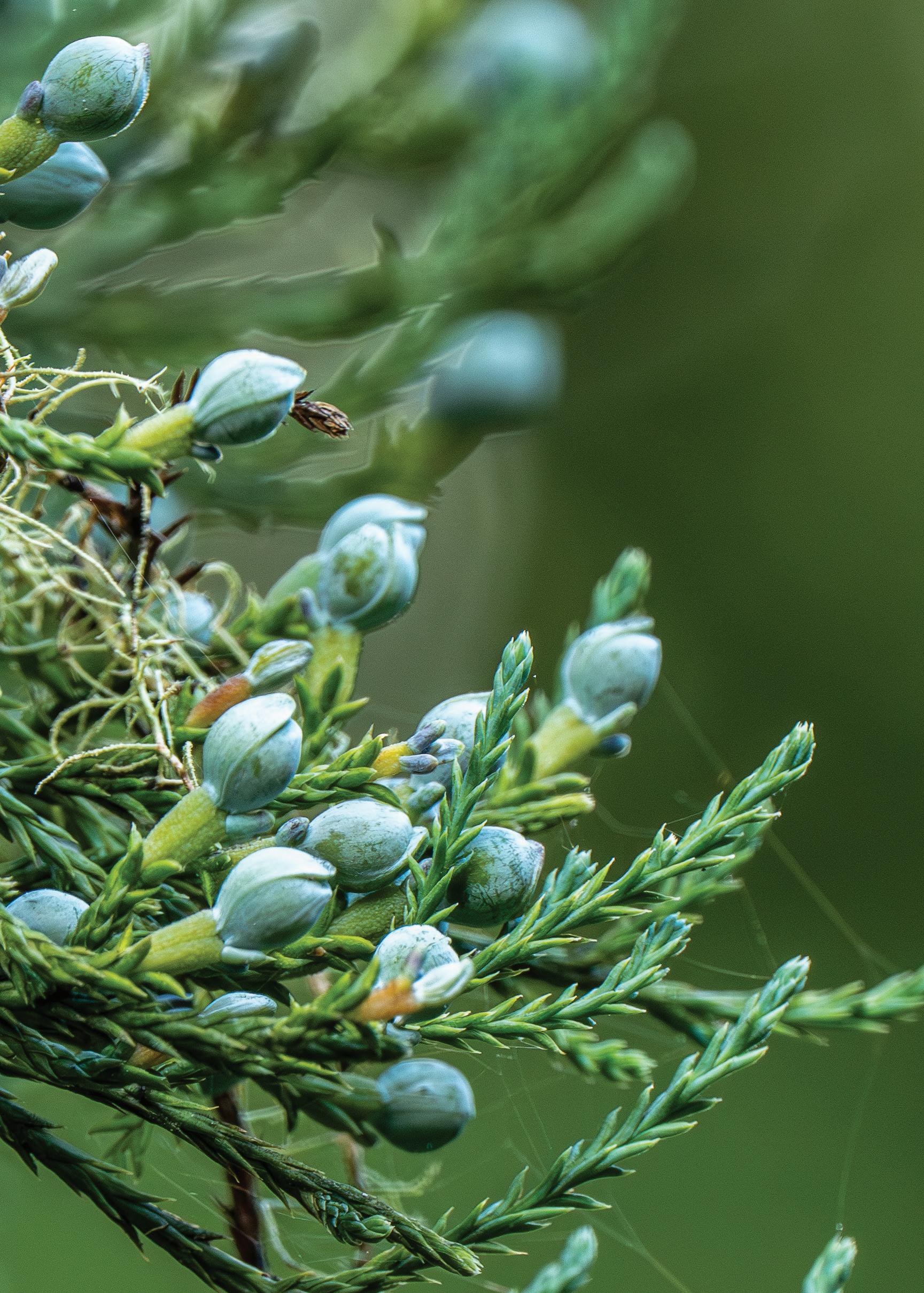


Arotake Ahumoni
Financial Review
Mō te mutunga tau 31 o Tīhema 2025
For the Year Ended 31 December 2025
The 2025 year continued to build on what was achieved in 2024, still with the challenges of increased costs of delivery outpacing the increase in funding provided. This was especially true for delivery to regional and rural areas. Despite this, demand for our programmes was high with increased demand for Level 7-10 (degree and above) provision. There continued to be growth in the Government priority areas of Teaching and Nursing. Following the success of setting up our Nursing programme in Wairoa, a similar model was launched in the Far North in Kaitaia. Our Bachelor of Education programme in Primary and Early Childcare continues to see growth across the country with cohorts in Tamaki, Whakatane and the Far North, as well as growth in students from outside these three regions. 2025 also saw the programme launch internationally in Seattle, Washington State, USA alongside the Tulalip Tribe.

I te tau 2025, i whakakake mātou i ngā mahi i tutuki i te tau 2024, ahakoa te pikinga o ngā utu whakahaere i te pikinga o ngā pūtea whakarato. He kino kē atu te rerekē mō ngā kawenga ki ngā rohe me ngā wāhi tuawhenua. Ahakoa tēnei, he teitei tonu te popono mō ā mātou hōtaka ako Kaupae 1-10 (paetahi, piki ake). I tipu tonu hoki te whakaarotau Kāwanatanga o ngā tohu Ako me te Tapuhi. I muri mai i te tutukinga pai o te whakarite i te hōtaka ako tapuhi i Te Wairoa, i rewa tētahi atu tauira pērā i Te Hiku o te Ika i Kaitaia. E kitea tonu ana te tipuranga o te hōtaka Paetahi Ako Kura Tuatahi me te Kura Kōhungahunga puta noa i ōna kāhui i te Tāmaki, i Whakatāne me Te Hiku, tae atu ki te pikinga tauira i waho ake o ēnei rohe e toru. I te 2025 i puta hoki te hōtaka ki te ao, ki Seattle, Washington State i Amerika ki te iwi Tulalip. Ehara i te mea kāore he wero ā-pūtea ki te whakarato i ēnei akoranga, i te mea i tere te kitea ka pahika rawa mātou i ngā whiwhinga pūtea i a TEC i ā mātou kaupapa ako Kaupae 7-10 (paetahi, piki ake). I puta ngā tono ki a TEC ki te whakarahi ake i tō mātou whakaratonga me ngā pūtea. Ahakoa i whakaae a TEC kia eke ki te 114% te pikinga ki tua o ngā pūtea i whakaaetia, kāore tonu rātou i tuku mai i ngā pūtea. I tutuki i a mātou te tipuranga o te 113%, otirā ko te matapae i whakaritea ai ko te 117% kē. Ko te hua o tēnei i kino kē atu te tarepa o te tau mā te $0.78m.
I te 2025, i kitea te pikinga popono mō ngā akoranga kanohi-kite-kanohi, pērā ki te 2024, me te whakamahi tonu i ngā pae pēnei i te Zoom ki te whakarākei ake, ki te kīnaki hoki i te kawenga o ngā hōtaka.
I tīmata ngā pūtea taupua i tīmataria e TEC me te MOE i te 2022 ki te rāngai Wānanga, otirā i tae tonu mai aua pūtea i ngā tau 2023 ki te 2025. He mea wehewehe ngā pūtea i te tuatahi, hei āheinga whakapiki rangahau $2m me te $6m hei tautoko i ngā kawenga, inakoa rā i ngā wāhi tuawhenua. I whakakotahitia tēnei ki te tahua kotahi i te 2023, i te wā i whakaritea tētahi tauira tuku pūtea hou i te taha o te MOE mā roto i Te Hono Wānanga. Nā te kuhunga mai o tētahi Kāwanatanga hou i te hiku o te 2023, kāore i nui ngā kōrero i pahawa mō te tauira tuku pūtea hou nei i te wā i tahuri kē te aro o te rāngai ki te tūraki i Te Pūkenga me ngā whiriwhiri kōrero a te University Advisory Group i tū i te 2024 me te 2025. Ko te tika ake o te pūtea tāpiri nei, he tūtohu i te āhua o te whai wāhi a ngā Wānanga ki āna tauira, me te kī a ngā kaituku pūtea he nui ake te pānga utu o tā mātou tikanga tuku akoranga tēnā i ētahi atu tikanga taketake o te whakaako ā-akomanga. Ka whakamahia tonu ēnei pūtea ki te whakapiki i te āheinga rangahau mā roto i ngā awheawhe, ngā hui taumata me te tautoko rauemi mā ā mātou kaimahi e rangahau ana. Kua whakapiki tēnei i tō mātou āhei ki
The growth in our provision was not without funding challenges, as it became apparent early in the year that we would exceed our funding from TEC in our Level 7-10 (degree and above) provision. Requests were made to TEC to increase our provision and funding. Whilst TEC agreed to us exceeding our provision up to 114% of what we had as agreed funding, it was unfunded. We achieved growth of 113%, against a budgeted growth of 117%. This has had a consequence of worsening our deficit for the year by over $0.78m.
2025, like 2024, continued to see the demand returning for faceto-face delivery whilst still utilising platforms such as Zoom to enhance and supplement the delivery of our programmes.
The interim funding that TEC and MOE commenced in 2022 for the Wānanga sector continued to be received in the years 2023 through to 2025. The funding was initially split as $2m for building research capability and $6m to support delivery, especially in rural and remote areas. This was combined into one fund during 2023, whilst a new funding model was to be coconstructed with MOE through Te Hono Wānanga. Due to a new Government coming to power in late 2023, there has been little to no discussions on a new funding model as the sector has been focussed on the disestablishment of Te Pūkenga and the University Advisory Group consultation which occurred during 2024 and into 2025.
The additional funding was originally to recognise the way that Wānanga engage with their students, with funders noting that our approach incurs higher costs of delivery than traditional modes of classroom delivery. This funding continues to be used to build up our research capability through workshops,

te aroturuki me te pupur i ngā kirimana nui kua whiwhi ai mātou, me te whiwhi mahi hou, otirā i whakawhiwhia mātou ki ētahi kirimana Marsden tuatahi i te hiku o te 2024. Ka tautoko hoki ngā pūtea i ngā kawenga ako ki ngā wāhi tuawhenua pēnei i Te Wairoa me ngā hapori o te Te Hiku, tae rawa ki Te Waipounamu, ko te nuinga he akoranga i runga marae.
Ko te tūtohutanga ki ngā EFTS me ngā moniwhiwhi e kōrerohia ana i tēnei arotake, me tauku rawa ki ngā paerewa tātari kaute a te Public Benefit Entity (PBE). Ko ngā EFTS ka kōrerotia i wāhi kē i te Tauākī Tutukitanga Ratonga e tohu ana ki ngā ture tahua pūtea a te TEC, nā reira he rerekē pea.
I heke te moniwhiwhi 2025 mā te $0.97m mai i te tau 2024, i pēnā ai nā te kawenga pūtea-kore o ngā tohu teitei (paetahi, piki ake). Ka whakaatu tēnei i te hekenga o ngā whiwhinga pūtea, otirā kāore i te whakaata i tō mātou tipuranga hei wānanga, i te pito teitei ake o ngā kawenga ako. Ko ngā EFTS tūturu i kerēmehia i te tau i eke ki te 2,385, otirā he hekenga o te 107 (4%) mai i te tau 2024 me te 288 (11%) i raro iho o te mahere pūtea i matapaetia. Ko te pānga nui rawa o te takarepa i ngā whāinga, ko te aukati i ngā whakaurunga tauira ki ngā tohu teitei, kia kore ai e pahika te pōtae o te 114%, ā, nā te tauitanga o ētahi tauira i muri o te wā taui o te 10% wā ako i ngā tiwhikete DQ L1-2 me Te Waharoa, i mūhore ngā whāinga i ngā tohu taumata o raro. Ka whakaata tonu ngā moniwhiwhi i ngā pūtea mai i Te Kete Tuangahuru i a rātou e whakatipu haere ana i ngā mākete hou hei hāpai i te tautoko me te tipuranga ā-ahurea i te rāngai tūmataiti.
I tīmata ā mātou mahi SIPO i te 2023 me te $5m i āta haumitia i te roanga o te tau 2023 me te 2024. Nō te mutunga o te 2025, ko ngā pikinga tūturu, tūturu-kore hoki i te wāroa o te haumitanga, i rite ki te $6.09m (he pikinga o te 21.8% o te haumitanga katoa mai i tōna tīmatanga).
I penapena a Awanuiārangi i ngā utunga o te $2.84m (6%) atu ki te mahere pūtea, engari i piki ngā utu mā te $0.16m mai i te tau 2024. He tutukitanga pai tēnei inakoa rā i piki nui te pikiutu tukipū. I ū tonu a Awanuiārangi ki ngā kawenga ako hanumi, ko ētahi akoranga mā te Zoom (tuihono, kanohi-ki-te-kanohi) hei penapena i ngā utu ā-whare akoranga i ia wiki, me te whakamahi hoki i ngā wānanga noho, engari e ū tonu ana te kounga o ngā mahi. I whakahokia mai ngā arotake uaratanga papanoho kia tū i ia rua tau i te 2025, i te taunga haere o ngā uara i te 2024, otirā i piki whakarunga ngā uaratanga i te 2022 me te 2023. I uru ki tēnei ngā uaratanga i waho o te huringa. Nā te pikinga nei i te 2025 i eke te uara o ngā papanoho mā te $1.87m. E taunaki tonu ana ēnei pikinga uara i te tūnga ahumoni pakari o te rawa totoka me te puka kaute pūtea a Awanuiārangi.
symposiums, and resourcing support for our staff involvement in research. This has increased our ability to monitor and maintain significant contracts already won as well as to win new work, which included our first ever Marsden contracts awarded late 2024. The funding also supports delivery in rural and remote areas, like Wairoa and communities from the Far North down to the South Island, mainly through marae-based delivery.
The recognition of the EFTS and revenue referred to in this review must comply with the Public Benefit Entity (PBE) accounting standards. The EFTS discussed elsewhere in the Statement of Service Performance refer to the TEC revenue funding rules and may therefore be different.
2025 revenue was $0.97m lower than 2024, due mainly to the unfunded delivery at the higher level (degree and above). This shows reduced funding and does not reflect our growth as an organisation at the higher end of delivery. Actual EFTS claimed in the year were 2,385, which were 107 (4%) lower than 2024 and 288 (11%) below the budget set for the year. The big impacts on not achieving our targets were stopping enrolments at the higher level to stay within the 114% cap imposed, and subsequently late pre-10% withdrawals in DQ L1-2 Certificates and for Community Education programmes that meant targets were missed at the lower end of our delivery. Revenue continues to reflect the income from Te Kete Tuangahuru as they develop new markets for supporting cultural support and growth in the corporate sector.
Our SIPO activities commenced in 2023 with $5m invested gradually over the course of 2023 and 2024. By the end of 2025, gains both realised and unrealised across the life of the investment equalled $6.09m (21.8% increase on total investment since inception).
Awanuiārangi made cost savings of $2.84m (6%) against budget, but costs were $0.16m higher than 2024. This is a positive achievement, especially against high inflationary costs. Awanuiārangi continued to use blended methods of delivery with some classes utilising Zoom (on-line, face to face teaching) to save on external facility costs for a class each week as well as utilising face to face noho delivery, without compromising the quality of delivery.
2025 has seen a return to bi-annual property valuations, after valuations settled in 2024, following upward valuations in both 2022 and 2023, which included out of cycle property valuations. The increase in 2025 saw our property revalued upward by $1.87m. These upward movements in valuations continue to reinforce the already strong financial position of the solid asset and cash-backed balance sheet of Awanuiārangi.
Whakarāpoto Ahumoni 5 Tau 5
Tom Ford
TUMU AHUMONI
BA (Hōnore), FCCA
Te Whare Wānanga o Awanuiārangi
Tom Ford
CHIEF FINANCIAL OFFICER
BA (Hons), FCCA Te Whare Wānanga o Awanuiārangi

Tauākī Haepapa Statement of Responsibility
We are responsible for the preparation of the Te Whare Wānanga o Awanuiārangi financial statements and statement of service performance, and for the judgements made in them.
We are responsible for establishing and maintaining a system of internal control designed to provide reasonable assurance as to the integrity and reliability of financial and non-financial reporting.
In our opinion, these financial statements and statement of service performance fairly reflect the financial position and operations of Te Whare Wānanga o Awanuiārangi for the year ended 31 December 2025.
Te Hōnore Kaiwhakawā Mātāmua L R Harvey
TUMUAKI
PhD (AUT), D.MD (Hon. Causa), MComLaw, LLB (Tāmaki Makaurau)
Ngāti Awa, Rongowhakaata, Te Aitanga a Māhaki, Te Whānau a Apanui, Ngāti Kahungunu ki Te Wairoa
The Hon. Justice L R Harvey
CHAIRPERSON
PhD (AUT), D.MD (Hon. Causa), MComLaw, LLB (Auckland)
Ngāti Awa, Rongowhakaata, Te Aitanga a Māhaki, Te Whānau-ā-Apanui, Ngāti Kahungunu ki Te Wairoa
Ahorangi Wiremu Doherty
TUMU WHAKARAE
PhD (Tāmaki Makaurau), BA (Hōnore), B. SocSc, Dip Tch (Waikato), OAMLP (Oxford)
Tūhoe (Ngāti Tāwhaki), Ngāti Awa
Professor Wiremu Doherty
CHIEF EXECUTIVE OFFICER
PhD (Auckland), BA (Hons), B. SocSc, Dip Tch (Waikato), OAMLP (Oxford)
Tūhoe (Ngāti Tawhaki), Ngāti Awa
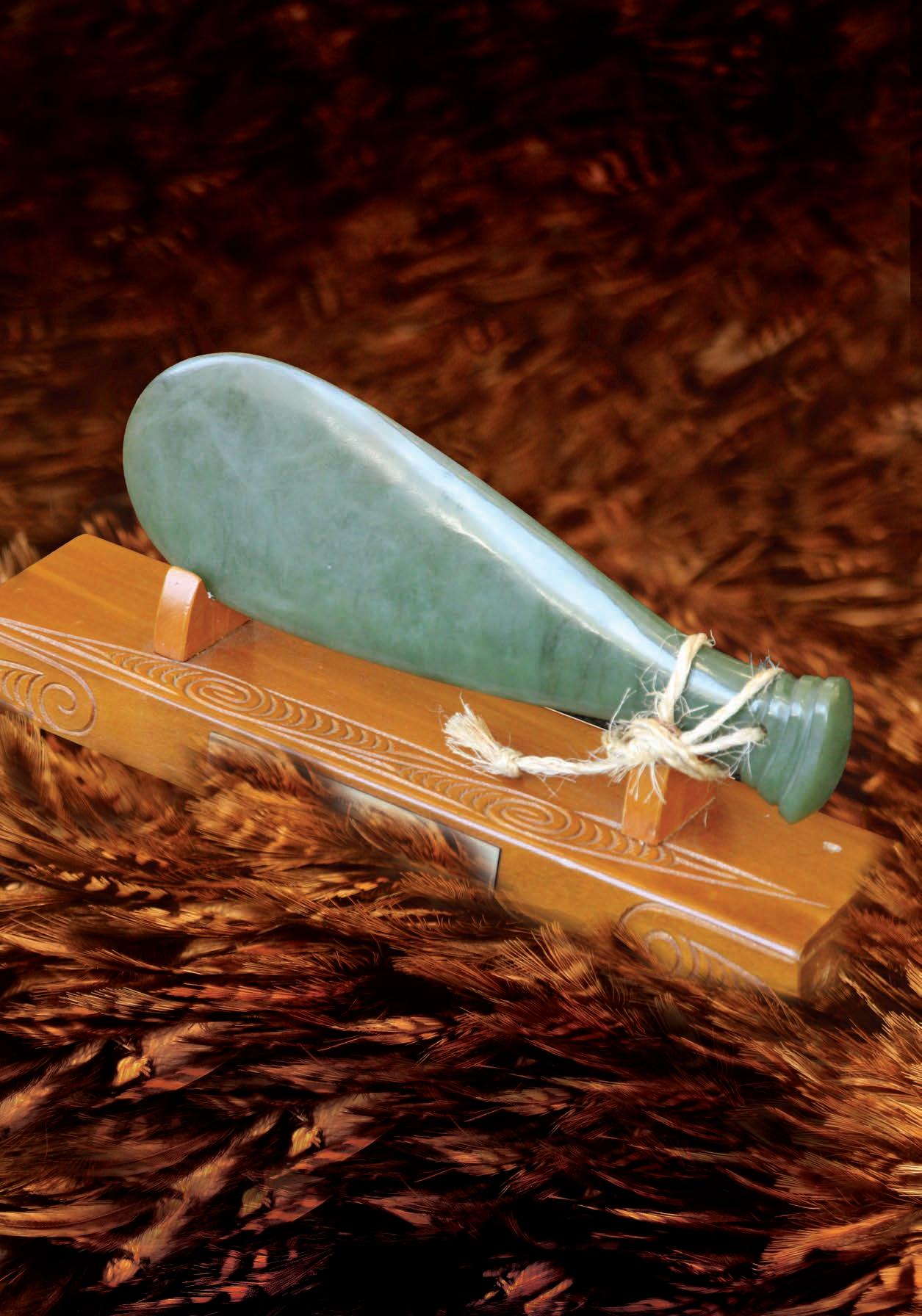
Tauākī o ngā Tutukitanga Ratonga
Statement of Service Performance
Contextual Information
Why we exist
We acknowledge the visionaries, leaders and communities who have contributed to the development of Te Whare Wānanga o Awanuiārangi (Awanuiārangi) over the years. The idea of a wānanga was first conceived at a hui held at Poroporo Marae in Whakatāne over thirty years ago. It was thought that through the establishment of Awanuiārangi, a mechanism would be created through which the hapū of Ngāti Awa (and Mataatua more broadly) might rebuild their cultural knowledge base and by doing so, create pathways towards a more certain and prosperous future.
While our programmes now extend much further than the tribal boundaries of Ngāti Awa and other Mataatua iwi, our commitment remains the same in terms of supporting whānau, hapū, iwi and community aspirations through transformative education that embraces culture, identity, language and knowledge. This commitment is encapsulated in our vision:
Performance Objectives
What we intend to achieve
This Statement of Service Performance illustrates the contributions made in 2025 towards achieving our vision and Te Ara Rautaki 2050. It reports against the educational commitments set in our 2025–2026 Investment Plan, as agreed with the Tertiary Education Commission. The Investment Plan supports the objectives of the Tertiary Education Strategy, which articulates the Government’s current priorities and strategic direction. These objectives encompass economic, social and environmental outcomes and the aspirations of Māori and other population groups.
How we intend to achieve it
Rukuhia te mātauranga ki tōna hōhonutanga me tōna whānuitanga.
Pursue knowledge to the greatest depths and its broadest horizons.
We are one of three wānanga operating in Aotearoa. We serve our communities by addressing inequities in access to tertiary education for our tauira, their whānau, and the broader community. Despite our significant contributions to social, cultural, and economic development, we face the persistent challenge of an educational framework that does not fully prioritise te ao Māori worldviews. At Awanuiārangi, we provide tauira-centric programmes that empower learners to retain their identity while acquiring essential skills for educational and personal success.
Our indigenous, international perspective and strong research focus allow us to be effective change agents, driving narrative change in communities with historical challenges in the education system. Our goal is to foster cultural citizenship and holistic development within an indigenous, inclusive education framework. As a whānau centred organisation, we acknowledge that all individuals belong to a collective, and our response to community needs is comprehensive. By reclaiming cultural identity through the revitalisation of te reo me ōna tikanga, we address the equity gap and overcome the cultural deficit historically faced by Māori learners.
Te Ara Rautaki 2050 is our long-term strategy. It places tauira at the centre and strengthens the alignment between whakapapa, mātauranga Māori and future-focused outcomes. The strategy is expressed through four interrelated strategic goals, which provide a coherent framework for understanding how our activities and outputs contribute to longer-term outcomes:
Te Tauira –
The Student Journey
He Tauira –
Quality Service
Nga Hapori –Community Development
Ria Rangahau –Research Advancement
Through the delivery of Te Ara Rautaki 2050, we support the academic aspirations of all tauira and make a distinct contribution to the social, cultural and economic wellbeing of Aotearoa. We recognise that our success and the success of our learners are dependent on understanding the conditions and characteristics that enable meaningful and sustainable change for both learners and communities.
Reporting Entity
This Statement of Service Performance is prepared for Te Whare Wānanga o Awanuiārangi for the year ended 31 December 2025 and was authorised for issue by Te Mana Whakahaere (Council) on 23 April 2026. The relevant legislation governing the requirement of reporting of Awanuiārangi is the Education and Training Act 2020 (s306) and the Crown Entities Act 2004 (s156).
Awanuiārangi is a Tertiary Education Institution and a Wānanga established under the Education and Training Act 2020. Awanuiārangi provides tertiary educational and research services for the benefit of the community. It does not operate solely to make a commercial financial return. Our role as a wānanga is characterised as providing:
“Teaching and research that maintains, advances, and disseminates knowledge, develops intellectual independence, and assists the application of knowledge regarding āhuatanga (Māori tradition) according to tikanga Māori (Māori custom)”.
Basis of Preparation
Statement of Compliance
The Statement of Service Performance of Awanuiārangi has been prepared in accordance with the requirements of the Crown Entities Act 2004 and the Education and Training Act 2020, which include the requirement to comply with generally accepted accounting practice in New Zealand.
Awanuiārangi has designated itself as a public benefit entity (PBE) for the purposes of complying with generally accepted accounting practice. The Statement of Service Performance complies with the requirements of Tier 1 PBE financial reporting standards, which have been consistently applied.
Standards Issued and Adopted
The External Reporting Board issued PBE FRS 48: Service Performance Reporting (PBE FRS 48) in November 2017 and PBEs were required to adopt the standard from 1 January 2022. This Standard established new requirements for the selection and presentation of service performance information. Awanuiārangi adopted PBE FRS 48 from the effective date of 1 January 2022.
In accordance with this standard, the service performance information presented provides a set of measures and information intended to give a holistic view of the non-financial performance of Awanuiārangi.
Performance Measures
The performance measures have been selected to provide a balanced and meaningful assessment of progress toward the outcomes sought through Te Ara Rautaki 2050. The measures include both quantitative and qualitative indicators and are designed to demonstrate how Awanuiārangi delivers value through its outputs and services.
The performance measures aim to capture both achievement and impact across these strategic goals. The measures were developed through collaboration between Council, management and data specialists to ensure they are relevant, clearly defined and fit for purpose. The measures are supported by systems and processes that enable accurate and timely reporting.
The performance measures also align with our Investment Plan and satisfy the educational performance commitments required by the Tertiary Education Commission. Beyond these requirements, the measures are designed to provide a broader assessment of performance, reflecting the full range of outputs and services delivered by Awanuiārangi.
Critical Judgements
In preparing the Statement of Service Performance, Awanuiārangi has exercised judgement in applying the relevant reporting standards and in determining the presentation and disclosure of performance information. This includes judgements relating to the selection and application of performance measures, as well as the treatment of comparative information to support consistency and comparability of reporting. No significant judgements have been applied in the aggregation of performance data.
The preparation of this information also requires the use of estimates and assumptions. These estimates and assumptions are based on information available at the time of reporting and on management’s best judgement. Actual results may differ from the estimates and assumptions used.
Measurement Basis for Student Data
Student data is extracted from the student management system and is based on the Single Data Return (SDR) for the year ended 31 December 2025. At the time of reporting, this information is considered interim. Final enrolment data used for funding and government statistical purposes is confirmed following submission and acceptance of the April 2025 SDR.
Measurement Basis for Student Ethnicity
Student ethnicity measures are based on a system that allows students to identify with more than one ethnicity. For reporting purposes, ethnicity data is grouped as Māori, Pasifika, and non-Māori and non-Pasifika. Students may identify with more than one ethnicity. As a result, the percentages reported across these ethnic groups may total more than 100 percent.
Tauākī o ngā Tutukitanga Ratonga
Statement of Service Performance
Measurement Basis for Educational Performance Indicators
Educational Performance Indicators are based on internal student data that has not yet been finalised through the Tertiary Education Commission process. The measures reported are provisional and will be finalised after the statutory deadline for the preparation and audit of this Statement of Service Performance.
The measures reported for the current year are based on the most recent information available at the time the Annual Report was prepared. Measures are defined and calculated in accordance with the Tertiary Education Commission’s Educational Performance Indicators: Definitions and Methodology (2021)
Targets and Results
Targets for all performance measures are drawn from the 2025–2026 Awanuiārangi Investment Plan. The Investment Plan sets out targets aligned to Te Ara Rautaki 2050 and the educational performance commitments prescribed by the Tertiary Education Commission. New performance measures introduced in 2025 reflect the refined strategic direction under Te Ara Rautaki 2050
Financial Statements and Service Performance
Comparative information for the prior year reflects the data published in previous annual reports to support fair comparison at a similar point in time. Historical values are not restated unless there has been a material movement between the final measures and those previously reported. For this disclosure, an absolute change in value exceeding 10% is considered material and changes below this threshold are considered immaterial. Where reliable historical data was available, prior year results have been included to support comparability. For certain measures, it was not practicable to retrospectively collect comparative information and therefore prior year results are not reported.
Student Surveys
The Learner Success department conducted the student survey using SurveyMonkey software, a widely utilised survey tool. This department operates independently of the Academic Registry department. The Tauira Voice Survey provides an overview of teaching and learning practices based on feedback from students who completed specific courses during the year. The survey was administered from 3 November 2025 to 8 January 2026 and targeted a population of 5,259 tauira (2024: 4,691) across all levels of study who completed programmes during the 2025 academic year. The survey achieved a 12% response rate (2024: 14%), with 654 valid responses (2024: 654), and a 5% margin of error at the 95% confidence level.
Despite the inherent risk associated with low response rates, tauira surveys remain a valuable mechanism for obtaining direct feedback and insights. The Tauira Voice Survey provides an important channel for understanding student experiences and identifying strengths and opportunities for improvement in teaching and learning practices. Feedback collected, even from a limited proportion of respondents, can reveal meaningful trends and inform evidence -based decision-making to enhance the overall educational experience.
Staff Measures
Staff measures are reported as at 31 December and are based on information recorded in the Human Resources Information System (HRIS). Demographic measures are derived from ethnicity and gender information recorded in the HRIS. Ethnicity data reflects the proportion of staff who identify with each ethnicity, noting that individuals may identify with more than one ethnicity.
Under PBE FRS 48, financial statements and service performance information are integral components of general-purpose financial reporting. The Annual Report presents financial and service performance information in an integrated manner to provide a comprehensive view of the activities and performance of Awanuiārangi. Awanuiārangi allocates costs to two output classes: teaching and learning, and non-teaching (including research and non-research contracts). An activity-based costing model is not applied. Direct costs are fully allocated to the relevant outputs and activities. Indirect costs such as administration, utilities, and information technology support are allocated proportionally based on direct staff costs. This approach supports transparency, consistency and accountability in financial reporting.
The costs for each output class are shown in the table below. The information reflects the application of the cost allocation methodology and links financial performance to service delivery. This disclosure supports service performance reporting requirements by demonstrating how resources have been applied to deliver outputs and by providing insight into fiscal health and operational efficiency for the 2025 financial year.
Costs of Outputs45,20948,04945,049
The Total Costs of Outputs reconciles to the Total Expenses as per the Statement of Comprehensive Revenue and Expenses for the year ended 31 December 2025.
Te Whare Wānanga

Successful educational achievement where our tauira are competent and confident in their culture, language and identity
Te Tauira Student Journey

Positive engagement % of tauira progressing to higher levels of study at Levels 1 – 3
Positive engagement
Te Ao Māori confidence and competence
Knowledge and skills
valued by the economy and the industry
Knowledge and skills valued by the economy and the industry
% of tauira who have had a report of having a positive learning experience
% of tauira who report an increased understanding and confidence in Te Ao Māori
Industries we engage with are satisfied with the quality of our graduates*
Proportion of graduates who report a positive employment-related outcome**
* This Investment Plan indicator was not measured in 2025 or retrospectively for 2024 and was substituted with the more appropriate historical indicator.
** This historical indicator was used as a substitute for the Investment Plan indicator not measured.
Performance Results
Performance against Te Tauira | Student Journey indicators demonstrates positive progress towards achieving outcomes for tauira engagement, progression and cultural confidence.
Course completion rates for Levels 1–10 increased to 77%, exceeding the 2025 target of 73% and improving on the 2024 result of 68%. This indicates strengthened learner engagement and effective course delivery across all levels of study. The proportion of qualification completions at Levels 1–4 reached 75%, significantly exceeding the target of 65% and improving on the 2024 result of 71%. This reflects strong achievement outcomes at foundational levels and supports progression pathways for tauira.
Progression to higher levels of study for Levels 1–3 was 57%, consistent with the 2024 result (57%) but below the 2025 target of 61%. While progression rates remain stable year- on-year, this result indicates an opportunity to strengthen transition support for tauira moving to higher levels of study.
Tauira reporting a positive learning experience remained high at 96%, exceeding the 2025 target of 90% and improving on the 2024 result of 92%. This reflects the positive impact of continued improvements across teaching and learning on the overall learner experience. Results are derived from a Likert-scale survey, with responses of Ae Mārika! (Strongly agree), Ae (Agree), and Ko taua āhua tonu (Neither agree nor disagree) aggregated
as positive responses. In 2025, 96% of respondents (625 of 654) reported a positive learning experience, with the remaining 4% (29 of 654) including responses of Kāore (Disagree), Kore rawa (Strongly disagree), or Other, aggregated as not positive.
Tauira confidence and competence in Te Ao Māori remained consistently high, with 97% of respondents reporting increased understanding and confidence. This exceeded the 2025 target of 96% and was consistent with the 2024 outcome (97%), demonstrating sustained performance in supporting cultural identity, language and knowledge.
The proportion of graduates reporting a positive employment-related outcome remained strong at 90%, consistent with the 2024 result (90%). Results indicate sustained positive employment outcomes for graduates and alignment between qualifications delivered and labour market opportunities. The Investment Plan performance indicator relating to industry satisfaction with the quality of graduates was broad. On implementation, it became clear that applying a single satisfaction measure across this range was difficult, especially given the diversity of industries and the demographics of our tauira. As a result, this indicator was not reported for 2025 and was replaced with the proportion of graduates reporting a positive employment-related outcome, which provides a more consistent and meaningful measure of graduate outcomes at this stage.
A distinctive, transformative educational experience that maximises the opportunity for all tauira to succeed

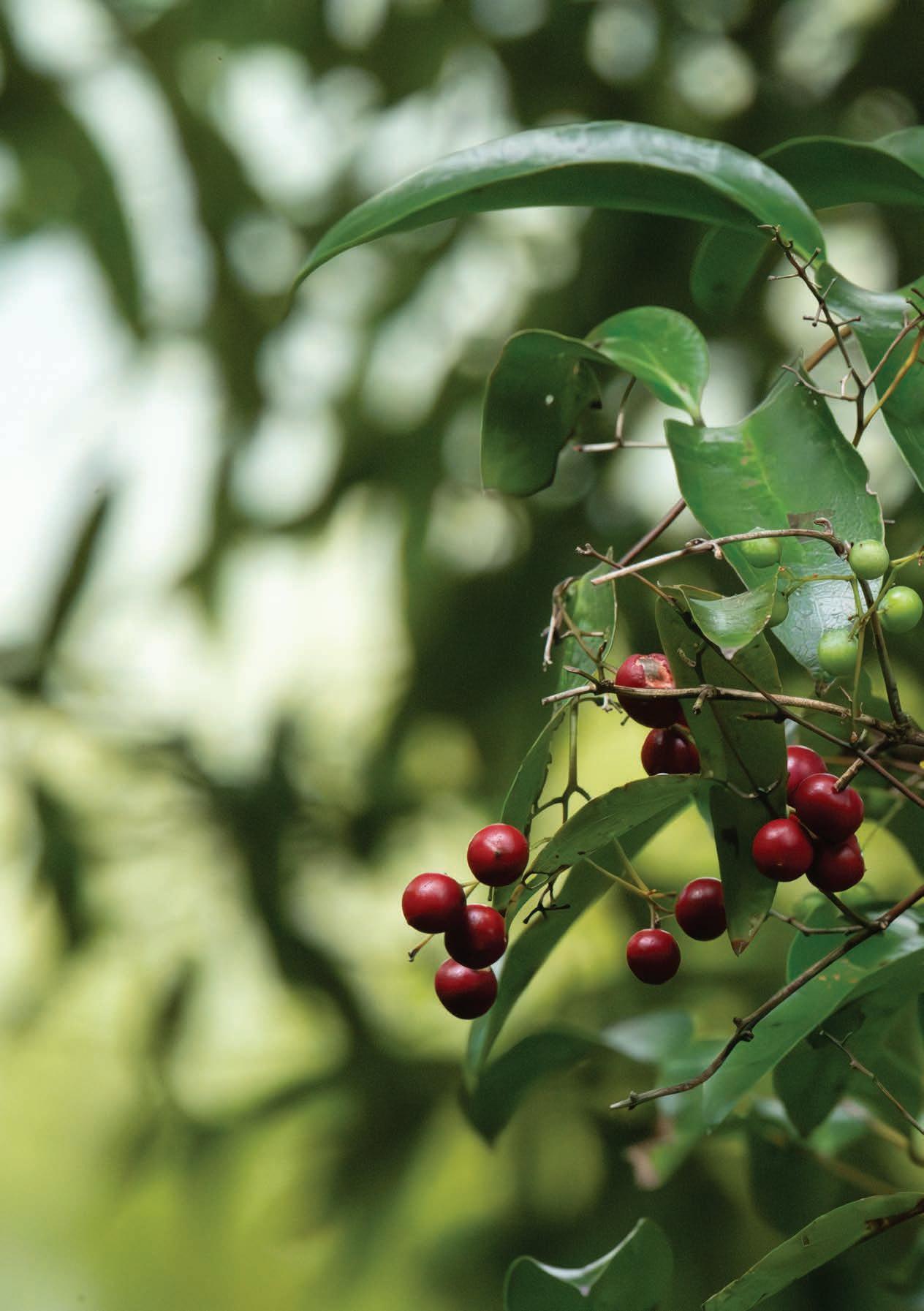
He Tauira Quality Service

Positive organisational culture Kaimahi cultural competency in Te Ao Māori is assessed at “comfortable” or above
High-quality
High-quality assets, infrastructure and service Capital Asset Management capability assessed at ‘core’ or above (annual self-review / independent review)
High-quality assets, infrastructure and service EER capability in self-assessment and educational performance
Performance Results
Performance against He Tauira | Quality Service indicators demonstrates strong outcomes across learner confidence, service quality and institutional capability in 2025.
Educational confidence measures performed particularly well. Graduate advocacy remained high, with 97% of graduates indicating they would recommend Awanuiārangi to others. This exceeded the 90% target and improved on the 2024 result of 92%. This reflects strong graduate satisfaction and confidence in the value of their learning experience.
A new performance measure introduced in 2025 also exceeded expectations, with 98% of tauira reporting an improvement in their educational confidence against a target of 85%. Retrospective surveying for 2024 was considered but not undertaken, as post-hoc data collection was assessed as providing limited additional insight. The 2025 result should be treated as a baseline year indicator, with year- on-year analysis becoming more meaningful once prospective data is available.
Positive organisational culture was supported by strong kaimahi cultural competency outcomes. Kaimahi cultural competency in Te Ao Māori met and exceeded the target of “comfortable,” with 87% of kaimahi self-assessing their competency at “comfortable” or above. The average Likert score of 3.6 indicates competency levels between “comfortable” and “more than
comfortable,” reflecting a high level of workforce confidence in engaging with Te Ao Māori in their roles. Introduced in 2025, this measure establishes a baseline for future comparison, and no retrospective data was collected for 2024.
Financial responsibility measures showed mixed results. Delivery against DQ and ACE EFTS targets was achieved at 99%, meeting the 2025 target and improving on the 2024 result (92%), demonstrating effective management of funded delivery. However, the net surplus as a percentage of revenue was -4%, below the 2025 target of 2%, and liquid funds were 6%, below the target of 10%, although broadly comparable to the 2024 result of 8%. These outcomes reflect the combined impact of increased delivery costs and a constrained funding environment.
Assets, infrastructure and service quality indicators remained strong. 93% of tauira reported satisfaction with assets, infrastructure and services, exceeding the 2025 target of 85% and consistent with the 2024 result. Capital Asset Management capability continued to be assessed as ‘Achieved’, and EER capability in self-assessment and educational performance remained assessed as highly confident, consistent with prior-year outcomes.
Strong, self-determining whānau, hapū, iwi and communities

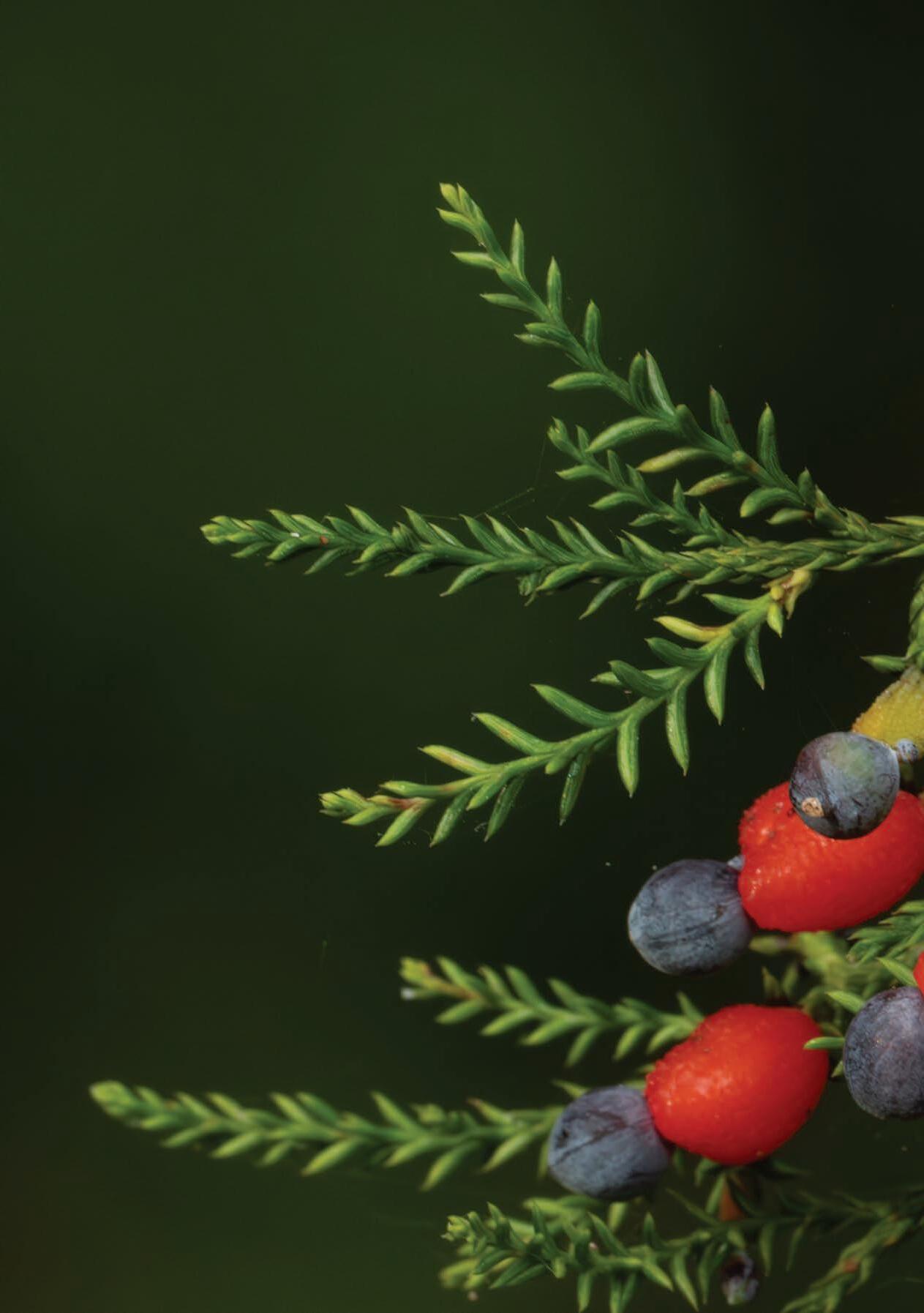
Tauira contribution to hāpori
Strong and enduring relationships
Education relevant to the need
Education relevant to the need
Ngā Hāpori Community Development

% of tauira who report that the skills and knowledge gained through study are making a positive difference to their whānau, hapū, iwi and communities
Our strategic partners, national and international, are satisfied with these relationships
Number of marae and communities that Awanuiārangi deliver programmes to** 176 - 168
Our communities are satisfied with our programmes and services* Data not collected* Satisfied Data not collected*
* This Investment Plan indicator was not measured in 2025 or retrospectively for 2024 and was substituted with the more appropriate historical indicator.
** This historical indicator was used as a substitute for the Investment Plan indicator not measured.
Performance Results
Performance against the Ngā Hāpori | Community Development indicators reflects our ongoing contribution to community participation, learner impact and the development of strong and enduring relationships.
Tauira contribution to hāpori remained strong in 2025, with 98% of tauira reporting that the skills and knowledge gained through their study are making a positive difference to their whānau, hapū, iwi, and communities. This exceeded the 2025 target of 95% and was consistent with the 2024 result of 98%, indicating sustained outcomes aligned with the intended impact of strengthening community capability and self- determination. Results are derived from a Likert-scale survey, with responses of Tika tonu! (Absolutely), E tika ana (Yes), and Āhua (Somewhat) aggregated as positive responses. In 2025, 98% of respondents (636 of 652) reported a positive contribution to hāpori, with the remaining 2% (16 of 652) being responses of Kāore (No) classified as not positive.
Hāpori participation in education is measured through engagement with marae and communities via programme delivery. In 2025, programmes were delivered across 176 marae and communities (2024: 168). The increase reflects continued demand from communities for programmes, particularly those delivered through the School of Iwi Development. While a satisfaction-based performance indicator was considered, community participation was retained as the primary measure for external performance reporting, as it better reflects both the breadth of delivery and the level of demand from communities for programmes offered by Awanuiārangi.
Strong and enduring relationships with strategic partners encompass both national and international partnerships that support community development, indigenous-led education and shared outcomes. Nationally, partnerships delivered through Te Kete Tuangahuru (Cultural Development Services) with organisations including Oranga Tamariki, Te Whatu Ora (Te Rau Wānanga), Westpac and Real Estate New Zealand are assessed through programme evaluations. Results for both 2024 and 2025 indicate partners were very satisfied, reflecting exceptional service delivery.
Internationally, Awanuiārangi progressed key partnerships in 2025 that support indigenous-led education, research collaboration, and academic exchange. This included delivery of Te Tohu Paetahi Ako: Bachelor of Education to the Tulalip people in Washington State, continued collaboration with Kanu o ka ‘Āina (Hawai‘i) and the Muckleshoot Tribe (Washington State), and participation in the Abundant Intelligences research programme in Canada. Building on growing international momentum, Awanuiārangi formalised a strategic partnership with Beijing Foreign Studies University through the signing of a Memorandum of Understanding, strengthening academic collaboration, cultural exchange, research activity, and the development of te reo Māori curriculum resources. Evaluation of international partner satisfaction is aligned with partnership engagement and delivery cycles and is therefore not reflected in the 2024 or 2025 results reported above.
Research excellence and scholarship that accelerates Māori advancement

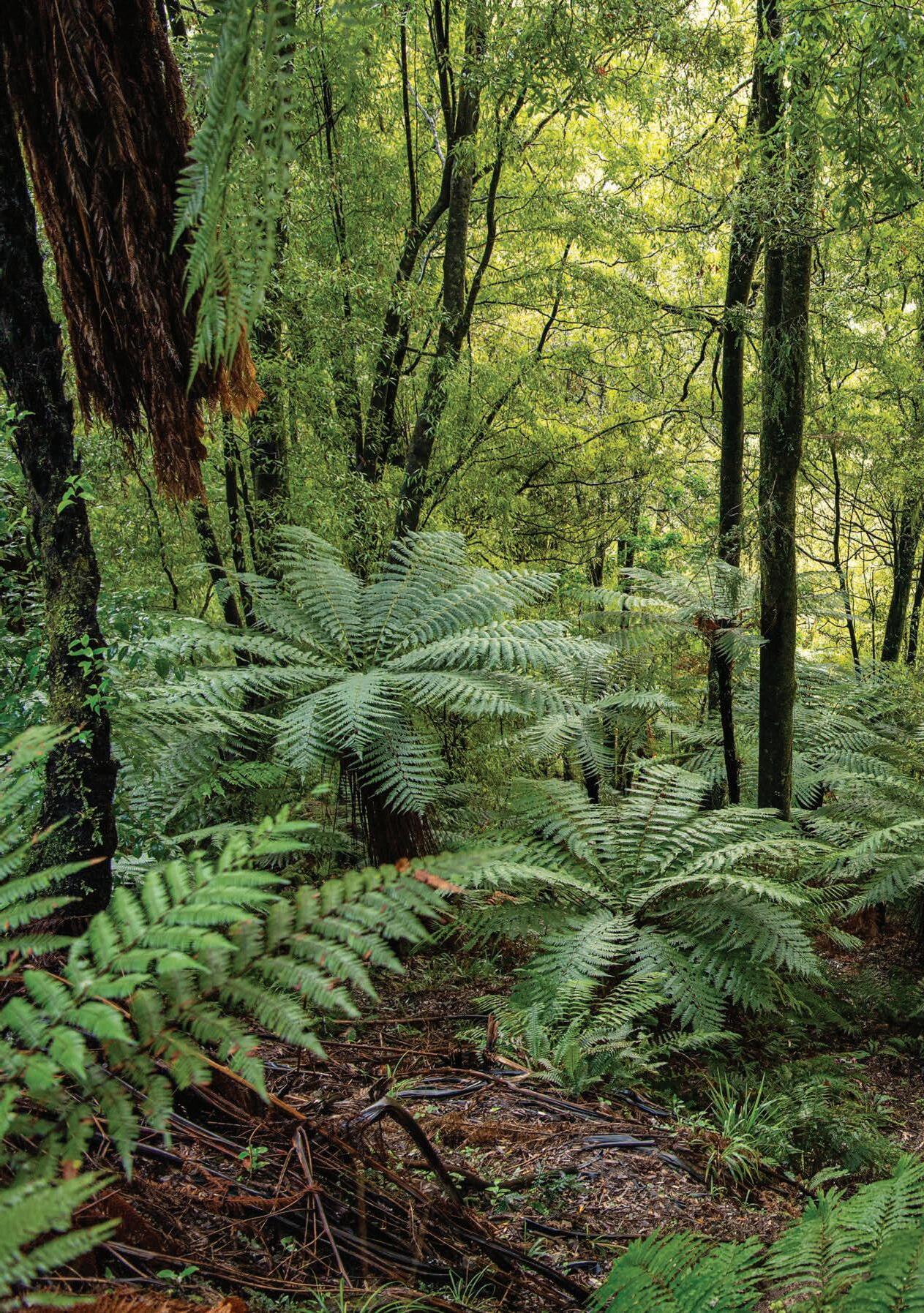
Te Whare Wānanga o Awanuiārangi
Kia Rangahau Research Advancement

Performance Results
Performance against Kia Rangahau | Research Advancement indicators demonstrates strong alignment with the intended impact of advancing Māori knowledge, scholarship and community relevant research.
All research activities undertaken during 2025 (100%) were assessed as meeting the needs of communities, consistent with the 2025 target and the 2024 result. This indicates sustained alignment between research activity and community identified priorities.
Research approaches remained firmly grounded in Indigenous knowledge systems, with 100% of research projects utilising mātauranga Māori or Indigenous research methodologies. This result met the 2025 target and was consistent with the 2024 outcome, demonstrating continued commitment to culturally grounded research practice.
External research funding generated during 2025 totalled $4.3m, exceeding the 2025 target of $3.0m. While this was below the 2024 result ($4.7m), it reflects continued success in securing external research funding to support research activity and capability, noting year- on-year variability in funding levels.
Ngā Takohanga Mahere Haumi Investment Plan Commitments
Expected Graduates
The expected number of graduates at level 01- 03
and non-Pasifika
First-Year Retention
The first-year retention rate for tauira at level 07Non-Māori and non-Pasifika
degree
Course Completion
The course completion rate for tauira (SAC eligible Non-Māori and non-Pasifika
EFTS) at level 01-10
Progression
The progression rate for tauira at level 01-03
Expected Graduates
The expected number of graduates at Levels 1–3 in 2025 was below the 2025 target for Non-Māori and non-Pasifika and Māori, with results also lower than 2024 for these groups, while Pasifika graduate numbers increased compared with 2024. These outcomes reflect a continued focus on learner retention and achievement rather than short-term graduate numbers, with differences by ethnicity influenced by cohort composition and progression patterns rather than reduced participation or demand.
First-Year Retention
First-year retention rates in 2025 remained below the 100% target across all ethnicities and were broadly consistent with 2024. The target represents an aspirational commitment to equitable success for all tauira. Retention outcomes continue to be influenced by external learner pressures and the transition into degree -level study, with established retention and pastoral support arrangements maintained throughout the year to mitigate these impacts.
and
Course completion
Course completion rates improved across all ethnicities compared with 2024 but remained below the 100% target. The year- on-year improvement reflects the continued application of strengthened academic and pastoral support practices and proactive engagement with tauira requiring additional support. The 100% target remains intentionally aspirational and reflects commitment of of Awanuiārangi to support successful outcomes for all learners.
Progression
Progression rates in 2025 exceeded targets across all ethnicities. Results were consistent with 2024 for Non-Māori and non-Pasifika learners, improved for Māori, and declined slightly for Pasifika. Overall performance reflects the ongoing effectiveness of programme pathway design, clear articulation between levels, and established learner guidance practices supporting progression into higher-level study.
proportion of total SAC eligible EFTS
at the TEO at level 1-3
The proportion of total SAC eligible EFTS enrolled
at the TEO at level 4-7 (non-degree)
SAC eligible EFTS
at the TEO at level 7 degree
The proportion of total SAC eligible EFTS enrolled
at the TEO at level 8-10
Other Commitments
Participation
Participation outcomes in 2025 were generally aligned with or exceeded targets across most levels and ethnicities, with no significant changes in delivery approach from the prior year. Variances compared with 2024 primarily reflect cohort composition and programme mix decisions. Māori participation remained strong across all provision levels. Participation at Levels 8–10 increased to 87%, reflecting growing demand for postgraduate qualifications, while participation at Levels 4–7 (non- degree) sat at 85%, remaining broadly consistent with prior-year performance. Pasifika participation exceeded targets across all levels while participation by non-Māori and non-Pasifika learners remained stable overall compared to 2024, with minor shifts reflecting programme mix.
Other Commitment
Performance against Other Commitments in 2025 was favourable overall. External research income of $4.3m exceeded the 2025 target of $3.0m and illustrates our continued success in securing external funding despite a constrained funding environment. International student EFTS exceeded the target and increased compared with 2024, reflecting the value of our international partnerships and sustained interest in our programme offerings. Research degree completions significantly exceeded the target and improved year on year, indicating the continued demand for postgraduate qualifications.
Ngā Pūrongo Putea Financial Statements
Te Whare Wānanga o Awanuiārangi
Tauākī o ngā Whiwhinga me ngā Whakapaunga
Explanations of major variances against budget are provided in Note 21. The accompanying notes form part of these
45,20948,04945,049
Tauākī Tūnga Pūtea
Tauākī o ngā Panoni Tūtanga
for the year ended 31 December 2025
Explanations of major variances against budget are provided in Note 21. The accompanying notes form part of these financial statements.
Tauākī Kapewhiti
for the year ended 31 December 2025
Cash flows from operating activities
Receipts from government grants 29,70233,34730,381
Receipts from tuition fees, including fees-free 4,5245,1032,872
Interest received 1,2621,6301,711
Receipts from other revenue 6,5507,6078,150
Payments to employees (27,111)(25,940)(26,446)
Payments to suppliers (15,481)(17,139)(15,687)
Interest paid - - -
Goods and services tax (net) 41 -(33)
Net cash flow from operating activities (513)4,608948
Cash flows from investing activities
Receipts from sale of property, plant and equipment
Purchase of property, plant and equipment (2,225)(10,184)(620)
Purchase of intangible assets (351) -(327)
Investment in JV (250) - -
Purchase of Managed Funds - -
Acquisition of term deposits (47,476)(11,000)(50,699)
Receipts from sale or maturity of term deposits 50,39117,00049,138
Net cash flow used in investing activities 89(4,184)(2,508)
Net (decrease)/increase in cash and cash equivalents (424)424(1,560) Cash and cash equivalents at beginning of the year 3,1452984,705 Cash and cash equivalents at the end of the year 6 2,720 7223,145 Equipment totalling $nil (2024:nil) was acquired by means of finance leases during the year.
Explanations of major variances against budget are provided in Note 21. The accompanying notes form part of these financial statements.
STATEMENT OF CASH FLOWS (CONTINUED)
Tauākī Kapewhiti (Haere tonu)
for the year ended 31 December 2025
Reconciliation of surplus to the net cash flow from operating activities
Surplus / (deficit) (1,605)(468)
Add/(less) non-cash items:
Add/(less) items classified as investing or financing activities: (Gains)/losses on disposal of property, plant and equipment (1)(Gains)/losses on disposal of intangible assets -Total items classified as investing or financing activities (1) -
Add/(less) movements in working capital items: (Increase)/decrease in receivables (555)(301) (Increase)/decrease in inventories - (1) (Increase)/decrease in prepayments (188)(161)
Increase/(decrease) in payables (1,498)(1,155)
Increase/(decrease) in deferred revenue 824574
Increase/(decrease) in current employee entitlements 248385 Net movement in working capital items (1,169)(659)
Net cash flow from operating activities (513)948
Explanations of major variances against budget are provided in Note 21 The accompanying notes form part of these financial statements.
He Tuhipoka ki Ngā Pūrongo Pūtea
for the year ended 31 December 2025
1 STATEMENT OF ACCOUNTING POLICIES
Reporting Entity
Te Whare Wānanga o Awanuiārangi ("Awanuiārangi") is a Wānanga established under section 268 of the Education and Training Act 2020. Awanuiārangi is a Tertiary Education Institution (TEI) that is domiciled and operates in New Zealand. The relevant legislation governing Awanuiārangi's operations includes the Crown Entities Act 2004 and the Education and Training Act 2020
Awanuiārangi provides tertiary educational and research services for the benefit of the community. It does not operate to make a financial return
Awanuiārangi includes Te Whare Wānanga o Awanuiārangi and its 50% shareholding in its joint venture, Ngā Āhuatanga o Te Kai Limited. The joint venture is equity accounted into the Awanuiārangi financial statements
Awanuiārangi has designated itself as a public benefit entity (PBE) for the purposes of complying with generally accepted accounting practice
The financial statements of Awanuiārangi are for the year ended 31 December 2025, and were authorised for issue by Awanuiārangi on 23 April 2026
Basis of Preparation
The financial statements have been prepared on a going concern basis, and the accounting policies have been applied consistently throughout the year
Statement of compliance
The financial statements of Awanuiārangi have been prepared in accordance with the requirements of the Crown Entities Act 2004 and the Education and Training Act 2020, which include the requirement to comply with generally accepted accounting practice in New Zealand (NZ GAAP)
Awanuiārangi is a Tier 1 entity and the financial statements have been prepared in accordance with PBE Standards
These financial statements comply with PBE Standards
Presentation currency and rounding
The financial statements are presented in New Zealand dollars and all values, other than the related party disclosures in Note 18 are rounded to the nearest thousand dollars ($000). Related party transaction disclosures are rounded to the nearest dollar
Standards issued and not yet effective and not early adopted Standards and amendments issued but not yet effective that have not been early adopted and relevant to the Institute are:
2024 Omnibus Amendments to PBE Standards
(amendments to PBE IPSAS 1)
This amendment clarifies the principles for classifying a liability as current or non-current. The amendment is effective for the year ended 31 December 2026
PBE IFRS 17: Insurance contracts
PBE IFRS 17 establishes principles for the recognition, measurement, presentation, and disclosure of insurance contracts and will replace PBE IFRS 4. This standard is effective for the year ended 31 December 2026. Awanuiārangi has not yet assessed in detail the impact of these amendments.
Summary of significant accounting policies
Significant accounting policies are included in the notes to which they relate.
Significant accounting policies that do not relate to a specific note are outlined below:
Foreign currency transactions
Foreign currency transactions (including those subject to forward foreign exchange contracts) are translated into New Zealand dollars (the functional currency) using the spot exchange rates at the dates of the transactions. Foreign exchange gains and losses resulting from the settlement of such transactions and from the translation at year-end exchange rates of monetary assets and liabilities denominated in foreign currencies are recognised in the surplus or deficit.
Goods and Services Tax (GST)
All items in the financial statements are stated exclusive of GST, except for receivables and payables, which are presented on a GSTinclusive basis. Where GST is not recoverable as input tax, then it is recognised as part of the related asset or expense.
The net amount of GST recoverable from, or payable to, the Inland Revenue Department (IRD) is included as part of receivables or payables in the statement of financial position.
The net GST paid to, or received from the IRD, including the GST relating to investing and financing activities, is classified as a net operating cash flow in the statement of cash flows.
Commitments and contingencies are disclosed exclusive of GST. Income tax
Awanuiārangi is exempt from income tax. Accordingly, no provision has been made for income tax.
He Tuhipoka ki Ngā Pūrongo Pūtea
for the year ended 31 December 2025
Budget figures
The budget figures for Awanuiārangi are those approved by the Council at the start of the financial year. The budget figures have been prepared in accordance with GAAP, using accounting policies that are consistent with those adopted by the Council in preparing these financial statements.
Critical accounting estimates and assumptions
In preparing these financial statements, estimates and assumptions have been made concerning the future. These estimates and assumptions might differ from the subsequent actual results. Estimates and assumptions are continually evaluated and are based on historical experience and other factors, including expectations or future events that are believed to be reasonable under the circumstances.
The estimates and assumptions that might have a significant risk of causing a material adjustment to the carrying amounts of assets and liabilities within the next financial year are:
• Estimating the fair value of land, buildings, and infrastructure –refer to Note 10.
• Estimating retirement gratuities – refer to Note 15.
Critical judgements in applying accounting policies
Management has exercised the following critical judgements in applying accounting policies:
• Distinction between revenue and capital contributions – refer to Note 2.
• Research revenue – refer to Note 2.
2 REVENUE
Accounting Policy
Revenue is measured at fair value. The specific accounting policies for significant revenue items are explained below:
Delivery on the New Zealand Qualifications and Credentials Framework (NZQCF) based funding (previously SAC funding)
Delivery on the NZQCF based funding is Awanuiārangi’s main source of operational funding from the TEC. Awanuiārangi considers this funding to be non-exchange and recognises it as revenue when the course withdrawal date has passed, based on the number of eligible students enrolled in the course at that date and the value of the course.
Tuition fees
Domestic student tuition fees are subsidised by government funding and are considered non-exchange. Revenue is recognised when the course withdrawal date has passed, which is when a student is no longer entitled to a refund for withdrawing from the course.
International student tuition fees are accounted for as exchange transactions and recognised as revenue on a course percentage of completion basis. The percentage of completion is measured by reference to the number of days of the course completed as a proportion of the total course days.
Fees-free revenue
Awanuiārangi considers fees-free revenue is non-exchange revenue and recognises revenue when the course withdrawal date for an eligible student has passed. Awanuiārangi has presented funding received for fees-free as part of student fees. This is on the basis that receipts from TEC are for payment on behalf of the student as specified in the relevant funding mechanism. From 1 January 2025, the first-year fees free scheme has been replaced by a final-year scheme where eligible students pay tuition fees upfront and later claim their entitlement through Inland Revenue once their qualification is completed. As a result, the institute will no longer receive fees-free revenue going forward, although a small amount was received in 2025 as the previous policy transitioned out.
Performance-Based Research Fund (PBRF)
Awanuiārangi considers PBRF to be non-exchange in nature. PBRF is specifically identified by the TEC as being for a funding period as required by section 425 of the Education and Training Act 2020. Awanuiārangi recognises its confirmed allocation of PBRF funding at the commencement of the specified funding period, which is the same as Awanuiārangi’s financial year. PBRF revenue is measured based on Awanuiārangi’s funding entitlement adjusted for any expected adjustments as part of the final wash-up process. Indicative funding for future periods is not recognised until confirmed for that future period.
Research revenue
For an exchange research contract, revenue is recognised based on measurement of the services performed. Depending on the nature of the transaction, the methods may include:
a. Survey of work performed
b. Services performed to date as a percentage of total services to be performed
c. The proportion that costs incurred to date bear to the estimated total costs of the transaction
Measurement of services performed is measured based on completion of milestones or conditions specified in the research agreement, unless other methods provide a more accurate measurement of services performed.
For a non-exchange research contract, the total funding receivable under the contract is recognised as revenue immediately, unless there are substantive conditions in the contract. If there are substantive conditions, revenue is recognised when the conditions are satisfied. A condition could include the requirement to complete research to the satisfaction of the funder to retain funding or return unspent funds. Revenue for future periods is not recognised where the contract contains substantive termination provisions for failure to comply with the requirements of the contract. Conditions and termination provisions need to be substantive, which is assessed by considering factors such as contract monitoring mechanisms of the funder and the past practice of the funder.
Other grants received
Other grants are recognised as revenue when they become receivable unless there is an obligation in substance to return the funds if conditions of the grant are not met. If there is such an obligation, the grants are initially recorded as grants received in advance and then recognised as revenue when the conditions of the grant are satisfied.
He Tuhipoka ki Ngā Pūrongo Pūtea
for the year ended 31 December 2025
Donations, bequests, and pledges
Donations and bequests are recognised as revenue or an asset when the right to receive the funding or asset has been established, unless there is an obligation in substance to return the funds if conditions are not met. If there is such an obligation, they are initially recorded as revenue in advance when received and recognised as revenue when the conditions are satisfied. Pledges are not recognised as assets or revenue until the pledged item is received.
Sales of goods
Revenue from sales of goods is recognised when the product is sold to the customer.
Provision of services
Services provided to third parties on commercial terms are recognised as revenue in proportion to the stage of completion at balance date.
Accommodation services
Revenue from the provision of accommodation services is recognised on a percentage completion basis. This is determined by reference to the number of accommodation days used up till balance date as a proportion of the total accommodation days contracted for with the individual.
Interest & dividends
Interest revenue on financial assets classified as amortised cost or fair value through other comprehensive revenue and expense is accrued using the effective interest method.
The effective interest rate exactly discounts estimated future cash receipts through the expected life of the financial asset to that asset’s net carrying amount. The method applies this rate to the principal outstanding to determine interest revenue each period. This means interest is allocated at a constant rate of return over the expected life of the financial instrument based on the estimated cash flows.
Interest income is recognised by applying the effective interest rate to the gross carrying amount of the financial asset. Interest revenue on financial assets classified as fair value through surplus or deficit is recognised as it accrues.
Dividends are recognised when the right to receive payment has been established.
Critical judgements in applying accounting policies
Distinction between revenue and capital contributions
Most Crown funding received is operational in nature and is provided by the Crown under the authority of an expense appropriation and is recognised as revenue. Where funding is received from the Crown under the authority of a capital appropriation, Awanuiārangi accounts for the funding as a capital contribution directly in equity.
Information about capital contributions recognised in equity is disclosed in Note 17.
Research revenue
Awanuiārangi exercises its judgement in determining whether funding received under a research contract is received in an exchange or non-exchange transaction. In making its judgement, Awanuiārangi considers factors such as the following:
• Whether the funder has substantive rights to the research output. This is a persuasive indicator of exchange or non-exchange.
• How the research funds were obtained. For example, whether through a commercial tender process for specified work or from applying to a more general research funding pool.
• Nature of the funder.
• Specificity of the research brief or contract.
Judgement is often required in determining the timing of revenue recognition for contracts that span a balance date and multi-year research contracts.
(i) Government grants
Delivery on the NZQCF based funding (previously SAC funding) 26,19826,428
Adult and Community Education (ACE) funding 1,8321,958 Other grants (excluding research grants) 2,8892,937
During 2025, TEC approved delivery over 105% at DQL7-10, but to be unfunded. Delivery was at 113% (Budget at 117% - funded). This amounts to $777K delivery at DQL7-10 being unfunded.
(ii) Tuition fees
3,9513,085
(1)126
He Tuhipoka ki Ngā Pūrongo Pūtea
3 PERSONNEL COSTS
Accounting Policy
Superannuation scheme
Employer contributions to KiwiSaver are accounted for as defined contribution schemes and are recognised as an expense in the surplus or deficit when incurred. Personnel
Employer contributions to Kiwisaver
Increase/(decrease) in employee entitlements
No Councillor received compensation or other benefits in relation to cessation (2024: $nil).
4 FINANCE COSTS
Accounting Policy
Borrowing Costs are expensed in the financial year in which they are incurred
Breakdown of
5 OTHER EXPENSES
Accounting Policy
Scholarships
Scholarships awarded by Awanuiārangi that reduce the amount of tuition fees payable by the student are accounted for as an expense and not offset against student tuition fees revenue.
Operating leases
An operating lease is a lease that does not transfer substantially all the risks and rewards incidental to ownership of an asset. Lease payments under an operating lease are recognised as an expense on a straight-line basis over the lease term. Lease incentives received are recognised in the surplus or deficit as a reduction of rental expense over the lease term.
* Fees incurred for services provided by Audit New Zealand: Audit of financial statements - 2025
Audit of financial statements - 2024
Other assurance services and other agreed-upon procedures engagements
Performance-Based Research Fund declaration to Ministry of Education (assurance engagement) - 2025
Performance-Based Research Fund declaration to Ministry of Education (assurance engagement) - 2024 2
uncollectability of receivables
* Fees paid to Audit New Zealand for other assurance services and other agreed-upon procedure engagements in 2025 were for the audit of the declaration to the Ministry of Education on the Performance-Based Research Fund external research income for the year ended 31 December 2025 for a fee of $9,800. $7,500 was provided for in the Financial Statements for the year ended 31 December 2024 but the actual cost was $9,800. The additional $2,300 is carried forward and accounted for in 2025.
Operating lease commitments as lessee Awanuiārangi leases property, plant, and equipment in the normal course of its business. Most of these leases have a non-cancellable term of 36 months or less. The commitments for future aggregate minimum lease payments, in relation to non-cancellable operating leases contracted at the balance date but not recognised as liabilities, are as follows:
He Tuhipoka ki Ngā Pūrongo Pūtea
for the year ended 31 December 2025 2025
Not later than one year 691371
Later than one year but not later than five years 518595
Later than five years
Total non-cancellable operating leases1,209966
The total of minimum future sublease payments expected to be received under non-cancellable subleases at balance date is $nil (2024: $nil). Leases can be renewed at Awanuiārangi’s option, with rents set by reference to current market rates for items of equivalent age and condition.
There are no restrictions placed on Awanuiārangi by any of its leasing arrangements.
Operating leases as lessor
The future aggregate minimum lease payments collectable under non-cancellable operating leases is $nil (2024: $nil).
No contingent rents have been recognised during the year (2024: $nil).
6 CASH AND CASH EQUIVALENTS
Accounting Policy
Cash and cash equivalents includes cash on hand, deposits held at call with banks, other short-term highly liquid investments with original maturities of three months or less, and bank overdrafts. Bank overdrafts are shown within borrowings in current liabilities in the statement of financial position.
While cash and cash equivalents at the balance date are subject to the expected credit loss requirements of PBE IPSAS 41, no loss allowance has been recognised because the estimated loss allowance for credit losses on cash and cash equivalents is trivial.
Cash and cash equivalents 2025 $000 2024 $000
Cash at bank and on hand 2,7153,140
7 RECEIVABLES
Accounting
Policy
Short-term receivables are recorded at the amount due, less an allowance for expected credit losses (ECL). Awanuiārangi applies the simplified ECL model for recognising lifetime ECLs for short term receivables.
In measuring ECLs, receivables have been grouped into student fee receivables, and other receivables and assessed on a collective basis as they possess shared credit risk characteristics. They have then been grouped based on days past due. A provision matrix is then established based on historical credit loss experience, adjusted for forward looking factors specific to the debtors and the economic environment.
Short-term receivables are written off when there is no reasonable expectation of recovery. Indicators that there is no reasonable expectation of recovery include the debtor being in liquidation or the receivable being more than one year overdue.
Fair value
Student fees are due before a course begins or are due upon enrolment if the course has already begun. For courses that span more than one trimester, students can arrange for fees to be paid in instalments. Student fee receivables are non-interest bearing and are generally paid in full by the course start date. Therefore, their carrying value approximates their fair value.
Other receivables are non-interest bearing and are generally settled on 30-day terms. Therefore, the carrying value of other receivables approximates their fair value.
All receivables greater than 30 days in age are considered to be past due.
Receivables and further information 2025 $000 2024 $000
Receivables from non-exchange contracts
Student fee receivables 3,4712,300
Less: Provision for credit losses on student fee receivables (1,246)(885)
Receivable for current year SAC revenue598922
Total receivables from non-exchange contracts 2,8232,337
Assets recognised in non-exchange transactions that are subject to restrictions
Awanuiārangi has entered into a number of research contracts that require the funding be spent in achieving the objectives of the research brief. For some of these contracts, there are no conditions to return the funding should the funding not be spent in achieving the objectives of the research brief. The amount of unspent funding for such contracts included within cash and cash equivalents is $nil (2024: $nil)
Receivables from exchange contracts
Interest accrued 201299
Research receivables 12436
International Student fees 352236
Other receivables 1,3241,300
Less: Provision for credit losses on other receivables (618)(557)
Total receivables from exchange contracts 1,3831,314
Total receivables 4,2063,651
He Tuhipoka ki Ngā Pūrongo Pūtea
for the year ended 31 December 2025
The allowance for credit losses on receivables at balance dates was determined as follows:
31 December 2025Receivable days past due
8 OTHER FINANCIAL ASSETS
Accounting Policy
Other financial assets are initially recognised at fair value. They are then classified and subsequently measured under the following categories:
• amortised cost;
• fair value through other comprehensive revenue and expense (FVTOCRE); and
• fair value through surplus and deficit (FVTSD).
Transaction costs are included in the value of the financial asset at initial recognition, unless it has been designated at FVTSD, in which case it is recognised in surplus or deficit.
Debt instruments
The classification of a financial asset depends on its cash flow characteristics and Awanuiārangi’s management model for managing them.
carrying amount ($000) 2,947581751,9135,093 Lifetime expected credit loss ($000) 4 - 2 1,436 1,442
The expected credit loss rates for receivables at year end are based on the payment profile of revenue on credit over the previous 2 years at the measurement date and the corresponding historical credit losses experienced for that period. The historical loss rates are adjusted for current and forward-looking macroeconomic factors that might affect the recoverability of receivables. Given the short period of credit risk exposure, the impact of macroeconomic factors is not considered significant.
There have been no changes during the reporting period in the estimation techniques or significant assumptions used in measuring the loss allowance.
Awanuiārangi holds no collateral as security or other credit enhancements over receivables that are either past due or uncollectable.
The movement in the allowance for credit losses on receivables is as follows:
A financial asset is classified and subsequently measured at amortised cost if it gives rise to cash flows that are ‘solely payments of principal and interest (SPPI)’ on the principal outstanding and is held within a management model whose objective is to collect the contractual cash flows of the asset.
A financial asset is classified and subsequently measured at FVTOCRE if it gives rise to cash flows that are SPPI and held within a management model whose objective is achieved by both collecting contractual cash flows and selling financial assets.
Financial assets that do not meet the criteria to be measured at amortised cost or FVTOCRE are subsequently measured at FVTSD. Surplus funds are invested in New Zealand Government bonds and might be sold prior to maturity for liquidity reasons. Consequently, they are classified at FVTOCRE.
Equity instruments
A financial asset that is an equity instrument is classified at FVTSD, unless the Council elect at initial recognition to designate an equity investment not held for trading as subsequently measured at FVTOCRE.
Unlisted shares are irrevocably designated at fair value through other comprehensive revenue and expense at initial recognition. This measurement basis is considered more appropriate than through surplus or deficit because the investments have been made for longterm strategic purposes rather than to generate a financial return through trading.
Balance as at 1 January
Revision in loss allowance made during the year
Receivables written off during the year (21)(23) Balance as at 31 December 1,864
Subsequent measurement of financial assets at amortised cost
Financial assets classified at amortised cost are subsequently measured at amortised cost using the effective interest method, less any expected credit losses (ECL). Where applicable, interest accrued is added to the investment balance. Instruments in this category include term deposits and loans to subsidiaries.
He Tuhipoka ki Ngā Pūrongo Pūtea
for the year ended 31 December 2025
Subsequent measurement of financial assets at FVTOCRE
Financial assets in this category that are debt instruments are subsequently measured at fair value with fair value gains and losses recognised in other comprehensive revenue and expense, except ECL and foreign exchange gains and losses which are recognised in surplus or deficit. When sold, the cumulative gain or loss previously recognised in other comprehensive revenue and expense is reclassified to surplus and deficit. Debt instruments in this category are Awanuiārangi’s New Zealand Government bonds.
Financial assets in this category that are equity instruments designated as FVTOCRE are subsequently measured at fair value with fair value gains and losses recognised in other comprehensive revenue and expense. There is no assessment for impairment when fair value falls below the cost of the investment. When sold, the cumulative gain or loss previously recognised in other comprehensive revenue and expense is transferred to accumulated funds within equity. Awanuiārangi designate into this category all equity investments that are not held for trading as they are strategic investments that are intended to be held for the medium to long-term. Equity instruments in this category are unlisted shares. Interest is presented separately within interest revenue.
Subsequent measurement of financial assets at FVTSD
Financial assets in this category are subsequently measured at fair value with fair value gains and losses recognised in surplus or deficit. The managed fund is a portfolio of financial assets that are actively traded with the intention of making profits. Therefore, the managed fund is measured at FVTSD.
Interest revenue and dividends recognised from these financial assets are separately presented within revenue.
Included in this category are derivatives and the managed fund portfolio.
Expected credit loss allowance (ECL)
Awanuiārangi recognises an allowance for ECLs for all debt instruments not classified as FVTSD. ECLs are the probability-weighted estimate of credit losses, measured at the present value of cash shortfalls, which is the difference between the cash flows due to Wānanga in accordance with the contract and the cash flows it expects to receive.
ECLs are discounted at the effective interest rate of the financial asset.
ECLs are recognised in two stages. ECLs are provided for credit losses that result from default events that are possible within the next 12 months (a 12-month ECL). However, if there has been a significant increase in credit risk since initial recognition, the loss allowance is based on losses possible for the remaining life of the financial asset (Lifetime ECL).
When determining whether the credit risk of a financial asset has increased significantly since initial recognition, Awanuiārangi considers reasonable and supportable information that is relevant and available without undue cost or effort. This includes both quantitative and qualitative information and analysis based on Awanuiārangi’s historical experience and informed credit assessment and including forward-looking information.
Awanuiārangi considers a financial asset to be in default when the financial asset is more than 90 days past due. Awanuiārangi may determine a default occurs prior to this if internal or external information indicates the entity is unlikely to pay its credit obligations in full.
Other financial assets and further information
CURRENT PORTION Term deposits 22,83325,747
fund - cash 102185 Total current portion 22,93525,932
NON-CURRENT PORTION
Value 5,6435,142
gains/(losses)
10877
gains/(losses) on share transactions 25(3) Total Realised Gains 226218
Unrealised gains/(losses)
Accrued interest 1723
Unrealised gains on share holdings 192333
Total Unrealised Gains 209356
Funds management costs (69)(73) Fair value assessment of managed funds 6,0095,643 Less managed fund - cash (102)(185) Total Managed funds 5,9075,458 Total non-current portion 5,9075,458
28,84231,390
He Tuhipoka ki Ngā Pūrongo Pūtea
for the year ended 31 December 2025
The fair value of the Investment in Ngā Āhuatanga O Te Kai Limited is determined using the cost of the original investment in shares less a 50% share of the accumulated losses to 31 December 2025. Therefore the carrying value of the investment approximates its fair value.
Investment in joint venture
InstitutePrincipal Activity
Ngā
Āhuatanga o Te Kai Limited To undertake kai related research; to grow knowledge and techniques in relation to food sustainability and sovereignty and to generate positive outcomes in the context of nutrition for wellbeing and the community.
Significant restrictions
No dividends or other distributions on any shares shall be paid. If for any financial year Ngā Āhuatanga o Te Kai Limited achieves a positive cashflow and there are profits (including capital profits) in excess of the needs of the business, the Board will apply such excess funds to achieving the charitable objects of the company.
10 PROPERTY, PLANT AND EQUIPMENT
9 INVESTMENTS IN SUBSIDIARIES, ASSOCIATES AND JOINT VENTURES.
Accounting Policy
A joint venture is a joint arrangement whereby the parties that have joint control of the arrangement have rights to the net assets of the arrangement. Joint control is the agreed sharing of control of an arrangement by way of a binding arrangement, which exists only when decisions about the relevant activities require the unanimous consent of the parties sharing control.
Investments in joint ventures are measured at cost in Awanuiārangi’s parent financial statements plus and accumulated gains minus any accumulated losses.
Critical judgements in applying accounting policies
The Ngā Āhuatanga o Te Kai Limited joint venture company was established in November 2022 between Te Whare Wānanga o Awanuiārangi and Te Puna Ora o Mataatua Charitable Trust. Each of the joint venture parties has a 50% interest in the JV company.
Ngā Āhuatanga O Te Kai Limited is a not for profit company established to recognise the kaupapa of its Shareholders, that being to strengthen the whanau/hapu/iwi base of Mataatua rohe, and Aotearoa, by undertaking kai related research.
In 2023 the Joint Venture partners each invested $250,000 in the joint venture. In 2025 both joint venture partners invested an additional $250,000 in the Joint Venture.
Accounting Policy
Property, plant, and equipment consists of the following asset classes: Owned land , Leased land Buildings (including infrastructure), Leasehold improvements, Heritage assets, Computer hardware, Furniture and fittings, Plant and equipment, Motor vehicles, Library collections, Network infrastructure. Land is measured at fair value. Buildings (including infrastructure), leased land, and heritage assets are measured at fair value less accumulated depreciation and impairment losses. All other asset classes are measured at cost, less accumulated depreciation and impairment losses.
Revaluations
Land and buildings (including infrastructure) are revalued with sufficient regularity to ensure that their carrying amount does not differ materially from fair value and at least every two years.
Revaluation movements are accounted for on a class-of-asset basis.
The net revaluation results are credited or debited to other comprehensive revenue and expense and are accumulated to an asset revaluation reserve in equity for that class-of-asset. Where this would result in a debit balance in the asset revaluation reserve, this balance is recognised in the surplus or deficit. Any subsequent increase on revaluation that reverses a previous decrease in value recognised in the surplus or deficit will be recognised first in the surplus or deficit up to the amount previously expensed, and then recognised in other comprehensive revenue and expense.
He Tuhipoka ki Ngā Pūrongo Pūtea
for the year ended 31 December 2025
Additions
The cost of an item of property, plant and equipment is recognised as an asset only when it is probable that future economic benefits or service potential associated with the item will flow to Awanuiārangi and the cost of the item can be measured reliably.
Work in progress is recognised at cost less impairment and is not depreciated
In most instances, an item of property, plant, and equipment is initially recognised at its cost. Where an asset is acquired through a non-exchange transaction, it is recognised at its fair value as at the date of acquisition.
Costs incurred subsequent to initial acquisition are capitalised only when it is probable that future economic benefits or service potential associated with the item will flow to Awanuiārangi and the cost of the item can be measured reliably.
The costs of day-to-day servicing of property, plant, and equipment are recognised in the surplus or deficit as they are incurred.
Disposals
Gains and losses on disposals are determined by comparing the disposal proceeds with the carrying amount of the asset. Gains and losses on disposals are reported net in the surplus or deficit. When revalued assets are sold, the amounts included in property revaluation reserves in respect of those assets are transferred to general funds within equity.
Depreciation
Depreciation is provided on a straight-line basis on all property, plant, and equipment other than land, at rates that will write off the cost (or valuation) of the assets to their estimated residual values over their useful lives.
The useful lives and associated depreciation rates of major classes of assets have been estimated as follows:
Class of assets
Useful life Rate
Owned land indefinite Nil
Leased land 100 years1%
Buildings (including infrastructure)2 - 100 years1%-50%
Leasehold improvements 2 - 10 years10%-50%
Heritage assets 10 - 20 years5% - 10%
Computer hardware 3 - 5 years20%-33%
Furniture and fittings 10 years10%
Plant and equipment 5 years20%
Motor vehicles 5 years 20%
Library collections 10 years10%
Network infrastructure 5-17 years6%-20%
There have been no material changes to useful lives or depreciation methods from the previous year.
Leasehold improvements are depreciated over the shorter of the unexpired period of the lease or the estimated remaining useful lives of the improvements, whichever is the shorter.
Impairment of property, plant, and equipment
Property, plant, and equipment held at cost that have a finite useful life are reviewed for impairment at each balance date and whenever events or changes in circumstances indicate that the carrying amount may not be recoverable. An impairment loss is recognised for the amount by which the asset’s carrying amount exceeds its recoverable amount. The recoverable amount is the higher of an asset’s fair value less costs to sell and value in use.
If an asset’s carrying amount exceeds its recoverable amount, the asset is considered to be impaired and the carrying amount is written-down to the recoverable amount. For revalued assets, the impairment loss is recognised against the revaluation reserve for that class of asset. Where that results in a debit balance in the revaluation reserve, the balance is recognised in the surplus or deficit.
For assets not carried at a revalued amount, the total impairment loss is recognised in the surplus or deficit.
The reversal of an impairment loss on a revalued asset is credited to other comprehensive revenue and expense and increases the asset revaluation reserve for that class of asset. However, to the extent that an impairment loss for that class of asset was previously recognised in the surplus or deficit, a reversal of an impairment loss is also recognised in the surplus or deficit.
For assets not carried at a revalued amount the reversal of an impairment loss is recognised in the surplus or deficit.
Value in use for non-cash-generating assets
Non-cash-generating assets are those assets that are not held with the primary objective of generating a commercial return.
For non-cash-generating assets, value in use is determined using an approach based on either a depreciated replacement cost approach, a restoration cost approach, or a service units approach. The most appropriate approach used to measure value in use depends on the nature of the impairment and availability of information.
Value in use for cash-generating assets
Cash-generating assets are those assets that are held with the primary objective of generating a commercial return.
The value in use for cash-generating assets and cash-generating units is the present value of expected future cash flows.
Critical
accounting estimates and assumptions
Estimating the fair value of land, buildings (including infrastructure) and heritage assets
The most recent revaluation of land, buildings and infrastructure was in 2025. The revaluation was based on valuations performed by an independent registered valuer, RS Valuations Limited. The valuation was effective as at 31 December 2025 and was prepared in accordance with the requirements of accounting standard PBE IPSAS 17, “Property, Plant and Equipment” (‘PBE IPSAS 17’) published by the New Zealand Accounting Standards Board.
Land
Fair value of the freehold land, using market-based evidence, is determined by reference to its "highest and best use", that is, the most probable use of the asset that is physically possible, appropriately justified, legally permissible, financially feasible and which results in the highest value.
He Tuhipoka ki Ngā Pūrongo Pūtea
for the year ended 31 December 2025
The fair value of Awanuiārangi's interest as a lessee in the leasehold campus land was determined by estimating the present value of the lessee's beneficial interest in the land, i.e. the difference between an estimated market rental and the actual rental paid by the lessee over the length of the lease term.
Adjustments have been made to the “unencumbered” land value for campus land where there is a designation against the land or the use of the land is restricted because of reserve or endowment status. These adjustments are intended to reflect the negative effect on the value of the land where an owner is unable to use the land more intensely. This adjustment was a reduction of 10% to the leased land.
Restrictions on Awanuiārangi’s ability to sell land would normally not impair the value of the land because Awanuiārangi has operational use of the land for the foreseeable future and will substantially receive the full benefits of outright ownership.
Buildings
Specialised buildings are buildings specifically designed for educational purposes. They are valued using depreciated replacement cost because no reliable market data is available for such buildings.
Depreciated replacement cost is determined using a number of significant assumptions. Significant assumptions used in the 2025 revaluation included:
• The replacement costs of the specific assets are adjusted where appropriate for optimisation due to over-design or surplus capacity. The Rongo Awa buildings (previously the Manor Inn) have had an optimisation adjustment applied to reflect the reduction in overall building size should it be replaced. No other optimisation adjustments were made for the most recent valuations.
• The replacement cost is derived from recent construction contracts of modern equivalent assets and actual cost information. The cost depends on the nature of the specific asset valued. Build costs have increased but at a lesser percentage than in the past.
• The main buildings on the Whakatane campus are built to modern standards and there has been no notification of any earth-quake prone buildings.
• The remaining useful life of assets is estimated after considering factors such as the age, life, condition of the asset, future maintenance and replacement plans, and experience with similar buildings.
• Straight-line depreciation has been applied in determining the depreciated replacement cost value of the asset.
Non-specialised buildings (for example, residential buildings and office buildings) are valued at fair value using market-based evidence. Significant assumptions in the most recent revaluation (2025) include market values using recent sales of comparable buildings in consultation with a local valuer.
The leased Manukau office building has been valued on a market basis using the capitalised income method from market derived rentals and capitalisation rate. An increase in the capitalisation rate and lower demand for office space resulting in lower rentals and the offering of incentives in the area has resulted in decrease in the market value of the property.
Infrastructure
Infrastructure assets such as roads, car parks, footpaths, underground utilities (for example water supply and sewerage systems), and site drainage have been independently valued at depreciated replacement cost. The significant assumptions applied in determining the depreciated replacement cost of infrastructure assets are similar to those described above for specialised buildings.
A comparison of the revised carrying value of buildings (including infrastructure) valued using depreciated replacement cost and buildings (including infrastructure) valued using market-based evidence is as follows:
Cultural and heritage assets
The most recent valuations of cultural and heritage assets was performed by an independent valuer, Antique & Art (Valuation Services). The valuation was effective as at 31 August 2020.
Critical judgements in applying accounting policies
Leased Land
In 2015 Awanuiārangi negotiated a 100 year extension of the lease of the main Whakatane campus land by means of a one-off payment of $1,000,000 to the landlord. This transaction has been treated as a finance lease. The fair value of the land has been capitalised and will be depreciated in equal instalments over the life of the lease.
The legal ownership of land and buildings (including infrastructure) is detailed is follows:
by Awanuiārangi
Owned by Ngāti Awa Properties Ltd
He Tuhipoka ki Ngā Pūrongo Pūtea
for the year ended 31 December 2025
The net carrying amount of land held under a finance lease is $2,180k (2024: $2,313k). The fair value of the finance lease liability is $nil (2024: $nil).
Awanuiārangi is not permitted to pledge the leased asset as security nor can it sublease the land without permission of the lessor. There are also various restrictions in the form of historic designations and endowment encumbrances attached to the lease.
Note 14 provides further information about finance leases.
Restrictions on title
Under the Education and Training Act 2020, Awanuiārangi is required to obtain consent from the Secretary for Education to dispose of land and buildings. For plant and equipment, there is an asset disposal limit formula, which provides a limit up to which a TEI may dispose of plant and equipment without seeking the approval from the Secretary for Education. Detailed information on the asset disposal rules can be found on the Tertiary Education Commission website.
Property, plant and equipment
There were no disposals of property in 2025 that required consent (2024: $nil).
There are also various restrictions in the form of historic designations, reserve, and endowment encumbrances attached to land. Awanuiārangi does not consider it practical to disclose in detail the value of land subject to these restrictions.
There are no tangible assets pledged as security for liabilities (2024: $nil).
Movements for each class of property, plant and equipment in 2025 are as follows:
Leased land
Owned land
Buildings (incl. infrastructure)
$000$000$000$000$000$000$000$000$000$000$000$000
2,350(37)2,313----(34)(99)2,251(71)2,180
12,021-12,021943----(955)12,009-12,009
38,162(1,542)36,620743--(3)(1,428)2,91141,816(2,973)38,843
Leasehold improvements724(517)20728---(131)10762(648)114
Library collection
Computer hardware
1,046(1,001)45-(855)-855(12)-190(158)33
2,202(1,663)539275(588)-590(354)-1,889(1,427)462
Furniture and equipment3,789(3,280)510156(1,899)-1,886(156)-2,047(1,550)497 Motor vehicles 140(125)15-(106)-106(7)-34(26)8
Heritage and cultural assets444(103)341---(1)(26)-444(130)314
Network infrastructure1,097(976)121-(288)-288(47)-809(735)74
Capital work in progress23-23117(23)----117-117
Total property, plant & equipment
61,999(9,244)52,7552,262(3,759)-3,721(2,195)1,86762,365(7,718)54,651
*Includes assets retired at zero net book value; i.e. acquisition cost ($3,736k) and accumulated depreciation written down (-$3,721k) where assets are no longer required or were deemed obsolete.
He Tuhipoka ki Ngā Pūrongo Pūtea
for the year ended 31 December 2025
Property, plant and equipment
Movements for each class of property, plant and equipment in 2024 are as follows:
Leased land
2,350(3)2,347---(34)-2,350(37)2,313
Owned land 12,021-12,021-----12,021-12,021
Buildings (incl. infrastructure)
Leasehold improvements
38,162(119)38,043---(1,421)-38,162(1,542)36,620
723(386)337---(131)-724(517)207
Library collection 1,045(987)58---(13)-1,046(1,001)45
Computer hardware 2,120(1,702)418421-(5)(294)-2,202(1,663)539
Furniture and equipment
4,086(3,548)538121-5(156)-3,790(3,280)510
Motor vehicles 155(133)22---(8)-140(125)15
Heritage and cultural assets
390(78)31254--(25)-444(103)341
Network infrastructure 1,097(927)168---(47)-1,097(976)121
Capital work in progress ---23----23-23
Total property, plant & equipment
62,149(7,885)54,264619--(2,129)-61,999(9,244)52,755
* Includes assets retired at zero net book value; i.e. acquisition cost ($1,002k) and accumulated depreciation written down (-$1,002k) where assets are no longer required or were deemed obsolete.
Capital commitments
There were no building contractual commitments as at 31 December 2025 (2024: nil)
Work in progress
Property, plant and equipment in the course of construction consists of the following projects where costs had been incurred but the projects had not been completed at the balance date:
11 INTANGIBLE ASSETS
Accounting Policy
Software acquisition and development
Computer software licenses are capitalised on the basis of the costs incurred to acquire and bring to use the specific software where that asset meets the criteria set out in PBE IPSAS 31 - Intangible Assets. SaaS arrangements are assessed against the same criteria and capitalised where the criteria are met, otherwise they are expensed in the period in which they are incurred.
Costs that are directly associated with the development of software for internal use are recognised as an intangible asset. Direct costs include software development employee costs and relevant consultants' fees.
Staff training costs are recognised as an expense when incurred.
Costs associated with maintaining computer software are recognised as an expense when incurred.
Course development costs
Costs that are directly associated with the development of new educational courses are recognised as an intangible asset to the extent that such costs are expected to be recovered. The development costs primarily consist of external consultants used. Capital costs are amortised from the commencement of a particular programme on a straight-line basis over the period of their expected benefit.
He Tuhipoka ki Ngā Pūrongo Pūtea
for the year ended 31 December 2025
Intellectual property development
Research costs are expensed as incurred in the surplus or deficit.
Development costs that are directly attributable to the design, construction, and testing of pre-production or pre-use prototypes and models associated with intellectual property development are recognised as an intangible asset if all the following can be demonstrated:
• It is technically feasible to complete the product so that it will be available for use or sale;
• Management intends to complete the product and use or sell it;
• There is an ability to use or sell the product;
• It can be demonstrated how the product will generate probable future economic benefits;
• Adequate technical, financial, and other resources to complete the development and to use or sell the product are available; and
• The expenditure attributable to the product during its development can be reliably measured.
Other development expenses that do not meet these criteria are recognised as an expense as incurred in the surplus or deficit.
Development costs previously recognised as an expense cannot be subsequently recognised as an asset.
Website development
Acquired website licenses are recognised as intangible assets on the basis of the costs incurred to acquire and bring to use. Costs that are directly associated with the development of websites for internal use are recognised as an intangible asset.
Amortisation
The carrying value of an intangible asset with a finite life is amortised on a straight-line basis over its useful life. Amortisation begins when the asset is available for use and ceases at the date that the asset is derecognised. The amortisation charge for each period is recognised in the surplus or deficit.
The useful lives and associated amortisation rates of major classes of intangible assets have been estimated as follows:
There are no restrictions over the title of Awanuiārangi's intangible assets, nor are any intangible assets pledged as security for liabilities (2024: $nil).
During the year intangible assets with a carrying value of $0k were impaired (2024: $0k).
Contractual commitments
At balance date there were no contractual commitments for the ongoing programme development and software contracts (2024: Nil).
Work in Progress
Intangible work in progress consists of the following projects where costs had been incurred but the projects had not been completed at the balance date:
Balance 31 December 476411
Impairment of Intangible assets
Intangible assets subsequently measured at cost that have an indefinite useful life, or are not yet available for use, are not subject to amortisation and are tested annually for impairment.
For further details refer to the policy for impairment of property, plant, and equipment in Note 10. The same approach applies to the impairment of intangible assets.
Intangible assets
He Tuhipoka ki Ngā Pūrongo Pūtea
for the year ended 31 December 2025
Movements for each class of intangible asset are as follows:
Valuation 1/1/25
amortisation and impairment 1/1/25
$000$000$000$000$000$000$000$000$000$000$000 Programme development 3,112(2,313)799240(1,079)-1,078(340)2,273(1,574)699
Computer software 1,136(1,106)30-(916)-920(31)220(217)3
Intellectual property 42(14)2841--2(16)83(27)56
Website 357(357)------357(357)-
Work in progress 412-41264----476-476
Total intangibles 5,059(3,790)1,269 345 (1,995)-2,001(386)3,410(2,176)1,234
Valuation
$000$000$000$000$000$000$000$000$000$000$000
Programme development 2,695(1,972)724417---(341)3,112(2,313)799
Total intangibles 4,732(3,402)1,331425-(98)-(388)5,059(3,790)1,269
12 PAYABLES
Accounting Policy
Short-term payables are recorded at their face value.
Breakdown of Payables and further information 2025 $000 2024 $000 Payables under exchange contracts
Payablesarenon-interestbearingandarenormallysettledon30-day terms.Therefore,thecarryingvalueofcreditorsandotherpayables approximatestheirfairvalue.
There are advance receipts of $699k in respect of non-exchange transactions with TEC (2024: $168k).
Payables under non-exchange contracts Amounts due to
He Tuhipoka ki Ngā Pūrongo Pūtea
for the year ended 31 December 2025
13 DEFERRED REVENUE
Accounting Policy
Deferred revenue from tuition fees includes both liabilities recognised for domestic student fees received for which the course withdrawal date has not yet passed and for international student fees, which is based on the percentage completion of the course.
Deferred revenue from research contracts includes both liabilities recognised for research funding with unsatisfied conditions (nonexchange contracts) and liabilities for exchange research funding received in excess of costs incurred to date on the required research
14 FINANCE LEASES
Accounting Policy
A finance lease transfers to the lessee substantially all the risks and rewards incidental to ownership of an asset, whether or not title is eventually transferred. At the start of the lease term, finance leases are recognised as assets and liabilities in the statement of financial position at the lower of the fair value of the leased item or the present value of the minimum lease payments.
The finance charge is charged to the surplus or deficit over the lease period so as to produce a constant periodic rate of interest on the remaining balance of the liability.
The amount recognised as an asset is depreciated over its useful life. If there is no reasonable certainty as to whether Awanuiārangi will obtain ownership at the end of the lease term, the asset is fully depreciated over the shorter of the lease term and its useful life.
Finance leases as lessee
Finance leases can be renewed at Awanuiārangi's option, with rents set by reference to current market rates for items of equivalent age and condition. Awanuiārangi has the option to purchase the asset at the end of the lease term, but it is likely that the option to purchase will not be exercised because the leased assets are usually technologically obsolete at lease expiry. Awanuiārangi is not permitted to pledge the leased assets as security, nor can it sublease without the permission of the lessor. There are no other restrictions placed on Awanuiārangi by any of the leasing arrangements.
15 EMPLOYEE ENTITLEMENTS
Accounting Policy
Short-term employee entitlements
Employee benefits that are expected to be settled wholly before twelve months after the end of the reporting period in which the employees render the related service are measured based on accrued entitlements at current rates of pay. These include salaries and wages accrued up to balance date, annual leave earned to but not yet taken at balance date, and sick leave.
A liability and an expense are recognised for bonuses where there is a contractual obligation or where there is a past practice that has created a constructive obligation and a reliable estimate of the obligation can be made.
Presentation of employee entitlements
Sick leave, annual leave, and vested long service leave are classified as a current liability. Non-vested long service leave and retirement gratuities expected to be settled within 12 months of balance date are classified as a current liability. All other employee entitlements are classified as a non-current liability.
Breakdown of employee entitlements and further information
16 CONTINGENCIES
Contingent Assets
Awanuiārangi has no contingent assets (2024: $nil).
Contingent Liabilities
Awanuiārangi has no contingent liabilities (2024: $nil).
17 EQUITY
Accounting Policy
Equity is measured as the difference between total assets and total liabilities. Equity is disaggregated and classified into a number of components. The components of equity are:
• general funds;
• revaluation reserves; and
• restricted reserves.
Revaluation reserves
This reserve relates to the revaluation of land, buildings (including infrastructure) and heritage assets to fair value.
Restricted reserves
Restricted reserves are a component of equity representing a particular use to which various parts of equity have been assigned.
He Tuhipoka ki Ngā Pūrongo Pūtea
for the year ended 31 December 2025
Reserves may be legally restricted or created by Awanuiārangi. Transfers from these reserves may be made only for certain specified purposes or when certain specified conditions are met.
Included in restricted reserves are unspent funds with restrictions that relate to the delivery of educational services and research by Awanuiārangi. It is not practicable for Awanuiārangi to provide further detailed information about the restrictions.
Capital contributions
Capital contributions received during the year from the Crown were $nil (2024: $nil).
Capital management
Awanuiārangi’s capital is its equity, which comprises retained surpluses and reserves. Equity is represented by net assets. Awanuiārangi is subject to the financial management and accountability provisions of the Education and Training Act 2020. This legislation includes restrictions in relation to disposing of assets or interests in assets, ability to mortgage or otherwise charge assets or interests in assets, granting leases of land or buildings or parts of buildings, and borrowing. During the year ended 31 December 2025, Awanuiārangi complied with the restrictions imposed by the Education and Training Act 2020.
Awanuiārangi manages its revenues, expenses, assets, liabilities, investments, and general financial dealings prudently and in a manner that promotes the current and future interests of the community. Awanuiārangi’s equity is largely managed as a byproduct of managing revenues, expenses, assets, liabilities, investments, and general financial dealings.
The objective of managing Awanuiārangi’s equity is to ensure Awanuiārangi effectively achieves the goals and objectives for which it has been established, promotes the current and future interests of the community, while remaining a going concern.
18 RELATED PARTY TRANSACTIONS
Related party disclosures have not been made for transactions with related parties that are:
• within a normal supplier or client/recipient relationship; and • on terms and conditions no more or less favourable than those that are reasonable to expect that Awanuiārangi would have adopted in dealing with the party at arm’s length in the same circumstances.
Further, transactions with government agencies (for example, government departments and Crown entities) are not disclosed as related party transactions when they are consistent with the normal operating arrangements with TEIs and undertaken on the normal terms and conditions for such transactions.
management personnel compensation 20252024 Council members
Each Councillor has been counted as 1 full-time equivalent member. This is consistent with the treatment in the prior year.
During the year, as Awanuiārangi replaces its Councillors, if appropriate, these ex-Councillors may be asked to stay on as advisors to Council on a casual basis. They are not given a full time equivalent rating but for the purpose of the Annual Report each Advisor has been counted as 1 full-time equivalent member.
He Tuhipoka ki Ngā Pūrongo Pūtea
for the year ended 31 December 2025
Advisors have a special relationship with the Council. They provide input on strategic and policy issues and therefore would have access to privileged information. They are able to exercise significant influence over Awanuiārangi through participation at Council meetings and are therefore considered to be key management personnel
There were 6 full-time equivalent Executive management team members employed during the year (2024: 6).
19 EVENTS AFTER THE BALANCE DATE
There were no events after the balance date.
20 FINANCIAL INSTRUMENTS
Financial instrument categories
The carrying amounts of financial assets and liabilities in each of the financial instrument categories are as follows:
cost
Financial instrument risks
For those instruments recognised at fair value in the statement of financial position, fair values are determined according to the following hierarchy:
• Quoted market price (level 1) – Financial instruments with quoted prices for identical instruments in active markets.
• Valuation techniques using observable inputs (level 2) – Financial instruments with quoted prices for similar instruments in active markets or quoted prices for identical or similar instruments in inactive markets and financial instruments valued using models where all significant inputs are observable.
• Valuation techniques with significant non-observable inputs (level 3) – Financial instruments valued using models where one or more significant inputs are not observable.
The following table analyses the basis of the valuation of classes of financial instruments measured at fair value in the statement of financial position:
Valuation Technique
31 December 2025
31 December 2024
Financial instrument risks
The activities of Awanuiārangi expose it to a variety of financial instrument risks, including market risk, credit risk and liquidity risk. Awanuiārangi has policies to manage these risks and seeks to minimise exposure from its financial instruments. These policies do not allow any transactions that are speculative in nature to be entered into.
Market Risk
Price risk
Price risk is the risk that the value of a financial instrument will fluctuate as a result of changes in market prices. The equity portion of Awanuiārangi's managed fund is exposed to price risk. This price risk is managed by diversification of the managed fund portfolio in accordance with the limits set out in Awanuiārangi's investment policy
Currency risk
Currency risk is the risk that the fair value of future cash flows of a financial instrument will fluctuate due to changes in foreign exchange rates. Awanuiārangi is not exposed to foreign currency risk because it does not deal in foreign exchange instruments.
Fair value interest rate risk
Fair value interest rate risk is the risk that the value of a financial instrument will fluctuate due to changes in market interest rates. Investments issued at fixed rates of interest create exposure to fair value interest rate risk. Awanuiārangi manages its exposure to fair value interest rate risks of term deposits by investing in fixed term interest bearing bank deposits of no more than 12 months duration. Awanuiārangi does not actively manage its fair value interest rate risk of managed funds.
He Tuhipoka ki Ngā Pūrongo Pūtea
for the year ended 31 December 2025
Cash flow interest rate risk
Cash flow interest rate risk is the risk that the value of a financial instrument will fluctuate due to changes in market interest rates. Investments issued at variable interest rates create exposure to cash flow interest rate risk. Awanuiārangi's exposure to changes in interest rates relates primarily to its on-call bank deposits.
Credit risk
Credit risk is the risk that a third party will default on its obligation to Awanuiārangi, causing it to incur a loss.
In the normal course of business, Awanuiārangi is exposed to credit risk from cash and term deposits with banks, cash and fixed interest portion of the managed funds, student debtors and other receivables. For each of these, the maximum credit exposure is best represented by the carrying amount in the statement of financial position.
Due to the timing of its cash inflows and outflows, surplus cash is invested into term deposits which give rise to credit risk. Awanuiārangi limits the amount of credit exposure by limiting the amount that can be invested in any one institution to 50% of total investments held. Awanuiārangi invests funds only with registered banks that have a Standard and Poor’s credit rating of at least AA-. Awanuiārangi has experienced no defaults of interest or principal payments for term deposits.
Awanuiārangi holds no collateral or other credit enhancements for financial instruments that give rise to credit risk.
Credit risk exposure by credit risk rating grades
The gross carrying amount of financial assets, excluding receivables, by credit rating is provided below:
Liquidity risk
funds (bonds) 2,2232,088
Liquidity risk is the risk that Awanuiārangi will encounter difficulty raising liquid funds to meet commitments as they fall due. Prudent liquidity risk management implies maintaining sufficient cash, and the availability of funding through an adequate amount of committed credit facilities Awanuiārangi aims to maintain flexibility in funding by keeping committed credit lines available.
Awanuiārangi manages liquidity risk by continuously monitoring forecast and actual cash flow requirements.
Contractual maturity analysis of financial liabilities
The table below analyses financial liabilities into relevant maturity groupings based on the remaining period at the balance date to the contractual maturity date. The amounts disclosed are the undiscounted contractual cash flows.
He Tuhipoka ki Ngā Pūrongo Pūtea
for the year ended 31 December 2025
Sensitivity analysis
The following table illustrates the potential effect on the surplus or deficit and equity (excluding general funds) for reasonably possible market movements, with all other variables held constant, based on the financial instrument exposures of Awanuiārangi at balance date:
He Tuhipoka ki Ngā Pūrongo Pūtea
for the year ended 31 December 2025
Explanation of interest rate risk sensitivity
The interest rate sensitivity is based on a reasonable possible movement in interest rates, with all other variables held constant, measured on a basis points (bps) movement. For example, a decrease in 50 bps is equivalent to a decrease in interest rates of 0.5%.
Other financial assets includes the fixed interest and cash portion of the managed fund, and the term deposits which are subject to interest rate risk.
21 EXPLANATIONS OF VARIANCES AGAINST BUDGET
Explanations for major variations against the budget information set at the start of the financial year are as follows:
Statement of comprehensive revenue and expense
Government grants
Government grant revenue recognised was $2.1 million lower than budgeted (-6.5%) due to enrolments being lower than budgeted and constraints on TEC funding to overdeliver EFTS above the Investment Plan.
Student-derived revenue
Tuition fee revenue was $0.5 million less than budgeted. Due to enrolments being lower than budgeted.
Other expenses
Other expenses were $3.1 million below budget, reflecting the reversal of long outstanding accruals and payables, and lower course-related and travel expenditure associated with fewer enrolments in the current year.
Statement of financial position
Receivables
Receivables were $1.4 million above budget due to a high level of invoicing in December for Contractual revenue and to ongoing cost of living challenges.
Cash & cash equivalents
Cash and cash equivalents, comprised of funds held on call, was $2 million over budget due to the budget not providing for retaining funds on call to meet immediate cash requirements over the Christmas period.
Other financial assets (current & non-current)
Other Financial assets, as represented by short term (3 to 12 month) term deposits, were $7.5 million above budget due to the balance of deferred revenue outstanding at year end and the under spend on capital expenditure.
Explanation of other price risk sensitivity
Other financial assets comprises of the equity component of the managed fund which is subject to price risk.
The sensitivity for the managed fund has been calculated based on a -10%/+10% (2024: -10%/+10%) movement in the quoted bid price at year end for all of the equity investments held by the fund.
Payables
Payables as represented by accounts payable, deferred revenue and employee entitlements, were $5.7 million above budget due to the timing of cashflow over the Christmas period and an understatement of employee entitlements in the budget.
Property, plant, equipment and intangible assets
Property, plant, equipment and intangible assets was $5.6 million below budget due to lower than anticipated capital expenditure including the deferral of a $4 million building development project in the Whakatane campus. This was partially offset by a revaluation of Land and Buildings of $1.9 million.
Statement of cash flows
Receipts from government grants
Receipts from Government Grants were $3.6 million less than budgeted due to fewer enrolments being achieved in the year and $0.8 million of unfunded EFTS Revenue.
Receipts from other revenue
Receipts from other revenue were $1.1 million less than budgeted due to fewer enrolments being achieved in the year.
Payments to suppliers
Payments to suppliers were $1.7 million less than budgeted due to reduced enrolment and capital expenditure underspend.
Net movements in term deposits
The net of acquisition and receipt of term deposits throughout the year were $3.1 million less than budgeted due in part to the timing of payments from the TEC and a higher level of cash on hand at year end than budget.
Statement of movements in equity General funds
General funds were $0.4 million less than budget due to a lower operating deficit than budgeted.

Te Pūrongo a Te Kaitātari Kaute Motuhake
Independent Auditor’s Report
To the readers of the financial statements and statement of service performance of Te Whare Wānanga o Awanuiārangi for the year ended 31 December 2025
The Auditor-General is the auditor of Te Whare Wānanga o Awanuiārangi (Awanuiārangi). The Auditor-General has appointed me, Anton Labuschagne, using the staff and resources of Audit New Zealand, to carry out the audit of:
• the financial statements of Awanuiārangi that comprise the statement of financial position as at 31 December 2025, the statement of comprehensive income, statement of changes in equity, and statement of cash flows for the year ended on that date and the notes to the financial statements that include accounting policies and other explanatory information on pages 94 to 118; and
• the statement of service performance of Awanuiārangi on pages 78 to 91.
Opinion
In our opinion:
• the financial statements of Awanuiārangi:
• present fairly, in all material respects:
-its financial position as at 31 December 2025; and
- its financial performance and cash flows for the year then ended; and
• comply with generally accepted accounting practice in New Zealand in accordance with Public Benefit Entity Reporting Standards;
• the statement of service performance of Awanuiārangi:
• provides an appropriate and meaningful basis to enable readers to assess the actual performance of Awanuiārangi; determined in accordance with generally accepted accounting practice in New Zealand;
• fairly presents the actual performance of Awanuiārangi as compared with the forecast outcomes included in the investment plan for the year ended 31 December 2025; and
• complies with generally accepted accounting practice in New Zealand in accordance with Public Benefit Entity Reporting Standards.
Our audit was completed on 23 April 2026. This is the date at which our opinion is expressed.
Basis for our opinion
We carried out our audit in accordance with the Auditor-General’s Auditing Standards, which incorporate the Professional and Ethical Standards, the International Standards on Auditing (New Zealand), and New Zealand Auditing Standard 1 (Revised): The Audit of Service Performance Information issued by the New Zealand Auditing and Assurance Standards Board. Our responsibilities under those standards are further described in the Responsibilities of the auditor section of our report.
We have fulfilled our responsibilities in accordance with the AuditorGeneral’s Auditing Standards.
We believe that the audit evidence we have obtained is sufficient and appropriate to provide a basis for our opinion.
Responsibilities of the Council for the financial statements and the statement of service performance
The Council is responsible on behalf of Awanuiārangi for preparing financial statements that are fairly presented and that comply with generally accepted accounting practice in New Zealand.
The Council is also responsible for preparing a statement of service performance on behalf of Awanuiārangi that is fairly presented and that complies with generally accepted accounting practice in New Zealand. In preparing the statement of service performance the Council is required to report the actual performance for Awanuiārangi as compared to the forecast outcomes in the investment plan.
The Council is responsible for such internal control as it determines is necessary to enable it to prepare financial statements and a statement of service performance that are free from material misstatement, whether due to fraud or error.
In preparing the financial statements and the statement of service performance, the Council is responsible for assessing the ability of Awanuiārangi to continue as a going concern. The Council is also responsible for disclosing, as applicable, matters related to going concern and using the going concern basis of accounting, unless the Council intends to liquidate Awanuiārangi or to cease operations, or has no realistic alternative but to do so.
The responsibilities of the Council arise from the Education and Training Act 2020 and the Crown Entities Act 2004.
Responsibilities of the auditor for the audit of the financial statements and the statement of service performance
Our objectives are to obtain reasonable assurance about whether the financial statements and the statement of service performance, as a whole, are free from material misstatement, whether due to fraud or error, and to issue an auditor’s report that includes our opinion.
Reasonable assurance is a high level of assurance, but is not a guarantee that an audit carried out in accordance with the Auditor-General’s Auditing Standards will always detect a material misstatement when it exists. Misstatements are differences or omissions of amounts or disclosures and can arise from fraud or error. Misstatements are considered material if, individually or in the aggregate, they could reasonably be expected to influence the decisions of readers taken on the basis of these financial statements and statement of service performance.
For the budget information reported in the financial statements and the statement of service performance, our procedures were limited to checking that the information agreed to the investment plan.
We did not evaluate the security and controls over the electronic publication of the financial statements and the statement of service performance.
As part of an audit in accordance with the Auditor-General’s Auditing Standards, we exercise professional judgement and maintain professional scepticism throughout the audit. Also:
• we identify and assess the risks of material misstatement of the financial statements and the statement of service performance, whether due to fraud or error, design and perform audit procedures responsive to those risks, and obtain audit evidence that is sufficient and appropriate to provide a basis for our opinion. The risk of not detecting a material misstatement resulting from fraud is higher than for one resulting from error, as fraud may involve collusion, forgery, intentional omissions, misrepresentations, or the override of internal control.
• we obtain an understanding of internal control relevant to the audit in order to design audit procedures that are appropriate in the circumstances, but not for the purpose of expressing an opinion on the effectiveness of the internal controls implemented by the Council.
• we evaluate the appropriateness of accounting policies used and the reasonableness of accounting estimates and related disclosures made by the Council.
• we evaluate whether the statement of service performance:
• provides an appropriate and meaningful basis to enable readers to assess the actual performance of Awanuiārangi, compared with the forecast outcomes in the investment plan. We make our evaluation by reference to generally accepted accounting practice in New Zealand;
• presents fairly the actual performance of Awanuiārangi for the financial year; and
• has been prepared in accordance with generally accepted accounting practice in New Zealand.
We conclude on the appropriateness of the use of the going concern basis of accounting by the Council and, based on the audit evidence obtained, whether a material uncertainty exists related to events or conditions that may cast significant doubt on the ability of Awanuiārangi to continue as a going concern. If we conclude that a material uncertainty exists, we are required to draw attention in our auditor’s report to the related disclosures in the financial statements or, if such disclosures are inadequate, to modify our opinion. Our conclusions are based on the audit evidence obtained up to the date of our auditor’s report. However, future events or conditions may cause Awanuiārangi to cease to continue as a going concern.

We evaluate the overall presentation, structure and content of the financial statements and the statement of service performance, including the disclosures, and whether the financial statements and the statement of service performance represent the underlying transactions and events in a manner that achieves fair presentation.
We communicate with the Council regarding, among other matters, the planned scope and timing of the audit and significant audit findings, including any significant deficiencies in internal control that we identify during our audit.
Our responsibilities arise from the Public Audit Act 2001.
Other information
The Council is responsible for the other information. The other information comprises all of the information included in the annual report, but does not include the financial statements and the statement of service performance, and our auditor’s report thereon.
Our opinion on the financial statements and the statement of service performance does not cover the other information and we do not express any form of audit opinion or assurance conclusion thereon.
In connection with our audit of the financial statements and the statement of service performance, our responsibility is to read the other information. In doing so, we consider whether the other information is materially inconsistent with the financial statements and the statement of service performance, or our knowledge obtained in the audit, or otherwise appears to be materially misstated. If, based on our work, we conclude that there is a material misstatement of this other information, we are required to report that fact. We have nothing to report in this regard.
Independence
We are independent of Awanuiārangi in accordance with the AuditorGeneral’s Auditing Standards, which incorporate the independence requirements of Professional and Ethical Standard 1 International Code of Ethics for Assurance Practitioners (including International Independence Standards) (New Zealand) for audits of public interest entities issued by the New Zealand Auditing and Assurance Standards Board.
In addition to the audit, we have carried out engagement in the area of performance-based research funding (PBRF) audit, which is compatible with the independence requirements. Other than the audit and this engagement, we have no relationship with, or interests in, Awanuiārangi.
Anton Labuschagne Audit New Zealand
On behalf of the Auditor-General Tauranga, New Zealand
Te Pūrongo a Te Kaitātari Kaute Motuhake
Independent Auditor’s Report
Ki te hunga pānui i ngā tauākī pūtea me te tauākī ratonga whakatutuki a Te Whare Wānanga o Awanuiārangi mō te tau i mutu ai i te 31 o Hakihea 2025
Ko Te Mana Arotake te kaitātari kaute o Te Whare Wānanga o Awanuiārangi (Awanuiārangi). Nā Te Mana Arotake ahau, a Anton Labuschagne, i kopou ki te whakahaere mā te whakamahi i ngā kaimahi me ngā rawa a Mana Arotake Aotearoa, i te tātari kaute mōna, o: ngā tauākī pūtea a Awanuiārangi kei roto ko te pūrongo o te tunga pūtea i te 31 o Hakihea 2025, te tauākī o ngā whiwhinga me ngā whakapaunga whānui, te tauākī o ngā huringa ki te tūtanga me te tauākī kapewhiti mō te mutunga o te tau i taua rā me ngā tuhipoka o ngā tauākī pūtea tae atu ki ngā kaupapa here mahi kaute me ētahi atu kōrero whakamārama i ngā whārangi 94 ki te 118; me, te tauaki ratonga whakatutuki a Awanuiārangi kei ngā whārangi 78 ki te 91 me te.
Tā mātou whakatau
Ko tā mātou whakatau:
• e whakaata tika ana ngā tauākī pūtea a Awanuiārangi:
• i ngā āhuatanga kikokiko katoa: -te āhua o te pūtea i te 31 o Hakihea 2025; me -āna mahi whakahaere pūtea me ngā kapewhiti mō te tau i mutu i taua rā; ā,
• e ū ana ki ngā tikanga mahi kaute whānui i Aotearoa e ai ki Ngā Paerewa Pūrongo Hinonga Painga Tūmatanui; ā,
• te tauākī ratonga whakatutuki a Awanuiārangi:
• he whakarato i te tūāpapa tōtika me te whaihua e āhei ai te kaipānui te aromatawai i ngā mea kua tutuki i Awanuiārangi; he mea whakatau i runga anō i ngā ritenga tātari kaute ko te tikanga e whakaae whānuitia ana i Aotearoa;
• ka whakaatu tika i te whakatutukinga tūturu a Awanuiārangi ina whakaitairitea ki ngā putanga matapae i whakaurua ki te mahere haumi mō te tau i mutu ai i te 31 o Hakihea 2025; ā
• e ū ana ki ngā tikanga mahi kaute whānui i Aotearoa e ai ki Ngā Paerewa Pūrongo Hinonga Painga Tūmatanui.
I tutuki tā mātou tātari kaute i te 23 o Paengawhāwhā, 2026. Koia nei hoki te rā i whakaputaina ai tā mātou whakatau.
Te pūtake o tā mātou whakatau
He mea whakahaere te arotakenga i runga anō i Ngā Paerewa Arotake a te Kaitātari Matua, kei roto nei e mau mai ana ngā Paerewa Ngaio me te Matatika, me ngā Paerewa Arotake ā-Ao (ki Aotearoa), me te Paerewa Tātari Kaute o Aotearoa 1 (Kua Whakahoutia): Te Tikanga Matatika Aowhānui mā Ngā Tohunga Whakatūturu i tukua e Te Kāwai Ārahi Pūrongo Mōwaho. He whānui ake te whakamārama o ā mātou kawenga i raro i aua paerewa i te wāhanga Ngā kawenga a te kaitātari kaute o tā mātou pūrongo.
Kua tutuki i a mātou ā mātou kawenga i raro i Ngā Paerewa Arotake a Te Mana Arotake.
E whakapono ana mātou kua riro mai ngā taunakitanga arotake e rawaka ana, e tōtika ana hei tūāpapa mō tā mātou whakatau arotake.
Ngā kawenga a Te Mana Whakahaere e pā ana ki ngā tauākī pūtea me te tauākī ratonga whakatutuki
Kei Te Mana Whakahaere te kawenga mō Awanuiārangi ki te whakarite i ngā tauākī pūtea e whakaatu tikahia ana, ā, e ū ana hoki ki ngā tikanga mahi kaute whānui i Aotearoa.
Kei Te Mana Whakahaere te kawenga anō hoki mō ki te whakarite i te tauākī ratonga whakatutuki mō Awanuiārangi kua whakaatu tikahia e ū ana ki ngā tikanga kaute e whakaaetia whānuitia ana i Aotearoa. Ina whakaritea ana ngā pūrongo pūtea me ngā mōhiohio whakatutuki kei Te Mana Whakahaere te kawenga ki te pūrongo i te whakatutukinga tūturu a Awanuiārangi ina whakatauritea ki ngā putanga matapae i te mahere haumi.
Kei Te Mana Whakahaere te kawenga mō aua whakahaere o roto e āhei ai ia ki te whakarite tauākī pūtea me te tauākī ratonga whakatutuki kāore rawa he hapa whaikiko i roto, ahakoa takea mai i te mahi māminga, he hapa pokerehū rānei.
Ina whakaritea ana ngā tauākī pūtea me te tauākī ratonga whakatutuki kei te Kaunihera te kawenga mō te aromatawai mēnā he rawaka ngā rawa a Awanuiārangi kia haere tonu hei pakihi. Kei Te Mana Whakahaere anō te kawenga mō te whāki, ina hāngai ana, i ngā take e pā ana ki te pakihi me te whakamahi tonu i ana mahi kaute pakihi, engari rawa ki te hiahia Te Mana Whakahaere ki te whakakore i Awanuiārangi, te whakamutu rānei i ngā whakahaere, kāore rānei he huarahi anō i tua atu i ēnei.
Ka hua ake ngā kawenga kei Te Mana Whakahaere i te Ture Mātauranga me te Whakangungu 2020 me te Crown Entities Act 2004.
Ngā kawenga a te kaitātari kaute e pā ana ki te tātari kaute i ngā tauākī pūtea me te tauākī ratonga whakatutuki
Ko ā mātou whāinga he rapu i runga i te tūturutanga mēnā e wātea ana ngā tauākī pūtea me te tauākī ratonga whakatutuki i ngā kōrero hapa, ahakoa tinihanga, hē rānei, me te tuku i te pūrongo a te kaitātari kaute e takoto ai tā mātou whakatau.
Ko tēnei mea te whakatūturu whaitake he whakatūturu taumata teitei , engari ehara i te kī taurangi mā te whakahaere i te tātari e ai ki Ngā Paerewa Arotake a Te Mana Arotake ka kitea i ngā wā katoa he hapa whaikiko mēnā kei reira tētahi. Ko te hapa whaikiko, he rahinga, he whākinga rānei e rerekē ana, e ngaro ana rānei, ā, ka hua mai pea i te mahi māminga, i te hapa pokerehū rānei. E whakaarohia ana te hapa whaikiko hei mea whaikiko mēnā, ahakoa takitahi, ahakoa tōpū, ko te tūmanako whaitake tērā tonu pea ka awea ngā whakatau a ngā kaipānui i muri i te pānui i aua tauākī pūtea me te tauākī ratonga whakatutuki.
Mō ngā mōhiohio tohatoha pūtea i pūrongotia i ngā tauākī pūtea me te tauākī ratonga whakatutuki, i herea ā mātou manatūnga ki te whakarite i whakaaetia e te mahere haumi.
Kāore i aromātaihia te haumaru me ngā whakahaere o ngā whakaputanga tāhiko o ngā tauākī pūtea me te tauākī ratonga whakatutuki. Hei wāhanga o te tātari e ai ki Ngā Paerewa Arotake a Te Mana Arotake, ka whakamahi mātou i te whakawā ngaio me te mau tonu ki te hokirua ngaio puta noa i te tātari. I tua atu:
• Ka tautuhi mātou me te aromatawai i ngā mōrea o ngā kōrero hapa o ngā tauākī pūtea me te tauākī ratonga whakatutuki, ahakoa nā te tinihanga, nā te hē rānei, ka waihanga me te whakatinana i ngā tukanga tātari kaute e urupare ana ki aua mōrea, me te whai taunakitanga tātari kaute e rawaka ana, e tōtika ana hoki ki te tuku i tētahi pūtake mō tā mātou whakatau. He teitei ake te tūponotanga kāore e kitea he hapa whaikiko e ahu mai ana i te mahi māminga, i tērā e ahu mai ana i te hapa pokerehū, nā te mea ka whai wāhi pea ki te mahi māminga te mahi kūpapa, te tāwhai, ngā hapa mārire, ngā aweketanga, me te takahi i ngā whakahaerenga o roto.
• Ka whai mōhiotanga mātou ki ngā whakahaerenga o roto e hāngai ana ki te tātari hei hoahoa tukanga arotake e hāngai ana ki ngā āhuatanga. Heoi anō, kāore e hoahoaina aua tikanga hei whakapuaki whakaaro ki te whaihua o ngā whakahaerenga o roto a Te Mana Whakahaere.
• Ka arotake mātou i te tōtikatanga o ngā kaupapa here mahi kaute me te whai take o ngā whakatau tata mahi kaute me ngā puakanga hāngai a Te Mana Whakahaere.
• Ka arotakea e mātou:
• mēnā ka whakarato te tauākī ratonga whakatutuki i te tūāpapa tōtika me te whaihua e āhei ai te kaipānui te aromatawai i ngā mea kua tutuki i Awanuiārangi, ina whakaitairitea ki ngā putanga matapae i te mahere haumi. Ka mahia tā mātou arotake i runga anō i ritenga tātari kaute ko te tikanga e whakaae whānuitia ana i Aotearoa; ā,
• ka whakaatu tika i te whakatutukinga tūturu a Awanuiārangi mō te tau pūtea; ā,
• kua whakaritea i runga anō i ngā ritenga tātari kaute ko te tikanga e whakaae whānuitia ana i Aotearoa.
Ka whakatau mātou i runga i te tōtikatanga o tā Te Mana Whakahaere whakamahi i tōna kaupapa mahi tātari, ā, i runga anō i ngā taunakitanga tātari kua riro, mēnā kei reira he kumukumu whaikiko e pā ana ki ngā mahi me ngā āhuatanga ka whakaatu kāore pea e taea e Awanuiārangi te noho tuwhera tonu mō muri atu. Mēnā ka whakatau mātou kei reira he kumukumu whaikiko, me miramira i ngā whākinga hāngai i ngā tauākī pūtea i tā mātou pūrongo tātari, tērā rānei, mēnā he takarepa aua whākinga, me whakarerekē i tā mātou whakatau. E ahu mai ana ā mātou whakatau i ngā taunakitanga tātari kua riro tae noa ki te rā o tā mātou pūrongo kaitātari. Heoi anō, ka noho ngā takahanga, āhuatanga rānei ā muri atu he pūtake pea mō te kore noho tuwhera tonu o Awanuiārangi.
Ka arotakehia e mātou ngā whakaaturanga whānui, hanganga me ngā mea katoa kei roto i ngā tauākī pūtea me te tauākī ratonga whakatutuki, tae atu ki ngā puakanga, ā, mēnā e tika ana te whakaatu a ngā tauākī pūtea me te tauākī ratonga whakatutuki i ngā tino tauwhitinga me ngā putanga ake.
Ka kōrero atu mātou ki Te Mana Whakahaere mō te whānuitanga me te wā o te tātari kaute, i tua atu i ētahi atu take, me ngā kitenga nui o te tātari kaute, tae atu ki ngā hapa nui o ngā whakahaere o roto ka kitea i roto i tā mātou tātari kaute.
I takea mai ā mātou kawenga i te Public Audit Act 2001.
Ētahi atu mōhiohio
Kei Te Mana Whakahaere te kawenga mō ērā atu o ngā mōhiohio. Ko ērā atu o ngā kōrero ko ngā kōrero ērā kei roto i te pūrongo ā-tau, engari ehara ko ngā tauākī pūtea me te tauākī ratonga whakatutuki, me te pūrongo a tā mātou kaitātari kaute.
Kāore e kapi i tā mātou whakatau mō ngā tauākī pūtea me te tauākī ratonga whakatutuki ērā atu mōhiohio, ka mutu kāore ā mātou whakatau ā-tātari kaute, whakaūtanga rānei mō ērā.
Mō te āhuatanga ki tā mātou tātari kaute i ngā tauākī pūtea me te tauākī ratonga whakatutuki, ko tā mātou kawenga he pānui noa i ērā atu kōrero.
Nā tēnei, ka whiriwhiri mātou mēnā kāore i te tika ērā atu kōrero ki ngā tauākī pūtea me te tauākī taonga whakatutuki, ki ngā mōhiohio rānei i riro mai i te tātari kaute, i tētahi atu tikanga rānei kei te hapa te takoto. Mēnā, whai mai ana i ā mātou mahi, ko te whakatau he hapa whaikiko i roto i ērā atu mōhiohio, me pūrongo tēnā e mātou. Kāore i a mātou he mea hei pūrongo atu e pā ana ki tēnei.
Tūhake
E noho motuhake ana mātou i Te Mātāwai, ā, e ai ki ngā whakaritenga tū motuhake a Ngā Paerewa Arotake a te Kaitātari Matua, kei roto ko te Paerewa Ngaio me te Matatika 1: Te Tikanga Matatika Aowhānui mā Ngā Tohunga Whakatūturu (tae atu ki Ngā Paerewa Motuhake Aowhānui) (Aotearoa) (PES 1) i tukua e Te Kāwai Ārahi Pūrongo Mōwaho.
I tua atu i te tātari, kua oti i a mātou te tātari o te Pūtea Rangahau ā-Whakatutukitanga (PBRF), tērā e hototahi ana kia aua whakaritenga motuhake. I tua atu i te tātari PBRF, me tēnei mahi tātari, karekau ō mātou hononga, ō mātou pānga ki Awanuiārangi.
Anton Labuschagne
Mana Arotake Aotearoa
Mō Te Mana Arotake
Tauranga Moana, Aotearoa