SOLDERS ON THE WESTERN FRONT IN WW1
BY SONNY
Introduction1. M.A.I.N Causes For WW1 and Reasons for enlistment. 2. Australias Key Battles. 3. Short and long term impacts of WW1. 4. Soldiers on the Western Front. 5. Percy William Woods. 6. Timeline of Percy William Woods. 7. Bibliography.8.
CONTENTS:
INTRODUCTION:
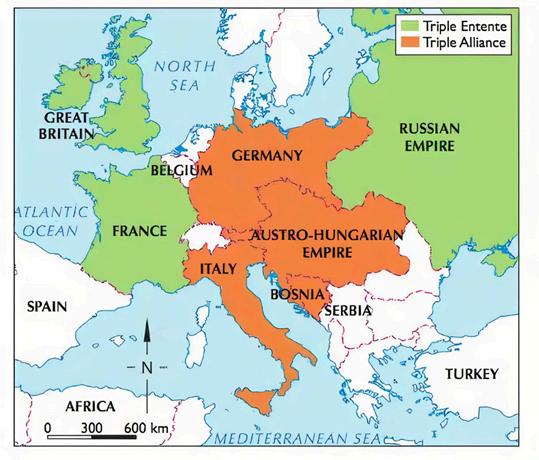
World War 1, known as the war to end all wars, was unlike anyone at the time had ever seen. It went from 1914-1918. What got here to be referred to as the Great War commenced on June 28, 1914, with the assassinations of Austrian Archduke Franz Ferdinand and his wife, Sophie while they were visiting Sarajevo, Bosnia. There were two main sides in this war, The Triple Entente and the Triple Alliance. The Triple Entente consisted of Russia, France, and Great Britan, which was who Australia was fighting for in the war. The Triple Alliance consisted of Germany, Austria-Hungary, and Italy. The AIF now known as the ANZACS first landed on 25 April 1915, 16,000 Australian and New Zealand troops landed at what became known as Anzac Cove as part of a campaign to capture the Gallipoli Peninsula. This didn’t go as planned, within the first 24 hours more than 2000 ANZAC soldiers died. The odds were heavily stacked against the ANZACS with the Ottoman Turkish troops have heavy high ground ready for when the ANZACS land. After the fight on Gallipoli that lasted almost 11 months the Australians knew they weren’t going to win and over time, one ship after another the ANZACS left Gallipoli and went back to Egypt where their base was originally. After this, the ANZACS were sent to France to the conflict on the Western Front where the war ground was full of muddy flooded
M.A.I.N REASONS TO WW1 AND REASONS FOR ENLISTMENT
There were four M.A.I.N reasons for the First World war beginning. Militarism, Alliances, Imperialism, Nationalism. Militarism was the act of countries building up their military just in case something was to happen or so that they could easier make an alliance with other countries because they knew that they were a stronger force. Alliances was building alliances with other countries so that if a war were to break out there would be strong alliances that could fight with each other hopefully winning the battle. Imperialism was the expansion of countries empires forming more alliances and resulting in tension in the countries. Nationalism was when certain nation would think they are that they are on top of every other nation which sparked some problems with other countries that thought the same thing about their nation.
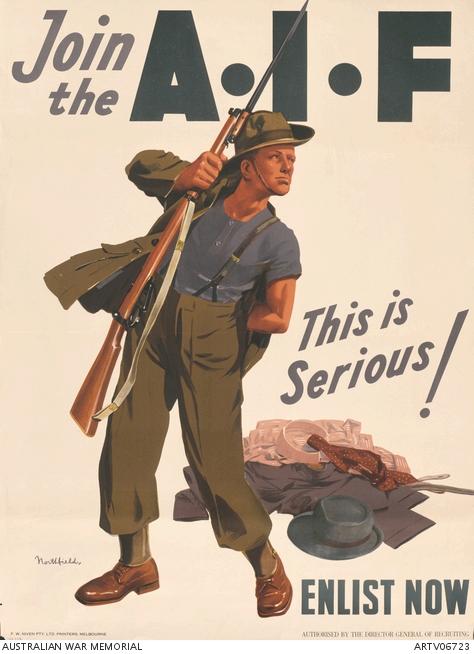
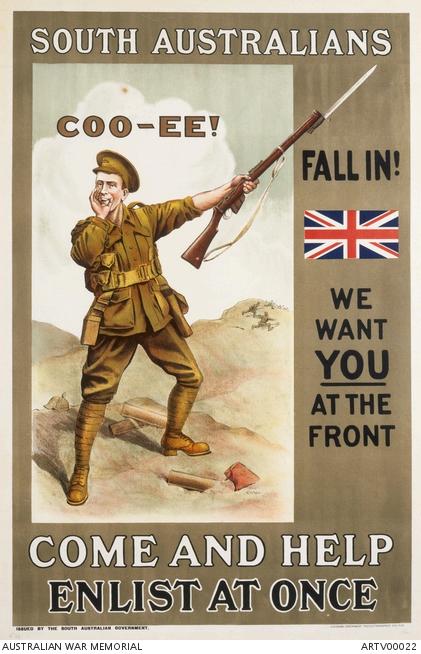
Australians initial enlistments was through the roof when the first opening for enlistment happened on the 10th of August 1914, and they only went up from there. By the end of 1914 almost 40% of Australian male populoution had enlisted. There were a variety of reasos that men enlisted in war. Peer pressure, need for money, a chance to prove themsleves, don’t want to allow their families to be hurt. The goverement wouldput our a variety of different posters all aimed at different groups of people. This act got thousands upon thousands of people to enlist alone just because of the fact that they were ‘gory’ for the time or that it persuaded them or guilt tripped the men of the time to join the army.
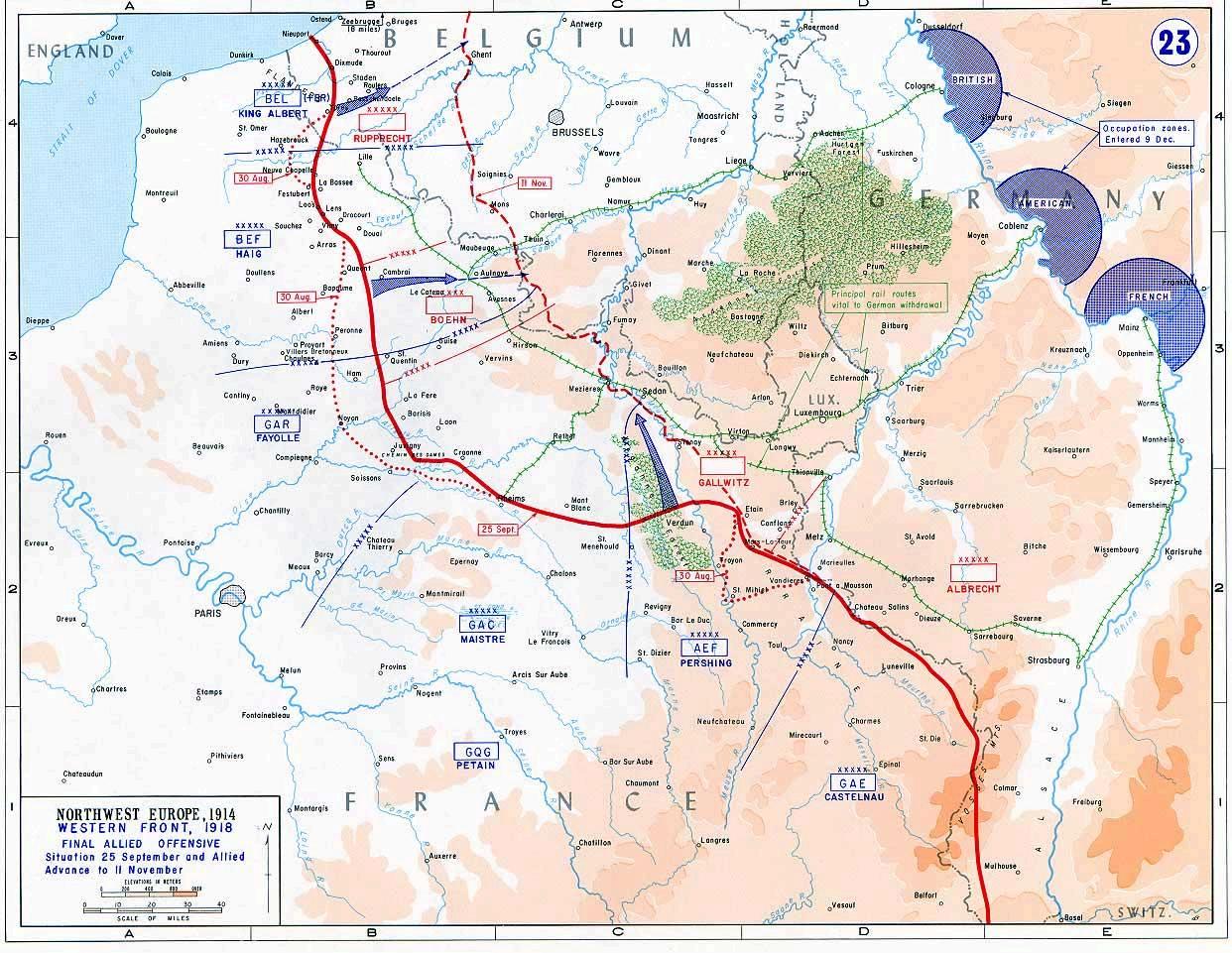
LOCATIONS OF AUSTRALIAS KEY BATTLES (WESTERN FRONT)
Some of the key battles thar the AIF contributed in were all over the place. The battles were in The Somme, Fromelles, Pozieres and Mouquet Farm, Bullecourt, Messines Ridge, Passchendaele, Ypes, VIllers-Brentonneux, Hamel and Amiens. They were all tough battles for the AIF (ANZACS) on the western front. These places can all be found in the QR code above with more information about each of them.
SHORT AND LONG TERM IMPACTS OF WW1
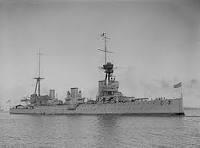
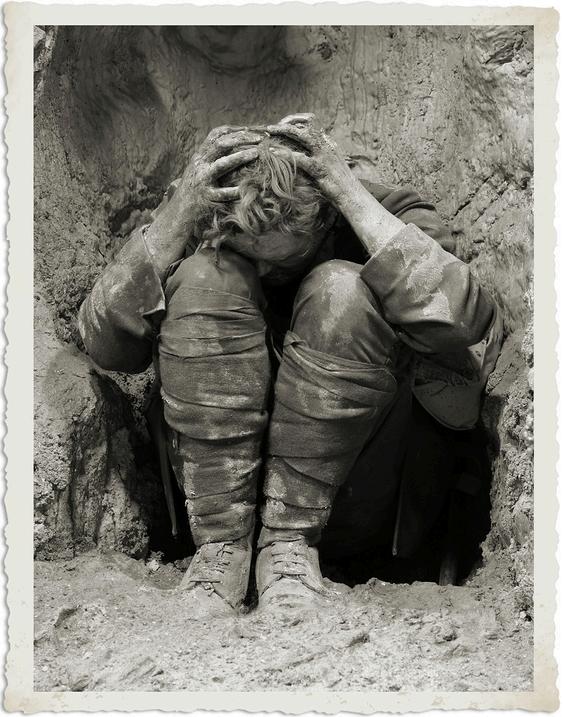
There were many short and long term impacts of the war that effected soldiers and different countries for up to 1 week, 1 month, 1 year or the rest of their lives. Some short term impacts that affected soldiers throughout the war were the fact that from the 3rd of August to the 28th September all stock shut down. This was to give the market time to adjust to wartime conditions. Another short-term impact was the Australian economy was affected due to the fact that all imports and exports were declined due to lack of shipping in the war. Some long-term impacts was for many, many soldiers amputations were necessary due to many factors, injuries, trench foot. Another short-term impact was unemloyment and prices going up in 1914 due to all of the people dying in the war. A long-term impact that also was a major thing in the war to the sodiers that fought was shell shock. Modernly known as PTSD shell shock would constantly traumatise the soldiers every day and night resulting in sleep deprivation and more.
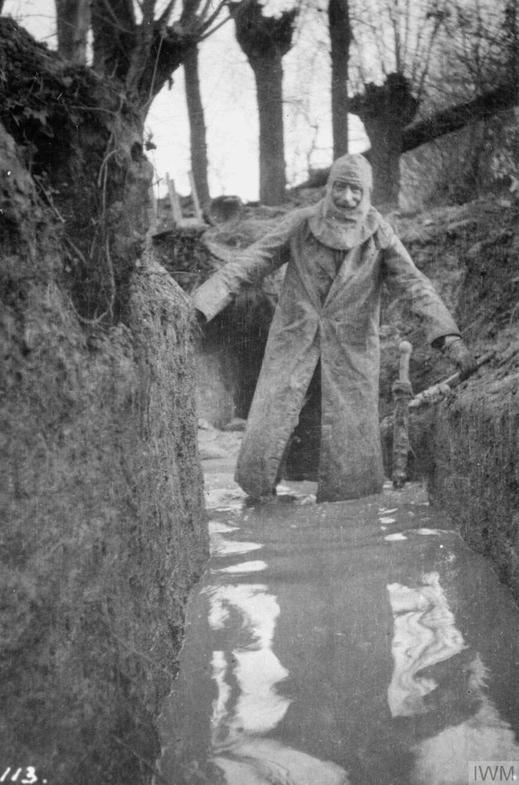
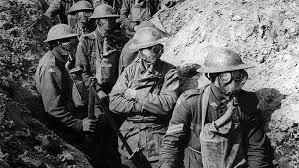
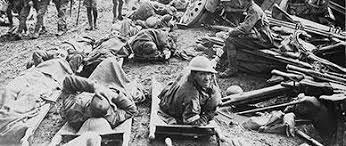
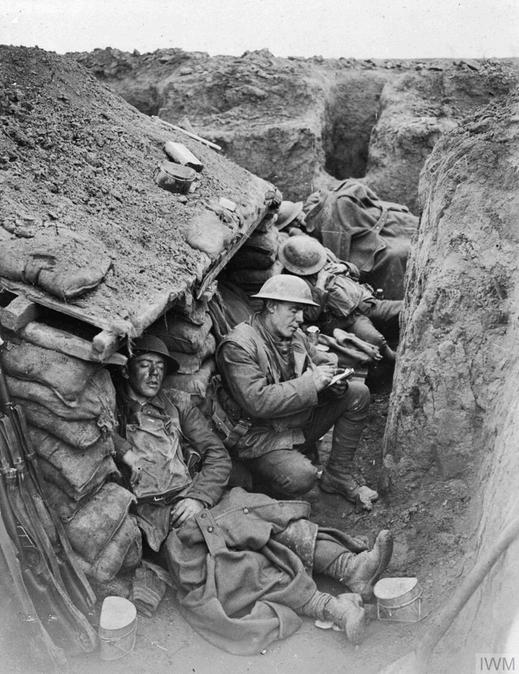
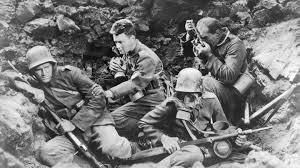
SOLDERS ON THE WESTERN FRONT IN WW1 (TRENCHES)
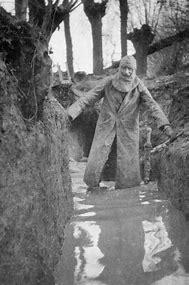
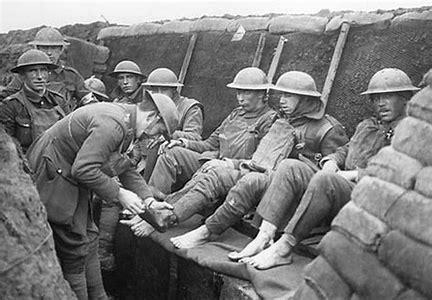
TheWesternfrontwascompletlydifferentto Gallipoli.Itbrangnewchallanges,moresoldiers andyetanotherproblemtoworryabout.Trench Warfarewasbrutallivingandfightingconditions forthesoldiersthatfoughtin.Thereweremany thingskillingandweakeningthesoldierthat weren'tjustgunbullets.Trenchfootwas somethingthathappenedinthetrencheswhen thetrencheswouldbeflooded,andthe soldiers'feetwouldconstantlybewetandover timetheneventuallycouldleadintoyourfeet growingmoldonthethenhavingtobe amputated.Ratsandlicewouldthengoto hauntthetrenchesandpeoplewithrats feastingonallofthedeadbodiesthathadn't beenclearedoutofthetrenchesandlicenot onlyinsoldiers'hairbutcrawlingallovertheir bodiesmakingithardtosleepanddotheirjob withoutirritation.Shellshock,modernlyknown asPTSDwastheconstanttraumacausedby theoverwhelmingamountofbombexplosions andconstantfightingthroughoutthewar.This causesthesoldierstohavelackofsleepand constantmentalhealthproblemsthroughout thewarthatwasn'tproperlyaddressedback then.
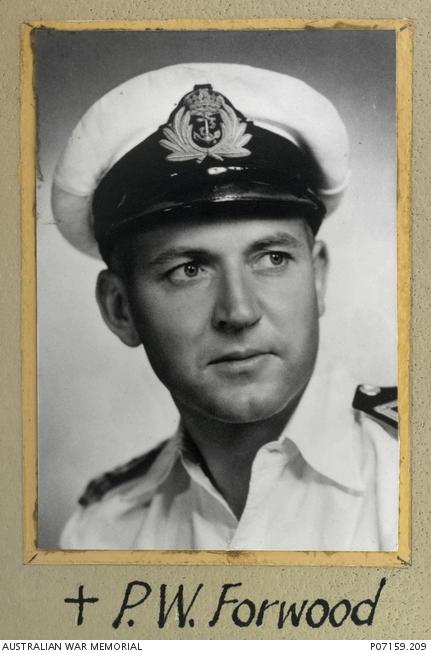
PERCY WILLIAM WOODS
PercyWilliamWoods(1885-1937)wasasoldieranda manufacture.Hewasbornon8thNovember1885inSydney. servedonthewesternfrontandmore.Onthe25thofApril1915 hewasononeofthefirstshipstolandthere.Hewas commissioedon19thofMayandpromotedtolieutenanton7 August.HewasaplatooncommanderintheattackonLonePine inAugust.Woodswastransferredtothe55thBattalionin February1916andpromotedcaptainon12March.After opperationswiththeEgyptianForcehewasmovedtothe WesternfrontinJuneof1916.Forhiscourageandinitiativehe wasawarrdedaMilitaryCrossinJuly.Heledthecaptureof Doignies,France,intheHindenburg.Hethenledmanymore battleswithmanymorewinsandlosses.Woodsreturnedto AustraliainDecember1918andmaintainedhisconcernforhis men'swelfareaspatronofthe55thBattalion'sVeterans' Association.Continuinghisinterestinthearmy,in1921-25he commandedthe55thBattalion,AustralianMilitaryForces;he retiredin1926.On24January1914WoodshadmarriedEthel ElizabethCookwithAnglicanritesatChristChurchStLaurence, Sydney.Divorcedon6March1928,hemarriedAnnieDonohoe atDulwichHill,Sydney,onthe31st.Therewerenochildrenof eithermarriage.AfterthewarWoodssetupinbusinessasa clothingmanufacturer,workingchieflyasasalesrepresentative.
TIMELINE
Percy William Woods
Percy William Woods landed at Gallipoli.
25APRIL 1915 7 AUGUST 1915
Was promoted to lieutenant
FEBRUARY 1916
Transferred to the 55th Battalion
12MARCH
1916
Promoted to captain. Moved to the Western Front
JUNE 1916 1918
Was awarded the Military Cross.
JUNE 1917
In 1918 he took part in the major engagements of Villers-Bretonneux in April, and Péronne and the breaching of the Hindenburg line in September
Returned to Australia. DECEMBER 1918
BIBLIOGRAPHY
WorksCited
“Australia’sResponsestoWorldWarI.”AnzacPortal,2016, anzacportal.dva.gov.au/wars-andmissions/ww1/politics/response-towar#:~:text=All%20stock%20exchanges%20in%20Australia. “Biography-PercyWilliamWoods-AustralianDictionaryof Biography.”Adb.anu.edu.au, adb.anu.edu.au/biography/woods-percy-william-9179. Accessed29May2024
Browne,Alex “The4M-A-I-NCausesofWorldWarOne”History Hit,28Sept 2021,wwwhistoryhitcom/the-4-m-a-i-n-causesof-world-warone/#:~:text=The%20M%2DA%2DI%2DN%20acronym%20%E2 %80%93%20militarism%2C%20alliances
DepartmentofVeterans'Affairs.“AustraliansontheWestern Front1916to1918|AnzacPortal.”Anzacportal.dva.gov.au,20 Sept.2021,anzacportal.dva.gov.au/wars-andmissions/ww1/where-australians-served/western-front. “FirstWorldWartheWesternFront.”DepartmentofVeterans’ Affairs,9Apr.2024,www.dva.gov.au/media/mediabackgrounders/first-world-war-westernfront#:~:text=Following%20the%201915%20Gallipoli%20campa ign.
Genge.“Australia’sResponsestoWorldWarI.”AnzacPortal, 2016,anzacportaldvagovau/wars-andmissions/ww1/politics/response-towar#:~:text=All%20stock%20exchanges%20in%20Australia “LieutenantColonelPercyWilliamWoods”Wwwawmgovau, wwwawmgovau/collection/P11013440 Accessed29May 2024
“LieutenantJamesLionelMontagueSandy.”Www.awm.gov.au, www.awm.gov.au/collection/P11027818. Volle,Adam.“WesternFront|WorldWarI.”Encyclopedia Britannica,6Apr.2023,www.britannica.com/event/WesternFront-World-War-I.