From Sci-Fi to Reality: How Virtual Reality is
Reshaping Industries | Sonia
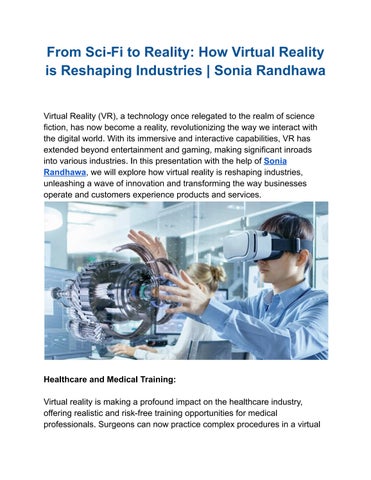
RandhawaVirtual Reality (VR), a technology once relegated to the realm of science fiction, has now become a reality, revolutionizing the way we interact with the digital world. With its immersive and interactive capabilities, VR has extended beyond entertainment and gaming, making significant inroads into various industries. In this presentation with the help of Sonia Randhawa, we will explore how virtual reality is reshaping industries, unleashing a wave of innovation and transforming the way businesses operate and customers experience products and services.
Healthcare and Medical Training:
Virtual reality is making a profound impact on the healthcare industry, offering realistic and risk-free training opportunities for medical professionals Surgeons can now practice complex procedures in a virtual
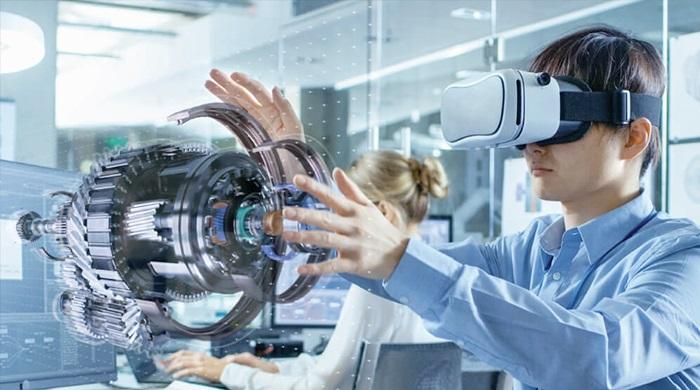
environment, enhancing their skills and improving patient safety. VR is also used for pain management, physical therapy, and treating mental health conditions, providing more effective and accessible treatment options.
Real Estate and Architecture:
Gone are the days of flat blueprints and static property tours. Virtual reality is revolutionizing the real estate and architecture sectors by allowing potential buyers and clients to experience properties in a fully immersive 3D environment VR tours enable remote viewing, eliminating geographical barriers and saving time for both buyers and sellers. Architects and designers can also visualize and modify their creations in real-time, streamlining the design process
Education and Training:
According to Sonia Randhawa, in the education sector, virtual reality has opened up new avenues for interactive and engaging learning experiences. Students can embark on virtual field trips, explore historical sites, and understand complex concepts through immersive simulations. VR training modules are also being used in corporate settings to enhance employee skills, from soft skills development to high-risk job training.
Automotive and Manufacturing:
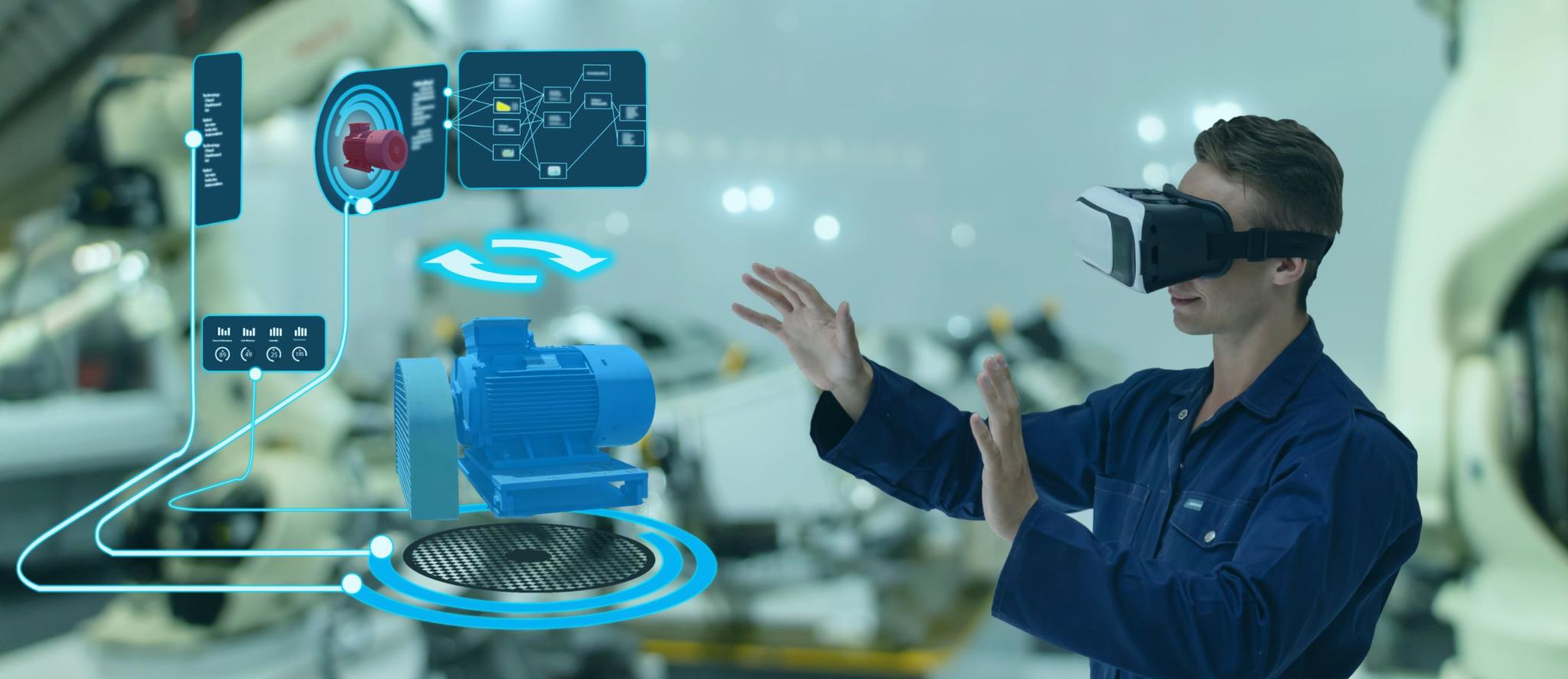
Virtual reality has found a prominent place in the automotive and manufacturing industries, transforming the design and prototyping processes. Engineers can visualize and test vehicle designs in virtual environments, reducing development time and costs. VR also aids in worker training for manufacturing tasks, improving efficiency and safety on the factory floor.
Tourism and Hospitality:
Sonia Randhawa says, the travel and hospitality industry is leveraging virtual reality to entice travelers with virtual tours of destinations and hotels. Potential guests can explore rooms, amenities, and surrounding attractions, helping them make informed decisions. VR experiences are also being used in theme parks and museums to enhance visitor engagement and create unforgettable memories.
Retail and E-commerce:
Virtual reality is redefining the retail experience, both online and offline. E-commerce platforms are incorporating VR to offer virtual showrooms where customers can browse products in a lifelike setting. Brick-and-mortar stores use VR to create interactive shopping experiences, helping customers visualize products before purchase.
Gaming and Entertainment:
While gaming was the initial driver of VR's popularity, it continues to be a significant industry that pushes the boundaries of VR technology.
Immersive gaming experiences transport players into virtual worlds, offering heightened realism and interactivity
Conclusion:
According to Sonia Randhawa, from healthcare and real estate to education and gaming, virtual reality is transforming industries and pushing the boundaries of what was once thought possible. As the technology continues to evolve, we can expect even more innovative applications and widespread adoption in various sectors Virtual reality's ability to create immersive and interactive experiences is reshaping the way businesses engage with their audiences and driving the future of digital innovation across industries