

LATINX LITERARY MAGAZINE
spring ‘25 volume XV • issue II





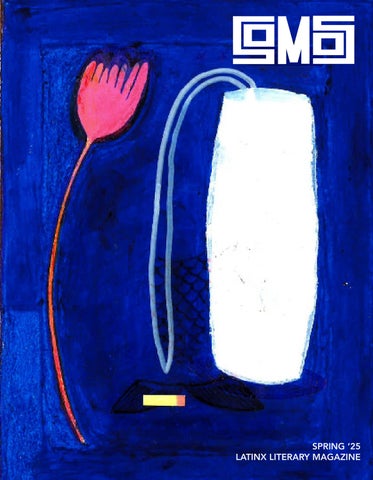
spring ‘25 volume XV • issue II
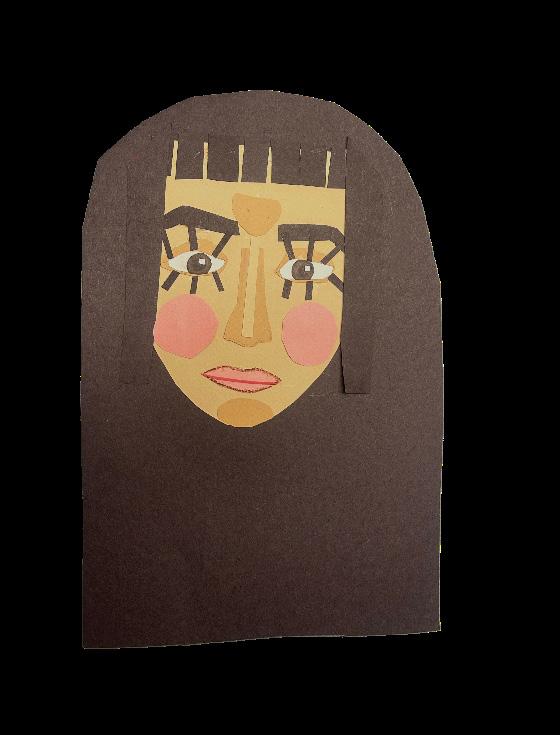
Monik Rodríguez ‘25
Co-Editor In Chief de México


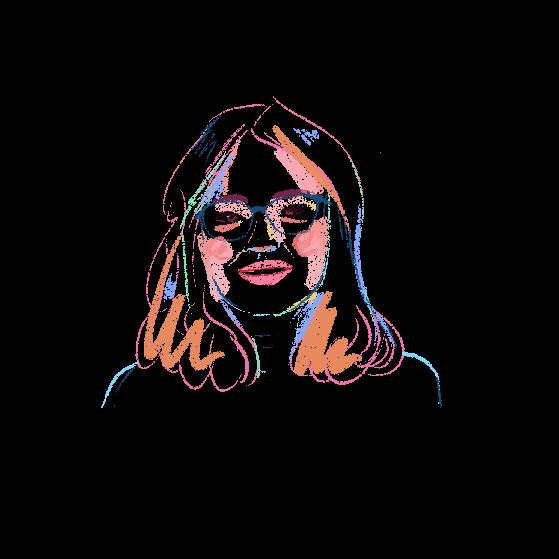

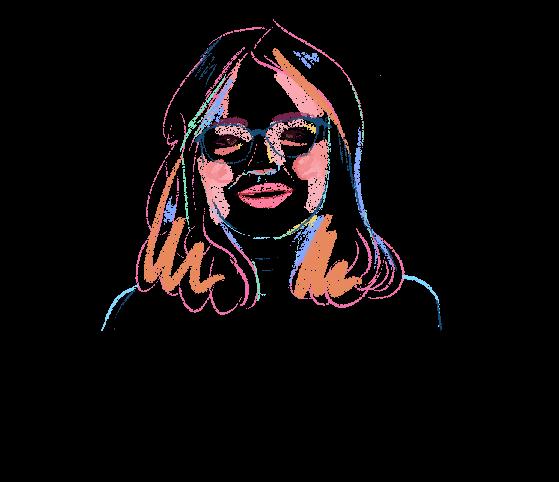
Daneisha Rodríguez ‘27
Co-Editor In Chief de Puerto Rico

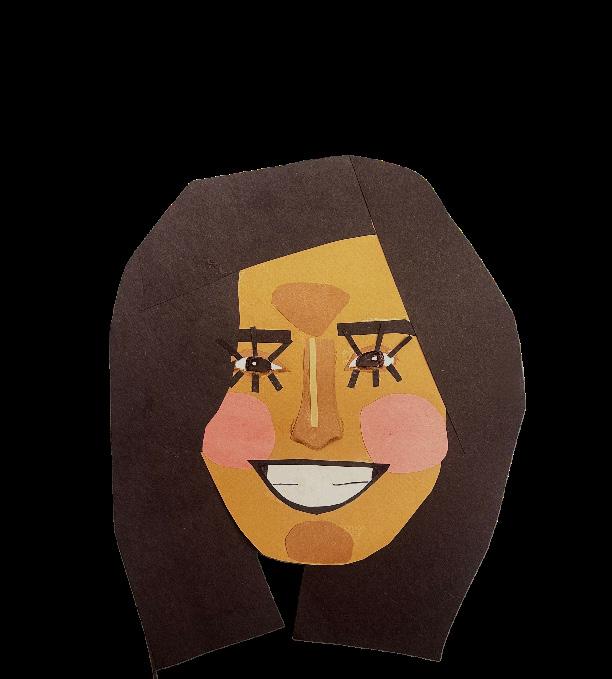
Natalia López ‘27
Finance Manager de México
Luca Suarez ‘26
Lead Design Editor de México y Ecuador
Jack Zarate ‘27
Publicity Manager de Colombia

Portuguese Managing Editor de Colombia







Ajuni Zubieta ‘28
English Editor de Chile
Doren Hsiao-Wrecksler ‘26
English Editor de Chile
Naomi Nesmith ‘26.5 English Editor de Puerto Rico
Laura Tamayo ‘25
Spanish Editor de Venezuela
Johan Beltre ‘27
Spanish Editor de República Dominicana
Ana Mijares ‘27
Design Editor de México


Fabiola Peñafiel ‘28
English Editor de Ecuador
Lucía Garrido-Racines ‘27 Spanish Editor de Puerto Rico



Munoz ‘28
English Editor de México
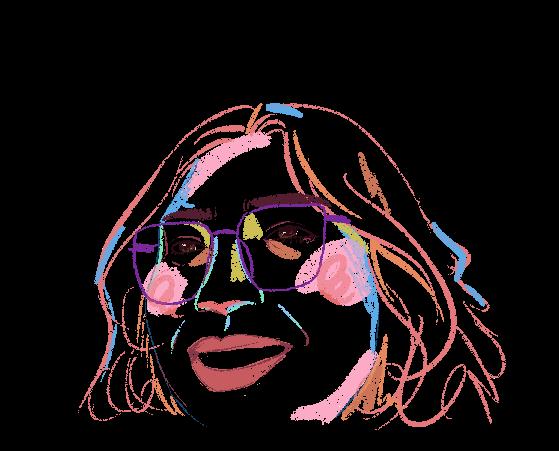
Mayriel Diaz ‘28
Spanish Editor de México y Cuba
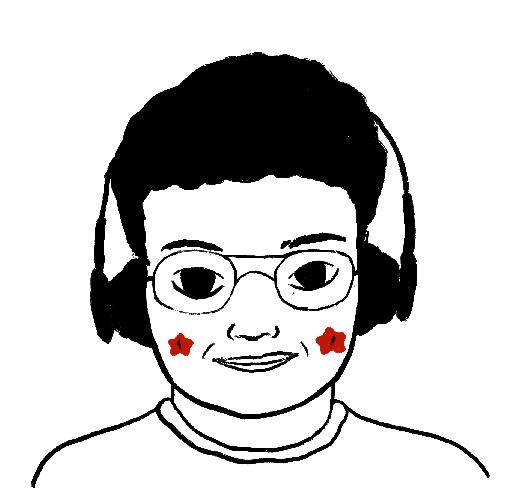
Maison Teixeira ‘27
Design Editor de Guatemala, Belize, y Cabo Verde
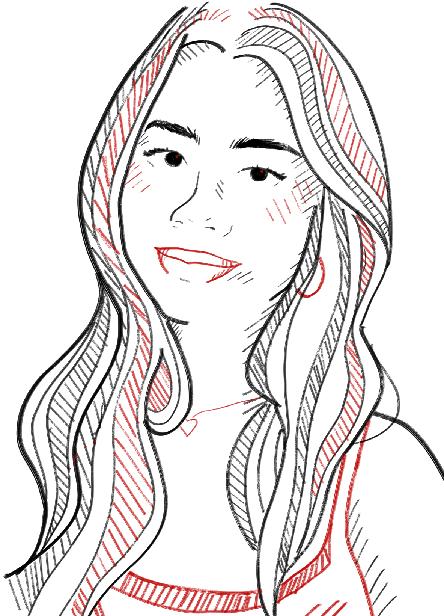
Victoria Sgarbi ‘27
Design Editor de Brasil
Dearest Reader, SOMOS family, & Daneisha,
It is spring, an unpredictably cold and gloomy spring, but spring no less. & with the come of April showers, May flowers, and the publication of this issue so too comes my departure from SOMOS Latinx Literary Magazine.
I joined SOMOS 2 weeks into my first semester at Brown, logging onto weekly Zoom meetings whenever I could. I was new to Brown and the world at large. Like many freshmen, I was anxious yet excited to be on my own and so far away from home. I submitted a poem about oranges, language, love, & the home I didn’t know I would miss so much. I dedicated the poem to my grandmother, Flavia Rodriguez, who passed away in October 2023. As I look back at that piece published in SOMOS Fall 2021, I am glad she, like myself, will forever live in SOMOS. I know this to be a shared experience amongst many published artists in the past. I have learned it to be one of the most beautiful things about SOMOS.
It has been an honor and pleasure to bring my perspective and creative direction to SOMOS. While I am a Rio Grande Valley bordertown native, it is out of pure coincidence that my final issue with SOMOS is truly a love letter to border crossing.
The pieces we showcase this semester are interwoven by a commitment to border crossing as defined by performance studies theorist Jose Esteban Muñoz, “a performative act of resistance, a way for queer and racialized subjects to negotiate their identities in a world not designed for them.” SOMOS (as a material of cultural production, intervention, community) partakes in this form of border crossing - a way for which Latinx students’ on Brown University’s campus could find place for their stories, histories, and very existences.
I couldn’t have asked for a better issue to bless my goodbye. Thank you to our wonderful team of editors and e-board for not only endlessly supporting SOMOS but all of my antics. Thank you for entertaining my warm-up questions and oddly enthusiastic attitude at 8:00 p.m. every Monday in the BCSC lounge. There’s without a doubt in my mind that SOMOS will live on forever. I don’t want to imagine a world where SOMOS ceases publication but I know that for so long as there are Latinx students committed to storytelling and liberation that SOMOS will live on forever.
We are/SOMOS.
Besitos,


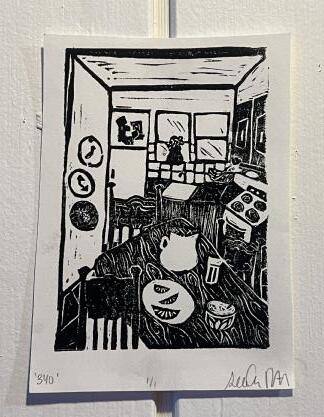
340
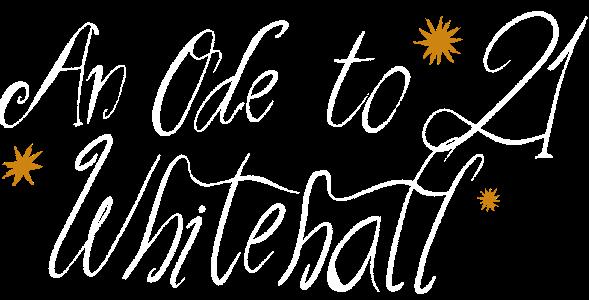
An Ode to 21 Whitehall / la oda a 21 whitehall
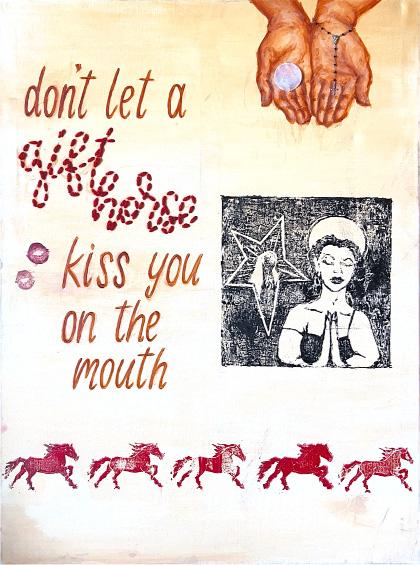
Gift Horse semillas
Cronica de un amor eterno
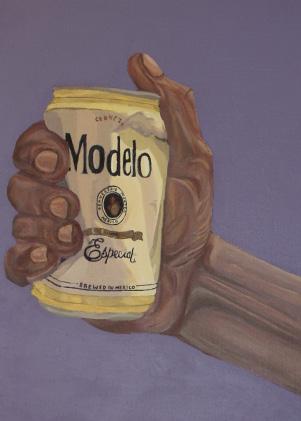
Salud
Drinking From My Parent’s Hands
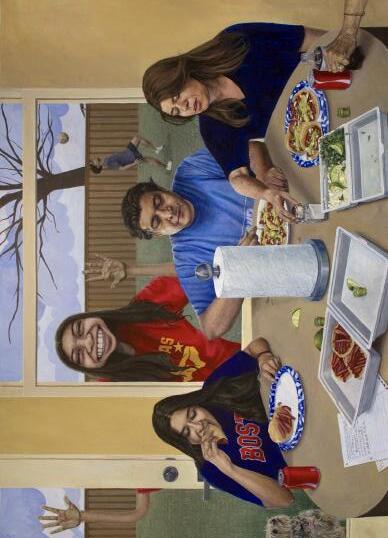
Tacos Al Pastor
Chiclero
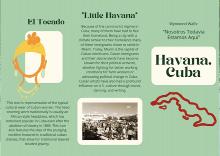
Nosotros Todavía Estamos Aquí
La Raza Por La Causa

“Un violador en tu camino” by LasTesis - The Addendum
Depth (noun): a profound or intense state (as of though or feeling); also : a reprehensibly low condition
Inner Sanctity
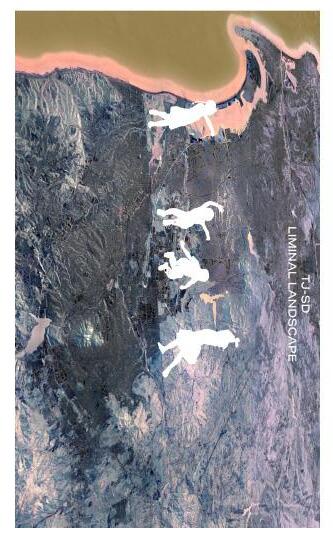
Liminal Landscapes - Tijuana River Watershed - Scripting the Gap
Amantes Prohibidos
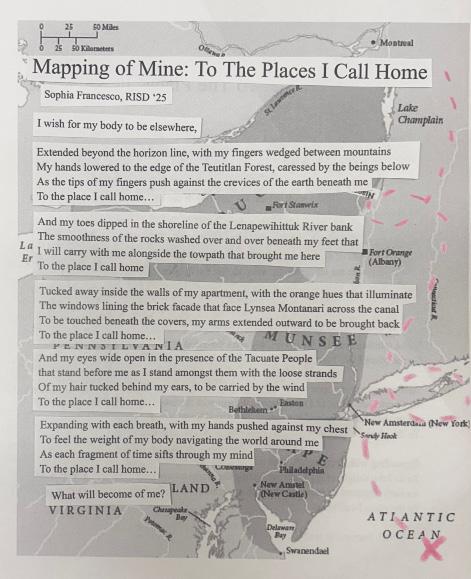
Mapping of Mine: To The Places I Call Home
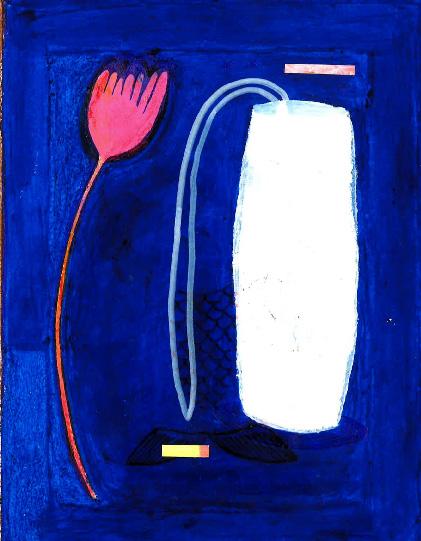
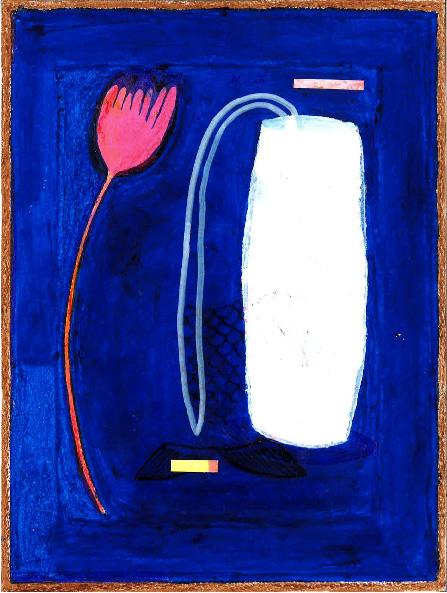
Flor e vaso
maria 01 Out of
Soleena Carrillo Ramanathan
Maya Martinez
Angelina Rios-Galindo
Marcela J Villaça
Sebasstian Adriano
Becky Montes
Fabiola Peñafiel
Camila Salinas
Maison Teixeira
Victoria Sgarbi
Keyla Limones
Victoria Sgarbi
Renata Ross
Ana Mijares
Monik Rodríguez
Arlyn Patino
Naomi Nesmith
Aysha Facey
Maria Lopez
Keidy Palma Ramirez
Sophia Francesco
Marcela J Villaça
Gabriel Josué Mena
Genesis Isla Marisol
Paulia Ortega
Monik Rodríguez
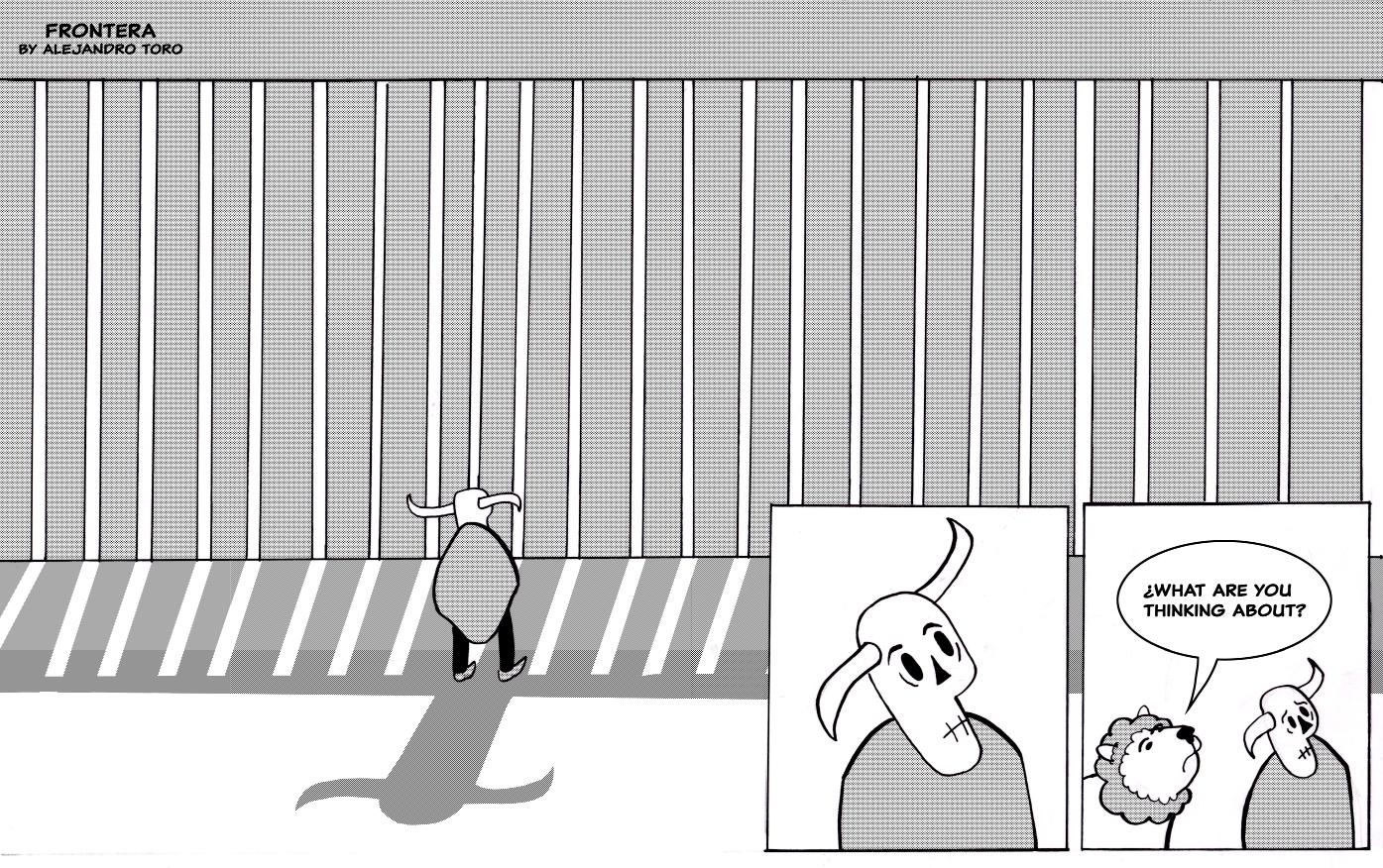
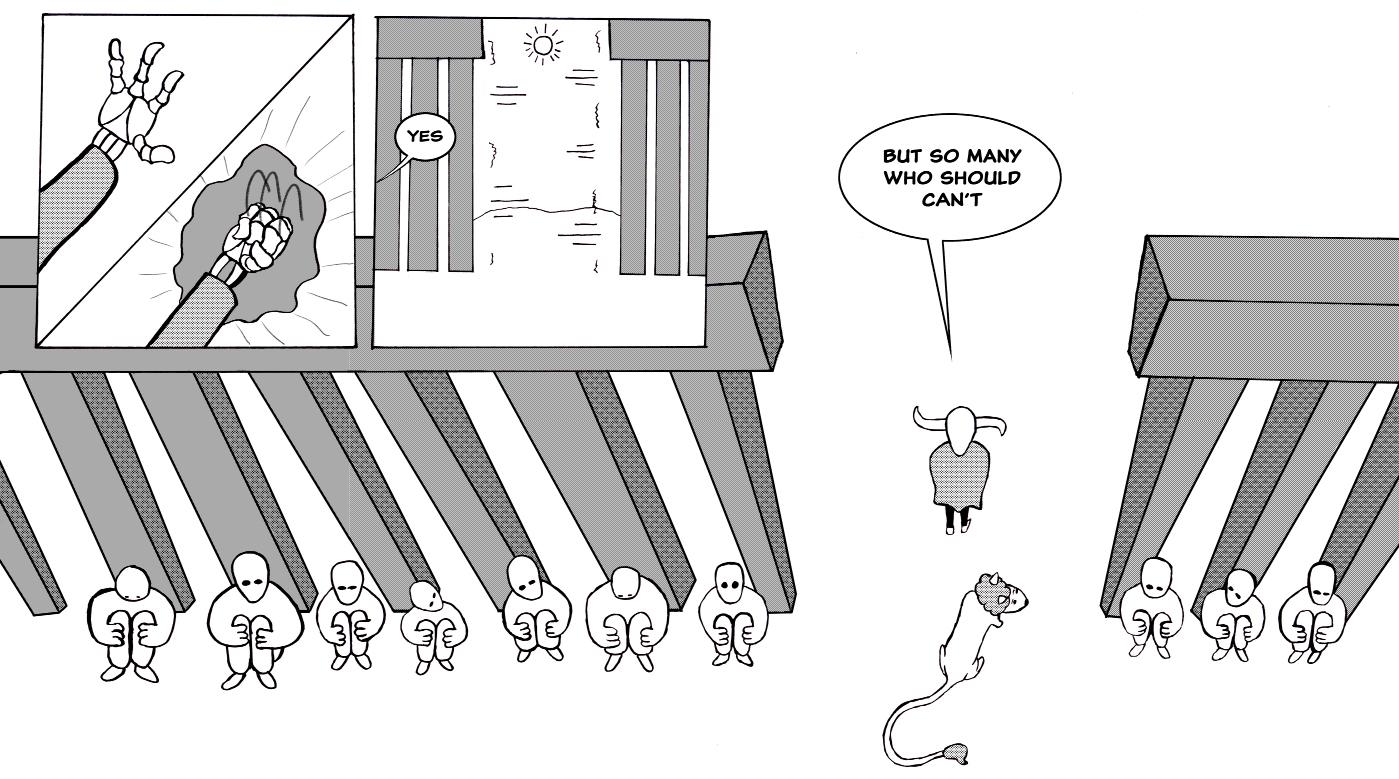
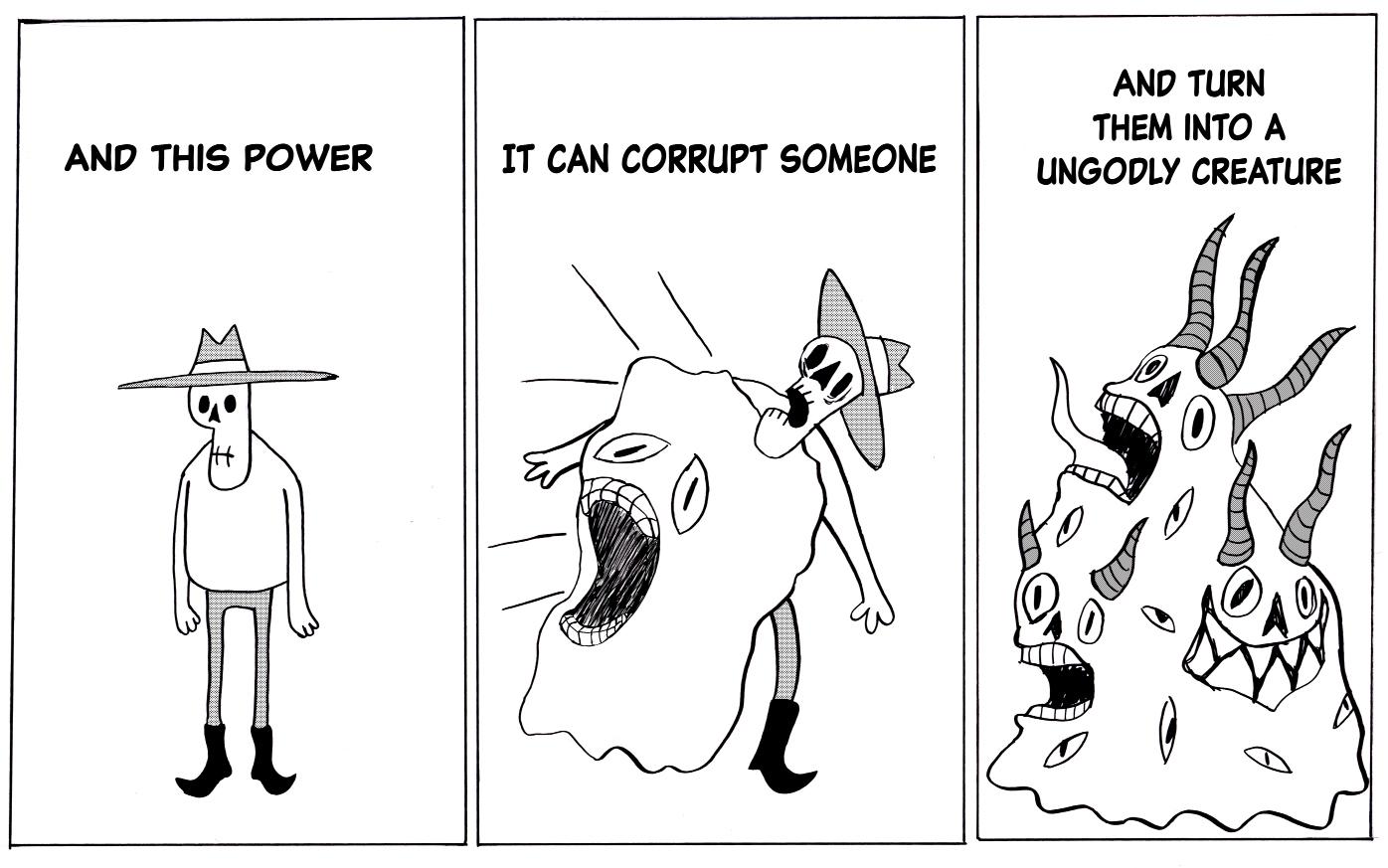
Alejandro Toro

Maya Martinez, Brown ‘28
i’m not a religious person, but if heaven exists i know it would look like your sunlit kitchen where time seemed to move like a fly caught in amber, and your hands, calloused from years of hard work and unshed tears, yet as soft as julio’s crooning from the old stereo, knead pillowy empanada dough on the warm oak table, this is the place where wine flows like water, its comforting lull rocking me to sleep like ocean waves on a clear night, where generations perch atop the tawny wood piano that hasn’t been played since 1987, it’s out of tune, but it doesn’t matter, the merciless banging of chubby toddler fists on discordant keys followed by the sweet giggles of promises make me smile, this is a house of ghosts, yet i have never felt so alive, kicking around a soccer ball, racing through the yard in my beat-up chuck taylors, little feet following in my footsteps, laughter floating in the breeze like birdsong.
la oda a 21 whitehall no soy una persona religiosa pero si el cielo existe, sé que parecería a tu cocina iluminada por el sol donde el tiempo parecía moverse como una mosca atrapada en ambár y tus manos, callosas de años de trabajo duro y lágrimas sin derramar, pero tan suave como el cantureo de julio del estéreo viejo, amasan masa de empanada suave en la cálida mesa de roble, este es el lugar dónde el vino fluye como agua, su respiro reconfortante me está meciendo a dormir como olas del océano en una noche clara, donde las generaciones se sientan encima del piano de madera leonada que no se ha tocado desde 1987, está desafinado, pero no importa, el golpe despiedado de los puños regordates de niños en teclas discordantes seguidos de las dulces risitas de promesa me hacen sonreír, esta es la casa de fantasmas, pero jamás me siento viva, pateando la pelota de fútbol, corriendo por el patio, mis chuck taylors viejos, piececitos siguiendo mis pasos, la risa flotando en la brisa como el canto de los pájaros.
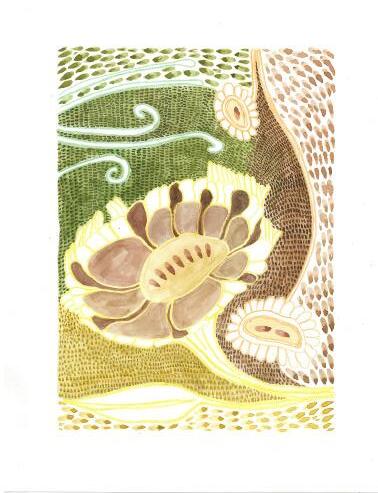
semillas
Pencil and watercolor
SOMOS
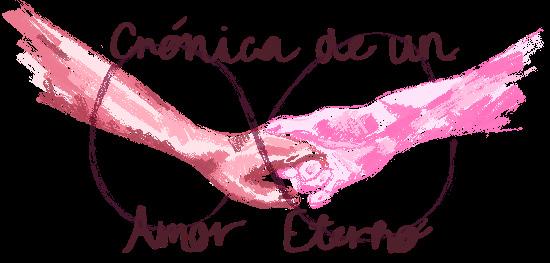
Nuestro amor de lazos, de mano y de voz.
Amor terrestre tan simple, nos endulza como la miel de tus ojos, corre por los ríos de la sangre ahogando ecos de otoño.
Nuestro amor de Modigliani, de Fibonacci en derredor.
Anuda nuestras almas de cristal, es un amor desnudo y alegre.
¡Cómo enreda las hiedras del tiempo! Viaja claro entre mundos y muertes.
Nuestro amor de velas, de primavera y de constelación.
Juntos triunfamos en el juego de sombras, aún conservamos la costilla herida porque de heridas se viven las memorias para saciar nuestras ansias recogidas.
Becky Montes, Brown ‘27
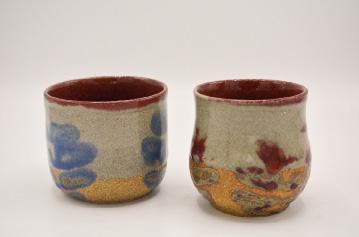
Fabiola Peñafiel, Brown ‘28
Ceramic
By leaving their country, their dear Ecuador, my parents, like thousands of other migrants, hoped to give the children of tomorrow a better life. In making this choice to immigrate and arrive in the United States, migrants ensure that their children and future generations can reap the benefits they themselves are deprived of. This piece pays tribute to this often unacknowledged sacrifice, demonstrating how children of migrants are the products of their parent’s greatest pains and joys. With the handprints designed to cup the vessel, the piece gives the illusion of providing hands willing to supply the world for the future.
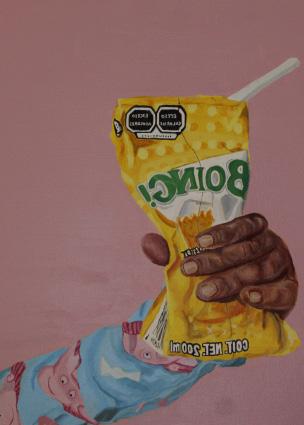
Tacos al Pastor
Camila Salinas, RISD ‘27
5 x 7 ft, Acrylic on canvas

Maison Teixeira, Brown ‘27



Somehow I remember the moment when I learned my Mom’s last name was Paiz. I remember sitting in my booster seat, three years old and no cares to hold, as we drove through this parking lot surrounded by lush Rhode Island woods. I saw her name on some document she was holding and, wide-eyed with wonder, I read it aloud: “Melanie...Pays?”
To which my Mom responded, “No, Mais, it’s pronounced pah-ees.” “Pa-ees. Paiz. Paiz.” I liked how it rolled off my tongue.
“Mom, where does the name Paiz come from?”
“It’s from Belize.”
Belize, somewhere she hadn’t returned to in 17 years, somewhere I wouldn’t see until 13 years later. Paiz followed her everywhere she went, but her país was distant, and even more distant was the país where her surname really came from.
~
I didn’t know anything about my great-grandfather until I first went to Belize. My Auntie Aurora, or Auntie Loli as we call her, brought some old photographs down from the attic. One of these was a picture of a man whose face I can’t quite remember.
“That’s Castullo,” my Auntie Loli said. “He was from Guatemala.”
I was stunned. “So we’re Guatemalan too?!”
“Yeeees,” she said confidently, in that drawn-out way she always pronounces “yes”. “He was a chiclero, he used to go out in the forest and scrape the trees for sap, and then turn it into chicle gum that he’d sell in the streets.”
I never got to meet my great-grandfather, Castullo. Eventually, hehe’d stopped selling chicle gum and moved to Los Angeles, where he got to garden for Mr. T (yes, the “I pity the fool” guy). He’d write letters back to his family in Belize, always promising to return once he made enough money from gardening for the stars. He never did get to return, though. “If only he’d stayed here, he might still be around,” my Auntie Loli said, longing to hold her father’s hand once more.
Later, as we drove by the shimmering shores of Belize, I still felt the same sense of wonder I’d felt when I was three, having discovered something deep within myself that I’d never known. I asked my Mom what she knew about Guatemala, el país de Paiz, and she said she knew almost nothing. “Paiz is a big supermarket chain over there, though. Who knows? We might have some rich family out there,” she said, laughing.
There’s one question that I’ve found is inevitable when I meet people: “Wwhat ARE you?!”
My aunt once told me she always used to get the same question, and she’d say “I’m a Libra,” to which they’d simply ask again, “Nno, no, what ARE you?” “Oh, sorry. I’m a righty,” she’d answer, frustrating them even further. I used to answer the question like that too, but now I just answer the question they’re really asking. For a while, I’d say “Oh, I’m English, Cape Verdean, and Belizean,” but Guatemalan never appeared in the equation until I learned that my great- grandfather was from there.
I don’t know of anyone on my maternal grandmother’s side who still lives in Guatemala, though. They all grew up in Belize, where they call each other “gyal” and “wine they waste” to soca music. Guatemala feels like a memory from long before my mother was born, nowhere near as vivid as the memory of sitting in the booster seat and learning my Mom’s last name.

Despite its distance, I still very much feel Guatemala in my life. I feel it every time I FaceTime my Grandma V, and I hear her proudly exclaim “¡Hola, mi nieto!” while fumbling with the camera on her phone; every time she reminds me of “las movidas” and how fast they go by; every time she refers to some stranger passing by as “gente de mente” which never fails to make us all laugh. I felt it on the train back from Boston to our Airbnb, where she was singing along to a busker singing “Cielito Lindo,” one of her favorite songs. I felt it singing along to “Cielito Lindo” with her when we were back at the Airbnb and she’d had a bit too much wine.
I felt Guatemala when I heard the announcer declare “Melanie Paiz,” as my Mom walked onstage to receive her nursing degree. I’d expected to hear her married name, but felt so proud to hear Paiz instead, and felt even prouder to watch her succeed and follow in her mother’s footsteps.
~
After years of learning Spanish and becoming confident enough to speak to complete strangers, there was always one thing I could never do, my Achilles’ heel of Spanish speaking: I couldn’t roll my Rs. That is, until this past December. Rolling my Rs was, funnily enough, one of three “mouth skills” I always yearned to achieve as a kid; the other two were whistling, and blowing bubble gum. I’d learned to whistle the year prior, so naturally, it seems that this December I must conquer the art of blowing bubble gum.
This December, I’ll finally learn to blow bright pink bubbles of gum like I always wanted to do as a kid. And when I do, I’ll do it for Castullo, my great-grandfather, the chiclero who spent days upon days climbing trees during the rainiest time of year, all to provide Guatemalan boys and girls with some tasty chewing gum.
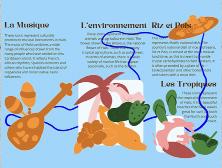
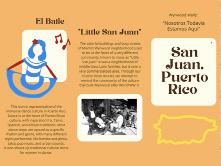
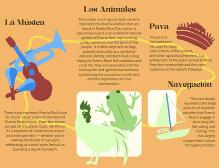
Nosotros Todavía Estamos Aquí
Victoria Sgarbi, RISD ‘27
Graphic design, illustration
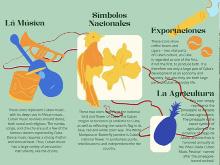
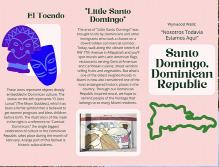
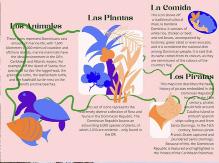
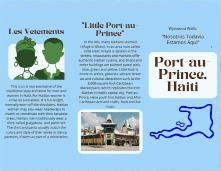

The guilt, y mi maldita desgracia.
Si yo pudiera
Quitarme mi ciudadanía
Los pinches papers
De mi espalda
Como la ropa que llevo puesta
Para salvar a mi Raza
Lo haría sin pensarlo dos veces, Without a second to waste
Me hincaría en frente de Políticos y presidentes corruptos
Peores que la misma maña
si los pudiera salvar a todos
Utilizaría mi cuerpo como escudo
Entre sus vidas y la mía.
Porque, we matter
Mi gente sí que importa
Ellos que trabajan,
Estudian,
Se desvelan,
Y madrugan
Para un American dream
Que les cuesta su vida
La razón por la cual
Ustedes tienen
Taco Tuesday,
Y los mariachis para celebrar,
Una economía a las espaldas
Del racismo sistémico
Pero mi Raza no se raja
Ya que, ¿verdad?
SOMOS
Jennifer Maritza McCauley
Si nos cachetean, ponemos el otro cachete. Pero ya no más.
Nos han tirado al piso, Nos han llamado invasores, Nos han dicho que volvamos
A un país que nunca dejamos.
A la chingada con sus muros,
Con su odio envuelto en leyes, Con su miedo a nuestra sangre
Que pinta su bandera con cada gota derramada.
Porque aunque nos quieran ver muertos, Aquí seguimos vivos, Más vivos que su odio, Más fuertes que su miedo.
Ellos no entenderán.
No lo harán jamás. Nosotros somos la raíz.
Que rompe el concreto. Somos el maíz, La flor que resiste en el desierto.
Y aunque nos quieren en silencio, Seguimos cantando.
Aunque nos quieran de rodillas, Seguimos marchando.
Porque mi Raza no se rinde, Ni pide permiso para existir.
Nos vale madre si les gusta o no. Aquí estamos, y aquí seguimos.
Porque mi gente no se apaga, Mi gente brilla.
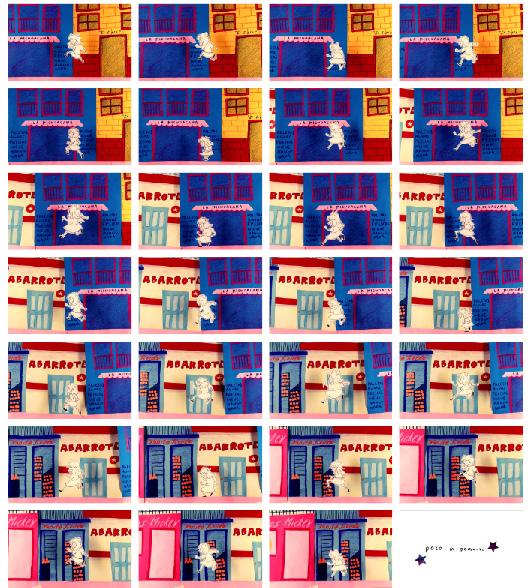
Renata Ross

Olhos fechados pra te ver
Com clareza e definição nenhum detalhe seu escapa aos meus olhos fechados. Ali abro o sorriso e de novo encontro a fantasia.
Vivo o delírio bom da euforia...
Nem sei quanto tempo dura, mas é sempre eterno...intenso...
Me despeço ás 6 quando aperto o despertador...que dor!
Oh ingrato! Melhor seria não acordar
Abrir os olhos é não mais te ver.
Estamos bloqueados pela vida mas poeta
ñao vive só do real.
Sigo fechando os olhos só pra te enxergar.

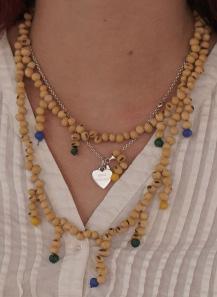
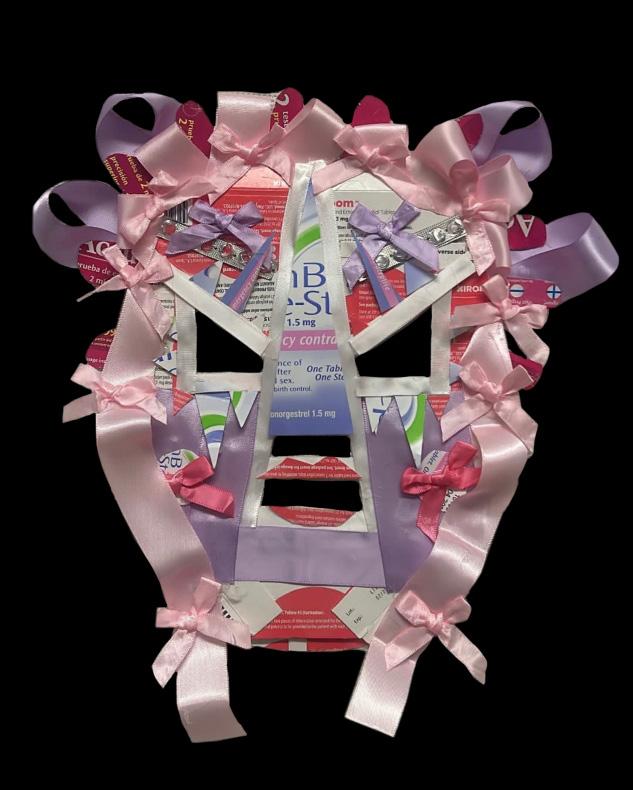
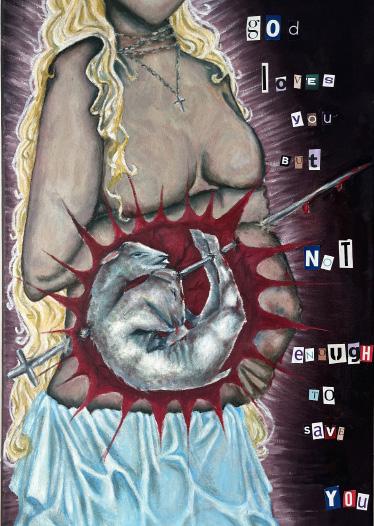
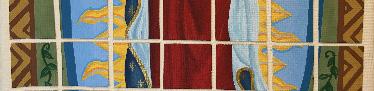
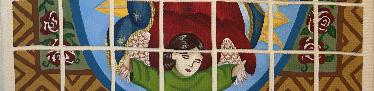
Miraculous Mother, I think not Monik Rodríguez, Brown ‘25 Ribbon, 2 Plan B boxes, and 6 months of birth control
Arlyn Patino
Brown University 2026, Lyrical Poetry and Academic Writing
[Verso 3 - añadido]
El colonialismo de asentamiento
Tiene miedo al enfrentamiento
Y en nombre de mi abuela
Soy lesbiana y mujerzuela
El colonialismo de aentamiento
Tiene miedo al enfrentamiento
Y en nombre de mi abuela
Soy lesbiana y mujerzuela
[Coro - editado]
Y la culpa no era mía, esta es mi tierra, esta es mi vida
Y la culpa no era mía, no más muertas, no más pérdidas
Y la culpa no era mía, esta es mi tierra, esta es mi vida
Hoy vengamos la hermanas, hoy cerramos las herridas
My addendum to the popularized feminist song Un violador en tu camino by Chilean feminist collective LASTESIS includes a third verse and an edit to the chorus I deemed missing yet necessary. In these edits, I homophonically draw on Black and Women of Color feminisms and my life to escalate the sentiments expressed in the first two verses and original chorus of the chant. In the lyrics "El colonialismo de asentamiento / Tiene miedo al enfrentamiento / Y en nombre de mi abuela / Soy lesbiana y mujerzuela (Settler colonialism / Is afraid of a confrontation / And in the name of my grandmother / I am a lesbian and a slut)" I directly call out the settler colonial event as the perpetrator of my violence. Just as Las Tesis' lyrics called out the government and the police as their violators, I named the imperial encounter of 1492 onward as mine. I name my Indian ancestors before declaring myself a queer sexual deviant. This declaration, an homage to the way our bodies, twice taken, "are read as out of control, and thus queer, in the framework of normative embodiment" (Hernandez 16). The edited chorus echoes this with "Y la culpa no era mía, esta es mi tierra, esta es mi vida / Hoy vengamos las hermanas, hoy cerramos las heridas (And the fault was not mine, this is my land, this is my life / Today, we avenge our sisters, today we mend the wounds). I declare our lands as inextricable to our livelihood and end it with a call to avenge our missing and murdered. Writing out the feelings I have known all my life but had gone unnamed is an example of how "[o]ur acts against oppression becomes integrated with self, motivated and empowered from within" (Lorde 58). My mothers who fought and continue to fight for our return.
References
"Colectivo Las Tesis – Un Violador En Tu Camino Lyrics | Genius Lyrics." Edited by AreaMetro, Genius, ML Genius Holding, 2019. genius.com/Colectivo-las-tesis-un-violador-en-tu-camino-lyrics.
Hernandez, Jillian. "Introduction." Aesthetic of Excess: The Art and Politics of Black and Latina Embodiment, Duke University Press, Durham, 2020, pp. 1-28.
Lorde, Audre. "Uses of the Erotic: The Erotic as Power." Sister Outsider, Crossing Press, 1984, pp. 53-59.
Depth (noun): a profound or intense state (as of thought or feeling); also : a reprehensibly low condition
Naomi Nesmith, Brown ‘26.5
My mother sings in the morning. Sad songs; songs like crying. Early Saturday mornings, earnest and still her voice careful, as if the words could break if one sang with too much pressure. I wonder if it is only her and I in the world who hear those words. If it is only the two of us left to dip our tree branch into the Atlantic, our bodies fizzling into salt-water foam like the Birth of Venus.
"Nunca olvides las canciones de tus abuelos," she'd warn. "Nunca" recordaré a los Estados Unidos por encima de ellos." And she would brush her hands together, with a grunt: as if to say se acabo. That's that.
And I wonder to myself
22 SOMOS
if I had drunk too much coca-cola to be burdened with Boricua pain.
If I am too boot-strap American and la lengua is too close to the sound of home for my brain to hear its words without distortion. Still I decidedly plunge into that Ocean plucking branches and bones out of salt-water graves, so that their voices may swell and break onto shore–gentle but insistent and refusing to drown.

Image, text
Maria Lopez Vazquez, RISD Master’s of Landscape Architecture ‘26
Liminal LandscapesTijuana River WatershedScripting the Gap
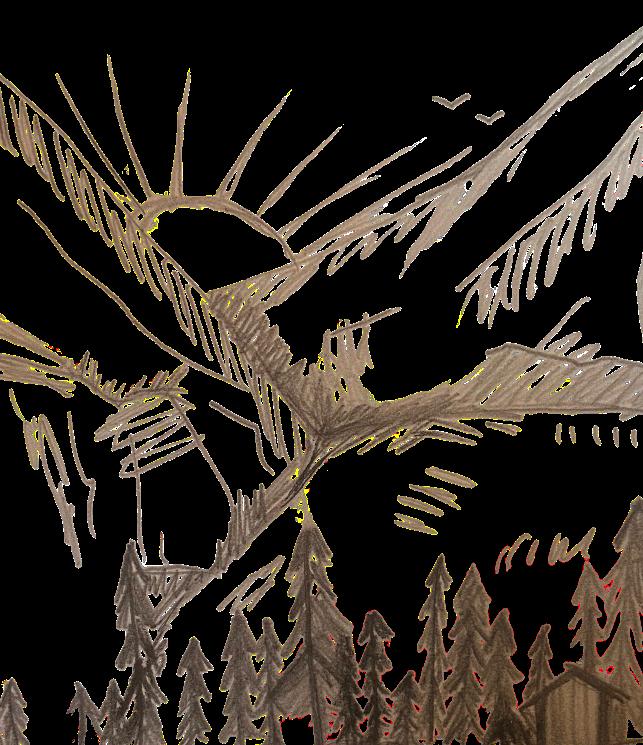
Siempre me decias que tu y yo éramos como la luna y el sol, Pero mi gente viene de las montañas, Y las tuyas de aguas sagrada. Y por eso, tu y yo nunca fuimos luz y ni oscuridad,
maria 01
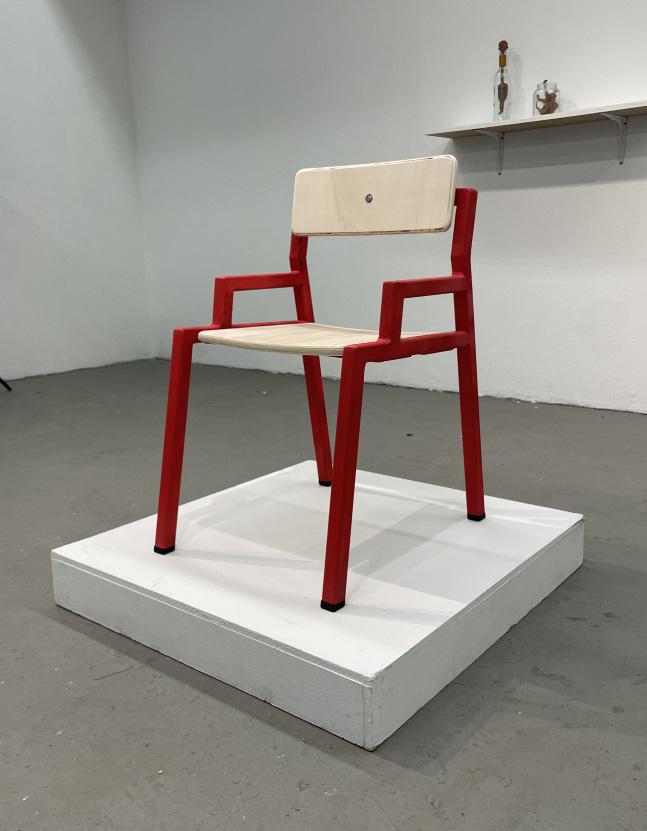
Gabriel Josué Mena, Brown ‘26
Square steel tube, architectural plywood, nut and bolt, washer, screws, red paint, PLA filament





Genesis Isla Marisol


Got into a bad way — an undefined shape; a vivid out-of-body horrorscape aching toward inordinate weight
Attempted to heal the psychic scars of intergenerational trauma within the limitations of corporealness, but instead learned to self-lacerate using multiple languages
Spent the ¿como estas? no se —–thinking in place of feeling; out of place
Lady of Guadalupe
Paulina Ortega, Universiy of El Paso ‘27
Acrylic on canvas
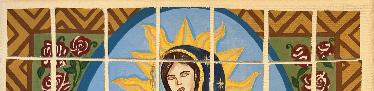

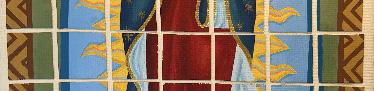
Monik Rodríguez, Brown ‘25
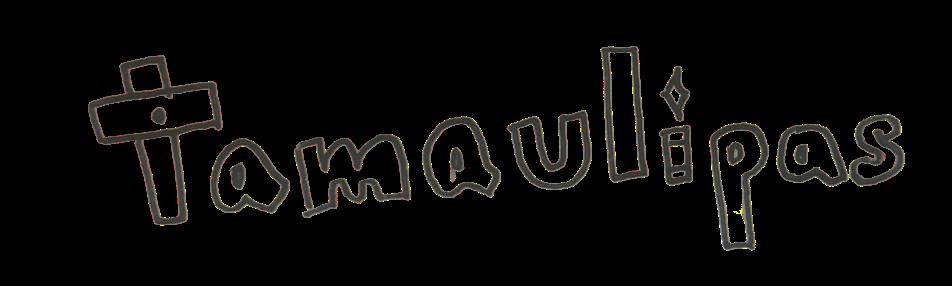
When I was very young, someone told me that “Tamaulipas” meant something like high mountains, the mountaintop closest to God–a place of prayer.
But I don’t know enough to say, for certain, whether it does or doesn’t. It has been so long since I last visited that I have contemplated saying I have never been at all.
Although my knees seem to have forgotten the pews, my tongue still remembers prayer.
Sweet, salacious kisses grace the soft, round face I used to pray God would thin.
My tongue traces on your tongue the words I kept behind my teeth during sermon & I open my legs.
In embrace, we become geographic our imperfections like valleys and divots that know of each other’s careful caress.
It is in breaths that yearn, our tenacious gasps between kisses, that I come to understand why saliva and salvation sound so s Sometimes, you are the mountaintop closest to God.



View the SOMOS Latinx Literary Magazine archive on Issuu.
InDesign type set by the SOMOS Team at Brown University
Titles - Avenir Heavy 14
Body Text - Avenir 12, leading 14.4
Visual Submission Captions - Avenir Light Oblique 9, leading 9
Written Submission Descriptions - Avenir Book and Book Oblique 10
Page Numbering - Avenir Book 10 February 2025.