Photo
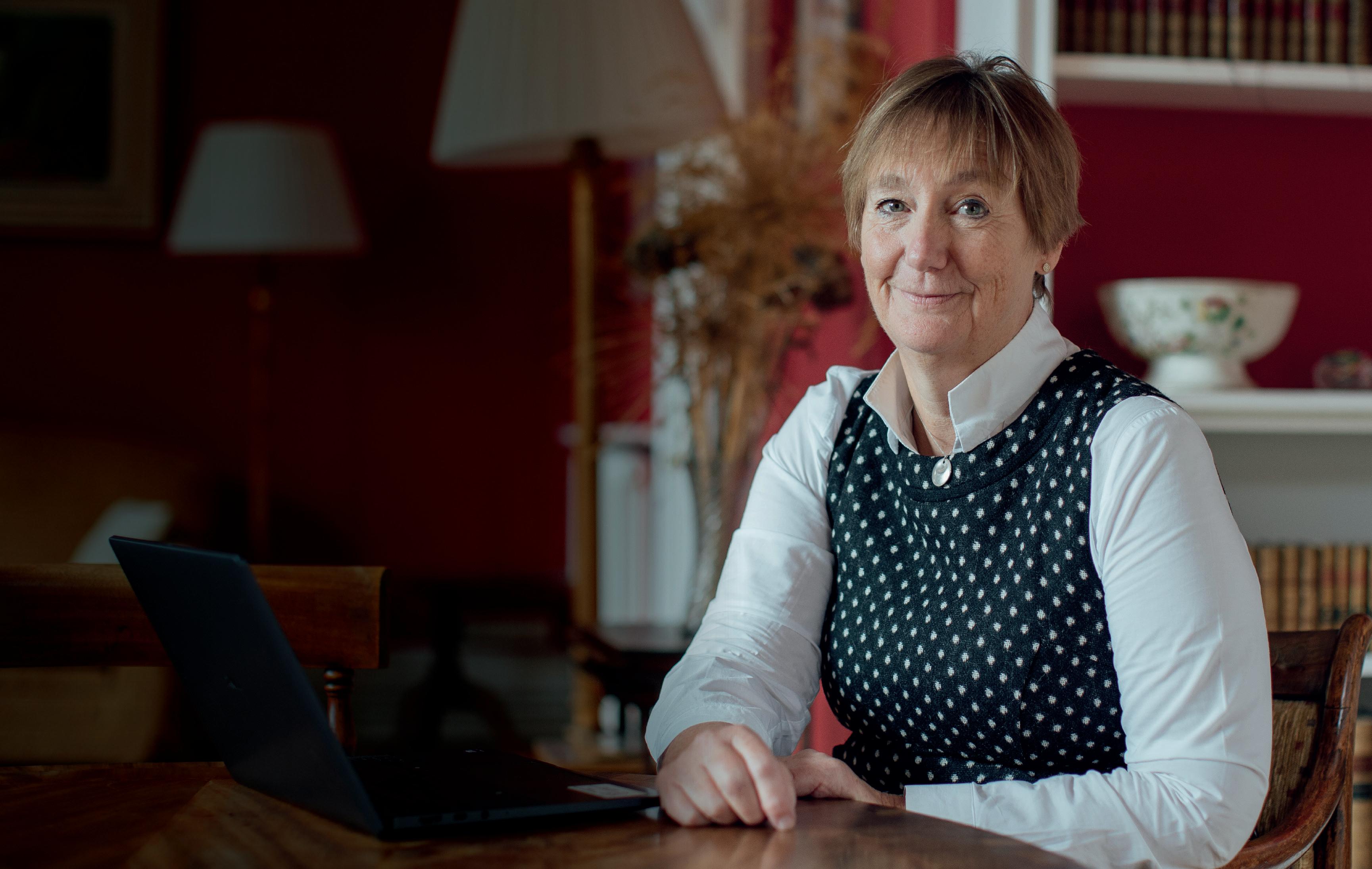
Catherine Royle Principal, Somerville College
It is a pleasure to introduce this Bulletin reflecting activity in 2025, and moving us into the tenth year of the Thatcher Scholarship Programme at Somerville College. This milestone offers a natural moment to reflect on what has been achieved, and on the people who give this programme its meaning: the scholars themselves.
Over the past decade, the Thatcher Scholarship Programme has supported an extraordinary community of students. This Bulletin captures where many of them are now, but it does more than catalogue careers or accolades. It tells a richer story about impact – about scholars applying their talents across an impressive breadth of fields, from medicine to academia, from education to the law, from conservation to entrepreneurship, and beyond. Reading these accounts, I have been struck not only by the diversity of paths taken, but by a shared seriousness of purpose: a commitment to contributing something of value to the world.
Somerville has always stood for intellectual ambition paired with social conscience. The Thatcher scholarship programme embodies that ethos. Financial support is, of course, fundamental. It removes barriers, opens doors, and gives students the freedom to focus on learning and exploration. But what comes through clearly in these pages is that the programme offers more than funding alone. It provides a sense of belonging, encouragement, and belief – the quiet but
powerful affirmation that potential is recognised and worthy of investment by wider society.
As an incoming Chair, a Somerville alumna and an Honorary Fellow, I feel a profound sense of pride in what the Margaret Thatcher Scholarship Trust and its supporters have made possible: pride in the scholars, whose achievements speak for themselves; pride in the trustees, donors, and staff who have sustained the programme with care and vision; and pride in Somerville itself, which continues to demonstrate how targeted support can have long-lasting effects, not only on individual lives but on the wider communities those individuals go on to serve.
Anniversaries invite both reflection and renewal. Looking back over ten years, the success of the Thatcher Scholarship Programme is evident in the confidence, creativity, and impact of this growing body of scholars and alumni. Looking ahead, this Bulletin reinforces why the programme matters just as much now as it did at its inception. Talent is universal; opportunity is not. By committing resources, attention, and trust to academically excellent students with the drive to make a difference, Somerville helps ensure that promise can be fully realised.
I hope you will find inspiration in these stories, as I have. They remind us that when a college stands firmly behind its students, the effects ripple outward – across disciplines, across borders, and across generations.
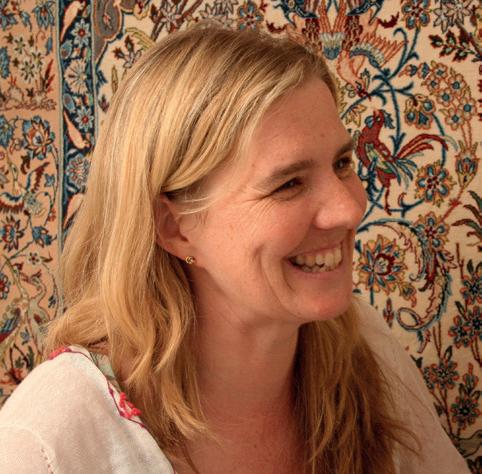
This has been a year of both transition and celebration for the Margaret Thatcher Scholarship Trust, marked by change, continuity, and a strong sense of momentum. It is a pleasure to reflect on a period that so clearly demonstrates the vitality of the Trust and the community it supports.
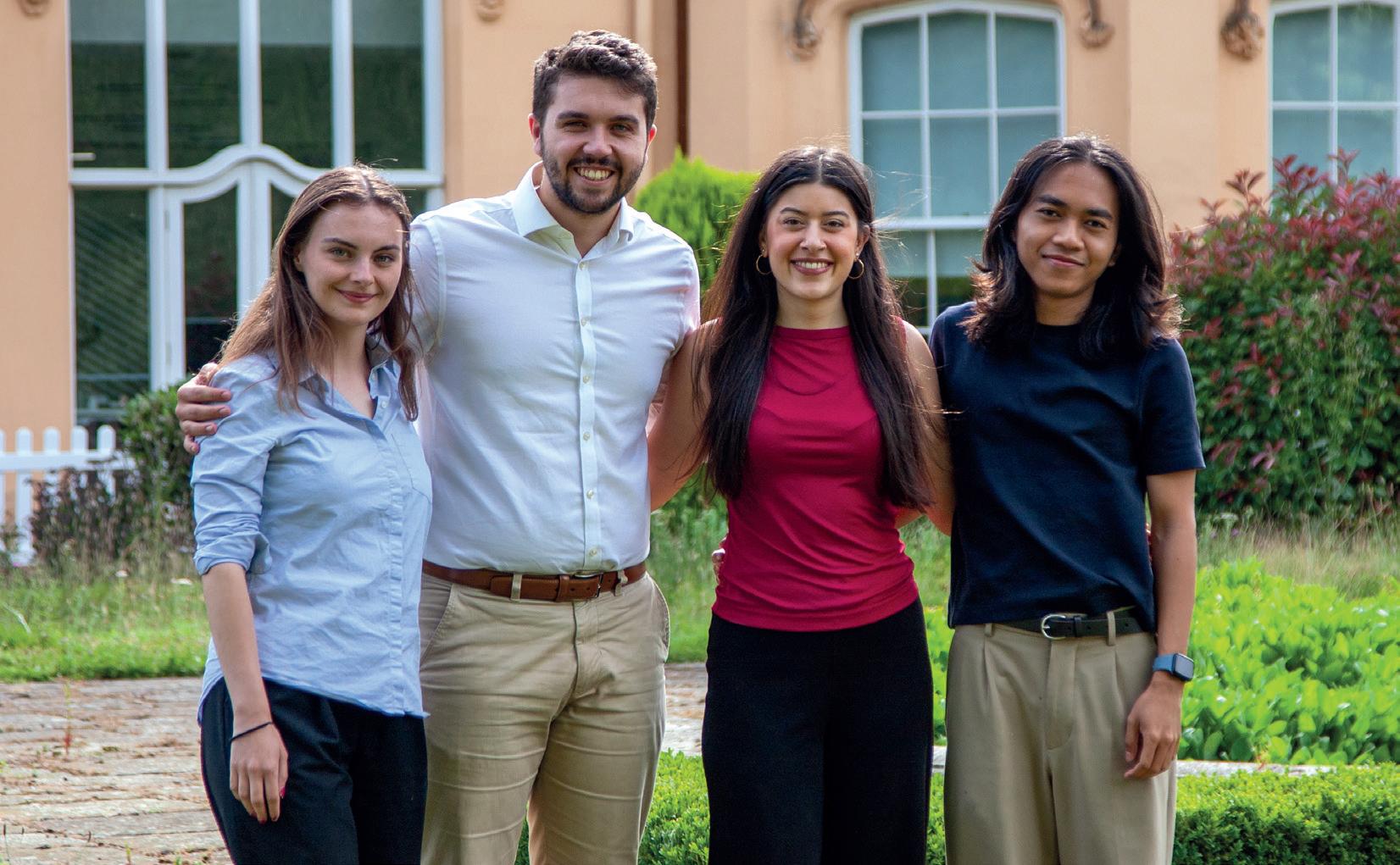
In the summer, we said au revoir to four scholars as they completed their time at Somerville, while welcoming four new graduate Thatcher Scholars and awarding a further four undergraduate scholarships. This moment – the passing of one cohort into the next stage of their lives while another begins – is always a powerful reminder of the purpose of the Trust. Each scholar brings fresh energy, perspectives, and ambition, and we are delighted to see the programme continuing to grow in both scale and reach.
Two former Thatcher Scholars, Dr Joshua Booth and Dr Martin Fellermeyer, have returned to Somerville to continue their academic journeys as Fulford Junior Research Fellows in Linguistics and Medicine respectively. Their return speaks eloquently to the enduring relationship between scholars and the College, and to the role the Trust plays in supporting academic careers over the long term.
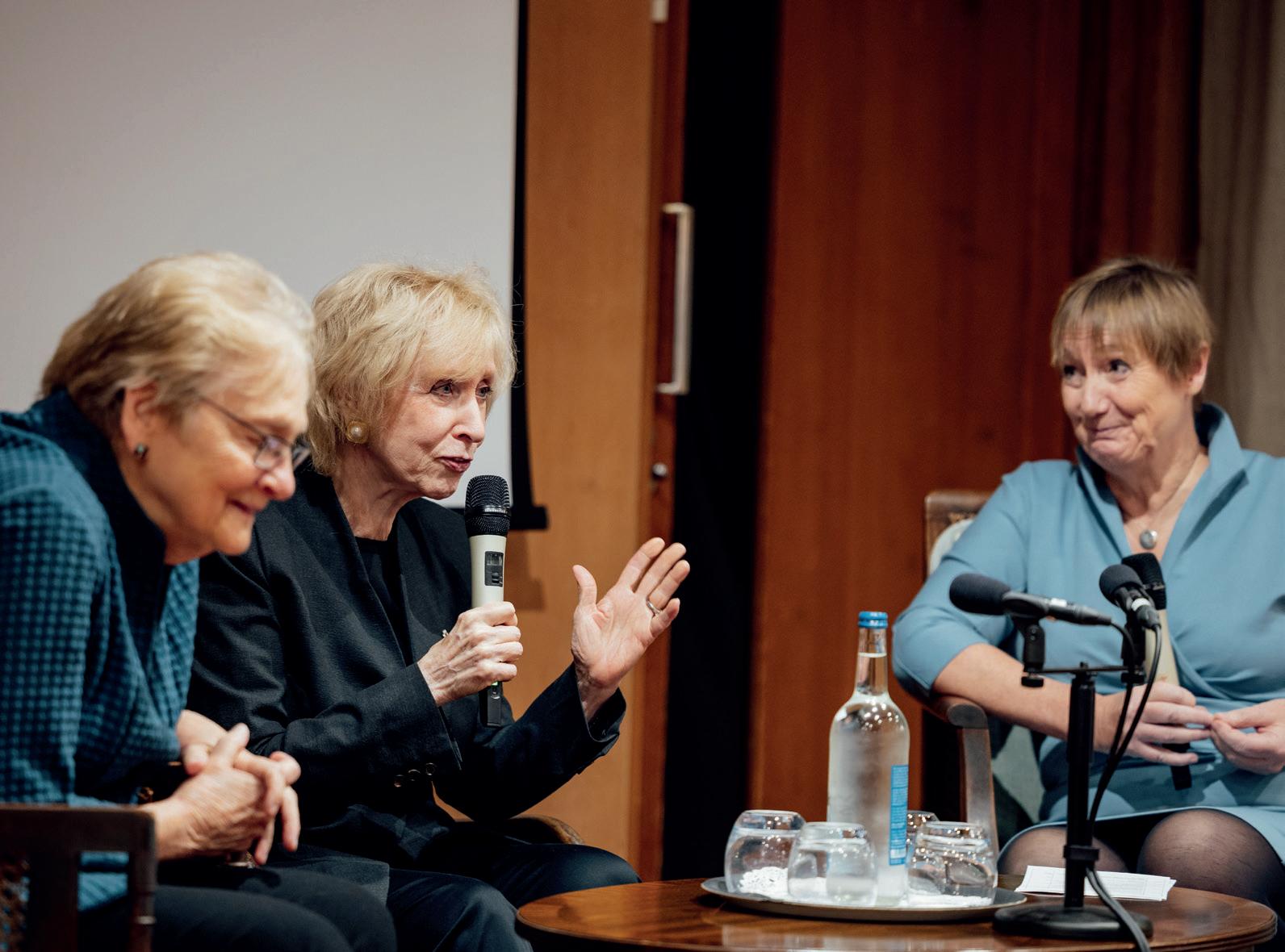
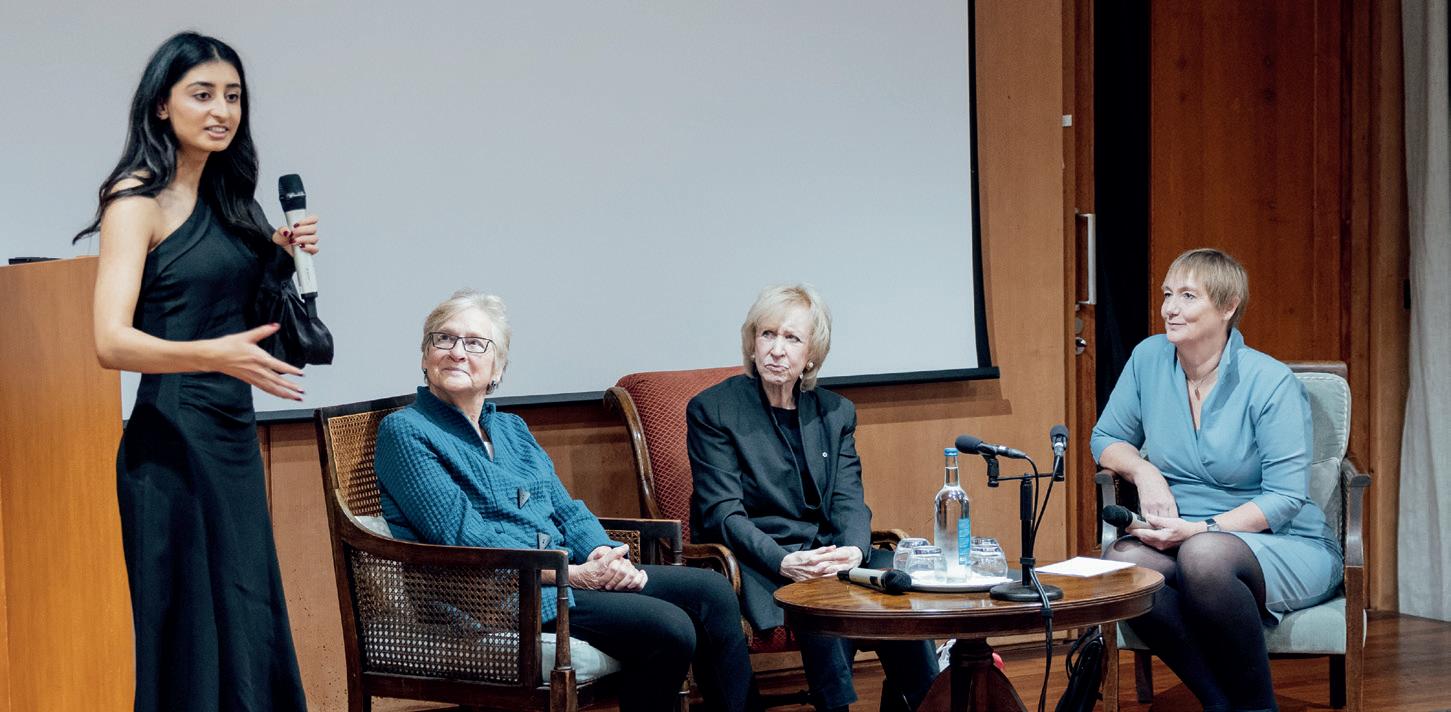
The year was a busy and memorable one, highlighted by our marking of the 100th anniversary of the birth of Margaret Thatcher. This was commemorated through a special event to launch the archives of Laura Liswood (see opposite), whose work led to the creation of the Council of Women World Leaders. Hosted by our new Principal, Catherine Royle, the event featured a rich
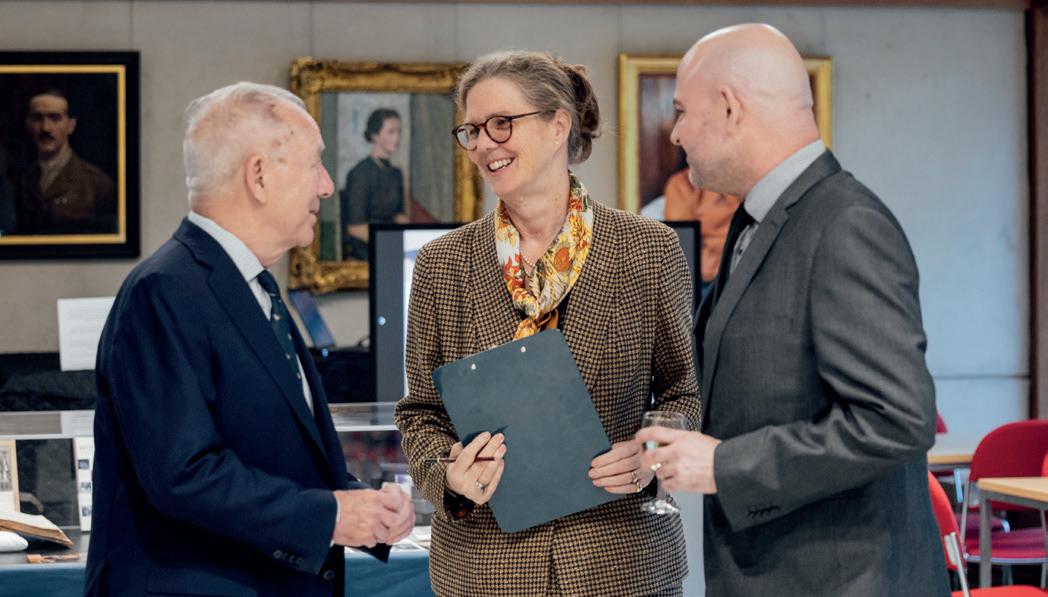
and engaging conversation between Catherine, Laura Liswood, and Canada’s first – and to date only – female Prime Minister, the Rt Hon. Kim Campbell. It was exceptionally well attended, not least by Lady Thatcher’s daughter, Carol, and provided a fitting and thoughtful way to mark this anniversary.
“This has been a year of transition and celebration for the Trust.”
I am deeply grateful that Kim Campbell has since agreed to become a patron of the MTST. We are also enormously fortunate that Baroness Jenkin of Kennington, co-founder with Theresa May of Women2Win, has very kindly agreed to become a patron. The generosity with which she shares her wisdom, experience, and contacts is invaluable.
The last academic year saw us welcome our final Lee Kuan Yew–Thatcher Scholar through our partnership with S T Telemedia in Singapore. We are profoundly grateful for this collaboration and for the opportunity it has given us to support such exceptional scholars from Singapore at Somerville.
Finally, I would like to offer my heartfelt thanks to Clara Freeman, who steps down after twelve years as a founding trustee. Clara has played an instrumental role in the establishment and success of the Margaret Thatcher Scholarship Trust through her sage advice, tireless support in fundraising, and deep commitment to the Trust’s mission. We owe her a great debt of gratitude.
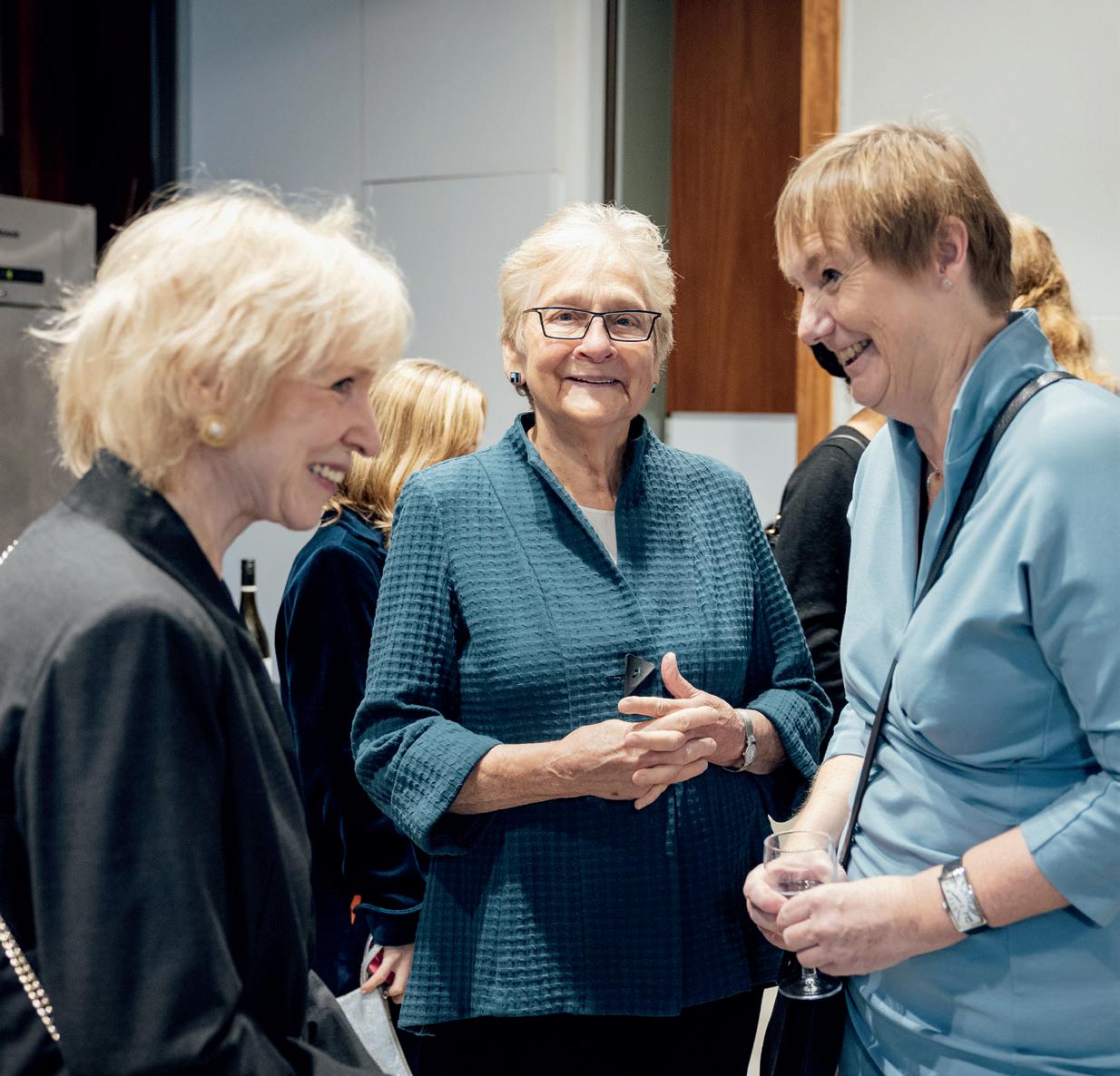
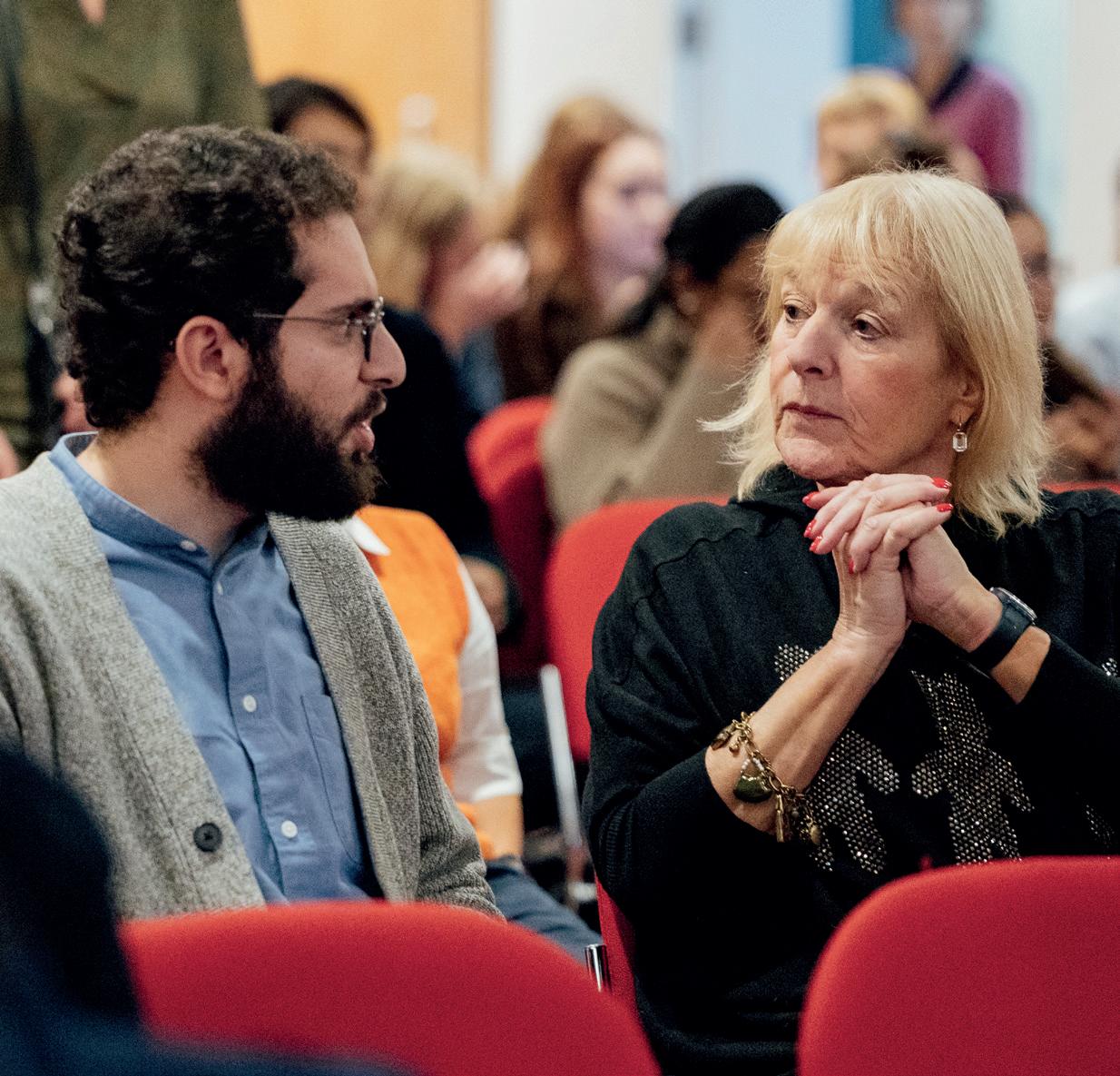
We were delighted to welcome friends, patrons and students this year as we marked the centenary of Lady Thatcher’s birth with a special launch of the Laura Liswood Archive of Women World Leaders, now based at Somerville. To discuss the role of women leaders from Thatcher onwards, Principal Catherine Royle was joined by Laura Liswood and Canada’s first female Prime Minister, the Rt Hon. Kim Campbell. Lady Thatcher’s daughter, Carol, also joined, providing a personal link to her mother’s legacy.
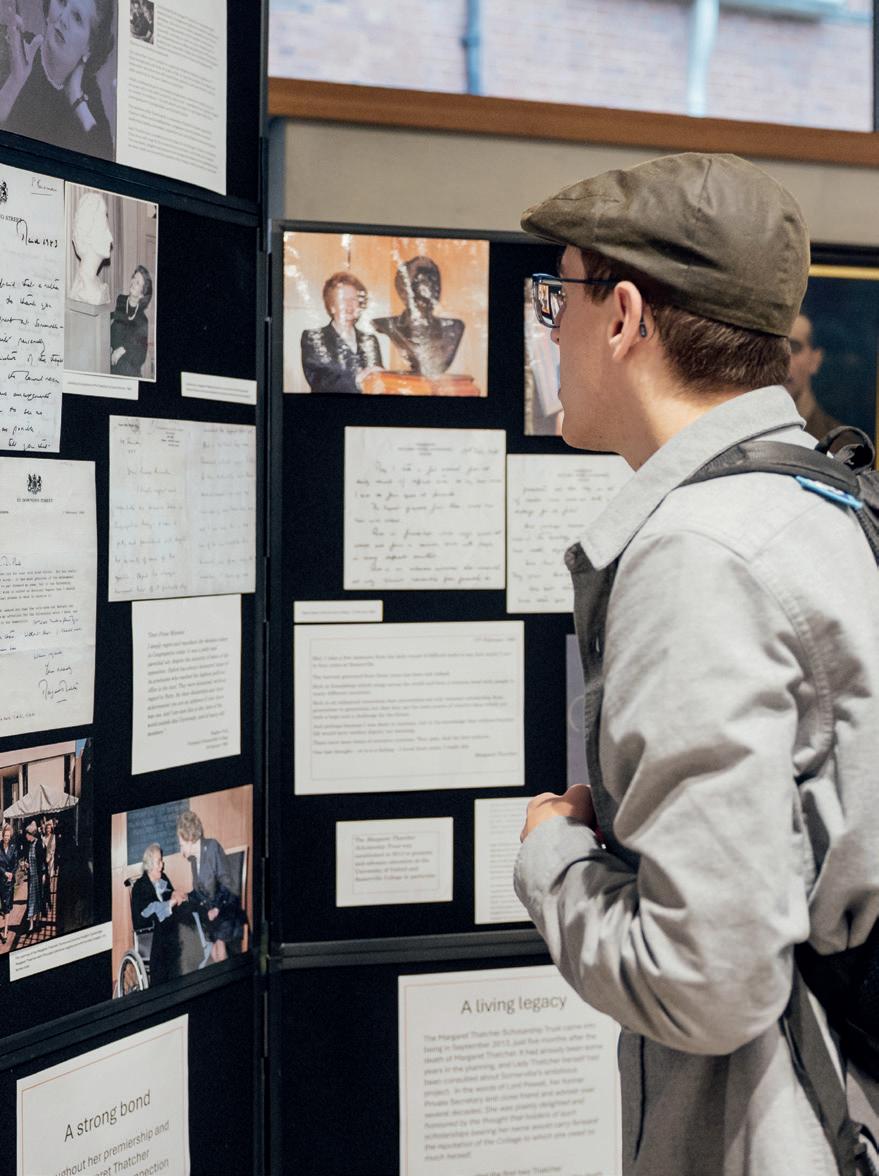
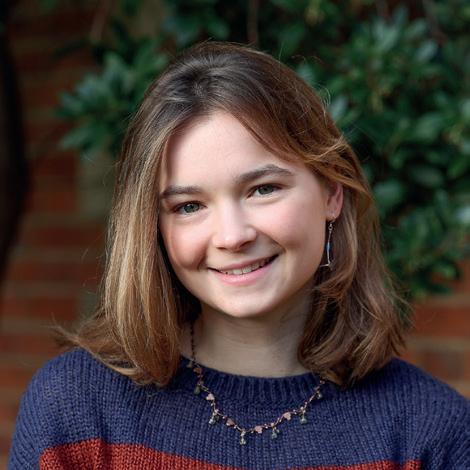
Thatcher Scholar | MBiol Biology
I am fascinated by conservation-based initiatives and sustainability campaigns, and strive to make widespread changes in attitude and action to create a more environmentally caring future. I attended my local state school in East Devon and was introduced to the idea of applying to Oxford by an outreach programme paired with my school. My curiosity for biology stemmed from a childhood in the countryside and near the beach. I am an Environment and Ethics Officer for our JCR and on the committee for the Oxford Ornithological Society. In the future, I wish to continue to volunteer locally whilst hopefully working in charity or government-based roles as part of national efforts to protect our planet.
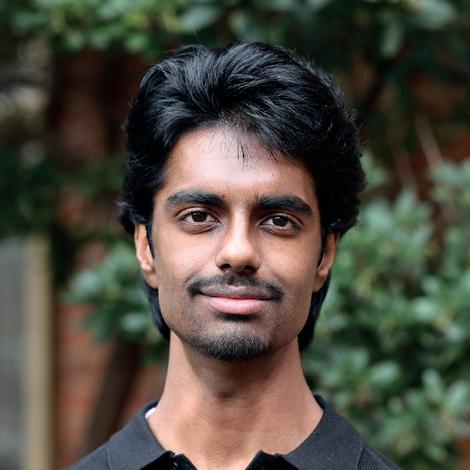
Charles Powell Thatcher Scholar | MChem Chemistry
I was born in London and attended a state grammar school in Barnet. From childhood, I was fascinated by the logical framework that science provides in understanding what we see and experience. Chemistry stood out to me due to its unique insight into the substances and processes that shape our world. By understanding the behaviour of molecules, scientists can develop new materials, invent life-saving drugs, and solve pressing challenges. I am deeply honoured to be the Charles Powell Thatcher Scholar. I aspire to use this experience not only for my own development but also to make a positive impact on others. Outside of my studies, I am an active member of the Oxford Tamil Society.
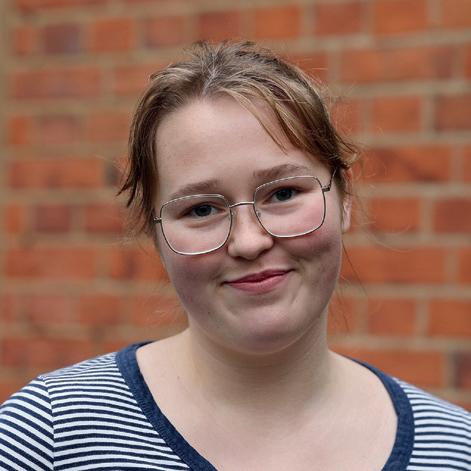
Michael Bishop Foundation Thatcher Scholar | BA History
I am particularly interested in cultural and imperial histories from the 18th century onwards. I attended my local grammar school in Exeter, where I fell in love with analysing literature, and what it can tell us about how people in the past have seen themselves. I am involved in Oxford’s student journalism scene and enjoy writing long-form pieces on a range of topics. I am particularly passionate about educational access, and enjoy volunteering as a Somerville Ambassador. I hope to pursue a career in either journalism or academia in the future, and am immensely grateful to the Margaret Thatcher Scholarship Trust and Michael Bishop Foundation for providing me an opportunity to turn those desires into reality.
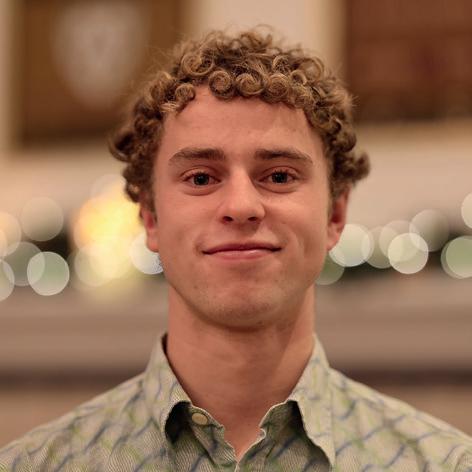
Michael Bishop Foundation Thatcher Scholar | BA French and Linguistics
I grew up in West Cornwall, where I discovered my passion for languages in French class. Seeing the way cognates were pronounced so differently across the two languages led me to historical linguistics and phonetics, which remain two of my favourite subfields to this day. I also love French literature, and how it lets me explore questions about language and society. Coming to Oxford has expanded my conception of the diversity of the world’s languages, and my goal now is to become a linguist working on endangered or marginalised languages (see feature, p14). I am so grateful to receive this scholarship as it will allow me to pursue my curiosity to its end.

Oxford Qatar Thatcher Scholar | DPhil Socio-Legal Studies
I am originally from El-Gezira State, east central Sudan. Having lived in Qatar for the past few years, my interest in family law research began when I encountered many questions about how expatriate families navigate family legal systems. Searching for answers, I found that socio-legal and ethnographic studies in this area were very limited. This gap led me to pursue a first-of-its-kind study on family law during my master’s, where I explored the intersection between law, society, and lived experience through an ethnographic lens. My current research aims to advance socio-legal scholarship on family law and women’s studies in Qatar and the wider Muslim world. Thanks to the Oxford Qatar Thatcher Scholarship, I am now able to continue my path in academia at Oxford.
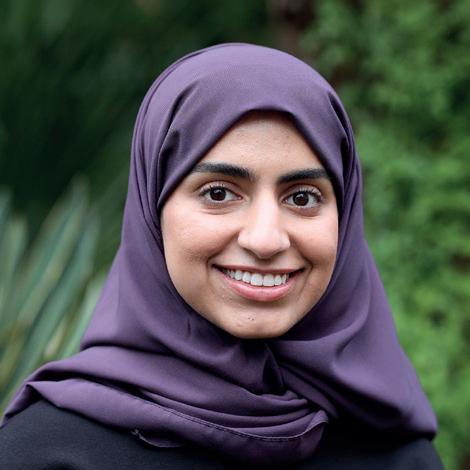
Oxford Qatar Thatcher Scholar | DPhil
I was raised in Saudi Arabia before studying biology at the University of Wisconsin–Madison. Researching the intricacies of cellular processes and their physiological impact on whole organisms at the Wisconsin Institutes for Medical Research led me to pursue a master’s in Biosciences in Saudi Arabia. My thesis project in translational neuroscience deepened my commitment to investigating the mechanisms underlying human neurological diseases. Through my DPhil, I aim to advance understanding of the cellular and molecular mechanisms involved in neurodegenerative diseases and contribute to testing the therapeutic potential of novel interventions to improve human health. I’m grateful to the Margaret Thatcher Scholarship Trust for enabling me to continue my research and be a part of the Somerville community.
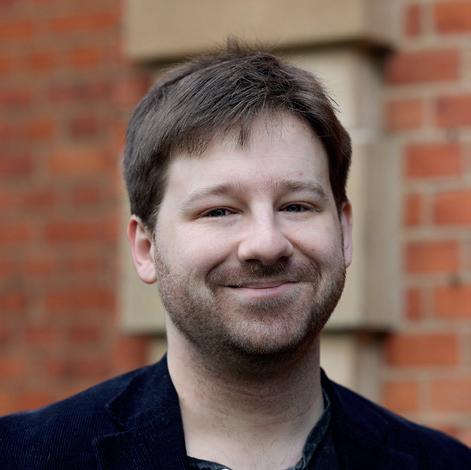
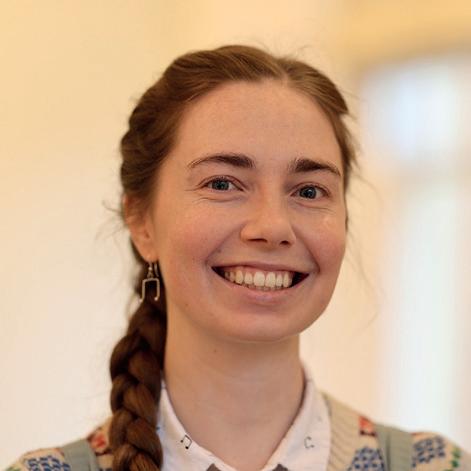
Oxford Thatcher Scholar | DPhil Philosophy
I first came to Oxford in 2023 as an Ancient Philosophy MSt student at Balliol College. Prior to that, I completed both a BA in philosophy at Bard College (2020) and an MA in philosophy at Tufts University (2023). Generally speaking, I am interested in how thinkers in several ancient philosophical traditions conceived of three closely related concepts: decision, voluntariness, and responsibility. The aim of my doctoral thesis will be to explain what unifies the many different roles Aristotle attributes to decision (prohairesis) across his ethical corpus.
Oxford Thatcher Scholar | DPhil Music
I discovered my love for musicology during my undergraduate degree at Christ Church, Oxford. After my master’s degree at Christ Church, I worked as a music teacher, where I developed a strong passion for education. My research explores the relationship between music and identity. In 2019, I conducted fieldwork in the Annapurna region of Nepal, hiking through Gurung communities and documenting how they use music to shape local identities. This experience sparked my lasting interest in fieldwork. My DPhil will investigate how the Polish diaspora in England uses music to draw generational boundaries within this community. I am grateful to the MTST and to Oxford for the opportunity to continue my research.
The Margaret Thatcher Scholarship Trust was founded upon a promise. In time, it would create “a body of scholars reaching into the world’s courtrooms, boardrooms, newsrooms, hospitals, NGOs, schools, universities and governments, there to forge a better future for their generation and those that follow.” In this feature, we reconnected with our Thatcher alumni to see how, with every passing year, that vision is becoming reality.
BCL Civil Law (2017), Oxford Thatcher Scholar
After graduating from Somerville in 2018, I undertook a summer fellowship at the Bingham Centre for the Rule of Law. I then spent a year as judicial assistant to the Master of the Rolls, after which I taught contract law while completing my training for the Bar. Since 2021, I have been practising at Blackstone Chambers, where my particular focus is commercial disputes, public and regulatory law, and competition law.
German and Russian (2021), Michael Bishop Foundation Thatcher Scholar
Last summer I completed an internship at the Cold War History
Research Center in Budapest, where I had the opportunity to contribute to the centre’s ongoing “Chronology of the Cold War” project. In September, I joined PricewaterhouseCoopers’ Corporate Intelligence team in Belfast, where I work as an analyst specialising in Russian affairs.
BA Computer Science (2017), Qatar Thatcher Scholar
I currently work as a Quant for Qube Research and Technology, a leading quantitative hedge fund in London. Alongside this work, I am carrying on the spirit of the Qatar Thatcher Scholarship through the establishment of Trạm Ước (Station of Dream), a non-profit that supports the
next generation of Vietnamese students through mentoring and financial support.
BA Classics (2020), Michael Bishop Foundation Thatcher Scholar
The highlight of my year was opening my PGDL results in a quiet café in Tokyo during a break ahead of my Solicitors’ Exams. I plan to start work as a Trainee Solicitor in London with Travers Smith in September 2026, and remain deeply grateful for all the support I have received on my journey so far.
DPhil Mathematics (2019), Oxford Thatcher Scholar
This year marked an exciting transition for me. After two years as a postdoctoral researcher in London and Vancouver, I moved from academia into industry, joining Deutsche Bank as a Quantitative Strategist. In this role, I apply the mathematical rigour developed during my time at Somerville to real-world challenges.
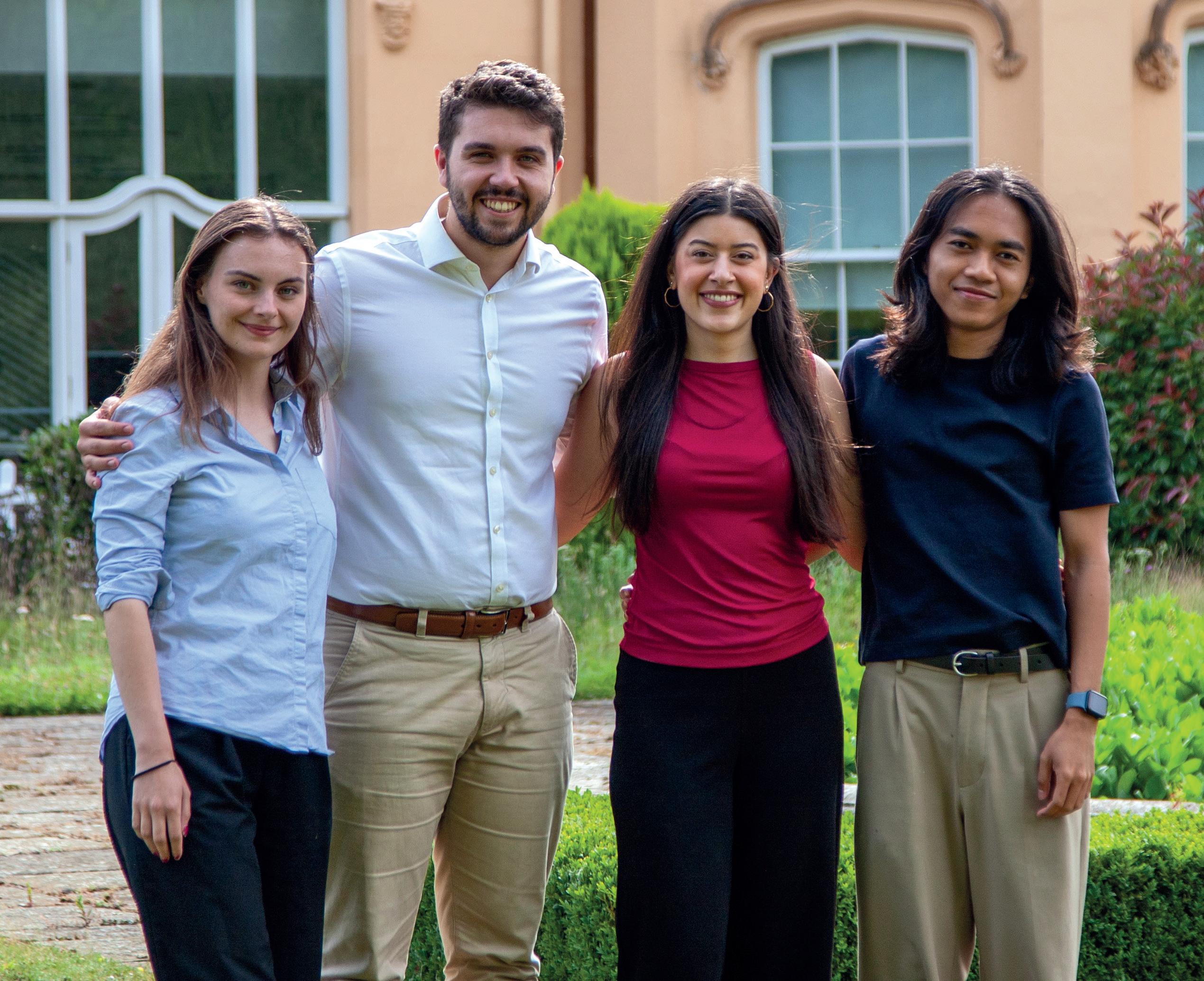
Luca Webb
History (2019), Michael Bishop Foundation
Thatcher Scholar
Five years ago, I was finishing up my degree at Somerville and watching as my friends eyed the Big Three or Magic Circle for their first jobs. I wanted to try something different, however, which is why I joined TSL, a construction group specialising in advanced manufacturing facilities, as their new Head of Communications.
I had done work experience with TSL the summer before, and been impressed by the flat hierarchy and entrepreneurial spirit of the business. These enabled me to attend senior meetings and lead on projects from day one.
The core idea behind TSL is to create advantage for businesses by applying sustainable, circular economy principles to facilities design. For example, a food production business park will integrate multiple food businesses so their complementary needs in
refrigeration and heating generate mutual savings. TSL can leverage the same advantage whether designing a new hyperscale data centre, major automotive project or advanced pharmaceutical manufacturing facility.
Demand has grown exponentially. Since I joined in 2022, the business has gone from a turnover of £450m to well over £1bn, and a presence in more than 15 countries. The culture of opportunity is so special that I’ve even recommended TSL to other Somervillians, who are now forging their own careers here.
As for me, my recent highlights have included securing a ‘lead partner’ position for TSL at the International Investment Summit, and hosting the Minister of State for Food at our flagship sustainable food park in Derby. Finally, this March, I learned of my appointment as Director of Communications, making me the youngest board director in the group’s history.
Continued on page 10
Anna Gee
Biology (2017), Thatcher Scholar
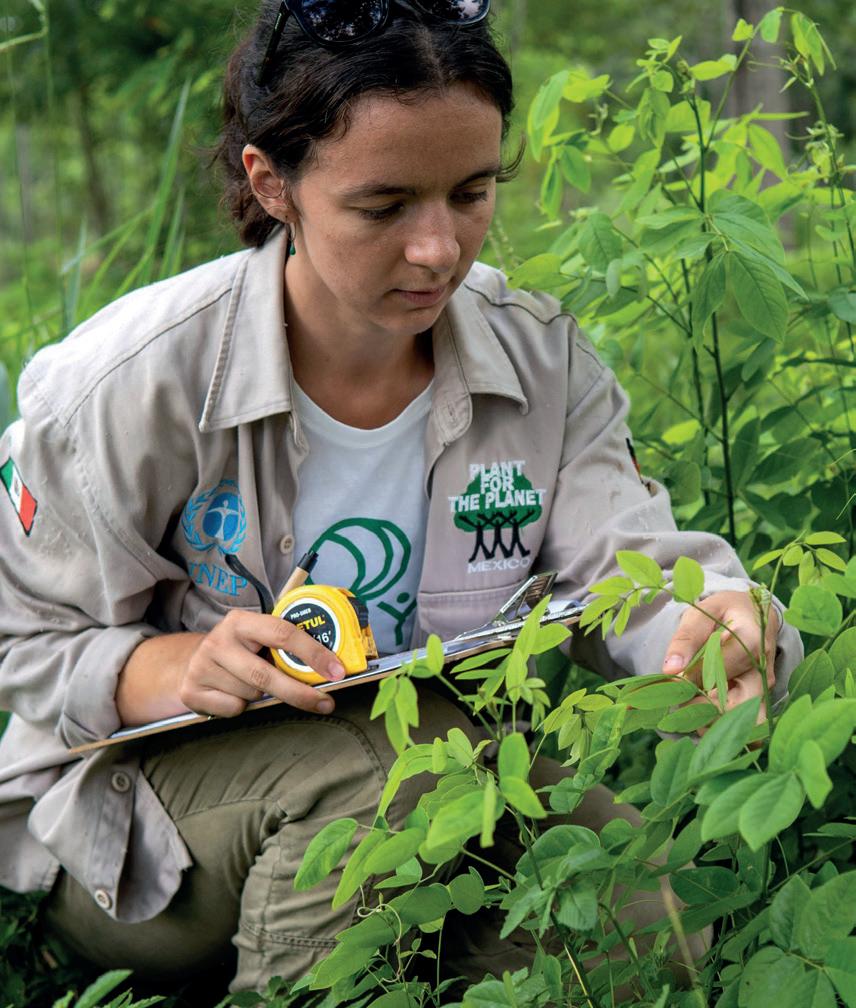
I’ve always been fascinated by how forests regenerate naturally. I first saw this on a restoration project in the Caribbean, which I attended through the support of Somerville. We planted hundreds of seedlings, and built fences to protect them from the island’s donkeys. I was struck by the way that, once the fences were built, wild seedlings started springing up everywhere. From then on, I decided to put my best efforts into creating the right circumstances to let nature do its work.
Thanks to receiving the Thatcher Scholarship in my second year, I was able to volunteer further during my studies. The prospect of graduating without debt also meant I could consider a career in restoration (not known for being well paid!) once I finished my PhD. Through my degree at Somerville and my PhD at Imperial, I realised that my ideal job would be as a scientific advisor to restoration projects. During my PhD, I did extensive field work in Mexico at a forest managed by climate justice charity Plant-for-thePlanet. I went to Mexico for long periods, gathering data for analysis back in London. By the time I finished my PhD, I had built up expertise in forest restoration across multiple environments.
After such a positive collaboration with Plant-forthe-Planet, I was thrilled when they offered me a job as Project Manager for Forest Restoration and Conservation. In my new role, I work with our teams in Mexico and Ghana as well as partners around the world, putting my years of research into practice.
Getting the Thatcher Scholarship is still almost unbelievable to me – it gave me the freedom to put all my energy into pursuing the work I love. Suddenly I find myself doing my dream job, years sooner than I could have hoped.

Zoe Campbell
PPE (2021), Charles Powell Thatcher Scholar
Since leaving Somerville, I have explored sustainable finance across multiple institutions, regions and instruments. I spent the first half of 2025 interning with UNEP FI in their Climate Adaptation and Resilience team. I then worked as an independent consultant on sustainable finance projects, including mapping Japan’s impact investing ecosystem for pfc Social Impact Advisors. In 2026, I will join the Low Carbon Contracts Company as a Green Energy Analyst.
DPhil Medical Sciences (2019), Oxford
Thatcher Scholar
Since leaving Somerville, I have continued to develop my work in immuno-oncology and protein engineering through internships in academia and industry. I am now a member of Professor Simon Davis’ group, focusing on translational research that will improve cancer immunotherapy. It’s a privilege to do this work in Oxford, and I hope it makes a difference.
DPhil English (2021), Oxford Qatar
Thatcher Scholar
I successfully finished my DPhil and passed my viva with minor corrections in June 2025. I also finished two academic collections, both volumes of which are currently under review to be published with Vernon Press in 2026-27. Alongside further research on Byron, I will be returning to Oxford this year to work as a Digital Education Support Assistant in the Centre for Teaching and Learning.
Luca Ricci
BA Classics (2020), DPhil Ancient History (2020), Oxford Thatcher Scholar
Since graduating, I have qualified as a teacher. I decided to specialise in Philosophy, Ethics and Religious Studies, and also trained as an examiner
MSt Mathematical & Theoretical
Physics (2020), Oxford Qatar
Thatcher Scholar
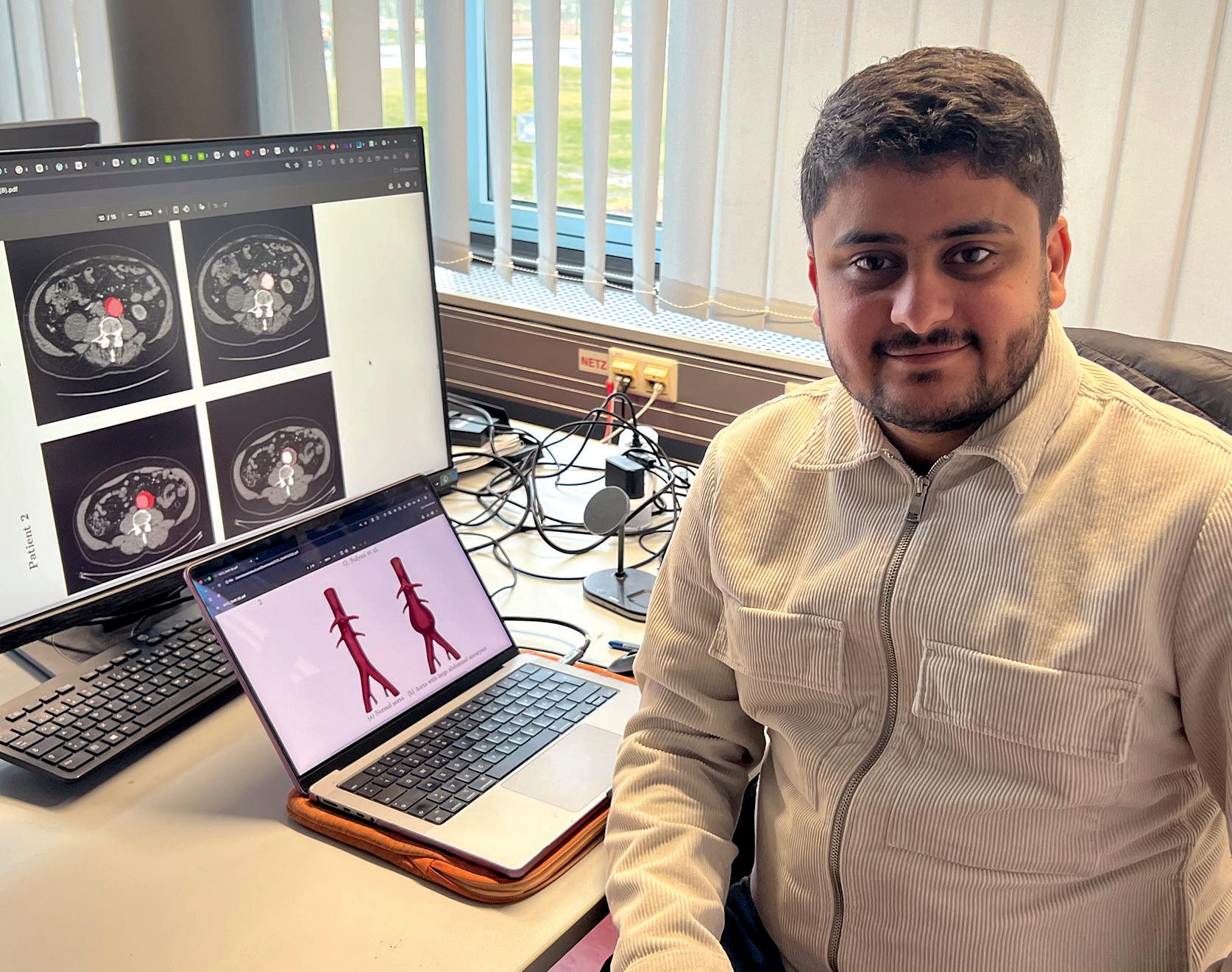
You never know where a love of Physics will take you. My own journey has taken me from a working-class upbringing in Yemen to an undergraduate degree in Germany, a Master’s at Somerville, and now a career in medical machine-learning research.
After completing my studies at Oxford, I returned to Germany and began exploring opportunities at the intersection of research,
finance and IT Consulting. I subsequently joined a project at the University of Applied Sciences, Koblenz, focused on applying advanced machinelearning techniques to the detection and characterisation of abdominal aortic aneurysms –a life-threatening condition that requires precise diagnosis and careful risk evaluation.
Until now, diagnosis of these aneurysms has relied on doctors manually creating a 3D reconstruction (‘segmentation’) of the artery from CT scans. My role was to develop a deep
for one of our Exam Boards. Honestly, I never imagined I would enjoy teaching as much as I do. It’s just so rewarding to communicate knowledge to younger people.
Graduate Entry Medicine (2015), Margaret Thatcher Scholar
After Somerville, I worked for two years at the height of the pandemic as a junior doctor on Intensive Care and Respiratory wards. I then spent three years in the Field Army, deploying to Nigeria and Estonia, and providing medical support at the funeral of Queen Elizabeth II. I have since secured an Army Anaesthetic training place while maintaining an active research interest in conflict injury.
learning architecture capable of automating this process. To do so, I extended an existing deep learning framework (UNet) by incorporating structured information models of relevant organs, improving anatomical awareness within the network. The resulting model now outperforms standard models with similar complexity, enabling faster identification of abdominal abnormalities and more accurate rupture-risk estimation – all of which contributes to saving lives.
Alongside research, I have remained deeply committed to educational outreach. Coming from a working-class background, I understand the barriers faced by students seeking access to world-class institutions. To support Arabicspeaking students and share my passion for physics, I founded a YouTube channel and Facebook page providing guidance for applications to leading universities, as well as free advanced courses in theoretical physics and mathematics, often drawn from my Oxford education. Collectively, the channel and page now have over 120,000 subscribers and over 50 million views, reflecting how impactful social media is in science communication and knowledge-sharing.
BA Classics and Oriental Studies (2018), Qatar Thatcher Scholar
Since completing my MPhil at Somerville, I have begun a DPhil in Linguistics, Philology and Phonetics co-funded by the AHRC, the Clarendon Fund and Christ Church. I have presented my work on the development of infinitives at venues including the World Sanskrit Conference in Kathmandu. I have also directed and acted in plays in Ancient Greek and Sanskrit, secured election as Vice-President of the Oxford Sanskrit Society and launched an Instagram account, ‘Verba tene, res sequentur’, discussing Ancient Greek, Latin and Sanskrit in the original.
Since electing two scholars, almost ten years ago, the generosity of our donors has transformed 73 students’ lives, and Somerville today stands proudly as one of the top colleges in Oxford for the provision of scholarships.
With 43 alumni and 30 current scholars excelling in diverse disciplines, we have entered our 10th year of awards, confident in the transformative power of these scholarships. As promised at our founding, Thatcher alumni are making their mark in boardrooms, hospitals, classrooms, academia, research labs and the legal world. Our growing community has fostered a remarkable ethos of mutual support. Alumni and postgraduates alike champion peer mentoring, with frequent subjectpairing between scholars of different generations. Martin Fellermeyer (2018) and Joshua Booth (2020), who are now Fulford Junior Research Fellows at Somerville, recently delivered inspirational Skills Hub talks, both as Thatcher alumni and early career academics of the College.
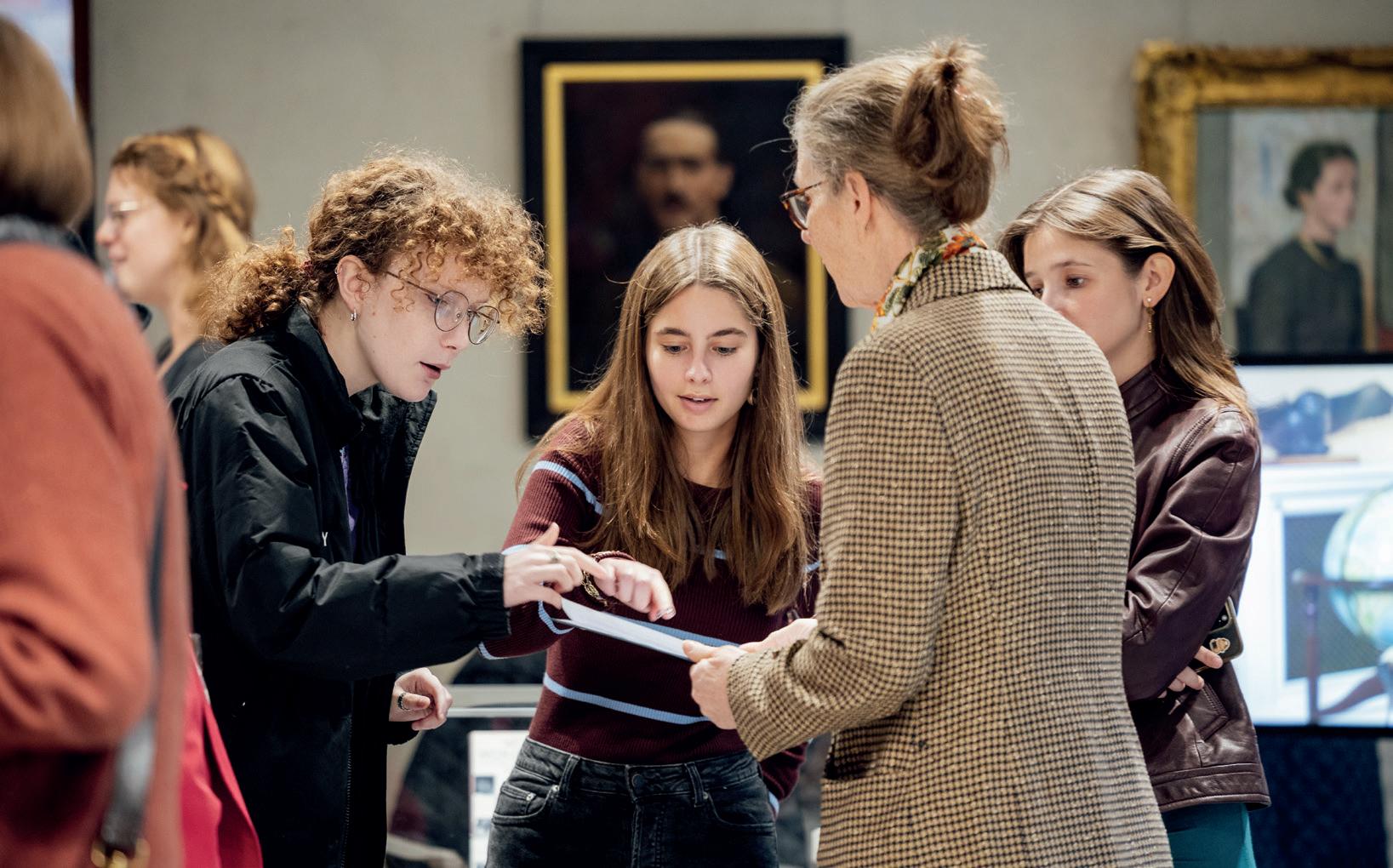
Many Thatcher alumni give time, advice, or open doors to opportunities that facilitate career decisions for current students. Kate House (2017) joined our legal panel discussion with law alumni and DPhil lawyer, Zoya Yasmine (2024). Zoya, in turn, delivered an expertly pitched talk on ethics and AI for sixth formers visiting with Thatcher alumnus Luca Ricci (2020), who is passionate about his transition to teaching.
In 2025, we conducted a substantial evaluation of our Skills Hub, which provides academic support, oneto-one (1:1s) mentoring and career guidance to all Somerville students. Surveys “confirm robust Skills Hub effectiveness” and a demand for career-focused events. With increasing anxiety about careers and unemployment, uptake has risen for 1:1s providing support for internships, CVs and job applications.
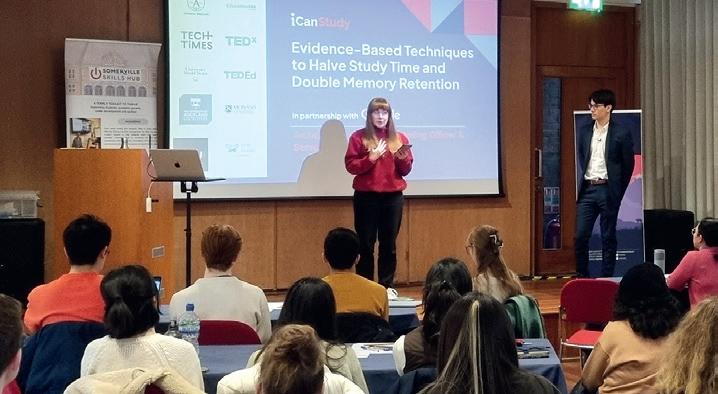
Students with markers of disadvantage have particularly benefited from the tailored guidance and social connectedness the Skills Hub offers.
Alumni networking is a highly valued element of the Skills Hub, providing invaluable careers insights. Luca Webb (2019) has arranged 10 internships at an innovative hightech food manufacturing industry since 2023, with more planned this year (see p9). Five interns have permanent roles, including Dayin Wijaya (2022) and Ukrainian Sanctuary Scholar Ilhia Skarha-Bandurov (2022), whose economics and computer science expertise are helping redefine the future of the UK food industry.
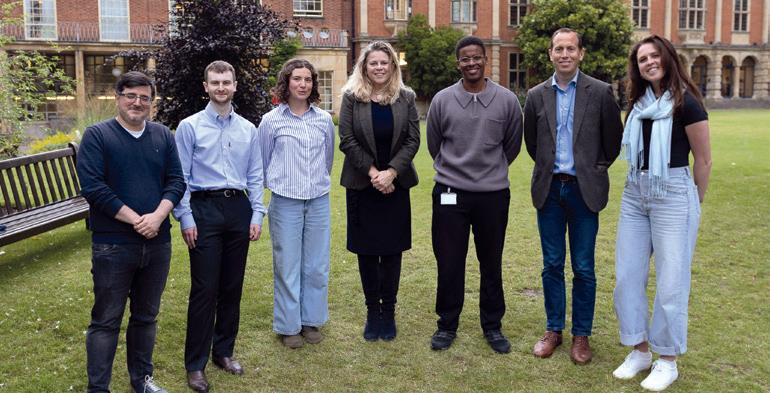
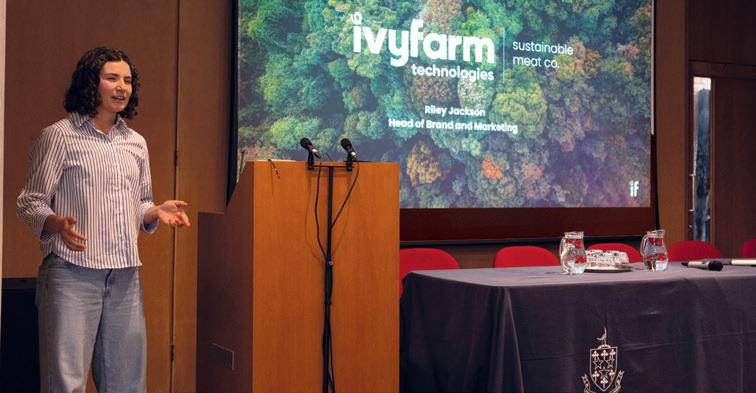
The Skills Hub also organises events encouraging interdisciplinary discussion about global challenges. The ‘Future of Food’ was explored with experts from pioneering companies, giving their take on what is needed for the next food revolution. It was co-organised with Tarka Abraham, who made great use of the Skills Hub during her 4-year degree: academic skills, public speaking, innovation activities and internships. You can hear what may be served on the dinnerplates of tomorrow via the QR code below.
Through the long-standing support of the MTST, the Skills Hub responds proactively to students’ needs and we will continue building on the achievements highlighted in the evaluation: “The Skills Hub emerges not just as a valuable current resource but as a foundation for continued innovation in collegiate academic support that serves both individual student development and institutional excellence.”

Lucy Pollock
Michael Bishop Foundation
Thatcher Scholar
In the past year, I have served as Editor-in-Chief at The Oxford Blue, a student newspaper, and also served as President of the Somerville History Society. Additionally, I have begun to write my undergraduate thesis, entitled “Female Homosexuality at Oxford’s Women’s Colleges, 1960-2000”, for which I have interviewed around twenty alumnae. I plan to continue this research at a graduate level.
Luke Jennings
Oxford Thatcher Scholar
This year, I have had a paper on Aristotle’s account of experience accepted to be presented at the West Coast meeting of the American Philosophical Association.
Luca Marzin
Ann and Giles Currie
Thatcher Scholar
I recently completed an internship for an Oxford health start-up called Vann, set up by a cancer survivor whose focus is on improving cancer patient’s lives. I contributed to this through a research project evaluating the current cancer immunotherapeutics landscape and future research avenues. My research will be used to better inform cancer patients about their treatments.
Oluwatobiloba Taiwo
Margaret Thatcher Scholar
I’ve been involved in leading Aseda, a student led Gospel choir founded by Somerville College members a few years ago. We recently had a Christmas Charity Concert where we raised money for Charis, a charity for the homeless founded by one of our members. We also look forward to having our annual Choir Showcase in Somerville Chapel later this term.
Oxford Thatcher Scholar
This year, I completed a research internship at GSK.ai, the work from which is forthcoming in the Journal of Law, Innovation and Technology. I was also appointed as Director and Company Secretary for We and AI, as well as Editor for the Oxford University Commonwealth Law Journal
Thomas Wright
Michael Bishop Foundation
Thatcher Scholar
I did an internship at the Rudolf Peierls Centre for Theoretical Physics in Oxford, working with Professor James Binney, and I continue to be involved in the Dyson Fellowship. I also co-authored two academic astrophysics papers about actions of stars in axisymmetric potentials, particularly in highly eccentric orbits.
Nel Wickins
Thatcher Scholar
This term I have been involved in the committee for OXOSS (Oxford Ornithological Society) and also became a youth representative for the British Trust of Ornithology. This vac I had the chance to complete a micro-internship with the Abingdon Climate Emergency Centre, creating a report on the effects of climate change on the Global South. I also completed a Crankstart microinternship with the Nature Positive
Universities Alliance in which I analysed the applications for this year’s cohort of ambassadors.
Maya Heuer-Evans
Michael Bishop Foundation
Thatcher Scholar
Since receiving the scholarship, I have become an Ashmolean Access Ambassador and finished my six months working as Deputy Editor-in-Chief for Cherwell, as part of which I got to exhaustively review Oxford’s theatre scene and interview new societies like the Hot Mess Project. I am now a News section editor for Cherwell, and Speaker Outreach for OxfordSpeaks, the international affairs society at Oxford.
Francesca Lamberti
Michael Bishop Foundation
Thatcher Scholar
This year I became President of It Happens Here, the university’s antisexual violence campaign, published an article in Bluestocking Oxford, an online women’s intellectual history journal, and have continued playing in university orchestras.
Finch Ward
Michael Bishop Foundation
Thatcher Scholar I took up the role of Student Representative for Linguistics and will also be doing an internship this summer on the phonology of French loanwords in Breton.
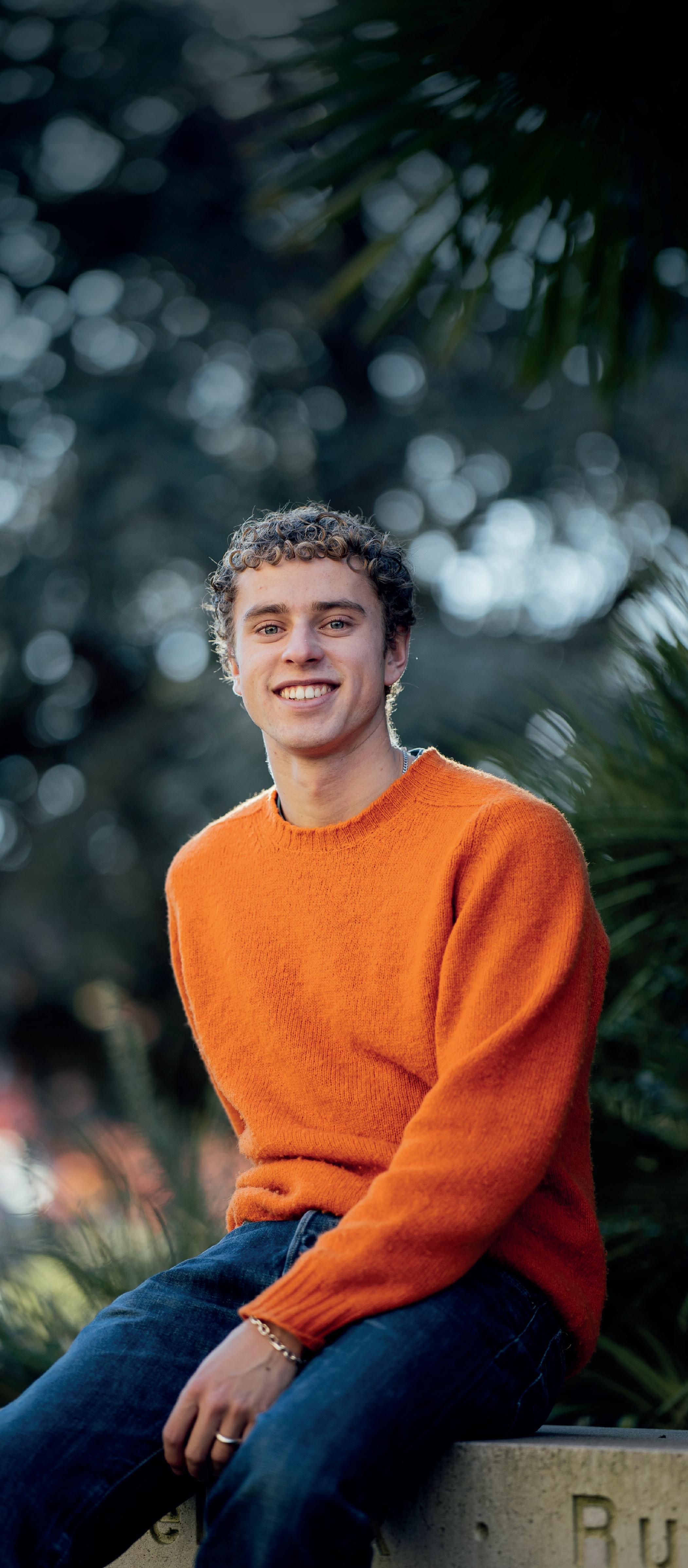
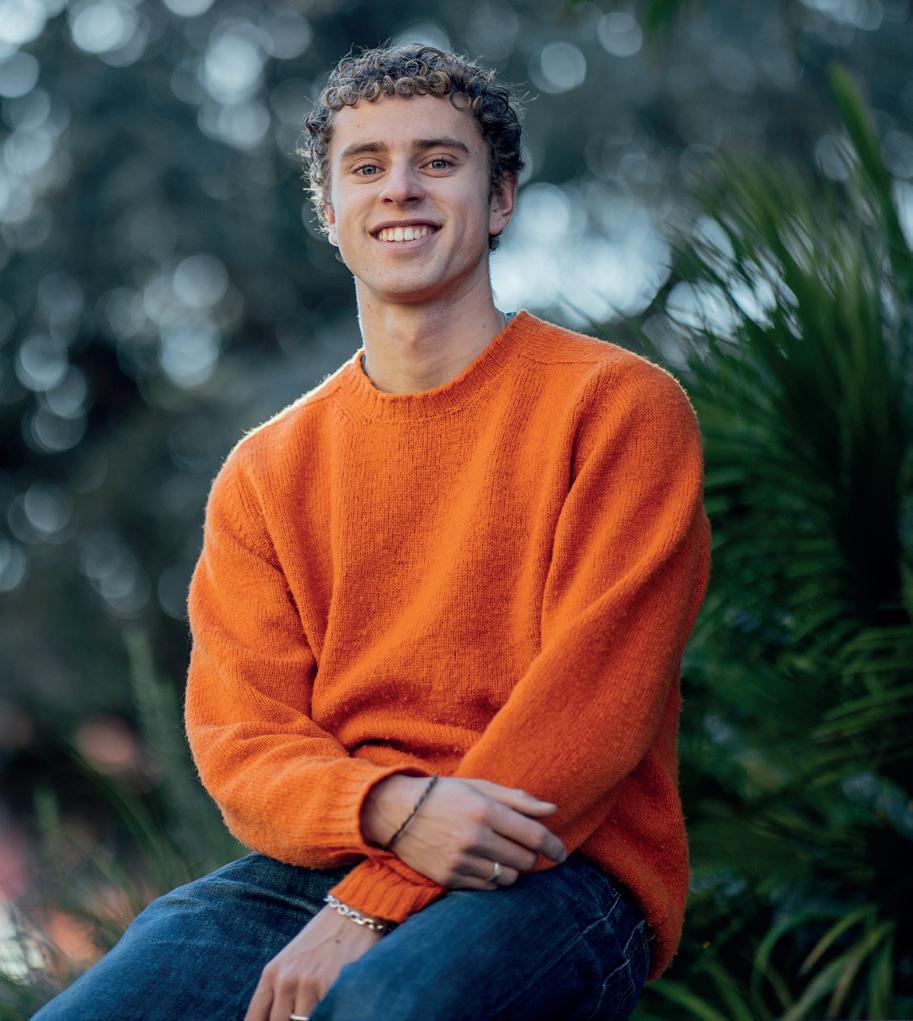
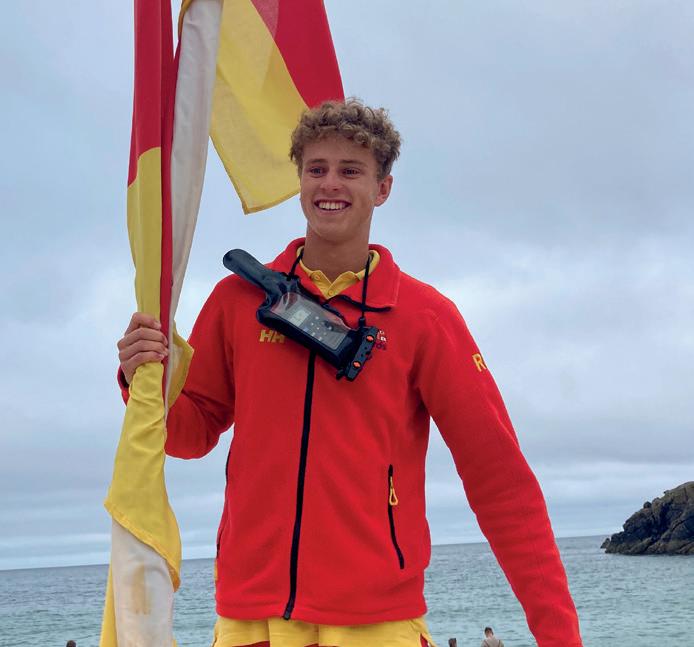
Finch Ward (2024) is a second year French and Linguistics student whose academic background and exceptional performance in Prelims just earned him a life-changing Michael Bishop Foundation Thatcher Scholarship.
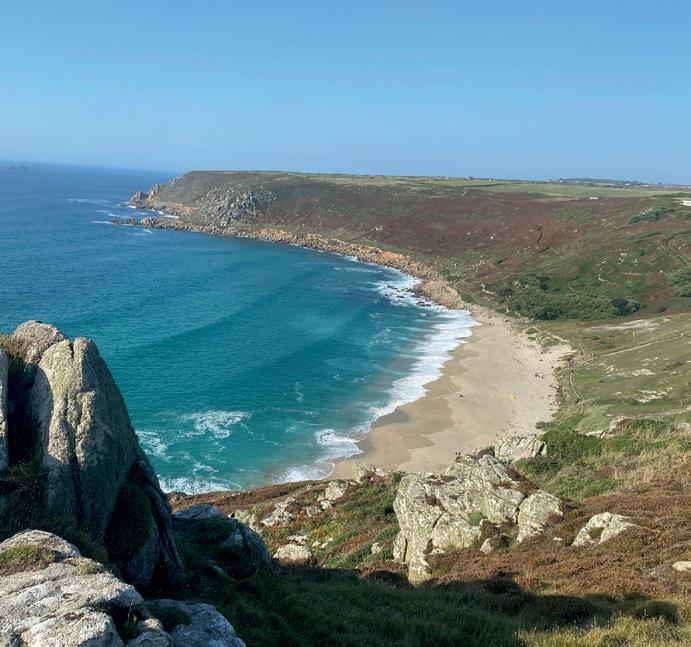
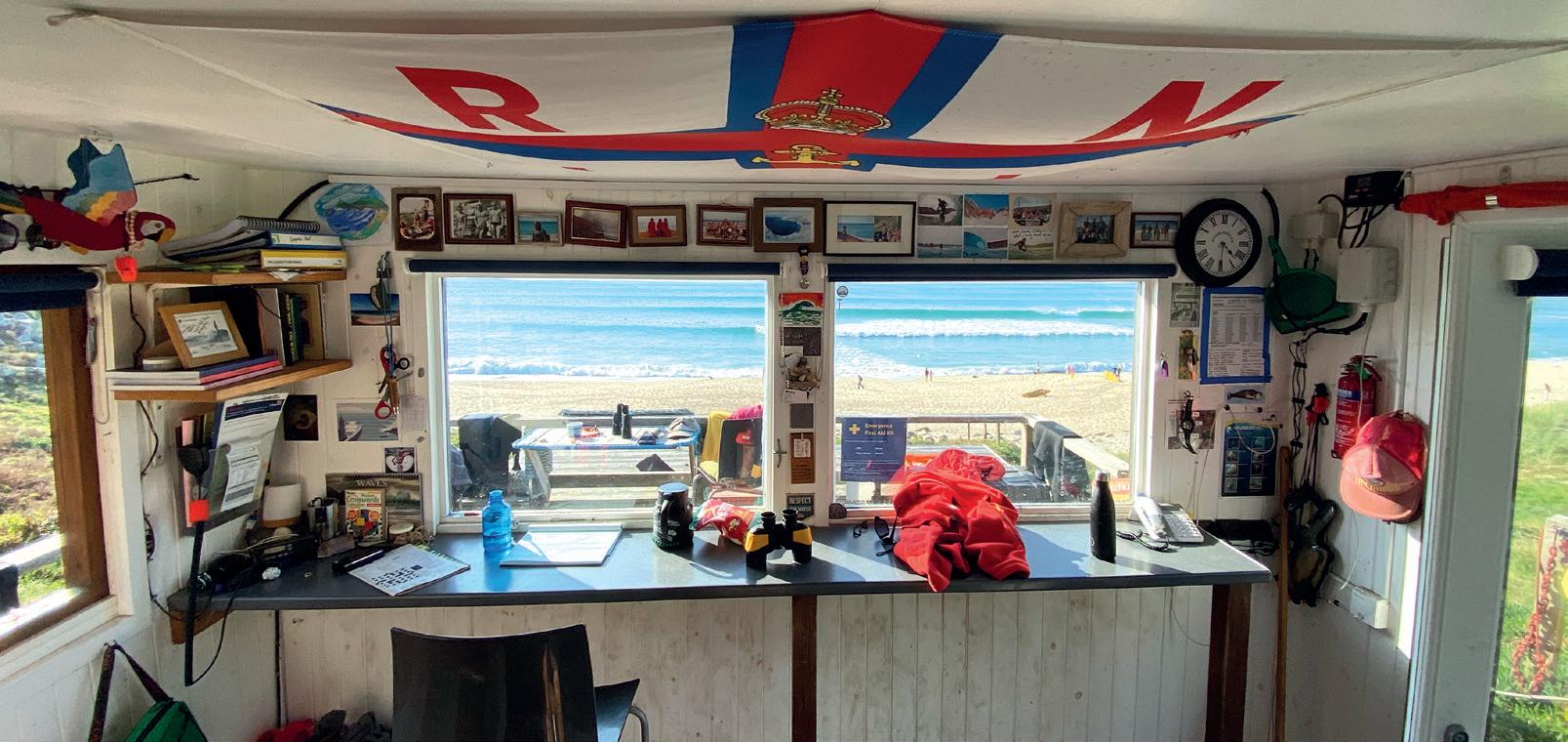
I grew up near Land’s End, overlooking the seas said to bury the lost kingdom of Lyonesse. And yet the Cornwall where I grew up was not only a place of ancient stories and rugged beauty, but of rural marginalisation and chronic educational under-funding. Working hard at school and as a lifeguard every summer, I never really had time to think about the old stories, or the languages that brought them into my everyday reality.
All that started to change when I came across linguistics, initially through a school project led by a PhD student researching the death of the Cornish language. At the time, I didn’t know what linguistics was, and only felt intuitively that, somehow, this was important. My interest in languages bubbled under the surface until years later in French class, where I became fascinated by how cognates like castle and château had come to be pronounced so differently, despite their common origin. From there, I ended up down one internet rabbit hole after another, leading me to historical linguistics and phonetics, and the realisation that linguistics was what I wanted to do.
Now I’m able to study the subject properly at Somerville, historical linguistics and phonetics remain two of my favourite branches. Since coming here, I’ve met speakers of Welsh, Irish and other Celtic languages, and have also loved studying the idiosyncrasies of these languages in seminars and tutorials, from consonant mutations to the lack of a specific verb for ‘have’ across most Celtic languages. For
example, the phrase ‘I have a cat’ is rendered yma kath dhymm in Cornish – literally ‘there is a cat to me’. All this has made me reconnect with my Cornish roots. In Cornwall, the Celtic language can sometimes seem very far away. The last native speaker is said to be Dolly Pentreath, who died in 1777. Growing up, the only exposure I had to Cornish was the Kernow a’gas dynergh sign welcoming you back into the county. However, finding out more about the other Celtic languages fills me with hope that this does not have to be the universal fate for languages under threat. I’m even planning on learning Cornish itself, and am excited to see how much I’ll be able to converse with my Celticspeaking friends.
This question of mutual understanding recalls the relationship between Cornish and Breton in bygone times. Surprisingly, Breton is an Insular Celtic language, only distantly related to the Celtic languages found across Europe before the Roman conquest. Instead, it shared a common ancestor with Cornish and Welsh, called Common Brittonic, which was spoken on the island of Britain before the Bretons migrated to modern-day France around the fifth century. Until the eleventh century, no sound could be found in Cornish that was not also found in Breton, and fishermen from both nations could have happily conversed with one another for as long as Cornish was a living language.
As I learn more about linguistics, it becomes increasingly obvious how imperative it is that we protect the world’s endangered languages: of the roughly 7,159 languages in the world, around 3,193 are at risk. Indeed, in 1992, the linguist Michael Krauss warned that if we do not reassess our priorities, linguistics will go down in history as the only science that let 90% of its field disappear under its nose. My studies have already taught me so much about the value of all language varieties, and I now want to do everything I can to turn the tide on mass language extinction.
For goals like this, the Thatcher Scholarships are life changing; in my case, it means I can go on to further study debt-free and pursue my dream to be a linguist. In this career, I could work with local communities to preserve endangered languages, or study the effects of language policy on minority or marginalised languages, particularly in France,
where the belief that every citizen should speak one homogenous language is unusually prevalent. This is to the detriment of the country’s minority and regional varieties, which until very recently were actively persecuted. Indeed, Breton remains the only Celtic language not officially recognised by a national government.
“As a Thatcher Scholar, I can pursue my curiosity to its end”
This summer I hope to go to Brittany to hear from locals and understand the far-reaching effects of the French government’s policy towards their language. I’m particularly interested in the ‘gap in transmission’, whereby the new generation of Breton schoolchildren speak markedly differently from their native-speaker great grandparents, as the generations between had much less fluency. I hope to use what I learn about Breton in my future studies, and eventually work on protecting marginalised languages and dialects around the world.
Receiving the Michael Bishop Foundation Thatcher Scholarship has made globe-spanning plans like this possible, and I am extremely grateful to Lord Glendonbrook for his generosity. I will no longer have to work all summer, but can instead pursue my curiosity to its end.
Ms Catherine Royle, Chair of Trustees ex officio
Professor Dan Ciubotaru
Mrs Clara Freeman OBE
Mr Andrew Parker ex officio
Lord Sherbourne of Didsbury
Professor Almut Suerbaum
Professor Stephen Weatherill
Rt Hon. Sir Tony Blair
Rt Hon. A. Kim Campbell
Rt Hon. Lord Forsyth of Drumlean
Hon. Dr Robert Gates
Hon. Dr Alan Greenspan
Ho Ching
Hon. John Howard
Baroness Jenkin of Kennington
Rt Hon. Lord Owen
Rt Hon. Lord Patten of Barnes
Lord Powell of Bayswater
Hon. Dr Condoleezza Rice