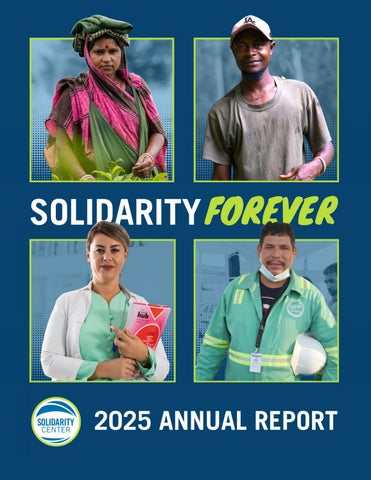
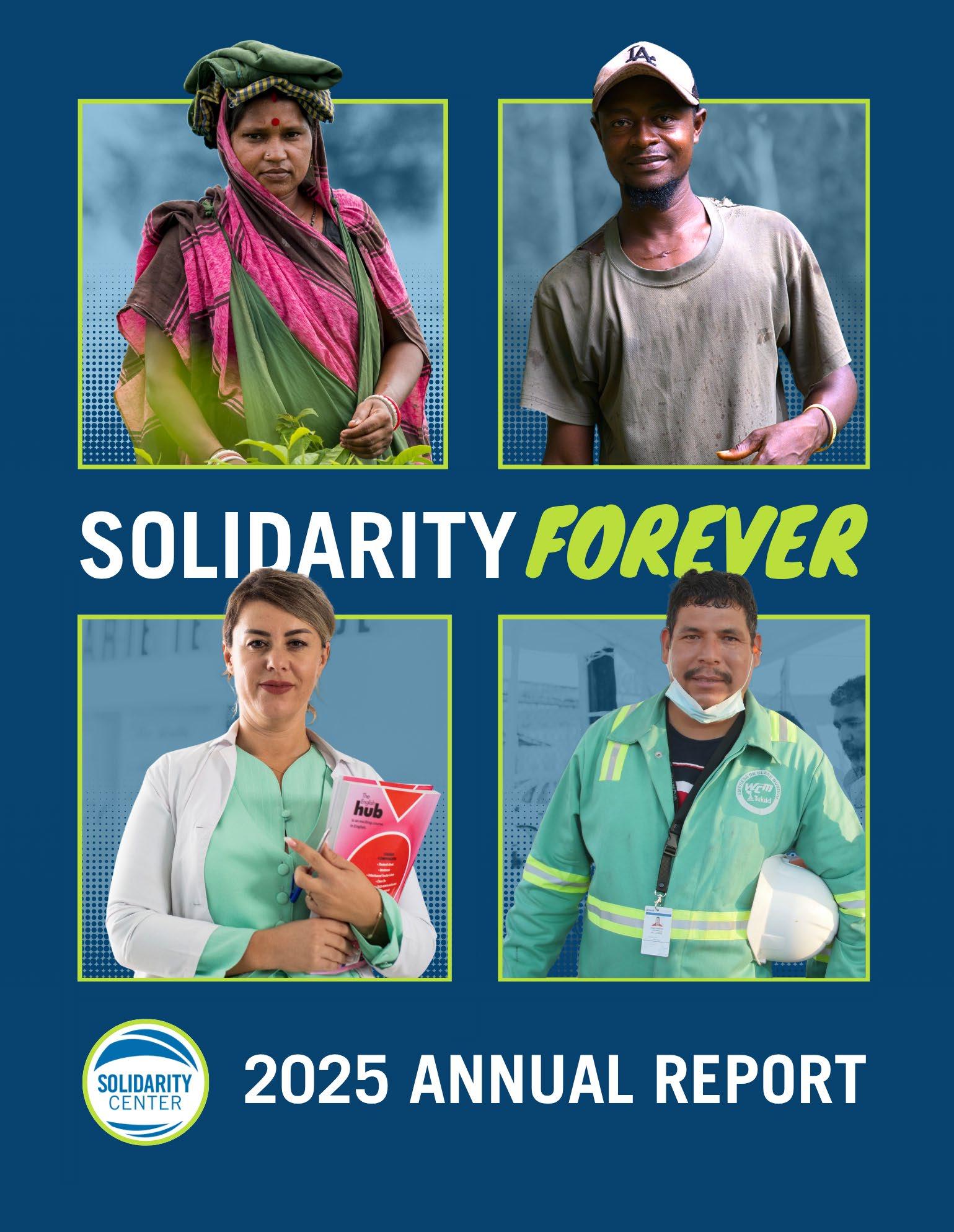
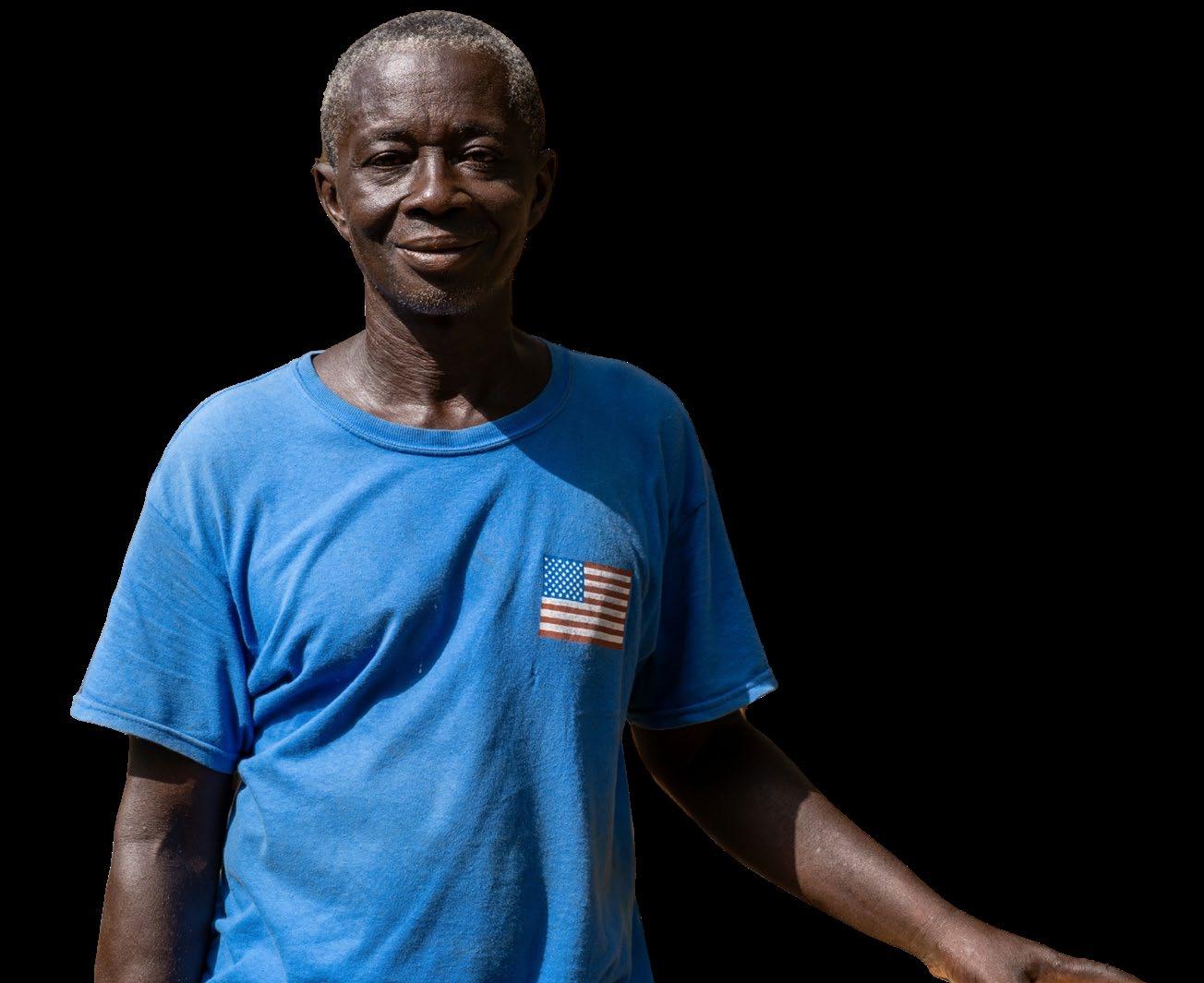
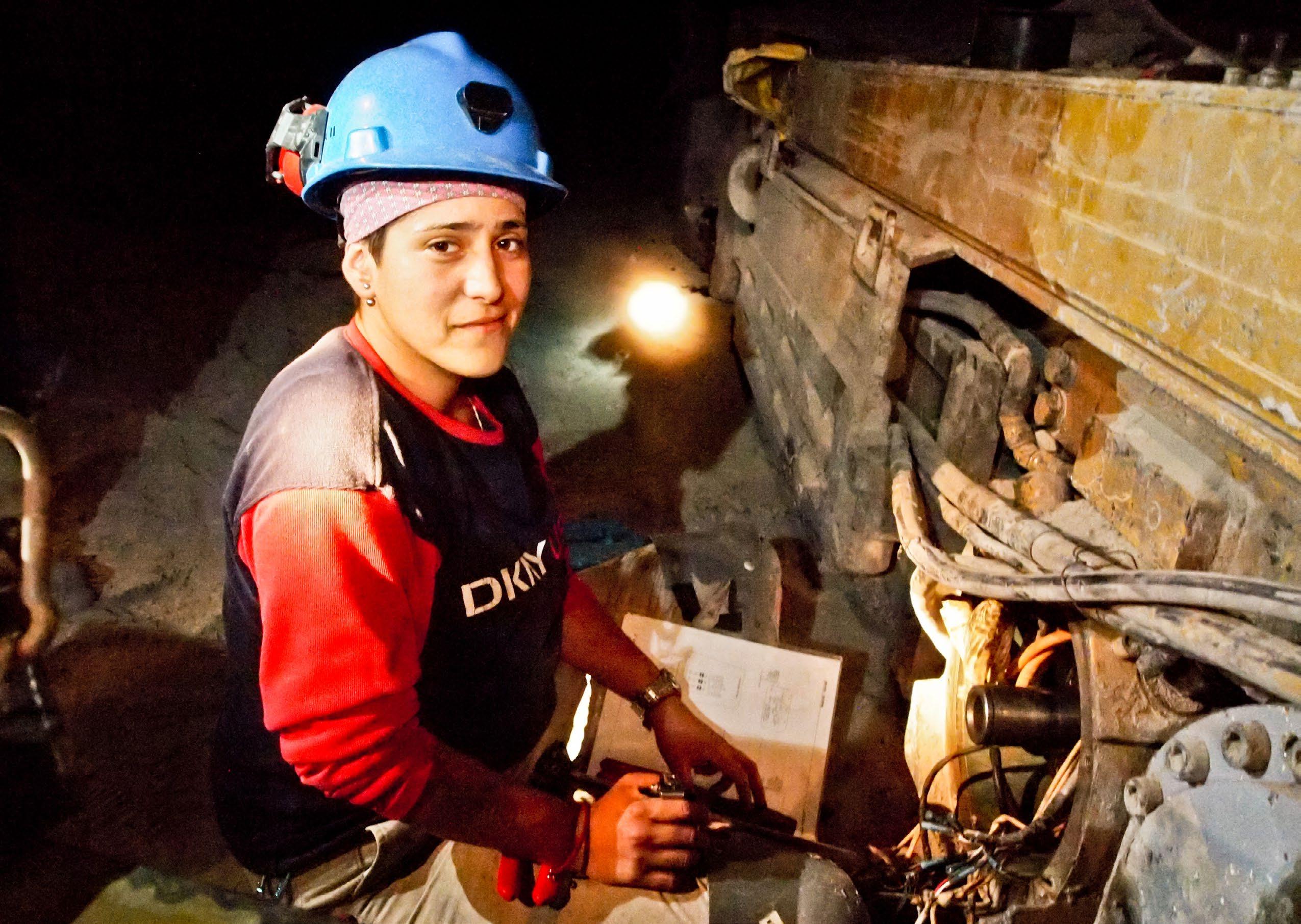
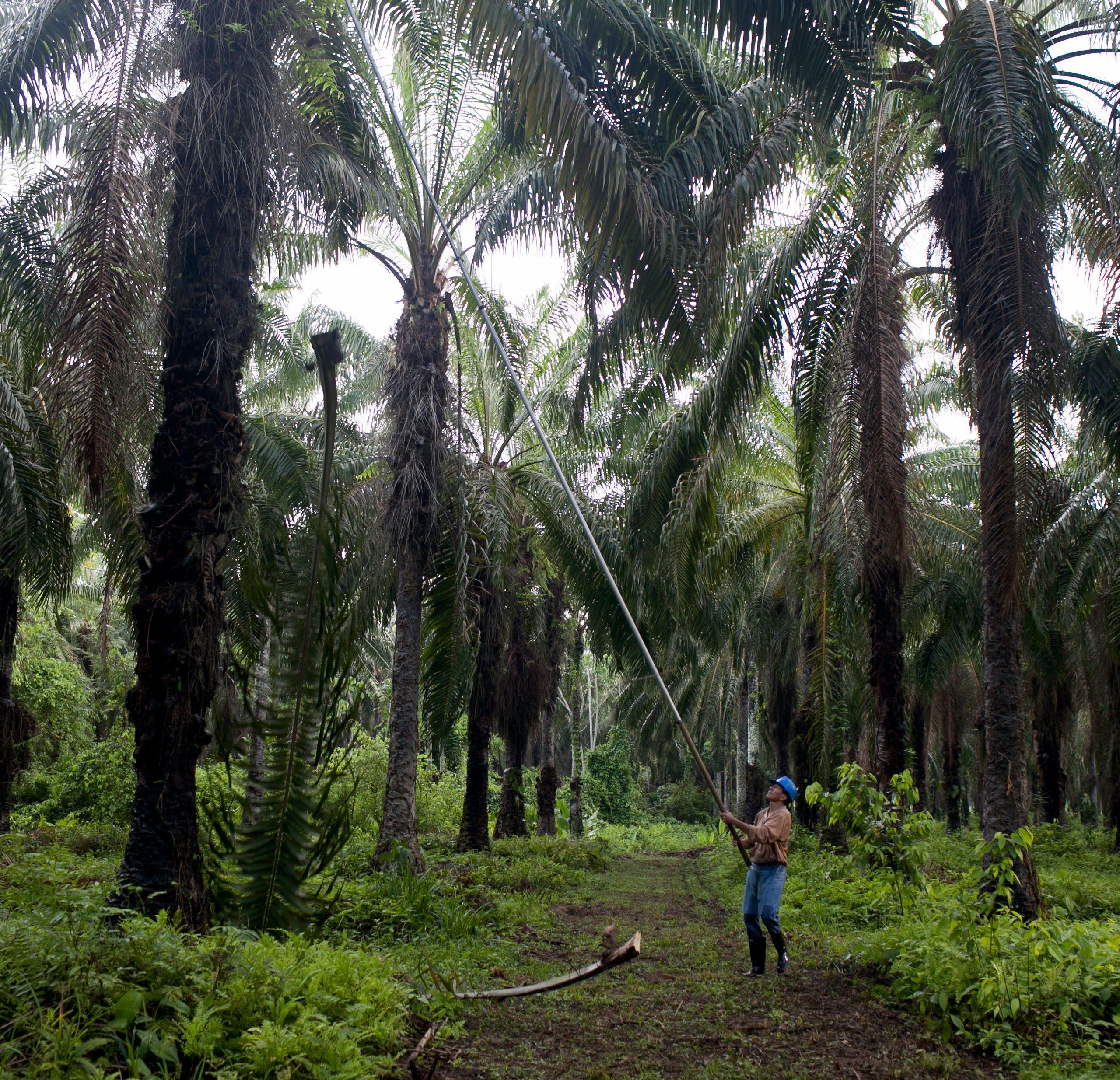
A Liberian rubber plantation worker. Credit: United Steelworkers (USW)
A Mexican autopart worker. Credit: Ulises Vidal
An Albanian school teacher. Credit: Florian Goga
Written and edited by Connie Mabin and Tula Connell
Designed by Natalie Tate
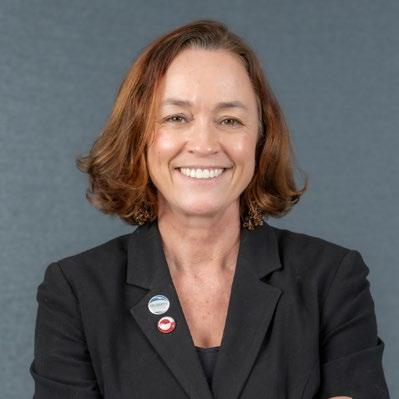
FROM THE EXECUTIVE DIRECTOR
In a year marked by upheaval, one truth became unmistakably clear:
THIS WORK MATTERS.
It matters because workers matter. When times get harder, the need for working people to stand together only grows stronger.
This year made something clear: Democratic voice isn’t abstract. It’s whether workers have a real say in the decisions that affect their jobs, their safety and their futures. It’s the freedom to organize, bargain and speak up without fear. It’s the difference between being pushed around and having the power to stand up for yourself and your future. That’s why it matters. And why it’s so often under pressure.
The Solidarity Center exists to stand with working people as they build that power. We are there with them as they create independent, democratic unions rooted in organizing and collective bargaining. We help workers develop the skills and confidence to advocate for themselves. We defend the freedoms that make these things possible. And we connect workers globally because today’s economy crosses borders, and the forces shaping people’s lives do not stop at any one country’s edge.
In 2025, this mission was tested as never before. Severe funding cuts forced painful decisions. We said goodbye to respected colleagues and wound down programs that changed lives and anchored communities. These losses were personal and heartbreaking.
This was the hardest year in our history. But it clarified who we are. We are part of a global movement grounded in solidarity and led by workers themselves, the toughest and most resilient force in any society. Working people know how to fight for what is right, how to build power together and how to win progress even in the most difficult moments.
We will always stand beside workers with discipline, transparency and resolve—one day longer. One day stronger. The stakes are high. The purpose is clear. We are still here. Still making a difference.
BECAUSE WE MATTER.
Solidarity forever,
Sha wna
FINANCIALS
(unaudited)
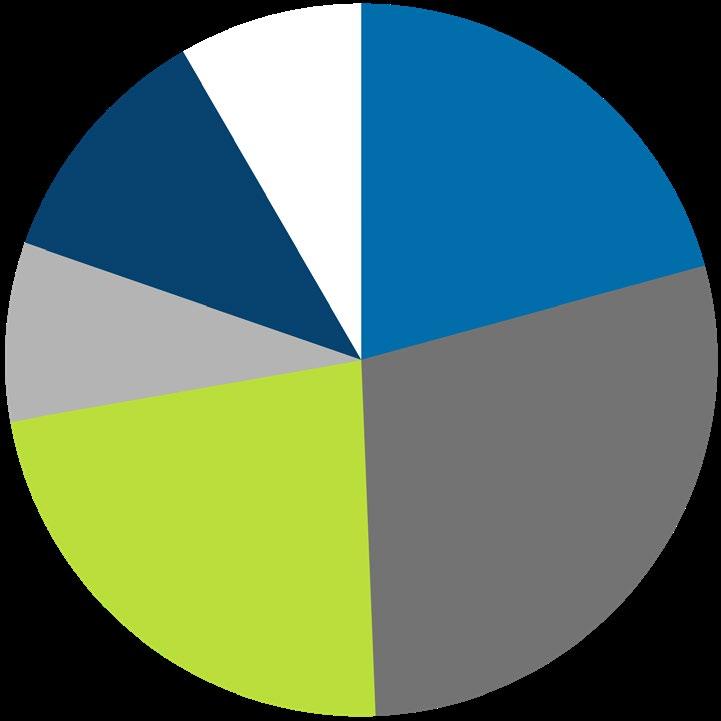
In early 2025, 34 multi-year projects funded by USAID and the U.S. Departments of State and Labor were abruptly terminated. Within days, we lost more than $88,000,000 in obligated funds, driving the organization into one of the most challenging financial situations we’ve ever faced.
While the funding crisis forced office closures, halted programs and ended formal partnerships with long-time allies, the Solidarity Center has continued to sustain relationships and networks built over decades and carry forward critical worker rights and democracy programs. We prioritized maintaining as much regional presence as possible, a hallmark of how we build real partnerships and deliver lasting impact rooted in trust, local expertise and long-standing relationships. These long-term relationships with unions, worker organizations and legal advocates allow the Solidarity Center to continue supporting workers even when formal programs end.
Our programs with workers impacted by the climate or those who are often excluded from power or opportunity continue because of the generous support of private foundations, individual donors and non-U.S. government programs. We thank our partners and supporters who continue to invest in worker rights and democratic participation globally.
Other includes: Foundation grants, donations and privately covered expenditures, non-U.S. government funding, and other programs.
OUR REACH
Despite the significant challenges the Solidarity Center faced in 2025, the organization forged ahead with a deep commitment to our mission.
FOUNDED: 1997 HEADQUARTERS: Washington, D.C.
OUR MISSION:
BUILDING COLLECTIVE POWER WITH WORKERS TO CREATE DEMOCRATIC WORKPLACES, WIN GREATER EQUALITY IN THE GLOBAL ECONOMY AND SHAPE MORE JUST SOCIETIES.
This refreshed mission statement was the result of a months-long process to recalibrate priorities and strengthen the Solidarity Center’s operations.
PROGRAMS IN REGIONS:
5
Africa, Asia, Europe and Central Asia, Latin America and the Caribbean, Middle East and North Africa
34
STAFF IN Field Offices WORKING IN Countries PARTNERING WITH OVER Worker and Community Organizations
70
1,000
2024
PROGRAMS IN REGIONS:
5 29 54
Africa, Asia, Europe and Central Asia, Latin America and the Caribbean, Middle East and North Africa
STAFF IN Field Offices WORKING IN Countries
1,000
PARTNERING WITH OVER Worker and Community Organizations
2025
HEARTBREAKING LOSSES, ENDURING COMMITMENT
In March 2025, the abrupt and unprecedented termination of funding from the Bureau of International Labor Affairs (ILAB), part of the U.S. Department of Labor, abolished Solidarity Center programs in countries around the world that helped workers gain collective strength to negotiate decent wages with their employers, improve safety, combat labor abuses and uphold trade commitments.
The cuts ended programs in 16 countries implemented with key U.S. trade partners such as Mexico , Bangladesh , the Philippines , Malaysia and Honduras . The move also did even more: It eliminated one of the ways that the United States promotes labor standards for all workers around the world, enforces labor standards in trade agreements, protects American workers from unfair competition and combats the exploitation of vulnerable workers around the world.
Here are a few examples of some of the most heartbreaking stories from 2025. Our partners shared that the termination of ILAB funding halted projects that:
ADDRESSED VIOLENCE IN THE WORKPLACE
Tina Danbaba, a hairdresser in northwest Nigeria , helped create the Federation of Informal Workers’ Organizations of Nigeria (FIWON), the first network of its kind in the region, to connect with others working in small shops and at food stands and increase their awareness of workplace violence and harassment. She also often identified cases of abuse. With support from the Solidarity Center, Danbaba and others provided the tools and support for women to know their rights and stand up for themselves. Danbaba said FIWON “was not about luxury, it was about dignity, survival and courage to start speaking without fear.”
ENSURED SAFE WORKING CONDITIONS
Throughout the Republic of Georgia , the Solidarity Center, in collaboration with the Georgia Trade Unions Confederation (GTUC), reached hundreds of workers at workplaces with long histories of accidents and fatalities to ensure they knew their rights and how to access them through the new Labor Inspectorate’s office. Workers in mining, construction and heavy industry also took part in trainings to become workplace-level job safety and health experts. Lawyers for the Solidarity Center provided hundreds of in-person consultations, engaged with thousands of cases via hotline and won more than $12 million for workers via court decisions and collective bargaining.
CONNECTED APP-BASED DRIVERS TO EXPAND WORKER RIGHTS
Motorcycle and bike drivers are among Brazil ’s 2.1 million app-based workers. In the two years since Solidarity Center’s ILAB-funded program began, digital platform workers joined together, achieving a voice to advocate for the passage of local legislation that combats violence against workers and creates worker support centers. Through Solidarity Center efforts at the national level, platform workers consulted with workers in their respective states and then assisted lawmakers in introducing several amendments, including, for example, adding a right to worker compensation in the event of an accident. Said one delivery driver: “The Solidarity Center is crucial to workers’ lives.”
HELPED TEA PICKERS TAKE ON EXPLOITERS
Solidarity Center collaborated with unions representing more than 100,600 Bangladesh tea pickers, who gained access to legal assistance and training, achieving basic workplace rights for the first time, including a daily hourlong lunch break and access to a medical facility. With the Solidarity Center, the tea workers—paid $1.55 a day for picking more than 50 pounds of leaves for export—”could hold employers accountable instead of suffering in silence,” said Tanti, a field supervisor and organizing secretary.
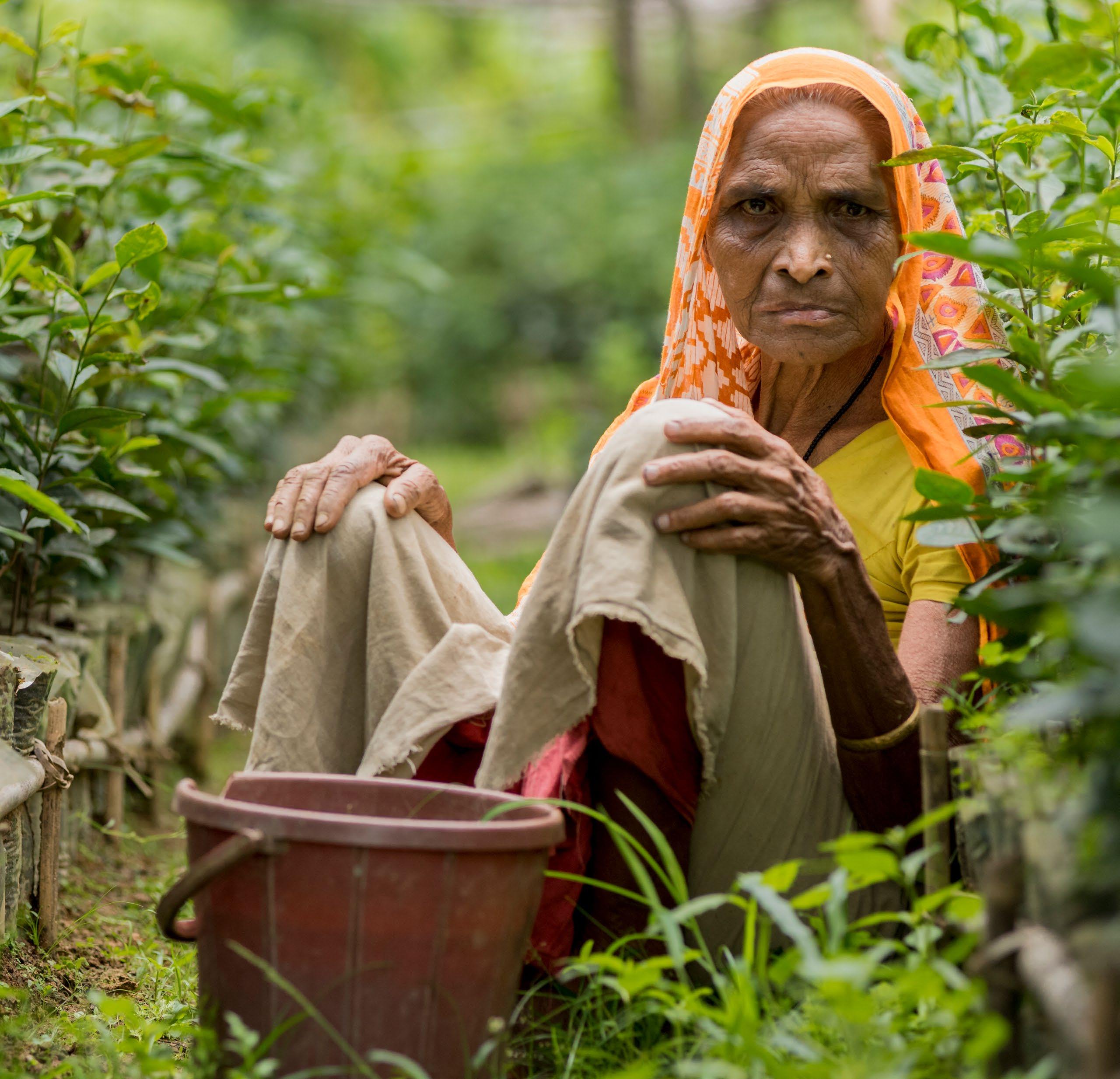
Photo: Ram Dasi, a tea picker in Bangladesh. Credit: Hasan Zobayer.
GROUNDED IN OUR MISSION
We began the year with ambitious plans to advance worker rights and strengthen democratic participation through global programs. When unprecedented funding cuts forced us to scale back, our mission did not change. We adapted and kept moving. We worked alongside workers to win new legal protections, expand their voice in decisions that affect their lives and communities, provided strategic expertise to strengthen negotiations with employers, built connections across borders and supported worker leaders fighting for fair pay, safe workplaces and dignity on the job. Through this work, workers are not only improving conditions, they are shaping the rules, institutions and systems that govern their lives.
WHY GLOBAL WORKER RIGHTS MATTER TO US ALL
“The companies we bargain with operate globally. Their supply chains are global. The political pressures they respond to are global. If workers stay siloed by country, we are always a step behind.
The Solidarity Center helps connect us across borders, even oceans apart, making us smarter at the table, stronger together and more effective in standing up for our members.”
— Theresa Haas
Director
of
Global Strategies, Workers United
• In Uzbekistan ’s cotton sector, the Solidarity Center partnered with workers and unions to help end forced labor. That progress reflects workers organizing to hold systems accountable and demand transparency and enforcement, core elements of a healthy democracy. These efforts reduce the risk that consumers buy goods tied to abuse and prevents workers from being undercut by exploitation.
• Across global supply chains, the Solidarity Center works with unions to strengthen labor standards and enforcement, helping curb forced labor and other forms of exploitation, and supporting fair competition. When workers can organize and enforce standards, they are exercising collective voice and holding powerful actors accountable.
• In sectors like electronics and mining, which produce components for smartphones, tablets, electric vehicles and televisions, the Solidarity Center supports workers in negotiating responsible labor practices that reduce exploitation and supply chain disruptions. These negotiations give workers a seat at the table in shaping economic decisions that affect entire industries.
• When workers at the same company or in the same industry connect across countries, they can share strategies and raise standards together. A factory worker in one country benefits from coordinating with workers at the same employer in another country and vice versa. This cross-border solidarity strengthens democratic participation by linking workers’ voices across systems and ensuring they are heard at every level.
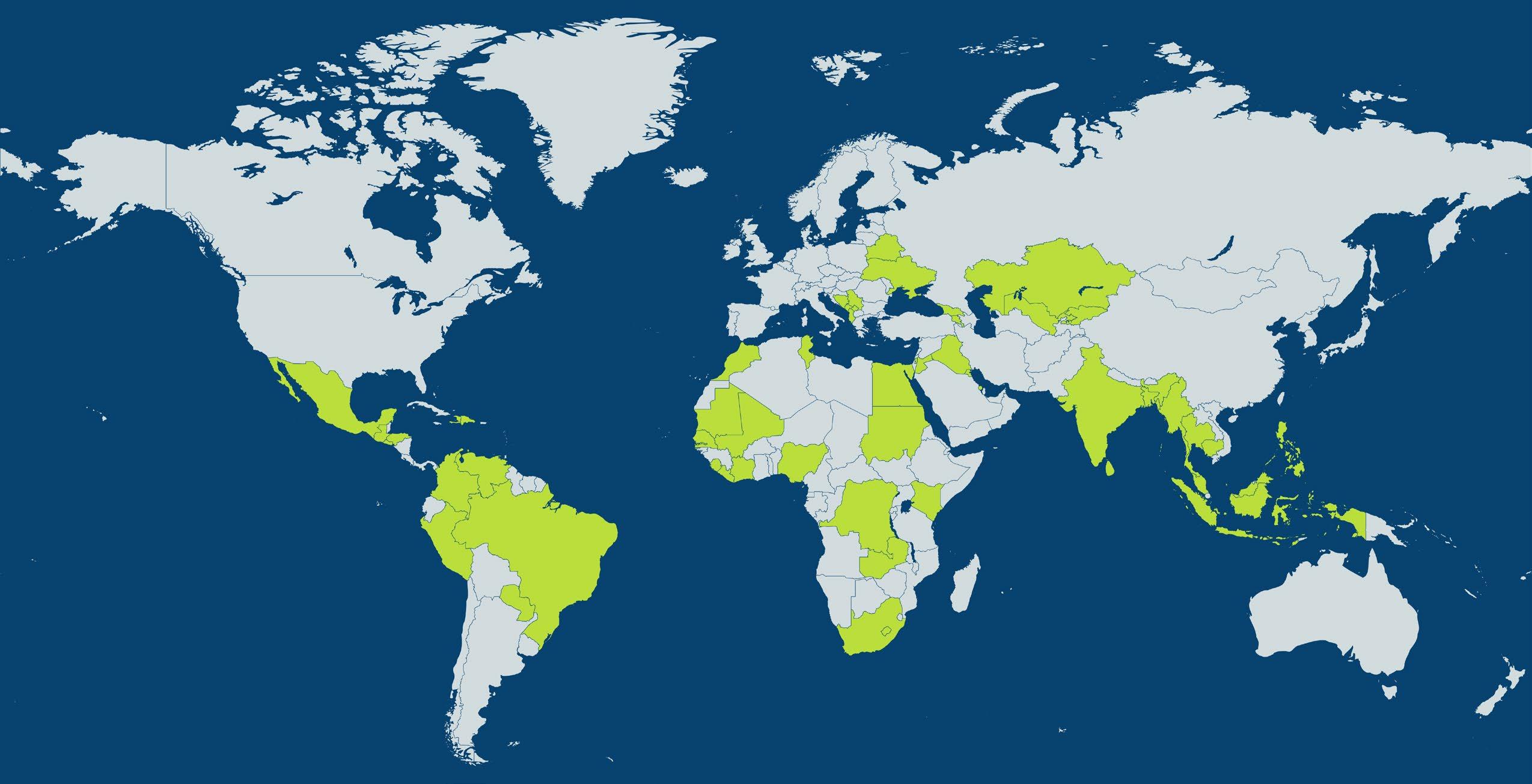
WHERE WE WORK
FREEDOM DEMOCRACY
DIGNITY
Around the world, the Solidarity Center has stood alongside workers fighting for , and . We’ve helped generations of trade unionists build institutions that protect workers and strengthen civic life.
Despite difficult cuts, we consciously prioritized maintaining our presence in the places where workers are building independent, democratic unions.
AFRICA
Côte d’Ivoire
Democratic Republic of Congo
Gambia
Kenya
Lesotho
Liberia
Mali
Nigeria
Senegal
Sierra Leone
South Africa
Zambia
ASIA
Bangladesh
Cambodia
India
Indonesia
Malaysia
Maldives
Myanmar/Burma
Philippines
Sri Lanka
Thailand
EUROPE & CENTRAL ASIA
Albania
Armenia
Belarus
Bosnia-Herzegovina
Georgia
Kazakhstan
Kosovo
Kyrgyzstan
Montenegro
Serbia
Ukraine
Uzbekistan
LATIN AMERICA & CARIBBEAN
Brazil
Colombia
Dominican
Republic
El Salvador
Guatemala
Haiti
Honduras
Mexico
Paraguay
Peru
Venezuela
MIDDLE EAST & NORTH AFRICA
Bahrain
Egypt
Iraq
Jordan
Kuwait
Mauritania
Morocco
Palestine
Sudan
Tunisia
OUR PROGRAMS BUILD UNIONS ROOTED
IN ORGANIZING AND COLLECTIVE BARGAINING
Workers make up the majority of every society, yet are often excluded from the economic and other decisions that shape their lives. Unions can change that.
Through grassroots organizing and collective bargaining, working people come together to build power and claim their rightful voice in the economy and in public life.
And when unions win, everyone benefits. Fairer wages, safer workplaces and stronger protections are examples of benefits that ripple outward to families, communities and local economies.
In 2025, our partners organized and won—delivering real change for thousands of workers.
CONSTRUCTION WORKERS IN SRI LANKA JOIN TO ACHIEVE WORKPLACE RIGHTS
Eight construction unions joined forces to form a federation to collectively advocate for and protect the rights of construction workers, the first-ever such organization seeking to improve job security and safety in this major driver of Sri Lanka ’s economic activity.
AGRICULTURE WORKERS IN MOROCCO NEGOTIATE STABLE WORK, HEALTH COVERAGE
Agriculture workers at eight farms in Meknes, Morocco , won a contract that establishes more stable and predictable wages, guarantees full payment, regulates overtime hours, and provides health coverage and pensions. With Solidarity Center collaboration, disabled workers can now access jobs because of the contract, one that builds on a 2015 bargaining pact supported by Morocco’s Democratic Confederation of Labour and Solidarity Center, that laid the groundwork for collective bargaining in agriculture.
LIBERIA FIRESTONE CONTRACT WORKERS LEVEL THE PLAYING FIELD
After years of quiet organizing, contractors at Firestone’s rubber plantation voted overwhelmingly to form a union, the Subcontractor Worker Union of Firestone (SCWUOF). The 3,000 workers, who had been paid far less for doing the same jobs as directly employed workers, signed their first-ever union agreement, increasing wages and gaining access to the plantation’s hospital and schools for their families.
“I used to believe nothing here could change. Now I’ve seen what workers can do. We made this happen together. And we’re not stopping.”
—Eric Fatorma General Quality Inspector, Liberia Firestone plantation
WORKERS ORGANIZE IN ONE OF THAILAND’S TOP INDUSTRIES
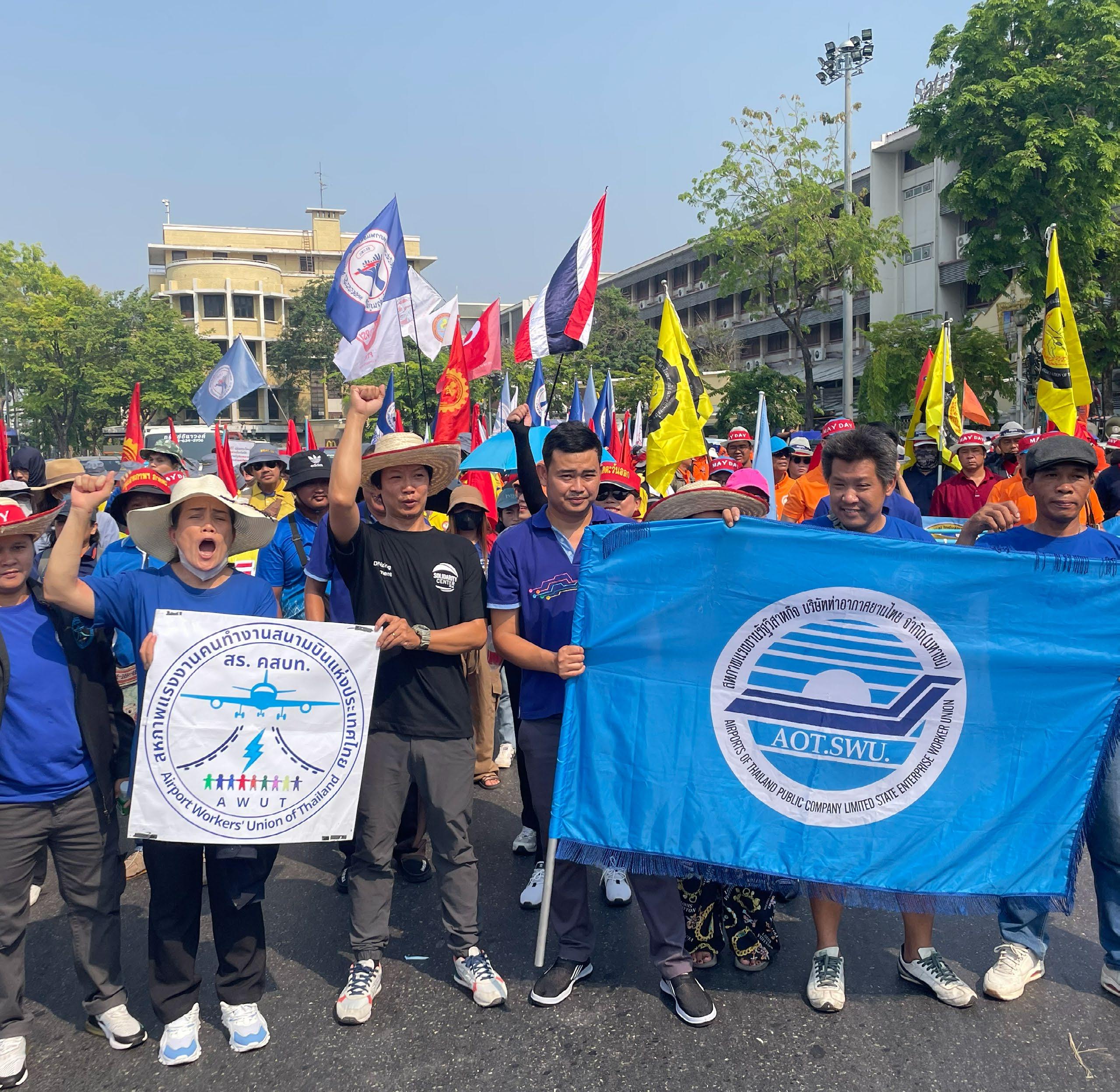
In one of the biggest organizing victories in the global labor movement in years, the Thai Airport Workers Union skyrocketed from representing workers at two airports to five, tripling its membership. Now, 8,600 workers are pushing for a strong contract that could set a precedent for workers nationwide.
Thai airport workers attend a May Day rally. Credit: Simon Rosenblum-Larson.
ANATOMY OF A WORKER-LED SOLIDARITY CENTER CAMPAIGN
This is what worker power looks like in practice. With organizing, collective bargaining, advocacy, exercising rights and protecting fundamental freedoms, and with global solidarity, each step builds on the next to drive lasting change.
UNITING WITH WORKERS AT THE LARGEST RUBBER PLANTATION IN THE WORLD
Firestone, an indirect subsidiary of Bridgestone, has operated a rubber plantation in Harbel, Liberia , since 1926, where workers live and harvest rubber for consumer products like tires.
Conditions on the plantation are harsh, described in a 2005 human rights lawsuit as “forced labor, the modern equivalent of slavery.”
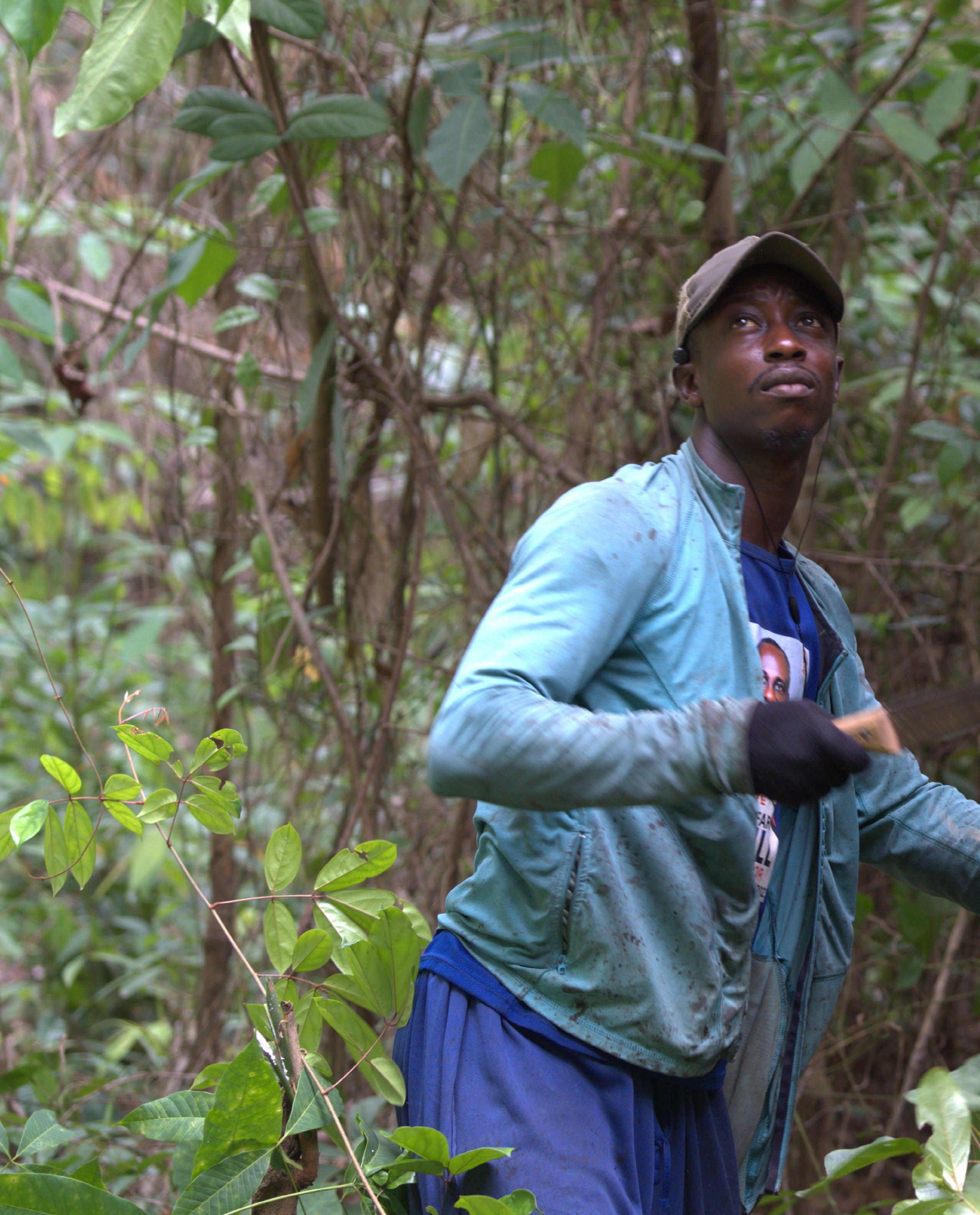
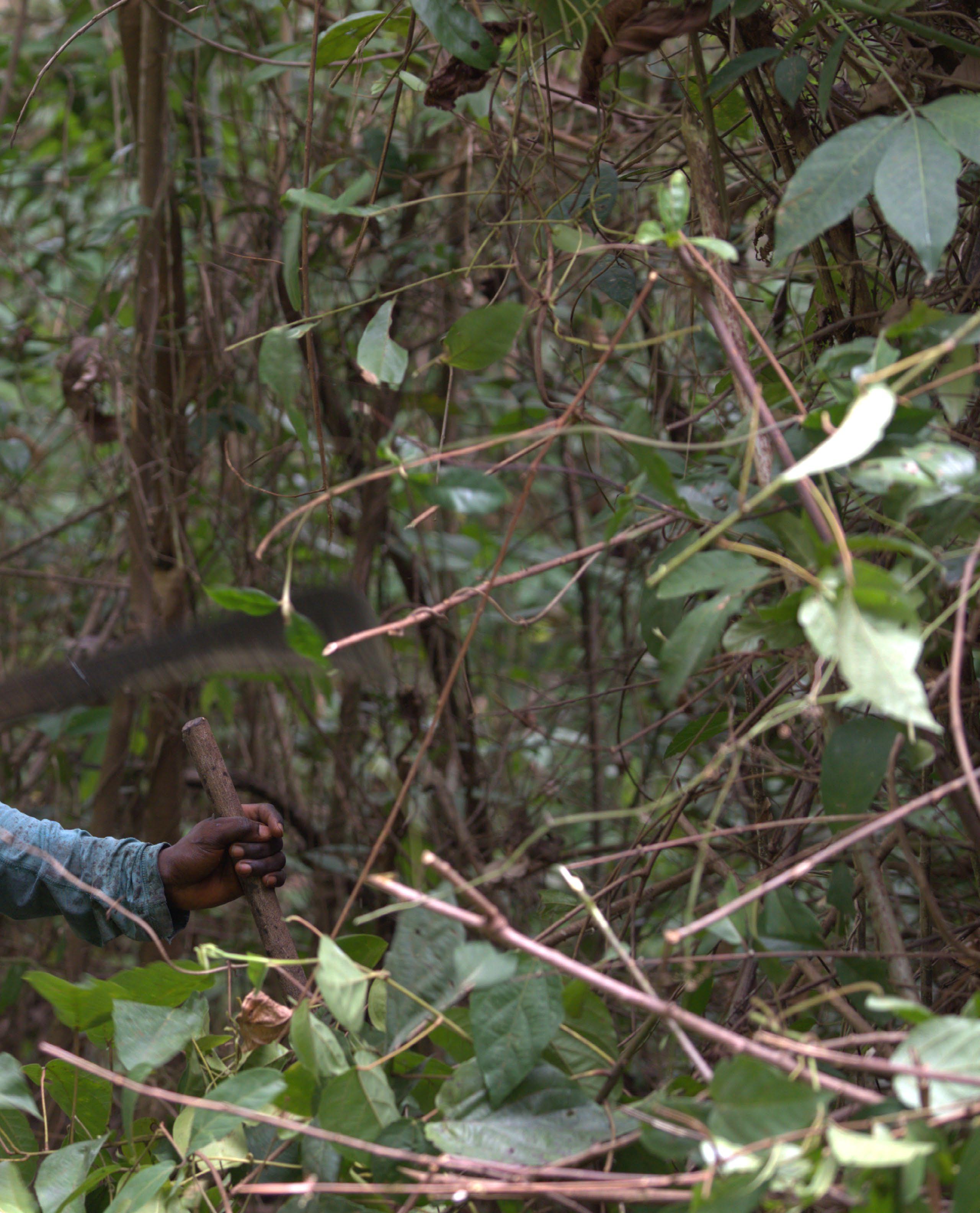
Workers collect raw liquid latex sap by making cuts in trees and setting up cups to catch it as it slowly drips. Each day, the latex from hundreds of trees has to be collected cup by cup and carried pail by pail to a collection point, often over a mile away.
ORGANIZING BEGINS ON THE PLANTATION
WINNING HISTORIC COLLECTIVE BARGAINING AGREEMENTS
Backbreaking working conditions, coupled with the lack of decent housing, access to medical care and educational opportunities for children, drove workers to organize and demand better. Full-time workers voted to form the Firestone Agricultural Workers’ Union of Liberia (FAWUL) in 2007.
Organizing a workplace spanning 200 square miles and employing thousands of workers is no easy feat. This kind of organizing requires support from labor rights experts, long-term effort by worker organizers on the ground and the resources to sustain those efforts. Through a partnership with the Solidarity Center to train worker organizers, provide assistance with worker outreach and help connect with U.S. unions in the rubber sector for global solidarity and strategizing, thousands of workers won a voice on the job.
Critical components of a successful bargaining campaign are knowing what your members want and having enough knowledge of the company to put forth reasonable, good-faith proposals.
With the Solidarity Center’s support to facilitate membership surveys, conduct research and launch solidarity actions, FAWUL secured a series of collective bargaining agreements that reduced quotas, improved wages, established free on-site schooling for workers’ children, secured access to a free on-site health clinic and slightly improved housing. As one of Liberia’s largest private employers, standards negotiated and won by union members on the plantation influence working conditions across the country.
SUBCONTRACTOR WORKERS UNION OF FIRESTONE SECURE FIRST CONTRACT
After nearly a year of negotiating, with training from the Solidarity Center to bolster their negotiating team and provide strategic research, SCWUOF won their first collective bargaining agreement in December 2025, securing benefits for 3,000 workers, including better pay and access to the plantation hospital and schools once more.
However, the agreement covers only a portion of the sub-contractor workers, wage structures remain uneven and conditions still differ across job roles. So the unions’ work continues, fighting for the rights of all the plantation’s workers
As employers around the world use sub-contracting as a strategy to undermine worker power, the union’s successful effort to organize is a clear example of the importance and possibility of
BUILDING A STRONG, INDEPENDENT UNION AND WORKER LEADERSHIP
Winning a strong collective agreement takes more than skilled negotiators. It happens when members are united and build the collective power needed to push for change. That takes sustained effort over time to keep workers informed, engaged and ready to act.
On the plantation, workers built that power step by step. They held democratic elections to choose union representatives and invested in leadership development, including training women workers to take on visible roles. They organized solidarity actions, such as wearing union stickers at work. They launched a worker-led radio station to share news and strengthen communication.
They also deepened ties with the global labor movement, working with the United Steelworkers (USW), a U.S.based union, and connecting with allies worldwide. Those relationships helped generate legal, moral and financial support, and allowed rubber workers in several countries to strategize globally in an industry and supply chain controlled by multi-national employers.
GLOBAL SOLIDARITY WORKS
The odds are stacked against workers when they’re forced to take on huge corporations on their own, but by connecting FAWUL and the sub-contractor workers with allies in the rubber sector, such as the USW—which represents thousands of tire workers in the U.S.—their organizing and bargaining power is magnified.
Through a “buddy system” of mentoring and regular skills-training workshops, the USW and the Solidarity Center helped experienced FAWUL leaders transfer their union-building skills to the sub-contractor workers . And in December 2024, the workers officially voted and formed their union, the Sub-Contractor Workers Union of Firestone (SCWUOF).
ADVOCATING FOR RIGHTS UNDER PRESSURE
By 2024, some 3,500 full-time union jobs were eliminated as Firestone began firing workers and rehiring some as sub-contractors, eroding FAWUL’s power and leaving workers without the protection of a union contract.
Faced with this existential threat of sub-contracting, FAWUL began a new organizing campaign. With strategic guidance from the Solidarity Center, FAWUL conducted a workplace action on the plantation to collect about 2,000 petitions demanding that sub-contractor workers be allowed to join their union . FAWUL and sub-contractor workers engaged in advocacy with legislators and the Minister of Labor, using their voice to push for recognition of contract workers and to defend their freedoms. In response, Liberia’s Minister of Labor affirmed that contract workers have the right to freedom of association, but noted that they would need to form their own union.
OUR PROGRAMS CONNECT WORKERS ACROSS BORDERS
By linking local struggles to the global movement for worker rights, we advance collective solutions to inequality and strengthen the global pursuit of economic justice for all working people.
IF YOU WANT TO GO FAST, GO ALONE. IF YOU WANT TO GO FAR, GO TOGETHER.
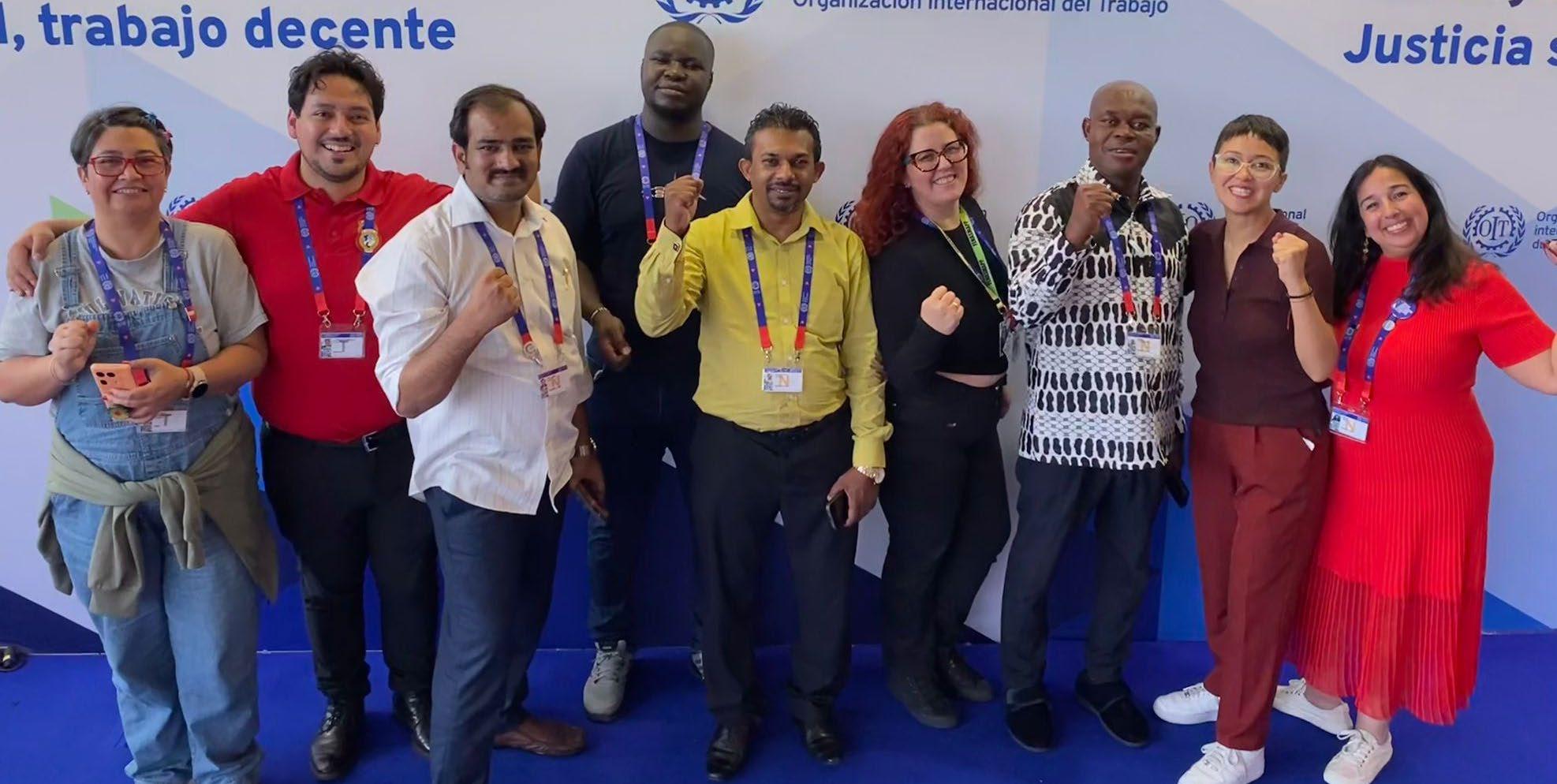
In September, as part of the Global Organizing Institute, 13 worker-organizers on the front lines of labor movements around the world completed a one-year hands-on mentoring and campaign activity.
Gaining new strategies from one another and from Solidarity Center mentoring, participants recognized the strength of collective action: Elevating workers’ voice to improve working conditions and assert their rights to decent jobs and more just societies.
The Global Organizing Institute furthers the Solidarity Center’s core mission of collaborating with workers to form unions and generate collective action, while increasing their role in improving their lives by supporting and advancing collective action to bolster democracy in the workplace and in society.
The GOI’s participants’ accomplishments include:
• Securing wage protections for Maldives healthcare workers
Building on the tools she gained in the Global Organizing Institute, Fathimath Zimna, MHPU general secretary, created a grassroots organizing campaign to increase collective power—and achieved a government amendment that ensures all 9,000 public health care workers receive paid overtime.
• Improving living conditions at a Liberia rubber plantation
A Global Organizing Institute participant, Edwin Ngafua, was lead organizer at the Firestone rubber plantation, unifying the 3,000 permanent workers in FAWUL in negotiating a contract that secured higher wages and better benefits, such as lower rice prices, an improved retirement plan and clear medical benefits for job injuries.
• Boosting pay above the minimum wage in the Philippines
With lead organizer Alan Esponga crafting a strong organizing campaign that involved unions worldwide engaging in international solidarity actions, 1,746 garment workers successfully won a first contract that raises wages above the regional minimum after the employer refused to recognize or bargain with the democratically elected union.
“Being part of the GOI has equipped me with strategic skills to strengthen workplace power, while also serving as a platform to build alliances and advance global solidarity .”
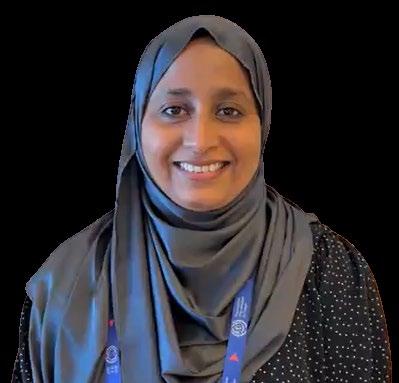
—Fathimath Zimna General Secretary, Maldives Health Professionals Union
WORKERS HEARING EACH OTHER AND BEING HEARD ON THE GLOBAL STAGE
By bridging union leaders from coal communities across Chile , Colombia , Indonesia , South Africa , and Thailand , the Solidarity Center’s community of practice is transferring local expertise and experience on energy transitions into global influence and leadership. This coordination allows union leaders to align their perspectives, share experiences and tactics, and claim their roles as experts in the global energy transition.
A powerful example of this happened in May, when a group of community of practice participants provided their unified, labor-centered analysis on human and worker rights in the life cycle of renewable energy and critical minerals in the context of the energy transition for United Nations Special Rapporteur on Climate Change Elisa Morgera to inform her report to the General Assembly. These union leaders provided a critical worker perspective for the UN report as the only official worker submission.
Through this type of collaboration and coordination, unions are building power globally and strengthening their capacity to drive worker-centered progress for a sustainable, equitable future.
A Mexican coal miner. Credit: Roberto Armocida
PLATFORM WORKERS SHAPE
GLOBAL LABOR STANDARDS
Digital app-based partners from Brazil , Chile , Ghana , Kenya , India , Mexico and Sri Lanka joined with leaders of the global labor movement to take a key role in negotiating an ILO Convention that, when likely approved in 2026, will be the first-ever treaty establishing decent work for platform workers worldwide.
Months before platform workers took part in the June conference to consider Convention proposals, the Solidarity Center worked closely with the delegates as they contributed to multiple draft reports, advocated with lawmakers and engaged in trainings to hone their message—ensuring their experiences and concerns were part of the process every step of the way.
The initial proposal for a convention, “ Decent Work for Platform Workers ,” was built on research and advocacy led by the Solidarity Center’s ILAW Network and several Solidarity Center departments, and showcased what happens when workers join together: they speak up and fight for better jobs—and a better world.
MOROCCO PLATFORM WORKERS UNITE FOR BETTER WORK
Across Morocco , platform workers came together to form a first-ever union, representing hundreds of riders in major cities, enabling workers to coordinate actions, report abuses and amplify their demands for fair pay, safe working conditions, and protection from arbitrary dismissal.
Platform workers and Solidarity Center staff at the International Labour Convention. Credit: Solidarity Center
DEVELOPING LEADERS ROOTED IN THEIR COMMUNITIES
The power of unions comes from people, workers coming together to build a shared voice and the skills to use it. Across regions and sectors, the Solidarity Center invests in leadership development, training and tools that help workers lead in their workplaces, their organizations and their communities, especially those too often left out of decision-making.
GROWING LEADERS, CREATING CONNECTIONS
“It’s amazing to know about the people all over the globe. It feels like I am not alone in this journey. I have built a beautiful bond and learned so many things from those leaders.
— Komal Maya Lama
President,
All
Nepal Health Volunteer Worker’s Union
Nineteen union leaders and labor rights defenders from Africa, Asia and Europe working to build more democratic and responsive national political and economic systems convened in June in South Africa , the first of two regional Global Labor Leadership Initiatives (GLLI). And in October, 20 union leaders and labor advocates from Eastern Europe and Central Asia met in Montenegro , where they developed strategies to strengthen worker-led organizations in increasingly restrictive political conditions.
The GLLI, a multi-year Solidarity Center partnership with Cornell University School of Industrial and Labor Relations, connects union leaders worldwide to deepen strategic leadership skills, share strategies and build stronger movements. By defending rights, winning safer workplaces and lifting new voices into leadership, they show how democracy grows when workers have the power to shape change.
AFRICA: CROSS-BORDER COLLABORATION DRIVES RESULTS
Building on the strong connections they made during GLLI in 2024, a group of participants from Kenya and Nigeria deepened collaboration by developing a region-wide strategy that engaged union members and enabled the Kenya Medical Practitioners, Pharmacists and Dentists Union to win key improvements in government health care funding.
CENTRAL ASIA: EXPANDING INCLUSION FOR YOUNG WORKERS WITH DISABILITIES
More than 1,000 young people with disabilities in Central Asia now have access to a mobile app that connects them with inclusive jobs. This new technology, developed by a Solidarity Center partner, is a result of our efforts to expand the ability of young workers with disabilities in Kazakhstan , Kyrgyzstan and Uzbekistan to turn their ideas into action.
KUWAIT, KYRGYZSTAN, TUNISIA: ADVANCING DISABILITY RIGHTS IN THE WORKPLACE
With a new Solidarity Center guide, the Disability Rights Toolkit, created to assist unions in launching disability inclusion and expanding disability-related initiatives, members of the Kuwait Society for Human Rights created videos that describe disabled workers’ experiences, detail employer obligations and spotlight people with disabilities explaining the importance of inclusion. In Kyrgyzstan , unions are incorporating elements from the Disability Rights Toolkit in new contracts. In Tunisia , these lessons have helped expand the union-led coalition for disability rights to include educators and educational institutions.
OUR PROGRAMS STRENGTHEN DEMOCRACY, WITH WORKERS LEADING THE WAY
Around the world, the freedom to speak out and organize is under attack. Elites are consolidating power, civic space is shrinking and authoritarianism is on the rise. But workers still have a path to reclaim their voice and power: unions.
Unions are one of the most effective democratic institutions working people have. They allow working people—the majority in most societies—to stand together, speak up and bargain not only for better jobs, but for a better world.
DEFENDING HUMAN RIGHTS AND DEMOCRACY
The Solidarity Center in Europe and Central Asia developed a new guide, Defending Unions in Crisis , now translated in English and Russian, to better enable workers to achieve democratic freedoms, with global partners now requesting translations in Arabic and other languages.
UKRAINE’S WORKERS, UNIONS OFFER AID, PUSH FOR RIGHTS IN MIDST OF WAR
Even as war continues in Ukraine , unions are acting as both first responders and a democratic voice for workers, including domestic workers long excluded from legal protections. Using their deep worker-to-worker networks, trade unionists have delivered humanitarian aid to communities while also working with government and employers to shape reconstruction plans, pushing for labor protections, safe jobs and fair wages as the economy rebuilds. In the middle of crisis, Ukrainian workers are not stepping back from democracy, they are actively practicing it.
GARMENT WORKERS IMPROVE WAGES IN MYANMAR
Unable to support themselves on their wages, Myanmar garment workers rallied at their factory to achieve workplace improvements, ultimately boosting salaries and winning a bonus for 6,269 workers—defying the risk that the company could bring in military soldiers and police.
UNJUSTLY IMPRISONED UNION LEADERS RELEASED IN BELARUS
In Belarus , union leaders and workers have been imprisoned and tortured for speaking out for fundamental union freedoms such as democratic governance, effective representation and the ability to negotiate collective agreements that improve wages and safety. The Solidarity Center is part of a global advocacy campaign to free imprisoned trade unionists; two were released in September 2025 and another in December, and the Solidarity Center continues to fight for the release of all prisoners and the return of national unions, which the government closed in 2022.
GARMENT AND PALM OIL WORKERS BOOST WORKING CONDITIONS IN GUATEMALA, HONDURAS
Guatemalan garment workers in three unions bargained contracts to improve working conditions despite widespread factory closures and layoffs. In Honduras, three trade unions successfully negotiated dozens of clauses that will improve conditions for palm workers when collective bargaining negotiations conclude. These union wins are real progress in countries that are among the most dangerous to be a trade unionist in the world.
A worker harvests palms for palm oil. Credit: Carlos Villalon.
OUR PROGRAMS DEFEND RIGHTS AND FUNDAMENTAL FREEDOMS
In promoting and expanding justice, the Solidarity Center assists in bolstering the capacities of trade unions, worker centers and legal aid offices to advocate for fundamental rights in courts, before legislatures, in international organizations and with media.
When governments and employers protect and respect human and worker rights, and remedy violations of standards, unions and their allies in civil society are uniquely positioned to give life to the principles of freedom of association, equal treatment before the law, due process and other basic human and worker rights.
HELPING UNIONS USE INTERNATIONAL LAW TO PROTECT WORKERS IN A CHANGING WORLD
In September, the Solidarity Center’s Climate and Labor Department convened a virtual exchange bringing together labor and human rights experts to explore how trade unions can use emerging international legal guidance to support a just transition that protects workers as climate and economic changes reshape industries and communities.
The discussion examined advisory opinions under consideration by the Inter-American Court of Human Rights and the International Court of Justice and what these developments could mean for unions seeking stronger protections for workers during periods of economic and environmental transition.
Experts on the panel included representatives from the Office of the United Nations High Commissioner for Human Rights, Corporación Justicia y Libertad, the International Transport Workers’ Federation and the Congress of South African Trade Unions and our very own International Lawyers Assisting Workers (ILAW) Network.
By connecting union leaders with legal experts and advocates, exchanges like this help unions strengthen their collective power through knowledge, deepening their understanding of how developments in international and regional courts and other emerging arenas can create new opportunities or obstacles, as they advocate for their members and their communities.
This work was made possible through the Solidarity Center’s role as an implementing partner in the German Government-Funded Innovations Regions for a Just Energy Transition (IKI JET) project. A recording of the expert exchange is available on the Just Energy Transition Knowledge Hub.
INFORMAL WORKERS EXPAND JOB PROTECTIONS
To ensure that workers in jobs such as domestic work and street vending are a part of key conversations that address the informal economy, an agricultural worker and Solidarity Center partner from Morocco joined the June ILO conference on Addressing Informality and Promoting the Transition to Formality for Decent Work to advance job safety, health care and other essential job protections.
BANGLADESH WORKERS WIN MAJOR LABOR REFORMS AFTER YEARS OF ADVOCACY
Through years of Solidarity Center engagement with the government’s Labour Reform Commission, assistance to worker representatives on reform councils and, most of all, Solidarity Center’s long involvement with its partner unions and federations, new labor laws in Bangladesh expanded protections for millions of workers by:
• Broadening workers’ ability to boost minimum wages
• Improving job safety and health
• Addressing and preventing violence and harassment at work
• Providing domestic workers and ride-share workers with fundamental workplace protections
• Enabling workers to form and register trade unions
UNIONS SECURE WORKER RIGHTS IN THAILAND SUPPLY CHAINS
Unions in Thailand , with Solidarity Center support, helped secure historic commitments in the EU-Thailand free trade negotiations on accountability and remedies for worker rights violations in multinational supply chains, and developed and held a first-ever session on supply chain worker rights accountability in the UN Responsible Business and Human Rights Forum, Asia Pacific.
ILAW: EXPANDING WORKER JUSTICE
With more than 1,450 members in over 100 countries, the International Lawyers Assisting Workers (ILAW) Network, established by the Solidarity Center in 2019, mobilizes worker rights attorneys, uniting the collective power of workers to advocate for human and worker rights and adhere to the rule of law where it counts: to benefit workers and their families. In 2025, the ILAW Network:
• Played a key role, along with the International Trade Union Confederation (ITUC), in obtaining a groundbreaking decision by the Inter-American Court of Human Rights affirming that paid and unpaid caregiving is essential to human dignity and must be legally recognized and protected.
• Also before the same Court, established that countries in the Americas have a legal obligation to protect human rights in the face of the climate emergency, including the rights to a safe and healthy working environment and a right to a just transition, which highlighted ILAW’s amicus brief.
• With the ITUC, appeared before the International Court of Justice (ICJ) to affirm that the right to strike is protected by ILO Convention 87, arguing that the right is essential to the effective exercise of the right to freedom of association and collective bargaining to counter the imbalance of power in the workplace.
HONORING WORKER RIGHTS CHAMPIONS
We stand with the brave union leaders who risk their lives in their fight for fairness, equality and human rights. Each year, the risks are higher as workers face growing repression, shrinking freedoms and a rise in authoritarianism that threatens the foundations of democratic participation.
In 2025, trade unionists in Cameroon, Colombia, Guatemala, Peru, and South Africa were murdered. Their legacies strengthen our commitment to the movement and will guide our work.
REMEMBERING GLOBAL LABOR MOVEMENT LEADERS AND ACTIVISTS
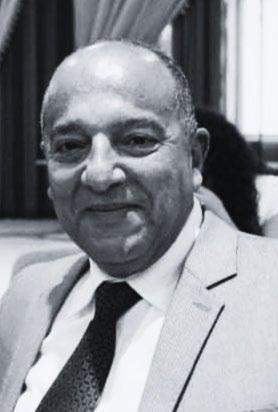
Monaem Amira was the Deputy Secretary-General in charge of Administration and Finance at the Tunisian General Labor Union (UGTT).
Credit: UGTT
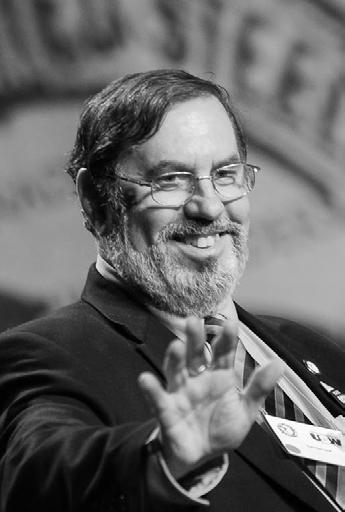
Credit: USW
Credit: SENTRO
Leo W. Gerard was a towering labor leader who rose from the shop floor to serve 18 years as International President of the United Steelworkers and on the AFL-CIO Executive Council and Solidarity Center Board. He was a champion of bold, global unionism.
Credit: SENTRO
Credit: GFBTU
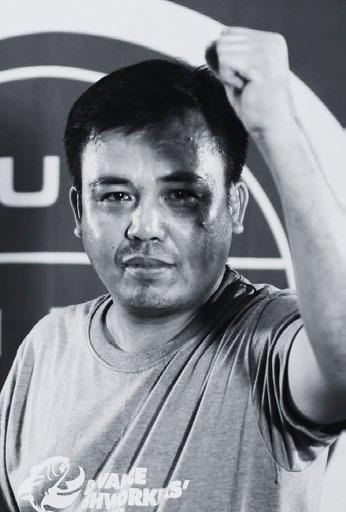
Herbert Demos was a pivotal United and Progressive Workers Center (SENTRO) organiz er in Southern Mindanao , Philippines.
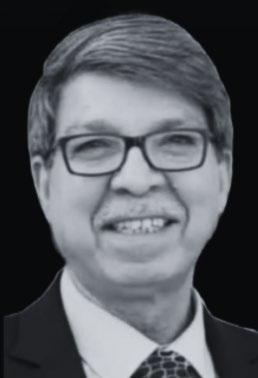
Abdulla Hussain was the Former Assistant General Secretary for Arab and International Relations (GFBTU) and a founding member of several trade union and political bodies, including the General Committee for Workers in Bahrain, GFBTU and Wa’ad Association.
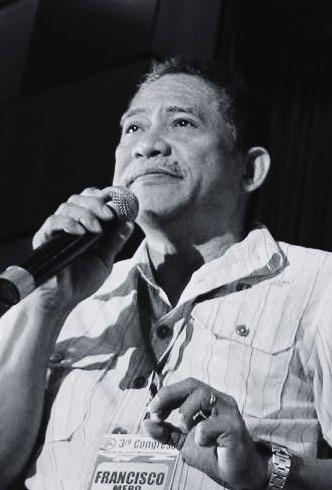
Frank Mero was a SENTRO founding chairperson and the first national president of the Philippines Metalworkers’ Alliance, one of SENTRO’s founding unions.
Credit: UCLA Labor Center
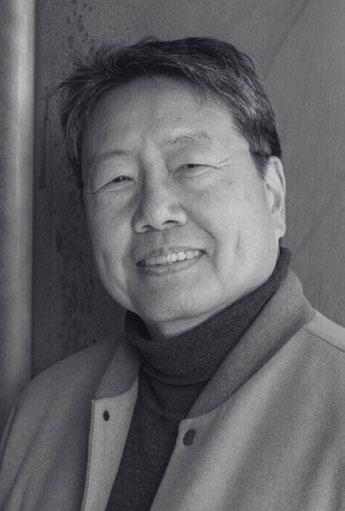
Kent Wong was a lifelong labor leader and educator who led the UCLA Labor Center for more than 30 years, mentoring generations of organizers and strengthening ties between U.S. unions and worker movements globally.
BOARD OF TRUSTEES & SENIOR LEADERSHIP
BOARD OF TRUSTEES
Chair:
Elizabeth Shuler, President, AFL-CIO
Secretary-Treasurer:
Fred Redmond, Secretary-Treasurer, AFL-CIO
SENIOR LEADERSHIP
Shawna Bader-Blau, Executive Director
Erika Fagan, Program Quality, Learning & Compliance Director
Connie Mabin, Executive Communications Director
Sarah McKenzie, Program Strategy & Innovation Director
*As of January 2025
OUR STAFF
Members:
Gabrielle Carteris
Evelyn DeJesus
David McCall
Terrence L. Melvin
Doug Moore
Quoc Nguyen, Finance Director
Rudy Porter, Organizational Strategy & Labor Relations Director, Europe and Central Asia Regional Program Director
Al Davidoff, (retired, 2025) Organizational & Leadership Development Director
Kidane Kinney, Senior Advisor to the Executive Director
In January 2025, more than 400 staff worked in the Solidarity Center’s Washington D.C. headquarters and 34 offices across five continents, each playing a unique role in the global labor movement. Just days into the new year, U.S. government stop work orders and later funding cuts forced painful decisions, resulting in the loss of dedicated, hardworking colleagues who had given years of their lives to this mission.
By December, 195 staff members remained working in 29 offices globally. They carried forward not only the work, but the commitment and spirit of the teammates we lost, navigating uncertainty while continuing to show up for workers and each other.
Through it all, we have stayed focused on our mission. Together with workers, we have continued to organize, win better wages and safer workplaces, and defend the freedoms that make collective action possible.
THIS WORK HAS CHANGED MILLIONS OF LIVES. AND WE WILL KEEP FIGHTING FOR IT.