
Social impact report


Forewords
Rt Hon Justine Greening, Chair of The Purpose Coalition
David Haynes, CEO of ARAG
Ben Maguire MP, Member of Parliament for North Cornwall
Executive Summary
Why This Report Matters to Parliament and Constituencies
An Overview of ARAG and its Purpose
An Introduction to ARAG
ARAG’s Purpose
Significant Cases Insured by ARAG
Breaking Down Britain’s Barriers
Mapping ARAG’s Activity Against the Purpose Goals
Analysis

0 Forewords
Rt Hon Justine Greening, Chair of the Purpose Coalition and Former Secretary of State for Education
Access to justice is often discussed in terms of systems, structures and institutions. In practice, it is about something far more immediate - whether people have a fair chance to move forward when something goes wrong.
Throughout my career in Parliament and in my work on social mobility and opportunity, I have seen how unresolved legal issues can quietly close down life chances. A dispute at work can derail a career. Problems with housing can destabilise a family. A contractual disagreement can put a small business at risk just as it begins to grow. These moments matter, not only in themselves, but because of what they mean for people’s ability to build secure, independent futures.
What is striking is how often these situations could have taken a different course. Too many people find themselves navigating unfamiliar and complex processes without the right support at the right time. By the time they seek help, positions have hardened, options have narrowed and the path forward has become much more uncertain.
This report highlights a critical shift in how we should think about access to justice. It is not solely about resolving disputes once they reach a formal stage. It is about ensuring that individuals, families and businesses can act early, with clarity and confidence, before problems escalate. That earlier intervention can make the difference between a setback that is manageable and one that has lasting consequences.
There is also a clear link to opportunity. If people cannot actually assert their rights, then access to opportunity is uneven from the outset. The ability to challenge unfair treatment, resolve disputes or secure redress is part of what enables people to participate fully in society. Without it, existing inequalities can deepen.
As someone who was an MP for almost 15 years, this is a familiar picture. Constituency casework often reflects the difficulties that emerge when people cannot access timely advice or affordable support. MPs and their teams step in at critical moments, helping constituents make sense of complex situations while systems move slowly around them. This report speaks directly to that experience and offers practical insight into how earlier support can ease that pressure.
It also points to the importance of a broader ecosystem of support. Public provision remains vital, but it can’t meet every need. Models that widen access to guidance and representation, particularly for those who fall outside traditional eligibility thresholds, have a crucial role to play. They can help people take action sooner, reduce the number of disputes that escalate unnecessarily and ensure that outcomes are not determined purely by financial means.
This is not just about reducing the strain on courts, though that matters. It’s about enabling better outcomes earlier. When individuals and businesses are equipped with the right advice at the outset, they are more likely to make informed decisions, resolve issues proportionately and maintain stability in their working and personal lives.
As Parliament continues to consider how best to support a fair and effective justice system, the case studies and insights in this report are both relevant and timely. They reinforce a simple but powerful idea - that access to justice should support opportunity, not limit it.
Ensuring that people can navigate legal challenges with confidence is fundamental to building a more inclusive and resilient society. This report makes a strong and practical contribution to that goal.

David Haynes, Chief Executive Officer, ARAG UK
ARAG is a truly purpose driven business. Having worked for the company since its UK launch, more than 20 years ago, the founding principle of extending access to justice still drives everything that we do.
Every day, people across the UK face legal problems that can quickly start to dominate their lives. It might be a problem at work, a dispute with a landlord, a contract unfulfilled or a family trying to navigate the consequences of clinical negligence.
At the same time, businesses can also be undermined by legal problems. Whether it’s a contract dispute with a supplier or client, trouble getting an invoice paid, a tax investigation or simply ensuring the company is compliant with legislation and regulation, legal headaches distract business owners from what they do best. In some cases, they can even affect the viability of a company.
These are not abstract legal issues. They are moments of stress and uncertainty, often with serious consequences for people’s finances, health and wellbeing.
Too often, such problems escalate not because they are impossible to resolve, but because people cannot access clear advice early enough. Legal aid is limited, and many working families and small businesses cannot afford private legal support. By the time help is found, the situation has often become more complex, more costly and harder to resolve.
At ARAG, our purpose is rooted in a simple belief. Access to justice should not depend on wealth or on knowing how the system works. For many years, we have focused on early legal support - helping people understand their rights and options at the outset, rather than only stepping in once a dispute has escalated.
That early intervention already plays an important role in supporting the justice system. When people and organisations can access legal advice early, many disputes are resolved before they reach court. Where cases do proceed, they are likely to be better prepared and supported. This minimises the number of unrepresented litigants and eases pressure on courts that are already under strain.
This report shows how that approach works in practice, using real examples from housing, employment, education, healthcare and small business. It also makes an important distinction: legal expenses insurance is not a replacement for legal aid, and it should not be seen as one. But it can be a valuable part of a wider solutionparticularly for those who fall just outside eligibility for public support but still need help to assert their rights.
Looking ahead, we want to do more than describe what already exists. We want to work with government, with parliamentarians and with others across the justice system to improve access to early advice and prevent problems escalating unnecessarily. We also want to support MPs and their teams at the earliest stage, helping constituents find the right support before issues turn into crises.
At its heart, this report is about fairnessmaking sure people can access help when it matters, and helping the justice system work better for everyone.
“By the time help is found, the situation has often become more complex, more costly and harder to resolve.”

Ben Maguire MP, Member of Parliament for North Cornwall and Shadow Attorney General
Legal issues now sit at the heart of much MP constituency casework. Matters that initially present as workplace disputes, housing complaints, consumer problems or business challenges often reveal deeper legal complexities on closer examination.
As the Liberal Democrat Shadow Attorney General, I have consistently pressed the Government to improve access to justice, particularly for the most vulnerable. A key focus has been the legal aid means test for victims of domestic abuse. Too often, individuals are denied support at the very moment they need it most. Many are ruled out by restrictive eligibility criteria, including income thresholds that have failed to keep pace with inflation, and stringent capital rules, which can prevent access to legal aid.
Even when victims qualify, securing representation can remain extremely difficult. Across regions such as North Cornwall and the wider South West, there are too few solicitors available to meet demand in legal aid family law in particular. This is driven in part by sustained pressure on legal aid providers, without corresponding funding increases. While fees for immigration
and housing legal aid have risen, family law has not seen similar support, worsening the access to justice gap for domestic abuse victims. The challenge, therefore, is not only resolving disputes, but navigating the legal system itself.
In this context, the importance of early legal advice and preventative support is increasingly clear. Timely guidance allows individuals and businesses to better understand their position and, in many cases, resolve issues before they escalate. Where disputes do proceed, earlier intervention ensures they are better prepared and more efficiently handled.
Following discussions with the ARAG team, I was encouraged to see how they are working to bridge the gap in legal support. As a specialist legal expenses insurer, ARAG supports families and small businesses across employment, housing and related areas, offering an additional layer of accessible advice and representation. The UK needs a broader range of legal support options. The “step-ladder” approach offered by providers such as ARAG represents a practical way of narrowing the gap between limited legal aid and costly private representation, particularly in rural and underserved communities.
This report explores how preventative legal support, including insurance-backed advice, can help address these challenges. Through real-world examples, it demonstrates how earlier access to legal guidance can enable individuals, families and small businesses to navigate disputes more effectively. As Parliament considers how best to strengthen access to justice while easing pressure on the courts, the findings provide valuable insight into how different forms of legal assistance can work together to better support constituents across the UK.
1
Executive Summary
Access to justice remains a critical issue across the United Kingdom. A central challenge, and one that underpins this report, is that many legal problems escalate unnecessarily because advice is sought too late. Issues that could be resolved early often become more complex and costly over time.
For decades, the scope of civil legal aid has narrowed while legal costs have continued to rise. As a result, a growing number of individuals and small businesses now fall into a gap where they are ineligible for legal aid yet unable to afford private legal representation. Meanwhile, the civil justice system continues to face significant backlogs, creating further delay and uncertainty.
This report examines how legal expenses insurance can help address this growing gap. Focusing on ARAG, a specialist legal expenses insurer, it explores how early legal advice, funded representation and preventative dispute resolution can expand practical access to affordable legal support while reducing pressure on courts.
More than 10 million families and millions of businesses already have a legal protection policy, built into or purchased alongside their household, motor or commercial insurances.
What this means for MPs and their advisers
As well as protecting them against the legal costs of the most common types of dispute, policies typically offer access to telephone advice on any legal issue and online resources that can help policyholders resolve problems without having to make a claim.
Freely available legal advice gives families and businesses access to guidance at the earliest stages of a dispute. Early intervention can help resolve misunderstandings and support mediation before positions become entrenched, often avoiding the need for formal litigation.
Legal protection providers also serve an important function in filtering out claims without legal merit and guiding potential litigants to alternative solutions. Where disputes progress, legal expenses insurance can fund representation and cover associated costs, ensuring reasonable claims are not ruled out for lack of financial means.
Taken together, early advice and funded representation improve access to justice while supporting the more efficient operation of the courts.
For Members of Parliament and their teams, the implications of this report are practical and immediate. Early access to legal advice and preventative support can help reduce the volume and complexity of escalated constituency casework, particularly in areas such as housing, employment, consumer disputes and small business challenges. When constituents are able to access timely guidance, they are more likely to resolve issues before they become entrenched, reducing the need for MP intervention at crisis point.
This also strengthens MPs’ ability to signpost effectively. Understanding where early legal support is available enables caseworkers to direct constituents to appropriate help sooner, improving outcomes while reducing repeated contact and prolonged case handling.
At a system level, early legal advice and insurance-backed support contribute to easing pressure on civil courts and employment tribunals by diverting avoidable disputes away from litigation. In turn, this helps reduce delays for the most serious cases. Preventative legal support therefore offers a practical tool for managing casework demand while improving access to justice.
2 An Overview of ARAG and its Purpose
2.1 An Introduction to ARAG
ARAG is a specialist legal expenses insurer, providing legal advice, protection and support to families, motorists and businesses across the UK. As part of the international ARAG Group, which operates in multiple European markets, the United States and Canada, ARAG UK plays a key role in delivering legal protection solutions that help people navigate everyday legal issues with greater confidence.
ARAG was founded on a very clear mission, decades before the modern mission statement was invented. Established in Düsseldorf in 1935, the words of lawyer and publisher Heinrich Faßbender have driven the ARAG Group, ever since:
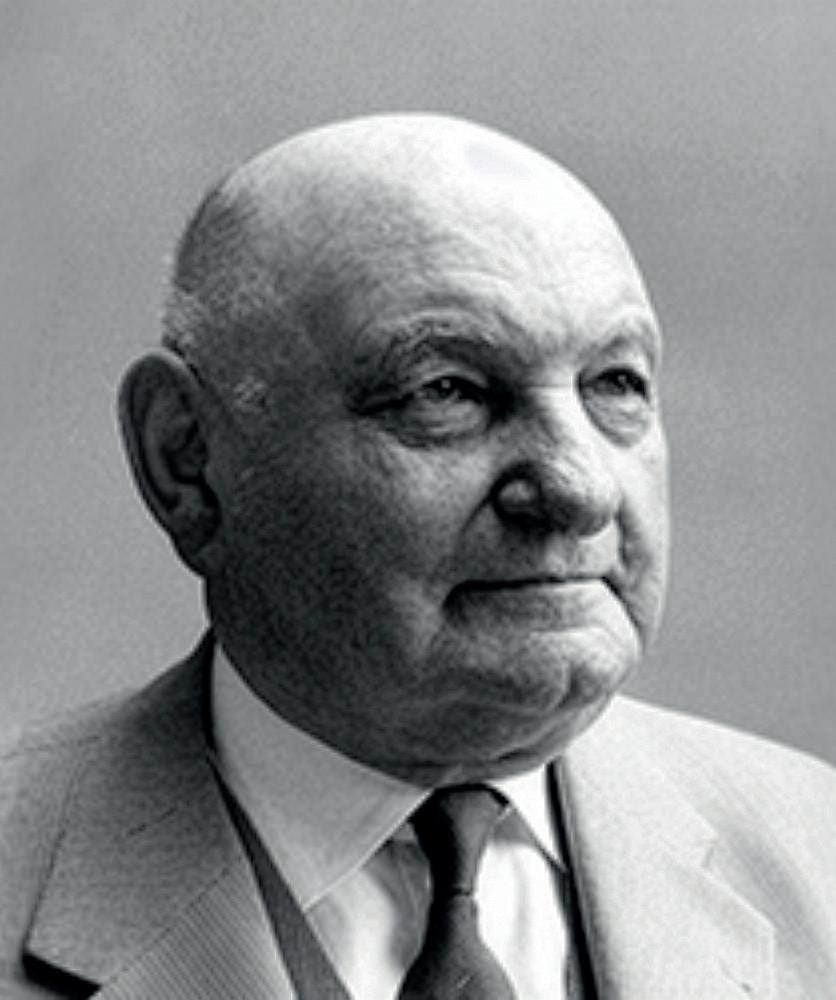
“Every individual should be able to assert his or her rights, not just those who can afford it.”
ARAG’s early years were difficult ones. As a political opponent of the Nazi regime, Faßbender was banned from the publishing industry, forced to resign from ARAG’s Board and the company was still denied accreditation as an insurer. Nonetheless, ARAG survived the war, attempts to force its sale and postwar economic turmoil to become the global powerhouse that it is today.
ARAG UK builds on this heritage, combining decades of legal expertise with a strong understanding of the UK market. Above all the company is driven by the same social purpose that inspired its founder more than 90 years ago.
Its products typically cover areas such as employment and contract disputes, housing matters, consumer issues, personal injury claims and motor-related legal support.
Through partnerships with the insurers, brokers, solicitors and affinity groups that distribute ARAG’s policies, the company insures more than 10 million households and motorists and over a million businesses, ensuring that legal guidance and support is available at moments of uncertainty or vulnerability.
Beyond just insurance, ARAG’s products provide practical legal services, including helplines, online tools and access to qualified legal professionals. This integrated approach allows customers not only to insure against potential legal costs but also to seek early advice that may help prevent issues from escalating. By promoting early intervention and informed decision-making, ARAG supports more efficient dispute resolution and reduces stress for individuals and organisations alike.
Heinrich Faßbender, ARAG’s founder
This early, integrated model of legal protection also plays a wider systemic role. By providing access to expert advice at the earliest stages of a dispute, ARAG helps to resolve many issues before they escalate into formal litigation. In doing so, ARAG not only supports individual customers but also contributes to minimising unnecessary court cases and easing pressure on an overstretched justice system. At a time when court backlogs and delays remain a significant public concern, early legal intervention through insurance-backed advice represents an important part of the solution.
Legal issues such as employment, housing, contract or property disputes can have significant consequences for individuals and small businesses. Over the past decade, the scope of civil legal aid has narrowed significantly, while qualifying thresholds have left many households ineligible for support yet unable to afford private representation. At the same time, civil court and tribunal backlogs remain substantial, placing strain on individuals, businesses and public resources. In this context, legal expenses insurance (LEI) represents an increasingly important, complementary mechanism within the justice ecosystem, widening access to advice and funding while diverting appropriate cases away from litigation. ARAG’s model therefore sits not at the margins of the justice system, but as a central contributor to its resilience and reform.
2.2 ARAG’s Purpose
ARAG’s purpose is rooted in the belief that everyone should be able to assert their legal rights, regardless of their financial situation or legal knowledge. The organisation exists to improve access to justice by removing cost and complexity as barriers to legal support. Through LEI and related services, ARAG aims to empower people to deal with legal challenges confidently, fairly and at an earlier stage.
Legal issues such as employment, housing, contract or property disputes can have significant consequences for individuals and small businesses. Through affordable protection and clear guidance, ARAG helps level the playing field and support fairer outcomes.
In practical terms, this means helping to resolve problems before they reach the courtroom. By providing early legal advice and encouraging mediation, ARAG helps customers to settle disputes at the earliest appropriate stage. This approach reduces emotional and financial strain, delivering better customer outcomes, whilst limiting unnecessary reliance on court proceedings.
ARAG’s vision is underpinned by values that shape how it operates and the impact it seeks to achieve. The organisation places strong emphasis on integrity, professionalism and customer focus, ensuring that advice and support are reliable, transparent and tailored to individual circumstances. Innovation also plays an important role, with ARAG investing in digital tools and services that make legal information easier to understand and access.
While restoring confidence and efficiency to the justice system continues to be a priority for Parliament, ARAG’s preventative model offers a valuable case study. Across parties, ambitions for justice reform have emphasised earlier dispute resolution, reduced court dependency, improved digital processes and better support for vulnerable users. ARAG’s approach aligns closely with these priorities. It demonstrates how private sector provision complements public services, widening access to justice without increasing pressure on the courts.
Through its work, ARAG contributes to a more accessible legal system, where people feel informed and supported rather than intimidated by legal processes. By helping individuals and businesses protect their rights, manage risk and resolve disputes fairly, ARAG demonstrates how insurance can deliver meaningful social impact alongside commercial success.
2.3 Significant Cases Insured by ARAG
While many of the claims that legal expenses insurers pursue can be resolved without recourse to the courts, ARAG has taken on numerous landmark cases, pursuing some all the way to the Supreme Court, occasionally changing the law in the process.
Such important cases can take years to resolve and are inevitably expensive, but they underscore the difference that LEI makes, not just to policyholders, but to justice as a whole.
AXN and Others v Worboys (2012)
In 2012, 10 victims of the prolific ‘black cab rapist’ John Worboys brought a landmark civil case against him and the motor insurers of his taxi. Worboys had been convicted in 2009 of drugging and sexually assaulting several women while working as a licensed London taxi driver. The claim was enabled by an ARAG after the event (ATE) policy, protecting the women from the legal costs, should it be lost.
While the claim was ultimately unsuccessful, it demonstrates the role that LEI plays in enabling those who might otherwise be deterred from pursuing legal action, by the risk of facing significant costs.
‘Access to justice’ does not always mean winning. Enabling those without the means to pursue their case, can sometimes be as important as achieving an early settlement.
“Enabling those without the means to
pursue
their case, can sometimes be as important as achieving an early settlement.”
Shrewsbury and Telford Hospital NHS Trust
ARAG’s ATE policies have been used to insure the cases of thousands of families who have fallen victim to numerous maternity failings that have been exposed over the past 20 years.
Sadly, in cases where a child has died, the low level of compensation afforded to families creates significant underwriting challenges for ATE insurers.
Working with the lead firm of solicitors acting for the families and the firm defending the Shrewsbury and Telford Hospital NHS Trust, ARAG designed a special policy for the bereaved families. This enabled them to pursue their claims without cost or risk, and retain as much of their damages as possible.
“Such important cases can take years to resolve and are inevitably expensive, but they underscore the difference that LEI makes, not just to policyholders, but to justice as a whole.”

Harpur Trust v Brazel (2022)
Music teacher Lesley Brazel first brought her claim for unlawful deduction of wages in 2015, supported by the Incorporated Society of Musicians (ISM). She had the benefit of a Group Legal Solutions policy. Such cover is tailored to suit the legal needs of members of an association, society or group like the ISM.
The case reached the Supreme Court after her employer, the Harpur Trust, appealed a 2019 Court of Appeal judgment in her favour.
The case had significant implications for gig-economy workers and those on “zero-hours” contracts, and was primarily concerned with workers, like Lesley Brazel, permanently employed but not working fixed hours or all weeks of the holiday year, like many in educational settings.
This long-running case highlighted the value that legal protection offers. Mrs Brazel was able to pursue her legal rights all the way to the highest court in the land, securing a basic and significant employment right for many others who work under similar conditions and contracts.

3 Breaking Down Britain’s Barriers
The Purpose Coalition measures organisations against a set of sector-relevant social impact criteria. The Purpose Goals outline 15 interconnected barriers to opportunity. By drawing on expertise provided by academia and business, the goals are designed to specifically address some of the unique challenges facing the UK.
The Coalition’s cross-party work brings together the UK’s most innovative leaders, parliamentarians and organisations to share best practice and develop solutions for improving the role that organisations can play for their customers, colleagues and communities in breaking down barriers to opportunity.
The Purpose Coalition is chaired by Rt Hon Justine Greening, former UK Secretary of State for Education, Transport and International Development.
The Goals were designed following Justine’s experience as Secretary of State for International
Development, leading the UK delegation to the convention of the United Nations that established the 2015 UN Sustainable Development Goals (SDGs). The Purpose Goals apply the SDGs in a UK context.
As interlinked goals, the UN SDGs emphasised the interdependent environmental, social, and economic aspects of development and centralised the role of sustainability. At the time, Justine recognised how transformative a common set of accessible but ambitious goals could be in galvanising action to effect change. After leaving Parliament in 2019, Justine established the Purpose Coalition and Social Mobility Pledge with the intention of galvanising economic and social actors to improve social mobility in the UK.
The Purpose Goals focus on key life stages and highlight the main issues that need to be resolved to break down barriers to opportunity in the UK. The Goals are intended to guide ambition, provoke action, and measure progress.
4 Mapping ARAG’s Activity Against the Purpose Goals
1
Strong foundations in Early Years
Supporting Families, Childcare Providers and Maternity Accountability
Why this matters to MPs and their constituents
MPs frequently support families navigating maternity failings, childcare disputes, SEND challenges and employment issues following parental leave. When early years provision is disrupted - whether through nursery disputes, staffing challenges or clinical negligencethe consequences for families can be long lasting. Constituents often seek help when legal costs feel prohibitive or when NHS or employer processes appear overwhelming.
Ensuring that families and childcare providers can access early legal guidance protects both livelihoods and children’s stability. It also aligns with parliamentary focus on maternity safety, workforce participation and early intervention, preventing disputes from escalating into protracted litigation or deeper family hardship.
The first five years of a child’s life are widely recognised as a critical period of development. Experiences in these formative years shape long-term outcomes in health, education and wellbeing, and early disadvantage can become entrenched by the time a child starts school.
Ensuring that children get the best possible start in life depends not only on the quality of early years provision, but also on the ability of parents and carers to access the right support. Through its role as a legal expenses insurer and as an employer, ARAG contributes to strengthening these foundations both externally, by supporting families and childcare providers, and internally, by enabling its own colleagues to balance work and family life.
Supporting Childcare Providers
As a specialist legal expenses insurer, ARAG partners with brokers and insurers to design cover tailored to complex sectors, including childcare. Through long-standing relationships, ARAG supports nurseries, childminders and other early-years businesses operating in a demanding legal and regulatory environment.
ARAG’s support extends throughout the UK. More than half of the country’s registered childminders have access to ARAG legal protection and guidance. This includes a 24/7 legal advice helpline, enabling childcare professionals to understand their obligations, respond to change and address issues before they escalate.
In addition, ARAG provides online legal tools, practical guidance and customisable documents to help childcare businesses establish robust contracts and employment practices. By reducing risk and uncertainty, ARAG helps childcare providers stay compliant, take on employees and expand their business, while supporting parents returning to work, contributing to both family stability and wider economic participation.
Real-world cases illustrate this impact. ARAG has successfully defended nurseries and childminders in complex care proceedings and employment tribunal cases, as well as pursuing unpaid debts and suppliers over unfulfilled contracts. In each instance, timely legal representation protected both livelihoods and the continuity of care for children.
Case Study: Fee Dispute
A childcare provider made a safeguarding referral to social services concerning a child in her care. Following this, the parents withdrew their child from the nursery and issued legal proceedings to recover fees they had already paid.
ARAG appointed solicitors to act on behalf of the insured, who successfully defended the claim. The court dismissed the action and ordered the parents to pay the nursery’s legal costs, which were assessed at £995. The ARAG policyholder was extremely pleased with both the outcome and the support she received.
Case Study: Employment Dispute
A nursery faced an employment tribunal claim after an employee abruptly resigned and left the nursery operating below required staffing ratios. Later that day, the employer emailed the employee to confirm that her employment had ended. The former employee subsequently brought claims for maternity discrimination and unfair dismissal.
ARAG-appointed solicitors advised that there was little evidence to support the maternity discrimination allegation, however the unfair dismissal claim carried greater risk. A tribunal may have concluded that the dismissal was procedurally unfair or that the resignation occurred in the heat of the moment.
An initial settlement demand of £9,000 was rejected. With ARAG’s support, the matter was ultimately resolved for £3,000, with ARAG contributing towards the settlement, significantly reducing the financial impact on the insured.
Maternity and Birth Injury Claims
A significant proportion of ARAG’s After the Event (ATE) insurance business relates to clinical negligence. These claims require costly medical and expert evidence to establish liability and causation. ARAG not only insures against these costs if a claim is unsuccessful, but can also provide funding for the costs over the life of the claim.
Many of these claims involve the growing number of birth injury cases emerging from systemic failures in NHS maternity and neonatal care. Such claims, which are especially complex and expensive to bring, simply would not be possible without ATE insurance. ARAG provides access to justice in the most crucial of circumstances, often securing settlements for children with life-changing injuries. This compensation enables families to access lifelong care and specialist support, giving affected children the best possible start in life despite avoidable harm.
After the Event Legal Expenses
After the Event (ATE) legal expenses insurance is taken out after a legal dispute has arisen and protects individuals or businesses from the financial consequences of an unsuccessful outcome. This typically includes cover for an opponent’s legal costs, as well as the claimant’s own disbursements such as court fees, medical reports and expert witness costs.
ATE insurance is most commonly used alongside “no win, no fee” arrangements, where there is no Before the Event (BTE) insurance available and where claimants would otherwise be unable to afford the financial risk of litigation. By supporting solicitors offering conditional fee agreements, ATE insurance allows claims to be pursued based on merit rather than financial means. In the UK, where legal aid is limited and many, especially low-income households do not have BTE legal protection, ATE insurance extends access to justice in some of the most important cases.
Advising New Parents
Alongside its insurance activity, ARAG extends support directly to families within the communities in which it operates, recognising that new parents can face significant legal and financial uncertainty at particularly stressful moments. This includes its wider commitment to community-based legal support, notably through its partnership with Bristol Law Centre, which helps ensure families can access early, independent advice when they need it most.
ARAG has offered a year of complimentary legal advice to families supported by The Grand Appeal, a charity that provides accommodation and practical help to families of children undergoing treatment at Bristol Children’s Hospital. Families in these circumstances are often navigating complex issues relating to employment, housing, benefits or financial pressure at the same time as coping with serious illness. Access to trusted legal advice helps to reduce additional stress and allows parents to focus on their child’s care and recovery.
Similarly, ARAG is supporting Operation Community Hamper, a Bristol-based charity delivering Christmas care packages to more than a thousand families experiencing financial crisis. These initiatives demonstrate ARAG’s commitment to supporting young families beyond its commercial relationships, particularly those facing disadvantage at critical moments.

Working Parents
Within its own organisation, ARAG has embedded family-friendly policies designed to help colleagues balance professional responsibilities with caring for young children.
One of ARAG’s five employee networks is dedicated specifically to parents and carers, creating a forum for peer support and advocacy within the business. This is complemented by flexible working arrangements, comprehensive parental leave policies and a women’s work lab aimed at supporting mothers after maternity leave. These policies enable colleagues to remain engaged in the workforce while maintaining an active role in their child’s development.
“One of ARAG’s five employee networks is dedicated specifically to parents and carers, creating a forum for peer support and advocacy within the business. ”
Helping Schools Manage Legal Risk to Protect Budgets and Focus on Pupils
Why this matters to MPs and their constituents
Schools are among the most common sources of constituency casework - particularly around exclusions, safeguarding, discrimination claims, staffing disputes and financial pressures. When legal disputes arise, they divert leadership time and scarce school resources away from pupils. MPs are often asked to intervene where processes have broken down or where tribunal proceedings are underway.
Early legal advice and structured risk management help schools resolve disputes proportionately, protecting pupils while minimising reputational and financial damage. In the context of tight education budgets and SEND pressures, preventative legal support reduces avoidable escalation and supports stable learning environments across constituencies.

Supporting Schools through Insurance and Legal Expertise
Education is an important area of focus for ARAG, delivered through a range of partnerships across the education sector, including its long-standing relationship with Zurich Municipal (ZM). Together, they enable schools across the UK to access tailored insurance solutions and specialist legal support that address the specific risks faced within educational settings.
Despite the introduction of the Department for Education’s Risk Protection Arrangement in 2014, schools continue to rely heavily on ARAG’s cover, with education-related cases accounting for a large number of claims handled annually. This reflects both the complexity of the sector and the value schools place on comprehensive, responsive protection.
Alongside insurance cover, ARAG provides schools with access to expert legal advice, particularly in employment-related matters. In 2025 alone, one school sought legal guidance on 93 occasions, all relating to employment issues, despite having no active claims against it. This proactive use of legal advice highlights how early intervention can help schools resolve issues before they escalate.
Through this combination of insurance cover and preventative legal advice, ARAG helps schools to protect pupils, manage financial risk and maintain continuity of education during challenging situations.
A positive and stable school experience plays an essential role in shaping children’s long-term outcomes. To thrive, pupils need safe, well-maintained learning environments, access to appropriate resources and the support of skilled teachers.
However, schools operate within increasingly complex and pressurised settings, where unexpected incidents, disputes or operational challenges can quickly divert attention away from education.
Effective insurance provision helps schools manage these risks smoothly, ensuring that leadership teams can remain focused on what matters most: supporting pupils personally and academically.
Case Study: Defending against Discrimination Claims
An academy faced an Employment Tribunal claim from a former employee alleging direct race discrimination and harassment. The claim followed a safeguarding investigation, prompted by a pupil’s serious complaint, and a subsequent dismissal for unrelated reasons including unauthorised absence and failure to provide medical evidence.
The academy notified ARAG promptly through its legal expenses insurance policy and received comprehensive support from ARAG and insurance provider Zurich Municipal, including early case assessment, defence preparation and assistance throughout disclosure and case management. The tribunal ultimately rejected the discrimination and harassment claims, protecting the academy from potential financial liabilities and reputational damage. All legal costs were covered, allowing the school to move forward without diverting resources away from pupils.
Expanding Career Pathways into Law and Insurance
Why this matters to MPs and their constituents
Youth unemployment and skills gaps, along with limited local opportunities, are persistent concerns raised in constituency casework. MPs are often approached by young people struggling to access apprenticeships or clear career pathways.
Expanding routes into law and insurance through apprenticeships and paid internships aligns with parliamentary priorities around social mobility and skills reform. Alternative pathways that combine paid work with qualifications reduce student debt burdens and widen access beyond traditional graduate routes. Supporting credible local career opportunities strengthens regional economies and ensures young people can build sustainable futures without needing to leave their communities.
The period immediately after leaving school is a critical stage in a young person’s life. Ensuring that young people are able to progress into meaningful pathways - whether higher education, training, apprenticeships or employmentis essential to building a fair and resilient society.
For young people from disadvantaged or underrepresented backgrounds, this transition
can be particularly challenging. Structural barriers, limited access to professional networks and a lack of exposure to certain sectors can restrict opportunities and narrow career aspirations. ARAG recognises that addressing these challenges requires proactive engagement and long-term investment in pathways that support inclusive progression. Through a range of targeted initiatives, the organisation is working to help young people access and succeed in careers within law and insurance.
Building the Talent Pipeline
Creating accessible entry points into the legal and insurance professions is central to developing a diverse and skilled future workforce. ARAG is committed to broadening access to these sectors by supporting initiatives that remove barriers and provide opportunities for young people who might otherwise be excluded.
A key element of this work is ARAG’s partnership with the Strive Internship Programme. Strive is a cross-sector initiative designed to support students from global majority communities through paid internships. In 2025, ARAG sponsored two eight-week legal assistant internships, welcoming participants into the business and providing hands-on experience within its legal teams.
The programme was delivered as a collaborative effort across the organisation, with colleagues contributing to mentoring, skills sessions and wider support. The impact of this approach has been tangible, with one intern progressing into a permanent legal assistant role following the placement. ARAG also extended engagement beyond the internship itself, inviting shortlisted candidates who were not selected to networking events, ensuring wider access to insight and professional connections.
"My experience at ARAG Law has been incredibly supportive and eye-opening. Before starting my internship, I was uncertain about what area of law I wanted to pursue. Shadowing across different departments helped me identify my strengths and passions. The welcoming and knowledge-sharing culture at ARAG made me feel well-trained and encouraged throughout - it’s an experience I would gladly do again." - Strive Intern
Alongside this, ARAG offers work experience placements for school-aged students who seek exposure to the sector, as well as summer placements for second and third-year law students. These opportunities allow young people to explore whether a career in law or insurance is right for them, while enabling ARAG to identify and nurture future talent.
ARAG’s early careers activity also includes outreach to GCSE students through careers events and visits, ensuring that accurate information and guidance about legal and insurance careers is accessible from an early stage. In addition, ARAG has worked with the University of the West of England to help design the MSc Risk Management and Insurance course, contributing sector insight and guest lectures to ensure graduates leave with relevant, employer-informed skills.
Apprenticeships
Apprenticeships form a core part of ARAG’s approach to positive post-16 destinations, offering multiple routes into the legal profession for both school-leavers and graduates. ARAG Law currently has 35 apprentices working across eight teams, studying towards either the Level 7 Solicitor Apprenticeship or the Level 3 Paralegal Apprenticeship.
These pathways provide an important alternative to university and attract people of different ages, including career changers. The Solicitor Apprenticeship offers a route into the profession with or without a degree. While the standard programme lasts six years, exemptions apply for those with degrees or existing qualifications, with apprentices completing courses over 30, 36 or 48 months. Apprentices gain hands-on experience across a range of legal areas, supported by 20% paid off-the-job study time, a dedicated supervisor and an apprentice mentor.
The Level 3 Paralegal Apprenticeship offers a flexible entry point and can lead on to the Level 7 programme.
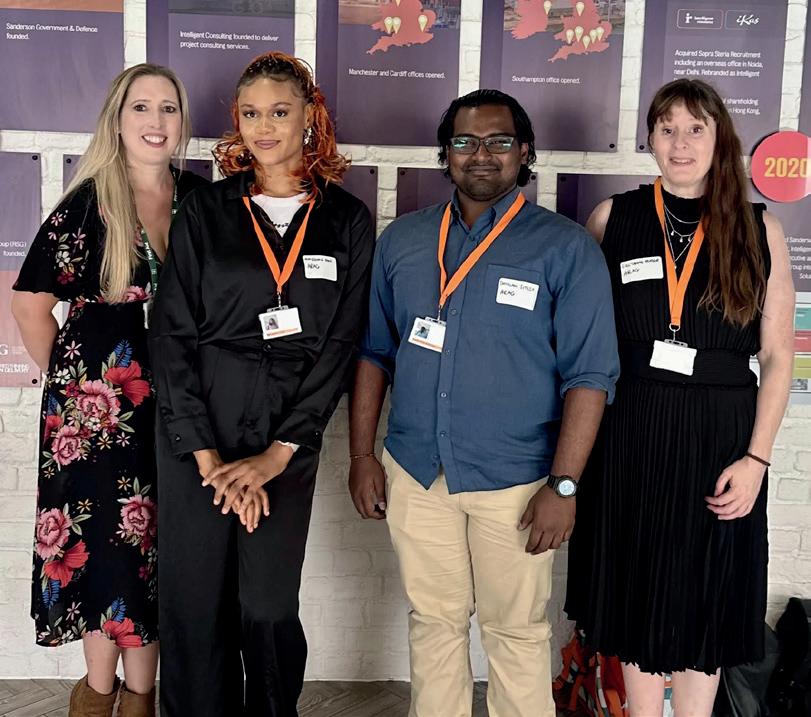
Case Study: Corey
Corey knew university wasn’t the right path for him. Keen to enter the world of work, he applied for a Business Support Administrator role after college. Seven years later, he is a paralegal in ARAG Law’s Catastrophic Injury Team and is working towards qualifying as a solicitor.
Having studied English, History and Law at A level, Corey didn’t feel motivated by the prospect of another three or four years of full-time study. Instead, he wanted practical experience but wasn’t sure where to start. A family member mentioned a vacancy at her law firm, which sparked his interest. After preparing thoroughly for the interview, Corey was offered a role on the Customer Services Team as a Business Support Administrator.
After a year, he progressed to Legal Assistant and then Paralegal. During this time, his supervisor introduced him to ARAG Law’s Apprenticeship Scheme. Between 2022 and 2024, Corey completed the Level 3 Paralegal Apprenticeship, funded through the apprenticeship levy, and he is now undertaking the Level 7 Solicitor Apprenticeship.
With one dedicated study day each week, Corey balances learning with running his own caseload and supporting colleagues. He values the apprenticeship route for combining hands-on experience with academic study, allowing him to apply legal principles in real working environments.

Ensuring Constituents Can Access Early Legal Advice
Why this matters to MPs and their constituents
Constituents frequently contact MPs at moments of acute stress: following workplace disputes, housing problems, discrimination concerns or business contract issues. Many seek reassurance as much as representation, unsure of their rights or next steps.
Early, accessible legal advice can prevent escalation into formal grievances or court proceedings. This reduces pressure on both MPs’ casework teams and publicly funded services. With court backlogs and legal aid constraints continuing to affect access to justice, preventative advice models help ensure that residents receive timely support while avoiding unnecessary litigation, aligning with cross-party ambitions to promote early dispute resolution.
Access to timely, reliable advice plays a critical role in helping people navigate key moments in their lives, whether related to work, family circumstances, health or major life decisions. For many, trusted networks of friends, family or professional contacts act as an informal gateway to guidance and support. However, not everyone has access to these networks. Without clear and accessible routes to advice, existing inequalities can deepen, leaving some individuals and businesses more exposed to risk, stress and disadvantage.
ARAG’s social impact is closely connected to this challenge, so the company is uniquely positioned to address gaps in access to legal guidance. Through its legal advice helpline and services, the organisation uses its expertise, professional resources and infrastructure to ensure that individuals and businesses can obtain high-quality legal support when they need it most.
Right advice and experiences 4
Legal Advice Helpline
ARAG’s legal advice helpline provides wide-ranging support across many areas of law, reflecting the breadth of issues faced by both individuals and organisations. In 2025, ARAG delivered almost 100,000 pieces of legal advice to personal and commercial customers. For commercial clients, the most common enquiries related to contracts, employment, consumer law, company law and property issues, highlighting the legal complexity inherent in managing commercial relationships and premises. Personal customers most frequently sought guidance on consumer disputes, employment, family matters, personal injury and property, demonstrating how legal challenges often arise from everyday situations and life events.
Legal advice is included for all of ARAG’s personal and commercial customers and is designed to support them across the full spectrum of legal issues. Customers can access the service 24 hours a day, 365 days a year, and can seek advice as often as required. This continuous availability recognises that legal concerns rarely arise neatly within standard working hours and ensures the service fits around the realities of people’s lives.
Many issues, particularly in employment law, require ongoing guidance as matters progress through defined legal processes. In 2025, 64% of commercial customers and 60% of personal customers sought followup advice on the same issue, reflecting the value of sustained support rather than one-off interventions. Some commercial clients make particularly frequent use of the service, with ARAG’s heaviest users seeking advice multiple times each week. In these cases, managers and HR professionals use the helpline to resolve employment queries at an early stage, often preventing escalation.
The high volume of repeat and follow-up calls demonstrates the preventative value of ARAG’s model. Many of these matters never progress to a formal claim or court action because customers receive structured guidance at critical decision points.
Beyond technical guidance, the helpline provides an important point of reassurance during periods of high stress. At a time when unregulated and often incorrect legal guidance is widely available online, ARAG’s regulated advice service is underpinned by robust quality assurance and service frameworks. Legal advisers are trained to recognise and respond to customers who may be vulnerable. Customers can also access an online documents platform offering practical resources, such as template letters, to support them in managing legal issues independently.
Case Study: Housing Association
In 2025, ARAG received 87 requests for legal advice from a large housing association. The volume and nature of enquiries reflect the complex legal environment in which large social housing providers operate, particularly in relation to employment matters.
One example occurred when the housing association contacted the legal advice helpline on three separate occasions while managing a disciplinary process involving an employee. The case related to the alleged misuse of a company vehicle, speeding offences and behavioural issues that were considered to amount to serious misconduct.
ARAG’s legal advisers provided guidance at each stage of the process, supporting the organisation to understand its legal obligations and follow the appropriate procedures. Through timely, ongoing advice, ARAG helped the organisation navigate a sensitive and risky situation with confidence and avoid a potential tribunal claim.
Case Study: SME Contract Advice
A technology SME contacted ARAG’s legal advice service on 55 occasions in 2025, with a significant proportion of these enquiries related to a contract dispute.
The policyholder sought advice on 12 separate occasions regarding this issue over a three month period. ARAG’s legal advisers initially focused on resolving the dispute informally, providing guidance on negotiation strategies and directing the customer to ARAG Business Law resources, including template correspondence designed to support an amicable outcome.
Despite these early interventions, a resolution could not be reached. As a result, the policyholder made a claim under their legal expenses insurance policy. ARAG appointed a panel law firm to formally represent the business. Using approved panel firms to support ARAG’s own law firm ensures that policyholders get swift representation from solicitors with appropriate experience in particular areas of law, on terms that make the most of the limit of indemnity available on their policy. This case demonstrates how early access to legal advice can support informed decision-making and preparation, even where disputes ultimately progress to litigation.
Case Study: Discrimination Support
Between October and December 2025, an individual policyholder contacted ARAG’s legal advice service on seven occasions in relation to concerns about workplace discrimination. The customer believed they had been treated unfairly due to their disability and sexual orientation.
Following a period of absence, the individual was placed on a performance improvement plan and subsequently raised a formal grievance. Throughout this process, ARAG’s legal advisers provided ongoing guidance, helping the customer understand their rights, the relevant procedures and the potential options available at each stage.
Although the grievance was ultimately unsuccessful, the continued access to advice enabled the customer to make an informed decision to pursue a formal discrimination claim under their policy. This case highlights the role of accessible legal advice in supporting individuals during stressful and emotionally challenging situations, ensuring they are not left to navigate complex and often costly legal processes alone.
Fair Recruitment Practices and Tackling Workplace Discrimination
Why this matters to MPs and their constituents
Fair access to employment is one of the most common issues raised in constituency offices, particularly where residents feel recruitment processes have been opaque or discriminatory. MPs regularly support constituents facing unfair treatment in hiring or progression.
Transparent recruitment practices and access to legal advice when processes fail reinforce public confidence in local employers and institutions. As Parliament continues to scrutinise equality legislation and workplace fairness, ensuring that individuals can challenge discriminatory recruitment affordably strengthens labour market participation, while reducing unresolved grievances that may otherwise escalate into costly tribunal claims.
“In 2025, ARAG handled more than 2,000 personal and commercial cases relating to recruitment and discrimination.”
Fair and meaningful employment is a cornerstone of social mobility and economic inclusion. For recruitment to be genuinely fair, it must be open, transparent and designed to remove barriers that can disadvantage certain groups. ARAG recognises that inclusive recruitment is not only a matter of internal good practice, but also a wider social issue that requires support, advice and access to justice when things go wrong.
ARAG contributes to open recruitment in two key ways: by supporting individuals and businesses with legal advice and representation when recruitment processes are unfair, inaccessible or discriminatory, and also by embedding inclusive practices within its own organisation.
Beyond its own workforce, ARAG supports small and growing businesses by providing legal advice on recruitment practices. This guidance helps employers ensure their processes are lawful, fair and accessible, reducing the risk of discrimination while supporting sustainable business growth.
Recruitment Discrimination
When recruitment processes fail, ARAG plays a critical role in supporting access to justice. In 2025 alone, of all the employment matters ARAG handled for individuals and businesses, more than 2,000 related to recruitment and discrimination. These cases range from disputes with recruitment agents to serious concerns about fairness, transparency and equal treatment.
Recruitment Practices
ARAG is committed to making its recruitment processes as fair and objective as possible. This includes the use of blind recruitment techniques, balanced interview panels and the proactive offering of reasonable adjustments to candidates who need them. Recruitment decision makers receive dedicated training, and clear expectations are set around gender on interview panels, particularly for senior roles.
To ensure its processes do not unintentionally exclude certain groups, ARAG monitors candidate progression at each stage of recruitment. Where patterns of decline or withdrawal emerge for specific demographics, the organisation seeks to understand why and take action to remove barriers. One way this insight is developed is through reverse mentoring programmes, which help senior leaders better understand obstacles faced by underrepresented groups, including areas where representation remains low.
ARAG also seeks to widen access to the legal and insurance sectors by avoiding unnecessary entry requirements. Many roles do not require a law degree or prior experience in financial or legal services, recognising that capability and potential are not limited to traditional career pathways.
All vacancies are open to internal applicants to support progression and retention. Where internal candidates are unsuccessful, they are offered constructive feedback and development conversations to help them build the skills needed for future opportunities. External candidates are also offered feedback following interviews, reinforcing transparency and learning at every stage.
Case Study: Recruitment Claim
When Dan applied for a coordinator-level role at an organisation that promoted open and transparent recruitment, he was encouraged by its emphasis on fair access and skills-based selection. Lacking industry connections, Dan believed the process would provide a genuine opportunity to progress on merit.
During recruitment, inconsistencies began to emerge. Dan was required to complete multiple assessment stages, while other candidates appeared to progress more quickly. Despite receiving positive informal feedback, communication slowed and he was eventually rejected for ‘lack of cultural fit’, a criterion not referenced in the job advert or assessment framework.
Seeking clarity, Dan requested feedback and was later informed that the role may have been informally promised to another candidate before the recruitment process concluded. When he continued to raise concerns, the organisation escalated the situation by issuing a written warning, accusing him of inappropriate communication. This caused Dan significant distress and concern about his professional reputation.
Dan contacted ARAG through his legal expenses insurance policy and accessed legal advice via the helpline. A solicitor reviewed the recruitment process and found deviations from the organisation’s stated approach, inconsistent application of criteria and a lack of evidence supporting the rejection. Following a formal legal challenge, the organisation retracted the warning, issued an apology, reviewed its recruitment practices and provided compensation.
Fair career progression
Supporting Workforce Progression and Workplace Equality
Why this matters to MPs and their constituents
Stalled progression and unequal access to advancement are often raised as concerns by working constituents. MPs hear from residents who feel blocked from promotion or unable to access training.
Transparent progression pathways and funded professional development support workforce productivity and earnings growth within local economies. In the context of national debates about pay, retention and workplace equality, structured career mobility contributes to economic resilience. Employers who embed fair progression practices reduce the likelihood of disputes escalating into grievances or tribunal cases, easing pressure on employment tribunals while supporting constituents to build stable, long-term careers.
Fair career progression is fundamental to creating a workplace where people can thrive over the long term. Securing a role is only the first step; once in post, individuals need clear opportunities to learn, develop and move into positions of greater responsibility.
ARAG helps businesses to understand their legal obligations and how to observe them, encouraging equality and fair progression in workplaces up and down the country.
Law guides and online document-building services help SMEs to put the right policies and procedures in place and embed them into the business.
Having legal advice at the end of the phone, without the worry of how much it will cost, encourages employers to check decisions and practices.
At the same time, individuals have access to resources that enable them to check the legality of how they are being treated. One call to the legal advice helpline can quickly confirm whether or not an employer is treating a policyholder fairly and legally.
By providing so much guidance to so many businesses and employees, ARAG helps to keep workplaces and workforce progression fair, and resolve potential tribunal cases before they ever arise.
ARAG also recognises its responsibility to ensure equality and fair progression in its own workplace. The company has embedded career development into its culture. Through structured onboarding, accessible professional development, transparent progression pathways and active monitoring of outcomes, ARAG aims to ensure that all colleagues can progress on the basis of capability and aspiration.
Supporting New Starters
ARAG places strong emphasis on helping new colleagues establish themselves successfully from the outset. Comprehensive induction and onboarding processes ensure that employees have access to the information, tools and support they need as they settle into their role and the wider organisation.
This early support is reinforced after the initial settling-in period. At the six-month mark, colleagues are invited to take part in a dedicated development workshop. This session encourages reflection on strengths, interests and ambitions, and helps individuals identify potential next steps in their career. Opportunities such as coaching, mentoring and targeted development are introduced at this stage, ensuring that progression is considered early.
Professional Development Opportunities
Ongoing learning is a core component of ARAG’s approach to fair progression. Colleagues are actively supported in identifying where they would like to grow, and the organisation provides multiple routes to develop new skills and capabilities. These include apprenticeships, internal mentoring relationships and externally delivered training programmes.
ARAG currently supports 174 professional memberships and is helping 88 employees work towards recognised professional qualifications, with more than half of these achieved through apprenticeship pathways. This investment reflects a commitment to making development accessible and to supporting colleagues at different stages of their careers.
Clear Progression Pathways
Progression at ARAG is underpinned by transparency. Clearly defined career pathways exist across areas of the business, supported by a comprehensive Career Pathways document. This resource sets out the requirements for progression into new roles, enabling colleagues to understand what is needed to achieve their career goals.
A competency matrix further supports this process, outlining the behaviours and skills required at each level. Once a colleague demonstrates the required competencies, they can move to the next level, working closely with their team leader to evidence readiness. This approach reinforces fairness and removes unnecessary barriers to advancement.
Succession planning also plays a key role. Future leaders are identified early and supported through targeted development, including the Aspire talent programme, which is open to all colleagues.
Case Study: Jadey
“Over my 22 years with DAS and ARAG, I have been continually supported to grow, both professionally and personally. The company sponsored a wide range of qualifications that helped build the foundation of my career, including Customer Service NVQ Levels 2 and 3, Business Support Level 3, Insurance Level 3, my Cert CII, and ILM Levels 2 and 3. Each qualification gave me not only technical skill but genuine confidence in my ability to progress, demonstrating ARAG’s commitment to opening doors for colleagues who may not otherwise have had access to these opportunities.
Early Team leaders saw potential in me long before I recognised it in myself, encouraging my development and creating space for me to stretch and grow. As my career progressed, my Head of Department championed my ambitions and gave me both challenge and trust, and I have also had mentors who provided invaluable guidance that helped shape my leadership style.
My journey is a reflection of what ARAG stands for: creating real, accessible pathways for people to grow, no matter where they begin. The investment in skills, qualifications, and meaningful support has not only helped me develop into the leader I am today but also inspired how I now lead others.”
Identifying and Addressing Barriers
ARAG closely monitors progression data across different demographic groups to identify any persistent barriers. Where underrepresentation is identified, the organisation works in partnership with its five employee-led networks to deliver targeted career development and networking initiatives. These actions are already contributing to improved outcomes, including a notable increase in women progressing into senior roles, with continued focus on driving further progress.
Removing Financial Barriers to Justice
Why this matters to MPs and their constituents
Financial vulnerability is a recurring theme in constituency casework, particularly where residents are forced to abandon legitimate claims due to cost risk. Clinical negligence, tenancy disputes and contractual disagreements often involve significant upfront expenses.
Deferred-premium and disbursement funding models for ATE policies allow individuals and small businesses to pursue meritorious claims without immediate financial exposure or cash flow implications. This is particularly relevant given restricted legal aid eligibility and cost-of-living pressures.
By reducing financial barriers to justice, such mechanisms support parliamentary objectives around fairness and economic security, while helping ensure that the ability to assert legal rights does not depend solely on personal wealth.
Financial security plays a crucial role in shaping people’s ability to pursue opportunities, assert their rights and improve their circumstances. When access to financial resources is limited, individuals may be forced to delay or abandon important decisions, from seeking legal redress to planning for long-term wellbeing.
ARAG’s social impact strategy recognises that financial barriers can restrict social mobility and undermine fairness.
Through its products and employment practices, ARAG works to widen access to justice and financial protection, ensuring that cost does not prevent people from taking action or securing support when they need it most.
Expanding Access to Justice
ARAG supports wider access to justice through its approach to funding legal claims, particularly in complex and costly areas such as clinical negligence. As part of its After the Event (ATE) insurance offering, disbursement funding can cover key legal costs as a case progresses. This significantly reduces the immediate financial burden on individuals pursuing claims, who might otherwise face substantial upfront expenses.
Clinical negligence cases are often lengthy and expensive. The investment required and uncertain outcome would deter most families, but especially those on lower incomes who are less likely to have a BTE policy to cover the costs.
ARAG’s ATE policies enable reputable law firms to take on cases with merit under no-win, no-fee arrangements. The premium is only payable if the case is won and damages are awarded. By funding disbursements as claims progress, ARAG enables partner firms to pursue justice on the strength of the case, rather than be put off by the risk of incurring crippling costs.
This model plays an important role in levelling the playing field, ensuring that access to legal recourse is determined by legal merit rather than personal wealth. Deferred premiums function as a practical mechanism for extending justice. ARAG’s ATE policies and disbursement funding remove financial barriers to accessing justice for many who are facing the most desperate and uncertain futures.
Case Study: £9 million birth injury settlement
In 2020, an ARAG ATE policy was used to help secure a £9 million settlement for a child who had sustained life-changing injuries at birth, more than a decade before.
The case was initially funded by Legal Aid but was transferred onto a conditional fee agreement (CFA) because the Legal Aid Agency would only allow limited costs with which to investigate the claim. These were insufficient to see the case through to settlement, so it was necessary to switch to a CFA supported by an ATE policy.
Even though a Fitness to Practise hearing conducted by the General Medical Council had resulted in the obstetrician being struck off the medical register for the serious failings in this and a number of other cases, the defendant disputed causation and continued to defend the case throughout.
Liability in the case was ultimately agreed at 70 per cent of the total £13 million value of the claim, but only after proceedings had been issued against the defendant. The claimant had to call upon the evidence of a number of expert witnesses.
This difficult case highlights how important the use of CFAs and ATE policies is in clinical negligence claims, and why ARAG has robustly defended the transfer of claims from Legal Aid, in the face of significant challenges from defendants.
Ultimately, the settlement has enabled the family to afford the level of care and support their child will always need, and would not have been achievable without ATE insurance to protect the family from the risks of adverse costs.
Employee Benefits
ARAG also contributes to financial resilience and wellbeing through its comprehensive employee benefits package. The organisation runs dedicated pension sessions to help employees understand their retirement savings and make informed decisions about their financial future. These sessions are designed to improve financial literacy and empower employees to manage their long-term security more effectively.
Alongside this, employees have access to an extensive wellbeing and protection offering. This includes enhanced legal protection and advice, motor breakdown and home emergency assistance, counselling services, digital GP access, mental health support and free eye tests. Additional benefits such as cycle-to-work schemes, discounted gym memberships, event tickets, interest-free season ticket loans and shopping vouchers provide further financial relief and lifestyle support.
Collectively, these benefits help employees access services and protections that may otherwise be out of reach, reinforcing ARAG’s commitment to reducing financial barriers and promoting long-term stability.

Securing Health and Justice
Why this matters to MPs and their constituents
Housing disrepair, maternity failings, occupational disease and unsafe working conditions are common and emotive issues in constituency surgeries. MPs frequently assist residents living with mould-related illness, unresolved compensation claims or workplace injuries. These cases often intersect with wider public health and regulatory concerns.
Early legal intervention and funded access to expert evidence can accelerate resolution, secure compensation for rehabilitation and reduce prolonged hardship. As Parliament considers housing standards, veterans’ welfare and NHS reform, effective mechanisms for enforcing rights support both individual wellbeing and wider accountability, while preventing avoidable strain on courts and public services.
The right to good health and wellbeing underpins an individual’s ability to participate fully in society and to achieve positive outcomes across all areas of life. Physical and mental health are closely connected to stability, confidence and resilience, and when health is compromised the impacts can be wide-ranging.
ARAG recognises this interdependence and contributes to healthier outcomes both by supporting its own employees and by standing alongside customers at times when illness, injury or distress intersect with legal challenges.
“MPs frequently assist residents living with mould-related illness, unresolved compensation claims or workplace injuries.”
Good health and wellbeing 8
Supporting Health through Legal Claims
ARAG plays a significant role in enabling access to justice for individuals whose health has been harmed through negligence, unsafe living conditions or hazardous working environments. In clinical negligence cases, ARAG supports customers in pursuing claims that can result in substantial compensation. These funds are often vital in enabling access to rehabilitation, therapy, longterm care and adaptations to daily living, allowing individuals to manage the ongoing impacts of injury or illness and improve their quality of life.
Beyond clinical settings, ARAG also addresses two major public health risks: substandard housing and occupational disease. Housing disrepair claims seek redress for tenants living in unsafe or unhealthy rental conditions, including cases where exposure to issues such as mould has caused or worsened physical illness. Industrial disease claims cover a wide range of work-related conditions, including noise-induced hearing loss, repetitive strain injuries, vibration-related harm and exposure to toxic substances such as asbestos. ARAG’s After the Event insurance plays a critical role in these cases by covering the cost of expert medical and technical reports required to evidence claims.
In 2025 alone, ARAG supported 727 housing disrepair claims and 6,095 industrial disease claims. The introduction of Awaab’s Law in 2025 represents a significant shift in this landscape, strengthening tenant protections and increasing accountability for social landlords. ARAG is preparing for the increased demand this will bring by expanding its housing disrepair offering, developing new partnerships and increasing policy volumes from 2026 onwards.
ARAG also provides extensive support to military personnel and veterans affected by servicerelated hearing loss, one of the most prevalent occupational injuries in the armed forces. To date, ARAG has insured over 8,000 ATE policies for military noise-induced hearing loss claims and anticipates supporting a further 5,000 claimants in 2026.
Customer Mental Health
ARAG also understands that legal problems can be a significant source of stress and anxiety; often ARAG customers are vulnerable due to the circumstances of a claim. ARAG policyholders have access to a confidential counselling helpline that is available to support policyholders and members of their families with any personal issue they may be dealing with.
The counselling service is also available to employees of the companies that ARAG insures, providing an important workplace benefit and support to millions of working people.
By acknowledging the emotional impact of legal challenges and responding with empathy and practical support, ARAG helps protect not only its customers’ legal interests, but their wider mental health and wellbeing.
Employee Wellbeing
ARAG recognises that a healthy organisation depends on the wellbeing of its people. Employees are supported through a comprehensive wellbeing offering that includes discounted gym memberships, mental health and counselling services, digital GP access and free eye tests.
The organisation also fosters a supportive internal culture, with Mental Wellbeing Champions and an internal mental health network providing peer support alongside access to a 24/7 Employee Assistance Programme. In response to employee feedback, ARAG plans to introduce internal fitness classes to further encourage physical wellbeing.
Given the emotionally demanding nature of some roles, ARAG has clear and compassionate guidance in place to help colleagues manage challenging interactions. Employees are encouraged to prioritise emotional safety, take breaks when needed, seek support from peers or leaders, and access specialist wellbeing resources so that no one feels isolated when dealing with difficult situations.
Protecting SMEs and
Why this matters to MPs and their constituents
SMEs form the backbone of most local economies, and MPs routinely support business owners facing supplier disputes, employment disagreements or regulatory challenges.
For many small enterprises, the availability and cost of legal advice can determine whether they pursue growth or withdraw from opportunity. Early legal guidance and risk protection enable entrepreneurs to resolve issues before they threaten viability. In the context of economic growth, mechanisms that strengthen SME resilience help sustain local employment and reduce commercial disputes entering already stretched civil courts.
Small businesses and SMEs are a cornerstone of economic growth, innovation and employment across the UK, generating local jobs and revitalising communities. However, starting and growing a business inevitably involves risk.
ARAG plays an important role in supporting entrepreneurs at every stage of this journey, helping people to establish their own businesses and providing ongoing legal advice that enables them to grow, employ people and operate with confidence.
Supporting Small Businesses
At its core, insurance exists to help individuals and organisations take risk in a controlled and informed way. For small business owners, this can be the difference between pursuing an opportunity and deciding it is simply too risky to attempt.
Today, more than a million UK businesses have commercial legal protection as part of their insurance, representing a significant proportion of the market. The vast majority are small and medium-sized enterprises, which are less likely to have the in-house expertise, resources or networks needed to access timely legal advice.
ARAG’s legal expenses insurance plays a critical role in supporting these businesses. It gives entrepreneurs the tools, resources and access to advice they need to stay compliant, avoid legal pitfalls and navigate challenges when they arise, reducing the likelihood that unforeseen disputes will threaten the survival of the enterprise.
ARAG’s ‘day one’ benefits are particularly valuable for small businesses. From the moment cover begins, policyholders have access to legal advice and support, providing reassurance at critical early stages. This early access gives business owners the confidence to make decisions around growth, recruitment and investment, knowing expert guidance is available if issues arise.
Many commercial customers make frequent use of ARAG’s legal helpline without ever needing to submit a formal claim. This demonstrates the preventative value of early legal guidance, where potential problems can be addressed before they escalate. More than a million SMEs have access to ARAG’s legal advice and resources, helping them to build and grow more compliant and robust businesses and overcome legal pitfalls, strengthening overall resilience in the sector.
By focusing on advice, negotiation, mediation and early intervention, ARAG frequently helps businesses resolve disputes without recourse to formal court proceedings. This not only saves time and cost for business owners but also reduces the number of lower-value commercial disputes entering the civil courts. At a time when court capacity is constrained and hearing dates can be significantly delayed, this diversionary impact is particularly valuable. Legal expenses insurance, when paired with proactive advice, acts as a filter within the system, ensuring that only cases which genuinely require judicial determination proceed to litigation.
Case Study: Building a Business
After years of insecure work, Dave returned to his hometown to find limited local opportunities and a community often described as a social mobility ‘cold spot’. He decided to create his own opportunity, and in early 2024, Dave launched a small digital design and printing business from a shared community workspace, aiming to provide affordable services to local clubs, charities and microbusinesses.
Like many new entrepreneurs, Dave quickly encountered challenges. Faulty equipment from a supplier, a breached service contract and a dispute over shared workspace signage each threatened the survival of his fledgling business. With limited savings, these issues felt overwhelming.
Fortunately, Dave’s business insurance included legal protection and access to a legal advice helpline. Through expert guidance, template letters and, where needed, formal legal support, each issue was resolved without costly court action.
The early support protected Dave’s business and gave him confidence to grow. By 2025, he was employing a part-time assistant, demonstrating how the right support can turn enterprise into lasting opportunity.
Encouraging Entrepreneurship
Widening access to entrepreneurship, particularly in communities and sectors where opportunity has historically been limited, is crucial for social mobility. This ambition closely aligns with the UK start-up Managing General Agent (MGA) sector, which is inherently entrepreneurial and decentralised.
Start-up MGAs lower barriers to entry by allowing talented individuals to build insurance businesses through delegated authority partnerships, without the capital requirements of becoming a full insurer. Often rooted in regional expertise or niche markets, these businesses bring skilled roles and specialist knowledge into areas that may otherwise lack strong financial services infrastructure.
ARAG plays a pivotal role within this ecosystem. By working closely with MGAs of all sizes, including new entrants, ARAG provides flexible, high-quality legal expenses products that can be embedded into a wide range of schemes. This helps MGAs differentiate their offerings, reach underserved customers and establish themselves quickly in the market.
Start-up MGAs also create opportunities for the next generation of insurance professionals, offering early-career exposure to a broad range of skills and responsibilities. Supported by ARAG’s products, they design accessible, relevant solutions for SMEs and emerging industries, helping new businesses operate with confidence and contribute to local economic growth.
Together, ARAG and the start-up MGA sector expand entrepreneurial opportunity, supporting underserved communities and enabling both businesses and professionals to thrive.
“ARAG plays a pivotal role within this ecosystem.”
Ensuring Technology Improves Access to Justice
Why this matters to MPs and their constituents
As public services and businesses digitise, MPs increasingly hear from constituents who struggle with complex online systems or feel excluded by automated processes. Ensuring that technology enhances rather than restricts access is a growing parliamentary priority. Responsible AI adoption, with human contact points maintained, helps prevent digital exclusion, particularly for vulnerable constituents.
Balancing efficiency with accessibility supports broader justice reform ambitions around court digitisation and service modernisation. Constituents benefit when innovation reduces delays and improves clarity without removing the ability to speak to a real person when situations become stressful or complex.

Advances in technology and artificial intelligence present powerful opportunities to help people work more efficiently, while improving the quality of services and expanding access to support.
At the same time, not everyone has the same level of digital confidence, access to devices or comfort with new tools. Closing both the digital divide and the emerging AI divide is therefore essential to ensuring that innovation enhances inclusion rather than creating new barriers.
Across its operations, ARAG is committed to using technology in ways that support people - colleagues and customers alikewhile keeping human judgement, accessibility and trust at the centre of its operations.
Inclusive Communication
Accessibility is central to ARAG’s customer experience. With many customers considered vulnerable and often contacting ARAG during stressful situations, the organisation prioritises flexibility and human connection. Customers are supported through their preferred communication methods, with adjustments such as Easy Read formats, larger fonts and coloured backgrounds available. ARAG avoids forcing customers through rigid digital journeys and ensures clear contact details are always provided, allowing people to speak directly to a real person when they need to.
Closing the digital divide

Enhancing Services through Technology
ARAG is actively embracing AI as a practical tool to support employees, underpinned by strong governance and clear rules to ensure it is used safely, ethically and responsibly. An AI adoption plan has been rolled out with a clear principle: AI is there to support colleagues, not replace them.
Across the wider ARAG Group, an internal AI University has been launched, developed in partnership with an external provider, which all employees have joined. This programme builds understanding of AI, promotes digital confidence and equips colleagues with the skills needed to use new tools effectively in their day-to-day roles. Employees also have access to Microsoft Copilot, supporting tasks such as drafting emails or articles and helping colleagues who may need additional support with written communication. By making these tools available, ARAG helps ensure that no one is left behind as ways of working evolve.
Case Study: Law Assist
One of the most impactful examples of AI in practice at ARAG is Law Assist, an internal digital assistant designed to support legal advisers. Rather than replacing expertise, Law Assist removes friction by enabling advisers to quickly check legal details without searching through extensive documentation.
Built using moderated generative AI, Law Assist draws only from approved ARAG legal guidance and trusted public sources, providing clear answers alongside citations and links so advisers can verify information instantly. Where questions fall outside its scope, the system is designed to say so, avoiding risk or misinformation.
The results have been tangible: shorter call times, fewer follow-up calls, improved customer satisfaction and strong adviser feedback, with colleagues reporting greater confidence and efficiency. Integrated directly into Microsoft Teams, Law Assist demonstrates how AI can enhance service quality while keeping people firmly in control.
Case Study: Research and Development Hub
ARAG’s Research & Development Hub further supports inclusive innovation by providing a safe environment to explore and test emerging technologies. The hub identifies opportunities across the business, builds prototypes and works with delivery teams to bring successful ideas into production. Its focus spans cloud technologies, low-code solutions, automation and applied AI, all aimed at reducing manual effort and improving safety and efficiency. Regular showcases encourage transparency, feedback and shared learning, helping new tools gain confidence and acceptance across the organisation.
Modernising Access to Justice
Why this matters to MPs and their constituents
Access to justice is a recurring theme in constituency surgeries. MPs regularly encounter constituents facing unfair dismissal, housing disrepair, commercial contract disputes or consumer problems; many of whom are ineligible for legal aid but unable to afford private representation. At the same time, court and tribunal backlogs continue to hinder and delay resolution.
Insurance-backed legal advice helps resolve disputes before they escalate, reducing stress for constituents and pressure on local courts. As Parliament considers justice reform and court modernisation, models that widen access to representation while diverting appropriate cases from litigation are directly relevant to constituency demand and system resilience.
Access to justice plays a critical role in enabling individuals, families and businesses to participate fully in society. Without the right structures in place, legal challenges can become barriers to opportunity, disproportionately affecting those with fewer resources, limited knowledge of their rights or reduced confidence navigating complex systems.
As a legal expenses insurer, ARAG plays a critical but often uncredited role in the UK’s social infrastructure. By enabling individuals, families and businesses to access timely legal advice and representation, ARAG helps people to understand and assert their rights, often at moments of significant vulnerability or uncertainty. In doing so, it helps ensure that access to justice is not determined solely by financial means.
This role has become increasingly important in the context of sustained reductions to legal aid and ongoing court backlogs. As public provision has narrowed, many people who previously would have been eligible for state-funded legal support now face barriers to advice and representation. At the same time, the civil courts and employment tribunals continue to experience significant delays, placing strain on individuals, businesses and public institutions alike.
For policymakers, this shift raises a critical question: how can access to justice be protected in a constrained fiscal environment, while reducing pressure on the courts? Legal expenses insurance is not a replacement for legal aid, nor should it be viewed as such. However, it does represent an important layer within a mixed economy of provision.
“Access to justice plays a critical role in enabling individuals, families and businesses to participate fully in society.”
By supporting working individuals, families and SMEs who are ineligible for legal aid but cannot easily absorb legal costs, LEI fills a growing need in justice provision. Through early legal guidance and funded representation, ARAG both prevents avoidable disputes from reaching court and ensures that those which proceed are handled more effectively.
Through early access to expert legal guidance, customers are often able to resolve misunderstandings, negotiate settlements, correct procedural errors or pursue mediation before positions become entrenched. This early intervention diverts a substantial volume of cases away from formal litigation, reducing avoidable court claims and helping to relieve pressure on an already overstretched justice system.
ARAG helps businesses and individuals in the UK to navigate the legal system with confidence. Its founding principle - that everyone, not only those who can afford it, should be able to assert their legal rightsremains central to its purpose today. Each year, thousands of customers are able to pursue or defend legal action knowing that the cost of legal representation is not an insurmountable barrier. This reassurance allows people to make informed decisions and engage with the legal system on a more equal footing.
Importantly, LEI changes behaviour at the outset of a dispute. When individuals and businesses know that specialist advice is available from day one, they are more likely to seek guidance before taking reactive or adversarial steps. This reduces escalation, improves decision-making and limits the number of poorly prepared claims entering the legal system.
Beyond individual cases, ARAG’s services contribute to wider social and economic opportunity. Access to legal advice underpins fair participation in employment, enabling people to challenge unfair treatment, discrimination or unsafe working conditions. It helps businesses to comply with regulations and operate with confidence. It also plays a role in helping people live safe and healthy lives by providing support around housing, family matters and consumer issues that directly affect wellbeing and stability.
In practice, legal protection is infrastructure for opportunity. Just as broadband connectivity and modern transport links enable small businesses and working people to take advantage of the opportunities available to them, LEI gives them the tools and confidence to build and grow.
The rule of law and a fair, functioning justice system are the fundamental building blocks on which enterprise and employment are built. Barriers to justice, whether they are financial, institutional or practical, inhibit employers and employees alike, and serve as unseen barriers to growth.
For both families and small business owners, readily available legal advice, legal resources and insurance against legal costs all help to unlock opportunity. The certainty and confidence that legal expenses insurers provide to millions of individual and business constituents extends access to justice and supports economic growth.
“Barriers to justice inhibit employers and employees alike, and serve as unseen barriers to growth.”
Strengthening Community Access to Justice and Local Legal Support
Why this matters to MPs and their constituents
Legal need is often concentrated in specific neighbourhoods, particularly where deprivation and low incomes intersect. MPs regularly work with local law centres and advice charities supporting residents facing eviction, employment loss or benefit disputes.
Early, community-based legal intervention prevents escalation into homelessness, unemployment or deteriorating health, reducing pressure on councils, tribunals and the NHS. Supporting locally rooted access to justice strengthens social stability and aligns with parliamentary priorities around community resilience, ensuring that postcode does not determine whether residents can assert their rights.
Where someone lives should never determine whether they can access opportunity, advice or support. Yet for many people, geography remains a barrier to essential services, particularly legal help.
ARAG recognises that building sustainable communities means ensuring access to justice is rooted locally, responsive to need and available wherever people are. Through longterm partnerships, volunteering and community investment, ARAG works to translate its national purpose into meaningful, place-based impact.
Bristol Law Centre
A central pillar of ARAG’s community approach is its close relationship with Bristol Law Centre, a long-established independent charity based just a short distance from ARAG’s Bristol office and deeply embedded in the local community. Bristol Law Centre provides free legal advice, casework and representation across the South West, supporting people who are often excluded from traditional legal services. Its work focuses on social welfare law, including housing and homelessness, employment, welfare benefits, immigration and asylum, community care, mental health and family law - areas where legal problems intersect directly with poverty, health and social exclusion.
Each year, the Centre responds to more than 5,000 enquiries and provides direct support to between 1,500 and 2,000 individuals, prioritising those with the most complex needs. Early, expert legal intervention is critical in preventing issues from escalating into crisis, such as homelessness, loss of income or long-term ill health. By helping people remain in secure housing, maintain employment and challenge unfair decisions, Bristol Law Centre plays a vital role in strengthening social stability and reducing pressure on public services.
By resolving housing, employment and welfare disputes at an early stage, the Centre also helps prevent avoidable cases from reaching court. This not only protects individuals from crisis but also reduces pressure on tribunals, county courts and publicly funded services. ARAG’s support for early, community-based legal intervention therefore contributes to both stronger local communities and a more sustainable justice system.
ARAG’s support goes beyond funding. Two ARAG Law partners sit as trustees, actively contributing to the Centre’s governance and strategic direction. ARAG colleagues also volunteer their time at law clinics, offering hands-on legal support that extends the reach of frontline services. This partnership reflects ARAG’s commitment to supporting sustainable communities through trusted, community-rooted organisations.
Building homes & sustainable communities
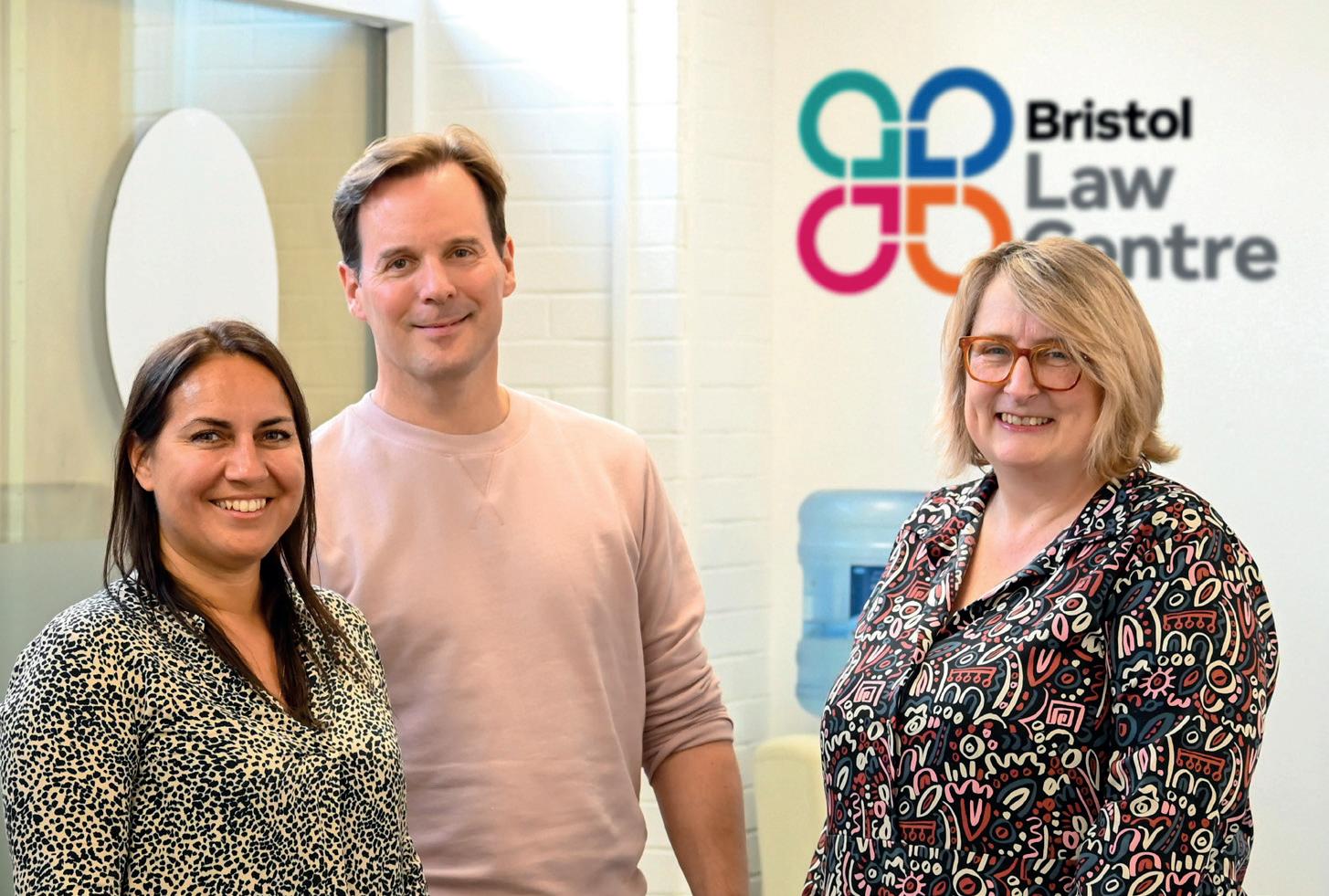
Case Study: Maria
When Maria, a Bristol-based care worker with a young family, had her working hours reduced without consultation, her financial security was immediately threatened. Unsure of her rights, she sought help from Bristol Law Centre, where ARAG volunteers were supporting an employment law clinic.
Through early advice and clear guidance, Maria was able to raise her concerns confidently with her employer. With continued support, her contracted hours were restored, unpaid wages recovered and workplace practices improved. This timely intervention prevented unemployment, financial hardship and potential housing insecurity, demonstrating how early, local legal support can stabilise lives and strengthen communities.
Charities and Volunteering
ARAG’s commitment to sustainable communities is also reflected in how it empowers employees to give back. Every colleague receives a paid volunteering day each year and can nominate charities for support through the Quarterly Give fund and vote annually for a Charity of the Year, supported through fundraising, payroll giving and company donations.
Long-standing initiatives include a local school reading programme, where volunteers support children who may have fewer opportunities or speak English as a second language, helping improve literacy and confidence. ARAG also supports communities through donations of food, stationery and office furniture, and through ARAG Day, an annual, international initiative providing access to legal advice for charities and families who may otherwise struggle to obtain it.
Together, these activities demonstrate how ARAG helps build stronger, more resilient communities by combining local action, employee involvement and long-term partnerships that ensure access to justice is not defined by postcode.
ARAG Law partners and Bristol Law Centre trustees Allison Lewis (left) and Will Ellerton with Chief Executive Karen Bowers
Managing Legal Risk in the Net Zero Economy
Why this matters to MPs and their constituents
The transition to net zero presents both opportunity and legal complexity for constituents, from farmers entering carbon markets to businesses investing in renewable infrastructure. MPs are increasingly approached about disputes relating to planning and environmental obligations. Clear legal frameworks and accessible dispute resolution mechanisms are essential to maintaining confidence in the transition.
Supporting legally robust participation helps unlock investment while protecting local interests. As Parliament advances climate legislation and green growth strategies, practical mechanisms that manage risk fairly will shape how confidently communities engage with low-carbon opportunities.
Social sustainability is at the heart of ARAG’s purpose, rooted in a mission to provide access to justice for all, and this mission is inseparable from the health of the planet. A fair and equitable society, where people can understand, assert and protect their rights, can only exist within a stable and healthy environment.
As the impacts of climate change increasingly shape economic and social outcomes, ARAG sees a clear responsibility to support the transition to a low-carbon future in a way that is inclusive and legally robust.
Net Zero Targets
ARAG’s approach to the energy transition is embedded within its wider ESG agenda, which brings together environmental sustainability, social responsibility and strong governance. This commitment is reflected in the Group’s 5>30 Strategy, where Driving Purpose is a core priority through to 2030, linking access to justice with a reduced environmental footprint.
At Group level, ARAG has committed to making its insurance investment portfolio greenhouse gasneutral by 2050, aligning with the long-term goal of limiting global warming to 1.5°C. To support this ambition, interim targets have been set to reduce financed Scope 1 and 2 emissions linked to equities and corporate bonds by 40% by 2030. By the end of 2023, ARAG had already achieved a 23% reduction, demonstrating strong progress toward its near-term targets.
ARAG calculates and reports on its carbon footprint across Scope 1, Scope 2 and material Scope 3 emissions, expanding the scope and quality of its data over time to ensure transparency and accountability.
To strengthen delivery across environmental and social priorities, a dedicated Sustainability Manager was appointed in 2025 to lead the development of a comprehensive Sustainability Strategy, ensuring a coordinated and consistent approach across the business.
“ARAG’s approach to the energy transition is embedded within its wider ESG agenda.”
Harness the energy transition

Natural Capital
Natural capital is an emerging area of focus where ARAG is helping to unlock the energy transition through legal clarity. Working closely with a business partner, ARAG is exploring how legal expenses insurance responds to disputes arising from complex natural capital projects. These include carbon sequestration initiatives such as peatland restoration and afforestation, biodiversity net gain schemes, nutrient neutrality projects and large-scale, multi-landowner landscape programmes.
These long-term projects often involve intricate contractual arrangements and multiple stakeholders. ARAG is developing a bespoke insurance solution with tailored coverage, alongside education for customers and partners to ensure clear understanding of legal risks and responsibilities. Through this work, ARAG is helping to create the legal confidence needed for investment in nature-based solutions, supporting both environmental recovery and a fair transition to a low-carbon economy.
Sustainable Procurement
ARAG recognises that its environmental impact extends beyond its own operations into its supply chain. Its procurement team is strengthening supplier due diligence processes, building on existing environmental and social assessments within onboarding.
This work is particularly important given ARAG’s role within the supply chains of major partners with ambitious climate targets. Key partners have committed to their own net zero targets, with targets that include their supply chains. ARAG’s Sustainability Strategy is therefore being shaped to align with these expectations and to support shared progress across partner ecosystems.
Sustainability in Practice
ARAG has already made tangible progress in reducing emissions from its own operations. In the UK, offices are powered by 100% renewable electricity, and the largest office building operates entirely on electrified heating, eliminating the use of gas boilers. Smart building management systems control heating and energy consumption, supported by measures such as PIR lighting and temperature sensors to reduce waste.
Beyond operational changes, ARAG is exploring opportunities to adopt additional renewable technologies as part of its longer-term transition planning. At the same time, the business is evolving its products to support customers through the energy transition. This includes developing legal expenses cover for disputes arising from energy transition projects such as solar developments or carbon sequestration schemes, helping customers engage confidently in new low-carbon opportunities.

Inclusive Workplaces and Access to Employment
Why this matters to MPs and their constituents
MPs frequently support constituents facing barriers linked to disability, caring responsibilities, neurodiversity or geographic isolation. Flexible working, inclusive practices and accessible legal support directly affect whether individuals can remain in employment and participate fully in society.
As debates continue around workplace equality and reasonable adjustments, ensuring that opportunity is not constrained by circumstance remains central to social mobility. Models that widen access to quality employment across regions also reduce pressure on MPs’ casework teams, who often intervene when workplace processes break down or when individuals feel excluded from fair treatment.
Equal opportunity should not depend on where someone is born, how they live or the circumstances they face. Access to fair treatment, meaningful work and support is fundamental to a just society.
ARAG’s legal protection policies support inclusive workplaces and access to employment.
The resources and specific advice available to all commercial policyholders help SMEs to understand their legal obligations, adapt business practices and comply with employment legislation, to provide fair access and accommodations to existing employees and when recruiting.
At the same time, ARAG’s family policies give millions of people access to the advice and, if necessary, the legal muscle to both understand and enforce their legal rights, where they might otherwise be unable to afford it.
Legal expenses insurance helps businesses to navigate the playing field, but it also levels it for employees who might otherwise face discrimination or exclusion without recourse.
Opportunity for all: Everyone everywhere 14
ARAG’s ‘Women in Clinical Negligence’ roundtable at the Law Society.
Building an Inclusive Workplace
At the heart of ARAG’s culture is a commitment to inclusion and belonging. Leaders across the organisation actively champion this agenda, with initiatives such as Strive (Goal 3: Positive Destinations Post 16+) creating safe, supportive spaces where colleagues can share experiences, celebrate difference and feel valued at work.
This commitment is reflected in ARAG’s everyday practices. A flexible ‘dress for your day’ approach encourages authenticity, while five active inclusion networks - Family & Carers, Hearts & Minds, Proud, Spark and Unity - provide forums for discussion, learning and peer support. These networks engage a significant proportion of colleagues and regularly host speakers from a wide range of backgrounds. Importantly, support is not limited to network members: all employees can access guidance on issues such as menopause, domestic abuse and transitioning at work, ensuring help is available when it is needed.
Opportunity is also shaped by access to work itself. As a flexible employer, ARAG promotes hybrid and remote working, with additional adjustments available for those with disabilities, caring responsibilities or other personal circumstances. Over a third of employees work outside local office areas, and some roles are permanently home-based, reducing geographical barriers and opening up highquality employment to a wider talent pool. When relocating offices, ARAG prioritised sites with strong transport links and supports affordable commuting through discounted bus travel.


Neurodiversity
ARAG extends its commitment to opportunity beyond its own workforce. The company has increasingly taken a leadership role in promoting inclusion across the legal profession. Since 2025, ARAG has worked in partnership with the Legal Neurodiversity Network, reflecting shared values around understanding and supporting neurodivergent professionals.
This collaboration includes joint events, such as a Neurodiversity and Wellbeing in Law panel discussion in Manchester, and is underpinned by internal expertise developed through lived experience and specialist training. By contributing knowledge, convening dialogue and advocating for inclusive practice, ARAG is helping to shape a legal sector in which talent can flourish in all its diversity.



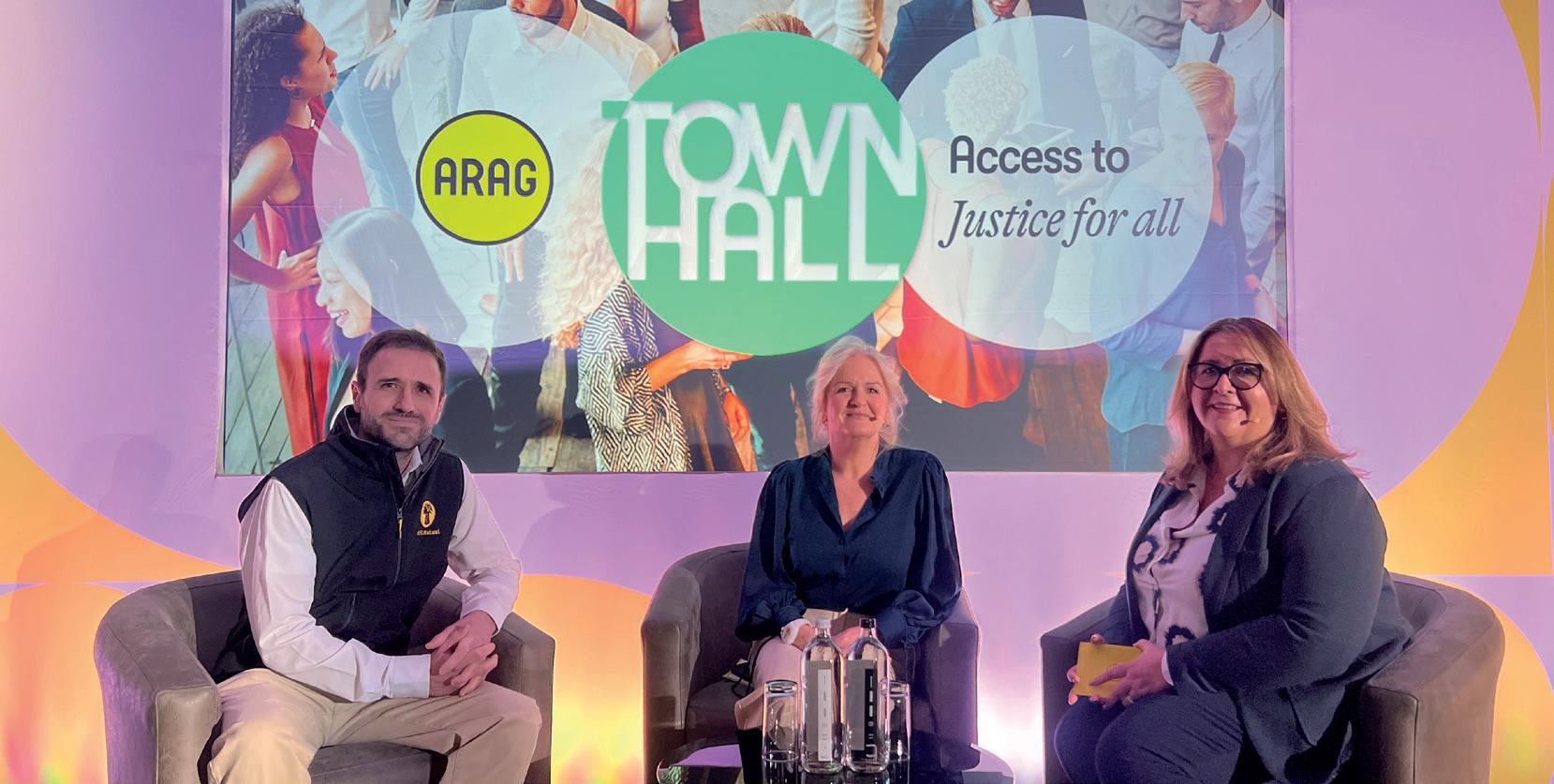
Collaboration to Resolve Complex Legal Disputes
Why this matters to MPs and their constituents
Many of the most complex constituency cases involve multiple factors - insurers, regulators, public bodies and professional advisers. Constituents often approach MPs after confidence in formal systems has eroded.
Effective partnership working between organisations can accelerate resolution and prevent protracted litigation. This is particularly relevant in agricultural and SME contexts where disputes may threaten livelihoods. As Parliament considers access to justice, rural resilience and small business protection, collaborative models that combine expertise and early intervention can reduce systemic strain while delivering tangible outcomes for communities.
Organisations are often able to deliver far greater social impact when they work alongside others, combining expertise, resources and trust to solve complex problems.
For ARAG, partnership is central to its purpose: working closely with key partners across the insurance and legal sectors, alongside communities and clients, to ensure that access to justice is not limited by cost, confidence or complexity. Through these collaborations, ARAG helps individuals, businesses and communities protect what matters most and resolve disputes that might otherwise feel insurmountable.
“Effective
partnership working between organisations can accelerate resolution and prevent protracted litigation.”
15 Working in Partnership
“ARAG took a hands-on approach, visiting the site to fully understand the impact on the community before issuing formal legal correspondence.“
Case Study: NFU Mutual
ARAG Law was instructed to support a large Nottinghamshire farming business, a key customer of NFU Mutual, after a decade-long dispute threatened to leave them with substantial unrecovered losses. The business had invested heavily in environmentally responsible biomass technology, only to be let down by contractor failure and an unenforced bond, resulting in significant financial loss. Matters were compounded when successive legal advisers failed to progress the claim effectively, ultimately allowing limitation to expire on negligence actions.
ARAG Law’s Professional Negligence team undertook a detailed review of a complex history involving multiple law firms, advisers and insurers. Led by Strategic Litigation Manager Anthony Davies, the team identified where responsibility most clearly lay while maintaining claims across all parties to strengthen the client’s position. Robust submissions prompted engagement in alternative dispute resolution, culminating in a blind-bidding mediation that secured a settlement of over £300,000. For a client who had lost confidence that justice was achievable, legal expenses insurance and specialist support proved decisive in restoring both financial stability and peace of mind.

Case Study: Community Council of Farmers
In West Glamorgan, ARAG acted for a rural community council of farmers facing a persistent obstruction in a council-run car park. Abandoned boating and farming equipment prevented community access and raised serious liability concerns. Previous attempts to resolve the issue through public bodies and privately instructed solicitors had failed, with the equipment’s owner refusing to engage.
ARAG took a hands-on approach, visiting the site to fully understand the impact on the community before issuing formal legal correspondence. When this was ignored, court proceedings were commenced, leading to default judgment and an injunction ordering removal of the equipment. The court’s decision ultimately resulted in the obstruction being cleared, bringing a long-running dispute to an end and restoring safe access for local residents.
5 Analysis
ARAG’s work demonstrates how legal protection, structured around early intervention, can function as a form of modern social infrastructure.
Across its services and partnerships, ARAG addresses a key issue raised in Parliament: the gap between legal need and affordable access to representation.
By promoting early dispute resolution and reducing unrepresented litigants, ARAG operates as a complementary partner to public provision. Its model aligns with parliamentary priorities including court modernisation, SME growth and improved access to justice.
5.1 Supporting Parliament and the Justice System
For Members of Parliament, unresolved legal disputes are daily casework realities. Employment grievances, housing disrepair, discrimination concerns, clinical negligence cases and small business disputes frequently dominate constituency surgeries. Many constituents fall into a gap in which they are ineligible for legal aid yet unable to fund private representation.
ARAG’s preventative model helps to close this gap. Through 24/7 legal advice helplines, online tools and affordable funded representation where necessary, it enables individuals and businesses to access structured legal guidance at the earliest stage of a dispute. This early intervention changes behaviour: constituents are better informed, employers follow correct procedures and misunderstandings are addressed before they escalate. As demonstrated by the high proportion of repeat advice calls and the volume of matters resolved without

progressing to formal claims, many issues are stabilised before reaching tribunal or court.
This has direct systemic implications. Fewer poorly prepared or avoidable claims enter the courts, employment disputes are more likely to be settled and housing and consumer disagreements are resolved earlier. In areas such as clinical negligence, ARAG’s policies and funding enable claims to proceed on merit rather than financial capacity, ensuring that financial risk does not deter legitimate claims. Where cases do proceed, affordable legal expenses insurance also reduces the number of unrepresented litigants by ensuring individuals and small businesses can access professional legal representation.
In this way, ARAG’s model supports the efficient functioning of the justice system. It complements legal aid without replacing it and provides a practical example of how private sector provision can align with Parliament’s ambition to reduce backlogs and modernise dispute resolution.
5.2 Strengthening Local Economies
At constituency level, ARAG’s impact is most visible in the stabilisation of livelihoods and households. Employment disputes, recruitment discrimination, housing disrepair and small business contract issues are among the most common matters raised in MPs’ surgeries. These disputes are rarely isolated; they intersect with income security, housing stability, mental health and family wellbeing.
Through its legal advice helpline and insurance-backed representation, ARAG enables individuals to challenge unfair dismissal, pursue discrimination claims, address unsafe housing conditions and secure compensation for injury or negligence. The scale of its clinical negligence funding demonstrates its role in underpinning accountability within the NHS while securing life-changing compensation for affected families.
For SMEs, early legal advice reduces the risk that contractual disagreements or employment disputes escalate. More than a million small businesses have access to ARAG-backed advice, with many resolving issues informally before court action becomes necessary. This preventative support protects local employment and reduces commercial disputes entering already stretched civil courts.
In rural constituencies, ARAG’s partnerships with organisations such as NFU Mutual and agricultural communities show how specialist legal expertise can defend community assets and protect long-term investment. These outcomes directly support MPs’ priorities around economic resilience and place-based growth.
5.3 Widening Access to Justice Through Prevention
A defining feature of ARAG’s model is its emphasis on behaviour change at the earliest stage of a dispute. When individuals, schools, charities and businesses know that expert advice is available from day one, they are more likely to seek guidance before escalating matters further.
In schools and early years settings, for example, proactive employment advice helps prevent costly tribunal claims and protects limited education budgets. In recruitment disputes, structured legal challenges can prompt organisations to review discriminatory practices, reinforcing fair access to opportunity.
This preventative framework aligns closely with cross-party parliamentary ambitions to reduce court dependency. It also supports wider public service sustainability. By preventing homelessness, prolonged unemployment or unresolved workplace conflict, early legal intervention reduces demand on councils, the NHS and welfare systems.
ARAG’s community partnerships, including its longstanding relationship with Bristol Law Centre, further demonstrate how insurance-backed expertise can strengthen locally rooted advice provision and helps to ensure that legal need is addressed within communities before escalating into crisis.
“For SMEs, early legal advice reduces the risk that contractual disagreements or employment disputes escalate.“
5.4 Leading by Example as an Employer
ARAG’s social impact extends inward through its approach to inclusive employment and early careers development. Its apprenticeship pathways, internships and partnerships with initiatives such as Strive broaden access to legal and insurance professions, supporting social mobility and regional opportunity.
Internally, structured career pathways and transparent progression frameworks reduce the risk of stalled advancement. By embedding fair recruitment and progression practices, ARAG supports its own workforce, while modelling standards it encourages among commercial clients through its advice services.
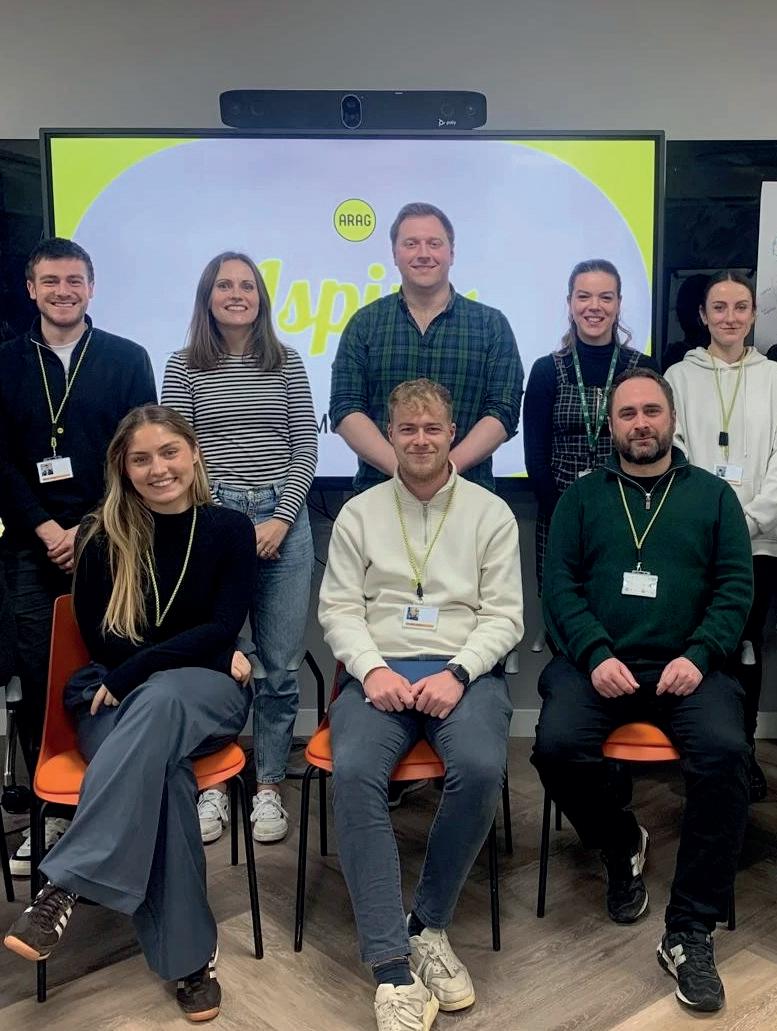
5.5 What This Means for Members of Parliament
The findings of this report have direct relevance to the work of Members of Parliament, both in constituency casework and in national policy debates on justice reform. Legal problems frequently sit beneath many of the issues raised in constituency surgeries, from employment disputes and unsafe housing conditions to consumer problems and small business conflicts. Where individuals cannot access early legal advice or representation, these issues can escalate, placing greater strain on constituents, MPs’ casework teams and the justice system itself.
Preventative legal support offers a practical way to address this challenge. Models such as legal expenses insurance expand access to legal advice and representation for individuals and businesses who fall outside legal aid eligibility but cannot easily absorb private legal costs.
The UK model, in which LEI is embedded in or added on to personal or commercial policies, makes it highly affordable and has extended legal protection and support to more than ten million households and millions of businesses. By enabling early intervention, negotiation and mediation, these models help resolve disputes before they escalate into court proceedings. This reduces pressure on already stretched civil courts and tribunals while helping constituents reach fair outcomes more quickly.
For MPs, the insights in this report can support several areas of parliamentary and constituency activity.
1. In constituency casework - MPs and their teams can take a more proactive approach to identifying where legal issues sit beneath presenting problems and signpost constituents to early legal advice services, including insurance-backed support where available. This can be particularly valuable in housing, employment and small business cases, where early intervention can prevent escalation into crisis.
Caseworkers can encourage constituents to check whether they already have LEI as part of an existing policy, as this may provide access to legal advice helplines and cover for resolving disputes. Building awareness of these options, alongside community legal services, can improve the speed and effectiveness of referrals.
2. In day-to-day engagement with constituents - MPs can use their platforms - including surgeries, newsletters and local stakeholder meetings - to raise awareness of the importance of seeking early legal advice. Encouraging constituents to act at an earlier stage can reduce the likelihood of disputes becoming entrenched and improve overall case outcomes.
3. In parliamentary debates, committee work and discussions on justice reformMPs can draw on the evidence in this report to highlight the role of preventative legal support in reducing court backlogs and improving access to justice. This includes recognising LEI as a complementary mechanism within the wider justice system. More broadly, the legal expenses insurance
sector, and providers such as ARAG, can contribute valuable insight to policy discussions on the civil justice system. Drawing on large volumes of real-world case data and experience across areas such as employment disputes, clinical negligence and commercial claims, the sector is well placed to inform debates on how to improve access to justice and prevent problems from escalating.
4. In policy development - MPs may wish to consider how government can better support early dispute resolution, including through awareness, signposting and integration with existing advice networks. This could form part of wider discussions on court modernisation, legal aid reform and alternative dispute resolution.
5. In local economic and community leadership - MPs can engage with SMEs, schools, charities and local authorities to encourage the use of early legal advice and risk management tools. Strengthening access to preventative legal support within these organisations can reduce disputes, protect jobs and support more resilient local economies.
Taken together, the evidence presented in this report suggests that strengthening access to early legal advice and preventative legal support should form part of wider conversations about justice reform and social mobility. For MPs, recognising the role of these mechanisms can help inform policy development, improve casework outcomes and support constituents navigating complex legal challenges.
6 Access to Justice Across Britain
The Growing Squeezed Middle
Access to justice remains a major barrier for people and small businesses across the country. The core problem is not only that legal aid has narrowed, but that many people now sit in a gap: ineligible for public support, but unable to afford private legal services. This is the group most exposed to unresolved legal problems around housing, employment, family breakdown, consumer issues and small business disputes.
Who is being left out?
The strongest evidence points to a growing “squeezed middle”: working households, renters, separating parents, disabled people, people in lower-income areas, migrants, carers, young
Legal issue
adults and small business owners. These groups may not qualify for legal aid, may encounter problems that fall outside its legal scope, or may be unable to find a local provider even where support technically exists.
This matters because legal problems rarely stay legal. A housing dispute can become homelessness; a workplace issue can become unemployment; a business contract dispute can threaten jobs; and a family issue can destabilise children’s lives. ARAG’s model is directly relevant here. This report highlights early advice, helplines, funded representation and preventative dispute resolution as ways to stop issues escalating before they reach crisis point.
Total adults with a contentious legal need left unmet
Family legal need left unmet
Employment, finance, welfare or benefits legal need left unmet
Consumer legal need left unmet
Injury legal need left unmet
Legal Services Board: 2023 Individual Legal Needs Survey (published Dec 2024).
Legal expenses insurance is not a replacement for legal aid. However, it can help close the practical gap for people and SMEs who need advice early but cannot absorb private legal costs. By providing early guidance, funded support and clearer routes to resolution, LEI can help people act sooner, reduce avoidable litigation and ease pressure on courts.
ARAG’s own 2025 activity demonstrates this in practice, including more than 96,000 legal advice calls from personal and commercial customers.
7 Recommendations to Policymakers
Access to justice across the UK is increasingly characterised by delay, complexity and late intervention. As this report has shown, legal problems often escalate because individuals and businesses are unable to access timely advice at the point uncertainty first arises. This creates greater harm for those affected and places avoidable pressure on courts and public services.
Legal expenses insurance already plays a practical and established role in addressing this challenge, helping to bridge the gap between legal need and affordable access. Building on this evidence, there is a clear opportunity for policymakers to strengthen how early legal support operates within the wider justice system.

The following recommendations set out how this can be achieved.
1 Putting early legal advice at the centre of dispute resolution
A consistent theme throughout this report is that earlier access to legal advice leads to better outcomes. Individuals and businesses who are able to seek guidance at the outset of a problem are more likely to resolve disputes quickly and avoid escalation.
There is an opportunity to embed this principle more firmly within the justice system. Policymakers should place early legal advice at the centre of how legal problems are addressed, recognising it as a normal and essential first step.
This could be supported through clearer national signposting to legal advice services, including insurance-backed provision, alongside stronger integration with public bodies, local authorities and trusted community organisations. For Members of Parliament and their casework teams, improved awareness and signposting would enable constituents to access help earlier, reducing the volume of cases reaching crisis point.
By normalising early advice, the system can shift from reactive intervention to proactive resolution, improving outcomes while reducing unnecessary demand on courts and tribunals.
2 Strengthening access to justice through prevention
A growing proportion of the population falls into a gap where they are ineligible for legal aid but unable to afford private representation. As this report demonstrates, legal expenses insurance already provides a practical solution for many individuals and small businesses within this group, supporting access to advice, mediation and representation.
There is a clear opportunity for policymakers to recognise and support prevention-led legal provision as a core component of access to justice. This means moving beyond a system primarily focused on resolving disputes once they have escalated, towards one that actively supports early intervention.
Encouraging wider awareness and uptake of preventative legal support would help reduce the number of unrepresented litigants and avoidable court proceedings. It would also support more proportionate dispute resolution, ensuring that individuals are able to understand their rights and options before positions become entrenched. In practice, this approach would widen access to justice while improving efficiency across the system, aligning with broader parliamentary priorities around court backlogs and public service sustainability.
3 Making prevention a core principle of justice reform
Current debates on justice reform often focus on increasing court capacity and improving processes within the system. While these are important, this report highlights that meaningful reform must also address what happens before a case reaches court.
Early legal advice, negotiation and mediation consistently lead to better outcomes, both for individuals and for the justice system. They reduce the number of disputes progressing unnecessarily while ensuring that those cases which do proceed are better prepared and more appropriate for formal determination.
Policymakers should therefore embed prevention as a core principle of justice reform. This includes recognising the role of legal expenses insurance in providing early intervention and acting as a filter within the system.
Strengthening mechanisms that resolve disputes earlier means that limited judicial capacity can be focused on cases that genuinely require court involvement. This would improve efficiency while enhancing confidence in the justice system as a whole.
The evidence presented in this report is clear. Earlier access to legal advice delivers better outcomes for individuals, families and businesses, while supporting the effective functioning of the justice system.
Legal expenses insurance already plays an important and practical role in making this happen. The opportunity now is to build on this foundation by strengthening awareness and embedding prevention more fully within justice policy and reform.
Taken together, these steps offer a pathway to improving access to justice across the UK, ensuring that support is available at the point it is needed most, rather than after problems have already escalated.

The Purpose Coalition campaign is proudly run by This is Purpose, part of Crowne Associates.
Copyright © 2026. Crowne Associates Ltd is a corporate affiliate member of the Chartered Institute of Public Relations, and reports lobbying activities to The Office of the Registrar of Consultant Lobbyists, in line with the Transparency of Lobbying, Non-Party Campaigning and Trade Union Administration Act 2014. You can read our Code of Conduct at crowneassociates.uk/code-of-conduct.