9 minute read
The Food Bank You Think You Know—and the One the Valley Actually Runs On

By Dr. Kimberly Selber
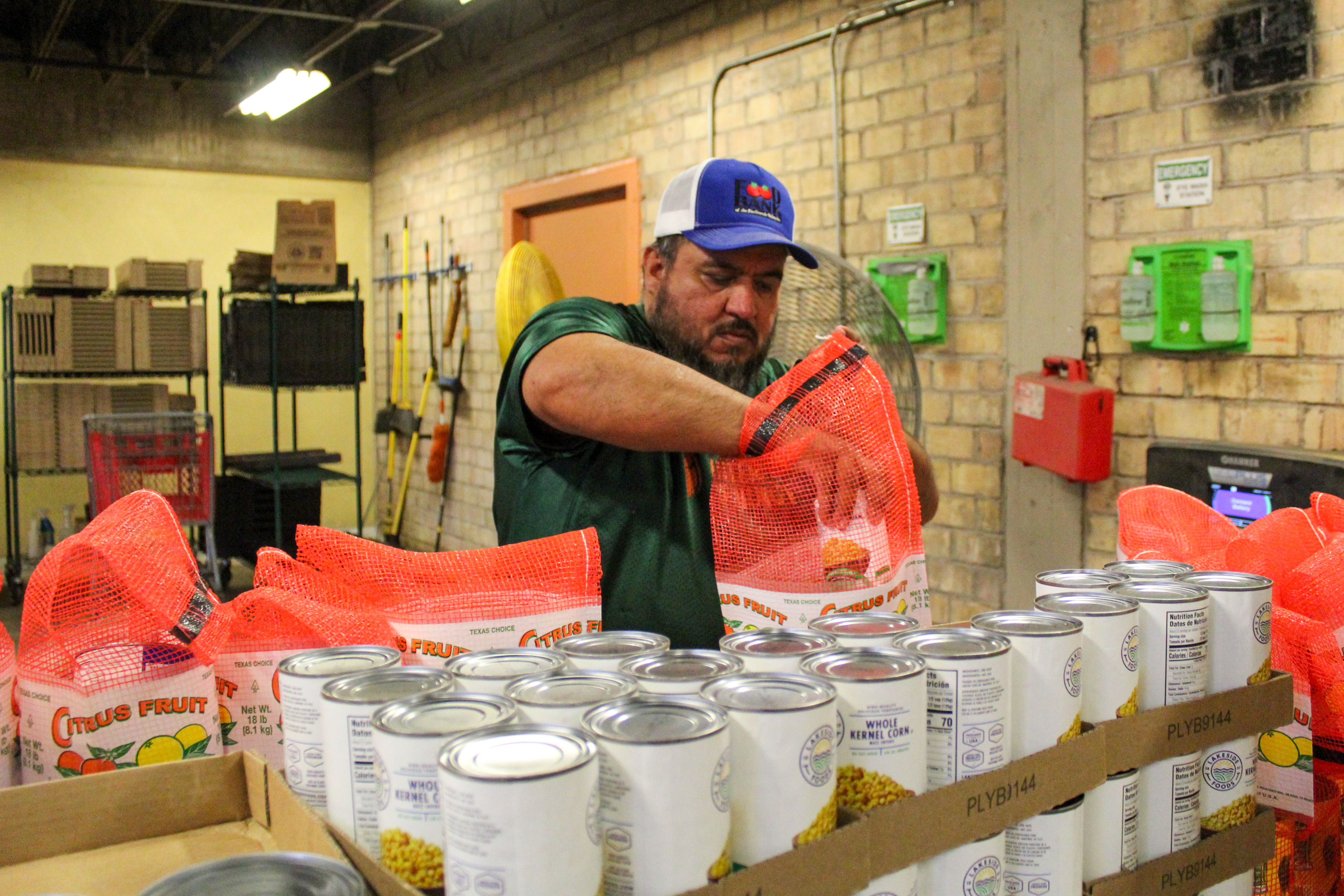
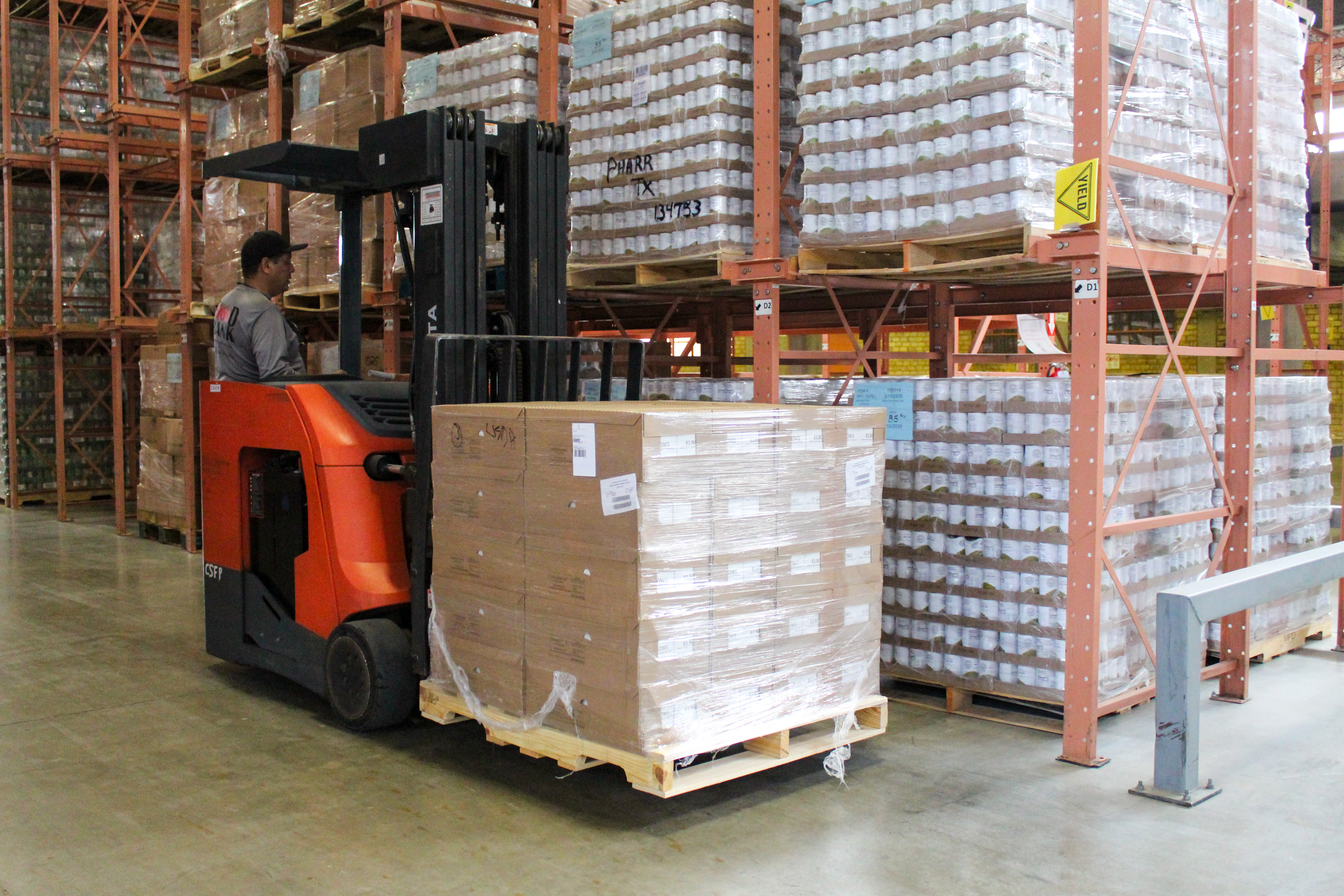
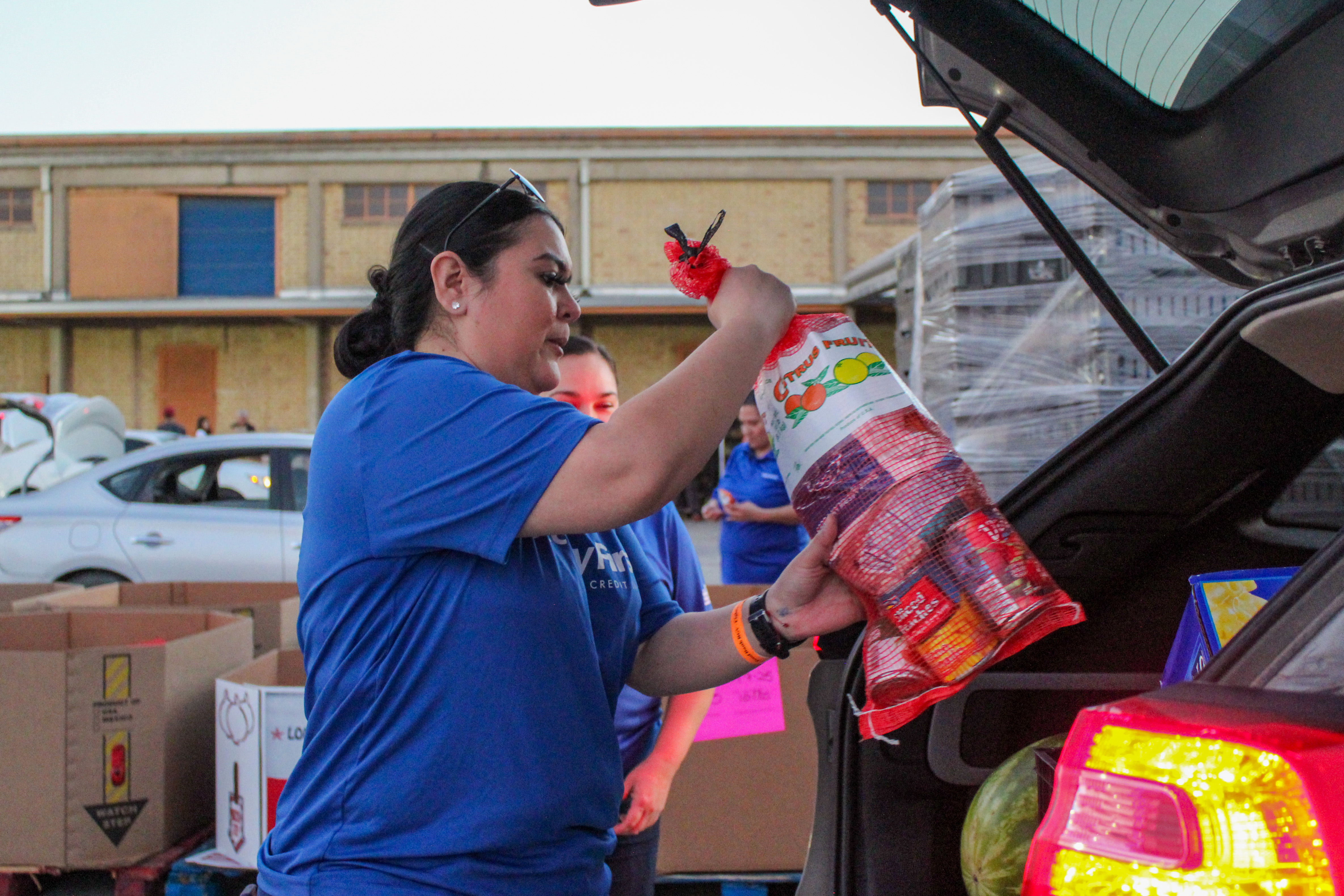
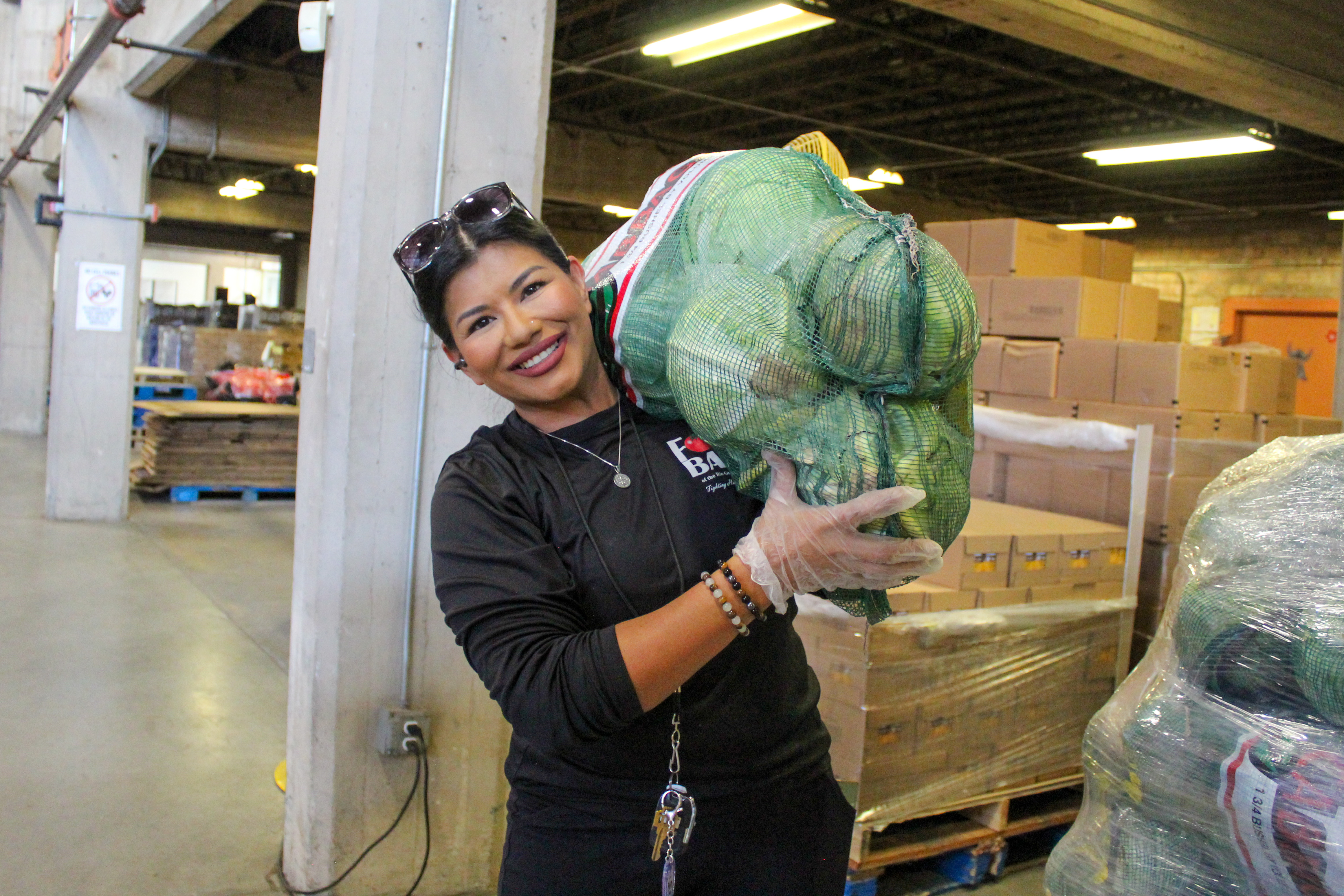
Walk into the Food Bank of the Rio Grande Valley, and you’ll see what most people expect: pallets, produce, forklifts, volunteers in motion. But the real story isn’t just the food you can see—it’s the system behind it. It’s the distribution hub, and its strength is the network it powers.
“It’s important that people understand the coalition between all of us,” said Libby Saenz, co-CEO of the Food Bank RGV. “We do the operations piece—the grants, the contracts, the audits, the inventory, the reporting. We bring it in, we house it, and then we ship it back out to our partner agencies.”
Those partner agencies—nearly 300 of them—are the food pantries and neighborhood meal programs people rely on: churches, shelters, Boys & Girls Clubs, and community organizations that serve families day after day. Many are run almost entirely by volunteers.
“Ninety-nine percent of them are volunteers,” Saenz said. “They’re not getting paid for what they’re doing. They’re coming in on their own time and serving their neighbors.”
Building the Network
In McAllen alone, partners include organizations like the Salvation Army, Mujeres Unidas, and Baptist Temple. In Harlingen, there’s Loaves and Fishes and the Harlingen Neighborhood Food Pantry. Across the Valley, the list extends to higher education partners, including UTRGV, STC, TSTC, and Our Lady of the Lake.
And in Brownsville, the roster is deep: Mesa Llena Food Bank, Good Neighbors Settlement House, and multiple churches, including First Presbyterian Church — the Valley’s first food pantry, opened in 1983.
That date matters. The Food Bank’s origin story is rooted in disaster response and community.
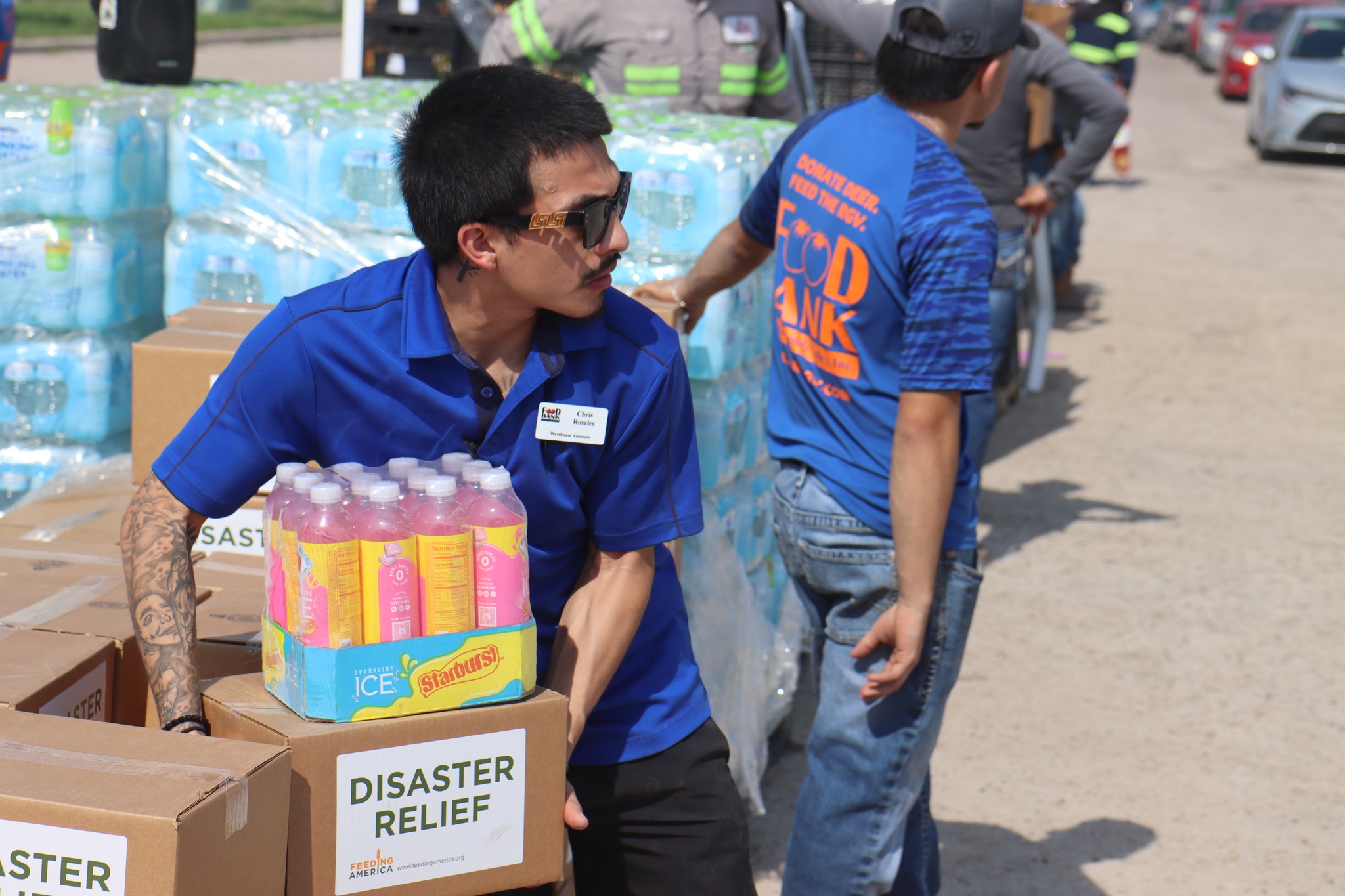
“When the Food Bank originally started, there were 12 churches that came together,” Saenz said. A devastating freeze had crippled the region; citrus fields were lost, and families who depended on that work were suddenly without income. The coalition began at St. Paul’s Episcopal Church to get food to people who were hit the hardest.
“Those pioneers stood for the people and stood for our community,” Saenz said. “Making sure we weren’t left behind during a disaster.”
Forty-two years later, the mission hasn’t changed. But the scale has.
Sourcing the Food
People often picture food banks as donation-driven. While donations matter, the Food Bank RGV’s supply blends government programs, produce rescue, retail recovery, and community support.
“A good portion of our food comes from the government,” Saenz explained, pointing to USDA-supported programs like The Emergency Food Assistance Program and the Commodity Supplemental Food Program for seniors. The Food Bank serves about 9,800 seniors each month through that program alone.
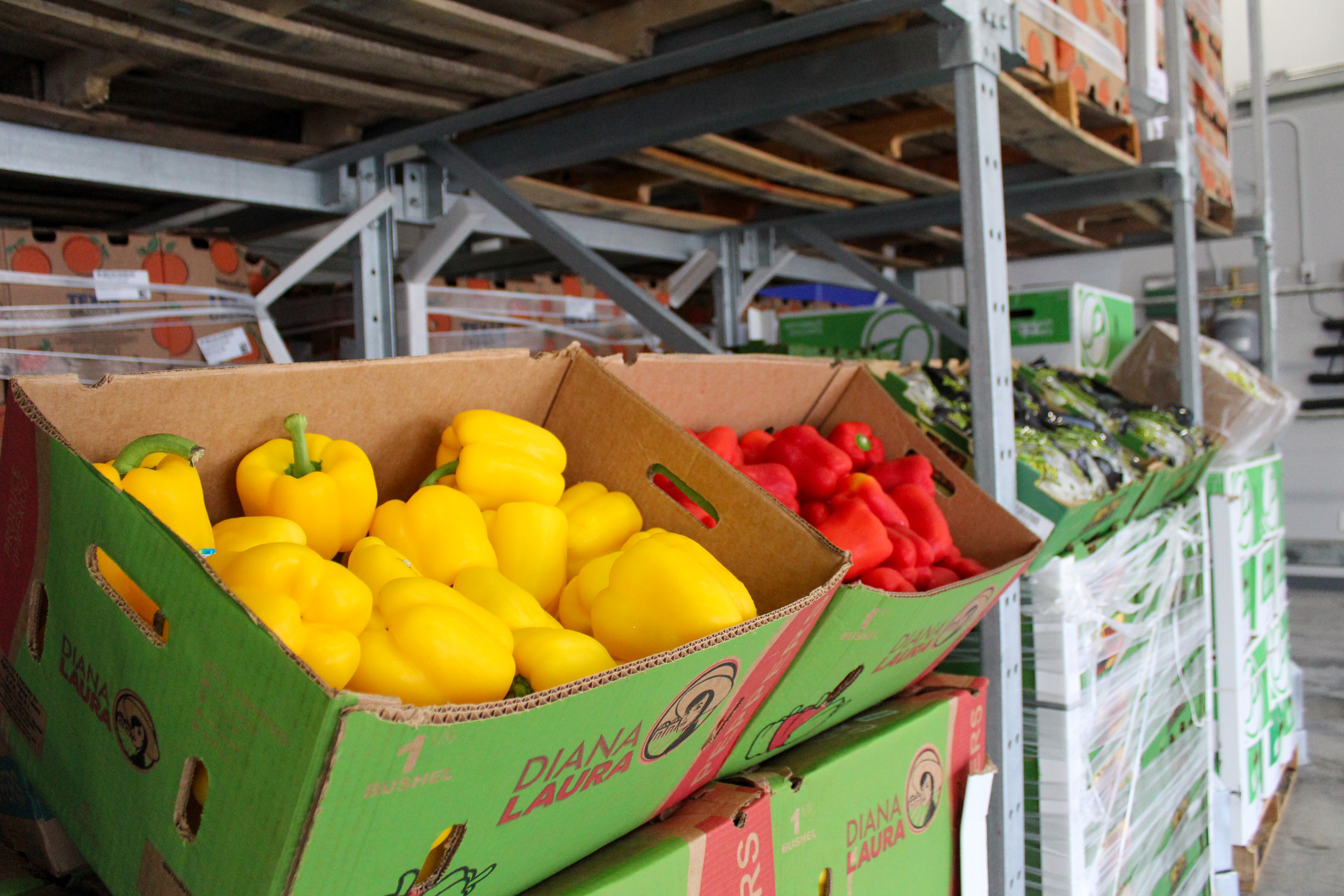
Beyond USDA, produce is a major part of the picture—roughly 30% by Saenz’s estimate, with much of it donated. Retail partners also play a big role: H-E-B, Walmart, Costco, Sam’s, and Dollar General are among the stores contributing food through a retail recovery system.
Here’s where the “hub” model gets real: the Food Bank isn’t the only group picking up retail donations. Partner agencies participate too—because no single warehouse can physically cover every store in a region this size.
“There are roughly 160 Dollar General stores here in the Valley,” Saenz said. “There’s no way we could reach all those.”
So the Food Bank helps agencies build capacity—laptops, freezers, coolers, equipment—so more communities can pick up and move food safely.
“It can’t work without them,” Saenz said. “And they can’t do it without us.”
Breaking the Stigma
Ask leaders what the public misunderstands, and you’ll hear it immediately: judgment.
Saenz has heard the comments—They’re driving a nice car. They shouldn’t be in line. Her response comes from experience.
She shared a story from her childhood in Monte Alto, north of Elsa: her family had a beautiful Lincoln Continental to drive—but didn’t have a dollar for gas, or food in the house. They survived by fishing, gathering what they could from fields, and stretching whatever was available.
“You don’t know what’s going on in that person’s life,” she said. “We don’t know if they lost their job yesterday.”
Board president Kirsten Vinson has seen it up close at distributions.
“It’s overwhelming to see the variety of people showing up,” she said. “You see people in work clothes, they’ve worked all day, and they’ve got their kids in school uniforms.”
She also pointed to another hidden population: college students and working parents trying to finish degrees while raising families. Those students—some working full-time, some supporting children—still show up because the math doesn’t work, even when effort is high.
“Hunger’s kind of hidden,” Vinson said. “People don’t want to advertise that they’re hungry.”
The Need, in Numbers
Saenz put the regional need plainly: about 180,000 people in the Rio Grande Valley are food insecure.
Right now, the Food Bank and its partners serve about 93,000 individuals every week—and still, the gap remains. Some people can’t get to pantries. Others are elderly, disabled, or homebound. And even when there are willing volunteers, there are practical limits: electricity, storage, staffing, transportation.
“We’re 85 strong here,” Saenz said, “but I have 85 that have 10 other jobs they’re doing at the same time.”
The Food Bank reaches beyond its walls through mobile distributions, colonias, VA centers, school districts, and rural areas—always trying to stretch further.
Last year alone, Saenz said the Food Bank distributed 43 million pounds of food.
And then came the moments that show how fragile the system can be.
During the government shutdown and SNAP disruption, Saenz said the number of individuals being served spiked—from 93,000 to 180,000. By late October, the warehouse hit what Saenz called rock bottom: “We had nothing,” she said—only a few items available for partner agencies.
The community response was immediate. Saenz said the Food Bank raised over $500,000 to purchase food, with major help from donors including H-E-B.
That’s the part people don’t always realize: when the safety net tightens, the Food Bank doesn’t magically receive more supply. It has to hustle for it.
The Power of Scale
Food bank math can sound like wizardry—until you understand buying power.
“For $1, we’re able to provide five meals,” Saenz explained. “Because of the buying power as a food bank, we’re getting it pennies on the dollar.”
The Food Bank is part of the Feeding America and Feeding Texas networks, which increases purchasing leverage even more.
And then there’s efficiency. Saenz said the Food Bank keeps overhead extremely low—spending no more than three cents per dollar on administration, trucking, fuel, and operations, with the rest going into programs.
Vinson added that this scale doesn’t just help the Food Bank—it transforms what small pantries can do.
A pantry serving 100 people a month can’t stretch dollars the same way buying retail. But when it receives food through the Food Bank’s system, the reach multiplies.
The Food Bank also addressed another misconception: partner agencies don’t “buy” food in a typical sense. They participate in a shared maintenance/handling fee system that Saenz said accounts for just 3% of the Food Bank’s budget, and generally runs around 5 to 7 cents per pound—helping cover the costs of storing and moving food, including deliveries as far as Port Isabel.
Produce, Rescued — Then Moved Fast
Food Bank RGV is uniquely positioned for fresh produce, and the leaders are proud of it.
The produce isn’t “perfect.” Saenz described an “80–20” standard: 80% good, 20% not usable. Families are encouraged to sort through it—just like anyone does at home when a berry carton has a few bruised pieces.
Vinson added an important detail: the Food Bank sits roughly a mile and a half from the nation’s top produce import point. When bridge delays happen, loads that won’t make it to their final market in time can be redirected—donated instead of dumped—because the Food Bank has the logistics to move them quickly.
Co-CEO Connie Ramos estimated that 30–40% of the total pounds distributed is produce—something sister food banks farther north “cry for,” she said.
To make sorting easier, the Food Bank received support from the Church of Jesus Christ of Latter-day Saints, based in Salt Lake City, Utah. The funds helped the Food Bank purchase a custom conveyor belt intended to help volunteers sort large donations more efficiently. Saenz said the goal is to have it operational by the end of January. She also noted the partnership includes a truckload of donated goods arriving every month.
Nothing goes to waste: unusable produce is directed to farmers for livestock feed.
More than Food
Food is the headline, but the Food Bank’s support programs go further.
One program is called School Tools—a free store for teachers at elementary campuses with high levels of economic disadvantage. Teachers can “shop” for classroom supplies—everything from notebooks and crayons to paper towels and tissue—taking home hundreds to over a thousand dollars’ worth of materials so they don't pay out of pocket.
Another is the Food Bank’s social services team, which helps families apply for SNAP, Medicaid, women’s health programs, and TANF. Saenz pointed out what many families discover the hard way. The SNAP application alone runs 36 pages for one applicant, plus additional pages per household member—and renewals happen every six months. The Food Bank’s staff travels with equipment to help people apply across the region, from Brownsville to Willacy County.
The Food Bank also supports needs SNAP can’t touch: hygiene items, laundry detergent, and feminine products. Saenz emphasized that SNAP benefits can only buy food—not toothpaste, detergent, or menstrual supplies. The Food Bank’s team helps fill that gap, including sending supplies to homes with staff visits.
And through partnerships, donated items move where they’ll do the most good—including baby items like diapers, and even pet food, routed to shelters when appropriate.
The Ask
When asked what matters most right now, Food Bank leaders returned to one word: awareness.
Tours matter. Volunteering matters. Sharing the truth matters—because the need is real, and it’s often invisible until you see the line. “Today’s distribution will have a line that goes all the way from our door in Pharr to Donna,” Vinson stated.
“People don’t grasp it until they walk into this building,” Saenz said.
Vinson agreed: “Get involved any way you can—donate, volunteer, host a food drive. People always leave in awe of what the Food Bank does.”
And the team's message was consistent: this isn’t about judgment. It’s about the realities of wages, the cost of living, family crises, and the quiet strain many households carry.
The Food Bank’s job is simple to say, hard to do: get food out, protect dignity, and keep the system strong enough to hold the Valley when life hits.
Because when the Food Bank succeeds, the Valley eats.
And when it doesn’t—every partner pantry, every school pantry, every shelter, every family line feels it.
If you want to learn more, tour, volunteer, or support the mission, the Food Bank welcomes the community to come see the operation up close—and be part of what keeps the Rio Grande Valley fed.