BIFF 2026 Presents 'Submerged: Tales of Terror Below'
BICKNELL - The Bicknell International Film Festival (BIFF) 2026 celebrates with a theme of "Submerged: Tales of Terror Below."
BIFF 2026 runs Friday and Saturday, July 24 and 25, at the Bicknell Theater. Friday night’s activities include a costume contest and an auction. Valuable door prizes worth hundreds…of cents will be awarded to lucky winners. Following Saturday’s film, an “after party” will happen at Etta Place Cidery and Taproom in Torrey.
The BIFF dive into the celebration of "B" movies continues. Marci Milligan, Entrada Institute president, stated, "This year’s BIFF should reach customary lows of marginal taste and beyond.
BIFF is 'Where Good Things Happen to Bad
BIFF Cont'd on A3
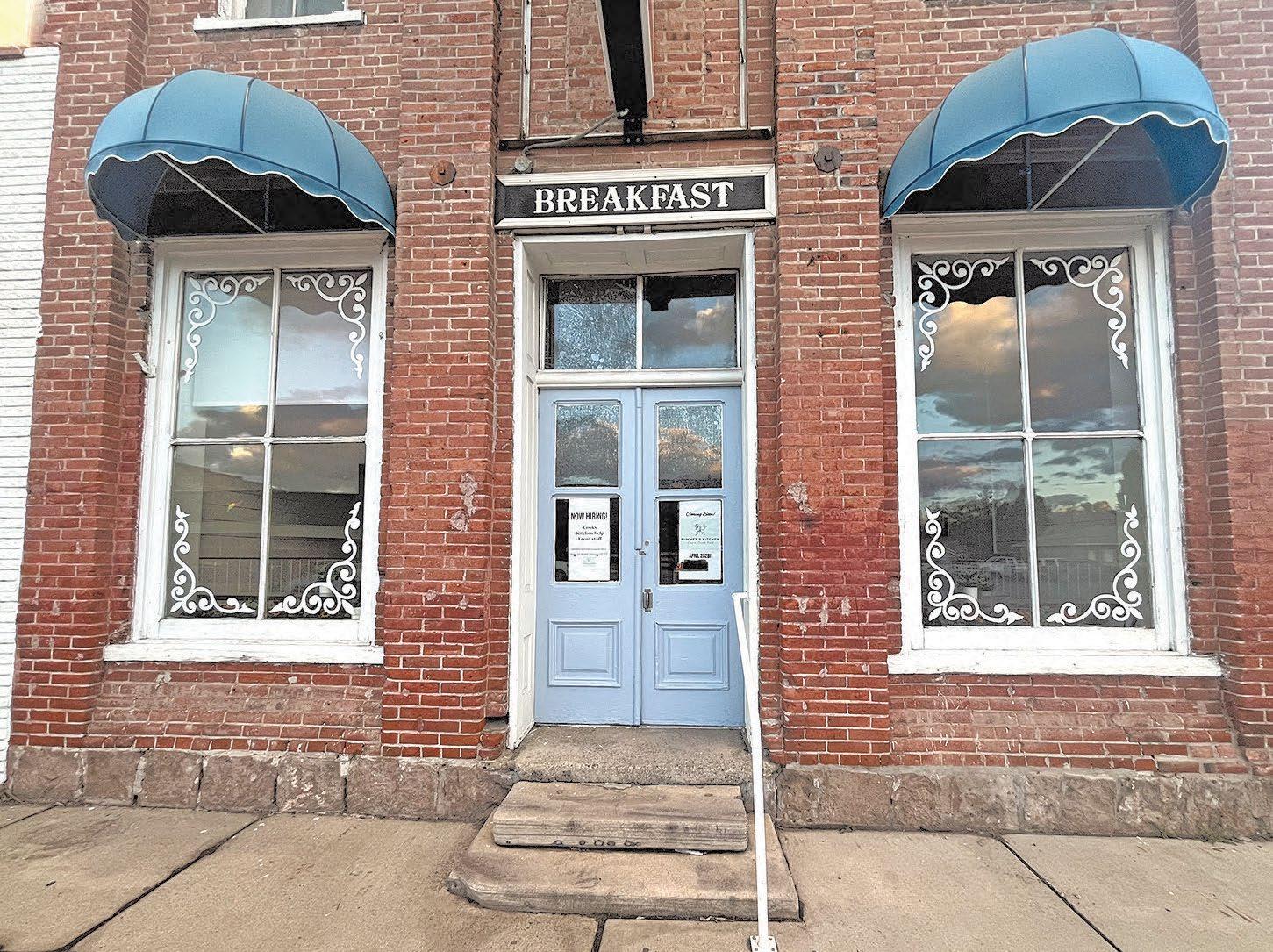
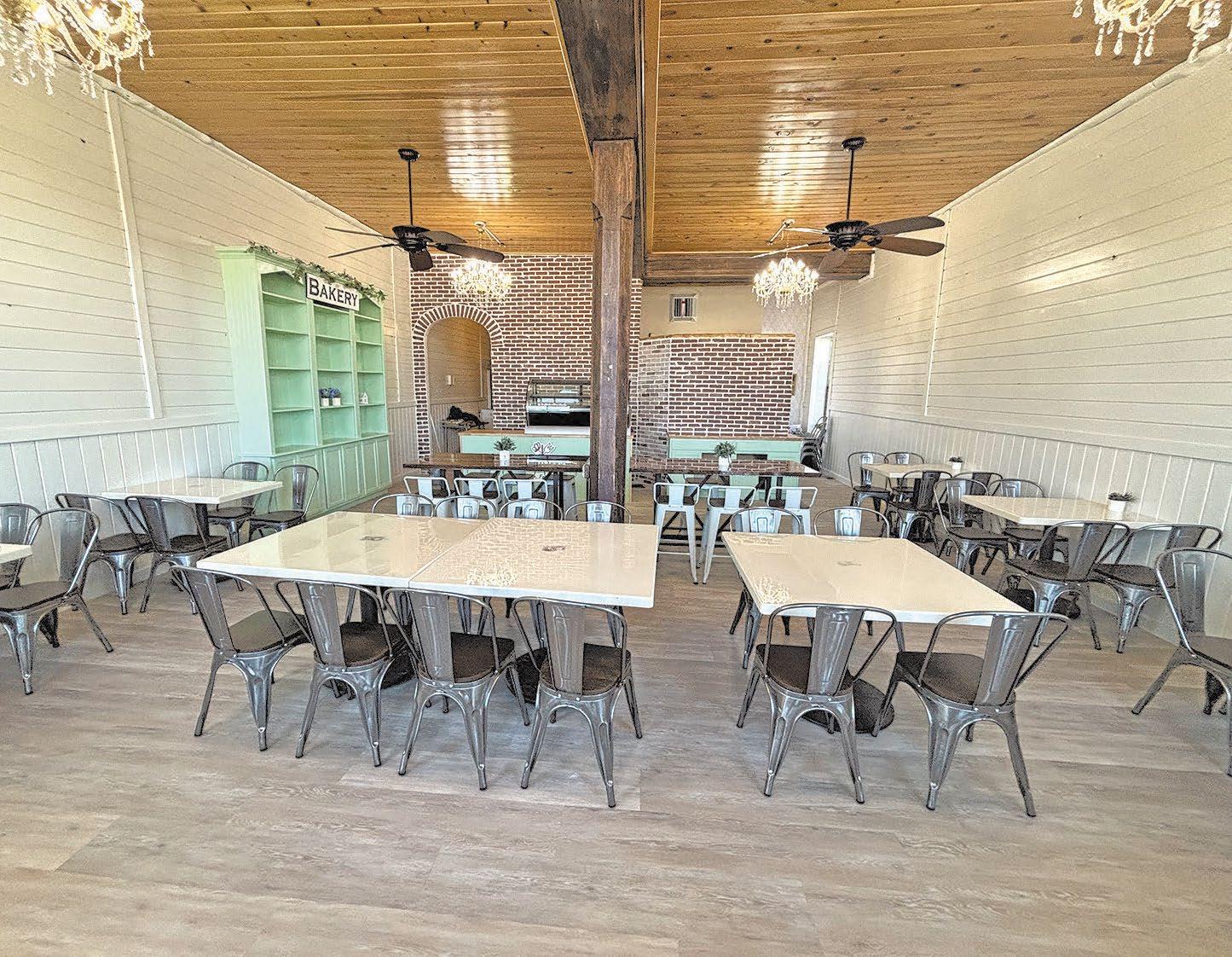
PANGUITCH - Panguitch has a new restaurant joining the food scene this month. Summer’s Kitchen is located at 95 N. Main in a historic red brick building. The owners of this new
captures big game animals
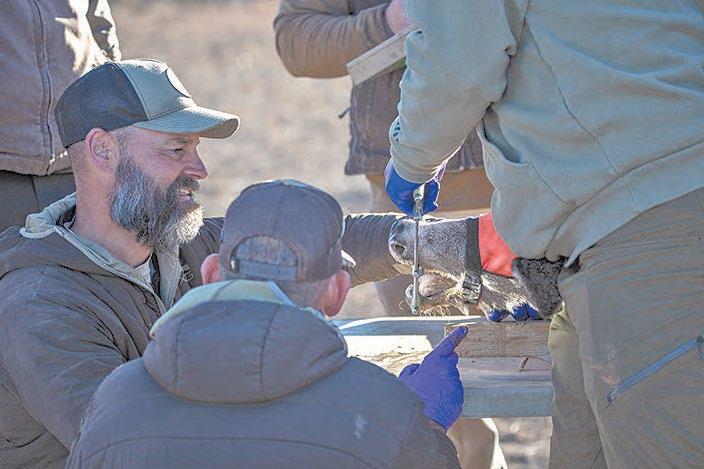
perform important health assessments and to place GPS collars on the animals to learn more about their migration patterns and survival rates. This winter, 1,433 big game animals were captured, providing important data about big game herds across the state.
SALT LAKE CITYEach year, the Utah Division of Wildlife Resources captures big game animals to perform important health assessments and to place GPS collars on the animals to learn more about their migration patterns and survival rates. This winter, 1,433 big game animals were captured, providing important data about big
game herds across the state. The captures typically take place between November and March, when the animals have migrated to lower elevations and are easier to locate. Another reason the captures take place during the winter is because big game animals have a hard
Health Assessments Cont'd on B3
venture are Preston and Heather Gilbert, who also own Olivia’s Gifts, right next door. With Summer’s Kitchen, they hope to offer a refreshing fast dining experience that caters to both
North Wash Boat Ramp Construction to Conclude in May
GLEN CANYONThe Utah Division of Outdoor Recreation (DOR), Public Lands Policy Coordinating Office (PLPCO) and the National Park Service (NPS) at Glen Canyon National Recreation Area (GCNRA) have announced construction timelines and additional details for planned improvements to the North Wash boat ramp, the primary takeout for trips through Cataract Canyon on the Colorado River. Construction activity began on March 31 and is expected to continue for six weeks, concluding around May 9. Often referred to as
on B2
locals and tourists alike, all while giving an old building, built in 1903, a fresh and updated look.
“Opening a cafe has always been a ‘bucket list’ item for me,” said Heather
Gilbert. “The building came available recently, and I jumped on the opportunity. I want to create
Summer’s Kitchen Cont'd on B2
BOULDER - The Garfield Bolder Way Forward’s Child Abuse Committee is focused on decreasing the prevalence of child sexual abuse. The group's efforts are built on the belief that educating families and communities not only protects individuals from abuse but also teaches healthy boundaries. By promoting strong prevention systems—supported by trained professionals and informed families—they aim to create safe, accountable environments for vulnerable individuals.
Learn how to better protect our children: What: A presentation on promoting family and individual safety
Claudia Crump Recognized as 2025 'Garfield County Volunteer Citizen of the Year' by
Jaynie Connor
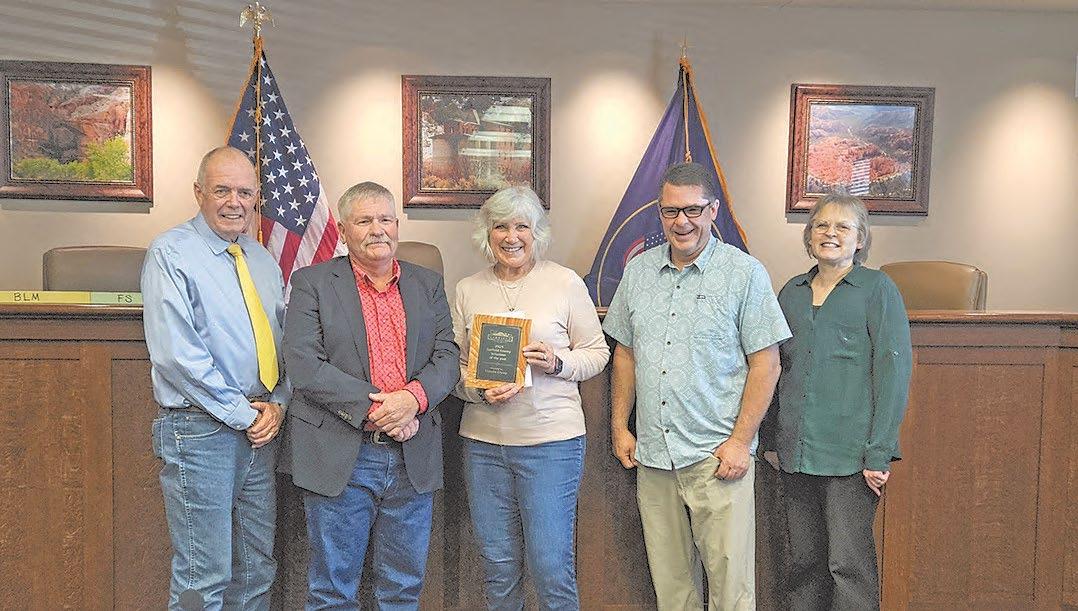
GARFIELD CO.During the Garfield County Commission meeting on Monday, March 23, Panguitch resident Claudia Crump was recognized as the “2025 Garfield County Volunteer Citizen
of the Year.”
This award is a new initiative introduced by the county this year. Moving forward, the county plans to present quarterly awards to residents who make significant contributions in their communities, allowing citizens to nominate deserving individuals within their areas.
Garfield County
Courtesy Garfield County
(From L to R) Garfield County Commissioner Jerry Taylor, Commissioner Leland Pollock, Claudia Crump, Commissioner David Tebbs, and Garfield County Clerk Camille Moore. During the Garfield County Commission meeting on
Panguitch
‘The
Situation is Dire’: Lake Powell is Heading for a Record Low as Colorado River States Remain
Deadlocked
Colorado River states continue to work towards a plan to deal with a shrinking water supply for 40M people by Brooke Larsen | Salt Lake Tribune acre-feet.
UTAH - Utah and its neighbors in the Upper Colorado River Basin shared a resounding message on Tuesday, March 24: it’s going to be a rough year.
Snowpack peaked weeks earlier than usual, and set a record low. The latest forecasts show Lake Powell dipping below the level where Glen Canyon Dam can generate electricity or sustainably release water downstream by the end of the year. And states still can’t agree on how to manage the shrinking water supply for forty million people after the current guidelines expire at the end of the year.
“The situation is dire. The stakes have never been higher. And unfortunately the reservoirs have never been drier,” Estevan López, New Mexico’s Colorado River negotiator, said during a meeting of the Upper Colorado River Commission on Tuesday.
To prevent Lake Powell from dropping below 3,500 feet—the elevation the Bureau of Reclamation wants to keep the reservoir at to prevent infrastructure damage inside the dam—the bureau and states have discussed two options: reducing the flow out of Powell and releasing water from Flaming Gorge and other upstream reservoirs.
Since January, states, Upper Basin tribes and the bureau have been working on a drought response agreement for releases from those reservoirs, Chuck Cullom, director of the Upper Colorado River Commission, said.
The states and the bureau aim to have a final draft plan by the next meeting of the commission on April 24, he added. If Upper Basin states approve it, the plan will get sent to the Interior Secretary and go into effect on May 1. Releases from upstream reservoirs will likely total around 500,000
That additional flow to Powell will be “woefully insufficient” without adjustments to how much is released out of Glen Canyon Dam as well, Gene Shawcroft, Utah’s negotiator, said during a meeting of the Colorado River Authority of Utah on Tuesday afternoon.
To keep Powell at 3,500 feet, the bureau will need to find an additional 1.7 million acre-feet of water to keep the reservoir from dipping to critically low elevations, Shawcroft added.
The bureau could reduce Powell releases from its currently planned 7.48 million acre-feet to as low as 6 million acre-feet, according to a plan finalized in 2024.
That will inch Colorado River operations closer to a legal “tripwire,” as experts call it, when the tenyear combined flow of the river at Lees Ferry sinks below 82.5 million acrefeet—an amount Lower Basin states say the Colorado River Compact requires Utah and its upstream neighbors to deliver.
This would be the first time such a breach happens. “The risk of litigation is high,” Shawcroft told reporters during a press briefing last month.
That risk is not only going up because of the hydrology, but also because states can’t agree on how to move forward after current guidelines expire at the end of this year. There’s hope that short-term agreements to avert a crisis at Powell this year may move states closer to a future deal, though.
“Our goal is that an agreement on the near-term operations will allow us to continue talks about the long term,” Brandon Gebhart, Wyoming’s negotiator, said. “All seven states are still at the table. We are still talking. We have not come to an agreement yet, but we can’t stop.”
Negotiation sticking points
Negotiators expressed both commitment to reach an agreement as well as skepticism about the seven states’ ability to break free from key sticking points.
One of the key tensions has been a call from Nevada, Arizona and California for enforceable conservation by their Upper Basin counterparts—Utah, Wyoming, New Mexico and Colorado.
Some Upper Basin interests remain unwilling to commit to measurable conservation and reductions, even though the Compact ultimately places delivery obligations upstream,” JD Hamby, California’s Colorado River negotiator, said in a statement when states failed to reach a deal in February.
Upper Basin states argued that demand was “completely inappropriate,” López said, “given the very real and mandatory reductions that are imposed by Mother Nature.”
During dry years, less water flows through the headwaters of the Colorado River and its upstream tributaries, such as the Green and Price rivers and smaller streams in Utah.
State engineers in Utah and the other Upper Basin states cut off water rights holders, such as farmers, tribes and cities, based on priority, or seniority, of their rights.
“When there is less, we use less,” Becky Mitchell, Colorado’s negotiator, said. “This is not voluntary, and no one gets paid.”
Due to this year’s notable drought, Upper Basin states will cut off users “earlier and deeper” than in previous years, including some of the most senior water rights dating back to the 1800s, Mitchell added.
The Ute Mountain Ute Tribe faces a 70% cut to its water supply in Colorado. “That doesn’t come without pain,” she said.
Nevada recently offered up a short term solution that doesn’t include additional cuts in the Upper Basin. The proposal
includes a two-year plan to maintain levels at Powell and Lake Mead, as well as guidance on how a negotiation process could look in the years following.
It puts Flaming Gorge and the other upstream reservoirs as “the first line of defense in protecting Lake Powell.”
But how those reservoirs are managed and how much is released from them remains a sticking point between the Upper and Lower Basin states, Shawcroft said.
The states have engaged in some discussion around this proposal and shared comments, he added. “But it doesn’t seem that that’s going to be the magic bullet that will help us get to a seven-state agreement.”
Whether states reach an agreement or not, the feds must make a decision on how to manage Powell and Mead and other upstream reservoirs by Oct. 1—all while also preventing a crisis at Glen Canyon Dam in the short term.
“Our preferred outcome of the seven basin states discussion is consensus,” David Palumbo, deputy commissioner at the Bureau of Reclamation, told the U.S. Senate’s Water and Power Subcommittee. “But…it is incumbent upon the Bureau of Reclamation to operate the system responsibly within our existing authorities.”
This article is published through the Colorado River Collaborative, a solutions journalism initiative supported by the Janet Quinney Lawson Institute for Land, Water, and Air at Utah State University. See all of our stories about how Utahns are impacted by the Colorado River at greatsaltlakenews.org/ coloradoriver.
This article is published through the Utah News Collaborative, a partnership of news organizations in Utah that aim to inform readers across the state.
Forest Service Headquarters to Relocate to Salt Lake City in Major Restructuring Plan
by Alixel Cabrera | Utah News Dispatch
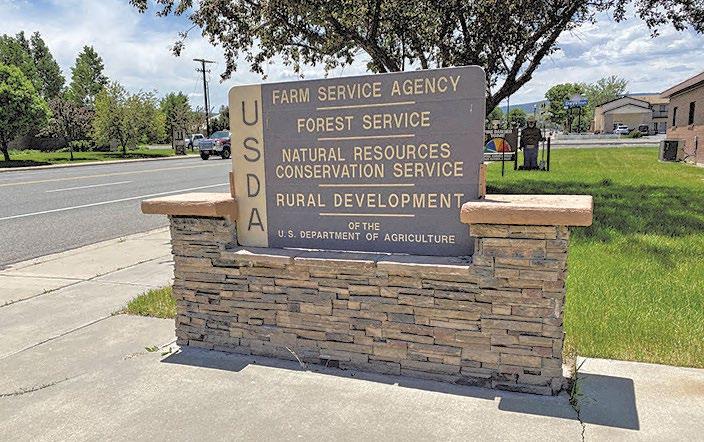
UTAH - The headquarters of the U.S. Forest Service will move from Washington, D.C., to Salt Lake City, the U.S. Department of Agriculture announced Tuesday, March 31, a move the agency described as a “common-sense approach to improve mission delivery.”
Noting that the lands, partners and operational challenges it serves are overwhelmingly in the West, the agency said in a news release it hopes to “begin a sweeping restructuring” of the office by moving its leadership closer to the forests and communities it serves.
“Effective stewardship and active management are achieved on the ground, where forests and communities are found— not just behind a desk in the capital. Through this transition, we will strengthen our connection to the forests and the people who depend on them, while supporting our employees and honoring the dedication that has always defined our service,” Forest Service Chief Tom Schultz said in a statement.
In addition to the relocation, the Forest Service will also start a transition to a “state-based organizational model,” in which fifteen state directors will be assigned throughout the country overseeing the agency’s operations within one or more states. The office locations are planned for states including Alabama, Alaska, California, Colorado, Georgia, Idaho, New Mexico,
Insider
The headquarters of the U.S. Forest Service will move from Washington, D.C., to Salt Lake City, the U.S. Department of Agriculture announced Tuesday, March 31, a move the agency described as a “common-sense approach to improve mission delivery.”
among others.
All regional offices are set to close under the new model, though some facilities will be retained to serve other needs. The formal restructure will be implemented over the coming year, the agency said in the release.
The news was welcomed by Utah Gov. Spencer Cox, who said in a social media post that the relocation means hundreds of jobs coming to the state “and better, faster decisions on the ground for the people who rely on our public lands, from ranchers and timber producers to families who work and recreate there.”
Cox also said in a statement that moving into a more state-focused approach “strengthens federalism and helps the Forest Service do its job more effectively.”
However some environmentalists were less pleased with the announcement, arguing that the agency’s headquarters should be where federal policy is made.
“This is a costly bureaucratic reshuffle that
will hand more power to corporations and states like Utah to log, mine and drill the public’s forests for private profit. It punishes career staff who deserve so much better,” Taylor McKinnon, Southwest director at the Center for Biological Diversity said in a statement. “National forests belong to all Americans. Our nation’s capital is where federal policy is made and where the Forest Service headquarters belongs.”
Under the restructuring, the Forest Service is also planning on consolidating research operations leadership, going from governing structures in multiple research stations to a single research organization located in Fort Collins, Colorado.
“These changes are designed to unify research priorities, accelerate the application of science to management decisions, and reduce administrative duplication,” the agency said in the release. This article was originally publsihed on utahnewsdispatch.comon March 31, 2026.
BIFF: This year’s BIFF should reach customary lows of marginal taste and beyond. BIFF is 'Where Good Things Happen to Bad Movies,' and this year’s films will test the limits of bad taste.
—Marci Milligan, Entrada Institute president
Movies,' and this year’s films will test the limits of bad taste."
Entrada Institute vice president and BIFF producer Don Gomes enthused, "'Better Living Through Bad Cinema,' a sub-theme since 1995, is not to be taken lightly. It will be fulfilled once again this year."
There are numerous underwater films that meet the criteria of "BIFF—
Where Good Things Happen to Bad Movies.” In fact, we’ve sunk to new depths to find suitably marginal films. After painful screenings, the bill has been narrowed to "Hello Down There" and "Lake Placid." Both have name actors, bad scripts, and marginal performances in common.
An underwater expert is scheduled to be the BIFF "Special Guest." Insights and stories will be plentiful. This "Special Guest" will be part of pre-film shenanigans each night and be
featured at the BIFF forum Saturday morning.
BIFF is a program of the Entrada Institute and is sponsored by The Old House at Center and Main, Christensen Jensen law firm, Etta Place Cidery and Taproom, and the Bicknell Theater.
In the usual tradition, tickets went on sale starting April 1, 2026, at www.entradainstitute.org and will get snapped up quickly.
—Bicknell International Film Festival
BIFF Cont'd from A
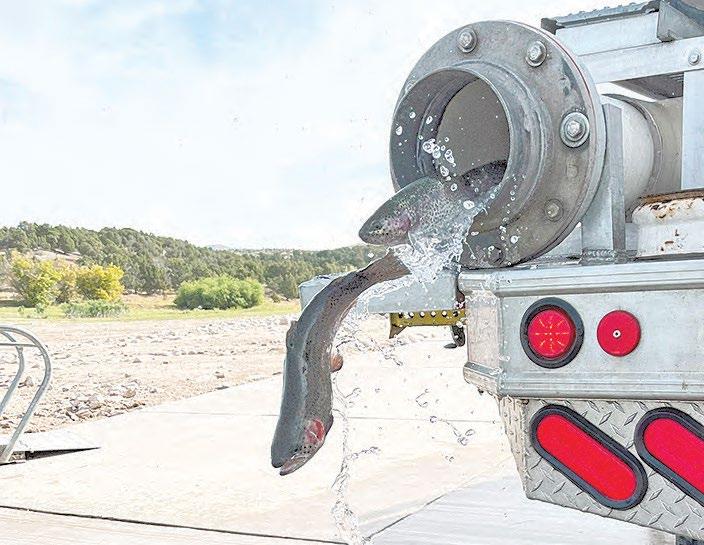
DWR Creates Proactive 30-Year Plan for Fish Production, Stocking in Utah
SALT LAKE CITY -
With continued population growth in Utah increasing demands on the water infrastructure and ongoing drought conditions reducing the amount of water available, the Utah Division of Wildlife Resources is proactively planning for the future by reviewing fish production and stocking and making adjustments where needed.
The first traditional state fish hatchery—where eggs were produced and raceways were used to raise fish—opened in Murray in 1899. In 1909, the Springville Fish Hatchery was acquired, making it the first state-owned fish hatchery facility in Utah. Currently, there are twelve operating state-owned fish hatcheries in Utah, with another currently under construction in Loa that’s expected to be completed in 2027.
“The reconstruction of the Loa Fish Hatchery has provided the necessary capacity to make meaningful changes in our production methods and hatchery maintenance, as well as to improve the health of the fish we raise and the efficiency of our fish culture statewide,” DWR Fish Culture Coordinator Roger Mellenthin said. “Currently, our fish hatcheries are all at capacity, and raising fish in close densities can more easily allow for disease transmission. Having Loa completed will allow us to reduce densities at the other hatcheries and enable us to raise overall healthier fish.”
With the increased capacity, the DWR is planning now for the next thirty years of fish production in Utah and making the needed adjustments to maximize efficiency and to better navigate ongoing changes in the state. The Kem C. Gardner Policy Institute projects that Utah’s population is expected to nearly double between 2020 and 2050. This increase in population will likely result in a continuing increase in anglers, while the capacity to produce more fish will not continue to increase due to a set number of hatcheries and available water sources.
“This new plan is helping us proactively look ahead at the future of fish production in Utah by organizing how and where we will raise fish, where we can raise a few different species, and where we can raise native fish to help recover those species, as well,” Mellenthin said.
“With this new plan, we can increase our capacity and efficiency, ensuring that Utah’s anglers will have fish to enjoy well into the future. Our goal is to expand angling opportunities and native species conservation efforts in Utah over the next thirty years.” Historically, the primary fish species stocked in Utah were various species of trout, including rainbow, cutthroat, brown, brook and lake trout. These fish do well in cool water, like high-elevation mountain streams and other reservoirs throughout Utah.
Over the years, the DWR has expanded the types of fish raised and stocked in Utah waterbodies to help native fish populations and to include additional fishing opportunities, including for cool
With continued population growth in Utah increasing demands on the water infrastructure and ongoing drought conditions reducing the amount of water available, the Utah Division of Wildlife Resources is proactively planning for the future by reviewing fish production and stocking and making adjustments where needed.
and warmwater species that can successfully reproduce in Utah’s reservoirs, reducing reliance on the fish hatcheries to provide those species. The fish species currently stocked include:
• Arctic grayling
• Black and white crappie
Bluegill
• Bonytail
Brook trout
• Brown trout
• Channel catfish
• Cutthroat trout
• Green sucker
June sucker
• Kokanee salmon
Lake trout
• Largemouth bass
• Rainbow trout
Razorback sucker
• Splake trout
Tiger muskie
• Tiger trout
Virgin River chub
• Walleye
• Wiper
Woundfin
With the ongoing changes in Utah, the DWR analyzed opportunities to continue providing great fisheries into the future, despite all of the upcoming challenges. This production plan is the result and includes a few changes to the species that will be produced and where they will be stocked in the state. Some of those changes include:
• Increasing the production of native fish species: This change will be implemented to better help native fish populations. In some instances, the conservation of a species is contingent on stocking to bolster the population. Specifically, the DWR will be starting to raise and stock more green sucker, northern leatherside chub, roundtail chub, and woundfin, as well as Western toads. Increasing populations will ensure that these species remain common in Utah and will prevent listings under the Endangered Species Act. Raising and stocking more cool and warmwater sportfish species: Because of increasing water temperatures in the state, some of the mid- and low-elevation waterbodies that were traditionally stocked with trout and other coldwater species will be stocked with species that better tolerate warmer water temperatures. As a result, some of the current hatcheries will transition to raise more cool and warmwater fish species, including a recent remodel of the Logan Fish Hatchery.
• Adjusting the sizes and number of fish stocked: In the future, fewer fish may be stocked at waterbodies that primarily see catch-and-release fishing and that have high survival rates of fish. The
DWR will continue to conduct angler surveys and tagged fish studies to better understand catch-and-release rates and other angler behaviors at certain waterbodies to maximize efficiency in fish stocking, while still maintaining angler satisfaction. The reductions in these types of waterbodies can then be transferred to other waterbodies where harvest remains high, providing the opportunity for greater angler satisfaction at more locations.
• Raising different strains of trout at various hatcheries: Another update included analyzing the state’s coldwater fish hatcheries and determining where different coldwater strains and species (like rainbow, cutthroat, brown, and brook trout) did better and were less susceptible to disease. The analysis determined which strains could replace those poorly performing ones and in which hatcheries, based on water temperatures, the facility’s infrastructure, and the performance of each strain or species over the last decade. This same analysis will be performed for warmwater species in the future.
“We want anglers to know that we hear the projections for Utah, and we see and experience the changes in our fisheries as well,” DWR Sportfish Coordinator Trina Hedrick said. “We face a number of challenges for effective fish conservation and management in the coming years, and we can’t do it alone. If we are going to address these challenges, we need help from the anglers who enjoy fishing in Utah. We are increasing our efforts to better understand fishing experiences at many of Utah’s waters, and over the next few years, anglers may see more requests to provide feedback about their fishing experiences, especially as some of the stocking changes are implemented. Public satisfaction is a key component of our sportfish management actions and receiving feedback is crucial to these efforts. This plan will help us navigate the future more clearly and more efficiently.”
—Utah Division of Wildlife Resources
Courtesy Utah Division of Wildlife Resources
The Easter Egg Hunt is finally over, and I would like to give a much needed thank you for all of those who helped. Our Easter Bunny was the best one ever and was so good with all of the kids. Now, I think Pat and I can rest assured that the hunt will go on for a long time. Both of us get really tired easily, and it is time for some young folks to get in on the fun and joy that the hunt brings to the kids. I hope that all were able to get a prize, and if not, give me a call at 6762418. Many thanks to the fire department for bringing the Easter Bunny here on time.
There were a number of really good sermons from the Church of Jesus Christ of the Latter-day Saints on Easter. In one sermon, the speaker called up a woman in a yellow dress. She said that she was a nurse in a criminal ward, and the patients were made up of the worst people you could imagine. There was one that she really hated, who spit on the floor and used terrible language. One night, the nurse heard a terrible sound and went to the man’s room, where he was lying in a pool of blood from broken glass. It hit her really hard, and she wrapped her arms around him and realized that we are all God’s children. He was crying, and all he wanted was to go home. He got his wish; he died a few weeks later.
President Dallen H. Oaks' talk was really good, and it fit our terrible times. He spoke that, as members of the church, we should be known as the peacekeepers. We, like Christ, should love one another, regardless of the color of their skin, religion, or where they have come from. We are all God’s children, and that is what would please him most.
On Palm Sunday, Pope Leo XIV said that God did not listen to prayers from people who have blood on their hands. On Easter, he prayed that all of those involved in the wars would come together and end their differences.
Cuba got some help
by Mack Oetting
from Russia in the way of an oil tanker, so their generators will keep running. Russia has been giving information to Iran on where our bases are. In return, Russia has the only tankers that can get through the Strait of Hormuz unharmed. Iran blew up our only radar plane, that cost over $400 million, on information supplied to them by Russia. The president wants another $400 billion to continue his war. The president wants to give Putin and Russia the ultimate gift, the U.S. getting out of NATO.
The president is using my tax money to block clean power. His administration has agreed to pay a
French energy giant $1 billion to stop building wind farms and instead invest in fossil fuels. TotalEnergies will have to return two offshore wind leases to the federal government. They will invest $928 million, in a natural gas facility in Texas, which is shale gas production and oil drilling. Elon Musk (Tesla) will stop producing his Model X and Y electric cars, and sales of his ugly pickup are way down. He will still be producing his smaller car. Without the $7,500 rebate on cars, people aren’t willing to pay the high price of his cars. At the Easter Egg
Hunt, I saw Troy Norris, and I asked him how the track team was doing. He said that they were doing really well, so maybe he will have some more state championships to add to the forty-six he already has. Troy’s wife, Anne Marie, was there, and I asked him if he was going to coach the volleyball team next year. Troy said that he and his wife were called on a mission to the Boston area. Boston is my favorite city in the U.S. He will be there during Halloween, and I told him to check out the town of Salem, of Salem Witch Trials fame. It is really an interesting place. Mack O.
Wings Over Weber ASO Project: A New Era of Snow Measurement for the Great Salt Lake Basin
SALT LAKE CITY -
The Utah Division of Water Resources has partnered with Weber Basin Water Conservancy District and the Great Salt Lake Commissioner’s Office to expand and explore the use of Airborne Snow Observatories (ASO) technology in the Great Salt Lake Basin. This ASO project, known as "Wings over Weber," is the second of its kind in Utah and the first focused on a watershed within the GSL Basin. The project is funded, in part, by a grant from the Bureau of Reclamation.
“This partnership represents a critical step forward in our efforts to understand and manage our snowpack,” said Joel Williams, director of the Utah Division of Water
Resources. “By utilizing this new technology, we can gain insights into our snowpack, which is crucial to our water supply.”
This technology is a NASA-developed method to enhance snow measurement. ASO technology has been effective and useful in the areas where it has been applied. ASO works by flying a plane with special instruments (LiDAR and a spectrometer) over a watershed to measure the depth of the snow beneath. The plane flies in a lawnmower-like pattern back and forth, capturing an accurate spatial representation of the snowpack and snow water equivalent. The data gathered is ingested into a snowpack model, which is then used to produce a spring runoff forecast.
Obituaries
The first of two planned aerial snow surveys in the Weber River Basin was completed on March 8 of this year. Data collected during these flights will be incorporated into advanced snowpack modeling efforts used to generate seasonal water supply forecasts for the basin. The data gathered will support water managers and planners as we confront the challenges related to drought and GSL levels. A clearer understanding of a system's water availability allows for more effective operational decisions, such as reservoir releases and flood control, ultimately helping to preserve our precious water resources.
—Utah Division of Water Resources
Lyle Arthur Sawyer 1932 - 2026
HATCH - Lyle Arthur Sawyer passed away March 28, 2026, after a life of service and dedication to his family.
He was born May 15, 1932, to Arthur Sawyer and Mary Stratton. He enjoyed an ideal childhood riding his favorite horse "Snip," spending summers at the homestead, while his parents were proving the land, and sleeping in the hayloft under the tin roof when it rained.
After attending school in Panguitch, he married Darlene Clove on September 27, 1952. Their marriage was later solemnized in the St. George Temple on September 27, 1962. Two months later, he was drafted into the army. He served for two years during the Korean War and was stationed in Okinawa, Japan in the Headquarters Battery of the 85th AAA Gun Battalion. Lyle was also a member of the 85th Honor Guard, a precision marching and drill group who welcomed visiting generals and dignitaries at the airport. Upon returning from the service, he was able to meet his firstborn son, Ricky He drove truck in the timber industry for most of his career, until he retired. The majority of this was for Kaibab Industries Company. He was the father of 6 boys, who were always taken on the family hunting, fishing, and camping trips with he and Darlene. These are precious memories that his sons have never forgotten. He made wooden boats, airplanes, and guns for his boys and then he often ended up making them for the whole neighborhood. Along with his sweetheart, Darlene, they lovingly took care of and served those around them and were a blessing to each person lucky enough to be in their path. In the last few years of Darlene's life, he was a devoted and loving caregiver.
Lyle was known for his amazing memory and legendary for his storytelling. Grandkids loved to go and visit and hear all his life experiences. Those grandkids and great grandkids were the highlight of his twilight years. He loved each and every one of them.
Lyle was a faithful member of the Church of Jesus Christ of Latter Day Saints. He loved serving in the scouting program of the church with the young men. But, his favorite calling was serving with his eternal companion in the St. George Temple. After seven long years, there is a joyous reunion in heaven, as he is with his sweetheart.
He is survived by his sons Ricky (Susan) Sawyer, Arlin (Connie) Sawyer, Verniel Sawyer, Kenneth (Lynette) Sawyer, Wayne (Sherron) Sawyer, Duane (Helen) Sawyer, 21 grandchildren and 41 great-grandchildren.
Lyle was preceded in death by his parents Arthur Sawyer and Mary Stratton; sisters: Vonee Sawyer and Bernice Sawyer; brothers: Dalven Sawyer, Deral Sawyer, and Van Sawyer.
Funeral services will be held at 12:00 Noon on Saturday, April 11, 2026, at the Panguitch 2nd LDS Ward Chapel. A viewing will be held from 9:30-11:30 A.M. at the church prior to services.
Burial with military honors accorded by the American Legion Post #0025 and Utah Honor Guard, will be in the Panguitch Cemetery under the care of Springer Turner Funeral Homes of Richfield and Salina, Utah. Online guestbook available at www.springerturner.com
Dining Guide
YOUR AD HERE YOUR AD HERE
Schools and Sports
BVHS Theatre Program Cast Shines with The Addams Family Musical; Advances to State Competition
by Samie Ott | Bryce Valley High School
The stage came alive at Bryce Valley High School (BVHS) as the BVHS Theatre Department delivered a standout performance of The Addams Family Musical, captivating audiences with humor, energy, and impressive talent.
TROPIC - The stage came alive at Bryce Valley High School (BVHS) as the BVHS Theatre Department delivered a standout performance of The Addams Family Musical, captivating audiences with humor, energy, and impressive talent.
From the opening number to the final bow, students demonstrated not only their acting abilities, but also their commitment
to excellence. The production featured strong vocals, engaging choreography, and a set design that transformed the stage into the quirky and beloved world of the Addams family. Audience members were drawn in by the cast’s ability to balance comedy with heartfelt moments, creating an unforgettable experience for all.
Following their successful run, BVHS The-
atre students advanced to the state level, where they continued to shine among top performers from across Utah. Several students earned individual recognition for their performances.
Jonathan Platt earned second place in Pantomine, Luis Corrales earned third place in musical theatre, while Chris Beesley, Kira Platt and Ellie LeFevre received superior ratings—an impressive accomplishment
that highlights the strength of the program as a whole. This achievement is a testament to the dedication of the students, the support of families, and the leadership of their directors Mr. Nathan Platt and Mrs. Holly Willis, whose passion for theatre continues to inspire excellence. BVHS Theatre has proven that even in a small, rural school, big talent and hard work can lead to great success.
Bryce Valley High School Students of the Week
by Samie Ott | Bryce Valley High School
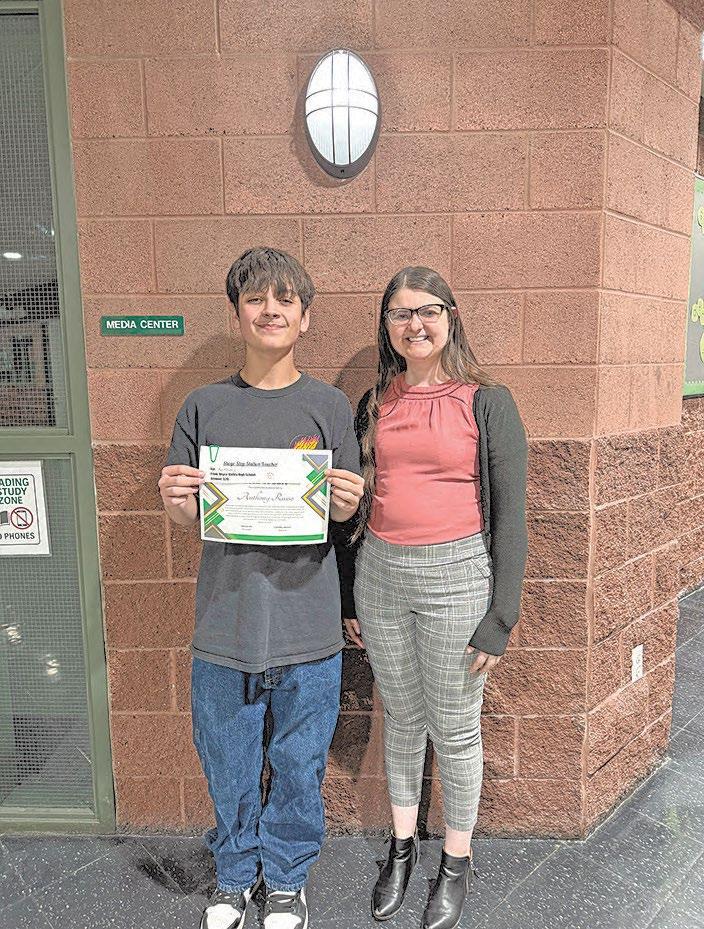
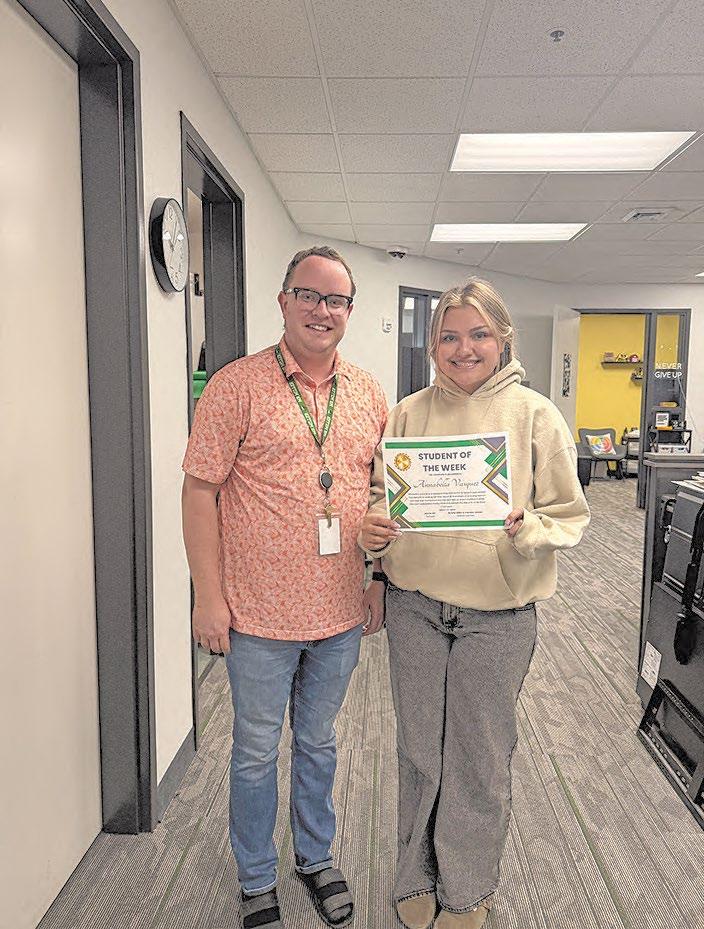
Anthony Russo (left) was nominated by Ms. Jensen as Bryce Valley High School (BVHS) Student of the Week, and Annabella Vasquez has been nominated by Coach Rowdy Miller as the Activity Student of the Week in Debate.
BRYCE - This week, Bryce Valley High School (BVHS) is proud to recognize two exceptional students who have demonstrated dedication, perseverance, and excellence both in and out of the classroom.
Anthony Russo was nominated by Ms. Jensen as BVHS Student of the Week and has truly redefined what it means to work hard. Over the past quarter, he has taken complete ownership of his education and shown remarkable growth. Rather than simply attending class, Russo has gone above and
beyond by actively seeking out resources, making effective use of the middle room, and consistently checking in to ensure he is on the right track. His determination and commitment to improvement serve as a powerful example of grit for his peers. Ms. Jensen and the entire school community commend Russo for his outstanding effort and positive attitude.
Annabella Vasquez has been nominated by Coach Rowdy Miller as the Activity Student of the Week in Debate. Vasquez delivered an impressive performance at the state competition,
showcasing both resilience and skill. After overcoming a slow start during speech day, she finished strong and carried that momentum into debate day. Vasquez went undefeated, ultimately earning the title of 1A
SPAR State Champion. Her perseverance and competitive spirit set her apart and brought pride to her team and school. Congratulations to Annabella on this remarkable achievement.
WCSD Honors Outstanding Employees
by Nichol Stringham | Wayne School District, Character Education/SEL Director | Wayne High School, Assistant Principal
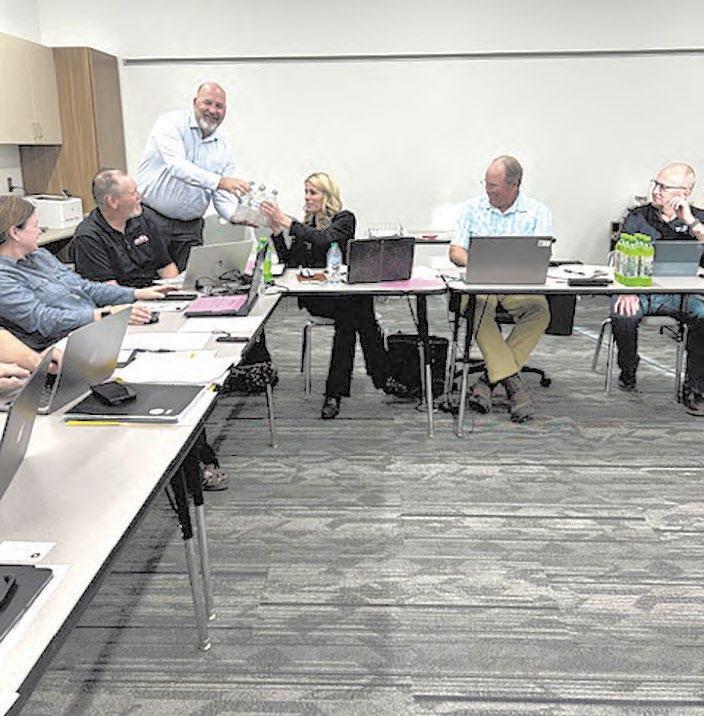
WAYNE CO. - Wayne County School District (WCSD) continues to shine a spotlight on the people who make a difference every day through its Employee Recognition Award program. Designed to honor those who consistently exceed expectations, the recognition celebrates individuals whose dedication, leadership, and compassion help create a positive and supportive school environment. These honorees are recognized not only for their service, but for the meaningful impact they have on students, staff, and the broader school community.
This time, the district is proud to extend that recognition to its board of education members and student board member, whose commitment,
time, and leadership play a vital role in guiding the success of Wayne County School District. Their service often happens behind the scenes, but its impact is felt in every school and classroom. This ongoing program serves as a reminder that excellence in education is built through the collective efforts of many. From classrooms to boardrooms, and from daily operations to longterm planning, each individual contributes to a strong and supportive learning environment. WCSD is grateful for the dedication of its board members and student representative, and for all who work tirelessly to ensure students have the opportunities they deserve.
Courtesy Samie Ott
Top and Above Courtesy Samie Ott
Wayne County School District (WCSD) board members (From L to R) Charlene Vandyke, Torrey/ Teasdale; Shawn Davis, Bicknell; WCSD Superintendent Shelley; Liz Torgerson, Lyman/Fremont; Jim Lamb, Loa; Curtis Whipple, Hanksville; and Stetsy Lamb (not pictured), student board member; were all recently honored through WCSD's Employee Recognition Award program.
Courtesy Nichol Stringham
Study: Annual Cost of UT Family Caregiving Reaches $9.9B
by Mark Richardson | Utah News Connection
a
UTAH - A new AARP study found around 17% of Utahns provide unpaid care for a family member, creating an emotional, financial and health toll on those caregivers.
Family caregivers in the state contribute a total of about 490 million hours of care each year. If those workers were paid around $20 an hour, their labor would be valued at nearly $10 billion. Nationally, the amount is more than $1 trillion.
Myechia Minter-Jor-
from
dan, CEO of AARP, called families the "backbone of the nation's long-term care system."
"That is equal to nearly 24 million full-time workers, or roughly 17% of the entire U.S. full-time workforce," Minter-Jordan pointed out. "Caregivers are stretching their finances, sacrificing their own well-being, and too often they are doing it alone."
The study found nearly 600,000 residents in Utah provide care to a family member. AARP es-
timates more than 60% of the state's caregivers are women.
In a virtual news conference, Minter-Jordan stressed federal, state and local officials need to provide more services to help family caregivers. She added the report lays out steps lawmakers need to take to support caregivers.
"We are advocating for bold solutions, including a national paid family and medical leave policy, greater respite services and resources, such
with at least one
as those now offered in several states, and state and federal legislation that can bring overdue financial relief," Minter-Jordan outlined. Utah offers caregiver assistance programs through the Division of Aging and Adult Services, including respite care, training, support groups, and in-home assistance.
A third of Utah caregivers report experiencing at least one negative financial impact due to their responsibilities.
Summer’s Kitchen: The building came available recently, and I jumped on the opportunity. I want to create a place that offers fresh, healthy food in a fun, fast casual environment.
—Heather Gilbert, Summer’s Kitchen
Summer’s Kitchen, owned by Preston and Heather Gilbert, is the newest addition to the Panguitch food scene. Located at 95 N. Main in a historic red brick building, the Gilberts plan to hold a grand opening on April 16th at 11 a.m. The cafe will offer sandwiches, fresh salads, homemade soups, and delicious bakery items. “We hope that our cafe will offer a place for the tourists to find something light and healthy at the end of a long road trip, or a fun spot to get together with friends for the locals,” said Heather Gilbert.
a place that offers fresh, healthy food in a fun, fast casual environment.”
The cafe will offer sandwiches, fresh salads, homemade soups, and delicious bakery items. “We hope that our cafe will offer a place for the tourists to find something light and healthy at the end of a long road trip, or a fun spot to get together with friends for the locals,” she said. Their menu offers a variety of different sandwiches, hot and cold, including “Summer's Greek Chicken Sandwich” and the Pesto Chicken with its fresh basil and mozzarella cheese. Both sandwiches are made from fresh, high quality chicken breasts marinated and cooked in the cafe’s kitchen. Summer’s Kitchen is also offering what they call “The German Tourist,” a unique sandwich that combines ground beef, bacon, brie, and sauerkraut. Gilbert says, “It's a must try.” They will also have delicious salads made with fresh ingredients, such as “Summer's Berry Salad,” made with homemade candied pecans, fresh berries, feta cheese, and homemade raspberry vinaigrette dressing. Gilbert is excited about the menu, saying, “We feature unique family recipes that are loved by our family and hope that the community will love them as well.”
According to Gilbert, they will also be offering special promotions, such as "Teacher Tuesday," where a teacher or other staff member in the schools will be selected for a free lunch at the café, as well as free soft drinks to on-duty law enforcement individuals. Additionally, Summer’s Kitchen plans to sponsor local events and come up with other fun deals that will benefit the community.
Summer’s Kitchen stands out from other restaurants in the region due to its “fast casual” approach, meaning that they are not a full-service restaurant. Customers will order their food at the counter and then have their food brought out to them. “We will not have the wait of having to
Construction:
These improvements are critical to maintaining safe, reliable access to Cataract Canyon. We appreciate the public’s patience as we complete this work and encourage river users to plan ahead and be flexible during construction.
—Carly Lansche, trails and planning program director for the DOR
Construction Cont'd from A1
“Utah’s Grand Canyon,” Cataract Canyon offers a premier 46-mile river experience through Utah sovereign lands, Canyonlands National Park and Glen Canyon National Recreation Area. For more than two decades, river runners have relied on the North Wash boat ramp as the primary takeout, but declining water levels at Lake Powell have made it increasingly difficult—and at times hazardous—to use, forcing some trips to continue an additional 35 to 50 miles to Bullfrog Marina to take out.
“These improvements are critical to maintaining safe, reliable access to Cataract Canyon,” said Carly Lansche, trails and planning program director for the DOR. “We appreciate the public’s patience as we complete this work and encourage river users to plan ahead and be flexible during construction.”
The new ramp will not be available for use during construction. The existing ramp is expected to remain generally accessible; however, there will be frequent temporary closures lasting up to five hours due to active construction.
"The deteriorating conditions at the North Wash boat ramp have been a growing issue for many years," said Redge Johnson, Director at PLPCO. "We are committed to working collaboratively to finally provide the essential infrastructure this area requires."
Construction activity will primarily occur Monday through Thursday, between 7 a.m. and 6 p.m., and users should anticipate
heavy equipment and active work zones on site.
Recommended Alternatives for River Users To help minimize delays and maintain safe operations, river users are encouraged to consider the following: Unload passengers and gear upstream: When possible, unload passengers and dry bags on river right just past the Highway 95 bridge. Individuals can hike to the parking area near the bridge, allowing construction crews to continue work. Note: This route is steep and difficult. Plan accordingly. Alternate takeout locations: Consider continuing to takeout locations at Bullfrog or Halls Crossing when feasible.
• Plan around construction hours: Schedule takeouts Friday through Sunday, or outside active construction hours (before 7 a.m. or after 6 p.m. Monday through Thursday).
The temporary ramp project is part of a broader effort to maintain access, as prolonged drought and low water levels at Lake Powell have made the historic Hite boat ramp unusable. State and federal partners are continuing to advance a long-term “Hite North” replacement facility. Additional updates will be shared by the Utah Division of Outdoor Recreation as construction progresses. For more information, visit https:// recreation.utah.gov/ north-wash-boat-ramp/. —Utah Division of Outdoor Recreation
Award: Claudia, thank you for your incredible service to the residents of Garfield County.
Award Cont'd from A1
to the residents of Garfield County.”
be seated, a waitress to get to your table, or waiting around for the bill at the end of your meal. It will be a great option for those who want a quick, high-quality meal in Panguitch,” said Gilbert.
Gilbert says that this model gives customers on the go the opportunity for a fast and relaxed dining option, which is especially relevant in a town with high tourism traffic. “I hope that everybody that eats at Summer's Kitchen leaves satisfied that they had delicious, healthy meal in a fun environment and the desire to come back soon,” said Gilbert.
Summer’s Kitchen plans to have their grand opening on April 16th at 11 a.m.
posted on their social media page about Crump stating, “She is always among the first to step in and help someone in need and generously shares her quilting talents with others. In fact, many Garfield County residents likely have a 'Claudia Quilt' in their homes. During COVID, Claudia found a way to lift spirits at the hospital by creating a beautiful quilt that was raffled for staff. Her kindness continues to shine as she supports those in need, provides meals to many, and brings a warmth and positivity that truly lights up a room.” They continued, “Claudia, thank you for your incredible service
Crump's talents have even reached Utah Congresswoman Celeste Maloy, who extended an invitation to each county in her district to create a quilt that reflects the essence of their communities, Crump stepped up to the challenge, crafting a beautiful and meaningful piece that Maloy now proudly displays in her office, representing Garfield County.
The county wrapped up their social media post by saying, “Stay tuned for more opportunities to help us recognize volunteers across our communities. It's truly the residents that make this county the best.”
Courtesy Heather Gilbert
Summer’s Kitchen Cont'd from A1
Adobe Stock
According to
2025 update
AARP, 56% of family caregivers in Utah assist
activity of daily living like bathing, dressing or feeding.
Health Assessments:
We have been conducting these captures and collecting data for over a decade in Utah. We have learned a lot about deer and other big game animals during that time, which in turn, has helped to inform our management decisions. The amount of body fat a deer has going into winter influences how well they survive the winter. The amount of body fat a female deer has coming out of winter can impact the weight of the fawn at birth and how fast the newborn fawn grows. Those things, in turn, help the overall population.
—Kent Hersey, DWR Big Game Projects Coordinator
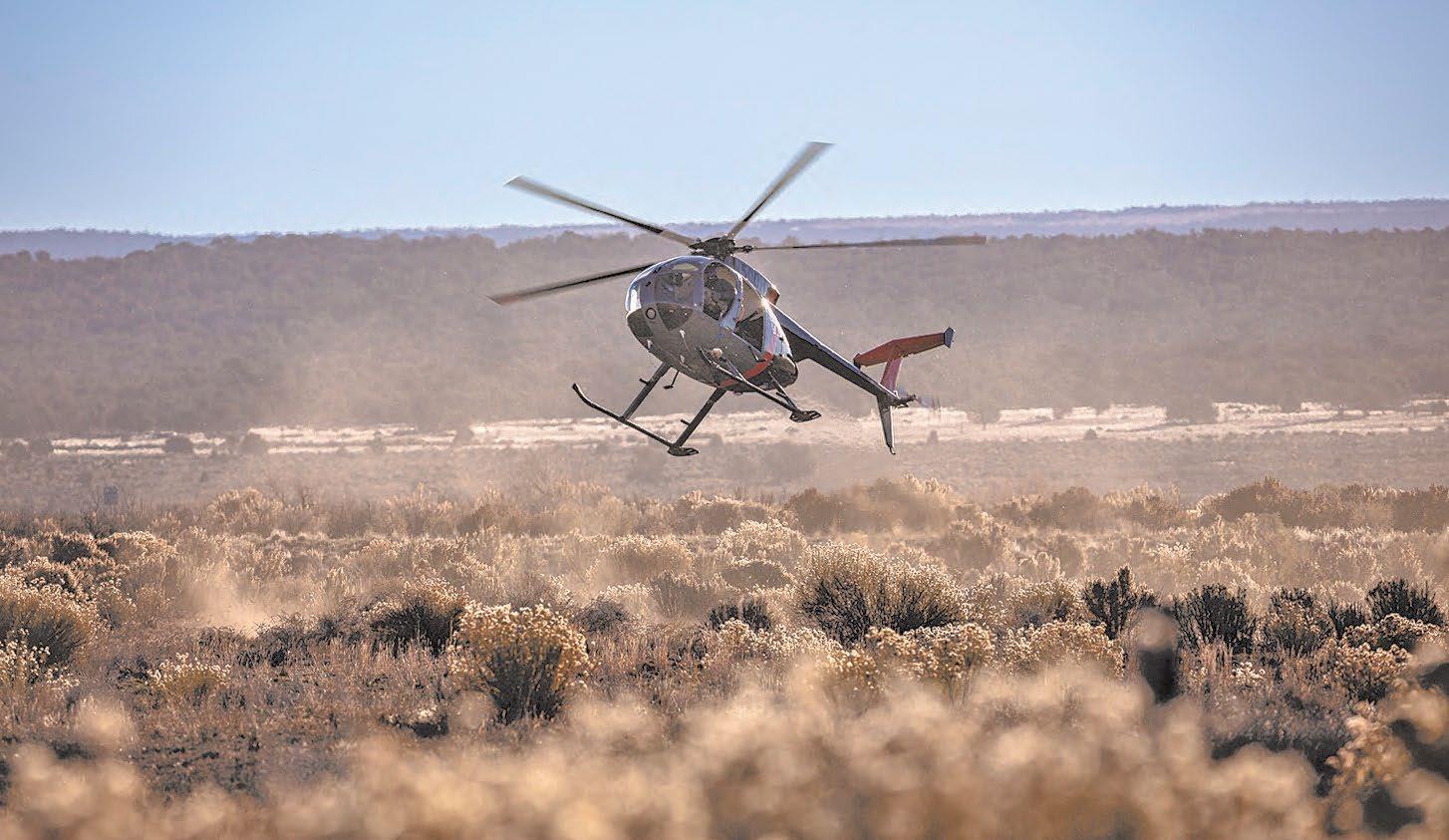
Each year, the Utah Division of Wildlife Resources captures big game animals to perform important health assessments and to place GPS collars on the animals to learn more about their migration patterns and survival rates. This winter, 1,433 big game animals were captured, providing important data about big game herds across the state. The animals are typically caught by a helicopter crew that uses a net gun, and then the animals are later safely released after the health testing.
time regulating their body temperatures, and the cool weather helps them recover more quickly. The animals are typically caught by a helicopter crew that uses a net gun, and then the animals are later safely released after the health testing.
“When we do capture work, we make a concerted effort to minimize chase times and to keep all capture-related stress to a minimum,” DWR Big Game Projects Coordinator Kent Hersey said. “It’s a short one-time event for those animaIs and doesn’t have the same impacts as repeated disturbances that cause them to use up important fat reserves. The information our biologists get from capturing big game animals provides very valuable data that is used to manage big game populations.”
The big game animals captured during this research work include deer, elk, moose, bighorn sheep, mountain goats, and bison. During the 2025-26 winter, the following animals were captured, assessed and released:
• Bighorn sheep: 88
• Deer: 1,022 Elk: 239
• Moose: 34
Mountain goats: 20
• Bison: 30
During captures in November and December, DWR biologists collect crucial data and analyze it. This includes:
Measuring body fat and overall nutritional condition entering winter
Sampling and testing for
disease
During captures in March, the following research is conducted:
• Measuring body fat and overall nutritional condition exiting winter
Checking pregnancy rates in doe deer
• Inserting transmitters into pregnant deer that alert biologists when a fawn is born so researchers can locate the newborn fawn and assess health, survival rates and cause of death (if the fawn doesn’t survive)
“We have been conducting these captures and collecting data for over a decade in Utah,” Hersey said. “We have learned a lot about deer and other big game animals during that time, which in turn, has helped to inform our management decisions. The amount of body fat a deer has going into winter influences how well they survive the winter. The amount of body fat a female deer has coming out of winter can impact the weight of the fawn at birth and how fast the newborn fawn grows. Those things, in turn, help the overall population.”
During this year’s captures, adult deer across the state were in average to below-average nutritional condition, likely due to the hot dry summer conditions last year. Fawn weights were highly variable with some really small fawns and some big, and everything in between. Fortunately, this has been a very mild winter, which is great for mule deer survival. However, if we don’t get good spring precipitation, it could cause nutritional problems for deer
during the summer.
“We use the data from the health assessments—and also the data on where big game animals migrate each summer and winter—to implement habitat projects to improve the winter and summer feeding ranges for big game across the state,” Hersey said. “These data are also used to determine how and when we hunt animals and to help determine recommended big game permit numbers for each hunt.”
The migration data from the GPS collaring efforts is also used as part of the Utah Wildlife Migration Initiative. This program was founded in 2017 to better track and study the migration patterns of different wildlife and fish species in the state and to help them make those
important journeys.
“The GPS collars provide data to map migration routes, identify and reduce barriers to wildlife movement, understand connectivity across management units, and identify areas for habitat conservation and improvement. Movement and location data also informs planning for sustainable land use, transportation, energy, residential and commercial development, and recreation management in a variety of areas across the state,” DWR Utah Wildlife Migration Initiative Coordinator Makeda Hanson said. “One component of that is incorporating wildlife crossing structures on the landscape to assist in wildlife migration.”
—Utah Division of Wildlife Resources
Safety Presentation
Cont'd from A1
When: Saturday, April 18th at 2:00 PM
Where: Boulder Community Center
• Presenters: Marya Samudio and Aaron Samudio, a sibling team
- Marya Samudio served more than twenty years in the Utah National Guard, deployed as a master sergeant, and was assigned as the sexual and physical abuse officer, specializing in creating safe environments and recognizing signs of abuse. She continues to serve as the sexual abuse liaison in the Utah area.
- Aaron Samudio has spent over twenty years working in behavioral health and residential treatment settings, serving youth, young adults, professionals, and families. He is a Certified Sexual Abuse Guardian through Presidium, specializing in abuse prevention training, risk awareness, and organizational safety practices.
• Next Steps: Additional monthly information sessions will happen throughout the rest of the year.
Did you know:
• One in seven Utah children is sexually abused by the age of eighteen, with girls experiencing higher rates of abuse than boys (one in five girls and one in twelve boys).
One in five Utah high school girls reported that they had experienced sexual violence sometime during the prior twelve months.
• Nationally, 91% of children know the abuser, and it is reasonable to believe the same is true in Utah.
Child sexual abuse happens in all groups of society.
Most child victims of sexual abuse delay disclosing abuse until adulthood or may even never tell anyone at all. As a result, rates of child sexual
abuse are likely higher than current counts.
• Each year, thousands of Utah children experience sexual abuse.
Child Sexual Abuse has many lifelong negative effects for survivors… 40% less likely to graduate from high school. Five times more likely to be diagnosed with depression.
• More likely to develop a substance use disorder (one in five by age thirty). More likely to be detained in the juvenile justice system for non-violent offenses (referred to as the “sexual abuse to prison pipeline”).
Three times more likely to attempt suicide.
Resources for Survivors
• REACH Survivor Services provides free, confidential, traumainformed support for domestic violence and sexual assault victims in Kane and Garfield Counties, Utah, including emergency housing, advocacy, and 24/7 support. REACH focuses on addressing the unique challenges of rural, isolated survivors through specialized care and safety planning. For assistance, call 435-704-8356, email admin@reachsurvivors. org, or visit reachsurvivors.org.
• SAPREA provides a library of healing resources and services for survivors of child sexual abuse including retreats, healing webinar, and support groups. They educates parents of care givers to reduce the risk of sexual abuse to the children they love. For assistance, call 801.901.2474 or visit the website at https://saprea.org. Utah Domestic Violence Coalition: 1-800897-LINK (5465) for statewide support
Courtesy Utah Division of Wildlife Resources
Wills, Trusts, and More
Organizing Estate Planning Documents
For your benefit and the benefit of your family, it is a good idea to organize your estate planning documents into a family estate planning binder. The documents within your binder should constitute a complete estate plan. The question then is, "What documents constitute a complete estate plan?"
First, the cornerstone of the estate plan can be either a will or a revocable trust. As discussed in articles previously published in this column, whether the estate plan should be a "will based plan" or a "trust based plan" depends on your desires with respect to privacy and avoiding probate, as well as the location, size and types of assets comprising the estate. If the cornerstone of your estate plan is a revocable trust, it is important that you still have a will.
by Jeffery J. McKenna
All "trust based plans" must still have what is called a "pour over will." It is a simple will that serves as a safety net to "pour over" assets into the trust. This type of will directs the property into the trust.
In addition to a will and possibly a trust, a complete estate plan should have a durable power of attorney for financial matters. This document allows legal decisions to be made regarding your financial matters in the event you become incapacitated. In addition to the above documents, your estate planning binder should contain documents pertaining to medical treatment decisions. If desired, a living will for the state in which you now live should be included. A living will (also called a “directive to
physician”) specifies that no use of artificial lifesupport systems should be used once you are beyond reasonable hope of recovery.
A medical power of attorney is also an important document. A medical power of attorney allows a specified individual to make medical decisions for you in the event you are too ill to do so.
Lastly, your estate planning binder should contain information pertaining to funeral arrangements.
In conclusion, a family estate planning binder is a wonderful way to put your affairs in order. Although you hope the binder will not be needed for many years, you will feel more secure knowing that it is ready.
Now with Richfield and Panguitch offices to serve clients in and around the surrounding counties.
Jeffery J. McKenna is a local attorney whose practice has been focused on Estate Planning for over 25 years. He is licensed and serves clients in Utah, Arizona and Nevada. He is a shareholder at the law firm of Barney, McKenna and Olmstead.
If you have questions you would like addressed in these articles, please feel free to contact him at 435 628-1711 or jeff@bmo.law or visit the firm’s website at www.bmolawfirm.com. He would enjoy hearing from you.
country roads
by Lynn Griffin
Twist Ending
A man walks into a pet store and says, “I’d like to buy a talking parrot.”
The shopkeeper says, “We have one, but I should warn you—he used to live in a pirate bar, so his language can be…colorful.”
The man says, “No problem, I’ll teach him manners.”
He takes the parrot home, and for a week, the bird is perfectly polite. Then one day, the man’s mother-in-law visits. The parrot looks at her and says, “Ahoy! The captain’s back!”
The man says, “Why would you say that?”
The parrot shrugs and says, “She’s steering the ship already.”
Playful
Tall Tale
When I was a kid, my grandpa told me he once outran a bear.
I said, “Wow! How did you do that?”
He said, “Easy—I just ran downhill.”
I said, “But bears can run downhill too!”
He winked and said, “Sure, but this one was running uphill to get away from your grandma.”
Shower Thoughts
We don’t check the refrigerator multiple times to find new food, we check to see if our standards have dropped enough to eat what was available.
THEME: Insects
ACROSS
1. Ira ____ of NPR 6. Mr. Turkey 9. Gives the boot 13. Between octet and decet
A little boy runs into the kitchen and says, “Mom! I need a glass of water for my goldfish!”
Mom says, “Why? He already has water in his bowl.”
The boy says, “Yeah, but he just coughed.”
PUNishment
A dog gave birth on the side of the road.
She was ticketed for littering.
Ice Cream Parlor
In a small-town ice cream parlor, a boy licked his cone and made a face.
The shopkeeper asked, "What's wrong, son? Not sweet enough?"
The boy, looking thoughtful, replied, "No, it's not that. I was trying to figure out if this is chocolate or super dark vanilla!"
The shopkeeper chuckled, "Well, that's a flavor mystery for the ages!"
The boy nodded, "I'll be back tomorrow with my detective kit!"
Wintour of "Vogue" fame
Marsh plant
Not impromptu
Diplomat's asset
Antediluvian
Hajj destination
Cocaine plant
Got an A
*Number of legs on an insect
Famous Roman orator
Giraffe's stripedlegged
Legal Notices
NOTICE OF PLANNING COMMITTEE MEETING
TOWN OF CANNONVILLE
A planning committee meeting will be held in the Town Hall on April 15, 2026, at 6 p.m. to review current updates to the Town of Cannonville Zoning & Subdivision Ordinances. These will then be adopted by resolution. Public is welcome.
Published in The Wayne and Garfield County Insider on APRIL 9, 2026
PUBLIC NOTICE
PANGUITCH CEMETERY DISTRICT
It is that time of the year. Please have all your flowers, and any items, removed from around your headstones by April 15 so that the Cemetery maintenance can get the grounds ready for the coming summer season and Memorial Day.
Thanks, Panguitch Cemetery Board
Published in The Wayne and Garfield County Insider on APRIL 9 & 16, 2026
NOTICE TO WATER USERS
The applications below were filed with the Division of Water Rights in Wayne County. These are informal proceedings per Rule 655-6-2. Protests concerning an application must be legibly written or typed, contain the name and mailing address of the protesting party, STATE THE APPLICATION NUMBER PROTESTED, CITE REASONS FOR THE PROTEST, and REQUEST A HEARING, if desired. Also, A $15 FEE MUST BE INCLUDED FOR EACH APPLICATION PROTESTED. Protests must be filed with the Division of Water Rights on or before May 6, 2026 either electronically using the Division`s on-line Protest of Application form, by hand delivery to a Division office, or by mail at PO Box 146300, Salt Lake City, UT 84114-6300. Please visit waterrights.utah.gov or call (801)538-7240 for additional information.
GARFIELD COUNTY CHANGE APPLICATION(S)
61-3131 (a54374): Brant Wojack propose(s) using 0.0086 cfs OR 1 ac-ft. from groundwater (3 miles NE of Hatch) for DOMESTIC; IRRIGATION.
61-3563 (a54381): Red Butte RV Village, LLC propose(s) using 0.0226 cfs OR 10 ac-ft. from groundwater (10 miles S of Panguitch) for IRRIGATION; COMMERCIAL: Red Butte RV Village.
95-5583 (a54382): State of Utah School and Institutional Trust Lands Administration propose(s) using 0.015 cfs OR 1.73 ac-ft. from groundwater (30 miles south of Hanksville) for STOCKWATERING.
95-655 (a54402): Richfield District USA Bureau of Land Management propose(s) using 0.015 cfs from the Hancock Spring (NW of Mount Pennell) for DOMESTIC; STOCKWATERING.
NONUSE APPLICATION(S)
97-2074 (A69671): Bicknell Investments LLC is/are seeking a nonuse period for 1.362 ac-ft. from groundwater (North of Boulder) for DOMESTIC; IRRIGATION; STOCKWATERING.
97-2249 (A40416): Bicknell Investments, LLC is/are seeking a nonuse period for 21.78 ac-ft. from groundwater (4 miles North of Boulder) for IRRIGATION.
WAYNE COUNTY
NEW APPLICATION(S)
95-5591 (A85105): State of Utah School & Institutional Trust Lands propose(s) using 0.015 cfs OR 1.148 ac-ft. from groundwater (10 miles SE of Hanksville) for STOCKWATERING.
95-5592 (A85110): Steve Turek propose(s) using 0.33 ac-ft. from groundwater (11 miles W of Hanksville) for DOMESTIC; IRRIGATION.
95-5593 (A85111): Sagebrush Family Trust propose(s) using 0.015 cfs OR 1.73 ac-ft. from groundwater (2 miles East of Caineville) for DOMESTIC; IRRIGATION; STOCKWATERING.
CHANGE APPLICATION(S)
95-514 (a54346): Trinity R. Edwards Living Trust propose(s) using 0.142 cfs OR 9.8204 ac-ft. from the Unnamed Spring (2.5 miles north of Loa) for IRRIGATION; STOCKWATERING.
EXTENSION(S)
95-5288 (A79241): Justin Lawrence Martin and Dolores Shavonne Martin is/are filing an extension for 0.015 cfs OR 0.45 ac-ft. from groundwater (2 miles South of Teasdale) for DOMESTIC.
Teresa Wilhelmsen, P.E.
State Engineer
Published in The Wayne and Garfield County Insider on APRIL 9 & 16, 2026
NOTICE OF PROPOSED CHANGE WAYNE COUNTY PLANNING COMMISSION
Please take notice that the Wayne County Planning Commission will hold a public hearing to consider the following:
PROPOSED CHANGE: CONDITIONAL USE PERMIT APPLICATION
INTENDED USE: TWO (2) PARK MODEL UNITS, SAUNA & PERGOLA FOR SEATING AREA
CHANGE REQUESTED BY: ADAM WHITE/ A & B INVESTMENTS
A PUBLIC HEARING WILL BE HELD DURING THE PLANNING & ZONING MEETING ON: April 22, 2026 @ 7:00 PM AT THE WAYNE COUNTY COURTHOUSE
Located at: 2050 E SR 24 Caineville, UT 84775
LEGAL DES: Approx 4 acres of previously zoned Resort/ Rec property located in the:
SW1/4NE1/4 Sec 30 T28S R9E
Parcel 01-0081-0555/ O-550-1A
Published in The Wayne and Garfield County Insider on APRIL 9 & 16, 2026
C lassified a ds
We are looking for friendly, hardworking professionals who enjoy the hospitality industry and interaction with guests.
POSITIONS AVAILABLE:
Front Desk Agents
Laundry Services
Housekeepers Maintenance Bellmen
Positions to start April 1st through October 31st At Capitol Reef Resort we promote from within. Please stop by in person to complete an application. We are located at 2600 E SR 24, Torrey, UT 84775 435-425-3761
Position Announcements
POSITIONS AVAILABLE: Garfield County School District is hiring for the following positions. For the application process and description of each, please see the district website www.garfk12.org
• Para-Professional at Panguitch Elementary School
• Substitutes for Teachers, Custodians, and Food Service Workers
SALARY: Please see 2025-2026 Garfield County School Districts Classified, District Office, and Certified Salary Schedules on the district website.
QUALIFICATIONS: Applicants must be fingerprinted and satisfactorily pass an employment background check.
Garfield County School District is an equal opportunity employer. Garfield County School District reserves the right to accept or reject any or all applications.
FOR LEASE
RESTAURANT FOR LEASE 5 NORTH MAIN STREET, PANGUITCH. CALL @ 435-676-8844 OR 801-879-0669 OR 801-913-3205 (TARLA OR HARSHAD) OR STOP BY AT MARIANNA INN MOTEL. MINIMUM ONE YEAR LEASE + ONE MONTH DEPOSIT REQUIRED. ALSO, MAID TO DO ROOMS NEEDED ($10 / ROOM. NO LAUNDRY).
TROPIC AA MEETING Wednesday at 6 PM. Tropic Heritage Center. All meetings are closed discussion. Escalante AA Meeting Tues. & Fri. at 6pm 190 W. Main St., Escalante
The only requirement is the desire to stop drinking.
FOR RENT
Newly Renovated 2 Bedroom, 1 Bath Unit located at 209 E. 100 S. Bicknell. Utilities Included. $1250/month. Miguel at 801-870-9381.
SERVICES
When in Need, There are Resources in Wayne & Garfield Cos.
For Victims of Domestic Violence, Rape, and Sexual Assault
Canyon Creek Services
Emergency Safehouse 435-865-7443
Mobile Team 435-233-5732
New Horizons Crisis Center
145 East 100 North, Richfield Office Hours
8:00 AM to 5:00 PM
Shelter is open 24 hrs, 7 days a week Phone Number 435-896-9294 Counseling Services
Central Utah Counseling Richfield Office
255 S Main Street, Richfield Office Hours 435-896-8236
24 Hour Emergency Service 877-469-2822
Southwest Behavioral Health Center 601 E Center Street, Panguitch 435-676-8176
24 Hour Emergency Service 800-574-6763
Wayne Community Health Center
128 South 300 West Bicknell, 84715 435-425-3744
National Suicide Prevention Lifeline 1-800-273-8255