
INVESTING FOR impact
Introducing our 2025–26 fellows
LETTER FROM THE DEAN
This past year has been one of remarkable progress and momentum at SMU. In February 2025, SMU achieved Carnegie Research One (R1) classification – placing us among the nation’s top public and private research universities with the highest levels of research activity. This milestone reflects the strength of our faculty’s scholarship, the excellence of our graduate education programs, and our deepening impact on the region and the world.
Our athletic programs have also elevated SMU’s national profile since joining the Atlantic Coast Conference in 2024, with football, basketball, volleyball and soccer teams achieving significant success in highly competitive areas. The combination of academic and athletic distinction continues to energize our campus community and broaden awareness of SMU’s excellence.
This year also marked a major transition in University leadership. After a historic 30year tenure as SMU’s president, R. Gerald Turner retired and now serves as president emeritus. Under his leadership, SMU expanded its academic infrastructure, strengthened its research enterprise, and set a course for even greater impact. I am grateful to work alongside his successor, Jay C. Hartzell, who became SMU’s 11th president on June 1, 2025. President Hartzell and Executive Vice President and Provost Rachel Davis Mersey have already brought fresh vision and energy to our campus, advancing ambitious priorities that will shape SMU’s future.
Among the year’s most exciting developments was a landmark commitment from the O’Donnell Foundation to launch a new Energy Science, Innovation, and Enterprise program and the O’Donnell Academic Honors Fund. This transformative investment will support innovative, interdisciplinary education and strengthen our ability to recruit and develop exceptional student talent. In tandem with this and other strategic initiatives, the University is now crafting a new strategic plan that will guide SMU boldly into the years ahead, bolstered by our location in the heart of one of the most dynamic metropolitan regions in the United States.
This has also been a year of significant accomplishment for the Moody School of Graduate and Advanced Studies. Our graduate students and postdoctoral scholars continue to contribute to SMU’s research success in partnership with faculty across disciplines. In March 2025, we were proud to host the Conference of Southern Graduate Schools Annual Meeting, bringing together leaders in graduate education and showcasing the exciting advances happening here at SMU.
In collaboration with partners across campus, we launched the Moody School Leadership Academy, a specialized professional development program designed to prepare doctoral students for success in a wide range of academic and nonacademic careers. As the Moody School enters its sixth year, we continue developing new initiatives and refining our programs to best serve our graduate students and contribute to the University’s strategic goals.
I am pleased to share that, in my conversations with them, President Hartzell and Provost Mersey have recognized the Moody School’s continued contributions to SMU’s mission. As President Hartzell has said:
“The Moody School is well positioned to advance SMU’s next chapter by accelerating excellence in graduate academics, research and student success; by supporting the University’s priorities of expanding national and global impact; leveraging our Dallas location; and attracting and retaining top graduate talent.”
Looking ahead, attracting outstanding doctoral students and equipping them with the resources they need to pursue groundbreaking research and launch impactful careers remain core priorities for SMU and central to the mission of the Moody School. Our fellowship programs are essential to achieving these goals. We are proud of the fellows we recruit, support and celebrate across so many fields. Their accomplishments at SMU and in their scholarly and professional journeys will be an enduring legacy for the school.
It is my pleasure to share with you a brief introduction to the remarkable fellows we welcomed this year. Together, they represent the promise and potential of graduate scholarship at SMU.
Go Mustangs!

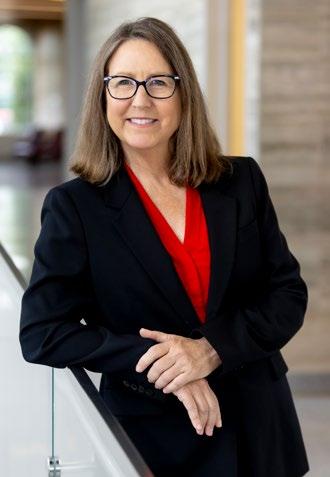
Robin S. Poston Dean, Moody School of Graduate and Advanced Studies Associate Provost for Graduate Education
Moody Graduate Fellowships
Moody Graduate Fellowships are offered to Ph.D. applicants who show exceptional promise for academic success. They represent SMU’s commitment to excellence in graduate education. Students attracted to SMU by these fellowships supercharge our faculty research, enrich the University’s intellectual environment and serve as SMU ambassadors when they begin promising careers in their fields.
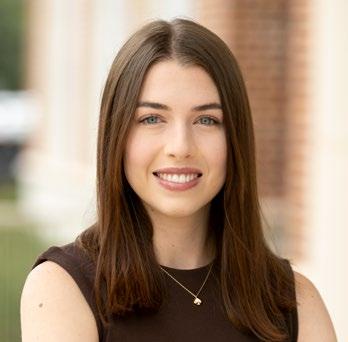
Anna Lewis
Ph.D. student, molecular and cellular biology
RESEARCH INTERESTS:
Anna’s research spans a broad range of molecular and cellular biology techniques. As a first-year student, she is rotating in a lab that investigates the cellular mechanisms enabling certain organisms to survive extreme environmental stresses, such as desiccation. Gaining deeper insight into these mechanisms could inform the development of technologies to extend the shelf life of sensitive biological materials (e.g., cells, organs and vaccines) and advance understanding of fundamental processes including aging and rejuvenation.
ROAD TO THE MOODY SCHOOL:
Anna graduated with her B.S. in biochemistry and a minor in microbiology from the University of Oklahoma. During this time, she also served as vice president of education for Women’s Health Advocacy, a local nonprofit dedicated to increasing access to menstrual products and destigmatizing and educating the public on women’s health topics. In her free time, she can be found reading, attempting a new DIY project, or spending time with family and friends.
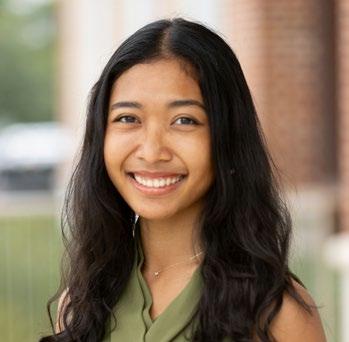
Syakira Wijaya
Ph.D. student, psychology
RESEARCH INTERESTS:
Syakira studies how digital media and technology influence children’s learning, well-being and development. She also examines how children engage with digital platforms and how technology use within the home environment impacts developmental trajectories.
ROAD TO THE MOODY SCHOOL:
Born and raised in Yogyakarta, Indonesia, Syakira graduated summa cum laude with a B.A. in psychology and computer and information science from Berea College. As an undergraduate, she was actively involved in psychological research, serving as a fellow with the Society of Personality and Social Psychology (SPSP) and as a Founding Generation Fellow of the International Congress of Infant Studies (ICIS). Her work earned the Outstanding Undergraduate Submission Award at the ICIS Congress in 2024. She also received a summer research grant from Psi Chi, the International Honor Society in Psychology, which supported her research at SMU in summer 2024.
“
The Moody School has provided a supportive academic home that balances rigorous research training with a strong sense of community. Through funding, mentorship, and graduate social events, I’ve been able to build connections with fellow graduate students and feel supported both academically and personally as I develop my research interests. This support has been especially meaningful during my early graduate training.”
SYAKIRA WIJAYA Moody Graduate Fellow
Fellow Name
Fellow title goes here and also on this line if it needs to
Fellow Name
Fellow Name
Moody Dissertation Fellowships
RESEARCH INTERESTS: A ROAD TO THE MOODY SCHOOL: F
Fellow title goes here and also on this line if it needs to
RESEARCH INTERESTS: A
ROAD TO THE MOODY SCHOOL: F
Fellow title goes here and also on this line if it needs to
RESEARCH INTERESTS: A
ROAD TO THE MOODY SCHOOL: F
Moody Dissertation Fellowships recognize and support SMU’s outstanding Ph.D. students as they complete their dissertations. They are reserved for Ph.D. students (in the dissertation-writing phase of their degrees) whose research shows tremendous potential for impact in their fields of study. These fellowships provide these students with the support they need to complete excellent dissertations and launch their careers.
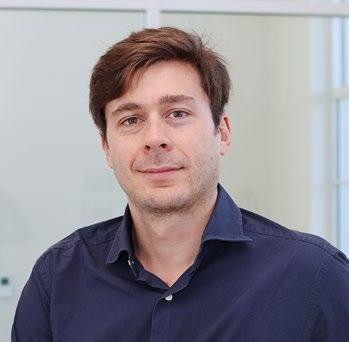
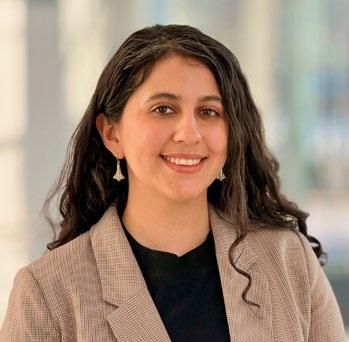
Filippo Bodo
Ph.D. candidate, theoretical and computational chemistry
RESEARCH INTERESTS:
Filippo’s research sits at the intersection of physics and chemistry. He studies crystalline materials at the quantum level through the use and development of tools for atomistic simulations. His dissertation covers a range of materials— spanning spent nuclear fuel to molecular crystals—with a common focus on assessing chemical bonding in the lattice and its response to external stimuli to enable rational manipulation and better design for specific applications. His current work focuses on extending SMU- developed software to crystalline materials to extract chemical information from lattice dynamics.
ROAD TO THE MOODY SCHOOL:
Born and raised in Turin, Italy, Filippo earned his B.S. in chemistry and M.S. in materials science at the Università degli Studi di Torino. In 2022, he moved to Dallas to pursue a joint Ph.D. program between Southern Methodist University and his hometown university in theoretical chemistry, following his keen interest in the physics of semiconductors and materials more generally. Outside the office, you can find him engaging in one of his many hobbies: traveling, photography, hiking, skiing and more.
Ph.D. candidate, psychology
RESEARCH INTERESTS:
Alexa’s research integrates information technology, advanced quantitative modeling and psychometrics to create data- driven structural models of state and trait psychopathology, personality and affect. She employs ecological momentary assessment (EMA)— real-time surveys via smartphones—to collect data from participants in natural settings and examine how symptoms, emotions and behaviors fluctuate moment to moment. Alexa investigates how dynamic models of psychological experiences build on long-standing theories of psychopathology. Her work aims to improve classification, assessment, measurement and treatment.
ROAD TO THE MOODY SCHOOL:
Alexa graduated summa cum laude and as the Outstanding Senior with a B.A. in psychology and minors in counseling and sociology from the University at Buffalo. She completed her undergraduate thesis with highest honors and published her work in Psychological Assessment. Alexa joined SMU in 2020 as a Mustang Fellow, completed her M.A. in clinical psychology under the guidance of Dr. Chmielewski in 2024, and advanced to candidacy in spring 2025. Outside of school, Alexa is an avid hiker and enjoys training in aerial arts.
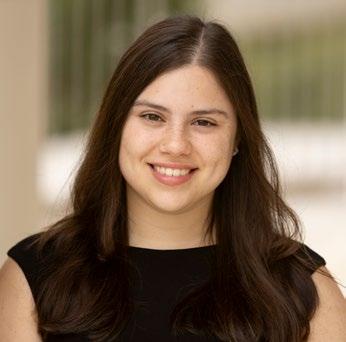
Angelica Martinez
Ph.D. candidate, geophysics
RESEARCH INTERESTS:
Angelica’s research focuses on the thermal properties of lunar soils under cryogenic conditions. She combines laboratory experiments, thermal modeling and remote - sensing analysis to better understand the extreme thermal environments near the lunar south pole. Her research aims to improve heat conduction models within permanently shadowed regions at the Moon’s south pole, helping inform lunar exploration efforts.
ROAD TO THE MOODY SCHOOL:
Born and raised in Texas, Angelica is a first-generation student who earned her B.S. in physics with a minor in mathematics from the University of North Texas. As an undergraduate, she gained early research experience in plasma physics, instrumentation and computational modeling. She began her doctoral studies in geophysics at SMU in 2019, shifting her focus to planetary thermophysics and lunar science. Her dissertation research includes extensive experimental work at NASA’s Jet Propulsion Laboratory, where she served as a visiting researcher and NASA FINESST Fellow. In her free time, Angelica enjoys spending time with her partner, friends and family, watching films and camping.
Alexa Jimenez
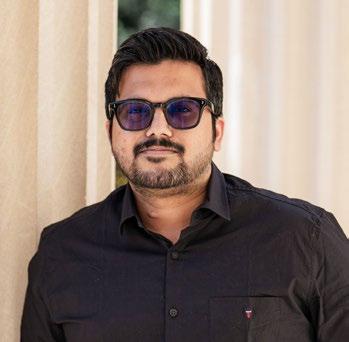
Vaisakh Rajeev
Ph.D. candidate, physics
RESEARCH INTERESTS:
Vaisakh is a final-year Ph.D. candidate exploring the universe at the crossroads of astrophysics and cosmology. His research examines how the cosmos expands—both nearby and across vast distances. He works with data from telescopes across the United States, sometimes operating them remotely from his desk, and he creates computer simulations to study how galaxies form and how they connect to the invisible dark-matter halos that surround them.
ROAD TO THE MOODY SCHOOL:
Vaisakh discovered his passion for astrophysics during his physics degree at Delhi University, then deepened it with a master’s from IIT Hyderabad. He began his Ph.D. at SMU in 2020, arrived in the U.S. in 2021 and earned an M.S. in physics along the way. Vaisakh is part of the Dark Energy Spectroscopic Instrument (DESI) collaboration, helping to uncover new clues about the universe’s history and future.
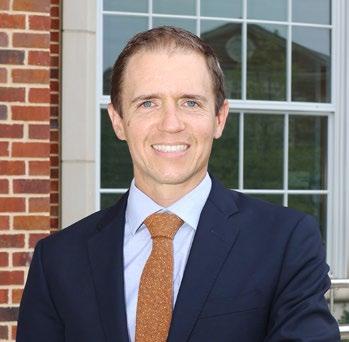
Collin Yarbrough
Ph.D. candidate, civil and environmental engineering
RESEARCH INTERESTS:
Collin’s dissertation develops a framework for infrastructure justice to help practitioners better characterize and measure injustice in infrastructure development. He is a four-time recipient of the Eisenhower Transportation Fellowship from the Federal Highway Administration in support of his doctoral research. He served as a Maguire Public Service Fellow this past summer and is currently a Moody Dissertation Fellow.
ROAD TO THE MOODY SCHOOL:
Collin began his graduate studies at SMU in fall 2019, initially matriculating through Perkins School of Theology, and later returned to engineering—his previous profession—after discovering the history of highway development in Dallas. He completed his Master of Arts in Sustainable Development in summer 2021. While completing his master’s, he published the book Paved a Way: Infrastructure, Policy, and Racism in an American City, diving deeper into the history of Dallas’s infrastructure development. This research propelled him to pursue his current doctoral work in the Civil Engineering Department at SMU.
“
Access to the Moody School’s research and writing resources, mentorship, and interdisciplinary community has strengthened my scholarship, improved my skills, and supported meaningful progress toward high-quality academic work and a rigorous dissertation. These opportunities have also fostered professional growth by encouraging collaboration, clarity of purpose, and confidence in my academic trajectory.”
VAISAKH RAJEEV Moody Dissertation Fellow
Mustang Fellowships
Mustang Fellowships are offered to outstanding Ph.D. applicants who bring a unique personal and academic perspective to their discipline. Students awarded these fellowships enrich our graduate student population on campus and contribute to opening up their chosen fields to new backgrounds, experiences and ideas.
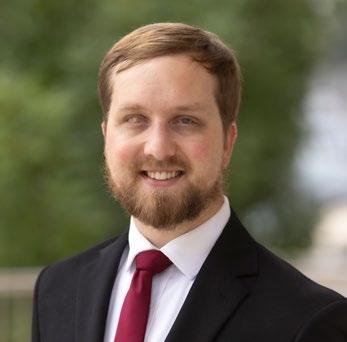
Robert “Tripp” Gulledge
Ph.D. student, religious studies
RESEARCH INTERESTS:
Rev. Robert “Tripp” Gulledge is a first-year doctoral student in religious ethics who researches the intersection of theology and economics. His work explores the theological implications of meaningful work, motivated by a concern for the moral agency of laborers amid economic efficiencies such as automation and subcontracting. He aims to provide a fresh ethical perspective on work by examining the rules and rituals of ancient Christian monasticism and integrating them into broader considerations of contemporary moral, spiritual and economic life.
ROAD TO THE MOODY SCHOOL:
Tripp is a native of Mobile, Alabama. He graduated magna cum laude from Auburn University in 2020 with concurrent degrees in music performance and music education. He also graduated summa cum laude from SMU’s Perkins School of Theology, earning a Master of Divinity in 2023 and a Master of Theology in 2025. Tripp is married to Courtney Vanman, and they have two dogs, Dakota and Ripley.
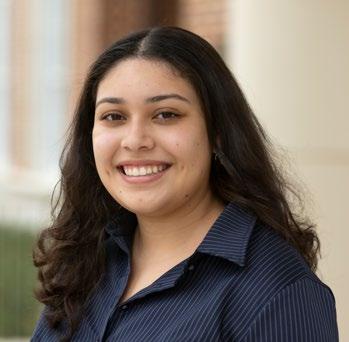
Lauryn Guzman
Ph.D. student, chemistry
RESEARCH INTERESTS:
Lauryn is part of Dr. Haoyuan Chen’s research group, with interests rooted in computational chemistry as applied to environmental science and sustainability. Her specific areas include density-functional theory calculations, machine learning and the design of materials such as metal- organic frameworks. She aims to study various computational chemistry methods to improve the efficiency of nanomaterials used in environmental remediation.
ROAD TO THE MOODY SCHOOL:
Before graduate school at SMU, Lauryn earned a B.S. in chemistry from the University of Texas Rio Grande Valley (UTRGV) in 2024 as a proud first-generation college student. She was introduced to computational chemistry through undergraduate research employing quantum chemical calculations to study pesticide capture by metal- organic frameworks. Lauryn is also an alumna of the Louis Stokes Alliance for Minority Participation program. Outside academics, she enjoys visiting new coffee shops, playing tennis, painting and using her Nintendo Switch.
The Moody School offers a supportive environment for graduate studies through frequent professional development, community life events, state-ofthe-art facilities, and excellent funding support.”
ROBERT “TRIPP” GULLEDGE Mustang Fellow “
Fellow Name
Fellow title goes here and also on this line if it needs to
Fellow Name
Fellow title goes here and also on this line if it needs to
Fellow Name
Fellow title goes here and also on this line if it needs to
University Ph.D. Fellowships
RESEARCH INTERESTS: A ROAD TO THE MOODY SCHOOL: F
RESEARCH INTERESTS: A
ROAD TO THE MOODY SCHOOL: F
RESEARCH INTERESTS: A
ROAD TO THE MOODY SCHOOL: F
University Ph.D. Fellowships are offered to promising Ph.D. applicants to invite and encourage them to conduct their doctoral studies at SMU. This fellowship supplements the offer of support from the applicant’s prospective department at SMU and makes the SMU offer competitive with those the applicant might be offered from other strong programs in their field.
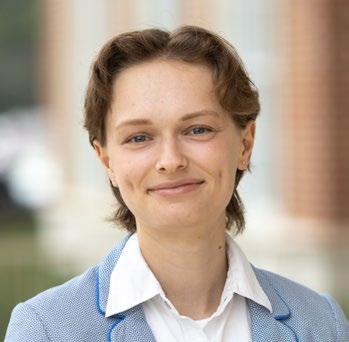
Claire Anderson
Ph.D. student, psychology
RESEARCH INTERESTS:
Claire studies the efficacy of interventions for psychiatric disorders such as depression and anxiety. She is especially interested in psychotherapeutic techniques that influence reward-based behavior and help improve symptoms of anhedonia. She also hopes to investigate how life stress contributes to the onset and maintenance of depressive symptoms.
ROAD TO THE MOODY SCHOOL:
Claire completed her B.A. in psychology and mathematics at Wellesley College. After graduating, she worked as a research assistant in a lab studying the biopsychology of depression using magnetic resonance imaging (MRI) and positron emission tomography (PET). In her free time, she enjoys running, biking and spending time outdoors.
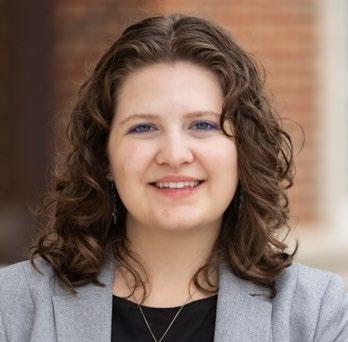
Emily Davis
Ph.D. student, molecular and cellular Biology
RESEARCH INTERESTS:
Emily is interested in investigating the underlying mechanisms, potential treatments, and preventative therapies for epilepsy and Sudden Unexpected Death in Epilepsy (SUDEP). She will also rotate in a lab focused on the biological mechanisms of cellular protection in response to extreme stress. Her research may allow for the identification of possible genetic predispositions to epilepsy and the development of targeted therapies for brain injury repair following a potentially epileptogenic insult, such as a TBI or stroke.
ROAD TO THE MOODY SCHOOL:
Emily graduated summa cum laude with a B.S. in neuroscience and a minor in psychology from High Point University (HPU). She contributed to five research projects under Dr. Segarra and Dr. Ackerman and participated in the competitive Undergraduate Research Program at Cold Spring Harbor Laboratory under Dr. Hou. Her interest in epilepsy research was shaped by her older sister Samantha, who developed post-traumatic epilepsy after a sports-related injury and passed away from SUDEP two years later. Emily enjoys traveling, thrifting, birdwatching, playing piano and reading.
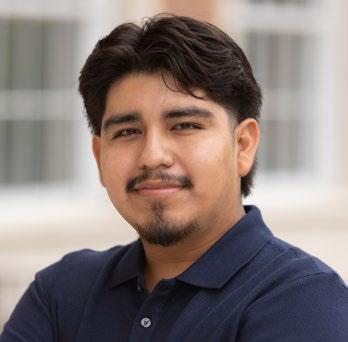
Jose Dominguez
Ph.D. student, anthropology
RESEARCH INTERESTS:
Jose studies the resilience of communities along the U.S.–Mexico border. His work focuses on how child migrants address gaps in their care systems by forming fictive kin networks, illuminating how resilience is collectively constructed. More broadly, he examines how external pressures reshape families and communities in the 21st century through migration, hardship and adaptation.
ROAD TO THE MOODY SCHOOL:
Jose earned his B.A. in anthropology from California State University, Dominguez Hills in 2025. His research journey began in 2023 when he was selected as both a Mellon Mays Undergraduate Research Fellow and a Ronald E. McNair Scholar. His work with unaccompanied migrant youth shaped his commitment to studying resilience among vulnerable populations. In 2024, he was named a California State University Pre-Doctoral Fellow, enabling him to visit doctoral programs nationwide. He chose SMU for its supportive community and outstanding faculty.
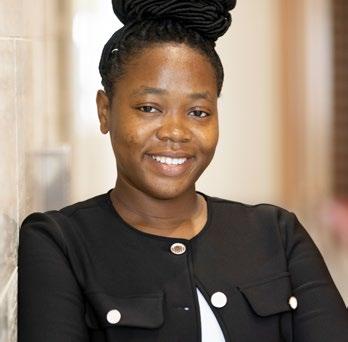
Esther Olatunji
Ph.D. student, chemistry
RESEARCH INTERESTS:
Esther focuses on the bioinorganic and catalytic activation of small molecules, with particular interest in reducing carbon dioxide (CO2) to useful fuels and products. She will explore the design and reactivity of transition-metal complexes that mediate this reaction under mild, environmentally friendly conditions. By integrating experimental and computational approaches, she aims to identify pathways that support green synthetic strategies.
ROAD TO THE MOODY SCHOOL:
Esther earned her B.Sc. in industrial chemistry from Obafemi Awolowo University in Nigeria in 2023. Her undergraduate research centered on the microwave -assisted synthesis of organic molecules as potential antimalarial agents. She later served in the National Youth Service Corps (NYSC) program as a Graduate Assistant in the Department of Chemistry at Rivers State University, contributing to research on green synthetic methods and assisting with undergraduate practical instruction. She enjoys playing the violin, reading and singing karaoke.
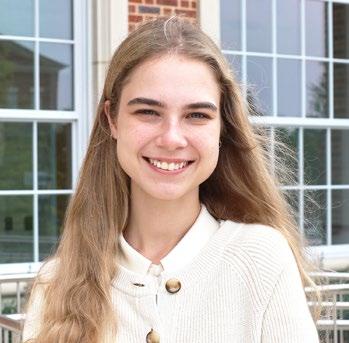
Eleanor “Delaney” Smith
Ph.D. student, chemistry
RESEARCH INTERESTS:
Delaney explores how computational chemistry can illuminate protein behavior and its implications in health and disease. She plans to apply molecular- dynamics simulations and machine -learning tools to study protein structure and function with the long-term goal of supporting advances in drug discovery and disease treatment.
ROAD TO THE MOODY SCHOOL:
Delaney earned a B.S. in biochemistry from Saint Edward’s University, conducting undergraduate research in inorganic chemistry and discovering her interest in computational chemistry. She later worked in industry on formulations research and development, applying chemistry to materials-science projects in electronics manufacturing. She is now pursuing graduate studies at SMU to further her expertise in computational chemistry. Outside work and school, she enjoys spending time with her dogs, playing games, gardening and connecting with friends.
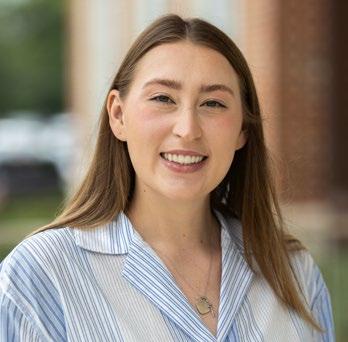
Hannah Galbreath
Ph.D. student, education
RESEARCH INTERESTS:
Hannah studies integrated STEM learning approaches rooted in design, exploration and real-world relevance. She focuses on expanding student access and engagement—particularly for girls in elementary and middle school. As part of a National Science Foundation–funded project, she contributes to developing an out-of-school STEM and sports curriculum aimed at building STEM knowledge, skills, interest and identity among youth ages 8–11.
ROAD TO THE MOODY SCHOOL:
Before her doctoral studies, Hannah earned a double B.A. in biology and environmental science from Washington and Lee University. She joined Teach for America and taught middle -school science in Dallas ISD while completing her M.Ed. in teaching and learning with a STEM focus at SMU. Balancing full-time teaching with graduate studies strengthened her commitment to equity in STEM education.
Fellow Name
Fellow title goes here and also on this line if it needs to
Fellow Name
Fellow Name
Dean’s Dissertation Fellowships
RESEARCH INTERESTS: A ROAD TO THE MOODY SCHOOL: F
Fellow title goes here and also on this line if it needs to
RESEARCH INTERESTS: A
ROAD TO THE MOODY SCHOOL: F
Fellow title goes here and also on this line if it needs to
RESEARCH INTERESTS: A
ROAD TO THE MOODY SCHOOL: F
Dean’s Dissertation Fellowships make it possible for Ph.D. students in the dissertation-writing phase of their degrees to take advantage of a fellowship year that is free of teaching and research assistant responsibilities so they can focus on successfully completing their degrees and beginning careers in their fields.
Dean’s Dissertation Fellows commit to defending their dissertations and finishing their Ph.D.s within the fellowship period.
Jaryd Domine
Ph.D. candidate, chemistry
RESEARCH INTERESTS:
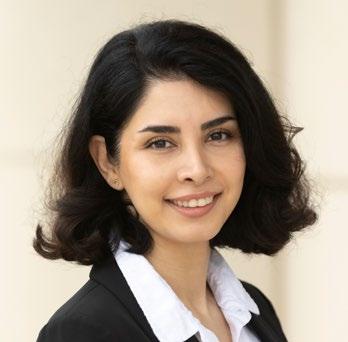
Lida’s research centers on crystal engineering to develop improved pharmaceutical formulations. Her earlier work focused on enhancing the solubility and taste of thiabendazole by designing novel crystal structures using acids as co-formers. Her current research involves developing antibacterial glasses and medications for epilepsy treatment.
ROAD TO THE MOODY SCHOOL:
Lida earned both her bachelor’s and master’s degrees in chemical engineering from Babol Noshirvani University of Technology (NIT) in Iran. She gained industry experience as a quality-control and laboratory technician in the food and agriculture sectors. In fall 2020, she joined Dr. Tomče Runčevski’s research group at SMU. Outside academics, she volunteers with Dallas Animal Services and enjoys spending time with her cat, Bucee.
Ph.D. candidate, computational and applied mathematics
RESEARCH INTERESTS:
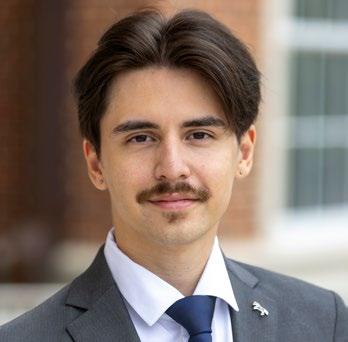
Jaryd is fascinated by the flexibility and power of high-performance computing. As a Ph.D. candidate, he develops efficient numerical methods to simulate waves near black holes as part of an interdisciplinary research team. His broader interests include computational applications in combinatorics, structural optimization, beam physics and neuroscience.
ROAD TO THE MOODY SCHOOL:
Jaryd earned his B.S. in mathematics and physics at Tarleton State University. A visiting professor sparked his interest in SMU’s computational and applied mathematics program, leading him to pursue both an M.S. and now a Ph.D. at SMU. His connections at SMU helped him secure internships at Los Alamos National Laboratory, Lawrence Livermore National Laboratory and Goldman Sachs. Outside research, he enjoys crafting and is active in SMU’s Ballroom Dance and Martial Arts clubs.
Samantha Lagos
Ph.D. candidate, anthropology
RESEARCH INTERESTS:
Samantha studies how past communities secured reliable food access and developed strategies for managing risk and resource uncertainty. Her dissertation examines Māori horticultural productivity and food security in Aotearoa New Zealand, aiming to distinguish between steady-state conflict and pre - emptive security using multi-proxy analyses and alternative assessments of built defenses. She integrates Indigenous knowledges, geospatial analysis, climate modeling and crop simulations to explore dynamic interactions among climate, environment and human behavior.
ROAD TO THE MOODY SCHOOL:
Samantha studied anthropology and ancient history at the University of Auckland. She pursued graduate studies at the University of Washington in Seattle, completing her M.A. before beginning her Ph.D. at SMU. She has conducted fieldwork in New Zealand, Egypt, Australia, Palau and the United States. When not researching, she enjoys solving the New York Times Crossword.
Lida Aeindartehran
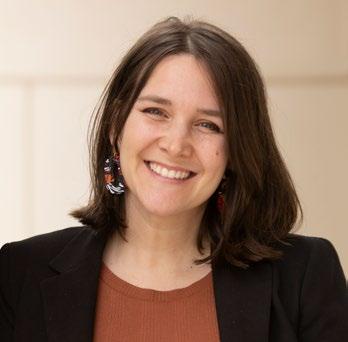
Katelyn Lehman Franco
Ph.D. candidate, geology
RESEARCH INTERESTS:
Katelyn investigates the geologic history of volcanic and intrusive complexes on Earth and other planetary bodies to answer fundamental questions about planetary formation and evolution. Her dissertation addresses the role of volatiles in the Moon’s differentiation; the formation of magmatic reservoirs— including the highlands crust and urKREEP; and the origins of high-silica volcanism on the Moon. She integrates stable and radiogenic isotope geochemistry with major and trace - element analysis to advance understanding of planetary interior evolution.
ROAD TO THE MOODY SCHOOL:
Katelyn’s passion for research began at Texas Christian University, where she earned a B.S. in geology with a minor in mathematics. She conducted early research in paleontology, environmental science, meteoritics and volcanology before concentrating on igneous petrology and geochemistry during her master’s studies at TCU. She is a National Science Foundation Graduate Research Fellow. Outside the lab, she enjoys spending time with family and sharing her love of the outdoors.
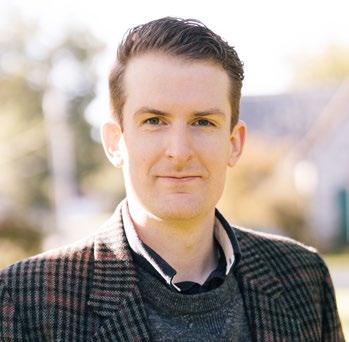
Daniel Lightsey
Ph.D. candidate, religious studies
RESEARCH INTERESTS:
Daniel’s work is constructive in nature, exploring intersections among theology, literature and visual arts. His research focuses primarily on the religious-philosophical renaissance in late 19th- and early 20th- century Russia and its diaspora, known as the “Silver Age,” as well as interwar émigré religious thought.
ROAD TO THE MOODY SCHOOL:
Daniel grew up in the timbered hills above Tanyard Creek in northwest Arkansas. He studied at the University of Arkansas and Dallas Theological Seminary. He lives with his wife (his former junior-high crush) and their two sons. His recent work appears in Northwestern University Studies in Russian Philosophy, Literature, and Religious Thought and in volumes such as Moral Conversion in Scripture, Self, and Society (De Gruyter, 2024) and Art, Desire, and God: Phenomenological Perspectives (Bloomsbury Academic, 2023).
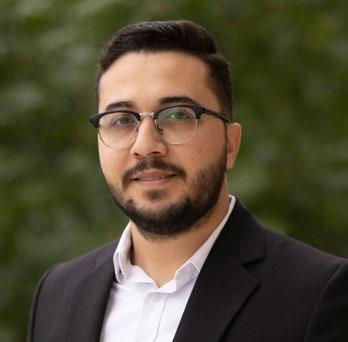
Mohammad Qasem
Ph.D. candidate, electrical engineering
RESEARCH INTERESTS:
Mohammad’s research advances the safety, efficiency and reliability of lithium-ion batteries under fast-charging and aging conditions. He developed an age-aware battery-management system (BMS) using simplified electrochemical models and real-time control to reduce lithium plating and degradation. His work includes reduced-order modeling, parameter calibration using synthetic and experimental data and validation at the cell and module levels, with applications in EVs and eVTOLs.
ROAD TO THE MOODY SCHOOL:
Mohammad earned his B.S. in electrical power engineering from Al-Balqa’ Applied University in 2019 and his M.S. in electrical engineering from Princess Sumaya University for Technology in 2023. He is now pursuing his Ph.D. at SMU. Outside research, he enjoys technical discussions, exploring new innovations and engaging in academic communities.
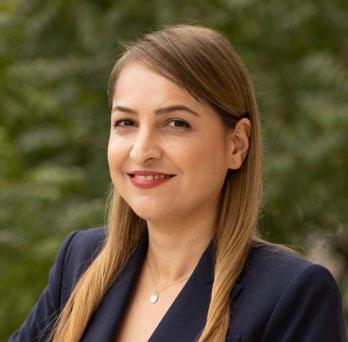
Leyla Tavassoli
Ph.D. candidate, operations research
RESEARCH INTERESTS:
Leyla develops mathematical optimization models for sustainable supply chains. She applies advanced stochastic programming techniques— including chance - constrained reformulations, Benders decomposition and Progressive Hedging—to solve large -scale problems under uncertainty. Her recent work examines how convenience - elastic returns and inspection- effort-based return categories can improve profitability and reduce waste. Her dissertation focuses on bioenergy-supply- chain design and value -recovery networks for high-volume retail returns.
ROAD TO THE MOODY SCHOOL:
Leyla earned her B.S. in industrial engineering from Sharif University of Technology in Iran and her M.S. in the same field from the University of Texas at Arlington. Her passion for solving real-world problems led her to pursue a Ph.D. in operations research at SMU. In her free time, she enjoys walking, playing tennis, cooking and spending time with her husband, Reza.
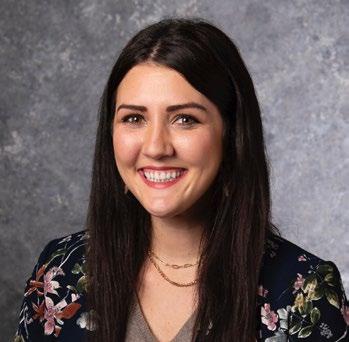
Julianna Washington
Ph.D. candidate, education
RESEARCH INTERESTS:
Julianna’s research focuses on how immersive technologies like Augmented Reality (AR) and Virtual Reality (VR) impact students’ learning. Her dissertation compares and examines how these tools differently shape undergraduate students’ mathematical reasoning, gestures, and manipulations. She is particularly interested in comparing how interactive, embodied 3D environments can foster creativity and deeper understanding as students problem-pose, problem-solve, and collaboratively explore geometric concepts. Finally, she examines the differences in user experience, geometric interest, geometric knowledge, spatial reasoning, technological system usability, and the level of immersion.
ROAD TO THE MOODY SCHOOL:
Julianna earned a B.A. in economics with a minor in Spanish from the University of Texas at Austin. She taught sixth-grade mathematics in Dallas ISD, where she also led the math-teaching department and a student coding club. Teaching during the COVID -19 pandemic sparked her interest in educational technology. She completed her M.Ed. at SMU with specializations in math and technology while teaching full-time. She enjoys spending time with her husband, daughter, family and friends.
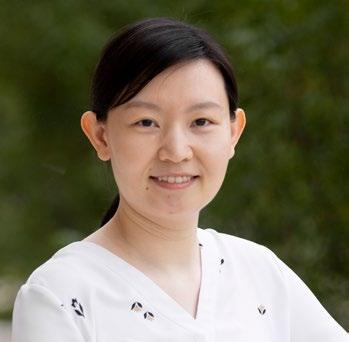
Zichang Xiang
Ph.D. candidate, statistical science
RESEARCH INTERESTS:
Zichang analyzes high- dimensional time -series fMRI data to investigate developmental disorders such as autism spectrum disorder (ASD) and attention- deficit/hyperactivity disorder (ADHD). She uses spectral analysis to examine functional connectivity across multiple frequency bands, seeking frequency-specific alterations that may serve as neurobiological biomarkers for earlier diagnosis and more effective interventions.
ROAD TO THE MOODY SCHOOL:
Zichang earned her M.S. in statistics from North Carolina State University. Inspired by her experience there, she chose to pursue a Ph.D. in statistical science at SMU, expanding her expertise in advanced statistical modeling and its applications to real-world problems. She enjoys cooking, reading and traveling.
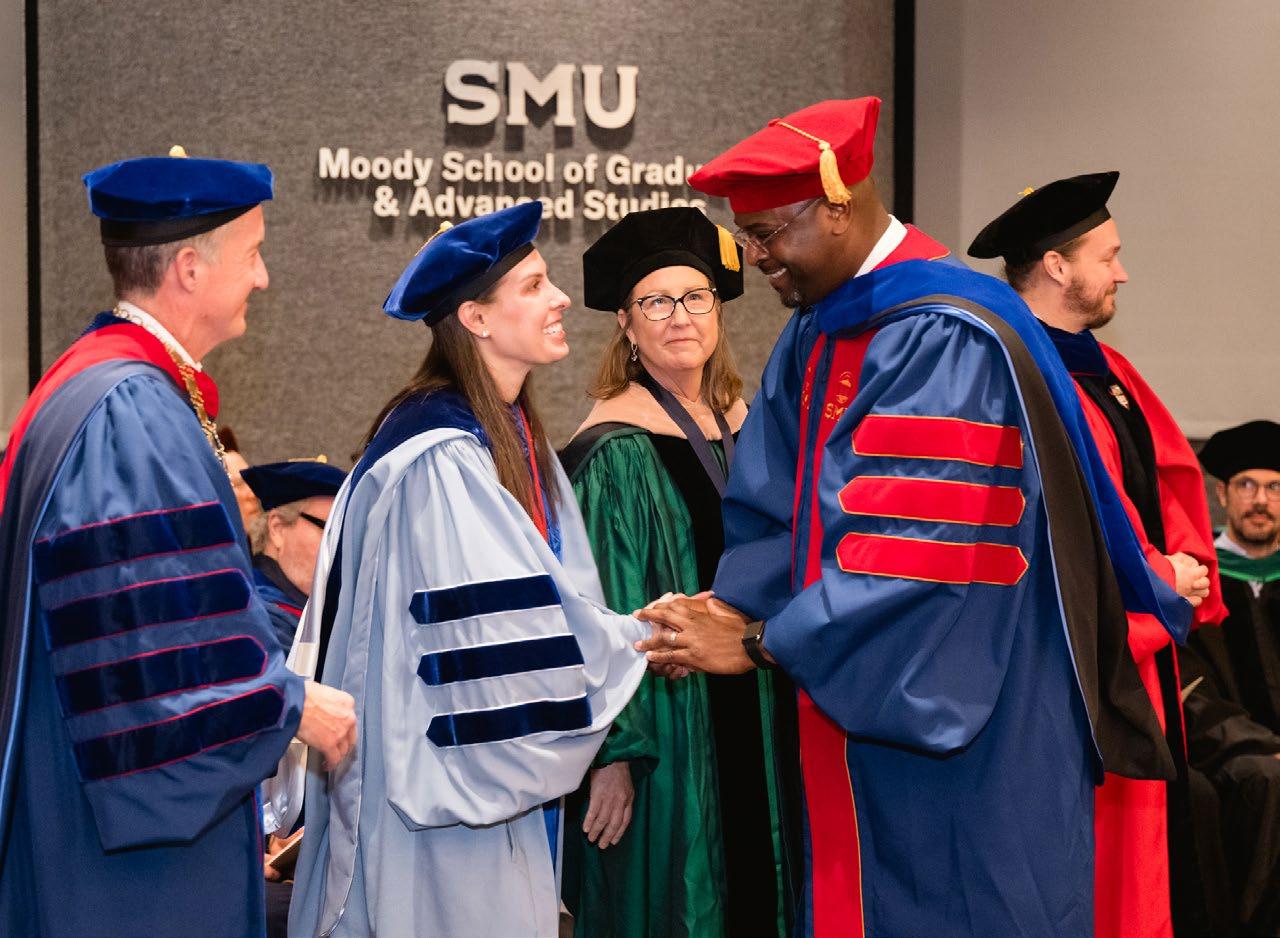
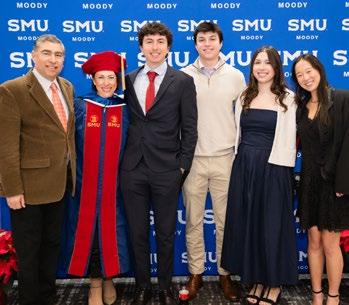
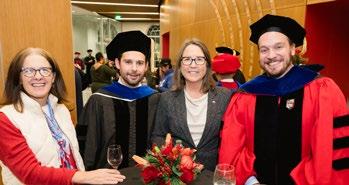
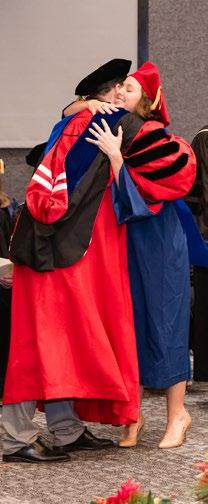
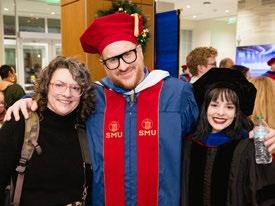
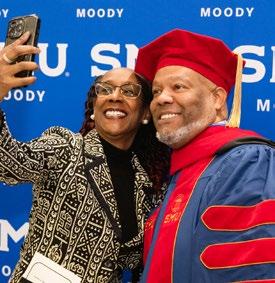
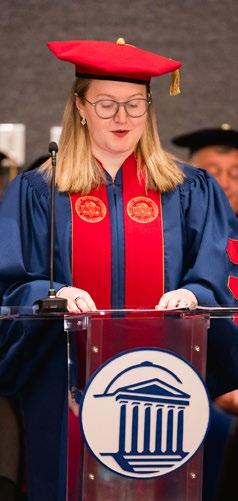
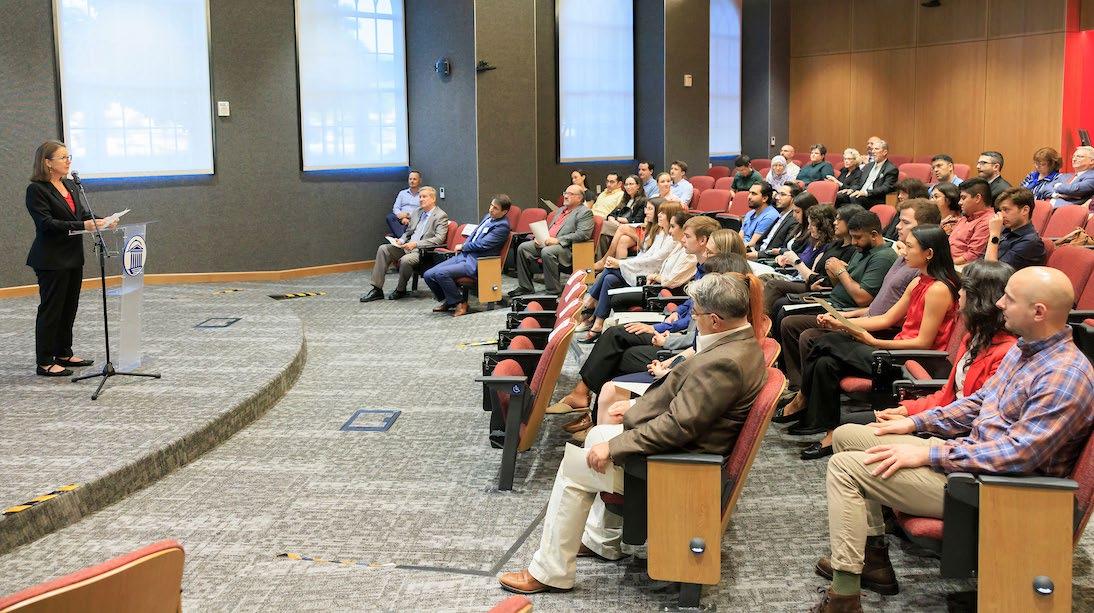
On December 19, we celebrated our second annual Graduate Hooding Ceremony—an inspiring milestone honoring recipients of D.Eng., D.L.S., D.Min., D.P.M., Ed.D., and Ph.D. degrees. Surrounded by cheering families, mentors, and colleagues, each graduate was hooded in recognition of their years of rigorous scholarship and perseverance. The ceremony highlighted the excellence and future impact of our doctoral community, including our Fellows, whose achievements continue to elevate the Moody School and the broader academic enterprise.
The Moody School of Graduate and Advanced Studies is dedicated to supporting excellence in graduate education across the University. Through comprehensive resources, professional development, and targeted fellowship opportunities, the Moody School fosters a vibrant community of graduate students and postdoctoral scholars committed to advancing knowledge and creating meaningful impact. To learn more about our programs, initiatives, and support for graduate student success, please visit our website at smu.edu/moody.