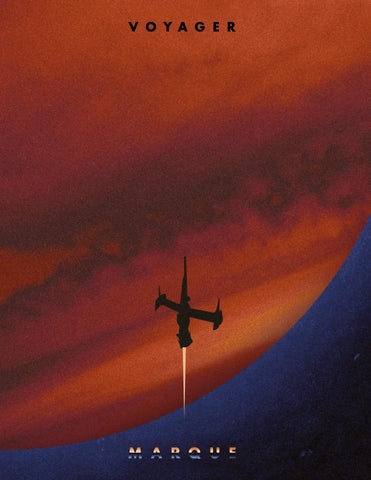
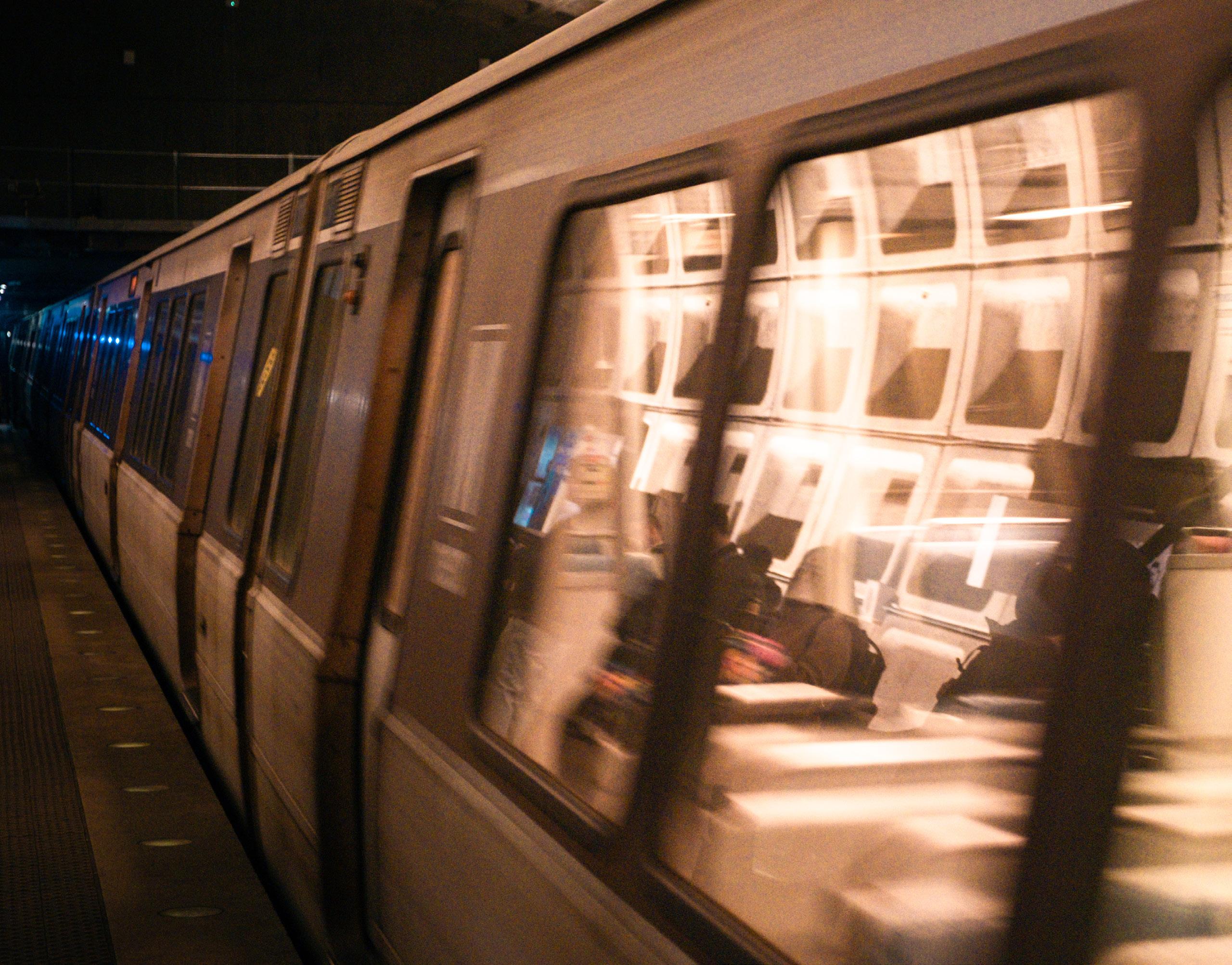
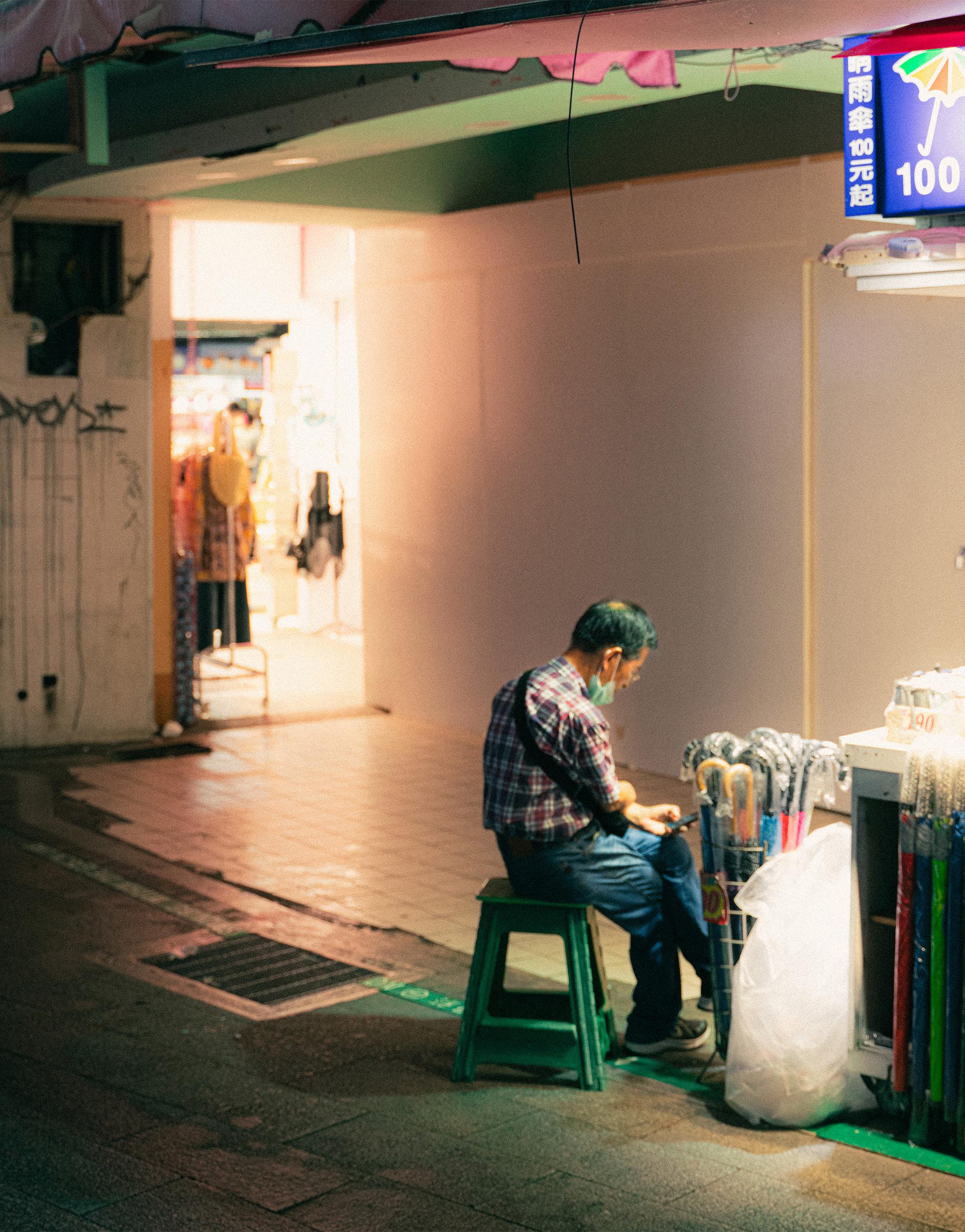
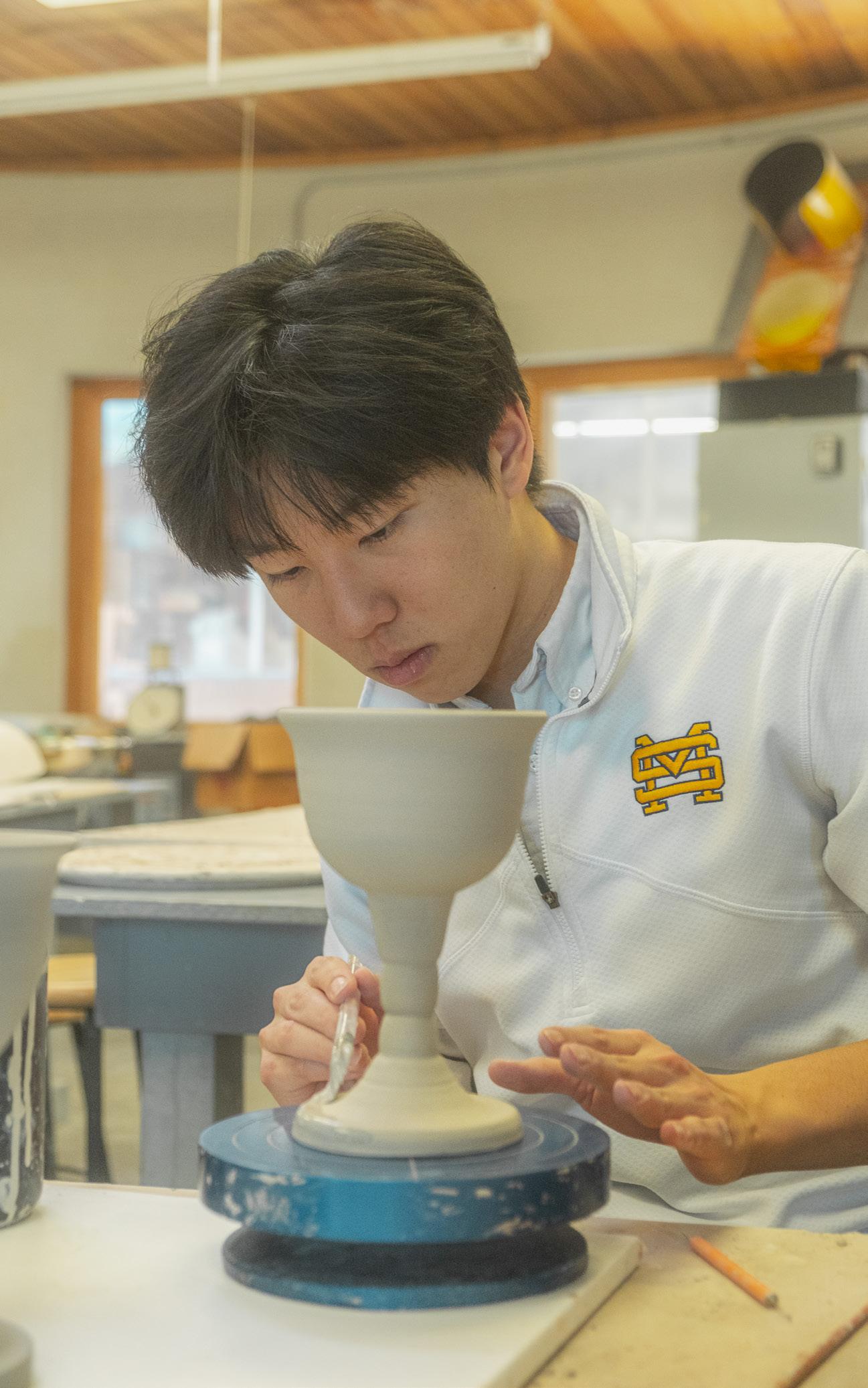
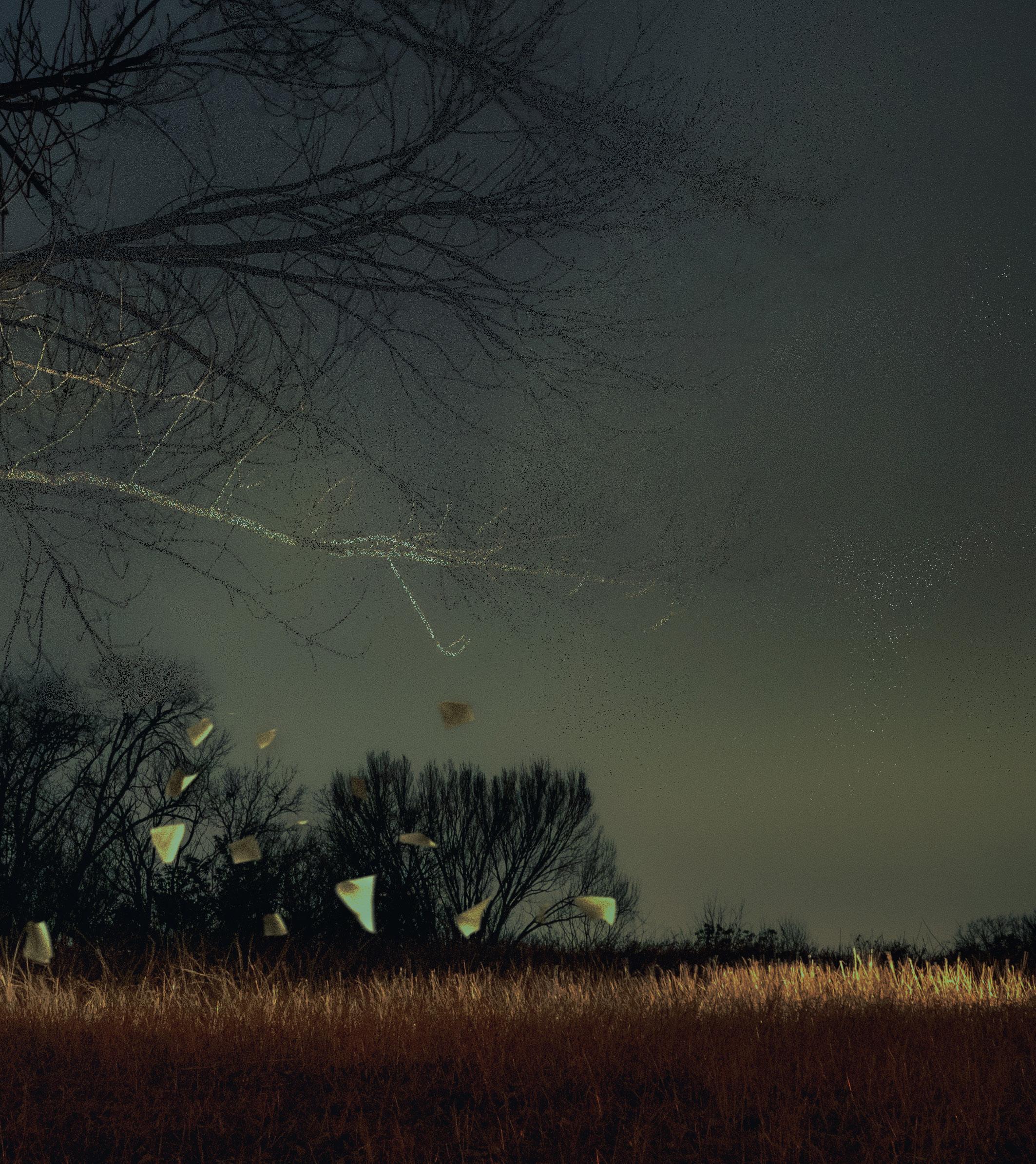
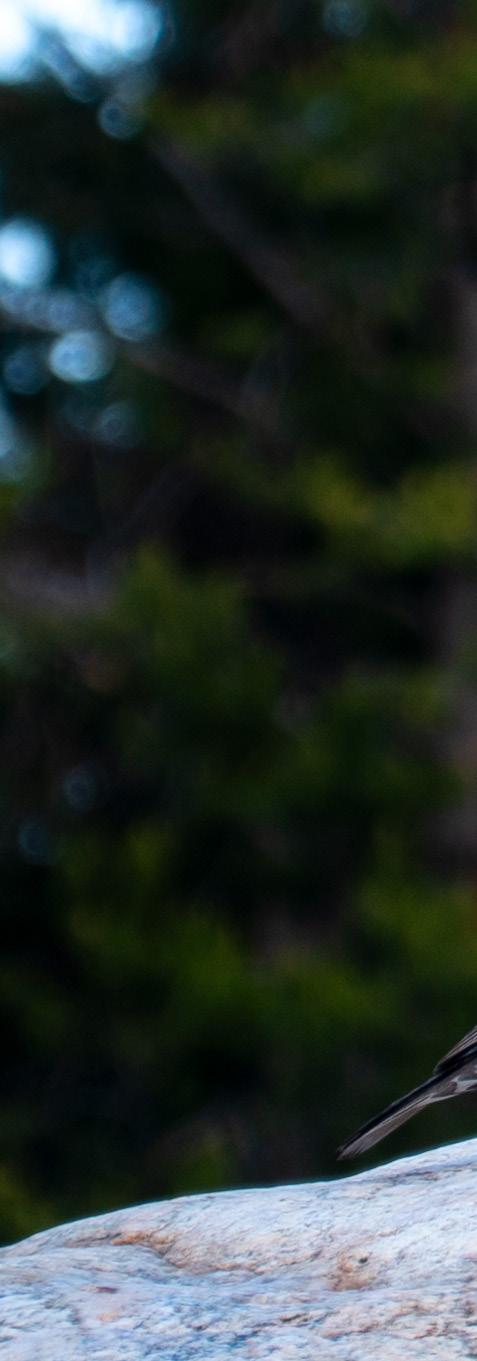
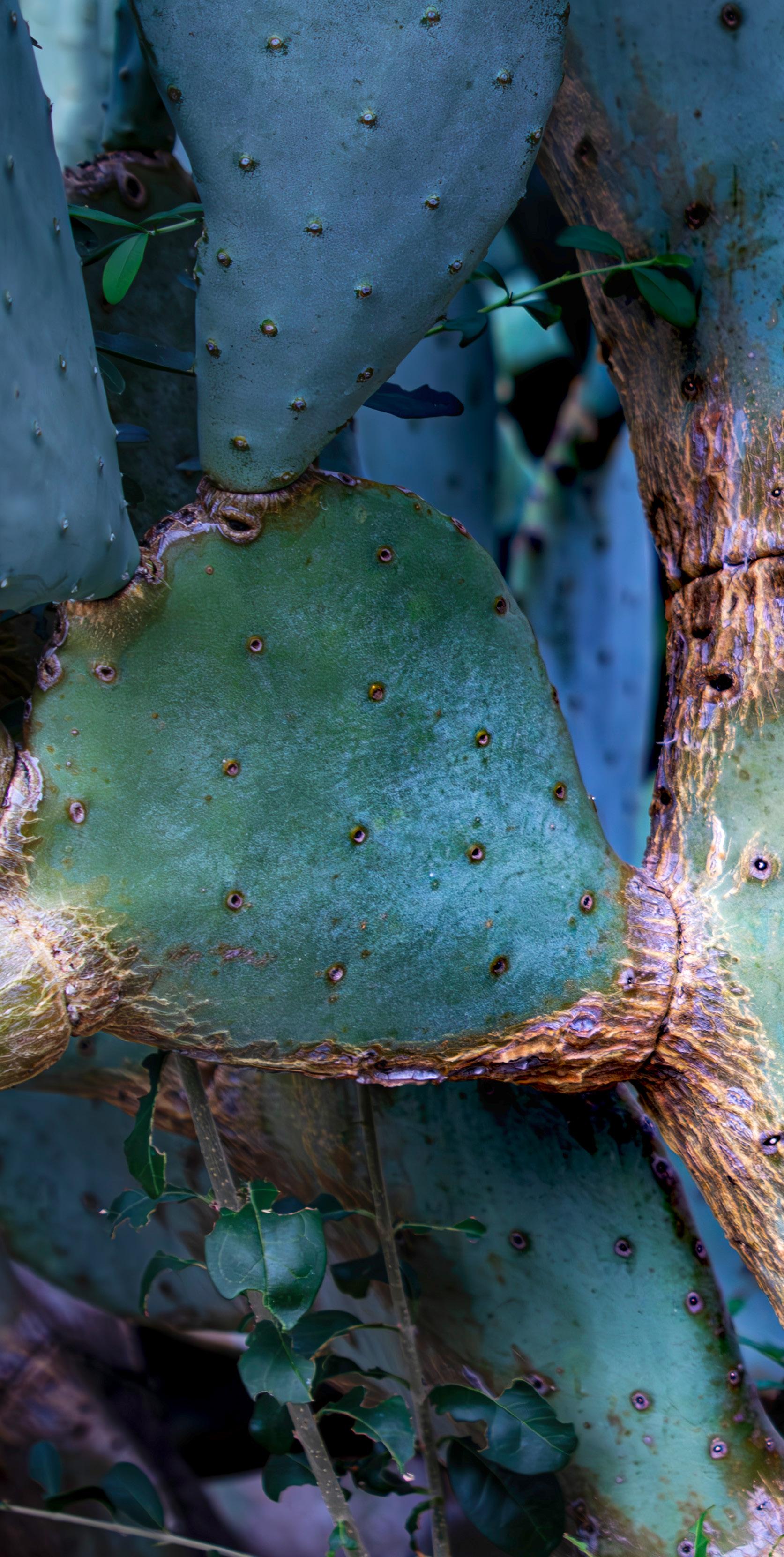
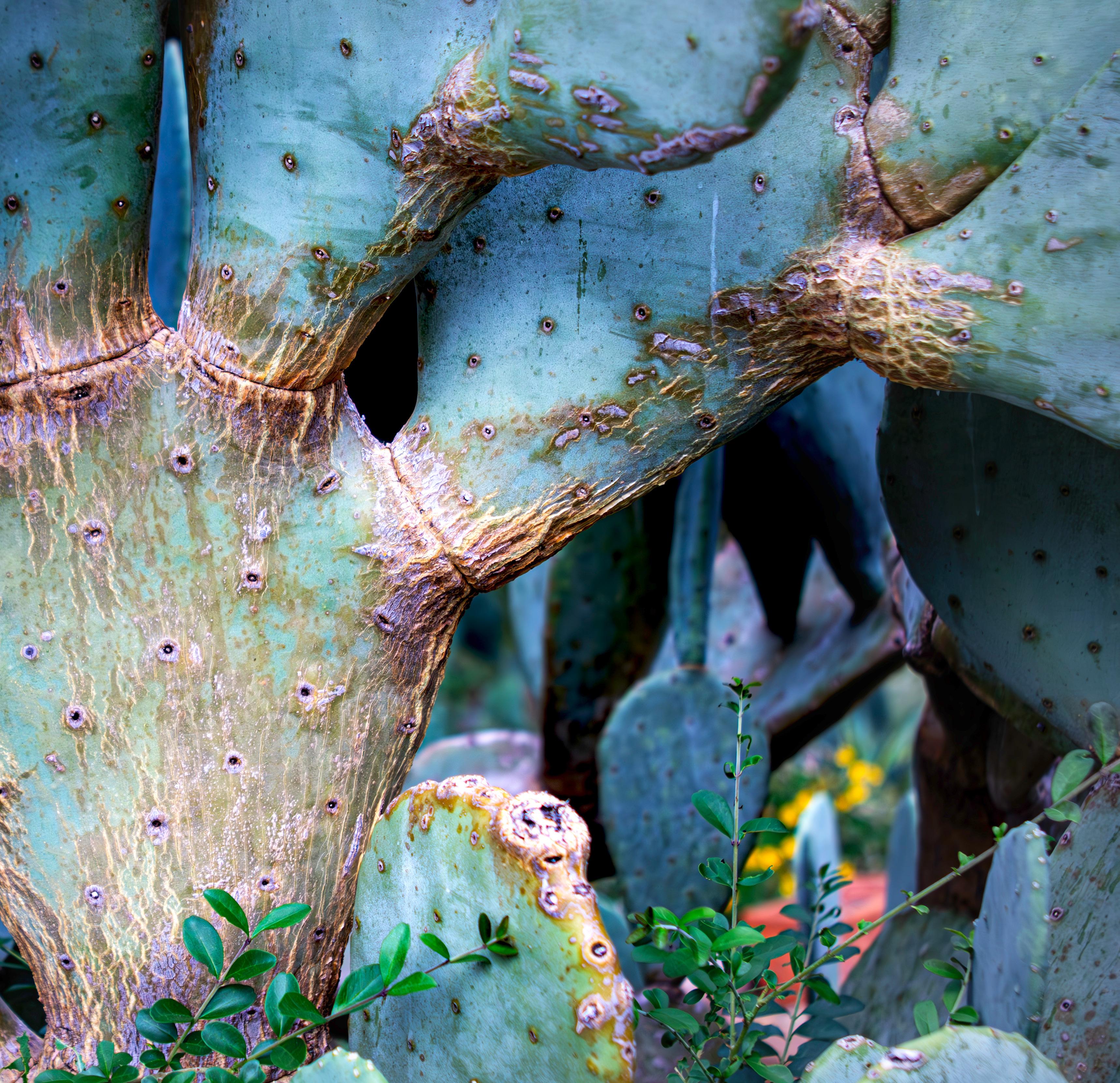
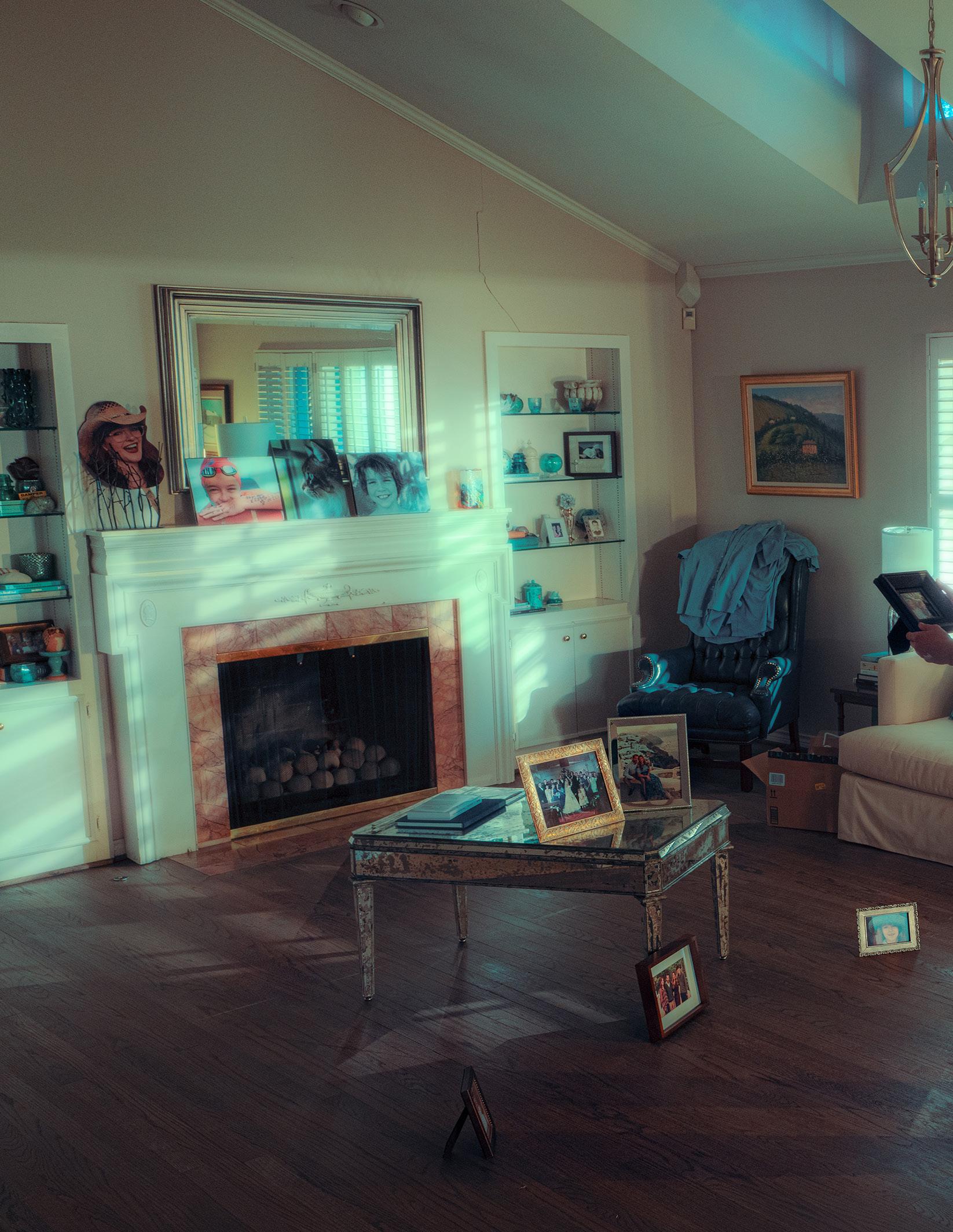
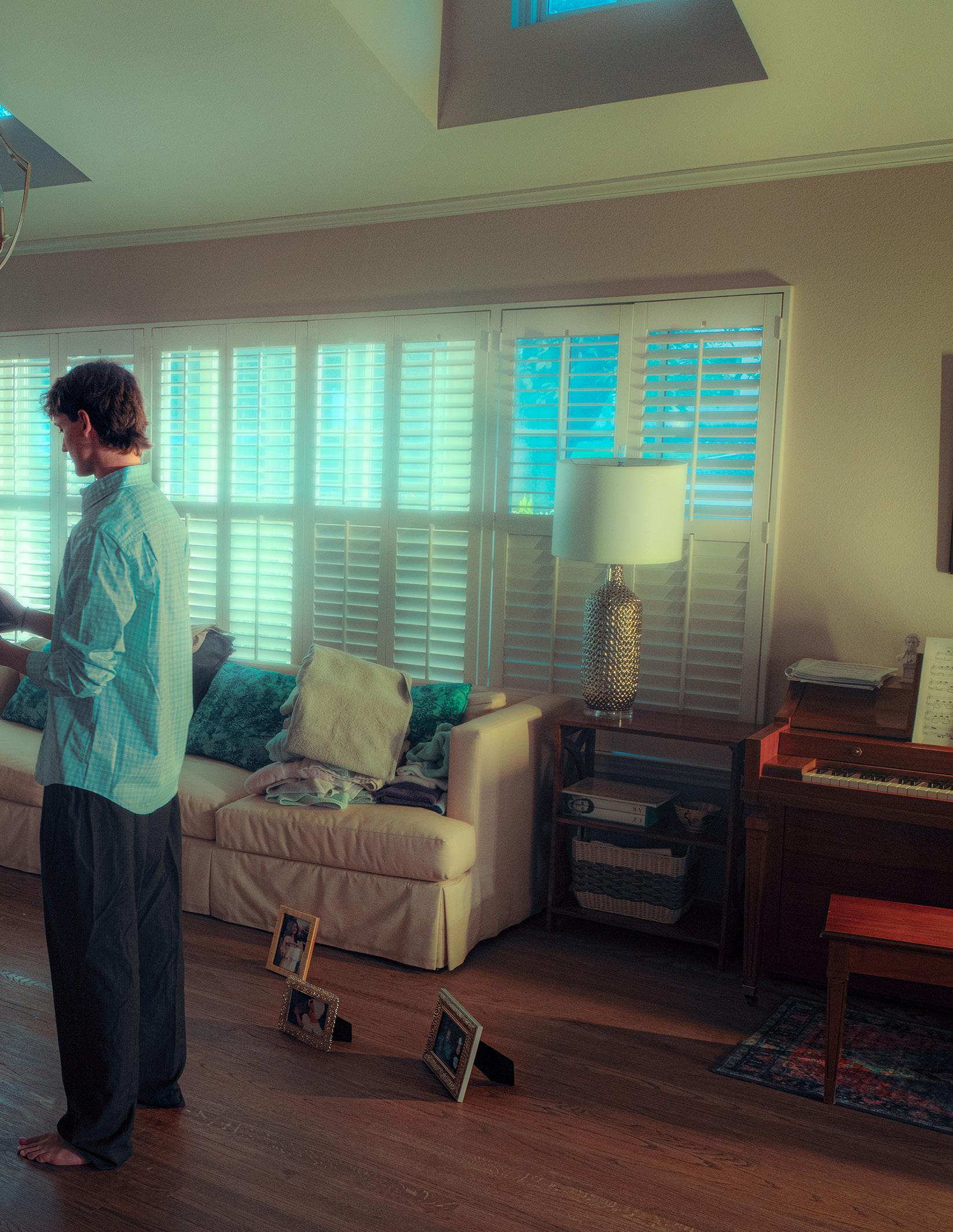
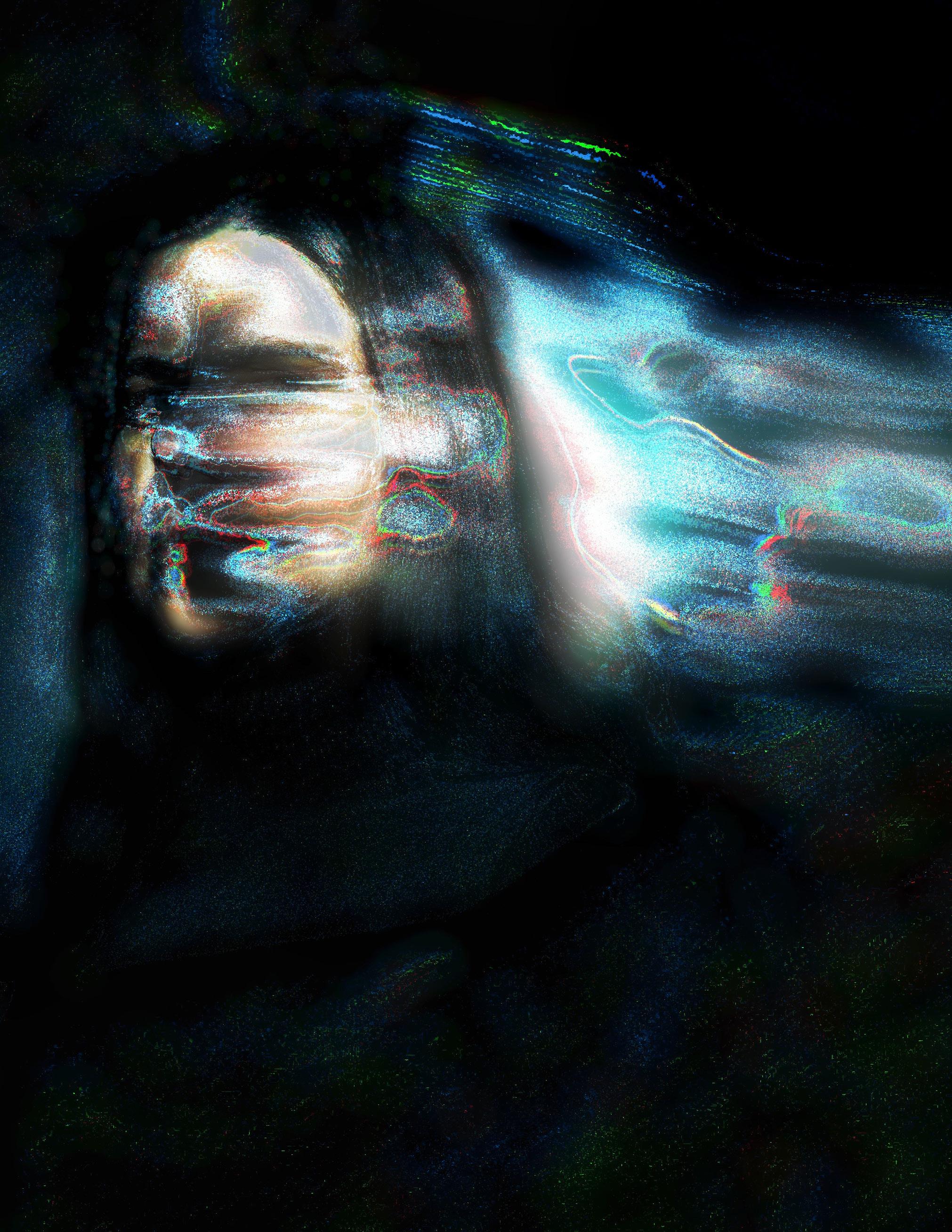
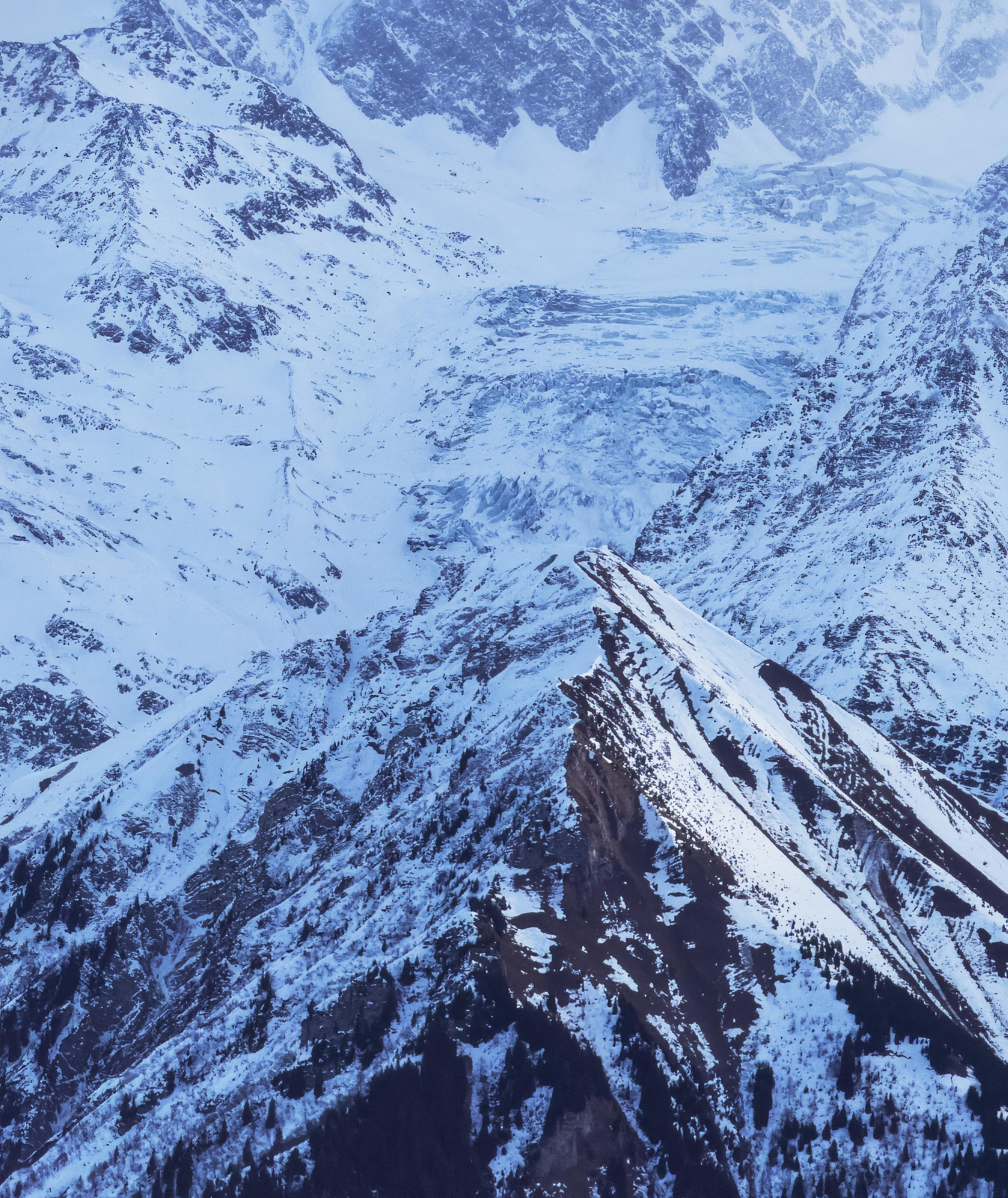
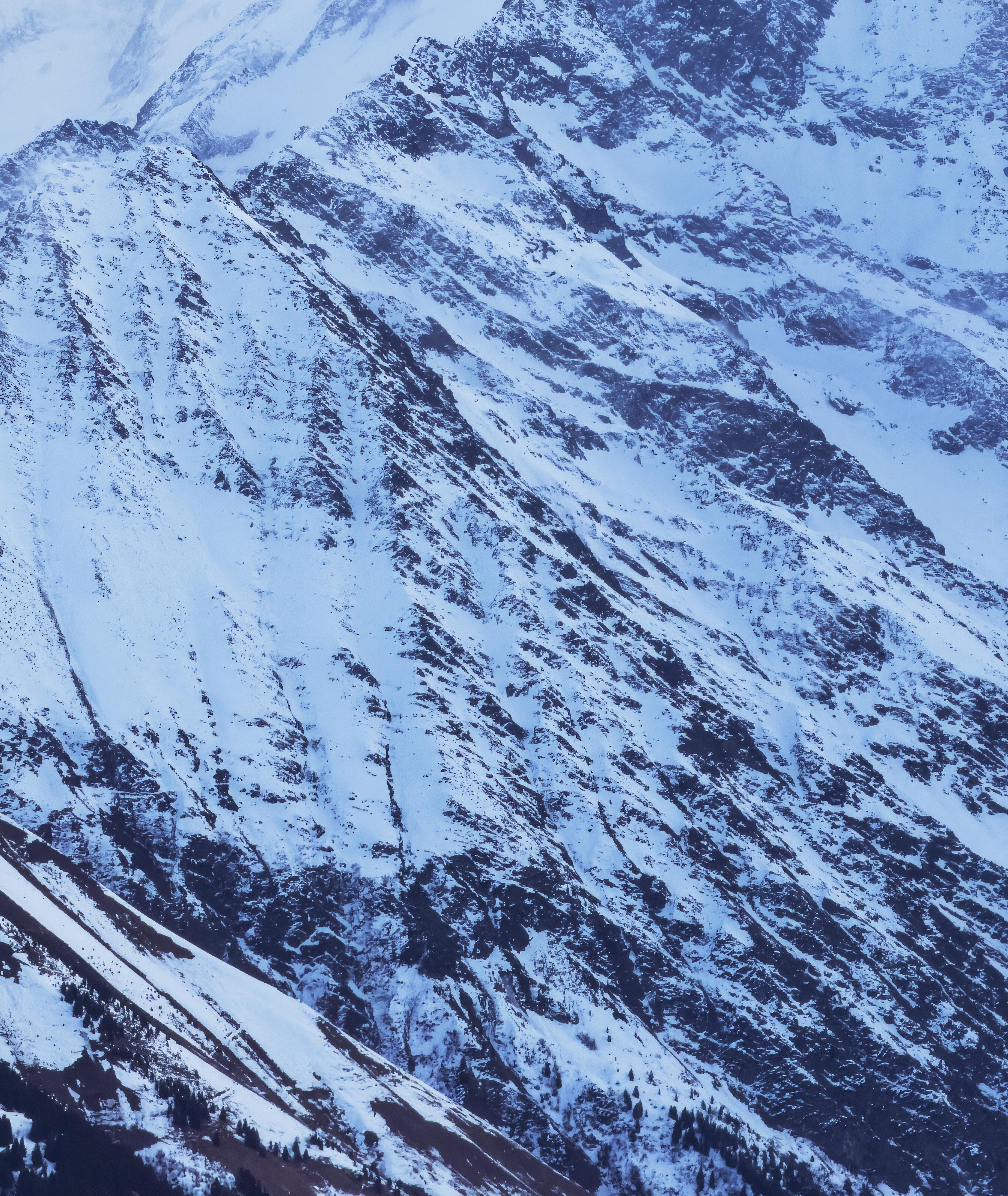
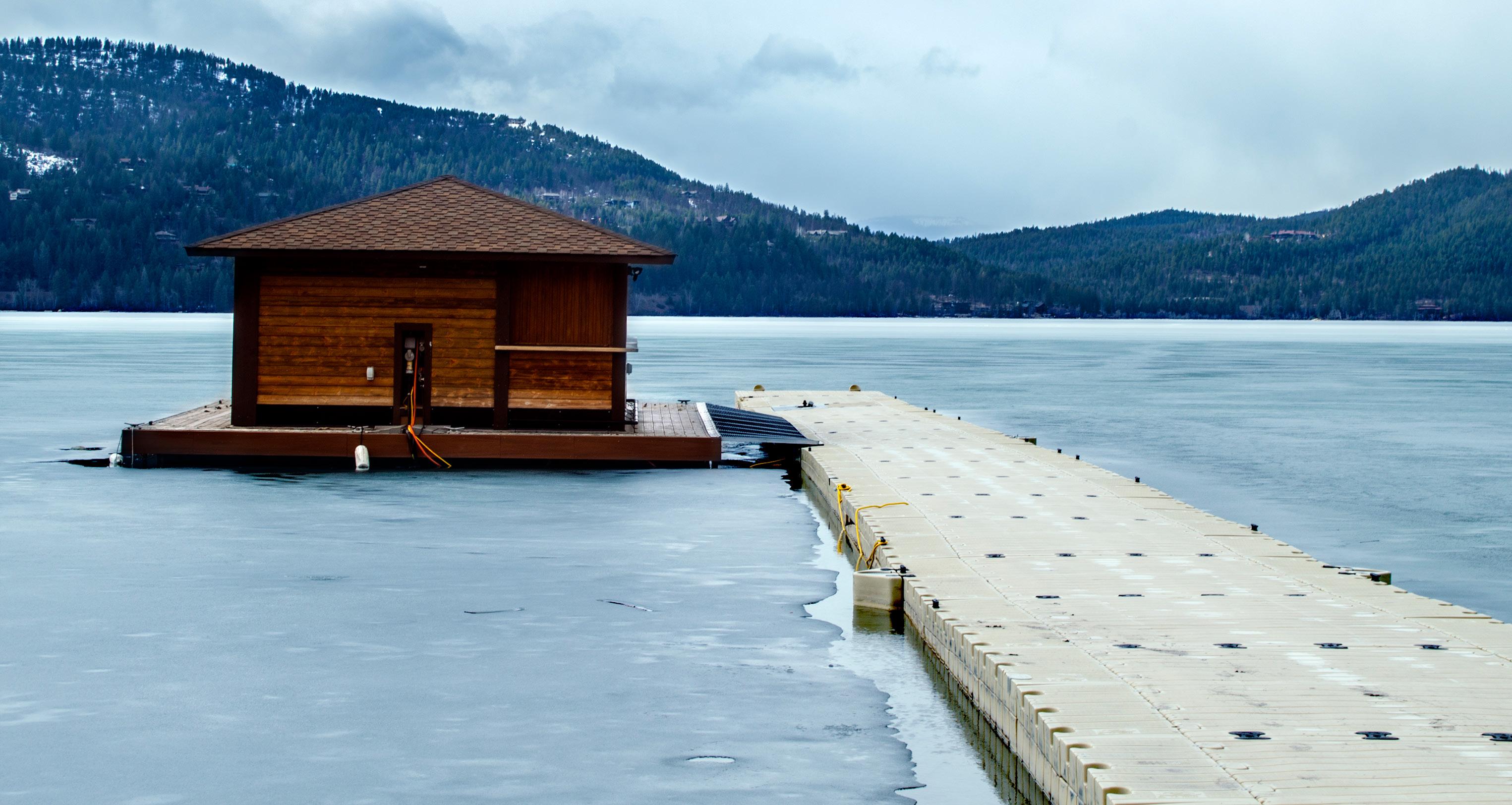
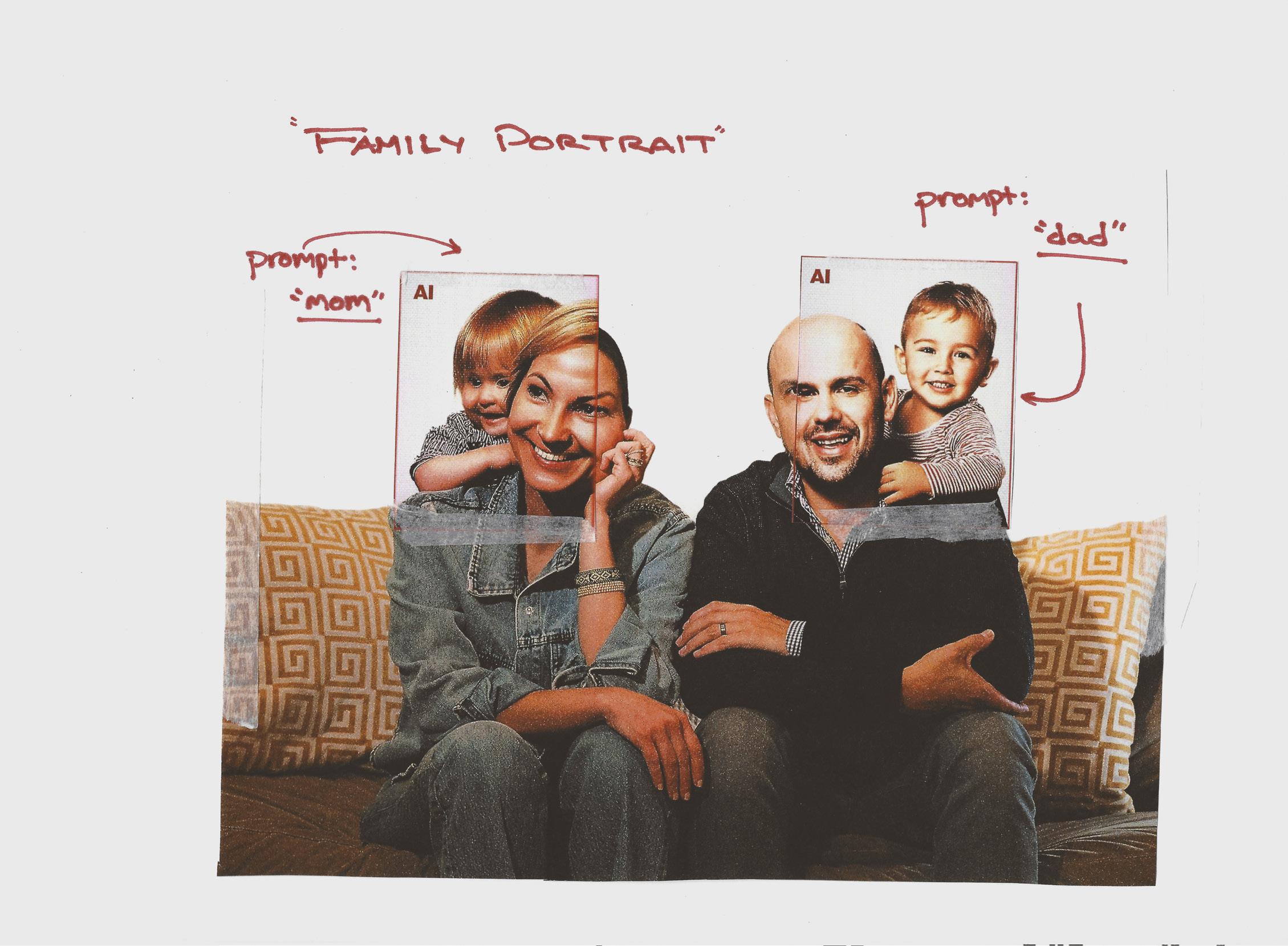
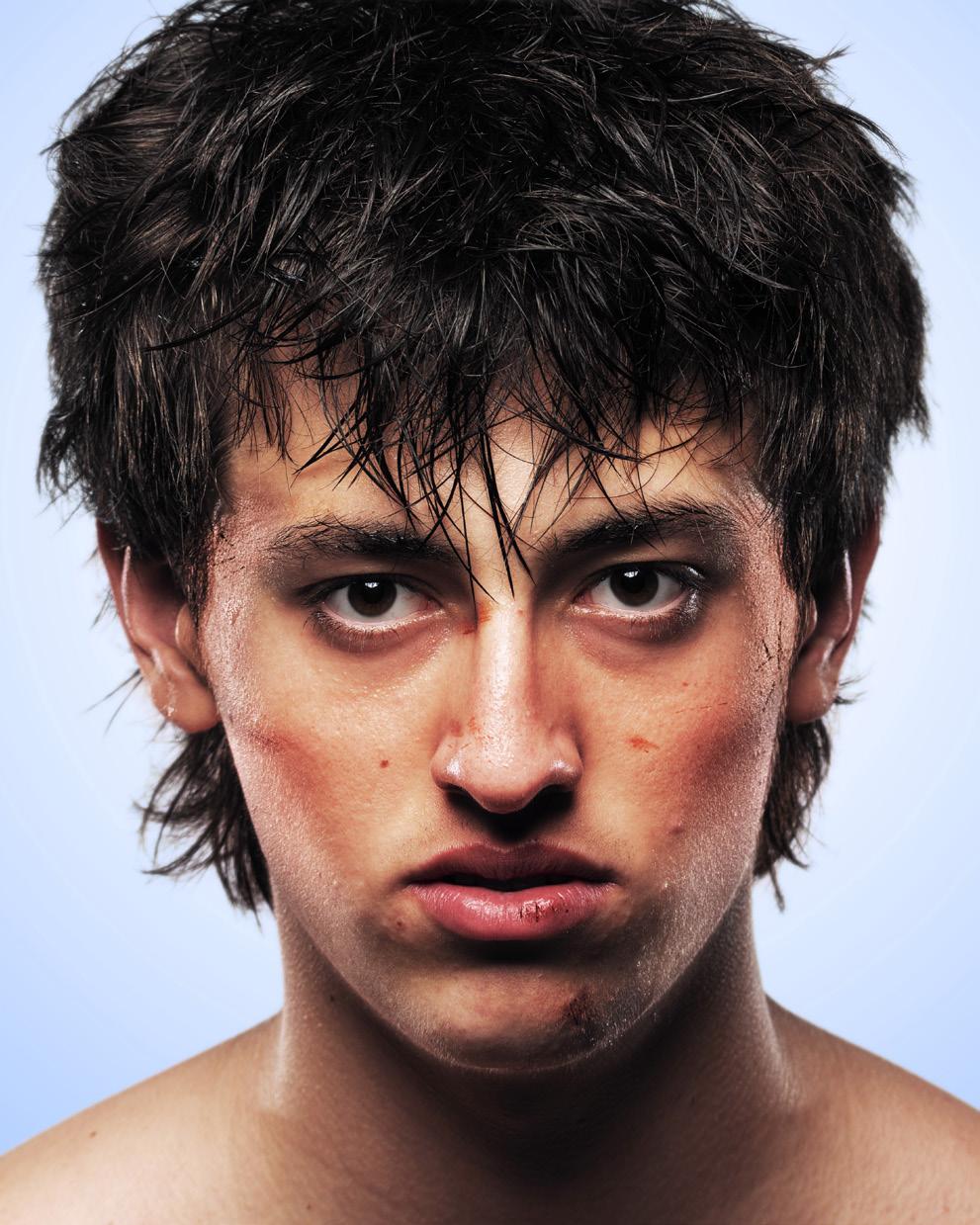
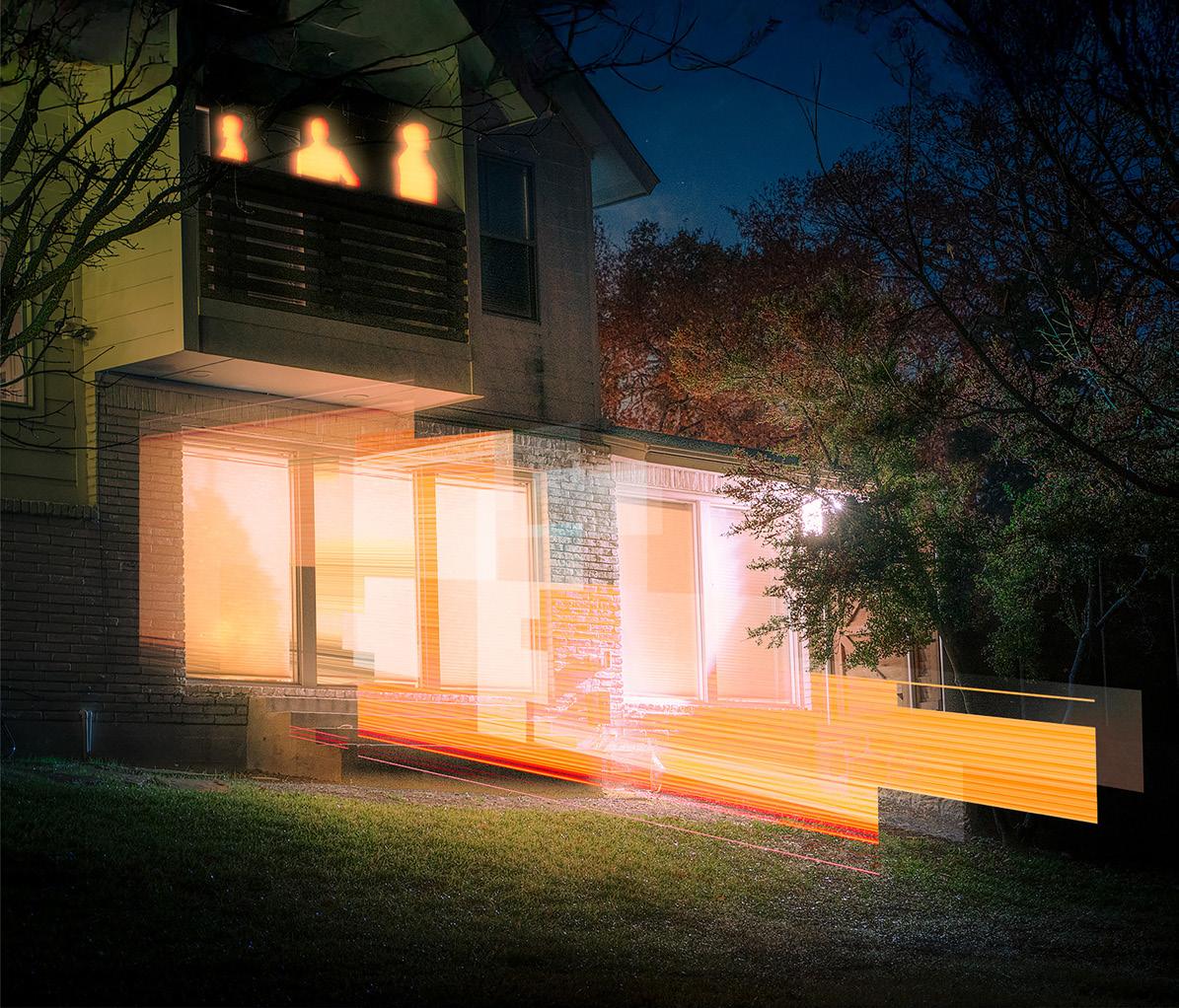
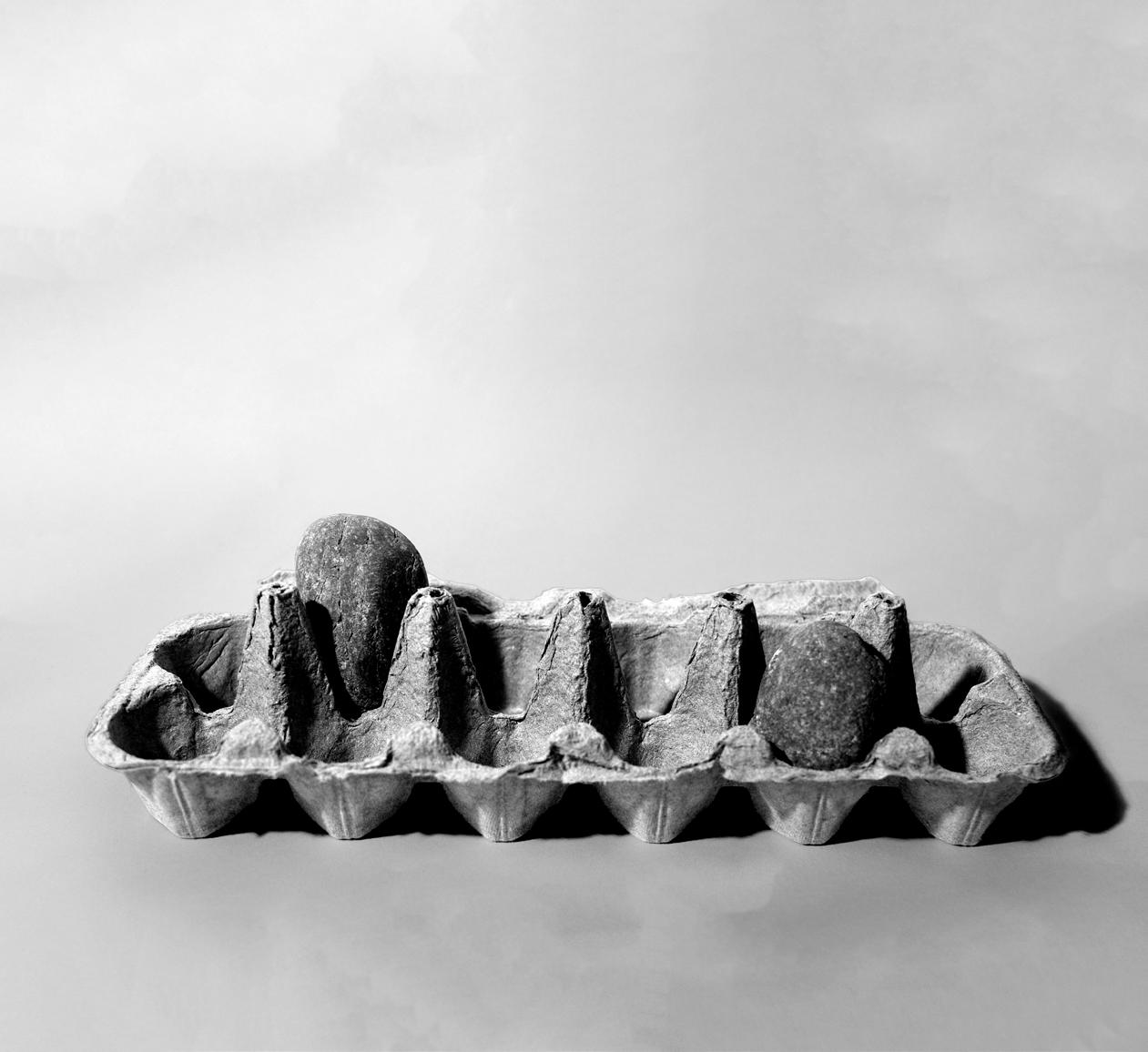
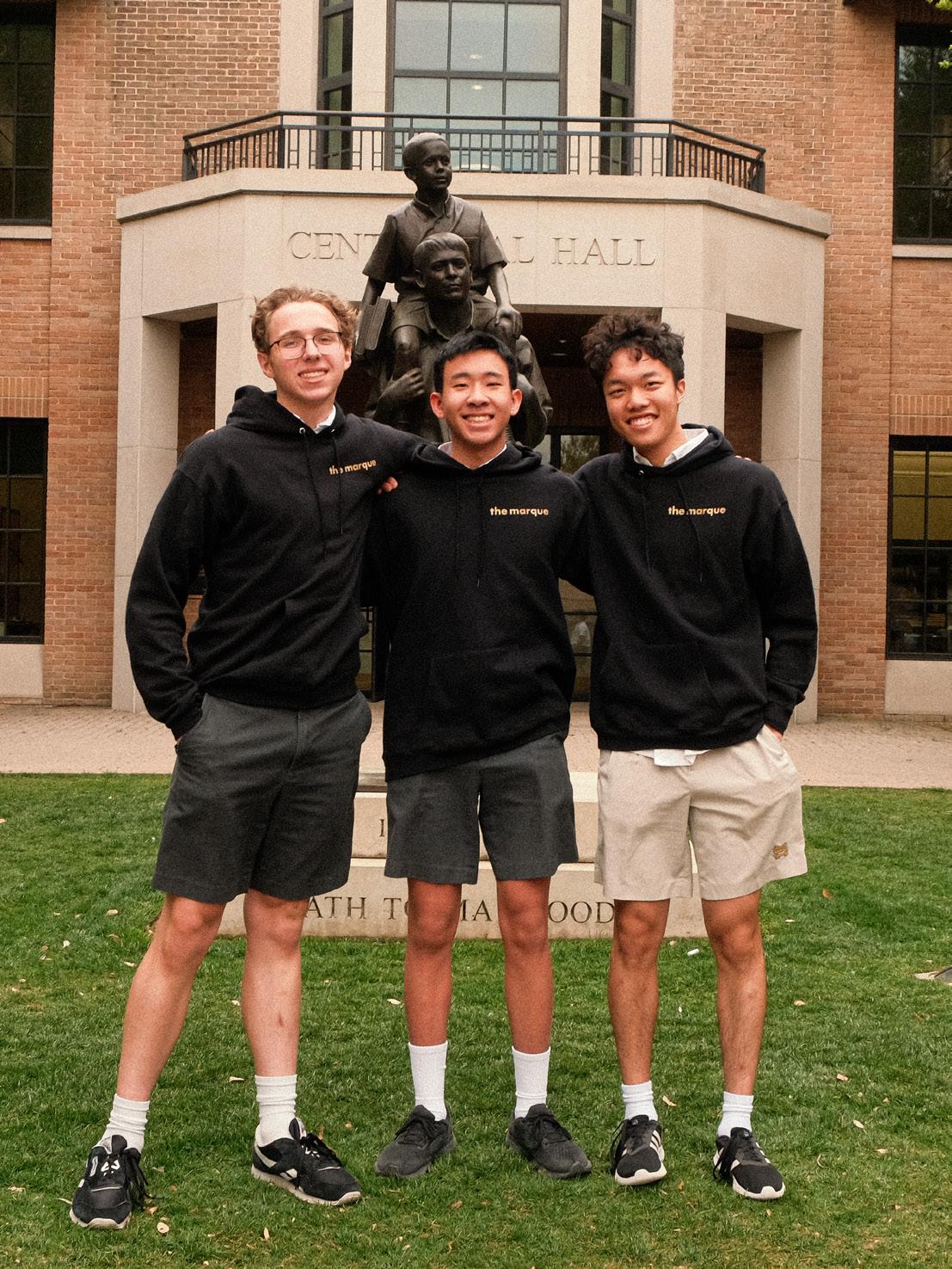
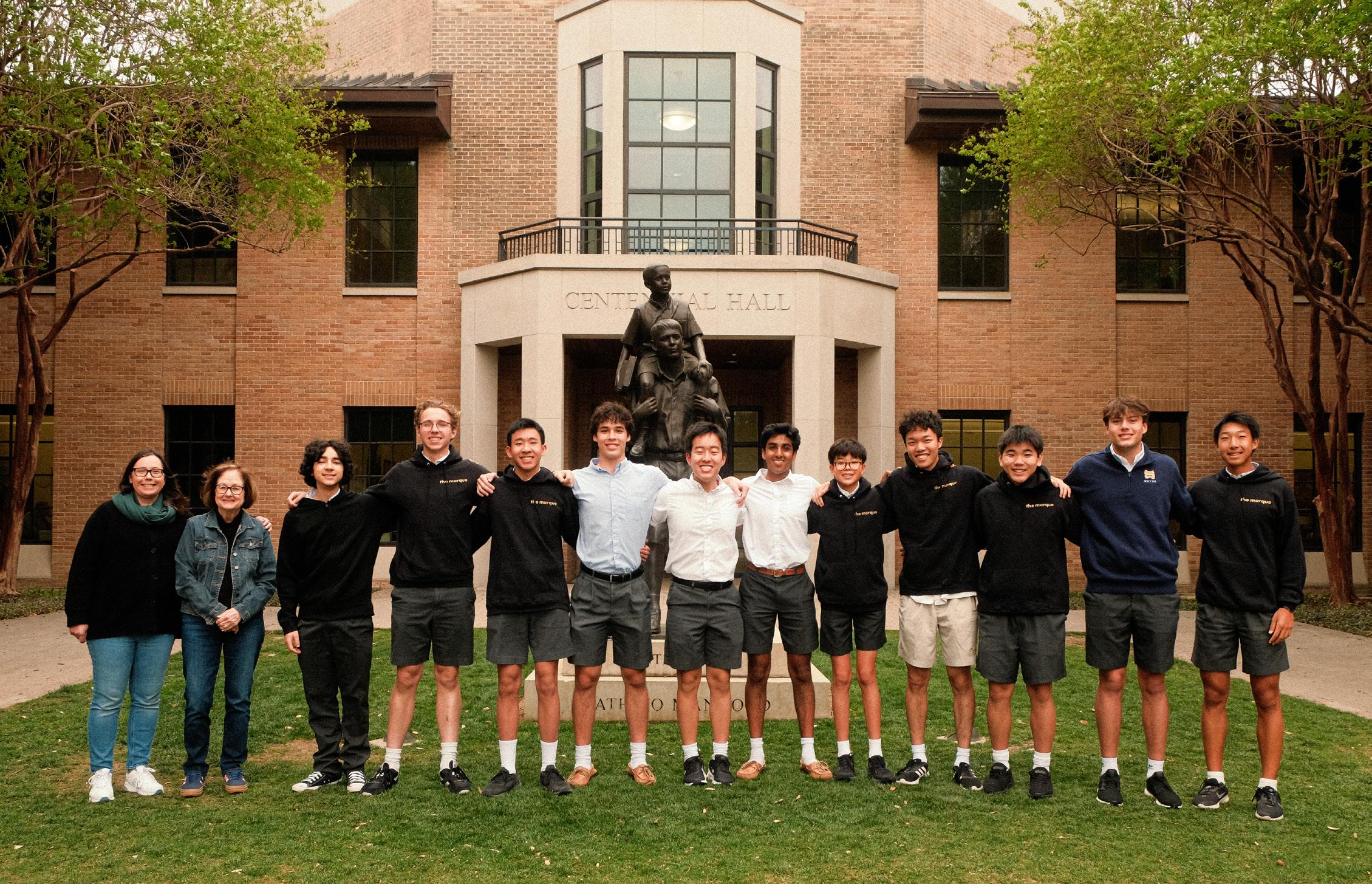
We’re The Marque. A magazine of arts and letters. Of fiction and photography and poetry and ceramics. Of ideas that refuse to stay small, and the insistence to follow them further than reason says to.
BECAUSE THE FUTURE BELONGS TO THOSE WHO BELIEVE IN THE POWER OF DREAMS
The kind of curiosity that bogs down on late nights. The hunger to reach beyond the map’s edge. The ache that reverberates beneath the cusp of discovery.
The human spirit was not designed to stand still. We were built to explore, to question, to push relentlessly past the horizon. The relentless drive to explore has propelled human civilization for millennia, pushing us past the seas, beyond the earth, and into the sky. Now, instead of looking around us, we look up into an endless expanse of stars. We stand at a crossroads that demands stark boldness: to redefine the daring spirit that built our world in, to channel our wonder and imagination in a novel way, not as leisurely enjoyments but as the core of our human identity.
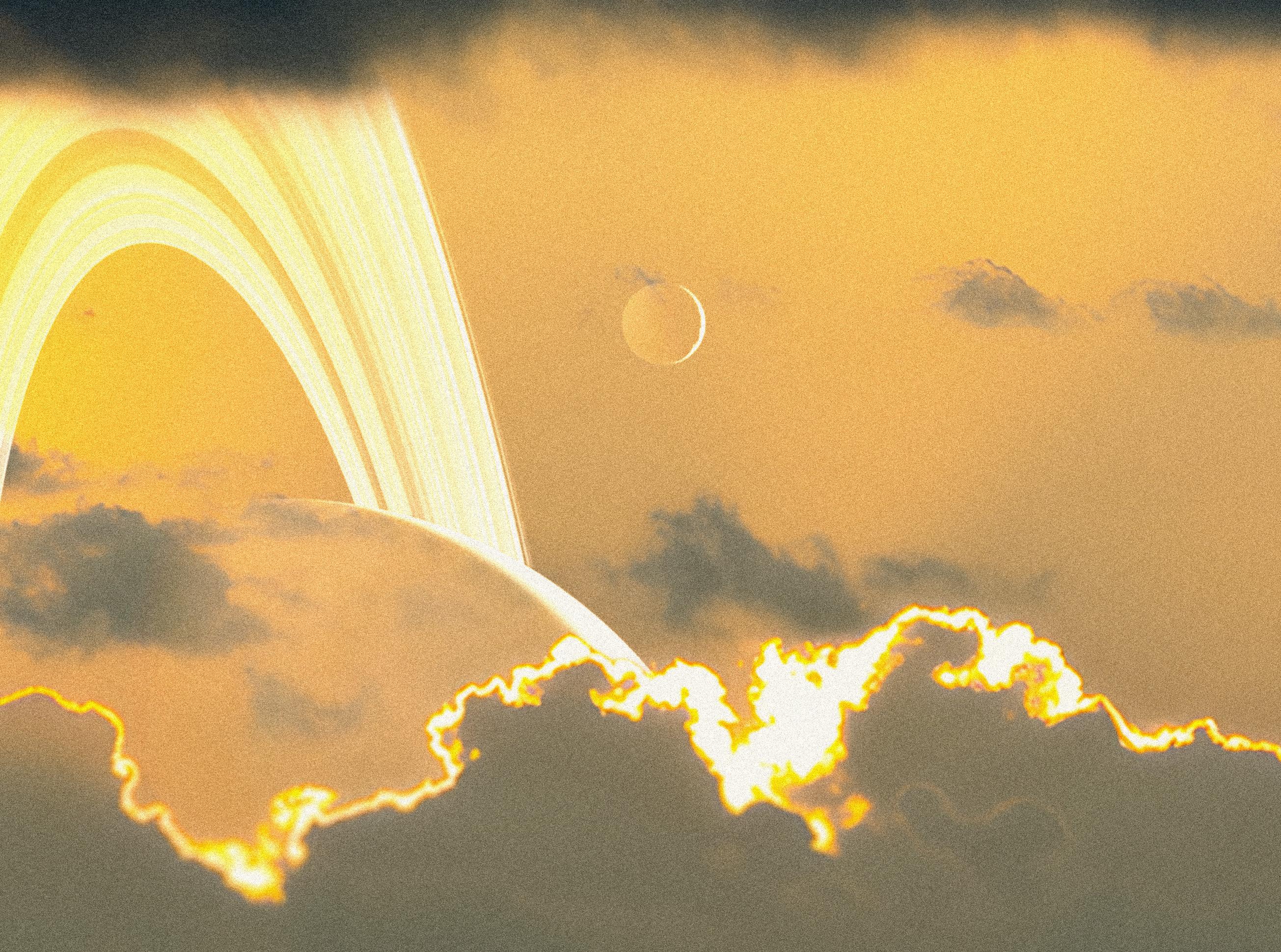
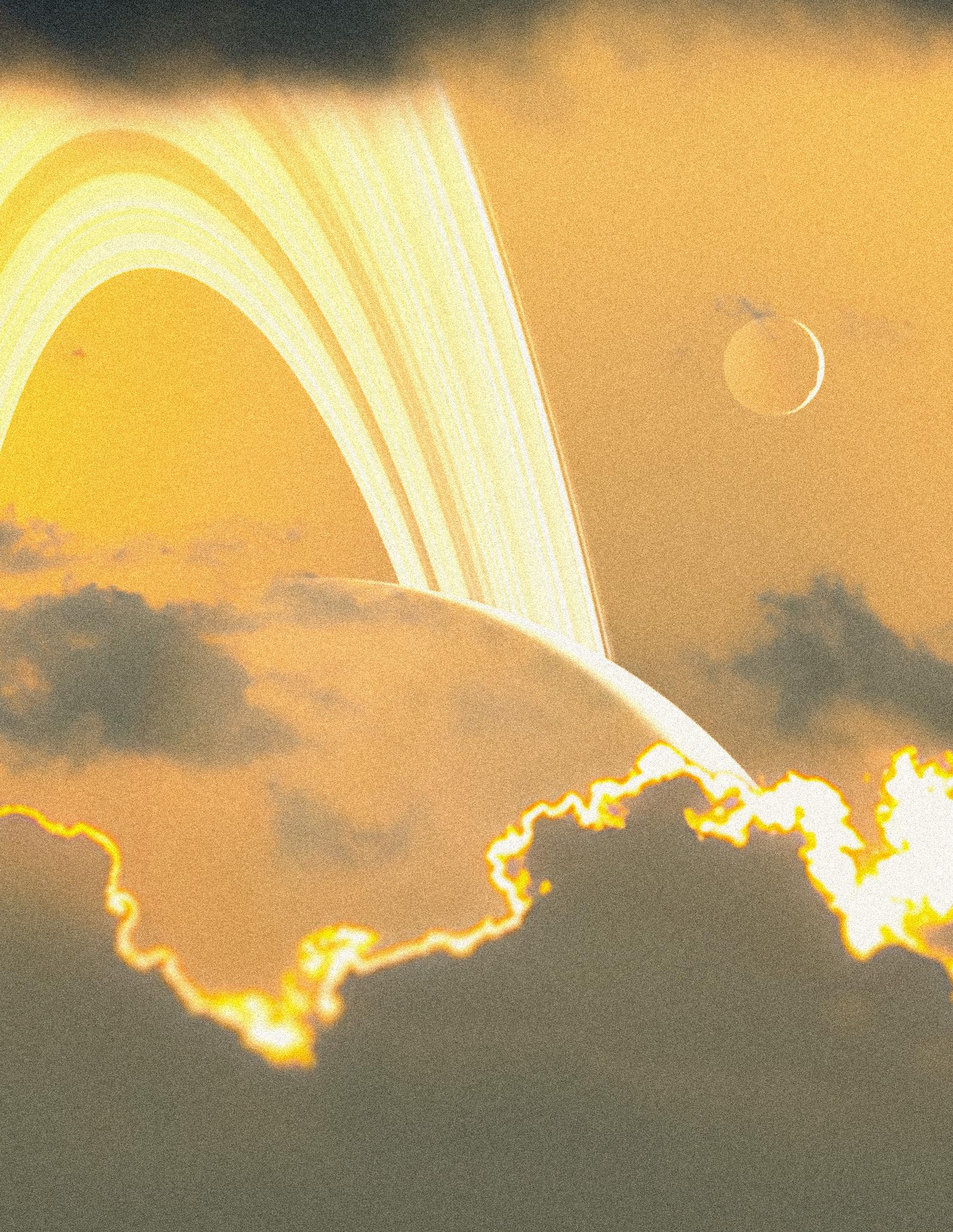
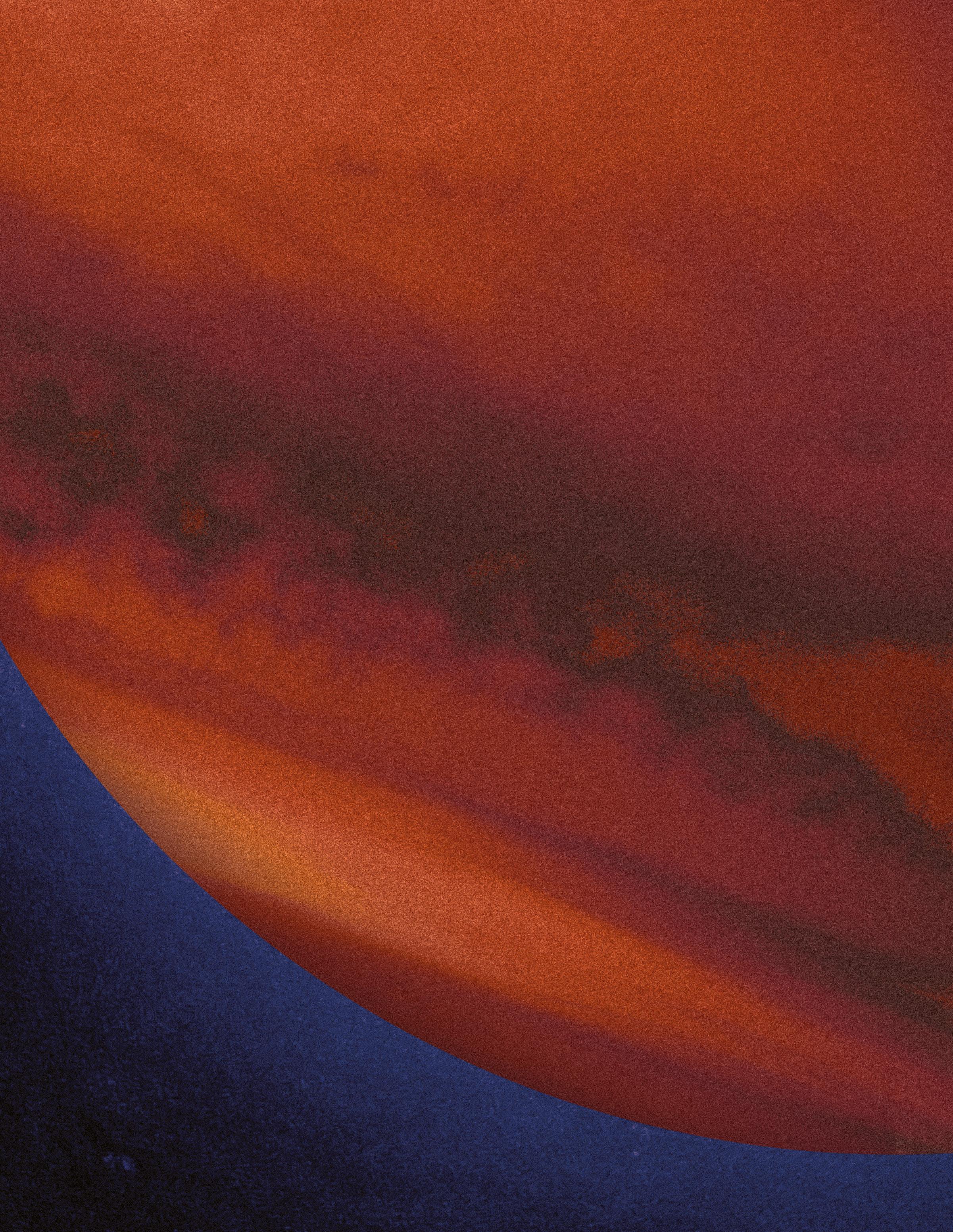
In 1977, the probes Voyager I and Voyager II, taking advantage of a planetary alignment that would not appear again for 176 years, launched themselves towards that endless expanse. They slingshotted past Jupiter’s marbled storms, circled the golden rings of Saturn, tumbled through Uranus’s tilted spin, and marveled at the distant sapphire of Neptune. They are still pushing outwards, past the pull of our sun, beholding sights beyond man’s wildest dreams.
You, reader, are the Voyager. Every page is a gravity assist. Beyond each poem, story, painting, or image, a whole new world is left for you to explore. As you travel deeper, you will move farther from what you know and understand, beyond the atmosphere of certainty.
Our age is forgetting how to wonder. We scroll past the stars, numb to the light. We must remember that curiosity is not naïve—it is necessary. It is the force that builds ships, raises skyscrapers, and teaches us that imagination is not an escape, but a vessel that carries the human race forward.
In this voyage, we urge you to reawaken your spirit, explore the strange, embrace the unknown, and recognize that the greatest creative territory is and always will be the territory that lies just beyond the familiar. Listen. Listen to that same pulse of humanity Voyager carries into the dark: the heartbeat of a world still learning how to dream.
Michael Morris
Whether it be tough essays or a handful of Smarties, Mr. Morris makes sure his lessons stay with you long after St. Mark’s.
Whether he’s hovering in a doorway or sitting at the head of a freshman English classroom, Mr. Morris has a way of making himself felt without demanding to be noticed. He listens more than he speaks. He nods slowly, like he’s actually weighing what you said. And somehow, that’s enough.
In his class, literature doesn’t get summarized; it gets taken apart. An enjambment isn’t decorative. A comma isn’t accidental. Around the coffee-colored Harkness table, The Odyssey and The House on Mango Street stop being assignments and start being questions you have to answer. He wants to know what you think. More than that, he wants to know why.
His essays are notoriously hard. That’s not a rumor. But somewhere in the middle of the difficulty, he’ll slide a handful of Smarties across the table, quietly insisting that writing, like any real work, takes fuel. It’s a small thing. It also tells you everything about him.
There’s something a little unconventional about Mr. Morris: the particular care he takes with a sentence, the sharp and deliberate way his mind moves, the sense that he’s always a few seconds ahead of the conversation. But underneath the idiosyncrasies is someone paying close attention, not just to the texts, but to the people reading them.
He doesn’t ask for your respect. He just keeps teaching until one day you look back and realize he changed the way you read, the way you write, and the way you notice things, which is to say, he changed the way you think. And he’s done it for student after student, year after year, all while making them work harder than they expected to.
For that, we thank you, Mr. Morris. It turns out that’s no small thing.
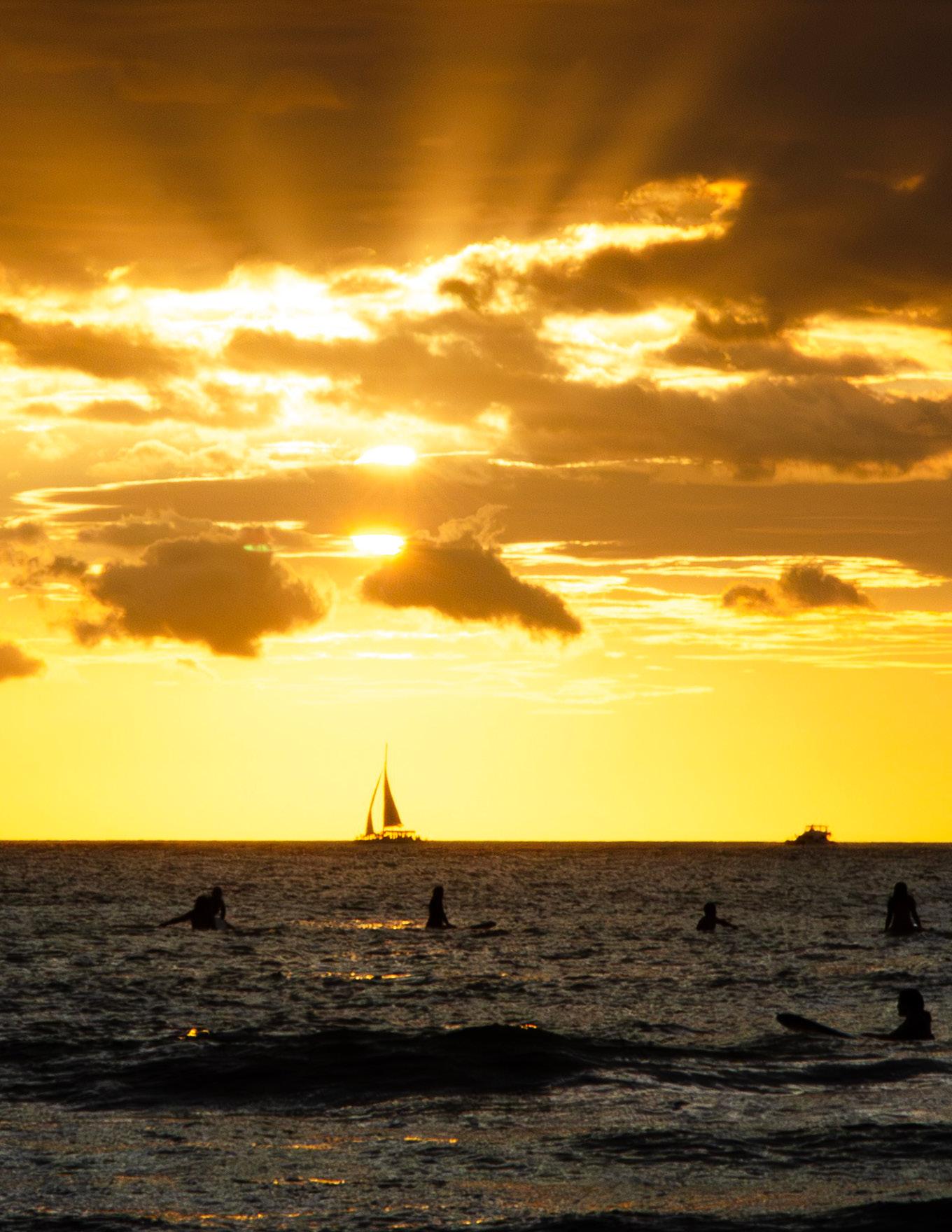
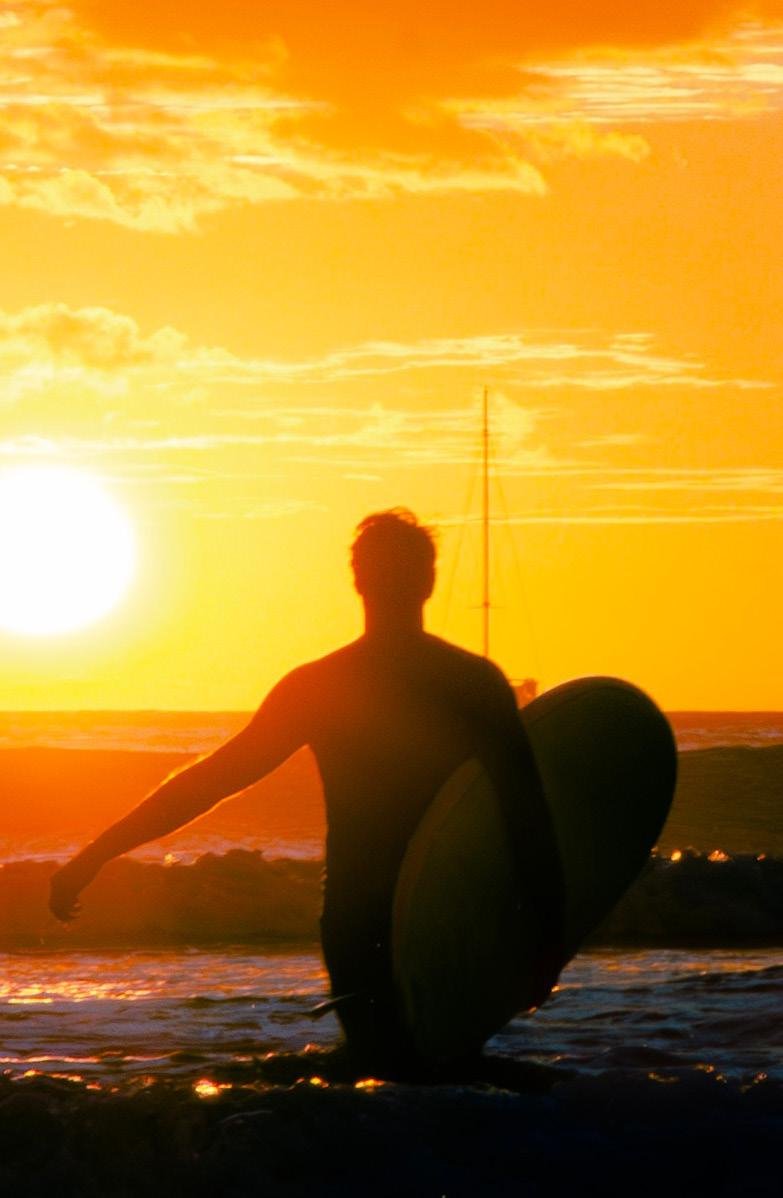
Sunset
Wuthering Ambitions
Early Riser
Sunset
Hiraeth
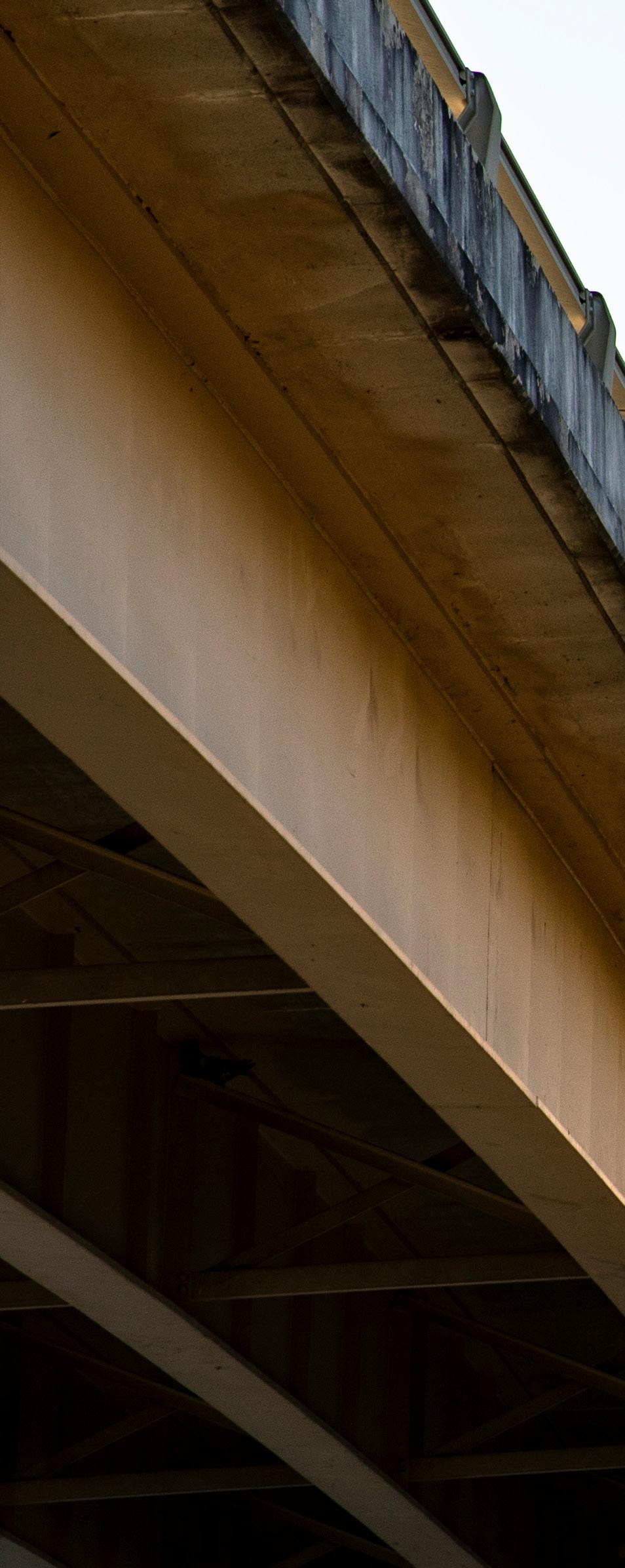
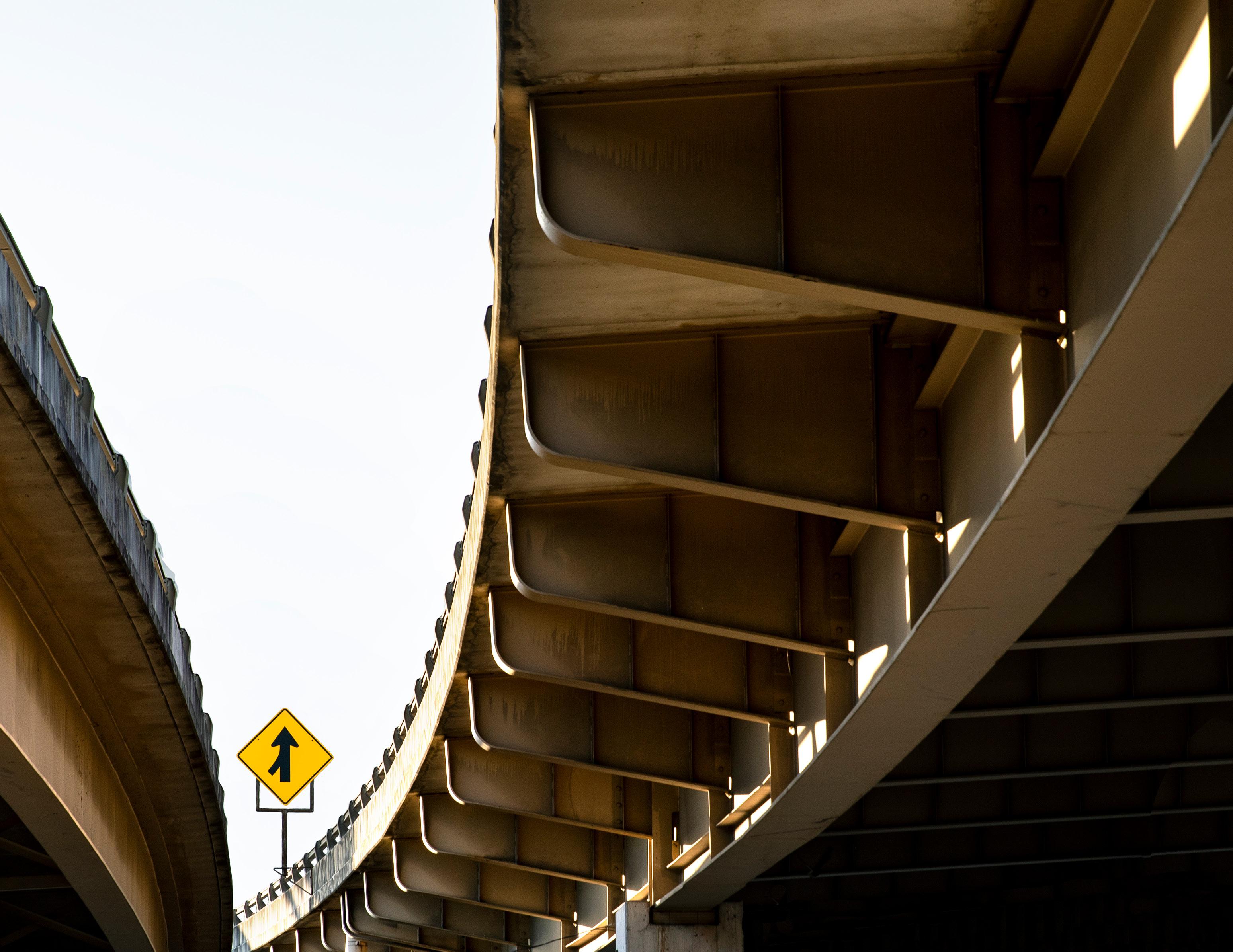
Merge
Travel
Ocean
Bloom
Heaven Dulong
Silence
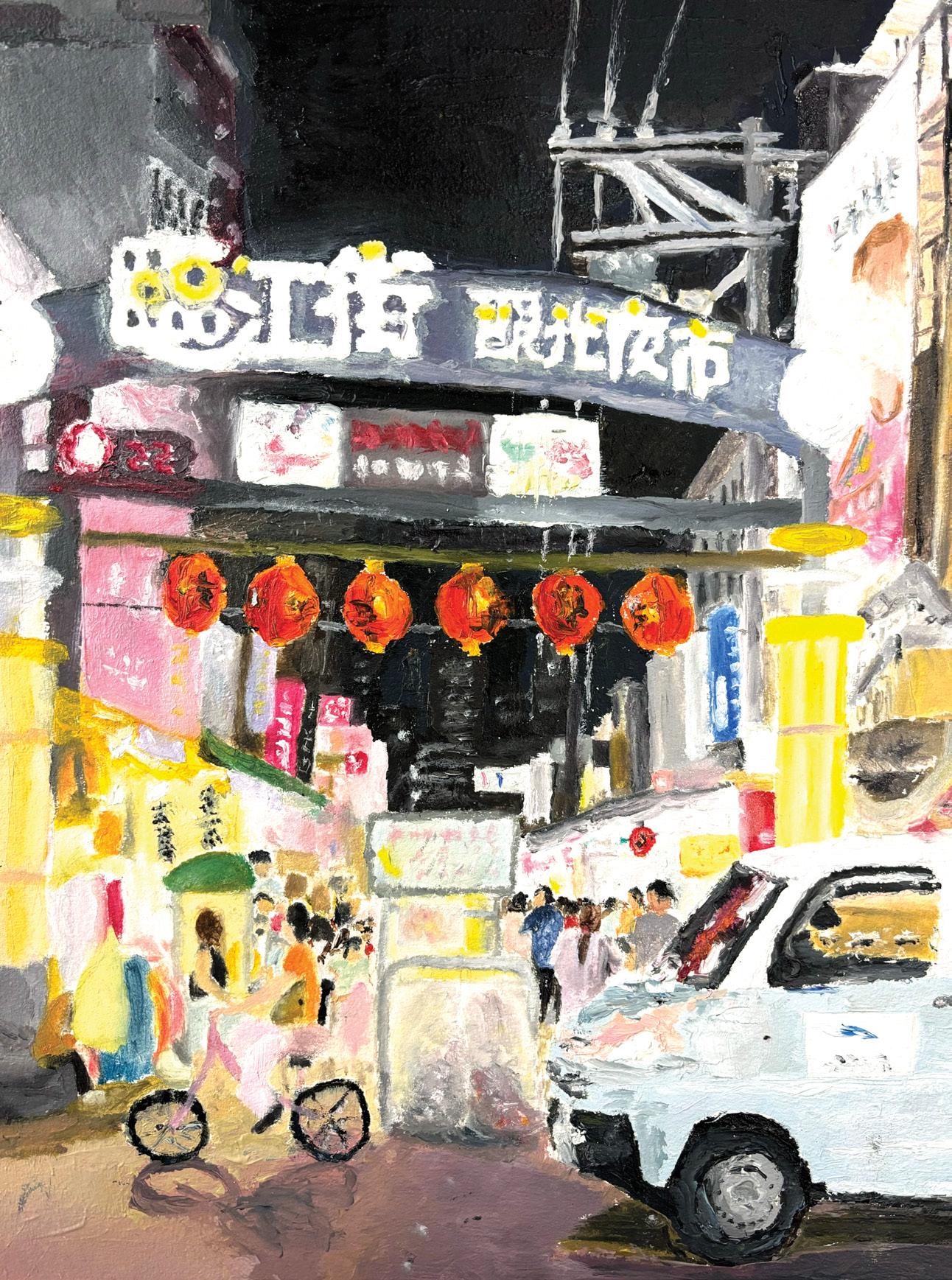
Street
Laundrymat
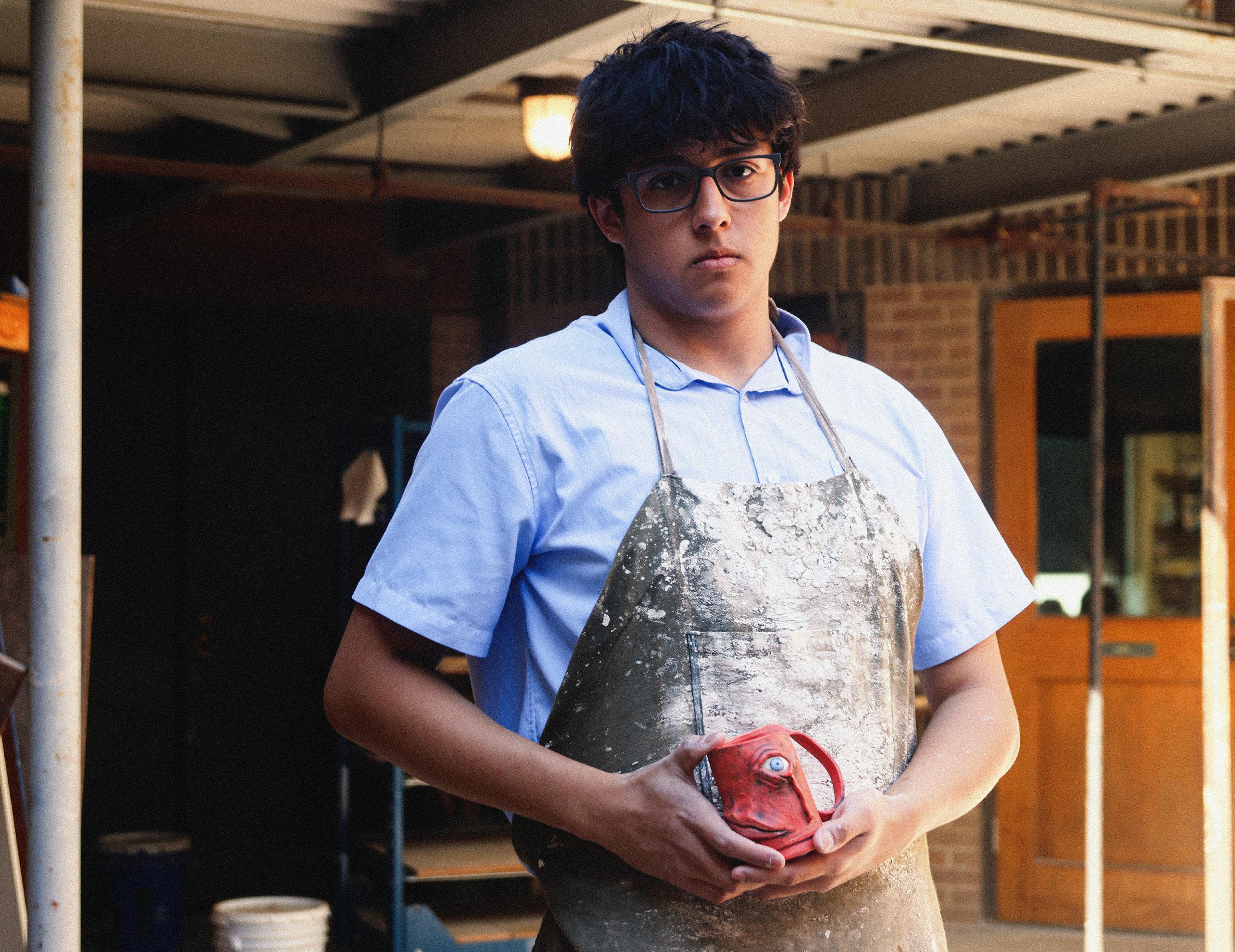
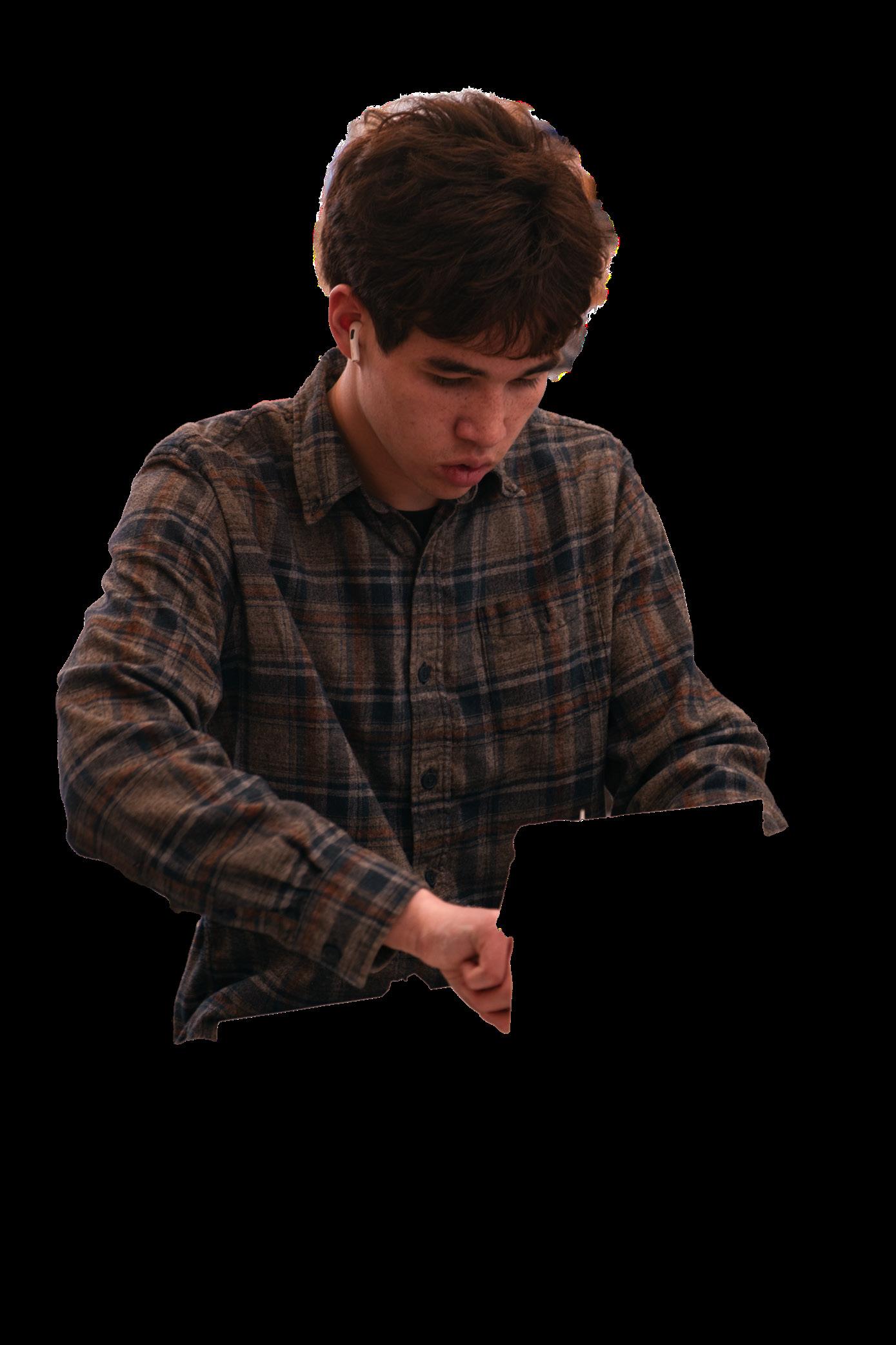
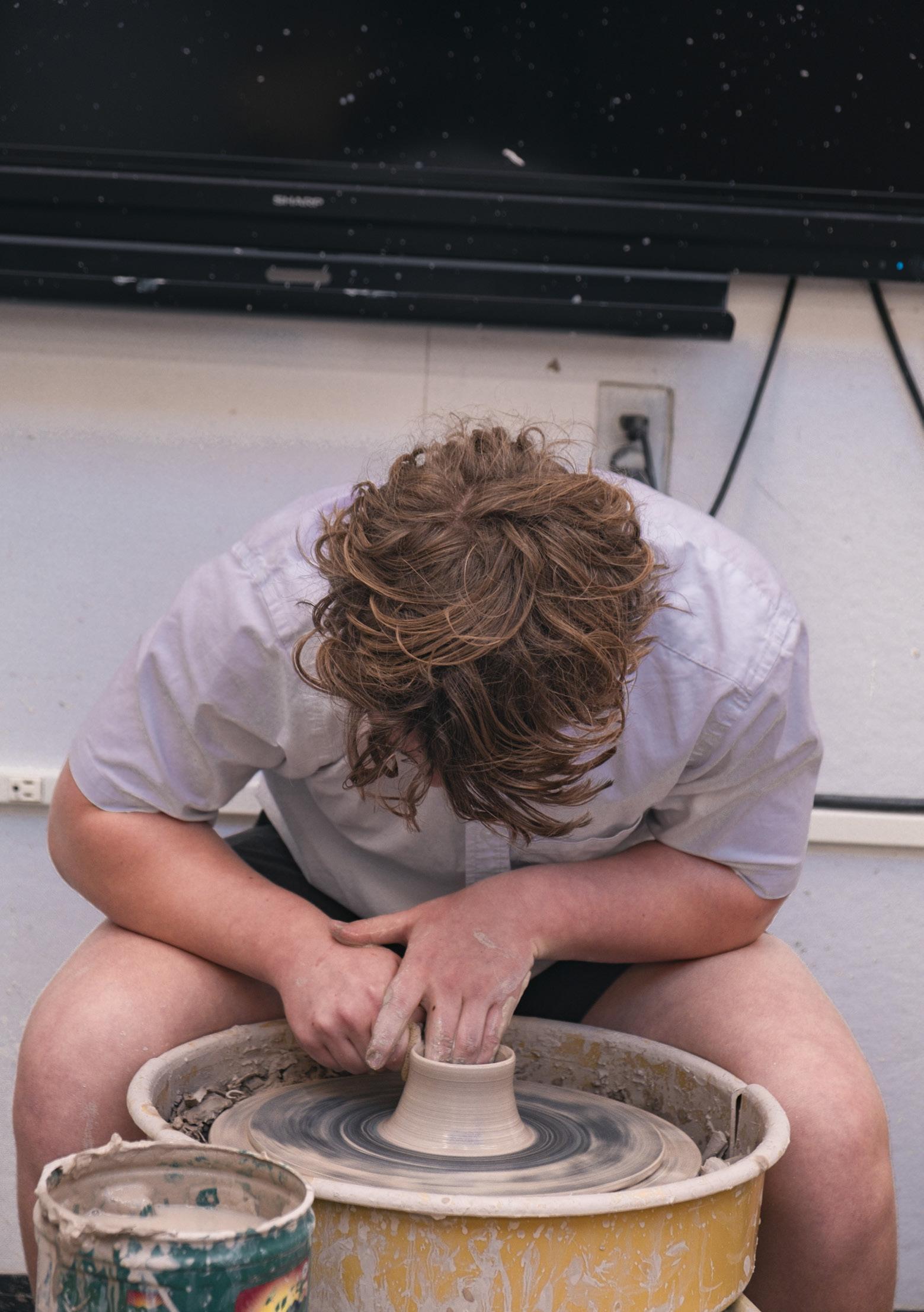
Senior Benjamin Hernandez doesn’t make ceramics to be used. He makes them to be felt.
Sebastian Zaballa ‘28
Kevin Hong ‘26
Asher Ridzinski ‘27
Larry Fan ‘28
Lucas Gong ‘29
Michael Yang ‘26
Drew Wallace ‘26
Deven Aurora ‘27
Asher Yoffe ‘27
Rocky Lancaster ‘27
Ali Khimji ‘27
Leo Hughes ‘27
Alex Dahlander ‘26
Hugh Feferman ‘26
Joseph Stalder ‘26
Benjamin Standefer ‘26
Bryan Li ‘28
Joseph Stalder ‘26
Brennan Bosita ‘29
Joseph Stalder ‘26
Rocky Lancaster ‘27
Kayden Zhong ‘26
Bryan Li ‘28
Paul Sumethasorn ‘27
Sebastian Gonzalez ‘26
Mr. Stephen Houpt
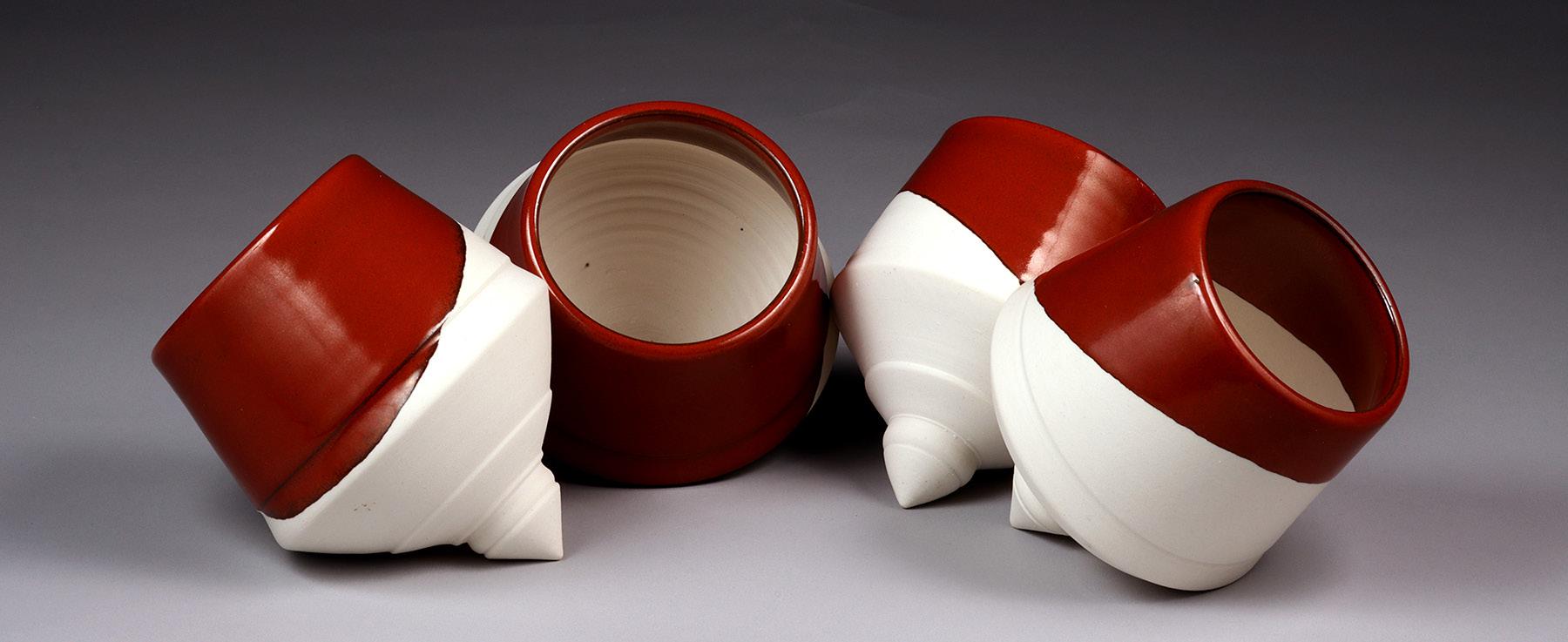
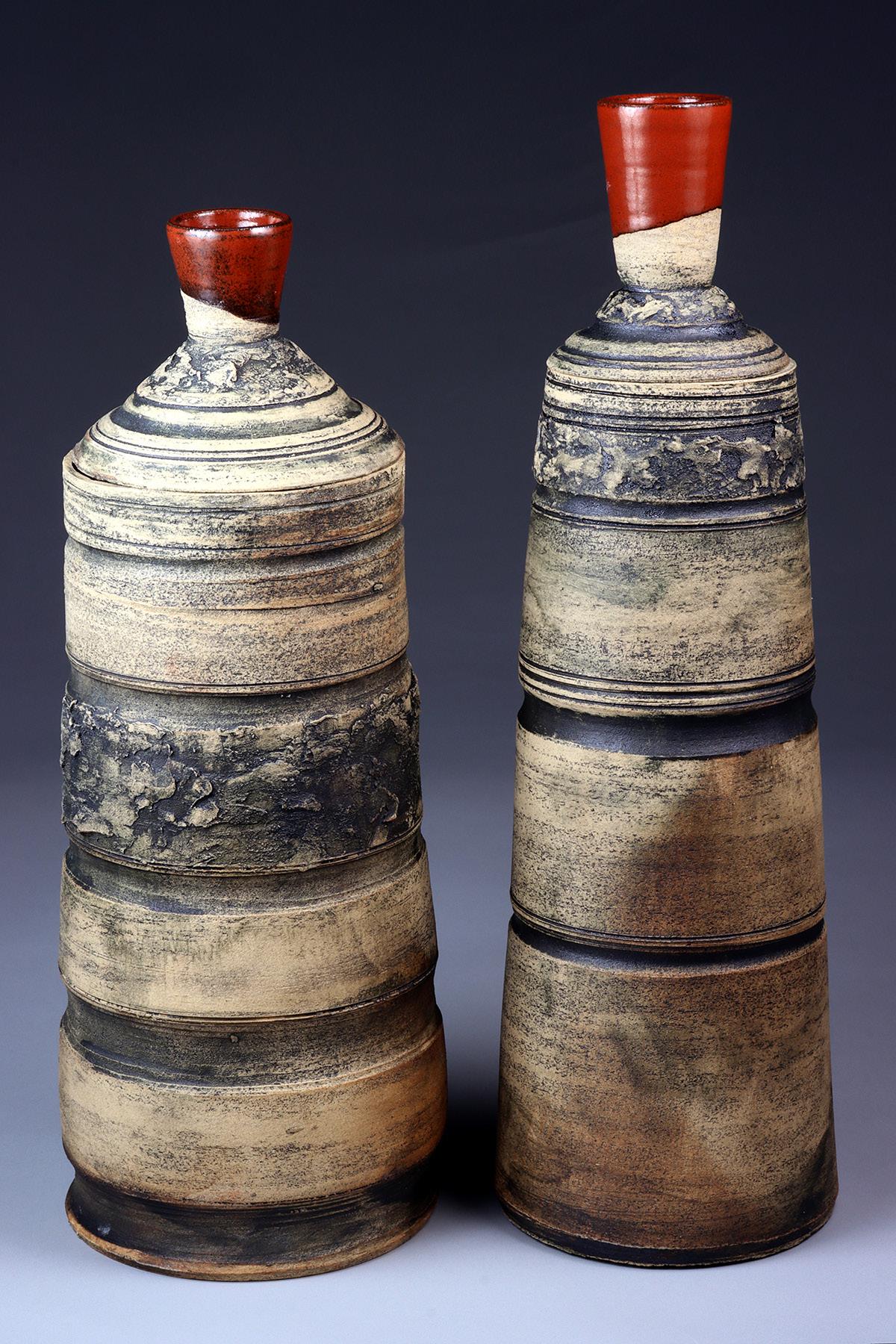
A gallery of works by the members of the St. Mark’s Ceramics Program
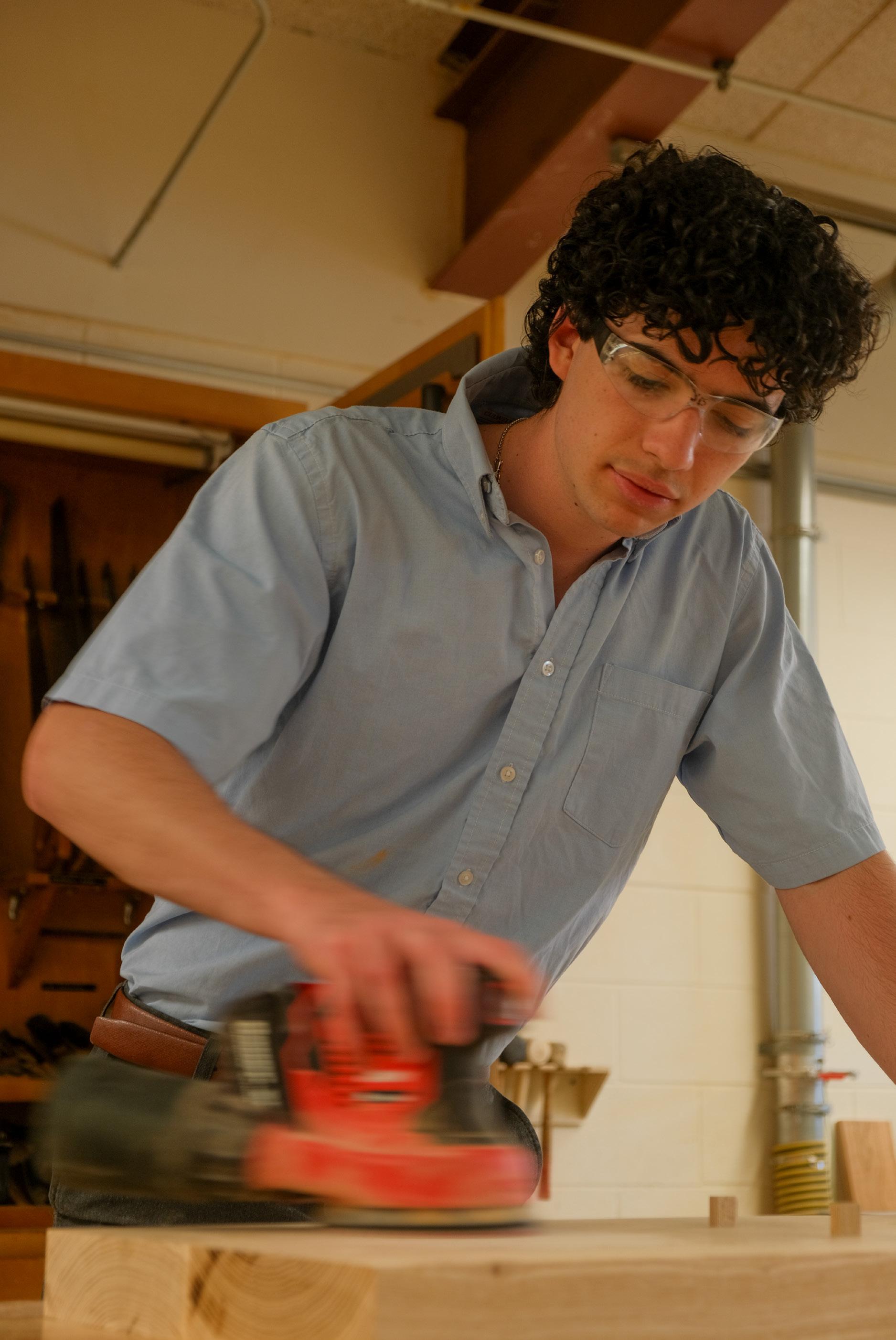
Wood fights back. But Senior Gavin Trevino wouldn’t have it any other way. 64
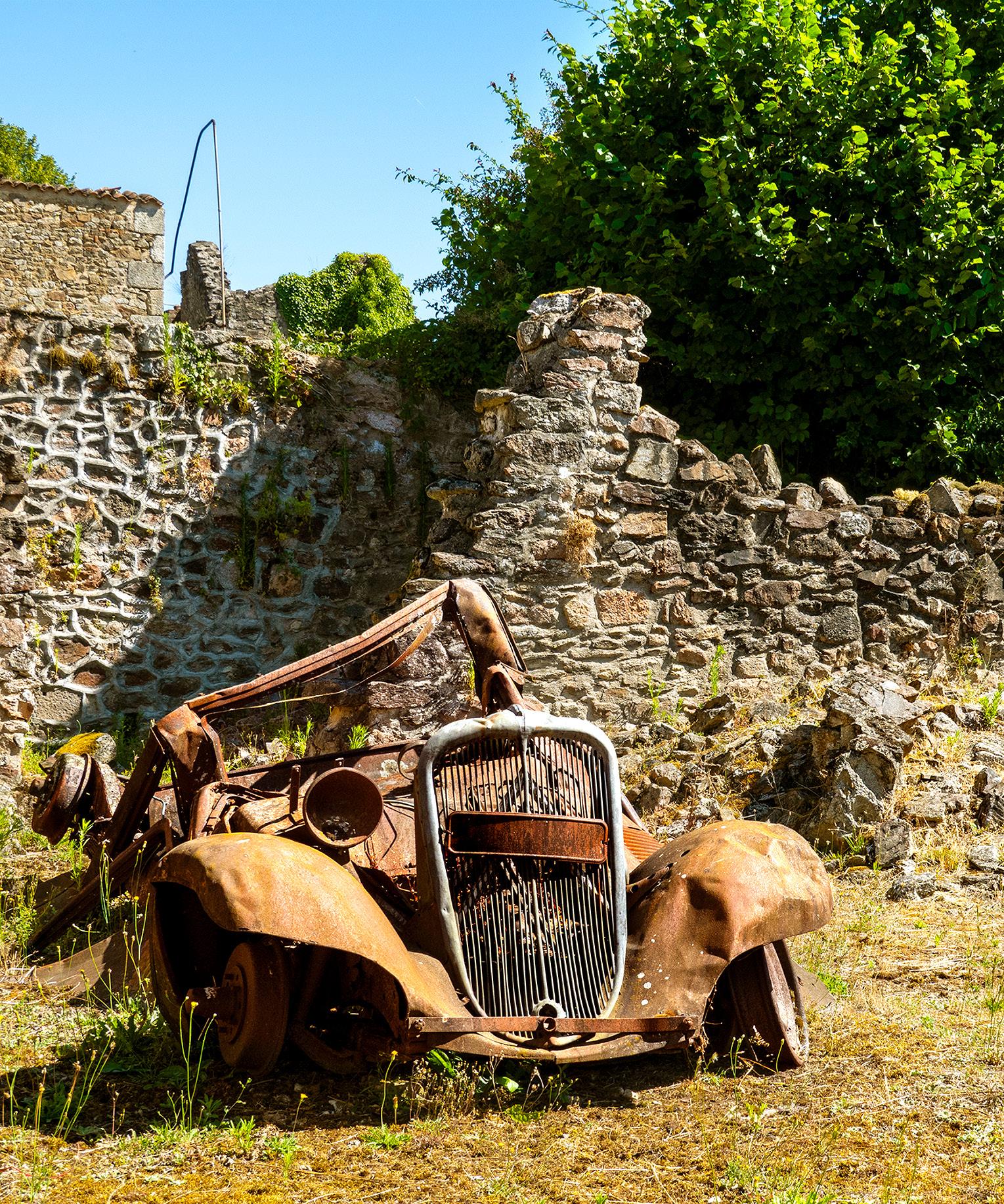
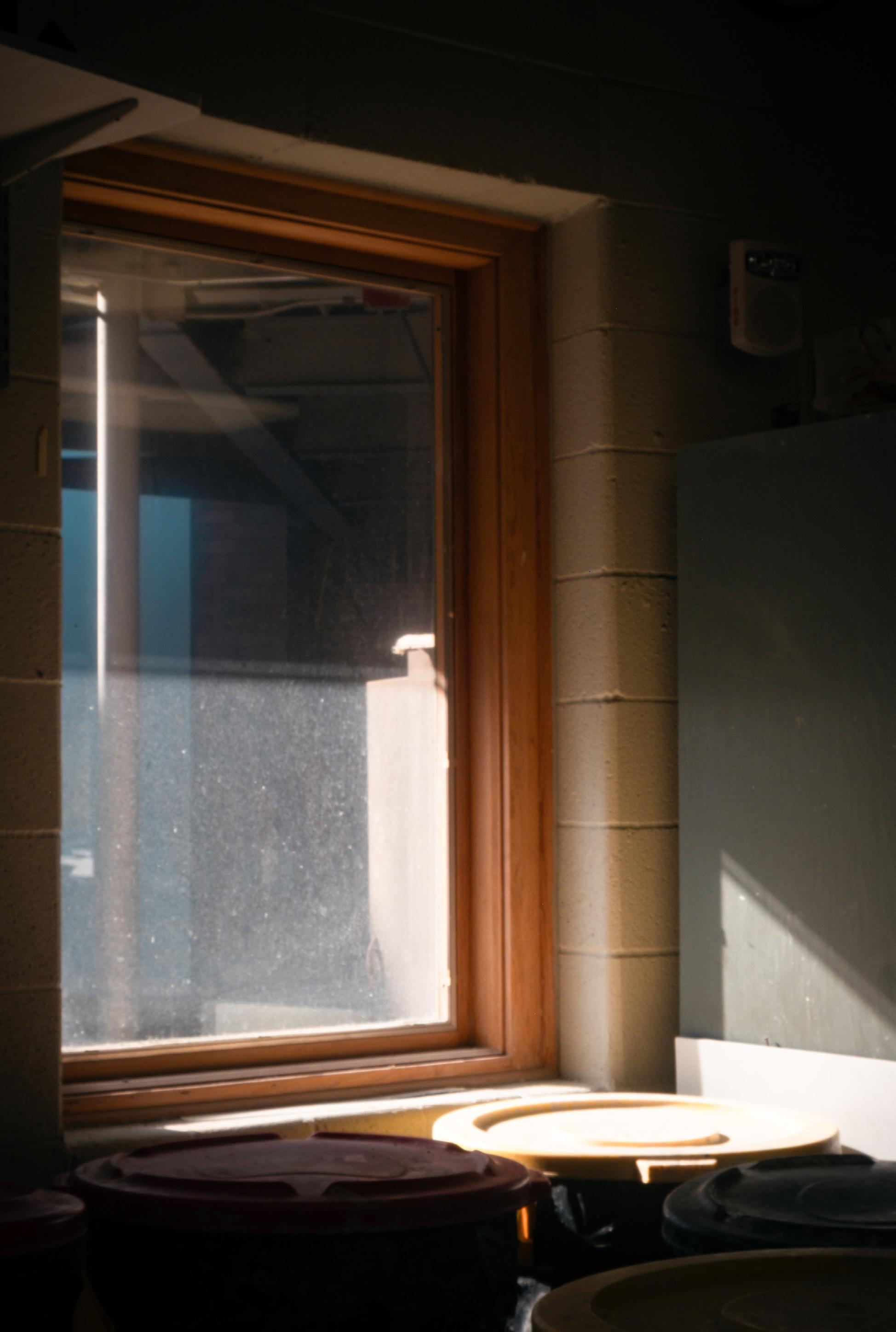
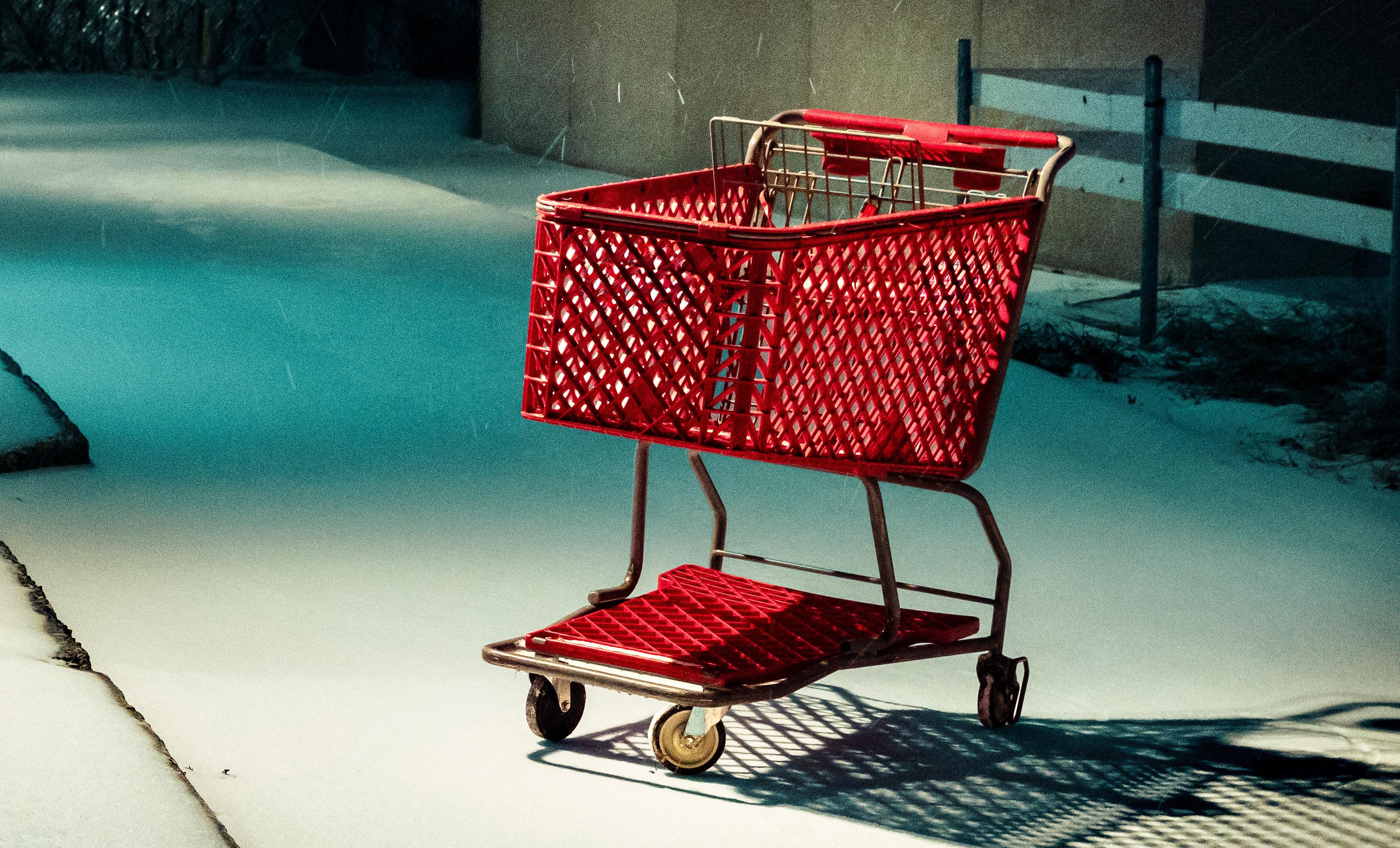
Checkpoint
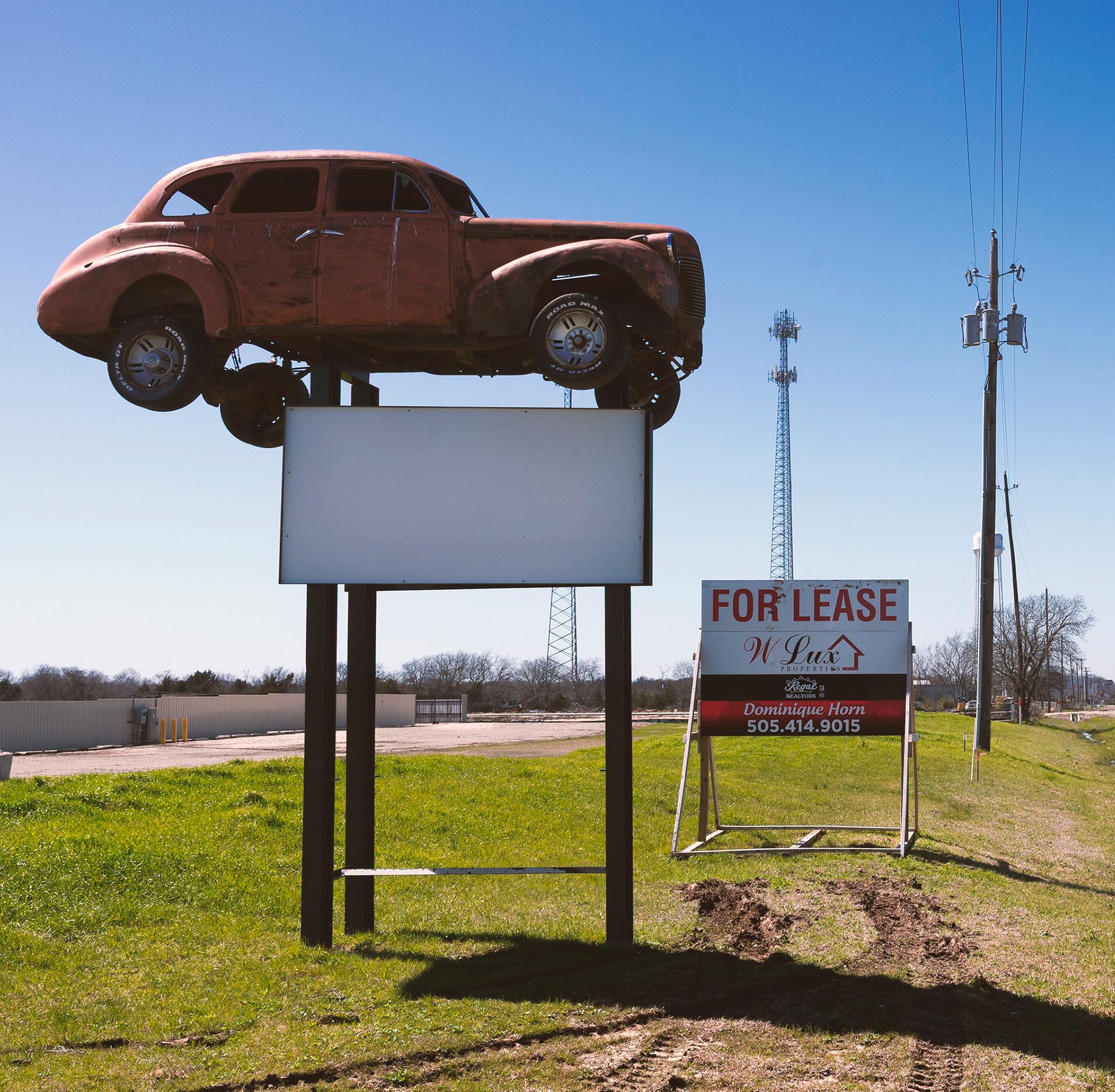
Car Sign
Mom’s Spaghetti
Glimmer
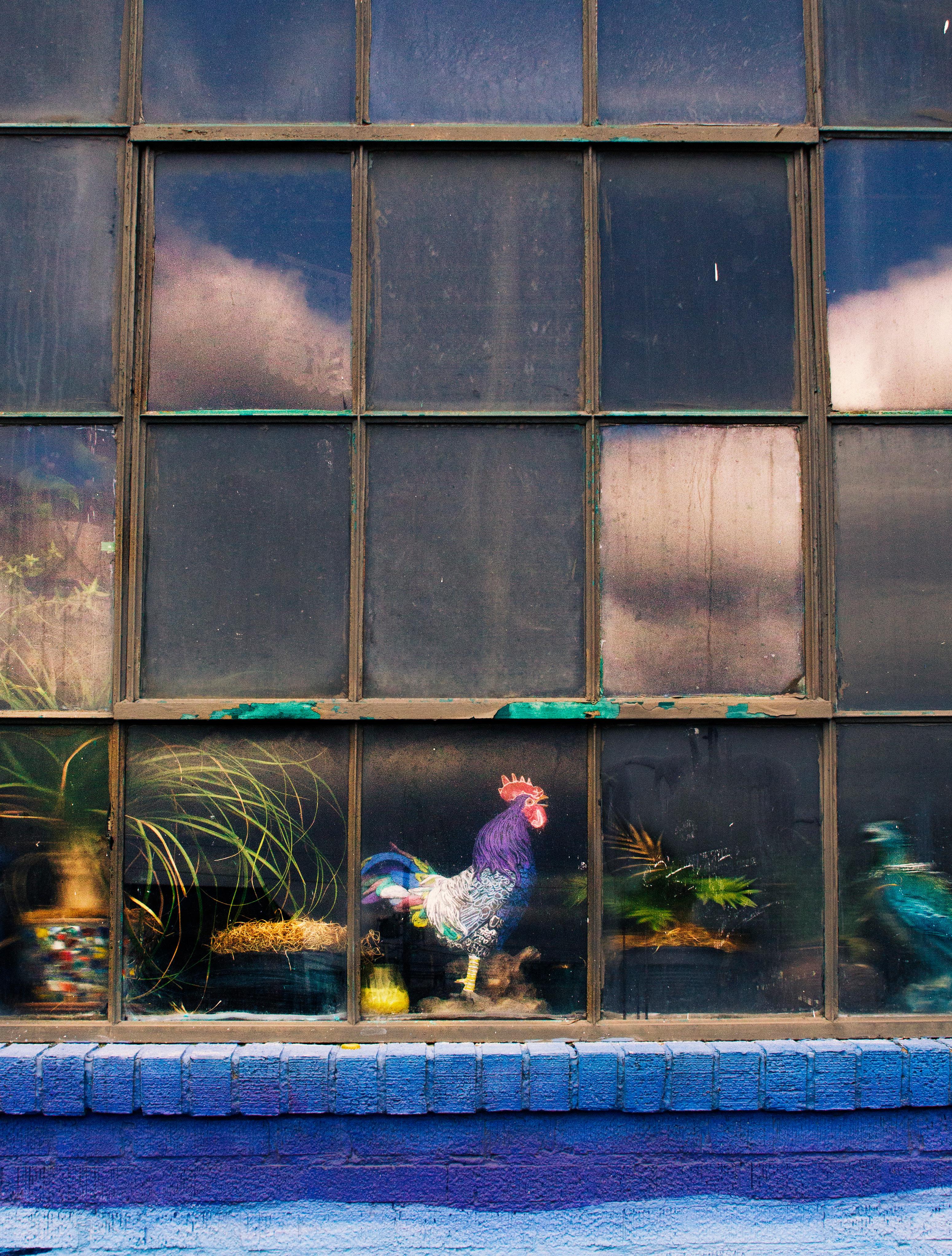
Rooster
59:59
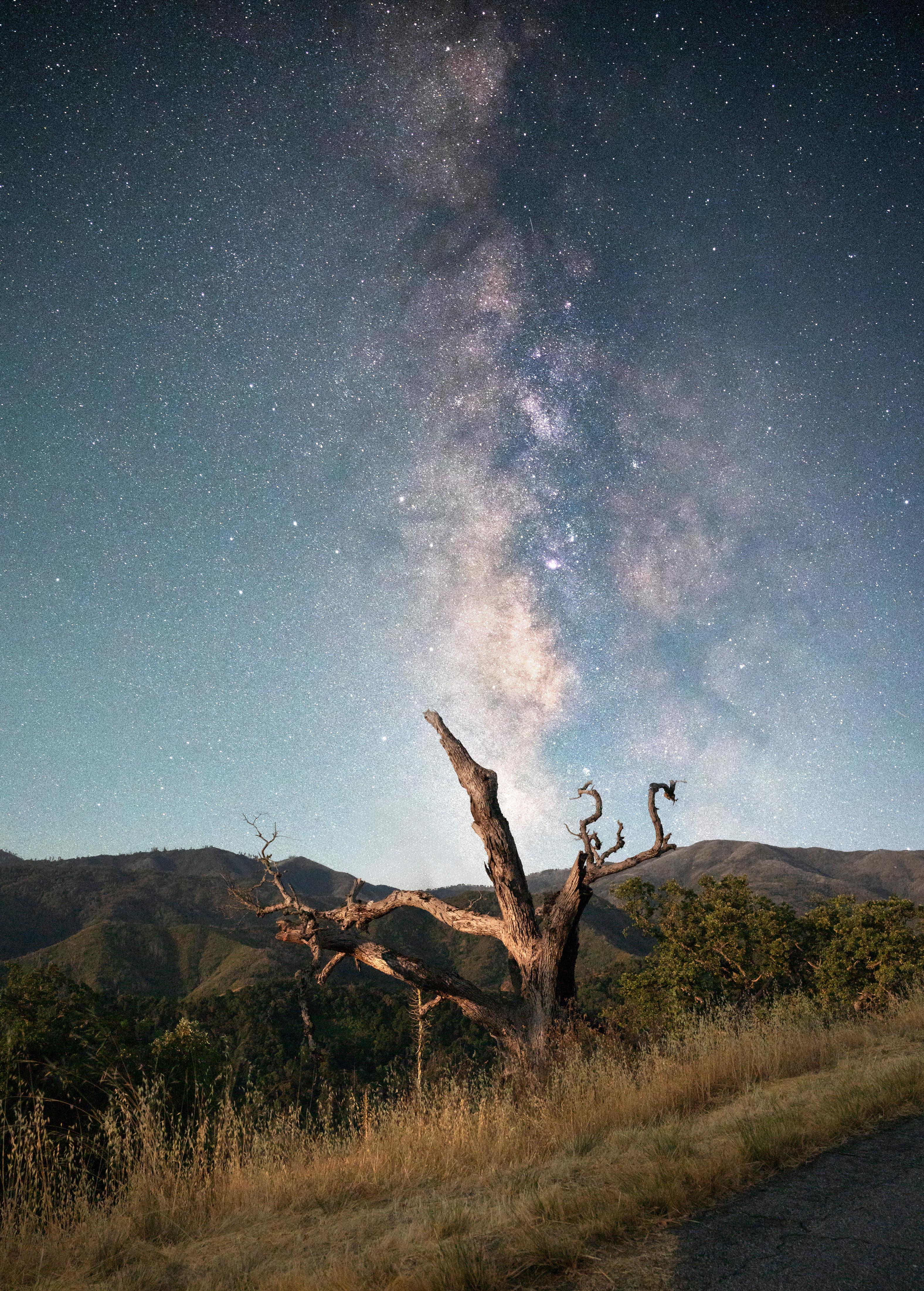
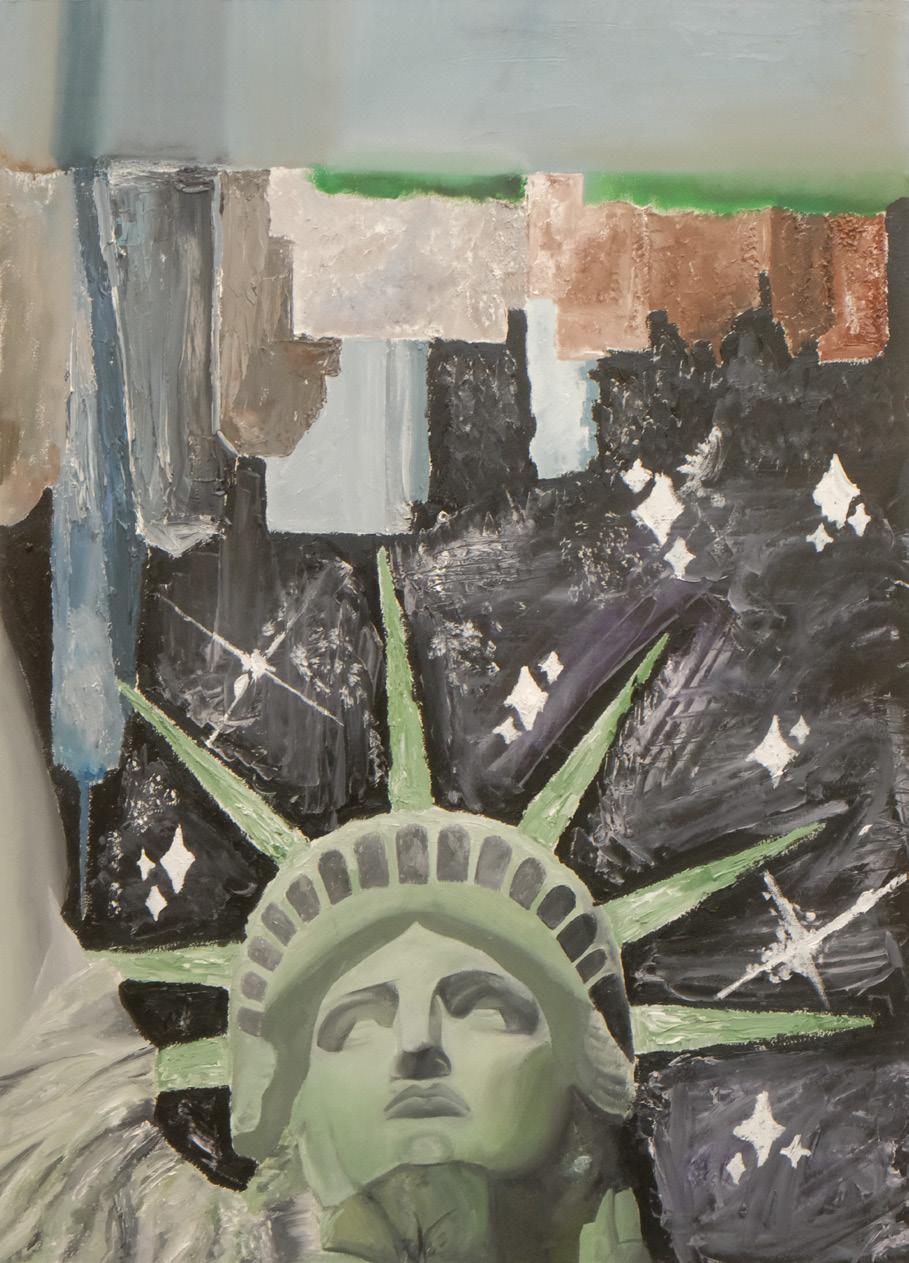
Under the Stars
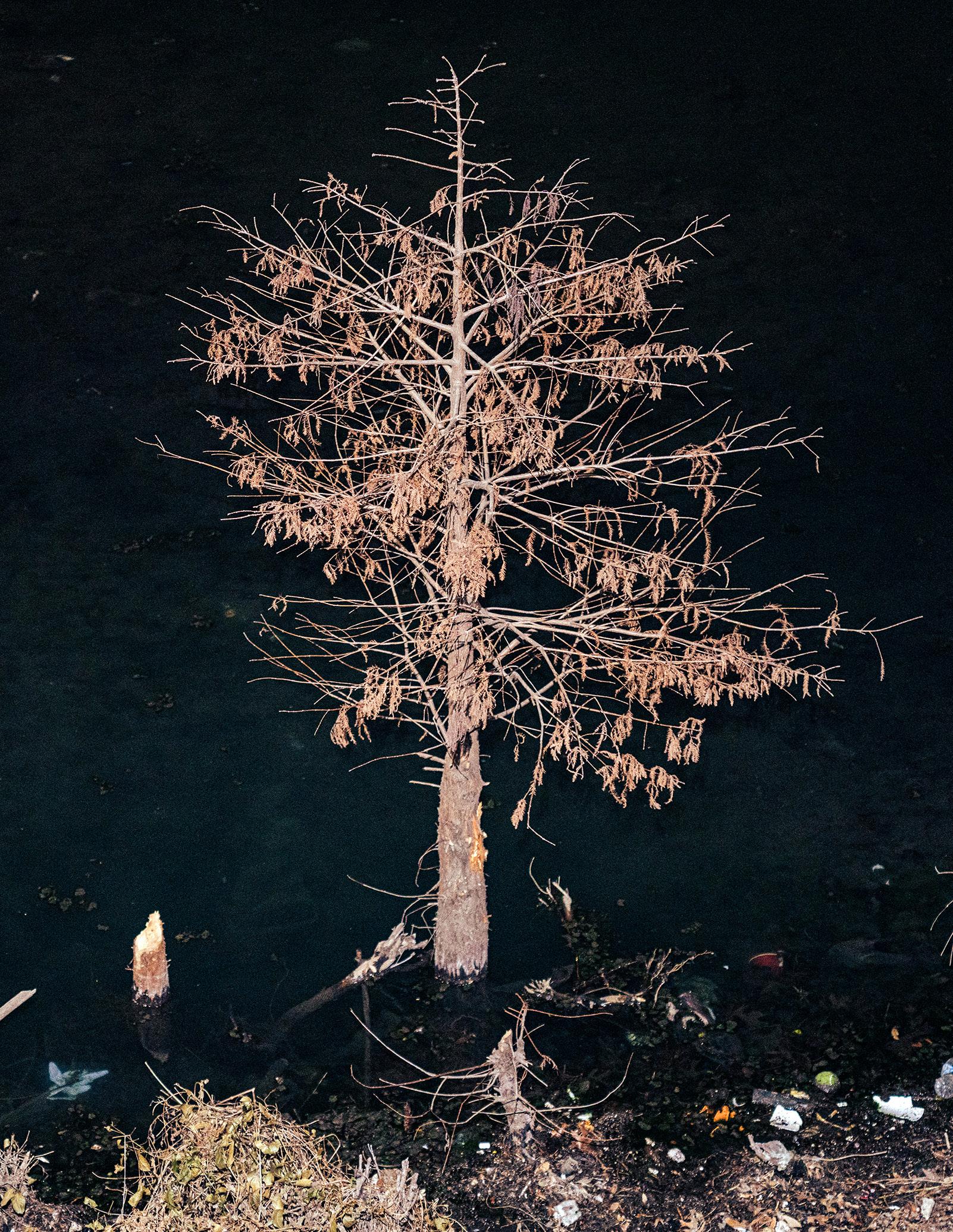
The Burnt Sienna Tree
Respite Before Devourment
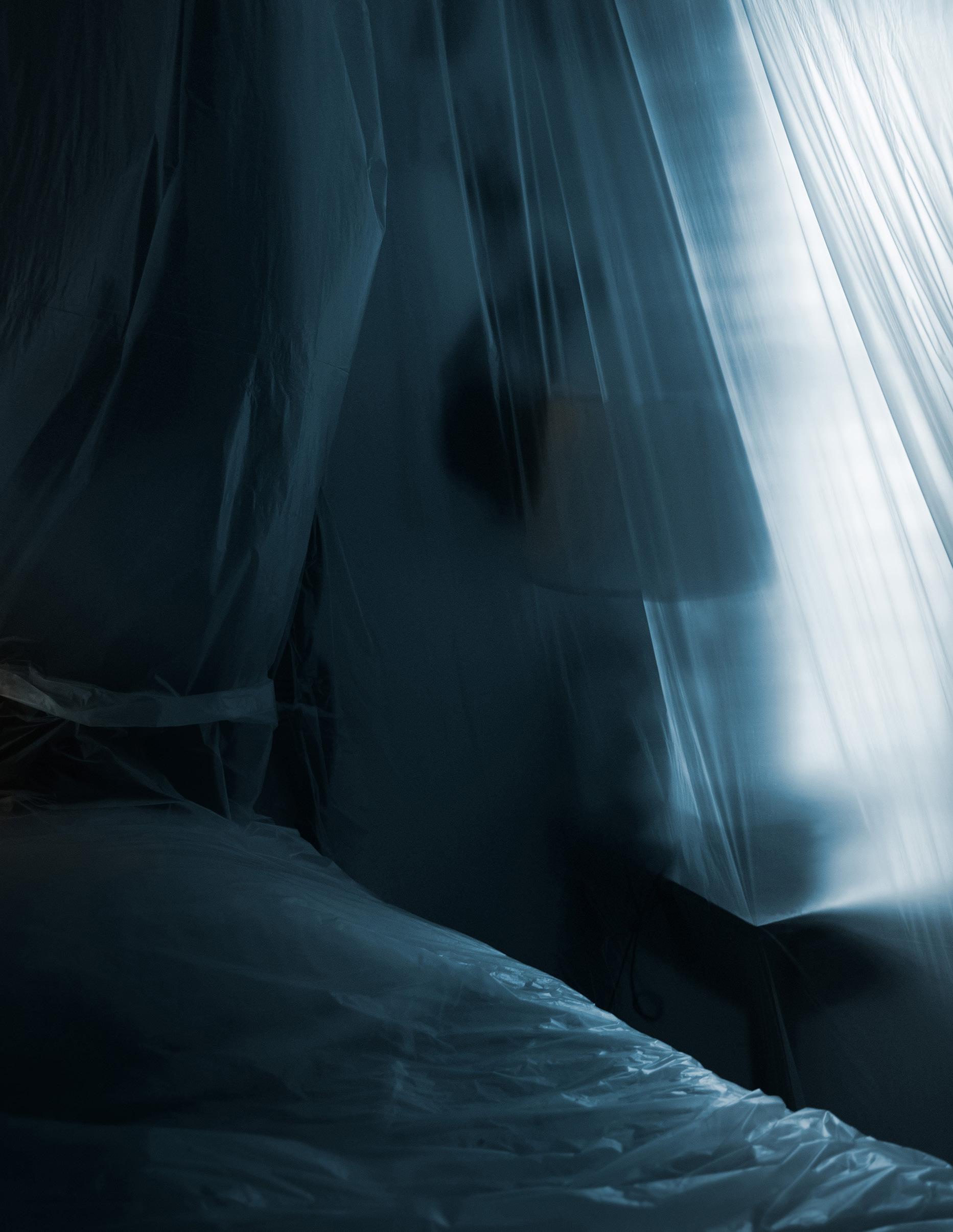
Curtains
Floating
Dusted Doll
The Darkness
Final Breath
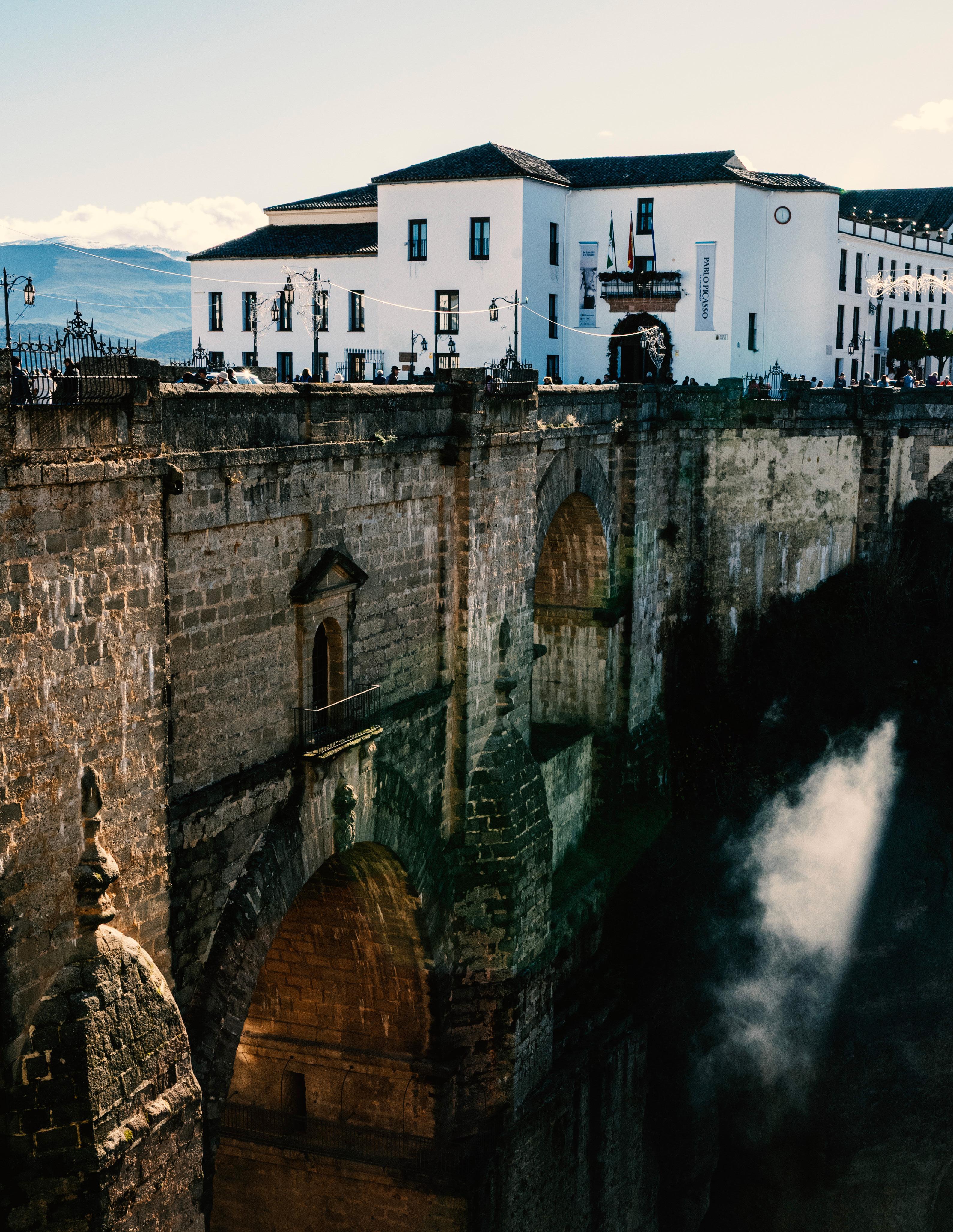
Puente Nuevo
In White
Neil Rakheja ‘26
Asher Ridzinski ‘27
Maximilian Lee ‘27
Paul Sumethasorn ‘27
Peter Clark ‘27
Michael Yang ‘26
Leo Hughes ‘27
Hugh Feferman ‘26
Benjamin Hernandez ‘26
Sebastian Gonzalez ‘26
Paul Sumethasorn ‘27
Neil Rakheja ‘26
Alex White ‘27
Bryan Li ‘28
Wyatt Gair ‘27
Alex White ‘27
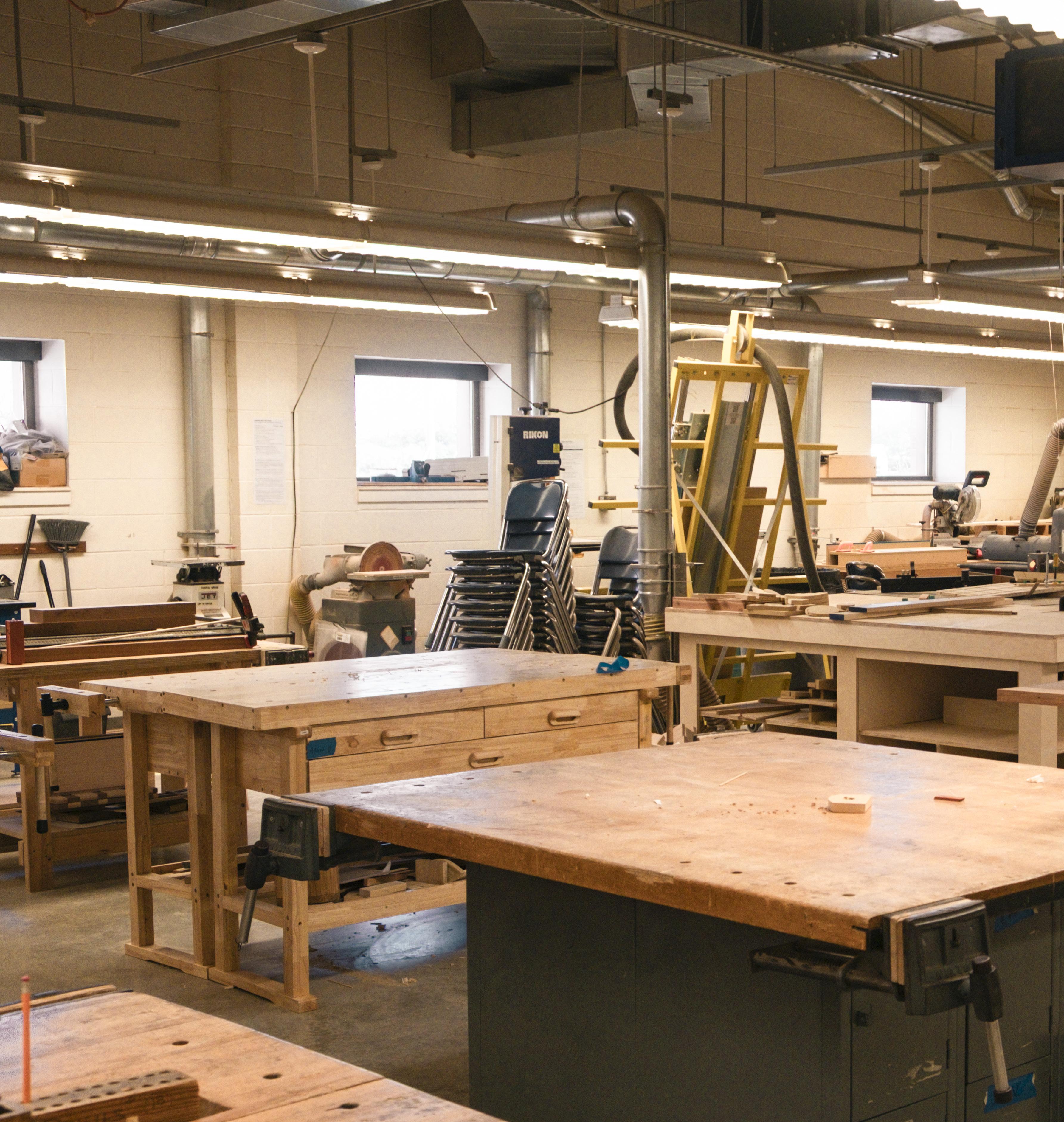
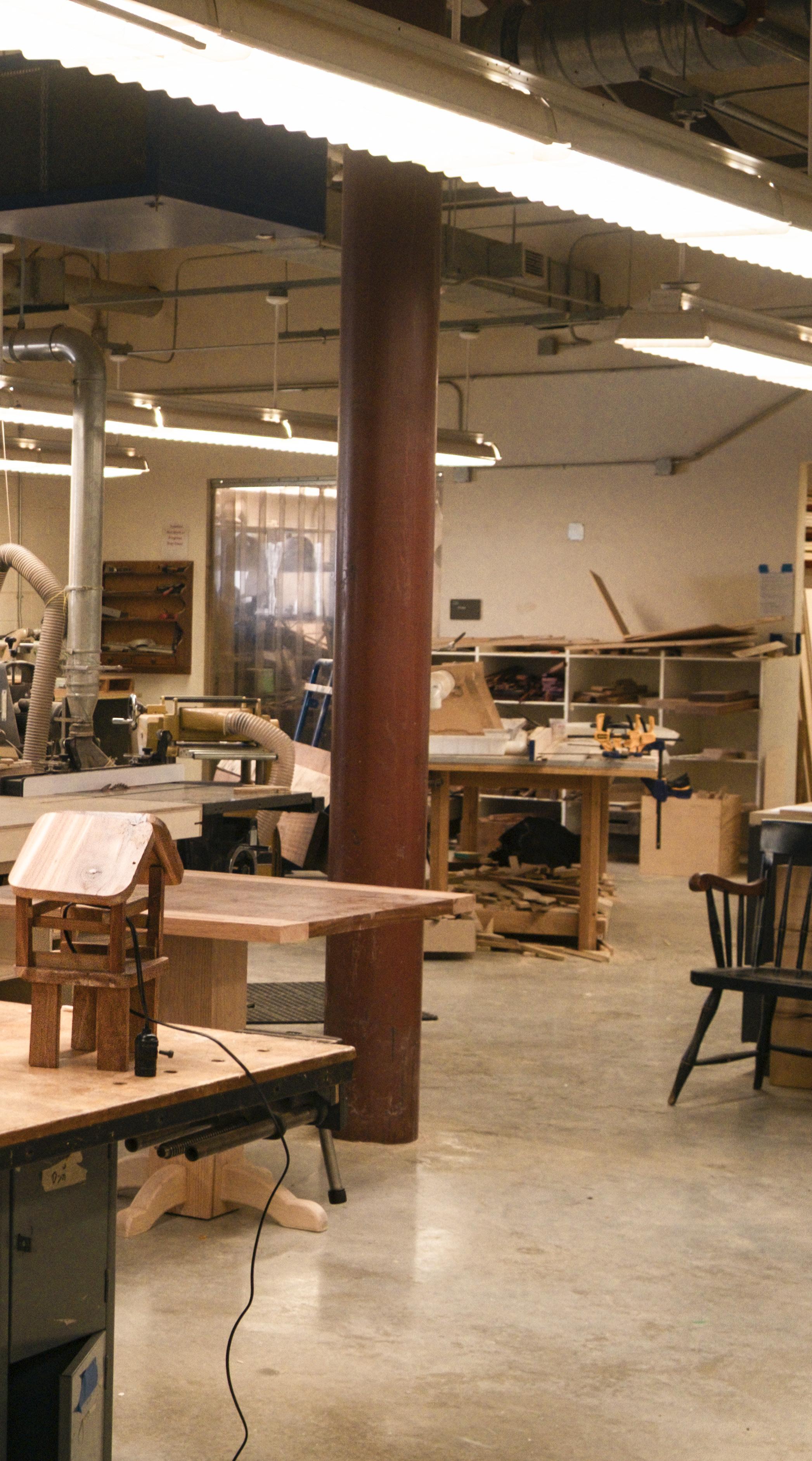
A gallery of works by the members of the St. Mark’s Wood & Metal Program
poetry
Hazy
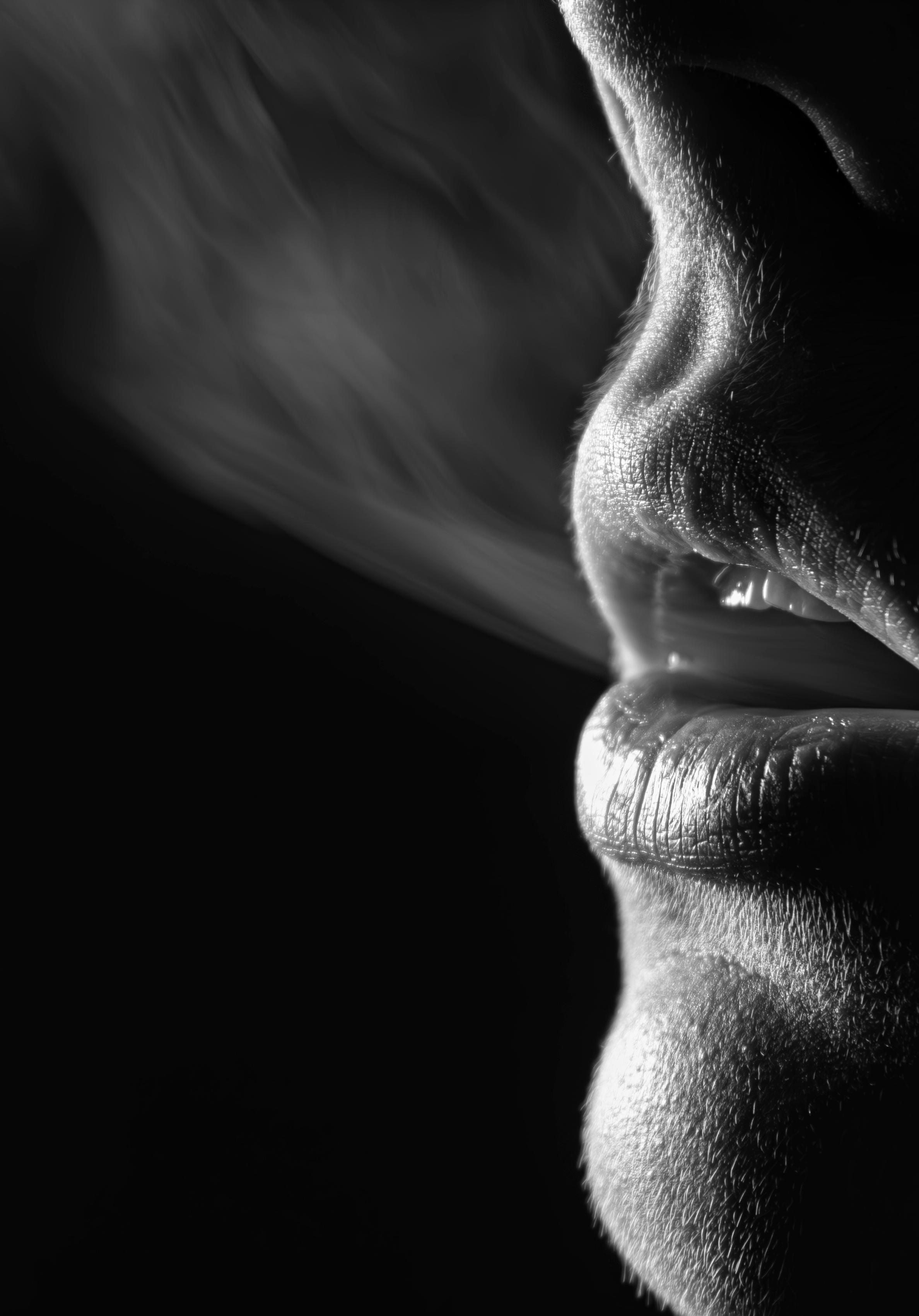
Heaven Lips
Dead Men Shed No Tears
Apocalypse
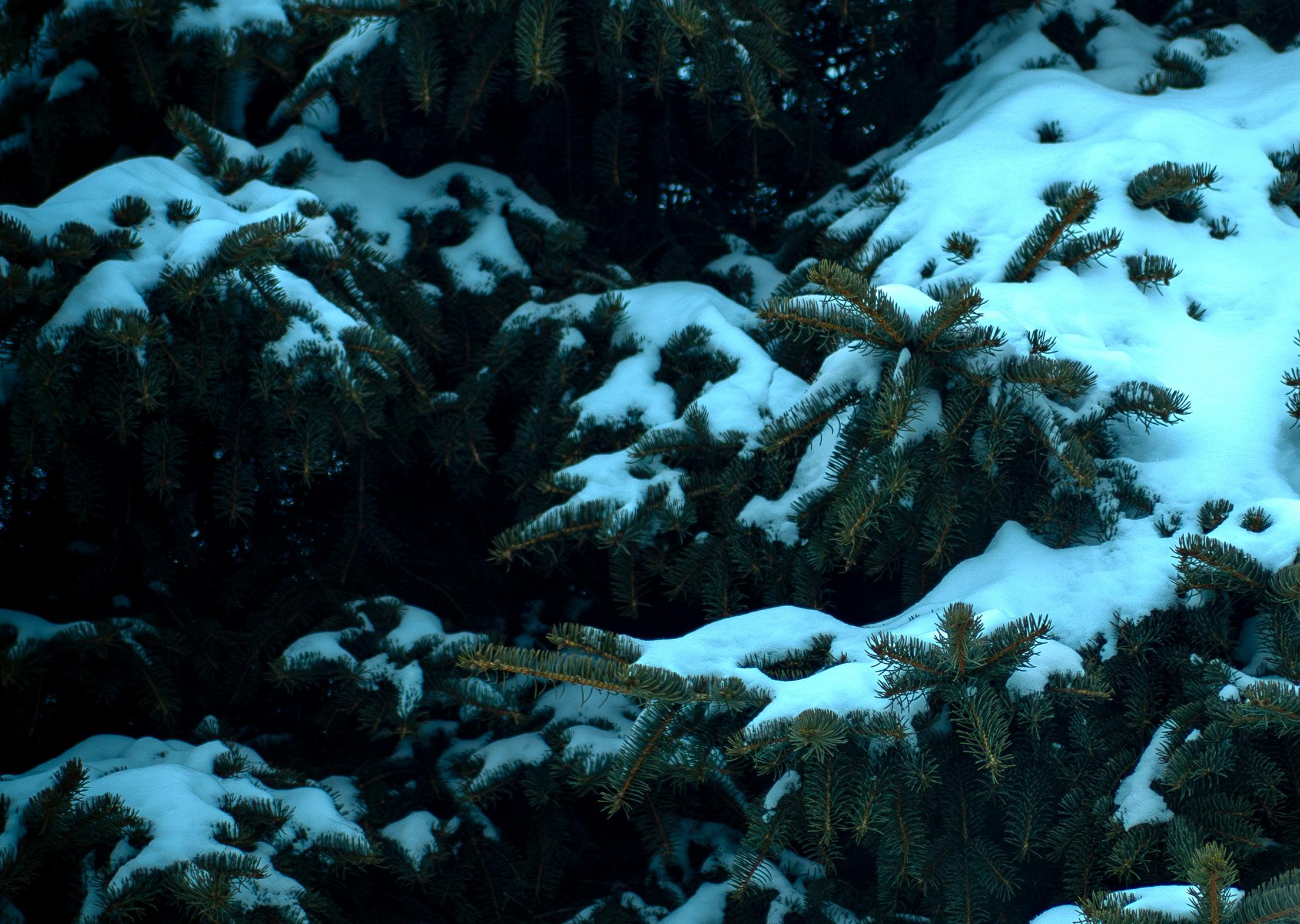
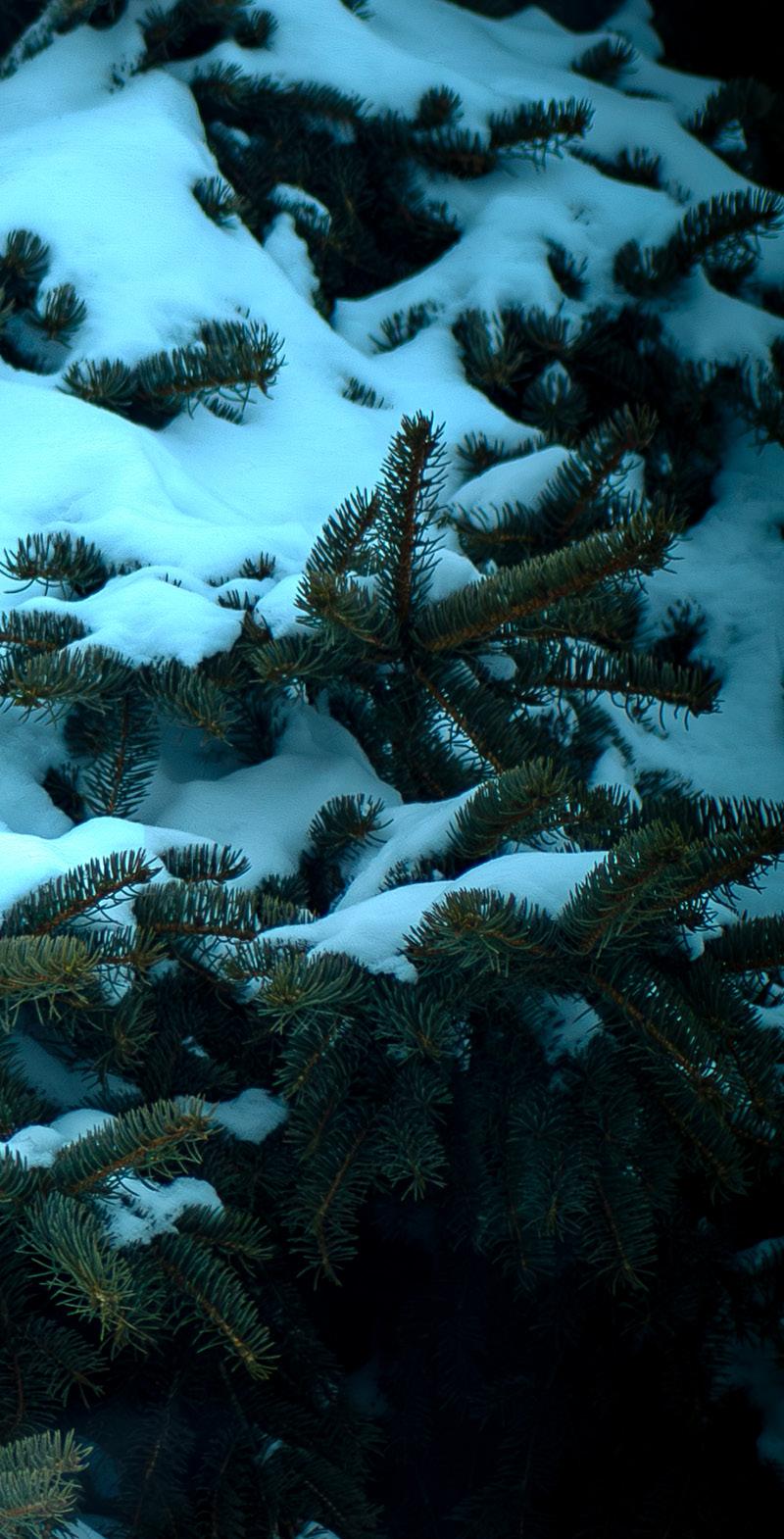
Snowy Pine
Malaise
Waters
Fruitless Dance
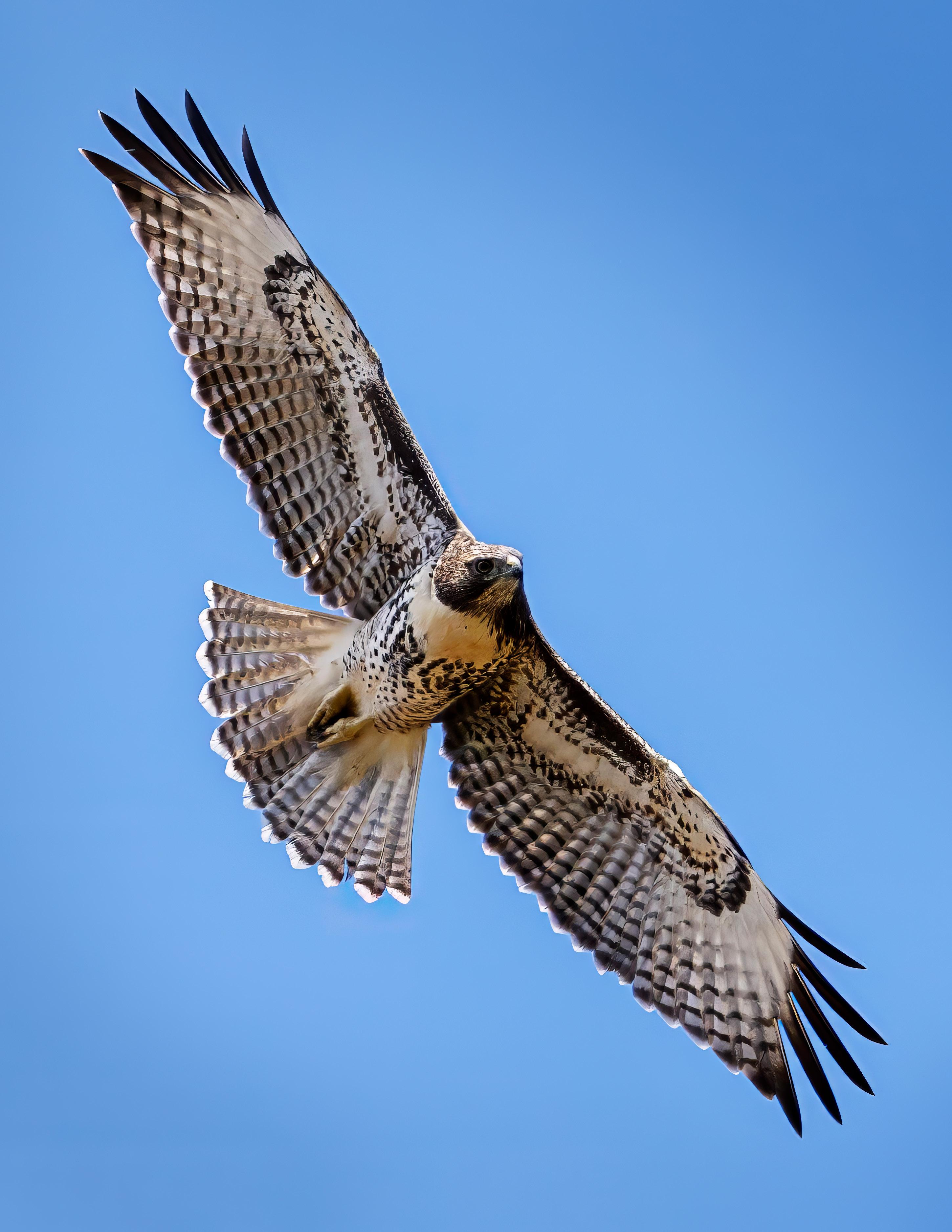
Hawk Beats
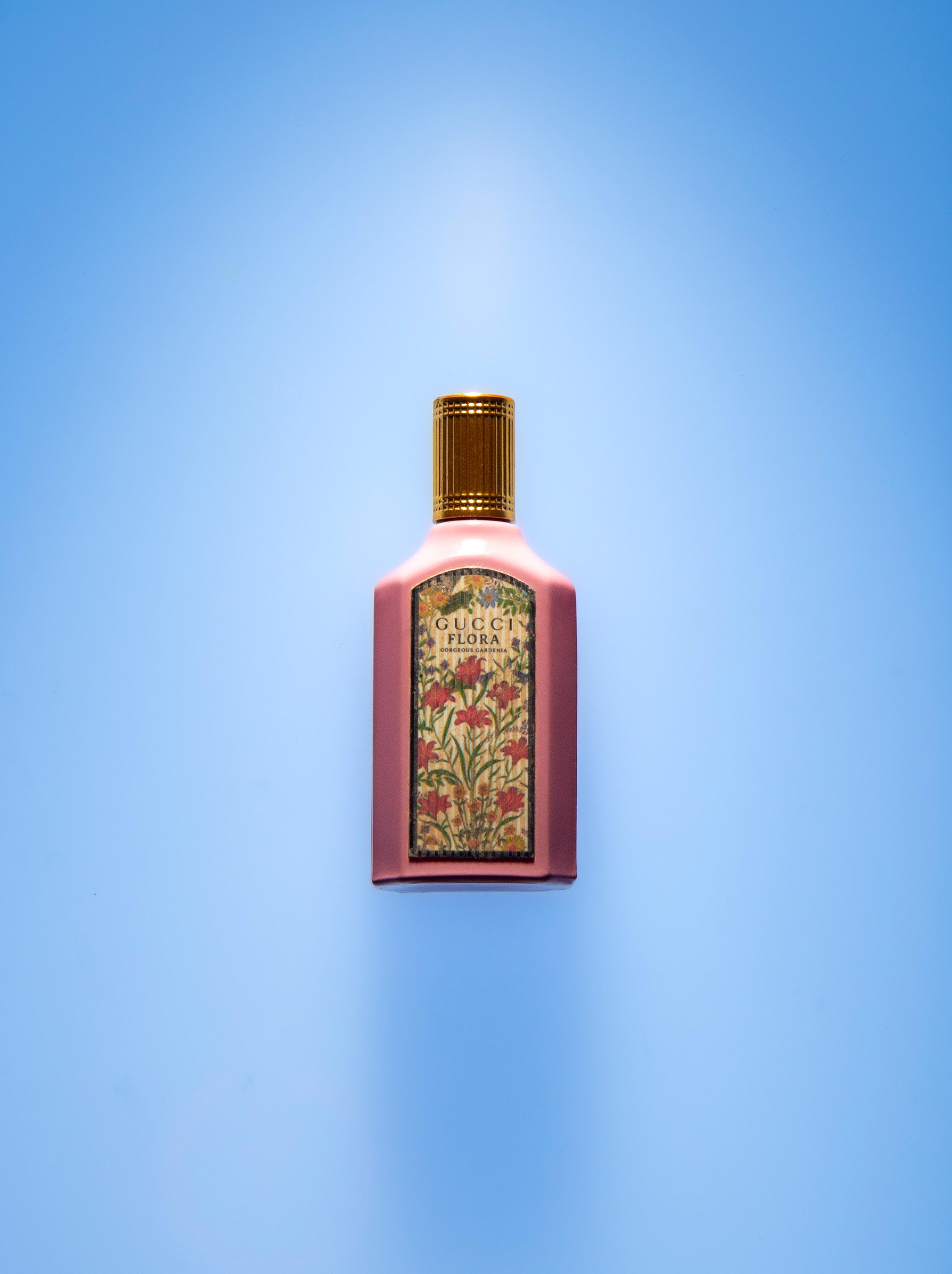
Gucci Flora
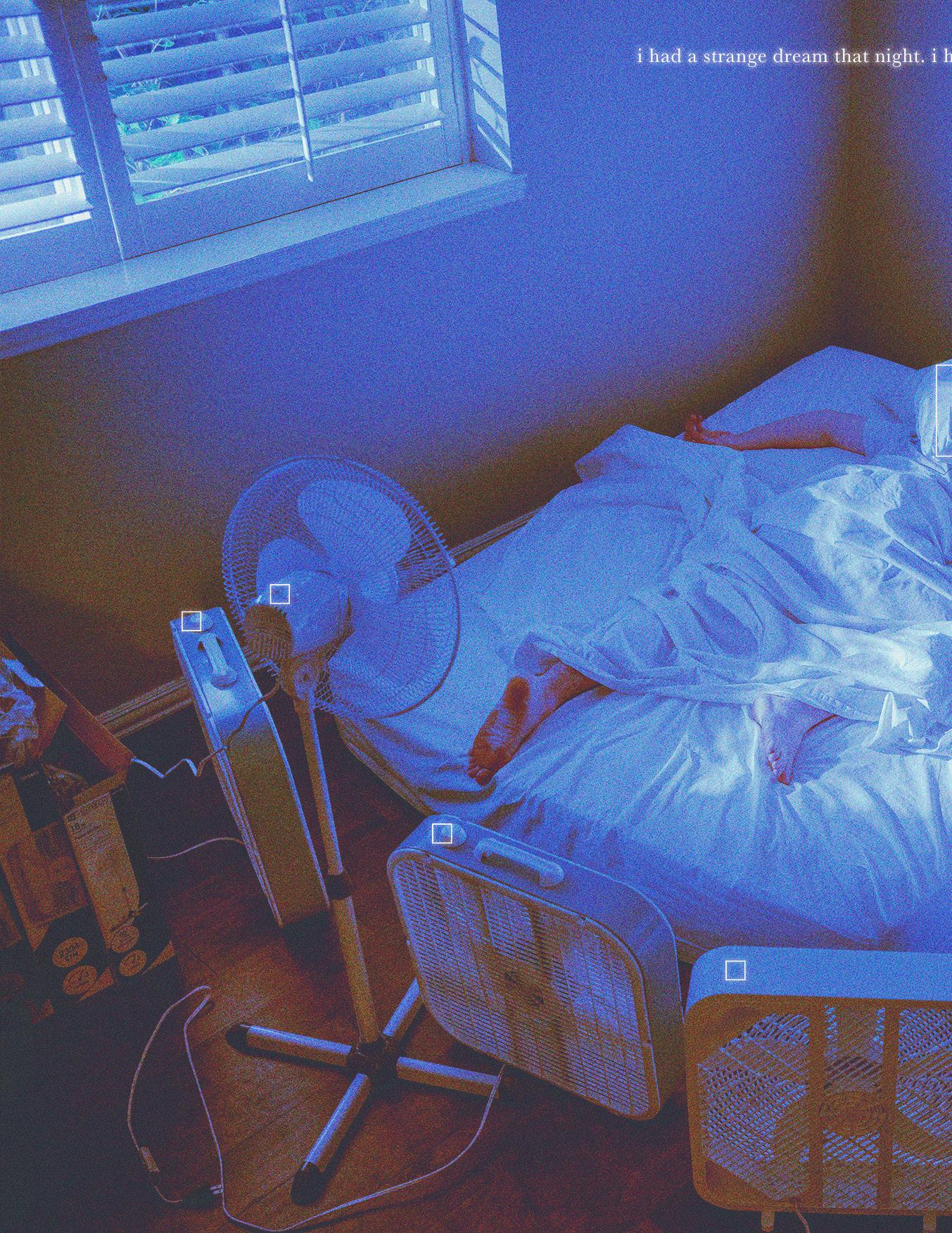
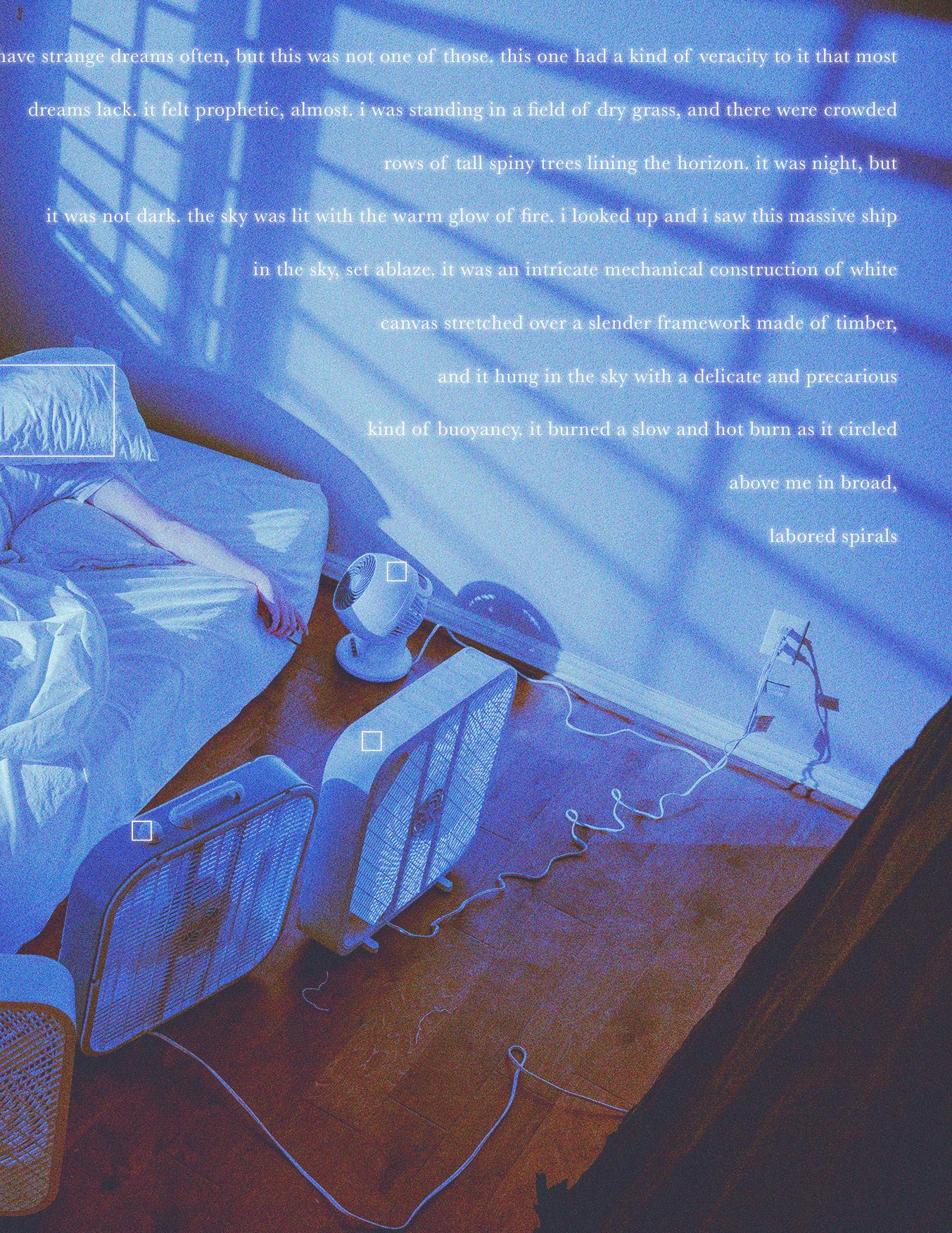
Buoyancy
Symbiosis
Digital Impression
Alps
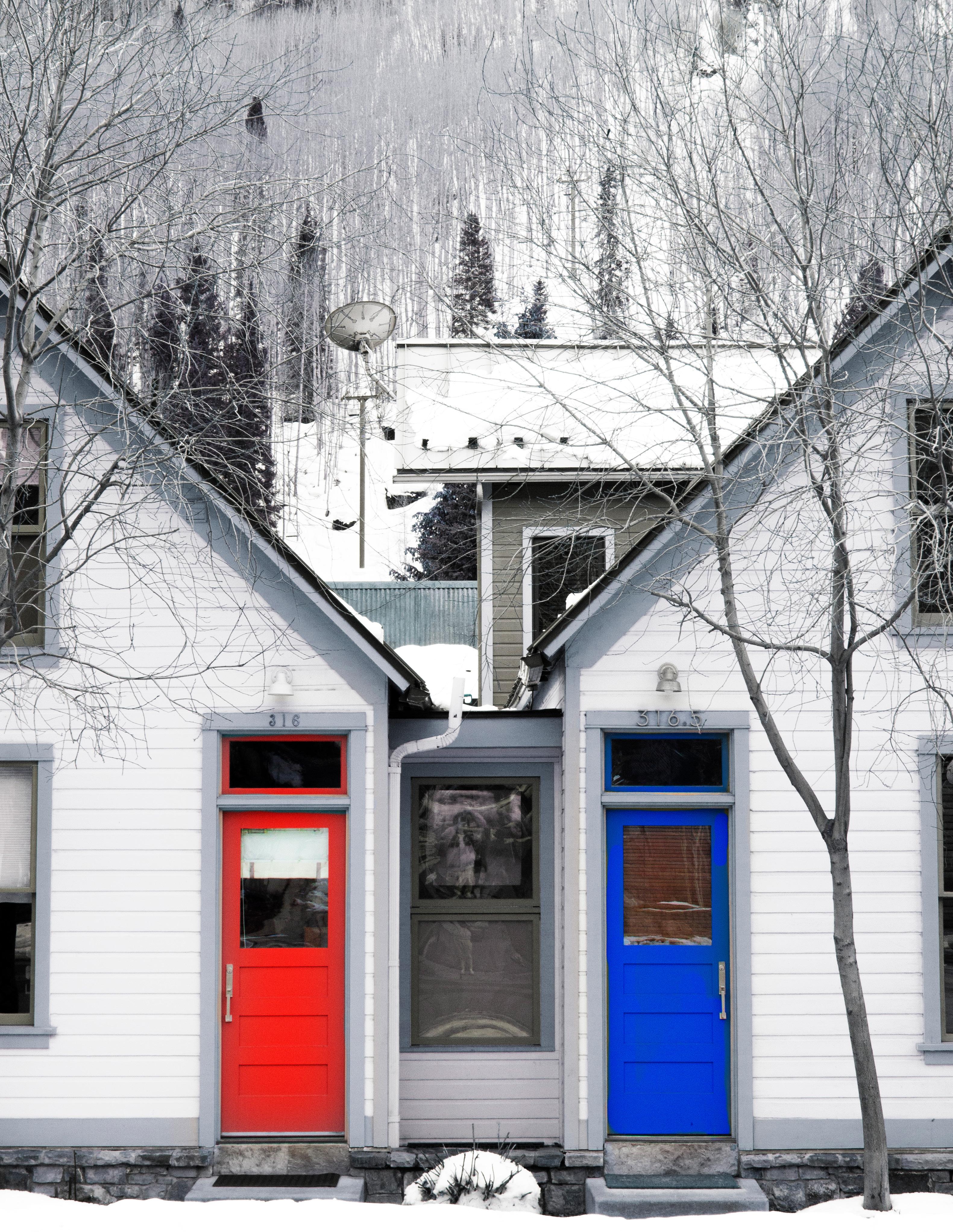
Telluride
Perpetual Bay
Warmth
Heritage. Honesty. Heart. Senior Beau Bacon brings all three to the canvas.
Benjamin Hernandez ‘26
Rocky Lancaster ‘27
Benjamin Standefer ‘26
Sebastian Gonzalez ‘26
Peter Clark ‘27
Matthew DaSilva ‘26
Bryan Li ‘28
Sebastian Zaballa ‘28
Neil Rakheja ‘26
Asher Ridzinski ‘27
Benjamin Hernandez ‘26
Leo Hughes ‘27
Peter Clark ‘27
Peter Clark ‘27
Drew Wallace ‘26
Benjamin Standefer ‘26
Deven Aurora ‘27
Ali Khimji ‘27
Preston Haglin ‘28
Alex Dahlander ‘26
Dillon Kennedy
A gallery of works by the members of the St. Mark’s Drawing & Painting Program
One of 49 YoungArts winners in the country, Senior Sebastian Gonzalez is just getting started.
Love, traffic, and airport pickups, Junior Rocky Lancaster finds poetry in it all.
Who has seen the wind?
Neither I nor you: But when the leaves hang trembling, The wind is passing through.
CHRISTINA ROSSETTI
SEBASTIAN ZABALLA ‘28 RAINDROPS ON ROSES AND WHISKERS ON KITTENS
the girl
by KEVIN HONG ‘26
The Girl stares into dark nothingness . Black coffee reflecting absent voids for eyes. Sole patron of this small, fading dream whose smudged win-dows mirror internal lights like a train tunnel leading to darkness. The piss-stained heater cheap-ly mimics true gold. An outpost feigning coziness, a distillery of cold loneliness. Misery seeps through every mold-brown wall and unloved, widening crack. Sagging coat shielding her from friendly absent strangers from her dreams. Automat
air choking pretty, lost flowers and raising invisible walls. Cold, marble-topped islands float in a solemn sea, in which every day fish are caught by lying lamprey light-ed nets. Gilded chairs like sirens sing with tacky
cabinets replacing unquanti-fiable quantities.
Cold metal triumphs over flesh and rough distance over closeness, cries from prisons built of pitch-black uncertainty hiding behind the glass-paned doors.
ASHER RIDZINSKI ‘27 COFFEE HELPS
chop suey
by LARRY FAN ‘28
“I don’t want to eat here,” the woman said. Her orange jacket hung on the hook, revealing her jade shirt. Her black, bowl-shaped hat covered her hair, and rays of moonlight shone onto her pale skin.
“But this is the best food in town,” the girl said. “You can’t get anything better than this.”
“This place makes me feel uncomfortable,” the woman said. “The tables are so sticky!”
There was a little blue bowl and two long, wooden sticks for each seat at a table, and a small, curious, red pitcher filled with dark liquid sat at the end of the table. After the girl and the woman sat down, a waiter gave each of them a metal fork. A large red sign with a few malfunctioning lights stood outside with the words “CHOP SUEY” displayed on it.
“Just wait and see, okay?” the girl said.
“Fine,” the woman replied reluctantly.
The smell of the restaurant was unfamiliar; the nametag of the chef was illegible; a couple in the corner spoke unknown sounds. The woman said, “I just don’t feel safe with those people around.”
The girl responded, “Who?”
“You know, those people,” the woman said.
“I dunno who you’re talking about,” the girl replied. The girl had a navy hat which obscured her dimly lit face. The lamps were broken: the only sources of light in the building were moonlight and a few candles huddled in the corner. The girl adjusted the striped scarf around her neck. “Oh,” the girl said with a sudden realization. She leaned forward and rested her arms on the table. “Don’t worry about them. They are humans, just like us,” she whispered.
“But I think there are too many of them, too many people and not enough space to put them,” the woman said with a sense of panic.
The girl said, “I don’t understand why you are so worried.”
“Why do you trust them?” the woman asked. Her tone began to rise.
“What’s your problem?” the girl asked in response.
Feeling anger in her voice, the woman replied with another question, “How are you okay with them?”
The girl asked, “Since when were you so discriminatory?”
“I am not!” the woman yelled as she slammed her hand onto the table.
The woman’s face quickly turned red as she looked around the restaurant, yet she saw no faces. No one turned to look at the commotion. No one understood them. No one did anything differently. The chef kept frying food, and the other couples and families continued to eat while making weird noises with their mouths. Somehow these noises communicated something.
“Someone needs to stop this. Somebody needs to stop them,” the woman quietly pleaded.
“But why?” The girl seemed very confused.
The waiter put the food on the table. The food that arrived was not what the girl and the woman expected. It did not match the photos, nor did it match the titles. The mature girl smiled and began to eat quickly. The woman sat in silence and stared as the food got cold.
“You going to finish that?” the girl said.
atlas
by MICHAEL YANG ‘26
I hear a gust of sea breeze whistling through the Bloom of black jellyfish, Coaxing it into a soft dance.
In the distance, buildings in the shape of Trapezoids, jagged squares, and Triangles use their Eyes made of windows to stare at the Bowl of midnight blue.
Watching with me is A burnt orange tree, Holding up the sky With its weary arms. Its hands and fingers are calloused With blunt stumps, and The grooves of the trunk Trace along like an old man’s palm.
The soft churn of the inhabitants And the ocean below Stir life into the painting. It tastes refreshing yet salty.
I want the scene to still.
I want to still how the Ocean horizon blends with the White flame of the sunset.
Like the rolling tides Eternal but ever moving.
*The artist’s intention is that some of the text is illegible
DEVEN AURORA ‘27 VROOM
thrive
by ASHER YOFFE ‘27
When I was seven my teacher asked me to write about what I wanted to be. I said “happy.”
She told me that wasn’t a job. I crossed it out and I wrote “astronaut” instead. It seemed close enough. After all, both require breathing in places where there isn’t much air.
I have been taught to dream big but only if the dream came with a large paycheck. The kind that buys comfort instead of purpose. The kind that buys belonging instead of enjoying.
We talk, We learn, We teach about surviving but never about thriving. Artists trade their brushes for briefcases, trying to paint happiness in their spare time actors forget their lines for labels, but their mind is a movie of unfinished plays people lose their virtues to go viral, chasing followers instead of their future.
meditations on the
I wonder how it feels to be infinite and still infinitely cut down and destroyed. And repurposed.
I wonder how it feels to be repurposed.
The feeling of always being with your friends, leaning on them when you need support. I want to be that. No, I want to want to be that. It must be odd to lose a little part of you as time goes on, with the only thing slowing down the process being the changing seasons. I wonder what seasonal loss is like. Right when you are the most alive, your color and demeanor switch and you lose what once made you whole. And after that is done, you are a different whole, no less than what you were before. I wonder what that feels like, I wonder if it’s refreshing. Or if it’s daunting. Or maybe it’s both.
It all comes in different sizes, and all the more beautiful because of the difference too.
To be music and melody and rhythm and soul, to house vibration and sound, but also to be a piercing element and sharp blade.
To have the ability to destroy yourself and then build yourself up again. I wonder what it feels like to be everywhere and nowhere.
To be everything and nothing.
To house lyric and to destroy it.
To love And to hate it.
beauty of wood
Every single day, I wake up with some idea and thought concerning how every single day, I live
Does wood breathe my air?
Does a cabin in the woods invite people inside? Does my bed whisper me to sleep and hold me in my dreams?
Does it cry when its friends move away?
Should I cry when my brother moves away?
I am trying to learn, but the path before me doesn’t have a map, and I am barking at the trees.
Am I living or dying?
And is the moment I know coming? Is it coming?
Like an axe to my trunk, is it coming?
Tell me, God, is it coming?
I wonder how it feels to be infinite and still infinitely cut down and destroyed. And repurposed.
I wonder how it feels to be repurposed.
by ROCKY LANCASTER ‘27
ALI KHIMJI ‘27 HOUSE IN THE WOODS
wuthering ambitions
Spines of pine wind, chilled cedar air, Lonely damp thoughts fill the scene of nothing. Un-tired road and tired sign sighing a relentless echo. Idle man hums no tune.
Splintered spruce beams holding squalid, chipped shingles—welcoming no new stranger. Exhausted pipe on top, yielding no direction of the wind. Bleak shed sells no refuge.
Swirling patterns, impressed on a waxen dusked sky, solemnly watch the slow, silent monotony of a rural, tanking enterprise. Ambitions now weathered,
trapped in the confinement of green, the lethargic rhythm of no heartbeat continues. Seasons crawling away, as the station remains. Pumping with no meaning.
by ALEX DAHLANDER ‘26
LEO HUGHES ‘27
A CONVERSATION
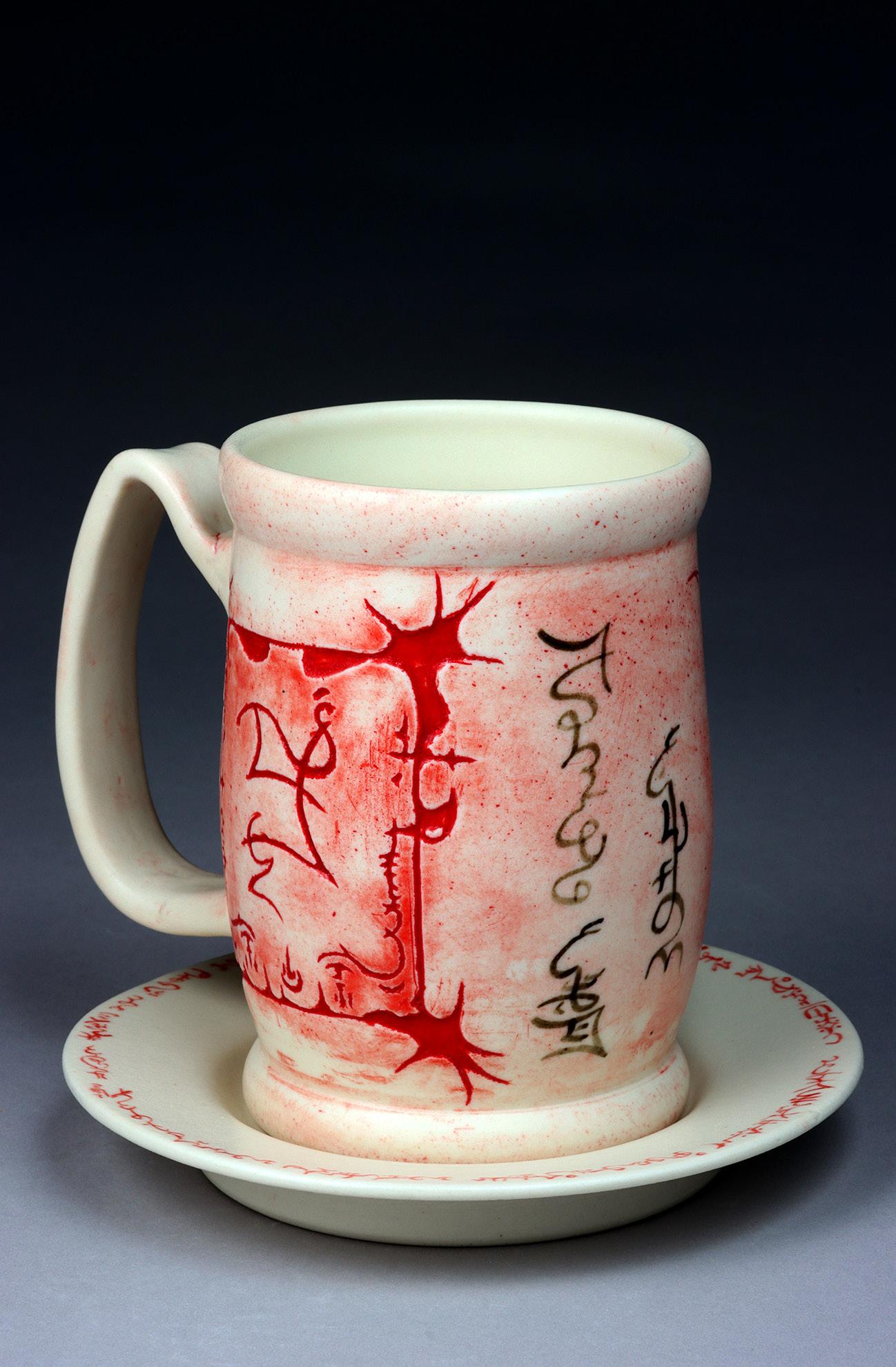
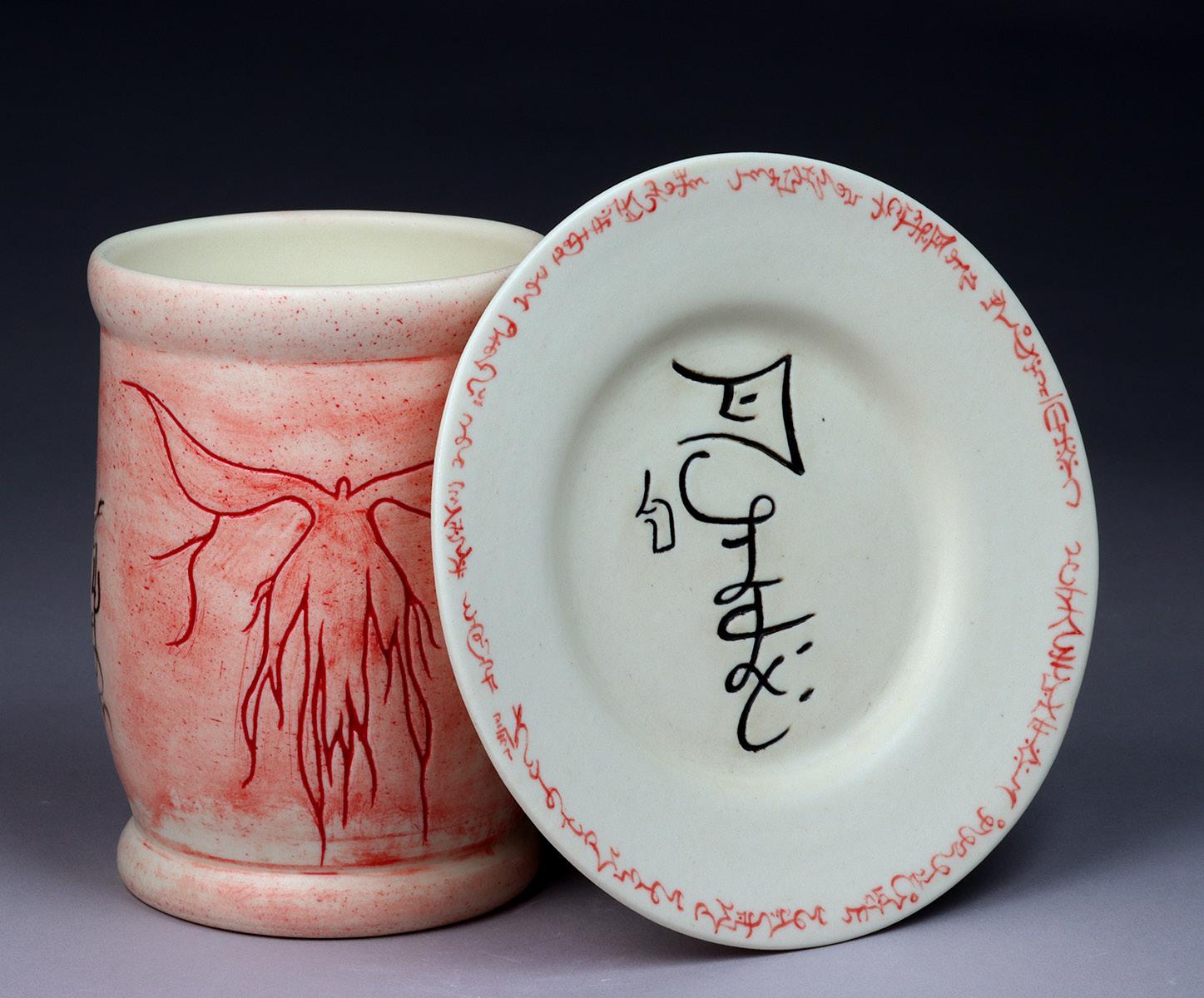
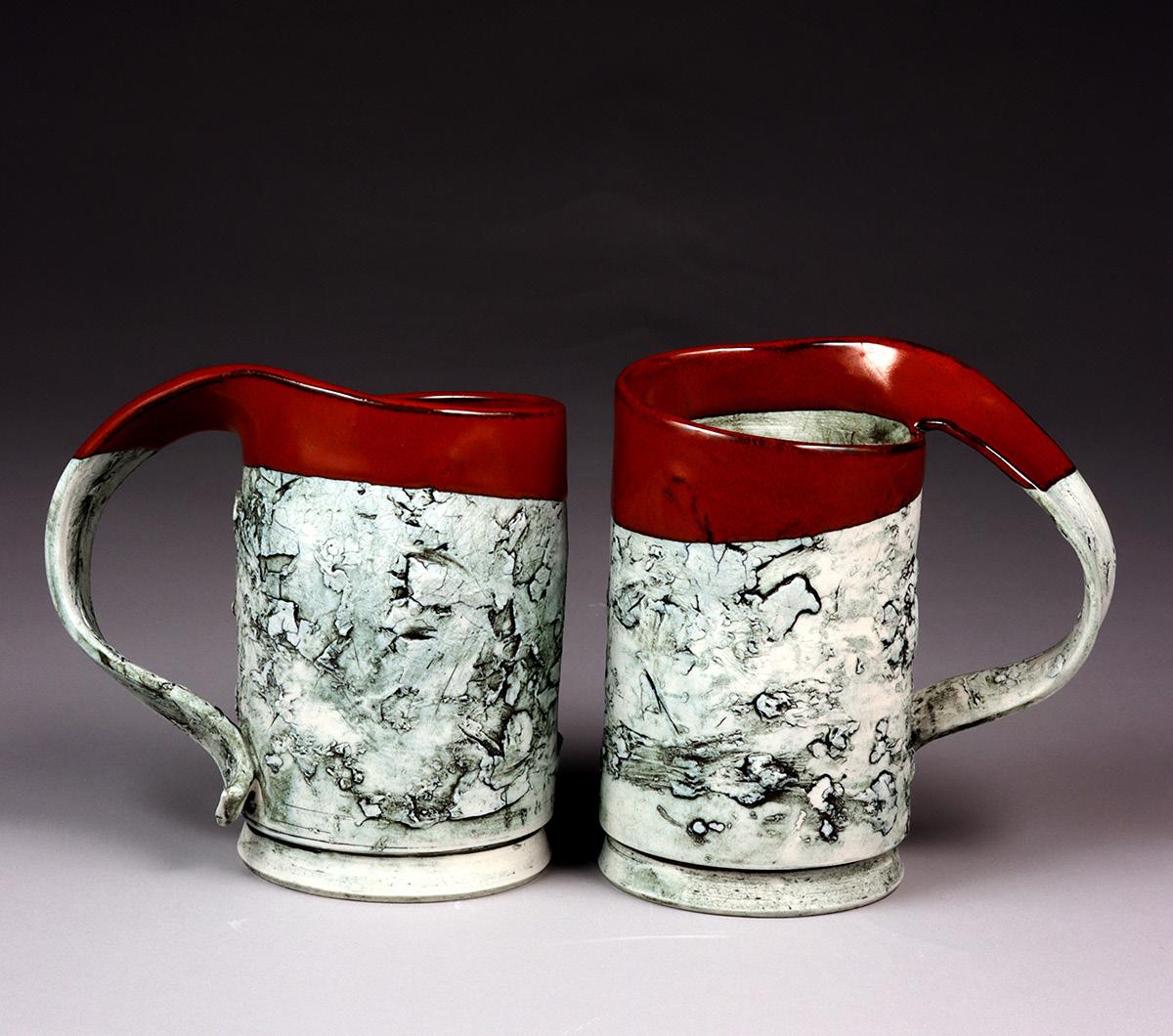
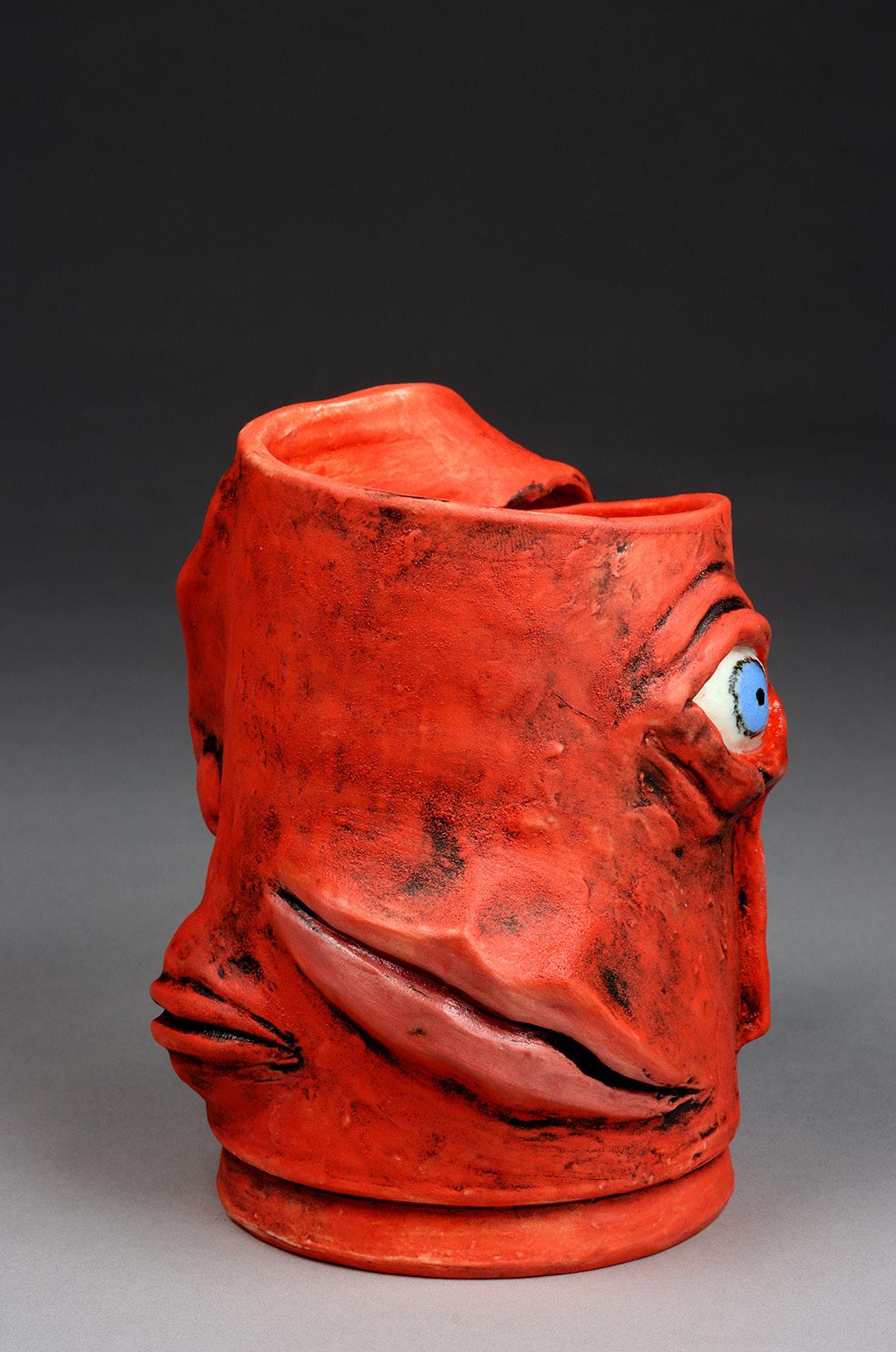
For Benjamin Hernandez, functional forms become a canvas for exploring the intricacies of human nature.
portrait by WINSTON LIN ‘26
What was the first meaningful piece of ceramics you created?
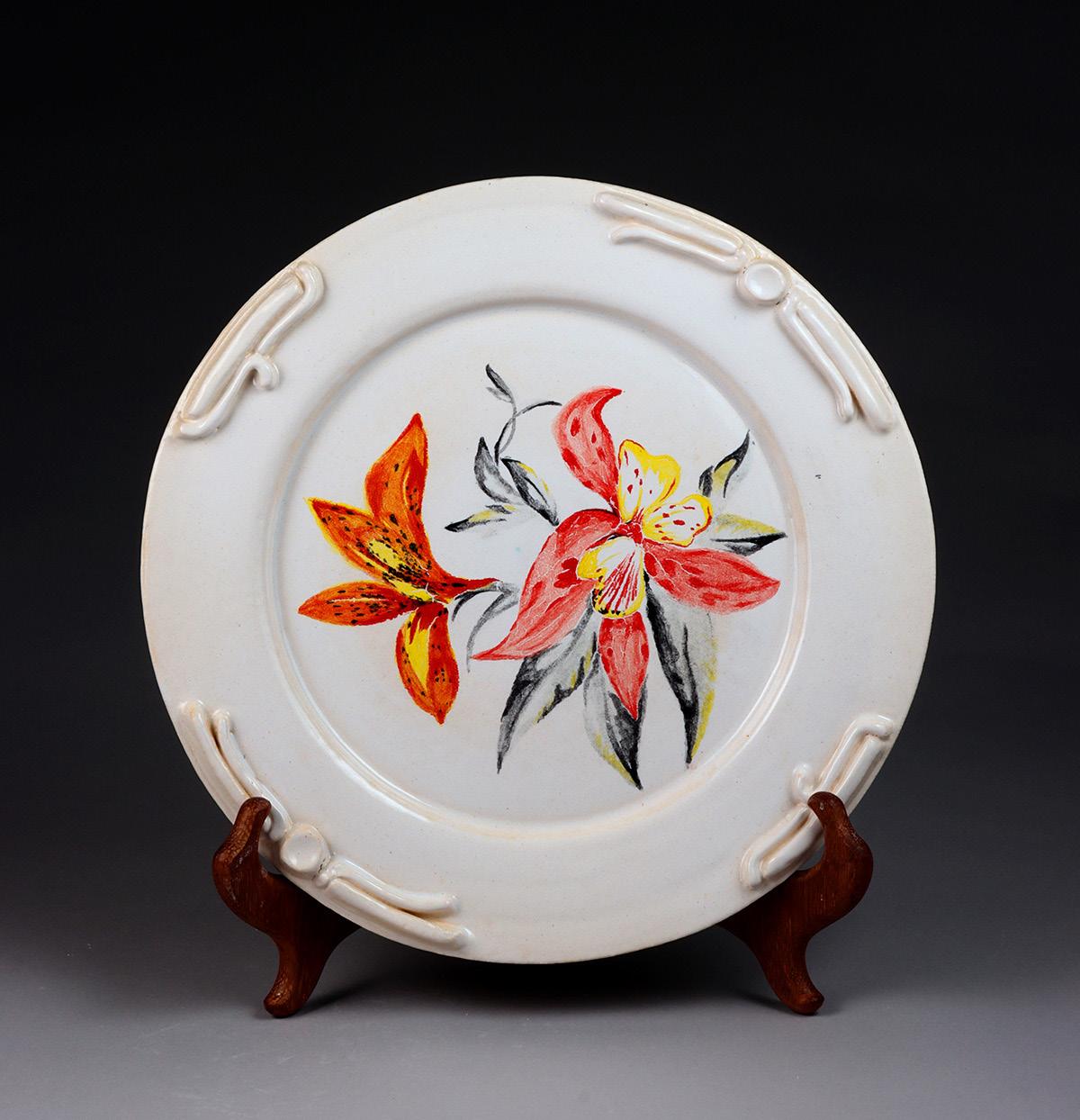
Her Grace, Heavenly Lily was a plate thrown on the wheel and decorated with a glazing technique called Majolica, that I was still new to at the time I made this during the first semester of junior year. This was one of the first pieces I felt truly proud of as I unloaded it from the kiln, but this piece also marked the point when I started to really get into the overall “flow” of ceramics and I began to understand more about what I generally wanted to depict in my work.
What sources of inspiration do you draw from for your work?
There are many sources of inspiration that I use. Outside of being inspired by other ceramic artists’ works so I can find new forms and surface design techniques, I am frequently searching for inspiration in other mediums that could influence my surface designs or the overall “vibe” of the piece(s) I am making. Even from the wide array of music I listen to, I can find inspiration to curate that specific “vibe” or even take inspiration from certain songs’ lyrics and incorporate a written aspect into surface designs to add another aspect to draw viewers’ eyes in.
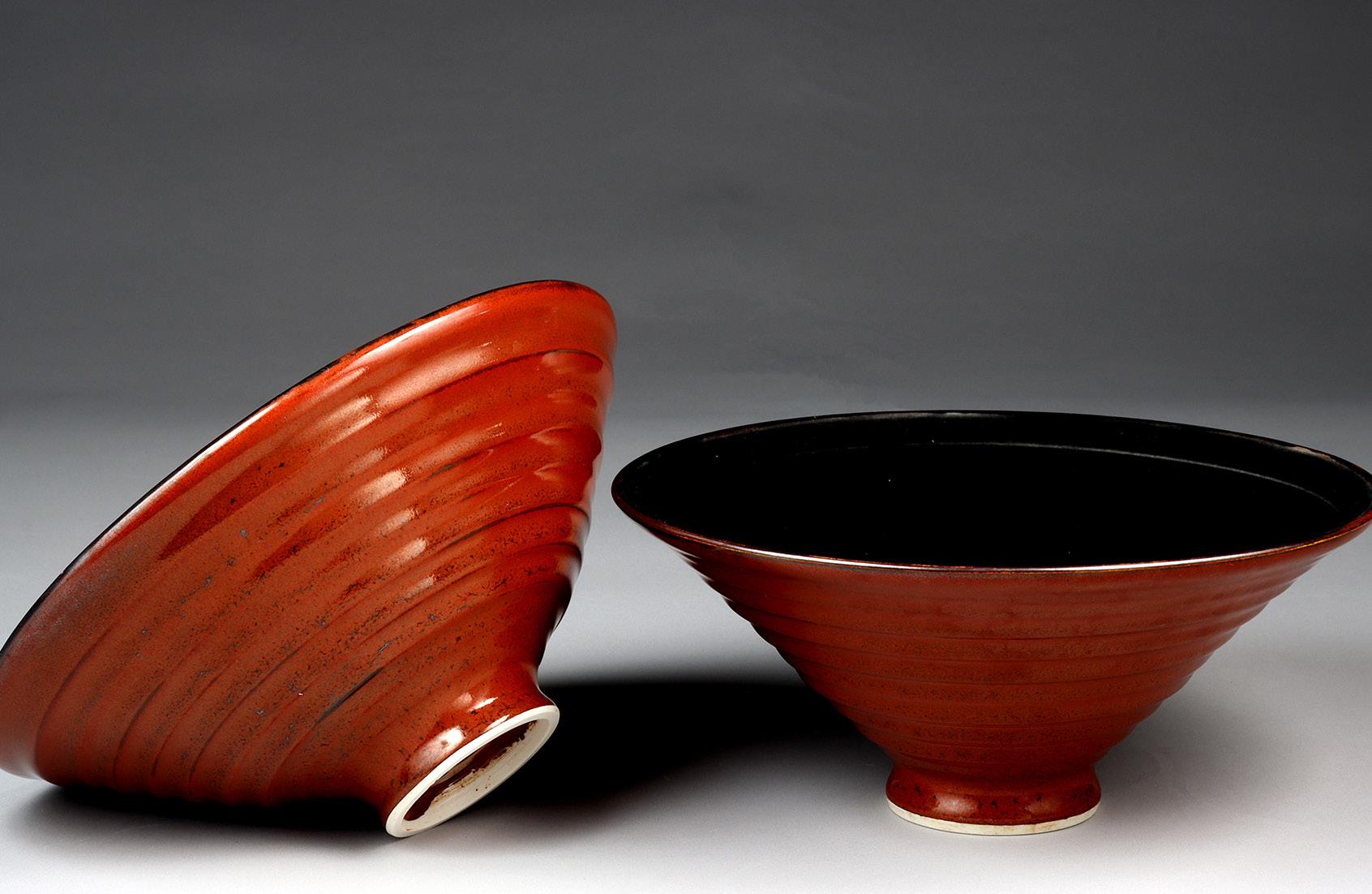
Are your pieces meant to be used, observed, or both? I create nearly all of my pieces with a functional form in mind, but the final products are sometimes not meant to actually be used, as is the case with my first semester project of a set of three bowls. With functional forms such as plates, bowls, mugs, etc. I want to subtly hint at the surprisingly prominent role in our lives that the themes of my works address, from pleasant admirations to the faults in humanity that make us who we are.
Tell us about your favorite artist or mentor. My favorite artist at the moment, Rachel Brianna, was actually someone I stumbled upon while scrolling on Instagram. I saw her process and finished works on her page and was instantly captivated by how vibrant and uniquely disordered her surface designs were. Despite a process that seemed random at first, the various illustrations, words, and shapes on the surfaces of her works come together satisfyingly. I even admired her artist statement and the meaning of much of her work as it resonated with what I recently realized I want much of my own work to depict.
How do you know when it’s time to stop working on a piece and put it in the kiln?
There’s a specific point where I realize that I am finished with a piece that lies between addressing the necessary details and being overly meticulous because, ultimately, no works of mine are ever going to truly be perfect. In fact, I think it took me a lot of time to understand where that point is, whether I spent far too much time on a piece for what I got out of it or I did not do nearly enough and ended up with a piece that nags at me as I regret not spending more time on many aspects of it.
PROMISE FOR SOMETHING MORE
CRIMSON COAST
CRIMSON VALLEYS ALONG THE ABYSS
THE BROTHER AND THE SISTER
ROLL, DON’T WALK HEAVENLY
by HUGH FEFERMAN ‘26
Boats of lapis weave through the thick sea, their sails biting into the horizon. The sun watches this place as its glaring gaze upon the egg-yolk umbrellas and eggshell vessels casts a deep shadow over the bay like ink bleeding across linen.
Azure tides drop stones upon the beach like loose change falling from a wallet, but the sea never bothers to reclaim its possession.
The gulf blackened from the sun’s neglect stirs desperately, shivering from its hunger for morning’s light.
The young sun now sees Prussian blue domes that glisten with a brilliant golden hue from the received attention. They sit shoulder to shoulder sharing their usual breakfasts of salty gusts.
The stubborn sun stares at hints of roofs of crimson and pools of indigo scattered like dice upon a table. Hidden by the deep green ferns, they provoke the sun with their treasure, hoping to bask in its warm rage.
hiraeth
by BENJAMIN STANDEFER ‘26
A heavy smalt blue night hangs over church steeples and smokestacks. This seaside sanctuary is almost abandoned. Its memory shimmers over hills like an aurulent mirage.
Banisters and bridges and vermilion balconies blur into the docks. Thin wooden legs pierce the ocean surface, casting reflections like dandelion fuzz. In the distance, you can almost make out an alabaster
acropolis. Pink-ruby strokes jut out at awkward angles like flamingo knees. The docks unfurl like springs into mazarine depths speckled with salt hieroglyphs. Currents gnaw at the pilings.
This entire scene is doused in a selenian haze that reflects would-be memories of tangled voices and gaudy balls. Imaginary figures dance across a blown-glass bay.
Their thin outlines ripple and bend, longing for salt-stiff ropes and piers dressed in lichen lace, for tired brine-sweet perfumes and paint flaking down like old prayers.
BRYAN
ocean
The expanse of a blue-glass desert Shattering waves gently pawing at the shore Of a star-studded beach
The tears of the sky Parade downwards Tearing little cracks into amorphous peaks
A ball of flame, the eye of God Yawns, peeking its head above the glass blankets Waking up the world.
Suddenly the glass turns gold, And the once shattering peaks now hail beautiful red and orange hues.
For a moment, the tears of the sky Catch the groggy flaming gaze Softly showering the golden sheets with sparks
The grey mourners, faces dark and wrinkled Flying high above the sea Soften their faces with the rise of the sun.
A small finch, like the rest of its kind Squawks And flaps toward the new day.
by BRENNAN BOSITA ‘29
heaven
by ROCKY LANCASTER ‘27
Heaven would be a lot simpler without you around For a minute, I thought that everywhere you walked was heaven on the ground and a little later, I forgot that and despised you when you stepped in a puddle
You obscured the path, and the ground was wet, and I became muddled
And I didn’t know where to look, so I turned around and left
But even later than that, you found me with the shoes of mine you kept still dripping from that puddle, which was ages away now
If ages were feet, and it was twenty ages, much more than I thought you’d allow.
You tried to reason, but your logic seemed flawed I should come back because you were soon to go abroad
To Spain or Portugal, maybe Italy or Greece. I wasn’t sure, I wasn’t listening, I was just looking at my feet.
My socks were wet, very wet, and well, yours were too and yet, there was still a sort of calmness about you
Later than all of this, and after the fifth time I said “No.”
You stared at me blankly before deciding to go. I waited till you walked twenty ages, as I had before
Then I called your name, right as you opened your front door
You stopped for a moment, paused, and deliberated turning around and then you kept walking, and I couldn’t make a sound
I ran to your door, thought about knocking or ringing your doorbell but I knew you needed more than me, you knew that, I could tell.
by KAYDEN ZHONG ‘26
Dulong Street Station is the tenth stop on Line 2 and the thirteenth on Line 7. The metro entrance is at the westmost end of Dulong Street itself, which gently slopes upward to the east, and comes up through half of an old Soviet brick building so that when the escalators rattle up to open air, you can sometimes hear talk in the adjacent café and tailor that claimed the other half of the building. One summer, the local middle school spent some hours painting a floral scene on the interior south wall as part of a community engagement project. In a few places now the red paint on the tulips has cracked despite retouching.
Directly westward of the station is the tiled pathway of an arched stone bridge, which stretches over a languid canal, once a respectable river, but long since tamed by concrete barriers that peek through the earth in places the landscapers did a poor job. On pleasant days, the sun filters through the swaying willows and hanging lanterns lining the canal and enlivens the water with a queasy khaki, but normally the commuters of Dulong Street stroll across the bridge at night. Then, the waterway is dark and smoky, the only color the specks of light reflected from the lanterns. During the day there are only a few people, some workers in the morning and teetering old couples in the afternoon. Occasionally a tourist with a wide-brimmed hat emerges from the exit, double-checking her phone, wondering if she has been deceived in some way: this is a sleepy scene, and she has not come here to admire the tall London plane trees lining the street nor the plentiful clothing racks that stretch from the highest windows like ripe fruit.
Yes, she is mistaken. Dulong Street is busiest, and perhaps prettiest, at night. When the treetops turn a warm yellow in the sunset, then with soft hisses and clicks, neon storefronts and restaurant signs flicker into life, and the late-night workers cough into the street with their cheap motorbikes and man their posts as cashier, cook, attendant. Like a dam released, faces and bodies, rosy and scarred and wire-thin and plump, swell and surge forward endlessly from the mouth of the station, and the road halts into a slow procession of taxis offloading their burdens, all converging into a small world of sizzling oil and sparkling trinkets and comfortable rapport. There is no set age. Many are young adults, poor but hopeful, and they stroll through in couples or laughing groups; others are families, blue-collar workers trailing young children who weave through the crowds; still more are ruddy businessmen, heading to a favorite seafood grill.
dulong street
It was two weeks before the end of another unpleasantly humid summer when Abe and I descended from our apartments into these living crowds with a long PVC pipe. We live a short distance up the street from the mouth of the station, above the noodle place Abe’s father runs. Abe has only his father like I have my father, so Abe’s father is nicer than our old landlord and gives us discounts. At the back of the store is a mildewed staircase up to the apartments, access to which is barred off with a gate and a lock. At night, coming down the smooth steps is an ordeal, but we brush past curious eyes, into the kitchen and out the backdoor, which slams behind us.
Dimly illuminated in the damp night air, we find a metal box, a bit bigger than a suitcase, brimming with nuts and bolts. None of the wear and tear is visible but I can make out the shadow of an unmoving cooling fan on the right and pipes moving smoothly upwards into the unpainted concrete wall. Wordless, I flip the few switches on the outside and watch the blinking yellow lights for good measure, but nothing changes. I step back, and Abe, who held onto the pipe, which is nicked in a few places, flips it vertical. Left hand under his right, he straightens from his slouch, brings the pipe over his head up in a deft movement, and holds it there, the streetlight coming through that central hole in a beam; and suddenly down it comes, slicing the air, meeting metal with a wonderful clang. The recoil pushes Abe off-balance, and as he sways, the tin box shakes, rumbling and awakened, before both come to a halt. Abe attacks with noisier violence, meeting grinding gears with each hit, until the machine coughs, and then sputters, and then breathes out hot air from the little fan. Bright drops of sweat have left slick trails from Abe’s head to dark stains on his shirt. Knuckles white, he holds onto the pipe as we walk back up. He stops in front of his door and looks at me and opens his mouth like he’s got something to say, but I pat him on the shoulder and turn again. On the fifteenth step I hear the latch open and the creak of hinges behind me, and look behind for a moment to see the too-long pipe jam in the doorway and Abe struggling to pull it in. I keep moving upwards.
I’ve only ever been inside of Abe’s twice. What I see from glimpses past his scratched wood door is another inner metal gate plastered with fading red posters and scrolls declaring good fortune. We first saw the inside when we moved in, and his father asked my father and me over to have tea and some stale crackers. I expected their rooms to be the same as ours, yet unfurnished as they were: a single small shared bedroom, tiny kitchen, small living room with an old TV, hedged in by whitewashed walls and flimsy wood flooring. Yet when we
took off our shoes and swung open the metal gate, what a jarring sight! Abe’s father always kept the noodle shop below in good repair, if a little worn in places. Mostly the decorations were menus. But in his own living room, not a single inch of wall showed past the hundreds, maybe even thousand, of pieces of paper he had tacked up. There were newspaper clippings, magazine pages, sketchbook pages, sports photos, old checks, promotional flyers, and in the middle of every single wall was a deep red poster like the ones on the gate, with embossed gold characters wishing peace and prosperity to the viewer. My father went on like this was normal, he had expected this, and didn’t miss a beat chatting away. I made a few niceties during tea, but I found myself staring between Abe and his father at all the “decoration” and when I looked back from a clipping of
some soccer player, I saw Abe’s face was as red as the poster behind him.
Second time was seventh grade, when both of our fathers were busy and wanted us to walk to school together. I spent fifteen minutes watching the sun rise above the sweepers in the street from the window before knocking on their apartment door and finding it swung open unlocked. Without bothering with shoes, I passed under the collage, finding Abe in the bedroom. Two hard twin beds, a lamp on a nightstand, a stool, a wooden closet and four storm gray walls devoid of ornamentation was all; it looked a lot like our room, pleasantly empty of life, except we had soft twin beds. Abe was laid low against a white towel on the floor, arm outstretched, scrabbling for something wedged below. He heard me, pulled his hand back as if stung, struck
his wrist on the wood frame, and winced. I let my sneakers squeak against the wood flooring as I stepped over him, and bending down, I saw his fingers groping at what looked like an oversized tomato. Growing bored after a minute, I walked around their apartment for some ten minutes looking at everything before going down the stairwell, waiting another five minutes, and then heading out along sleepy Dulong Street to school.
Abe showed up with the tomato, which was really a nice new red soccer ball on the first day of middle school, and then nobody but me saw it again. He didn’t suit it. He wasn’t a sporty guy, rather short, but every other night, while studying, I would see the ball bob in and out of the streetlight near our back window. He went at it for an hour each time, and the ball spiraled upwards in different directions
and speeds but never went over the back fence or into a dumpster. Once I opened the window and stared down at him, small against the concrete; when I caught the ball he had launched too far upwards and too close to the window, he smiled at me like a puppy who doesn’t understand why you haven’t thrown the stick yet as I turned over the ball. It really was a nice ball; he had taken some cloth to it. I wondered why he wouldn’t bring it when we had to play with the misshapen school ball, but school games were less proper matches than excuses to punch and kick each other in the dusty courtyard, and while I was in one particularly bruising tangle of arms and legs, I thought I understood.
A week after we fixed the air conditioning, I went downstairs one night to find Abe doing drills of some sort. He was unusually unsurprised to see me, and he brought the ball down from up high with a nice touch and handed it to me, and I realized then that this was the first time I’d been with him on the ground with the ball. I couldn’t see a good reason not to do something with it, so back and forth we went. It was almost fun, more technical than the school brawls. Then Abe underestimated the speed of the red ball and stretched out a foot poorly, and it popped off his toe into the air, climbing and climbing until it was over the roof and we saw it no more.
Abe bolted. Through the backdoor, dancing through the customers, rushing past the glass front door, and out onto the cracked sidewalk crammed with people and light and smell, and I chased too to see Abe’s mobile, furtive form dart after a flash of red falling from a tree. I ran past a longnosed woman in a fur coat, a pack of sweaty white-collar workers, a gaggle of middle schoolers holding popsicles, a convenience store with piercing white lights, the barbecue store with hanging meats in the front window, the café with warm smells of bread and coffee, the tailor shut for the night, the subway entrance with the air conditioning blowing past the mural, going across the street filled with motorcycles and cars and other more careless people, always running to catch up with Abe and the streak of red in the middle of the road picking up speed on the downwards slope until there are no more trees and the ball is flying again, catapulted by the arch of the stone bridge and held in the air by a taut string that stretches and stretches and stretches and then breaks, sending the red ball into the dark canal with a silent plunk.
At the bridge, Abe gapes at me, and he stares past me, up the street. His breath is hot against my neck, and I point towards the canal, and in another smooth, swift motion, faster than I’ve ever seen him move, he leaps over the railing with a scream and vanishes into shadow. I rush to the edge of the railing and see nothing below in the canal, deep and black, not even ripples. The waterway is black, lightless even in the reflection of the streetlights and moon, all-consuming, and standing there, watching the abyss, from deep within my chest I feel a howl rising and rising but never breaking free, always suffocating and drowning me.
PAUL SUMETHASORN ‘27 RUSH
laundrymat
by MR. STEPHEN HOUPT
In fluorescent light People stare at spinning clothes None of them are rich
ceramics
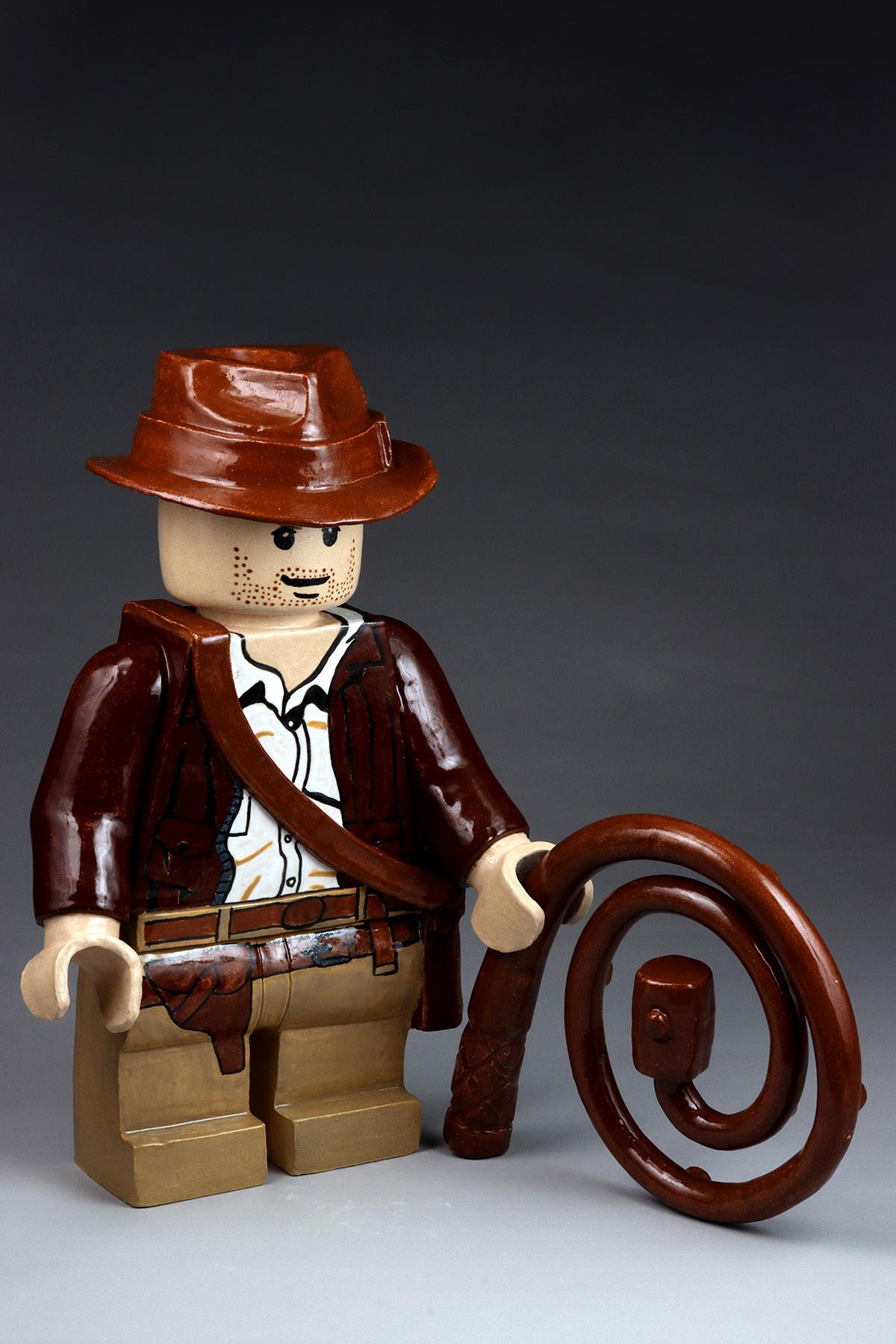
MASON BOSCO ‘26
INDIANA JONES
“I don’t think of clay as something precious. It’s just dirt. But when you work with it, it becomes something else entirely.”
- Peter Voulkos
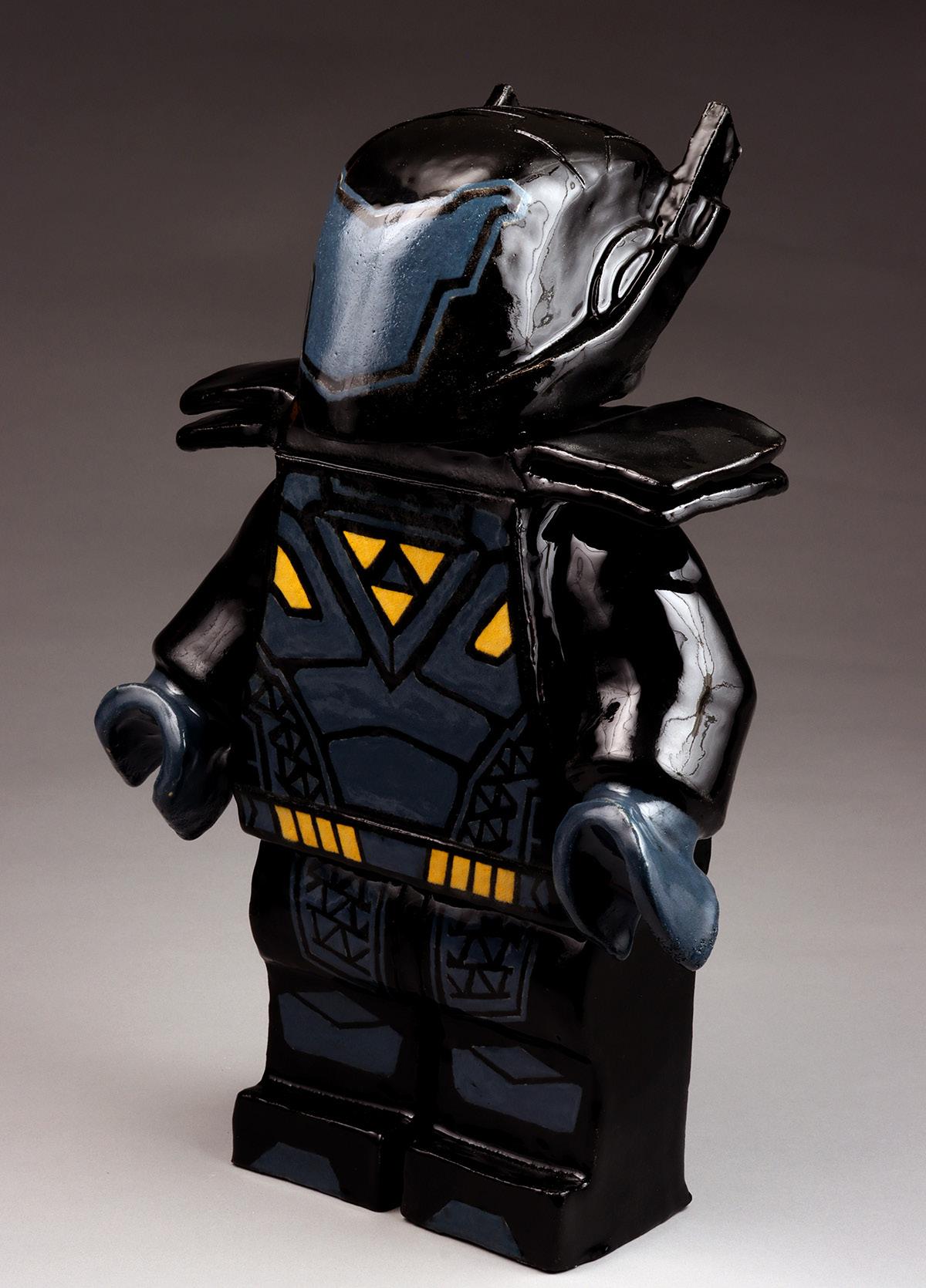
CADE DAIGLE ‘27 THE WATCHER
TAITING ZHOU ‘27 TRANQUILITY
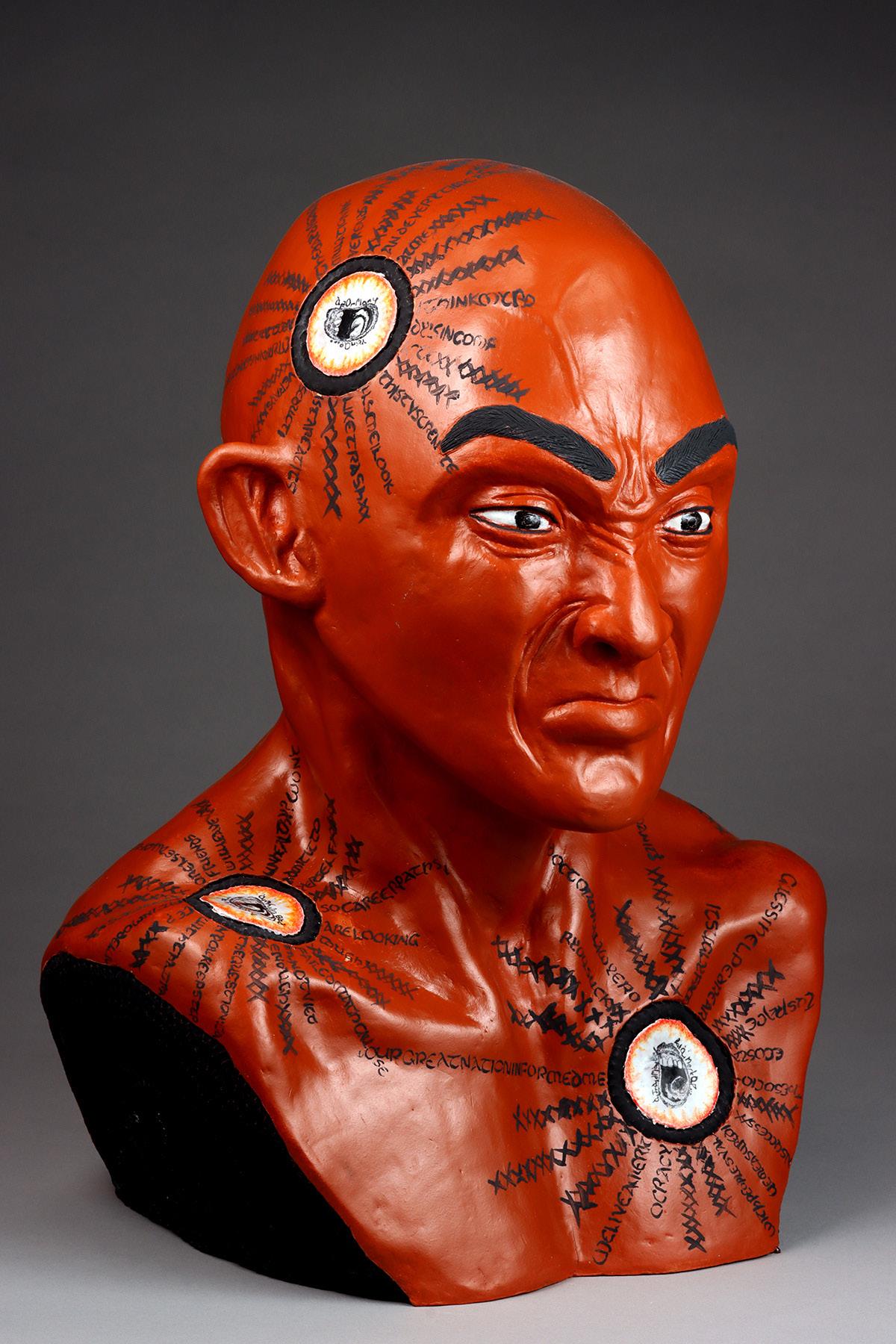
TYSON DIEP ‘27
THE VESTIBULAR MONSOON SEASON
“The Vestibular Monsoon Season” was awarded the Richard Notkin Award for Narrative Ceramic Art for Student and Teacher. It also won the Alfred University Theodore A. Randdall Memorial Scholarship and NCECA Board Regina Brown Teaching Award.
“F21” (next page) was awarded the Skutt Ceramic Products Kids Need Clay Student and Teacher award at NCECA.
“Tranquility” was awarded the Blick Art Materials Award at NCECA.
“:)” was awarded the Speedball Art Products Wheel Award and the Plinth Gallery Award for Ceramic Design at NCECA.
TAITING ZHOU ‘27
J.B. MCKINNEY ‘26 SWS
NEIL RAKHEJA ‘26
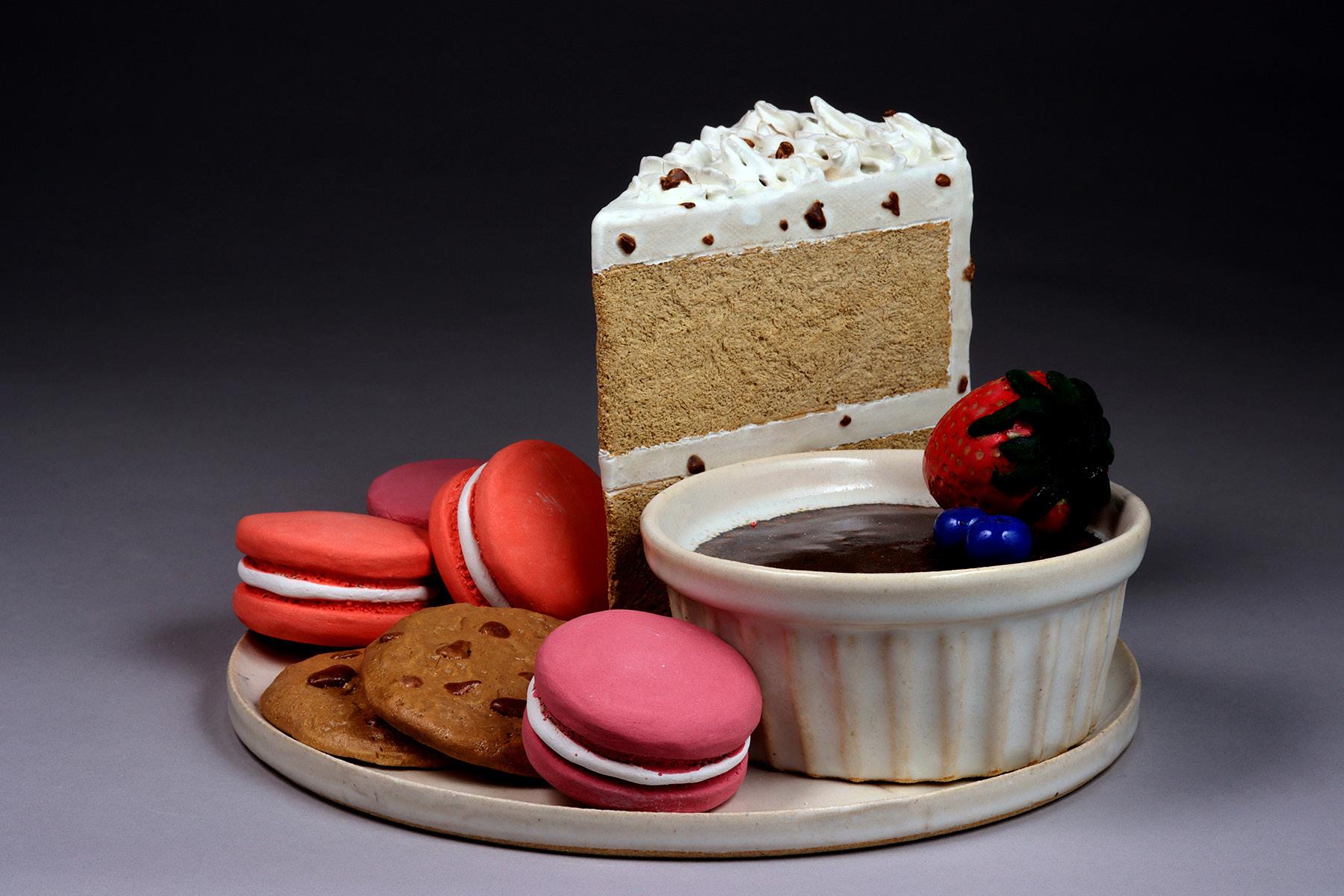
SAVOR THE SWEET THINGS
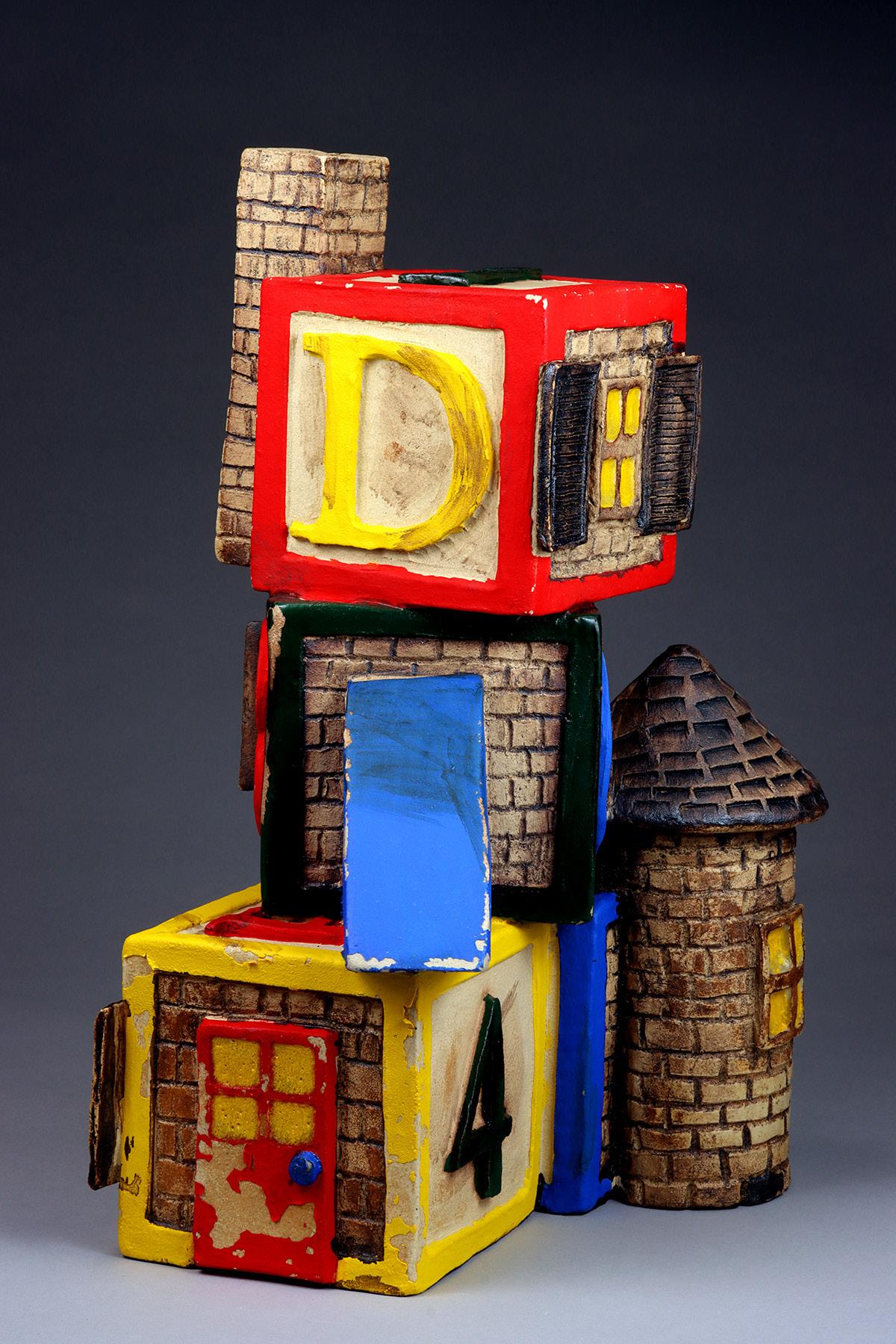
JAMES DUNLAP ‘27 BLOCKS
“A ceramic object can be intimate and confrontational at the same time. It invites you in, and then asks you to think.”
- Richard Notkin
“Blocks” was awarded honorable mention at the 2026 National Council on Education for the Ceramic Arts (NCECA).
TYSON DIEP ‘27
JOSHUA GOFORTH ‘26
ASHER RIDZINSKI ‘27
you and your
LEO HUGHES ‘27
your sister the orcas
When I locked my car and the coyotes ran away and the howling cackles stopped then the dog chased her wild cousins in the street. Now she’s gone.
And you are the killer whale.
You deserve nothing that can bring harm, but you were the subject of the stars that night. The stars that capture you in a net
That pin a tag to your dorsal fin
That drag you to Miami for a showcase at SeaWorld. That make you so miserable you ram your head into the iron bars that keep you trapped in a hell where torture is sweet relief.
And you are the killer whale.
Killer whales have emotional capacities so complex that they’re similar to those of humans. Humanity can’t grasp that “Killer Whales” aren’t “killer” and that animals understand the weight of your thoughts.
When your orca sister runs along the stream of nature and across the opposing stream of industrial hell, what else are you to do but cry?
That’s why you are the killer whale.
But no,
I know you are an orca
who torpedoes through the water with such grace just to beach yourself for the chance of survival.
by ELI THORNE ‘27
by ROHAN YADLAPALLI ‘29
In the beginning, I had feared to go On this one trip I least looked forward most; The cold nights tracked in dirt from heel to toe, And stirred a hunger deep for home and toast. The morning found me sitting with my thoughts, Alone beneath the hush of quiet pine; I listened as the gentle daylight brought A peace that settled softly in my mind. We crossed through rivers, splashing silver light, Our voices wandered through the distant stone; Coyotes yipped beneath the star-washed night, As sparks rose high from fires claimed as home. I left with strength I never knew could be, And now the Pecos feels a part of me.
BRYAN LI ‘28
anchored
by MATEEN MOSTAFAVIPOUR ‘26
Imperial purple kupols capture the luxurious night sky in single-stroked, helical curves — a smooth break from the humble town’s unassuming spectrum of red-pink wooden houses. One, with windows drenched in sun, creaks a silent smile at its children below.
Ridges in the canvas suggest a hearty supper brewing. Smoked steam rises from paprika chimneys. All-consuming onions and blooming garlic dare to disturb the beachgoers.
We sit anchored in a homely, waveless harbor imitating intense blues of eternal night skies like artisanal glass, our presence fracturing the reflective surface, adding to the mosaic.
what she carried
by EUGENE WANG ‘28
fresh sixteen she carried what she could not certainty–just questions wrapped in careful plans silver phoenix calls: make me fly “how'd it work?” that sparks her mind she carried what she could dreams met paper deadlines marks forms a field of many colors she carried what she could storm-tossed ideas heart aloft, tempest-proved unchanged a scholarship, a visa small letters, heavy seal America beckoned fly to me new speech, new school, new shifts days became real she carried what she could love is life, steady work, steady flow what she crossed became my habit: keep asking how, then go she carried what she could and made me PROUD.
JAMES MEZA ‘29
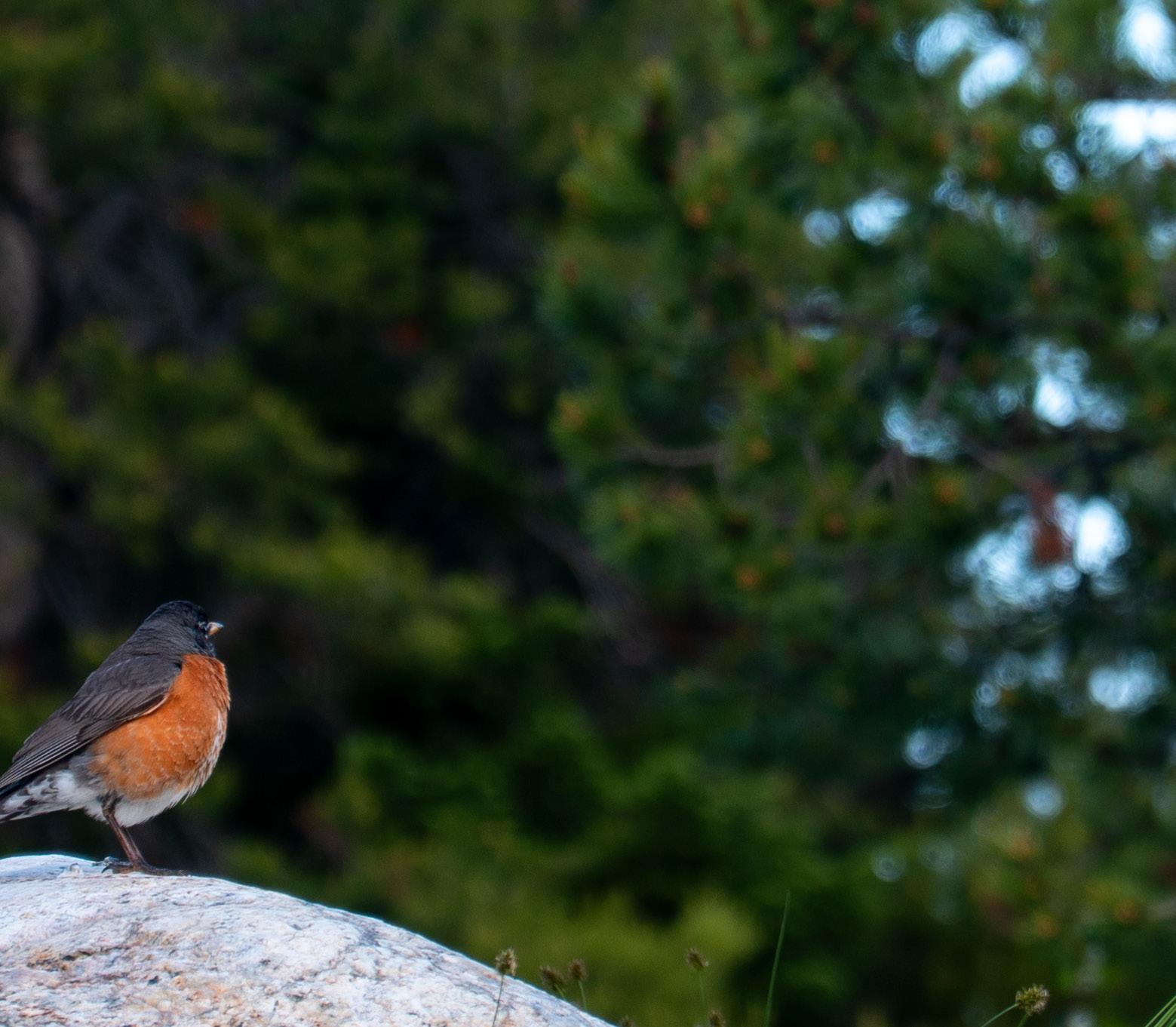
ROBIN
KIRAN PARIKH ‘27
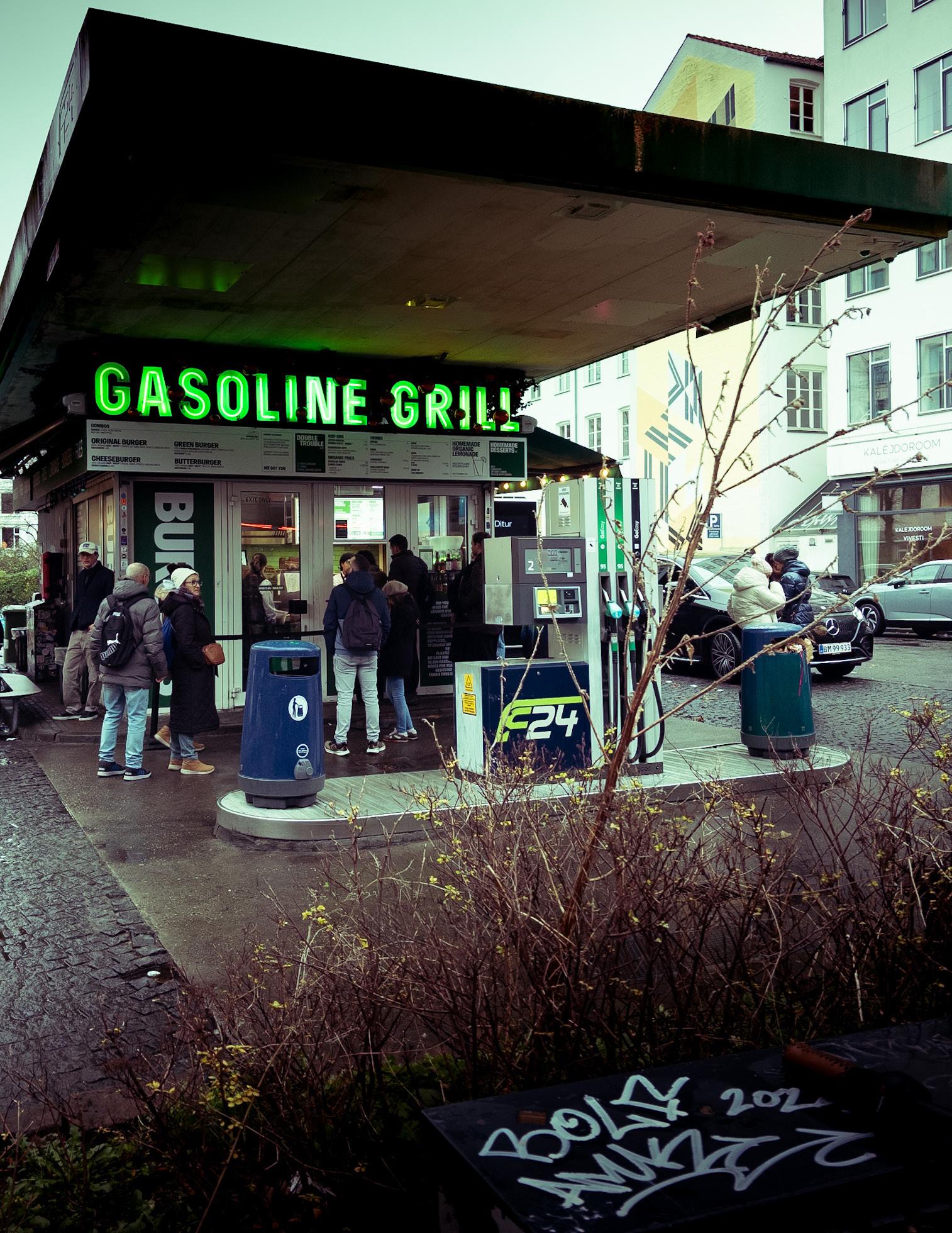
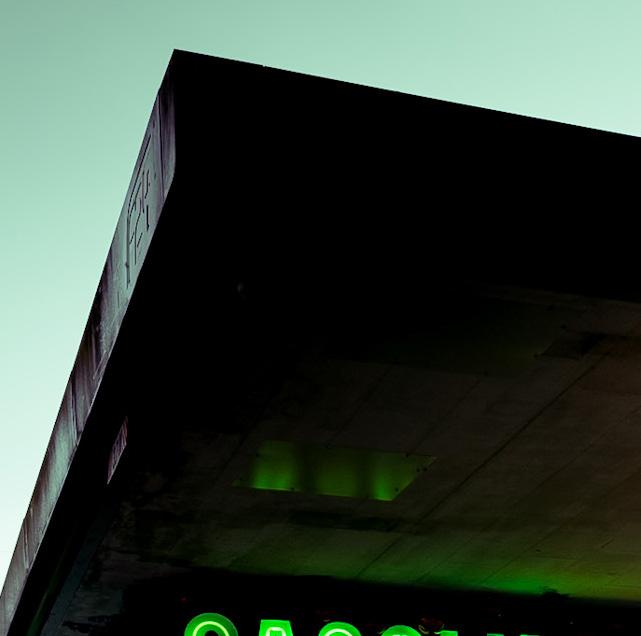
GASOLINE GRILL
gas station tacos
by MICHAEL YANG ‘26
Smells of gasoline linger through the hum of the fan that swivels and dribbles the sweat off the foreheads of the laborer. Faces, arms, and palms, spotted with dirt and chlorophyll, scour the aisles for a nutty crunch to accompany their Modelo. A tune stumbles out from his lips. I struggle to interpret his emotions. It moves as a ballerina would to a broken beat, pirouetting from forward and then back in a lumber. But for him, there are mouths and duties beyond dancing he must attend to.
In this harbor of foreign language, I am at home.
Diced white onions mixed with cilantro and lime juice contrast the oily chews of al pastor all on grainy corn tortillas. The pump thumps, signaling my departure. Half-lit neon letters shine in my rear-view mirror, whispering: We’ll meet again.
checkpoint
by NEIL RAKHEJA ‘26
Brakes grind. Everyone leans forward. Slowly, the bus stops. Doors sigh open, a blast of hot air hits us like smelling salts after a long nap. Blue and gold jerseys tumble toward the beaver’s dam.
Inside, aisles stretch like endless roads, wafting the sweetness of slushies and the smoky brisket sandwiches toward the crowded entrance. Laughter ricochets between racks of gummy worms and potato chips.
The coaches linger by the coffee, eyes half-closed, inhaling steam. We all orbit the souvenirs: beaver plushies, shot glasses, keychains that tell Texan tales. Paradise lies here on the side of the highway.
All aboard once more. Bags of goodies crinkle like the applause of a crowd. The beaver’s smile fades in the distance, but its echo remains: sticky fingers, boisterous laughter, full bellies rolling down the highway.
What was the first meaningful piece you created?
My first real meaningful piece was probably a model Chrysler building that I built my freshman year. Looking back on it, it may not have been the smoothest or most fundamentally sound piece I built, but it was the first time I got to choose what I wanted to build, as well as the first time I built something of that scale. Through the exciting and creative process of designing and constructing, I learned various different techniques, joints, and cuts that would actually serve to guide me throughout all the future projects I made.
What first drew you to Wood & Metal instead of other mediums?
I would say the aspect that most drew me to wood and metal was the physical and exact nature of the process. Unlike mediums like drawing or painting, wood is dense, hard, and tries to resist everything you do to it, and that’s mainly why I liked it so much. Woodworking requires precision and constant focus, and oftentimes slip ups have major consequences, which can make finishing a project correctly extremely satisfying. After taking my first semester of the class in 8th grade and experiencing all of its challenging aspects for the first time, I knew it was what I wanted to pursue in high school.
Is making art an exhausting or invigorating process?
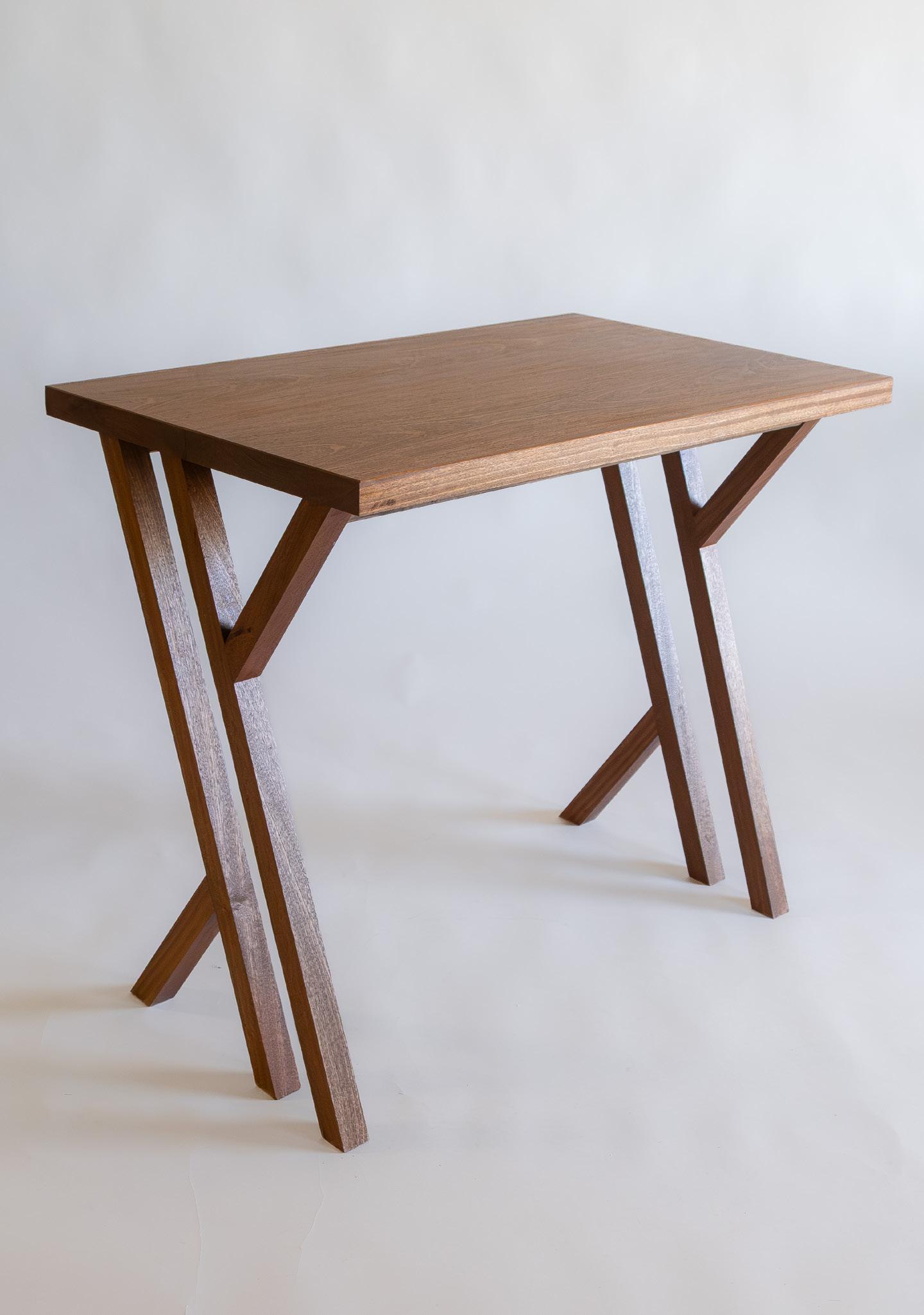
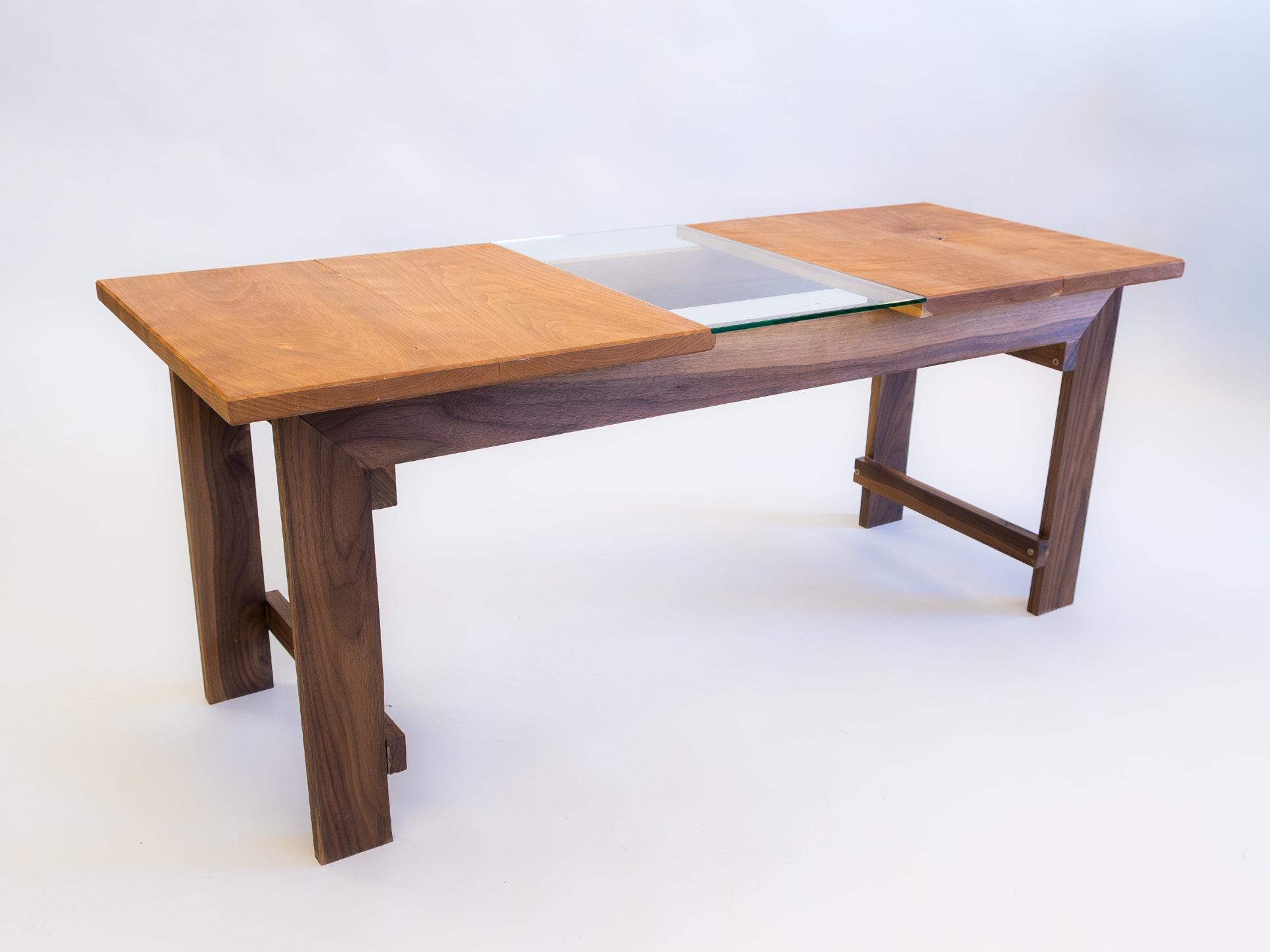
I feel like woodworking is more of an invigorating and refreshing experience than anything. There is something special about being able to turn a flat, rough, maybe even warped piece of wood into a beautifully handcrafted table that is smooth to the touch. Honestly, if you don’t feel refreshed when you’re woodworking, then you’re doing it wrong. Even on days when things aren’t going your way in the shop, as they did recently for me when the planer kept tearing out little bits of my tabletop, there is still a sense of satisfaction in working through the problem, no matter how tedious it may be.
Are your pieces meant to be used, observed, or both?
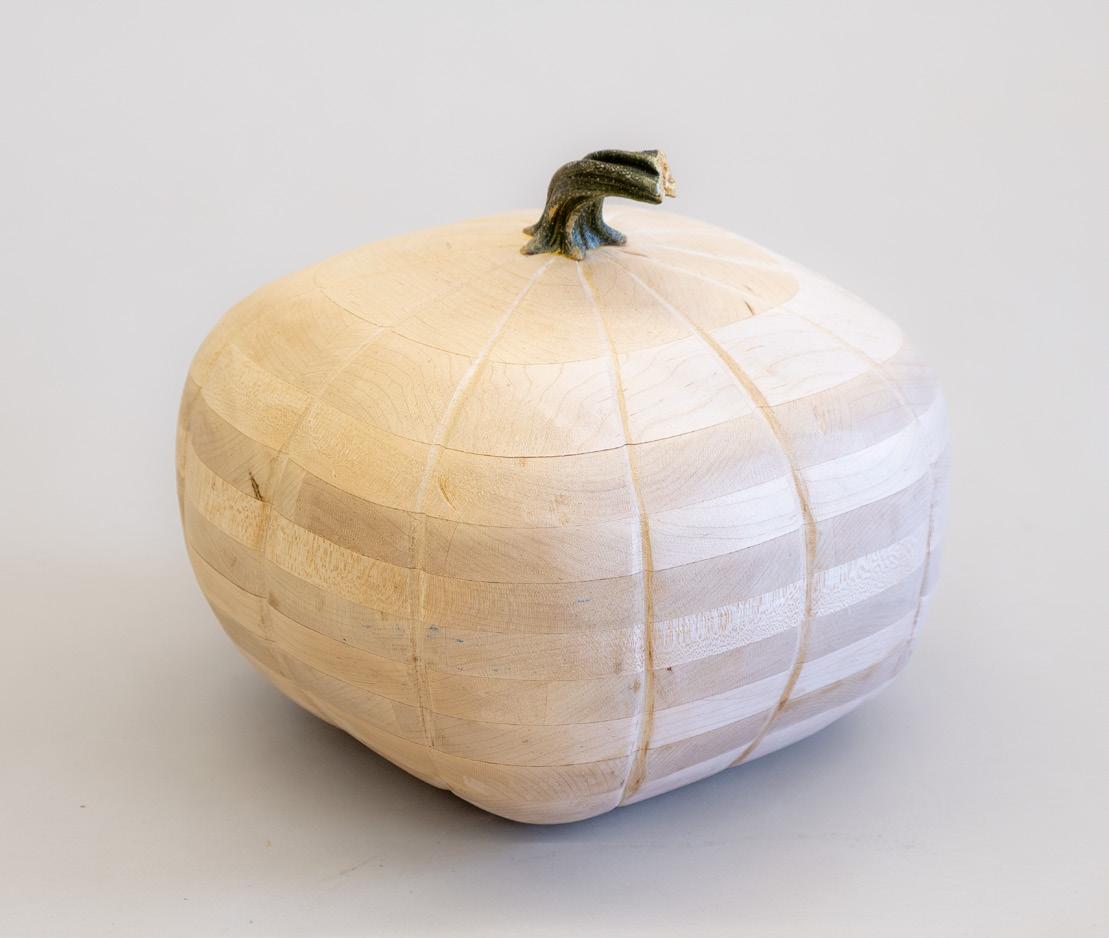
I would personally say the pieces that I make are meant to be used practically in some sort of way. I like making a lot of tables, and I always try to find a spot in my house where they can be used for different purposes. Right now I keep one of my tables in my room, which I use for homework, writing, and other tasks. However there are certain pieces that are only for observing. For example, the pumpkin that I made in the fall was used as a table centerpiece during October and November. Overall, I do lean toward making pieces that can be used practically, but I like to balance them out with the occasional display piece.
If you could offer advice to a beginner in a Wood & Metal class, what would it be? The best advice I could give would be to not ever take shortcuts when making a piece, no matter how tempting it may be. When you take a shortcut, whether it be in the measuring, cutting, or assembling process, it will always come back to bite you in the end, and usually these problems that appear cause twice the work as doing the correct process would. Don’t be afraid to take the process slow, measure things twice, and especially ask for help. Your instructor is going to be your biggest tool in the workshop, and it is essential that you take advantage of any advice or suggestions that you may have received.
A CONVERSATION
Through careful design and construction, Gavin Trevino brings structure to life
portrait by PAUL SUMETHASORN
“The best advice I could give would be to not ever take shortcuts when making a piece, no matter how tempting it may be.”
- Gavin Trevino
HANGING IN THE BALANCE
Y SO SERIOUS
IN BETWEEN
mom’s spaghetti
by MAXIMILIAN LEE ‘27
Oh, how I love the scent of Mom’s delight, As oil shimmers, onions melt to brown. The bay leaves drift while San Marzano bright Now bursts and sinks as crimson waves flow down.
The meatballs rest within the simmered deep, Their tender forms infused with spice and grace. They soak in sauce as flavors softly creep, A savory warmth that time cannot erase.
Yet pasta waits—a test of careful might, Too long, and all is lost to fate’s cruel hand! The boiling wave must part at just the right, Lest mush replace the strands so firm and grand.
A snowfall bright of cheese now crowns the plate, Each bite a joy no soul could dare to hate.
PAUL SUMETHASORN ‘27 GLIMMER
59
by MICHAEL YANG ‘26
Familiar stench of chlorine grips the walls and gutters, imbuing the water with a pungent mineral taste.
59 :
My fingertips slip the tight silicone cap past my goggle straps onto my cranium pinching my ears in an unapologetic embrace.
Icy silence resonates on the surface as soft murmurs speculate the ineluctable 4x4. With a hesitation we plunge in.
Muffled sounds of splashes pulse through each molecule as they are bounced between incessant churn of hands, feet, and bubbles.
Steam breathes into the air, infecting it with humid torment.
A red clock blares through the mist, pounding to the beat of our hearts, dictating
inhales, kicks, pulls, and emotions. The digits climb relentlessly to 59:59. Salvation? No.
The morning sunlight at last permeates the windows, hurtling past the water, cracking the bottom tiles into a fractured mural.
I empty the water out of my fins drink the last drop out of my Nalgene and leave the pool behind without a glance at the clock.
*tick* 00:00
the burnt sienna tree
by HUGH FEFERMAN ‘26
A tree stands sentinel, its bark a blaze of burnt sienna, crimson intertwined with twists of cinnamon tones, set in stone, yet it rises to breathe the indigo weight of sky and sea. It stretches across the canvas like an exclamation demanding the eye return to the living fire in its limbs.
Below, the town glitters in miniature, titanium-white houses sitting shoulder to shoulder, terracotta roofs glowing like scattered embers dropped from the tree itself. They lean into one another clustering against the curve of the shore, as if the sea might sweep them away.
The sea is no quiet visitor. It is a deep cobalt singularity, unfolding endlessly, its edge pulled tight against the horizon.
The sky above it is darker, a velvet indigo that threatens to absorb all brightness whole, yet the houses gleam, the tree flares, the colors outrun the darkness.
The tree frames the bay, its twigs, like the batons of a conductor, lead the vibrant bursts of pigment into a war for beauty too large to speak against the shadows. They clash in beautiful explosions of color, a moment set between shadow and brilliance, where even darkness seems transformed by the stubborn light of paint.
respite before devourment
by BENJAMIN HERNANDEZ ‘26
Dark takes the world beyond this englassed sanctuary beyond purities of marble and soot-washed wood and faux gold scatterings. reflections of semicircles, the white sprites beyond glass ramparts, they plead it is safe in the deep palette of vantablack and occasional dins, mutterings of human essence: achromatic, lifeless. but within my safety, an unknown sits as any human would. She looks at nothing, and it is apparent: silence; empty eyes of abyssal autonomy; an empty porcelain mug; empty, peachless skin in her dun cobalt coat. an agent of the Dark, she is… I prithee, deal with this foul abysswalker at once, lest she—
dusted doll
by NEIL RAKHEJA ‘26
fist of damp, stale vetiver and coffee haunt bleak walls and hospital-white floors. wisps of whispered air-vent waves crawl.
fruits embrace in a rotten, disregarded display: no purpose: look don’t touch. wedged longingly out of place like a child’s dusted doll: a lowly and sarcastic show. the railing of brass makes no attempt at resembling an elegant gold.
dominoes of lights cascade in the reflection of dark. a table for two waits. longing for any footsteps. girl: forgotten. not widowed. look don’t touch, but nobody looks. she huddles over the thin, crude coffee. wrapped round the mug.
pale. no one’s sun shines alongside her, filling the seat at the table. staring into the marbled void—forever she waits.
by ALEX WHITE ‘27
Suddenly, I was plunged into the darkness. Monsters, murder, war, it all paled in comparison. I tried so hard to break free, I used pain, happiness, and rationalization, but none of them worked. I was trapped. The darkness chose me, and I had to suffer like a fish stuck on land surrounded by nothing but air. Air that had once been nothing more than a distant fear. All that was left was the darkness. I begged and prayed to it for the old times that I had previously taken for granted, but the darkness was unforgiving. It latched onto me like a leech drawing blood. To the darkness, I was nothing more than sustenance, with its silence roaring louder than screams. The darkness demanded sacrifice. It raised its vast, incomprehensible hand, and with it, the truths that I considered obvious became nothing more than lies. The darkness swallowed me whole, and there was nothing I could do. Compared to the darkness, I was nothing more than a bug. But even within the darkness, light exists. To every nightmare lies an end. Nothing is forever, not even the darkness. That’s when I realized, it was all in my head, the darkness itself was a figment of my imagination. Then I woke up. However, the darkness was omnipotent, and while it takes, it still gives. The fear I felt is gone, but the times I pleaded for seem trivial once again. Whatever lesson it meant to teach dissolved, leaving only a faint memory. The dream that had been so utterly horrifying dissipated as if it had never existed. The light that had seemed so precious was nothing more than my ceiling fan. The true and primal terror I experienced, I can no longer even fathom. However, even awake, I wonder if the darkness is still waiting, patient, for me to close my eyes again.
in white
by ALEX WHITE ‘27
At night, at night, He is all alone. The silence murmurs, the room so white, Pages turned, words consumed, Stories devoured. He is still alone.
In white, in white, He fears the night, The darkness holds horrifying frights, A fear so old, but immature. Joyful moments, happy times, Only now does he mourn the light.
In white, in white, Do woes shine true, What could behold him in the morning dew? The light, the warmth, That was once so brightOnly now, that brightness flew.
At night, at night, The moon glows white, Cloaking the sky in silver light. How could he fear the soothing dark, When an indescribable yawn Brings his body to a better dawn? One where he is not alone.
photo by PAUL SUMETHASORN ‘27
wood &
WOOD & METAL EXHIBITION
“A tree died for that? A majestic creature battled the elements for 100 years, and you opted to make its flesh into something that looks like 1980s flatpack furniture?”
- Christopher Schwarz
& metal
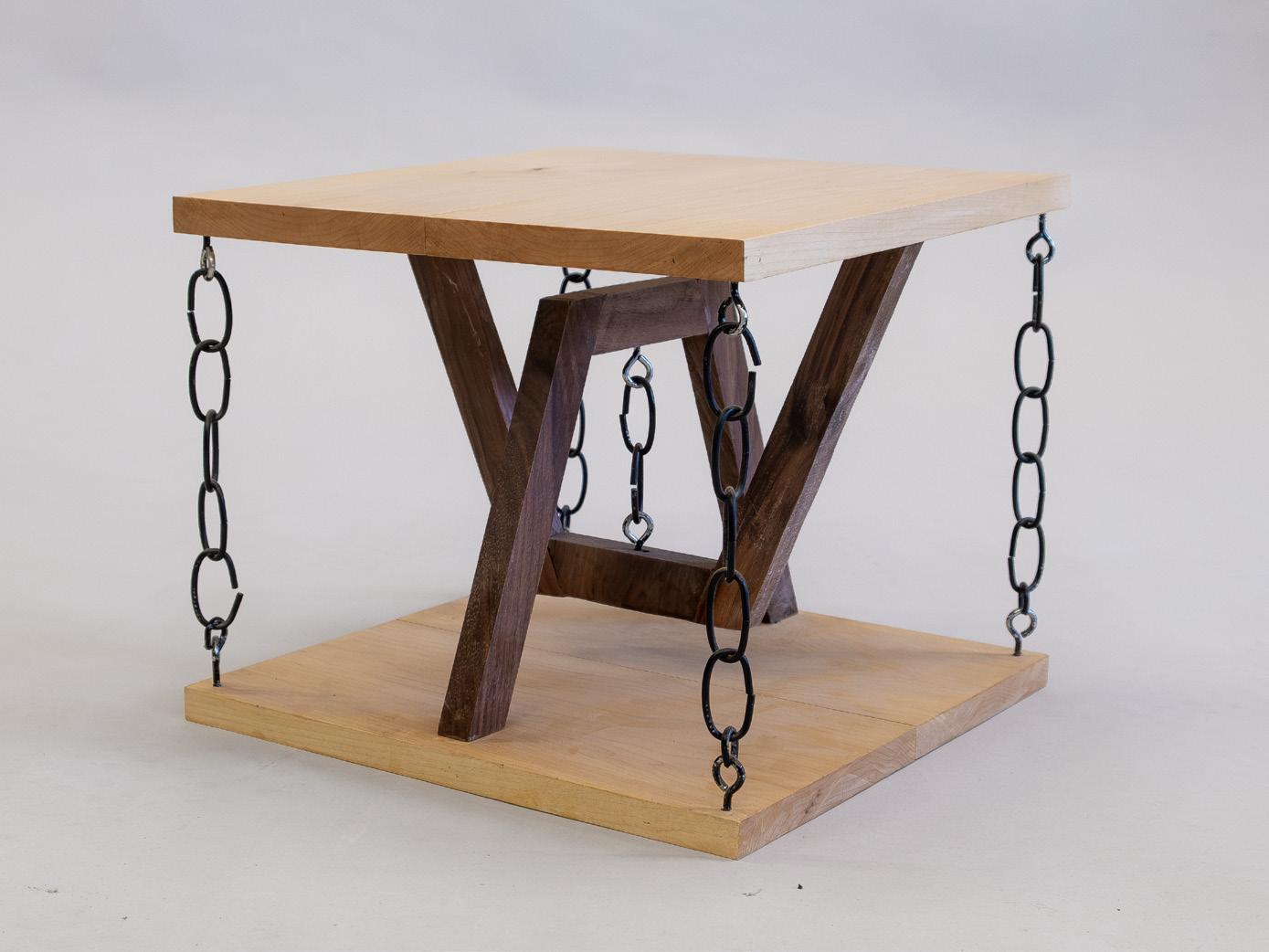
ADAM DALRYMPLE ‘26 TENSION TABLE
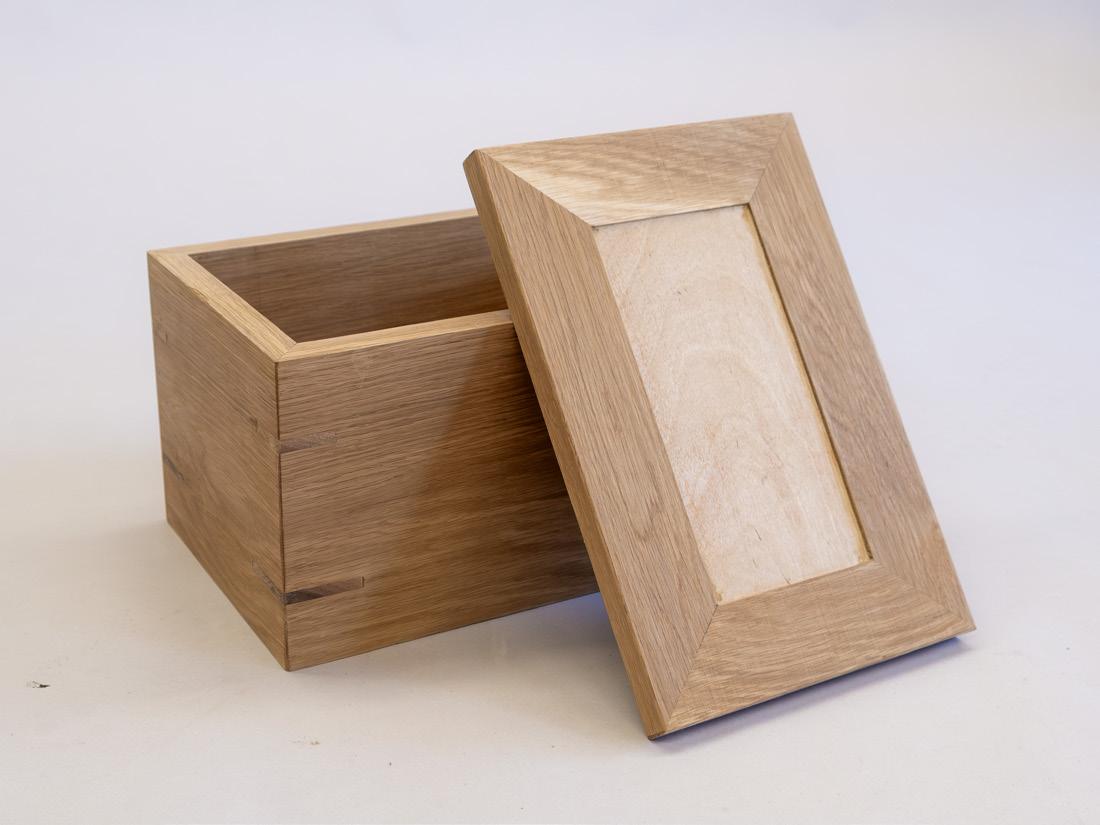
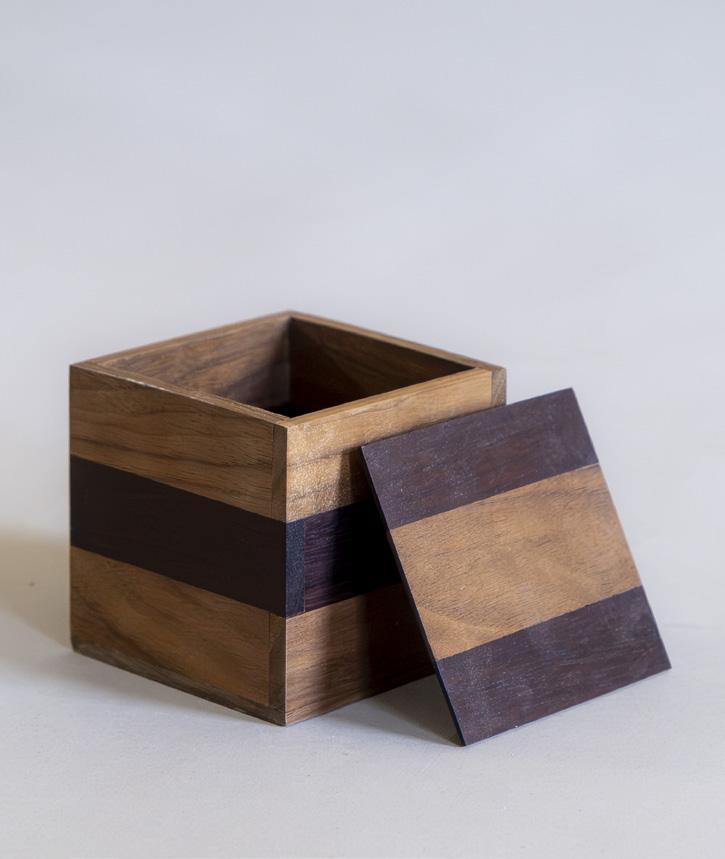
ALEX WHITE ‘27 CONTRAST BOX
HARLAN SMITH ‘27
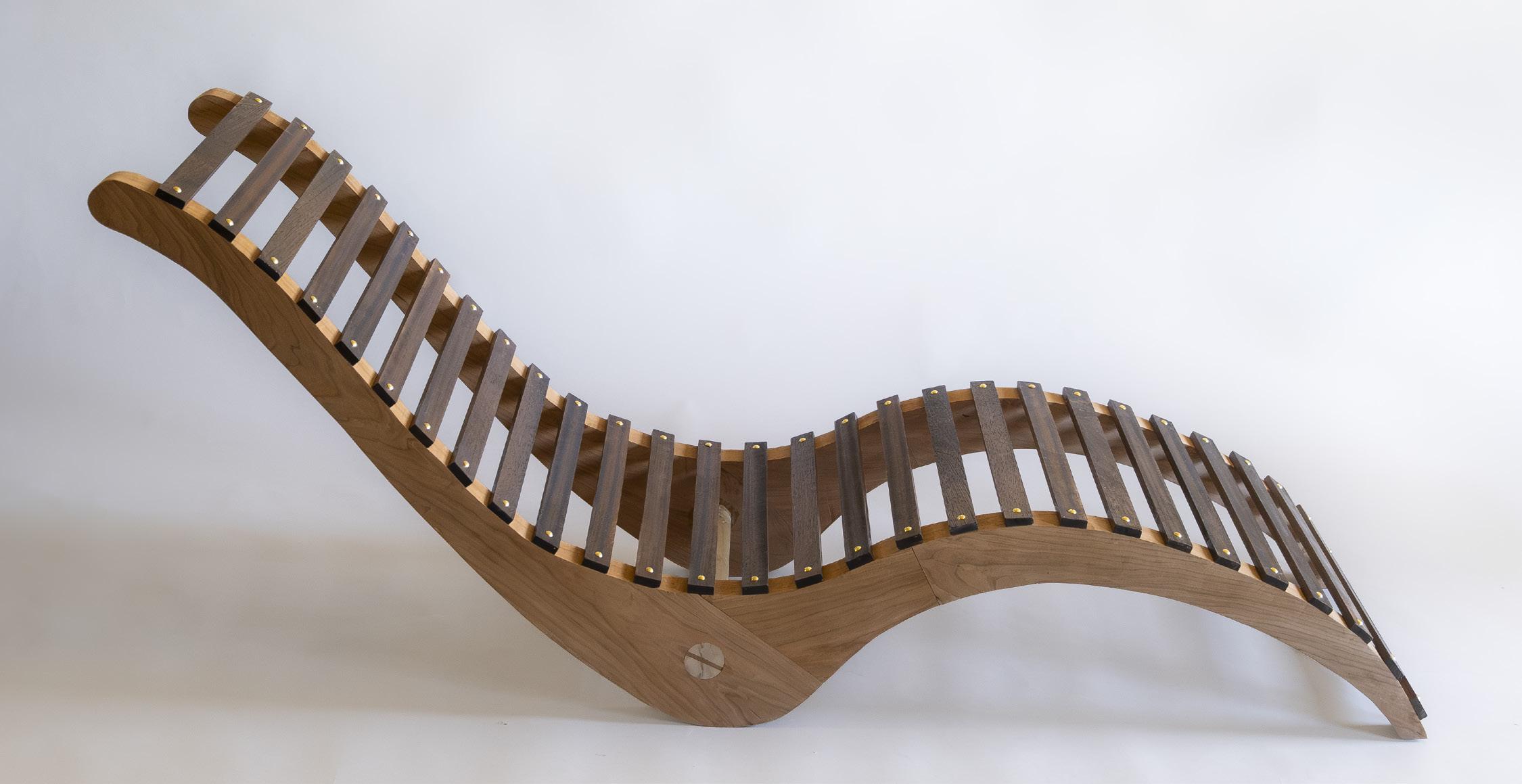
SINE CHAIR
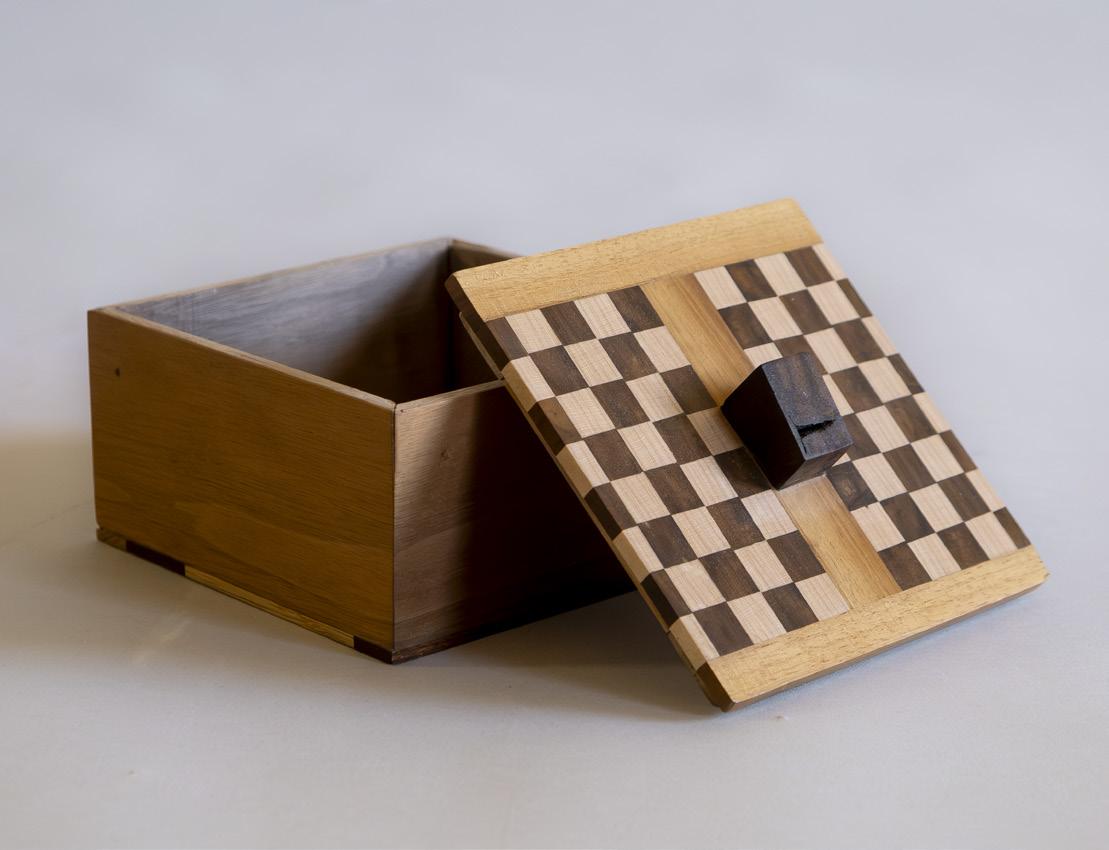
HARLAN SMITH ‘27 CHECKERED BOX
“There must be a union between the spirit in wood and the spirit in man”
- George Nakashima
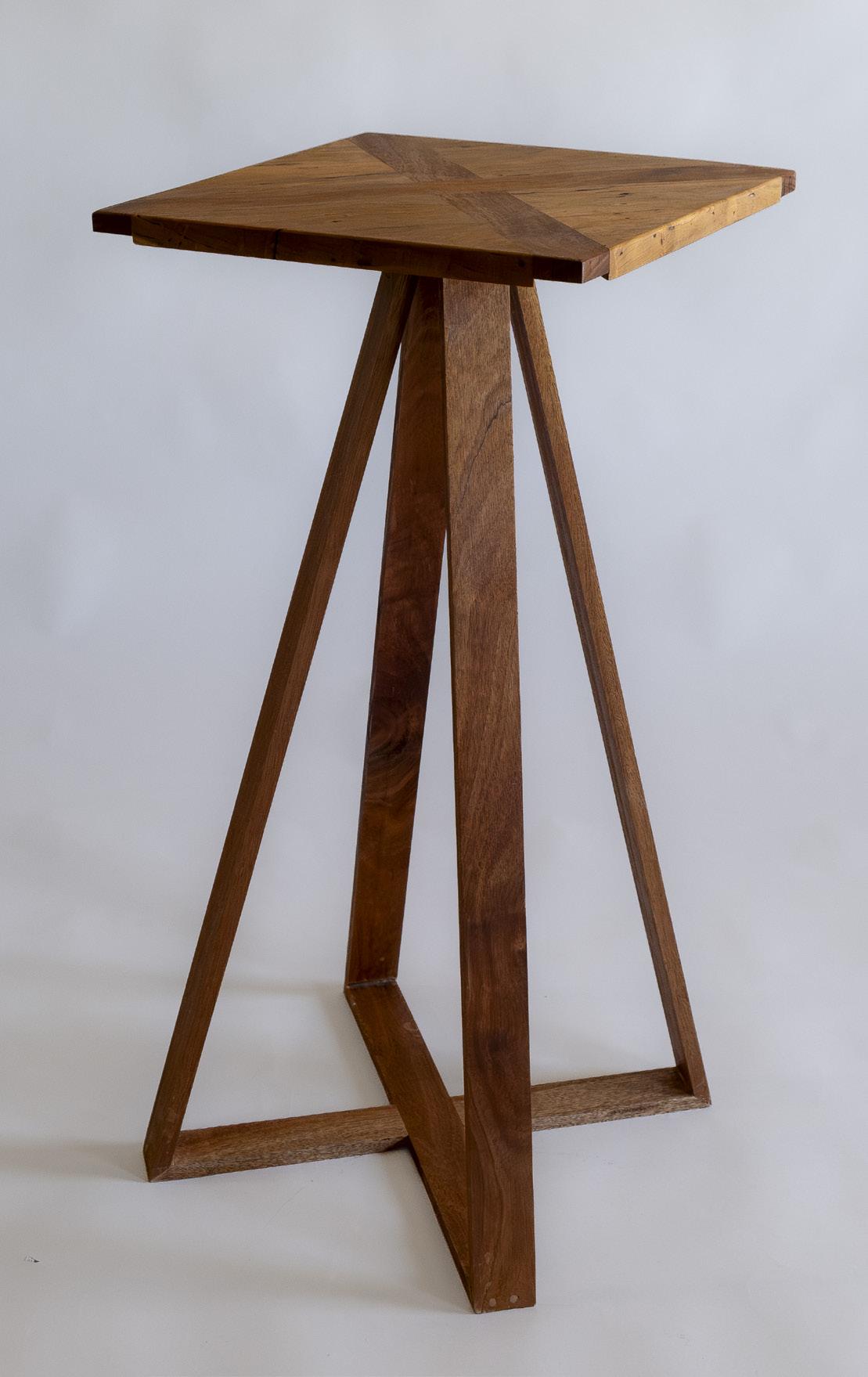
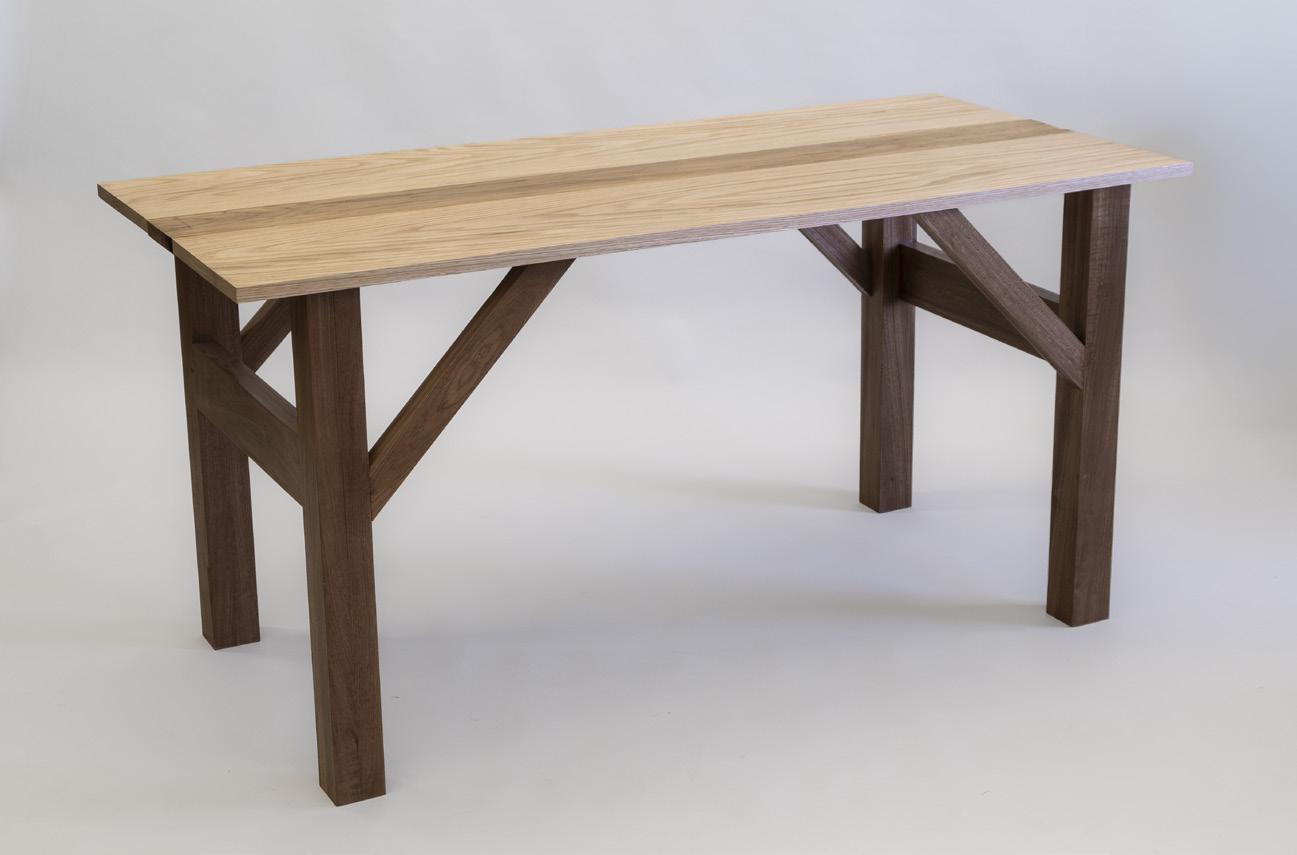
WHIT EDWARDS ‘26 TRUSS TABLE
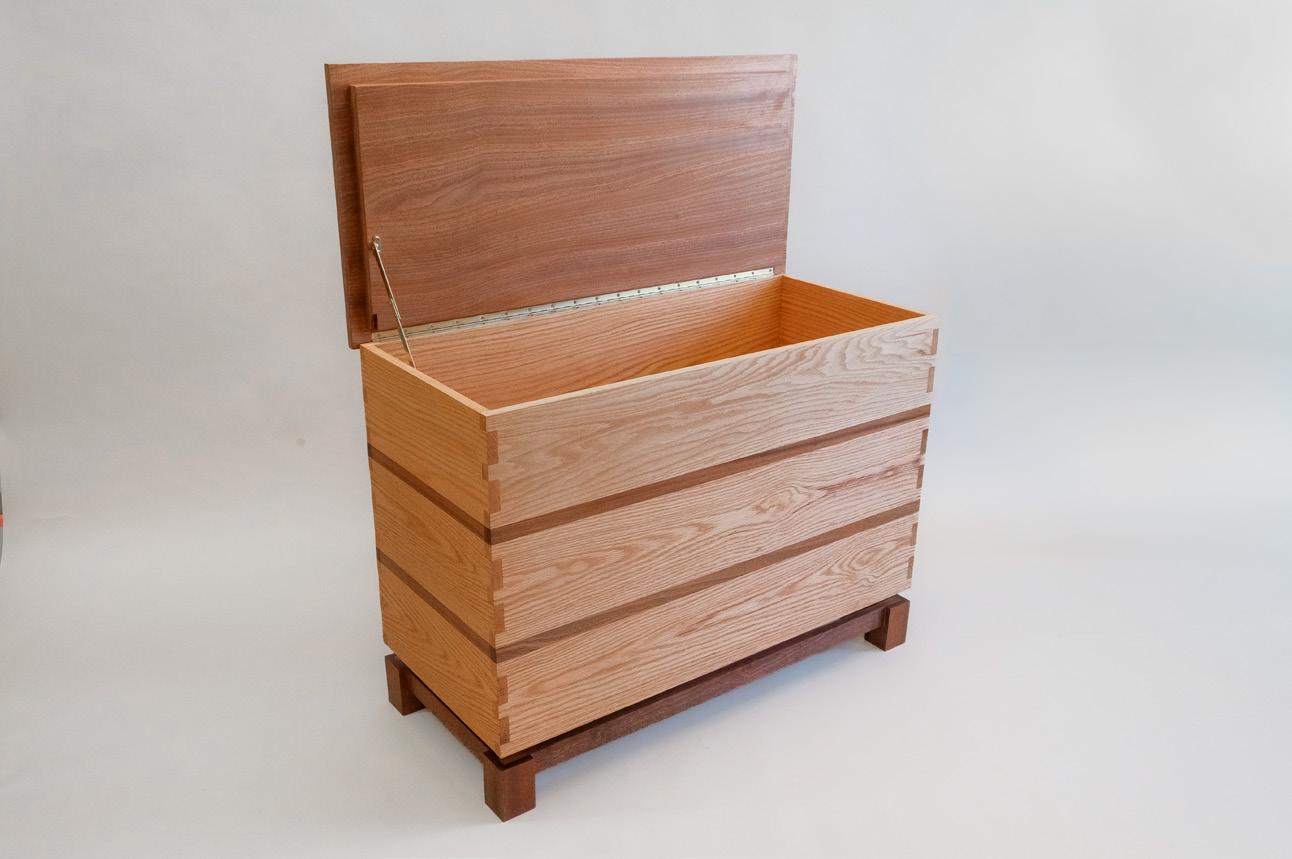
DYLAN MACKTINGER ‘27 DEEP WELL CHEST
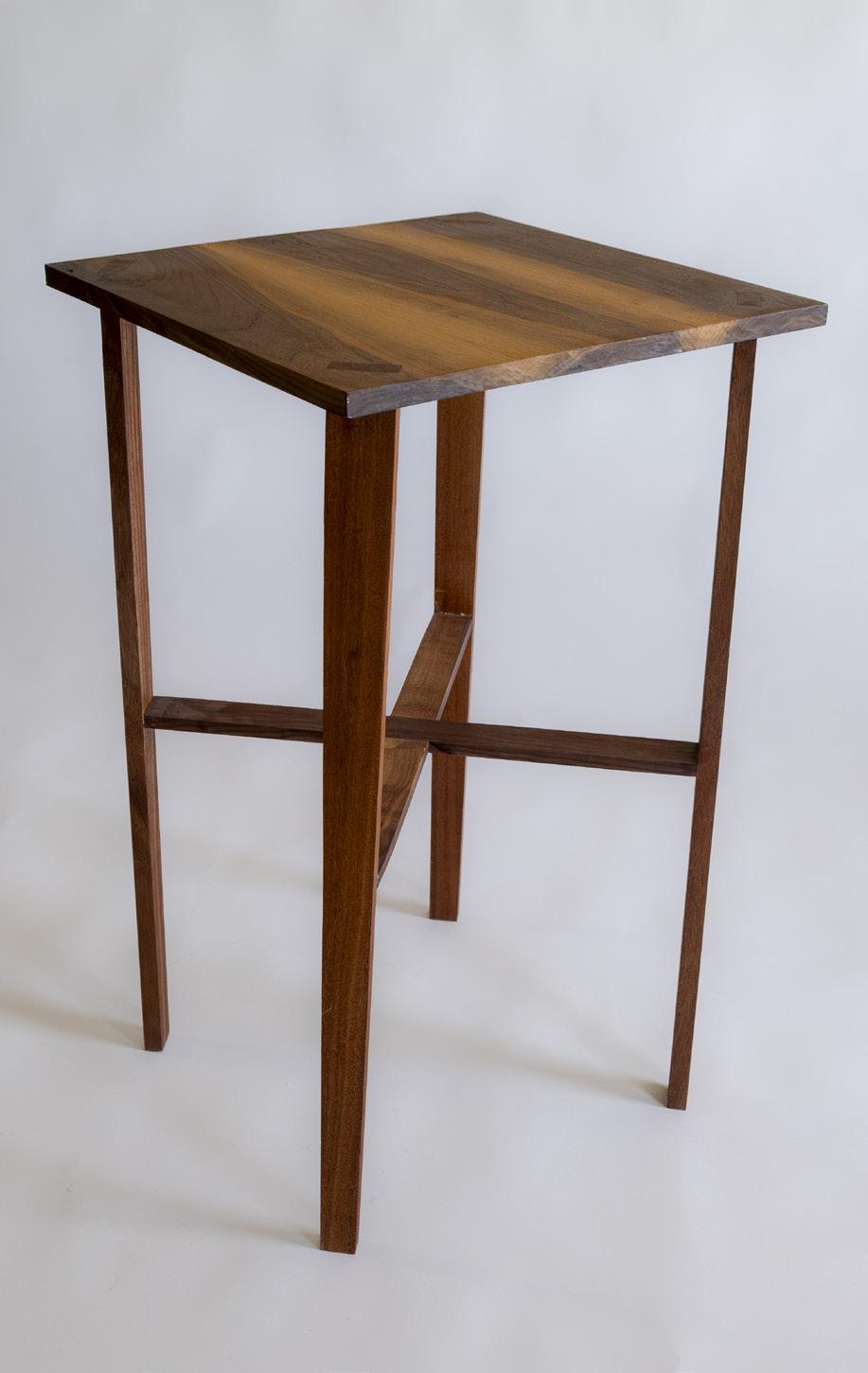
BECKETT NELSON ‘26 BRACED SIDE TABLE
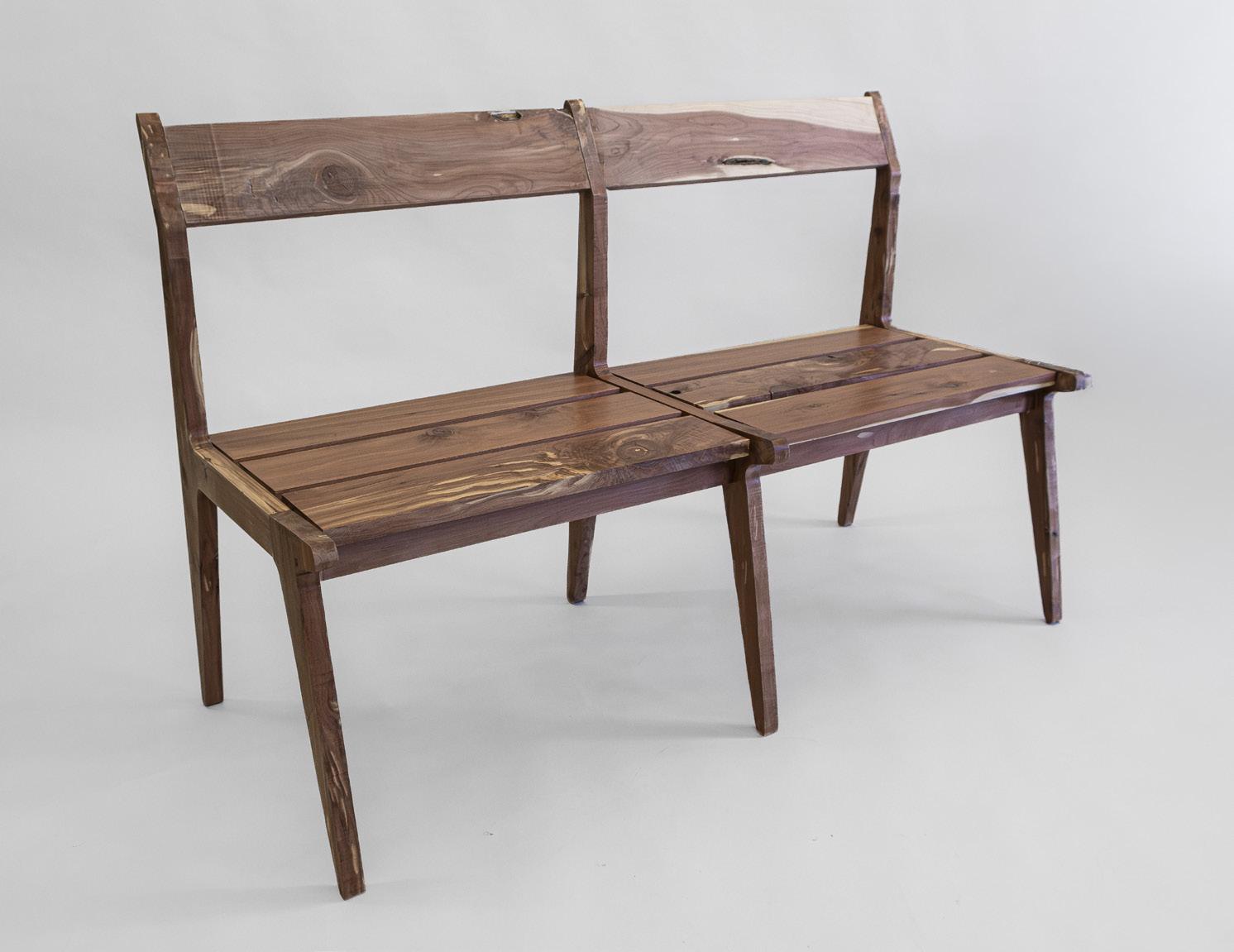
JONATHAN LOBEL ‘26 STRUT BENCH
“Mystery creates wonder and wonder is the basis of man’s desire to understand.” NEIL ARMSTRONG
SECTION III
uranus
beckoning
by BENJAMIN HERNANDEZ ‘26
As I look from the pale-white balcony, the mass of terracotta bark ahead cuts through my view; it wears a deep, shadowy hat of green, the same green that infiltrates the town below, yet also barricades it, encapsulating it like a mother cradling one of her many children.
The sea radiates royalty with its deep, pensive blue; the expanse of lapis calls to me. It converses with the sky, its pale, modest, brotherly blue clashing with the horizon line, the very horizon that the canvas-white sun teases to peek above.
But what of the town?
What awaits me within the ghostly white, angular buildings, with their roofs of brick, whose vermillion red mimics the tree cleaving my eyesight in two; and the souls within, who must feel as compelled to the noble azure hills ahead as I?
logical fallacy
by ROCKY LANCASTER ‘27
You always thought a lot about how cherries grow on trees, and how cars stop more than they start. Separately, I thought about what you would like and decided, based on that, which PetSmart would have the cutest collar for your cat.
When I got it, you reminded me how cats don’t wear collars, only dogs do. And I reminded you that a cat shouldn’t feel excluded because of its species.
You countered by saying that cats have lots of other things to wear, and when I asked for an example, you turned away and said, “Argumentum ad ignorantiam.” And I sat down.
You always had a way with words. In the cold days of winter, you wear two pairs of socks because your feet always get cold. “They make me feel safe, if that makes sense,” is what you would say. Your words were a grandmother’s quilt; you saw my heartbeat and cried. Thank you.
I still don’t believe in grocery shopping alone. Someone needs to push the cart. I told you that it takes too long, and it helps to have company. You told me you would join me, and I laughed. I cried too, but you didn’t see that. And so we went to get bread, and cheese, and whatever else your mom told you to get, and I tried to pay, but you stole my wallet and paid anyway, so I didn’t complain. It was a nice gesture. We stopped for pizza on the way home, and your eyes glimmered with the moon, and you smelled like raindrops on tall grass. And I realized that I was too far in, and I had nowhere to go, and yet there was nowhere else I wanted to be.
the
by BENJAMIN STANDEFER ‘26
spasms: algae-glazed archipelagoes, bioeroded and agonized: each polyp branches: carminic veins and calcite scabs erect baroque stratifications: fragile Acropora1 fans tremble like sheets of fired clay: teal waves mask fractured howls: knuckles of aragonite break and groan: pigments leak and leave behind forests of bone: quiet processions of cryptofauna shelter in between long-dead digits as if in mourning: polychaetes and nudibranchs writhe and dive between blue-grey coral colonies: biofilms and protist scavengers thrive in this decayed metropolis: pale, salmon-bleached, choked and clotted in tight masses, patterning unseen seafloors, these depths turn over in samsaric cycles.
1. A genus of thin, fan-shaped coral
ossuary
Ossuary: a final place resting for human skeletal remains, often in the form of a box, chest, building, well, cave, or site.
PETER CLARK ‘27 CACTUS HAND
dead men shed no tears
by MATTHEW DASILVA ‘26
PETER CLARK ‘27 HEAVEN LIPS
Every night, he heard the rhythmic death march of the cardiac monitor and dreamt of Jacelyn in her bed of blood.
In another life, Jacelyn had come to him on his wedding day a year ago, clothed in the same pristine, spotless white that would haunt him for the rest of his life. He still remembered the way her golden hair had tumbled down to the small of her back in an elegant, haphazard assortment of brilliant curls, caressing the white pearls that adorned her neck. Instinctively, his hands had found the small of her back and pulled her close. She had wrapped her hands about his neck and pulled him in, whispering in his ear, “Love me, Robert, love me.” He had loved her, the smell of roses clinging to her like perfume. A year later, it had all fallen apart. Now, in his dream, the stench of the grave clung to her like perfume. Her wedding dress hugged her dying body in tattered, bloody scraps. Her delicate features had long since given way to rot. Beneath the bloated flesh, he could see the white of her skull, eerily similar to the same pristine shade of her marriage gown. Fear wired his jaw shut. However, somehow, he spoke.
“Jacelyn, I-”
“Remember that day? Remember our vows? We swore that we would love each other until the grave. We swore that we would leave this world together - yet here I am and here you are. I remember. Have you forgotten?”
“Never. I remember every word of my vow. I’ll never forget.”
“But I’ve seen you trying. Every night, drowning the pain of the joy we shared in whiskey. Don’t you wish that you could forget? Wake up a different man?”
“I can’t. This pain-”
“This pain is all you have left of me.”
“Yes. Even dead in my dreams, you’re still alive. You’re still here. Don’t go.” He clutched at her skeletal arm, feeling the withered bone beneath. “Please.”
“Say it again.”
“Don’t. Go.”
She slid one jagged edge of her palm against the stubble of his cheek in a lover’s caress.
She wrapped her right hand about his throat. Then the left. Her long, elegant fingers were dripping with blood, yet her touch was horribly cold.
Robert could feel his breath coming short. “What are you–”
She laughed, a terrible sound filled with bitterness and scorn. “I’ll never leave you. Ever. Pain is all you’ll have left of me, an eternity of suffering. I’ll drag you down into this bloody bed of ours, and we’ll sleep in hell together.”
“Jacelyn–”
“Oh, Robert. It’s the things that we love the most that kill us in the end.”
Every night, he dreamt the same dream. Every night, he woke up screaming to the same waking nightmare.
White, sterile walls stared back at him, meticulously scrubbed clean of any personality or substance. To his right, a pristine marble table sat untouched, gleaming in the moonlight. The kitchen counter was spotless, the refrigerator empty. There was nothing here to suggest anything of habitation, no framed pictures to remind him of the family he had lost, nothing to remind him of the pain of Jacelyn’s passing. The cancer
had been an insidious thing. It had started with the dazed, confused look in Jacelyn’s eyes and a brief, overwhelming moment of panic as Robert realized that his own wife hadn’t recognized him. Then, just as quickly as it had come, the confusion was gone. For a month, things had been perfectly normal, the calm before the storm. The storm had broken with a sudden, violent fit of coughing into a handkerchief splattered red with crimson droplets. Within half a year, the cancer had burned through his wife, turning her beautiful golden locks into brittle yellow straw. Soon, he spent his waking hours in hospitals, crying and waiting for the woman he loved to die.
Finally, when they pried his wife’s cold fingers from his grasp, he found that he had no more tears left to give. When the physician assistant had laid his hand on his shoulder and recited in the calm, collected tone of someone who had seen too much death too soon: “Robert, your wife is no longer with us,” he found that the words held no weight, no meaning. The woman he loved had died long before she was confined to a hospital bed. When they showed him the body, he stared at it uncomprehendingly, unable to recognize the thing on the mortuary table as the mother of his children. He remembered none of the funeral except for the face that had stared at him from the casket. Rigor mortis had twisted Jacelyn’s lips into a hideous mockery of a smile. Glass eyes stared out into the world, unblinking, unknowing, and unable to see her husband’s revulsion. The funeral would always be a black hole in his memory, but that face would stay with him forever. One year was all it had taken to turn his dream of love into a nightmare.
Even in the dead of night, the city was alive with light. Some long-dead poet had deemed New York the city of dreams, but he had come here to escape the nightmares of blood and silk that haunted him every time he closed his eyes. When he slept, the dead thing that had been his wife woke. Only in his waking hours did he find reprieve. At night, he escaped into the bowels of the city and lost himself in extravagance. A lifetime of protecting monsters in court had enabled the cancer that killed his wife but had left him with more money than he could ever spend, a war chest to drown himself in. He didn’t know if he could find a resolution at the bottom of a bottle, but he could damn well try.
Enter: A broken room full of broken people. Some people are here to celebrate, others were here to forget, but everyone is looking to freeze this are in time and escape from an uncertain future that terrifies them. Music blares from the speakers, enveloping everything. The only real light beams off the dance floor and across the thronging mass of dancers, a pair of emerald eyes bores into his soul. The music fades to an indistinct vibration, the crowd fades into irrelevance, and, for a moment, he loses himself in that viridian sea. A rush of feeling, of knowledge, overwhelms, enfolds him, and all Robert can think is I am hurt, just like you. Later, over a vodka tonic at the club bar, he learns her name, Sofia, watching as the neon lights paints her skin a striking violet and puts the glint of gold in her hair. I feel as if I’m 40 again, meeting Jacelyn for the first time, and that this entire year has been one horrendous nightmare. I’m happy, and to the right of me, my wife is smiling and alive. He knew it was a delusion, but he let himself believe it.
“So, after graduating from Princeton, I decided to leave New Jersey and head for the big city like everyone else. I was sick and tired of home. Of my life. Of my parents,” Sofia finished.
“I can relate.”
“Really? How?”
Robert shrugged. “My mother left when I was young, and my father cared more about winning cases in court than he cared about me.” Why am I telling someone I’ve just met about this? It must be the drink speaking. “What about your family?”
“Not malicious. Just absent. Same as you, actually.” Sofia reached inside her purse and pulled out an old polaroid picture, setting it on the table. “That’s my father. Served in the military and died overseas when I was seventeen. Now, my mother was the crazy one. She was diagnosed with melanoma, a slow-killing cancer. When she found out she only had two years left to live, she packed up and disappeared. I think she resented spending her life with a man she never loved, raising a daughter she never wanted. When she realized that life would end in just two years, she decided she didn’t want to waste the rest of it.” Sofia took a sip of her drink. “I was angry at first, but now I respect her decision. It takes courage or desperation to overcome your past.”
Sofia’s words fell on deaf ears. On the polaroid, Jacelyn smiled, wrapping her arms around a young Sofia.
That can’t be her. It had to have been someone else, he told himself, half-believing his own deception. I couldn’t have loved a lie for two years - it’s not my nature. Before Jacelyn, he had been a corporate defense lawyer representing the men who embodied capitalism’s worst impulses: techno-authoritarianists and industrialists who had gutted entire communities in their ruthless pursuit of corporate expansion. The ruined lives they left in their wake made their way to district courts, trusting in the legal system to bring justice to the heartless conglomerates that had destroyed them. Early in his career, he had spent countless nights wrestling with the faces he prosecuted at court - hollowed, hopeless eyes of mothers, fathers, and children with their futures ripped away from them - and the way they slumped in their chairs when they inevitably heard the not-guilty verdict. The question of whether serving a monster made you one remained unanswered, eating away at him.
Then, one night as he considered whether or not he should quit, the answer came to him: it didn’t matter. He didn’t matter. Whether or not he chose to persist, companies would continue to exploit the innocent and hire men like him - corporate mercenaries as bad as the monsters they represented. The justice system belonged to the highest bidder. The broken souls who came looking to the courts for resolution would never find it.
The next morning, he went to work as if nothing had happened.
Five years came and went. The idealistic young lawyer who had begun his career in criminal defense became a cold cynic who ended it defending the same people he had persecuted. At the end, he laughed at the absurd lines that separated right and wrong and saw only the worst in everyone he met. Then he met Jacelyn.
The first thing he noticed about her was her eyes. Green, just like Sofia’s, they brimmed with hope and optimism. In an age of manufactured beauty bred by relentless social Darwinism, there had been something refreshing, something honest about her crooked nose and the midwestern arch of her jaw. The models he had dated in the past had been ripped from the pages of Playboy and Hustler: porcelain dolls who hid the greed that animated them behind vapid, empty smiles. Jacelyn was different. He had known that since their first date. He had dressed in an uncomfortable, expensive suit that choked him at the neck. She had met him clad
That can’t be her. It had to have been someone else, he told himself, half-believing his own deception. I couldn’t have loved a lie for two yearsit’s not my nature.
in a sweatshirt and sweatpants. When she first saw him, she burst into laughter, her face breaking out into a smile which reached her eyes and touched his soul. She loved him for his imperfections, and he did the same. At night, when he lost himself inside her verdant eyes, he let go of the cynicism and cold indifference that he had wrapped around himself like a defense mechanism. For a heartbeat, he was the same starry-eyed Brooklyn kid who dreamed of making the world a better place through law. He almost believed he could become that person again. The only break in their honeymoon phase had come when he had asked Jacelyn about her past. Her only response had been a deafening silence. When he pushed further, he was met with a sharp, cold indifference. He decided it was better to leave such stones unturned. Everyone has secrets.
The Obselisk’s construction began near the cabin he shared with Jacelyn in Southern California, littering the peaceful woods that surrounded their house with the charred corpses of redwood trees. A year later, the Obelisk stood imposing over their life, endlessly whirring away. On its right side, a label emblazoned with the name Kurogen announced its corporate affiliation to the world. That same label found its way to his desk soon afterward, alongside an official complaint from the FDA that demonstrated the harrowing consequences of Kurogen’s
data centers on surrounding communities. On the following page, an Obelisk stood over a woman’s emaciated body. God gave me a glimpse into the future with that file. The woman’s skin had melted off her bones like twisted yellow wax. Eyes, muddled and filled with pain, stared back at him from the page. He felt a twinge of sympathy that lasted for the space of a heartbeat. Then he flipped the page.
Emblazoned in a deep crimson red was the promise of more money than most people would ever see in their lives.
He closed the folder and tossed it on his desk. Business as usual.
“What the hell is this?”
Robert spun around. “What?”
Jacelyn gestured at her tap water. “This tastes like sulfur. Should we call someone?”
Telling her that Kurogen’s carcinogenic data center byproducts were leaking into the water supply would’ve jeopardized the case, violated client-attorney confidentiality, and had me disbarred. I should have done it anyway. I should have ripped the glass from her hands. I should have saved her. Instead, I did nothing. I wanted Jacelyn and my career. When God forced me to choose, I spat in his face and told him I wanted both. Now, I have nothing.
Robert shrugged. “I’ll call someone in the morning.”
BRYAN LI ‘28 APOCALYPSE
He tore his wallet from his shirt pocket. Inside was a letter written by a grieving husband who had believed a part of him died with his wife.
SEBASTIAN ZABALLA ‘28 SNOWY PINE
Sterile white walls stared down at him, silent and mocking. He clutched the picture that had torn his life apart. The polaroid had robbed him of both his shame and glory, leaving what? Who was he now? Jacelyn’s cold, dead silence echoed in his ears. There was no mistaking it. He had married a lie. The knowledge of it was more painful than he could’ve imagined: a knife thrust to the soul, a betrayal that would poison and fester. The anger sat cold and heavy in his throat. In a calm, collected manner, he walked into the kitchen, opened a drawer, and pulled out a magnum revolver. He spoke, not needing to turn his head to see who would answer.
“You bitch.”
“You think that hurts? I’ve been called worse by the man in that polaroid.”
He spun towards her in a cold, blind rage. “You were my wife. I trusted you. I loved you, and to find out from some random woman in a bar that I was just a refugee from a past life? I married a-”
“Liar. Yes. Truthful or not, tears won’t bring me back. You waste your time weeping for the dead. If you want an end to this pain,” she gestured to the gun, “Use that on yourself. Dead men shed no tears.”
Robert decided he would not throw away his life for a lie.
He raised the gun, pointing it at the dead thing that stood before him and pulled the trigger. The dead thing’s face exploded in a cloud of rot and dust. Tattered yellow bandages fell to the floor, covered in maggots and dirt. The stench of decay was overpowering, and for a minute, the world swam and danced as Robert feared he might vomit. He regained his grip on reality and surveyed the room. There was no trace of his nightmares, no dead wife to haunt his dreams. I don’t know how I know, but I’m certain my nightmares are over. He tore his wallet from his shirt pocket. Inside was a letter written by a grieving husband who had believed a part of him had died with his wife. Unfolding the yellowed paper, Robert read the smudged ink.
Dear Jacelyn,
I’m sorry.
I’m sorry I couldn’t be the man you wanted me to be. I’m sorry I wasn’t there for you every moment you lay waiting in your hospital bed. I’m sorry that the happiness we shared together was brief and fleeting. We should have done more stupid things together. We should have laughed more. We should have loved more. You may be wondering why your husband is still alone. As horrible as it sounds, I tried to move on. But every woman faded into forgetfulness. The truth is that, even dead, you are so much more alive than anyone else.
Your husband, Robert
Robert kindled the fireplace and threw the letter in. He watched as the orange tongues of flame licked at the white paper, turning it into black ash. I am burning with that letter.
A CONVERSATION
With influences ranging from family heritage to frontier life, Beau Bacon builds meaning through paint
portrait by WINSTON LIN ‘26
What was the first meaningful piece you created?
The first meaningful piece I created was a painting of a flower from a still life. The pot the flowers were in had a Springfield, Illinois and Illinois State outline on it. I changed the Springfield to Chicago because that is where my mother’s side of the family is from after they immigrated from Italy a couple of generations ago.
What sources of inspiration do you draw from for your work?
I take a lot of inspiration from Western culture as well as country music and the Southern way of living. Cowboys and life on the prairie have always fascinated me. My love for original country music has inspired a lot of my pieces.
What first drew you to Drawing and Painting instead of other mediums?
I was torn between ceramics and drawing and painting when selecting classes for freshman year. Drawing and painting have always been passions of mine since I was young, and I would always sketch in my notebooks and whatnot during class. Something about being able to inspire others through a 2D surface drives me to create.
Tell us about your favorite artist or mentor.
My favorite artist is ZS Liang. He creates pieces about Native Americans and their way of living. He is originally from China and became fascinated with the idea of Native Americans. I love that he took inspiration from a culture that he wasn’t originally part of and created super cool pieces from that.
What do you hope someone feels the first time they see one of your pieces? When I think of works that I like, I pretty much just think, “Wow, that’s super cool. I would want that in a space of mine.” So, that is what I hope someone feels when they see one of my pieces.
If you could offer advice to a beginner in a drawing & painting class, what would it be?
Create pieces that captivate you. It is so difficult to work day after day on a piece that doesn’t interest you. After a while, you just want to start something new because that piece is no longer something you necessarily want to work on anymore.
Is making art an exhausting or invigorating process?
Making art is an invigorating process for me. Even if it is a super hard piece, if I love the subject matter, it drives me to finish the piece. Although long sessions could be exhausting, taking a break and coming back the next day makes it invigorating again.
How do you know when it’s time to stop working on a piece?
Kind of a hard question. Differs from piece to piece depending just on when I think it’s ready to be displayed.
What are you exploring next?
I am not sure what my next piece will be. Definitely something that is similar to my other pieces. I would like to do another portrait before the end of the year, but I am still not sure. Next year I am studying architectural engineering at The University of Texas, so I am hoping to take some of my skills into design in that aspect.
THE PRAIRIE
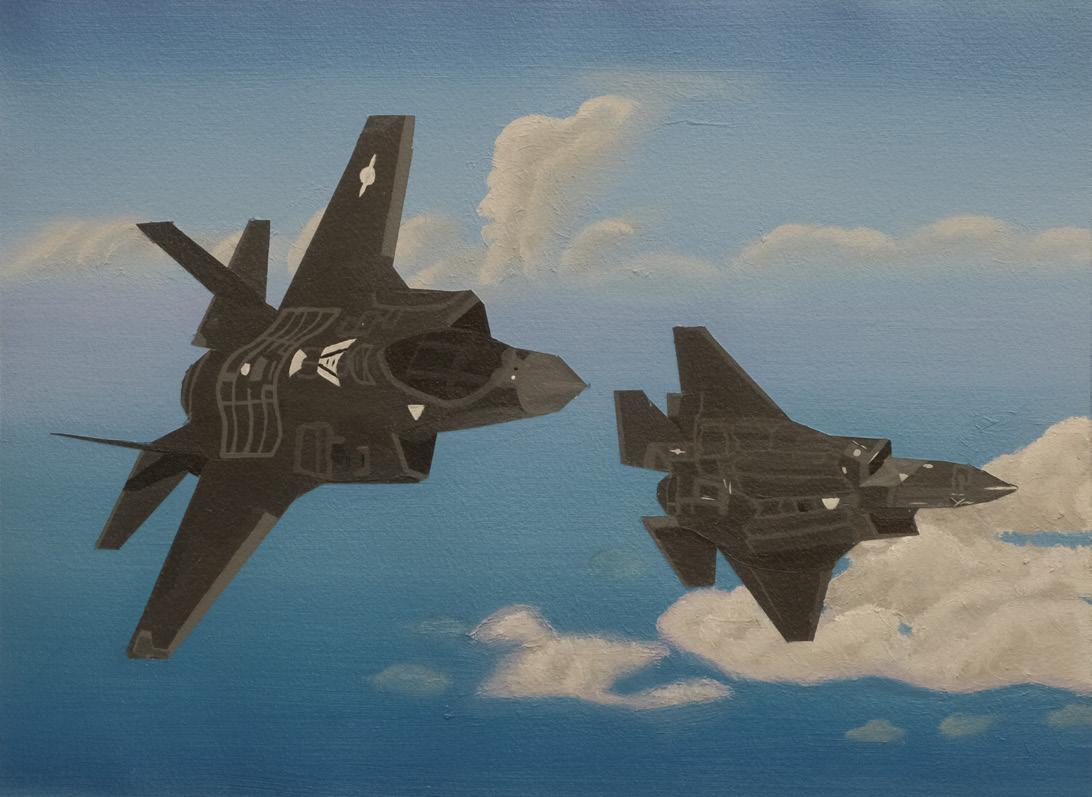
TWIN FIGHTERS ON
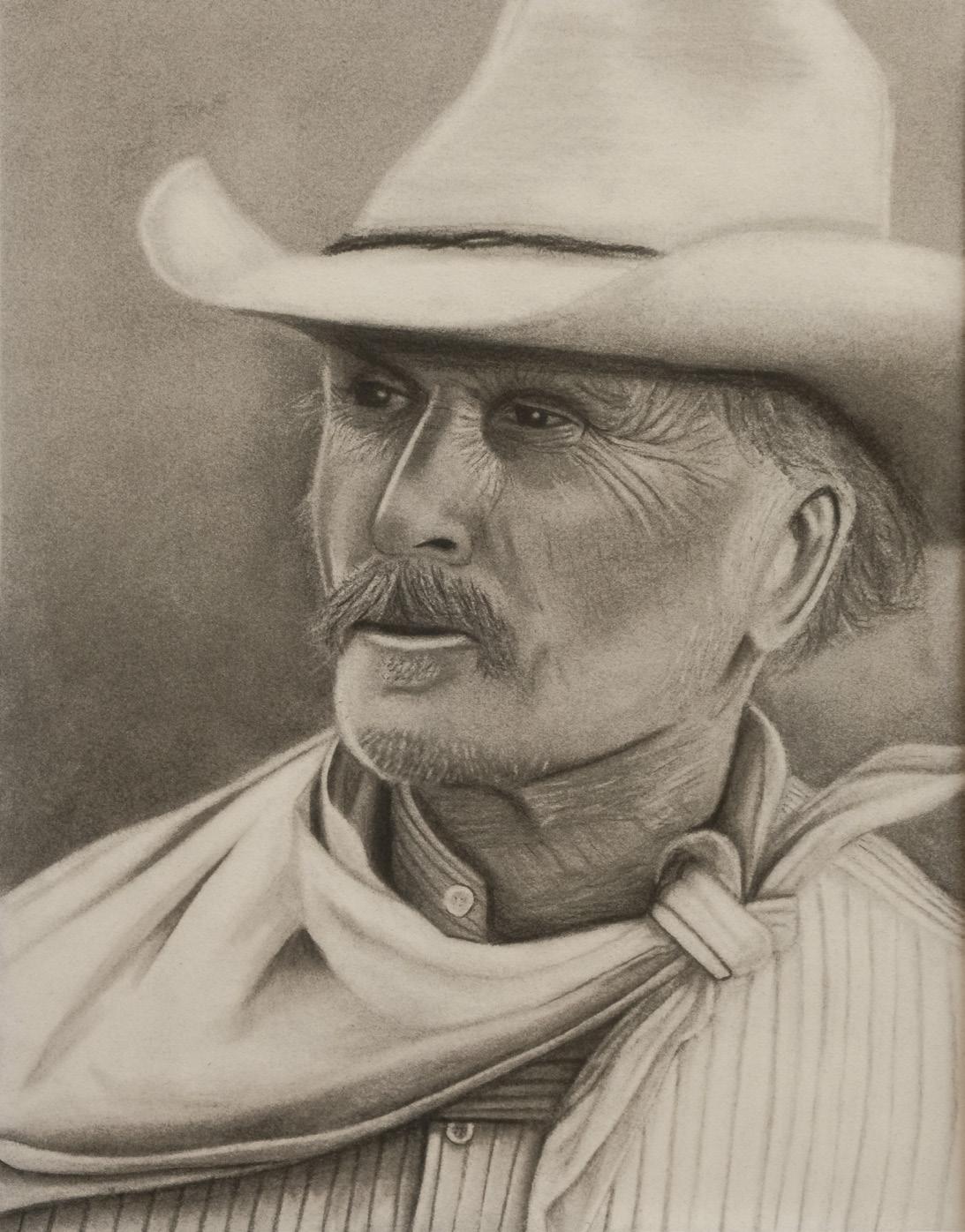
GUS
“W strokes” - Beau Bacon
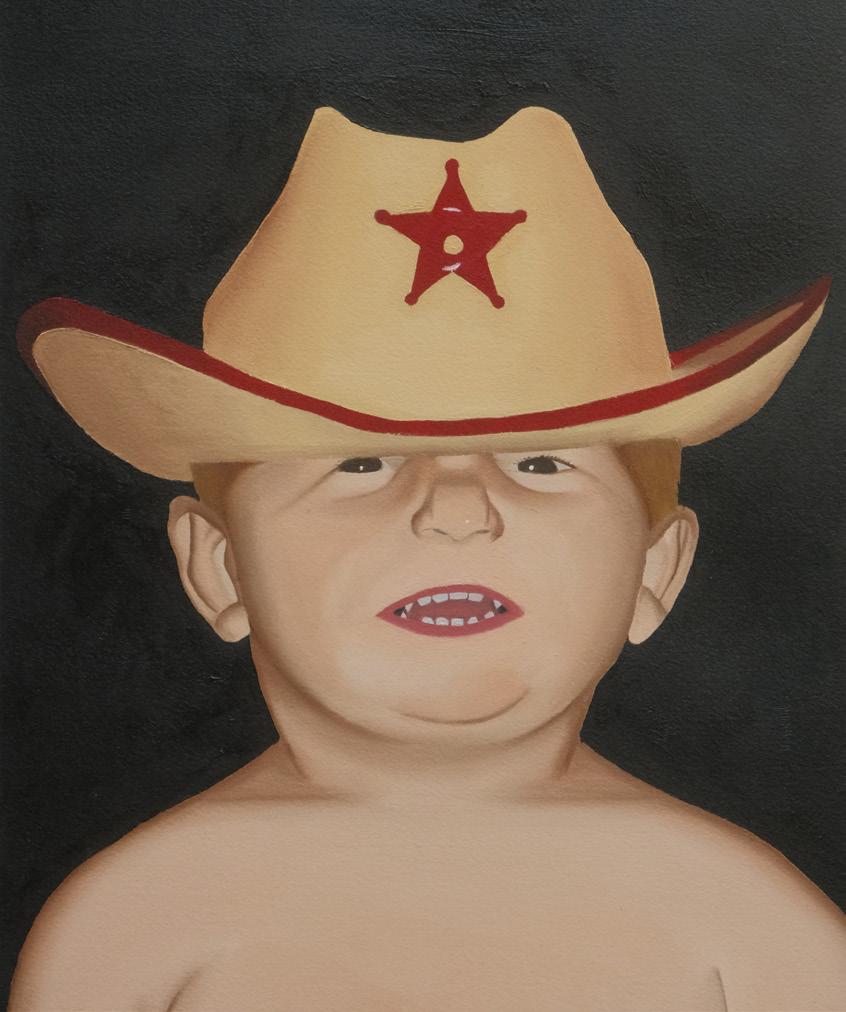
DON’T LET YOUR BABIES...
ON THE PRAIRIE
malaise
by NEIL RAKHEJA ‘26
Currents swirl through the silent reef, Buffeting the cold sand and algae like a breeze Rustling through trees and bushes. Above the sea, the wind whistles jovial tunes. But here, silence prevails.
Everything is bone-white. A plague Has swept through this once-bustling marine city. The corals have been reduced to Unmoving skeletons in a long-dead hovel. Yet one structure remains.
A lone anemone, waving Its tentacles lazily in the silent wind, Is the only speck of brightness In these gray ruins. Glowing citrus orange, This beacon remains lit.
It houses two lonely clownfish, The only survivors of this man-made malaise. Their white-striped heads slowly peek out Of the forest of orange arms. And they wonder: Will Death claim their souls next?
fruitless dance
Encompassing blue— the stage of thick-stroked bluebonnet and cobalt is set: a cathedral stands tall, its fine needle of a single, black brushstroke reaches to the false sea above; a beach of orange-pink blushes aside oblique whites teases the true sea below; and in squares and triangles and pentagons of reds, with titanium white and alizarin crimson, past angular doorways, reside lives to not be intruded upon.
whose names remain unknown; their forms flow as they dance, as they chatter with glee, as their painted limbs submit
their slate-black and blueberry outlines, tulip-pink dresses, maroon swimsuits, and scattered, empty silhouettes still posing proudly, call to me beyond their life on canvas.
by BENJAMIN HERNANDEZ ‘26
PETER CLARK ‘27 BEATS
PETER CLARK ‘27 GUCCI FLORA
*The artist intentionally embedded writing in the image; therefore, portions of it will be illegible.
DREW WALLACE
symbiosis
by BENJAMIN STANDEFER ‘26
Tangerine knots clump together and form a crown of tentacles, blooming petal lacerations engulf the switchblade clownfish, Amphiprion, as they’re called in moldering textbooks, precise sketches cannot capture the beauty of this sentient marigold filigree, the anemone resists depiction and churns its surroundings in a fervor like interlocked turbines made from stinging jelly and contracting muscle, scales and gills slip between orange-white tendrils, intermixing and making a mockery of pedagogical cartoons, worn pages feel nothing like this sticky slick epidermis and fleeting copper-lacquer skin, the smell of parchment flakes and paper residue pale in comparison to ammonia perfumes and globs of sulfur patterning each fluorescent interstice.
Not well-known, yet claimed by those who are bold.
by PRESTON HAGLIN ‘28
perpetual bay
by ALEX DAHLANDER ‘26
Quiet harbor, busy with activity, Ships docking as others slip away.
Pleasure, work, peace— they all come to the quiet bay.
The busy navy harbor and the tall town surrounding the patient water;
The ripe blue water oscillating as people carry on.
Clear sky, clear water.
The exciting violet ship house, full of yachts, filing many awaiting adventures.
The collar-blue fishery sits longingly next to it.
Tales as tall as the open ocean’s waves,
Work as flat as the soft bay water.
Whether to leave for fish in their plain soggy-gray boats
Or to leave for an excursion in their flaunting, cream sails, The dock stays busy as the bay stays quiescent.
The ocean-topped town goes to bed for the night,
The harbor and ocean perpetually awake.
Shipping off to deepening darks, they will return to the shallow lights.
Even the fish stay busy, Same with the gulls.
The waves keep crashing, Boats keep afloat.
& painting drawing
painting drawing
“In a way failure is a beautiful thing because when the dust settles there’s nowhere to go but up, and it’s a freedom. You can’t lose more, but you can gain.”
- David Lynch from Room to Dream, 2018
by PAUL SUMETHASORN
photo
DRAWING & PAINTING EXHIBITION
OLVER PEREZ ‘26 ELEVEN
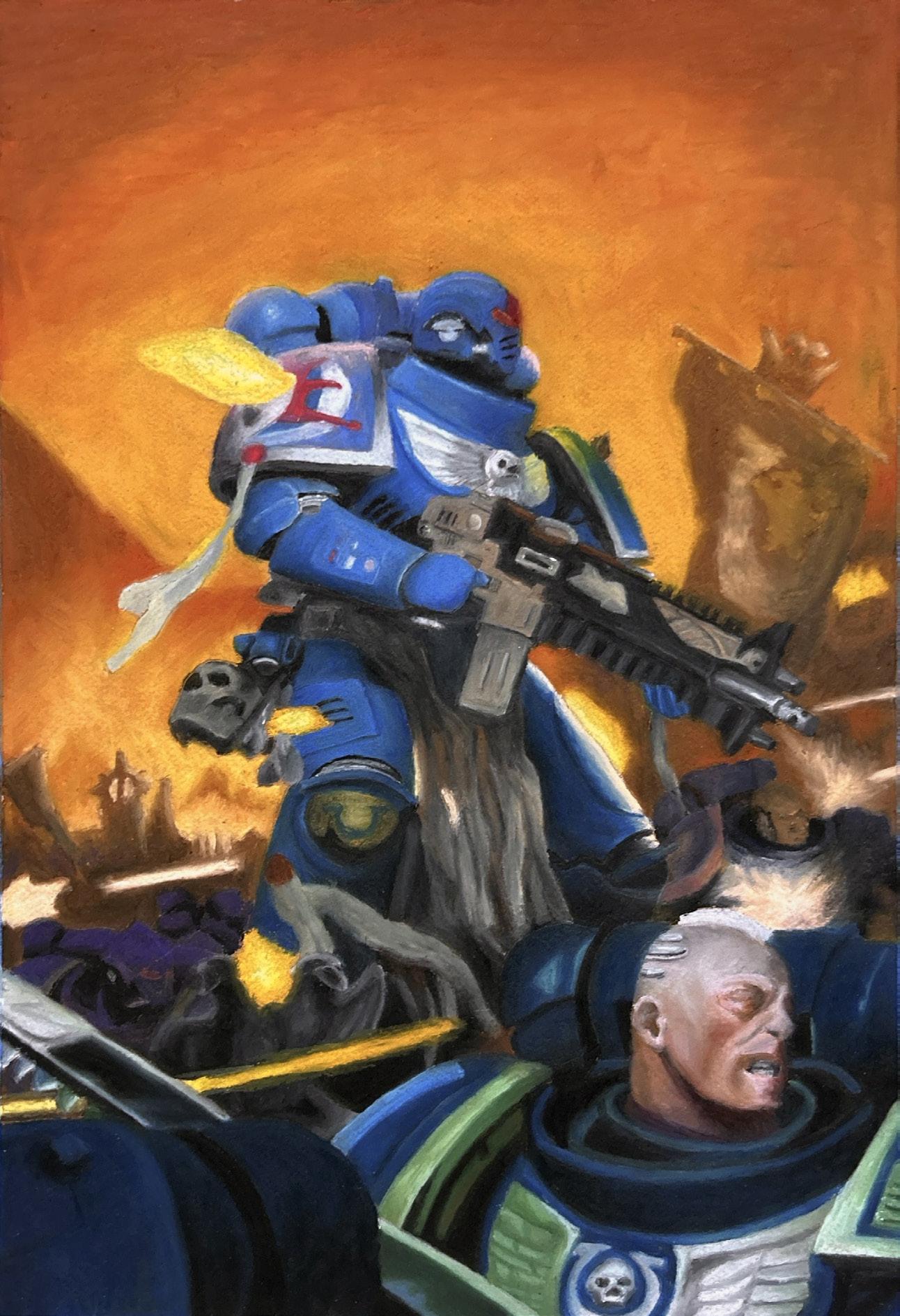
WYATT MELVIN ‘27 TO SERVE THE EMPEROR’s WILL
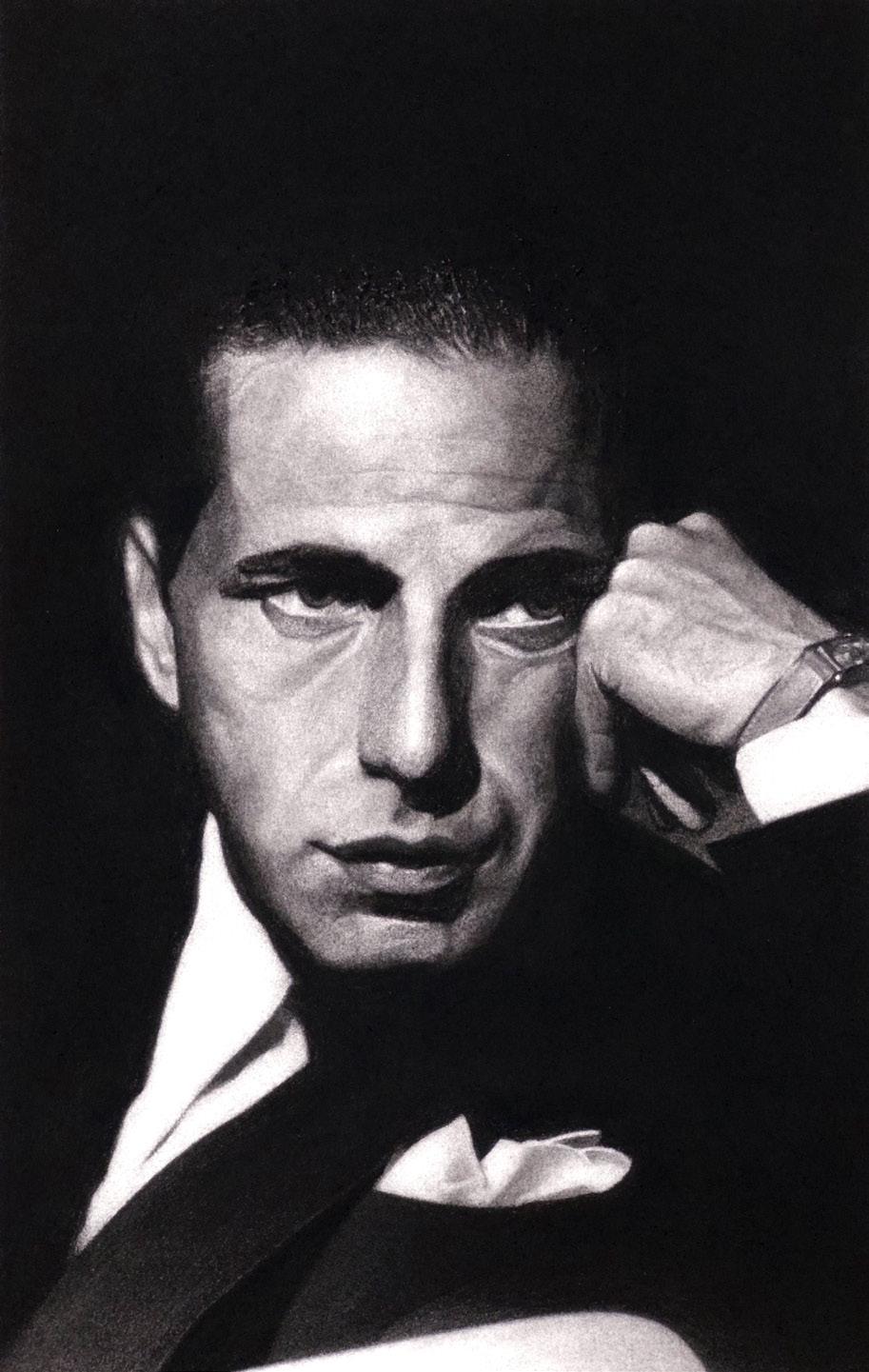
JOSH GOFORTH ‘26 HUMPHREY BOGART
RIGGS BEAN ‘26 THE SOLITARY NOTE
RIGGS BEAN ‘26 ECHOES OF THE HEARD
“Drawing is a discipline” - Kate Wood, Upper School Art Teacher
ANDY WANG ‘26
TAIWANESE STREET MARKET
MAX THOMAS ‘27 NEW YORK
neptune
Twenty years from now you will be more disappointed by the things that you didn’t do than by the ones you did do. So throw off the bowlines. Sail away from the safe harbor. Catch the trade winds in your sails. Explore. Dream. Discover.
HORACE JACKSON BROWN JR.
fish fry at brookshires
by BENJAMIN STANDEFER ‘26
On this Sunday afternoon I’m thinking about you, Allen. I see lines of great men interspersed with American cheese and reduced fat milk and is that Walt around the corner of aisle four? I feel delightfully out of place in my little processed paradise – I see through old East Texas eyes and chuckle cowbells – Thirty percent discount on artichokes! – his voice sounds like catfish baking (like dead porkchops): raspy notes pop out at me like specks of oil. I want to eat up every word and savor the white flesh between the twang. What did your voice sound like, Allen? I bet it was lonely and shimmering. I would’ve bet every half-thawed patty (every frozen delicacy) your voice tasted raw, unbaked, no oil, firm and flaky. There’s an art to getting lost in the voices – they weave, fins flipping from side to side –scales slip through your fingers but you can catch them in your ears. They hook onto your lobes. I pick them out and put them in my basket. Behold these delicacies: gravelly drawls, cherry-lipped murmurs, oily-wet barks and chirps. I survey my basket and feel (absurd?) ravenous.
I have a will to power – to own the voices. I want to put each cicada hiss and smokey monotone in my pocket and waltz out through the automatic doors. The solitary streets would light up with thousands of songs. No tree – no shade – could put a damper on my banquet. I would tear into crackling diphthongs and press – snap – pulverizing tiny grease-slick bones; devour sun-stiff gossip stripped from a line; and ladle thick spoonfuls of unique phonologies. It’s a pity no one will ever taste your voice, Allen. Maybe the fanfare of a fish fry fills that empty space for a bit, but after we all rise like steam out of the fantasy and are left standing – stupefied – between aisles. This is America, Allen, but look at what we’ve lost.
sword beach
by GRAHAM SMITH ‘28
Young men barely older than children trudge toward the shore through crashing waves and hissing bullets. Laughing children splash and play in the calm, languid sea.
British soldiers surrounded by carnage and fallen brothers; the sea stained red. Beautiful castles crafted from golden sand.
Thousands of barrage balloons arc upwards and disappear into the dreary gunmetal sky. The bright blue sky is filled with a rainbow of kites.
Soldiers desperately struggle to get off the killing zone on the deadly beach. Families flock to the seaside town for a long holiday weekend and crowd the sand.
A landmine explodes. A beachball pops.
The beach is filled with brutal steel pikes and lifeless bodies. Lounge chairs and pinwheel umbrellas line the shore.
Machine guns shatter the air. Cameras click.
Bloodied young men muster their energy to ascend the jagged cliffs. A couple slowly descends the stairs to the beach.
The stench of vomit, smoke, and death envelops the men. The aroma of pastries and baked apples wafts through the seaside restaurant.
The soldiers wonder if anything is worth this. If this is the price of freedom?
a socratic paradox
my brain traverses supraglacial streams, skipping from frozen chunk to chunk to hulking nunataks, struck by their impermanence, icy minutia regelate in my crunchy footsteps etched out like indentations of past memories that I barely know, chalk terrains extend endlessly and ridges of ogive-indentations pattern the edges of snow as clear as my mind’s eye, my epistemology is a product of clean slates and snowscapes, I know I know nothing,
I choose to succumb to cognitive dissidence as much as these glaciers choose to disappear, I cast myself deep down into meltwater pools and float up like infinitely thin shards of frost
if my mind was a glacier it would be riddled with crevasses and calve into oblivion and revel in jökulhlaup aftermath its only salvation a hierophany of hydrofractures
if these mammoth hunks of ice can vanish in a moment
I am convinced we live in ontological decay
by BENJAMIN
freeze frame
Water rushes ice ashore an onyx black terrain.
Could this be why their cool-blue hues wear thin, now fading grays?
Beached on soil that won’t take, cleaved planes of ice calved from petrified mothers cry out meltwater tears.
In stratus skies, ancestral sentries gather.
Heat beats their backs, baking blues to a navy-purple haze.
I wish I could freeze the children’s fearful sweat, stop treacherous moulins from bolstering the tide before, misguided, ice breaks more homes apart.
by MATEEN MOSTAFAVIPOUR
breatharianism
Cobalt haze hovers over the baked orange-red terracotta roofs, capping off the sun-bleached ochre-cream squares like rows of Ottoman fezzes.
These little villas cling to the coastline, surrounded by salty turquoise winds and groves of dark-green foliage, shrouded in shadow except for the occasional silver shimmer of an olive leaf.
These terraced houses form a bride’s veil along the bay and weave stucco-crusted threads between stitches of patchwork shrubbery. A tile and plaster virgin oasis.
Milk-glass moonlight colors the town and the tree’s interdigitated branches. She sits perched above the town, her palmate parasol peering over the edge of the balcony.
Her roots fill each lapidary interstice and drink from nonexistent pools. Saline ichor permeates her atmosphere as chance coruscations flow through her knotted cambium.
She is nourished solely by phosphorescence and extends into ethereal catacombs and contains no fruit, no knowledge, no sin, only multitudes of cellulose and lignin.
Her mottled bark and thin, leathery leaves reveal her age, twelve thousand years she has sat watching over these vermilion roofs and cupped bay and air thick with jasmine.
Her only sustenance comes from her garden, a prelapsarian enclave of white shells and untamed orchards. She sits perfectly vulnerable on her alabaster ledge with no Adam in sight.
by BENJAMIN STANDEFER ‘26
chasm
by NEIL RAKHEJA ‘26
Icrawl along a shelf of ice. Fine white particles of snow cling to my jacket and pants as I slither forward, trying to spread my weight out over the white sheet. It groans complaints from underneath me.
Despite the rope cinched tight to the ridge above me, unease begins gnawing at the back of my mind. Each movement, each creak, is another wager against nature. I press on, the sounds swelling into shrieks. But then I reach the brink. And I look down.
A bottomless chasm yawns up from the deep. It drinks from an endless stream of water pouring in from above me.
My thoughts are swallowed up by that black maw –a mouth open in eternal thirst, impossible to satiate.
Sharklike teeth of icicles line the lips of the ravenous tunnel. Frigid cyan sheets of wet glacier line the walls like gums covered in slimy, slippery saliva. The mouth seems to open wider the more I gaze inside. It relishes the lifeblood of the ancient frozen monolith I travel on.
Even long after I have left this place, this orifice will continue to feed. The glacier will vanish, a sacrifice to the unquenchable thirst of the indifferent abyss.
PETER CLARK ‘27 SHINING THROUGH
Award-winning photographer Sebastian Gonzalez pushes beyond tradition, redefining what photography can be
Senior Sebastian Gonzalez is one of 49 of the 2026 National YoungArts Competition Winners for photography. With 3 Gold and 2 Silver Keys from the 2025 Scholastic Art & Writing Awards, along with many more awards from numerous other competitions, Gonzalez is one of the most accomplished artists at the school.
His journey to this point, however, has not beem quick or easy. Gonzalez has taken photos since eighth grade, and his art journey began years before that.
He didn’t even fall in love with photography with the first assignment, or even the first few. The first photo Gonzalez credits with truly bringing him into the world of photography was his Unusual Angles assignment.
At first, Gonzalez wasn’t sure what he wanted to do. So he just got up and walked around outside, accompanied by his dad.
“At first, I asked my dad for help because I didn’t know what to do,” Gonzalez said. “I live right next to White Rock Lake, so we were just walking across this bridge, and I was looking around for photos, and then I looked down from the bridge and straight over the ledge.”
What Gonzalez saw wasn’t anything unique. There wasn’t a hidden portrait or beautiful landscape staring back at him. Instead, he saw an opportunity. Calling his dad over, he meticulously arranged a scene of a top-down photo of his dad walking, editing it for hours afterwards.
“It was a very good photo, and I got a very good critique from Mr. Hunt and whatnot, but I think that was the first thing that made me realize what I can create,” Gonzalez said. “Especially as an eighth grader, making something that’s your own idea and staged by you but doesn’t feel contrived is amazing.”
That realization lit something inside Gonzalez. Uniquely, Gonzalez doesn’t have a single artist or creator he looks up to. Instead, he chooses to examine arts of all kind, forming a diverse portfolio in his mind.
“I wouldn’t say I have an idol figure I look up to,” Gonzalez said. “I’m a big fan of art in general. The best way to get better at art of any kind is to look at art of all kinds, and that’s what I do. I’m in AP Art History now, I go to lots of museums, I follow artists on Instagram, it’s a plethora of things, and I think that amalgamation of creativity (helps).”
With the medium of photography, Gonzalez admits that there can be difficulties in creating something that feels genuine and original. But by trying to incorporate what he sees across all different mediums, he strives to make pieces that push the frontiers of his photography.
“It’s very hard with photography to create something that feels originally yours,” Gonzalez said. “It’s the most accessible, easy medium form of art, but, at the same time, it’s hard to break out of the traditional constraints of it and break into abstraction and creativity.”
In addition to the creative side of photography, Gonzalez particularly enjoys the tight-knit community at the school. Having spent five years in the same photography lab, Gonzalez has created extremely strong bonds with dozens of students over the years.
“Photography has a very good sense of community here at St. Mark’s,” Gonzalez said. “My sophomore year, I had a free period that coincided with the junior and senior honors class, and I would just spend every free period in that class: I essentially just became a part of it. And I was really good friends with a lot of these guys, and I think it was the right choice for me.”
Taking part in that class offered Gonzalez more instruction and education than he would’ve otherwise received. He took that knowledge to create a portfolio for the national YoungArts competition his senior year.
by SHIV BHANDARI ‘27 portrait
“My first piece in the Young Arts portfolio really was the epitome of thinking something up, planning it out, executing it, and having it feel as if it came out of something that already existed,” Gonzalez said. “I spent days looking around the lake for a tree that would fit the situation I had imagined in my mind, and then I brought lights and a remote battery generator once I found
it. I photoshopped each of the pages individually, one by one, into the image, then lit and shadowed them by hand.”
Gonzalez chose to cover the ever-evolving topic of Artificial Intelligence. Blending AI with his art seemed difficult, but as he researched more and more, he found himself coming up with ideas.
“The back five pieces of my Young Arts portfolio are these experiments with AI,” Gonzalez said. “I found this website that analyzes images of people and tries to take what emotions they’re feeling. I was trying to make art that was a commentary without being redundant and repetitive and without falling into the clichés that so often befall high school photography.”
In creating these photos, Gonzalez strayed from the traditional definition of what a photograph is. But as he crossed that boundary, he found that the ceiling for creativity only kept rising.
“When you make something like that, the definition of what a photo is and isn’t doesn’t really matter,” Gonzalez said. “It helped me a lot to abandon the preconceptions I had about what good photography is and what it isn’t.”
This experimental style, however, was new territory for Gonzalez and the photography program. Gonzales required more than the traditional techniques for creating portraits and landscapes taught in middle and upper school.
“At St. Mark’s, we learn very good technical skills, and we create very good photographs,” Gonzalez said. “We’re head and shoulders above the competition on a technical level, but the one thing I feel that we’re lacking is that there’s nothing experimental. There’s nothing that pushes the envelope of what it means to do photography in any way. Once I tried to do that, it opened up a whole new world for me.”
To any young artists seeking to start creating photos, Gonzalez encourages them to just go out and start taking them, not worrying about their quality. He believes that, by taking more photos than may seem necessary, a student has a higher chance of capturing something worth further pursuing.
“I think people are too selective,” Gonzalez said. “People don’t want to take a picture because they don’t want to do the wrong thing, and they end up spitting something out the day before it’s due. When I work on assignments, I take photos of everything. Just keep creating all the time, and you’ll find something.”
After high school, Gonzalez plans on continuing to create art. Although he doesn’t plan on pursuing it professionally, he knows that it will always play an important part in his life.
“Art is not something I need to study in order to create,” Gonzalez said. “I’m just creating because it’s one of the things that I can do that makes me happy and is fulfilling. I’m just going to live my life and keep creating art: it doesn’t really matter to me whether something comes out of it or not.”
“It helped me a lot to abandon the preconceptions I had about what good photography is and what it isn’t.”
ILLUMINATION
the night’s light
by HUGH FEFERMAN ‘26
A lonely chunk of iridescent ice hibernates on top of the desolate desert like a wilted and jagged petal from a forgotten frozen bloom of bluebonnets. Blue light from within overwhelms its frigid drapery of translucent ice, which burns in a milky-cerulean glow.
It is dying of thirst. The powder growing upon its surface which is scarcely seen attracts northern gusts that in desperation now pounce upon the ice, revealing the berg’s smooth, glassy skin, shining like polished marble. In the heavens a spotlight hovers, as if the moon pierced through the onyx night sky, giving way to pure brazen brightness until the night’s end. Despite the moon’s brilliance, the land is cast under a deep silent shadow. Slate-gray snow rests on top of the arctic plateau, sculpted by the whisping wind.
The dust pushes against the heavy weight of the ice with its combined vigor, threatening to cascade along the hill’s bend like sand passing through an hourglass.
swing the hammer
A quarryman has one of the hardest jobs on the planet. He spends 12 hours, 7 days a week, 365 days a year, turning boulders into rocks, using a 20 pound sledgehammer.
After 10 swings, the massive boulder lies unblemished.
After 50 swings, the boulder’s rocky armor still holds fast against the quarryman’s onslaught. After 100 painful, laboring, violent swings, the boulder shows no sign of destruction. To outside observers, the task is pointless. Why swing, and swing, and swing, when the boulder asks to be unbroken and the sledgehammer politely honors its request: despite all the quarryman’s doubt, and the ache in his muscles, and the monotonous futility of his swings, on the 101st swing, the boulder splits in half. This is my best analogy for life itself. Every class I want to pass, every football game on the schedule, and every vice I need to conquer is a boulder I need to break.
The quarryman’s final swing wasn’t the one to break the boulder, the same way that my final exams weren’t why I passed my classes, the same way that the final win wasn’t what defined my season, the same way a moment of revelation didn’t change my character. It was every late night studying, every hard practice, every moment of self reflection, and every moment that I swung the hammer.
by BARRETT KNETSCH ‘27
held inside the dream
by ANDREW HOFMANN ‘27
I stop because of the eyes. Four yellow globes stare, unblinking, following. The flute’s thin whine cuts through the silence of the gallery. The families, the critics, and the art fanatics have left. The watchman impatiently taps his watch. We’re closing, he says, already walking away.
The smell of ripe fruit draws me in. The flute swells.
Rotting wood and humidity thicken the air. Watery mud fills my boots.
Leaves, fighting for the last scraps of sunlight, brush against my skin. A jungle swollen to chaos.
Eden, distorted.
Drab green, vibrant orange. The flute continues. The lions remain unmoving: Their pale eyes still following.
The mud thickens as my feet sink deeper. Each step, a Herculean task. Twelve steps before my legs give out. The lions remain still.
A canopy of decay seals out the yellow sky, Shadows covering the mud below. Fruit hangs just out of reach: An invitation closer to the lion’s mouth. No birds. No insects.
Only four animals trapped in the jungle.
The flute no longer rises or falls. It repeats. Everything stays still, holding its breath: No exhale follows. Nothing changes as the mud begins to harden.
The leaves begin to dry. A single, unbroken tone rings from the flute. The man does not blink. The eyes do not blink. I remain, Held inside the dream.
ASHER RIDZINSKI ‘27 FORMS
by ARYAMAN LAHOTI ‘26
Swelteringly hot, the sun’s unceasing eye shone with fury. Heavy drops of water slid off evergreen tropical leaves, and the roots of the trees slithered and cut across each other, creating a knotted web of uneven and treacherous ground. Layered between these roots was soft mud that pooled in wet puddles and lay home to all creatures of the underground. It was in this hellfire that Alan Dulles had crashed. His fighter jet shot down earlier by two Japanese aerial units, he was forced to ground himself on the island. He should have never joined this bloody war, but he remembered the frenzy in his high school when the war was announced. The middle school boys rushing to try to change their age to get in, and his whole grade swelling into the enlistment offices to take a bite out of the Nazi menace. His family’s faces had shone with pride unlike ever before, and that chance to be part of something greater than himself and the allure of prestige had bewitched him. Every moment before deployment, he had been taut with excitement, ready to prove himself and make his mark on the world. Maybe even bring home glory to his family. But now all he wanted to do was go back home to his family and his warm bed with the silk sheets and fluffy pillows. He didn’t care about the shame anymore.
The trees, sodden and swollen with water, weighed heavily on him, and their slithering roots blocked his way from below. Already it had taken him thirty minutes with his machete to clear away 10 feet of space to create a camping site. But the muggy environment was unrelenting, giving him no space to breathe before he was forced to swipe at another overhanging vine, the humidity suffocating him and sealing the sweat and grime to his jacket. The sound of mosquitoes buzzing filled the forest, and Alan dropped his machete, flinging his arms around him in a desperate attempt to swat them away. Alan collapsed. The physical exertion had taken its toll, and his mind flashed memories of the orange haze of the fiery crash.
A branch in the distance creaked under the weight of a creature in. Alan lay flat on the ground, his body unwilling to submit to his mind’s request to look. A few more creaks echoed, the sound becoming more distinct, and then a branch broke,
the crackle sounding sharply in the air. Adrenaline overrode Alan, and he rolled out of the clearing and into the overbush. The sharp acrid smell of burning flesh suffocated him, and Alan, suddenly very aware of his own putrid smell, carefully scooped up heaps of cool mud from the ground, rubbing it on his face and body with an animalistic ferocity. He slowly lifted his head up like prey in the presence of a predator. Wrapped in a brown aviator’s coat was a man in the mini-clearing covered in open sores of rank necrotic flesh that were blackening. His head swiveled around in a frenzied daze, looking for the architect of the clearing, and he spotted Alan. The man’s face contorted into a mask of terror, and he swiftly steadied his legs, reaching for his pistol. Alan was ready, though, and he whipped out his own sleek black Colt M1911 that was polished impeccably, aiming it at the man’s head. But Alan’s hands were trembling, and his shot tore through the man’s left shoulder, causing him to convulse in pain. But the man was able to drag himself into the trees before Alan could reload in the relative safety of his bush. Alan’s knees collapsed, and he fell flat on the floor. His breath came in sharp, jagged gasps, and the smell of the pungent, metallic residue flooded his nose. The sounds of the forests, the soft buzzing and chirping, turned malevolent and wriggled into his brain like parasites, carving and slicing into him like jagged knives. Every moment felt separated from reality. He had never shot a man and seen his face before. In the plane those on the ground were tiny specks, and shooting them was like killing ants. Rubble would explode in showers, and every crimson stain was a thrill, a sign that he had accomplished something.
Alan snapped back to reality. His training overtook him, and he took deeper and deeper breaths, and a sense of calm started to pervade his body, overriding his overstimulation. Every breath seemed to shake his body, but he slowly got back to normal. There was no time to wallow in his fear of the newfound danger. He had a mission now. He had to kill the enemy.
He grabbed his pistol from the underbrush and reloaded it. It took him a few tries with his unsteady hands, but he jammed the ammunition in.
He grabbed more mud to slather over his body and mixed it with the forest-green berries, blending his skin with the foliage. The trees around him stood like fences obstructing his way, the roots like serrated edges. But he got down and started crawling into the unknown; with each step, he was careful not to cut himself. He moved the letters from his parents that he kept on his chest into his lightweight bag on his back for the first time, unwilling to let them be touched by the invasive roots. Time dripped like water from a leaky spout. Each torturous moment hung in the air as the next was uncertain. The silence was unbearable, and the man was nowhere to be seen.
The forest led him deeper, and it smothered him with its weight. Water seeped into his clothes, and with the heat and humidity, it acted as an adhesive sticking his clothes to him. He could feel the uncomfortable pricks of mosquitoes feasting within his pants, unable to reach them without betraying his position. Everything around him was the same. Trees towered and branches weaved around for as far as his eyes could see. He had no idea which direction he had come from, and his water was running dangerously low. The weight of these thoughts struck him suddenly, and panic flooded in like water through a dam that burst. His movements were reinvigorated with the thought of his impending mortality and he let his guard down in exchange for speed. There was no more time for stealth.
The thrum of a whistle suddenly sang in the air and hung in the silence. Metal tore through Alan’s left shoulder, and heat exploded through his body. He tasted the iron in his mouth, and the throbbing pain threatened to take him under. His breath came in panicked gasps, and every intake caused violent rackings throughout his body. His left shoulder spat out red-hot blood. Another shot cut through the air like a scythe through wheat and grazed his right eye. The pain was unlike anything he had ever felt. His vision shattered into shards of white crystal, and he fumbled around dumbly, struggling to stay conscious as it felt like spikes were being driven into his eyesocket, rending the flesh mercilessly. Finding his gun, with the desperation of a wild animal on the precipice of the beyond, he shot blindly in the direction of the shot, causing birds of all sorts to fly into the air. He grasped into his pocket for another bullet and crushed it into his revolver, firing again in that direction. He would not let himself die here and be lost to the world forever, separated from those he loved and devoured by creatures who thought themselves worthy of his flesh. The pain in his shoulder and eye started to subside into a sharp steady rhythm and became bearable. The man seemed to have fled the scene, and Alan took the chance to reach into his bag and grab the cloth from inside. Pumped with adrenaline, he wrapped it around his shoulder where the pain had seemingly disappeared, and the whole appendage just felt numb. He did the same with his eye, extending the cloth around his whole head in a bizarre, yet effective, way. He knew his eye would be permanently disfigured, and his left arm seemed to have lost all its function for the moment. These thoughts sat in the back of Alan’s head, however, as just surviving would be the real miracle.
He trekked on, driven by sheer willpower and determination. Each step reignited the pain that blossomed in his eyesocket, though his shoulder still remained lifeless and unfeeling. It felt like an eternity had stretched by before he finally spotted
a flash of black. The tension in his body that had been building up finally stopped, and a portion of it dissipated. He knew that no matter what happened, the ordeal would end soon. He picked up his gun and reached into his pocket to push a bullet into it. There was none left. Alan almost laughed out loud. Of course, he was such a fool that he didn’t keep the ammunition in his pack while walking. It must have fallen from his pocket on the way. It was no big deal at this point. He unlatched his bag and reached inside, grabbing by the handle a serrated knife. He carefully took off his boots and, making sure not to step on any leaves or make any other noise, inched towards the man who was sitting, his back hunched against the trunk of a tree, examining the bullet lodged in his right thigh. Each stride felt monumental, but soon Alan reached the side of the trunk completely opposite from where the man lay. He changed his grip on the knife, holding it like a hammer, and in one swift motion, extended his arm so the knife was in front of the man’s face and brought it back and thrust it through his eye, digging it deep into his head. He drove the knife once again through the man’s other eye and then stabbed indiscriminately into the mottled flesh of his face. Apart from his initial jerk and gasp, the man lay still. A feeling of intense jubilation spread through Alan as he stepped into the clearing, eager to see the result of his handiwork and tear the badge of Japan from the man’s jacket. He turned around to see the man, and shock overwhelmed his mind, followed by a deep revulsion. Something twisted in his gut. The man seemed hardly human anymore, the black sores ruining his skin, and his face slashed until his features looked like melted wax versions of their old selves. Alan vomited into the grass, his body’s rebellion to the sight his mind could not bear. The lush green in the clearing was tainted by the yellow sea he created. This was the horror of war he had inflicted from the safety of his cabin. He had thought he understood war’s ugliness, but this was the first time he had seen it in human form. He couldn’t bear the sight any longer and groped into the man’s jacket and tore off the badge that lay within. It was an American badge. His vision must have been impacted worse than he thought. There was no possible way. But the flag, despite the splotches of blood, was clear. It had the stars and stripes.
The world blurred in his vision. The heat, the humidity, even the fear, all took a step back to the deep shame that emanated deep within him. This man wore the same uniform as he did. Probably had a family in the same country. Fought on the same side of the war as he did. And what had he given him? He had torn off his face, left him during the last minutes and hours of his life to suffer in pure agony, betrayed by a man that was his supposed ally. His knees suddenly gave way, and he felt weak. The heat made his vision swim, and he felt a burn across his body. A migraine exploded in his forehead, and he reached for the cold gun of his enemy. Its chilled muzzle felt good against the blistering heat of his forehead. He could be free now.
The island was empty of humans once again, their bodies already being swallowed up by its original inhabitants.
BRYAN LI ‘28 PARIS
hitchhiking off oppenheimer
by SEBASTIAN GARCIA-TOLEDO ‘28
On May 6, 1962, my grandfather was 22 years old, and that same day, he met American theoretical physicist, J. Robert Oppenheimer.
My grandfather’s full name is Francisco Javier Garcia Muñoz Najar, the name an indicator to Peruvians of his origins in the south of the country.
By the early 60s, Francisco had been living in the capital, Lima, for a little more than three years, and he had settled into a predictable and productive routine. The relatively steady existence of his 20s a stark contrast to the turbulence of his late teenage years.
He very proudly tells one of his favorite stories from his sophomore year of high school. He had transferred himself from a respectable Jesuit high school to a military academy with a group of friends, and that decision turned out to be one of the greatest adventures of his life. Incidentally, he later admitted, and not very proudly, that he lied to his parents about returning to college and used the tuition money they sent to party like an animal.
However, in the following years, he devoted himself to the study of science, to the point where he essentially lived in his university’s library, earning the moniker “library mouse.” By the end of his education at the Universidad Nacional Agraria La Molina, he had earned a double degree in agricultural engineering and animal technologies as well as a Master’s Degree in biochemistry. It was through his refuge in the library and his incessant reading of scientific periodicals that he learned of the coming of Dr. J. Robert Oppenheimer to give a lecture and receive an honorary doctorate at the Universidad Nacional de Ingenieria.
He distinctly remembers embarking from his university on a “colectivo,” essentially a prehistoric version of a ride share, the only qualification being that the vehicle must be American-made in order to fit as many passengers as possible.
My grandfather recalls the Lima of the late 50s and 60s as
BRYAN LI ‘28 NOSTALGIA
a city of splendor. In fact, it was often called The Garden City (though in the next decades it soon became Lima the Terrible). That splendor captured and resonated into the culture of the time, and thus, it was no surprise to him that the conference was completely packed with students and academics alike, making it nearly impossible to find a seat in the audience for Oppenheimer’s lecture.
My grandfather eventually settled for a seat near the back and directed his attention towards the stage. The focus of the lecture was on pacifism and the possible application of nuclear energy in the Peruvian highlands.
At the end of the lecture, as people approached the stage to ask Oppenheimer questions and to snap photographs of him, an idea came into my grandfather’s mind. He had arrived early to the lecture and had actually spotted Oppenheimer exiting his car as his chauffeur parked it. In a flash, he rushed in the opposite direction of the mob of people charging at the stage and ran instead to where he knew Oppenheimer would be.
As the world-renowned scientist exited through the back of the stage, my grandfather was able to time his approach to the car, and he and Oppenheimer both met in the back seat of the vehicle, as he entered using the opposite door.
At first, Oppenheimer was startled, but after an explanation from my grandfather that he simply wanted to meet him and talk, the scientist laughed, and they shook hands, introducing themselves to each other. Oppenheimer conversed in Spanish with my grandfather, astounding him with his fluency. Oppenheimer asked where he was headed, and my grandfather responded with where he lived, Miraflores. Oppenheimer revealed that he was also headed there, and he offered to give him a ride.
On the way, contrary to what my grandfather expected, it was Oppenheimer who conducted the interview. He showed an authentic interest in what my grandfather was studying and asked questions about his courses and the lifestyle of a college student in the Peruvian capital. Once they had reached my grandfather’s home, they shook hands again, and Oppenheimer wished him well in his studies.
When he tells this story, my grandfather says that what struck him the most about Oppenheimer was the serenity of his eyes and the kindness of his voice. He says that he couldn’t fathom such a juxtaposition, a face so kind for a man who had created something so destructive.
My grandfather is 85 now. As you can imagine, he always brought vivacious storytelling every time he came to visit. This was one of his favorites. The last time I saw my grandfather, he couldn’t quite recall it fully, so we told it together, piecing the tale back. It was in that moment thatI knew it was now my turn to tell the story.
the man i never met
by LARRY FAN ‘28
I travel to a foreign land and become surrounded by people. I hear a language I cannot comprehend and view novel mountains.
The people wear smiles, their teeth never perfectly aligned. They call my name, but I do not recall their names. Man, woman, man, woman, they all seem to blend together.
Their speech sounds like curved punches. My mouth tries to recreate the sounds and fails.
The mountains are tall and solitary. Forests of a tree I cannot name cover the mountainside. A well-worn trail winds towards the top.
I get swept along onto the trail and up the mountain as others carry two lengthy logs, a hefty wooden box, a flag, candles, flowers, and portraits.
At the top of the mountain, a clearing sits, large rectangular stones spaced out in rows, sophisticated calligraphy covering each one. A mystical incense fills the air, and everyone hymns a song I am expected to know. The portraits everyone brought show one man: my grandfather. The man I never met.
A MONOLOGUE
Meet Rocky Lancaster: a prolific poet and writer whose thoughtful reflections illuminate the quiet complexities of the world around us
portrait by WINSTON LIN ‘26
Icannot stop writing about love. Am I being redundant?
Though we may not say it, we love everything around us. From the pillow we sleep on, to the floor we walk on, to the birds who are chirping and making the morning a little sweeter. We love the world, and in turn, the world loves us. Even so, this unconscious kind of love often goes unnoticed. That is to say, we are all, at times, ignorant of these tiny perfections in our everyday lives. I am no exception; I, too, need constant reminders of the subtle beauty that the world surrounds us with every day.
I am infatuated by the very idea of it. There is nothing new to say about it; it has been the backbone of society since before society. The simple fact that it is a part of everyone’s lives every day makes it worth writing about. Every day.
And what is the job of a poet, if not that? To bring to life, to shine a light on, and to characterize the overwhelming beauty we often forget. One poem that encapsulates this idea perfectly is e. e. cummings’ “i thank You God for this most amazing.” He writes, “i thank You God for this most amazing / day:for the leaping greenly spirits of trees / and a blue true dream of sky; and for everything /which is natural which is infinite.” The truth I find in poetry is its ability to make you more conscious than you ever thought possible. Cummings wakes us up to reality: a pulchritudinous sky, a bucolic scene with swaying trees, and every other piece of nature you can imagine. When you walk out of your house in the morning, how often do you stop, mindfully breathe in the fresh air, and then recog-
nize the plant that gave it to you? I do not blame you for not having done this; I am no saint either. This is all to say—what is earth without art? Just “eh”? (I do not claim making up that word play, I’m using it to convey my point) Art—poetry, in particular—forces you to think far more deeply about everything you do.
Why is traffic so poetic? It is a group of people all in a rush to get home to their wives, husbands, dogs, cats, Hallmark movies, microwave popcorn, or cozy beds for naps. And yet they are sitting still. But I thought they were all in a rush? Shouldn’t everyone be irritated?
A friend is picking you up from the airport, even though he is not being paid and has somewhere to be after he drops you off at home. Why does he do it? Did you thank him enough for it? Does he expect something from you now?
Life is full of these exchanges and situations, of little offerings of peace, friendship, and love. I have started to appreciate traffic. How else would I sit in my car and think about my day, call my friend, and listen to this new song? I have stopped offering money to friends who pick me up from the airport; instead, I buy lunch for someone I do not know. I will continue to try and take a moment, not every day, but when I remember myself, when I walk outside to appreciate a plant’s oxygen, the gentle swaying of trees, and the beauty of a group of people sitting still despite the rush they are all in.
So, I ask you, I do not command you, why don’t you try to look up at the sky? Find something meaningful about it: a plane full of people you don’t know, flying to a place you haven’t been with people you’ve never met. It is almost sobering when you realize how conscious everyone else is around you. Or you find a cloud that half resembles your dog from ninth grade. Is that him coming back for one last goodbye? Is it all pure coincidence that the cloud formed and you happened to see it? This is your reminder that hundreds of tiny instances of love and humanity are constantly happening around you. We are often so blinded by our own journeys that we fail to recognize the beauty of everyone else’s. So, why not take a second to find the love in your own life and, in turn, find the love in everyone else’s?
We are often so blinded by our own journeys that we fail to recognize the beauty of everyone else’s.
portrait provided by ROCKY LANCASTER ‘27
james
by ROCKY LANCASTER ‘27
My brother was born on January 1, 2007. A golden birthday.
I have often been told that you shouldn’t let another person define you, though in discussing it with myself, I’ve come to realize that sometimes that is the only way.
I am kind to the world because the world wasn’t kind to him, and I am outgoing with other people because my brother never got the opportunity to be sociable.
I am loving because he didn’t know what that meant. I am sensitive because he was never sensitive to me.
When he was nine years old, I took a hockey stick and slapped him across the face and knocked out a tooth because he almost choked me to the point where I was about to pass out. When he was 10, we were running around a pool, and he pushed me not towards the pool but away from it, towards the chairs, closer to my mom. I fell, hit my head, and got a concussion. When he was 13, he beat me over a duel we had in Minecraft.
My brother was not sensitive to me then, nor is he sensitive to me now, but he has taught me to be sensitive to the world because sometimes I feel like pushing people towards the chairs. Maybe he was telling me something then, the same way he’s telling me something now.
He is now in college. This is my first time without him. And I am learning, although there were nights I prayed he would stop banging on my door and would disappear, I am learning that you don’t always stay wanting what you once wished for. I have learned to show that I care for other people because he never cared for me and was never cared for by his friends because he didn’t have any. When he was in sixth, seventh, eighth, ninth, and tenth grade, he had no friends.
No people to hang out with on the weekends. No neighbors to play soccer with. No friends to play video games with.
In all honesty, I was embarrassed. More than I like to admit. Because I knew if people knew who he was, they would shame me, mock me, or not talk to me.
He taught me that he had to live with that. That I had to live with that. I had to live with that.
My brother is the perspective I needed.
He never said the right thing at the right time, but he taught me that it was okay. He taught me that sometimes you need to speak to make sure you’re still alive. Sometimes words are the only heartbeat we think is real.
My brother does not understand pain, nor does he understand how much he hurts. He could hit me till I bleed and feel like he swatted a fly.
The hardest thing about living with him is that love never came easy, it usually came with a push, shove, or punch.
But you learn to dodge. You learn to catch.
You learn to lose grudges before you lose yourself.
The second hardest thing about living with him was not believing in common sense, because it’s not common.
It comes to some, but not all.
To the poor, not as much to the rich.
To one brother and not the other.
My brother has autism.
For the first 14 years of my life, that word felt like a slur. It was something I once acted like didn’t exist as if that somehow made it easier.
I have tried to understand him more than most people try to.
Loud voices make him retreat.
He wears bright colors and patterns.
He hates anything simple.
He is the kindest and most supportive person to those who give him the time of day.
He loves more than he knows he does.
He forgets his keys in obscure places.
He falls asleep in the passenger seat while he fills up his gas.
How do you explain consciousness?
How do you explain decency?
Perspective once meant to me: “the ability to see situations differently.” It now means how much credit you give people, because you can never put yourself in their shoes, they are too worn in, fit exactly to the shape.
A square won’t fit in a circular hole, and I can’t fill his shadow.
Is it okay if I sit down here? I know you like your space, so let me know if it is okay if I sit down here. I love you. No, you don’t have to say it back.
There is something funny about being a Voyager. You don’t always choose the journey. Sometimes it chooses you.
This magazine almost didn’t happen the way it did. I am the sole editor-in-chief this year, which sounds like a title until you’re the one sitting in the Journalism suite at midnight, wondering if it’s all going to come together. But it did. And the reason it did has a name: Josh.
Josh, my Creative Director, was my anchor this entire year. The design of this magazine—every page, every spread, every detail you’re looking at right now—went through him. There were nights we stayed past 8:30 at his house, and then kept working after I got home until long past midnight. He never complained. He never wavered. He just kept building, and I kept going because of it. I could not have done this without him. I genuinely mean that.
To my staff, this year was something different. The signups alone told me we had something special, and you proved it every single time you showed up. Design nights became design afternoons, which somehow made everything feel less like work and more like something worth remembering. Pizza. Ghibli music. All of you around the table. I loved every second of it. I love all of you.
To Ms. Schwartz and Dr. Brozovich—thank you for trusting me with this incredible privilege to lead this magazine. That trust meant more than I probably ever said out loud. I hope this magazine is proof that it wasn’t misplaced.
To my mom—you are the person I looked forward to seeing at the end of every single day, even on the days I was too stubborn to say it. The drives to school, to swimming, to taekwondo competitions in Minneapolis and Salt Lake City—hours and hours of your life, given without hesitation. You have stood so strong this year through things no one should have to carry. I see it. I see you. I love you.
And to my dad.
You passed away in December. There is still so much I never said, and I am going to try to say some of it now.
You were not a perfect person. We had our differences. But you were human, and you loved me, and I think I spent too long refusing to let that be enough.
You forced me into Civil Air Patrol, and I hated you for it. I became a Flight Sergeant and a Flight Commander. I rose up until I became the Deputy Commander of our squadron. You joined as a Senior Member just to be there with me. I earned my NREMR certification. I became a leader—the kind of leader who could take on a magazine like this—because of you. I did not tell you that when I had the chance.
You made me read those small English books at the dinner table. Words Come in Families. Greek and Latin roots. I was stubborn and stiff, and I made sure you knew I resented it. But I still remember sitting there, writing the words down on paper, and somewhere in me, something was being built. You fell in love with English in Thailand when nobody cared about English. You passed that love down to me without me ever agreeing to receive it. Now I am the editor-in-chief of a literary magazine. You did that.
You made me watch movies with you. I sat there with a stiff face, pretending I didn’t care. I cared. Every single one of them meant something to me. I just couldn’t bring myself to tell you.
You told me to always ask because if you don’t ask, the answer is always no. I have carried that with me. I will carry it forever.
The night before your stroke, Mom asked me to play piano by your bedside. I went upstairs to try learning guitar instead. I think about that more than I can say. I didn’t know it was the last chance I would have to be with you before everything changed. I wish I had gone downstairs. I wish I had let you hug me more. I wish I had not pulled away from your stubbled beard and your horrible breath and all the small things about you that I would give anything to be annoyed by again.
You changed my trajectory. That’s not a small thing—that’s the whole thing. That’s what this magazine is about, in a way. Voyagers don’t always know where they’re going. They just keep moving, shaped by the people who set them in motion.
You set me in motion, Dad. I love you. And I’m sorry it took me this long to say it out loud. This is my life’s work you’re holding right now. And I’m so glad you were able to see it.
- PAUL SUMETHASORN
editor-in-chief
Paul Sumethasorn ‘27
associate editor-in-chief
Everett Jin ‘26
assistant editor-in-chief
Grant Bowers ‘28
managing editor
Rohan Kakkar ‘26
creative director
Josh Goforth ‘26
associate creative director
Bryan Li ‘28
communications and activities director
Reagan Graeme ‘26
literary editor
Shiv Bhandari ‘27
Tony Lu ‘27
Eugene Wang ‘28
visual arts directors
Winston Lin ‘26
Wyatt Gair ‘27
business manager
Clayton Sacha ‘28
staff
Aaron Choi ‘29
Adam Zhang ‘28
Alekh Desai ‘29
Avi Aggarwal ‘28
Brennan Bosita ‘29
Chris Householder ‘28
Gregory Cunningham ‘27
Kiran Parikh ‘27
Noah Dolle ‘27
Rayhaan Rizvon ‘28
Sebastian Martinez ‘27
Taiting Zhou ‘27
advisors
Lynne Weber Schwartz
Lauren Brozovich, Ph.D.
special thanks
Scott Hunt
Ryder Richards
Kate Wood
Scott Ziegler
James Barragan
Danielle Maxfield
David Brown
Cameron Hillier
St. Mark’s Security and Staff
David Dini
Since 1962, The Marque has gathered the writing and art of St. Mark’s Upper School students: the restless ones, the wondering ones, the ones who stayed up too late chasing an idea. We publish what they find.
The Marque is an after-school extracurricular activity that works independently from the St. Mark’s journalism program. All written and visual content is welcome and considered for publication. Throughout the year, literary works and artistic pieces are submitted by our 436-person Upper School student body and selected for publication by our staff members. 450 copies are produced and distributed to Upper School students and faculty. This publication is submitted annually for evaluation to the Columbia Scholastic Press Association (CSPA) and the National Scholastic Press Association (NSPA).
Marque is printed by J. Culley Imaging. The cover is printed 6/4 on 100# Silk Cover. Text is printed on 80# Gloss Text in 4/4 in four-color process inks. Binding is PUR glue perfect binding. The Staff used Adobe InDesign, Photoshop, and Illustrator CC 2026 on personal devices. Typefaces include Harpagan for section headers and titles, Futura 100 for regular headers and titles, Neue Haas Grotesk (multiple weights and styles) for credits, interview headers, and quotations, Eurostile for assorted elements and page numbers, and Magister (multiple weights and styles) for body text. The theme was selected by the Editor-in-Chief.
St. Mark’s School of Texas 10600 Preston Road Dallas, TX 75230
Care of Lynne Schwartz Phone: 214-346-8126
Fax: 214-346-8002
SchwartzL@smtexas.org
The 64th volume of The Marque was published on May 4, 2026.
You’ve made it this far.
Past Jupiter’s storms. Past Saturn’s rings. Past the tilted spin of Uranus and the distant sapphire of Neptune. Past everything with a name, a map, a photograph.
Out here, there is none of that. Just you and the dark and everything still waiting to be discovered. The Voyager never stopped. Neither should you. Where you go next is for you to decide.